Tag Archives: jet

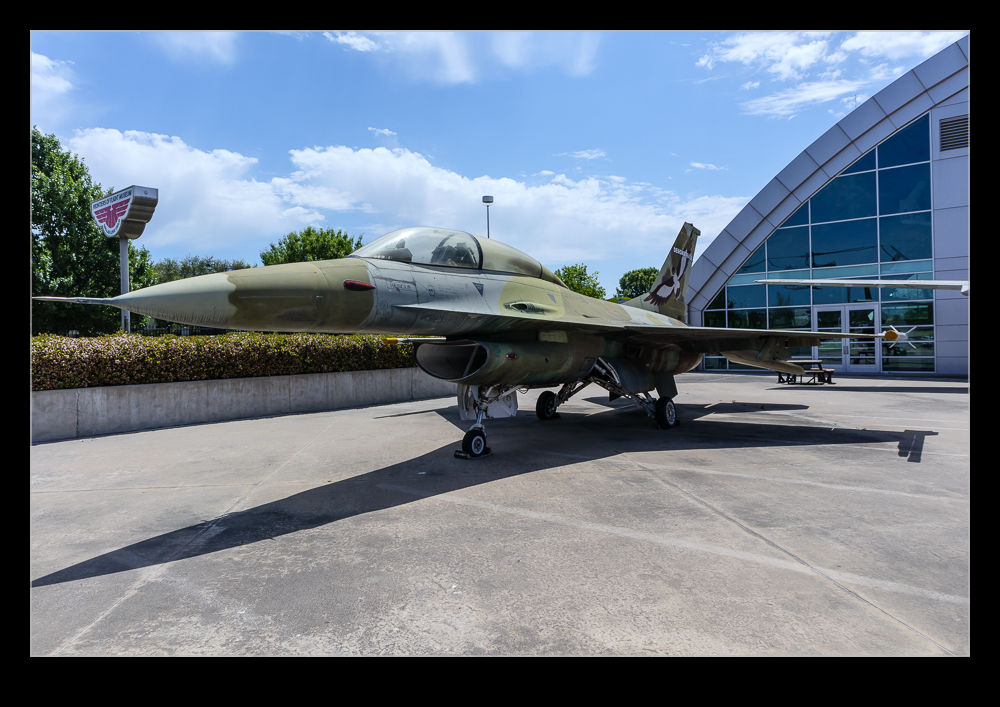
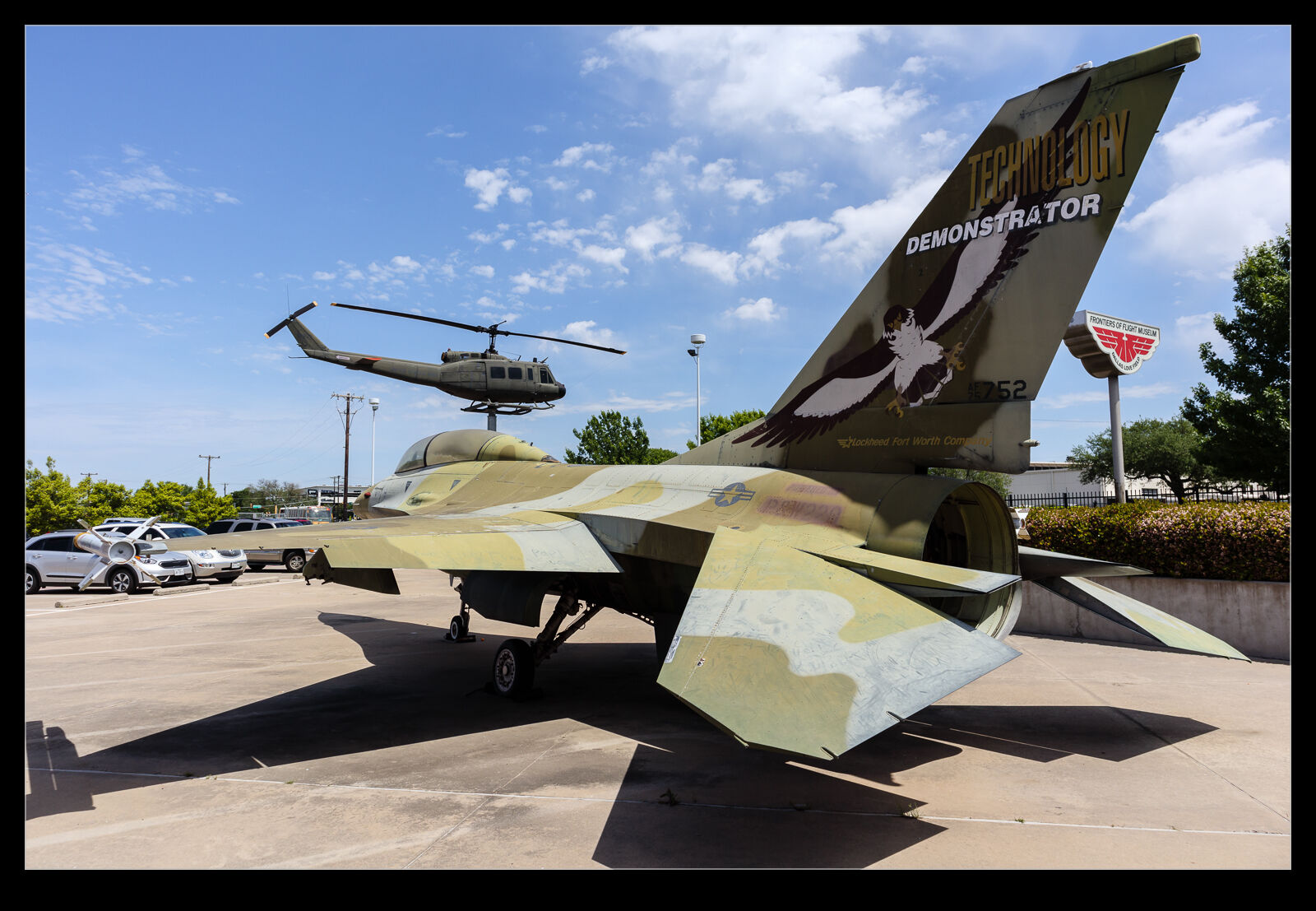
One of the Early F-16s

The early versions of jets are often repurposed throughout their life.  They serve a role for testing but they are not configured like production jets and to make them so is too expensive to be worthwhile.  Besides, they are instrumented to some extent so they can be useful for carrying out alternate tests.  As a result, they often get used for trials, research tasks or development of alternate concepts.  The early F-16s did a lot of this sort of work and ended up in some odd programs like the AFTI effort.  Sitting outside at the Frontiers of Flight museum is one of these test aircraft.  It spent its life with General Dynamics (now Lockheed Martin) at Fort Worth and, once it was done with, it found a new home at the museum.  Compared to the average F-16, this jet will have had a lot of interesting experiences!
Max7 Number Two

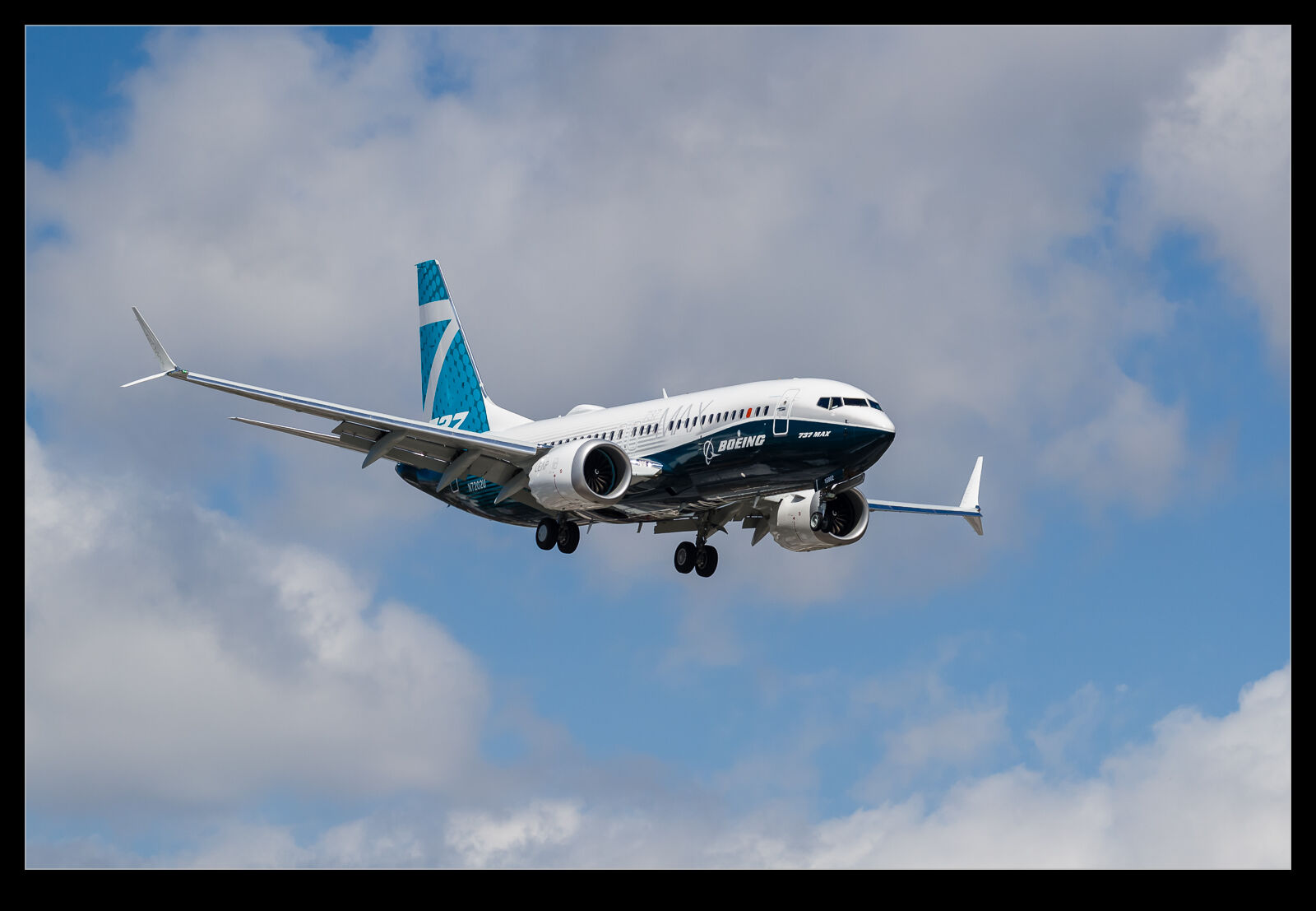
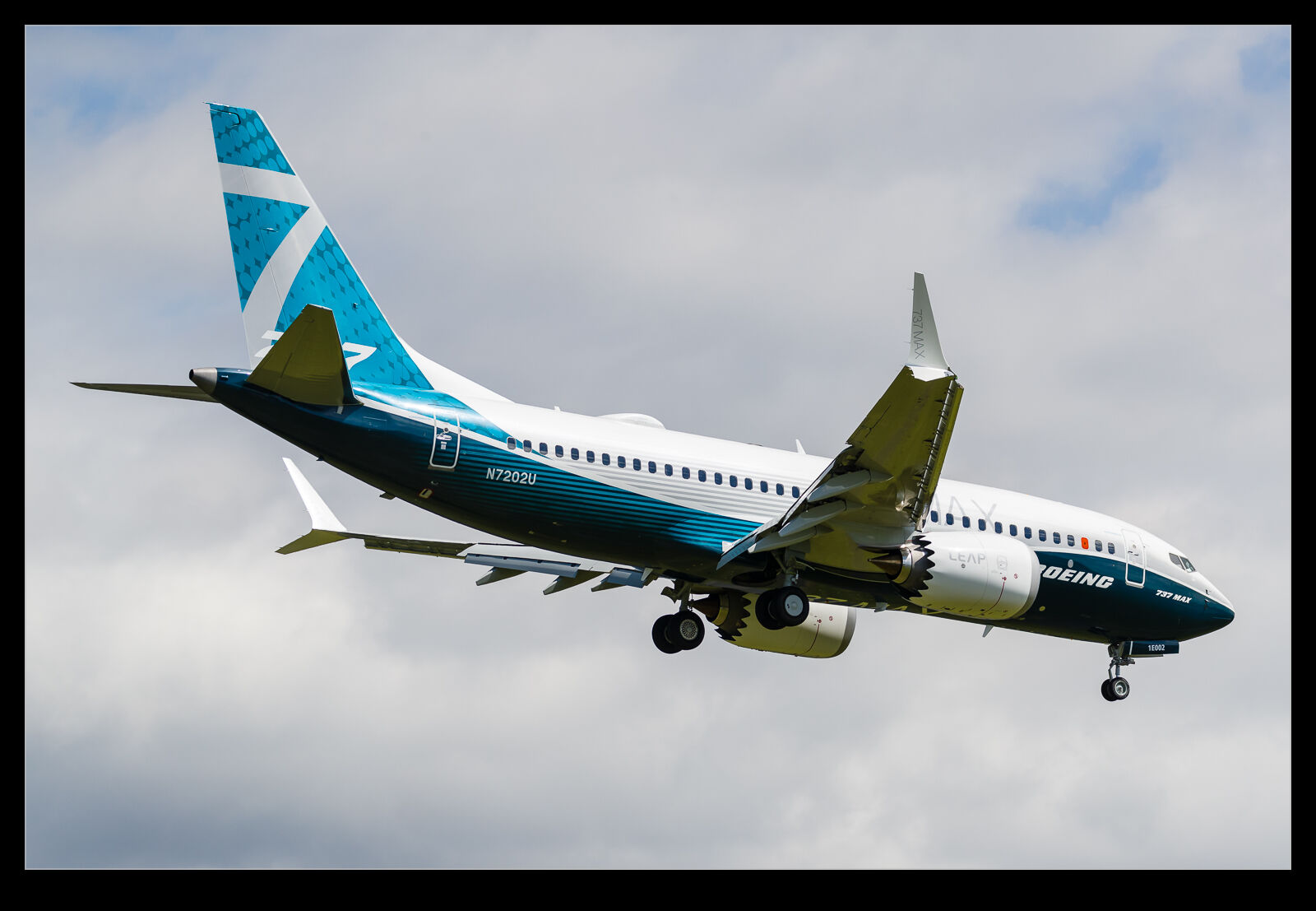
The first Max7 test aircraft got a blog posting here but I have now seen the second in action too.  I think I first saw it on the ramp at Renton but I didn’t see the registration so can’t be sure.  Now it is engaged in testing and flying regularly out of Boeing Field.  It actually departed as I pulled up, so I only got to watch it rather than get a shot.  It was a bit overcast then anyway.

Later in the day it returned and this time the light was a lot more favorable.  I have yet to be able to gauge it against a 700 series and see the increase in length but the bigger engines are pretty obvious.  Still not a huge number of orders so we shall see whether it becomes a success but, in the meantime, we shall see them testing in the area for a while.

My First Latitude – Now They are Everywhere

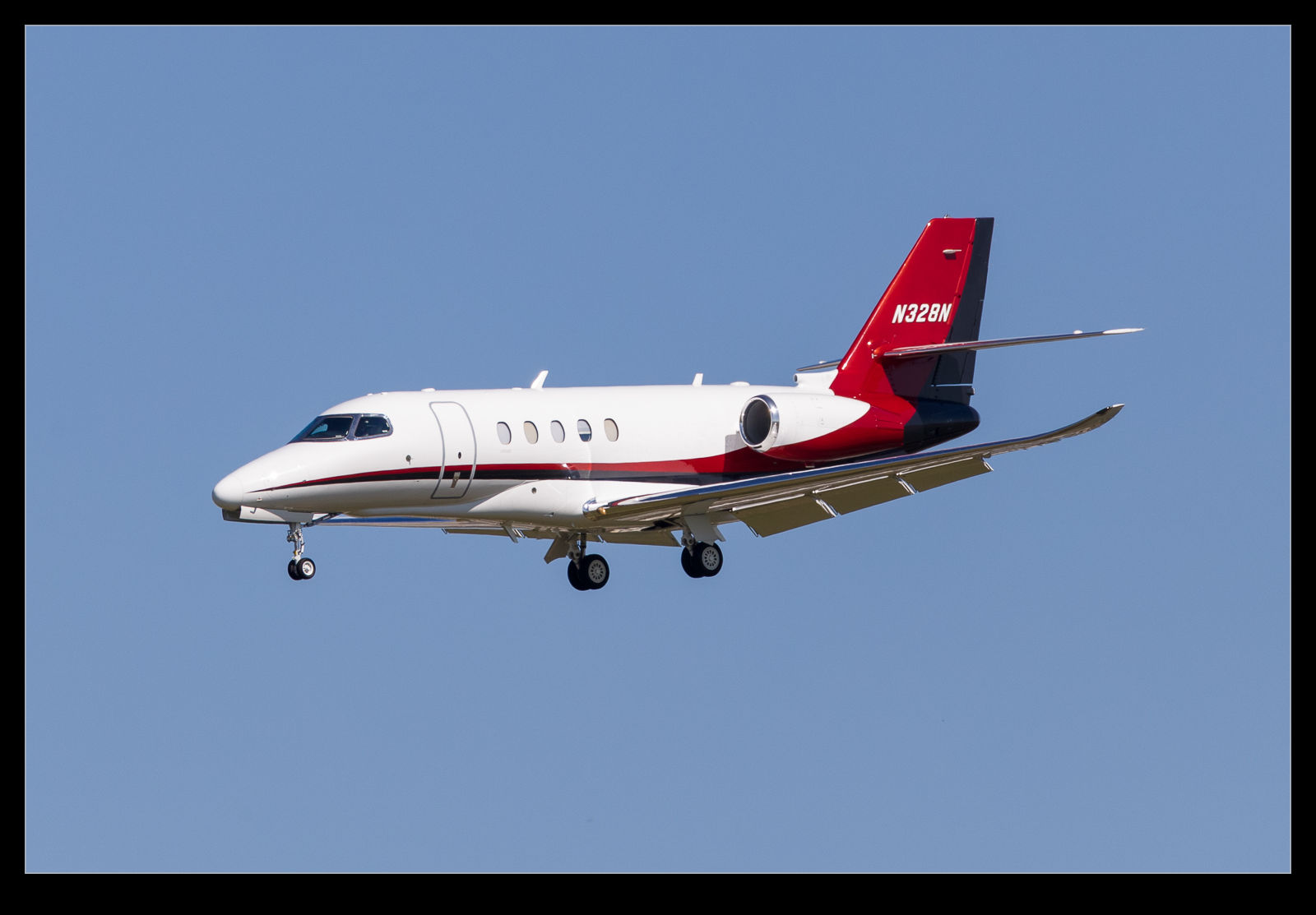
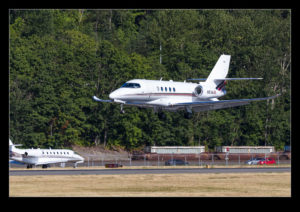
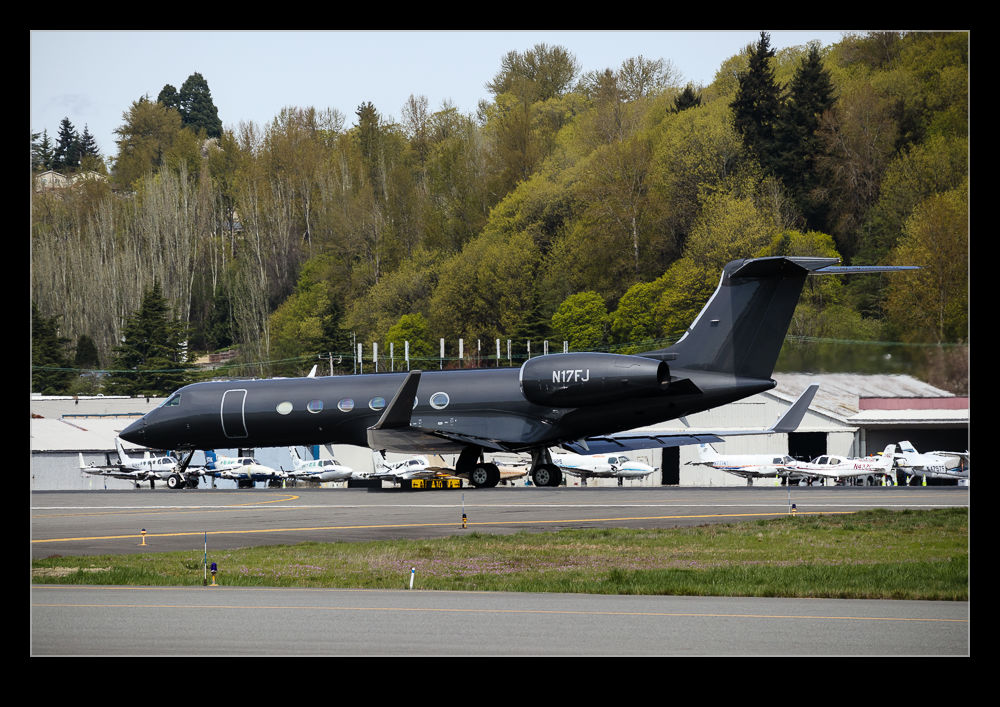
This post is a little late in coming to fruition but it is even more the case now than when I first wrote it.  The corporate jet market has been in a bit of a slump for a while but one thing that is likely to provide a boost is a new model.  Cessna launched the Latitude jet a few years ago.  An evolution of their existing line, it took parts of the Sovereign and combined them with a new fuselage.  (As an aside, I have never been a fan of the Sovereign.  The fin looks like a barn door on it.  The larger fuselage of the Latitude actually suits the fin size a lot better so things are a bit more in proportion.  Still, not many of the Cessna jets are that elegant in my mind.)

The one at the top of this post was the first Latitude I got to photograph.  I did see a test jet take off from Wichita Mid Continent when I was there visiting friends but I didn’t have a camera.  They are easy to identify with the gently upcurved wingtips.  Having seen this one, I have since come across a bunch of them.  It appears that the arrival of the new type attracted a bunch of customers and Cessna was ready to build to meet that demand.  Now I don’t consider them particularly noteworthy.

Skyray – Or Is It?!

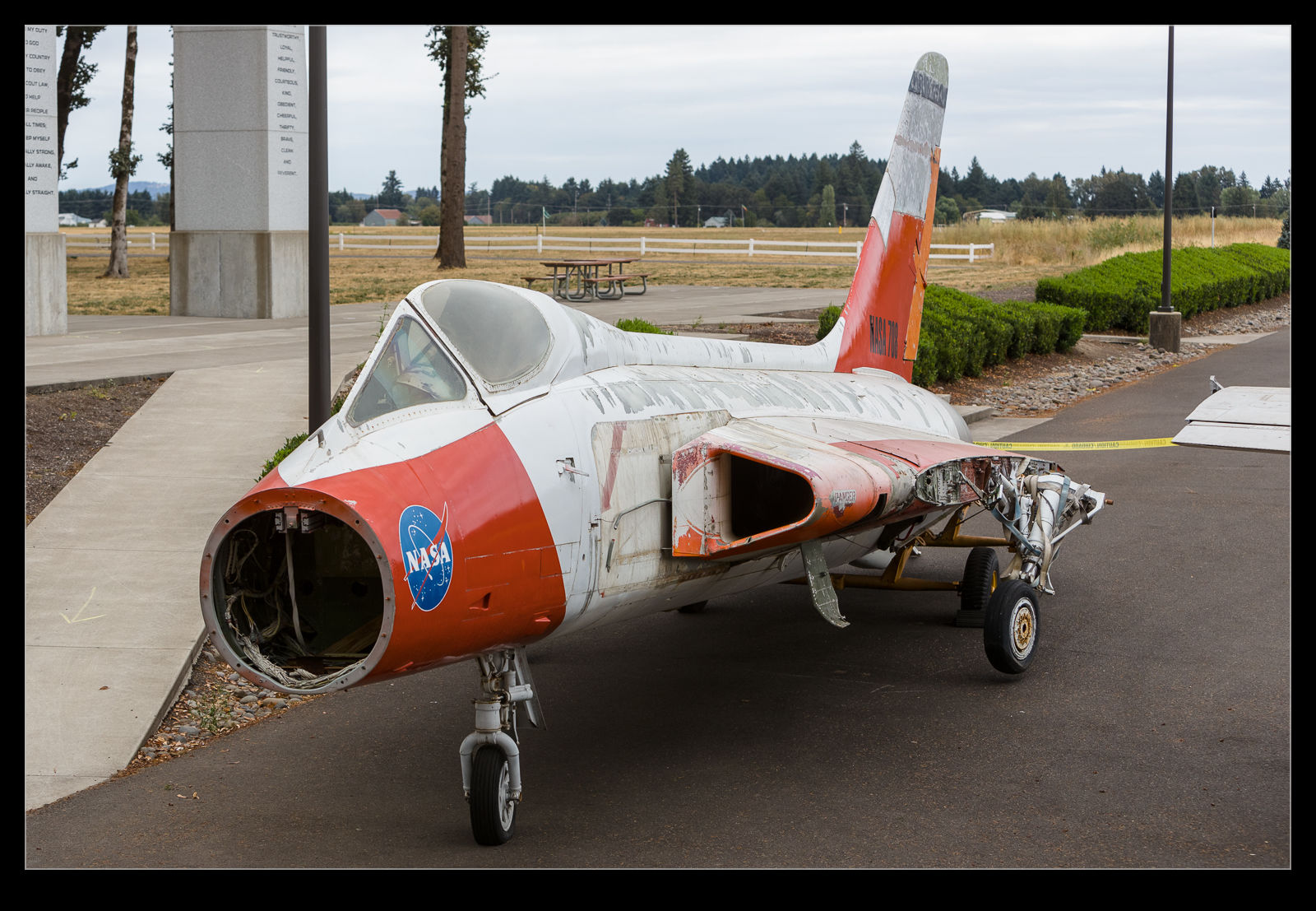
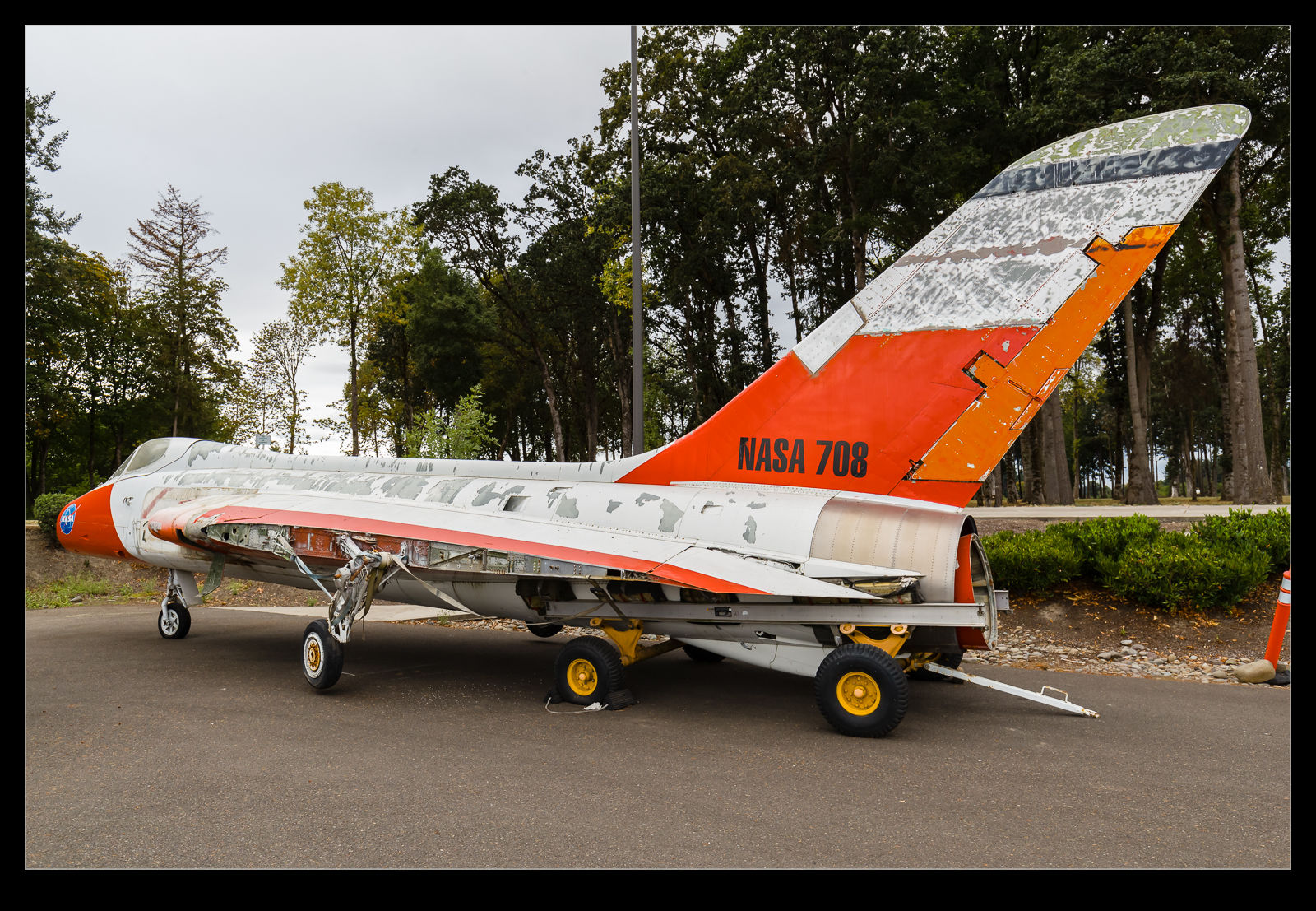
The A-4 Skyhawk had a long and illustrious career in many air forces around the world.  It has a close cousin that didn’t fair so well.  The Skyray shared a few design cues with the Skyhawk but it was designed as a fighter rather than an attack aircraft (although the Skyhawk spent a lot of time as an adversary fighter over the years).  I find the Skyray a more attractive aircraft than the Skyhawk (not that I have anything against the Skyhawk) but that might be more about the rarity value.

I thought I had come across one parked in the parking lot of the Evergreen Aerospace Museum in McMinnville Oregon.  I was surprised to find it there at all and more so to see it sitting outside.  I am not sure what the future is for the jet – obviously some parts are removed for the time being – but I hope it will make it in to restoration.  It certainly is worthy of a good home.  That is even more true because it is not a Skyray.  It is actually a Skylancer.  This was a development of the Skyray that got so modified that it became a new type.  It never got to production and this example was used by NASA before retirement.  In this location, it is possible to get up on the earth bank behind it to get an angle that might be trickier if it ends up inside the museum.

Concorde

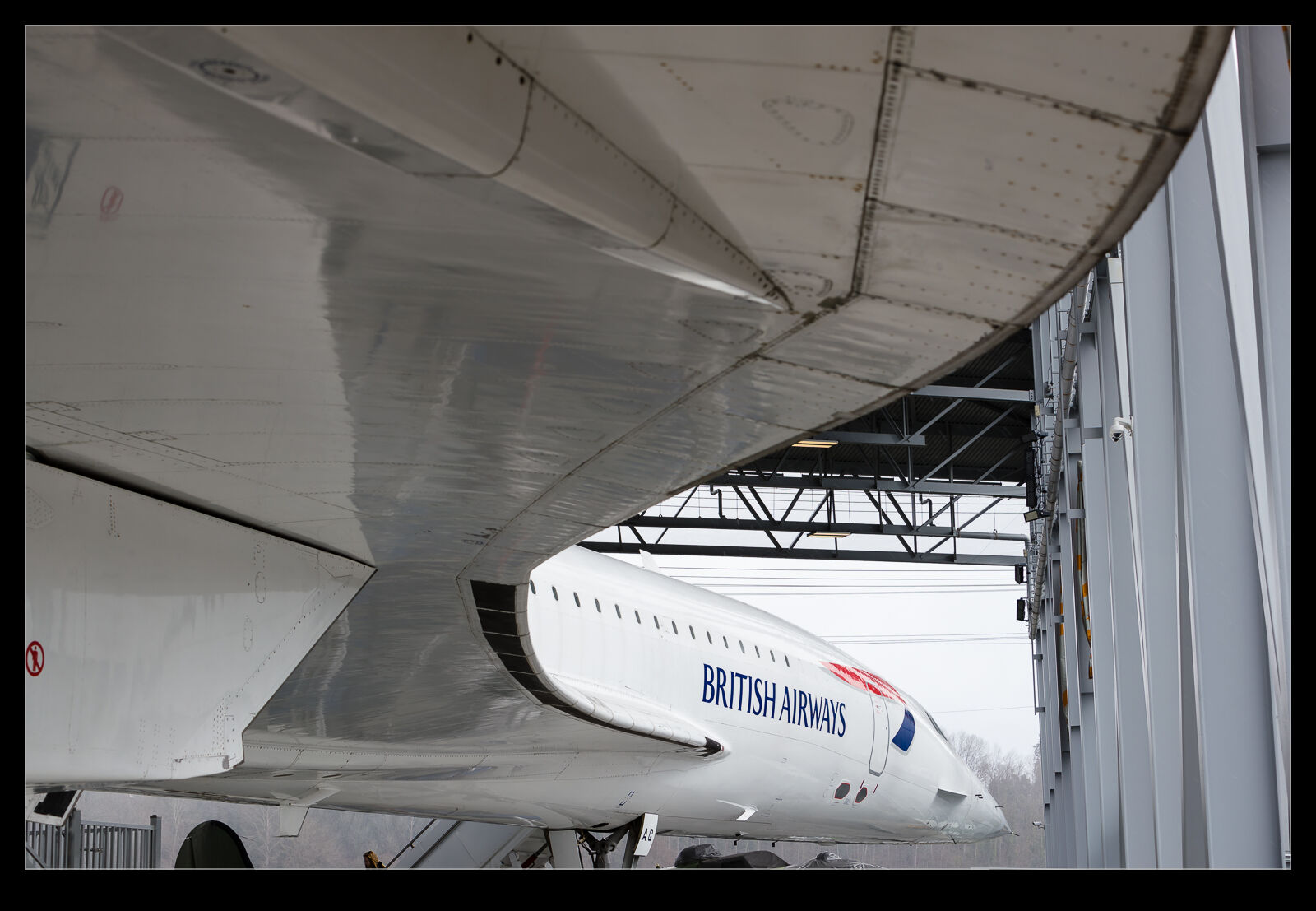
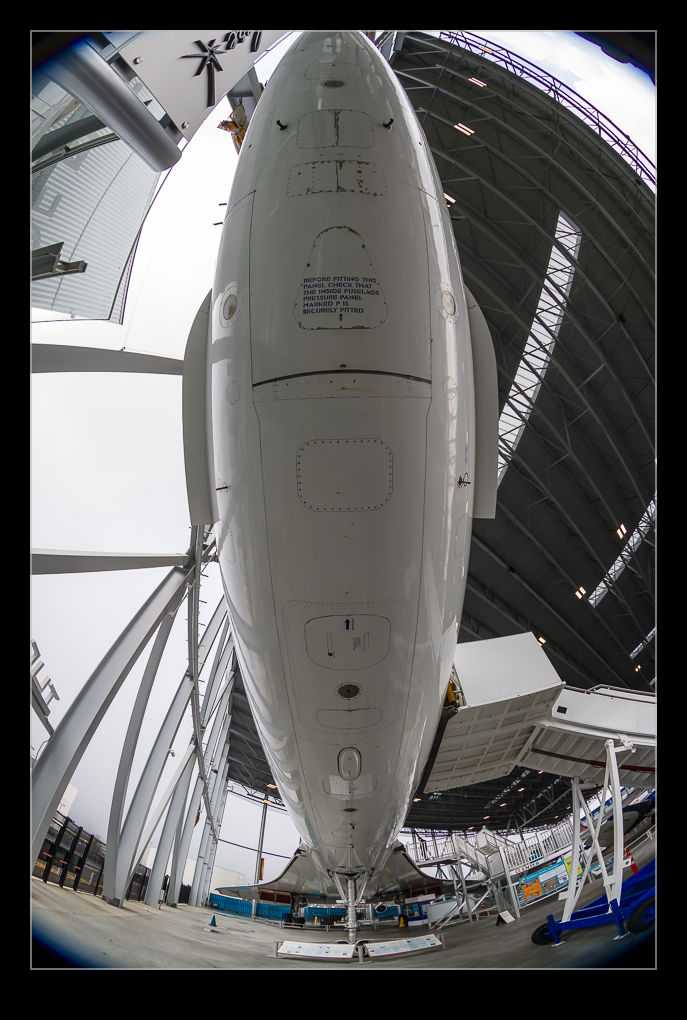
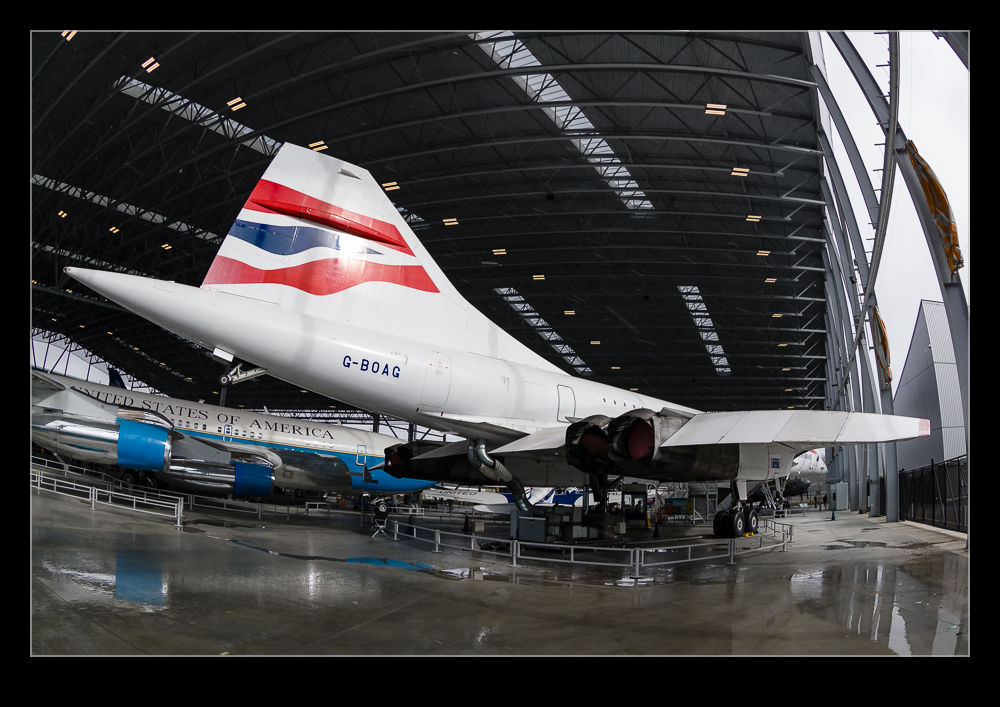
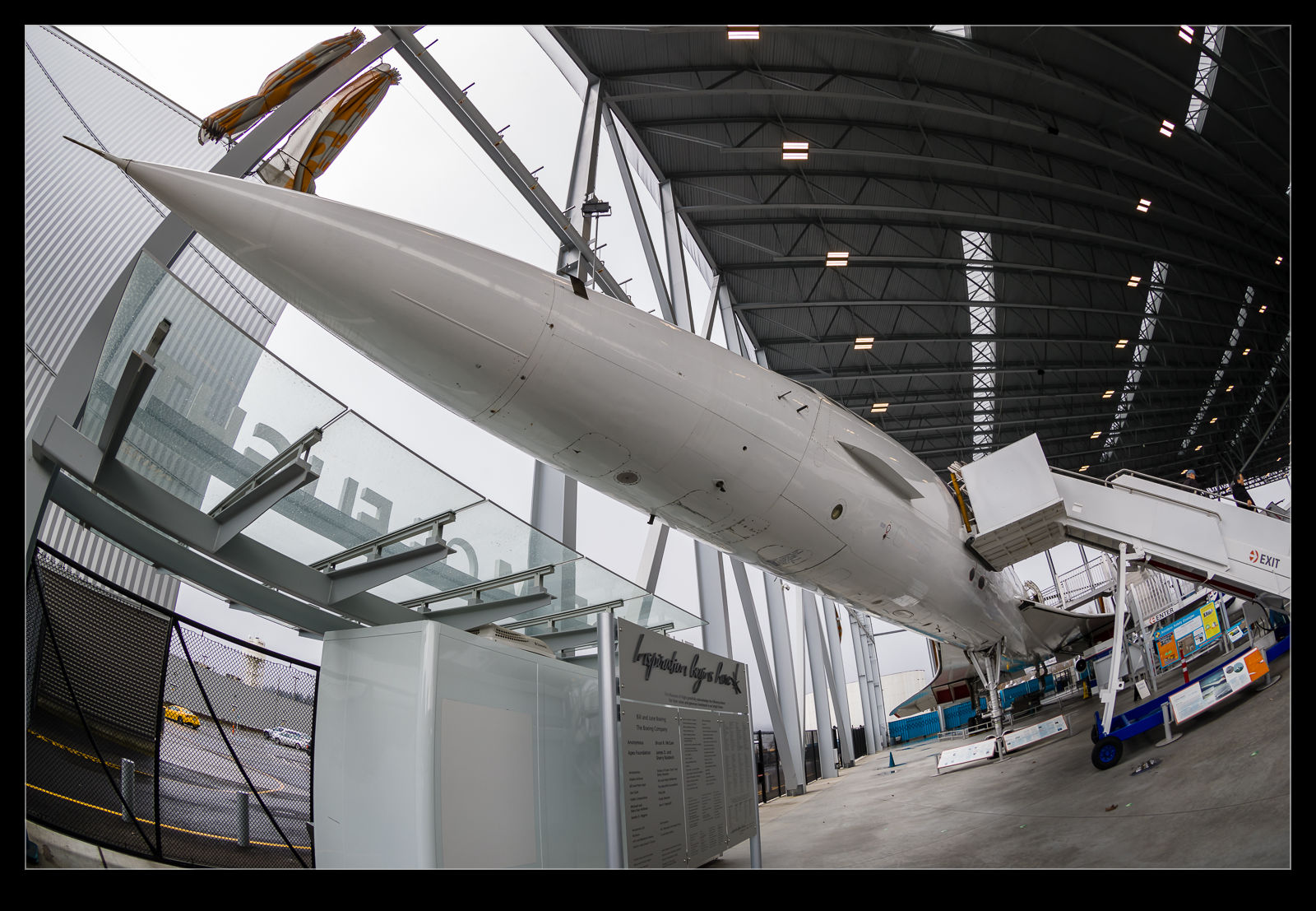
Few would argue that Concorde is an elegant aircraft design.  It may have had commercial limitations, but it never failed to be a head turner.  Getting good shots of it when it was flying was not too difficult.  One the ground it can still be a good subject but having it confined in a tight space does make things a little more tricky.  The Museum of Flight’s example is in their covered annex across the street from the main museum.  The annex has a great selection of aircraft but they are right up against each other.

I decided, after getting some shots on an initial visit, that I would try something a bit different and took a fisheye the next time I went.  Concorde already has some interesting curves and a fisheye can either help of ruin them so some careful framing was required.  I combined that with a 70-200 to crop in close and avoid the surrounding clutter.  It was a fun experiment to see what you could achieve in a constrained environment.

Etihad 777-200LR in its Last Days

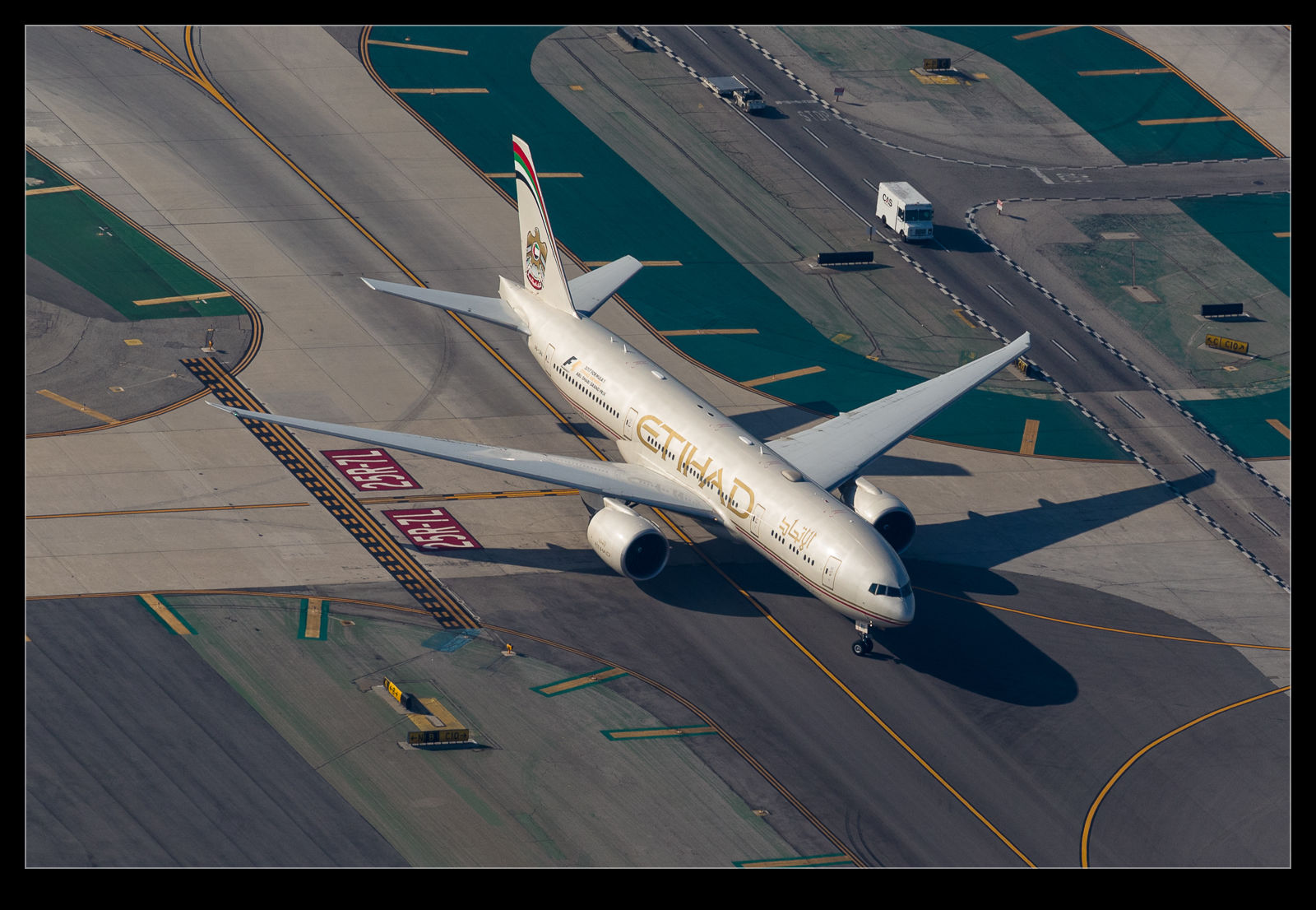
When Boeing developed its updates to the base versions of the 777, it came up with the higher capacity long range 300ER and a lower capacity but ultra long range version, the 200LR.  The 300ER sold very well but the 200LR was more of a niche product and, while it sold, it never went in the same numbers as its larger sibling.  Etihad was one of the customers but they have now decided they have no further use for the type and it is being retired.  I was glad to catch one at LAX in the days running up to their retirement.

Eyebrow Windows Still Exist?

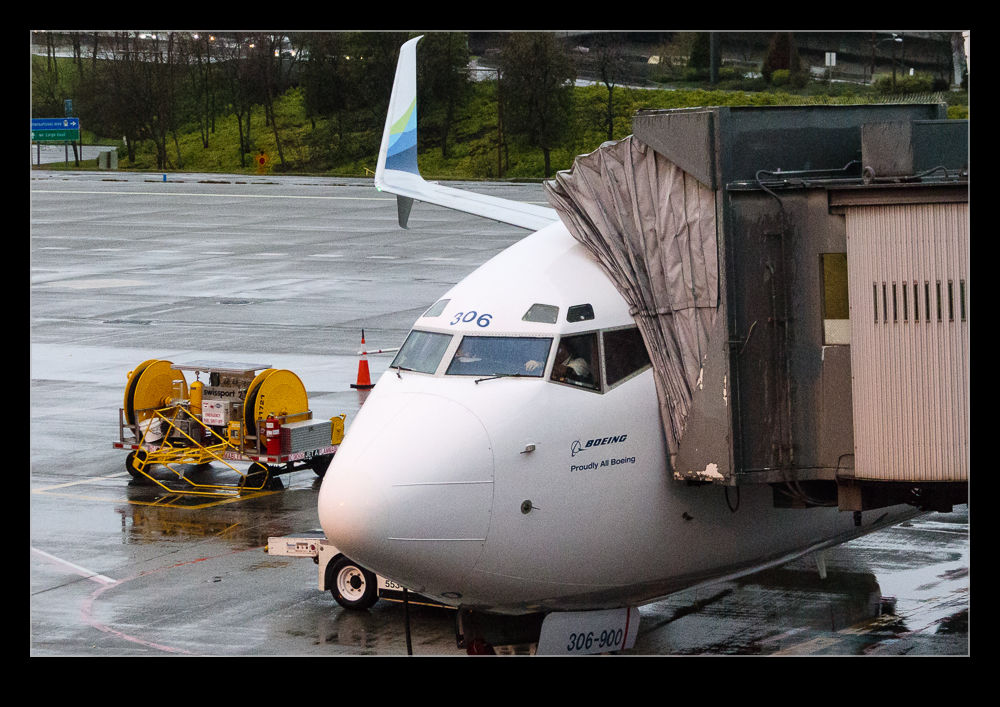
The 737 fuselage is closely tied to the previous generations of Boeing jets like the 707 and 727.  It inherited the eyebrow windows above the main cockpit windows.  These days, the controlled airspace has made the need for these while maneuvering a lot less.  Current jets are built without them and many airlines have reduced maintenance costs by plugging them.  I had assumed that they had gone away for most operators.  Apparently not for Alaska!  Walking through the terminal, I saw one jet with the eyebrows and was surprised.  However, then I saw a bunch more so clearly this is still something Alaska see as valuable.

Japanese Government Comes to Town

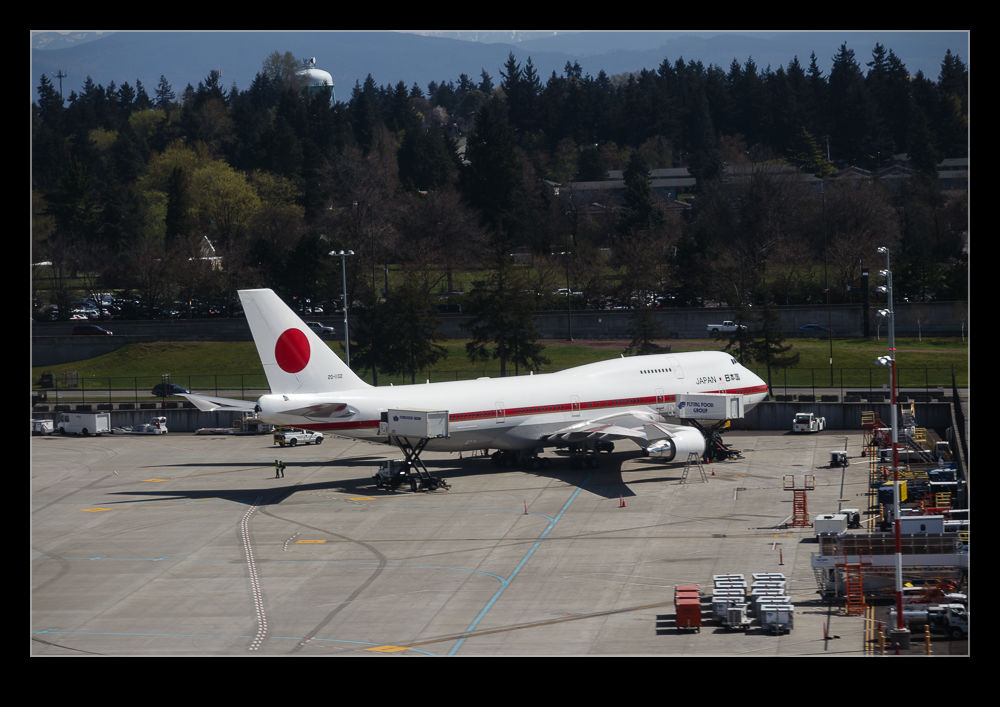
I was sitting at the gate waiting to board a flight when the sound of a heavy jet reversing thrust outside caught my attention.  It was a Japanese 747-400.  JAL retired their 747s a few years ago and that made an appearance on the blog here.  That meant this was a Japanese Government 747.  I was really annoyed to have only seen it at the last minute.  However, I was on the right side of the plane on takeoff to try and get a look.  I did get a shot but looking through the camera made me lose the wider view.  The Japanese 747s tend to travel as a pair.  Sure enough, a second jet was parked up and I didn’t spot it was there until too late.

Aer Lingus 757 at Newark

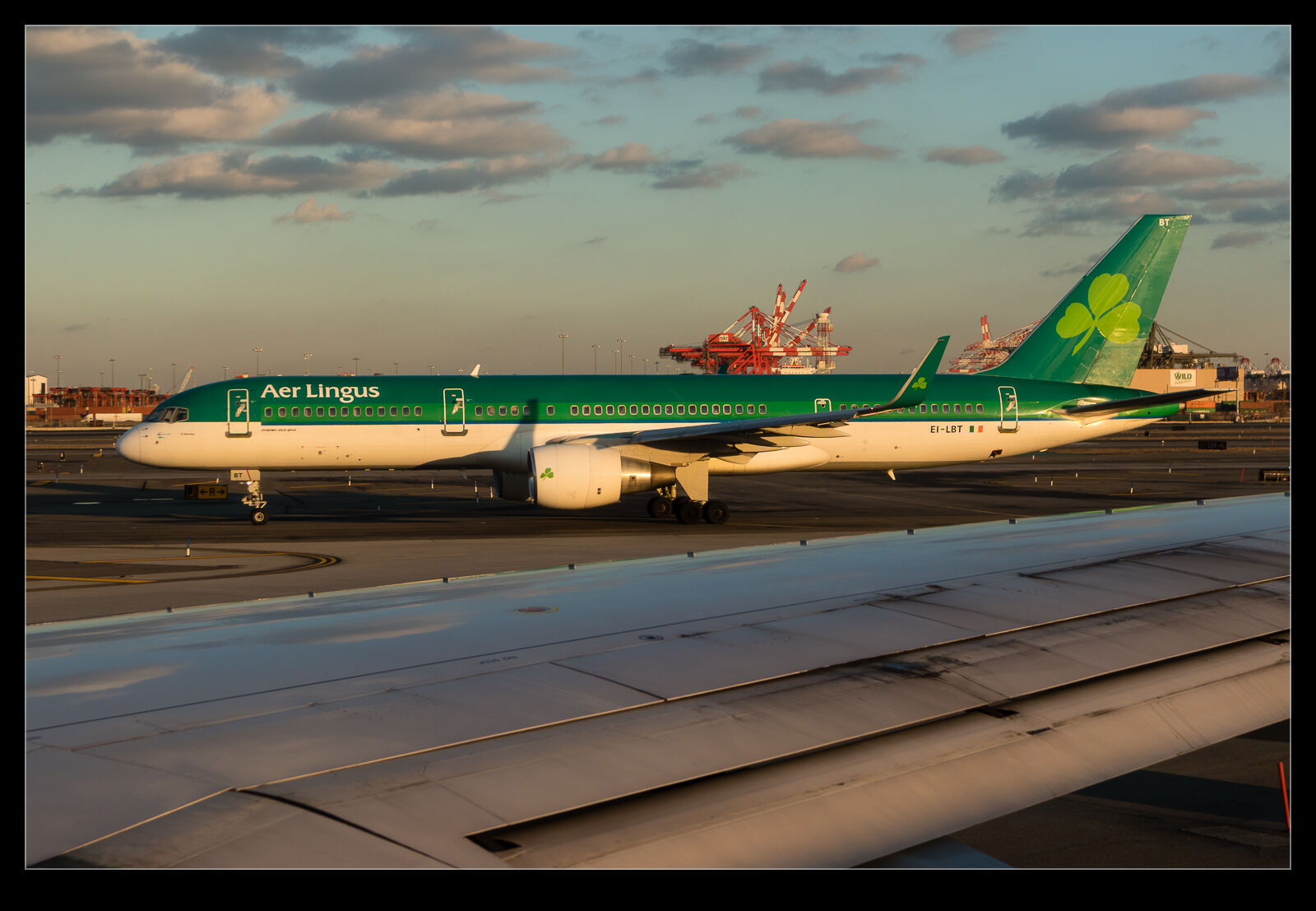
In the UK, I have seen plenty of Aer Lingus A320 family jets.  In the Midwest and on the west coast I have seen their A330s a lot too.  One type of theirs that I have not seen before is the 757.  These seem to be used for the shorter transatlantic runs.  While taxiing out at Newark for a flight back to Seattle, a Shamrock 757 taxied out too and departed ahead of us.  I have to admit I was quite surprised.  I guess I knew they had 757s but this was the first one I had seen.