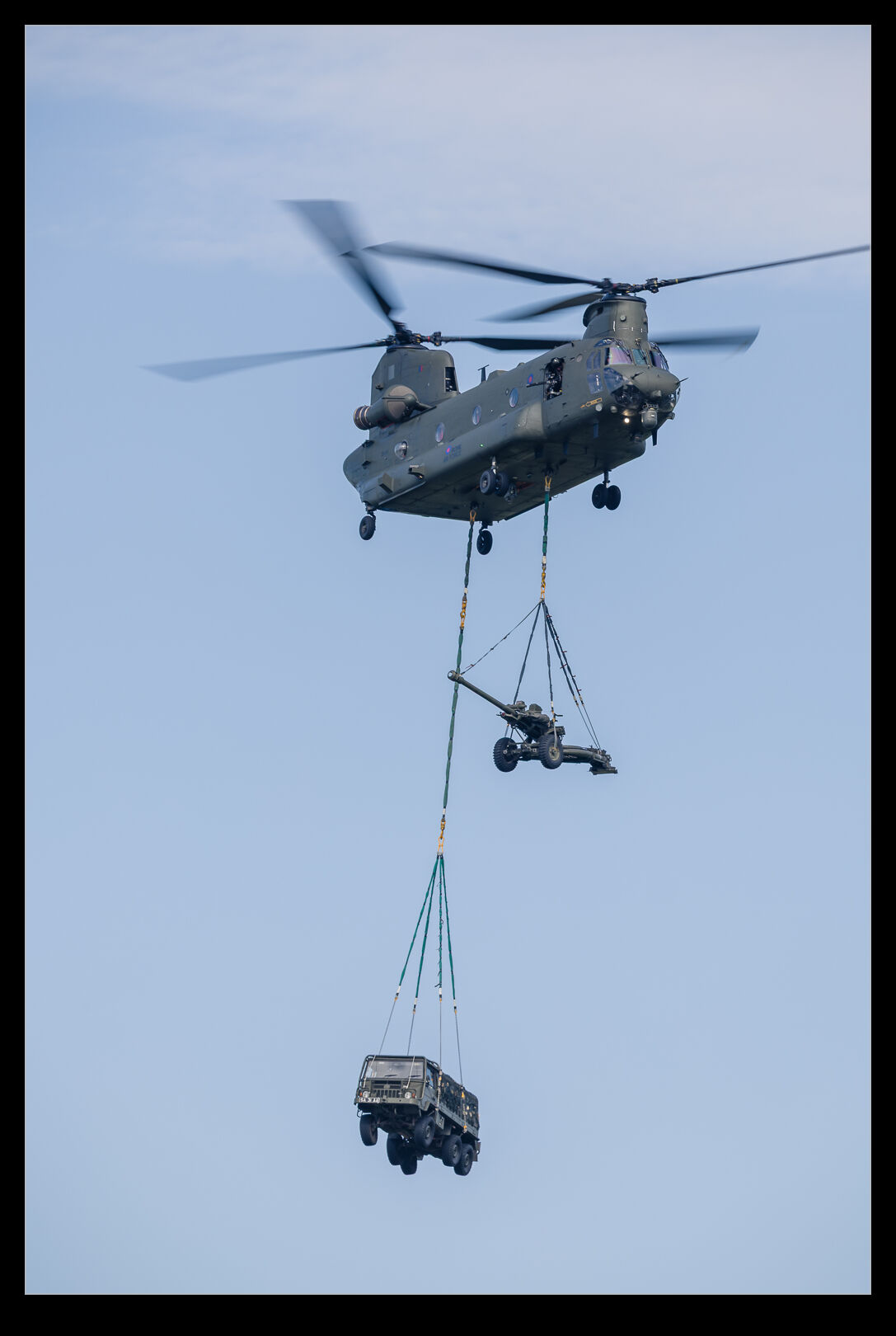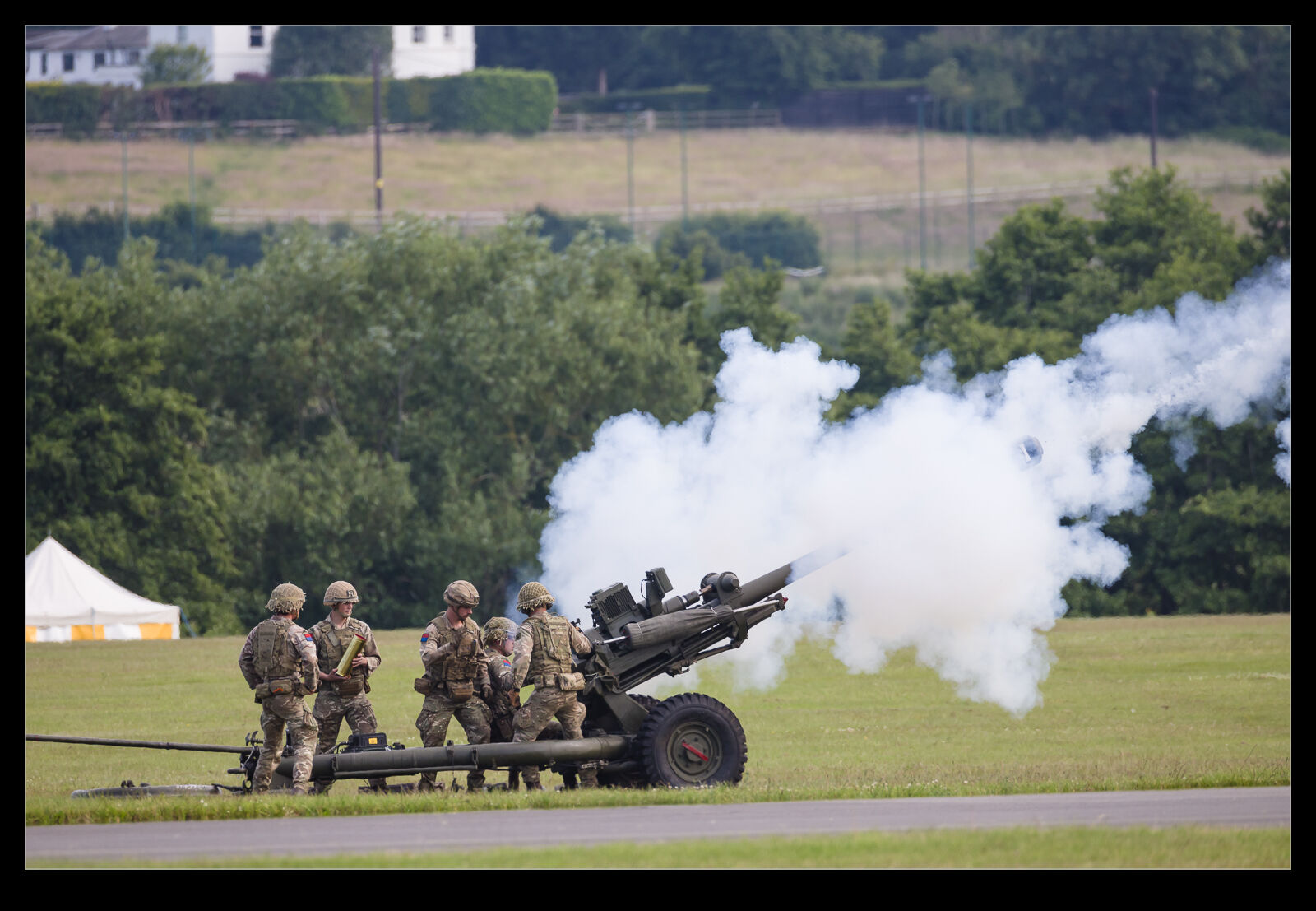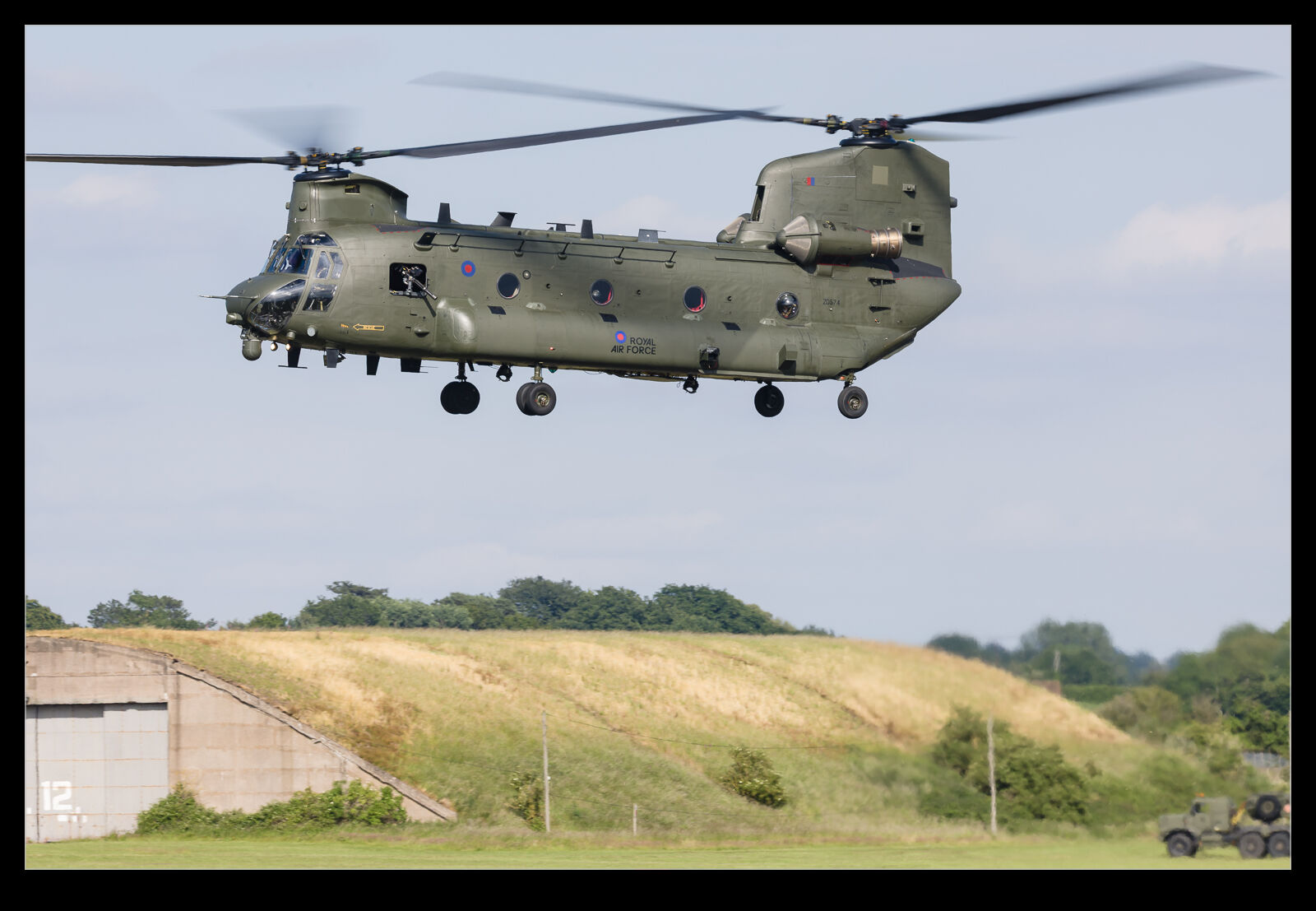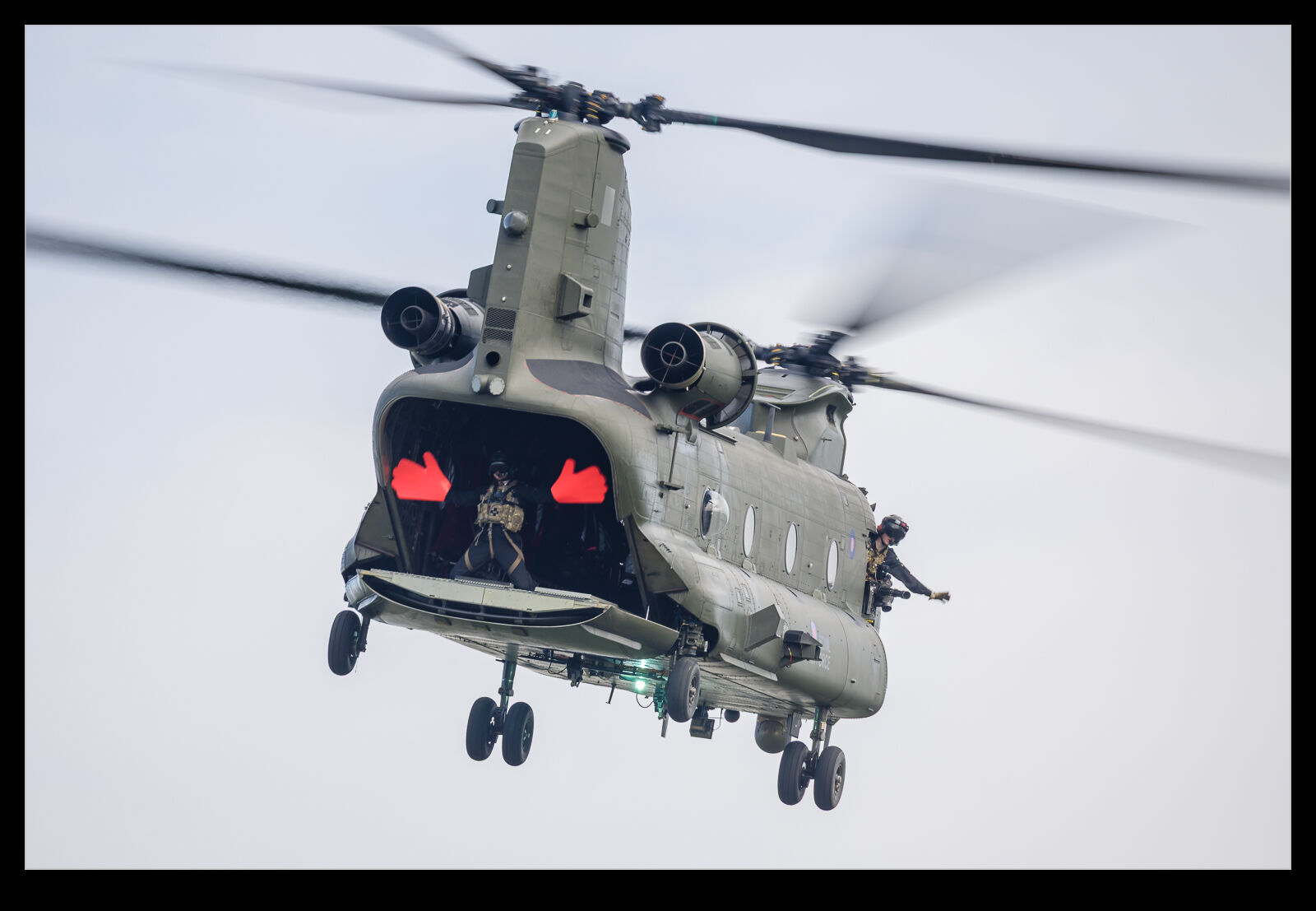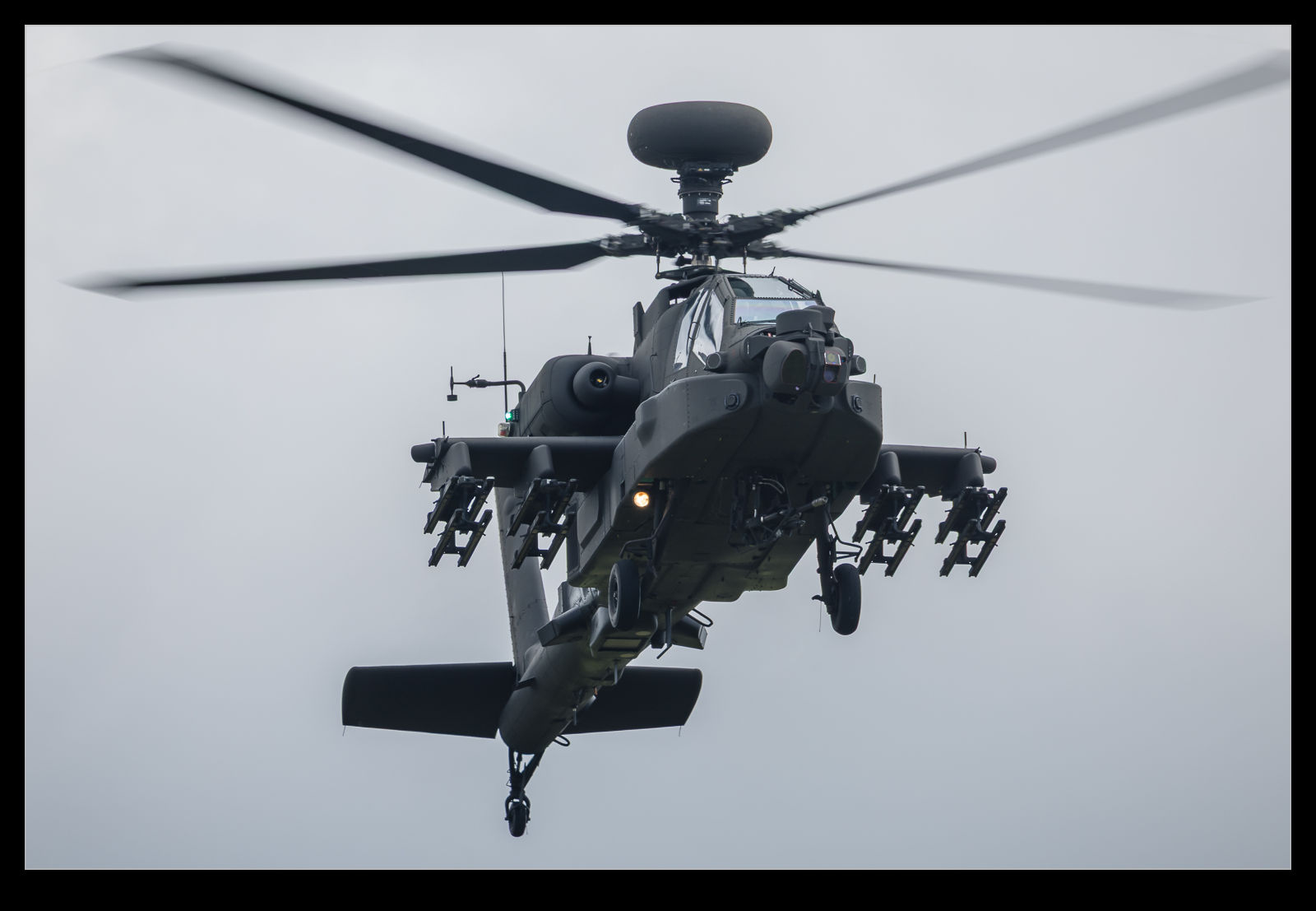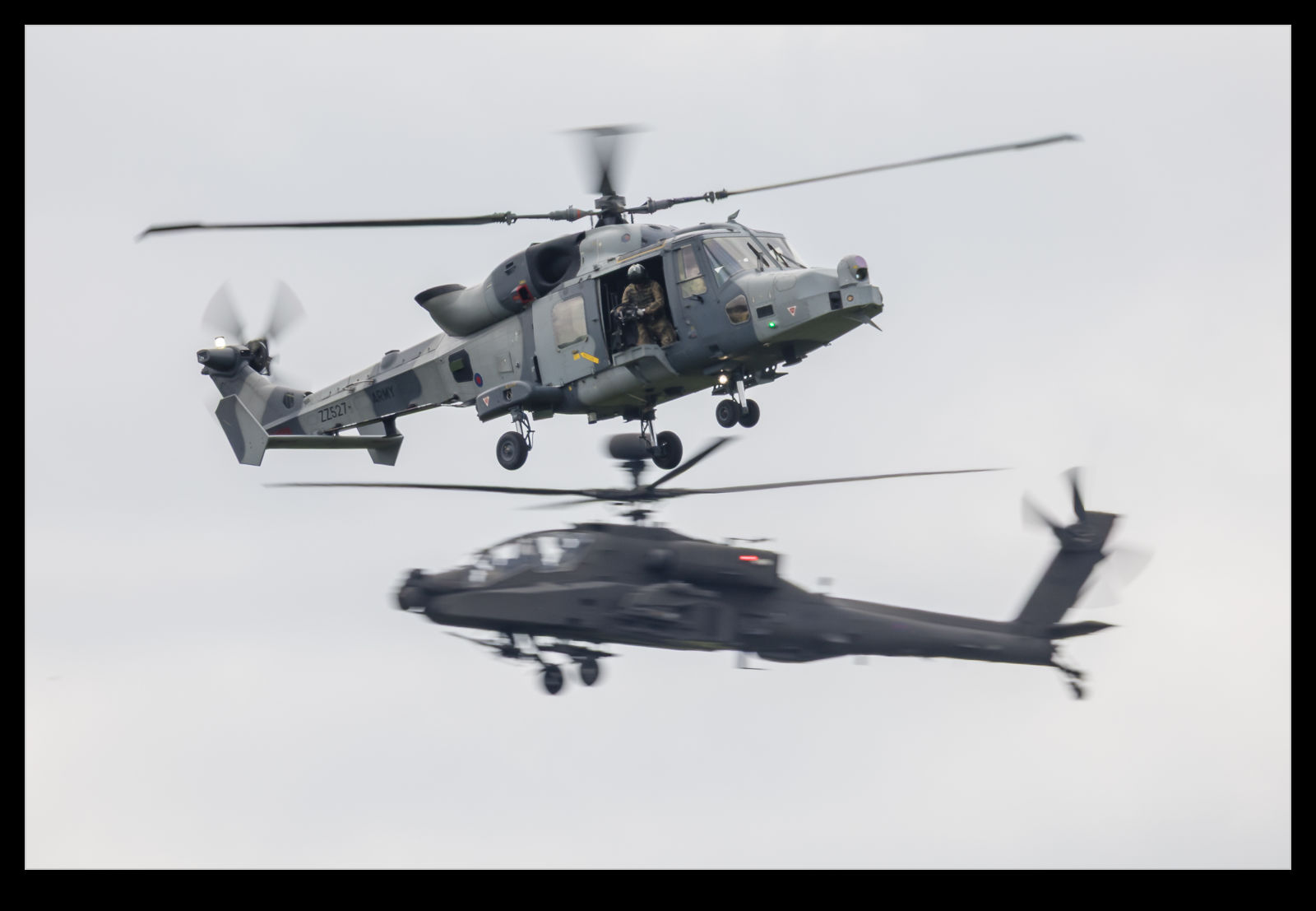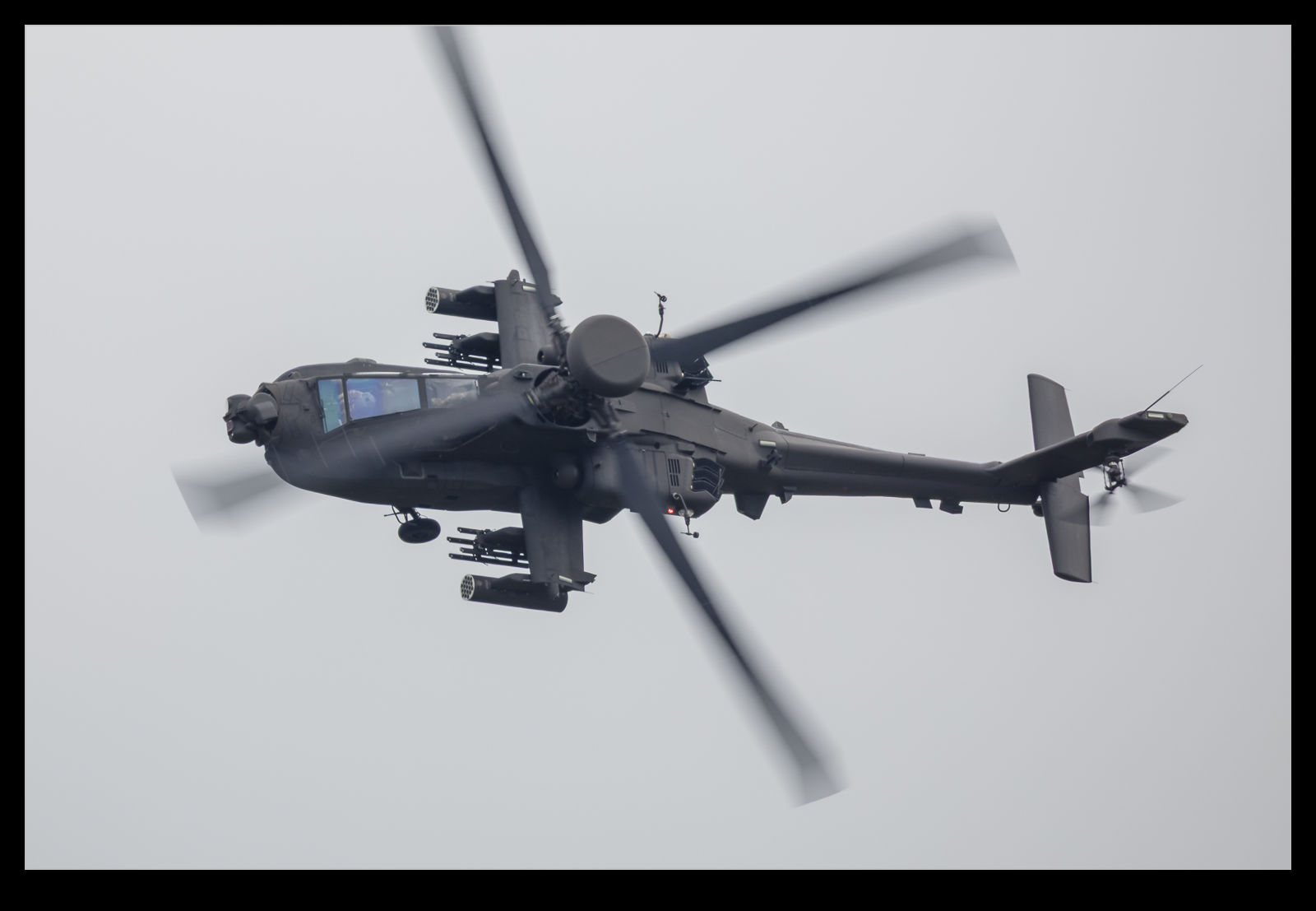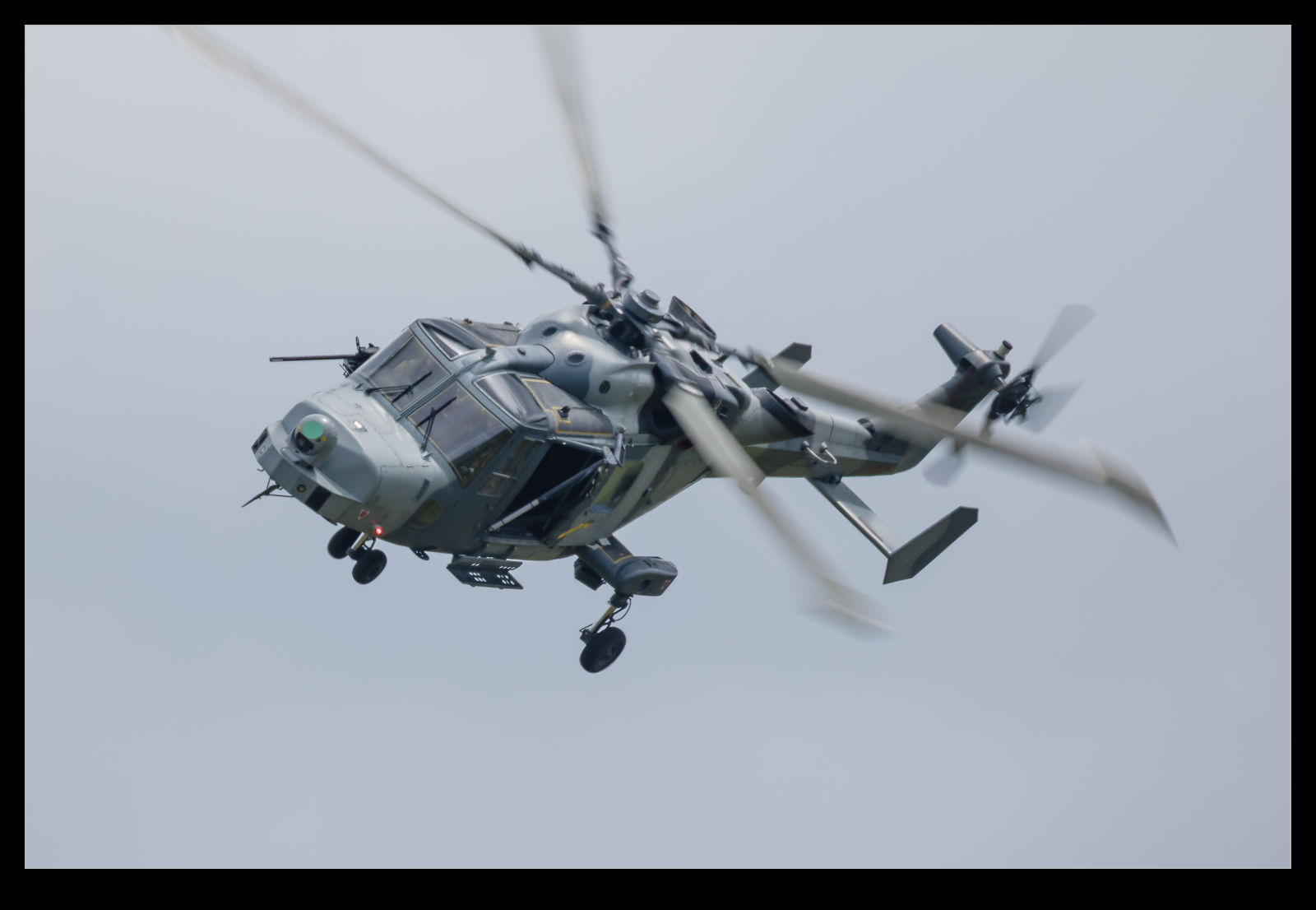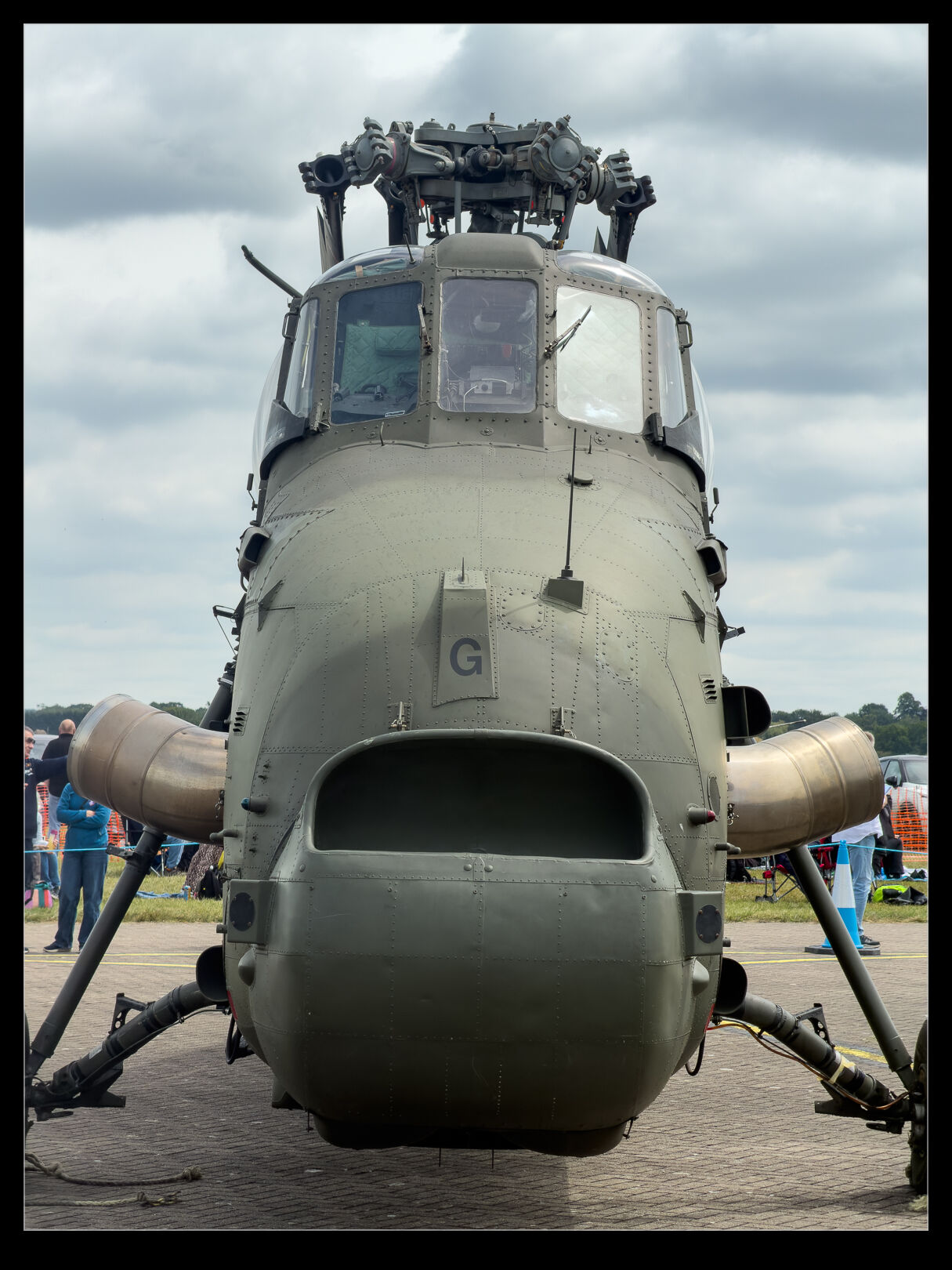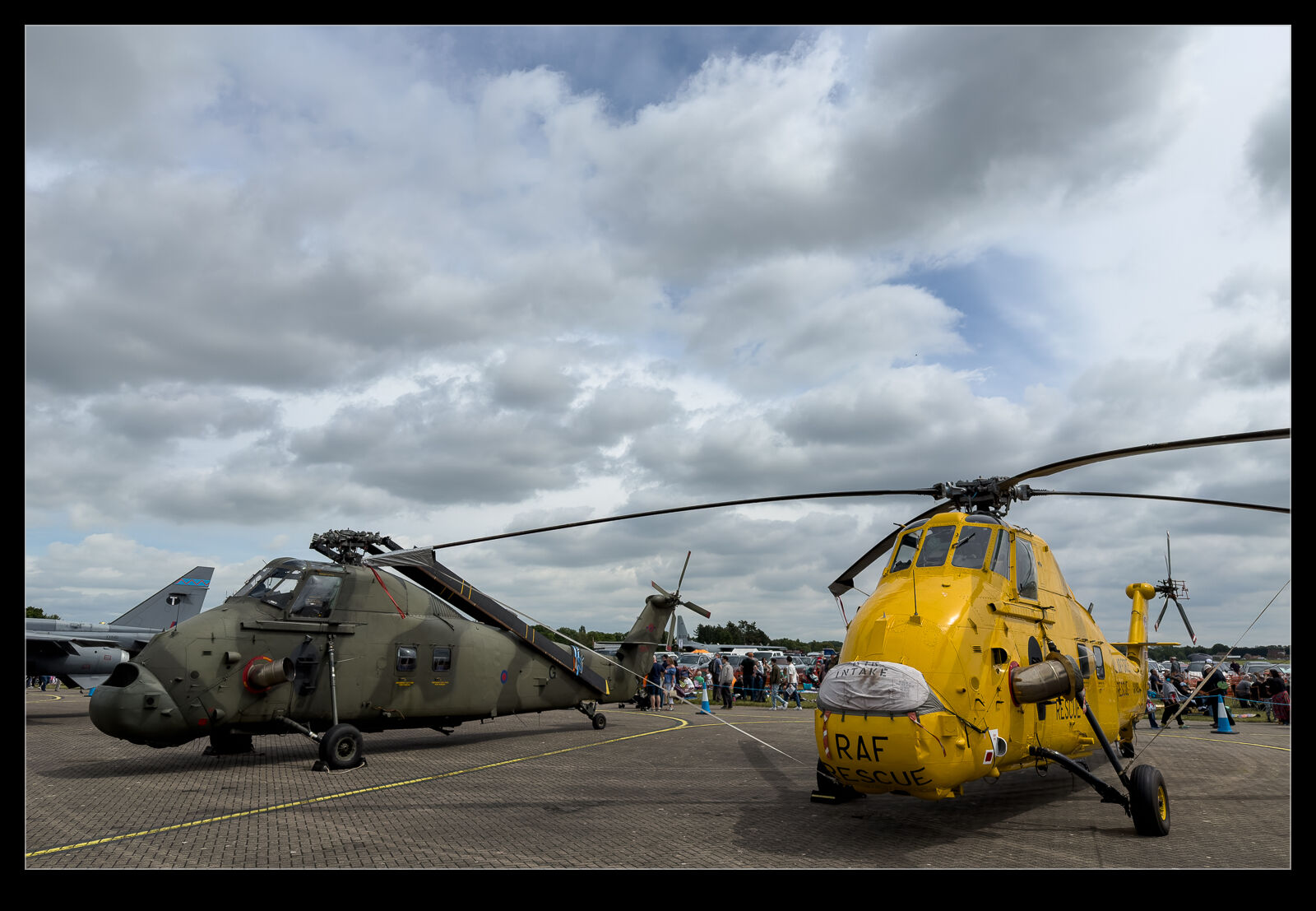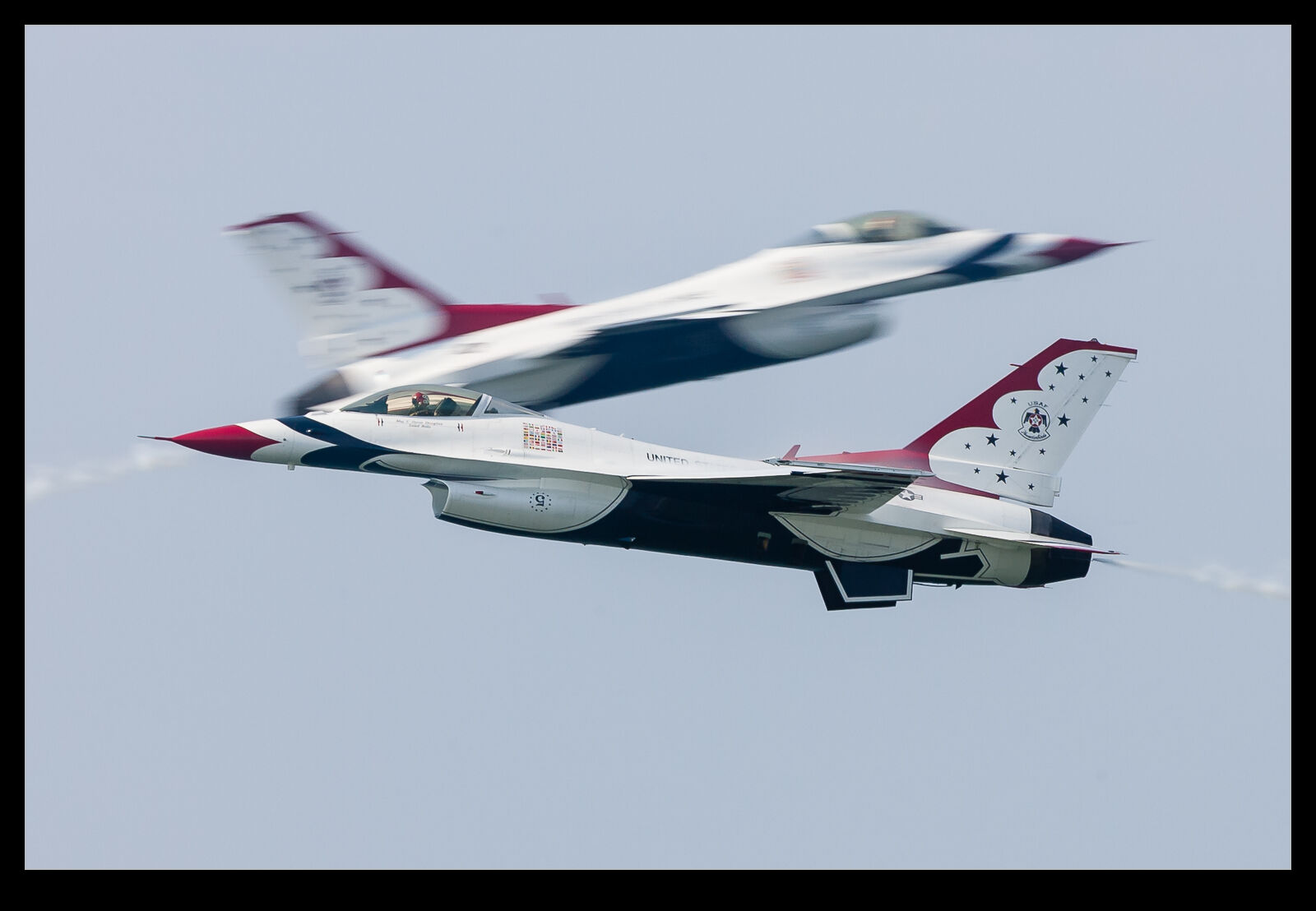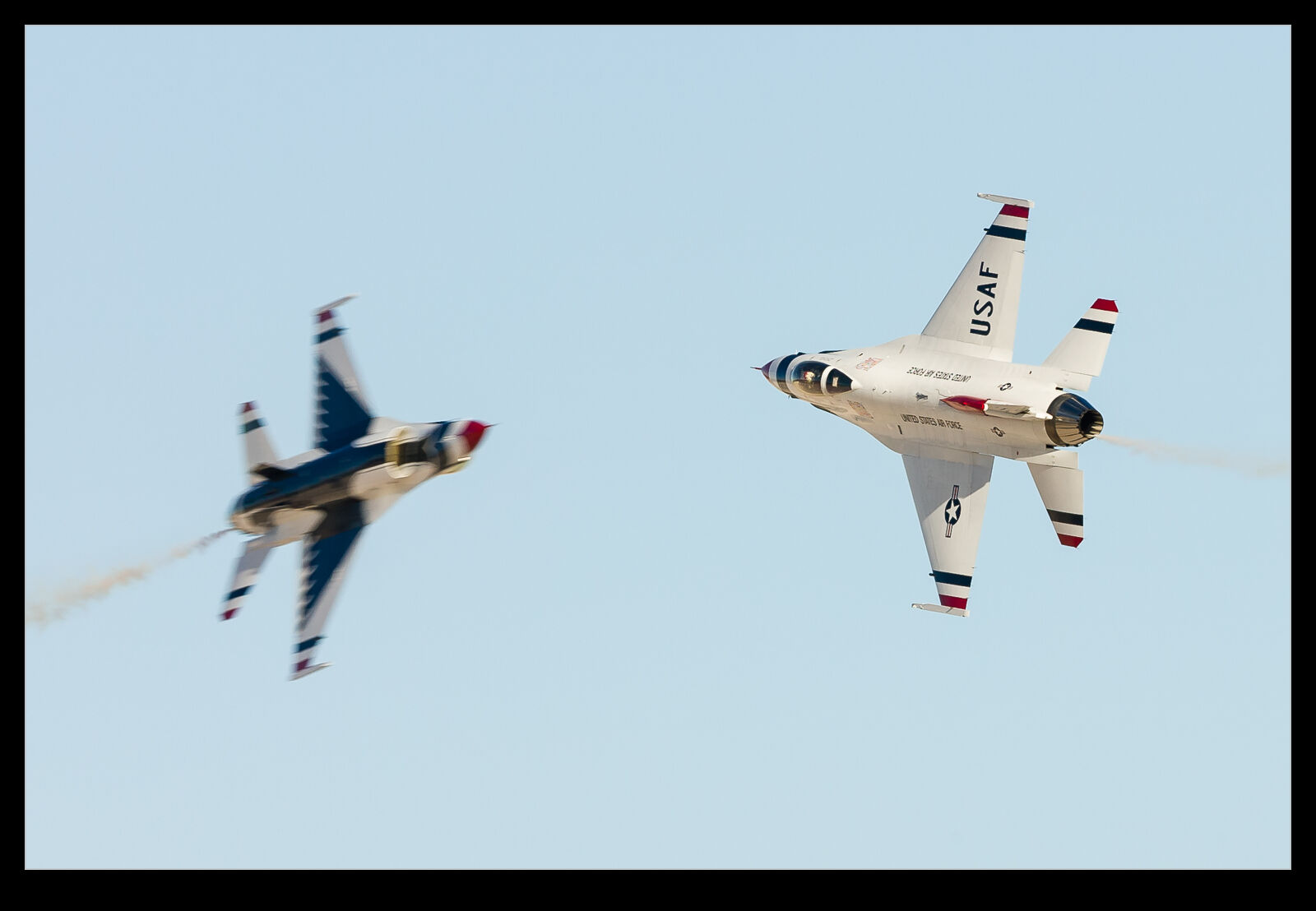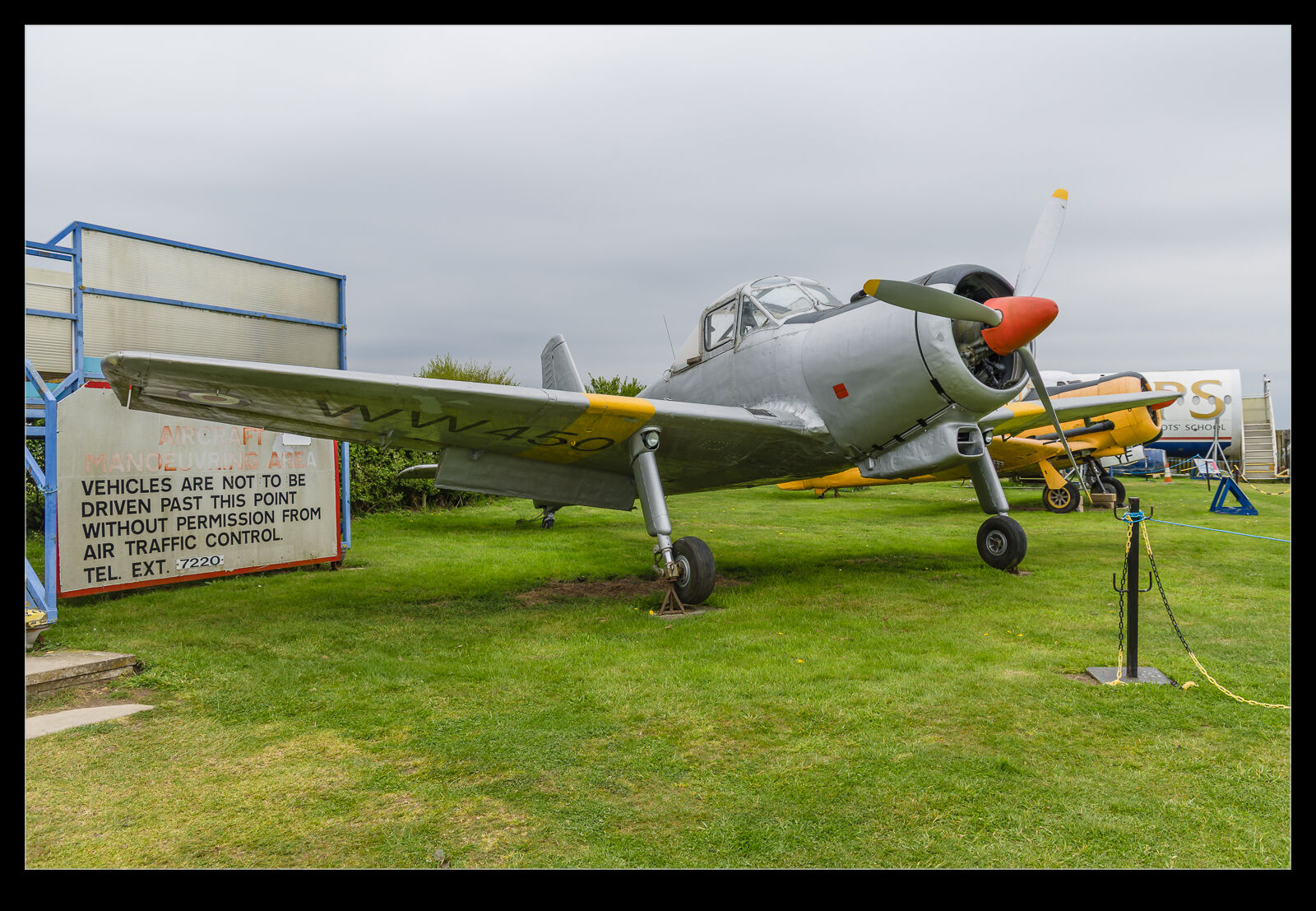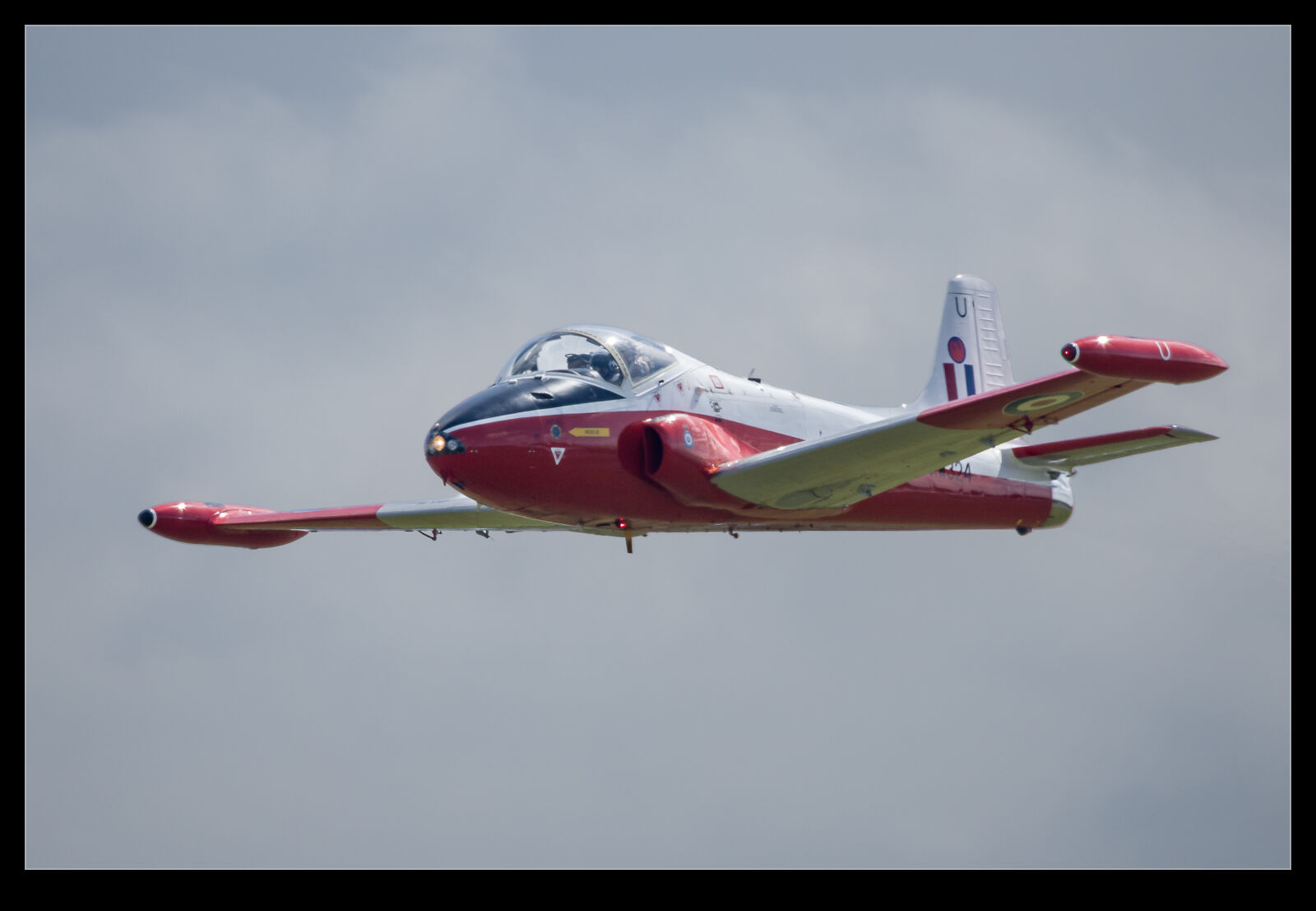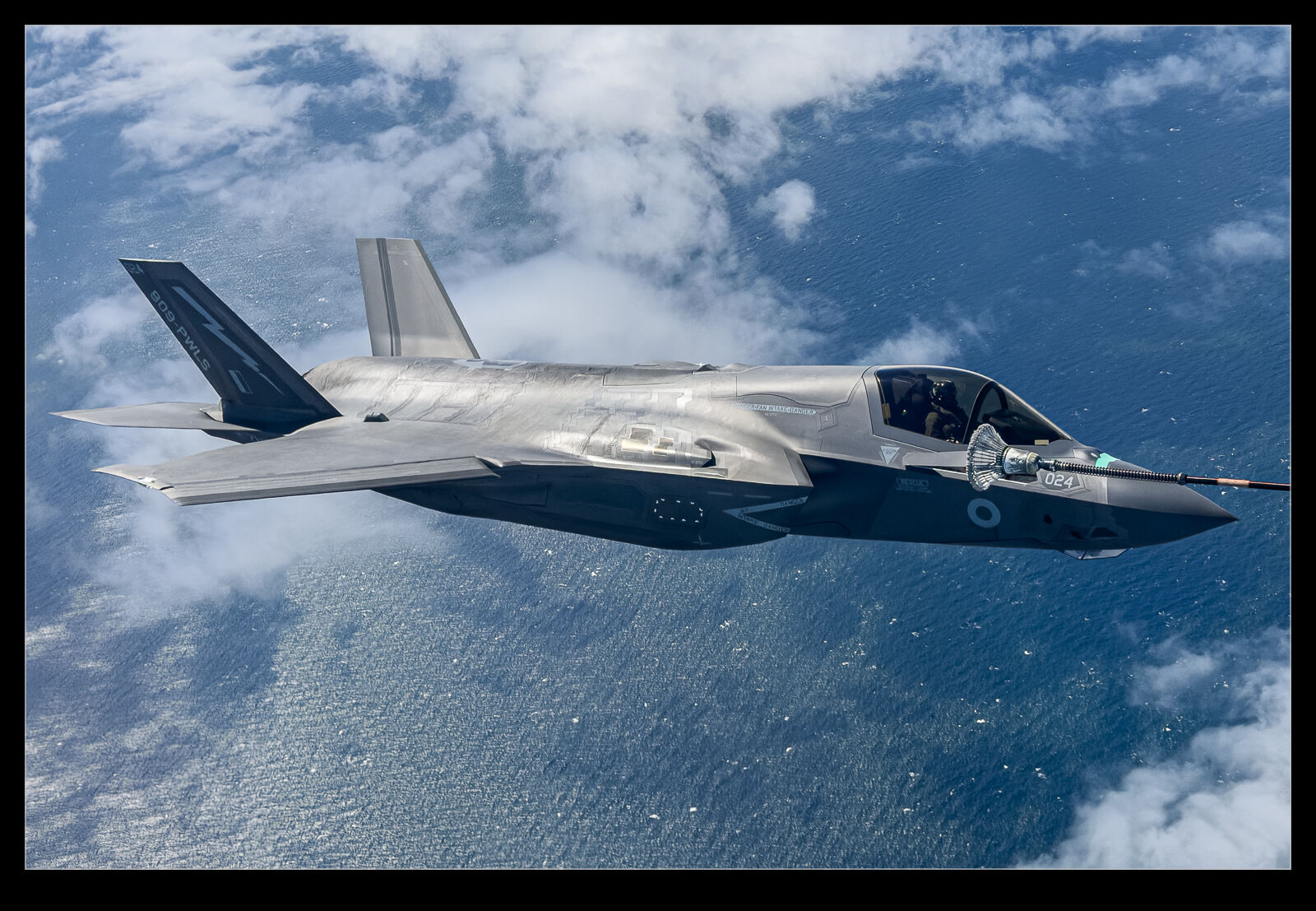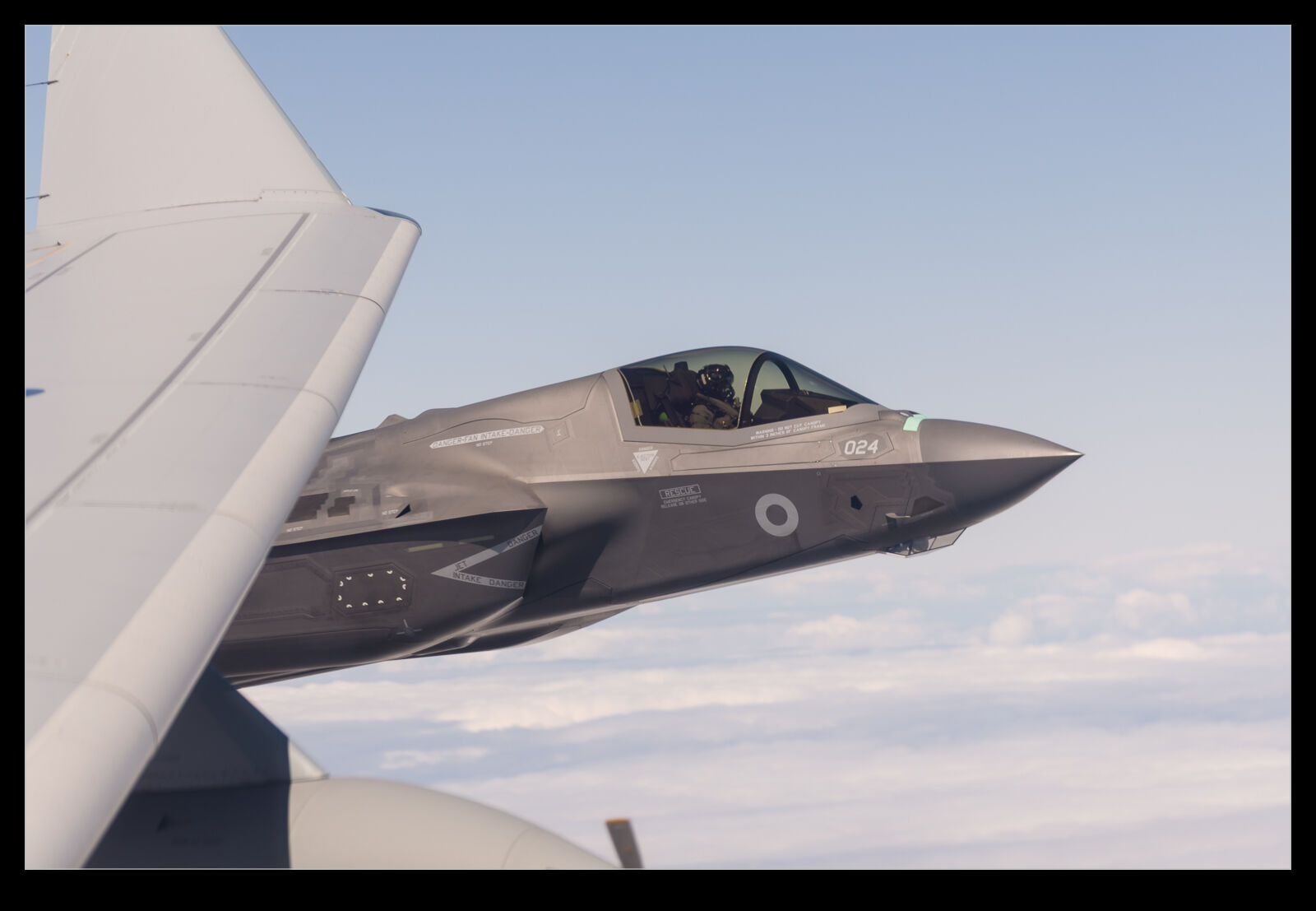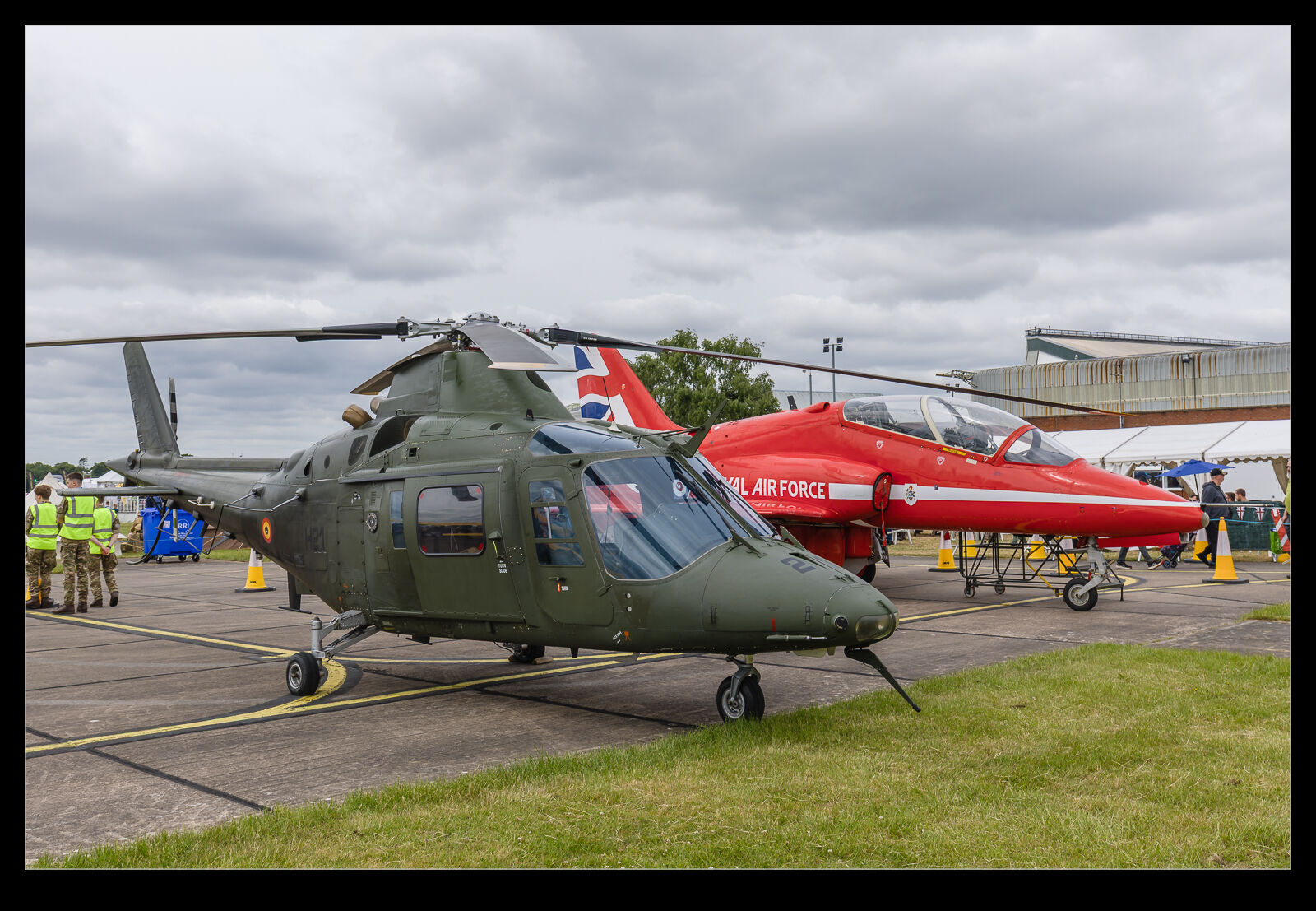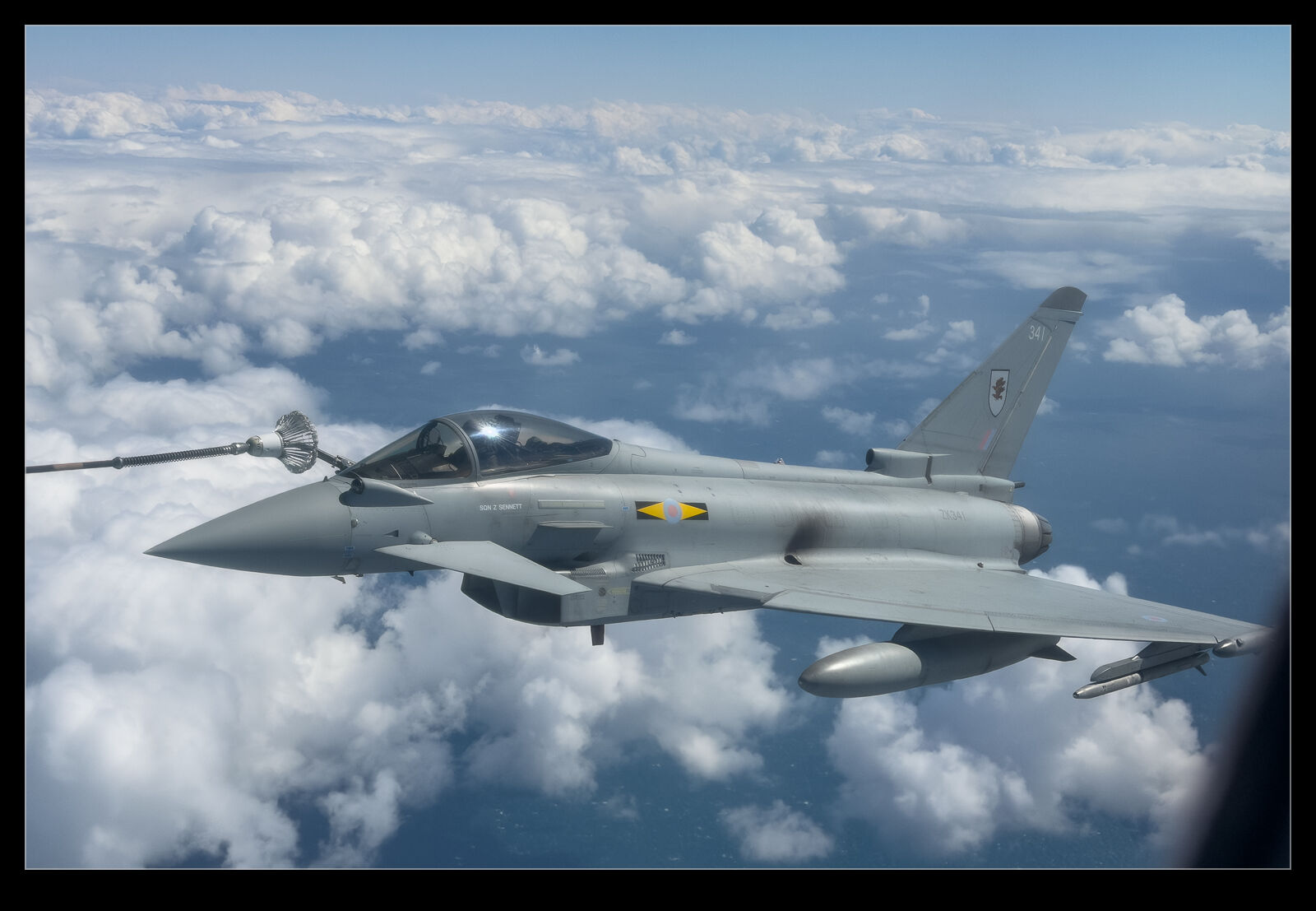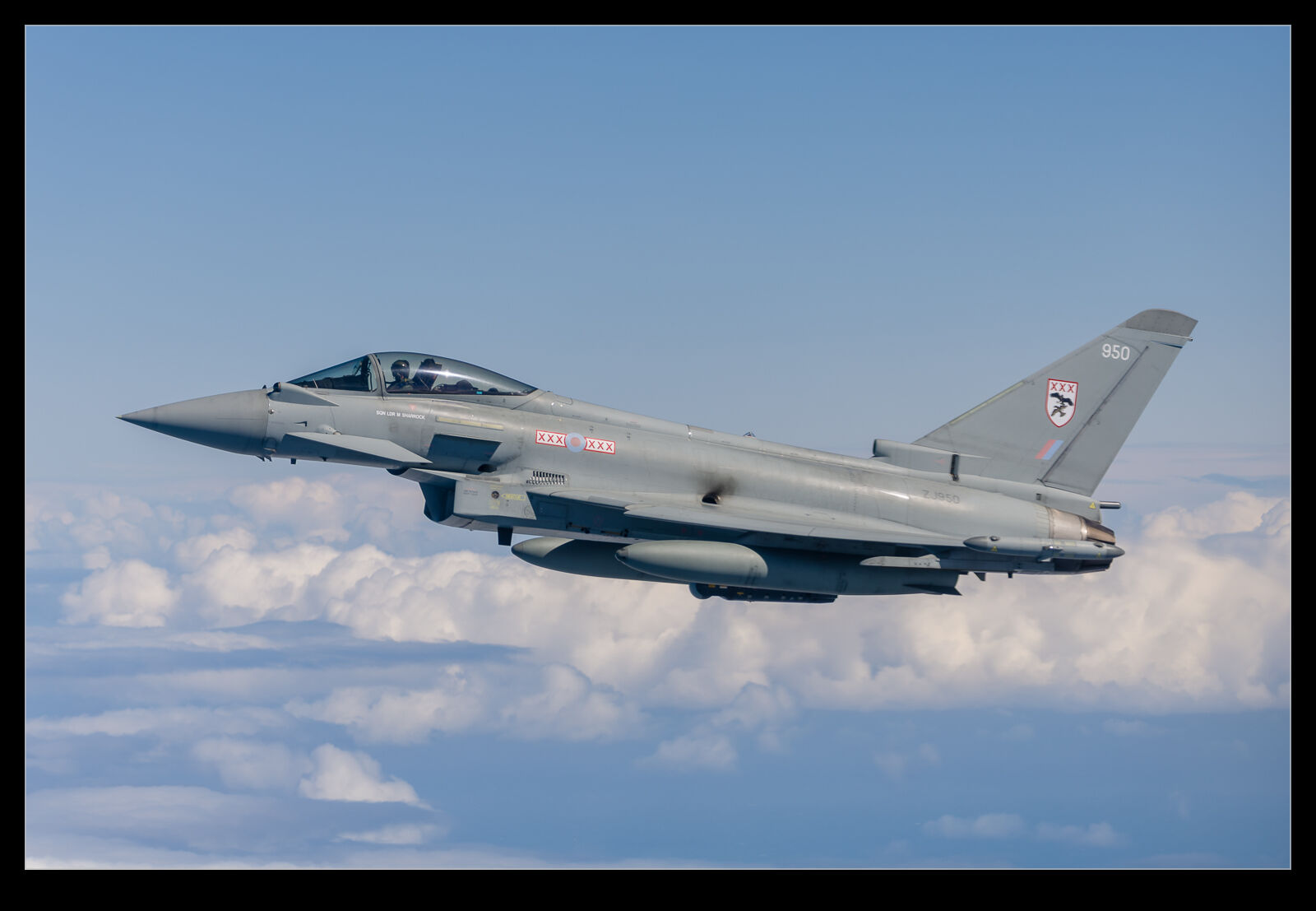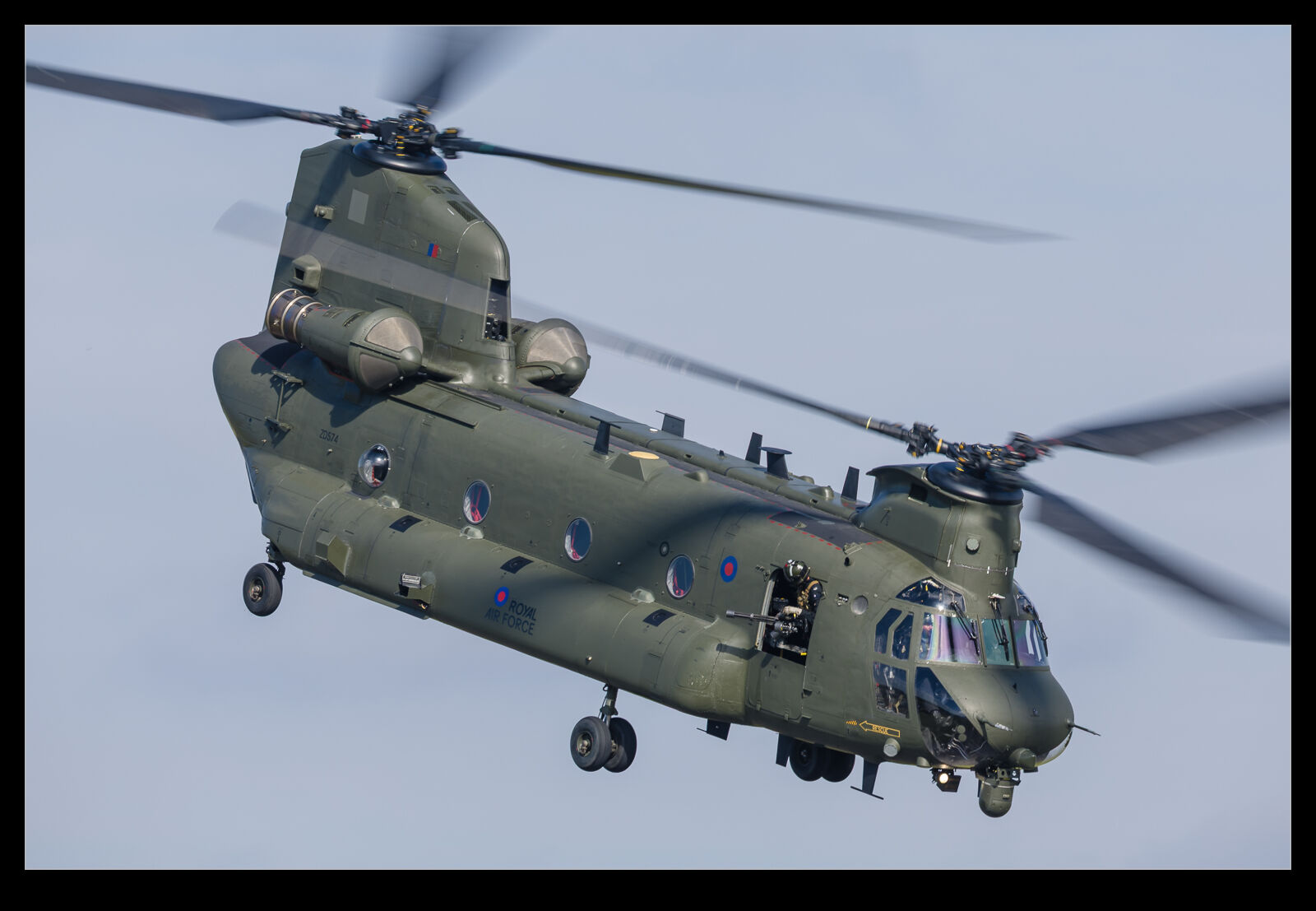
When we lived in the US, I would see lots of photos of people attending events at Bruntingthorpe with all sorts of vintage jets roaring down the runway. Sadly, those days are long gone. The story behind that is not one I know. However, there is still a collection of aircraft at the end of the airfield where I believe they have the QRA sheds with the Lightnings. One morning, I was driving north to Derby for work. I decided a small detour was allowable since it was early in the morning. I had no idea how much was visible from the gates and whether anything was open. Nothing was so I peered over the fence and took a few quick photos before continuing on my way. Everything was a bit cluttered from this angle but the lone Starfighter – while distant – did look particularly interesting. Maybe I shall visit properly one day.
Category Archives: military
Reunited With DA2
In September 1990, I started work at what was then British Aerospace at Warton in Lancashire. I was part of the aerodynamics department so couldn’t have been happier fresh out of an aeronautical engineering degree. The walk from our office to the staff canteen could be done along the road but, why do that when you can cut through the hangars. 2 Hangar was the easiest route and also happened to be the location where the front fuselages for the Eurofighter were being assembled.
The programme went through a reworking as the German government considered its continued role post the end of the Cold War, but it did end up continuing even if one of the prototypes was deleted and the others got renamed. The first two planes were P01 and P02 which were German and British respectively. They became DA1 and DA2. DA2 made its first flight while I was away on a project, but I got to see it fly shortly after I returned.
I then got to see it fly a lot over the coming years. Initially it was in a grey paint scheme but, when it had the pressure mapping sensors fitted, it was painted black overall. I recall there was a justification for this, but I always felt it was because the initial Rafale had been painted black and looked really cool.
Military aircraft prototypes don’t usually have a long life. Usually, the development programme means that they are quite different from the final article and so not a useful platform for continued development. As instrumented versions of the production aircraft come online, the prototypes are superfluous. That was the case for DA2, and it found its way into the RAF Museum’s collection at Hendon. It is suspended from the roof of one of the hangars. This makes for a dynamic pose rather than just standing on its gear. However, it is a bit more limiting from getting angles on it.
Thankfully, the museum has a couple of balconies at that end of the hangar that you can access so you can try a variety of different positions to get a shot. There is always a problem with a black painted aircraft when photographing it indoors. The light is a bit limited and the backgrounds are quite bright compared to the subject. Definitely some challenges with taking the images and then processing them to show what you want without making it look wrong. Then again, that’s part of the fun, I guess. It was fun being reunited with a plane that I haven’t seen for a very long time, and I am glad that it has found a home that means many people can get to enjoy it too.
A Spey with a Burner Grafted On
British defence projects have a bit of a reputation for trying something that will boost domestic content but that compromises overall performance. In fact, some civil aviation projects would probably fit that description. One such project was the procurement of the F-4 Phantom. To boost UK content, the J-79 engine that was used in all other variants was replaced by the Rolls Royce Spey. This engine made it into various civil and military aircraft over the years. For the Phantom, it needed an afterburner.
An example of the engine is on display at the RAF Museum in Hendon. I was first interested by the patterns of the flameholders in the afterburner so took some shots looking straight up the jet pipe. Then I moved around to the side. It is so easy to see where the original engine ends and where the added afterburner starts. It does not look like an integrated design whatsoever. It worked well enough although the redesign of the fuselage to accommodate it resulted in significantly increased drag. Top speed was reduced as was climb performance. One upside was that the Spey was a turbofan so, in the original ground attack role the Phantom had in the RAF, it actually improved low level fuel burn. It probably wasn’t so welcome once they moved across to the air defence role, though.
Black Arrow Remains
For a brief period, the UK was a space power with the ability to launch satellites into orbit. This was a brief moment, and the launcher was called Black Arrow. I am pretty sure I have posted something about this launcher before because it was developed on the Isle of Wight. The test facilities out near the Needles are now part of a National Trust location and you can see where the rockets were test fired over the cliffs.
The FAST Museum at Farnborough has the remains of the one Black Arrow that was launched into orbit. The first stage is not designed to go to orbit and is discarded early in the flight to follow a ballistic trajectory back to the earth. It was launched from Woomera in Australia and the stage fell back into the desert. Consequently, it wasn’t hard to find unlike anything dropping into the ocean. It has now on display.
It looks in surprisingly good condition. I thought it would be totally crumpled but the cylinder is basically intact. The engine nozzles on the base have taken a bit of a beating but are still clearly recognisable. The shapes they formed particularly fascinated me so that is the top picture on the post. There is also a high-speed wind tunnel model of the launcher on display so you can see that it was a pretty compact rocket. A small payload although one that is apparently still happily orbiting the earth to this day.
RAF Museum Hendon
Early January of 1989, I had just got back to my college accommodation in London and decided to pay a visit to the RAF Museum in Hendon. I had a good time wandering around and looking the various old aircraft (and some that were not so old). There was a Lightning that was on display and they had only been withdrawn from service a couple of years before. Until recently, that was my only visit to the museum. I decided it was time for an update.
Plenty has changed in the intervening years (although some things haven’t – the Lightning exhibit seems to be exactly as it was back then judging by my old photos). The Beverley has gone from the car park, and a new building has gone up. Plenty of exhibits have changed around with some having relocated to other museums and others having been added.
The place was very busy. It is free to visit so, I suspect that makes it a popular place for families on a rainy weekend. Lots of young kids there including some that seemed young enough that they wouldn’t really be aware of what their parents were desperately trying to get them enthusiastic about. They did have a lot of learning exhibits which gave the kids things to try out.
I wasn’t there for that stuff, of course. I was just interested in the planes themselves. It was a lot of fun checking out the various hangars with their different subject areas. I wish I had noticed that the battery in my camera was not fully charged as I got to the end of the visit and was nursing whatever juice was left in it. There is always the phone to use, of course, so I wasn’t stranded but I might have been a bit miffed to carry around a body and two lenses if I couldn’t use them!
As is the way with this blog, I will be finding some specific exhibits from the museum that will get their own posts, so this is a more generic look at some of the other bits the museum has to offer. Looking at planes is not going to be everyone’s thing but, if you have even a passing interest in this sort of thing (and the fact you have got this far down in a post about the museum suggests you might have), I would recommend you spend a day in Hendon.
Looking Back on Bones at Nellis
I was digging through the catalogue recently. Every once in a while, I will just randomly move the slider in grid view and see what pops up. Having been taking images for a long time, there are often things that I have completely forgotten about that show up in the collection. While doing this, I came across some shots of B-1Bs launching out of Nellis when I was between the runways for a Red Flag media day. I hadn’t really done much with these images. They were a touched underexposed and I had not processed most of them.
I ended up working through a few of them as they reminded me of the amazing experience being alongside a runway when four F101 engines in full burner come by. It really does get your attention. The B-1 fleet has been shrinking in recent years, and the plan is that the remaining airframes will be retired when the B-21 fleet comes online. It won’t be too long before this sight is confined to history.
High Speed Intake Model
The FAST museum at Farnborough has an extensive collection of wind tunnel models – both low and high speed. One that caught my eye was one that an old colleague of mine had worked on. It was a high-speed intake test model for what would become the Typhoon. You might be familiar with whole airframe wind tunnel models that are used to assess the aerodynamic characteristics of a plane. However, there are many different types of wind tunnel testing that get carried out. Intake testing is one of them.
This model served a number of purposes. There is the more obvious one which is assessing the quality of air coming down in the inlets as the aircraft changes angles of pitch and sideslip. A rake of probes will be set where the front of the engine would be located and then the test programme can assess how distorted the flow is as the aircraft manoeuvres. This is then compared to test data on what the engine can accept before it starts to have problems.
The Typhoon has the two engine inlets side by side. This can result in a problem with one engine affecting the other one. If an engine surges, a pressure wave will come back up in the inlet, and this can then affect the flow into the other engine. This surge interaction needed to be investigated prior to the plane flying.
One less obvious test programme related to the testing of air data system inputs. Fly by wire aircraft are very dependent on the quality of the measurements of the aircraft’s pitch, roll and sideslip. As the aircraft changes its angles, the readings at the location of the probes need to be calibrated. Flight testing will refine this information, but you need to have initial data for the first flights before calibration can be demonstrated. The intake model is the one that was used to verify the flow field around these sensors. I’ve included a shot of the sensors on one of the development aircraft to show where they are.
This model was very important in the preparation of the Typhoon for flight test. Great to see the model has been preserved.
Revisiting Boneyard Tour Shots With Reflection Removal
I have been a bit critical of the reflection removal tool in Lightroom but, while it seems to have become less effective on some shots, it still can do the job on others. This got me thinking back to my visit to Davis Monthan AFB’s storage facilities in the days when the Pima Museum was still able to operate a bus tour of the rows of stored aircraft.
I tried my best to get clear shots through the windows of the bus and often did okay. However, when something of interest was on the opposite side, I was taking a lot more chances when trying to get a shot without any reflections in it. A friend of mine, Karl, regularly posts images from the day and month many years before and he recently had some DM shots, and this was what triggered this idea. I worked my way through some of the original shots that I wouldn’t have previously used because of the reflections. I managed to rework some of them to make something far more usable.
FAST Museum at Farnborough
Farnborough sits at the centre of the history of aviation in the UK. From the first powered flight in the country, through the development of key aircraft in the First World War, through the research into aviation that took place in what was originally called the Royal Aircraft Establishment and then evolved through various names. (Oh yes, it also has a large trade airshow every two years.) Eventually the establishment was closed down as facilities got consolidated.
While there had been a museum on site, that collection got redistributed. However, a bunch of volunteers came together to create the Farnborough Air Sciences Trust (FAST). This museum is on one edge of what was once the airfield campus. They have many exhibits that document the varied work that was undertaken at Farnborough as well as the nearby Pyestock gas turbine research facility. Apparently, they have way more stuff than they can display so things get rotated in and out of the public space.
Some of the specific exhibits are worthy of their own posts so you will see more of this place in the future. I went one damp Saturday to take a look around. This was not optimal for the planes outside because the light was not great and most of the airframes had covers on their canopies. That didn’t stop me, though. There is a two seat Lightning sitting alongside the gate which is always a good start.
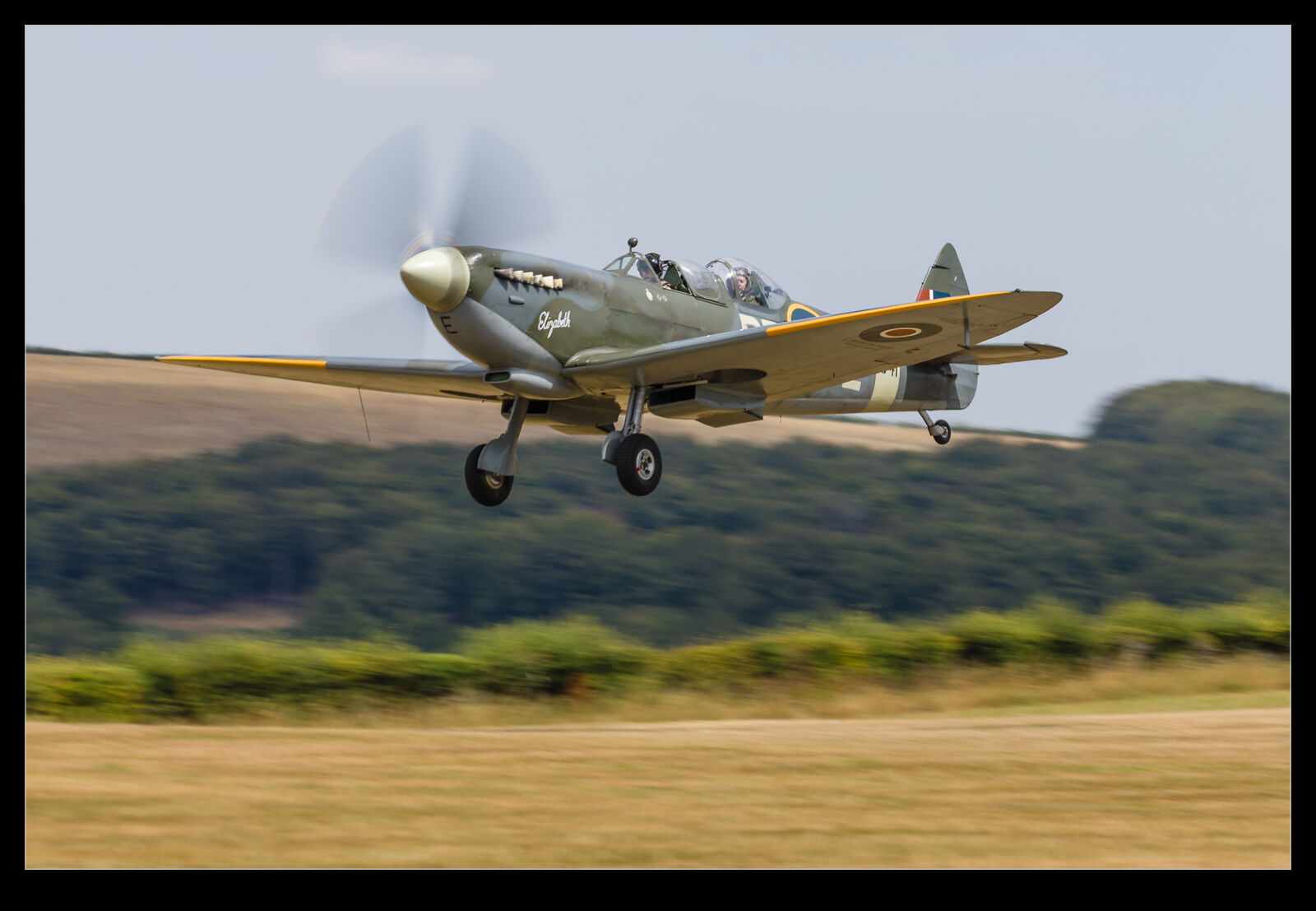
Within the museum grounds are some top types. The recent retirement of the Puma made me happy to see their example which was not built by Westland but was actually from Aerospatiale and provided to Westland to use as a pattern before it became a testbed at Farnborough. The raspberry ripple paint looks good on it.
There are a couple of Hunters including one that had been used for research into night flying using low light TV and infra-red sensors. A Gnat is there which is always fine. A Scout and a Lynx are part of the collection and a two seat Harrier T4 was a particular pleasure. There are also cockpits from other type including a Canberra and a Trident. The museum is free to visit although they do welcome voluntary contributions. If you are in the area, it is worth a visit. More to come…
Flow Viz on a Hornet
A long time ago (but not in a galaxy far, far away), I had a visit to the naval air station at Fallon. The weather was not ideal for the visit, and we had a bit of a disappointing result when it came to flying jets. I did spend some time on the ramp, though. A Super Hornet was marked up in squadron colours, and this was what initially caught my attention. However, as I looked at the jet more closely, I was fascinated by the dirt streaks emanating from the fasteners on the rear fuselage panels. These marks clearly showed the path the flow takes across this part of the airframe.