Tag Archives: aircraft

Super Bugs at Bremerton

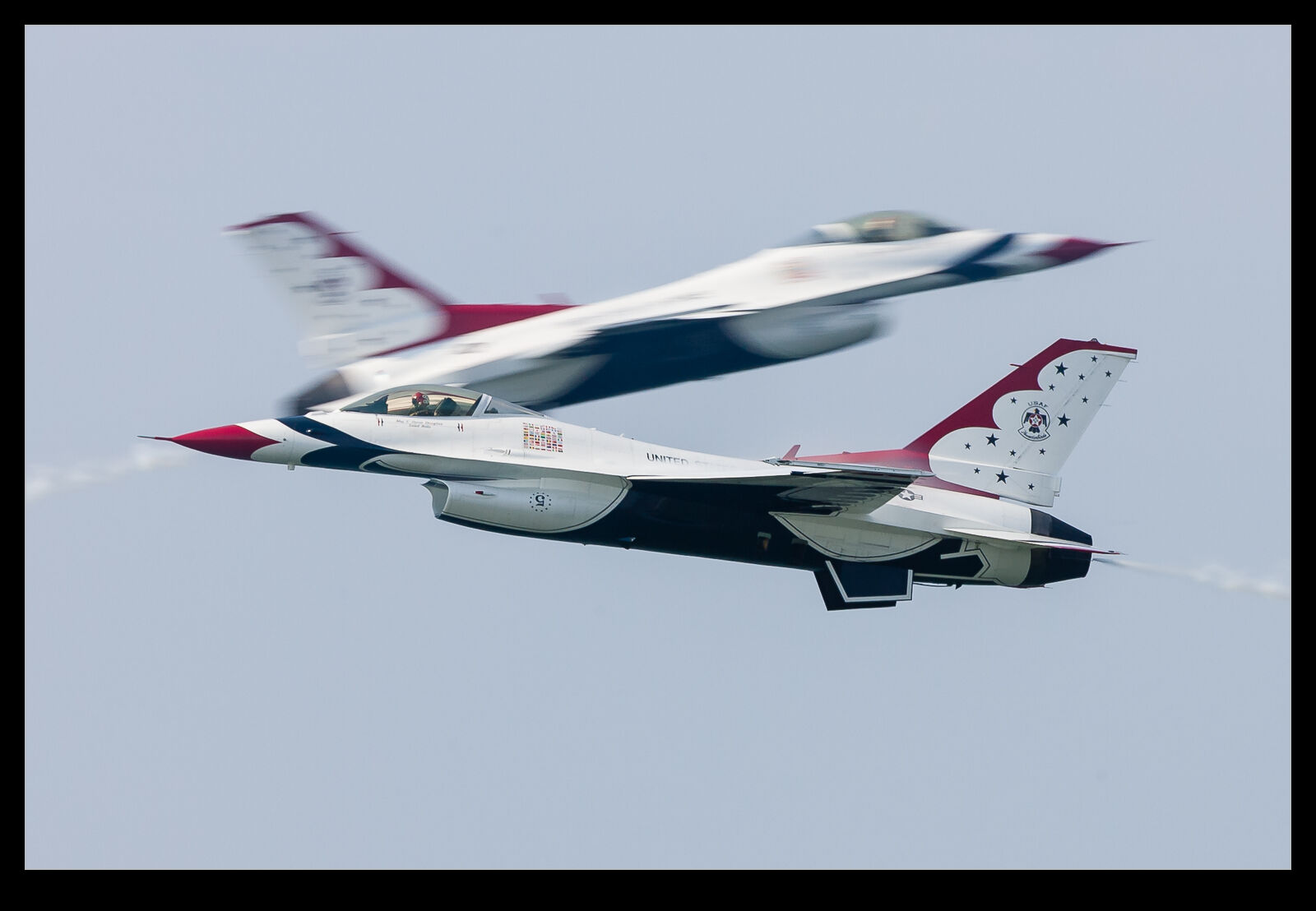
One of the last air shows I attended before we left the Pacific Northwest was at Bremerton. The unusual thing about this air show was that I didn’t head there alone. Instead, Nancy came along with me. It is a long time since she last came to a show with me, but the good news was that she enjoyed it! One of the parts of the show that she found the best was the US Navy’s Super Hornet display. They ripped up the sky for a while. Their blast across the field from crowd rear particularly amused her!

The conditions not ideal from a lighting point of view but there was humidity in the air with the upside that the jet was created plenty of spluff. One of the passes in particular created a lot of cloud activity. It made for a difficult image to process given the contrast with the cloudy background and that its own clouds needed not to be over exposed. I suspect I shall probably try reprocessing this again in the future as either my techniques improve, or the software gets more advanced. I did have a bit too much lens for the closest part of the pass – oh well…

Apparently, This Helicopter is Very Rare

While the majority of aircraft that appear at RIAT are military, you do get some civilian types that show up as well. This year, one of these was a Canadian registered Bell 47. This airframe is a Bell 47H-1 which I am informed is a pretty rare member of the larger family. No idea whether this is true or whether these things are common as muck. I certainly haven’t got a pile of shots of similar airframes but that is hardly proof. Given that it is registered in Canada, I am not sure how much time it is spending in the UK, but it was here and flying so that’ll do!

Stormy Sunday Atlas 777F

A stormy sky doesn’t immediately inspire you when going for some aircraft photography but, if the light on the subject can end up being okay, a dark background can suddenly seem like a great option. One Sunday an Atlas 777F was up on test at Paine Field. The sky was dark and gloomy but not a solid cloud background. Instead, the clouds were stratified so there was more detail and texture to see.

As the 777 came down the approach, it was not brightly illuminated but it was picking up a good amount of light compared to what I had expected to be the case. This did require some thought about the camera settings. When the sky is dark, I often significantly over-expose. This is because the clouds will dominate the metering response and the subject – which is usually quite dark – really disappears. In post processing I can then bring the exposure back down but there is sufficient light on the subject to get a good image of it against the sky.

In this case, I had to be more careful. With good light on the subject, the dark sky would result in blowing out the plane. Therefore, I had to keep the exposure compensation off to allow the subject to not get too overexposed and not leave enough latitude for processing it to where I wanted it to be. The results came out okay. This was more important for the longer shots. Once the plane was close in, it started to dominate the metering response and, once on the ground, the illumination was more balanced.

Once they touched down and brought in the reversers, you could see that the conditions had not long ago been wet as the runway still had plenty of water on the surface and the reversers kicked it up in the air.

The History of Harriers in One Place

The Brooklands Museum might be located in the home of Vickers and include a lot of Vickers exhibits, but it also has some Hawker products too. I might be slightly exaggerating about the full history of Harriers, but they have three different examples of the Harrier lineage on display. The first is actually a Harrier but a P1127. The original demonstrator that led to the Kestrel and ultimately the Harrier. The design philosophy is clearly the same, but this was the beginning of the journey for the Kingston design team.

Then there is a Harrier GR1. Unusually it is fitted with the extended wingtips which provided a little extra fuel and a slight reduction in drag. The reason the plane is fitted with them is that it is one of the airframes that took place in the Transatlantic Air Race and won. It is surrounded by some displays of the race and the competitors it defeated – most importantly the Royal Navy!

Last but by no means least is a two-seater, G-VTOL/ZA250. This was a company funded demonstrator and was a regular sight at air shows throughout the 80s. It undertook sales campaigns with various countries and undertook trials of things like the ski jump take off and the Skyhook concept. It seemed to be in a different paint scheme every time I ever saw it on TV. Sure, no Sea Harrier or Harrier II but this is quite a collection to have in one place.

A Pair of Edwardians in Gorgeous Light

The great conditions for Shuttleworth’s Festival of Flight Sunday show meant we got to see a lot of the more fragile types fly. Later in this section of the show, we had the Bristol Boxkite and the Avro Triplane take to the sky. I know they are both replicas but that doesn’t make them any less rare or vulnerable. They flew around for quite a while and, since they are not speedy aircraft, they can keep it all close in front of the crowd. The light was definitely at its peak during their display. Here are a few shots of the two of them putting on a show.

A Hawk With Many Guises

In the days when the old Hawker plant at Kingston/Dunsfold was still around, products like the Harrier and Hawk were generating plenty of revenue and opportunities. The company would build its own demonstrators for use outside the scope of the core client – the RAF. A Hawk airframe was company funded and it was registered G-HAWK. It was originally built as a 60 Series jet before having modifications to reflect the airframe shape of the 100 Series. It also had a COMA serial of ZA101 added at some point.
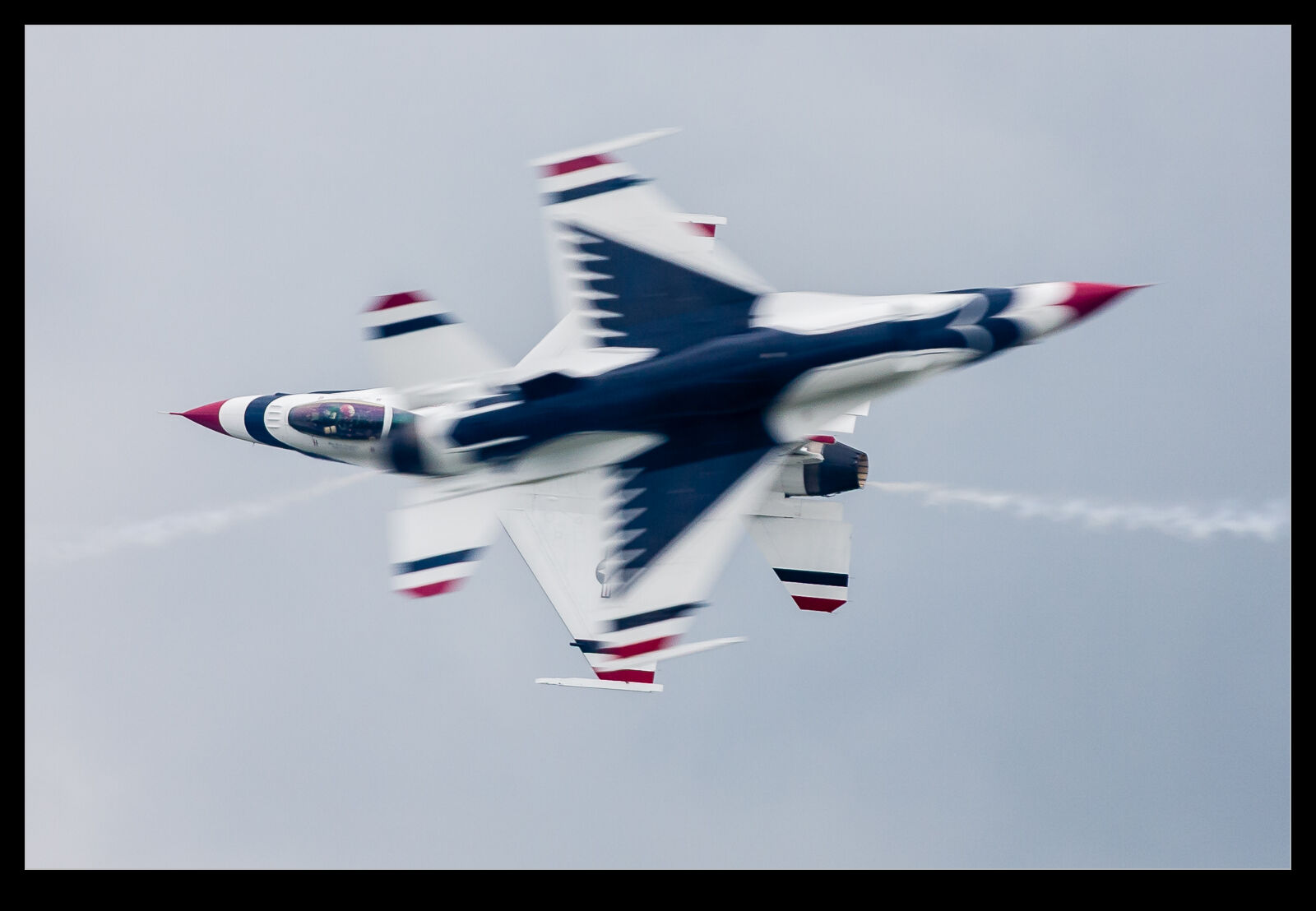
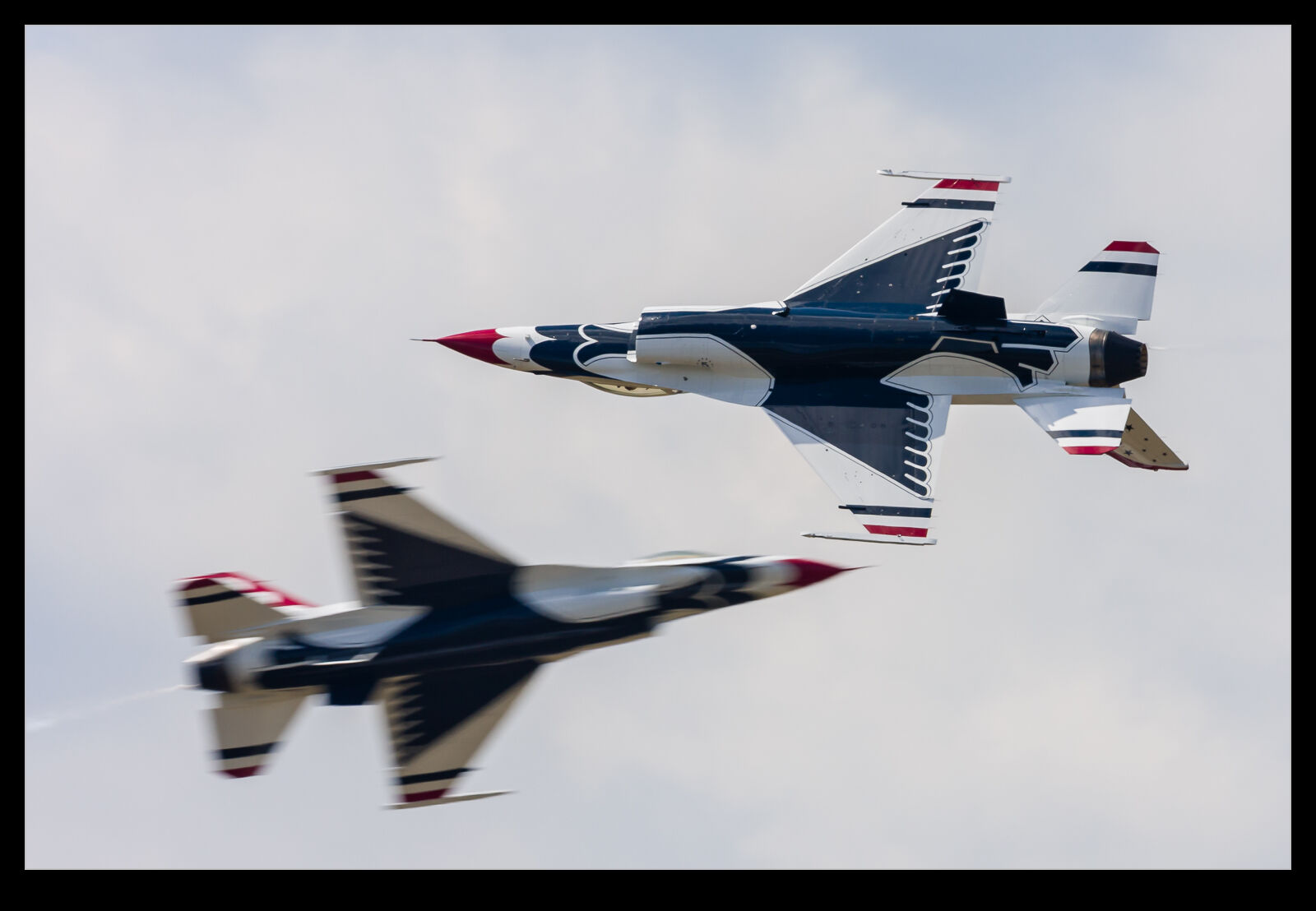
This aircraft moved to Warton when Dunsfold closed and continued to be used for all sorts of development work. I was long gone from Warton by the time its use ended. I was, therefore, pretty pleased to see it again at the Brooklands Museum. It is in the BAe house colours, but the nose is not a shape I recognise. I guess it did something interesting that needed another nose to be grafted on. I photographed this jet at various times over the years (although very little when I worked at Warton and could have seen it frequently!).

Is This Wildcat Carrying Enough?

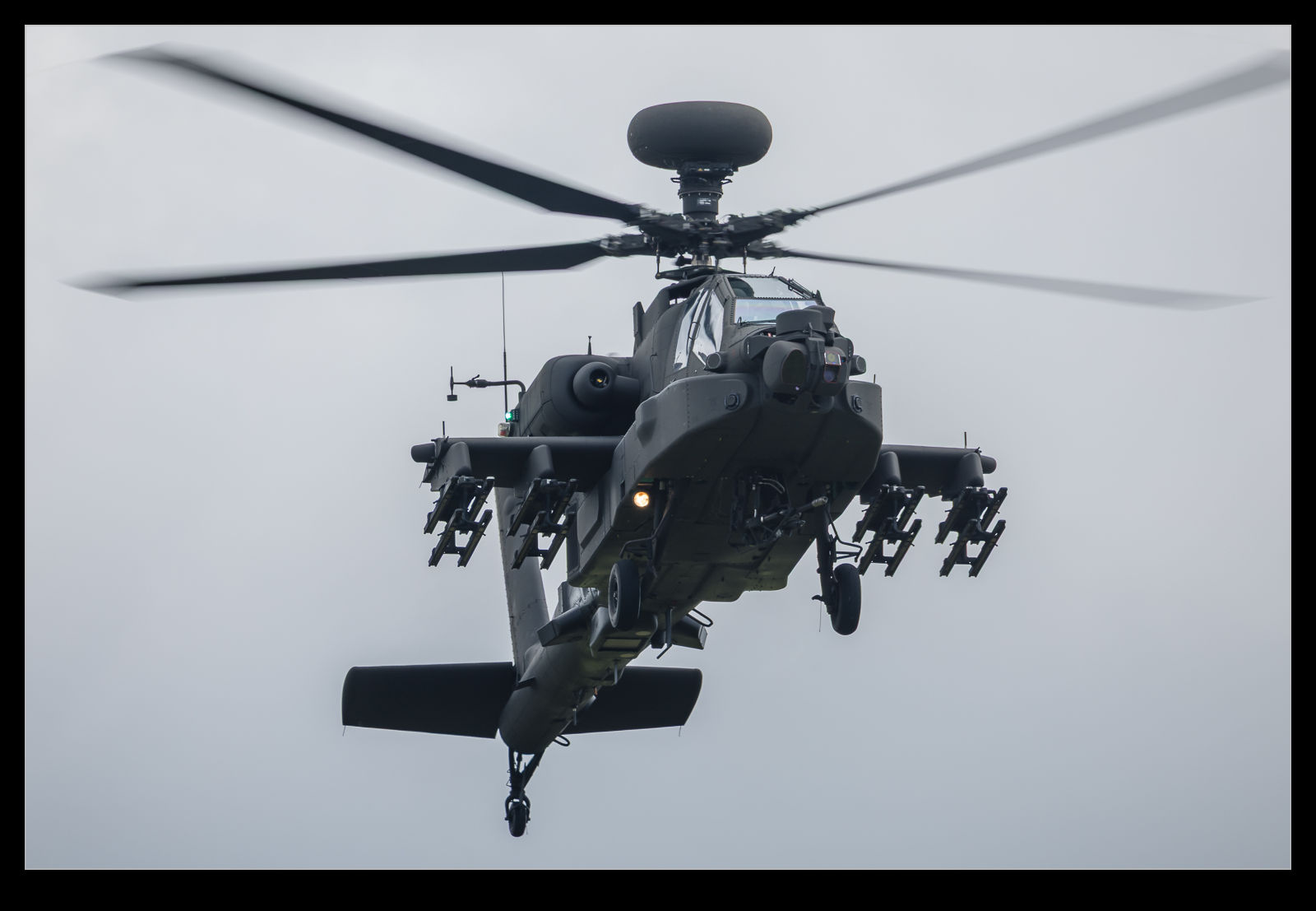
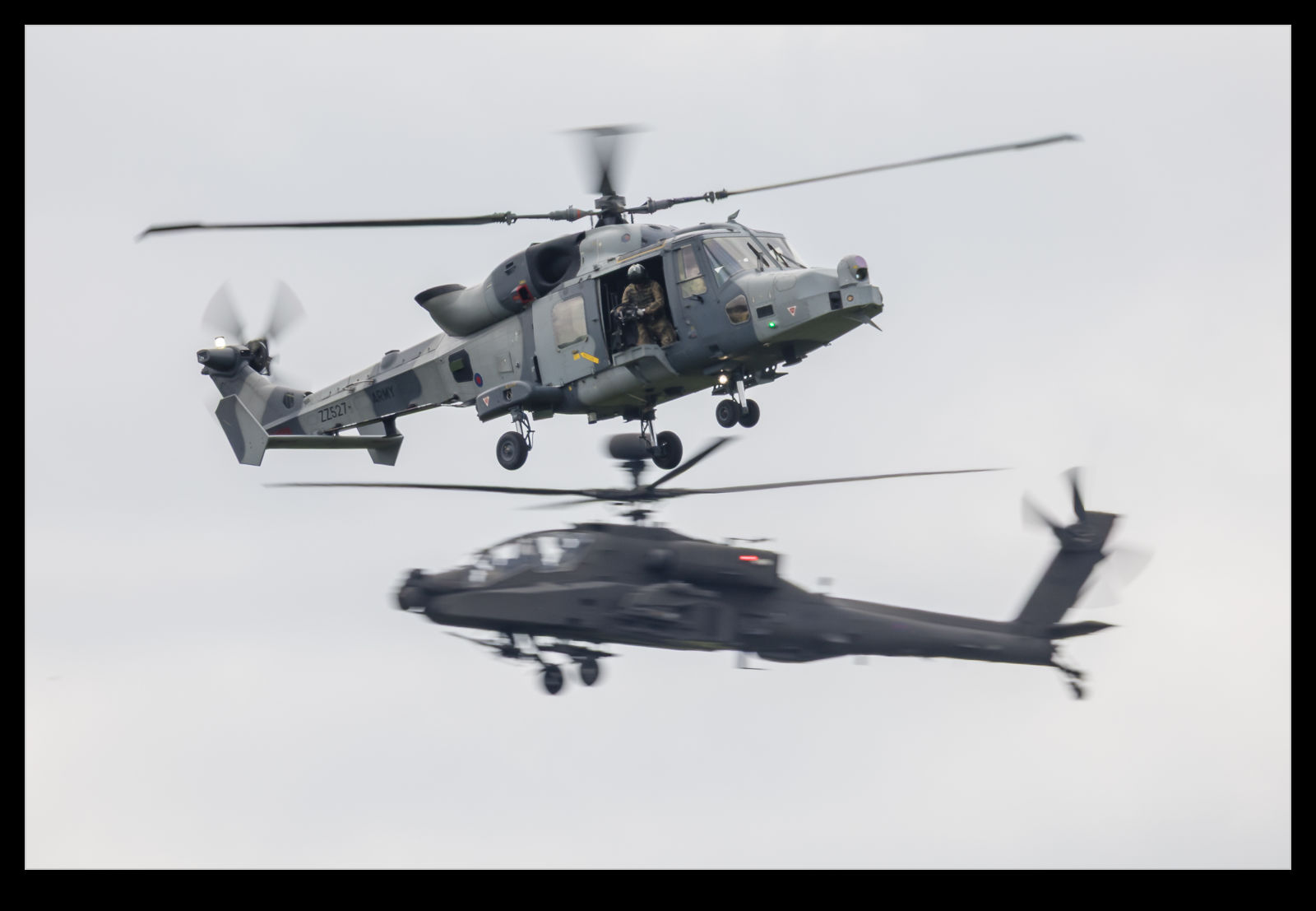
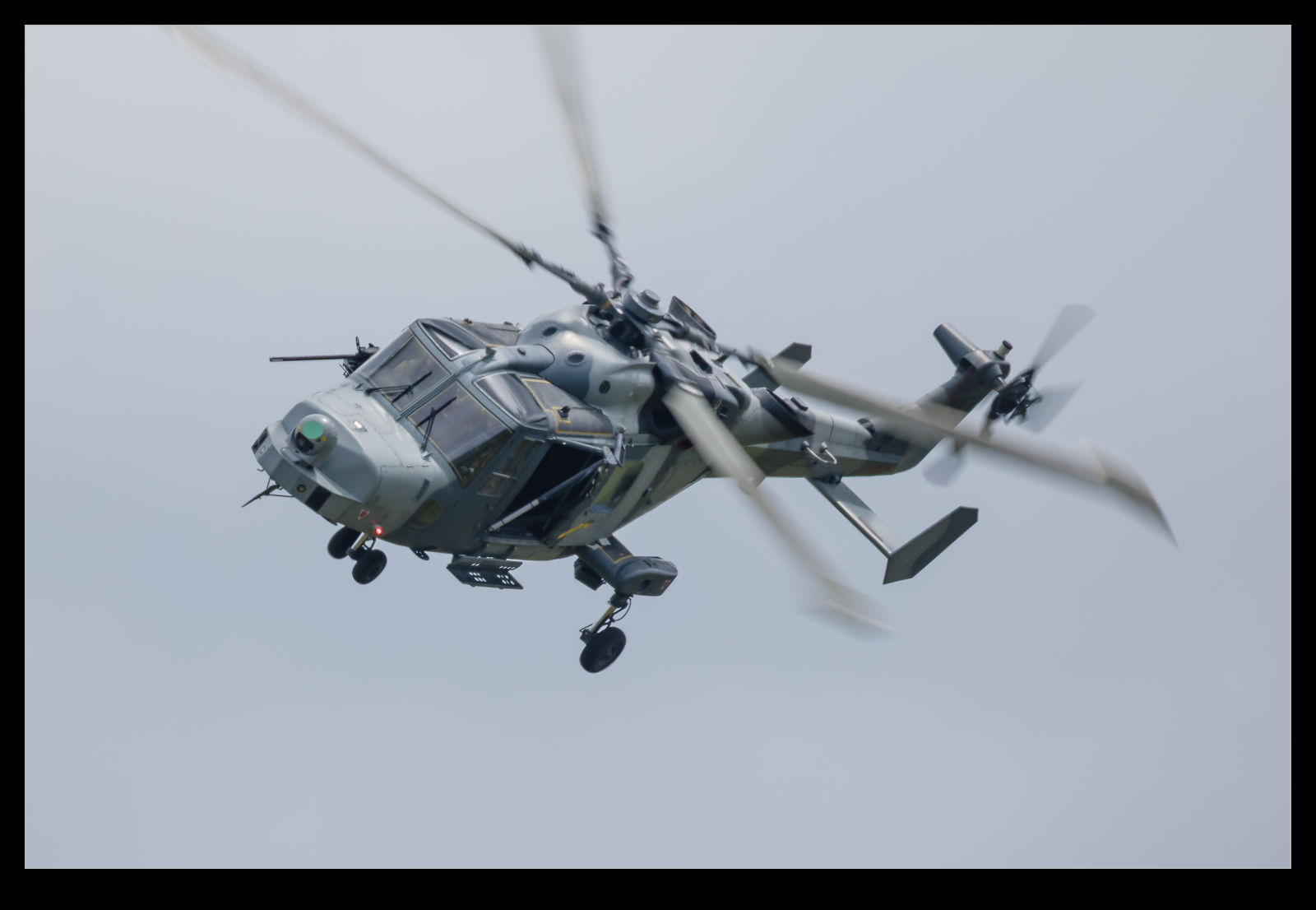
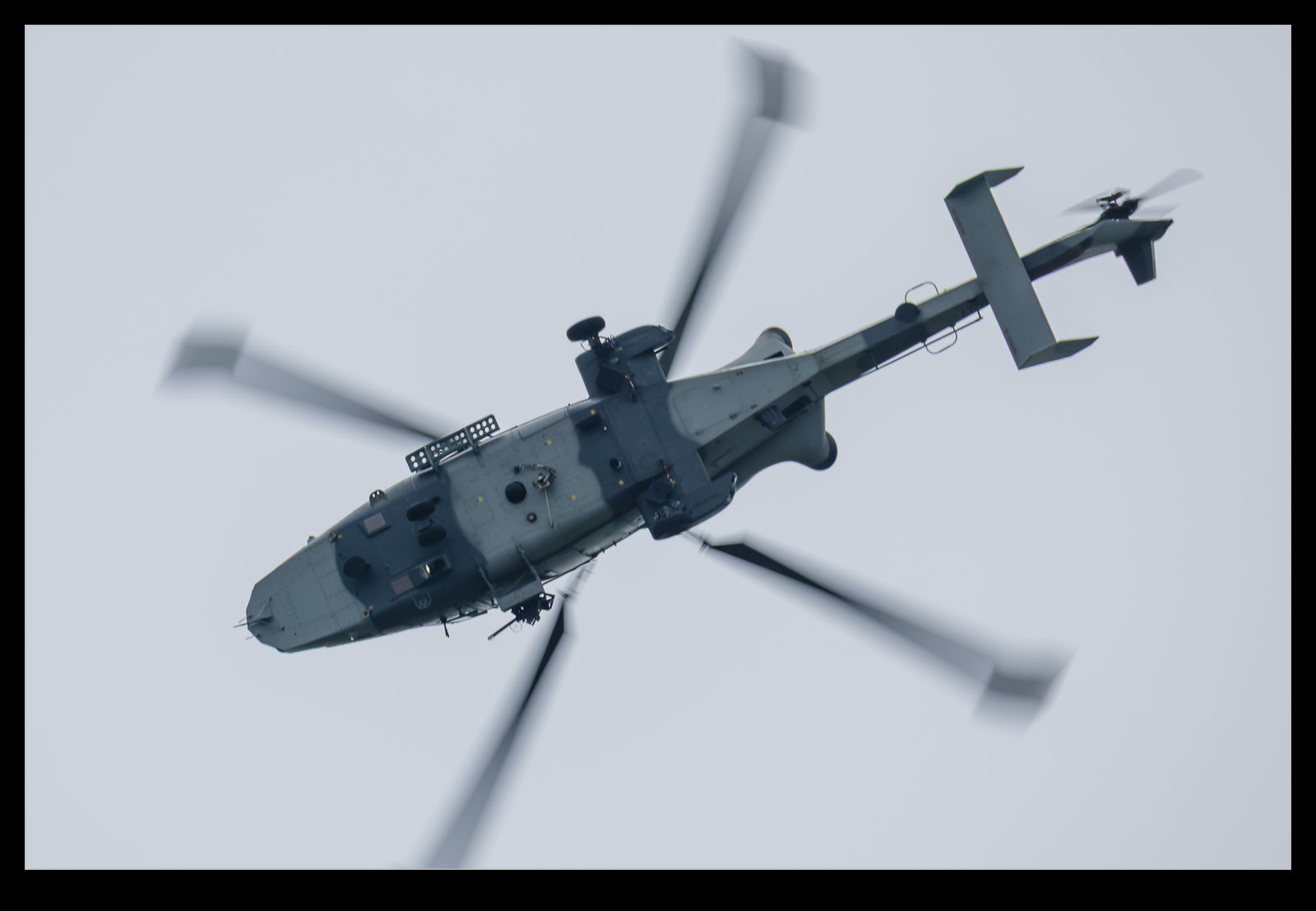
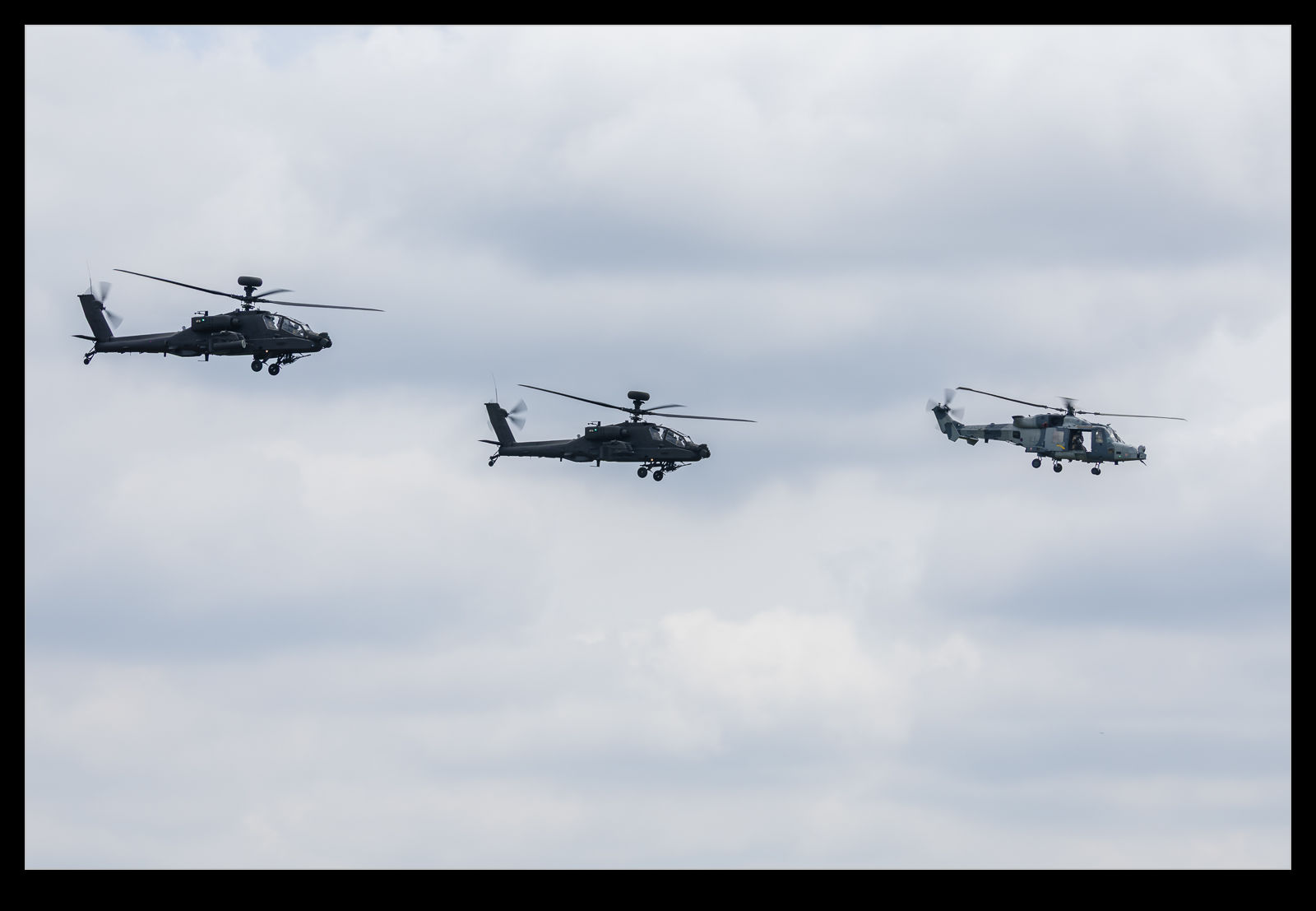
RIAT was visited by a number of AW159 Wildcats for the show. The Navy and Army brought examples with the Navy showing theirs as part of the Black Cats team. Midway through the show, another Navy example showed up. Unlike the others, this one was carrying external stores. The original Lynx looked heavily loaded if it was carrying four Sea Skuas, but this one really did look like it was ready for anything. I’m not sure if this is the Martlet missile installation or something else but, whatever it is, there was no shortage of capability on display.
Before the Atlantique, There Was the Atlantic!

I posted recently with some shots of the Dassault Atlantique that was at RIAT. However, that got me thinking of the history of the Atlantique. It was actually an update to a previous generation plane. This was the Atlantic. Operated by France, Germany, Italy, the Netherlands and Pakistan, the Atlantic design was updated to create the Atlantique and the Atlantics were retired. I knew I had seen some of them for real and that was likely to be at Mildenhall when the Air Fete was able to attract a wide variety of operators and types. Turns out it was the French and German versions I got to see. Here are some shots of them.
An E-3F For the First Time for Me

The early 90s had both the RAF and the French Air Force buying new airborne early warning aircraft in the form of the E-3. Unlike the USAF and NATO jets, these included the upgrade to the CFM56 engines which improved endurance and performance. I saw the RAF’s jets on many occasions but never encountered a French jet until this year – after the RAF jets have been retired and not long before the French ones follow suit. I’m not sure how much longer they have but seeing one arriving and departing the show was a nice result. I was pretty happy that I happened to be at the arrival end when it came in which was a bonus.

Rows of A400Ms

My visit to Brize Norton to have a trip with 101 Sqn wrapped up when we landed back at Brize. As we exited the aircraft and waited on the ramp to get some group photos, we were surrounded by other aircraft. More Voyagers were lined up but there were plenty of A400M Atlas transports ready for their next mission. It was a pleasant afternoon with nice light on the planes so I grabbed a few shots of the planes before we gathered for our group photo.