December 6th, 2025, was the day that the Federal Way Link Extension opened as part of Sound Transit’s light rail system in the Puget Sound region. When I moved back to the UK at the beginning of the year, I had thought I would be able to get back for the opening events which I had anticipated would be in early 2026 after another extension opened. As it happened, they were able to open ahead of that other section, and a December date was chosen. The timing of this – along with some other concerns – meant I wasn’t able to go back.
 I first got involved with the project in 2017. I had just joined SNC-Lavalin, which was to become AtkinsRéalis, and we started discussions with Mott MacDonald about partnering for the project management role. The rest of that year was spent on preparing the proposal and then the interviews and the result was our selection. Things kicked off in 2018, and we had some immediate ups and downs. However, we got on track pretty quickly and built a strong team between the two partners and our associated sub consultants.
 I was not involved in the day-to-day activities of the project, and our team deserve all of the credit. I was on the board of the joint venture, but I did get to spend a lot of time down with the project team and I made sure to regularly get out on site and see what was happening so I could be up to date with the progress as well as the issues that were being experienced. Aside from that, I found it very interesting to see the construction process underway as I was learning a lot myself.
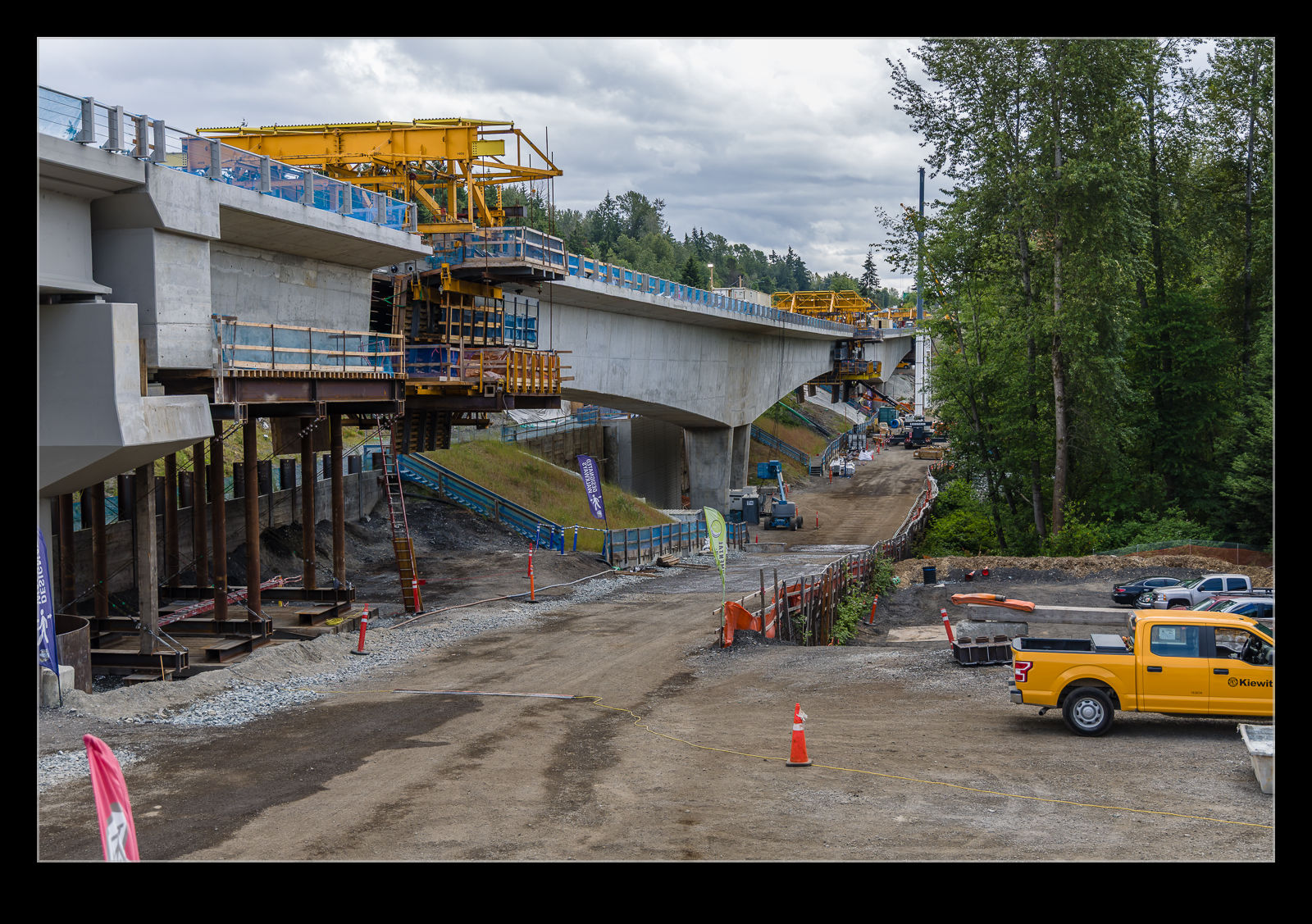
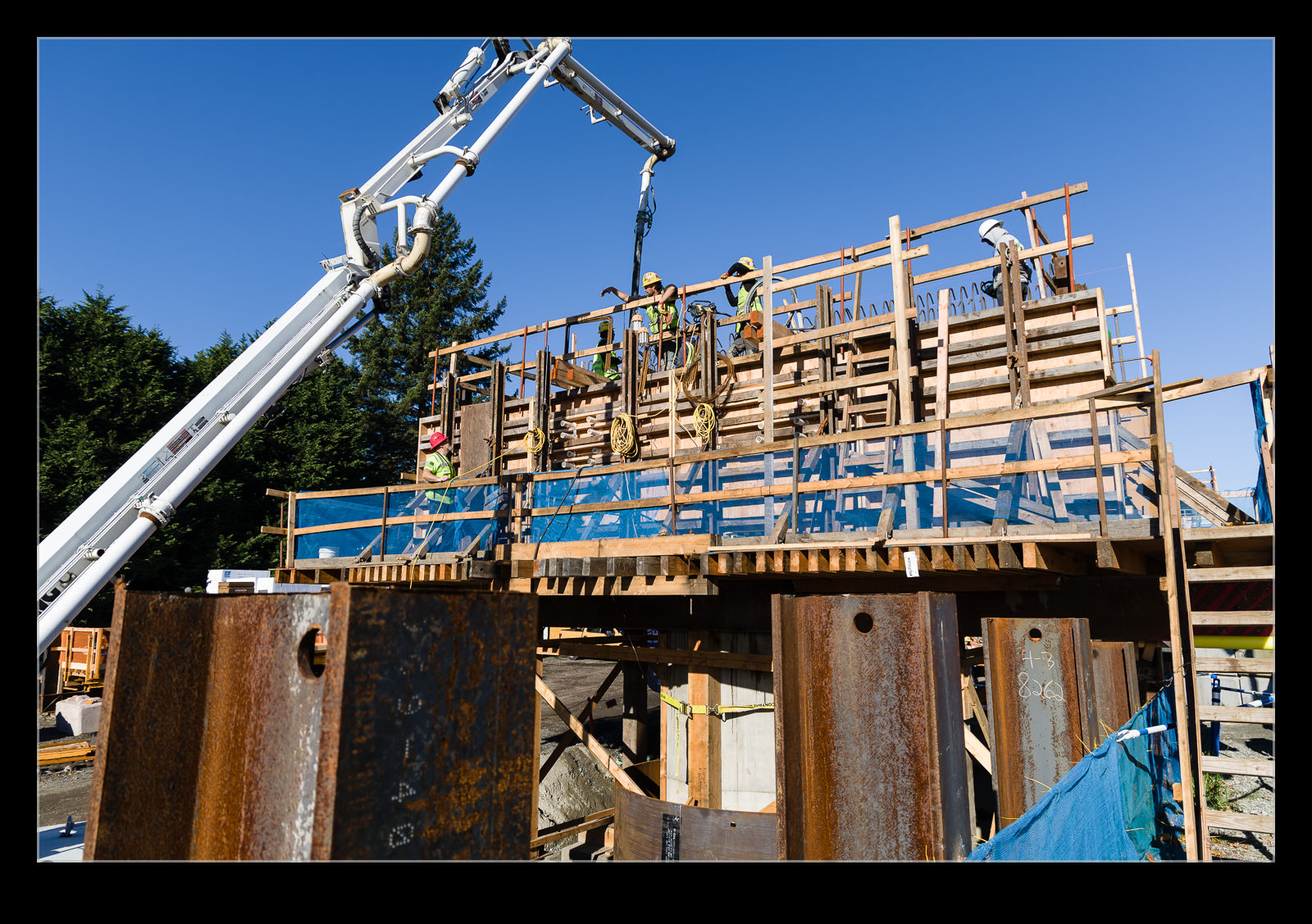
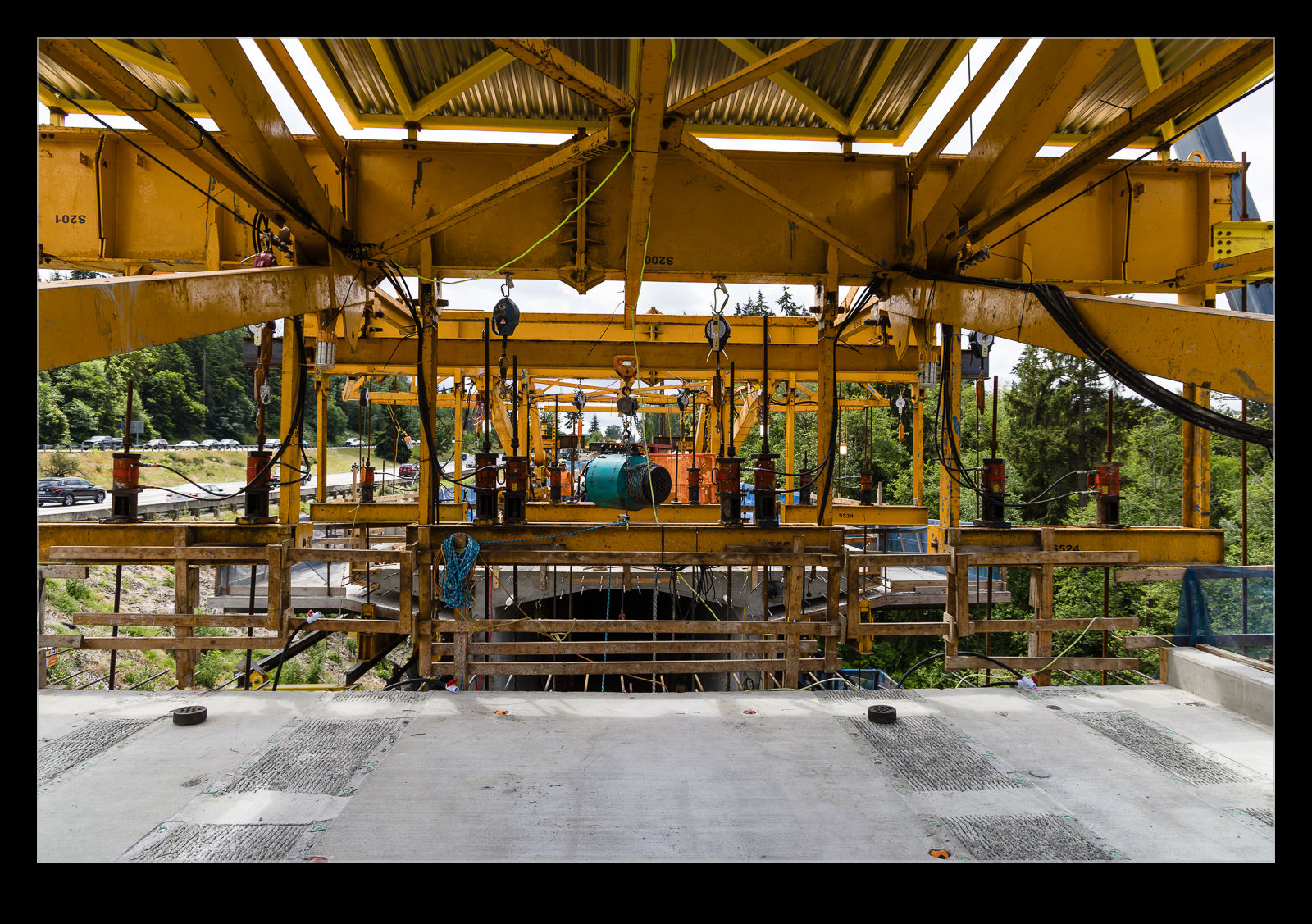
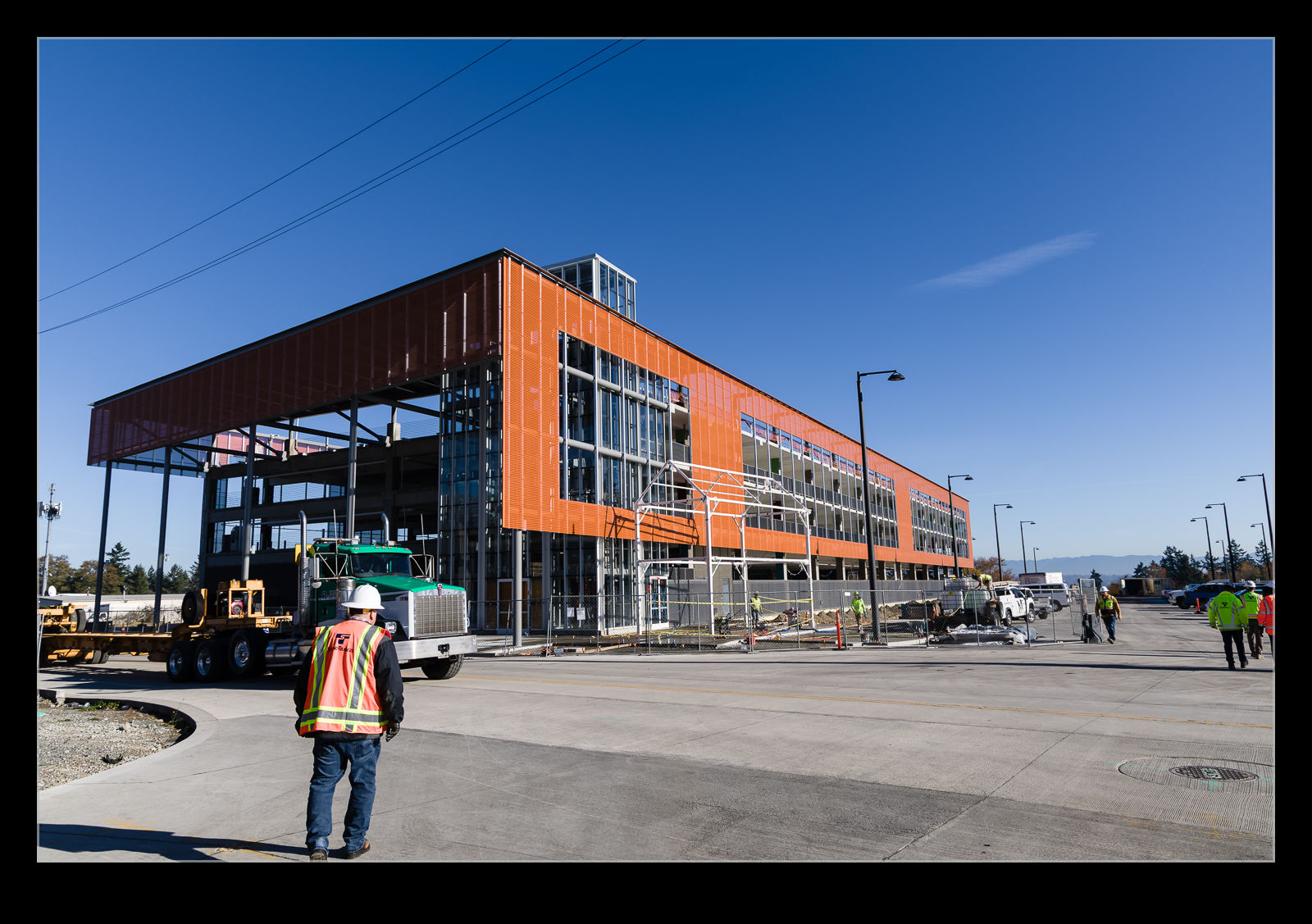 The early stages of the project do not make it apparent how much is happening. Clearing out the land that will be used and prepping for construction is so important but not very glamourous. Then the large structures started to come together. The construction was phased with the northern sections happening before the southern. We re-routed a state route to build the section just south of the airport and then built a whole new road bridge which is now part of the SR509 project that WSDOT is building.
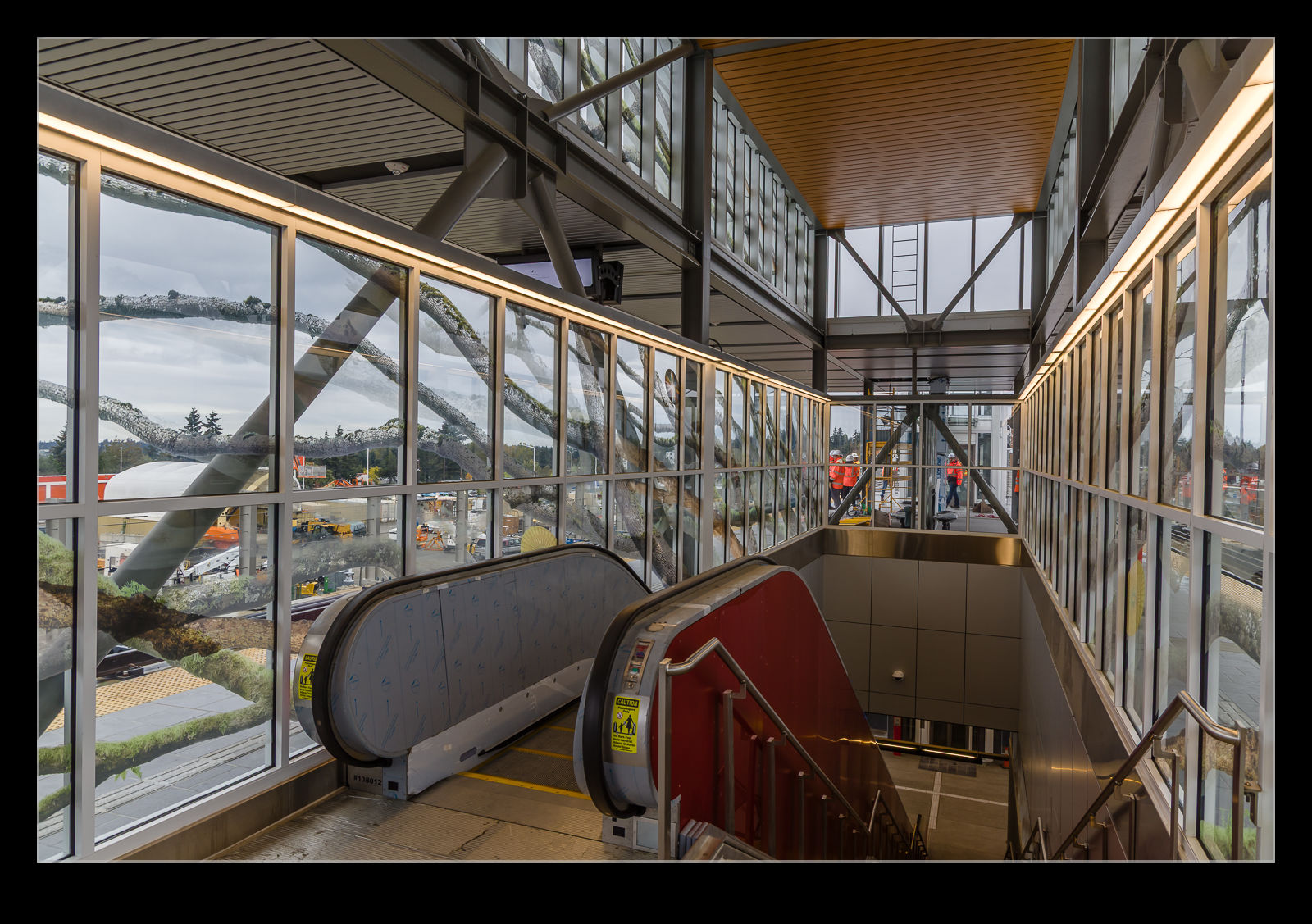
 Stations were built at three locations. These were large structures but also included significant parking garages which came with very different but no less difficult issues to solve. The agency makes a big deal on the architecture side of the stations, and they were all to a style but with individual finishes and artwork to reflect the region. Heading up the tower crane at one of the stations gave me a chance to see the wider location from a perspective that few get to experience.
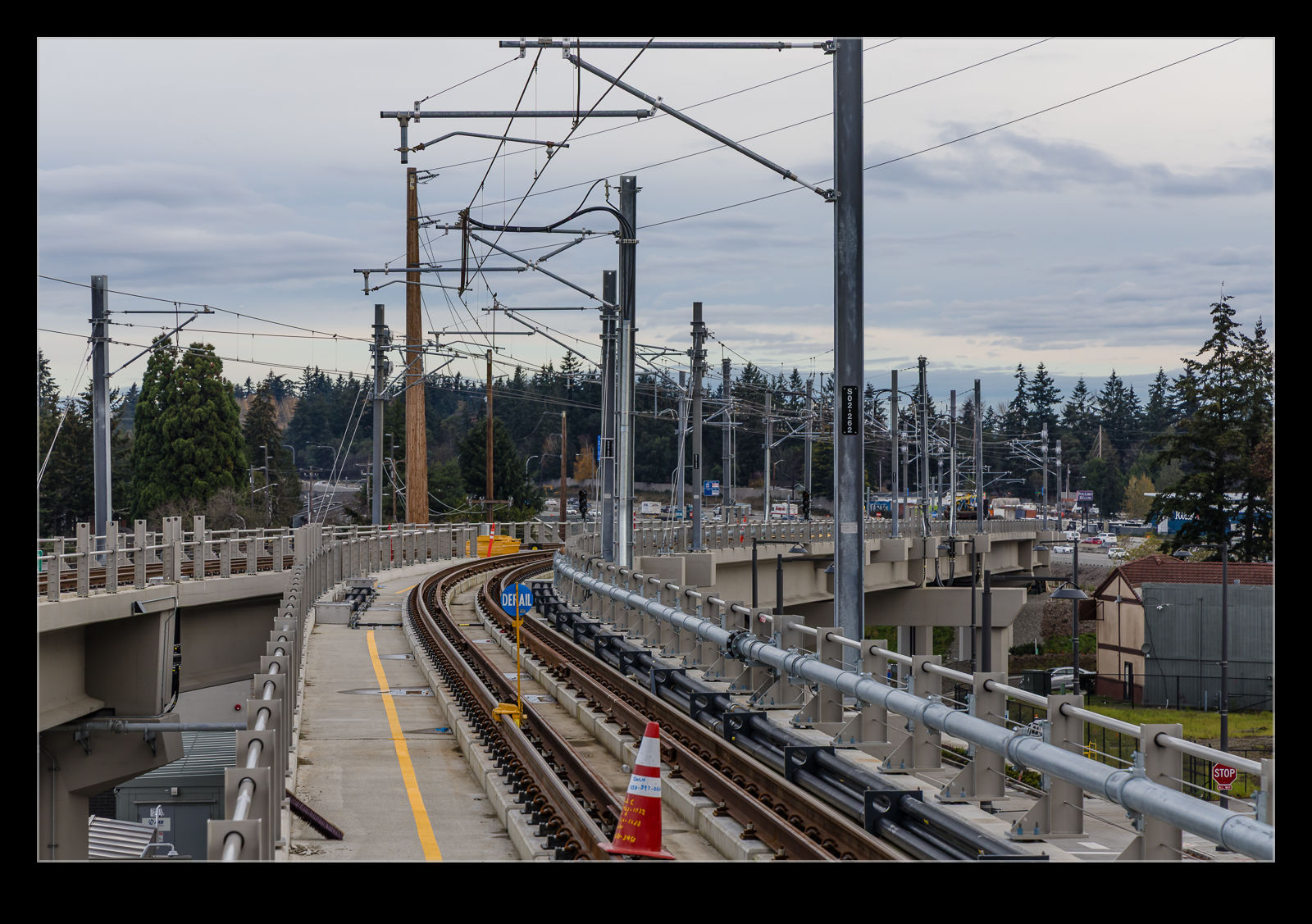
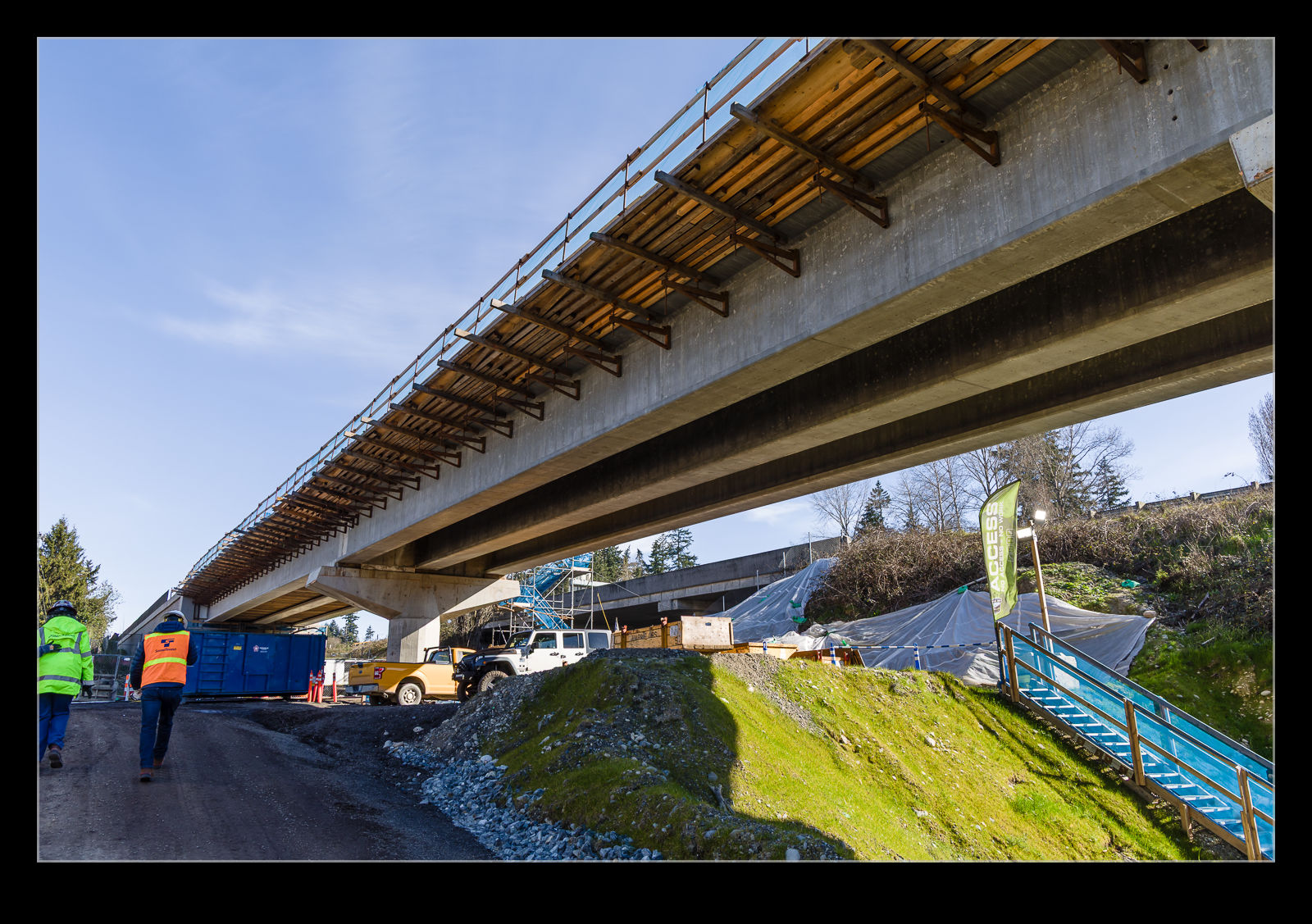 The largest part of the cost of building a light rail system like this is the civil works. Moving large amounts of earth and building concrete structures requires a lot of people and plenty of time. However, the most complex part of the process is installing and commissioning the systems. This includes the track, the power and the signalling elements. Once the civil works are complete, to the passers-by it might look like things are done. However, there is much still to be achieved. Getting the track laid and properly aligned is a major effort. I found the complex track-work to be a fascinating thing to see. Powering up the system was also a big deal, but the overhead wires are dependent on the track location so can’t be done until the track is complete.
 The latter stages include getting trains down the track to check for clearances before they can be powered up and operate under their own steam. That was being done at the time I left the country. I didn’t get to see the full tests of trains on the track. That all happened through 2025 and then it was in to trial running to demonstrate not only the capability of the various systems but also the ability to meet the required running times and the integration into the existing operations on the network. I was sorry to miss all of that.
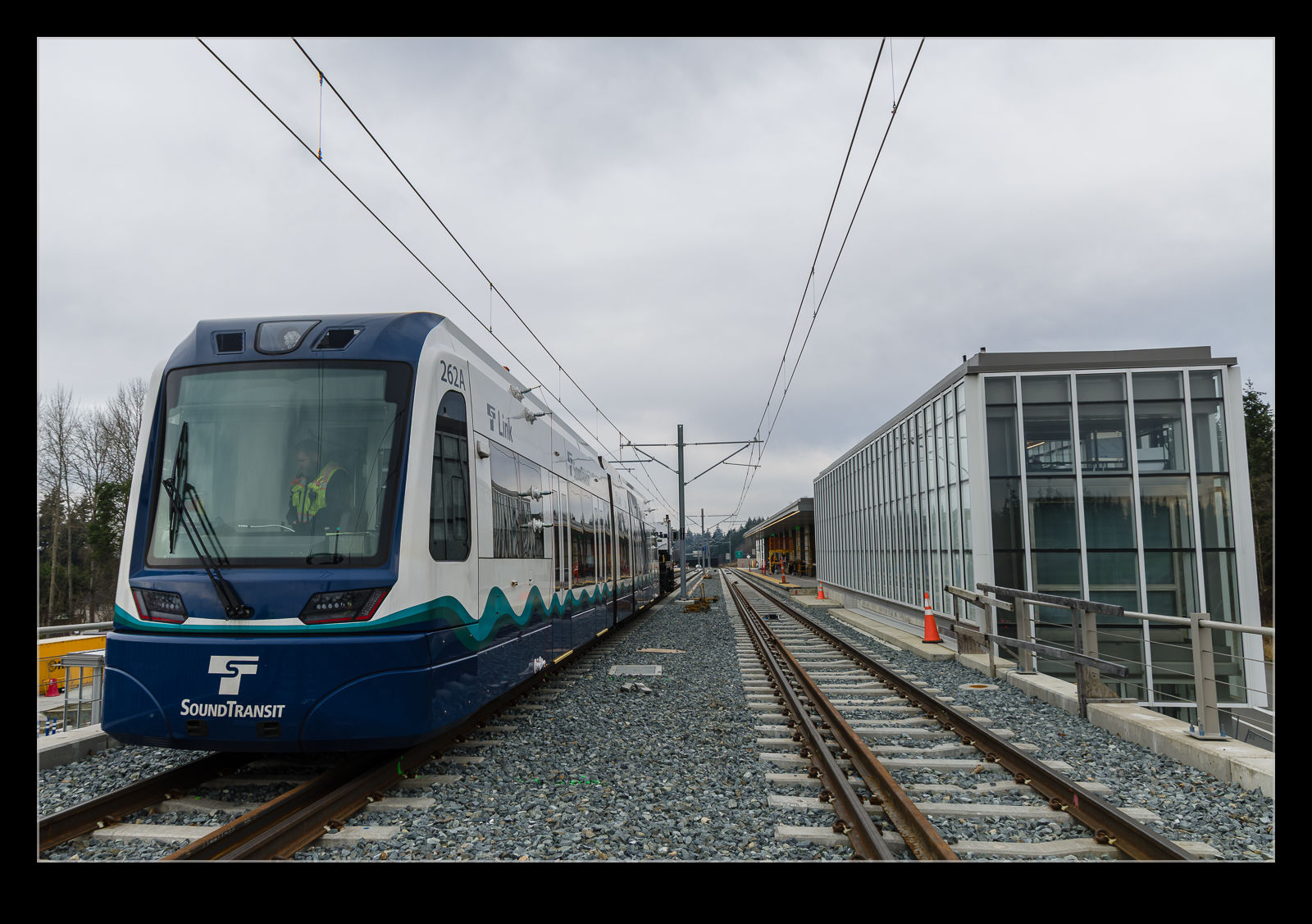 This addition to the system will provide better connectivity to the southern part of the region and the launching point for the next extension which will go down to Tacoma. If you are stuck on I-5 heading northbound early in the morning and you see the train zipping by, maybe you will consider an alternative way to head into Seattle? If you do, I hope you get the train with the livery our project team paid to have added.
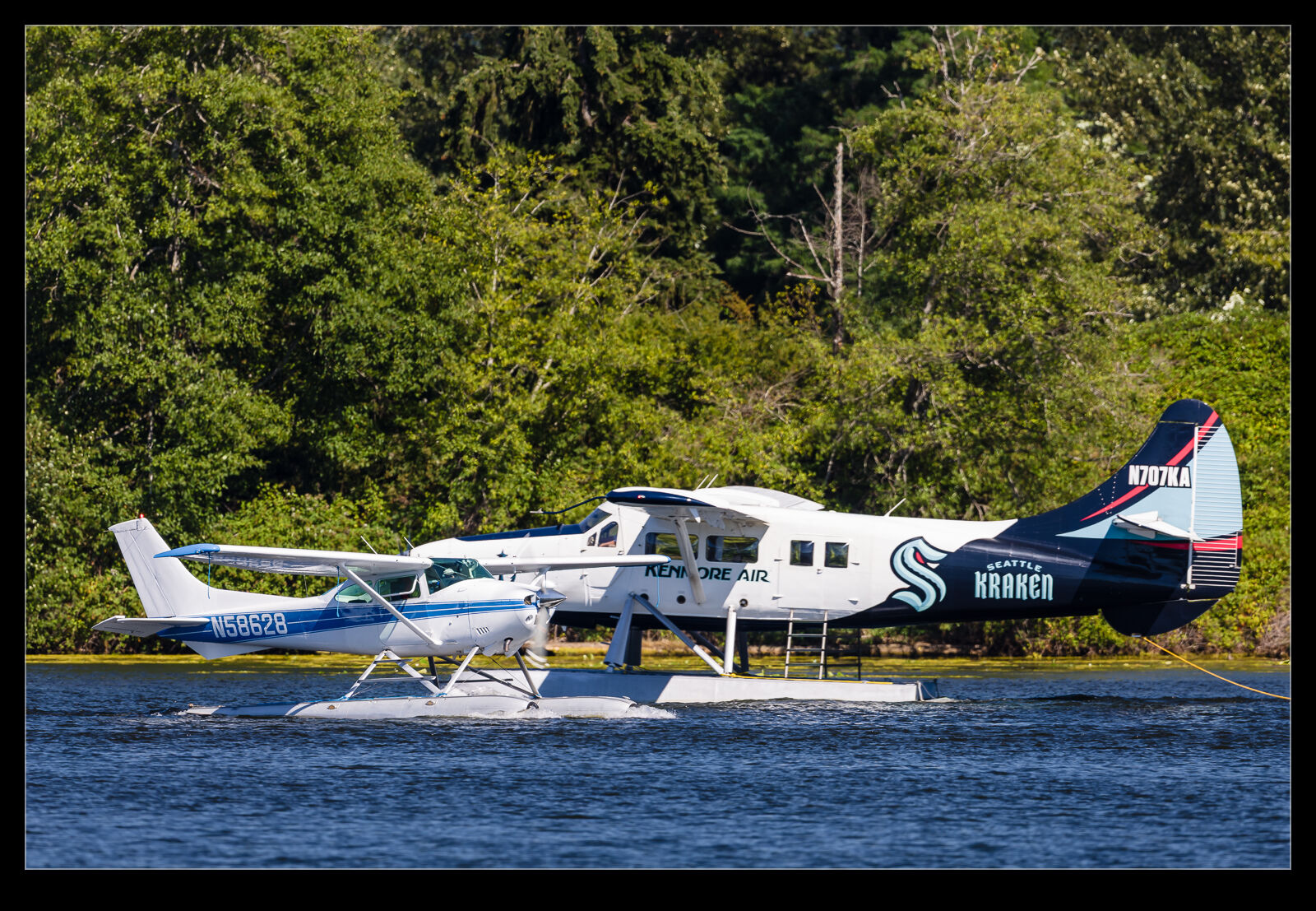
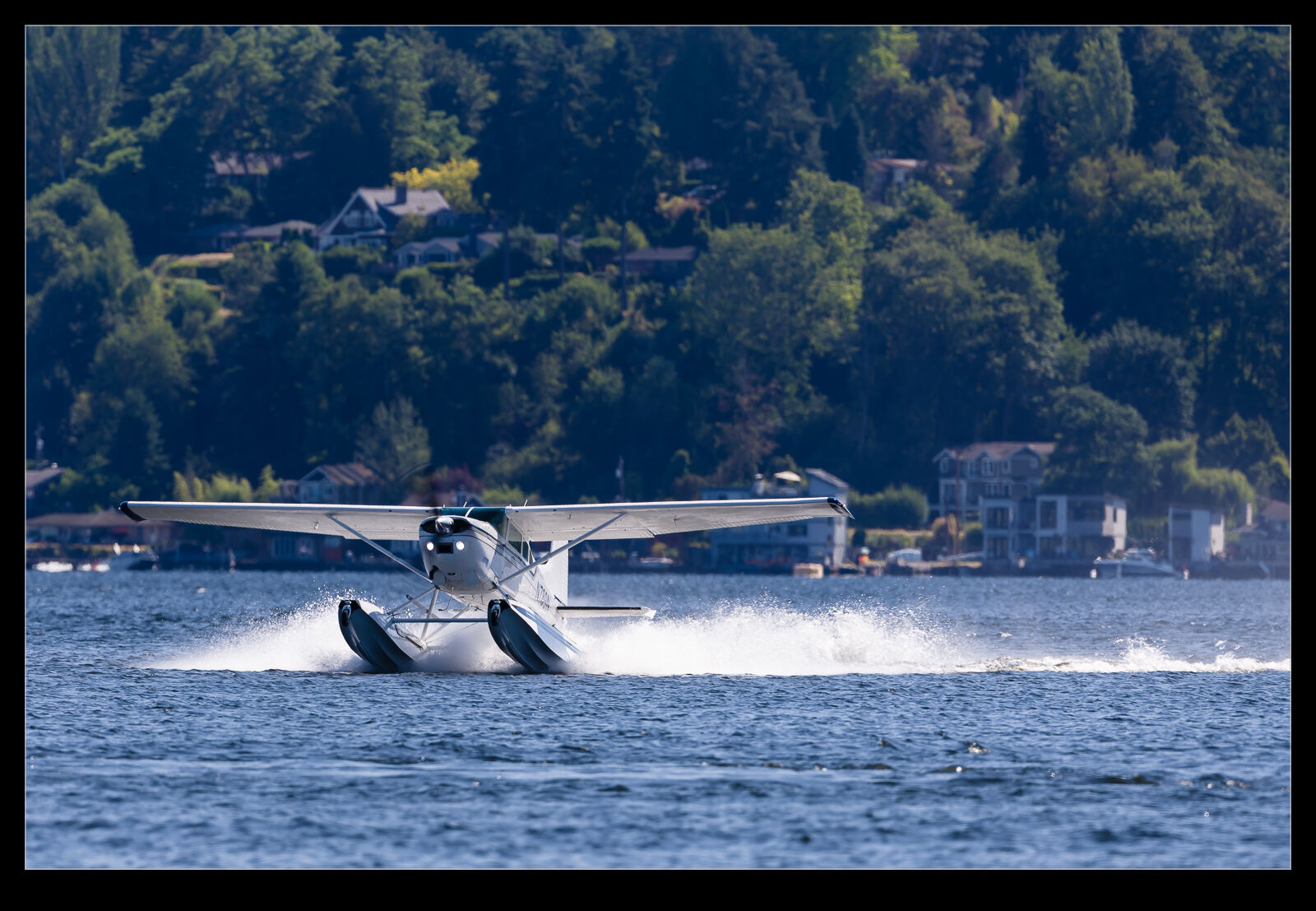
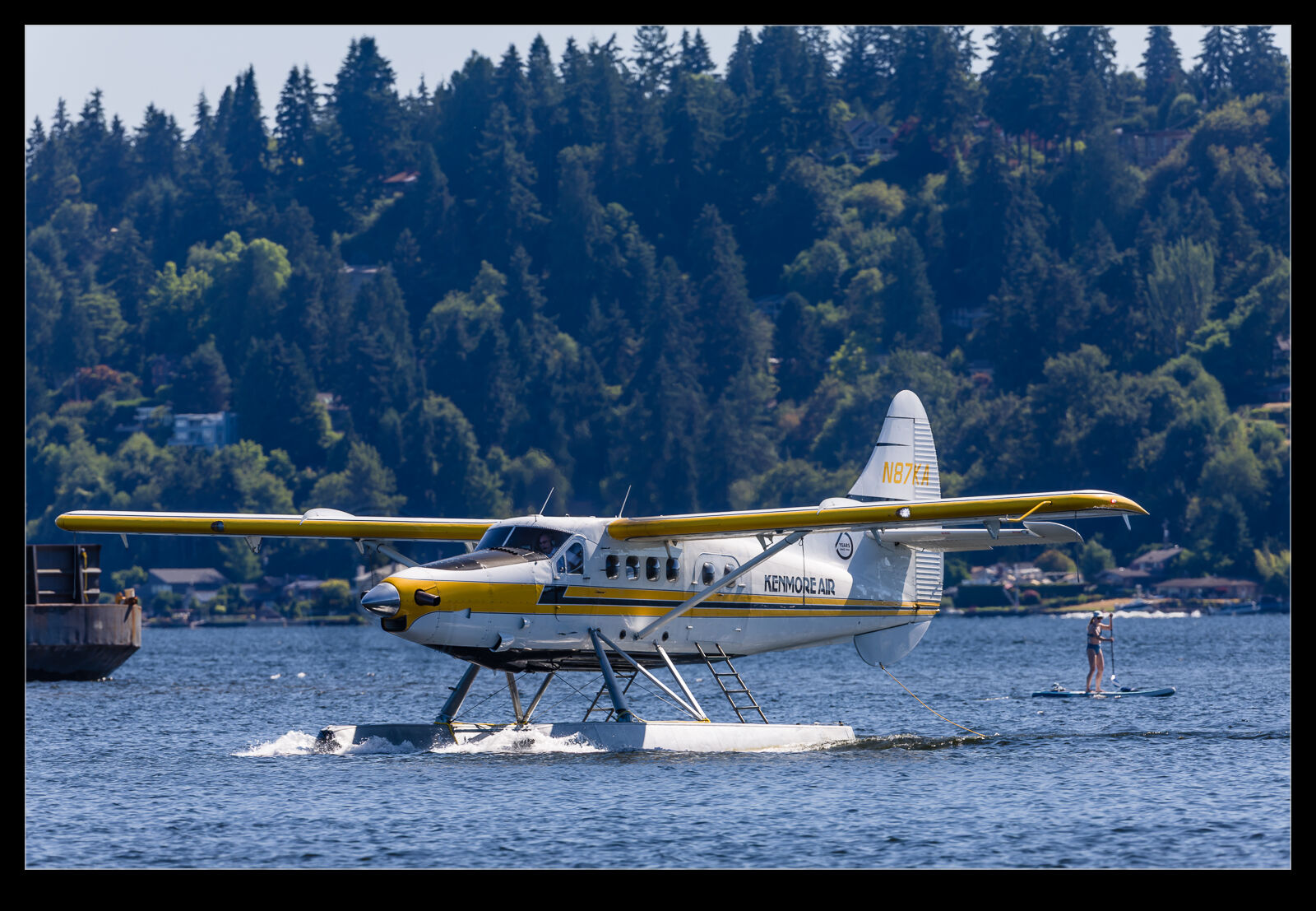
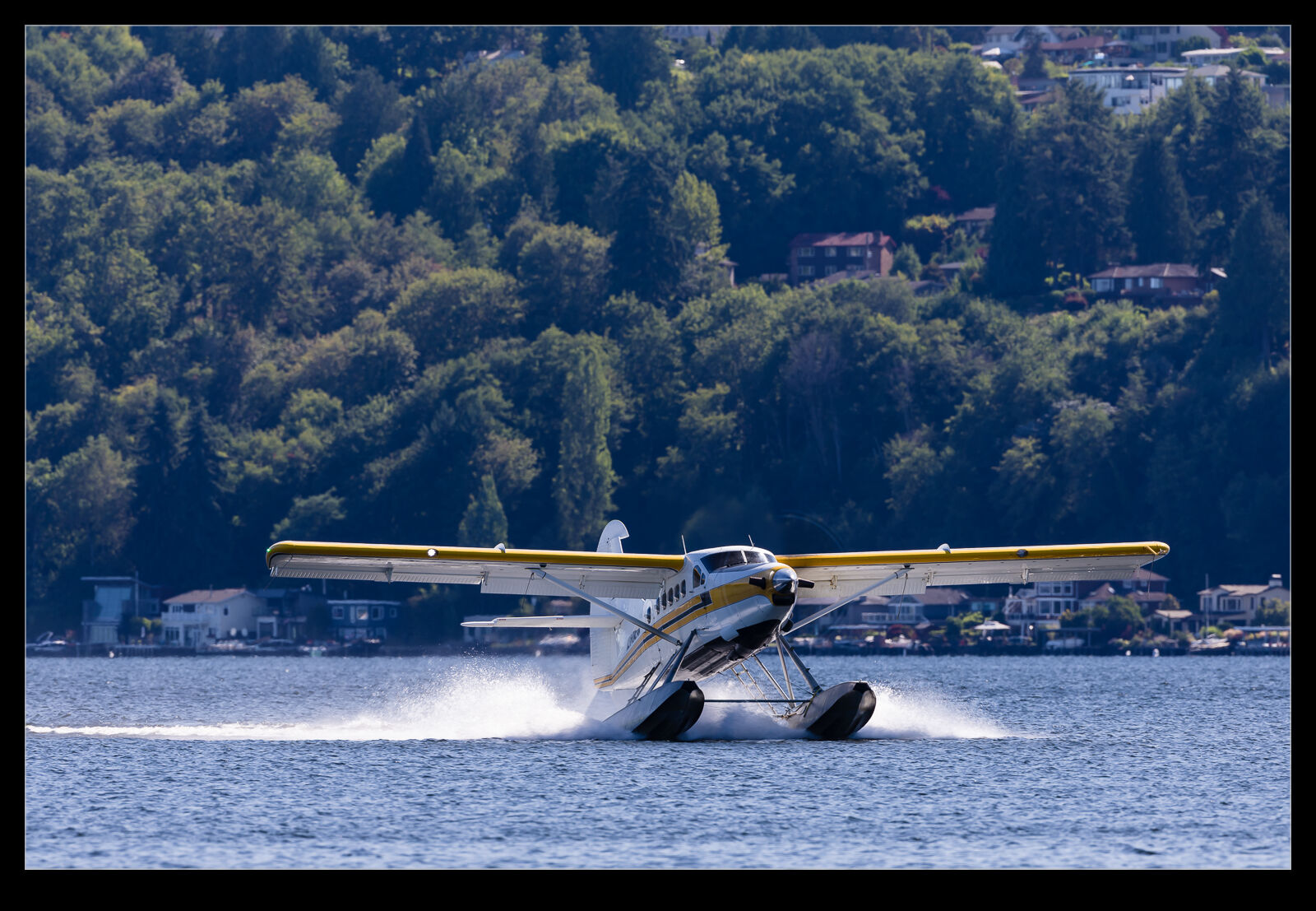
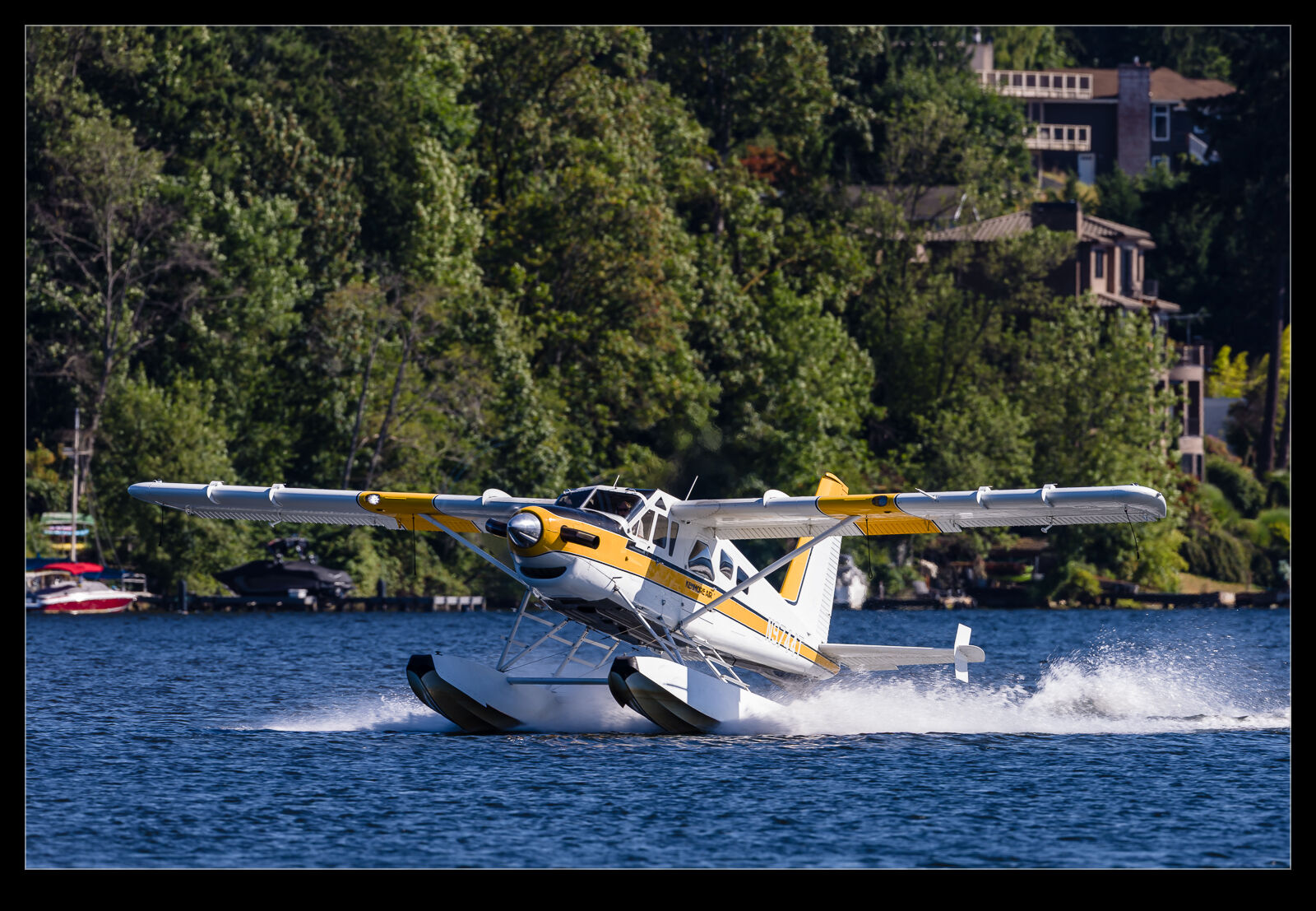
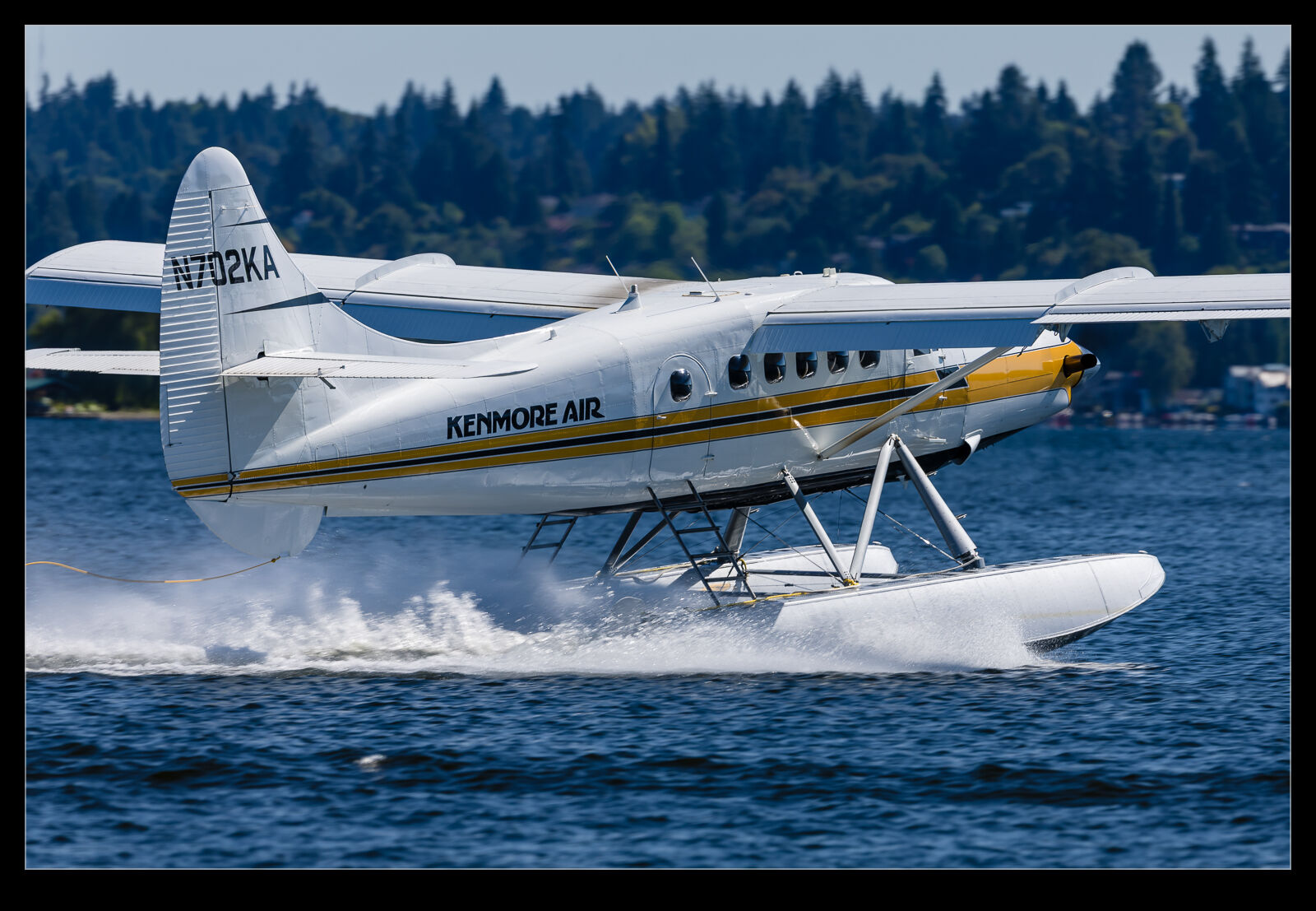 Let’s jump back in time to when we were still in Washington. My buddy, Mark, had come down from Vancouver to visit a friend and had some time to kill so was stopping off in Kenmore to photograph some floatplane activity. I headed over to join up with him since it is fun to see a friend and there is never a bad time to watch floatplanes.
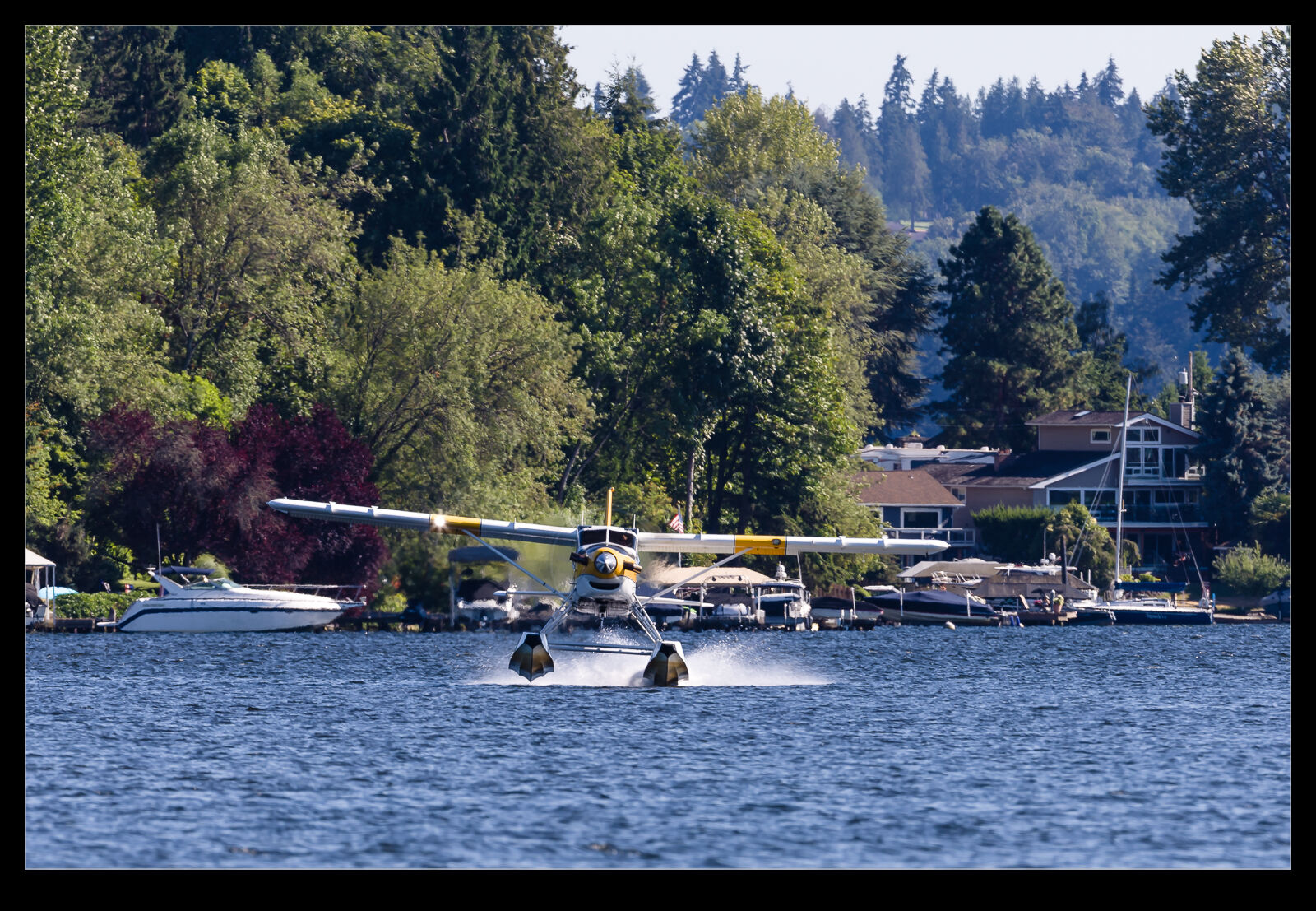 An extra was that Mark knew a spot that I didn’t – local knowledge, huh?? There is a public dock that is accessible and has benches to make hanging out relaxing. It is a lot quieter than the pier at Log Boom Park which, on a sunny day, can get very busy with the local kids swimming. It also brings you in closer to the approach path of the planes which adds some options for the shots. We hung out for a while with a bunch of the usual sort of traffic coming and going. Then we each had places to go. Having a location like this on your doorstep was definitely a bonus when we lived in Woodinville.