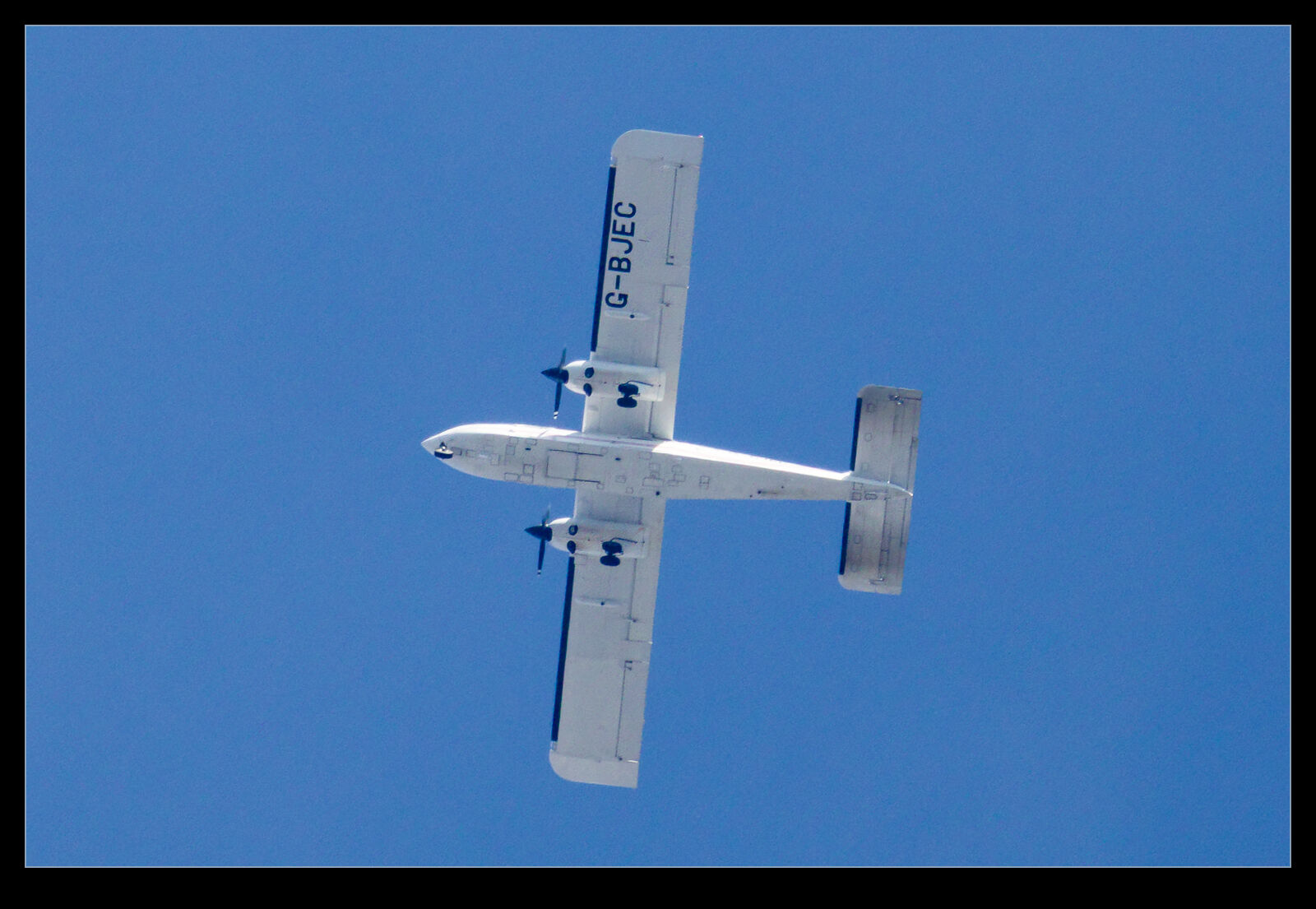
 Back in the days when I first learnt to fly, I was curious about flying to Compton Abbas Airfield. Located on top of a hill in Dorset, it seemed like an interesting destination. However, I never made the trip there. Then, when my old friend Sean and I made some trips around the south of England in his Europa, we also discussed making a visit there. Not sure whether he ever went but I didn’t. Earlier this year, I got thinking about heading across because it is not much more than an hour from home by car. When I first thought of it, it was early in the year, and I thought summer would be a better time to go with longer days and a likelihood of more traffic.
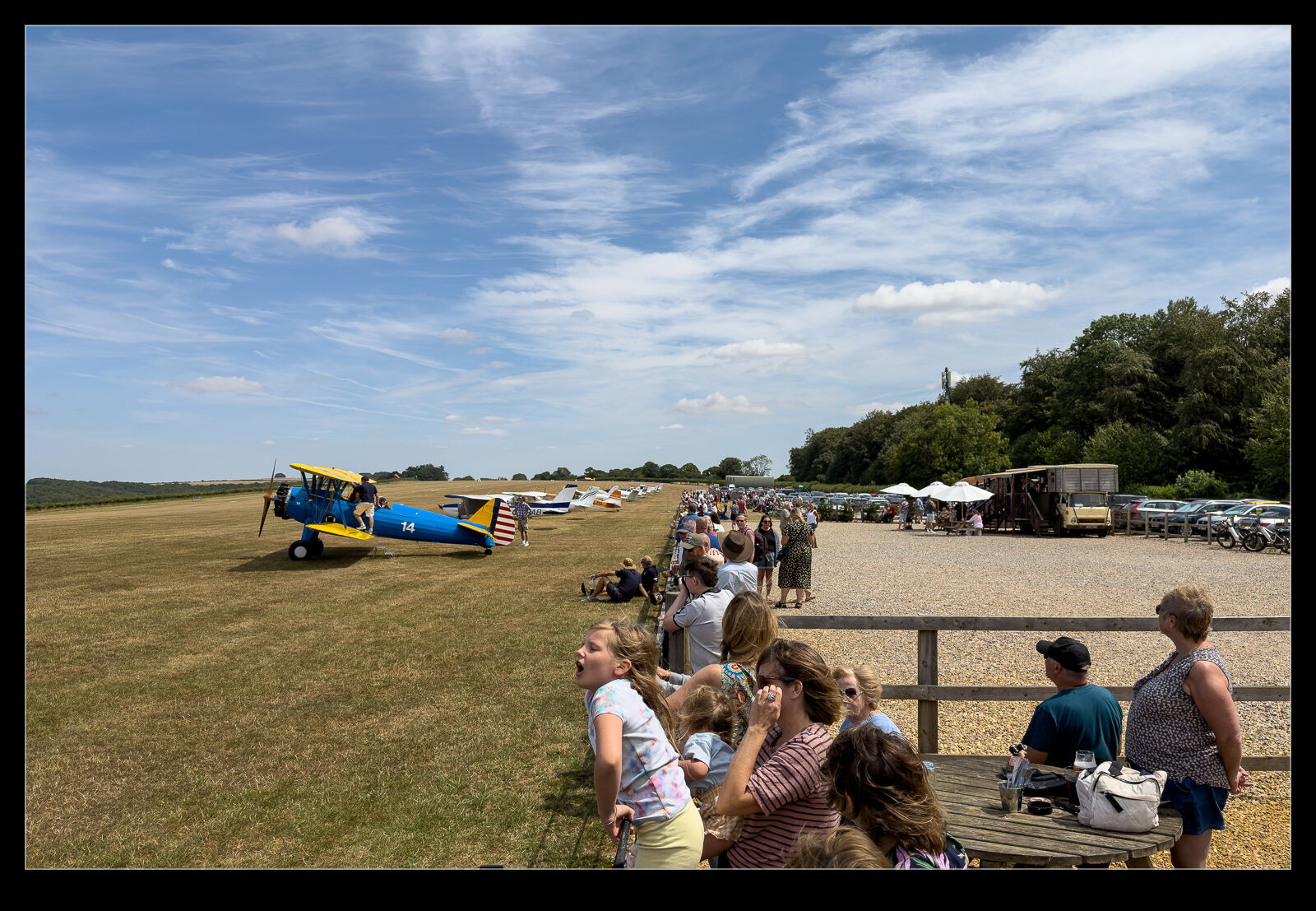
 Come July and it occurs to me that, if I am going to go, I should probably get on with it. So it was that one Saturday morning, we hopped in the car and drove west. It was a very pretty drive across there which made for a good start to the day. When we pulled up, they had some security guys on the gate. Apparently, it was a special day with Spitfire and Tiger Moth rides and there was a £10 charge to park. However, this £10 would then be offset against anything you bought from the café, so it really wasn’t a hardship.
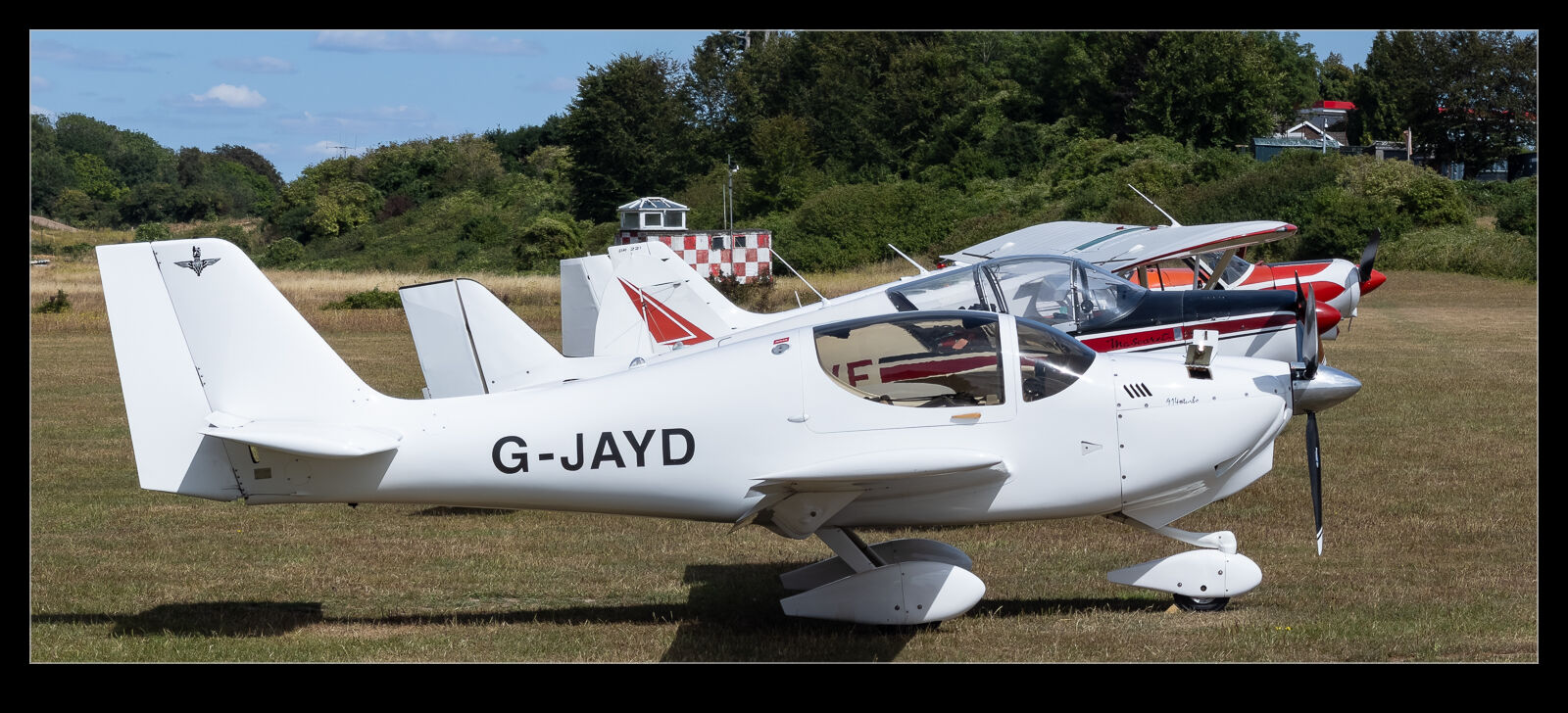
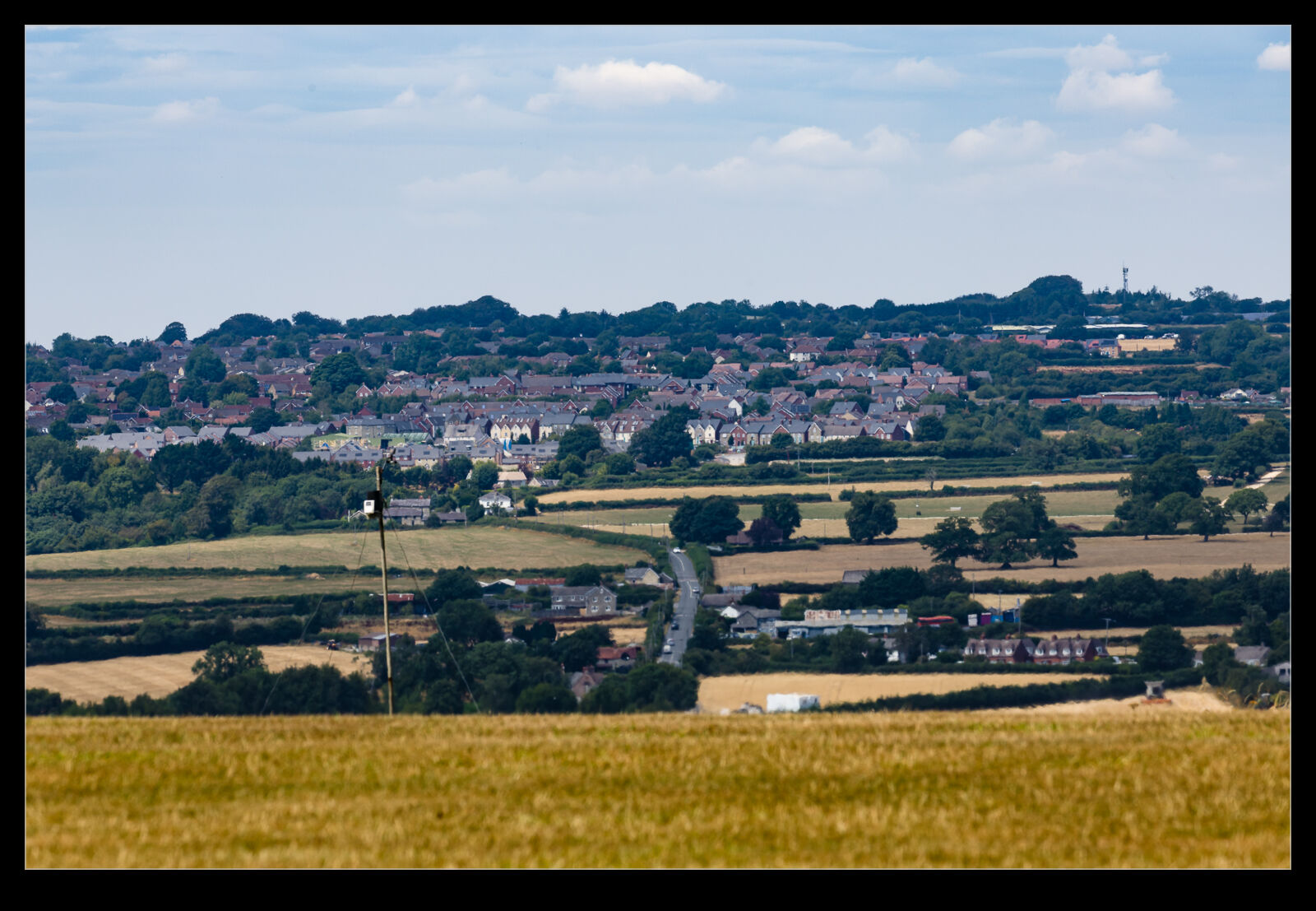
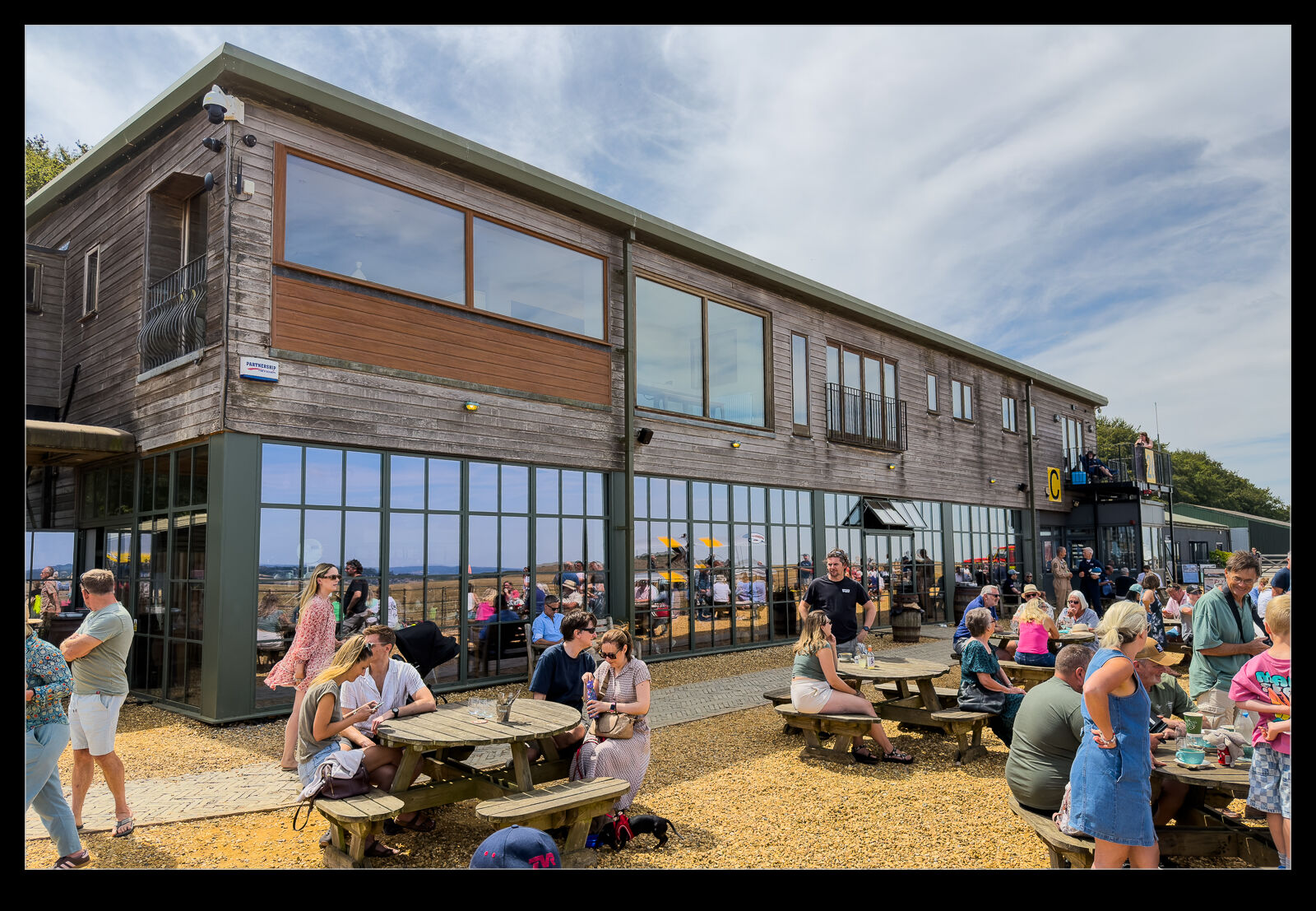 The location is really rather special. Being up on top of the hill gives a lovely view to the lower ground to the north. It also makes for quite a backdrop for any aircraft shots, not that I was likely to be taking any of those! The restaurant is a modern structure, and the food was really good. We ended up sitting on a table outside to order our food which meant I was able to jump up whenever anything of interest moved.
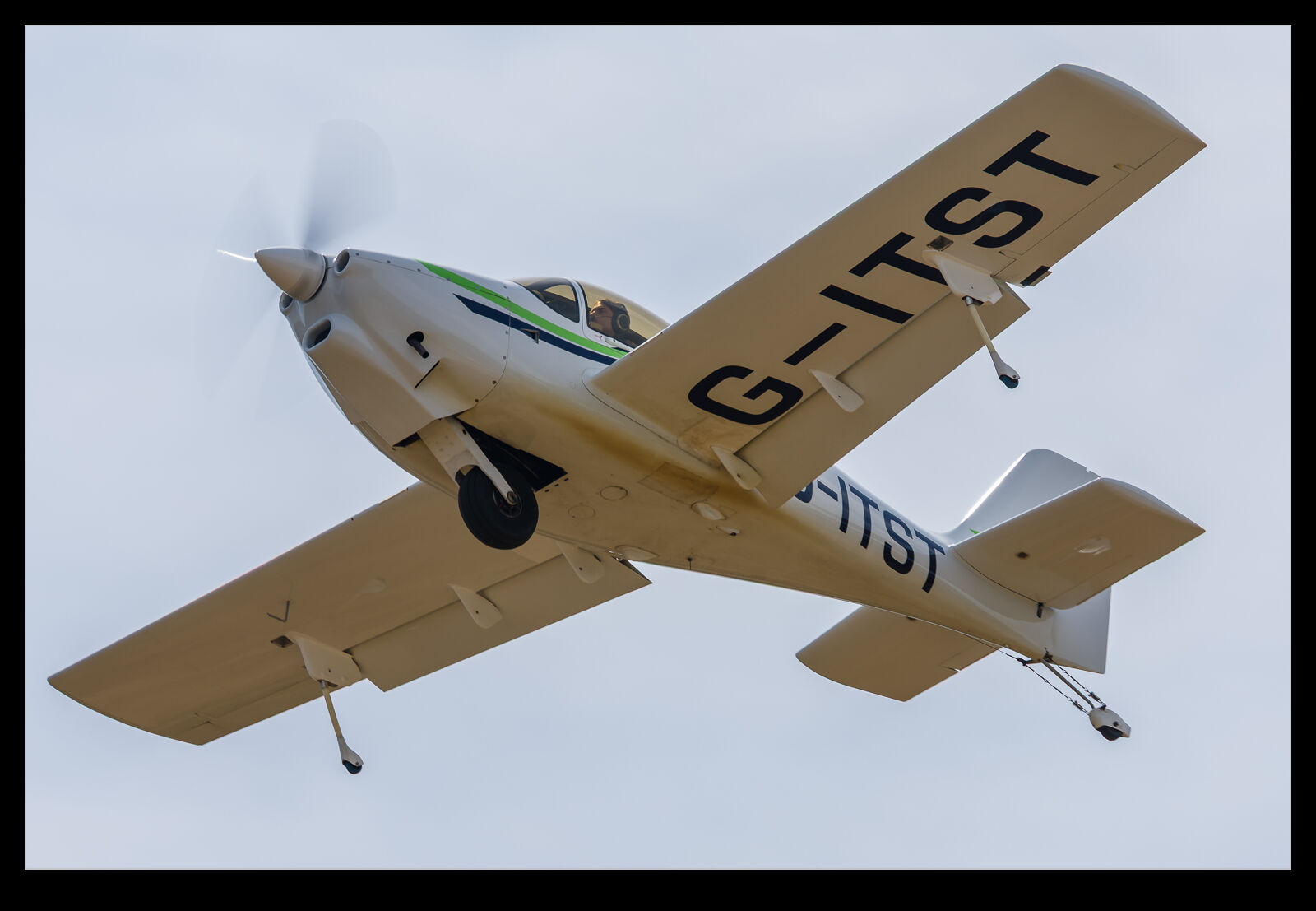
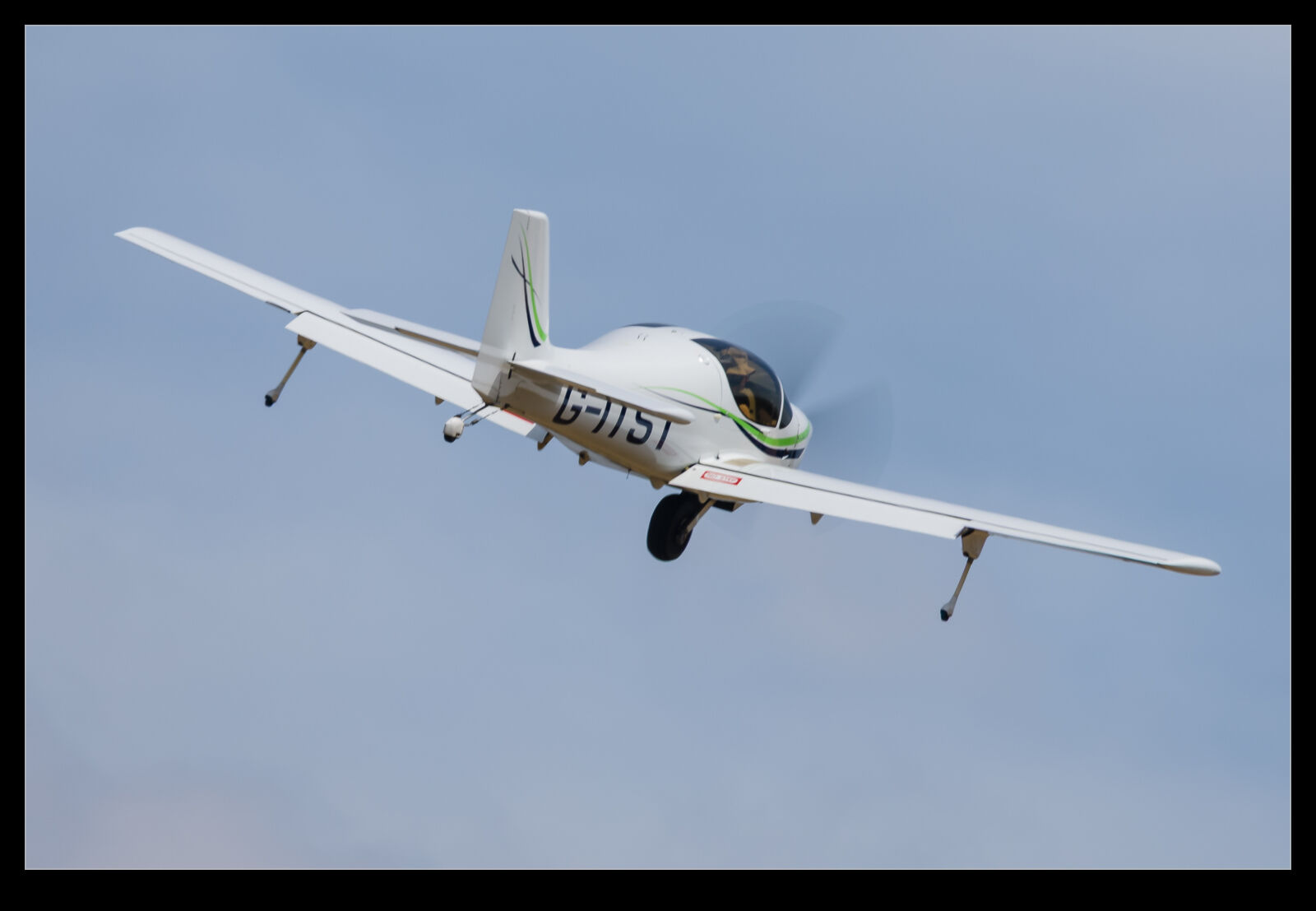
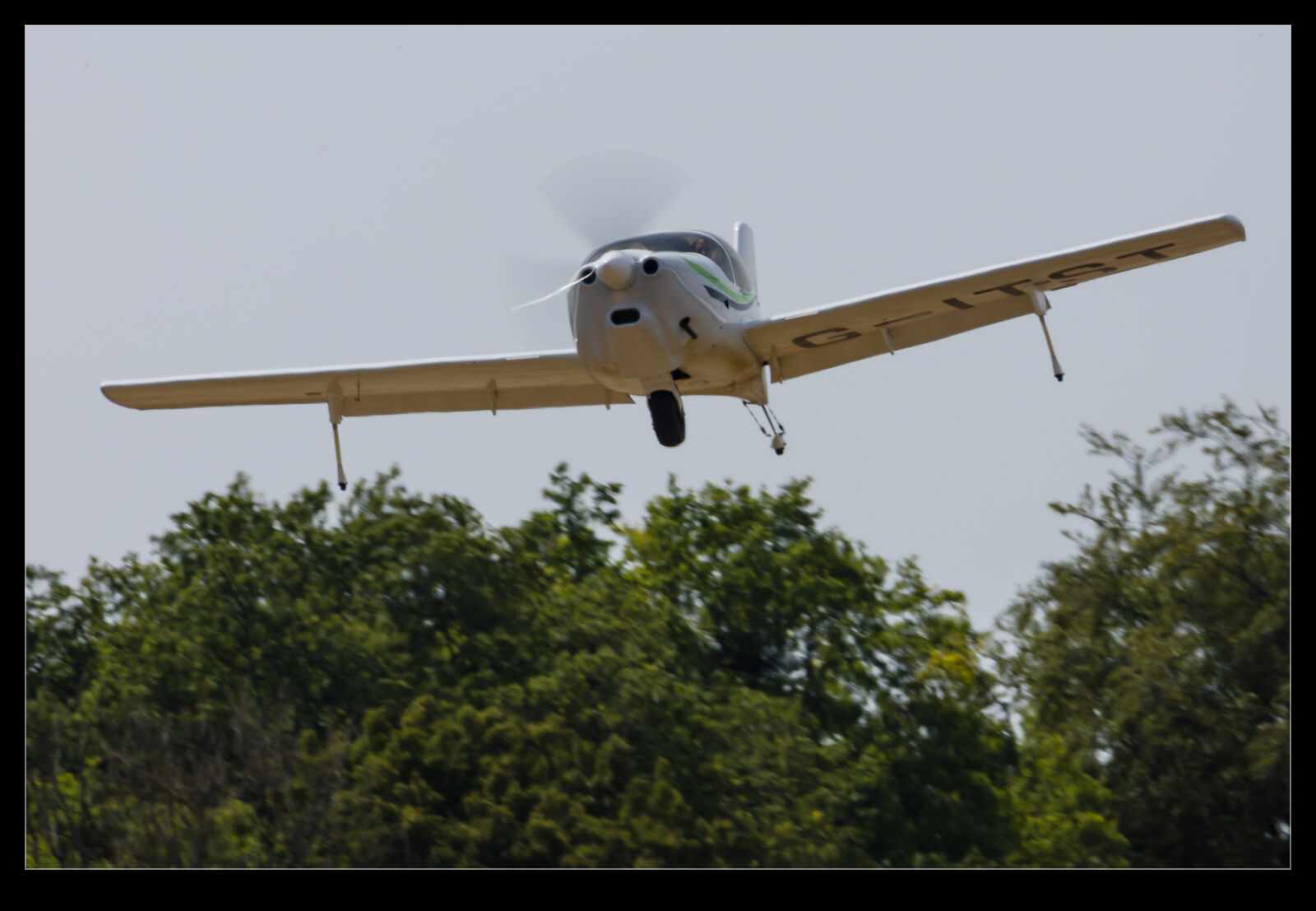
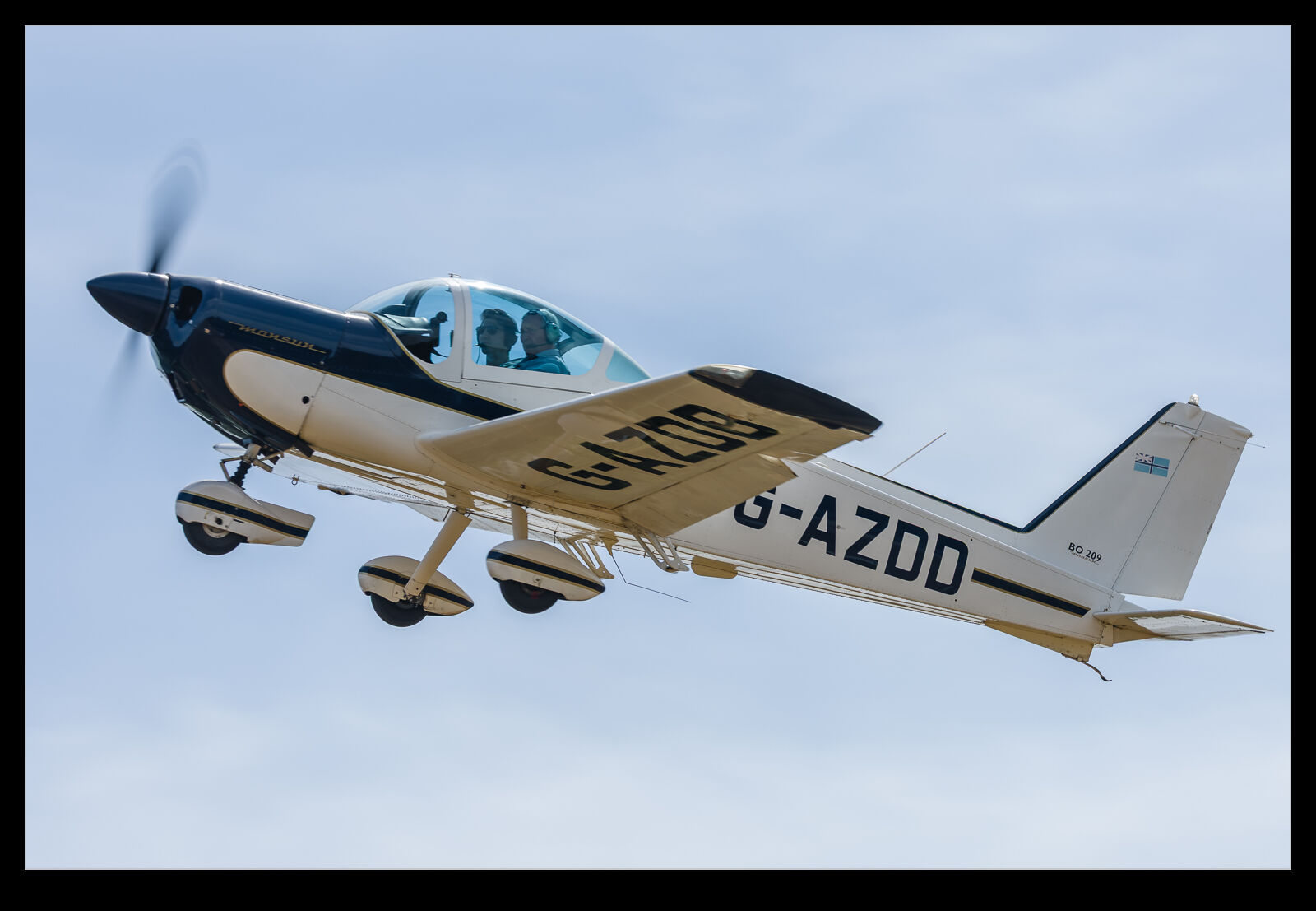
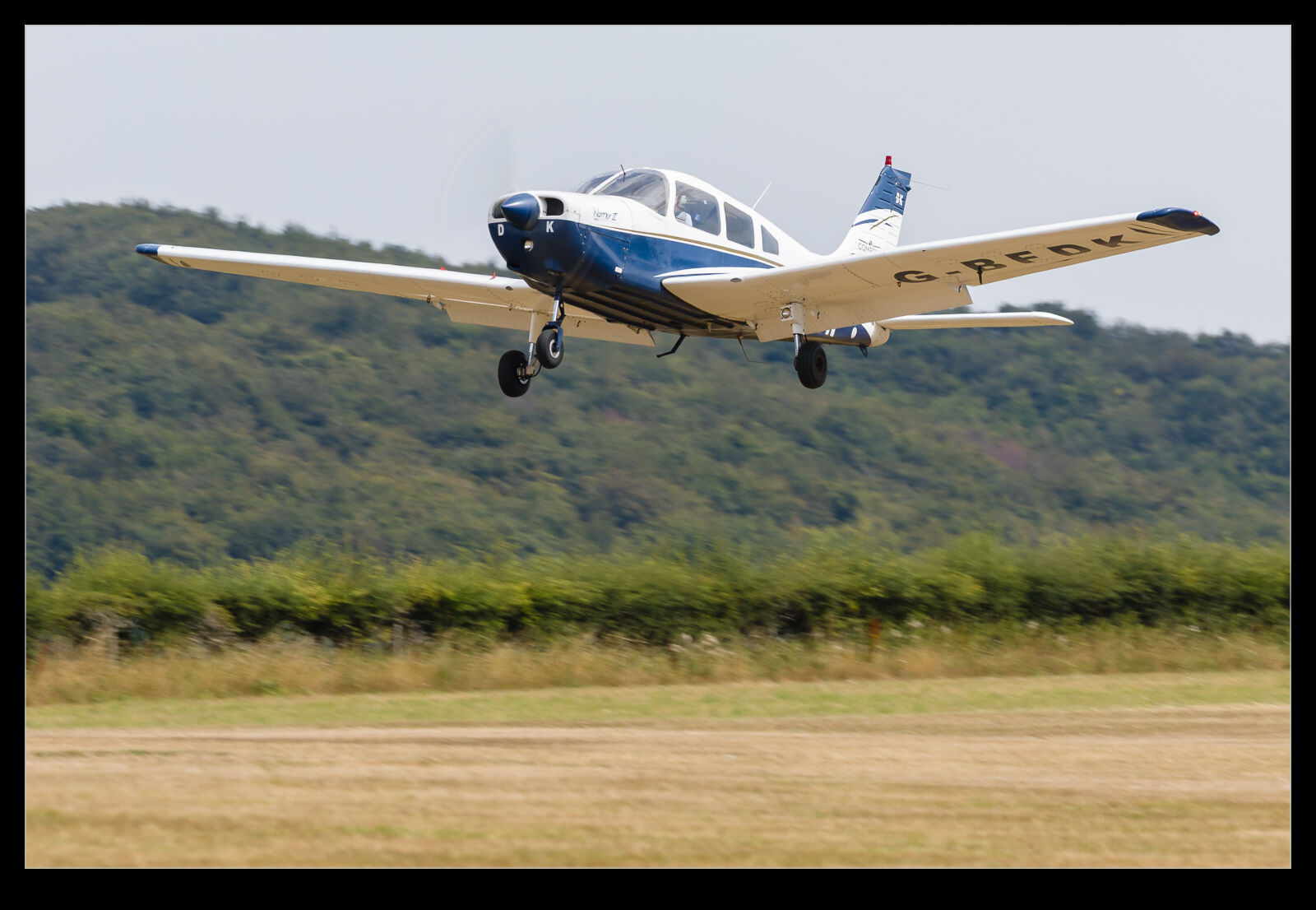
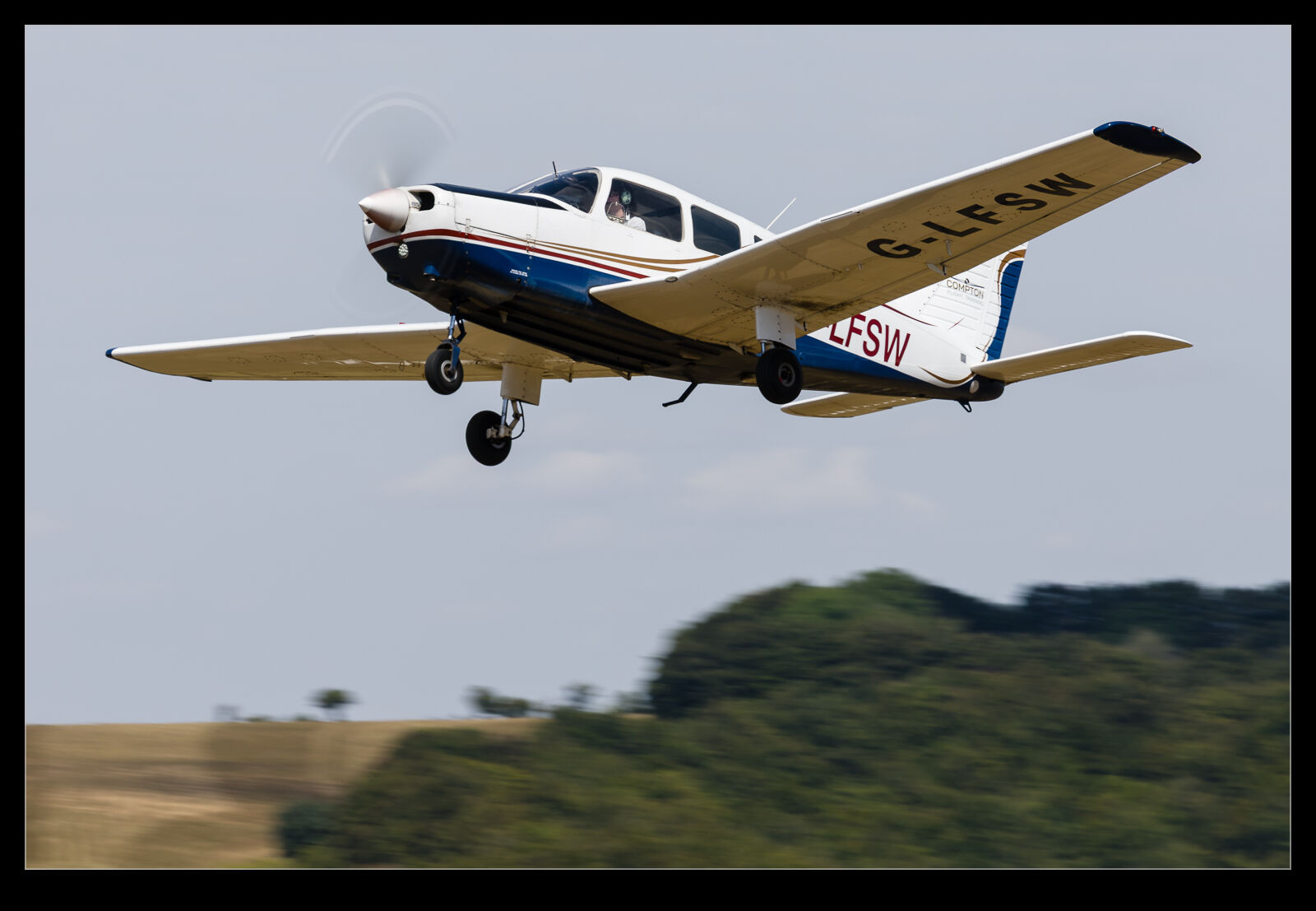 The location does seem to make for some interesting conditions for pilots. Watching the planes on short final, you could see that they were keeping a bit high before dropping down when close in. The briefing notes on the airfield website highlight that, being low on approach can really get difficult. Looks like a place that you need to brief for carefully.
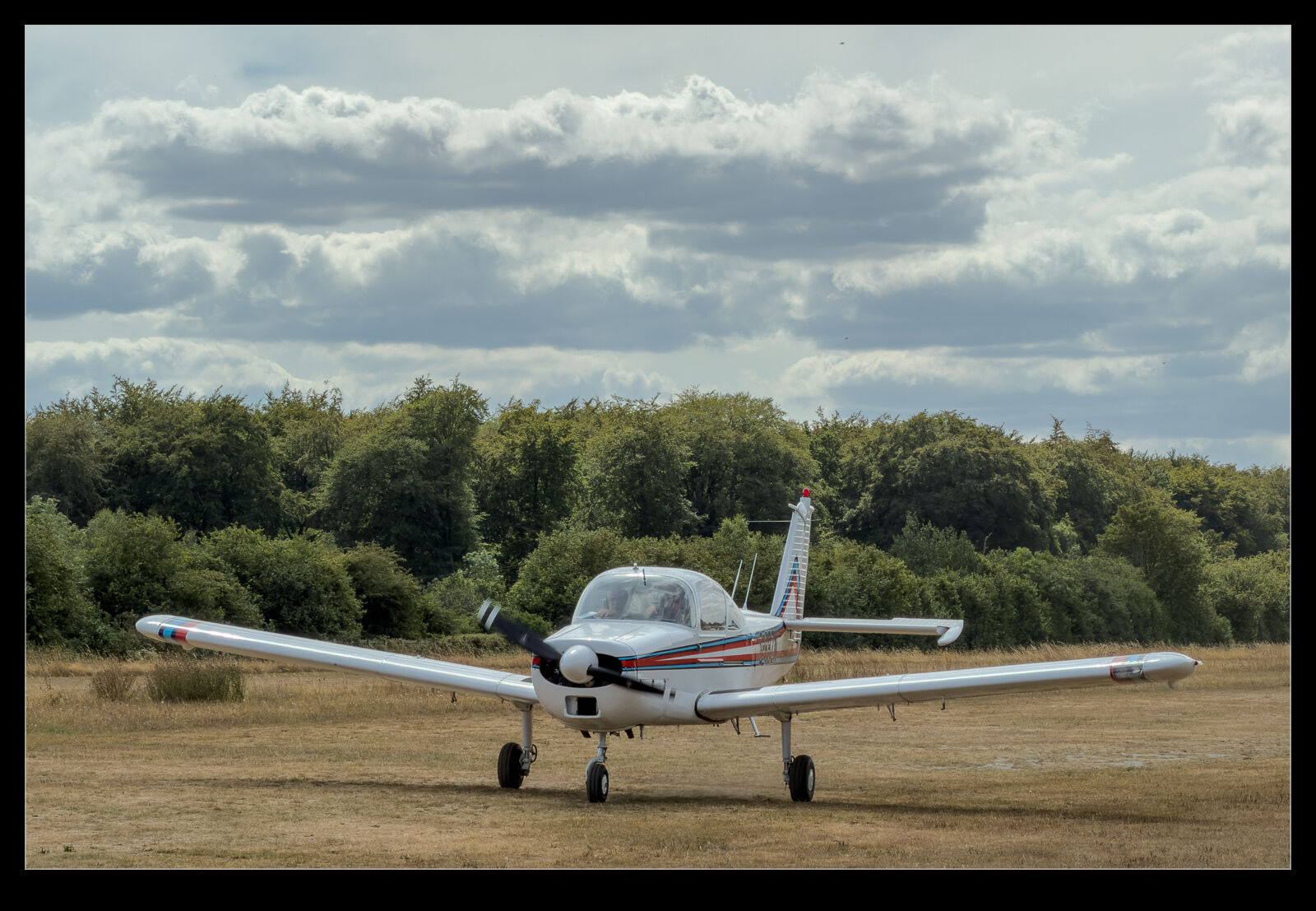
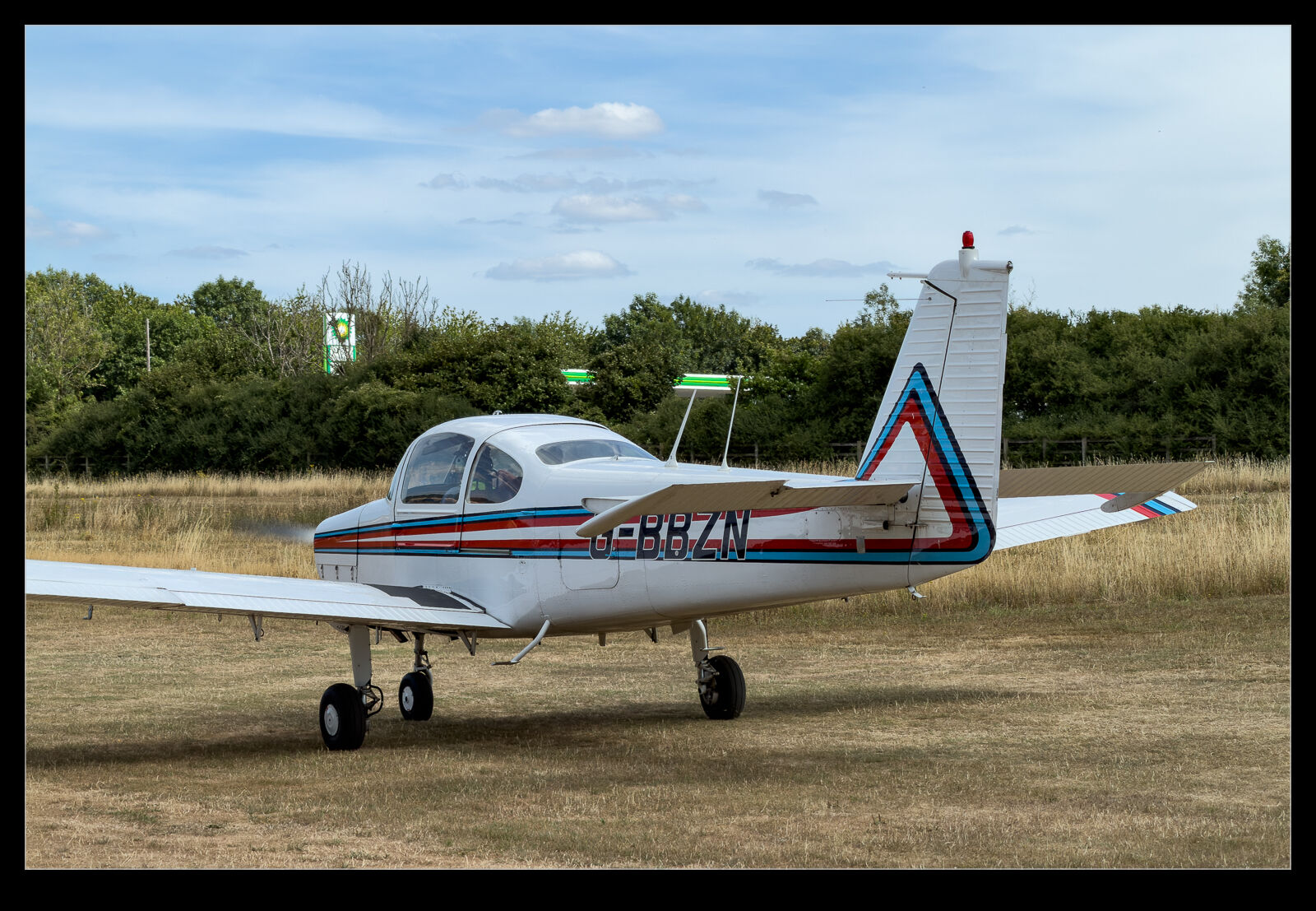
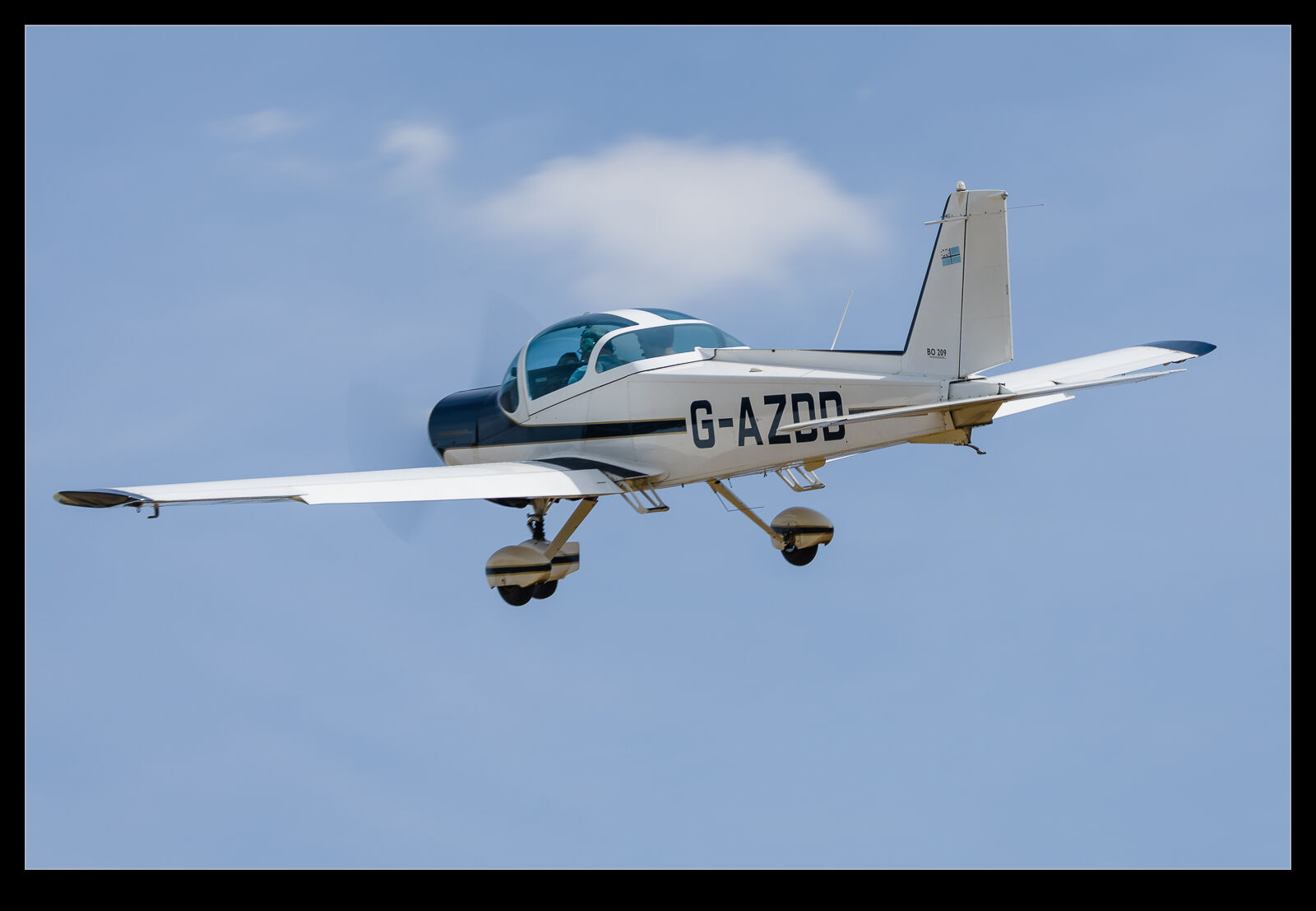
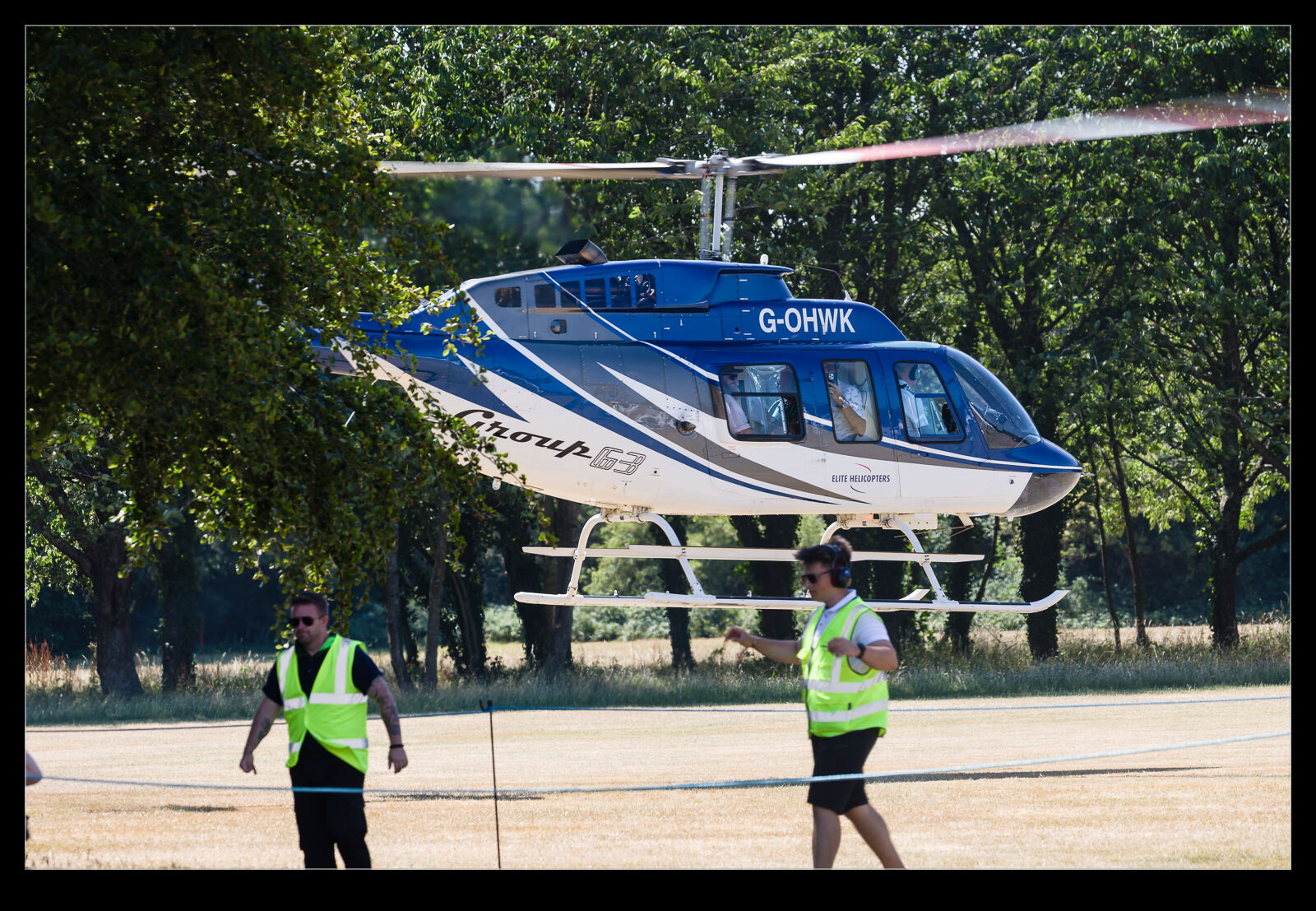
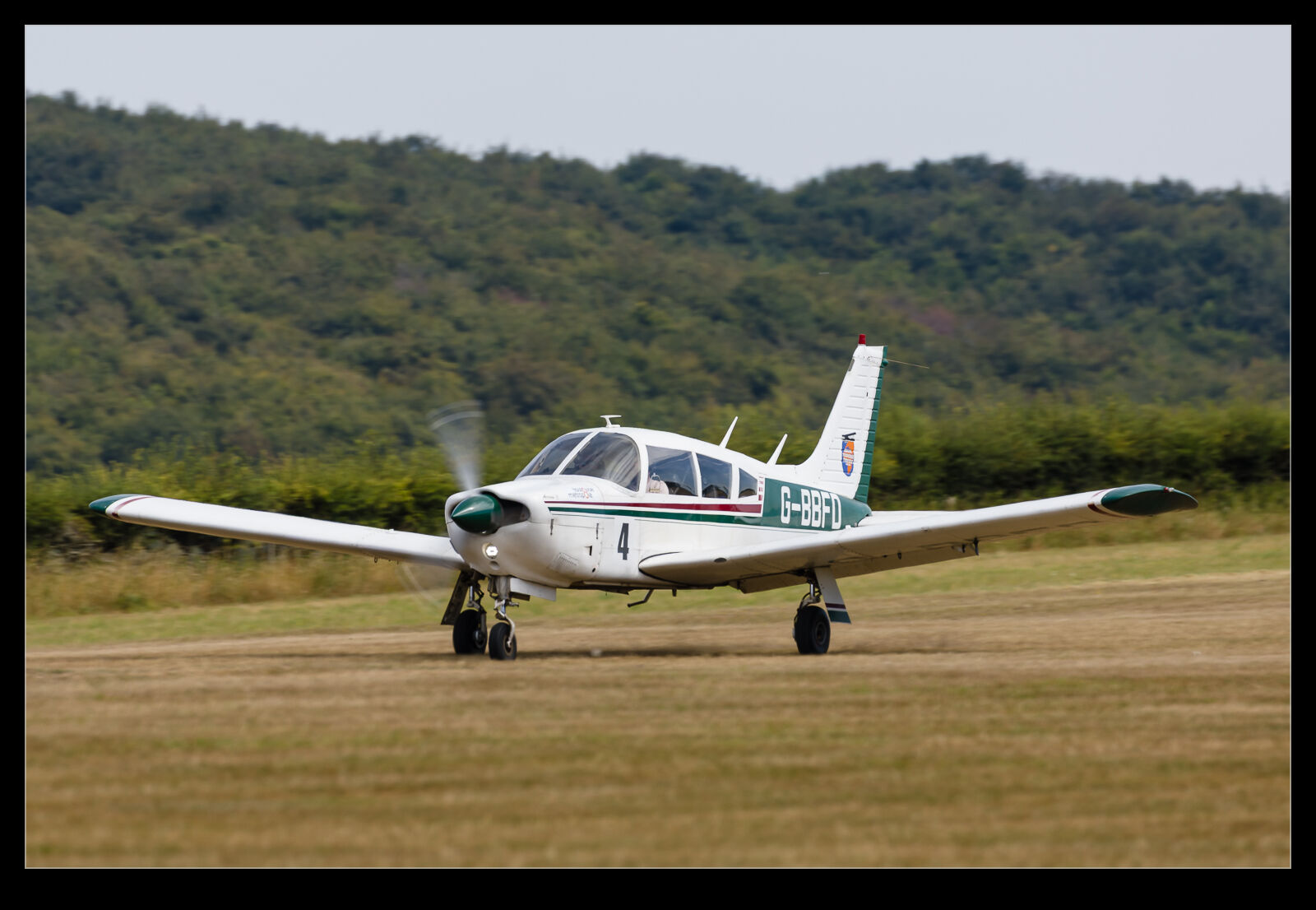
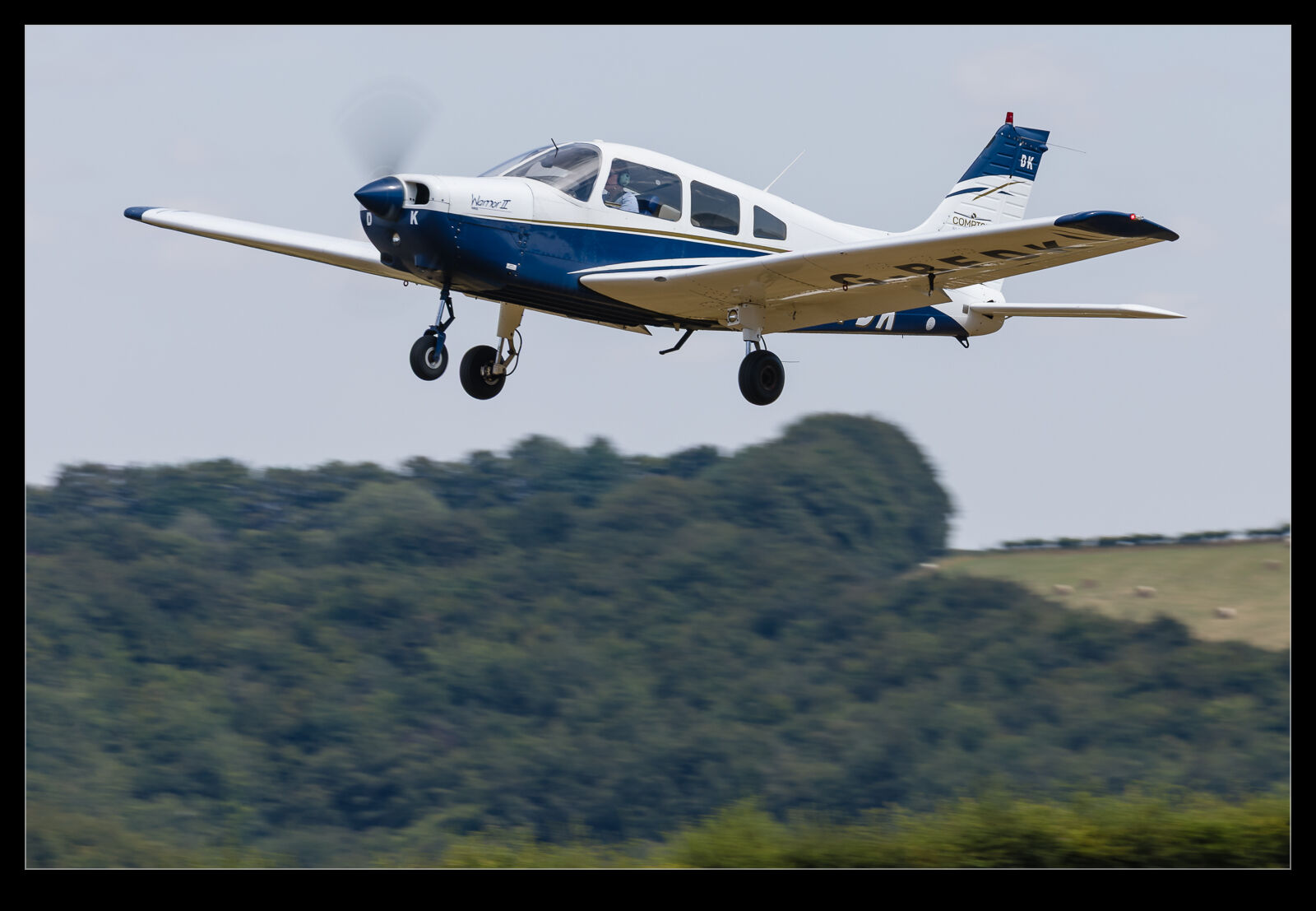
 The pleasure flights in the old warbirds were certainly keeping things busy but there was the usual visiting traffic combined with some local flying training. Someone seemed to be having a bit of a time with timing their flaring for touchdown, and I felt a bit bad for them being so on view with all of the visitors when going through their early stages of flight training. I imagine learning there really teaches you some skills!
 This was a lovely spot to spend some time on a sunny summer afternoon, and I would be happy to go back again. The food is also great so that would be tempting too. They had a converted horse lorry that served as an outdoor bar which might be worth checking out too next time.
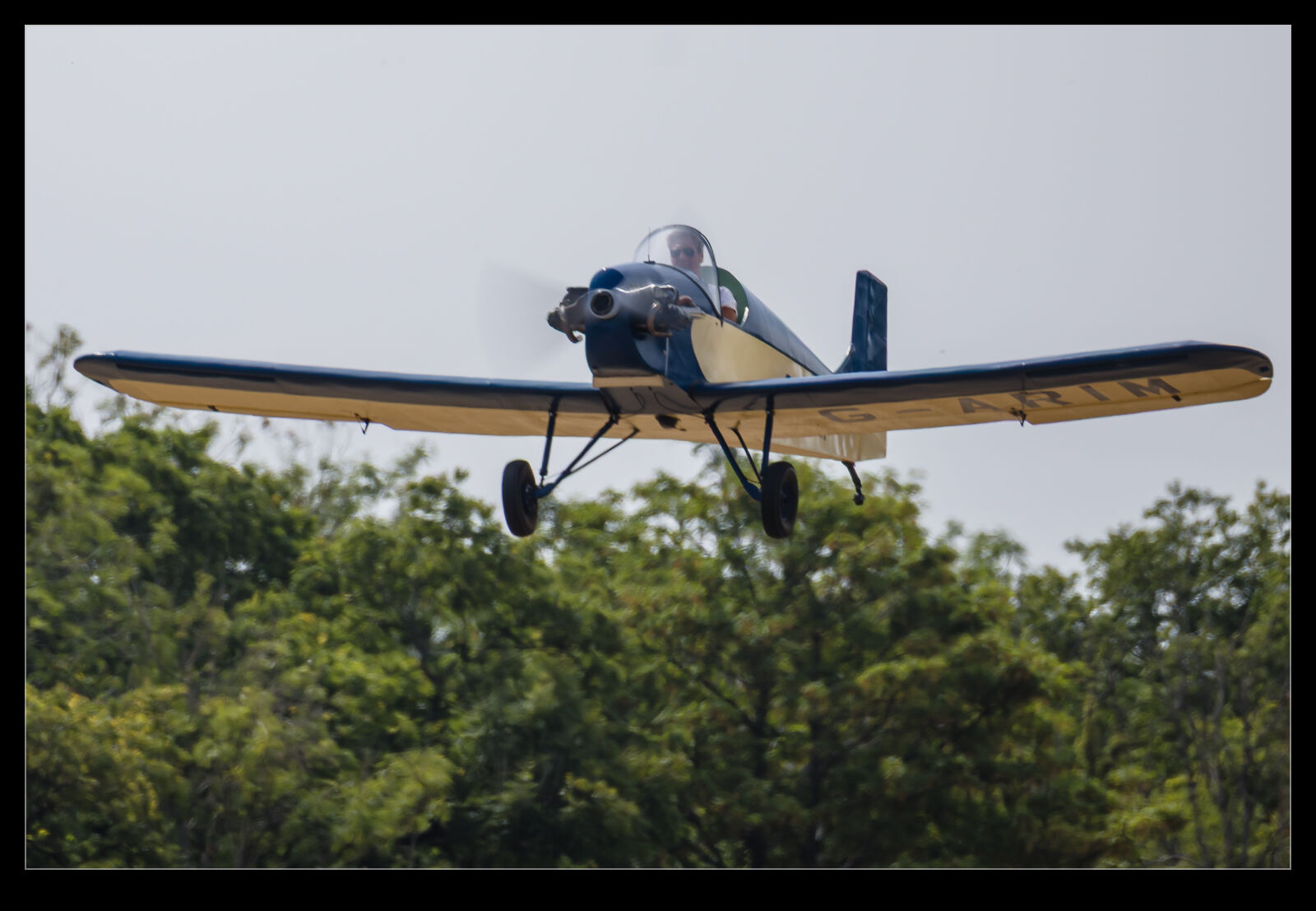
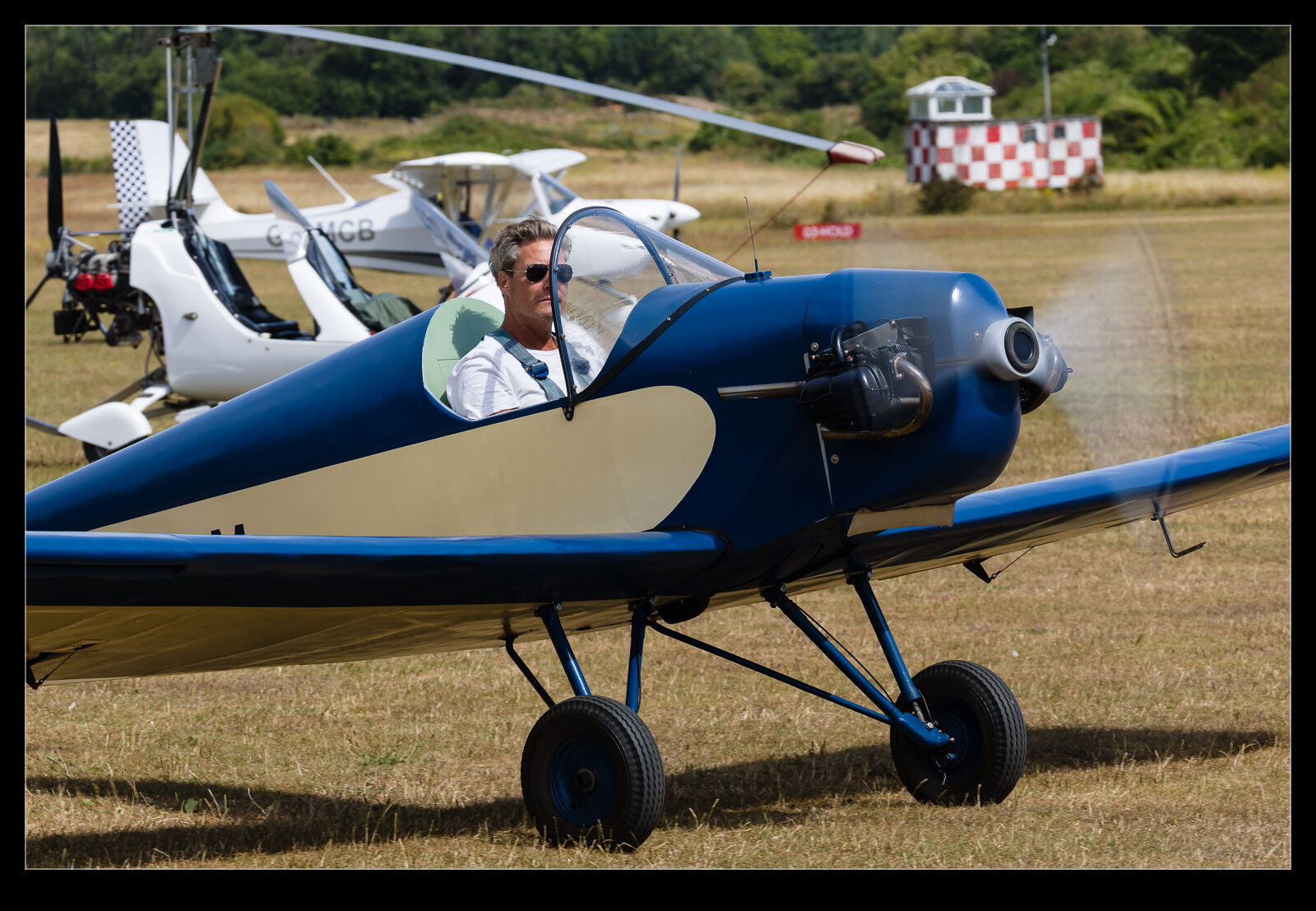
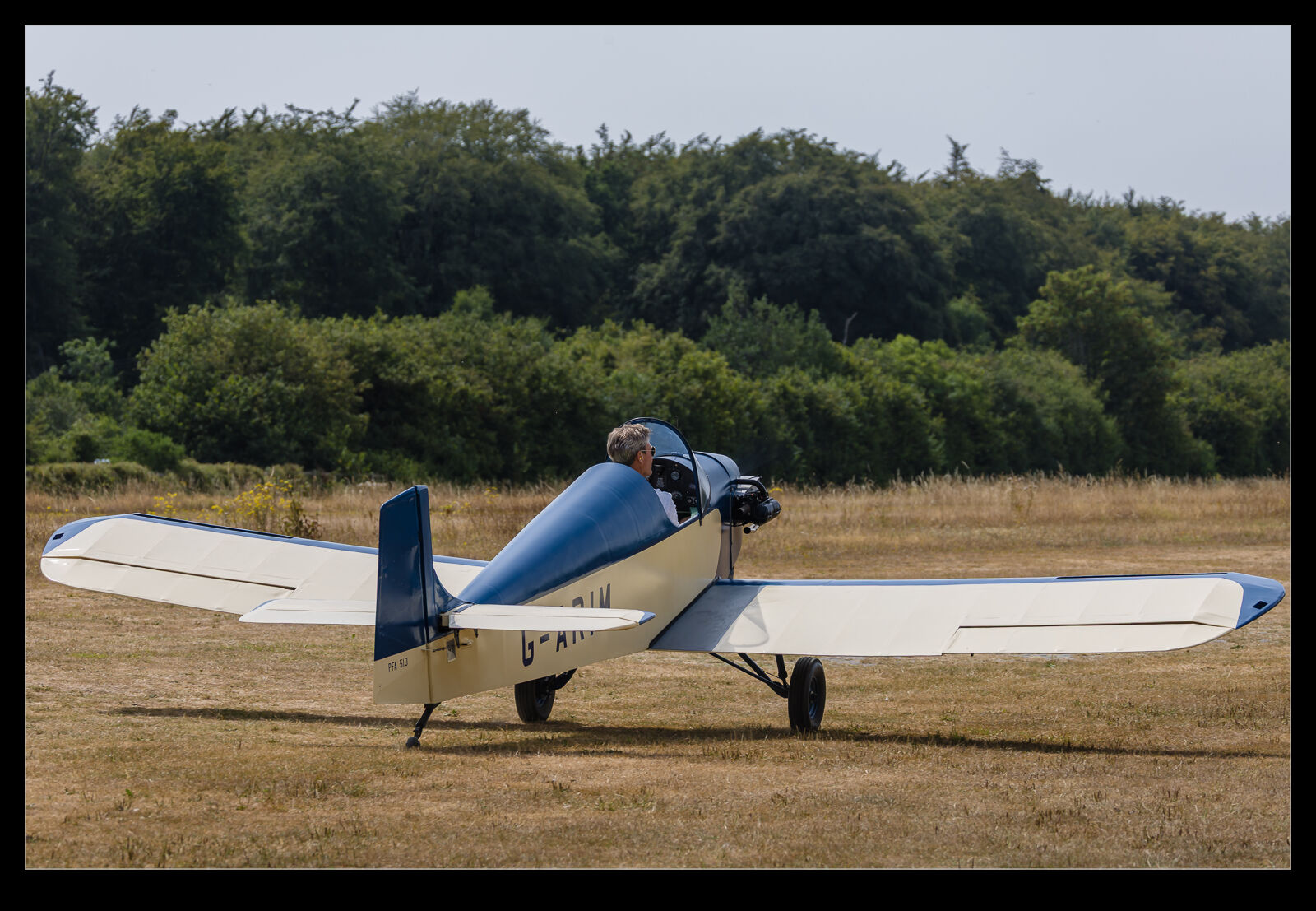
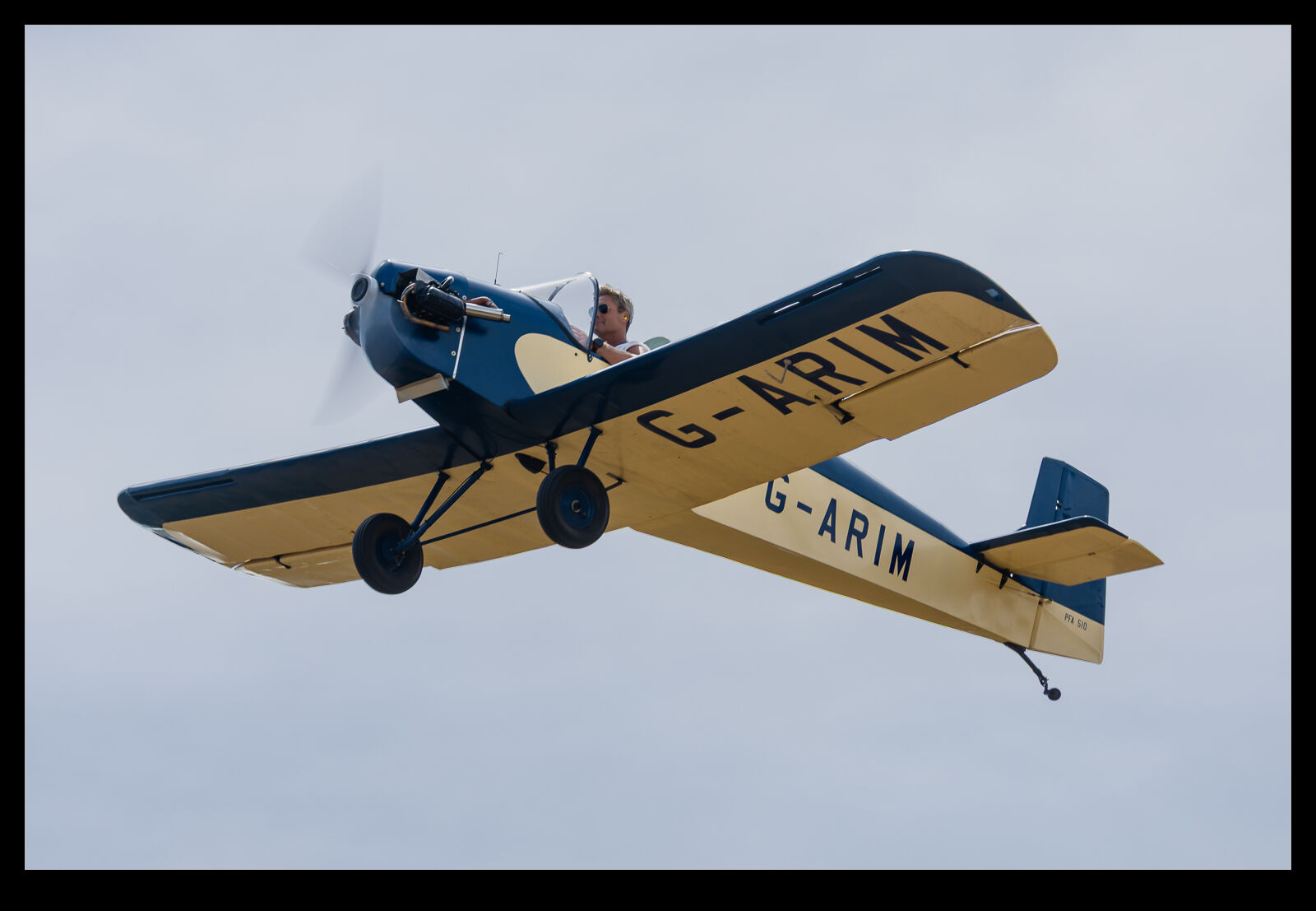 If you are only used to airliners, light aircraft can look pretty flimsy. They are well designed, but they are small and a little flexible looking. They might be more than up to the task but, to a first timer, they might have the impression of being a bit risky. Then you can look at a Druine Turbulent. That takes the idea of simple to a new level. It is a home-built design that first flew in 1951. Small, light, powered by a small engine and with an open cockpit, it seems like even fitting in it might be a bit snug.
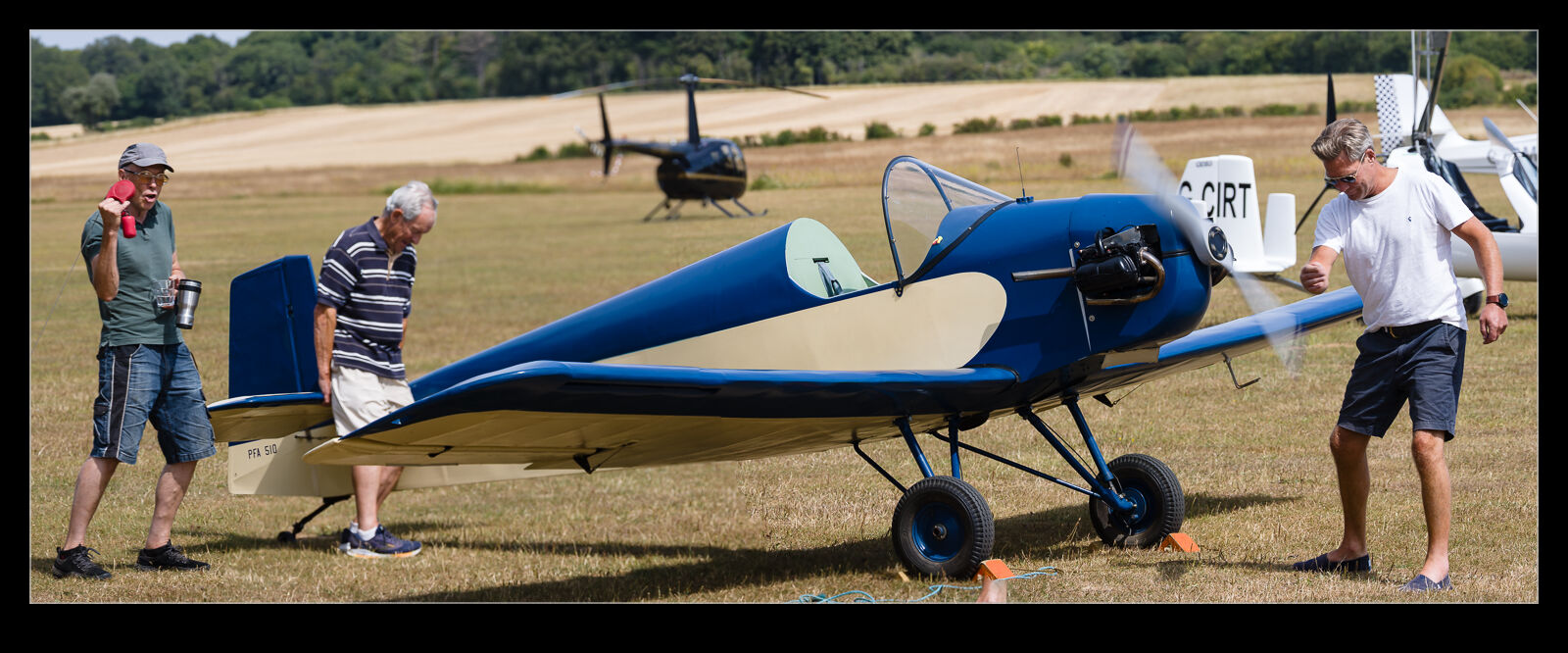 One was parked on the field at Popham one Sunday when we swung by to get some lunch. In due course, the owner came back to the plane and headed off. He had to hand swing the prop himself, so the aircraft was chocked while he started it up. The chocks were then stowed in a panel behind the seat and he climbed in and taxied out. Take off was not startling but still reasonably swift and he climbed out en route. What a cool little plane. I wonder whether it is a cost-effective way of flying.