Tag Archives: airplane

My Approach to Shooting and Processing on Crappy Weather Days

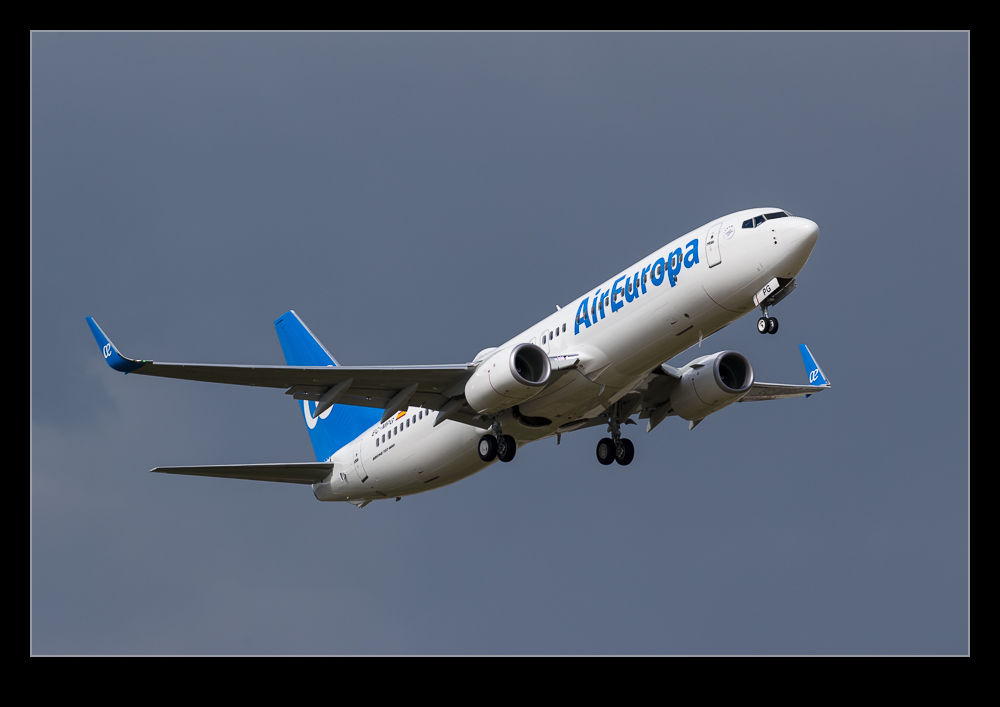
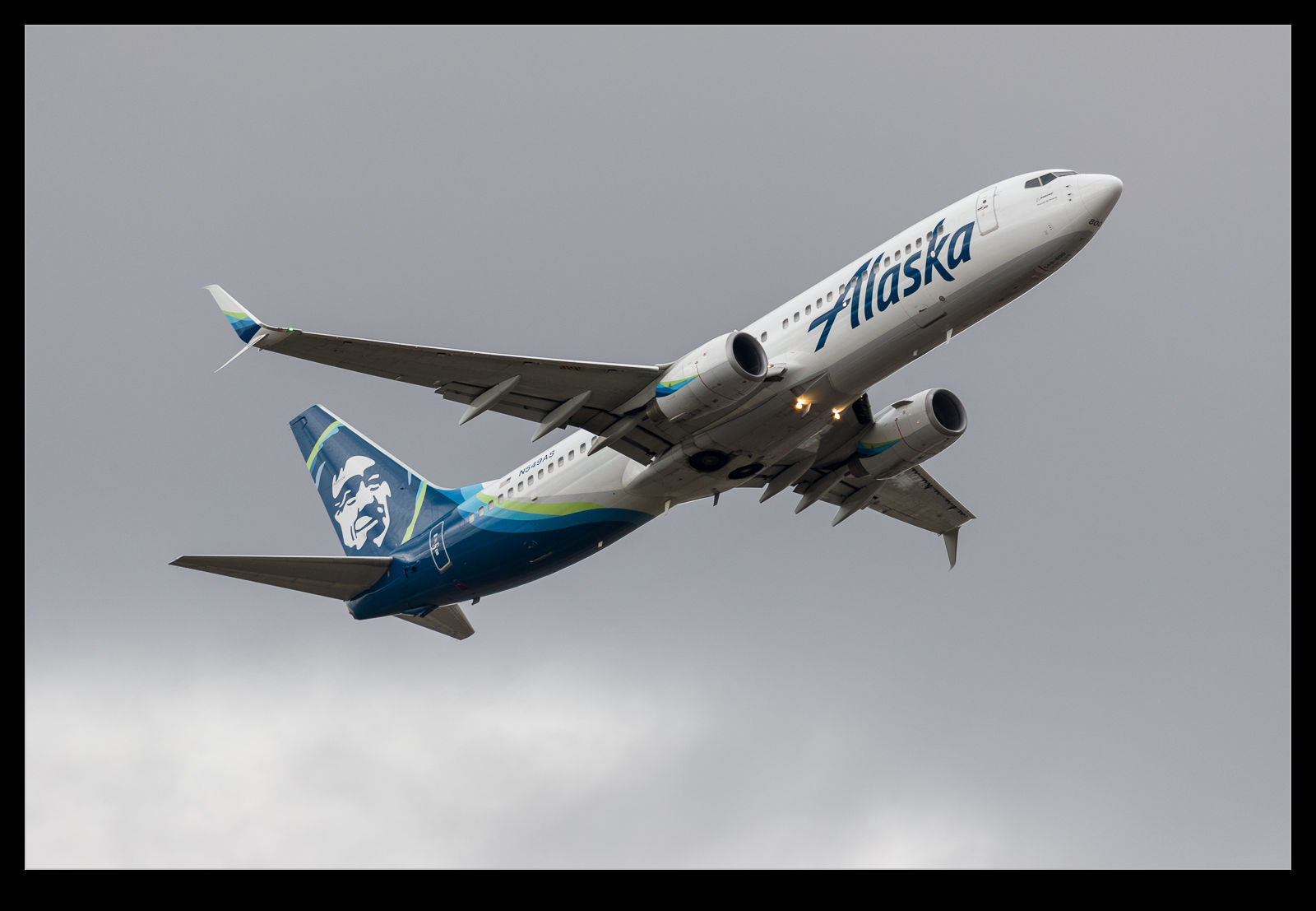
This is the finished image. This is pretty much what it looked like to the naked eye (through the viewfinder) when I took the shot given how dark the sky was.

A rare arrival was due on a day that was not good from a weather perspective.  It was dull and rainy and so not what you would hope for.  Conditions like this mean I try to exploit some of the features of the camera and the processing options available.  First, how to set up the camera?  With the light being bad and variable, I went to a pretty high ISO level.  I shot in aperture priority mode and added a lot of exposure compensation.

In my experience, the metering is pretty good when shooting against the sky in clear weather but, when there is a lot of cloud, the camera tends to treat the clouds as too bright and it underexposes the subject too much.  I use a lot of exposure compensation in this case with a setting of +2.0 being used on this day.  The reason I do this is that, aside from the exposure question mark, there is a lot more information available in the lighter end of the exposure curve.  Shooting in RAW gives you options.

This is how the camera recorded the image. This is the in camera JPEG that I extracted from the RAW file using Instant Raw From JPEG.

If you were to look at the aircraft at the time, you would see a dark and menacing sky but you would see plenty of detail on the plane.  The camera does not see that for the original shot.  The aircraft would be very dark.  When processing, this dark area would give you something to work with but the variation in data would be more limited.  Shoot overexposed and you get more to work with.

This approach will only work well if you are shooting RAW.  If you are using JPEG, too much of the usable data will be discarded during the processing in the camera.  To show you what I mean, here are two images.  These are both from the same shot.  One is the RAW file as it showed up when imported in to Lightroom and the other is the embedded JPEG that you can extract from the RAW file and which can be seen when the file is first imported before the rendering is undertaken.  As you can see, the JPEG is over exposed but the RAW rendering seems even more so.

There is way more data in the RAW file though.  Immediately, as I bring the exposure slider back down, the clouds go from being white to quite dark – just as they appeared on the day.  Meanwhile, the fuselage of the aircraft has a lot of the data intact and maintains a lot of the brightness that you could see at the time.  Very little needs to be done with the blacks and they are almost in the right spot by the time the exposure is good for the clouds.  The fuselage might be a bit too dark though.  A small tweak of the blacks and a little boost in the shadows to compensate for too much darkening with the exposure slider and suddenly the shot is looking a lot more like it did when I saw it develop.

My RAW processing baseline always results in a slightly more overexposed shot the embedded JPEG includes. When you first open the image, the embedded image you see in the previous shot initially shows up and then it renders the RAW file. This was the initial RAW rendering prior to any adjustments.

One advantage of shooting on such a crummy day is that the sky is a giant softbox – in this case a very soft one!  The result is that the light is a lot more even than on a sunny day.  The darker look can actually make the colors look a bit more intense than if they were losing out to the whites when the sun is right on them.  While there was only one plane I was specifically there for, playing around with these other shots and working on the technique was a nice extra benefit.

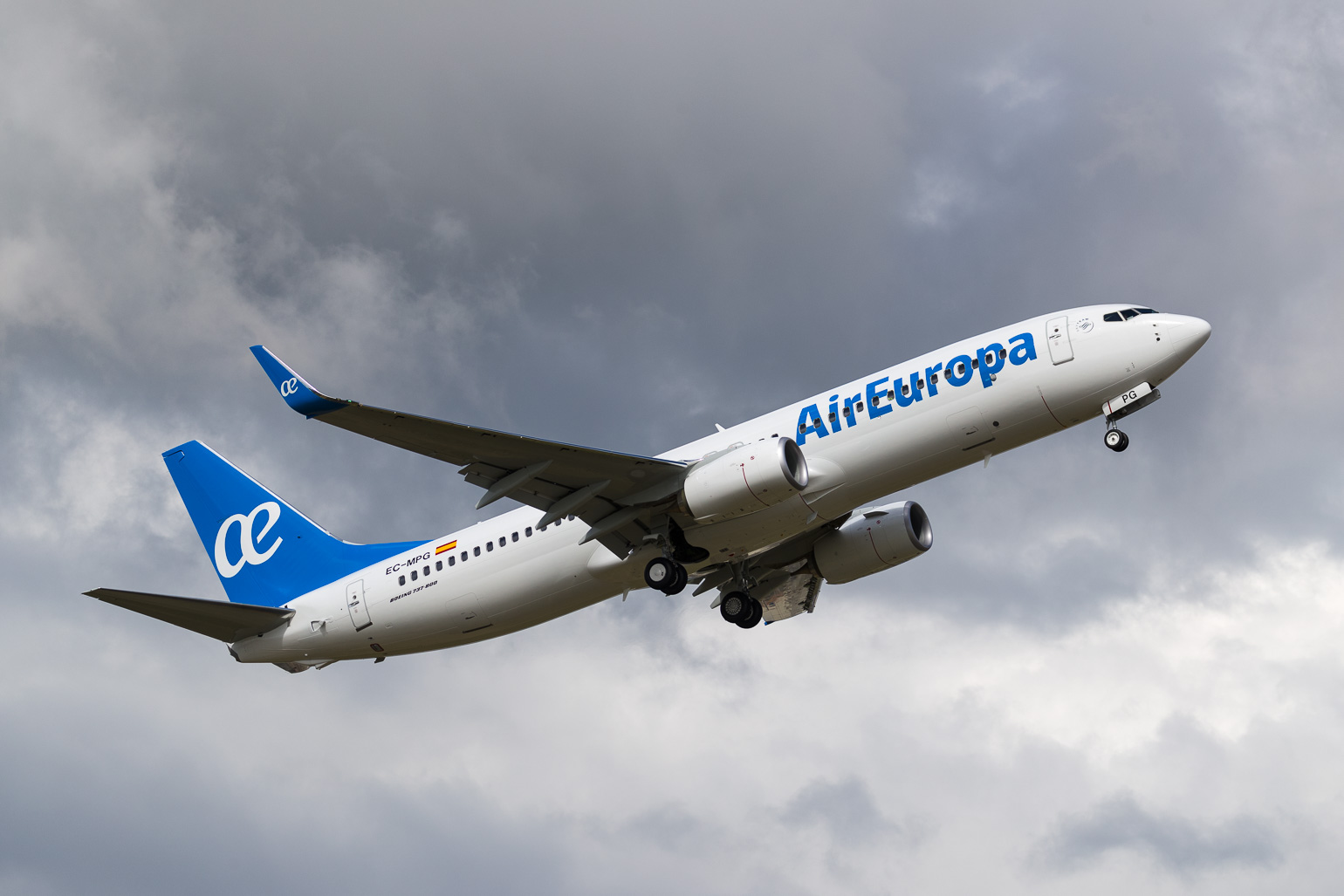
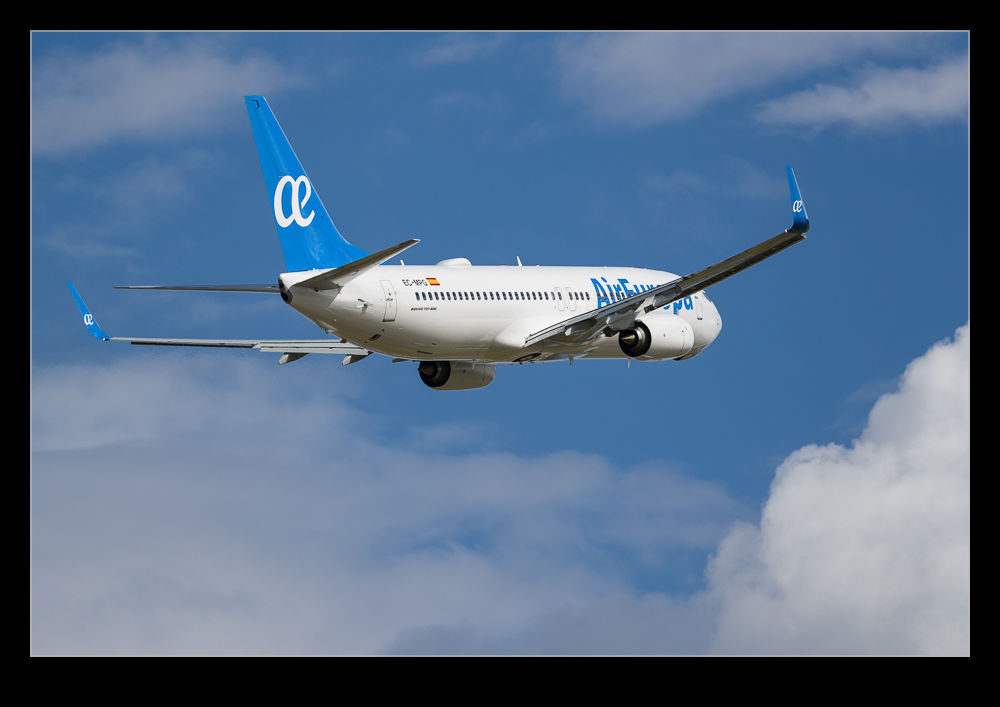
AirEuropa to the Sun

This example is not going to get me to the sun from Seattle.  It will head to Europe before it starts transporting passengers.  I saw it during test flying activities as it flew approaches to Paine Field.  The sun was out but the skies were stormy so it made quite a dramatic sight as it bashed the pattern at Everett.

They even were kind enough to fly a missed approach the first time to get a different view of the jet.  Then it was around the pattern and back in for a second approach, this time landing.  The dark sky background was only in the direction of the approach so the roll out shots were far less dramatic.


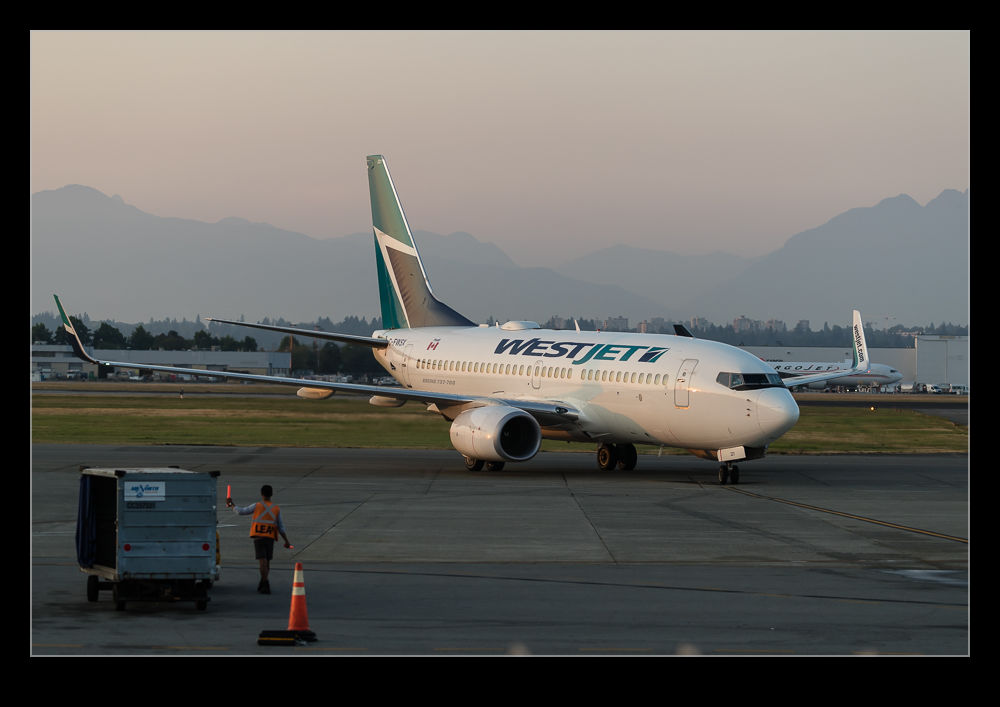
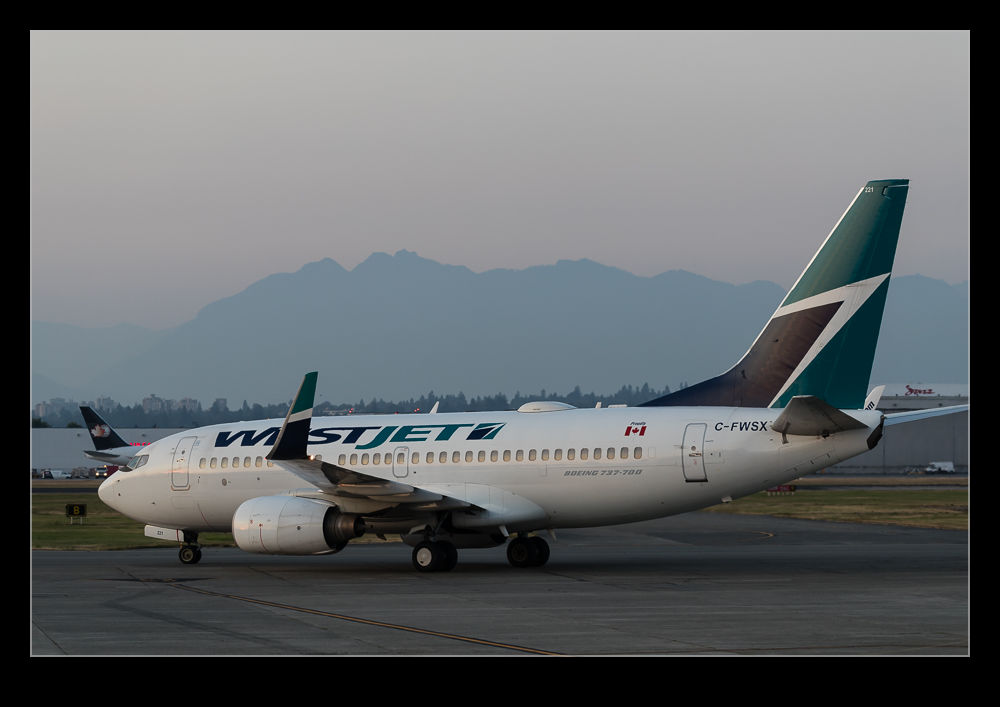
Westjet Charter Arrival

Mark and I were on the south side of Vancouver when a Westjet plane came in.  No big deal there but this flight was a charter operation so, instead of heading to the main terminal area, it came straight to us.  They taxied straight to us where the passengers were quickly dropped off.  The crew then turned the jet around promptly and taxied back out for departure.  It was an efficient delivery and a slightly different location to see an airliner being operated.

Ruslan Before Sunset

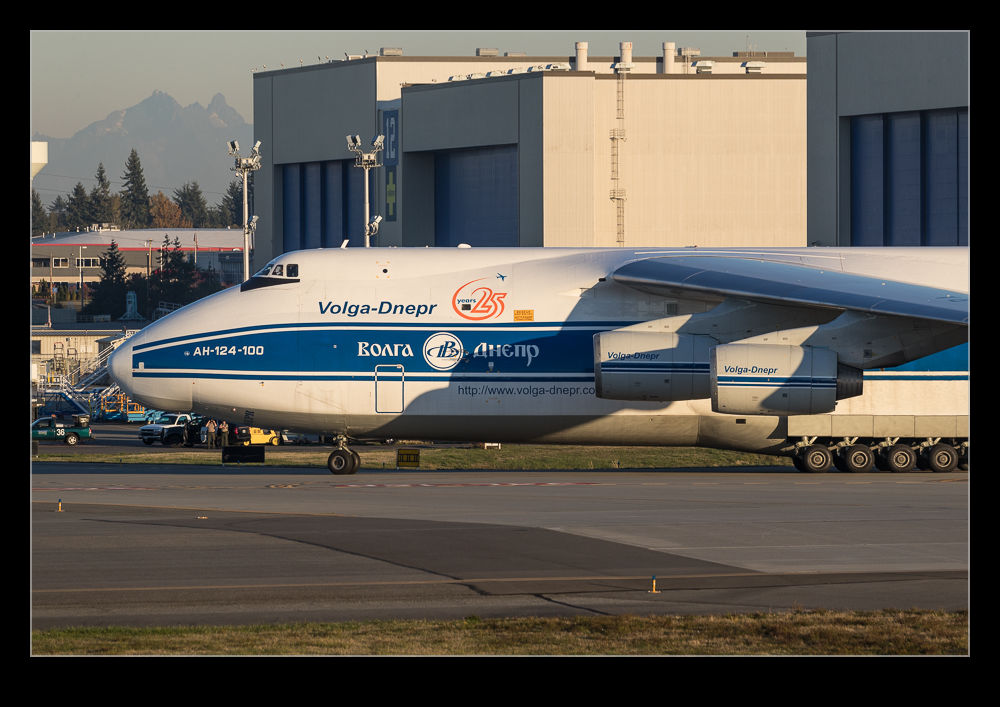
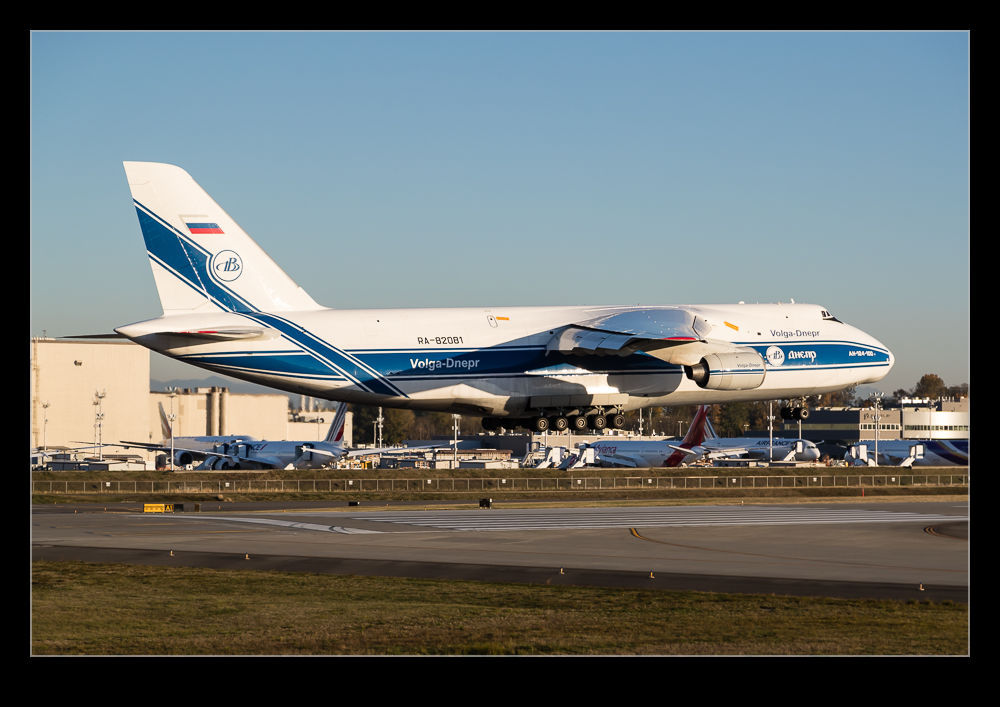
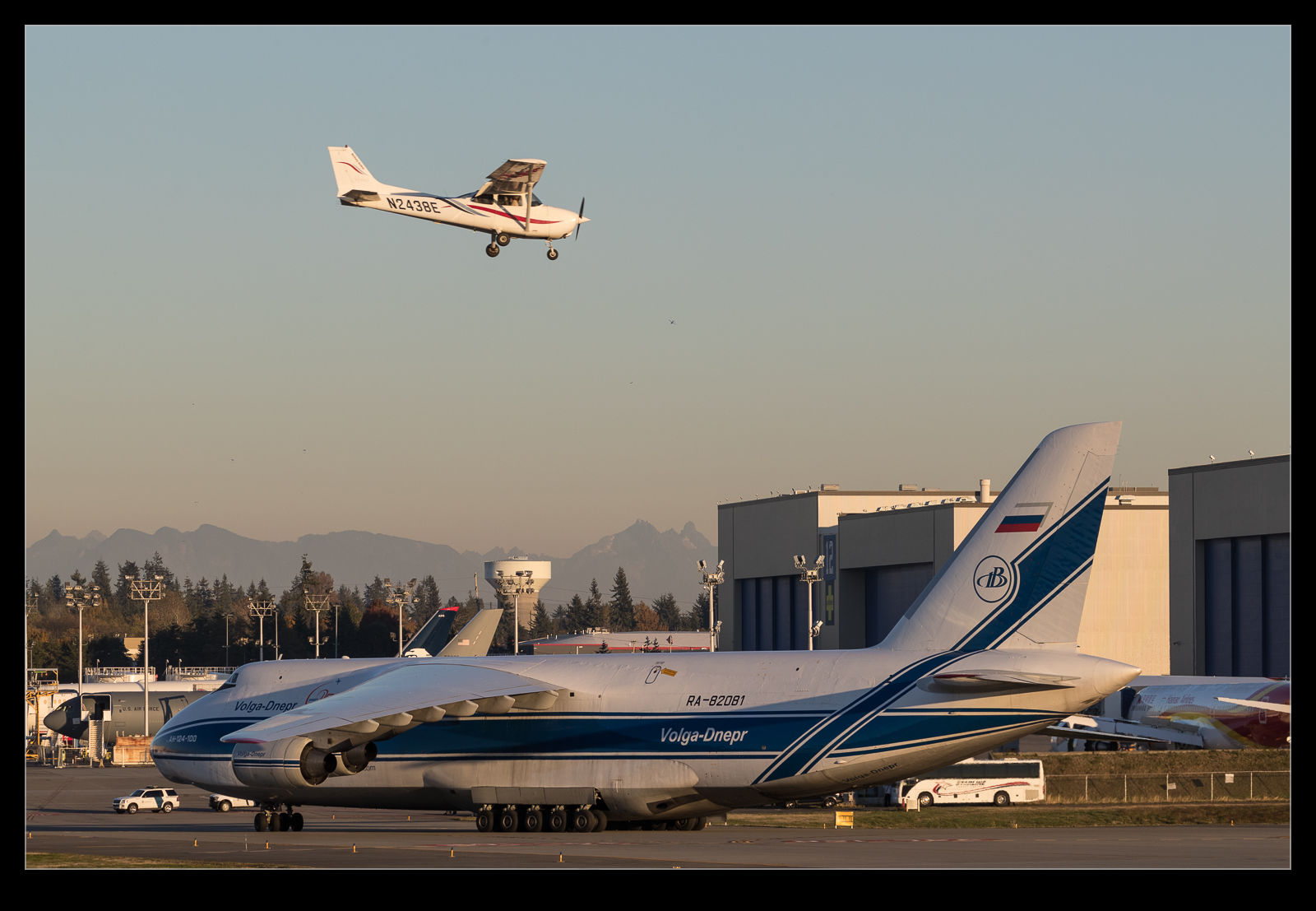
My wife is a trooper.  We were coming back from a day out in the mountains and I saw an Antonov AN124 was coming in to Everett.  It was due to land shortly before sunset and sounded like something I wouldn’t want to miss.  We weren’t going to be able to get home in time to drop of Nancy so I could get back up to see it arrive.  She agreed to make a diversion to see the plane come in.  Not her thing but she was okay with being there.

The timing could not have been much better.  The light was nice, low and soft so the plane looked great as it trundled down the approach.  When it taxied back up to the north entrance to the Boeing ramp, the texture of the skin, which is normally lost in higher light, was a lot easier to see.  In fact, the finish looked pretty rough.  I guess the Volga Dnepr planes get a lot of use!

Big Tugs

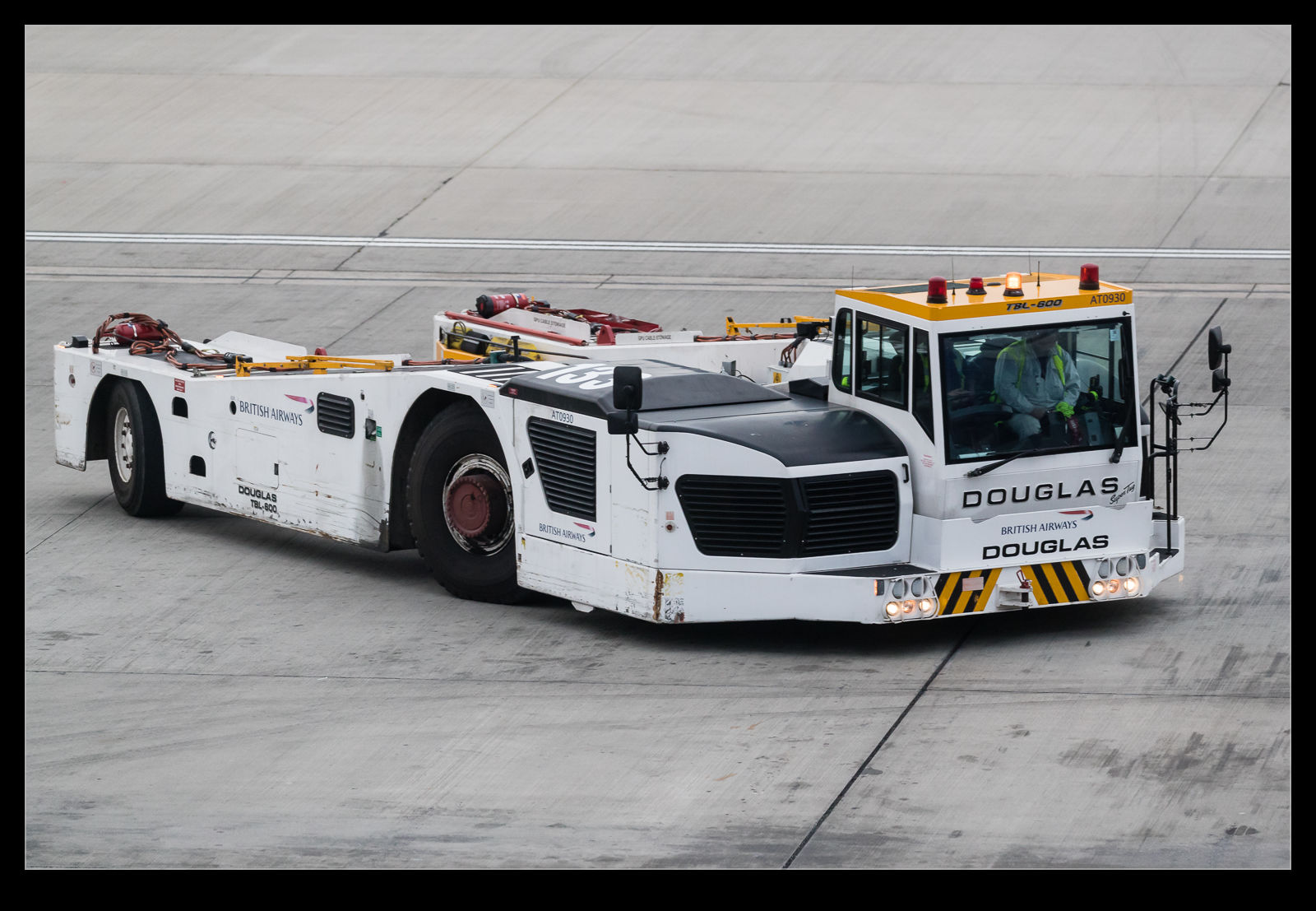
At the majority of airports I fly out, there are basic tugs used to push the airliners back.  They are hooked on using a towbar and push the jet out.  The tugs at Heathrow are a bit different from the ones I am used to seeing.  They are the type of tug that actually picks up the noseleg to move the aircraft out.  The leg is surrounded by the tug and elevated.  The tug then drives wherever required with the leg coming along.  They are pretty substantial beasts.  Moving a widebody needs a big tug I guess.  They can move a 747 or an A380 but in this case “only” a 787.

Puffs Across the Wing

The day I left London was a bit damp which made for a bit of vapor on departure.  I was sitting almost directly over the wing.  I couldn’t see in to the inlet but I could see vapor puffs in front of the inlet at lower speeds anyway.  As we rotated and climbed out, there was plenty of vapor puffing over the upper surface, aided by climbing through a few patches of cloud.  I had the video running the get a view of the moisture and here is what I got.


Hello C-17s. Where Are Your Buddies?

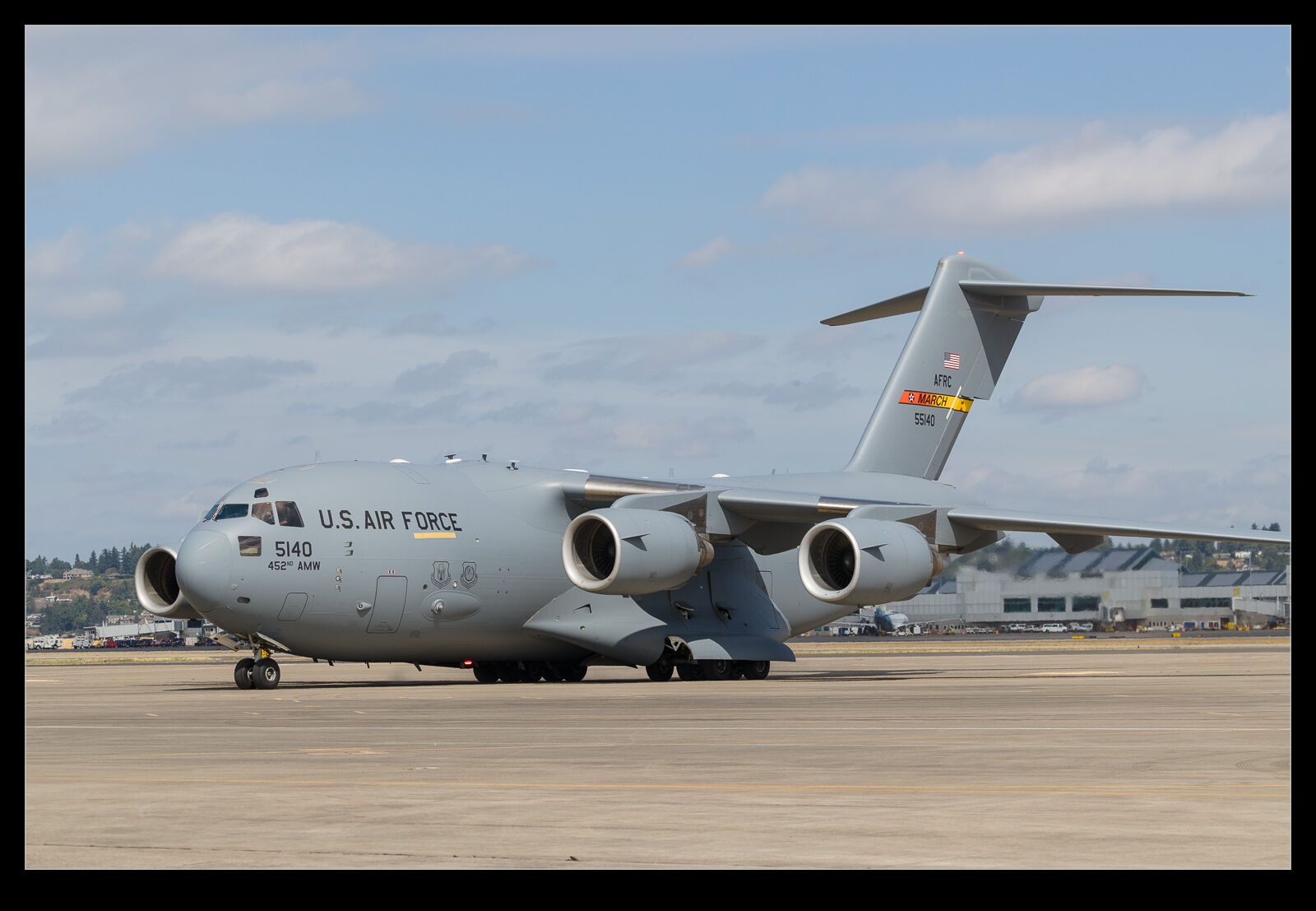
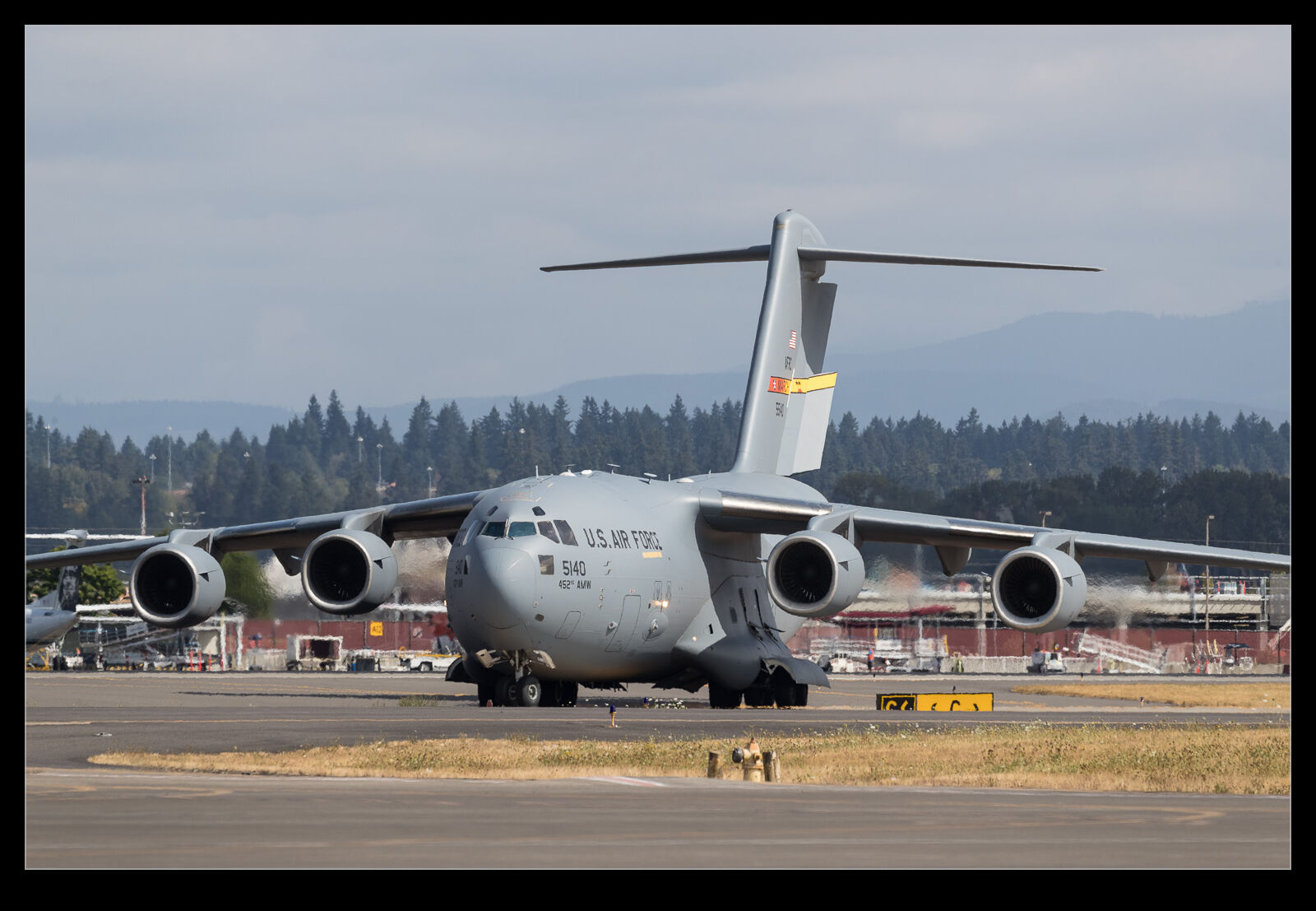
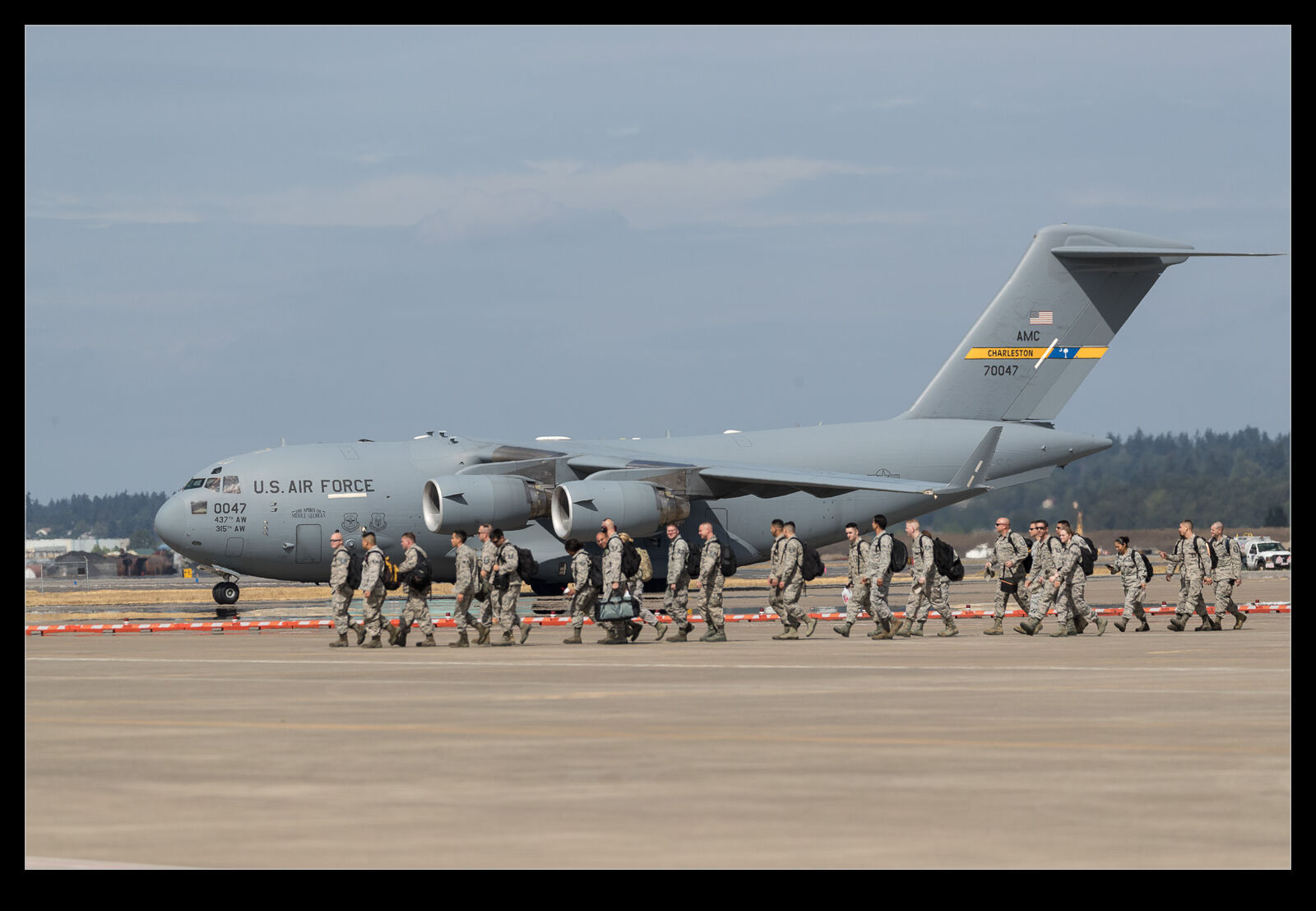
In this previous post, I mentioned the crews at Portland setting up for the arrival of some F-16s.  They were coming in from Texas for a week of DACT training according to the word around the ramp.  Sadly, the jets did not arrive prior to the end of the Open House.  However, they weren’t the only planes coming in.  The ground crews and support equipment arrived ahead of the jets courtesy of a pair of C-17s.  These arrived a few minutes apart and taxied in to the adjacent section of the ramp.  One jet was already unloading as the second taxied in.  They were a nice compensation for the F-16s not arriving in time.

Sabreliner Testbed

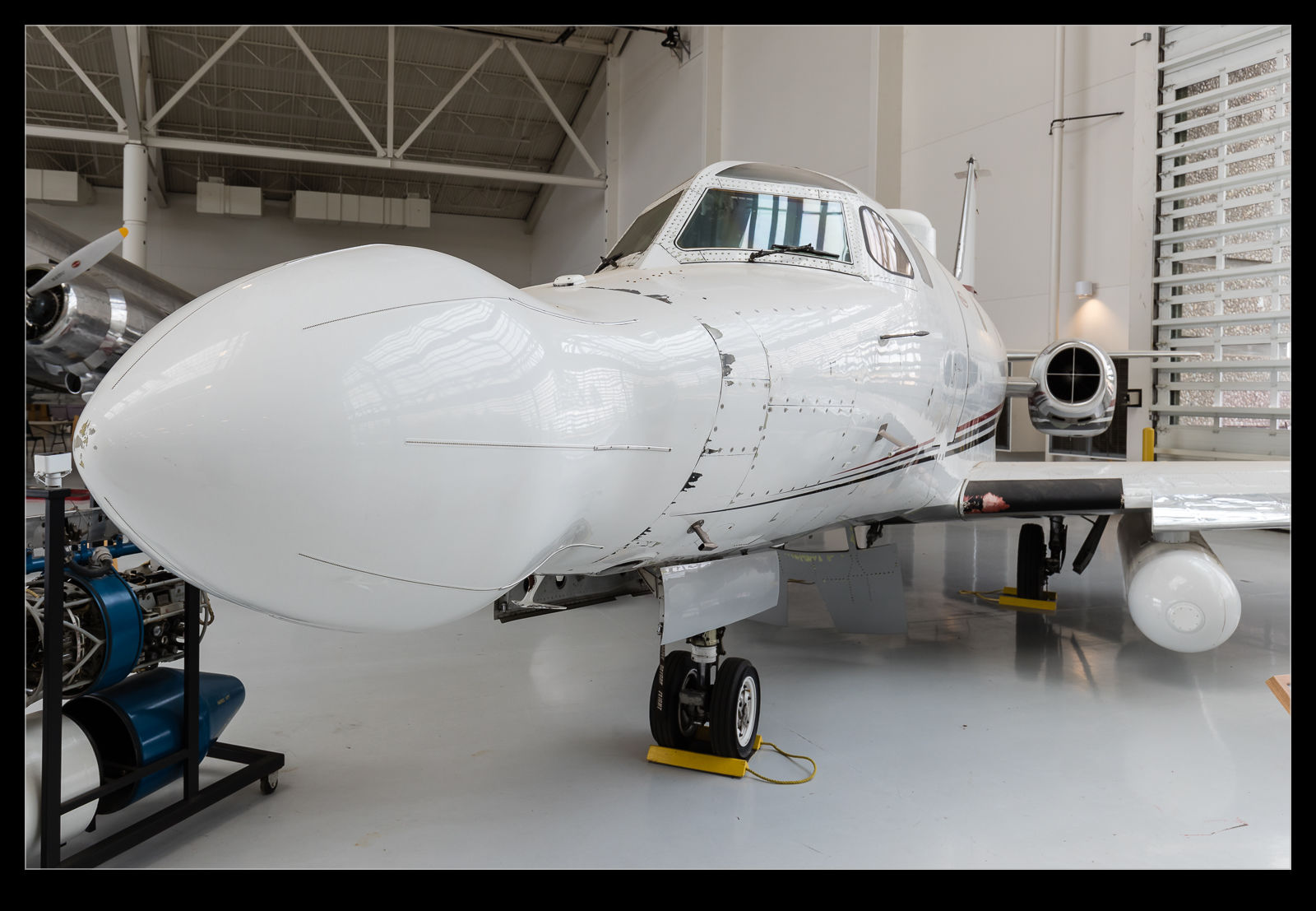
The Sabreliner is a neat little jet under normal circumstances, combining as it does the wing of the Sabre with a fuselage for passengers.  This example, that now lives in the Evergreen Aerospace Museum in McMinnville Oregon, is even better because it is a testbed.  The nose has a new radome grafted into place to allow the testing of different radar.  Meanwhile, pods can be mounted under the wings to test a variety of different sensors and electronics.  Some of these different configurations are displayed alongside the airframe.  Good to know that after years of specialized service, the aircraft will survive in the indoor comfort of the museum.

Lake Union Departures

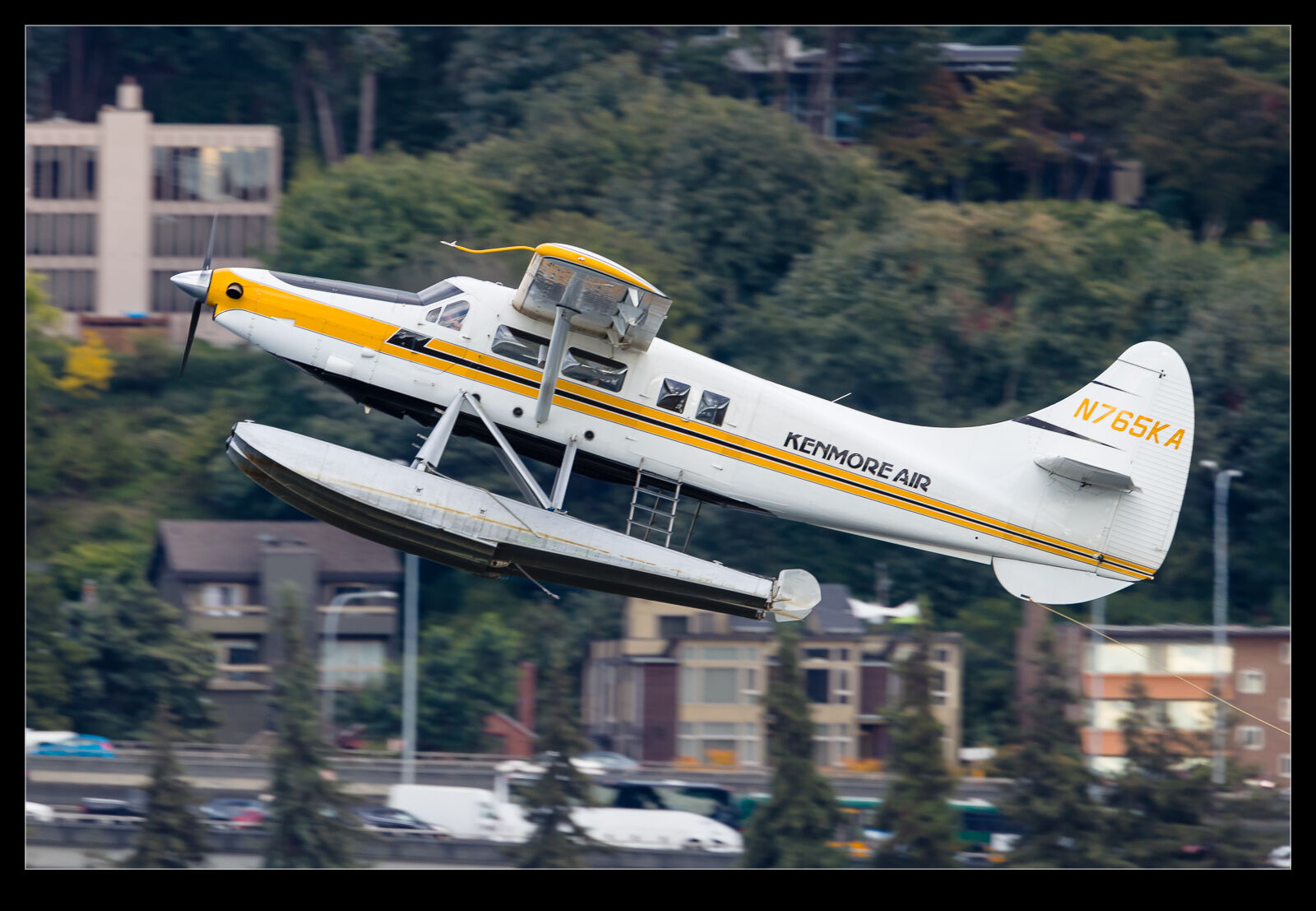
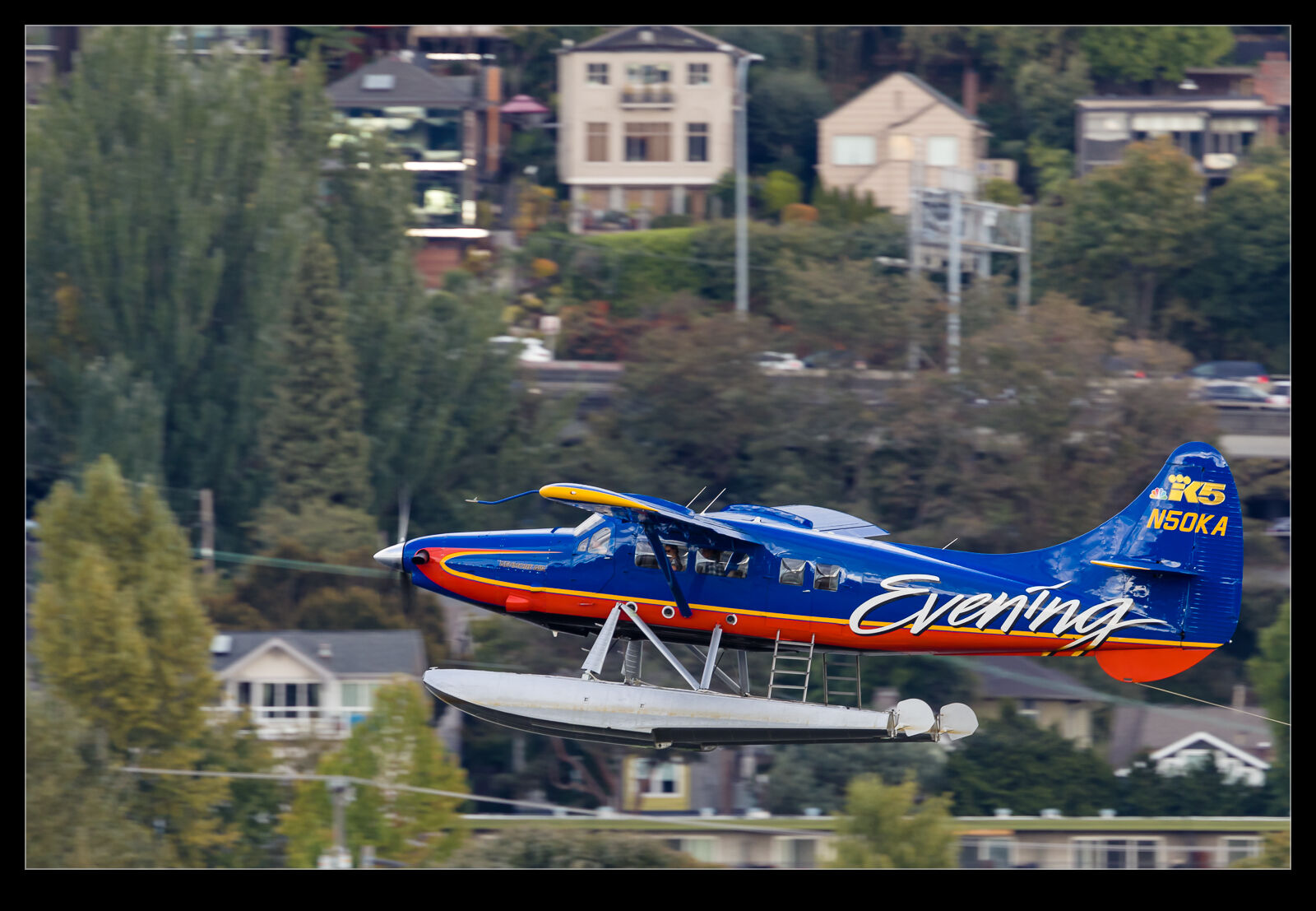
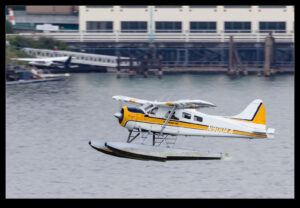
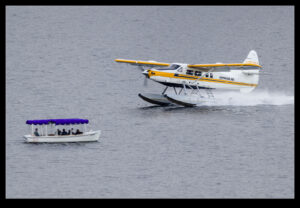
The floatplane activity on Lake Union is fun to check out, not just for an aviation geek like me, but for plenty of visitors to the city too.  I have previously gone down to the lakeshore to check them out but, one evening, while driving into the city to drop a friend off, I was coming down the road on the hill overlooking the lake when a plane took off giving an interesting alternative perspective on its departure.  I figured this needed to be explored further.

The question was where to go.  The road I had been on was not one on which stopping was practical.  Parallel roads exist but there are buildings along most of them so the view is obscured.  However, I did find a location that had a clear view of most of the lake (aside from one building that was right in the touchdown zone!  I wasn’t around for much of the traffic but I did get to see a few arrivals and departures.  Looking down on the flights and having some scenery behind them including the cityscape rather than the sky is a nice change.  I may have to try this out again at a busier time.

The Candid Really is Russian

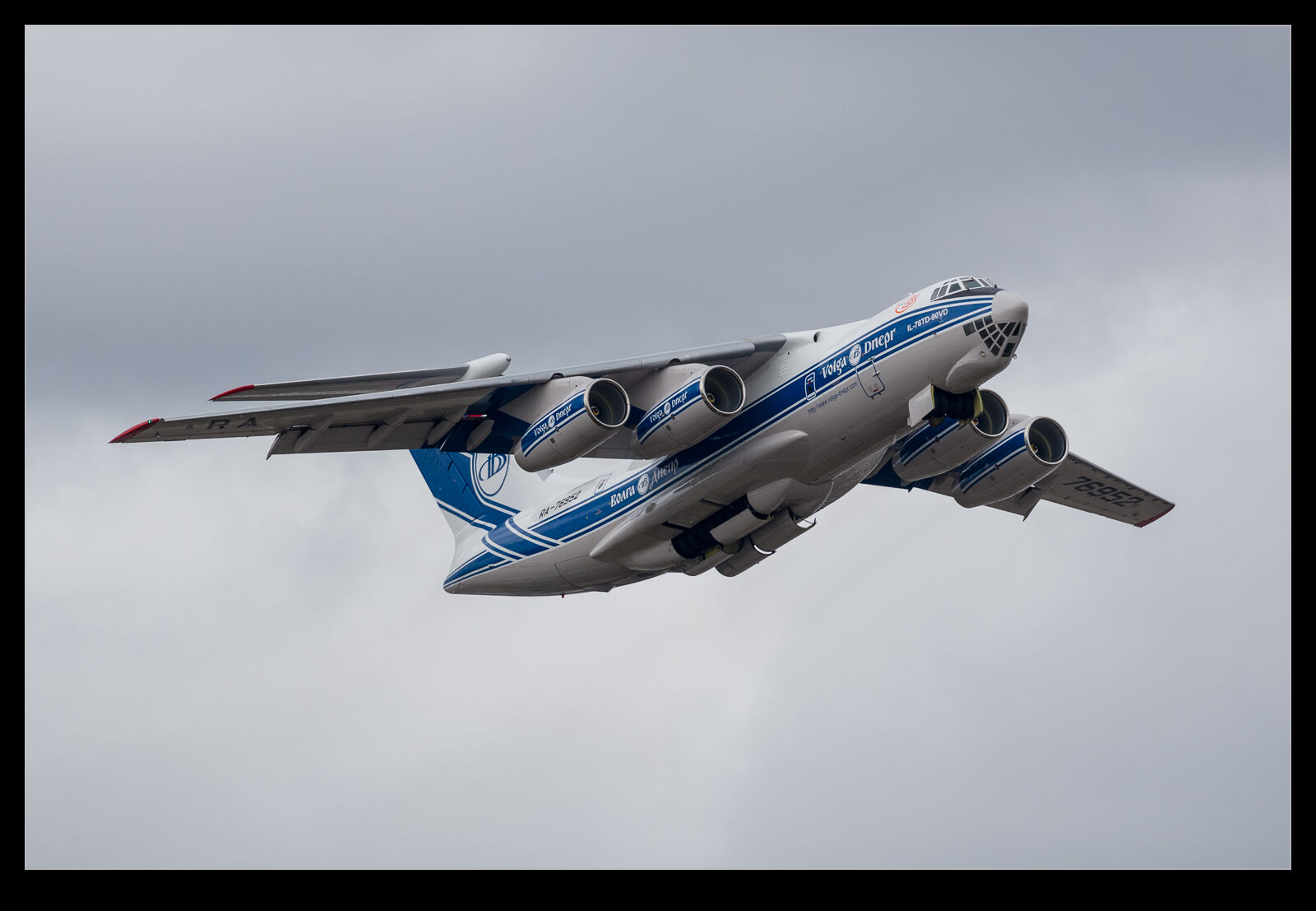
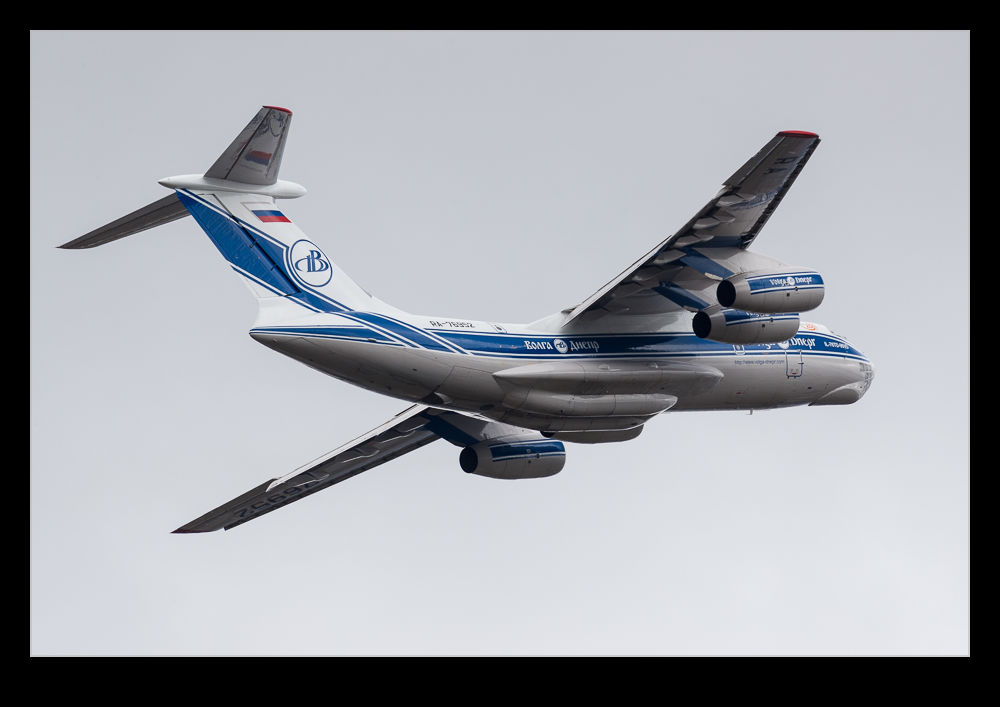
The Antonov 124 is a reasonably regular visitor to the US when outsized cargo needs to be moved.  It is often commented on as being a Russian plane but, while one of the operators is a Russian company and some of the aircraft were assembled in Russia, the design and much of the production is actually Ukrainian.  Ilyushin, on the other hand, really is a Russian company.  Their IL-76 is also operated for freight services but it doesn’t show up anything like as frequently.  Consequently, when a Volga Dnepr example was scheduled in to SeaTac on a Friday afternoon, I was pretty annoyed I would miss it.  However, it ended up being seven hours late so arrived well after dark.

Departure the following day was going to be a practical proposition for me (and many others as it happened).  The weather was not going to be ideal with low cloud and rain but, when the visitor is a rarity, you don’t get to choose whether to go based on weather.  Fortunately, the departure was a lot closer to schedule than the arrival.  I drove past the cargo ramp and saw it parked up and all closed up so did wonder whether it would go on time but things were working well and they headed out.

This aircraft was the newer variant with the PS90 engines and takeoff performance was pretty good.  I had worried it would be low on the climb out and not in a good position to photograph but it climbed well and was in a good position to get a shot.  I had a big grin once it had gone as did the rest of the people waiting for it.