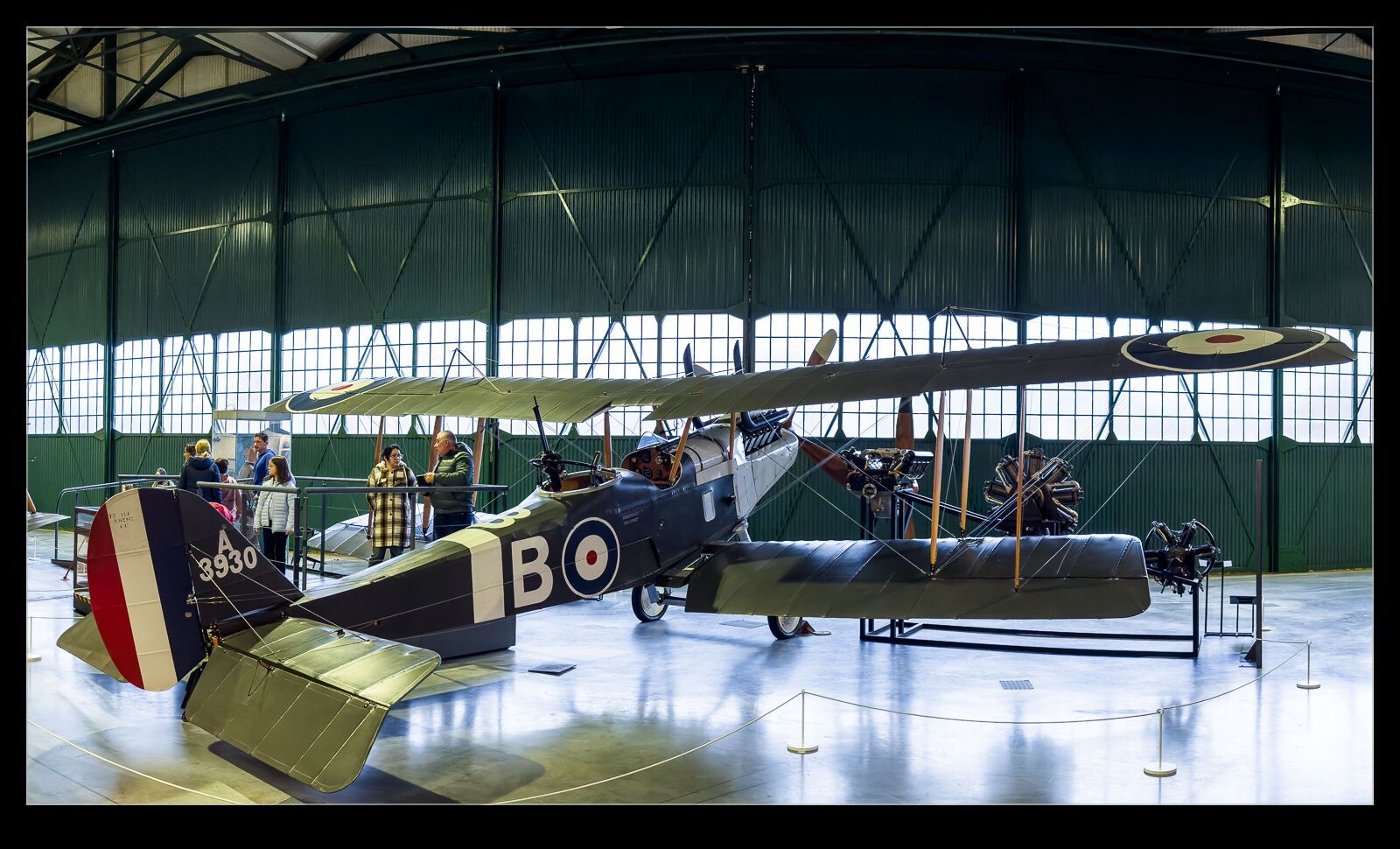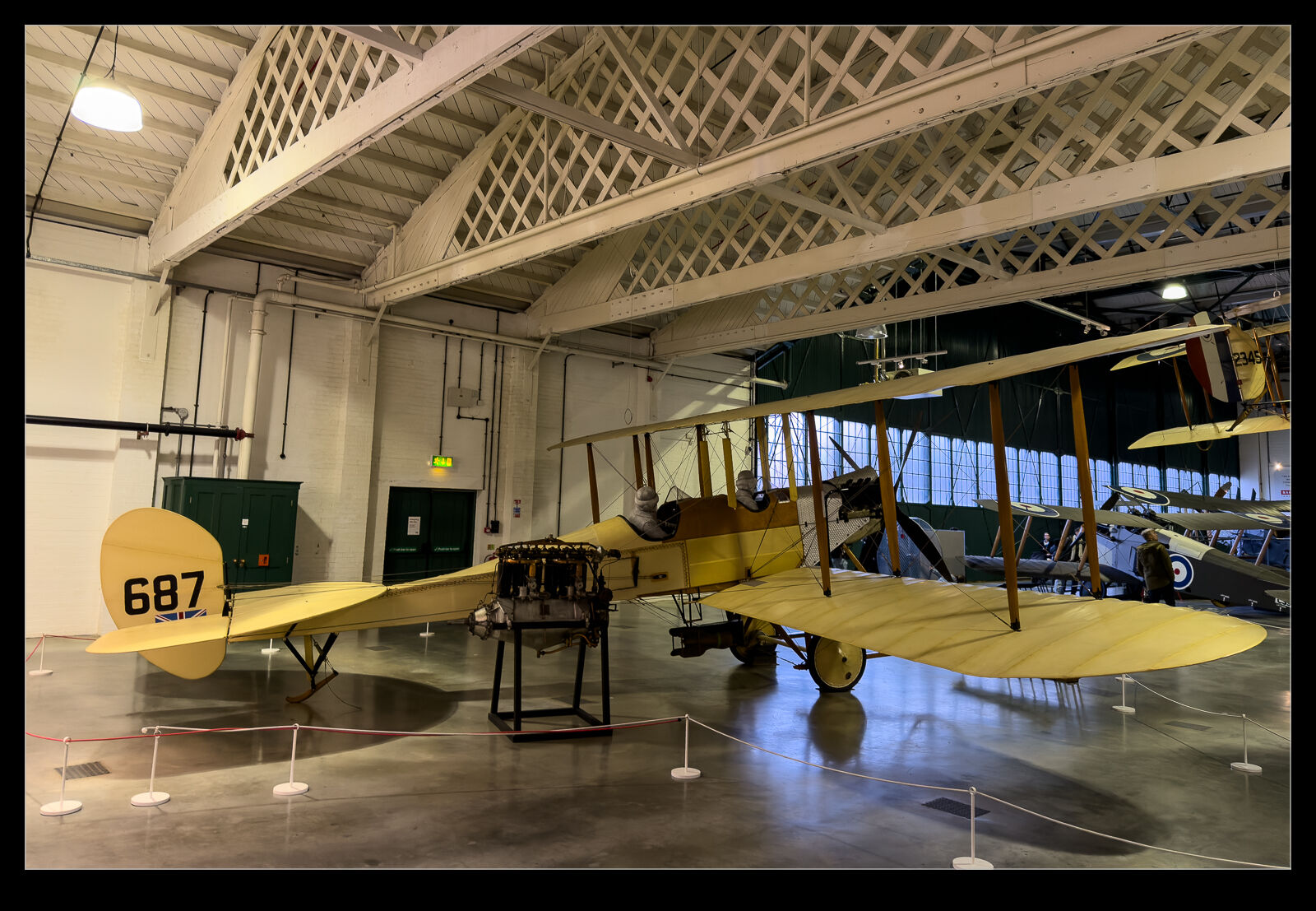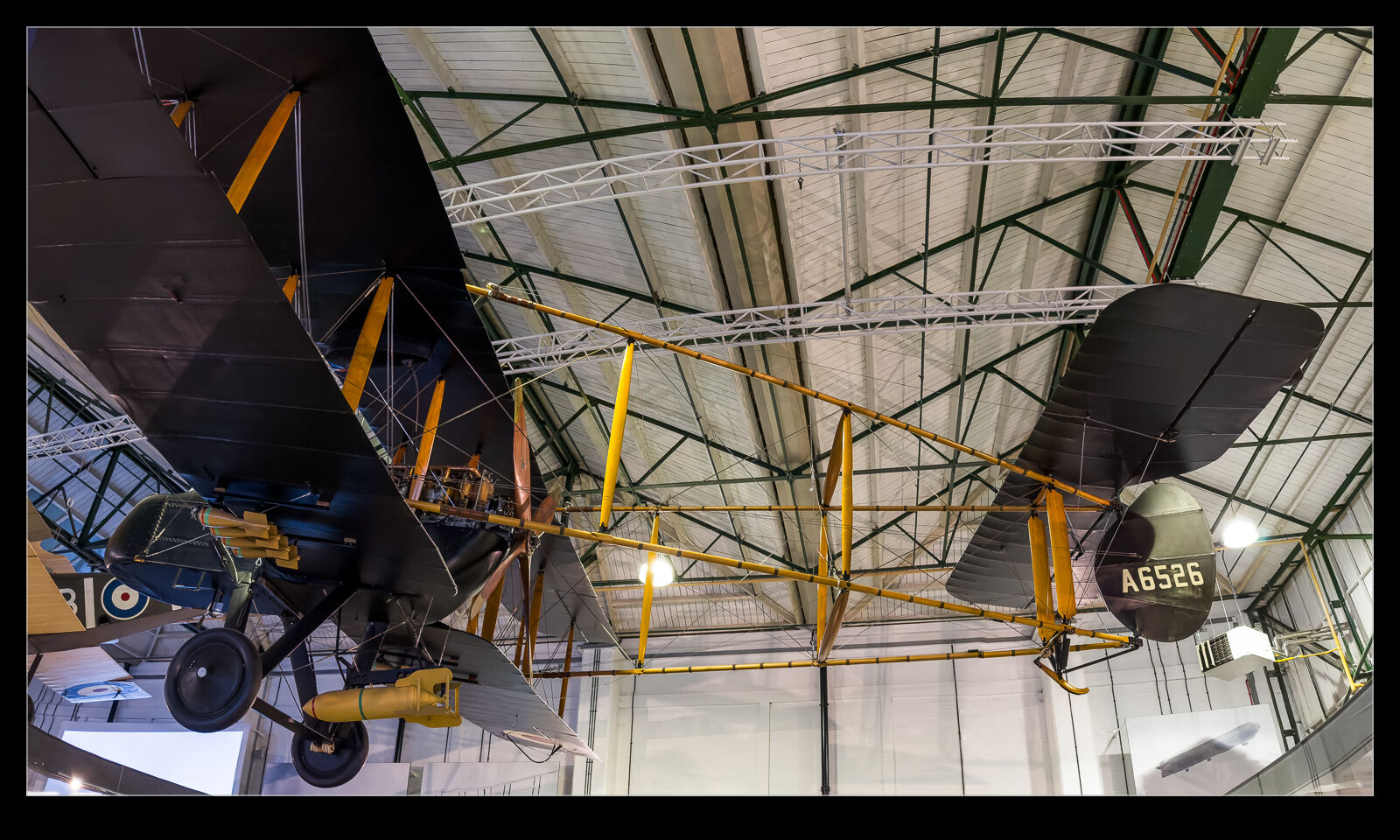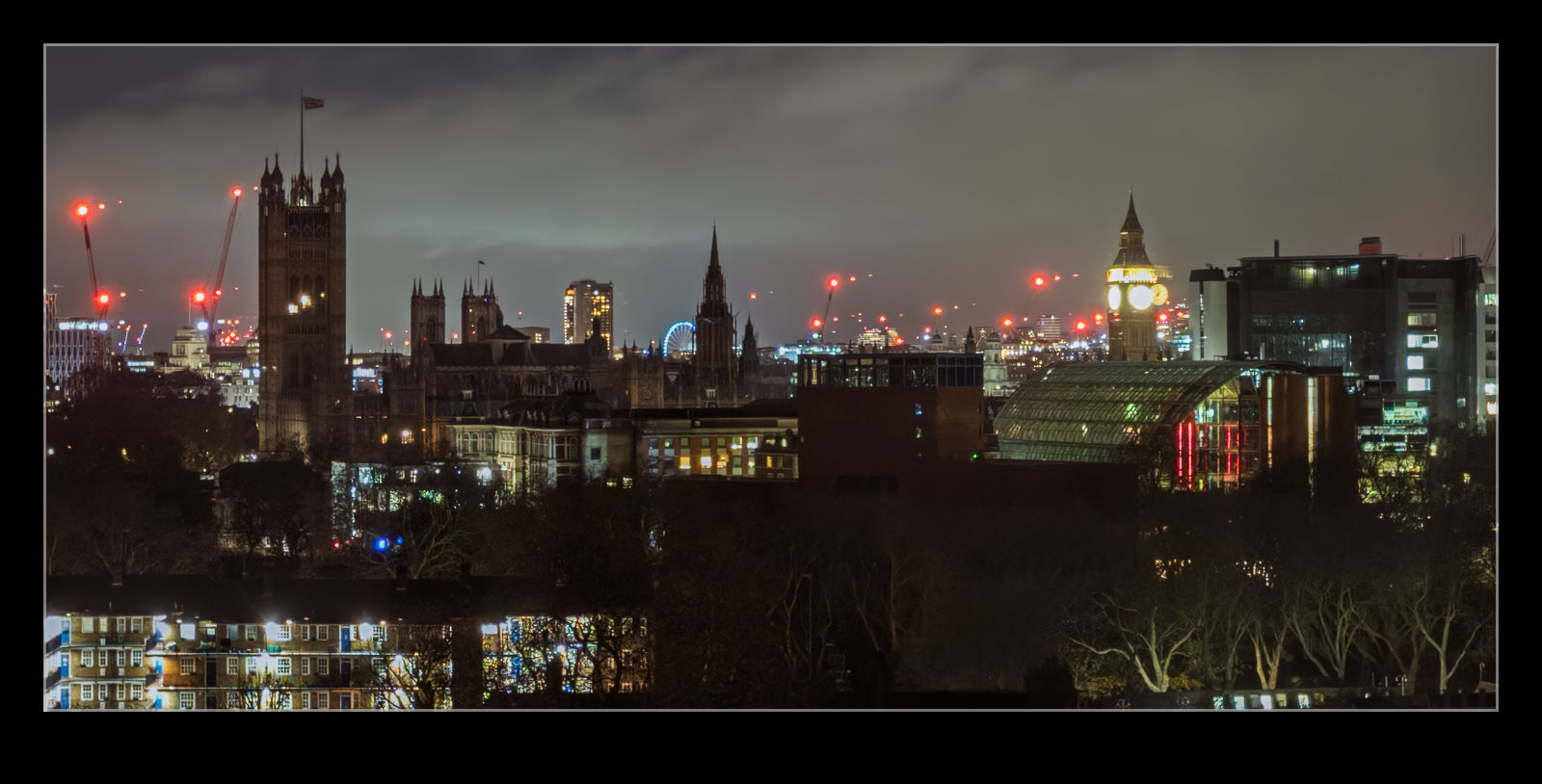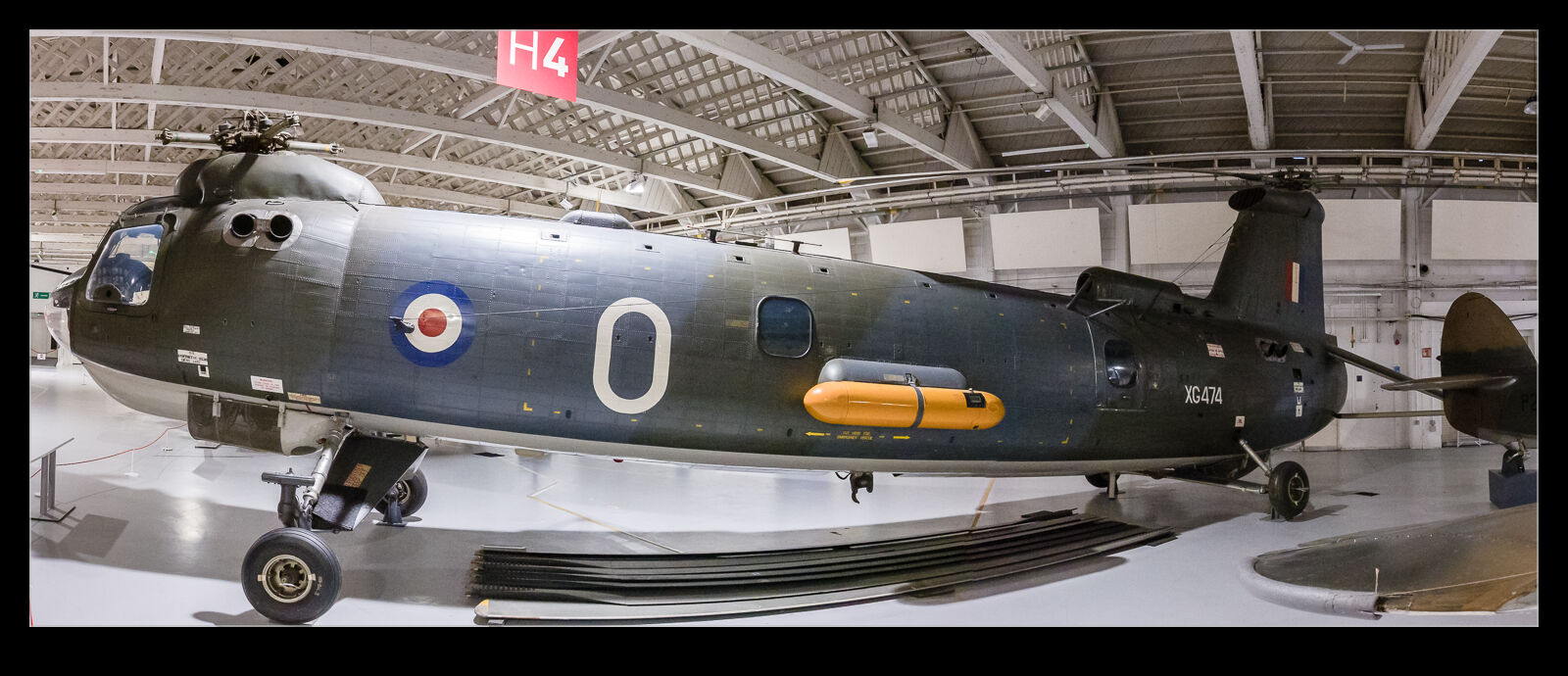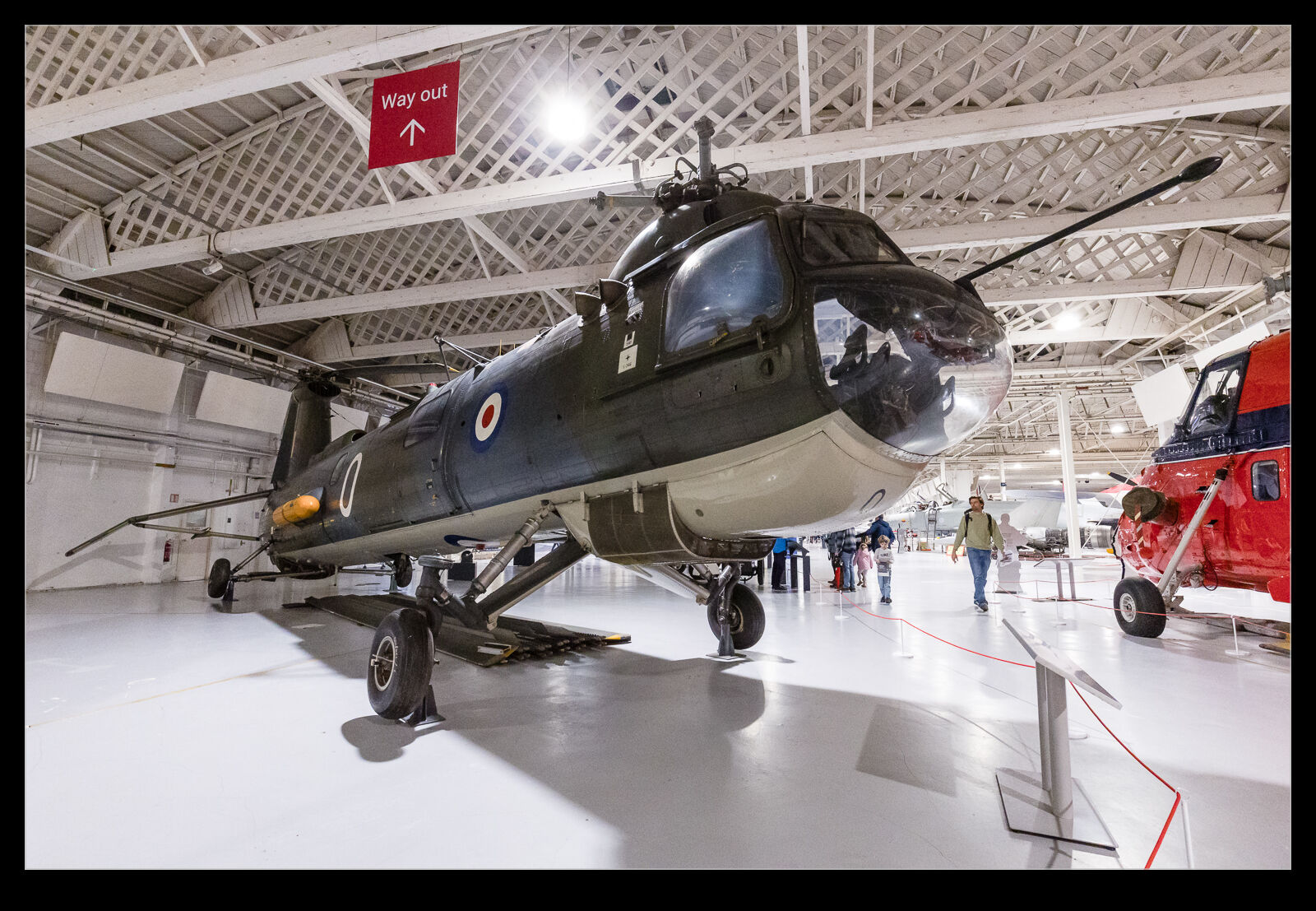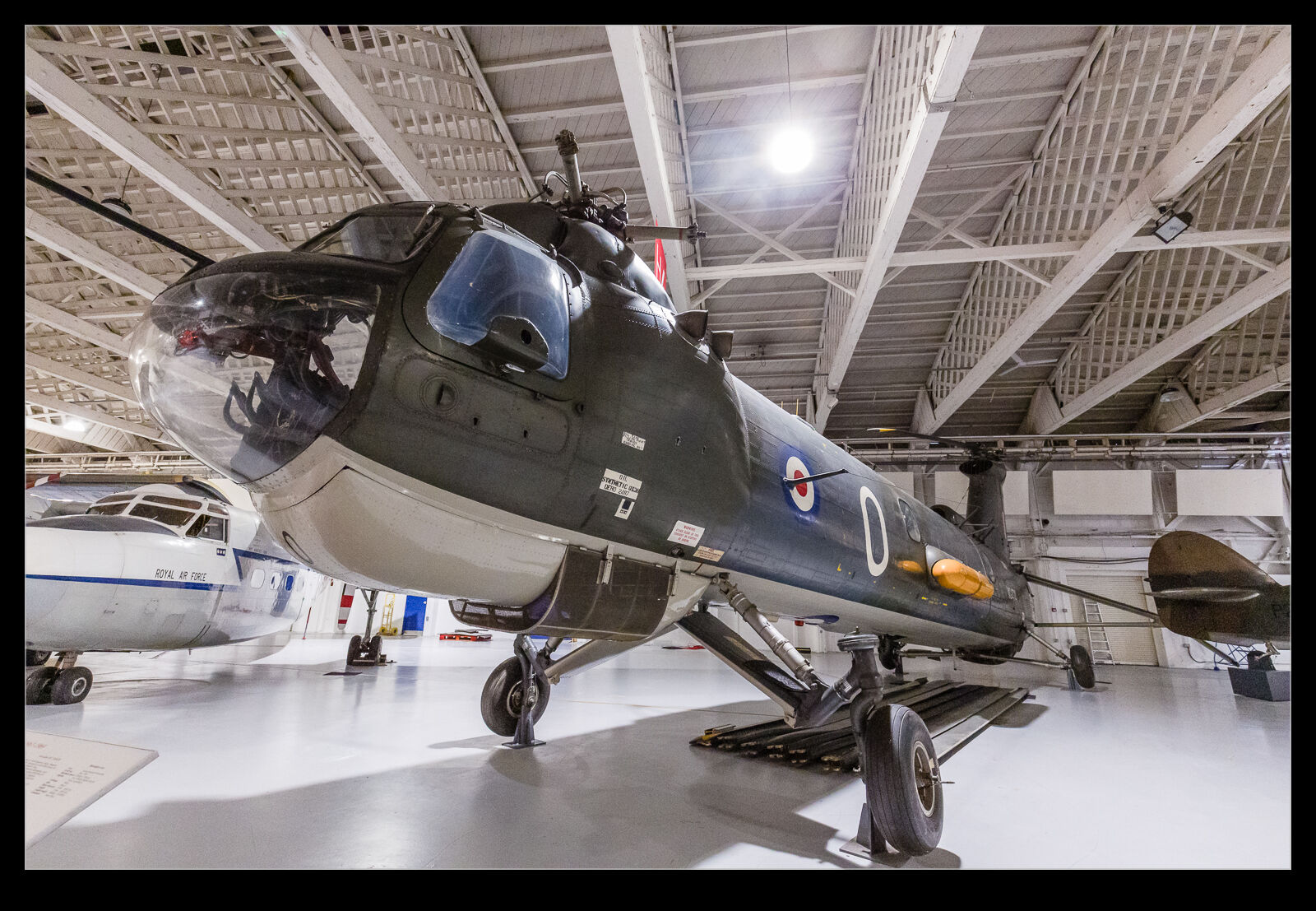
I am far too young to have seen the Bristol Belvedere in flight, despite what some might think! Given how old it is, it really does seem like quite a large helicopter to have been developed and operated. I bet it looked pretty cool when it was flying. Even now, when see in a museum, I think it is still quite a beast. The example at the RAF Museum in Hendon was there when I first visited in the late 80s and it is still on display. Getting shots of something this large in a relatively confined space is tricky but worthwhile. Do you think it looks as good as I do?
Tag Archives: london
More Airliner Crossing Shots
While up near Heathrow, while I was mainly bothered about the arriving airliners, there were a lot of high-altitude aircraft criss-crossing the skies. Every once in a while, their paths would look like they would converge. Obviously, they were at different altitudes so nothing that special, but I did find myself tracking them to see if I could get something like a crossing shot.
It wasn’t to be. A few got pretty close but never was I to get the really cool shot of a crossing. Never mind. Here are a few of the ones that got closer during the day.
Reunited With DA2
In September 1990, I started work at what was then British Aerospace at Warton in Lancashire. I was part of the aerodynamics department so couldn’t have been happier fresh out of an aeronautical engineering degree. The walk from our office to the staff canteen could be done along the road but, why do that when you can cut through the hangars. 2 Hangar was the easiest route and also happened to be the location where the front fuselages for the Eurofighter were being assembled.
The programme went through a reworking as the German government considered its continued role post the end of the Cold War, but it did end up continuing even if one of the prototypes was deleted and the others got renamed. The first two planes were P01 and P02 which were German and British respectively. They became DA1 and DA2. DA2 made its first flight while I was away on a project, but I got to see it fly shortly after I returned.
I then got to see it fly a lot over the coming years. Initially it was in a grey paint scheme but, when it had the pressure mapping sensors fitted, it was painted black overall. I recall there was a justification for this, but I always felt it was because the initial Rafale had been painted black and looked really cool.
Military aircraft prototypes don’t usually have a long life. Usually, the development programme means that they are quite different from the final article and so not a useful platform for continued development. As instrumented versions of the production aircraft come online, the prototypes are superfluous. That was the case for DA2, and it found its way into the RAF Museum’s collection at Hendon. It is suspended from the roof of one of the hangars. This makes for a dynamic pose rather than just standing on its gear. However, it is a bit more limiting from getting angles on it.
Thankfully, the museum has a couple of balconies at that end of the hangar that you can access so you can try a variety of different positions to get a shot. There is always a problem with a black painted aircraft when photographing it indoors. The light is a bit limited and the backgrounds are quite bright compared to the subject. Definitely some challenges with taking the images and then processing them to show what you want without making it look wrong. Then again, that’s part of the fun, I guess. It was fun being reunited with a plane that I haven’t seen for a very long time, and I am glad that it has found a home that means many people can get to enjoy it too.
Natural History Museum
The end of the year is the time when there is an exhibit of the wildlife photographers of the year. The display is held at the Natural History Museum in South Kensington. We went to see the images and there were some truly amazing shots that had been selected. It was also a chance to have a wander around the museum while we were there. Having lived in South Ken as a student, it was a nice return to familiar territory.
With a historic building like this, things don’t change dramatically but credit is due for the improved entry route that they have created from the subway that comes in from the tube station. The ramp brings you up through a nicely landscaped area which I am pretty sure was nothing like that when I lived there. Then again, I didn’t make the most of the museums when they were on my doorstep because you figured they would always be there.
It was a lovely day when we went so the light on the gothic structures was really good. However, I became quite fixated on the internal architectural elements. There are so many details to find whether it is the large-scale stuff like the roof framing or the little details on the railings and walls. Even if the exhibits are not of interest, you could spend an age checking out the building itself. Of course, a skeleton of a whale or a dinosaur is not going to pass you by while there.
A Spey with a Burner Grafted On
British defence projects have a bit of a reputation for trying something that will boost domestic content but that compromises overall performance. In fact, some civil aviation projects would probably fit that description. One such project was the procurement of the F-4 Phantom. To boost UK content, the J-79 engine that was used in all other variants was replaced by the Rolls Royce Spey. This engine made it into various civil and military aircraft over the years. For the Phantom, it needed an afterburner.
An example of the engine is on display at the RAF Museum in Hendon. I was first interested by the patterns of the flameholders in the afterburner so took some shots looking straight up the jet pipe. Then I moved around to the side. It is so easy to see where the original engine ends and where the added afterburner starts. It does not look like an integrated design whatsoever. It worked well enough although the redesign of the fuselage to accommodate it resulted in significantly increased drag. Top speed was reduced as was climb performance. One upside was that the Spey was a turbofan so, in the original ground attack role the Phantom had in the RAF, it actually improved low level fuel burn. It probably wasn’t so welcome once they moved across to the air defence role, though.
RAF Museum Hendon
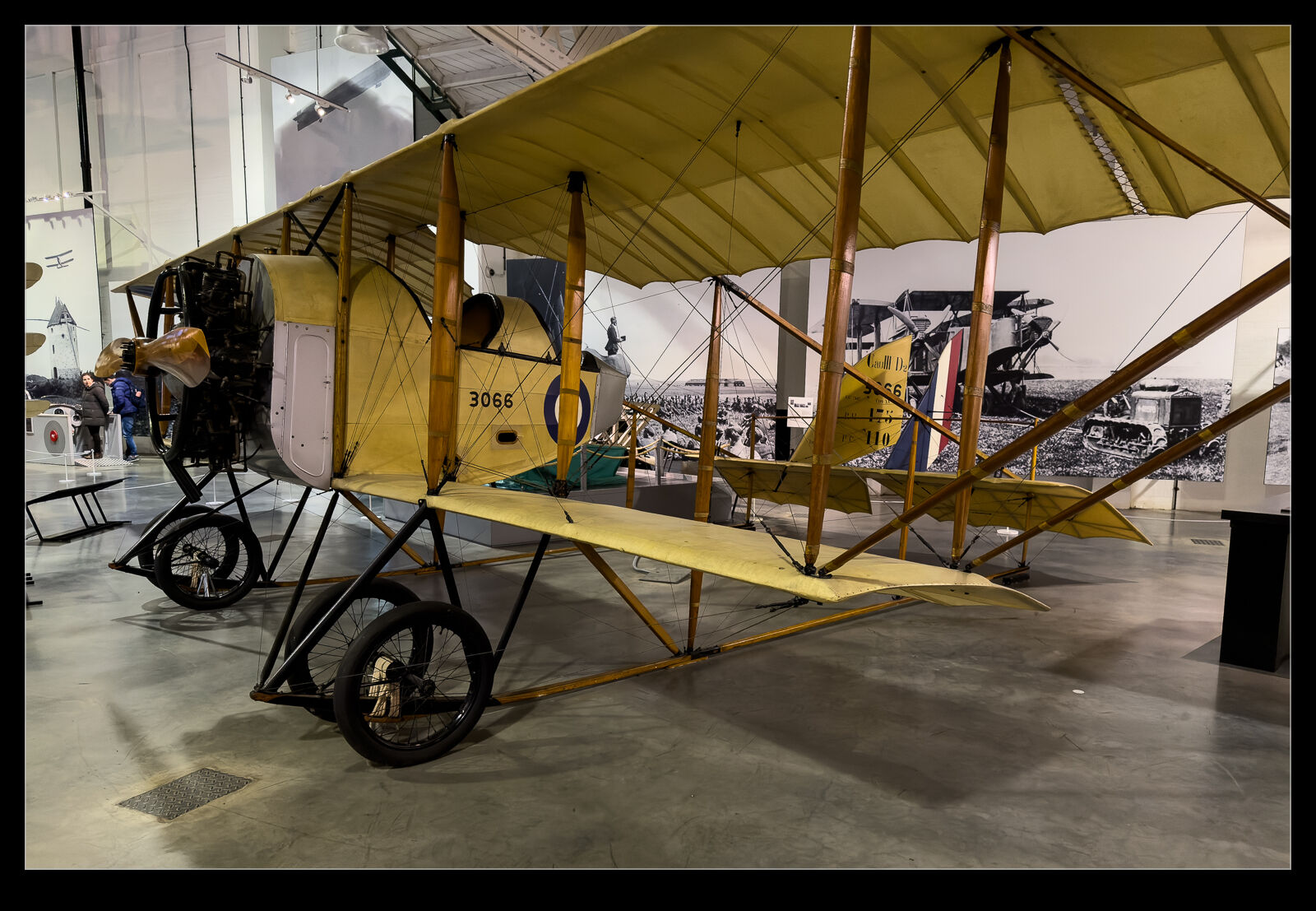
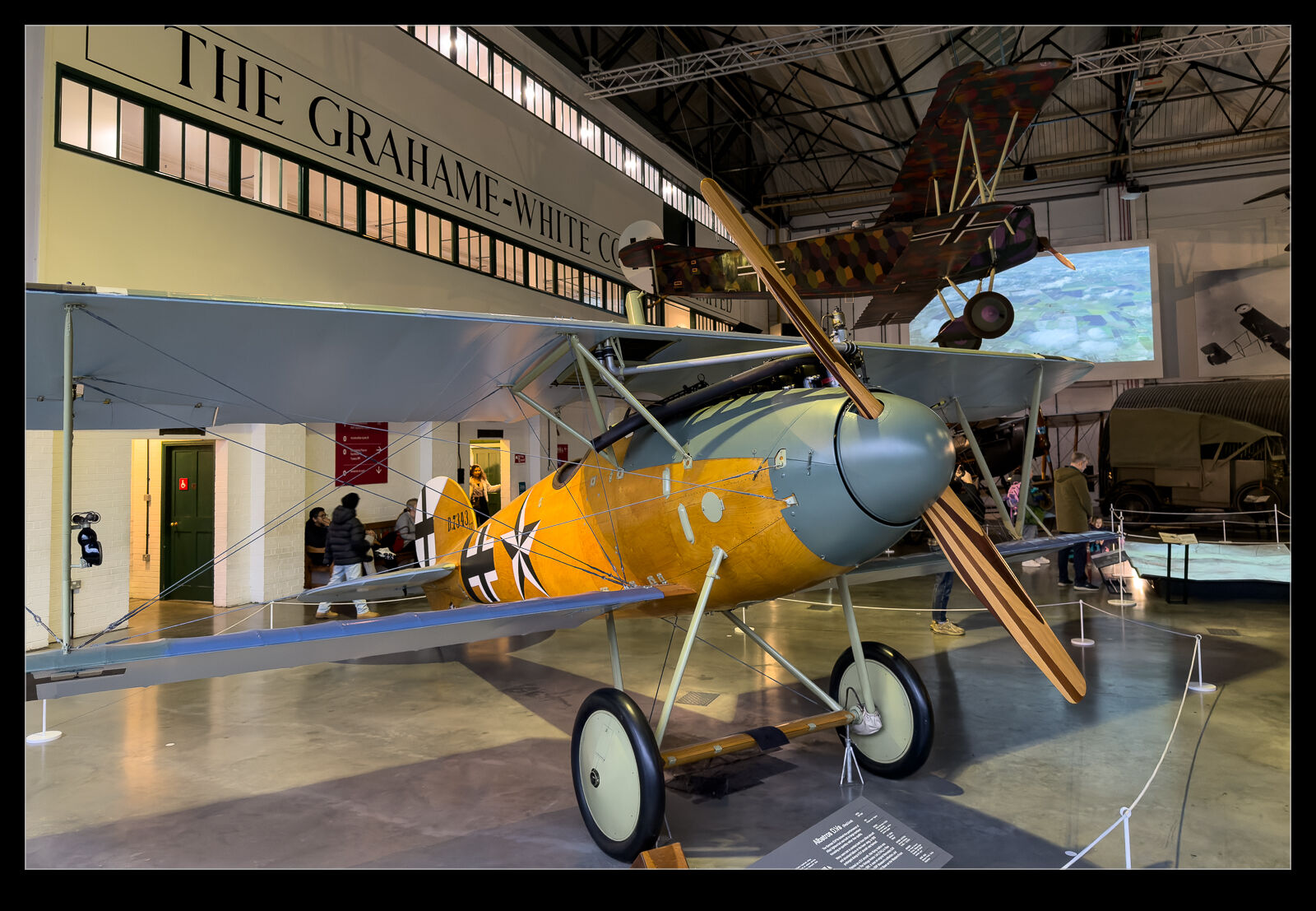
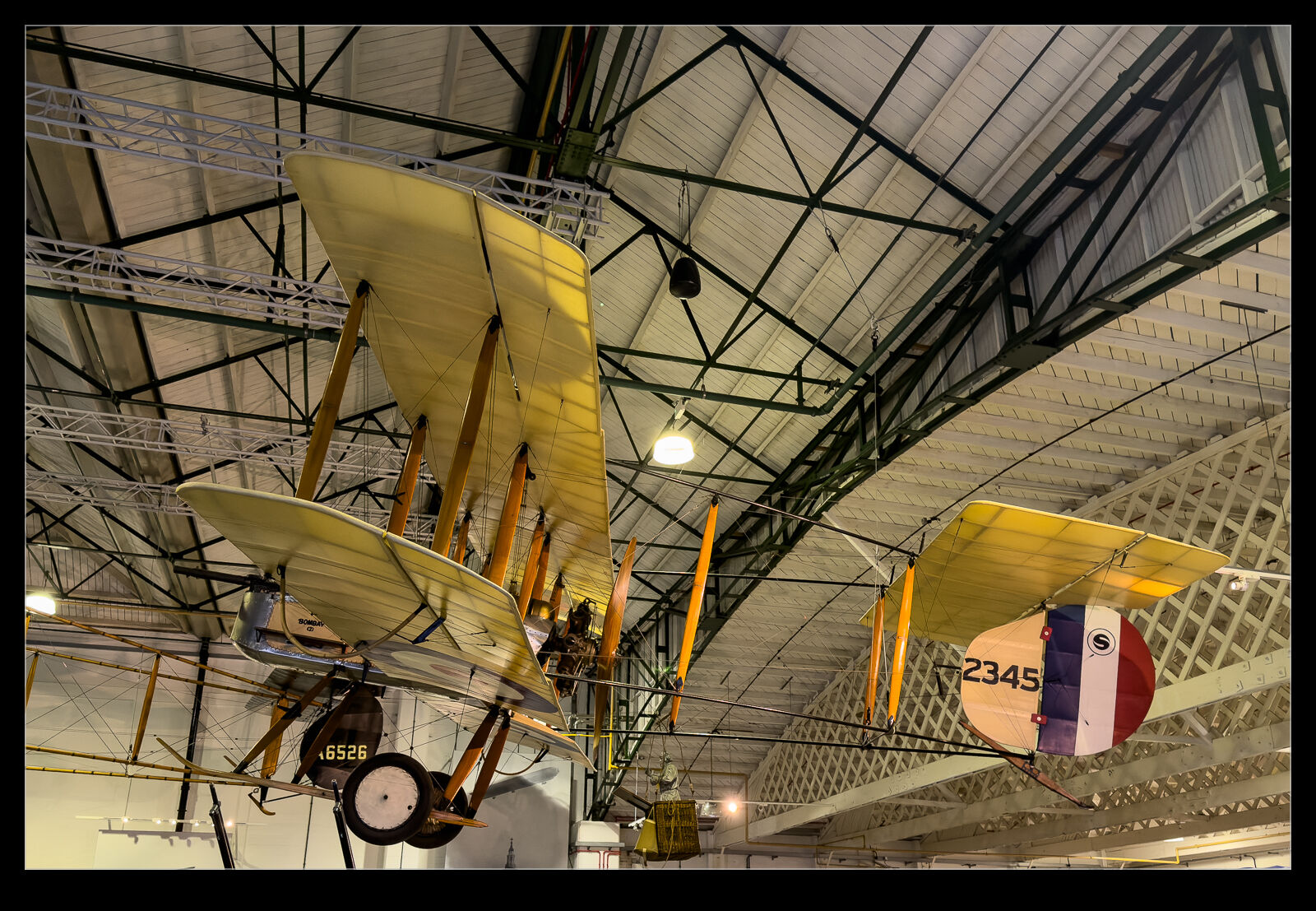
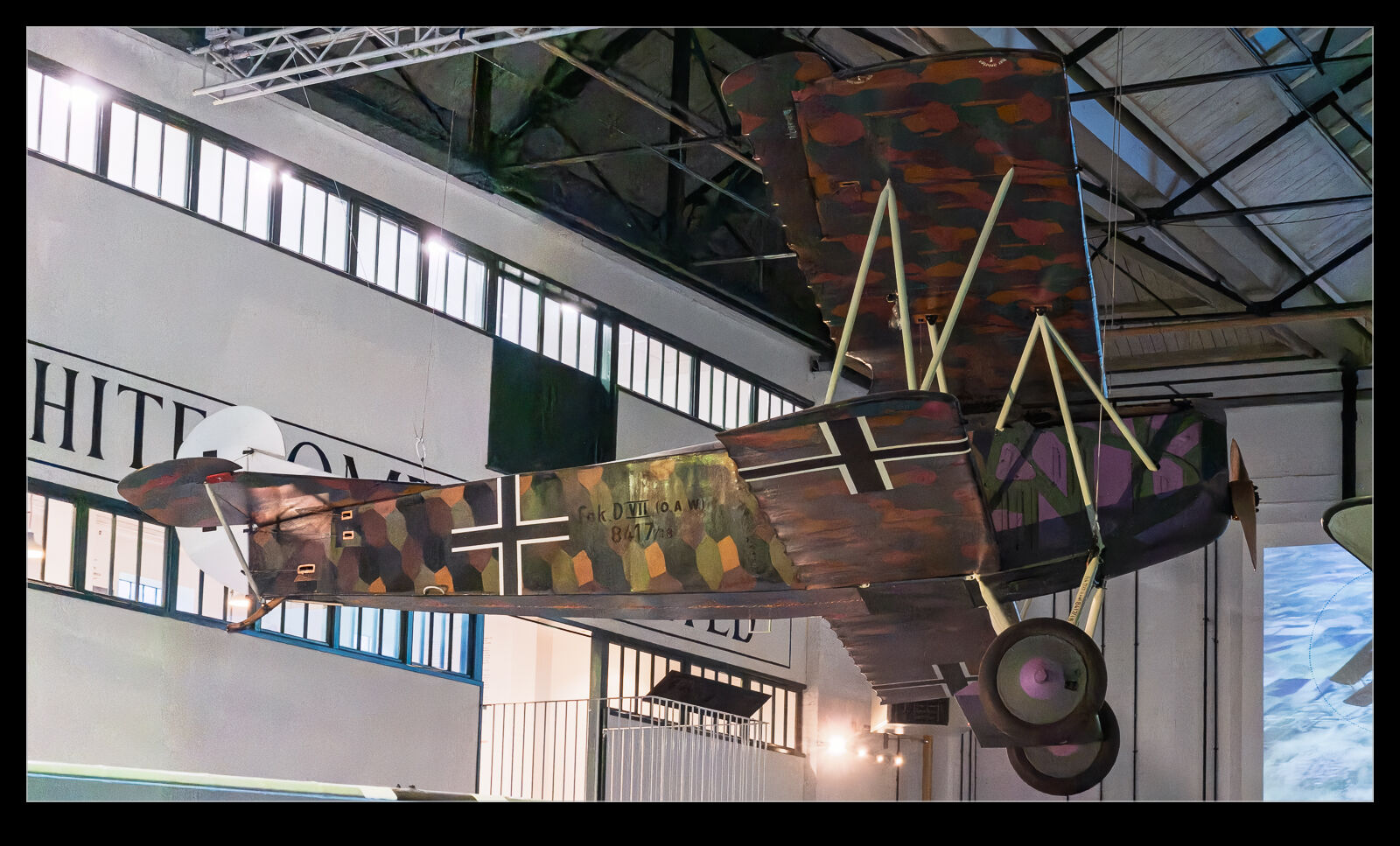
Early January of 1989, I had just got back to my college accommodation in London and decided to pay a visit to the RAF Museum in Hendon. I had a good time wandering around and looking the various old aircraft (and some that were not so old). There was a Lightning that was on display and they had only been withdrawn from service a couple of years before. Until recently, that was my only visit to the museum. I decided it was time for an update.
Plenty has changed in the intervening years (although some things haven’t – the Lightning exhibit seems to be exactly as it was back then judging by my old photos). The Beverley has gone from the car park, and a new building has gone up. Plenty of exhibits have changed around with some having relocated to other museums and others having been added.
The place was very busy. It is free to visit so, I suspect that makes it a popular place for families on a rainy weekend. Lots of young kids there including some that seemed young enough that they wouldn’t really be aware of what their parents were desperately trying to get them enthusiastic about. They did have a lot of learning exhibits which gave the kids things to try out.
I wasn’t there for that stuff, of course. I was just interested in the planes themselves. It was a lot of fun checking out the various hangars with their different subject areas. I wish I had noticed that the battery in my camera was not fully charged as I got to the end of the visit and was nursing whatever juice was left in it. There is always the phone to use, of course, so I wasn’t stranded but I might have been a bit miffed to carry around a body and two lenses if I couldn’t use them!
As is the way with this blog, I will be finding some specific exhibits from the museum that will get their own posts, so this is a more generic look at some of the other bits the museum has to offer. Looking at planes is not going to be everyone’s thing but, if you have even a passing interest in this sort of thing (and the fact you have got this far down in a post about the museum suggests you might have), I would recommend you spend a day in Hendon.
Impressive Gates in Bloomsbury
London is so full of little oddities, I wonder how long you could be wandering the streets before you stop noticing things – assuming you are looking around as you walk. As you walk up the street alongside the British Museum, it looks like a constant row of buildings on each side of the street. However, that isn’t the case. Halfway up the street is this gate between two buildings. The street is Montague Street, and this gate is the entrance to Montague Street Gardens. I’ve never seen it open, so I assume it is a private garden. Now I have noticed the gates, I really want to see the gardens. I guess I will have to cope with disappointment.
Grabbing a Passing Shot of The City
I remember talking with a photographer for National Geographic once and they pointed out that having great photos of a subject meant having gone there twenty or more times in order to be there when the right conditions occurred. This taking of the opportunity when it presents itself is true for all of us. I often walk across Waterloo Bridge in the morning and evening. It provides a view both upriver towards the Palace of Westminster and downriver towards the City. As a commuter, I am not going to embarrass myself by stopping to take photos all of the time. So uncool!
However, sometimes the lighting or the weather is making a wonderful image. There is no way that this will happen again when I happen to have time to plan to be there and bring my better camera. Maybe I should just take a photo with the phone and accept I look like a tourist. Being on the wrong side of the bridge and being in a hurry to get my train means I am not finding a way across – no easy feat in the middle of the bridge – so the foreground might mess things up. However, get the shot and worry about that another day. For one of these, the light looked great. For the other, the buildings were disappearing into the cloud, but St Paul’s was still clear. This view is something I must not get blasé about.
Brickwork Around the Doors
Nothing too special today – just the door of a building near Sloane Square. I just was taken by the ornate brickwork around the door. The doors along this street all had something similar but they did vary from door to door. This one seemed cool. You don’t see this much effort going into house building today!
Flatiron Isn’t Even Trying
We were taking a walk through South Kensington heading in the direction of Sloane Square. Our route included crossing the alignment of the District Line on the Tube. This line was built via the cut and cover method and there are some areas where they didn’t need to cover it again and it is open to the air. The road crossed in this area and the buildings along the road had been profiled to fit the space between the road and the track. The result was this building that tapered to basically nothing. I know that the Flatiron Building in New York is famous for its shape, but it is positively wide compared to this building!