Tag Archives: piston

A Pitts with Extra Oomph

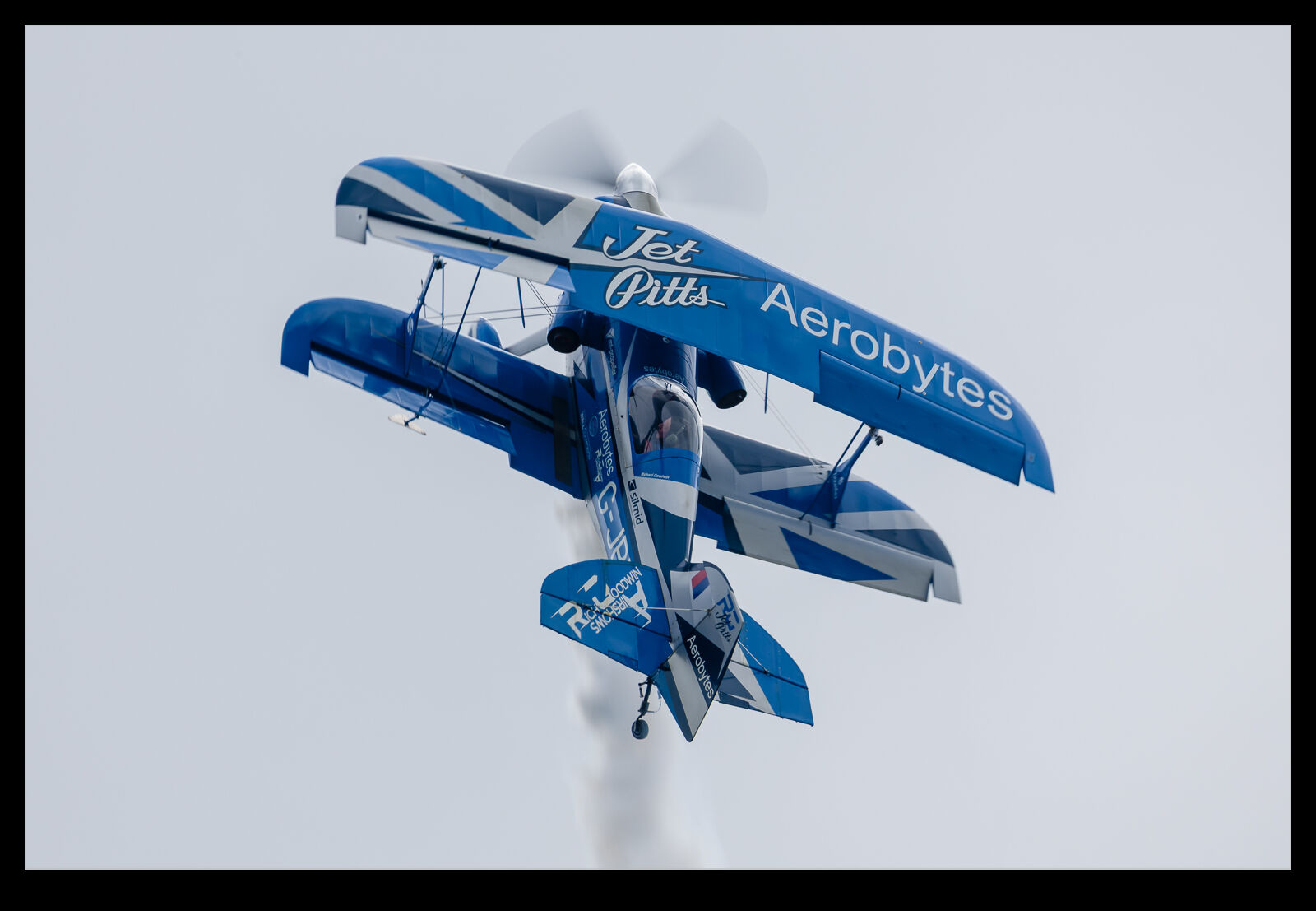
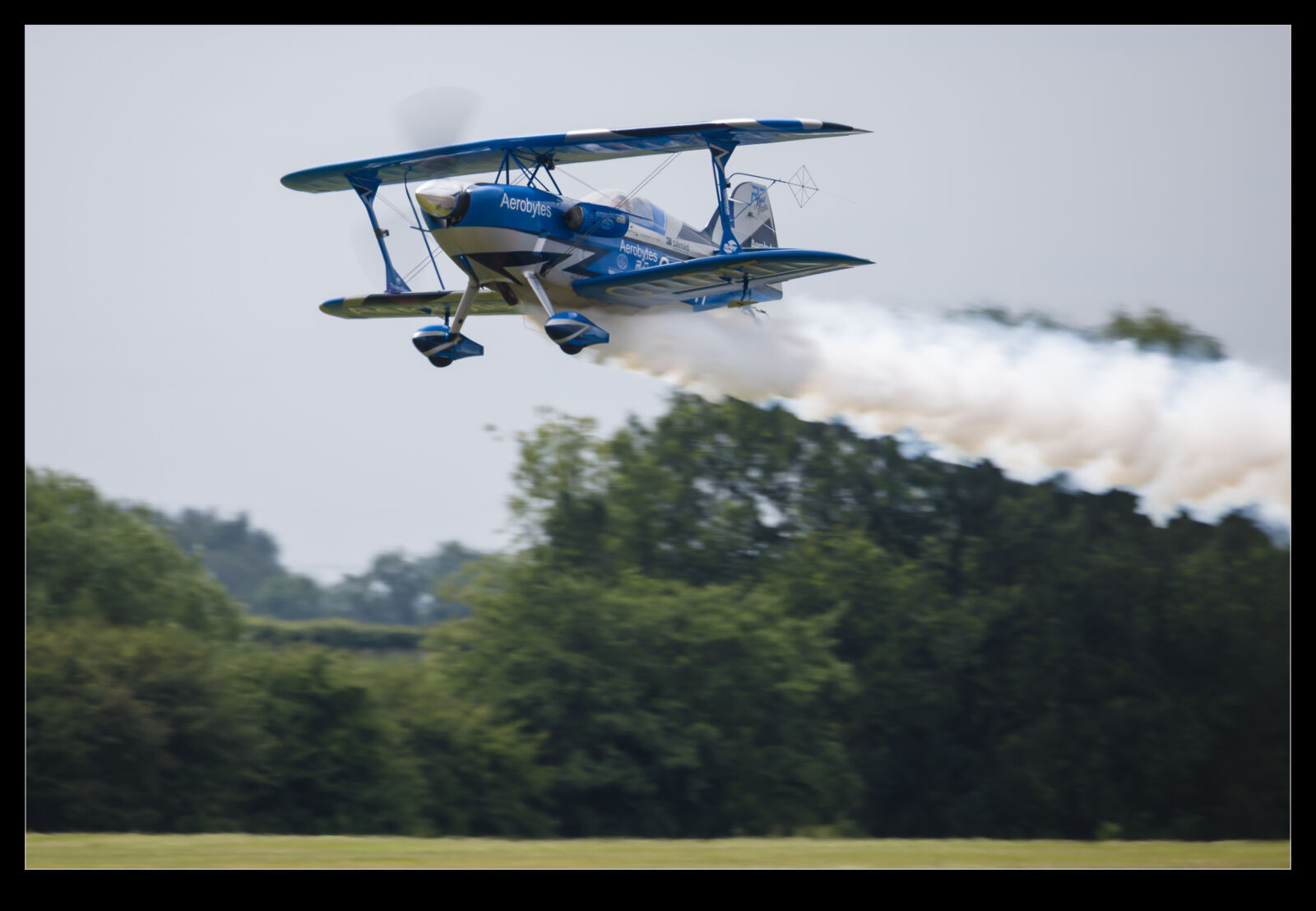
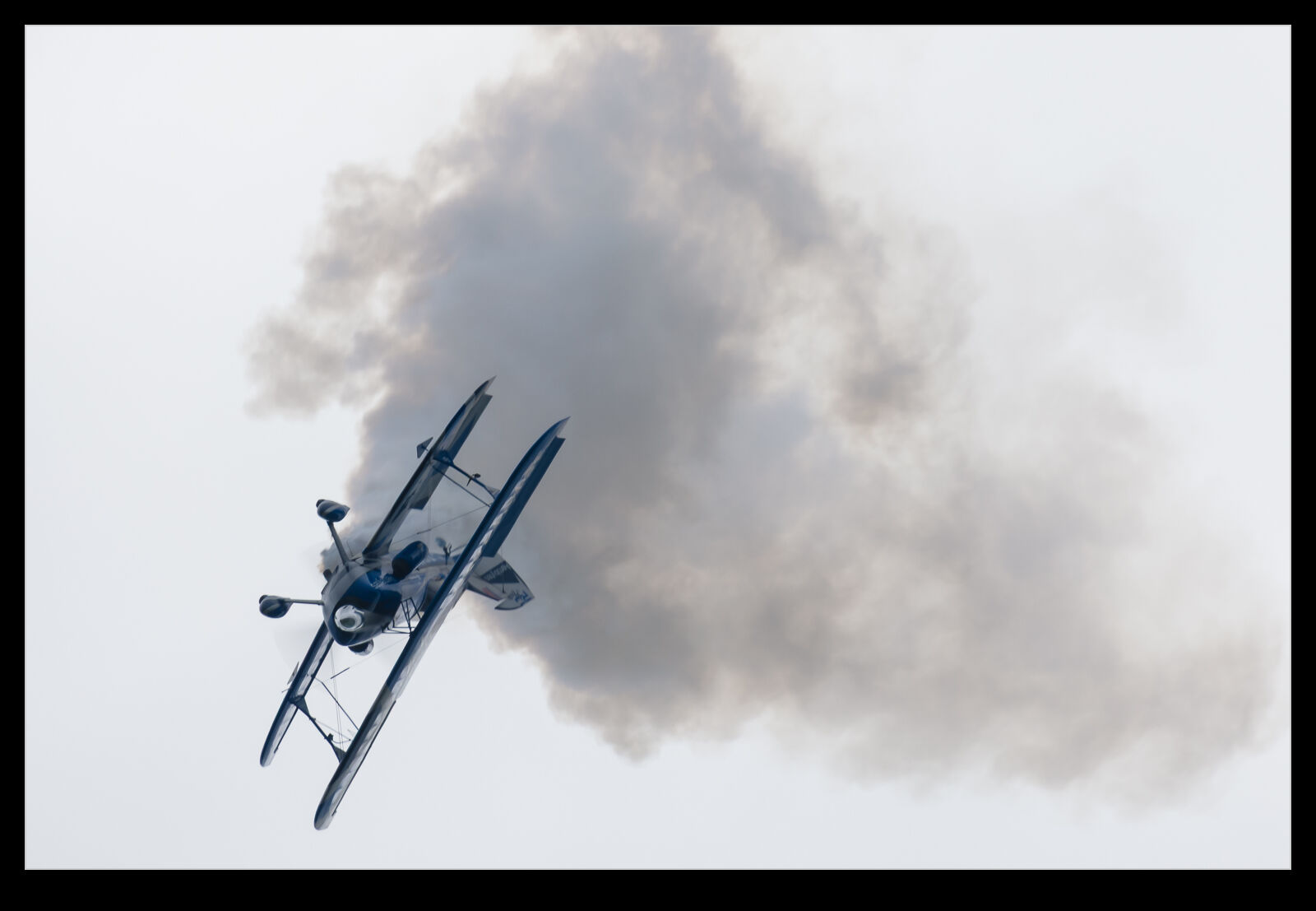
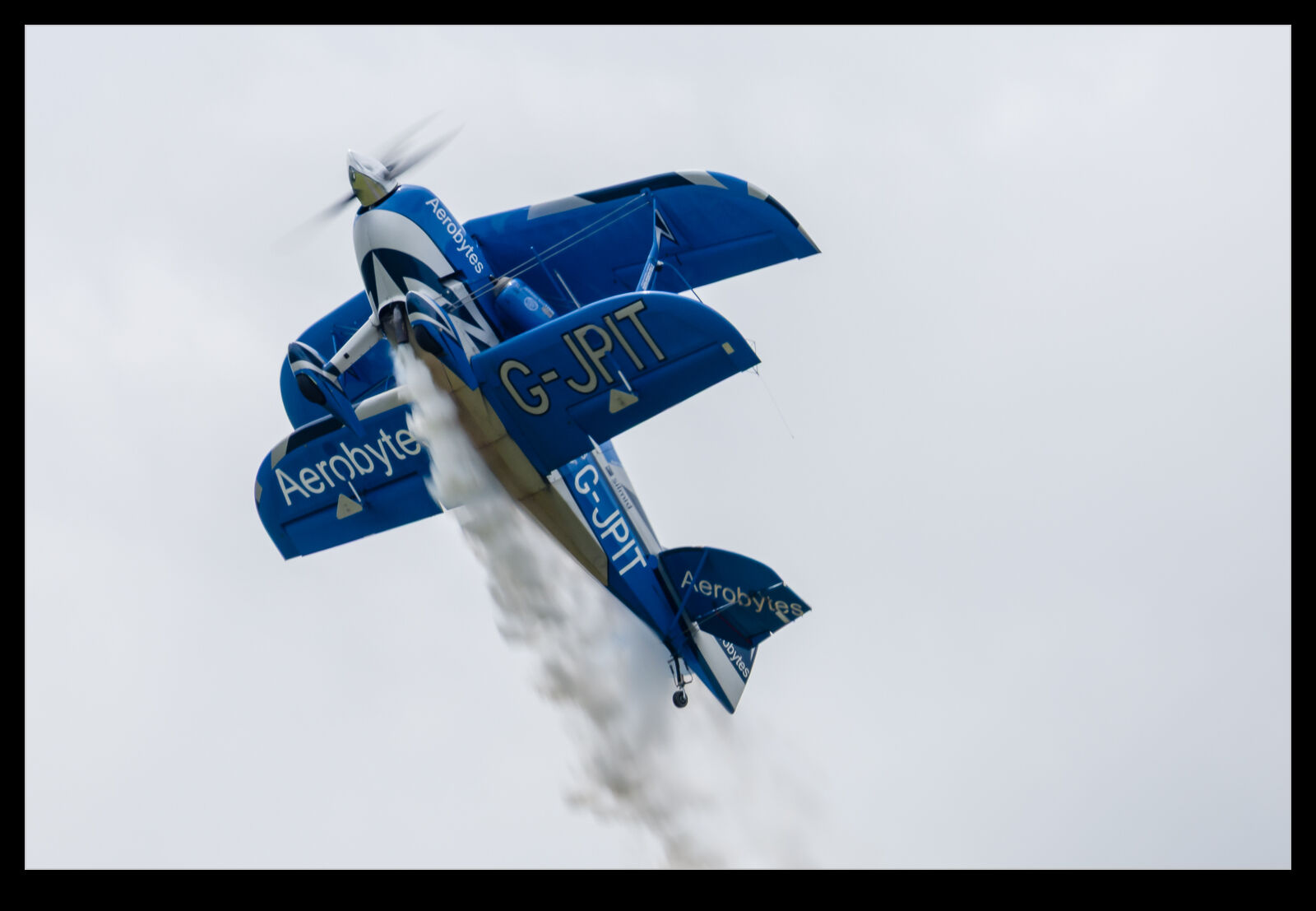
When I was a kid, the Pitts Special was the pinnacle of aerobatic aircraft. Then, the arrival of a bunch of high-powered monoplanes like the Zlin Z50L showed up follow by Extras, and the Pitts became more the preserve of individuals getting into aerobatics. It can still make a good display platform, though, and plenty of souped-up versions are on the air show circuit. The Cosford show included one flown by Rich Goodwin that has been modified with a pair of turbine engines mounted on each side of the fuselage.
This makes for a lot of noise and plenty of extra power. The piston engine still does the majority of the work but, when going vertical, the jets are fired up and give a major boost in performance. That can include hovering in place if required. From some angles, the plane is hard to notice as being any different to any other Pitts. However, from the right angles, the engines are conspicuous. A pretty cool display act. I assume top speed is constrained by the original airframe limitations so not much point in using the jets unless pointing upwards.

Floatplanes with Mark

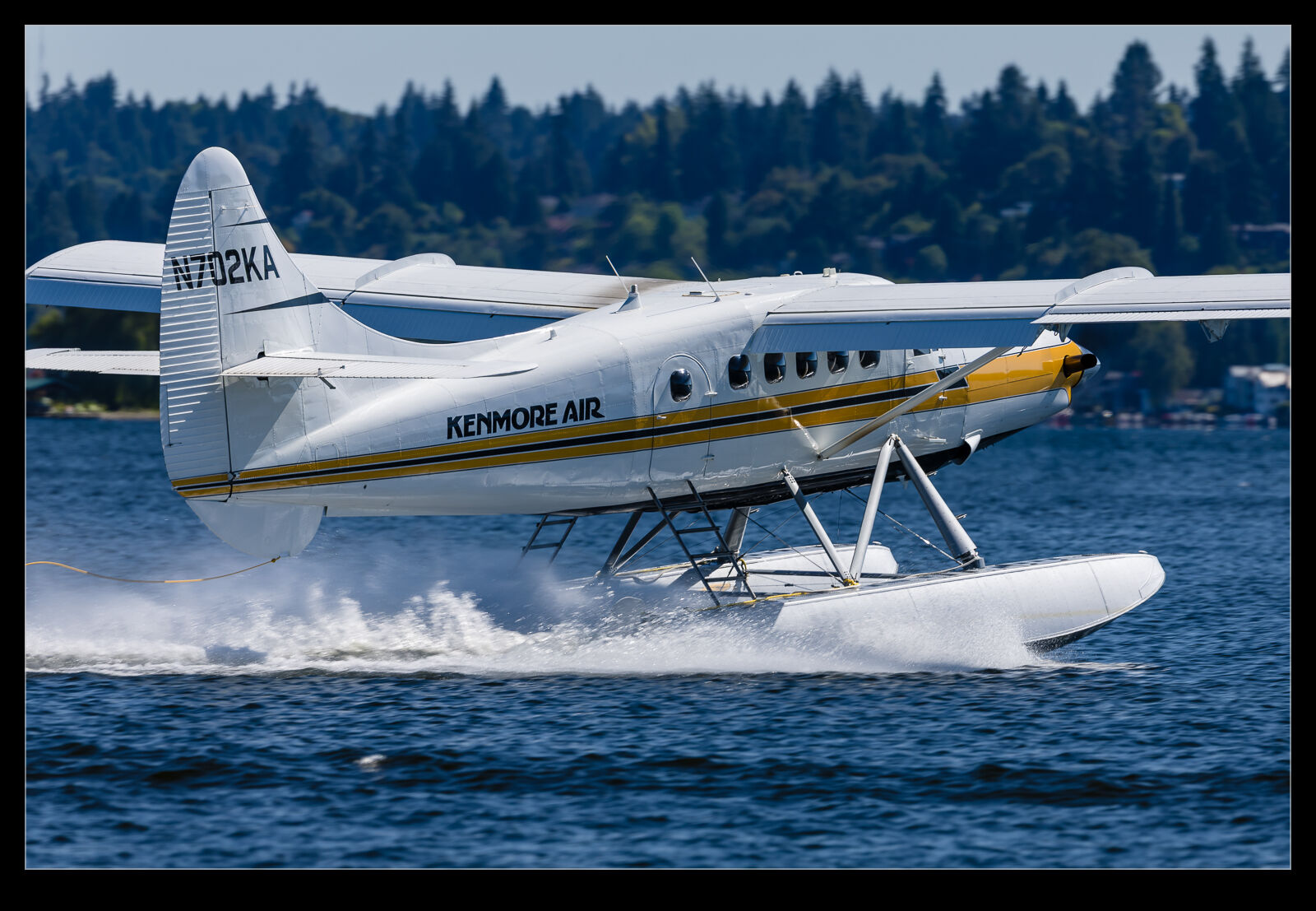
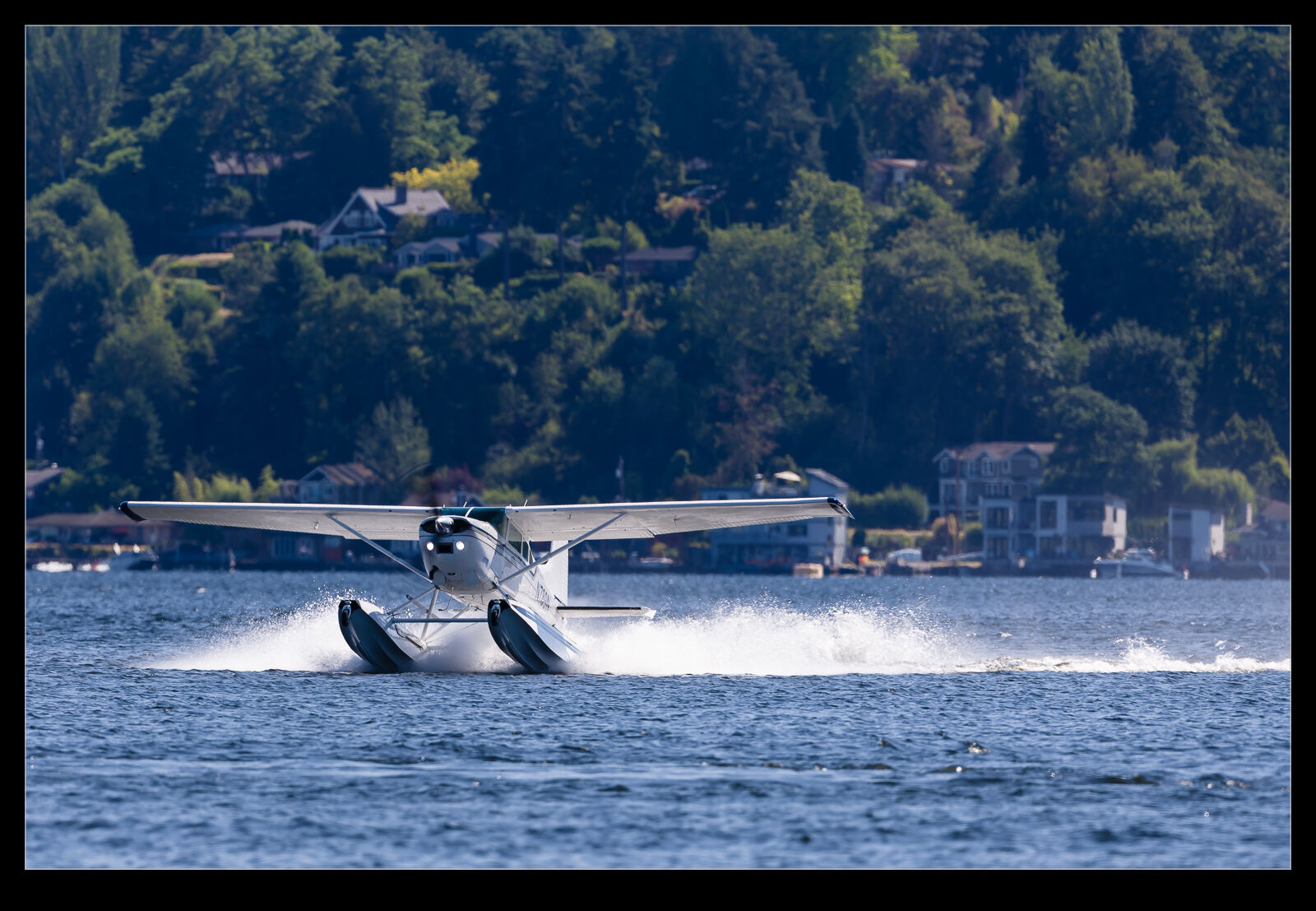
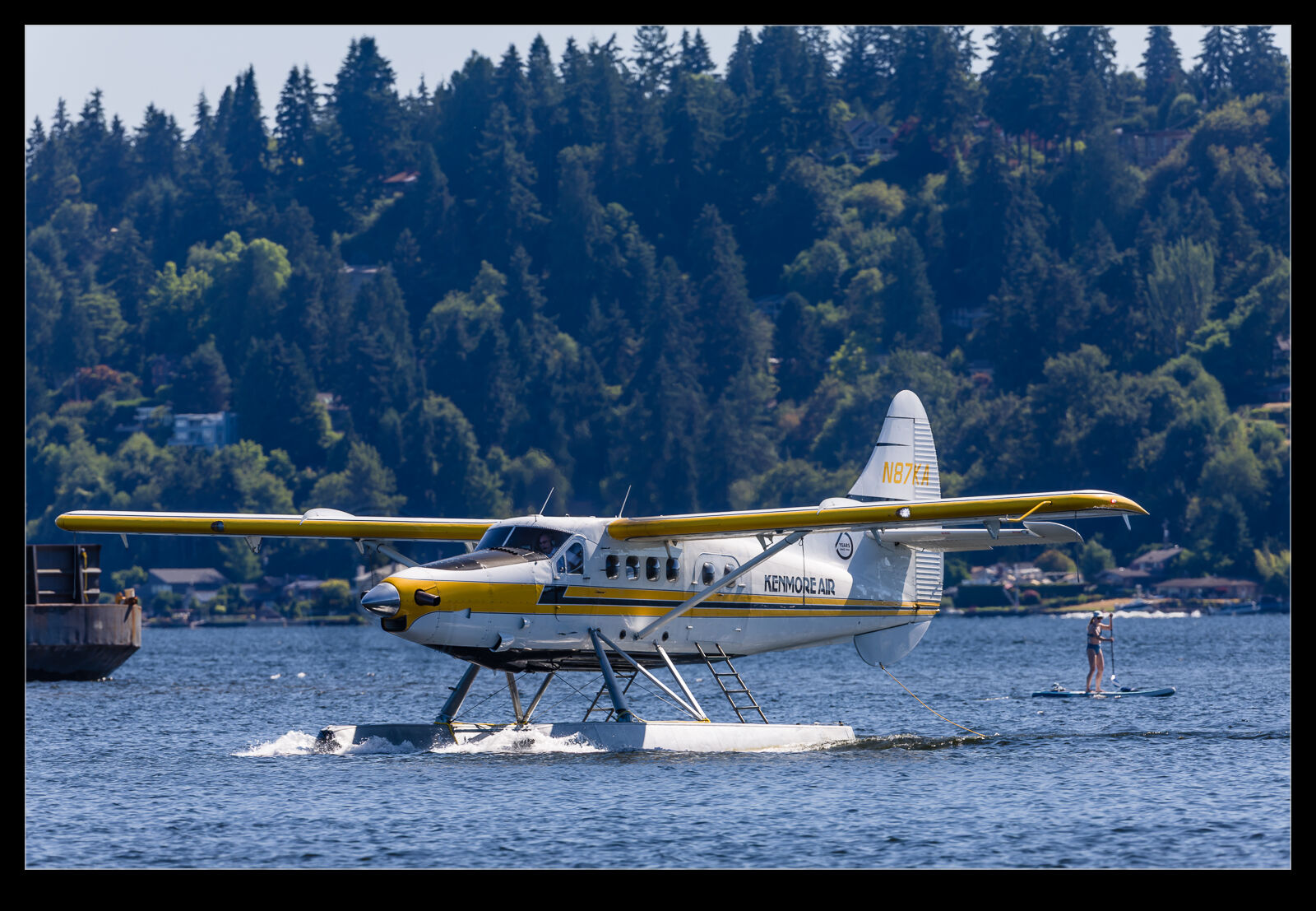
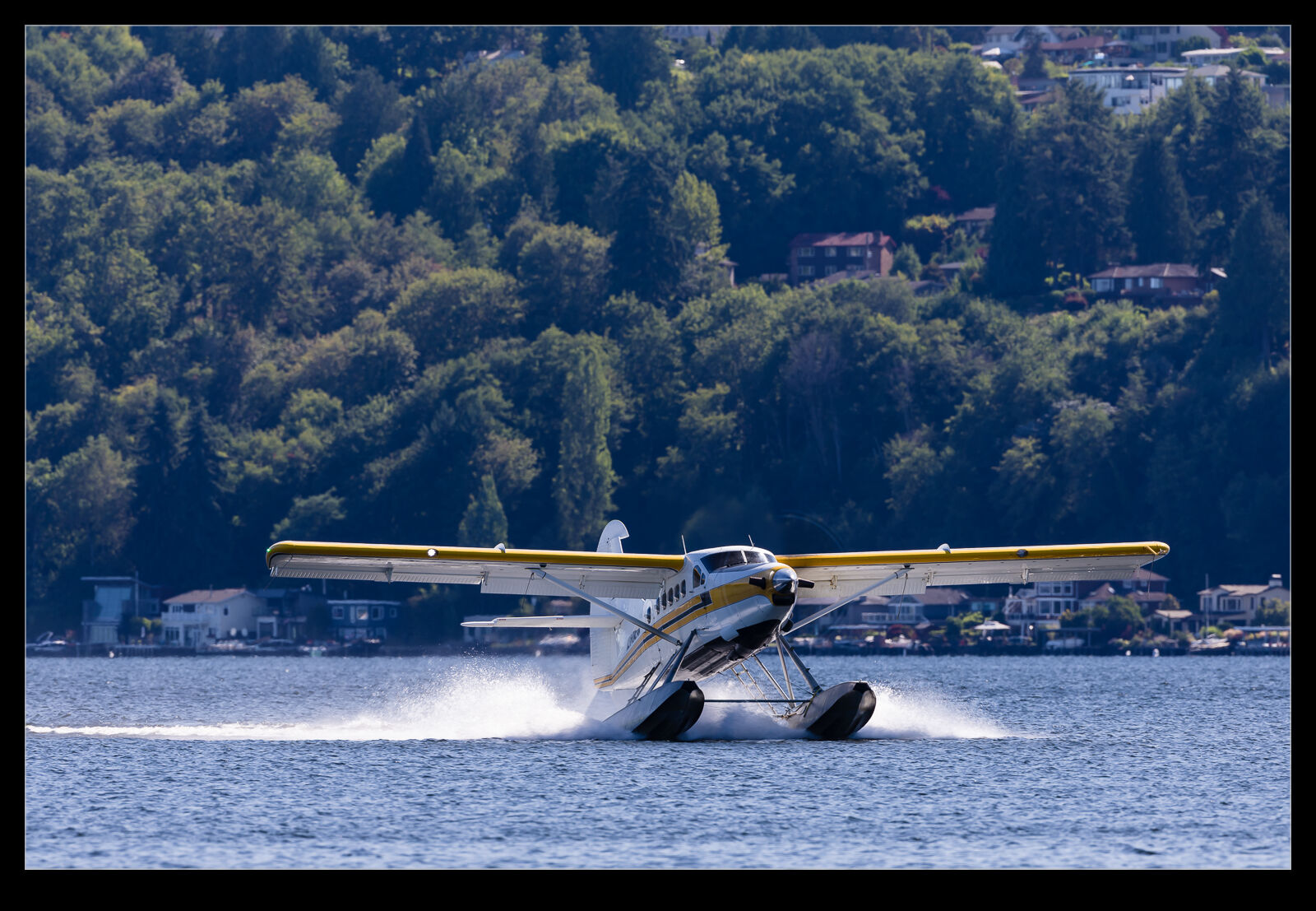
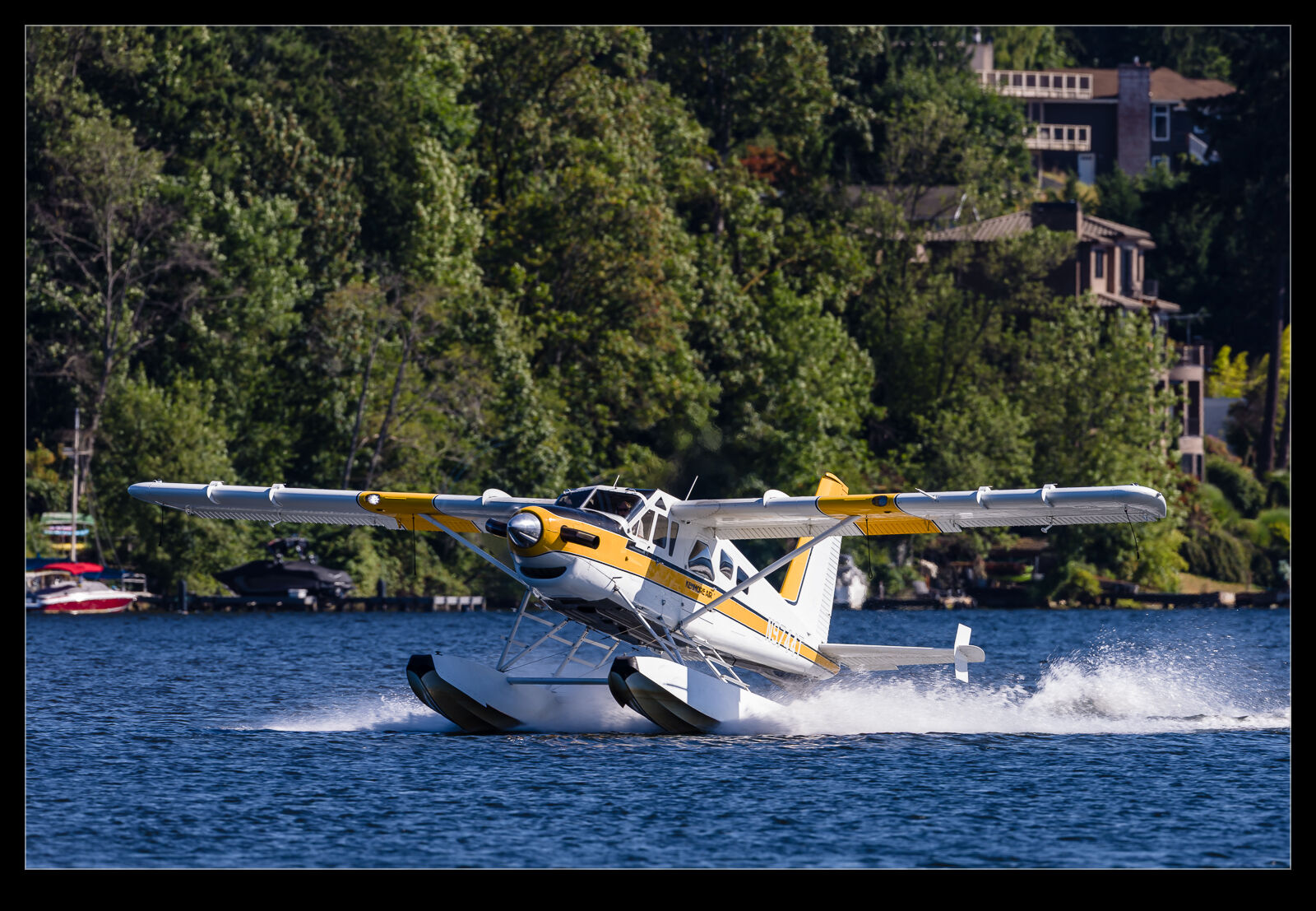
Let’s jump back in time to when we were still in Washington. My buddy, Mark, had come down from Vancouver to visit a friend and had some time to kill so was stopping off in Kenmore to photograph some floatplane activity. I headed over to join up with him since it is fun to see a friend and there is never a bad time to watch floatplanes.

An extra was that Mark knew a spot that I didn’t – local knowledge, huh?? There is a public dock that is accessible and has benches to make hanging out relaxing. It is a lot quieter than the pier at Log Boom Park which, on a sunny day, can get very busy with the local kids swimming. It also brings you in closer to the approach path of the planes which adds some options for the shots. We hung out for a while with a bunch of the usual sort of traffic coming and going. Then we each had places to go. Having a location like this on your doorstep was definitely a bonus when we lived in Woodinville.

An Early Generation of Anson

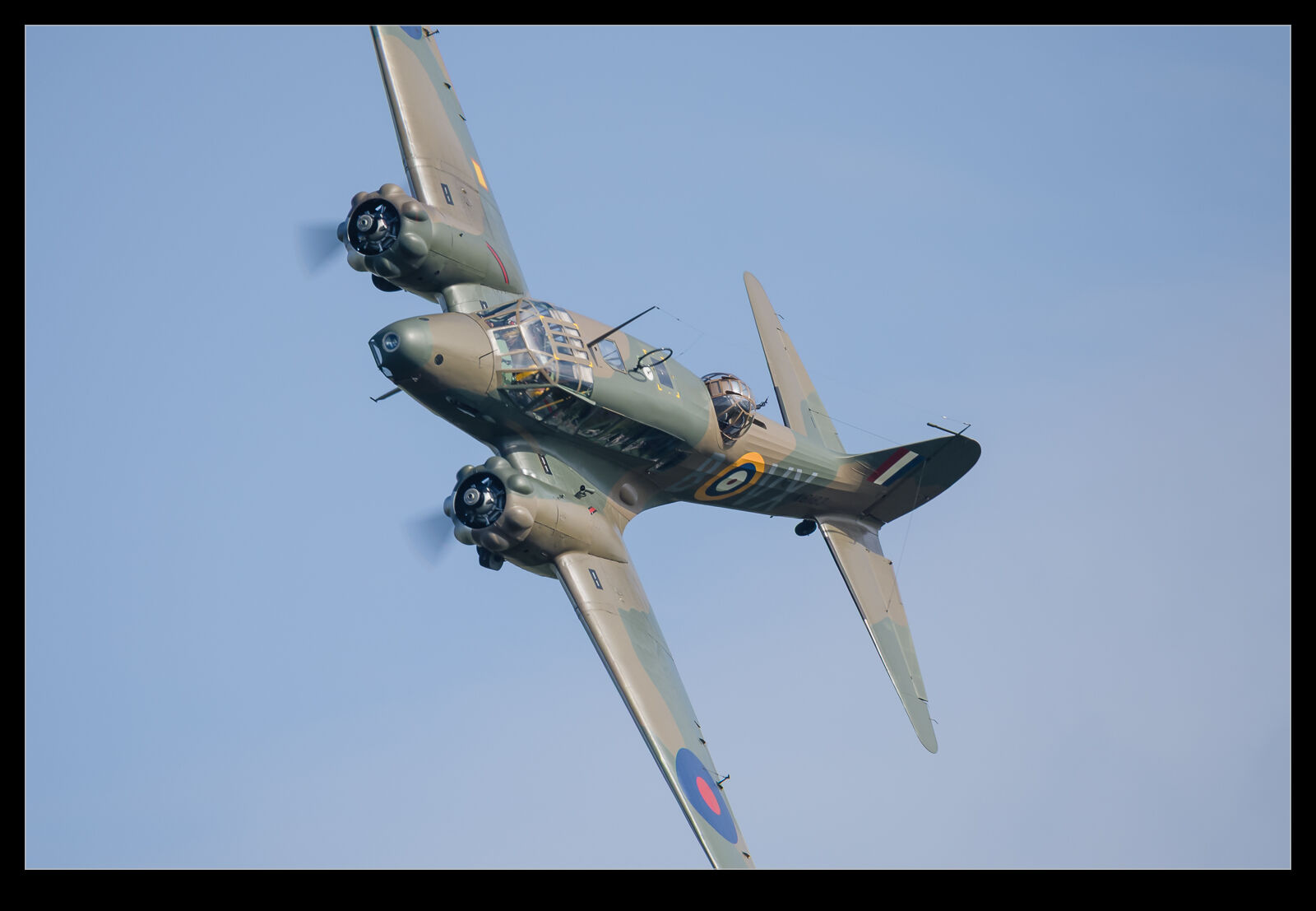
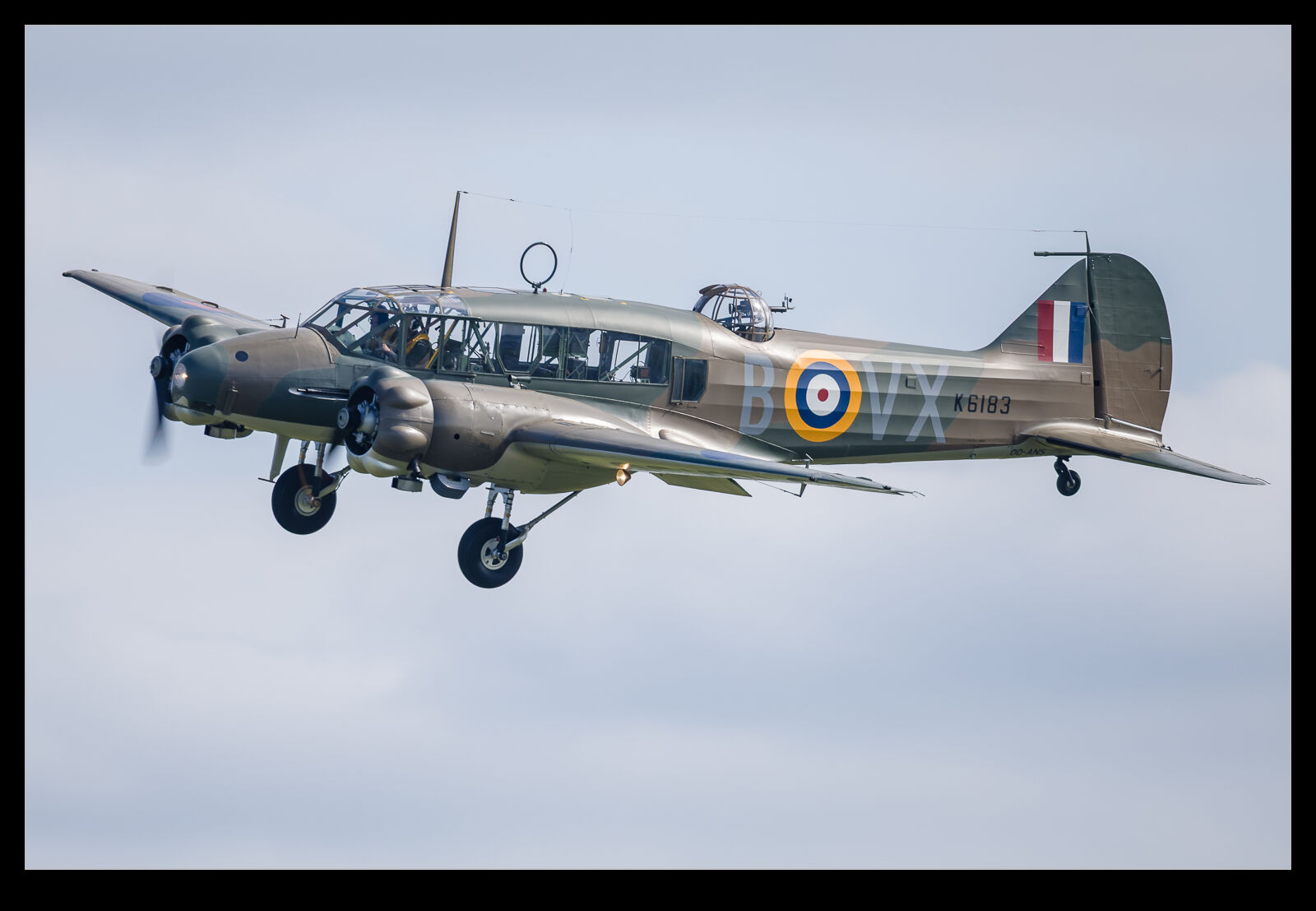
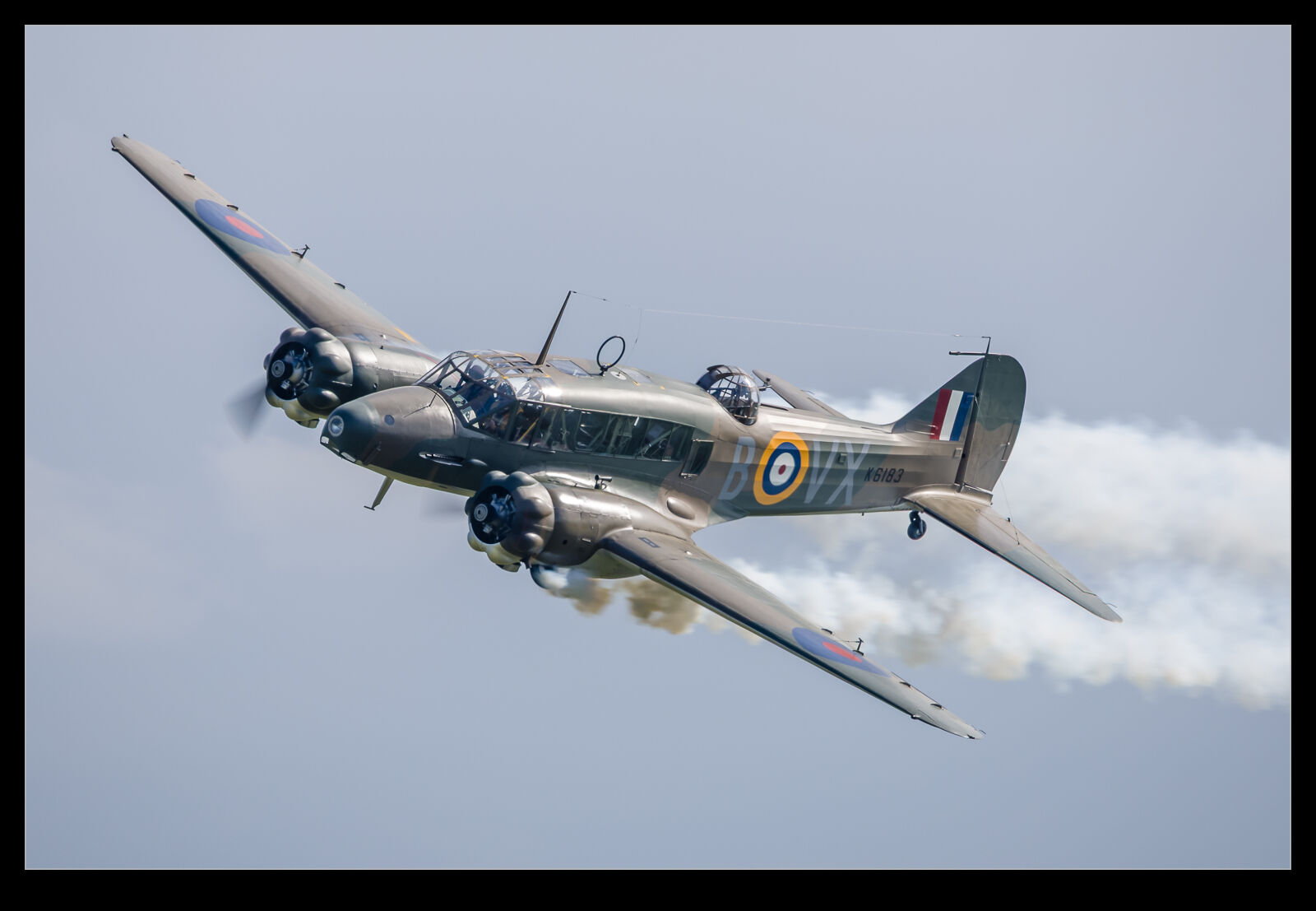
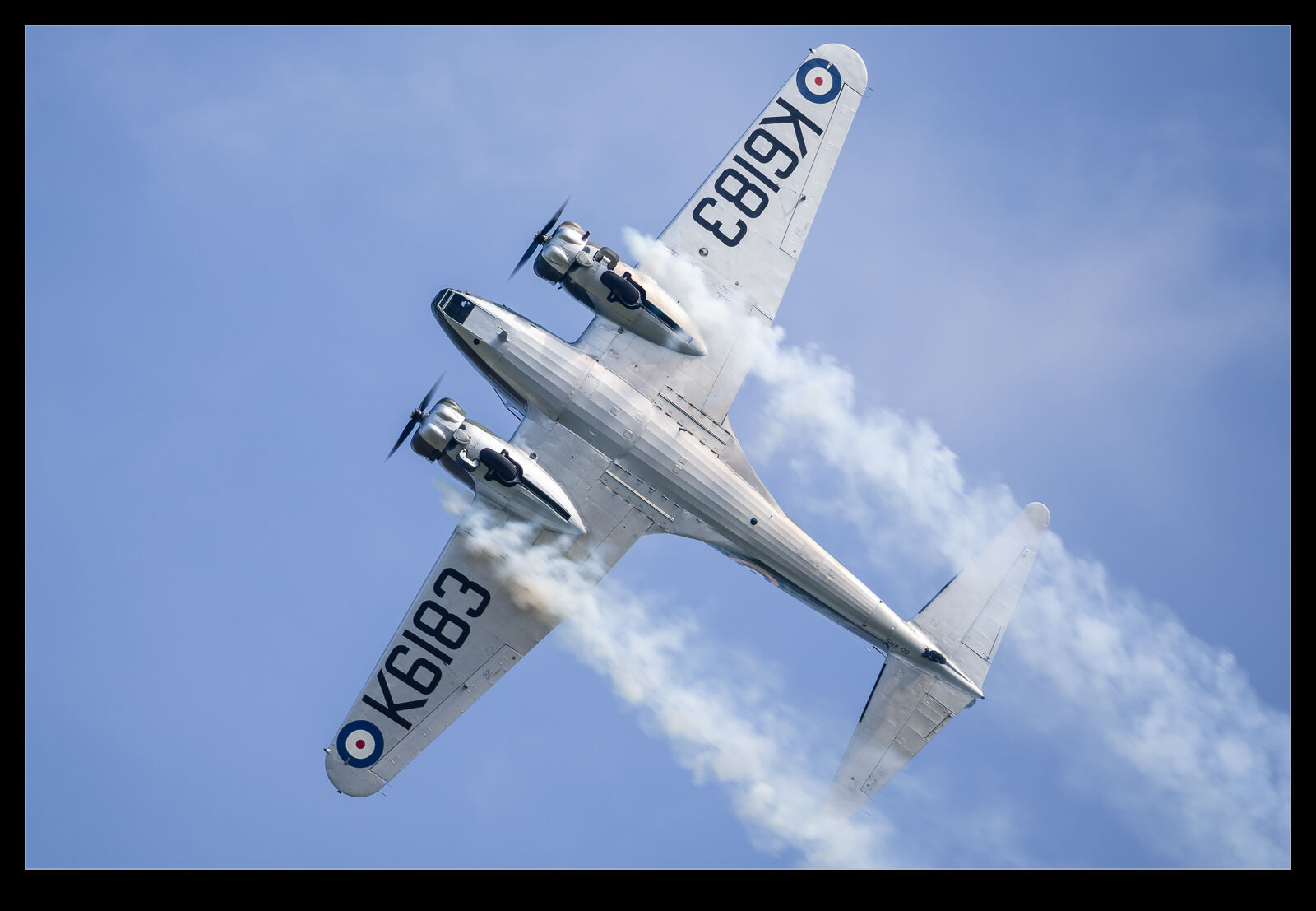
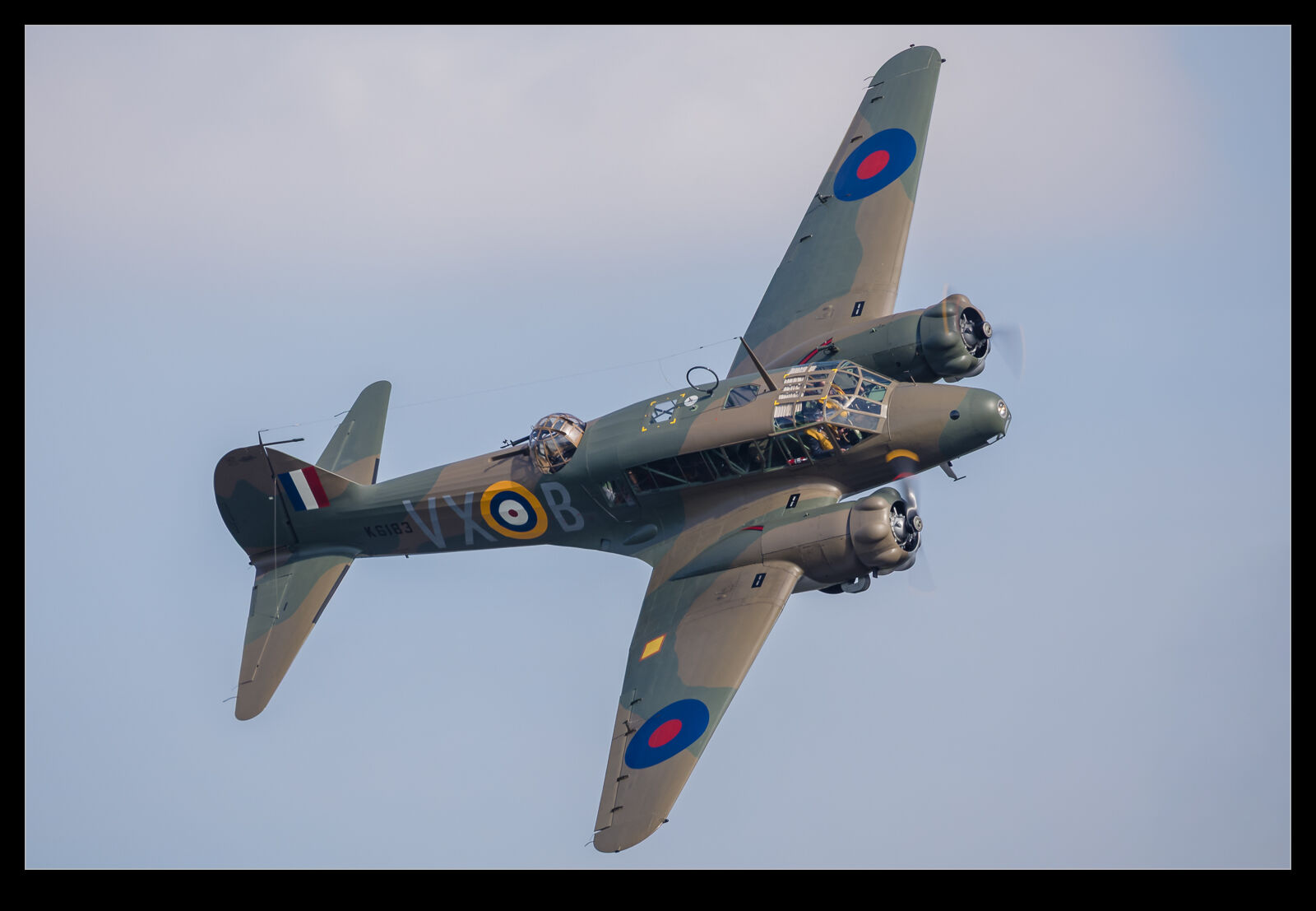
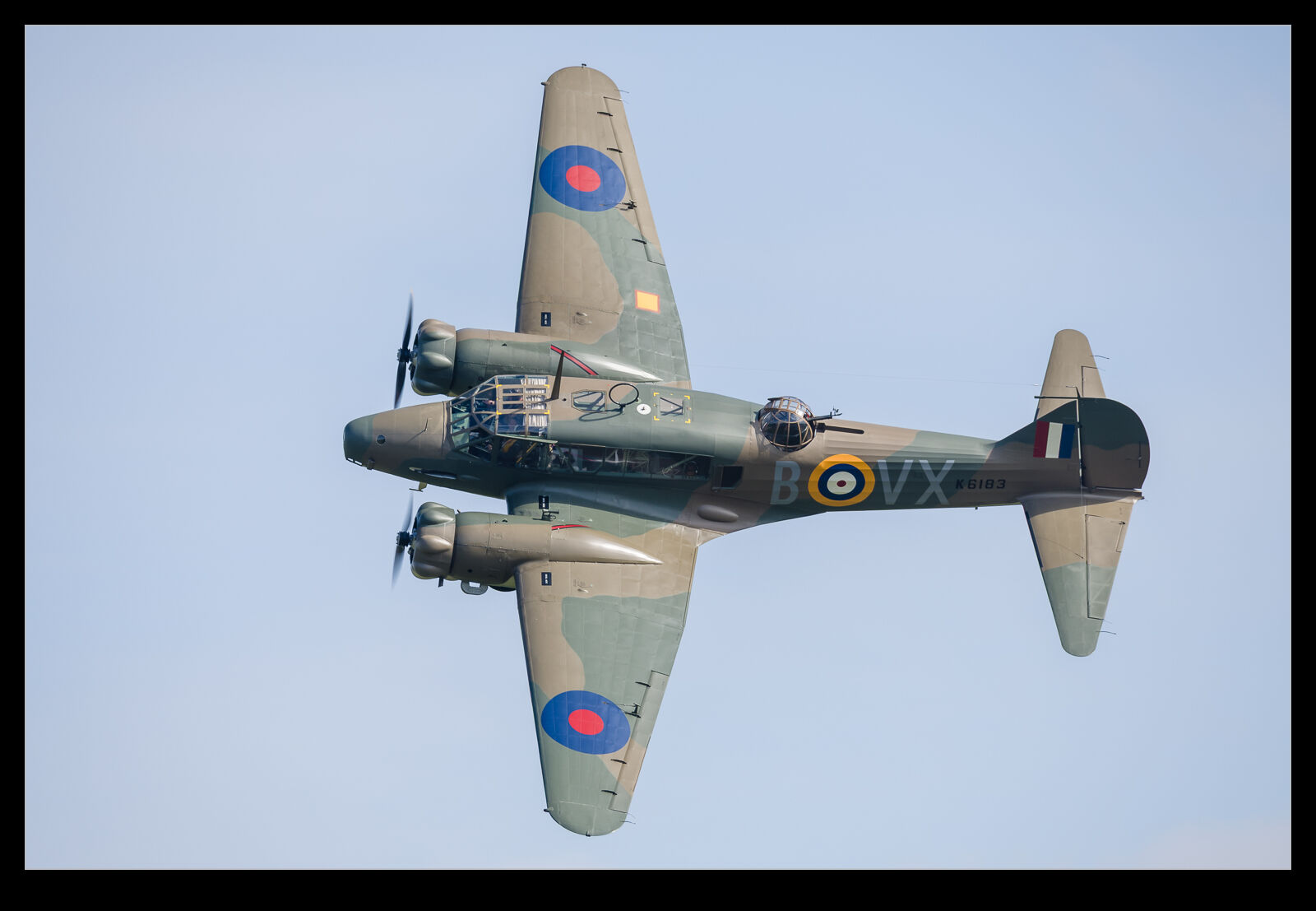
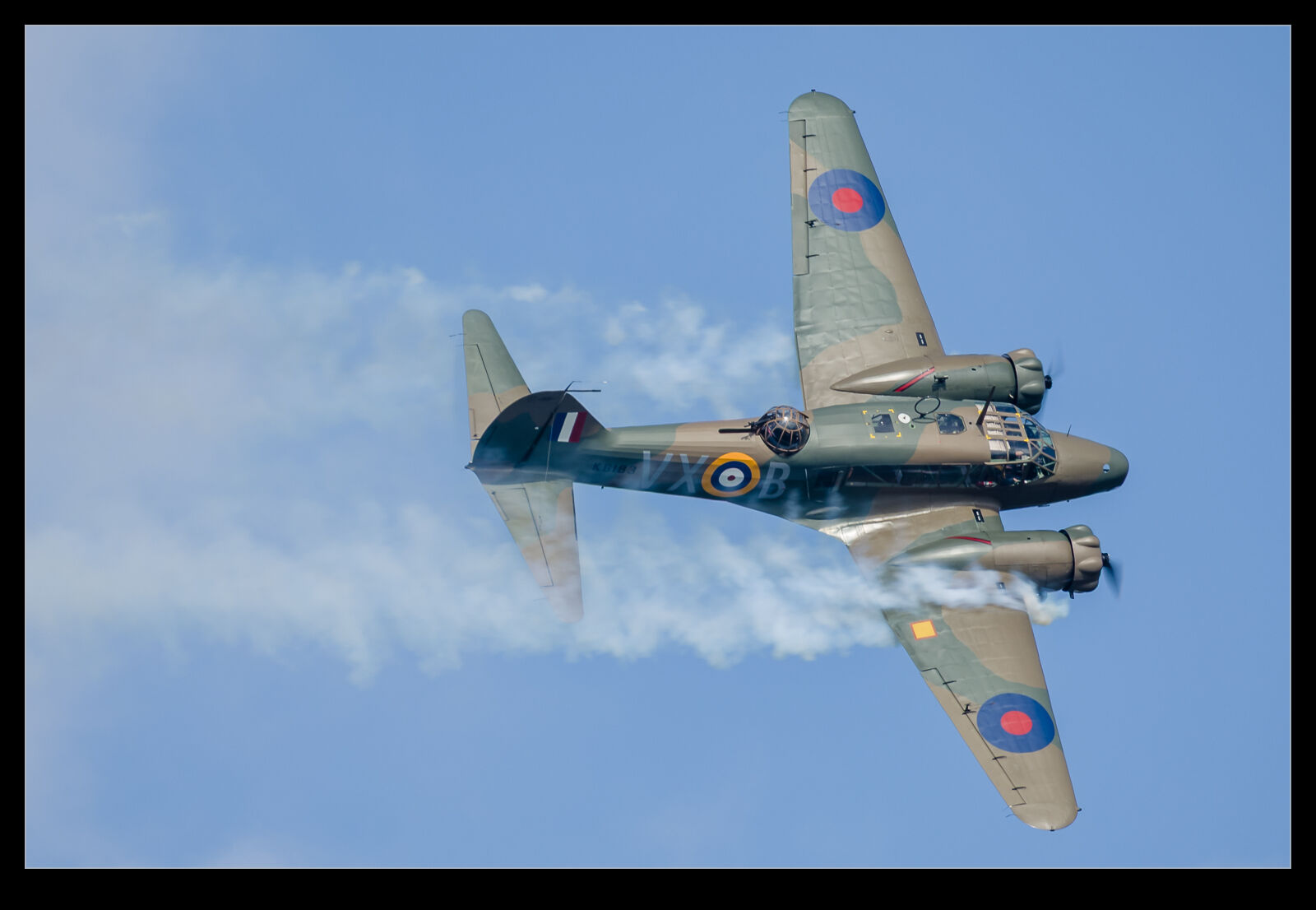
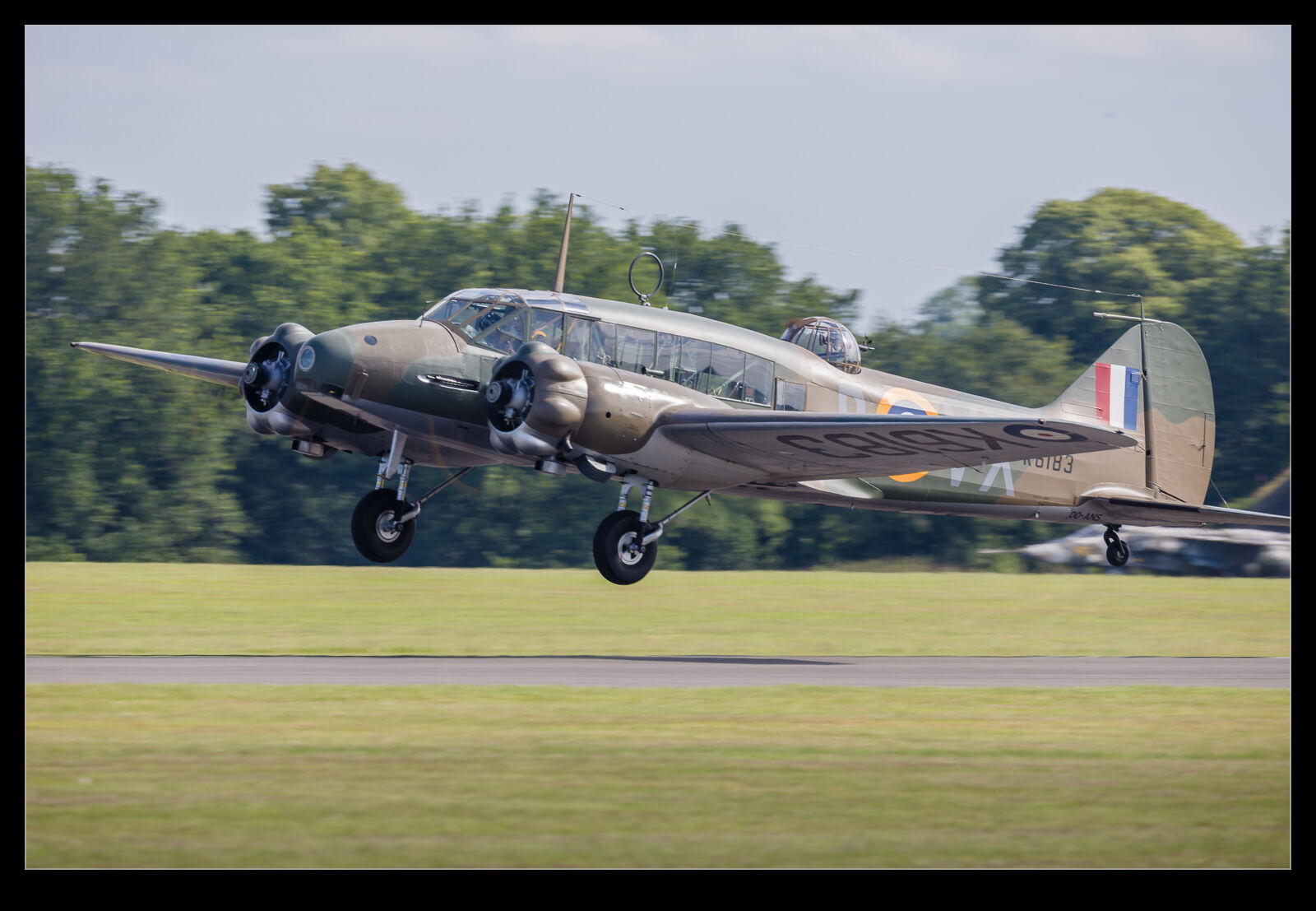
When the announcers at the RAF Cosford Airshow said that an Avro Anson would be displaying, I have to admit I was not terribly interested. My assumption was that it was the same example I had seen flying at Old Warden during shows last year. Nothing wrong with that display but I wasn’t super psyched by it. However, that was not the plane. Instead, this was an early model Anson.

It had flown in from Czechia in the hands of its owner. RAF Cosford has a strong historical link with the Czech Air Force, so this was something they were keen to highlight during the display. Because it was an operational rather than training Anson, it was wearing camo. The display really made good use of the plane. It kept nicely tight in front of the crowd. The angles showed off the plane very well. The framing and windows along the fuselage are quite a curious look and they showed up well with the light behind the plane. It was a good display and a lovely looking aircraft. What a delight compared to my misplaced expectations.

Some of the Weirder Great War Aircraft

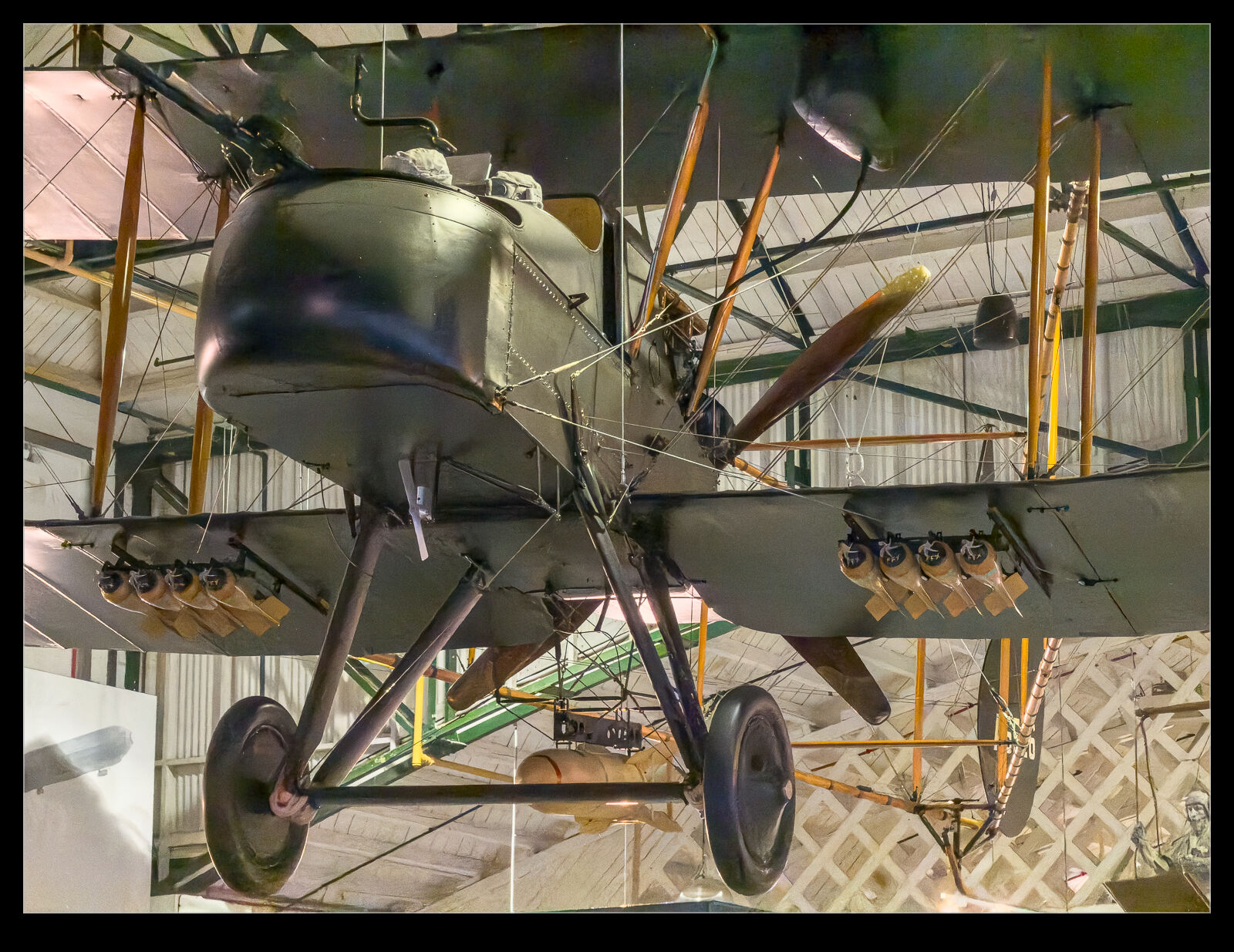
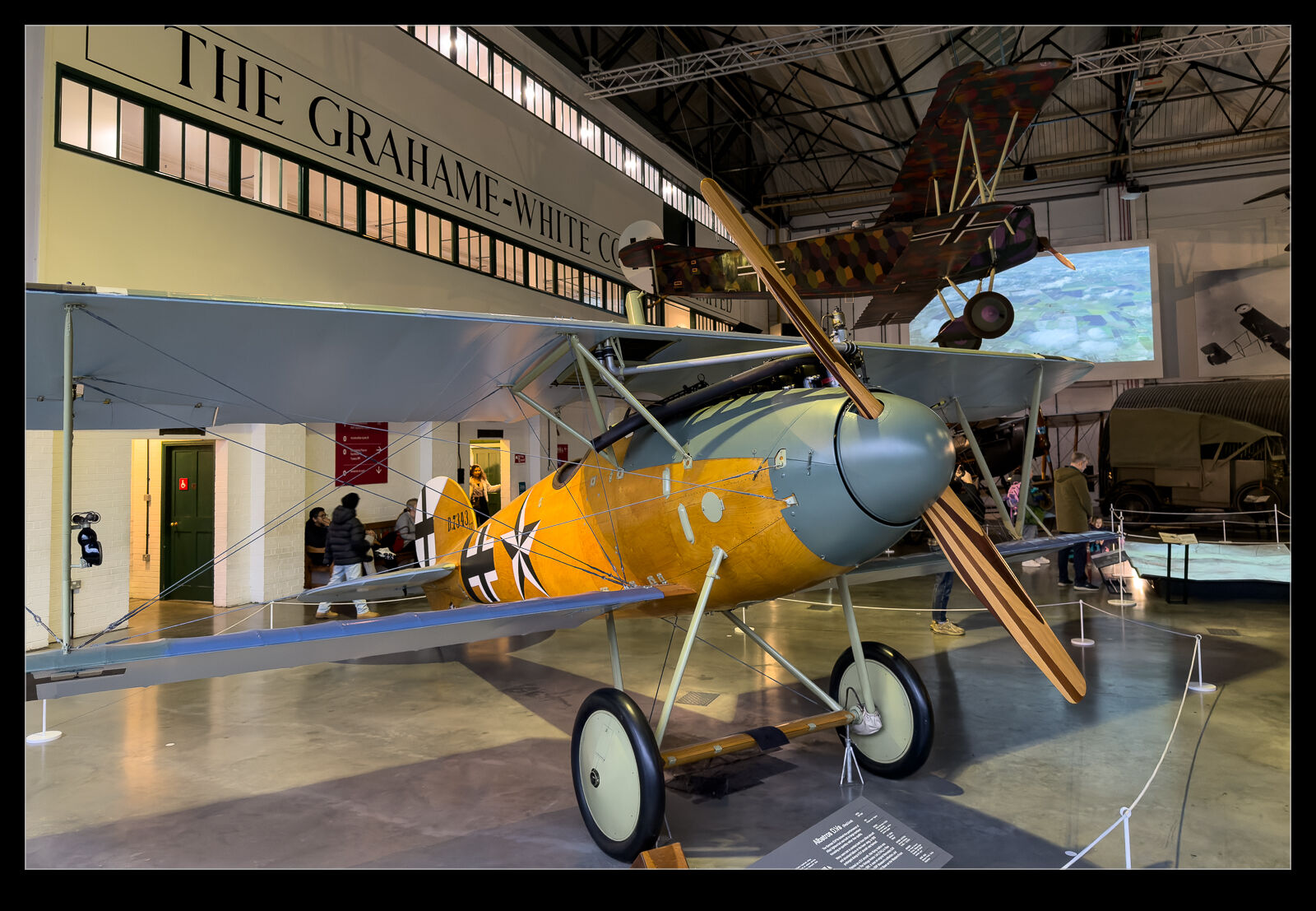
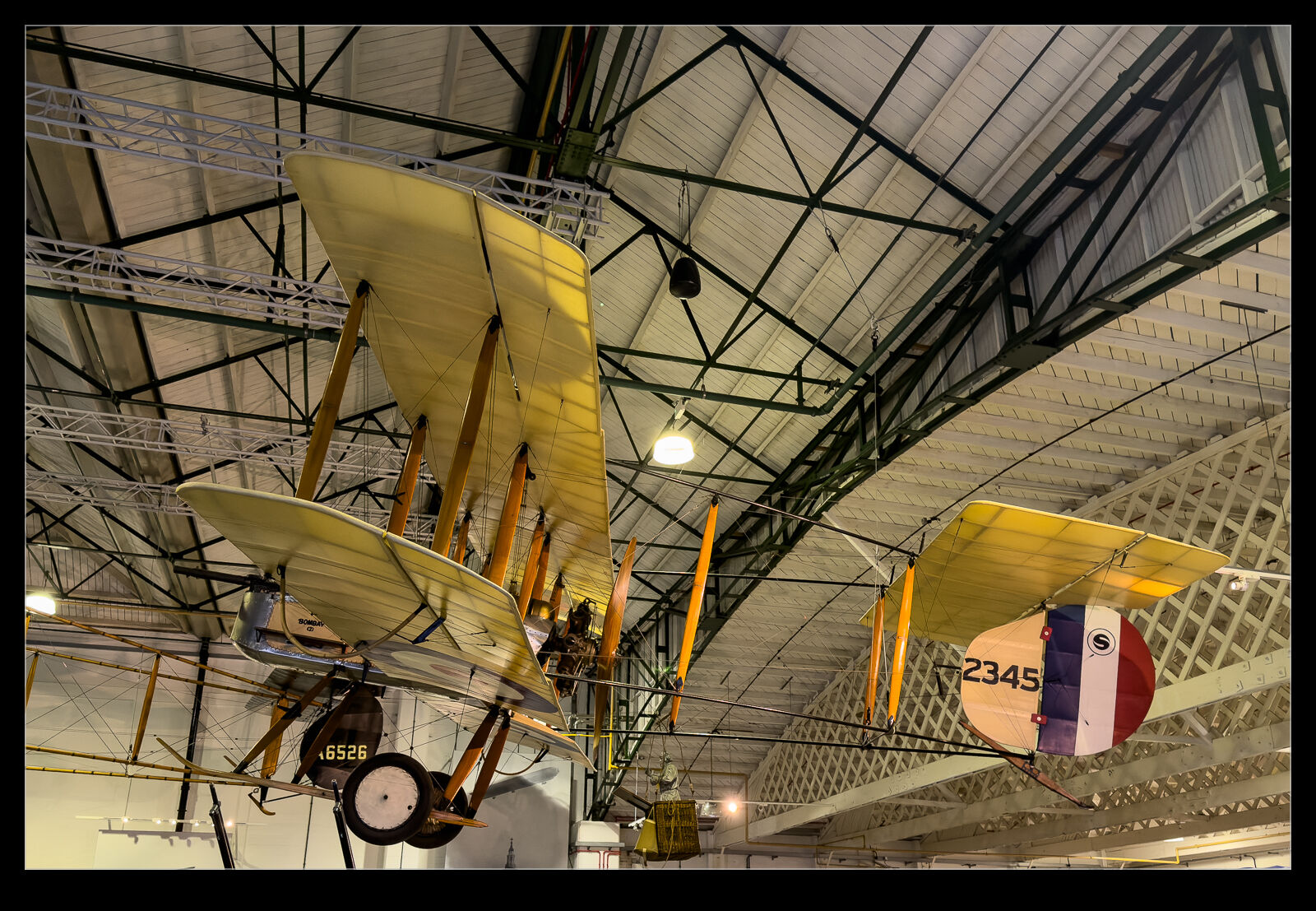
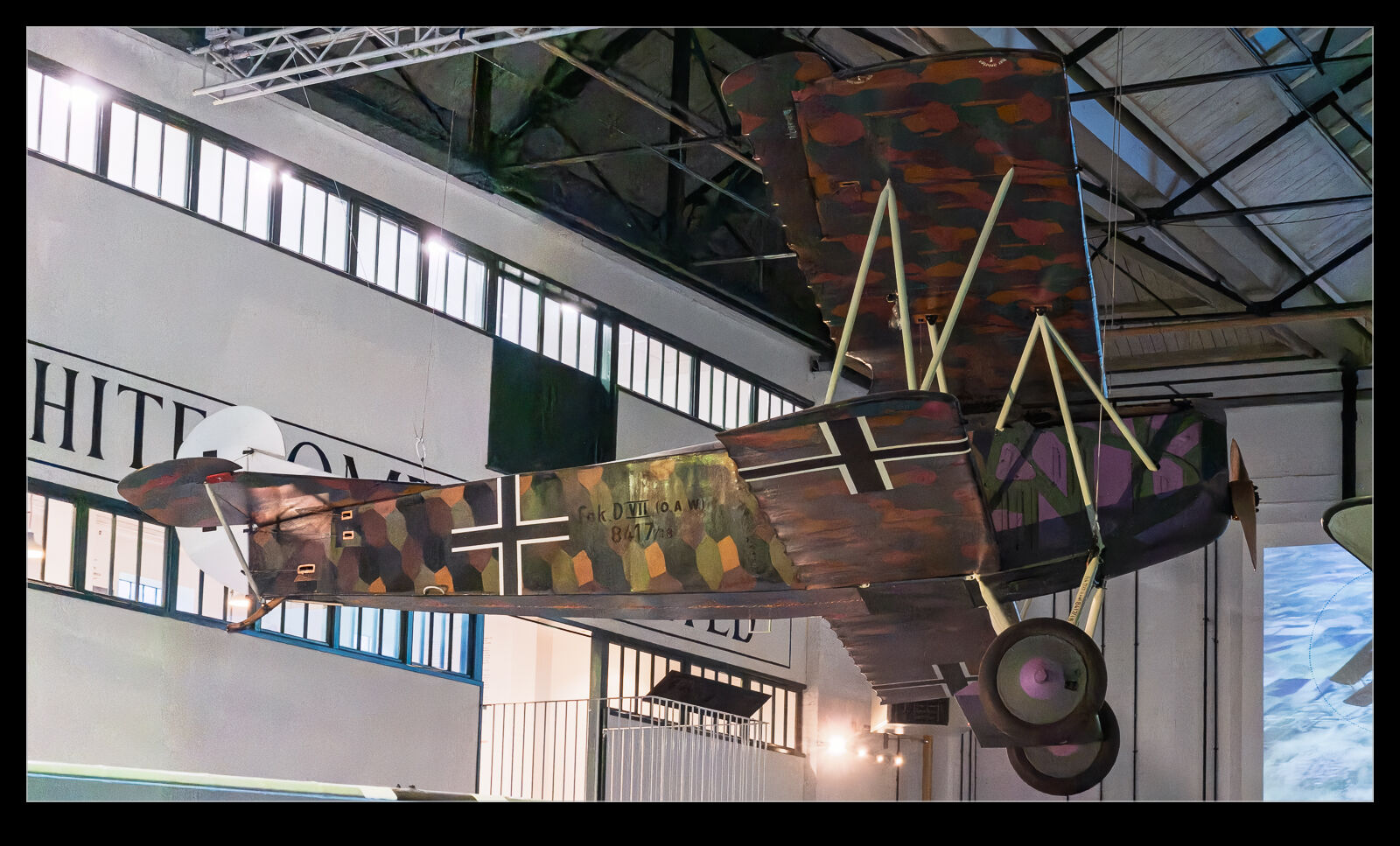
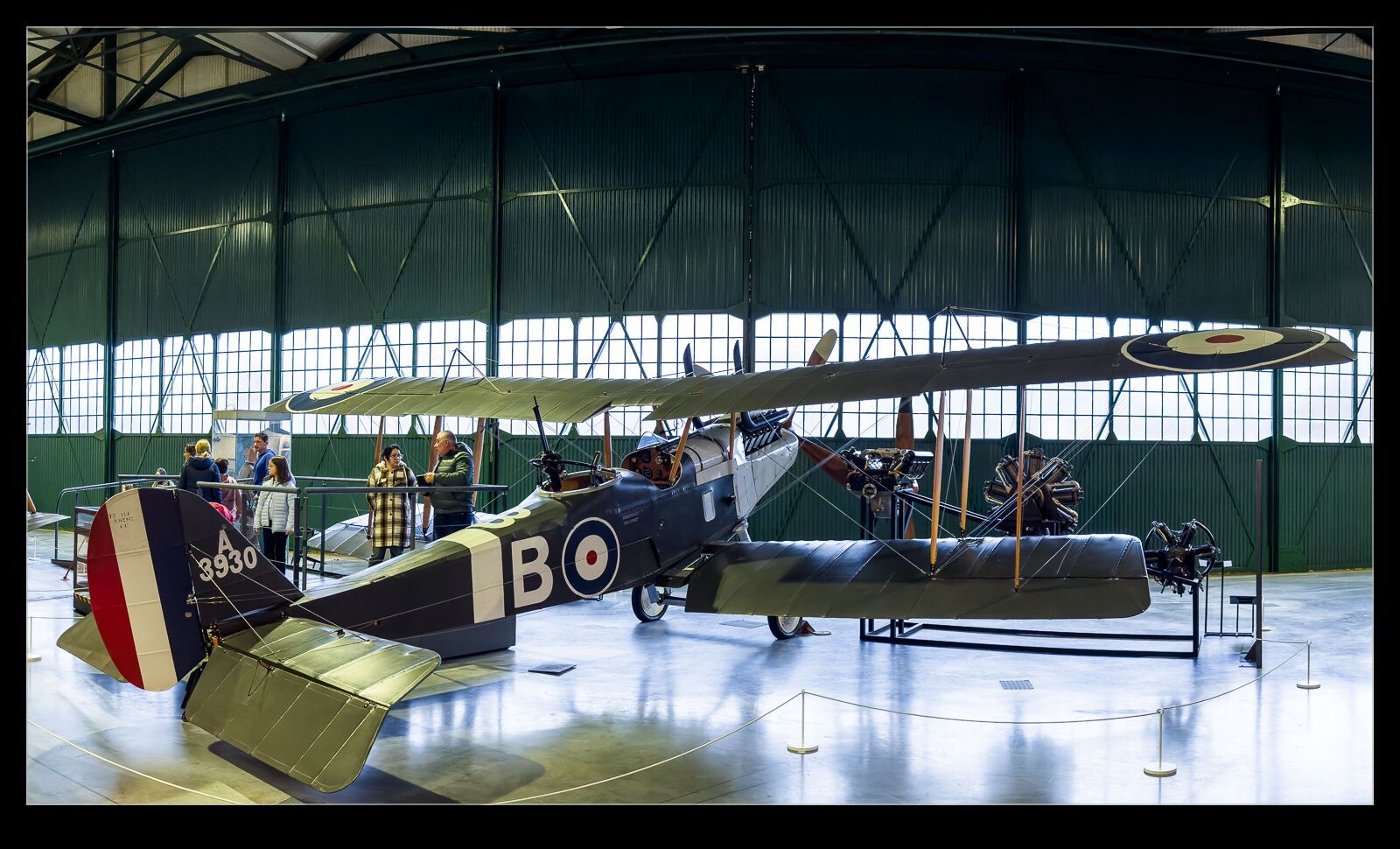
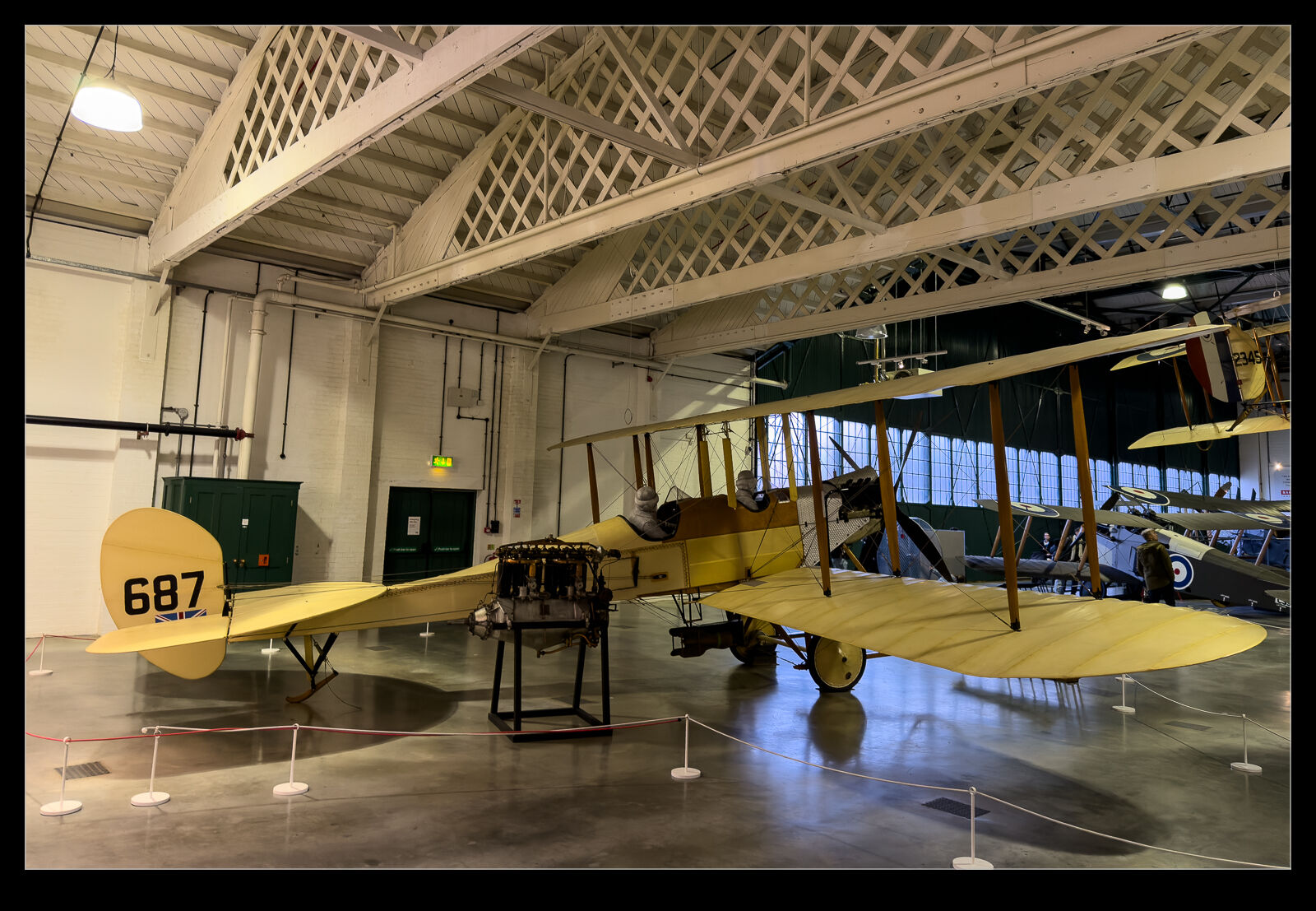
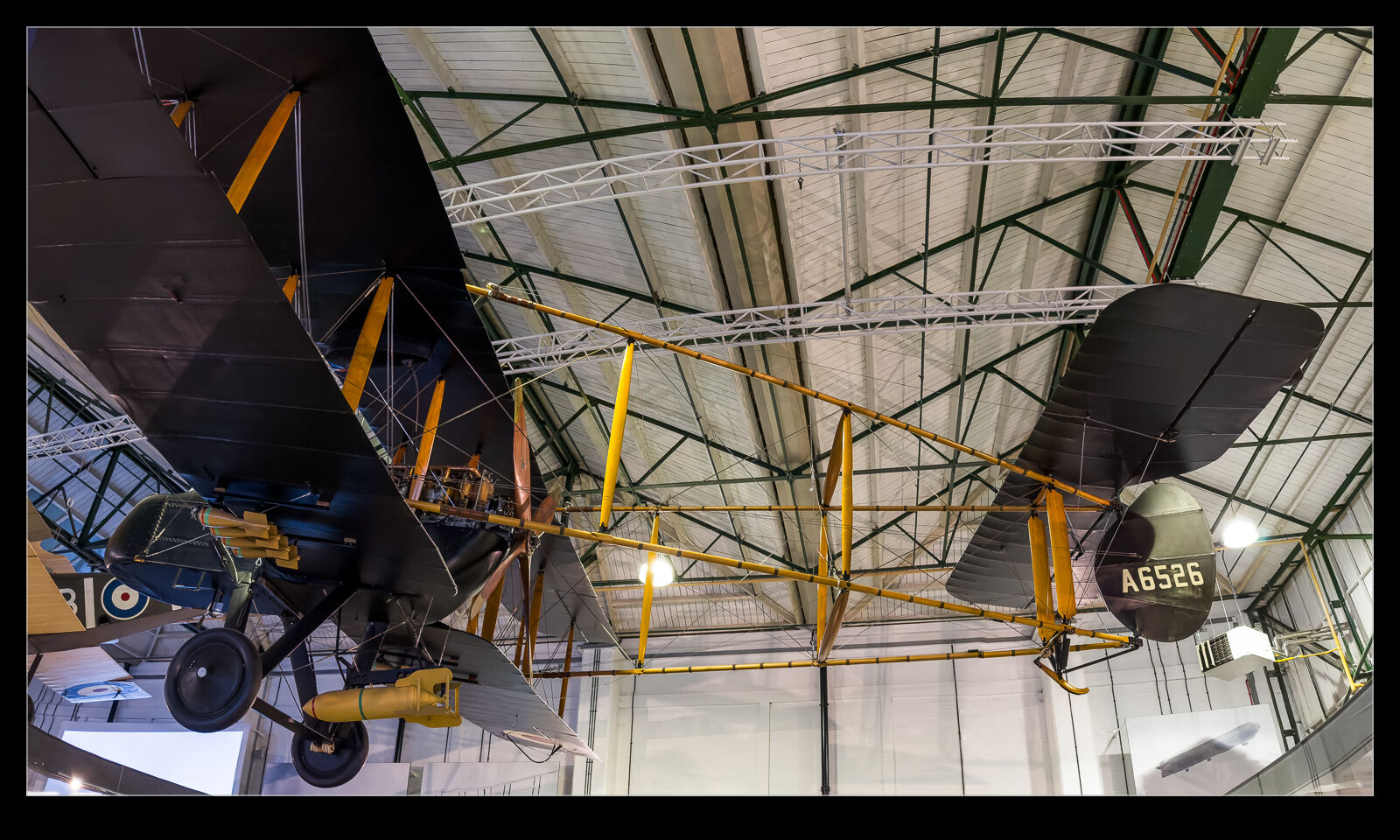
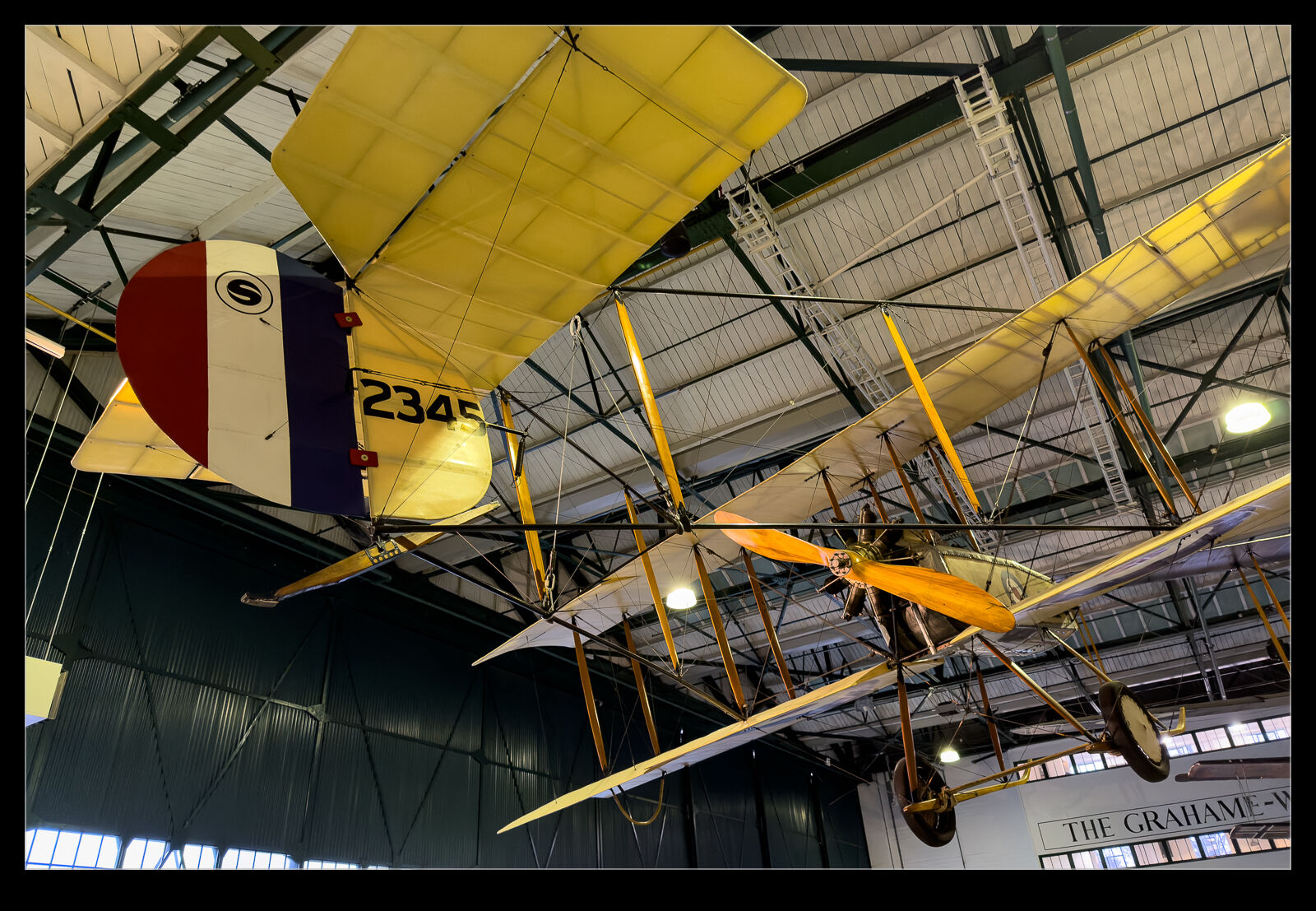
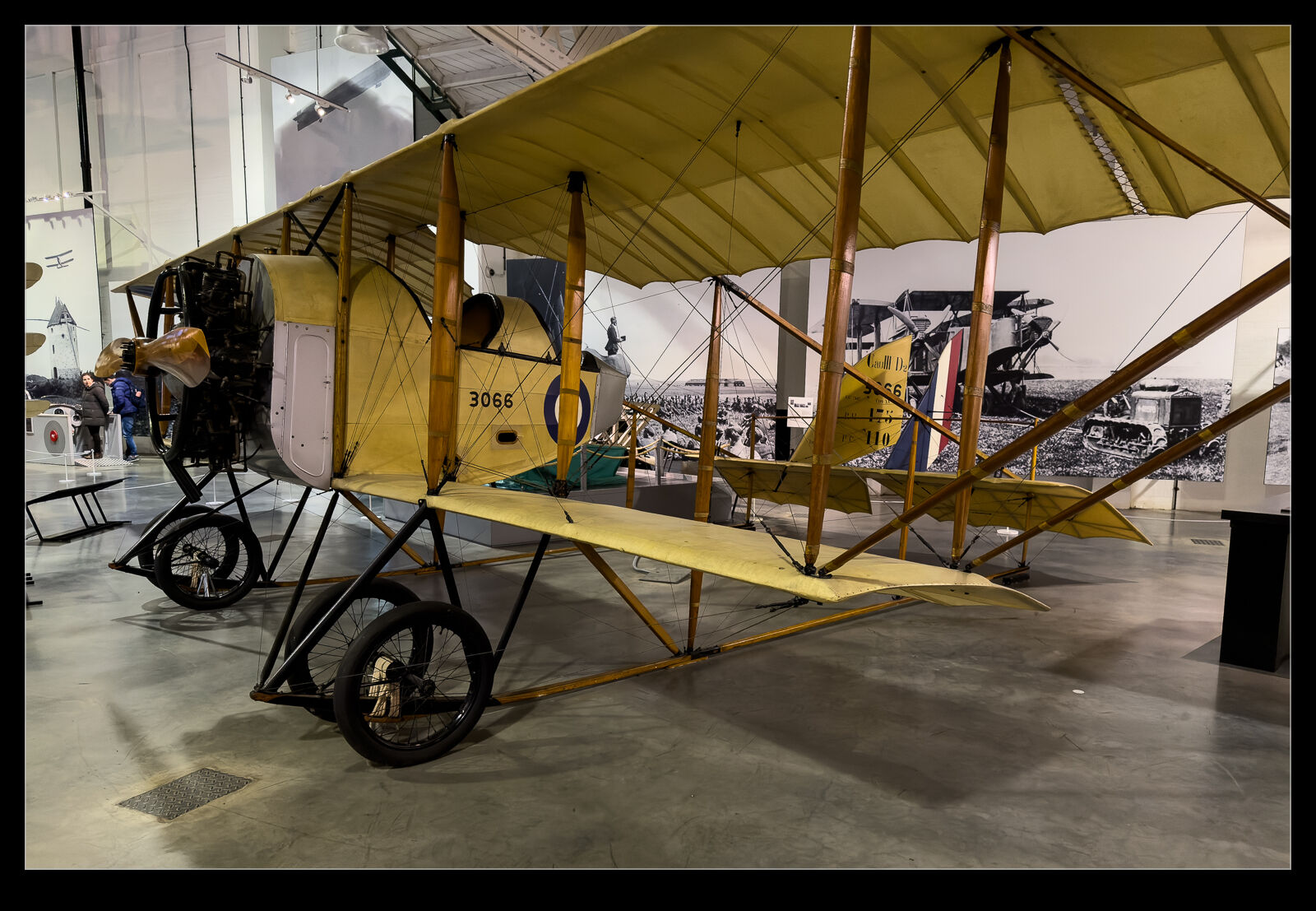
There is a gallery at the RAF Museum at Hendon that is focused on the Great War. This was the early days of aviation, and the development was so rapid that an aircraft might have an operational life of less than a year before something newer and better would replace it. Because so little was known at this point, experimentation with all sorts of ideas took place. Consequently, the types in this gallery have some wildly varying configurations. Pushers and tractors are on show. The sizing of some surfaces is huge compared to what would be expected now. They are really interesting to look at and see what ideas look relevant now and what has been abandoned. Here are some of the various types on display.

The Sun Was Going Away Rapidly!

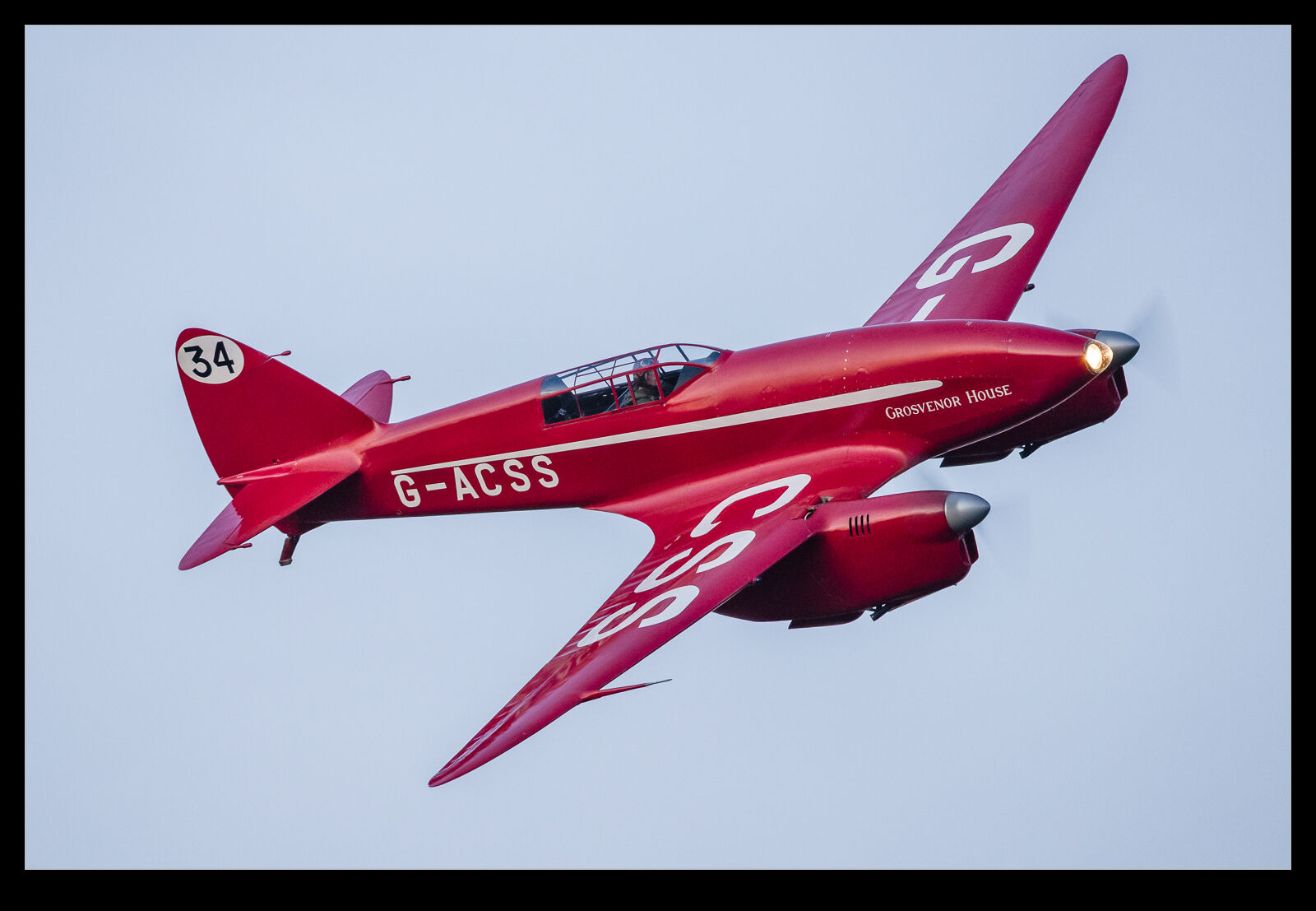
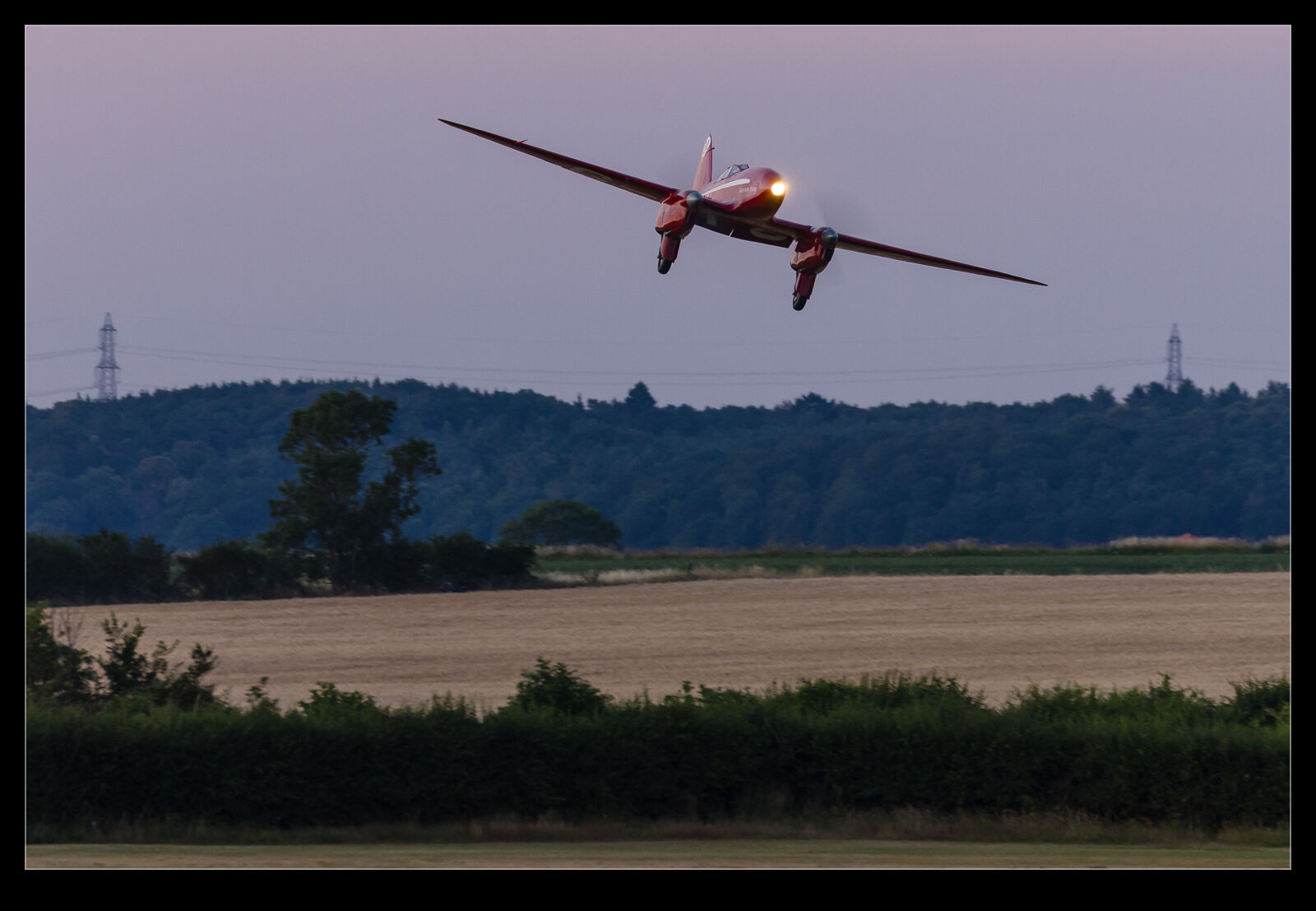
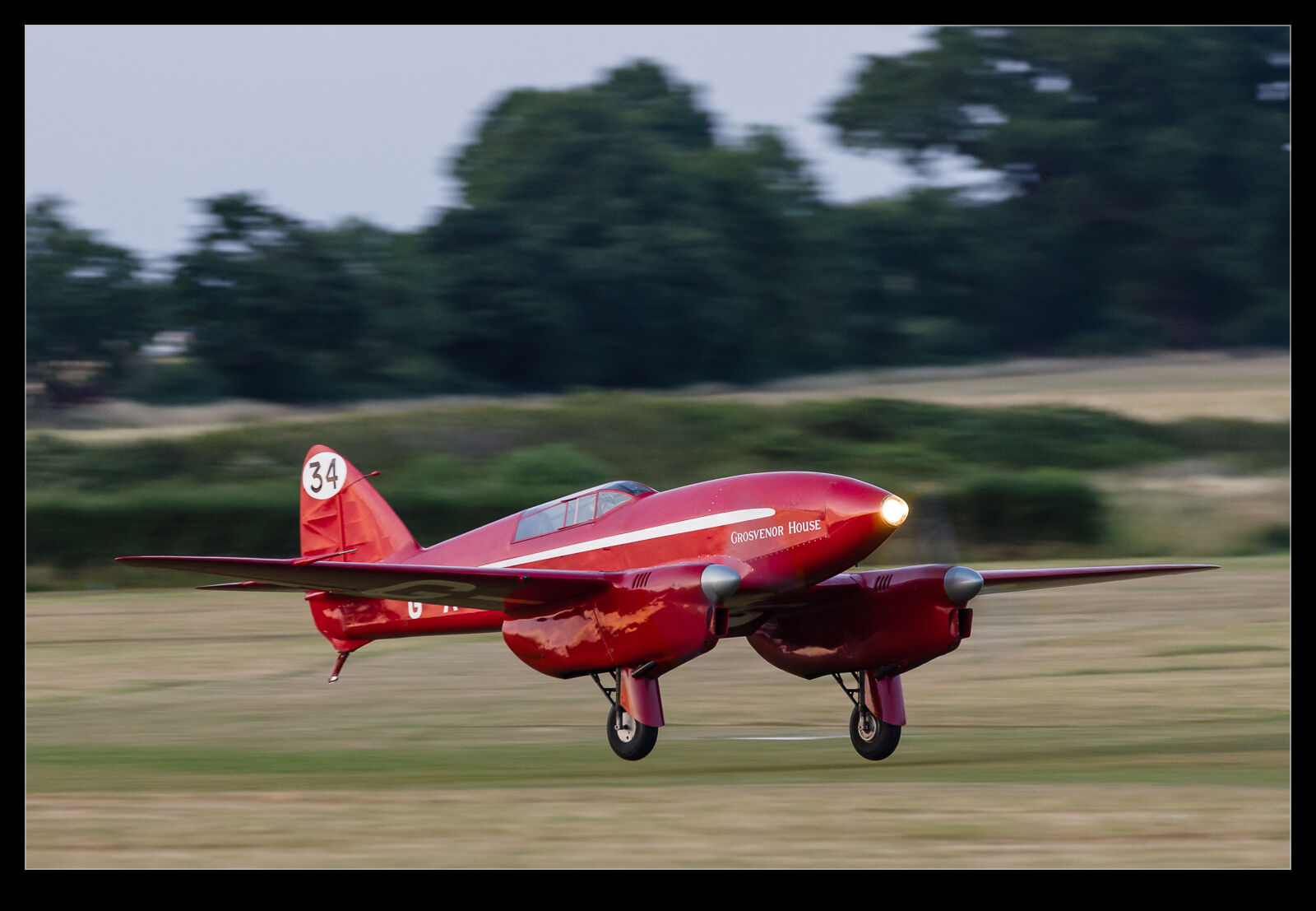
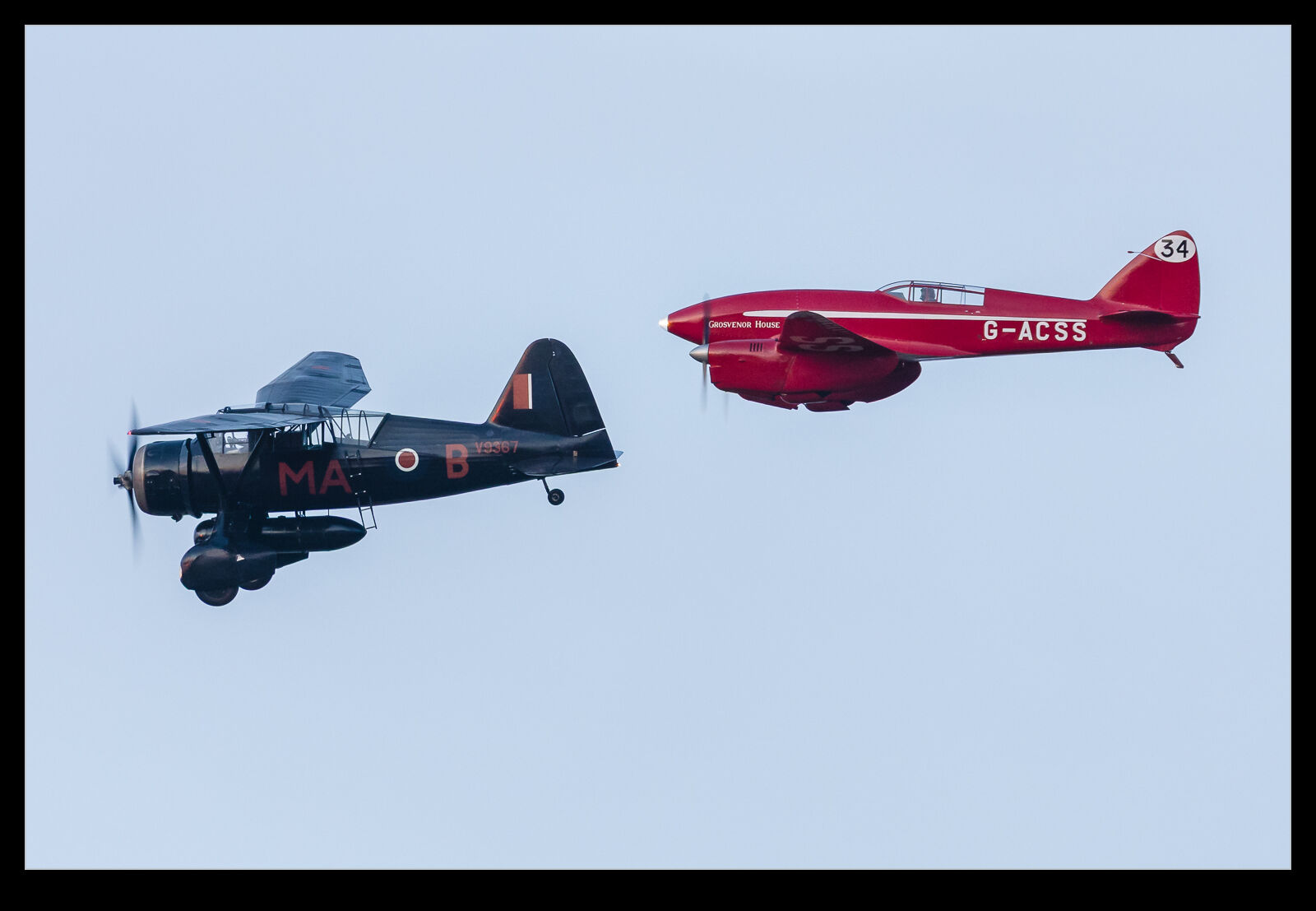
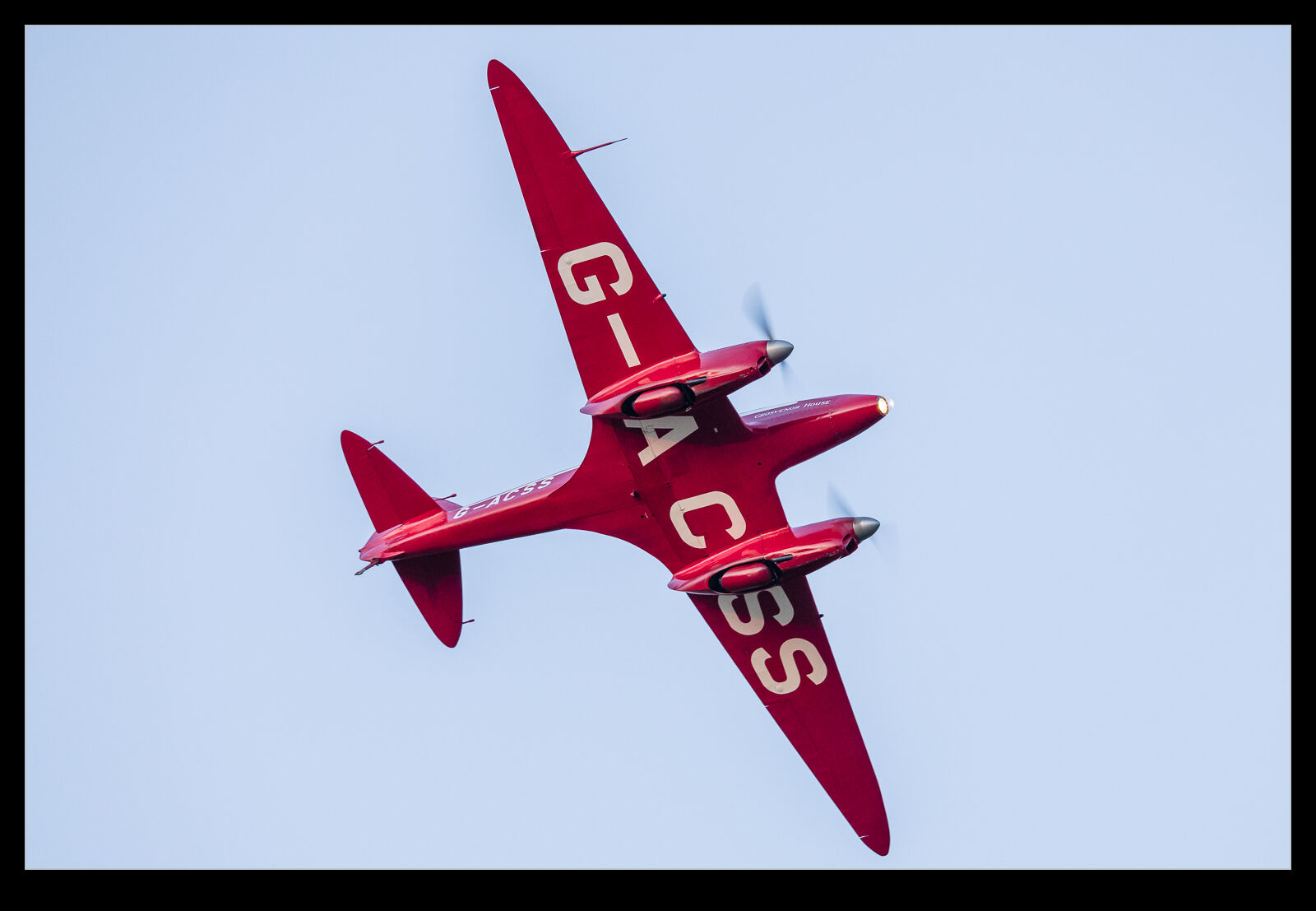
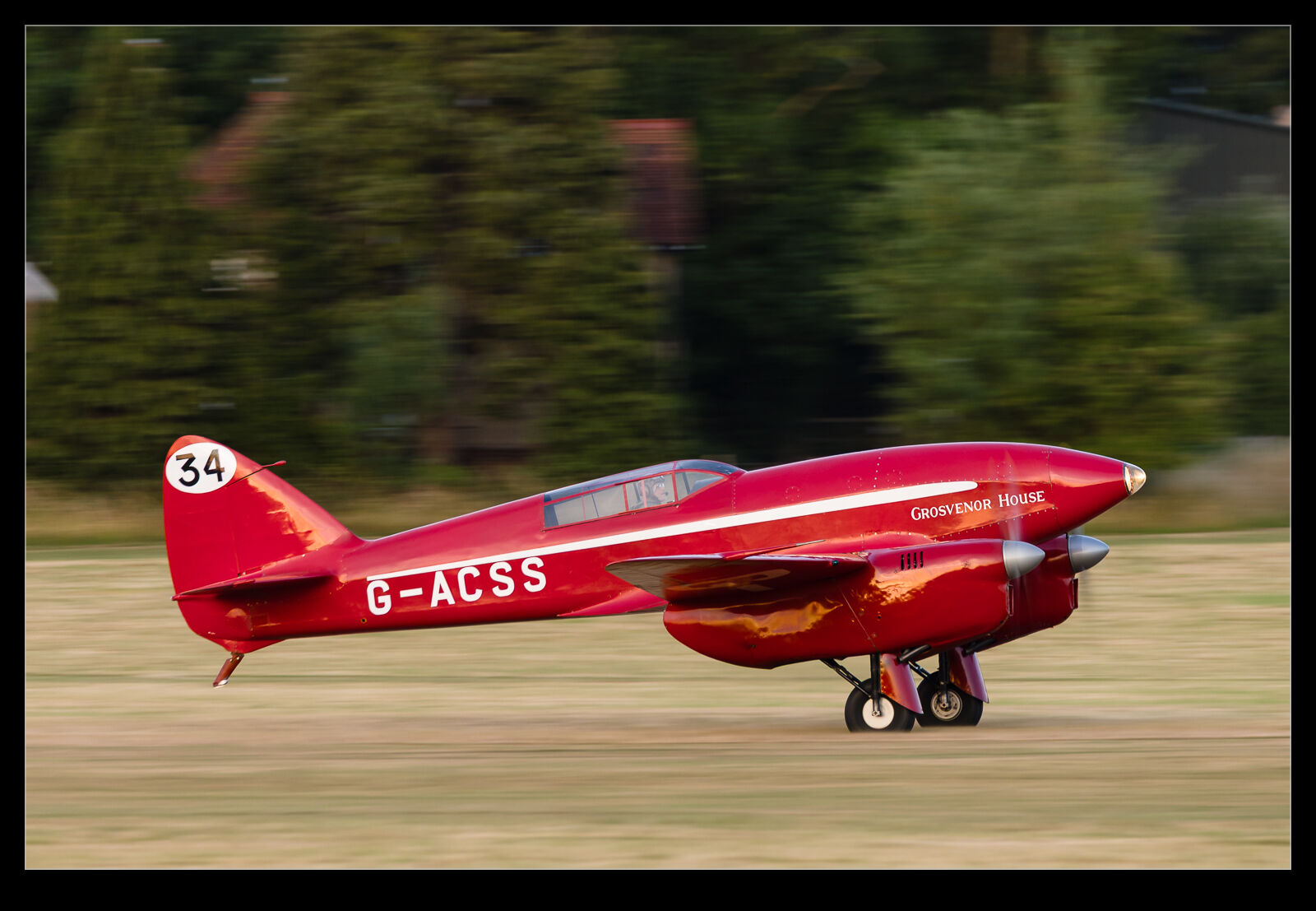
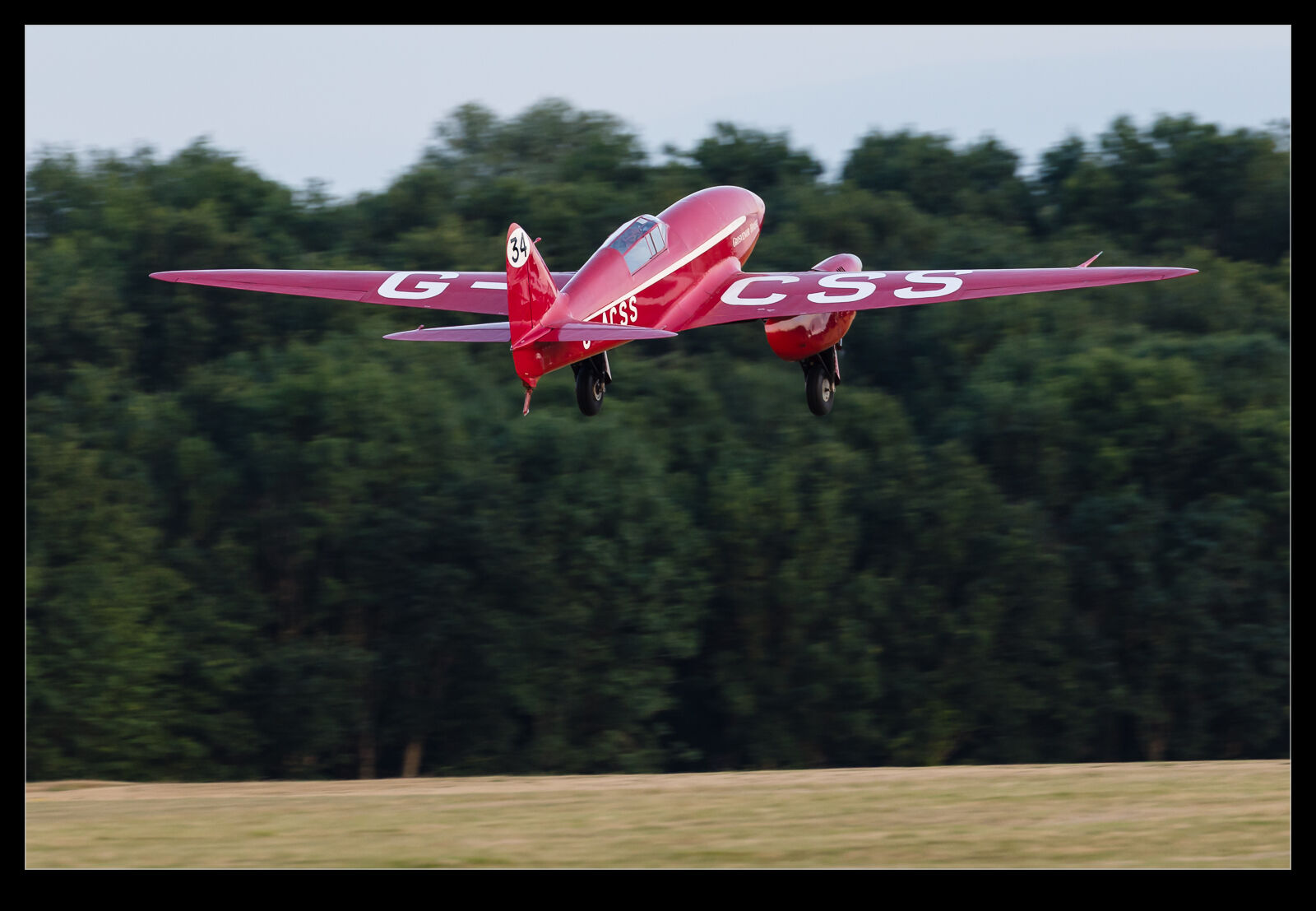
Last summer, the evening show at Old Warden included a flight by the de Havilland Comet. It was both in a formation and making some solo passes. The light had been absolutely excellent, but I was getting concerned that the light might be gone before it flew. The bright red paint has the potential to look excellent in very low angle sun, and I wanted to see that if possible.

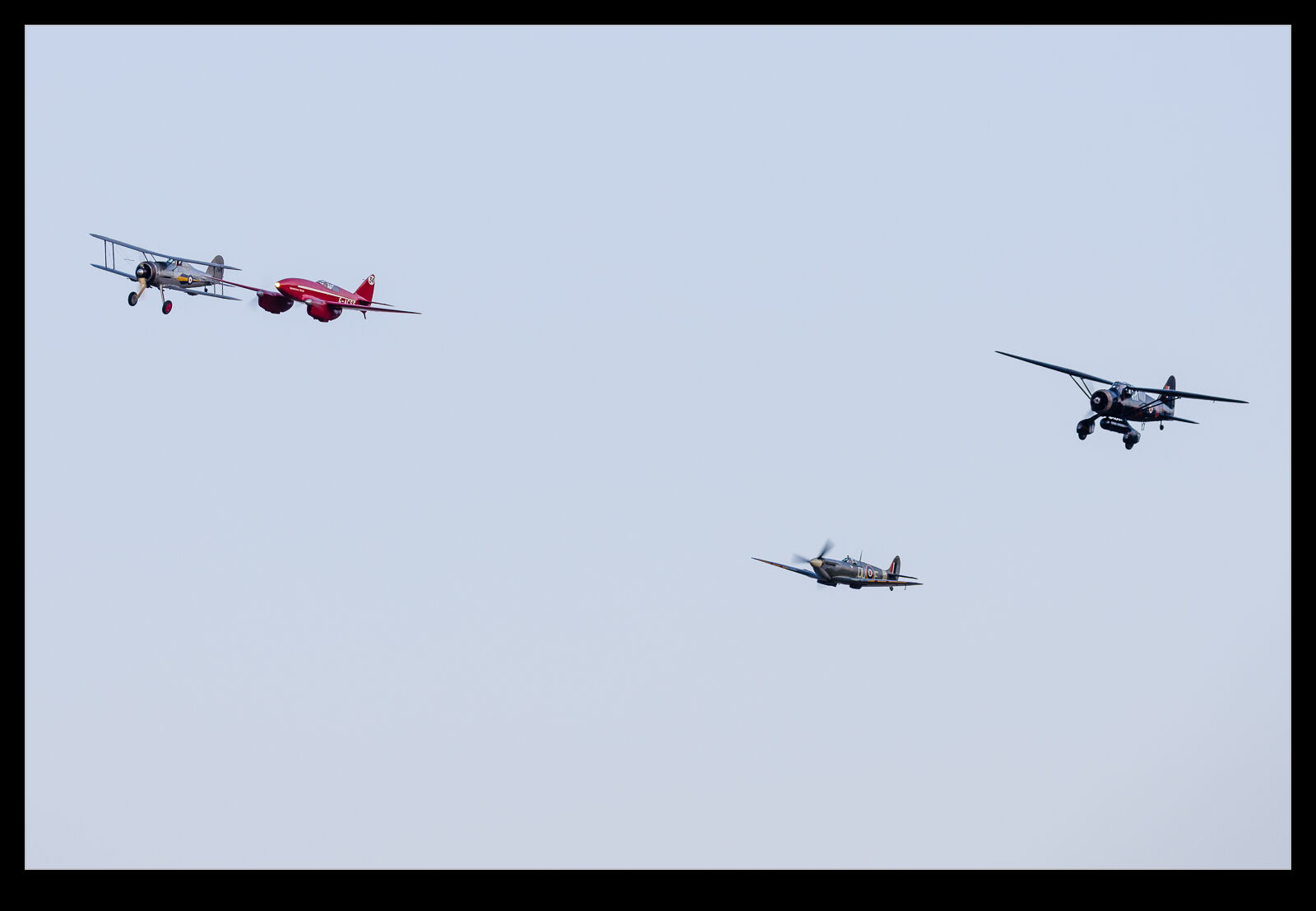
It started out in a four-ship formation, and I was hoping that they would then do solo performances. Instead, the Comet ended up doing a series of formation passes with the Lysander. This was an interesting combination, but I was hoping to isolate it a bit. With a bit of luck and planning, I was able to get some individual shots that I liked. Sadly, the light was definitely on the way out by this time and, instead of having some gorgeous warmth on a red airframe, things were a little muted. Even so, not a bad thing to wrap up the air show.

Someone Having a Fun Ride in a Spitfire

I alluded to this post in a previous one. The Spitfire rides operating from Solent Airport take people up in a two seat Spitfire. I was down on the seafront at Lee on Solent when I heard the sound of a Merlin at power. I had almost every setting wrong on the camera but managed to switch to the right shutter speed and get the frame rate reset as it climbed out. This did take a bit of time and while the best top side view of it turning east were on display. Things were a bit more level but the time I got some shots off. Not idea but still okay. A while later, they returned from their trip, and we had a fly through along the runway alignment before they landed. I would like to plan better to be there in the future in a more planned way.

Didn’t Expect an Airvan

I was down at Lee on Solent on a Saturday morning for a hovercraft encounter. It was a glorious day with lovely sunny conditions and not too much wind. The air temps were not high, but the sun made it feel great. I was pondering whether there could be anything interesting happening at the nearby Solent Airport but that wasn’t why I was there and I knew I had a visitor at home, so I wasn’t going to spend any more time self-indulgently than was already the plan.

There was regular traffic departing from the airport, but I wasn’t paying it much attention since the straight climb outs were some distance from me. Then I saw one turning in my direction. It was a GippsAero Airvan. I didn’t have the right settings on the camera so fumbled inelegantly to try and get things close to right and grabbed a few shots of it as it flew by. Looking at the shots later, it has markings associated with a Spitfire operator which will connect with a post to come.

Stukas Are Rare as Hen’s Teeth

Given how many of them were built, it is surprising how few Stukas remain. There is one in restoration in Everett at FHCAM which is supposed to be intended to fly when it is complete. I saw that one at various times when still in Seattle. There is also one in the Museum of Science and Industry in Chicago. The RAF Museum at Hendon also has one and this is the one I saw most recently. Any others are wrecks that have been recovered. The shape of the Stuka is very distinctive. Footage of WWII so often includes them diving in on targets with the sound of the noise trumpet device that they could fit having become synonymous with aircraft diving. Not sure how many more of them I will ever see!

Old Warden Visitor Departures

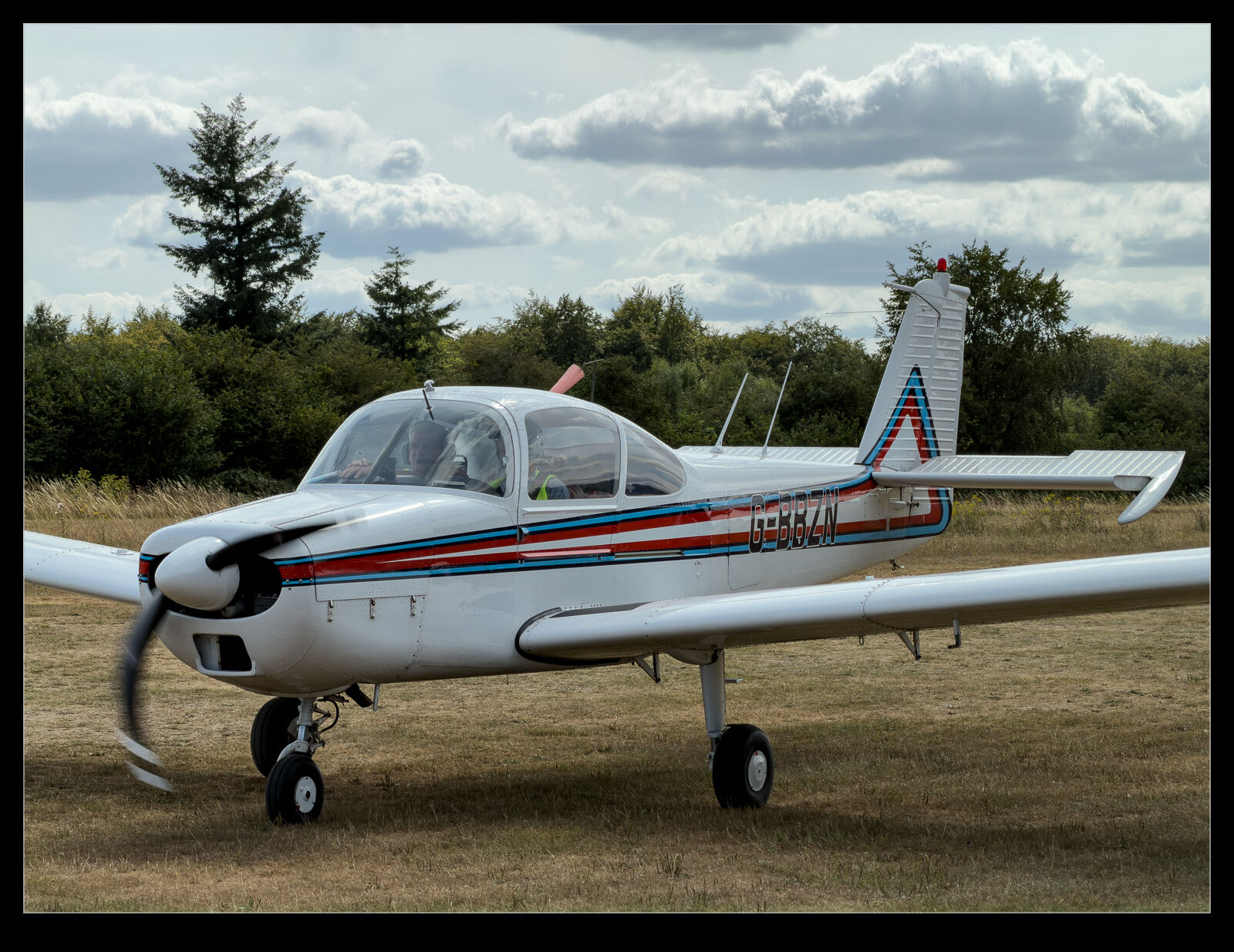
While Old Warden’s shows provide a great selection of vintage aircraft, they are also available for visitors to fly in. As the show was wrapping up the afternoon session and waiting for the evening flying to commence, this was the opportunity for many of the light aircraft to head for home. They might not be as glamorous as some of the performers, but they were interesting in their own right and the conditions were great.

The converted Beech 18 was certainly something unusual, but a Grob motor glider is not something you see every day. However, the one I liked the most was possibly the most common airframe. A Piper PA-28 headed out. This is a type I used to fly many years ago. This one, though, was painted in British Caledonian colours and that really appealed to me having grown up with them flying out of Gatwick.

Long Time Since I Saw a Rallye

When I first learned to fly in the late 80s, I was quite fascinated by Socata aircraft. The Trinidad and the Tobago were something modern in the light aircraft space which was still dominated by some older designs that felt very dated. These looked really sleek and modern at the time and, at least in my eyes, still do. However, there was a more unusual type in their stable and that was the Rallye. It was a dumpier looking airframe with a rugged looking gear. However, the thing that really stuck out was that it had slats.

These were not manually controlled but popped out when they were needed. This resulted in good controllability at low speeds. This was ably demonstrated one afternoon while I was in the flying club at Sandown Airfield on the Isle of Wight. I was chatting with one of the instructors when a Rallye came in to land. It was a bit high and was getting slower and slower. We watched with our eyes wide as it looked like we were about to witness a stall accident. We were both shouting at them to go around. However, that slatted wing kept on working and they miraculously landed without incident. Maybe they knew exactly what it could do but it really did seem like disaster was imminent.

That is a long tangent to have gone on to get to the point that, having not seen a Rallye for a long time, one came into Solent Airport while I was there. It looked in great shape as it taxied in and the couple in it cranked back the bubble canopy as they parked up. Sure, it still looks a bit chunky but now I am not comparing it unfavourably with its younger siblings and instead appreciating it for what it is – another example of cool French engineering.