 Since I got a smart trainer for cycling, I have been using Zwift as my app for training rides. I have been very happy with the way it works and find it a great tool for training as I can do some pretty long rides on it without getting bored. I have done up to two hours which would have been inconceivable on older trainers. I did see a video recently of a new software tool that could provide similar functionality called Rolla. It is free for the time being, so I decided to try it out. Will it be a suitable replacement for Zwift?
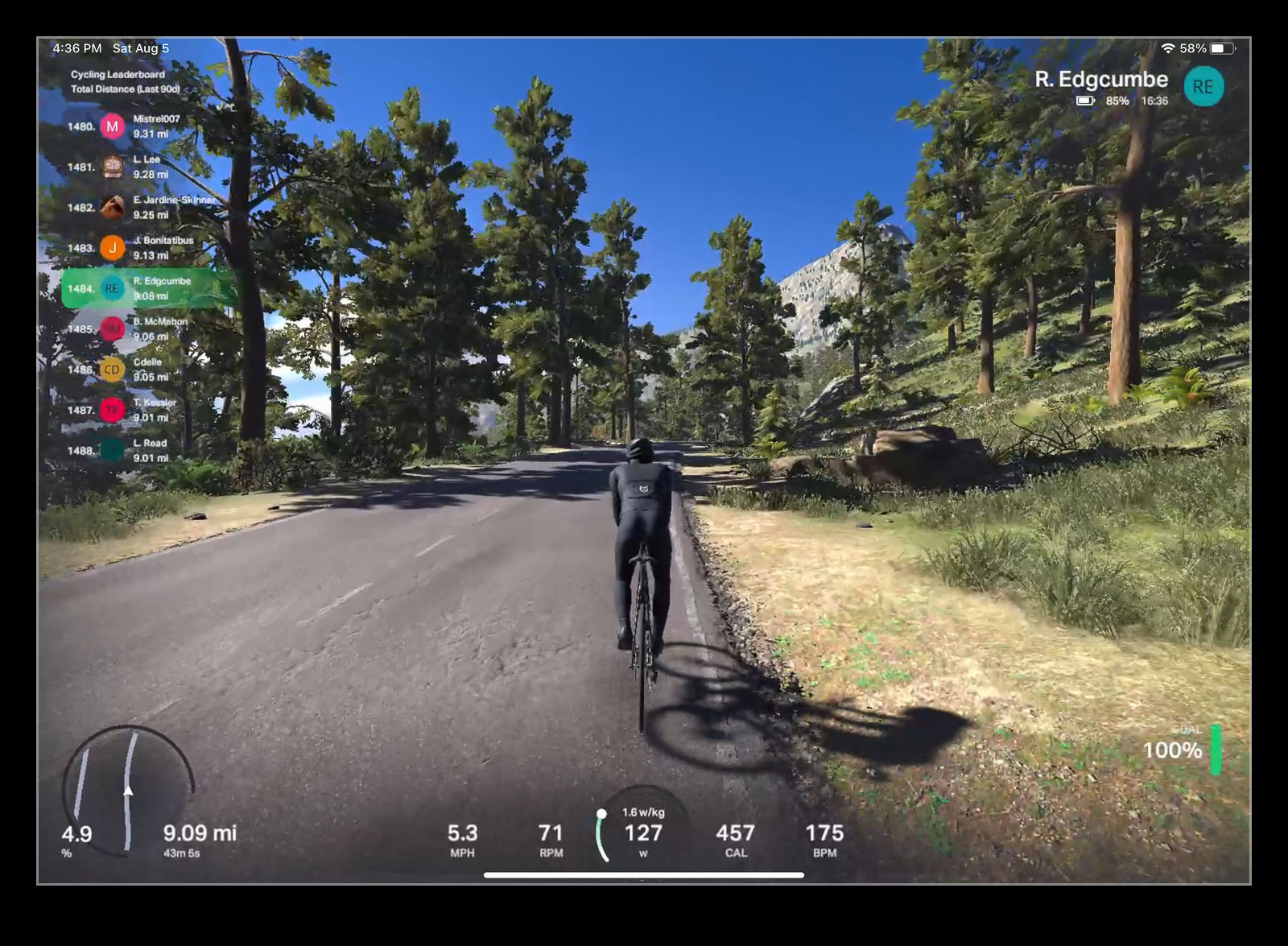
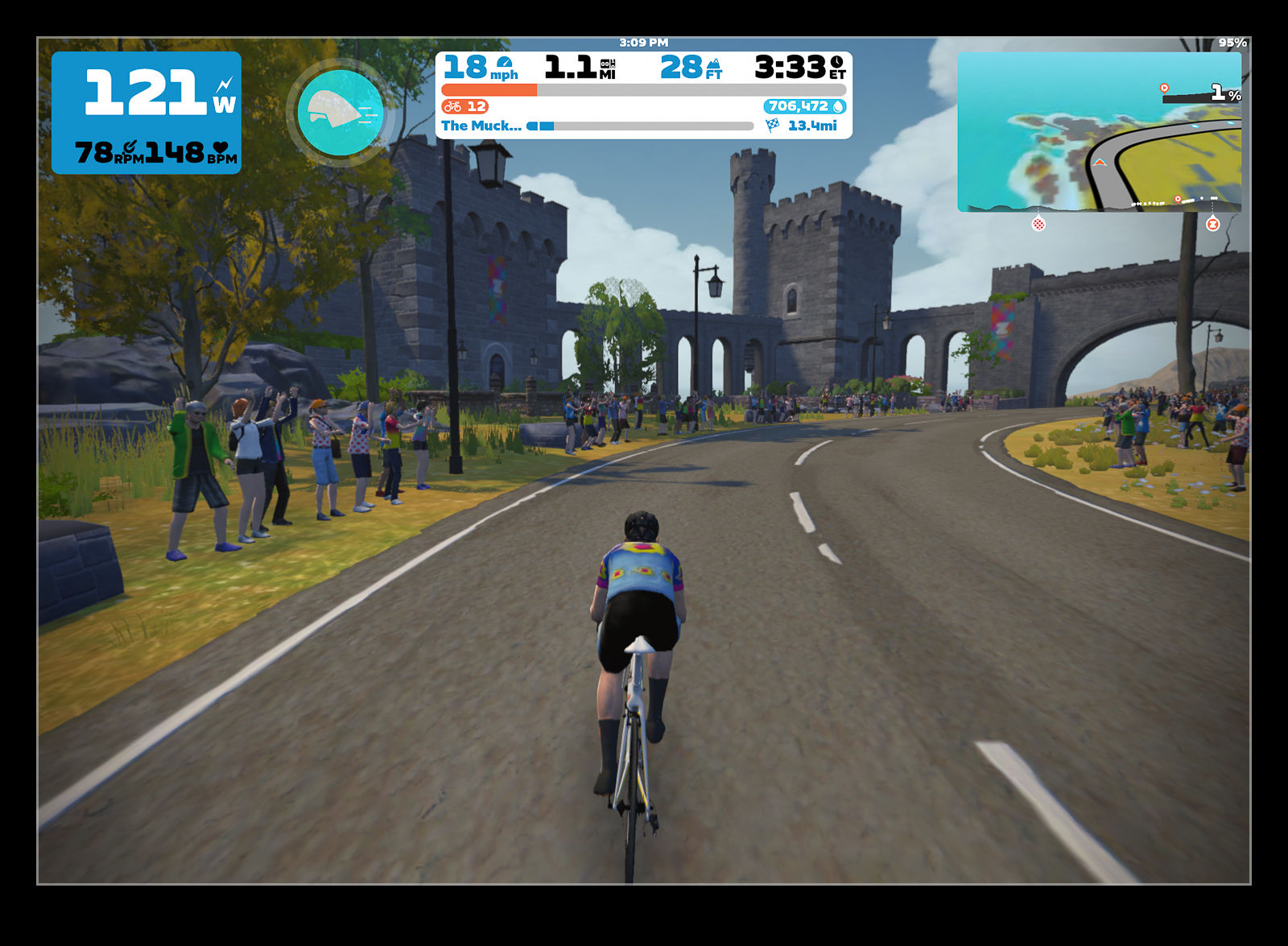 One of the things I did like the look of was the graphics output. Zwift has a slightly cartoonish styling which doesn’t bother me at all – indeed, I quite like the odd things that they throw in like a bear falling out of a tree or a stag by the road – but having more realistic scenery was of interest. Rolla looked like it would be more like riding in real locations. As a new app, I knew it wouldn’t have extensive scenery databases yet, but they could be useful to try out.
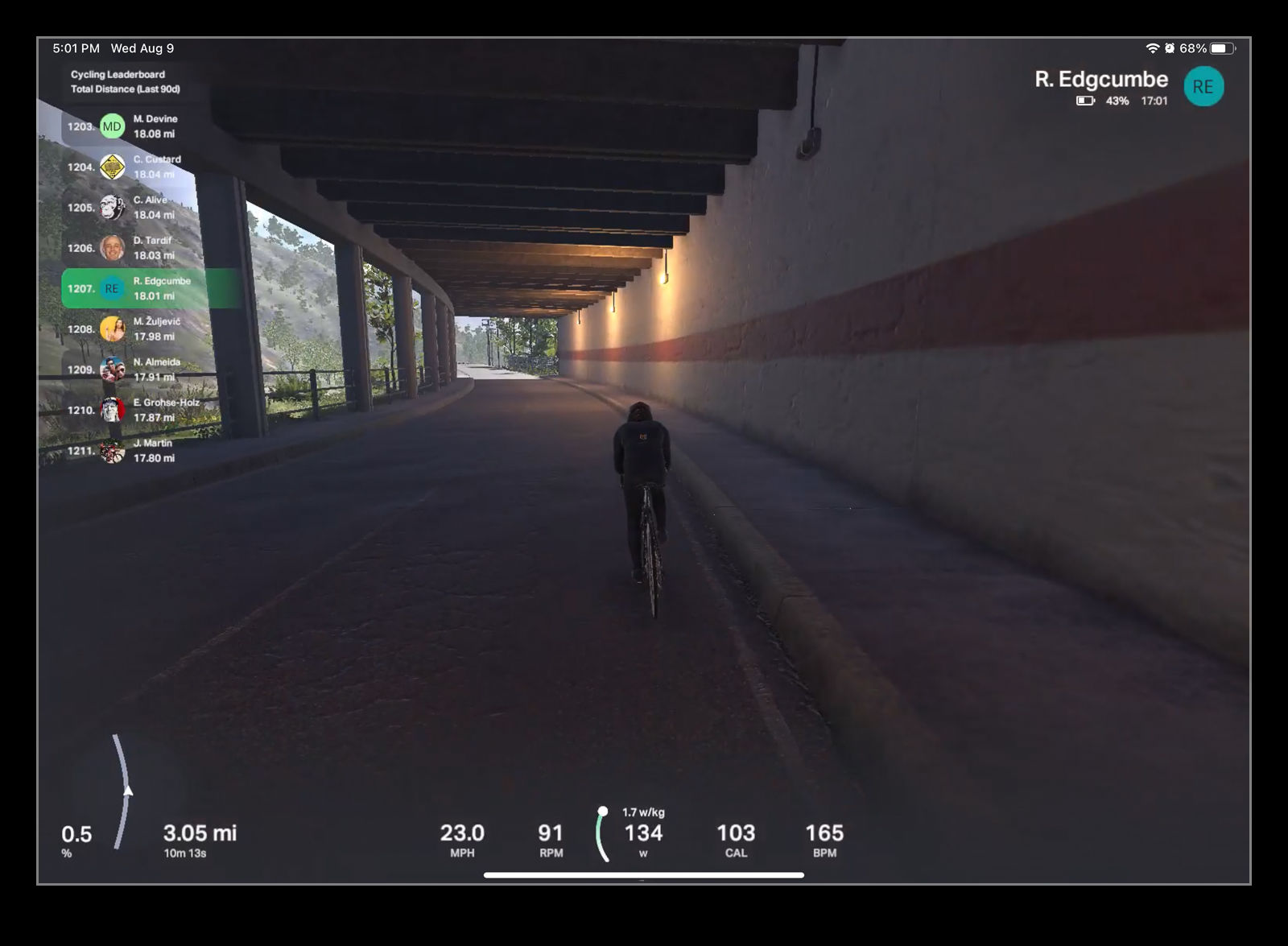 Having used it a few times, now, I have come across a bunch of things I didn’t like. First, the software doesn’t pick up my cadence from the trainer. I can come across the top of a climb and start speeding down the other side but my cadence on the trainer doesn’t change. It isn’t reading the cadence either so the data on screen and my data download has nothing of use. This is not helpful for training my cadence nor for having a realistic riding experience. I also had issues uploading to Strava. It now works but there is no way to get it to recognize rides already completed. The gradient is not connected so my trainer does not respond to changes in slope like it does on Zwift. That physical feedback of gradient change is very helpful, particularly as slope changes are not very visually obvious. The rider symbol looks weird too with an odd rolling motion of the hips. It’s not as bad as the runners I pass, though. They look like the T1000 from Terminator! Lastly, sometimes it just seems to have you riding off the side of the road for no obvious reason.
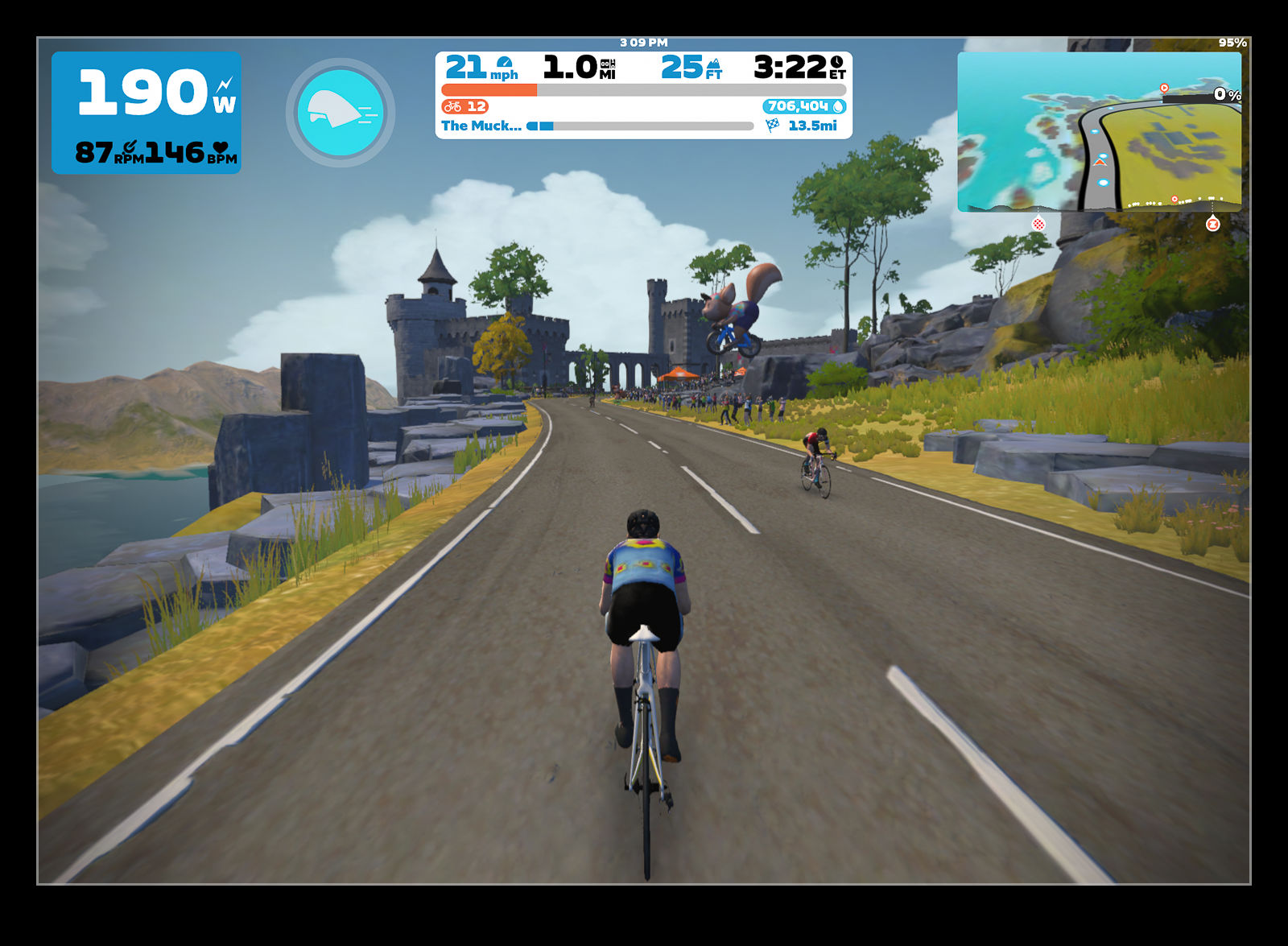 All of this is to say it is a long way from being a replacement for Zwift. It is not going to be something I use for training for now but, with some time to develop it and implement new functionality (plus clean up some of the buggier elements) might make that change. I would also prefer to just use it on the iPad rather than having to have the phone app open along with the iPad to control things. We shall see. In the meantime, Zwift will remain my go to.
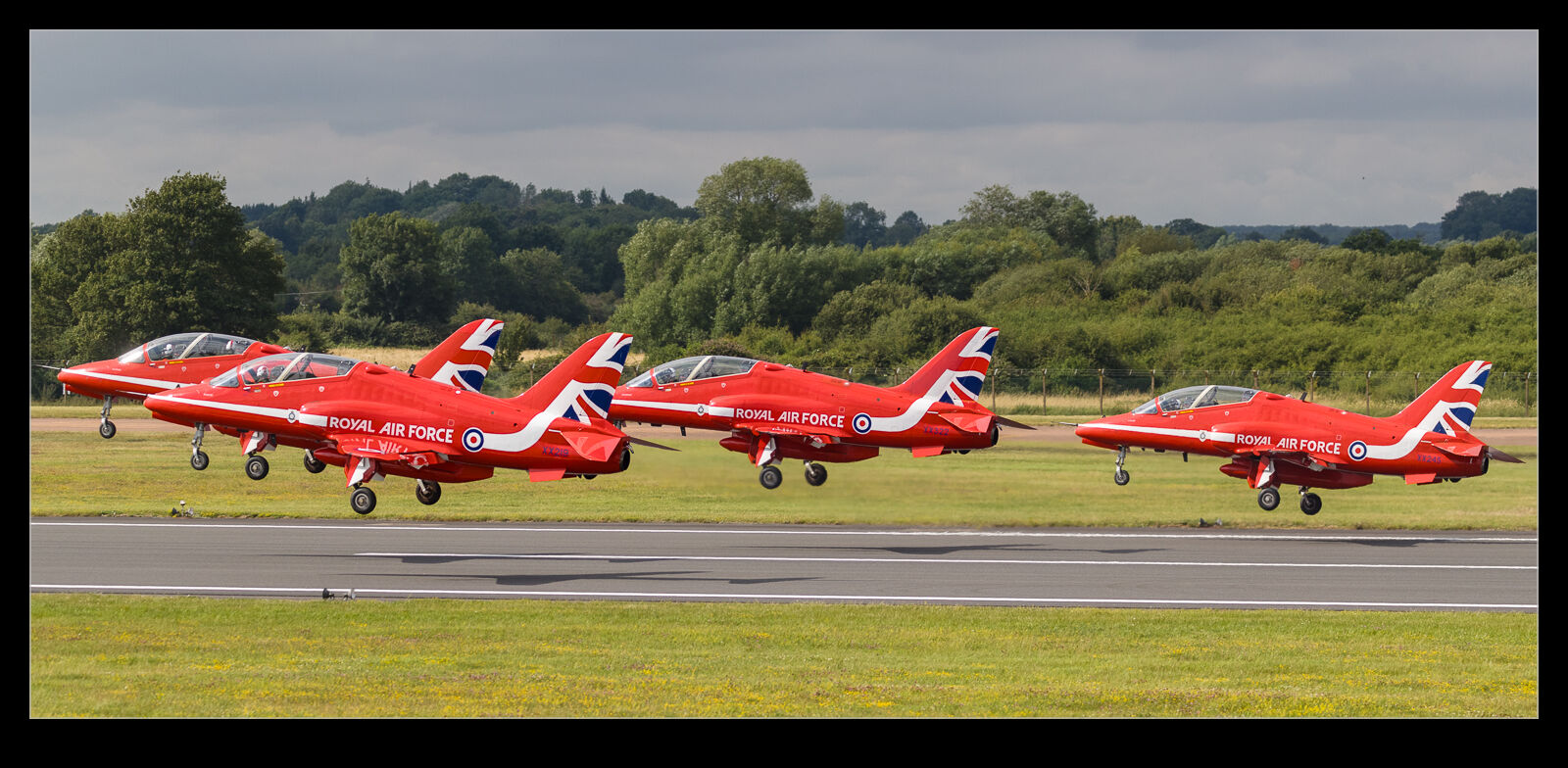
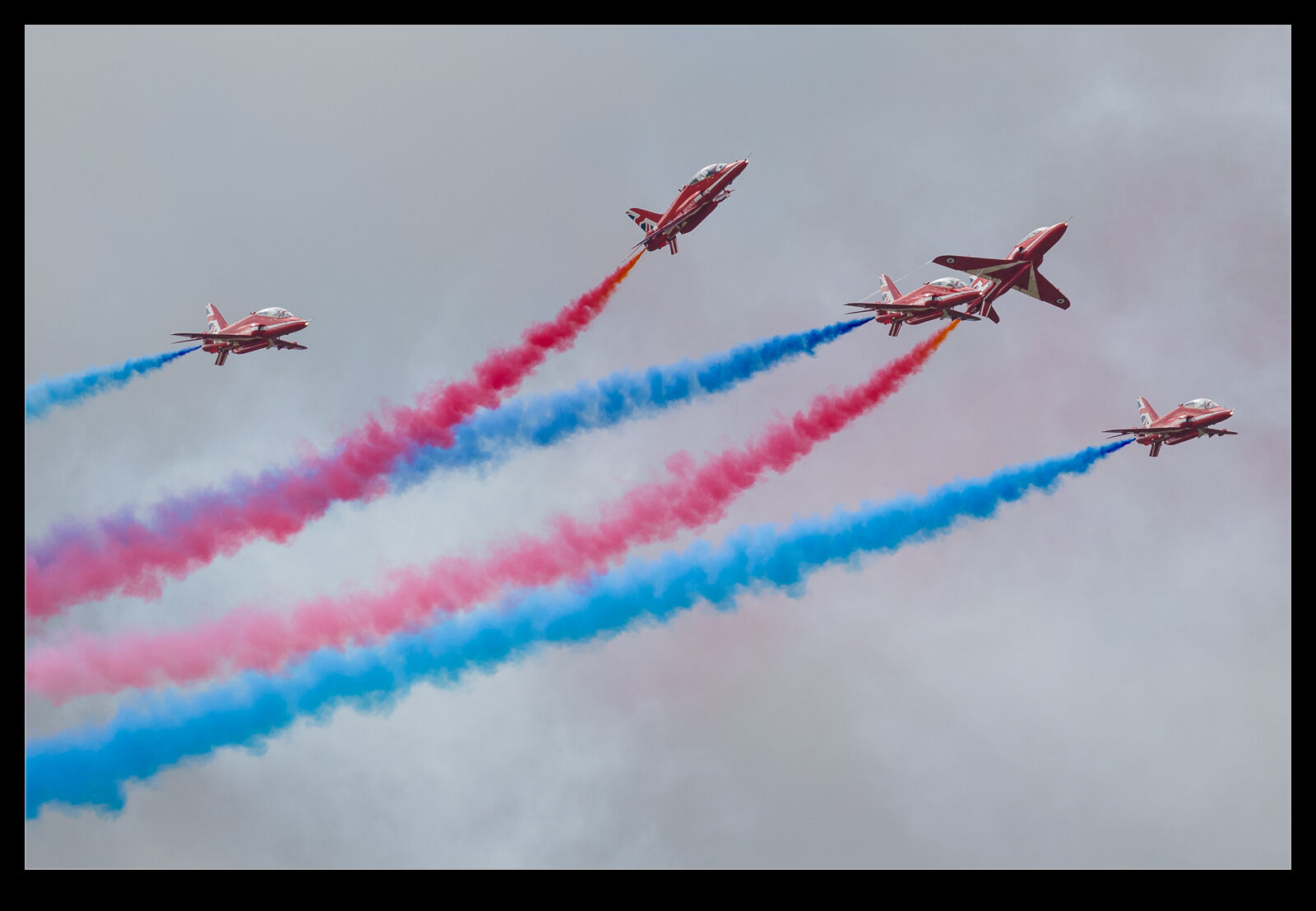
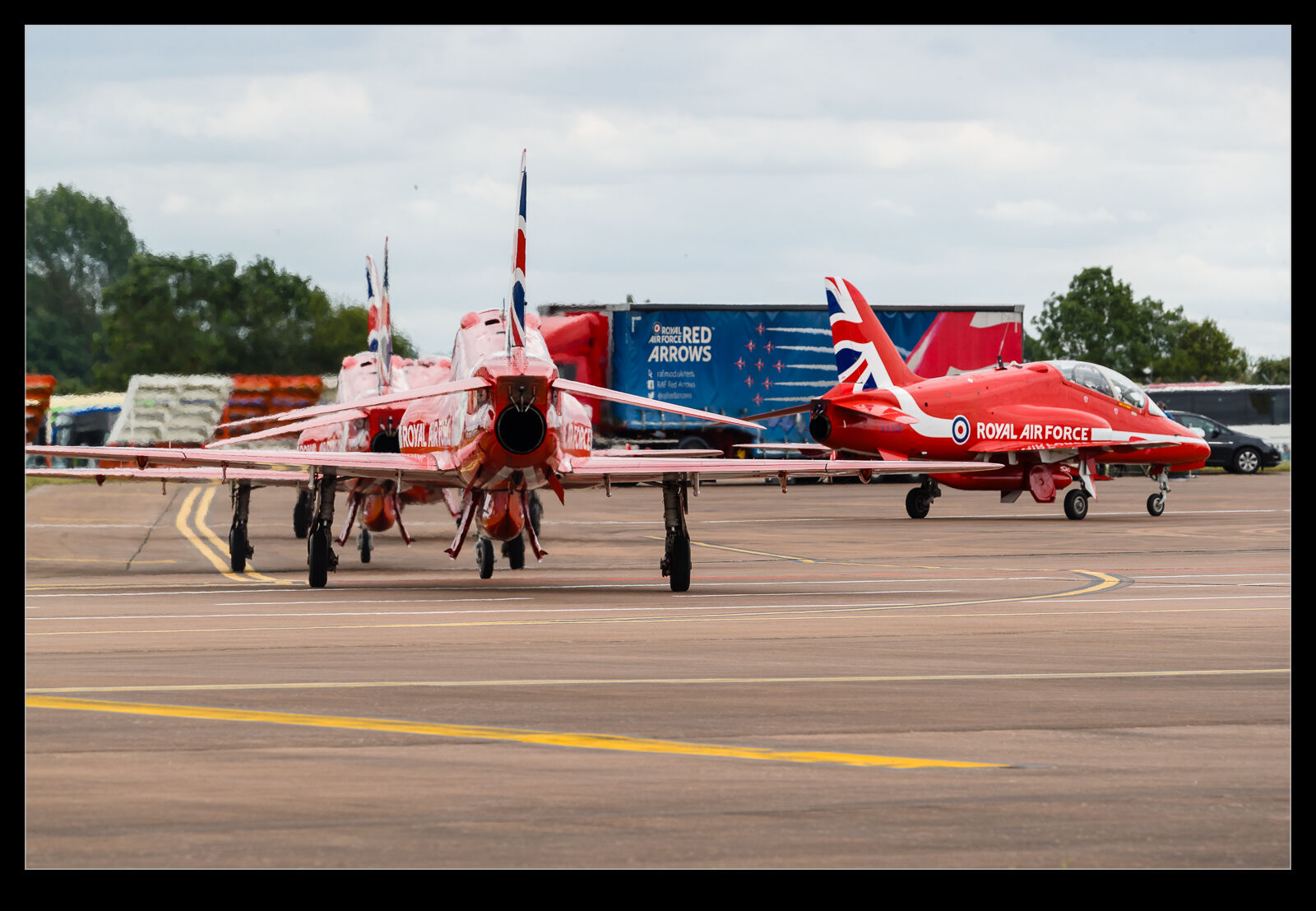
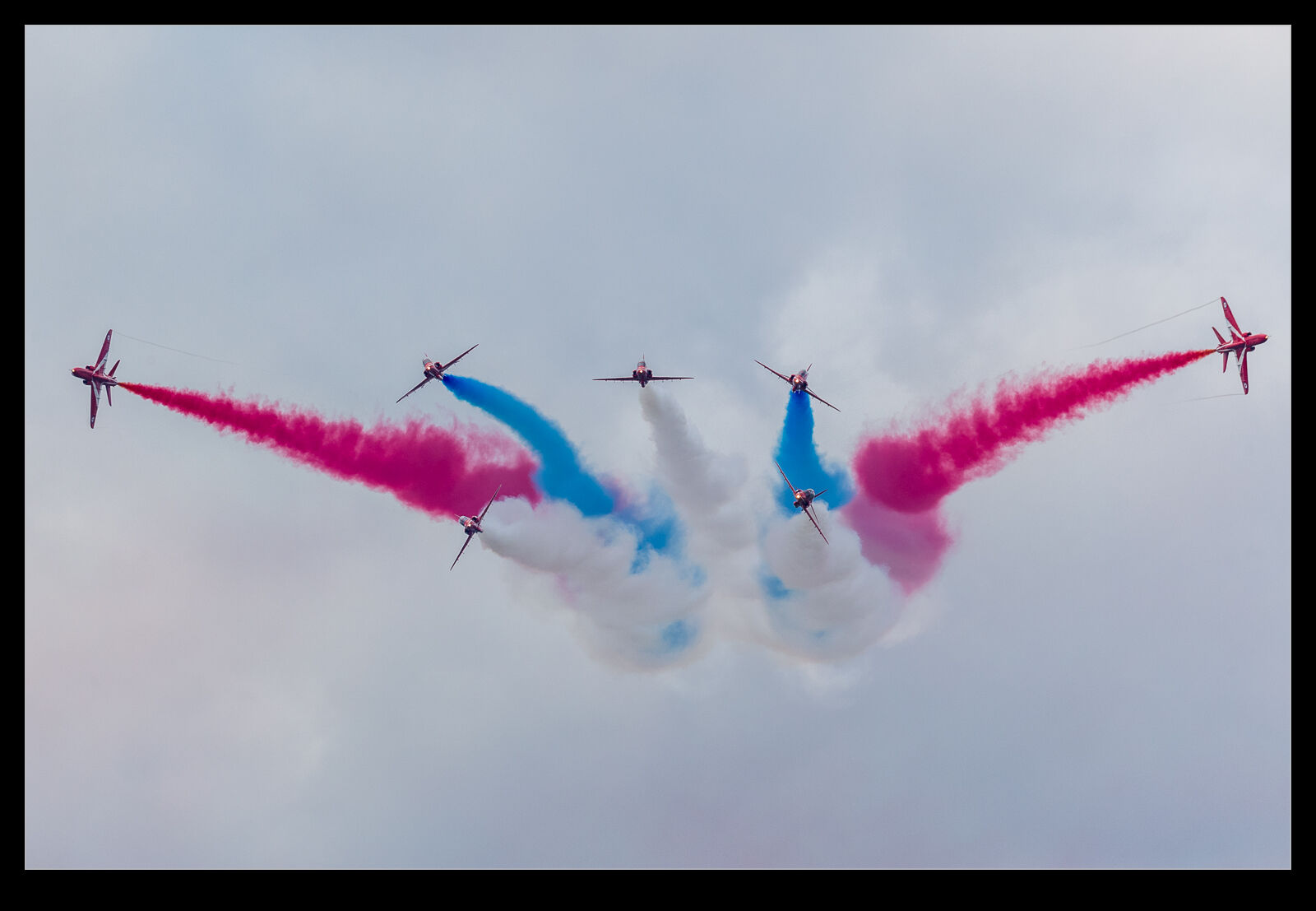
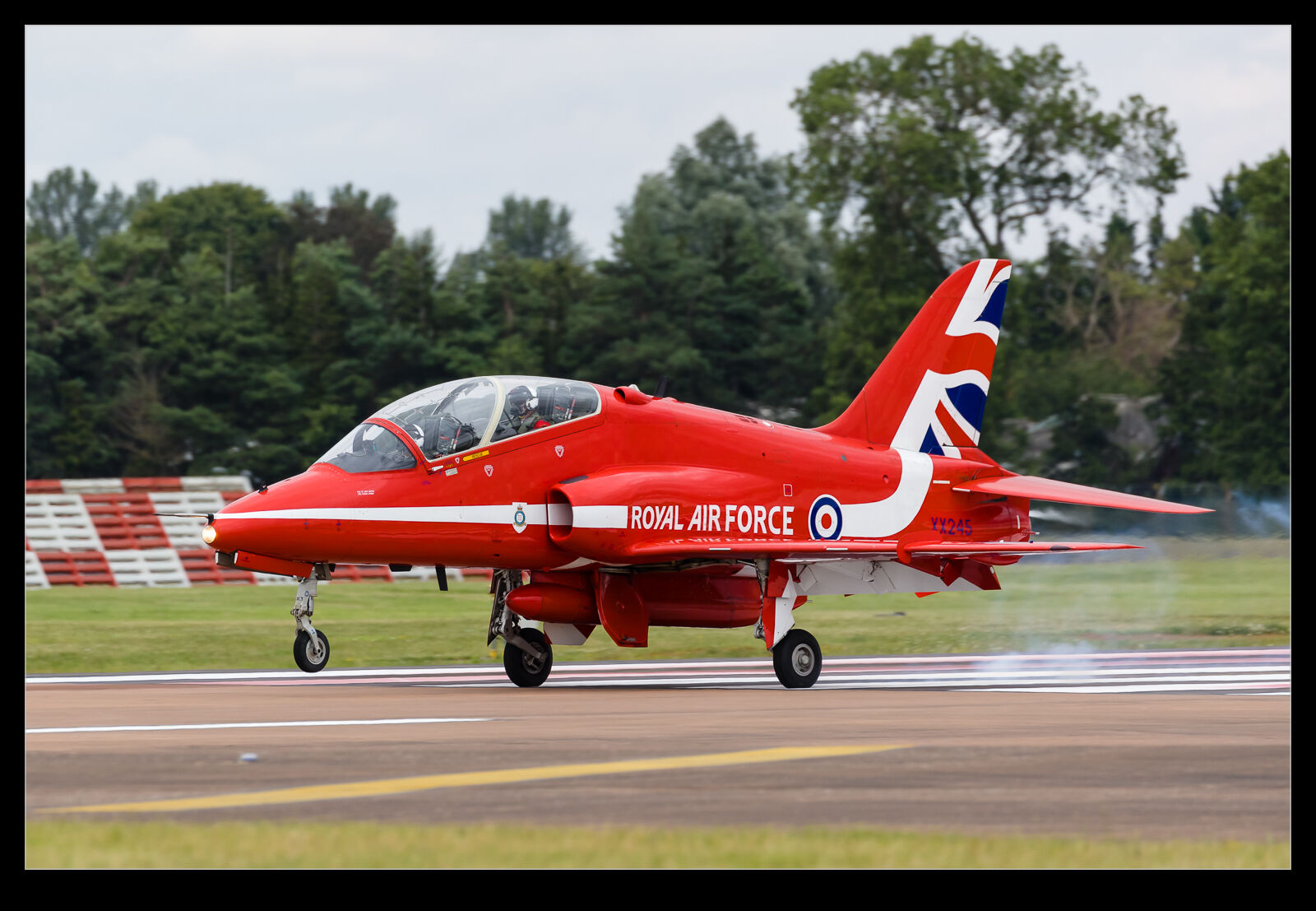
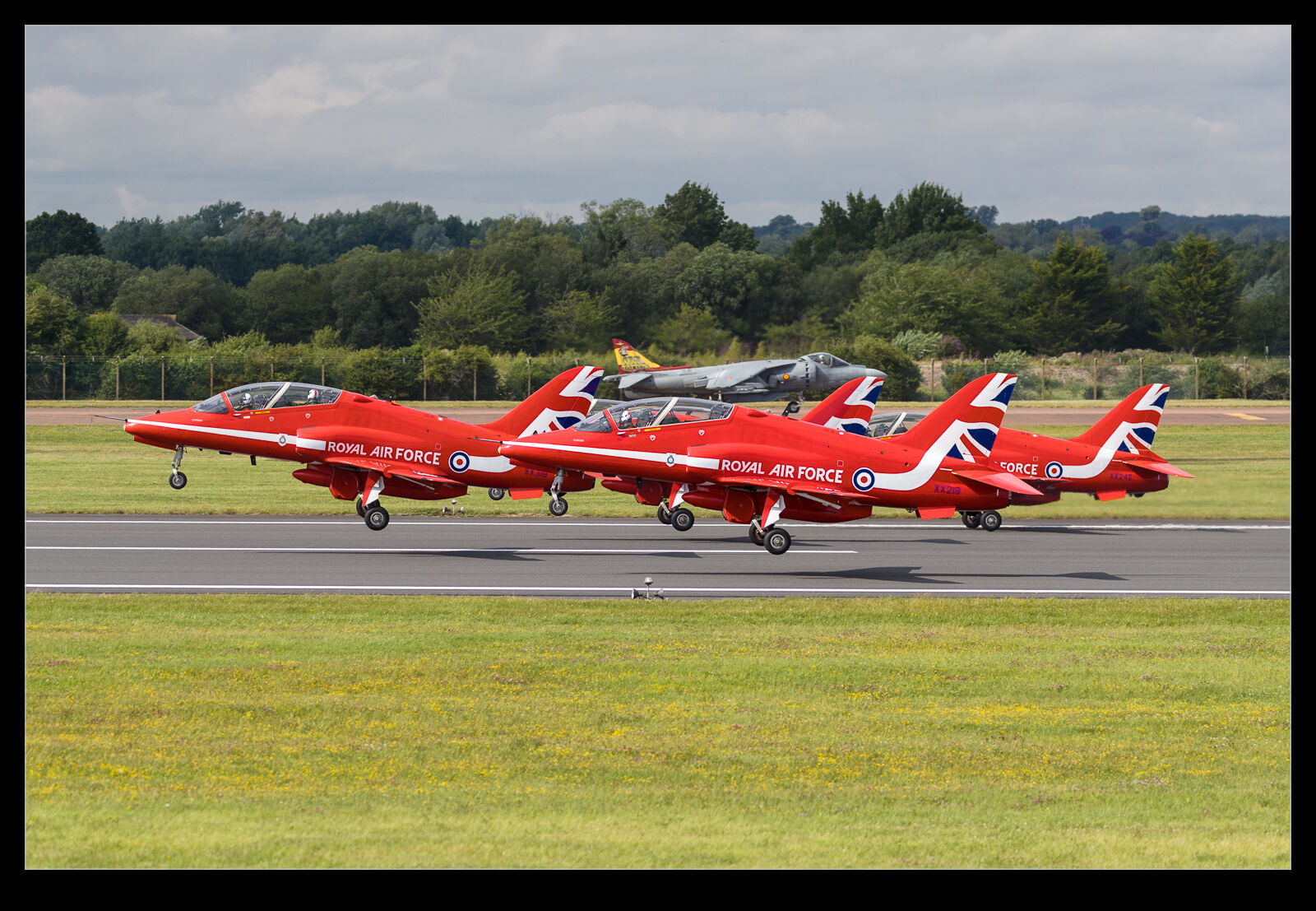
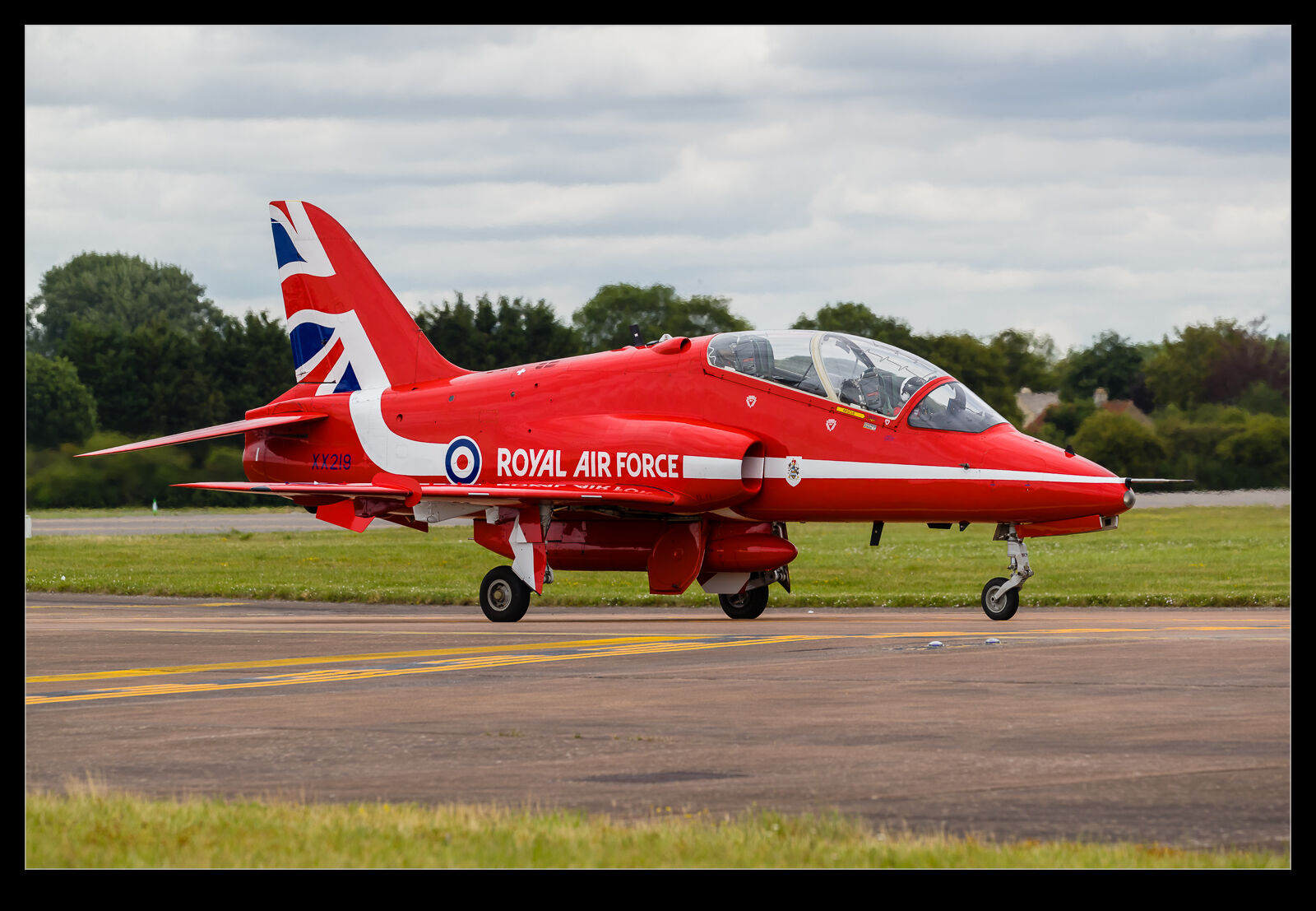
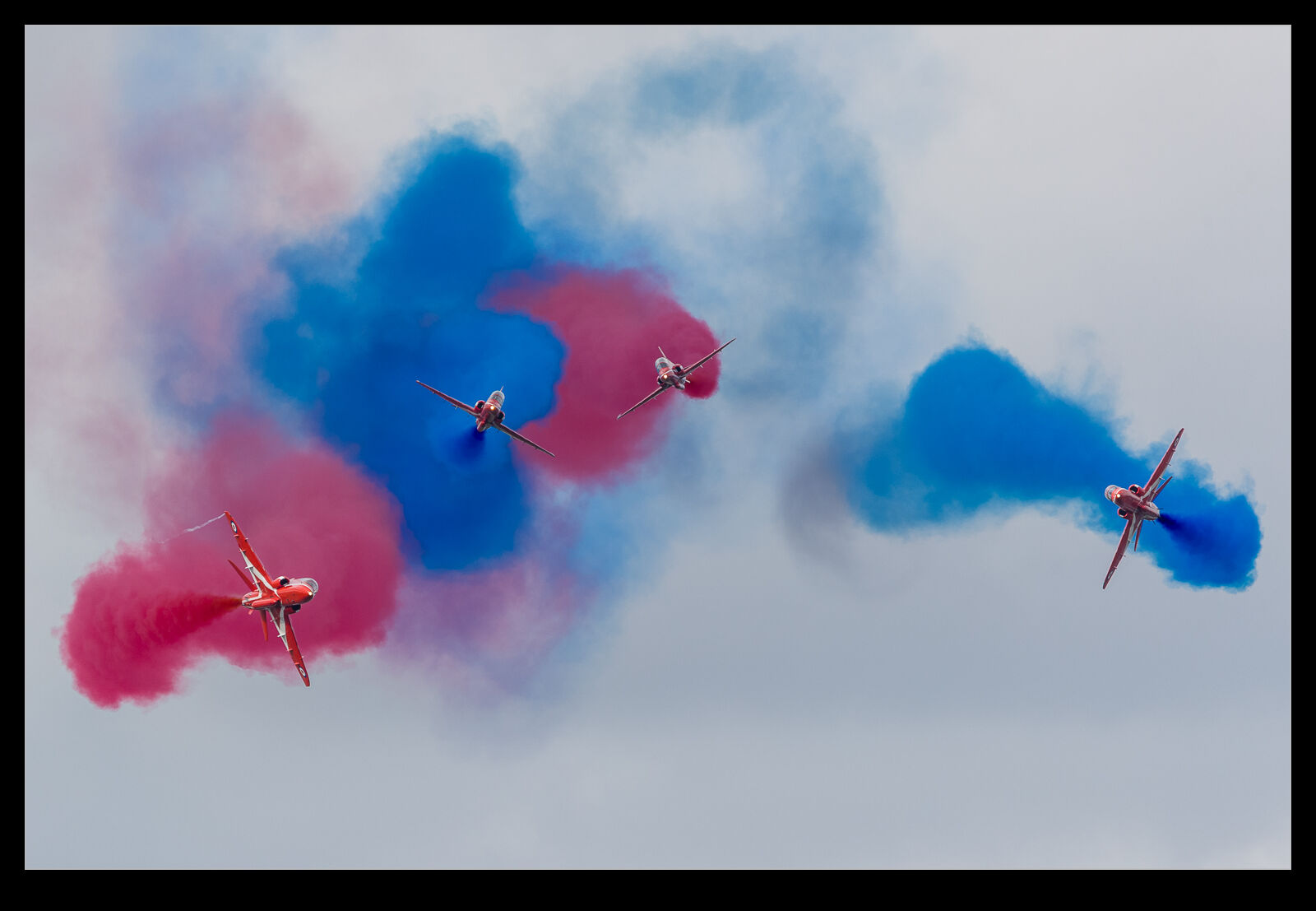 Why, when my last visit to RIAT was in 2019, am I still working my way through some shots from that show? There are many potential reasons but none of them reflect too well on me so we shall move past that topic and on to what I shot at that show. Specifically, let’s look at the Red Arrows. When we used to live in the UK, we would see the Reds on a regular basis and would sometimes get a bit blasé about them. When you live elsewhere, they become a bit more fun to see.
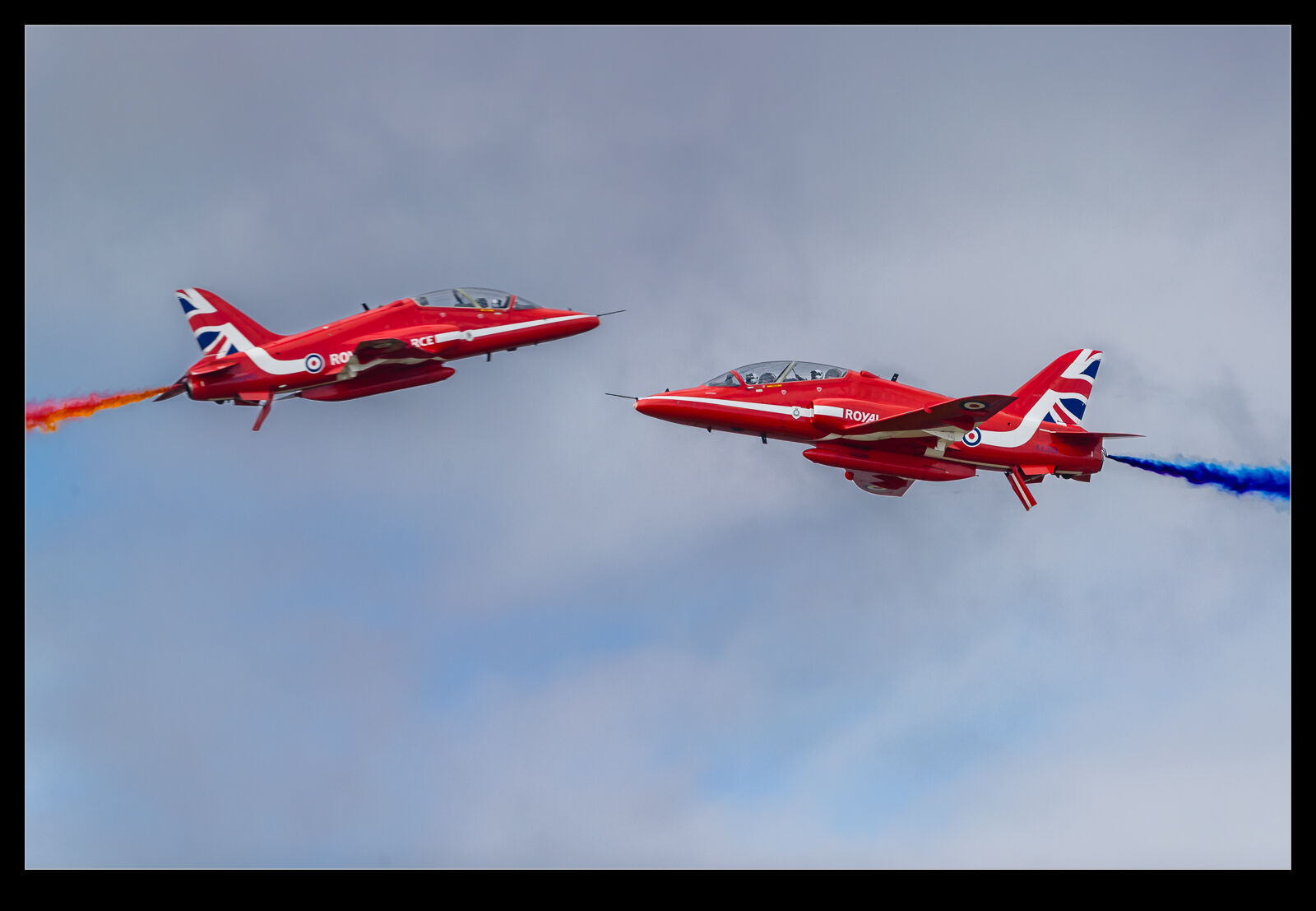 Consequently, I did make the effort to get a few good shots of their displays. It would have been nice to have some slightly better light to shoot them in, but that show was not the best for weather. Take off is always nice since you are close to the formations, and they are potentially tightly grouped in the frame. There are always the crossing shots to go for and then the bigger formation breaks will be a target. All of these were part of my efforts that year. When I was young, the rollbacks were a favorite of mine. They do a variation on this now, but I am not quite so keen. It is a tough one to shoot anyway since you really want to be on the display axis to get the best effect. Even so, I was still pretty happy with what I got overall.