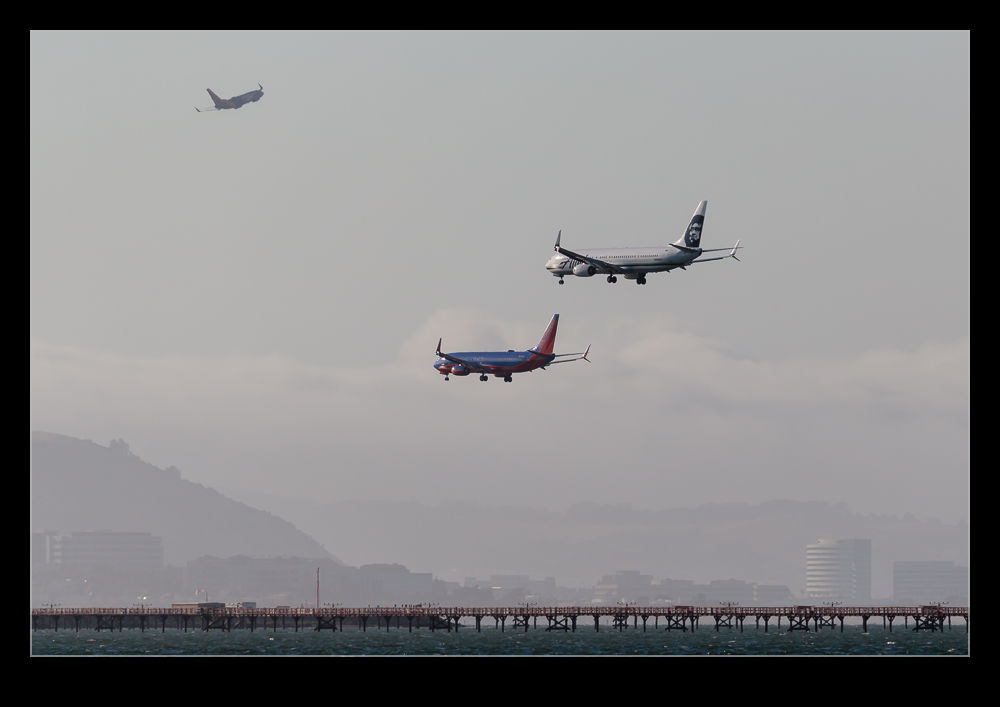
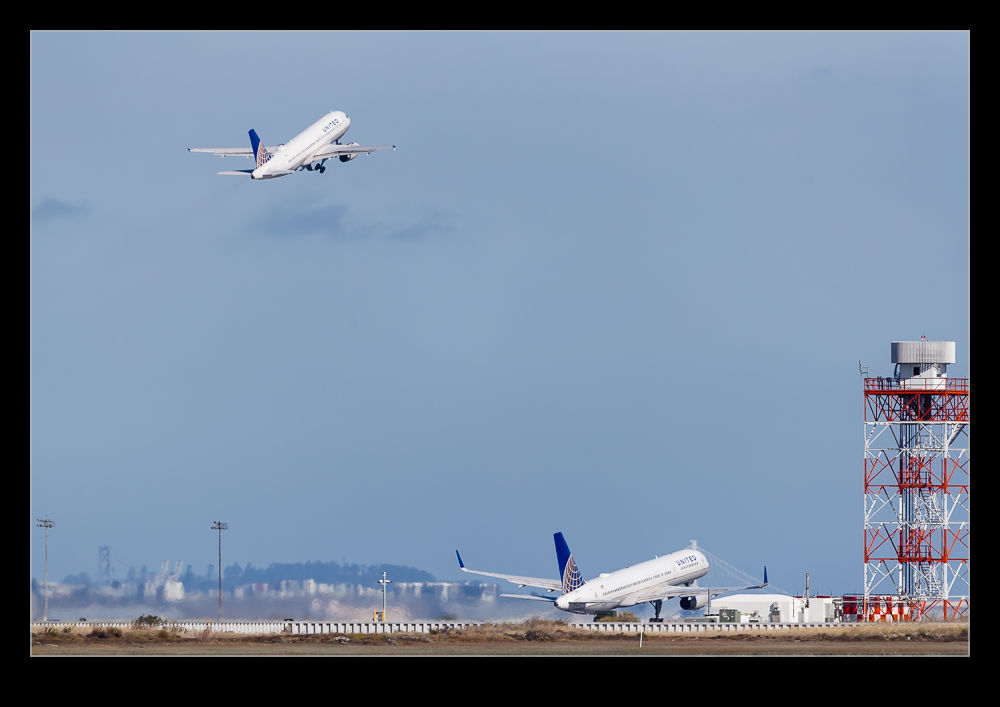
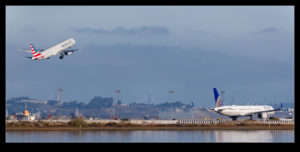
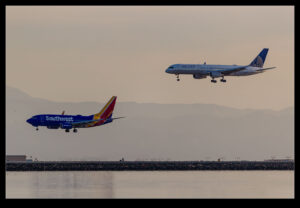
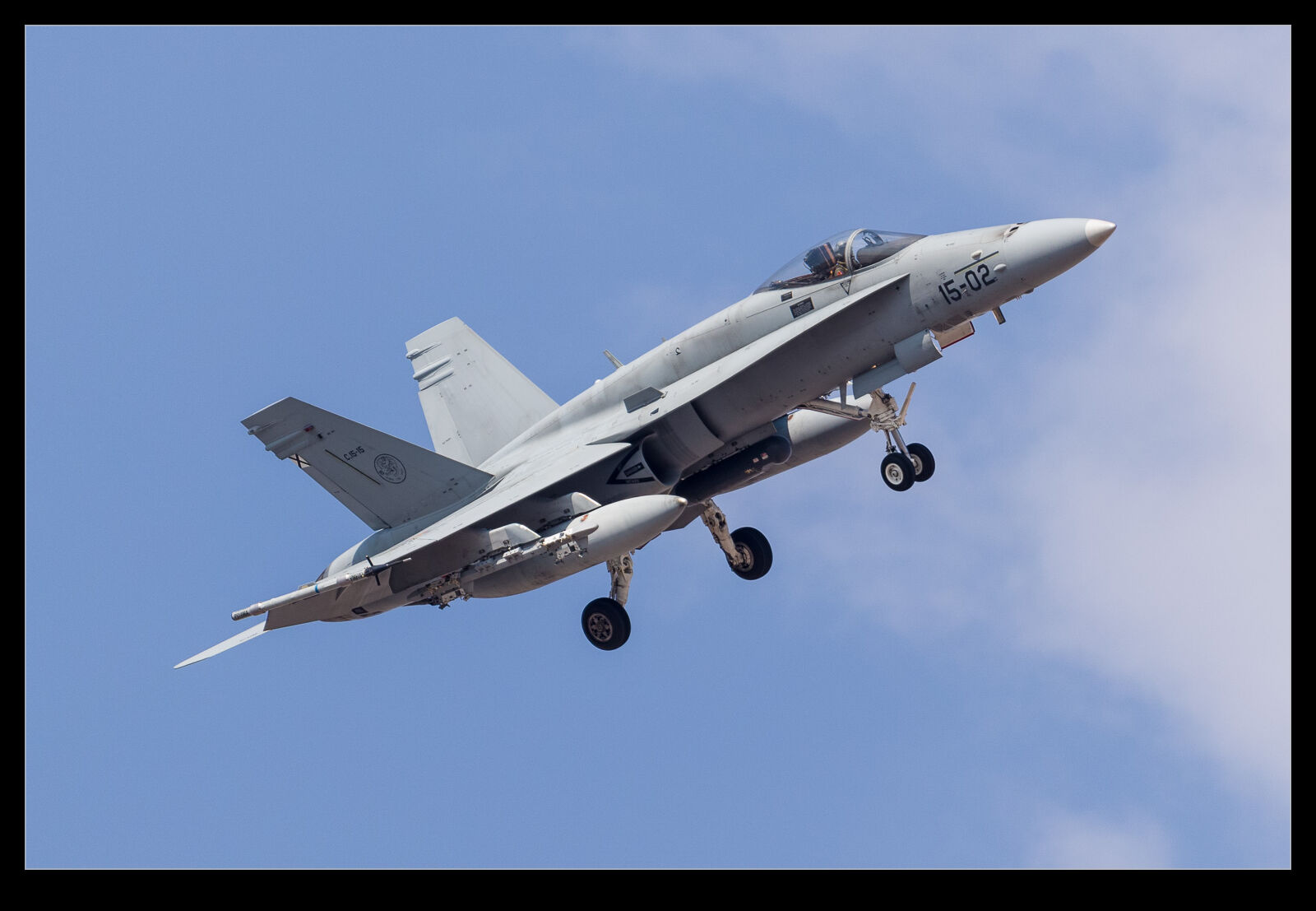
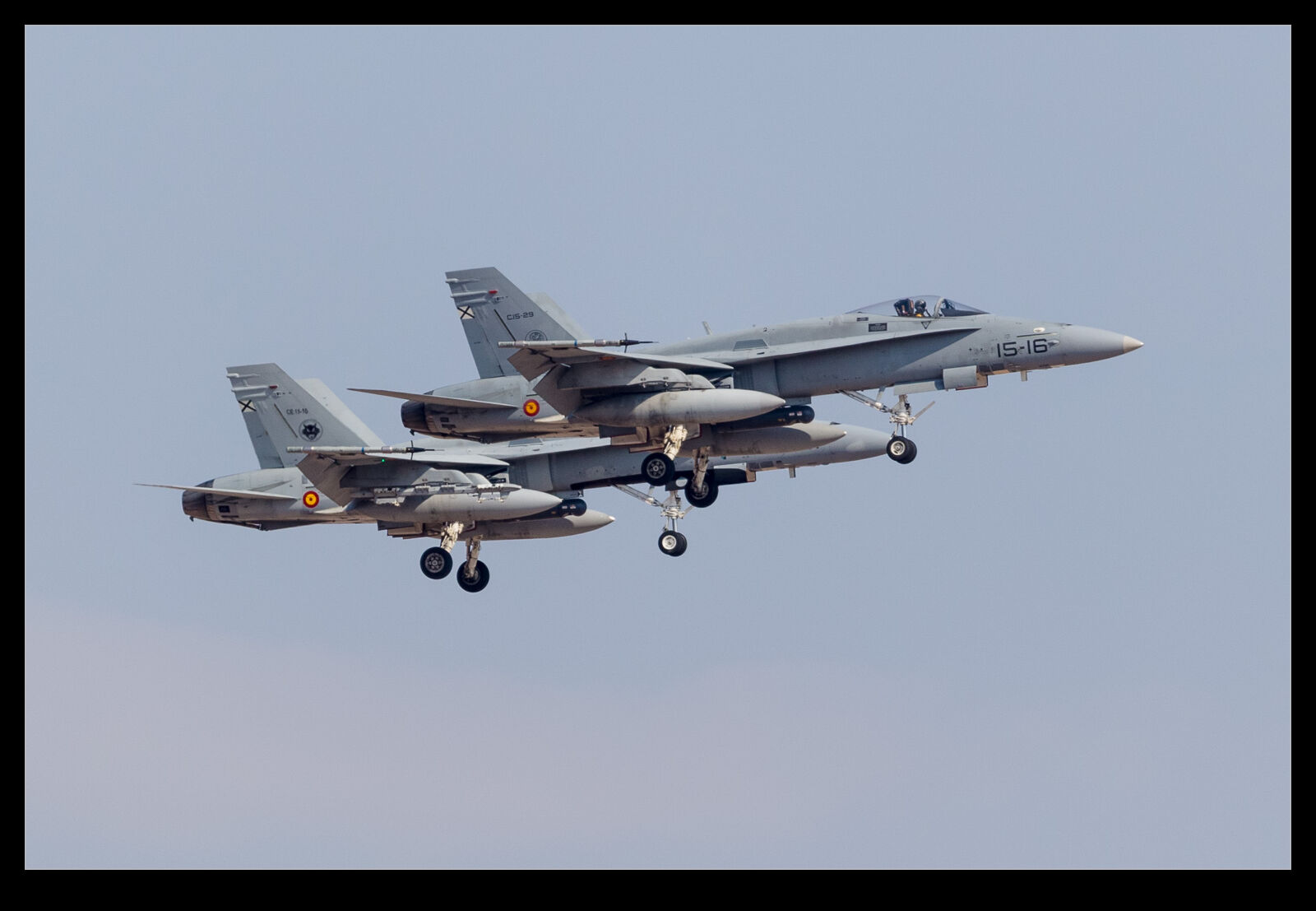
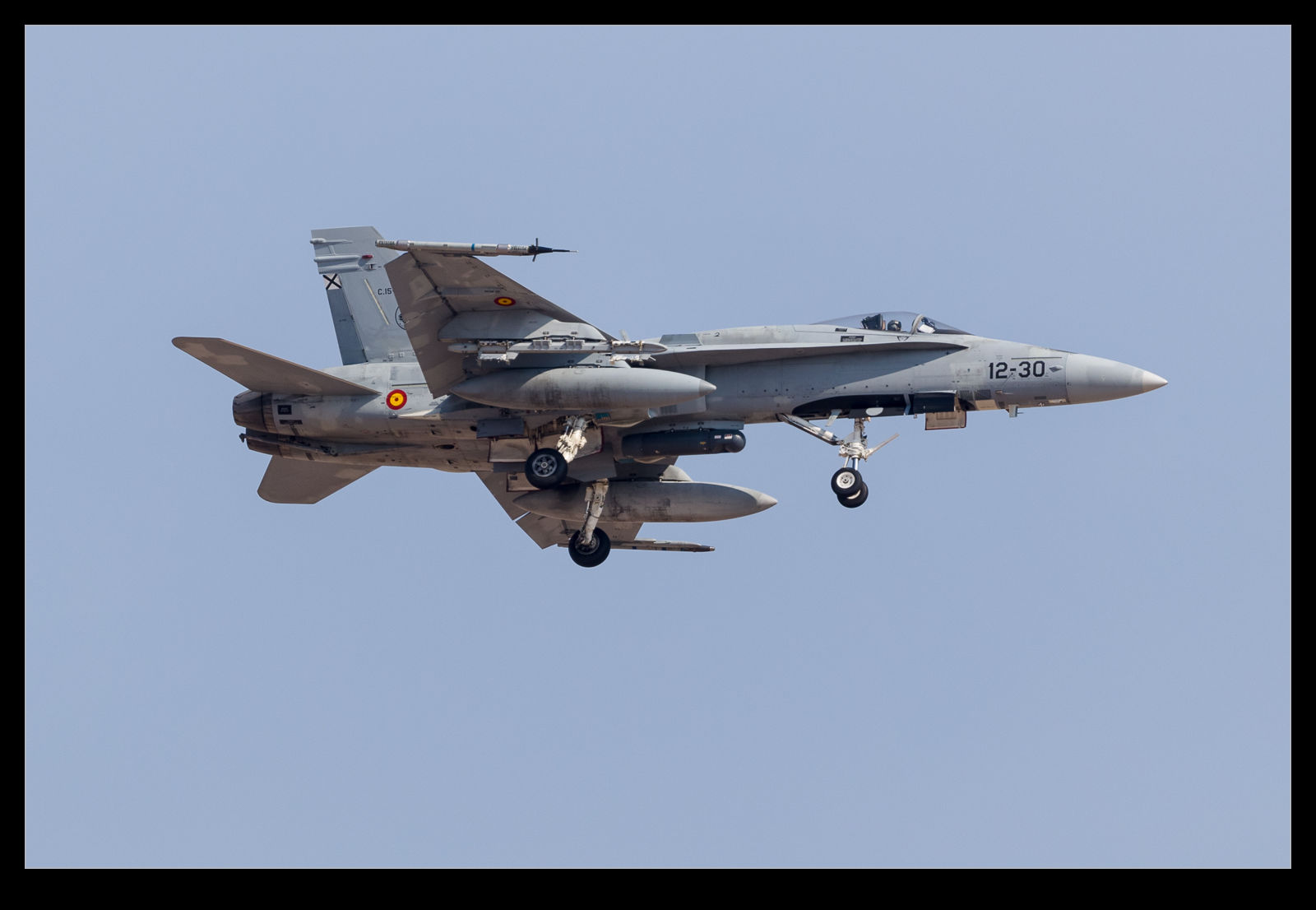
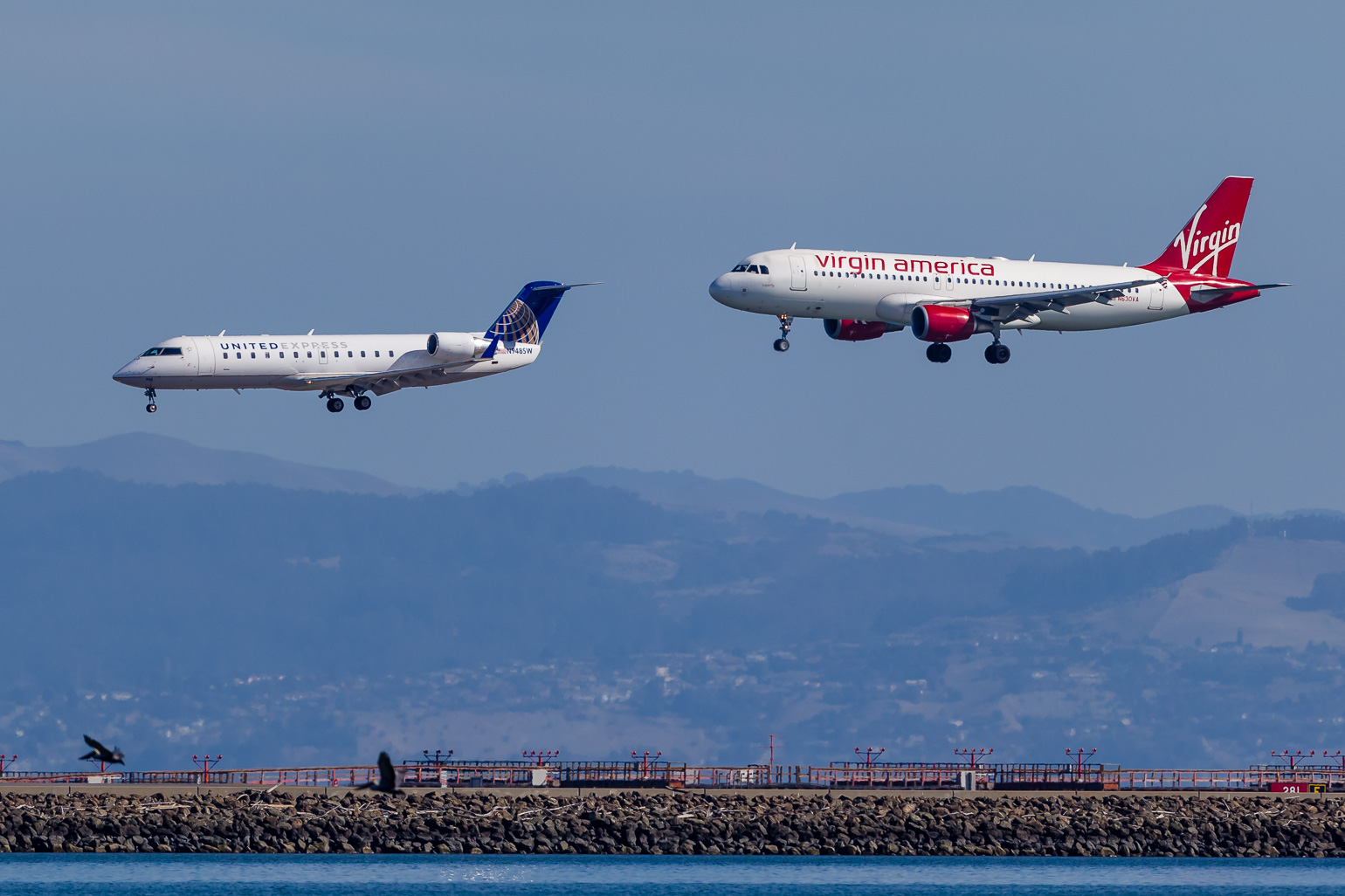
Not too much description to go with this post. SFO is well known for its parallel approaches (and departures) and I have been seeing a lot of them recently. Here are a few of the examples that have cropped up. As an extra, I include a shot of two on approach with a departure in the background. Combine a parallel pair with the other traffic a little further out on the approach and the sky looks a little busy. However, while it looks interesting in person, it doesn’t make for a compelling shot.
Tag Archives: photo
Shooting RAW on the Phone
The update to iOS 10 brought with it the possibility to shoot in RAW on the iPhone. For some reason Apple didn’t bother to incorporate this feature in the base phone app but they did make it available to other camera app developers. Camera+ is one that I use a bit so I figured I would start shooting in RAW via that. Obviously RAW means larger files but, since I download my files to the desktop frequently and tend to clear out the phone, this wasn’t a concern.
First thing I found out was that other apps could see the shots. I had taken a few shots and wanted to upload to Facebook and it turned out there wasn’t a problem doing so. However, the main benefit was anticipated to post processing back on the desktop. With the SLR shots (is there any point to saying DSLR these days?), it is possible to recover a lot from the highlights and shadows. Would the same be possible with the phone? Sort of. You can get a bit more in these areas than would be the case with the JPEG when things are quickly lost. However, the sensor data is still not anywhere close to being as adaptable as it is for an SLR. You get more flexibility to pull the sky back but it is still pretty limited.
Is it worth using? Definitely. While it might not be the post processing experience you will be used to with SLR files, it is certainly better than the JPEGs provide. The increase in file size is hardly an issue these days so I will using it from now on. The camera app doesn’t have the pan and time lapse stuff so easily to hand so the phone’s base app will still get used but, aside from that, it will be my choice. My main gripe now is that they have a random file naming protocol that is a little difficult to get used to. Small problems, eh?
Some FedEx Vapor
Damp conditions are not uncommon in the Bay. Getting some vapor over the wing during a climb out would not be a surprise. Getting it on the approach can also happen but not so often. A FedEx MD-11 was on the approach to Oakland while I was walking along the shore. As it headed away, they were configured for the final approach as some flashes of vapor showed themselves above the wing. I happened to get them this time.
Rainbow Falls Doesn’t Work in the Rain
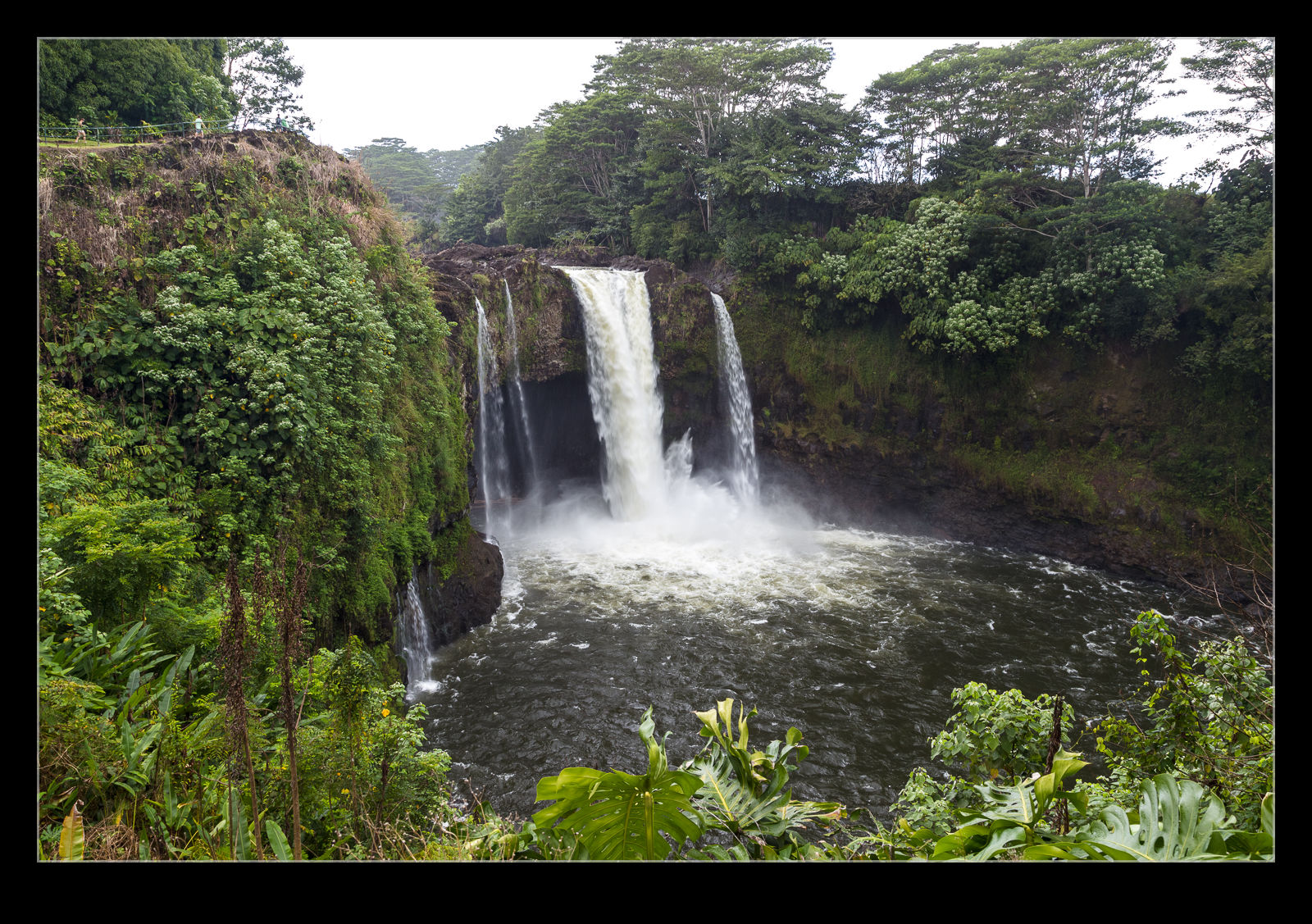
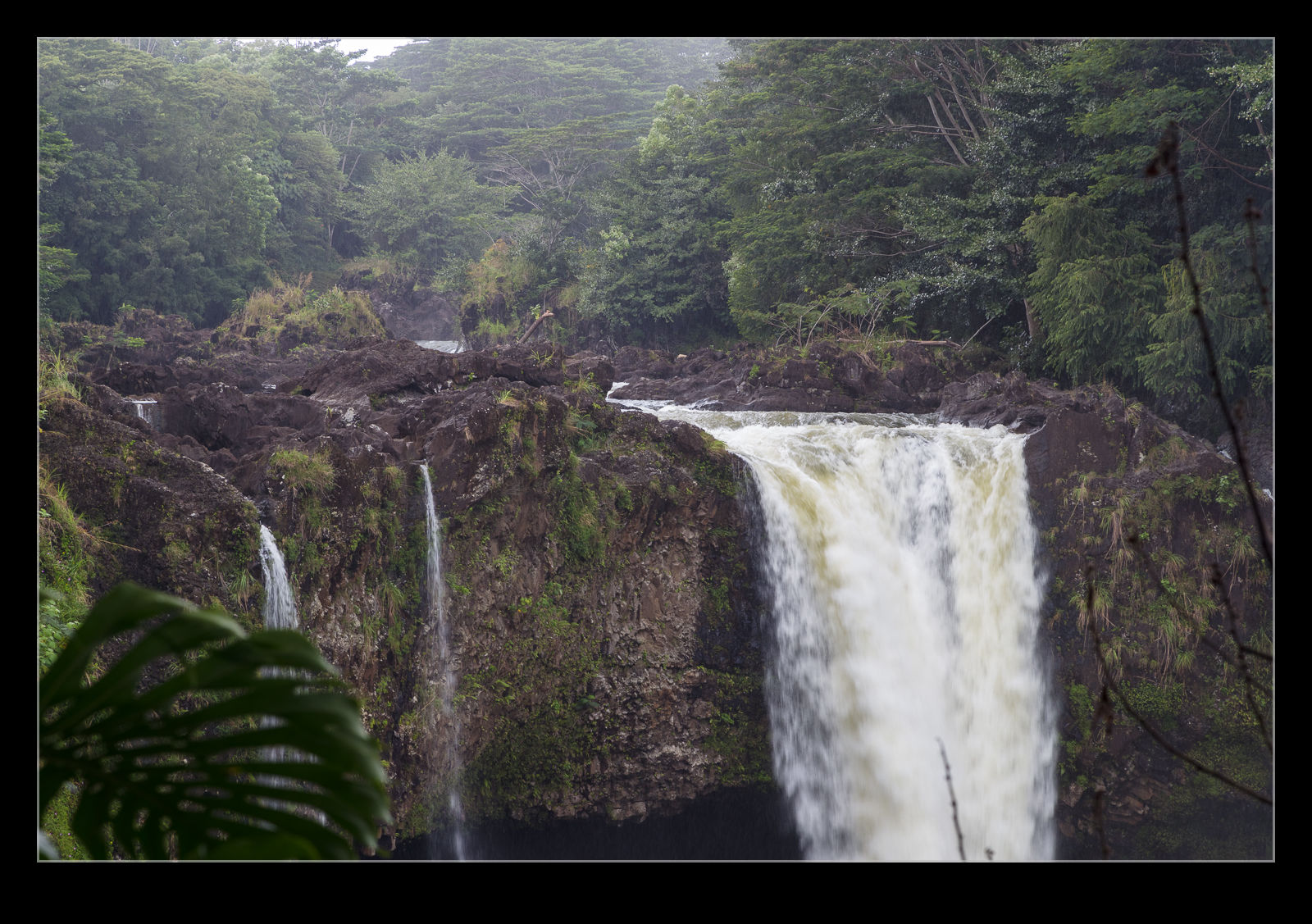
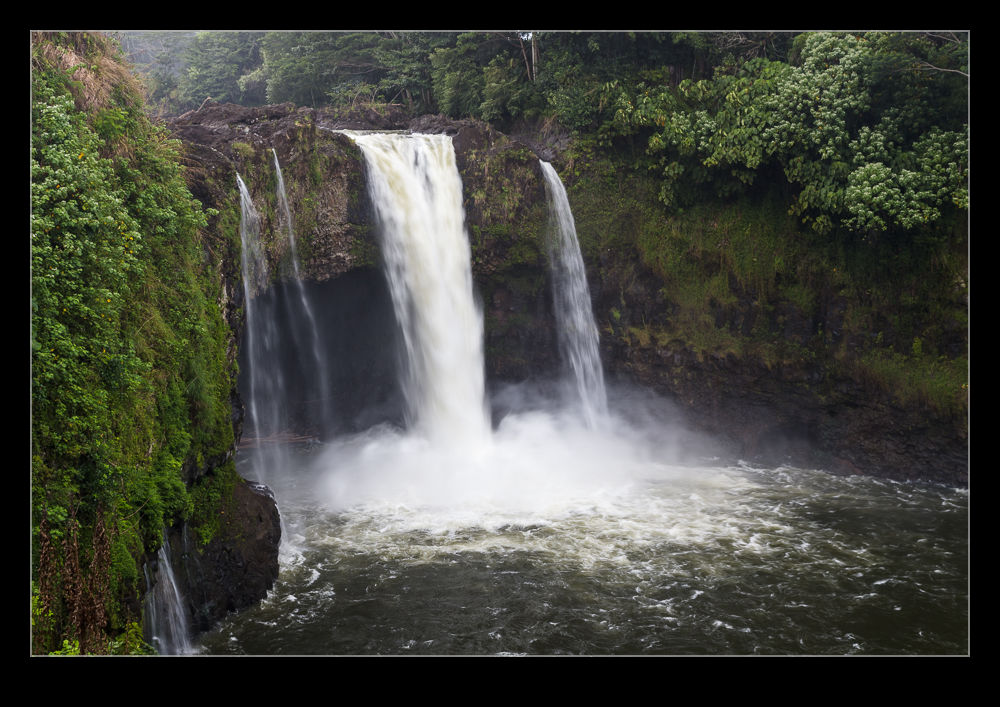
We were heading out of Hilo and starting back in the direction of where we were staying but our route took us almost directly past the Rainbow Falls. Having already seen some good falls on this day, we were curious but not determined to see these falls. Moreover, it was looking a bit overcast as we drove up. This was the beginning though. As we pulled into the parking lot, the heavens opened. It was hammering down. Having got there, I figured I would take a look anyway although Nancy was quite happy to wait in the dry. Your intrepid photographer had to bear witness though.
Rainbows require two ingredients. Water vapor and sunlight. Without the sunlight, there was not going to be a hint of a rainbow. The falls were pretty cool looking though. I bounced around the perimeter checking them out from various angles while getting progressively wetter. It wasn’t just wet, though. The wind was really picking up so combine and damp and cold guy in some low light with a lot of wind blowing and getting the shots was beginning to be tricky. Instead, I took a good look at the falls and then admitted defeat. Back to the car to peel off the wet jacket and try to dry off on the drive back across the island.
Spanish Hornets and Some Strange Patterns
It has been a long time since I last saw some Spanish Air Force Hornets so I was glad to see them at Red Flag. They may not look very different to the Navy and Marine Hornets but still, some variety is worth it. It was the second week of the exercise so I would have expected everyone to be pretty familiar with the operations around the pattern. However, the Spanish guys seemed to have some different ideas.
They were certainly interested in keeping the patterns tight. I don’t know whether they convert to type with the Navy and are trained to fly tight or whether that is just their nature. However, on one occasion, the pilot came way inside the downwind line while another jet was flying that line and he was going to end up cutting them off. I guess he realized at the last moment because he turned left to get back out where he should have been. A bit strange to watch!
Nancy Gets the Geckos
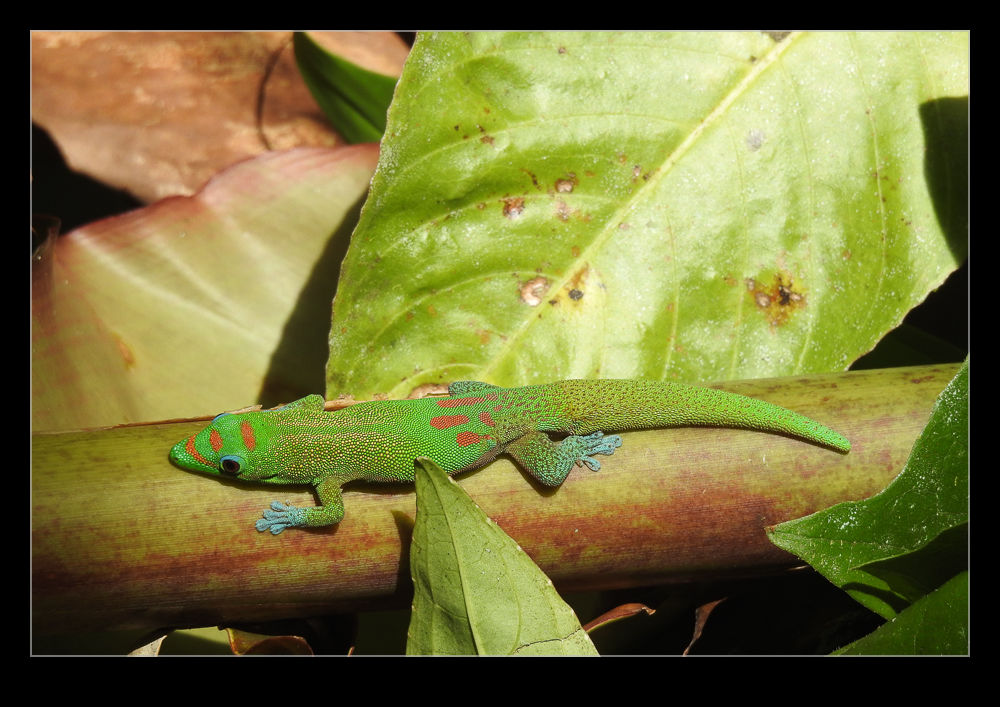
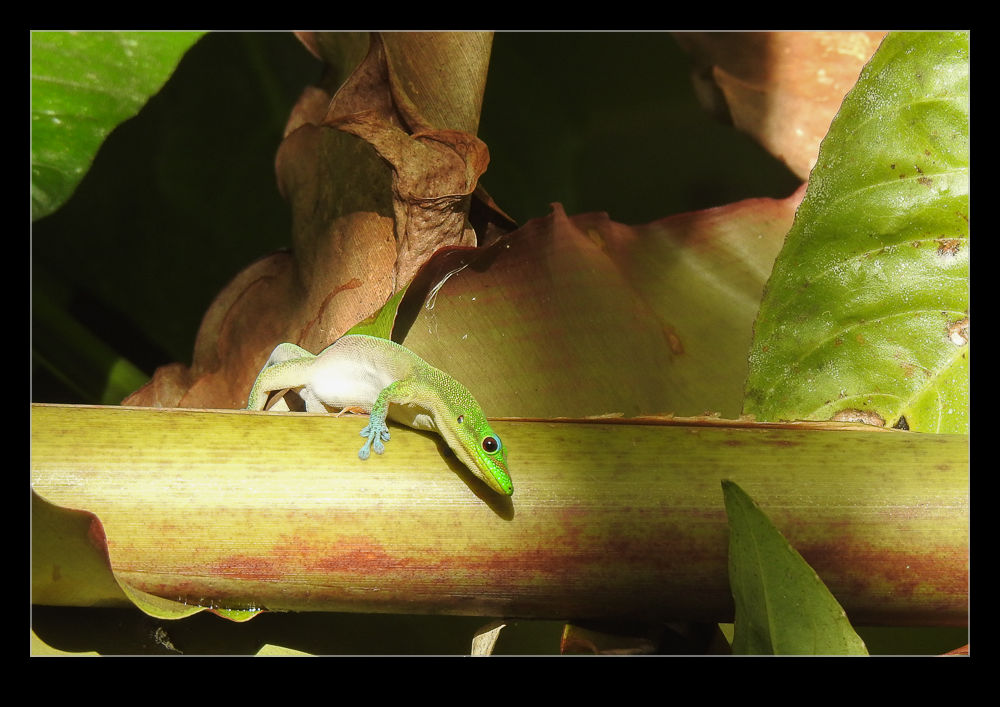
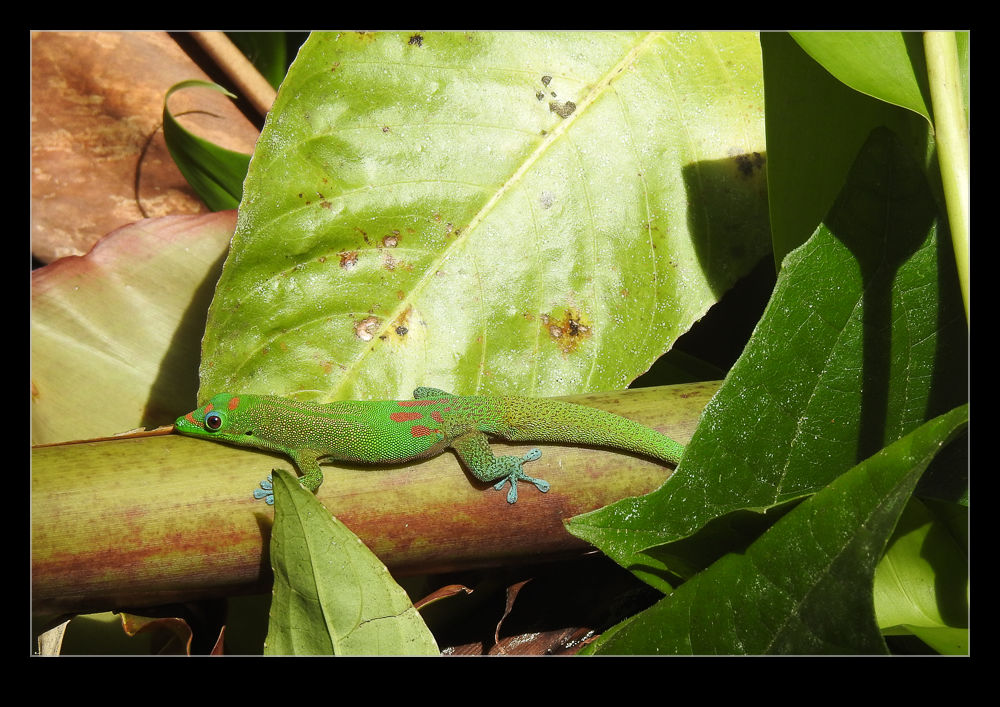
This time the shots I am sharing are not my own. I was there when they were taken but these were taken by Nancy. I was traveling light with one camera and a wide angle lens as we walked along the trails to the falls and Nancy was carrying her camera. It is a Nikon P900 and that thing has a phenomenal zoom range. When I saw the geckos on the leaves of the trees, there was no way I was going to be able to get a shot that showed anything of them given how small they were and the distance to them.
Nancy, on the other hand, had an ideal opportunity to get some shots of them. There were multiple geckos on the plants, some on their own, others together and some others chasing the first ones out of the way. They move very slowly for a while and then burst into action. You do end up with some shots of empty leaves as they spring away just before the shutter is pressed. However, she still got a number of them and their bright coloration really shows up well.
Eagle Inlets
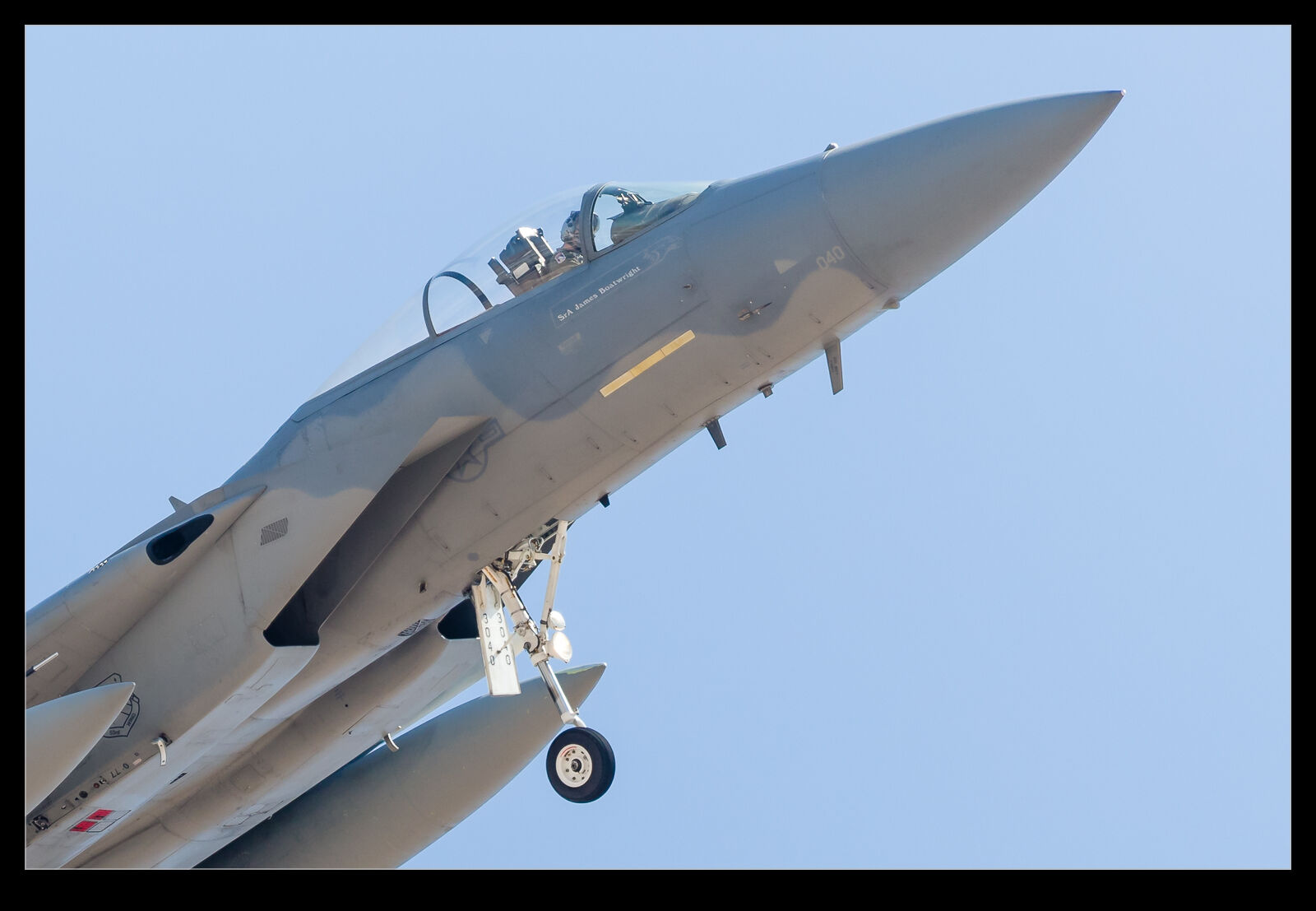
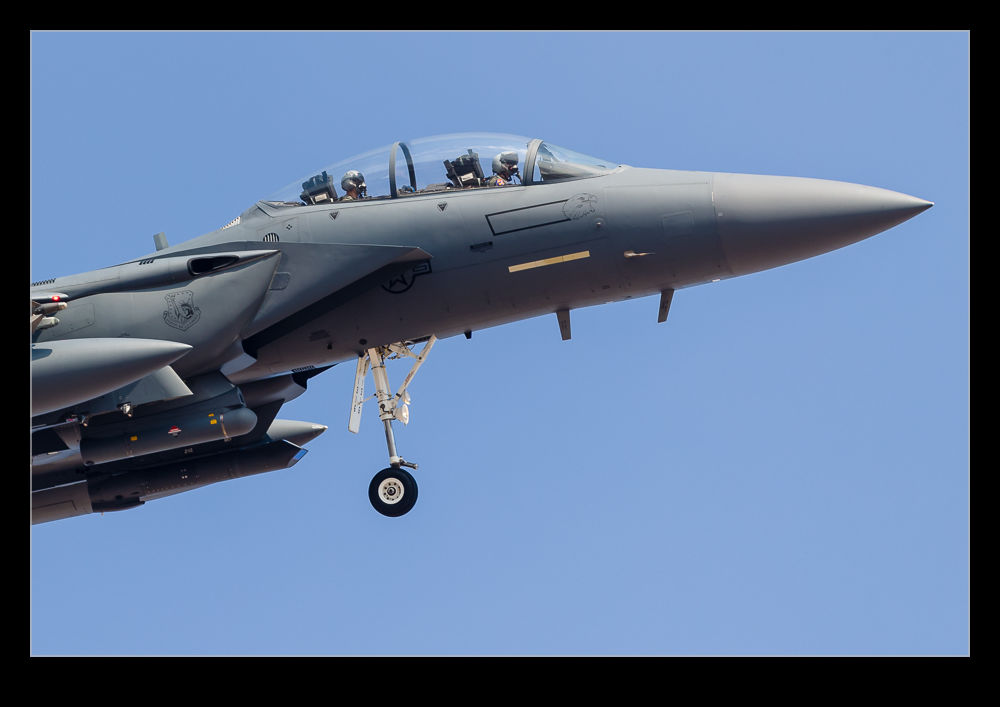
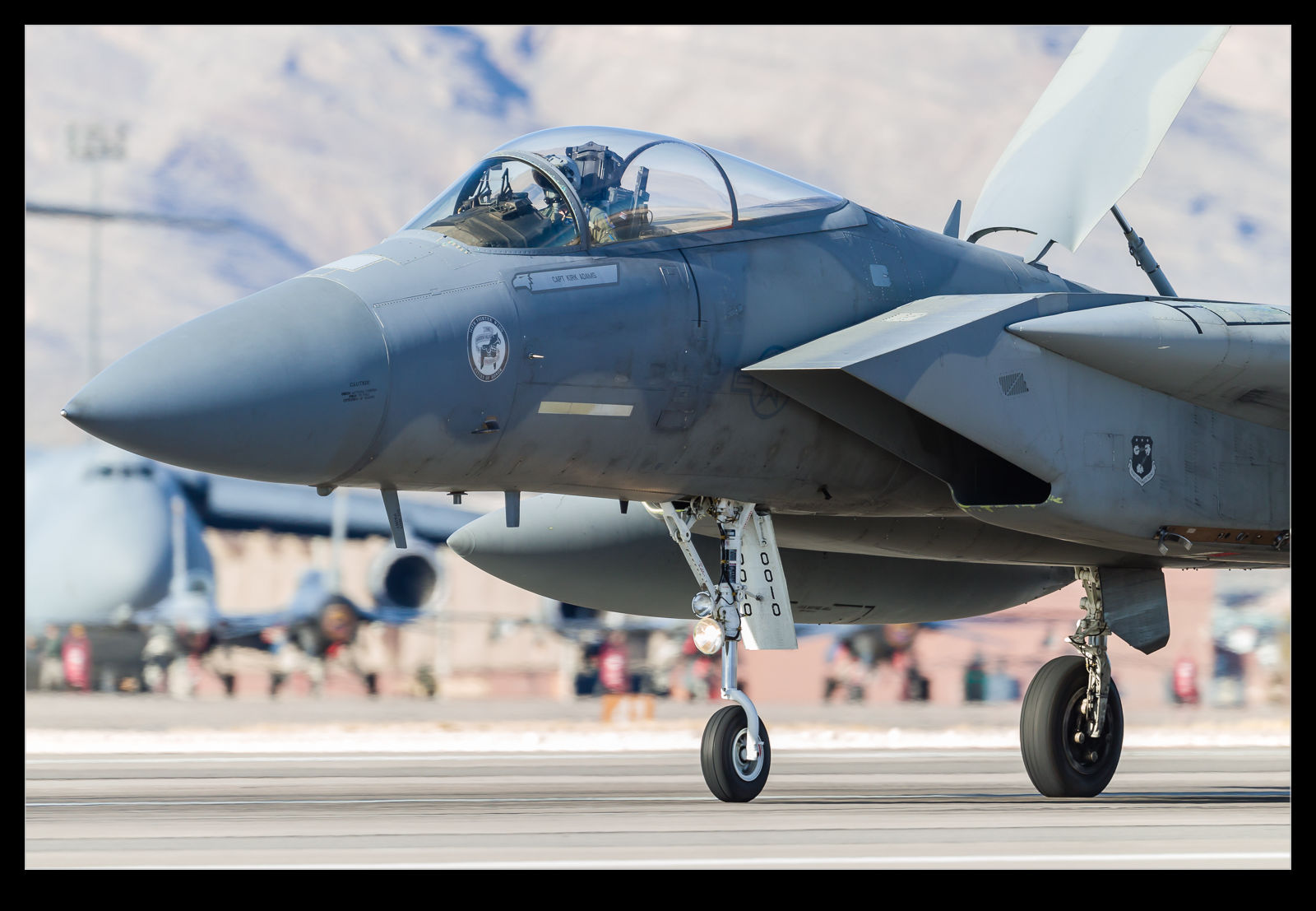
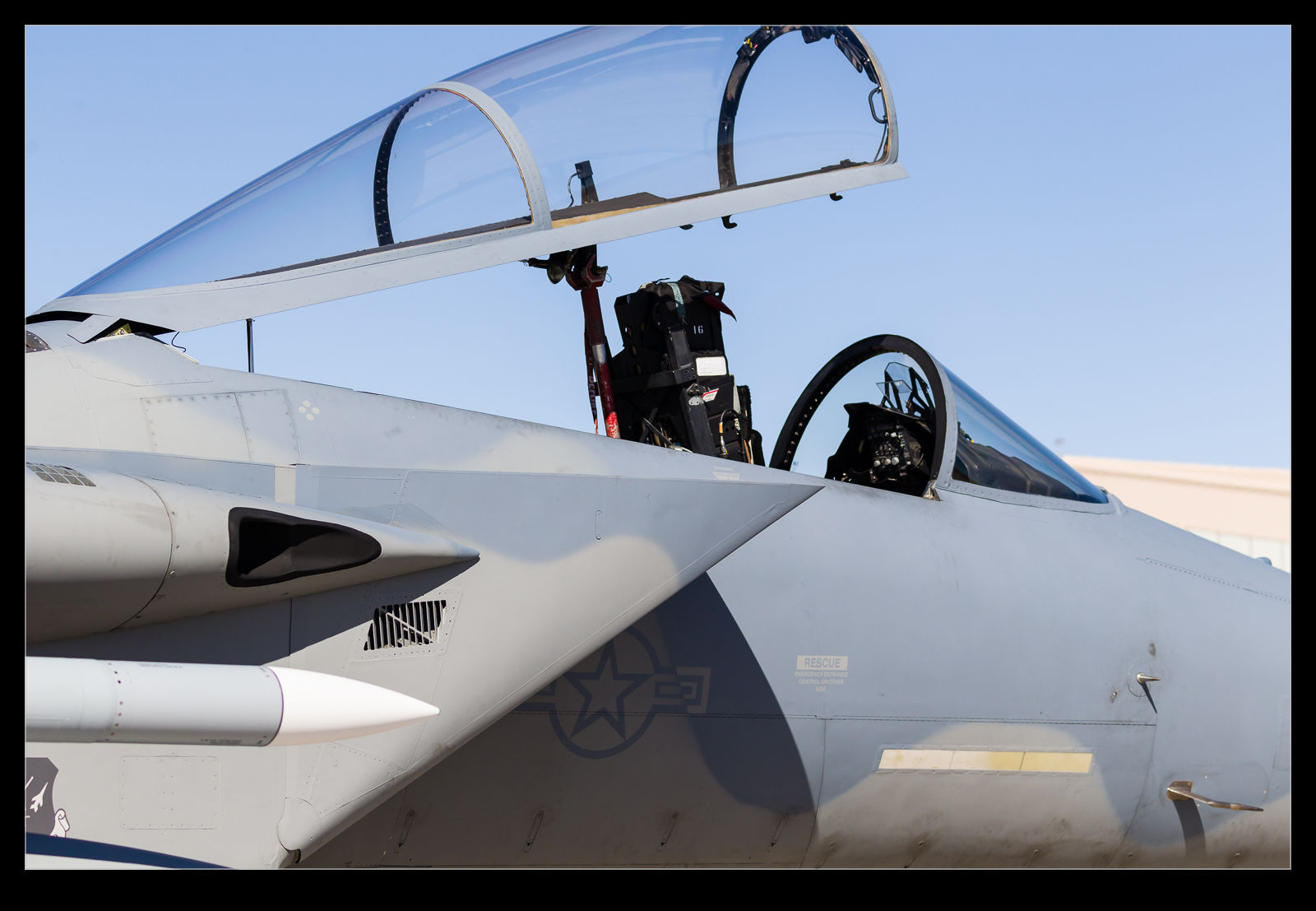
The F-15 came onto the scene in the 1970s and it has been a major force ever since. As a kid growing up fascinated with planes, the F-15 and F-14 were two of my favorites. They each had features I loved. One of the cool things about the F-15 for me was the inlets. Big ramp inlets were in vogue at that time. They combined an angled profile with complex ramps and doors to take flows from above Mach 2 down to subsonic speeds to feed the engines. (Interestingly the F-16 went with a simple pitot inlet and could still just about make Mach 2. It used the fuselage to redirect the air into the inlet rather than raking it.) The F-14 inlets were very sharply angled. The F-15 didn’t have such a sharp angle but instead took a different approach. The inlets rotated down towards the approaching air.
This always struck me as a cool feature and whenever I see F-15s now, I am always looking at the angle of the inlets. Since they are often at lower speeds when I get to shoot them, they are at higher angles of attack and this means the inlets are rotated down. McAir’s engineers did a great job of the joint so the top surface doesn’t look too discontinuous. I include a shot of a parked jet to show the difference. Even after all these years, I still get a kick out of this.
Moisture on the Lichen
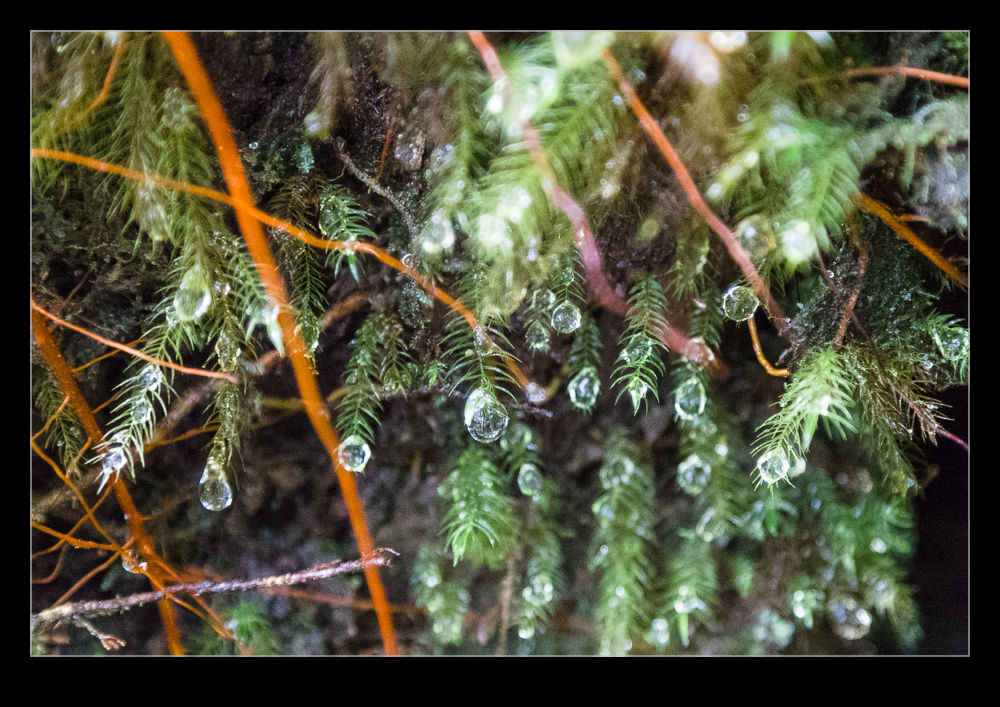
Rain forest conditions do tend to mean lots of moisture in the air. That much moisture means perfect conditions for the growth of lichen. The lichen do a great job of collecting the moisture from the air to keep them well watered. The way the water drops form on the surface of the plant can be really interesting. Just a small vibration would send them dropping to the plant life below but, for now, they were safe.
The Lonely Life of the AWACS
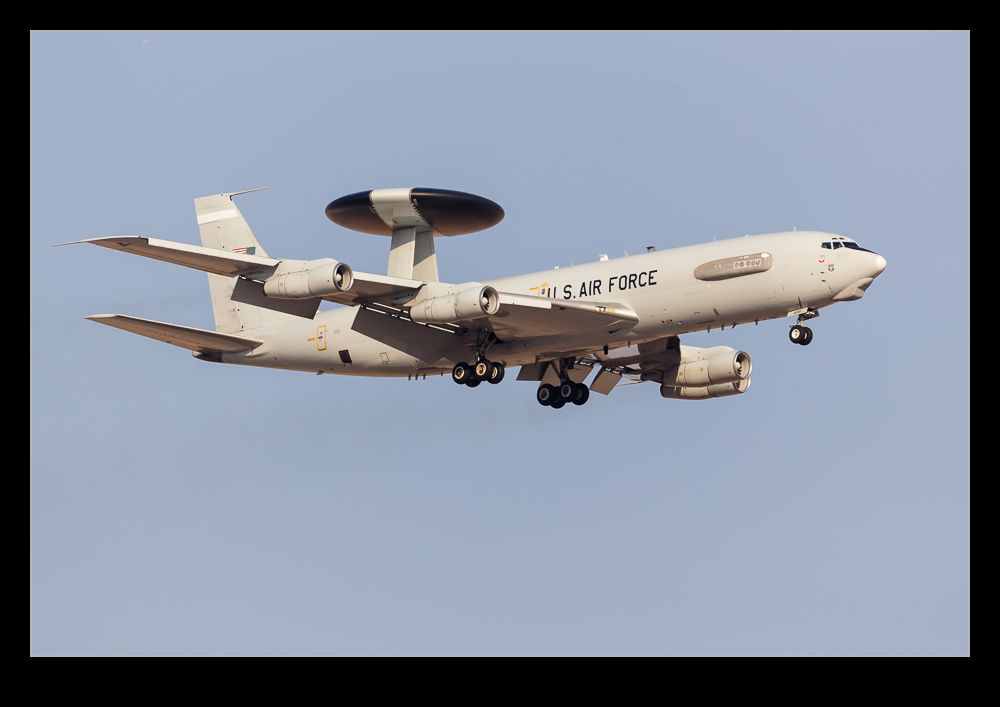
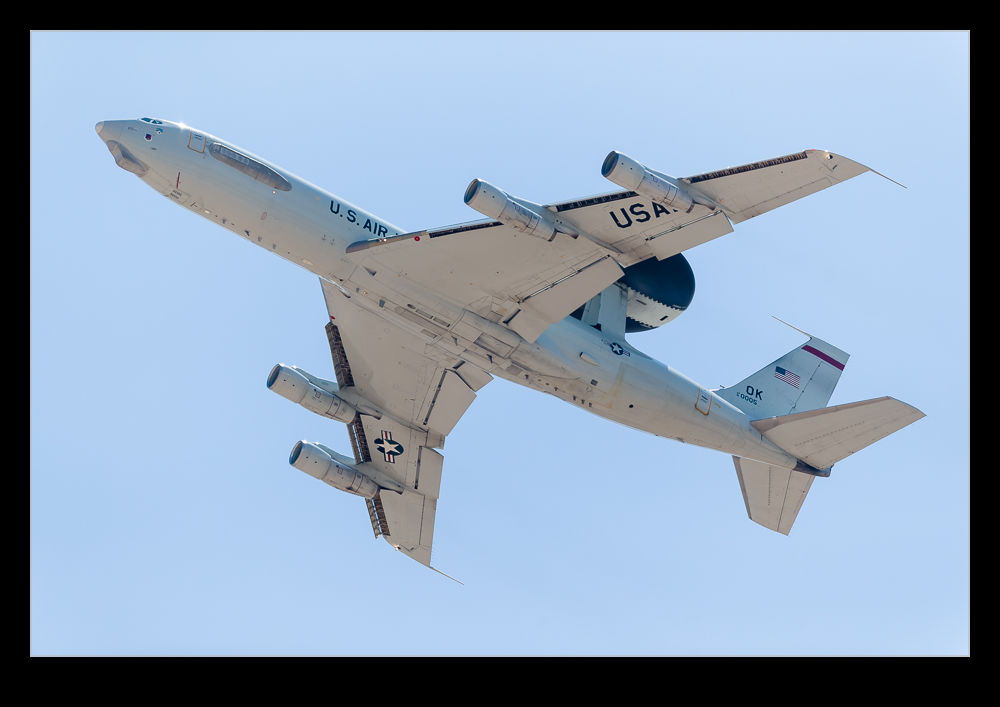
The beginning and end of an exercise has a common theme. Long before the fighter start launching, an E-3 AWACS will lumber off the runway and head out towards the exercise area. It gets on station and sets up to direct the fight as the fast movers enter the range. It will support the whole mission and will guide the small guys back home at the conclusion of their missions. It will deal with any of the jets that have to change plans or abort. With everyone else back on the ground, the AWACS can finally come home. They are often the last jet back on the ground. Hopefully everyone outside will stay around for their recovery. You wouldn’t want them to feel neglected!
Roger Goes Fishing
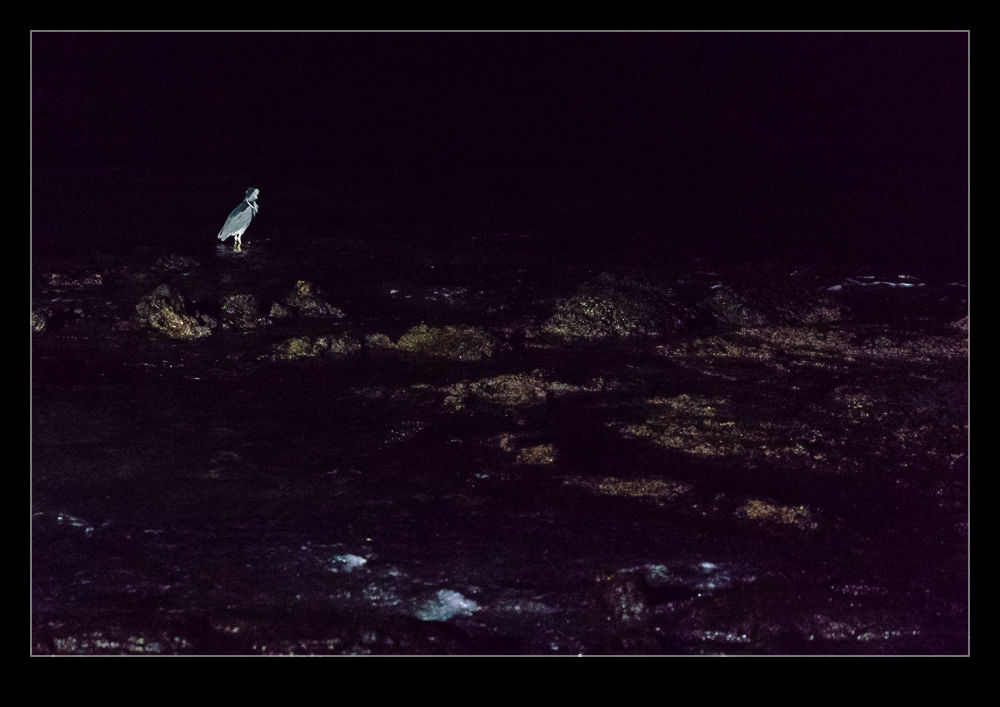
One evening, while having dinner near the beach, we saw a flash of wings as a bird flew down to the water’s edge and landed. It was a heron. He was standing on the rocks as the waves washed in. Every once in a while, he would catch a fish and then walk away from the water before dealing with his meal. We talked to the staff about him and they told us he was a regular feature every evening. They had even named him Roger. Each night we came by to see if Roger was there and, sure enough, there he was. Same spot each time, just standing and waiting for dinner to come to him. On our first night he was joined by a manta ray that came in very close inshore but, sadly, he never showed up again while I was there with a camera. Roger was far more reliable though.