Category Archives: Travel

Re-Roofing Chichester Cathedral

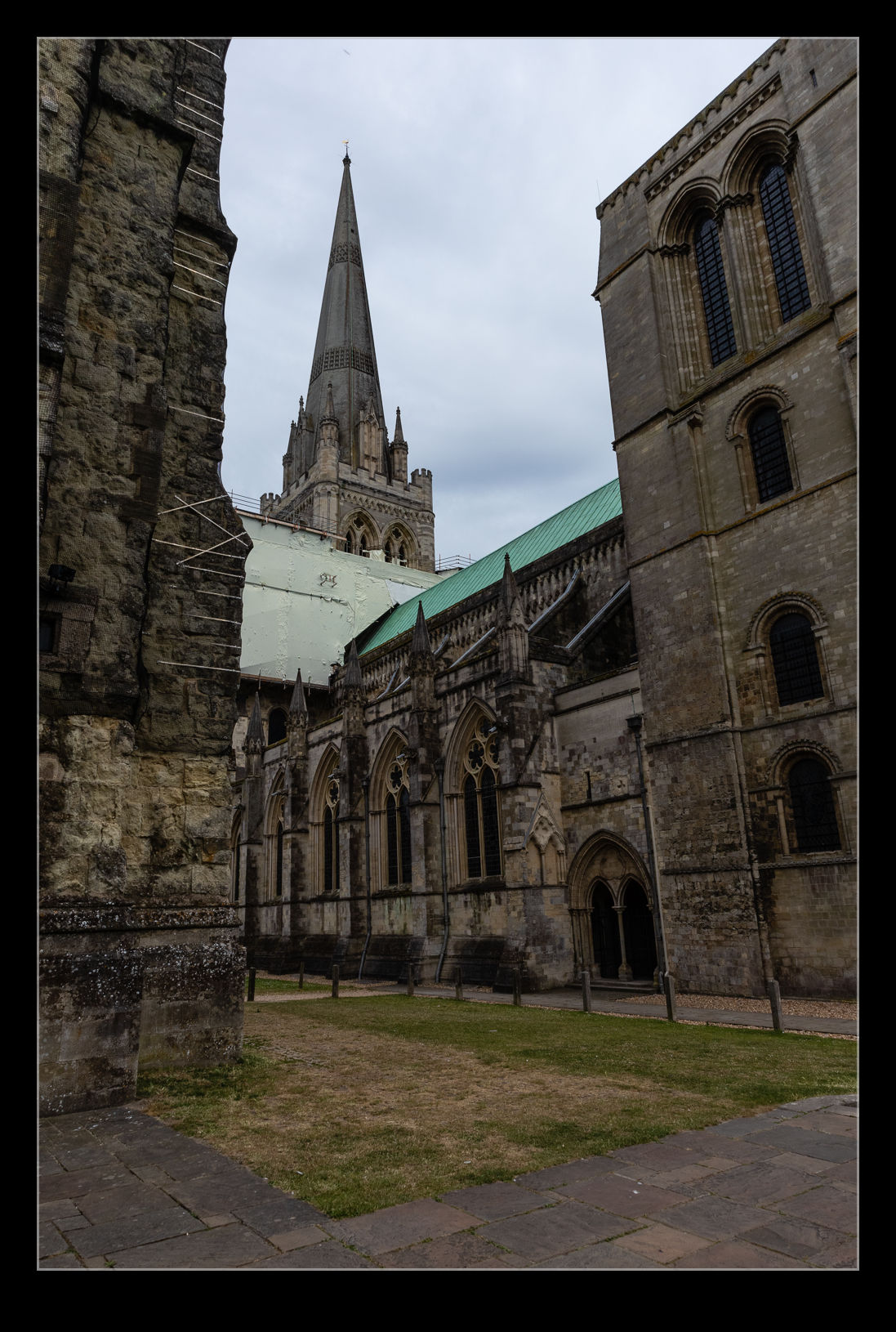
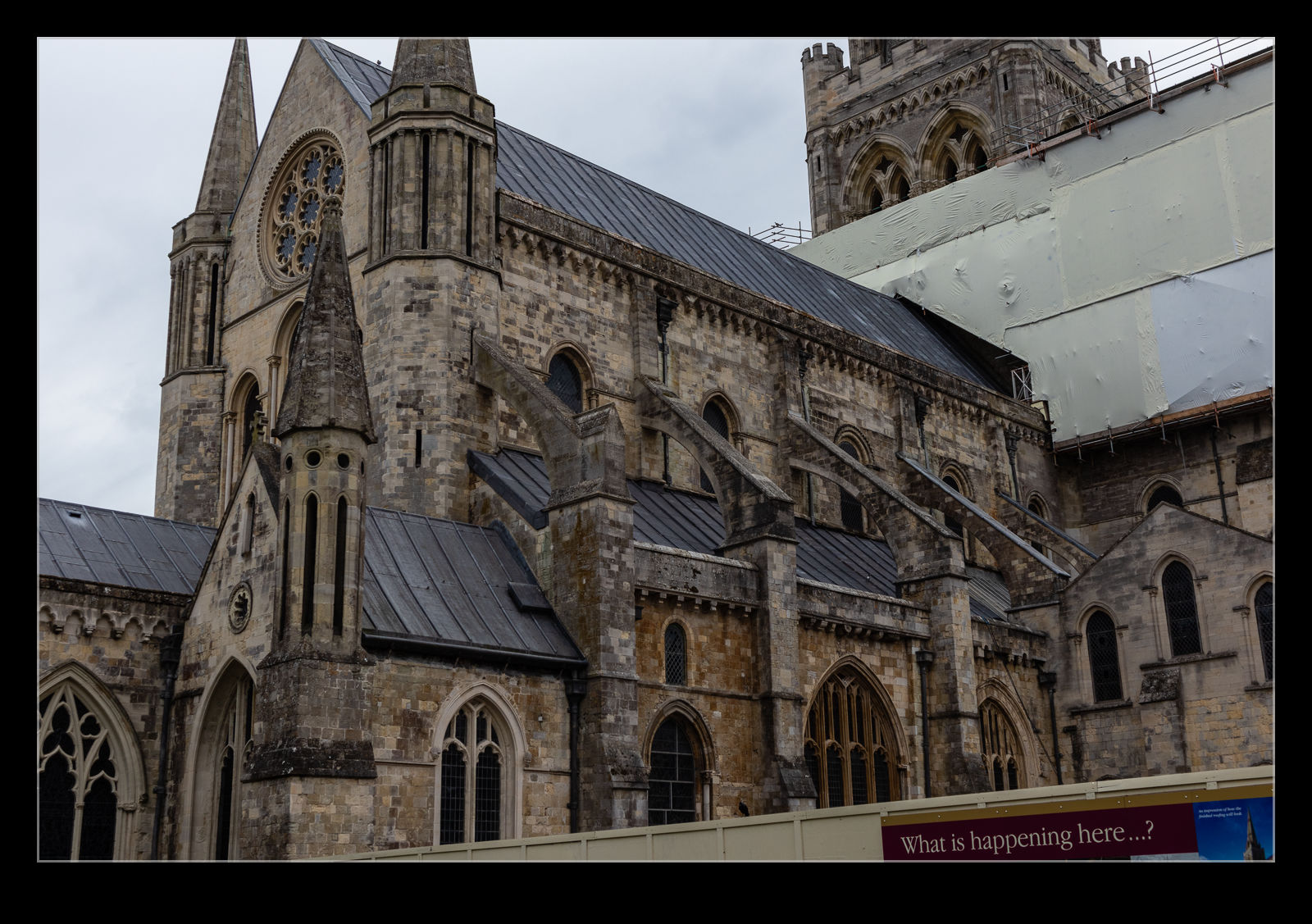
Chichester Cathedral was something I would easily recognize from a distance.  It has, for many years, had a copper roof and this gave it a bright green color.  It was very distinctive.  When we were in Chichester this year, we walked around the cathedral grounds and they were working to replace the roof.  Apparently, copper had been used in a previous re-roofing because it was cheaper.  However, it was not an ideal material for the roof as it was not heavy enough and had moved in the weather allowing some significant water damage to the wooden structure underneath.
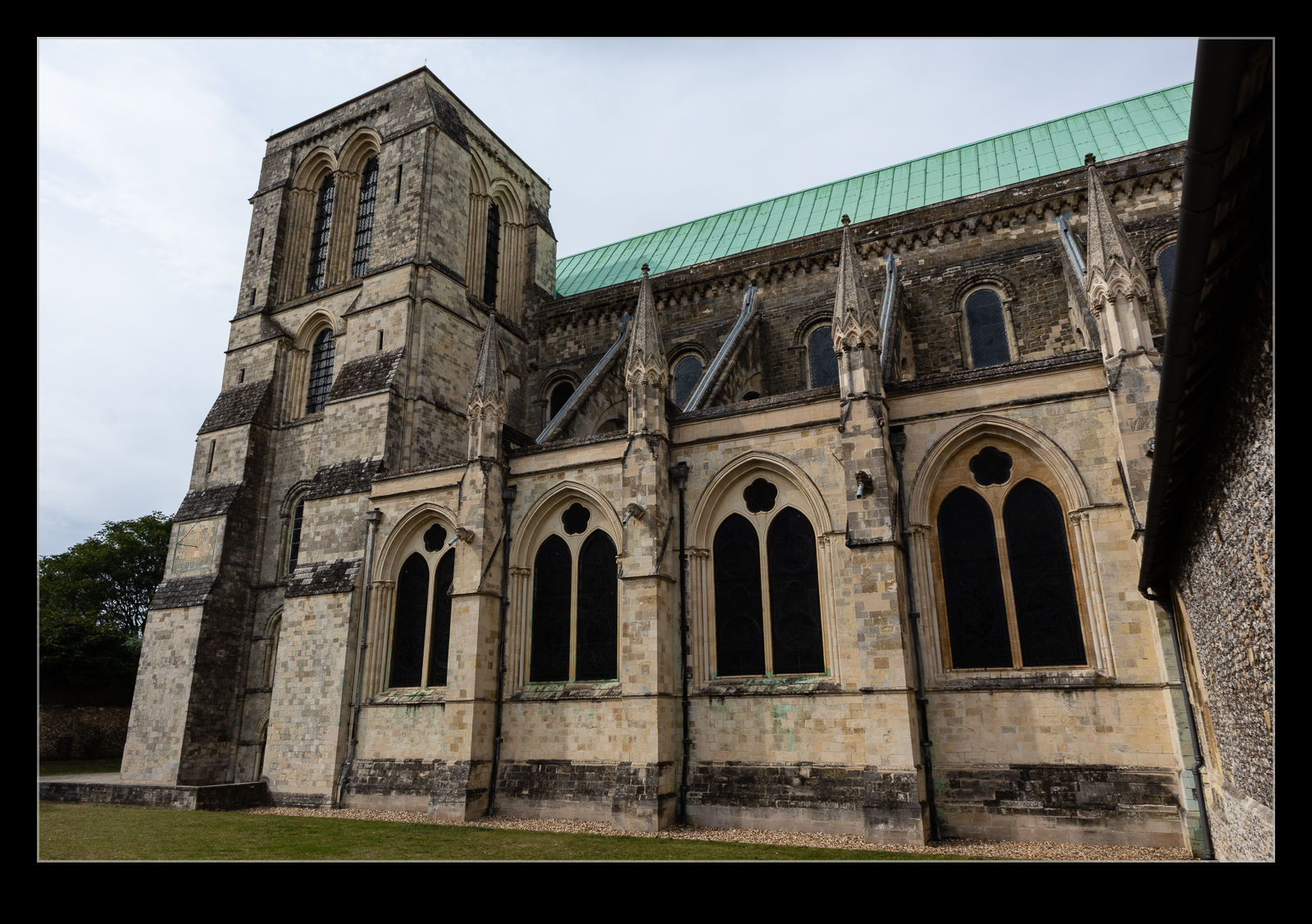
This is now being repaired and the roof material replaced with the leads that had been used prior to the copper.  The project is underway in phases and has made good progress.  Some of the exposed roof sections are already done so the remaining work is under scaffolding.  However, there is still signs of the green roof.  Soon the cathedral will look something like its original configuration.  I shall miss the green but I imagine those looking after the cathedral won’t miss it so much!

The Train That Started It All

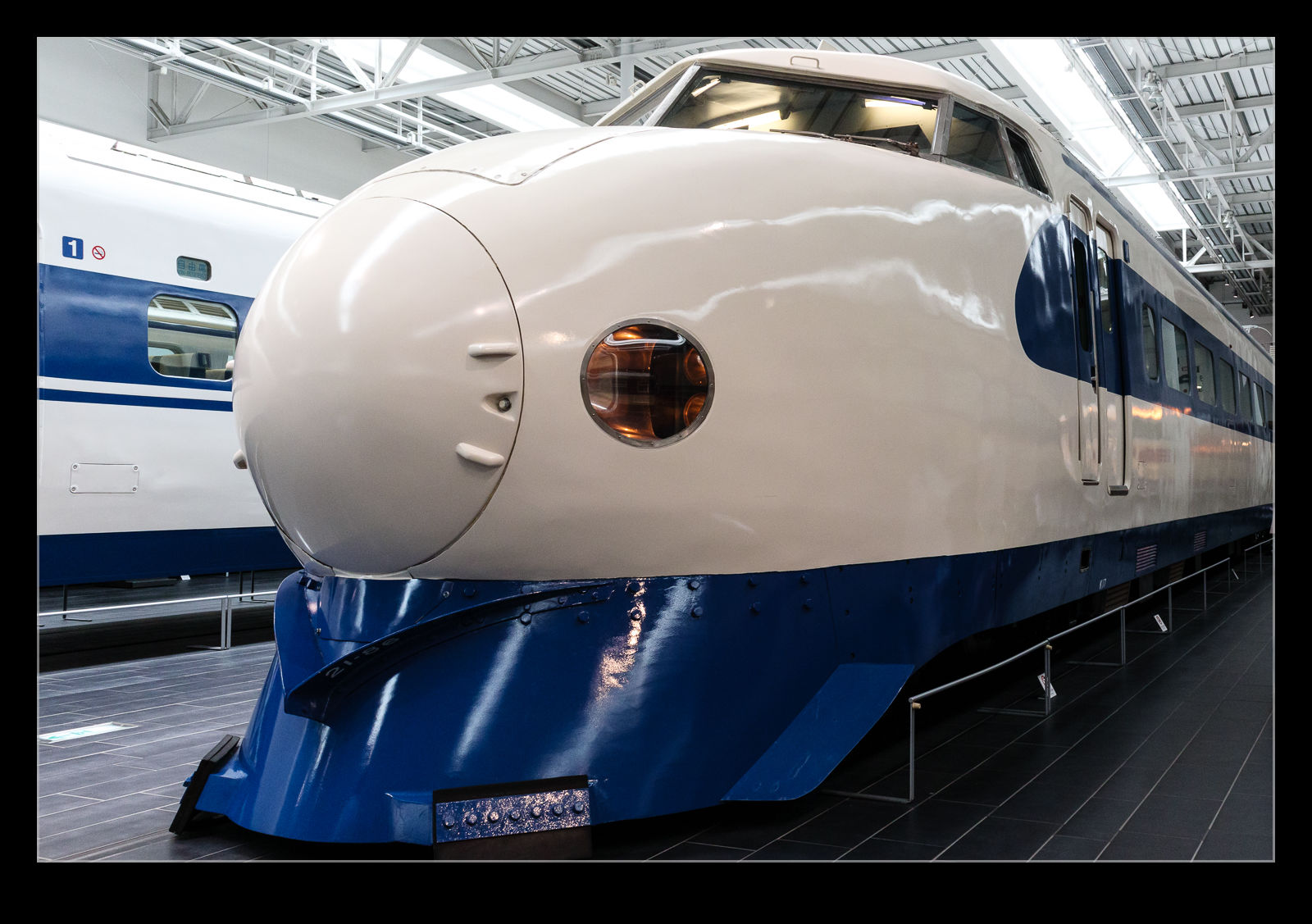
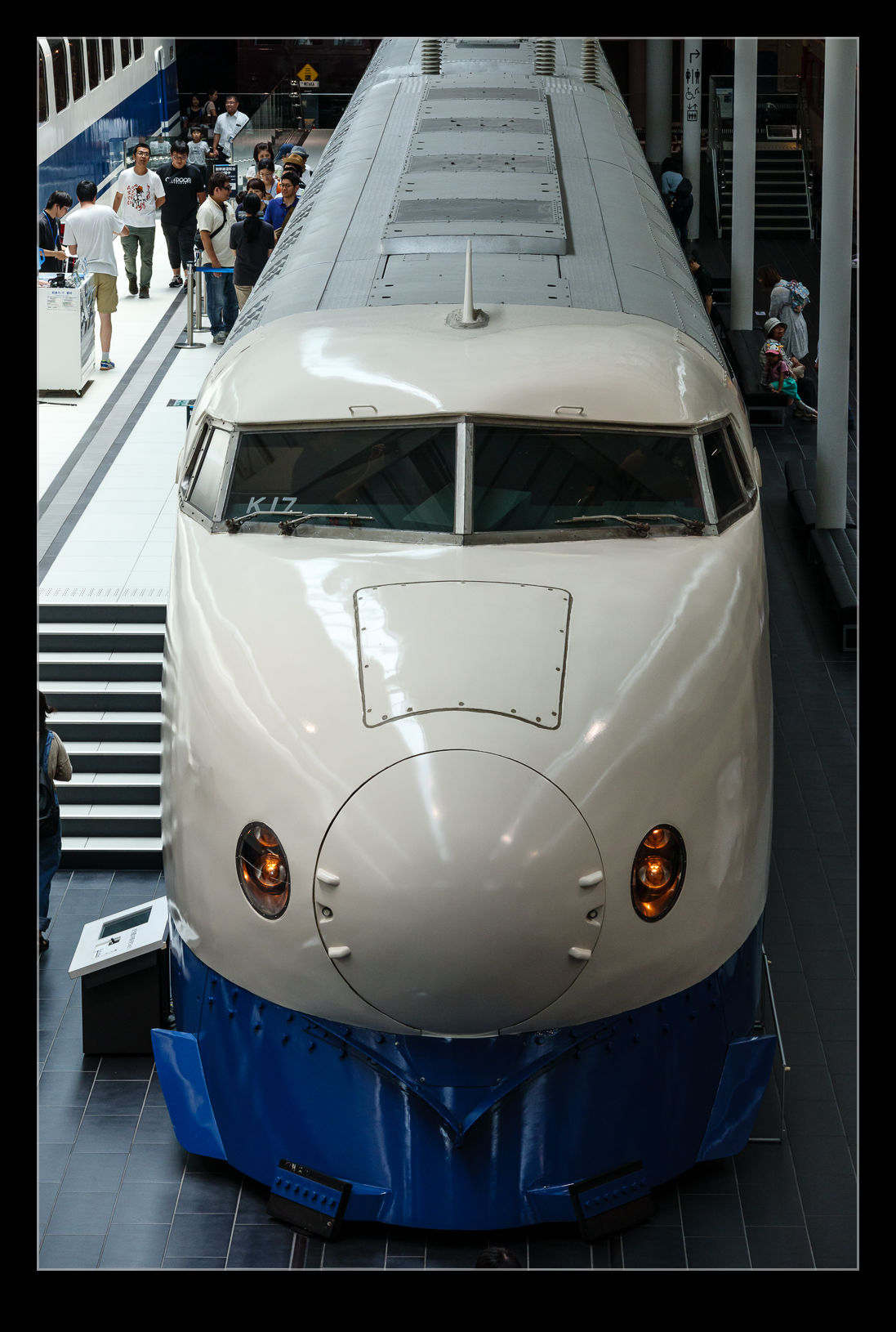
The Japanese Shinkansen trains introduced in the 1960s became known around the world as bullet trains.  The shape of them was well known, often photographed with Mt Fuji in the background.  While other countries developed high speed rail, the Japanese bullet train was often the first one people would associate with the topic.  These first trains are known as the Series 0.  There have been several iterations of design since.  However, the Series 0 is still very recognizable to me and probably others of my generation.

I had seen a Series 0 vehicle once before.  I visited the Nippon Sharyo factory is Toyokawa many years ago and they have a cab vehicle on display by the main gate.  Sadly, I wasn’t able to get a photograph of that then.  Seeing an example at the SC Maglev museum was my second opportunity.  It was displayed alongside a number of the more recent iterations of the Shinkansen but, judging by the number of people taking photos of it, it still has a strong level of recognition.

Red Arrows Launch and Recover

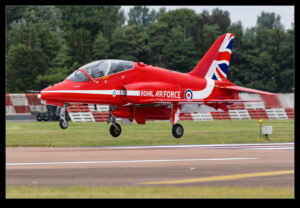
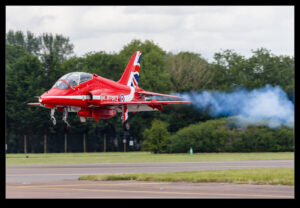
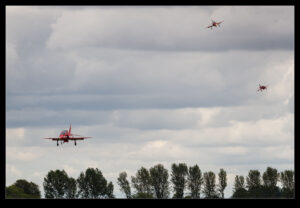
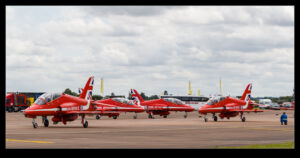
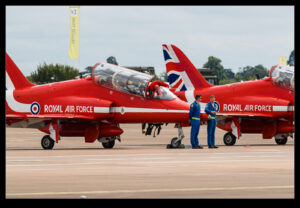
The Red Arrows operated from ramp space at the eastern end of the show grounds at RIAT.  I spent some time down there on one of the days.  It provided a chance to watch them brief, crew up, start and then recover after the display.  Here area. Few shots of the team in action.

Spanish EAV-8B+ Display

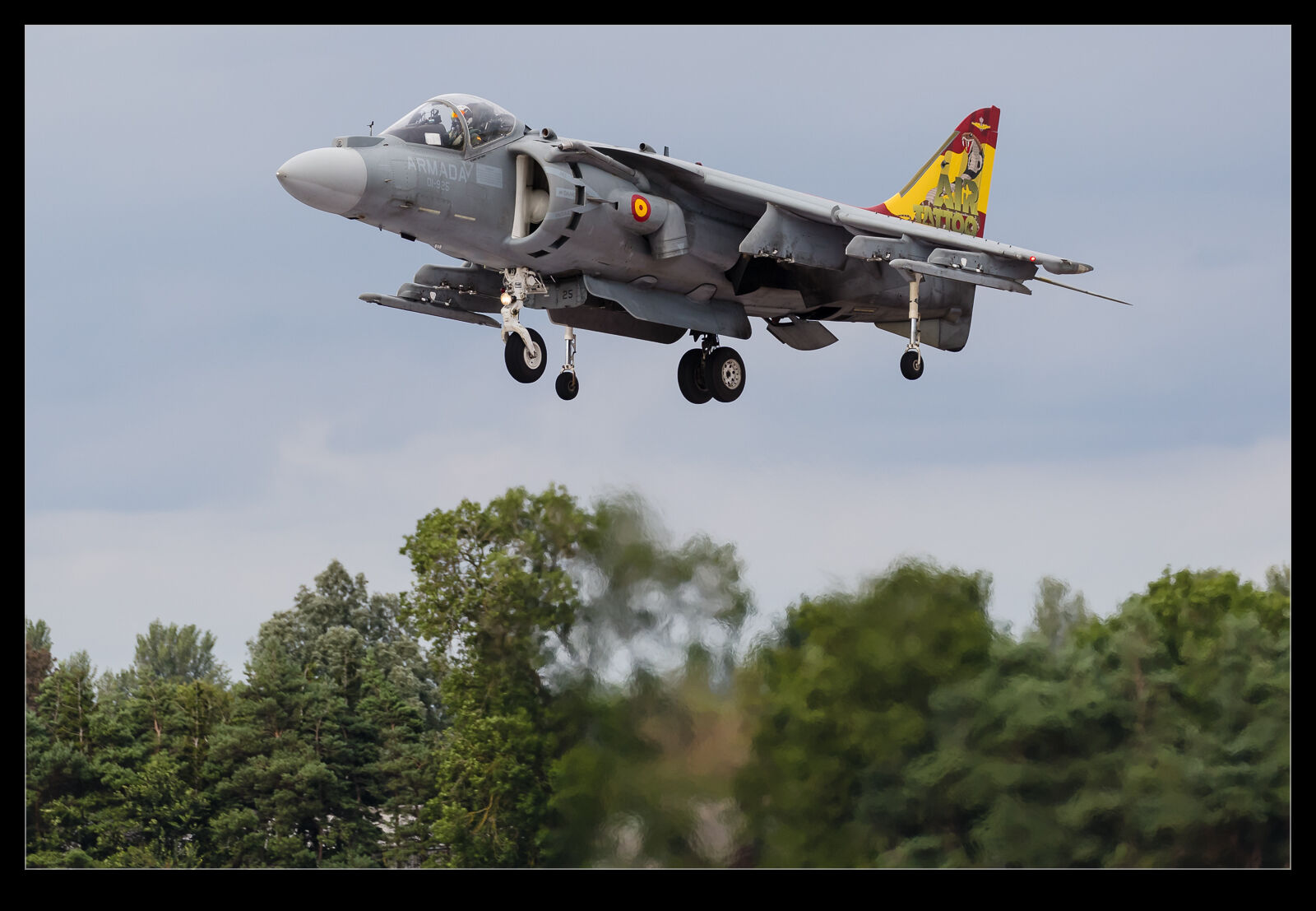
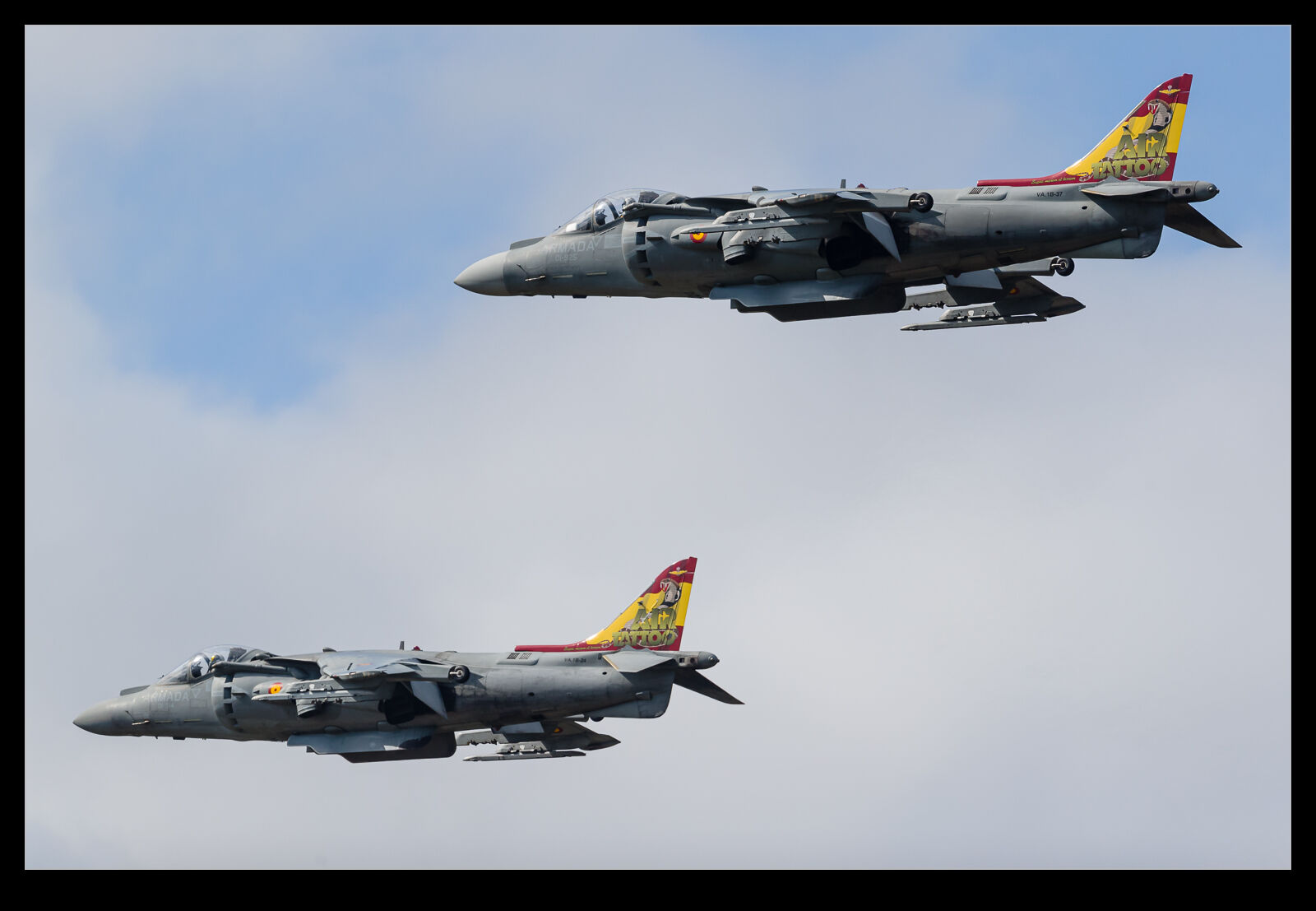
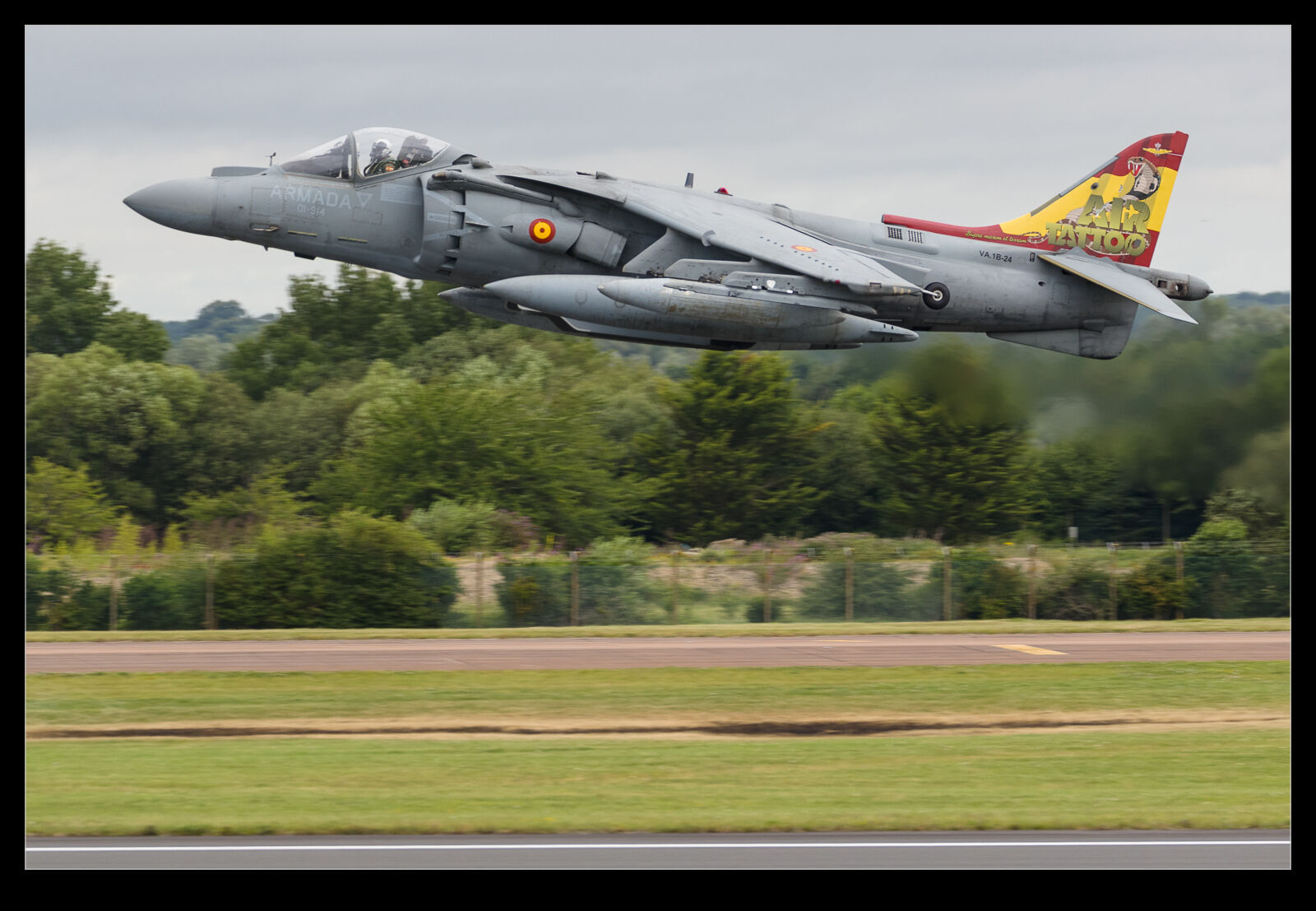
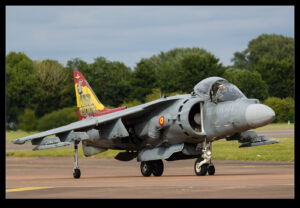
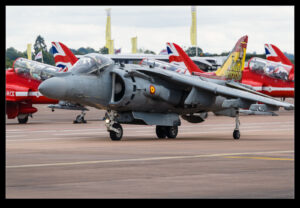
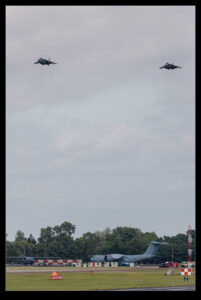
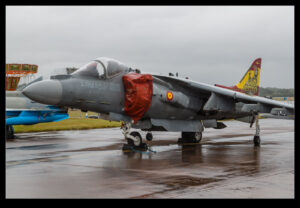
The Spanish Navy Harriers have recently become the darlings of the UK air show scene.  The retirement of the UK’s Harriers left a feeling of longing for many air show attendees and the recent return of the Spanish Navy has made a lot of people happy.  They brought two of the jets to RIAT this year.  They put on a nice job of displaying with both aircraft flying giving some formation work and some faster stuff.  Plenty of hovering of course.

They seemed to be leading a charmed life with the sun seeming to appear whenever they were flying.  Given how the weather was over the weekend, this was no mean feat.  One day I spent down near the ramp when they were operating from so I was able to get some closer shots of them as they taxied out for departure and when they returned.  Harriers are still relatively accessible in the US but it won’t be too long before the F-35B consigns them to history too so it was nice to get some Harrier time again.

A Little Hovercraft Video

I got a few stills of the hovercraft but I also decided to film some video.  For those that haven’t seen hovercraft in action, stills probably do not give a suitable impression of how they rise up above the surface yet still leave a wake.  Quite a cool form of transportation and I do enjoy seeing them.  Hope you enjoy the video.

Nagoya Castle

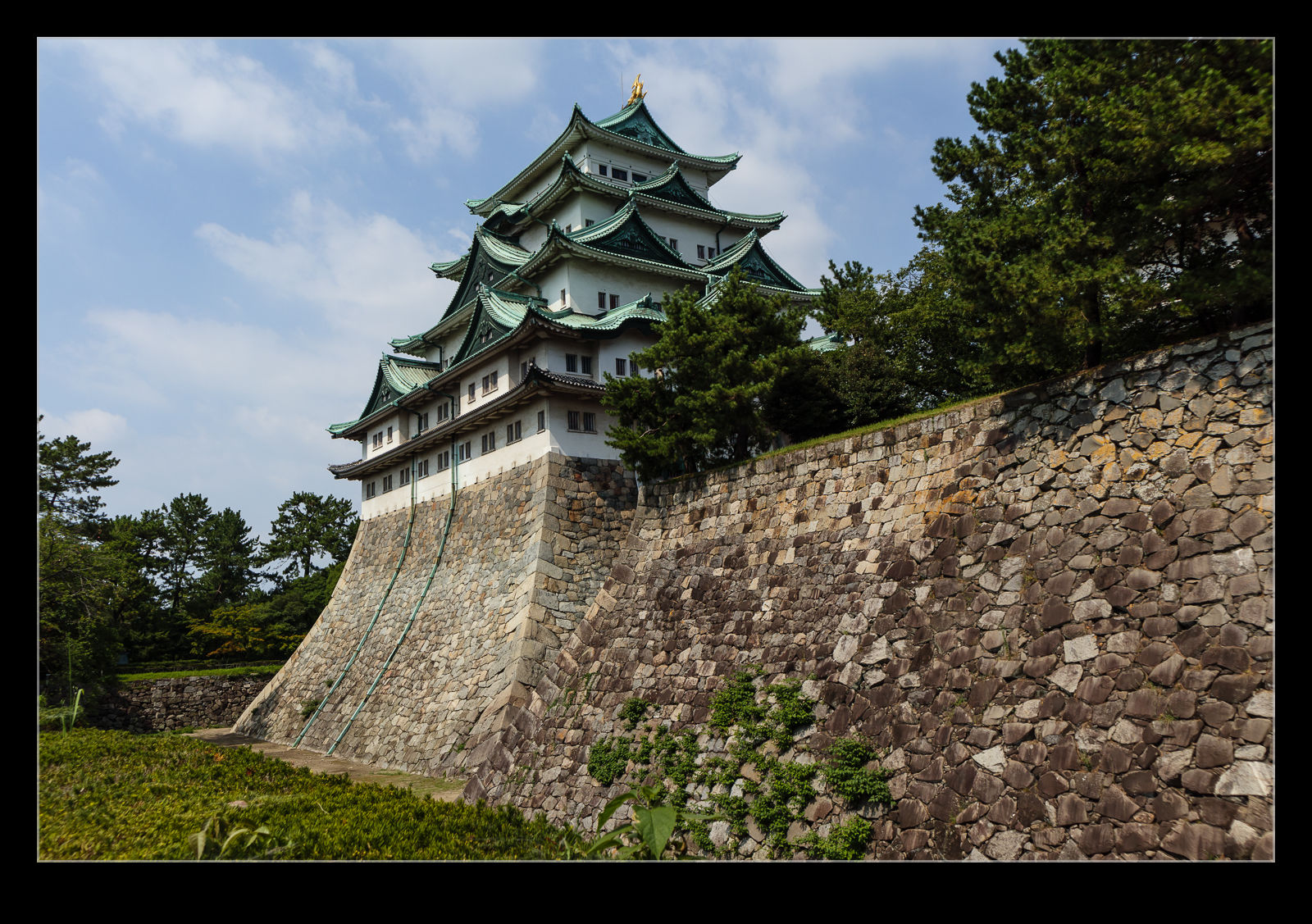
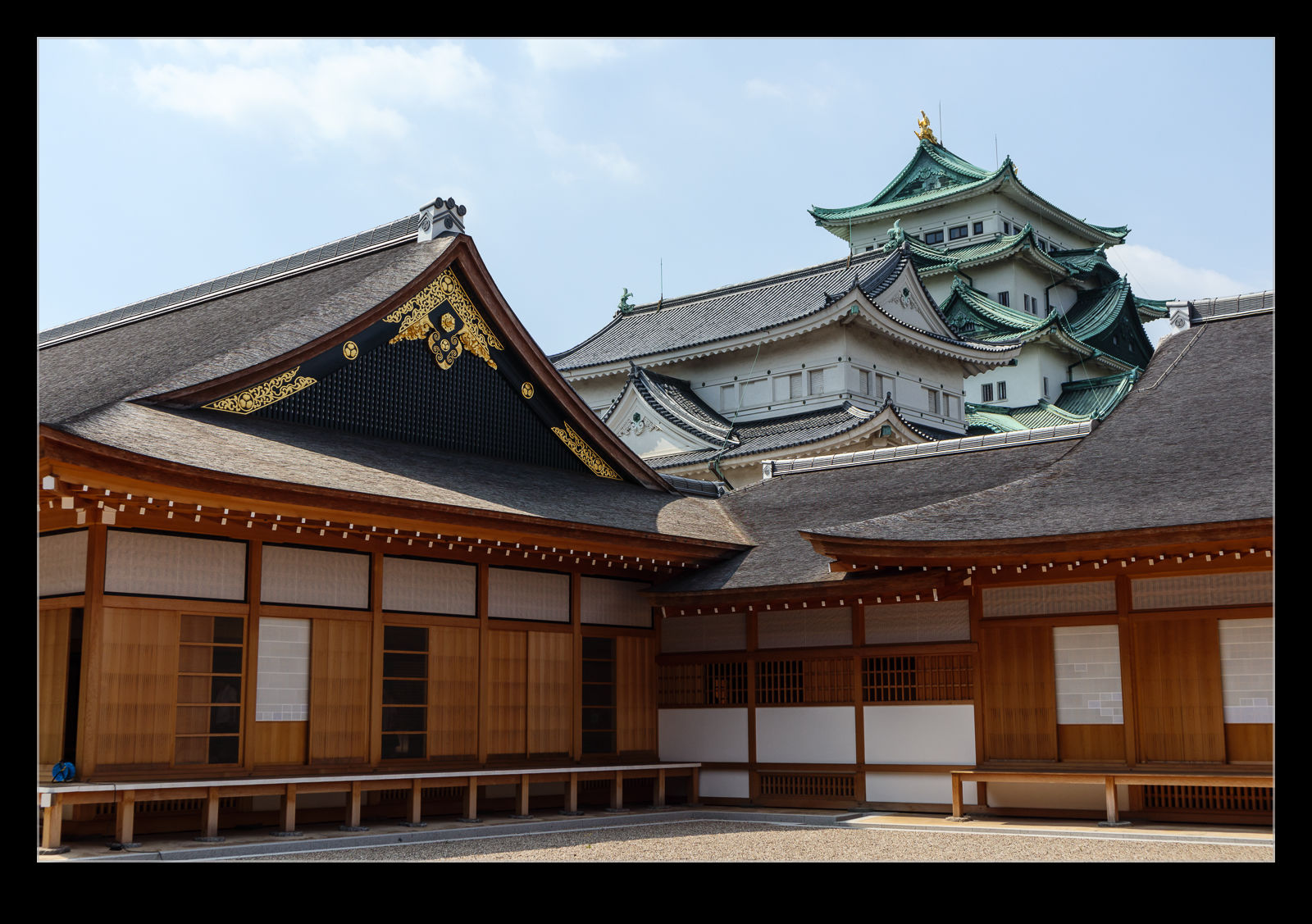
I had a free Sunday in Japan prior to some meetings getting underway so made the trip to Nagoya.  Nagoya is a fair distance from Tokyo but the Nozomi Shinkansen service compresses that journey to just over 90 minutes!  I took the subway to the location of the castle and wandered around the grounds.  It was unbelievably hot.  In the shade it was uncomfortable but when you got into the sun it was brutal.  Still, how often am I going to get a chance so off I went.
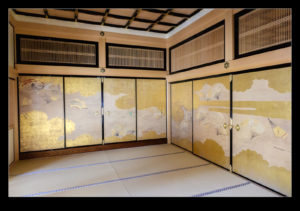
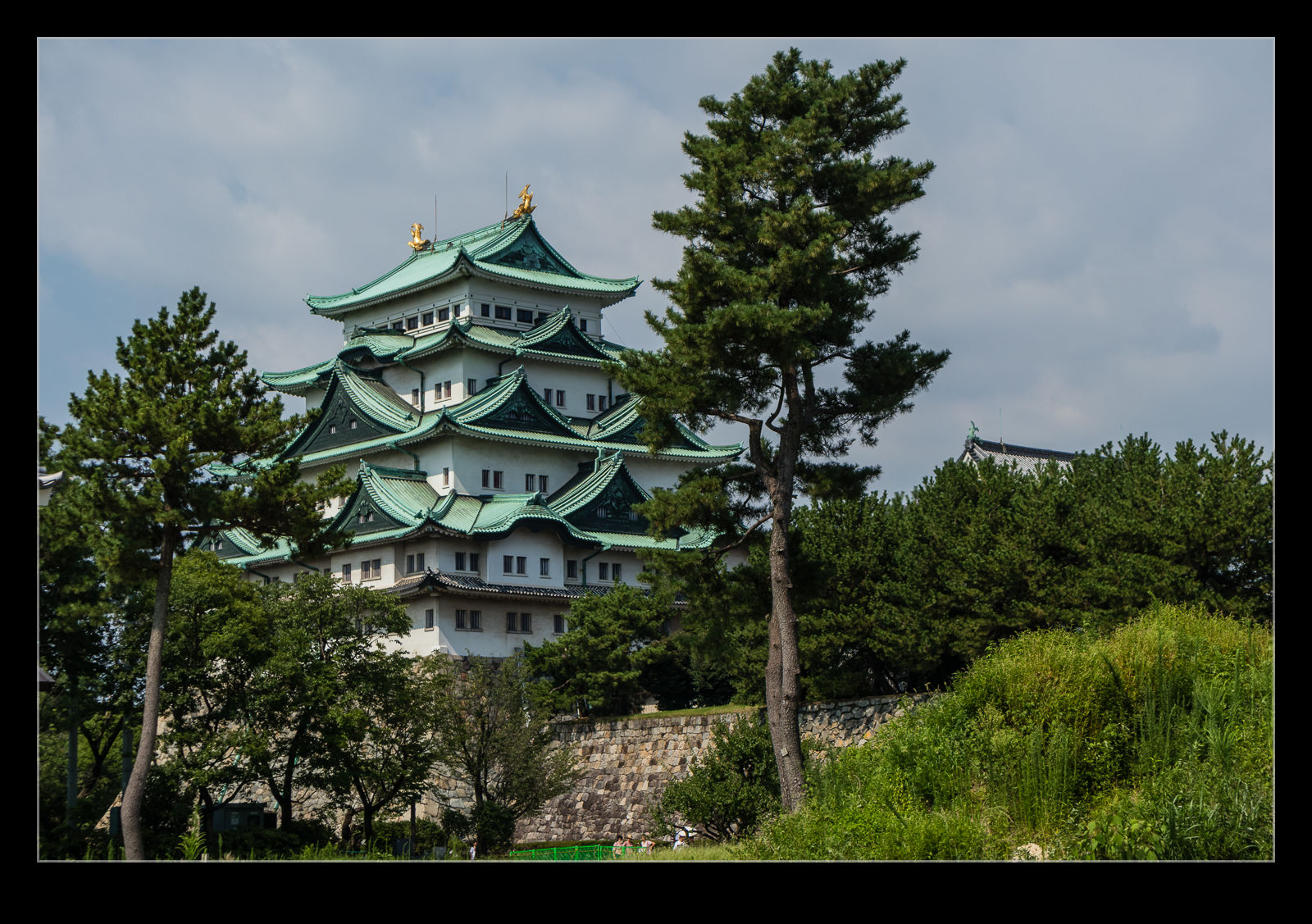
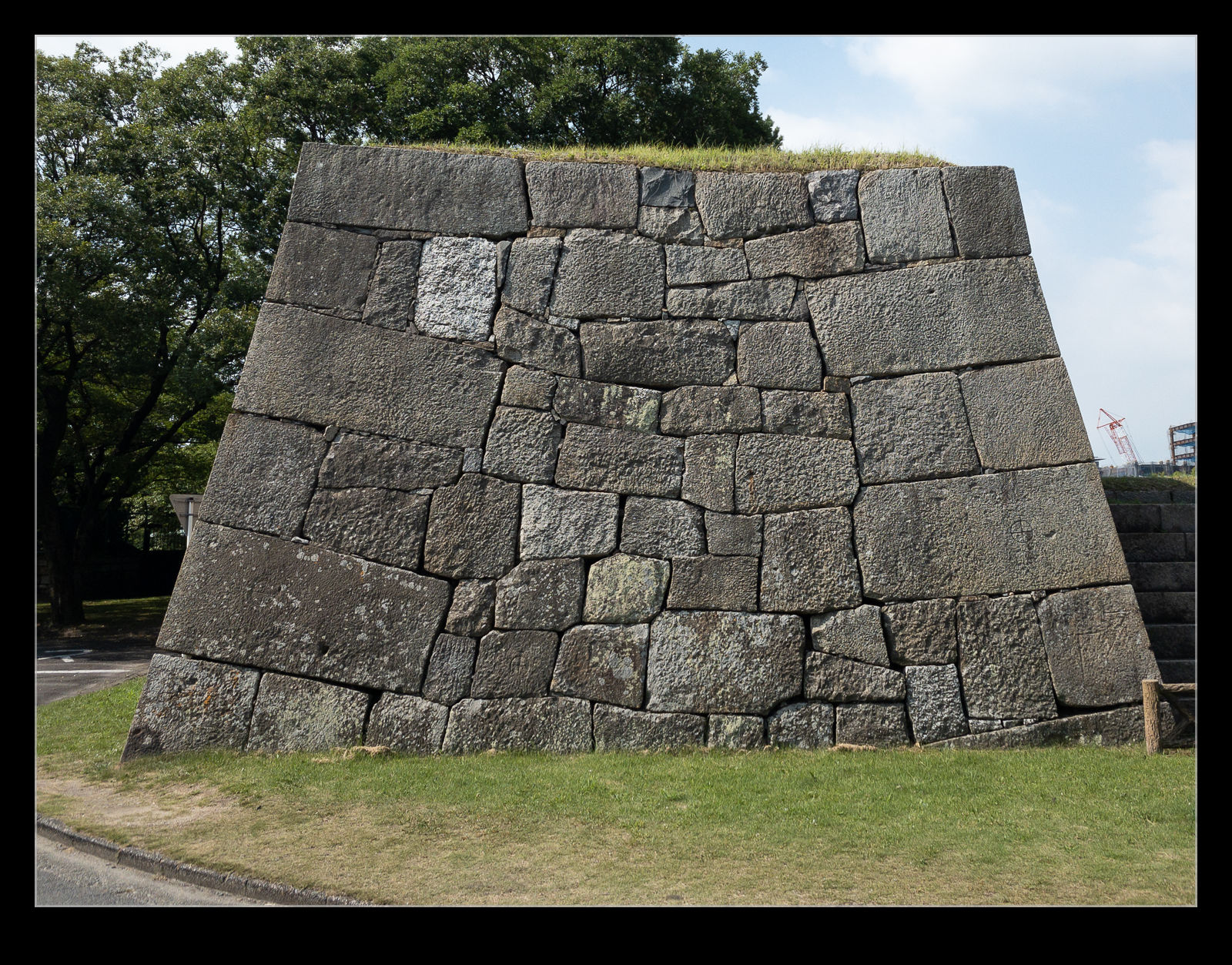
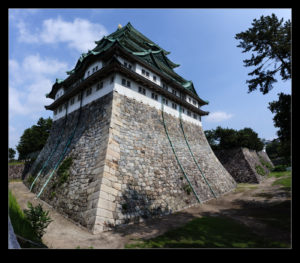
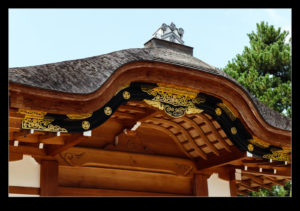
The castle is surrounded by a moat and some very thick walls.  Lots of the structures were destroyed by fire in the bombing at the end of World War II.  The tower was reconstructed in concrete after the war but has now been closed and they are planning to demolish it and reconstruct it in wood like the original.  Other buildings have already been reconstructed in their original materials.

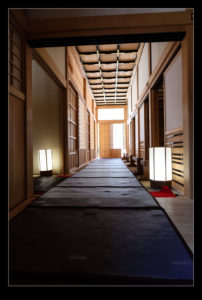
The tower is an imposing structure, even on a sunny and toasty day.  I was able to walk around the perimeter of the main castle buildings in the time I had available.  I had a return train booked based on when I needed to meet a colleague arriving in Tokyo that evening.  Therefore, I needed to keep moving irrespective of how much I wanted to be in the shade!  I had a look in some of the other buildings too.  They were quite simple and elegant in their construction.  I imagine that the whole thing will be most impressive when the reconstruction work is completed.

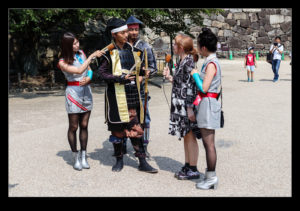
There were actors walking the grounds in costume as I moved around.  They engaged freely with the visitors but I still felt a little weird photographing them as they passed me by.  They clearly didn’t mind but somehow it felt like I was doing something wrong.  Not sure why, to be honest.  Maybe it is just the feeling that comes with being a foreigner.

Tokyo Dome for a Baseball Game

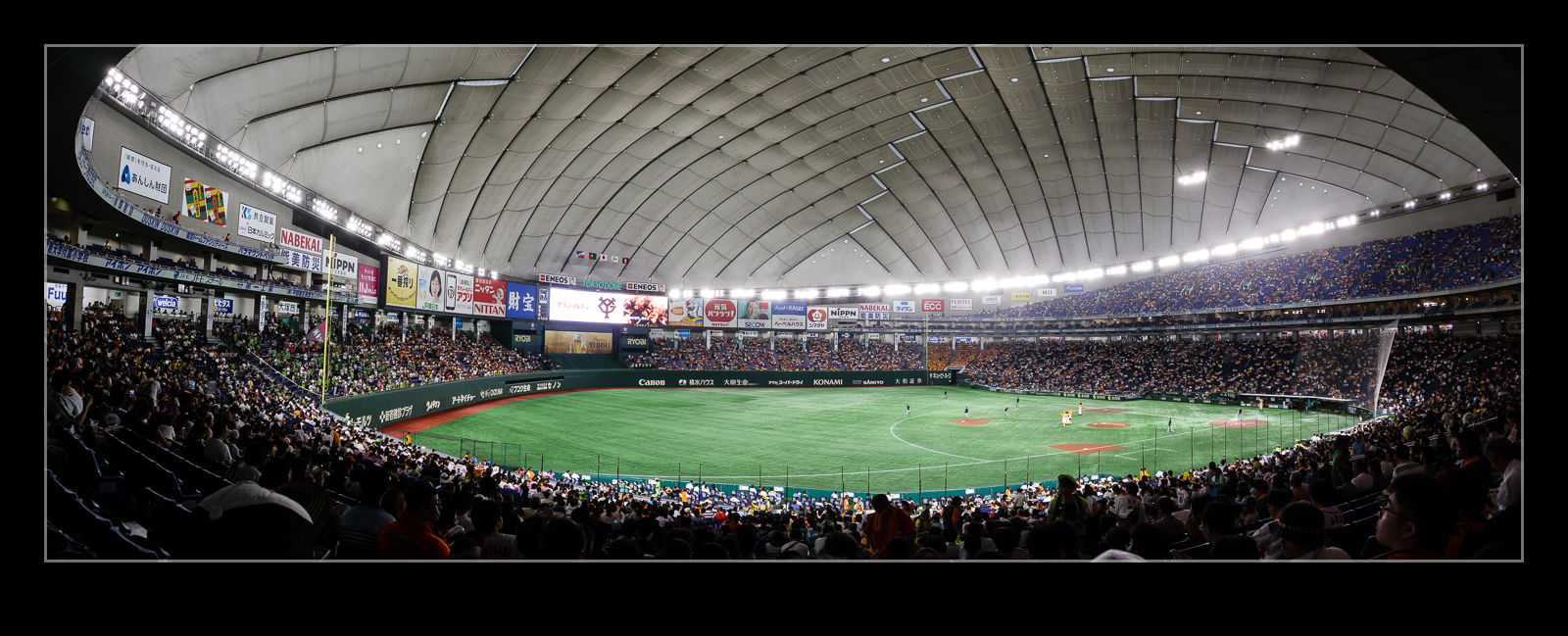
Some colleagues arranged for us to buy some tickets for a baseball game while we were in Tokyo.  The Giants were the home team playing another local team called the Swallows.  The game was played inside Tokyo Dome, an inflatable structure and thankfully one with air conditioning!  Here is a panorama of the interior of the dome during the game.  Baseball games in Japan have some notable differences from those in the US, mainly relating to crowd behavior.  That may get a separate post so I will leave it for now.


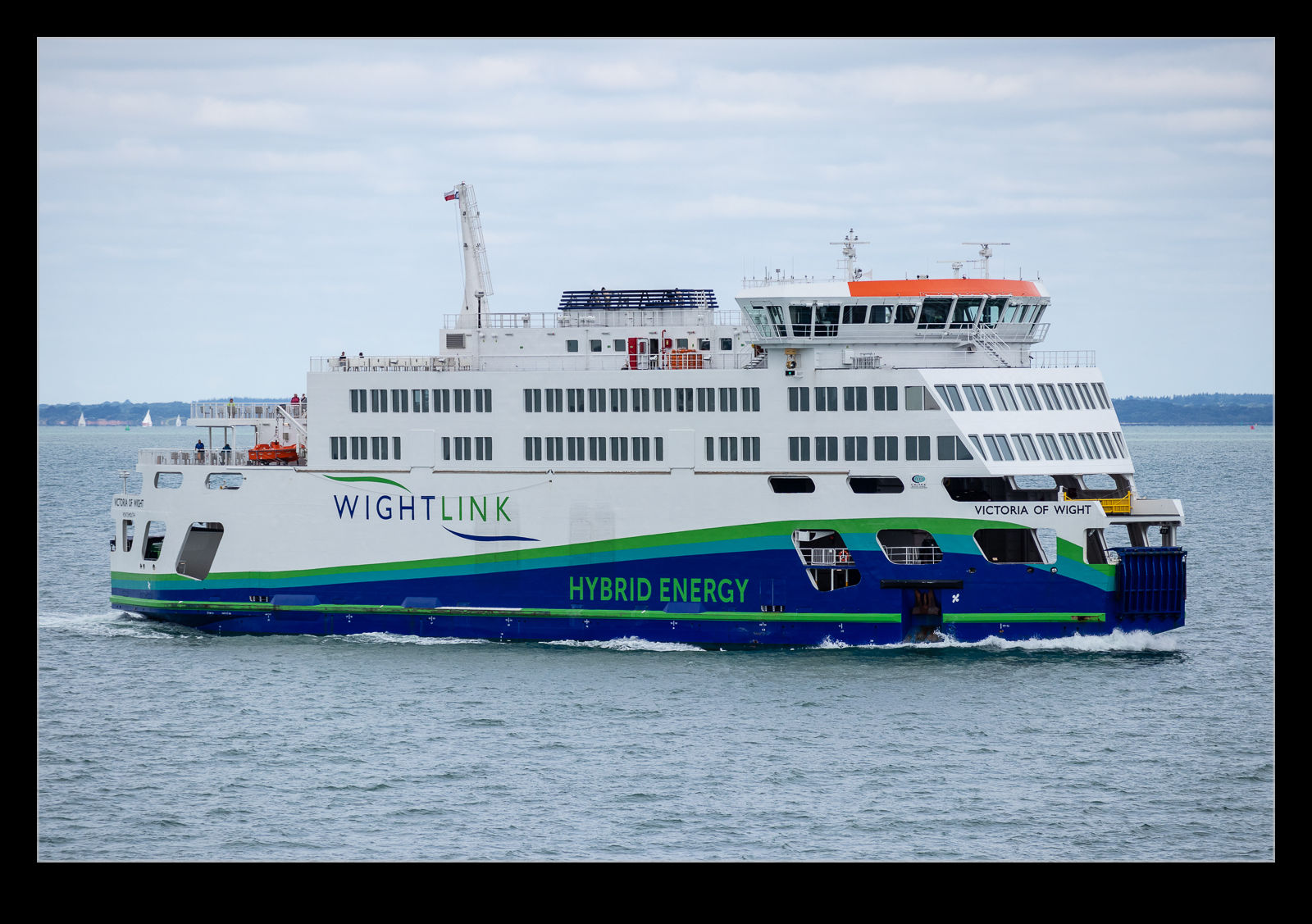
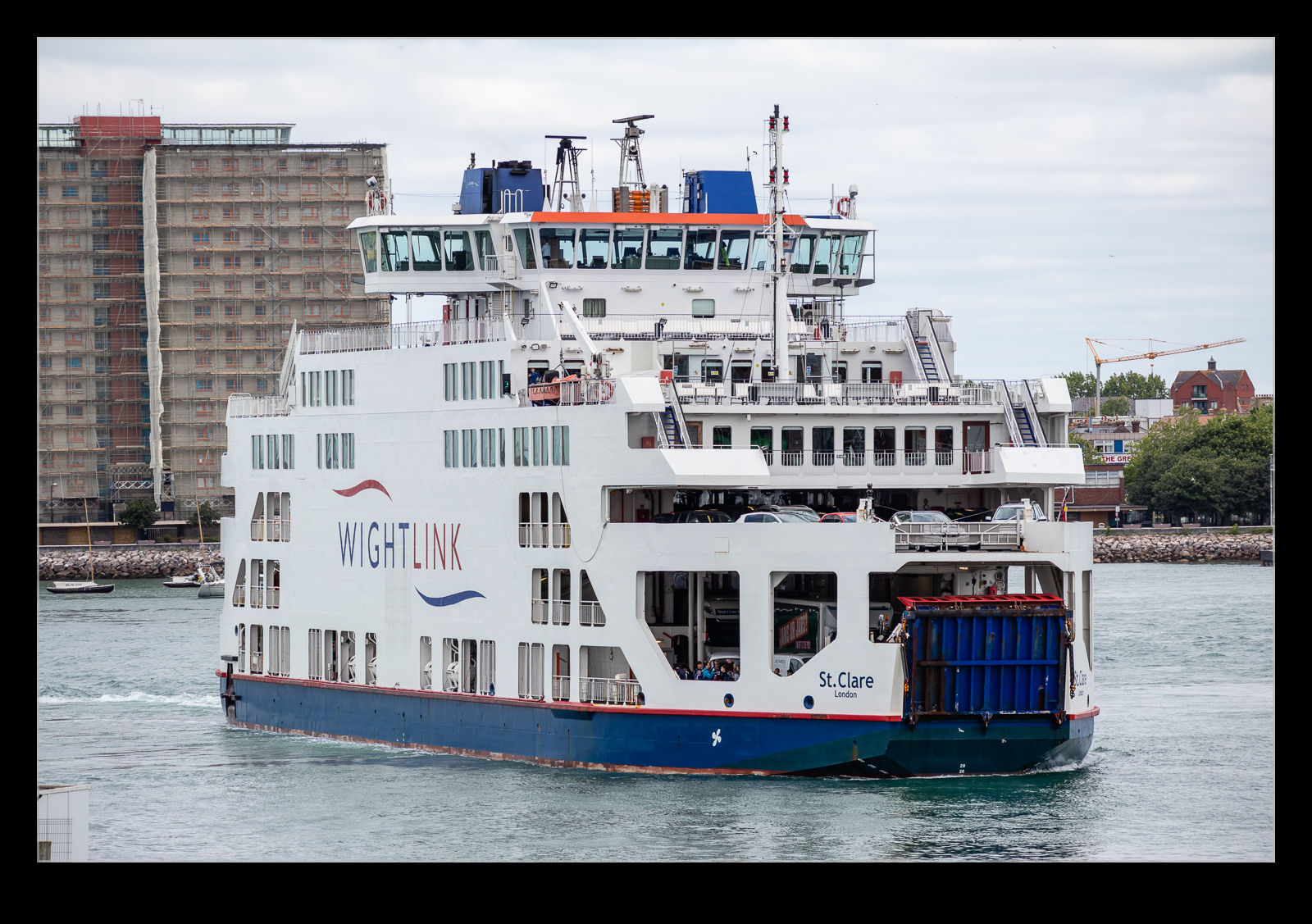
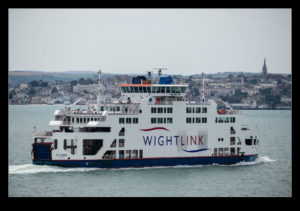
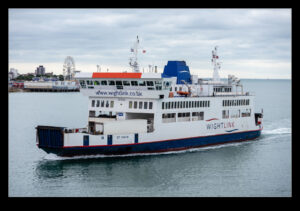
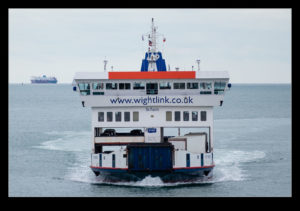
Three Types of Wightlink Car Ferry

Having traveled on the car ferry from Portsmouth to Fishbourne on the Isle of Wight for all of my life, I have seen many generations of ferry come and go.  The oldest ones I recall are Fishbourne and Camber Queen.  These would amaze current travelers with their limited car capacity and very limited customer amenities.  They were replaced by a bigger and better equipped fleet which were replaced in turn but the fleet of Saint named ferries.  Their time has mainly come and gone and now most have been replaced again.

On this trip, I got to ride of two ferries from the newer generation.  They have  a significant increase in capacity that has required the introduction of two level loading to allow the schedule to be kept.  While traveling on each, I got to see the other heading in the opposite direction along with one of the older Saint class.  The latest ferry has again gone away from bi-directional operation and has also added a hybrid power drive of some sort.  No idea how it works but the large logo on the side leaves you in no doubt that it is there.

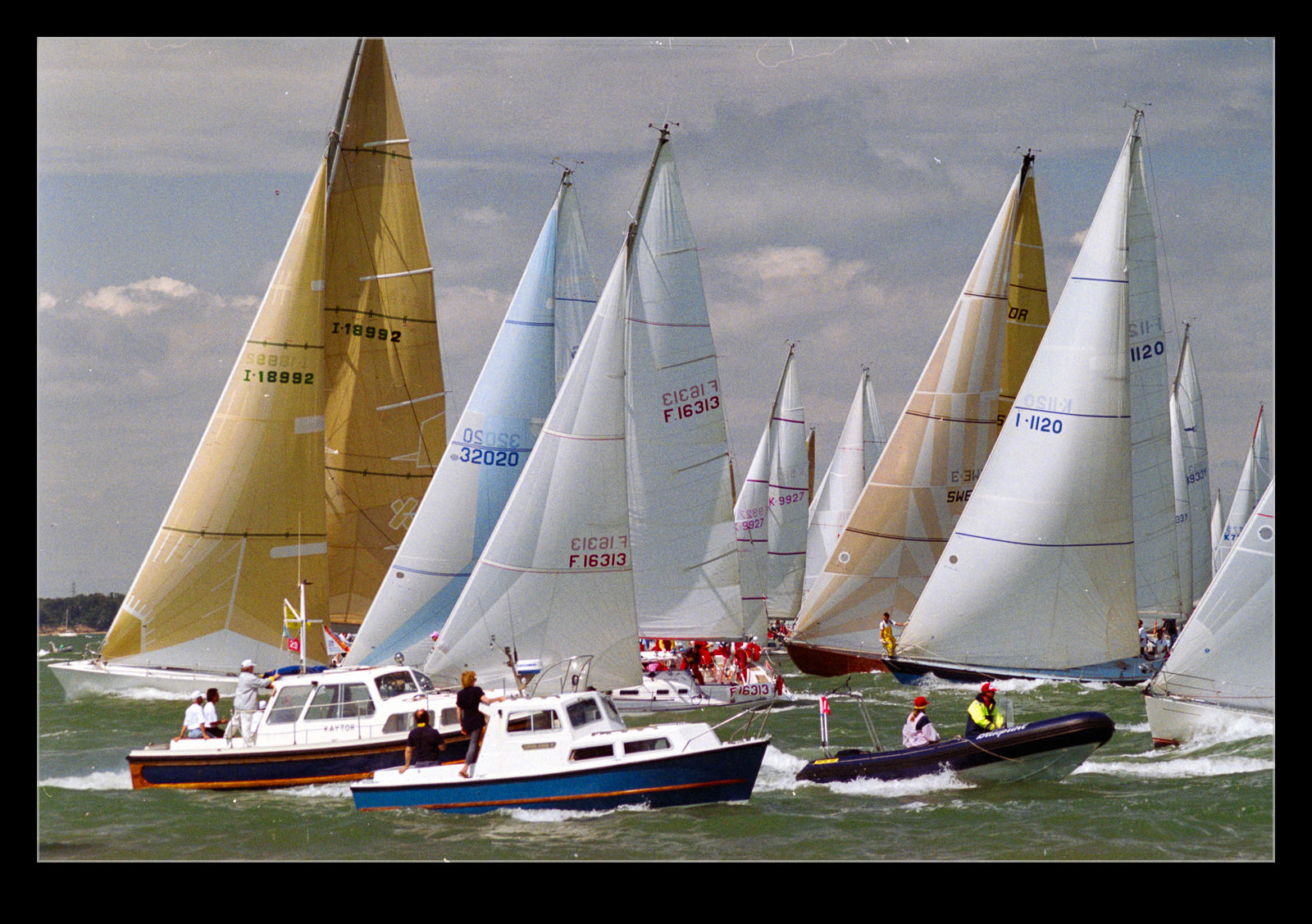
Fastnet Race Start in the 90s

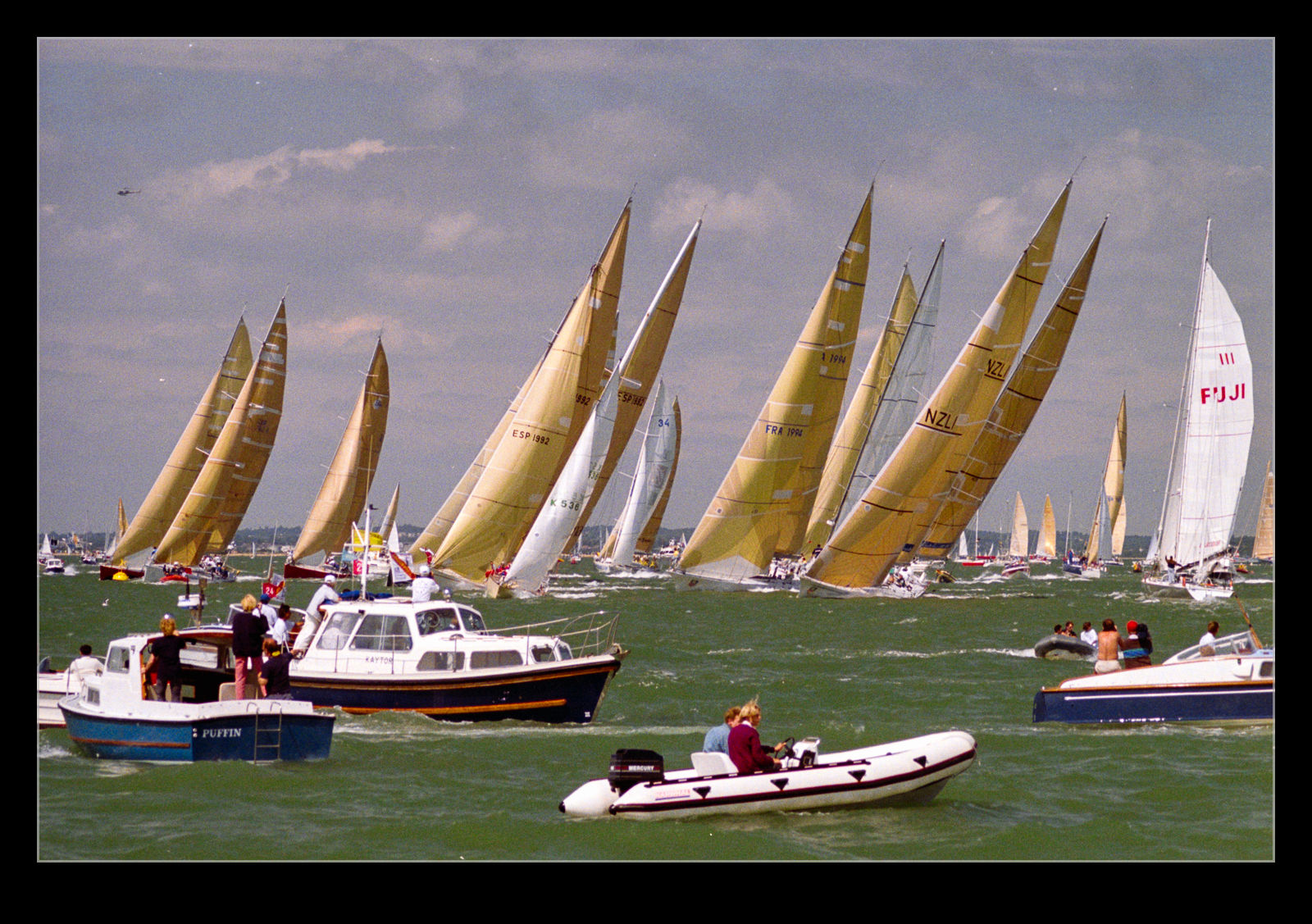
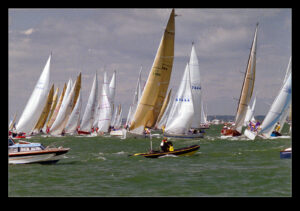
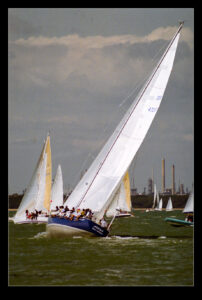
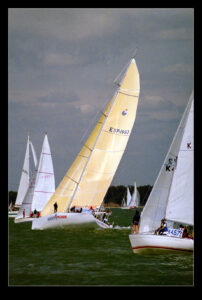
We recently had the 40th anniversary of the Fastnet race that ended up with a significant loss of life and boats.  Weather forecasting technology and the methods of communicating were very different forty years ago and some of the boats were ill-suited to open water racing of that nature.  Growing up in Cowes, the Fastnet race was always a big deal.  It was every other year as part of the Admiral’s Cup.  Some of my school friends got to crew on it.  I watched the start of one of the races when we still lived in the UK and I scanned in some of the shots I got that day.  The start was always frantic.  Boats are jockeying for position, often very close to shore.  Lots of shouting goes on.  With a good wind, big sailing boats look so cool to me.