The Most Unpopular Bridge

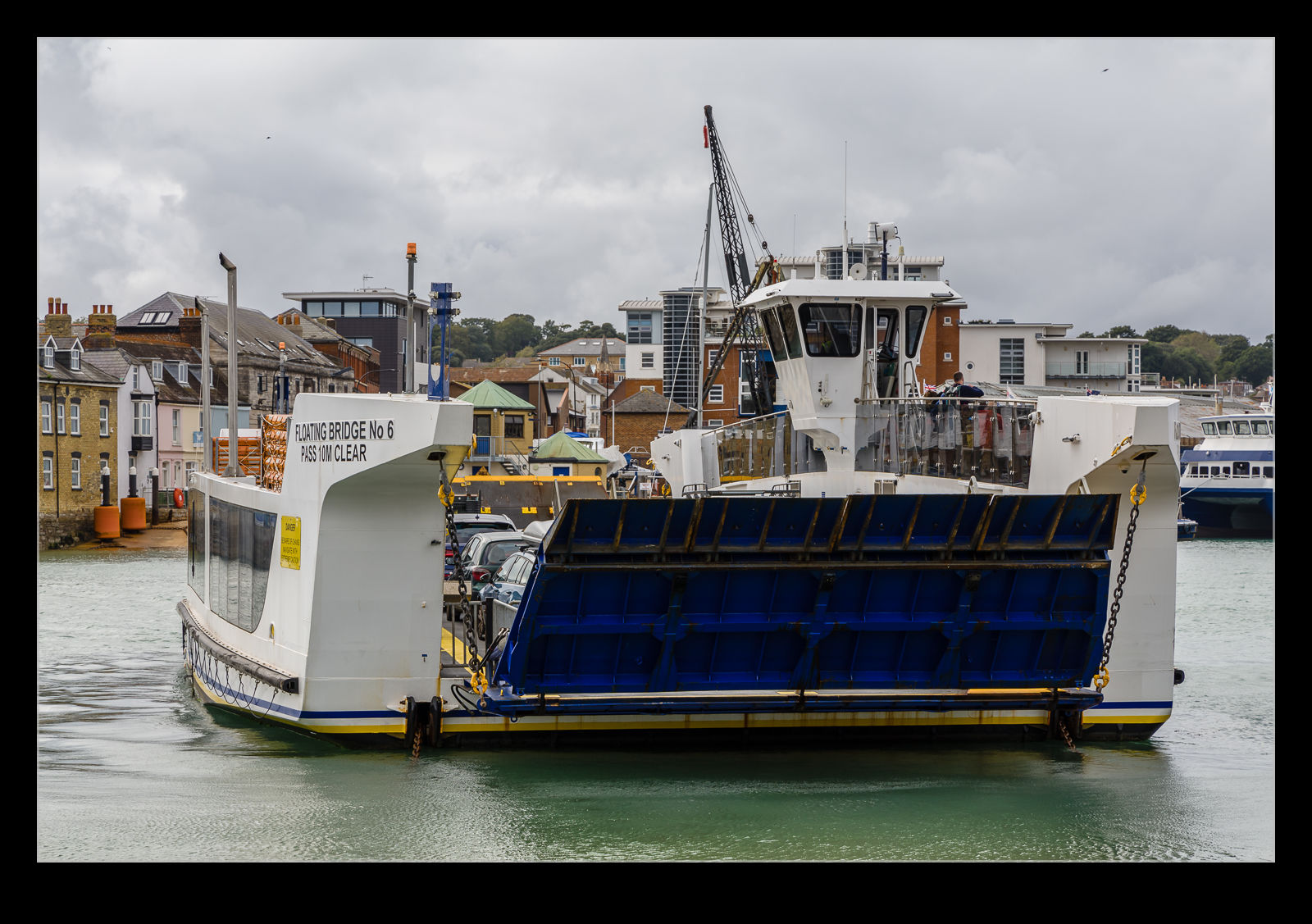
I spent a lot of my childhood in a town called Cowes on the Isle of Wight.  Cowes was on the coast by the outfall of the River Medina.  The other side of the river was East Cowes and the two were connected by a chain ferry known to everyone as the floating bridge.  I remember as a small boy when the previous floating bridge got replaced with a newer and larger version.  This same one was in service until relatively recently.  A new one was ordered and its introduction to service has not been smooth.
I see the content of some Isle of Wight Facebook groups and complaints about the new bridge are widespread.  Like most people, I don’t know the actual details of what is behind the problems, but the online experts know everything, and the accusations of corruption are widespread.  In my experience, the most likely problem is just a screw up.  People make mistakes a lot and looking for a deeper reason is usually fruitless.  I don’t even know if it is all working properly now, and everyone is rehashing old stories or whether it is still problematic.
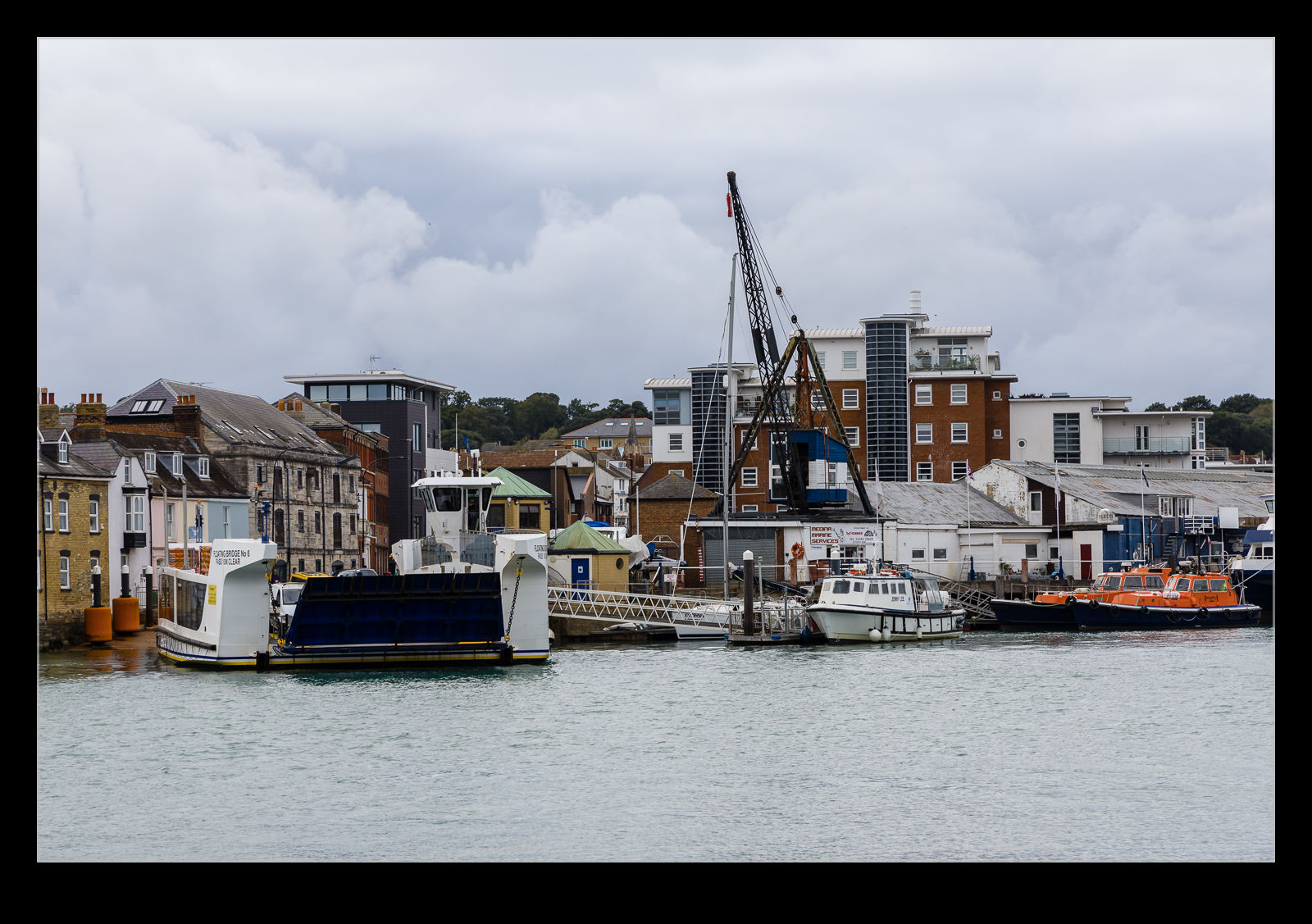
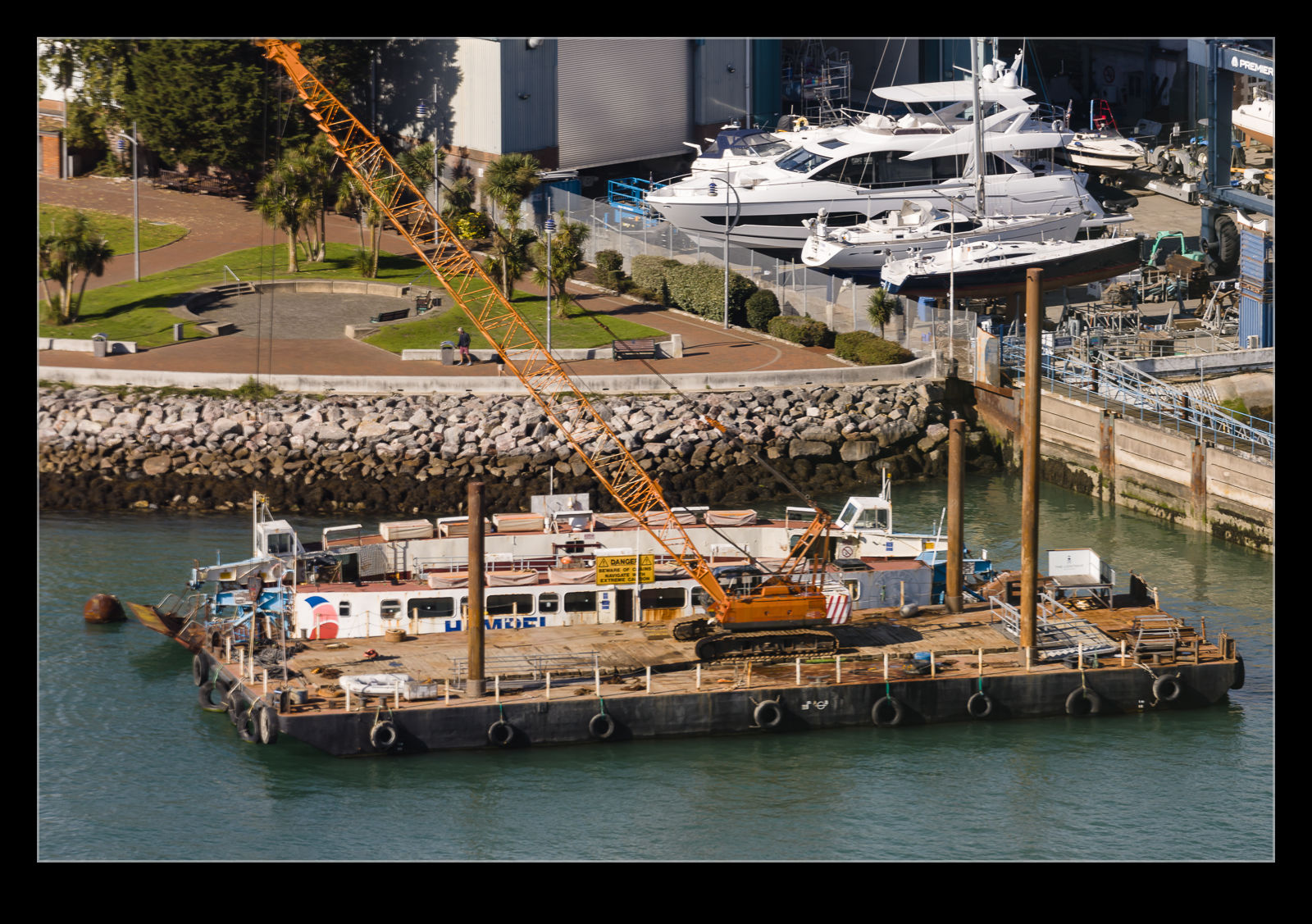
We did take a trip on it though.  It was working and we needed to get from East Cowes to Cowes so we gave it a go.  Everything was fine.  However, it was busy and the car in front of us was the last one to get on.  That did give me some time to get some photos of it and I also took a little video too.  As an aside, while we were in Portsmouth, I saw the old bridge laid up awaiting its fate.
Shocks On The Sneak Pass

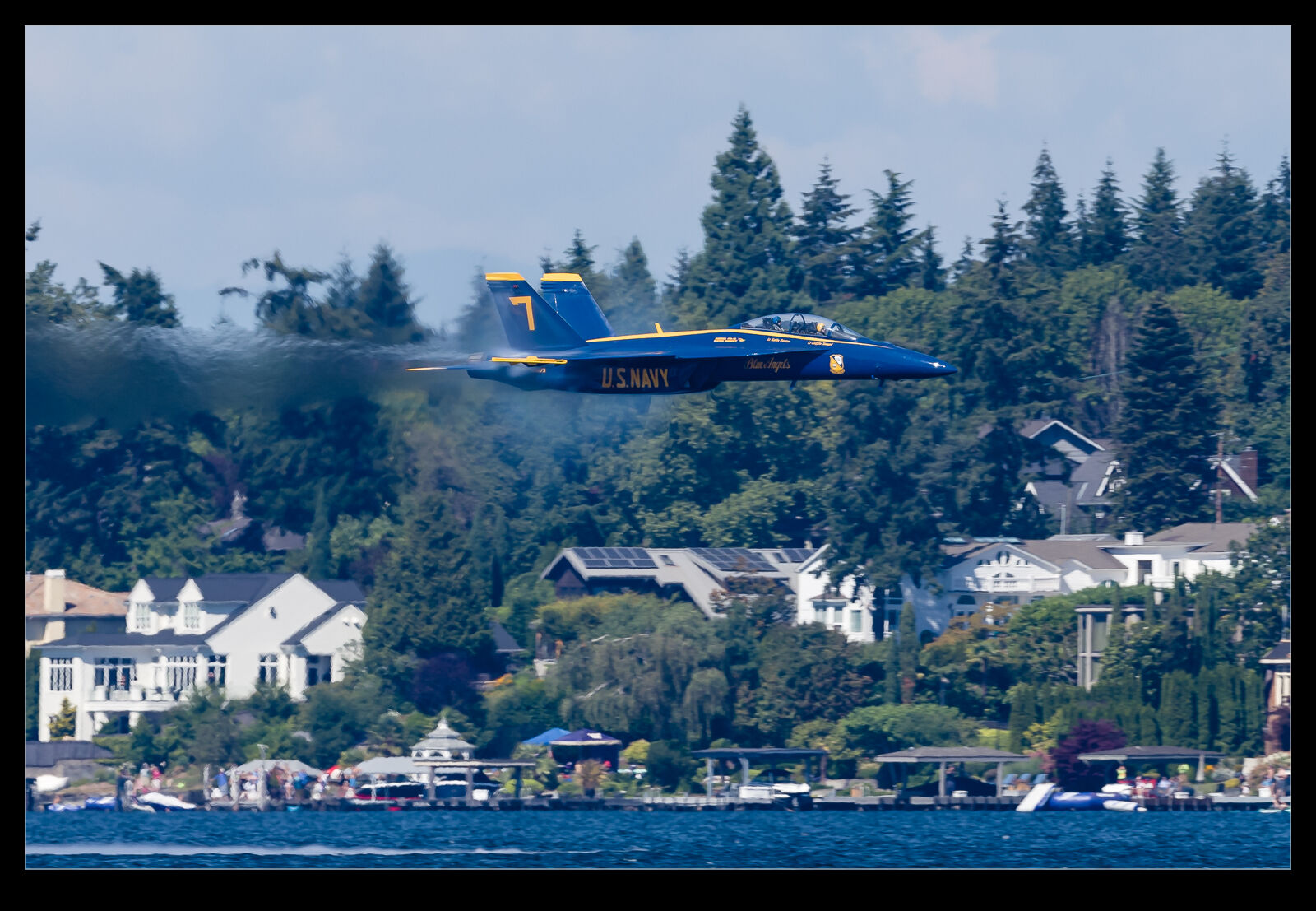
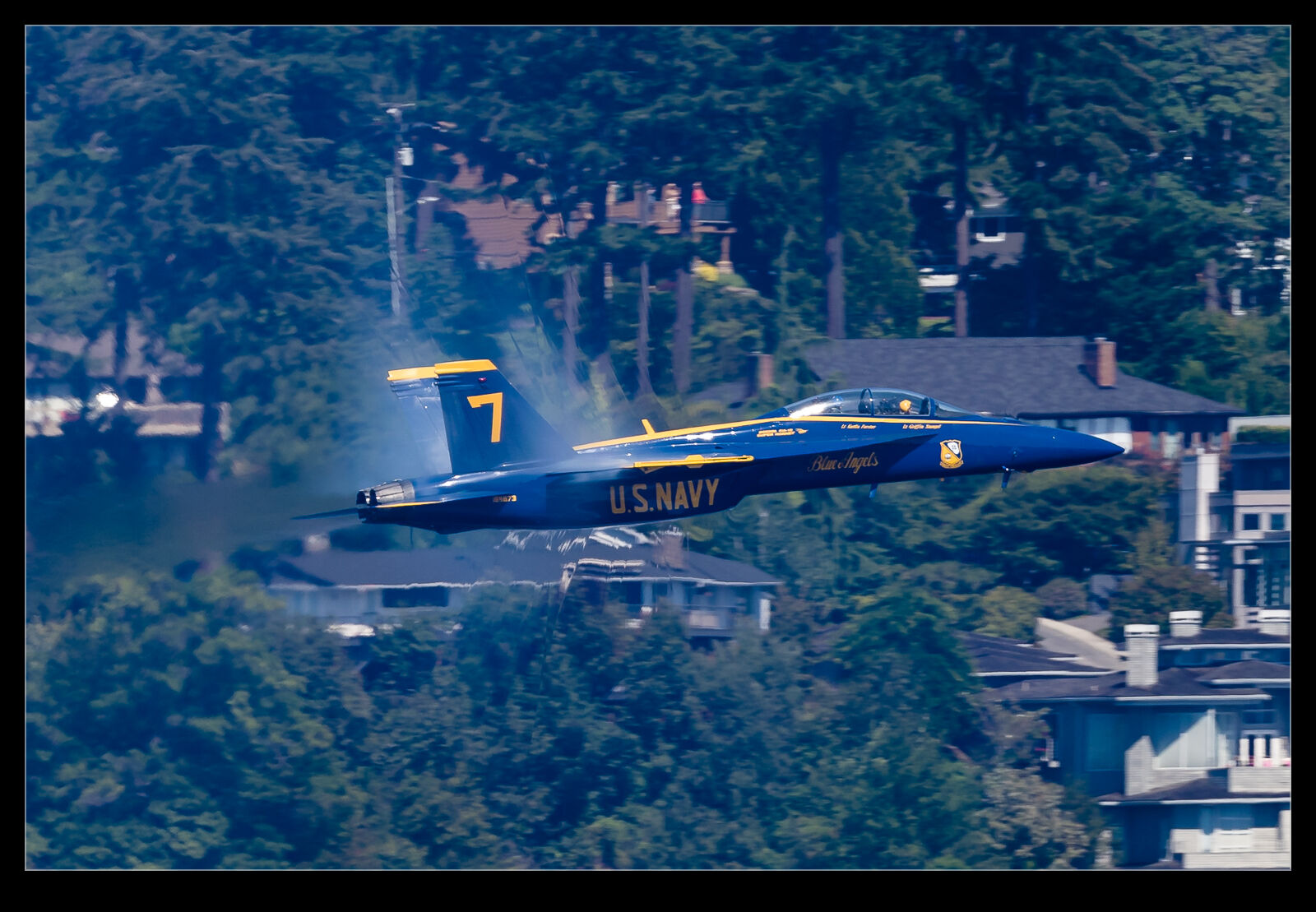
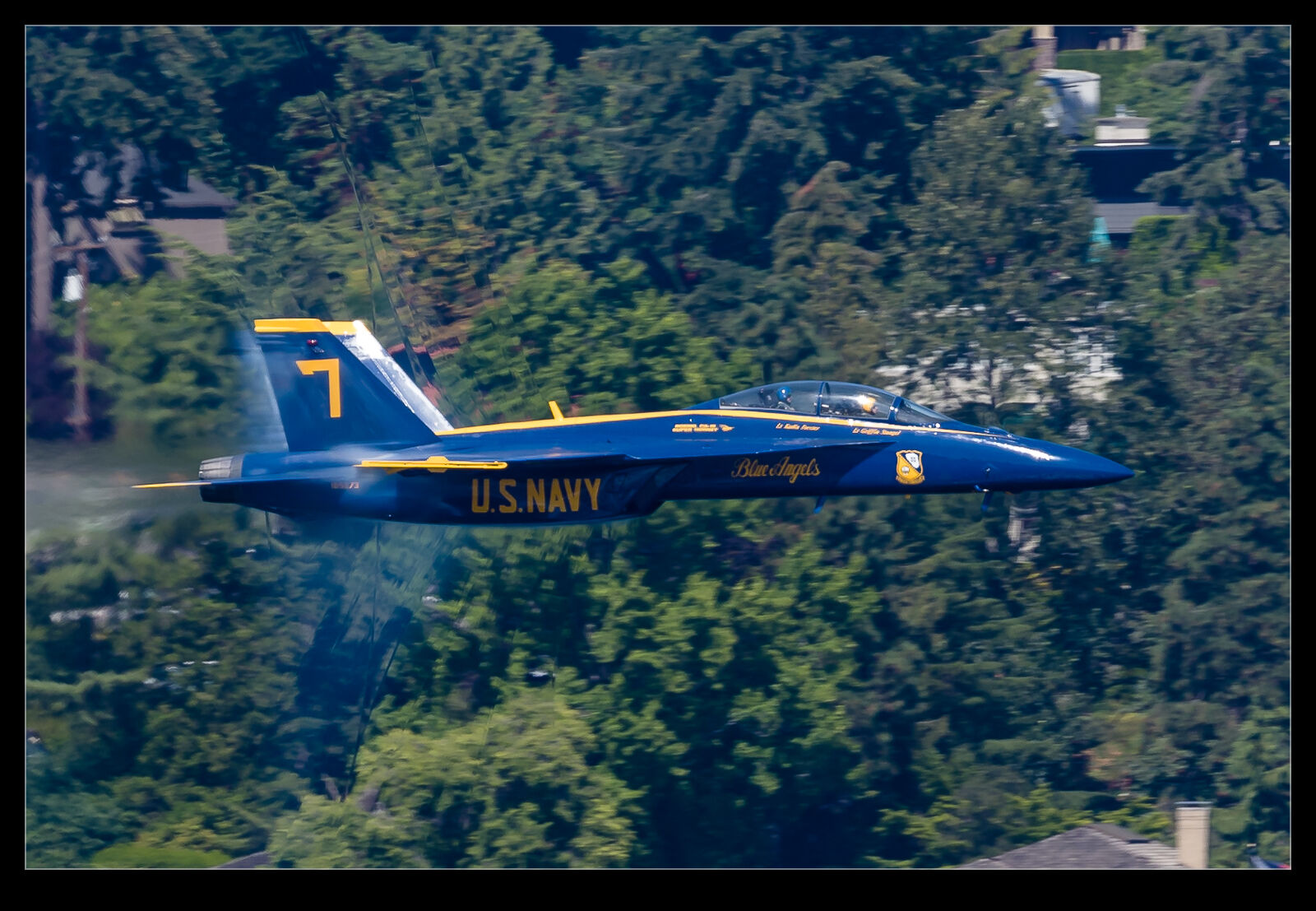
One of the highlights of the Blue Angels’ display is the sneak passes.  The display is good but the sneak pass gets the jets as fast as you are going to get in their routine and there is a chance of vapor cones forming around the shocks and expansion fans.  A display over water enhances the chance of the vapor.  The distance of the display line on Lake Washington was a little disappointing as the jets were quite far away but the advantage of this location was that Mercer Island provided a backdrop.

The benefit of this backdrop was that, the rapid changes in density of the air in the shocks and expansions makes the refractive index change and this will distort the view of the background.  With a clear sky, this is usually not visible but, with a background, you can see the shocks around the airframe.  This is a rare opportunity.  Fortunately, while there was little vapor, there were plenty of shocks.  I was quite happy when I got home and studied the shots of the display to find I had some good results.  It would have been great to have been on the media boat but let’s not complain.

Inside A Boiler

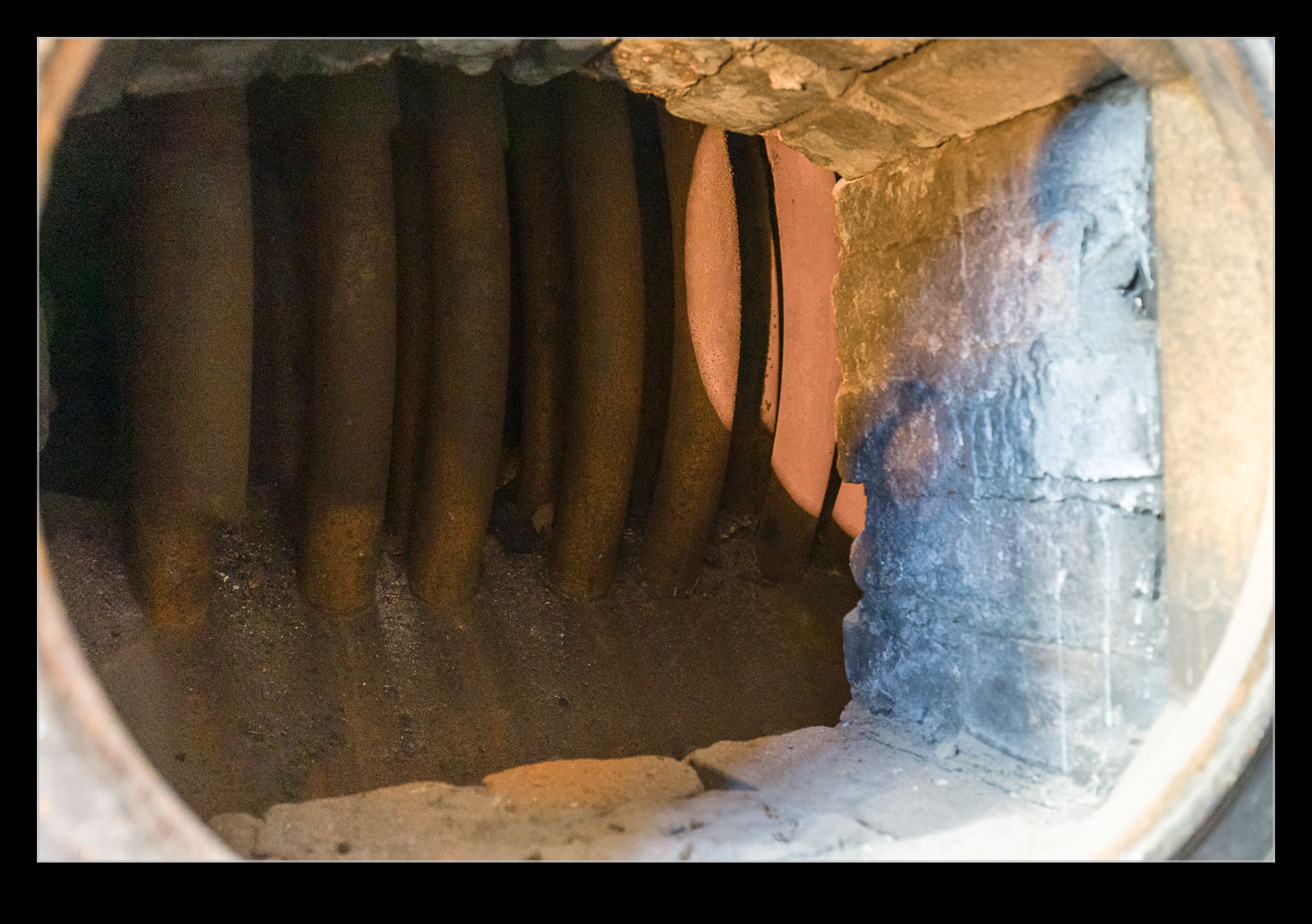
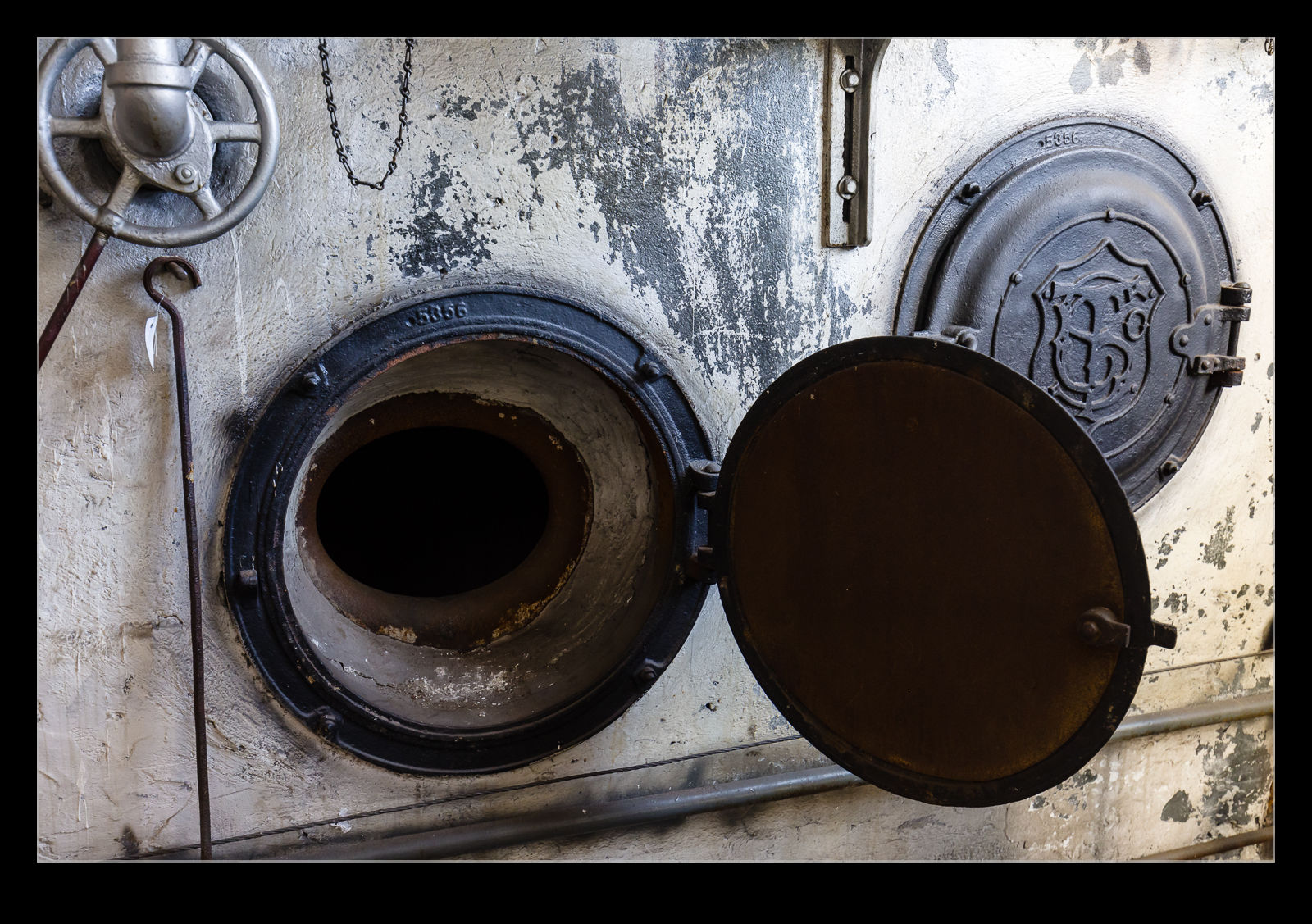
Within the Georgetown Steam Plant, one of the docents was keen to show off the details of the boilers.  These were originally oil fired but, during the Second World War, they were converted to operate using coal.  After the war, they were reverted back to oil and there are hardly any signs left of the coal configuration.

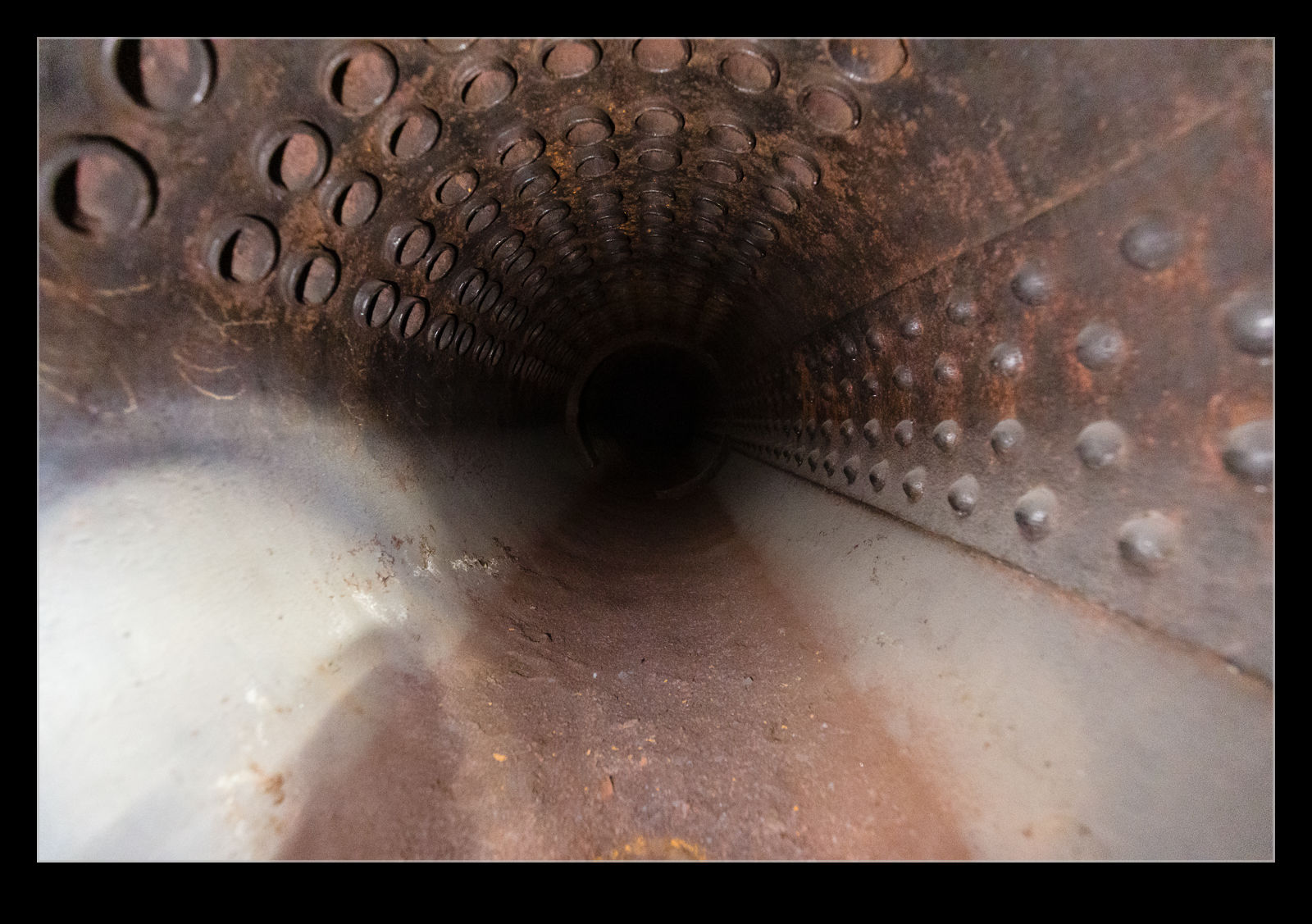
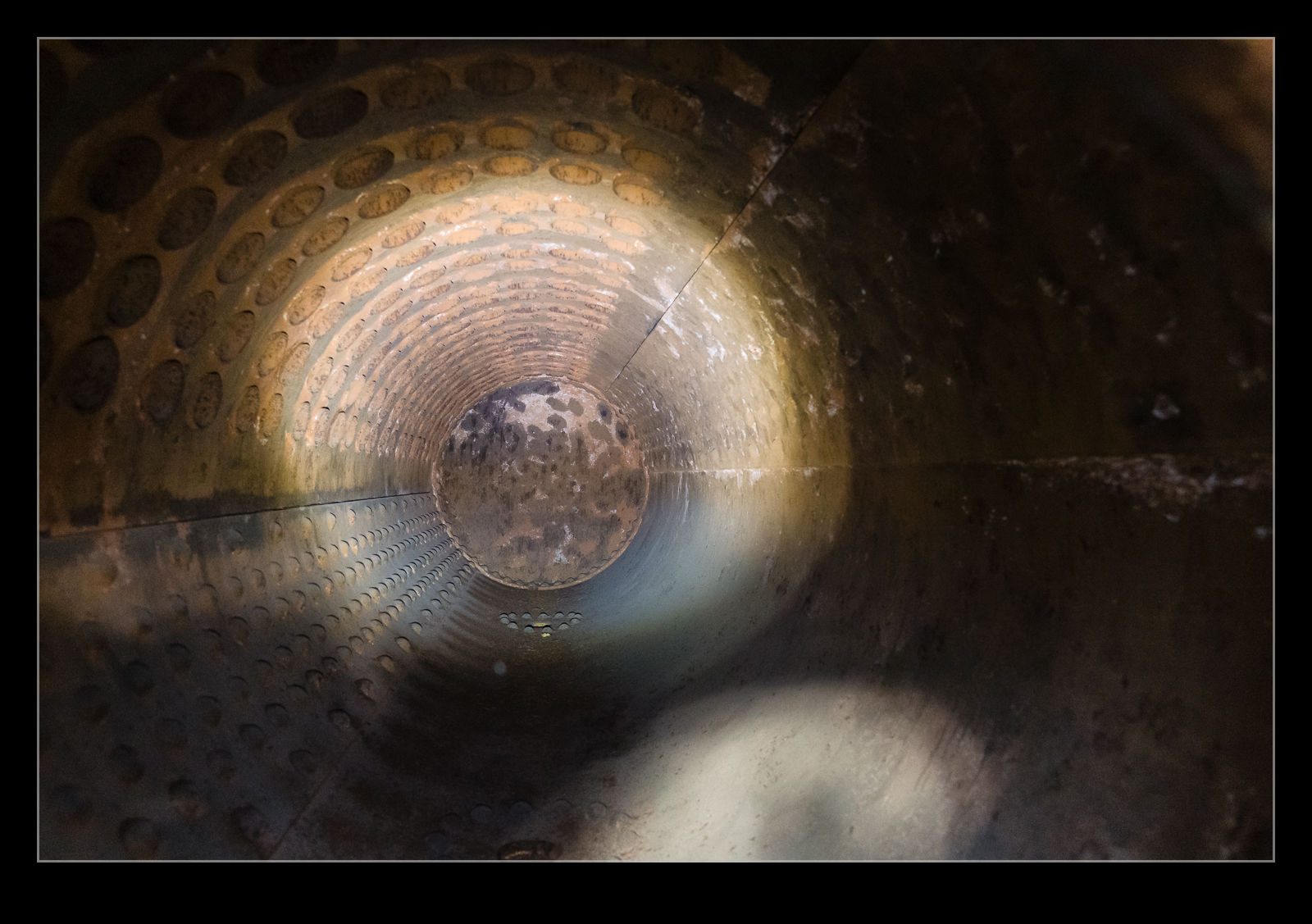
The layout of the pipes within the boiler is quite complex.  It is designed to create a circulating flow of the water in the pipes and create the stream at the top of the boiler to feed the turbines.  These pipes lie in a triangular framework angled over the make everything operate as intended.  These were assembled and the walls of the boilers were then constructed around them.

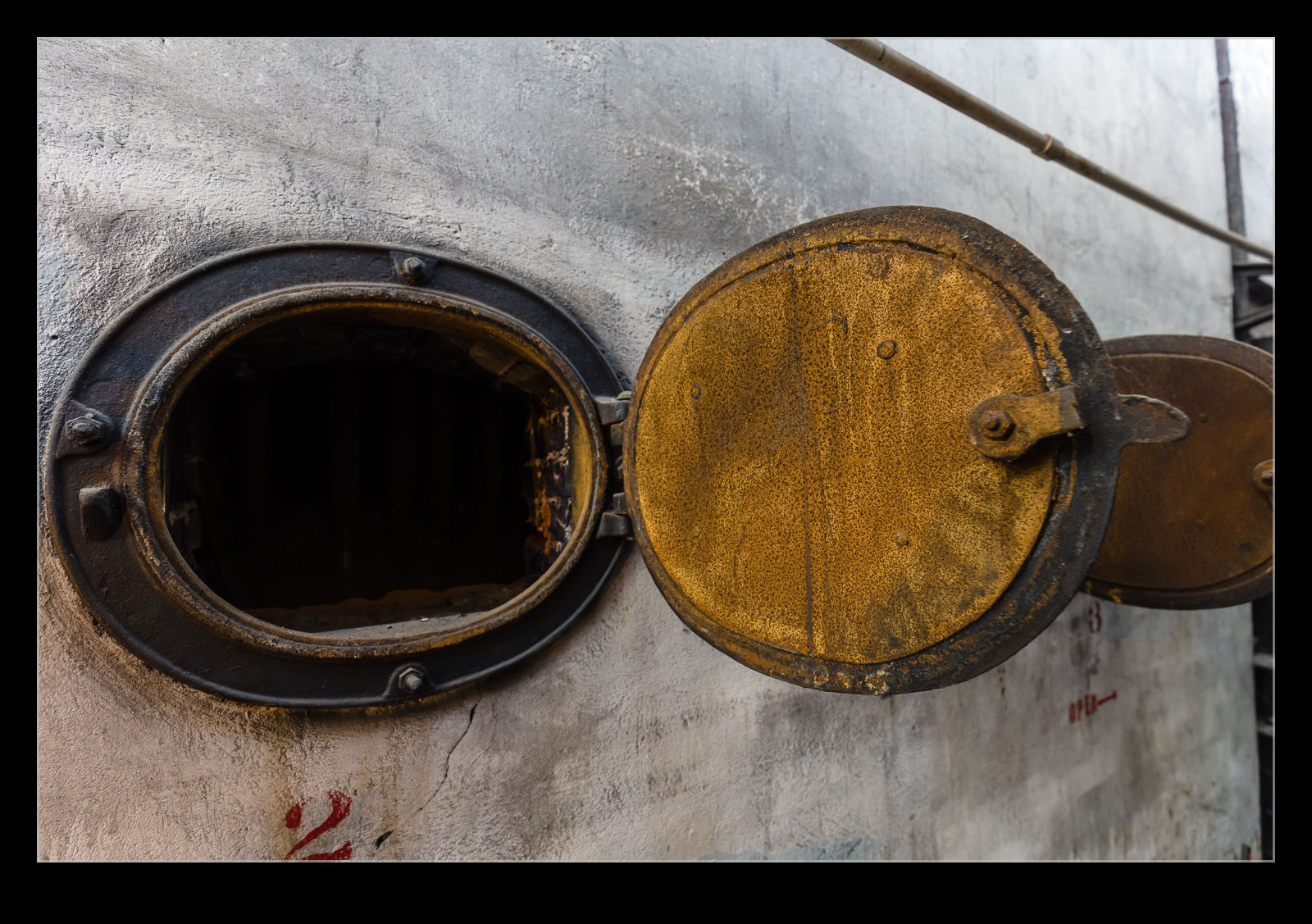
There are access hatches which allow you to see into the boiler and see the pipe arrangements.  It is very dark in there and a flashlight is needed to see anything at all.  The boiler walls are metallic but they are lined with fire bricks.  These bricks had a limited life so there would be a time when they had to be replaced.  People would have to climb in through the narrow hatches to knock out the old bricks and pass them out before installing the replacements.  They would also have to clean off the pipe work exterior as this would accumulate debris from the hot gases of combustion.

Accessing the interior of these boilers looks extremely unpleasant.  It would be far too claustrophobic for me to think about and that is before considering the hard work in a hostile environment.  These guys were tougher than me!  The boilers are in pairs with a gap between each pair so I guess they would have to close down both parts of the pair to allow a temperature that was acceptable for entry.  Even then, I doubt it was a good place to work.

The Support Kodiak Comes In

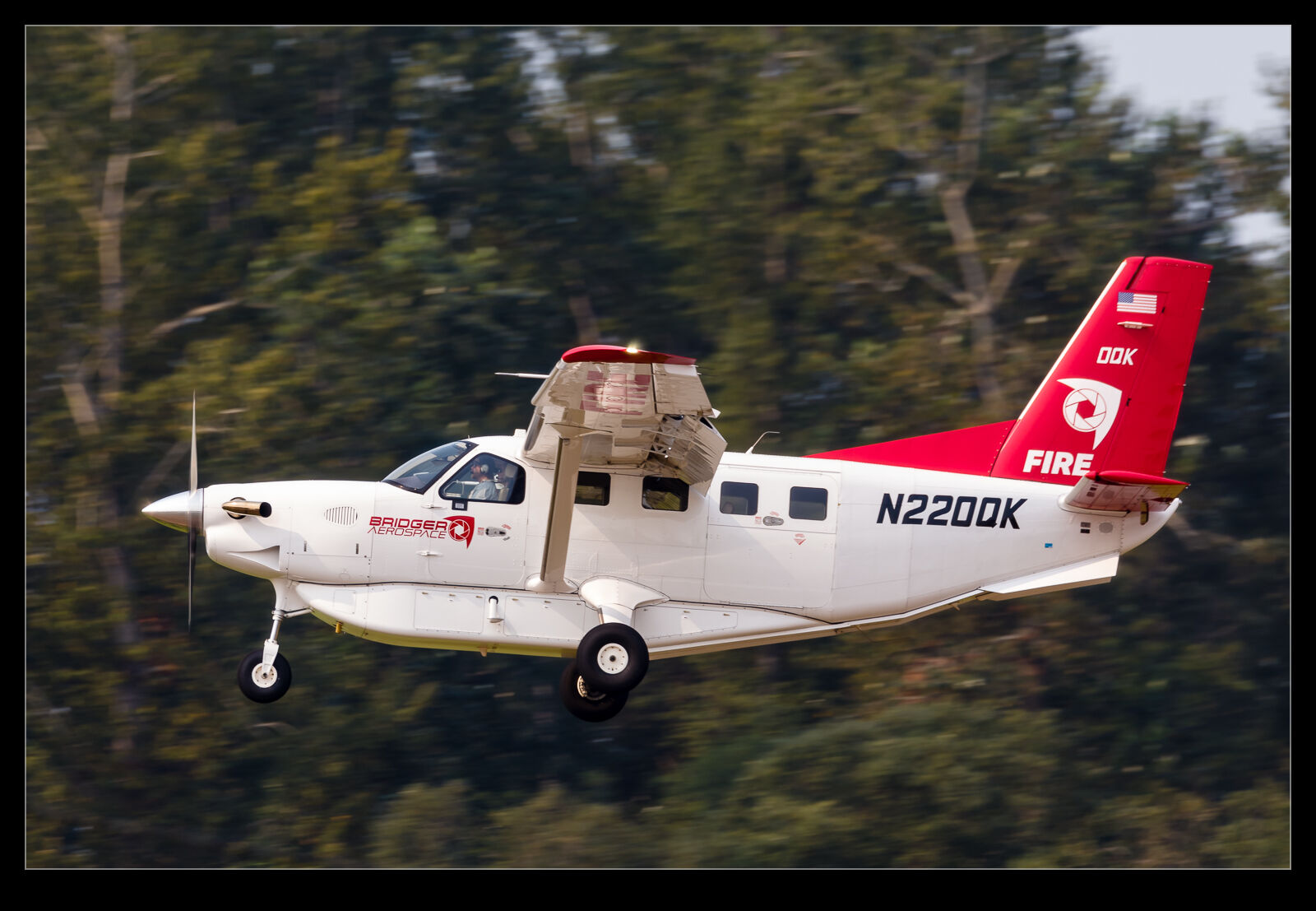
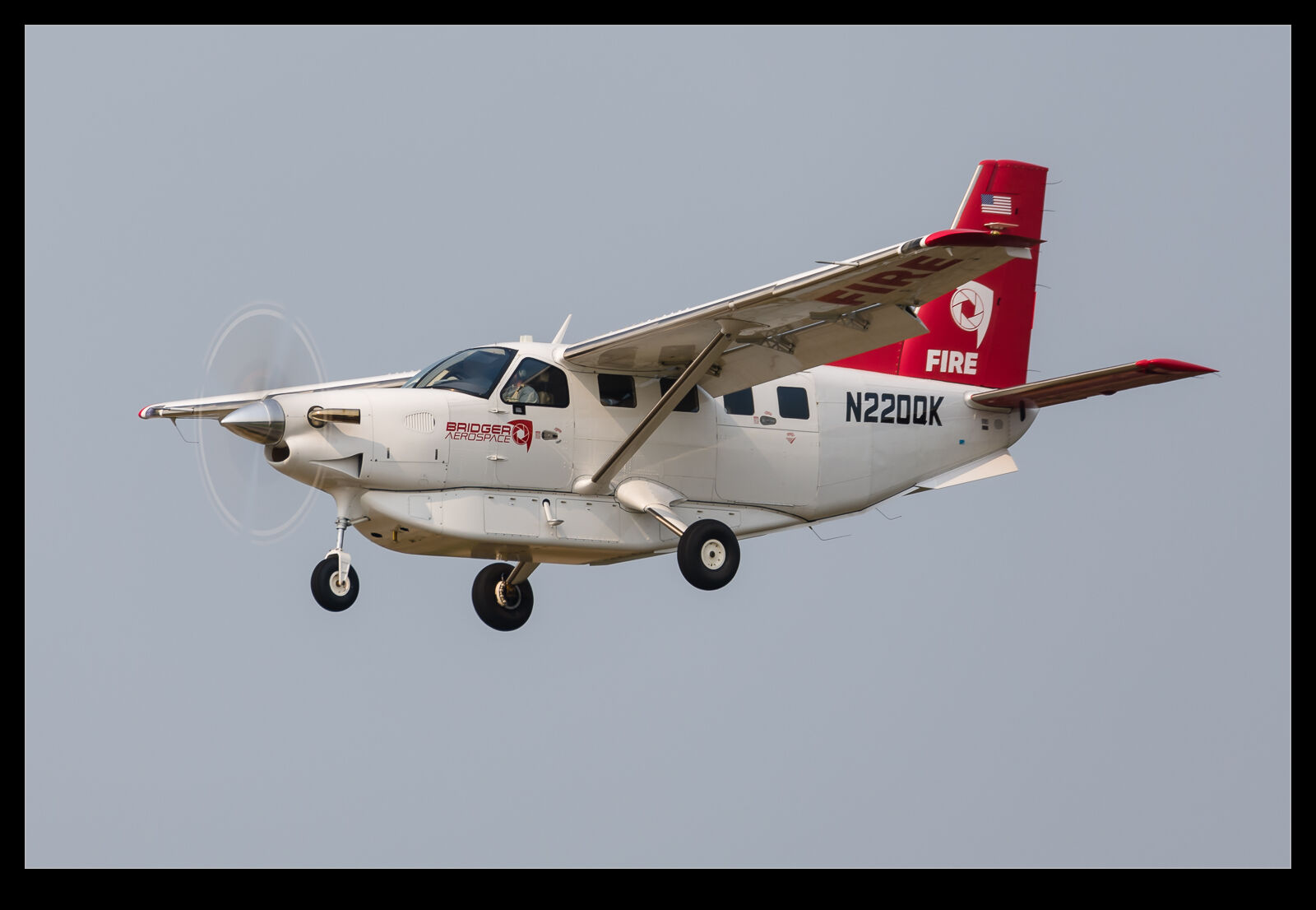
I posted some shots of the K-Max that came to Snohomish to support the firefighting operations on the Bolt Creek fire.  They flew in from another location and needed some material to support their planned stay.  They made a call to their base and arranged for some parts to come up on a support aircraft.  This turned out to be a Daher Kodiak 100.  I was actually getting ready to leave when the Kodiak showed up making a tight pattern to land.  I was out of position so just watched it but, they were a bit high and fast on the approach so made a go-around.  This gave me time to get somewhere better for the second approach.

Hatton Cross Horses Ignore The Planes

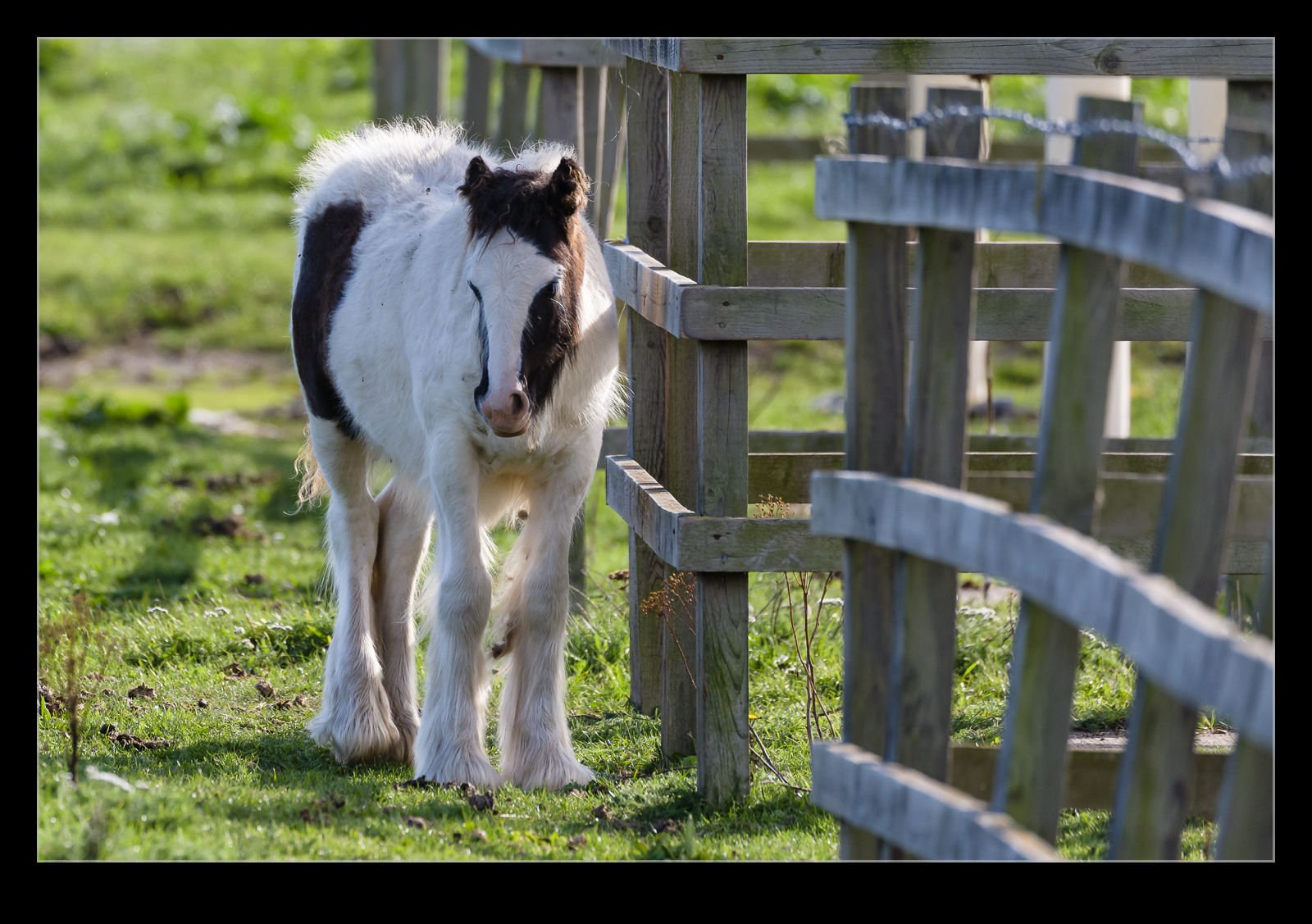
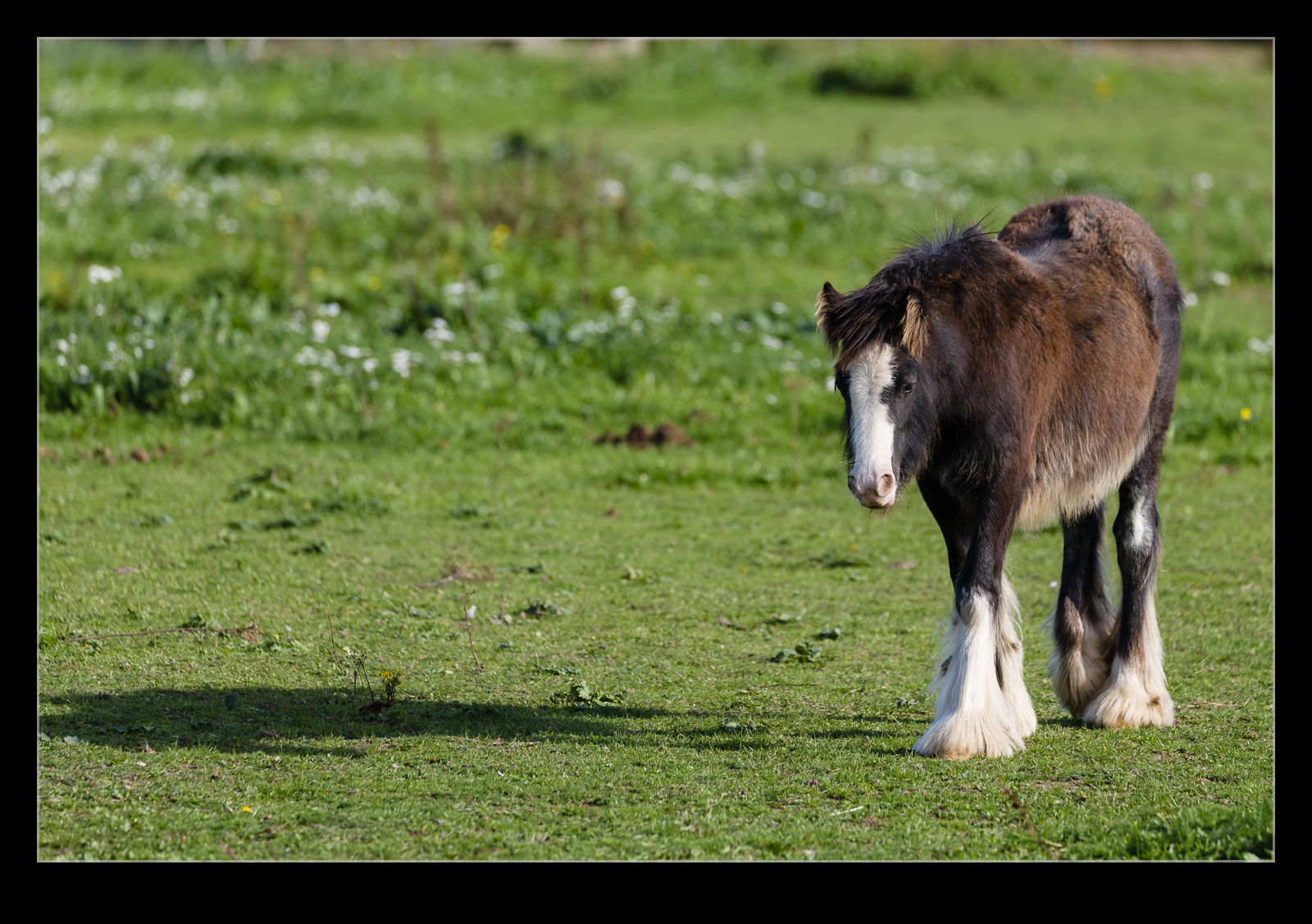
My visit to Hatton Cross was to shoot airplanes but, as I came out of the tube station and walked along the A30 to Myrtle Avenue, I passed some fields that had a bunch of horses grazing in them.  This seemed like such an incongruous thing to see.  I was in amongst the housing and right next to an international airport with a major road passing through.  Having so many horses there seemed like the last thing I would have expected.

Some of them looked like large working horses while others were either ponies or foals.  I am not a specialist so can’t tell the difference.  The approach lights for the runway were in the field surrounded by fencing which seemed to attract some of the ponies for some reason.  They looked pretty tranquil and clearly had no interest in the planes passing overhead.  How could they not be looking???

Strange Cargo Door On This 747-400F

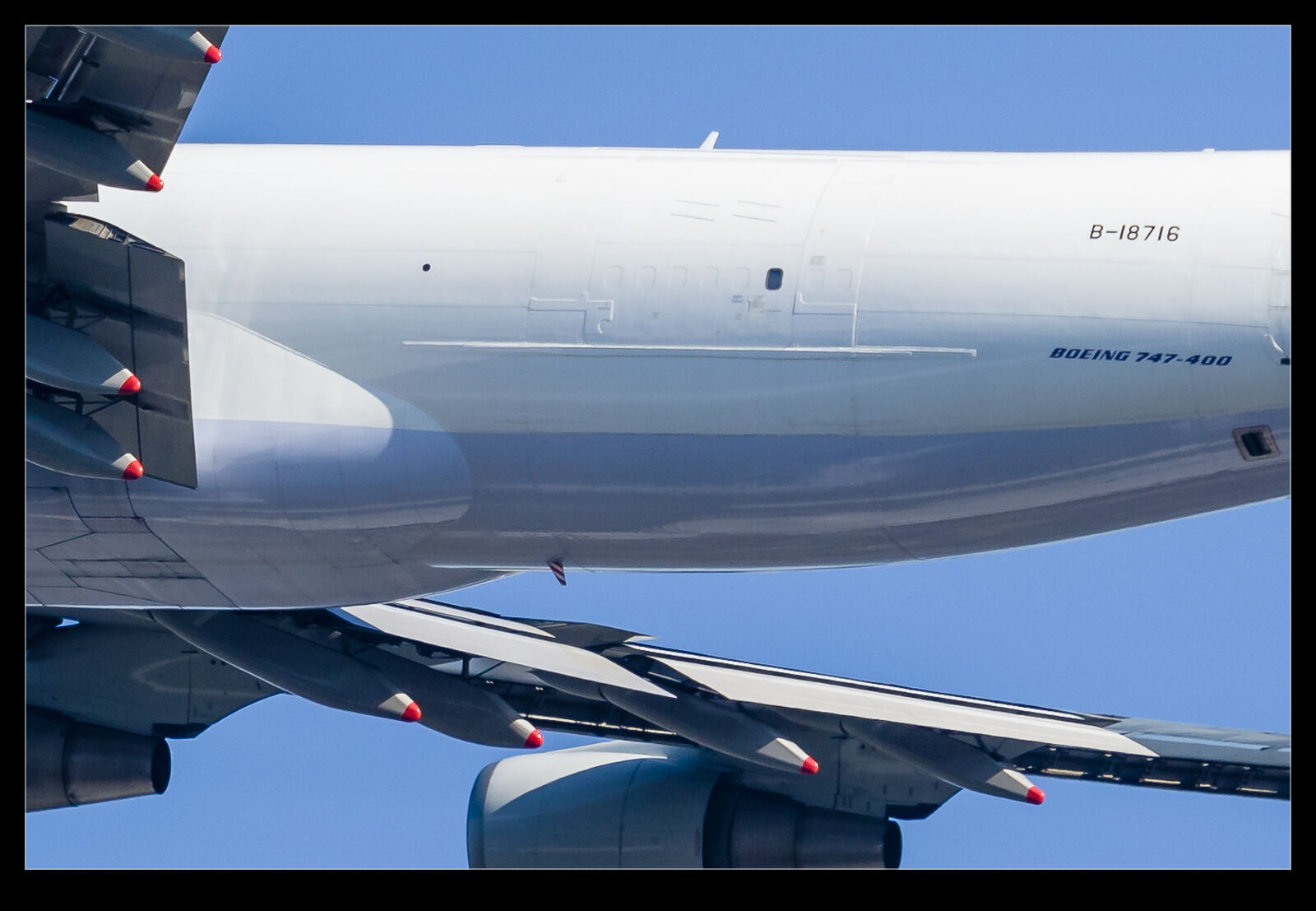
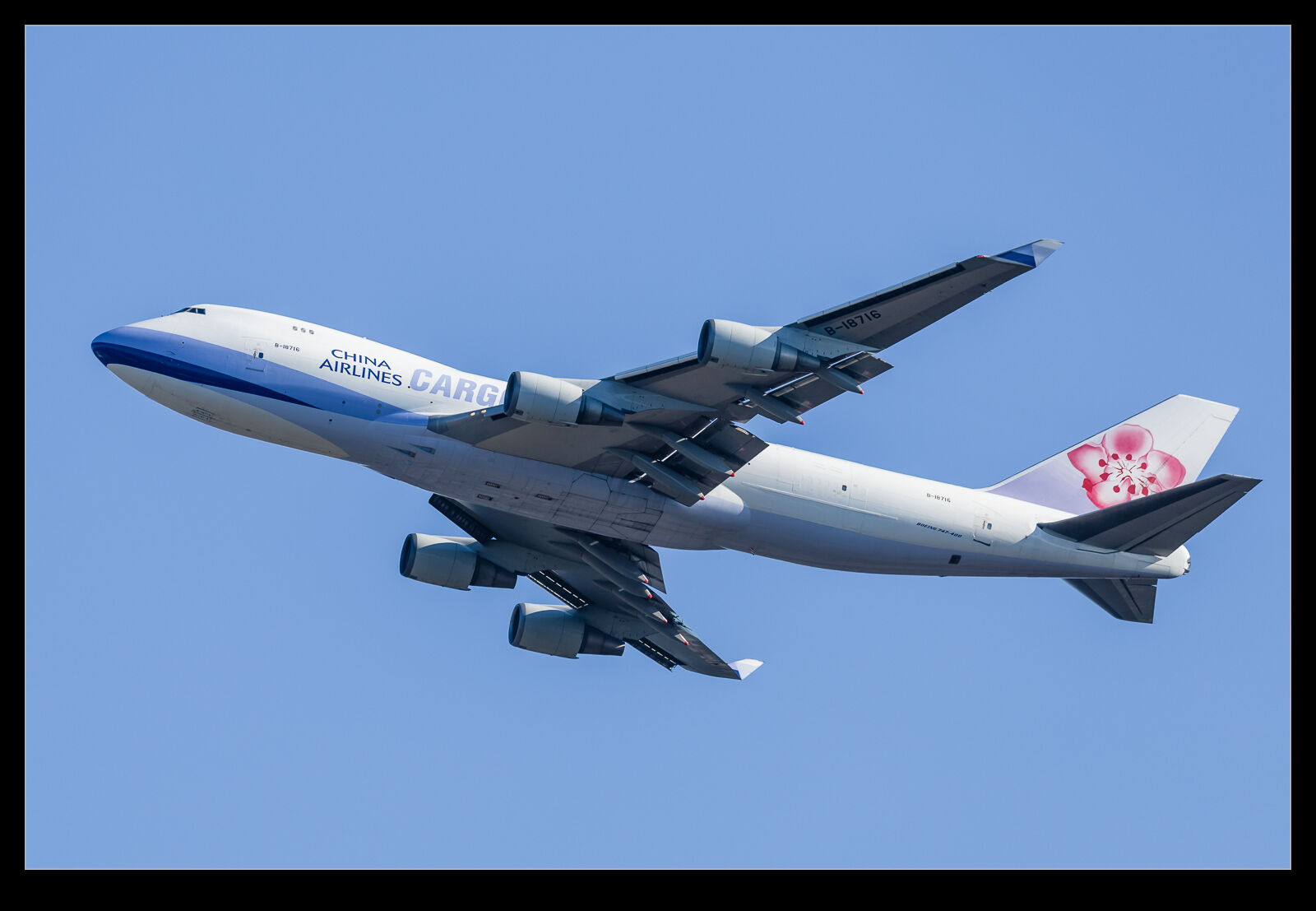
I caught this 747-400F departing from SEA one weekend while waiting for something else.  It is an original freighter rather than a converted passenger jet so it has the small hump and the nose door.  However, when I was editing the shots, I noticed that the rear fuselage cargo door has blocked windows on it.  This had me curious.  Is this a door that has been swapped on from a converted passenger aircraft or did the doors all have windows for some reason?  That seems unlikely so I am leaning to the former solution but anyone that is an expert on these things, please let me know.

Finally Seeing The Mandarin Duck

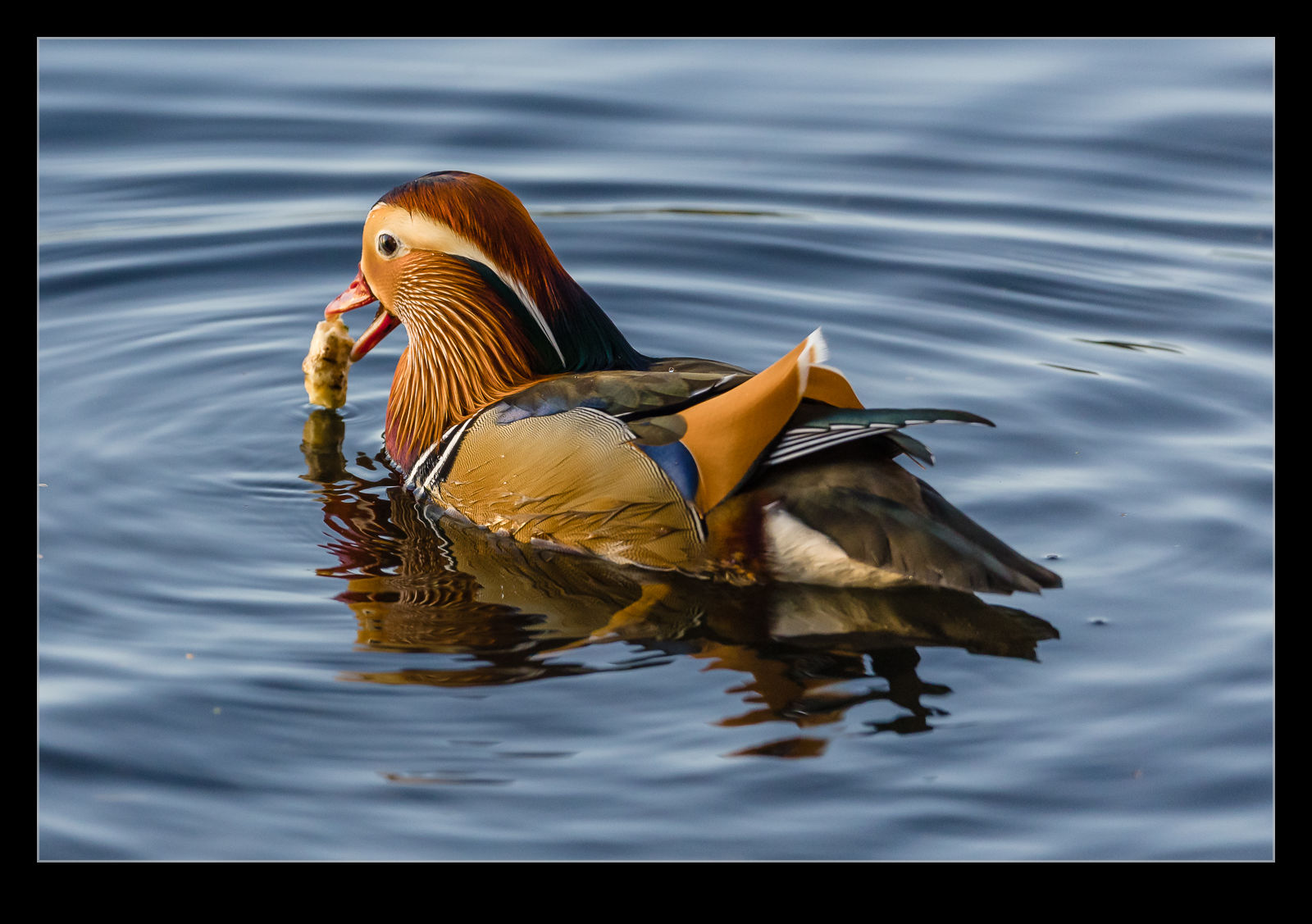
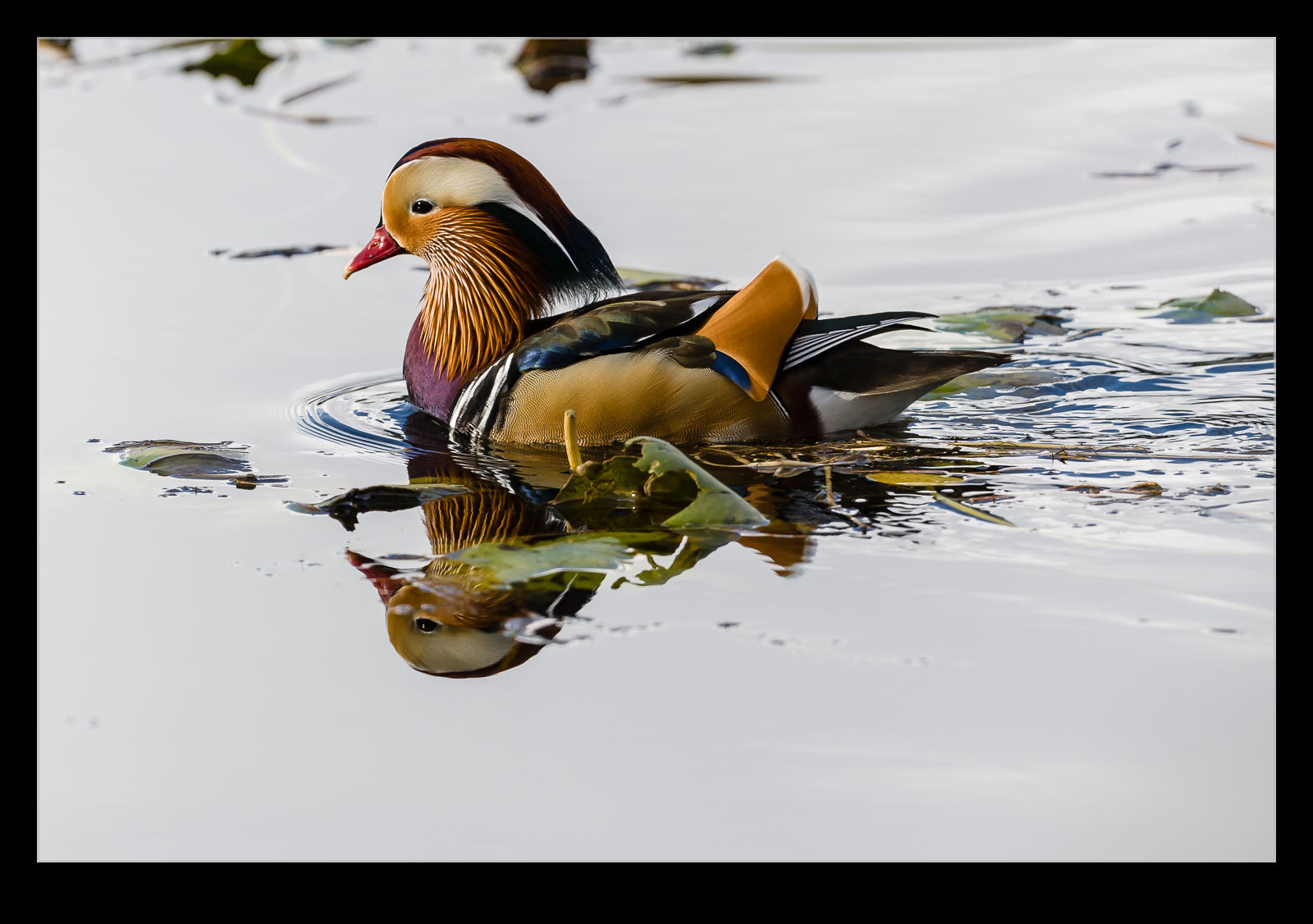
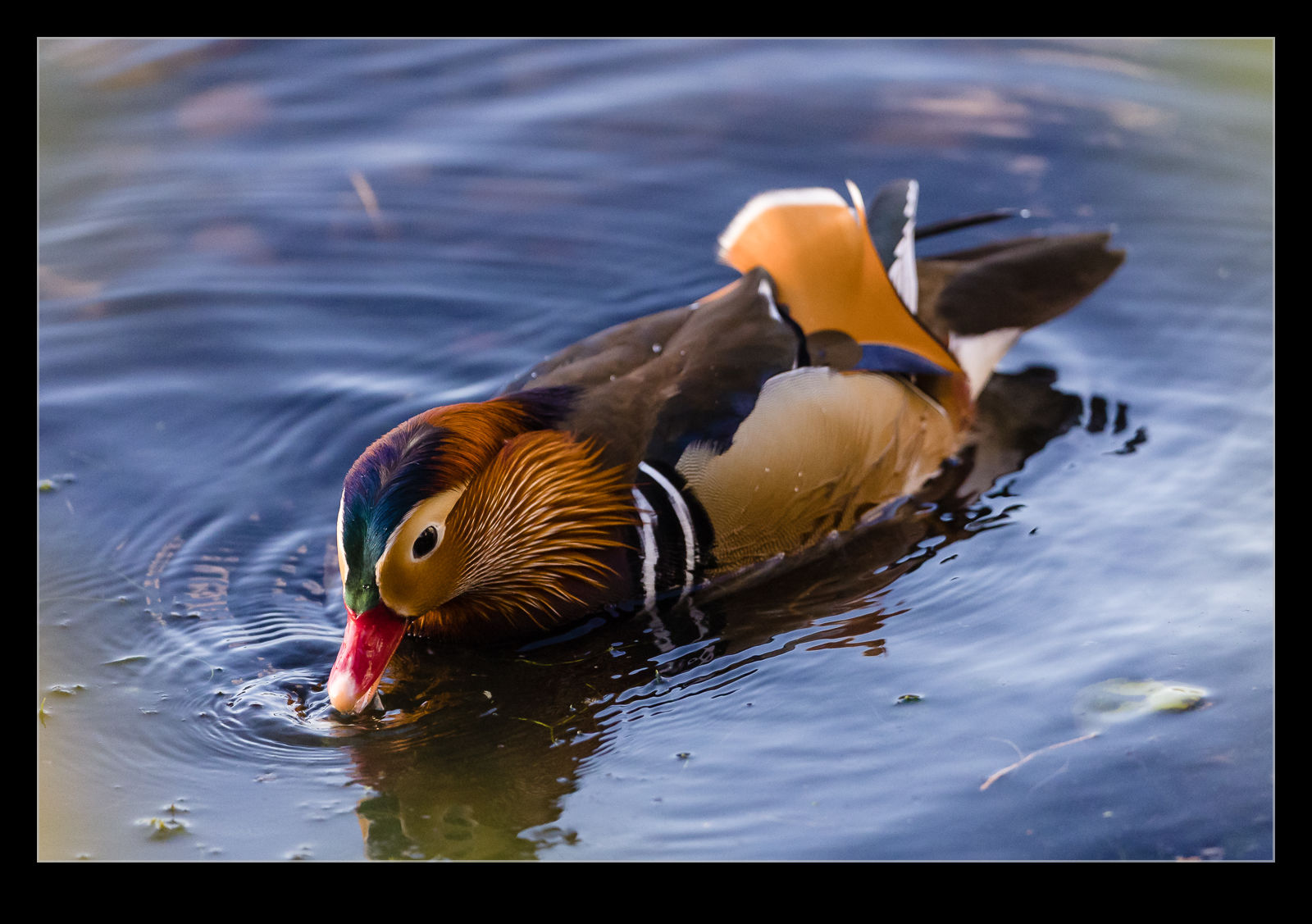
For as long as I have been going to Juanita Park, I have been hearing about the mandarin duck.  We have tons of wood ducks but there is one mandarin that lives in the bay.  Everyone talked about whether they had seen it.  However, it was never wherever I went.  Finally I broke that “duck” (apologies for the awful pun).  It was hanging out in the bay in nice lighting conditions and seemed busy playing with some root.  After this visit, I was back a little while later and there he was again.  I guess I am trusted enough now for him to hang out!

Argosy Still Hanging On

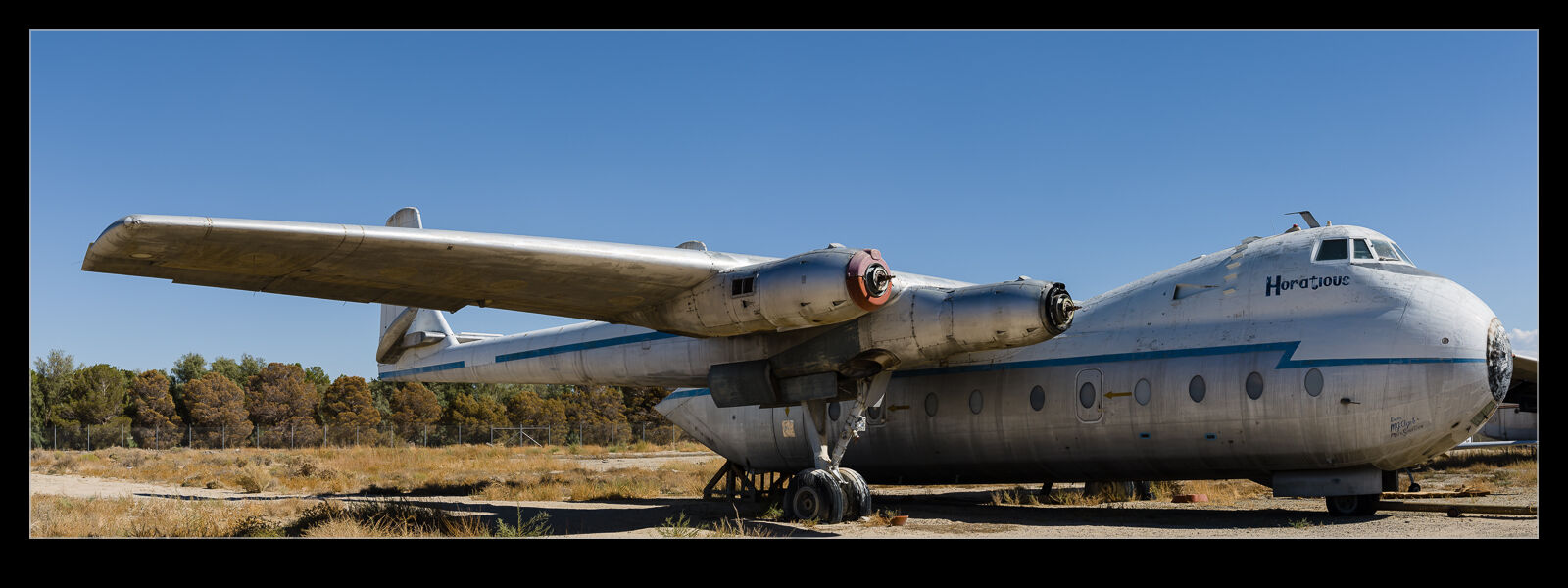
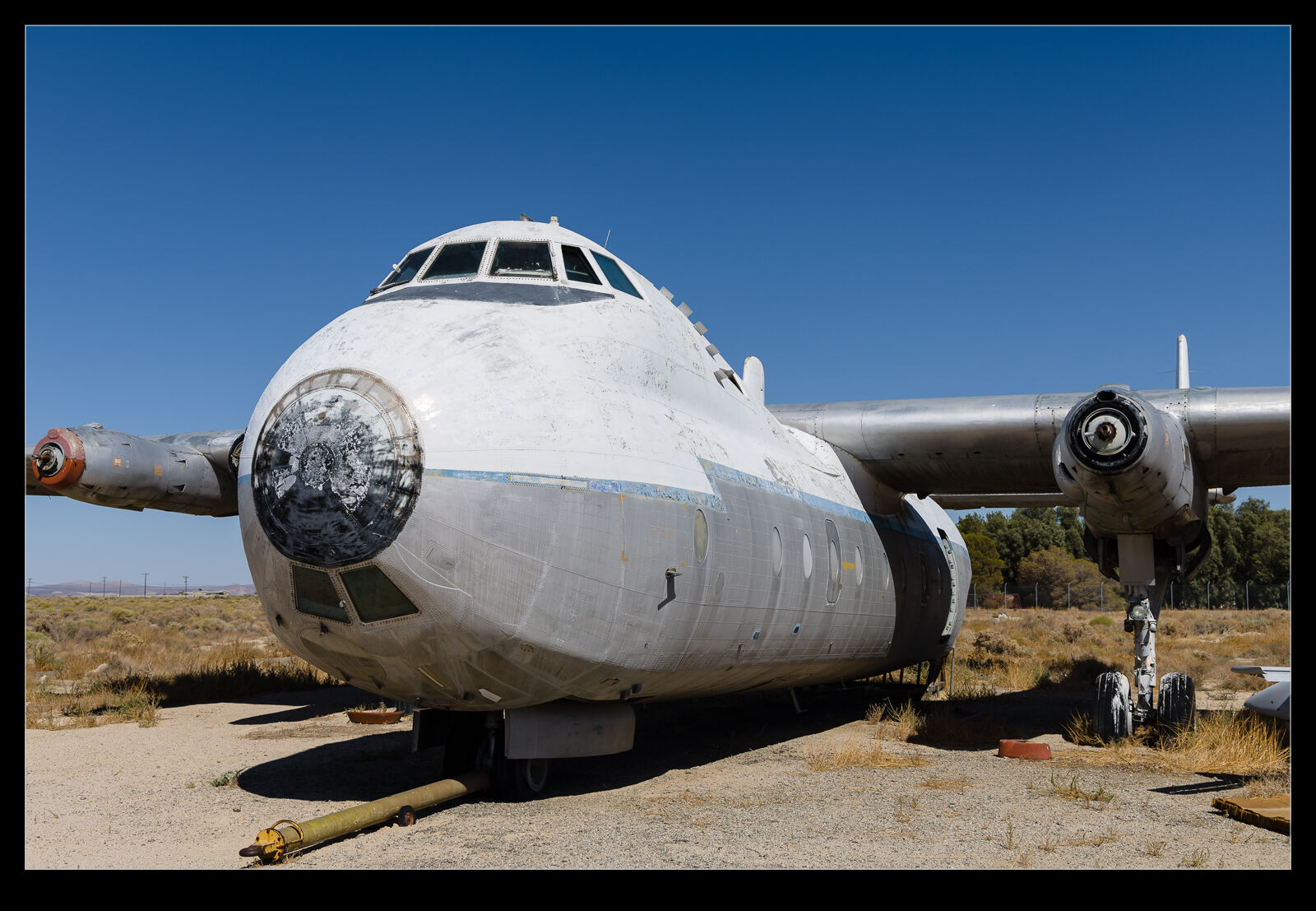
I bumped into a guy I had met before while at Fox Field outside Lancaster CA.  He had just arranged a ride out on to the ramp with one of the airport staff and invited me to come along.  One of the old airframes stored at Fox Field, near the air tanker ramp, is an old Armstrong Whitworth Argosy.  I have no idea of the history of this airframe and how it ended up here but here it is.  We were free to wander around and get some shots of it.

I understand it has been at Fox Field for a long time.  It isn’t going anywhere in a hurry but, courtesy of the dry climate, it is only decaying slowly.  I have no idea how long it will be before it becomes unsafe to have around any longer but I imagine it will be a while.  Definitely an unusual aircraft to get to shoot these days.

Shadows Of Dead Leaves

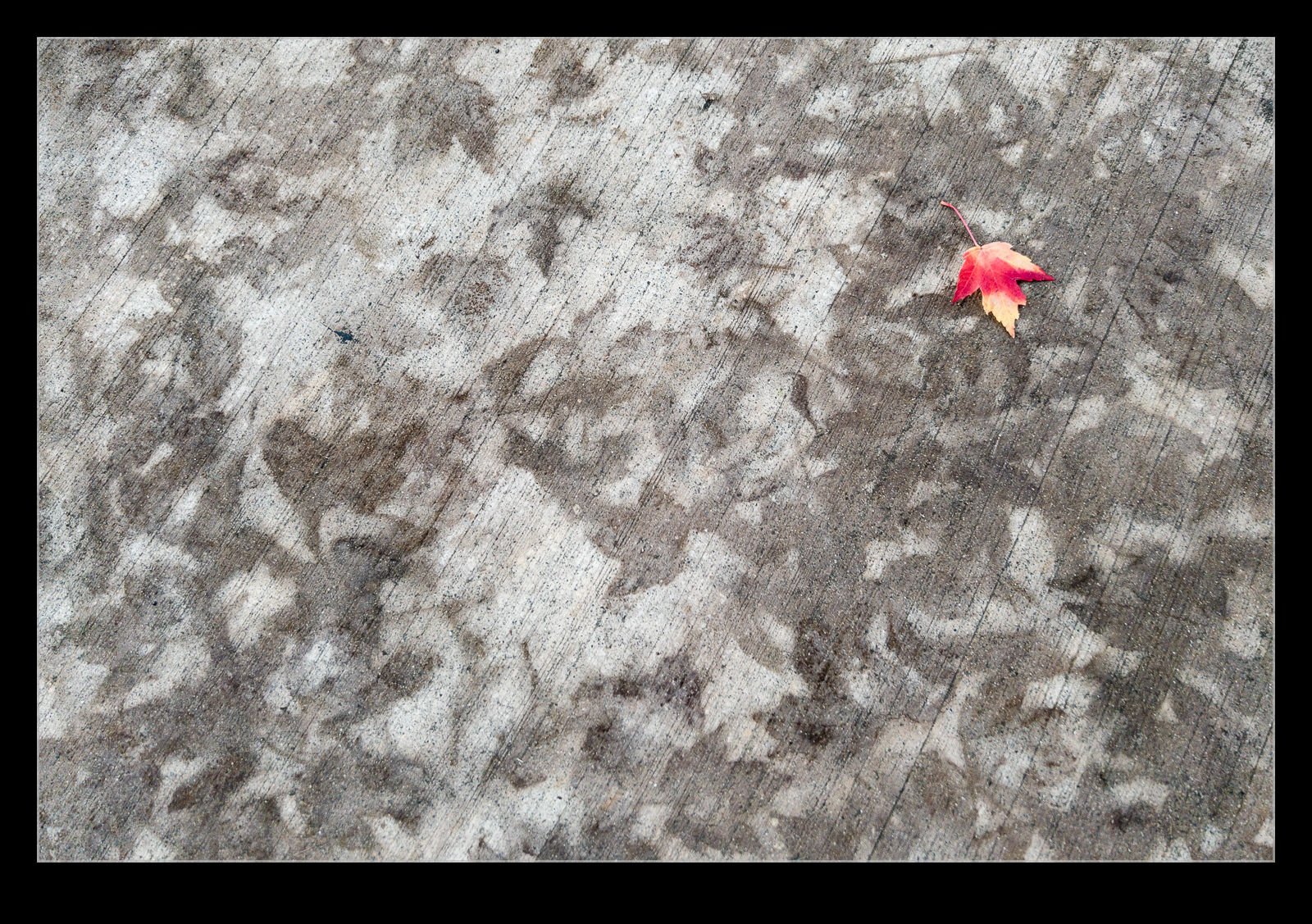
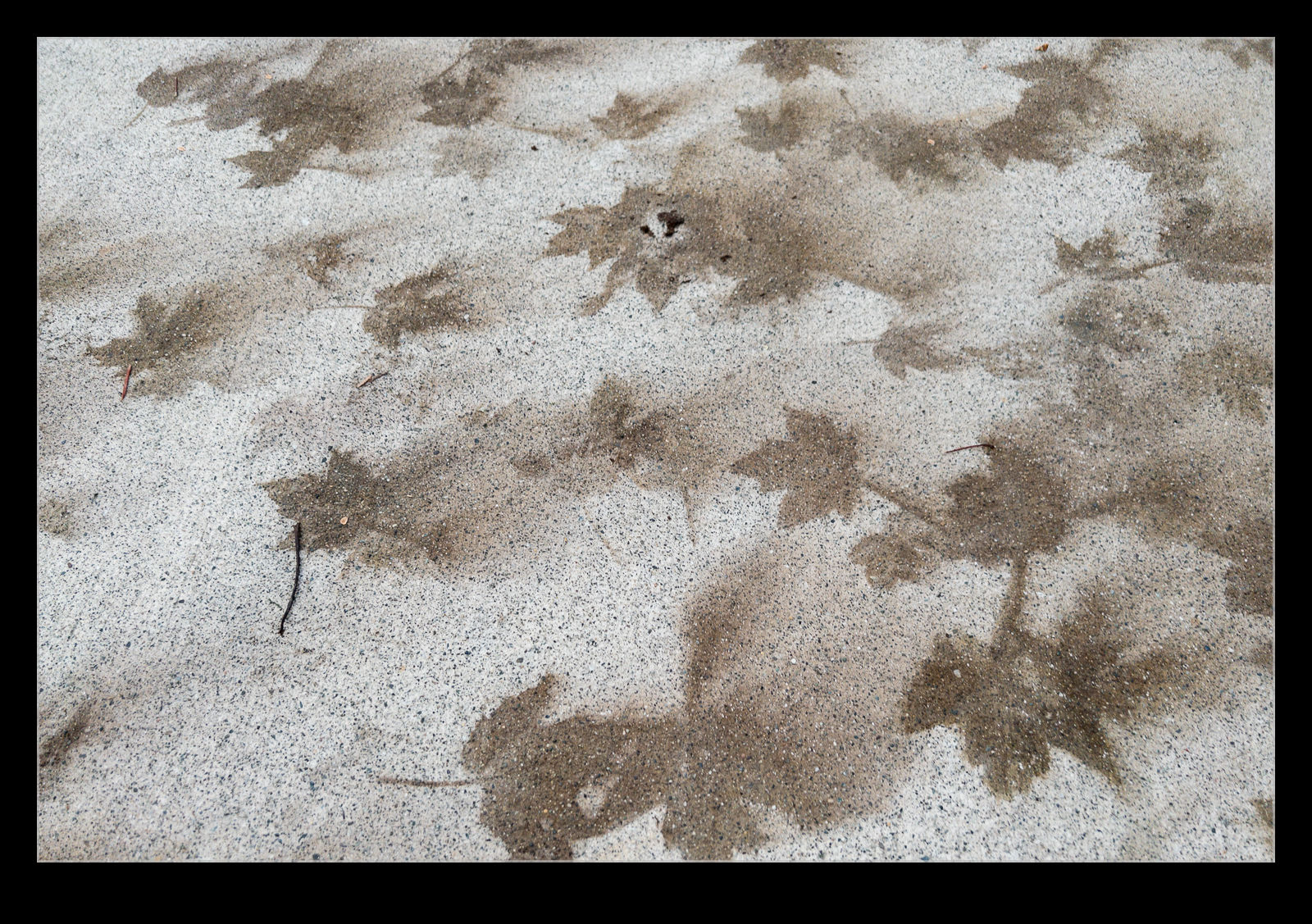
When fall arrives, we get a riot of color in the Pacific Northwest before the leaves fall.  When they do fall, we get a lot of them on our street and some of the leaves, when they get damp, leach out some chemicals on to the concrete of the sidewalk.  They leave a chemical shadow of their shape on the ground as they dry out and get blown away.  Over time, these marks get washed away but, for a while, we can see where the leaves have been.

Air Canada Special Early Sunday Departure And Lightroom Masking Options

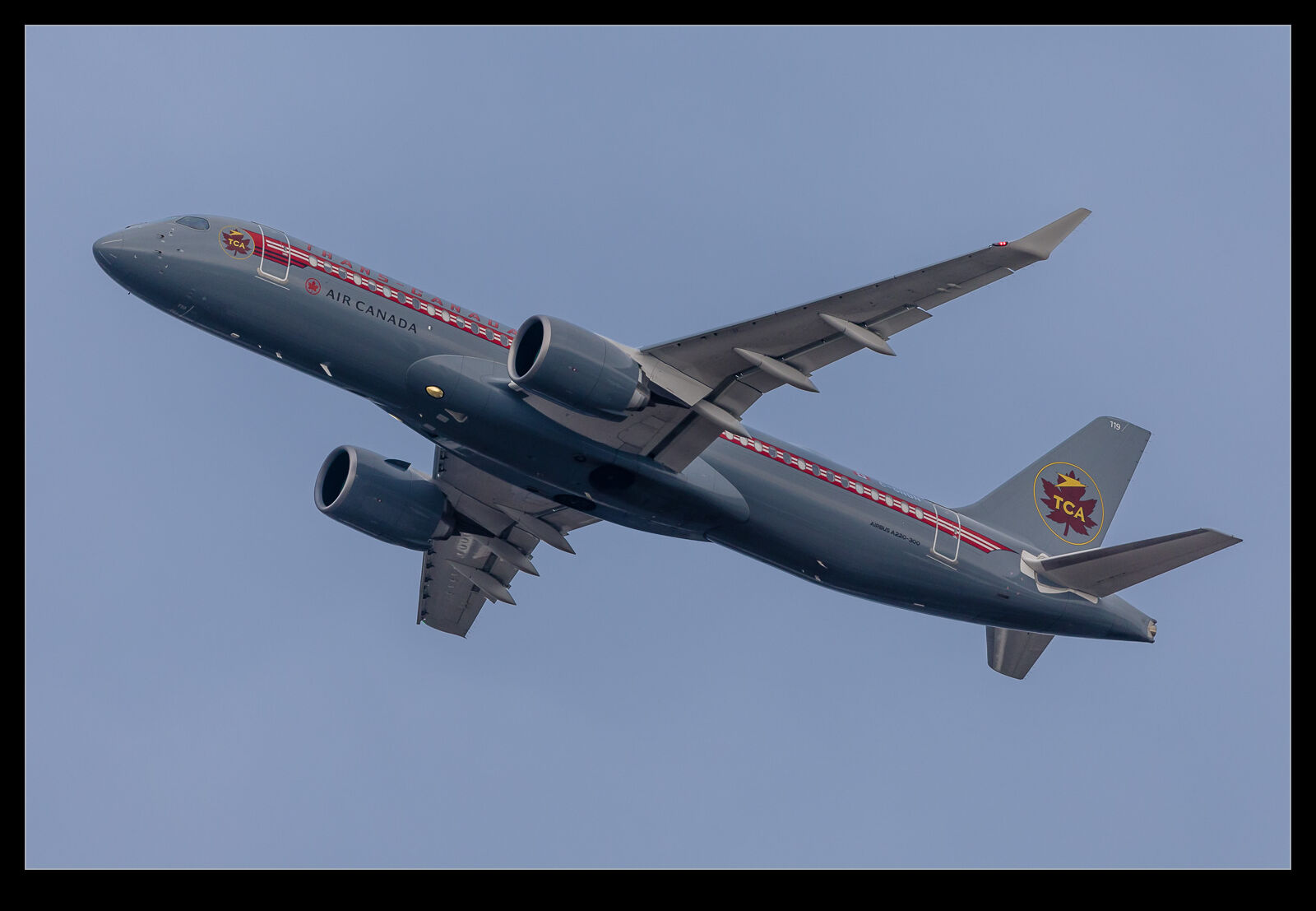
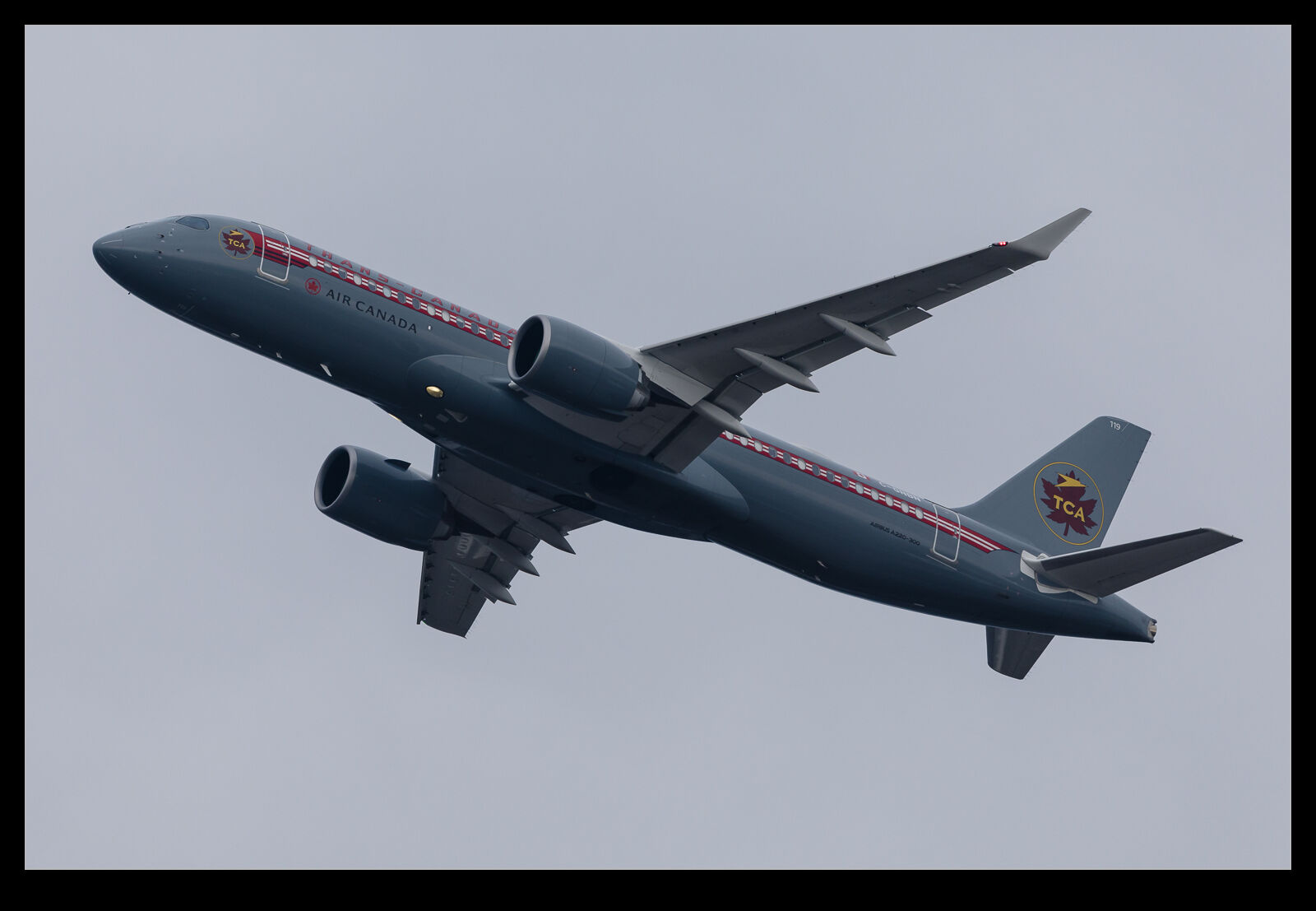
Air Canada brings a pair of A220-300s in to SEA each evening – one from Toronto and one from Montreal.  They leave the following morning with the Toronto flight heading out early and the Montreal flight following a couple of hours later.  The Toronto flight one weekend was the TCA special aircraft so I decided to head out and catch it departing.

The day started very overcast and gloomy but there was a sign that things were going to get better.  This did happen but things were still not great when the jet departed.  The light had improved a bit but the cloud was still there.  When looking at the shots, I figured it was time to make use of the masking options that Lightroom offers.  The latest update has improved their usability somewhat.  First I drop the exposure of the shot overall to get the sky looking roughly how I want it.  Then I select the aircraft suing the Subject option.  It does a pretty reasonable job but I do then refine it with an addition brush to bring in the bits it has missed and a subtract brush to take out the detail areas where the mask has overlapped.

The new option is the click on this mask and choose the Duplicate and Invert option.  This gives me a sky selection that matches what I have got for the aircraft.  For the sky, I can work on the white balance to bring it back to something more cool which suits the overall look of the shot.  I can similarly work on the white balance for the jet to make the reds pop more in the livery.  The exposure can be brought up a bit with the shadows helping a little while bringing the blacks down while improve the contrast.

All of this is pretty straightforward.  One nice feature of the latest update is that you can actually apply the same settings to multiple images.  The brush adjustments are not going to work well for this so it is best to do the overall selections and sync to the various images and then, if a shot is worthy of further work, the refining of the mask can be done afterwards.  If you know which shot is the best, you can just focus on that one.