While out on a bike ride one weekend, I rode from Bighton to Ropley which takes me over the Watercress Line. I wasn’t aware what they might have going on that weekend, but it turned out that they had their “Thomas” making runs. It came out of Ropley towards the bridge I was on, so the phone came out to grab a couple of shots before I continued on my ride.
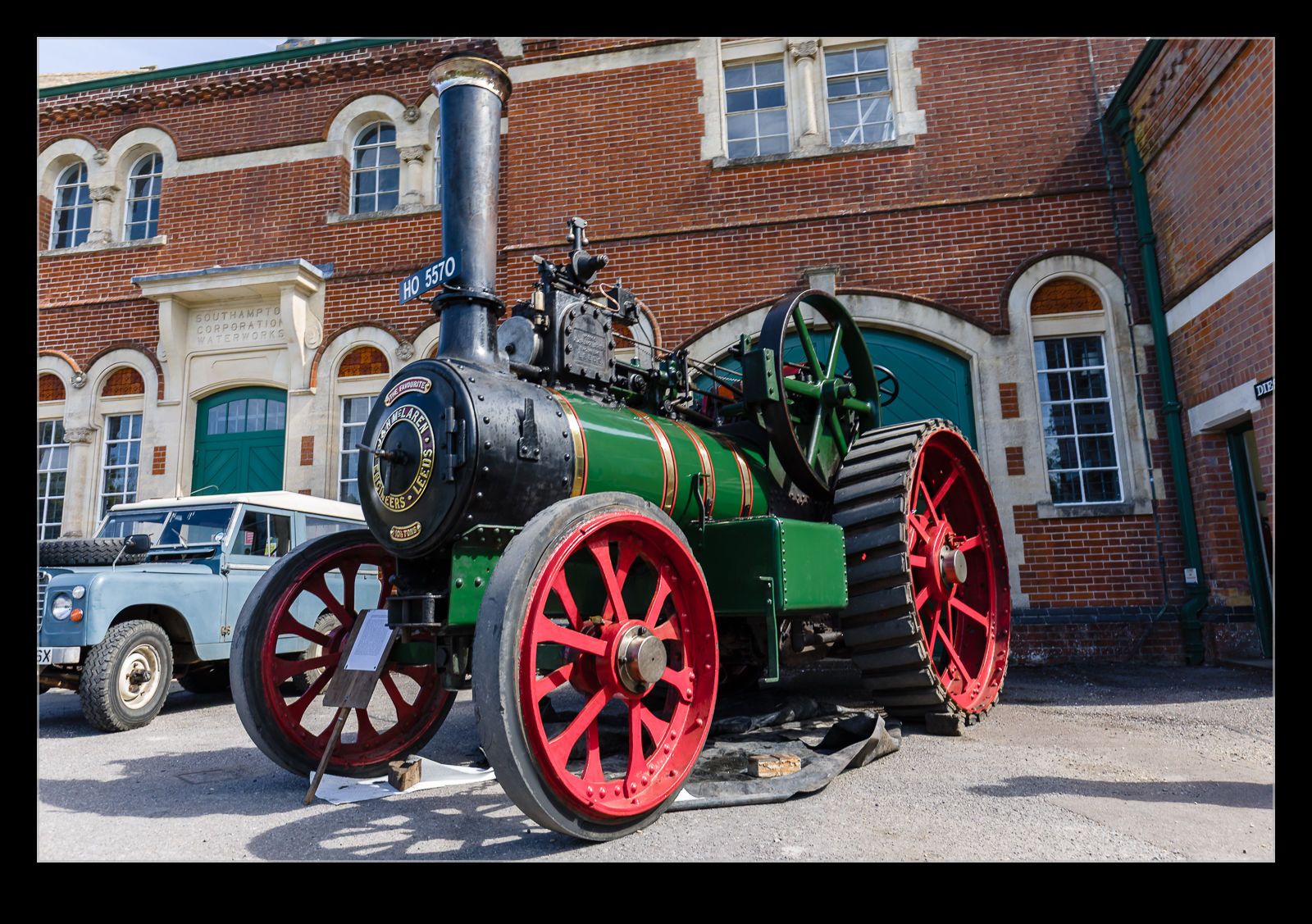
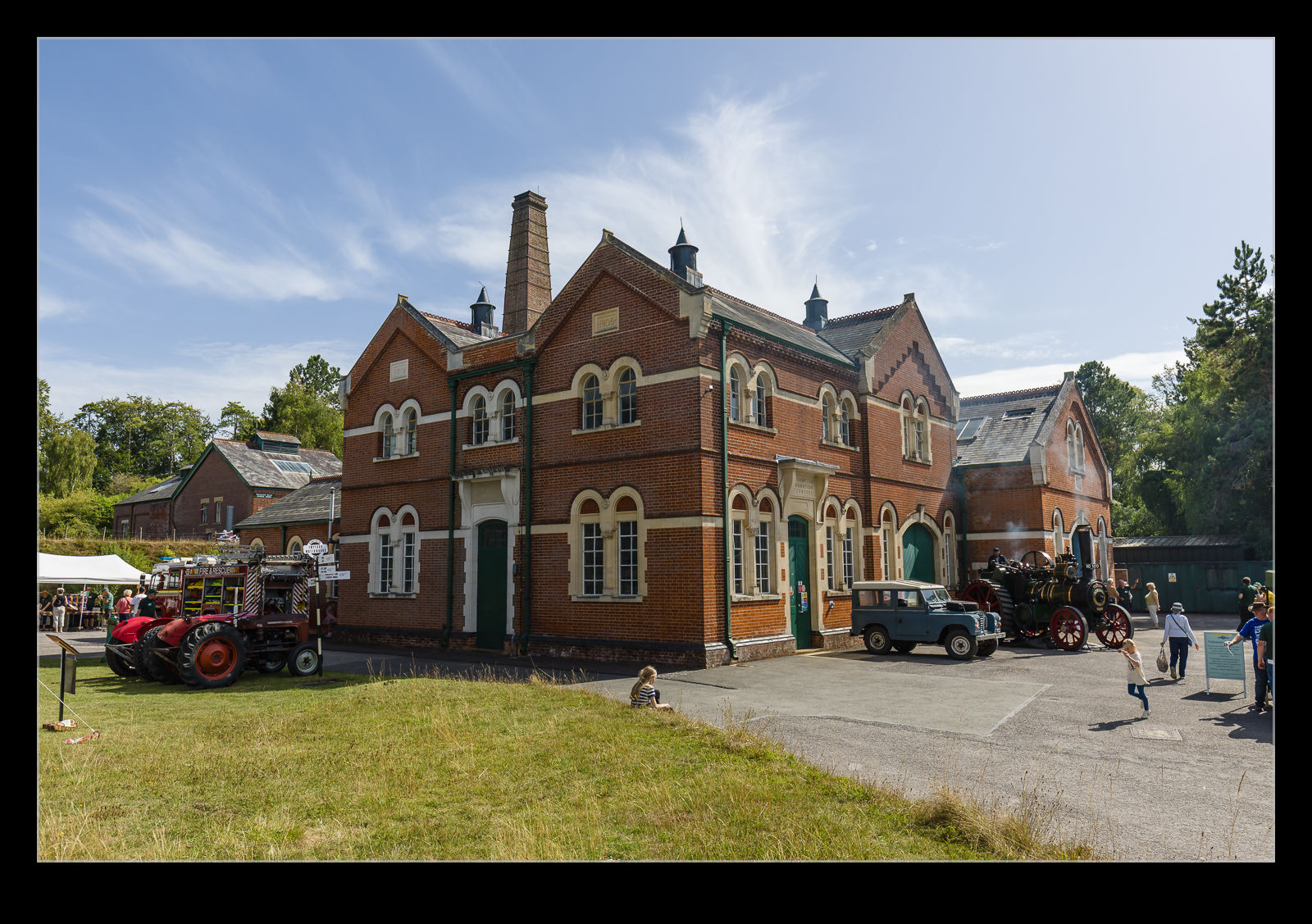
I had shown some images of miniature steam engines that we had seen when at Exbury. They are impressive little machines but there is nothing like the original. Twyford had a full-scale traction engine on display. According to the guy that was looking after it, they had come from the county fair at Alresford where it had won an award and I am not surprised. What a beast of a piece of engineering and so beautifully preserved.
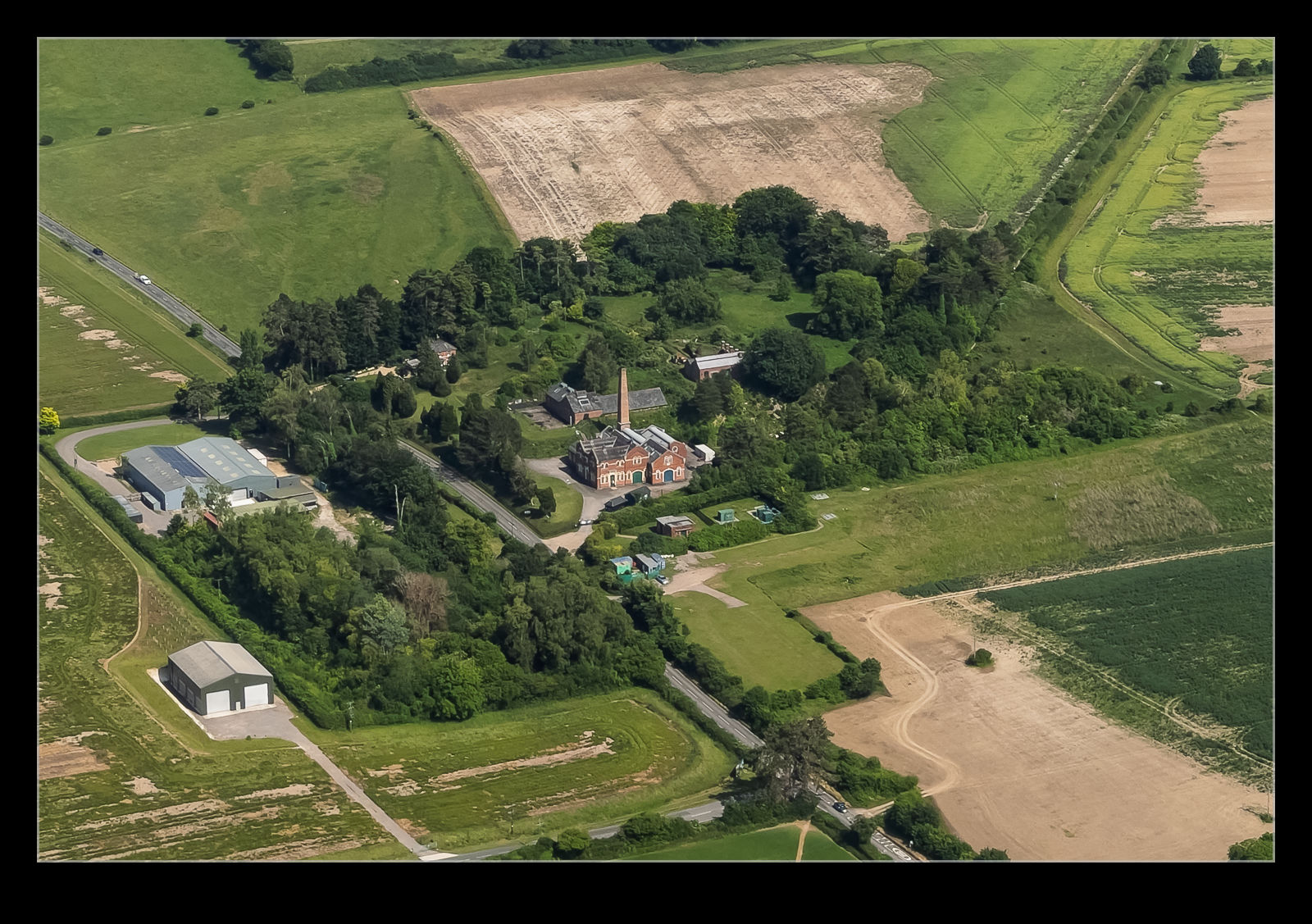
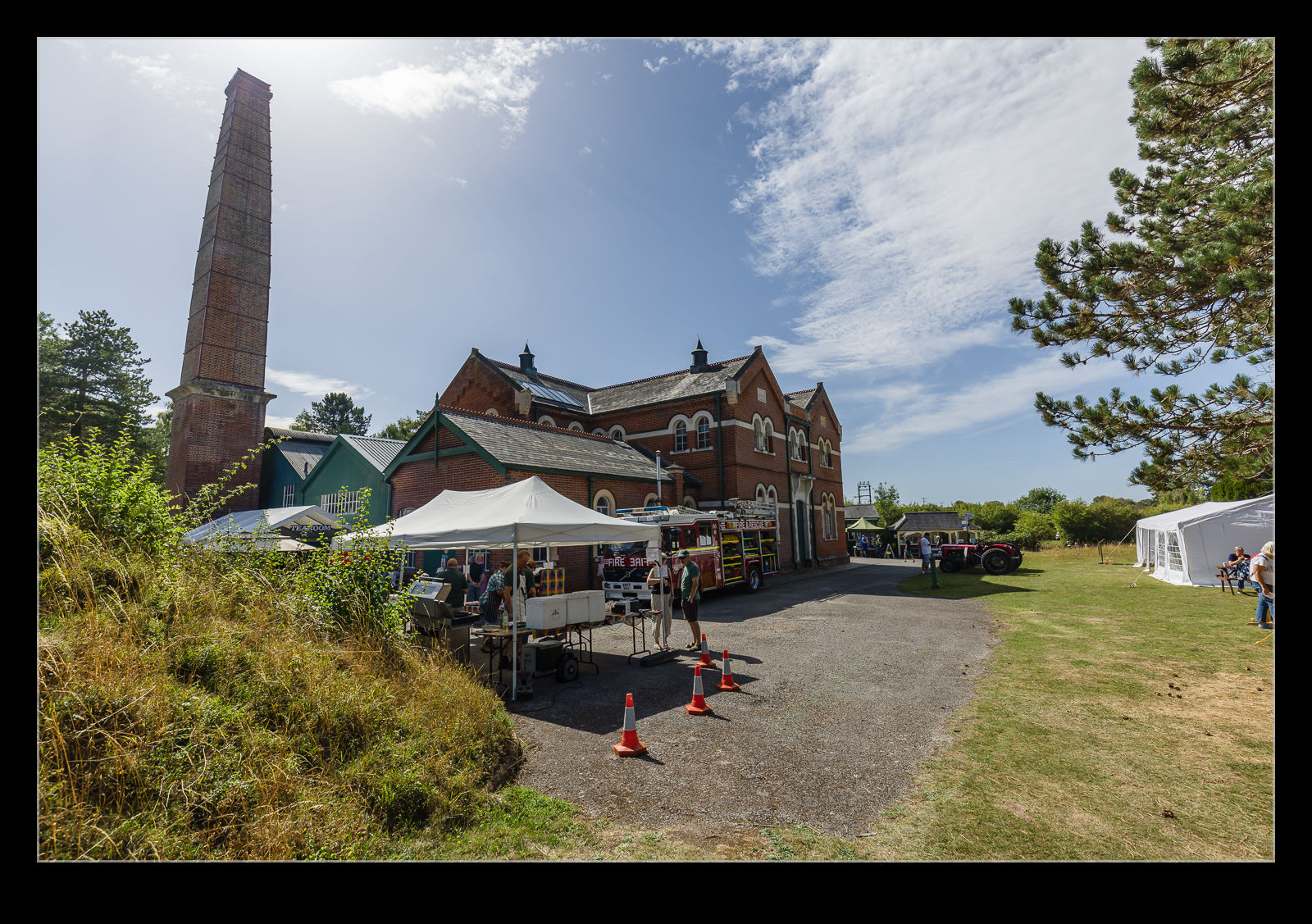
When returning from a trip, I was flying into Southampton, and the routing includes a circling descent over Winchester. I saw an interesting looking structure on the ground which, some later research confirmed, was Twyford Waterworks. Turns out that they do open days on a regular basis so we headed up there one sunny Sunday to have a look around.
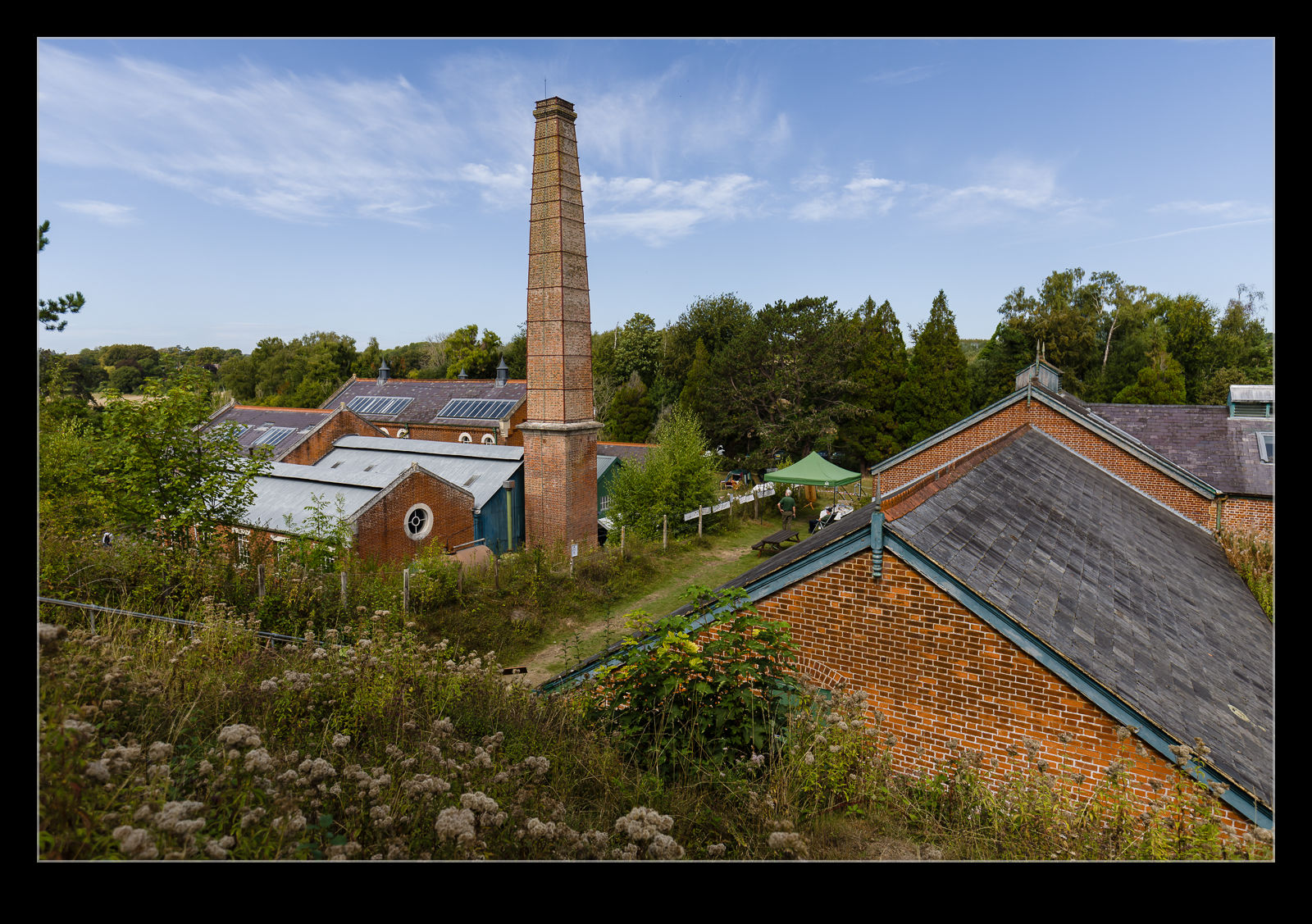
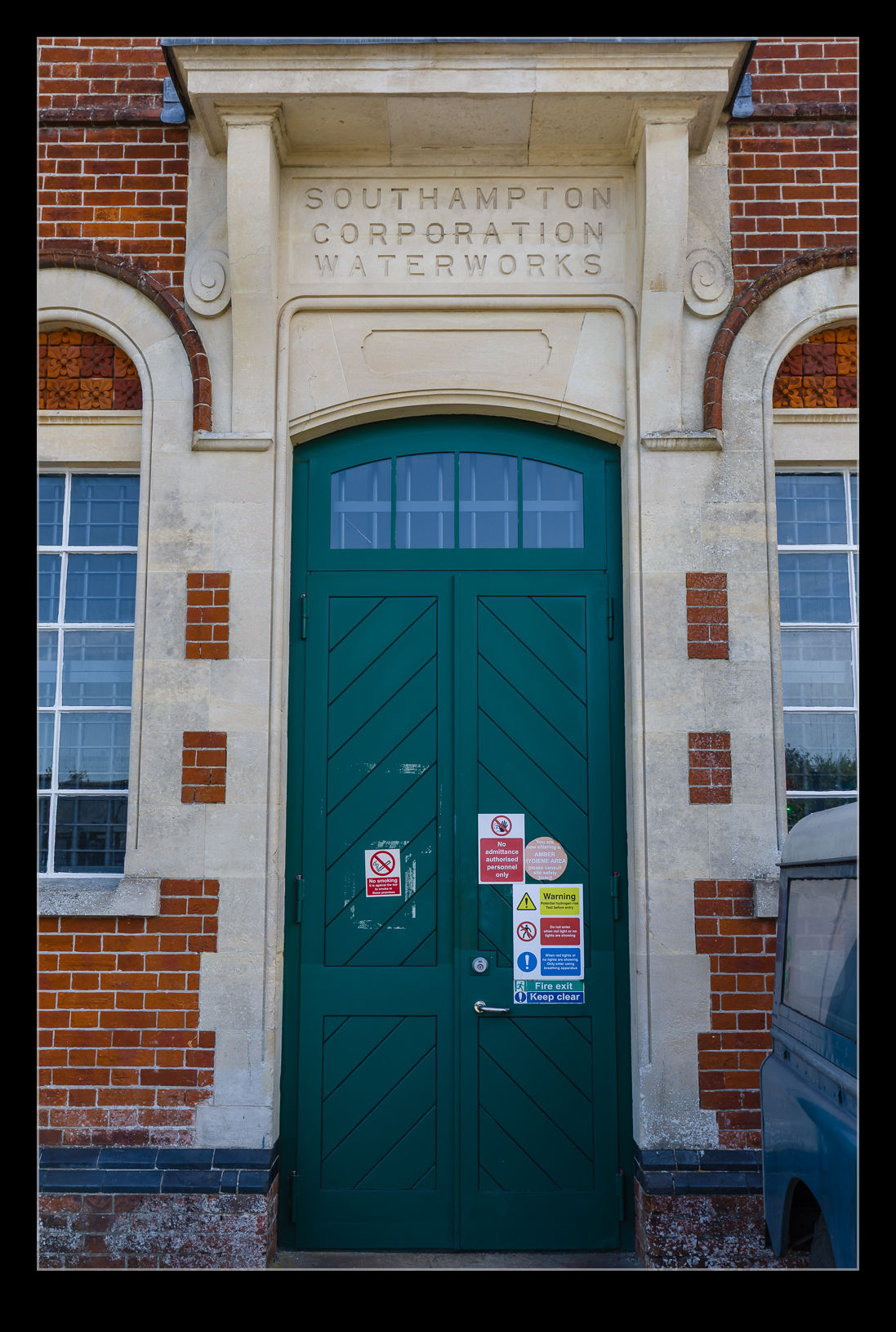
Located just outside Twyford’s centre, this has been a waterworks since the Victorian era. The chalk downs in this area soak up the rainfall and provide a great source of water for the surrounding towns and villages. This is still the case, and the waterworks is active supplying water to the region. These days, electric pumps are in the wells and are not only not visible from the surface but are also out of bounds given the critical nature of the water infrastructure. However, when it was built, it was steam powered pumps that extracted the water.
There used to be many similar facilities in the region, but most have been demolished. However, a preservation order was placed on Twyford when demolition had barely got underway and it remains a historical record of how the water used to be provided. The facility is owned by the water company, and they are obligated to preserve the buildings but the restoration of the machinery inside is handled by a charitable organisation and the volunteers that carry this out are supported by the donations and entry fees from visitors to the open days.
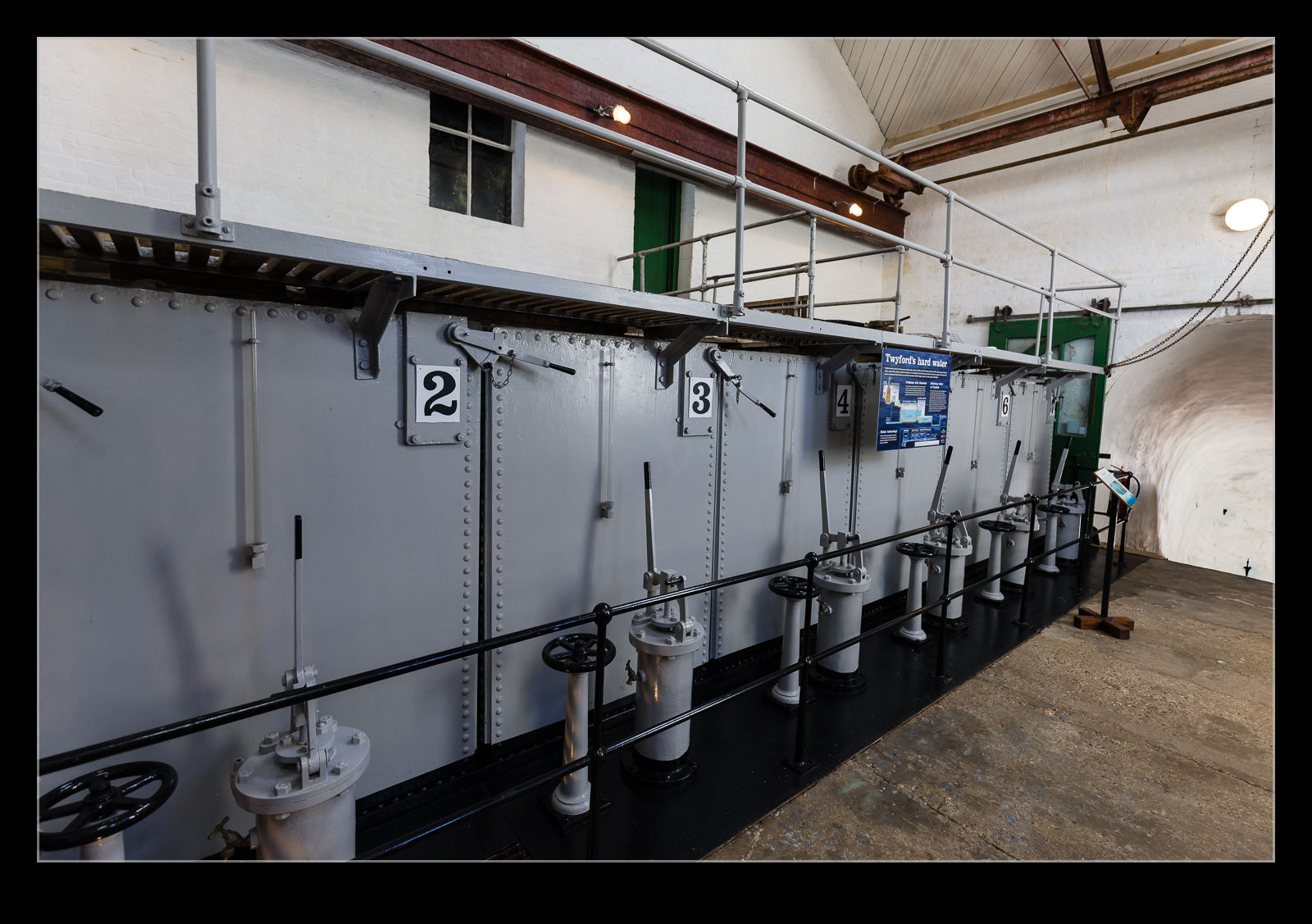
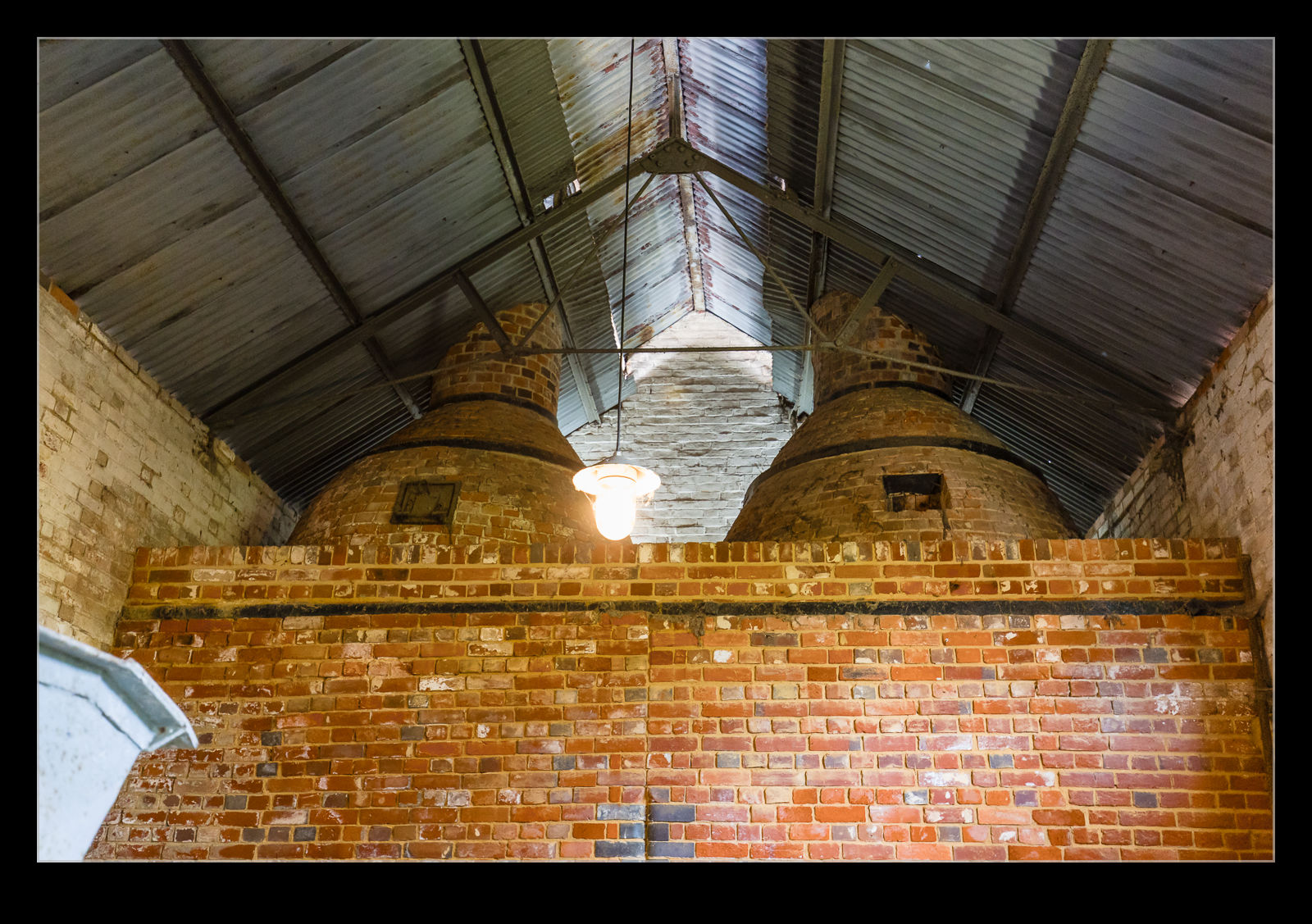
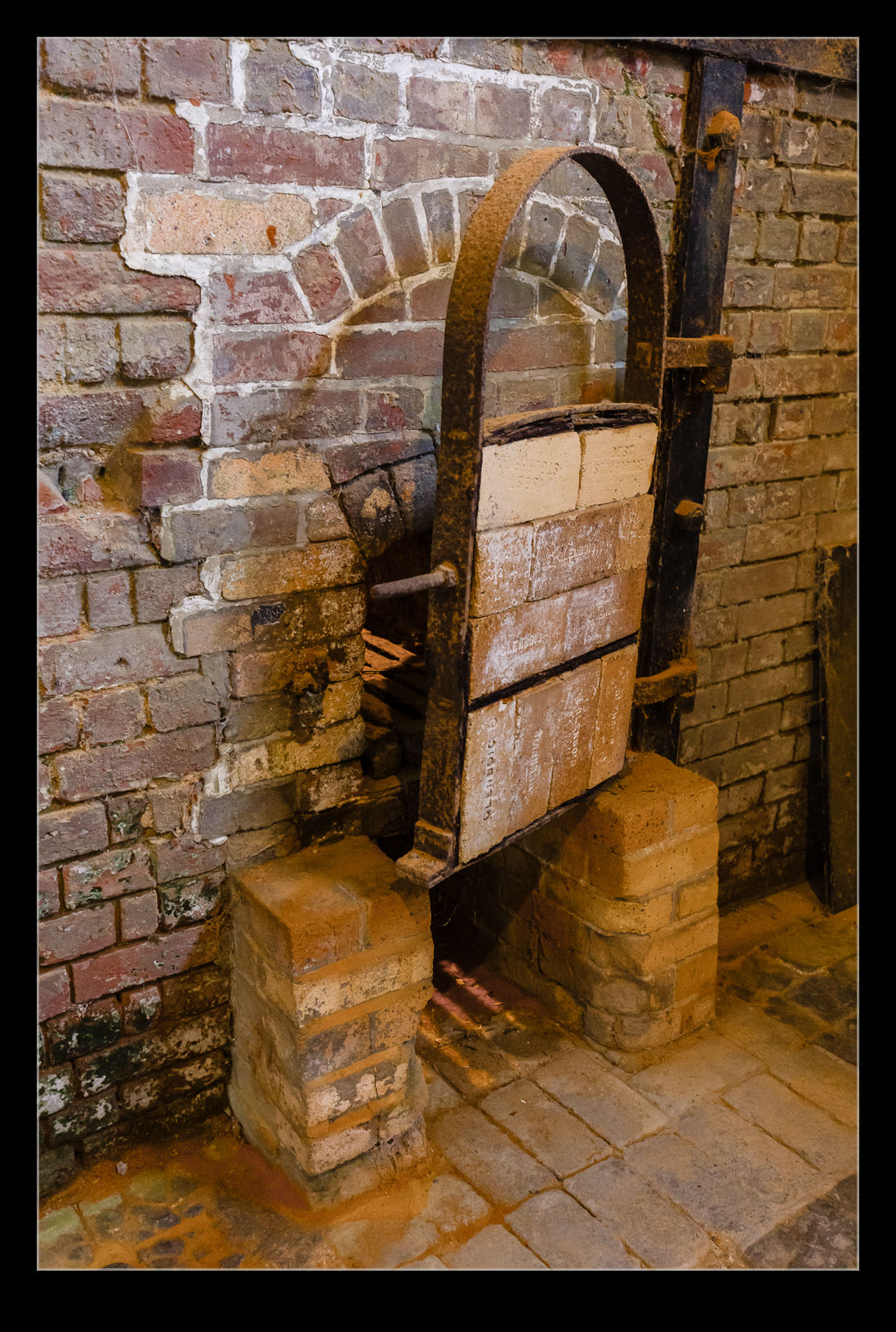
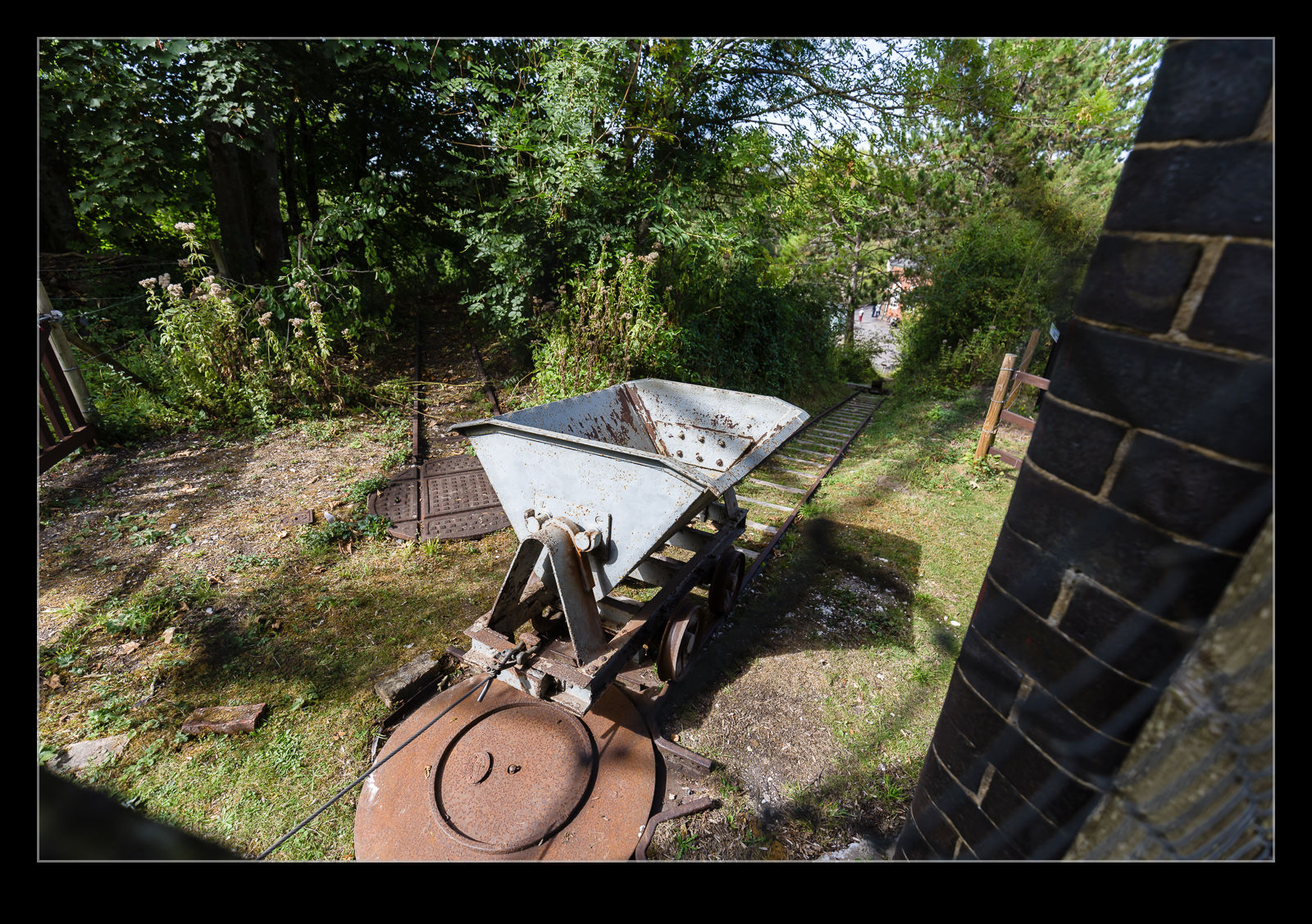
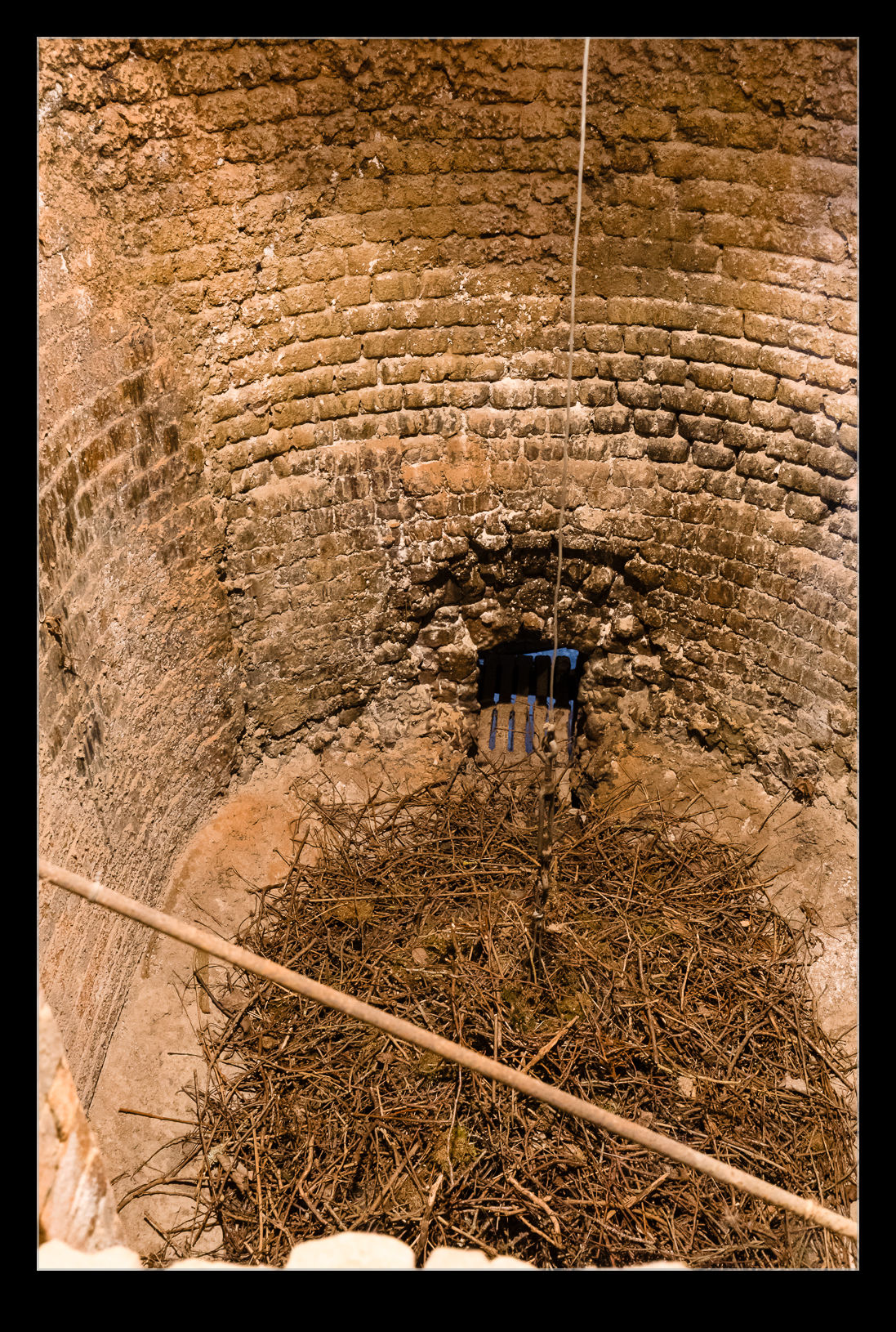
When we arrived, I had anticipated wandering around for a while and taking some pictures while reading information boards. I think Nancy had thought this would be something she tagged along on but wouldn’t enjoy. However, just after arriving, a tour was starting so we decided to go along. We hadn’t anticipated that this tour would take about an hour and there was a good reason for that. It was a thorough and most interesting explanation of the history of the place, the reasoning for it being where it is and the processes that used to be needed for extracting and treating the water. This included lime kilns producing quick lime to treat water hardness.
The tour was fascinating and our guide, Dave, was happy to take questions as we went around of which I had a fair few. One of the things that struck us was the difficult conditions that the workers experienced. In those days, no one was paying attention to the hazards, and you can imagine that there were lots of issues the workers will have suffered. I bet they didn’t all have long and comfortable lives! Once we had wrapped up, we were able to walk around the buildings and see the boilers and the triple-expansion steam engine that drove the pumps. It was an impressive looking machine.
There are a number of similar waterworks that are around the country. If you have a chance to take a visit to one of them, if they are as well managed as Twyford is, I recommend you pop along. It could be interesting.
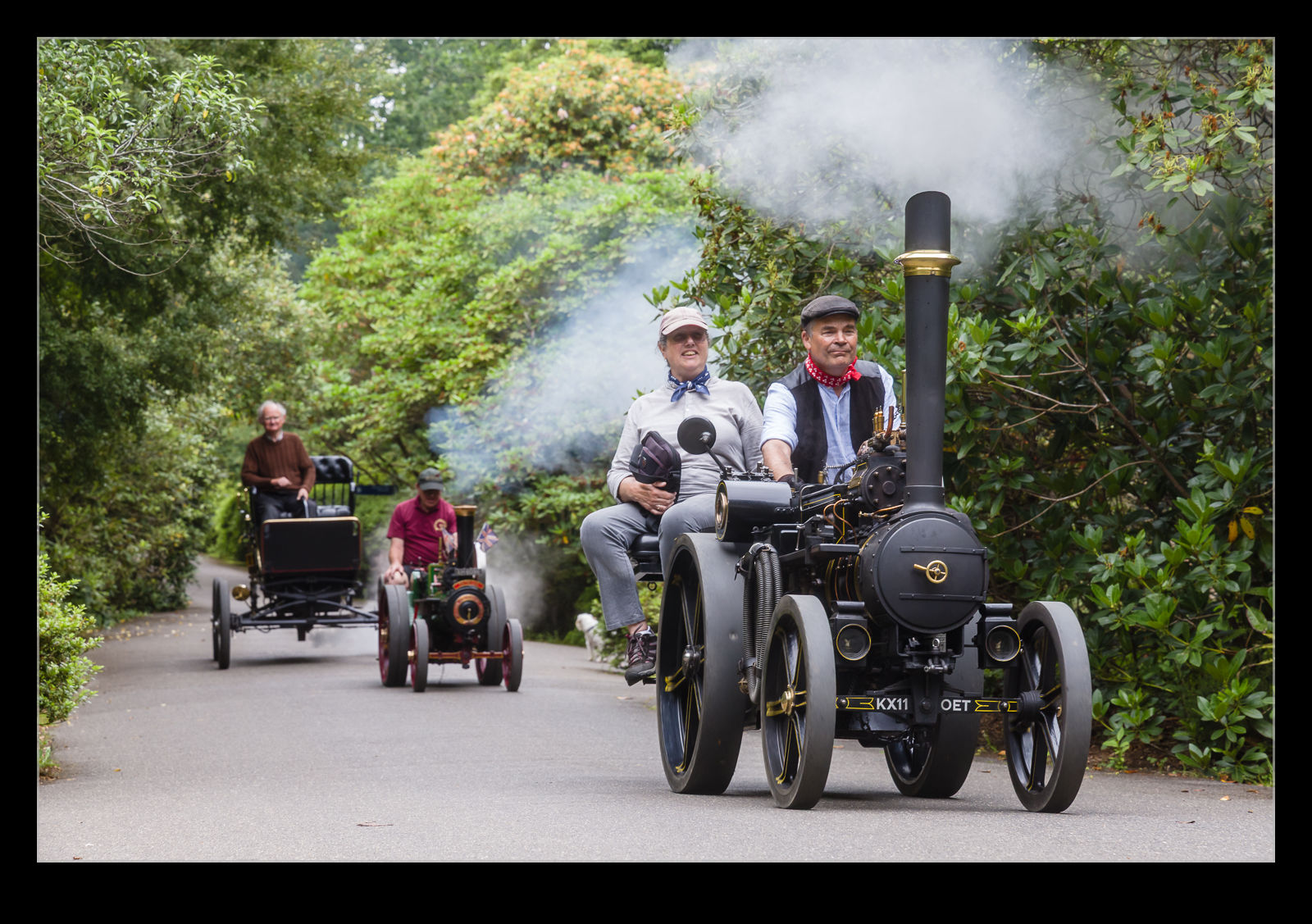
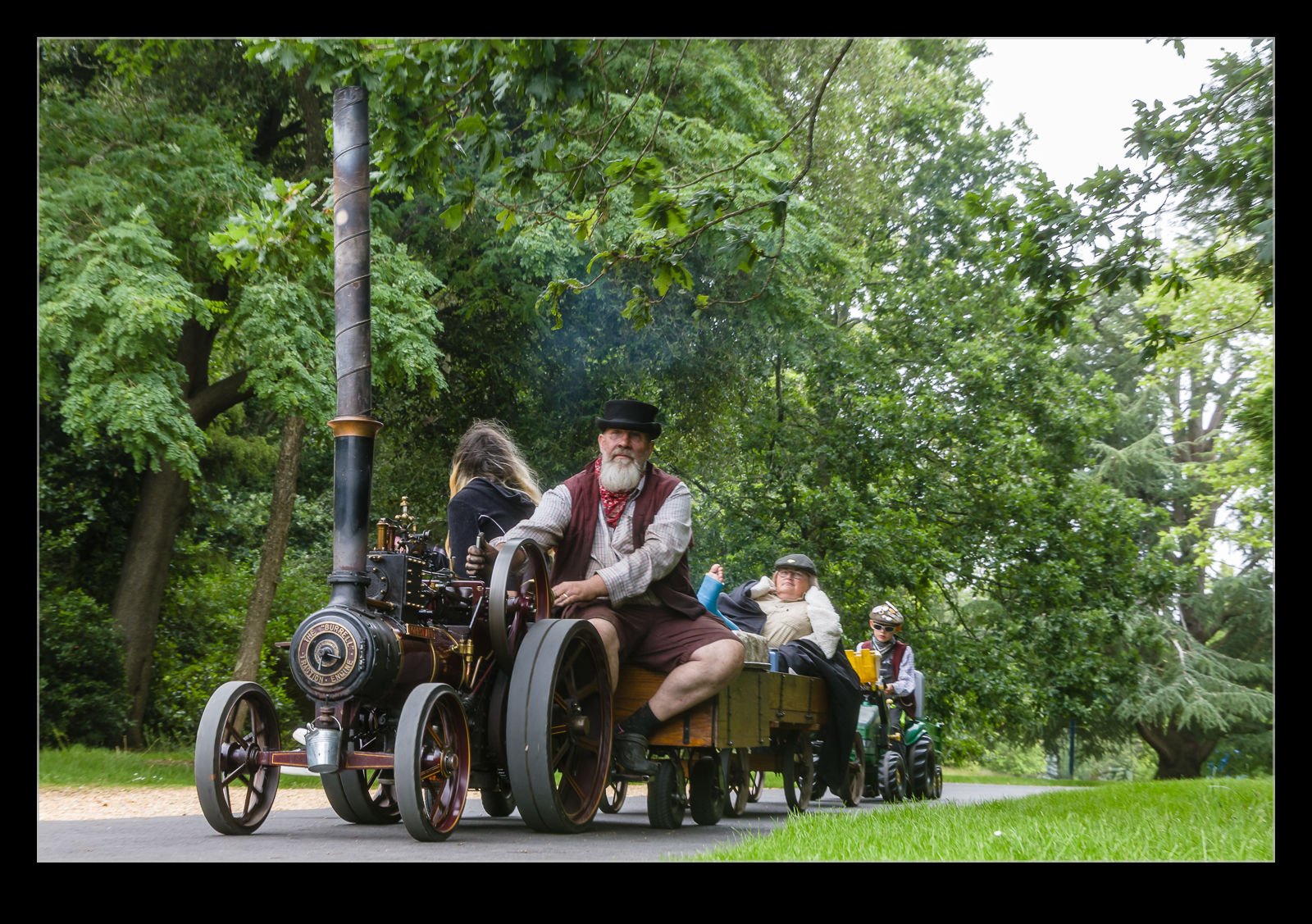
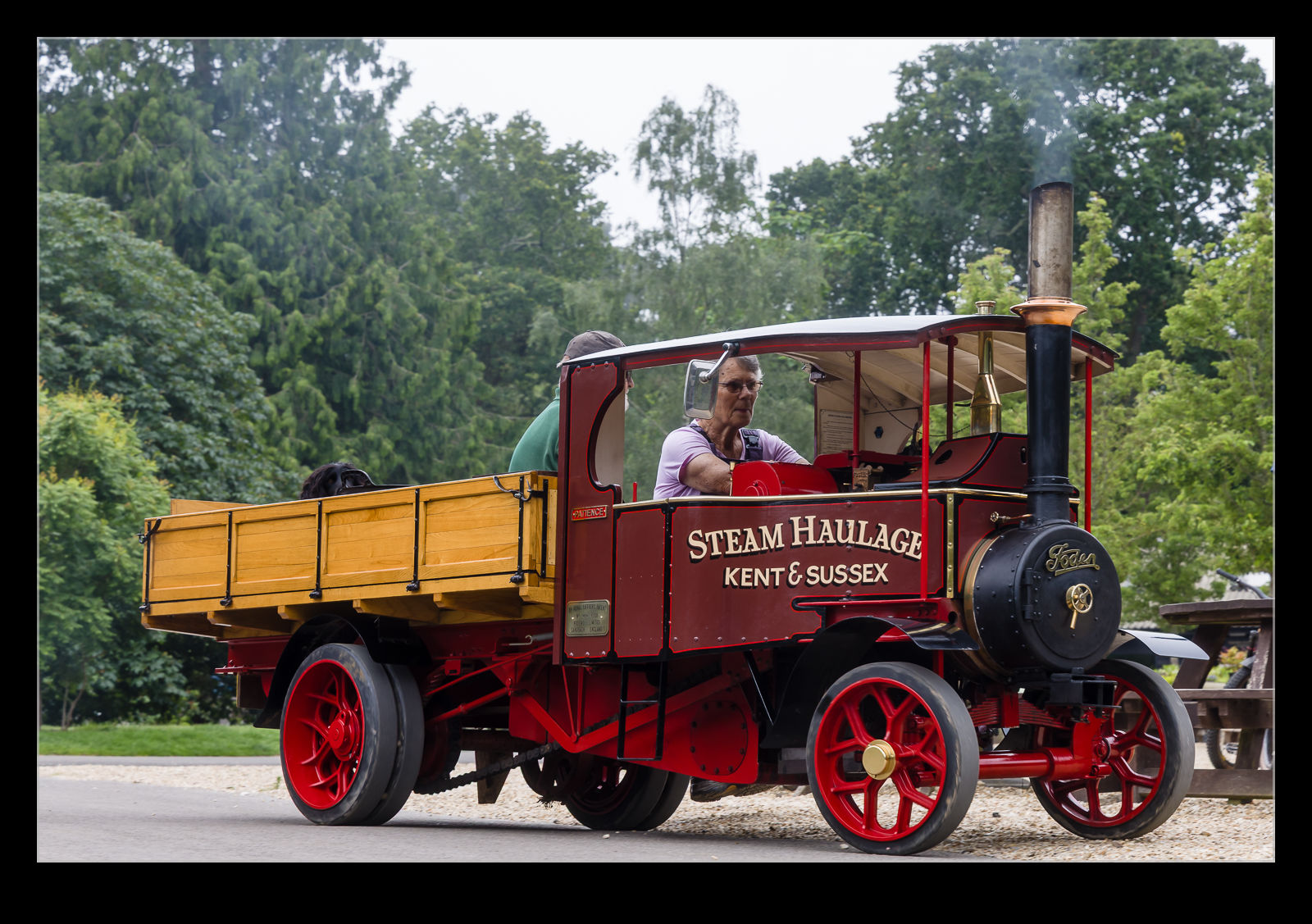
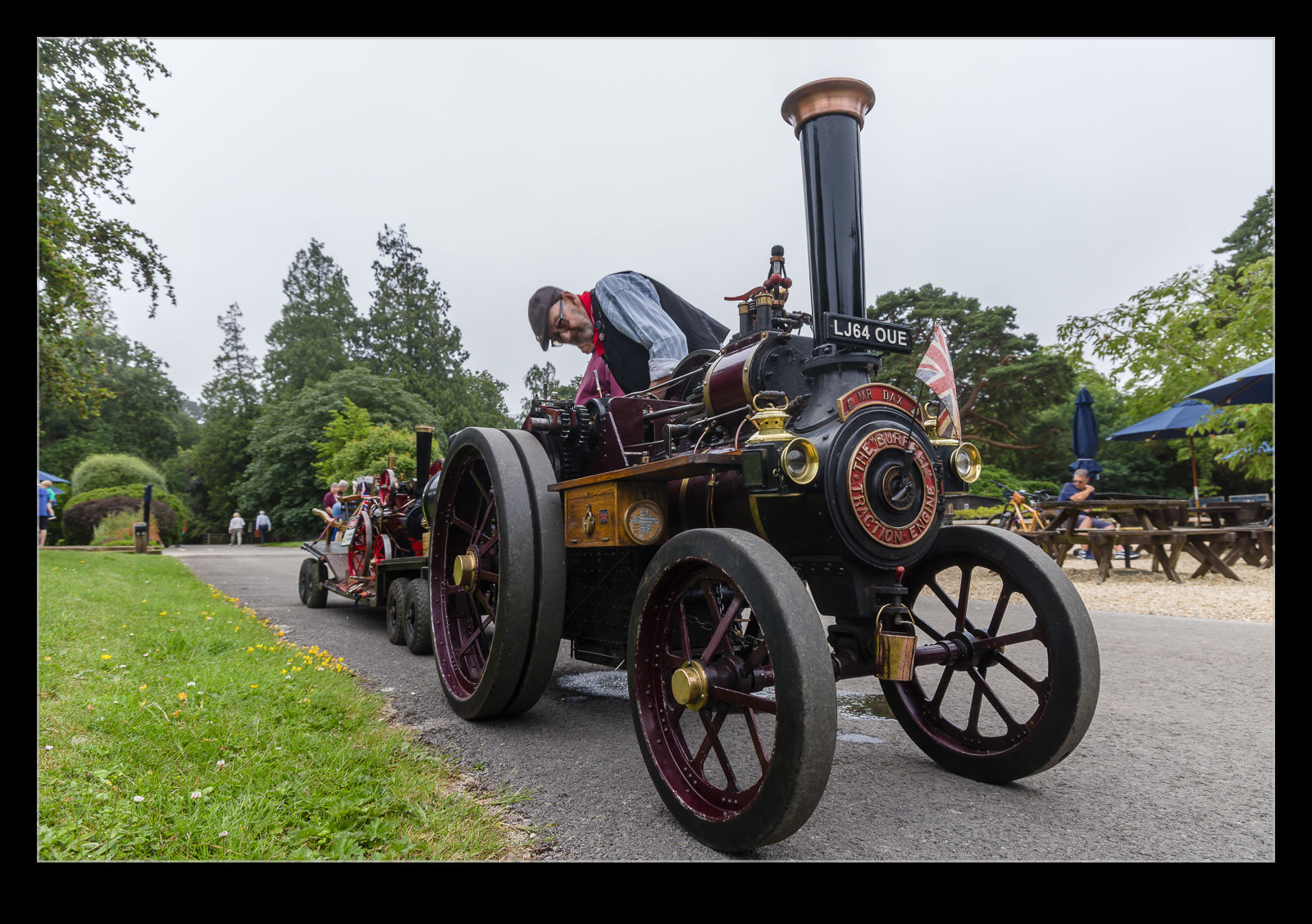
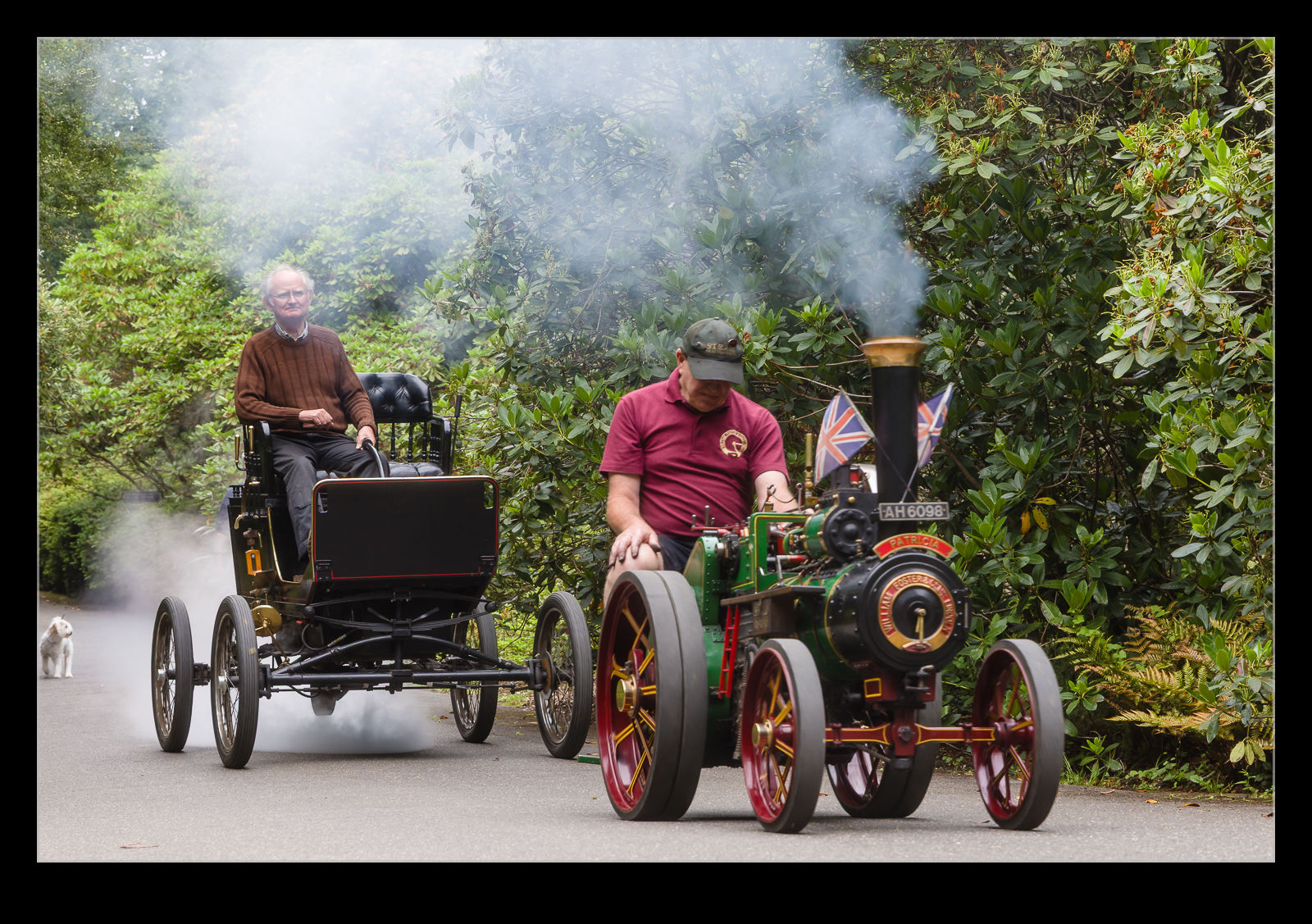
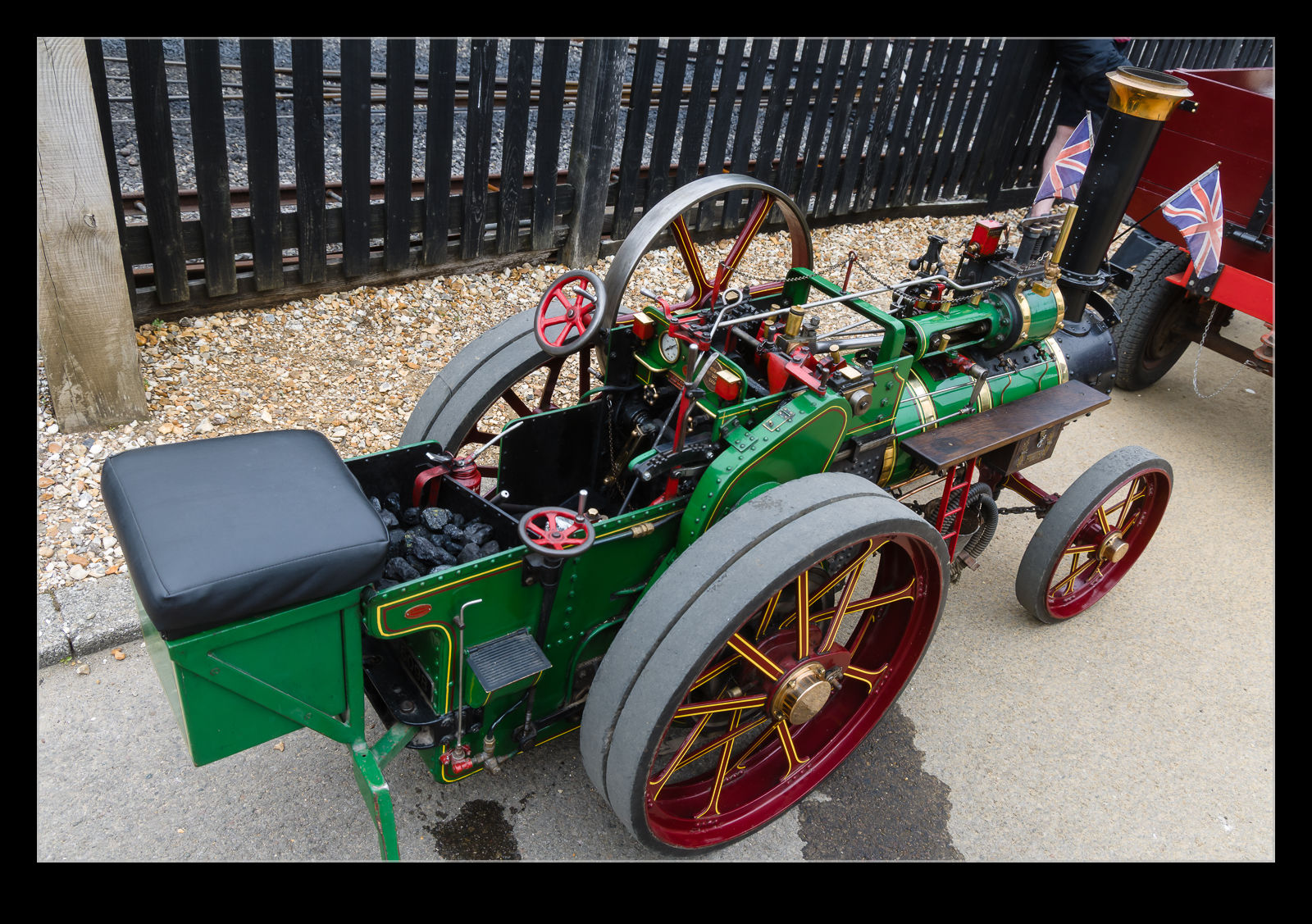
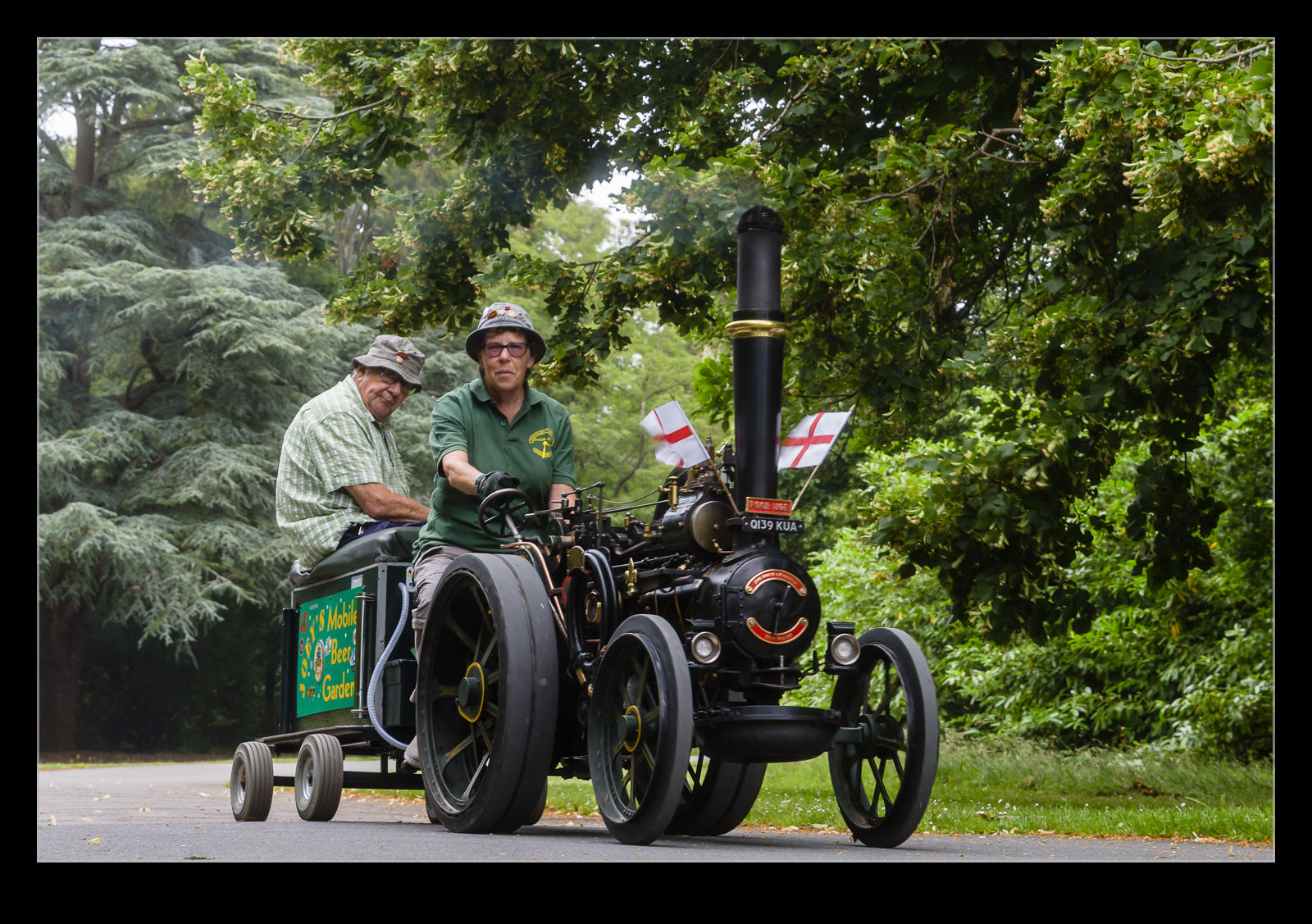
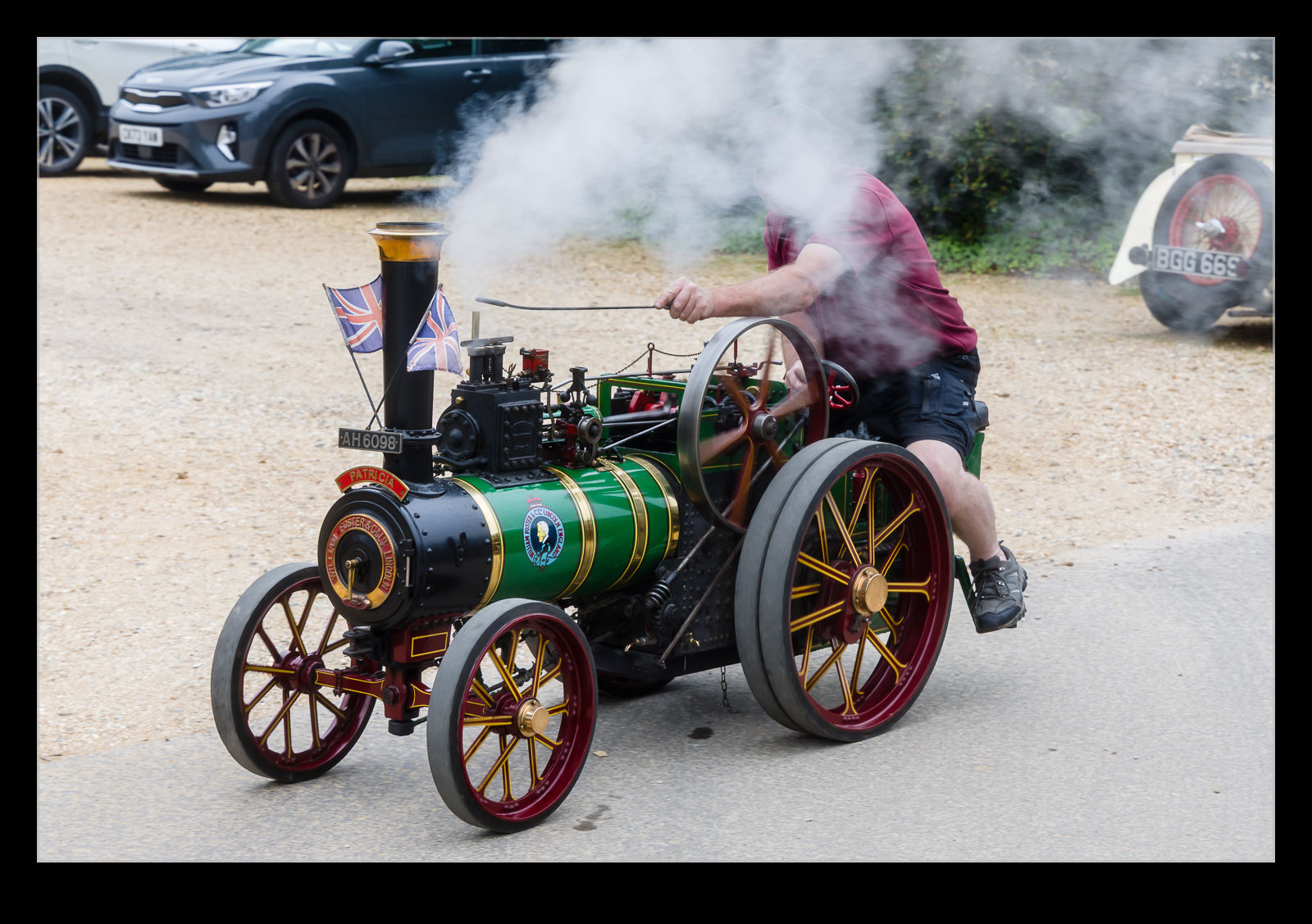
During our first visit to Exbury Gardens, we happened to have chosen a day that coincided with a gathering of steam powered vehicles. While we didn’t change our plans for walking around the grounds to see them, we did encounter a load of them in the grounds. There was a steam powered car that a chap was driving around but the majority of them were miniature versions of the old-fashioned traction engines.
There wasn’t a chance that they were going to sneak up on you. Steam engines do tend to signal their approach even if the operator isn’t blowing the whistle. A blast from that will definitely get your attention. They were all planning to gather up at the house around 2pm and we didn’t go to see how many there were. However, while we might have been a fair distance away in the grounds, we could definitely hear them all when they were whistling together!
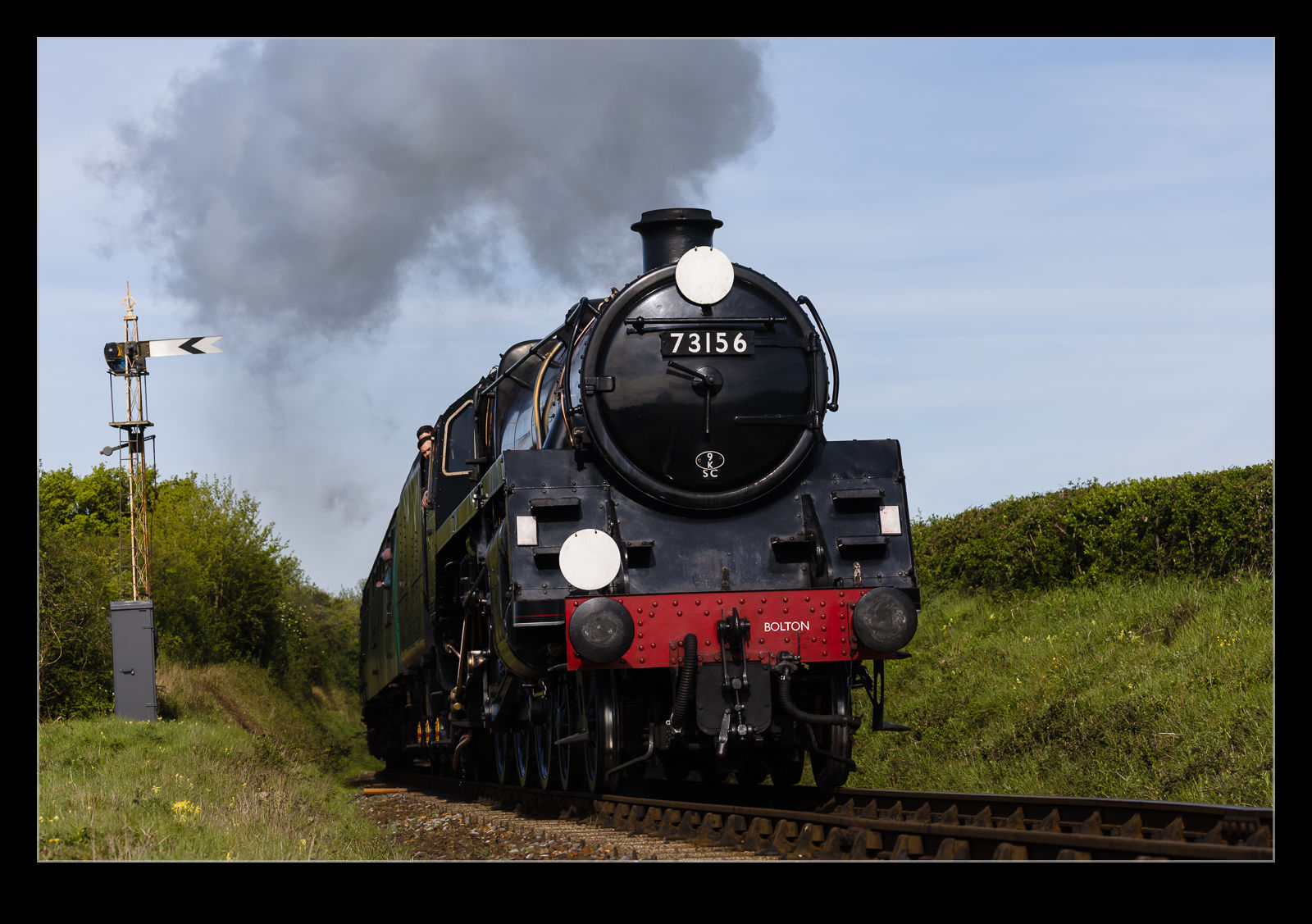
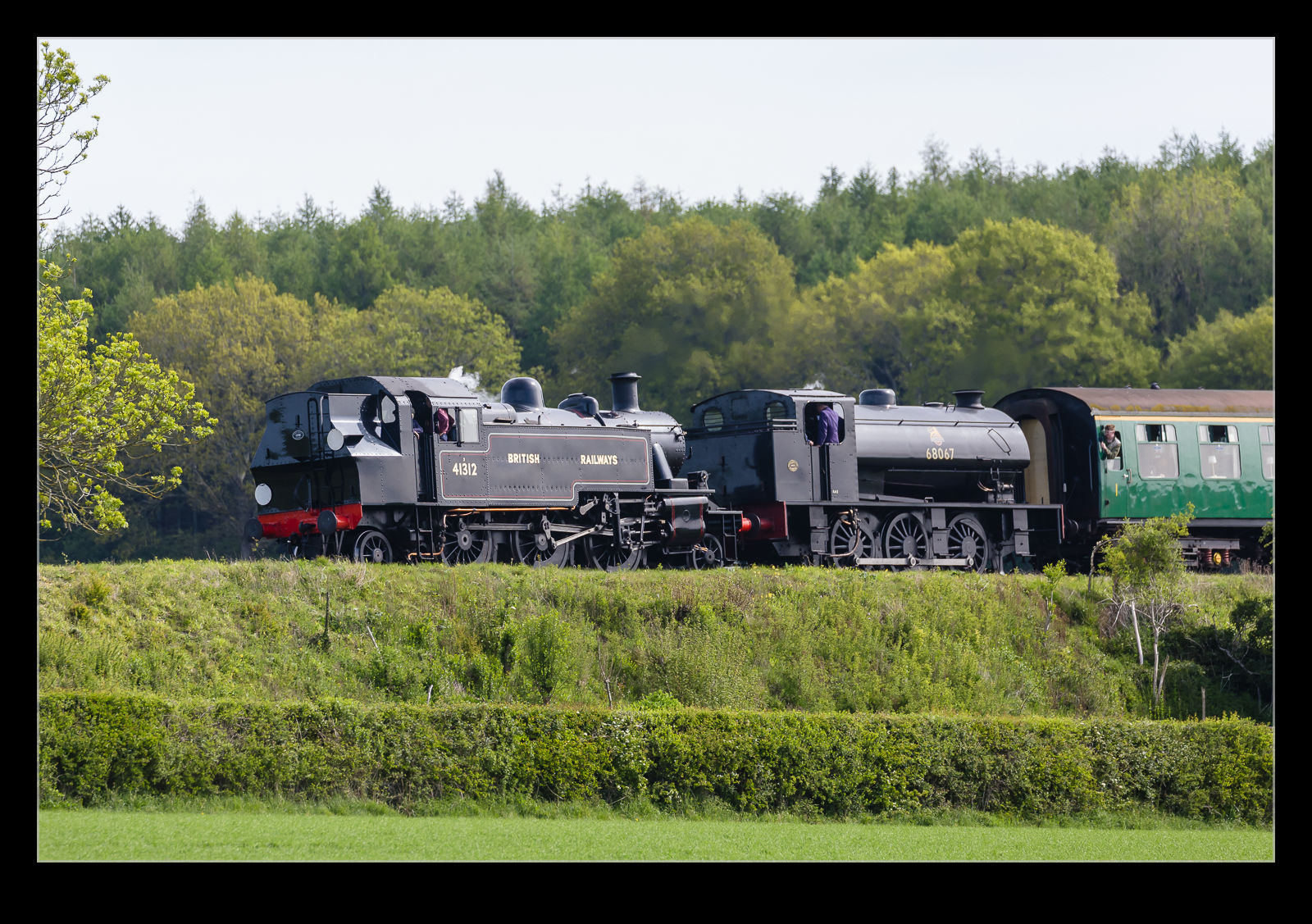
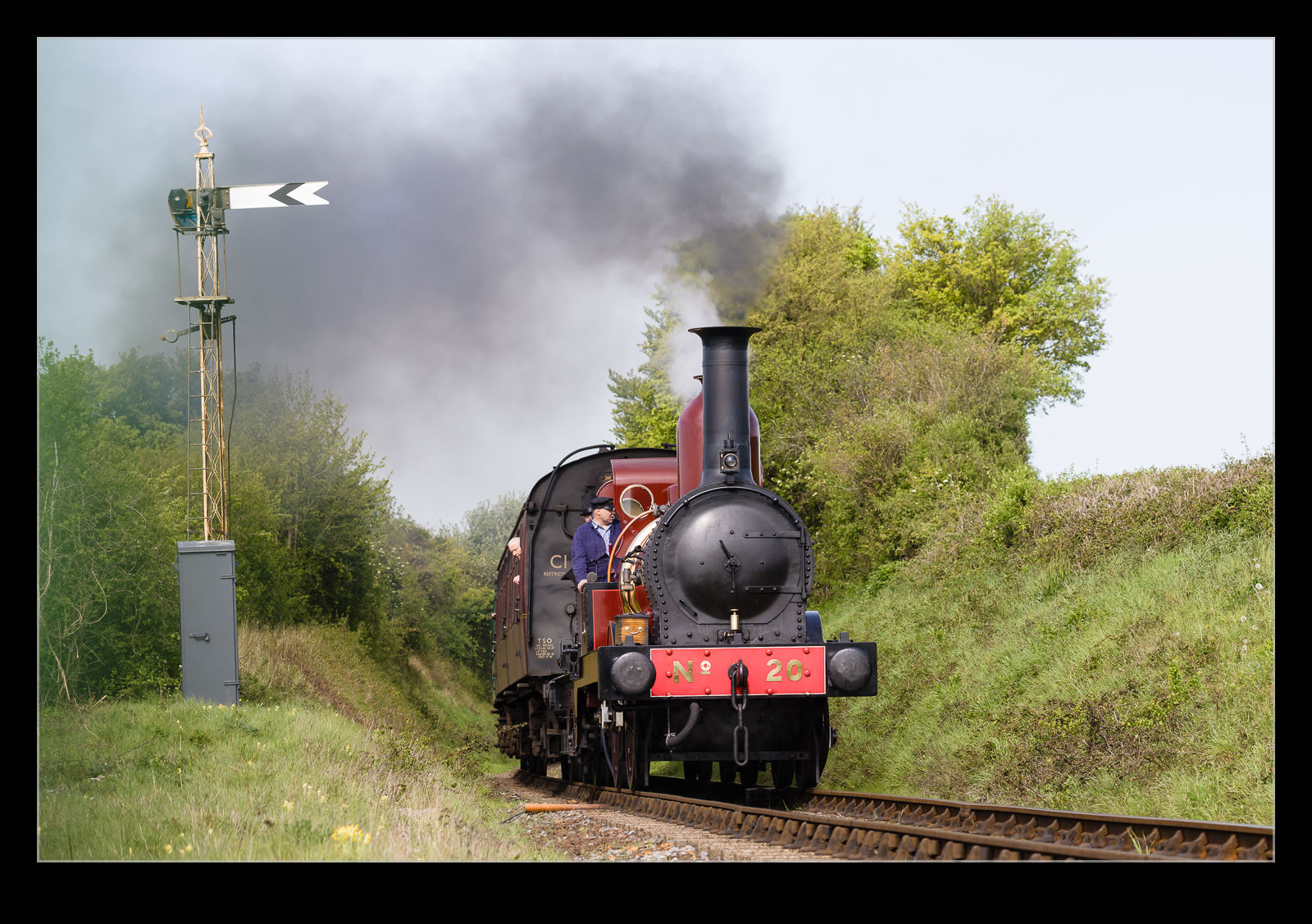
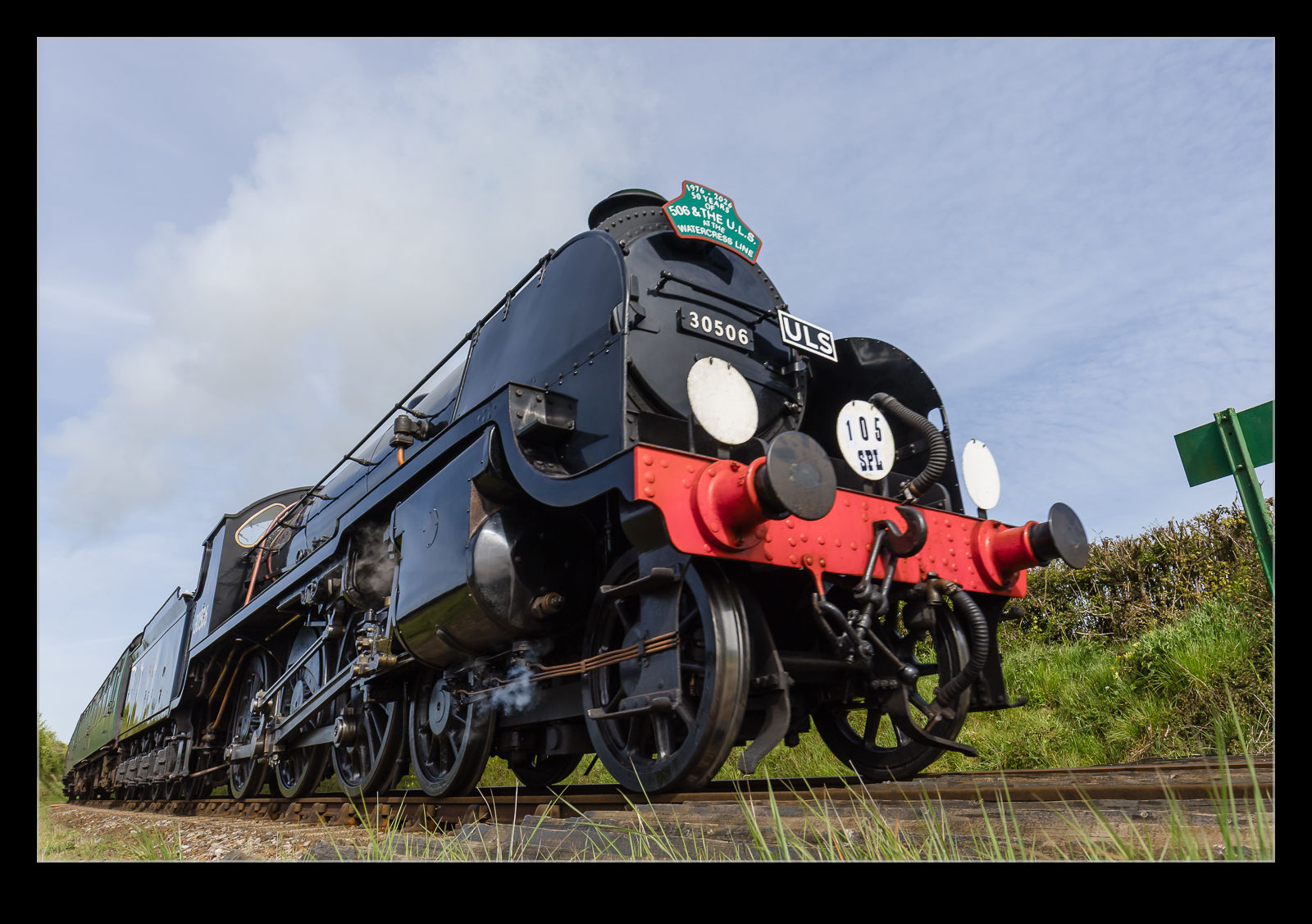
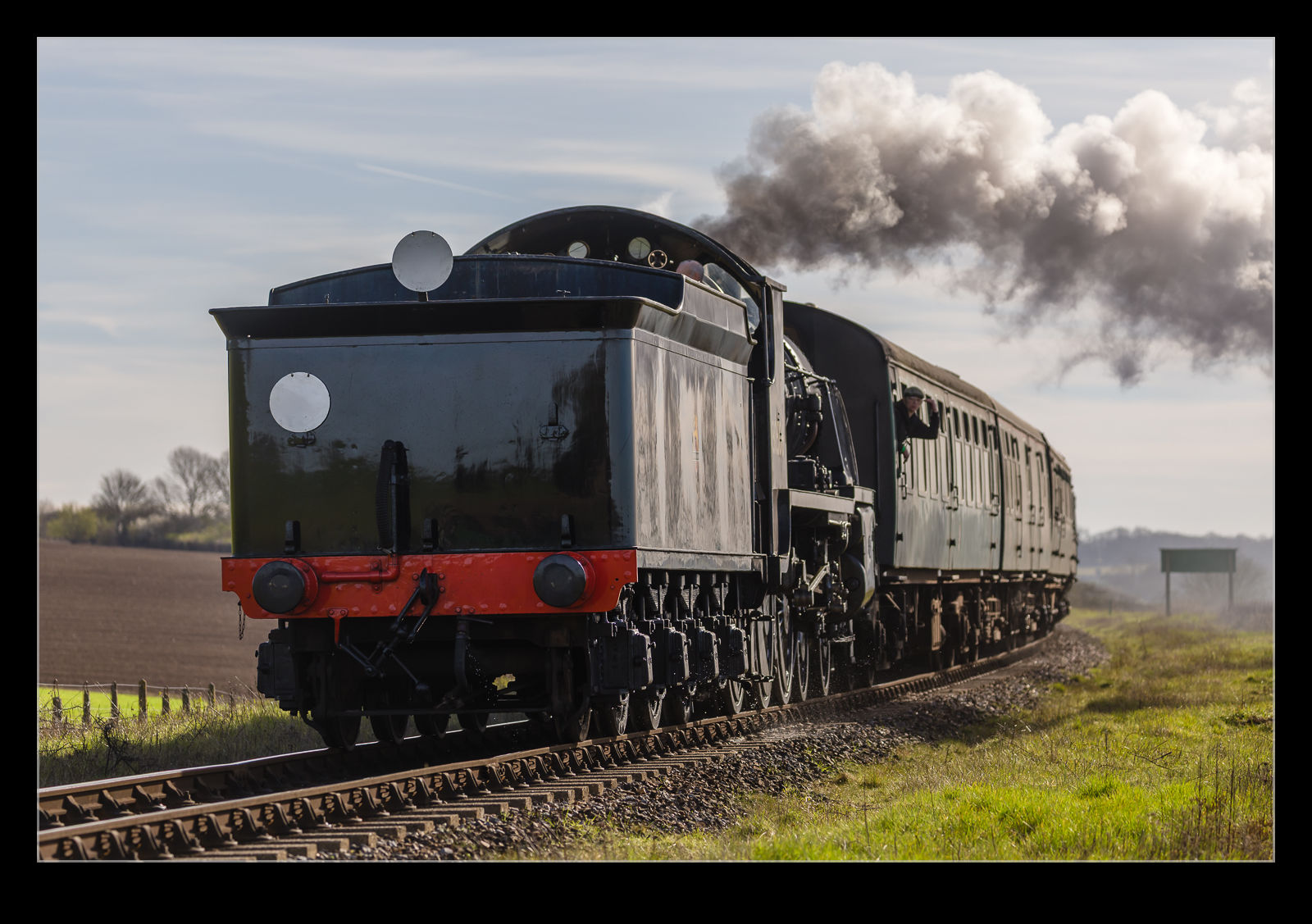
The Watercress Line makes pretty regular appearances on this blog at the moment. Since it is close to home, if I am not doing something else, there is something on and the weather isn’t crummy, I might sneak across to get a few photos. One weekend morning, the Steam Gala was on. We had some plans later in the morning, but I figured the light would be best early and so headed across to Bishops Stoke to get some shots.
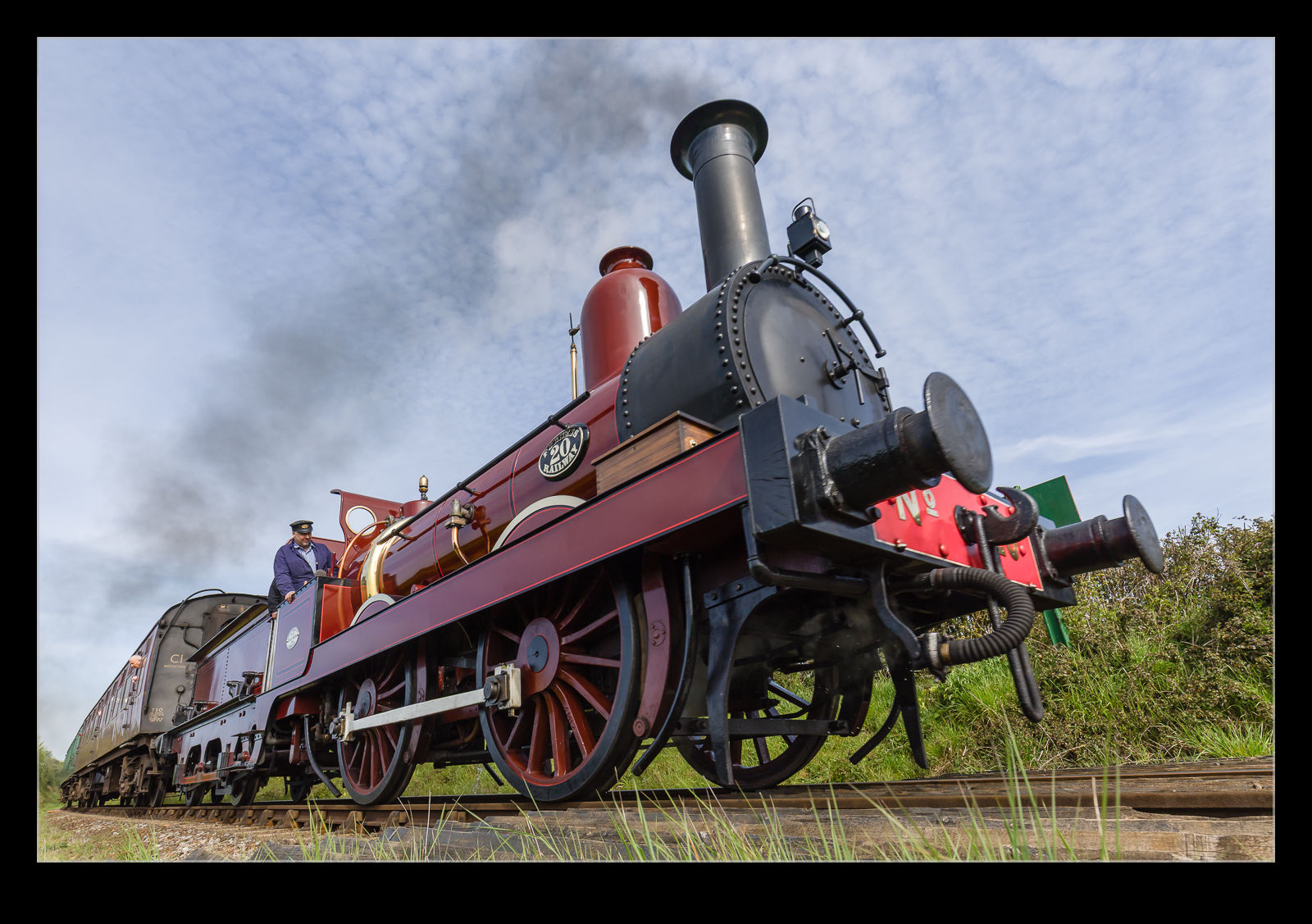
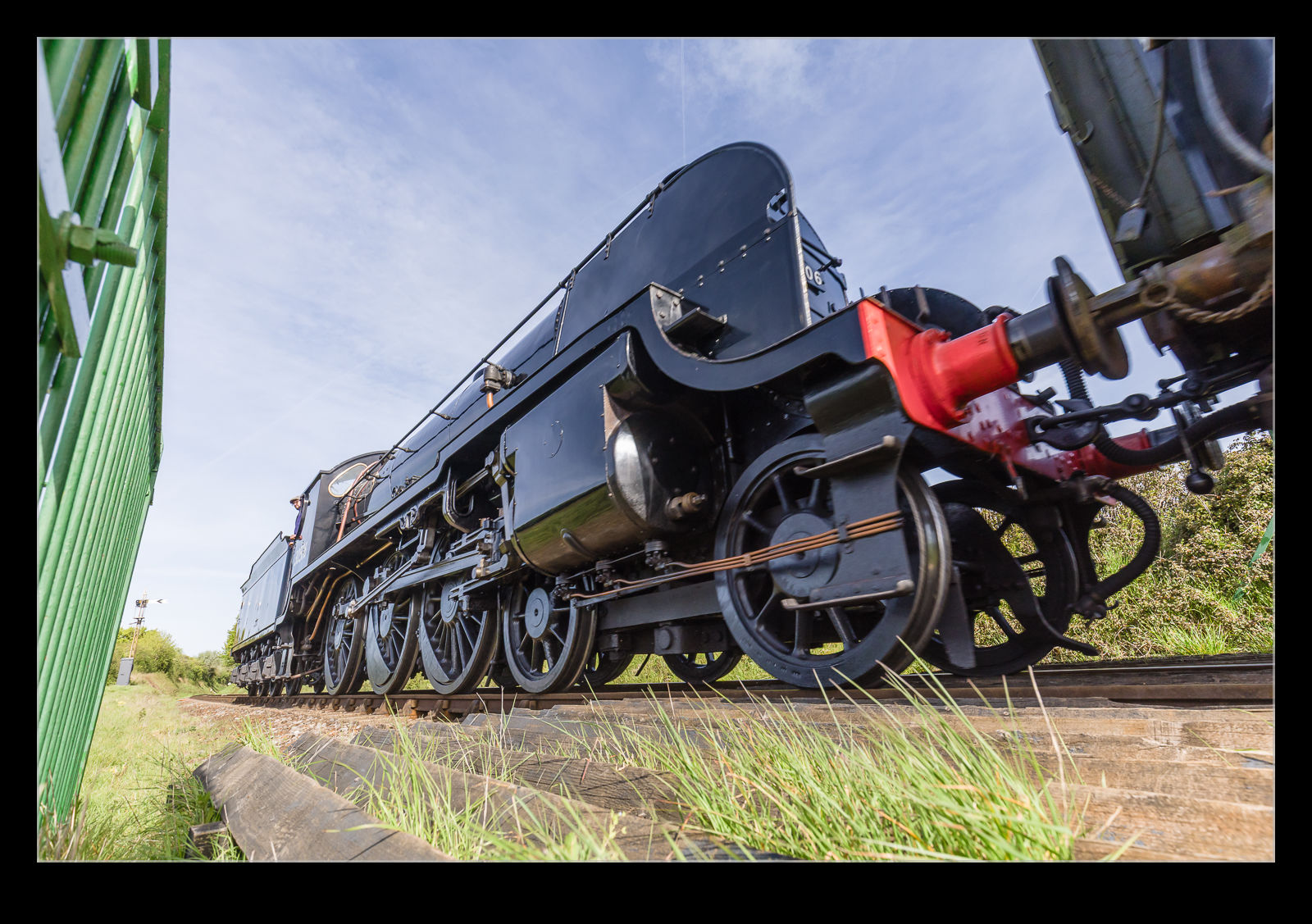
They had a variety of steam locos taking part (with the occasional diesel providing some support). Some were larger late generation locos, there were some tank engines and there was one that, to my untrained eye, looked like it was a lot older given the open area of the cab and the high chimney (is that the right term?). I used the same set up that I had tried previously with a longer lens handheld and a wide-angle lens set on the ground controlled by a Pocket Wizard. I also had the Insta360 mounted high on a fence to get some video.
The set up worked better this time. I had gone with a wider lens for the ground camera and also held the Pocket Wizard in a better way to allow a smoother transition from one shot to the other without any frantic fumbling! Overall, pretty happy with the way things worked out. I suspect I might head back for some of their other events this year if I am free (and the weather plays ball).
I had spent a bit of time preparing to photograph the Flying Scotsman on a Saturday morning at the Watercress Line. Once done, I had gone home and picked up Nancy so we could head to an appointment that we had in Itchen Abbas. When we finished there, the plane was to head to Alresford for some other stuff. This was going to take us by the bridge in Bishop’s Sutton that goes over the track. I thought it was about the time that another of the Scotsman’s planned runs should take place. Consequently, we drove by that way.
There were plenty of people on the bridge when we got there so I parked and asked if it was due. Someone said five minutes, so I grabbed the cameras from the car. As I did so, I saw people lifting cameras to their eyes so zipped back. The train was already climbing the hill out of Alresford. The longer shots were not great because the heat haze was already showing itself, but they were okay. As it came up the cutting, it was making plenty of power. Then it was gone. We were back in the car and off to our destination and it had barely taken five minutes out of our day!
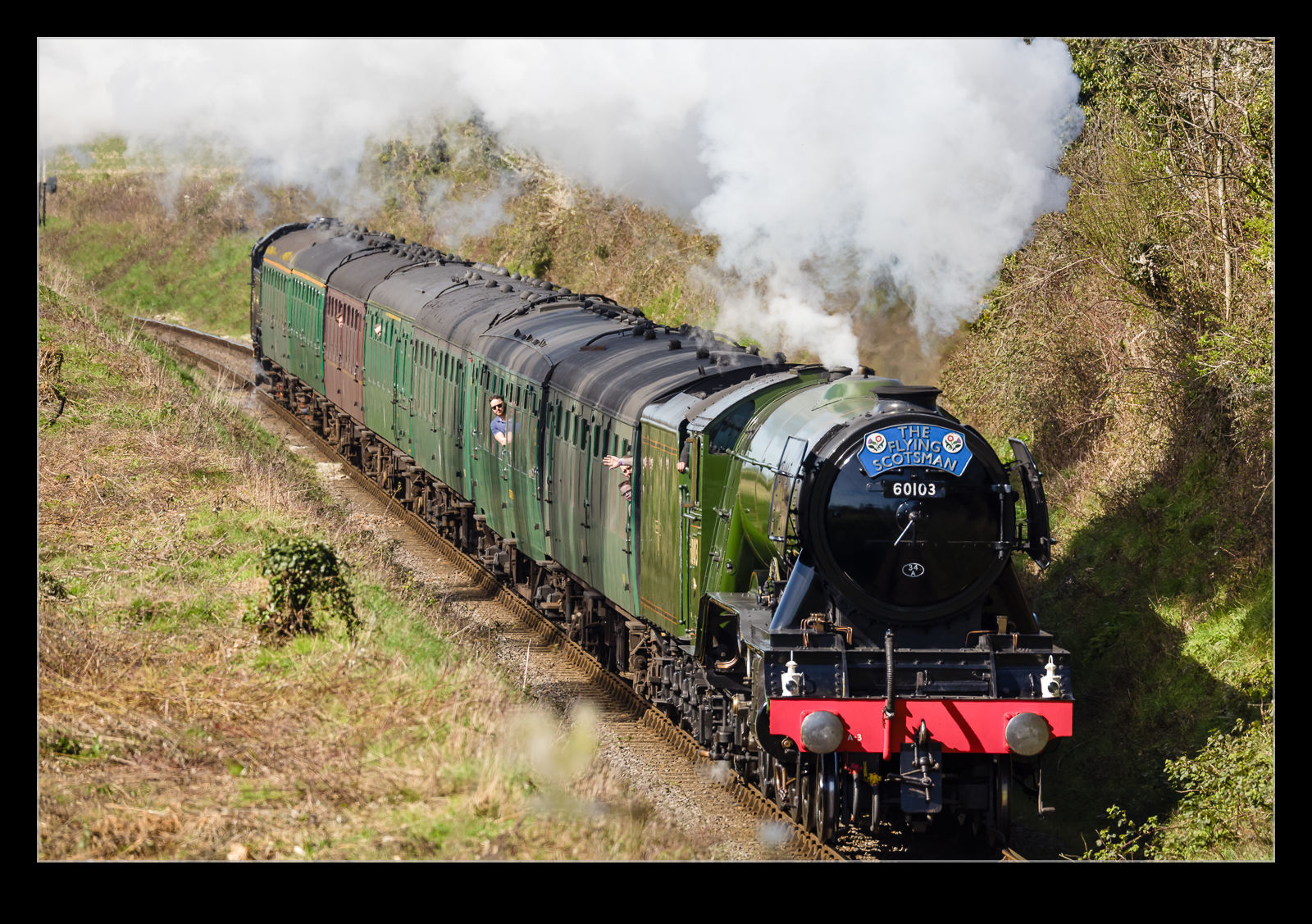
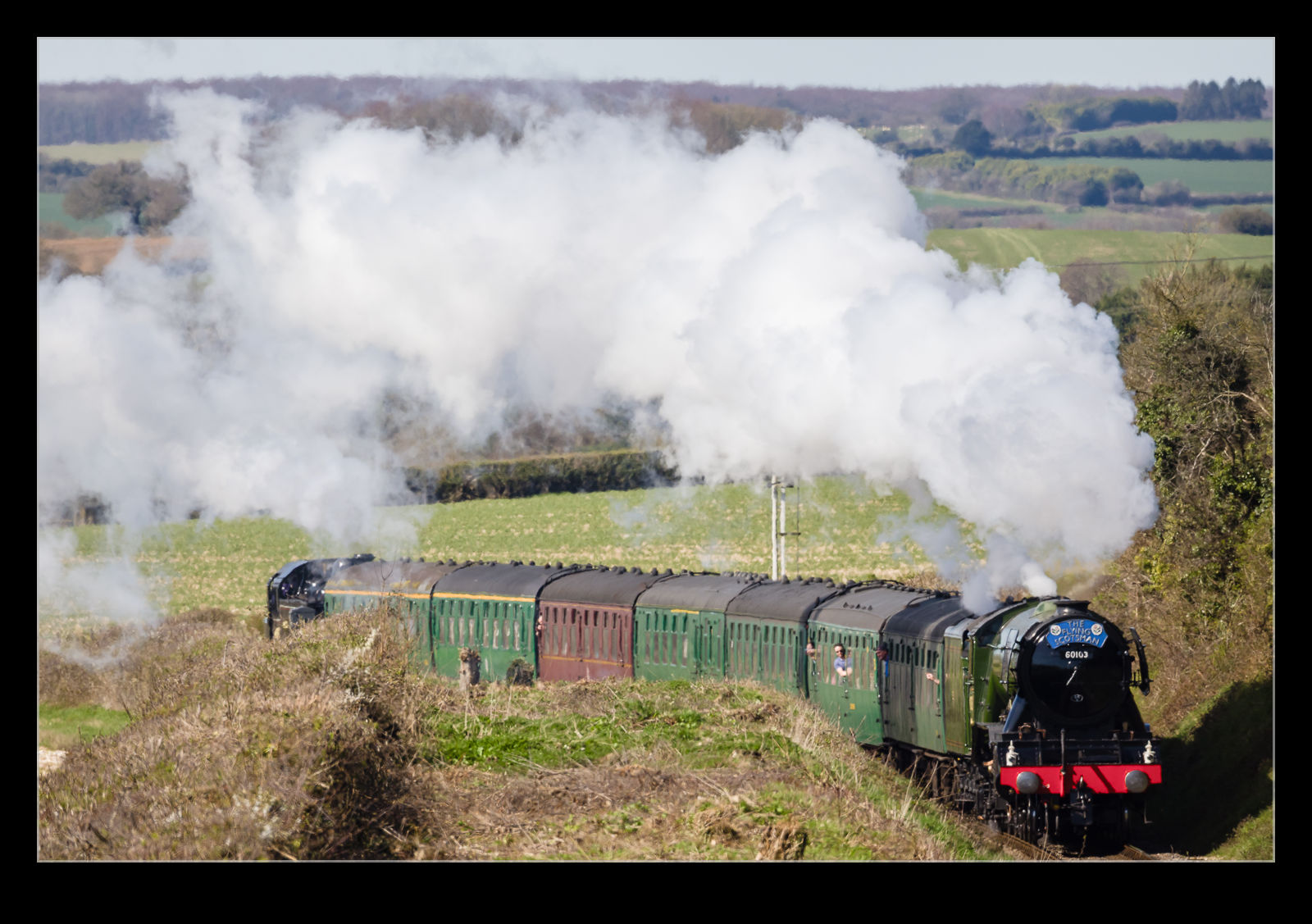
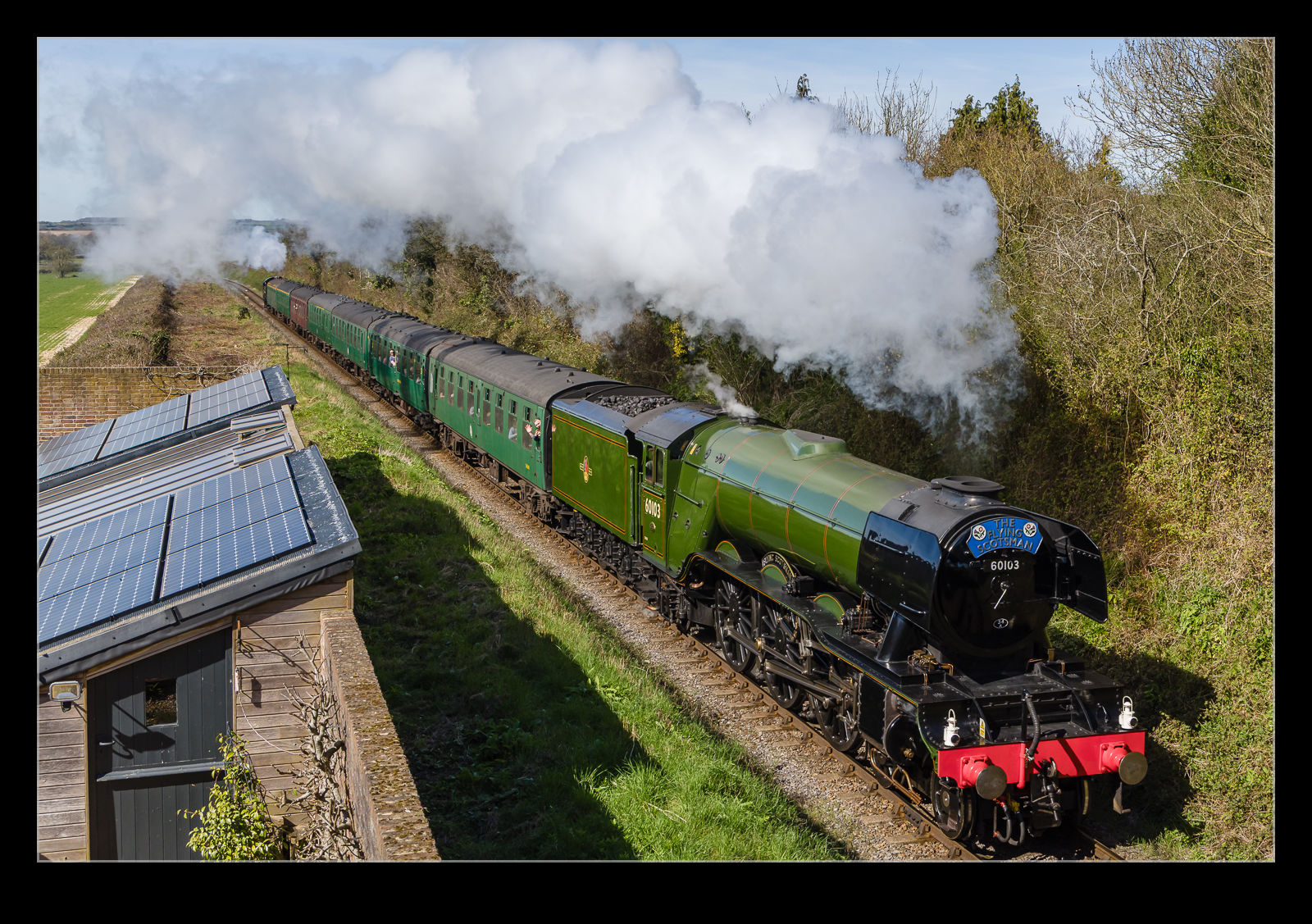
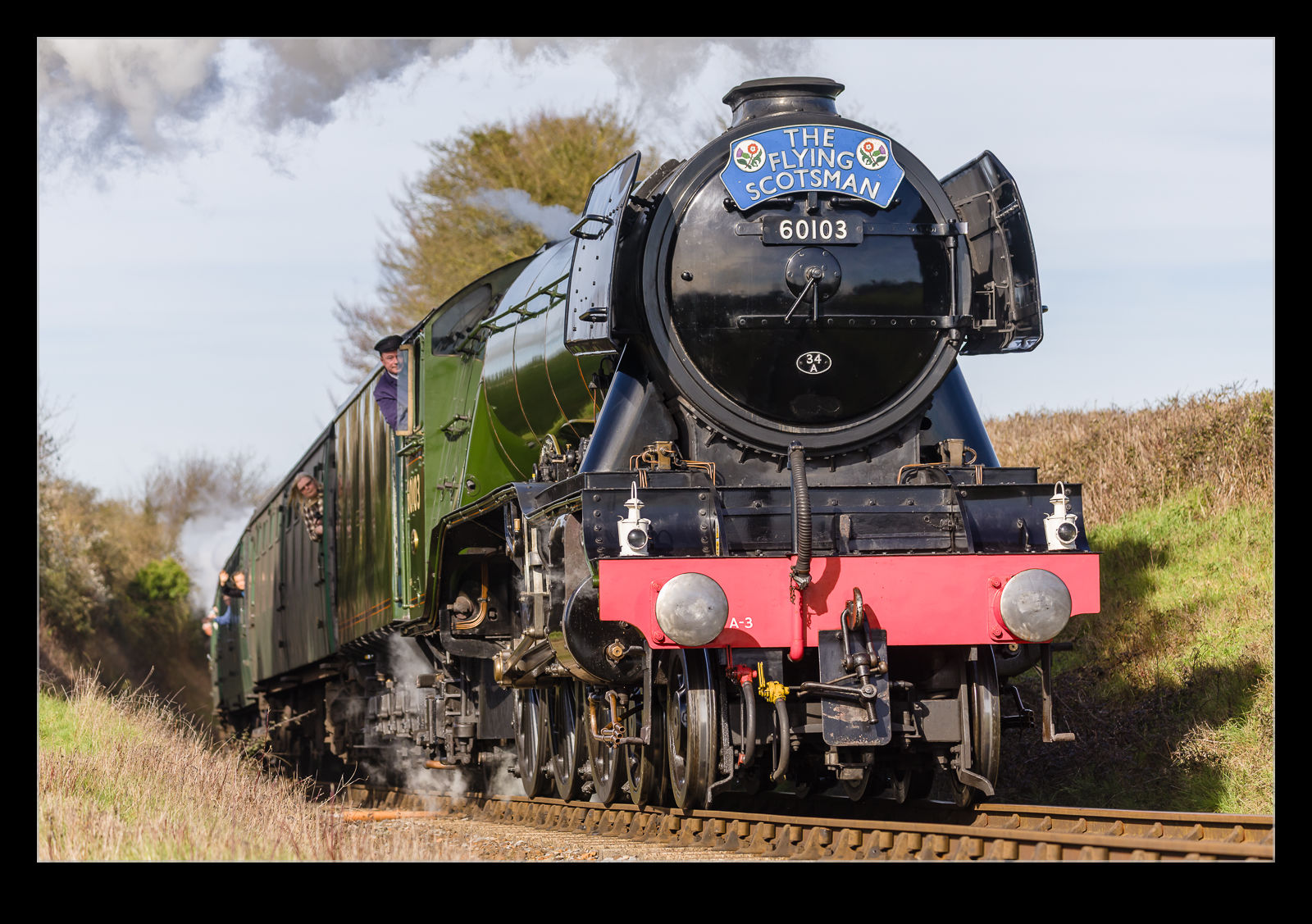
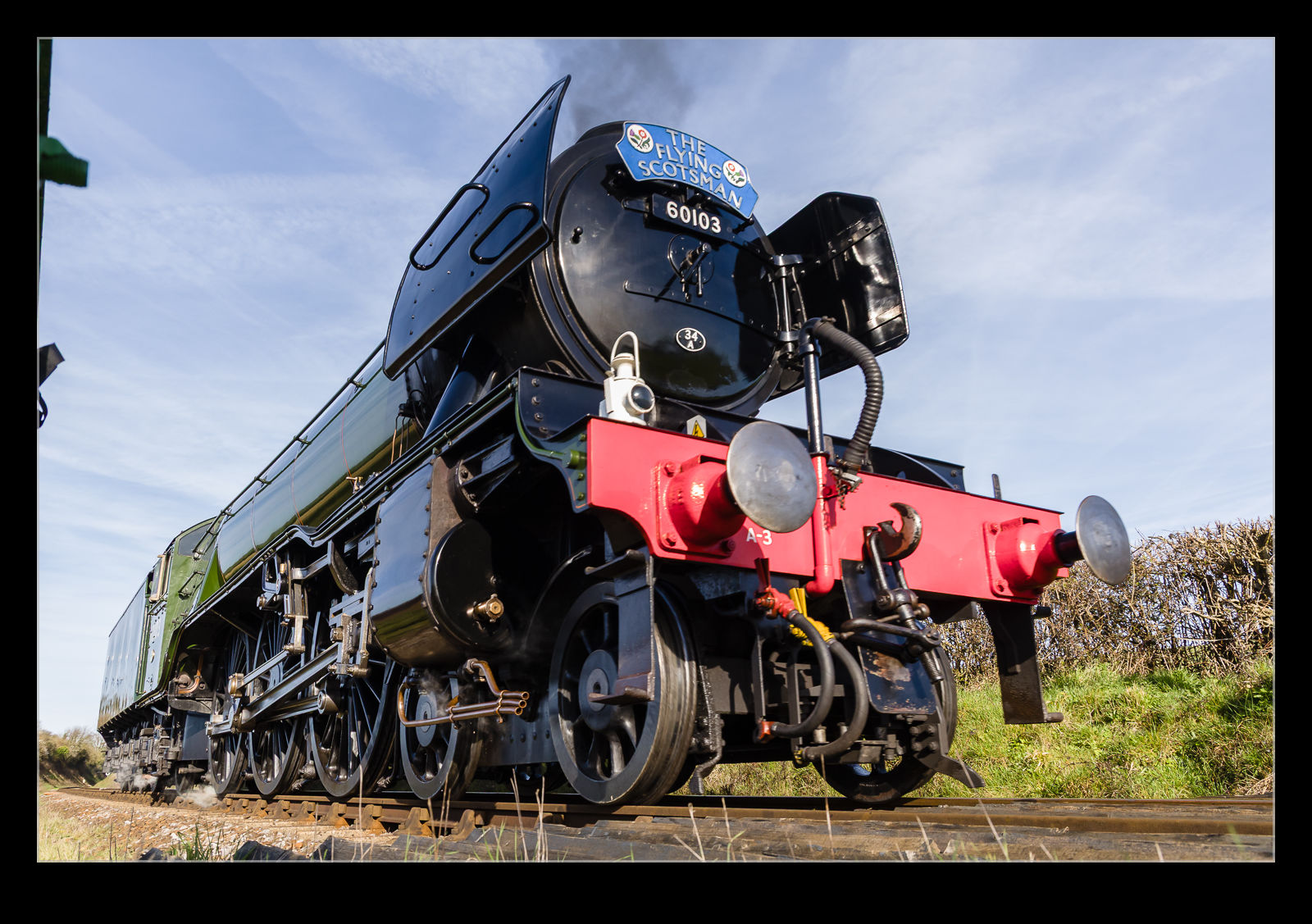
In a recent post, I told the story of my less than successful efforts to photograph the Flying Scotsman at the Watercress Line. In that entry, I mentioned how much public attention the loco gets. Given the number of large steam locomotives that there are in the country, it is interesting just how much more this one attracts visitors. If it helps the railways get some additional revenue, it is surely a good thing. Seeing as I had messed up getting photos on that occasion, I decided to try again the following weekend. The weather forecast was far nicer. Moreover, I spent a load of time thinking about what I would do. Even then, as I headed out in the morning, I had a couple of options with the things I was bringing.
I took two cameras with me and the Insta360 as well. I also had a clamp mount which I hadn’t decided whether I would use for the Insta360 of the second camera. I figured I would decide when I got there. Since the weather was nice and the Scotsman is popular, I worried that it might be pretty busy. There are limited parking spaces on the lane near the crossing I was going to, so I headed out in plenty of time. Of course, when I arrived, there was no one else around. Plenty of time to now kill!
I walked up to the crossing and found it empty. This gave me loads of time to decide on what to do. I had brought some PocketWizards with me. If I was going to use the second camera, these would be used to trigger that body.
As I unwrapped the PocketWizards, I realised that the Velcro cover I used for them would also make a nice wrap for the Insta360 handle. I attached it to the fence and wrapped the handle to the fence posts, and it provided a nice secure fit which meant I know had the clamp mount available. The Insta360 is controllable from my phone, so I was able to leave it fully extended and just activate it from the app when ready. I did a test with it when it stopped recording after 20 seconds. I have no idea why it did that so tried a couple of further recordings which all worked fine so I decided that was good to go.
While the PocketWizards can be used to trigger the second body when the first is firing, I didn’t actually want that. The two bodies were set up for different shooting scenarios – the long lens would cover the approach of the train but, during that time, it would be so far away that there would be no benefit to shooting with the wide-angle lens. Similarly, once it was close enough for the wide angle, the long lens would already be too much so I would have stopped shooting with it. Consequently, I handheld the PocketWizard and triggered it by hand when required.
I clamped the mount to the bottom of the fence with the camera at ground level looking up at the approaching train. I normally use back button focus but I don’t think that would activate via the PocketWizard, so I switched it to front button for focus and exposure. The joy of a flexible screen is that you can frame up the shot without having to be a contortionist which is good news for those of us with a few years under our belts. With everything set up, I set off a few test shots to see if everything was working. It all seemed good so now it was time to wait.
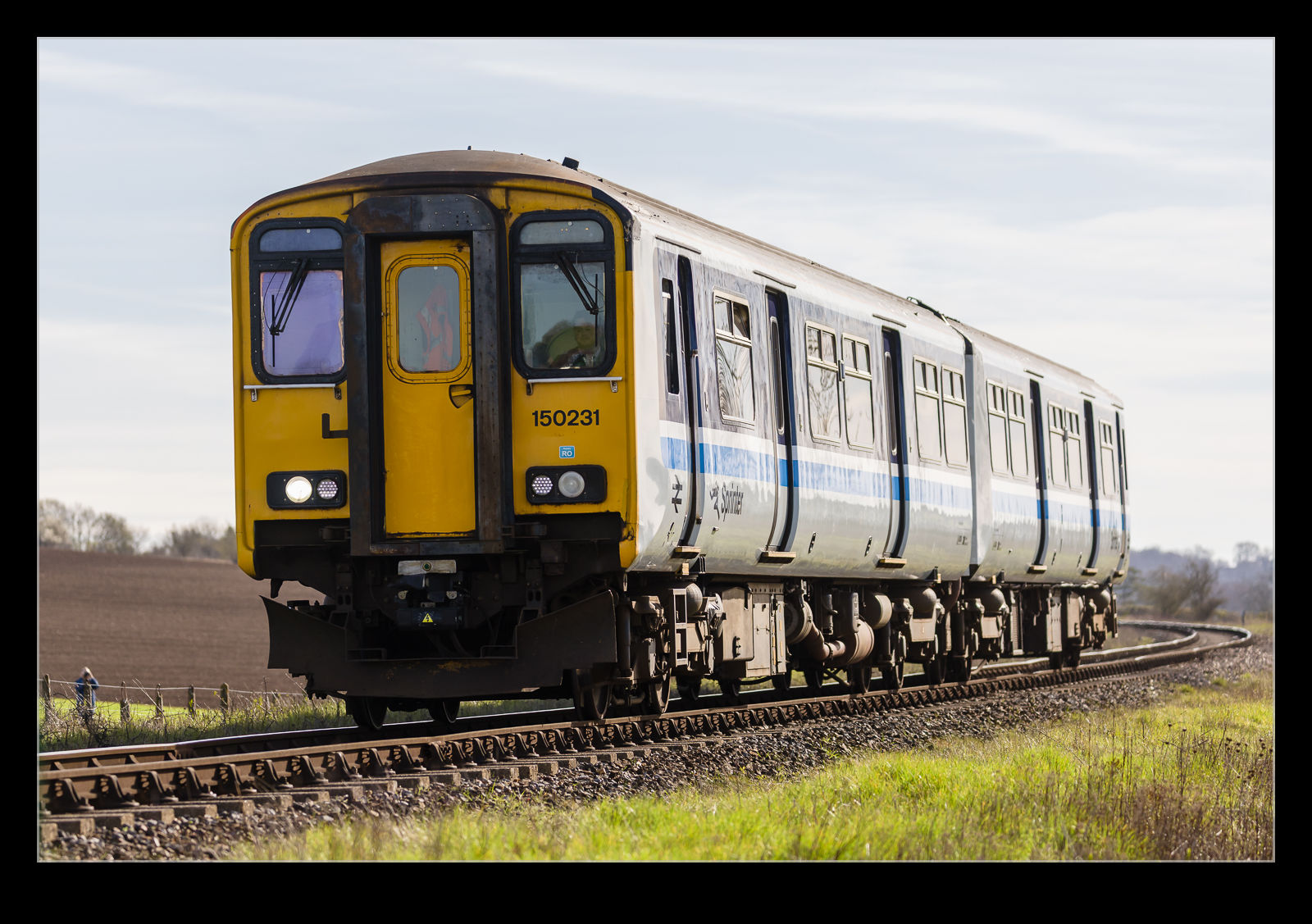
I was expecting one or two movements before the Scotsman which would give me a chance to test things out. There is a shuttle that is used to take people from Ropley to Alresford for the main event so I figured that would come through. It would be going the wrong way but would allow some practice. However, there was more than I expected. The first thing to appear was a steam loco running light in reverse from Ropley. Turned out that it was the Scotsman heading from Ropley to Alresford to join the train. That was a nice option but, of course, it had no coaches and, since it was running downhill, it wasn’t making much power. The shuttle also ran back, and forth which gave me some practice while another train rain down to Alresford for a service that would come after the Scotsman had departed for its first run.
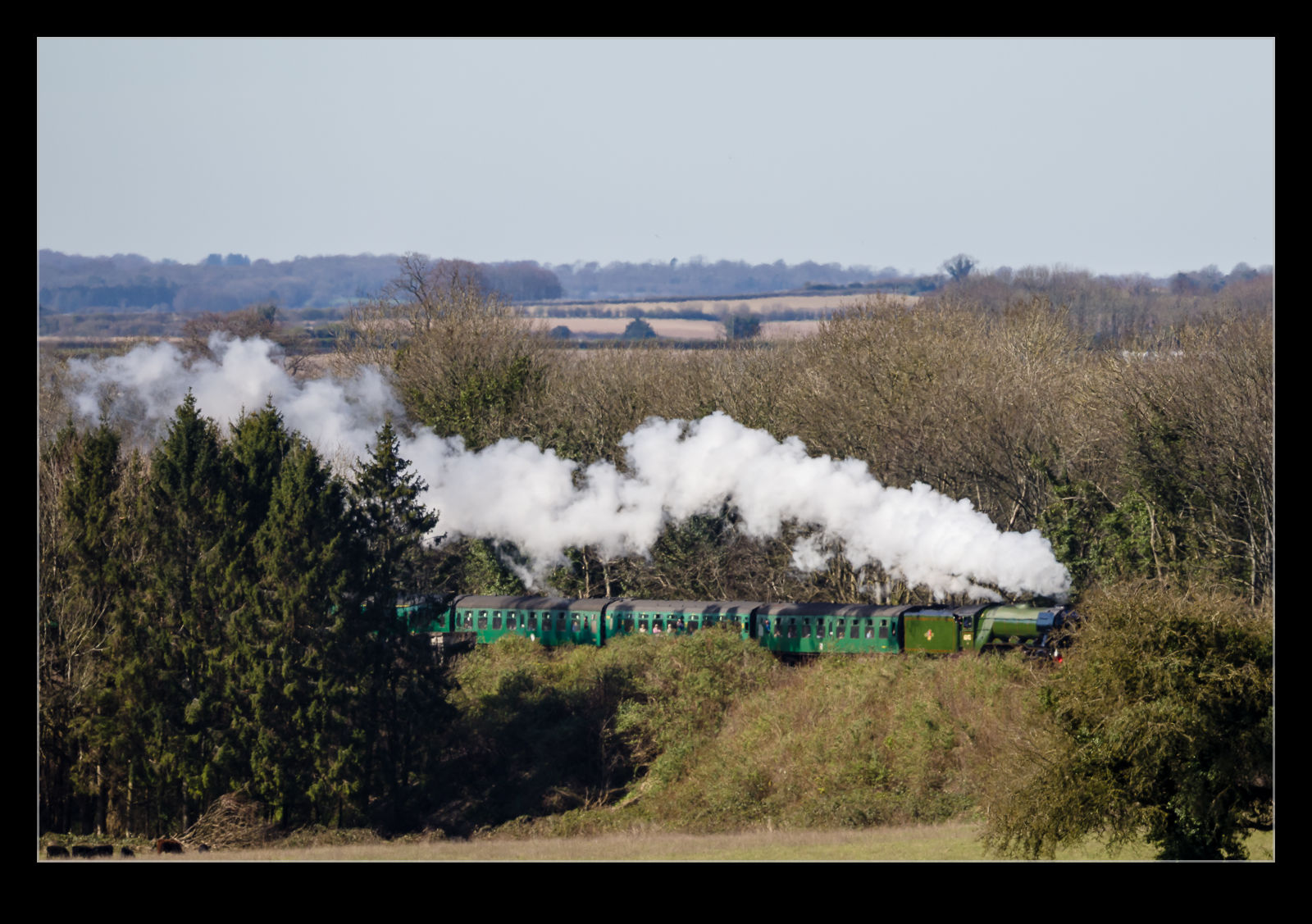
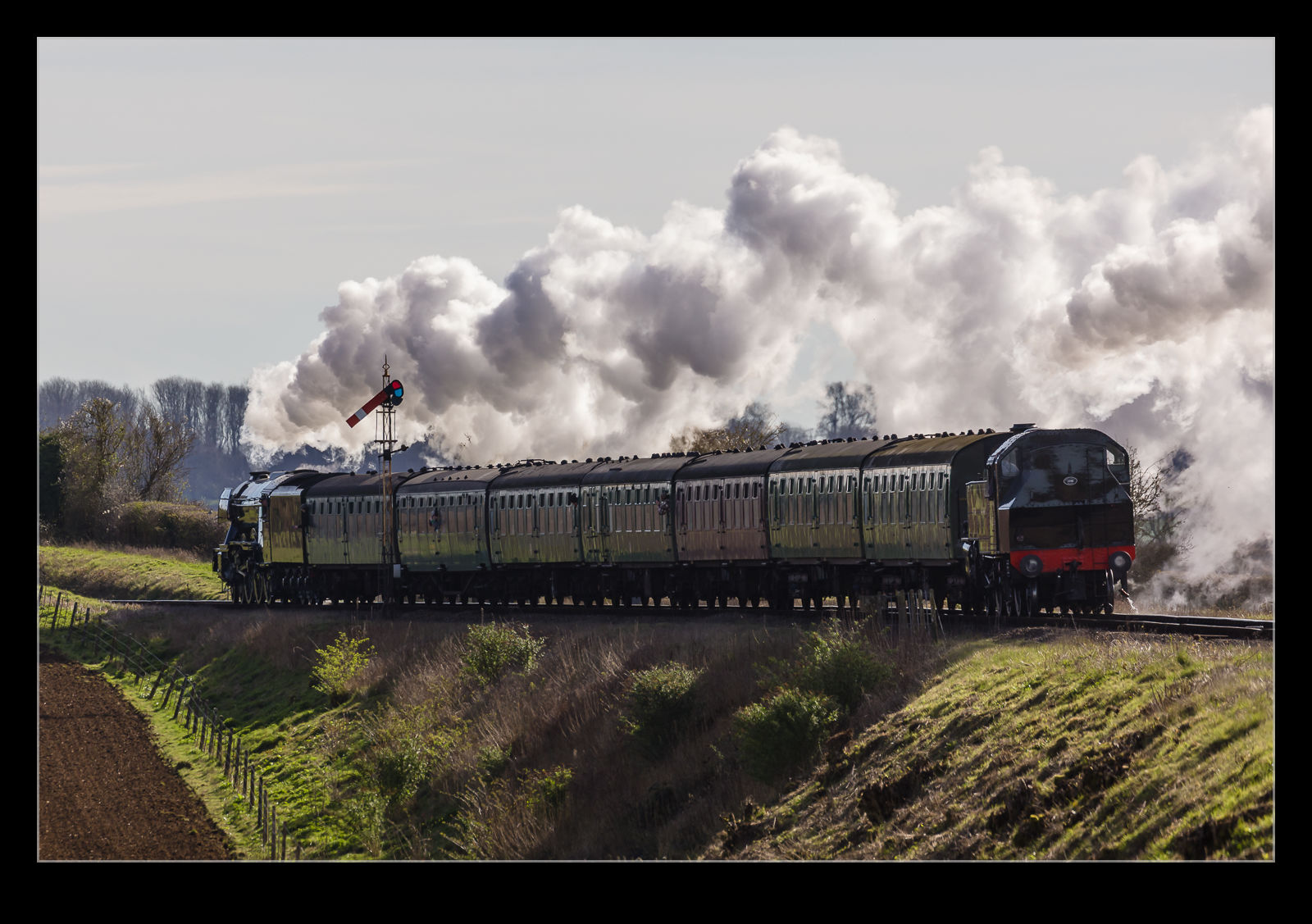
All of this provided me with time to play around with the set up and make sure all was working the way I wanted. Then it was time for the reason for being there. The train departed Alresford pretty much on time. Since it is quite a climb up to Ropley, the loco was making lots of power and there was a banking engine on the rear too. The smoke could be seen through the gap in the trees, so we knew it was coming. Eventually it came around the corner in the cutting, and we could get some shots.
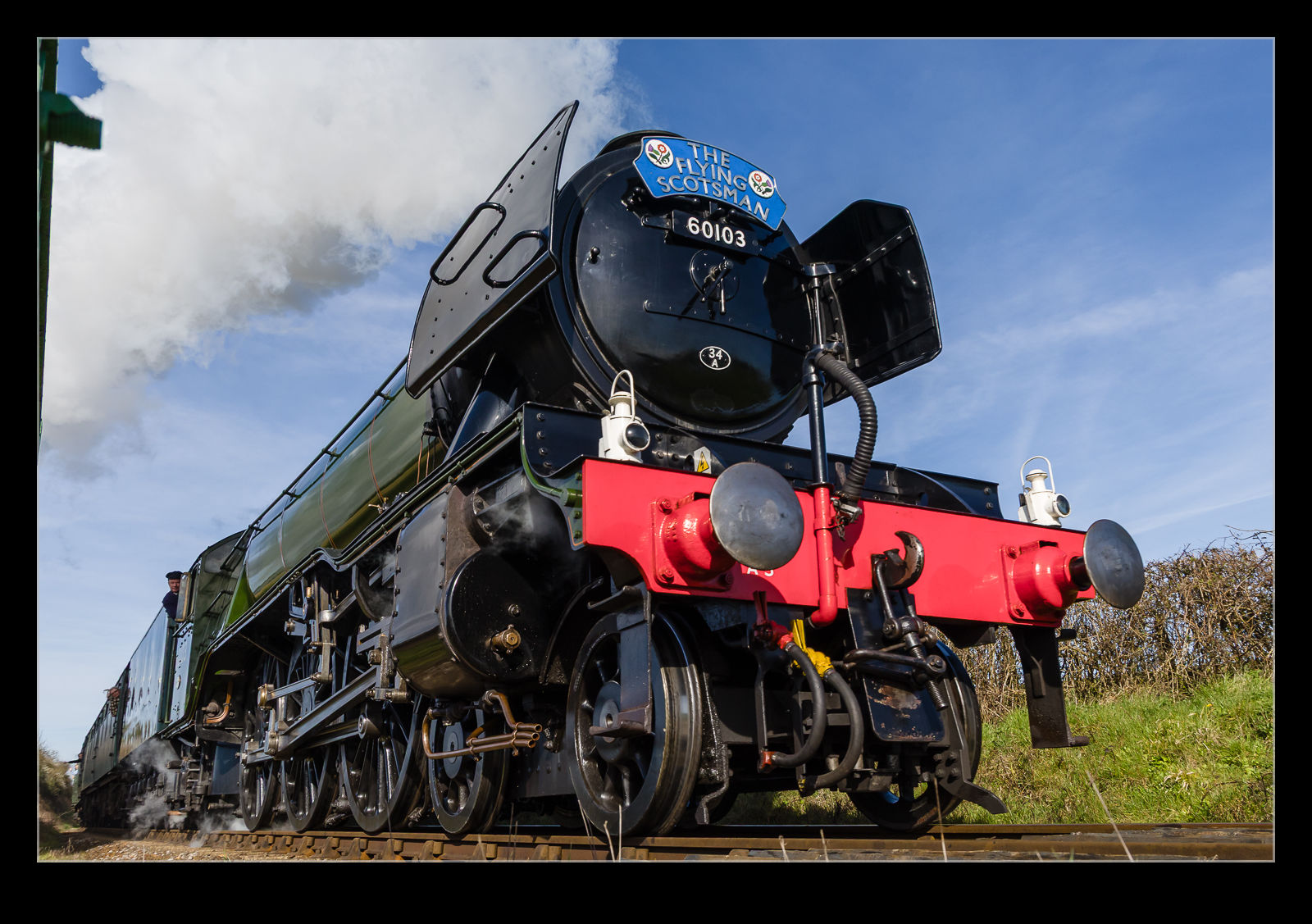
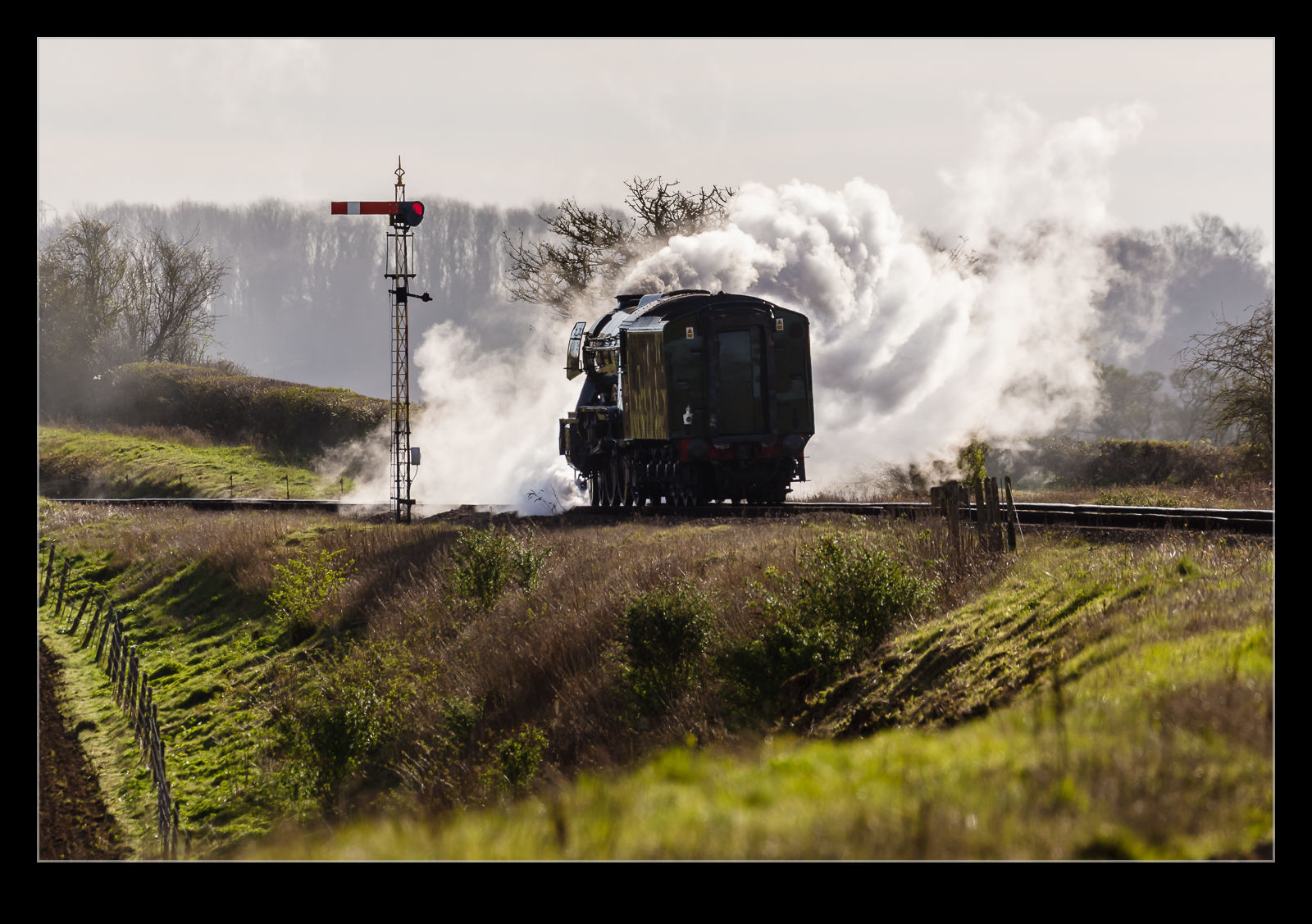
I started the Insta360 first and then proceeded to get some longer shots as it approached. As it got closer, I dropped down and photographed through the fence to look up at the loco as it came closer. Then I switched to the PocketWizard and took a bunch of it as it passed. I have no control on where the camera chooses to focus in that situation, but I was rather happy with the results. I even got some interesting shots of the driver and one of the passengers leaning out of the window. Then I took a few shots of the train as it retreated. That was very backlit, but it still made for an interesting view. And then it was done! All of that prep for a brief moment.
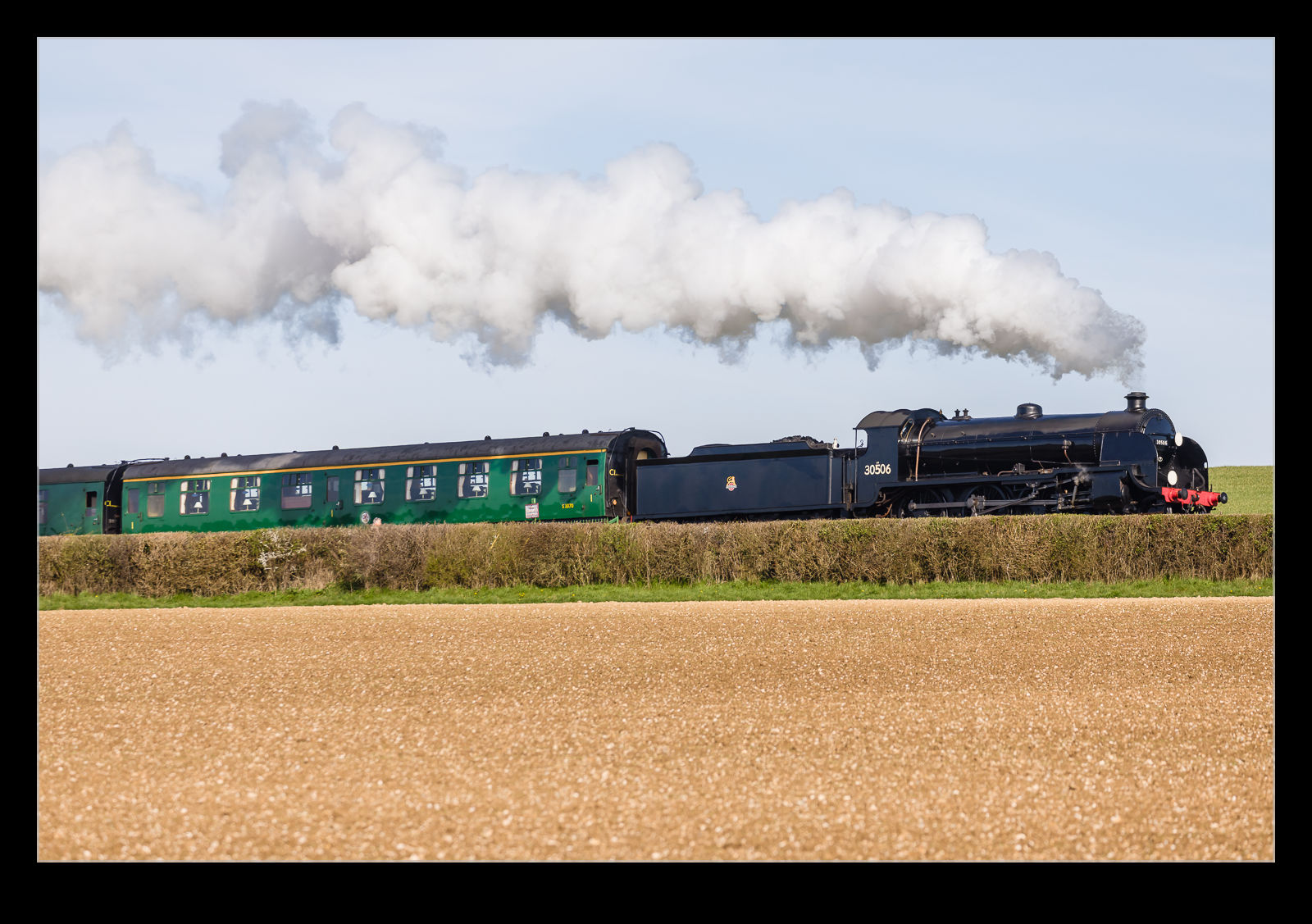
The people rapidly scattered and I started disassembling the things I had put in place. I had brought a small stool with me but that had never been used. Too much messing with gear or chatting to the others that had come alone. It was a very friendly atmosphere and made you feel good about being out on a sunny Saturday morning. I retraced my steps to the car. As I walked along the lane, I heard another whistle and pulled up the camera I had on a strap around my shoulder. The train that had run down to Alresford earlier was now making its run. It was skylined on the ridge above me and I just happened to be by a gap in the hedge so was able to grab a few remaining shots. Then it was time to head home.
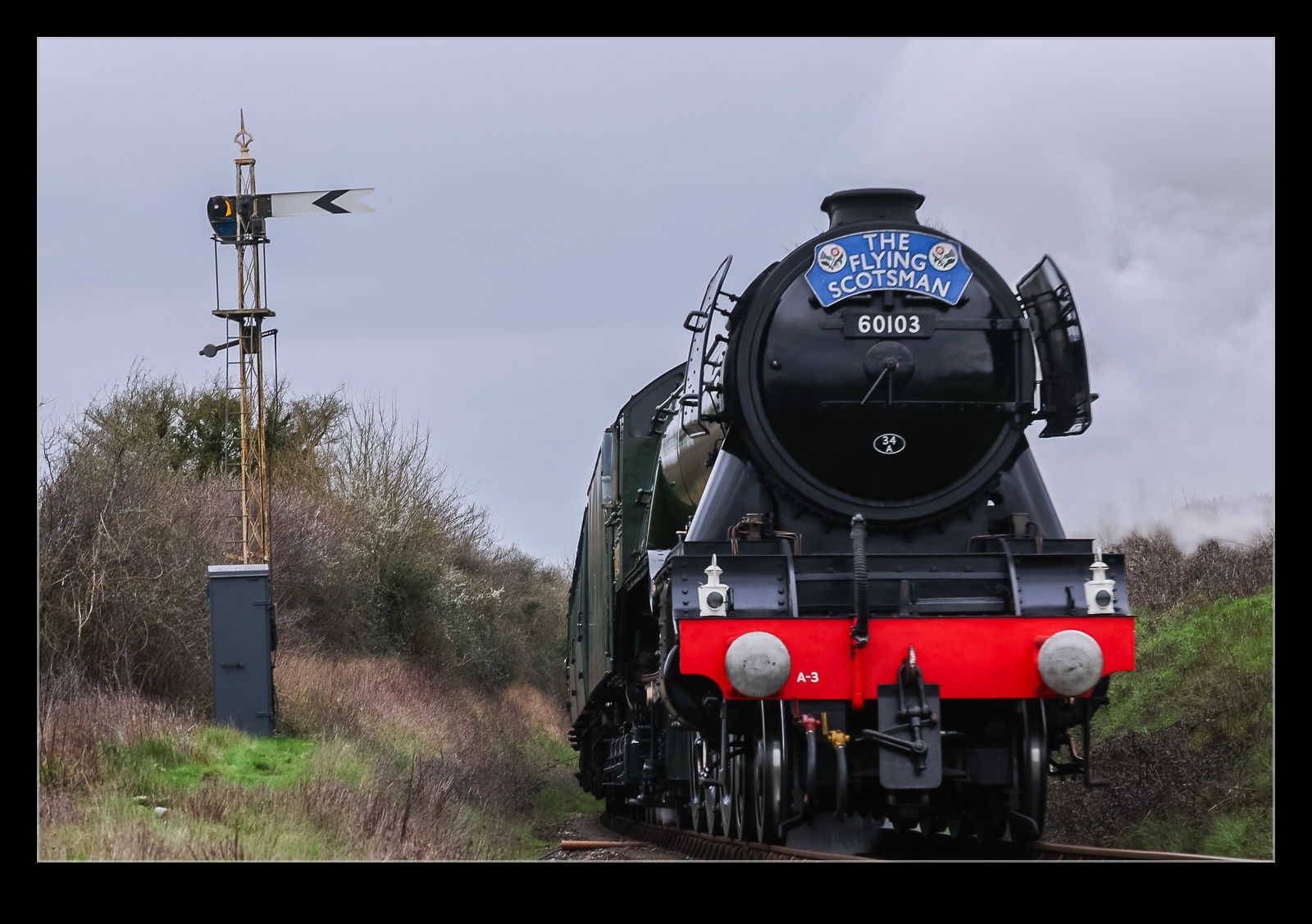
The Watercress Line had arranged for the Flying Scotsman to make a visit to the railway. This locomotive seems to really capture the attention of the public, so it was a major event for them. They even lengthened the platform at Alresford to allow longer trains to be formed meaning more passengers could be carried. They were running on two consecutive weekends, and my sister was interested in seeing it. I was always going to be game for a photo trip. She could only do one weekend of the two and I only had one day free that weekend so that was going to be the one.
Sadly, the weather wasn’t being very cooperative. It was very overcast and there was a decent chance of rain. Even so, there were plenty of people out at the crossing we were going to when we got there. Plenty of space for everyone but definitely popular. As the time for the loco approached, I changed a setting on the camera for a higher frame rate and got in position. I decided to take a couple of quick shots before it came in to view just to check all was well. It wasn’t!
As soon as I hit the shutter button, the screen was covered in a “Busy” message. This caught me out. It wouldn’t go away quickly. I turned the camera off, but it still took a while. When it came back on, I tried again and the same thing. This time I pulled the battery and reset. Third time the result was the same. By now the loco was coming into view. Since I didn’t know what the issue was and time was ticking, I tried switching over to video and that worked so I instead videoed the train as it came by.
The video was fine but not great and, if I had planned for that, I would have done things slightly differently. However, it did recover the situation to some extent. The video I took is below.
Once the train had gone, I went home and then pulled out the camera to see what had occurred. I had made a very dumb error. It would have been easily fixed too. When changing the frame rate, I had accidentally switched to the HC mode on the R3. This is the mode that allows 194fps in short bursts of up to 50 frames. Once you shoot like this, it locks up the buffer until everything has been written to the card. Then it is ready to shoot again. What a dope. Oh well, it wasn’t a total disaster and my sister got to see the train which was the main point of being there in the first place. However, now I was thinking about a second effort. More to come…
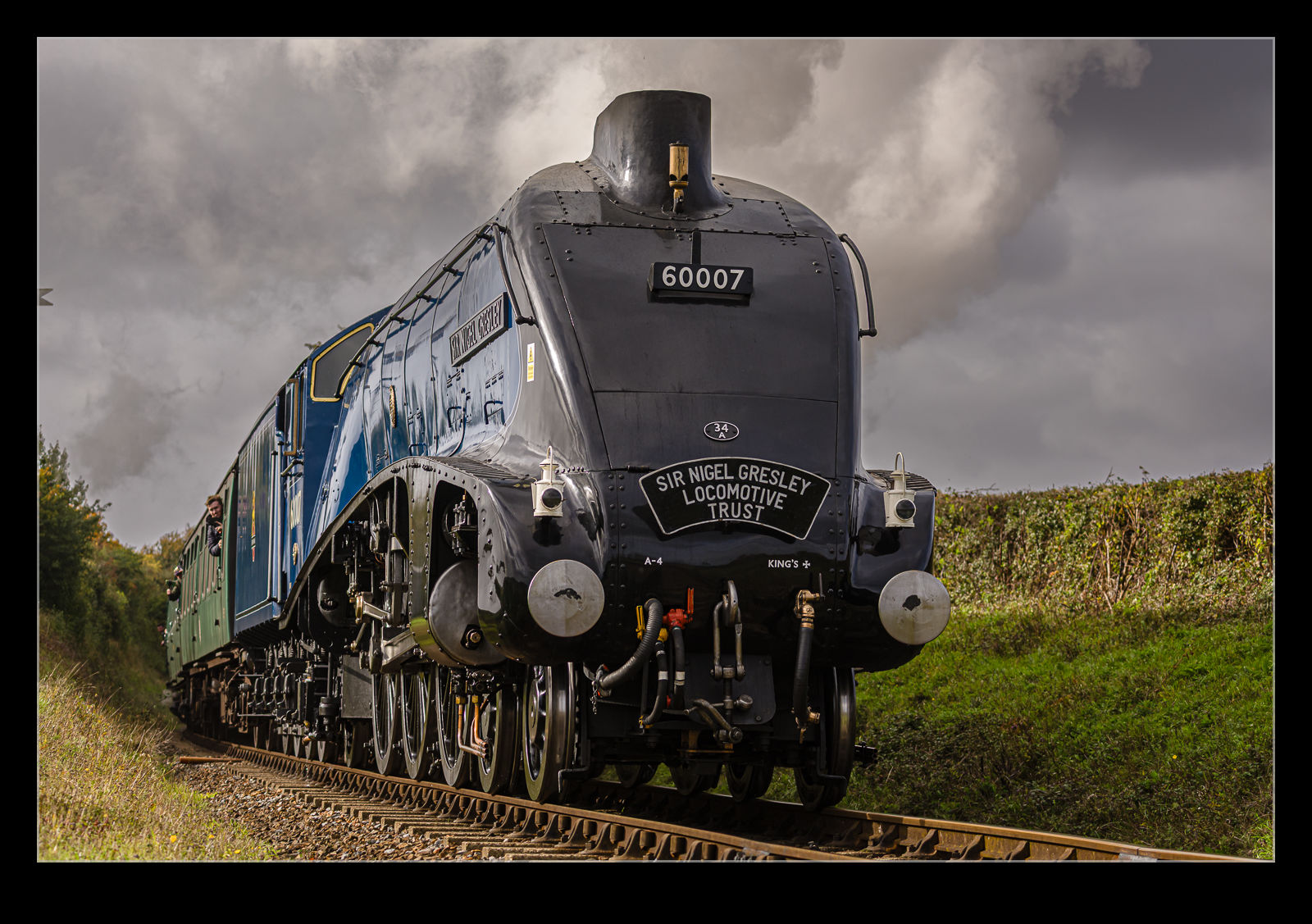
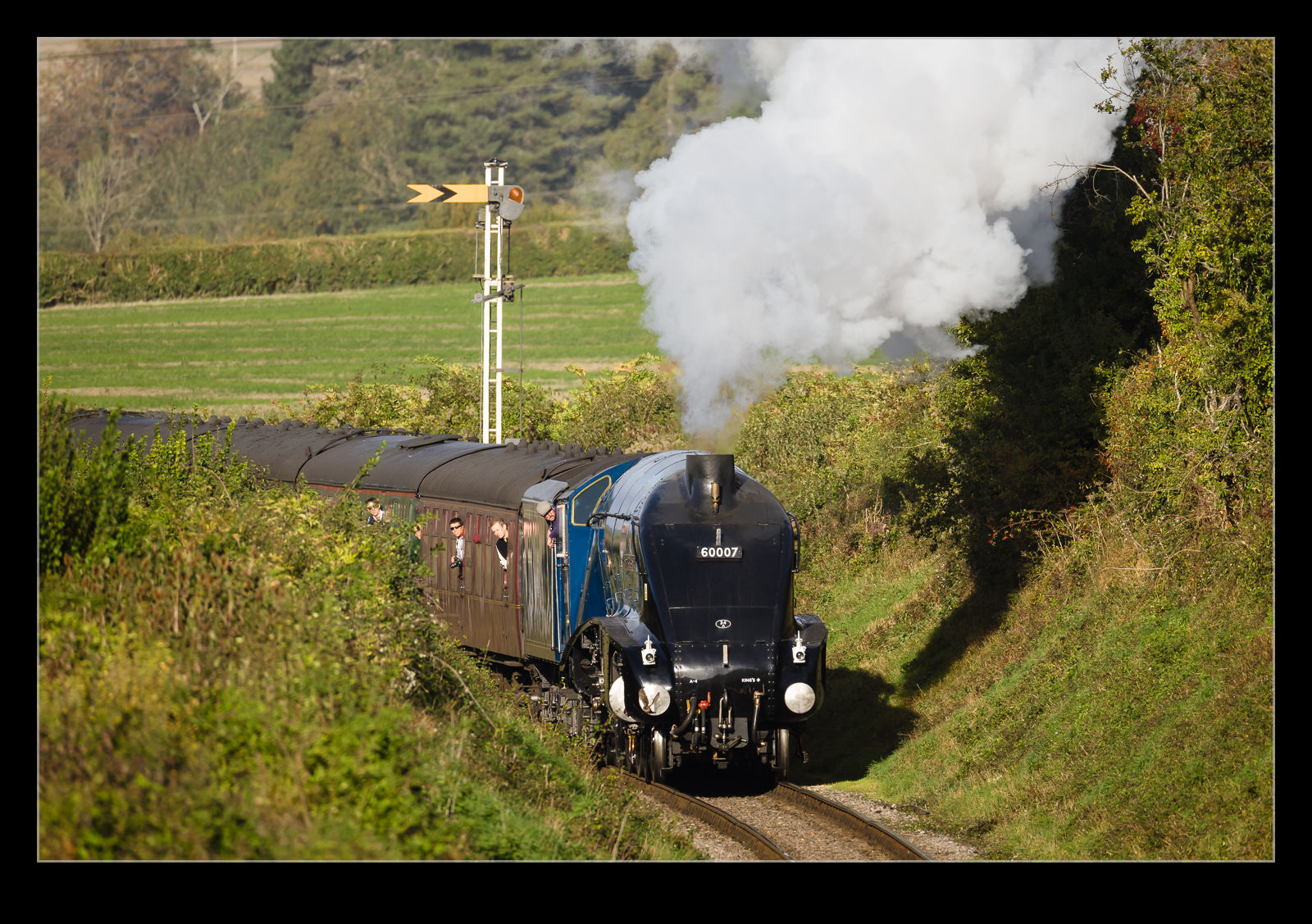
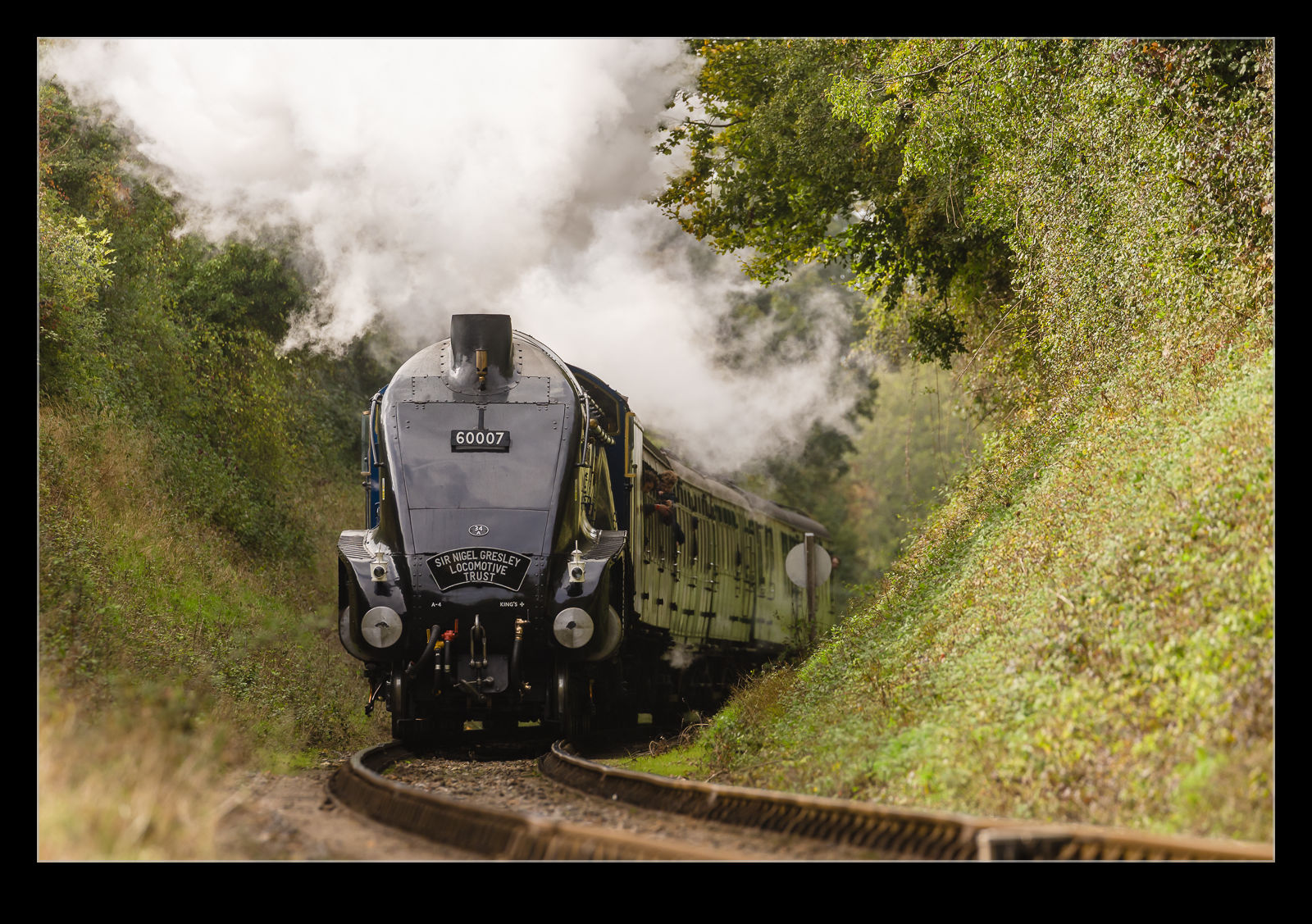
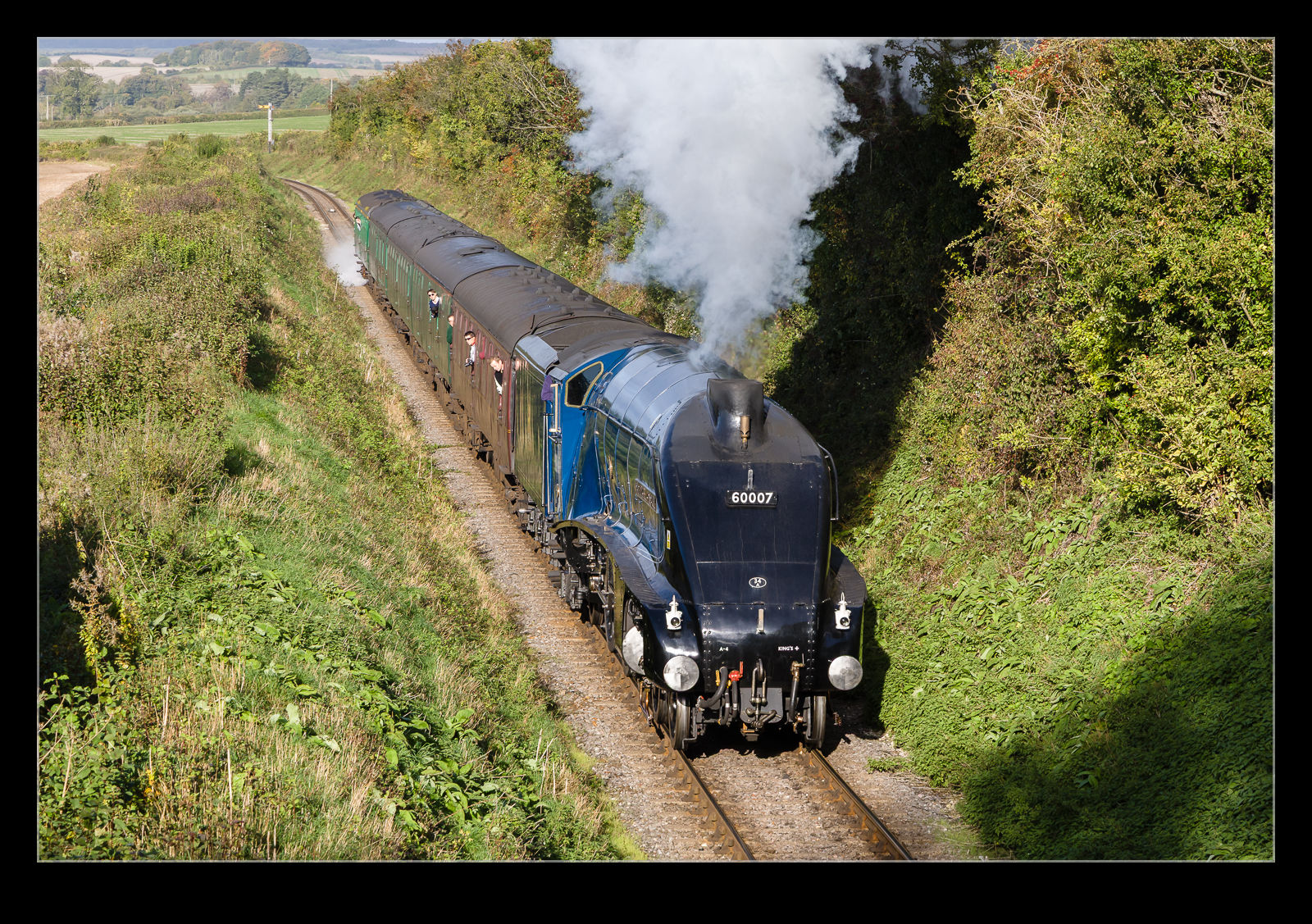
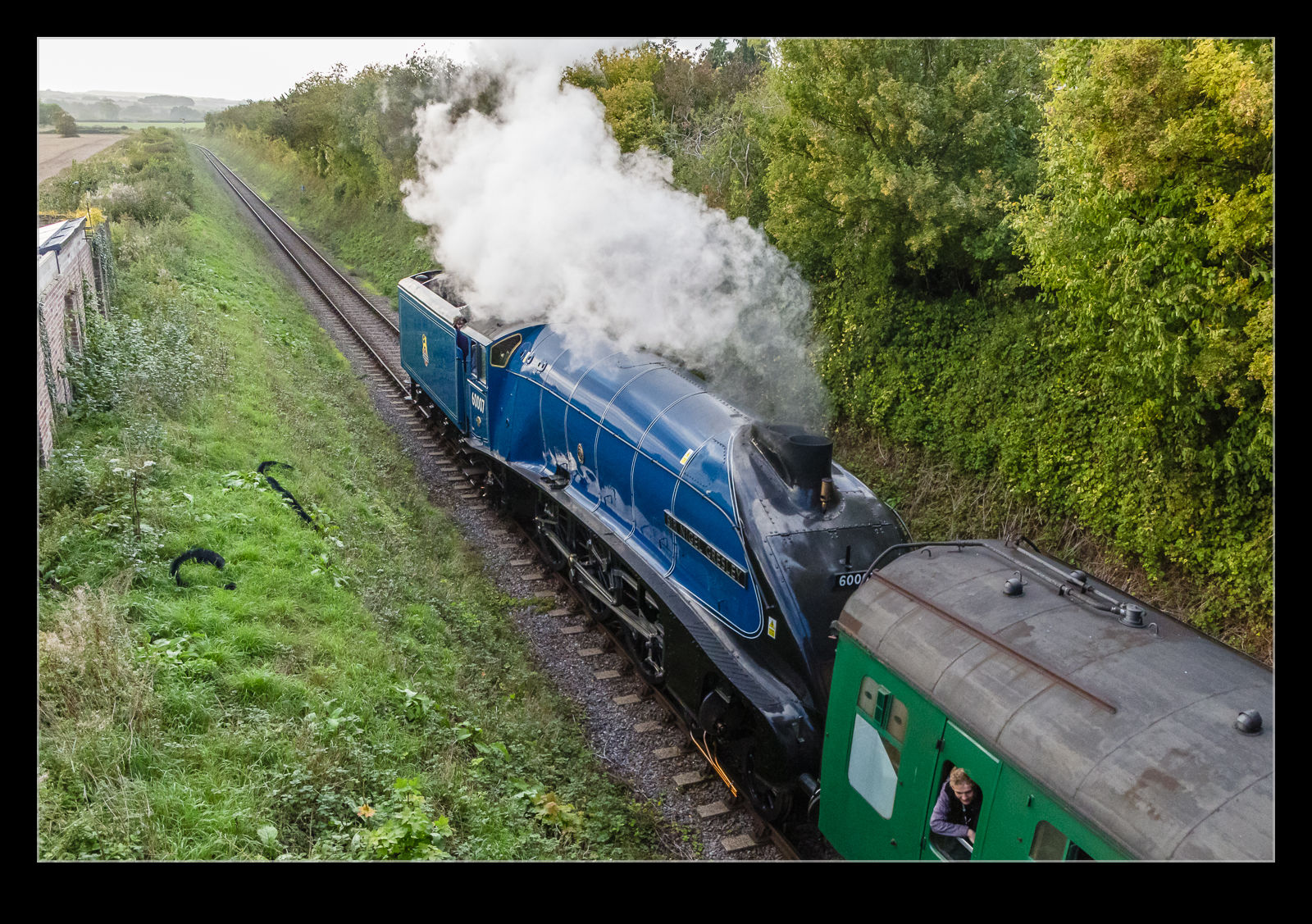
The Watercress Line had a steam gala in the autumn and, while I was planning on going there for the event, I did end up with a little spare time at the end of Saturday and decided to nip across the see if I could see the trains – specifically one of their headline attractions.They had many locos taking part but the Sir Nigel Gresley was probably the one that attracted a lot of attention and was probably why I was there. I hadn’t seen an A-4 Pacific in motion (although I did recently post about Mallard in my visit to the National Railway Museum).
There is a footpath that crosses the line between Alresford and Ropley and I thought I would try this out. When I walked there, I found a few other people that had shared the idea. It wasn’t crowded so we could all have space from which to shoot. Because we were right by the track (although behind a fence), I decided that going for a low angle would be best. Earlier in the day, the light would have been more favourable but, the day had been quite overcast so I wasn’t so worried. As it was, the sun did pop out at the right time and provided a little extra pop to the paint.
This crossing is just around the curve from a section of track through trees and a cutting. It is a climb from Alresford towards Ropley so the loco is working hard. Consequently, you get a lot of smoke/steam from the smokestack. That also means that you can hear it coming before you see it. When the train came around the corner, it was framed nicely by the trees and embankment. I was able to get a few different types of shot as it approached.
I had decided to go with a longer zoom when I walked up to the crossing. This meant that I wasn’t going to get a wide shot as the train passed me, but this avoided any fumbling to change cameras at the last moment. Instead, I just shot tighter and tighter as it approached until it was too large to get it in frame. Staying low to the ground gave a more dramatic look to the train is it steamed towards me. Having a cloudy background was not ideal because I would have liked more distinction between the smoke from the loco and the background but a bit of work in processing helped sort that out.
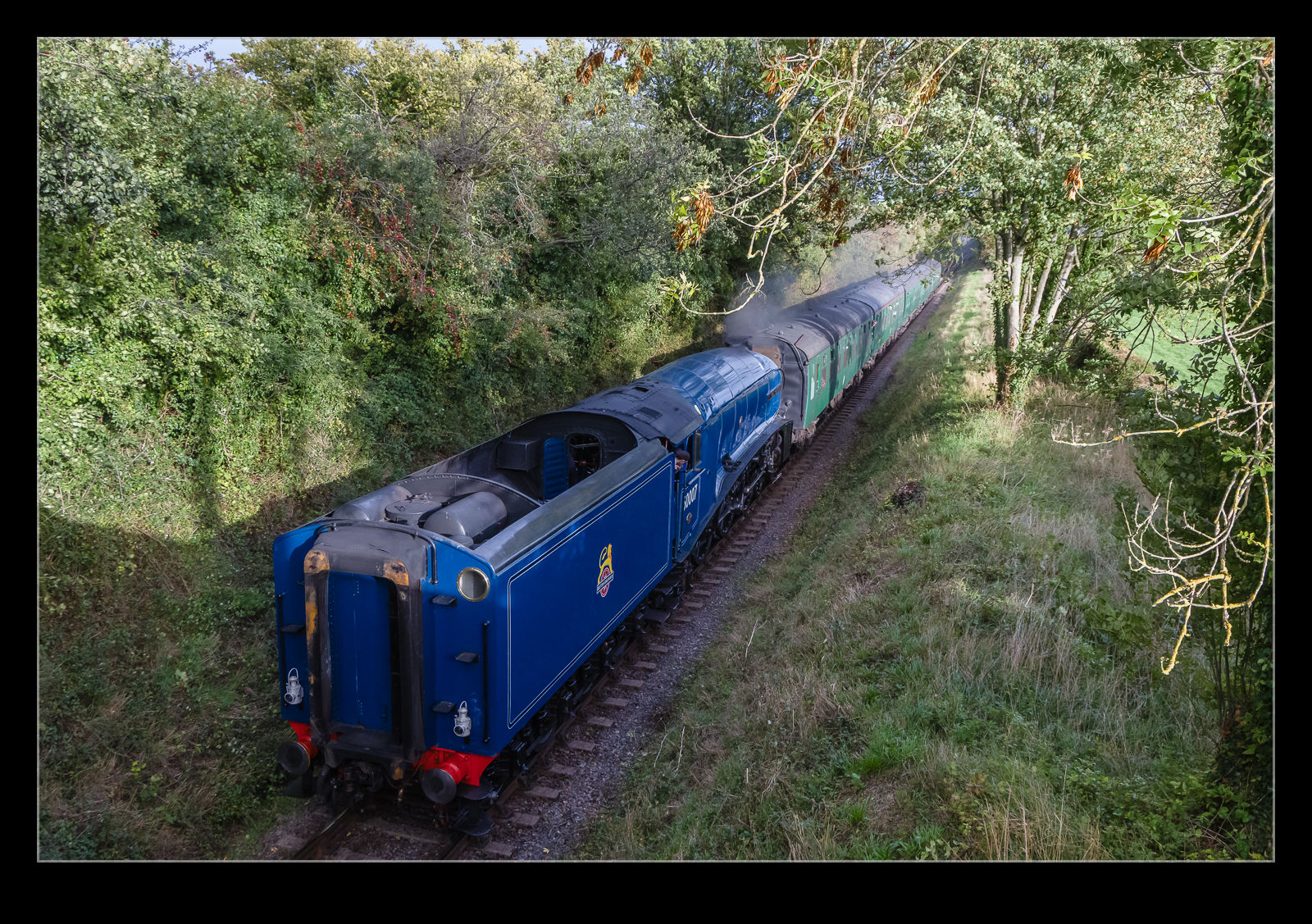
Having had some success with this, I did try heading to a bridge further down the track later in the afternoon when it was due back. It made the return journey in reverse as it pulled the train back to Alresford. I had anticipated that it would then run around to the front of the train so you can image I was a bit annoyed to find that they put another loco on the front and left the A-4 on the back. Not so photogenic.
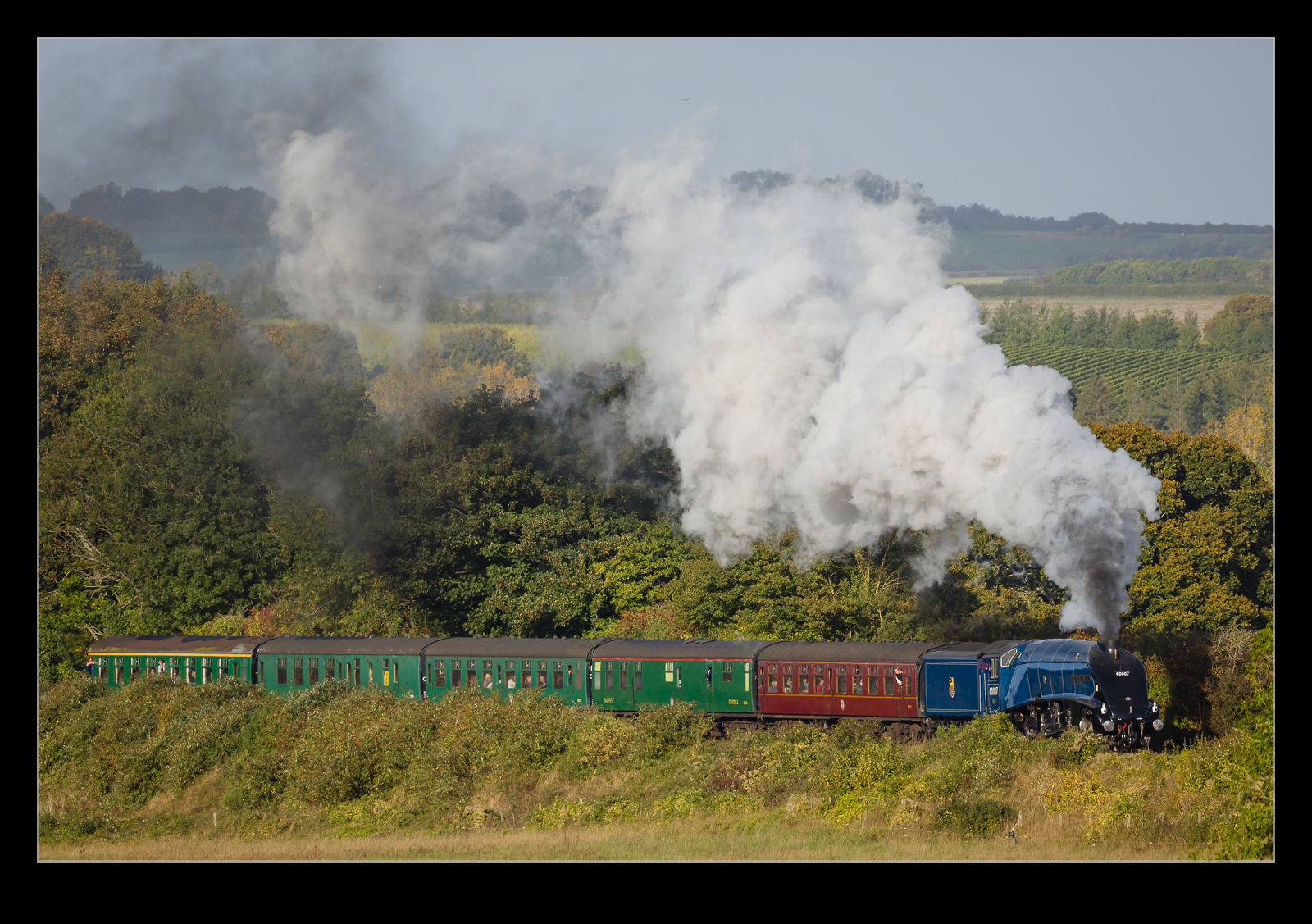
Despite this, I did think that the bridge might be a good spot in the morning and, while Nancy and I had plans to head out on Sunday, I did zip back early to see what there was to see. Again, I was not alone. Quite a few photographers and videographers had come out. This time the conditions were really lovely with the low sun angle providing great illumination. This spot provides a long shot towards Alresford which means you see the train as it starts its climb before it comes around onto a straight section heading to the bridge. The sun really picked out the blue of the loco while it was clearly pulling hard on the climb. A few shots grabbed and then time to head home for the the rest of our day.
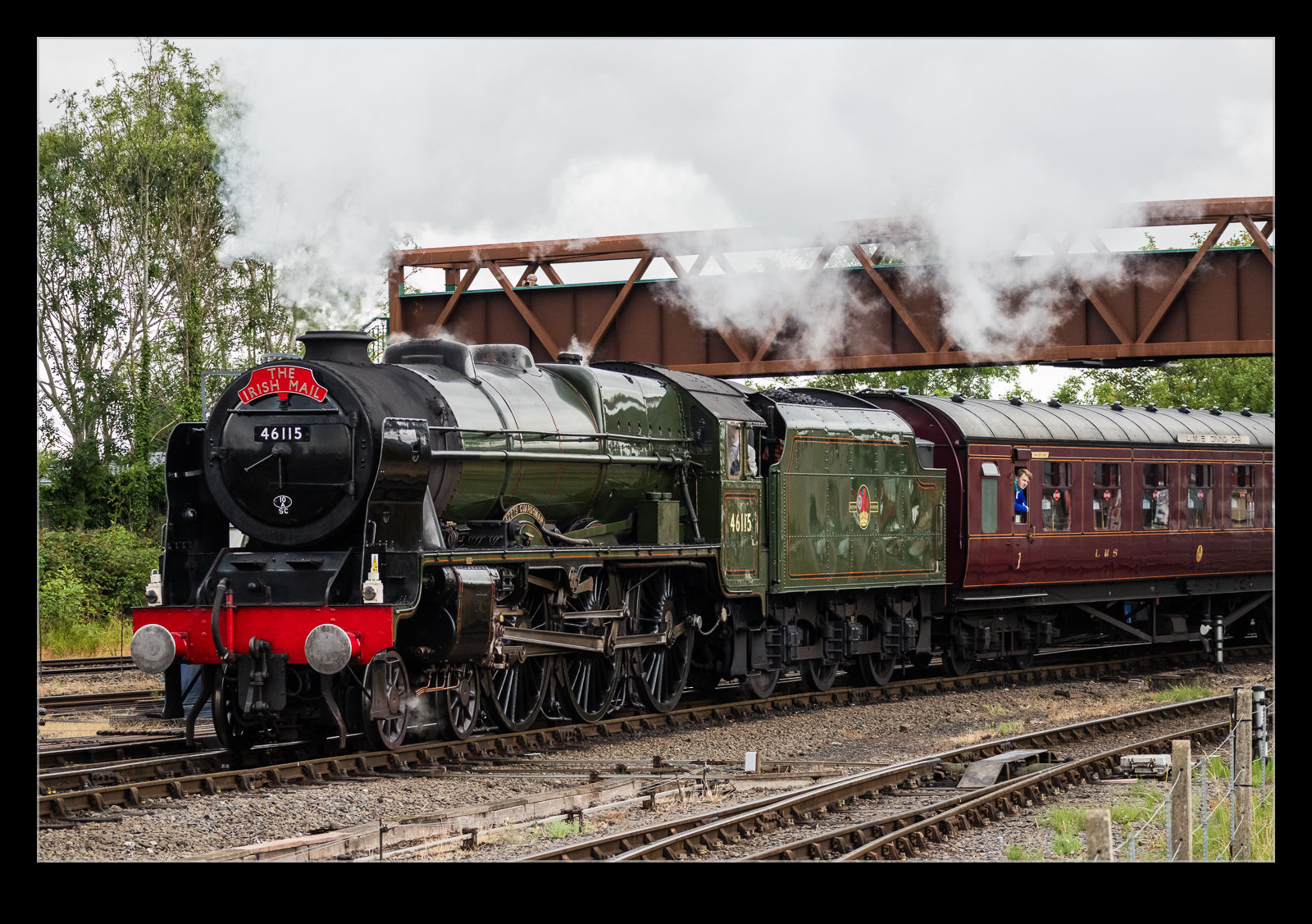
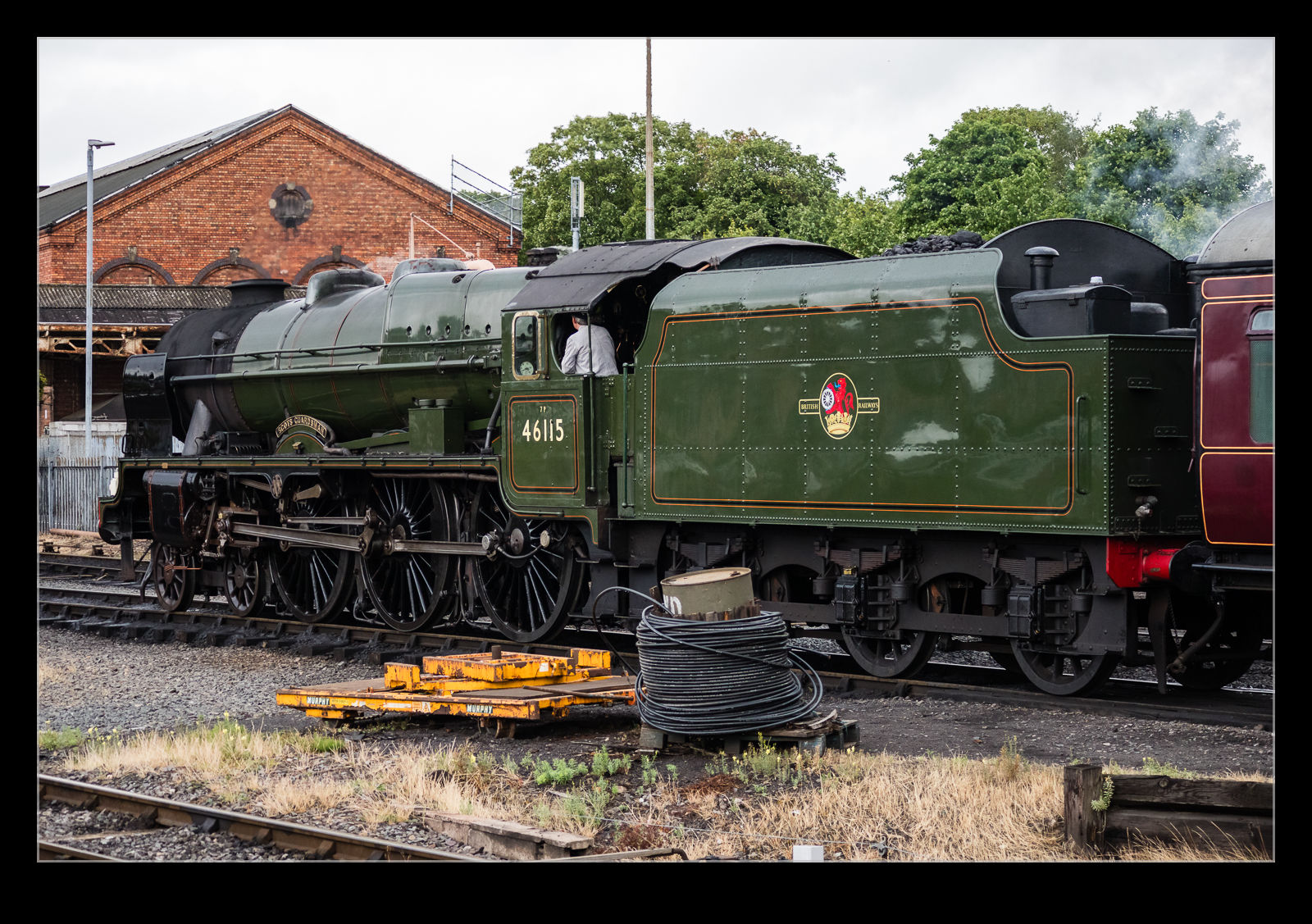
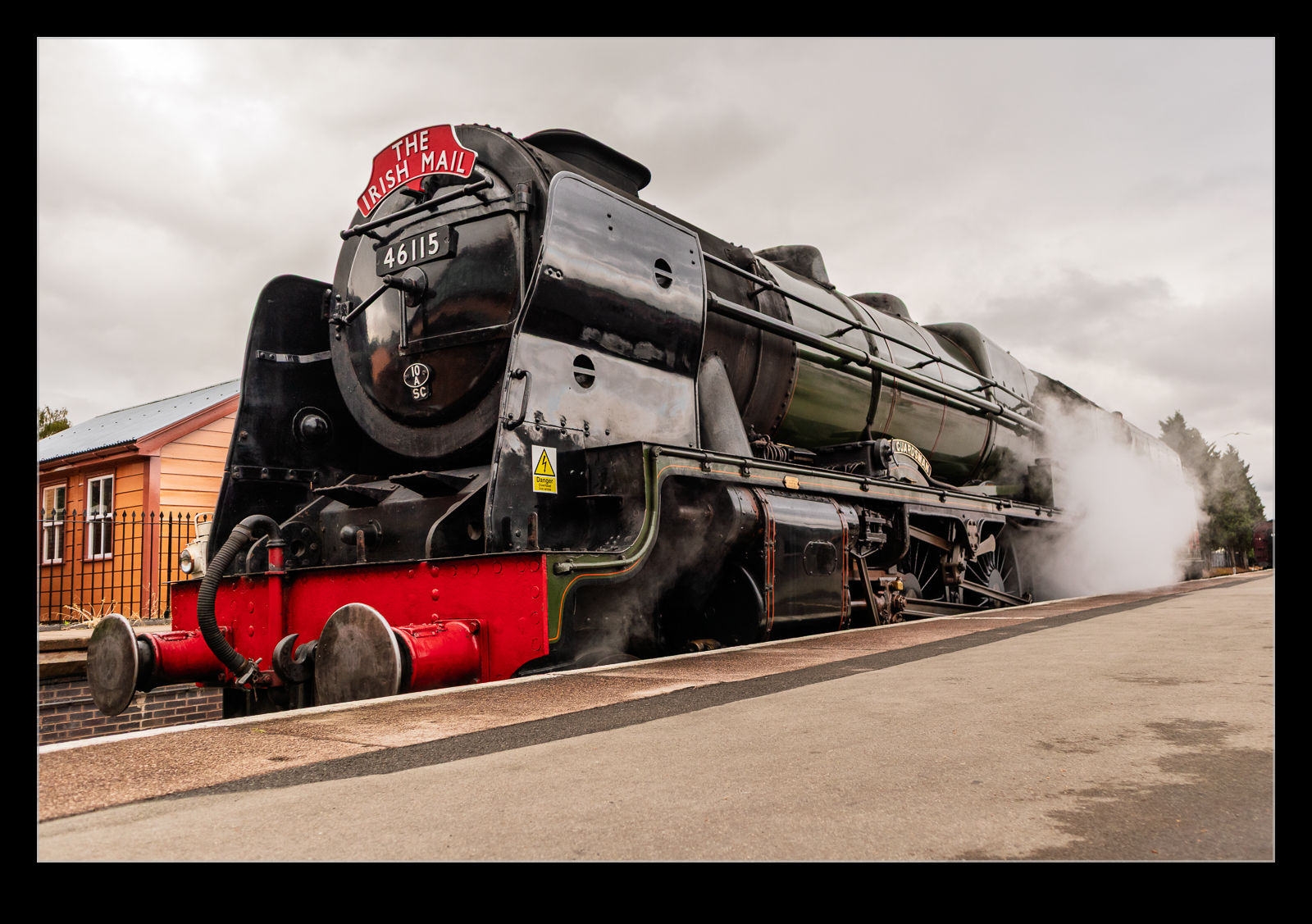
I was walking across the concourse in Kidderminster when we were exhibiting the HydroFLEX unit when I overheard one of the staff asking a father and son whether they were getting on the train that was about to depart. Their response was that they were waiting for Scots Guardsman. I had no idea what this was but assumed that, since they were waiting for it, it would be a special part of the day.
Apparently, it was visiting for the weekend. When it came in, it was certainly an impressive looking loco. I took a photo when it arrived and then, later in the weekend, I managed to get some more images of it as it brought a train into the station. For those that know their locos, this may well mean something. To me it was just an interesting steam loco to see. I didn’t have quite the level of enthusiasm as one guy who was intent on sharing with one of my colleagues the sound of it climbing a grade.
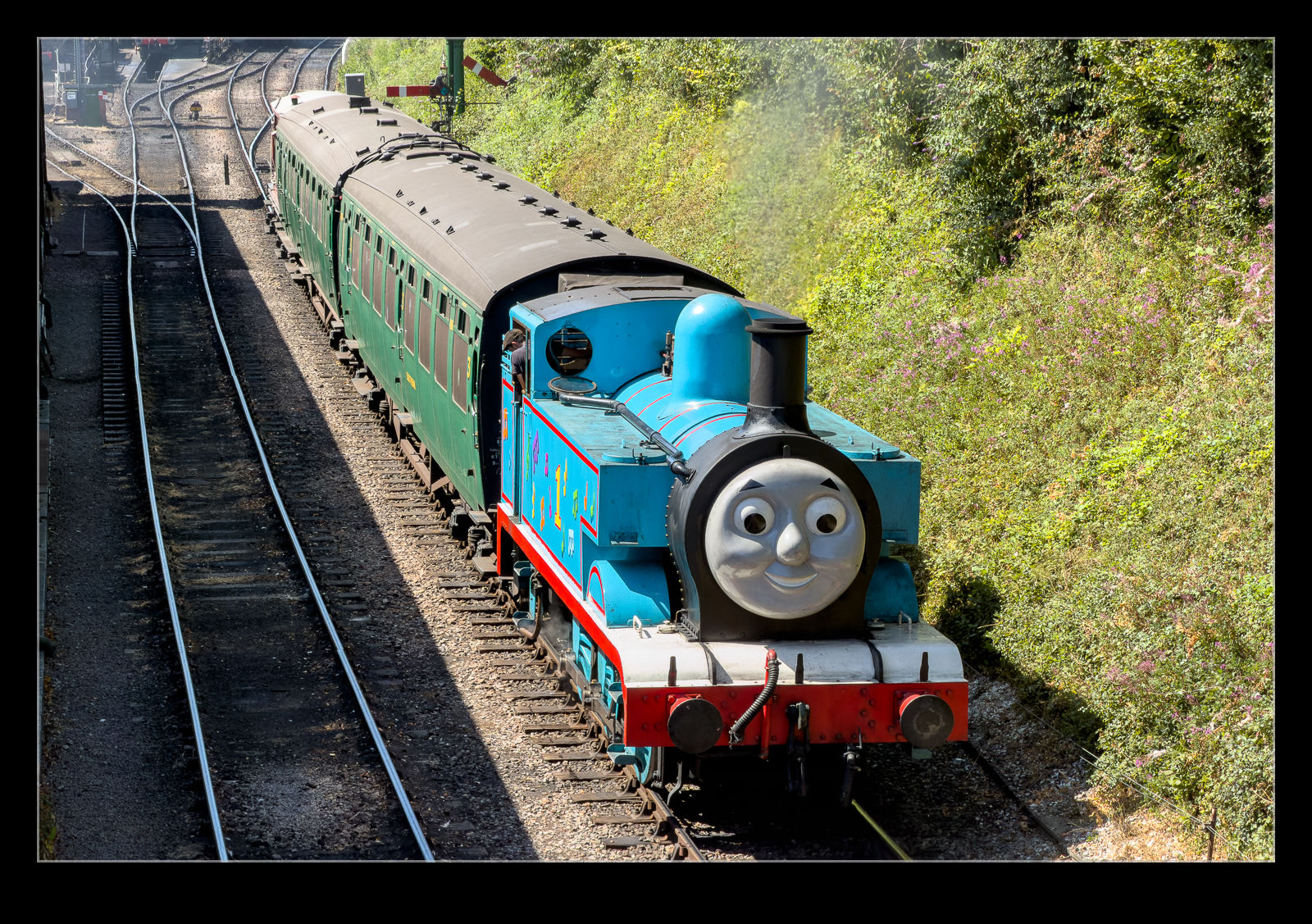 While out on a bike ride one weekend, I rode from Bighton to Ropley which takes me over the Watercress Line. I wasn’t aware what they might have going on that weekend, but it turned out that they had their “Thomas” making runs. It came out of Ropley towards the bridge I was on, so the phone came out to grab a couple of shots before I continued on my ride.