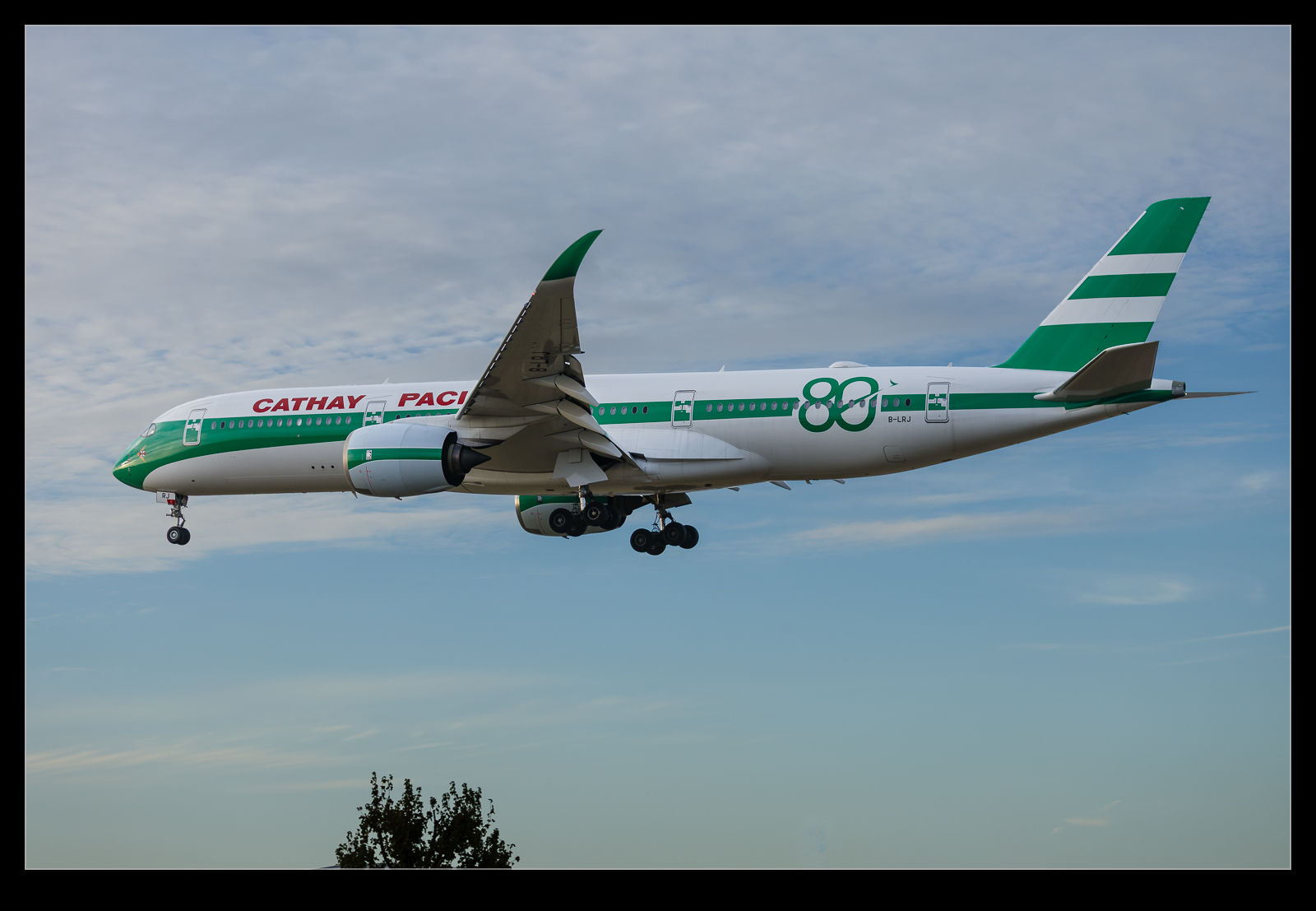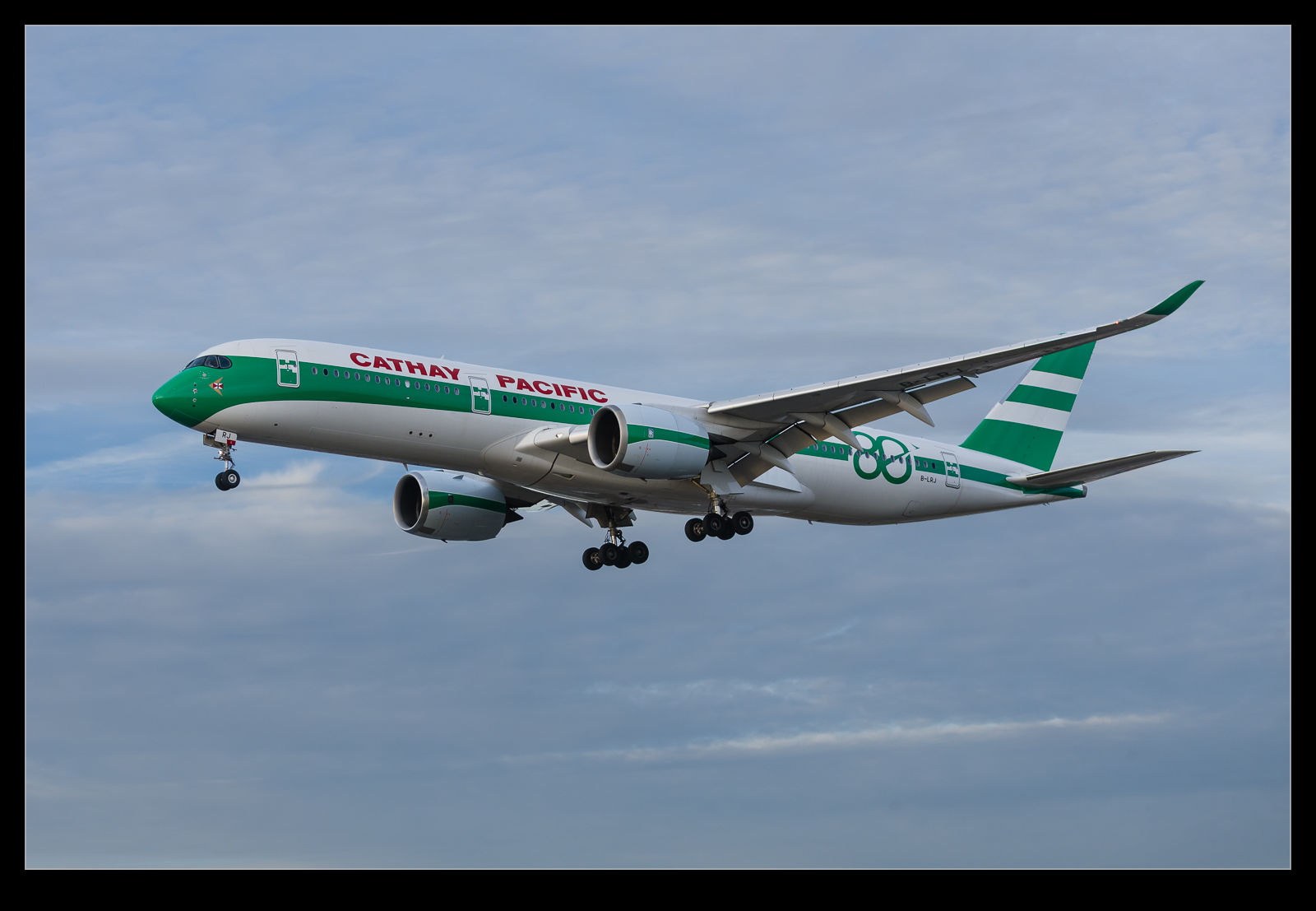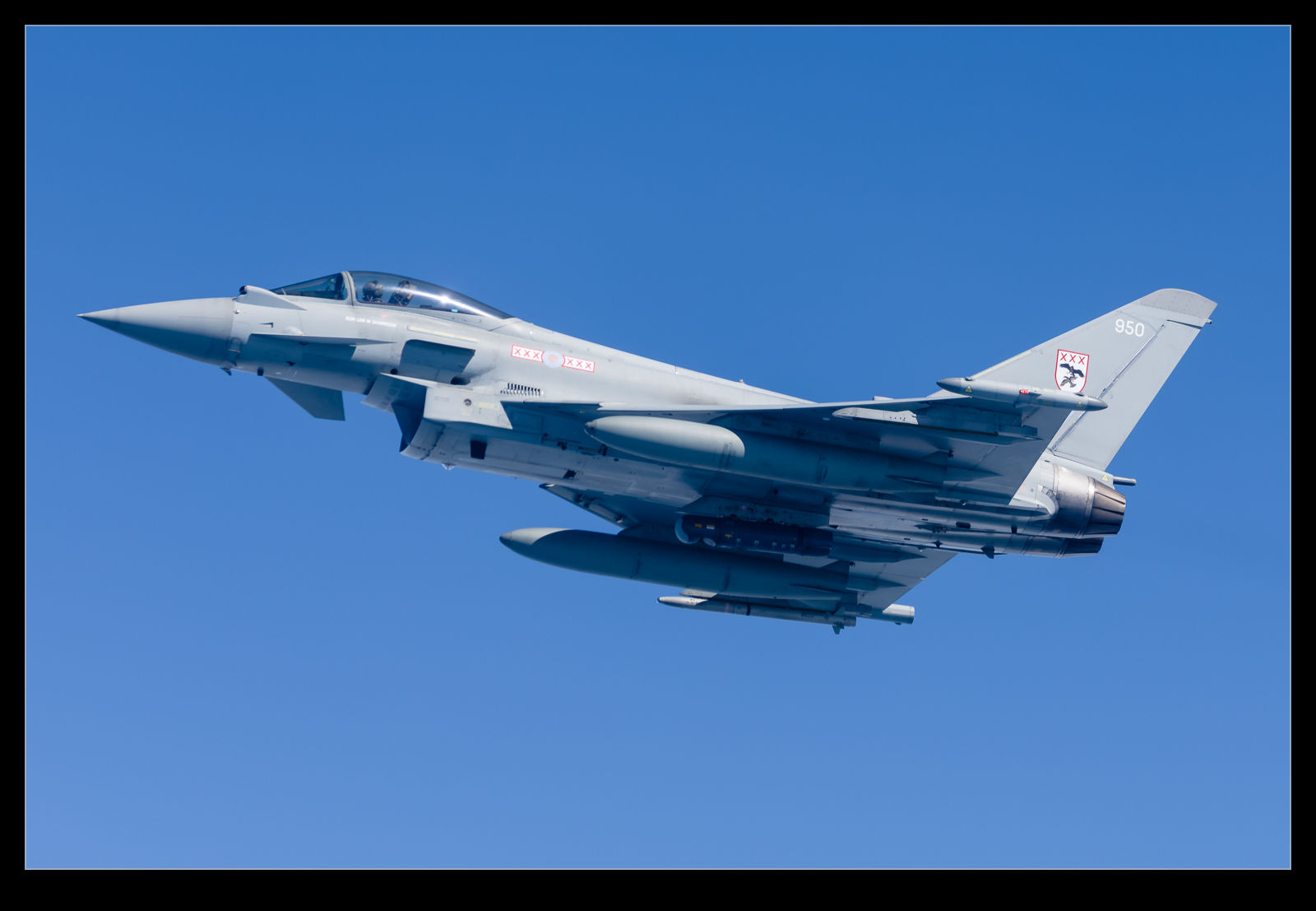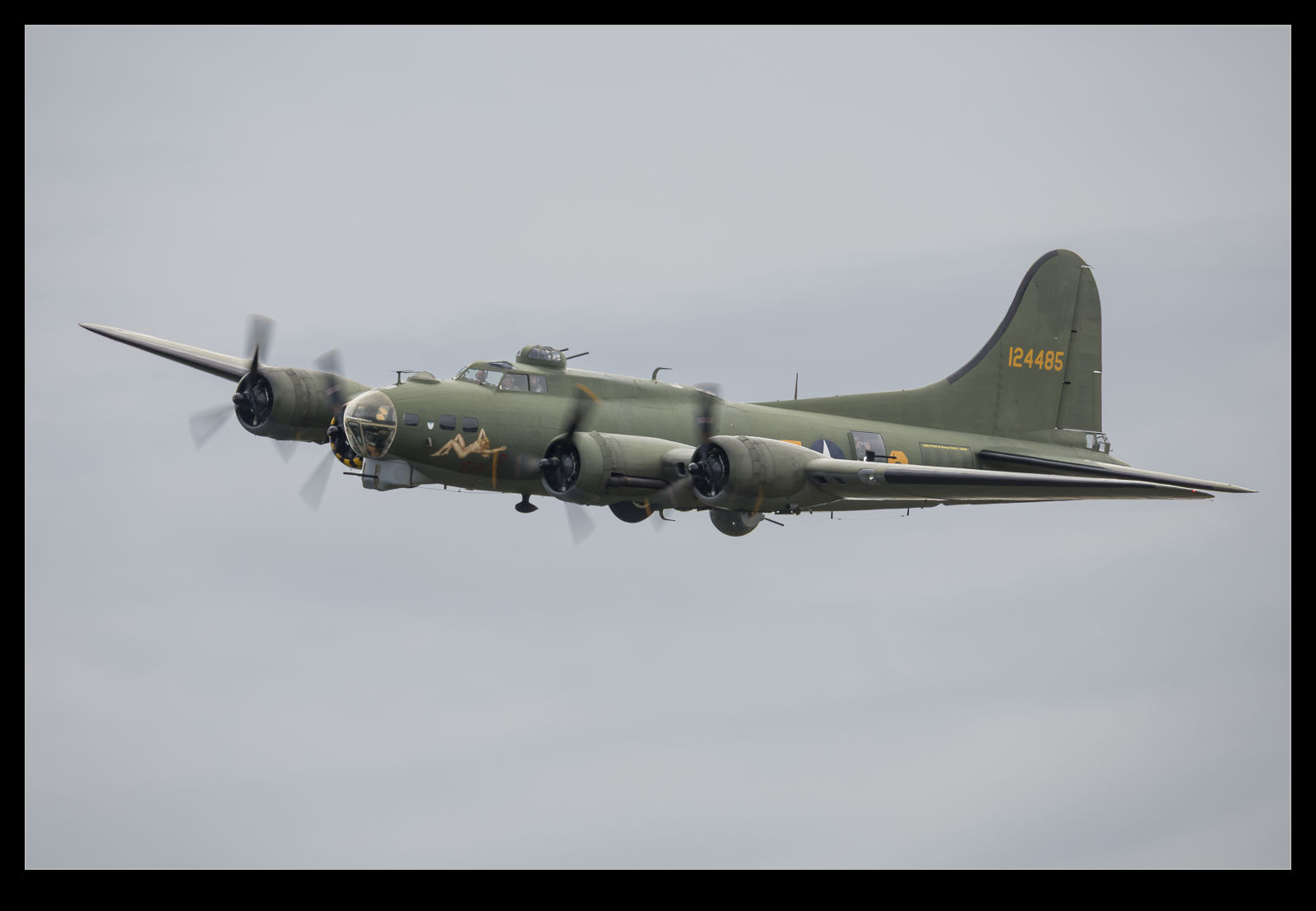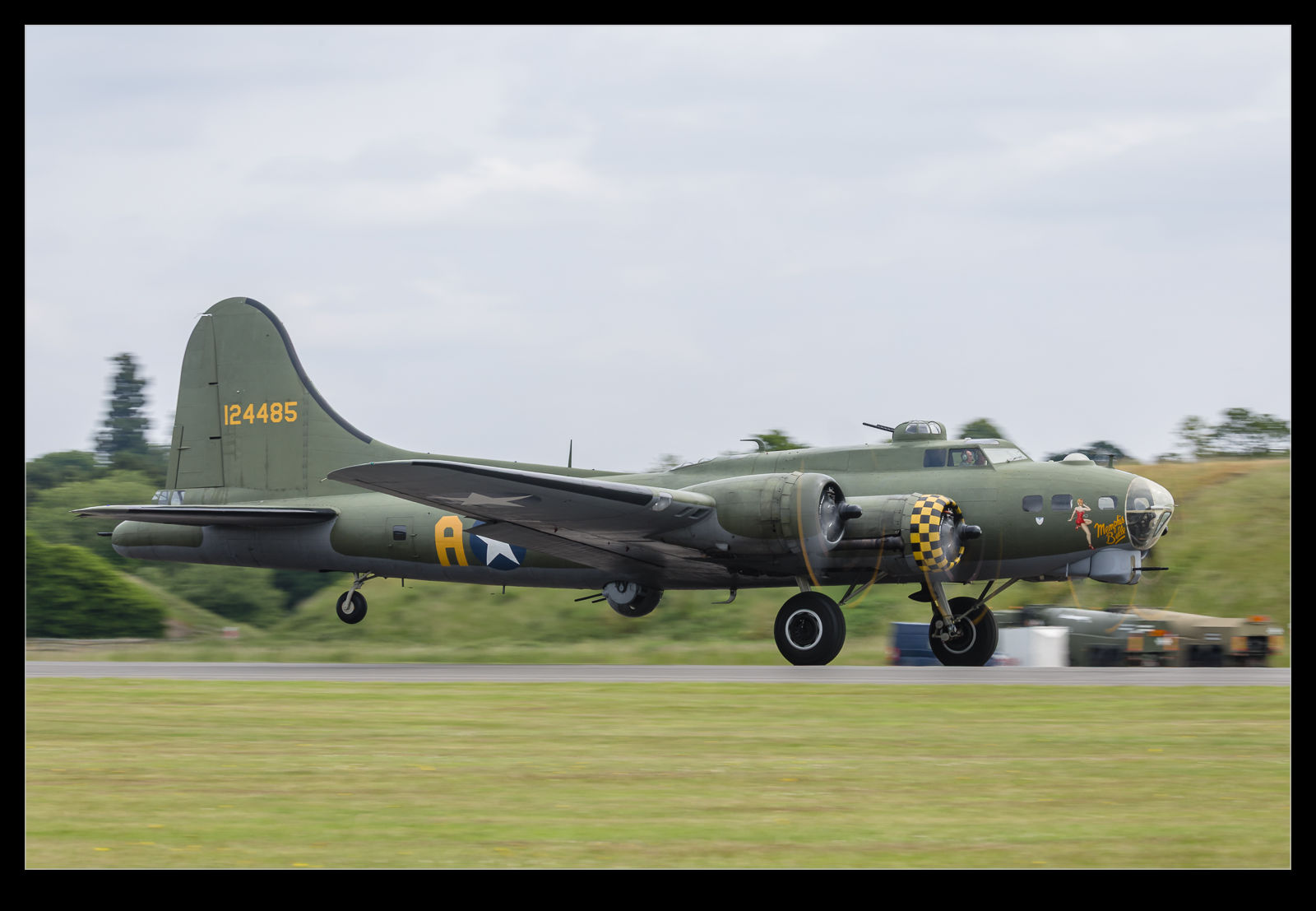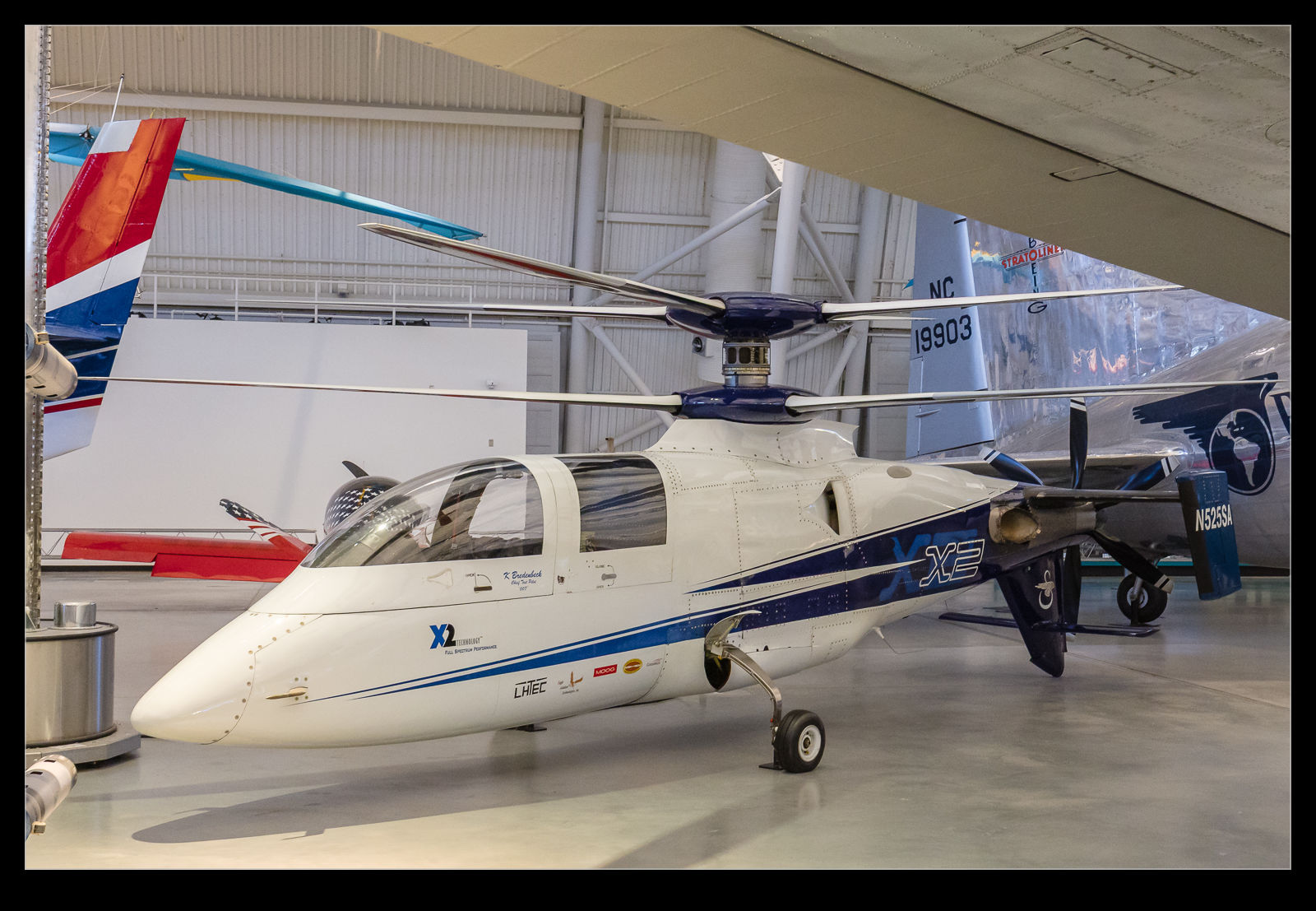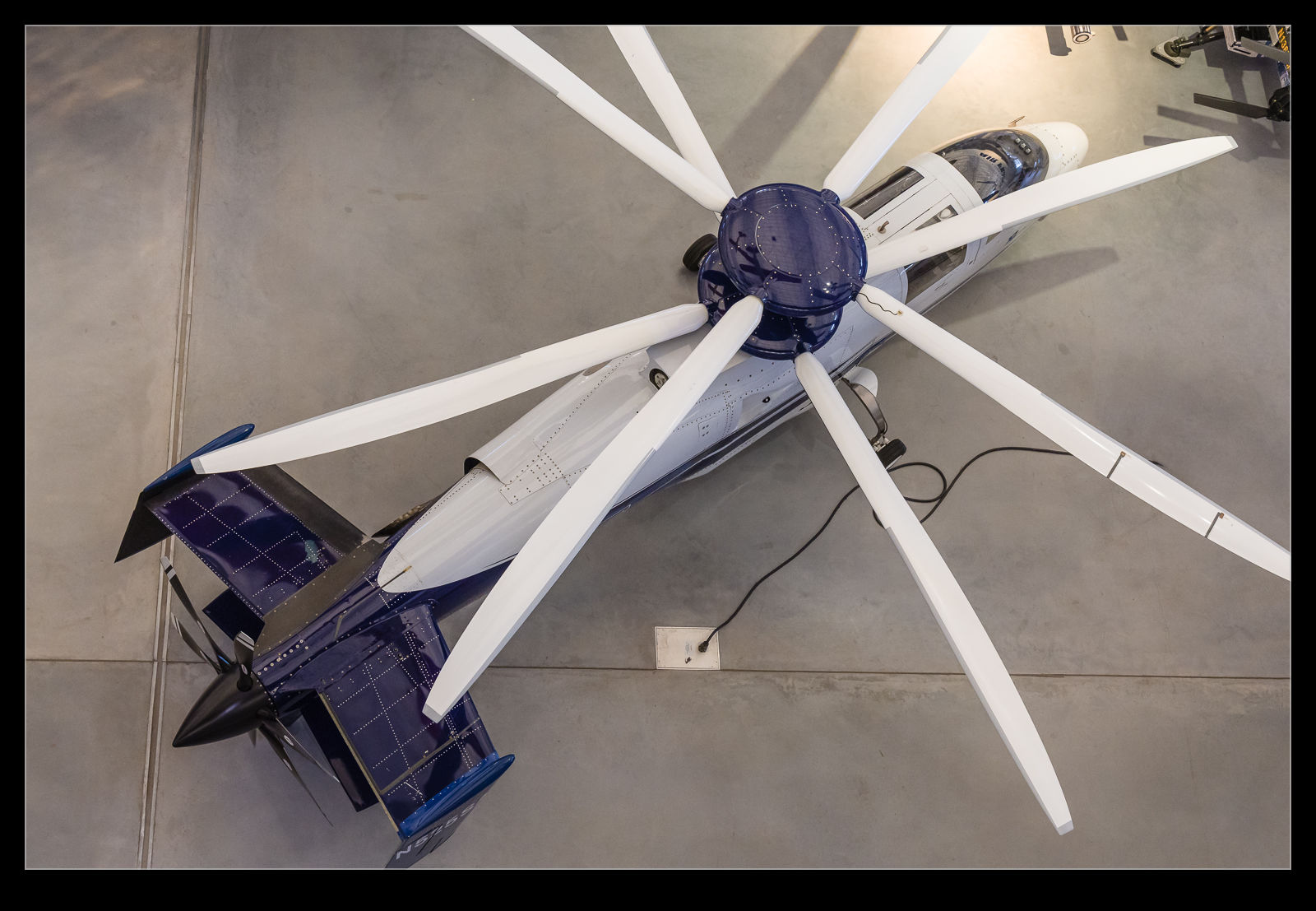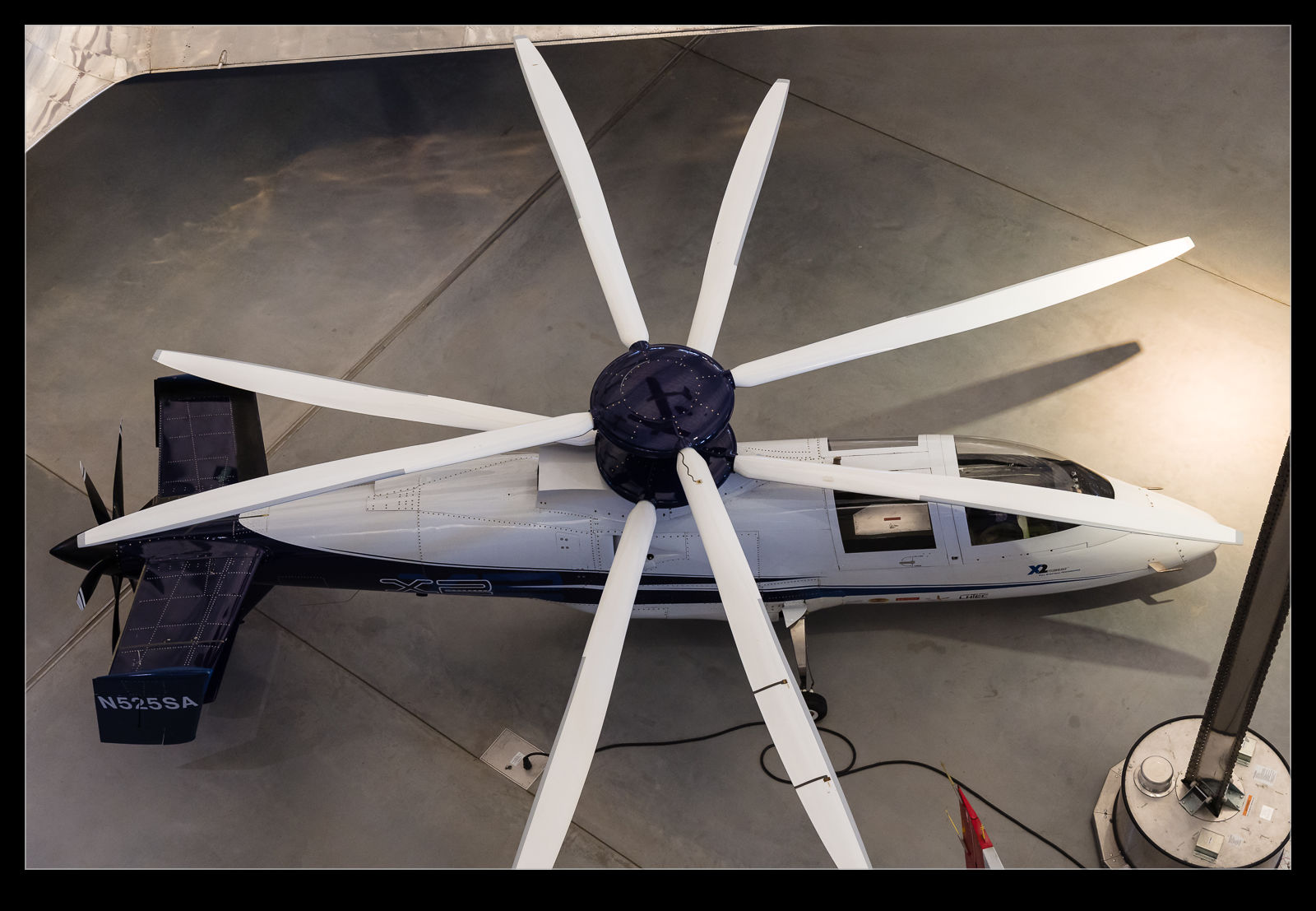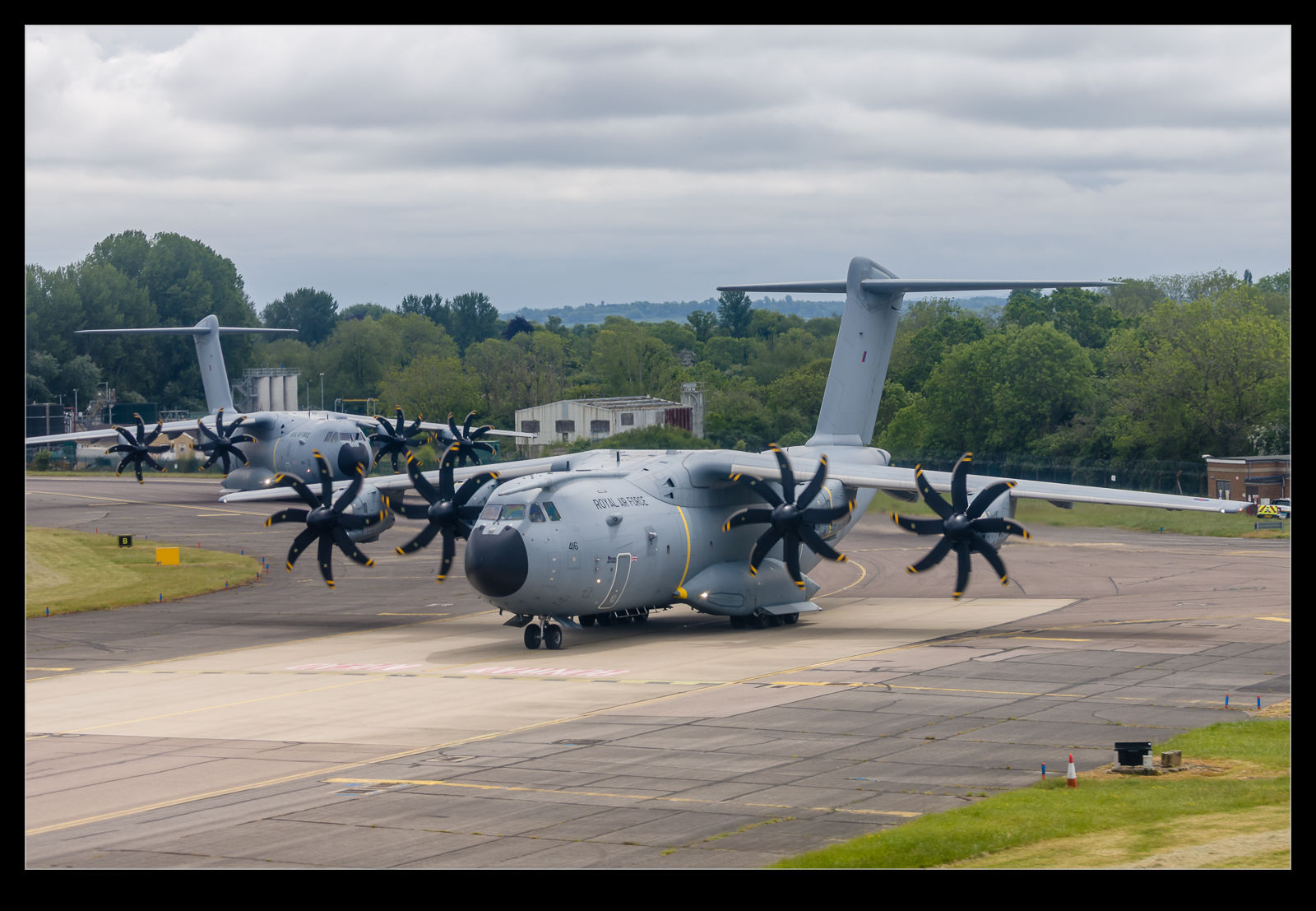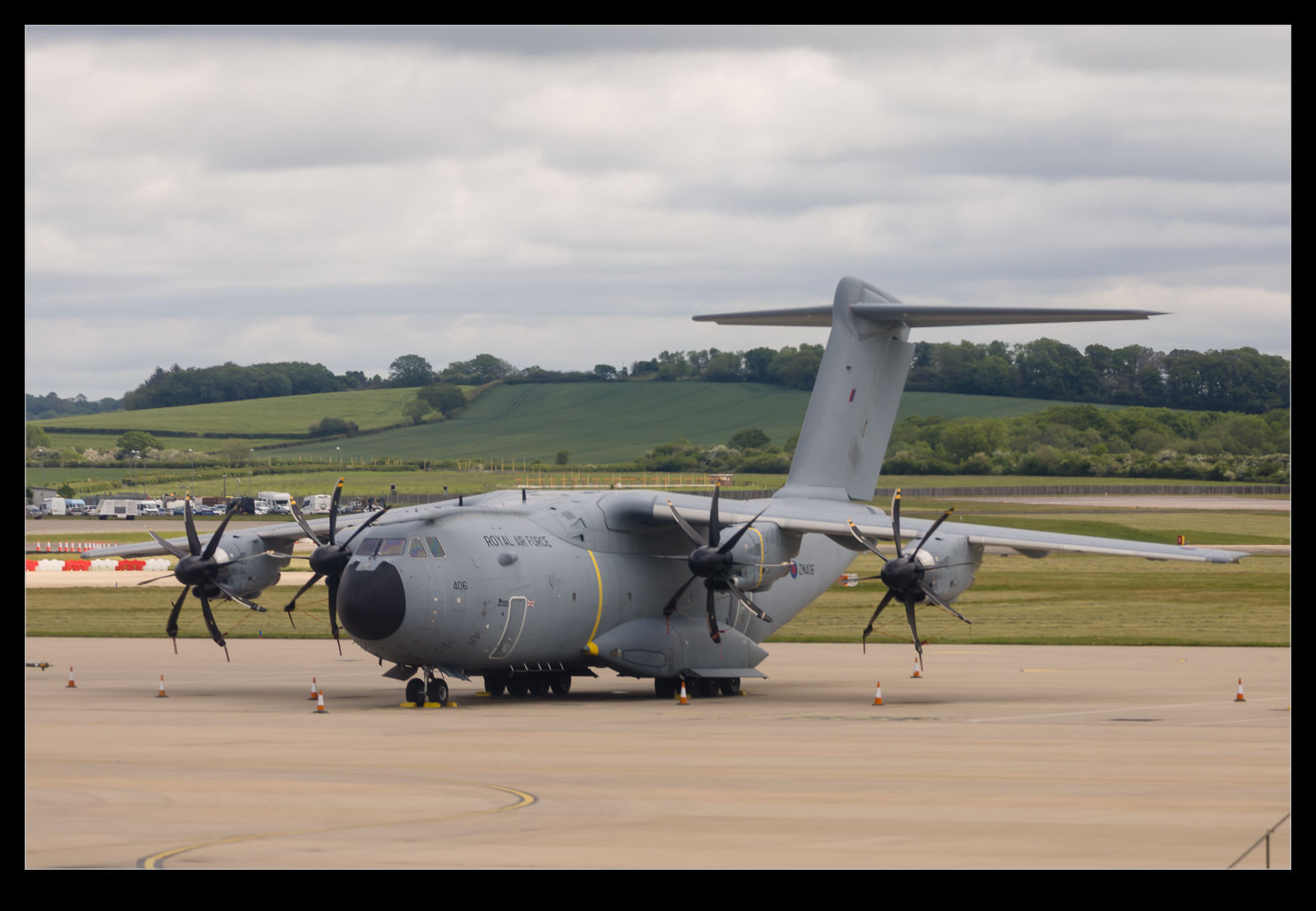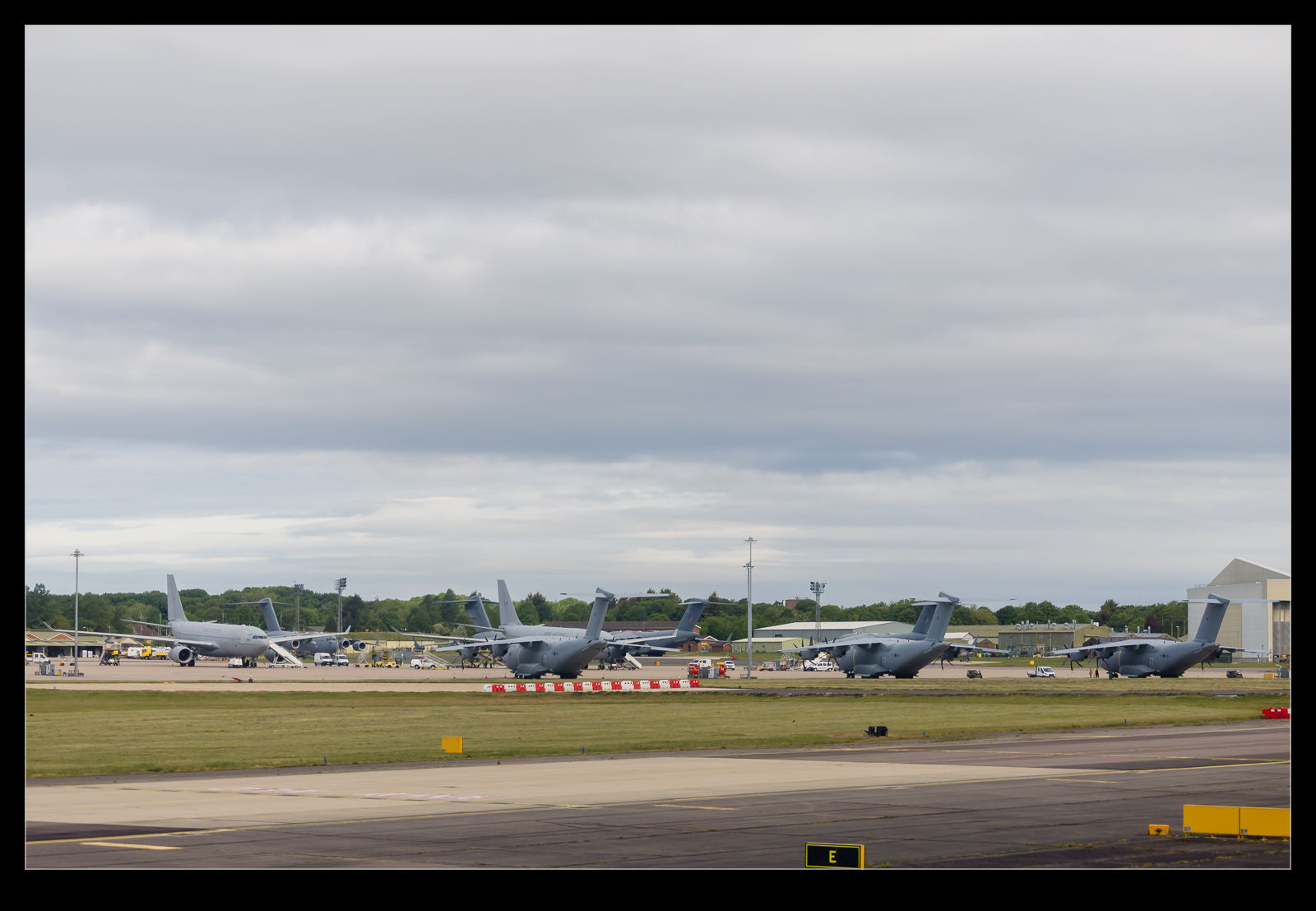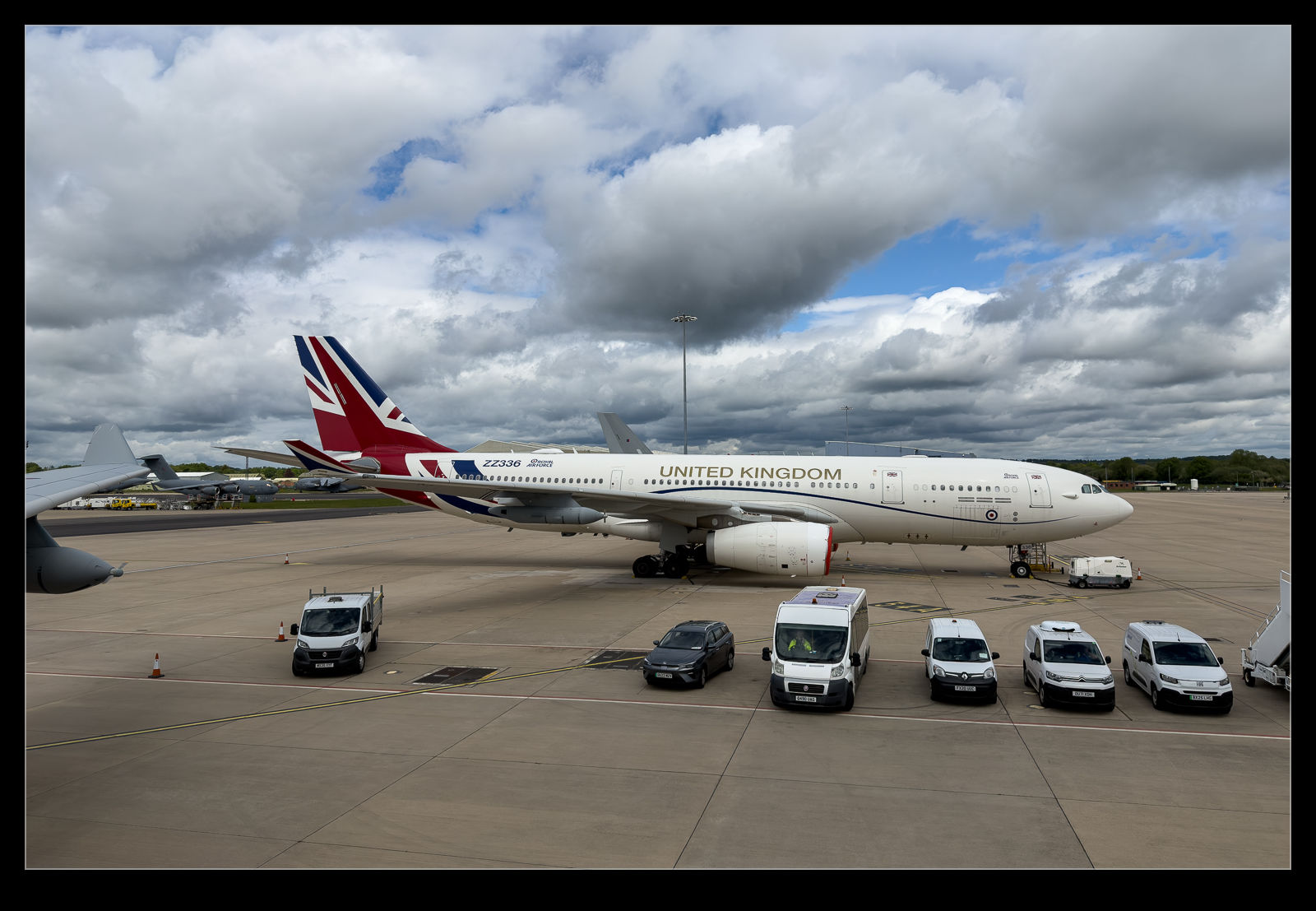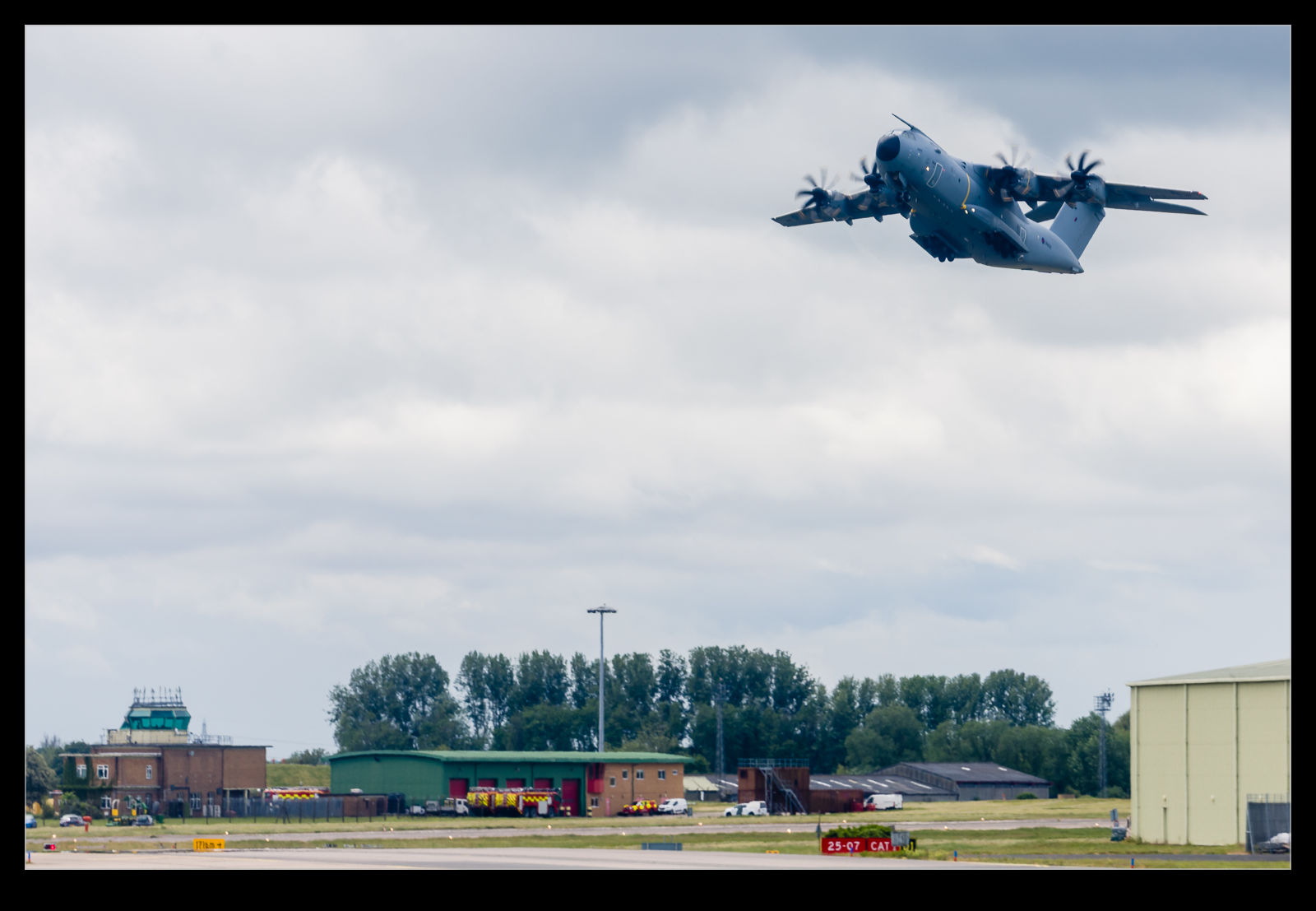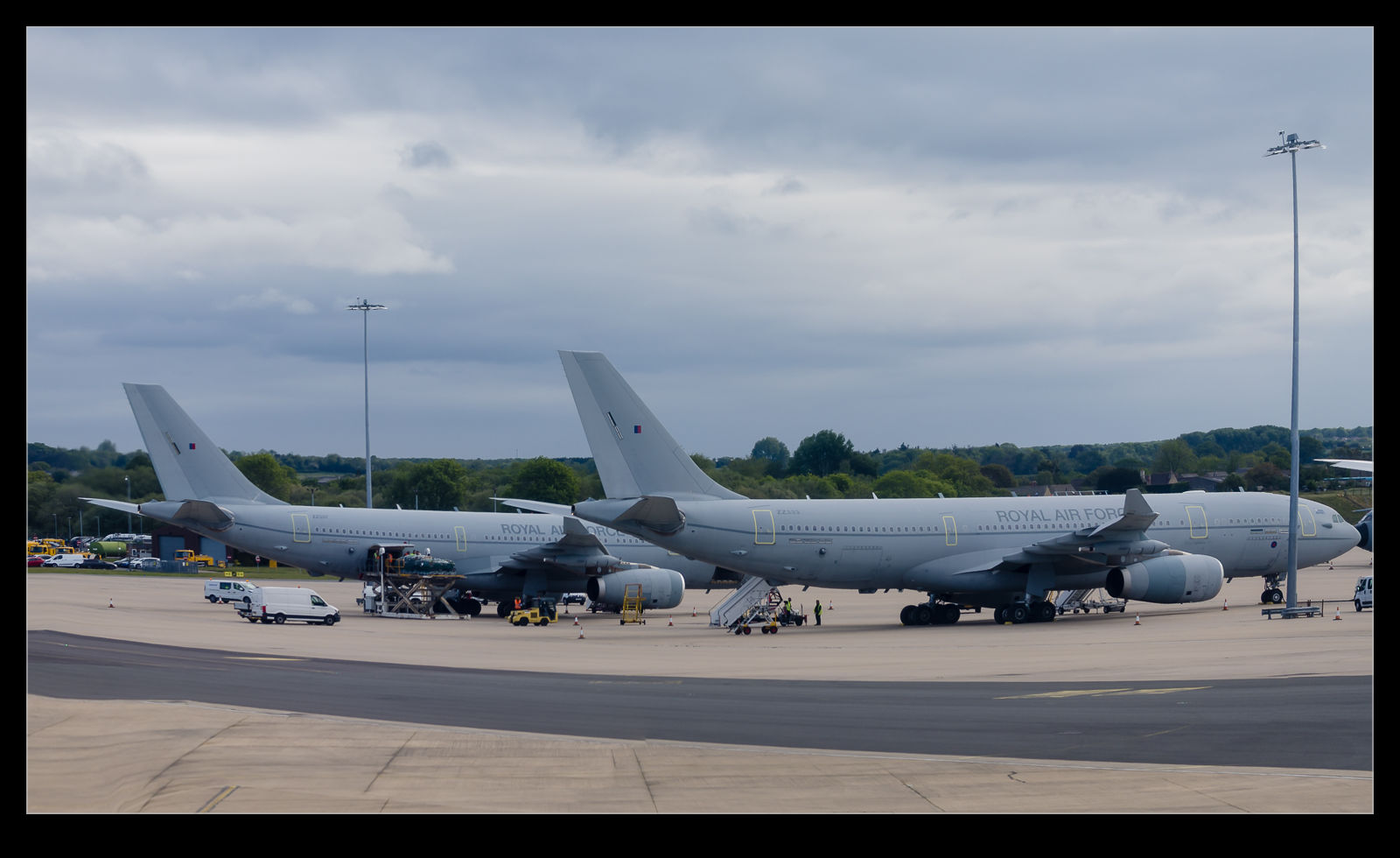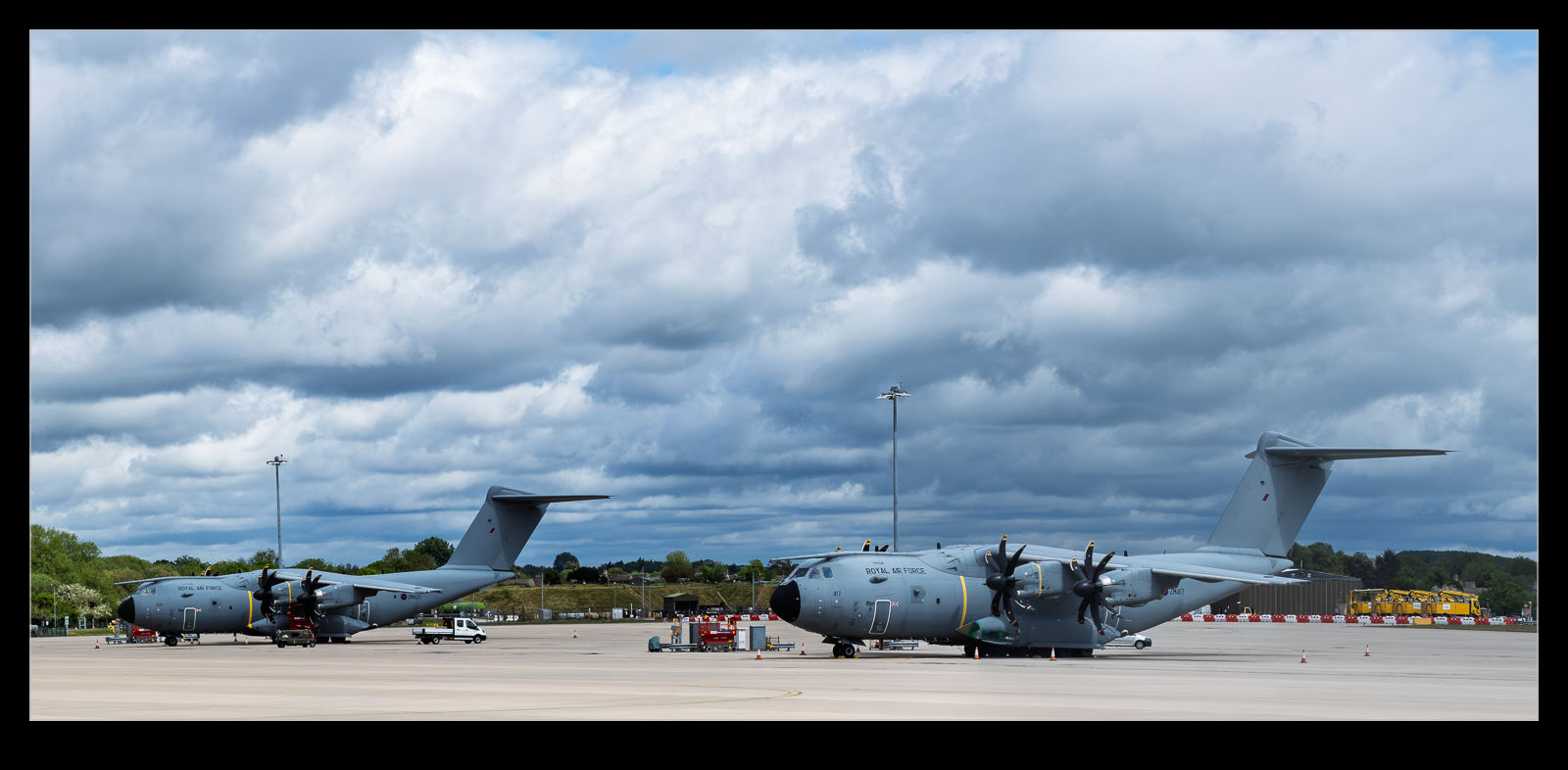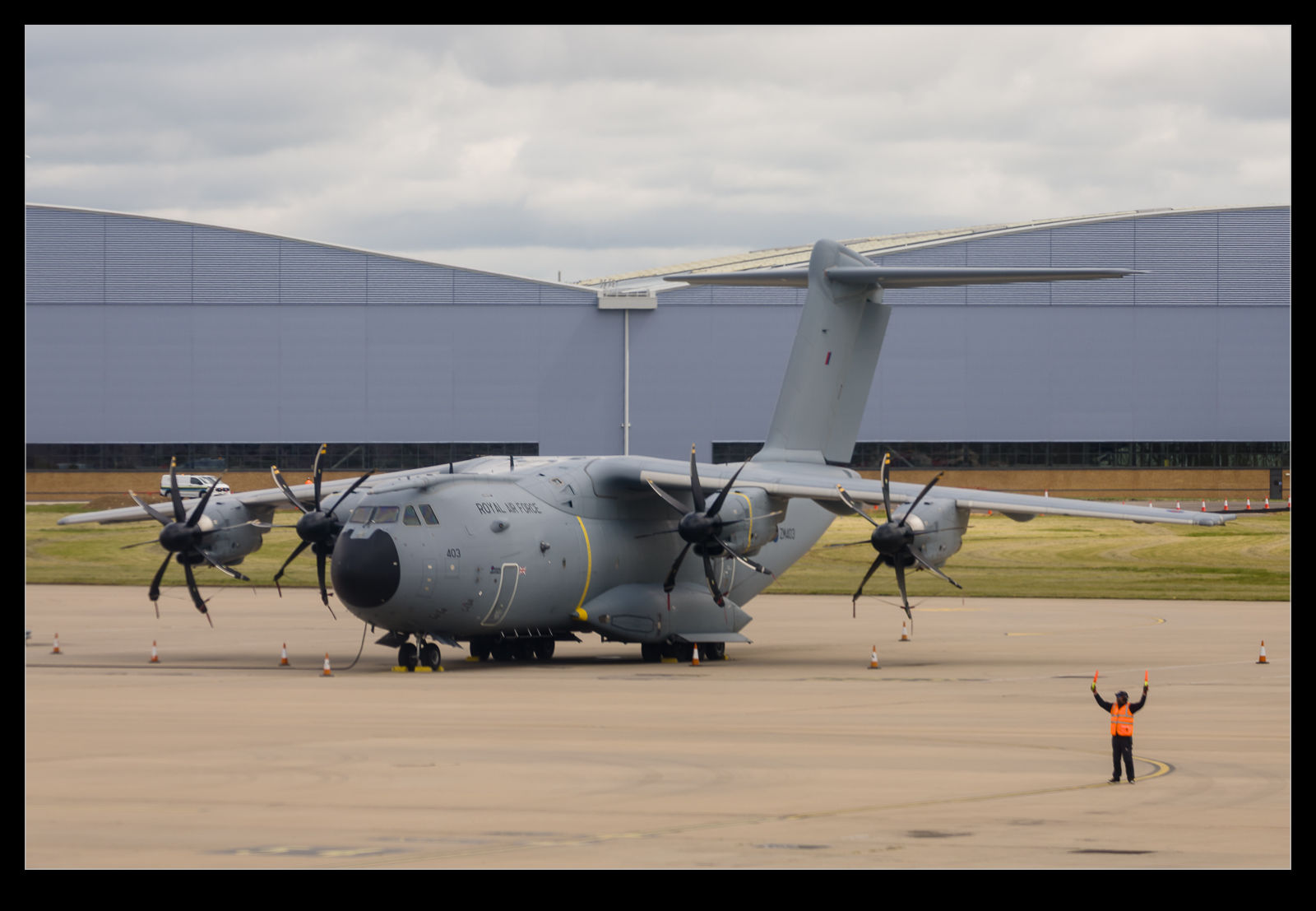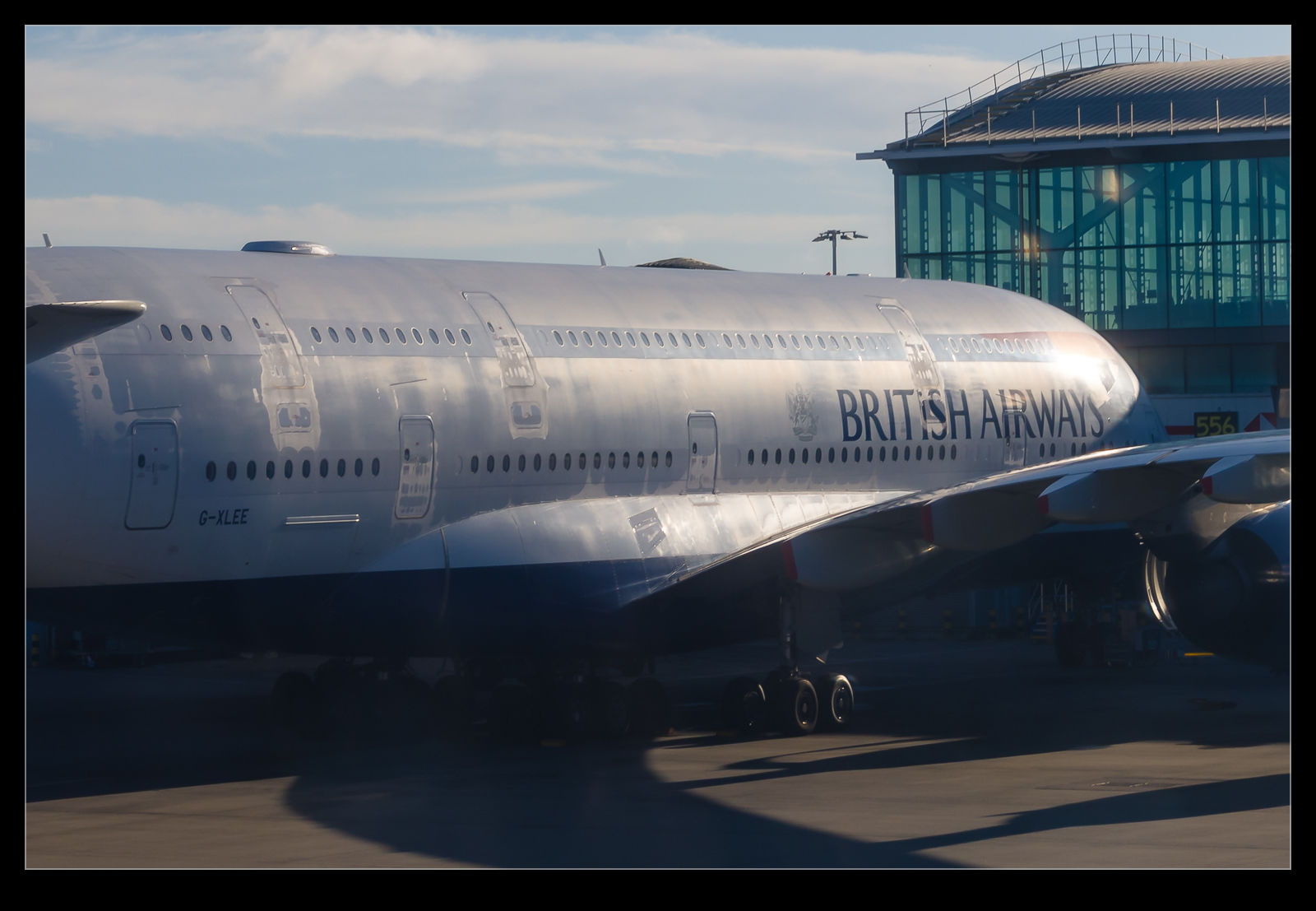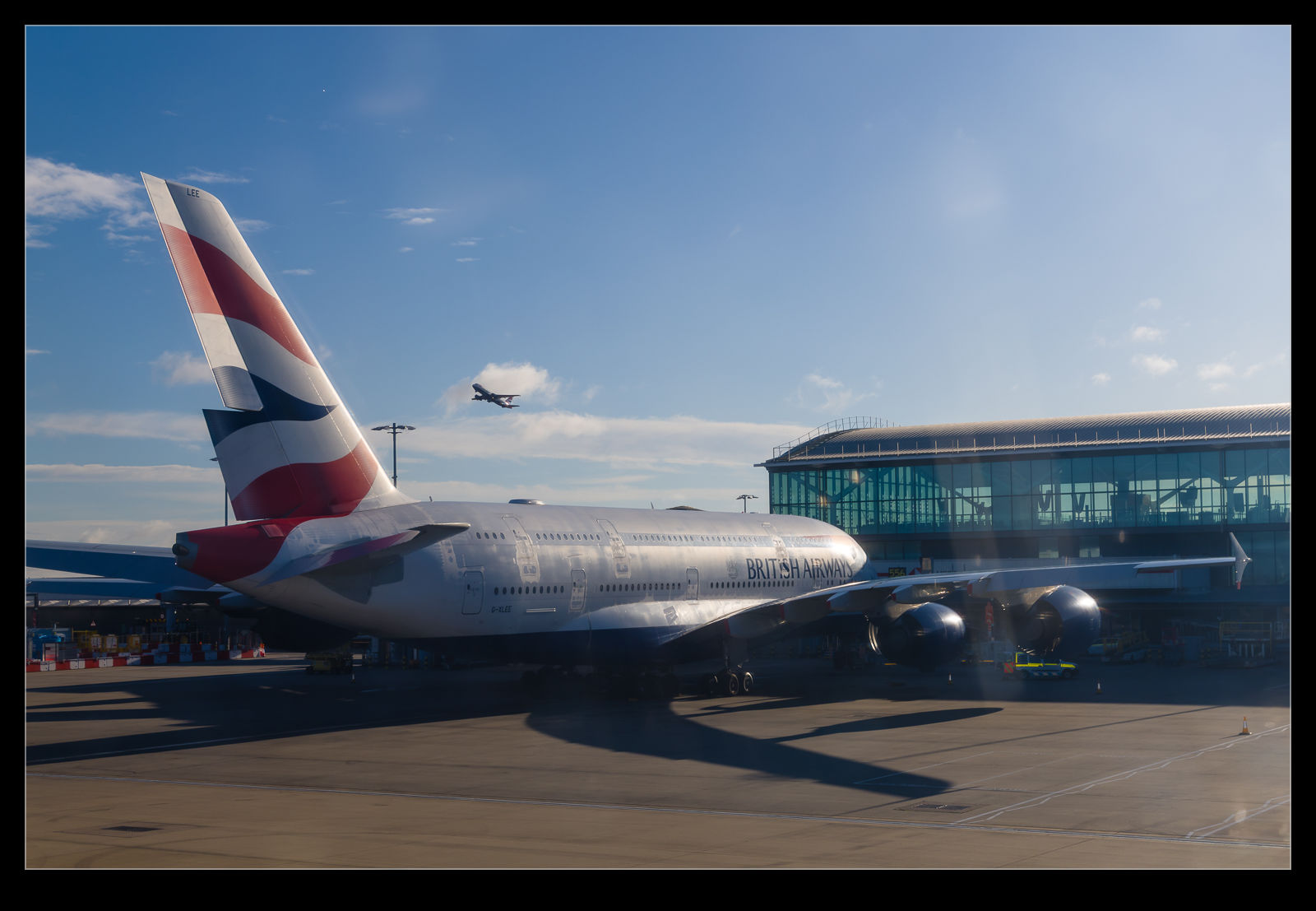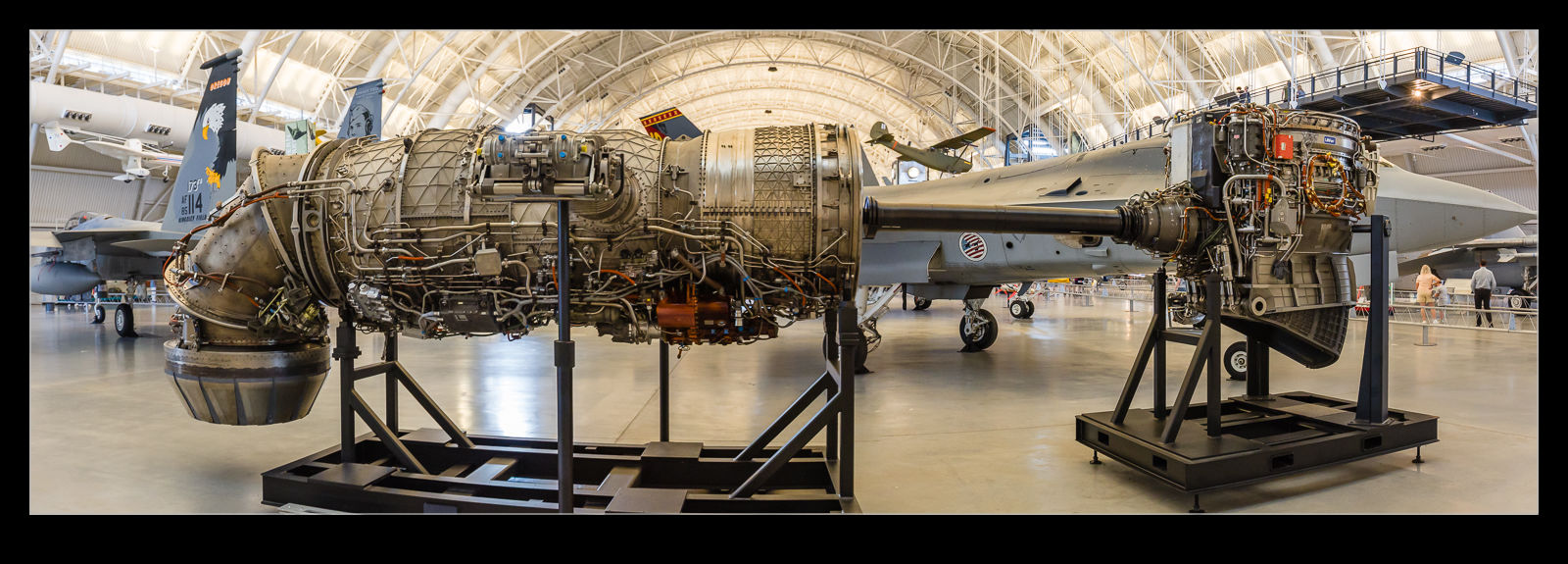
The last returns at the end of the Red Flag evolutions are usually the larger aircraft. The tankers and the AWACS will be near the end as might be the larger bombers if they are involved. You do also get some transport activity on the missions, and the Royal Australian Air Force had one of their Hercs included during one of my visits. I was off base for this return, and the light was beginning to get low which made for far better conditions than the high sun in the middle of the day. The Herc picked up the late light really nicely.
Category Archives: aircraft
Everything About Eagles That I Love
As a kid, I was a big fan of the F-15 Eagle. It was the fighter of the 70s and 80s and its size and power were so impressive to me as a kid. It could also go faster than almost anything else (although it wouldn’t in real life). The big wing (causing the nickname flying tennis court) and the nodding inlets looked excellent. Aerobraking and the speedbrake are just a bonus. Being able to see them so close up when at Red Flag was a big treat for me. I am so glad that the EX model means that they will be around for a while yet. Here are some shots of the jets that, I assure you, resulted in a big grin on my face at the time.
More on the Dash 7 Theme
I had a recent post about a testbed Dash 7. That had resulted from finding some other shots that I was looking for to use in a project. That was regarding two defunct airlines that had operated from London City Airport when it first started operations. The only aircraft that was initially allowed to use the airport was the de Havilland Canada Dash 7. The initial operator was Brymon Airways that, if memory serves me right, was based in Plymouth.
A second operator joined them at LCY with the imaginative name of London City Airways. Their livery included a fin designed to look like a business suit. The target market was city workers that didn’t want to make the trek out to Heathrow. It wasn’t long before there was a push to get jet aircraft into the airport. The BAe146 was the only option at that point and a demonstration was undertaken in 1988. I was there for the CAA and had a chance to get out on the ramp at one point. I got these photos during that visit. The 146 did become a regular feature and then runway expansions allowed a variety of larger aircraft to use the airport with slightly less restrictive approach paths.
Catalina at RIAT
I had seen a few Catalina family aircraft in recent years living in the PNW. I was a little surprised by this one showing up at Fairford for RIAT last year. Sadly, I only got to see it on the ground as it taxied in after arriving. I don’t know when it departed and why I missed it, but such is life. Here are a few shots of it. The blister windows on the rear fuselage look a lot slicker than the original design!
This is an Old Hornet!
This US Navy Hornet was rolling out at Nellis AFB during a Red Flag exercise. Looking at it now, it doesn’t have the antenna locations that the C model had so this must be an old A model. The US Navy has now retired all of its original Hornets (although the Marines haven’t relinquished all of theirs yet). However, when it took this, I think that the Navy was mainly using C models so this must have been on its last legs. I do love the look with the speedbrake deployed. There was a Charlie as well so I shall include that for fun.
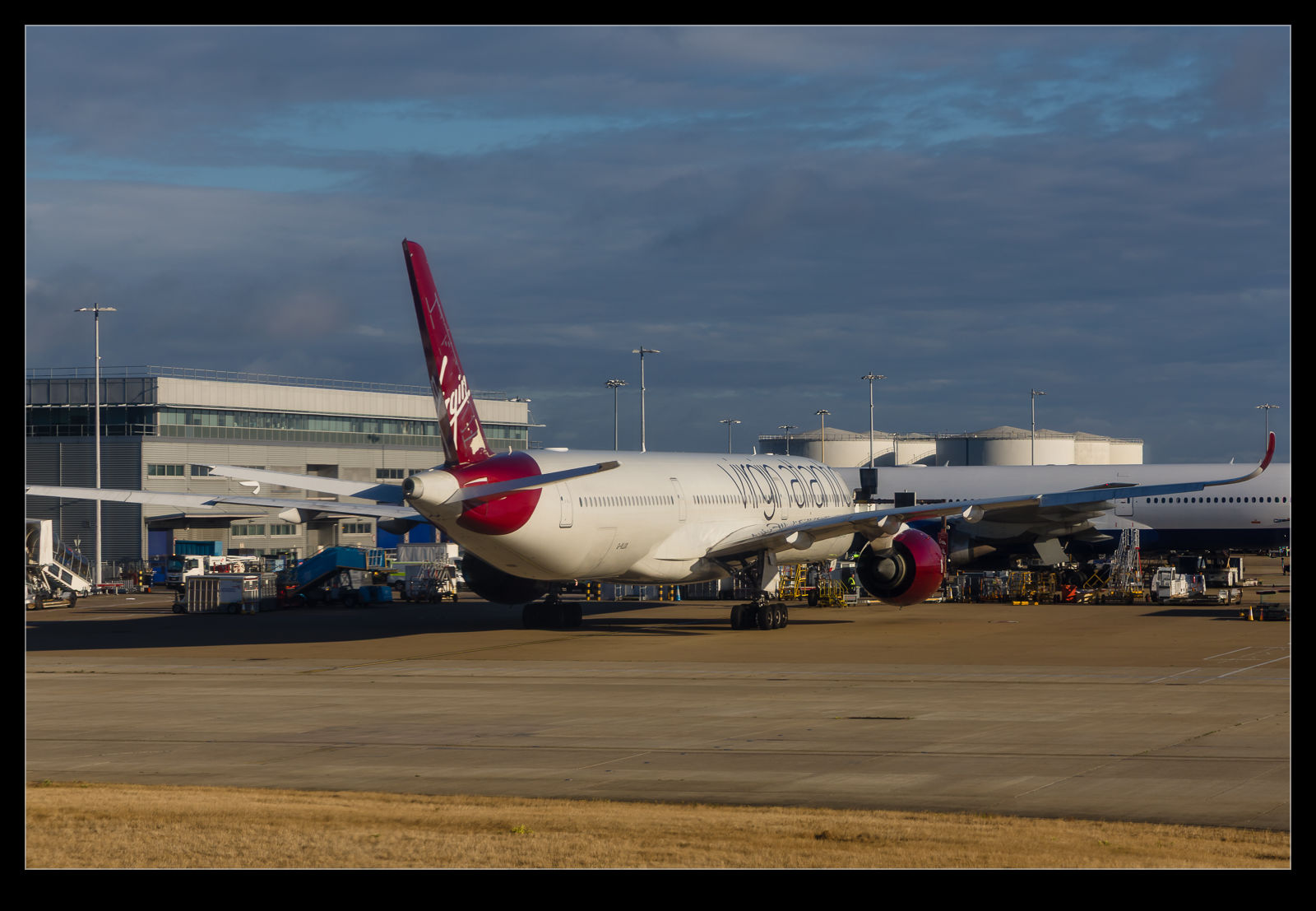
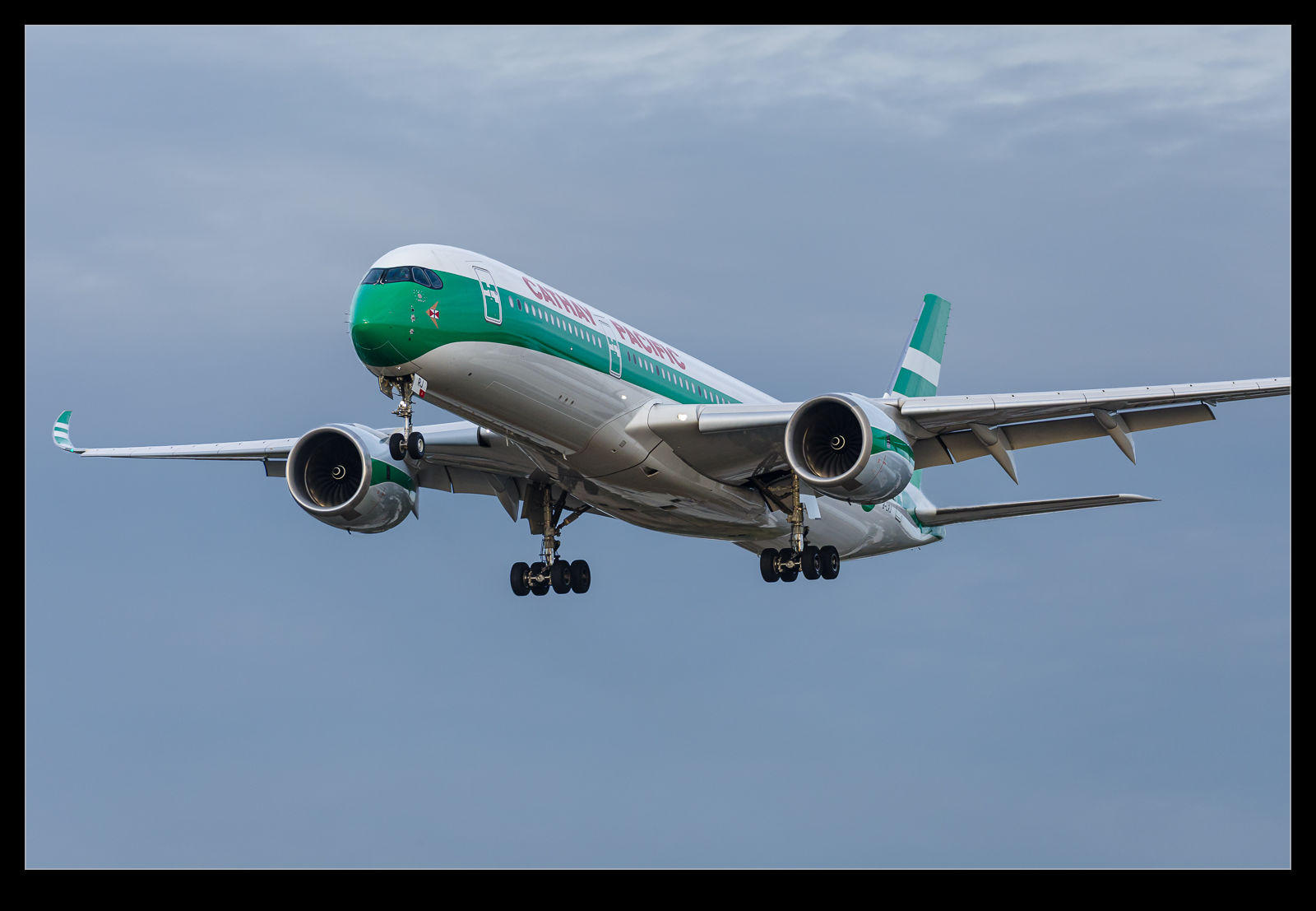
Virgin America A321neo
I recently posted a Virgin America A320 thinking back to when they were an airline before getting swallowed up. Then I got involved in looking for some other images of them and got thinking about their introduction of the A321neo. That got me to this image I took when they were early in their use. As with a lot of images recently, I took a fresh look at how to process it and went through my current approach to get a better result than I had achieved when I first took it. I like the look of the bigger engines on the neo and the A321 is a nicely proportioned plane.
The Sun Was Going Away Rapidly!
Last summer, the evening show at Old Warden included a flight by the de Havilland Comet. It was both in a formation and making some solo passes. The light had been absolutely excellent, but I was getting concerned that the light might be gone before it flew. The bright red paint has the potential to look excellent in very low angle sun, and I wanted to see that if possible.
It started out in a four-ship formation, and I was hoping that they would then do solo performances. Instead, the Comet ended up doing a series of formation passes with the Lysander. This was an interesting combination, but I was hoping to isolate it a bit. With a bit of luck and planning, I was able to get some individual shots that I liked. Sadly, the light was definitely on the way out by this time and, instead of having some gorgeous warmth on a red airframe, things were a little muted. Even so, not a bad thing to wrap up the air show.
Look at the Tailplane on the Bone
I have been looking back through a variety of shots from old visits to Red Flag exercises. Therefore, there is going to be a steady steam of Red Flag photos in the near future. Sorry if that gets a bit repetitive but I assure you that they will be different types on the whole. I start with the B-1B Lancer. This example was taxiing along the runway as it backtracked for departure. The pre-take off routine includes exercising the full range of travel for the tailplane and it really can move a long way. This shot showed it in the full nose up position.
Electrifying Dash 7
As a youth, the de Havilland Canada Dash 7 was, if not a widespread aircraft, one that was reasonably popular. This was a time when STOL operation was such a big deal with the idea that STOL aircraft would make operations from cities more of a thing. This idea didn’t last long but, at the time, a four engined aircraft with the ability to guarantee climb out in an engine out condition was important which also is why the 146 was a four engined plane.
As the focus shifted to regular airports, twin engined turboprops took over including the same company’s Dash 8. The Dash 7 has hung around in niche uses but they are not easy to find. Air Tindi operates them in Canada and one of their airframes showed up in Seattle a while back. Magnix is a company that is making electric powerplants for aircraft and it is supposedly using a Dash 7 as a testbed. It showed up at Boeing Field for a publicity event. Sadly, I didn’t see it in flight, but it was out on the ramp at the FBO for a while before it was moved into the hangar for the event.
Someone Having a Fun Ride in a Spitfire
I alluded to this post in a previous one. The Spitfire rides operating from Solent Airport take people up in a two seat Spitfire. I was down on the seafront at Lee on Solent when I heard the sound of a Merlin at power. I had almost every setting wrong on the camera but managed to switch to the right shutter speed and get the frame rate reset as it climbed out. This did take a bit of time and while the best top side view of it turning east were on display. Things were a bit more level but the time I got some shots off. Not idea but still okay. A while later, they returned from their trip, and we had a fly through along the runway alignment before they landed. I would like to plan better to be there in the future in a more planned way.