Tag Archives: turboprop

Summit Skyvans

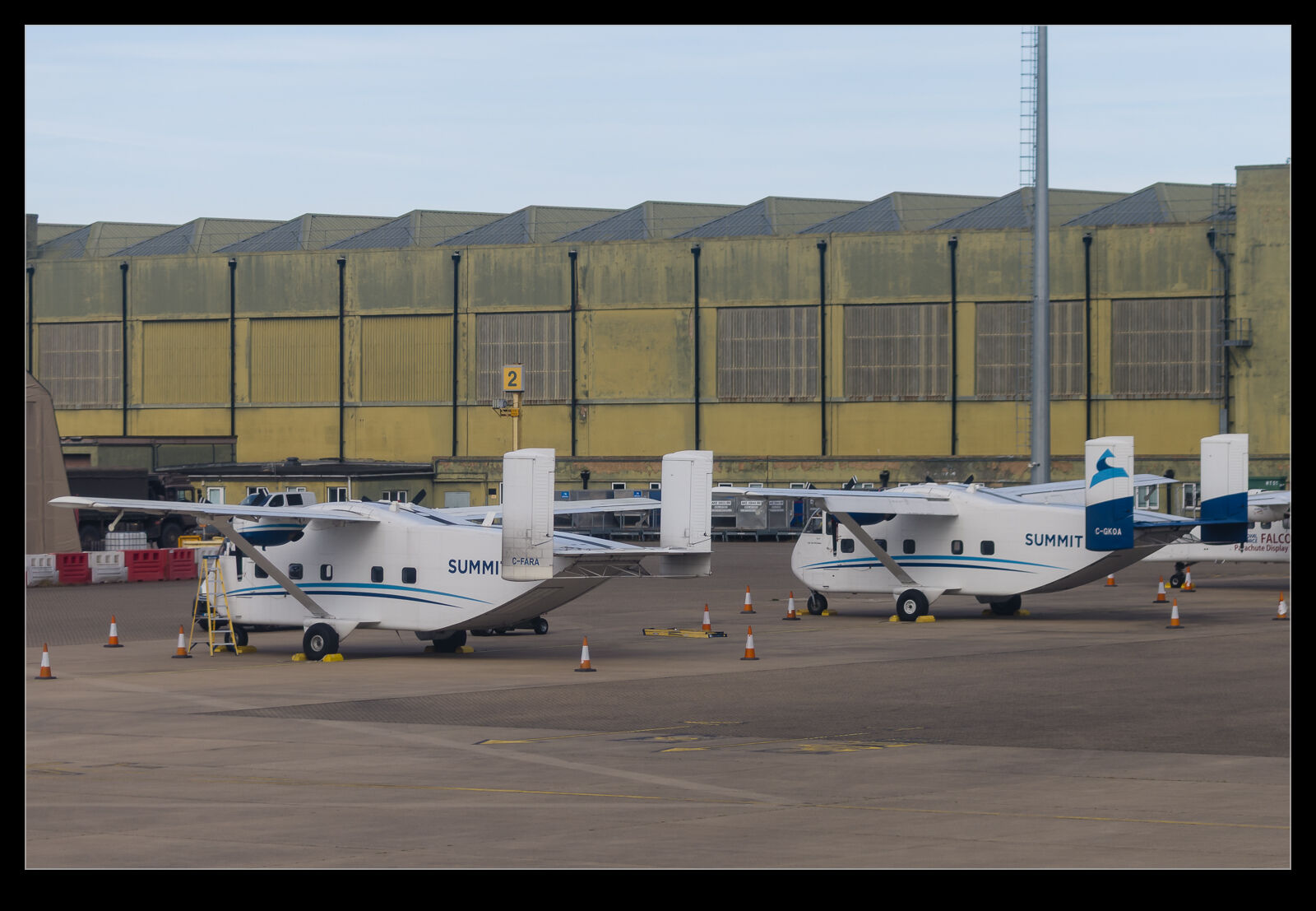
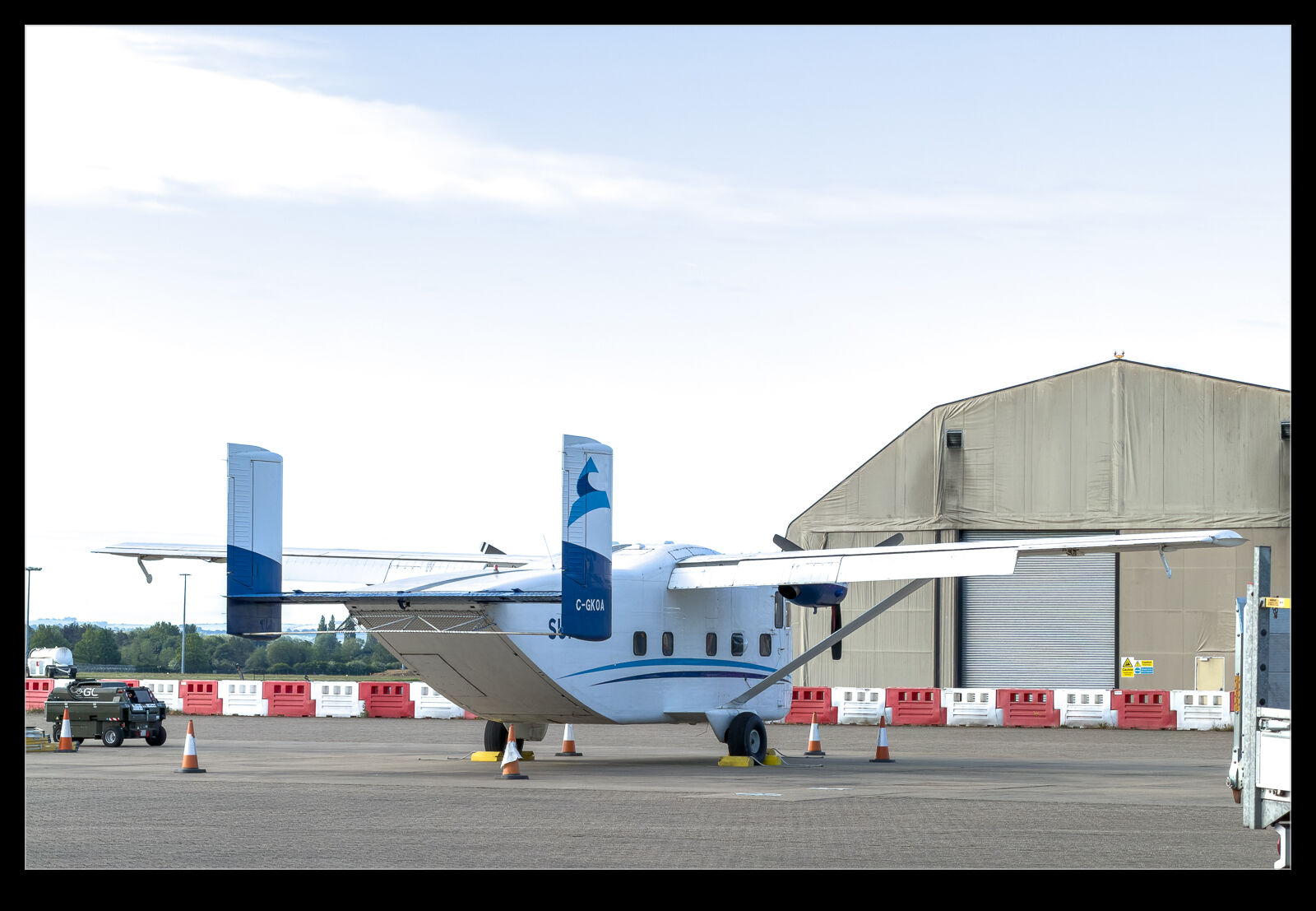
When on the ramp at a modern air base, you might not expect to come across a pair of aging turboprop twins. However, on Brize Norton’s ramp, I saw a pair of Shorts Skyvans. They belong to a company called Summit from Canada. I assume they are being used for parachute jump platforms but don’t know for sure. Quite a surprise to see them there.

Is This Islander Watching Me?

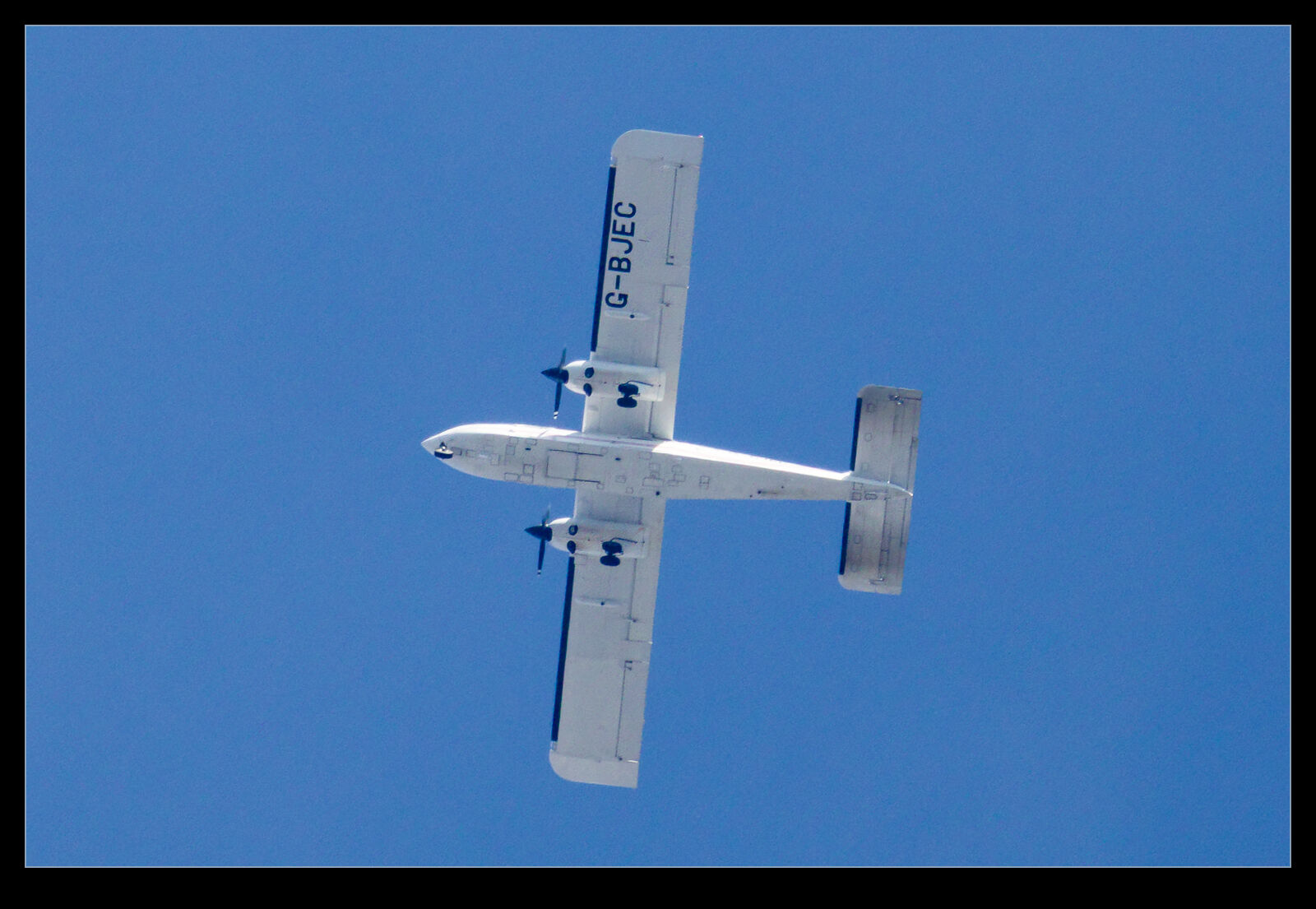
One weekend afternoon I was photographing at Heathrow watching the inbound airlines. I heard a bit of noise from above and looked up to see what it might be. It was an Islander passing overhead the airport at some altitude. I grabbed a few shots at significant distance. A bit of research suggests this airframe is used for a variety of surveillance missions of a more formal nature. I wonder if they got anything of me while I was photographing them?

Finally, I Get to See the Bronco Demo

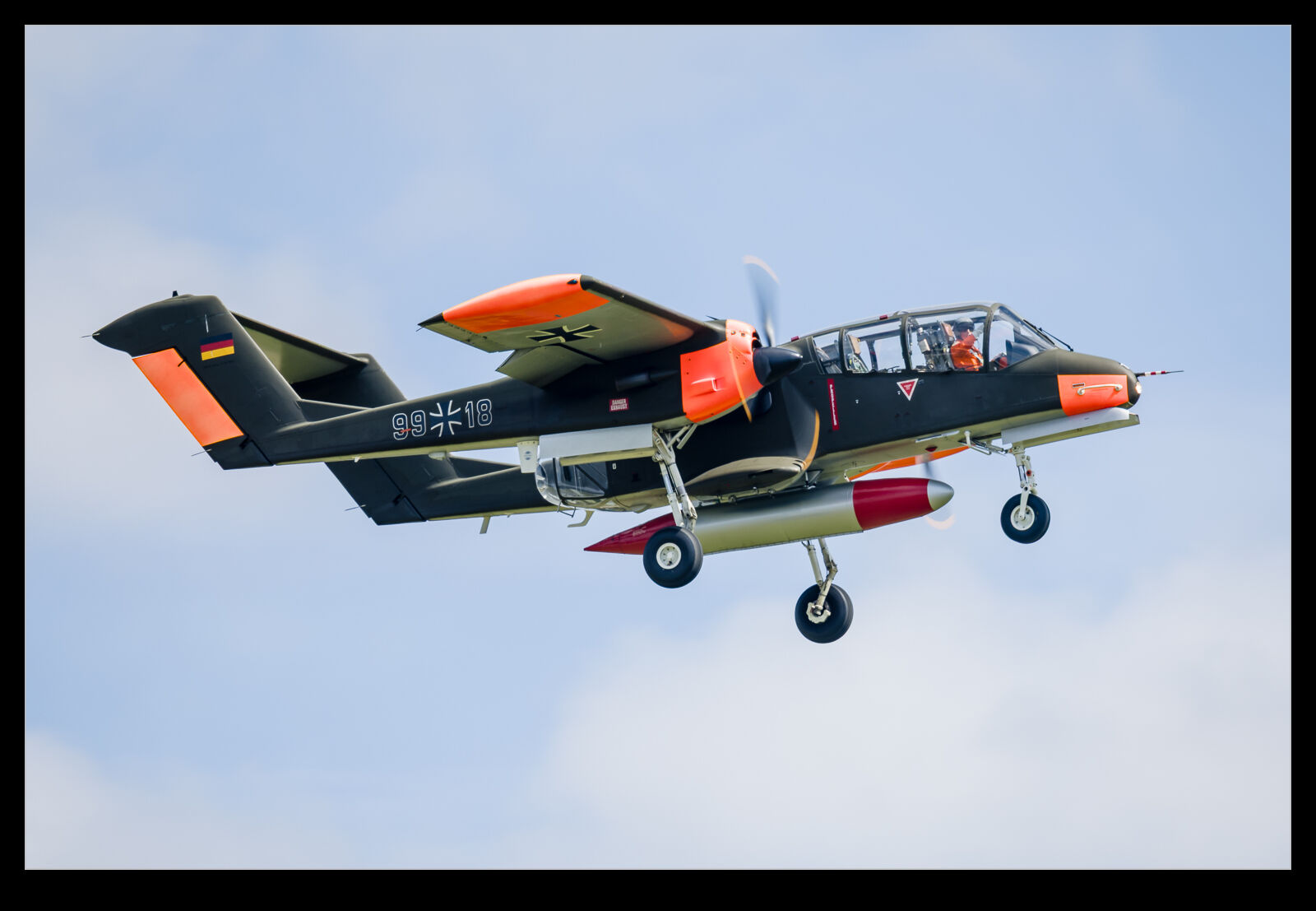
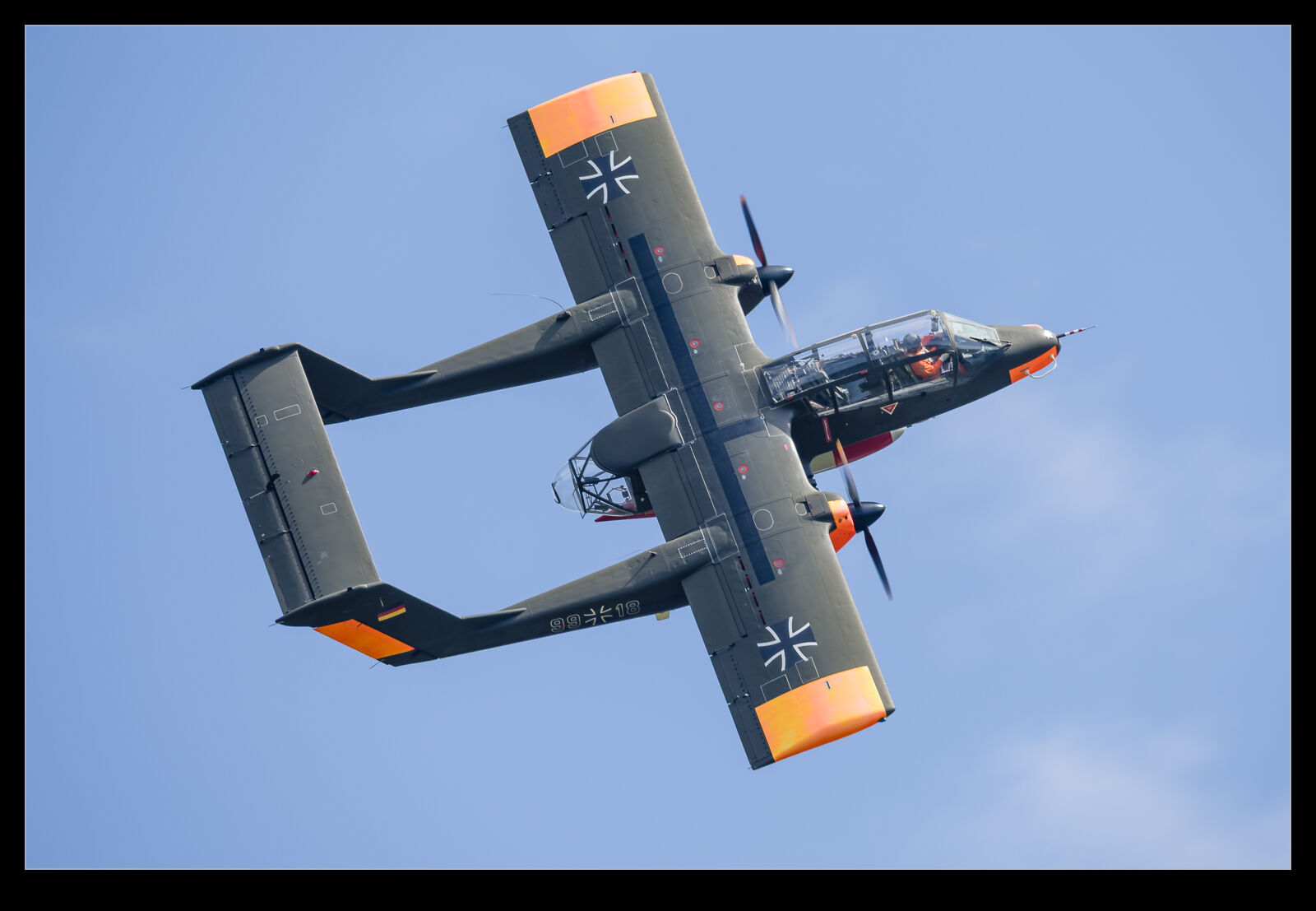
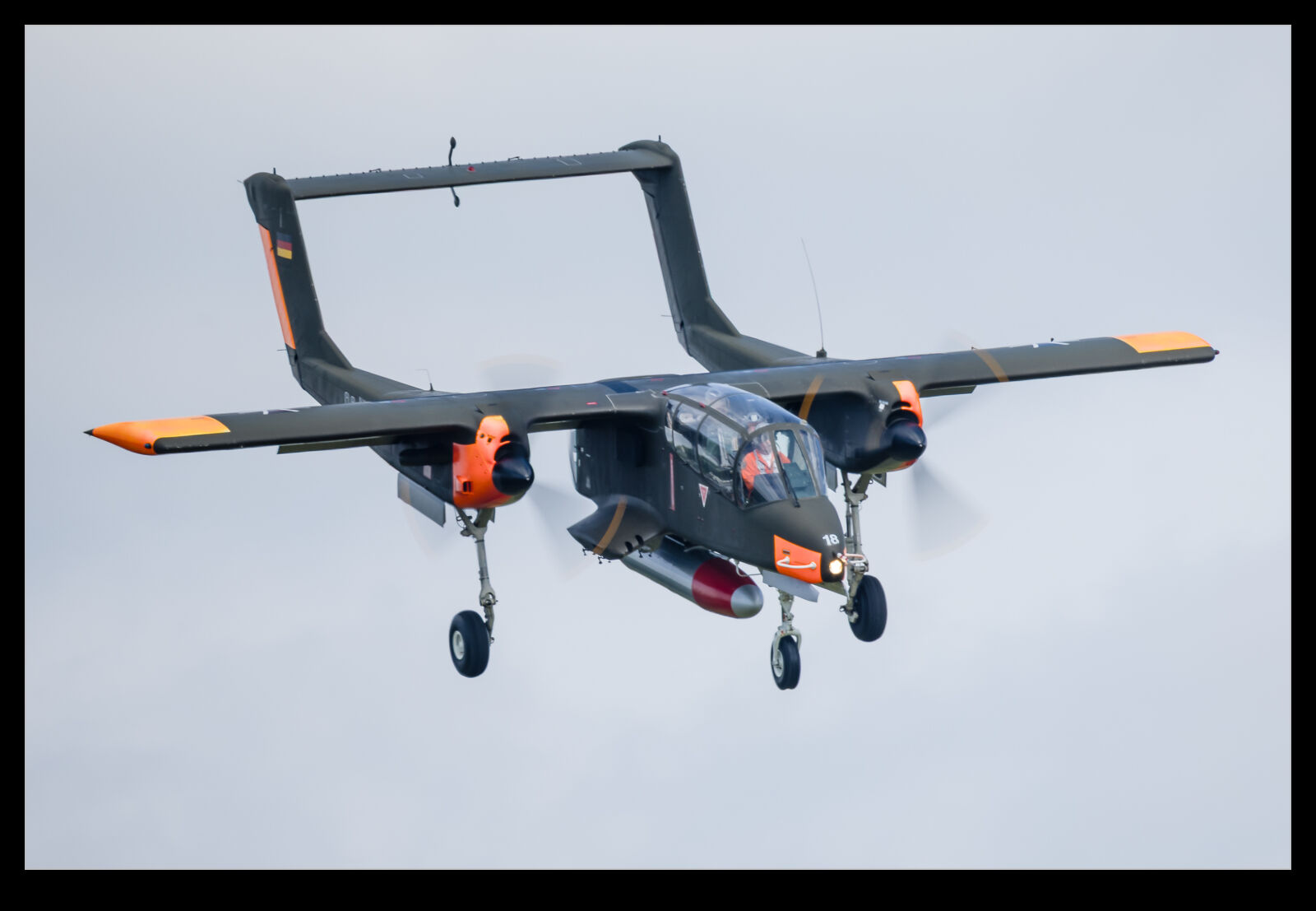
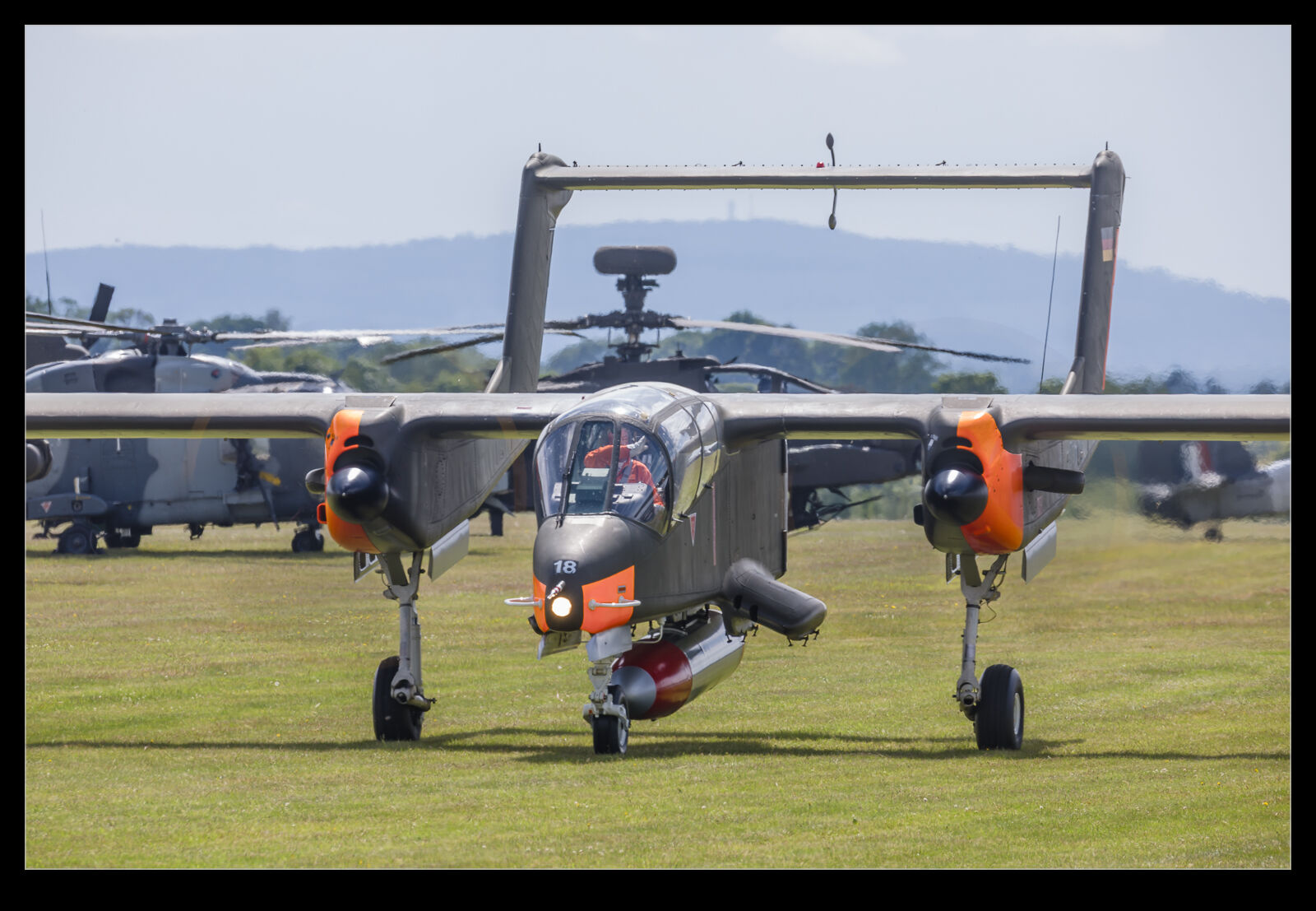
Tony De Bruyn’s air show performances with the Rockwell OV-10 Bronco have been a feature of shows for many years but, with me having not lived in the UK for a chunk of that time, I have never seen home display. Therefore, I was rather pleased to see he was on the schedule for the RAF Cosford air show. The plane is an agile performer and so well suited to keeping it tight in front of the crowd.
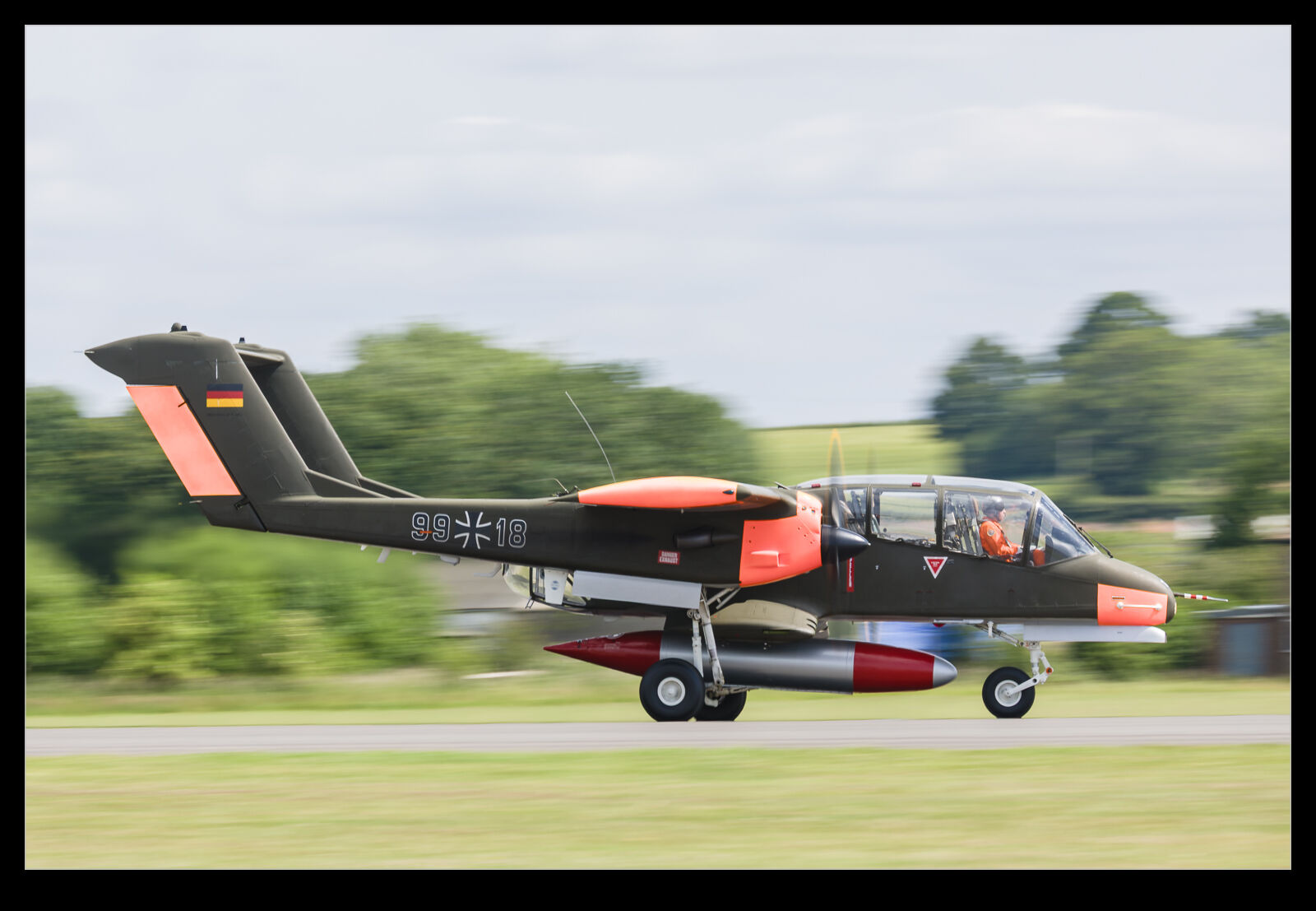
The lighting at Cosford is not ideal and his display did take place when the sun had not come around. However, I did the best I could to get some reasonable shots of the show. He really threw the plane around nicely including some slow passes and some aeros. The sideslip approach was something to see and the rate of decent he achieved was something else.
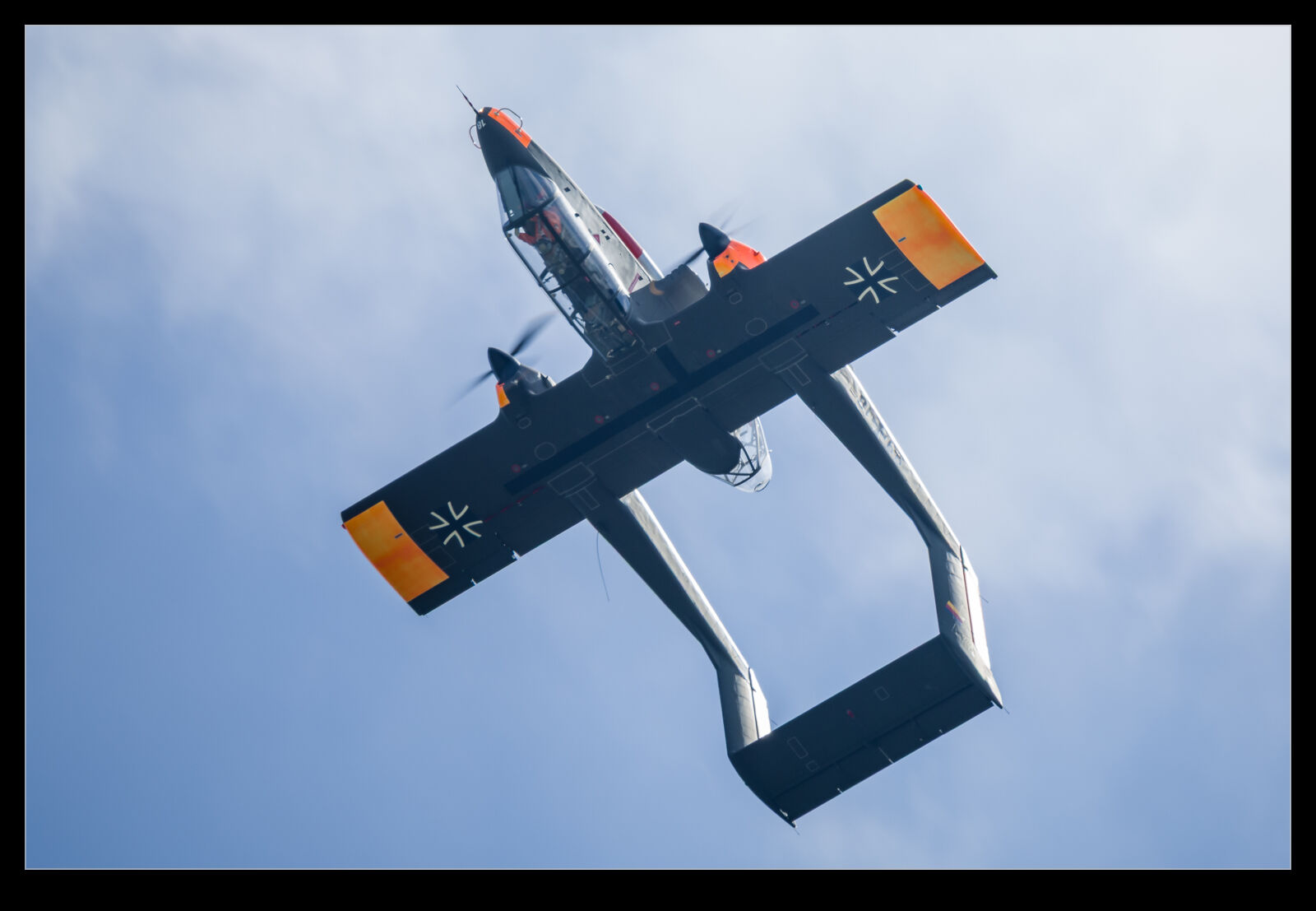
Not sure when the next chance will come my way, but I do hope to get to photograph another of his displays – preferably in better light. An evening display would be really great to make the most of the Luftwaffe colours on the plane.
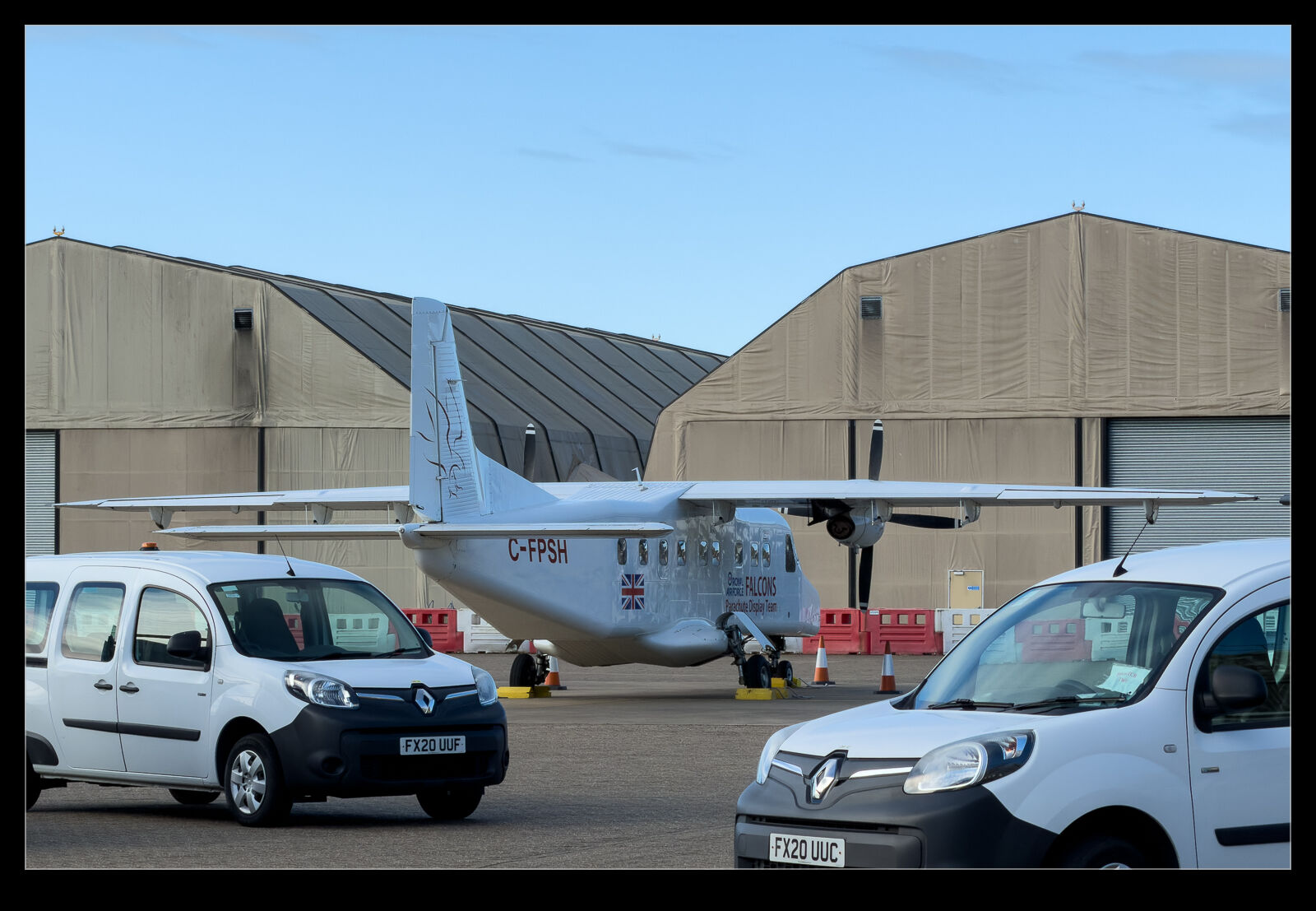
Why Is the RAF Falcons Plane Canadian?

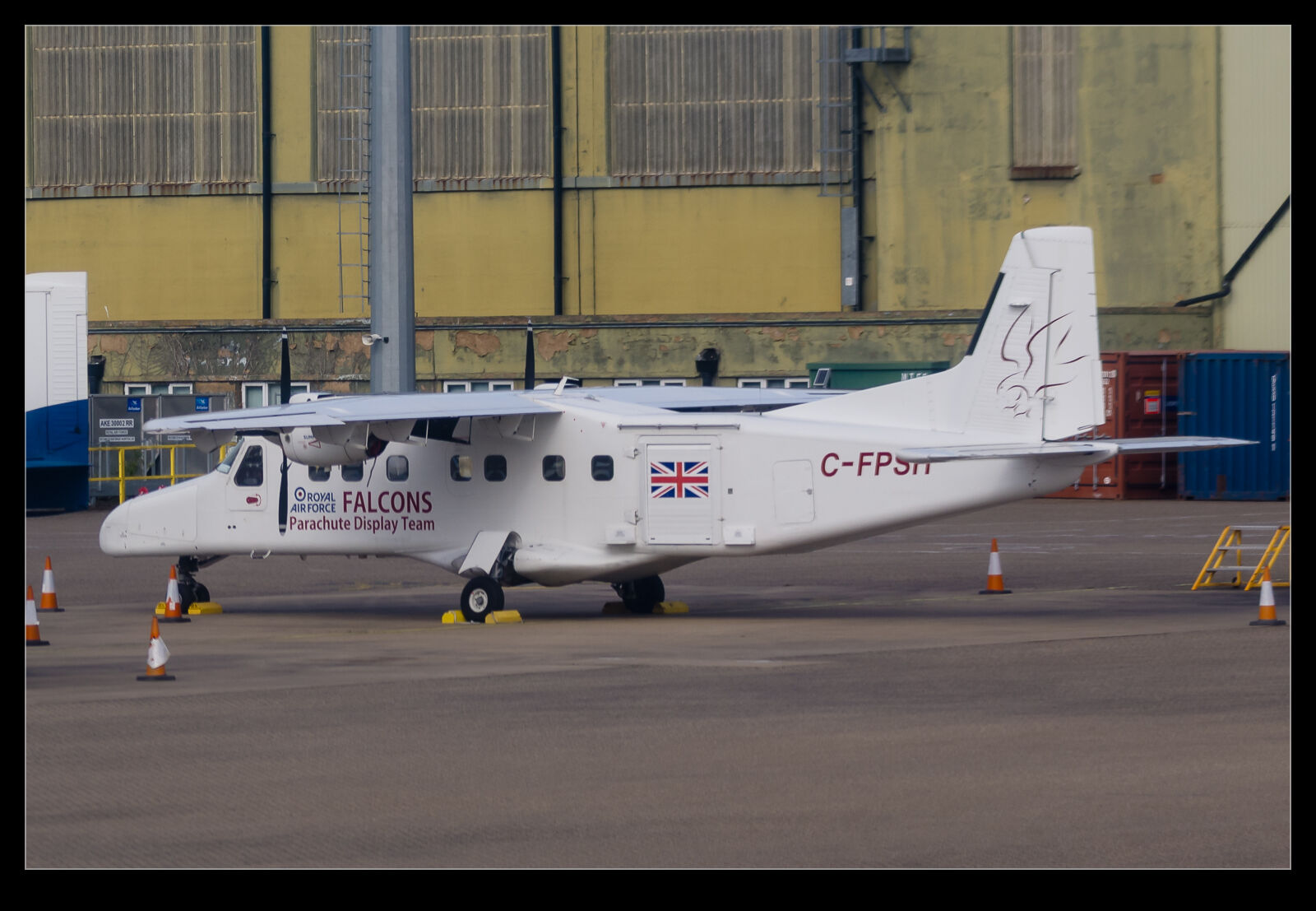
I recently saw this Dornier 228 which was carrying markings indicating it is used by the RAF’s parachute display team – The Falcons. I hadn’t seen the plane before, so it caught my eye. What left me a bit confused was its registration. It is on the Canadian registry. I have no idea why the RAF would need to use a Canadian registered plane. If anyone knows, please share the reasoning.

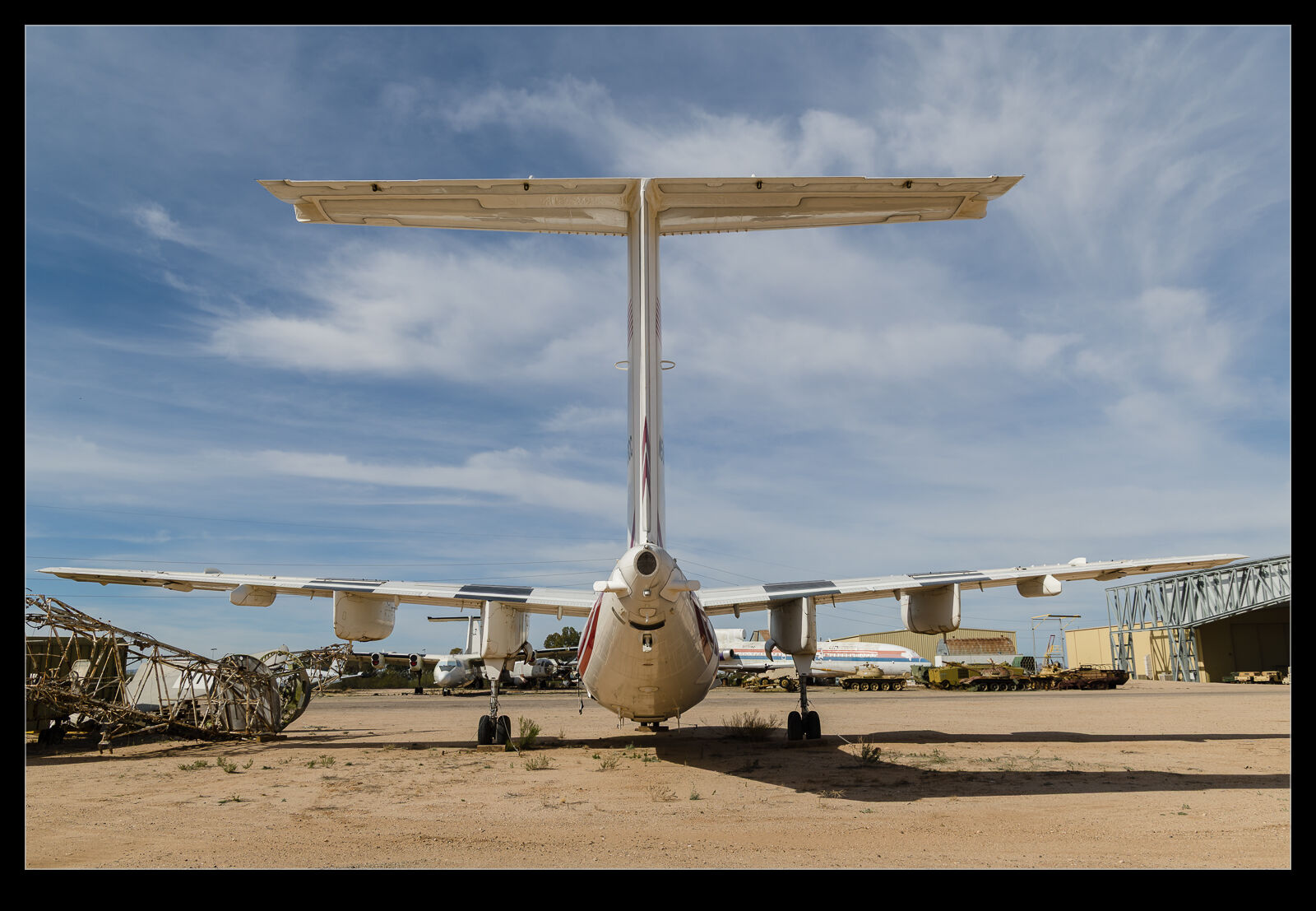
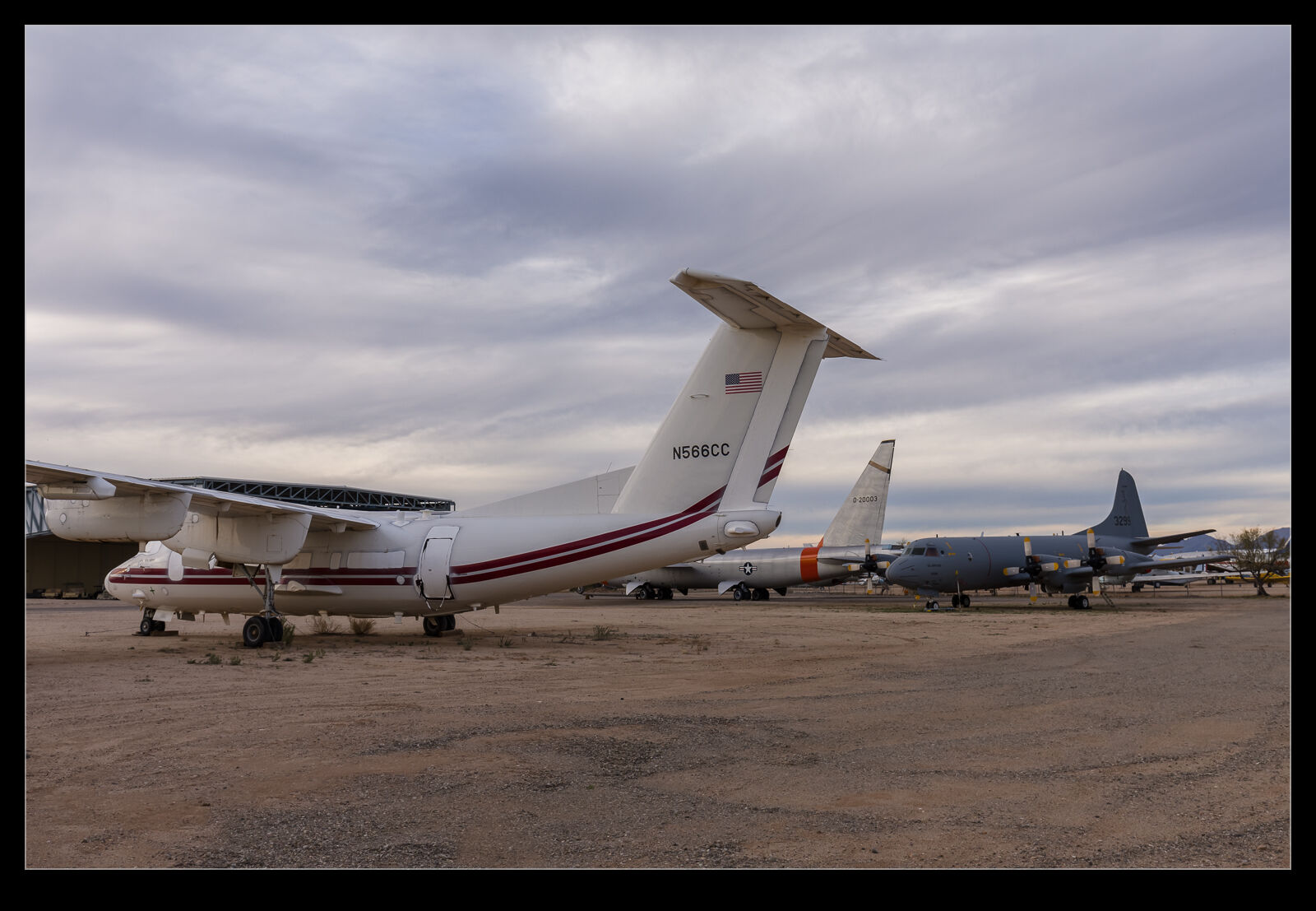
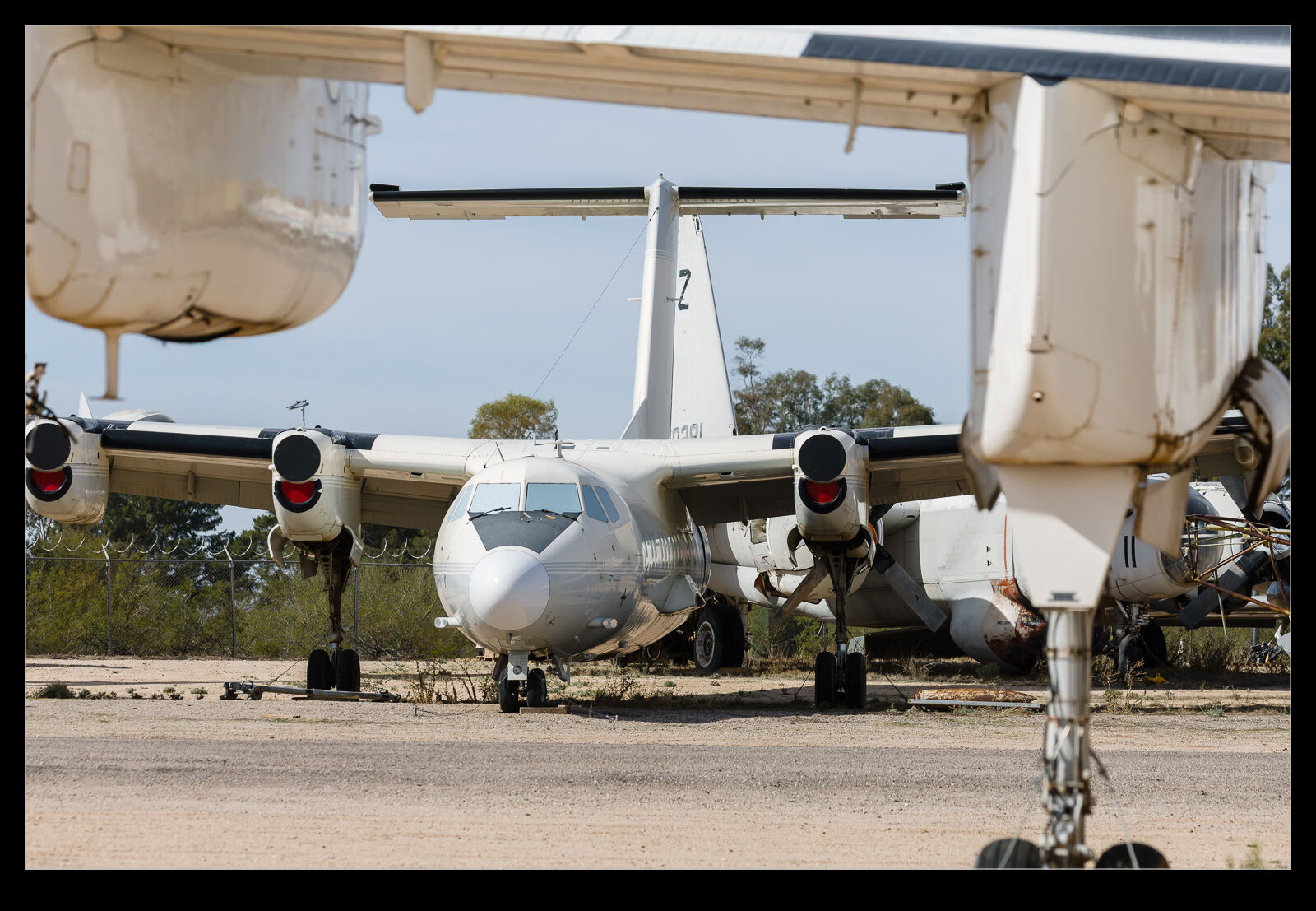
End of the Line for these Dash 7s?

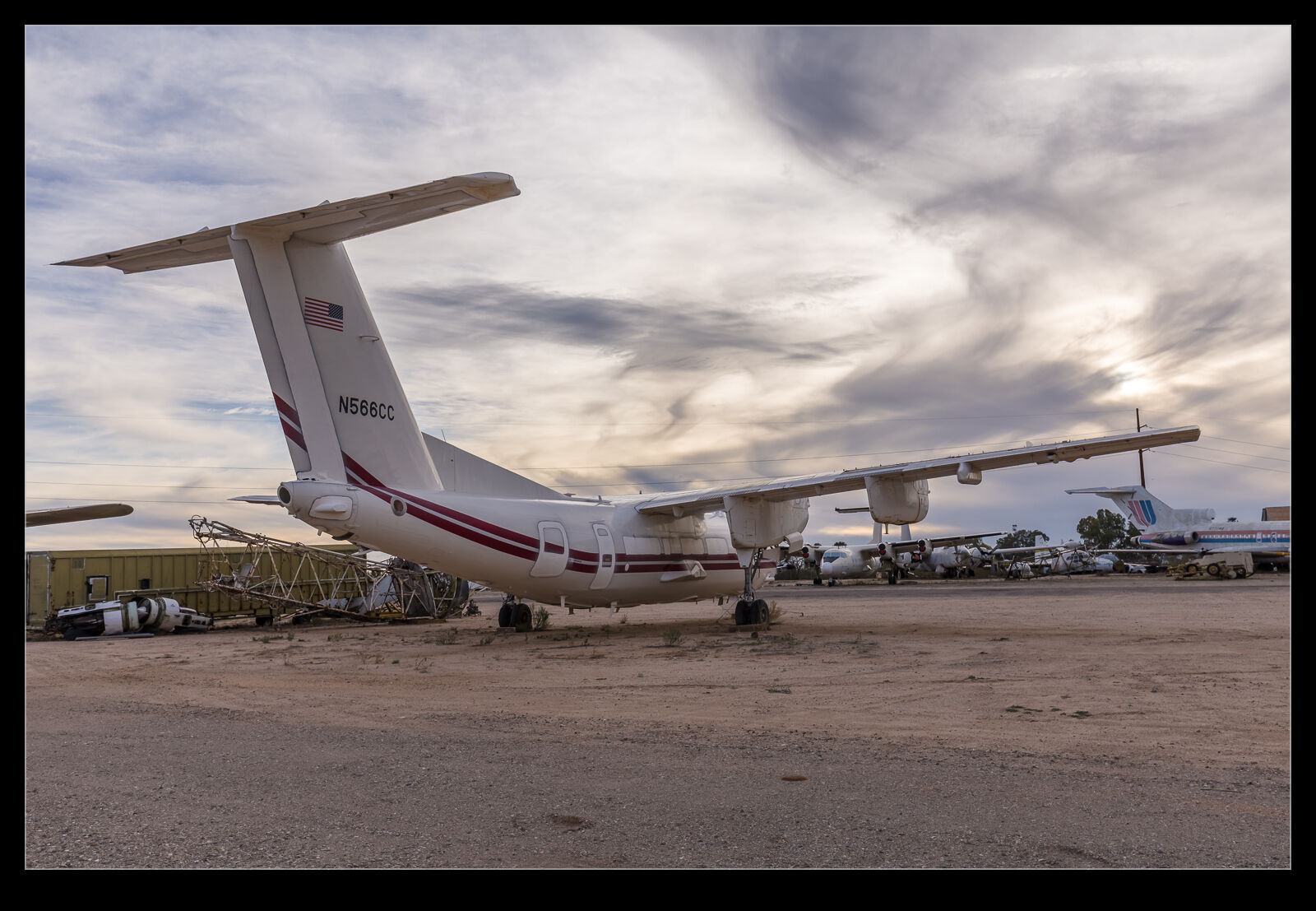
I have been on a bit of a streak on Dash 7 posts recently. A couple of years ago, I was visiting the Pima museum in Arizona with some friends. The museum is very interesting but there are often some airframes just across the fence that are even more interesting. There were a bunch of Dash 7s there. I think they had been used by the US military for assorted purposes and there were signs of fairings added that hinted at modification made.

Civil registrations had been applied to the planes, but they didn’t seem to look like they had an immediate future. The Dash 7 isn’t something in high demand so, while someone might have a specialised need for them, I do wonder whether this will be where they end their days.

More on the Dash 7 Theme

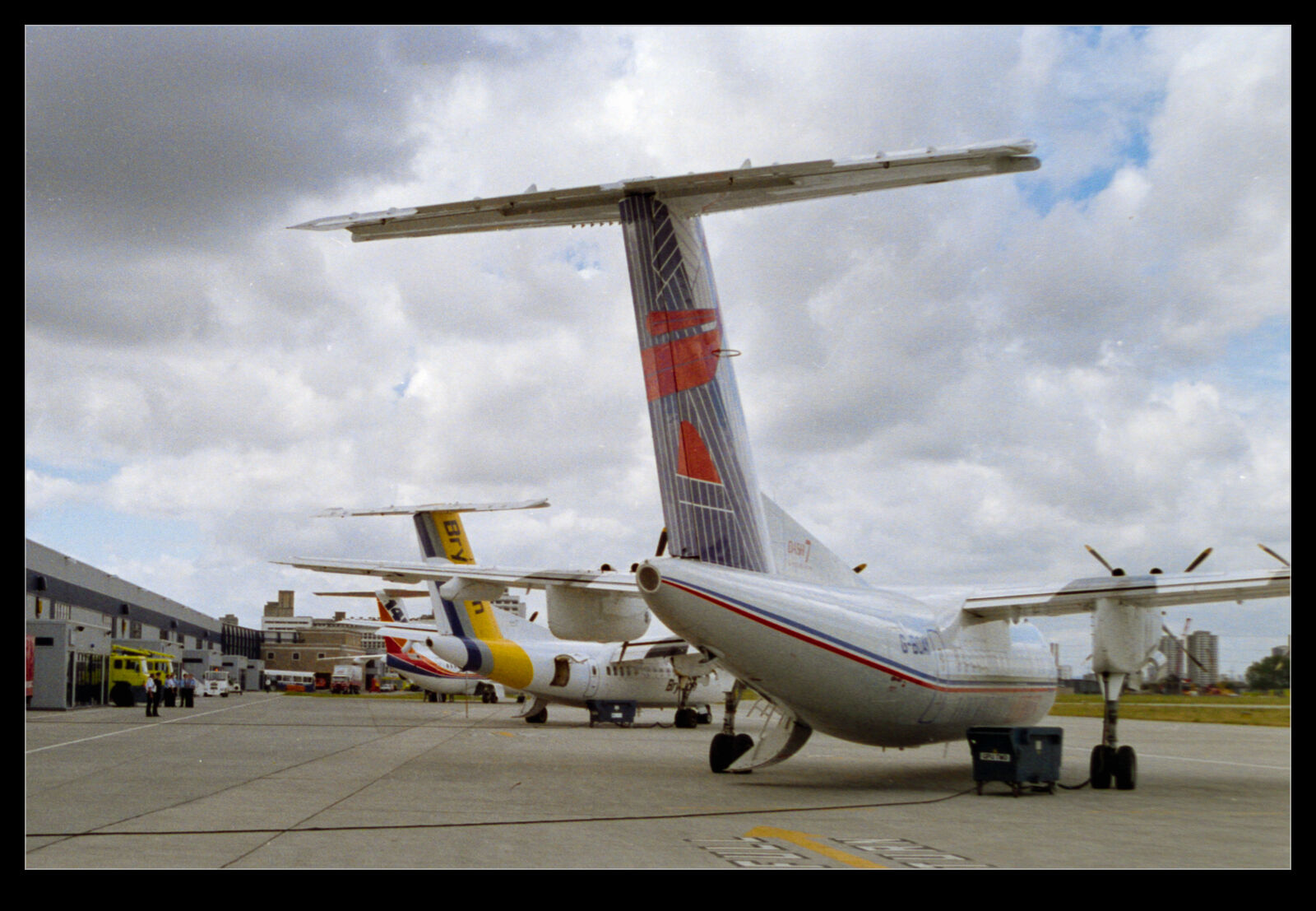
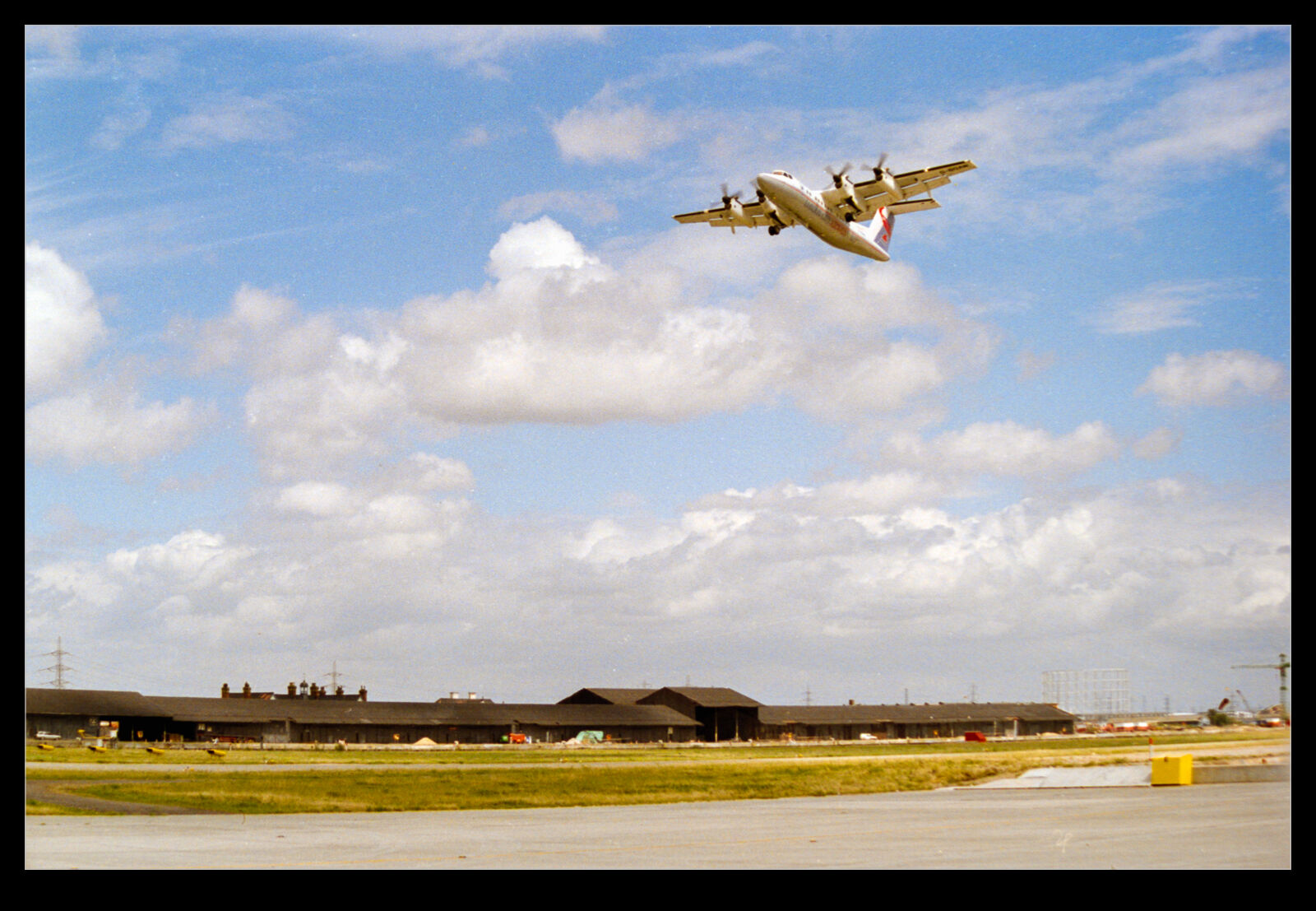
I had a recent post about a testbed Dash 7. That had resulted from finding some other shots that I was looking for to use in a project. That was regarding two defunct airlines that had operated from London City Airport when it first started operations. The only aircraft that was initially allowed to use the airport was the de Havilland Canada Dash 7. The initial operator was Brymon Airways that, if memory serves me right, was based in Plymouth.

A second operator joined them at LCY with the imaginative name of London City Airways. Their livery included a fin designed to look like a business suit. The target market was city workers that didn’t want to make the trek out to Heathrow. It wasn’t long before there was a push to get jet aircraft into the airport. The BAe146 was the only option at that point and a demonstration was undertaken in 1988. I was there for the CAA and had a chance to get out on the ramp at one point. I got these photos during that visit. The 146 did become a regular feature and then runway expansions allowed a variety of larger aircraft to use the airport with slightly less restrictive approach paths.

Electrifying Dash 7

As a youth, the de Havilland Canada Dash 7 was, if not a widespread aircraft, one that was reasonably popular. This was a time when STOL operation was such a big deal with the idea that STOL aircraft would make operations from cities more of a thing. This idea didn’t last long but, at the time, a four engined aircraft with the ability to guarantee climb out in an engine out condition was important which also is why the 146 was a four engined plane.

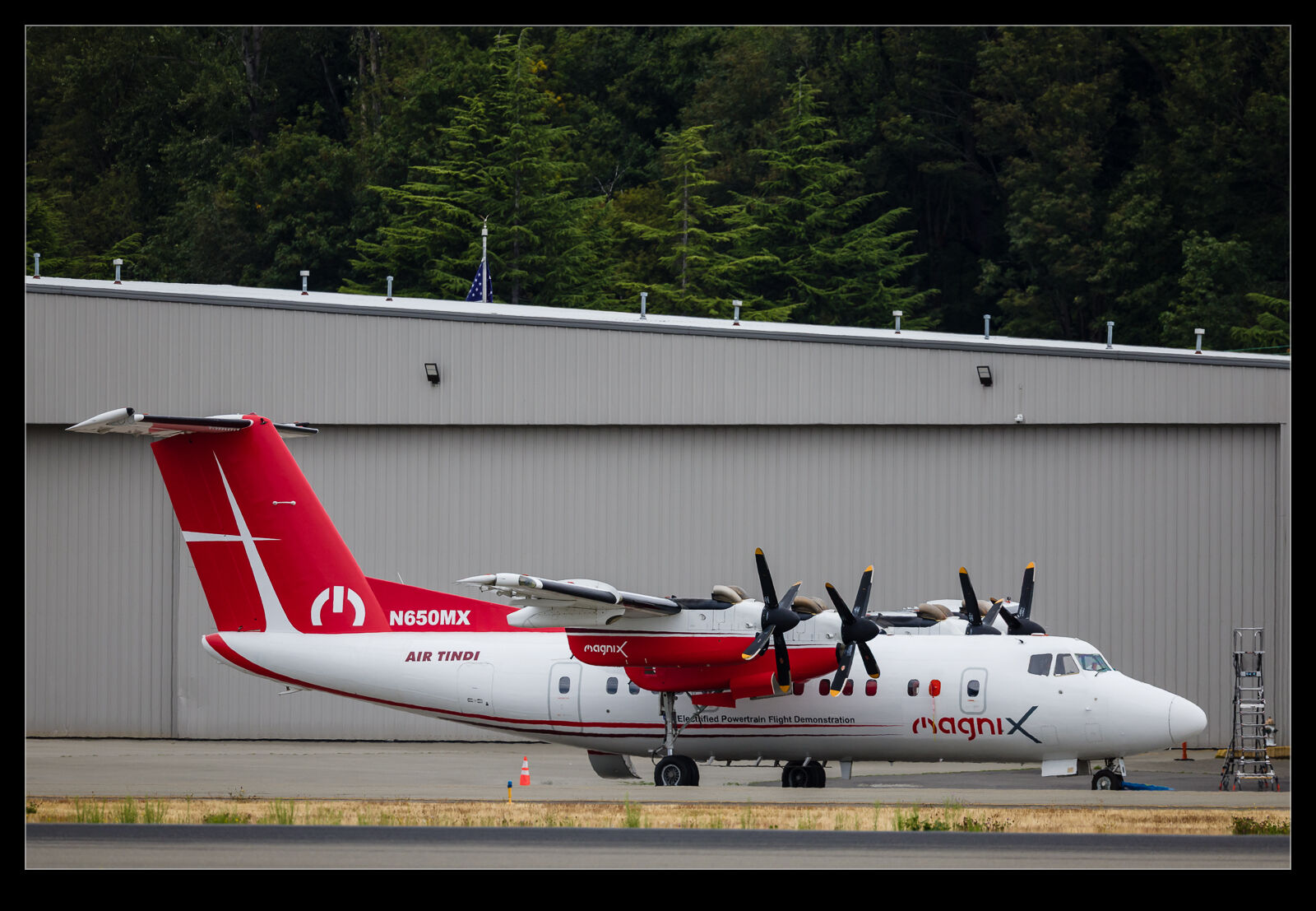
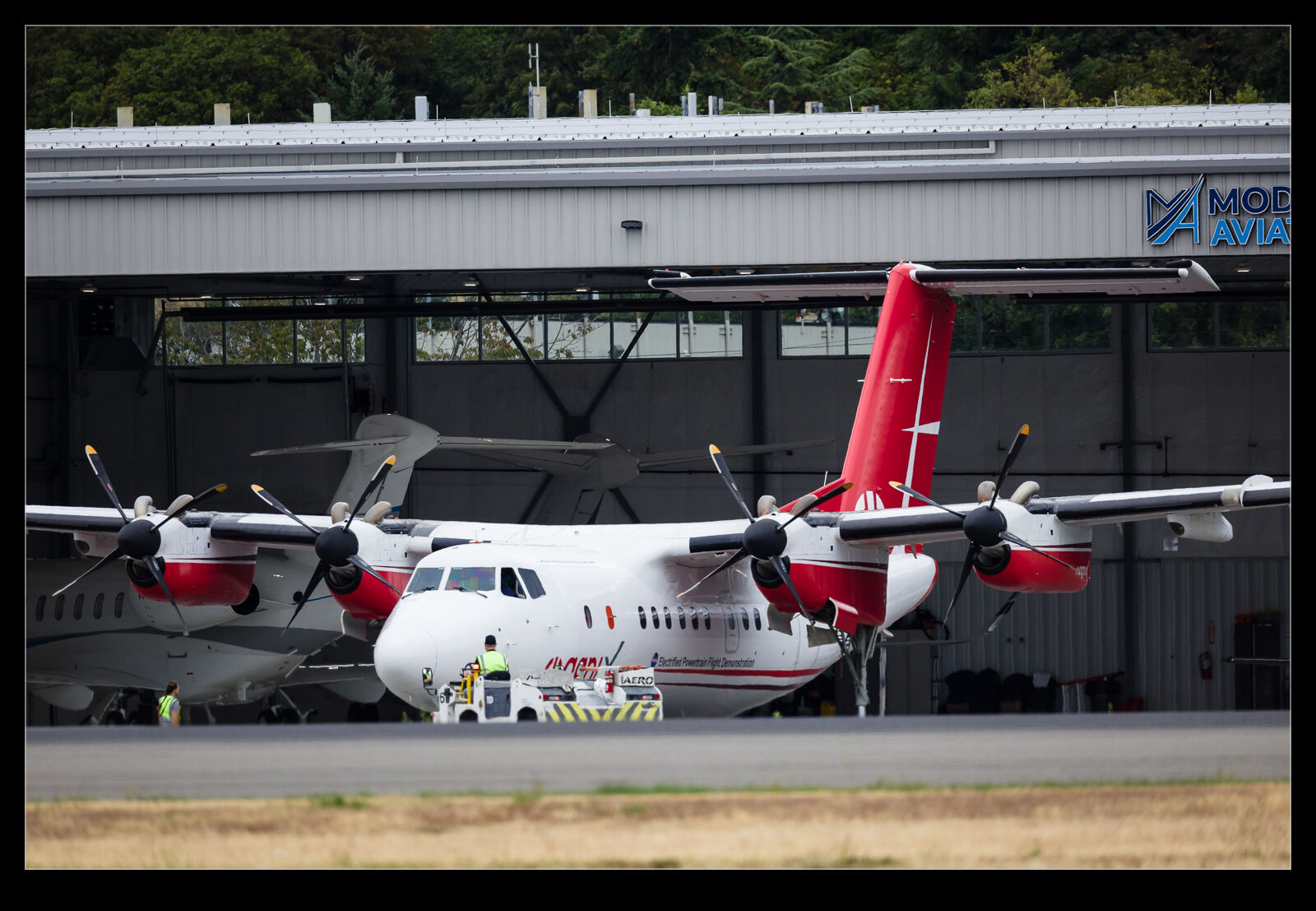
As the focus shifted to regular airports, twin engined turboprops took over including the same company’s Dash 8. The Dash 7 has hung around in niche uses but they are not easy to find. Air Tindi operates them in Canada and one of their airframes showed up in Seattle a while back. Magnix is a company that is making electric powerplants for aircraft and it is supposedly using a Dash 7 as a testbed. It showed up at Boeing Field for a publicity event. Sadly, I didn’t see it in flight, but it was out on the ramp at the FBO for a while before it was moved into the hangar for the event.

Aer Lingus Regional ATR on the Ramp

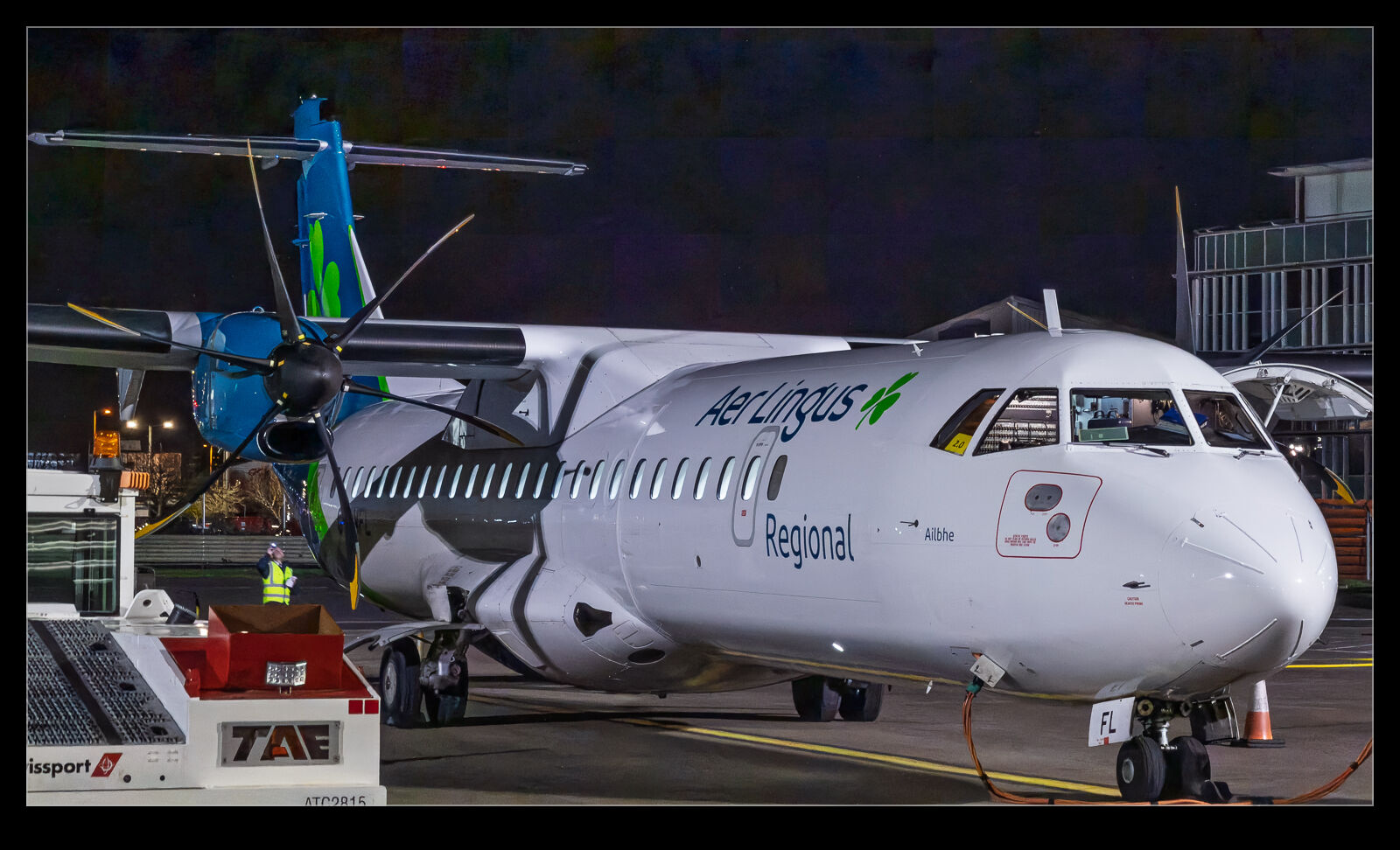
I have made a few trips through Southampton Airport recently. On one of these, I arrived back there in the evening. There are no jet bridges at Southampton. You come down the steps, walk across part of the ramp and in a door to the baggage reclaim. This takes you past whatever other planes are parked up. An Aer Lingus ATR was on the ramp with the lights making it look rather cool. I grabbed some quick shots with the phone before any of the staff could complain about me dawdling!

Seeing a Kodiak Again

The Pacific Northwest was a great place to see Daher Kodiaks. They were built over in Idaho and there were plenty of them in the Seattle area. Even so, I was still keen to see them as there is something about their chunky functionality that appealed to me. When I came back to the UK, I wasn’t expecting to see them around. Consequently, when I got to the FAST museum at Farnborough, I was pleasantly surprised to see that one was inbound shortly from Guernsey. It was really overcast with the base very low. The instrument approach would result in popping out of the clouds quite late. I went with my preferred technique for shooting in such conditions with a couple of stops of overexposure with the goal of having enough light on the airframe and then post processing to bring the sky back down to something sensible.

I wasn’t exactly sure what the angle on the plane would be from the area outside the museum and where the plane would come into view, but it wasn’t too bad as it worked out. I had a reasonable sighting line and enough time to react. Having a dark grey aircraft in such dreary light was not helping but I think I got something reasonable from it.

A Long Way to Salute!

The Royal Jordanian Air Force brought a C-130 Hercules to RIAT in 2025. The aircraft had some special markings on it but the thing that caught my attention when reviewing the images was the crew member on the top of the fuselage. It is not uncommon to have someone open the top hatch to watch proceedings as the crew taxies in. In this case, he was saluting as they turned off the runway and continued to do so for almost all of the time they were taxiing in. He did wave to the crowd a couple of time but, otherwise, he saluted all the way past us. A good effort on his part.