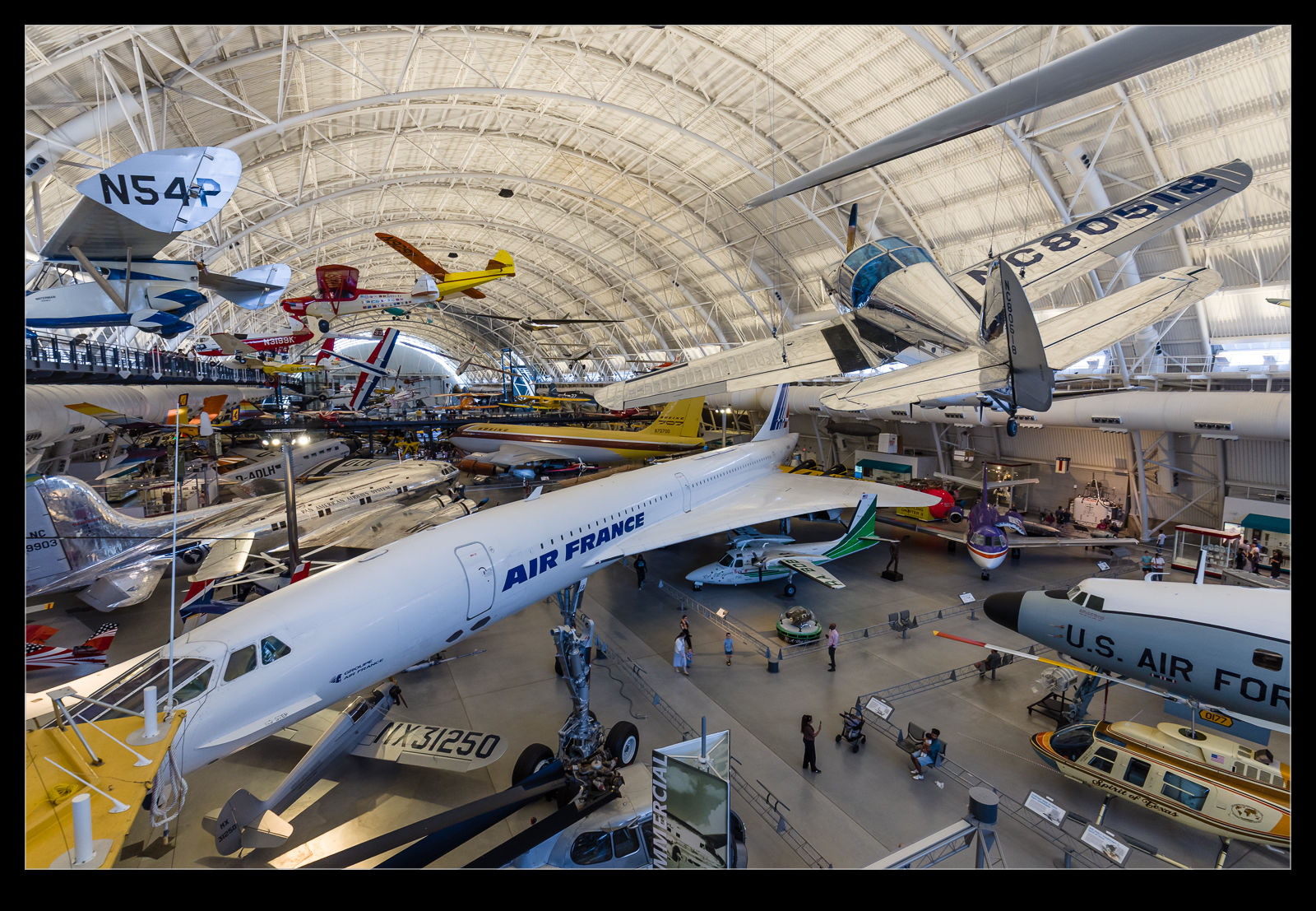
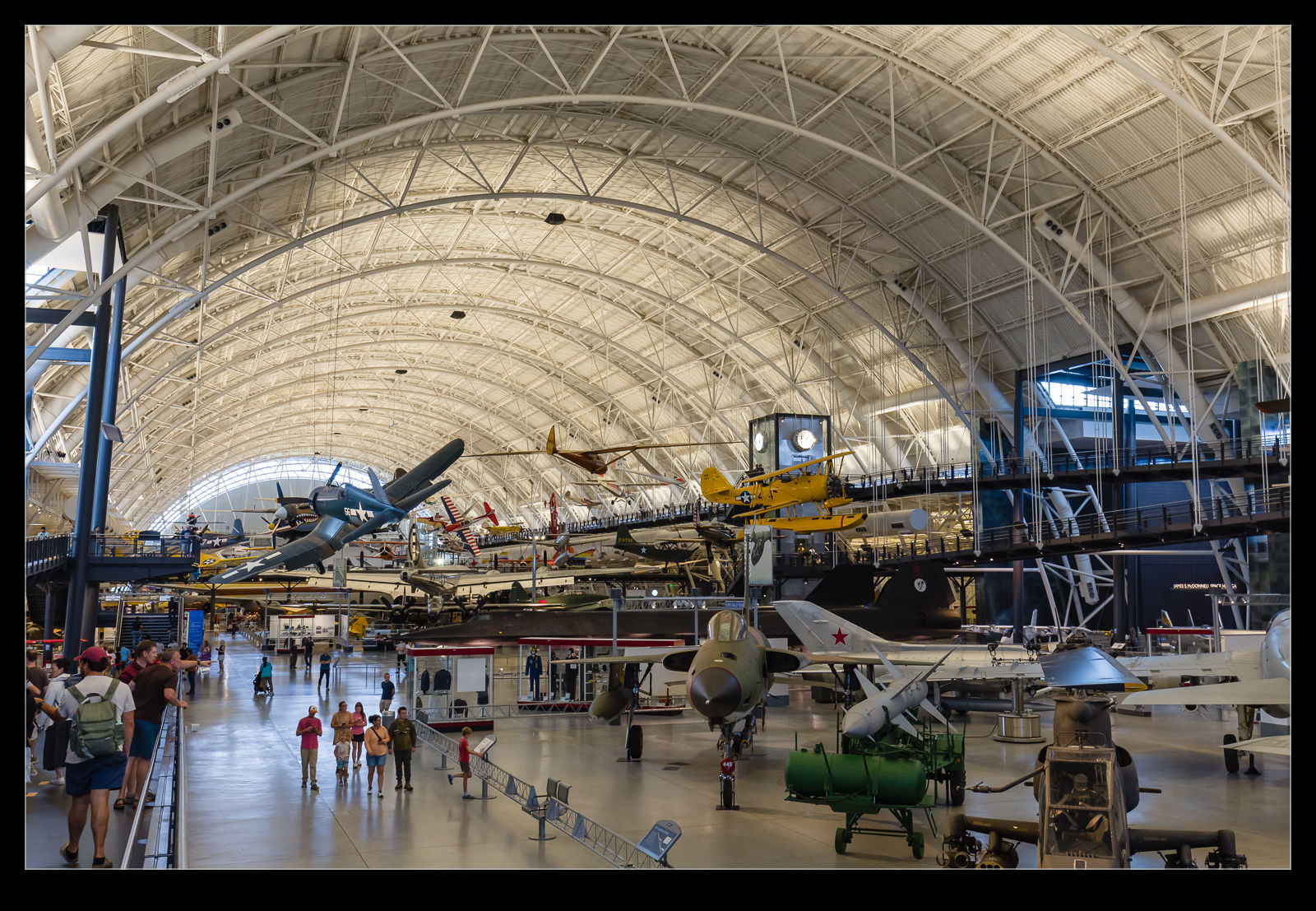
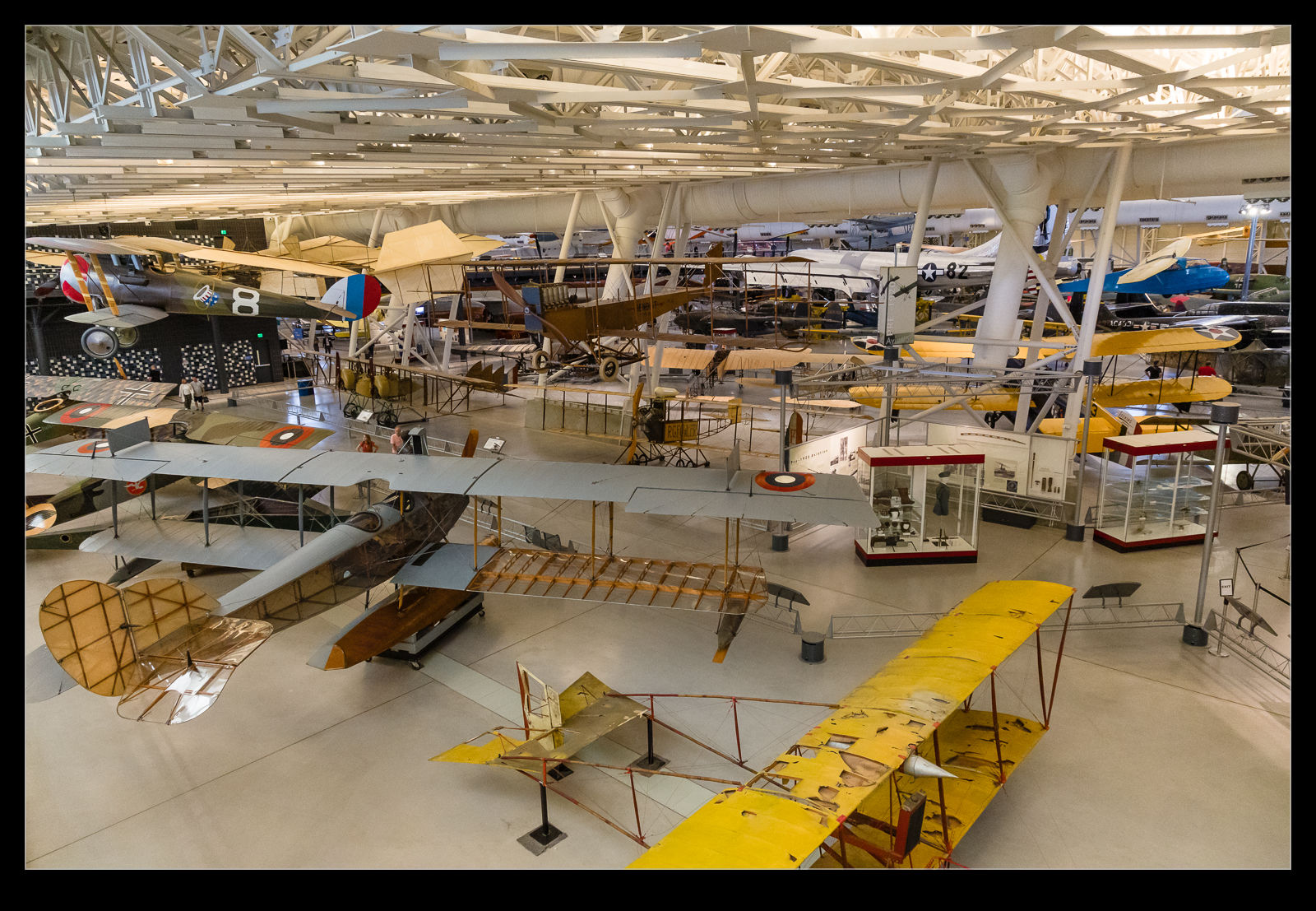
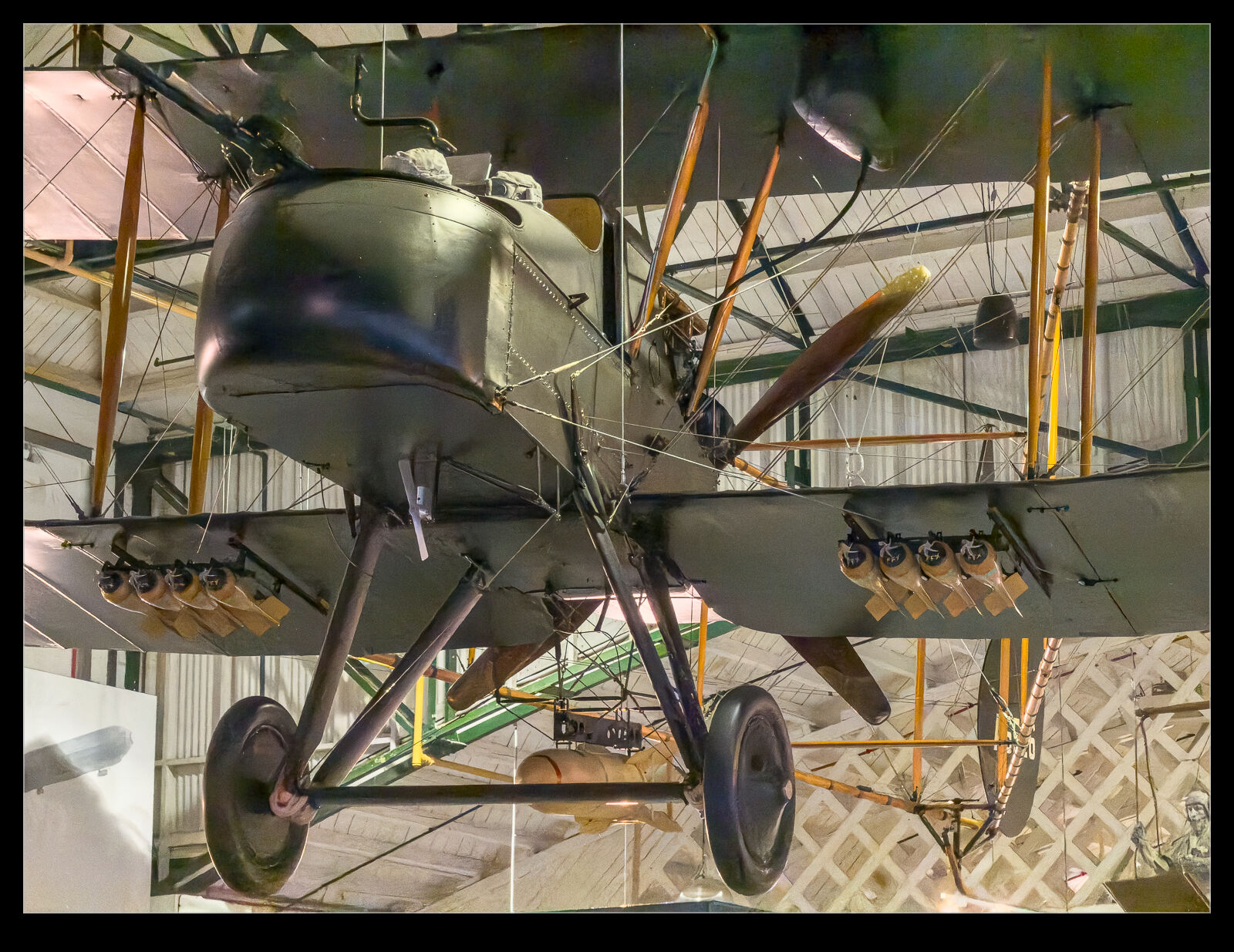
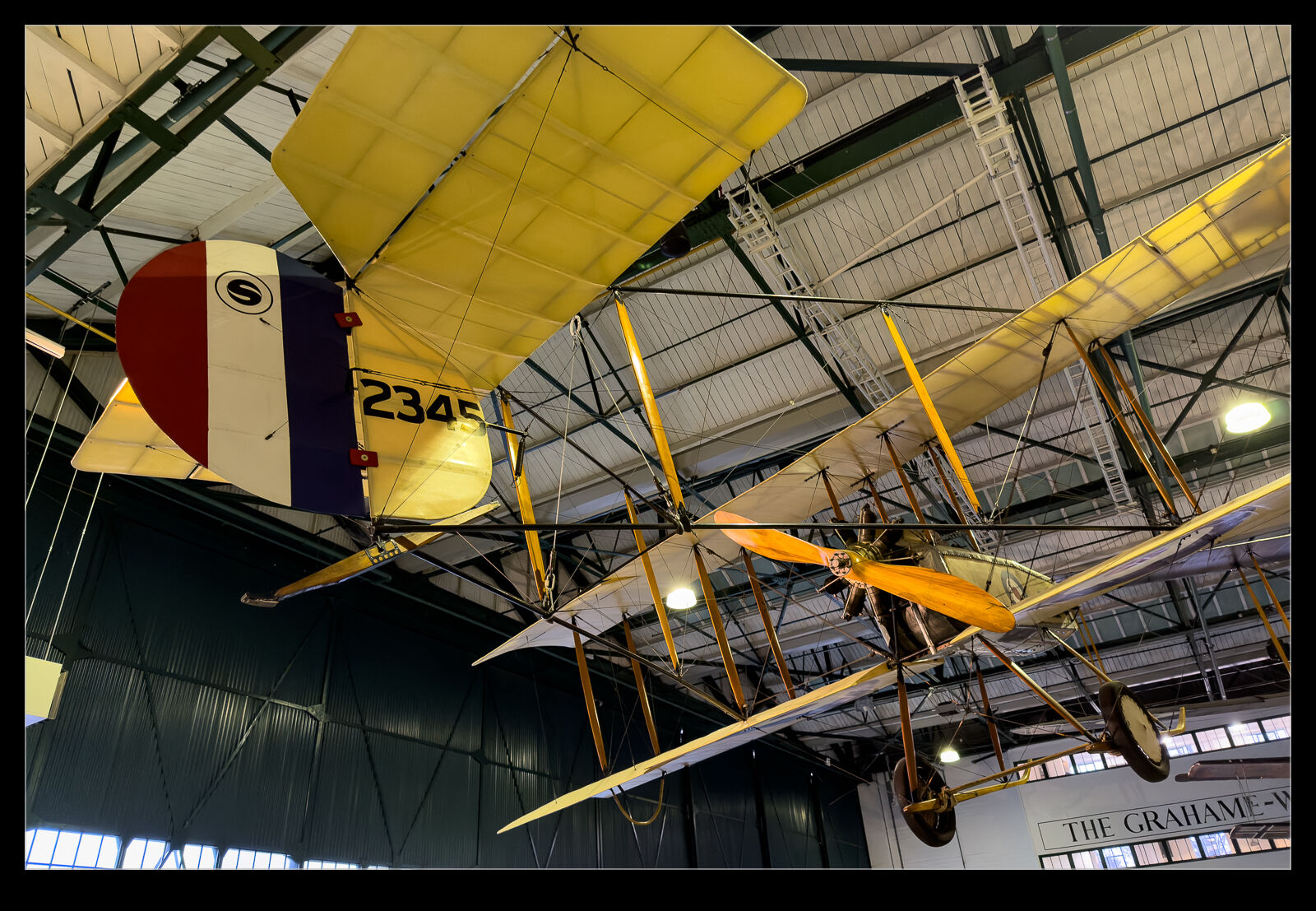
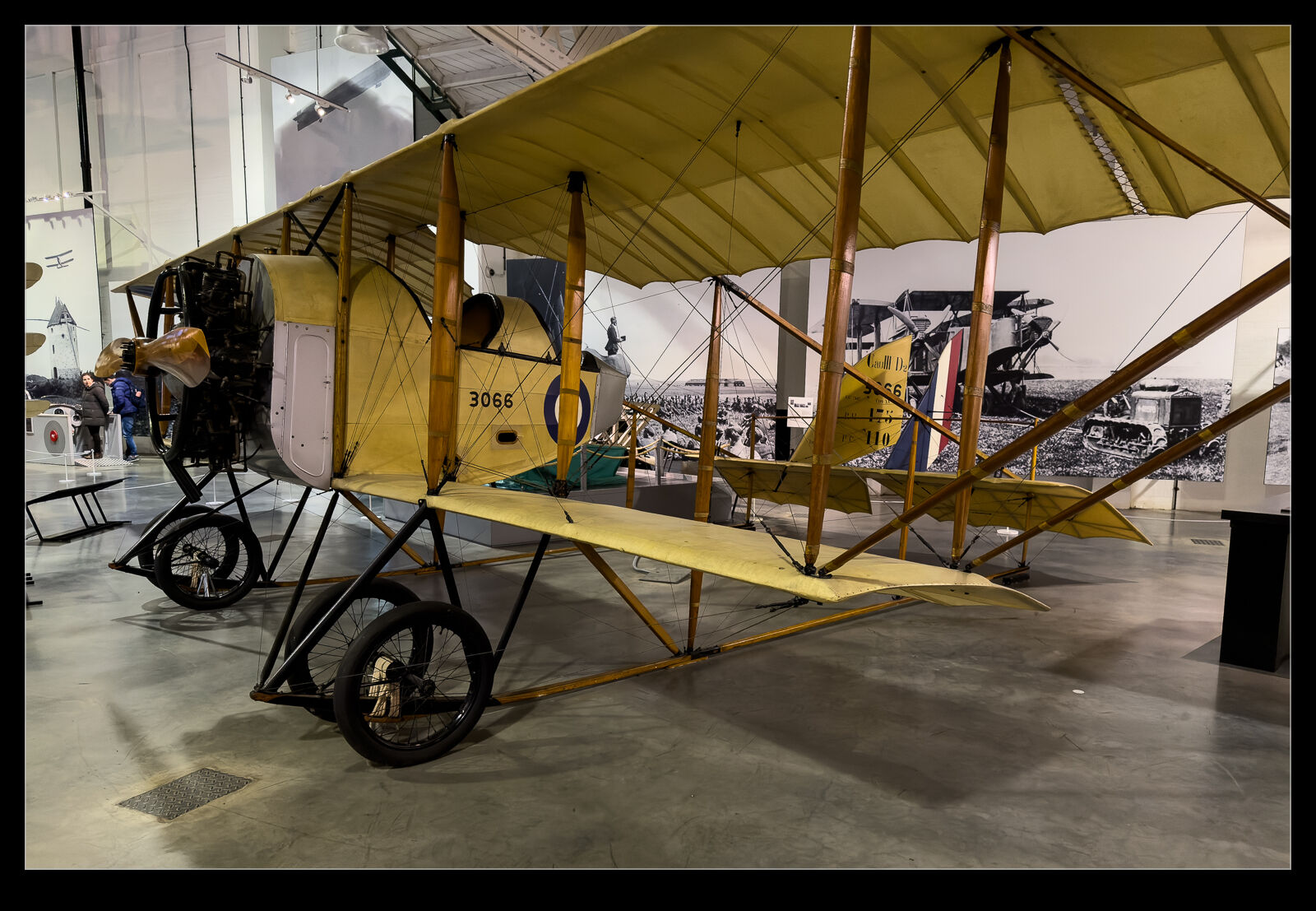
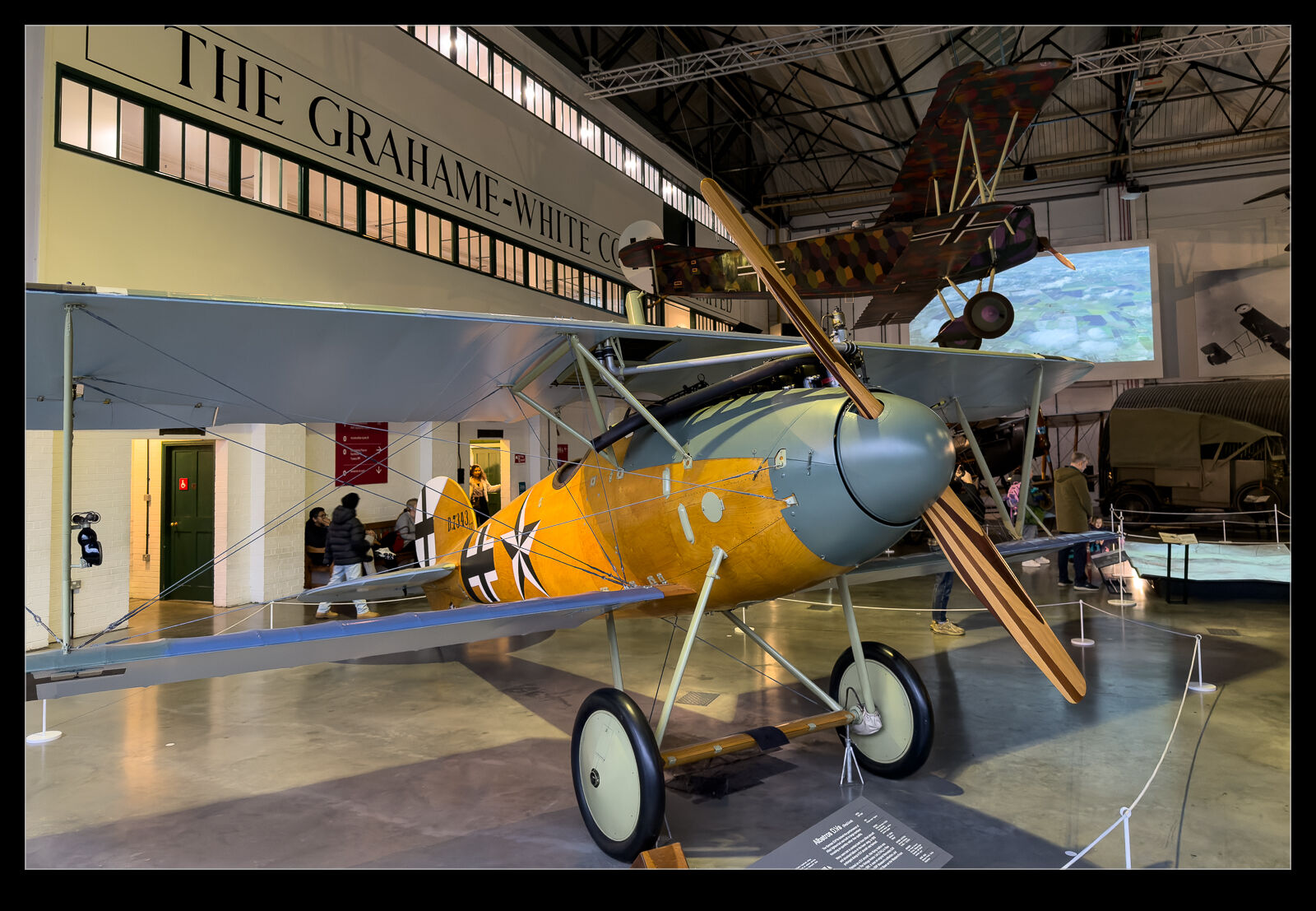
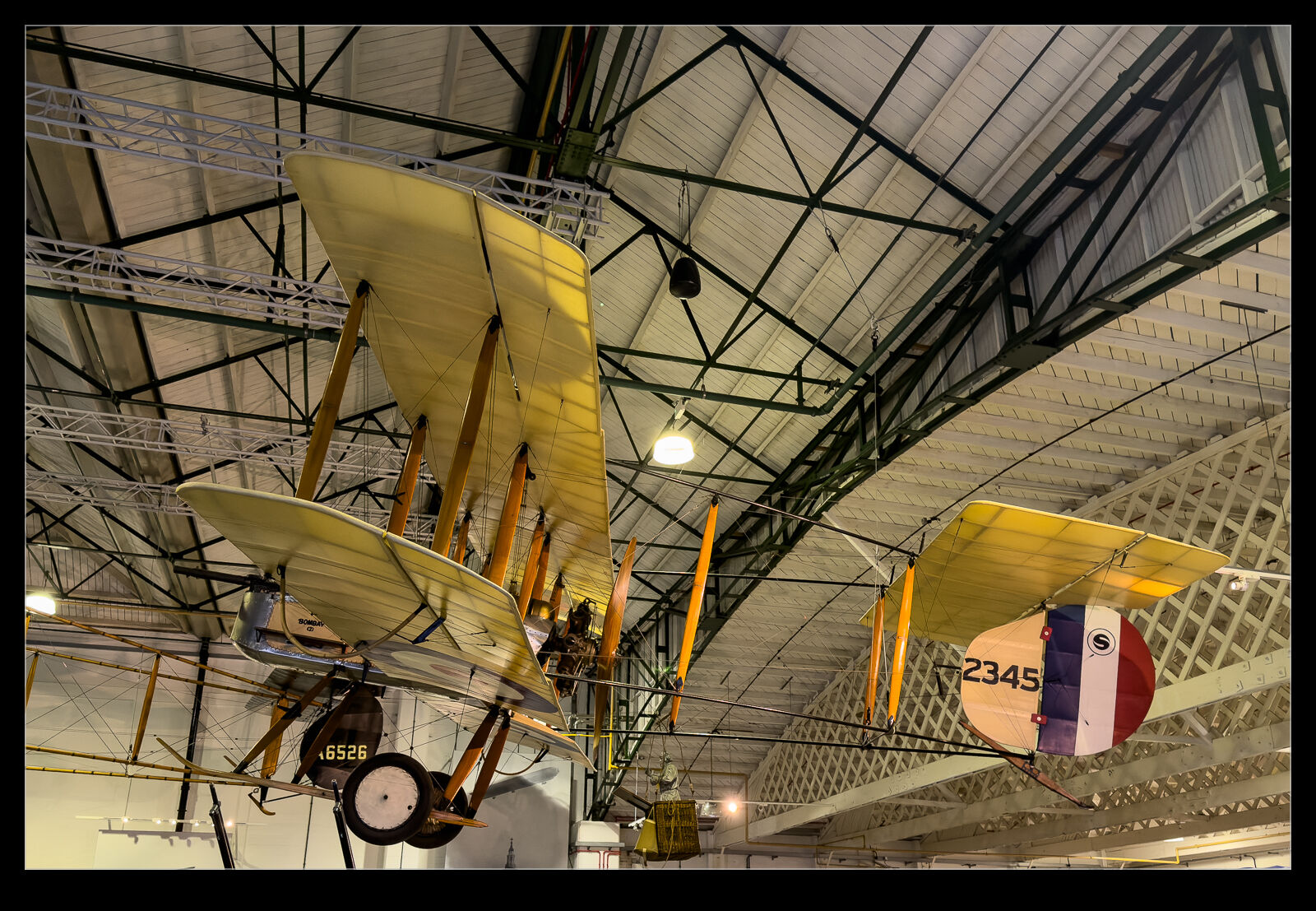
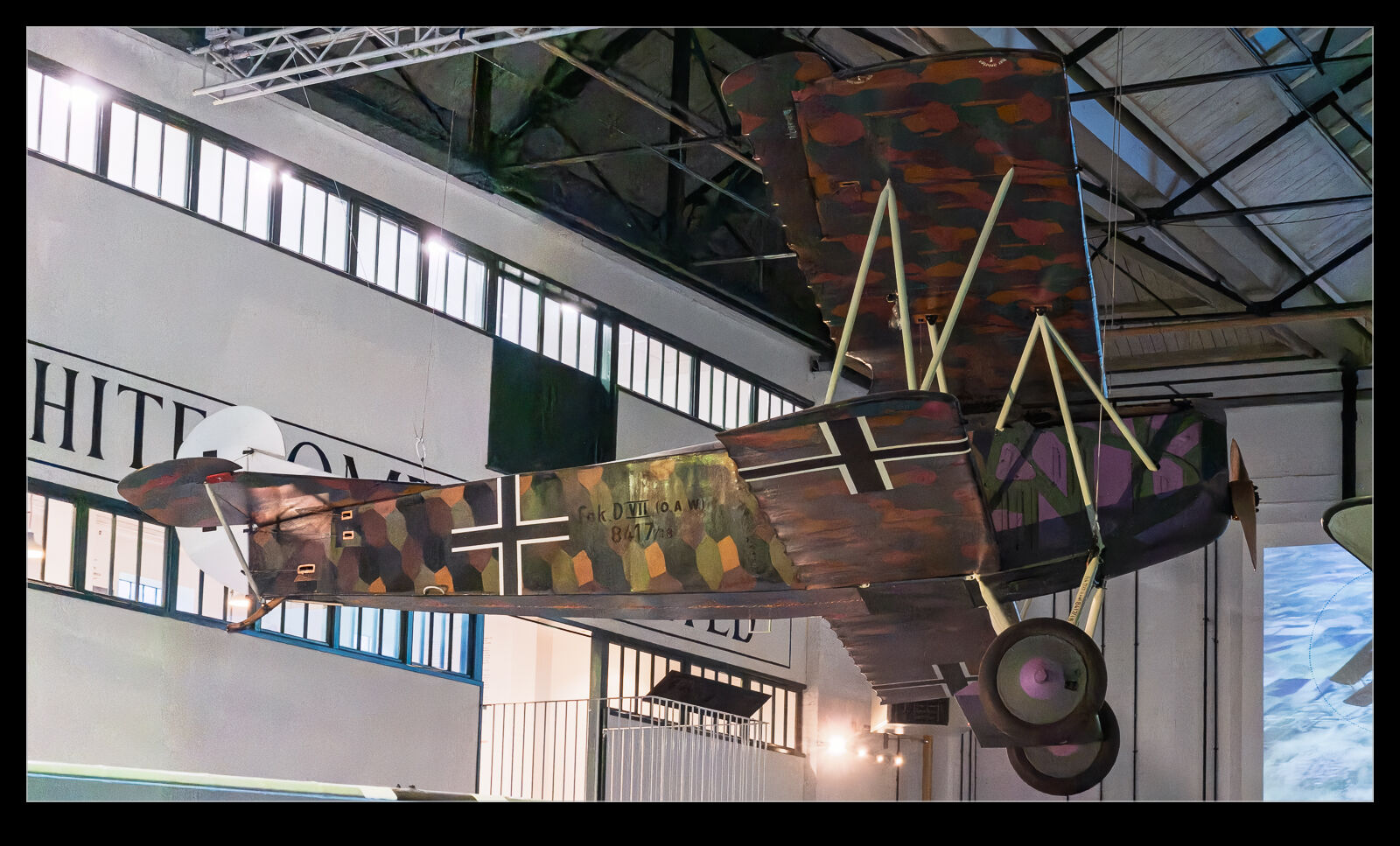
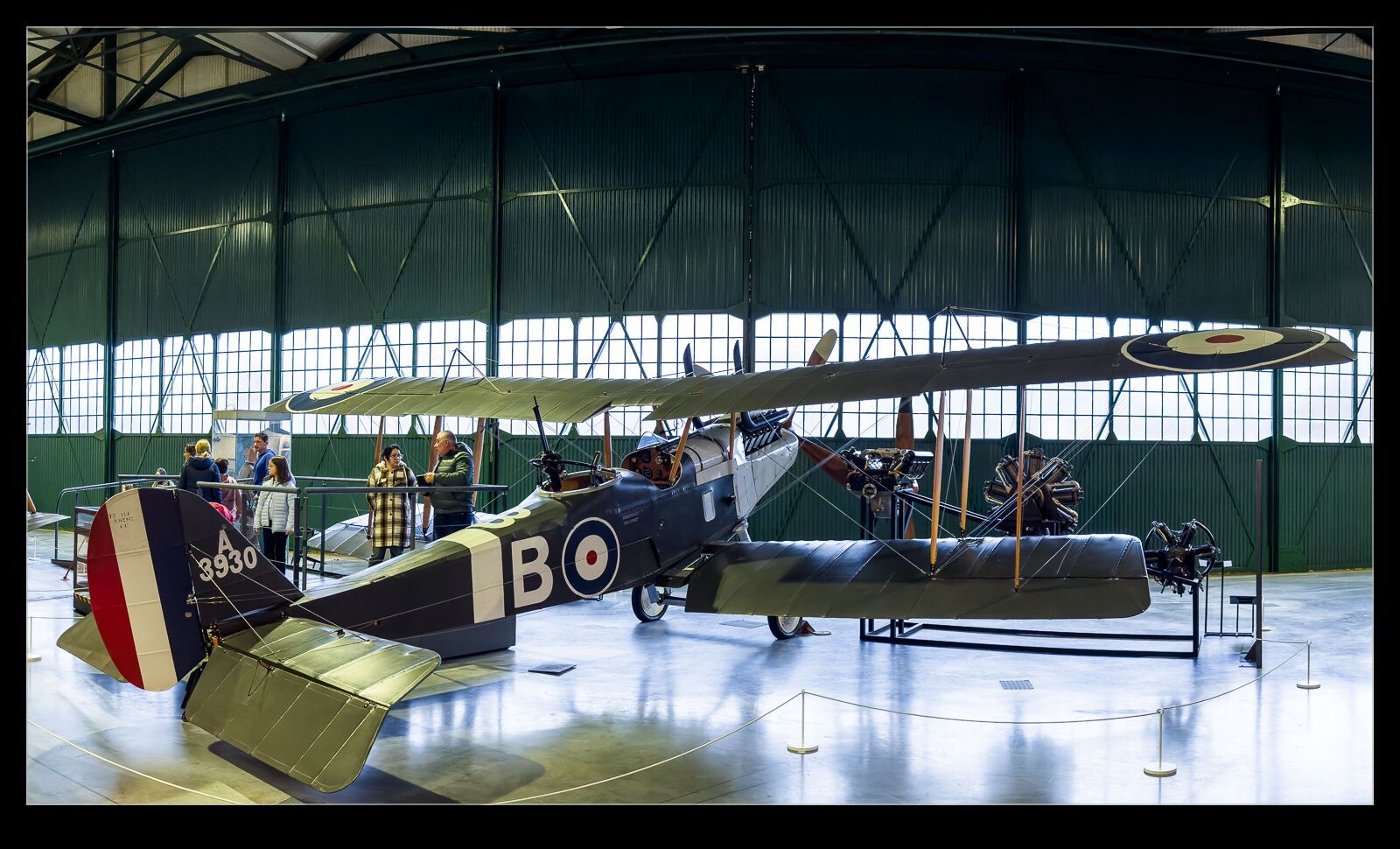
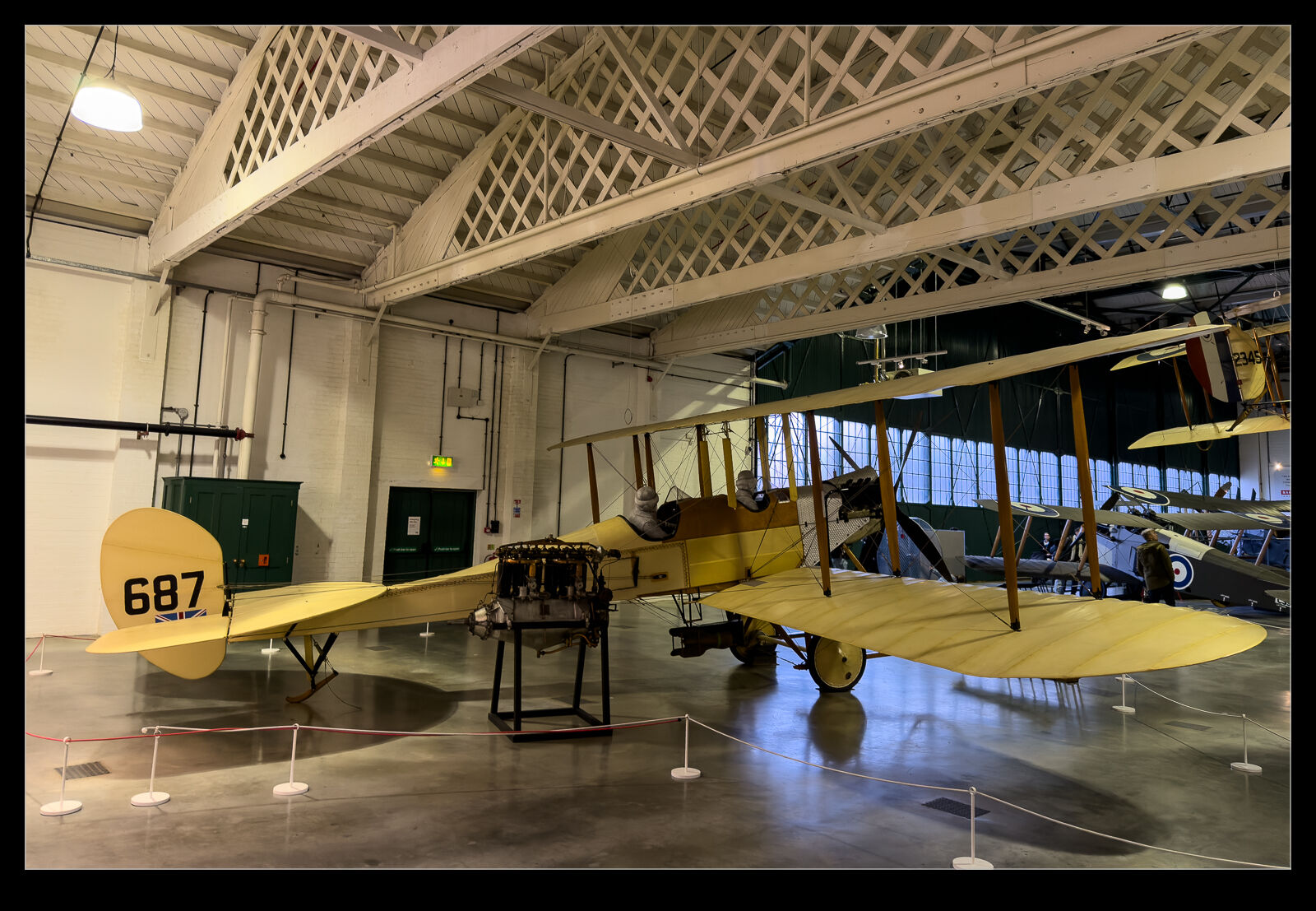
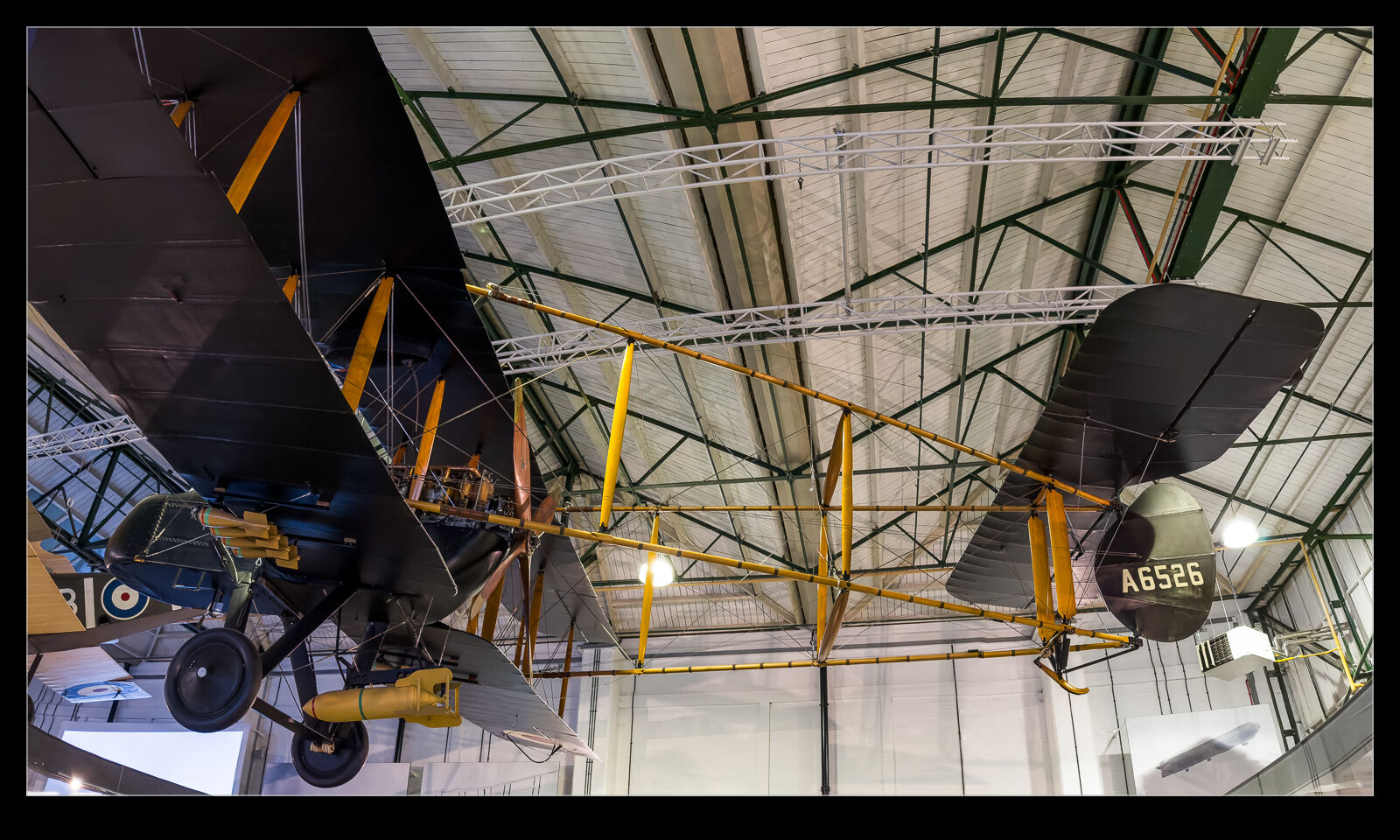
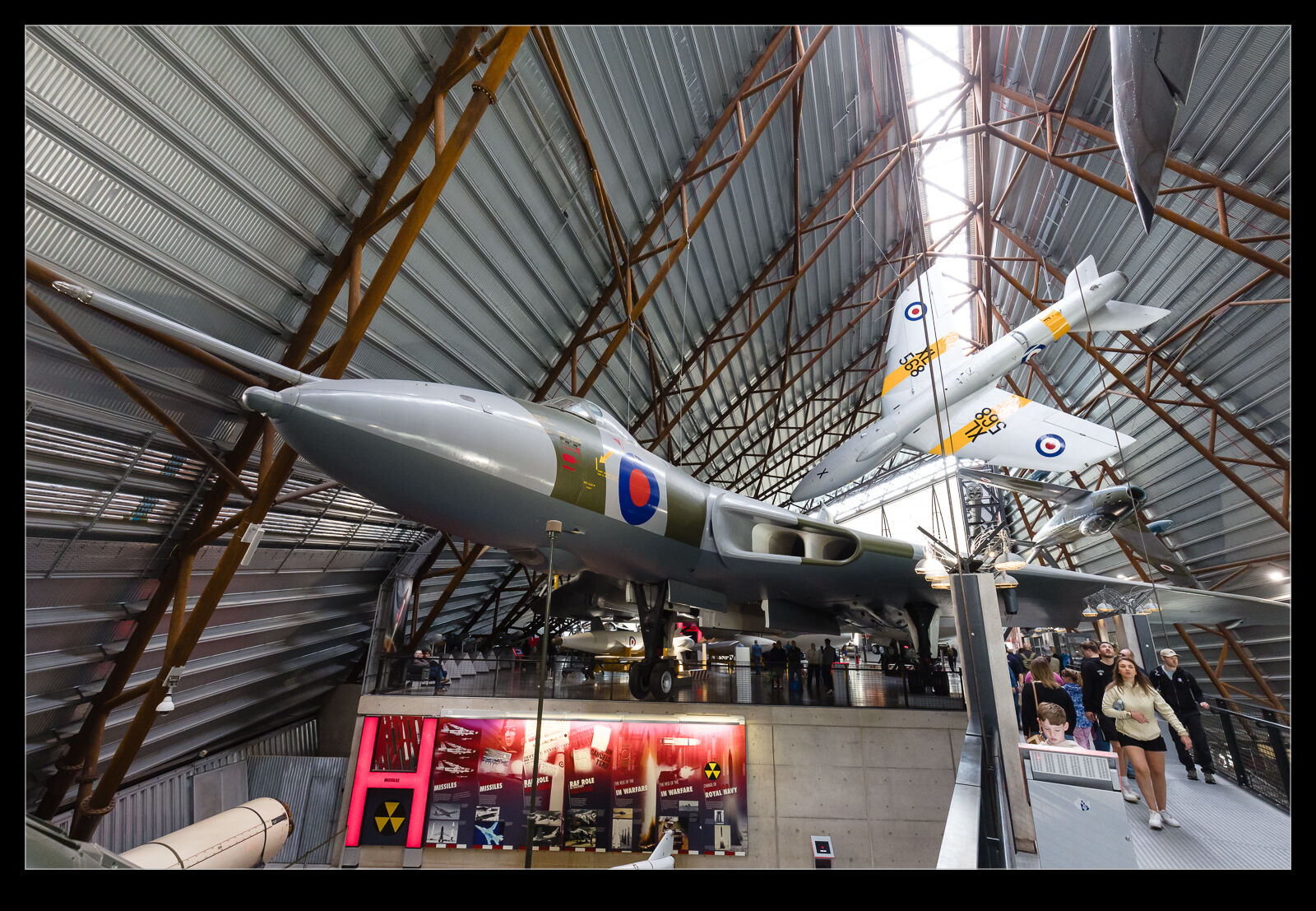
 A visit to the RAF Museum Midlands was always going to provide a ton of interesting material. Therefore, I won’t even try to squeeze too much into one post. I have already shared images of EAP and some other exhibits may have shown up too but now I shall focus on the museum as a whole. I have made one previous visit to the museum back in the early 2000s. Needless to say, quite a bit has changed since then.
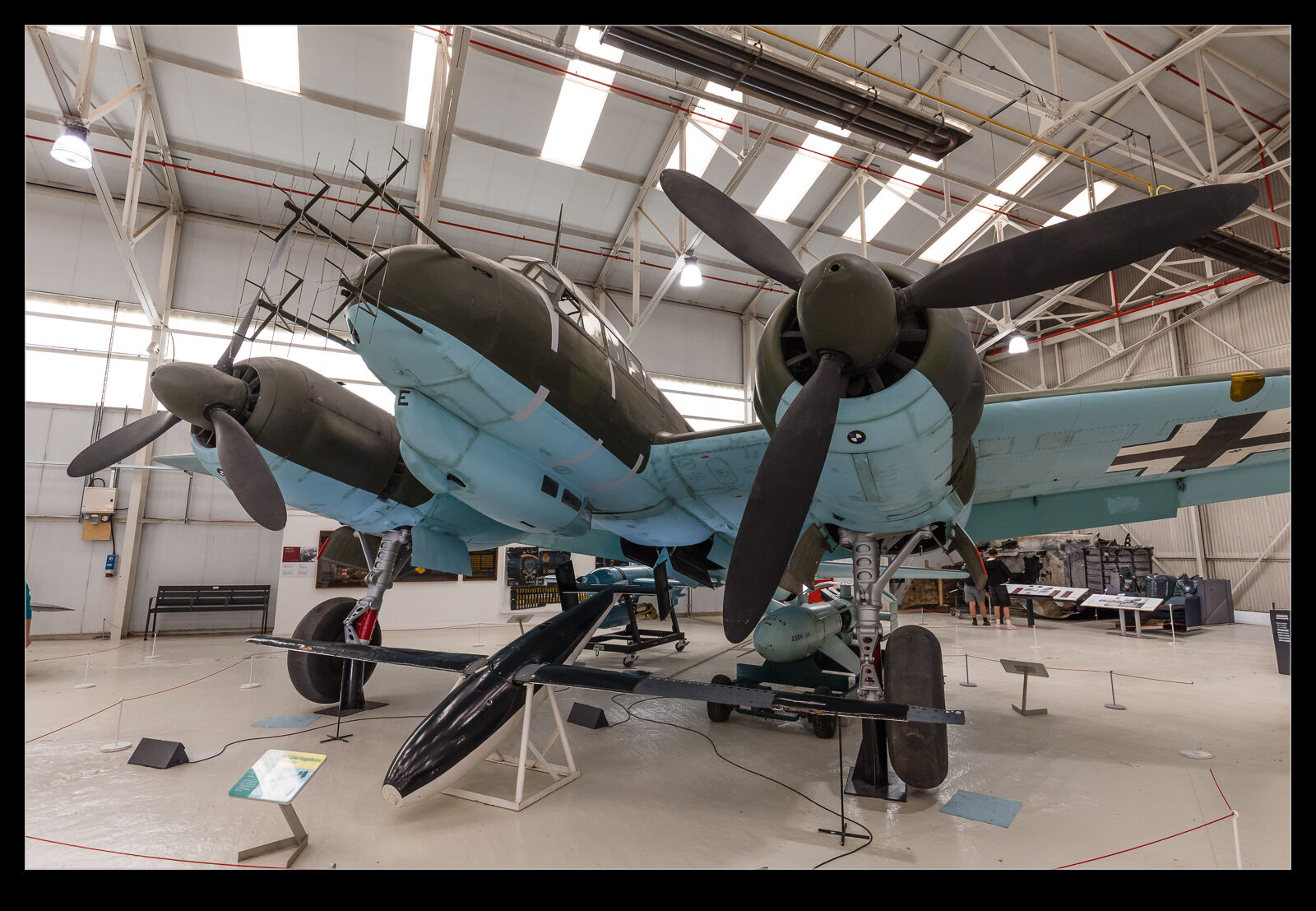
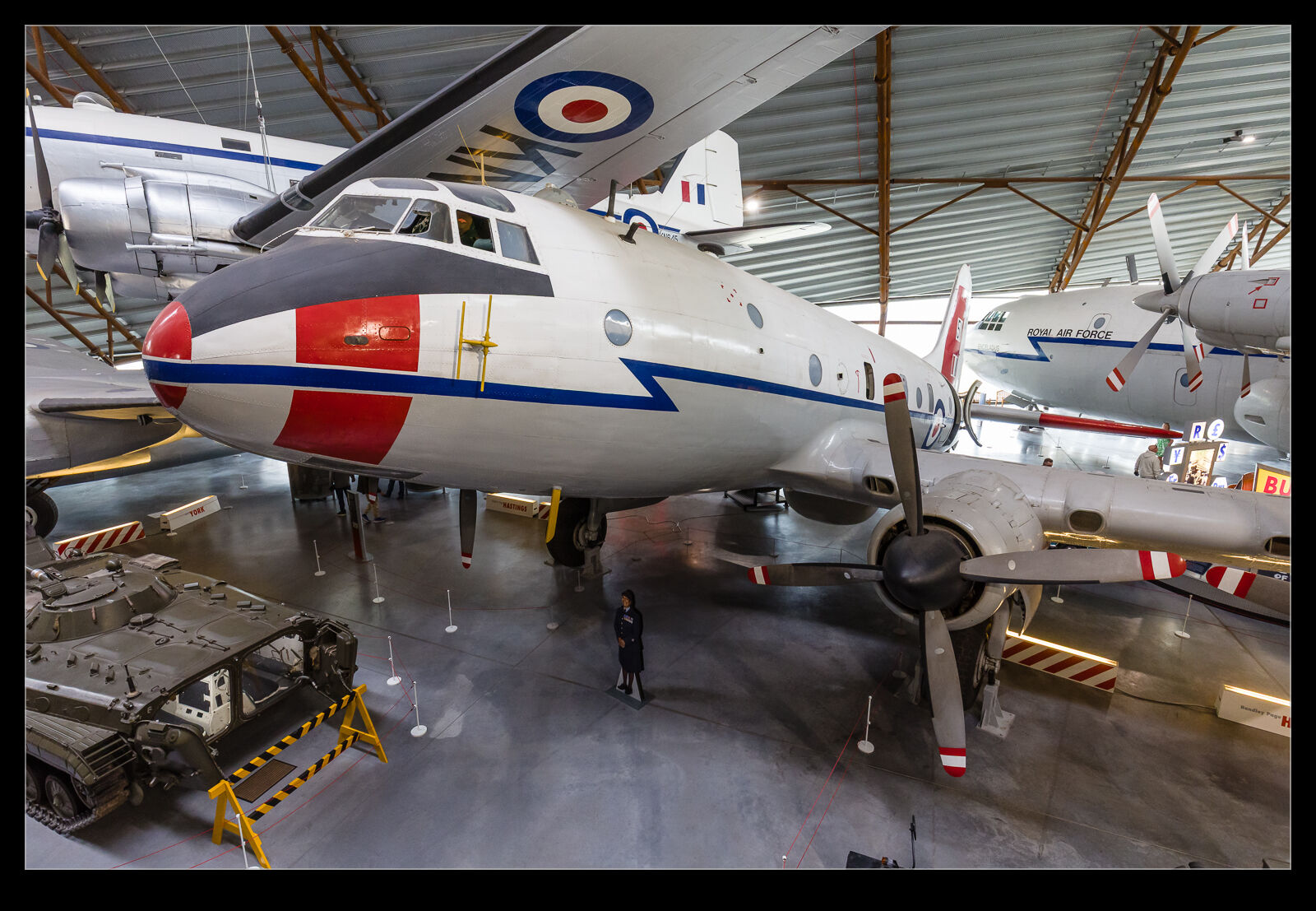
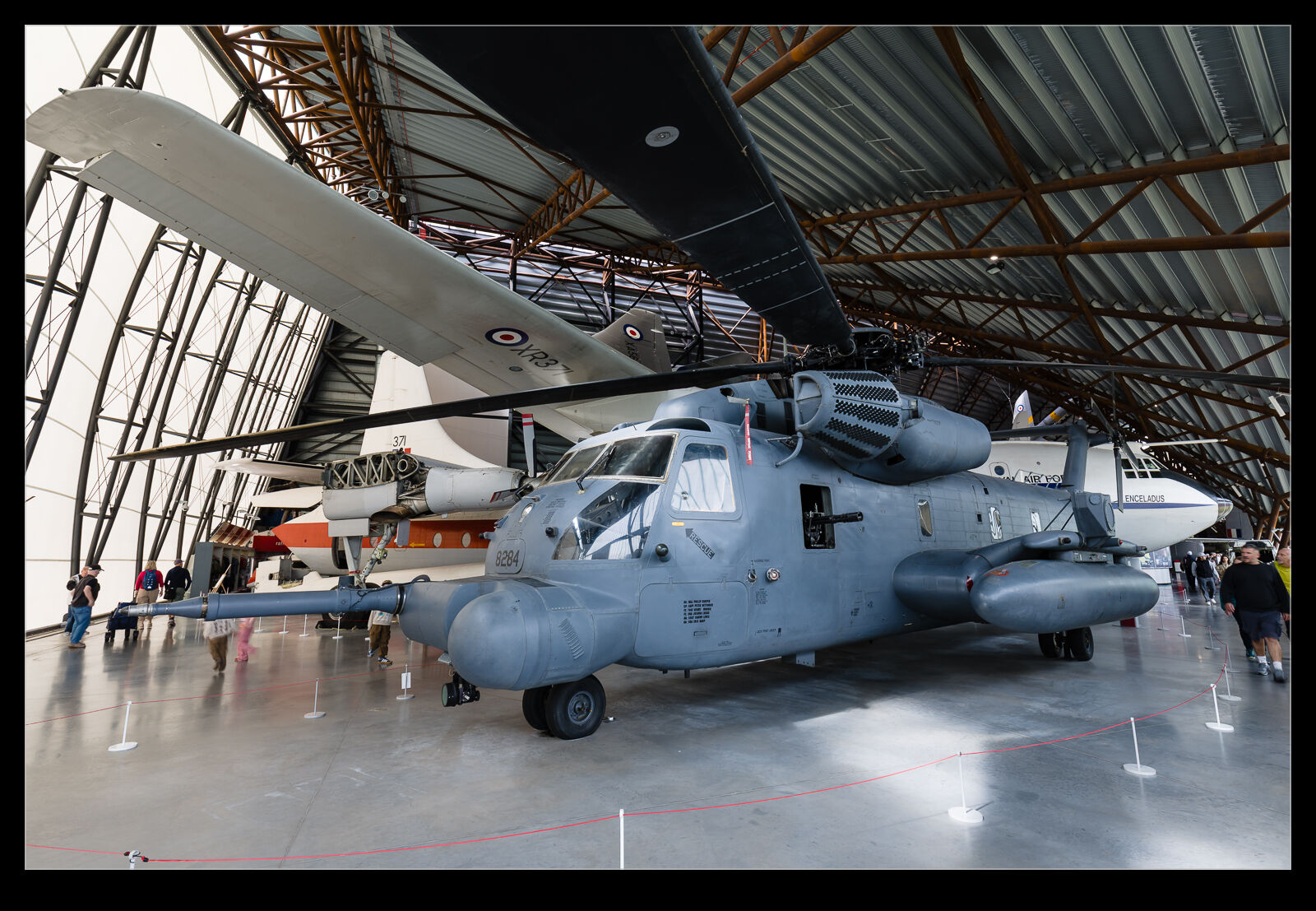
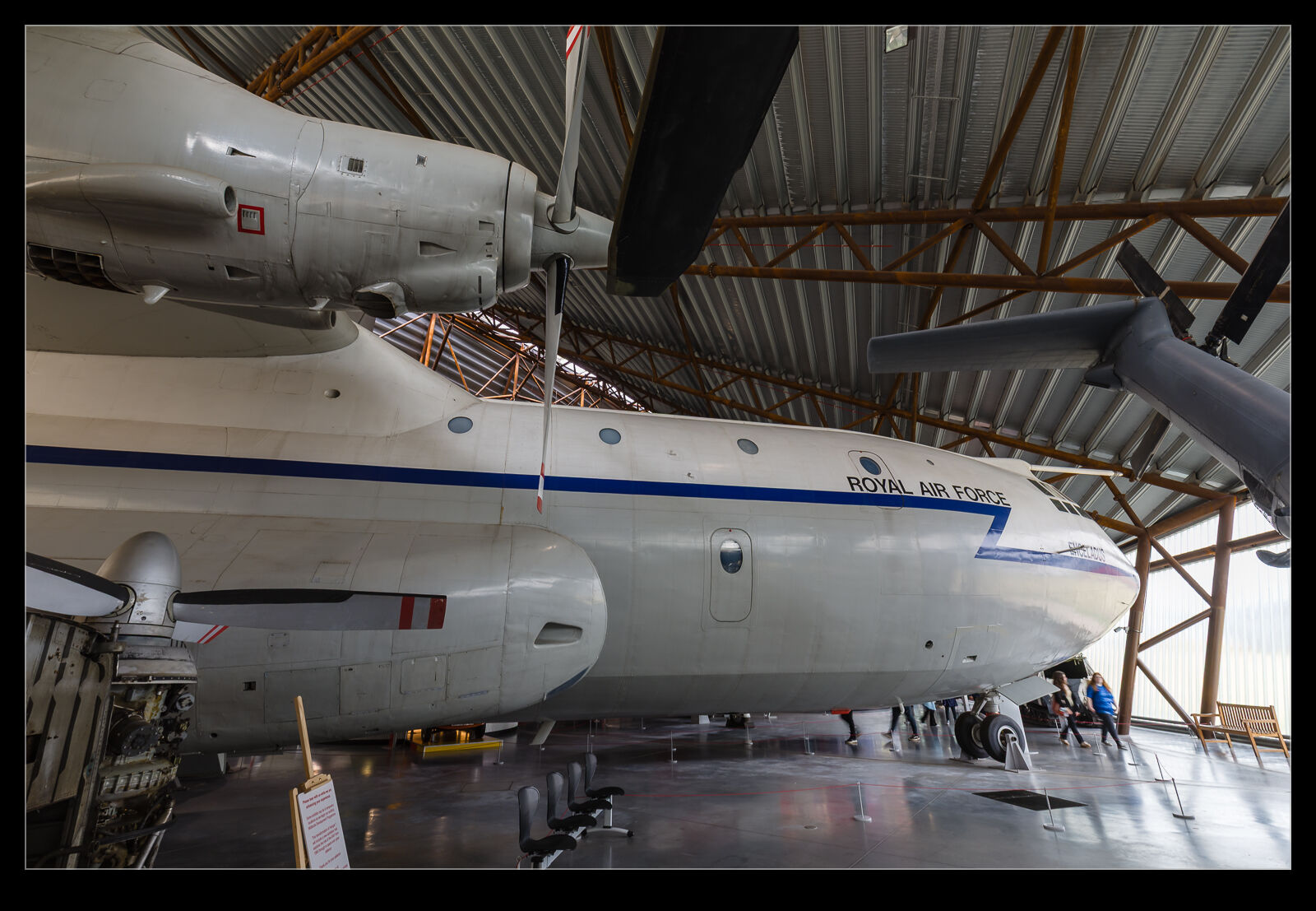 The most obvious change is the addition of a very large building. Not only is this able to accommodate a lot of large aircraft but it is also architecturally interesting too. It is nice that some effort went into making something that looks good in itself. It does allow the collection to have a lot of stuff inside. So much, indeed, that things are rather cramped inside. The large aircraft are right on top of each other. However, they are inside and well protected and that is a big deal. When I came before, much of this stuff was outside and plenty of the airframes from that era did not survive.
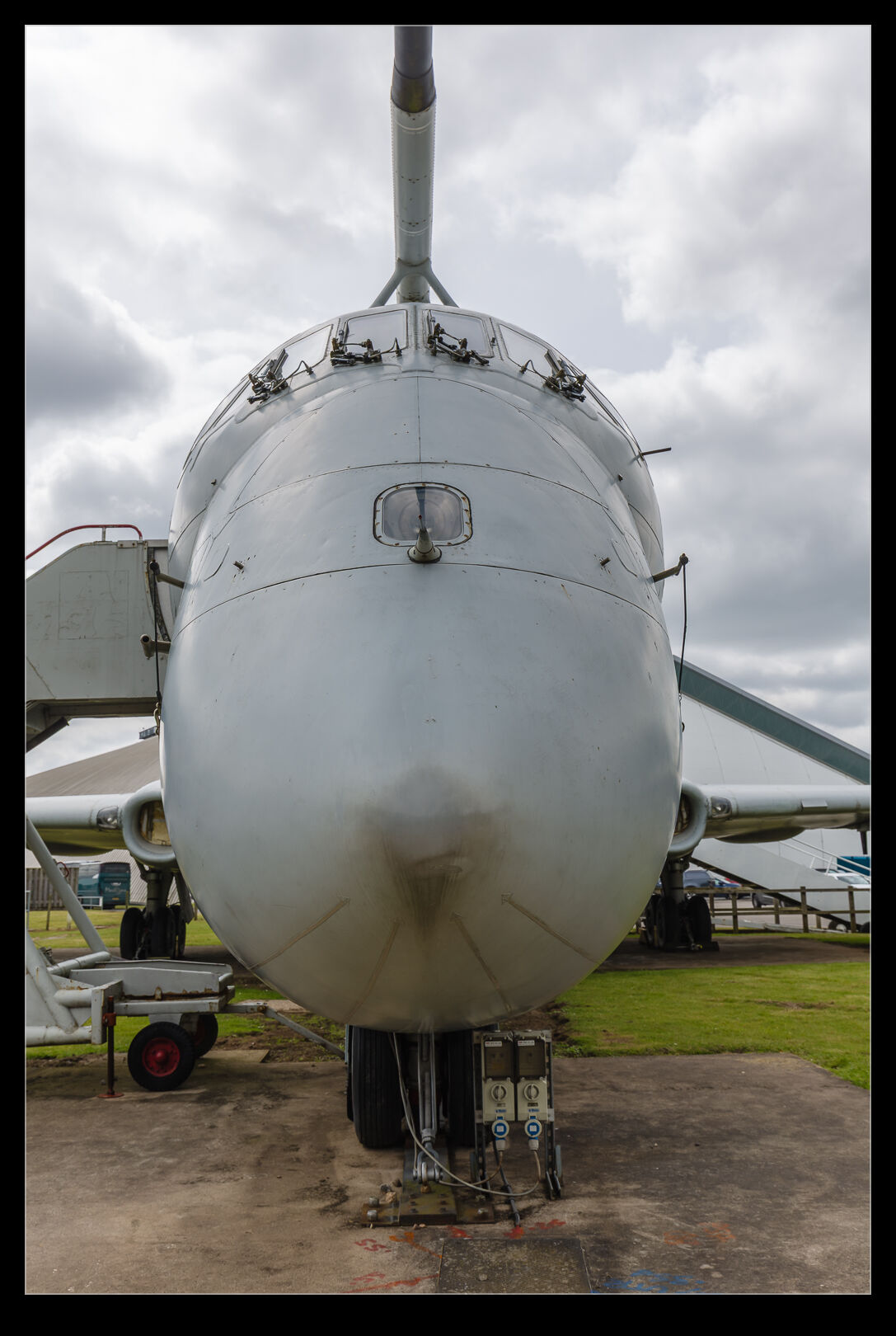
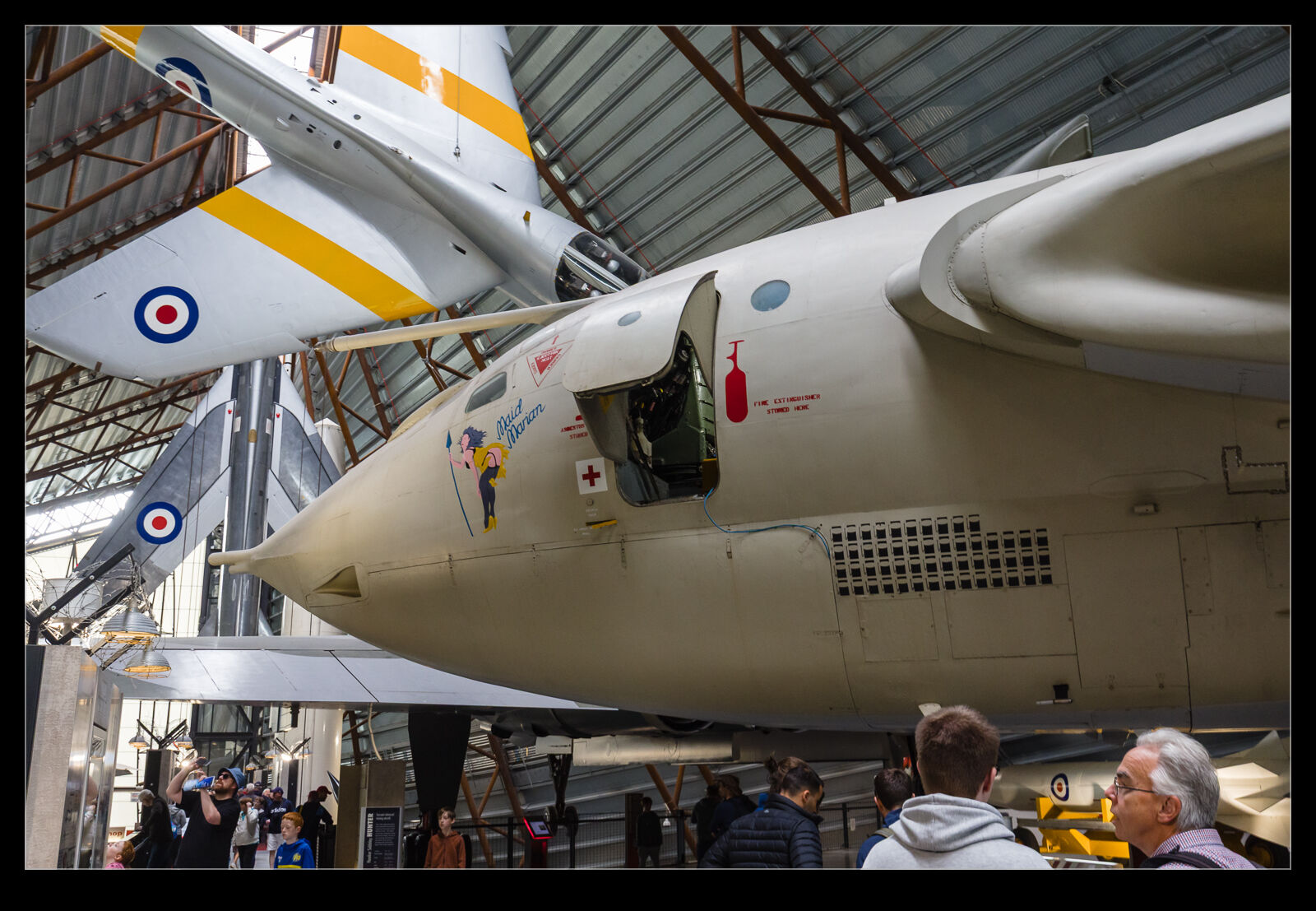
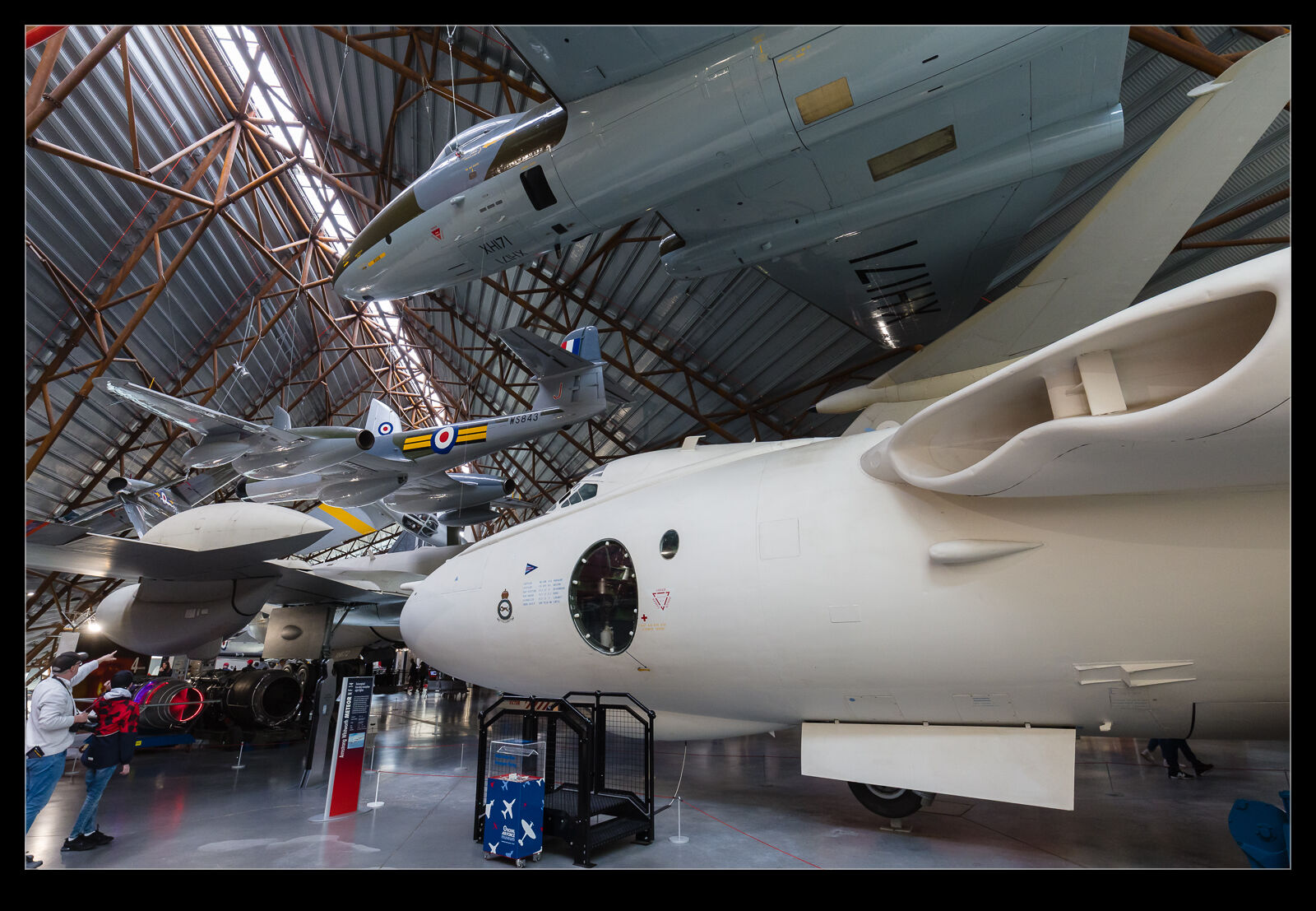 The collection includes examples of each of the V Bombers. The Vulcan gets love at a number of locations and Victors are reasonably well represented in preservation, but Valiants are not something you see every day. Having them together is a nice feature. There are a many Cold War types located around them too.
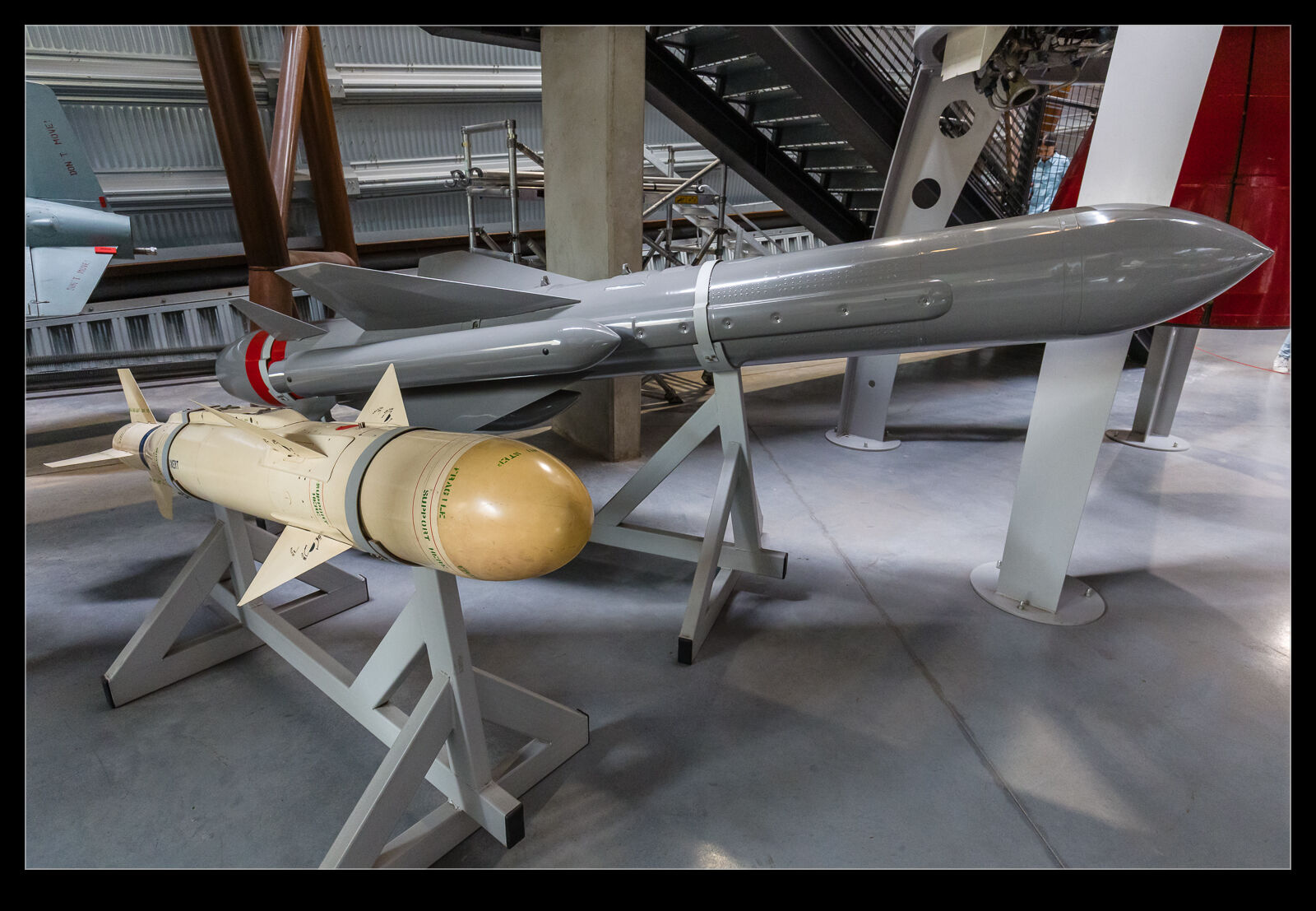
 Missiles seem to get a good look in as part of the museum. The Hendon collection also had some interesting missile exhibits, so I guess this is something the museum is keen to cover. You go from something large like a Polaris or a Blue Steel through to an Ikara or Sea Skua. I don’t know whether these are popular exhibits for visitors compared to the planes, but they are as important a part of the preservation story as airframes.
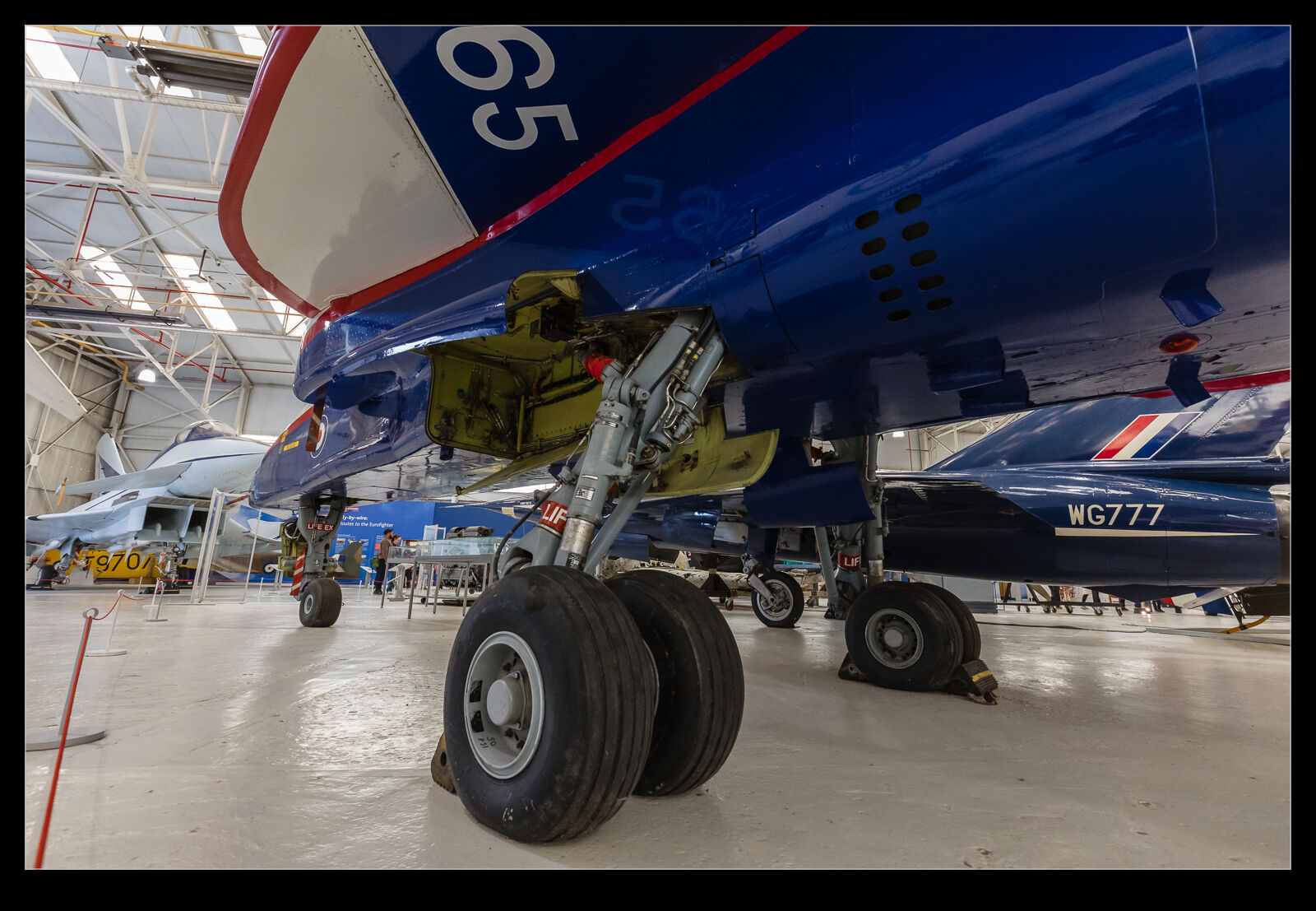
 My previous visit had included a lot of time looking at the interesting flight test aircraft. Things like the prone pilot Meteor were there then. There is a hangar of flight test aircraft now and it includes some interesting types. However, I think some of the older ones have gone. Not sure if they are stored locally or have gone elsewhere. It is also possible that I missed them since I was conscious of not missing out on anything happening as part of the show.
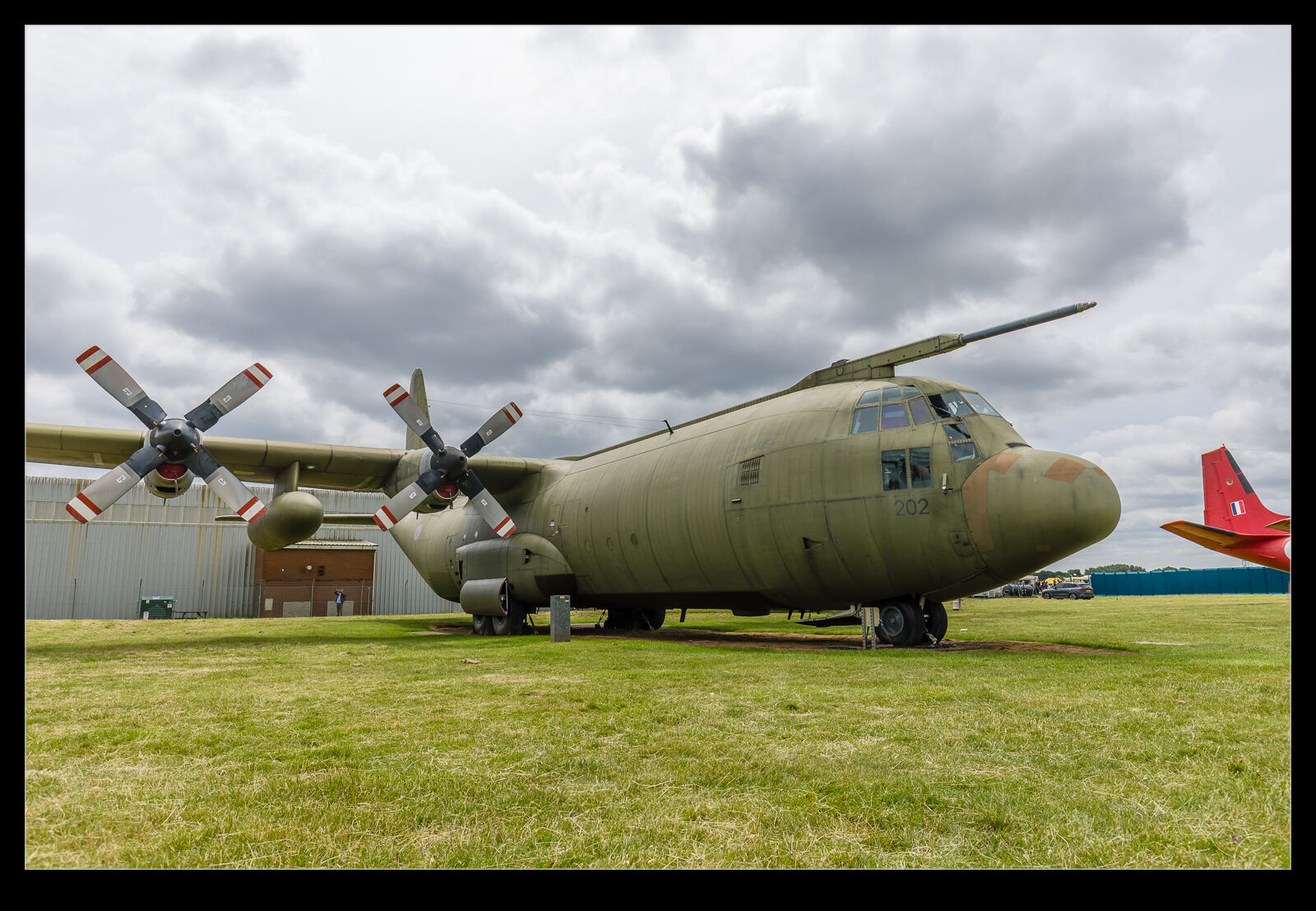 When I went to the show, I hadn’t counted on the potential to visit the museum too. In fact, I was disappointed that I would go all the way there and not have time for the museum. The fact it was possible to combine it with the show was a real bonus and I am very pleased to have had the opportunity to check it out. Next time I am up that way, I will plan ahead a bit better!
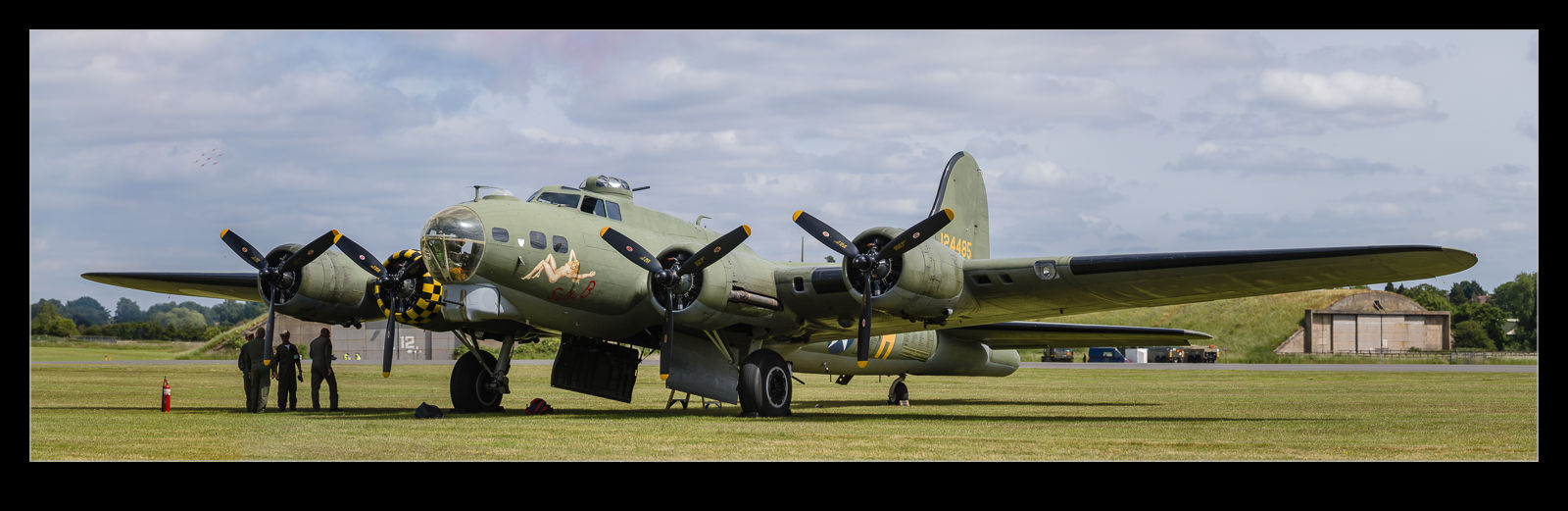
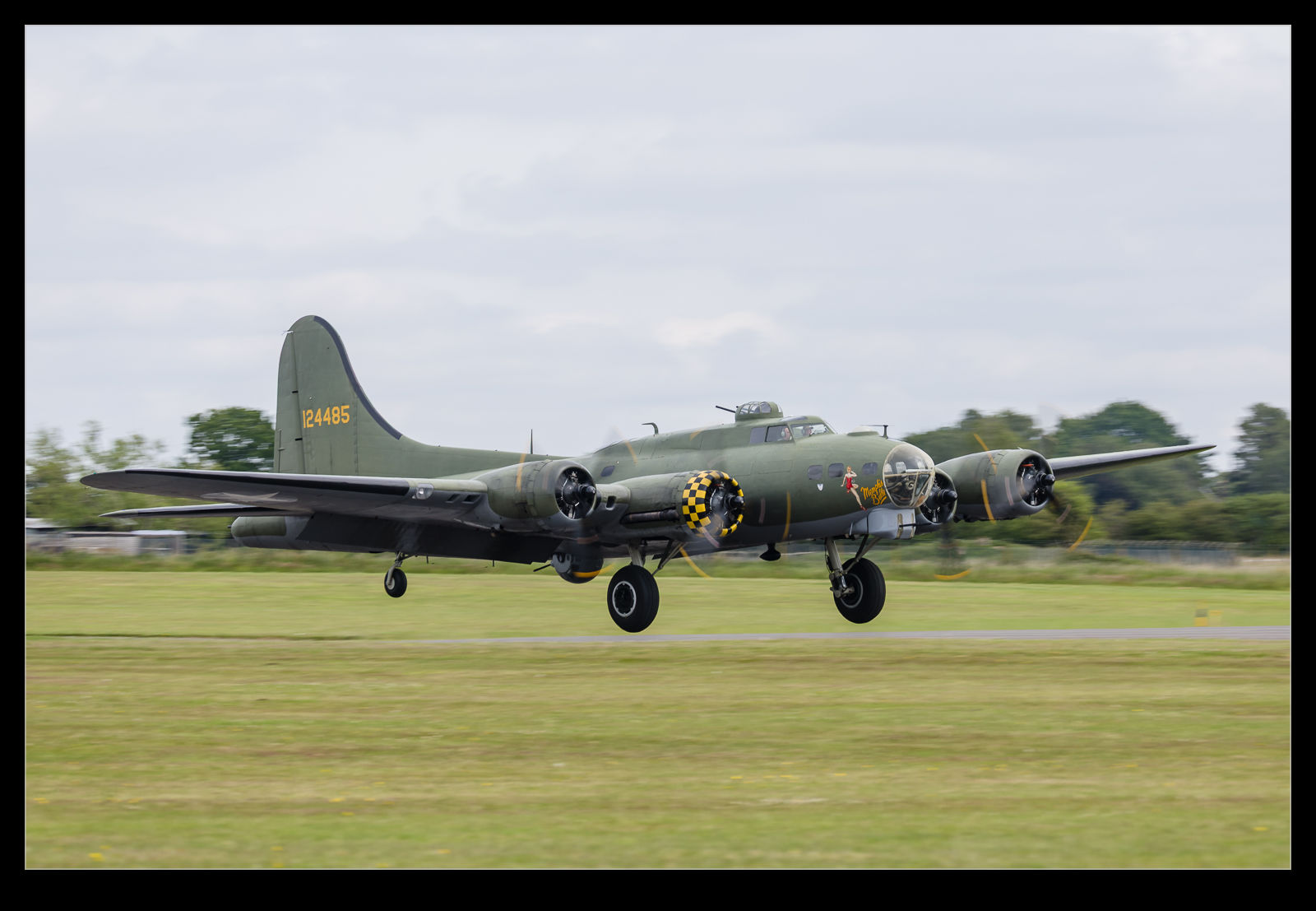
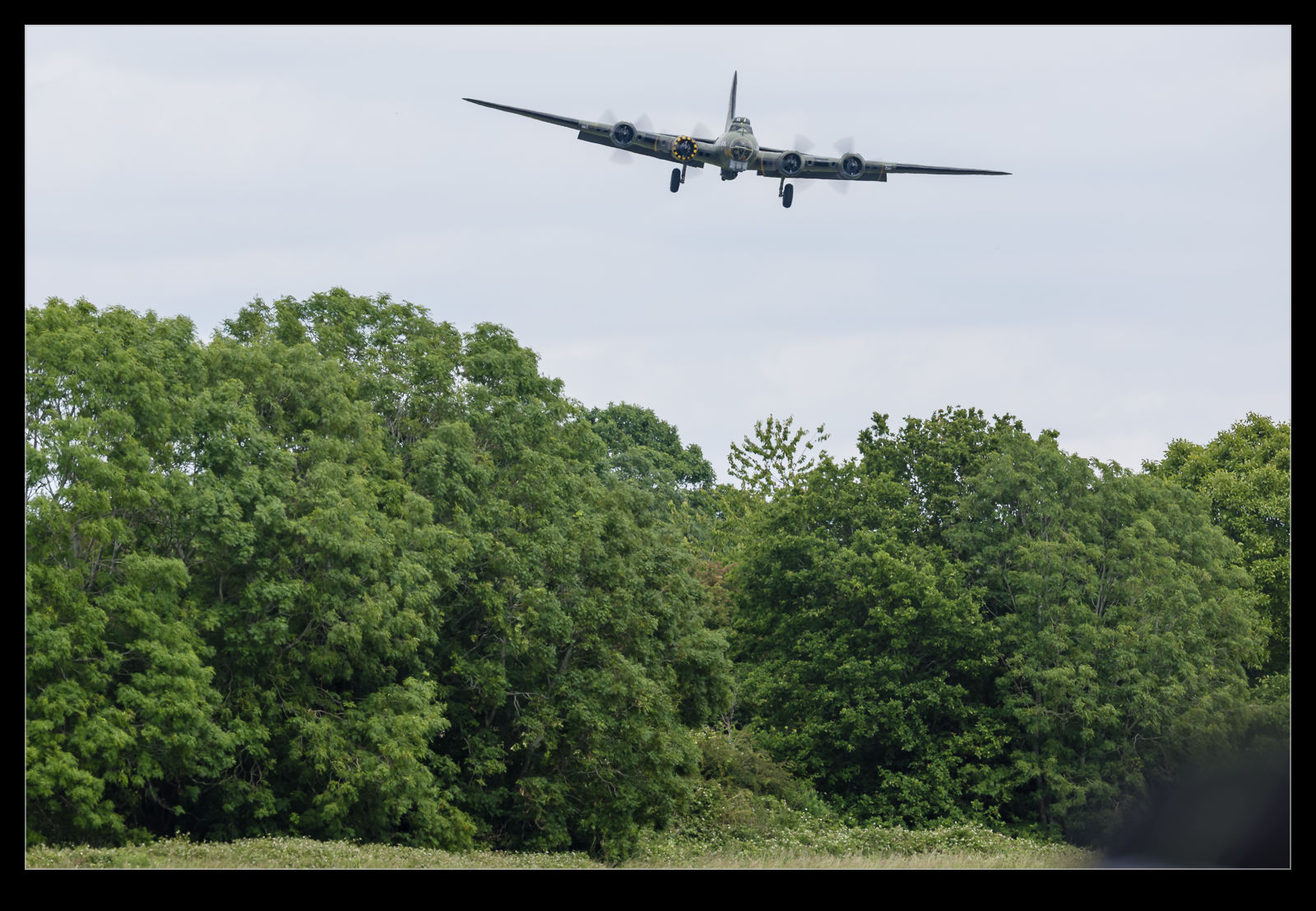
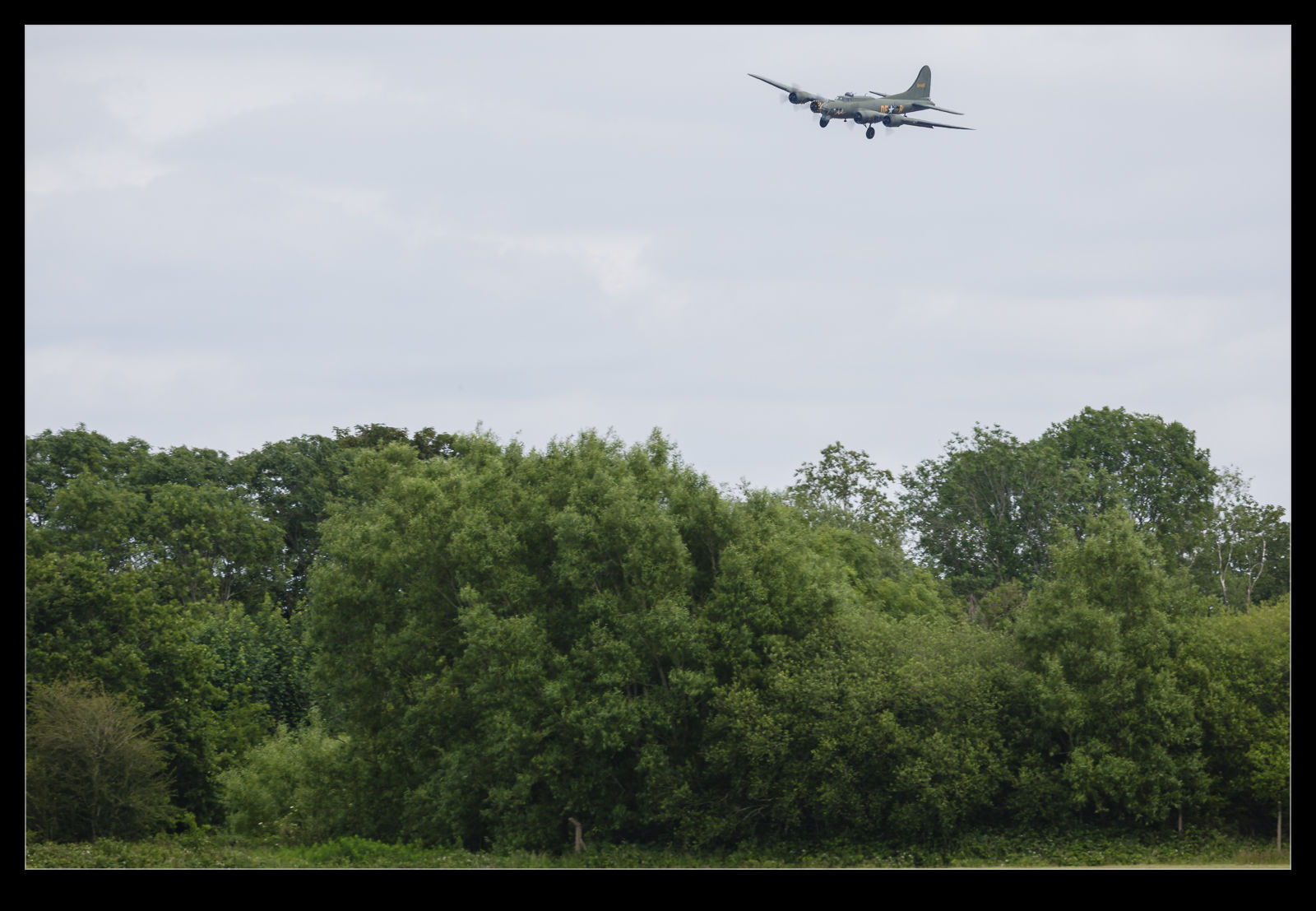
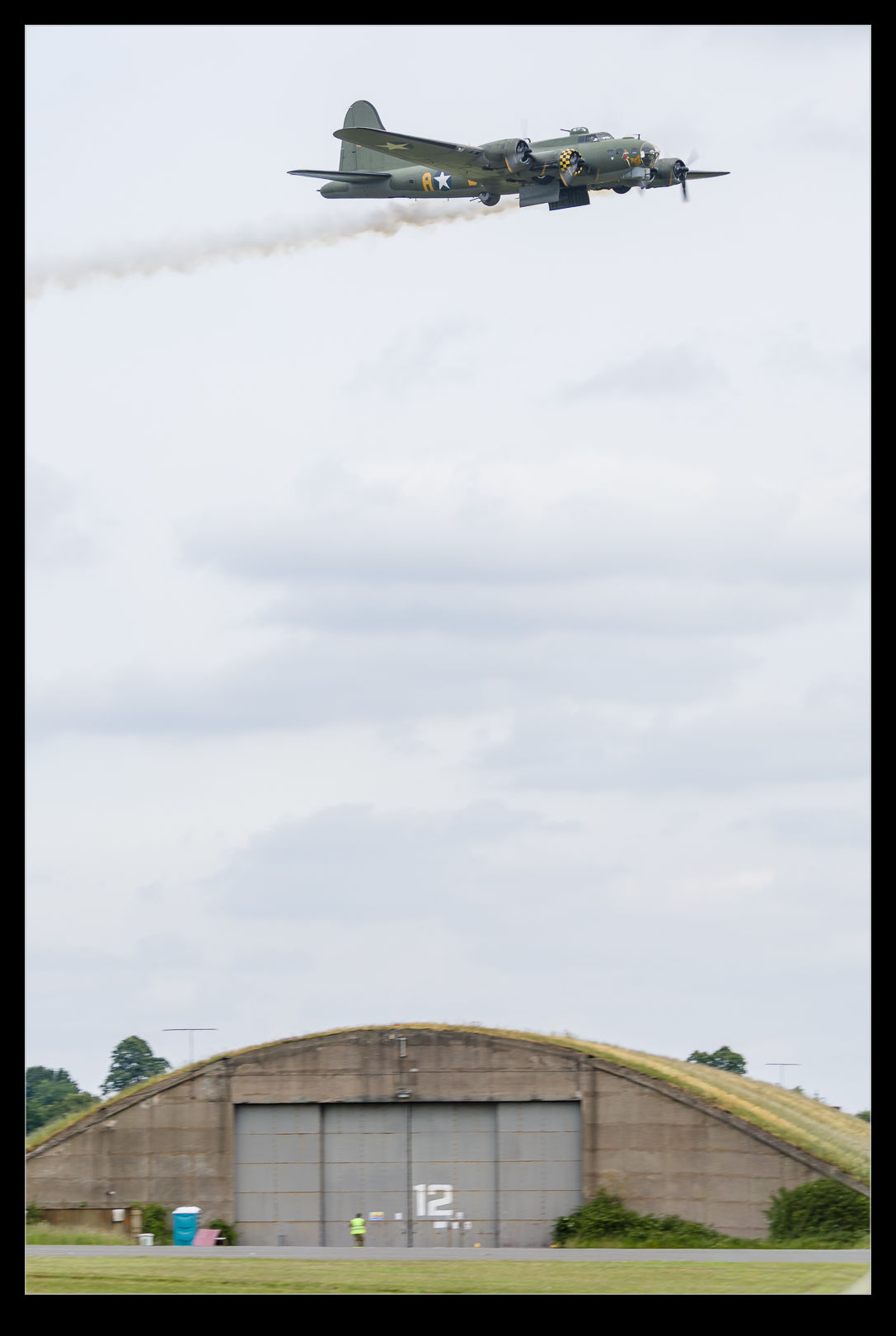
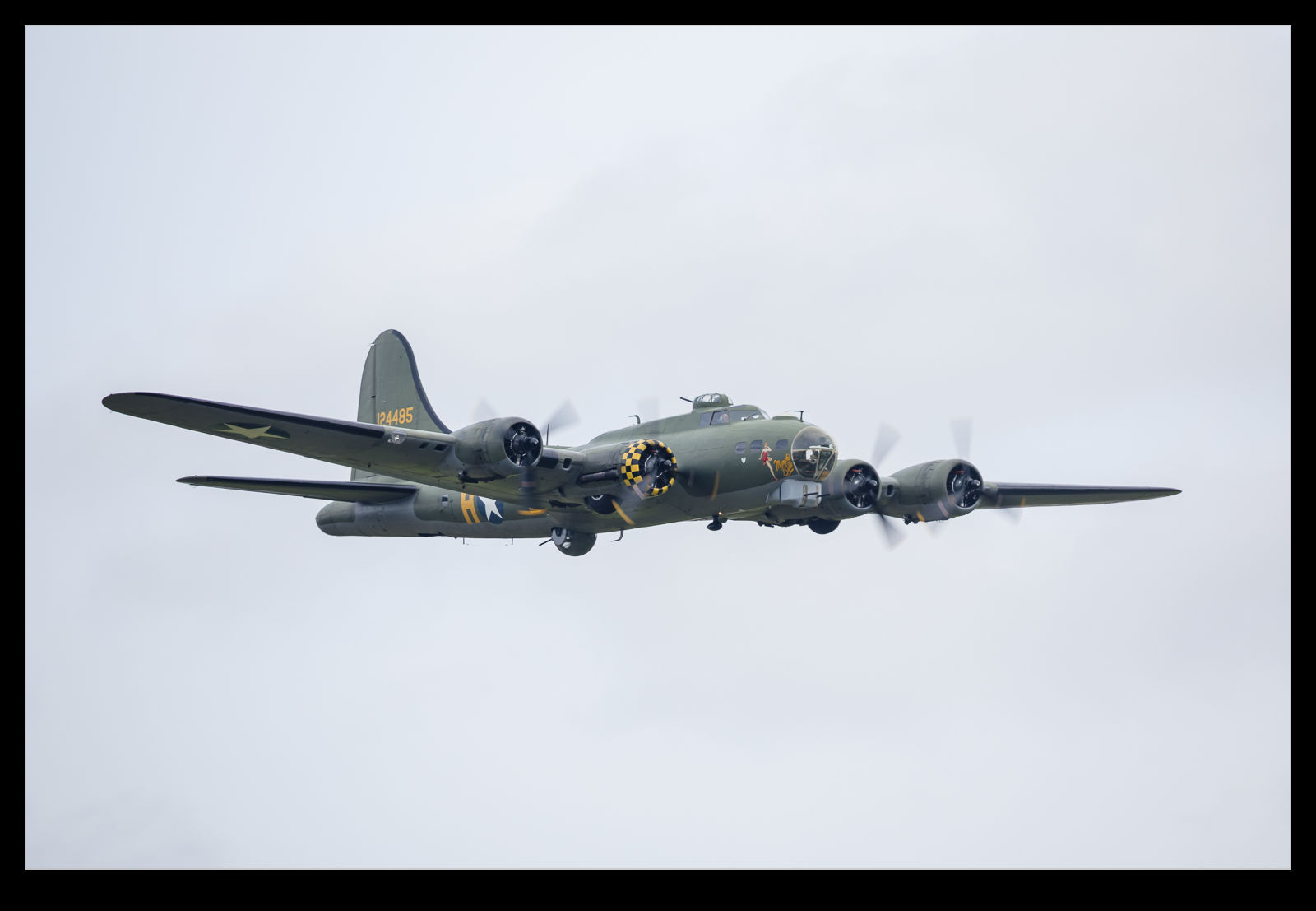
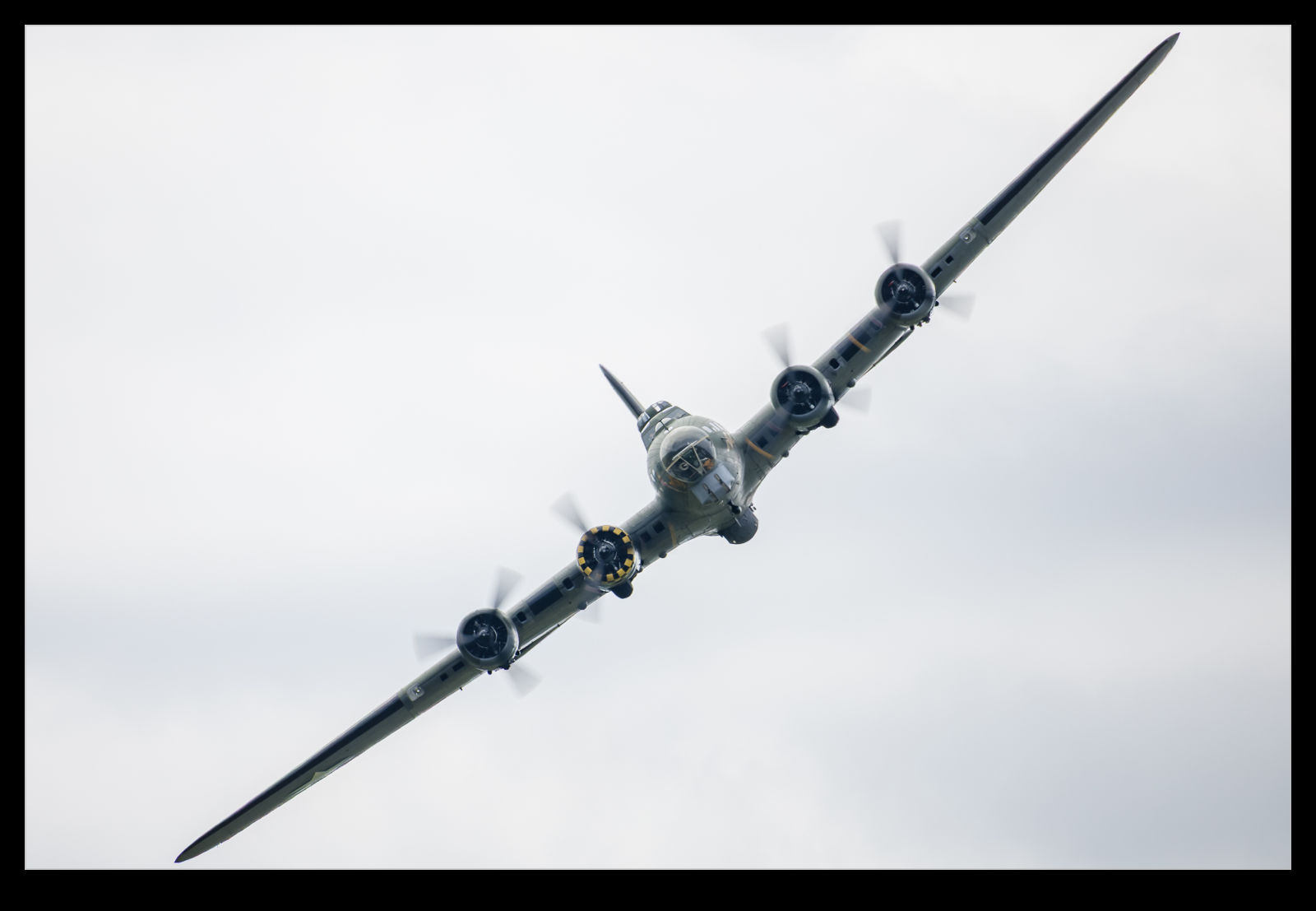
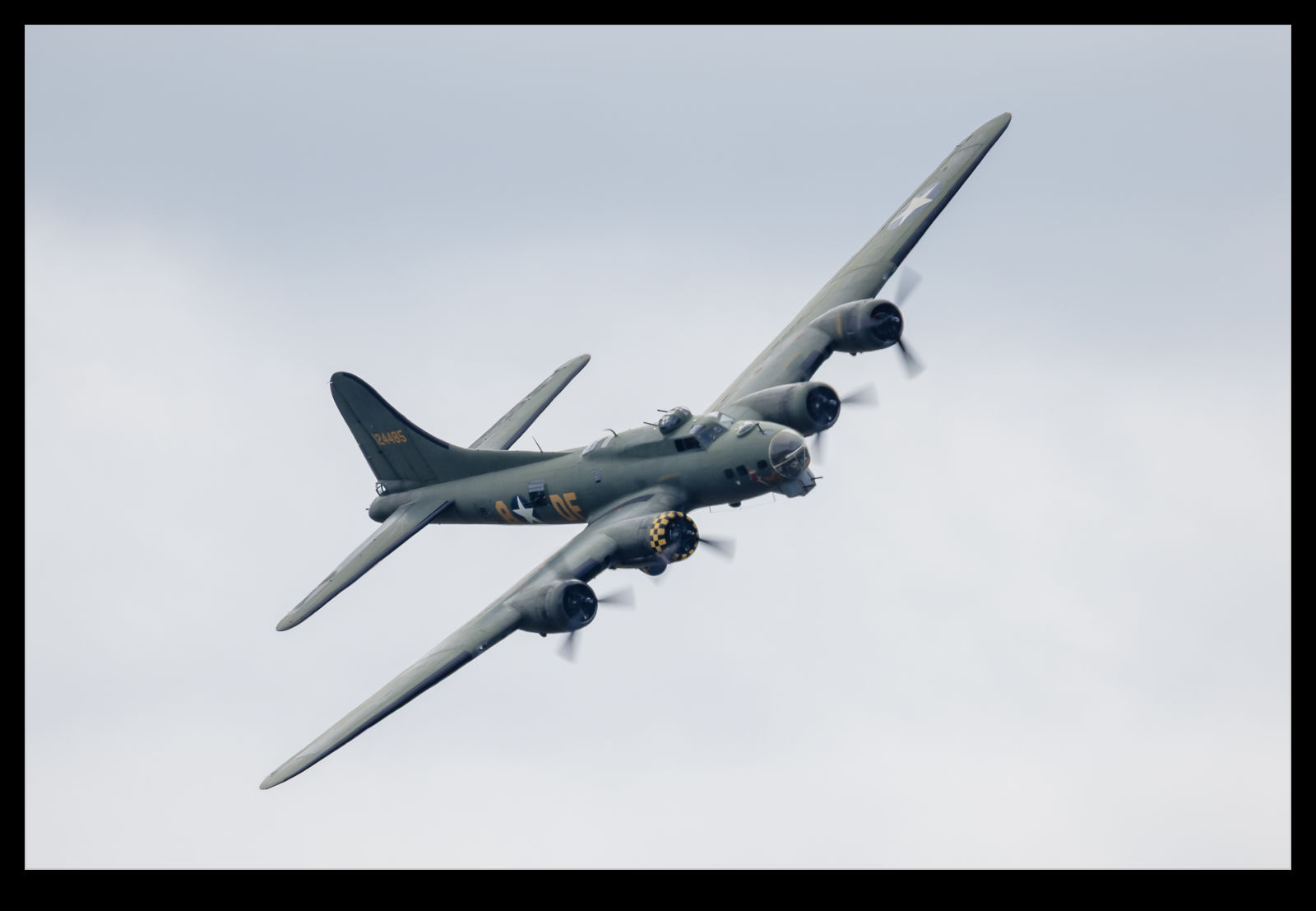
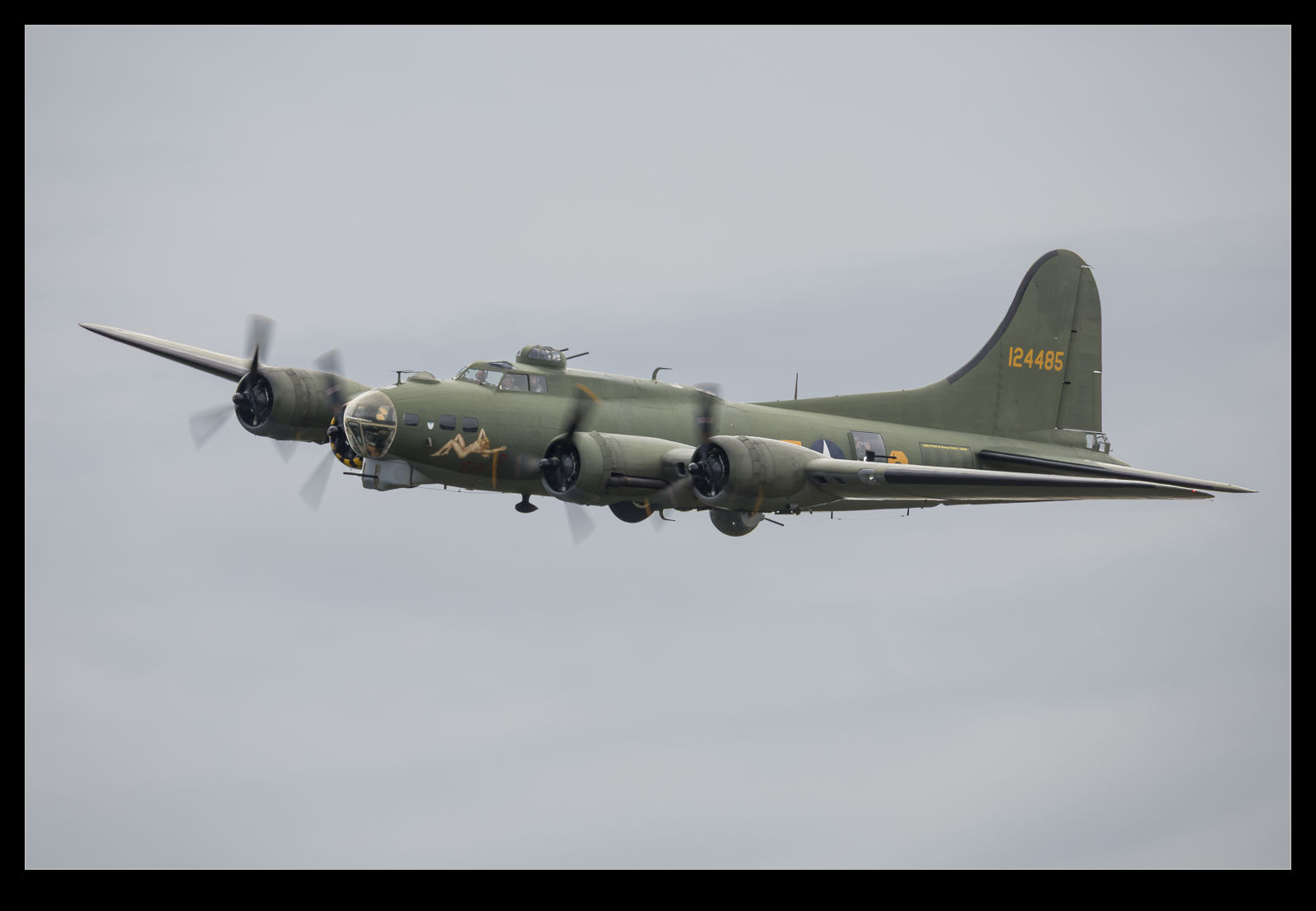
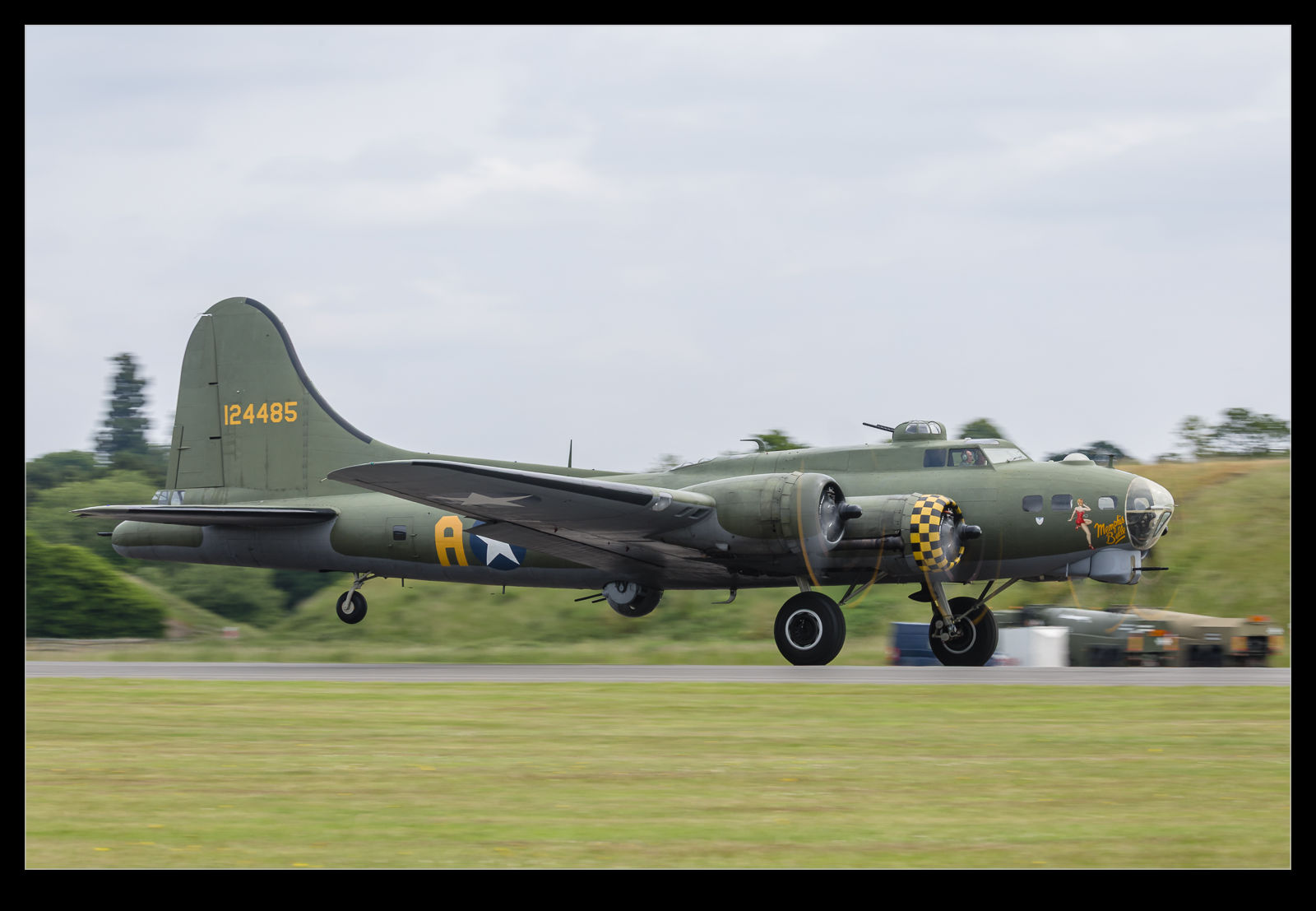
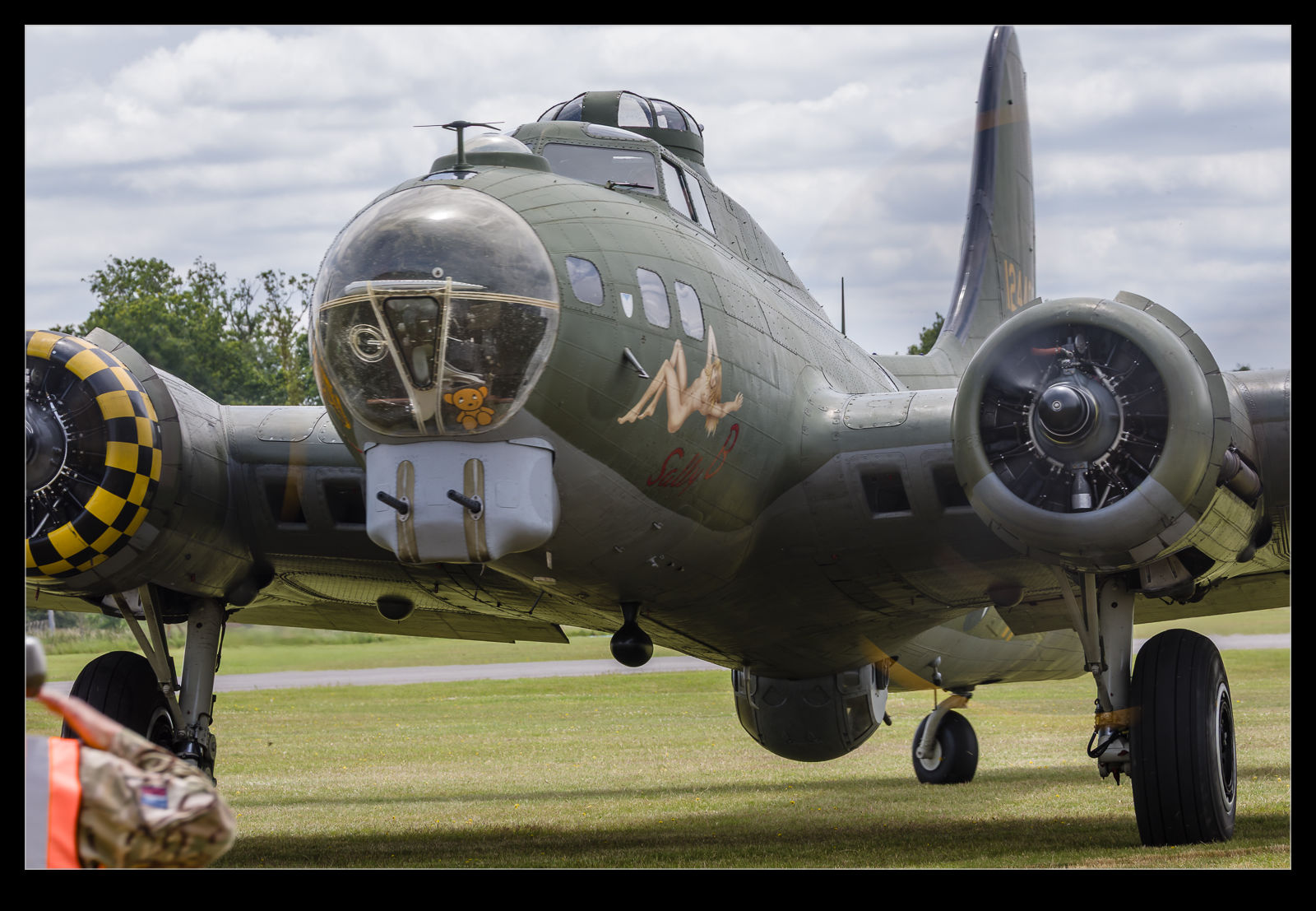 The lighting was far from ideal at Cosford when B-17 Sally B did its display, but the display itself was a good one. After a couple of decades in the US, I have seen a variety of B-17s at air shows. Sally B will still be the first one I saw, though. She has been part of the UK display scene for as long as I have known about it and was one of the five that were used for the filming of Memphis Belle. Good to see her again and glad to know that they have continued to keep her active.