Author Archives: Rob

Practice Panning to Make it Different at BFI

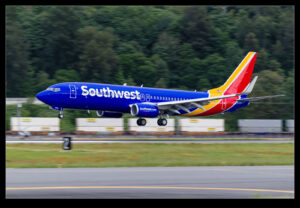
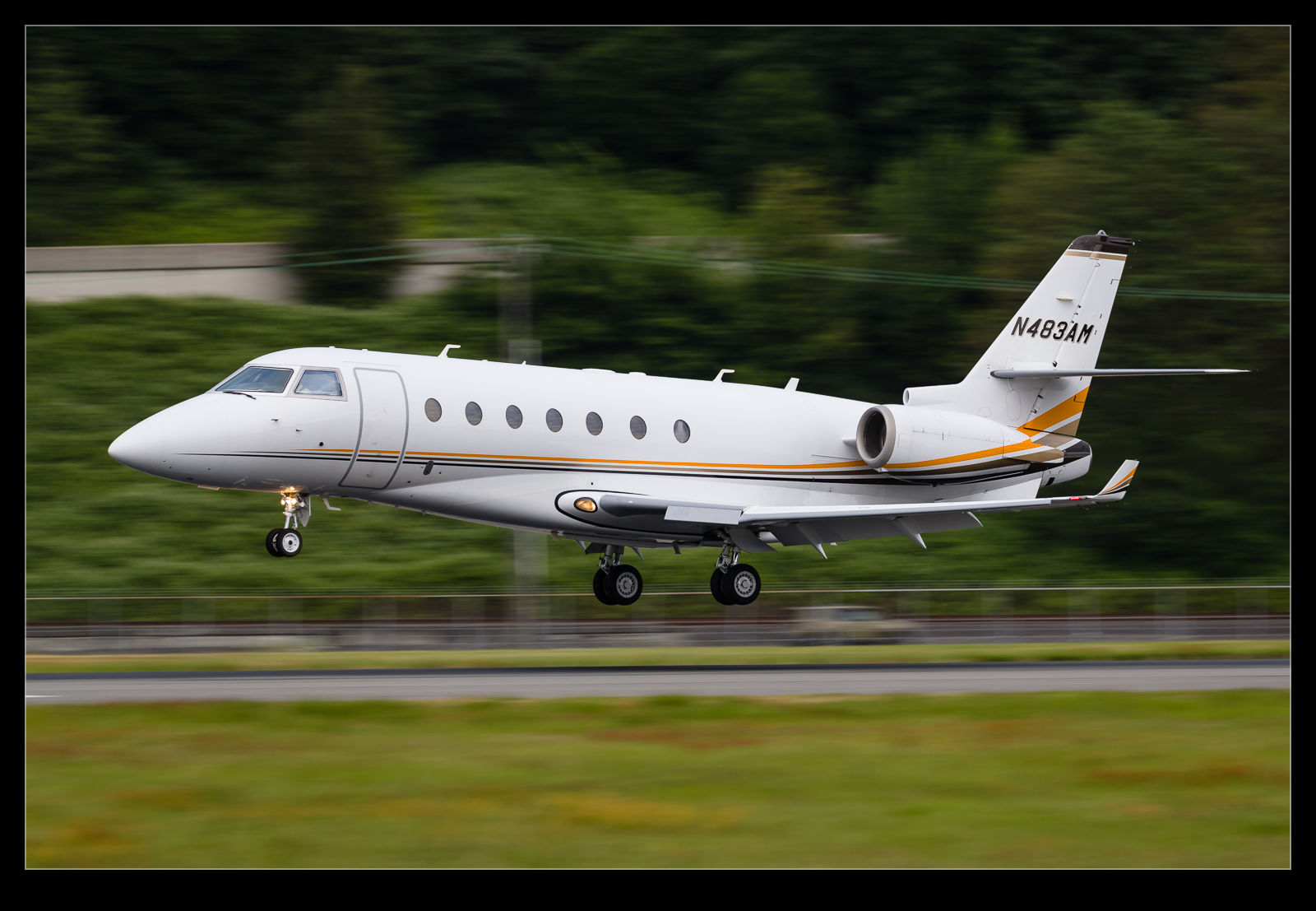
I was killing some time at Boeing Field and the light was dropping fast.  There was a variety of traffic inbound but nothing that counted as terribly unusual and not, therefore, something I desperately cared about getting a good shot with.  As a result, I decided to play around with low shutter speeds to see how it changed the look of the shots at a familiar location, to see how the sharpness varied across the airframe and to see just how badly may panning skills have degraded.  Needless to say, the results were pretty mixed.  The worst of the lot will clearly never see the light of day but here you can see some of the shots that I was okay with.  The conclusion from the output is that I should go a bit lower in shutter speed to increase the sense of speed.
 

Training a Tree

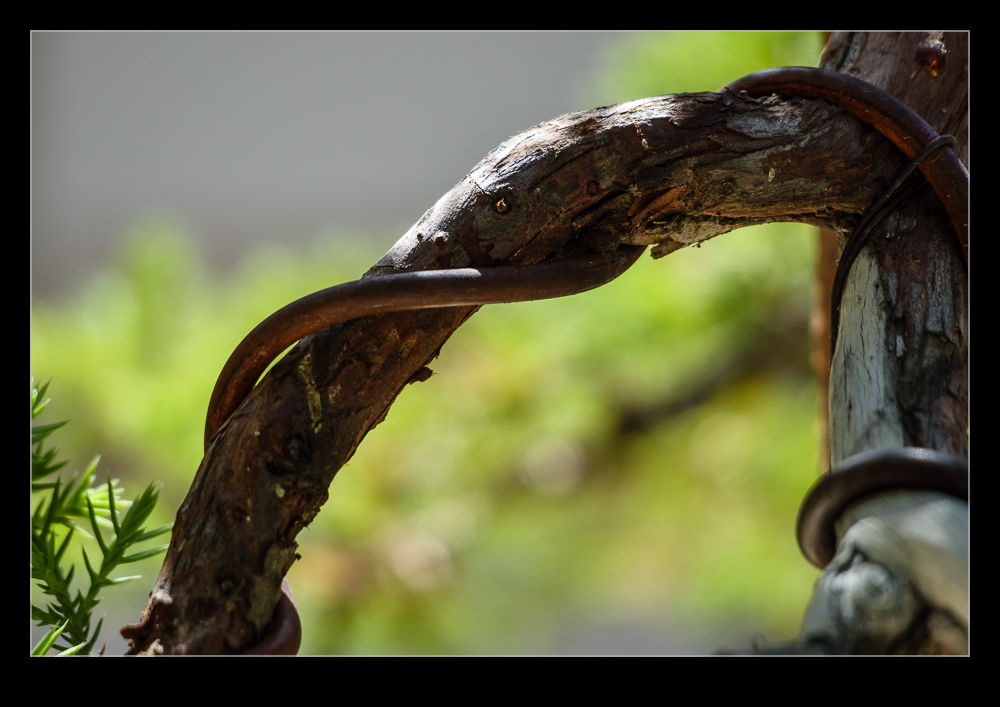
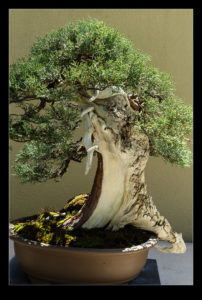
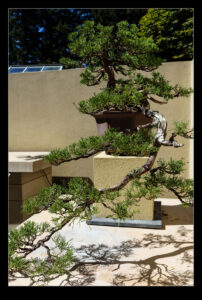
I have seen full sized trees being trained or supported with structures put in place to keep their growth where intended.  I had never thought about it being applied to bonsai though.  However, while trimming is a key part of shaping a bonsai, there are more direct approaches like wiring along branches to keep them going as intended.  A close look at some of the exhibits at the Pacific Bonsai Museum showed how this was done.  The clever bit was that these additions were not so conspicuous and didn’t ruin the appearance of the tree.

Combat Air Takes Up Some Customers

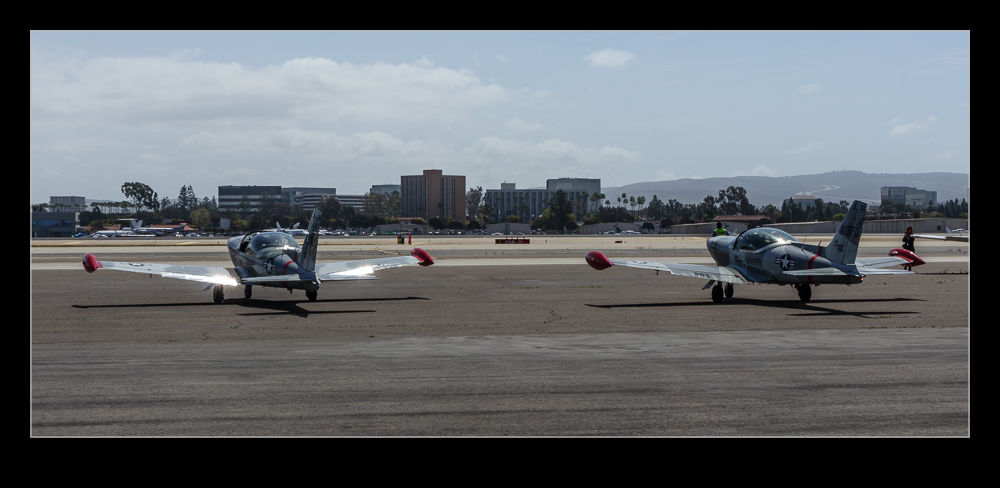
I got a little distracted while I was at Lyons Air Museum.  Out on the ramp were some SF-260s belonging to a company called Combat Air.  The company shared space with the museum and, while I was walking around, a couple of customers rolled up for their flights.  They were going off in a two ship sortie.  I don’t know what they had planned.  They may have been heading out to do some aeros or maybe they were going to try and see which one was the dogfighting star.

The 260 is a cracking little plane.  From a young age, this was a plane I wanted – something that has some serious performance that is enough for some militaries but is also available for anyone to buy (provided you have a fair bit of spare cash).  In piston form it is pretty good stuff but I also believe that you can get them with a turboprop which I imagine goes like stink.  Anyhow, the two customers were suited up, strapped in and they taxied out together.  We were advised that they would probably come our way on departure so I hung around for a while.  They had a fair taxi to the departure end and then needed to hold for a while but eventually they came into view and turned in formation over the top of the hangar.  I went back to looking around the museum so I hope they had a fun flight.

Fireworks in Kenmore

Last year we were living in Kirkland when July 4th came around.  We checked out the fireworks in the town and I took the camera along.  Unfortunately, we picked a place to sit in the park that meant the fireworks were behind a tree so I didn’t get any pictures that I was happy with.  This year we have moved a little up the lake so we decided to try out the fireworks in Kenmore.

We turned up later in the evening and the park was busy with lots of families out enjoying the warm evening and waiting for the display.  We found a spot down near the water that seemed pretty convenient and set up.  I wasn’t too bothered about shots but will take them anyway since it is easy to do while enjoying the display.  We had some people in front of us that I thought might make good silhouettes in the shots too.

The display started at just after 10pm and lasted about twenty minutes.  They were launching from the pier in Log Boom Park so the fireworks were out over the lake.  The team had choreographed a great performance and everyone seemed to be pleased. These are a few of the shots I got while enjoying the show.

RAT Noise

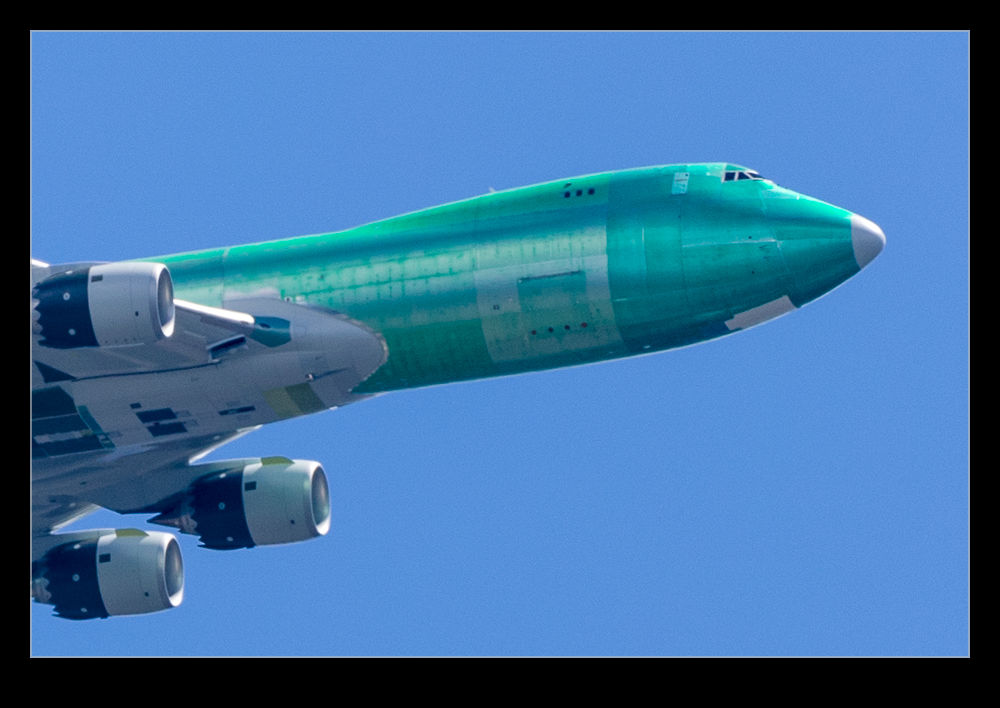
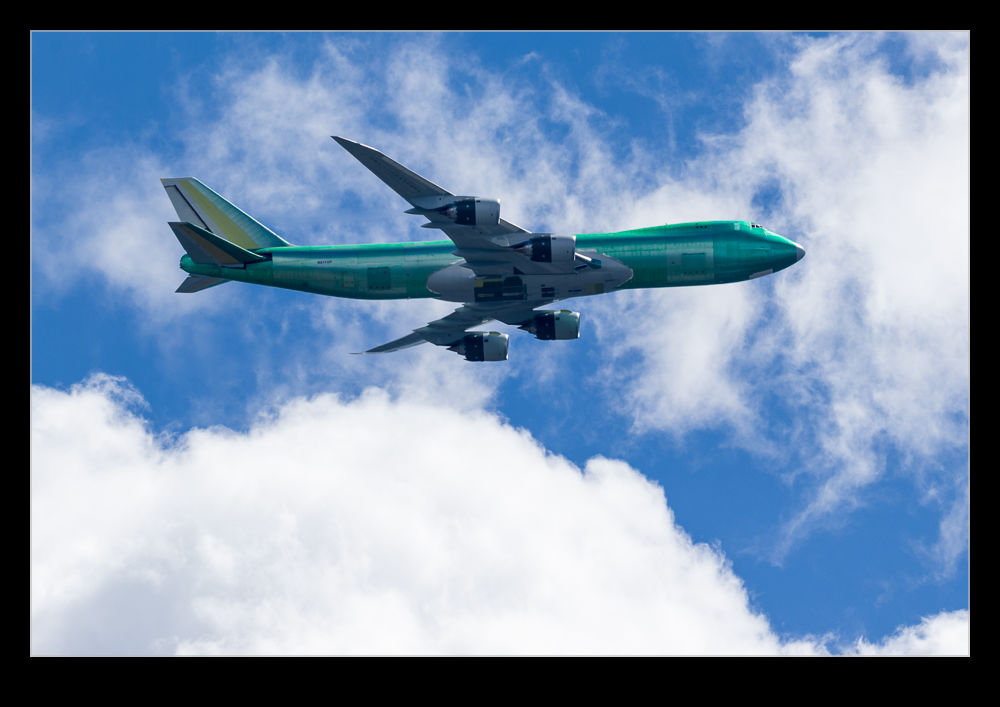
UPS is buying a bunch of 747 freighters at the moment.  I have shot a few of them including examples here and here.  The route back to Paine Field takes them across our area when the pattern being flown is a northerly.  I grabbed the camera to see this primer example heading over.  As the plane flew by, there was a lot more noise than would be normal for a jet on the approach and it had a vibrational element which made me think the RAT might be deployed.  Sure enough, when I checked the shots, the RAT could be seen under the wing route.  This is a normal flight test requirement so nothing to be concerned about but this was the first time I had heard a jet at speed with the RAT out and I was surprised how loud it was.

AAA for Boats

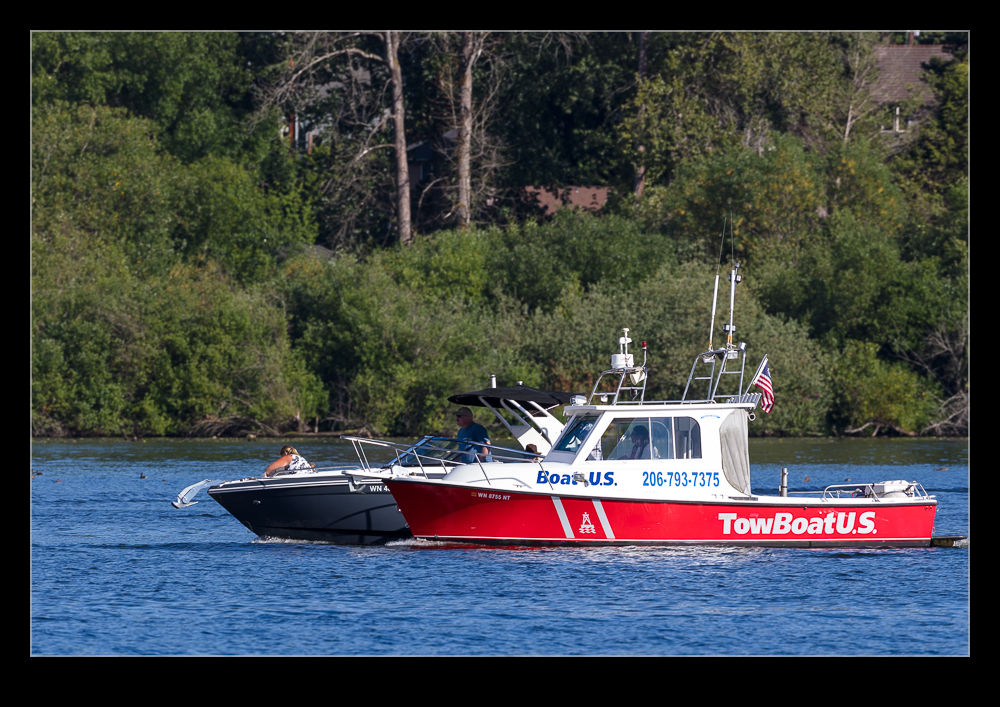
Not being a boat owner, I had never thought about what happens if you should break down.  I suppose if you were out in open water, the Coast Guard might be an option but to be honest I have no idea.  When you are on Lake Washington, I guess there is a towing service available.  I saw this boat bringing someone back into Kenmore.  I assume they had broken down and needed help getting back.

Take Your Pick When Refueling

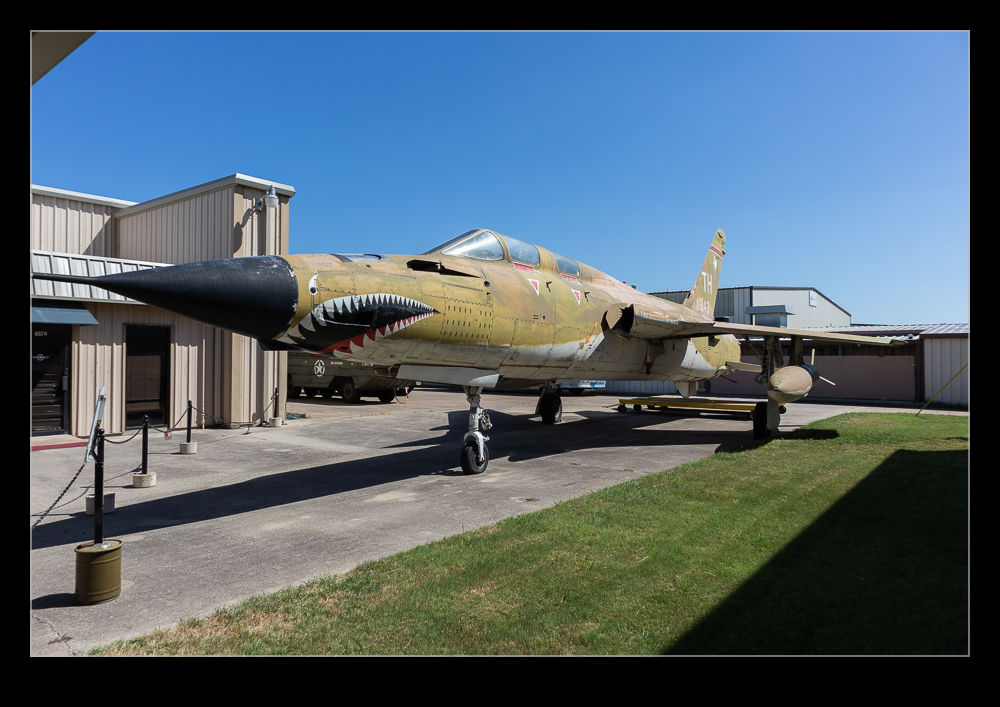
The F-105 Thunderchief (or Thud) is a beast of a plane. Sadly I never got to seem them in action.  One is parked outside at Cavanaugh in Addison TX.  Its camo is a bit bleached by the Texas sun (it was just over 100 degrees the day I arrived and that was towards the end of the afternoon).  The thing that caught my eye, though, was the refueling receptacle or, more specifically, receptacles.  USAF aircraft have the flying boom refueling system.  This was not always the case and jets like the F-100 had flight refueling probes for the hose and drogue method.

I assume that the Air Force was in a transition mode when the F-105 was being designed so they had both.  On the upper side of the nose there is a ramp for boom refueling to take place.  Below that on the port side is a retractable refueling probe for hose and drogue use.  I didn’t realize that any jets had been built for both (aside from the UK and French E-3s which are a bit larger and more able to accommodate the extra kit.  I wonder which one was more regularly used since the techniques for each type differ.

Turtles Fighting for Space

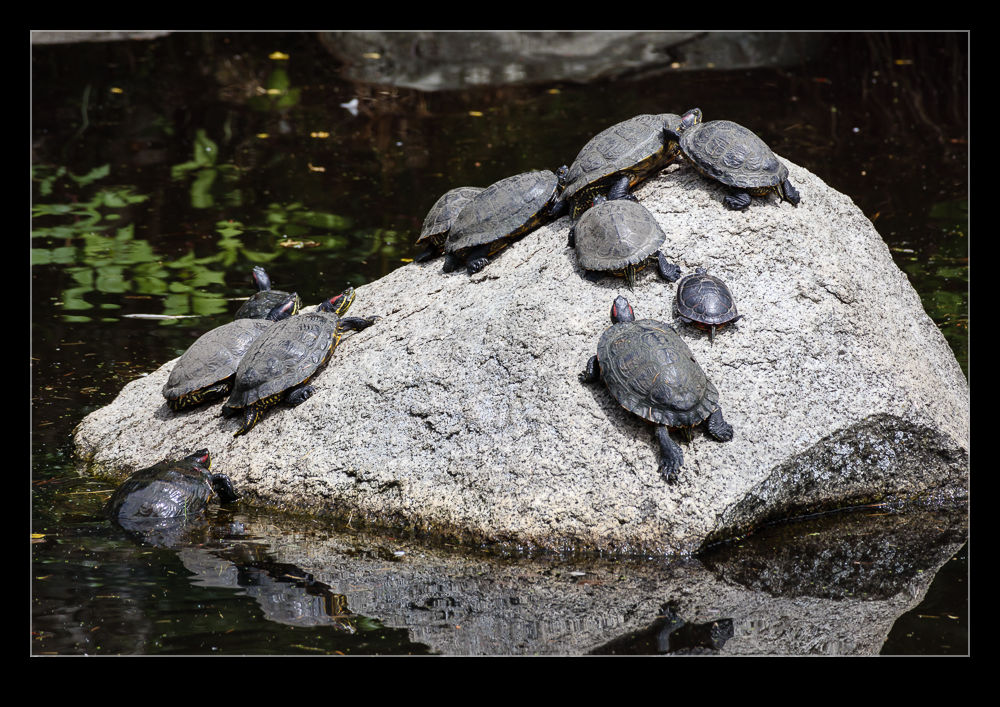
The pond in Point Defiance Park was busy with ducks everywhere but they weren’t the only occupants of the water.  There were quite a lot of turtles, particularly given how small the pond was.  There was one rock in the pond that appeared to be the best spot for a turtle.  It was fully occupied.  A couple of other turtles seemed to be interested in getting on but the inhabitants were not intent on sharing and they were “discouraged” from joining.

Cascades or Buckets?

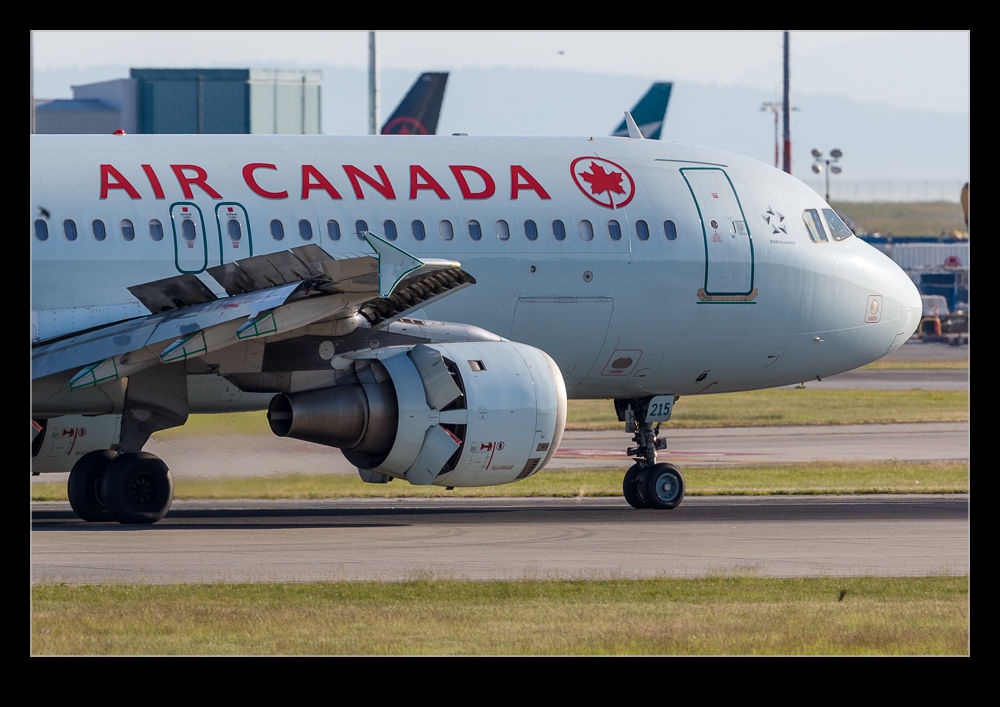
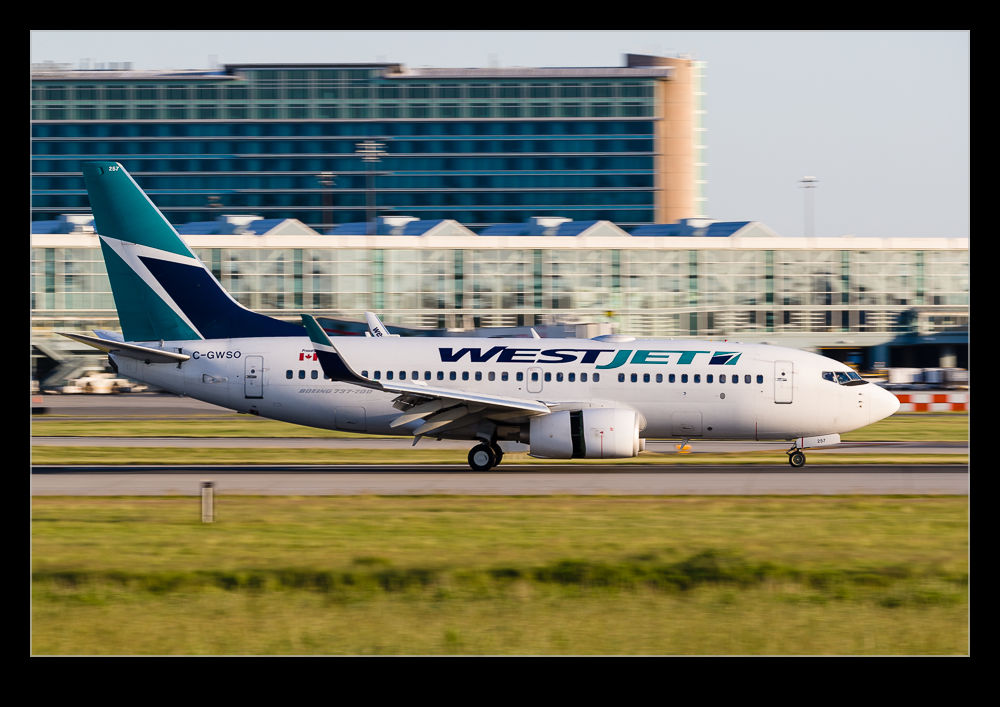
Watching a bunch of arrivals at Vancouver, I got a lot of shots of aircraft reversing thrust.  Current jets fall into one of two categories.  Cascade reversers or bucket reversers.  The bucket reversers aren’t quite as obvious as those fitted to the old 737-200s where they clamped across the whole exhaust but the effect is much the same.  Bucket reversers look like they are doing the job to me.  They hang out and you can imagine the flow being turned around as they power up.  Cascade reversers are far more subtly as the nacelle translates aft and the flow is redirected out of the based of fins that is now exposed.  I imagine they are similarly effective but I have no data to back that up.  If someone knows more, please let me know as I am genuinely interested to find out.

Pacific Bonsai Museum

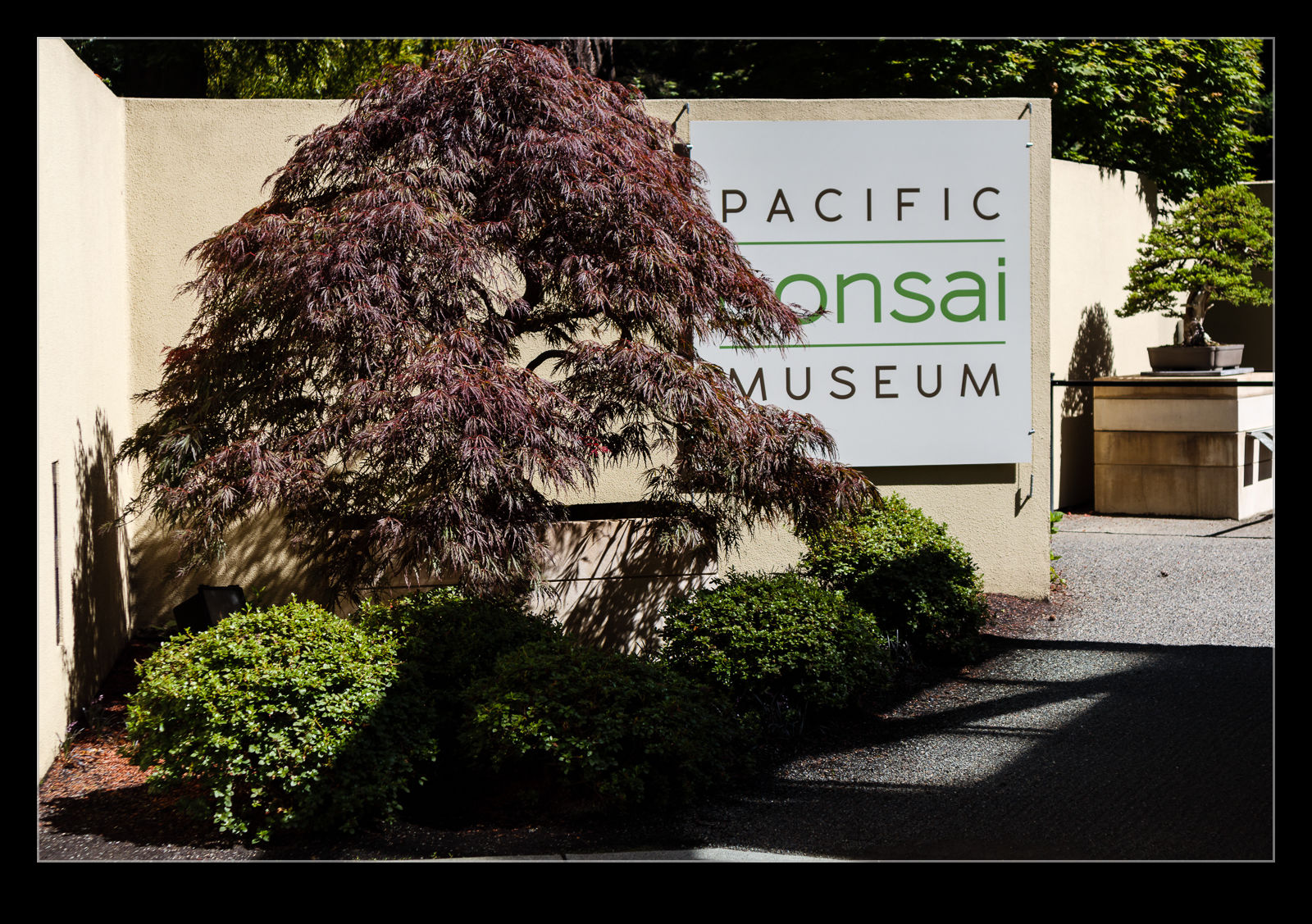
Located in Federal Way, the Pacific Bonsai Museum is not the easiest place to find.  It shows up in my GPS but, when you arrive at the turning, the signage is either too small for me to spot or nonexistent.  I turned in to the entrance, more as an act of faith.  Once on the access road, there were signs but then you drive for a long time before you get to the place.  You do start to wonder whether it is a spoof.

Once there, though, it is worth it.  Entrance is free which was a surprise, particularly given how good the trees were.  Everything is outdoor with the trees displayed in groupings around the space.  Backdrops provide some visual separation and information boards explain their individual histories as well as telling a little about the styles of Bonsai and the history of the art form.

Individual plants are intermingled with compositions that involve many plants, sometimes over fifty different plants being incorporated into one display.  The sizing of some of these is carefully tailored to give an increased sense of depth.  The bases are also chosen to emphasize different elements of the plants.  As with any activity, when you find out a little bit more about it, you discover just how much complexity is involved.  Old trees are not as important as those that appear to be old apparently.

The place is very impressive and, if you are in Federal Way, definitely give it a look.