Tag Archives: jet

Helmet Mounted Sights

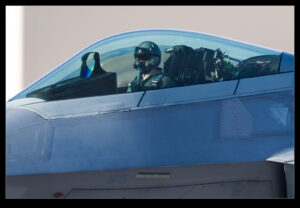
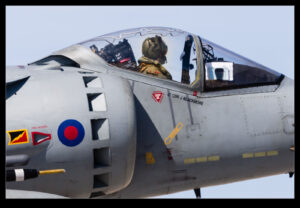
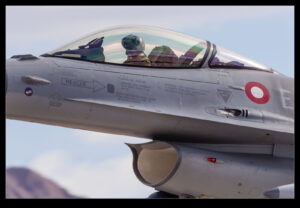
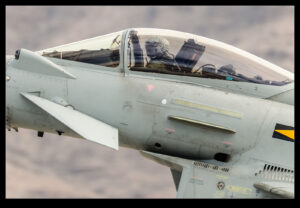
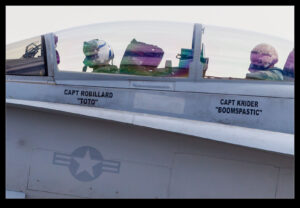
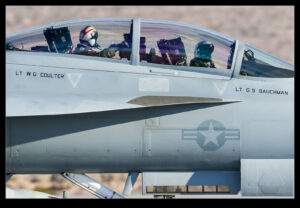
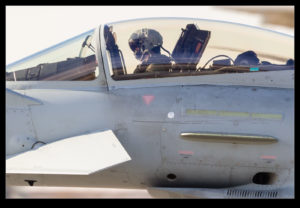
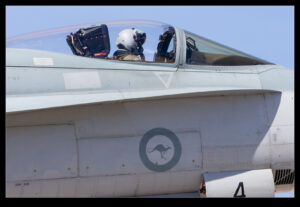
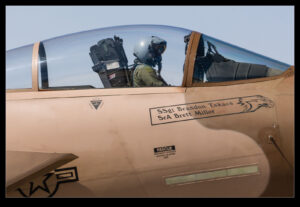
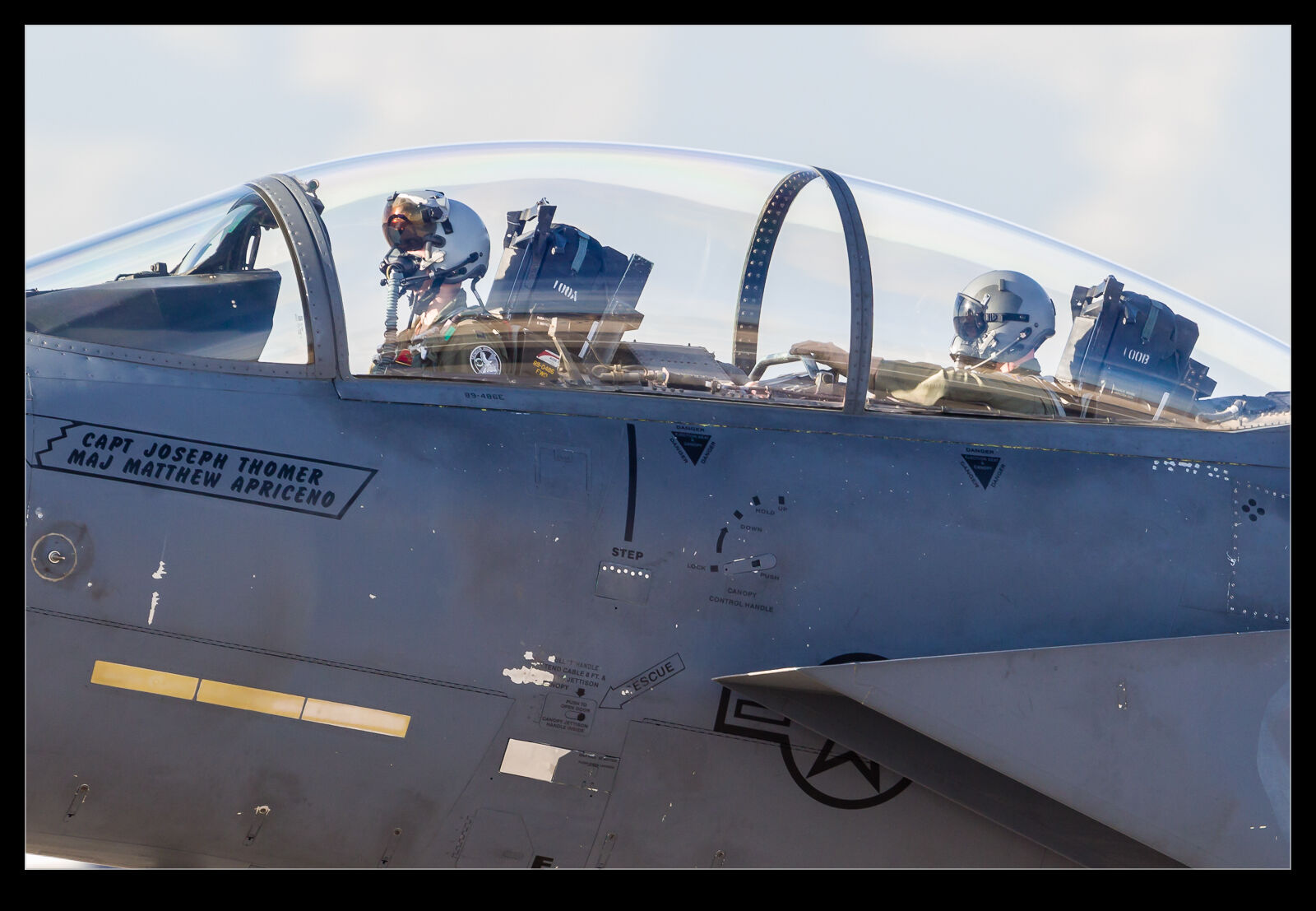
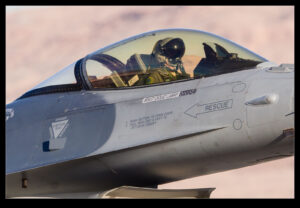
C59F0781.jpgA feature becoming more and more common in fighters these days is a helmet mounted sight/display. These allow the pilot to look at the target he is interested in and designate it or to have his attention cued to something courtesy of the helmet displays. The more complex helmets now coming in to service on the F-35 have access to distributed viewing systems around the aircraft so the pilot can actually look through the aircraft – just as well given how crappy the visibility is from the F-35 cockpit!
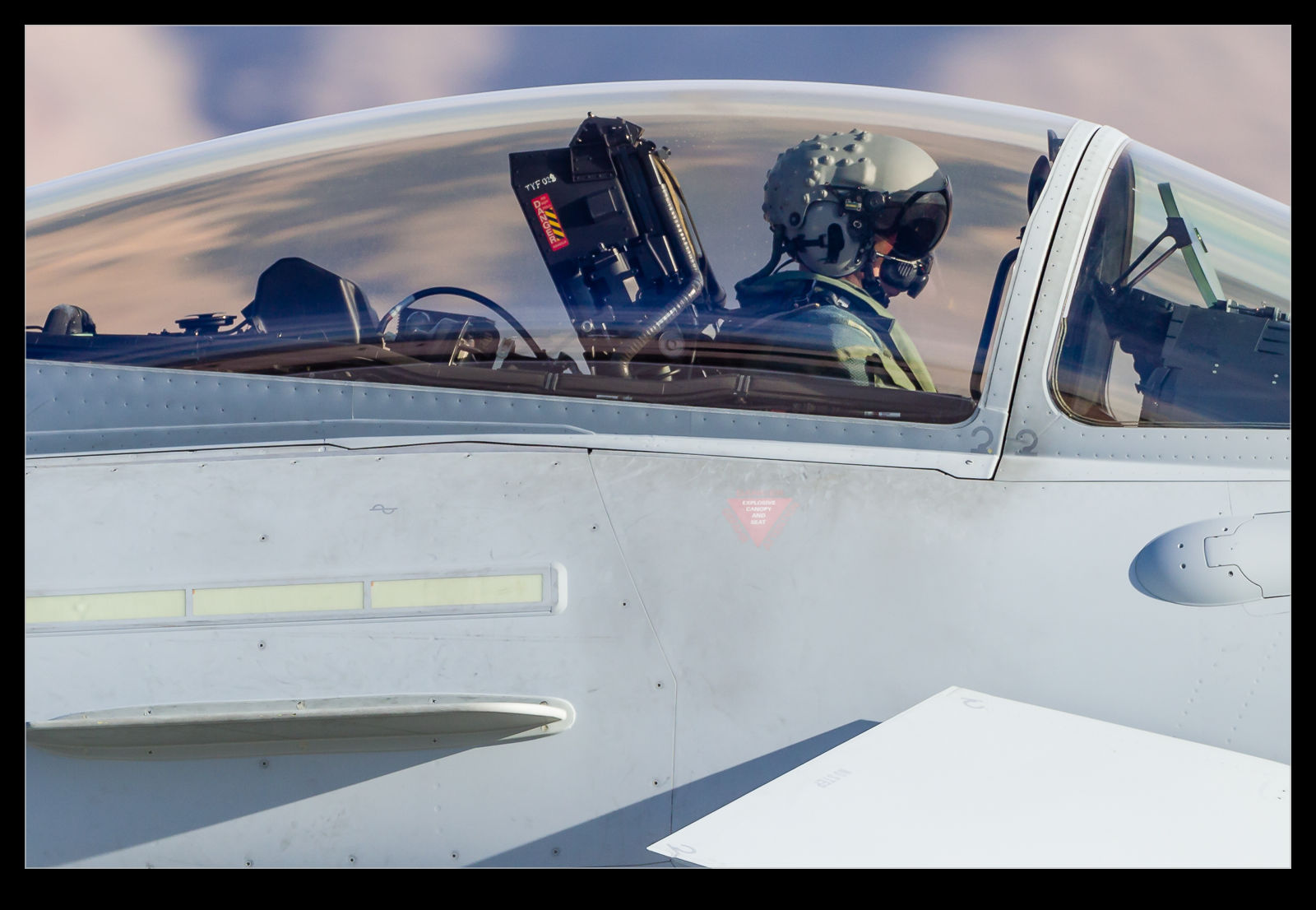
C59F0285.jpgThese helmets need to know exactly where they are all the time so they can align accurately with the other sensors on the aircraft. They also have to have the image generator for the pilot displays built in. Consequently, they appear a bit bulky compared to traditional helmets.
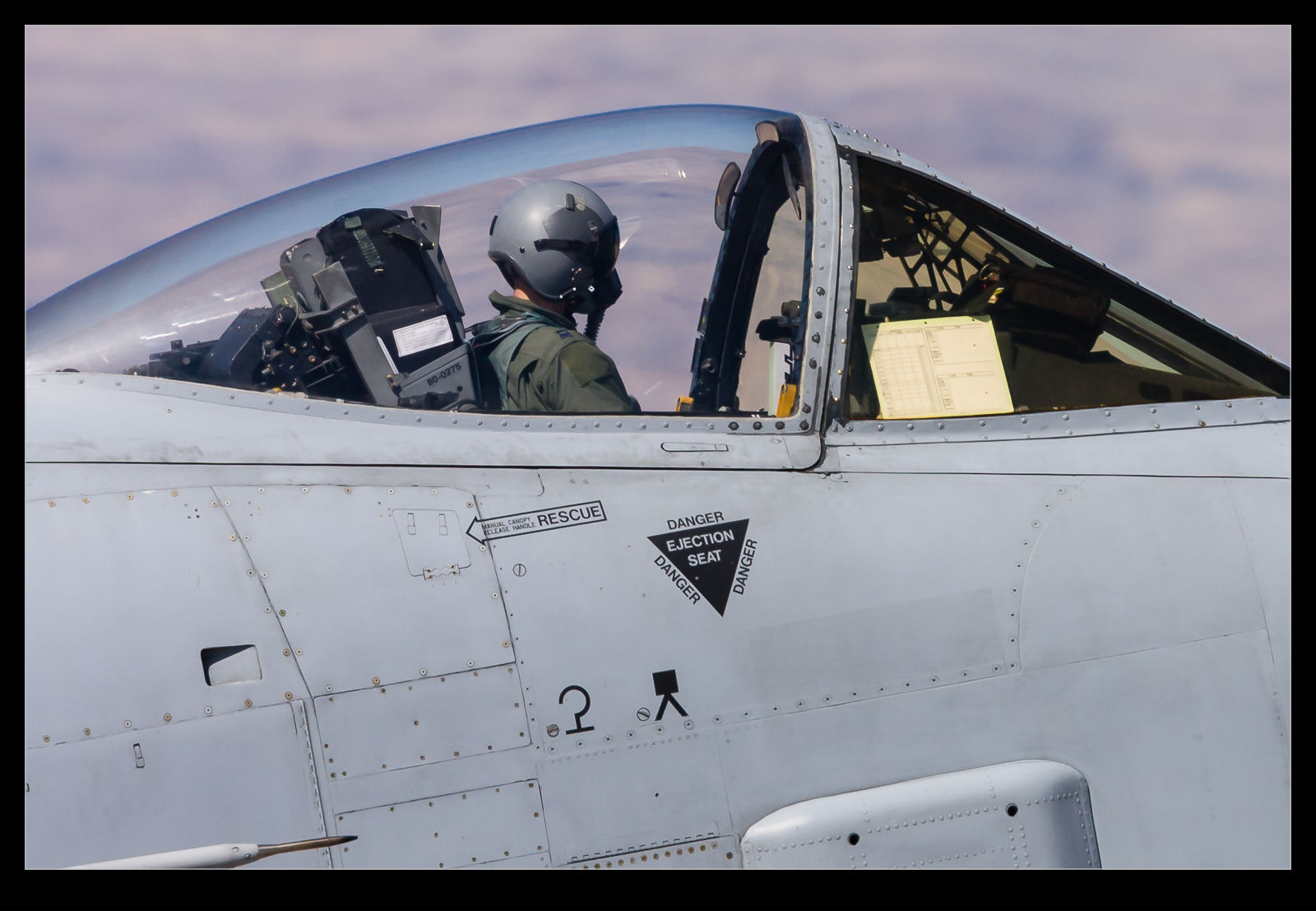
IMG_1322.jpgThey still have to be kept light in weight since the pilot does not want a lot of weight on his or her head when pulling g or, even worse, ejecting. Therefore, the bulk is a space issue but less of a weight issue. Spotting the helmets is not too tricky. The accompanying shots give you a number of different pilot shots and you can see what they are all wearing. Some two seat jets only have the helmet mounted display for one occupant. Compare the normal helmets with the display helmets. The Typhoon’s helmet is very conspicuous with a load of bumps covering the positional sensors.
RAF Sentinel

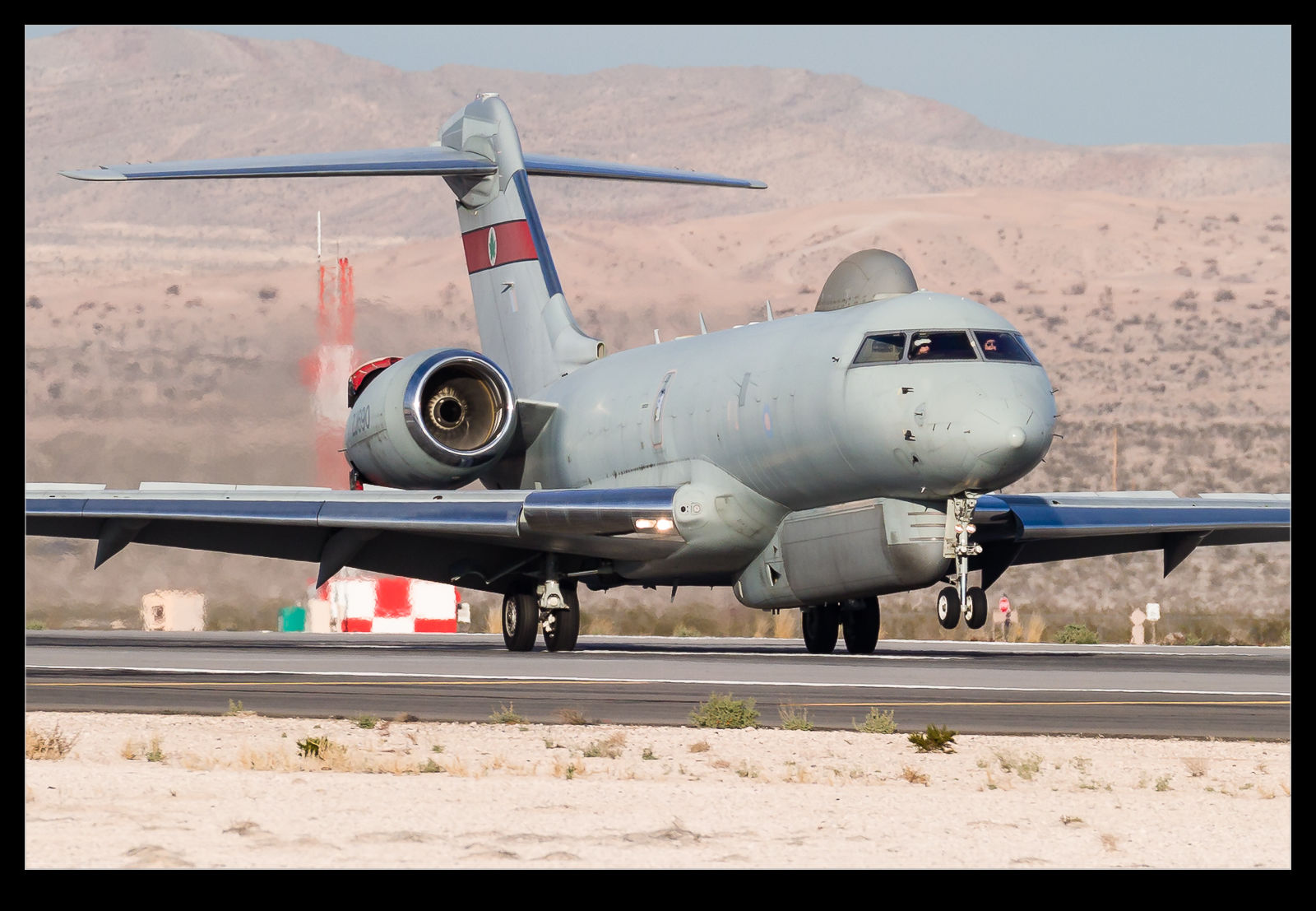
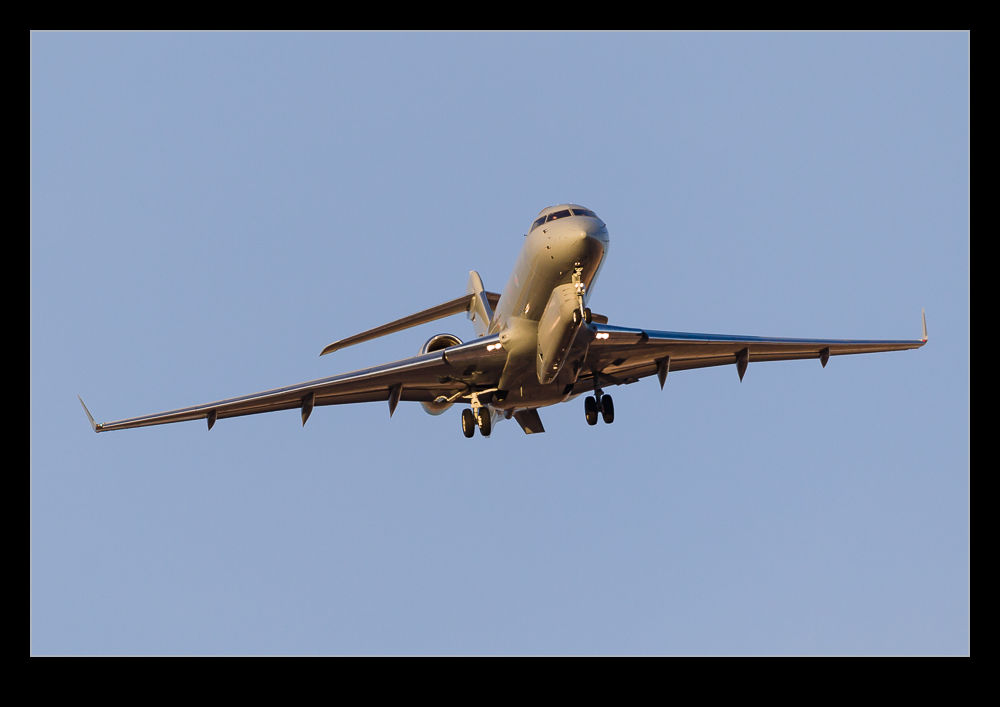
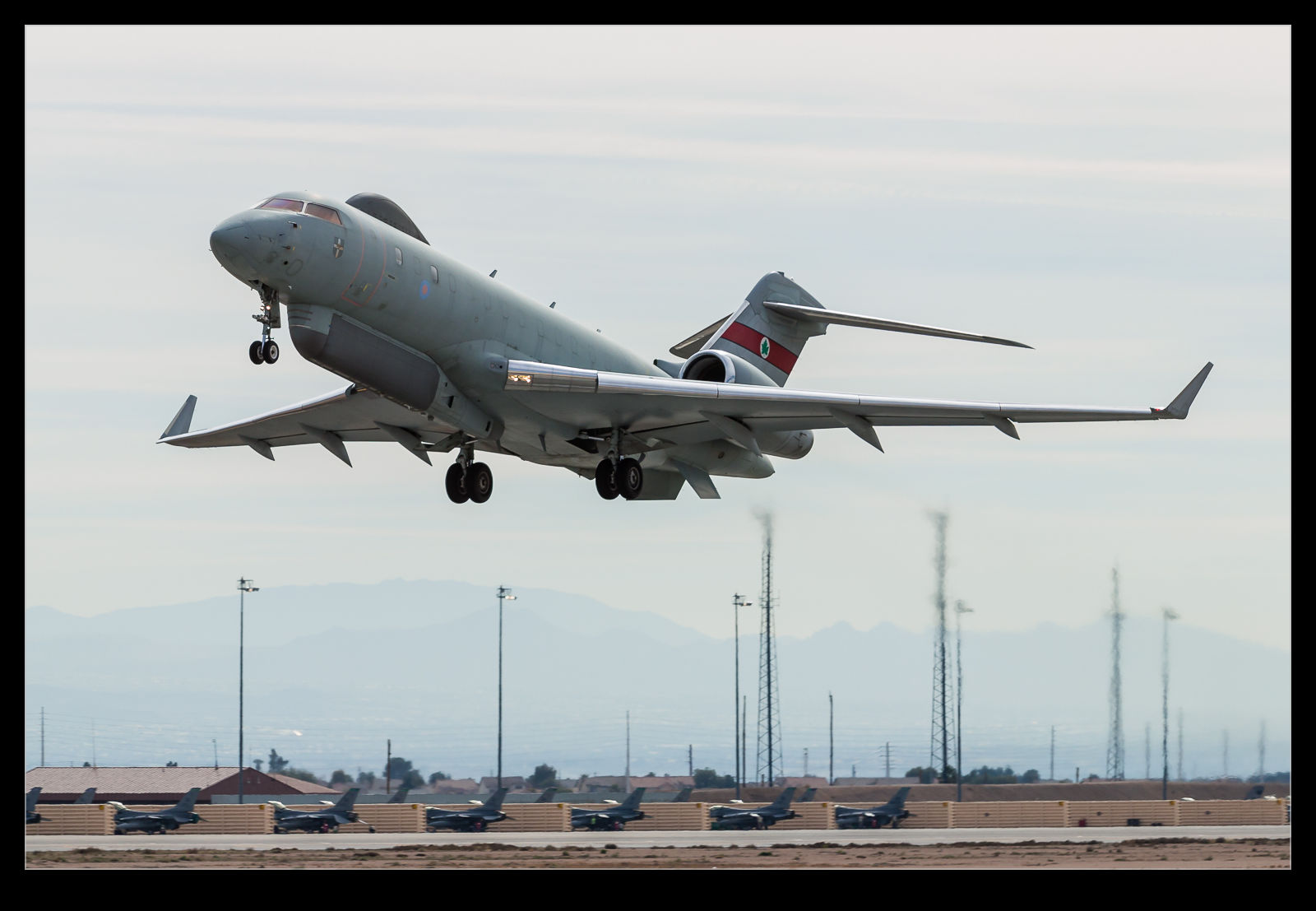
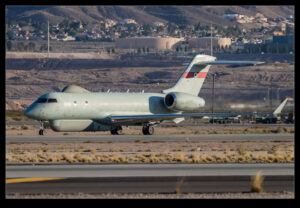
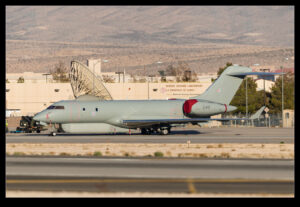
AU0E4737.jpgI really do appreciate an aircraft that looks elegant. One such type is the Bombardier Global Express. Built to take on the Gulfstream family, it is a great looking plane with a graceful front fuselage, cracking looking wing and even the empennage is stylishly done. Therefore, you might be forgiven for thinking that I was not impressed when Raytheon took a great looking plane and grafted on some enormous lumps and bumps to create the Sentinel.
Built for Britain’s Royal Air Force, the Sentinel is a battlefield surveillance aircraft in the mold of the USAF JSTARS program but a generation on a bit more compact. It also makes use of a more modern airframe as its starting point. While the changes have not done anything to make the plane look pretty, I do have a soft spot for unusual aircraft configurations and large radomes and sitcom covers fit with this idea. Consequently, I rather like the Sentinel. Seeing them in action at Red Flag was a nice opportunity.

AU0E3119.jpgHaving spent a lot of money on the Sentinel, the UK government announced that, with the reduction in involvement in Afghanistan, the Sentinels would be retired. Retirement sounds inappropriate for something so new but that was the story. Fortunately, it appears that the plan has been adjusted and they have been reprieved for now. We shall see how that develops.

The aircraft are operated by 5 (AC) Squadron of the RAF. 5 Sqn was one of the early Tornado ADV squadrons when it converted to Lightnings. I liked their colors with the maple leaf on a red background. When I worked at Warton, one side project I got involved with was the repainting of a restored Lightning in 5 Sqn colors before it was put on display. Having the Sentinels showing up from 5 Sqn was nice, not least because one of the two jets had the squadron colors displayed over the usual dull grey finish. Both aircraft flew while I was there both day and night. They are an unusual sight to see so it was good to catch them at work.

Hornet After Dark

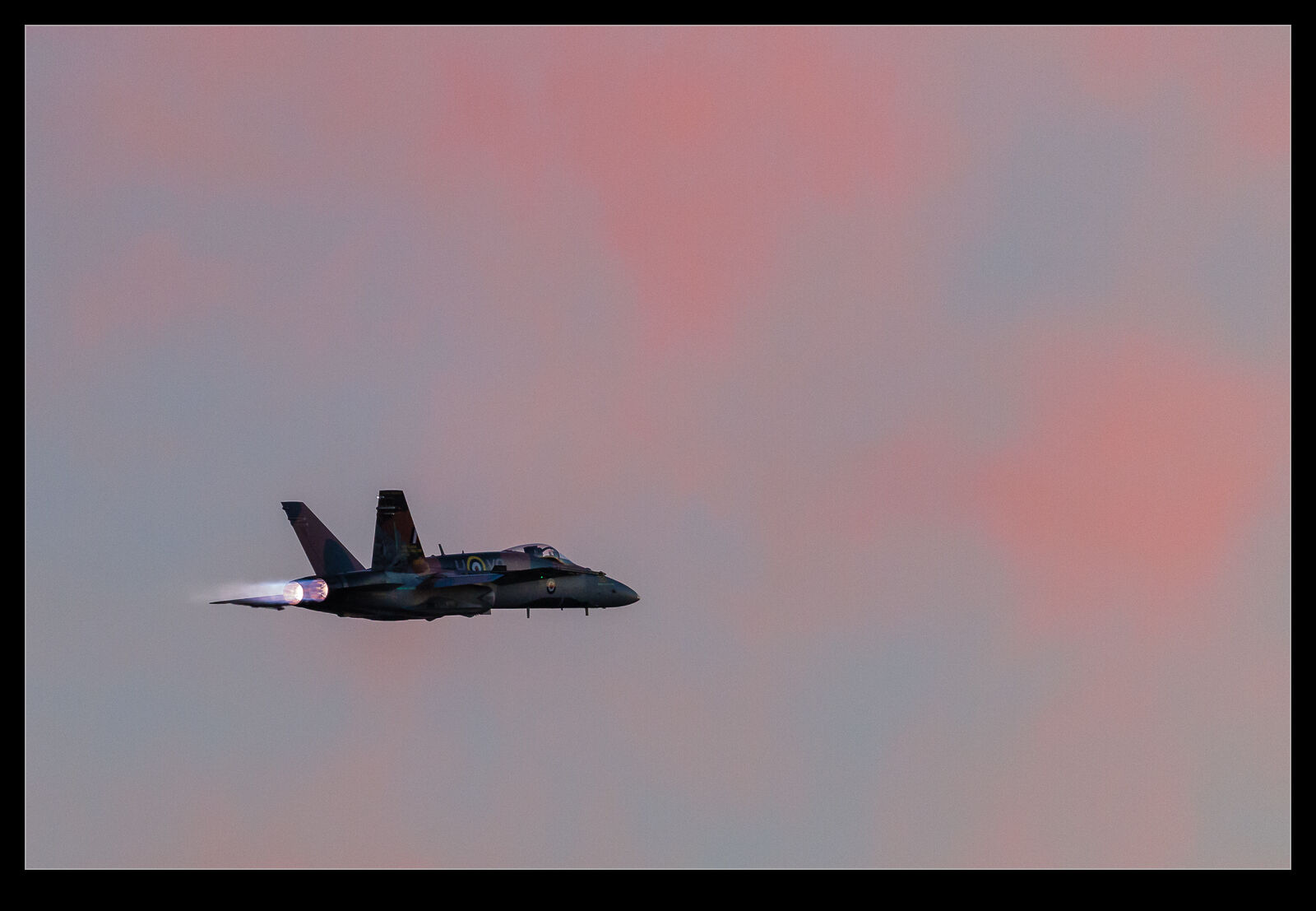
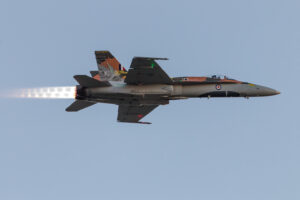
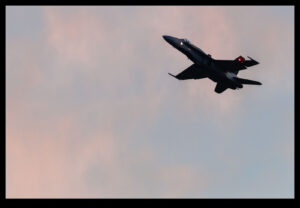
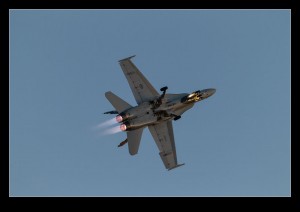
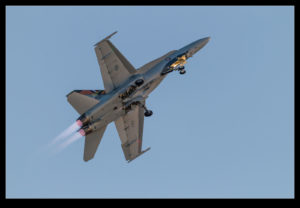
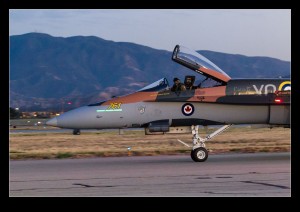
The Canadian Hornet that was at Chino was the last display to fly during the sunset show. (We had a long discussion about whether it is a CF-18 or a CF-188 during the down time but that can be saved for another day.) The aircraft taxied out as the sun was just getting close to setting. We were thinking this would be the perfect combination. Taking off before sunset would allow us to get some shots of it in the low sun when it would look at its best and the, as the sun finally set, we would get the glow of the burners against the darkening sky.

AU0E0401.jpgSadly, they decided to hold their departure until after the sun had already set. I think this was a missed opportunity. It did mean, though, that things were really dark by the end of the display. This was a time that really testing the capabilities of the camera. I was shooting at very high ISO settings in ranges that I would normally avoid. However, getting the shot sharp is better than having a low noise shot that is blurred.

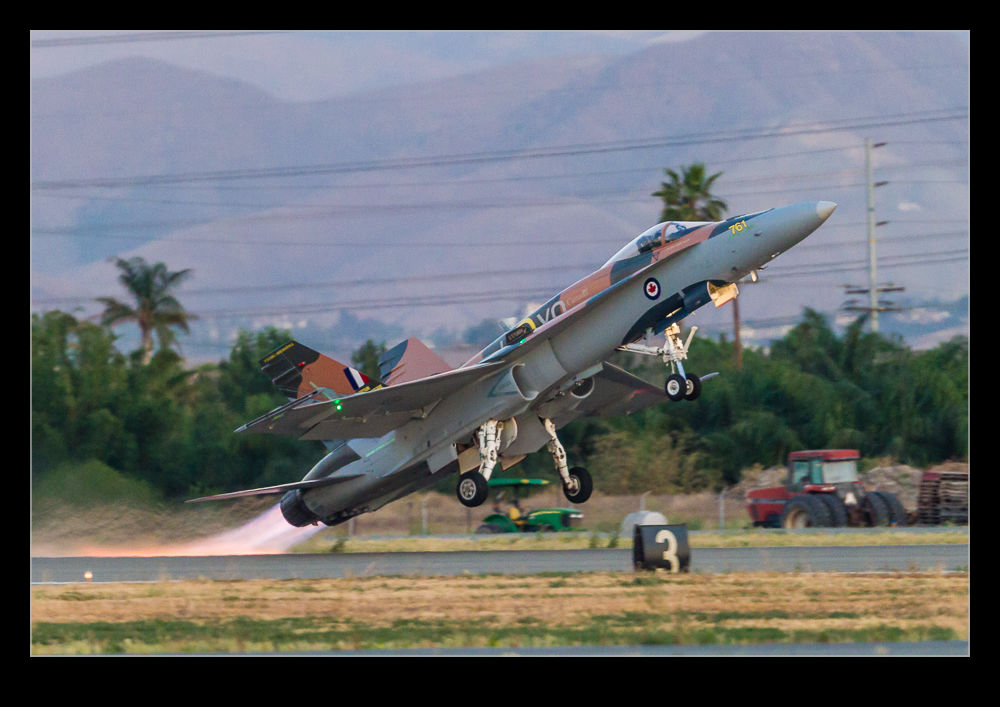
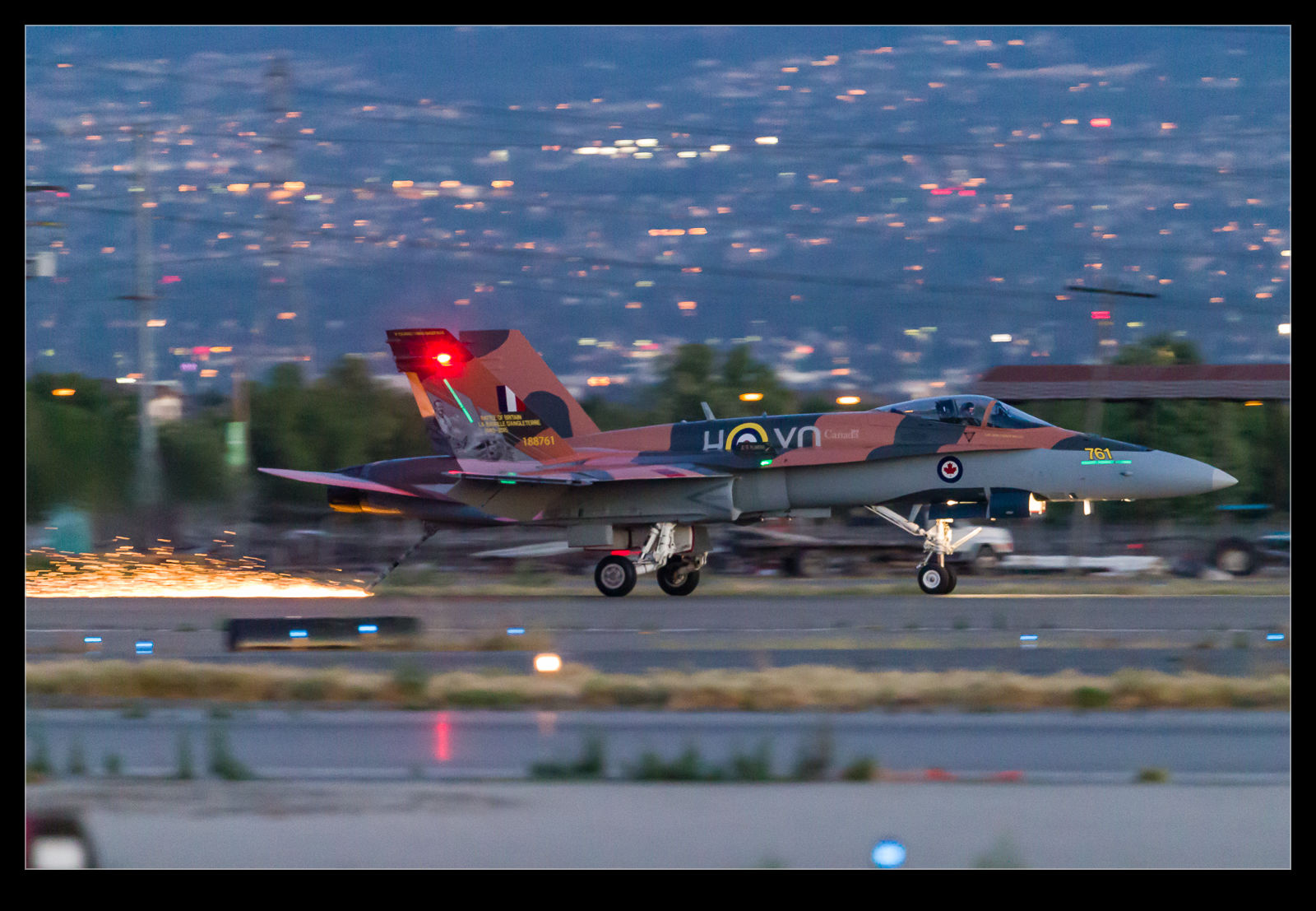
AU0E0345.jpgThe aircraft pulled off the runway pretty aggressively and the burners really showed up nicely against the runway surface. The display itself was fine but the camouflage of the commemorative scheme was a bit tricky in the conditions. The finale of the display was the landing with the hook lowered. The Hornet touched down and the arrestor hook dragged along the runway surface leaving a bright shower of sparks behind it. The effect was pretty dramatic! I talked to one of the maintenance technicians later about it and asked how many of those they could do. One landing is enough to kill the head of the hook. He did say that they are easy to replace and that he had brought five of them on the trip. A neat way to wrap up the show.

F-16 Inlet Vapor

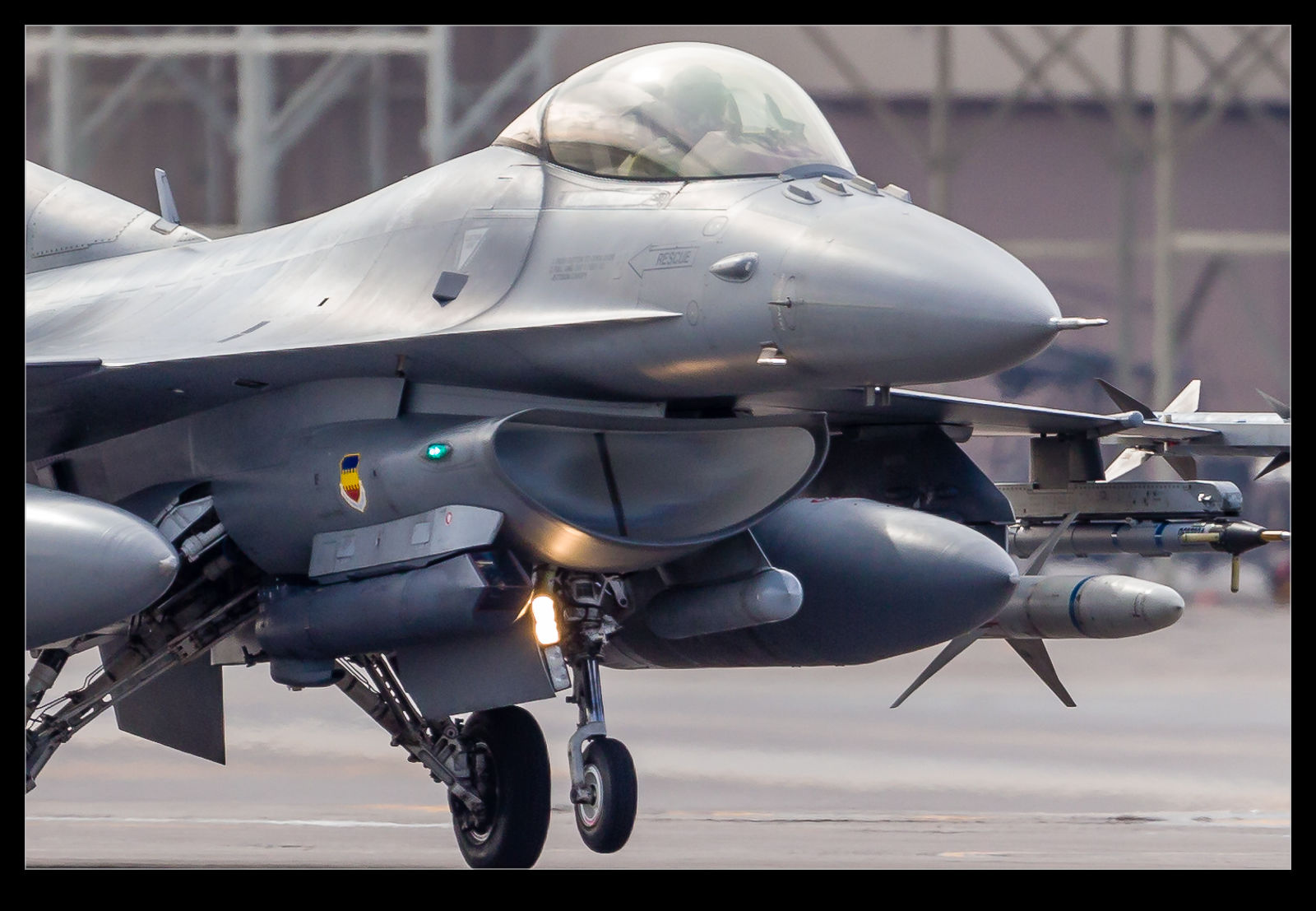
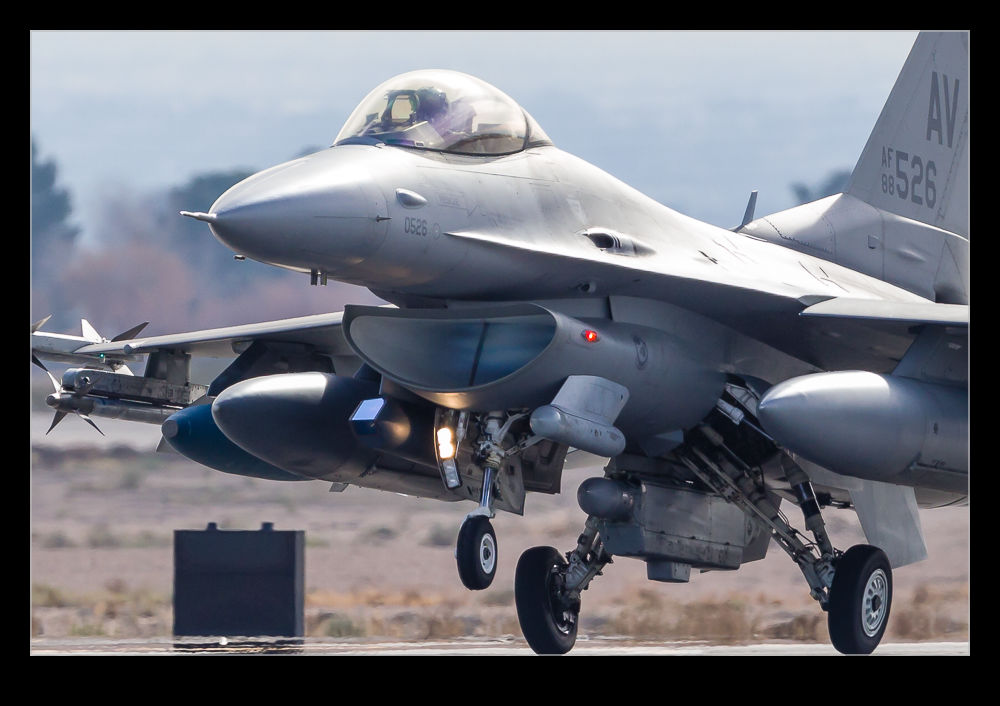
C59F9240.jpgThere are some aerodynamic effects that always catch my eye when I am going through images and one of these is vapor forming in engine inlets. The combination of lower airspeed with high thrust settings and moisture can result in puffs of vapor forming in the inlet, either continuously or, more often, as little flashes of cloud. The F-16 can often demonstrate this phenomenon when taking off although the formation is a little way back in the inlet.

C59F9570.jpgOn a recent Red Flag, the F-16s were out in force and, since it wasn’t the hottest and driest day that Nellis can provide, they were getting a bit of vapor to show up. Here are a few of the jets squeezing the moisture out of the air (even though it is the opposite of squeezing that makes it happen!).

F-22 Over Chino

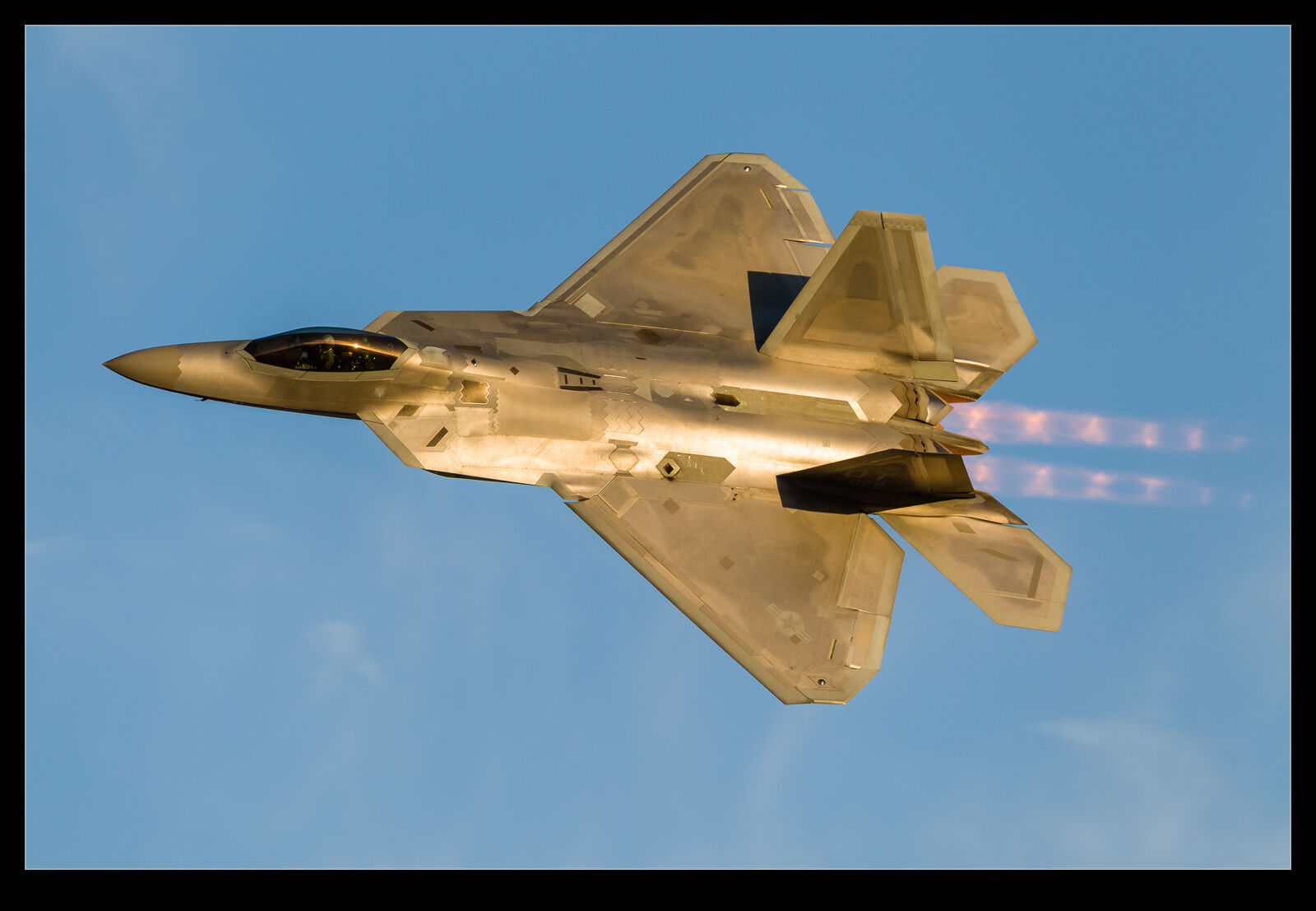
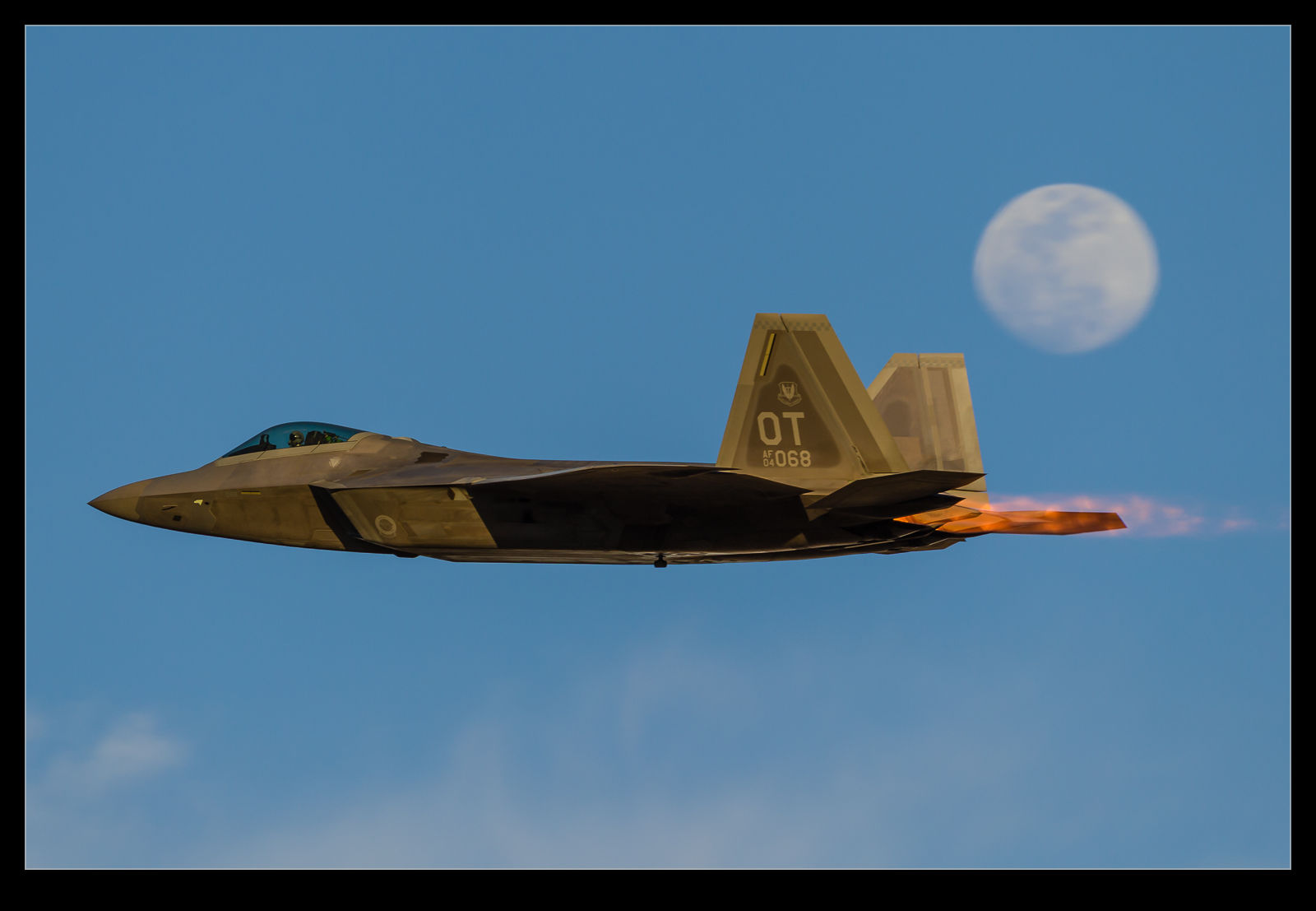
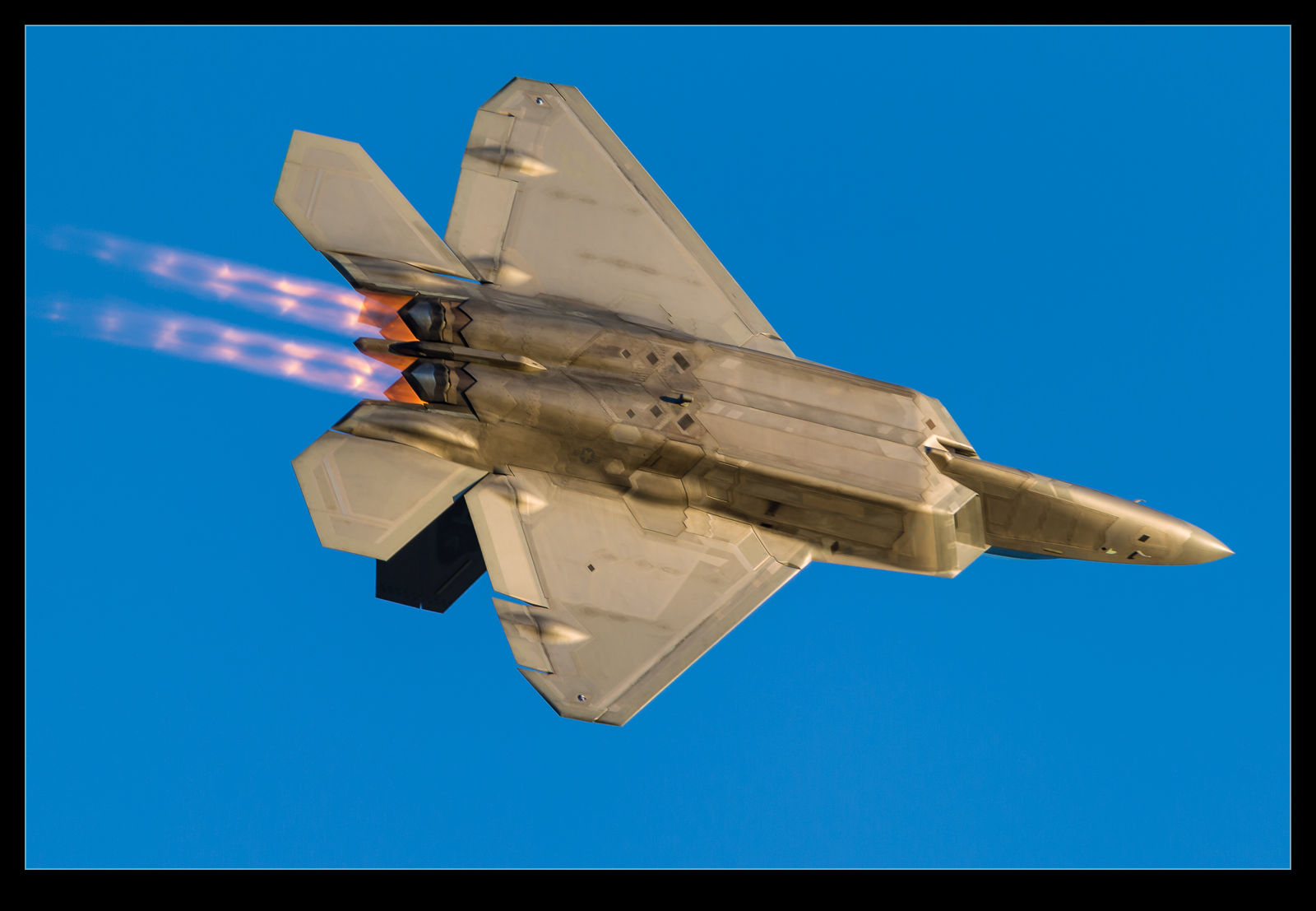
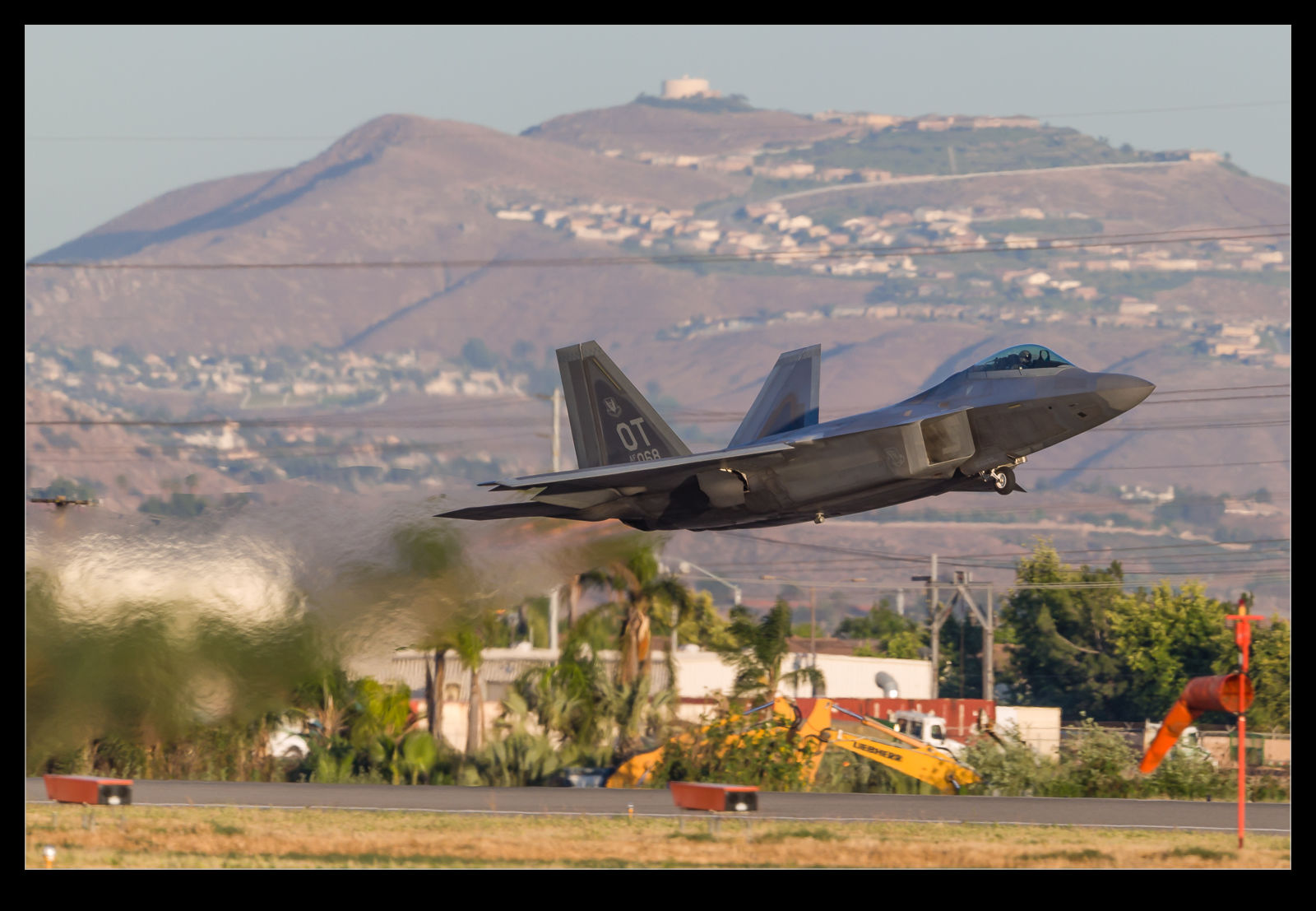
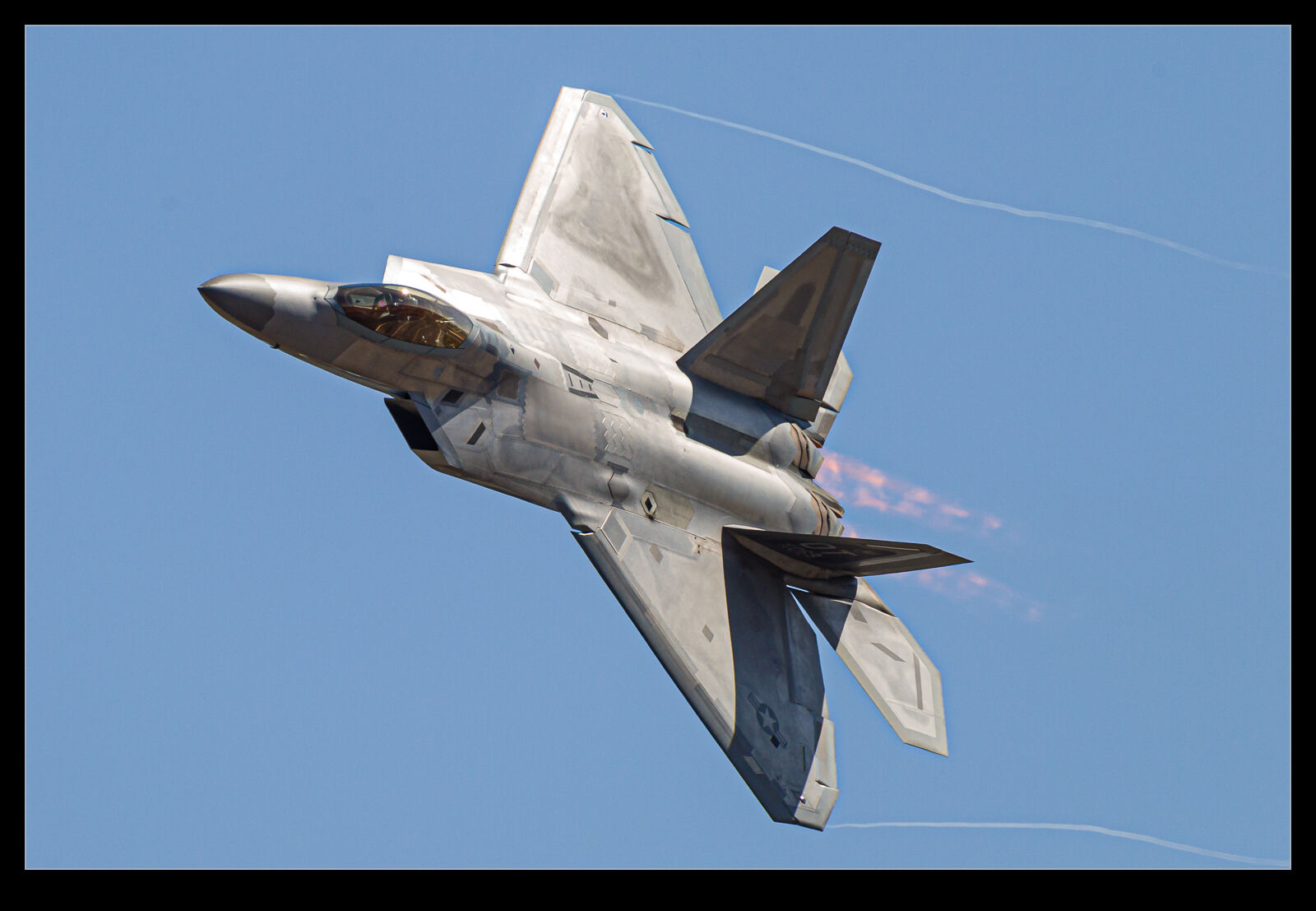
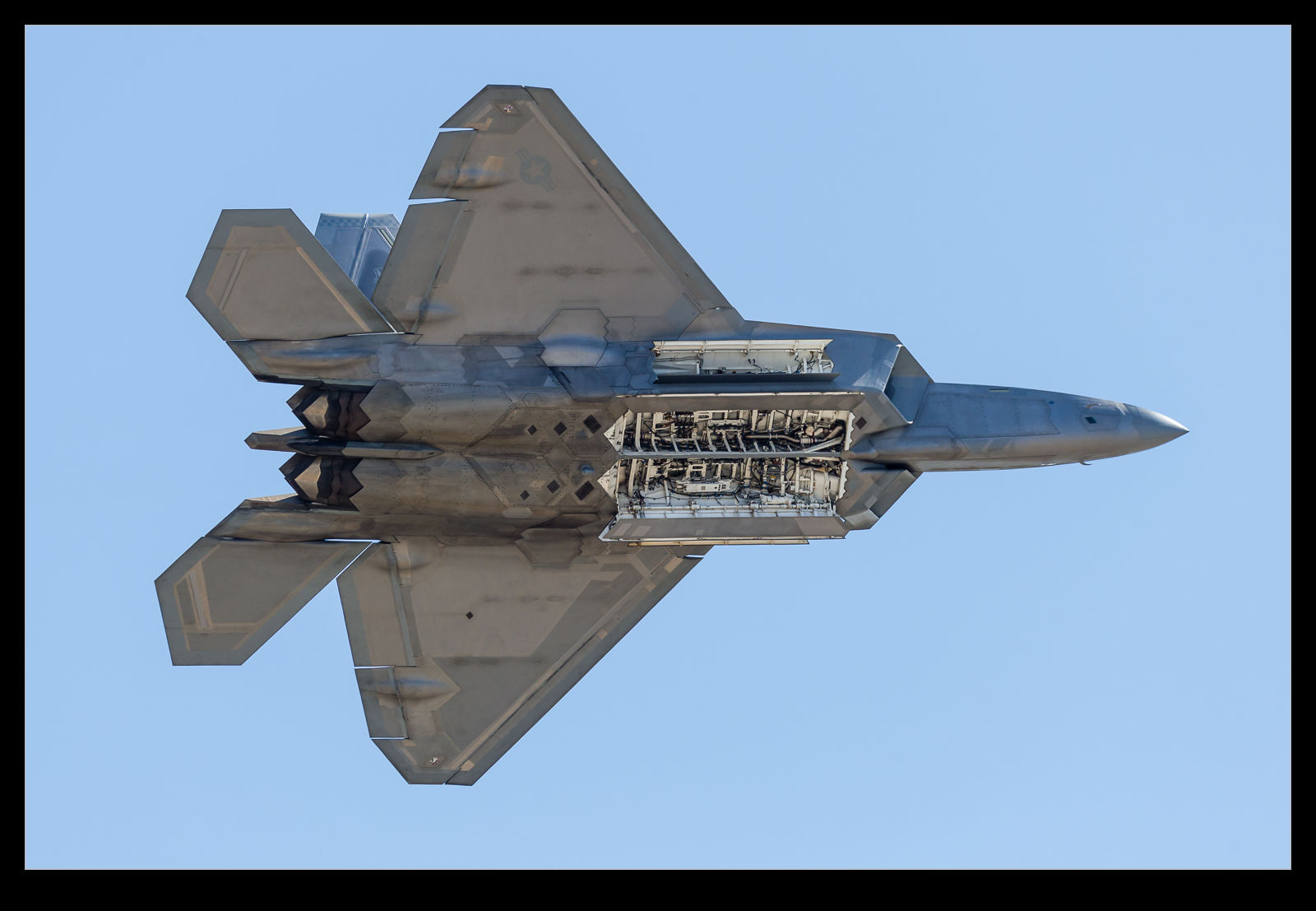
The USAF F-22 Raptor is a popular air show performer but, with a relatively small fleet, they only have one display team and they have a limited number of engagements around the US each year. Chino was one of the shows that had them booked so it was probably the only time I was going to see the Raptor display this year as opposed to flying operationally. It flew twice while I was there. The first flight was a sunset display and the second was to wrap up the main display on the Saturday including the Heritage Flight performance.

C59F8233.jpgI got a lot of chances to get good shots of the plane. The sunset display had great light but both displays included some tight elements that brought the plane well into view. However, I am now going to tread on dangerous ground and say that I don’t think the display is that good. The flight control system design of the Raptor allows it to undertake some unusual maneuvers which the display makes a lot of. While they are certainly not the norm, I don’t think they should focus on them so much. Certainly show off some of the special features of the jet. Just don’t pretend they are tactically useful and spend more time showing people what they like about jet displays. Being low and slow is not a great place to be.

AU0E9785.jpgA crowd of people might be mildly amused by a jet coming down flat while gently rotating about its axis. However, turn up the noise and blast into some fast passes, tight turns and some more aggressive vertical maneuvers and your get a lot of crowd reaction. I once watched a Typhoon display being flown by a test pilot. It carried out a lot of high alpha rolls around the velocity vector. A few pilots around me appreciated the technical skill but everyone thought the display was boring.

AU0E9256.jpgMaybe, as the aircraft has been on the display circuit longer, they will evolve into a better combination. A little of the unusual stuff but more dynamic performances that show off the bits the public like.

AU0E2792.jpg

Edwards AFB 2010

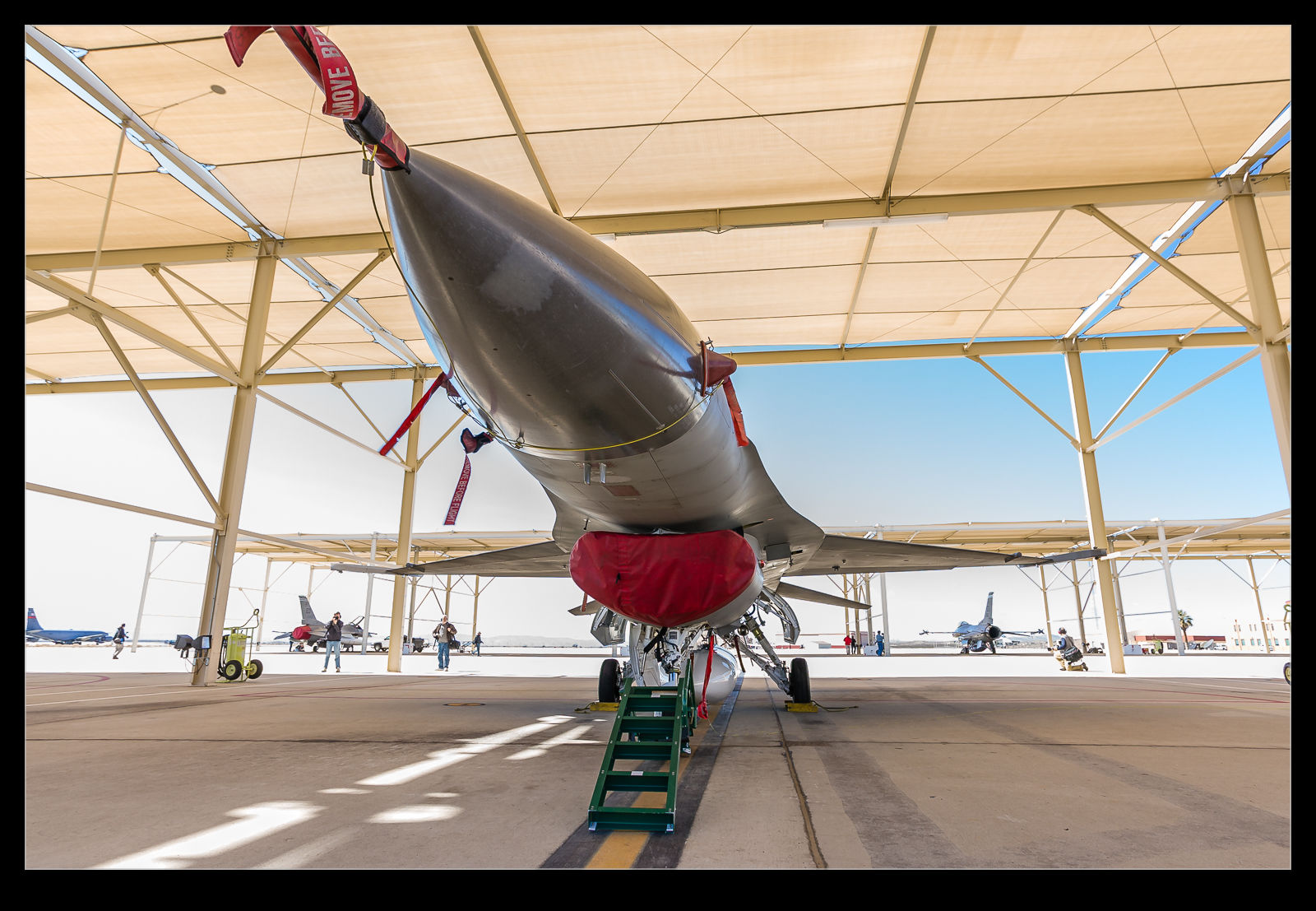
QB5Y0401.jpgMy first trip to Edwards AFB was in 1990 as I wrote about in this blog post. My next trip was quite a bit later. This was a visit arranged by my friend Richard ahead of an ISAP symposium. It also allowed a lot more opportunity to see the aircraft. The visit was broken in to two main elements. The first was a walk along the flightline and the second was heading to the other side of the runway to shoot arrivals and departures.

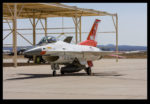
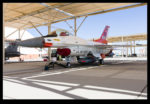
QB5Y0316.jpgThe diversity of types on the flightline has dwindled since 1990. Now there are an awful lot of F-16s and not so many other types. However, test jets look cool in their non-operational colors. Shooting under the sun shades is good for protection from the elements but it does make for some wide ranges of lighting conditions and some odd color casts.

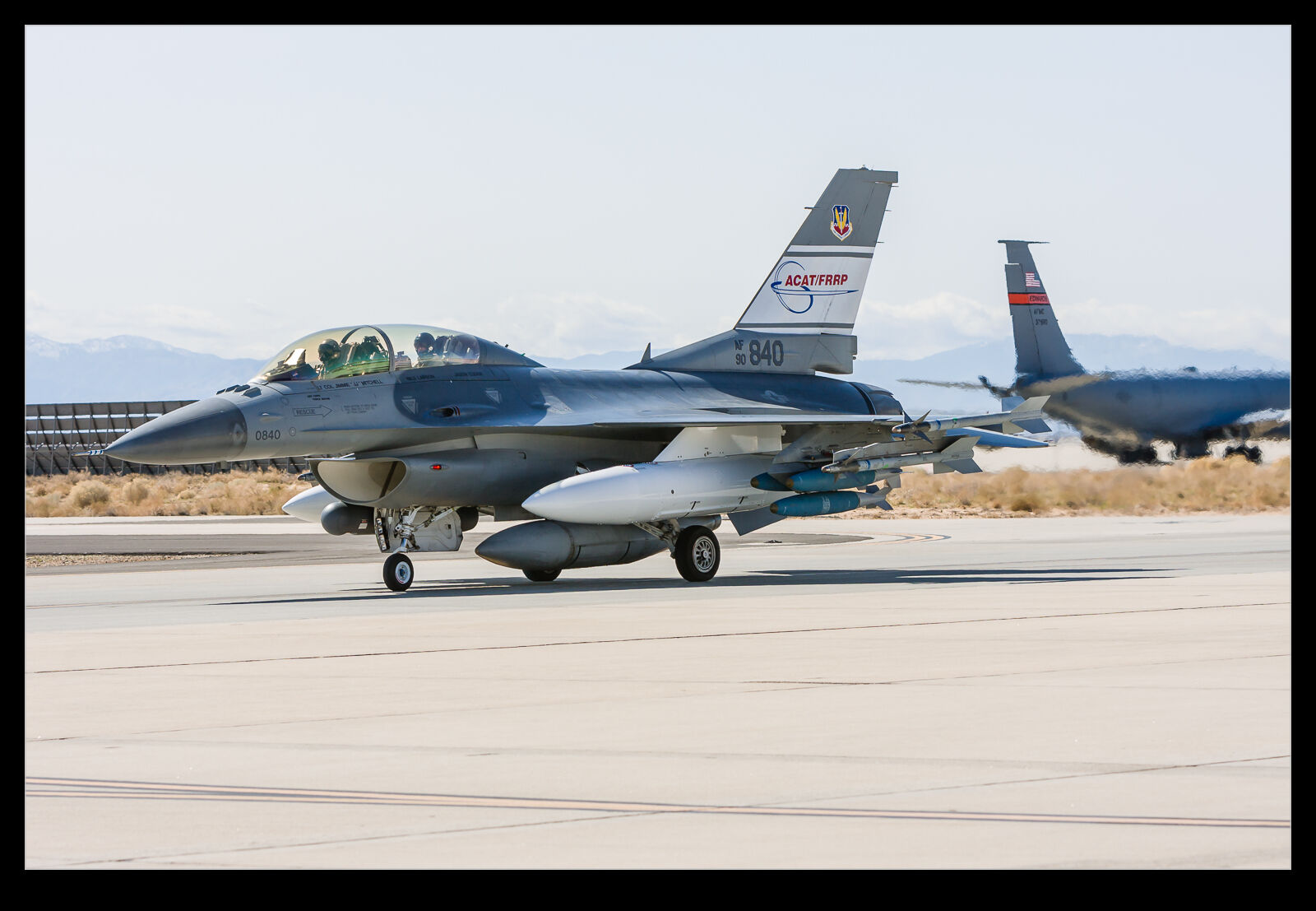
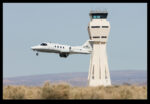
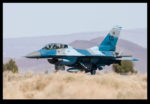
QB5Y0464.jpgOnce on the other side of the runway, we had some great options for shooting the jets in action. Heat haze is always a problem, particularly somewhere as warm as Edwards can be, but you can still get some interesting aircraft. We were hoping to see some F-35s but were disappointed this time. However, we did get one of the F-35 test support F-16s from Denmark which was nice to see. We also had aircraft from the Test Pilot School out doing their thing.

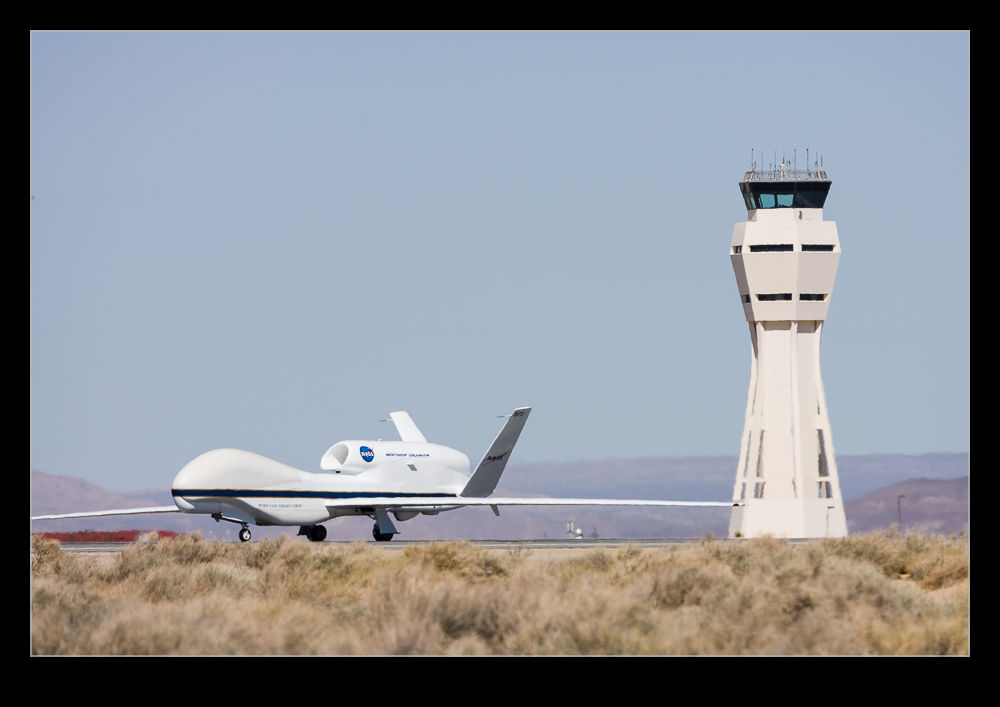
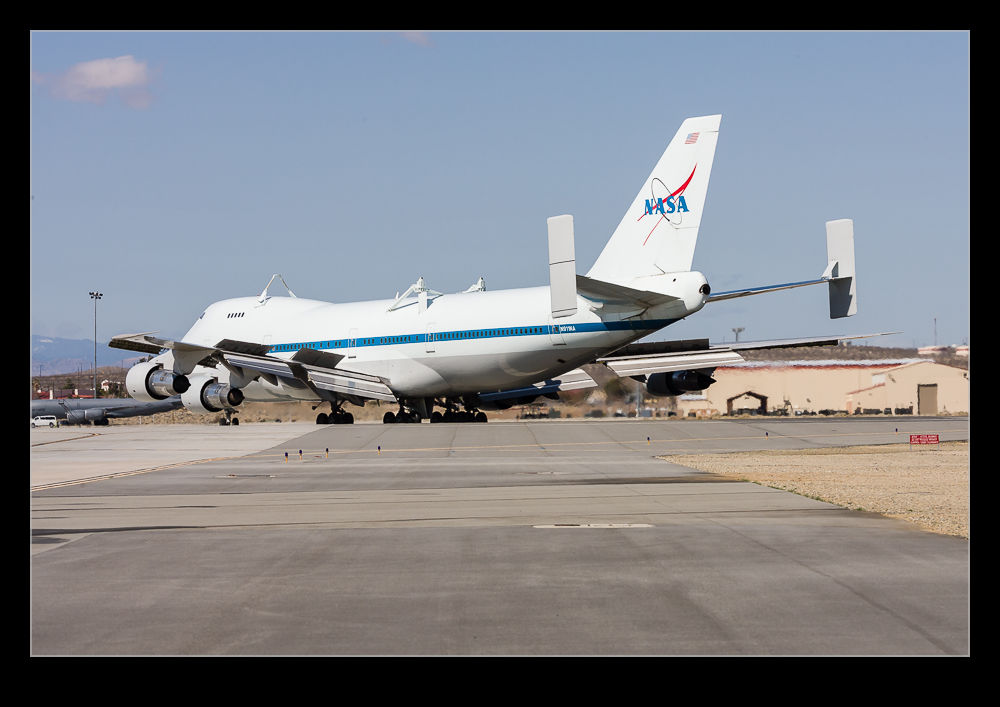
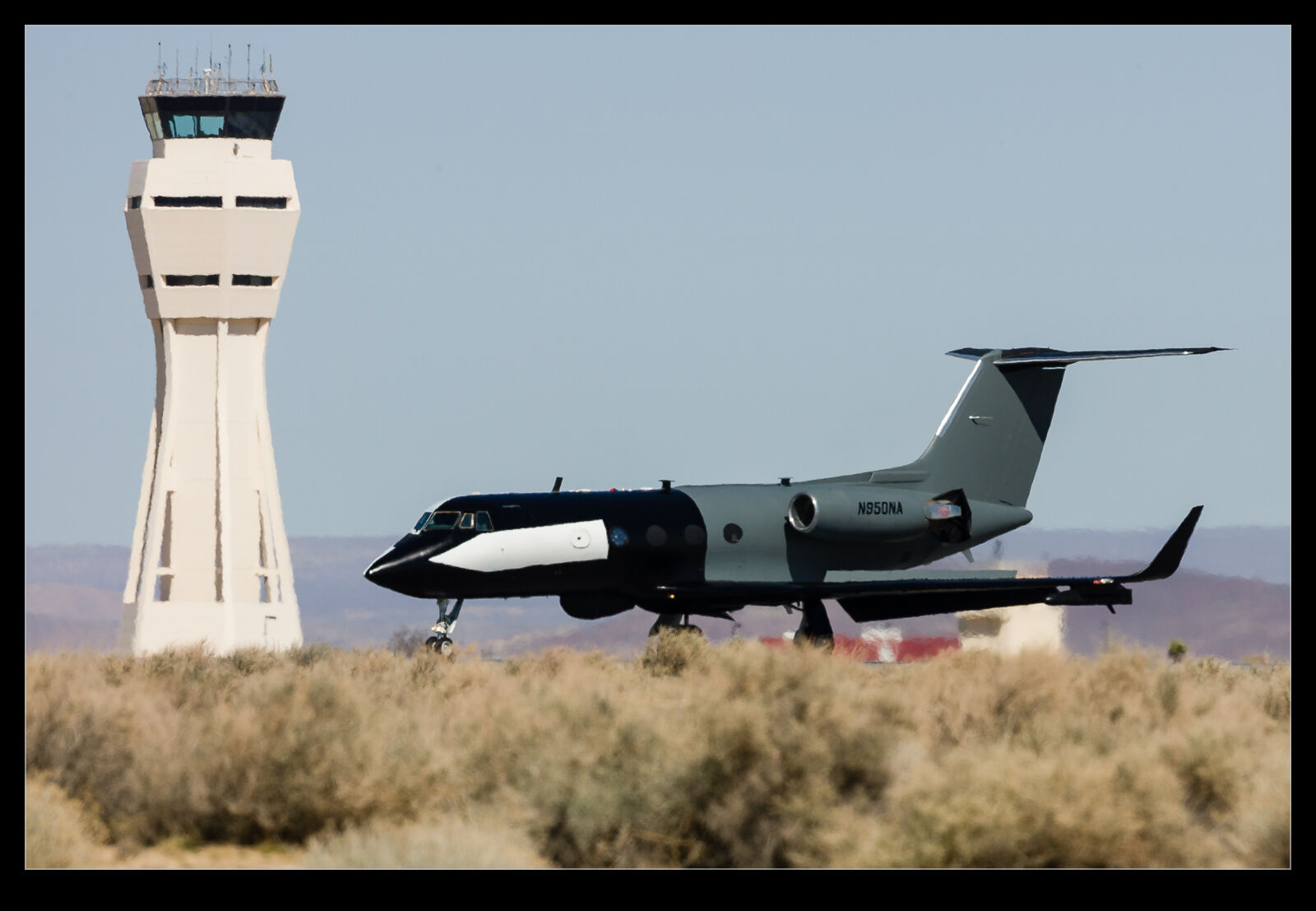
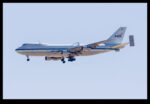
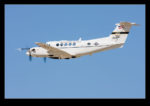
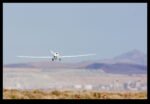
IMG_0776.jpgA couple of more unusual aircraft showed up while we were there. One off the NASA Shuttle Carrier Aircraft was on a training sortie. With the program now curtailed, this was the last chance I had to see one of these 747s in the air although not with a shuttle mounted on it! NASA was also using one of their Global Hawks UAVs and it landed while we were there. An old Gulfstream also landed. It had unusual markings to simulate a missile for tracking systems. This used to be undertaken by a C-135 aircraft but it has been retired and replaced by the Gulfstream which, while not a new jet, is still probably a lot cheaper to operate.

QB5Y0346.jpgWe also got to see some of the museum aircraft including the twin seat A-10 I had shot in 1990! The trip was over far too soon but we had a great time and saw some cool stuff. Thanks to Richard for organizing. Now I need to get myself back there to see what the latest fleet is up to.

A380 Day Out

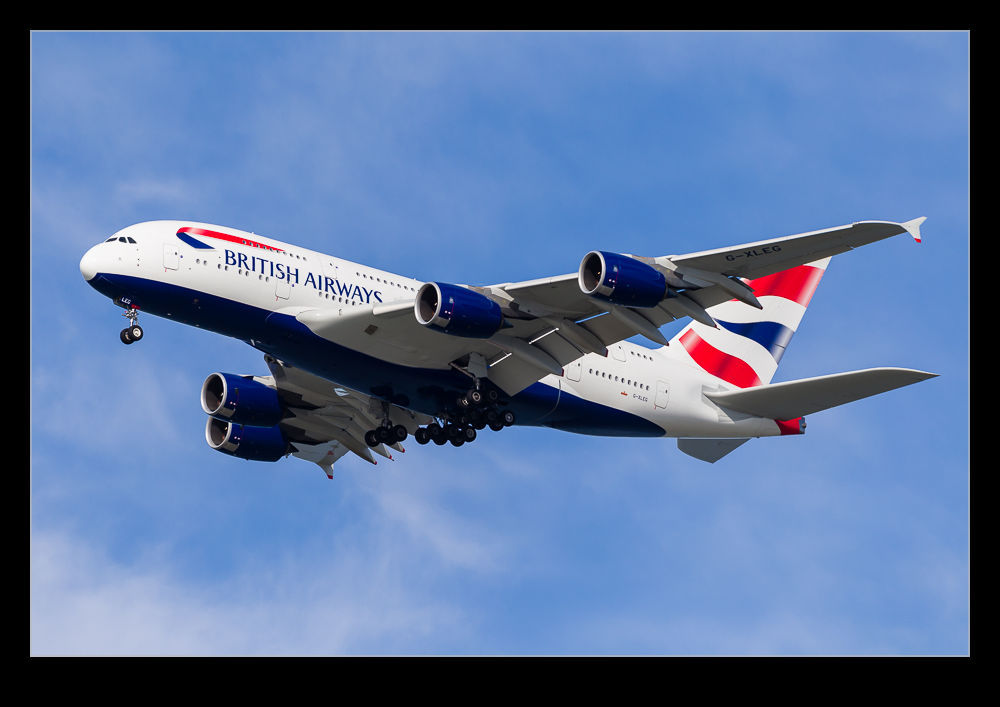
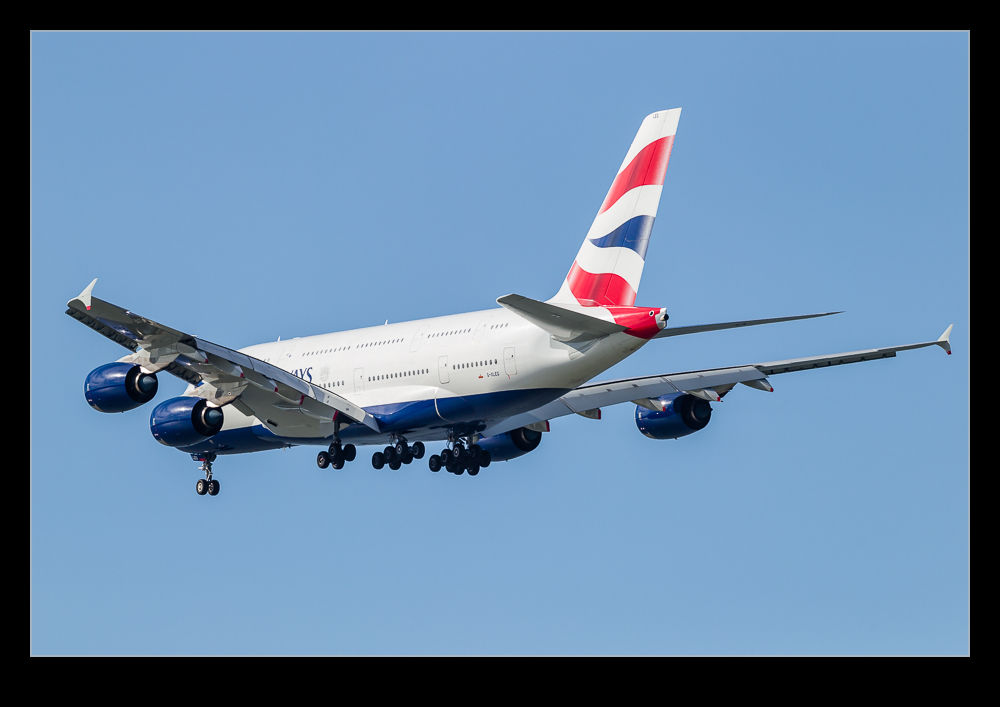
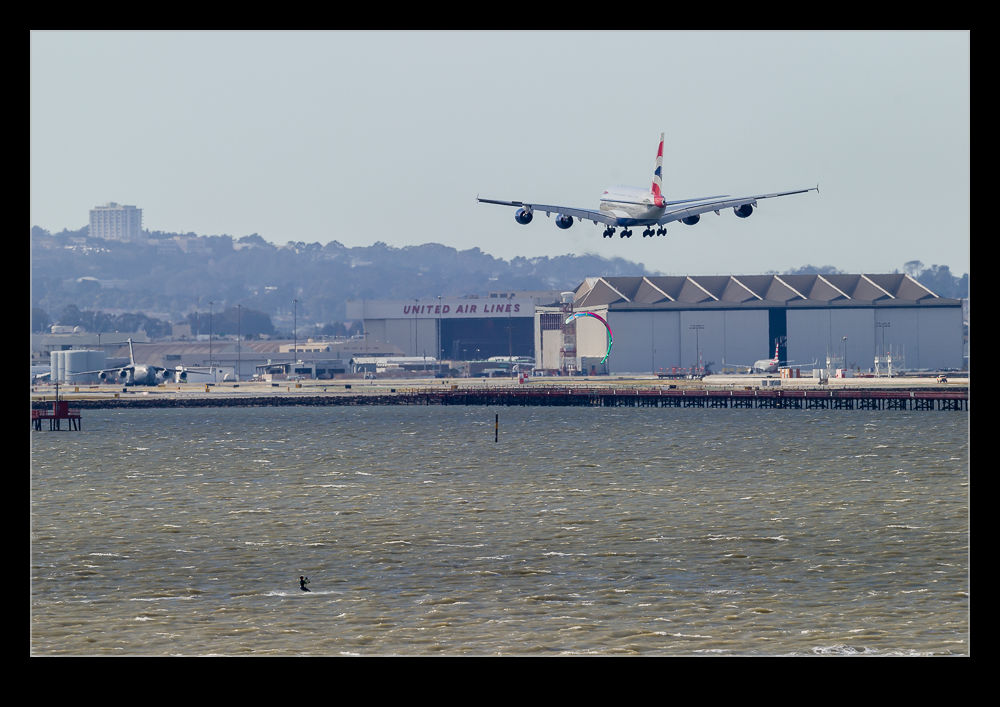
C59F7820.jpgSFO is becoming a popular spot for the A380s. Last summer Air France were bringing theirs here and over the winter both Emirate and Lufthansa were bringing the mighty beast in. With the new summer season starting, Air France are back and have been joined by British Airways. I have seen a few BA 380s in the past. We were next to one on stand at Heathrow when we last went to the UK and I have seen them at LAX as well. However, I haven’t had the chance to get a shot of one in good conditions.

AU0E5816.jpgA sunny Saturday afternoon came free so I decided to head along. Rather than go close to the airport at SFO, I opted for Coyote Point. It is closer to the approach path and less affected by haze. I needn’t have worried as it was very windy and the view from the point to the airport was remarkably clear. When the big jet showed up, I had plenty of time to get it approach, pass and land. It got to the gate just as the Emirates 380 was leaving. Just as well as I think they have to use the same gate!

AU0E5885.jpg

A380 Jetwash

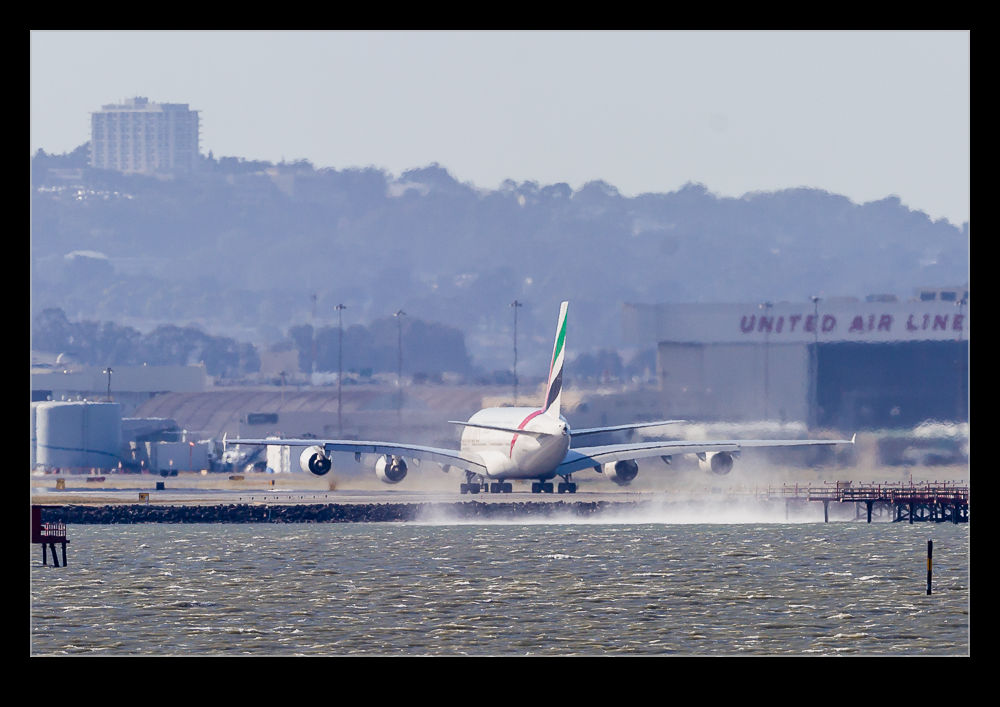
AU0E6197.jpgWhile at Coyote Point, I was surprised to see how the wind was clearing out some of the particulate matter in the air and giving me a good view of things at SFO. A few times I watched the departure of some of the big jets including three A380s. They each lined up on 28R for departure. What I had never noticed before is how much their jetwash disturbs the water off the end of the runway. Once they get to full power and before they move too far down the runway, the water gets quite some spray in motion. Probably not a good place to find yourself if you are one of the many birds that live in the bay!

Canadian Battle of Britain Hornet

AU0E3110.jpg1940 was a tumultuous year in the UK. While the war had started in 1939, 1940 was the year in which it came home to the British. The German air campaign was supposed to be softening up the defenses ahead of an invasion. Things turned out differently as a consequence of some valiant defense, some great pilots and aircraft and some strategic blunders by the Germans. As a result, Operation Sealion was cancelled and the UK remained out of German control although still subject to constant bombardment.

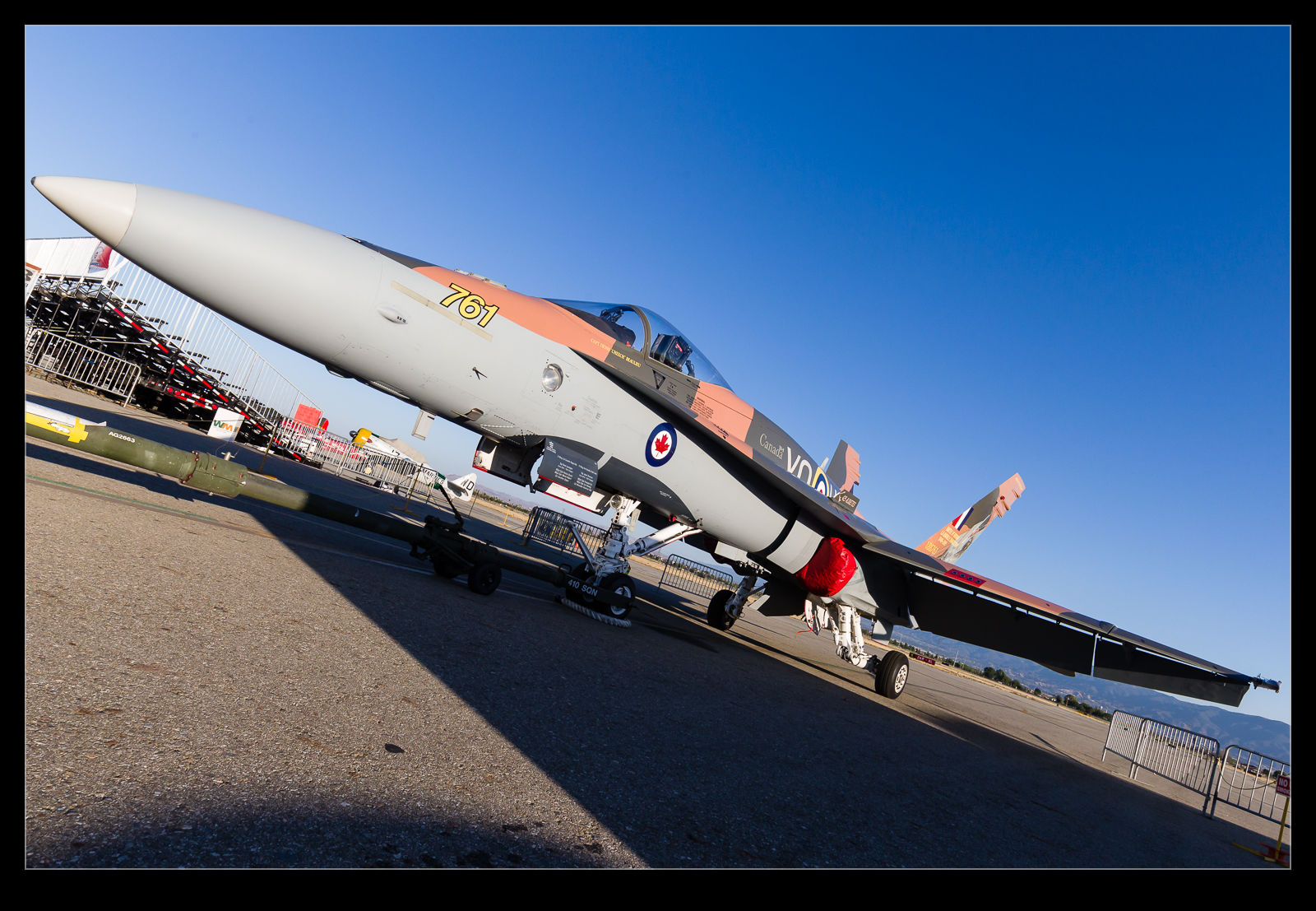
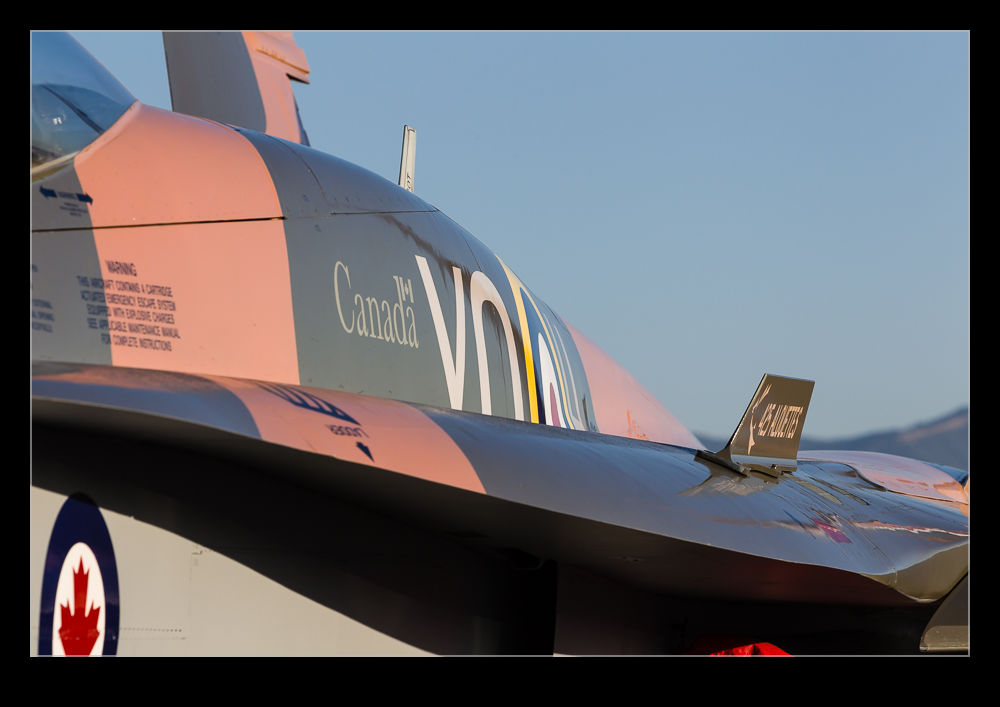
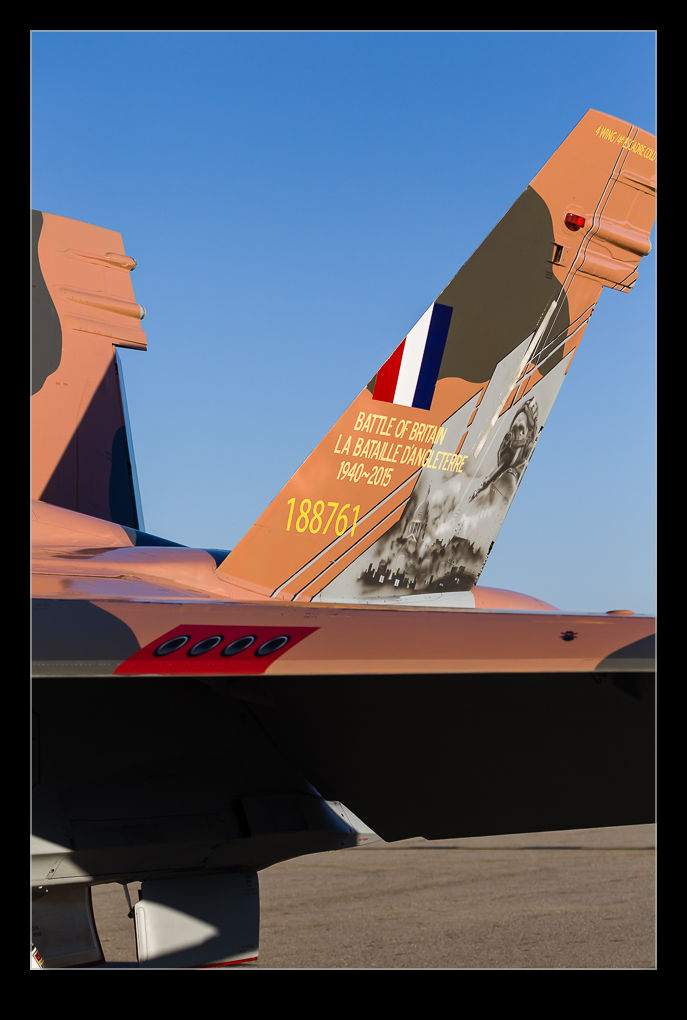
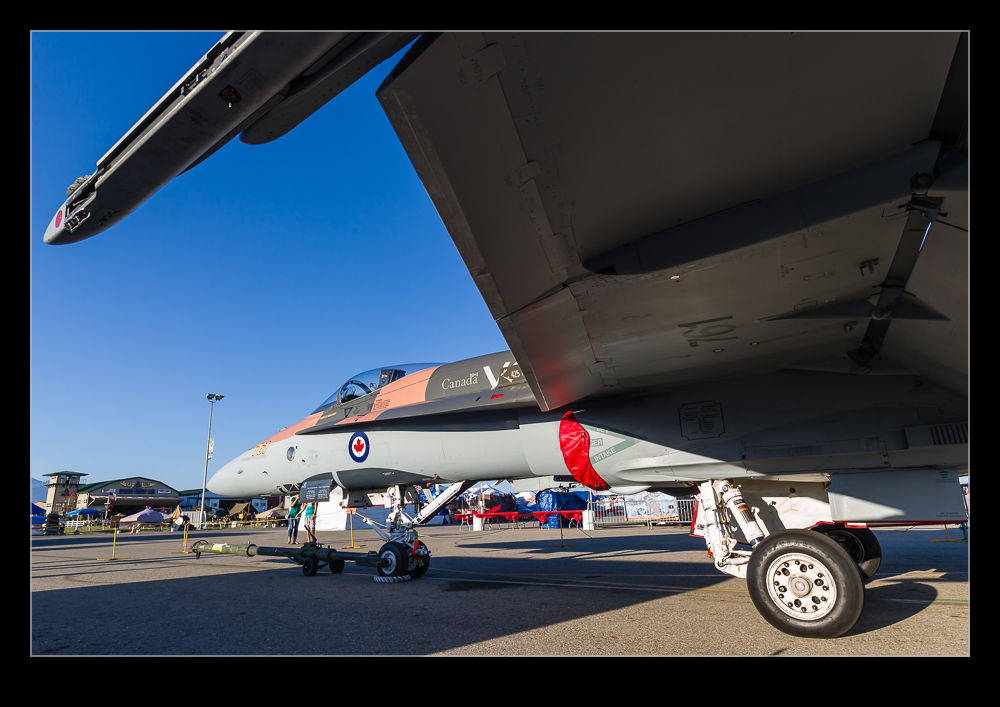
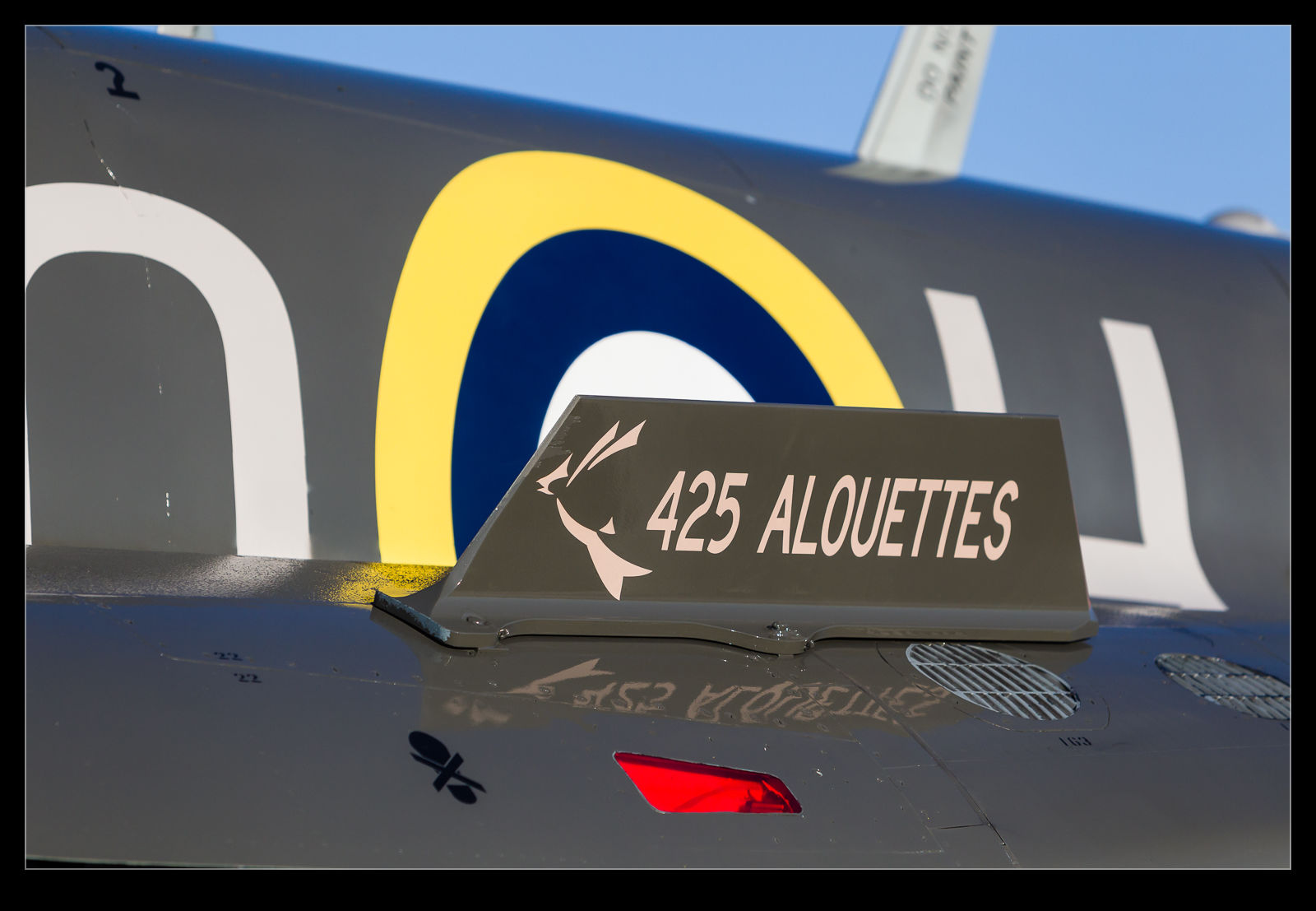
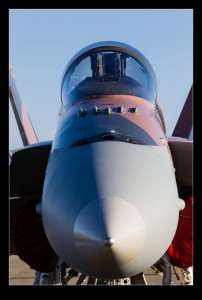
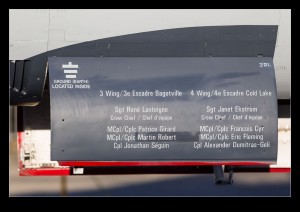
C59F1716.jpgSeventy five years later, there are many celebrations planned to commemorate the Battle of Britain. Many air forces participated as part of the Royal Air Force with squadrons being operated by crews from individual countries such as Poland, Czechoslovakia and Canada. Canada is marking the anniversary in many ways but one is decorating a CF-188 Hornet in a special scheme.

C59F1730.jpgThe paint finish is replicating a Hawker Hurricane from 1940. The colors are reproduced and there are even red marking on the wing leading edge to represent the locations of the gun ports on the Hurricane. It also carried commemorative markings to recognize those that took part in the battle. I was lucky to see the jet at Chino. It flew after sunset on the Friday and then as part of the main display on the Saturday. The sunset show concluded with it dragging the hook along the runway in a shower of sparks!

AU0E3097.jpgThis jet will appear at a number of venues throughout the year. If you can see it, do try and make the effort. The RAF has a Typhoon marked up similarly and I am sad that I won’t see that. This is a great alternative for me.

C59F1726.jpg

NAS North Island

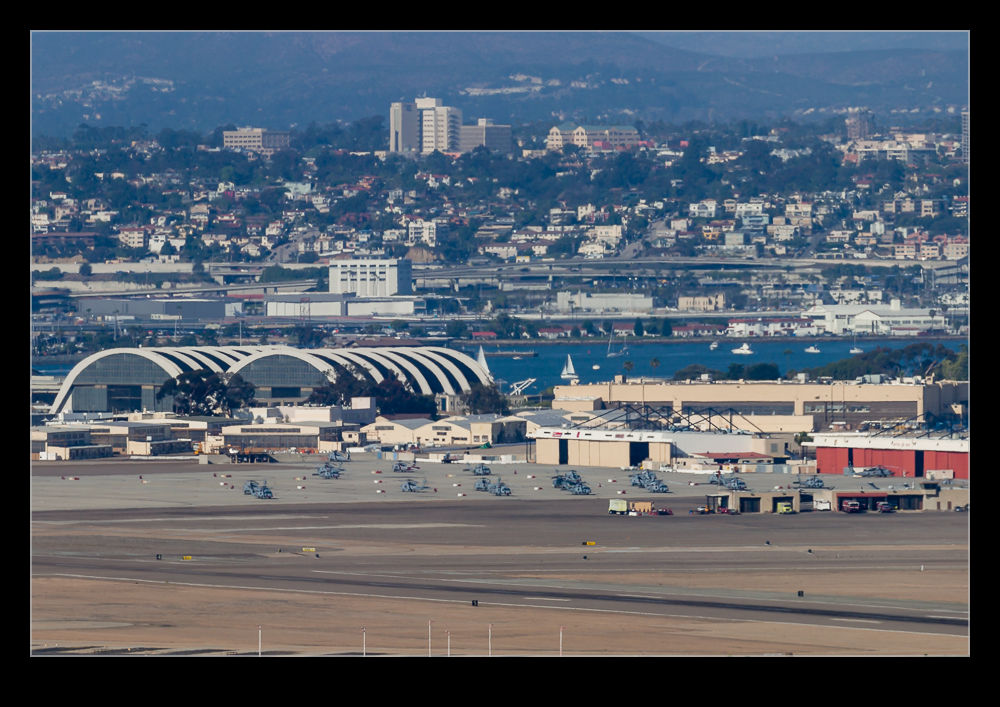
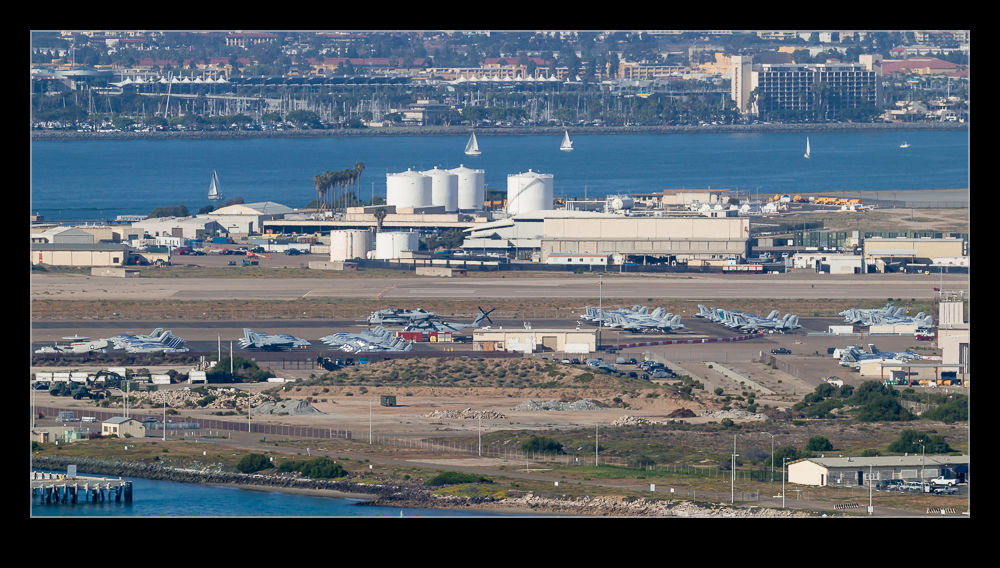
AU0E4410.jpgThe north end of Coronado Island is the home of the US Navy’s NAS North Island. Home to a lot of helicopters as well as an overhaul facility for F/A-18 Hornets, it also seems to have a lot of transient traffic. We were on vacation so I was not going hunting for airplanes. I even managed to not have the camera to hand as we walked along the water when an MH-60 came heading towards us. I have had some crummy luck when trying to shoot at North Island in the past anyway.

AU0E4407.jpgHowever, when we were up at Cabrillo National Monument, we had a great elevated view of Coronado with the station laid out in the foreground – relatively speaking. Shooting long range is not going to get great shots but the haze was relatively controlled and the light at that time of day was starting to be on your side. I got a few shots of the base as a whole which give you an idea of how it is laid out.