Tag Archives: jet

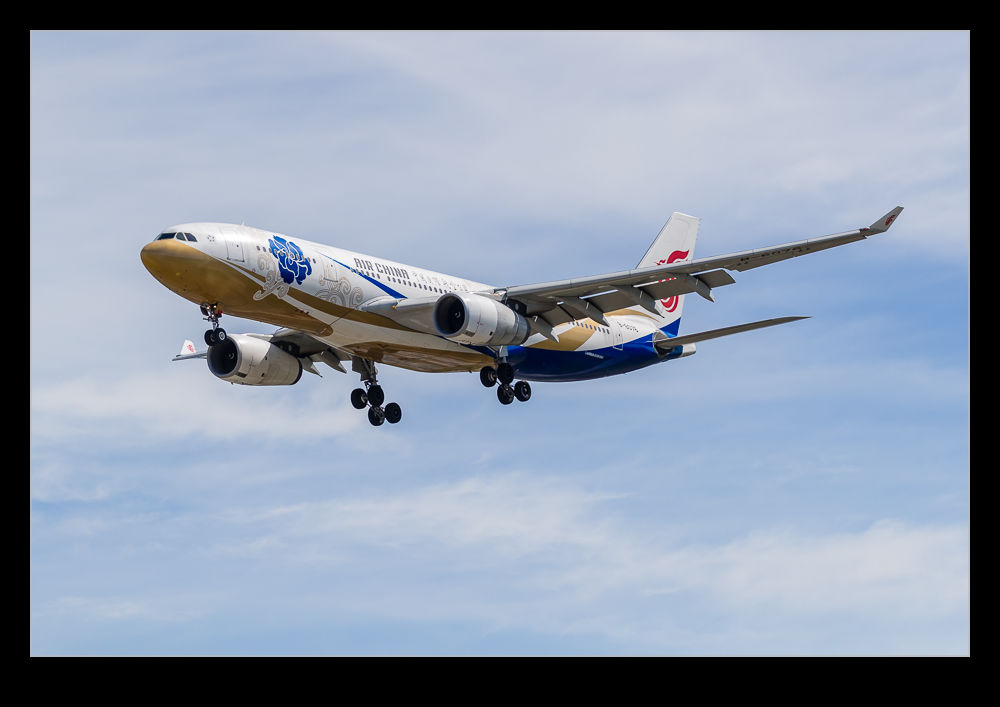
Air China A330

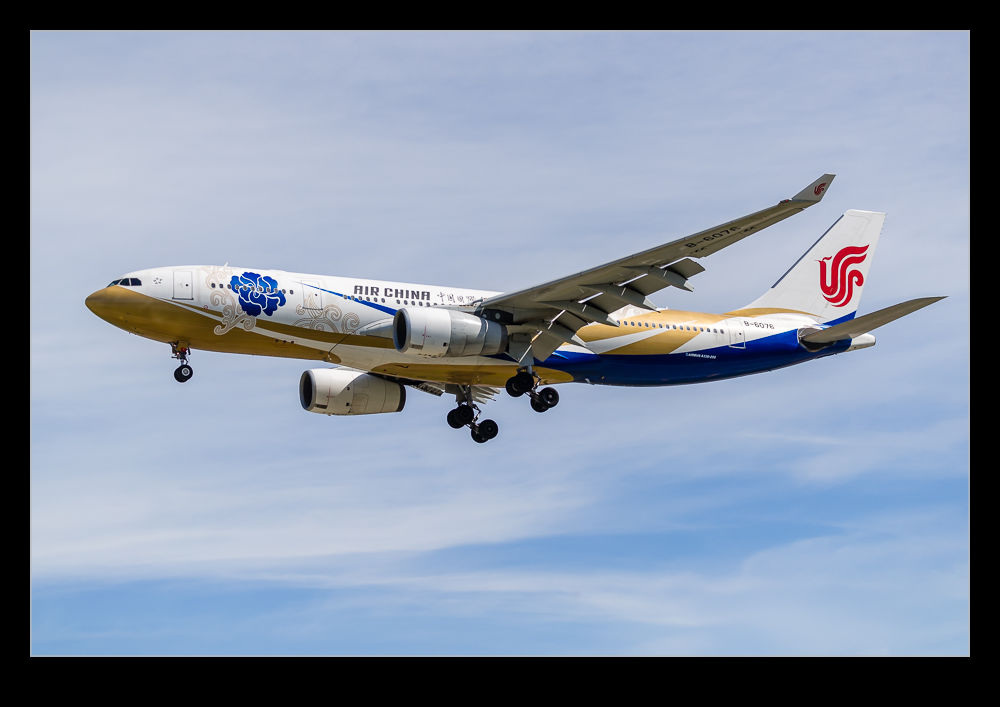
Boring paint schemes are far too common these days on airliners.  The all white plane with just a hint of color is a little too much of a feature of things these days.  A few airlines break the mold but not enough.  One of the boring ones is Air China.  They are not at all interesting for most of their fleet.  However, some of their Airbus A330s are painted in a livery that is a bit more interesting.  Sadly, I had never seen one.  They fly in to San Jose but almost always they bring a jet in plain white.  However, they changed it on a day when we were going to San Jose for some shopping so I added a small diversion.
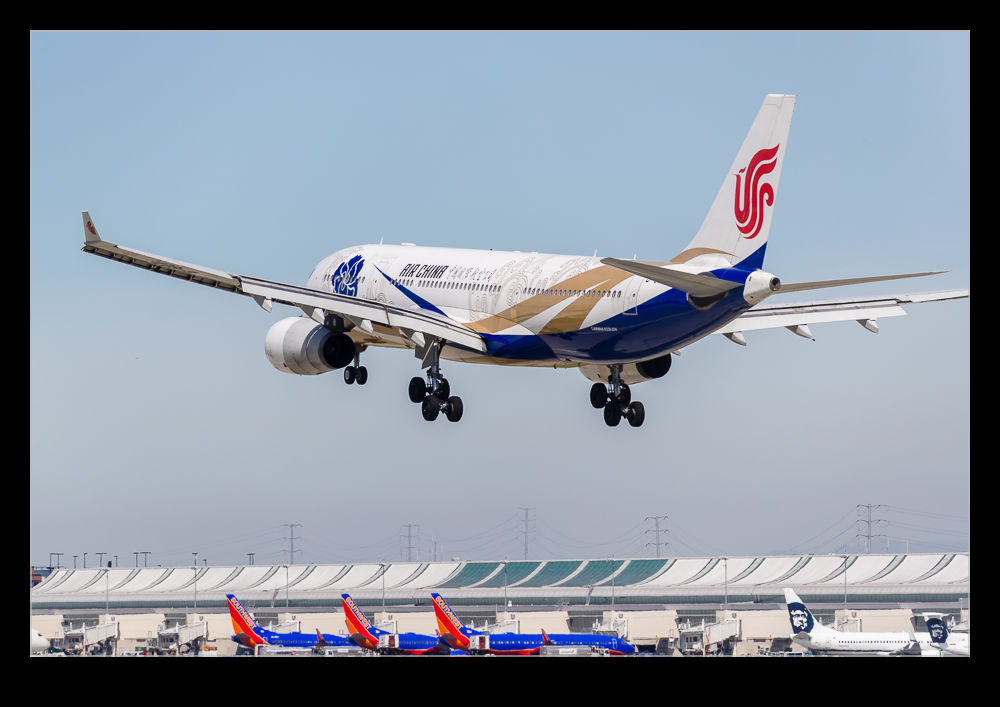
This scheme is not the most dramatic and shooting it in the middle of the day is not going to emphasize it in the best way but I wasn’t going to miss the chance.  San Jose provides a great location for getting close to the jets.  Apparently, I wasn’t the only one interested in it coming.  A few people showed up just before arrival and left straight afterwards.  I just wish more airlines would adopt interesting colors.  The planes are not very varied so the liveries are all that is left to mix it up.
Blue Angels at Oceana (And High ISO)

I have only been to the Oceana show once.  I headed down there with my friends Ben and Simon.  We weren’t terribly lucky with the weather.  There was flying during the show but things were overcast and deteriorated as the show went on.  The finale of the show was, naturally for a big Navy base, the Blue Angels.  I was shooting with a 1D Mk IIN in those days and that was a camera that was not happy at high ISO settings.
The problem was, the light was not good and the ISO needed to be cranked up a bit.  Amusingly, if you were shooting today, the ISO levels would not be anything that caused concern.  Current cameras can shoot at ISO levels without any noise levels that would have been unthinkable back then.  However, I did learn something very important with this shoot.  The shot above is one that I got as one of the solo jets got airborne.  I used it as a test for processing.

I processed two versions of the image, one with a lot of noise reduction dialed in and one with everything zeroed out.  I think combined them in one Photoshop image and used a layer mask to show one version in one half of the image and the other for the second half.  When I viewed the final image on the screen, the noise in one half was awfully apparent.  It was a clear problem.  However, I then printed the image.  When I did so, things were very different.  If you looked closely, you could see a little difference.  However, when you looked from normal viewing distances, there was no obvious difference between the two.

My takeaway from this is that viewing images on screens has really affected our approach to images.  We get very fixated on the finest detail while the image as a whole is something we forget.  We print less and less these days and the screen is a harsh tool for viewing.

Some Spare Oxygen – Just in Case

There have been quite a few Raptor posts recently.  I guess seeing a bunch of them at Nellis triggered a few things of interest to me.  One was as I looked at the jets after they had passed me by on their approach.  A few years ago, the F-22 fleet was grounded by some issues with the oxygen system.  Like most modern jets, the F-22 doesn’t carry bottled oxygen but instead generates it onboard for the pilot.  There were some issues with the oxygen being generated that resulted in pilots feeling unwell and, potentially, losing awareness of what they were doing.  As you can image, this is not a good thing in a fast jet and was believed to have contributed to loss of an aircraft with its pilot!

A backup oxygen system was implemented to provide the pilots with something in the event that they felt symptoms of the problem recurring.  Not so much of a solution as a fallback plan.  As I looked at the jets, I saw green tanks behind the ejection seat.  These are pretty big tanks and seem rather unsubtle in the way that something that has been added after the fact often is.  I wonder whether these are the spare tanks for the pilots to breathe should the onboard generation system cease to be reliable.

FedEx Fleet Types

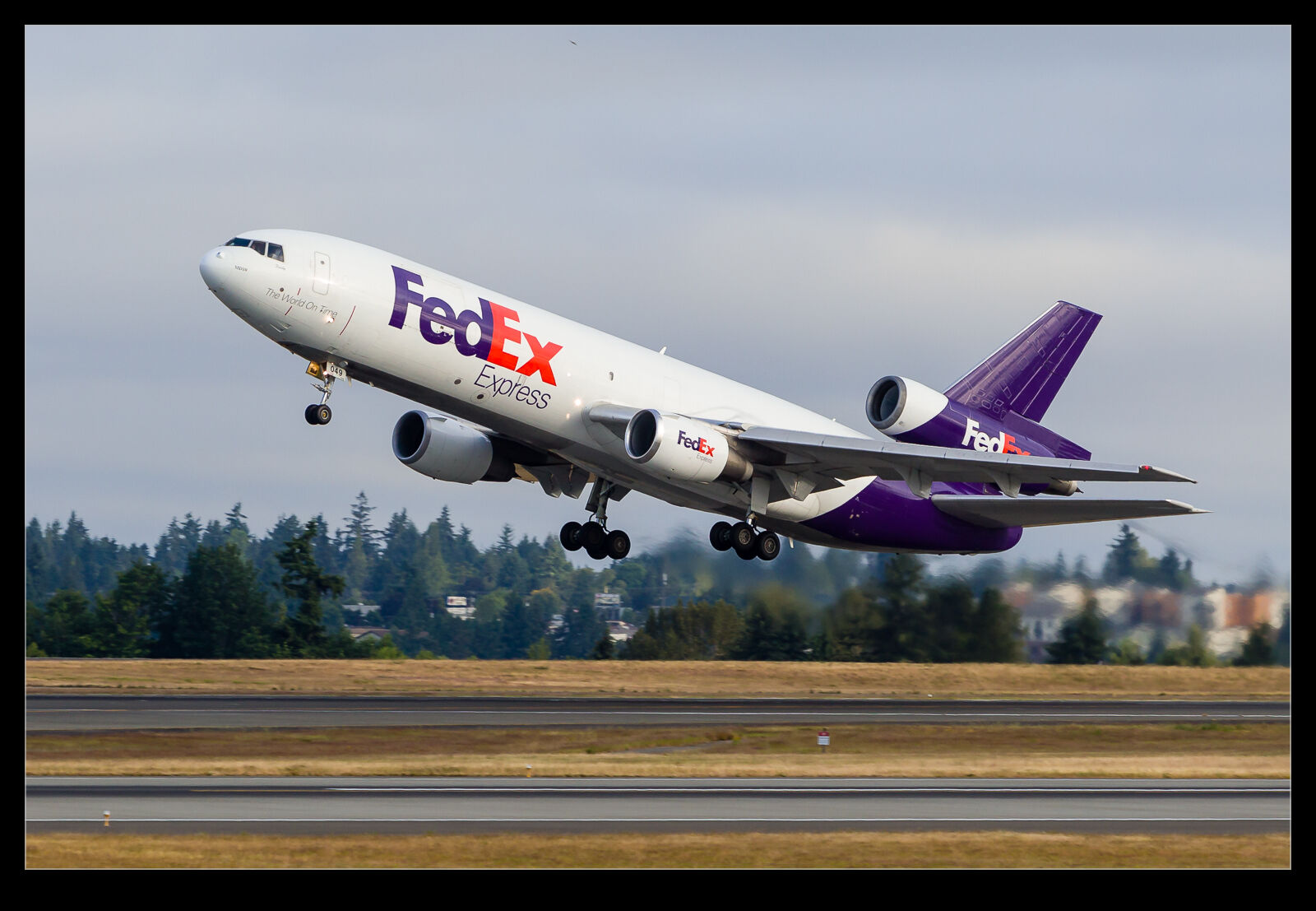
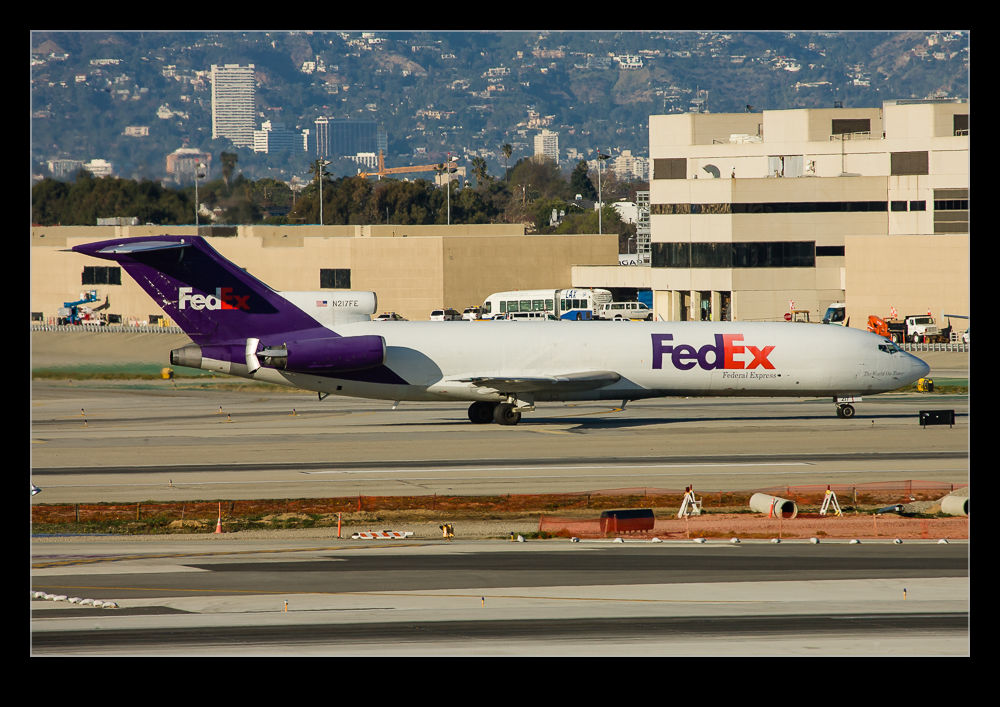
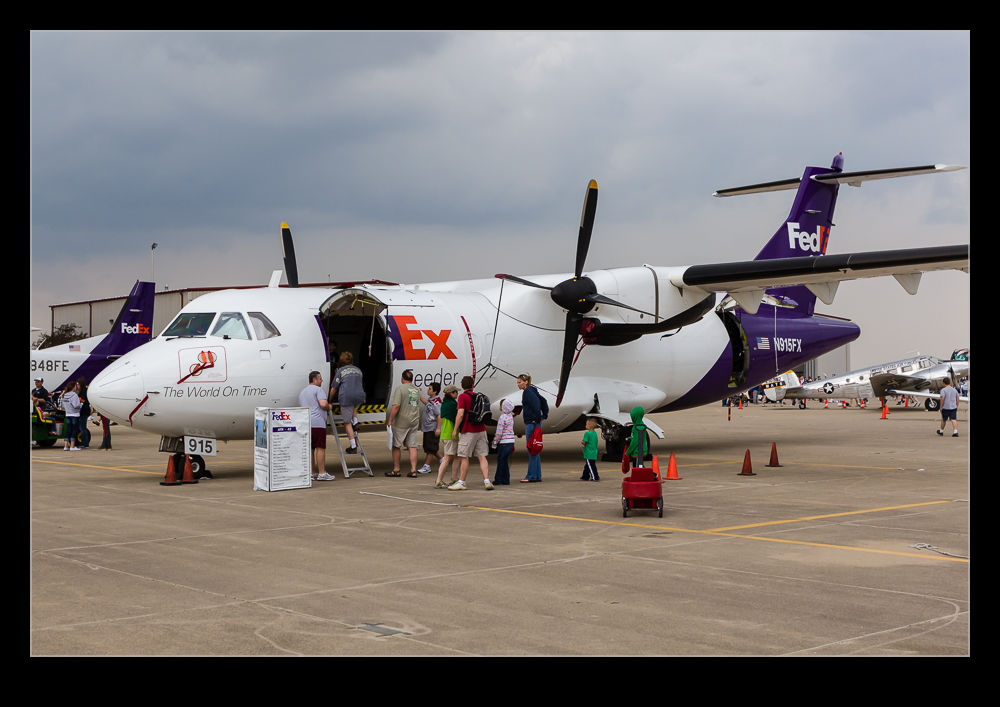
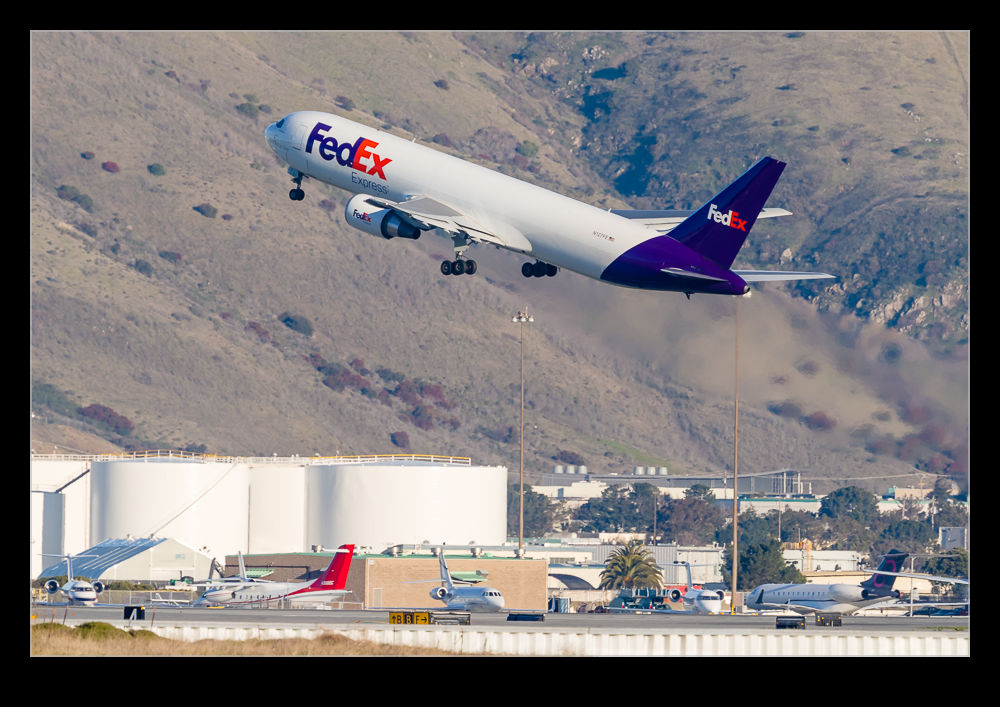
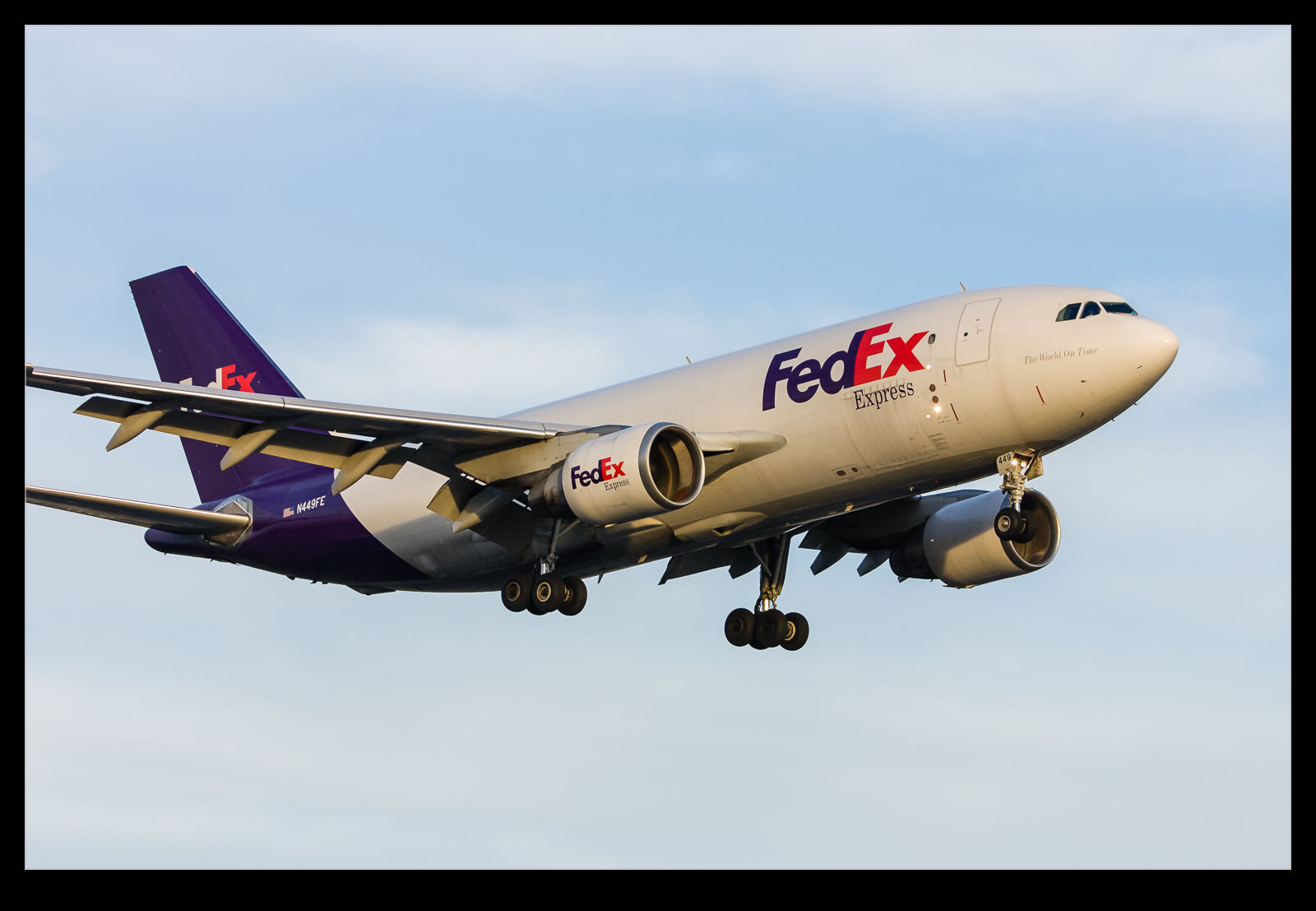
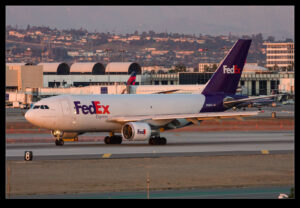
Flipping through various shoots looking for something else, I happened to come across a few shots of aircraft from the FedEx fleet.  It occurred to me that I could drag together a post that was focused purely on the FedEx aircraft types.  FedEx has an extensive fleet of aircraft these days.  Their early days of using Falcon 20s to move their packages around are long gone.  Now they have a variety of aircraft types of different sizes and range to meet all of their needs.

The fleet is constantly in a state of regeneration.  The types that have long been a part of FedEx operations are now going or gone and being replaced with something more up to date.  The 727 fleet has gone.  The A300s and A310s are still in use but the number in the fleet is gradually going down.  The interesting thing about the FedEx fleet is the way the economics are changing.  For a long time, second hand jets that had been retired from airline service made a lot of sense.  The operating model involves a lot of jets flying from their home base to Memphis in the middle of the night to deliver packages to the hub.  Then, after a quick turnaround of all of the sorted packages, the planes fly back to base.  Then they sit on the ground for most of the day.

This model means that utilization for the aircraft is low.  Having a less efficient jet is not a problem when it only flies a few hours each day.  If it is cheap to buy, you can use it efficiently.  Having a bunch of inefficient 727s works very well.  Similarly, the smaller aircraft that feed into hubs also can be operated relatively cheaply.  A fleet of Cessna Caravans that sit on the ground or a bunch of ATR42s is effective.

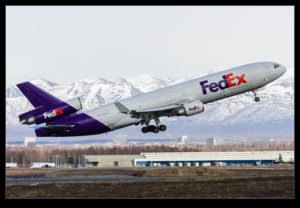
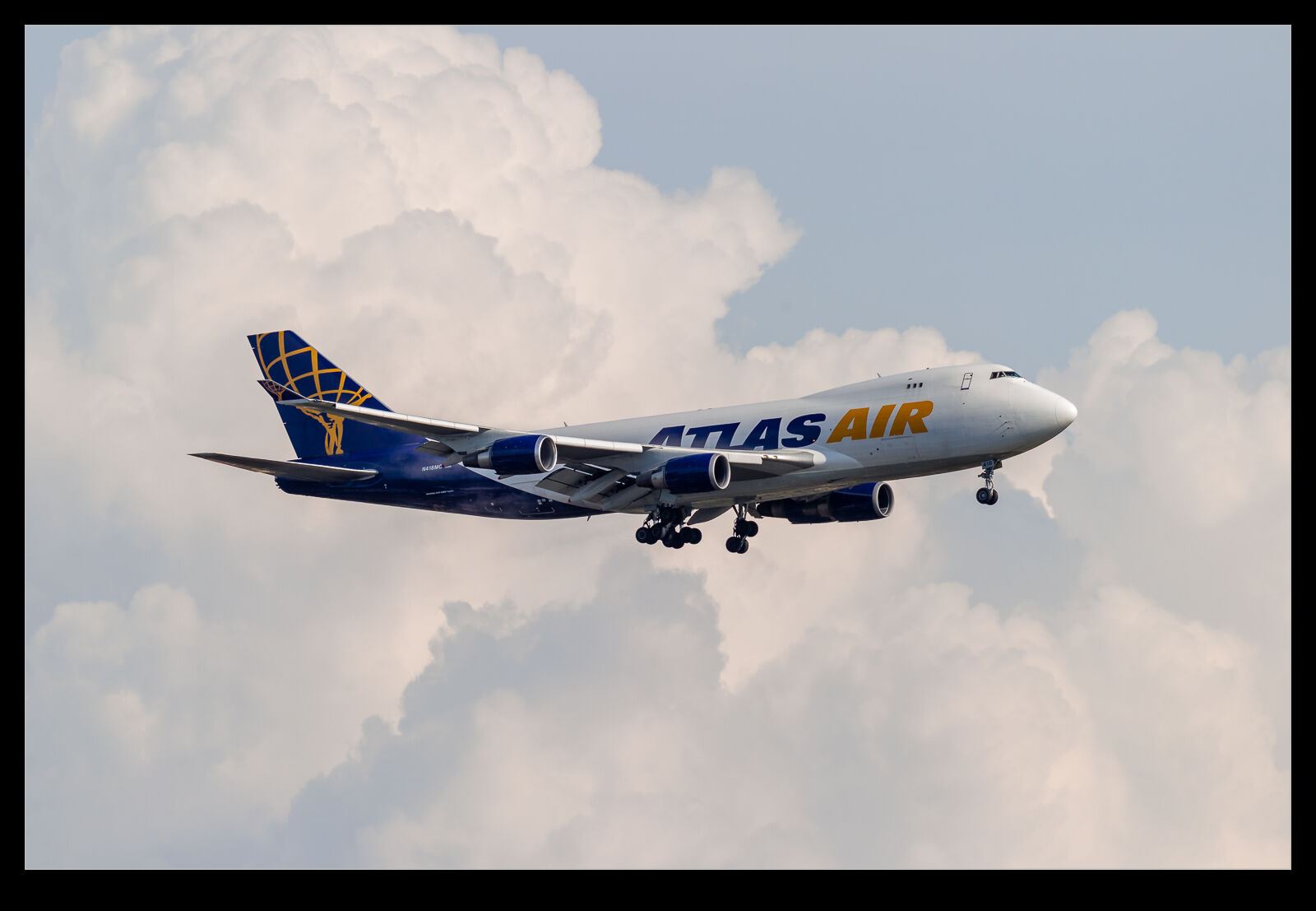
The 727s are gone now.  They have been replaced with 757s which have all been retired by airline operators (a lot of them from British Airways).The big change is that new jets are being acquired.  The operating economics for FedEx have changed.  The DC-10s (which got upgraded to MD-10s) are gradually being replaced by new 767s.  Meanwhile, the MD-11s which had previously been the kings of the long haul flights are now being relegated to domestic service while the 777F takes over the long haul missions.  Direct from Memphis to China is now the norm for the 777F.  You don’t see MD-11s crossing the Pacific as much any more.  I think the Europe runs are limited too.  The 777 can go direct with a decent payload and doesn’t need to stop for fuel in Anchorage.

The MD-11 will survive for a while yet.  Its less efficient operate will mean it can be pushed onto shorter segments with lower utilization.  The high utilization missions will be the preserve of the newer jets.  The older jets will be fine on the flights that only involve a couple of trips a day.  For these their low capital costs will offset any operational cost penalty.  The migration of the fleet will continue though.  Soon it will be a fleet with a few less types and things will be a bit less interesting.  There will still be a bunch of 727s scattered around airports that had them donated though so keep an eye out for them.

Typhoons are Back in Town

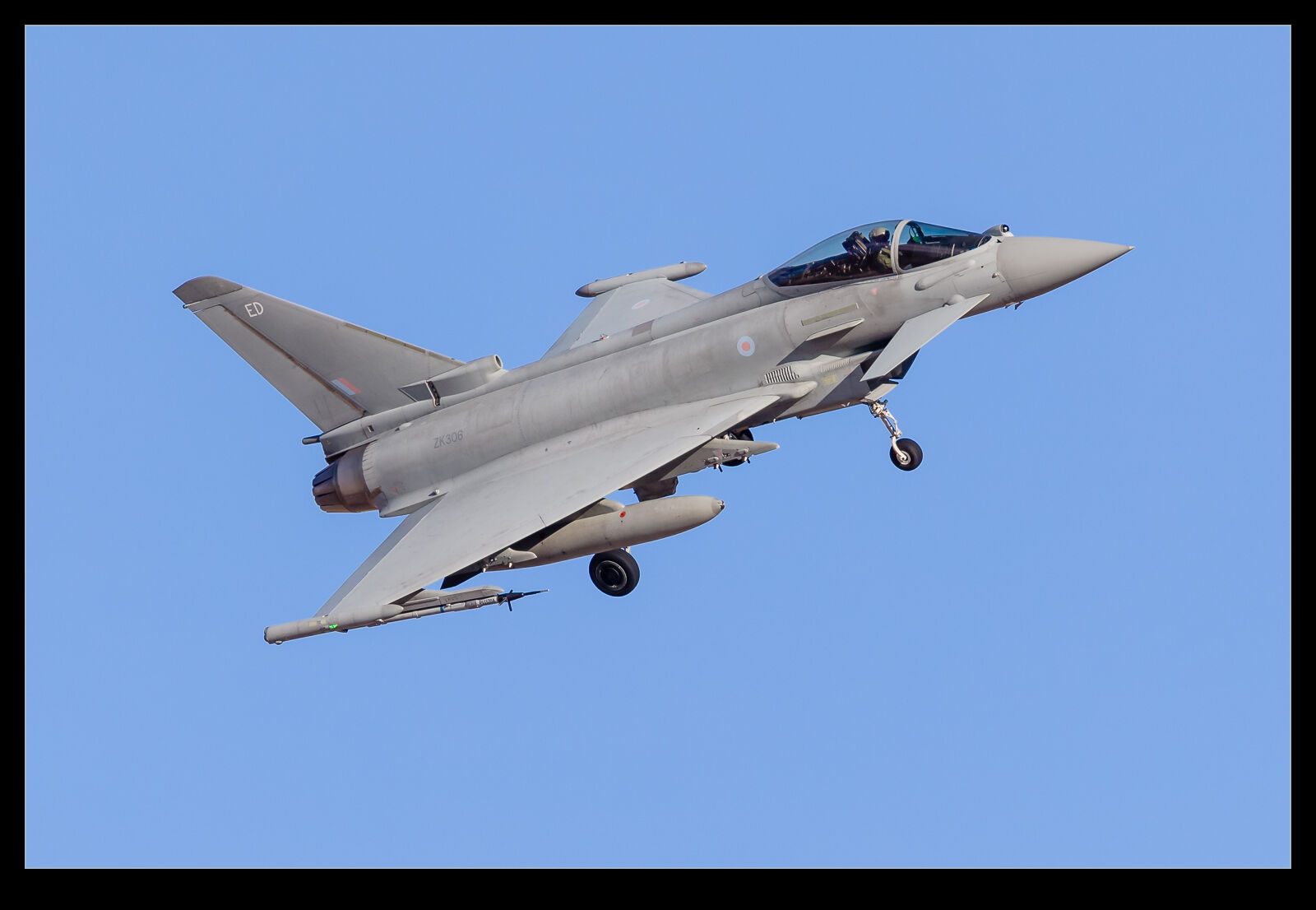
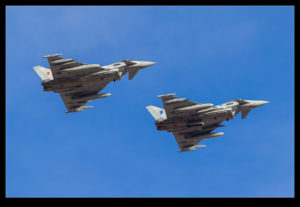
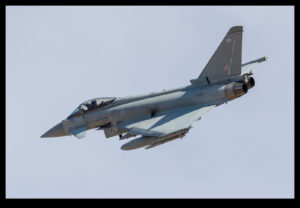
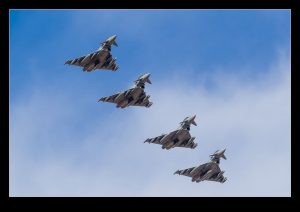
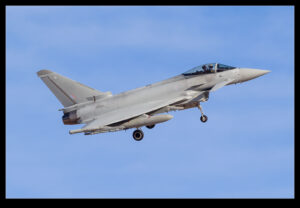
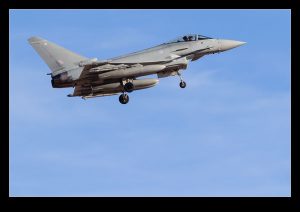
The Royal Air Force was back at Red Flag and the Typhoons were a big part of what they brought.  It’s always nice to see Typhoons up and about but, sadly, the RAF has adopted an approach of combining the squadron jets into a maintenance pool.  This means that they don’t carry individual squadron colors.  A couple off the jets still had markings – one from 6 Squadron and one from 41 Squadron – but, sadly, the rest of the jets were all plain gray.  Nothing colorful about them at all.  We did get some nice winter light to photograph them in but even that is not going to make them look that great.

Puffy Cloud Backdrops

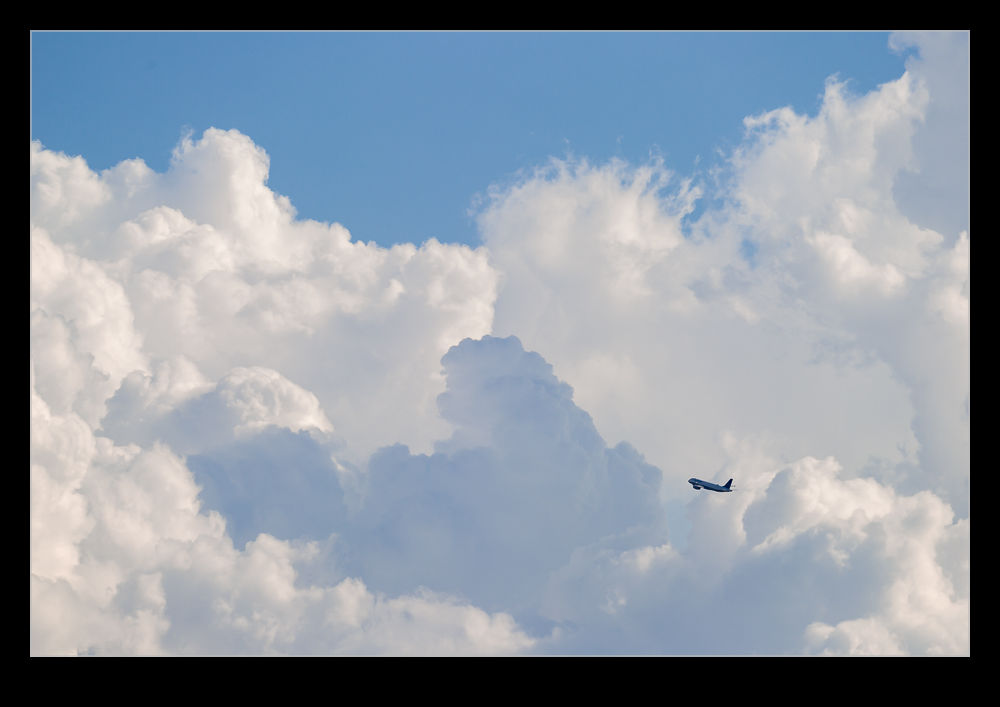
My personal preference is to shoot planes tight.  I like to see the detail up close and usually strive to get that in my shots.  However, sometimes I remember that there is more to it than that and there is something interesting about the context of the shot.  It doesn’t have to be a detailed shot of the plane.  It can be a wider shot when no one is looking at the plane expecting to see the intricacies of its structure.

Having some nice clouds to play with is an important part of the story.  Going wide when the sky is blue is not really going to add any drama.  However, some nice puffy clouds will certainly be appreciated in this situation.  In this case I was with some friends at O’Hare shortly after a storm had passed through.  Things had cleared up nicely but there was still plenty of evidence in the air of what had been dumping water on us a short while before.

I doubt closer shots would have been much use anyway.  With the amount of moisture in the air and the warmth that was quickly coming back now that the sun was out, heat haze would have destroyed an detail with a longer lens.  Going wider was probably the only option.  It was certainly worth it though.  The texture of the clouds after the storm was there to see and to be emphasized in the shots.  The plane provides a focal point to explore the image from but is not too important itself.  You can’t just do this but, from time to time, it is good to fight your normal style.

Lots of “Daves” to See

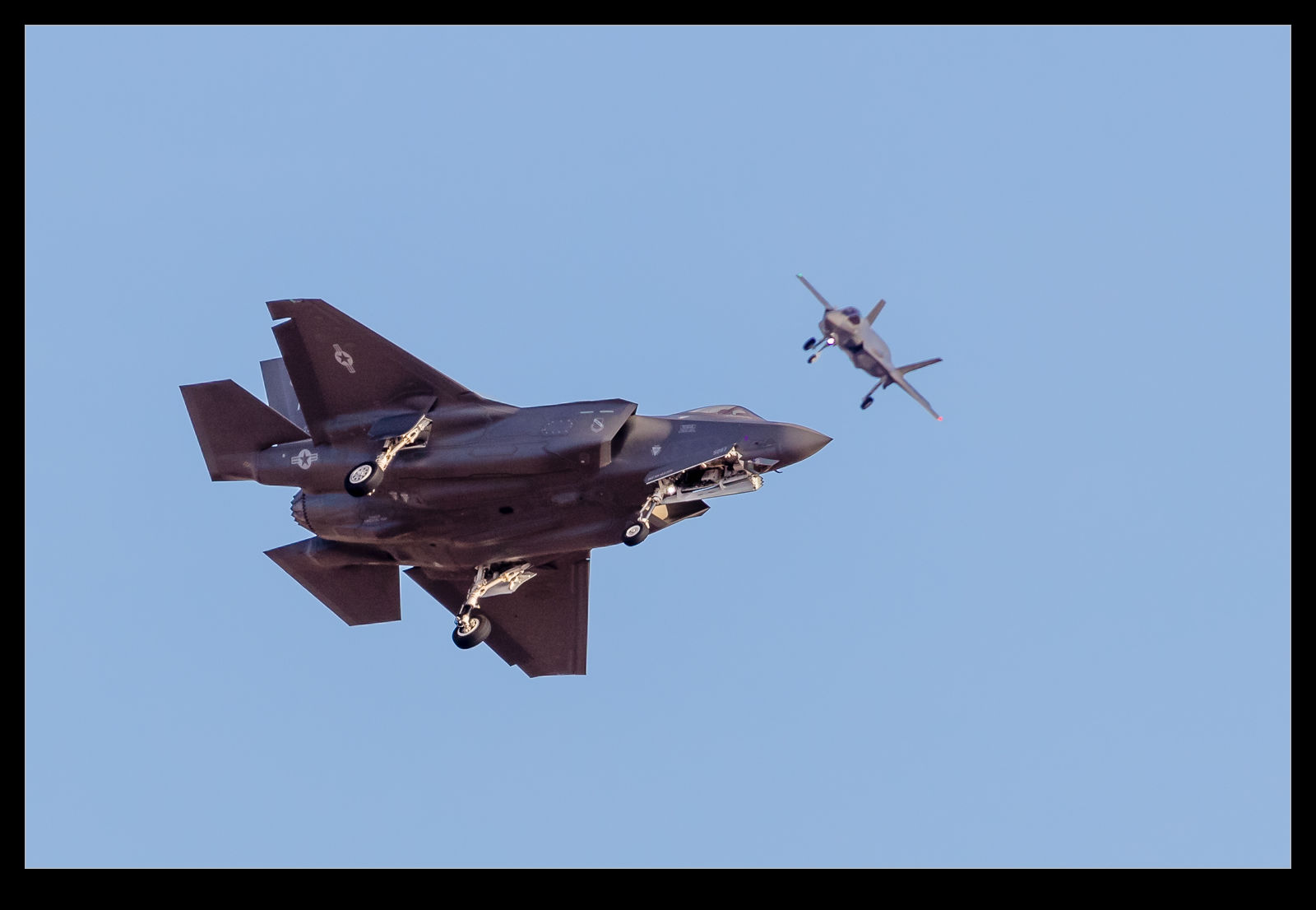
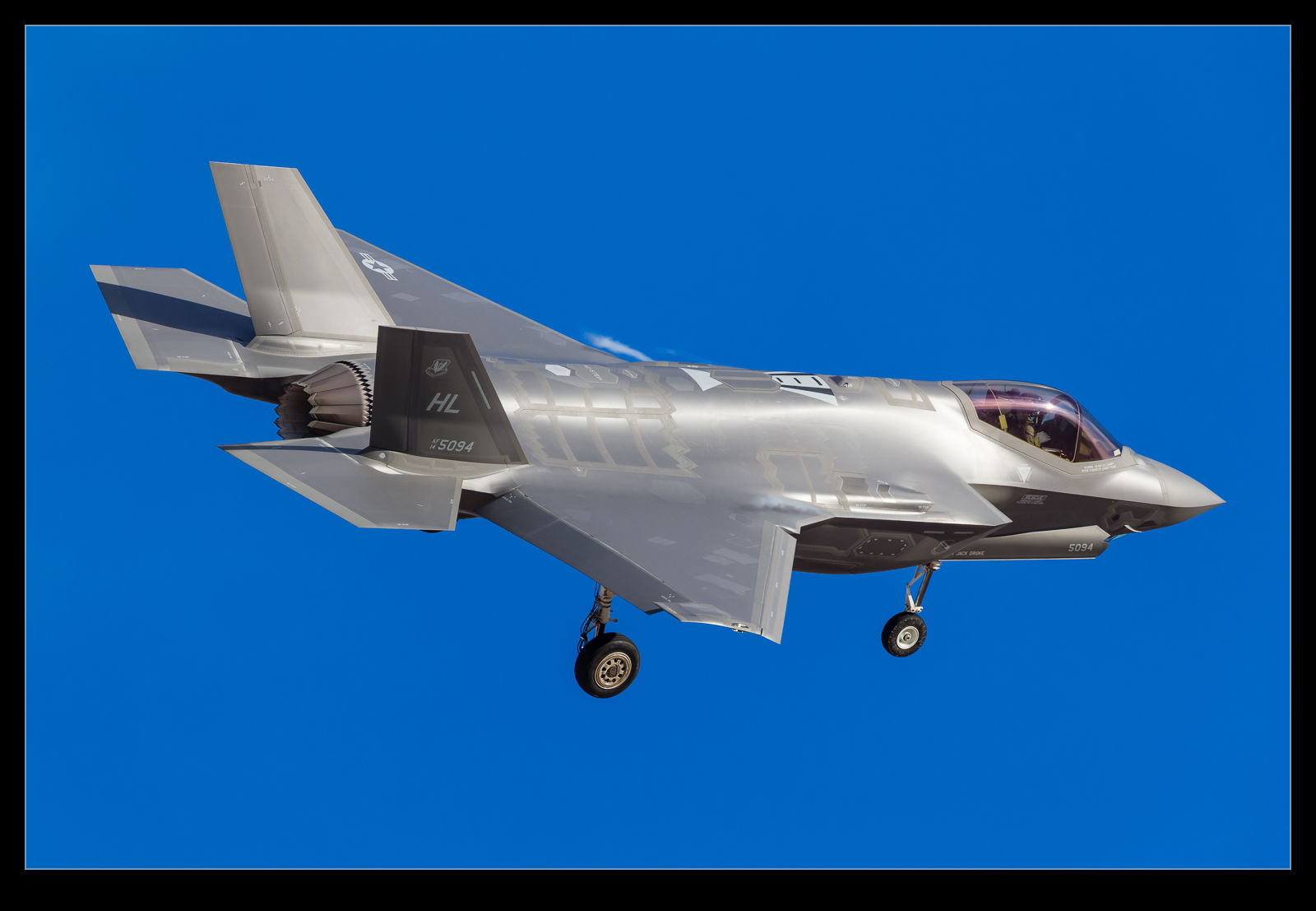
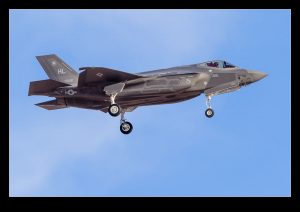
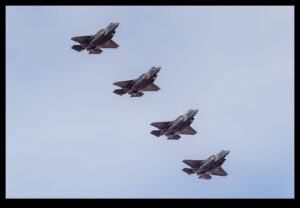
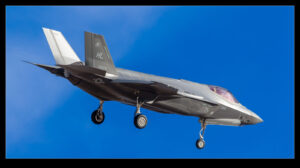
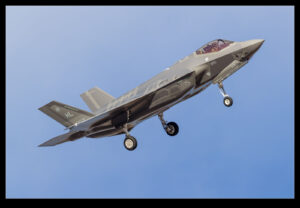
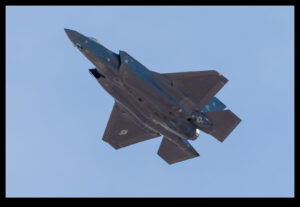
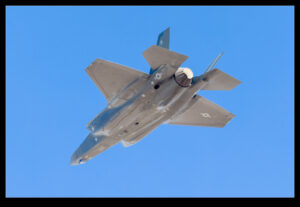
If you ask Nancy about a name that I think has good comic potential, it is Dave.  It is not that the name Dave is strange in any way but, if you asked me to name something, my first choice would be Dave.  It has something that just works for being offbeat.  Apparently, I am not alone in this (which will come as a great disappointment to Nancy who will now know I am not alone and will never stop).  The online forum for aerospace, PPRUNE, has apparently decided to call the F-35 Lightning II the Dave.  Tornados are Tonkas, F-16s are Vipers and now F-35s are Daves.  I love it!

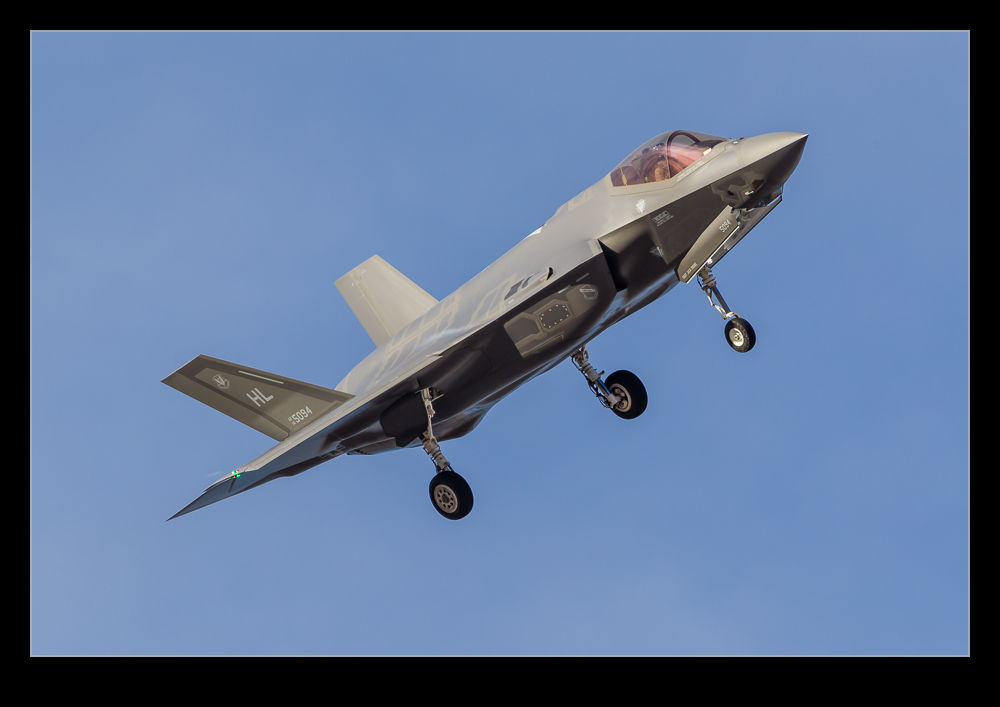
Red Flag 17-1 was the first of the Red Flag exercises to which the USAF brought the F-35A.  The Marine Corps had brought the F-35B previously but they tended to go out in pairs.  This time the Air Force took the jets out in significant numbers.  Consequently, I was able to get lots of shots of the jets.  Whether it was groups returning as four ships, individual jets departing or odd Daves in formation with other jets, there were plenty of options.  They also turned in really nicely on approach for the spot I had chosen so some nice close top sides were also possible.

I won’t yet say that I have grown to like the look of the jet but I am certainly starting to thaw.  Since they are all new and spotlessly clean, the colors (is that right given how variations of gray are what we are talking about) really come out nicely in the low light.  There are some nice lines to the jet.  It may be a bit chunky but it doesn’t have the same problems as the F-22 with angles at which it looks positively uncomfortable.  Hopefully, the time will come when the operators are able to move away from the purely gray and adopt some nice colors on the jets.  We shall see.

Before There Were 400s

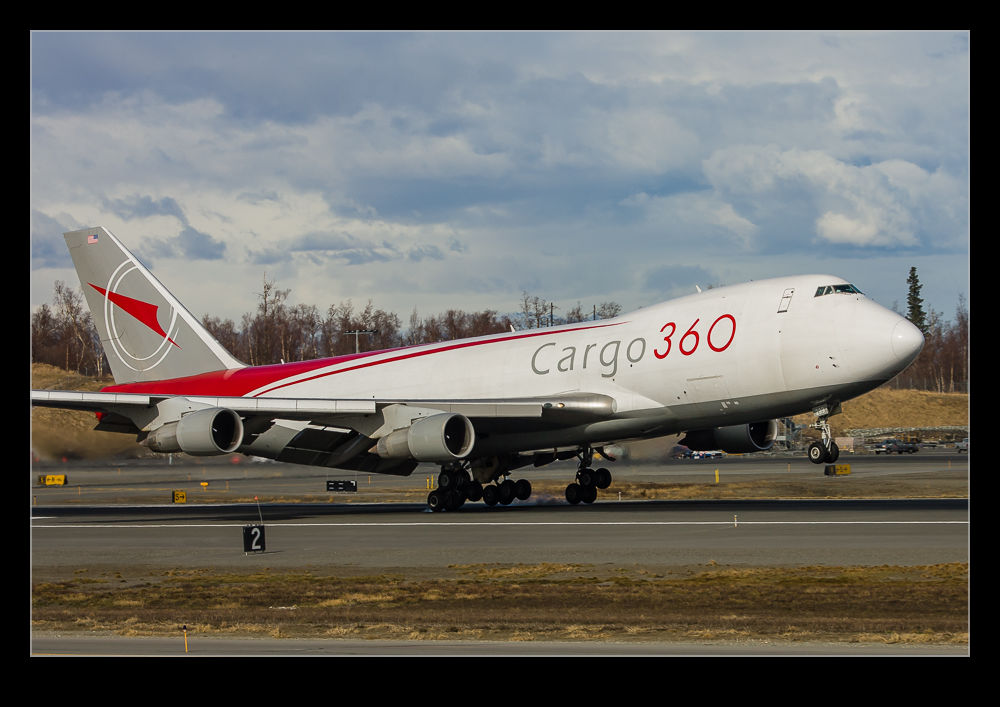
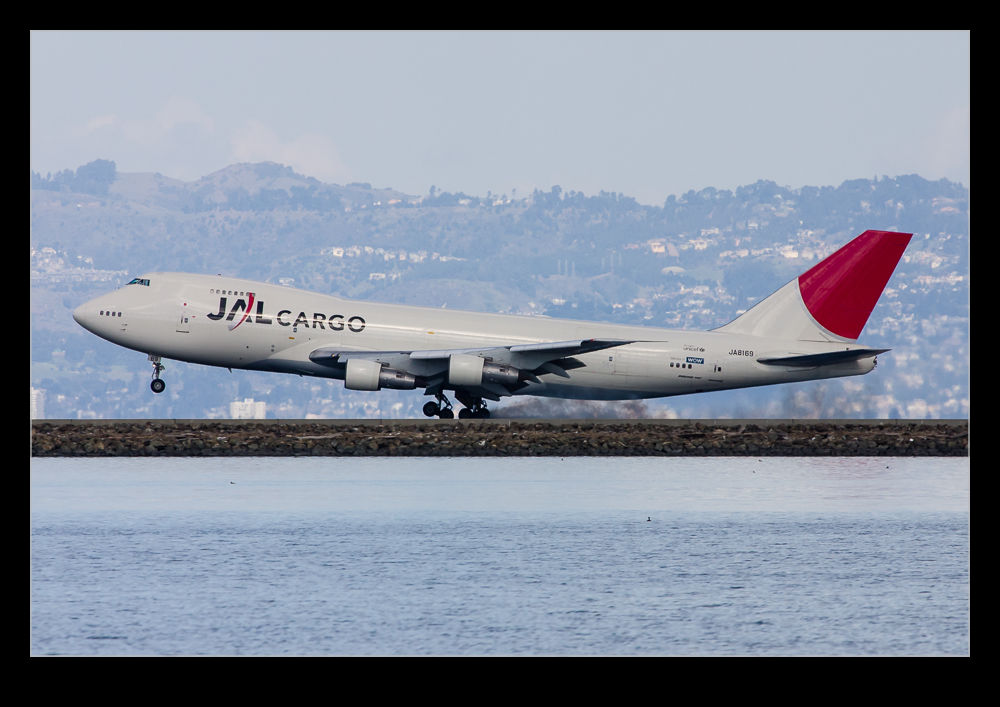
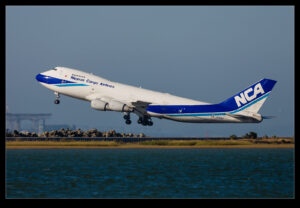
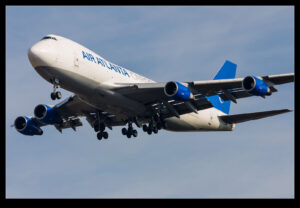
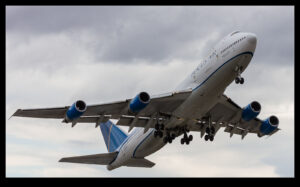
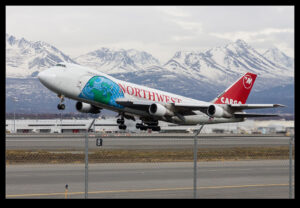
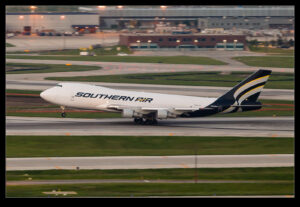
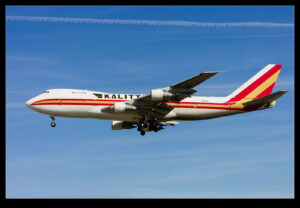
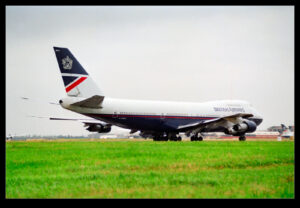
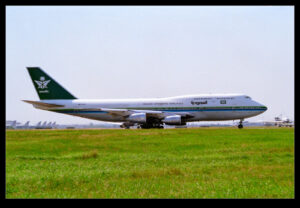
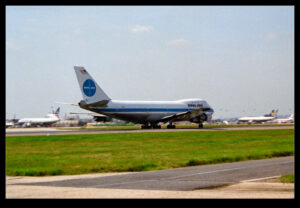
The 747-400 has been around for so long now and has sold so well that it is by far the dominant version of the jet in service.  However, before the late 80s, there were previous versions of the 747.  The 100 series through to the 300 series and the SP.  The 400 series is the one you see now but, before the 400 took over, the earlier models were the ones that were everywhere.  Since I wasn’t taking a lot of photos in those days, I have a lot less photos of the earlier models but I do have some.

Pan Am operated the 100 Series jets and I saw them at Heathrow in the 80s.  200 Series freighters were built in some numbers and many are still around or were until relatively recently.  I think the only 300 Series jet I ever photographed was a Saudia example at Heathrow.  These shots are some of the ones I have come across in my time.  With the 400 Series jets now starting to disappear, it is no surprise that these earlier jets are mainly a thing of the past.

Will the Scooters Beat Me Again?

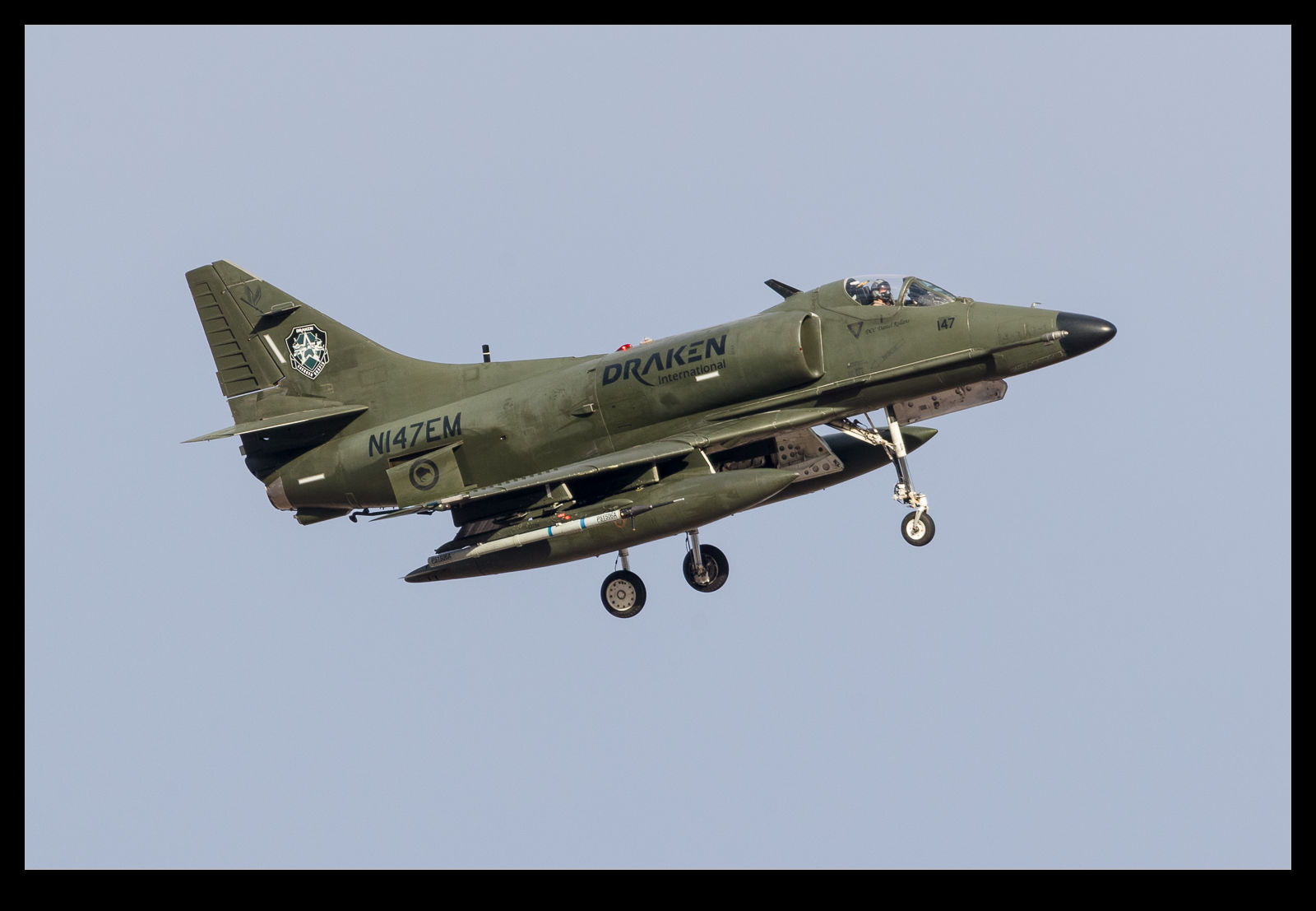
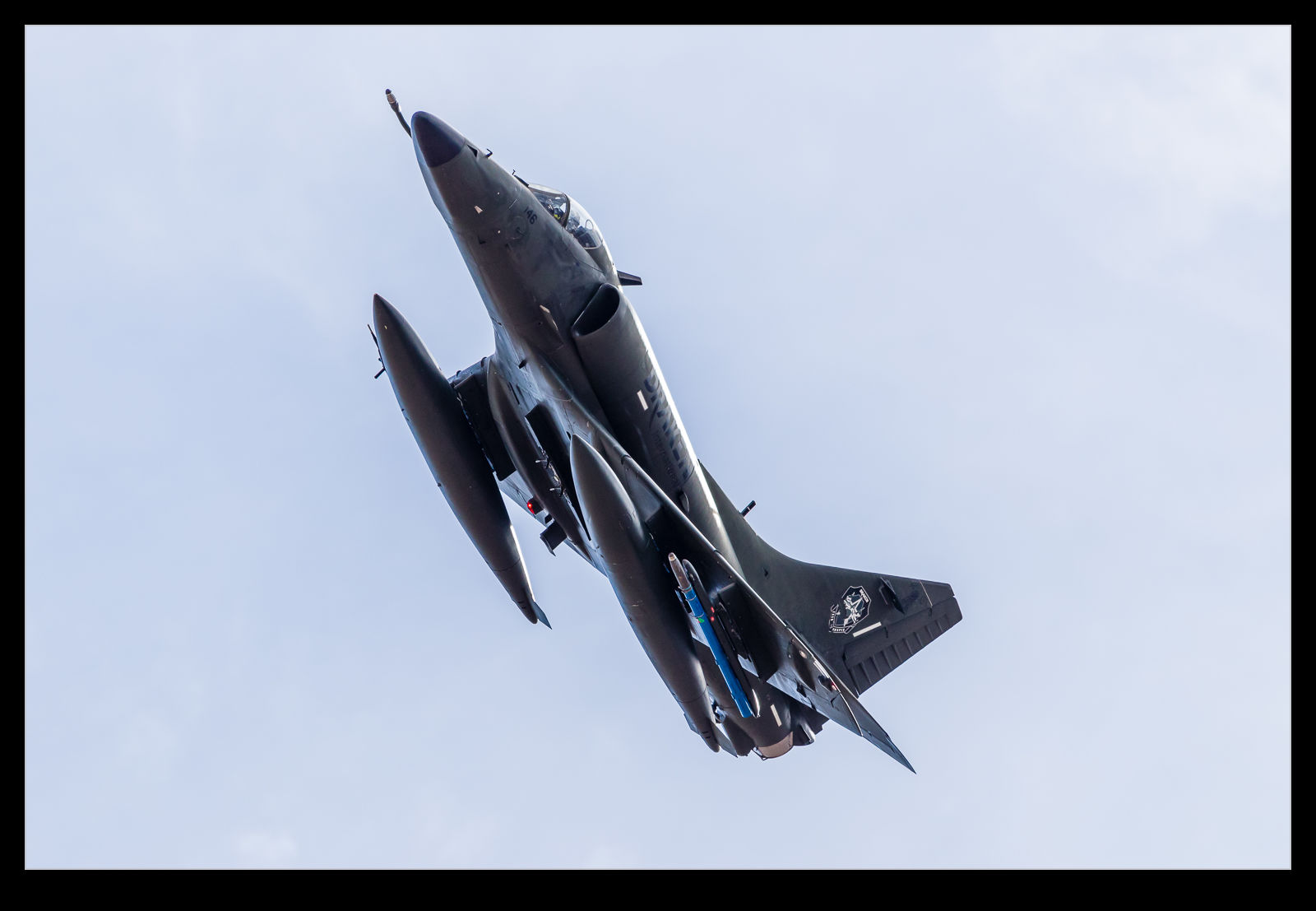
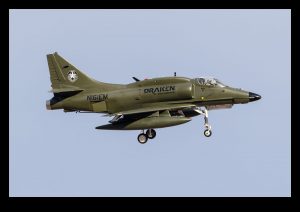
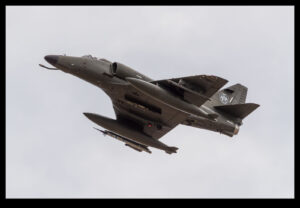
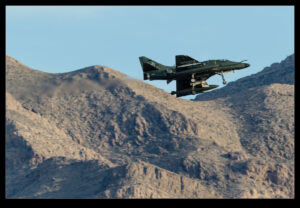
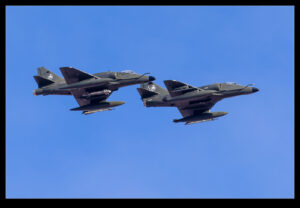
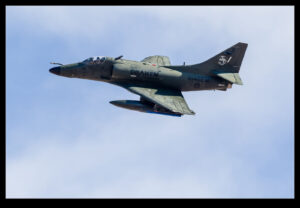
My previous effort at photographing the Draken A-4s at Red Flag had not gone well.  I got shots of them but the conditions were far from ideal.  I had hoped for better and been a bit frustrated.  When I went back for Red Flag 17-1, the Draken team had become fully integrated into the aggressor program and were launching on all of the missions we saw.  I was optimistic about getting some better shots.  However, while the first day was a cracking day for us. One disappointment was that the A-4s went left and away from us on recovery.

Launch was a bit better.  I had some close encounters with the jets as they flexed towards us during the departures.  However, launch does not give great light so, while the angles were good, the shots were t as good as I would have liked.  Our second day did better on the recoveries though.  Some of the A-4s came our way and we got some good angles on their turn to final approach.  I was a happy boy.  The light had finally been good and the angles were nice.  Hurrah!  The special jet or a two seater would have been even better but I am not complaining.  I got both the Kiwi jets and the Israeli jets so it went well.

Over the Threshold

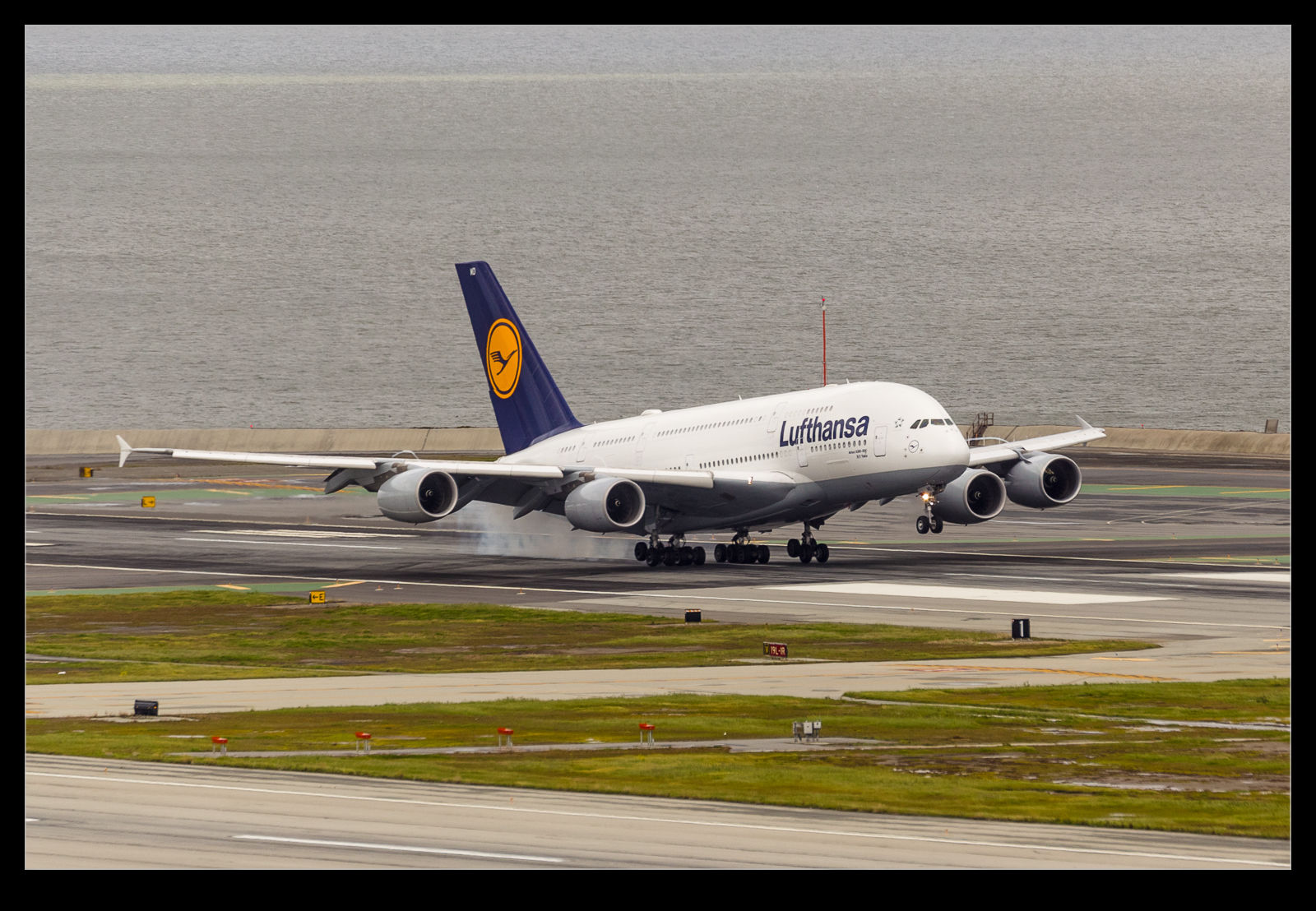
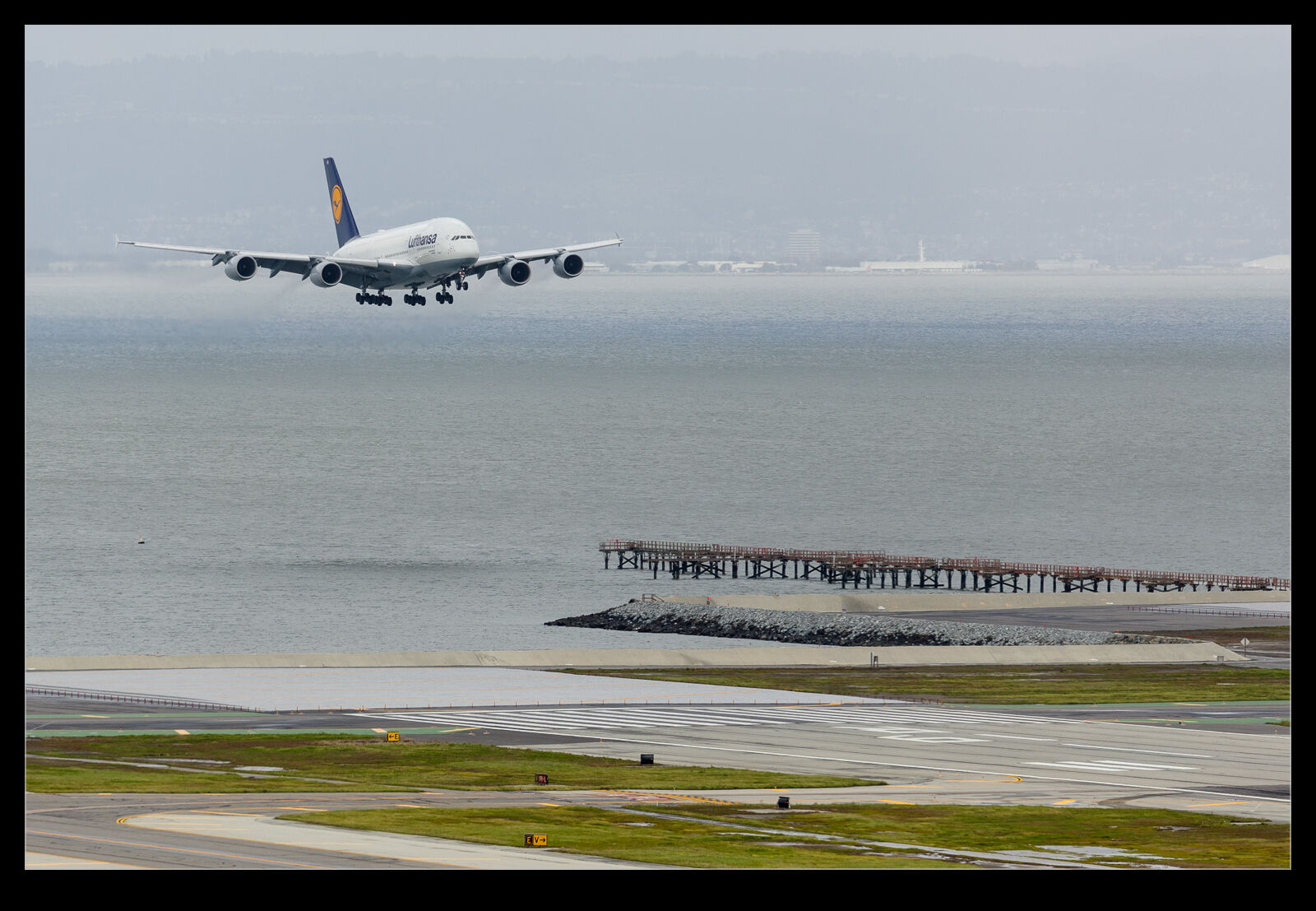
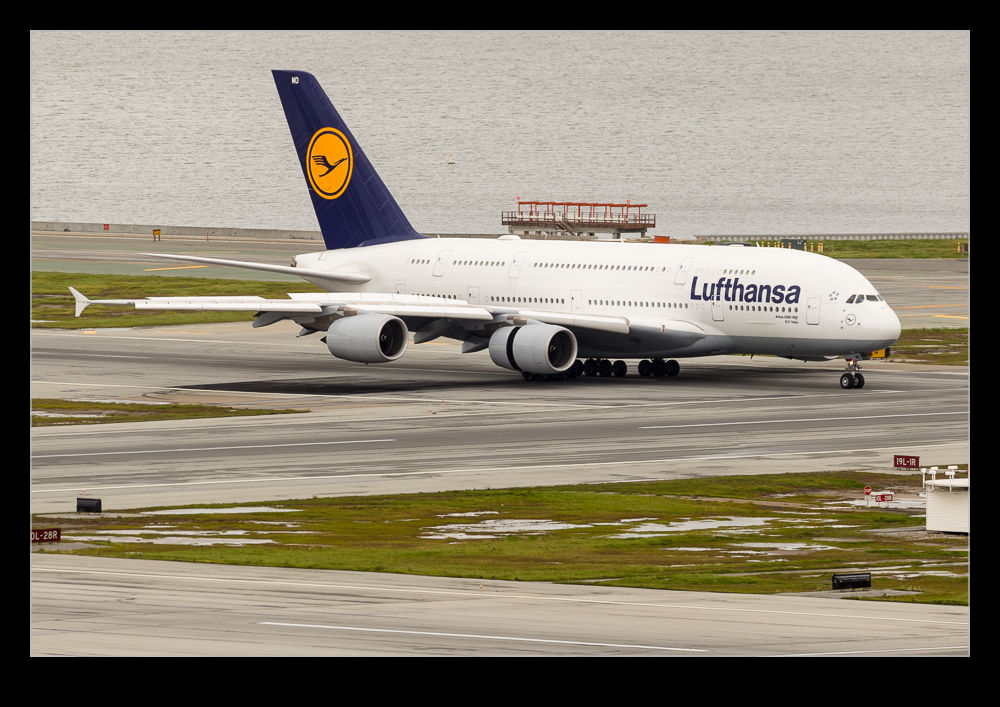
When the aircraft are approaching SFO from over the bay, they touchdown out of sight of the usual locations on the bay shore.  However, the old control tower provides a better perspective on these approaches.  While you are shooting through some pretty stout glass, you can get a good shot or two of the approaches.  A good example was the Lufthansa Airbus A380.  Watching it come in towards the land, drift across the shoreline and over the threshold before touching down a little way down the runway, you see things in a way that is not often achievable.  Since the tower will shortly be demolished, I doubt I will get something similar for a while.