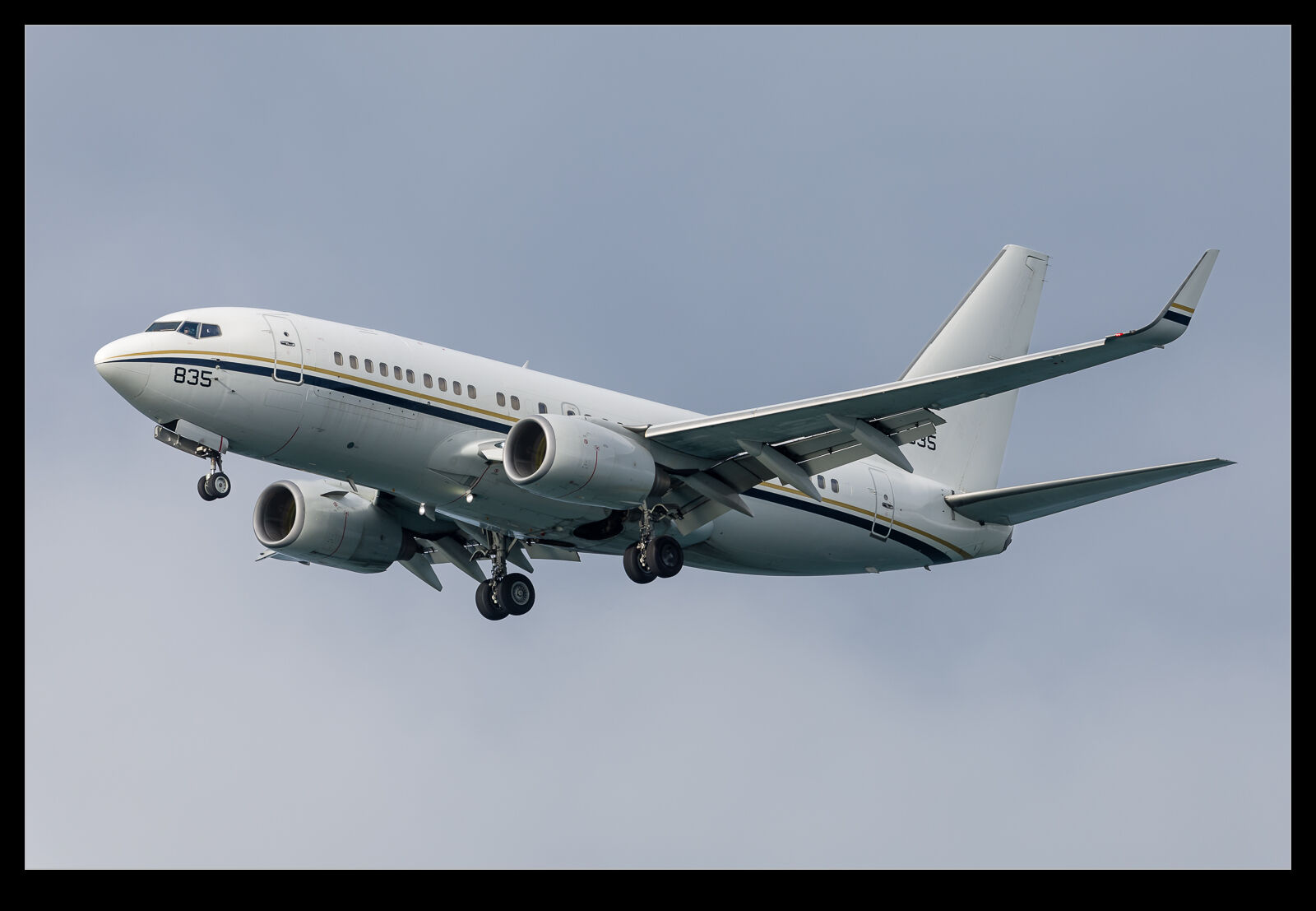
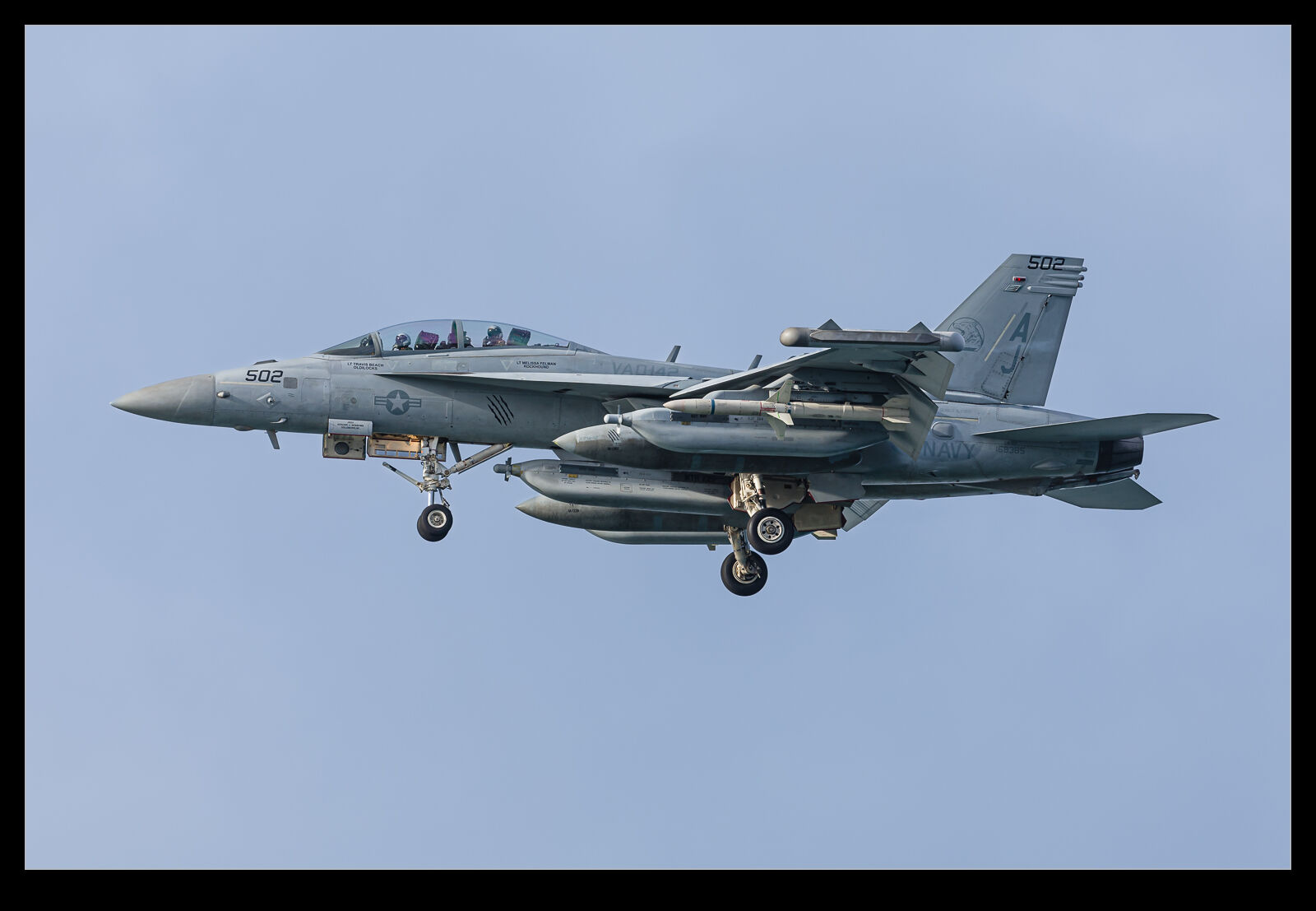
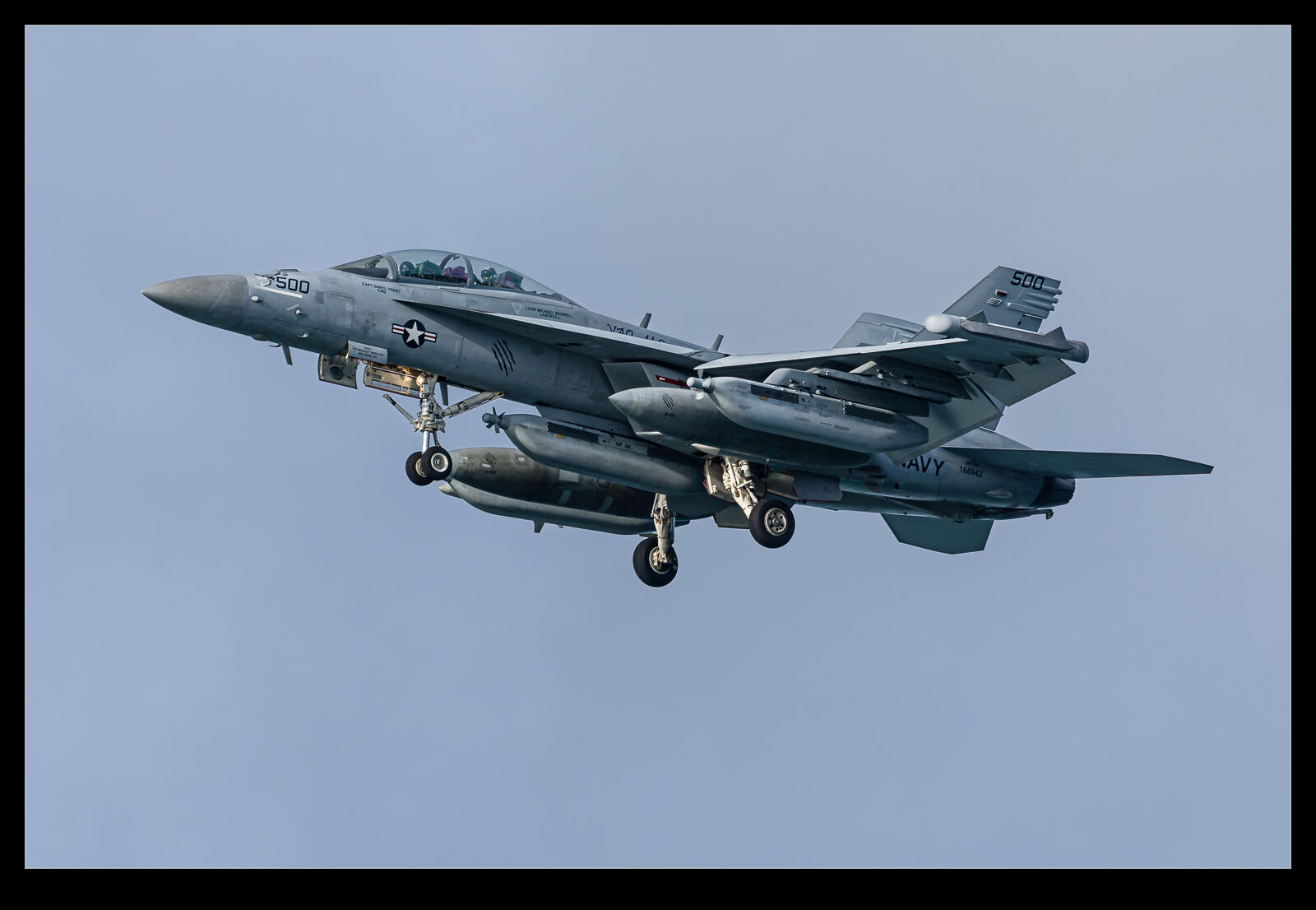
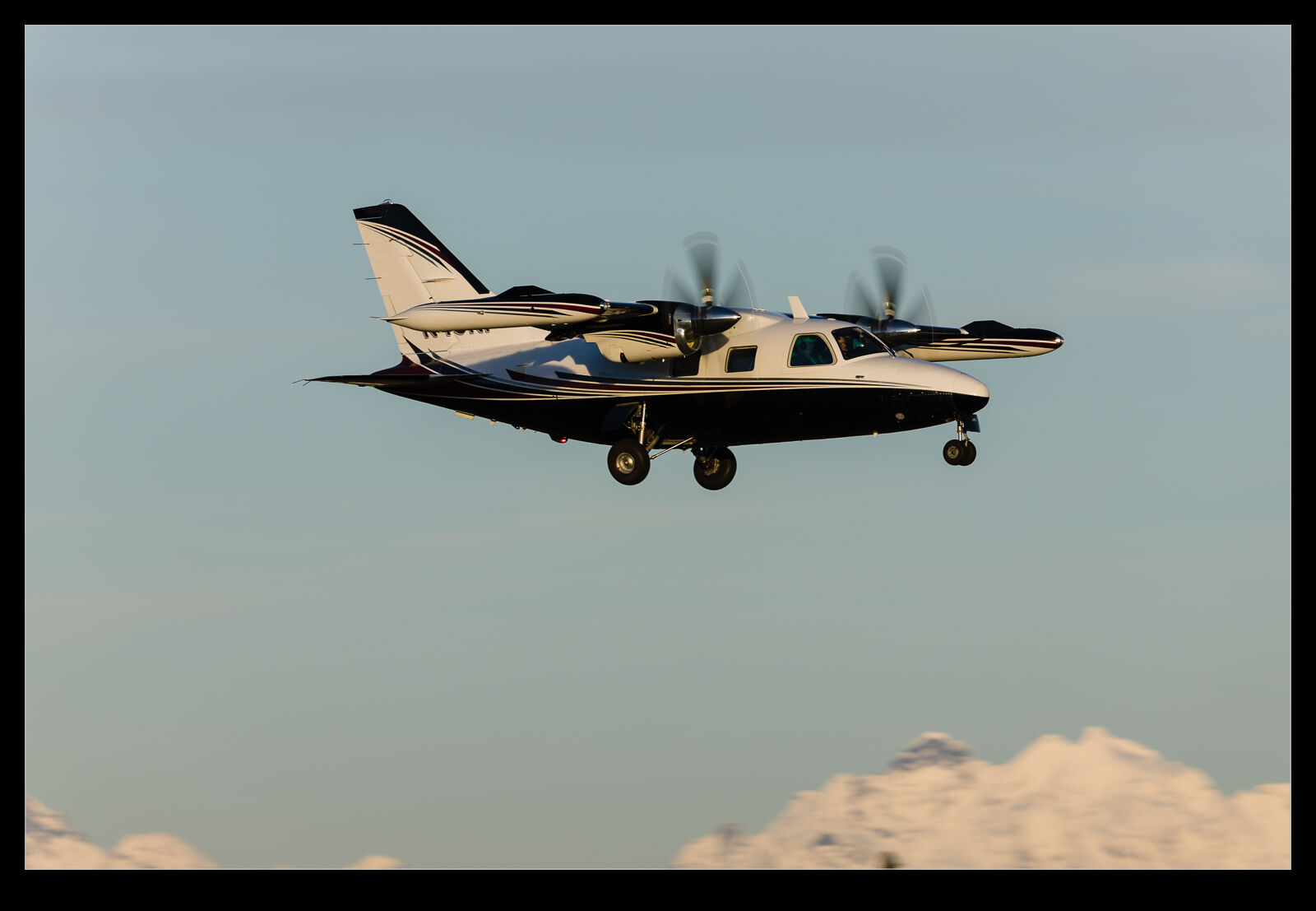
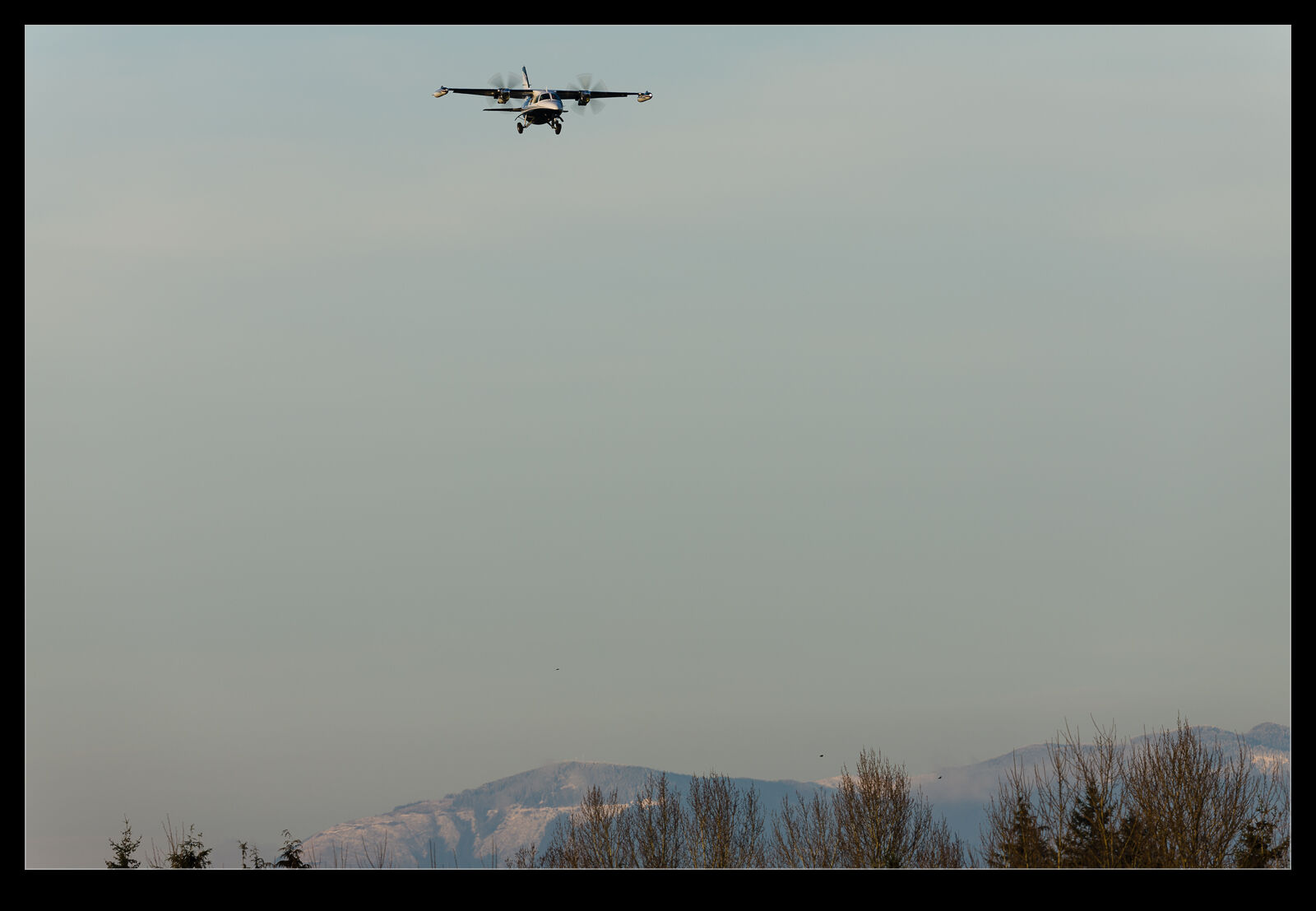
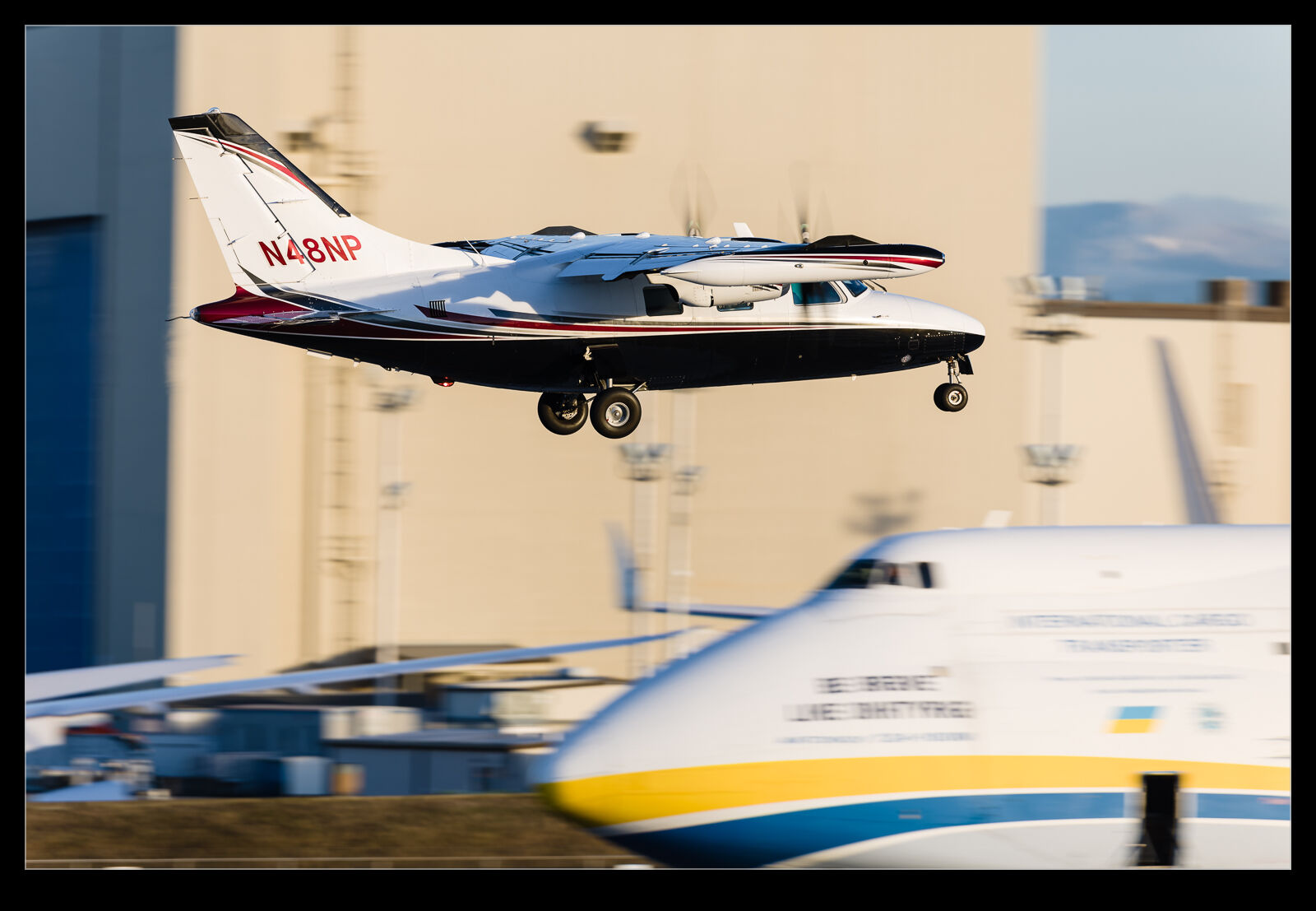
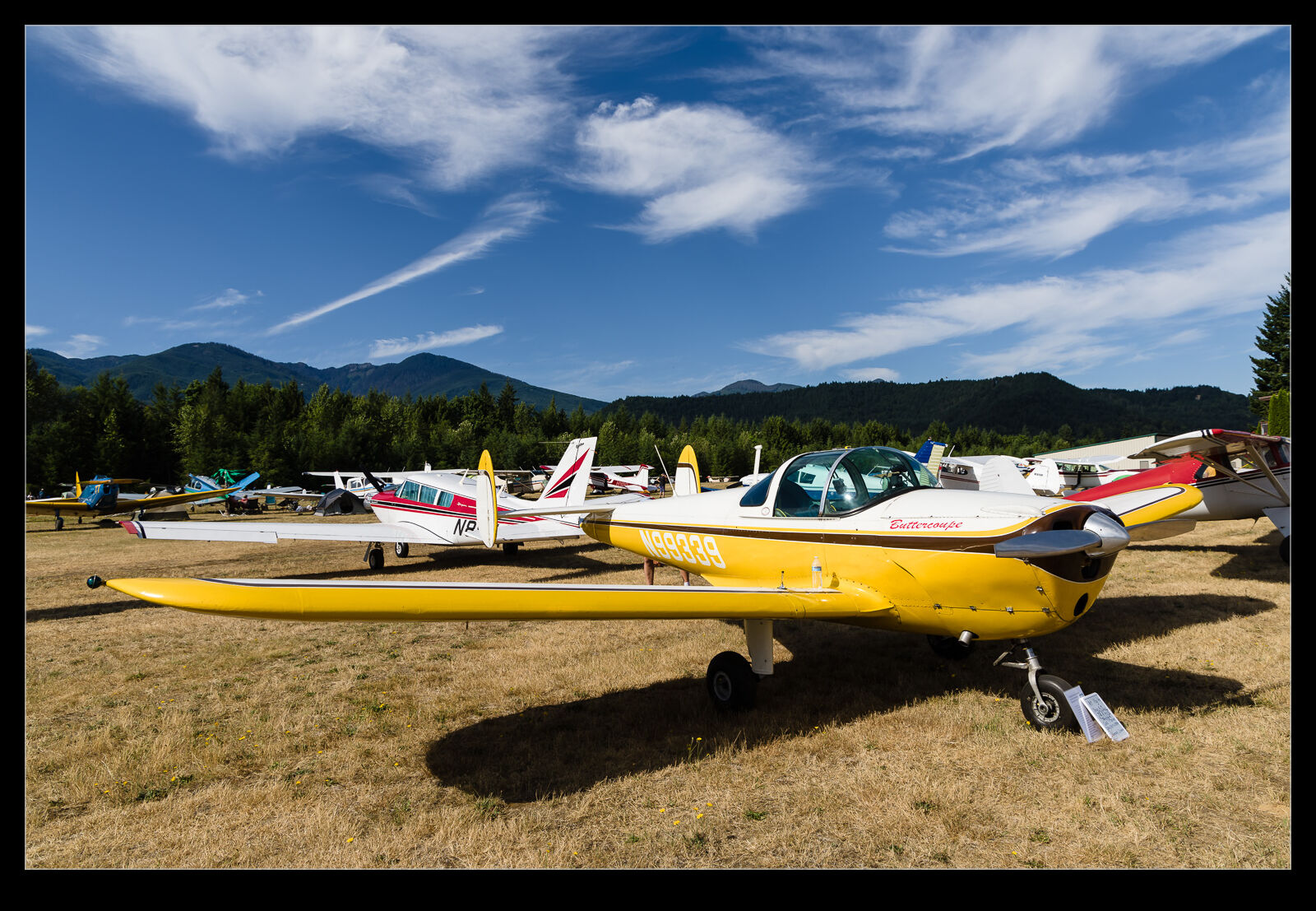
 The time between me doing something and its appearance on the blog can vary wildly. Sometimes, I will aim to get something squeezed in here soon after it happens but that is the exception. Usually, I have stuff posted out quite far in advance. As I come up with new topics, they get added to the schedule and, if a topic doesn’t get written about promptly, it can really disappear into the distance. Such is the case with the Concrete fly in of 2023.
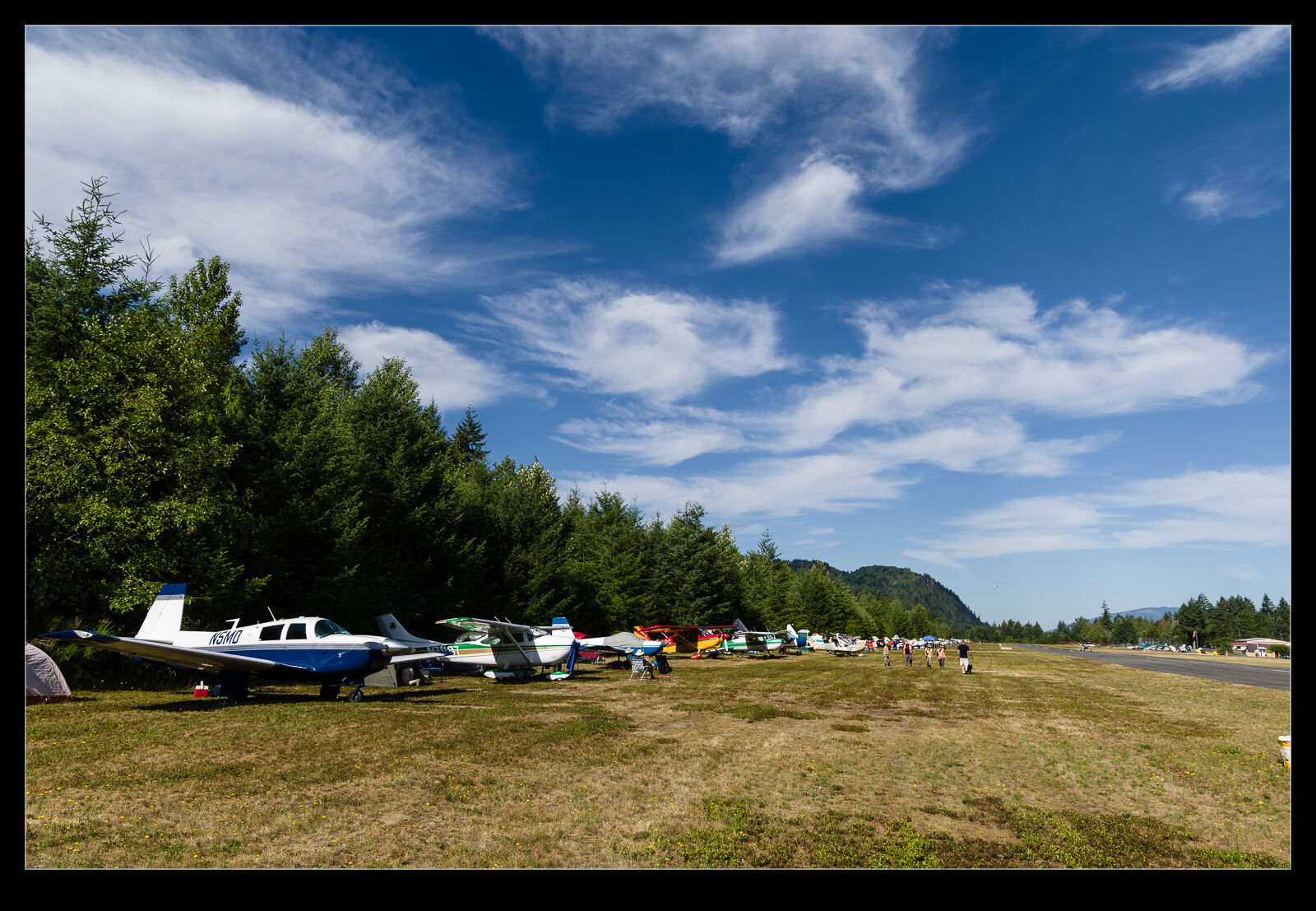
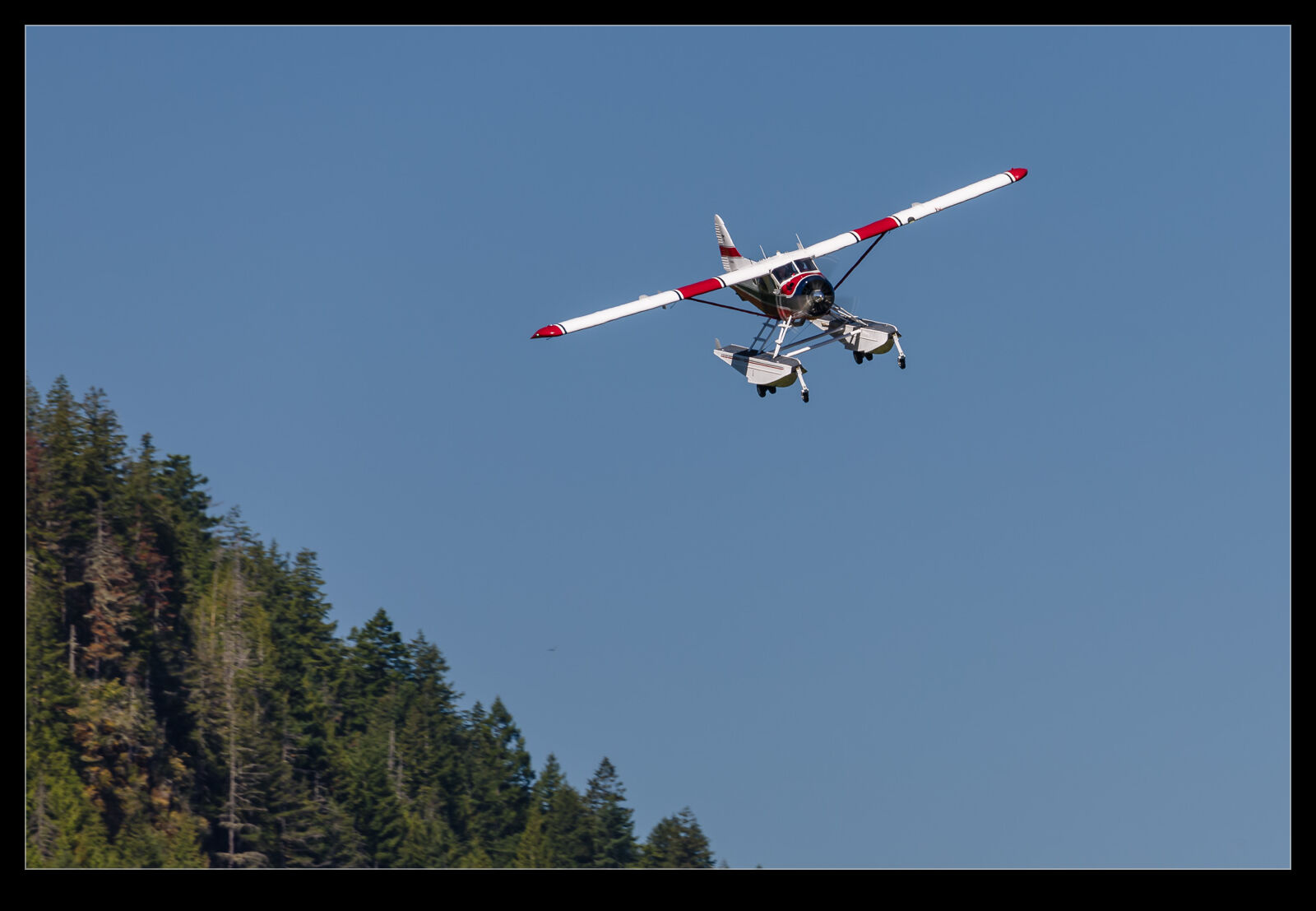
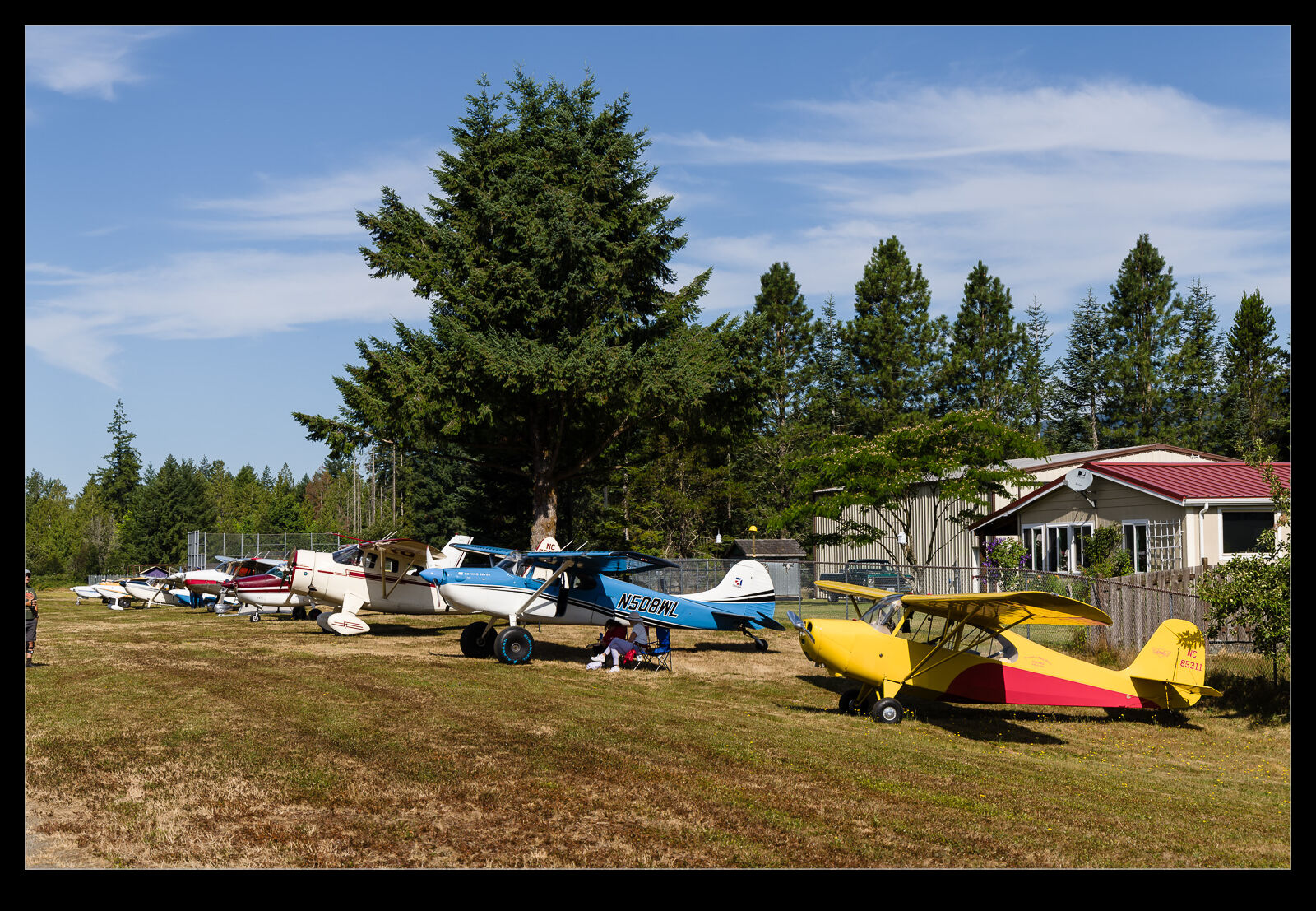
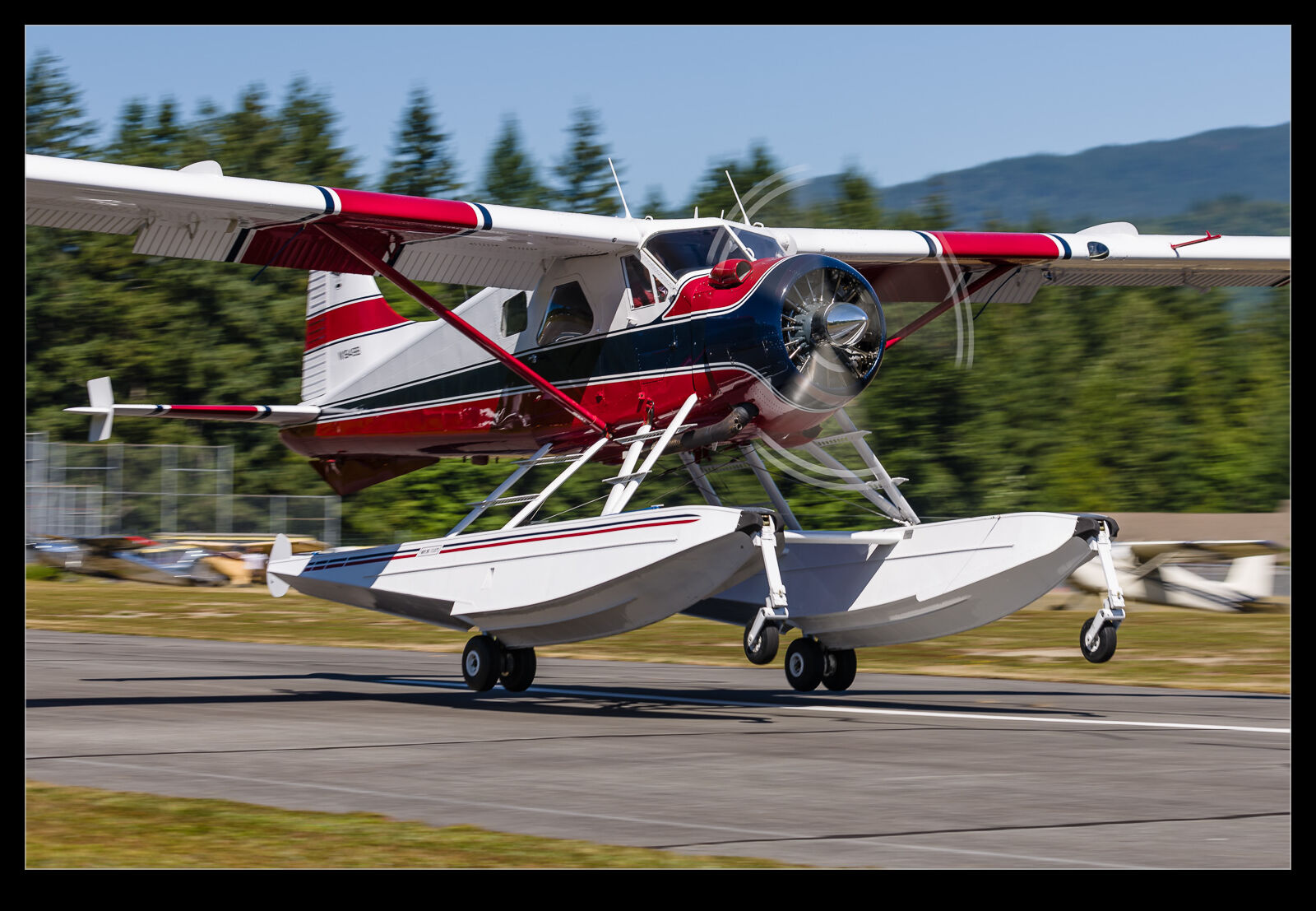 There will be several posts that make it on here from that event in the coming weeks. I have started writing them up but some of the specific topics will take a while to appear. However, I shall start things off with a more general post about the fly in. Held at Mears Field in the interestingly names town of Concrete, it is a popular gathering of planes from around the region. There is a single runway running east/west in the valley and the planes park up on either side of it. You are able to walk across the runway at a couple of locations (or further away from them if you want to avoid the air cadets) so just keep you head on a swivel. The wind seems to change midway through the day, so arrivals were from the west in the morning and the east in the afternoon.
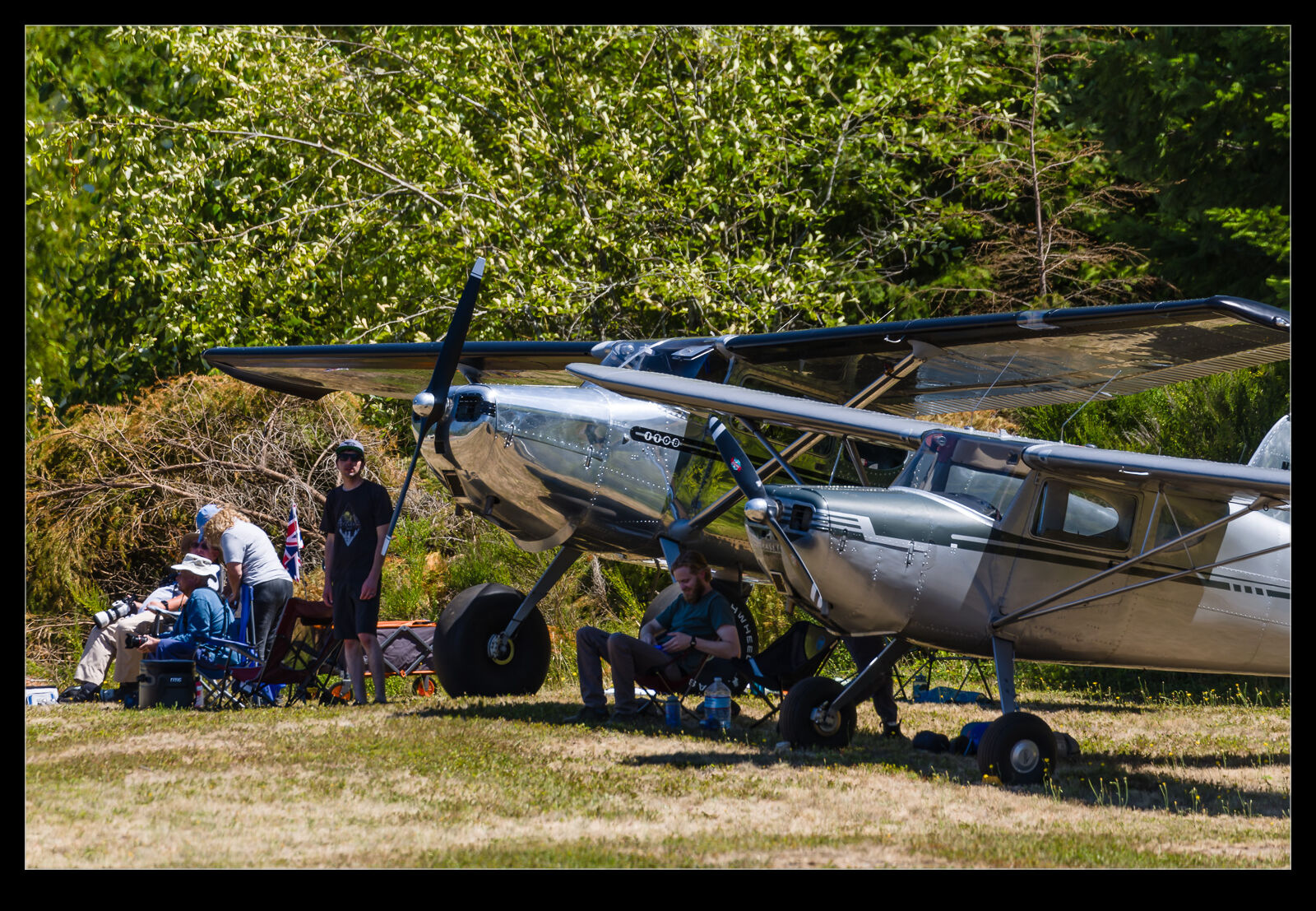 We set up at a spot near the threshold on the eastern end of the field and it provides a good location to watch the landings and the takeoff rolls. Sometimes, it is easy to forget that you can walk around, and you find you have stayed in one place for ages getting similar shots. I did try and mix it up from time to time but it was rather sunny and warm and the shade under the wing of a 170 was pretty appealing.
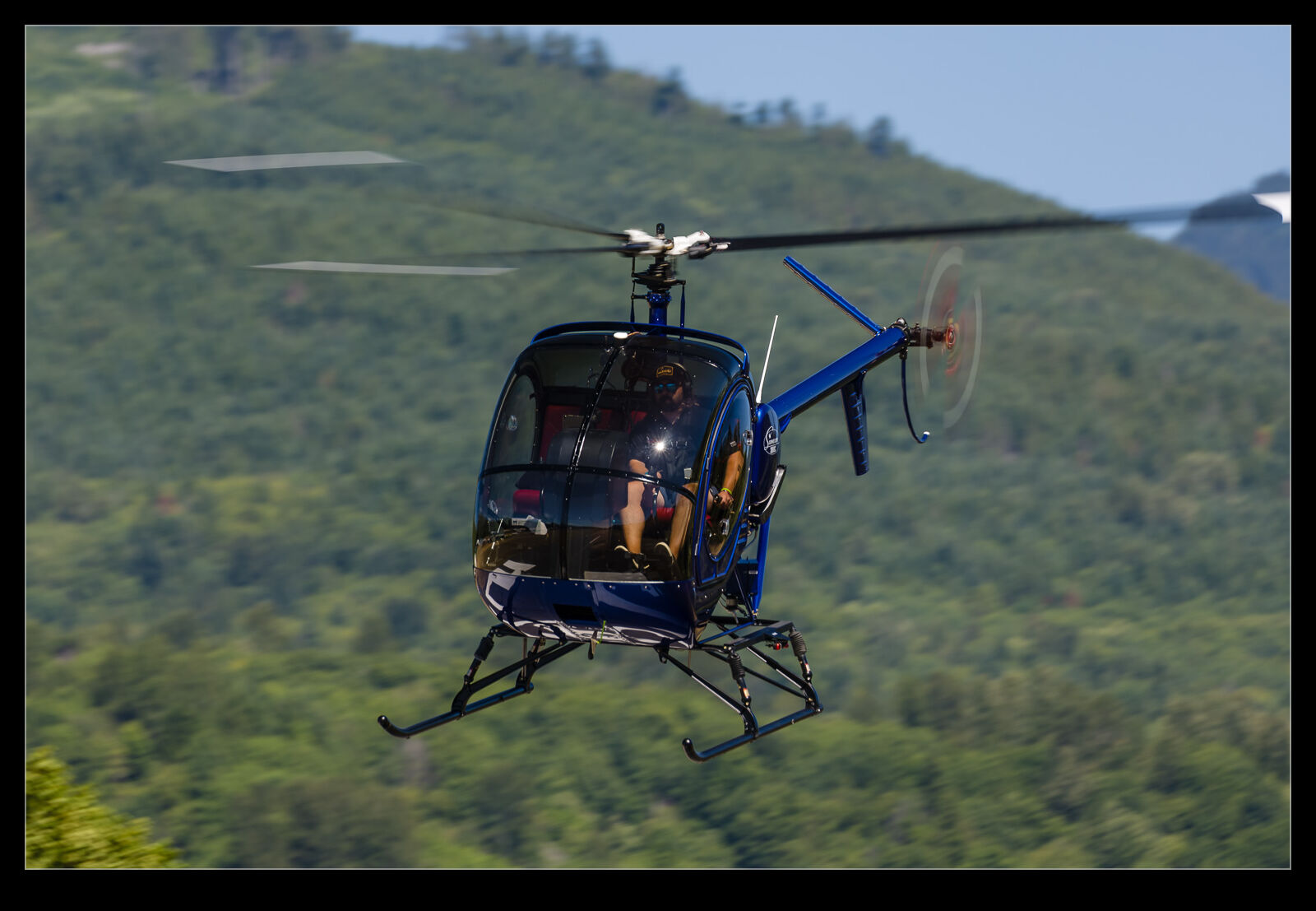
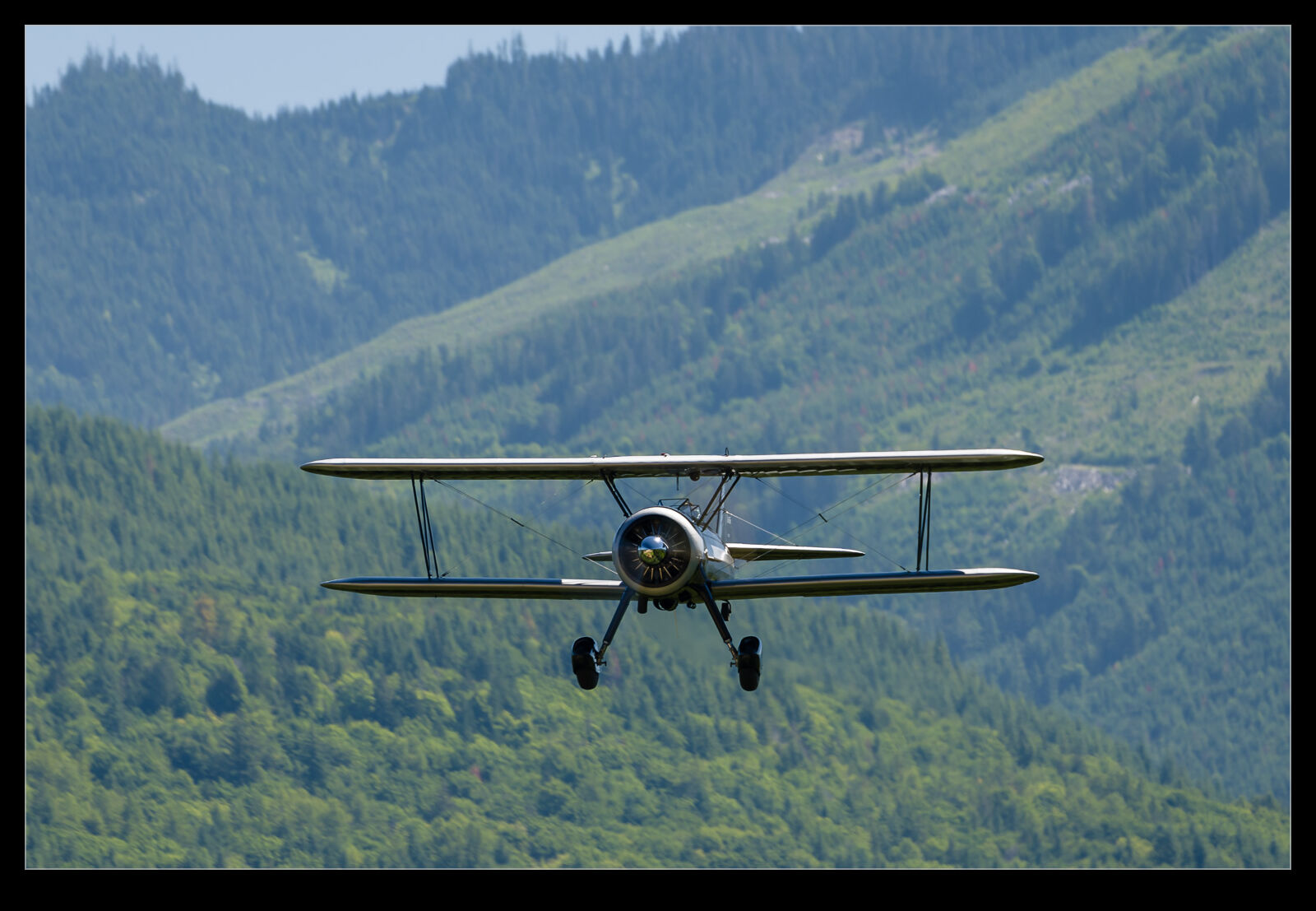
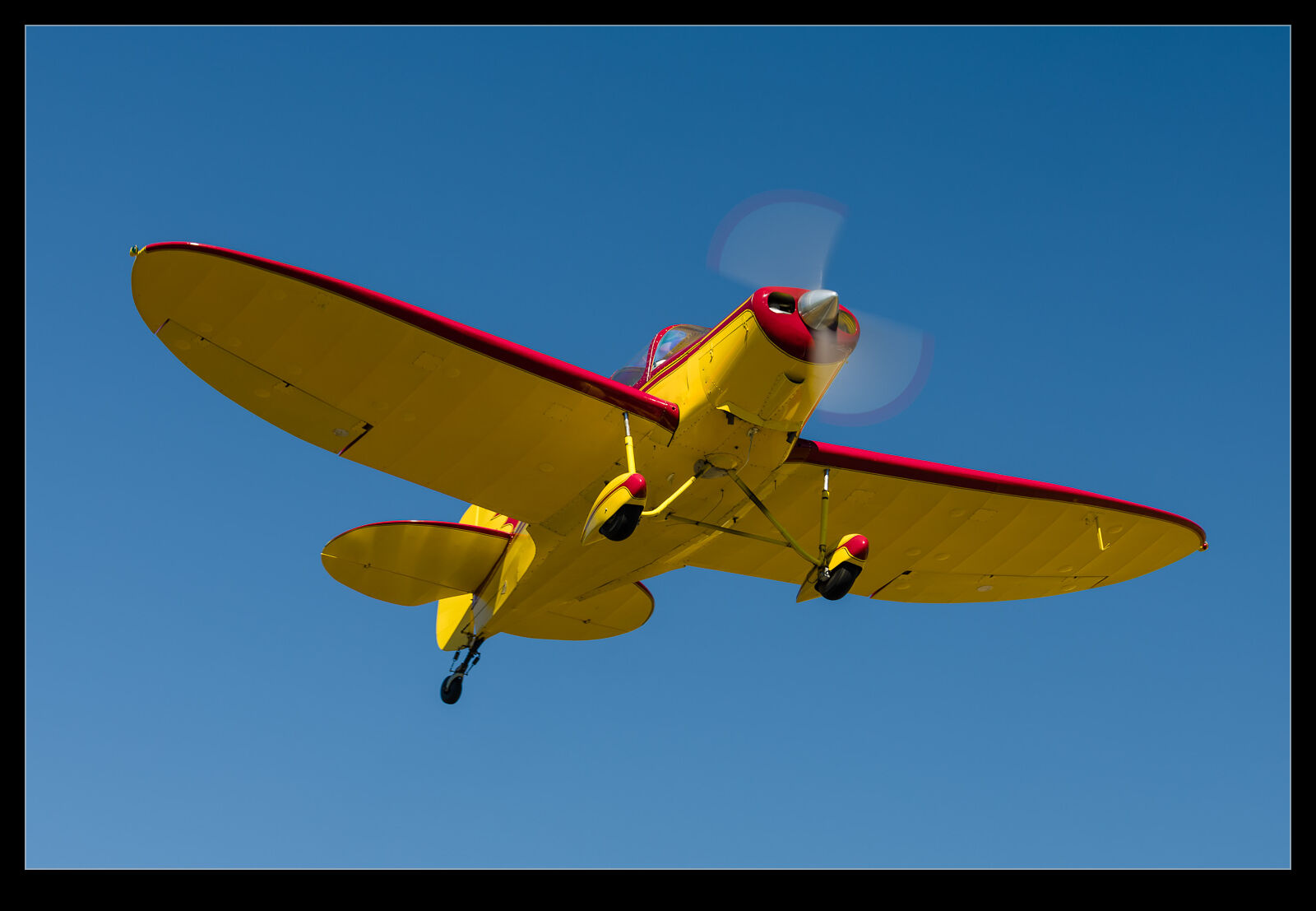
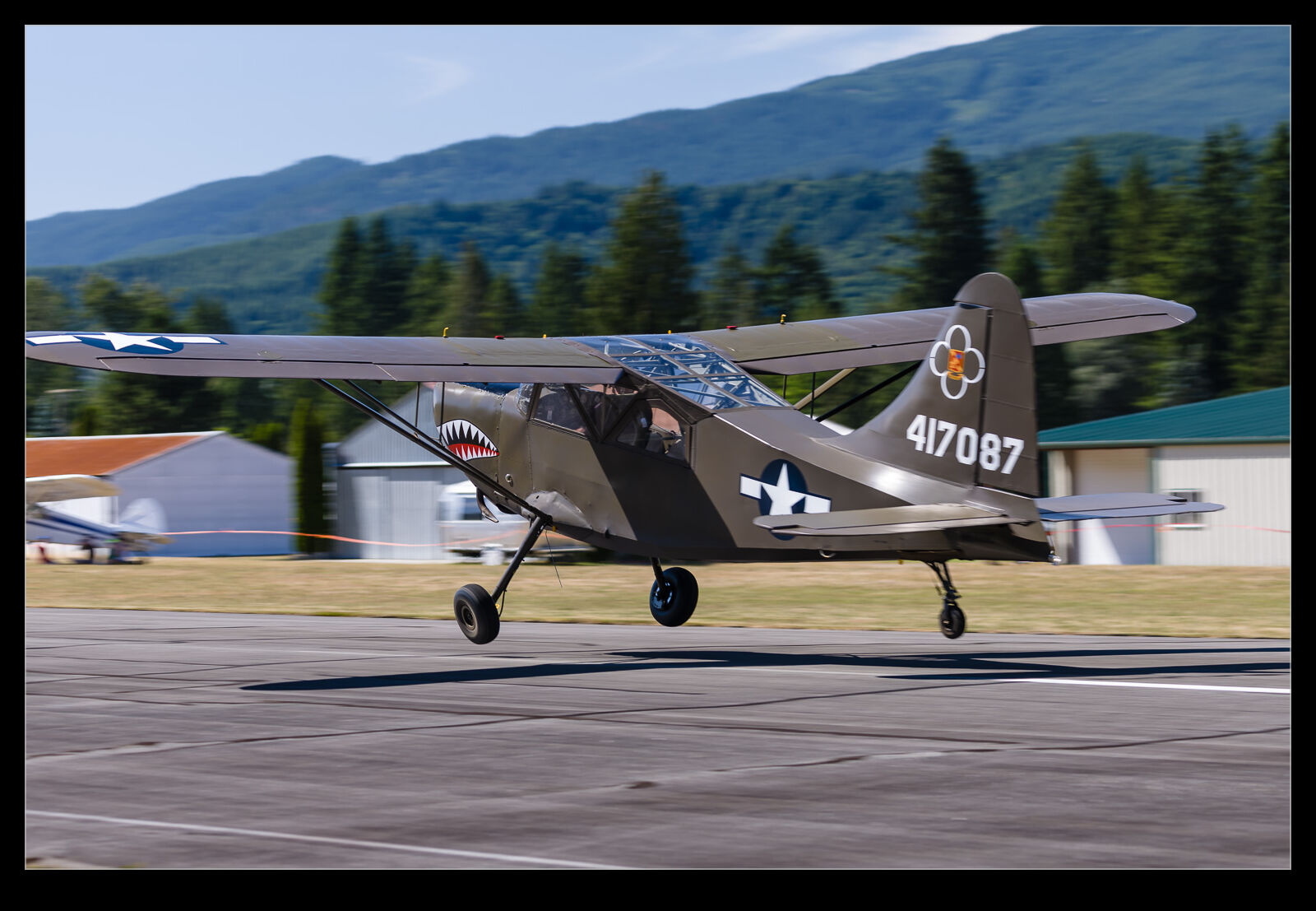
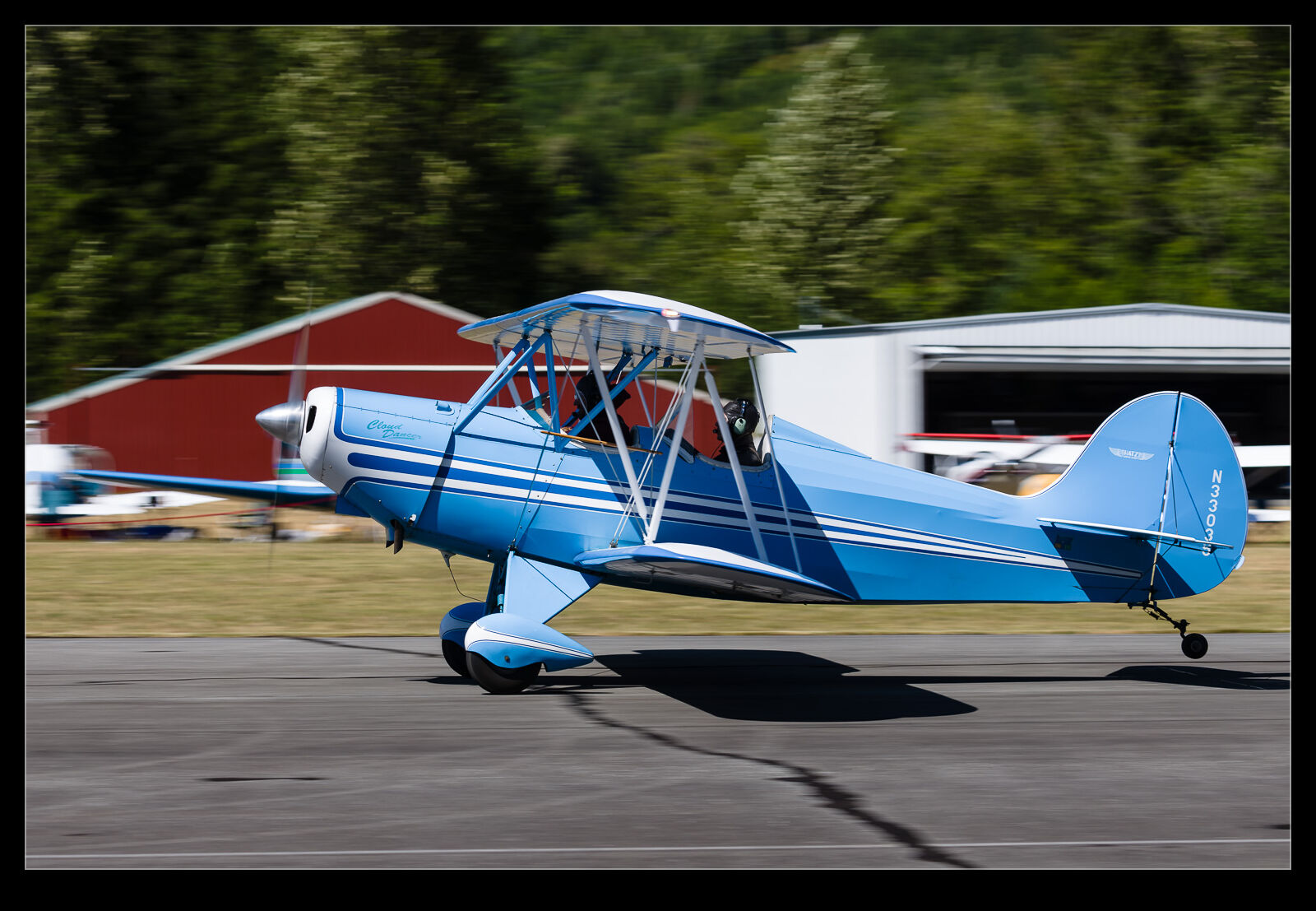
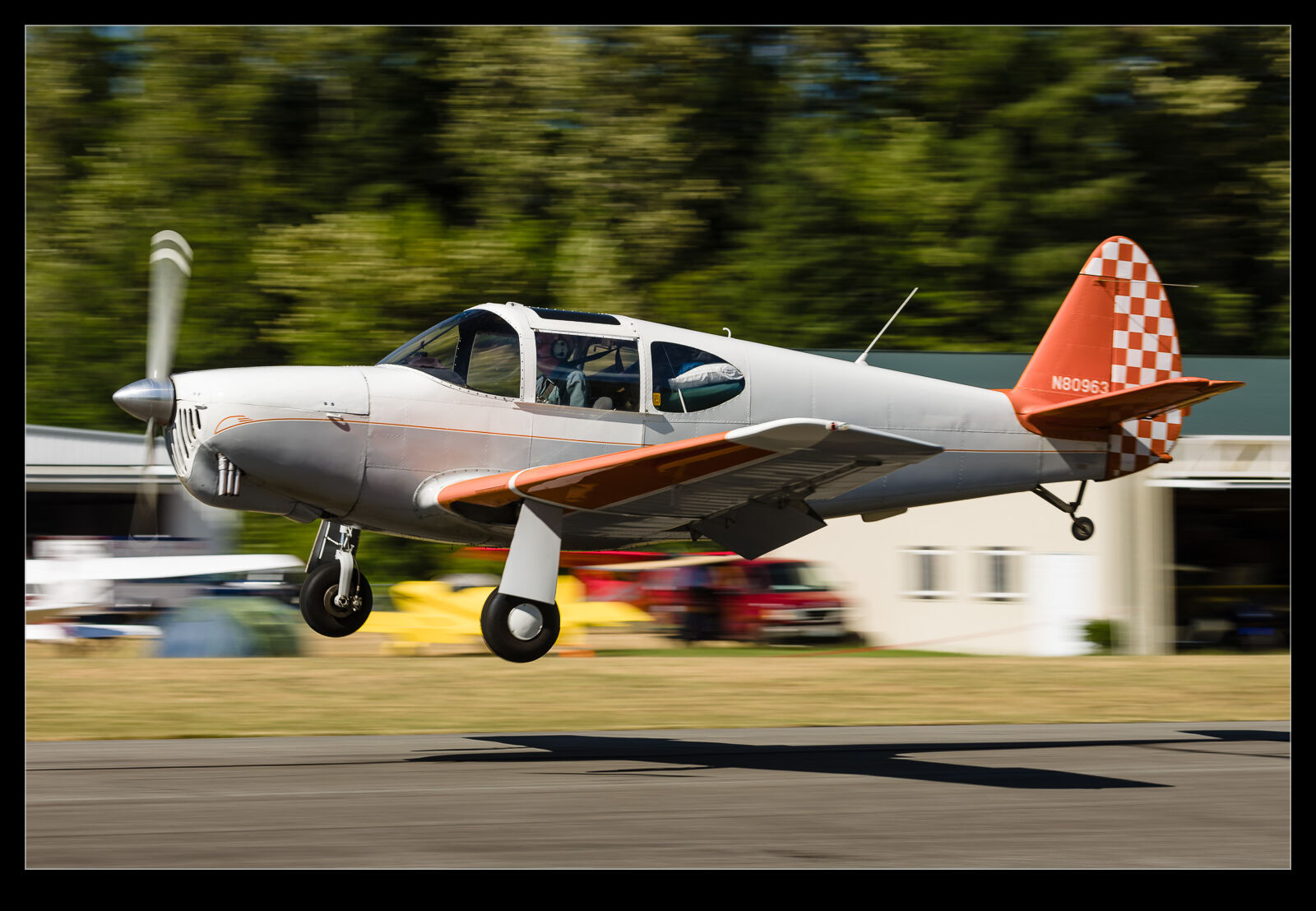 Since I was shooting a lot of light aircraft, I decided to try and make the shots more interesting by keeping the shutter speed low to emphasize speed. The downside the this is that you are very close to the runway so the parallax effect is quite pronounced. You can also just miss a ton of shots but why not have some fun. Few of them are ones you can’t afford to miss. It does mean a sharp nose is probably combined with a blurry fin. This will really annoy some viewers and others will never notice. Since I am shooting for me, I’m the only one that has to care!
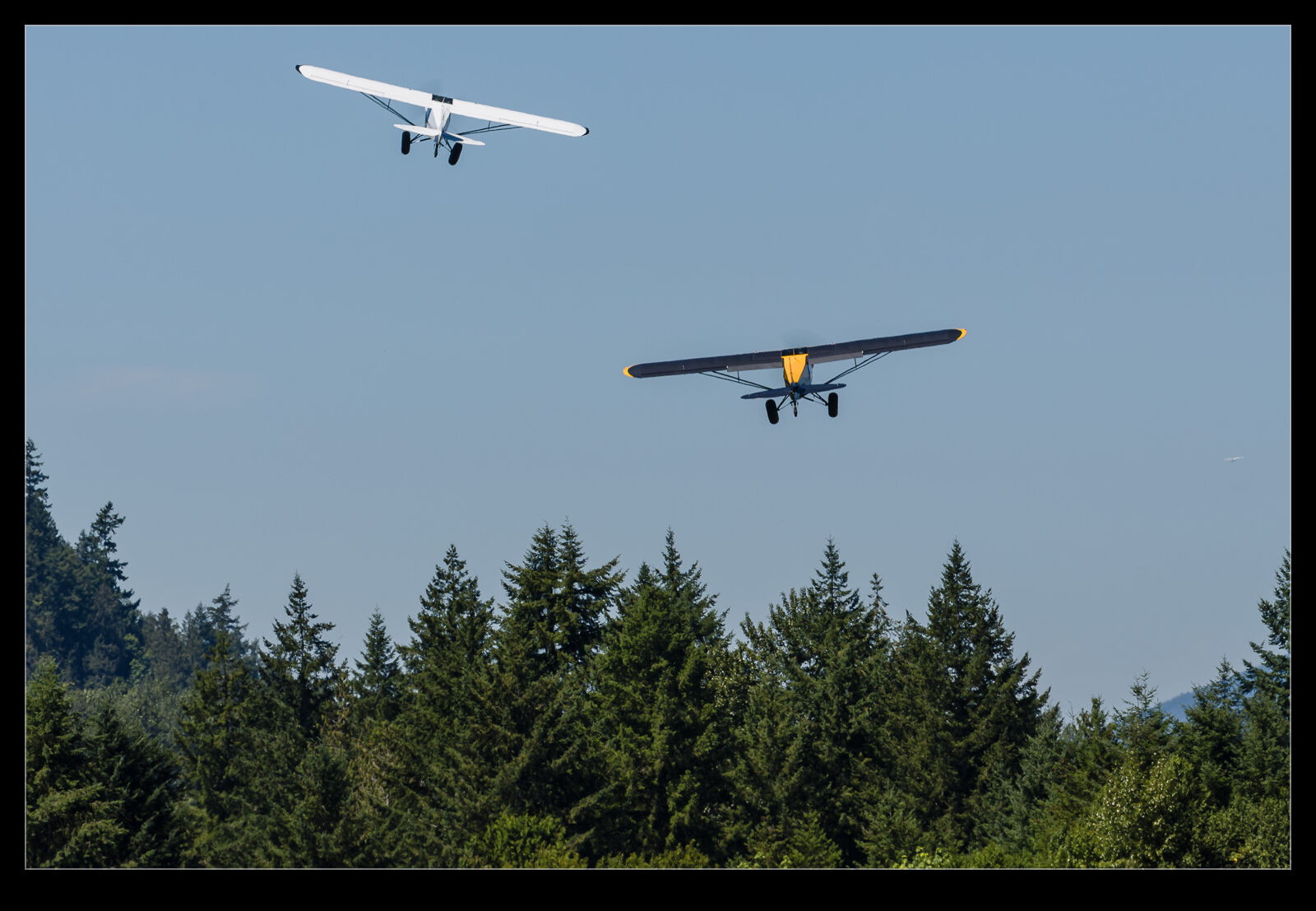 More to come of some specific planes and events from the day out with a regular crew of aviation loons.
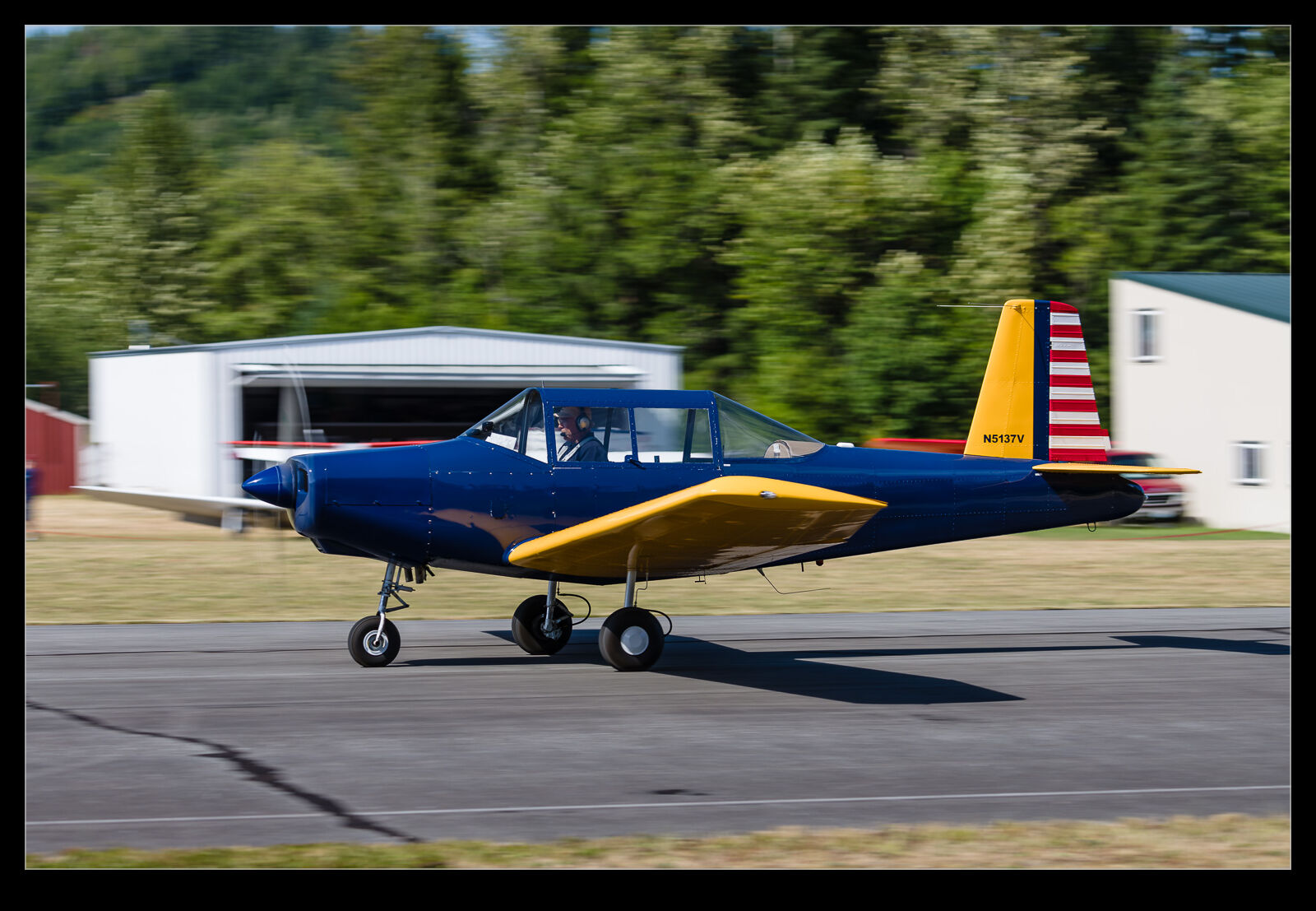
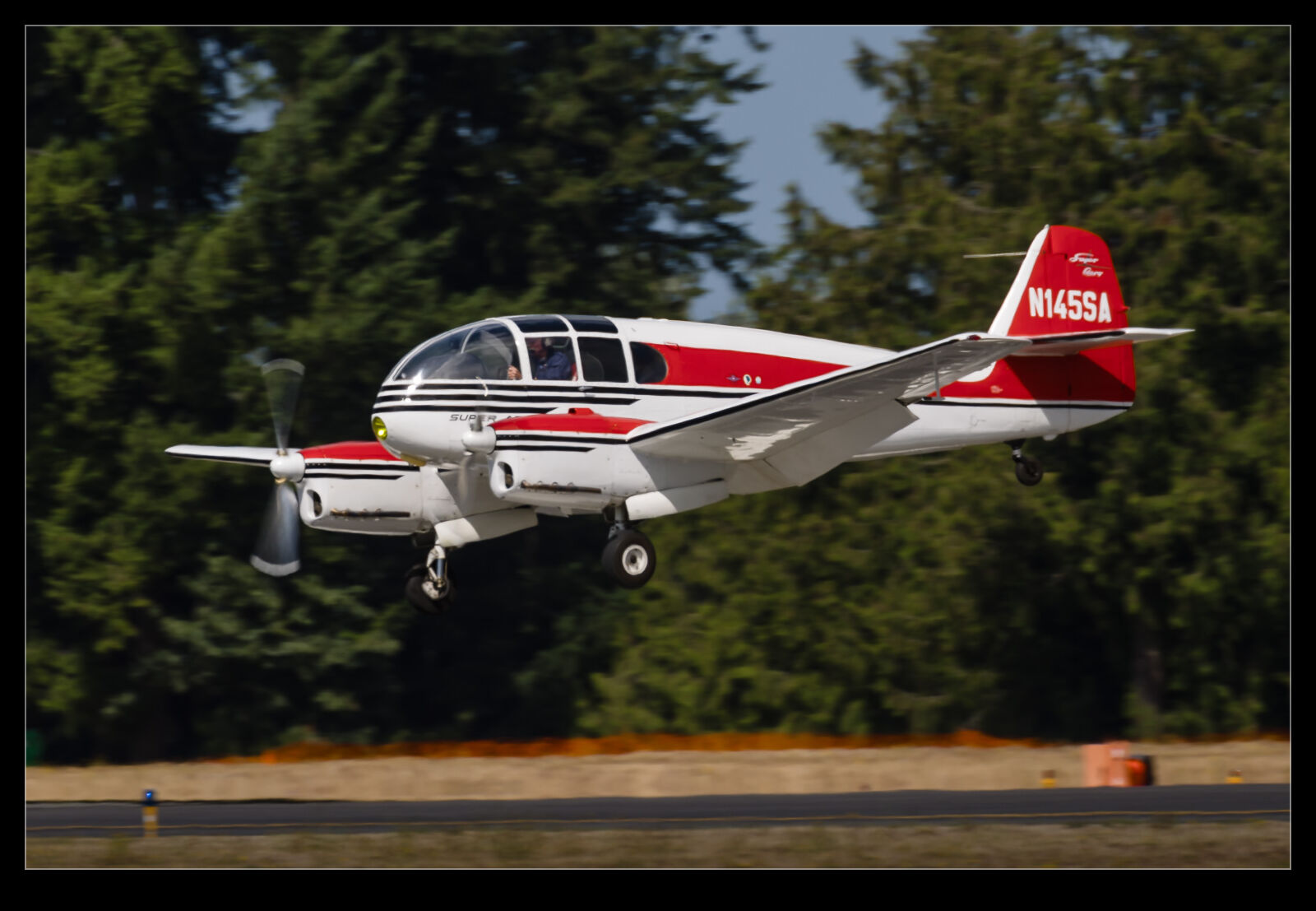
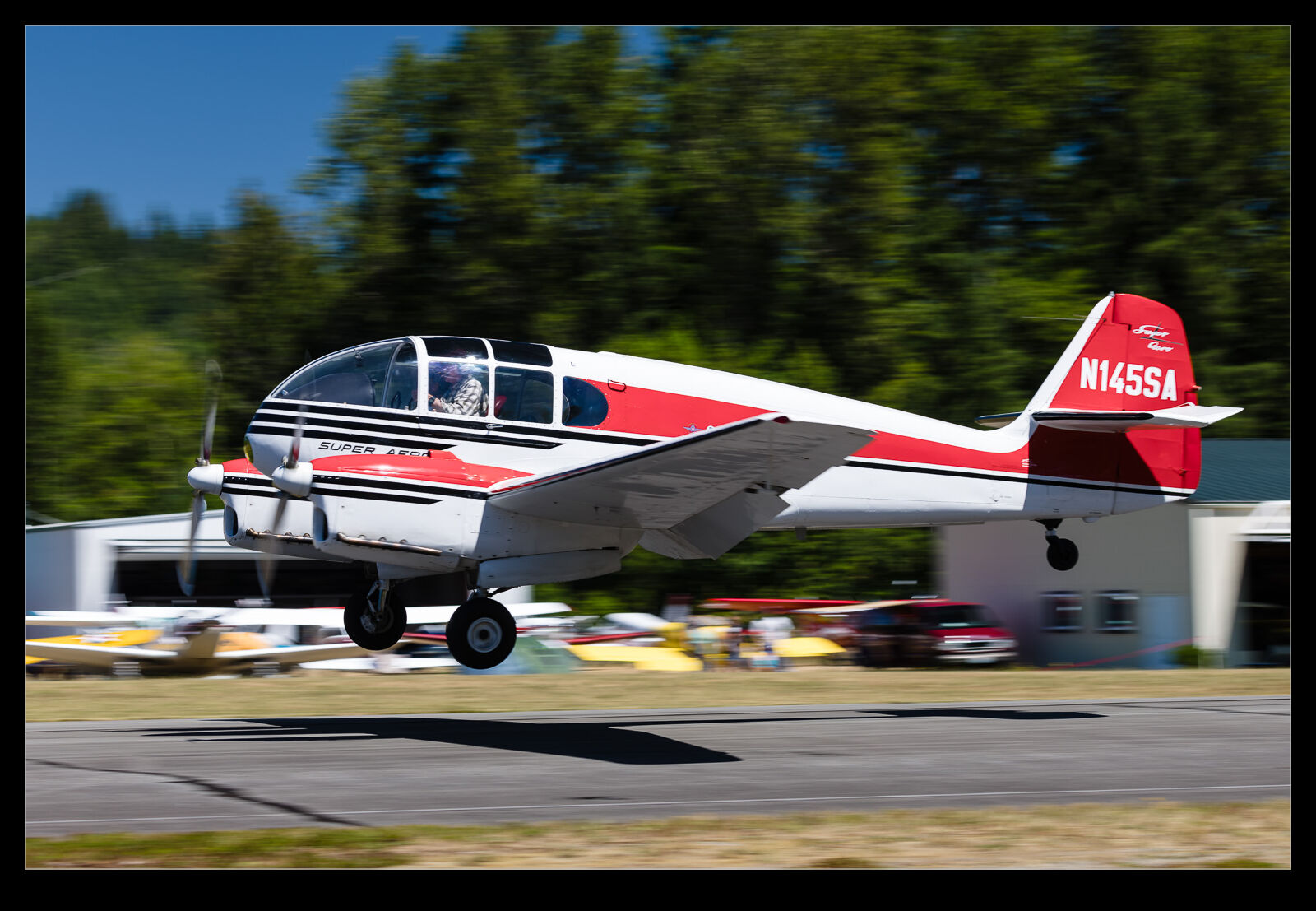
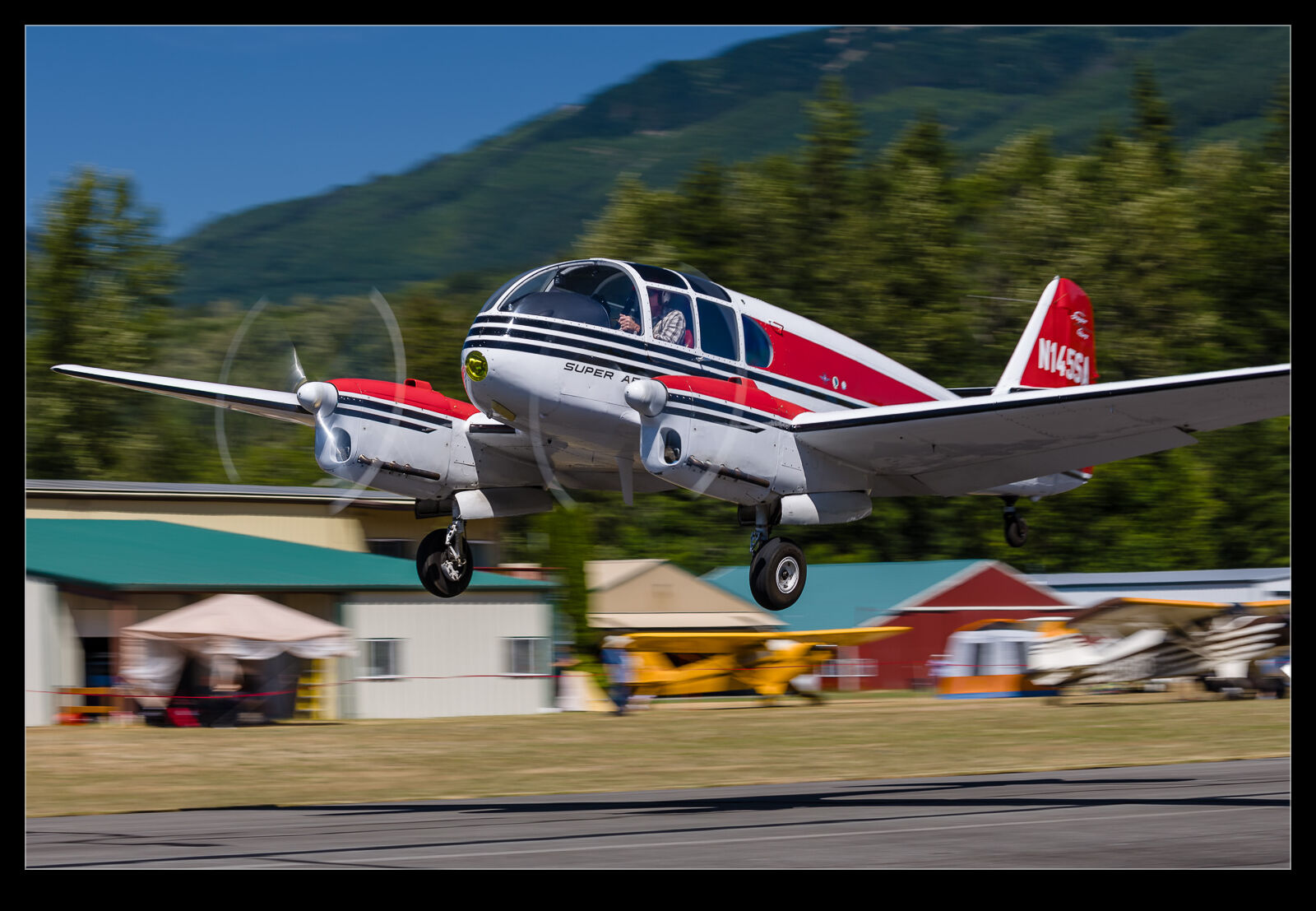 I have seen the Aero Vodochody designed and Let Kunovice built Aero 45 before at events. However, it was always parked and never in motion. I think it is such a cool looking like aircraft and reminds me of a mini Heinkel HE-111. I really wanted to see it flying and I have had two opportunities this year to do so. First it showed up at Concrete for the fly in. This was great news as I got it landing from close proximity and then again when it took off.
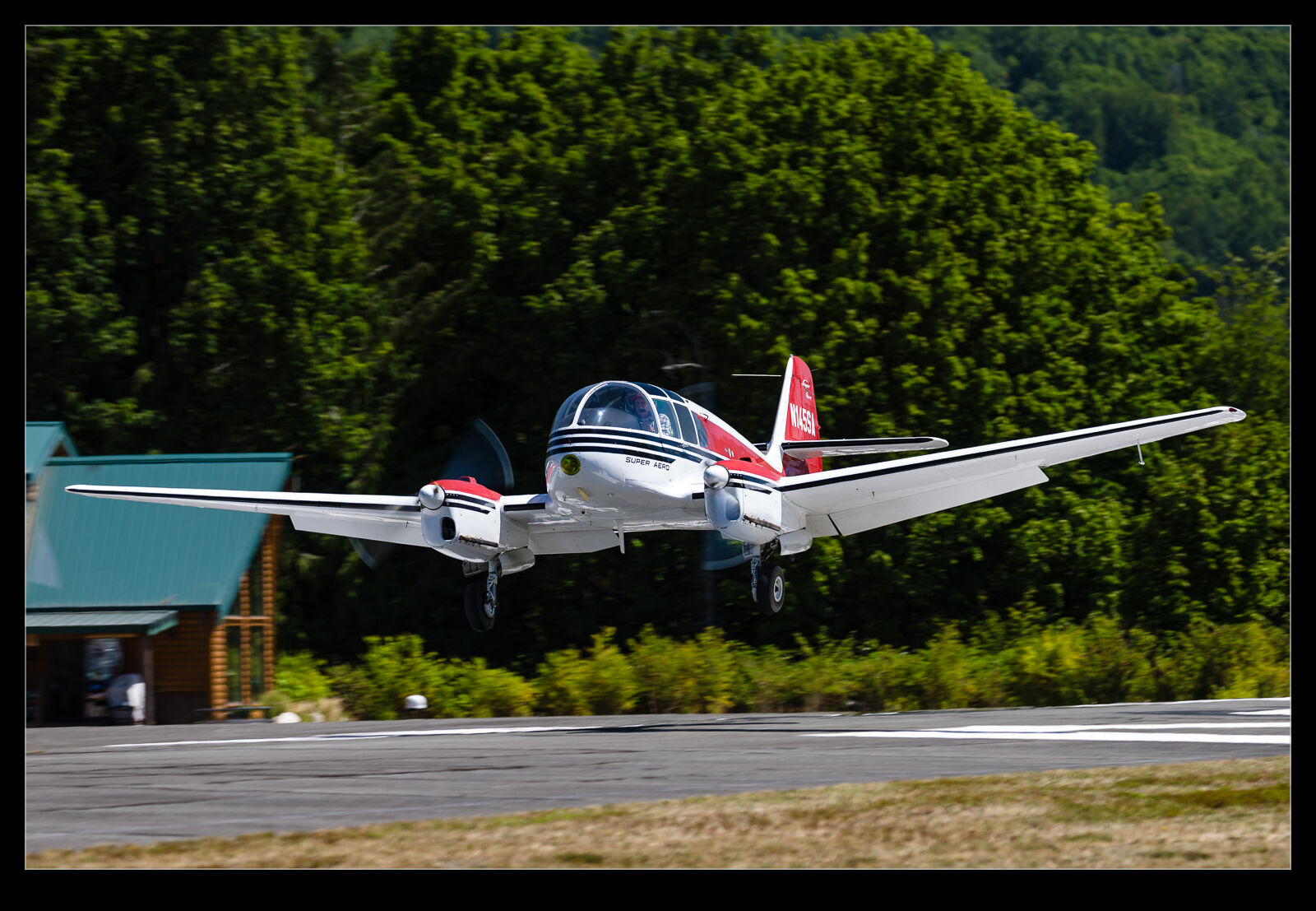 It was not a lot later that the Arlington show was setting up. I wasn’t going to be at the show but I was there the day before for some warbird flying and the Aero 45 was coming in to be on static. (This was a repeat of the first time I saw it in person which was also at Arlington.). Not so close this time but another opportunity to catch it in flight. What a cool looking plane. Glad we have it up here in the PNW.