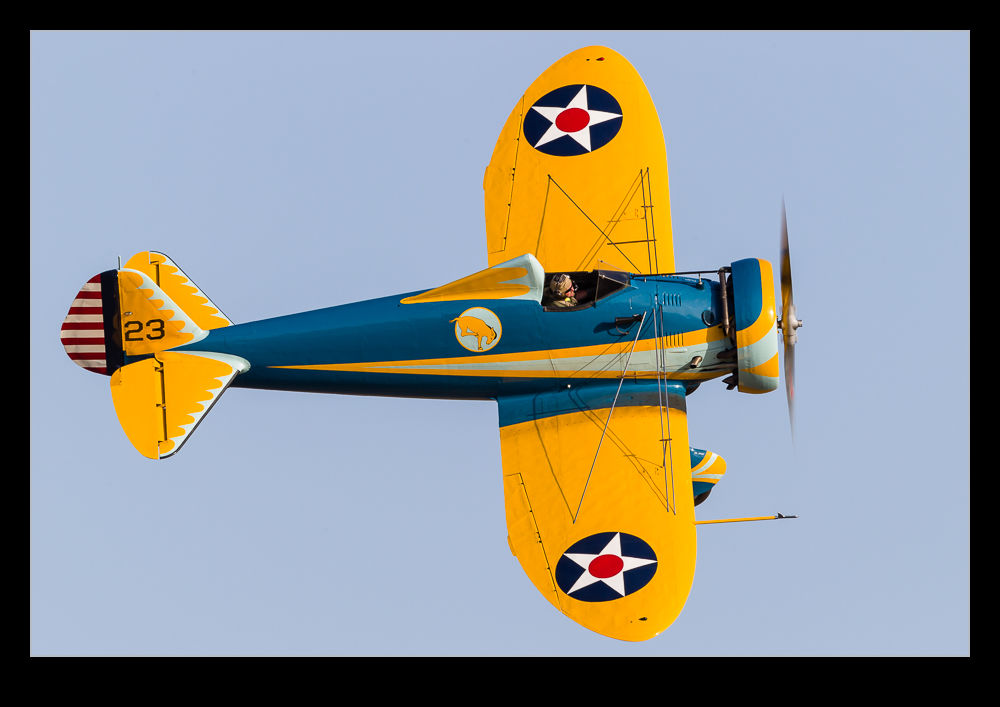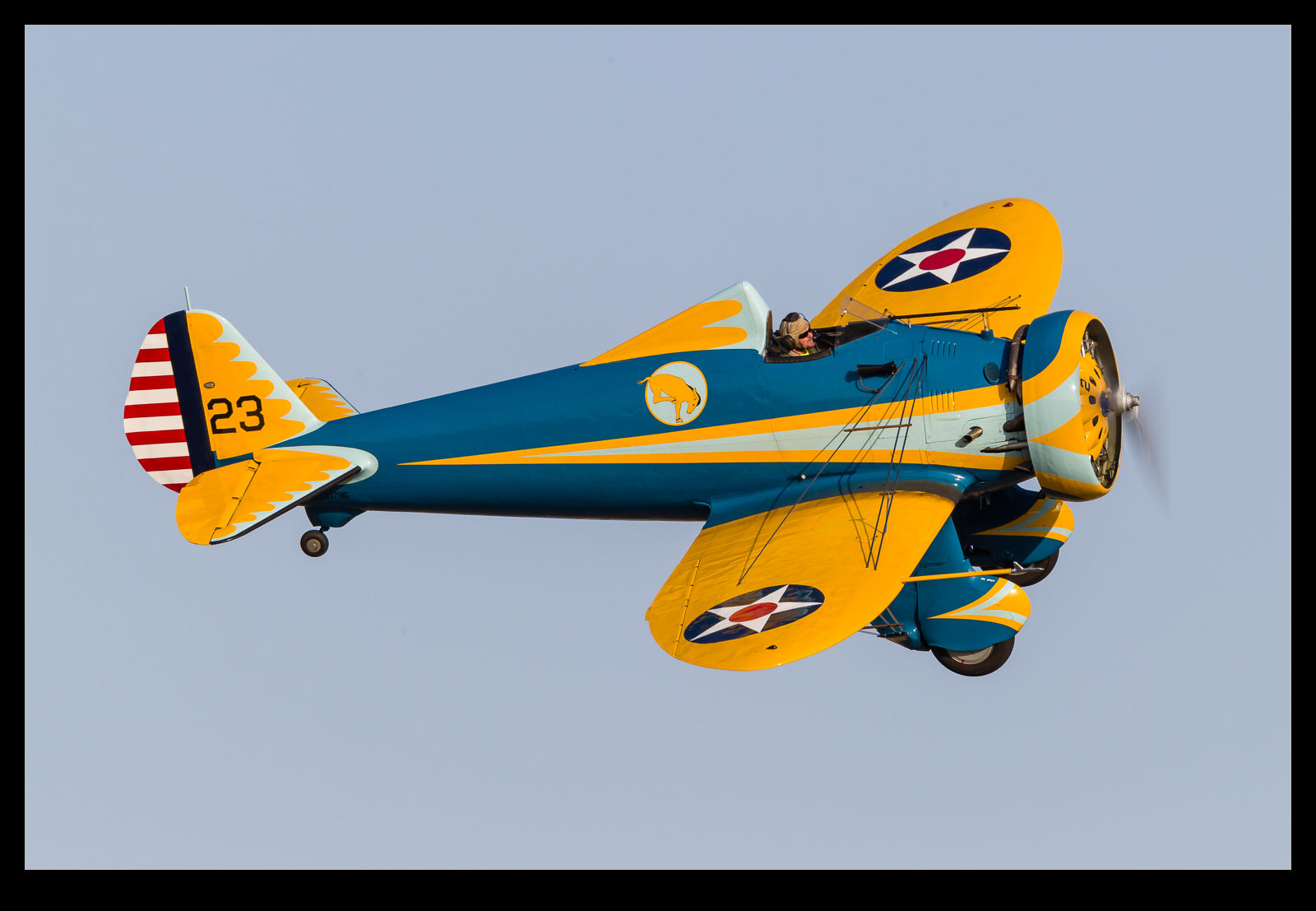
One of my favorites when visiting Chino for the Planes of Fame Airshow is the Boeing P-26 Peashooter. A pre-WWII aircraft, this is the end of a generation of aircraft. Once the war started, aircraft really advanced quickly. For those that had been involved in conflict before the US actually entered the war, the aircraft had already moved on. The P-26 is a bit of a stranger in a time warp. However, the shape and technology combined with the colors make it a curious aircraft for me. Seeing it fly during the twilight show at Chino was cool and the evening light was a lot more impressive than seeing it during the day.
Category Archives: photo
Storms Over the Front Range
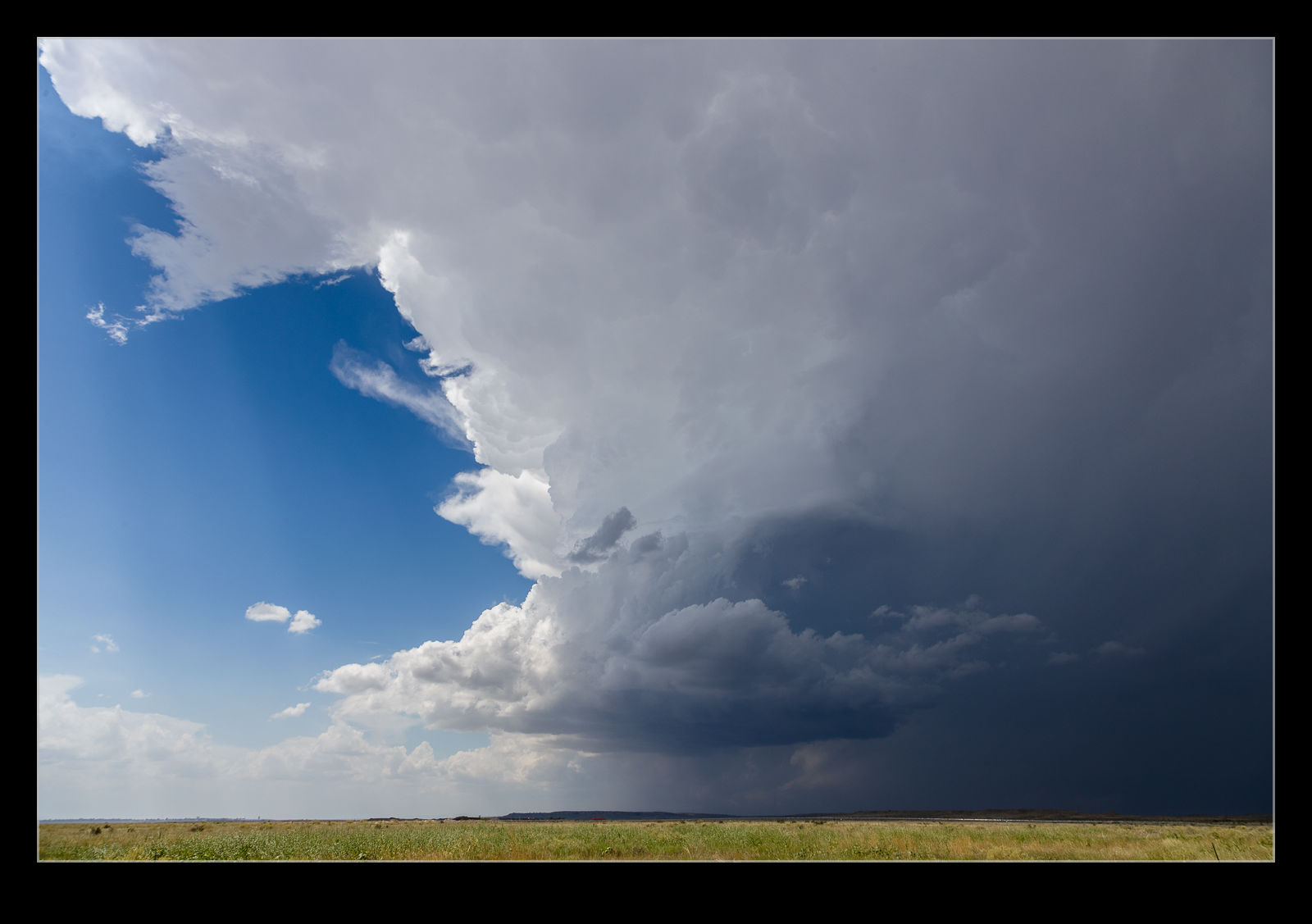
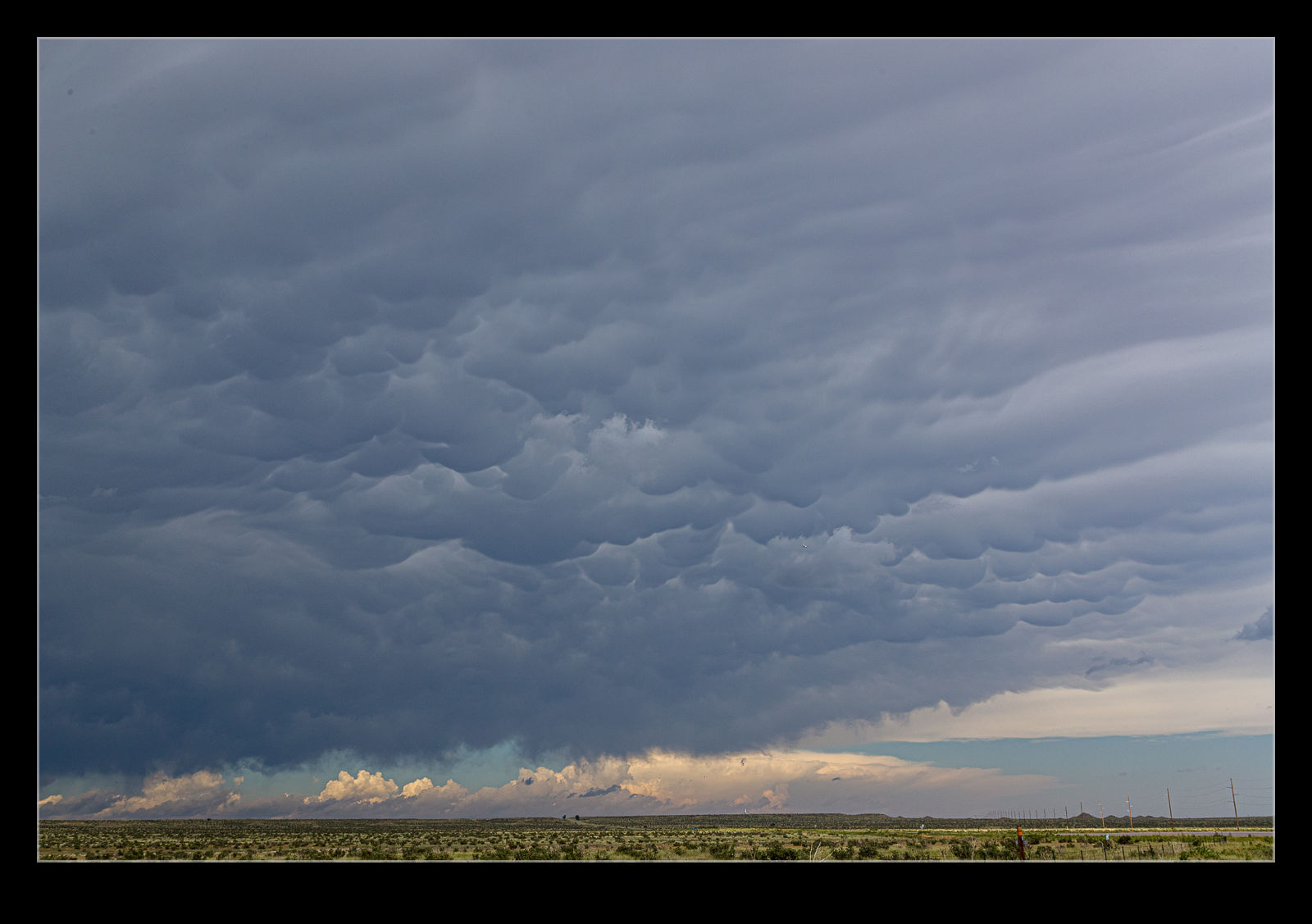
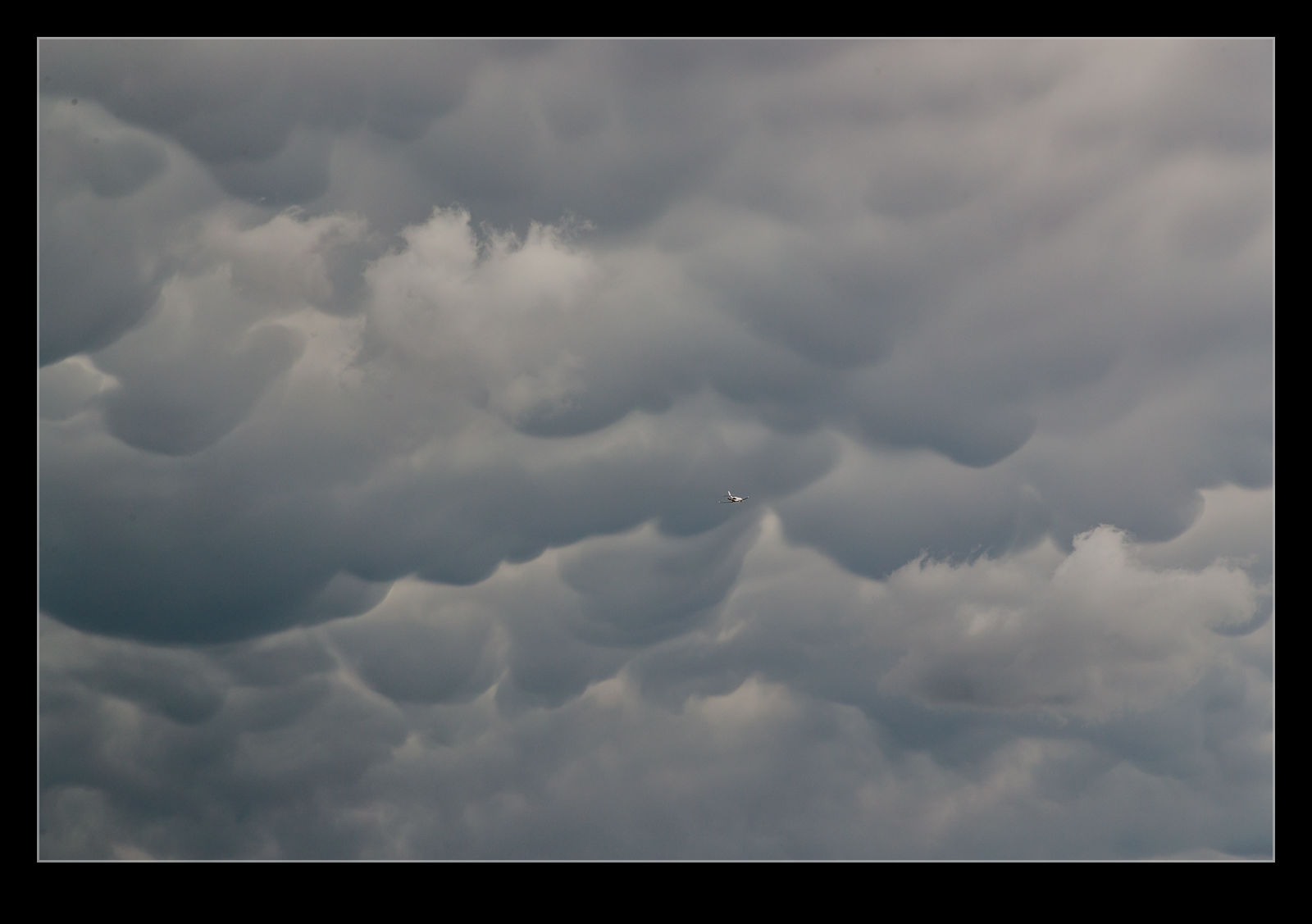
When I arrived in Pueblo Colorado, the sun was shining and it was pretty warm. After our second day of testing, the weather had turned a bit and, as we headed back to the town, there was some storm activity over the Front Range. The road you drive out on is a federal facility so stopping to take pictures is not the best plan. However, once we got back to the more populated area, I did pull over and take a few shots. That night, there were some serious storms around us. I saw a few over the mountains as we drove but nothing too dramatic.
Embedding a Zoomify File
I have played with the Zoomify files a few times before. Then I found a way to get a Zoomify file output in HTML5 format rather than Flash. Since so many people are on mobile devices today and plenty of them don’t use Flash, having the new format was necessary to make the output usable widely. I didn’t like the idea of a new page opening up though. Taking people off your page can mean that they don’t come back. Fortunately, I found out how to embed this in an iFrame. Those of you that are web savvy will know all about this stuff but I didn’t. However, messing around with some page code and suddenly my stuff is embedded in the page above. Pretty cool. Feel free to zoom and pan around the Nellis flightline!
High ISO Raw File Size
On my previous camera bodies I had occasionally shot at very high ISO settings as a result of the lack of light. I had not paid a huge amount of attention to any secondary effects of doing so. My current cameras had a work out in some very low light when I decided to test them in some rather unfriendly conditions. When I was at home, I was running some disc backups and I found I could not get the normal number of files onto a single disc. A quick bit of investigation and I could see why. The high ISO shots had a significant increase in file size. As I understand it, RAW files, while containing all of the data from the sensor, do have an amount of compression applied. I imagine that the noise inherent in high ISO shots means that the compression is less effective as there is so much variation across pixels. As an example, a shot at ISO 320 will average at about 22Mb. The shots at ISO 51,200 are coming in at over 30Mb. At ISO 204,000, the files can hit 40Mb. That is quite an increase! Something to keep in mind when planning to shoot in very low light conditions.
Can 700mm Reach Into the Cockpit?
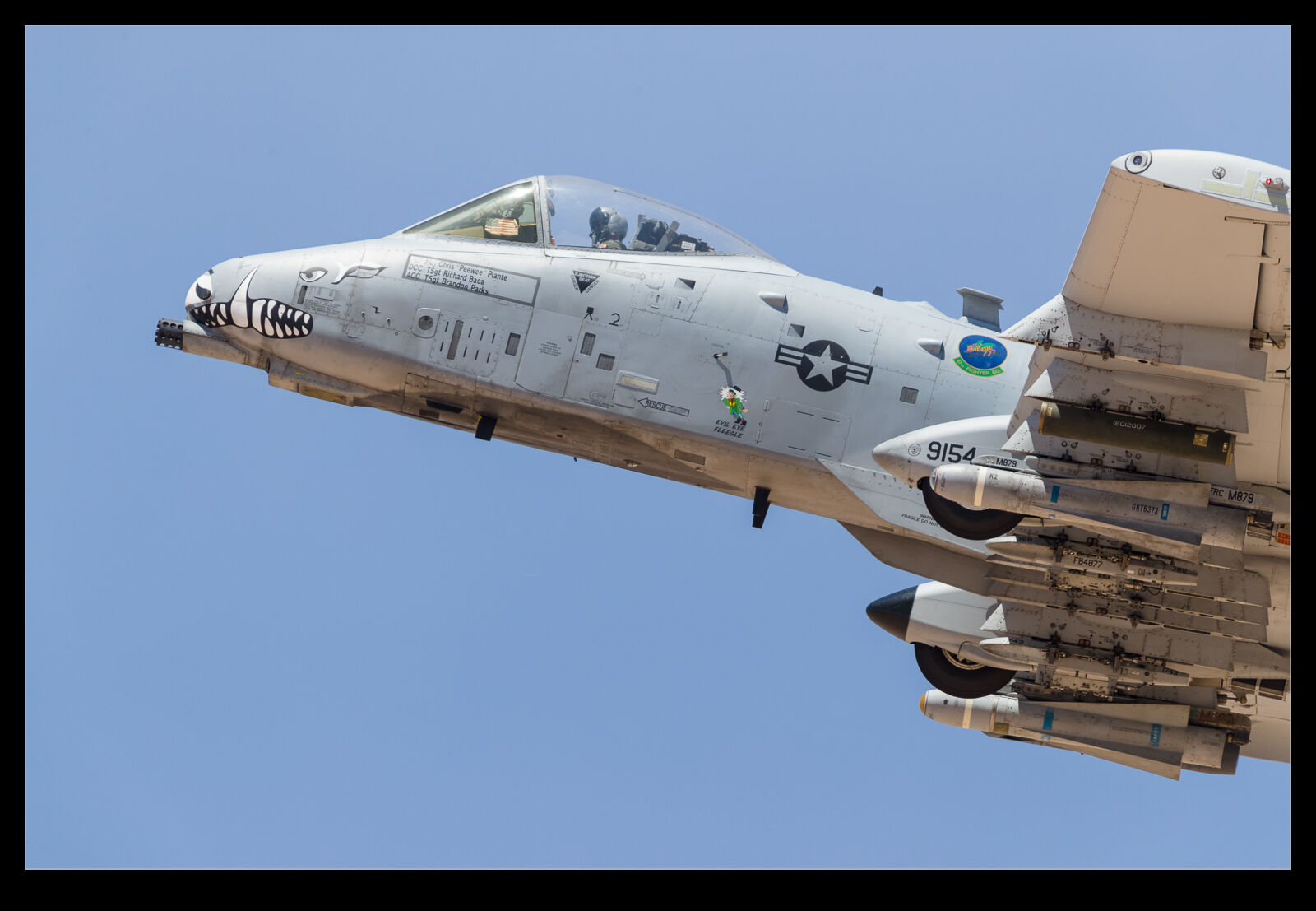
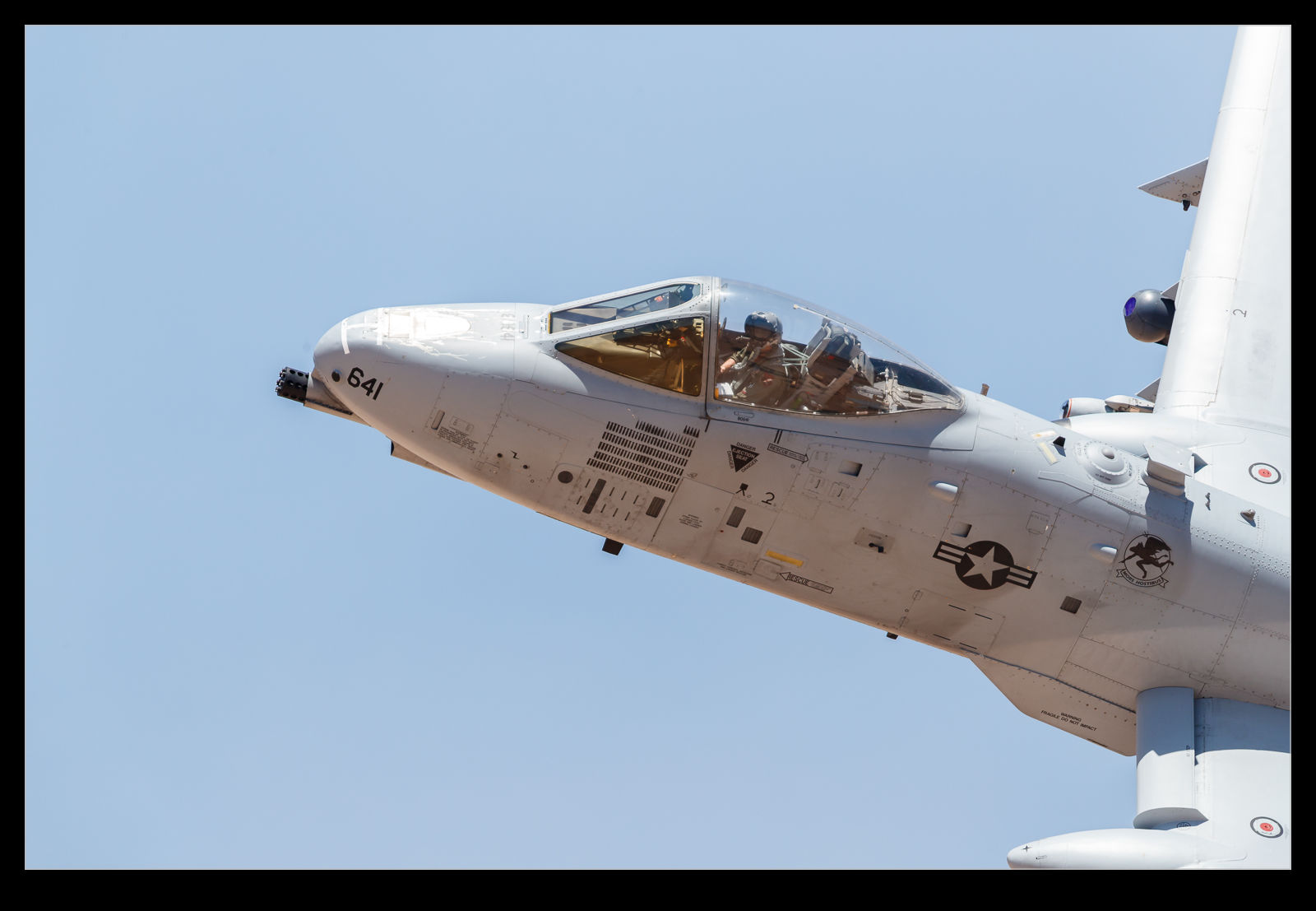
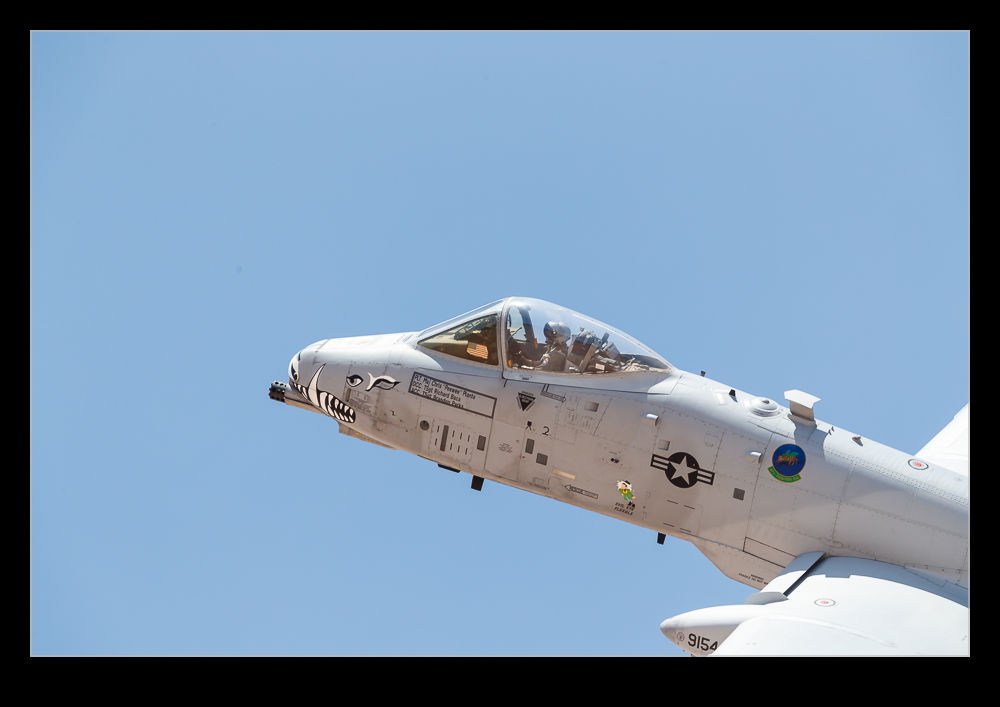
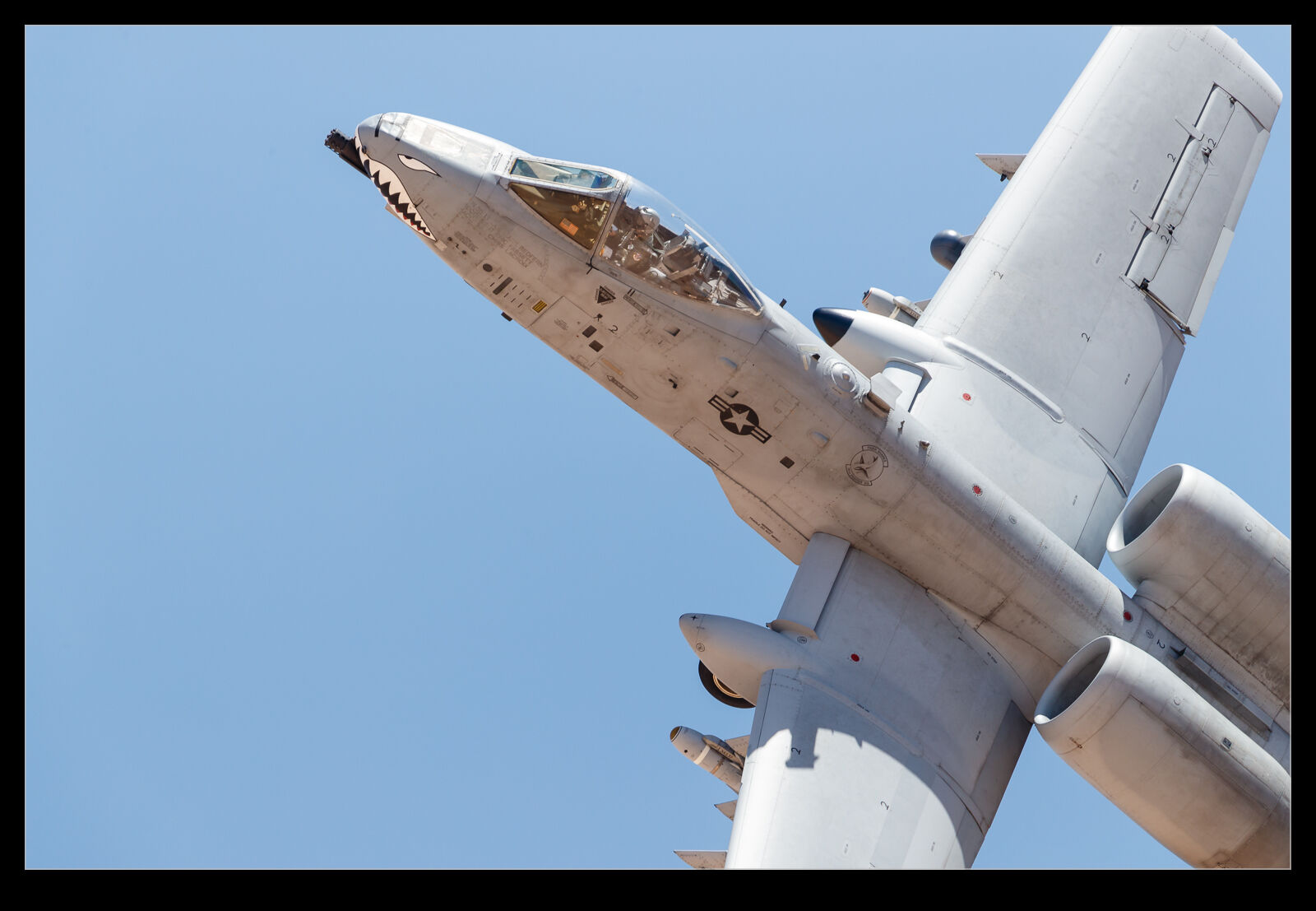
Since changing camera bodies to something that is full frame, one of the things I have been pondering is what I will notice about the reduced reach that I will get with my current lenses. Obviously there will be a change. So far it has only really resulted in me changing when I press the shutter since I still work based on what I see through the viewfinder. While we were out on the range at Hawgsmoke, the jets would carry out a strafing run and then pull towards the range tower where we were located. Sometimes they would be really close.
I had decided to try putting a 1.4x tele convertor on the 500mm to compensate for the larger sensor size. This worked well for a number of the shots but, when the jets pulled overhead, it was a touch too much! These shots are not cropped. They are really that close and you can see exactly what is in the cockpit.
Lightning Photography
When I shot film I had a go at shooting lightning a number of times but never with any success. I would try and react to get the bolt but it was always gone. When you are using film and having a very low success rate, things get too expensive. Consequently, I gave up on it. The move to digital opened up a new range of possibilities.
My new approach doesn’t involve much skill (but then neither does using an electronic trigger). I set up the exposure to have a reasonably long shutter speed. Then I put the camera on continuous mode, plug in the cable release and lock the shutter open. Then the camera takes a steady stream of shots. Of course, when there is a slight gap between shots, you can imagine when the lightning will strike.
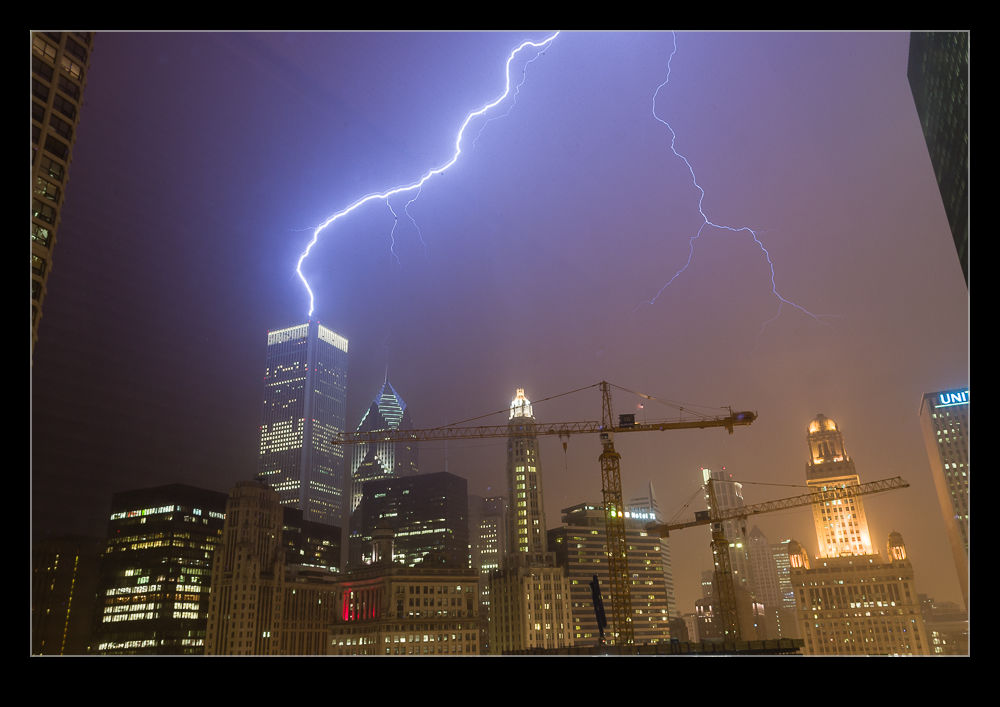
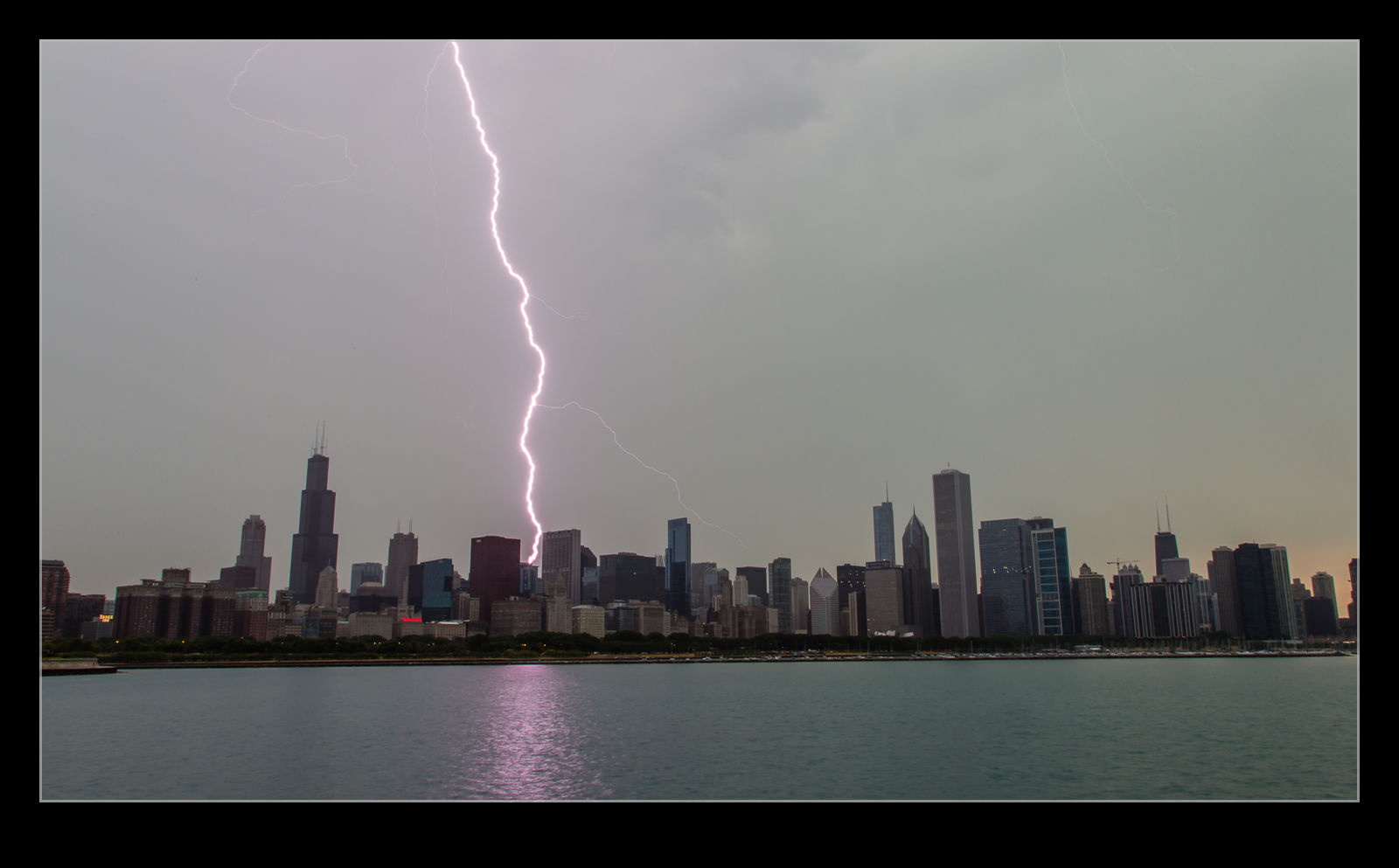
I used to shoot a lot from the apartment in Chicago. Set the camera up and go and do something else. Unfortunately, the heavy rains that would accompany the storm activity could result in the sky glaring out but you still had a chance. Some of the shots were okay and every once in a while you would get a really cool outcome. The Trump Tower was next to us and it would be struck occasionally but it was too close to get a good look at. You could hear it though!
FedEx 757 and Oh So Close
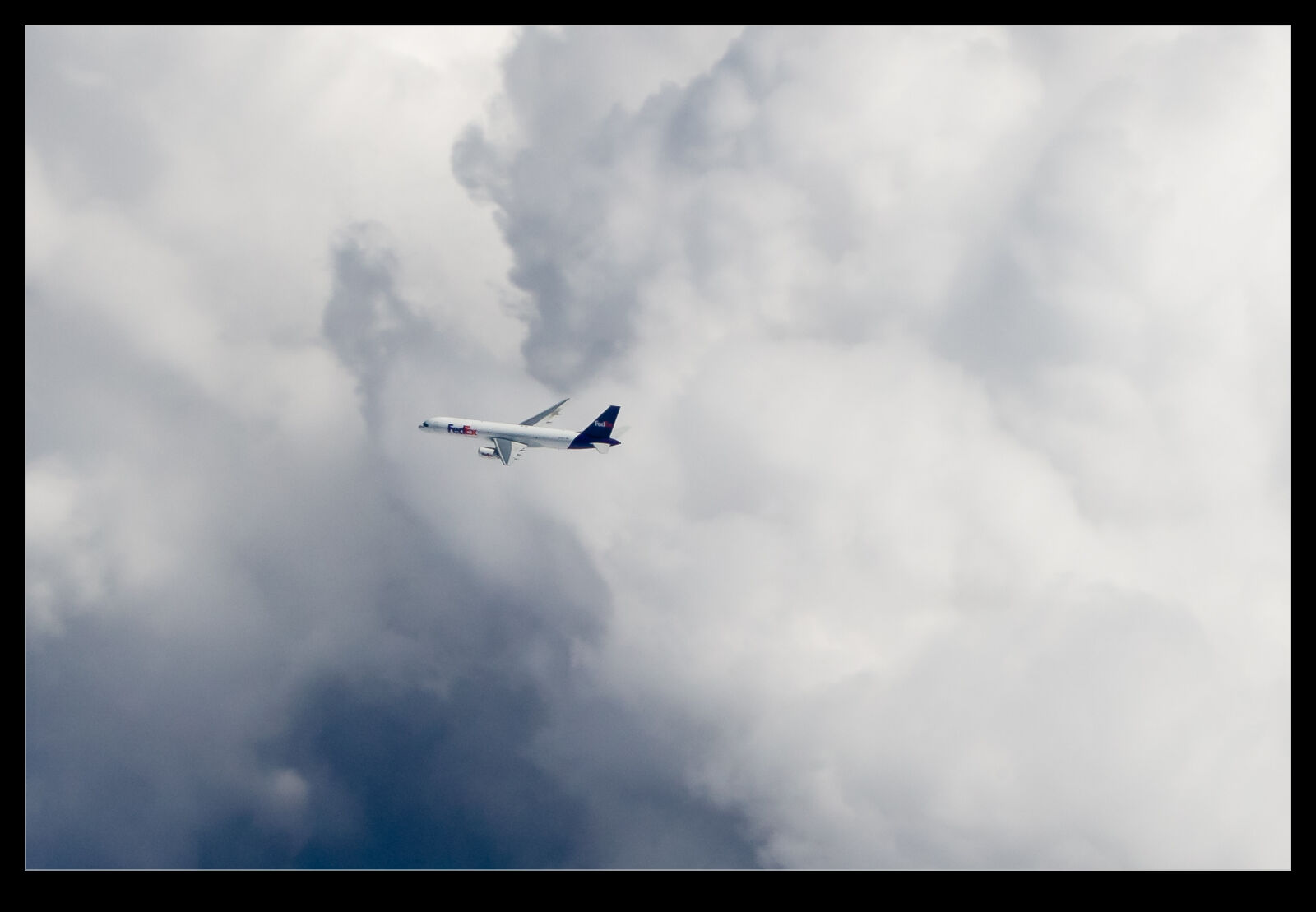
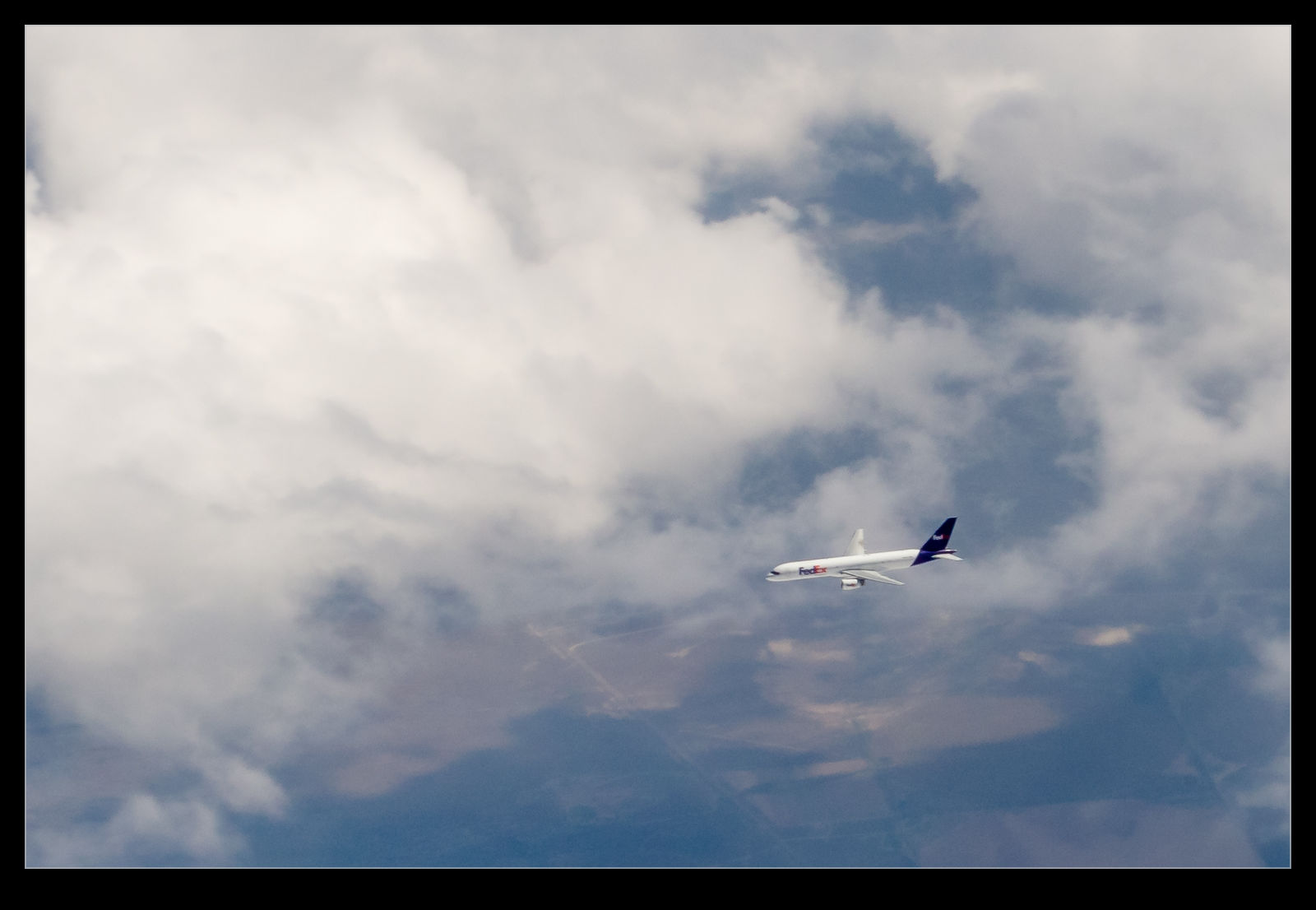
I have posted before about taking photos from airliners of passing jets and using Flightradar24 and the wifi connection to try and get a shot. On this trip I had two good opportunities that I knew about. The first was a 757 operated by FedEx. I could see it coming using the app. It was apparently not going to be a close pass but it was going to be within range. I saw the jet show up and shot a sequence of it as it came by. The shots were okay given the idea of shooting through windows. A better chance came with an American 737. It was going to be really close to our flight path. Actually, it was really close. Unfortunately, it came right under us. I saw it flash by but I only got shots of engine nacelles and wings of our own jet. Oh so close!
Black-Footed Albatross
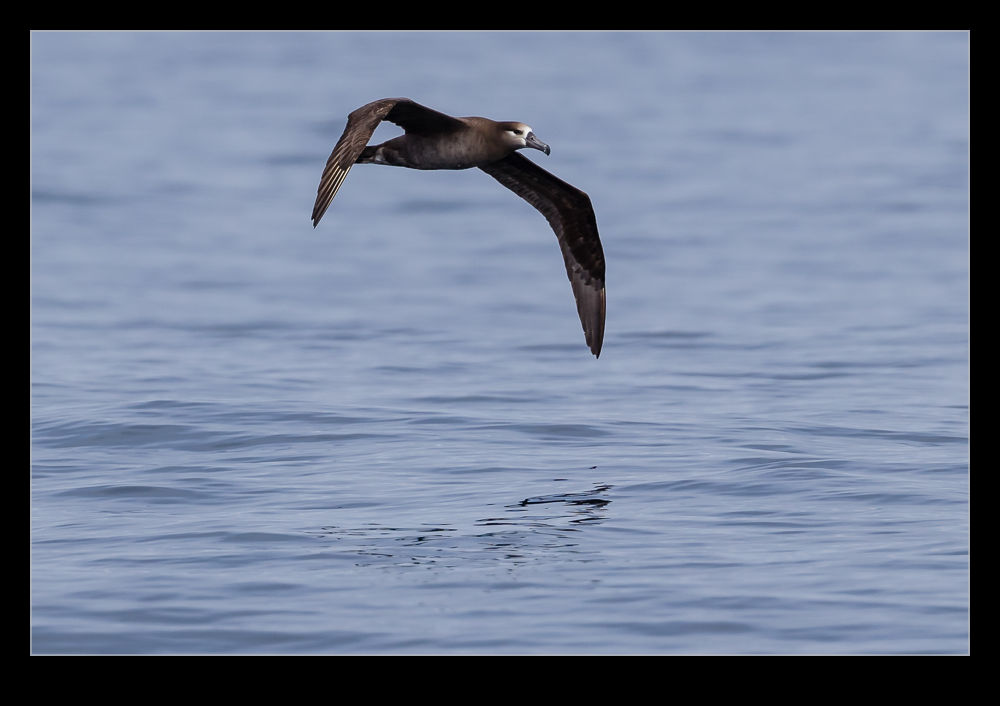
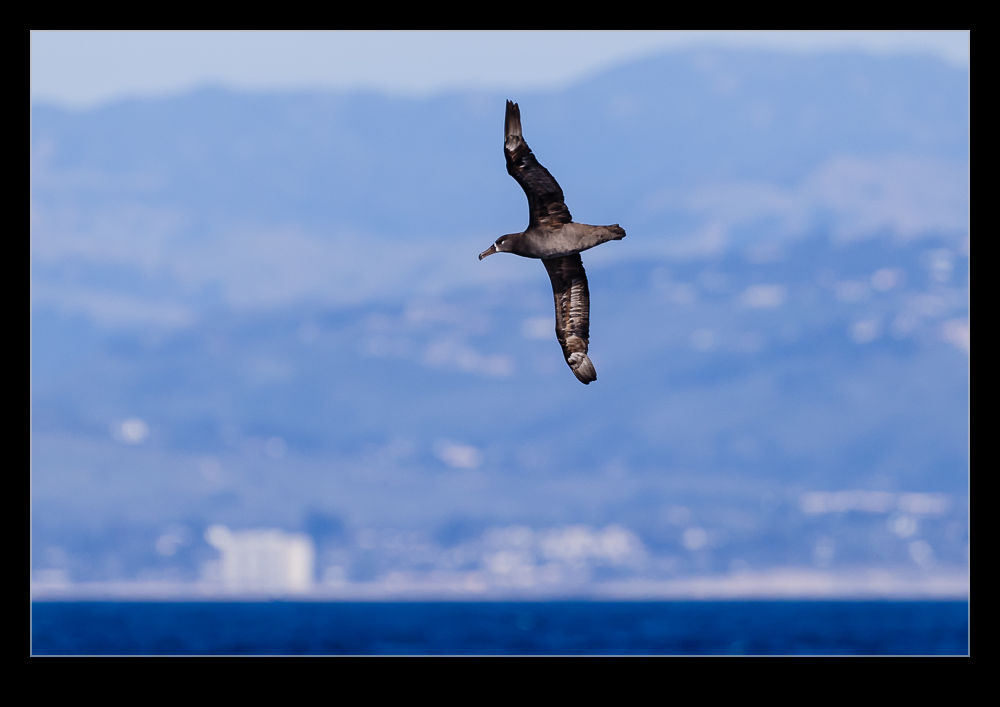
The albatross is a pretty amazing flyer. A large wing span and a very high aspect ratio make for an efficient cruiser. The wandering albatross is perhaps the most impressive with its ability to cruise the southern oceans for months at a time. I haven’t had a chance to go south to see one of those. However, while out in Monterey Bay on the whale watching trip we did have an encounter with a black footed albatross. It might be a bit smaller but it still has the same characteristics. Great efficiency and the ability to soar about the surface of the water with ease. What a cool bird.
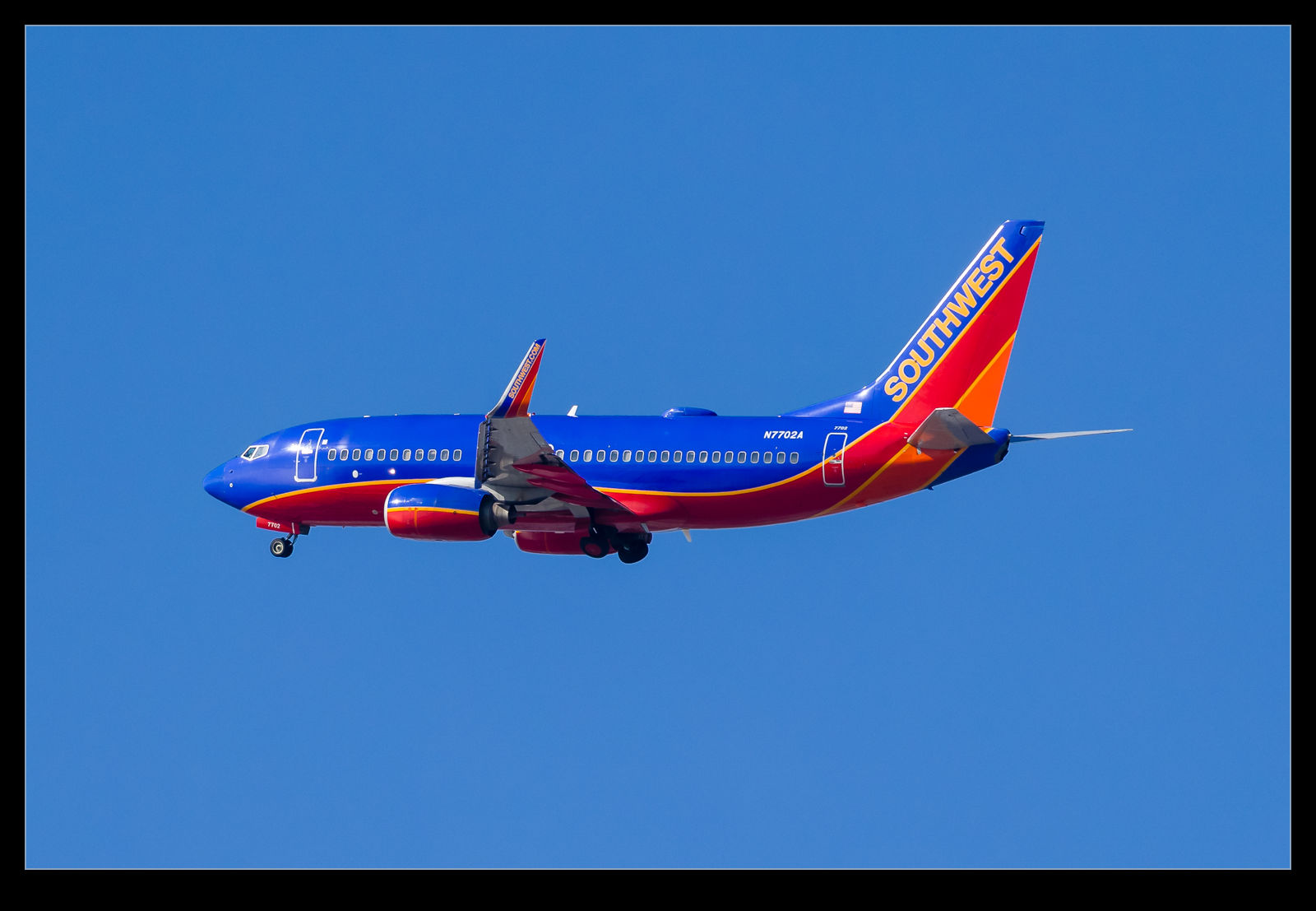
Southwest Evasive Maneuvers
This was not an aircraft photography trip. I was taking a walk along the shore at Hayward Regional Park. It is a place with lots of wildlife and views across the bay. It is also near the approach to Oakland so I did have the chance to take aircraft pictures if I wanted. That wasn’t the goal though. It didn’t stay that way though. The approach to Oakland involves flying right by Hayward Airport. Hayward has a lot of general aviation traffic. The spam cans are intermixed with some corporate jets.
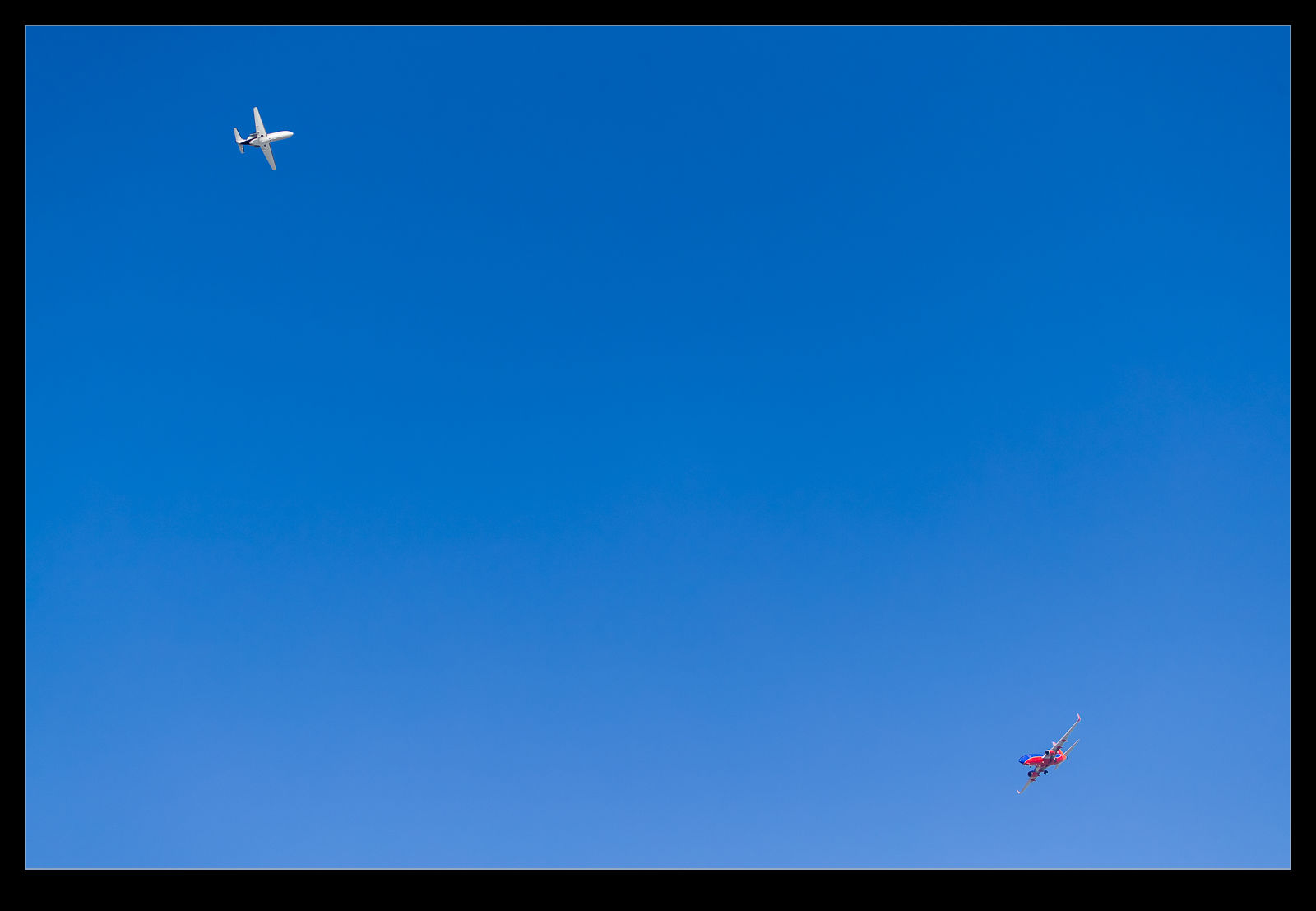
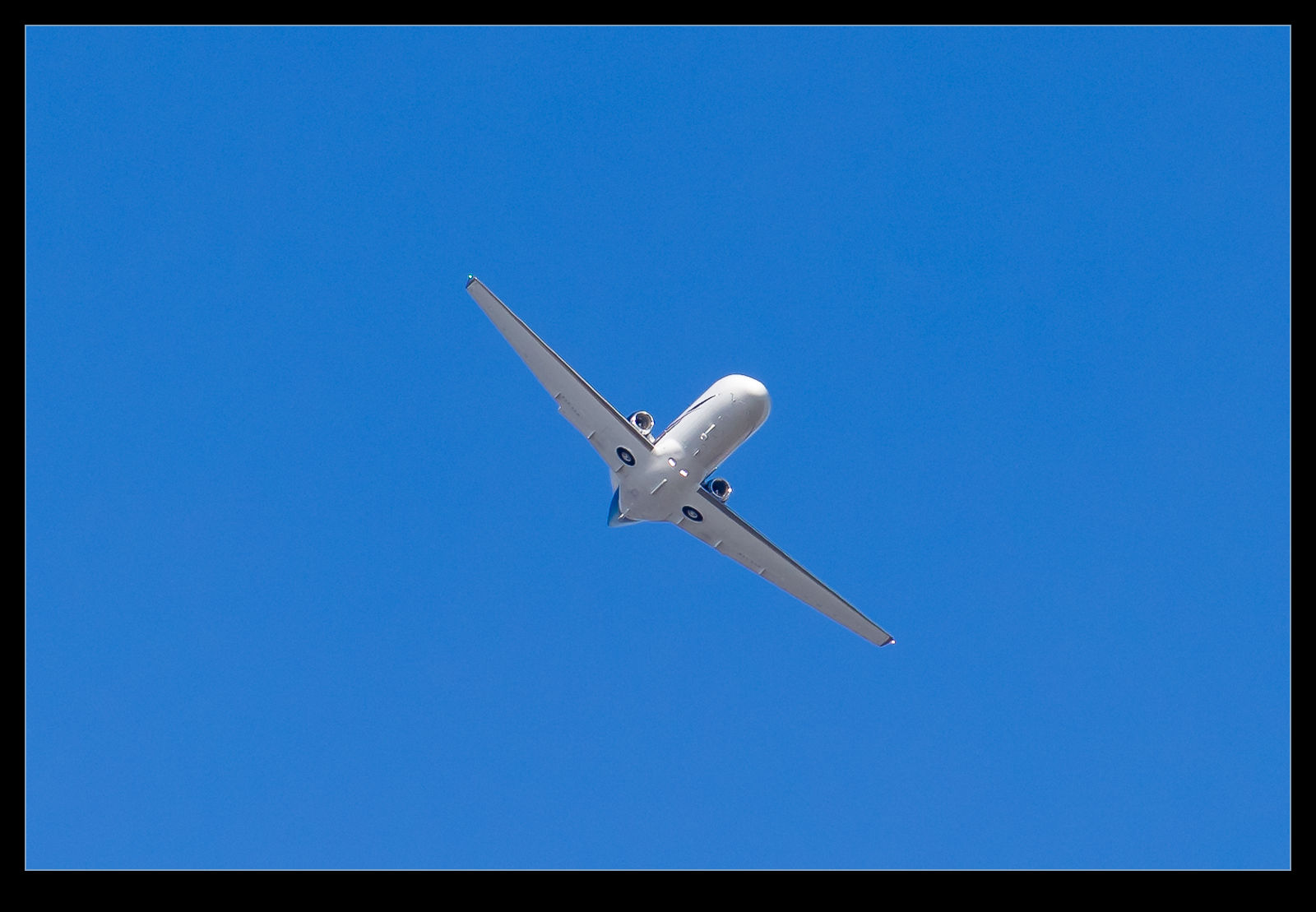
What caught my eye was the incoming Southwest 737 and a departing Cessna CJ M2. The CJ took off and entered a climbing left turn. This put it into the path of the Southwest 737. I don’t know who was at fault in this. Was the Southwest jet too close, did the CJ pilot break his cleared departure profile or should Hayward tower never let him go? I don’t know. Whatever the reason, they were heading towards each other.
I also don’t know whether the Southwest crew saw the CJ first or if the TCAS gave them a resolution notice. Whatever happened, they took some pretty dramatic avoiding action. I imagine it felt pretty interesting from inside the cabin. They gained good separation and everything was fine. At first I thought they were going to try and get reestablished on the approach but cooler heads prevailed and they cleaned up the jet and went around. After some time to let the heart rate fall, they appeared back on the approach for a more conventional approach. All ended well. I wonder how the conversations went after landing.
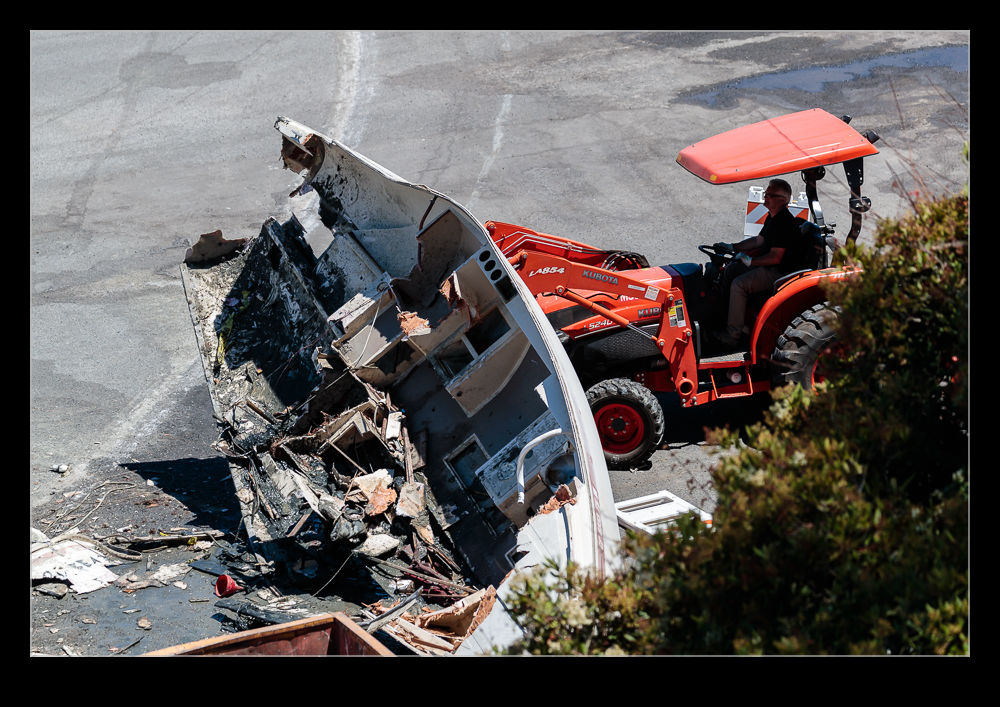
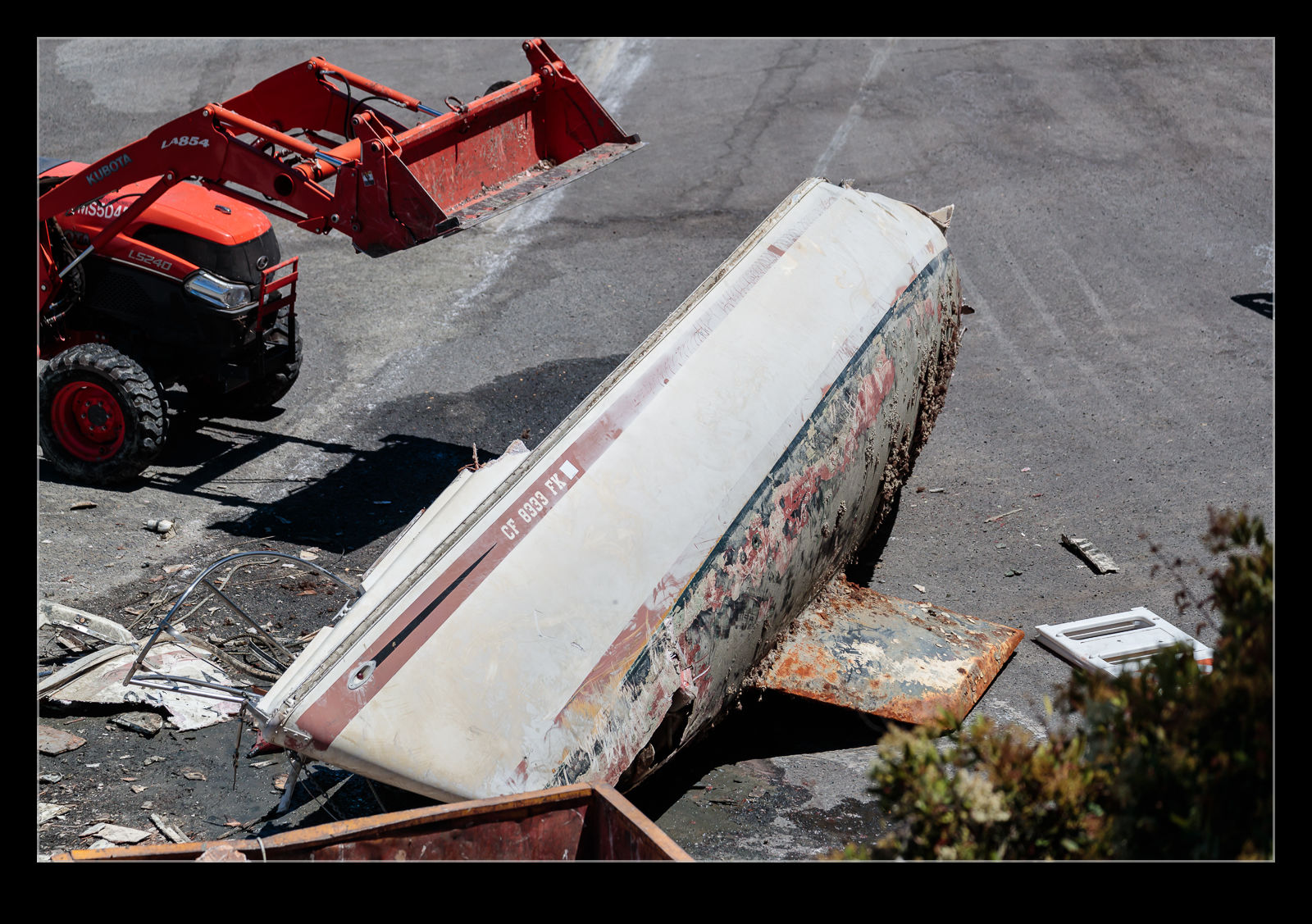
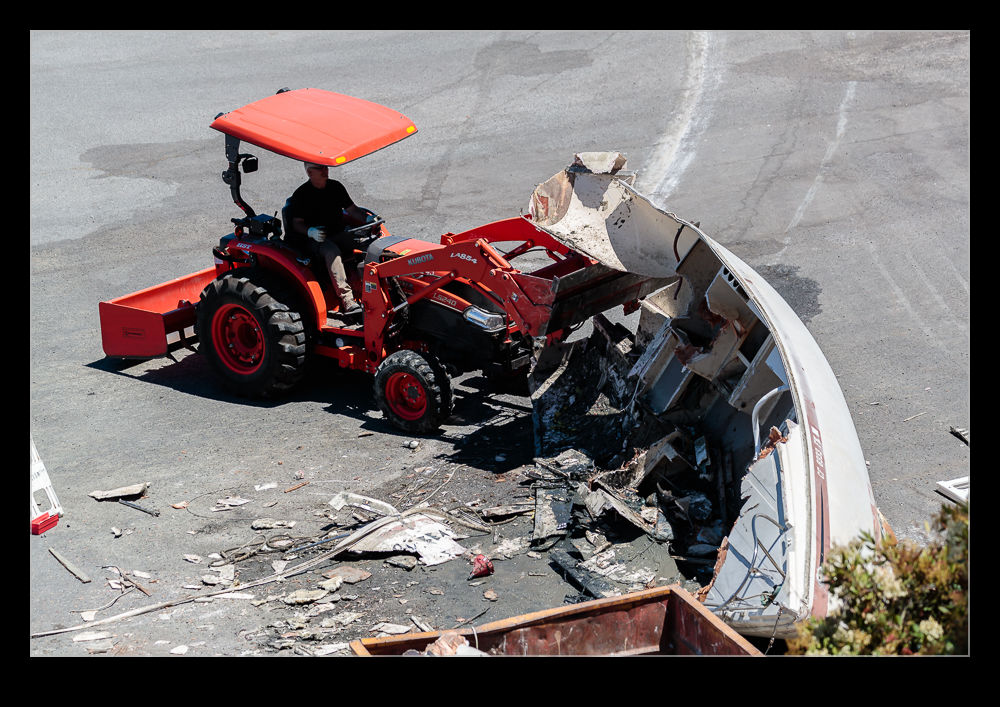
Breaking up the Wreck
A little while ago I posted a picture of a sailing boat that had wrecked on the breakwater at the marina on Coyote Point. The next time I was back there, I guess I had timed things well. The boat had been pulled ashore and a guy was busy breaking it up. He used the front scoop of a backhoe to break the hull up. Obviously it was beyond rescue. He would pull sections off and then drop them in a dumpster. As he broke it up, more of the interior would be visible. The fiberglass is quite flexible so he had to work to actually break it sometimes. However, there was only going to be one winner in this contest.