Category Archives: military

Shocking Shells

wpid10608-C59F3229-2.jpgMy trip to Arizona to shoot the shooting A-10s was a lot of fun and something I have already covered. One aspect of this shoot that caught my interest was the cannon shells in flight. I have seen images from other people that allow you to see the A-10’s shells leaving the muzzle or flying to the target and when I got something similar, I was quite pleased. However, a shot that really caught my eye was one of them that had a background with some clouds visible.

wpid10606-C59F3229.jpgThis background provides a mechanism to see any discontinuities in the density of the air as is experienced in a shockwave. This is the effect that is used in Schlieren photography in wind tunnels. The refractive index of the air changes as the density changes. Normally you don’t see this. However, if the background is not continuous, the refraction of the background results in the shockwave being visible. One of the shells showed this up and I thought it was cool. Therefore, I am sharing it here just in case you think it is cool too!

Curtiss Jenny

wpid10622-C59F2981.jpgThere are many vintage aircraft that I have had the chance to photograph over the years. However, I have not had many opportunities to photograph a genuine First World War era aircraft. That was something that I was recently able to address. Sonoma Valley in Schellville has a variety of interesting aircraft as I have mentioned in the past. One of these is Frank’s beautiful Jenny. It is in pristine condition. I had previously been around when it was due to fly but a fuel leak in a line had curtailed activities that day.

wpid10618-C59F2698.jpgThis time the plan was to fly a couple of people in the aircraft. Eric Presten was the pilot for these flights and he needed to run a quick air test before taking anyone up so three flights appeared to be on the cards. I arrived at Schellville in the morning to be ready. Unfortunately, the weather was not looking too cooperative. There was a little mist and the cloud base was pretty low with the surrounding hills having their tops obscured. We got the aircraft ready as we waited for the cloud to lift which it progressively did.

wpid10614-AU0E0081.jpgEric was soon able to get up for the air test. While the conditions were better for flying, they still weren’t great for photography. However, while he was up, the cloud was burning off more and more. The result was, by the time the two flights for the guest took place, conditions were ideal. For the second ride, Eric put in an overflight of the field allowing me to get something other than ground running shots, tail end departures or head on landings. The latter two were subject to a lot of heat haze so it was great to get something a little closer in.

wpid10616-C59F2600.jpgShe truly is a lovely looking aircraft and an example of something very rare to see. I will enjoy seeing her flying again. What will be even better is getting a chance to shoot her air to air. If the opportunity for that should come up, I will be a very happy boy. In the mean time, I am very grateful to Frank and Eric for including me in this. Great guys and a great plane!

T-6s Doing Their Stuff

wpid10232-C59F7419.jpgA pair of locally based North American T-6 trainers were keeping busy while the Collings folks were in town. Shortly after I first arrived, they launched as a pair. The departure was very nice but was a little spoiled by a card error on my camera. (I had a card that had given me occasional trouble but this was the first time it really crapped out. It has now gone back to the manufacturer for a replacement.) The T-6s were not done and flew several times. This gave me a few more opportunities to get shots of them. Their returns to base would involve some nice breaks into the downwind which were well centered on our location. I will have to investigate these guys further since they flew very nicely.
Hawgsmoke 2014

wpid10588-C59F3249.jpgEvery other year, the A-10 community in the US Air Force holds a competition called Hawgsmoke. This year it was being held in Arizona. The aircraft were based at Davis Monthan AFB in Tucson and the Goldwater range complex was where most of the exercise was taking place. With the possibility that the A-10 might be taken out of service hanging over things, I was keen to get down there in case this was the last time the event would take place.

wpid10594-C59F3331.jpgI covered the event for Global Aviation Resource so you can see the article I produced here. Rather than repeat that, I shall provide a little of the back-story. Arizona in July is not the coolest place in the world. Head out into the desert and it is even warmer. Get taken there in an Air Force bus which has air conditioning that doesn’t work properly and you will be pretty toasty. If the young guy driving the bus appears to be falling asleep all of the time, you are feeling a bit more alert than might otherwise be the case in that heat.

wpid10598-AU0E0769.jpgOur time on the range was a bit short. One of the TV crews from a local station obviously decided he had seen enough and told the organizers that he would miss his deadline if we didn’t leave. He had been given the same schedule as the rest of us so I suspect he was talking crap. However, while we were on the range for less time than expected, we still got a great experience of the A-10s running in to shoot the targets. The close proximity as they fired was something else as was their break over the top of us after each pass.

wpid10596-C59F3573.jpgIt was a good bunch of guys on the trip and we all headed out to shoot around Davis Monthan when we got back. This gave me a chance to get some more shots of the A-10s that would fill out the article a little. By the end of the day, I was shattered. I had been drinking liquid all day but I think I was just keeping out of trouble rather than being properly hydrated. Still, it was really worth it. A little longer and the benefit of the sun coming around would have been nice but it was still cool (but hot!). Below is some video that I shot for GAR while I was there too.

Coast Guard Bell 47

wpid10248-C59F7615.jpgI always seem to find something aviation related when I am out and about. San Ramon is the next town up from us and it was having its Art and Wind event. This combined a bunch of art stalls with some excellent kite flying displays and was an amusing play on the more common Art and Wine festivals that many towns around here have. As we wandered around, we came across a Bell 47 helicopter. They are not terribly rare but this one was a bit more interesting as it was in service with the Coast Guard Auxiliary.

wpid10252-C59F7645.jpgI had no idea that Bell 47s were still in government service. The crew were standing by and talking to a selection of kids that came to have a look. Our timing couldn’t have been better because just after we arrived, they starting moving people away so that they could take off. It would have been rude to leave at this point so we sat down close by and watched them start up and depart the field after a brief moment turned towards us to say goodbye. Nice!

wpid10256-C59F7664.jpg

Collings Foundation

wpid10346-C59F8178-Edit.jpgThe Collins Foundation carry out a tour throughout the country with their vintage aircraft showing them off to many communities, sharing a message about what people did in the Second World War and providing an opportunity to ride in some historic machinery. I have seen them in the past while we lived in Chicago. Their tour this year brought them through the Bay Area with stops at Moffett Field and Livermore. Since the latter is close to home, I went along to see them.

wpid10336-AU0E7769-Edit.jpgThe part of the collection that they bring on tour includes a Boeing B-17 Flying Fortress, a Consolidated B-24 Liberator and a North American P-51 Mustang. I headed over to Livermore ahead of their planned arrival time and plenty of people had already gathered to see them come in. We all waited for a while and then the B-17 appeared over the hills. It made its approach and landed a short while before the B-24 showed up and followed suit. The P-51 was last of the three making a nice pass before landing. What I hadn’t anticipated was a B-25 Mitchell was also following them in. A quick turnaround and the three main players were soon launching off for flights with expectant passengers.

wpid10271-C59F7859.jpgAt this point I headed off as I had other things to do. Later in the day I came back and managed to catch an evening launch of the B-17. The following evening I had more free time so came back again. Another evening launch and recovery as the light got better and better. Then, as everyone packed up, the Collings team was kind enough to let me take some shots around the ramp. A local P-51 was parked up while the Collings P-51 had disappeared somewhere. As the sun set, I shot around the various aircraft and included a cracking 1937 Oldsmobile that one of the volunteers had brought along. With the light fading, the ramp lights came on which gave me a whole new bunch of opportunities to get some shots. I shot a lot until it was pretty late. At that point I headed home. The following day they also departed moving on to the next stop on their tour. If they come your way, make the effort to get out and see them. If you have the money, take a ride and support the continued operation of these great aircraft.

Rainbow Phantom

wpid9832-C59F9200.jpgIn going through my archive recently for a piece for Global Aviation Resource, I was searching through old shots of F-4 Phantoms.  I noticed one that I hadn’t recalled taking but that seemed pretty cool.  Occasionally jets pull ‘g’ when above you and the angle of the sun makes the vapor project a rainbow.  This was one of those moments.

HDR Panoramas

wpid10158-C59F8190-Edit-Edit.jpgAnother one of my processing technique posts today. For those of you interested in pictures of places, today will probably be one you pass on. You have been warned. This is about my first venture into the realm of HDR panoramas. I know at least one of you who knows exactly how to do this sort of thing and does it on a regular basis. You also will probably skip the rest of the post. However, you have some specialized tools for doing the job and I am playing with Lightroom and Photoshop so here is how it goes.

My initial thought having taken the shots was which order to carry out the processing. HDR first or pano first. I concluded that it had to be pano first. All of the pano exposures were consistent and would stitch properly while I wasn’t convinced that each of the pano frames would be consistent if I had done the HDR blending first. However, this left me with a second concern. Would the pano merge produce images that would align for the HDR merge. I use the pano tools built into Photoshop and, while I select the algorithm it uses, I did not have confidence that it would produce an identical alignment for each set of exposures. However, this was the route I tried.

Stitching the panos was straightforward enough. I created each of them from Lightroom and ended up with five panos with differing exposures. At this point I could have taken them directly to HDR Pro within Photoshop but, since I wanted everything to end up in the Lightroom catalog, I decided to save the files and go to HDR Pro from there.

Here I encountered my first hiccup. As expected, the panos produced were not identical. There were very close but not identical. HDR Pro only works on files that are the same dimensions. I imagine some more specialized HDR applications might be able to handle this but I was stuck with Photoshop. Since the panos were thousands of pixels across and only a few pixels different, I opened them back up in Photoshop and changed the canvas size to be identical in each case. HDR Pro is able to manage alignment of slightly misaligned shots anyway so I wanted worried about the positioning. Also, with such small changes in dimensions, I didn’t fear that I would have distortion.

With this change made, Photoshop went to work and created the HDR file. Amazingly, it worked just fine. I didn’t have any problems with the files being distorted relative to each other and it did a great job of blending them. All that was left was to crop everything in to clear up the empty corners from the pano creation (I didn’t get rid of those in the first instance since I was trying to keep the pano files identical in size and alignment) and then a few tweaks back in Lightroom had the job finished. I was pretty pleased with how it worked and, with the experience of this time, should be able to turn them around quite quickly next time.

Dream Machines

wpid10115-C59F4973.jpgHalf Moon Bay on the Pacific coast hosts a great little event each year called Dream Machines. It is a combination of an aircraft and car event. I took a trip with my buddy Hayman to see how it was this year. The weather did not start out favorably and it looked like it might be a bit of a dull day. The clouds early certainly stopped a few visitors from making it in. However, the weather got a lot better as the day went on and there were still lots of great things to see.

wpid10135-C59F5507.jpgDream Machines is not an airshow so there are no displays. However, some aircraft get airborne and might do a few flybys. I covered the event for Global Aviation Resource and you can read my coverage in more detail at http://www.globalaviationresource.com/v2/2014/05/05/aviation-event-review-dream-machines-half-moon-bay/. There are a couple of sad notes associated with this day. The Sanders owned Sea Fury, Dreadnought, was at the event and departed in mid-afternoon. It was closely followed by a Cessna support plane. Unfortunately, en route to their base, they collided over the water and the Cessna was lost along with its pilot. Dreadnought suffered damage but returned to base. Also, as it was his home base, Eddie Andreini was part of the day’s proceedings including flying his Mustang. On the static line was his Stearman and this was the aircraft he was flying at Travis a few weeks later when he crashed on the runway and died. Both losses are very sad and our thoughts are with the friends and families and all involved.

Oakland Aviation Museum

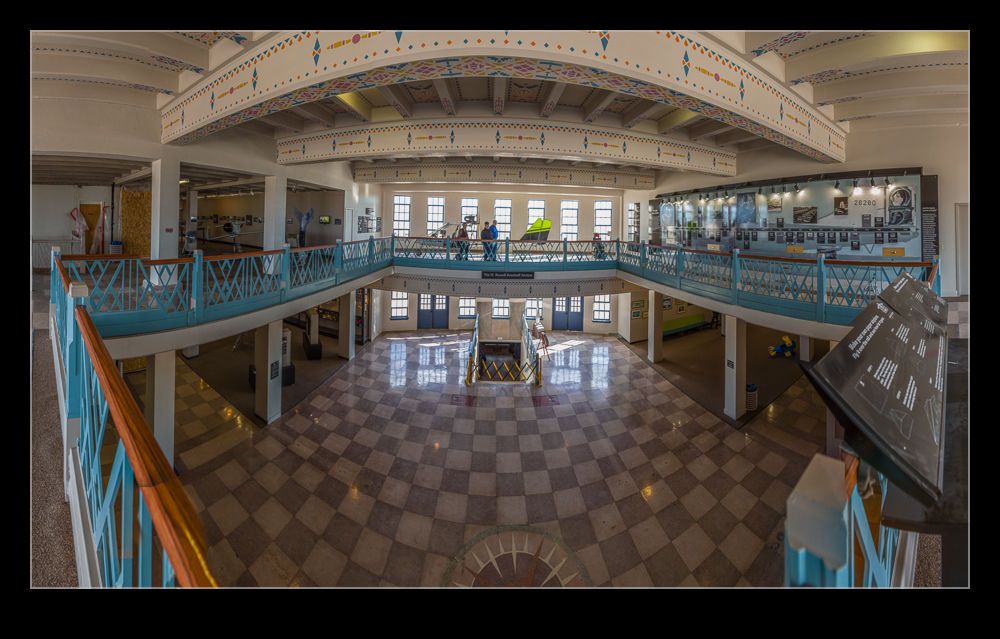
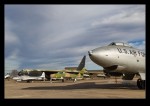
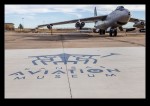
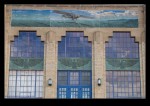
wpid9748-C59F4457.jpgThe aviation museum that is on the perimeter of Oakland Airport has been something I have passed a few times but never at a time when either I had enough spare time to visit or that it was actually open. Finally, I recently found myself coming by with some time in hand and decided to drop in and take a look around. The collection that they have is quite interesting and splits into a series of areas.

wpid9750-C59F4381.jpgObviously the aircraft are the major part of the displays. However, they do have a collection of aero engines, both piston and turbine, which span quite a period including a TF-30 from an F-14 Tomcat. There are displays of uniforms and historical sections on a variety of topics including individuals and airlines from the history of the area.

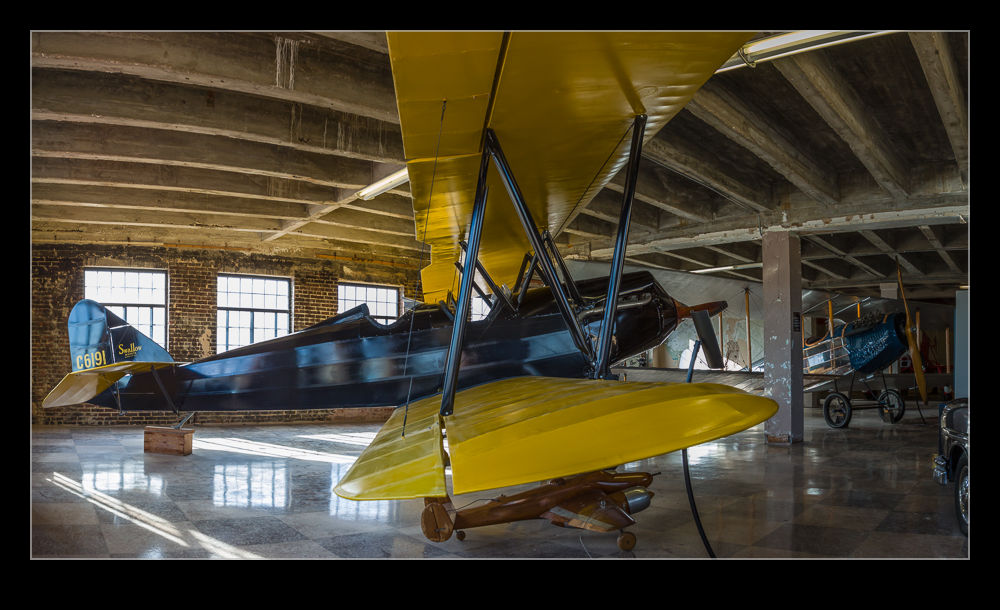
wpid9738-C59F4439.jpgHowever, it was the aircraft that I was primarily interested in. Part of the collection is kept inside. It is a selection of types from some relatively familiar light aircraft like the Ercoupe, a replica Wright Biplane, a Boeing T-5 which is a unique type which was developed locally, the only example of the Hiller Ten99 which lost out to the Huey in an Army competition and a MiG-17. The internal displays are reasonably spread out although light is a little limited.

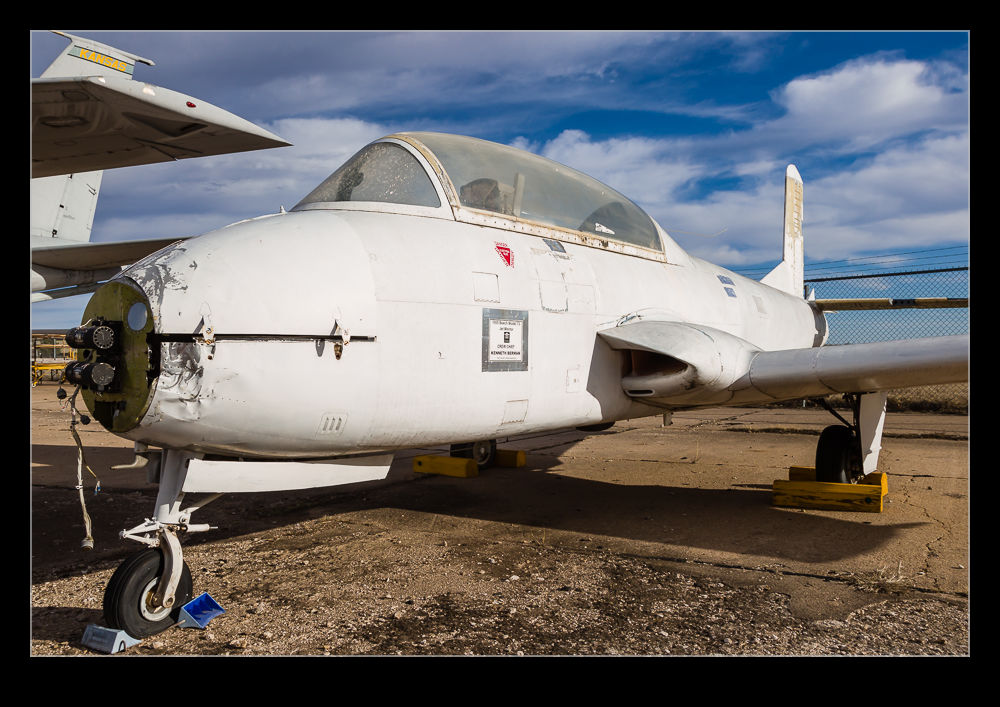
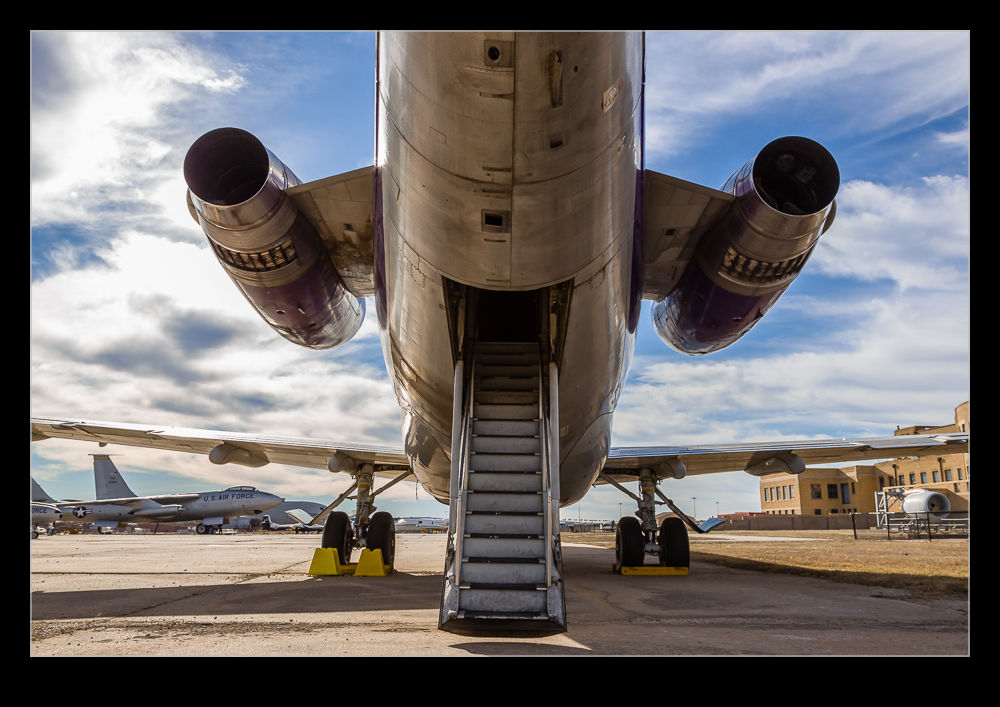
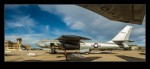
wpid9728-C59F4393.jpgWhen you head outside, things are very different. A lot of more modern military aircraft are on display along with the flagship of the Museum, a Shorts Solent flying boat. The aircraft outside are quite close together although not very cramped. However, the combination of positions and the ever present overhead power lines makes getting an uncluttered shot a little tricky. Some imaginative angles are sometimes required. It was a bright day as well so the harsh light was not helping.

wpid9744-C59F4453.jpgWhile the F-14, the A-3 and the TAV-8A are worth a bit more time, it is hard to ignore the Solent. It is set facing the parking lot so it is striking as soon as you arrive. Internal tours can be arranged and, had I been able to stay longer, I would have been able to take a look around. However, I had to make do with external only this time. The rudder is currently missing and the wing floats are dismounted but the aircraft is still in great condition. The shaping of the nose is a feature of that era of flying boats and you can’t help but want to accentuate it when photographing her.

wpid9746-C59F4454.jpgEven events are held at the museum and some night photography might provide some interesting opportunities. I do want to see inside the Solent so I shall be heading back before too long.