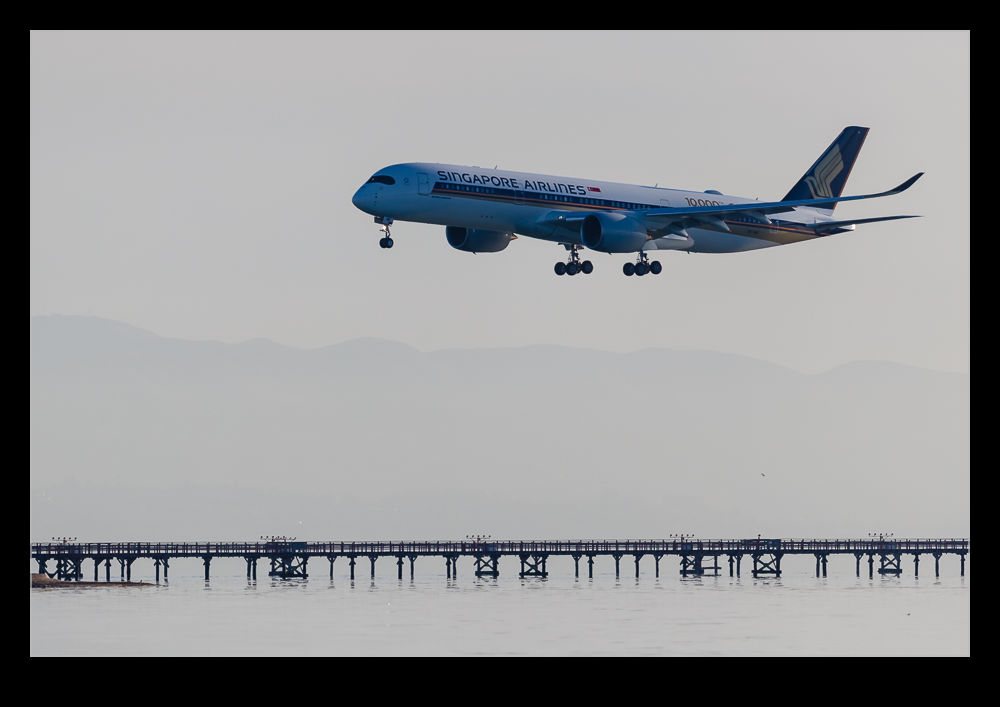
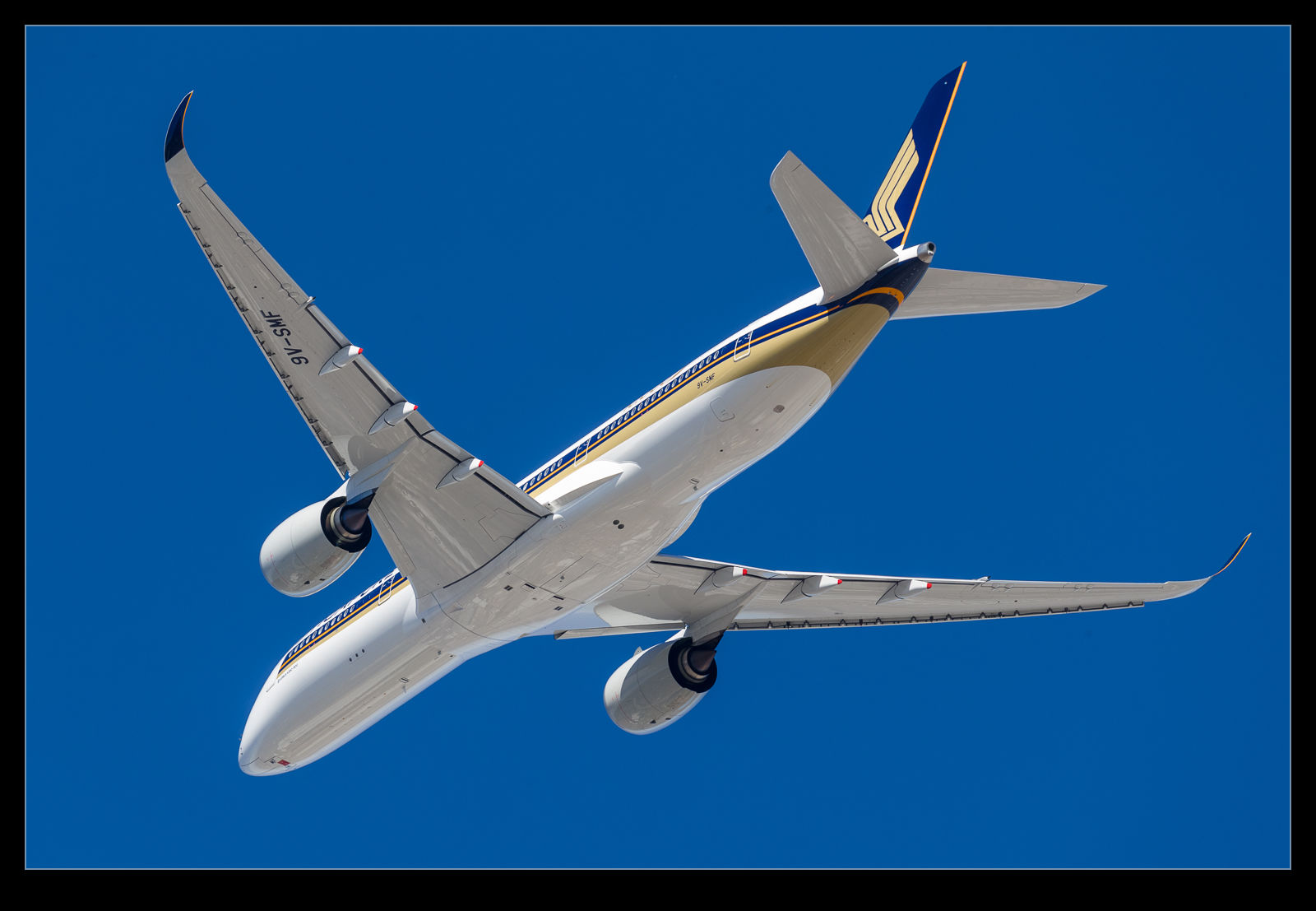
The Airbus A350 has been in service for a while. The first examples entered service in late 2015 and, indeed, I saw one at Heathrow in my last visit there. However, I hadn’t had a chance to shoot one until recently. Singapore Airlines introduced a direct flight to SFO using the A350 and the first flight used their aircraft that had been recently delivered from Airbus as the 10,000th aircraft that Airbus delivered. I wrote a piece about it for Global Aviation Resource which you can see here. It was early arrival for the jet but it was good to finally shoot one, even if the light was not ideal.
Category Archives: aircraft
Sands and Their Little Jets
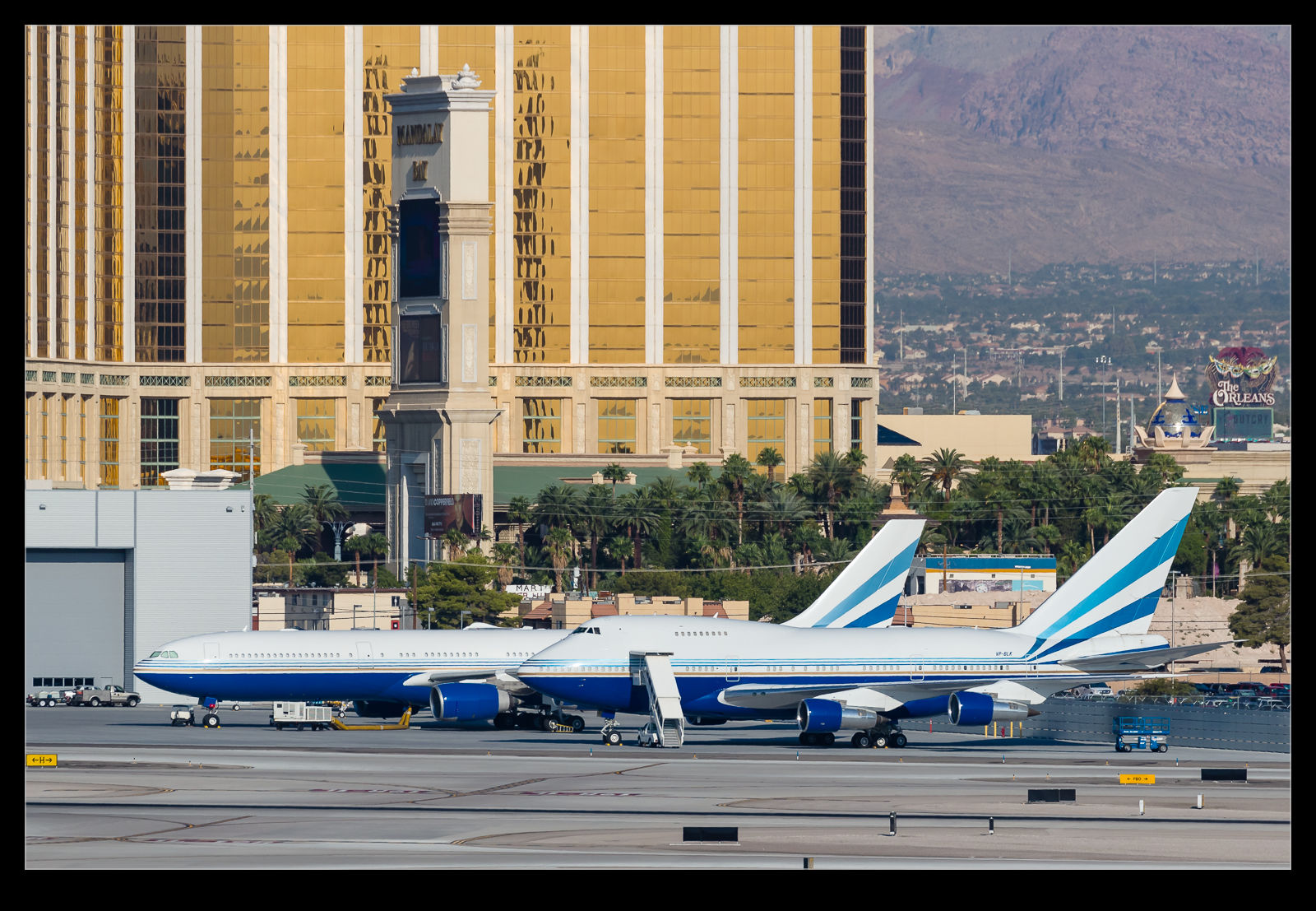
The casino business is obviously a bit of a money-spinner (well, for almost everyone who owns a casino!). In Las Vegas, the casinos put a lot of effort in to keeping their big money players happy. Sands has a fleet of aircraft that they use for moving these clients to and from their operations. Big jets are a part of this. They seem to focus on jets that can be customized nicely but aren’t terribly high on the acquisition cost scale. The two that I was most interested in were the Boeing 747SP and the Airbus A340-500. Both of these are cool looking jets as far as I am concerned and the Sands livery suits them well. Sadly, I have not been around when either of them flew but I have seen some great shots of them airborne.
Qantas – Late is Bad for Your Customers But Good For Me
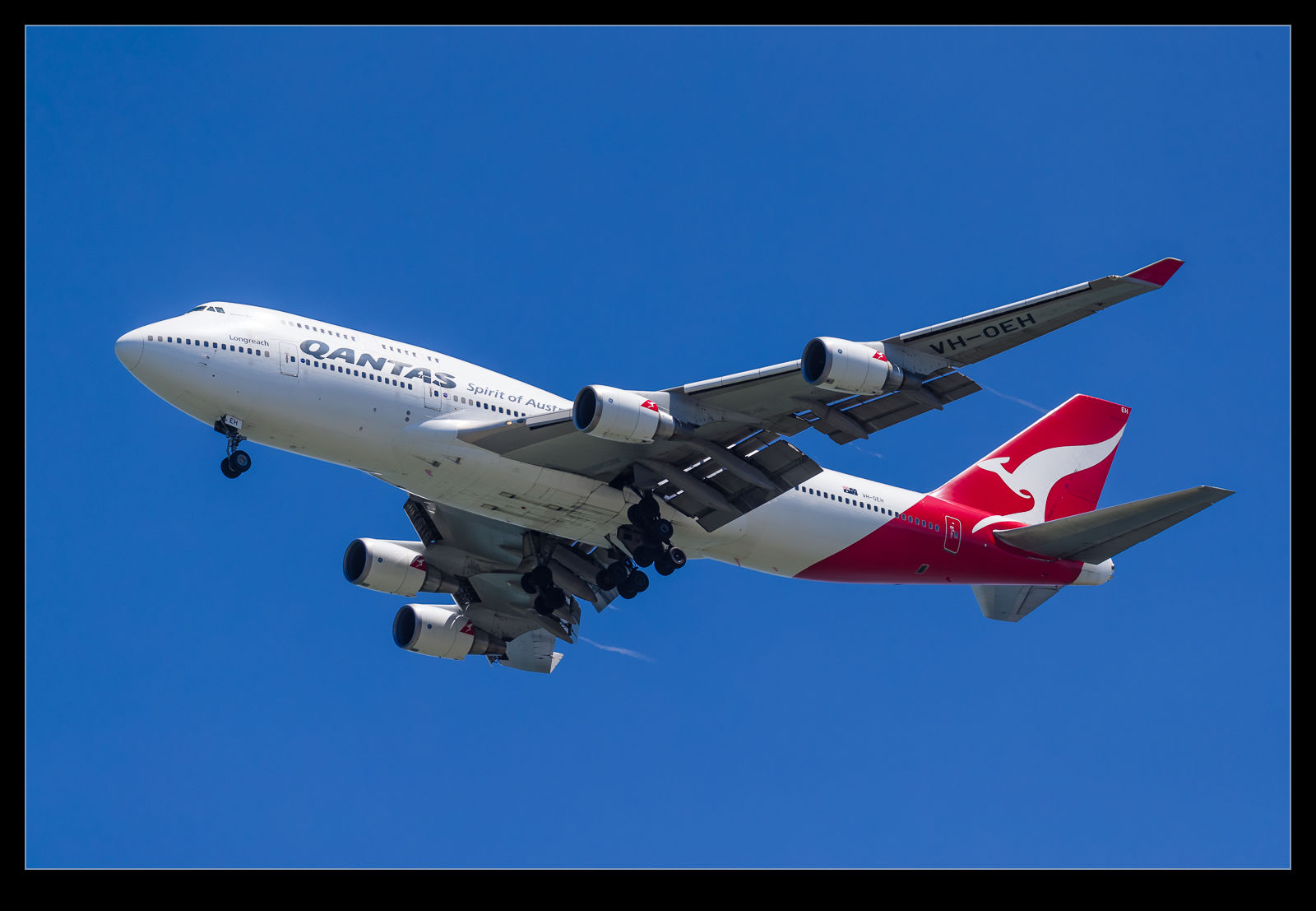
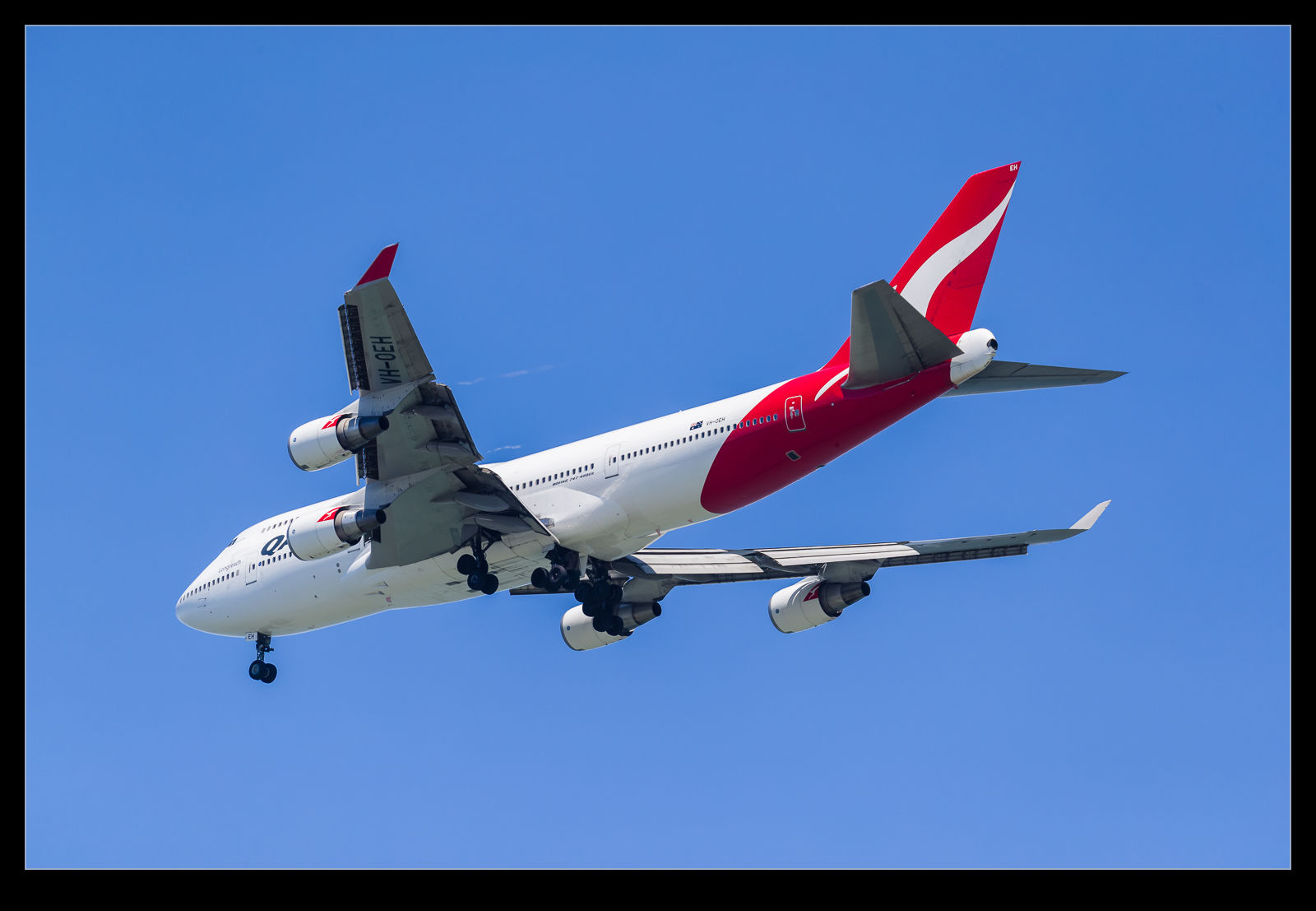
Qantas started flying to SFO again this year. They used to have a regularly scheduled flight but dropped it for a while. Obviously the demand had increased enough to justify starting it again. I did a post when they started up. However, I hadn’t had much luck getting any reasonable shots of the arrival. When they are running to schedule, they are due in before 9am. This is not great timing for shooting at SFO in the winter but in the summer the plane will be backlit.
Fortunately, Qantas have a habit of running late on this service. I don’t know whether this is accidental or whether they will slip this flight deliberately if they have an issue. The plane has a long layover in SFO and doesn’t depart until near midnight so any delay is not going to have a knock on effect. Either way, later arrivals are not unknown. One of them coincided with one of my visits so I was able to get some better light on the jet. It was summer though. The middle of the day means high and harsh lighting. It seems like it is hard to win. Maybe in the winter I will get a day when they are late and the sun is lower and finally get a good shot.
Bayou Militia Eagles
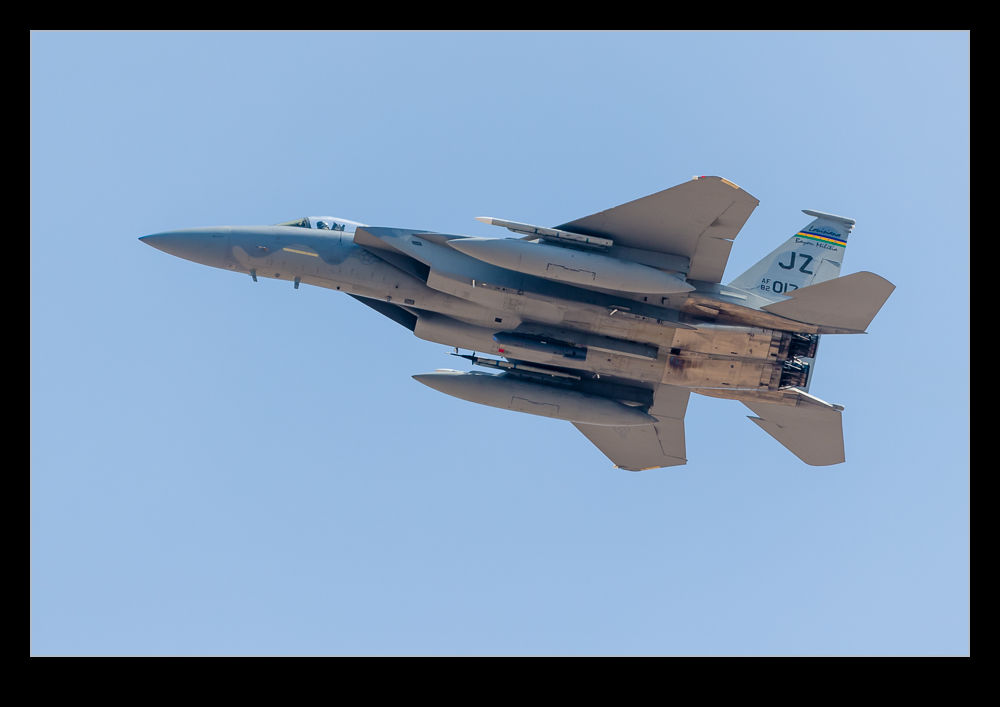
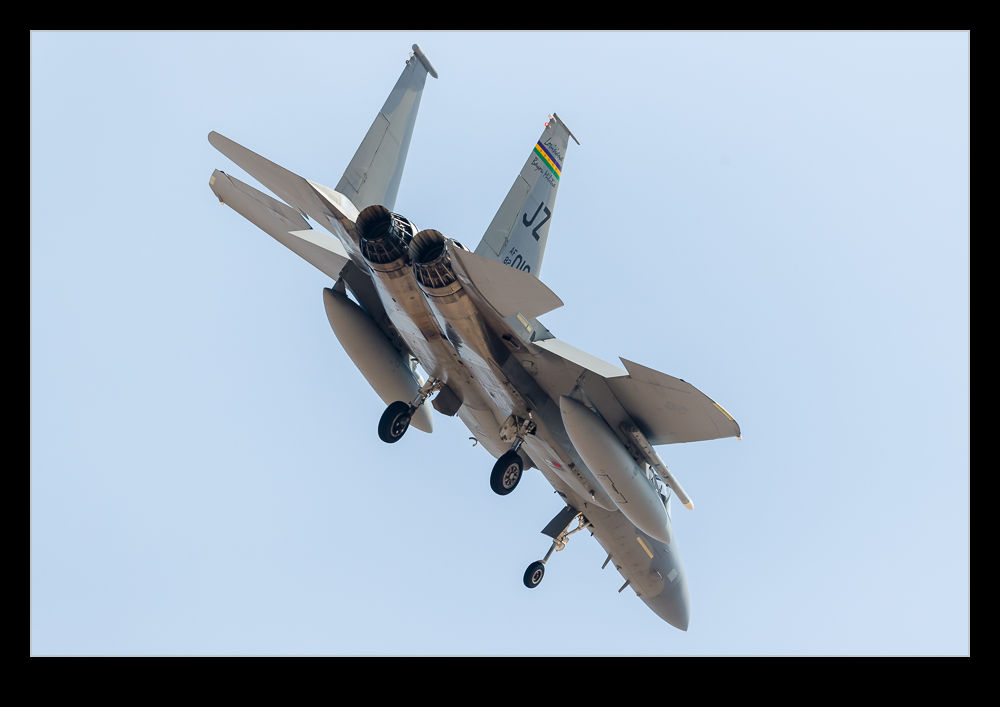
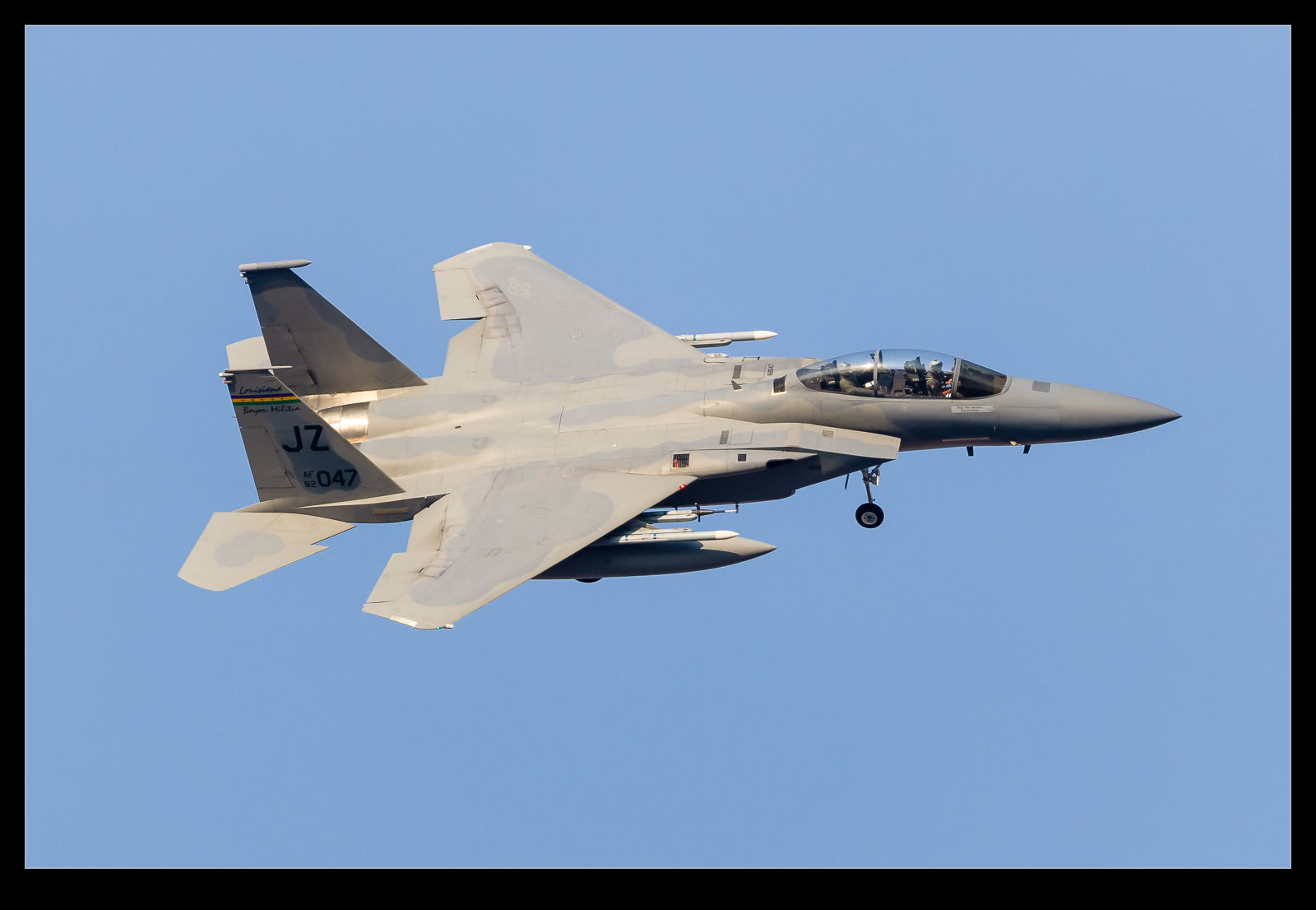
The F-15 has been in service for a long time now. It operates with regular Air Force units, reserve units and Air National Guard units. The Bayou Militia is a unit based at New Orleans in Louisiana. Their tail code is JZ which, if you think about where they are based, makes a lot of sense. I had seen pictures of jets from this unit a lot over the years but I hadn’t seen them for myself. Having them at Red Flag made me a lot happier than makes sense for a unit.
They put a lot of jets up while I was there including flying at odd times of day. They were happy to fly tight approaches when nothing else was in the pattern so I got a lot of chances to see the, in action. I still love the F-15C so it didn’t take much persuasion to get me to watch these guys in action.
Orbis MD-10 – Close But So Far!
Not all old airliners end up being broken down for parts. Some get a reprieve, at least for a while. A frequent secondary use for airliners is freighters and FedEx have an extensive fleet of old DC-10s that they use. These have gone through a cockpit upgrade program and have been renamed MD-10. However, even that is not enough to keep them going indefinitely and the fleet is gradually being reduced. One of them has got a new lease on life though.
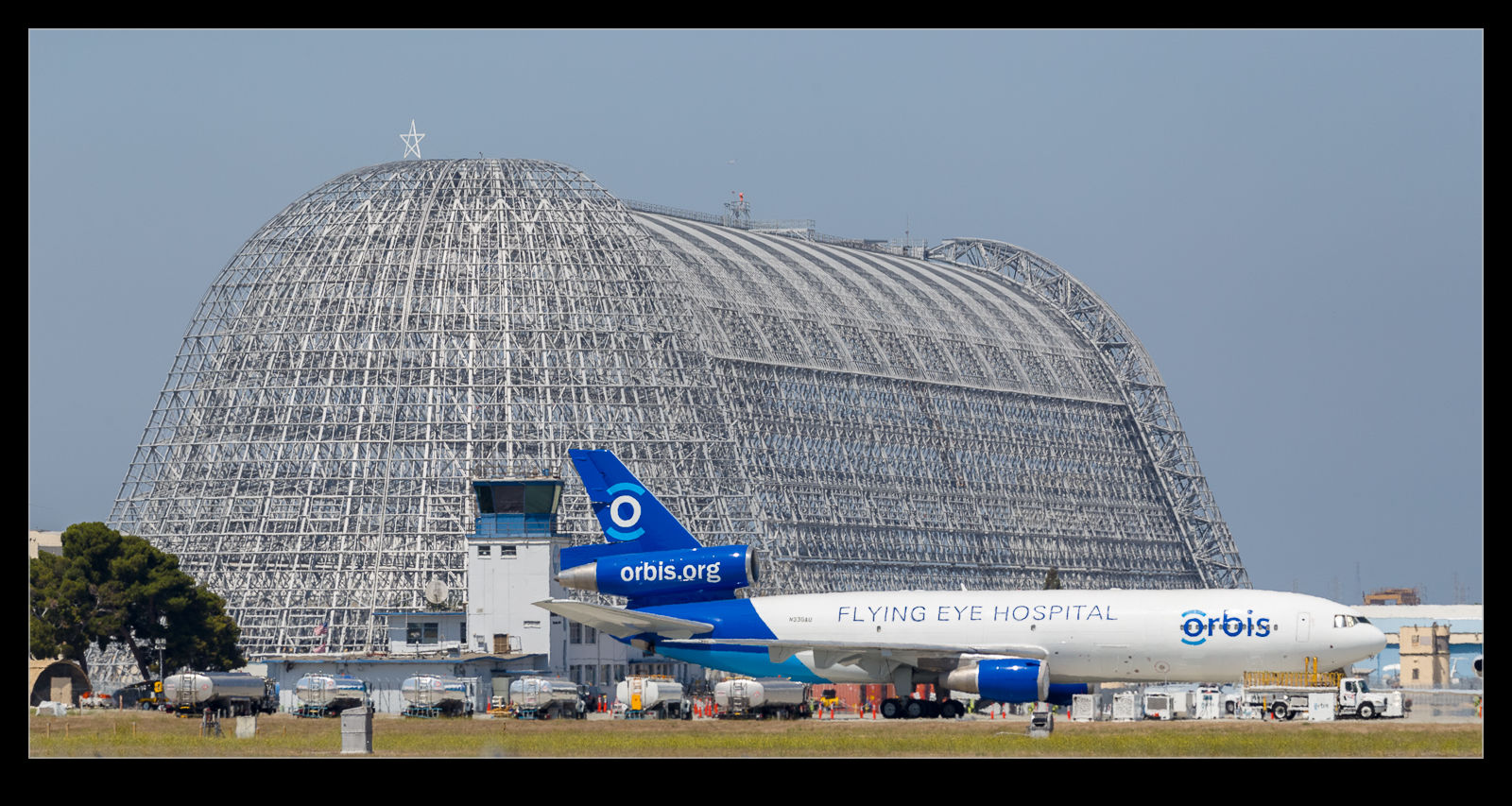
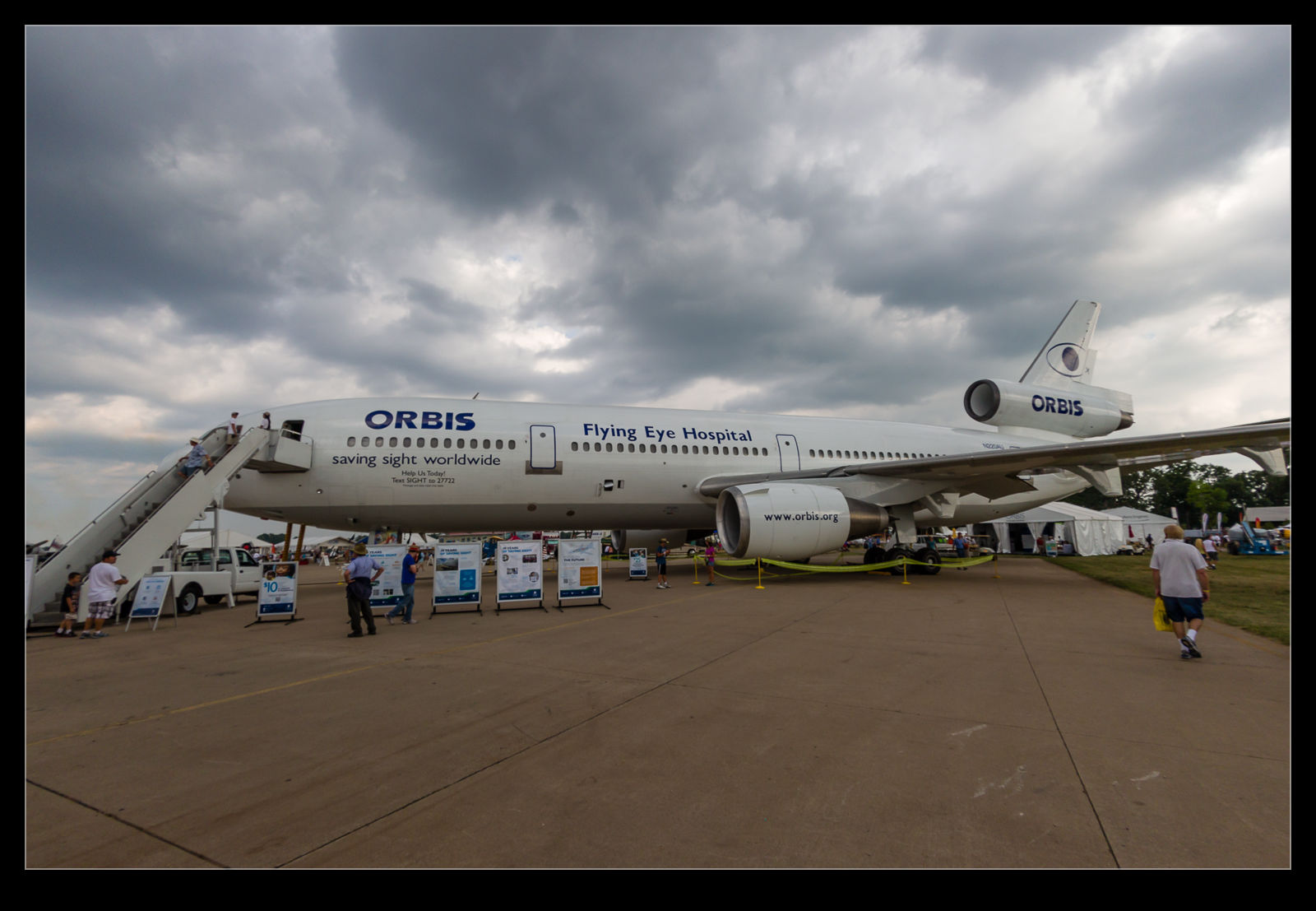
Orbis is a charity that carries out eye surgery around the world in places where the medical facilities are limited. Cataract surgery is a simple procedure in some countries but a rarity in others yet it is a simple solution to a problem that affects thousands of people. Over the years they have had a number of airliners that are fitted out with an operating theater and they can fly into locations and carry out surgery on people who would otherwise have little hope of regaining normal sight. The current aircraft (see at the bottom) was a DC10-10 that had originally been with United. That aircraft is now being replaced with the MD-10 from FedEx.
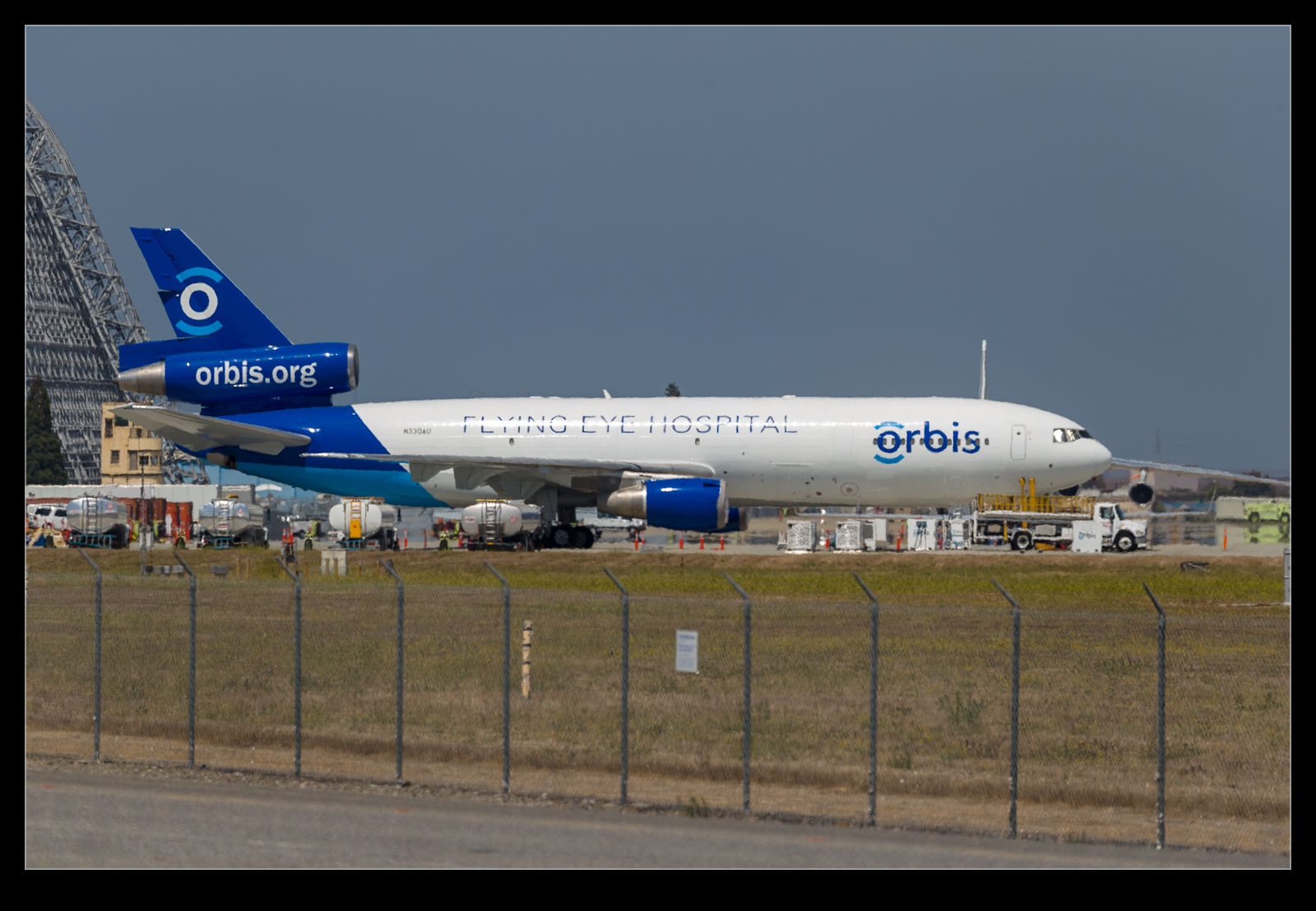
I first saw the aircraft at LAX during its press roll out. I was landing and looked out of the window and there it was on the ramp. No camera to hand so just a memory. More recently, it spent some time at Moffett Field and I was able to grab a few shots. It was hot so, while I chose the better side for the light, it meant being a distance away and getting a fair bit of heat haze. I did also see the shady side through the fence. I imagine the jet is now off doing good work around the world. A great cause.
Port Townsend Aero Museum
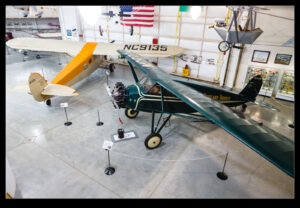
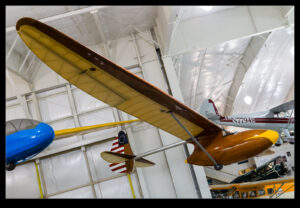
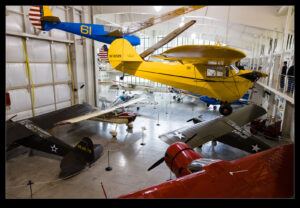
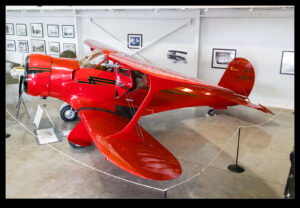
You know your wife is special when, while on vacation and discussing what to do, she points out an aviation museum that you could visit. Not only that, but when you say she can drop you and pick you up later, she says she would be happy to look around with you. What a star! During our trip to the northwest, Nancy suggested the Port Townsend Aero Museum. I wasn’t even aware of it but I was willing to take a look. To be honest, our schedule did not include a lot of spare time but we had an hour or too to look around.
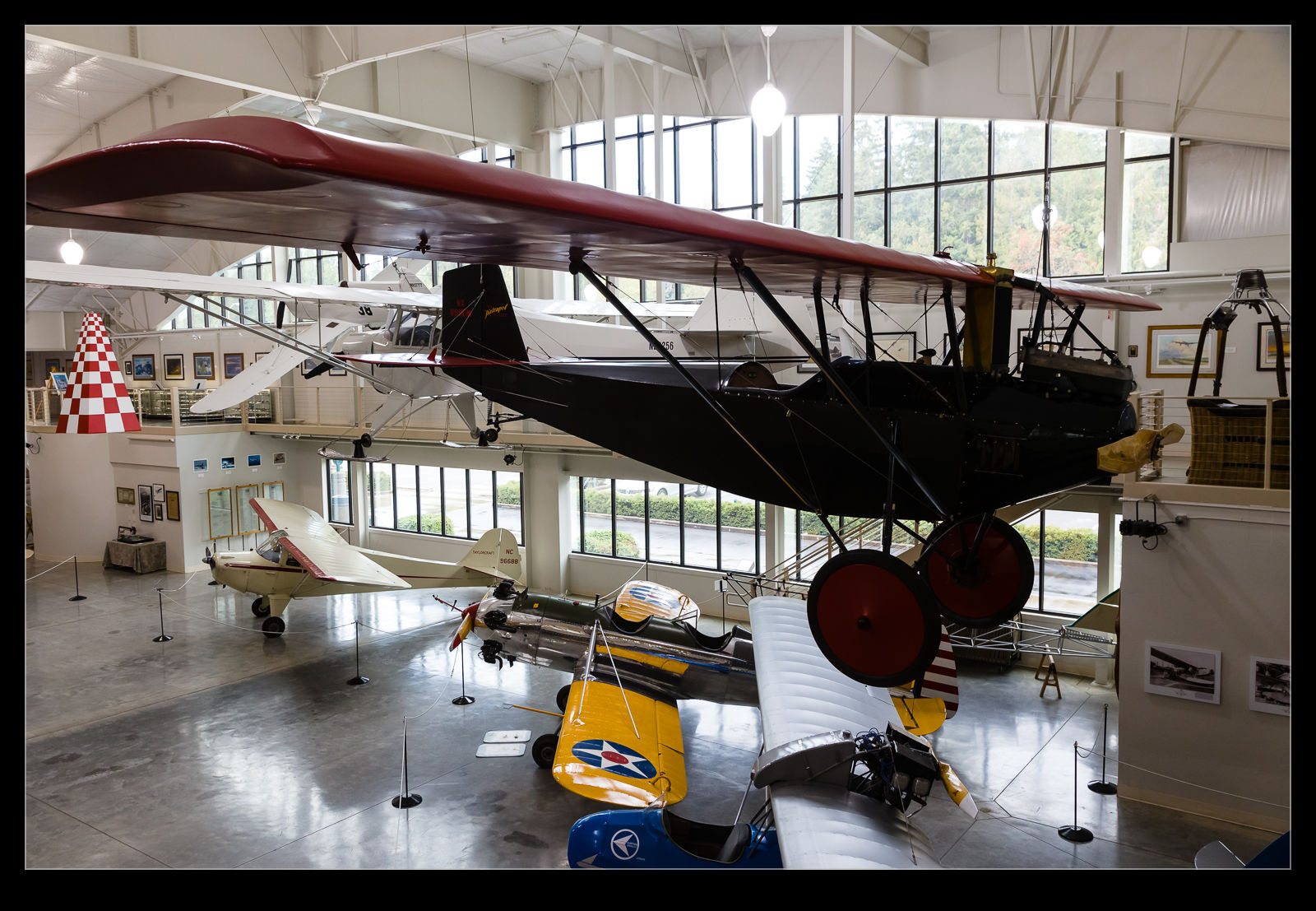
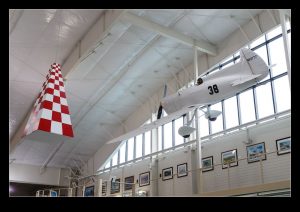
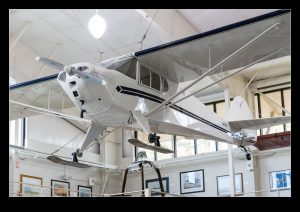
The museum is a really nicely laid out establishment. The hangar in which everything is kept is a really nice building and the exhibits are laid out well with some on the floor and others suspended from the roof. The way everything is put together is really good. There is space around each plane and the signs explaining what everything was were well put together.
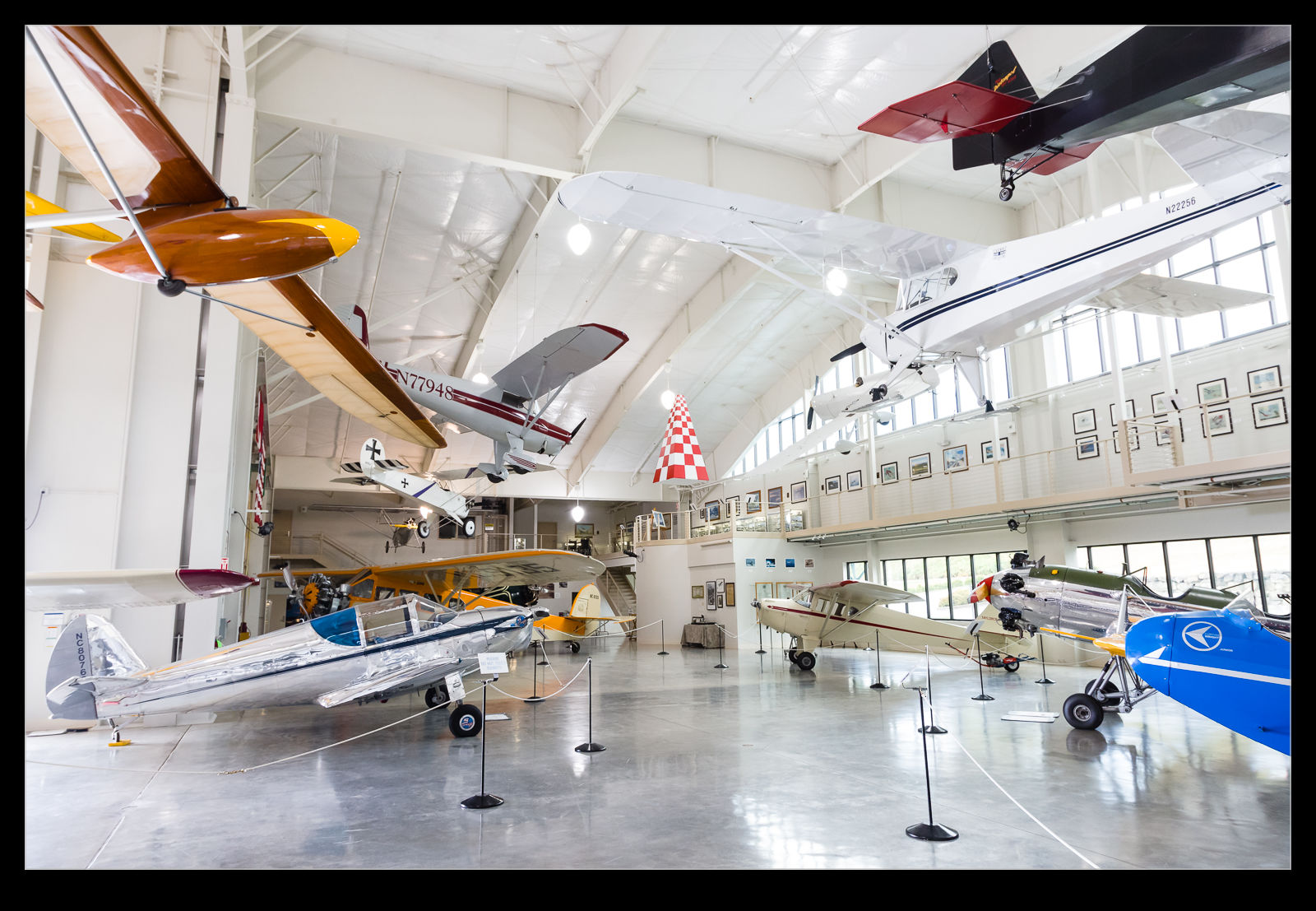
The planes are all in excellent condition and some are still airworthy. (My only minor gripe was that they all had a museum logo sticker on them which was not ideal from a photo point of view but this is hardly something to focus on.) The aircraft are all vintage types. Most are piston powered but there are some gliders too.
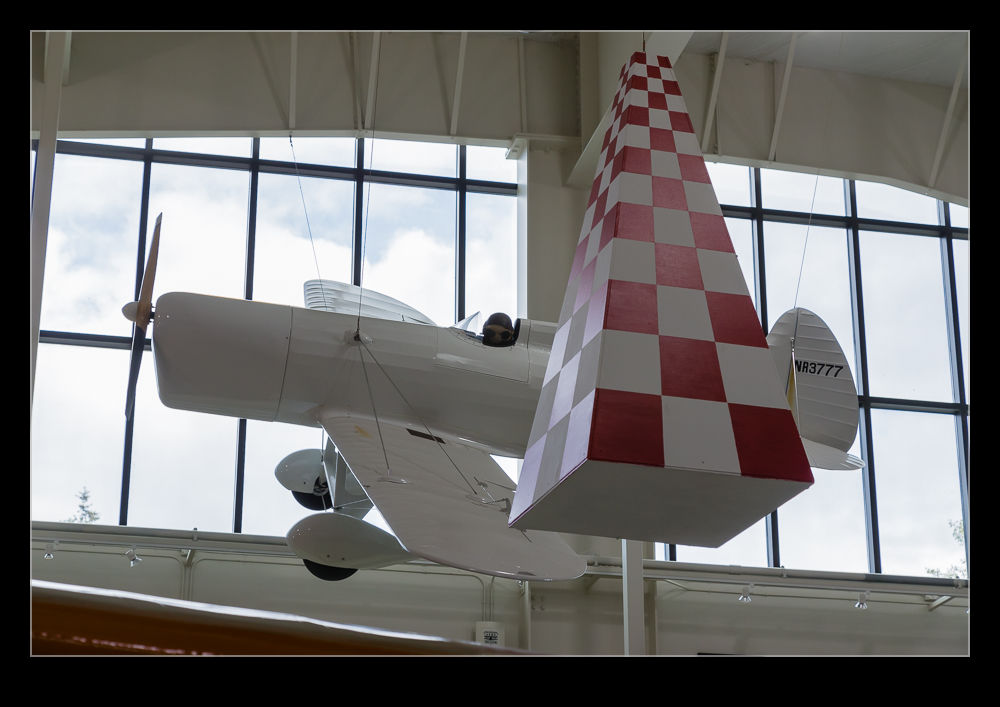
This proved to be a great surprise on the trip (including that Nancy enjoyed it so much)! I’m not sure how many visitors they get (it was quiet when we were there but we were on a day when I wouldn’t have expected many visitors competing for space. I hope the business is sustainable because it is a great little museum.
United 747 Flying a Display
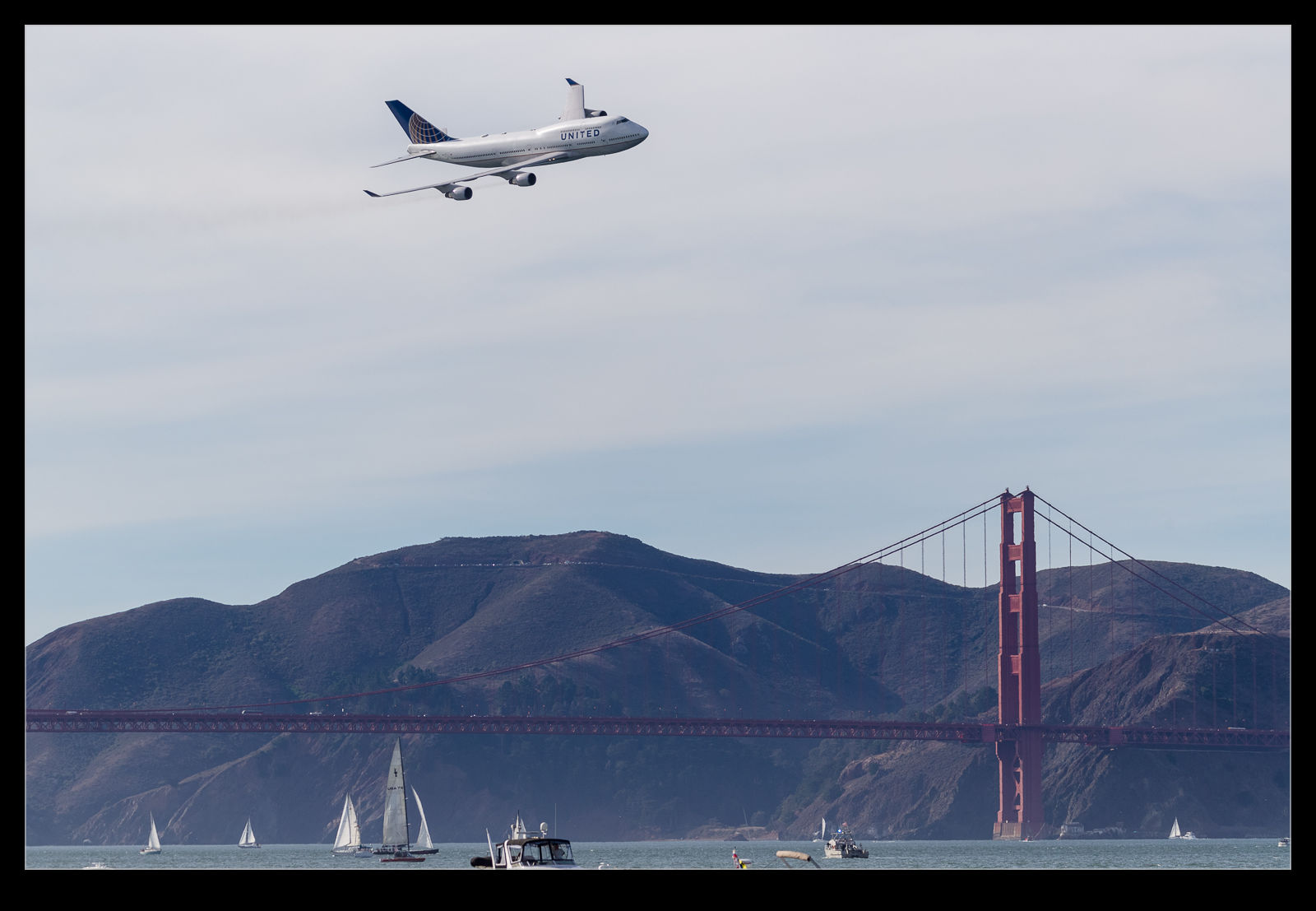
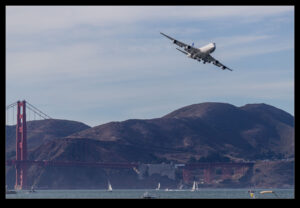
Air shows include a lot of planes that are regular performers. However, some shows manage to include something a little different and having a big airline with a local hub will help. The Chicago Air and Water Show would feature American Airlines jets when I lived there. San Francisco Fleet Week gets United to bring a jet. This year they brought a 747-400 to the flying display. Seeing a big jet like this thrown around the bay is really cool. Whether it is flying low over the bay or turning in near the Golden Gate Bridge, this is something you don’t get to see too often.
Cal Bears Travel In Style
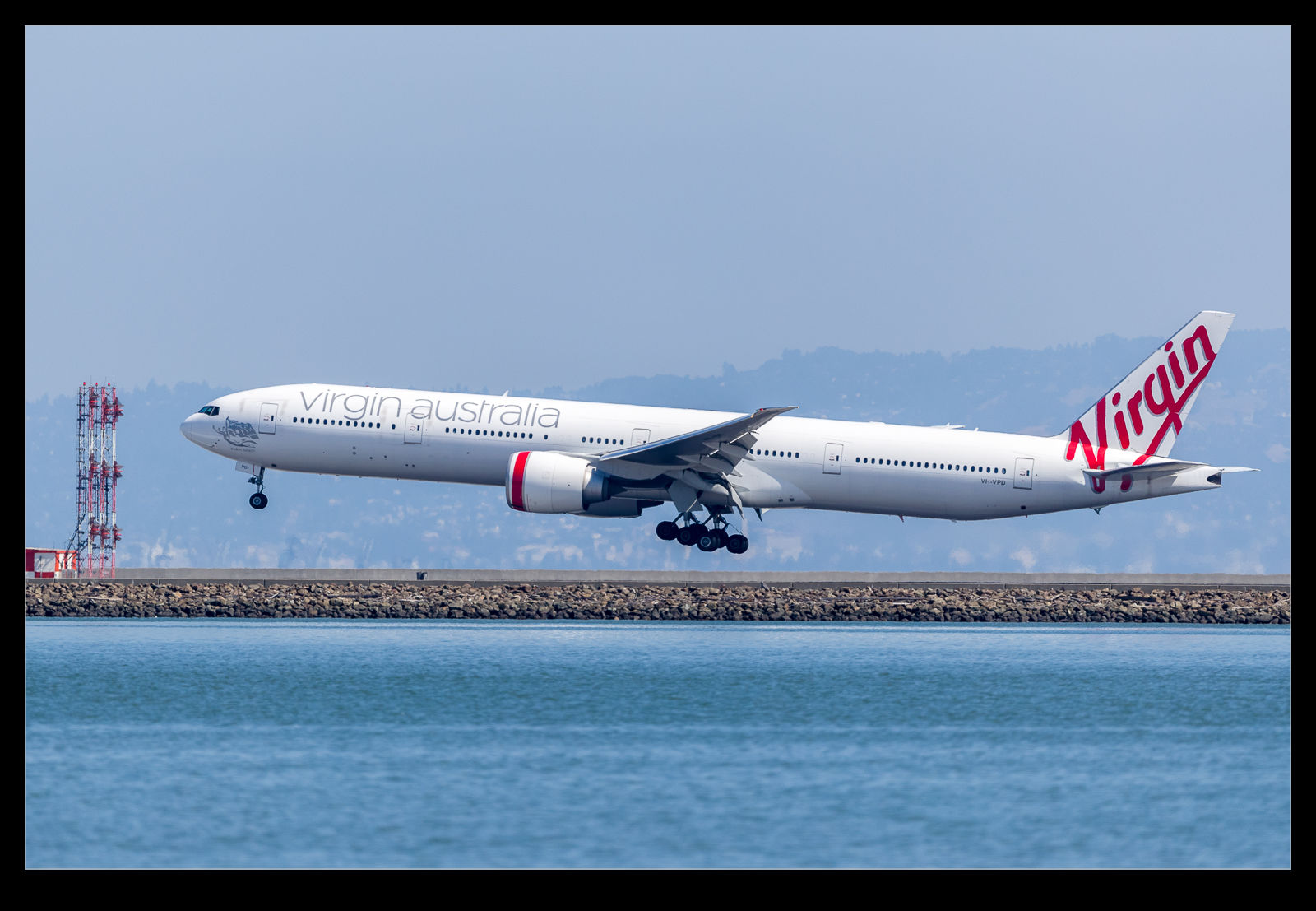
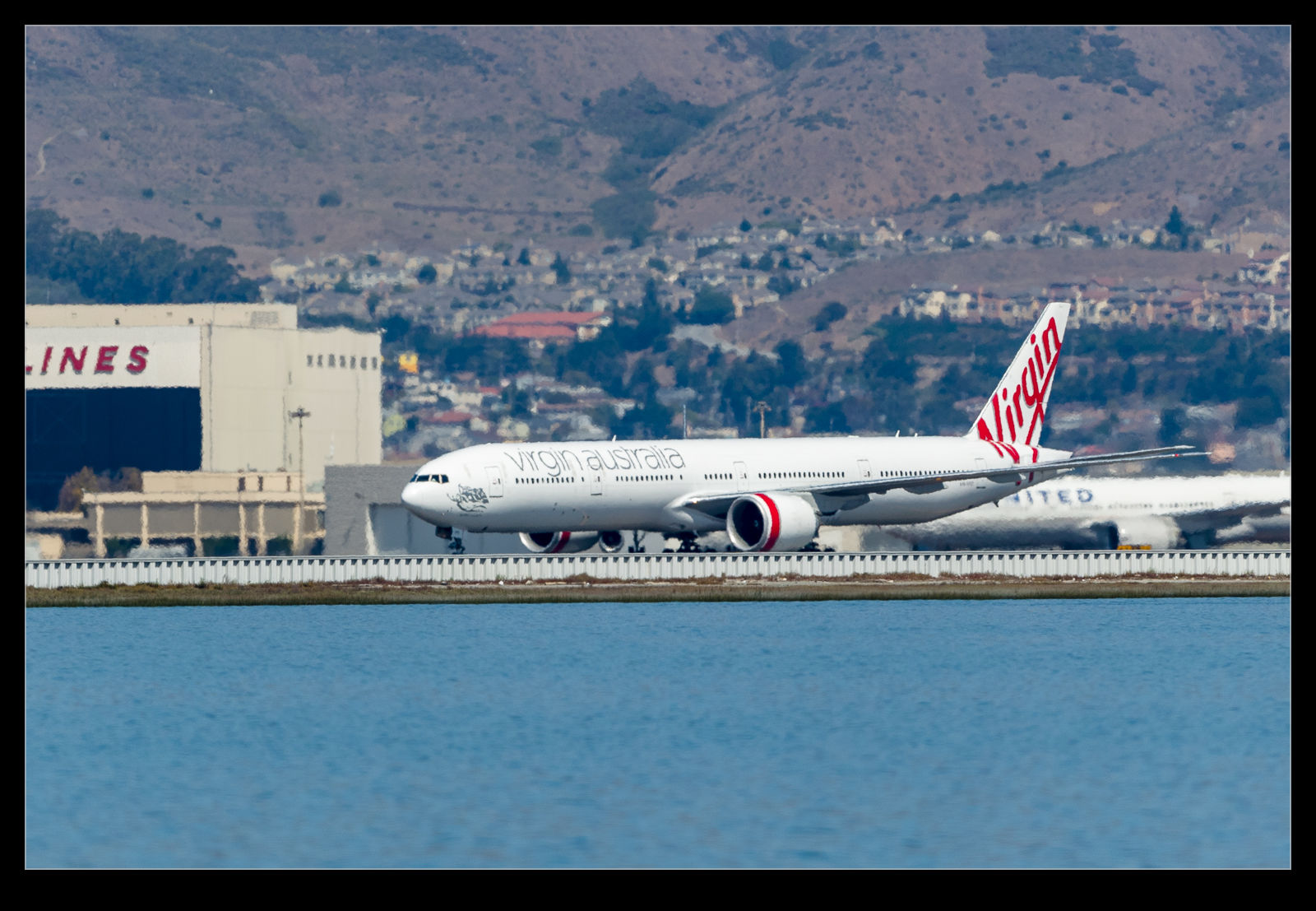
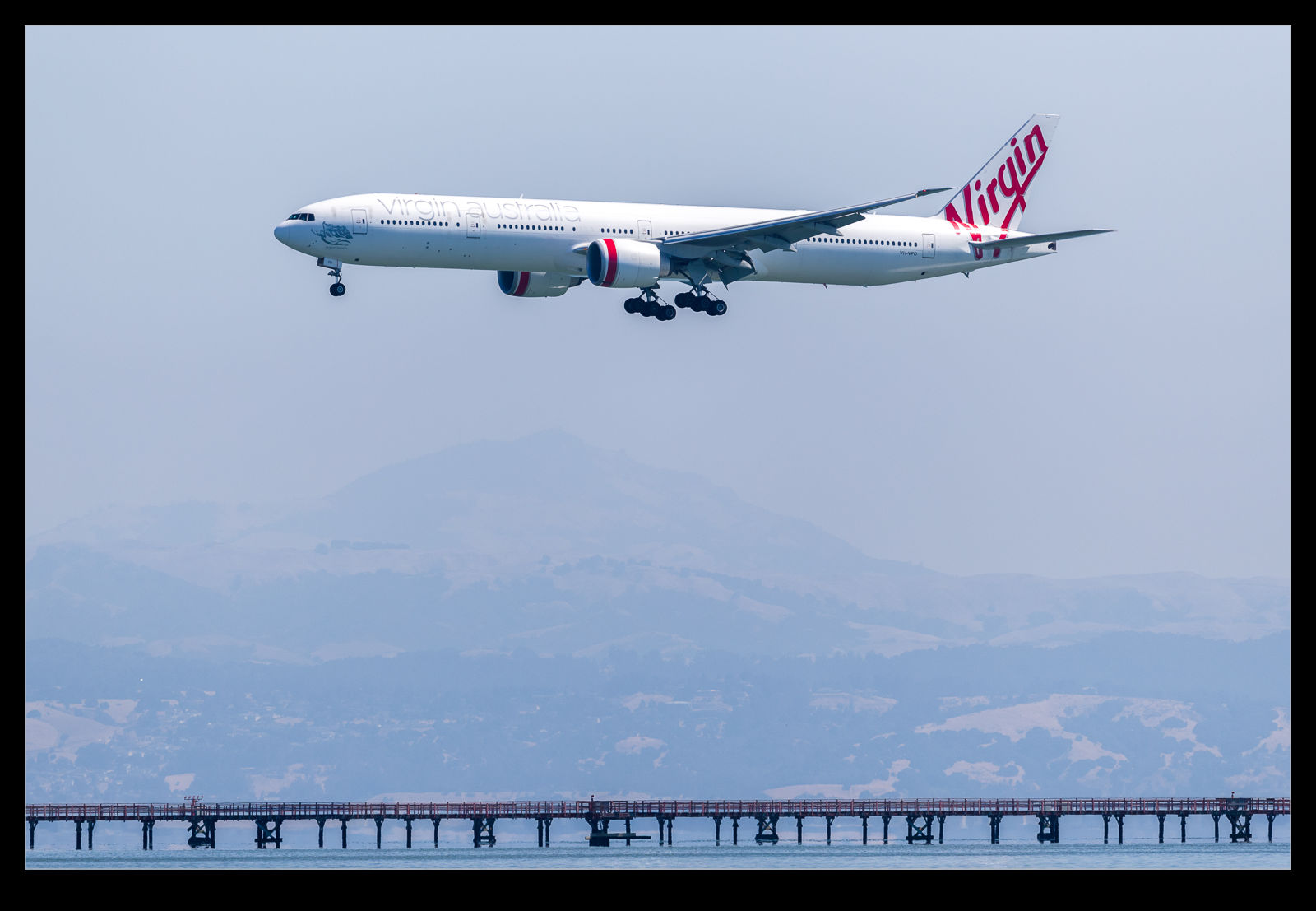
The college football season included a special game at the beginning of the season. The game was scheduled to take place in Sydney Australia rather than the US. Apparently, the NCAA is trying to increase interest in the sport in other countries and hosting a game in Australia was part of the plan. One of the teams was the Cal Bears. To get to Australia and back they chartered a jet for the team and support personnel. Given the number of people involved, it was cheaper than flying commercially.
They chartered a jet from Virgin Australia in each direction. The outbound leg was a jet that had made the LAX flight. Instead of flying the return, it positioned to SFO for the outbound flight. They then repeated the process in reverse after the game. I missed the departure rotation but I was there for the return journey. I may have shot Virgin Australia jets before but this was a bit different since they don’t normally appear at SFO. (Cal also has a sponsorship deal with Oakland so this was out of the way for them too!)
My First Lear 75
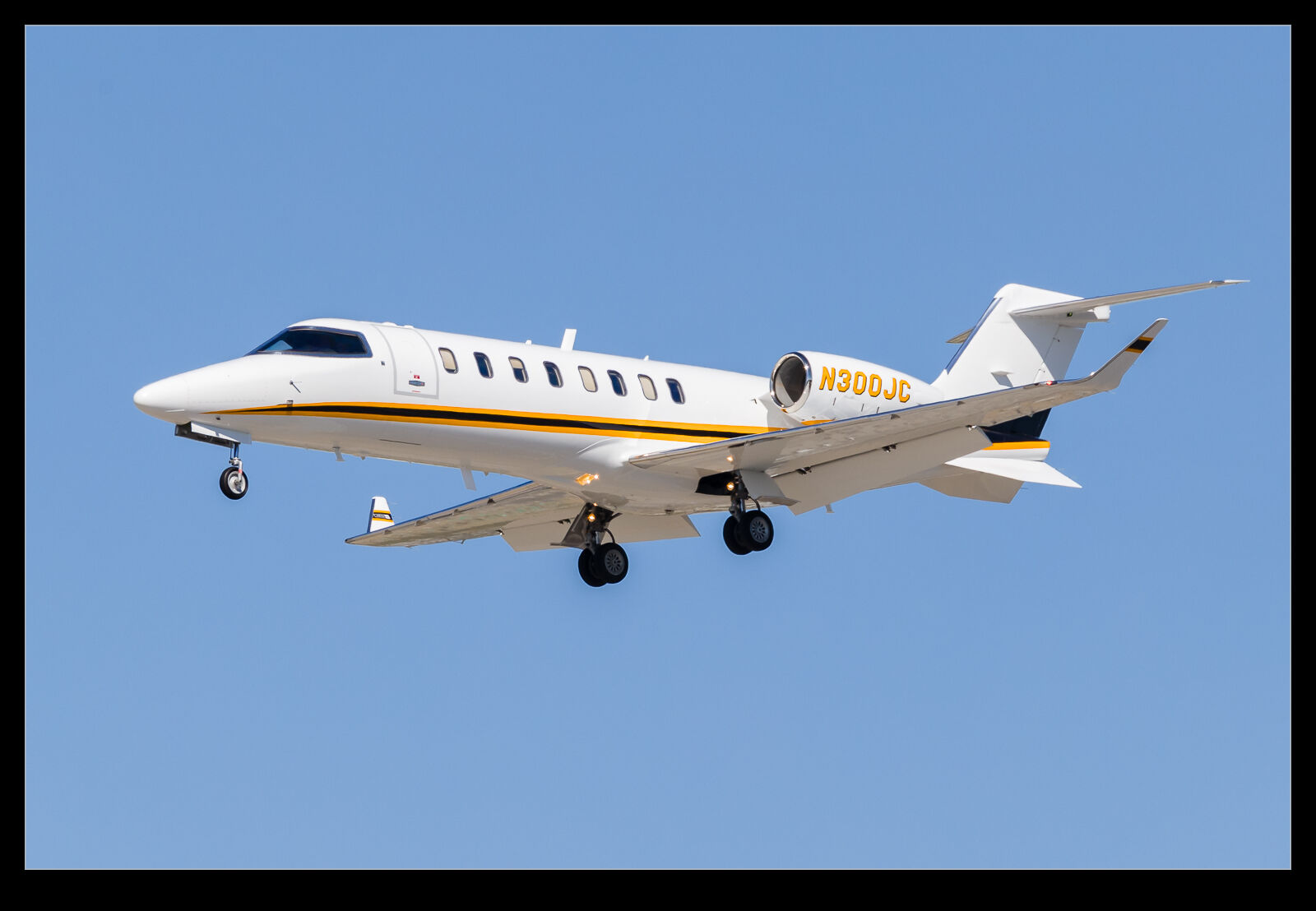
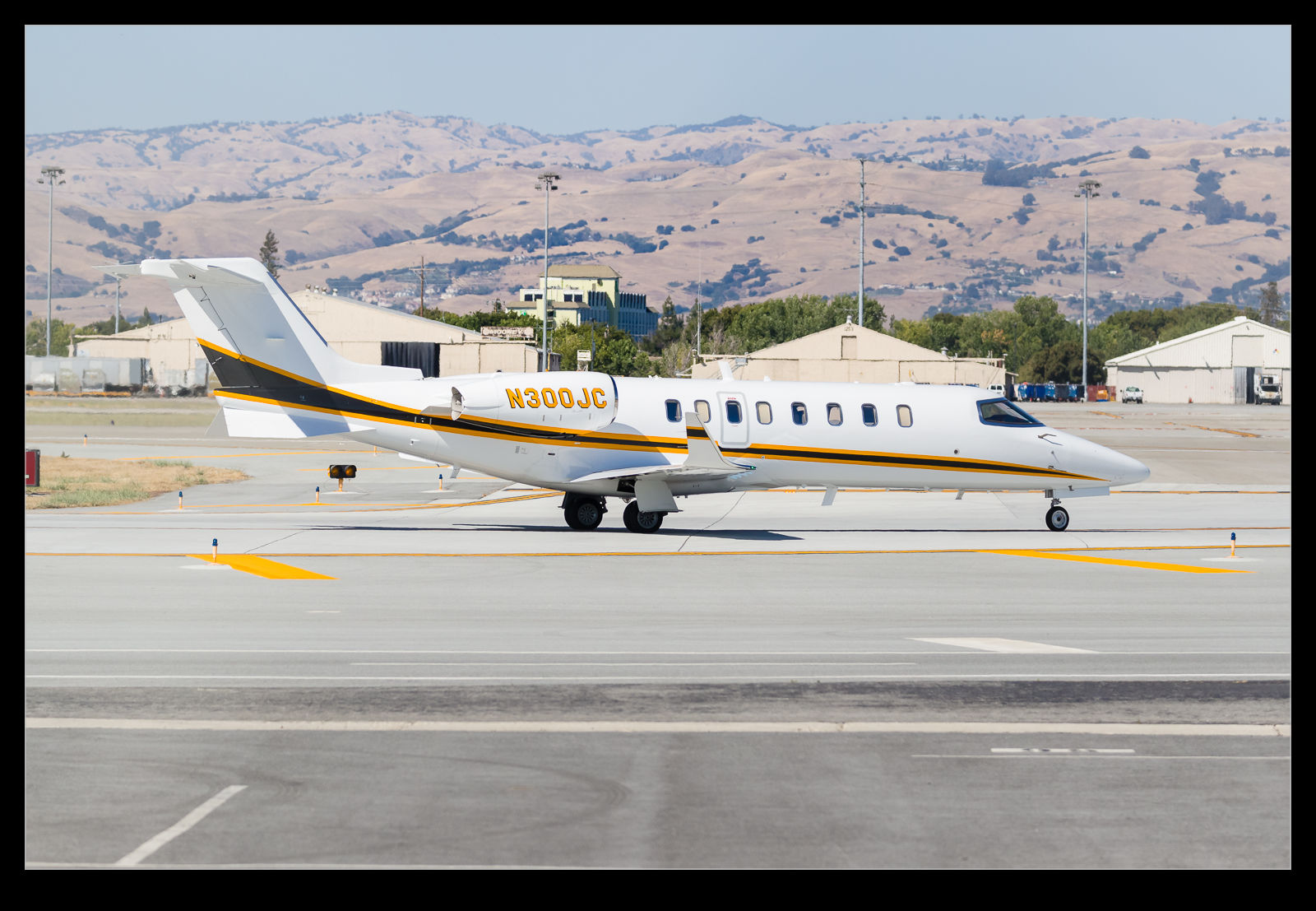
After building on the basic Learjet family for many years, Learjet decided to update things with the Lear 45. This was a new design for them, even if it was based on many of the original Learjet design features. It also spawned a shrink with the Learjet 40. For a while this was a popular jet but, with many manufacturers adding new types to the market, the Lears were beginning to look rather dated and the sales suffered.
The response was the Learjet 75. A new engine and a bunch of revisions were introduced to try and reinvigorate the type and get some more airframes moving out of the production halls at Wichita. The result has been mixed. Some customers were pleased with the new type but the competition is still strong and some customers are not coming back. I hadn’t seen one in the wild until recently when one showed up at San Jose. It is still the same basic airframe so it looks okay (although if you ever get inside one, you will be surprised how cramped it is). Whether it is enough to save the brand, we shall have to wait and see.
Lumps and Bumps on the Sufas
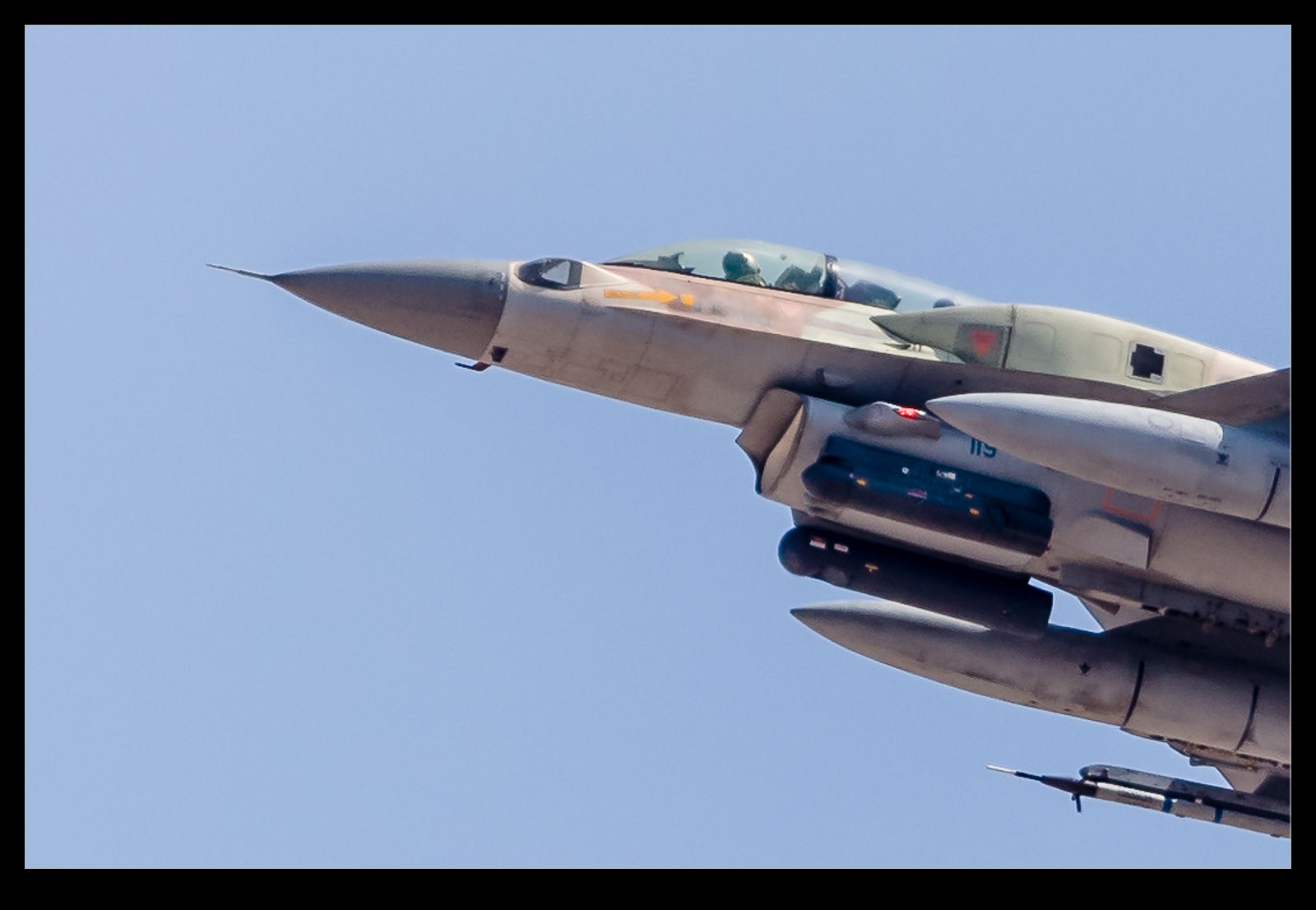
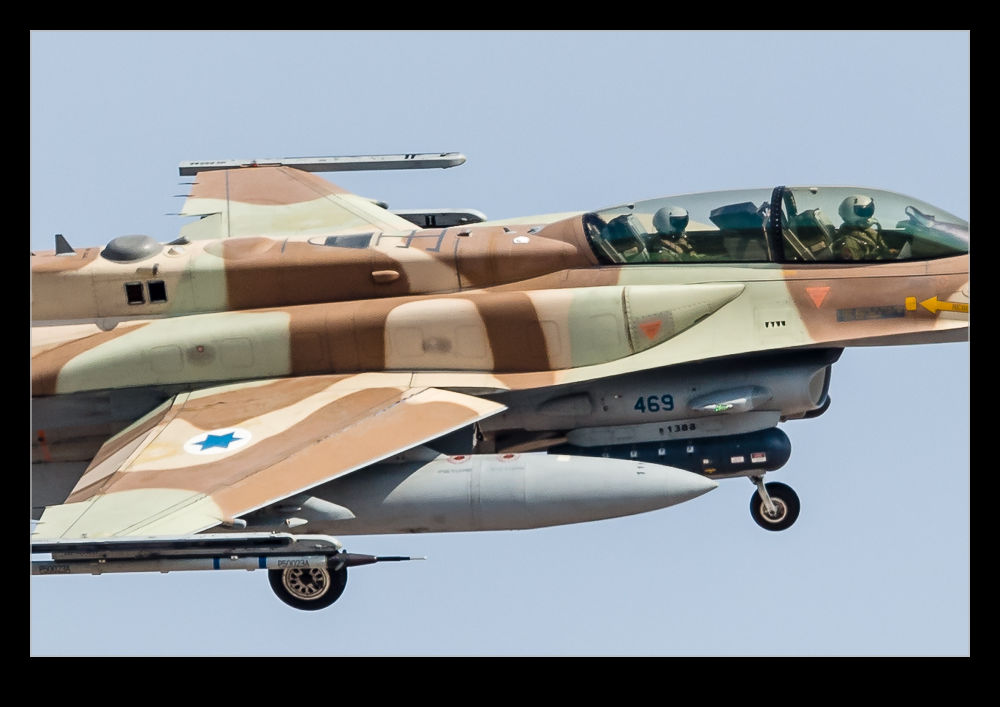
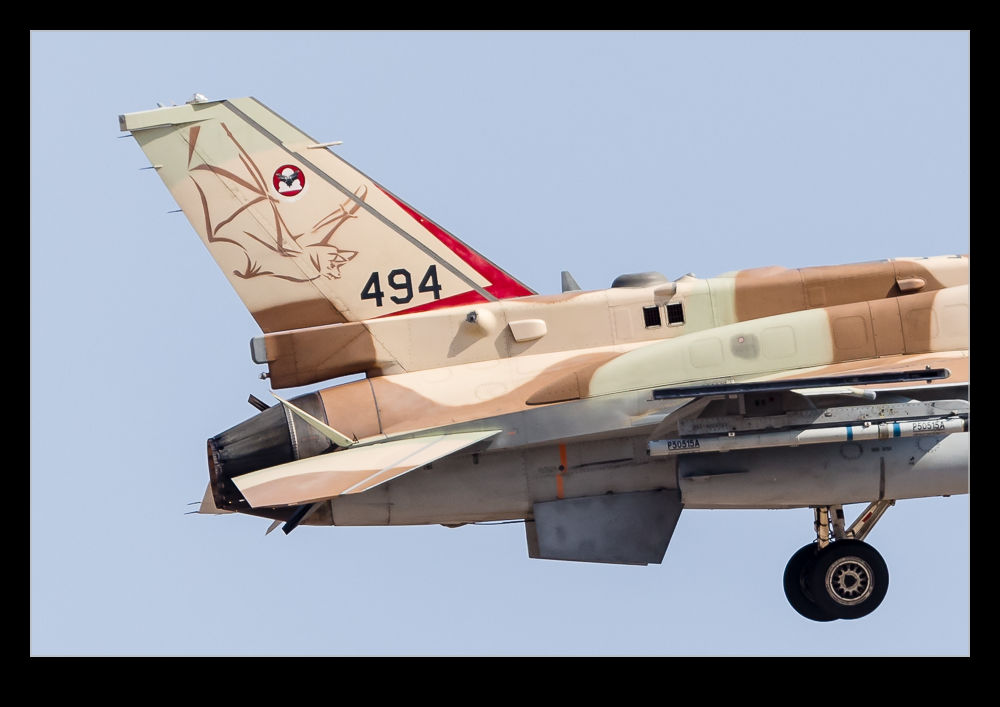
Lockheed Martin has been evolving the F-16 over the years. It has been massively transformed from the original F-16A (which was a big change from the YF-16) to the Block 50/52 version. The development of the F-16E/F for the UAE took the jet up another level. When the Israeli Air Force decided to buy an updated jet, they created the F-16I Sufa. A lot of local electronic systems are incorporated to the LM designed airframe.
As you take a closer look at the airframe, you see all sorts of bits that are specific to the jet. The big spine is a common feature these days although it was pioneered on Israeli jets a long time ago. Aside from that, there is a circular antenna on the spine. On the sides of the inlets are some more antennae. Head back on the spine and some more side antennae seem to be present (although not on all of the jets I saw). Then there are sensors on the canopy (which I guess are related to helmet sighting systems). The jet is covered in devices. I assume there is a great system for integrating all of the information these sensors are gathering. The crew should have plenty of data to work with.