Category Archives: military

DHS Citation with Radar

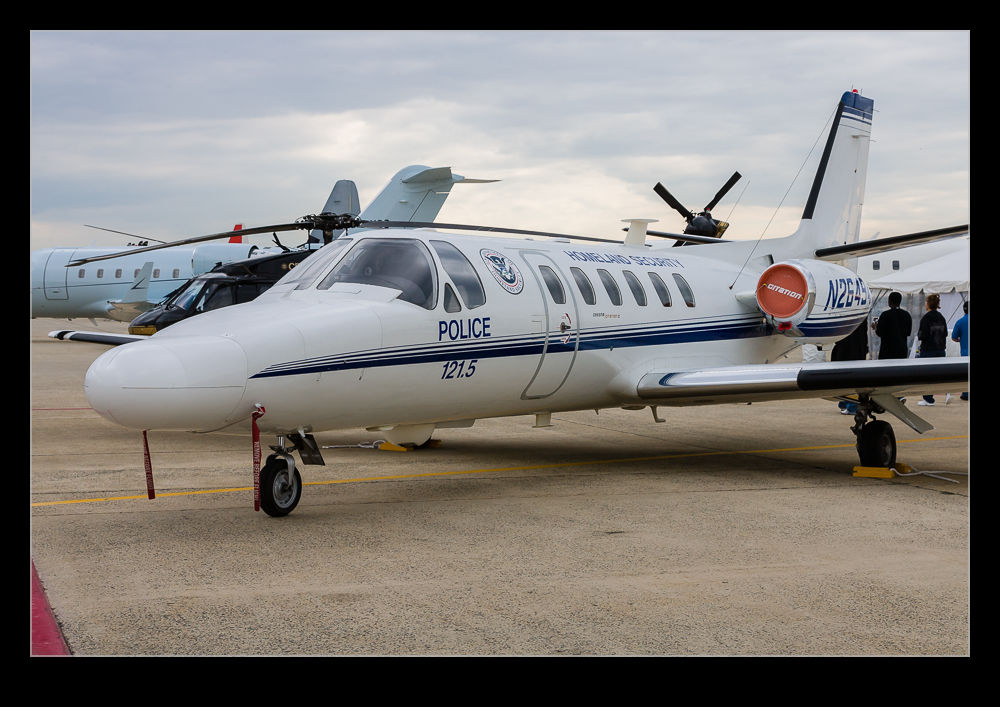
wpid13598-QB5Y2645.jpgA buddy of mine recently photographed a Cessna Citation in Texas which, at the time, he didn’t pay too much attention to. Later, when he looked at the pictures he realized it had an unusual fairing mounted on it which we thought might be a radar of some sort. This triggered a memory for me of a Citation that I saw at Andrews AFB. This was operated by Homeland Security and included a modified nose with an air intercept radar. I don’t know which types it was but I seem to recall it might be a variant of the F-16s radar. Anyway, thinking of that made me dig out the original shot and here is the aircraft in question.

C-46 Commando

wpid13604-C59F9601.jpgEven people how aren’t particularly into aviation have a reasonable chance of having heard of the Douglas DC-3, also known as the C-47 and the Dakota. Not only was it a hugely important aircraft in WWI but it also continued to provide the post war commercial services and, even today, to fill a niche in air transportation. Far less attention is given to one of its counterparts in the war, the Curtiss C-46 Commando. The C-46 never stuck in the public conscience in the same way and its use post war was a lot more limited.

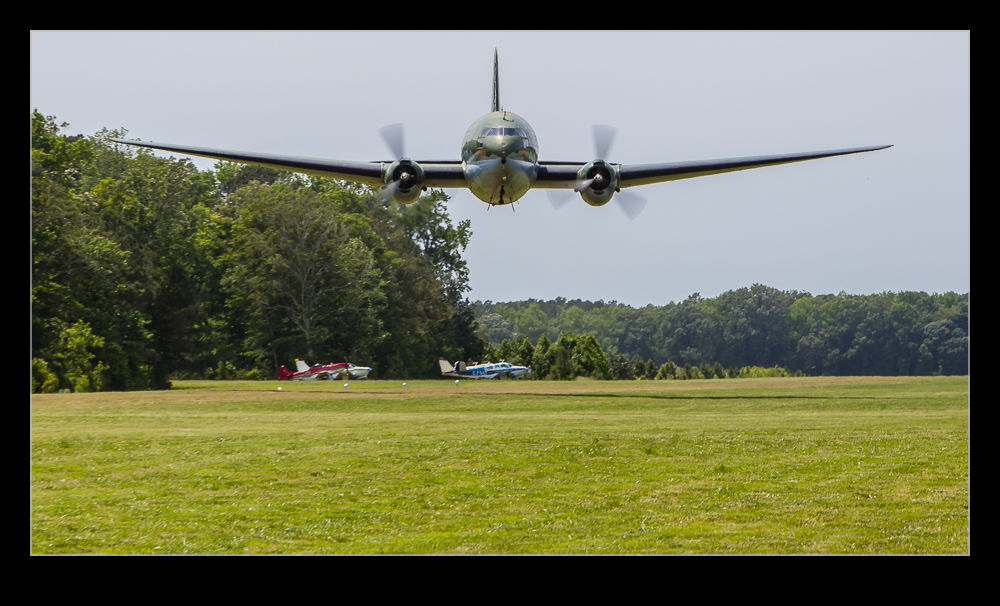
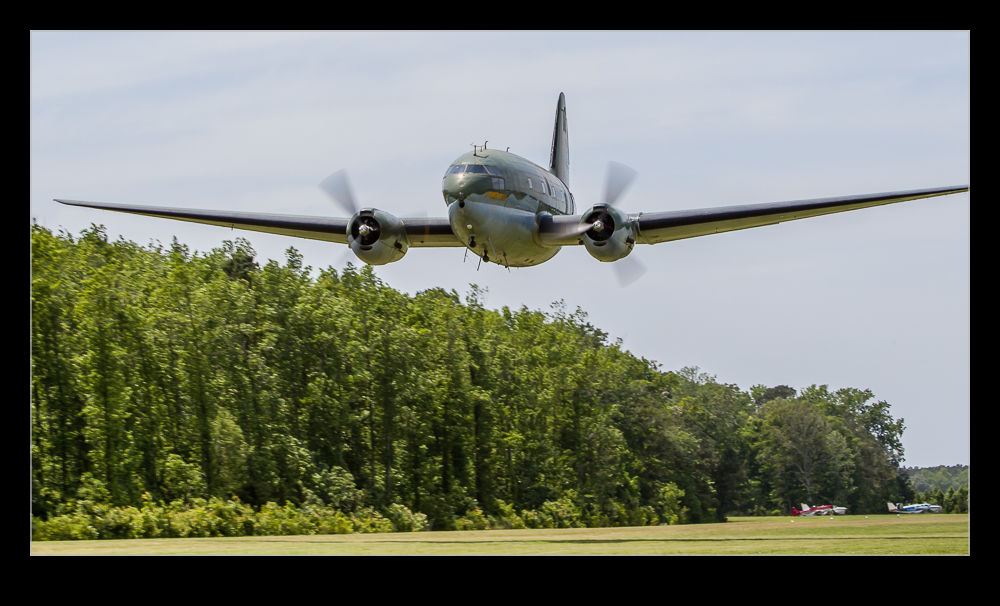
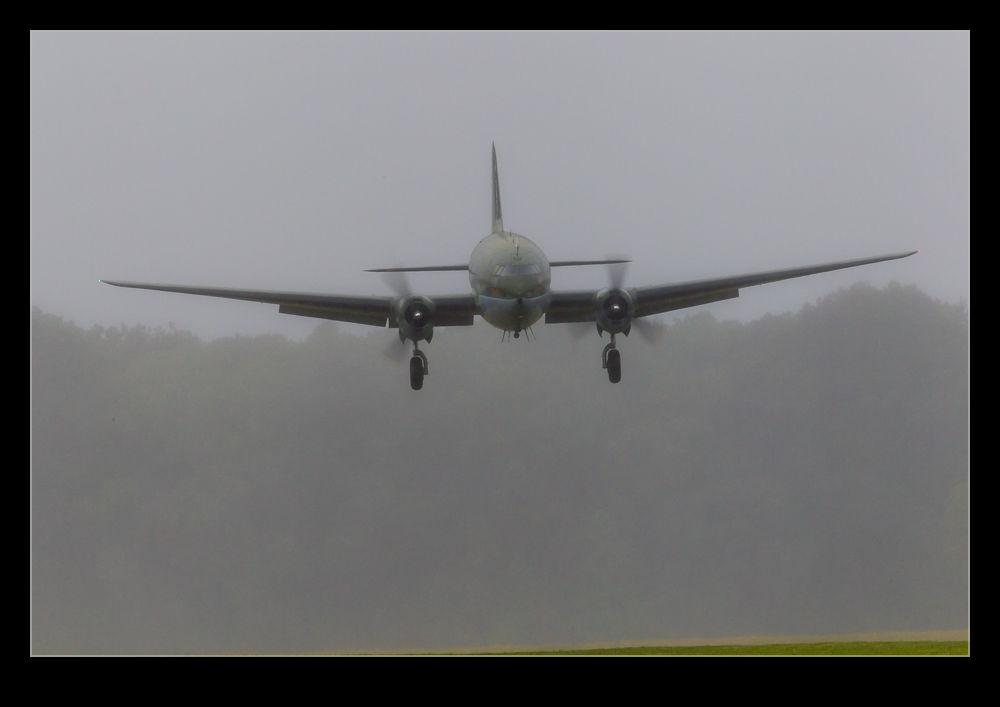
wpid13612-C59F9800.jpgHowever, they didn’t all disappear and one fine example still flies at a lot of air shows. I got to see it at Pungo in Virginia a few years back at an ISAP event. The symposium was being held in Virginia Beach and we spent a couple of days at Pungo. One was the day before their annual air show. We got to look around the collection and see the aircraft in action. The C-46 put on a few great low passes and I was at one end of the field and got a great view head on.

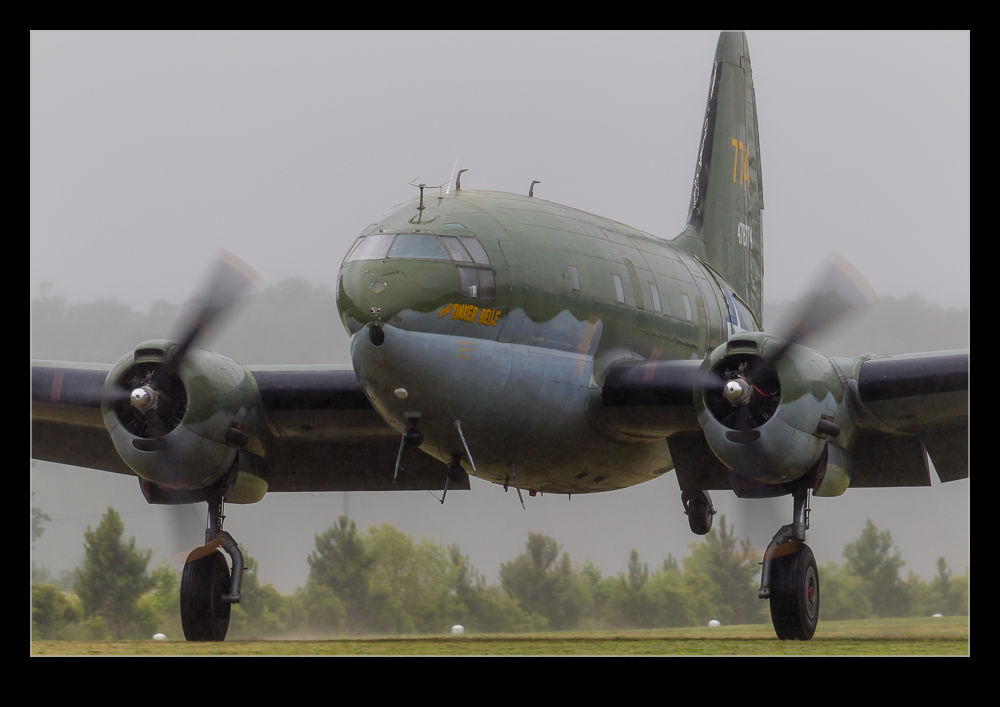
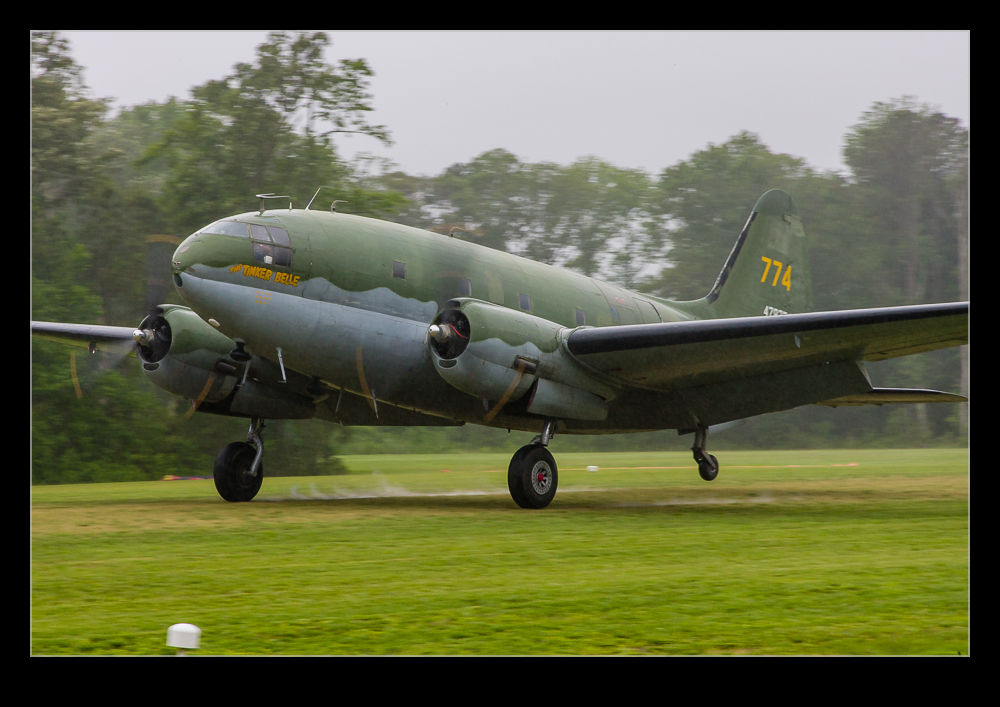
wpid13606-C59F9606.jpgOn the day of the show, the weather was not cooperating and the train came down heavily at various times throughout the day. The C-46 did fly in the gaps provided by the not so awful weather. They were not conditions conducive to good photos but I still got some of it. However, the practice day proved to be the better day for seeing this fine machine in the air.

wpid13610-QB5Y5183.jpg wpid13608-C59F9763.jpg

Special Weapons at Cosford

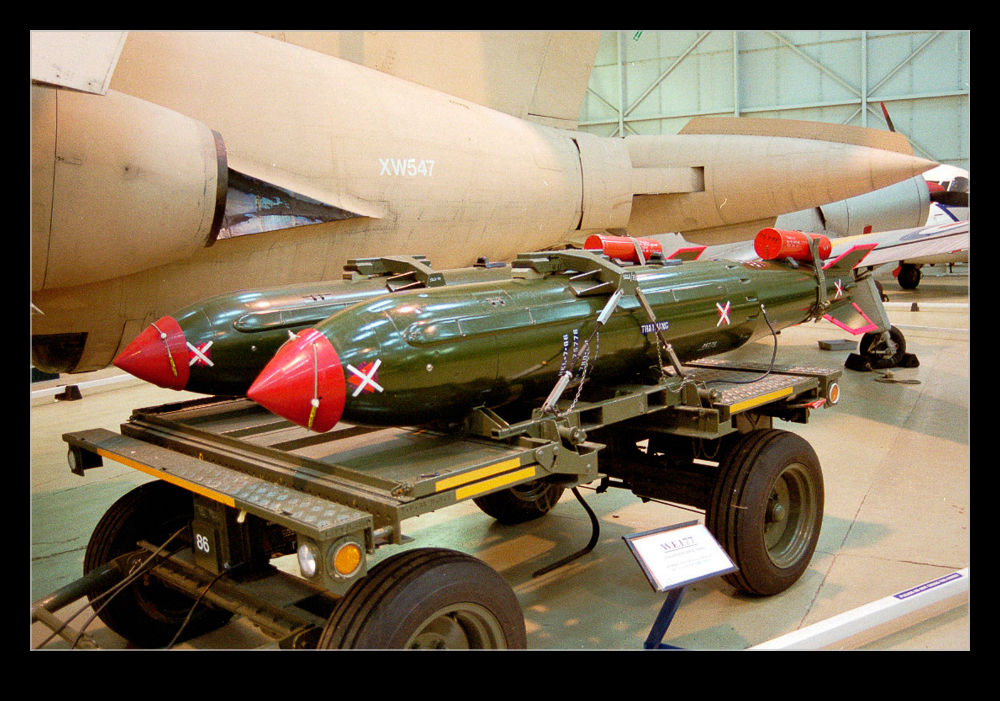
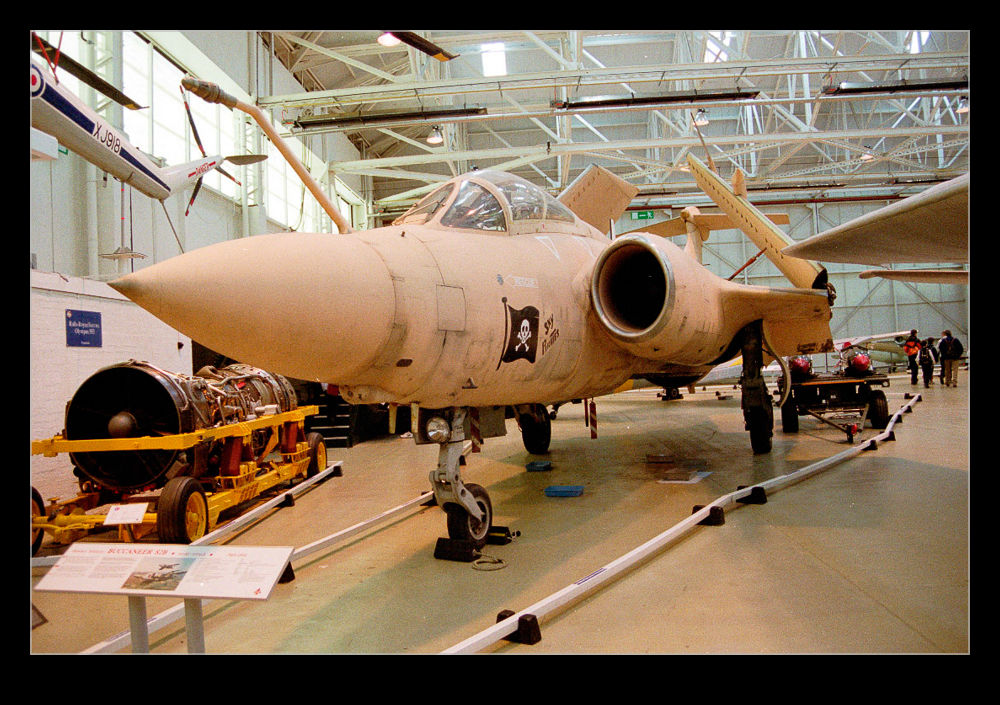
wpid13693-22.jpgI have twice been able to visit the museum at RAF Cosford outside Telford in the UK. On my second visit, I had a very surprising experience. I was looking at a Buccaneer that was on display in one of the hangars. As I walked around it, I saw something that I had not expected to see. They were some bombs but not normal bombs. When I worked on Tornado many years ago, some of the handling clearances we wrote were for what were euphemistically called special weapons. Even the outline of these stores was highly classified and anything we did that included clearances for them had a higher security rating than normal weapons. I never saw one for real. Only the drawings showing the shapes were available. Once I finished working on them, I figured I wouldn’t see them again.

wpid13691-21.jpgTurns out I was wrong. The RAF retired their weapons as part of an overall strategic weapons reform and, once they were withdrawn from service, the classification was downgraded. This included allowing the weapon shapes to be declassified so they could be put on display in a museum. When I first saw them, I thought that someone must have made a big mistake but it turns out that everything was above board. I doubt many people walking past them were even aware of what they were and they certainly won’t have been as surprised as I was.

AMARG

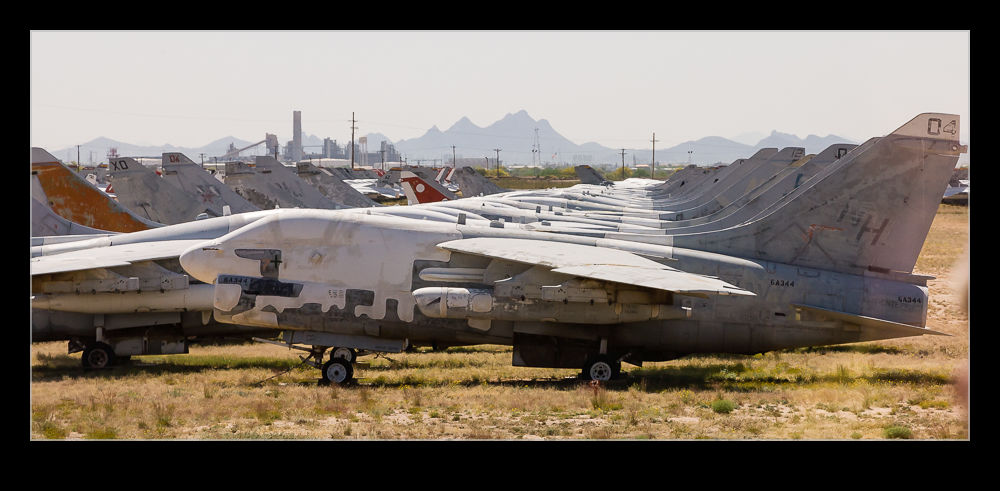
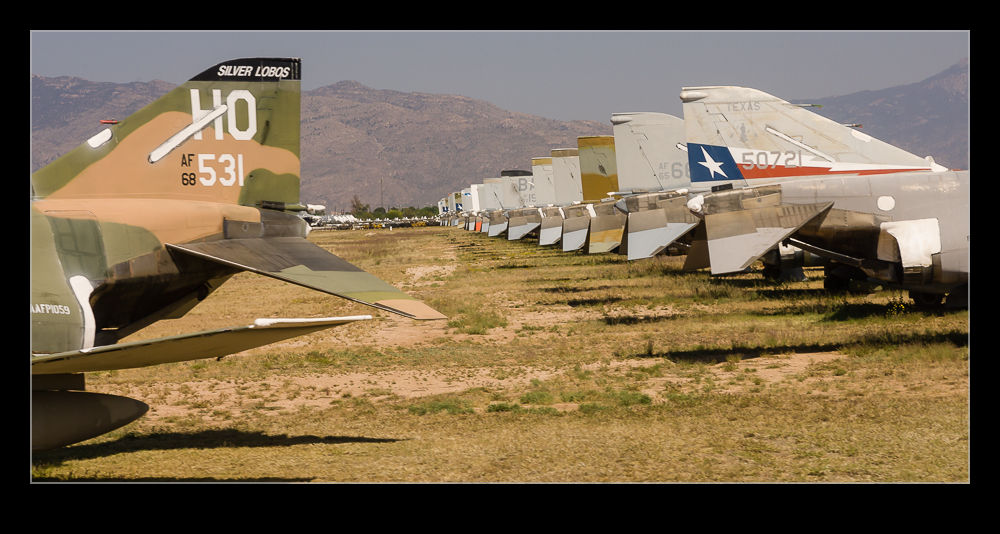
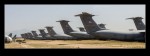
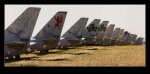
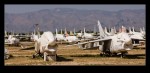
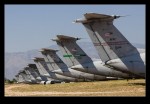
wpid13657-QB5Y2726.jpgThe storage facility at Davis Monthan AFB in Tucson AZ is very famous. The storage of so many airframes that are either gradually being broken down for parts or that have the potential to make it back into service is well known and has been the subject of many books and articles. Getting access to the facility is a bit harder than it used to be but there is a tour that is run each day from the Pima Air and Space Museum across the road from the base.

wpid13642-QB5Y2680.jpgThe tour is on a bus that doesn’t allow anyone off so it is not ideal either from a photography perspective or from the point of view of exploring the more unusual aircraft. However, it is a simple thing to do so making the trip on the bus was the option I went with when I was there a few years ago. The bus had tinted windows which affect the photos quite a bit and you are stuck on one side of the bus so anything on the opposite side is a case of seeing what luck you have shooting across the bus. Reflections are a constant problem of course.

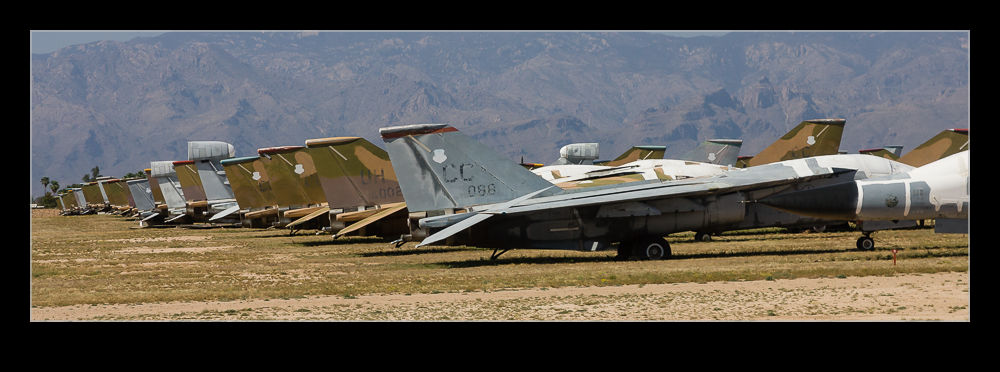
wpid13638-QB5Y2666.jpgThe storage facility is exactly as you imagine it would be. The lines of aircraft of the same type are very cool. It really doesn’t matter what the type is. Seeing so many of one type together, often with a wide variety of unit markings, is impressive. The big types like the C-5, the C-141 and the B-1B dominate their areas. The smaller types can be scattered in amongst them. Some look rather forlorn, often without the gear any more, mounted on wooden frames. Other locations have parts stacked up. A selection of wings from A-10s were stacked in a row. At some point I need to make the plan to visit and investigate the facility in a lot more detail.

Cutlass

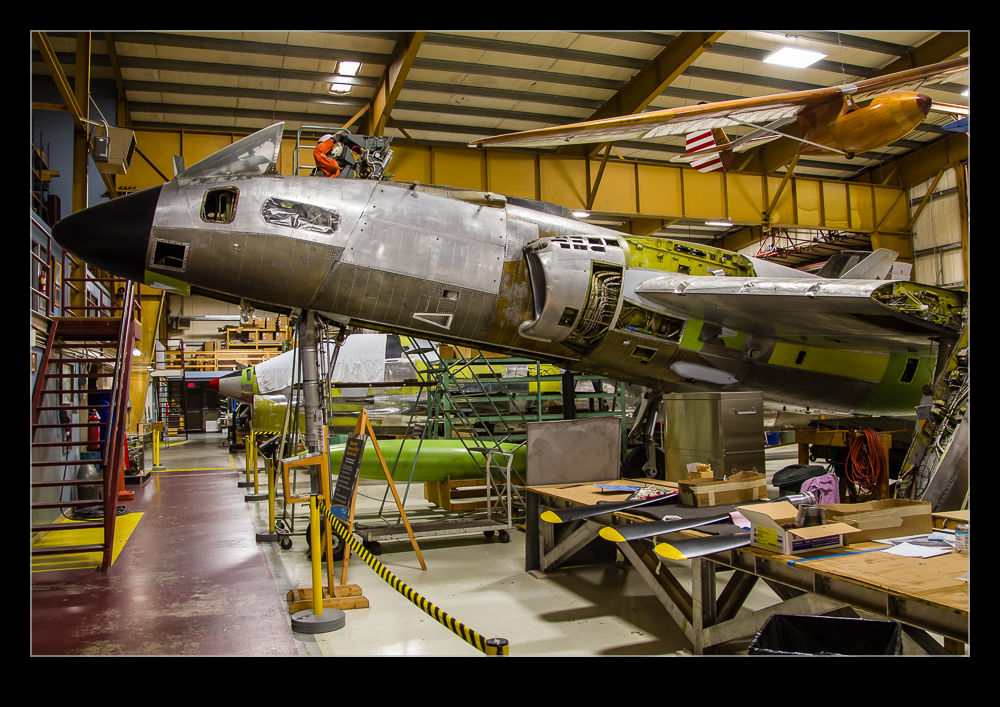
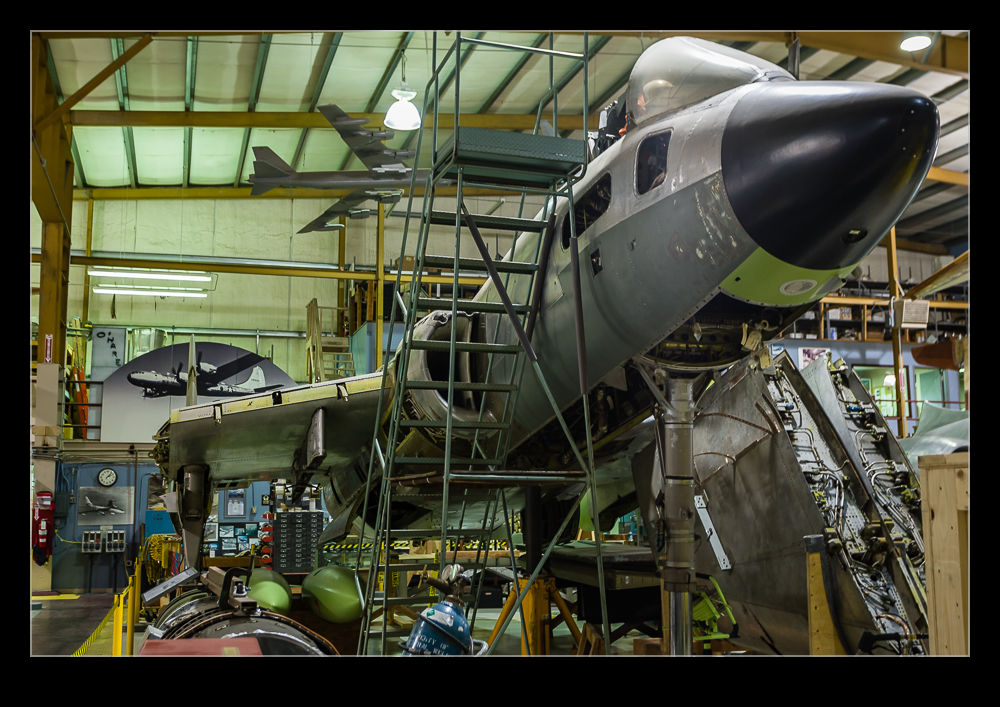
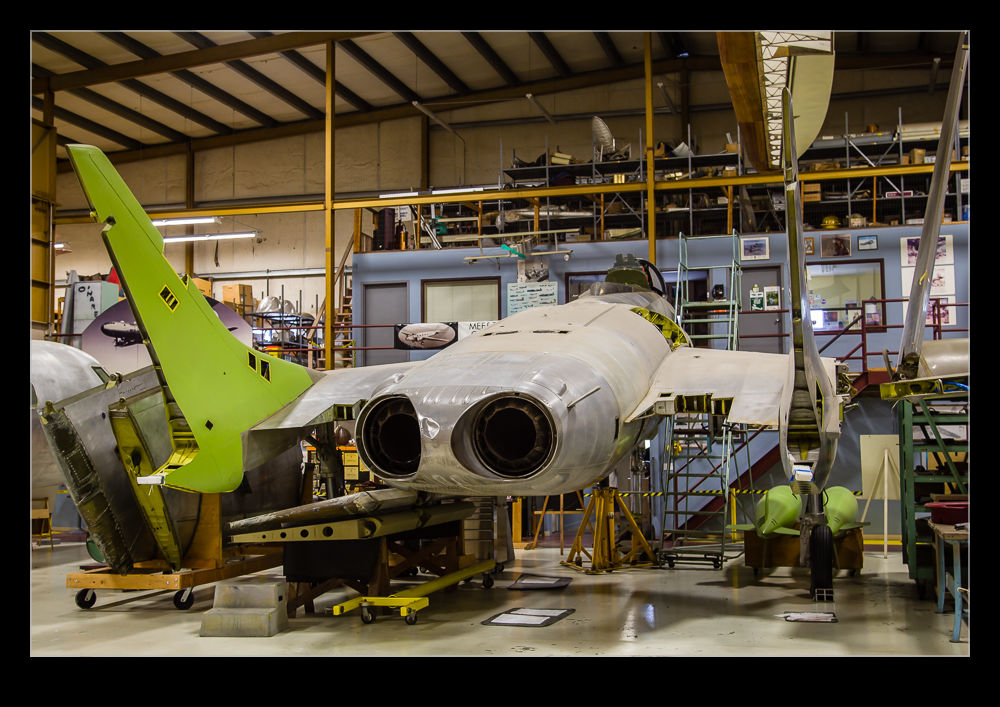
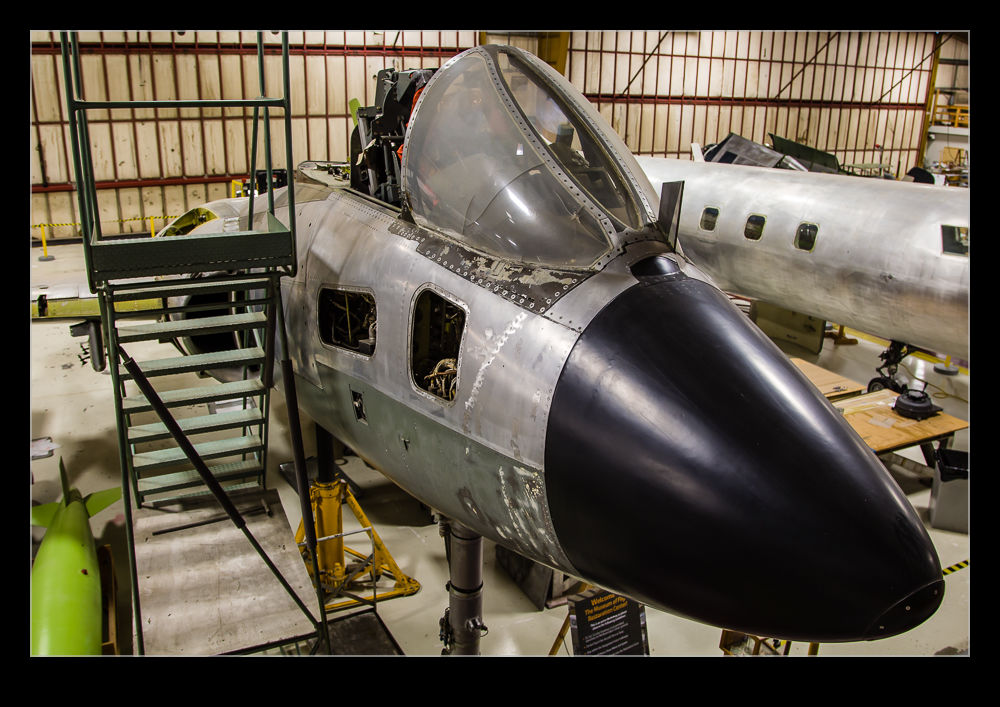
wpid13618-C59F7438.jpgWhen I was a kid, I saw a picture in an aircraft modeling magazine of the Vought Cutlass. The planes caught my imagination at the time but they were already long gone from service so the chances of seeing one in the UK were not good. However, I did come across one much later when visiting the Museum of Flight’s restoration facility in Everett WA. My first visit to the facility was when it was just a location where work was undertaken and you could drop in. More recently, it has been turned into a visitor location with a shop and entry fee.

wpid13620-QB5Y7682.jpgNothing has changed with the Cutlass though. It is apparently a bit of a basket case for restoration purposes with a lot of problems in the structure. Consequently, I don’t know what will happen with it or whether it will remain a work in progress indefinitely. However, it is cool to see a Cutlass at all. When thinking about this, I decided to see whether I had ever come across a Cutlass at any museum. However, I couldn’t find an example anywhere in my files so I guess this is the only one I have seen.

wpid13616-C59F7424.jpg wpid13614-C59F7396.jpg

B-58 Hustler

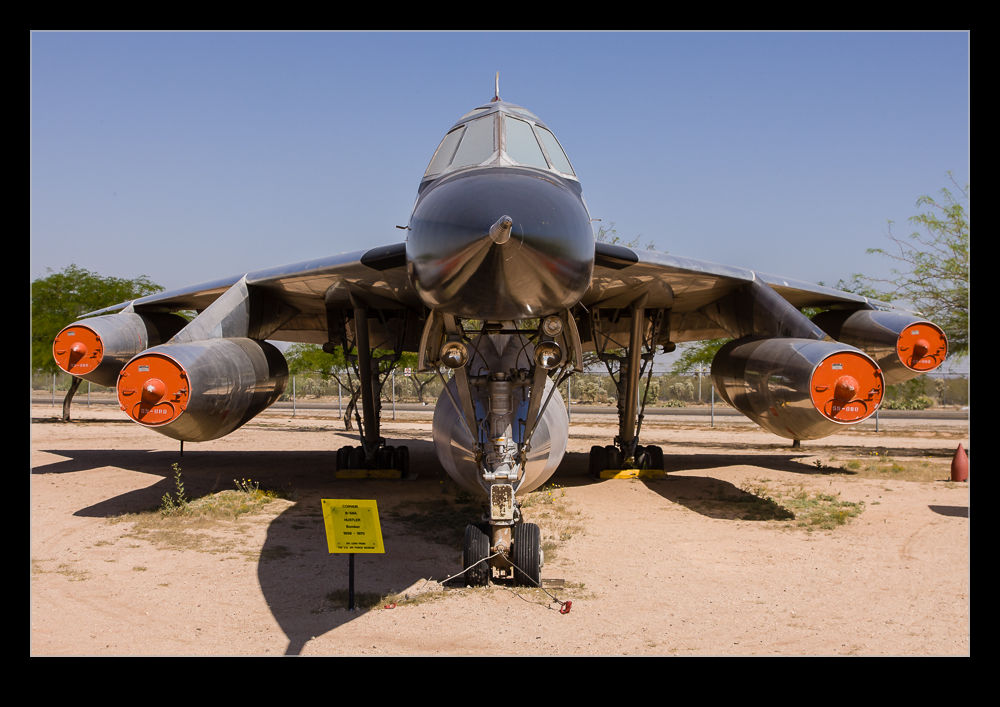
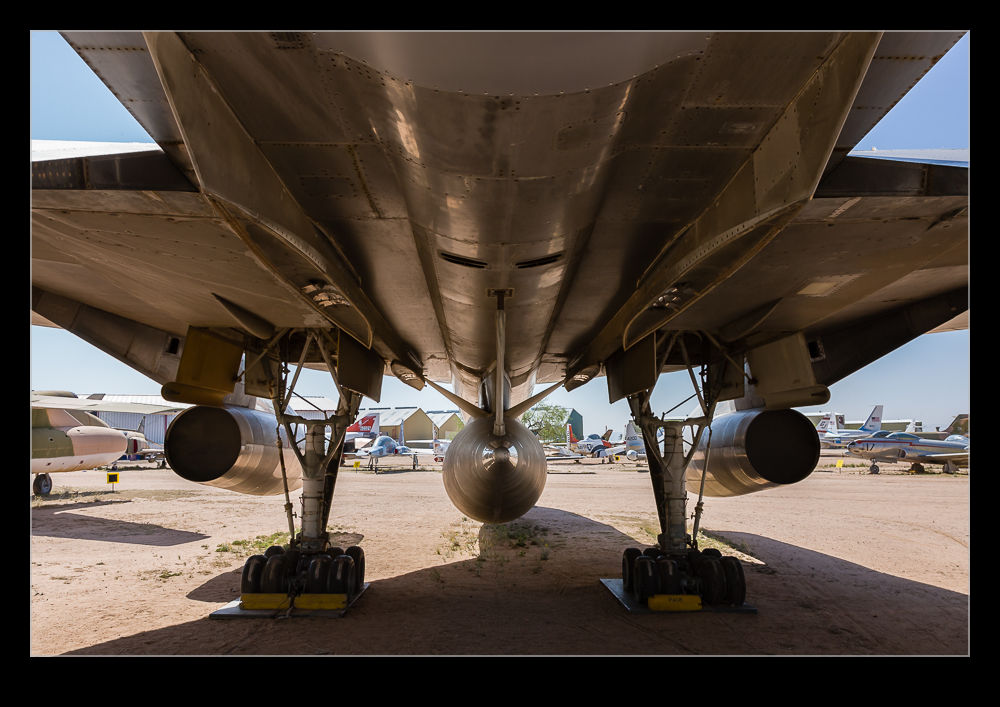
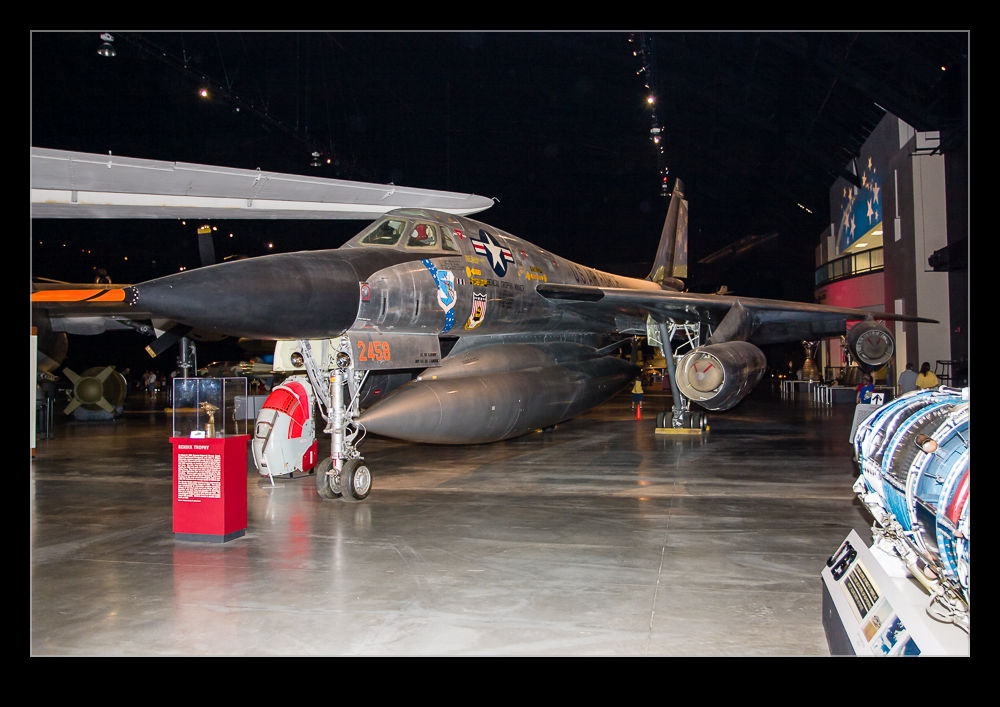
wpid12907-QB5Y2167.jpgA few people I know recently had pictures up on Facebook of the B-58 Hustler bomber. This was a supersonic bomber from the cold war era. It was a beast of an aircraft and one that I would love to have seen in action. Sadly, they were all withdrawn from service long before I had a chance to see one. However, there are a few of them scattered around museums and I have seen them in person, even if it is not quite the same. I thought I would throw in a few shots of my own of these outstanding looking jets.

wpid12909-QB5Y2171.jpg wpid12905-CRW_0673.jpg

Thunderbirds and the Missing Pylon

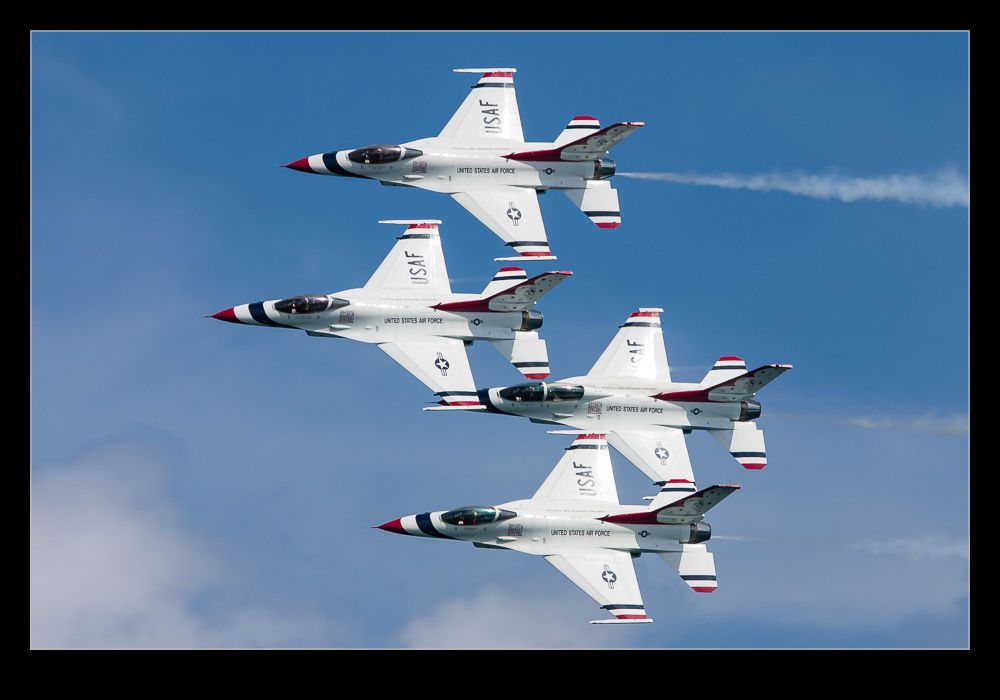
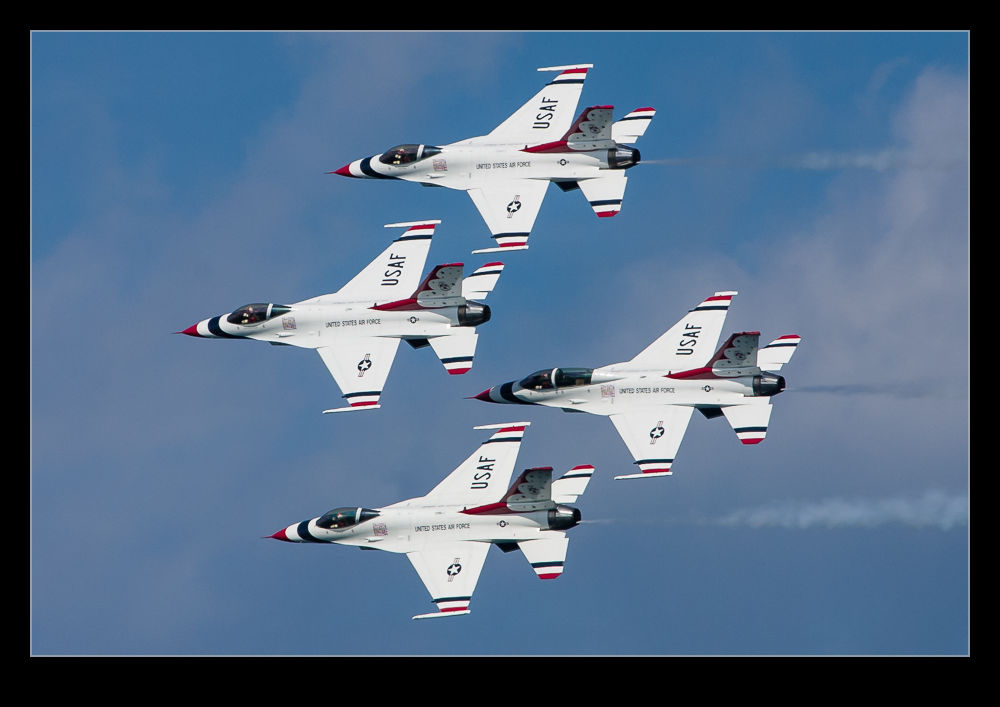
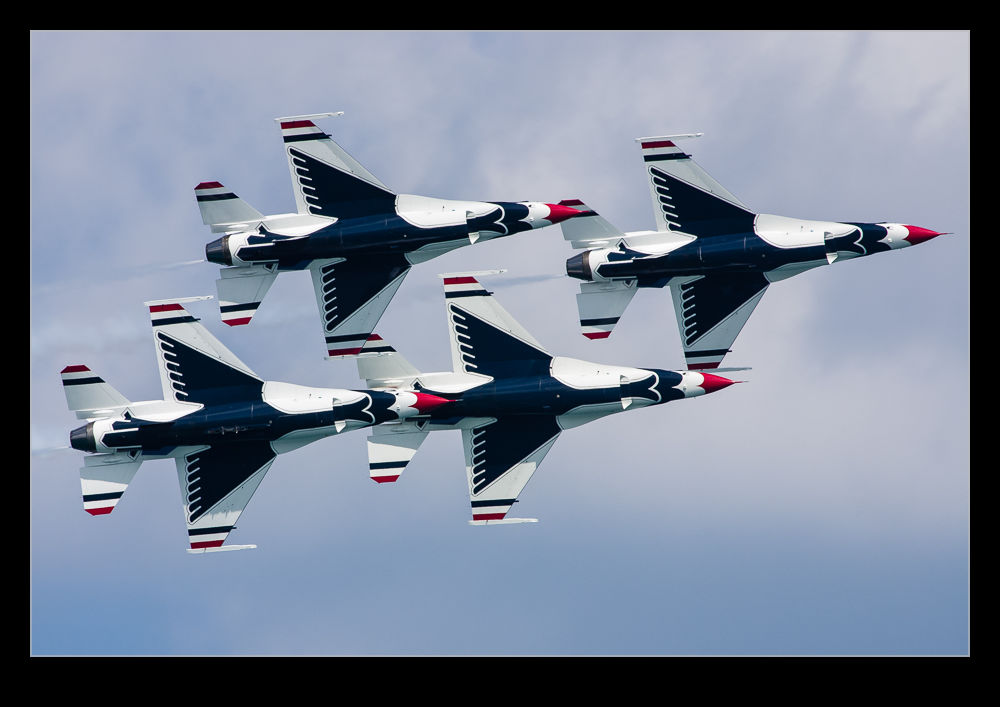
wpid13554-CRW_7987.jpgA discussion on Facebook between a few people I know recently turned to a discussion about the USAF display team, the Thunderbirds. While I can’t now remember how ended up the way they did, at some point, there was discussion about the time the Thunderbirds touched in mid-air with one aircraft losing part of the wing tip missile rail. This occurred at the Chicago Air and Water Show and I was there that day.

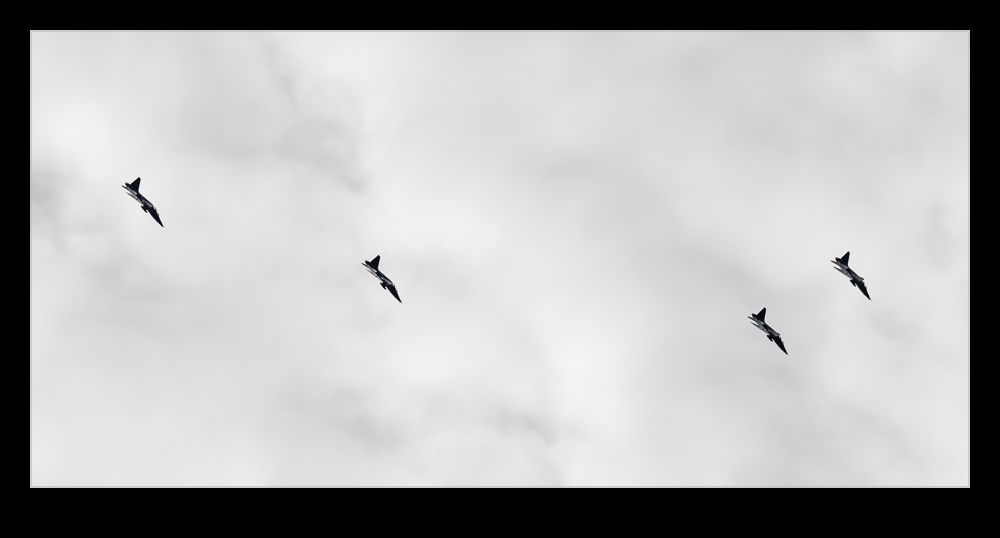
wpid13556-CRW_7992.jpgAt the time, not many people knew anything had happened. Indeed, for a while they flew on before pulling out of the display routine and orbiting overhead and then eventually returning to Gary to land. No-one on the ground had any idea what was going on. I did not capture the contact between the jets. However, when I looked through my shots afterwards, I realized I had a shot of the four ship formation with one aircraft missing the rail and another showing some signs of damage on the tailplane where the rail had impacted. Below is one shot to prove they started out intact!

wpid13558-CRW_7974.jpg

V-22s But No Air Force One

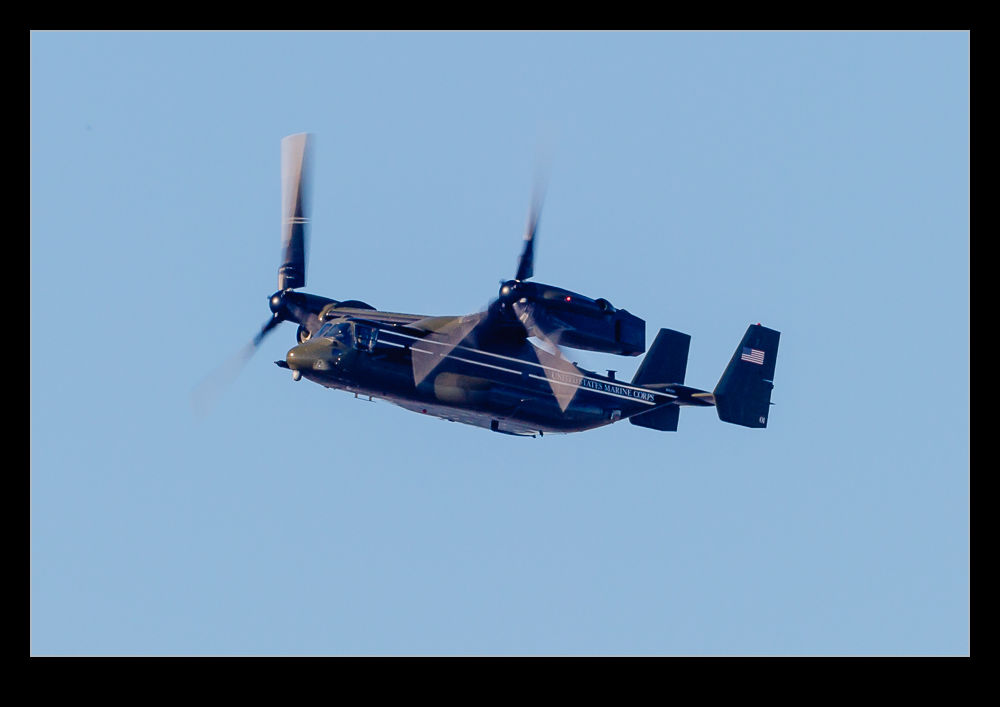
wpid13566-AU0E8853.jpgThe President was visiting the Bay Area for a couple of days recently. This meant the arrival of Air Force One, the VH-3D helicopters, the C-17s to transport them and the V-22s that support the VH-3Ds. What more could an aviation guy want? I took a look at the temporary flight restrictions (TFRs) listed online to see when the airspace was going to be shut down. When the president flies, the airspace around him is shut down for security purposes. These closures are published (otherwise, how would the other pilots know not to fly) so it means we know when to expect things to happen.

Sadly, the arrival was on a day I was at work and was timed to come in to SFO around sunset so, even if I could be there, there was a chance that the light would have gone. (As it was, the arrival was just before the light went completely and a friend of mine did get some good shots.) The departure, on the other hand, was scheduled for Saturday morning. That I could manage. I figured that getting there early would be wise since I would not be the only one trying this so getting somewhere to park might be tricky. Plus, if they went early in the slot, I wanted to be ready.
wpid13562-AU0E8673.jpgI checked the TFR the night before and got up early the next morning. I had some breakfast and headed out. I arrived in plenty of time but did need to park quite a distance away. I got to the bayshore trail and found a few other guys with cameras. However, word quickly reached me that he had gone. I bumped into a friend of mine and he told me that he had checked the TFR earlier that morning and saw that it had been brought forward. He rushed out and got there just in time. I arrived about 20 minutes after they took off. Curiously, as I had been driving across the San Mateo bridge, I had seen a large jet airborne near the airport and wondered. Now I knew.

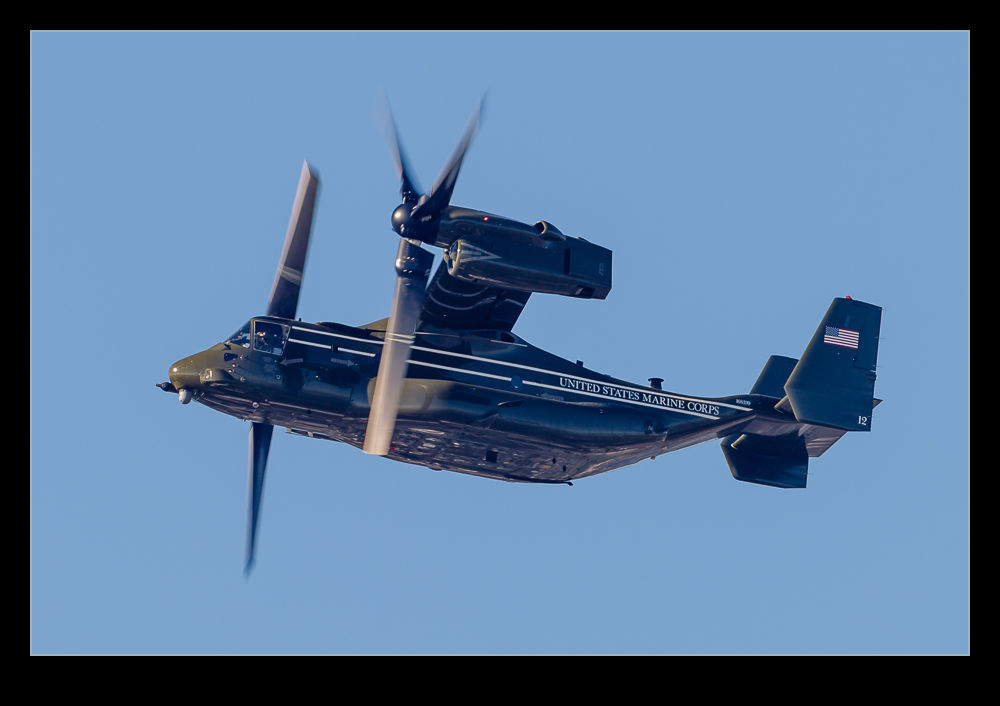
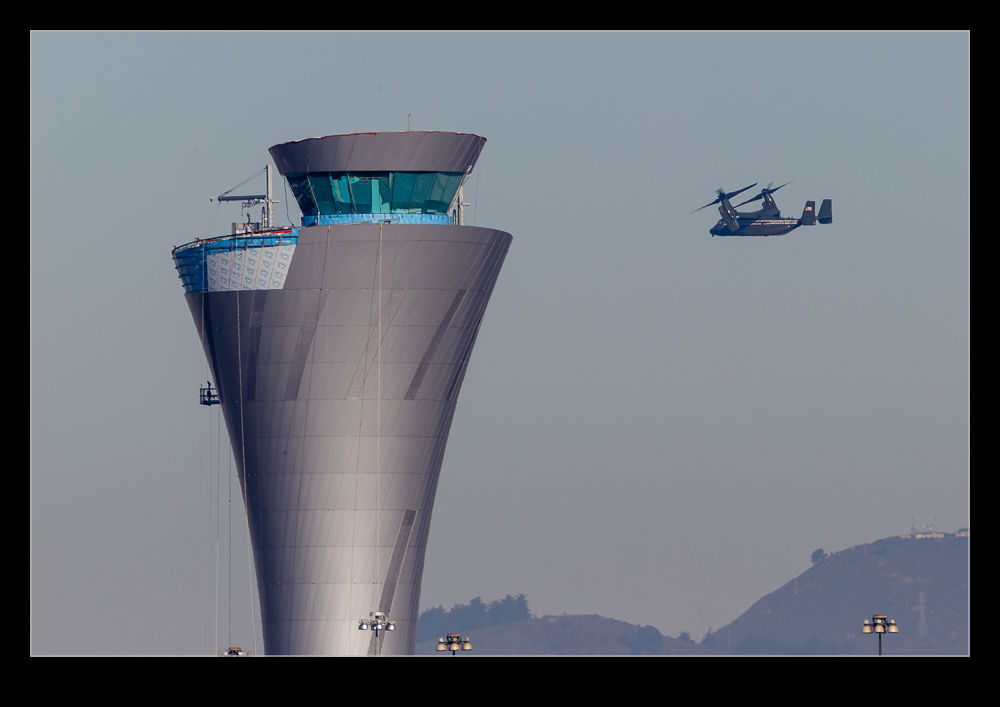
There was a silver lining to this disappointment. With Air Force One safely on its way, the V-22s were free to head out. The three of them took off in close succession and turned in our direction to head off down the peninsula. They didn’t come terribly close but I did get my first shots of them since they replaced the CH-46s that used to provide support. (Many moons ago I did see the CH-53Es that used to be undertake this role. They looked fantastic!)
wpid13564-AU0E8751.jpg

My First Poseidon

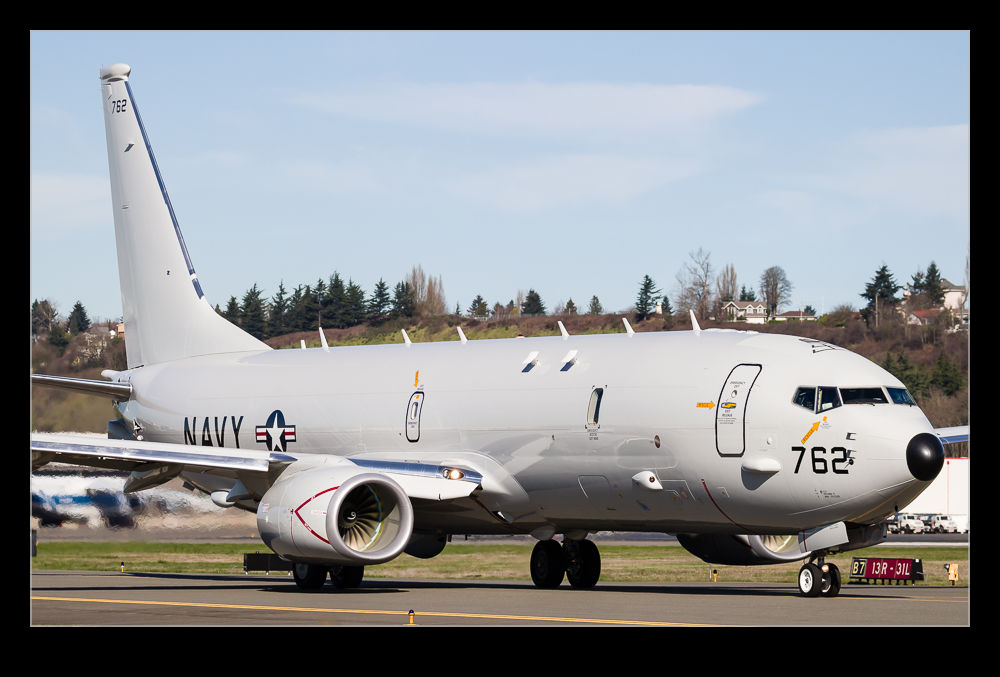
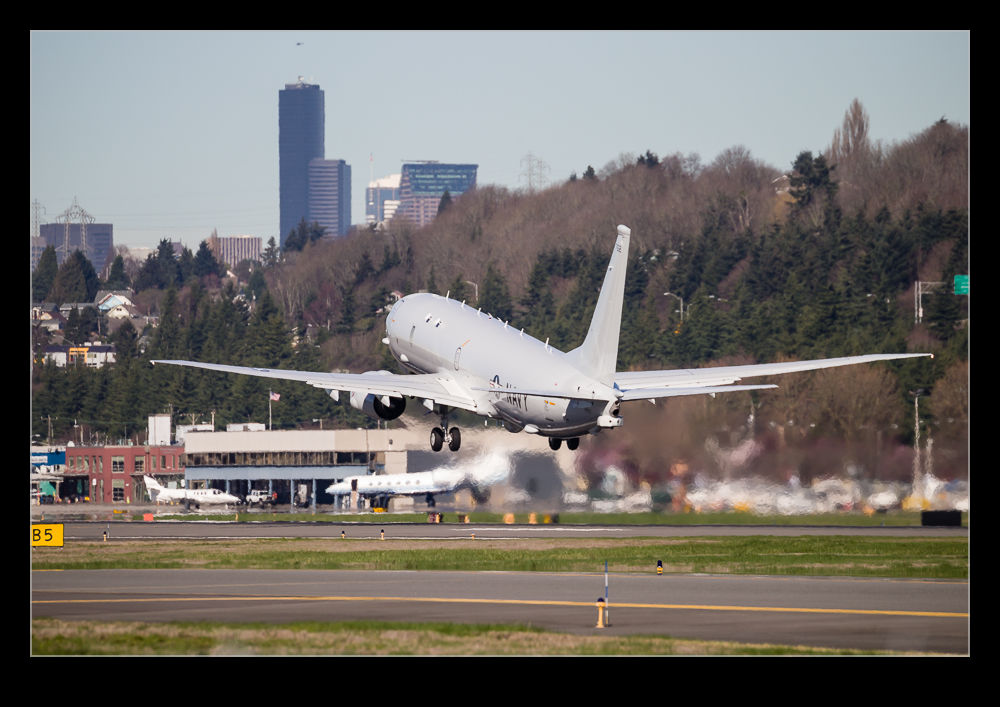
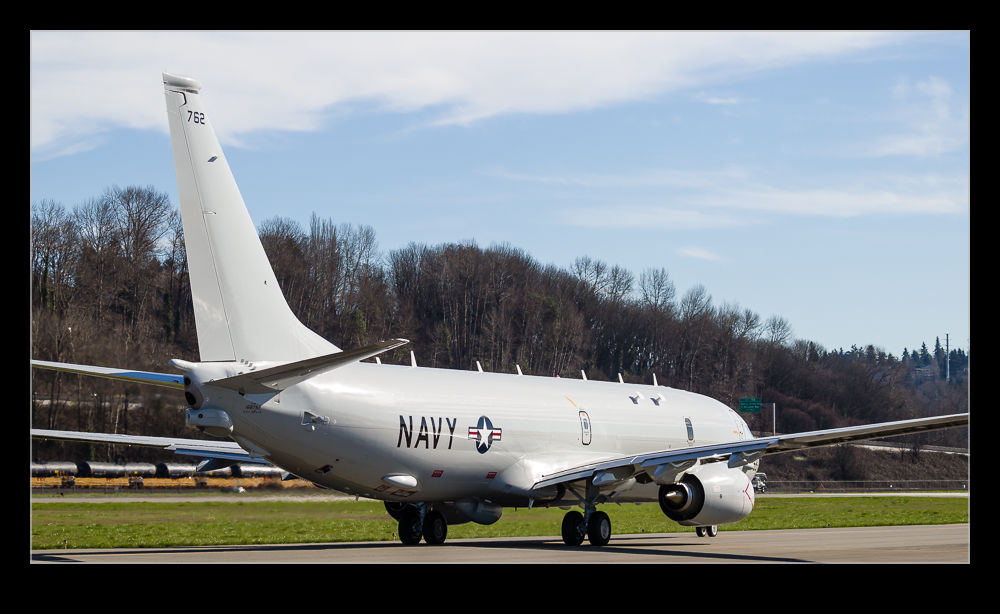
wpid13534-AU0E9430.jpgThe Boeing P-8 Poseidon is not a new plane. In fact, it first flew in 2009. Why is it, then, that I have never seen one in flight before? I have seen them on the ground at various times. This has included air shows and seeing them on the flightline at Boeing Field. I have come close a number of times there including some of the Indian Navy Ark variants that have been undergoing testing. Despite all of this, I had not seen one fly.

wpid13542-AU0E9528.jpgFortunately, I have finally overcome this shortcoming, if only briefly. I found myself at Boeing Field on a recent trip to Seattle where I was eating my lunch between landing from a flight and heading off to a meeting. A pretty narrow window in which to hope to get anything interesting but, this time, I was lucky. The P-8 taxied out shortly after I got there and lined up. He wasn’t going for a takeoff at first. A surge of power and acceleration down the runway followed by an application of the brakes and the rejected takeoff test was done. This meant a trip back down the taxiway and right past me to get back to the threshold.

wpid13540-AU0E9511.jpgThe second time was supposed to be the full takeoff and the lightly loaded jet was promptly airborne and heading off to carry out its tests. It would be gone for a few hours so I wasn’t going to catch its return but it was great to finally see one moving and flying.

wpid13536-AU0E9455.jpg wpid13538-AU0E9465.jpg