Tag Archives: airplane

Ripples in the Skin

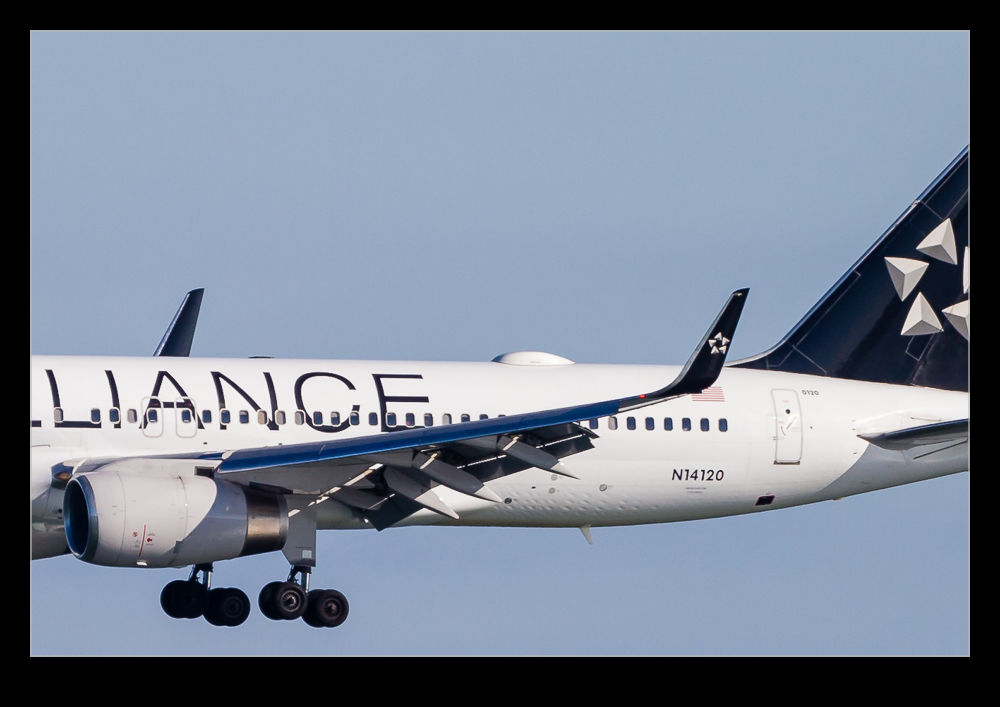
AU0E4290.jpgThe construction technique for aluminum aircraft fuselages is known as semi-monocoque. A monocoque structure takes the entire load through the shell of the structure. In airframes, the skin is very thin and so frames and longerons are joined to the inside to provide additional rigidity while the skin still takes a lot of the load. If you haven’t ever seen the cross section of an aircraft structure, you may be surprised to see just how thin the skin panels actually are. They are perfectly up to the task of pressurization and bending loads so no need to panic.
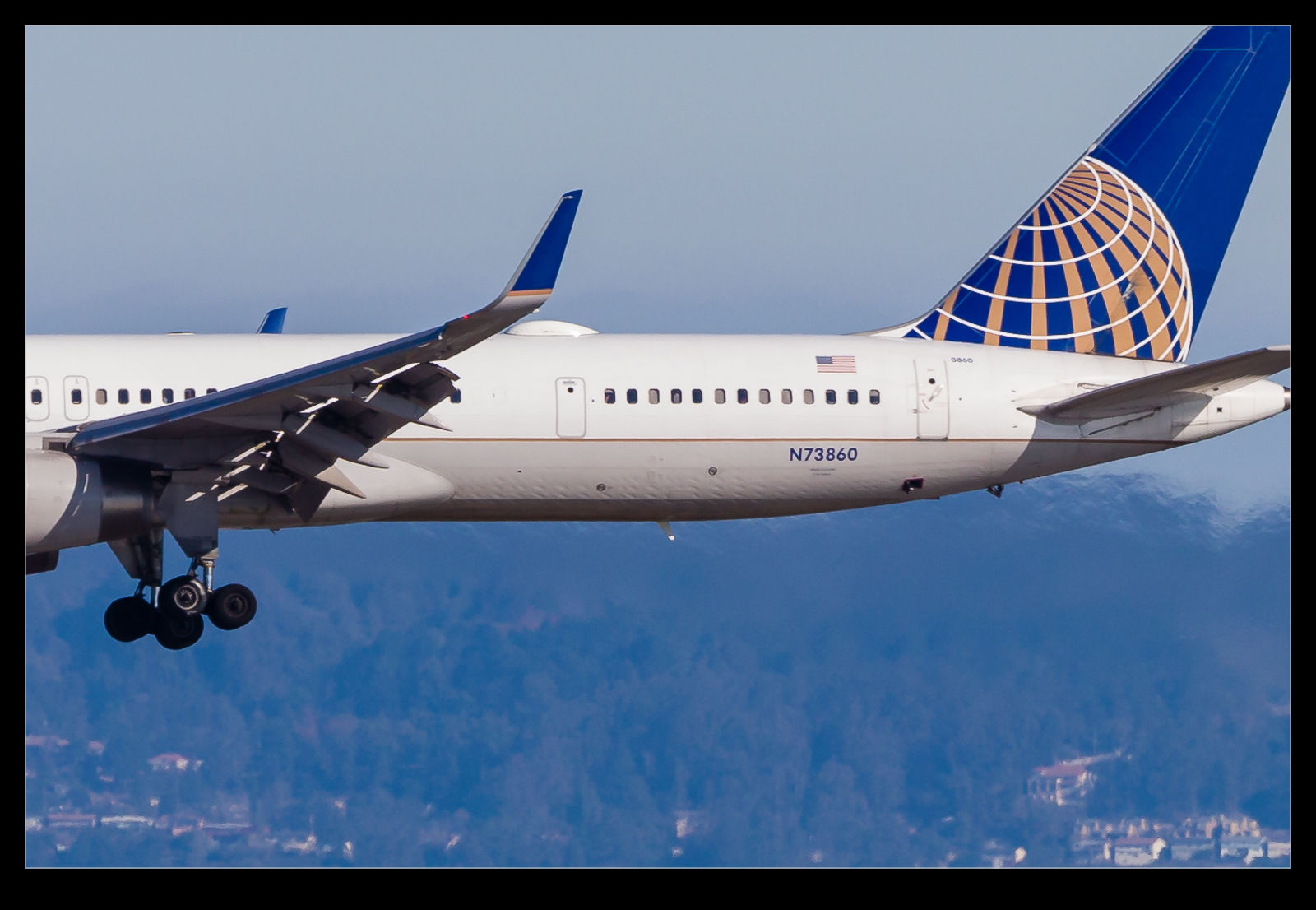
AU0E4488.jpgAn outcome of this design approach is that the panels between the frames and longerons can experience some load directions that induce a measure of buckling. Nothing that is beyond their elastic limits but something that can be apparent if the light comes from the right angle. The lower side of the rear fuselage of the Boeing 757 is an area that is susceptible to this in certain flight conditions. I saw a number of them recently – both -200 and -300 models – and they both were showing visible distortion of the panels. The sun angle meant that the shadowing of these areas was apparent.
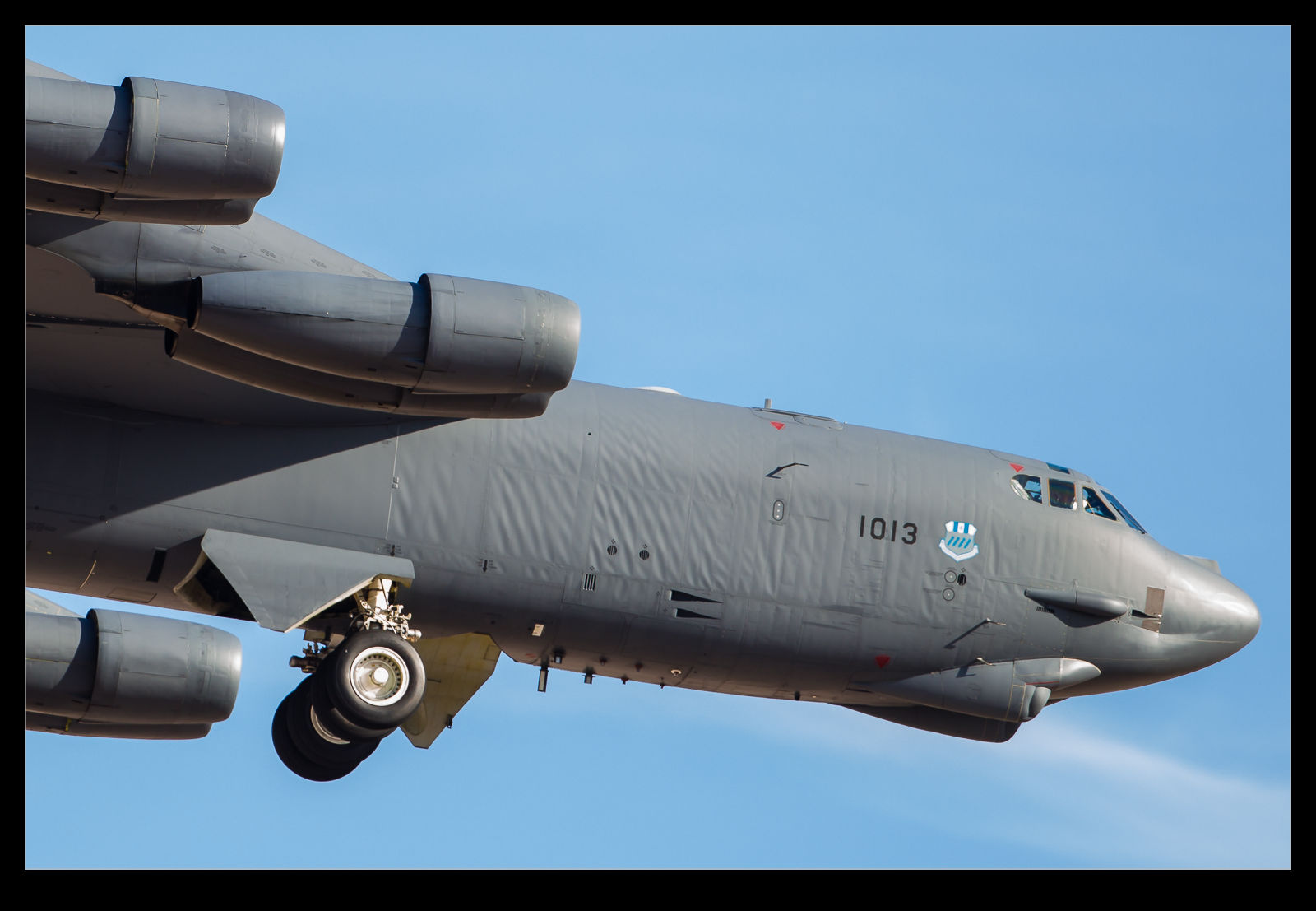
AU0E9169.jpgThe 757 is by no means the only aircraft to experience this phenomenon. The B-52 Superfortresss is a jet that shows this effect on plenty of occasions. I have heard people comment on it being a function of the age of the airframes but it is more of a result of the design of the basic structure than anything else. Certainly nothing to be immediately concerned about.
Did Anyone Bother With This Livery Design?

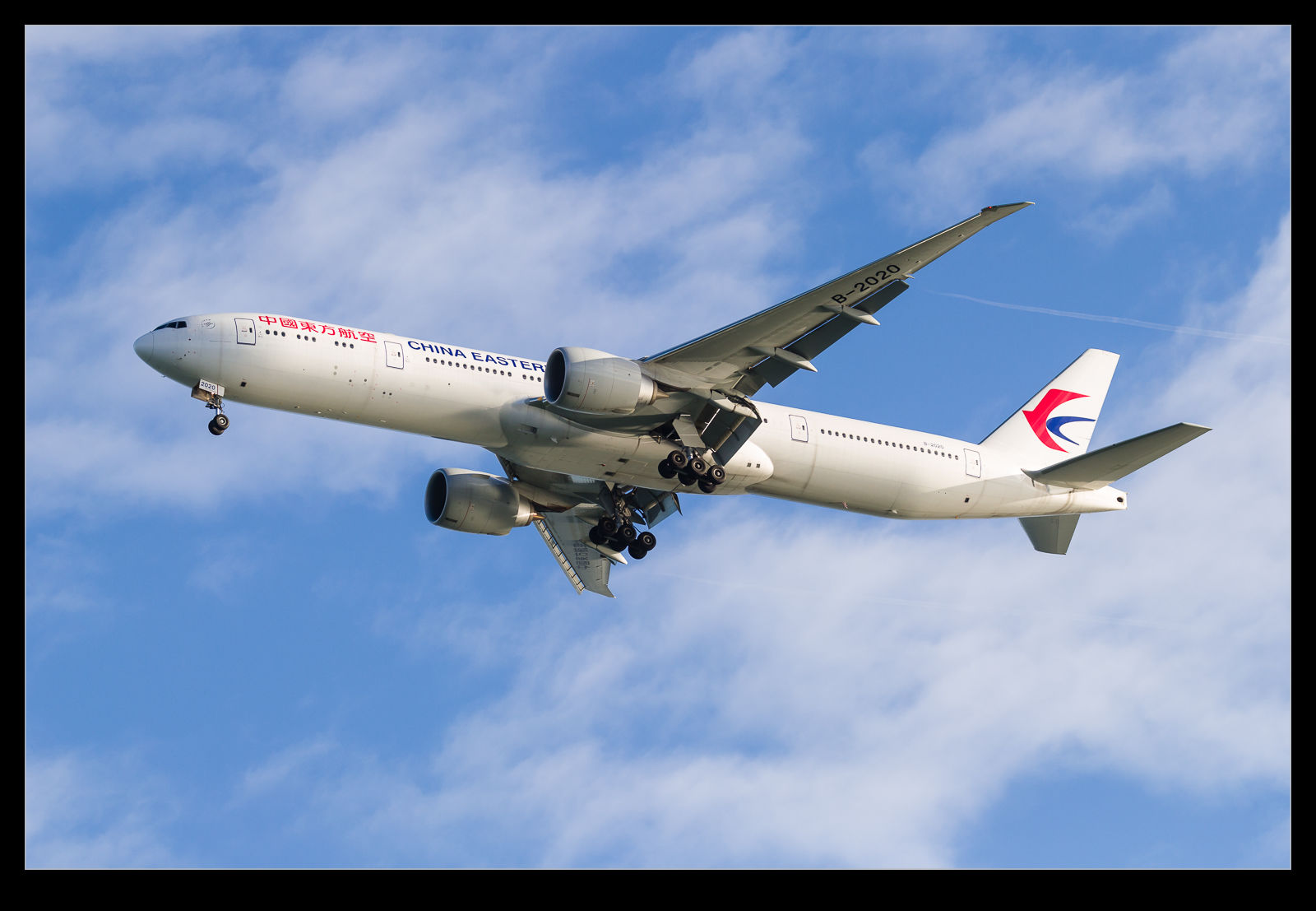
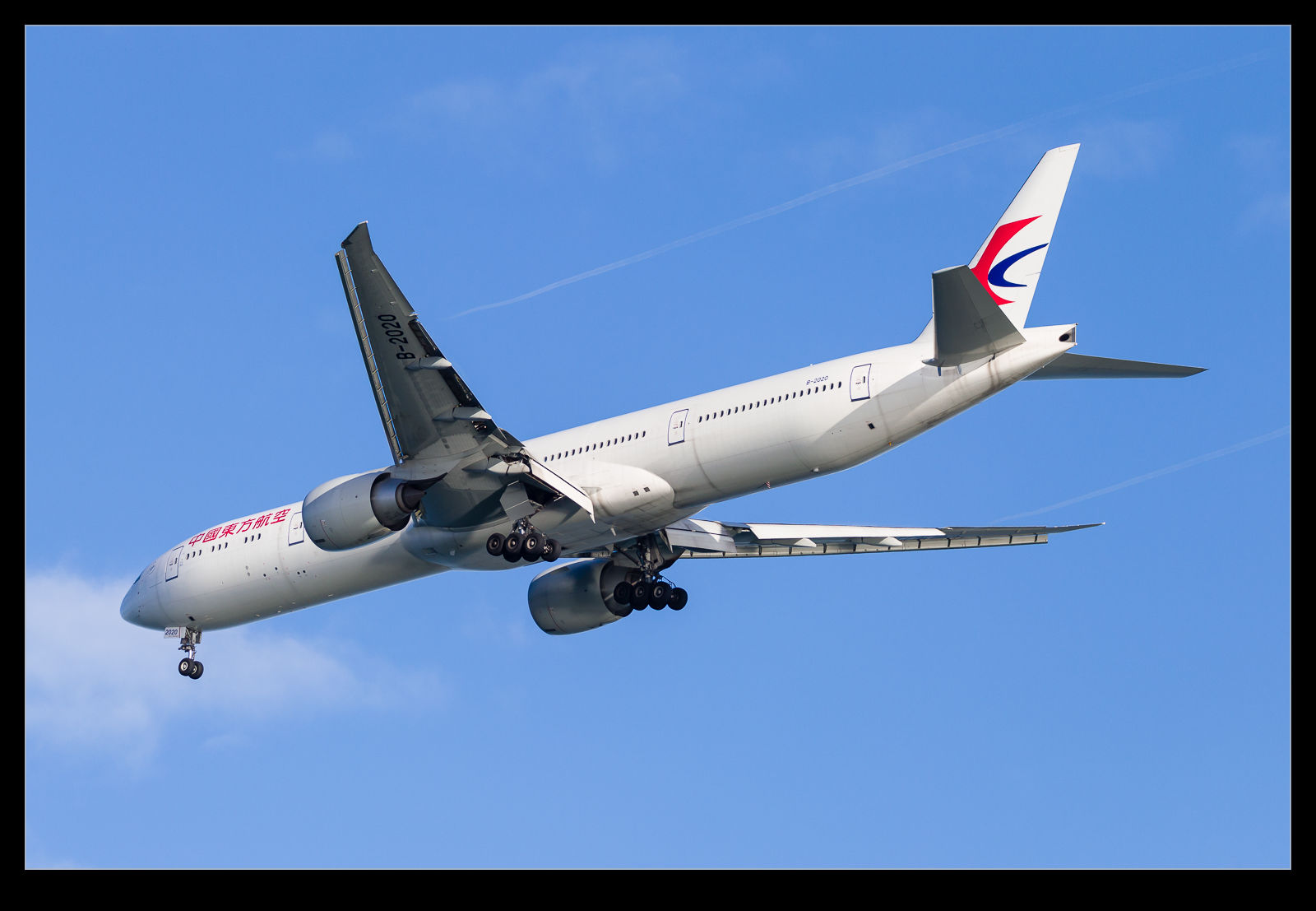
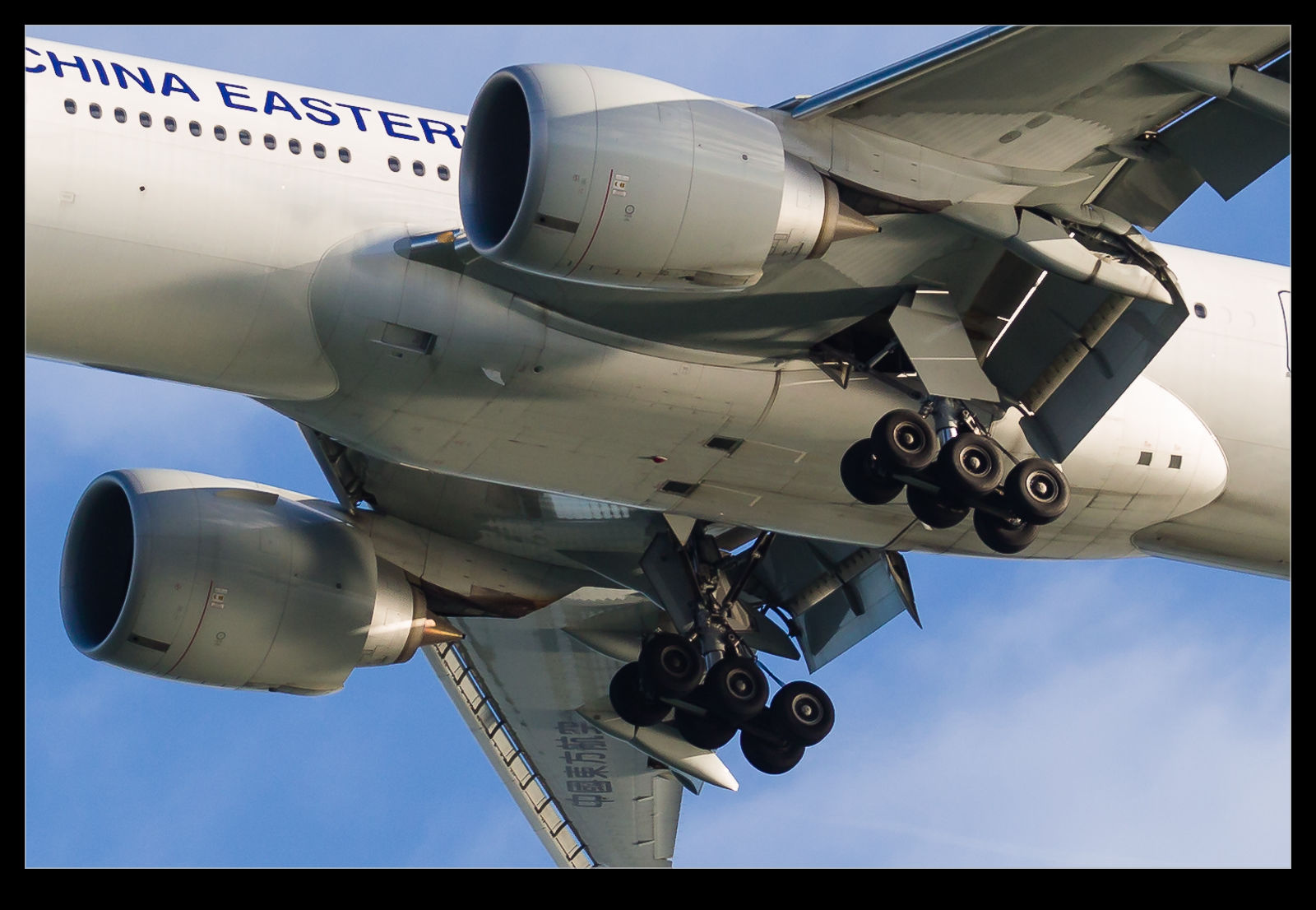
AU0E1538-2.jpgNot long ago I complained about the dirty condition of a China Eastern A330. At the time, I thought it might be a non-standard jet because the livery was basically white with a couple of distinguishing marks. It turns out that I hadn’t appreciated that China Eastern have replaced their previous colors with a new and less colorful scheme. Since then I have seen some 777s come in with the new scheme. In an era of relatively bland airline colors, it seems to me that China Eastern have gone a stage further and taken any interest at all from the livery. Not a cool effort on their part I think. They should check out what China Southern is doing by comparison.

AU0E1559.jpg

JetBlue’s 200th Aircraft

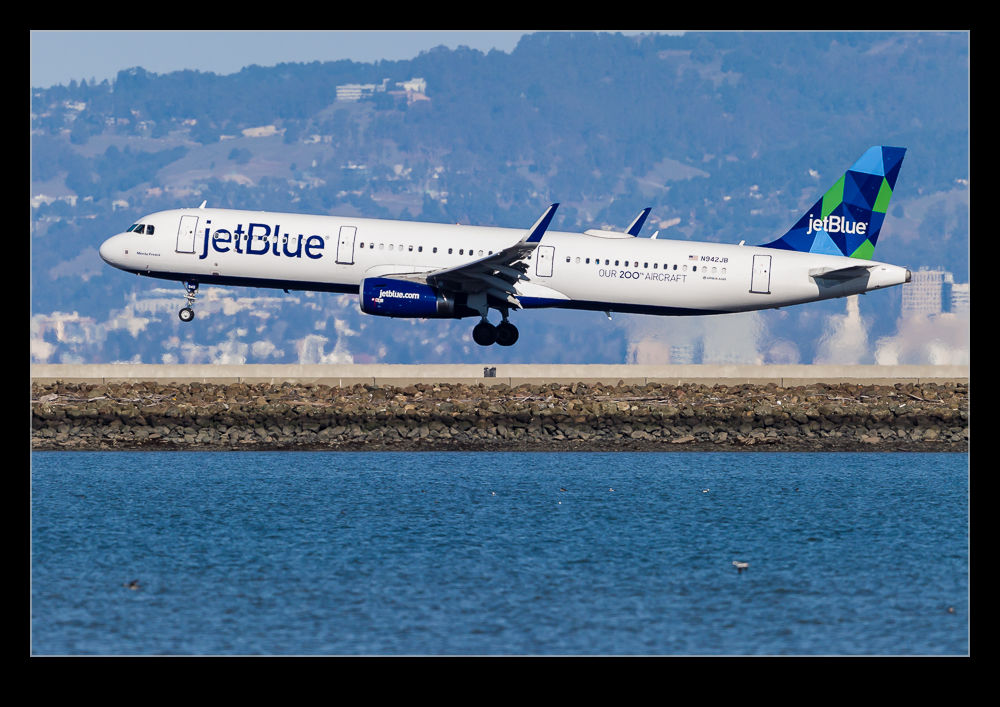
AU0E5008.jpgThe repetitive nature of the same airlines and the same types is what you expect of airports these days. Every once in a while, though, the airlines put some extra decoration on their aircraft. Usually you can see that there is something there before you get to see what it actually says. JetBlue have an Airbus A321 that is apparently their 200th aircraft. It has a big decal on the rear fuselage to highlight this fact. It apparently joined them over a year ago so a bit late for congratulations.

747 Formation Takeoff – Well, Nearly

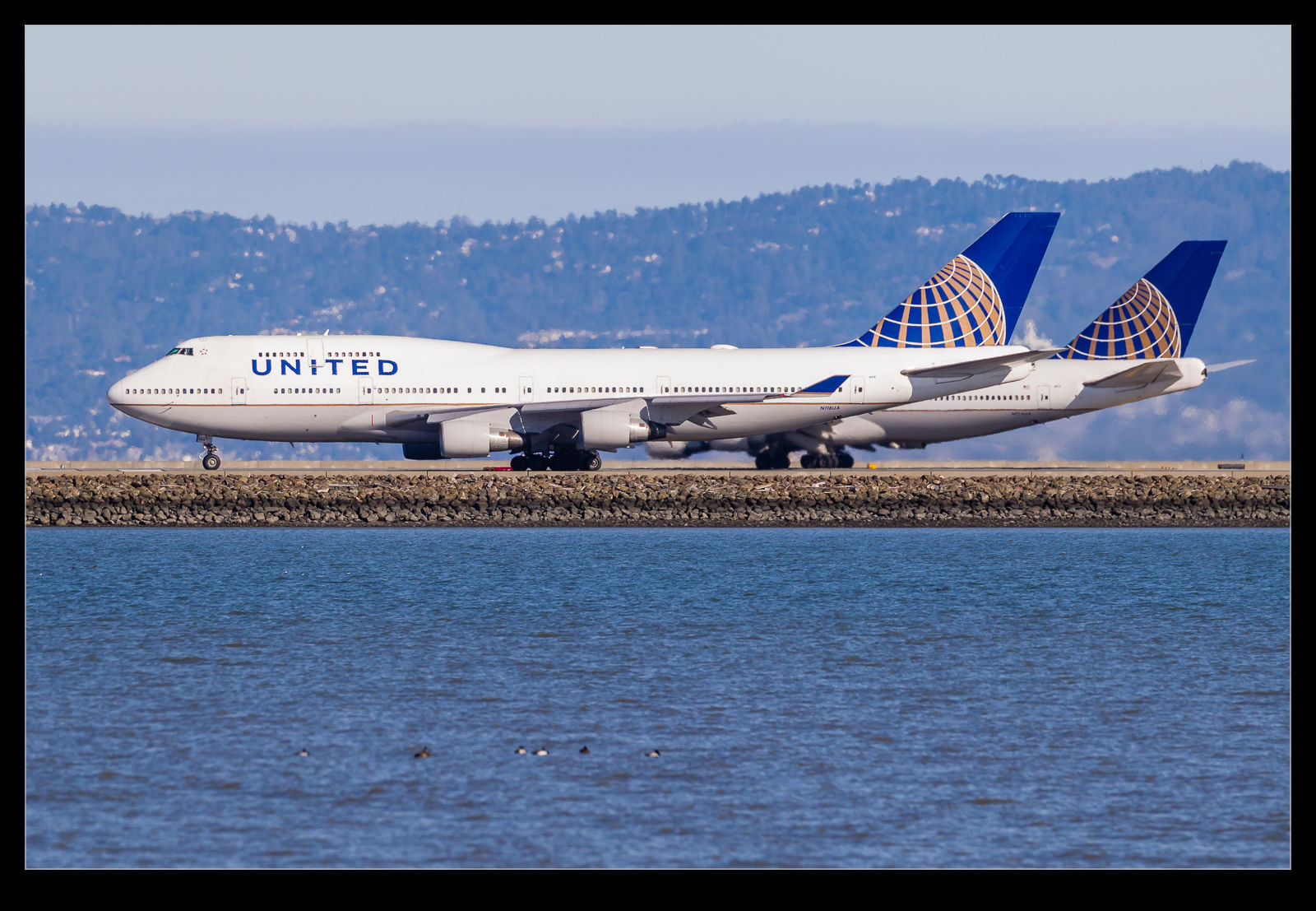
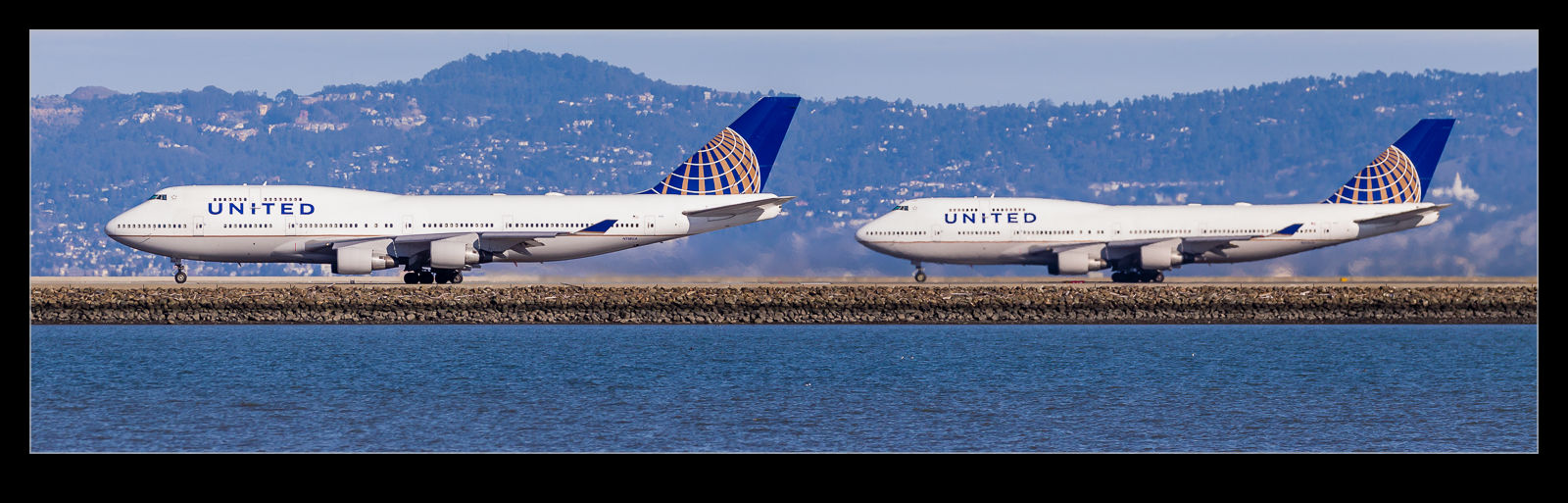
AU0E4529.jpgWhile the world’s 747 fleet is progressively running down, United is still a big operator of the type and SFO is a focus of their operations of the type. Consequently, during the surge of departures to Asia in late morning, you will have a pretty steady stream of Jumbos taxiing out and taking off. While Roger and I were out, a couple of them taxied out at the same time. We had one holding short of 28L and the other was in the gap between 28L and 28R as incoming aircraft approached. I joked with Roger that the two of them should line up on parallel runways and depart in formation.

C59F7901.jpgWhen the inbound jets had landed, both aircraft moved forward again and, sure enough, they lined up on both runways. We couldn’t help but laugh at this since they seemed to be following our instructions. You will regularly see parallel departures on the 01 runways but we couldn’t believe that we would have the same thing here. Sadly, we were right. The closer jet departed first and was then followed a short while later by the second. It would have been very cool to see them climb out side by side but that was a bit too much to ask.

C59F7912.jpg

The Less Subtle Bits of Dreamliner Design

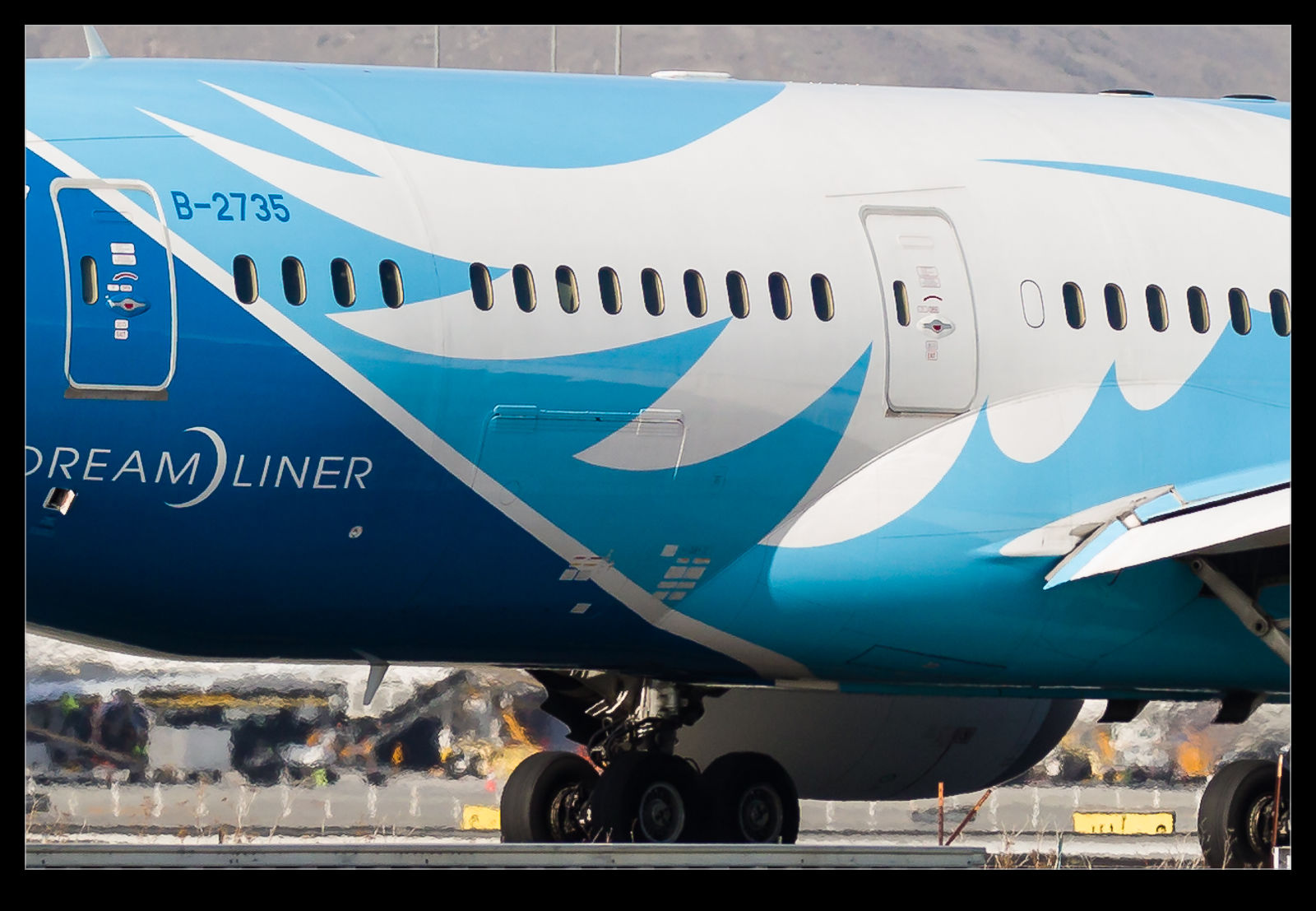
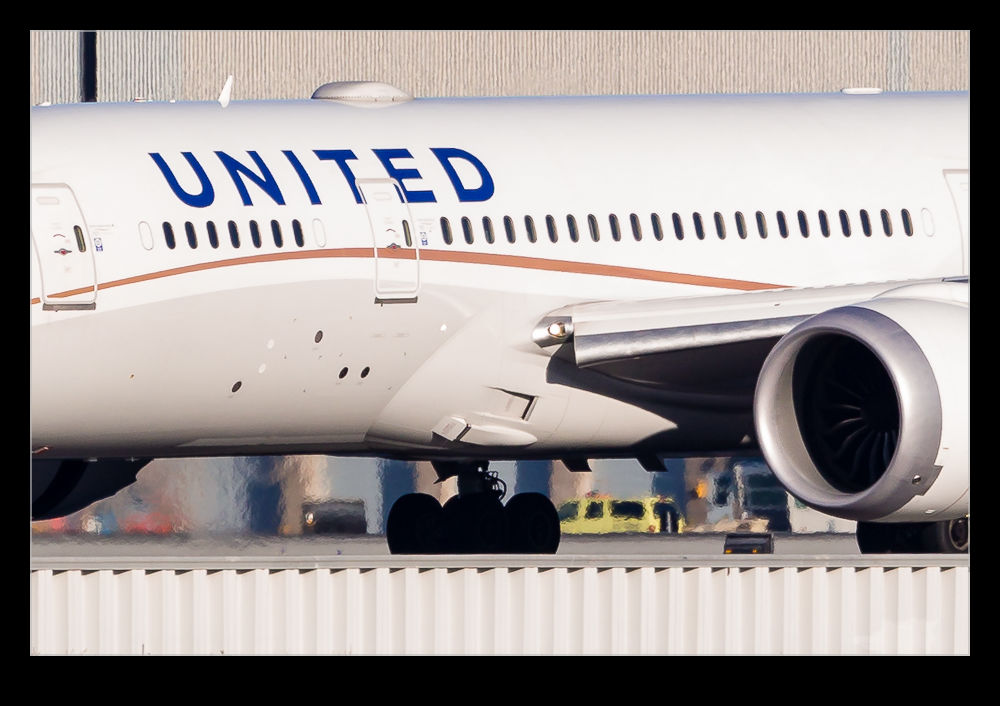
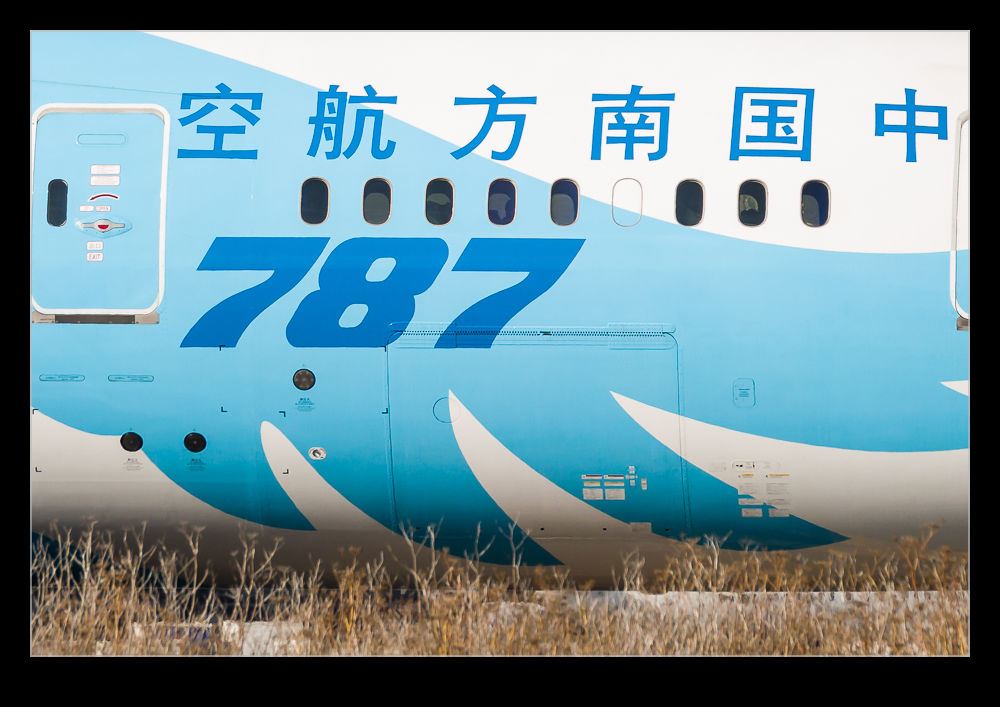
AU0E2346.jpgAirliner design is a complex task with many compromises. It is not a surprise that some aspects of the design that results aren’t exactly what you would like. Today I am picking on one particular type – the Boeing 787 Dreamliner. This is almost as new as it gets in the airliner design world so you would expect it to be better than what came before.   However, having seen a number of them recently, I have been focused on two areas of the design that are rather disappointing. One is the wing root fairing area and the other is the cargo doors.

AU0E3642.jpgA nice smooth design is what the old aero guy in me likes to see and the inlets and fairings around the transition from the fuselage into the wing root are pretty ugly. They are obviously there as a result of functionality requirements but it does not look good and I imagine it comes with a drag penalty that has had to be accepted.

AU0E2336.jpgThe other area is the cargo doors. I am not sure whether this is a function of the load transfer requirements from composite to metal in the hinges but this area looks rather chunky and draggy. I know from previous projects that the nature of composites versus metals means that you can end up with some large joining fixtures to redistribute the loads but there may be other reasons I haven’t thought about. Given how smooth some metallic fuselage cargo doors are, these jumped out at me. Perhaps I have never looked closely enough at other types. Whatever the fairness of it, I just don’t like what they have done here.
Some Gratuitous Raptor Shots

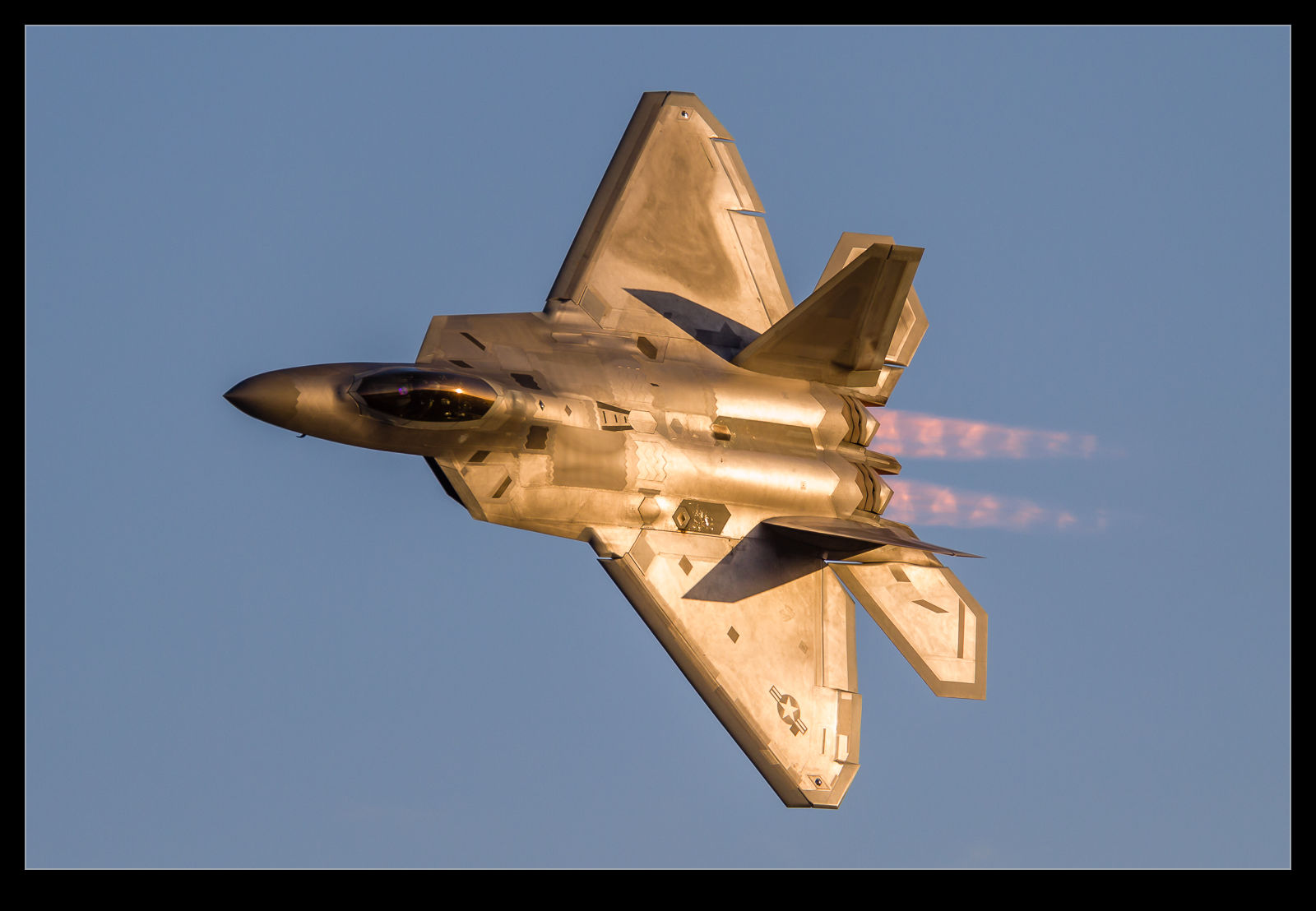
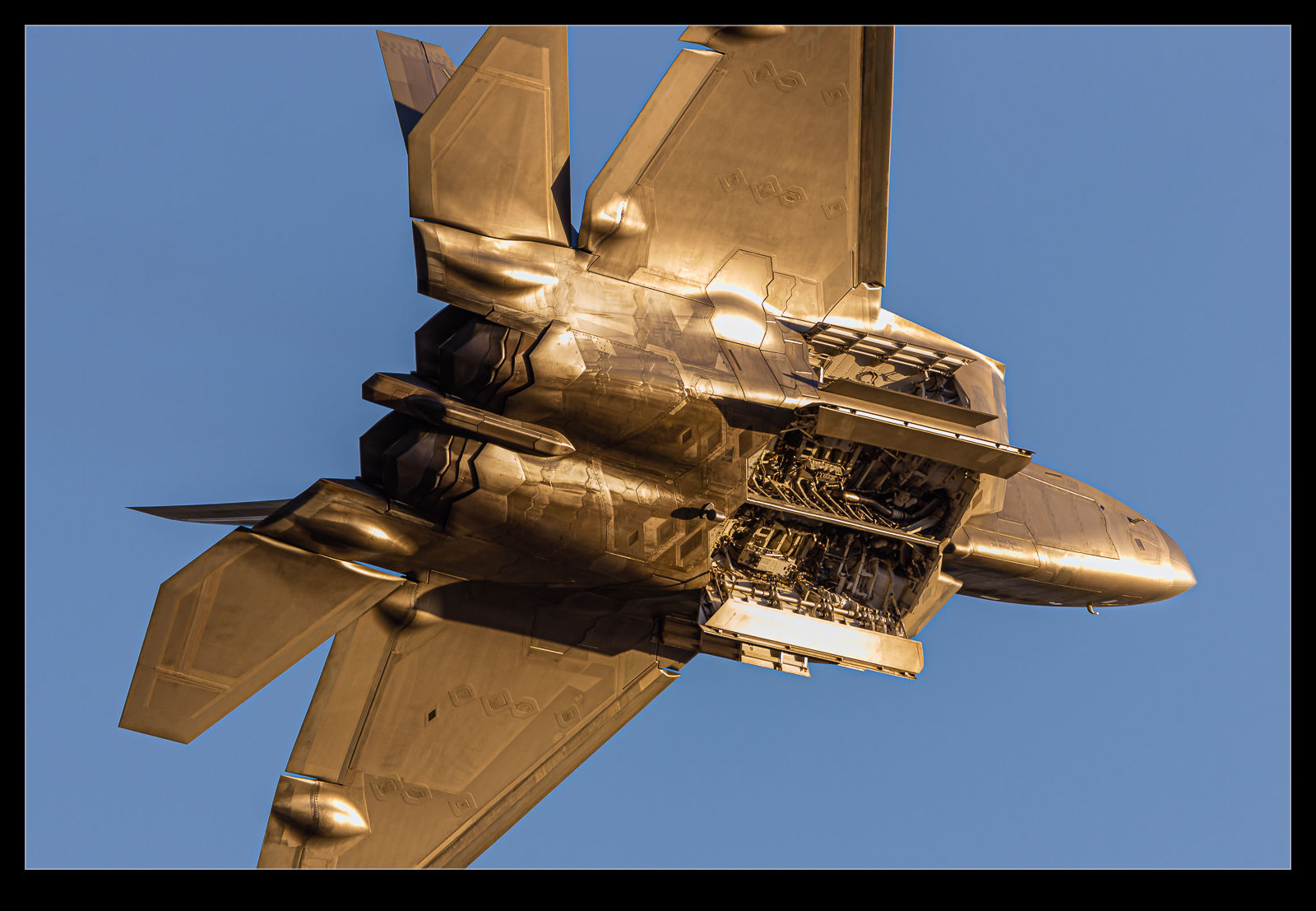
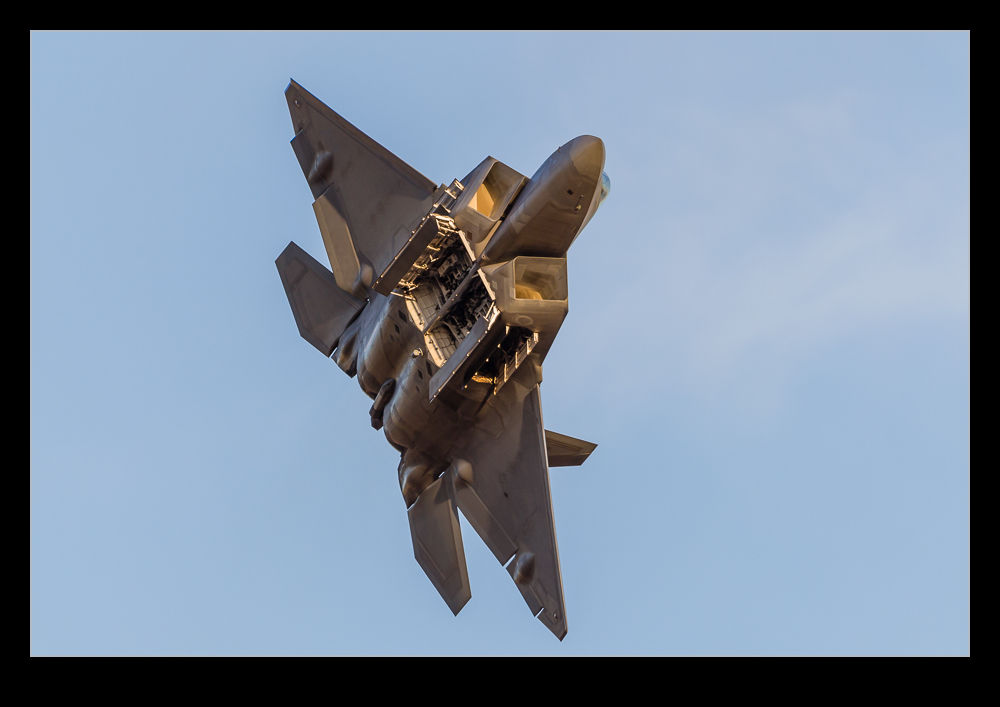
C59F8213.jpgUnfortunately, I have a rather large backlog of images that I haven’t done much with.  This is sometimes the result of having a number of events in a short space of time and other times it is the result of laziness!  Last year I covered the Planes of Fame show at Chino for GAR.  I got a lot of shots while I was there and I needed a selection to illustrate the piece so I dived in, found some good examples, worked on those and put them into the feature.

AU0E9493.jpgUnfortunately, I never got around to undertaking a proper run through of the shoot.  I only realized this recently so I have started to go through the images when the time allows.  One part of the show I really liked was the twilight show on the Friday.  This included a display by the USAF F-22.  In the last light of the day, the airframe looked really great.
AU0E9464.jpgRunning through the shots I found a few of the jet that I really liked.  (I found more than will work for this post and some that I like for various reasons but won’t really gel with most people.)  As a result, here are a sample of the shots I have been finding.  Now I am starting to think about air shows this year for the first time.  I might have to go to this one again!

Late Runway Change for Southwest

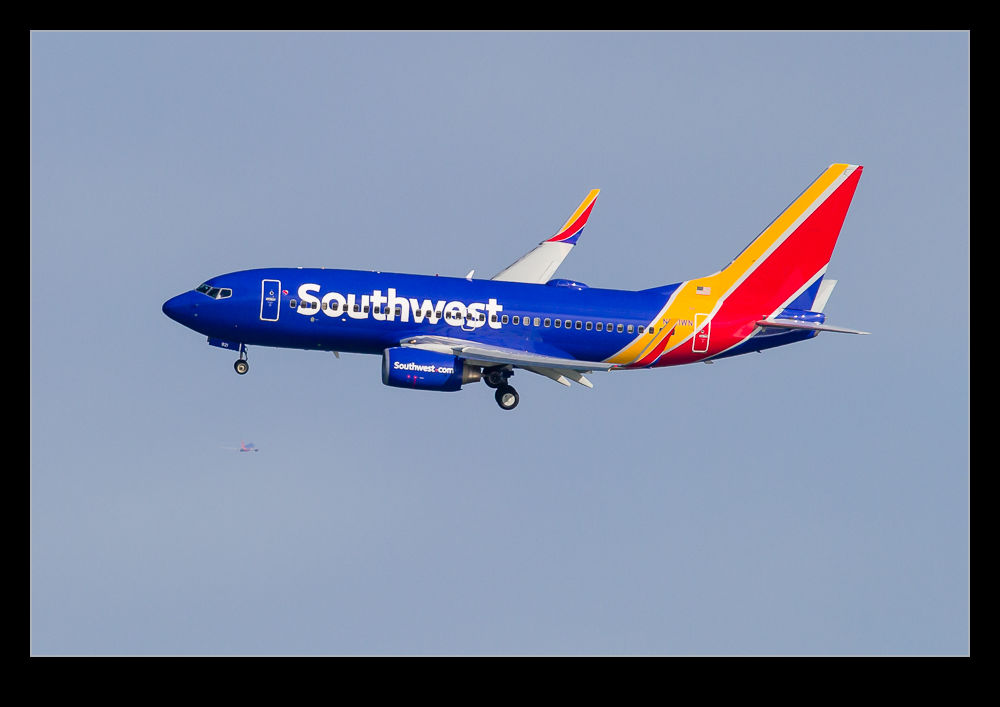
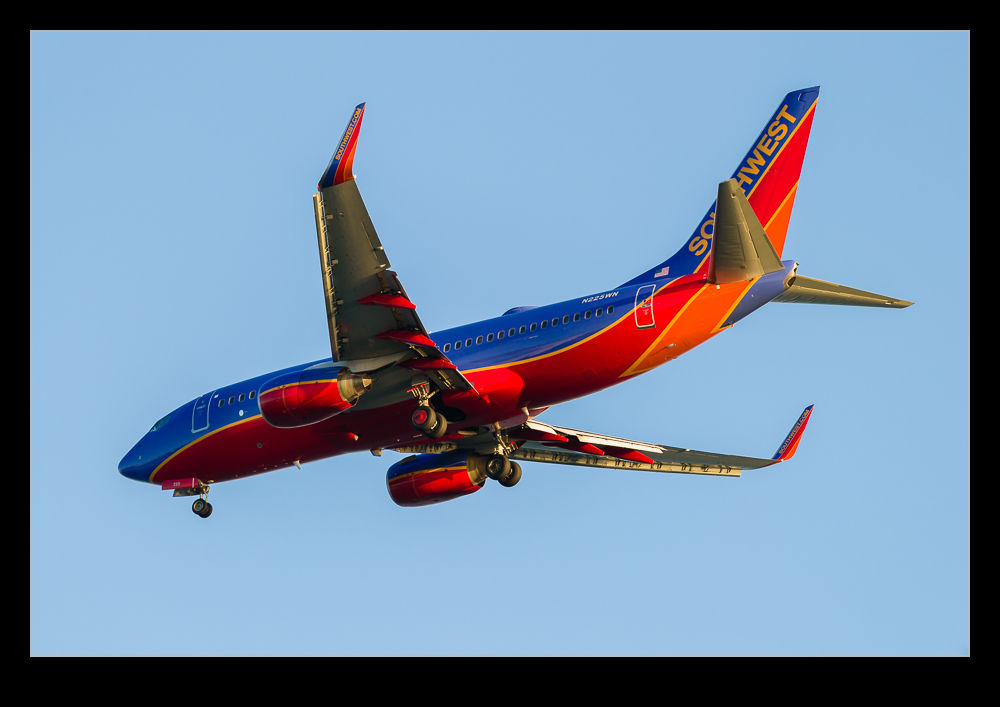
AU0E1708.jpgSFO controllers are known to make some late runway changes for the arriving aircraft. The two runways are very close together to the sidestep maneuver required is not too drastic but it is still not necessarily something the crews want to deal with. A Southwest 737 was on approach and passing near us on the shore when it apparently got the change instructions. We got a sudden topside view as it turned towards us followed by a reversal of bank as it straightened up on the new runway. Compared to the average arrival, this was quite a bit of excitement! Also, if you look closely, you can see another Southwest jet in the background that had just departed.

Korean 747-8 Again

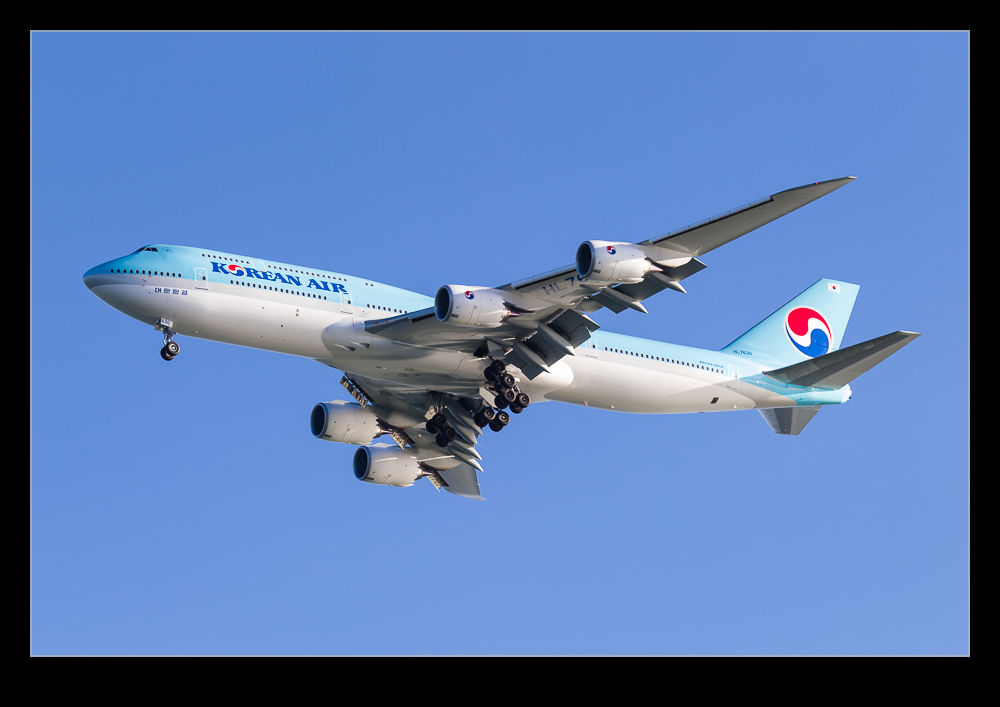
AU0E1648.jpgI nearly got myself late for an arrival when waiting for a Korean 747-8 a while back as I mentioned in this post. I thought at the time that it was silly to focus on the Korean jet since it would be showing up on a regular basis. Sure enough, I have seen them again since. This one I got at Coyote Point with some nice early morning light. The low light angle meant the underside of the jet got a lot of light and the plane seemed to glow to me as I was shooting it. A nice way to get this type again.

It’s Cold Up High

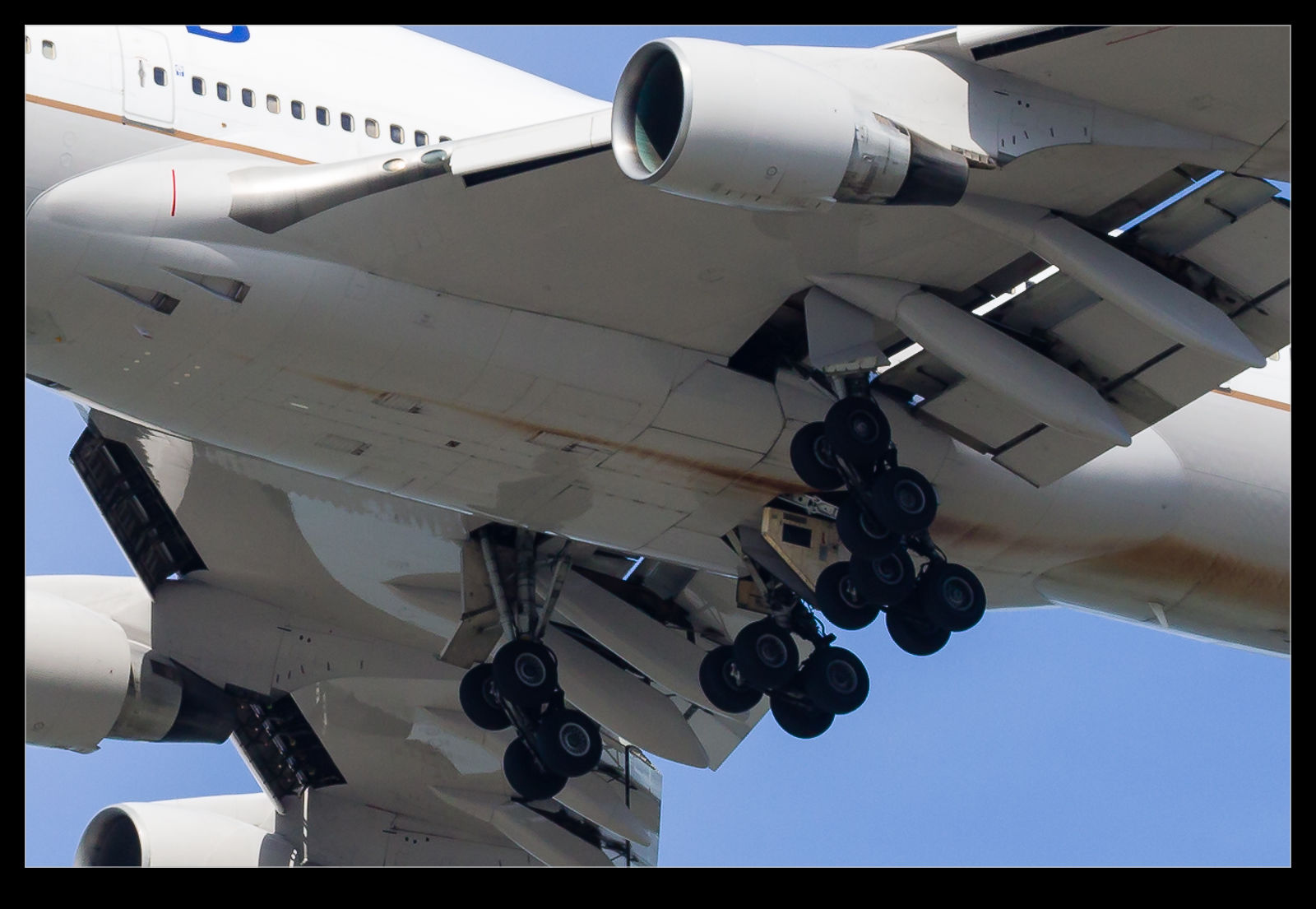
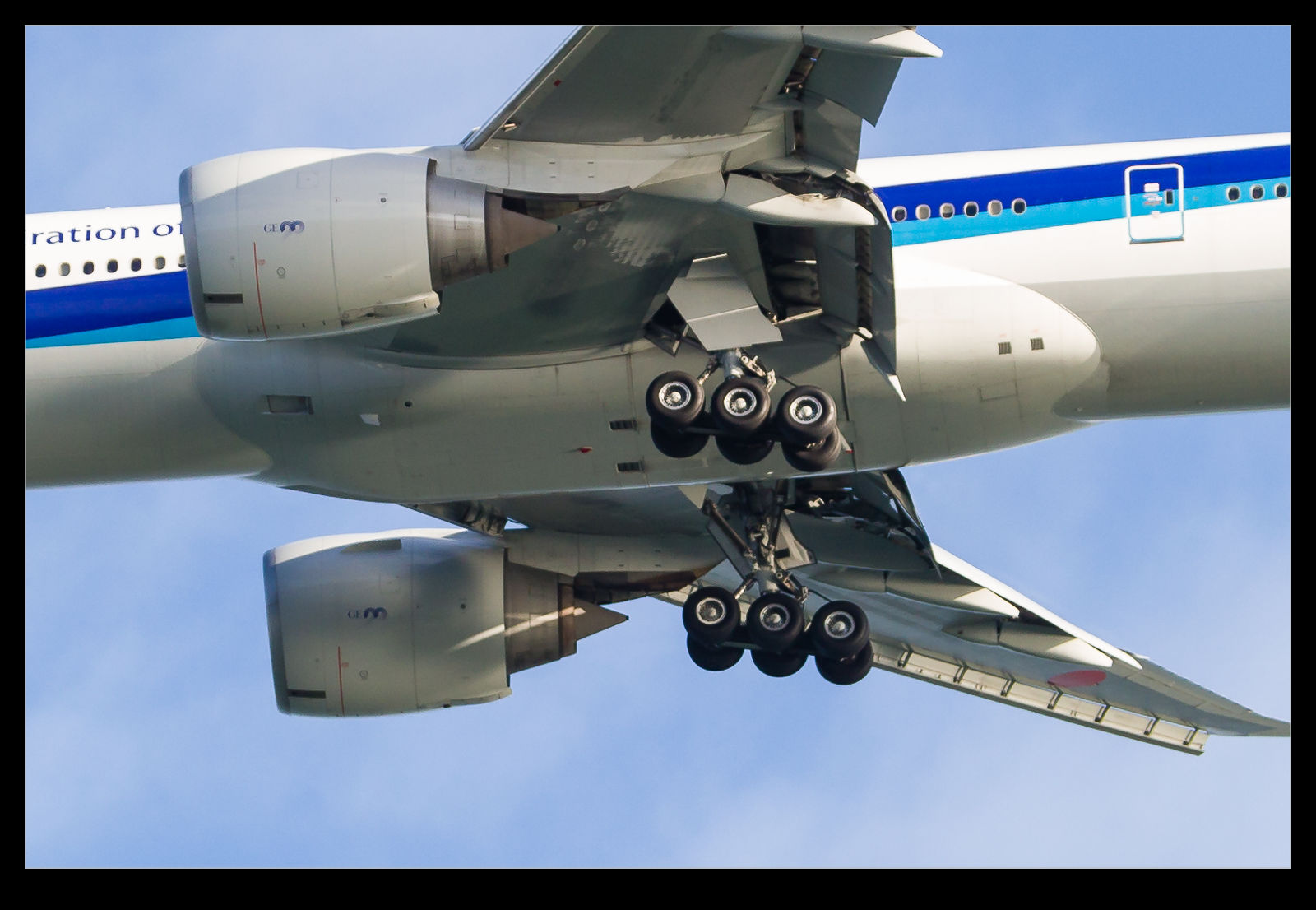
C59F7593.jpgOne element of shooting at Coyote Point that I particularly like is the way you can get a good view of the undersides of the jets as they come in. The long haul flights often have an added feature. The wing fuel is mostly burnt down by the time they land but there are reserves still in the tanks to cover unforeseen events. Many hours at altitude has chilled the fuel down nicely so, as the plane descends into the moist air over the bay, a nice frost forms on the underside of the wings where the fuel is still sitting.

AU0E1413.jpgI have seen this on various jets over the years so this post is a compilation. Some of these shots are recent and some are from older shoots. Rather than show the whole plane, these are focused on the areas where the frost forms. They give you a good idea of the internal structure of the various types involved.

AU0E1538.jpg

Early Morning Light at Coyote Point

AU0E0725.jpgEarly morning is not usually a good time to shoot anything at SFO. The sun is behind the planes as they come in so you don’t get a particularly appealing light angle. However, the middle of winter means the sun rises a long way south so, while it still starts out a bit behind things, it quickly moves to an angle that starts to work well. The planes end up with good lighting as they pass and the light on them as they head away can be very conducive to nice shots.

AU0E1376.jpgI was continuing my program of testing the 100-400 post the repairs it received at Canon. Coyote Point was a good place to start the day since it has better possibilities this early and it also allows for shooting down the approach path as the planes head to the runway. I also wanted to have a further go at multiple exposures to stack the images of the planes to make a composite of their flightpath. The early morning is also good because the relative humidity levels are up and the planes can trail some nice vortices.

AU0E0753.jpgAs the light angle comes around, it is still quite low in the sky. The result is some nice lighting on the underside of the airframe – something that is not normally something that you get. Rather than the warm glow you get with a setting sun, the light seemed a lot crisper and cleaner and I really liked the way the planes looked.

AU0E0975.jpg