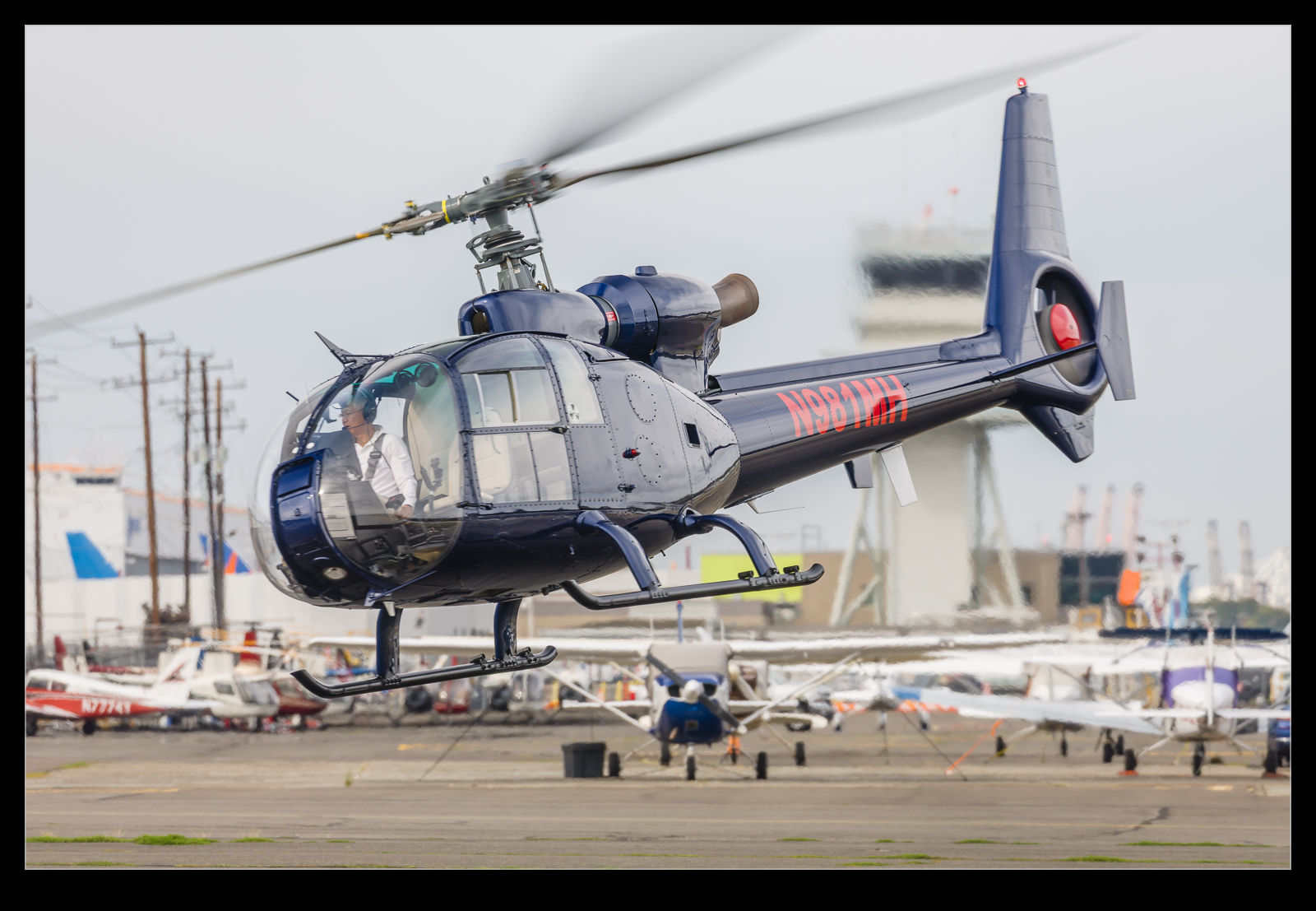
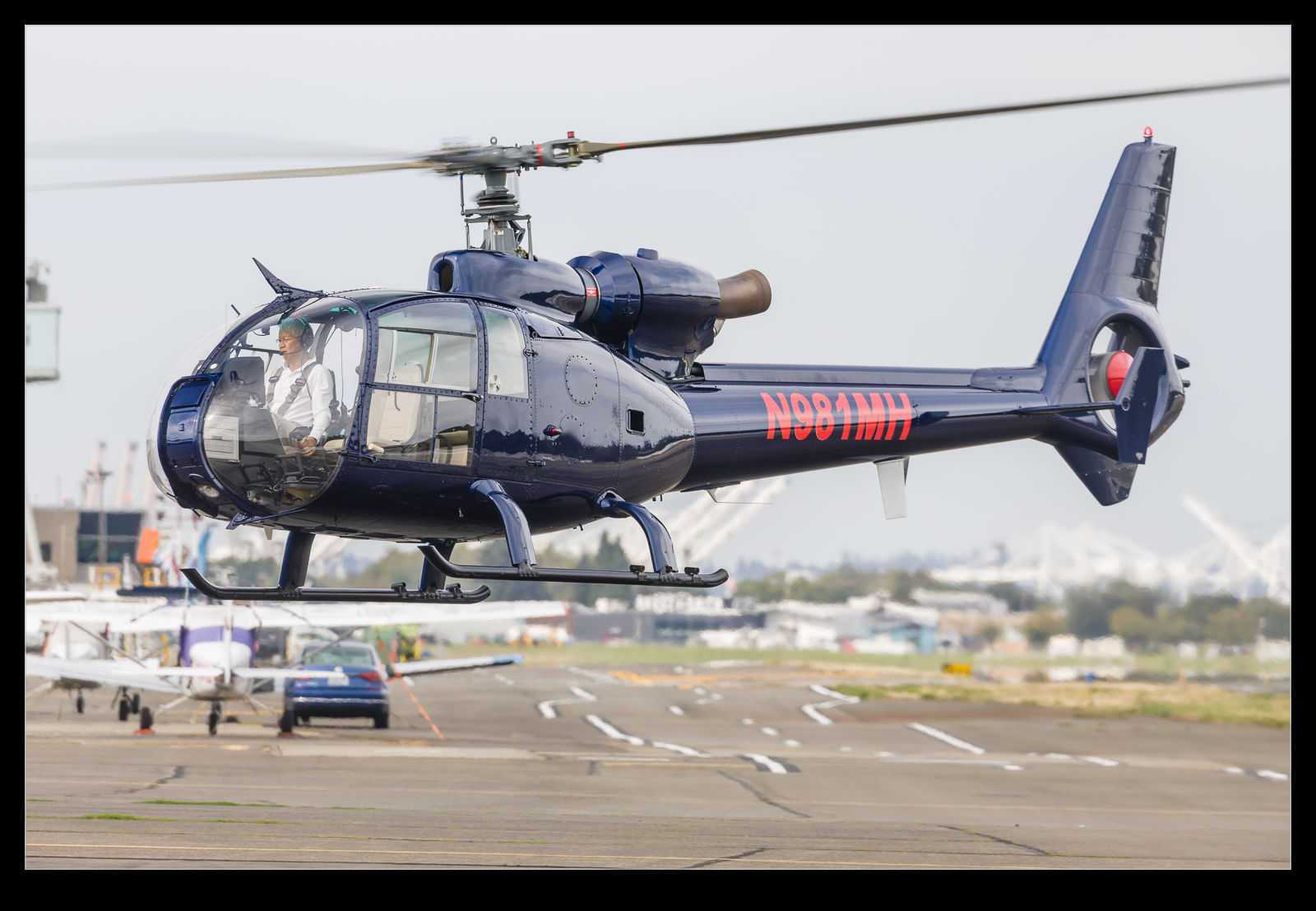
The Gazelle was very widely used in the UK armed forces when I was young. You would see the occasional civilian one as well, but I would see the military examples at air shows all the time. They have gone, now, but there are still examples to be found in use. That included a very pleasant surprise when I came across one at Boeing Field. The owner was doing some hover testing on the ramp at BFI, and I do love a Gazelle.
He was manoeuvring the airframe around a fair bit in the confines of the ramp, so I was able to get some different angles as well as a bit of variety in the background. Plenty of images were taken while I watched. After he landed, he came over to me and asked what I was doing. I was quite straight that I was taking photos of his helicopter. He did answer some questions about it but was not keen on the images being taken. Time has moved on quite a bit now, so I figure there is no harm in sharing them now.
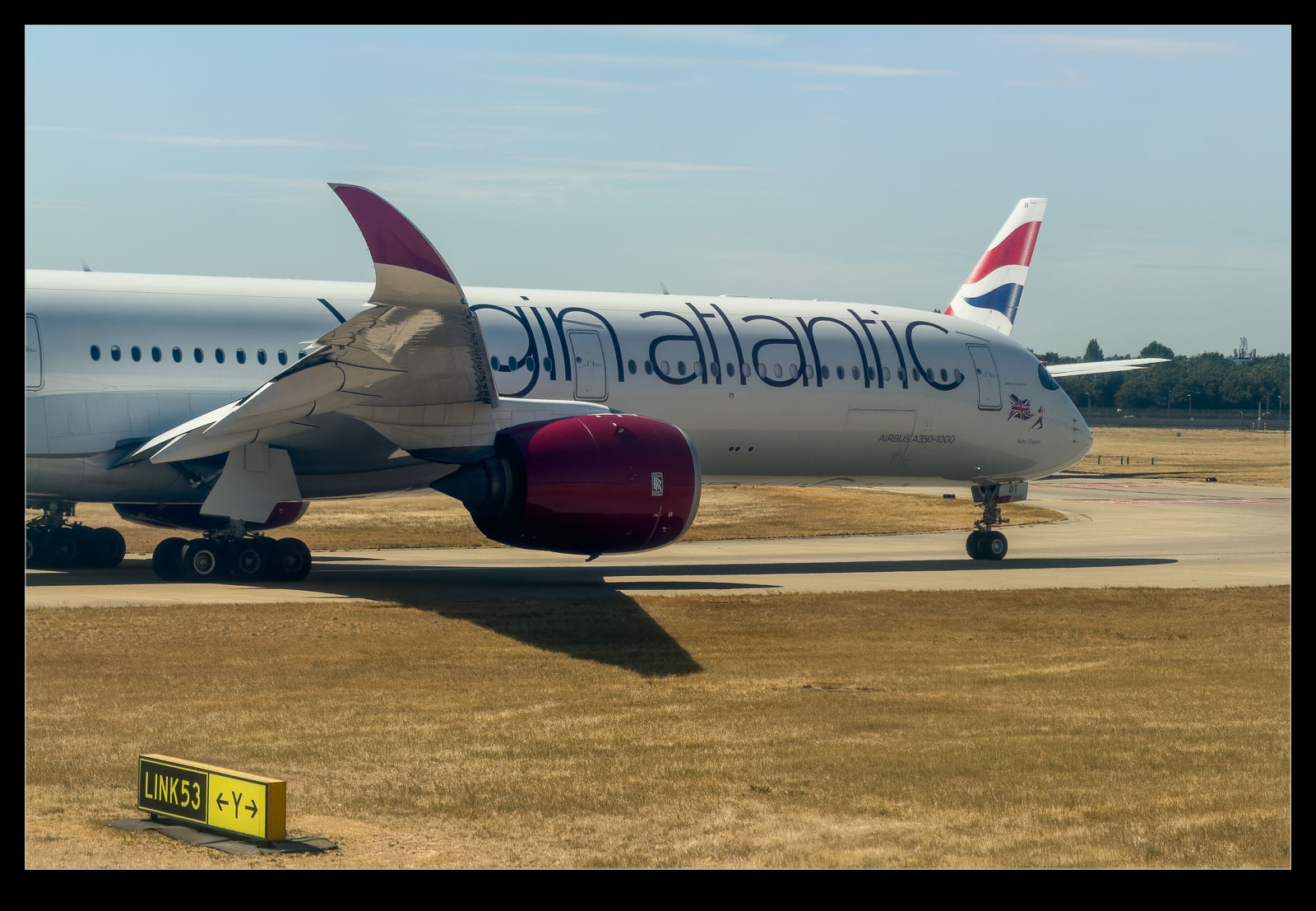
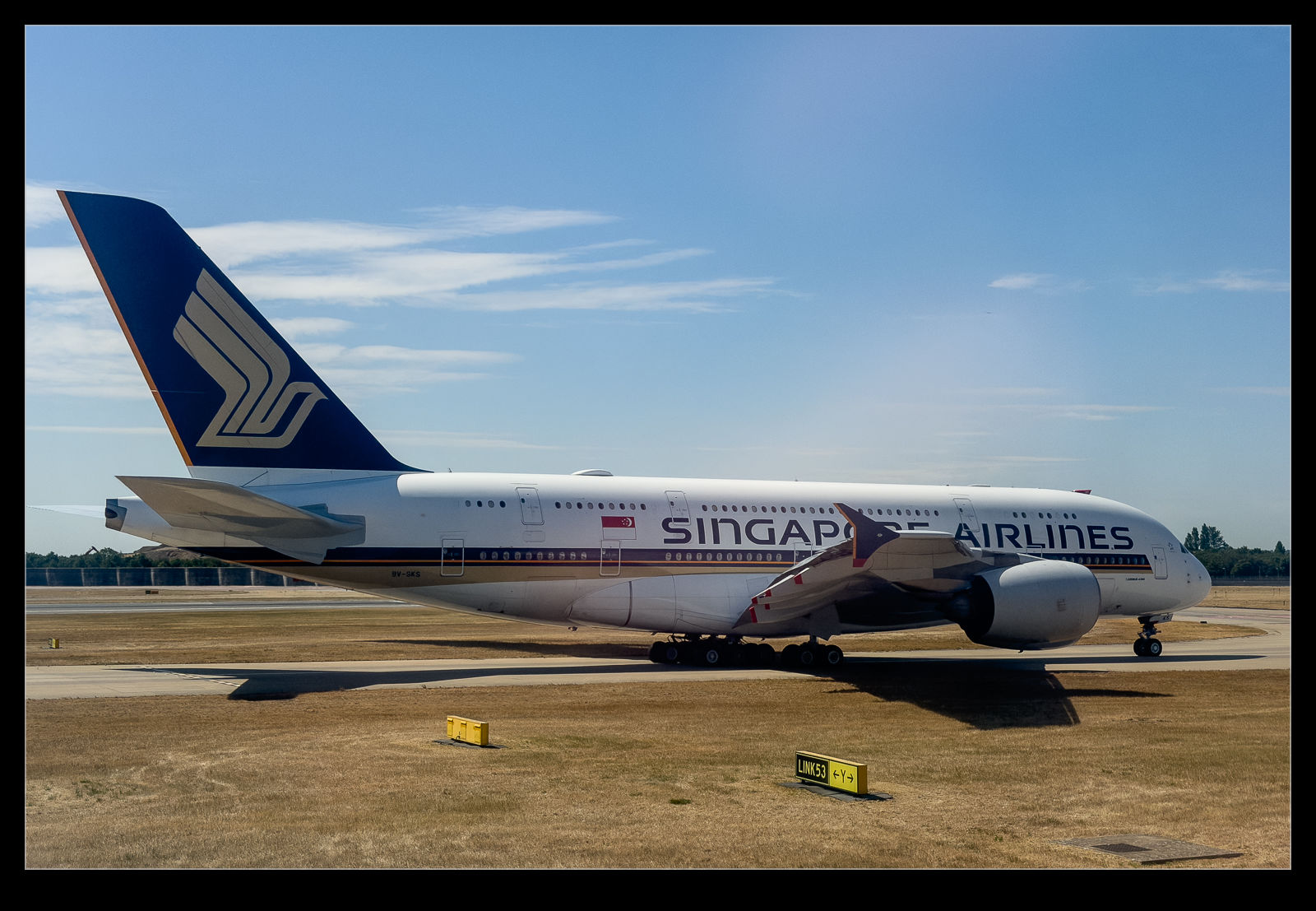
Sometimes, when I get the window seat at the airport, there is really nothing much to see. I am on the wrong side, and everything is out of the other windows. However, on this recent flight, I did have a good view of the parallel taxiway as well as the runway for departing jets. Sure, it was backlit and sometimes taxiing jets could block the view of the runway. Also, windows looking into the sun are not great for clarity. Even so, an A380 from Singapore or a Virgin Atlantic A350-1000 is worth a look and whatever shots the phone can manage.
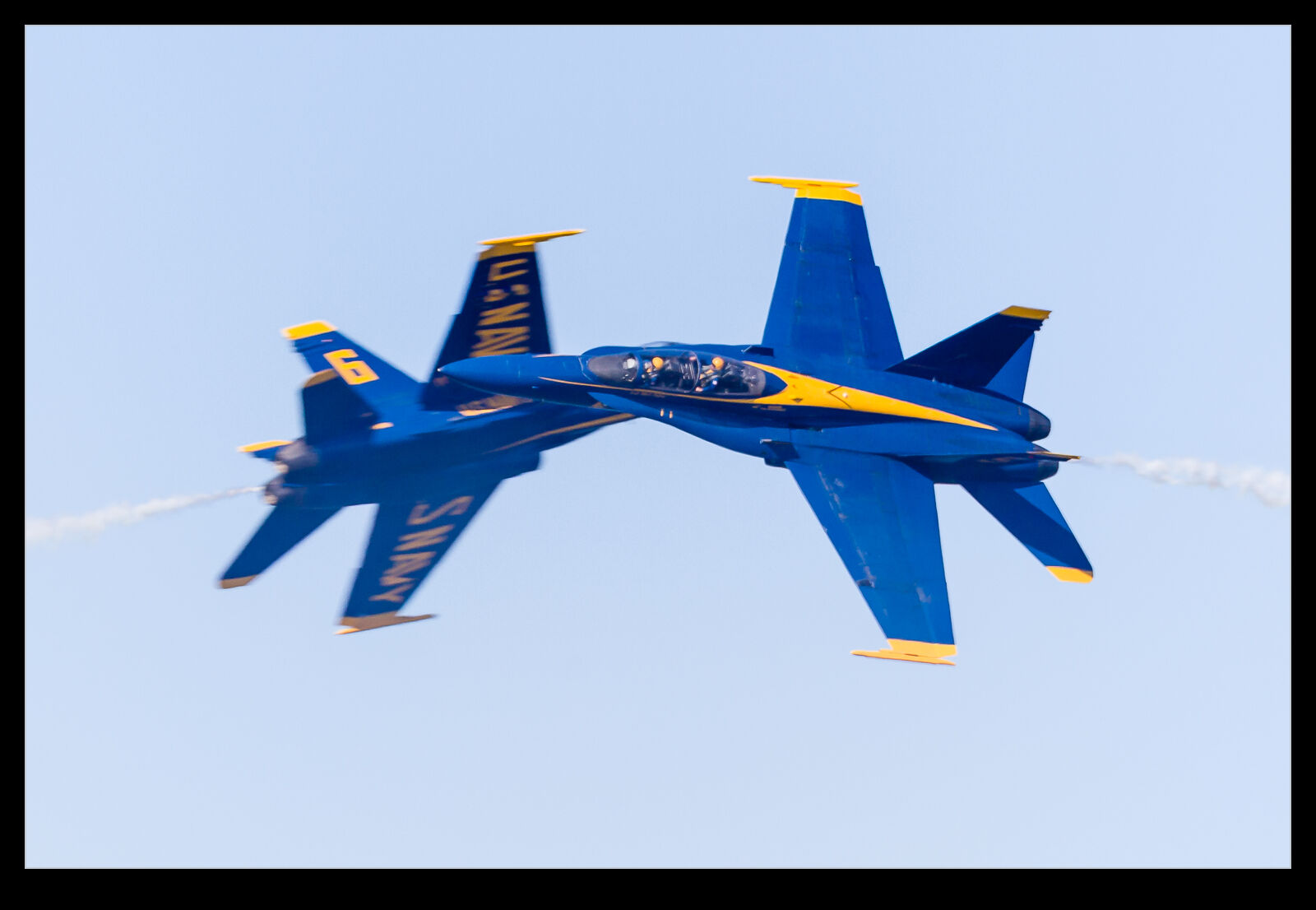
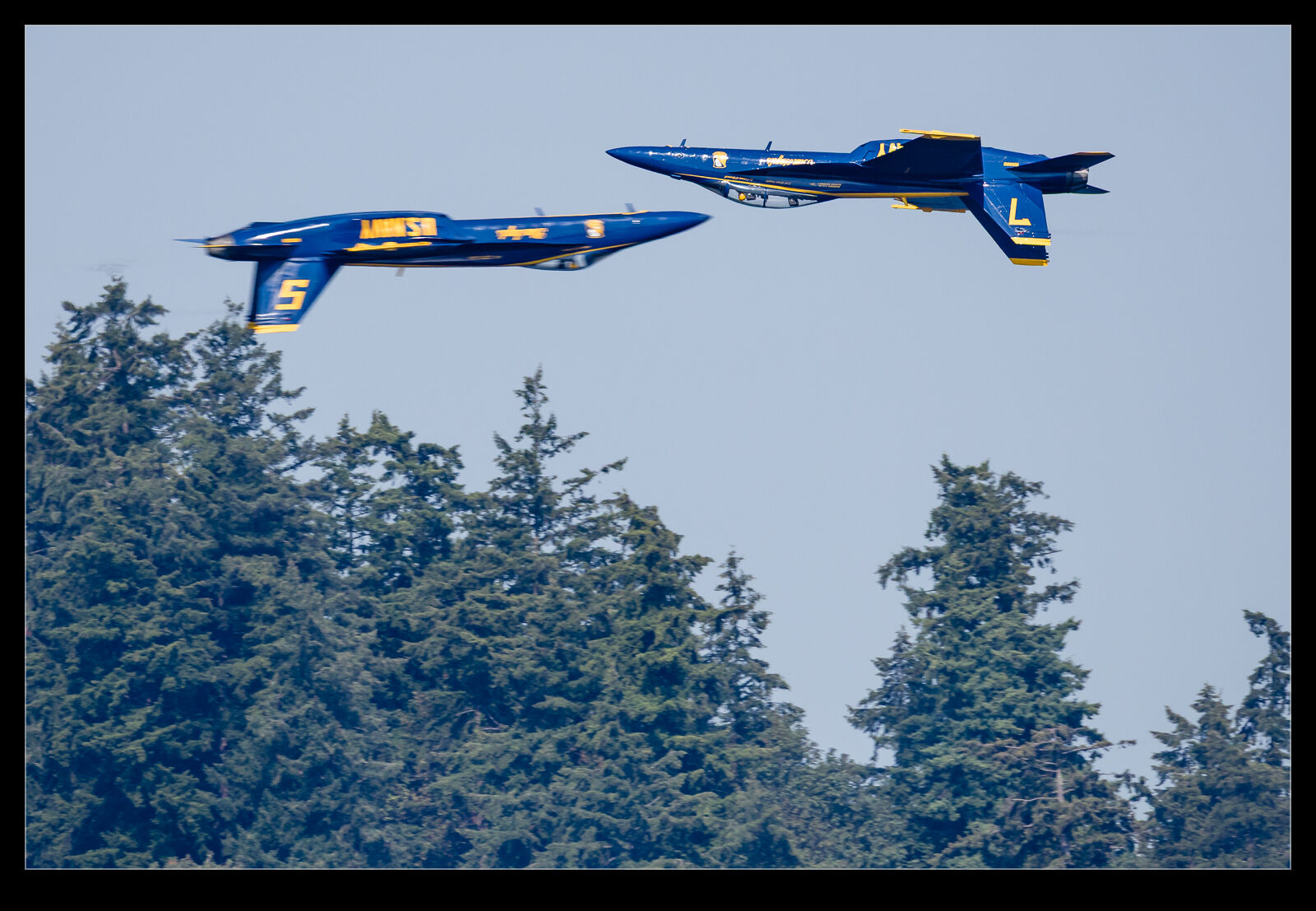
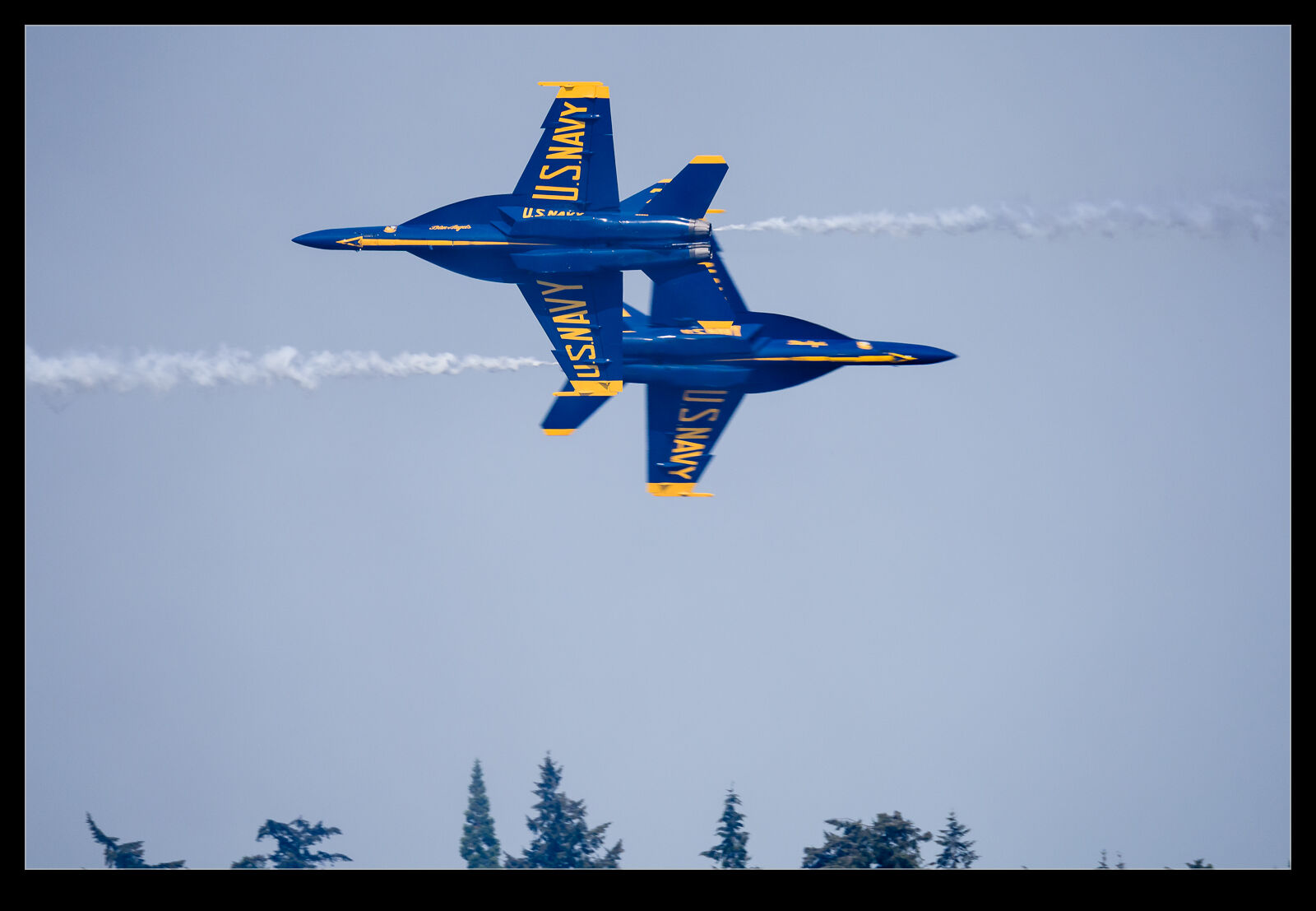
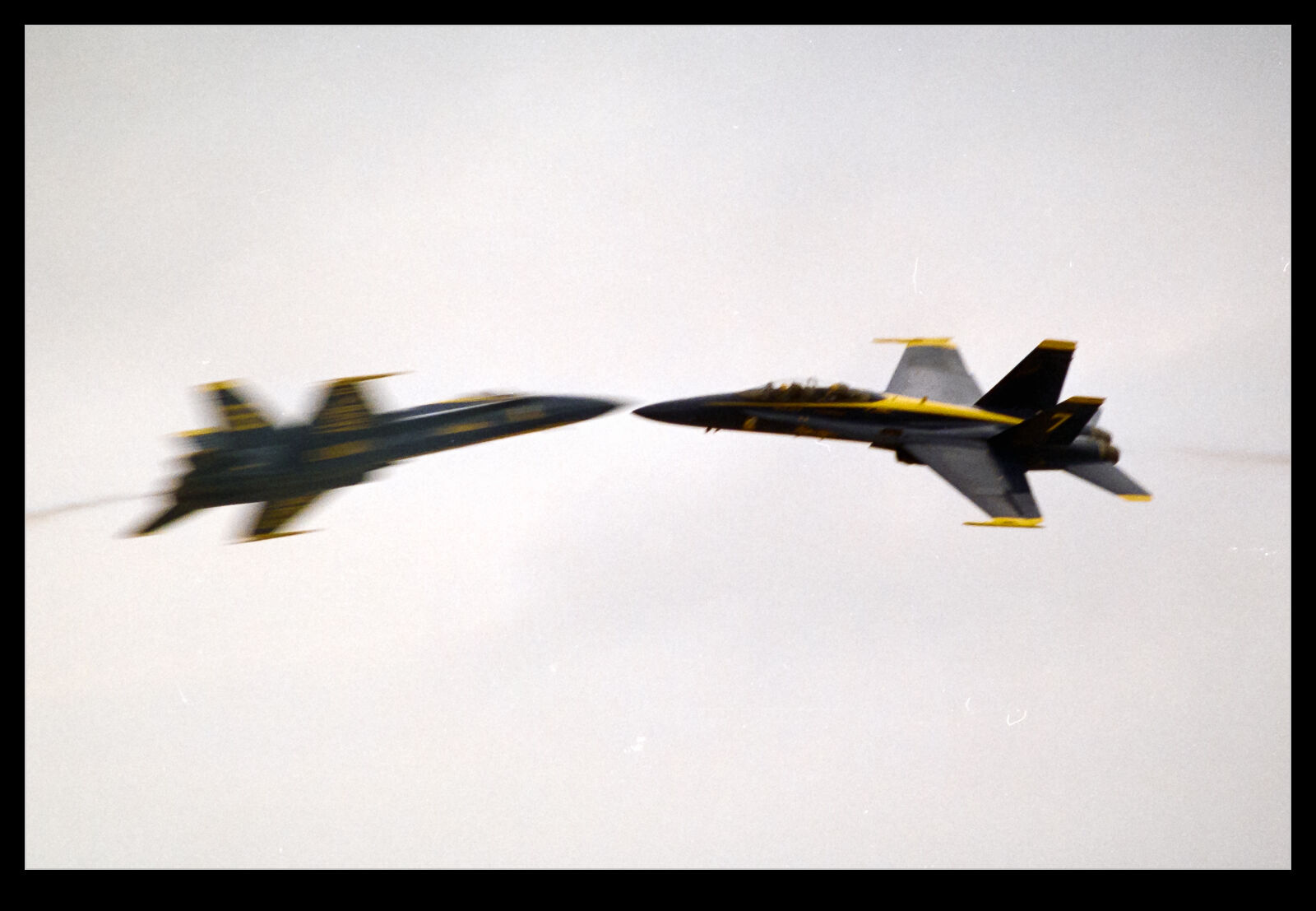
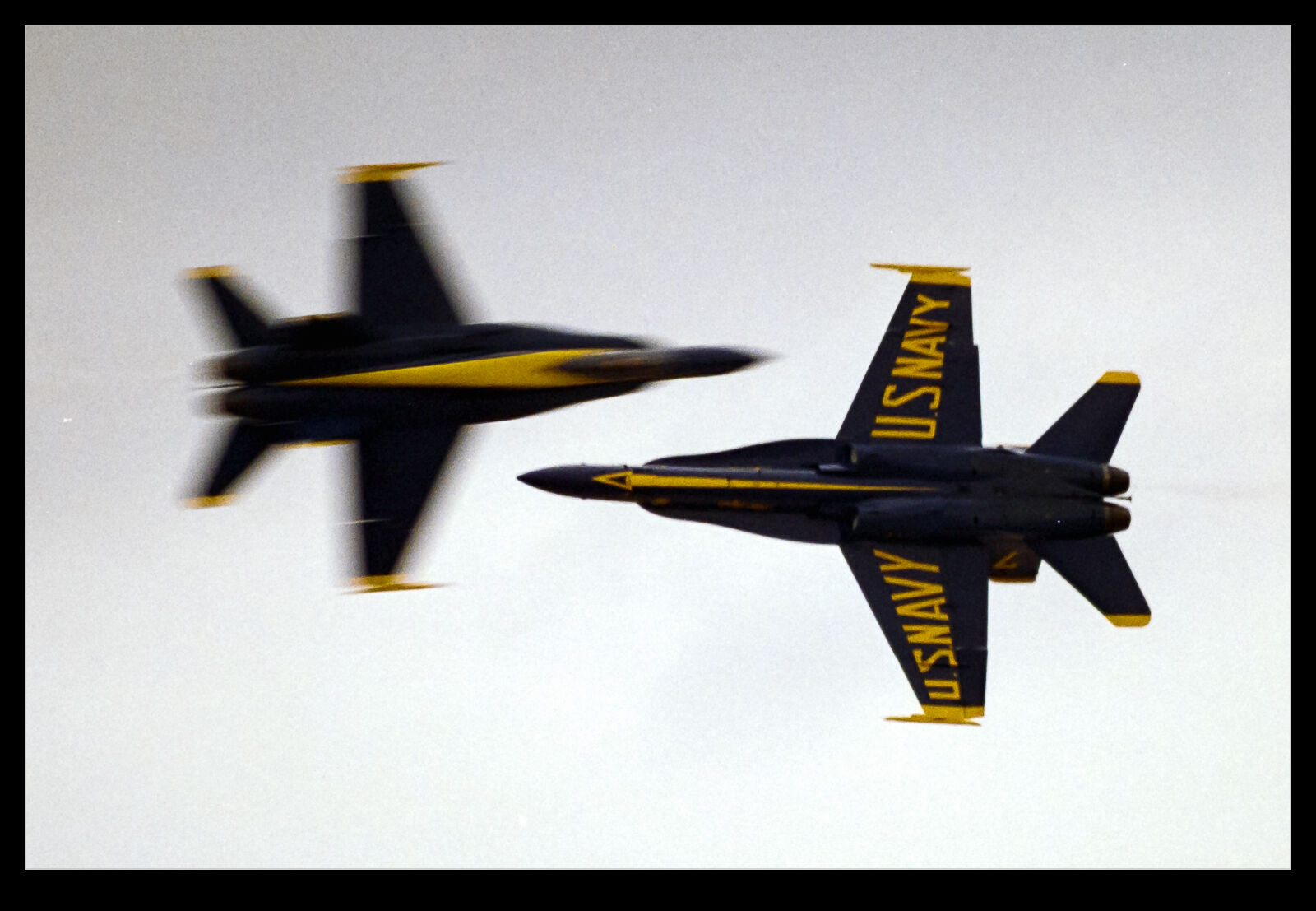
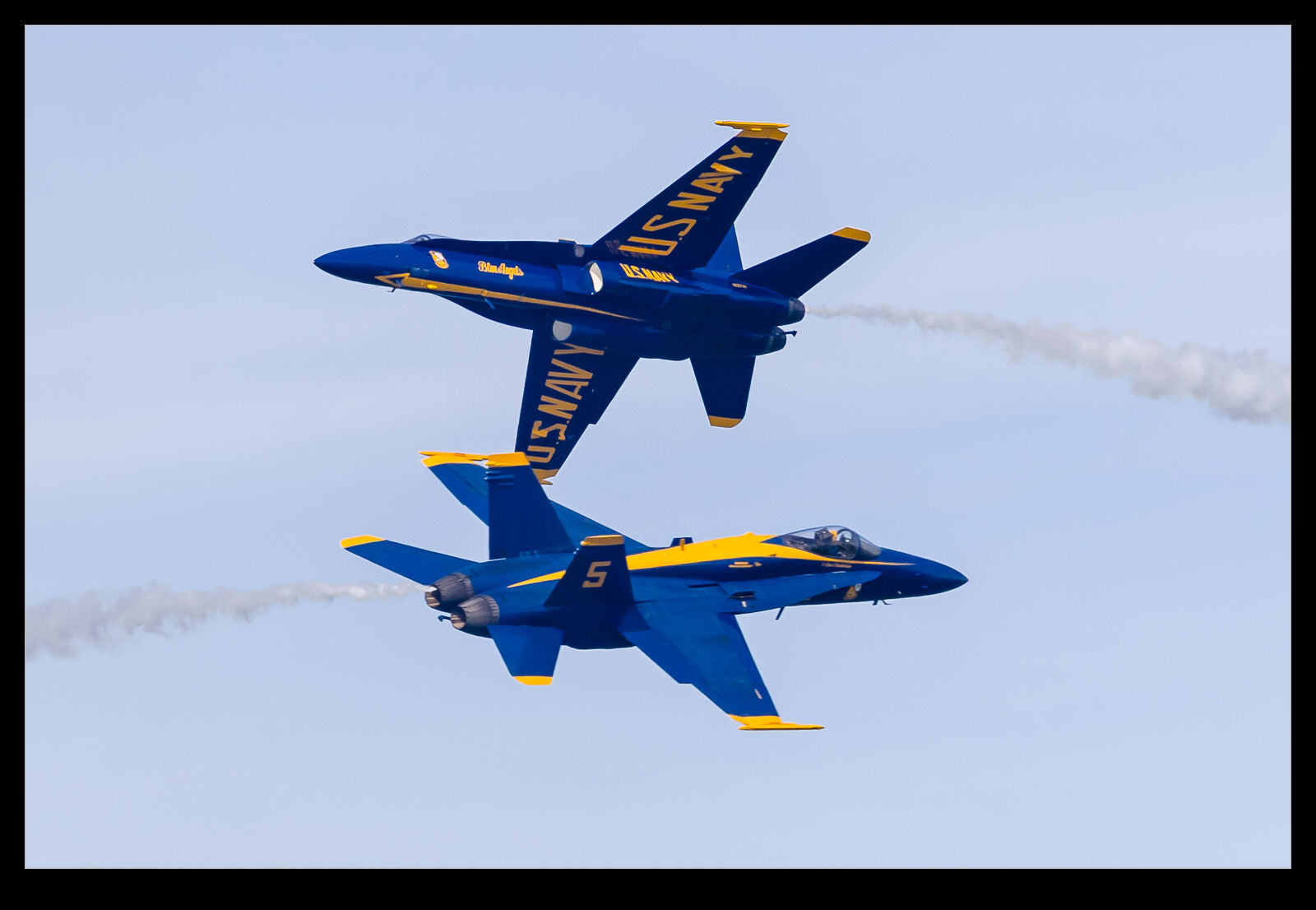
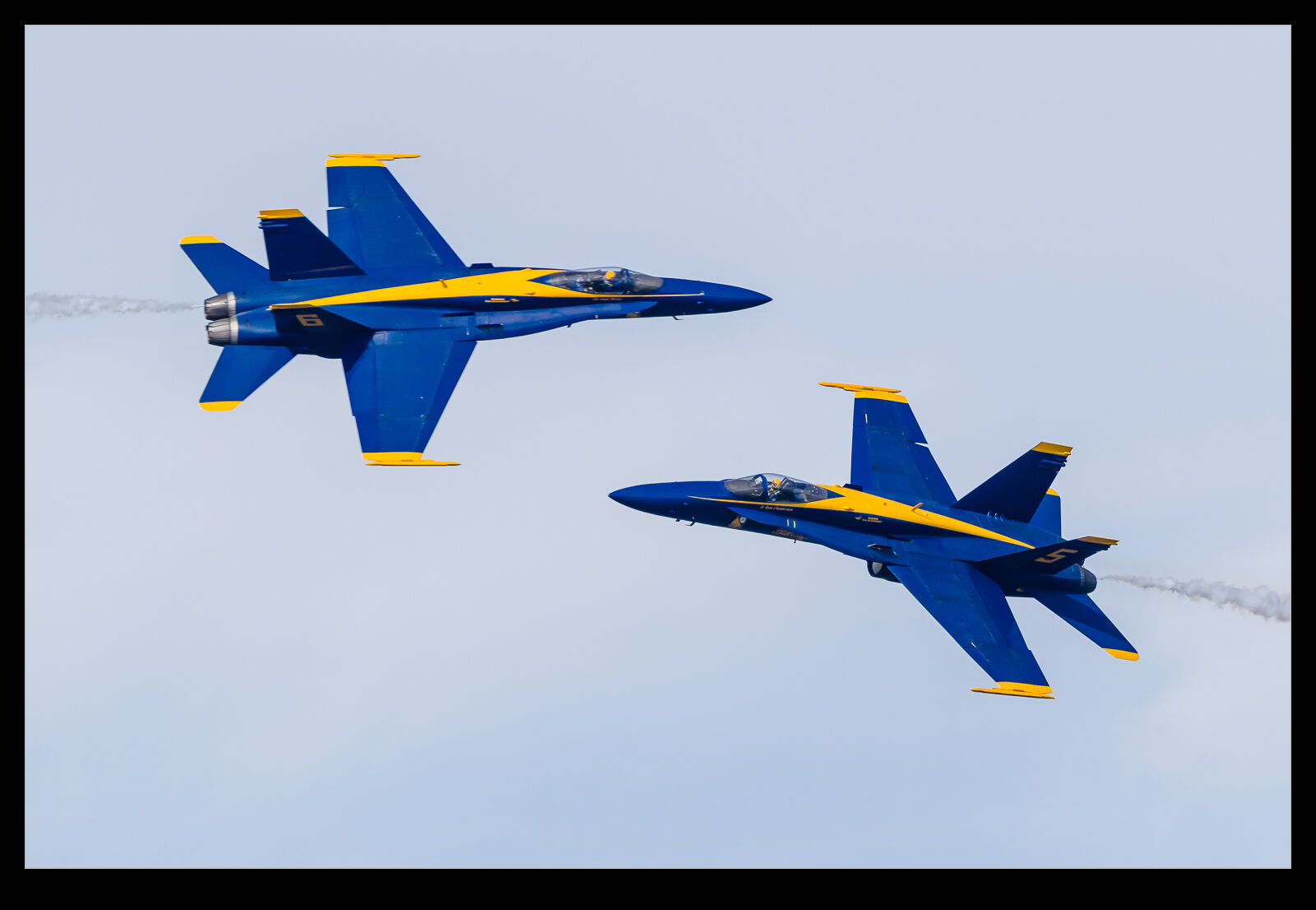
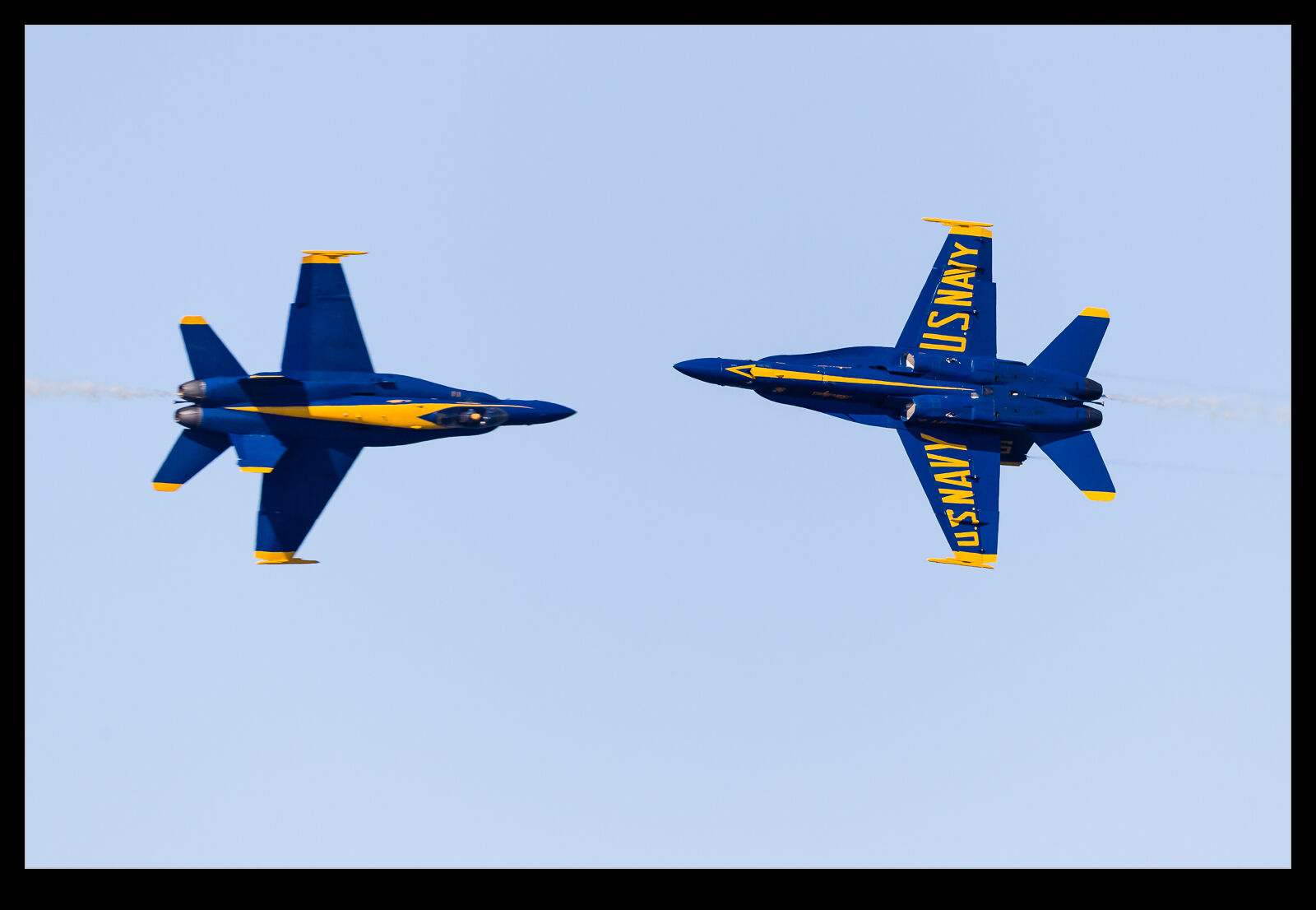
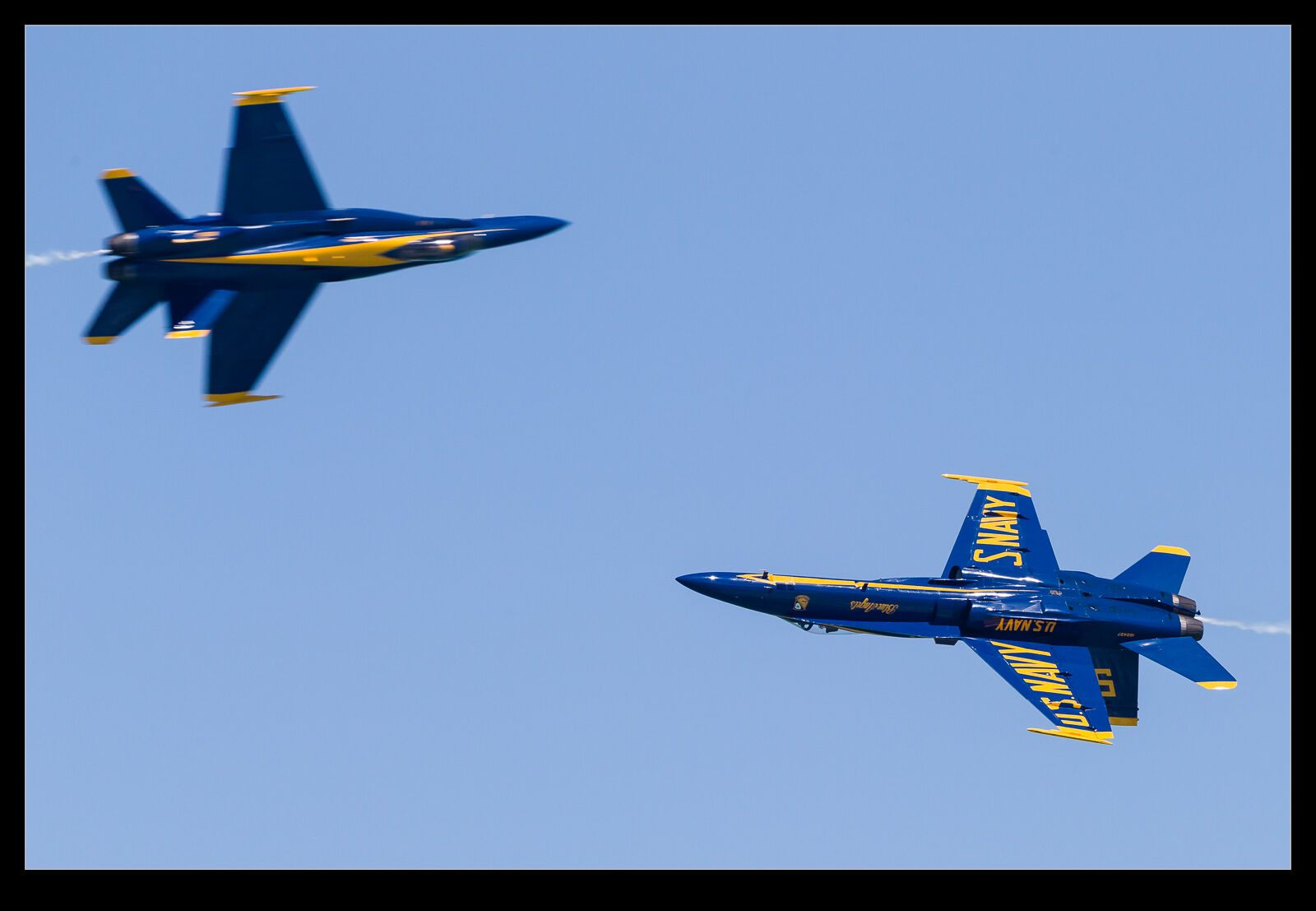
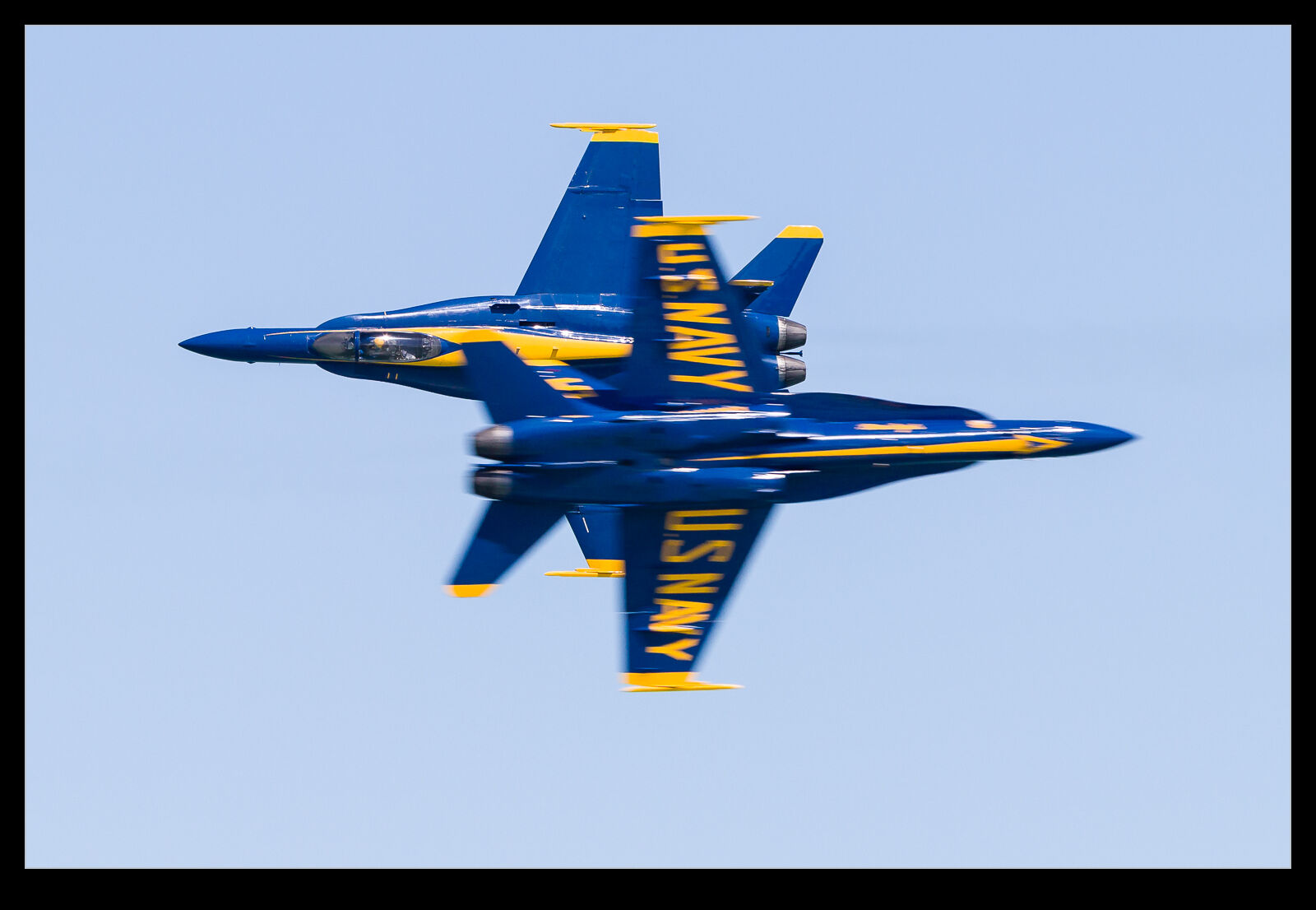
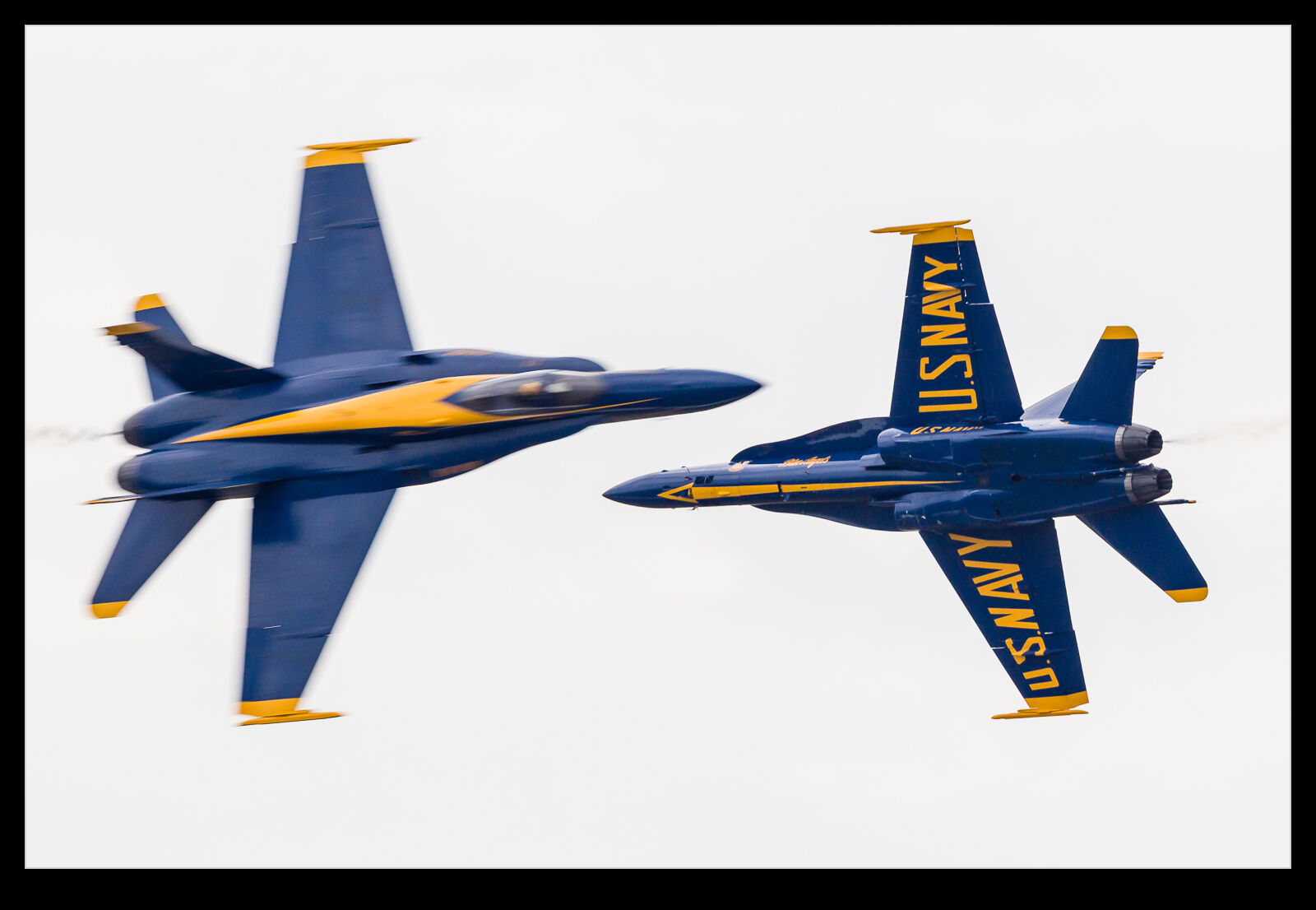
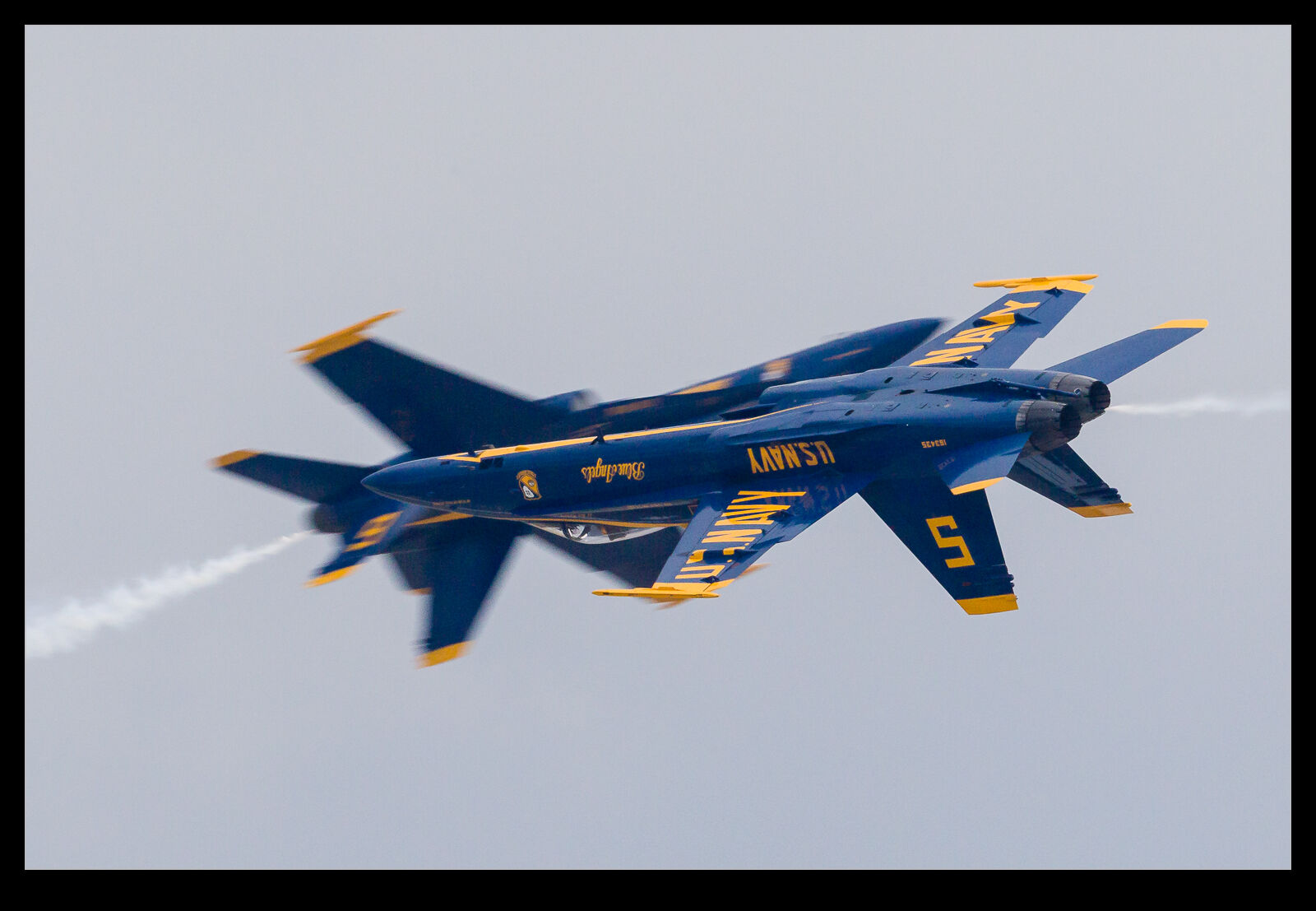
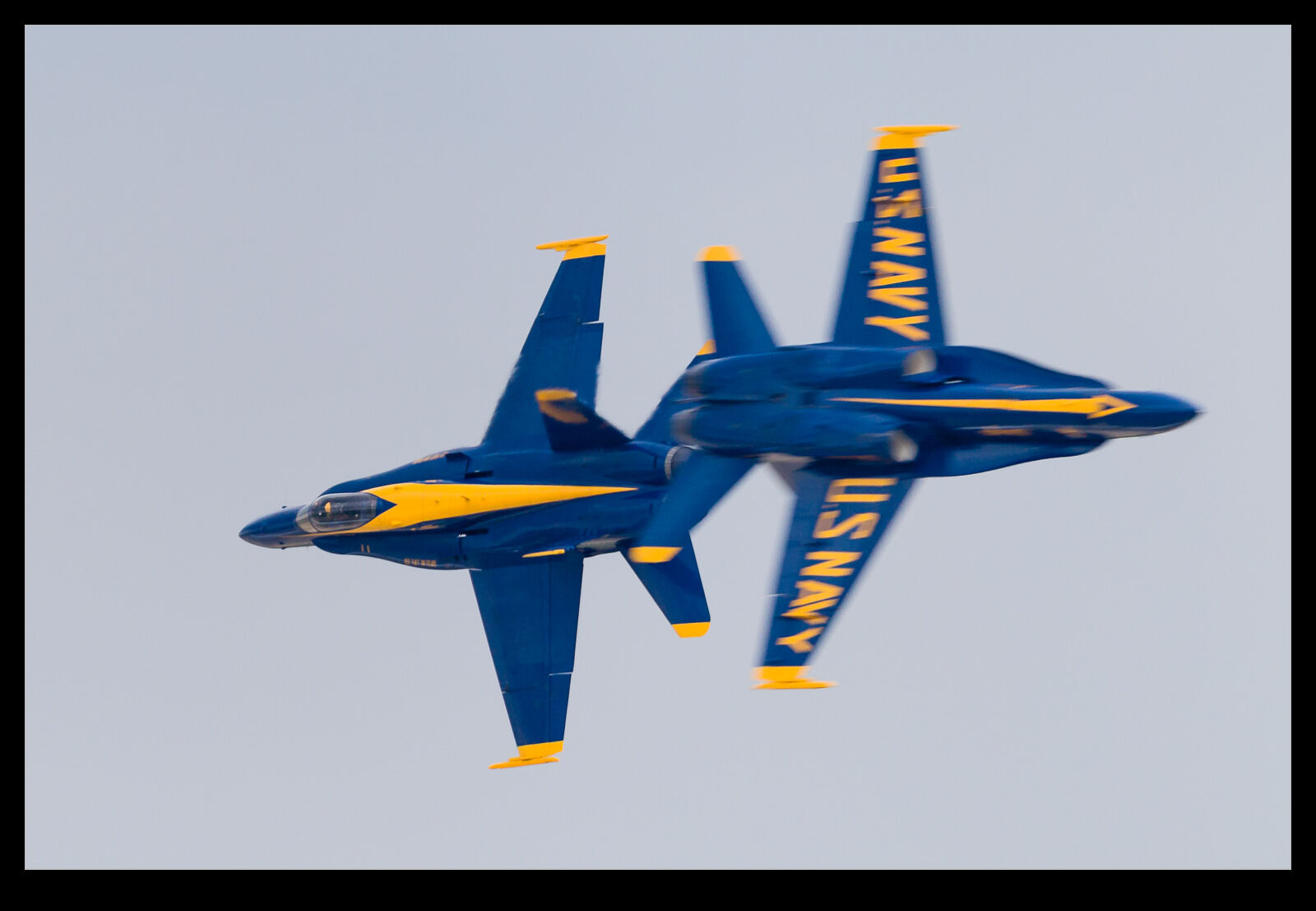
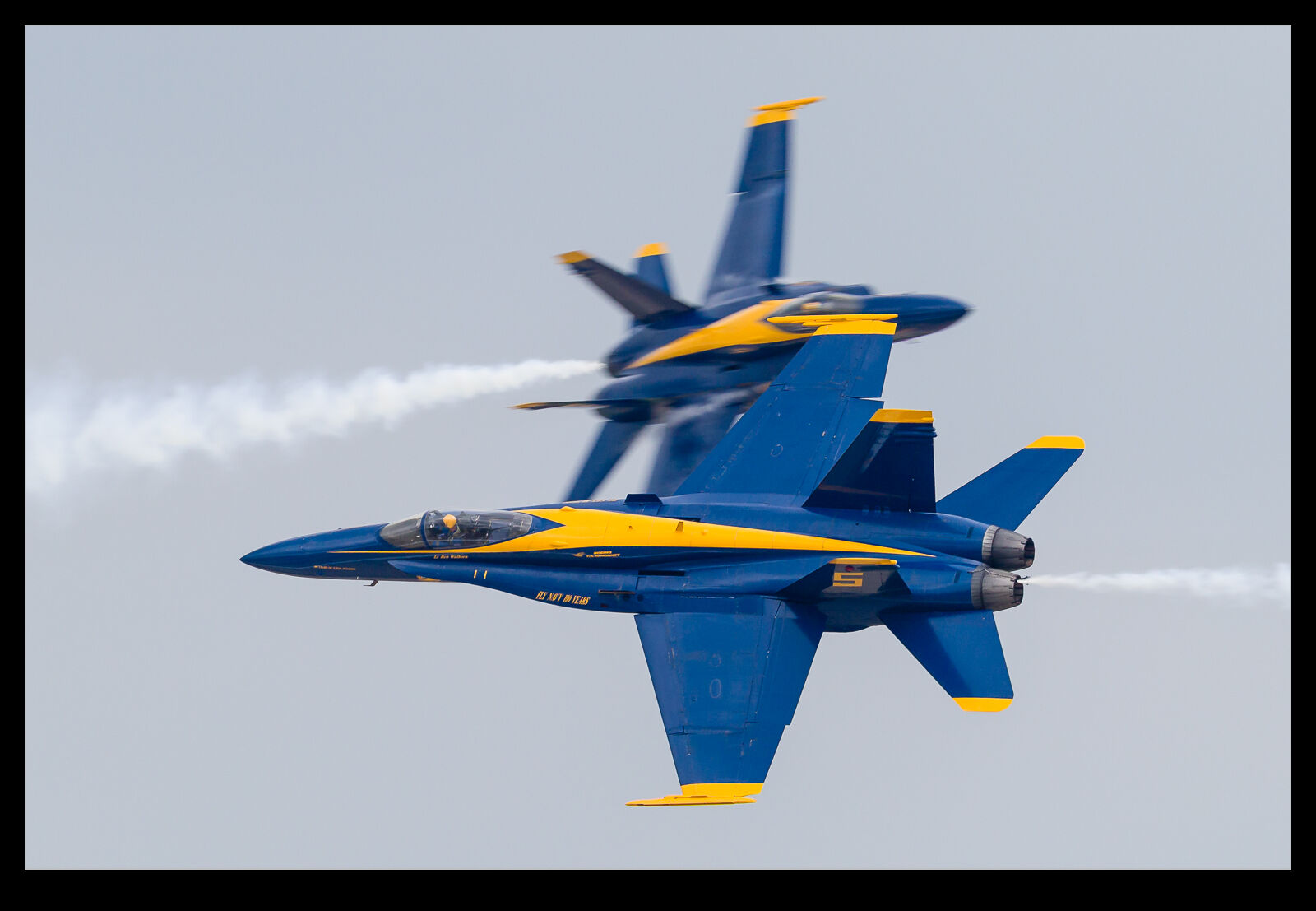
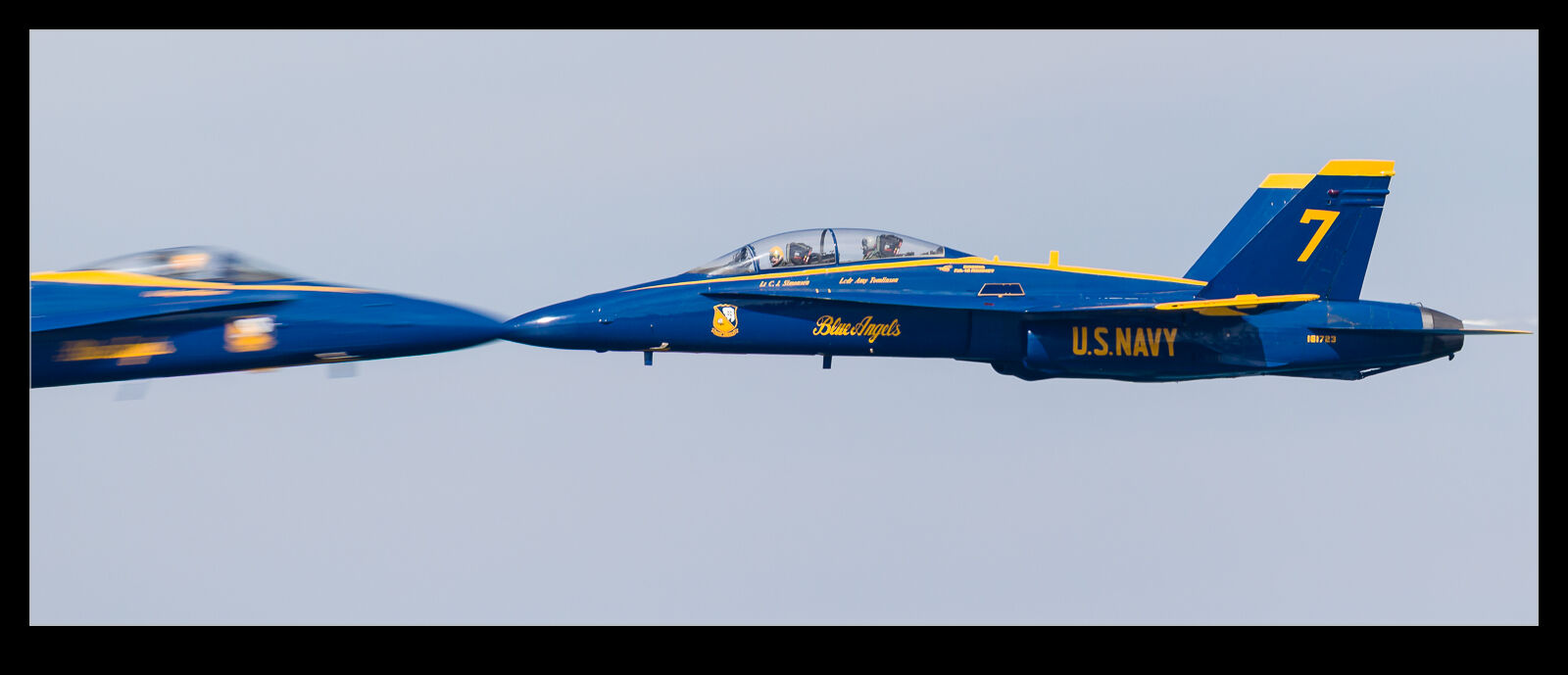
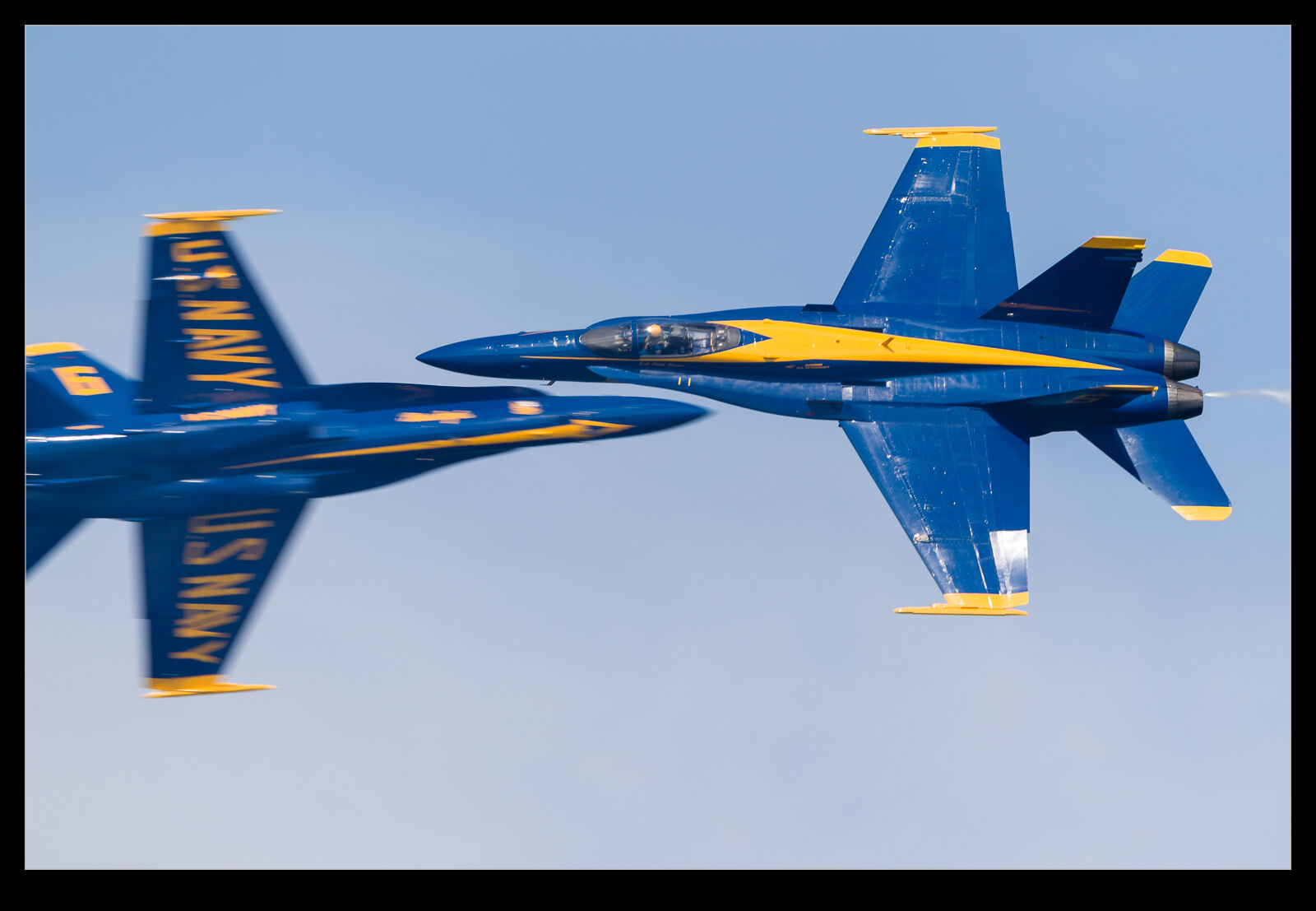
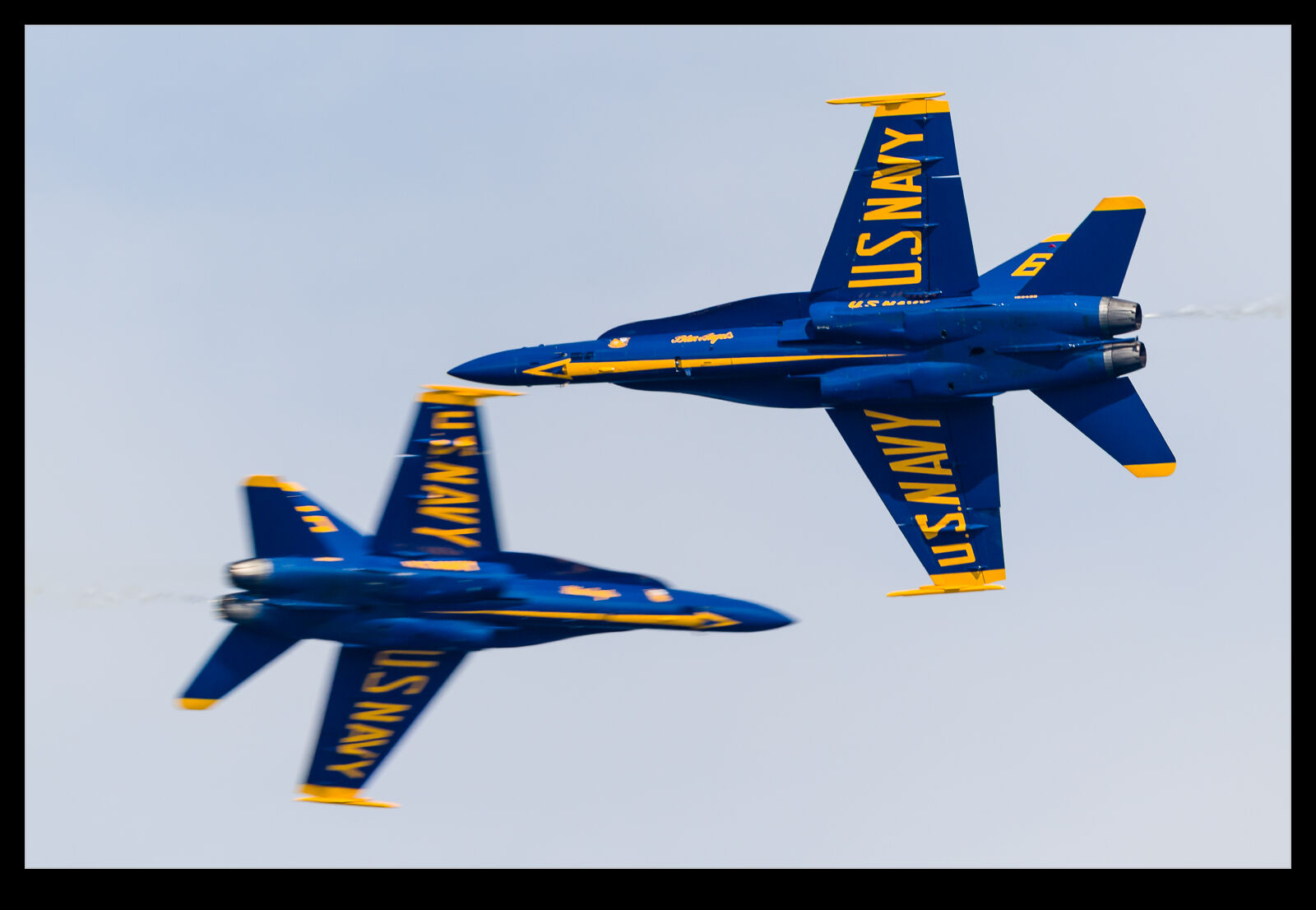
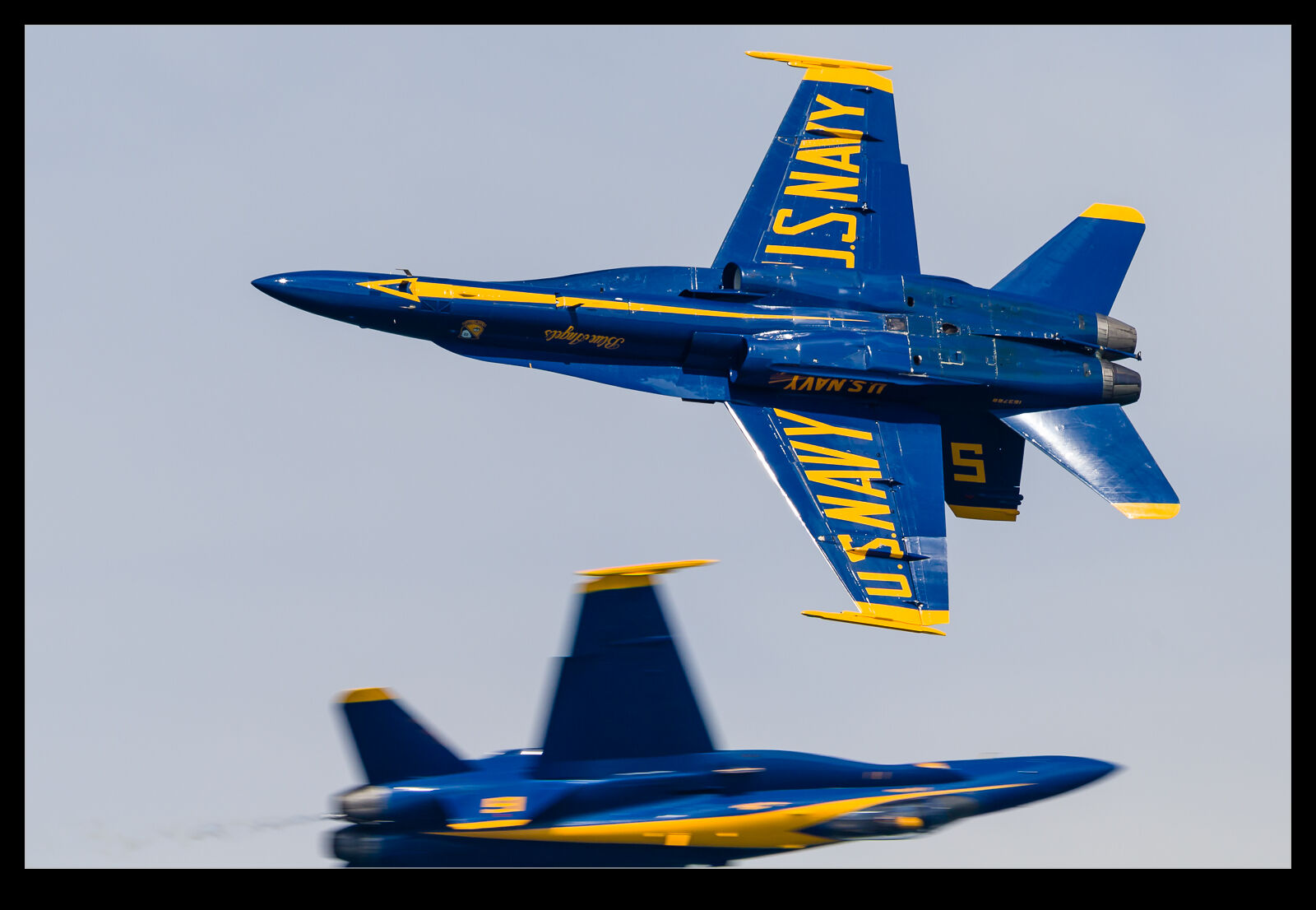
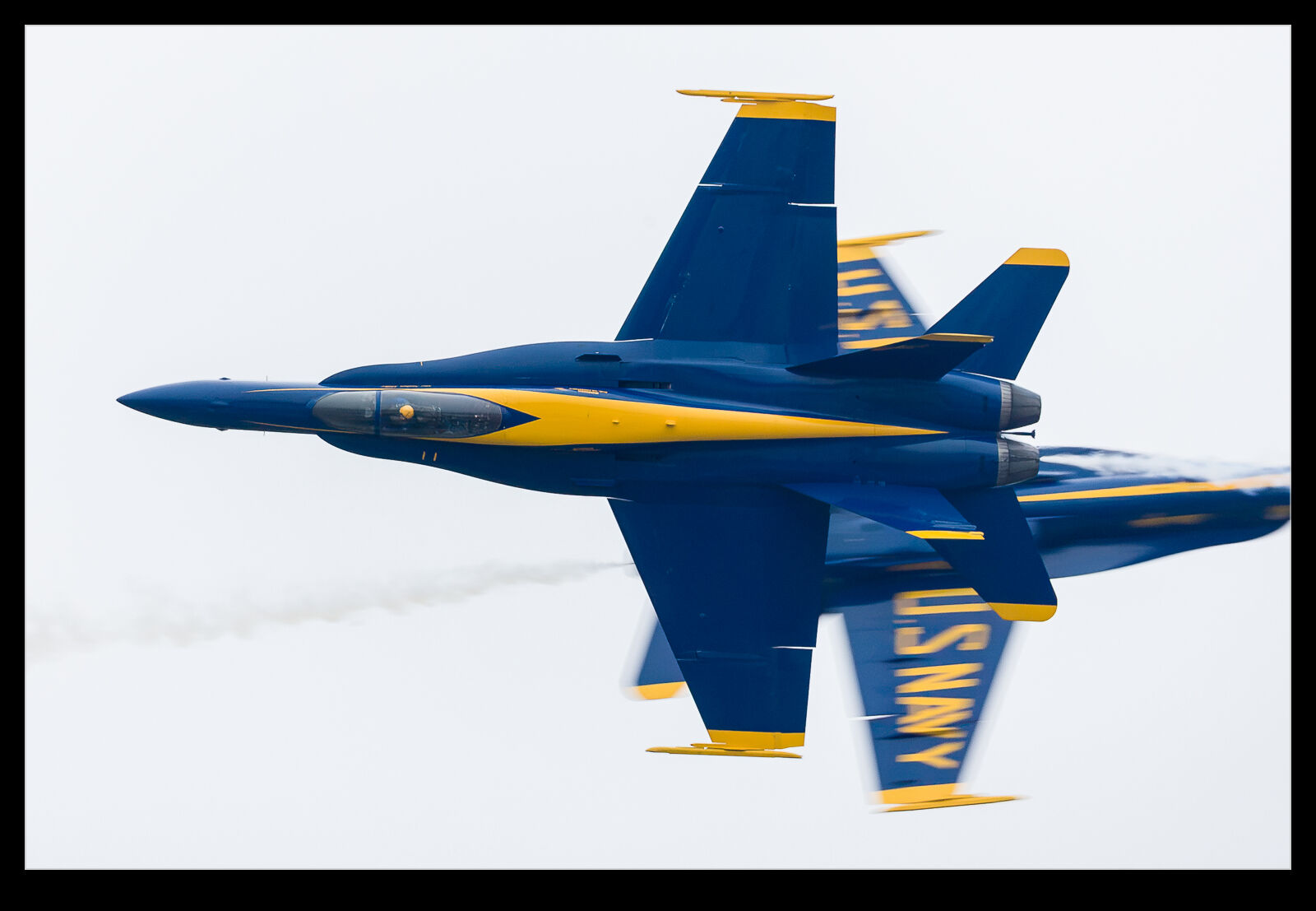
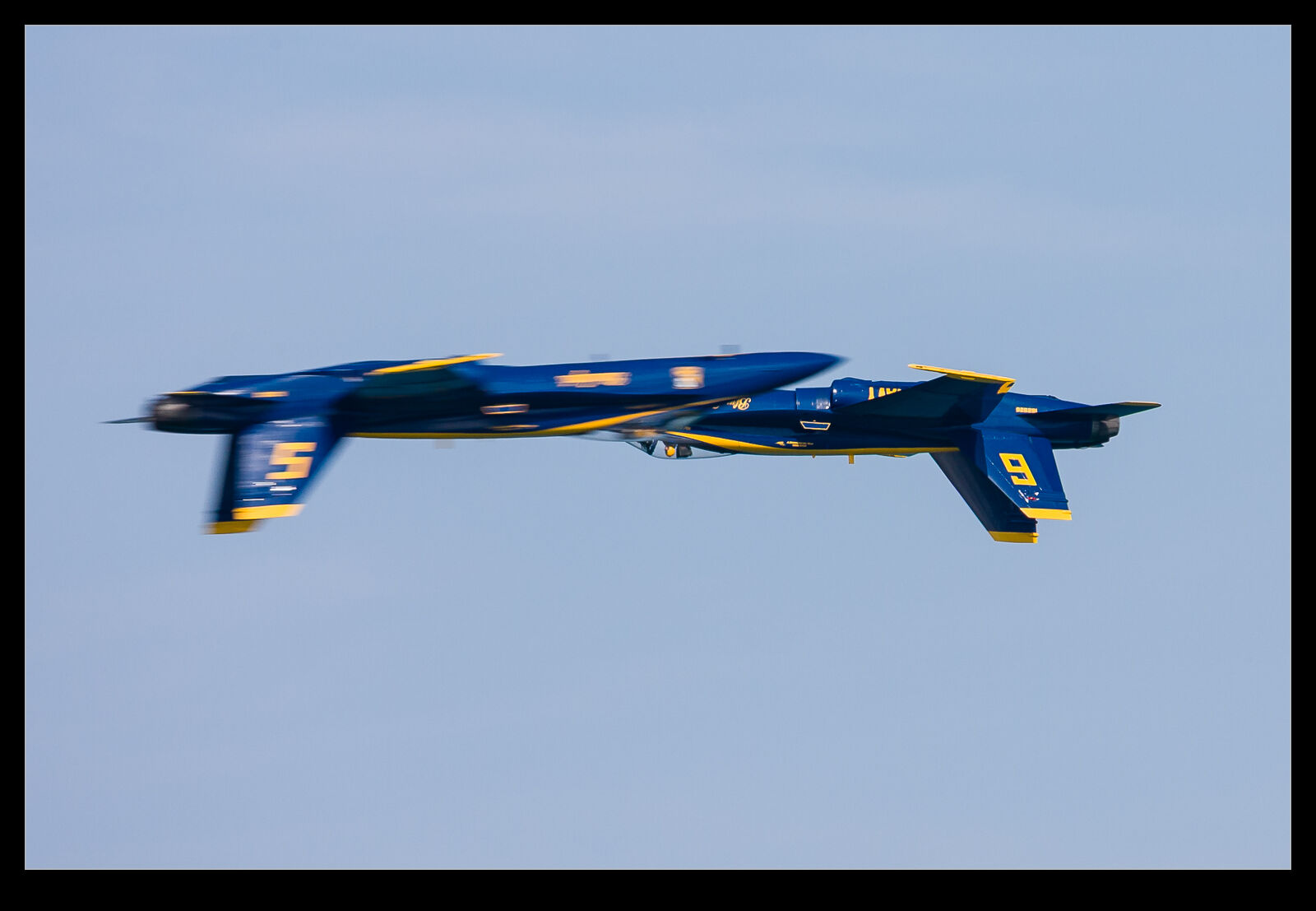
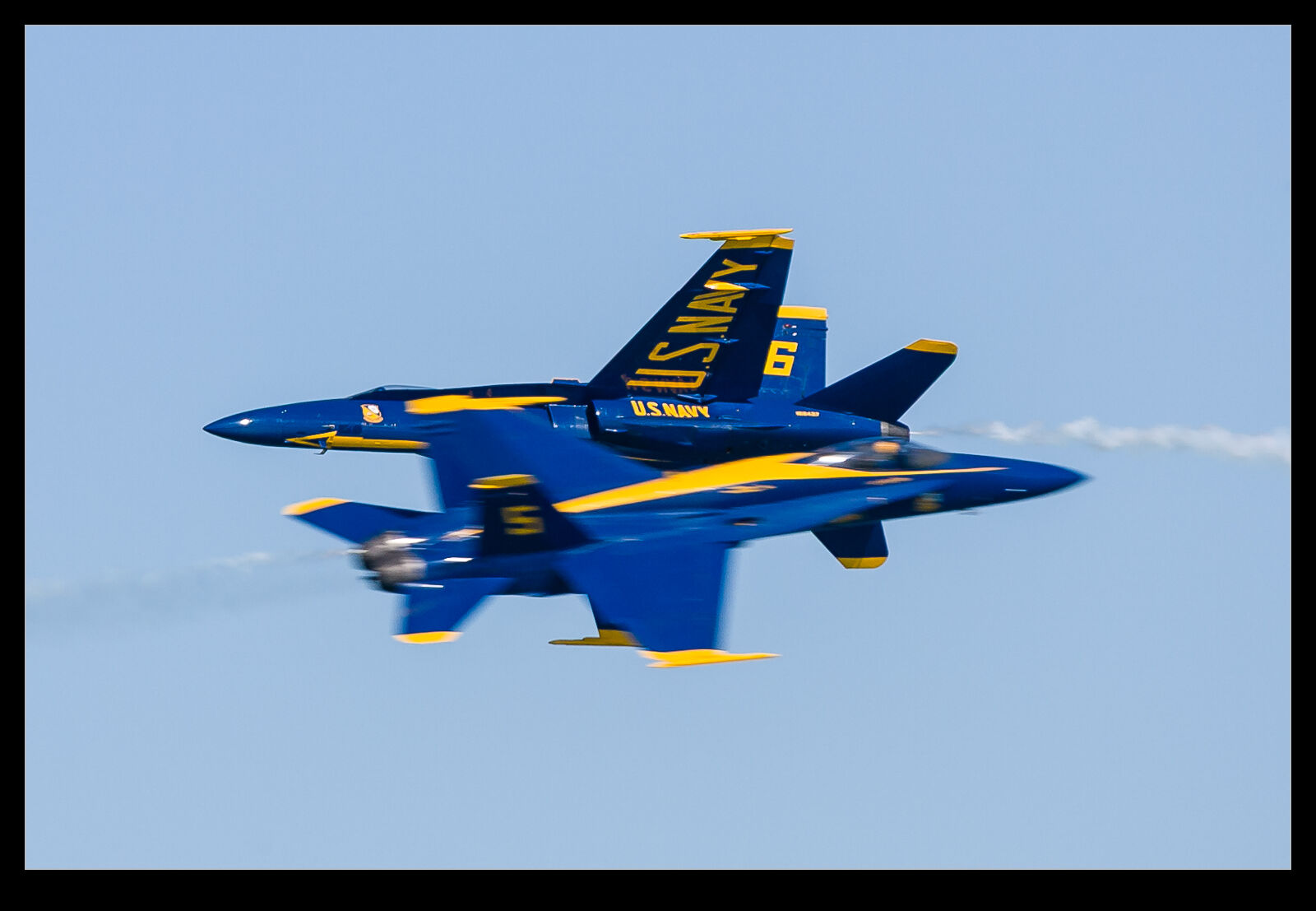
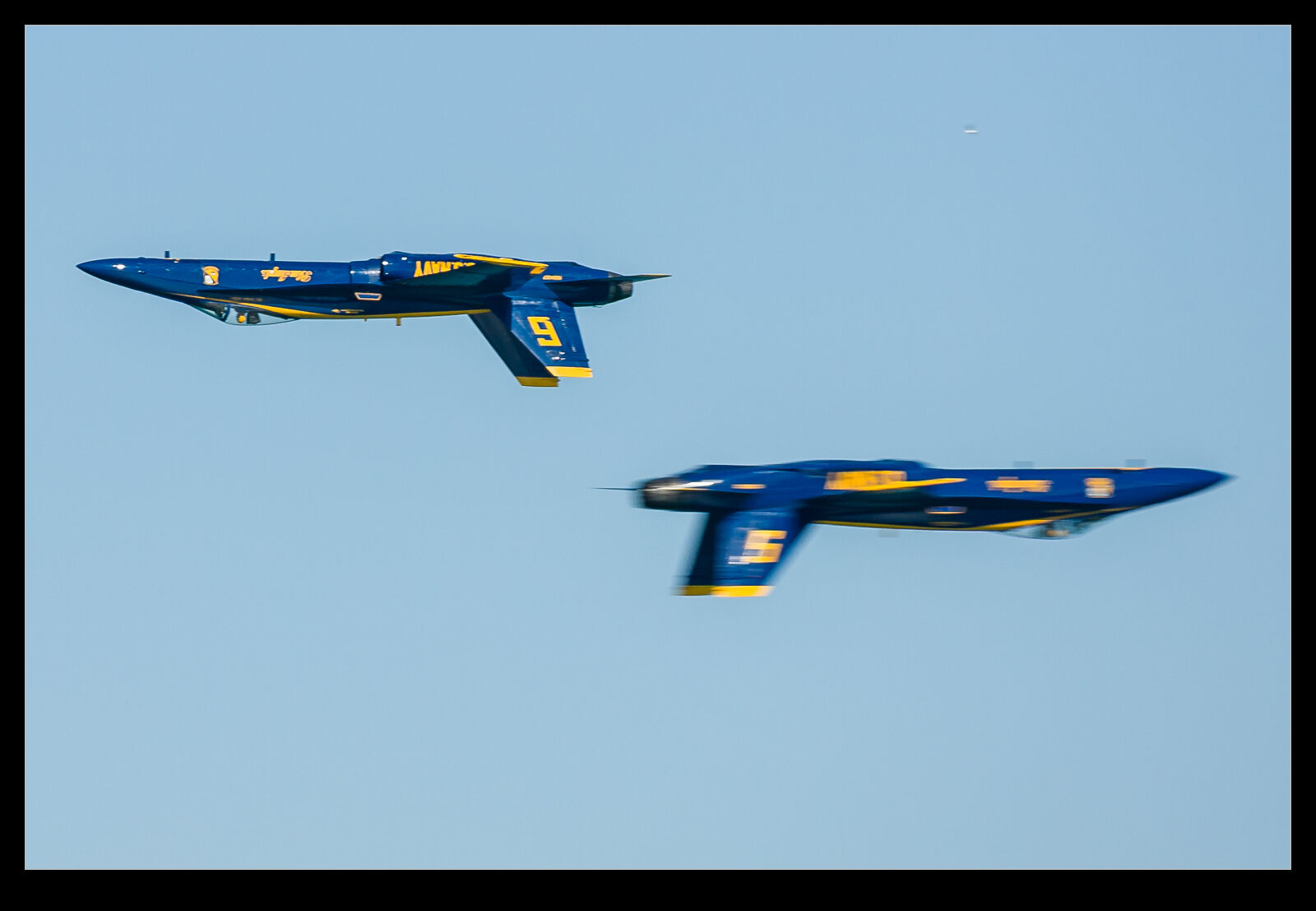
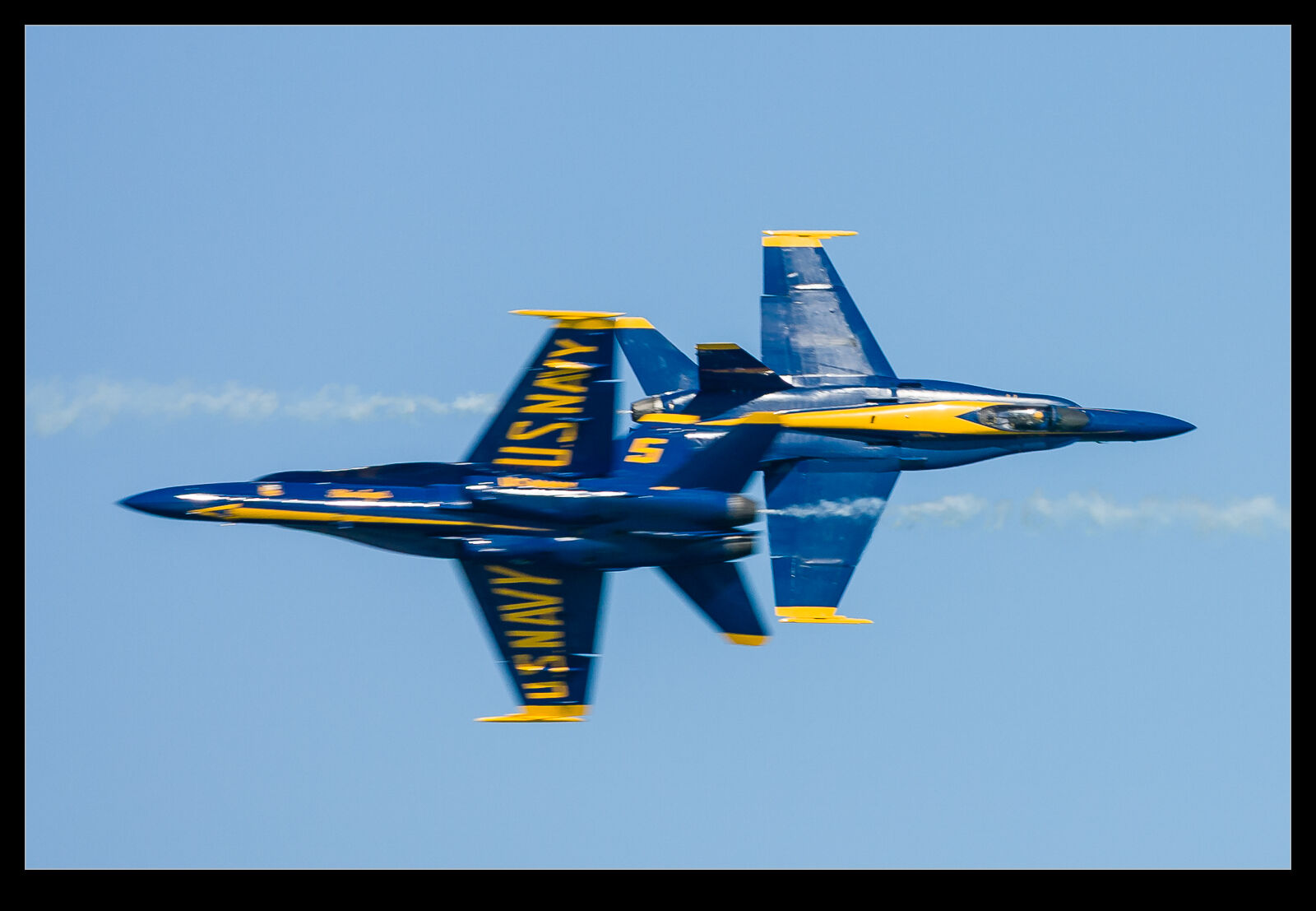
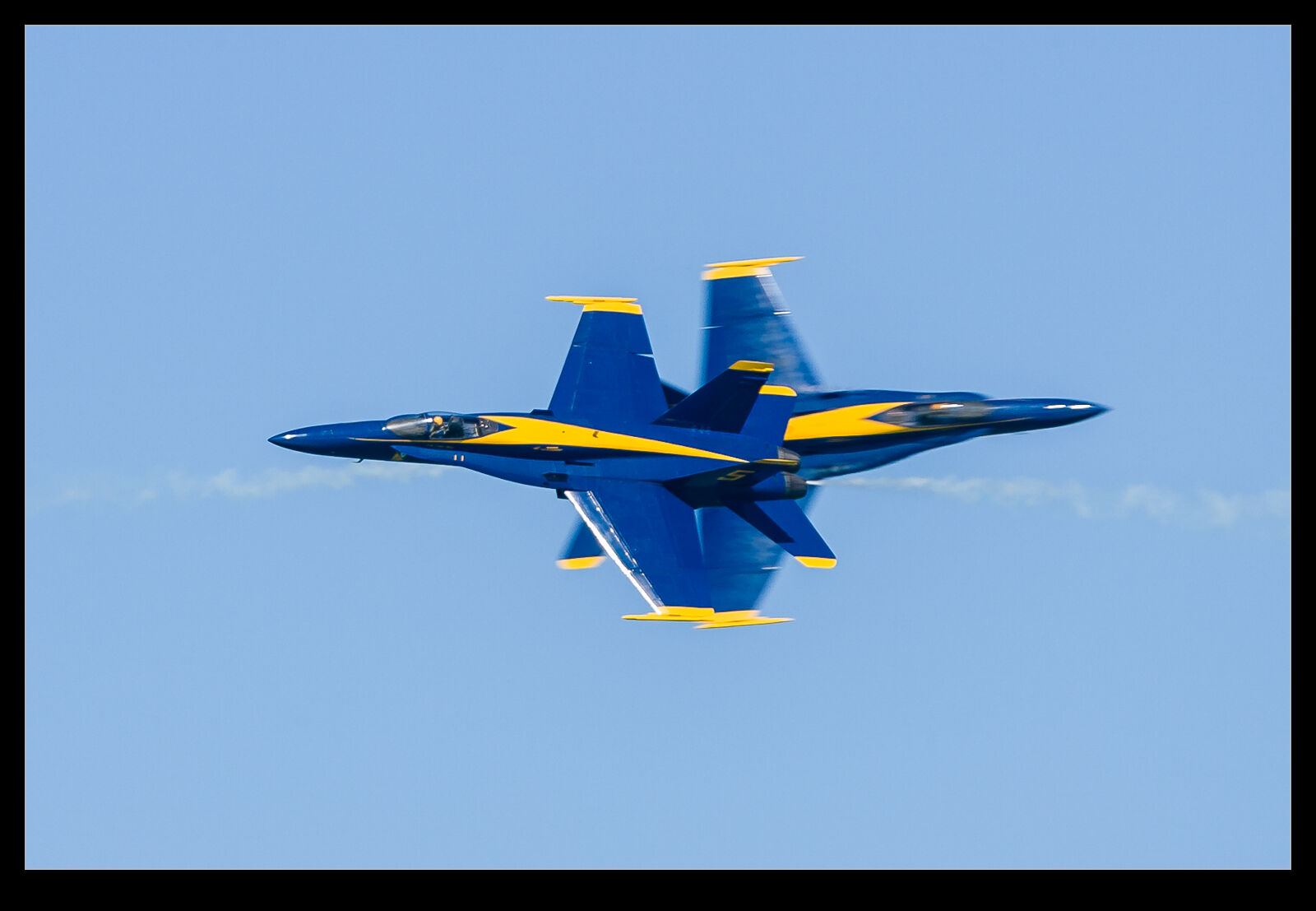
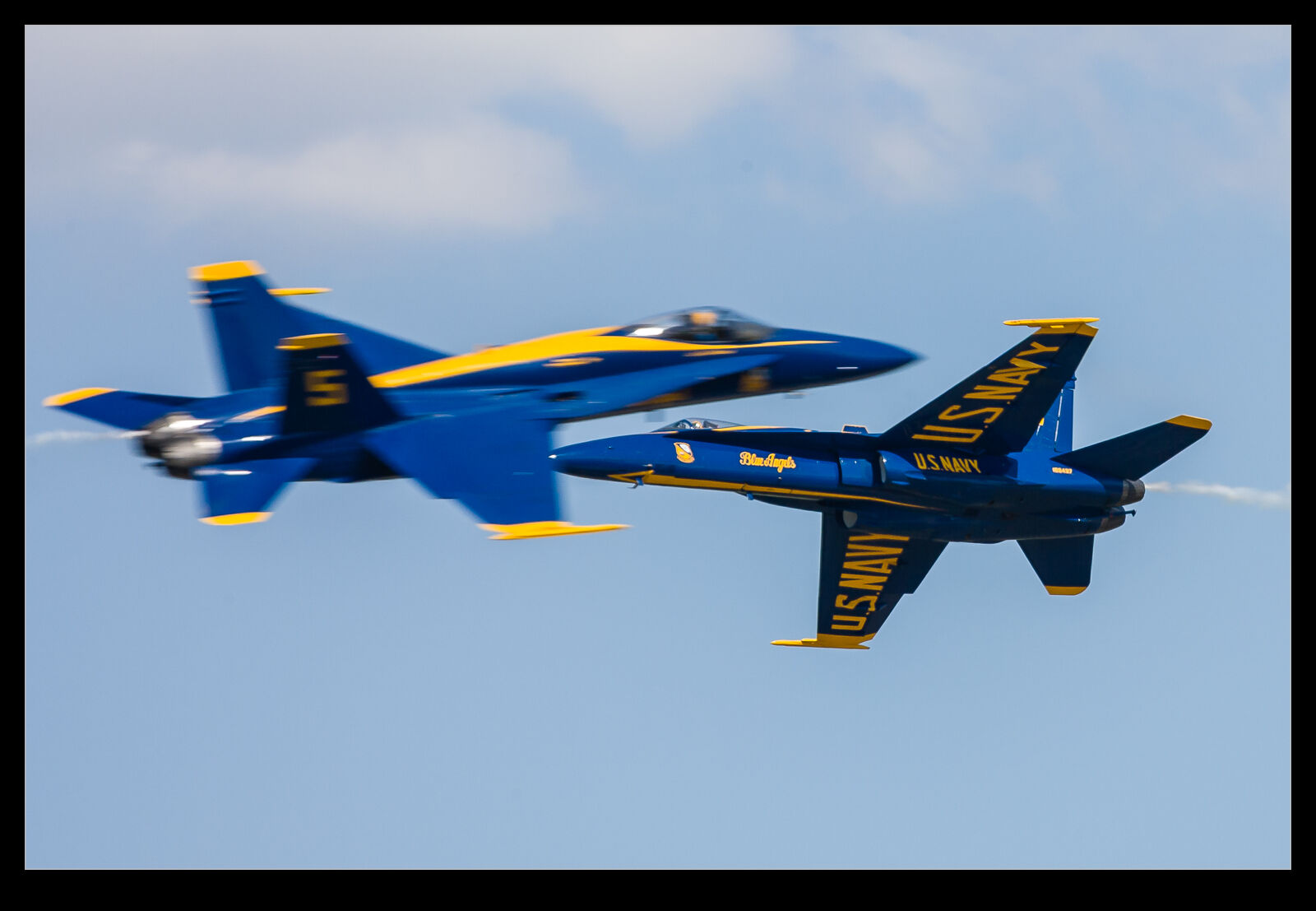
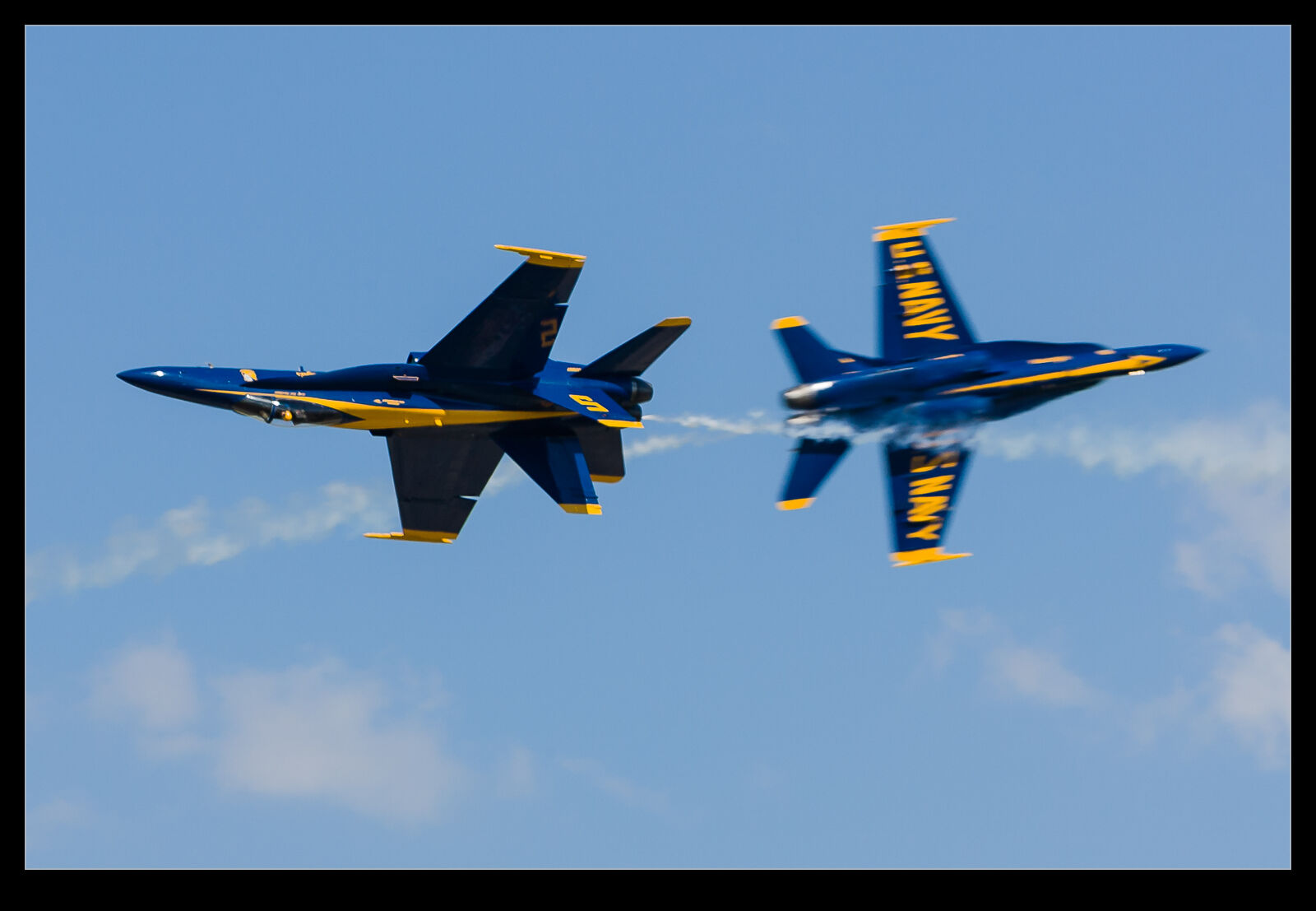
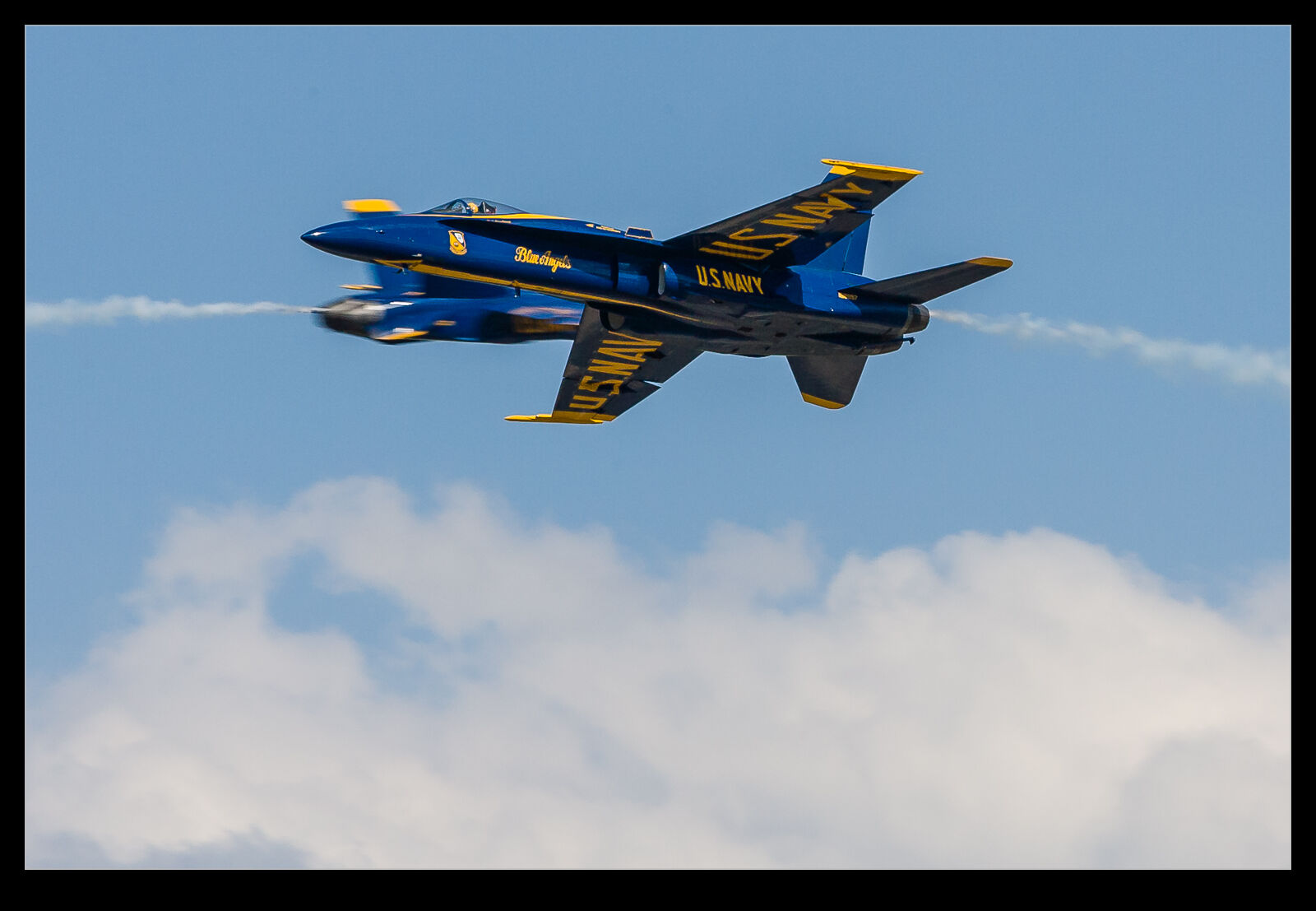
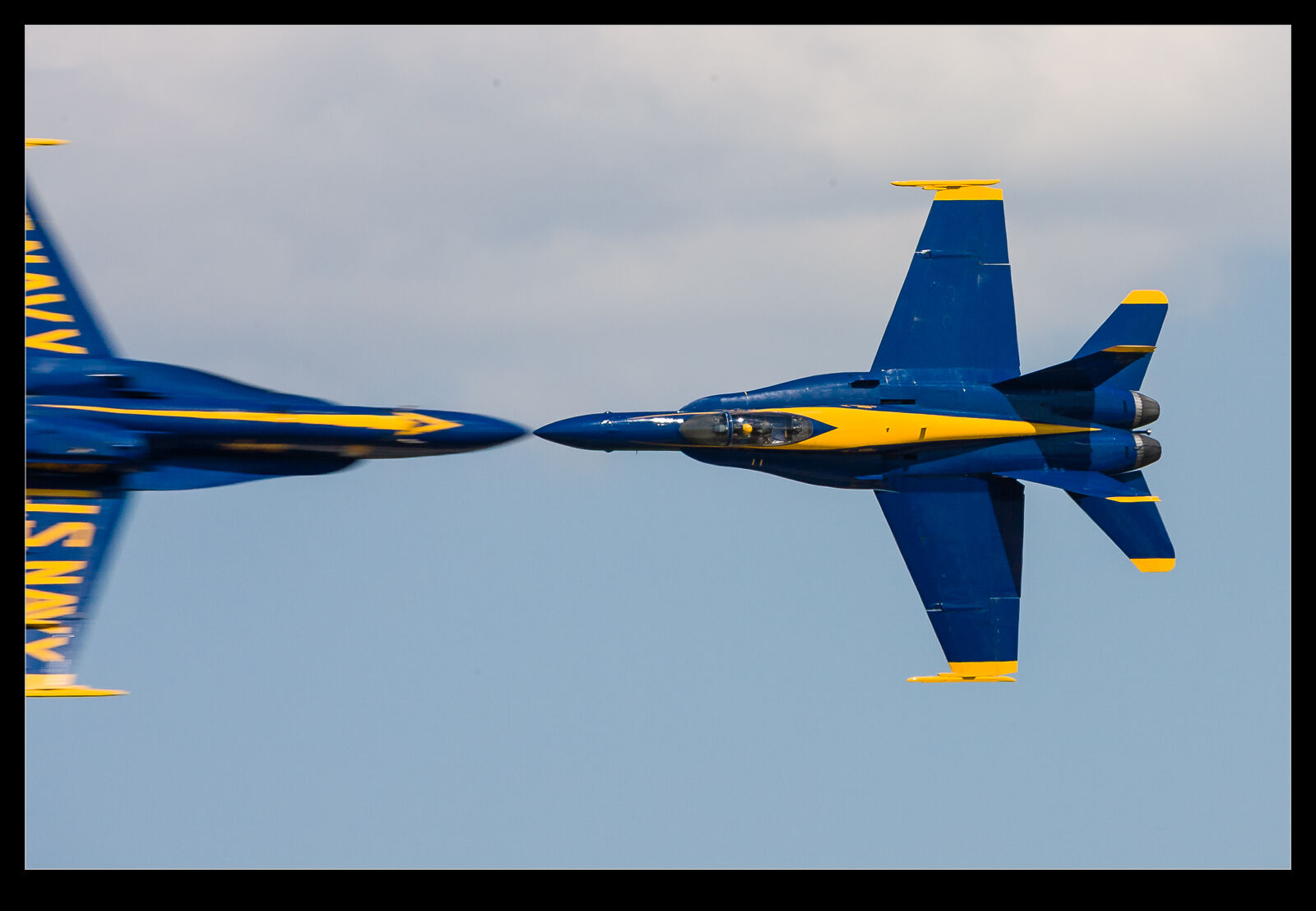
I posted a bunch of crossing shots of the USAF Thunderbirds and, since I was doing that, I thought it might look like favouritism if I didn’t do the same for the Blue Angels. I saw a lot more of the Blue Angels in the second half of my time living in the US because Fleet Week in San Francisco and Seafair in Seattle always had them in attendance. That meant I got to see them after the transition to the Super Bug but the majority of shows I saw over the years were with the legacy Hornets. Anyway, here are a bunch of crossing shots for the Blues to balance things up.
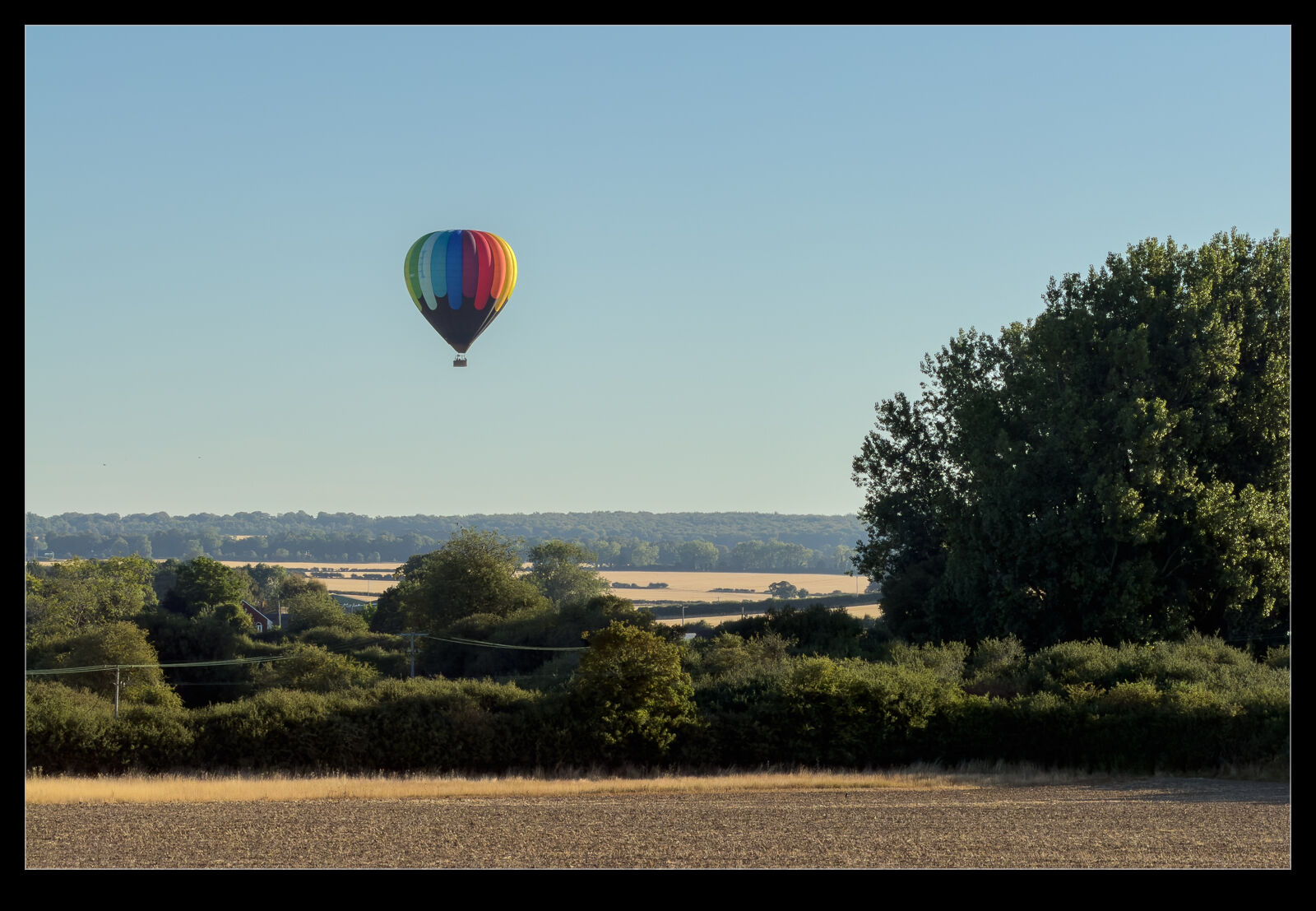
When the work schedule allows, I am making the most of the early light to get some bike riding done. When the weather is at its hottest, this is also the best time of day to ride anyway. It is a very peaceful time to be out in country lanes with very little traffic and plenty of wildlife. I was riding along one morning when I saw a hot air balloon off in the distance. Balloon rides are popular in our area, so this isn’t that surprising.
I then lost site of the balloon as I headed north for a while. As I got towards the northern part of my route, I briefly spotted the balloon again through the trees but then it was gone again. I wondered whether it would appear again as I started south but I couldn’t see it because the roads have tree cover on the side that might have offered a view. I gradually lost interest as I figured it had either landed or our routes had diverged again.
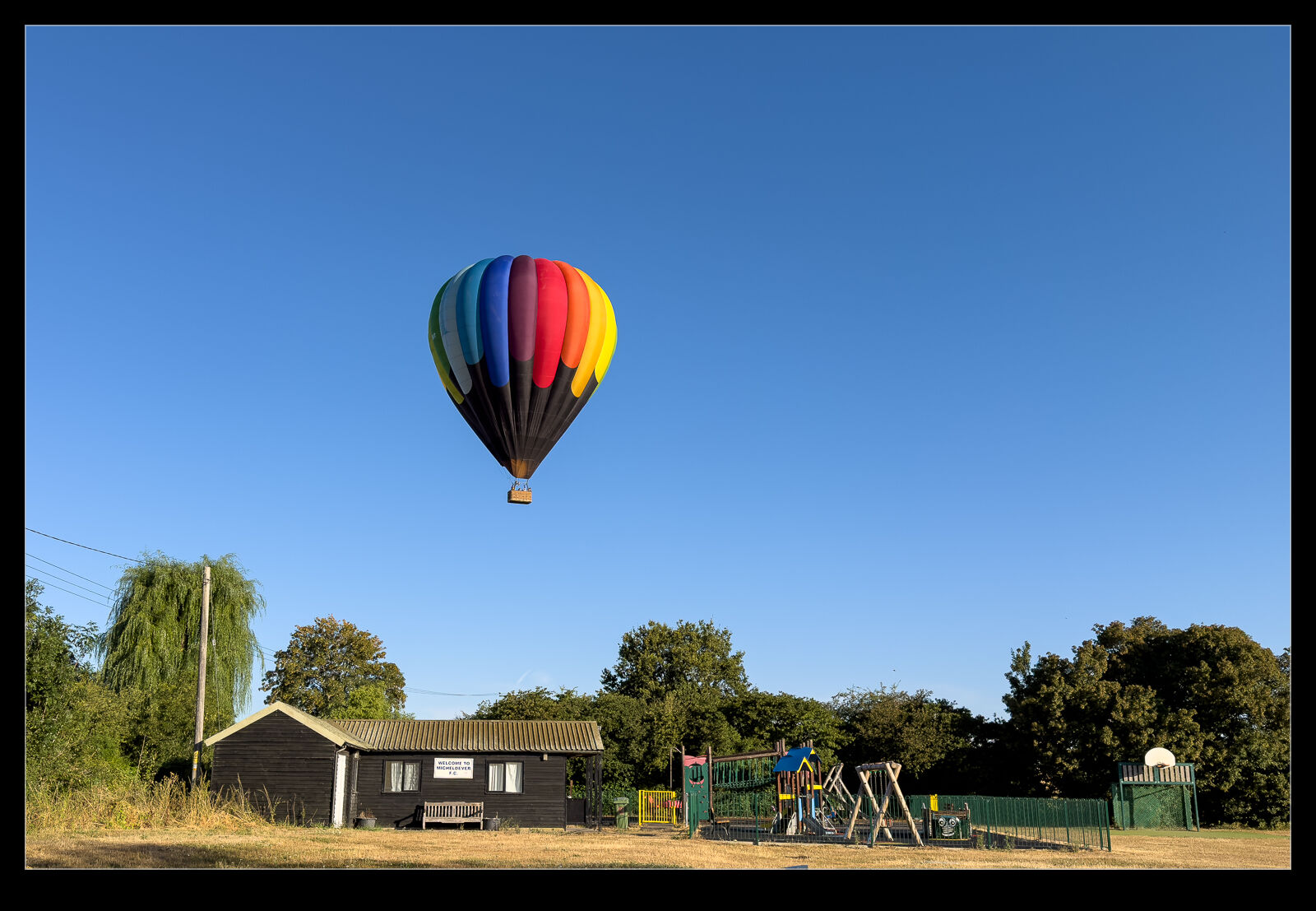
As I came through Micheldever, a Land Rover van came in the opposite direction towing a trailer. This was clearly the recovery team heading north. I thought I had my confirmation that they had landed somewhere I had already passed. Turning out of Micheldever, I was riding across the rolling hills towards Stoke Charity when I saw the balloon north of me and quite low to the ground. I stopped and watched it for a while. It was not coming right towards me but was heading slightly more to the east.
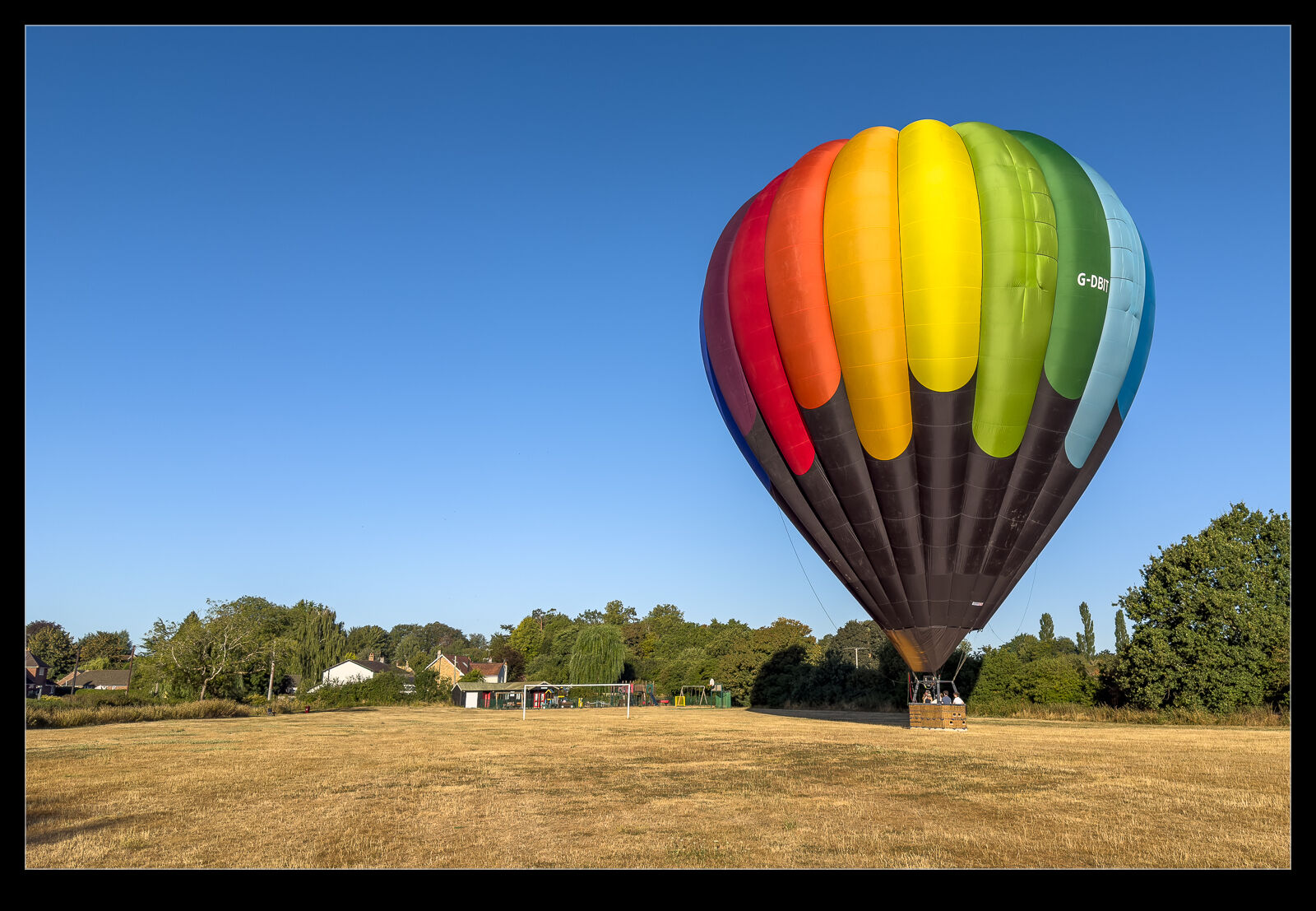
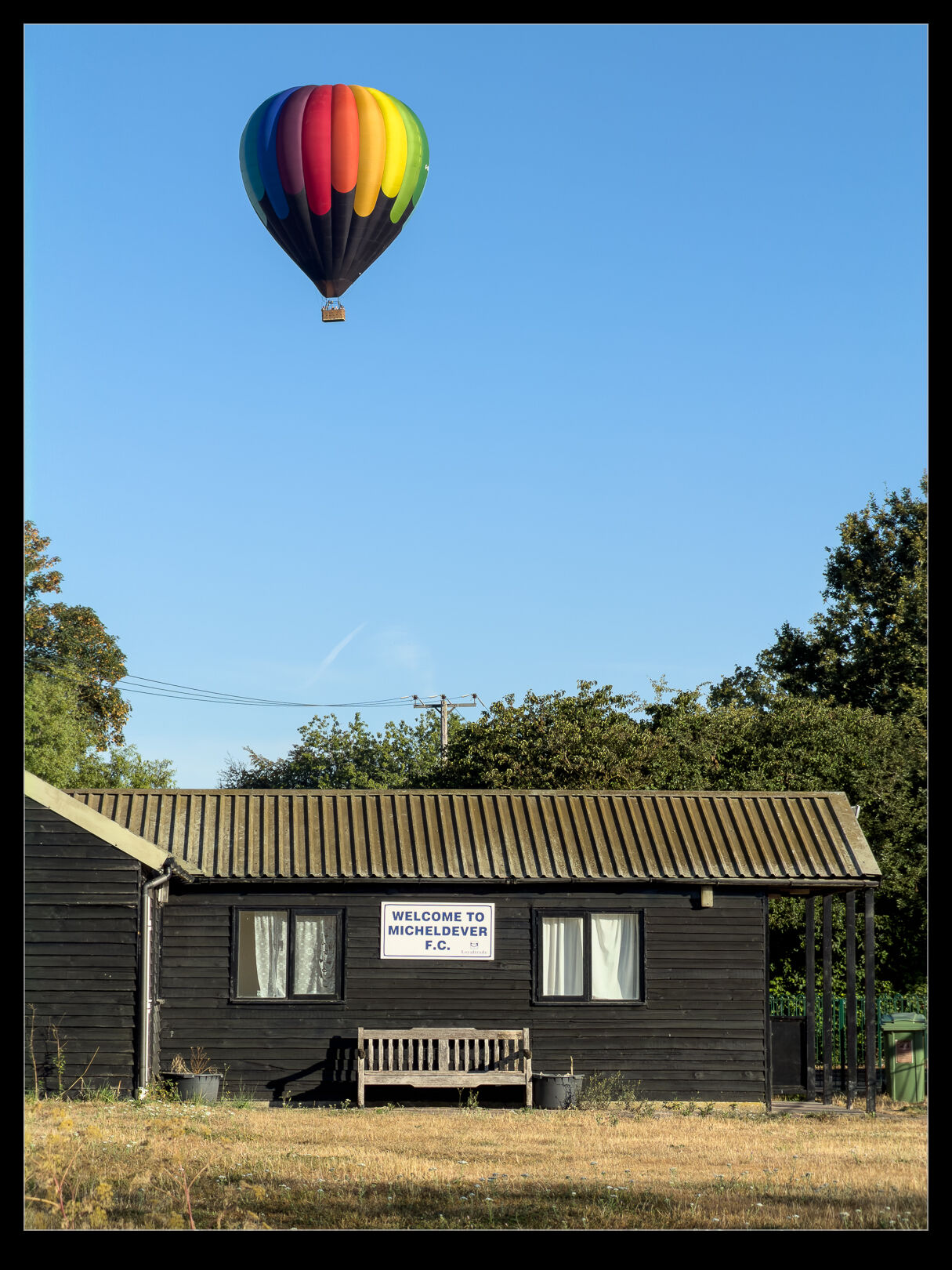
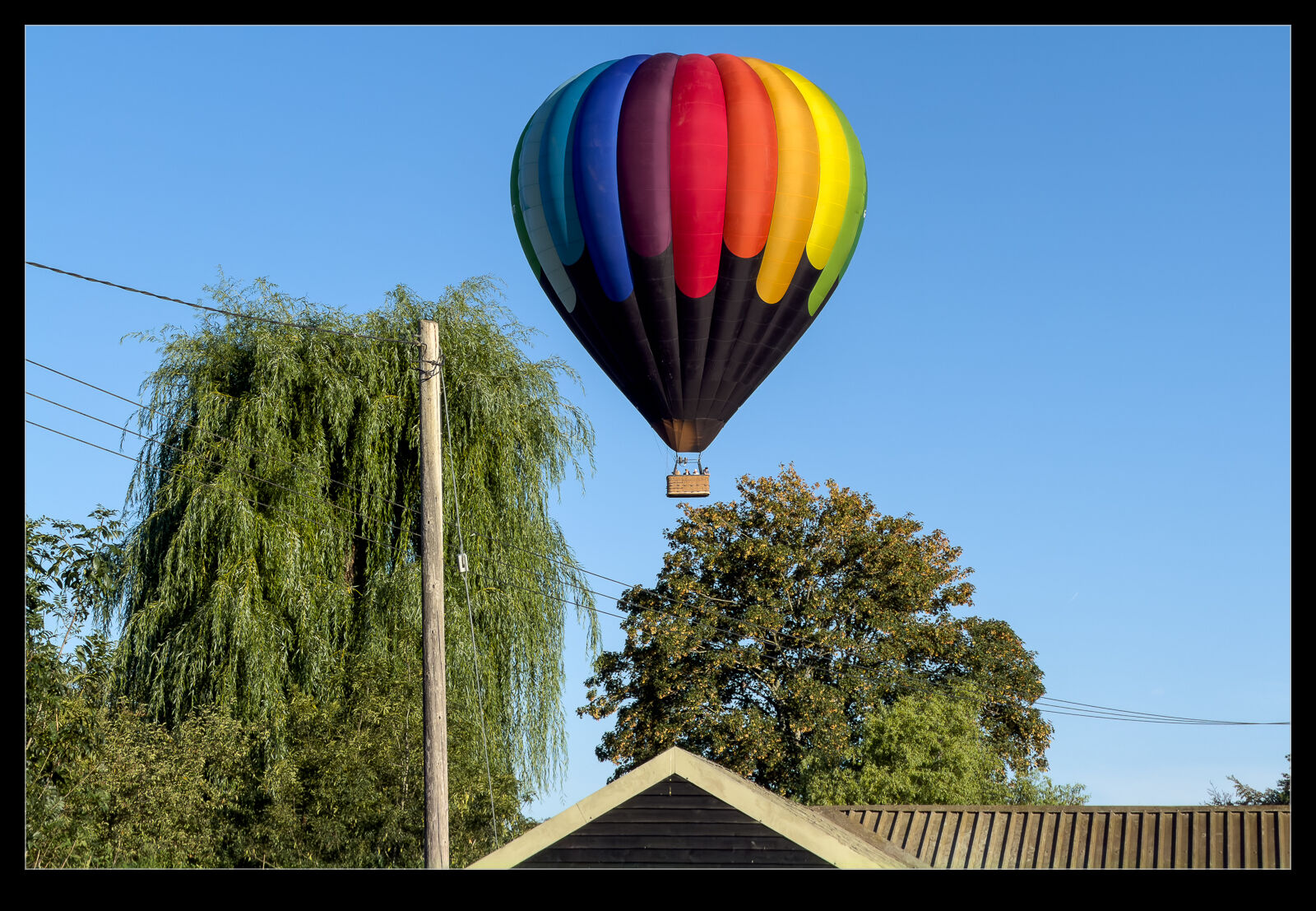
I was going to get moving again but then had a change of heart. I wasn’t under any time pressure to finish the ride since it was still really early. I turned around and rode back to Micheldever. I don’t know the village well having always ridden through it on one road. I went the other way with the hope that some sort of open space would show up. Sure enough, I came to a football field and the balloon was coming straight towards me. I stopped and waited to see where it would go next.
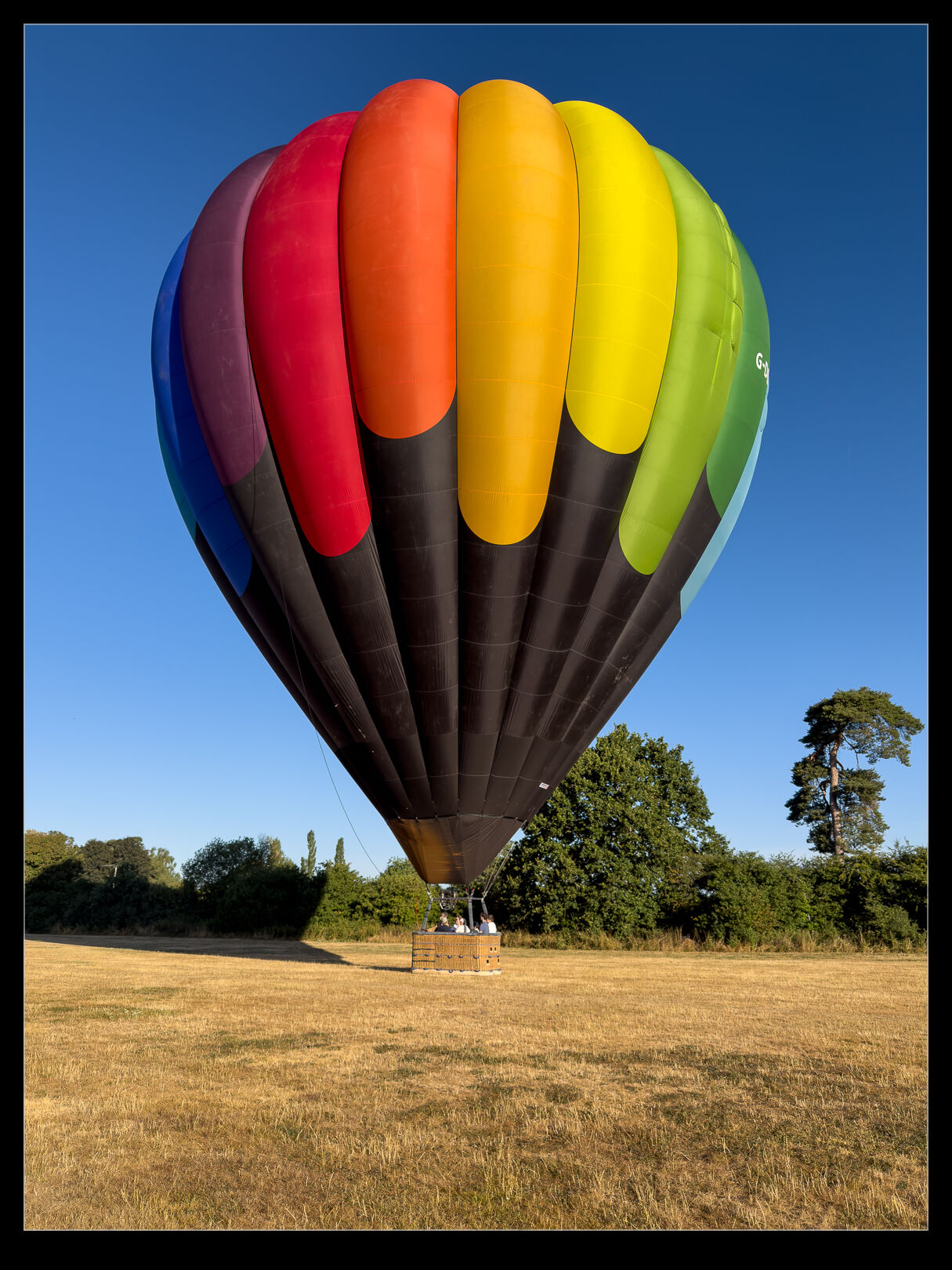
Turns out that they were planning on landing in the field I had just made it to. They delicately descended to the ground with a couple of minor skips as they touched down and then settled. When I have seen balloons in the past the crews got very tetchy if you got to close. In this case they kept the balloon inflated and just sat there. I rode onto the field and around while keeping a safe distance. However, they were more than happy to chat as I got closer. I spoke to them briefly and then decided I really ought to continue my ride.
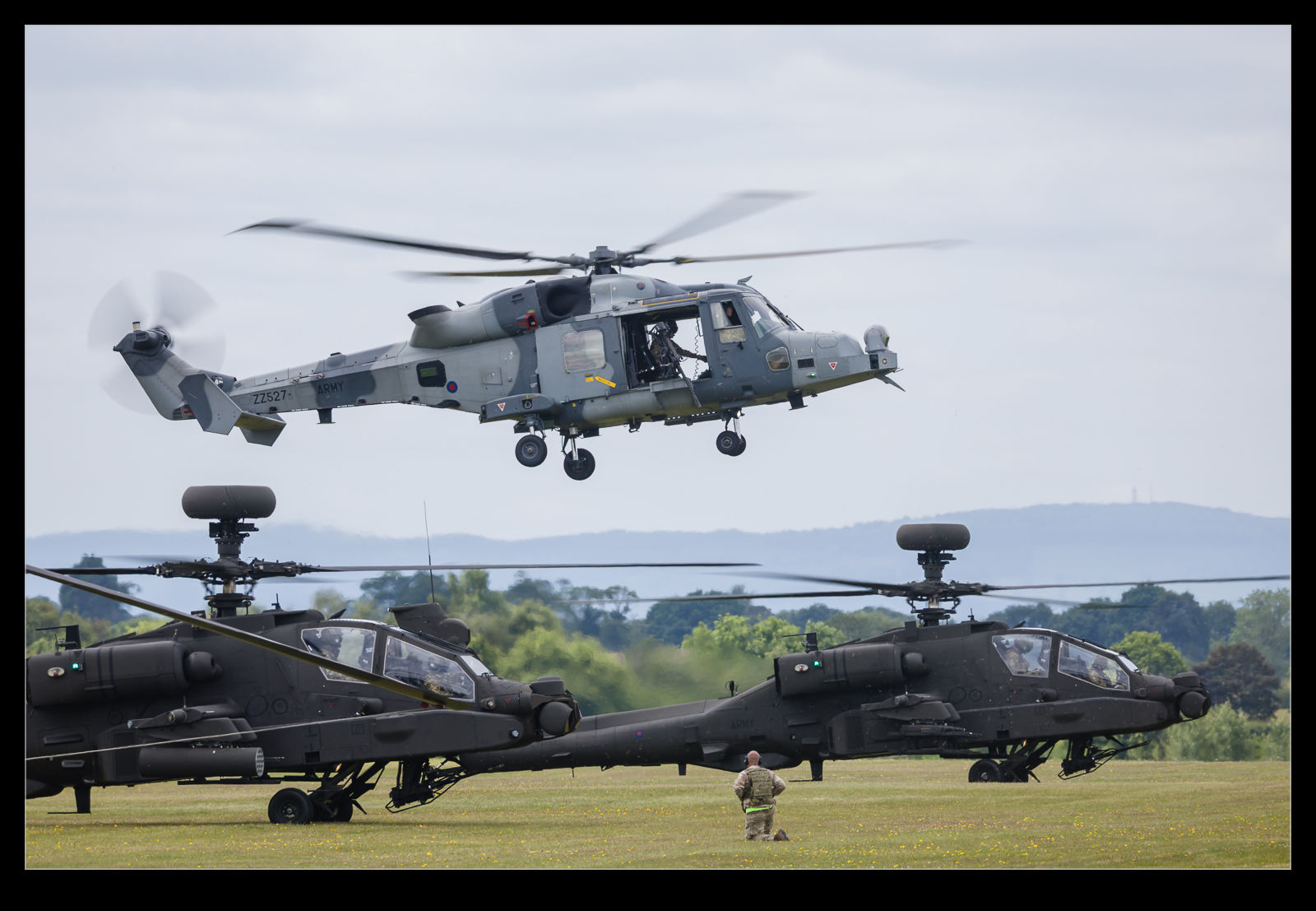
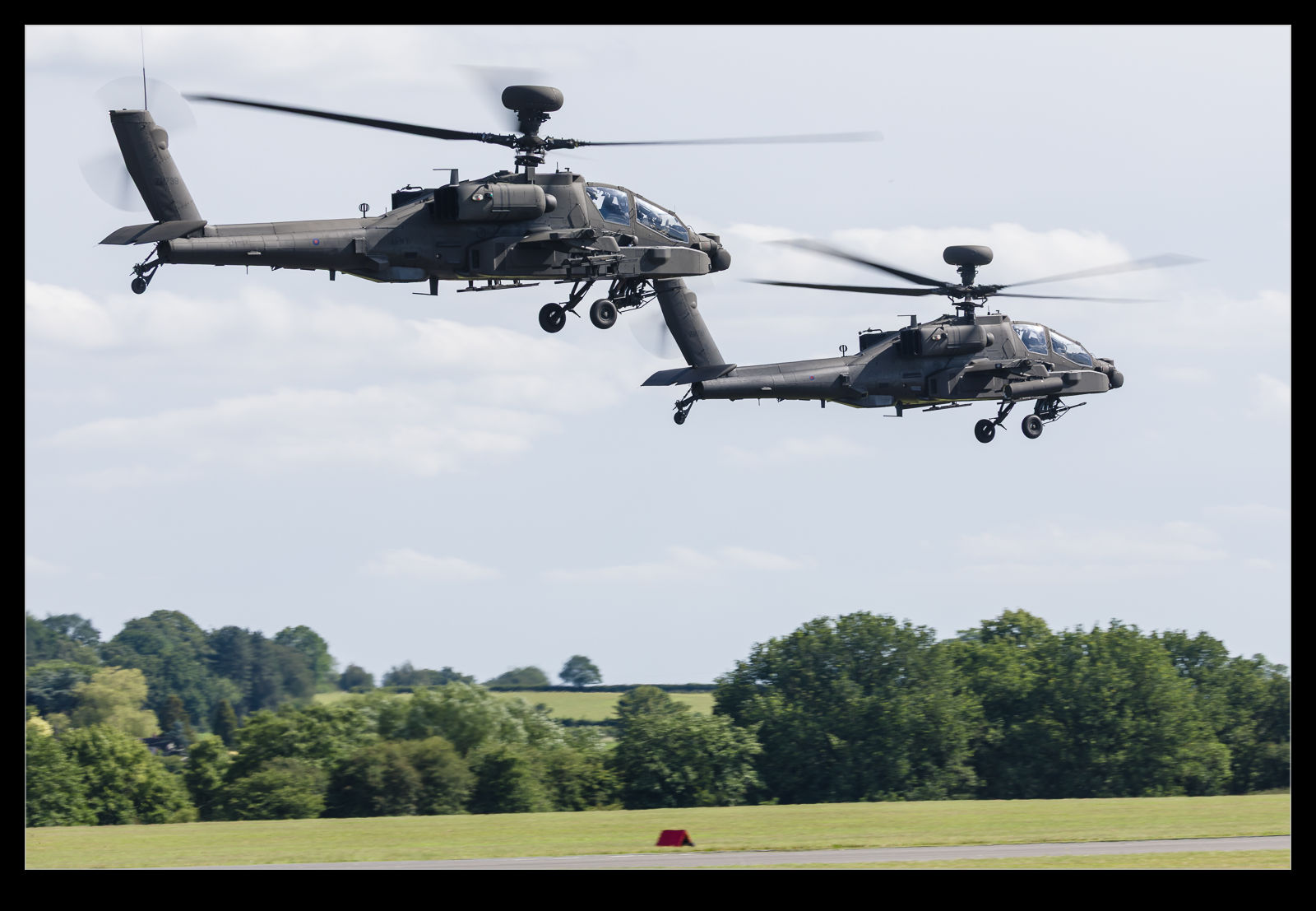
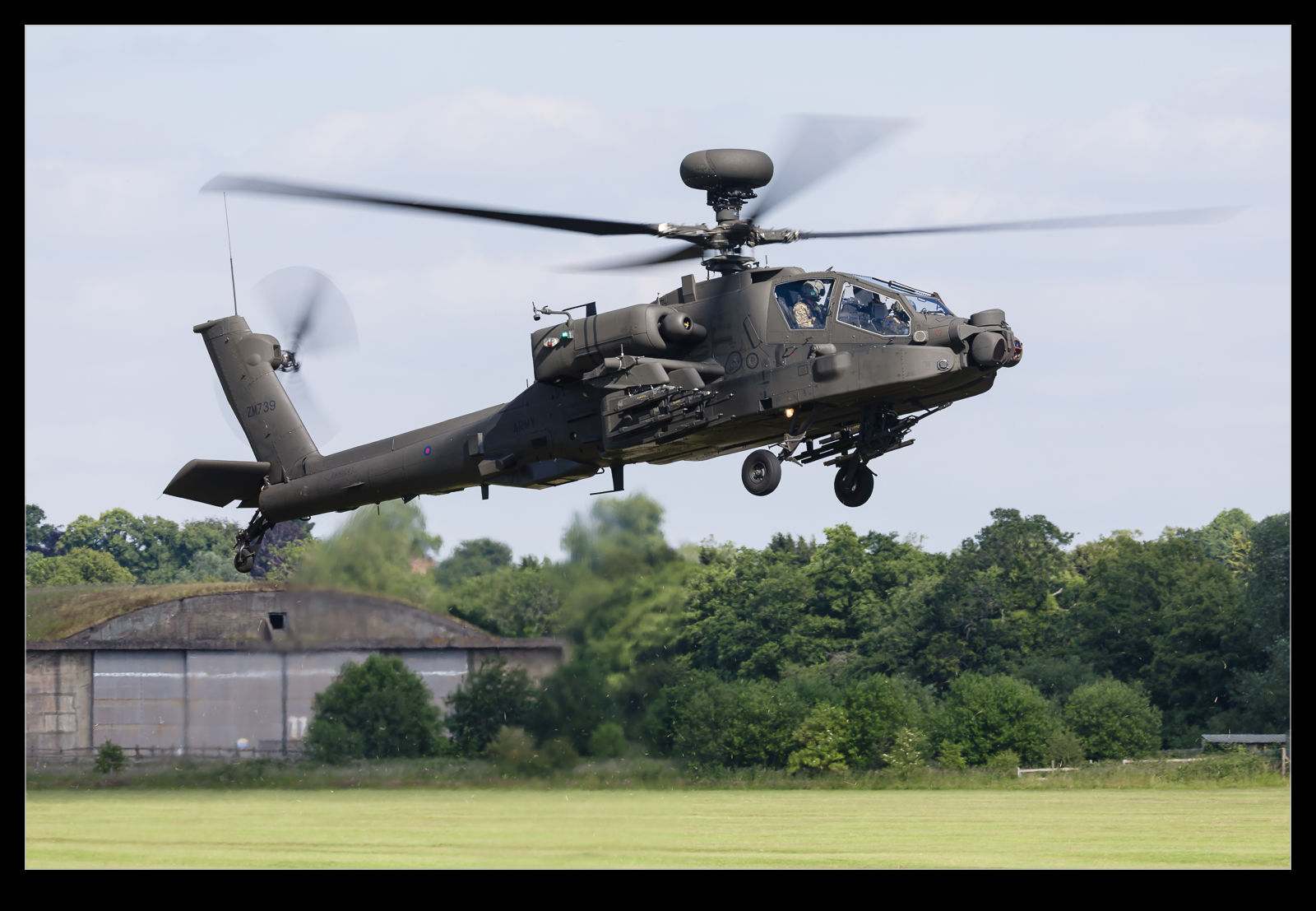
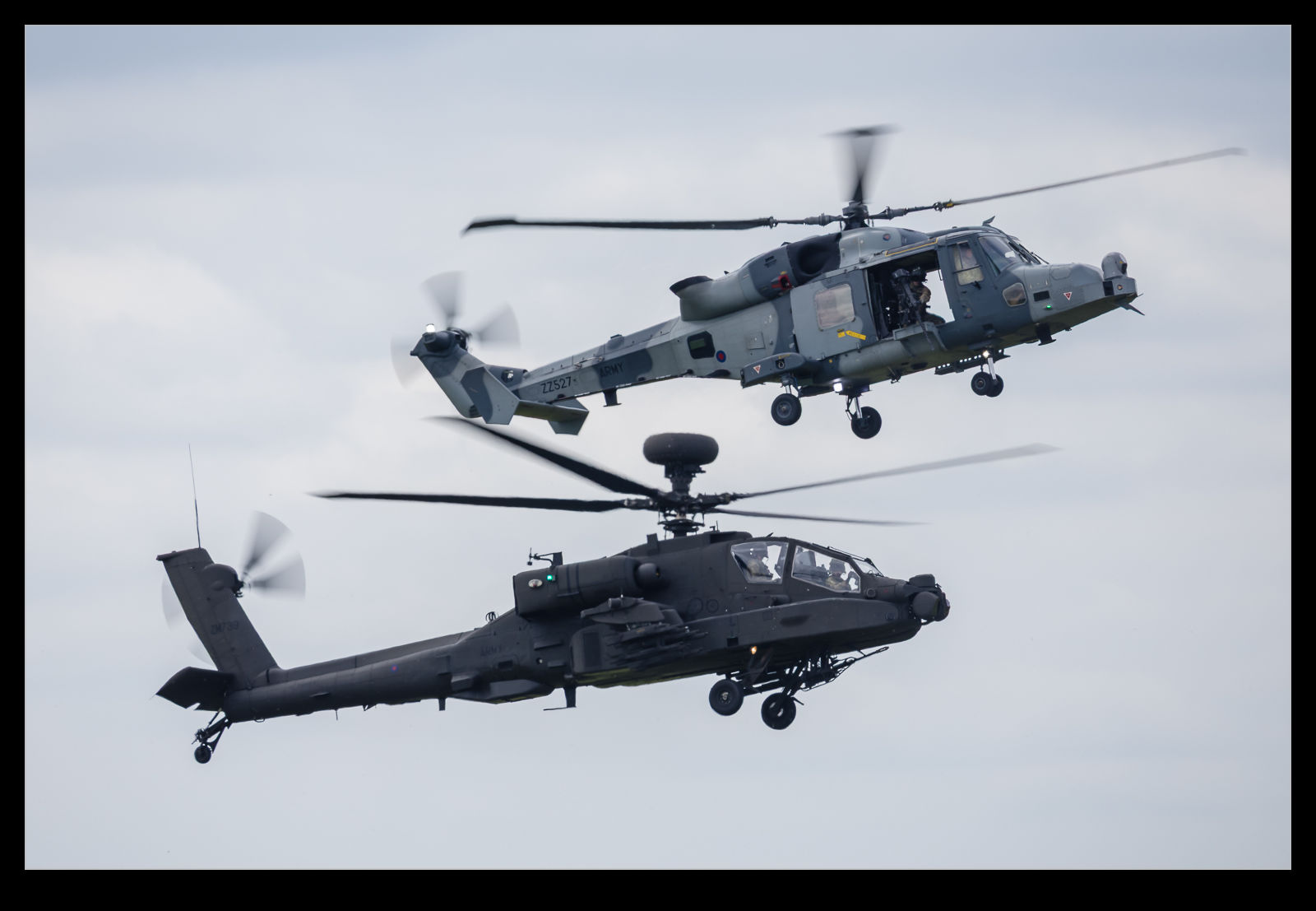
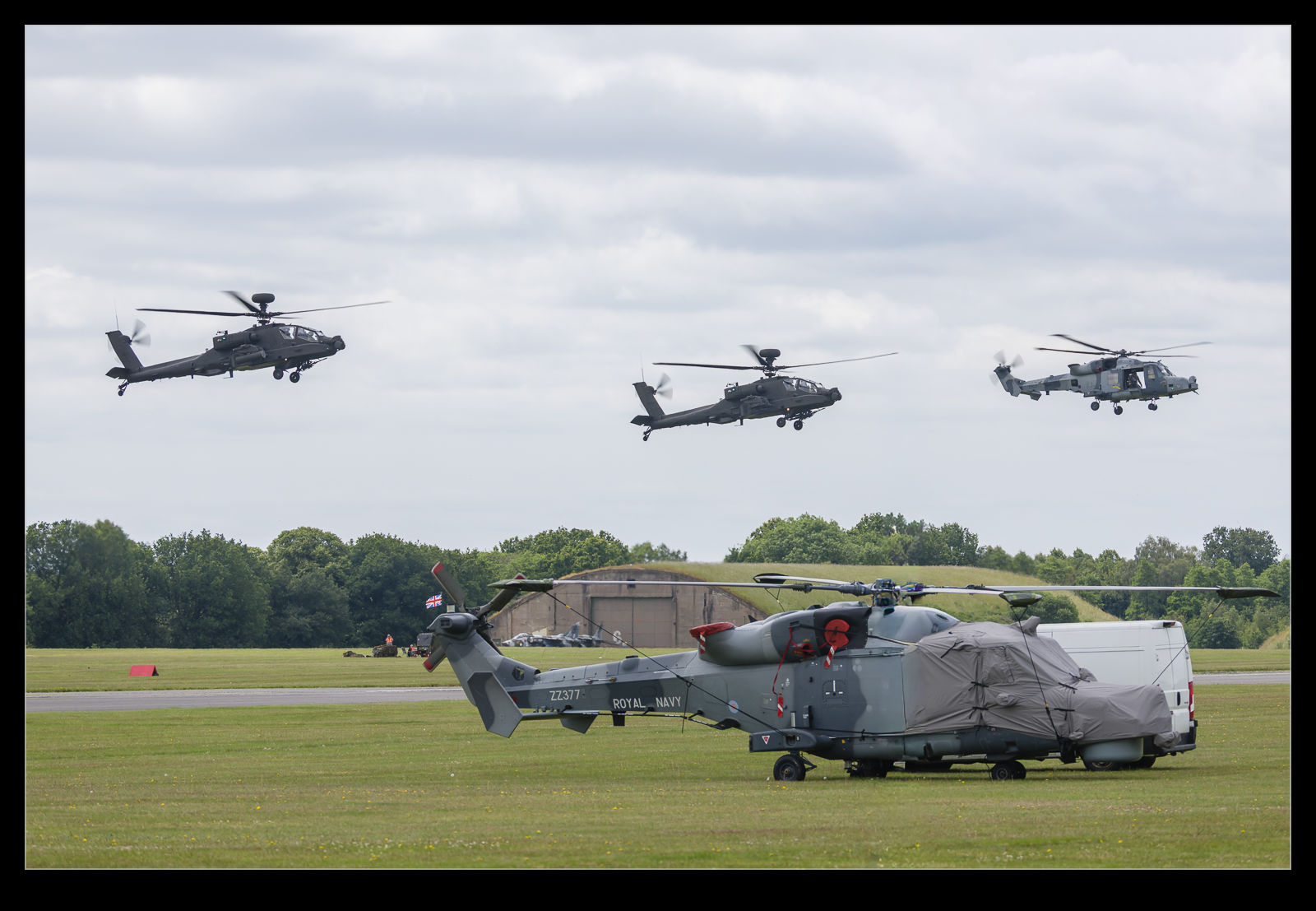
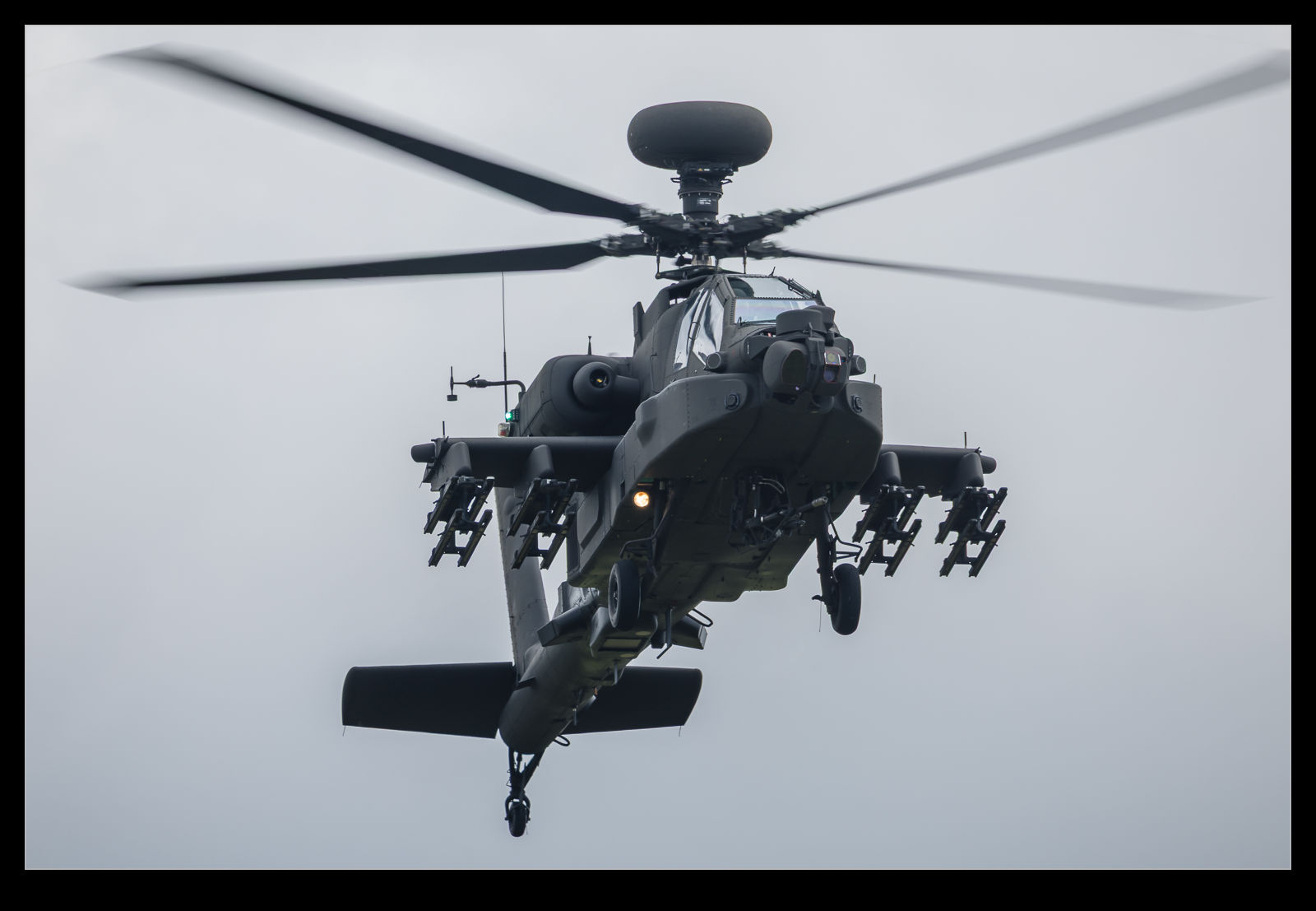
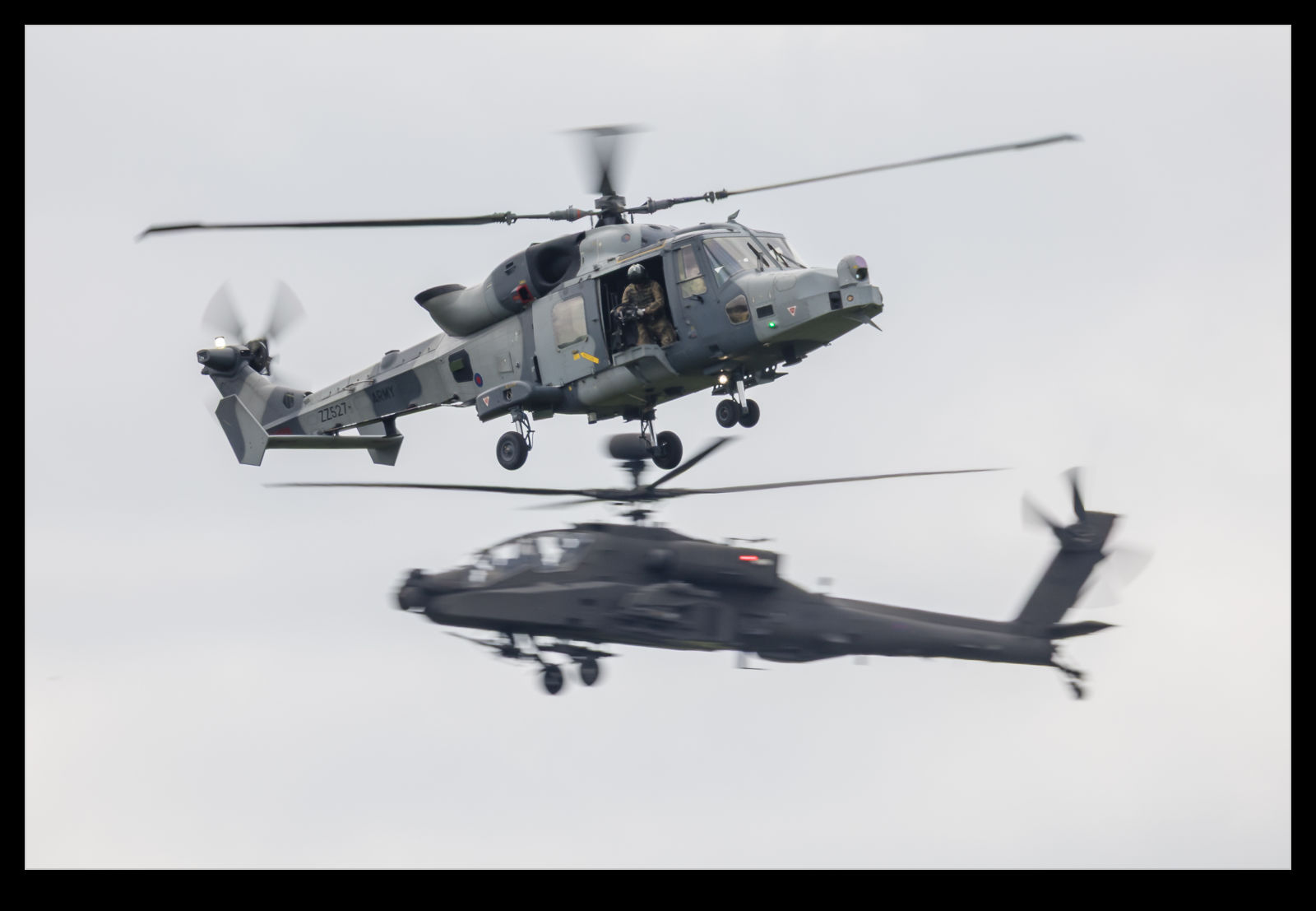
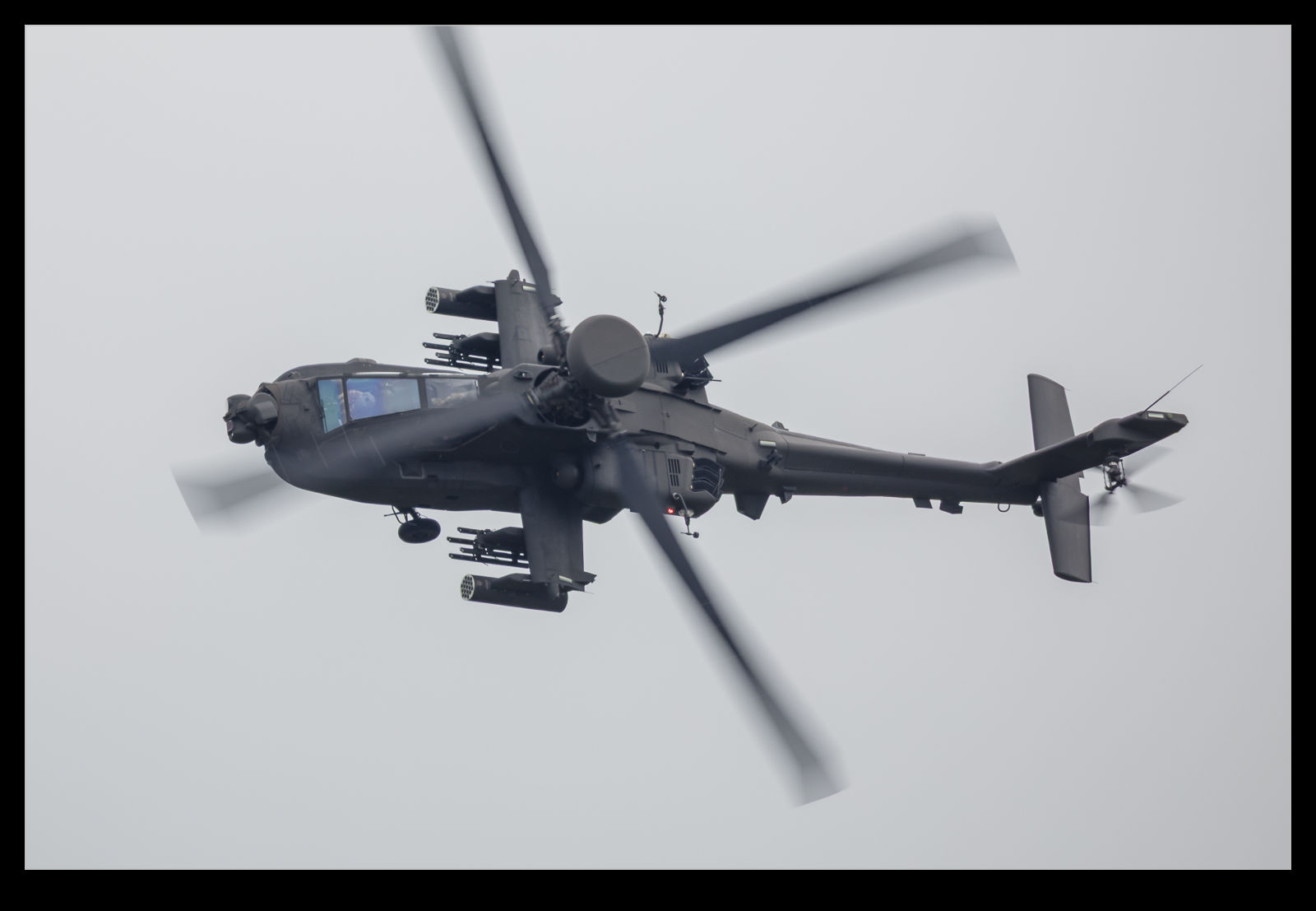
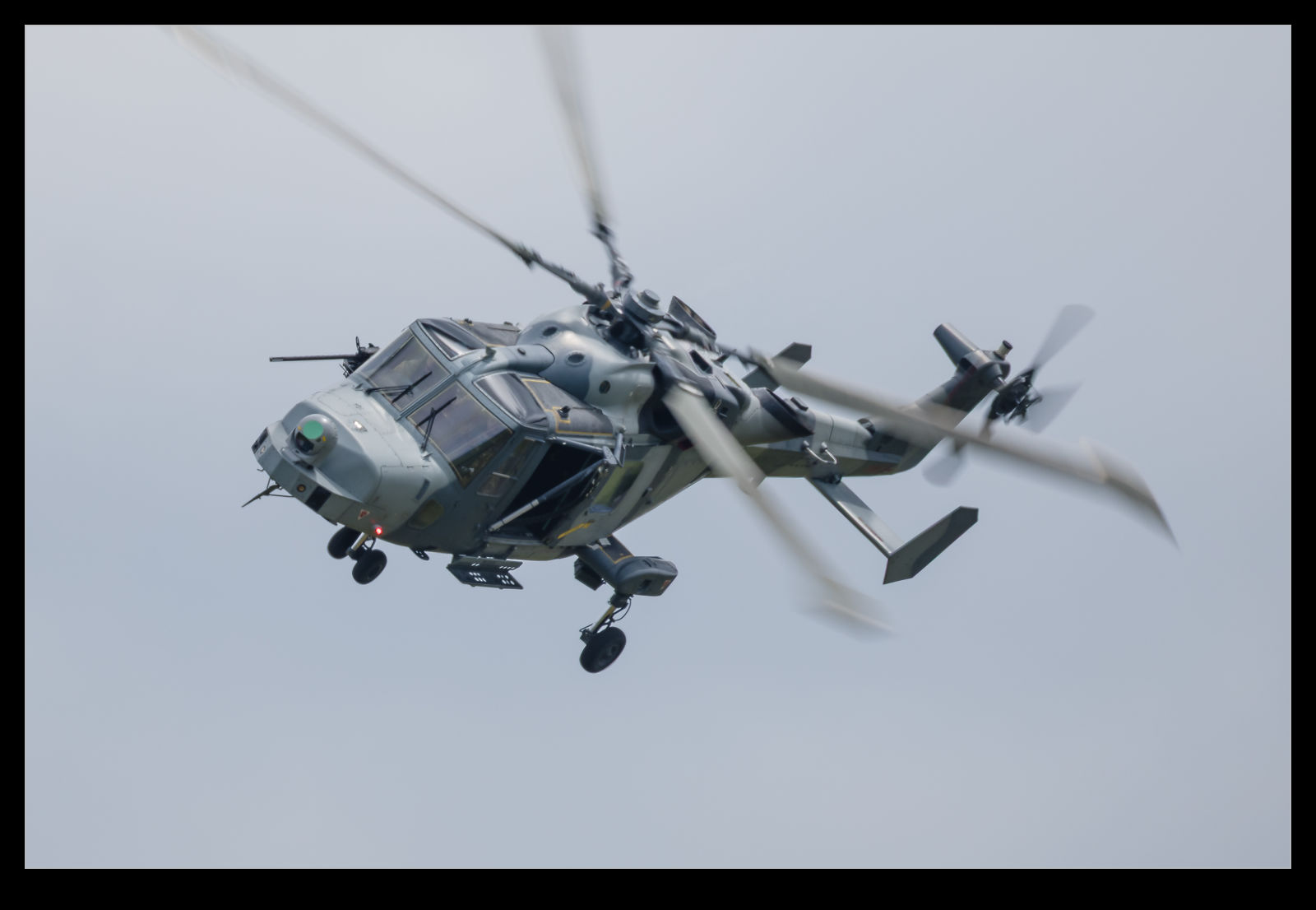
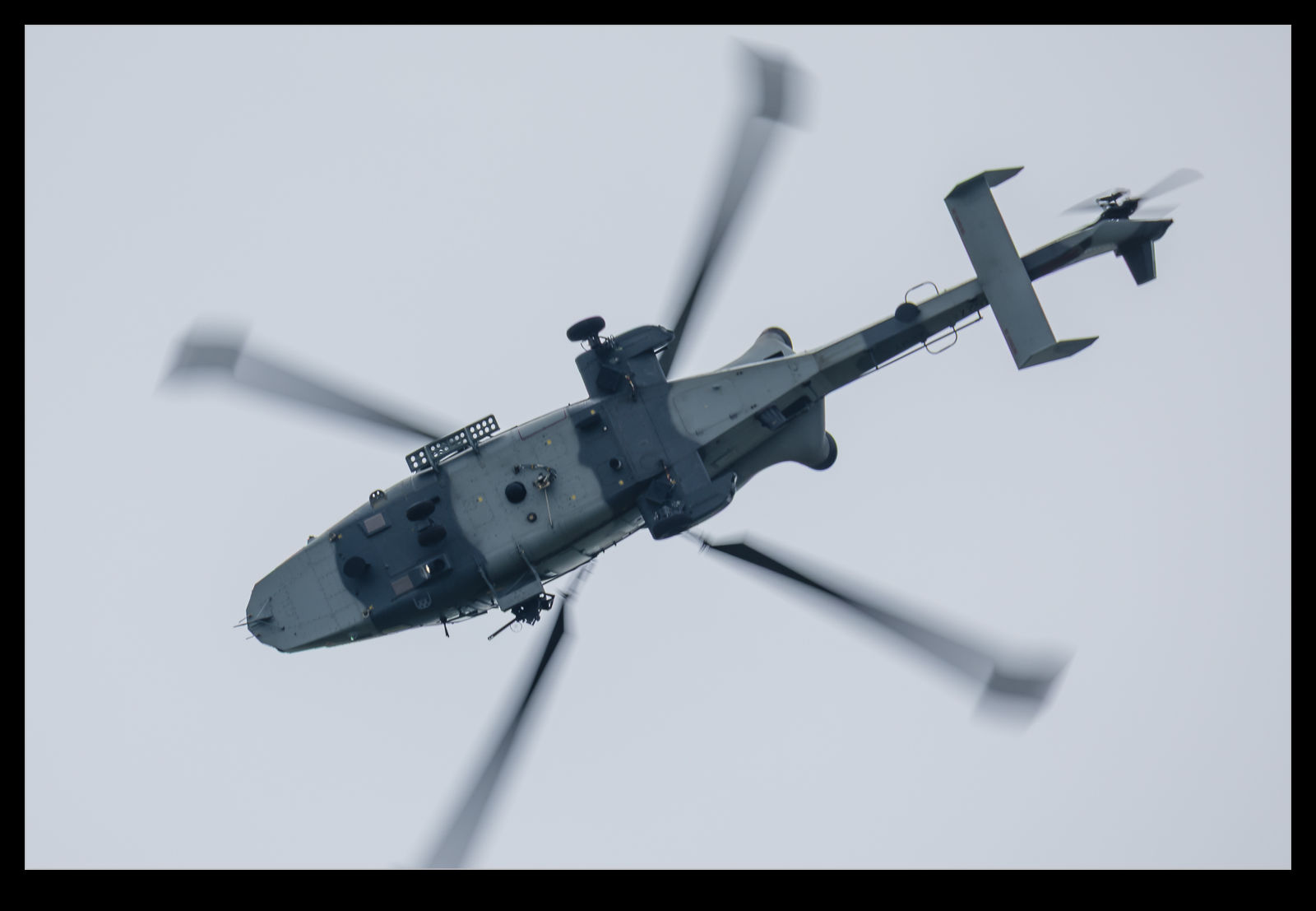
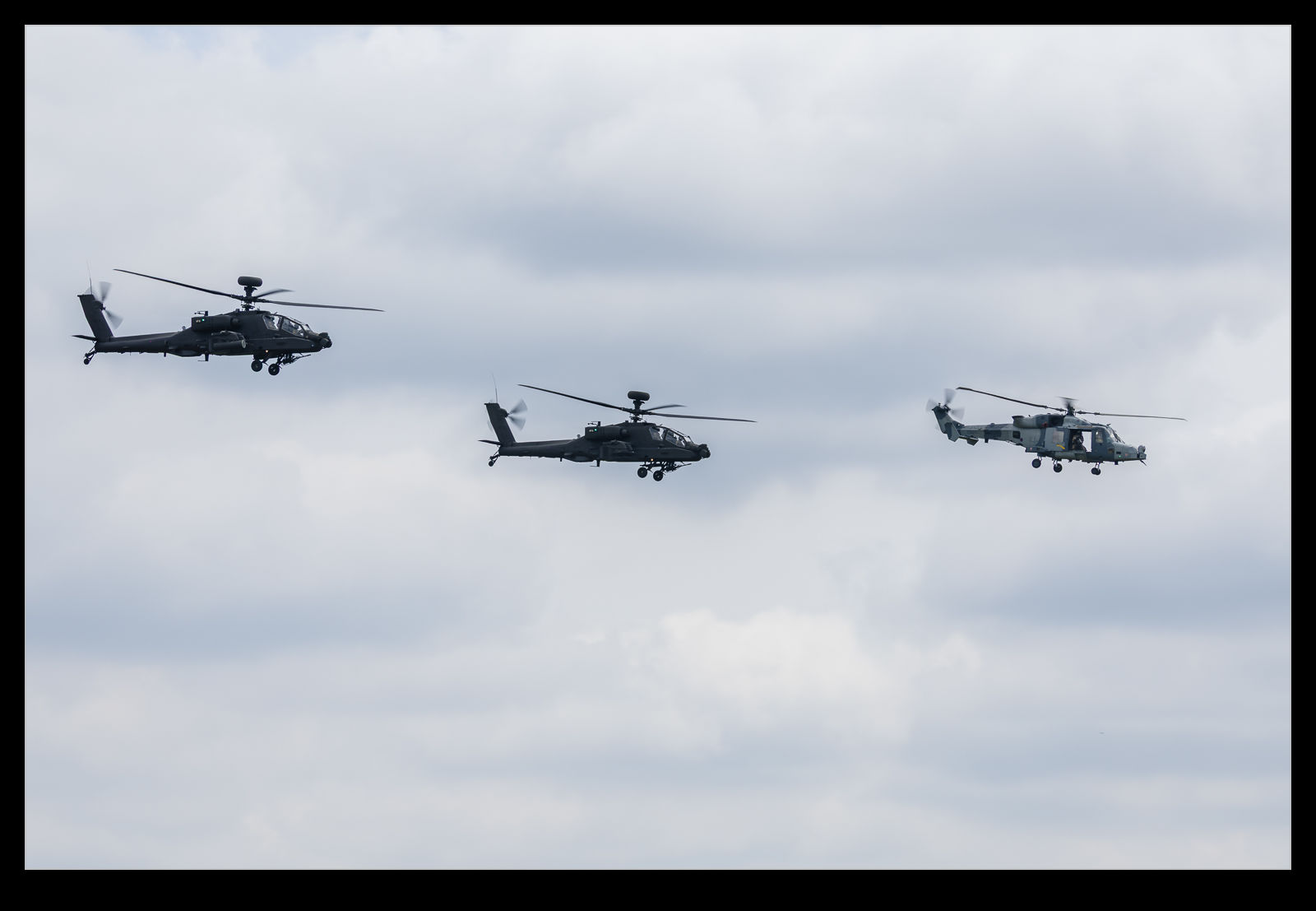
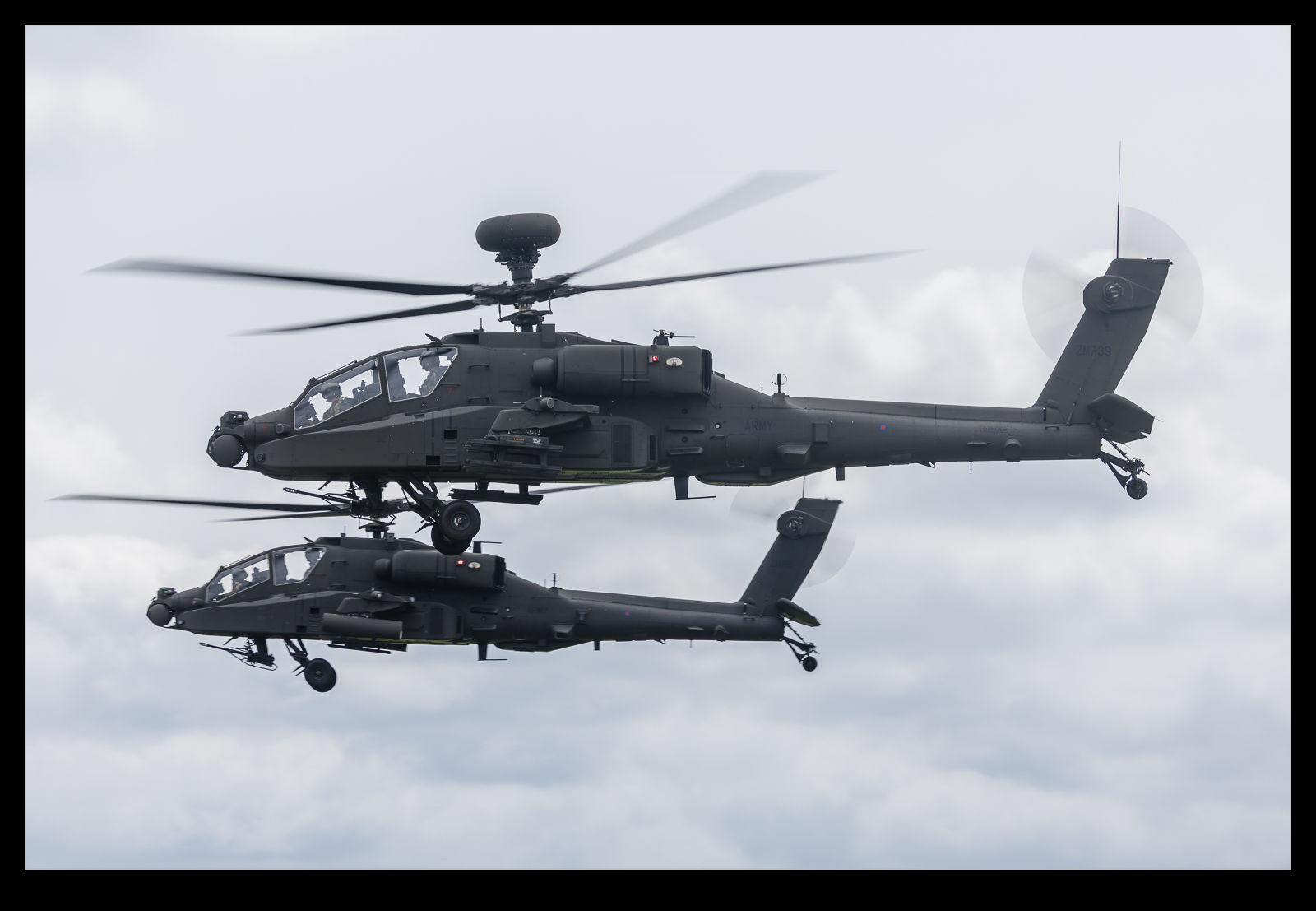
One of the teams taking part at the show at Cosford was the Blue Eagles. The Army Air Corps used to have a team called the Blue Eagles and I saw them on a number of occasions but, apparently, the name went away for a while. It has returned and the routine is a combination of a pair of Apaches and a single Wildcat. This was my first time seeing an Army Wildcat display and that might not happen much more since the recent defence review announced the=at they would be phased out.
The coordinated manoeuvres of the two Apaches combined with the Wildcat doing its own thing. It kept something in front of the crowd at all times. The Apache is such an impressive machine with a menacing air about it. Meanwhile, the Wildcat has inherited the agility of the Lynx and so was thrown around with some vigour. I was happy to watch them perform and liked the synchronisation that they put into the planning. It is a good demo of the Army’s aviation capabilities.
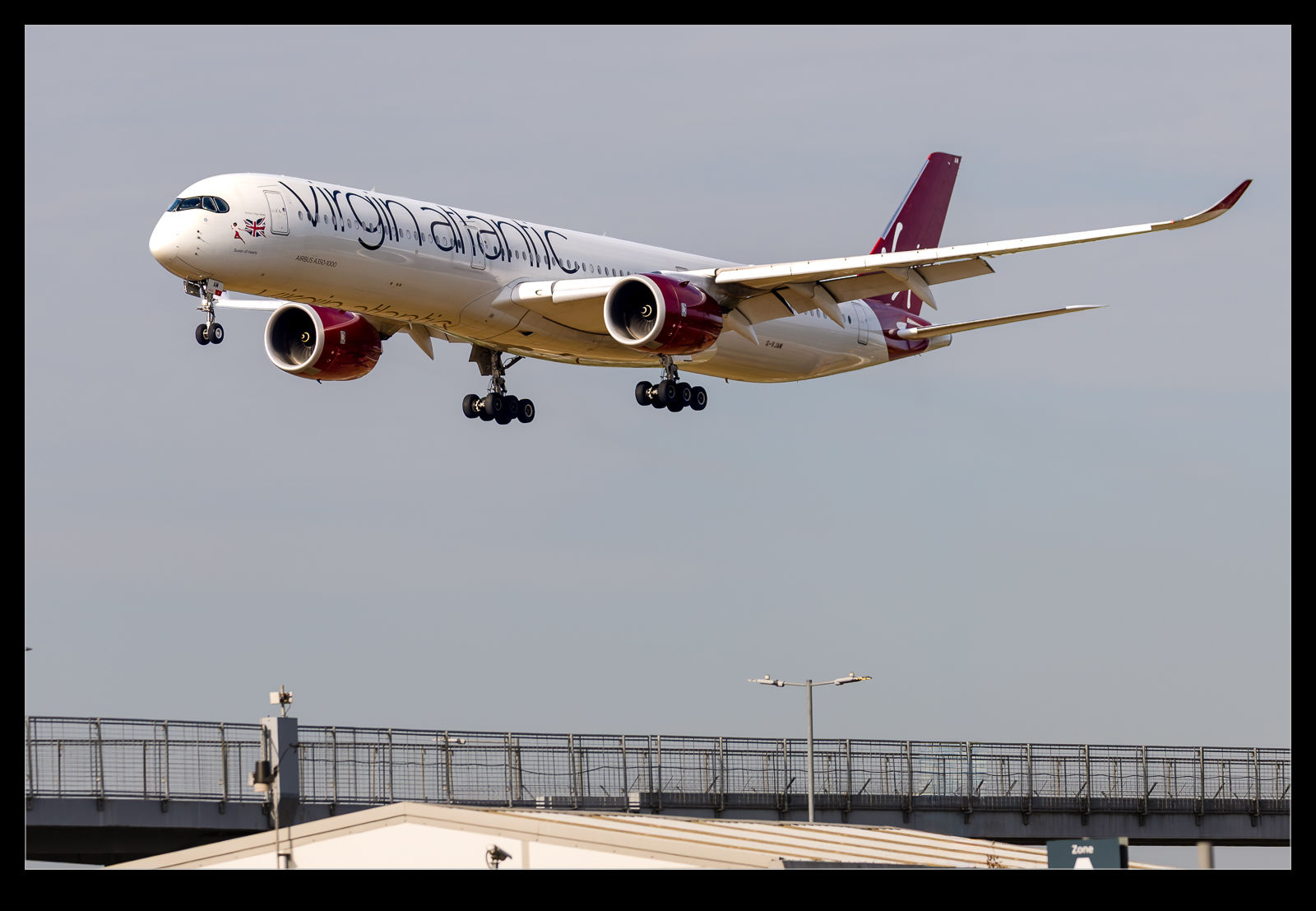
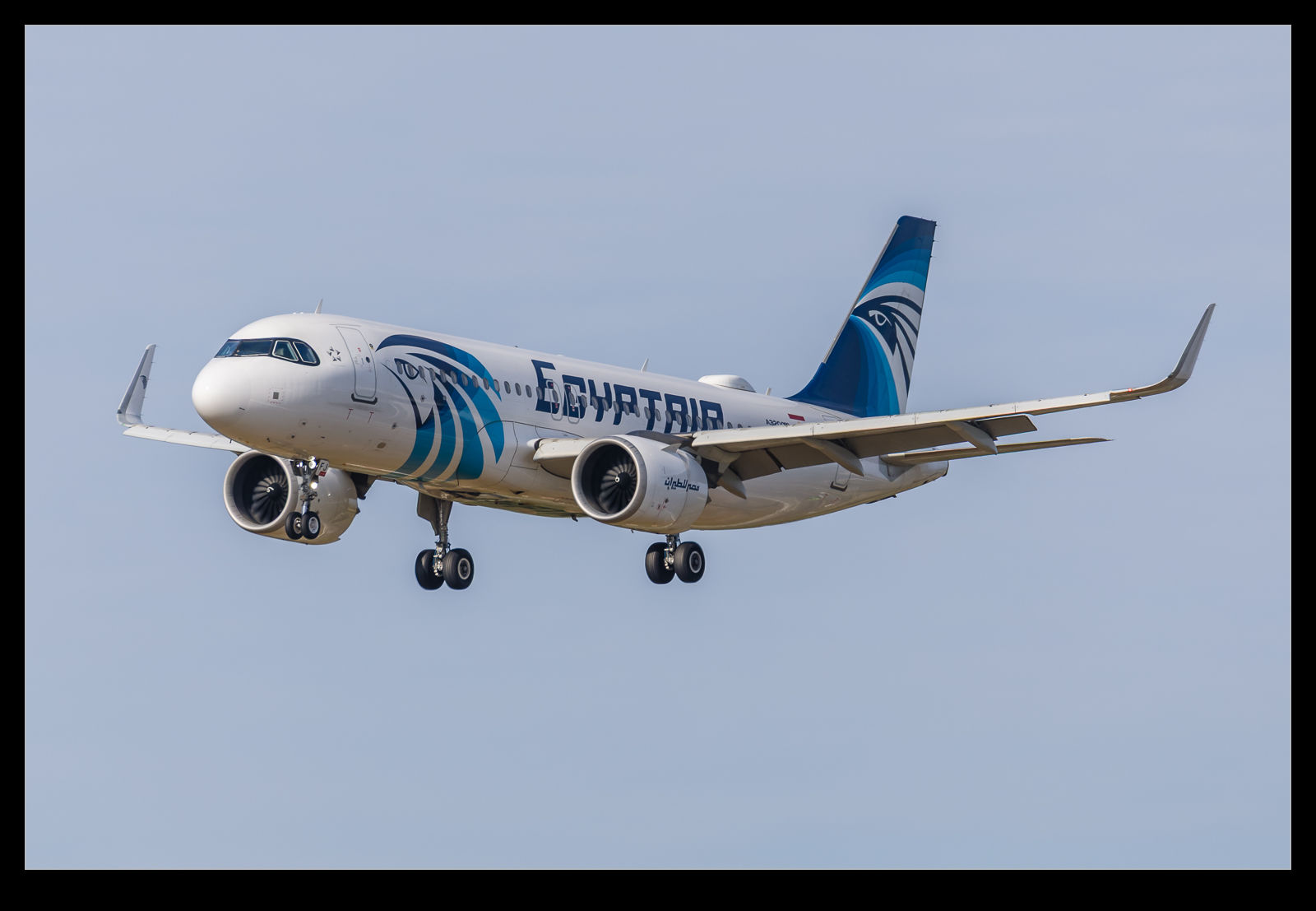
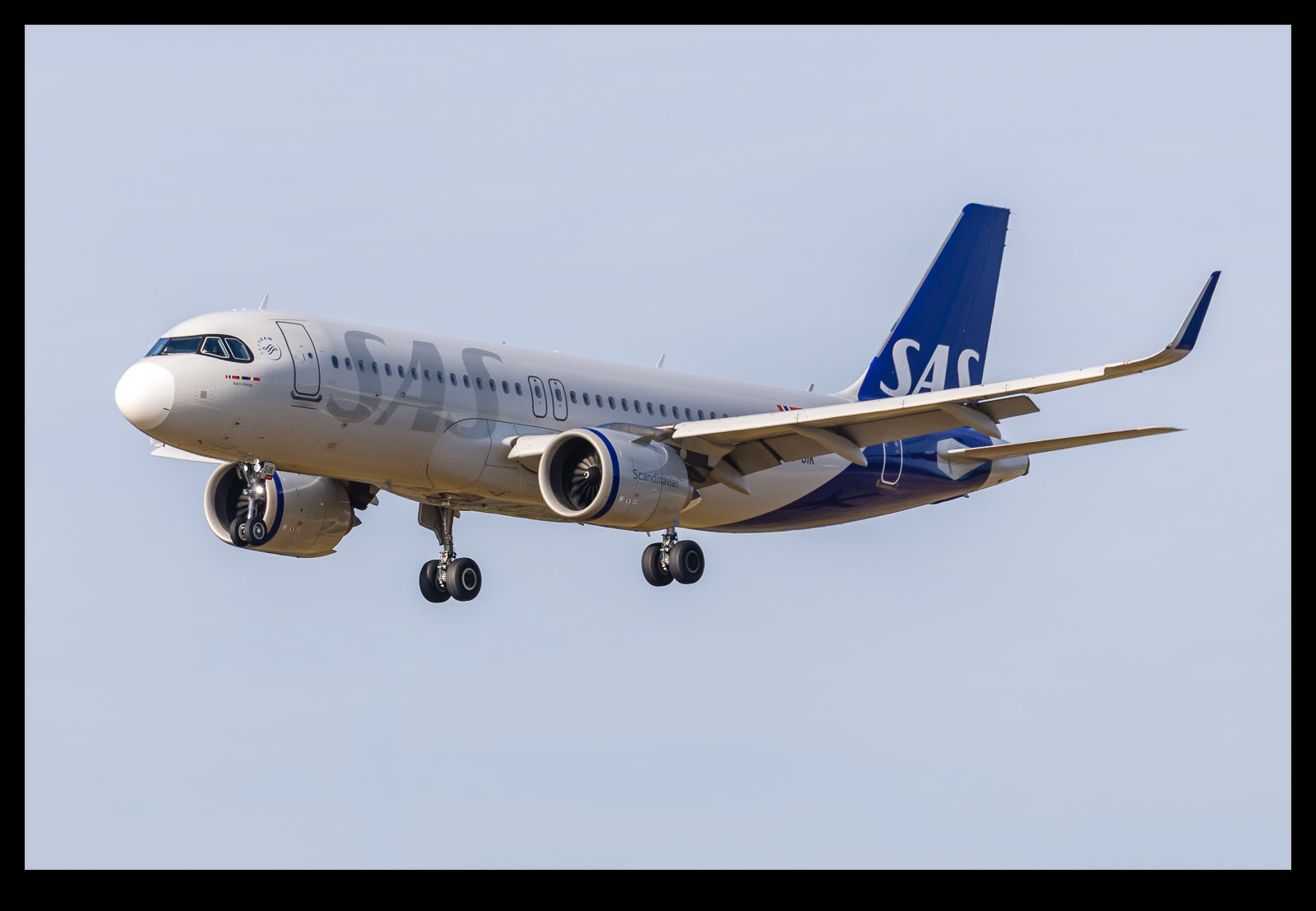
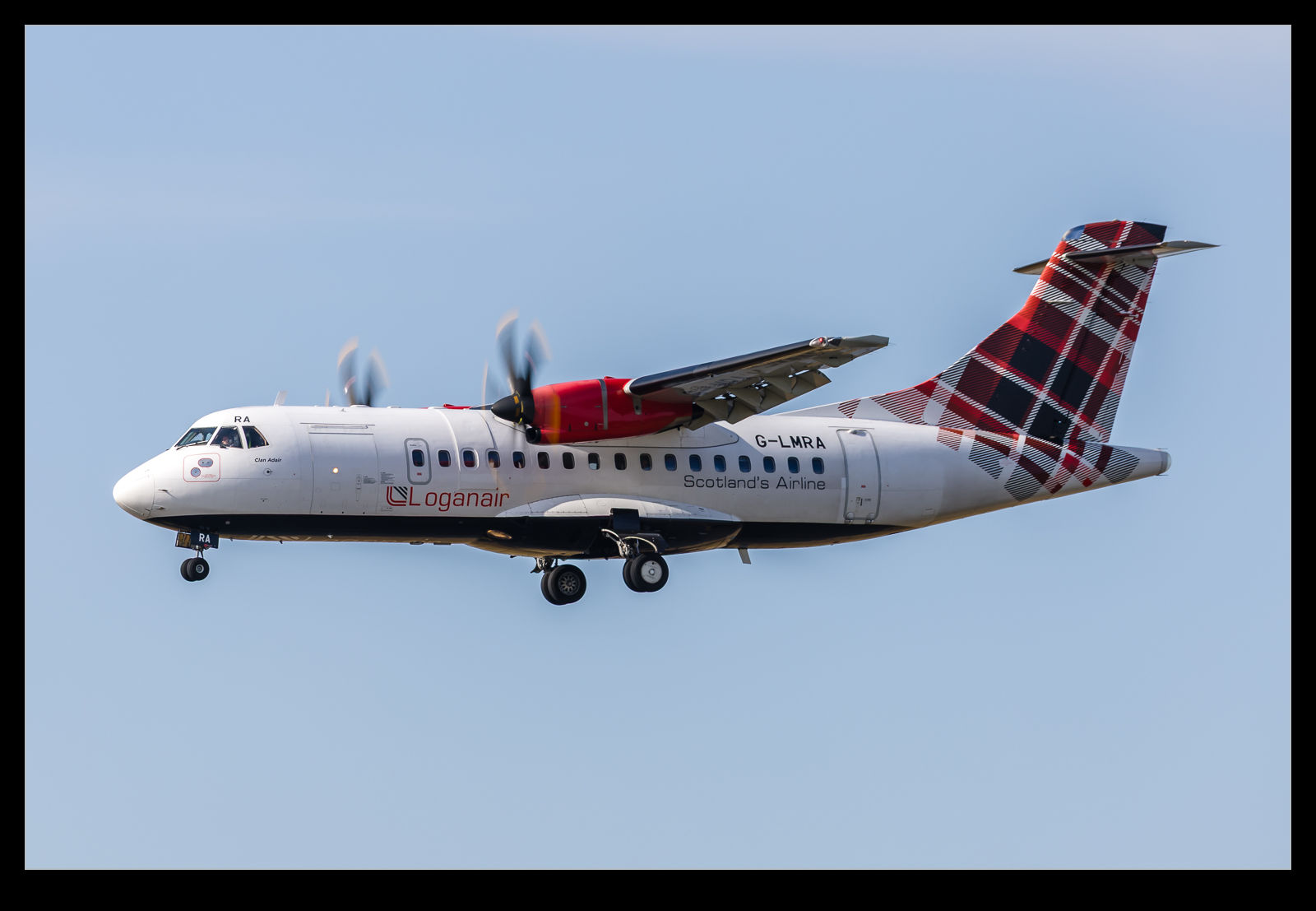
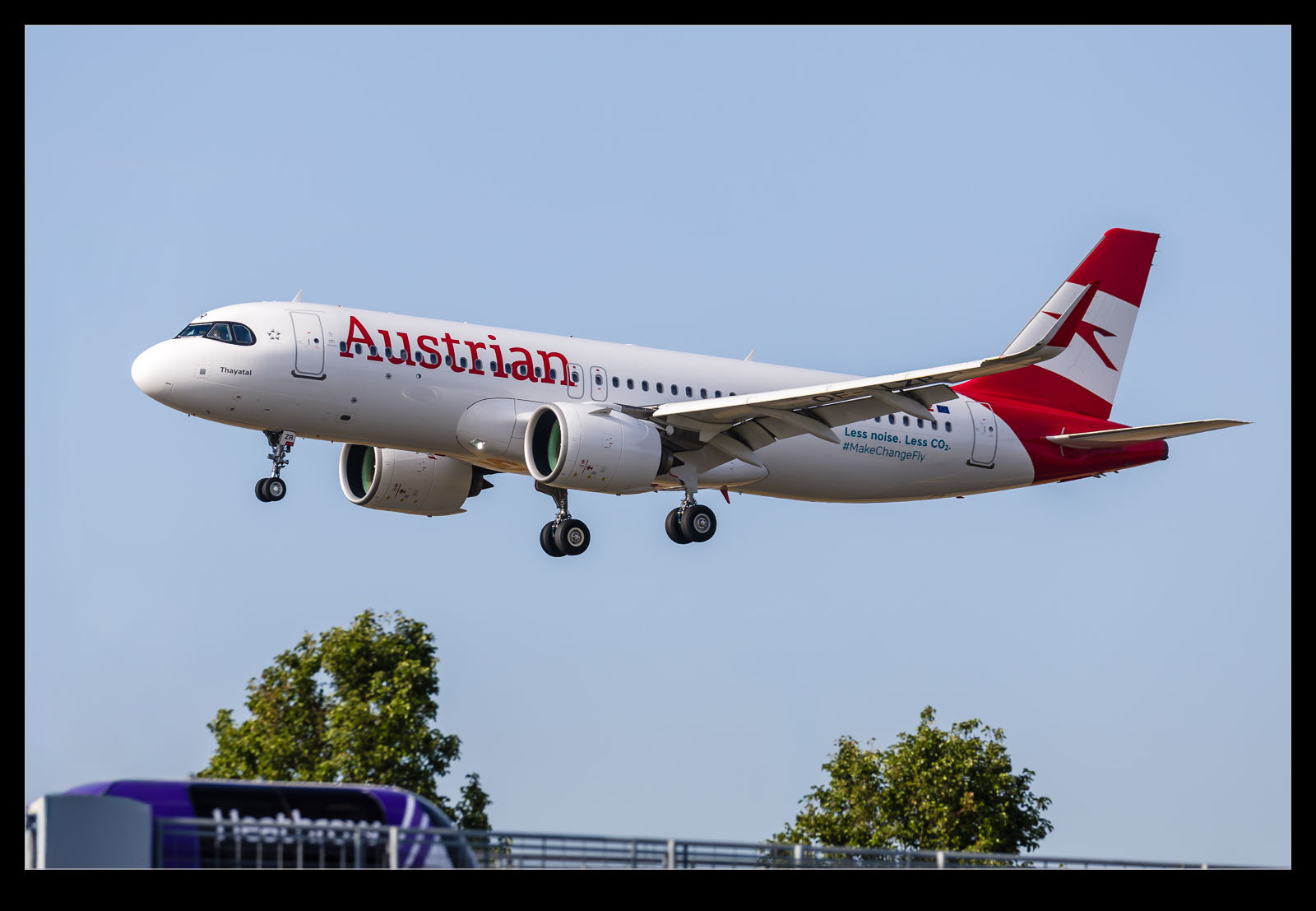
Another morning flight for a work trip meant another stop at the Pod Parking. Since the traffic had been light, I was there a little ahead of schedule so it would be rude not to get some shots of the arriving traffic on the northerly runway at Heathrow. Had I been there at sunrise, the sun would have actually been right around on my side, but I was a little later in the morning, so it had come around on the nose.
A Virgin Atlantic A350-1000 was nice to have but I got some short haul types from across Europe. The really interesting surprise was a Loganair ATR42. There are lots of poles in the pod parking and they make getting an unobscured shot tricky. I will confess that some AI removal tools in Lightroom have been exploited to remove some of the distractions. I have not taken out anything that was actually over part of the airframe, even though that can actually work quite well. These are just tidied up to allow the airframe be the focus.
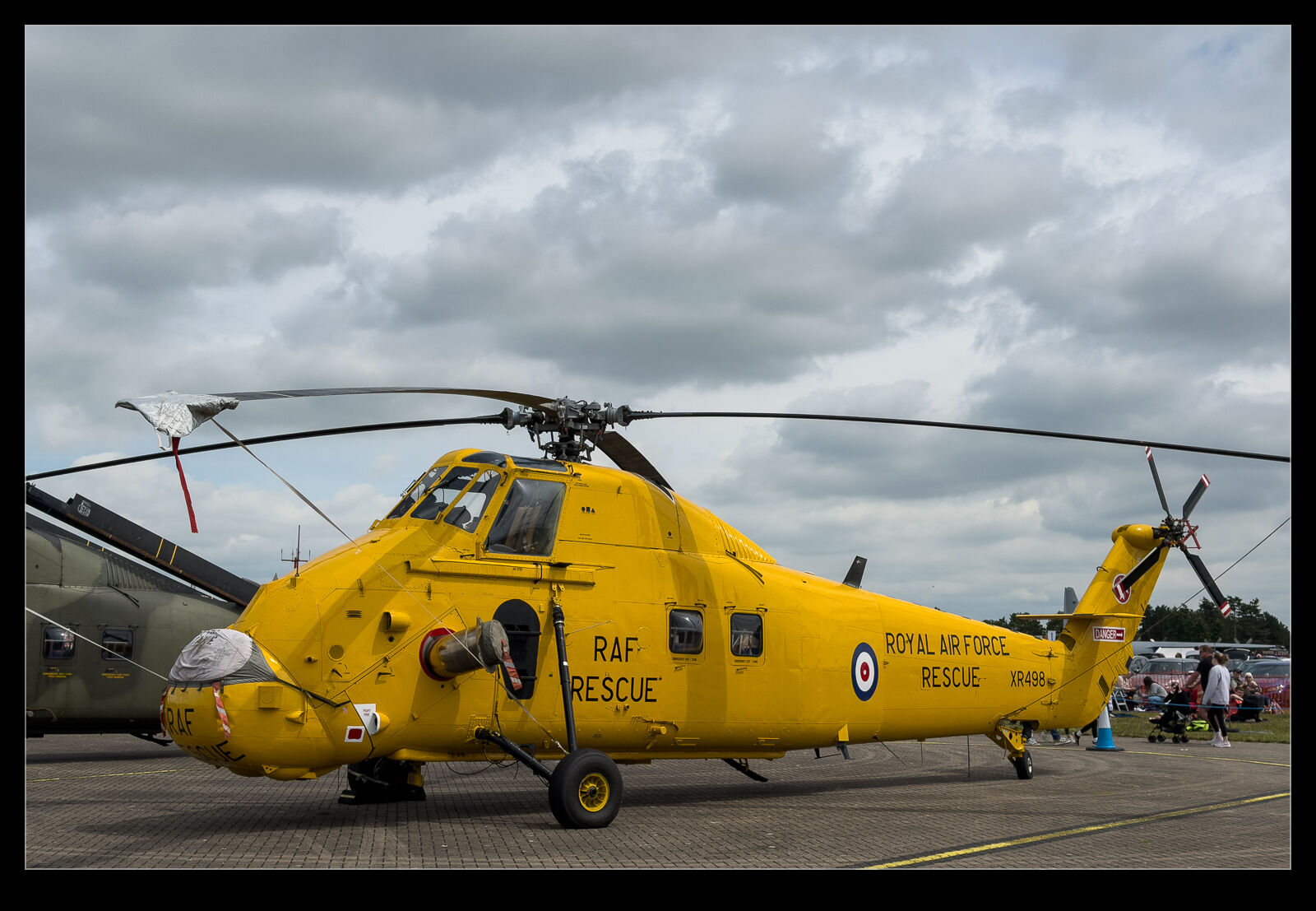
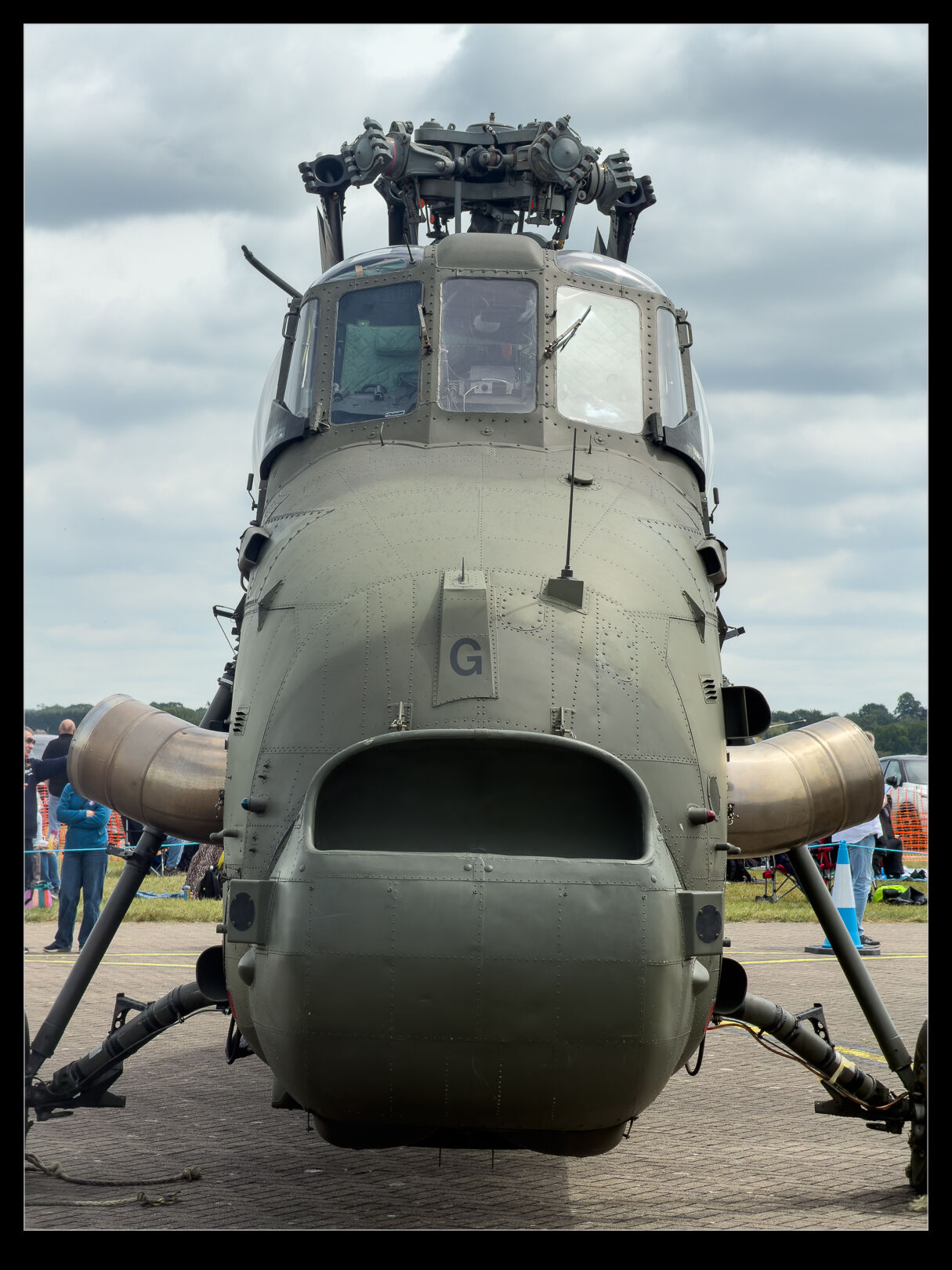
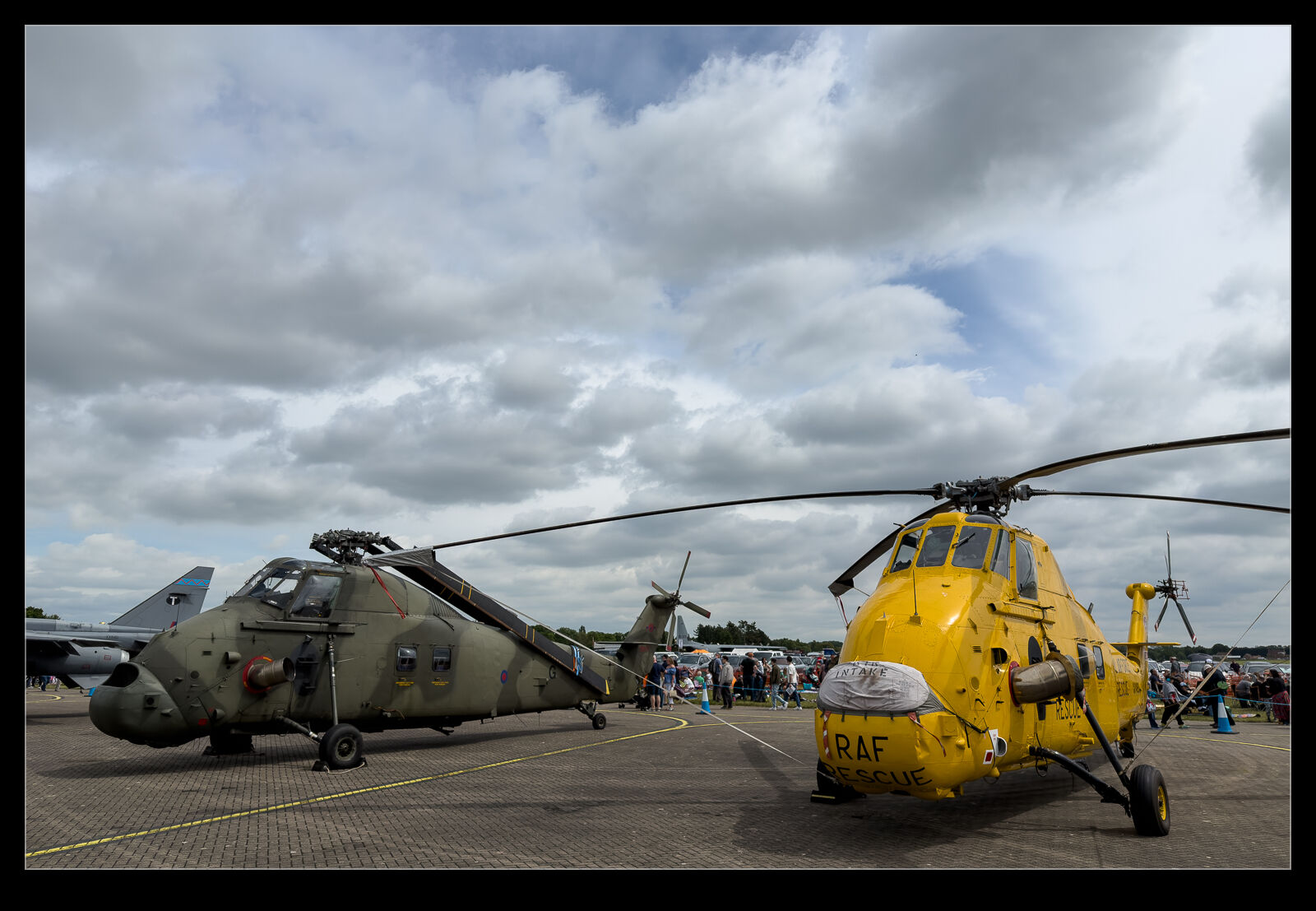
When I was first seriously into aviation, the Wessex was in widespread use with the UK armed forces. The Navy had a load of them while the RAF used them for both troop transport and for search and rescue. The Sea King was in production and was gradually taking over the roles. As a fan of anything new at the time, I viewed the Wessex as rather old and uninteresting. The new Sea Kings were far more appealing to me at the time.
Two things have changed my perspective. First, I have grown to appreciate a load of stuff over the years that I didn’t care too much about when younger. Also, having had the fun opportunity of spending a load of time with Midwest Helicopters and their S-58Ts when living in Chicago, it reignited my interest in the type. I think Historic Helicopters have an operating Wessex, but I haven’t seen that myself. However, Cosford had a couple of examples on display – one in SAR yellow and one in camo. They looked immaculate and it was great to see them on the ramp looking just as if they could be ready to head out on a mission as soon as the show wrapped.
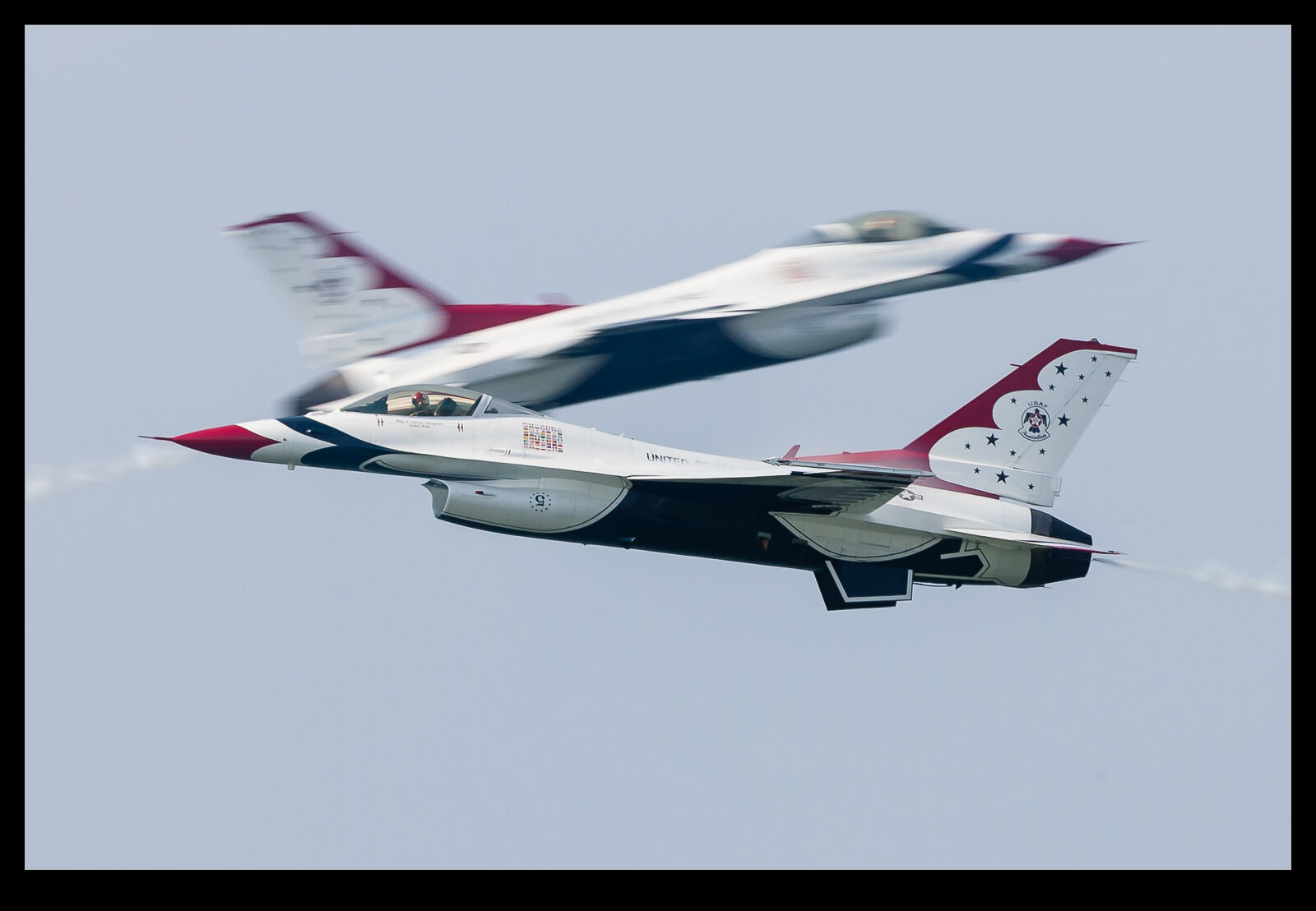
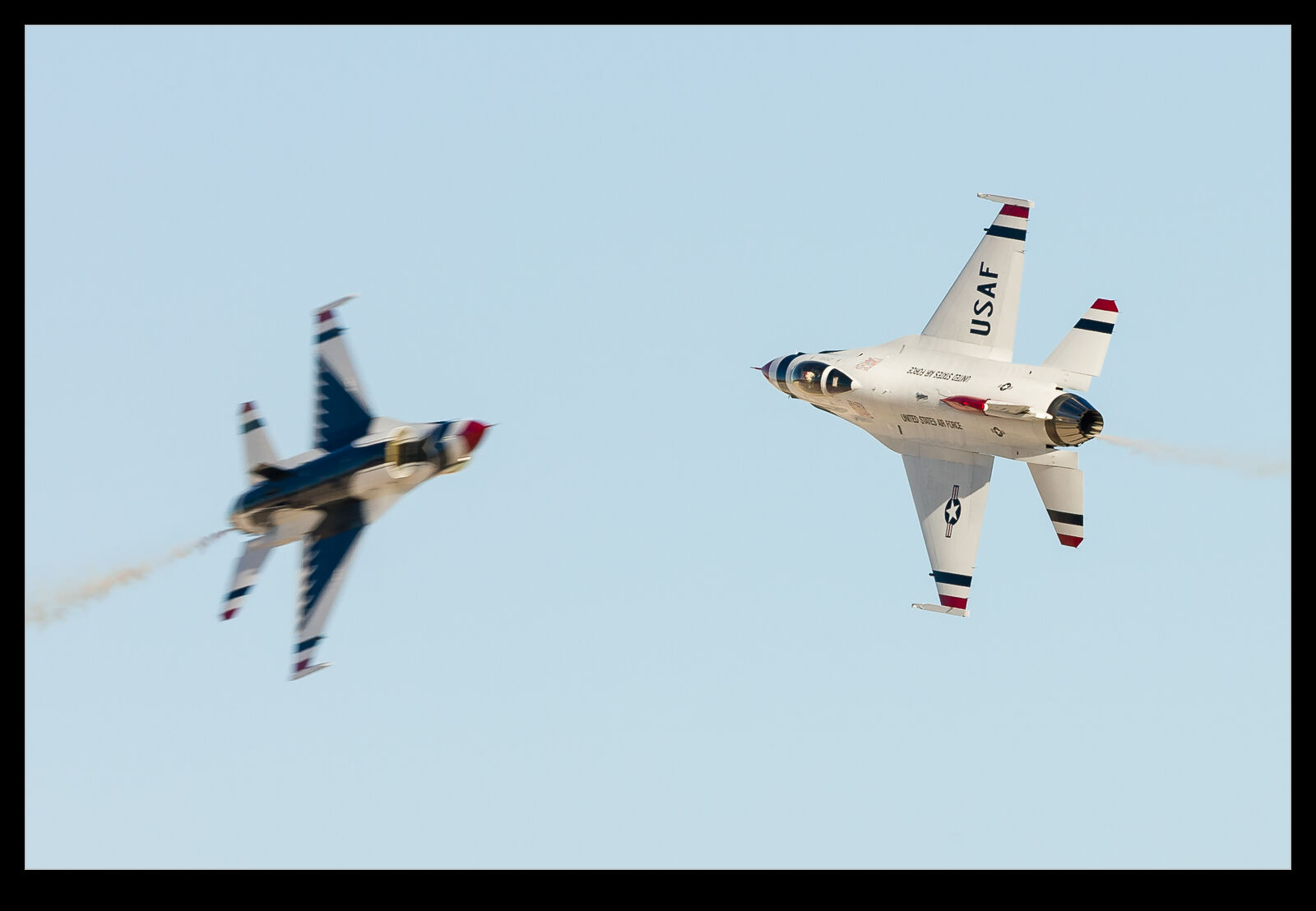
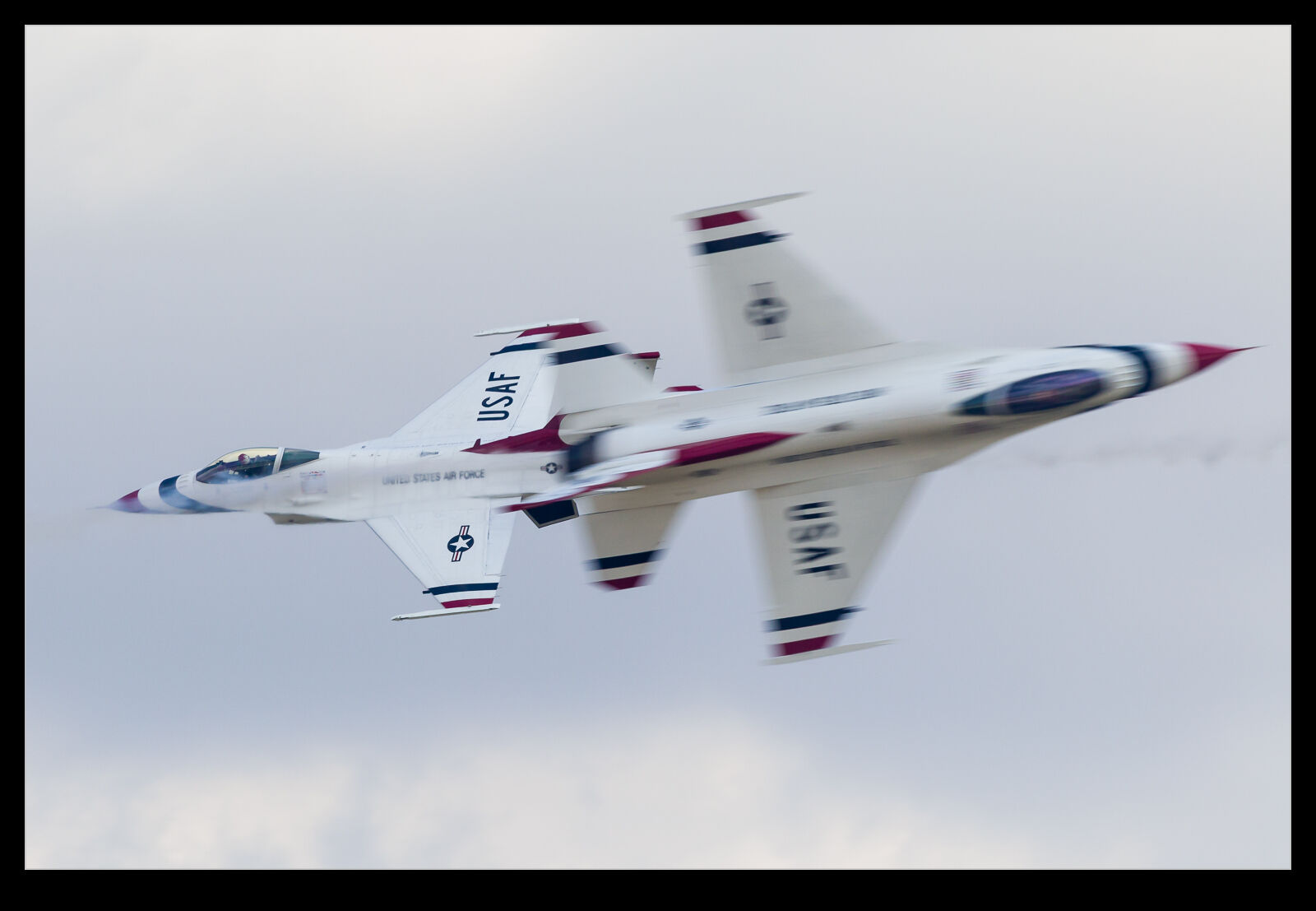
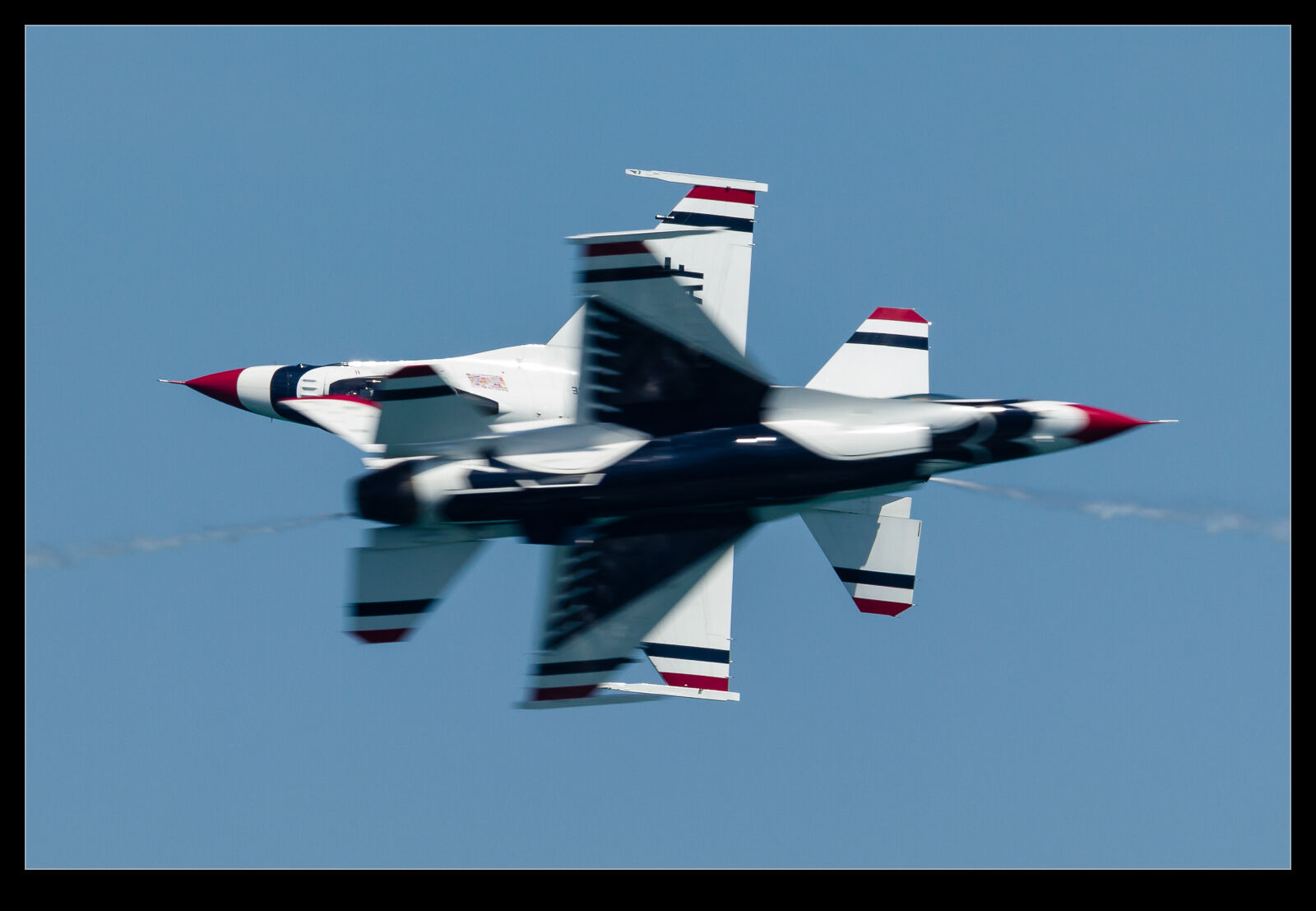
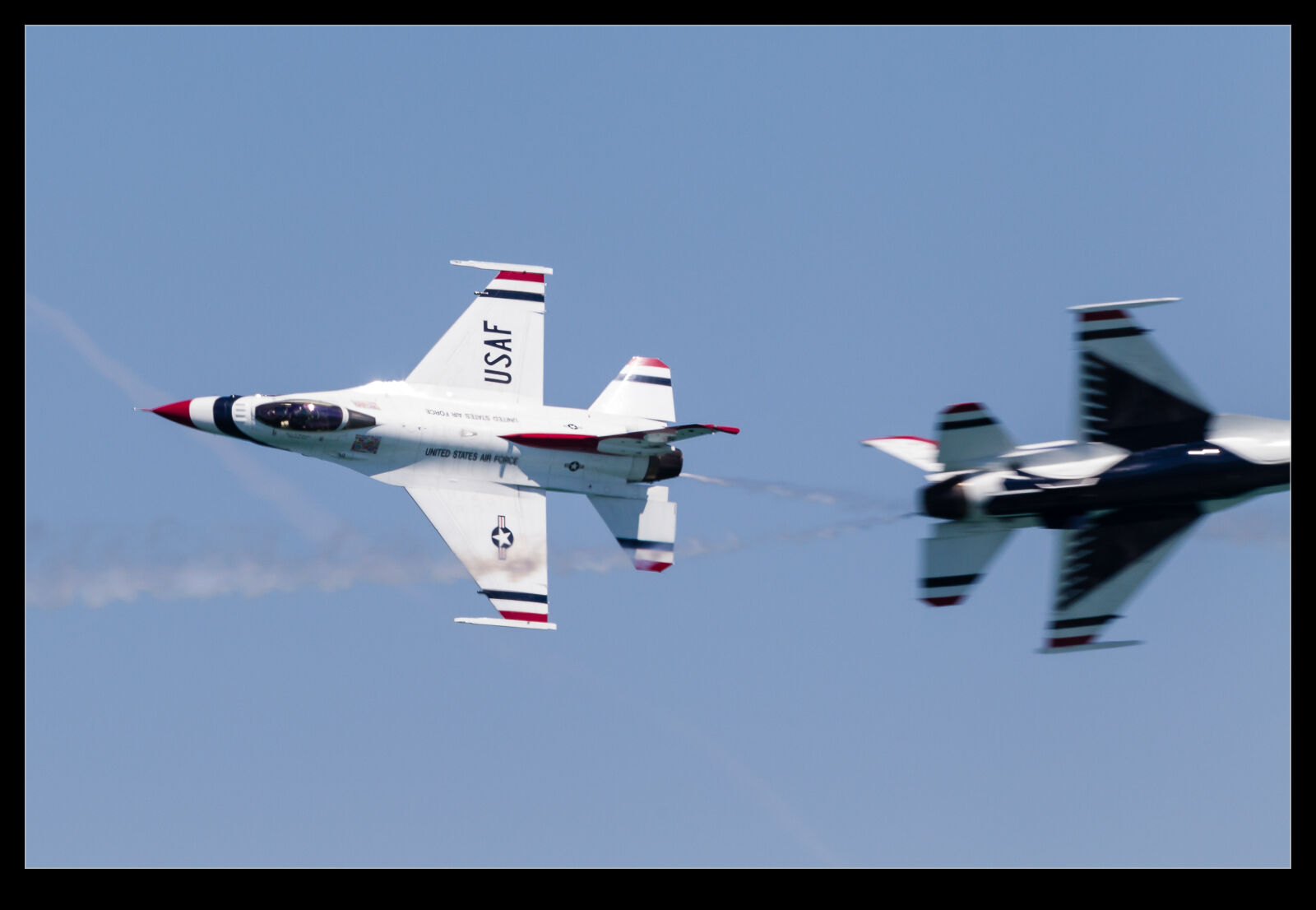
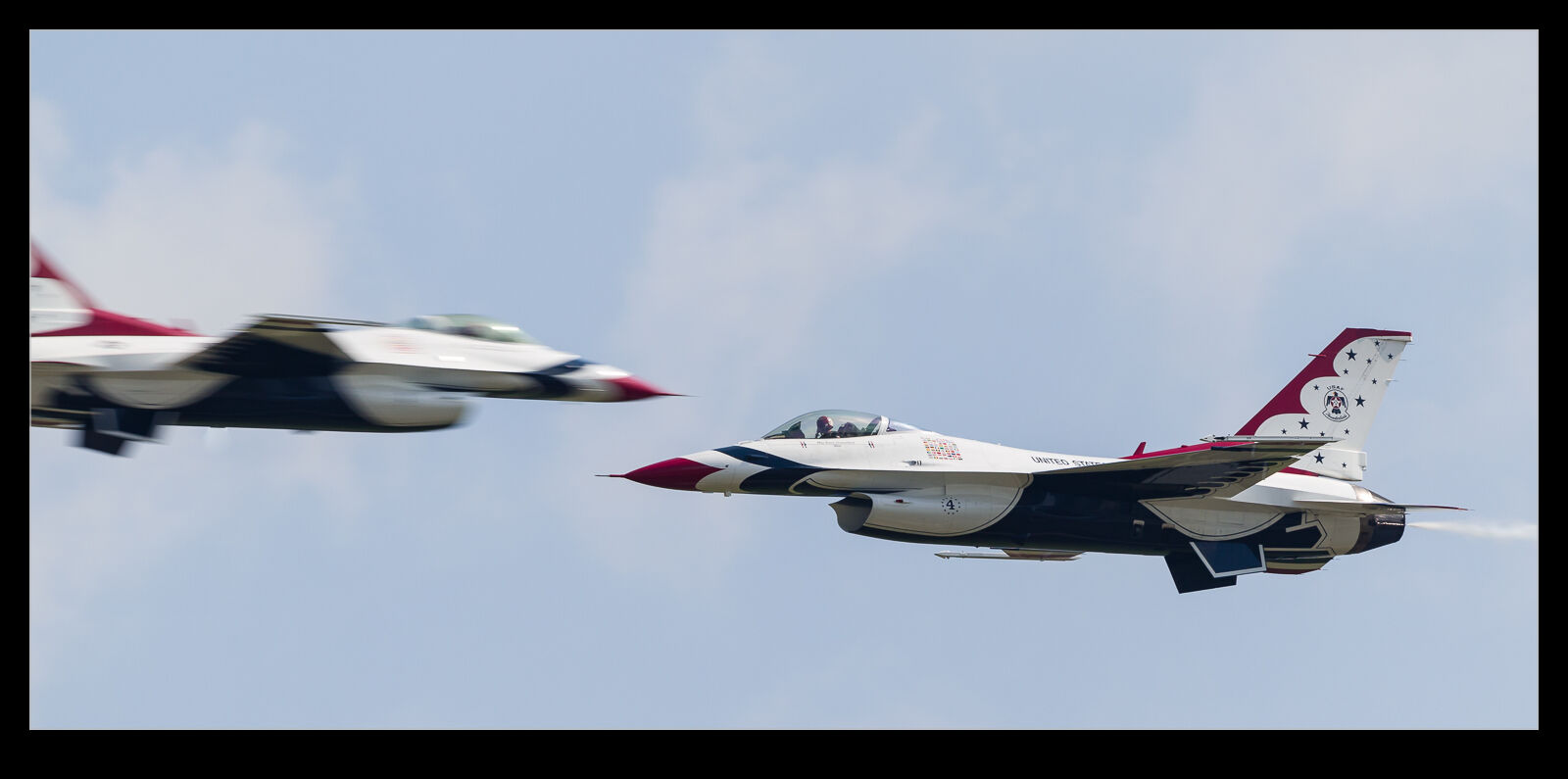
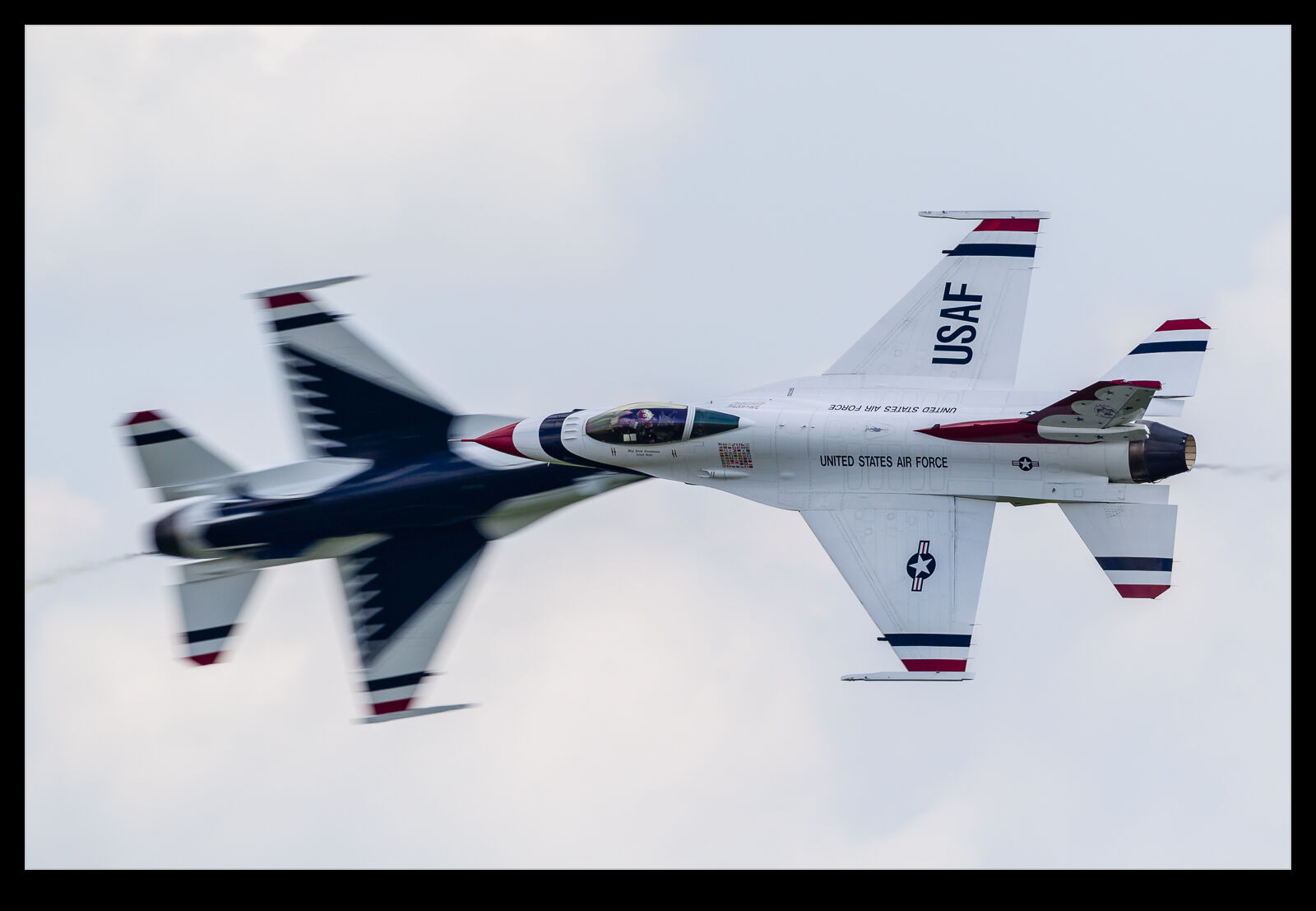
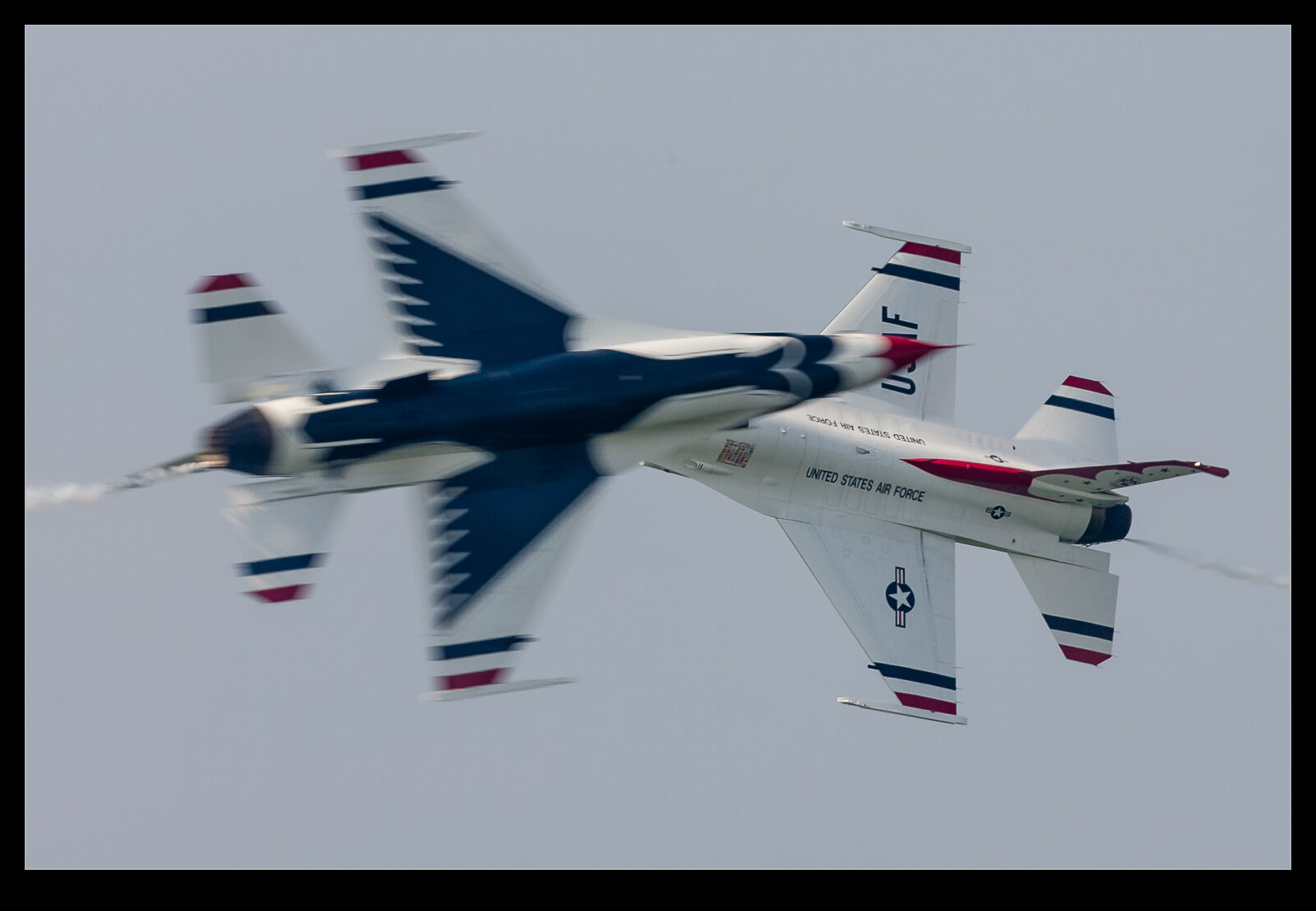
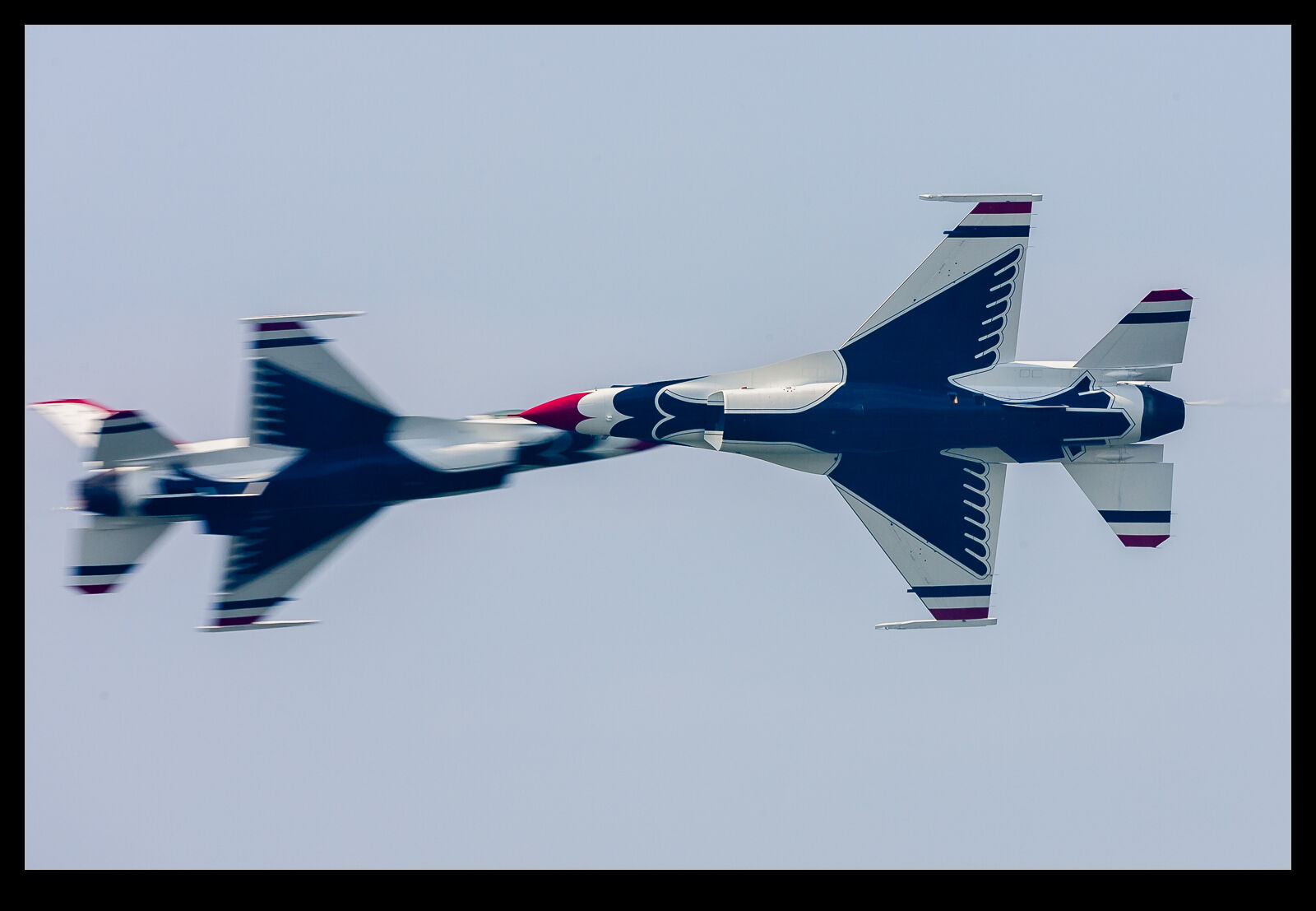
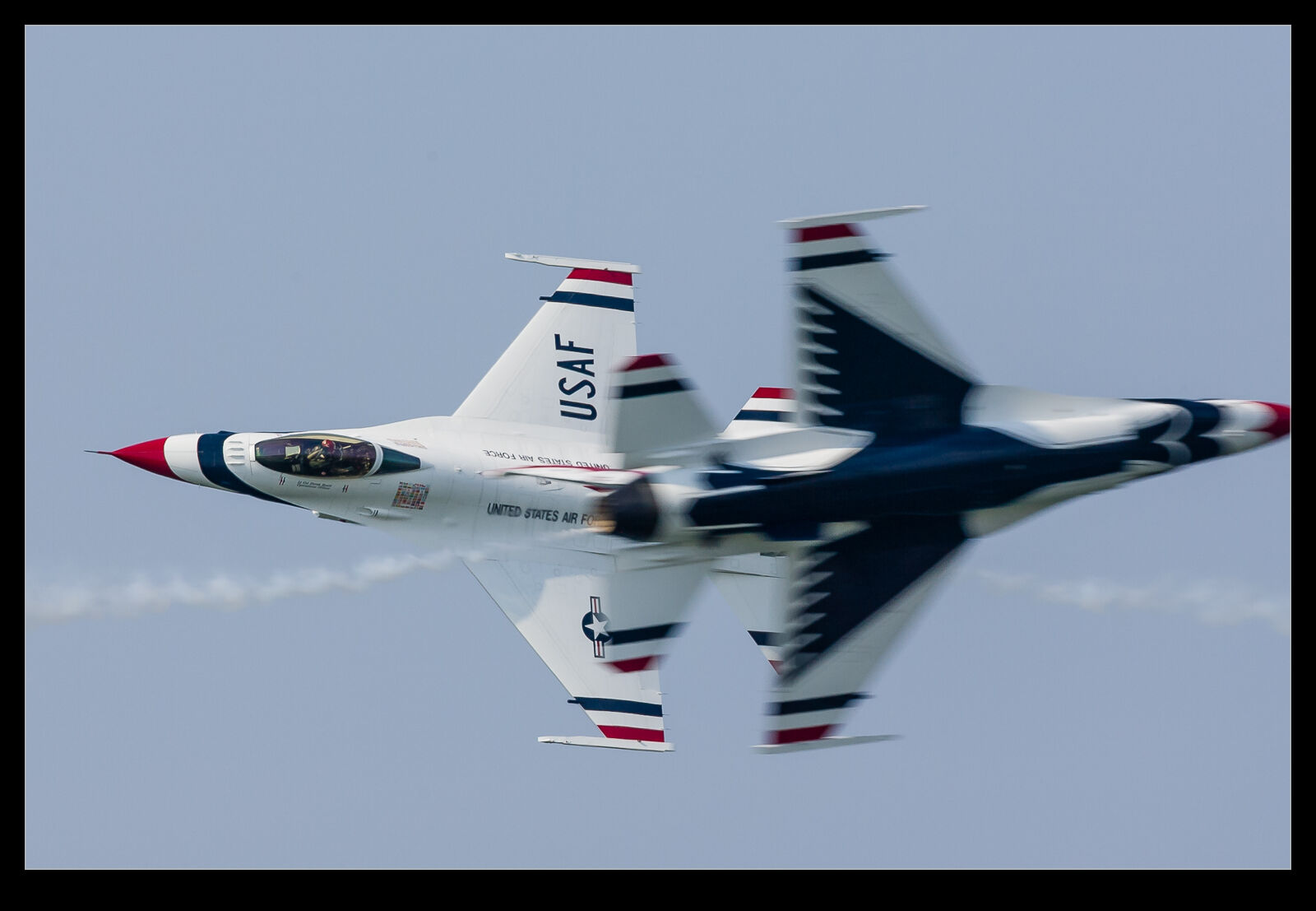
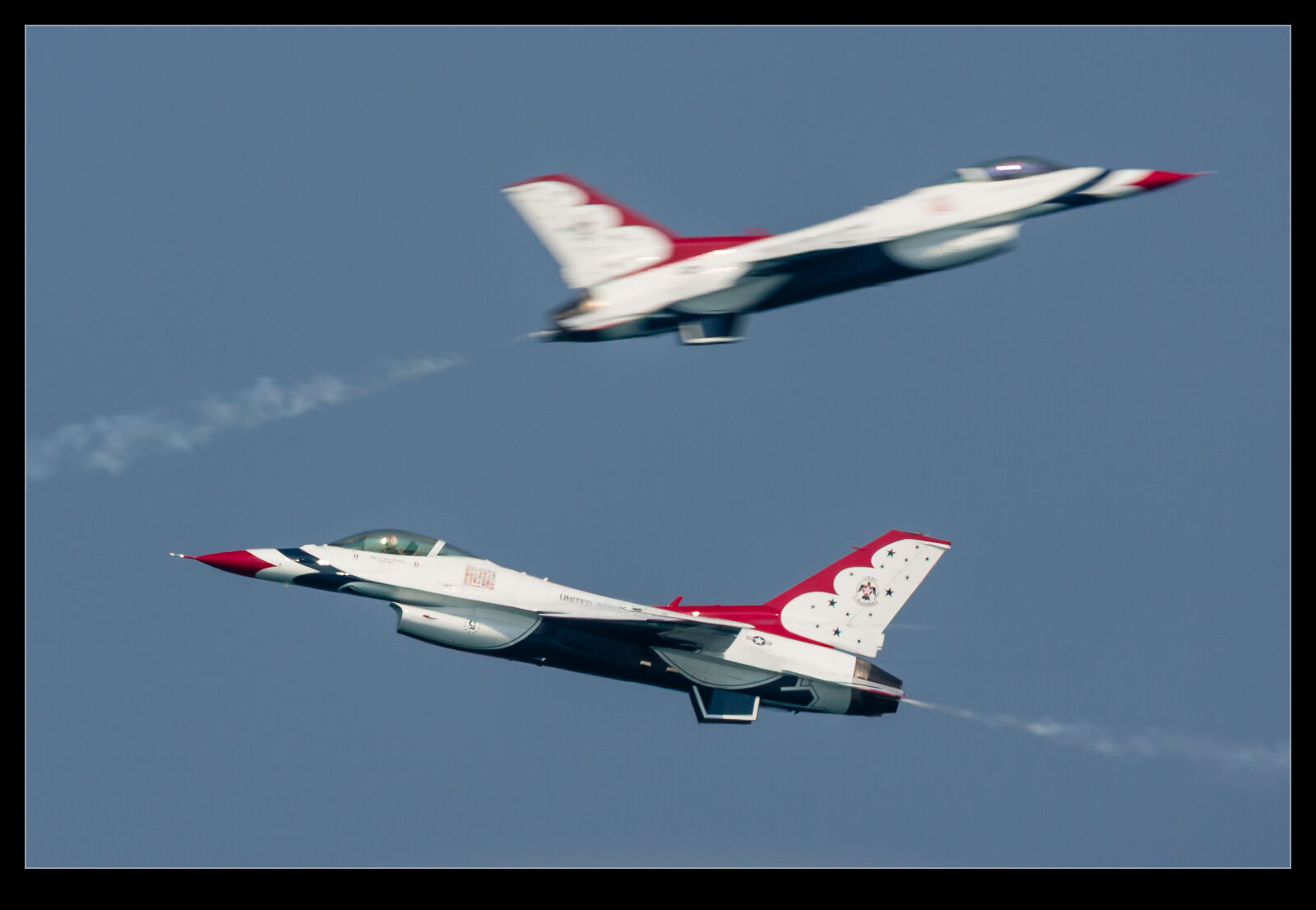
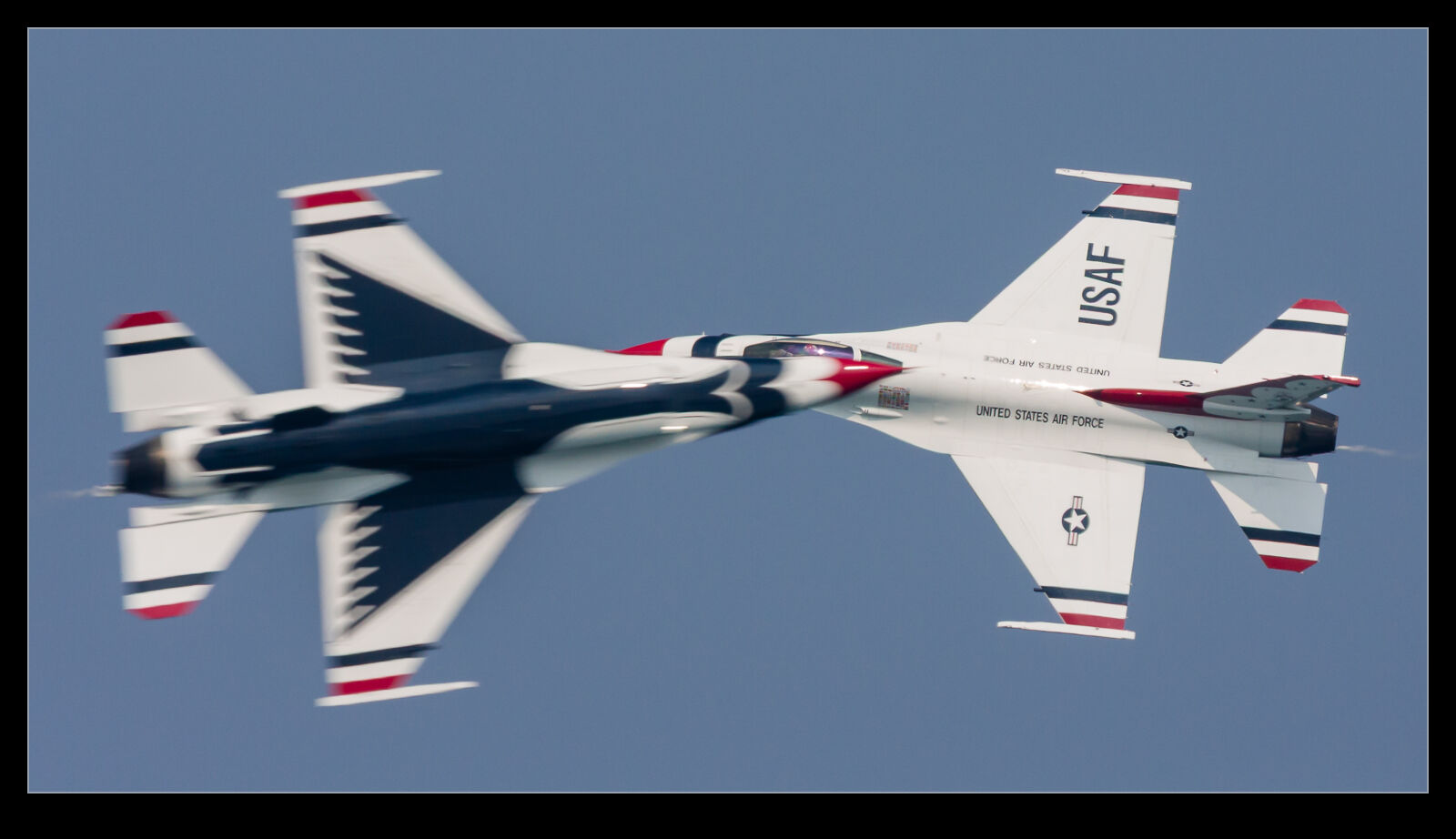
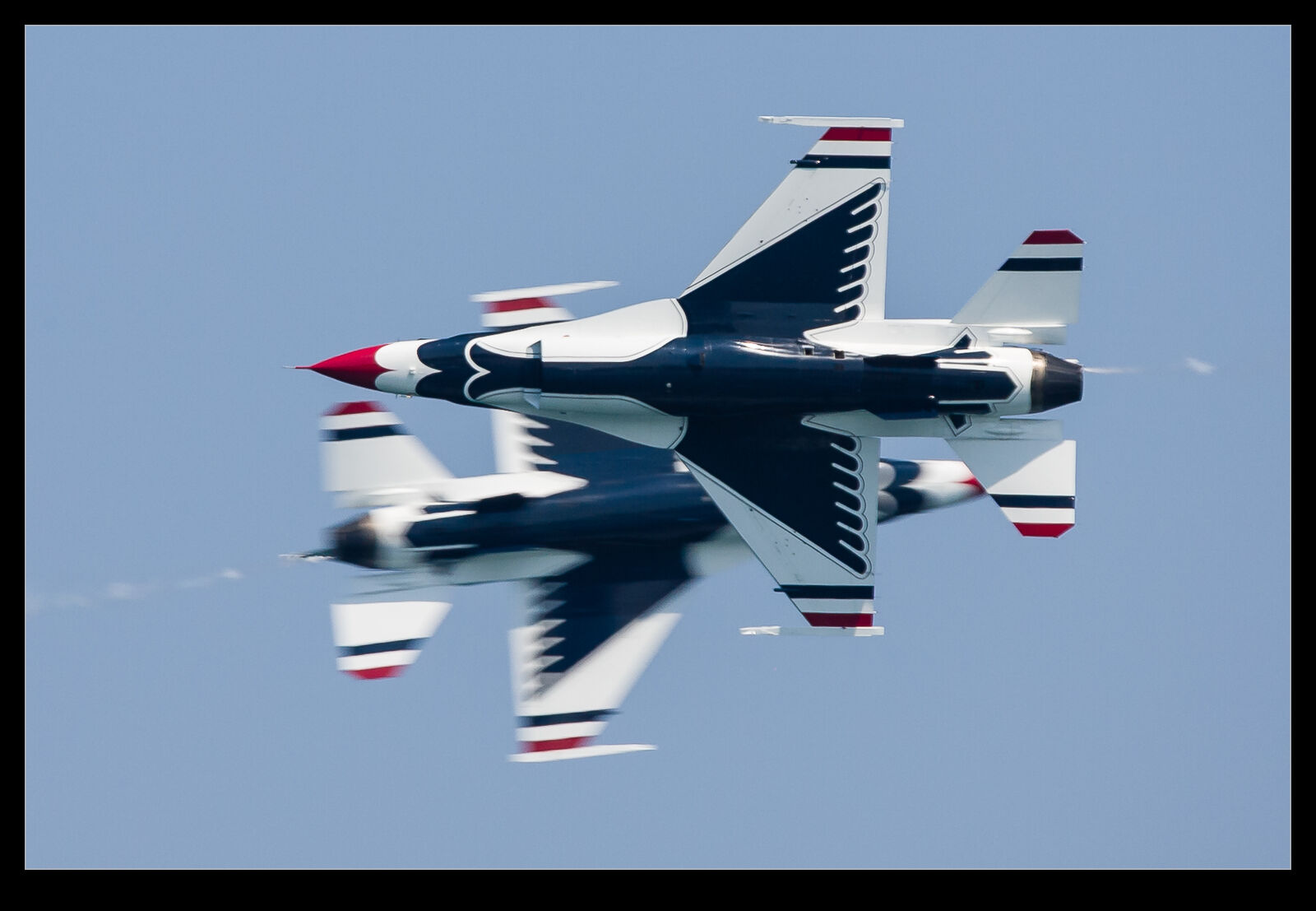
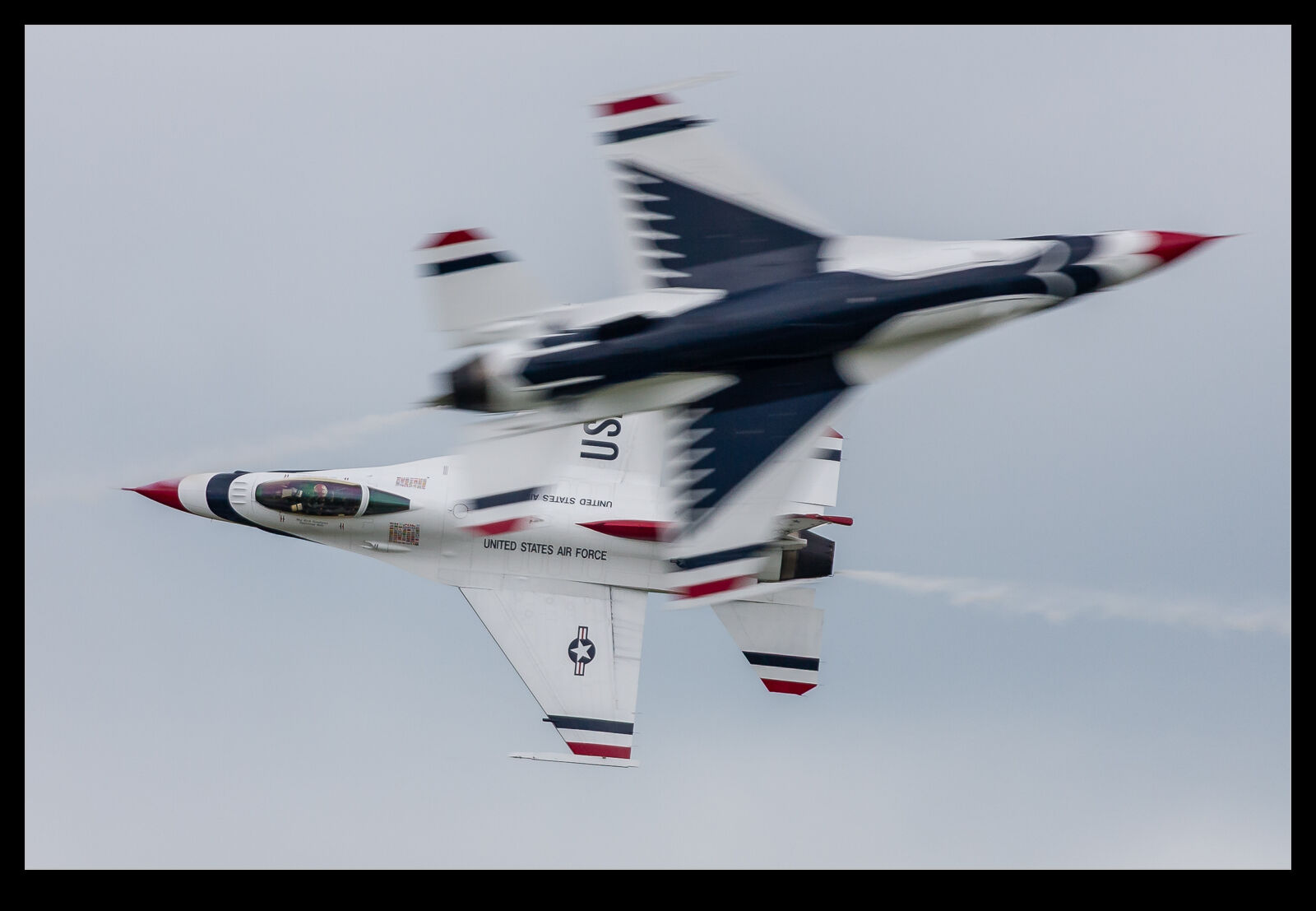
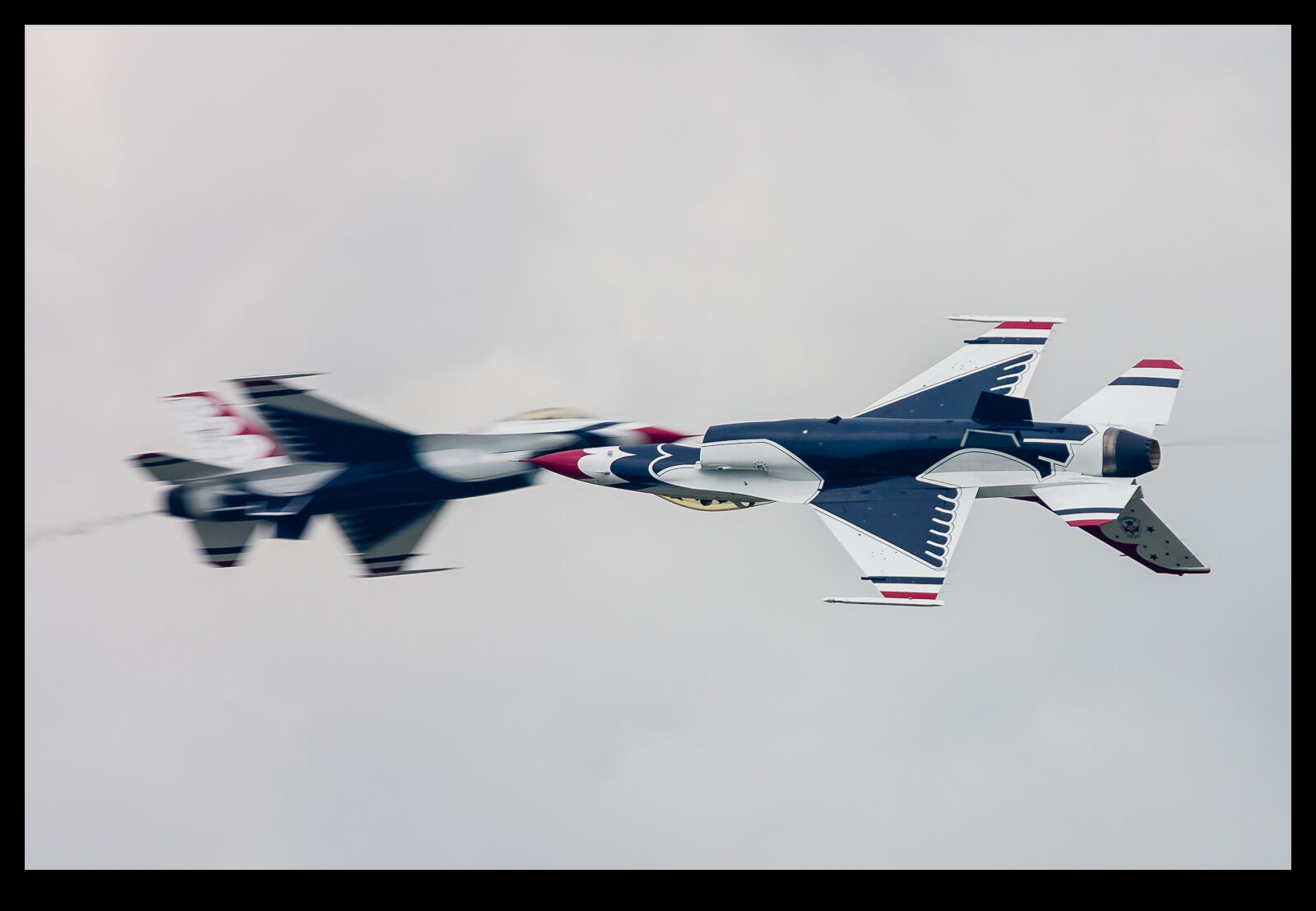
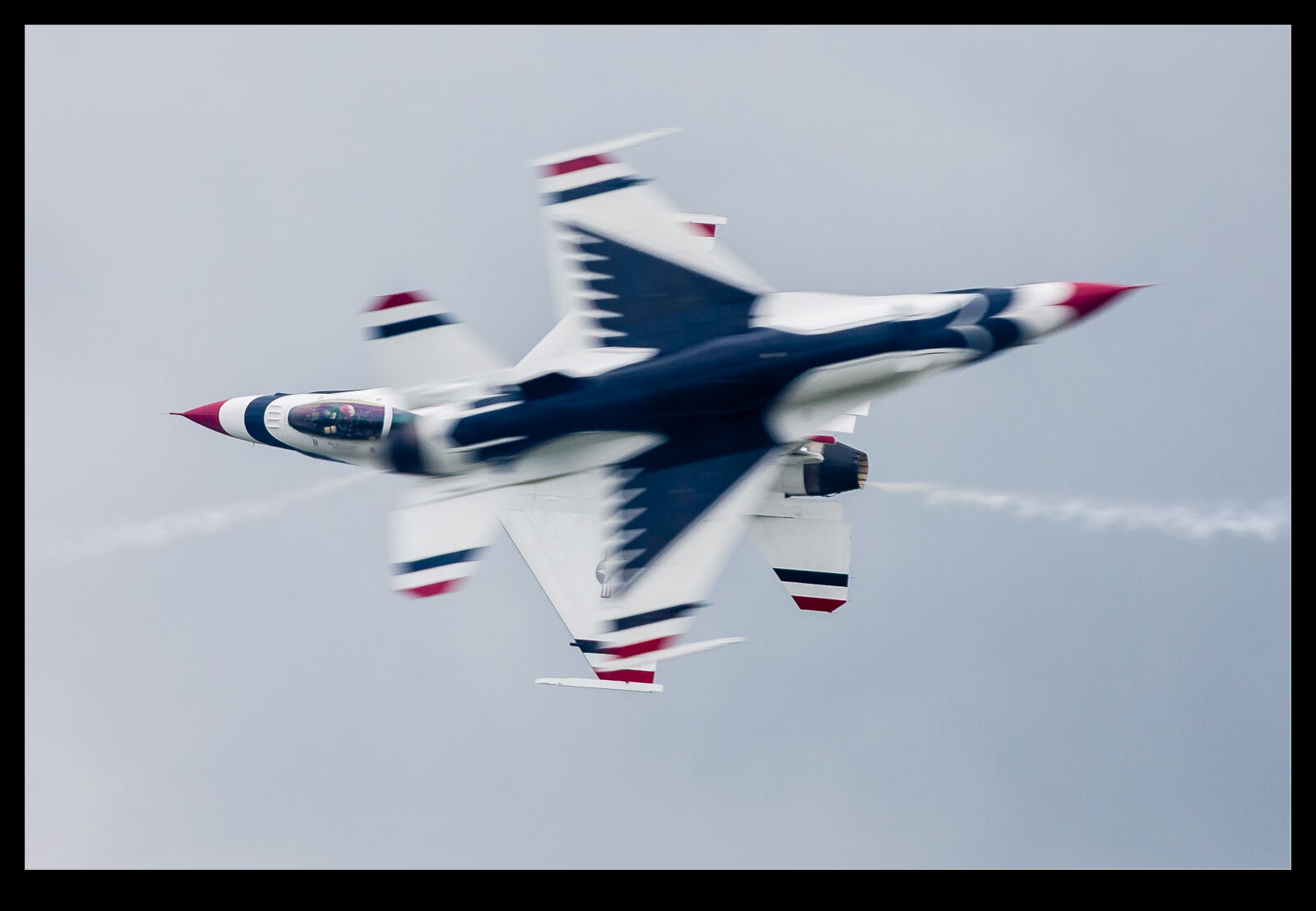
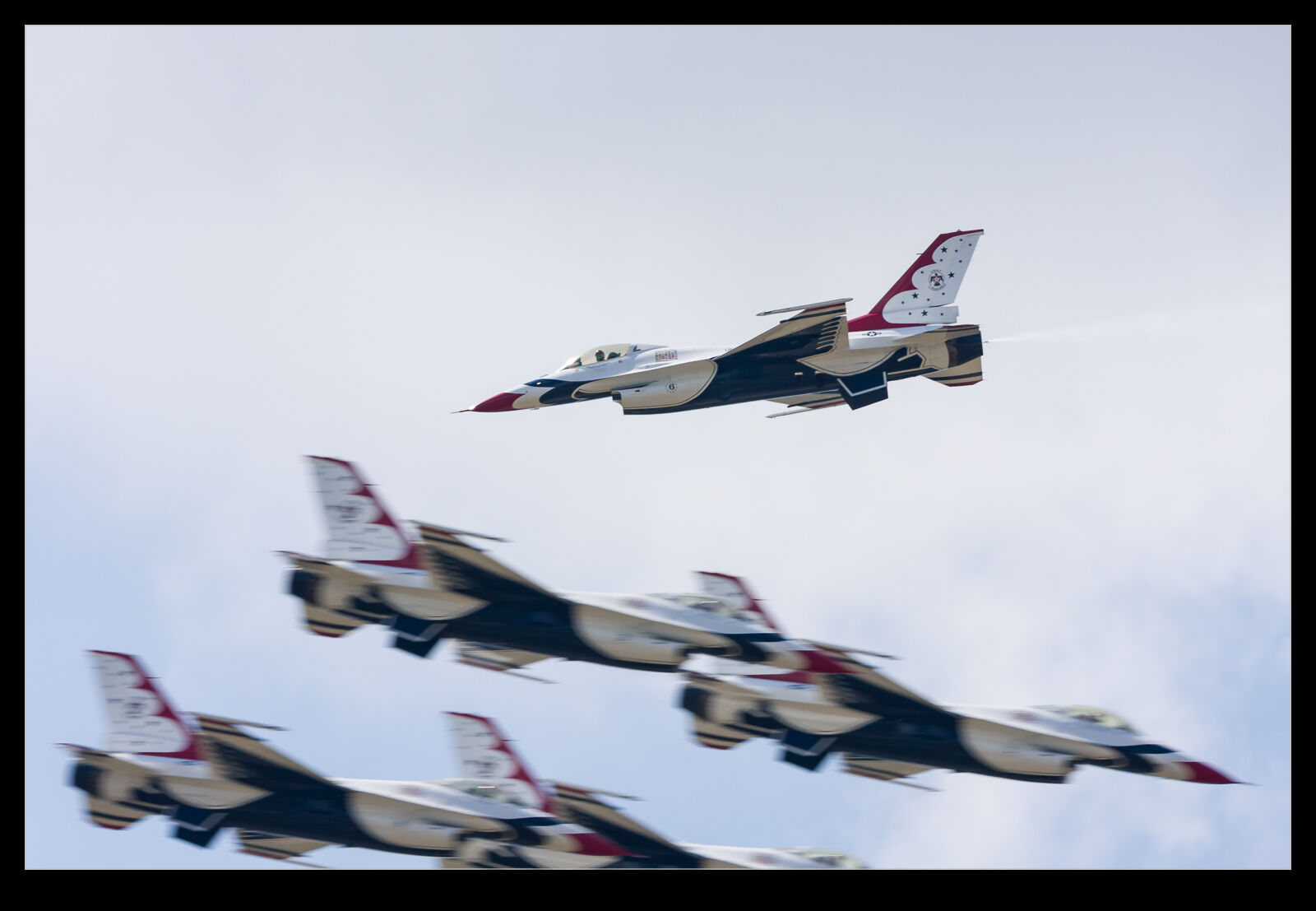
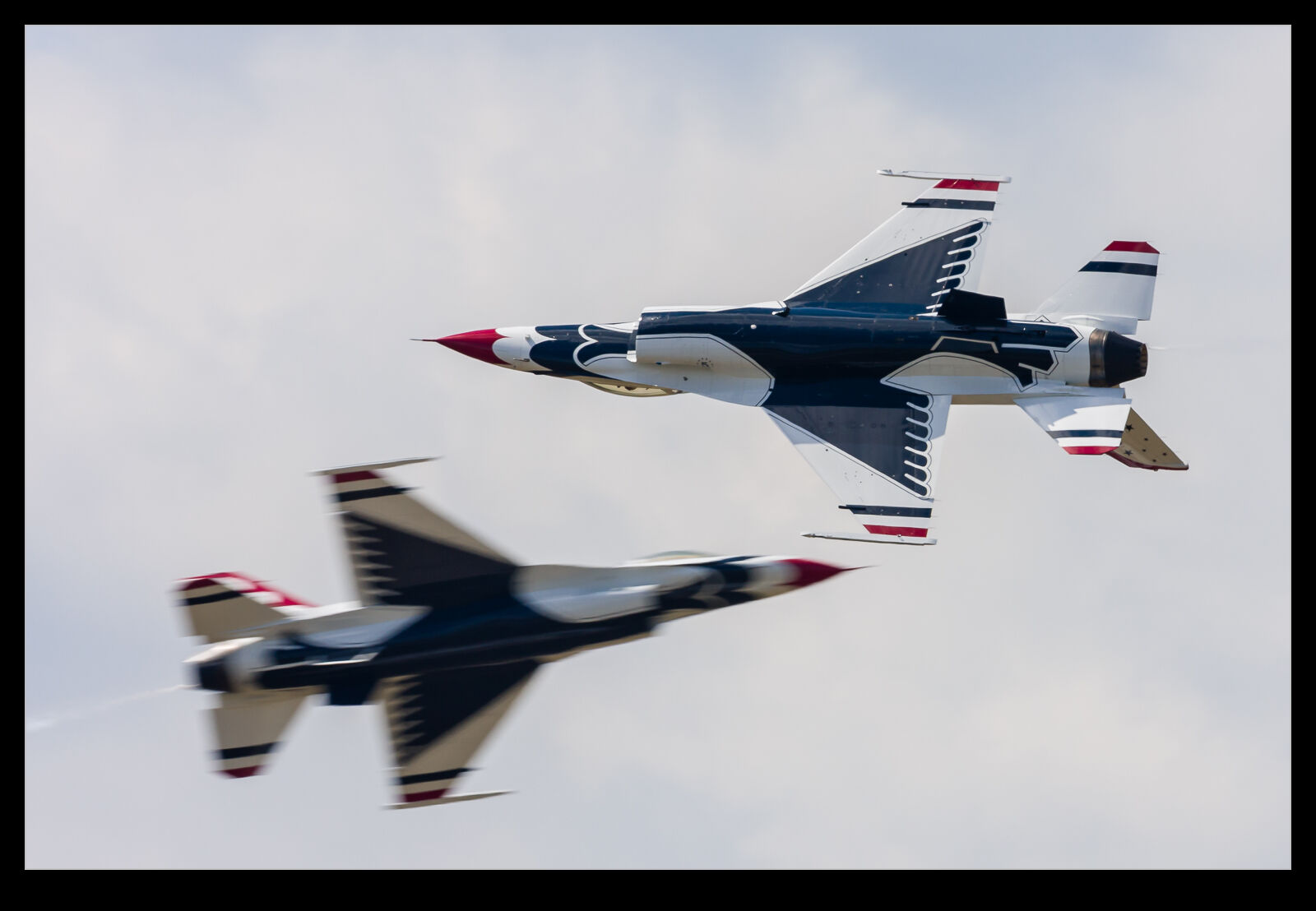
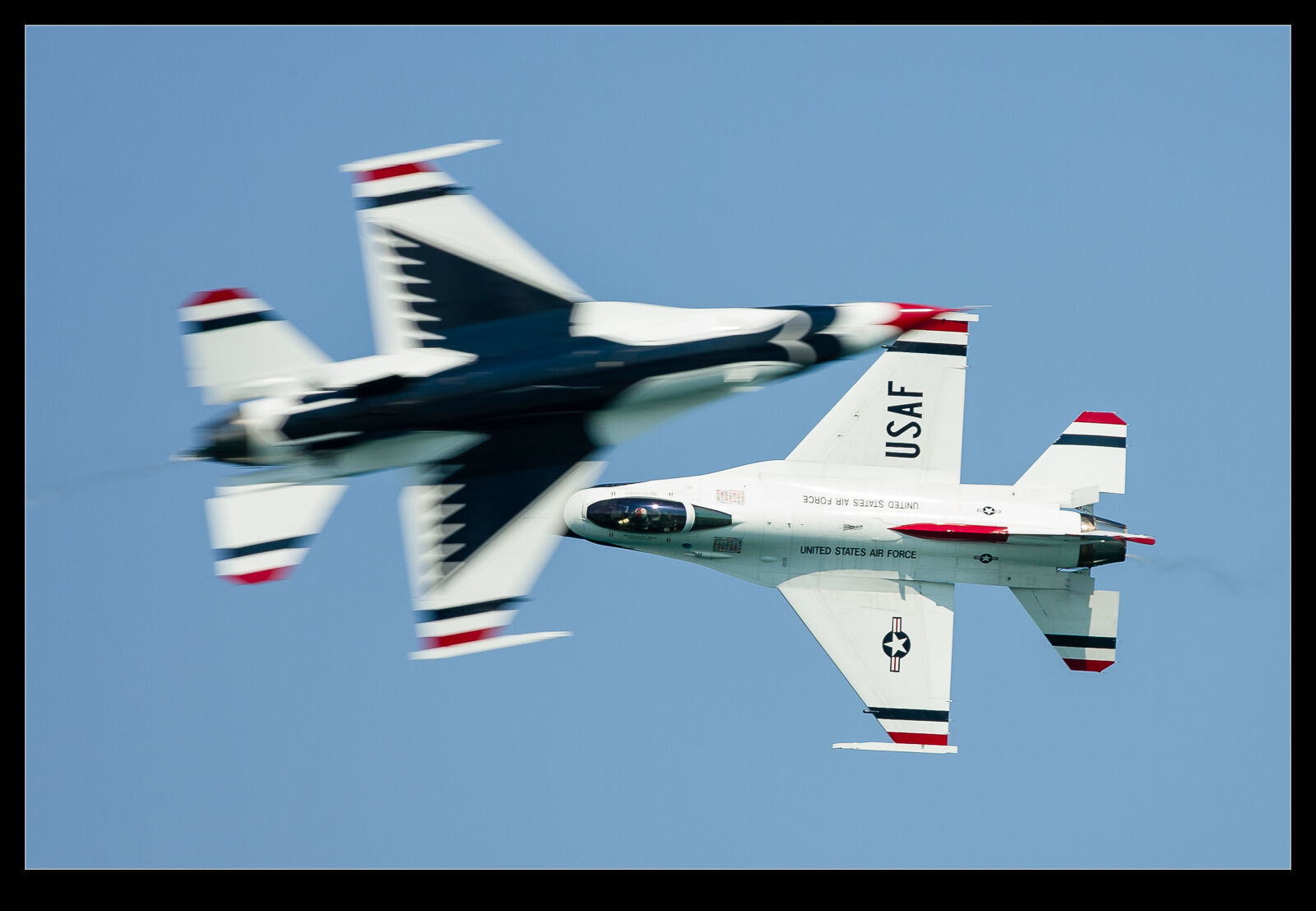
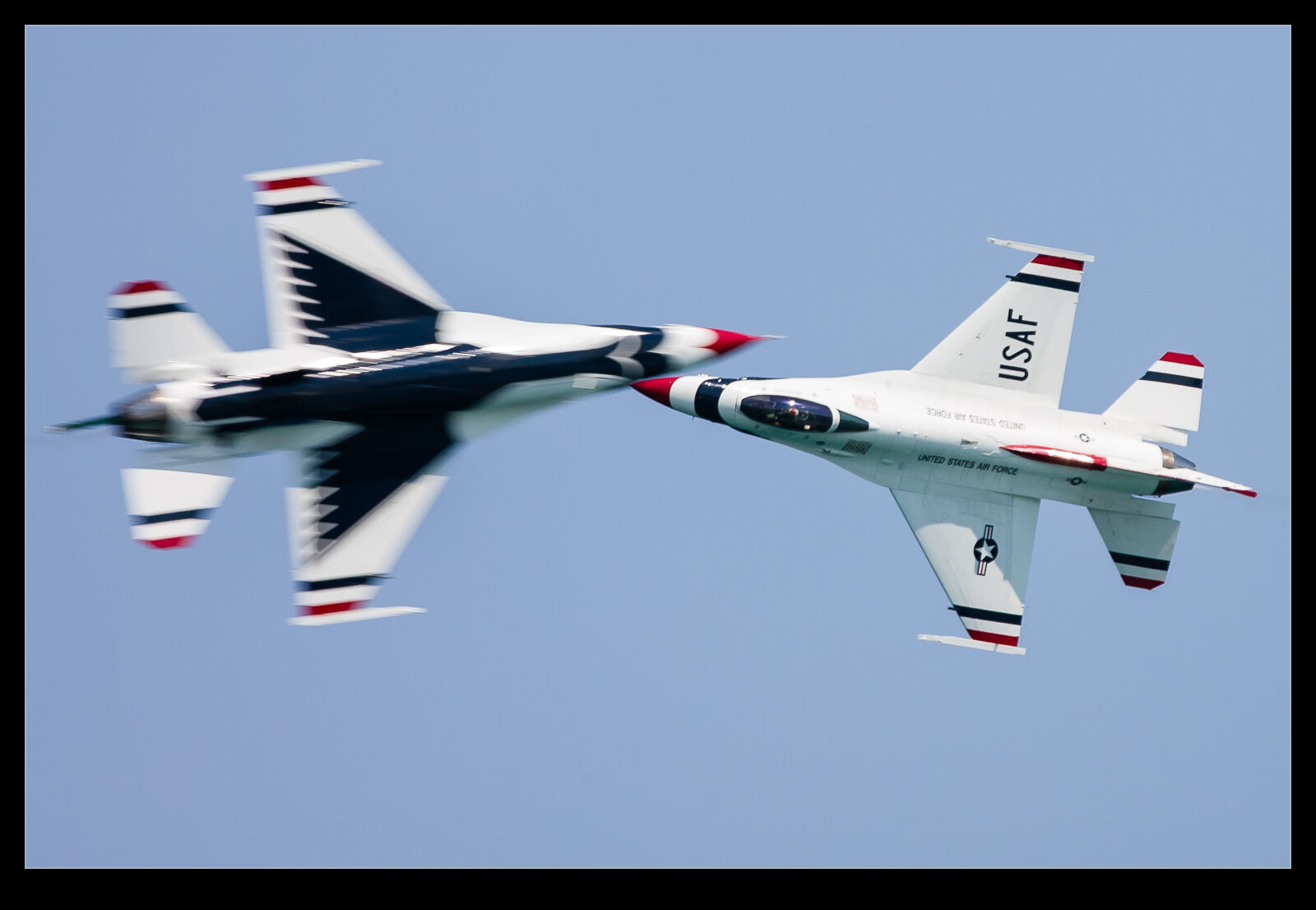
As is often the case, I was looking for something when I came across something totally different and that took me down a rabbit hole. In this case, I found myself looking through some old shots of the USAF Thunderbirds. Particularly when living in the Midwest, I used to see them display pretty frequently. You get a bit blasé about it after a while. Anyway, I was skimming through shots to see whether I had any crossing shots that I liked. I was pleasantly surprised to find a few of them that came out pretty well. Modern cameras allow rapid frame rates which help with crossing shots but apparently, I could still get it right occasionally when the tech wasn’t quite so advanced. The weather and lighting might vary a bit but here are some of the ones I liked most.
Rolling shutter is a phenomenon that has become very apparent with the widespread adoption of digital sensors in cameras. The way in which a sensor scans across its surface means that relative movement can result in the position of objects being different at the end of the scan than the beginning. DSLRs used a digital sensor but a mechanical shutter so weren’t terribly susceptible to this (except when in video mode) but phones and video camera like GoPros have been.
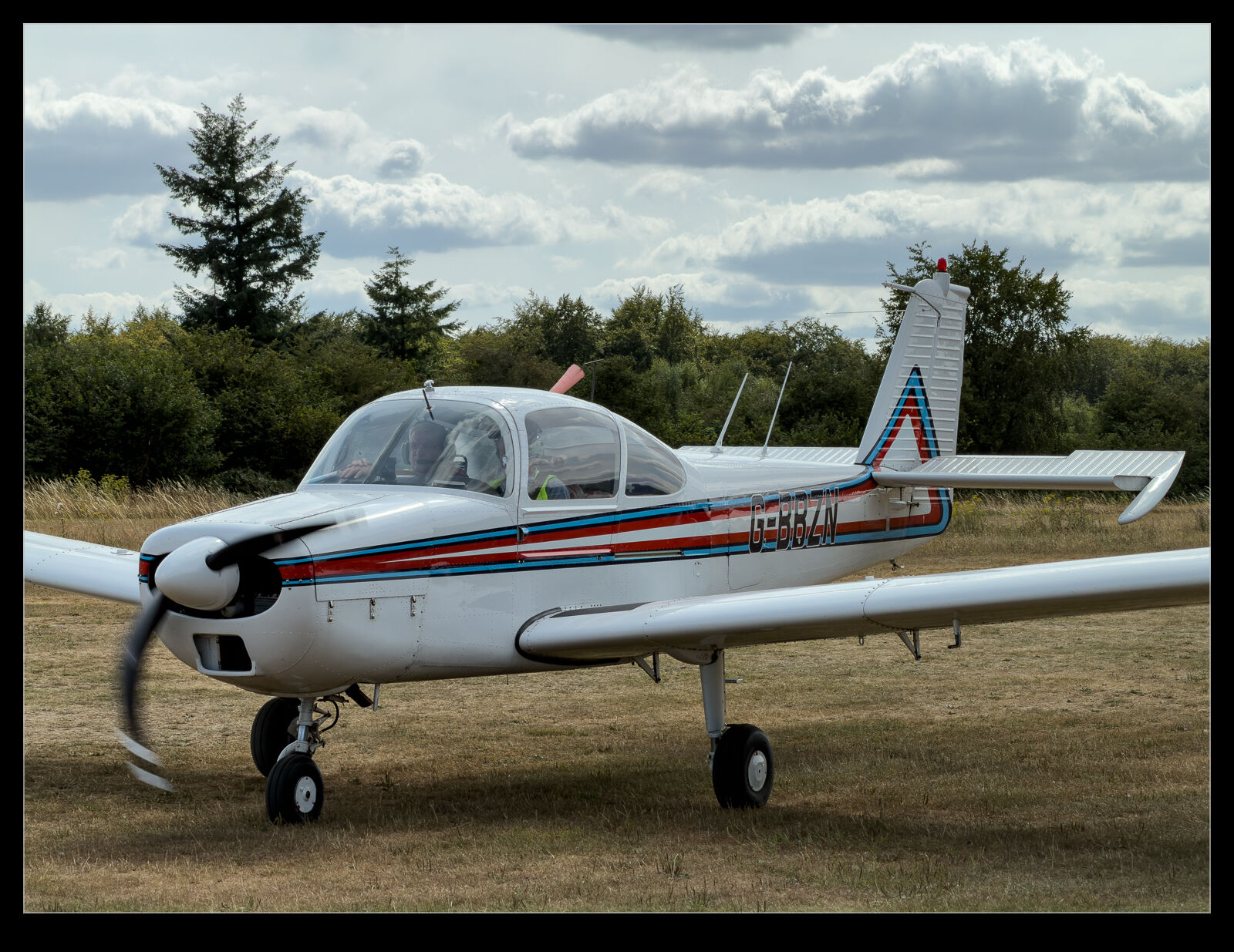
Usually, if I am photographing aircraft with props, I am using my main cameras. (While I now exclusively use electronic shutter on my bodies, the read speed of the sensor is sufficiently high that the rolling shutter effects are barely visible. However, I rode my bike to Popham one Saturday and decided to grab a few pictures with my phone while I was there. The resulting shots have props that are clearly suffering badly from rolling shutter. It is not something I normally get so I actually found it rather funny. That wouldn’t be the case if I had desperately wanted the shot.
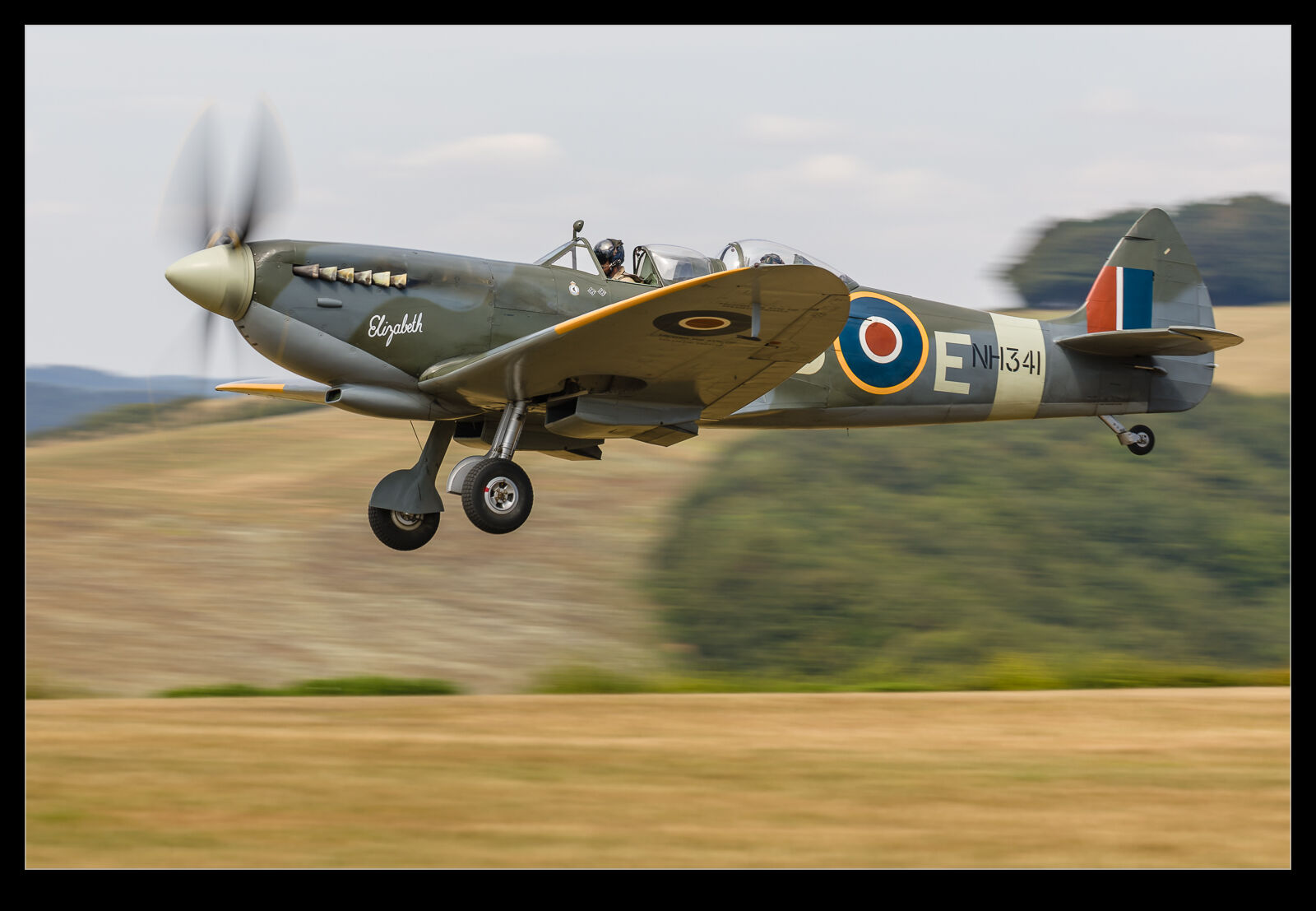
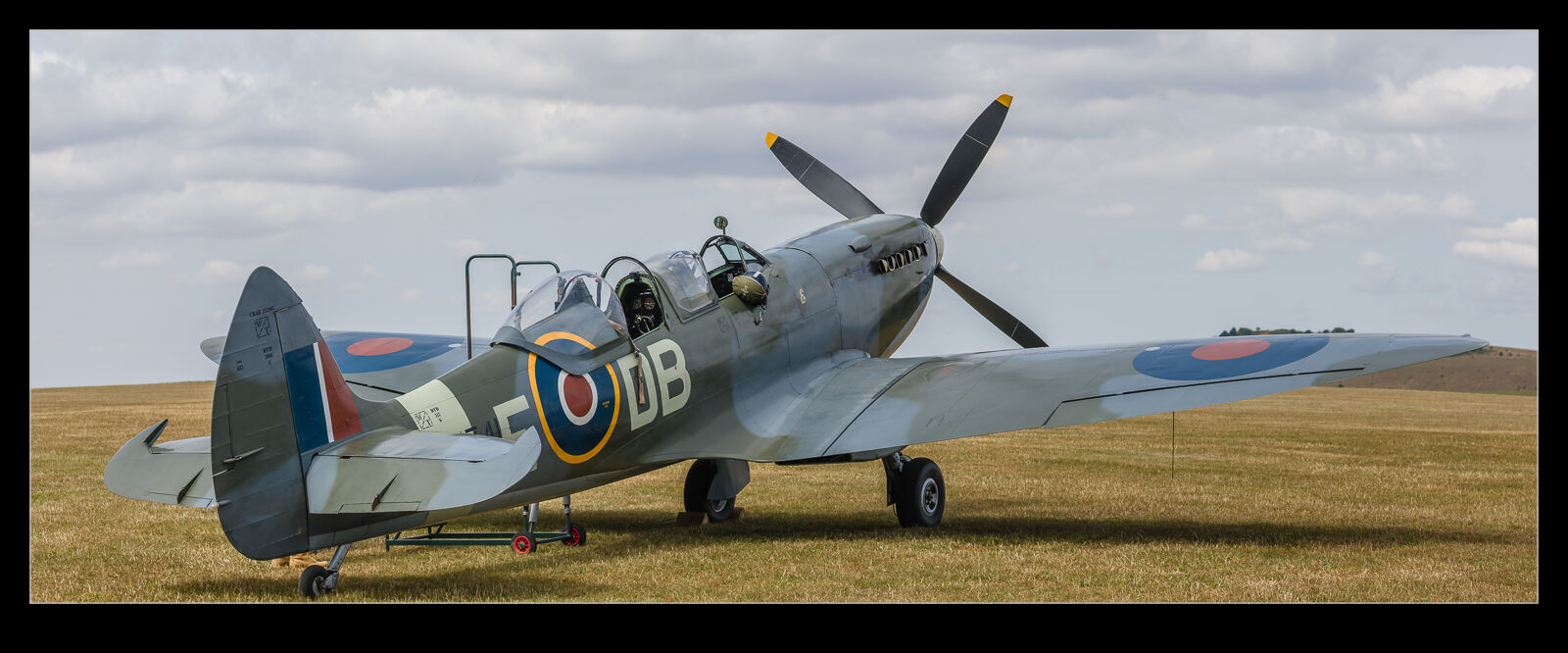
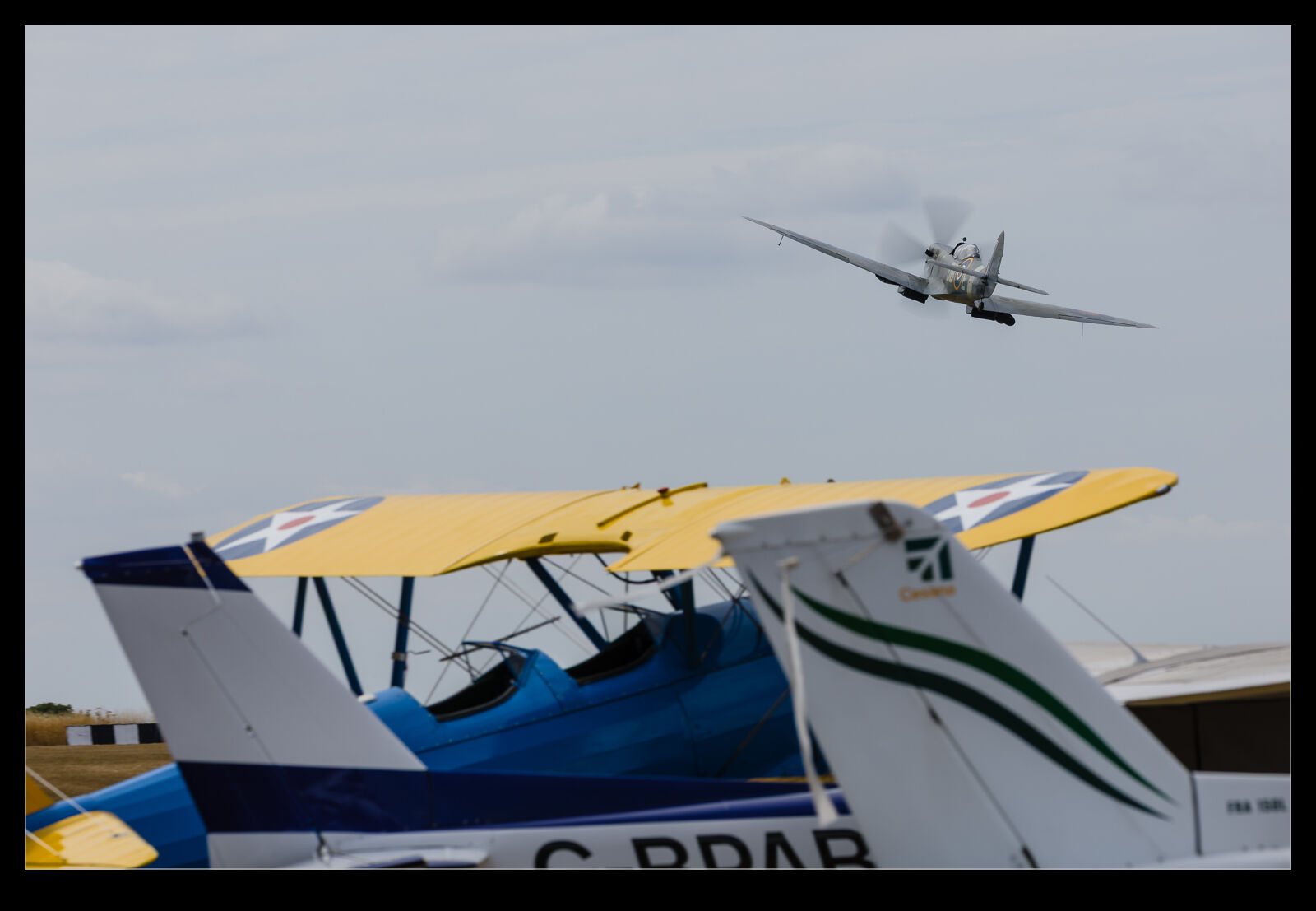
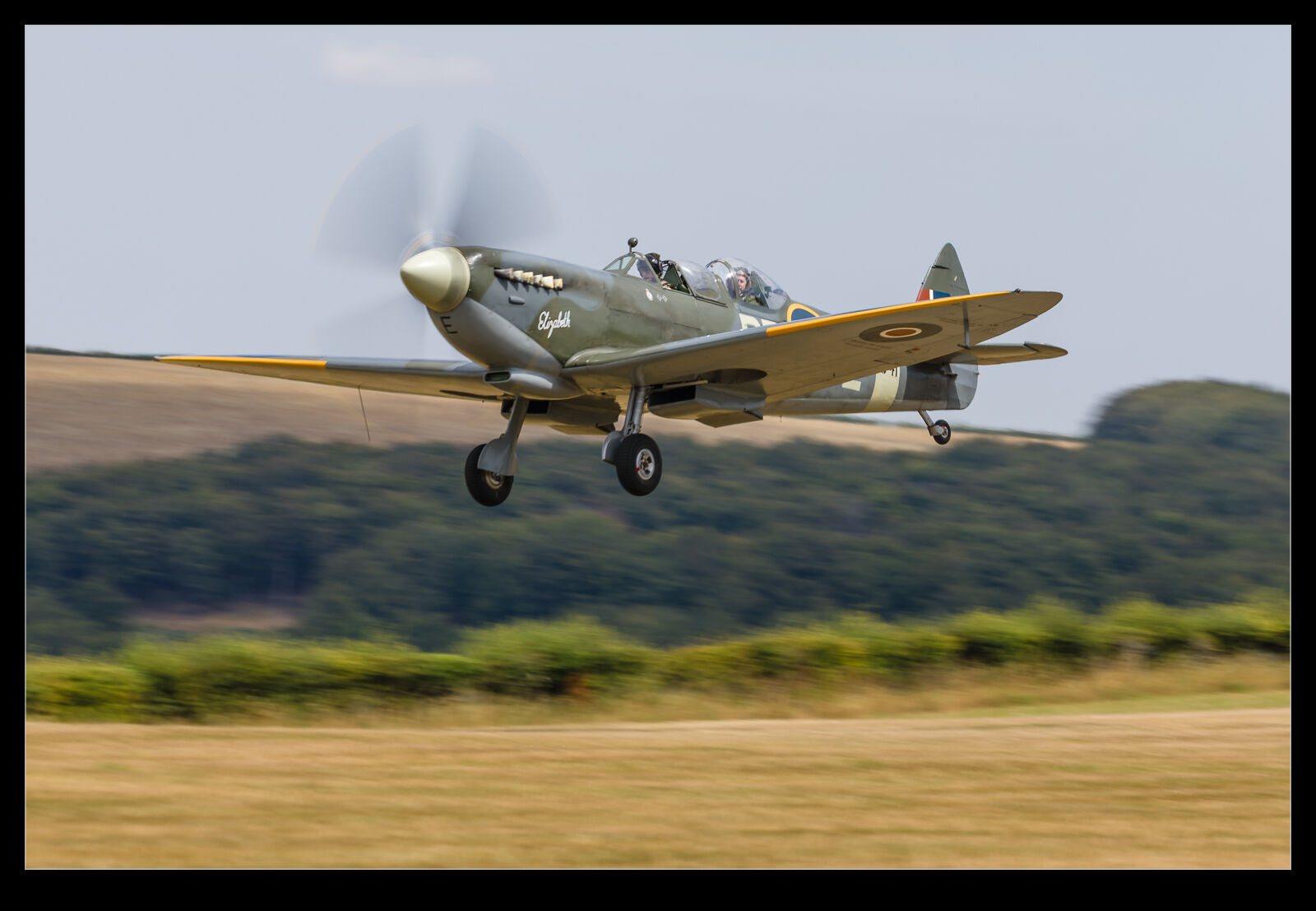
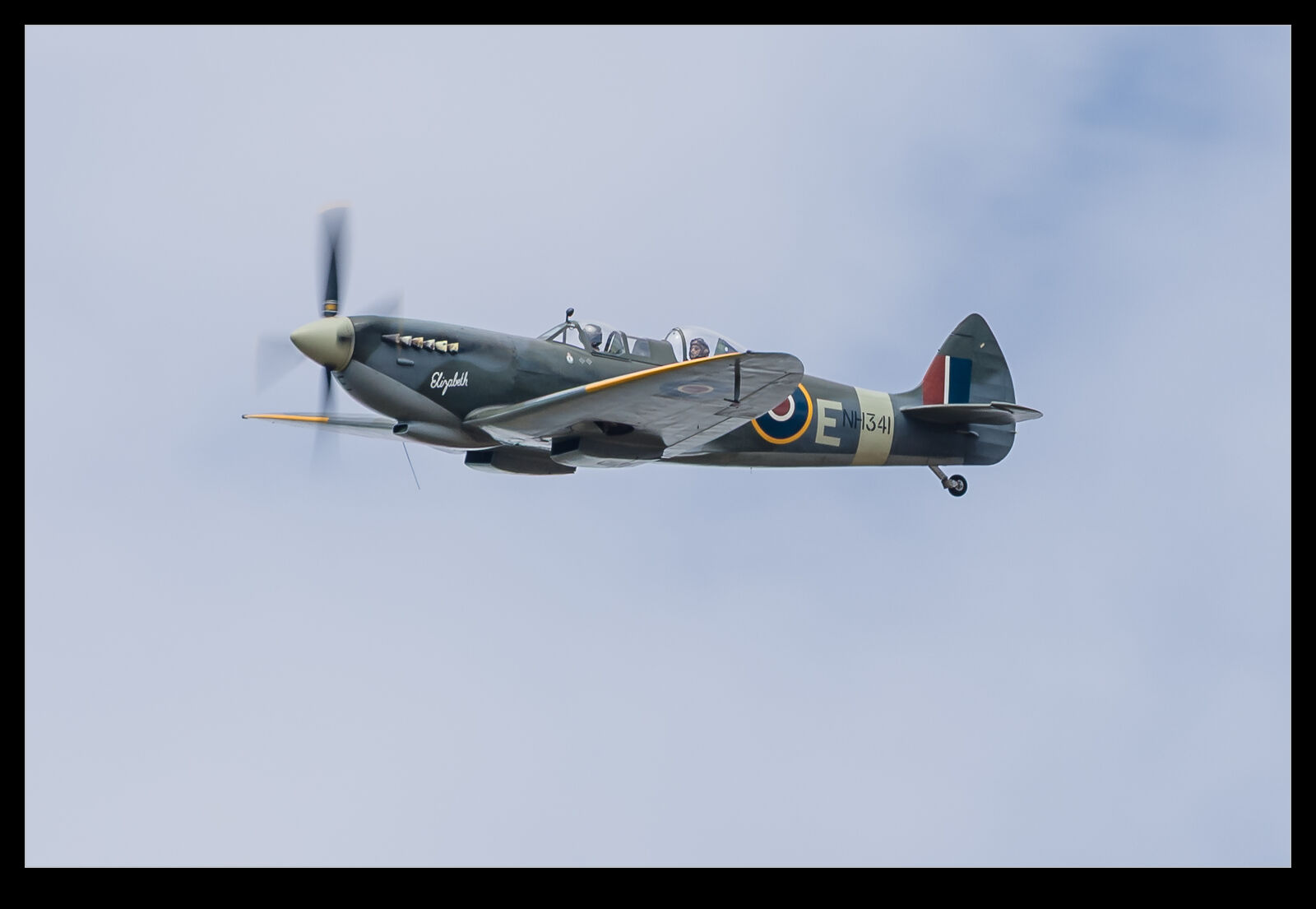
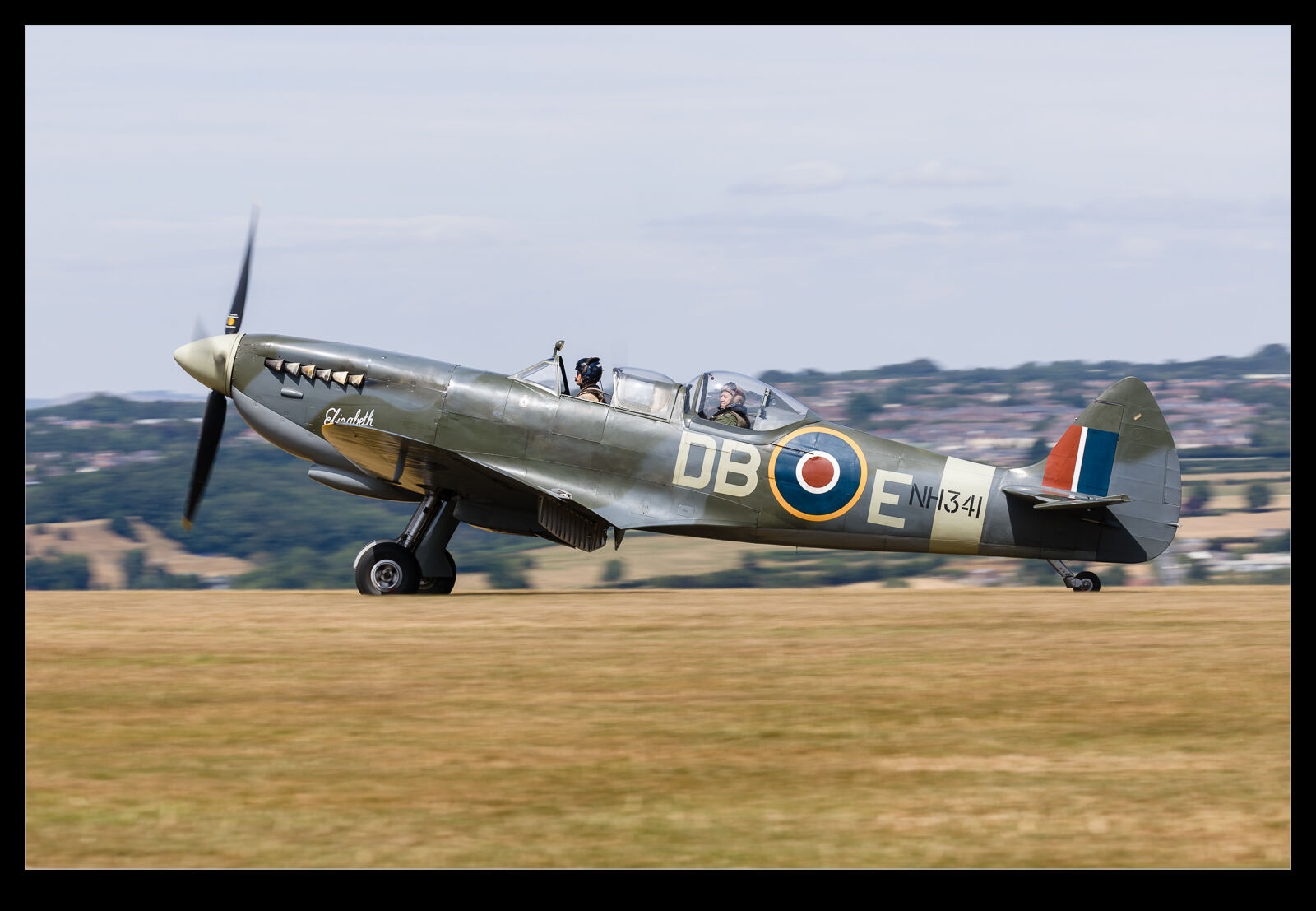
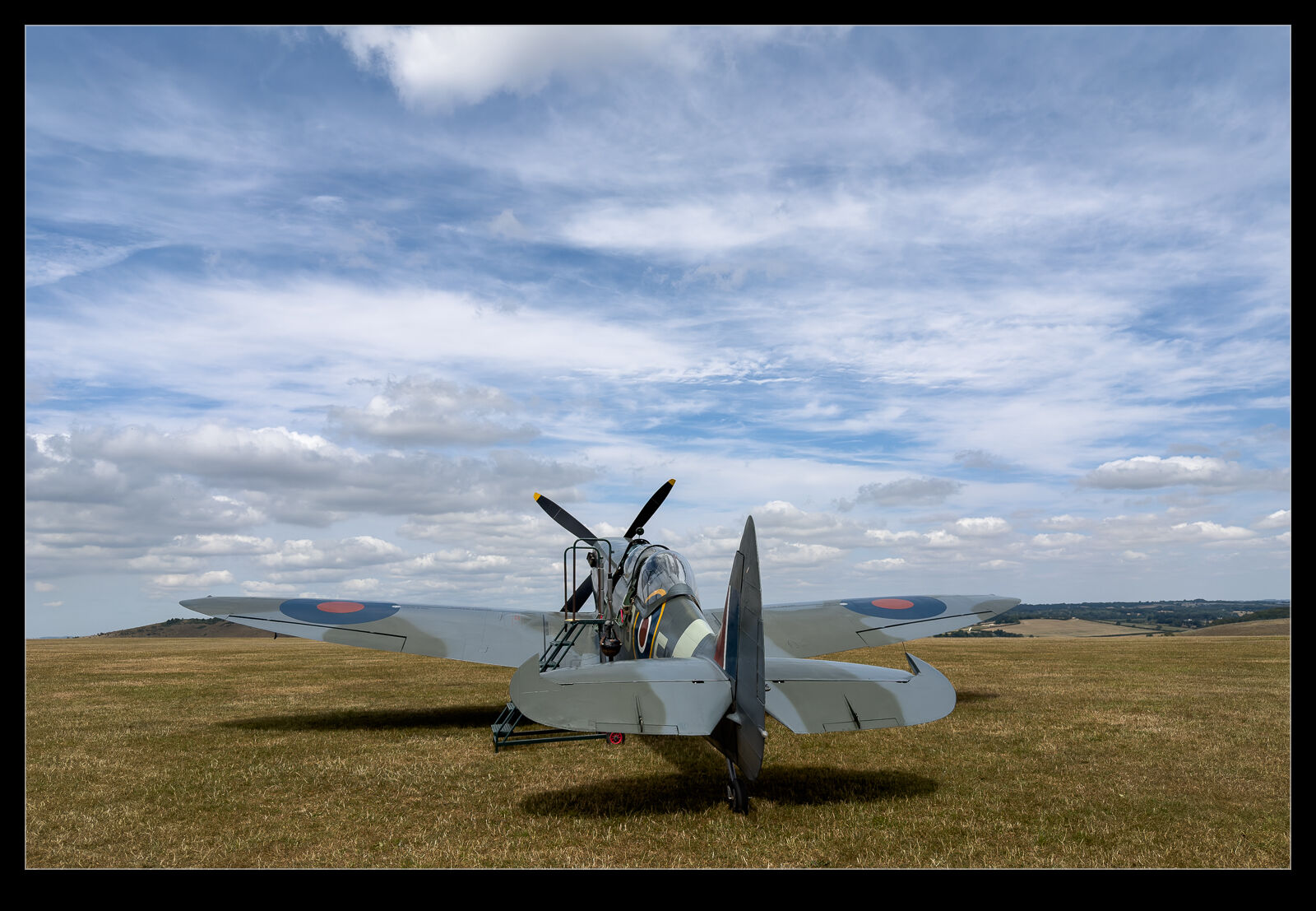
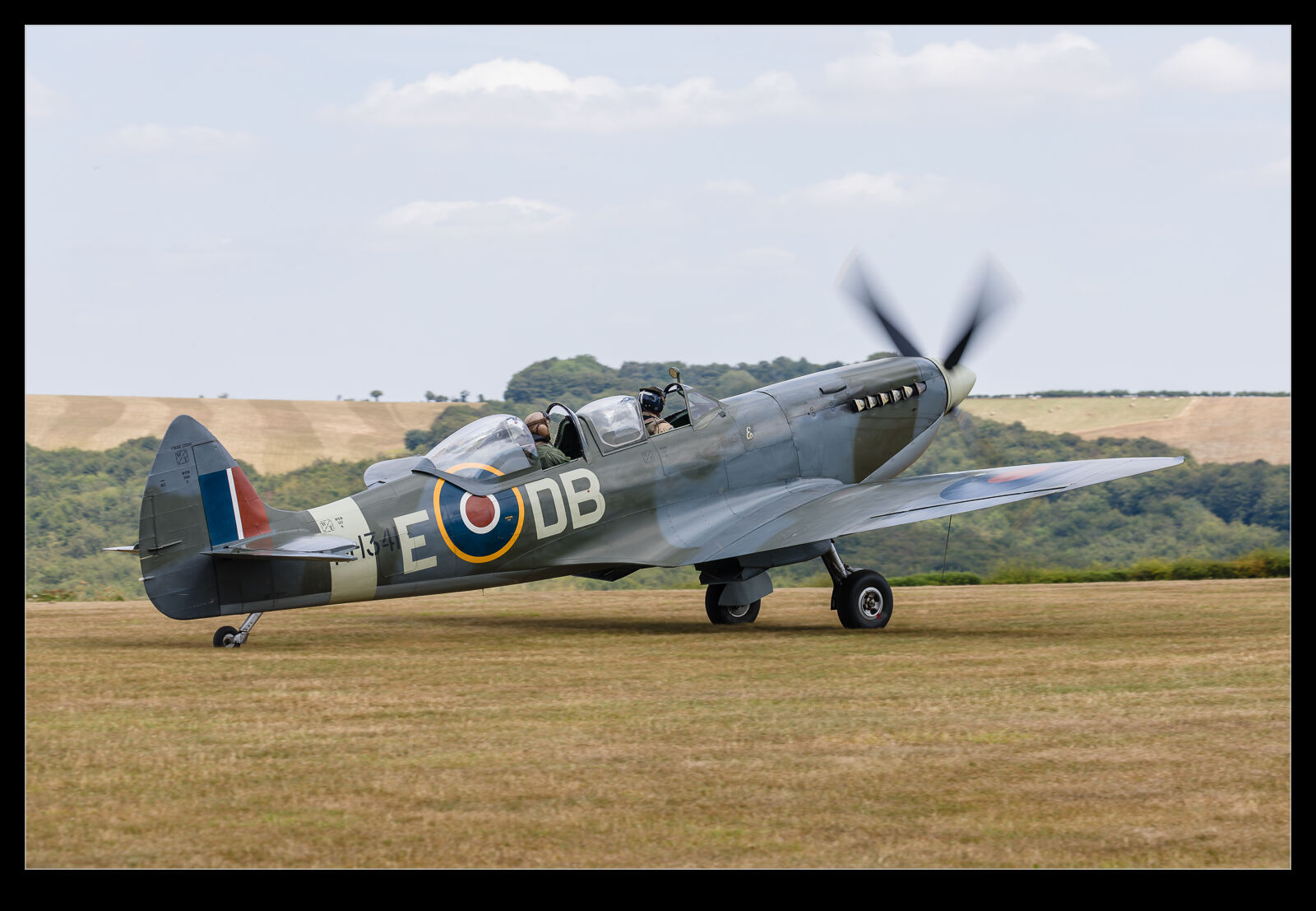
Two seat Spitfires seem to be ten a penny these days. The ability to make some decent money providing rides for people is a good way of supporting more airframes which isn’t a bad thing, even if they don’t look quite as elegant as the original design. There was one at Compton Abbas on the day of our visit that was doing a pretty good business taking people up for a ride. A blast down to the south coast and back seemed to be the norm.
You had plenty of notice when it was going up. The process of strapping in the passenger was not speedy and, while the pilot might not yet have come out to pre-flight, the activity loading up let you know that a flight was not far off.
Conditions were pretty blowy which, given the location on a hilltop, didn’t seem so surprising. I wondered whether this would limit flying but it didn’t seem to be much of an issue. Besides, the wind was quite close to being down the runway so not much of a challenge. When firing up the Merlin, the crowds outside the restaurant were treated to a blast of wind from the prop. A few hats would be dislodged but no one seemed to mind!
There were quite a few flights during the course of the time that we were there. The return at the end of each flight included a high-level flyby but no beating up the field I’m afraid. That would have been a nice way to round things off but maybe that would not go down well with either the CAA or the neighbours.
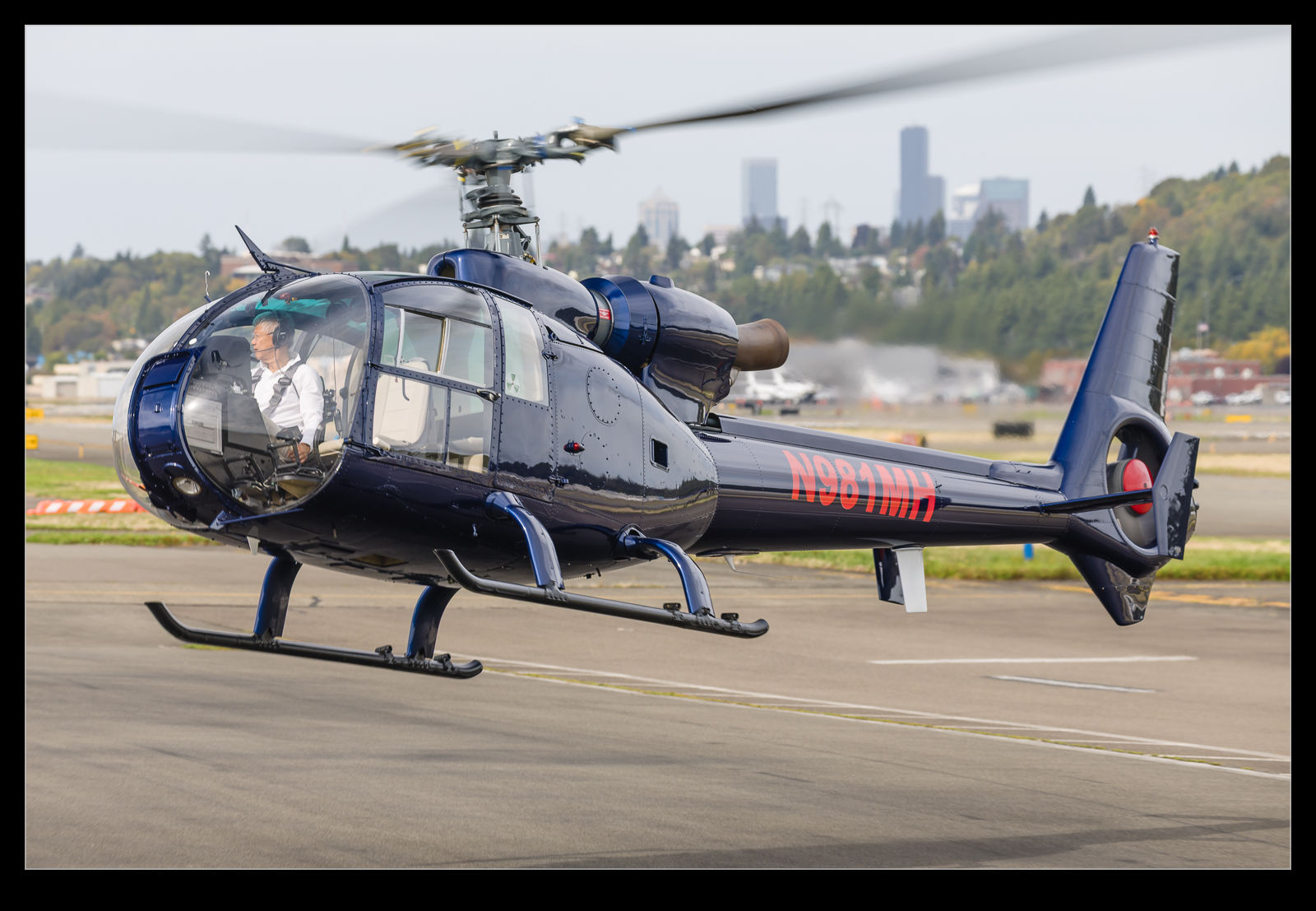 The Gazelle was very widely used in the UK armed forces when I was young. You would see the occasional civilian one as well, but I would see the military examples at air shows all the time. They have gone, now, but there are still examples to be found in use. That included a very pleasant surprise when I came across one at Boeing Field. The owner was doing some hover testing on the ramp at BFI, and I do love a Gazelle.
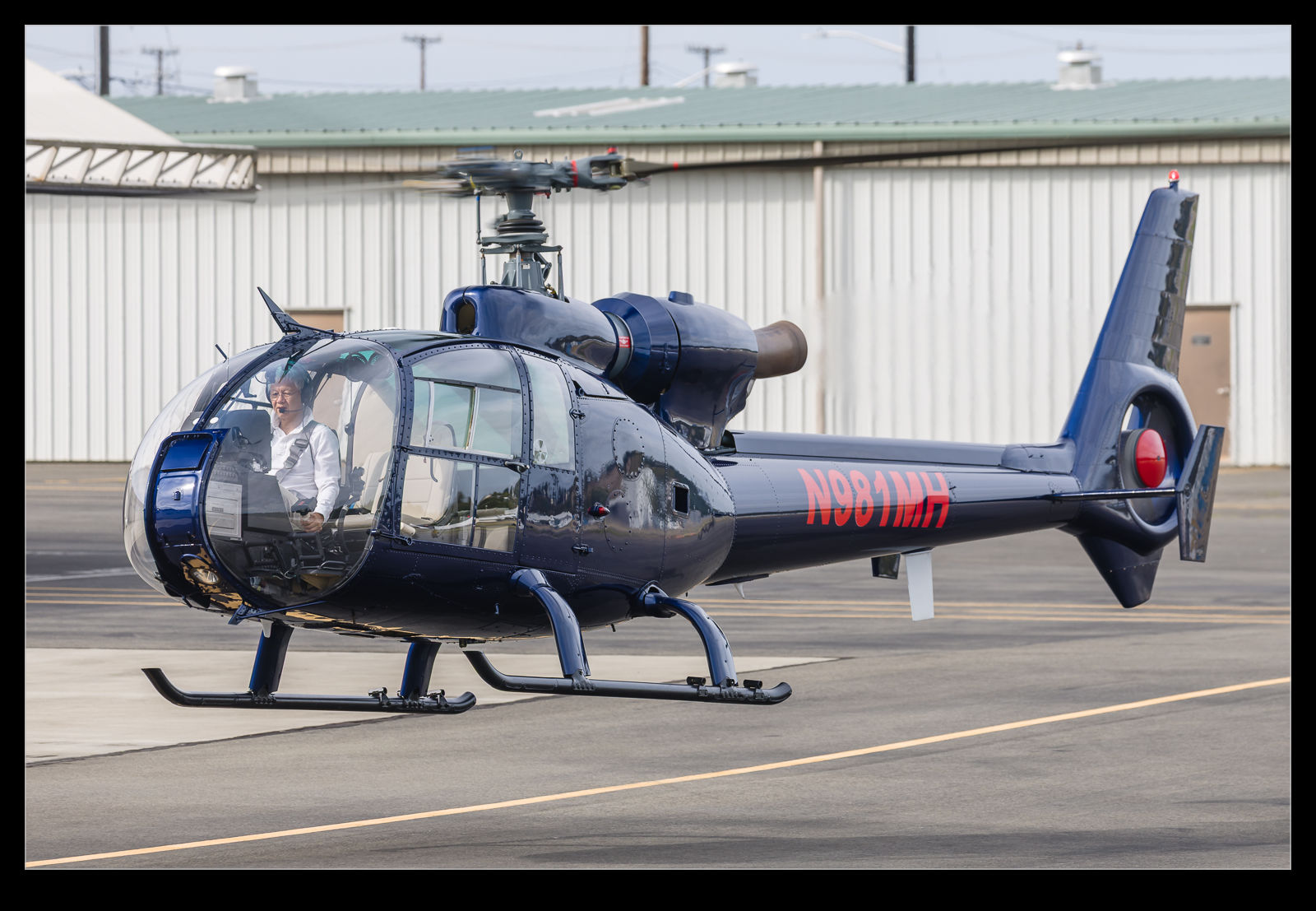 He was manoeuvring the airframe around a fair bit in the confines of the ramp, so I was able to get some different angles as well as a bit of variety in the background. Plenty of images were taken while I watched. After he landed, he came over to me and asked what I was doing. I was quite straight that I was taking photos of his helicopter. He did answer some questions about it but was not keen on the images being taken. Time has moved on quite a bit now, so I figure there is no harm in sharing them now.