Tag Archives: RAF Cosford

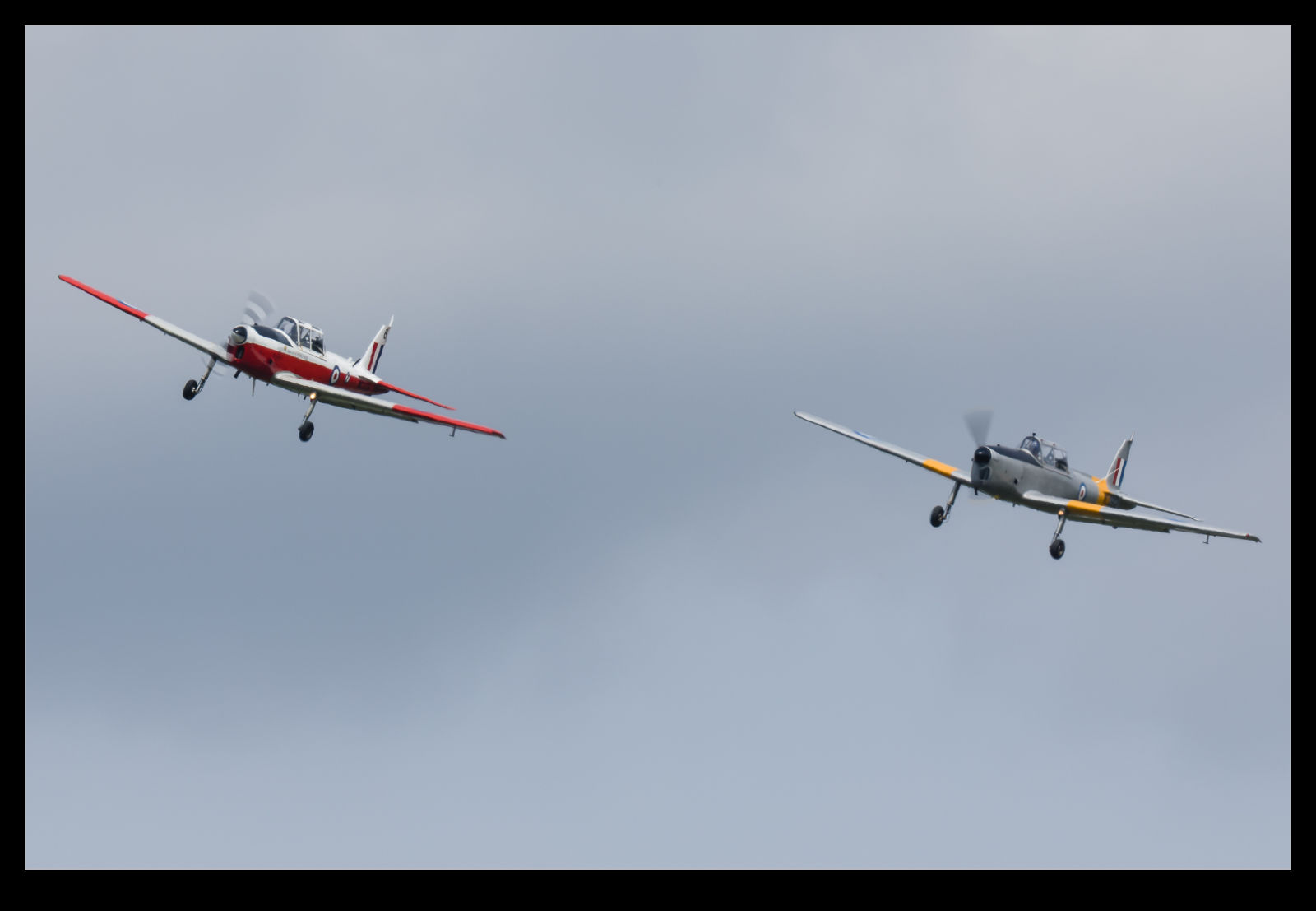
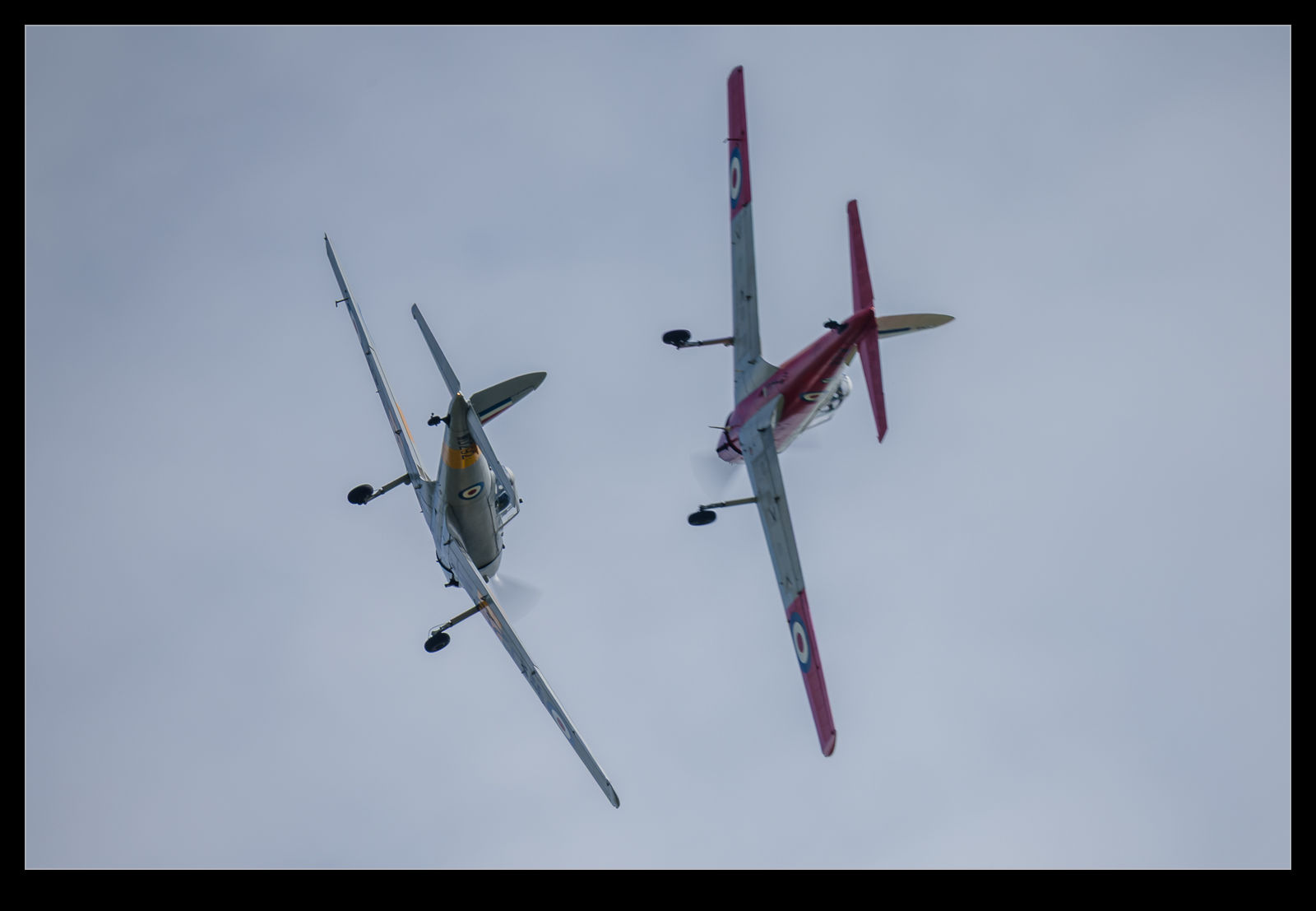
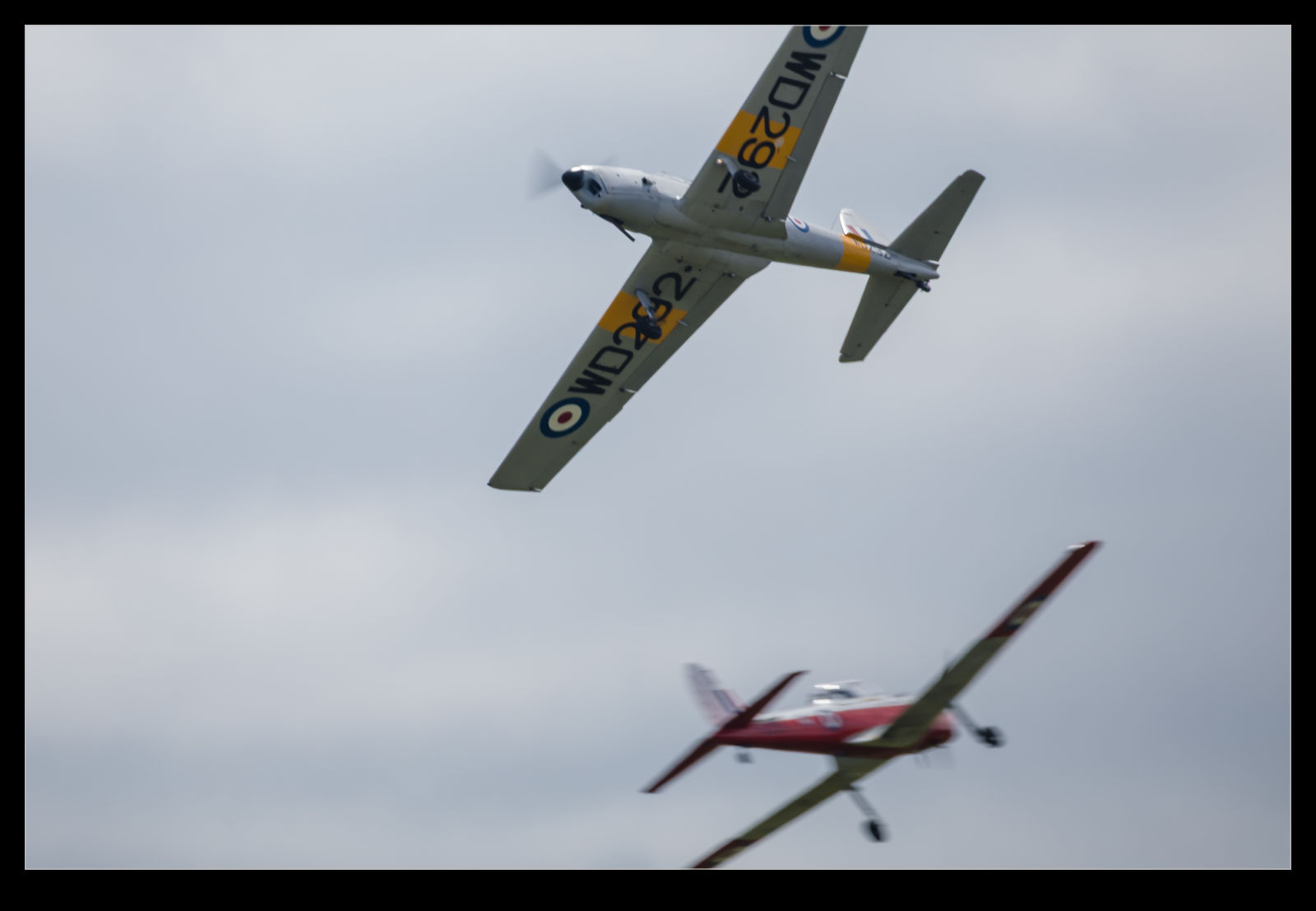
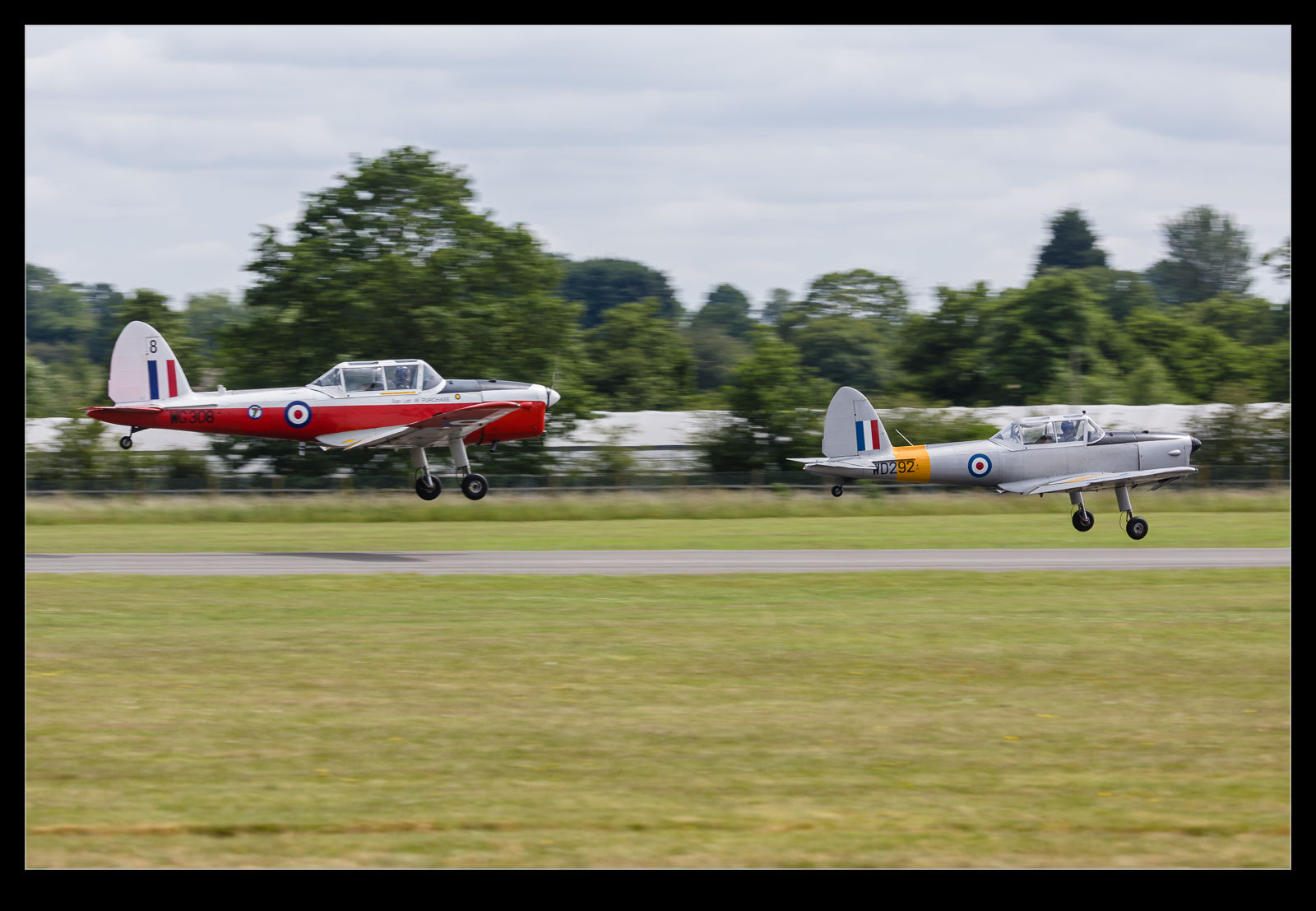
Chipmunk Vintage Pair

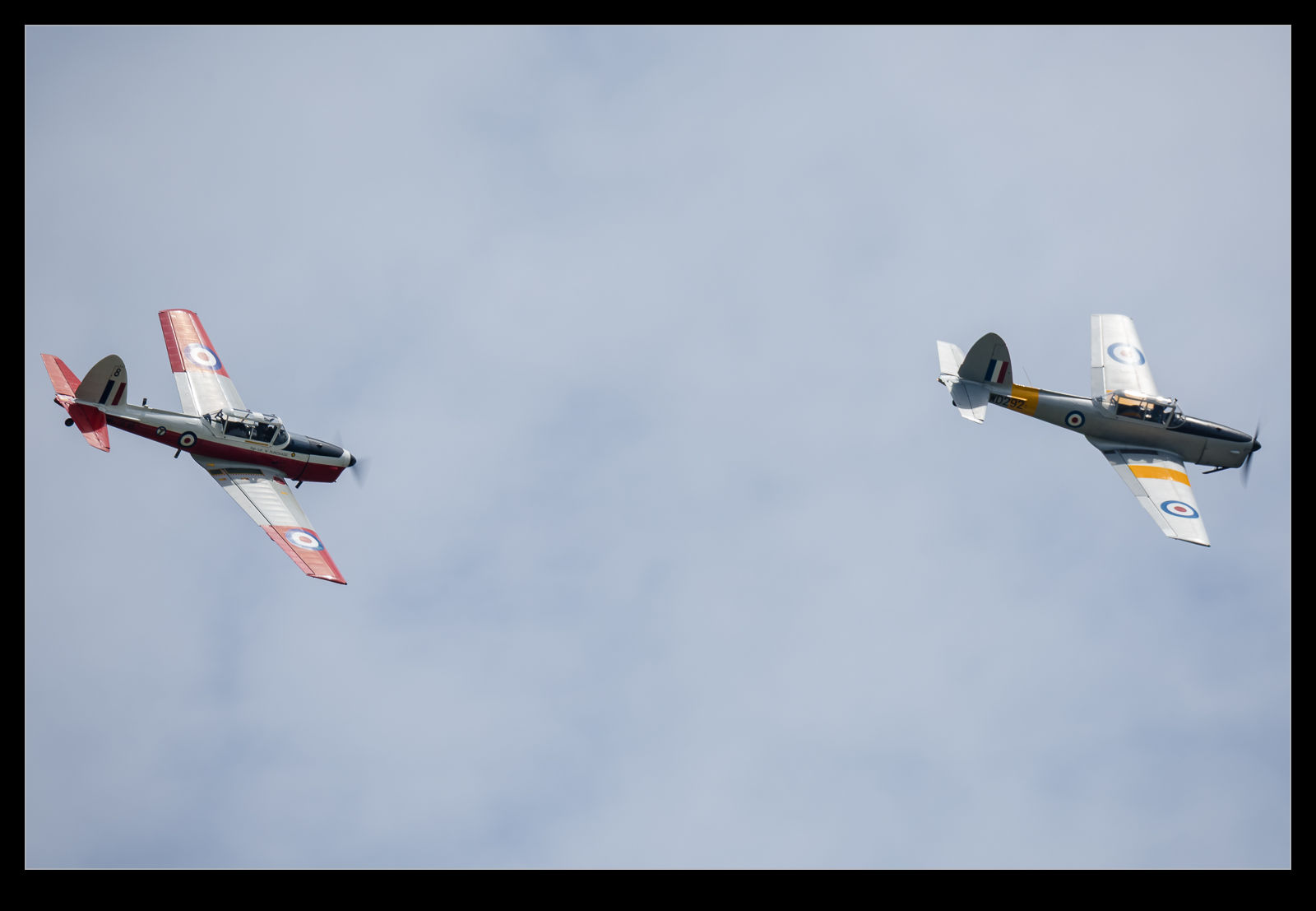
The first big airshow I went to had a display called the Vintage Pair with a Vampire and a Meteor. Sadly, they were lost during that performance. Quite an introduction to airshows! Consequently, when a I saw a display planned for Cosford with the same name, it caused me to have a raised eyebrow. This time, it was a pair of Chipmunks that were to display. A slightly slower pairing but, as it turns out, still a pretty good one and no drama this time.

The nice thing about displaying slower aircraft is that you can keep things close to the crowd without too much effort. They did a nice job of having something underway in front of the spectators throughout the display. I enjoyed the whole show, but one element really appealed and that was at the end of the performance. They came into land in formation. Throughout the curving final descent, both aircraft were side slipping, so they came down quite quickly. A formation descent on a curving path while side slipping seemed pretty high skill to me. Congratulations to the team. I was impressed.

Sally B

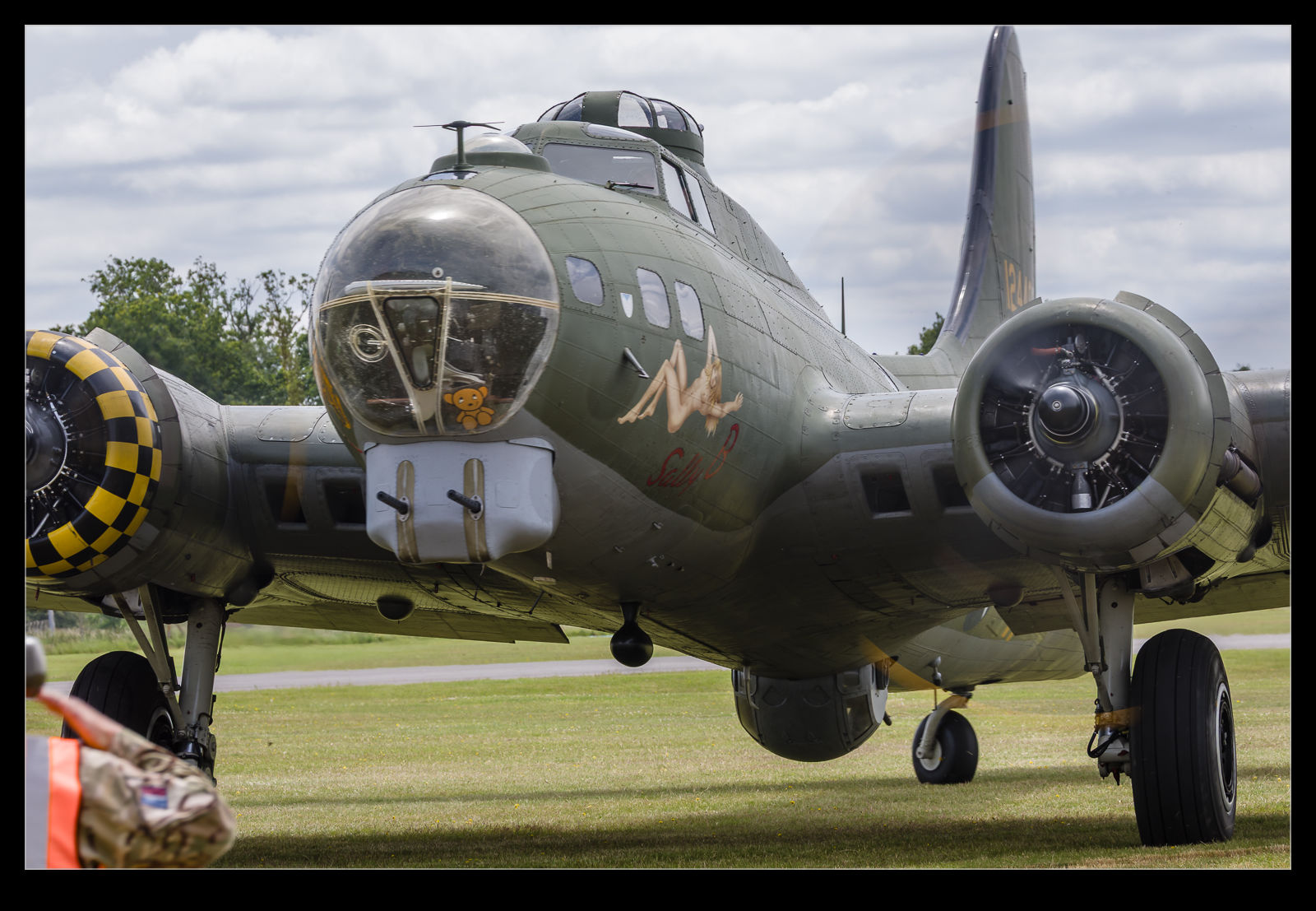
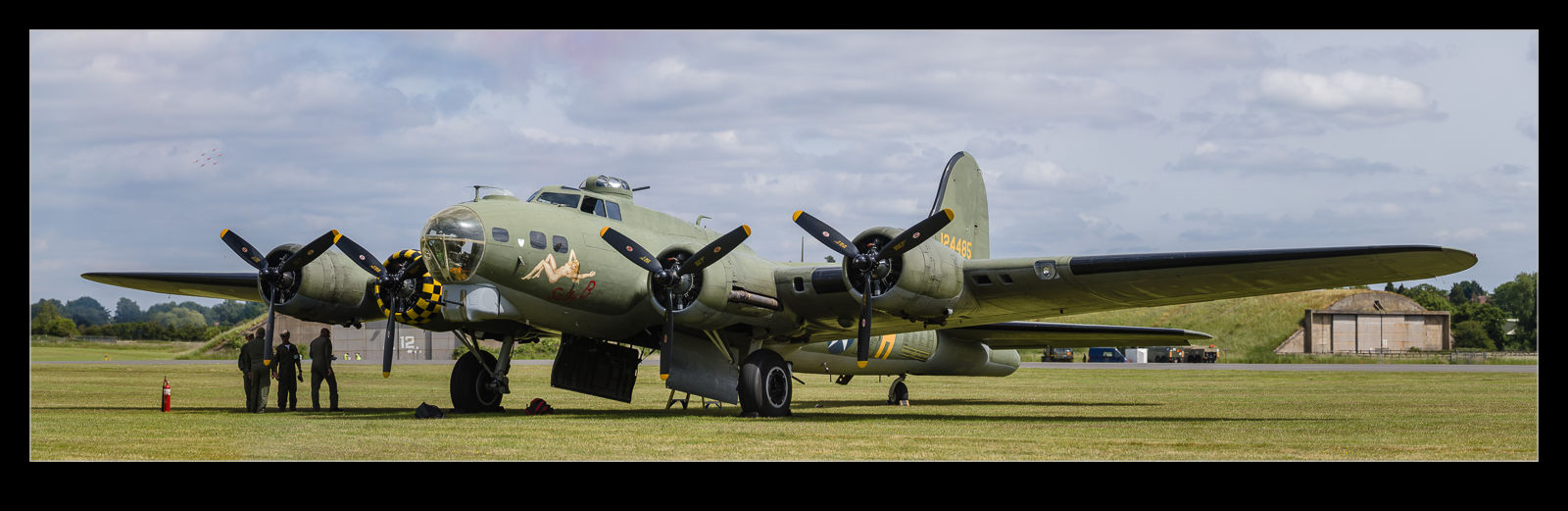
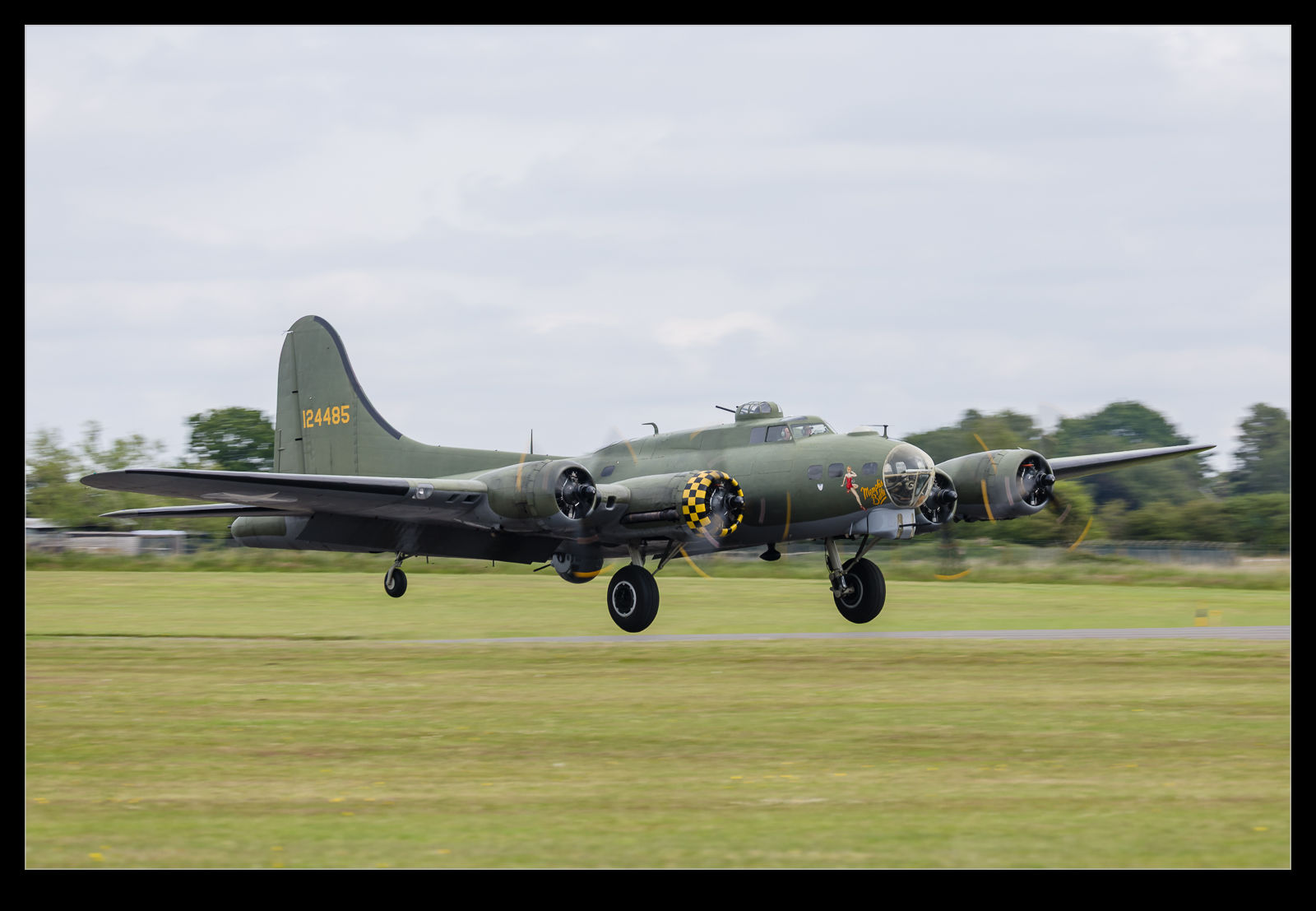
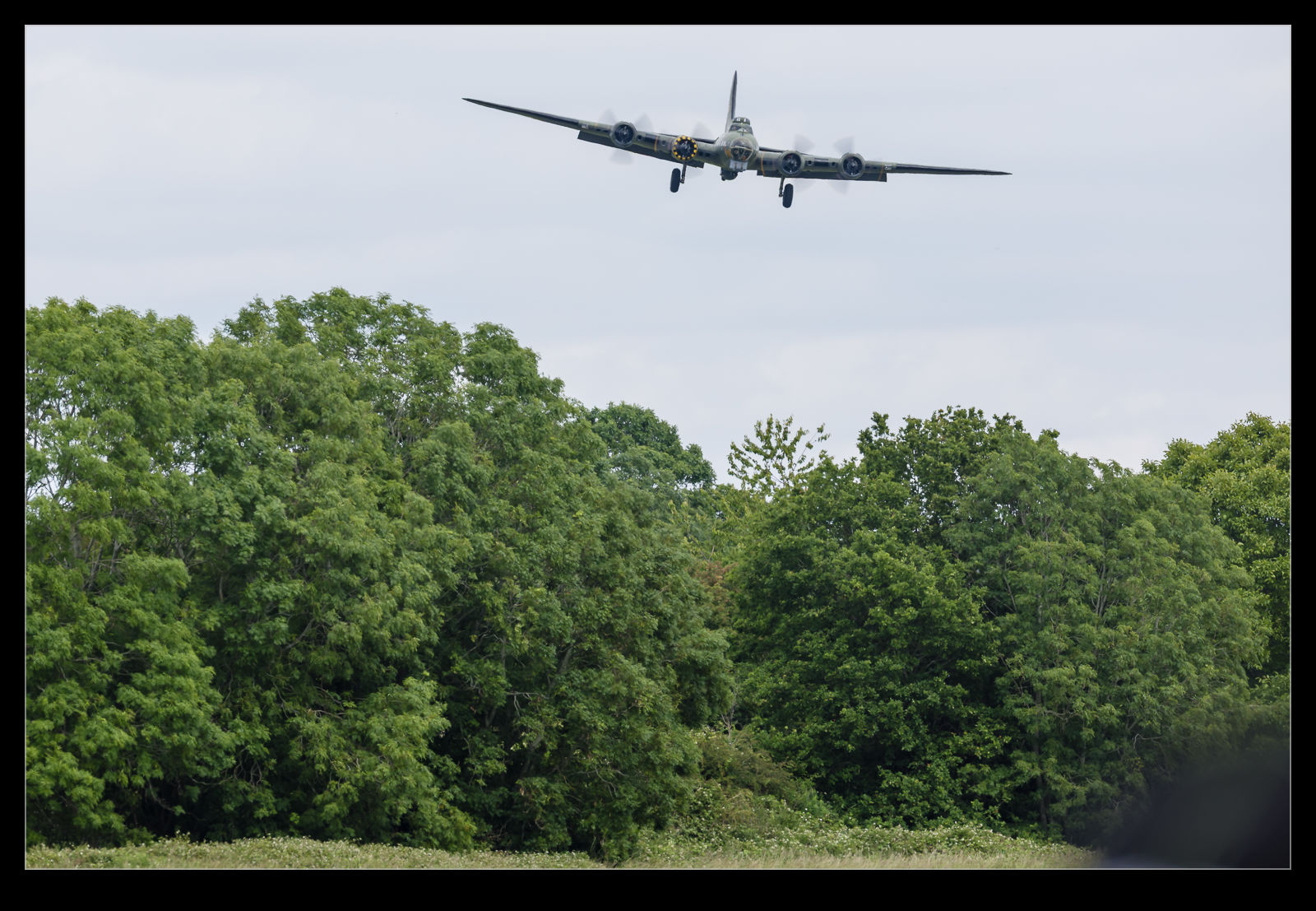
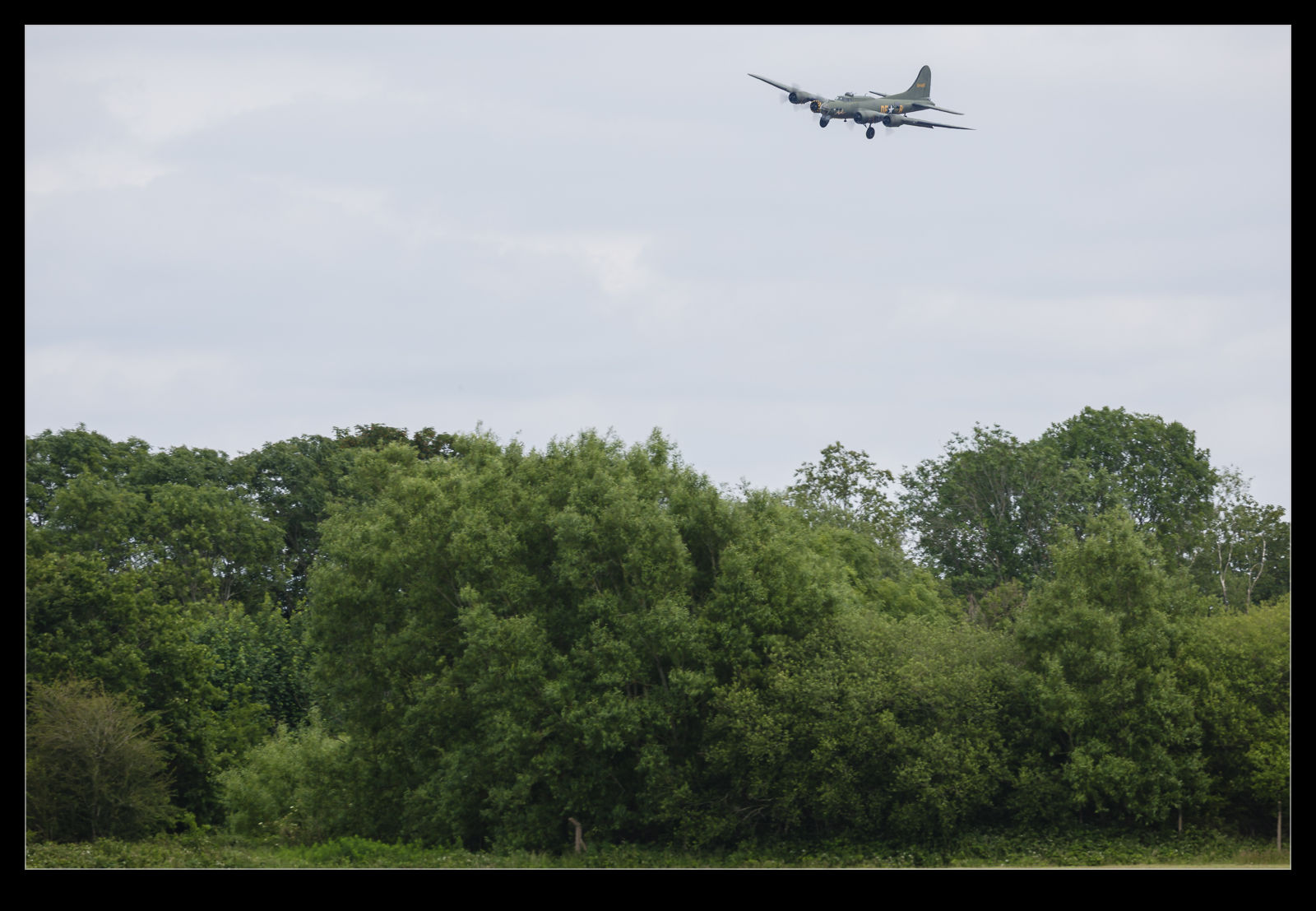
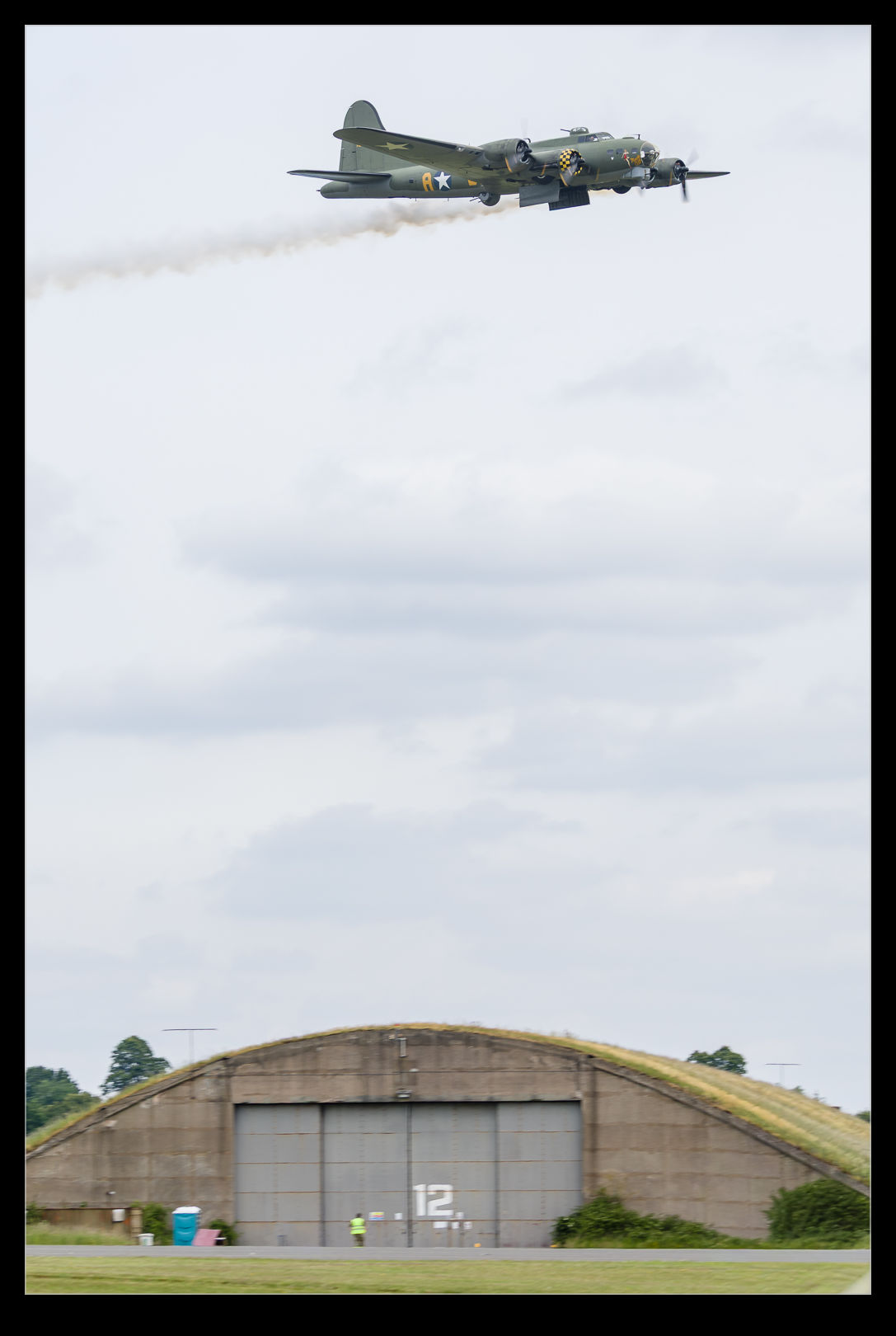
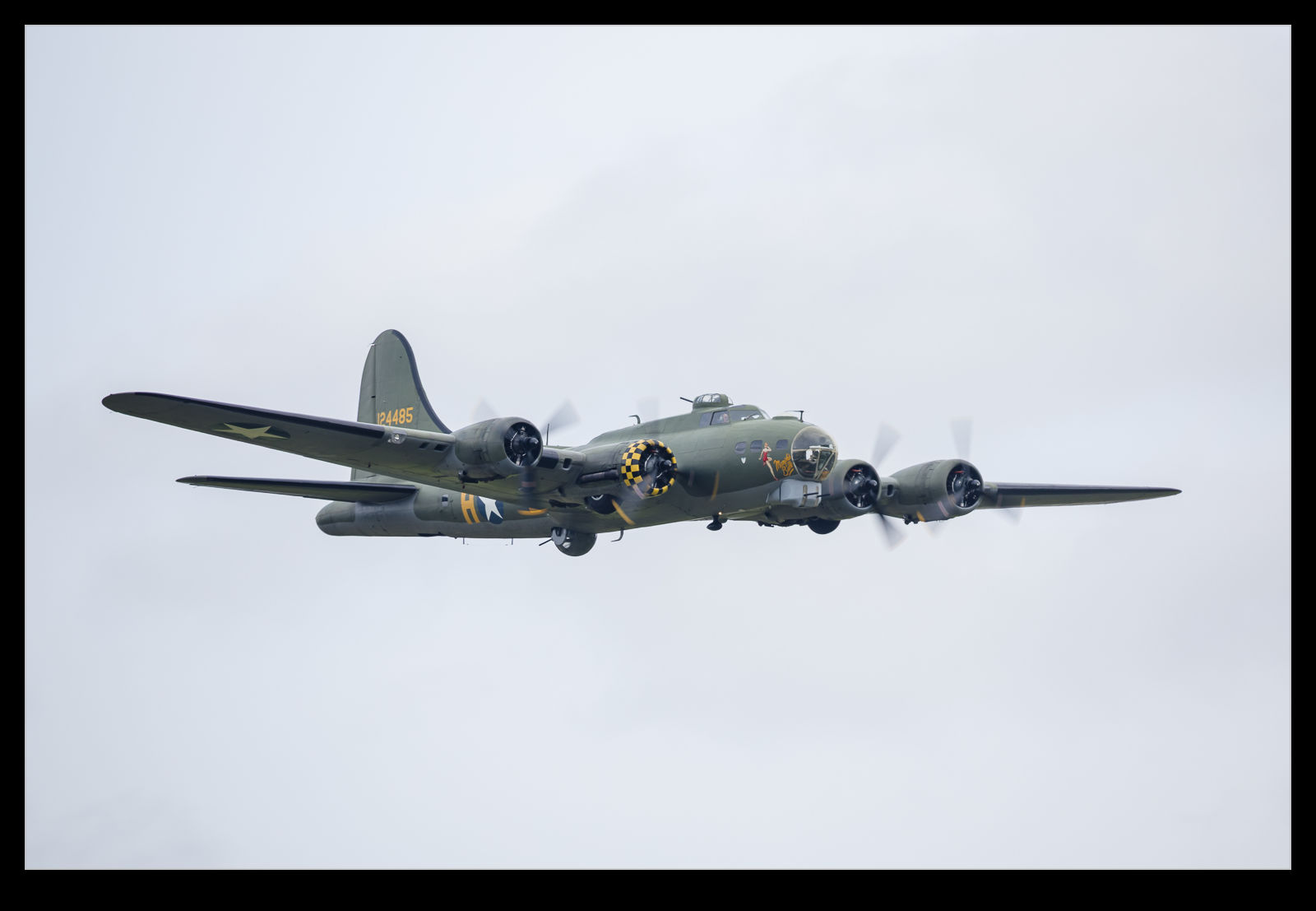
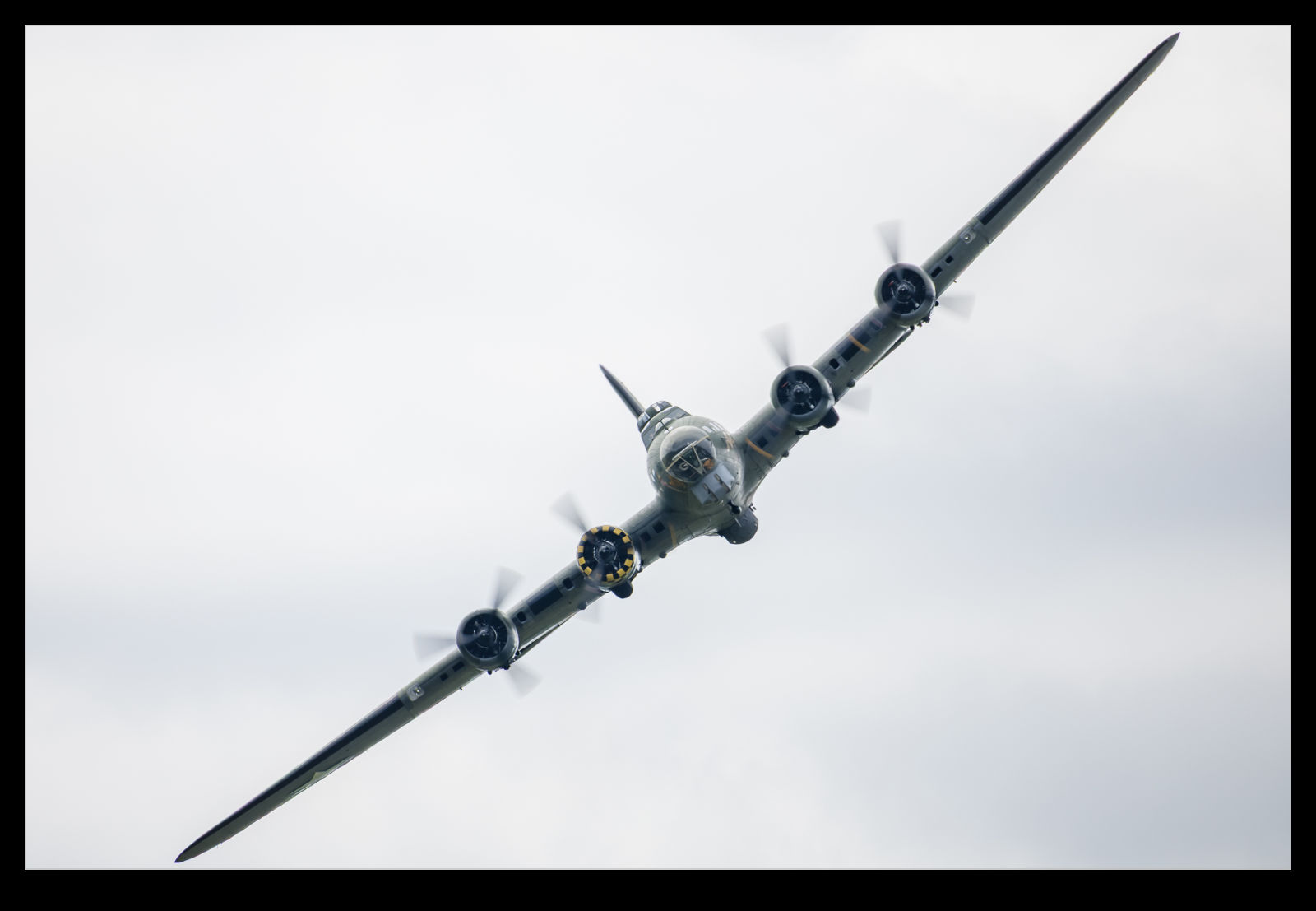
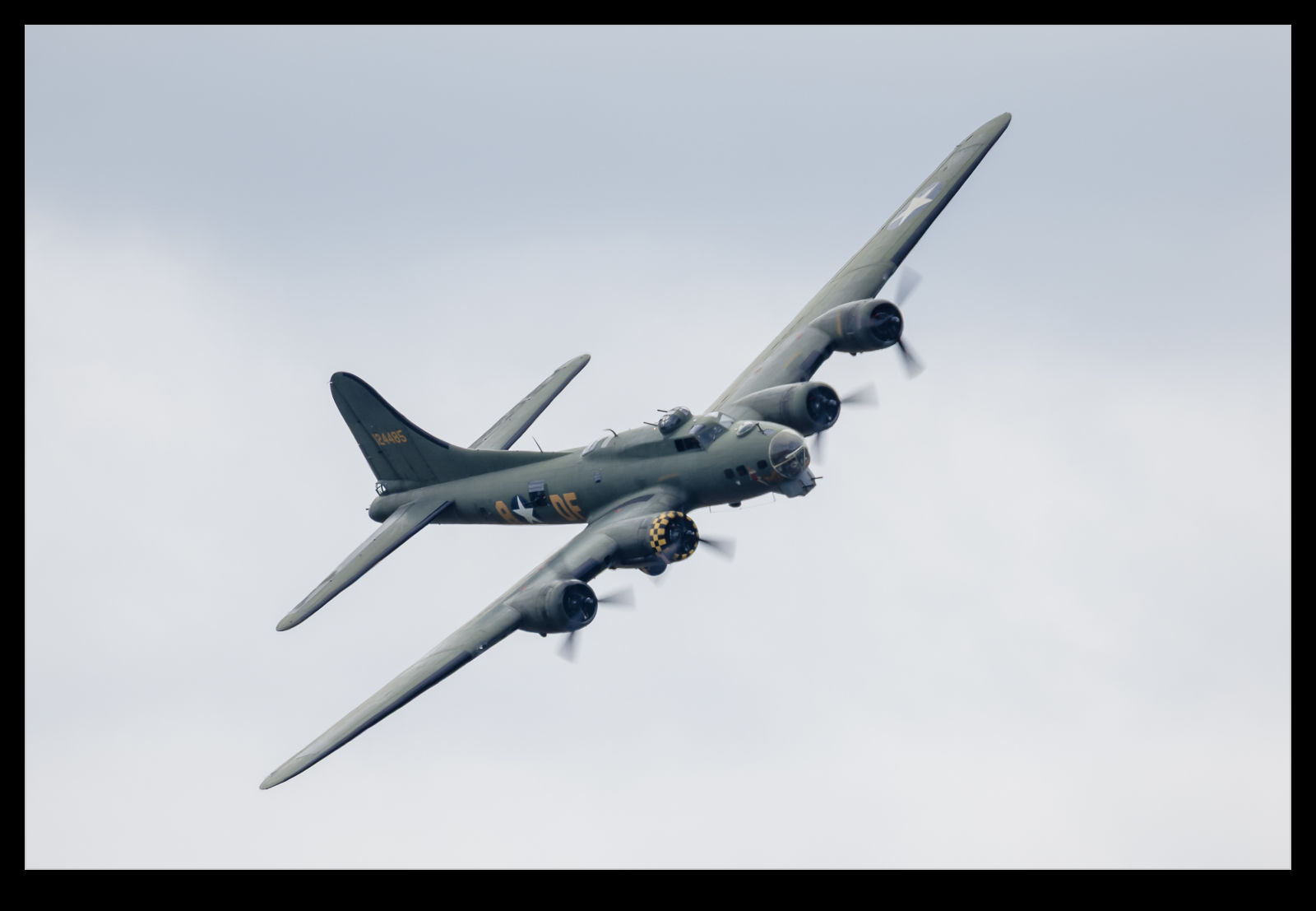
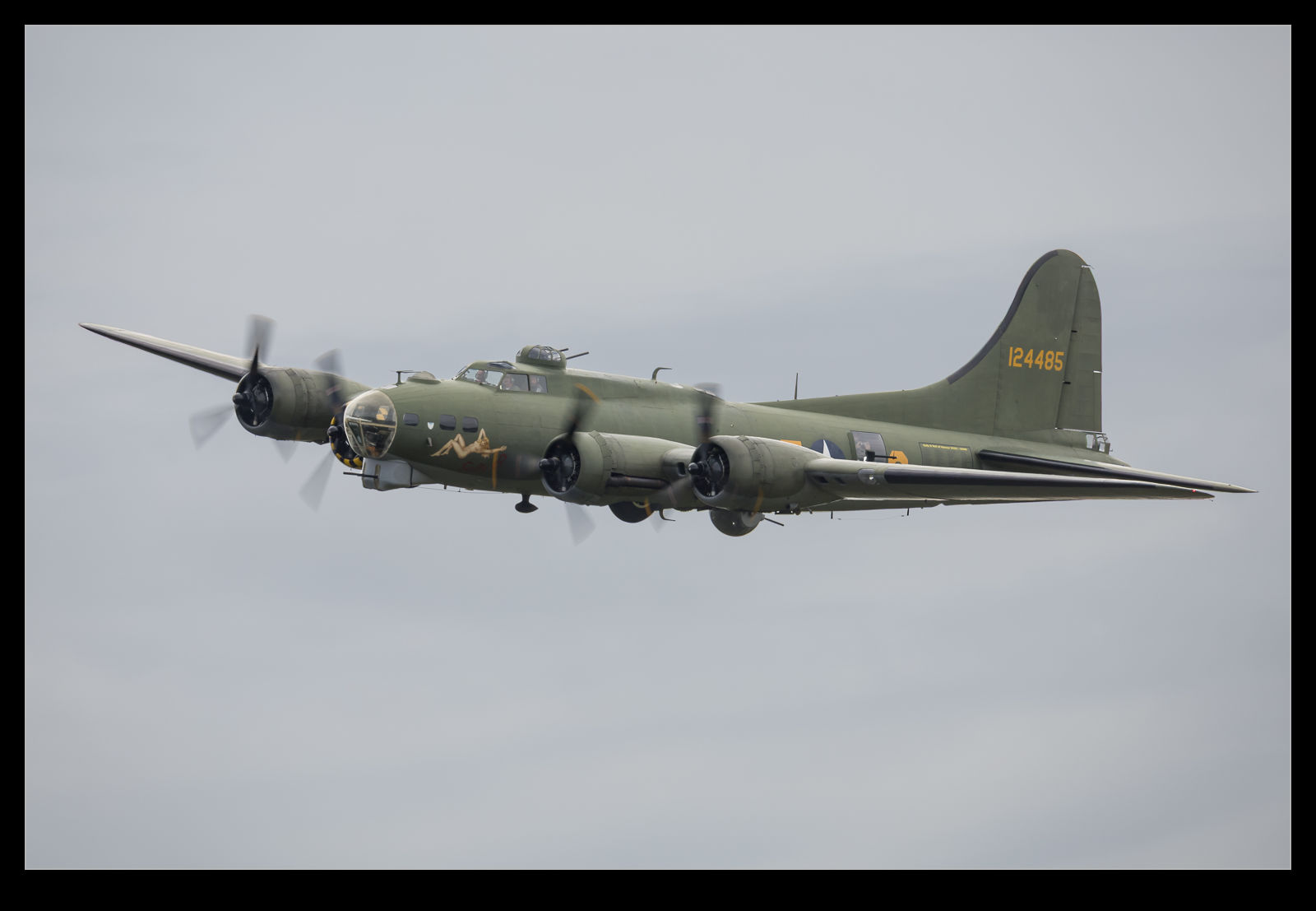
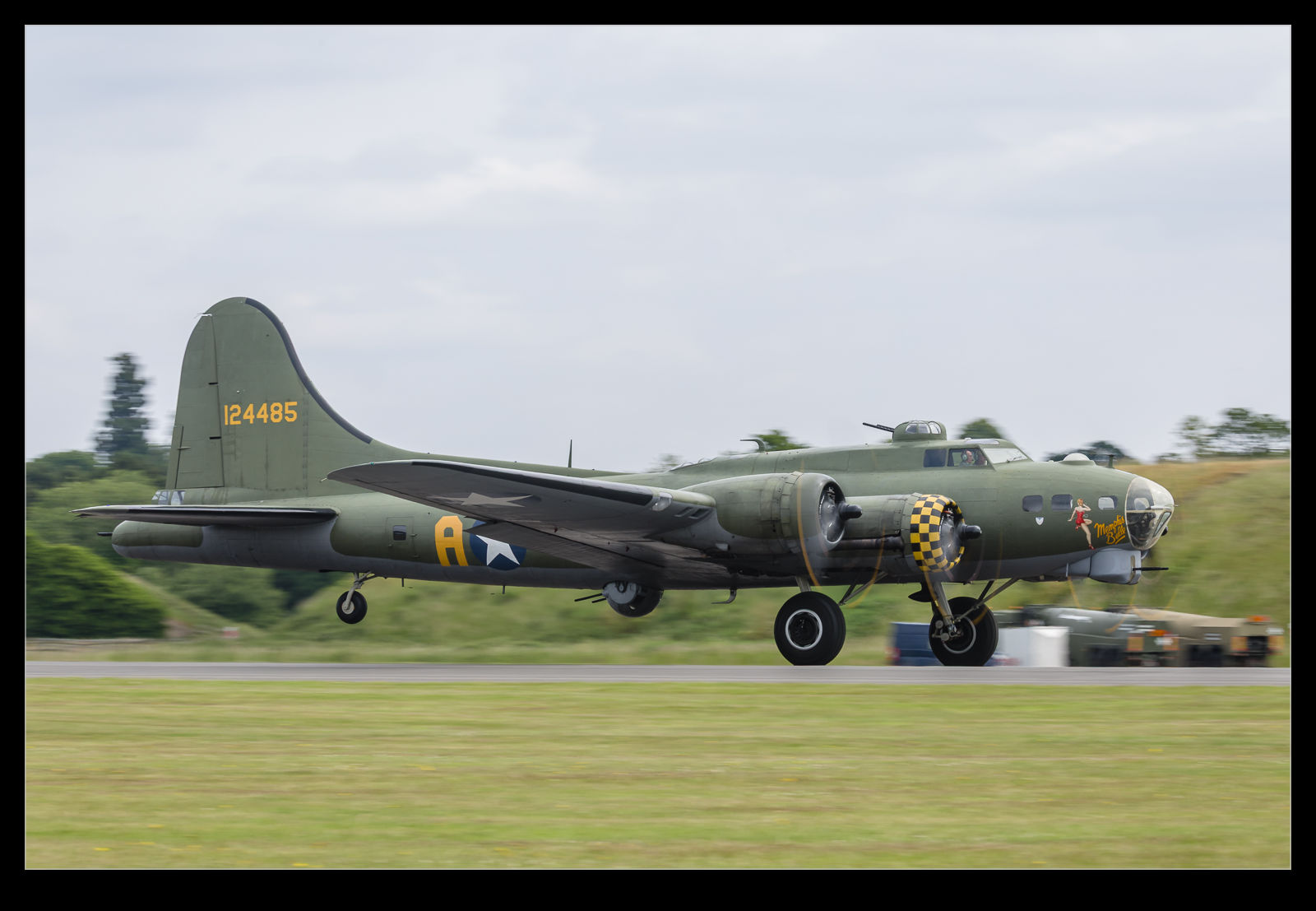
The lighting was far from ideal at Cosford when B-17 Sally B did its display, but the display itself was a good one. After a couple of decades in the US, I have seen a variety of B-17s at air shows. Sally B will still be the first one I saw, though. She has been part of the UK display scene for as long as I have known about it and was one of the five that were used for the filming of Memphis Belle. Good to see her again and glad to know that they have continued to keep her active.

Holding Down the Swordfish

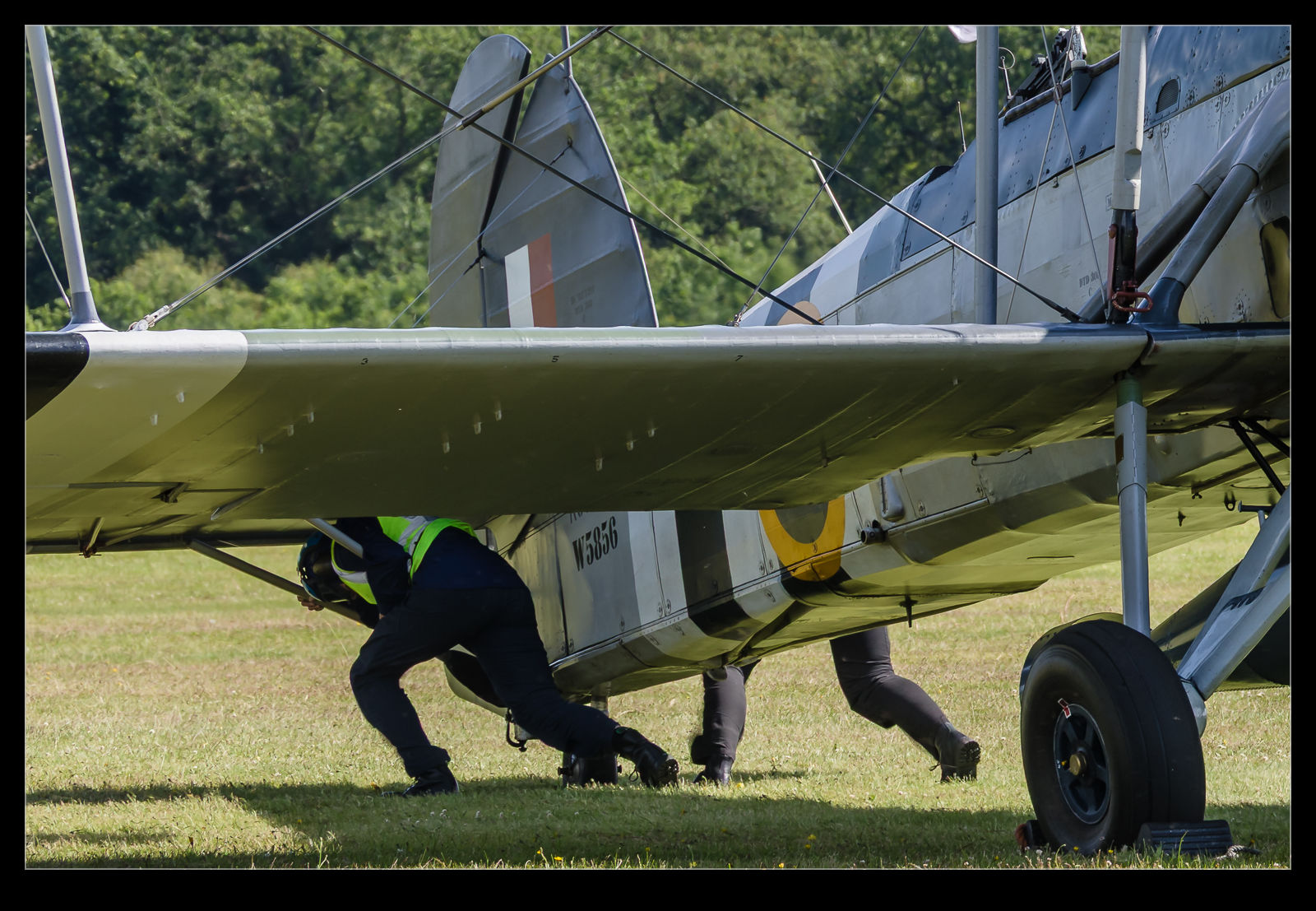
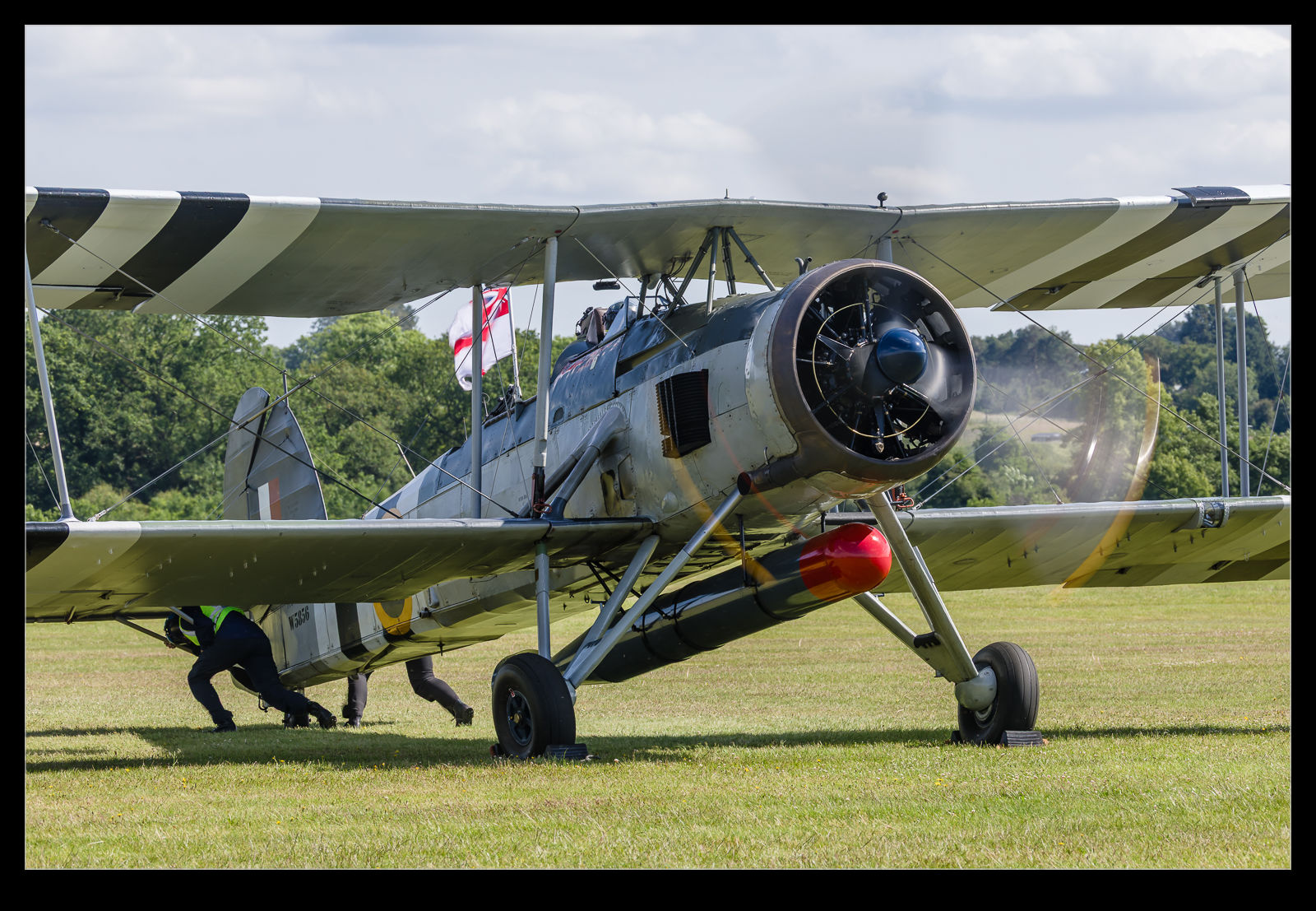
During the Cosford air show, the Royal Navy Swordfish was part of the display. While it might not be the fastest aircraft from that era, it still has a pretty meaty engine up front. Once started, time is needed to get the oil up to temperature and to run up the engine to check its performance before it goes flying. The ground crew needed to keep the plane anchored while this was done and the way they did this was to hang on to the tailplane. Watching them getting battered by the prop wash while the engine was cycled was rather amusing.

Naval Wildcat Being Thrown Around

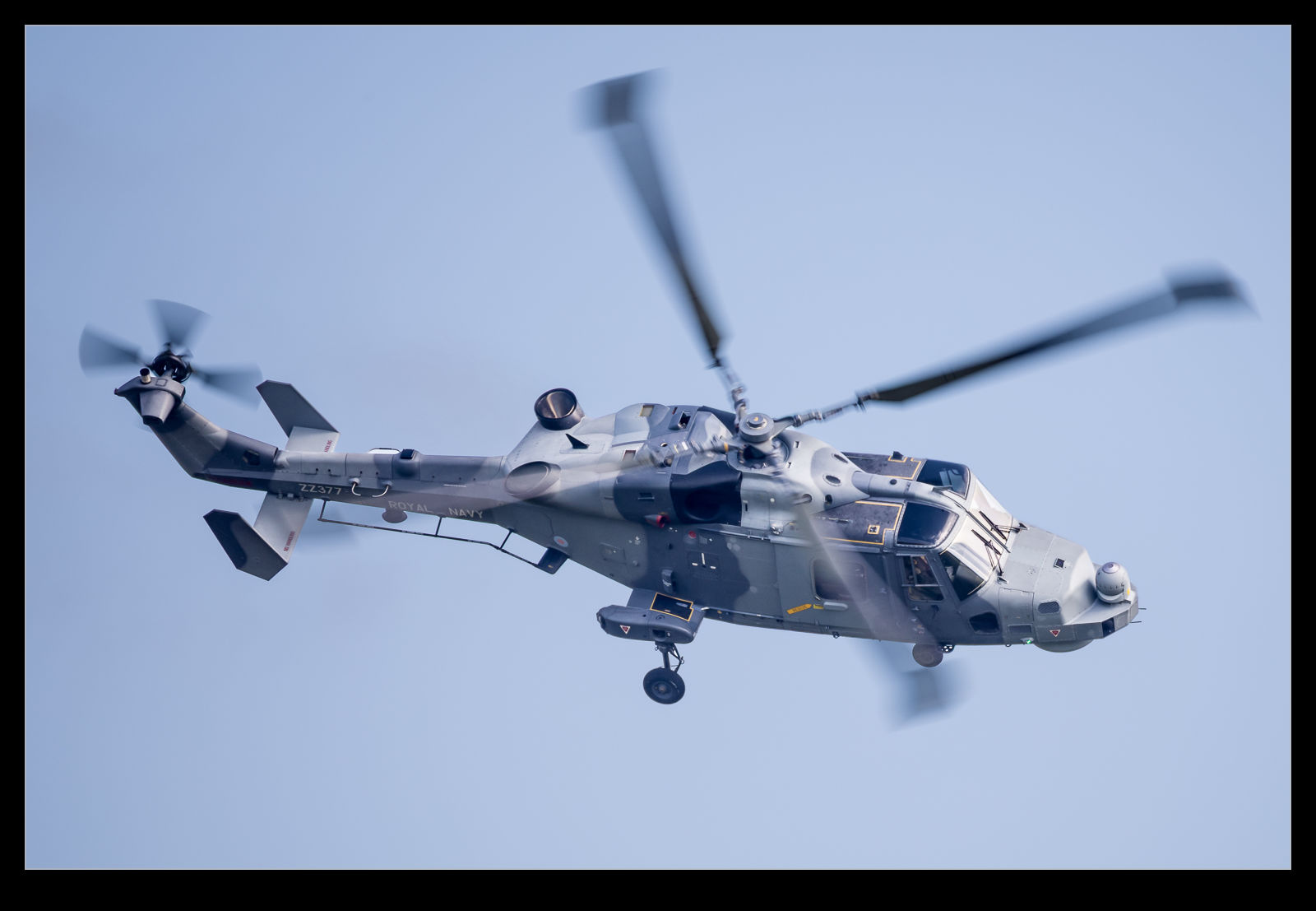
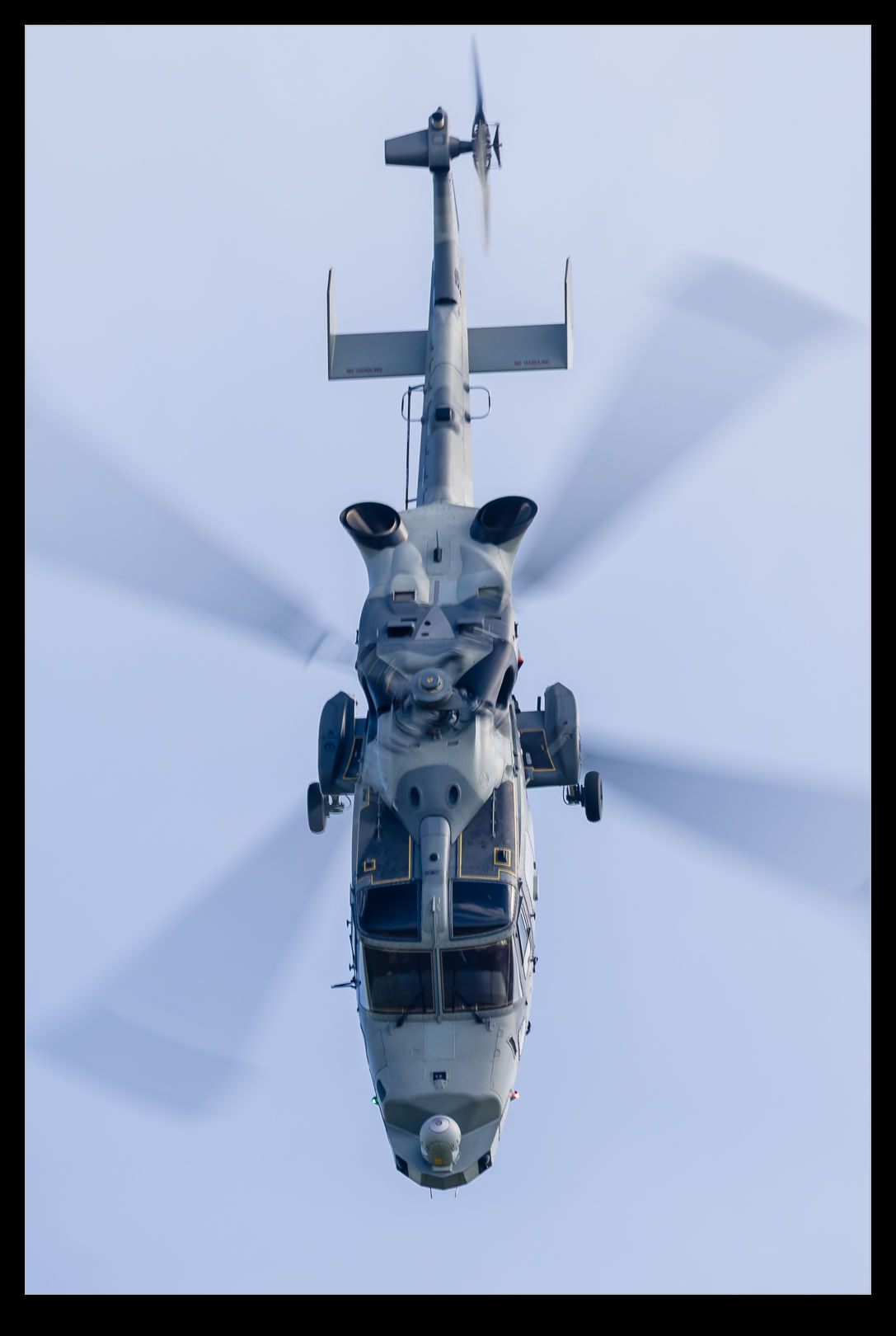
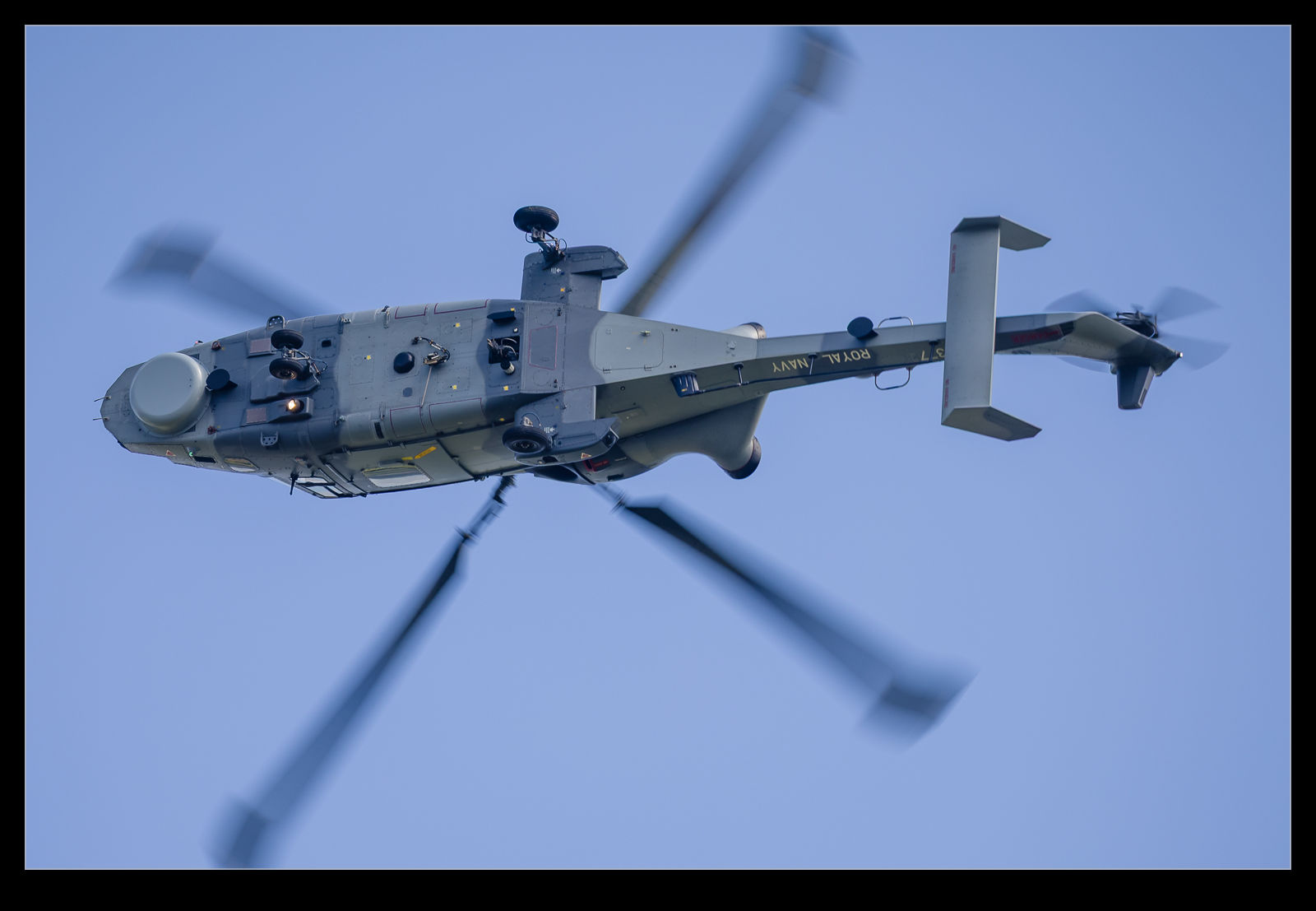
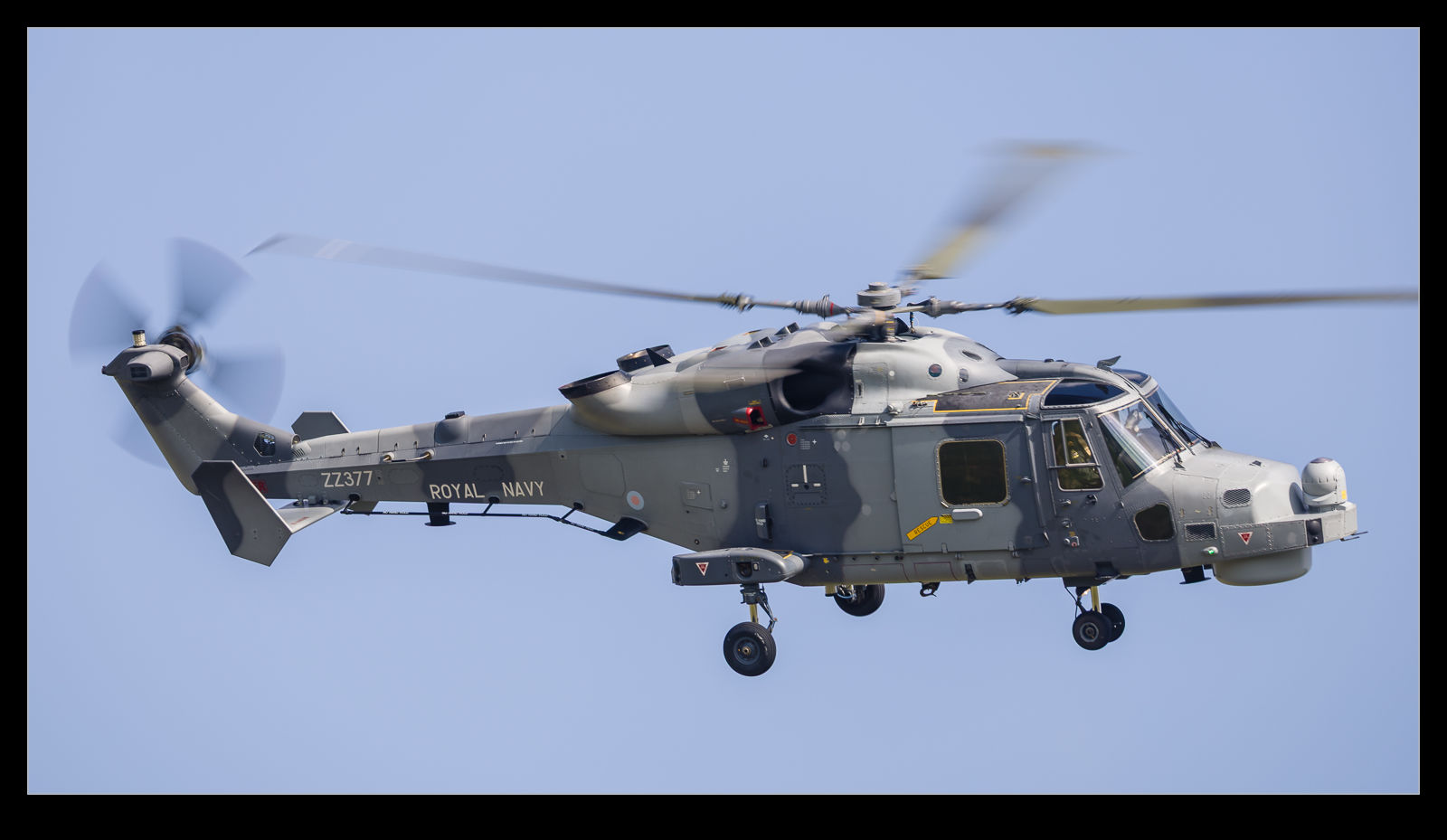
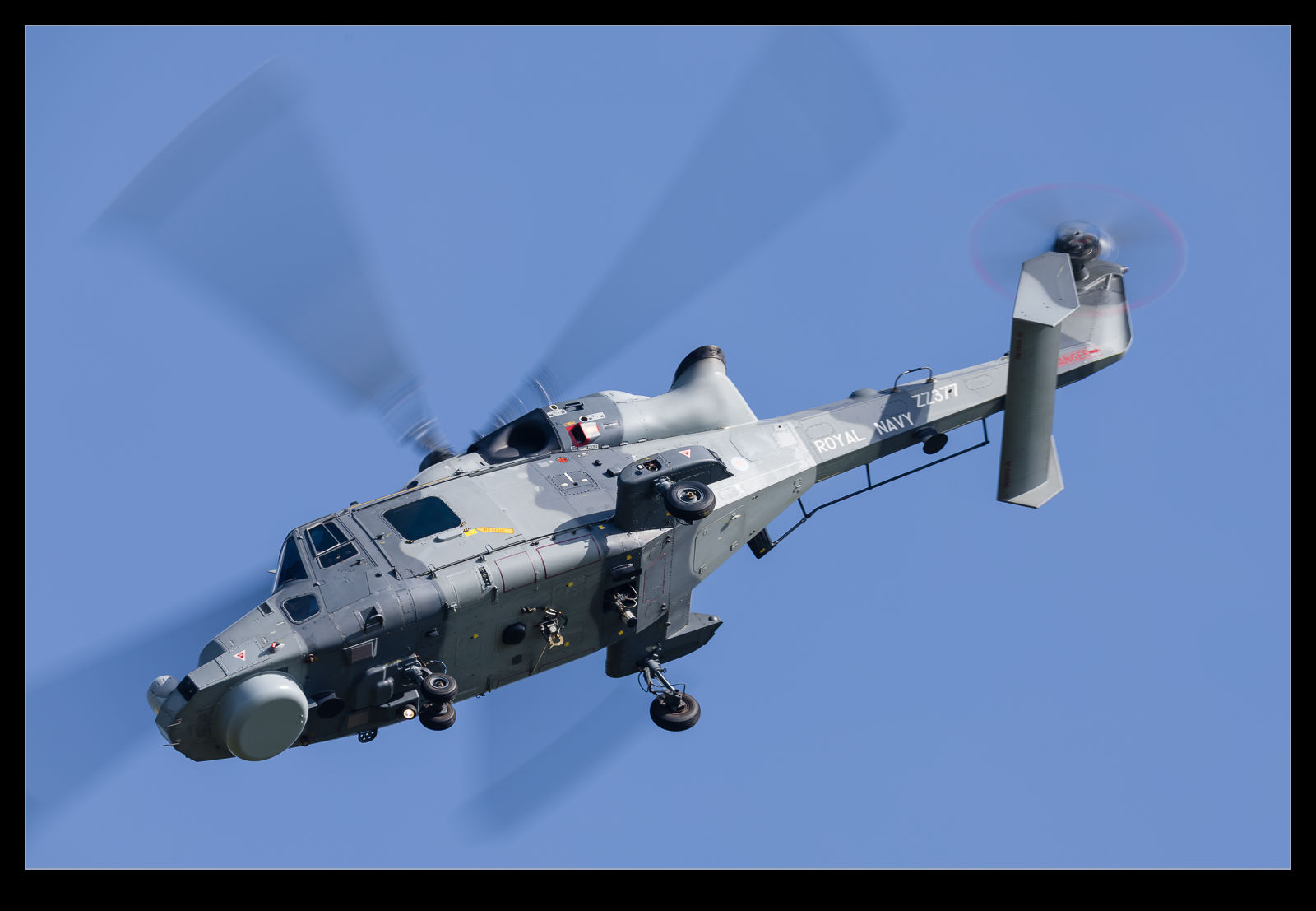
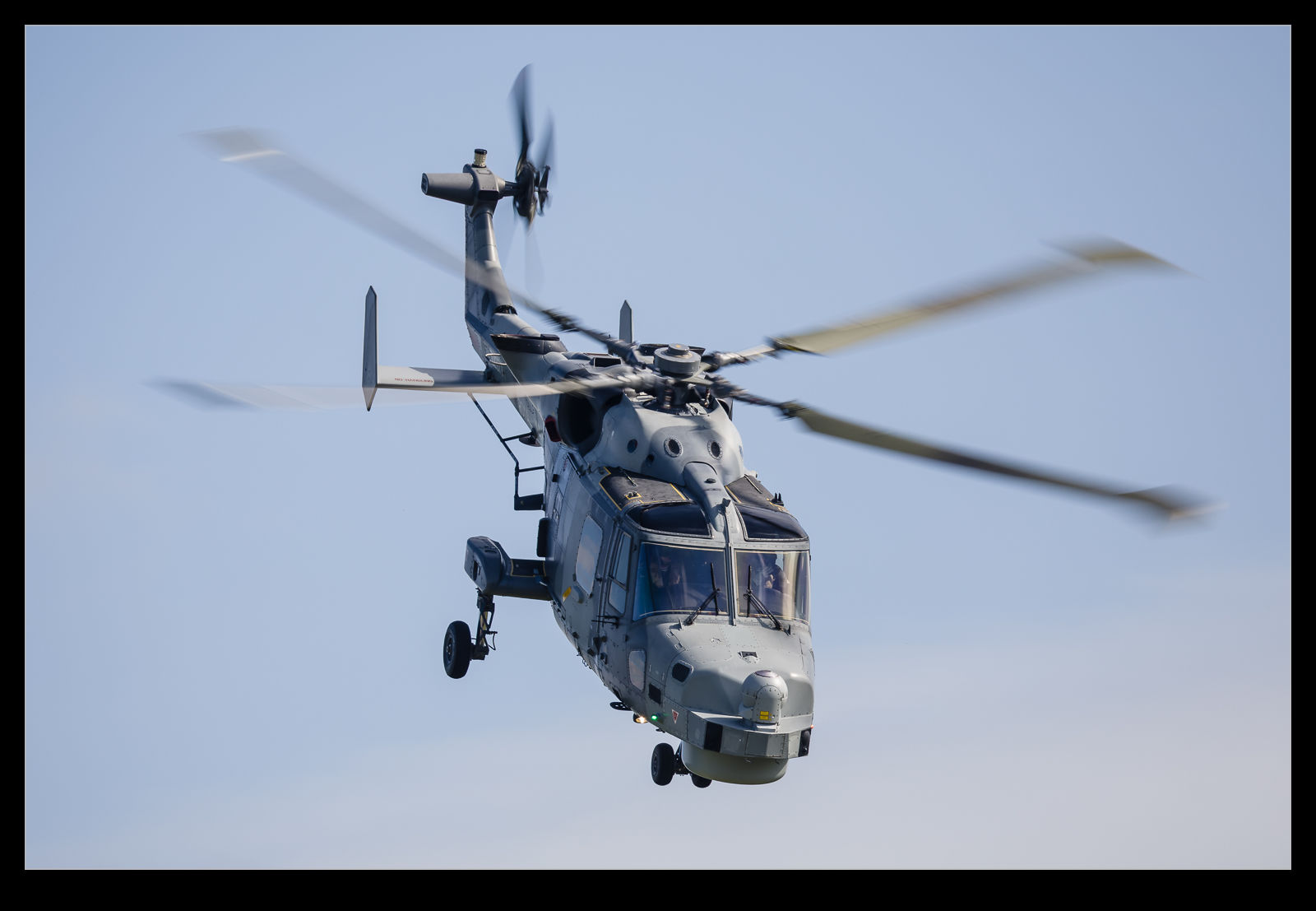
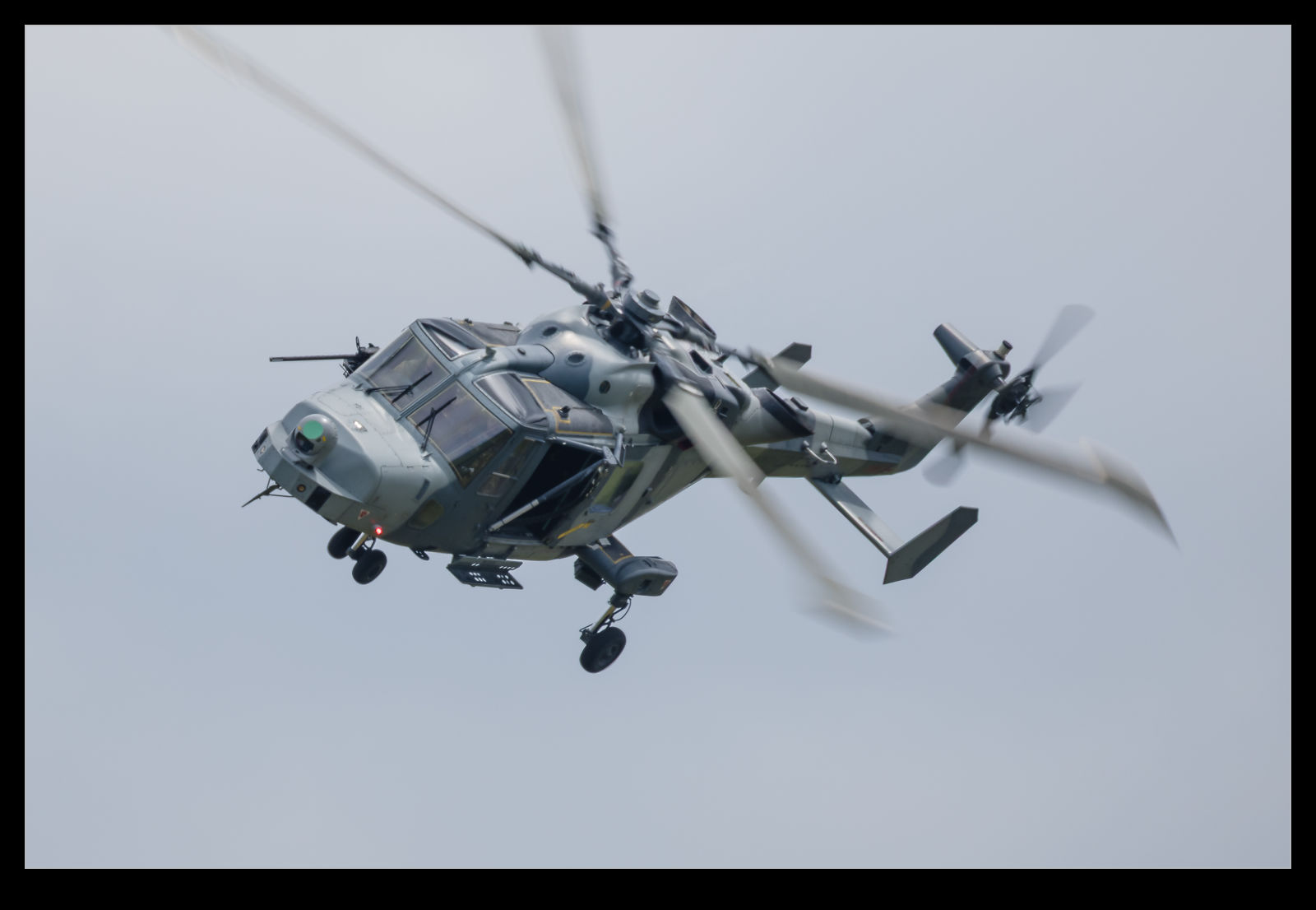
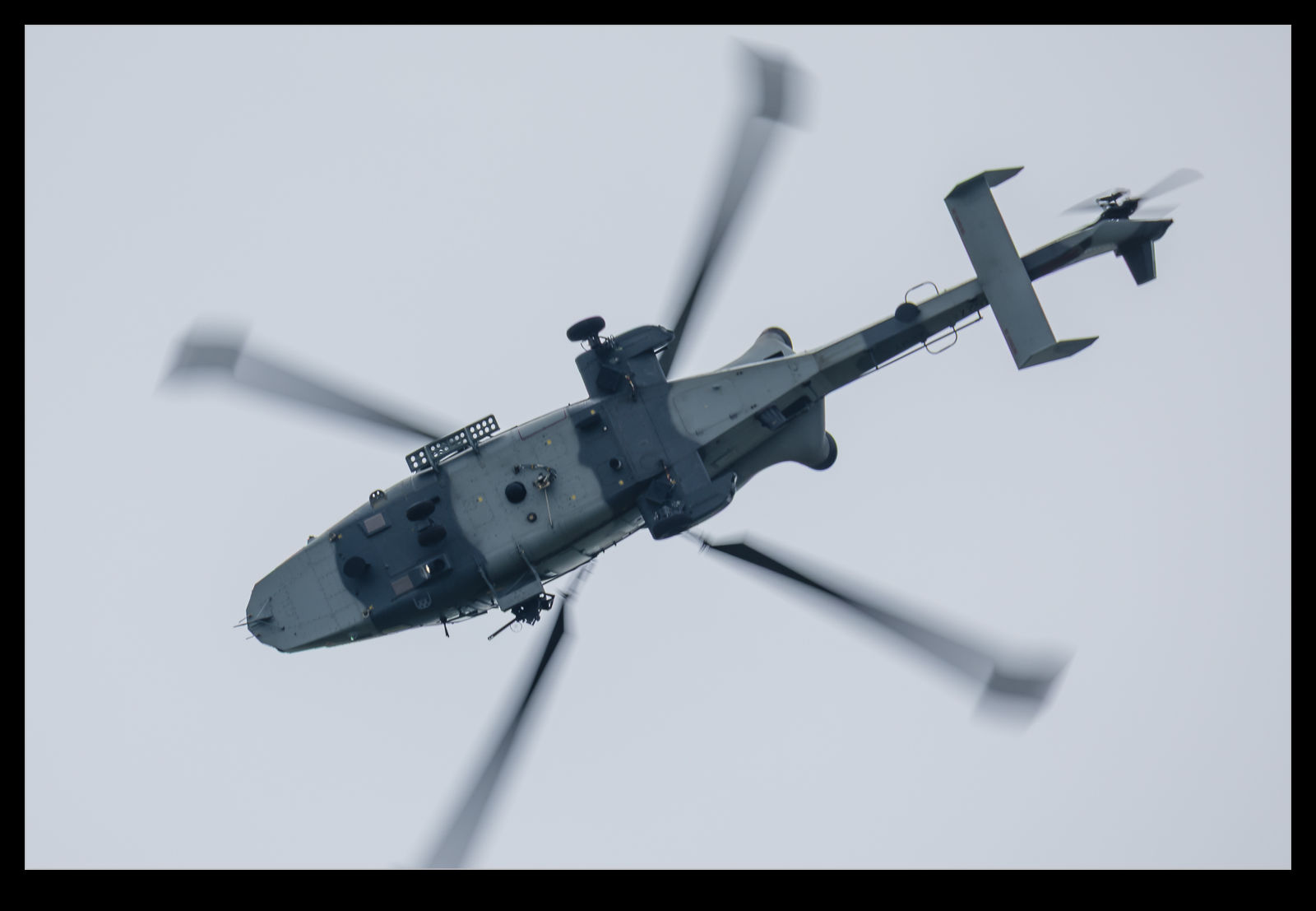
I shared some images of the Royal Navy’s Wildcat in formation with the Swordfish. The Wildcat also did some solo demonstration manoeuvres and, while the lighting was still a bit difficult, I quite liked some of the angles it was possible to get on the airframe. While the Wildcat is quite an evolution of the original Lynx, it is nice to see that it still has the agility that the Lynx was renowned for.

Photographing a helicopter, I am looking for a more dynamic angle on the airframe. Their ability to keep the speed low and have things close to the crowd line means you can get head on shots, underside shots and topside shots as they throw the helicopter around. The topside is the one I want the most. Things went pretty well and I am overall quite happy with the results. Oh, to have something like this on a summer evening with the light behind me.

Blue Eagles Return

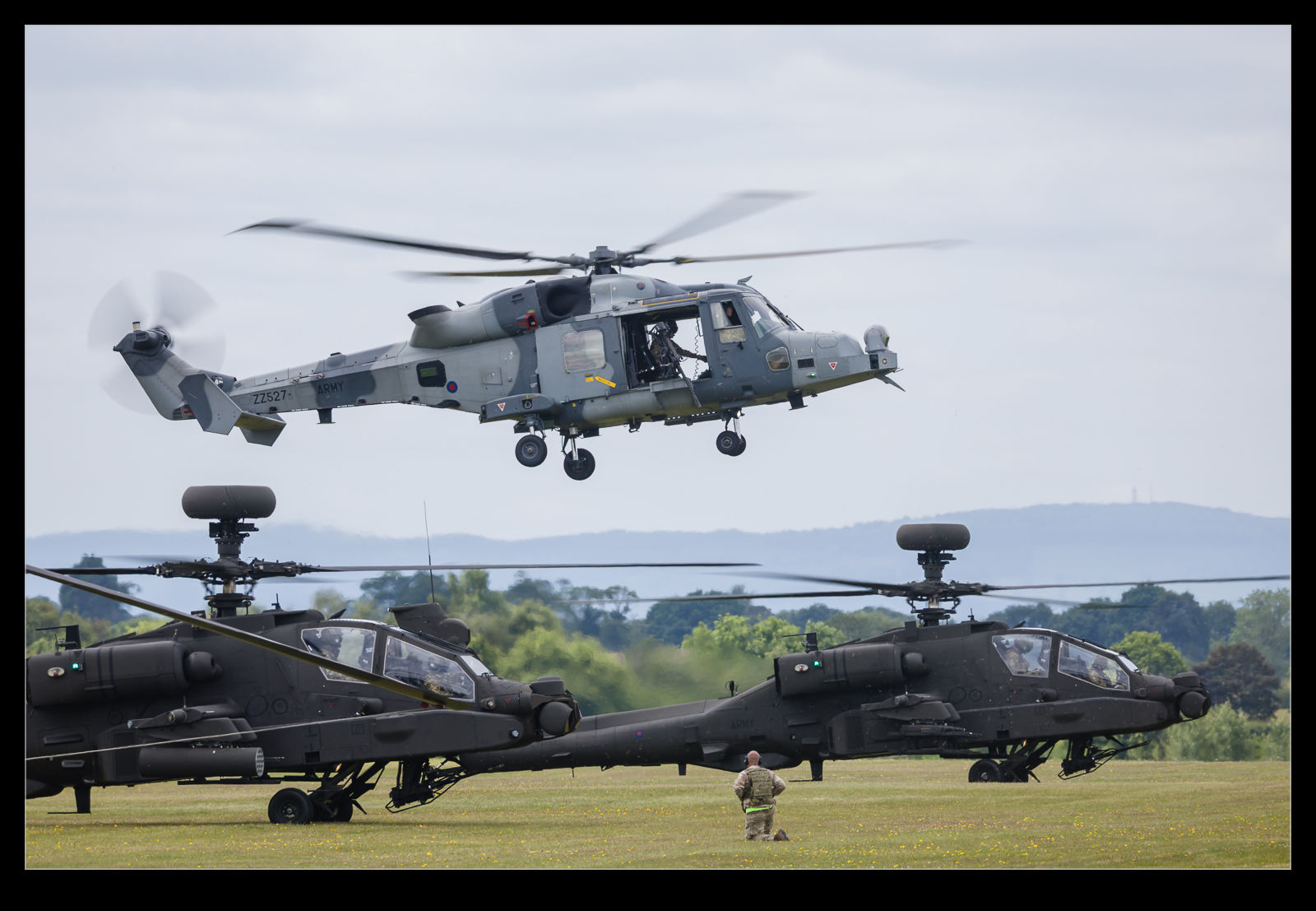
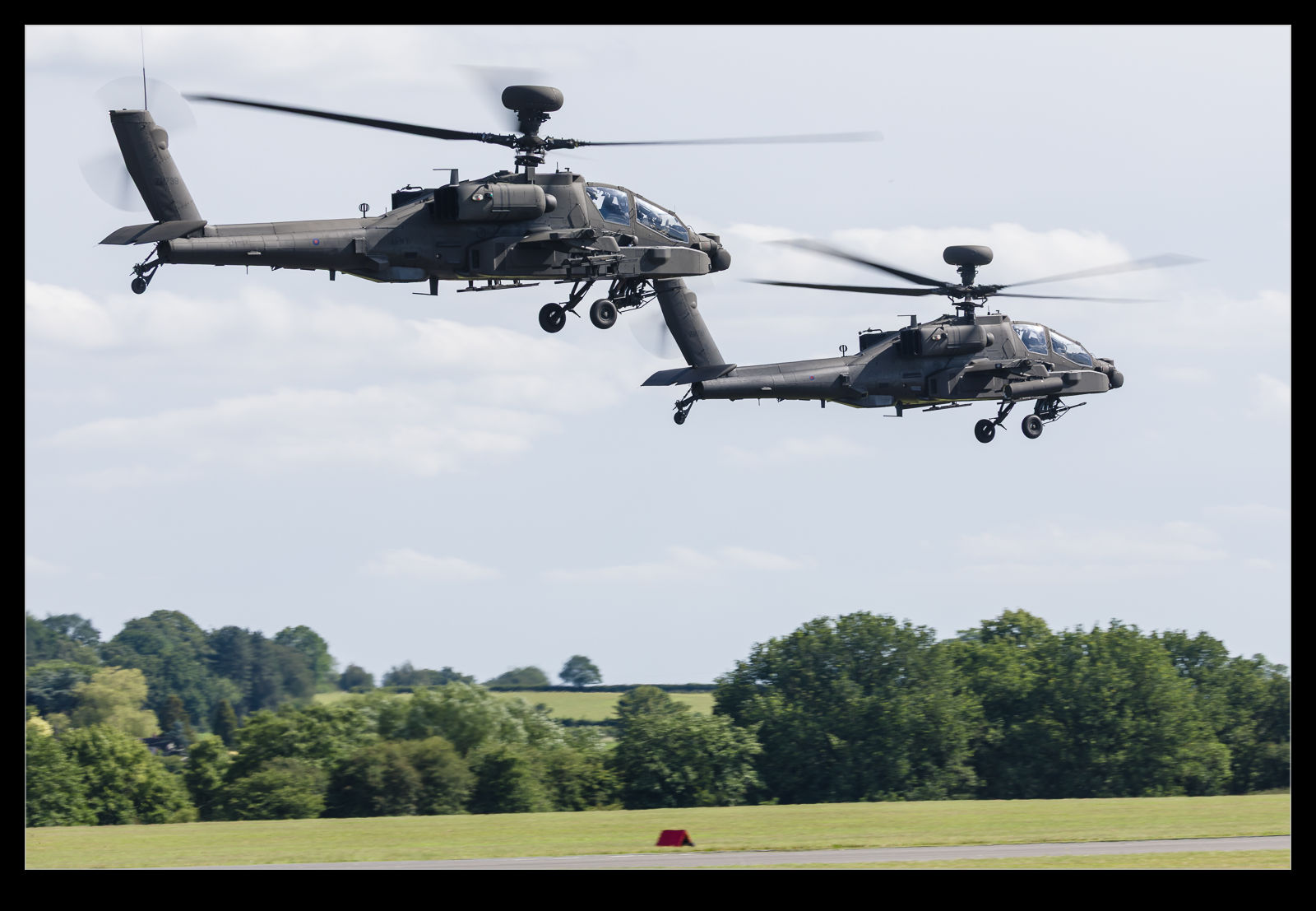
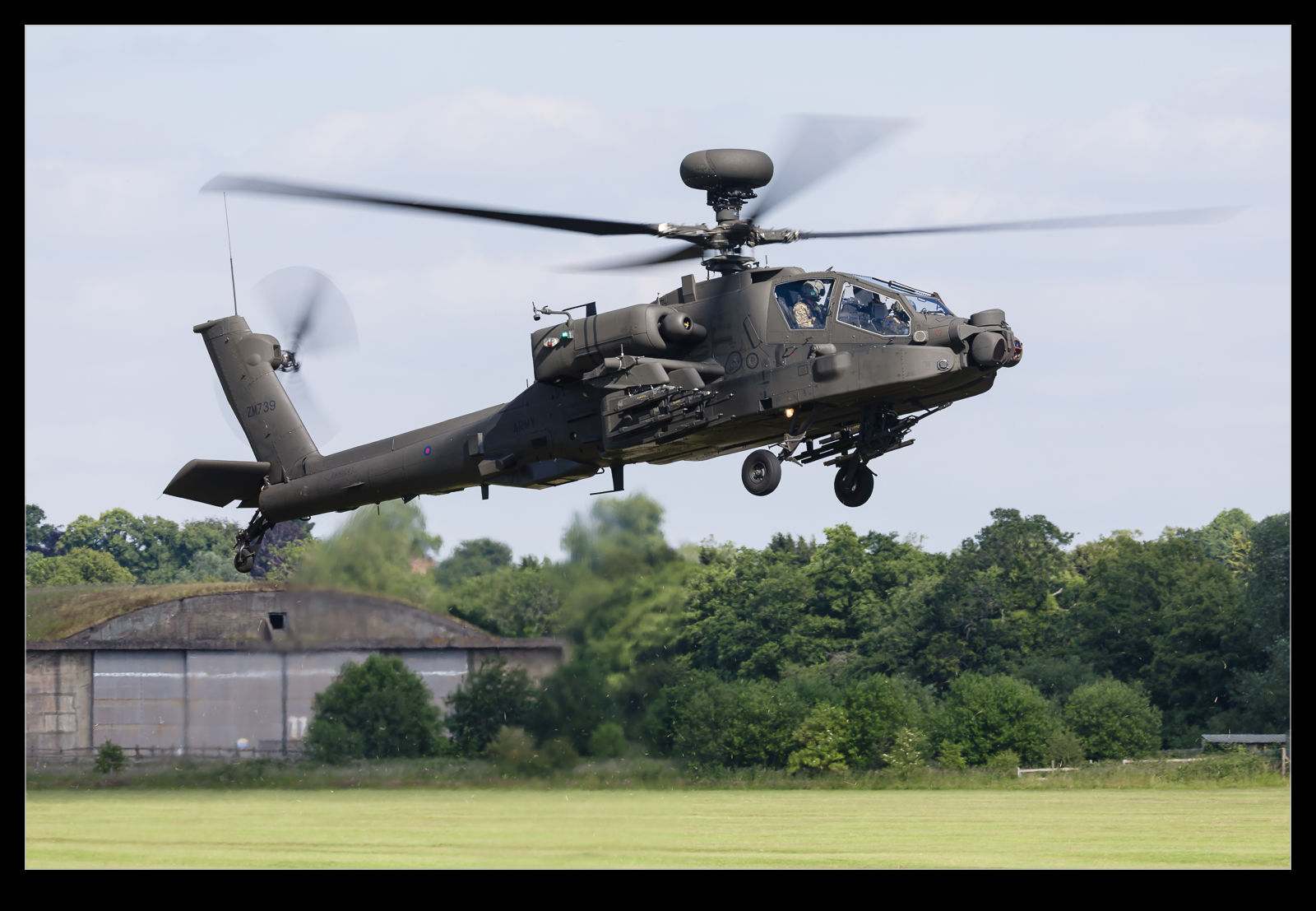
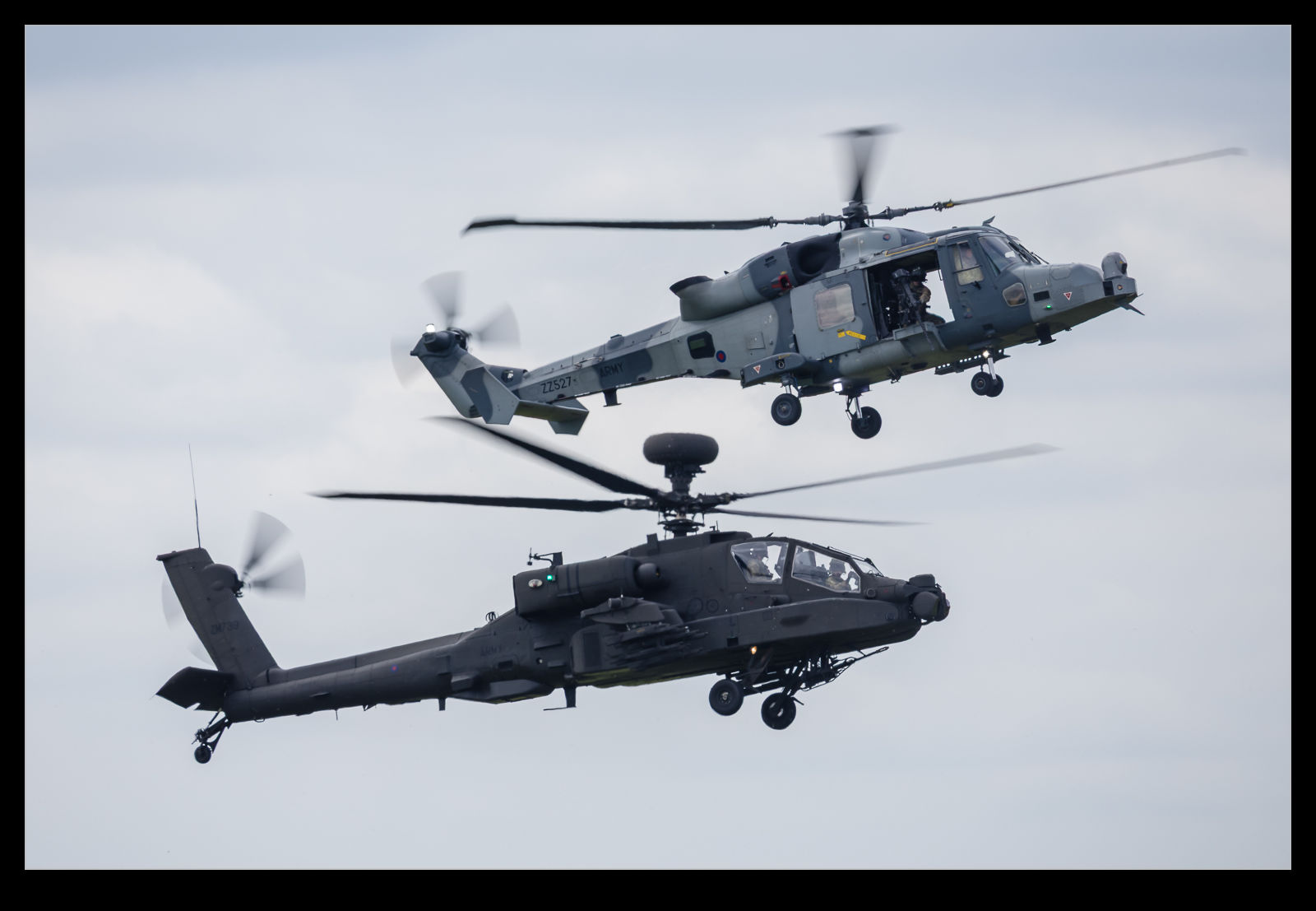
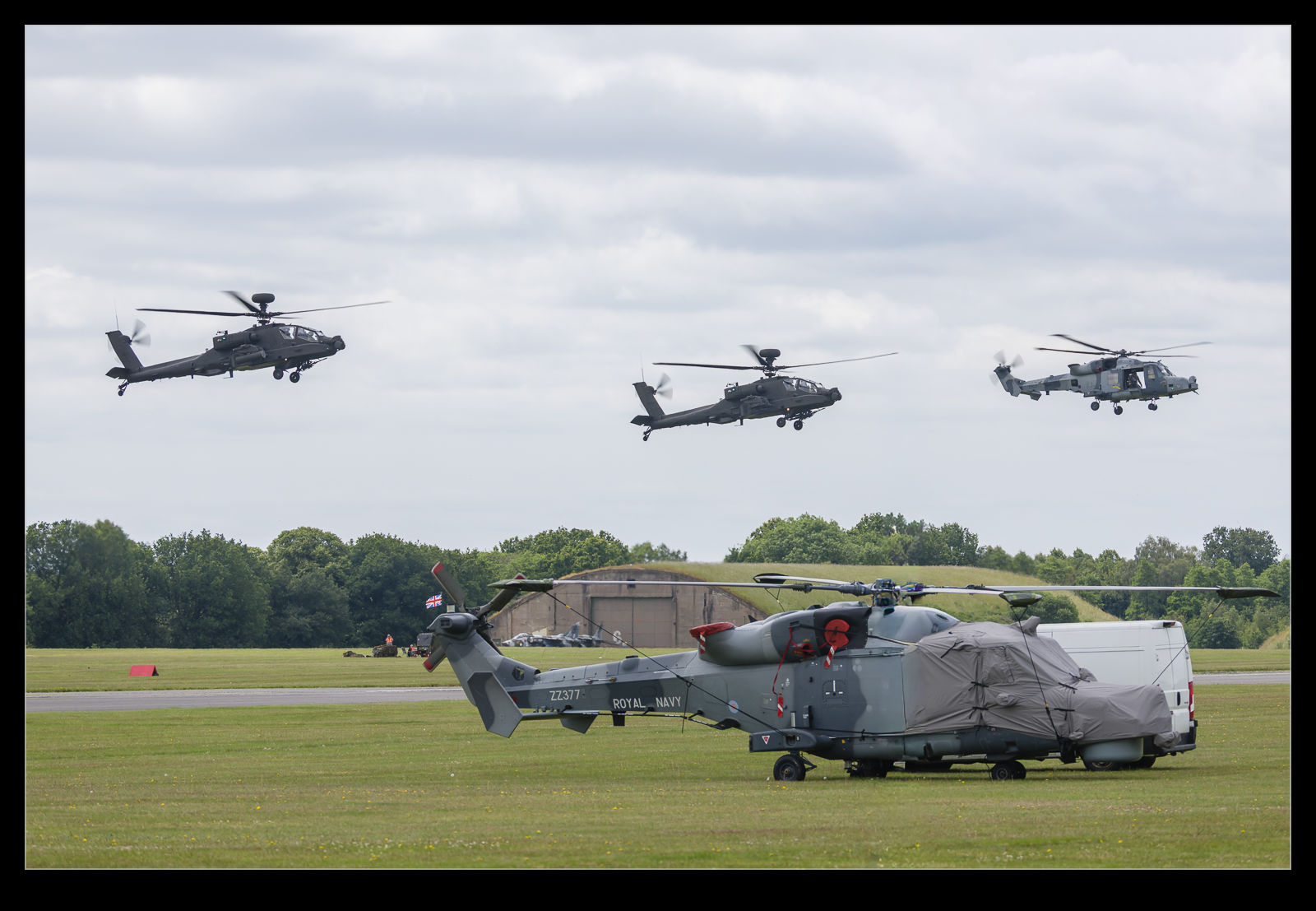
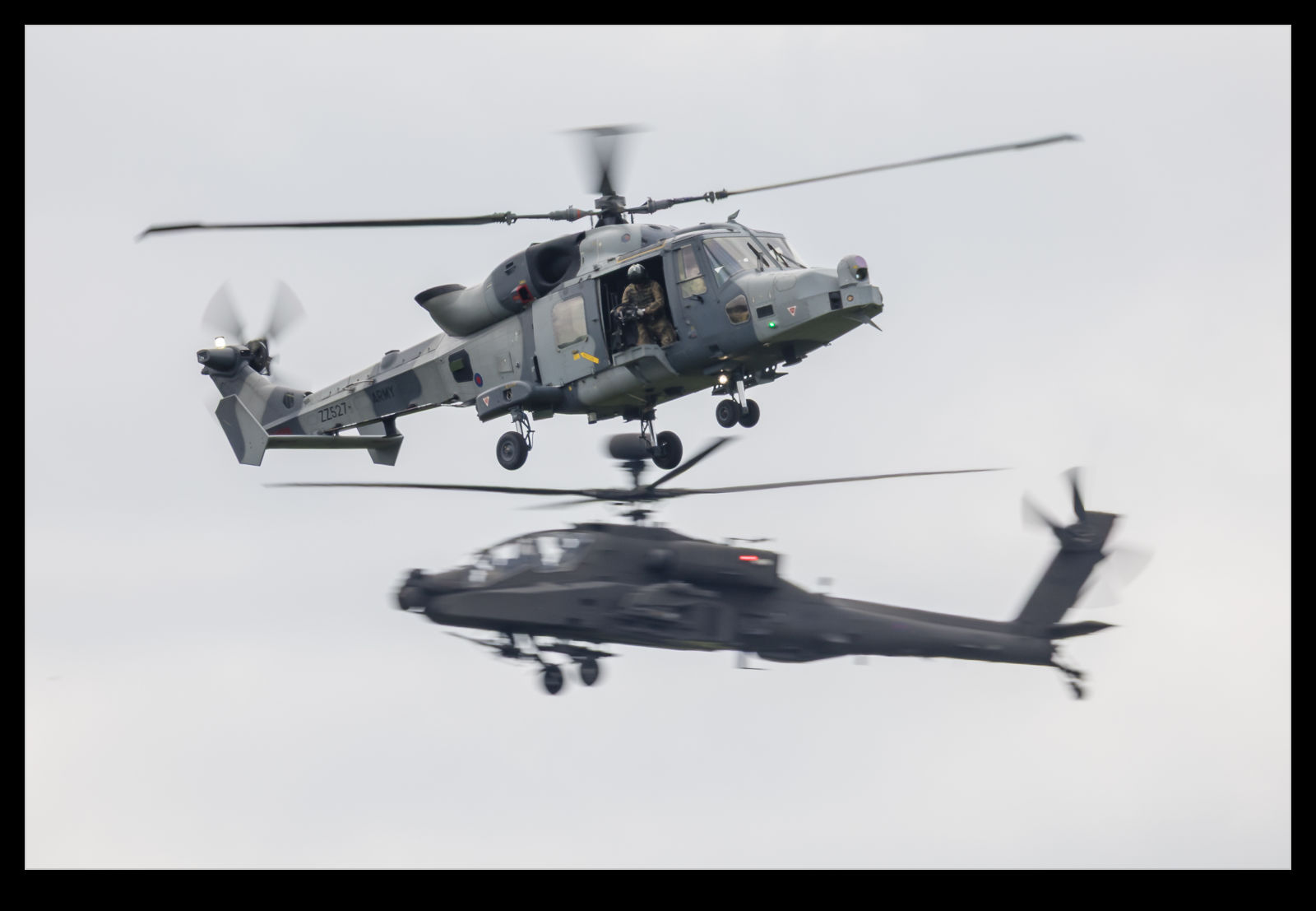
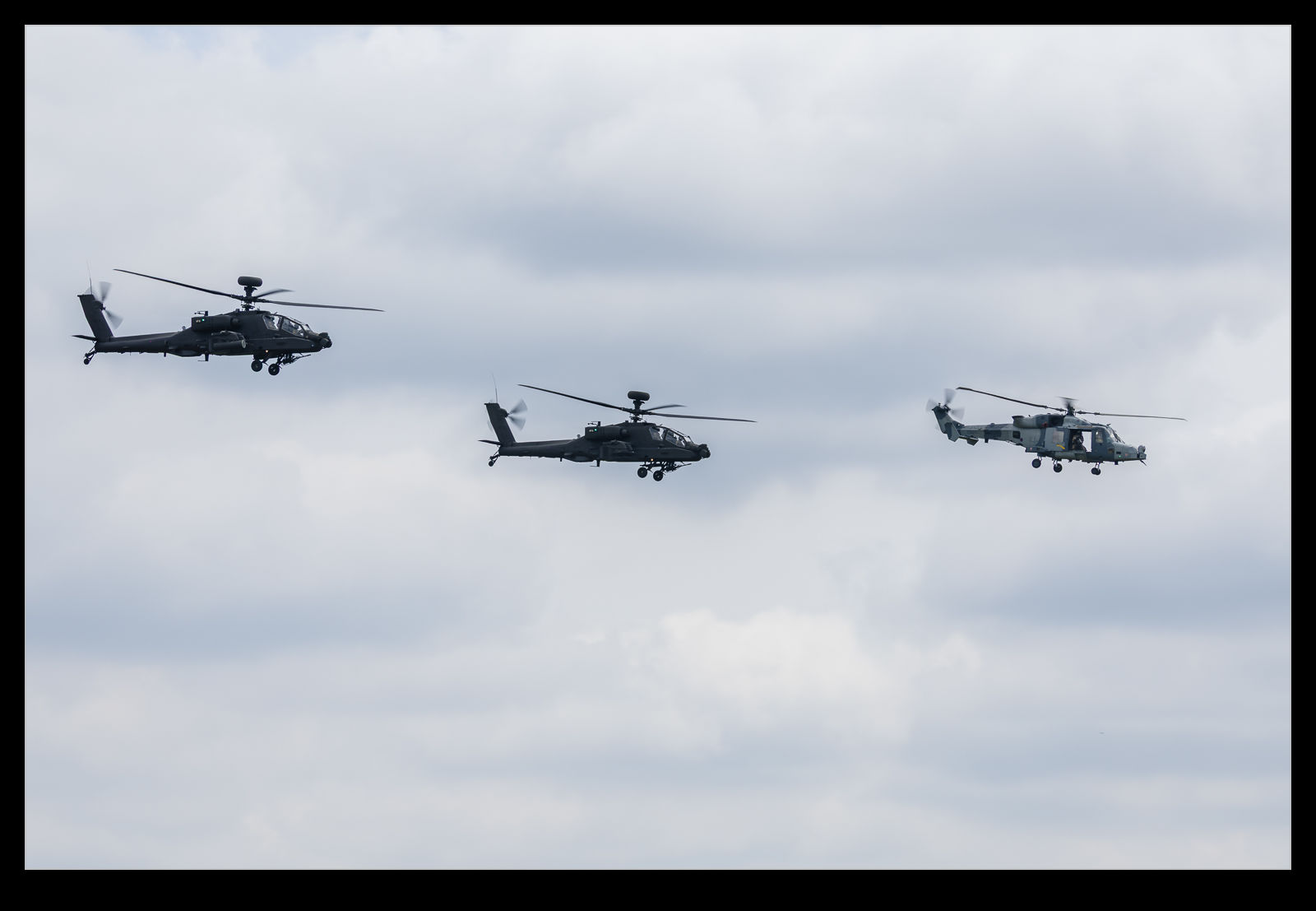
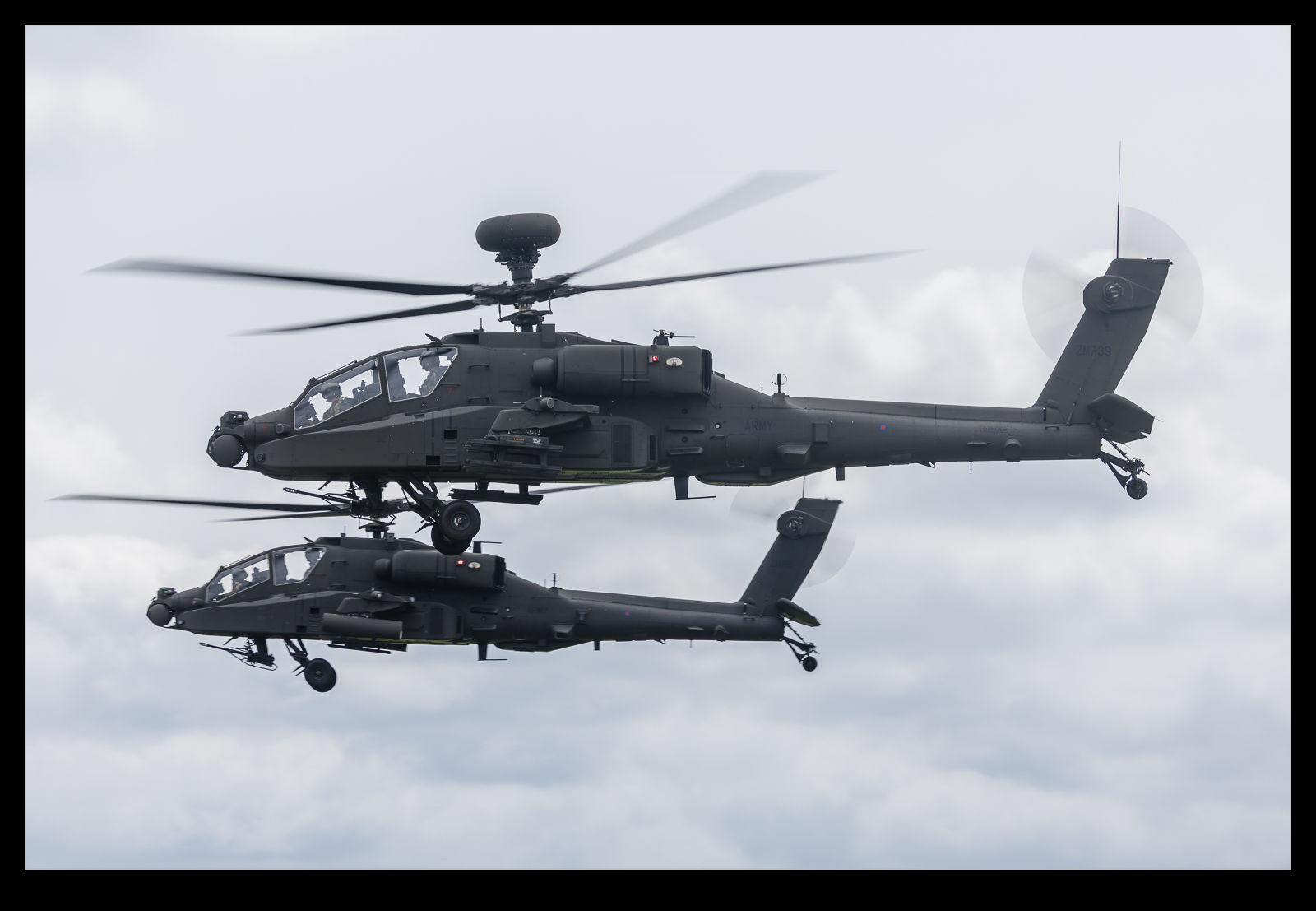
One of the teams taking part at the show at Cosford was the Blue Eagles. The Army Air Corps used to have a team called the Blue Eagles and I saw them on a number of occasions but, apparently, the name went away for a while. It has returned and the routine is a combination of a pair of Apaches and a single Wildcat. This was my first time seeing an Army Wildcat display and that might not happen much more since the recent defence review announced the=at they would be phased out.

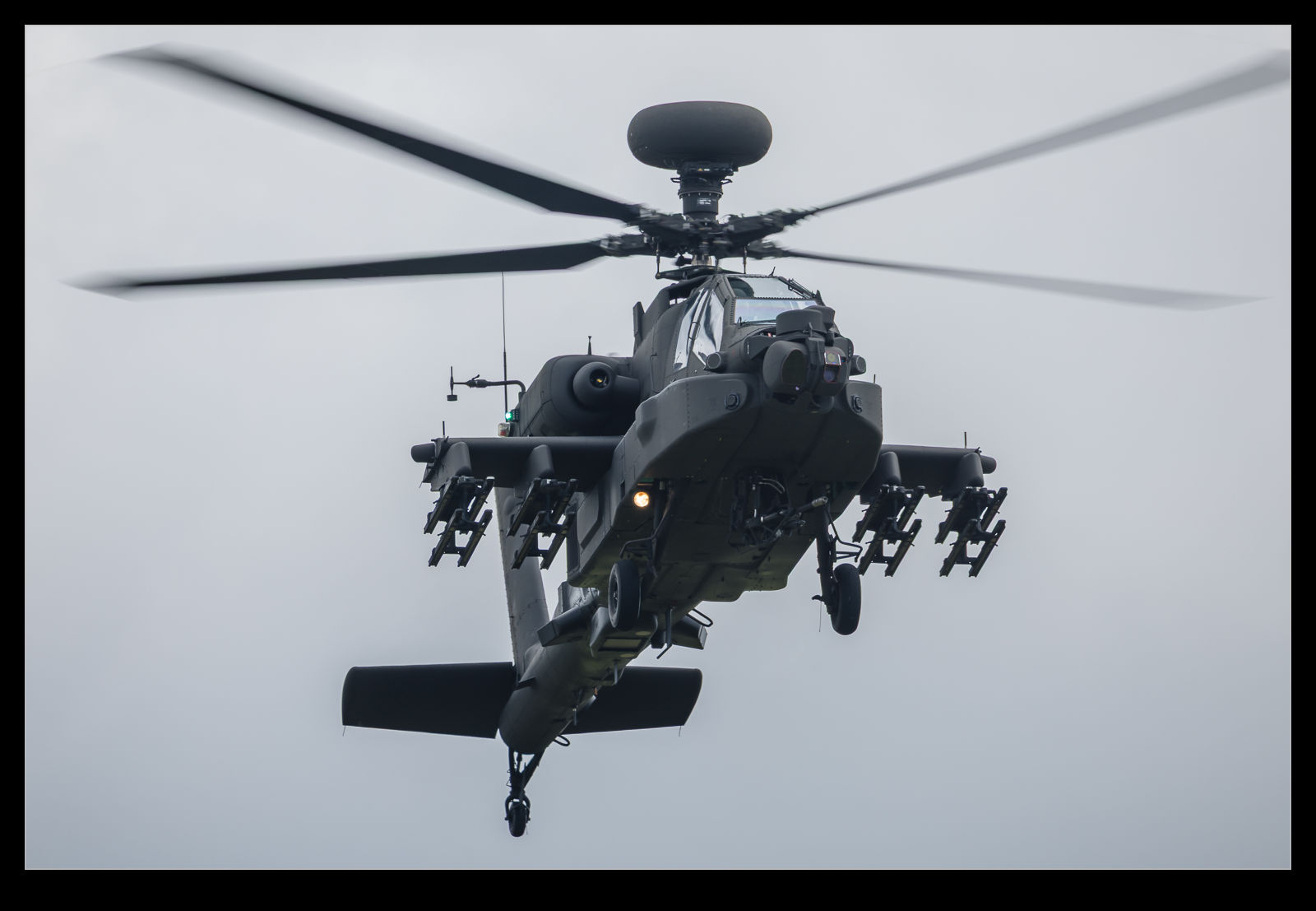
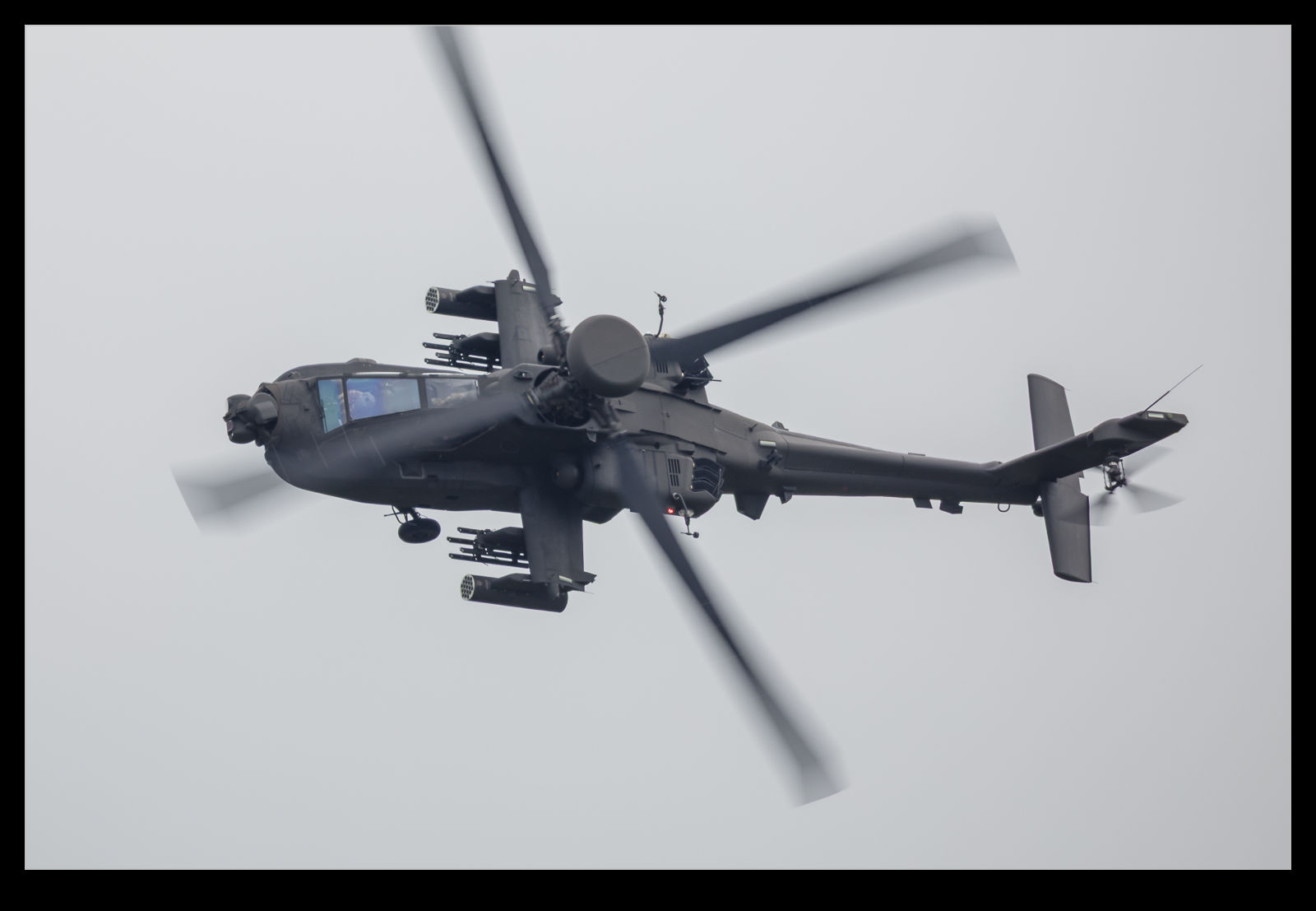
The coordinated manoeuvres of the two Apaches combined with the Wildcat doing its own thing. It kept something in front of the crowd at all times. The Apache is such an impressive machine with a menacing air about it. Meanwhile, the Wildcat has inherited the agility of the Lynx and so was thrown around with some vigour. I was happy to watch them perform and liked the synchronisation that they put into the planning. It is a good demo of the Army’s aviation capabilities.

Old Wessex but They Still Look Good

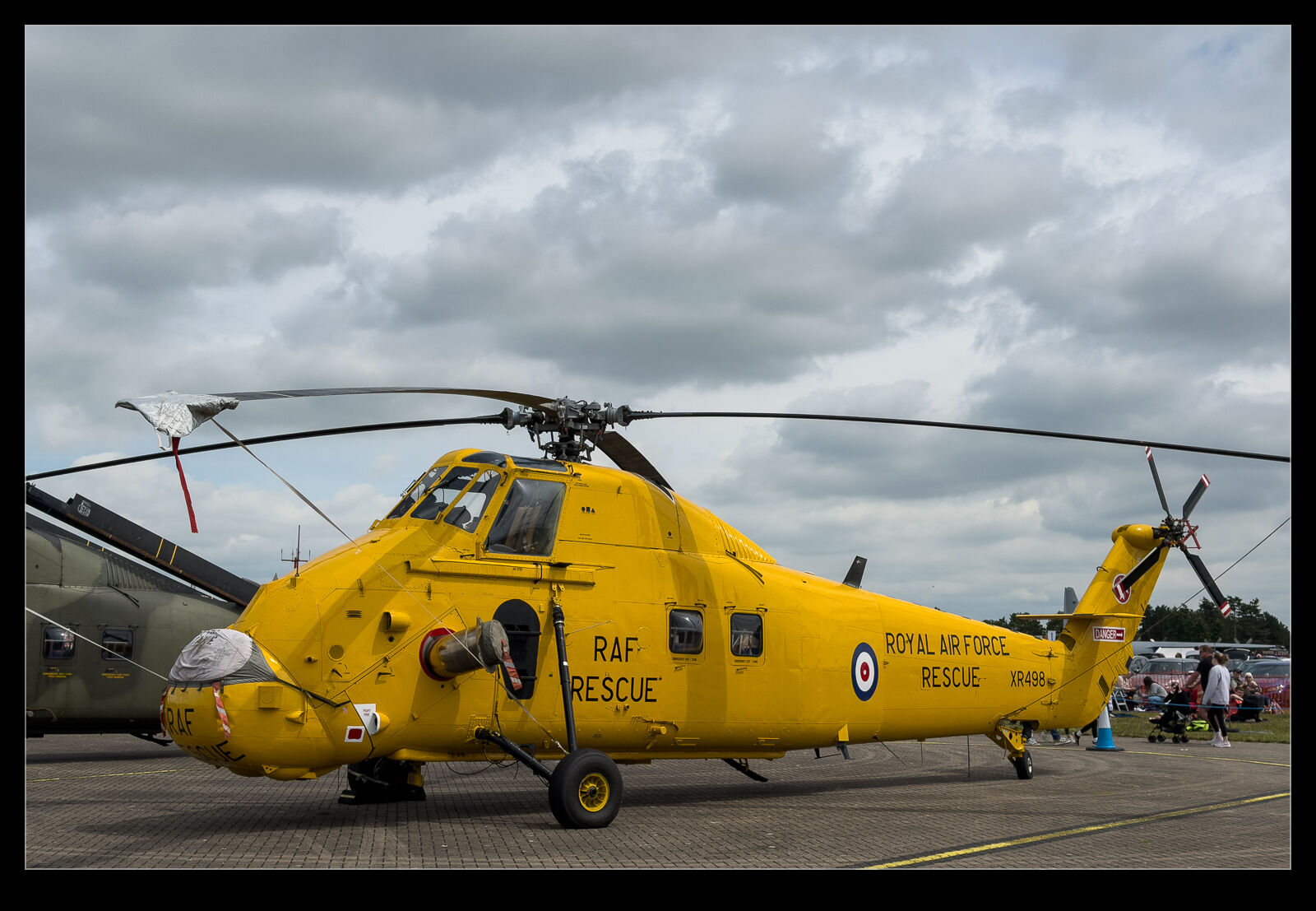
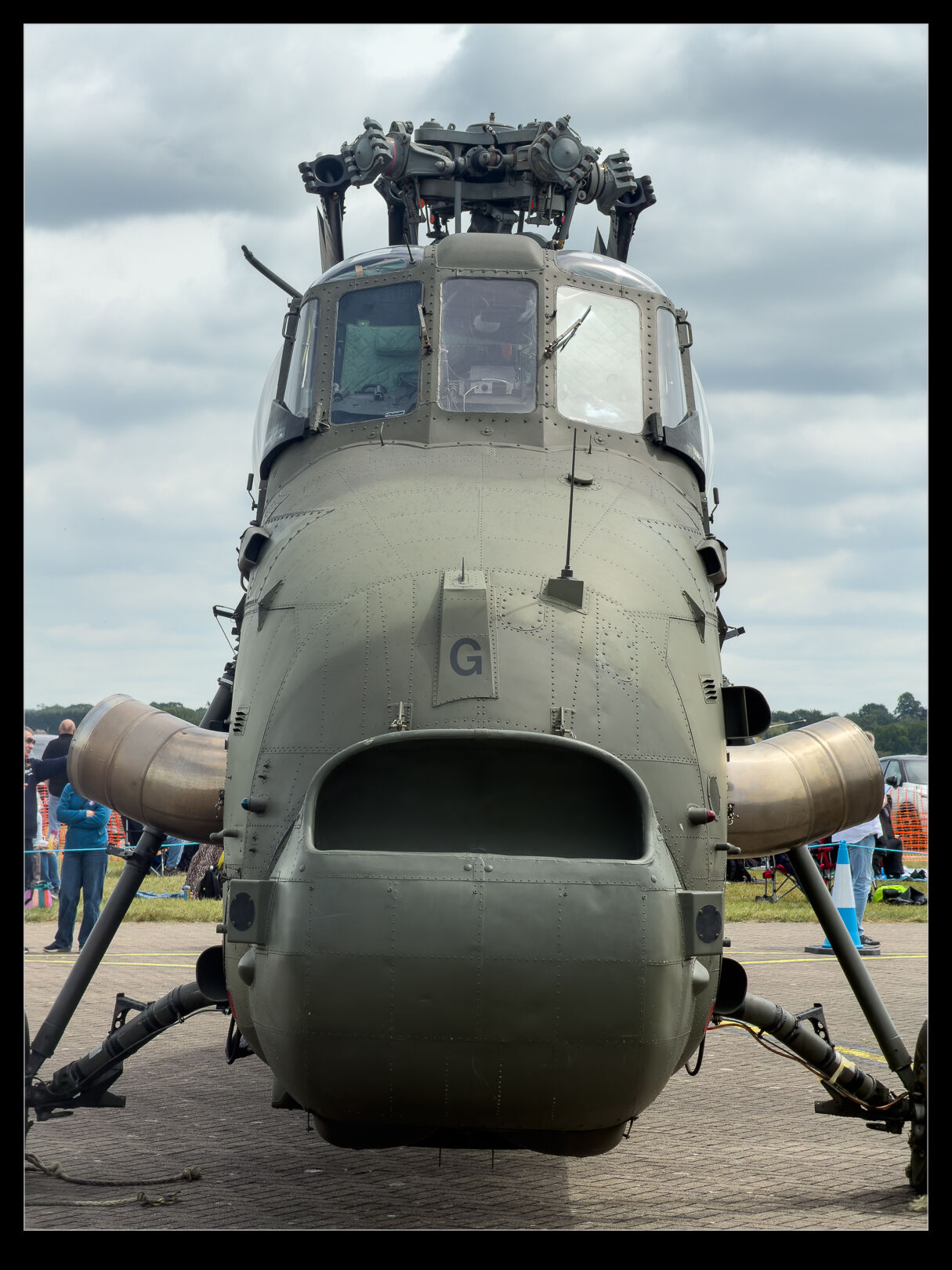
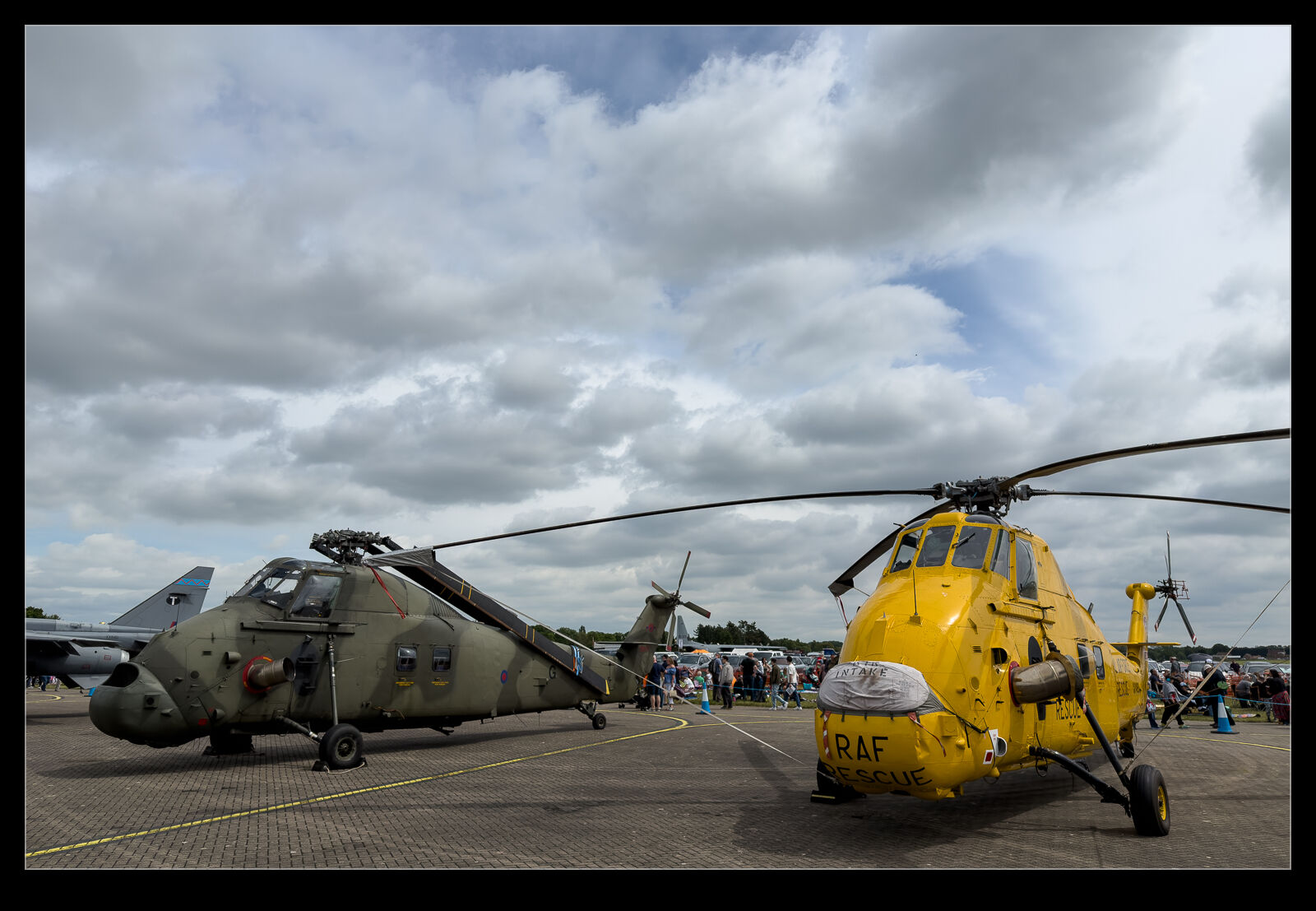
When I was first seriously into aviation, the Wessex was in widespread use with the UK armed forces. The Navy had a load of them while the RAF used them for both troop transport and for search and rescue. The Sea King was in production and was gradually taking over the roles. As a fan of anything new at the time, I viewed the Wessex as rather old and uninteresting. The new Sea Kings were far more appealing to me at the time.

Two things have changed my perspective. First, I have grown to appreciate a load of stuff over the years that I didn’t care too much about when younger. Also, having had the fun opportunity of spending a load of time with Midwest Helicopters and their S-58Ts when living in Chicago, it reignited my interest in the type. I think Historic Helicopters have an operating Wessex, but I haven’t seen that myself. However, Cosford had a couple of examples on display – one in SAR yellow and one in camo. They looked immaculate and it was great to see them on the ramp looking just as if they could be ready to head out on a mission as soon as the show wrapped.

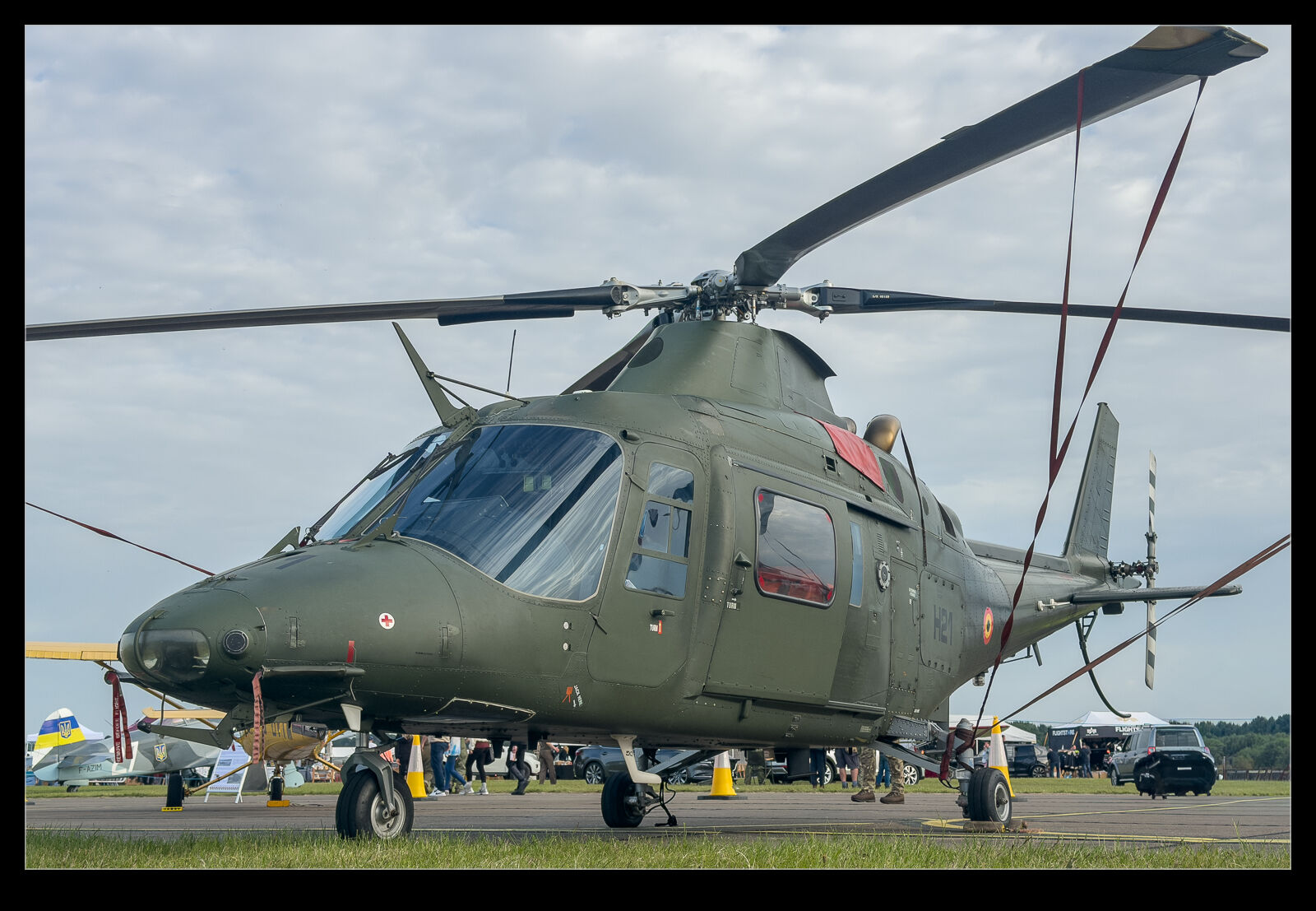
Didn’t Realise How Close This A109 Is to Being Gone

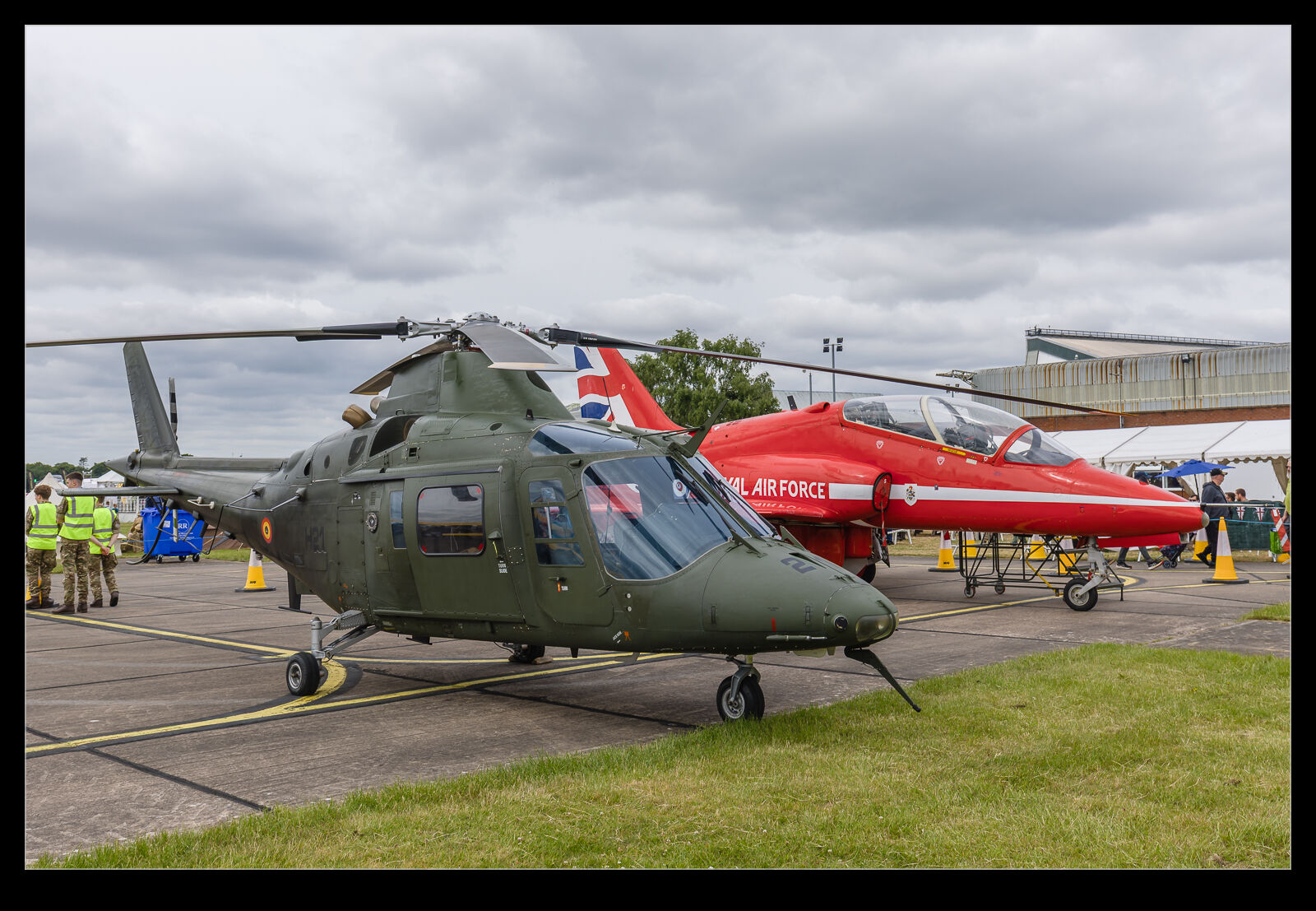
This Belgian A109 was on the static display at Cosford’s show this year. I actually used it as a reference point when meeting up with a friend. There is something about the shade of green that they use that really makes it look cool. What I didn’t realise at the time is that its days are numbered. The Belgian Air Force has just taken delivery of its first H145M with a batch of these due to replace the A109s. I wonder if I will see one again or not?

A Pitts with Extra Oomph

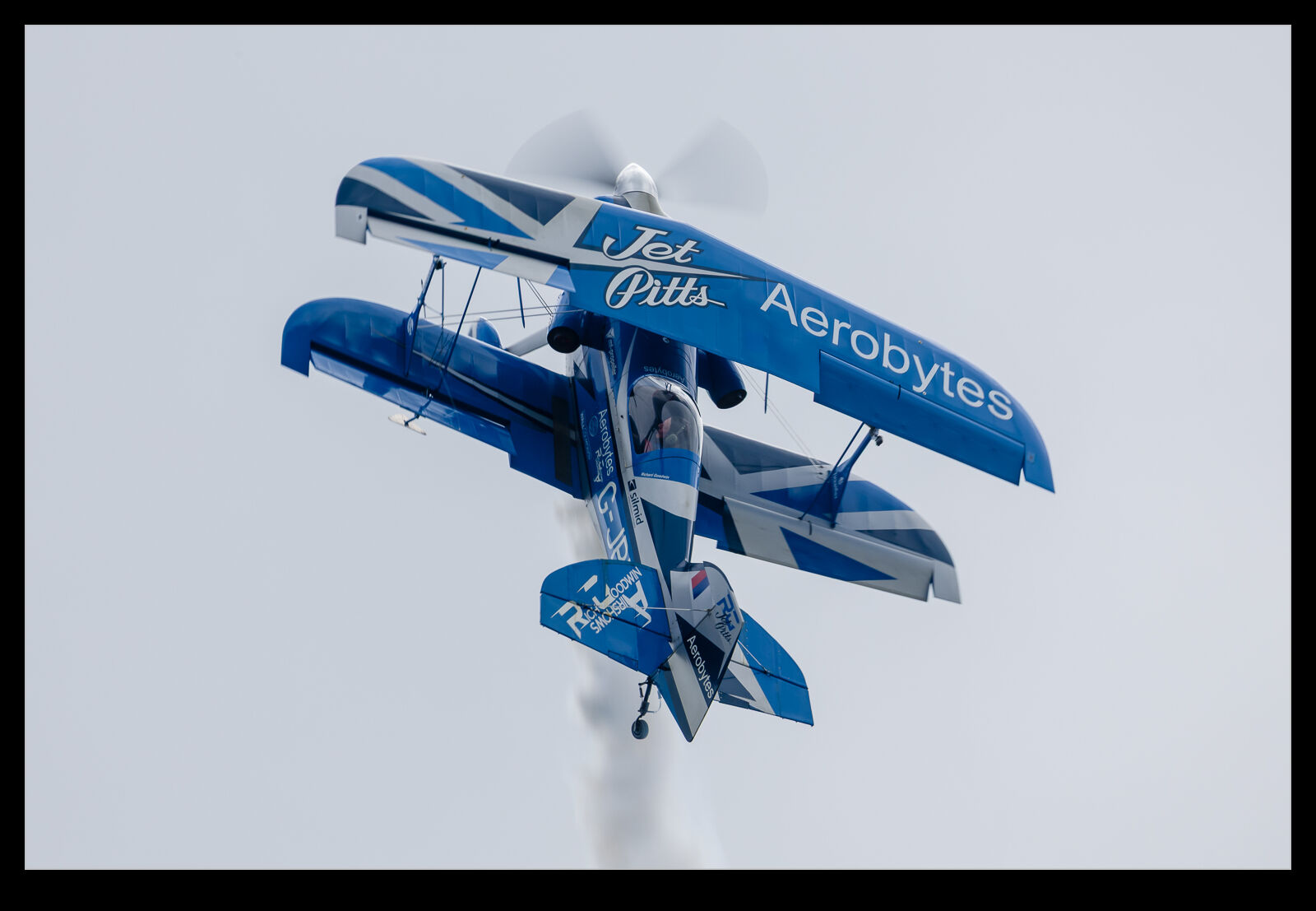
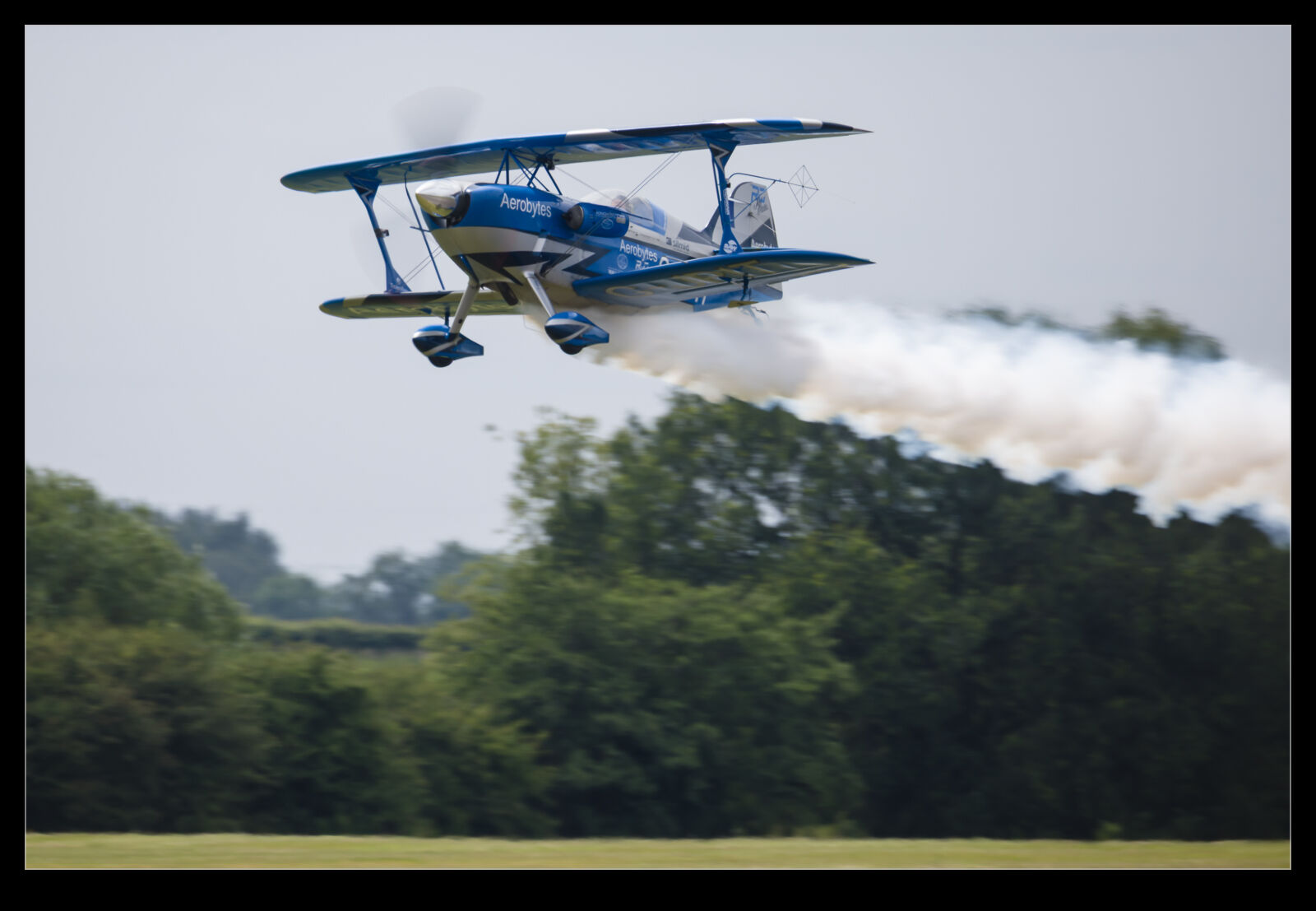
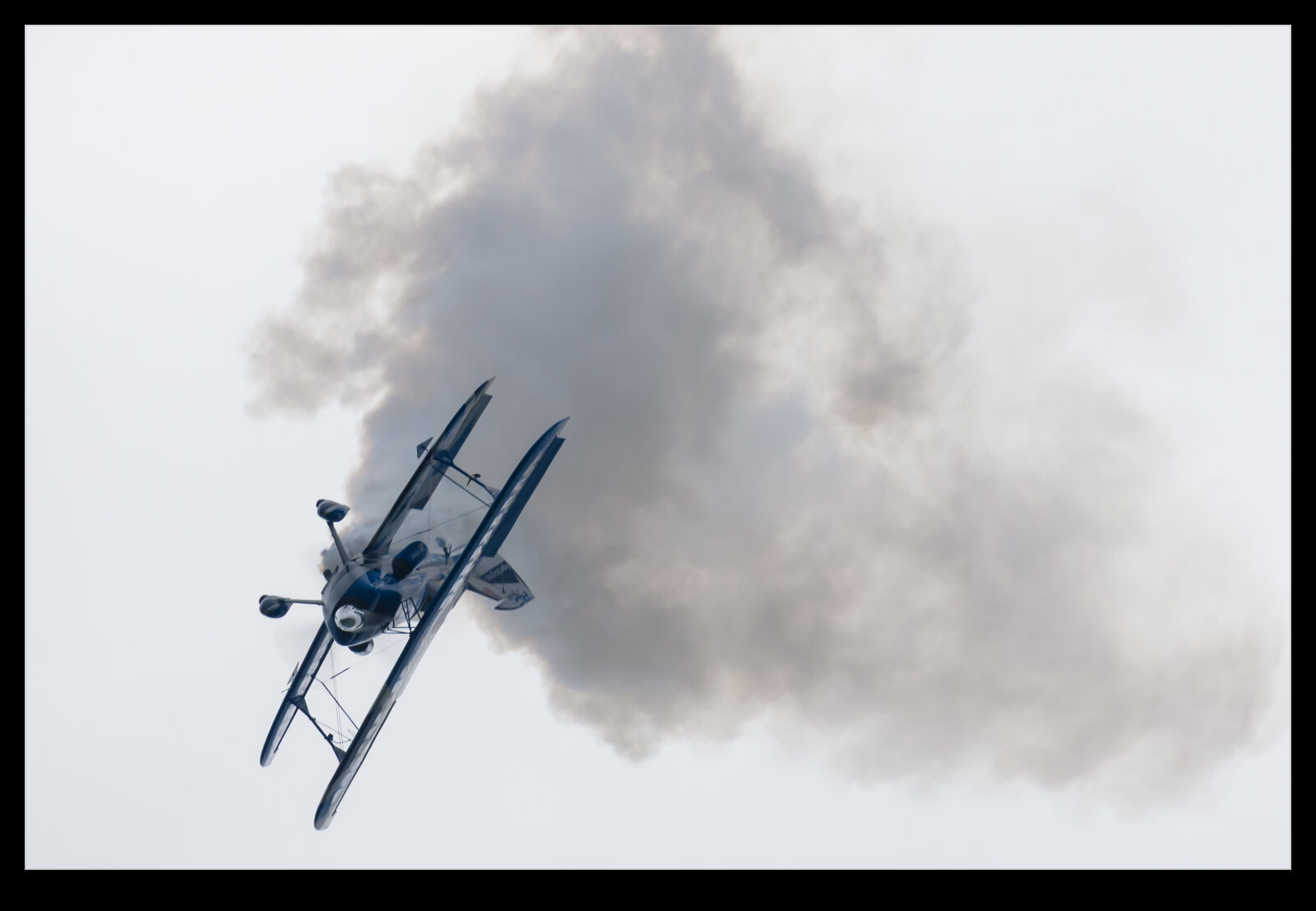
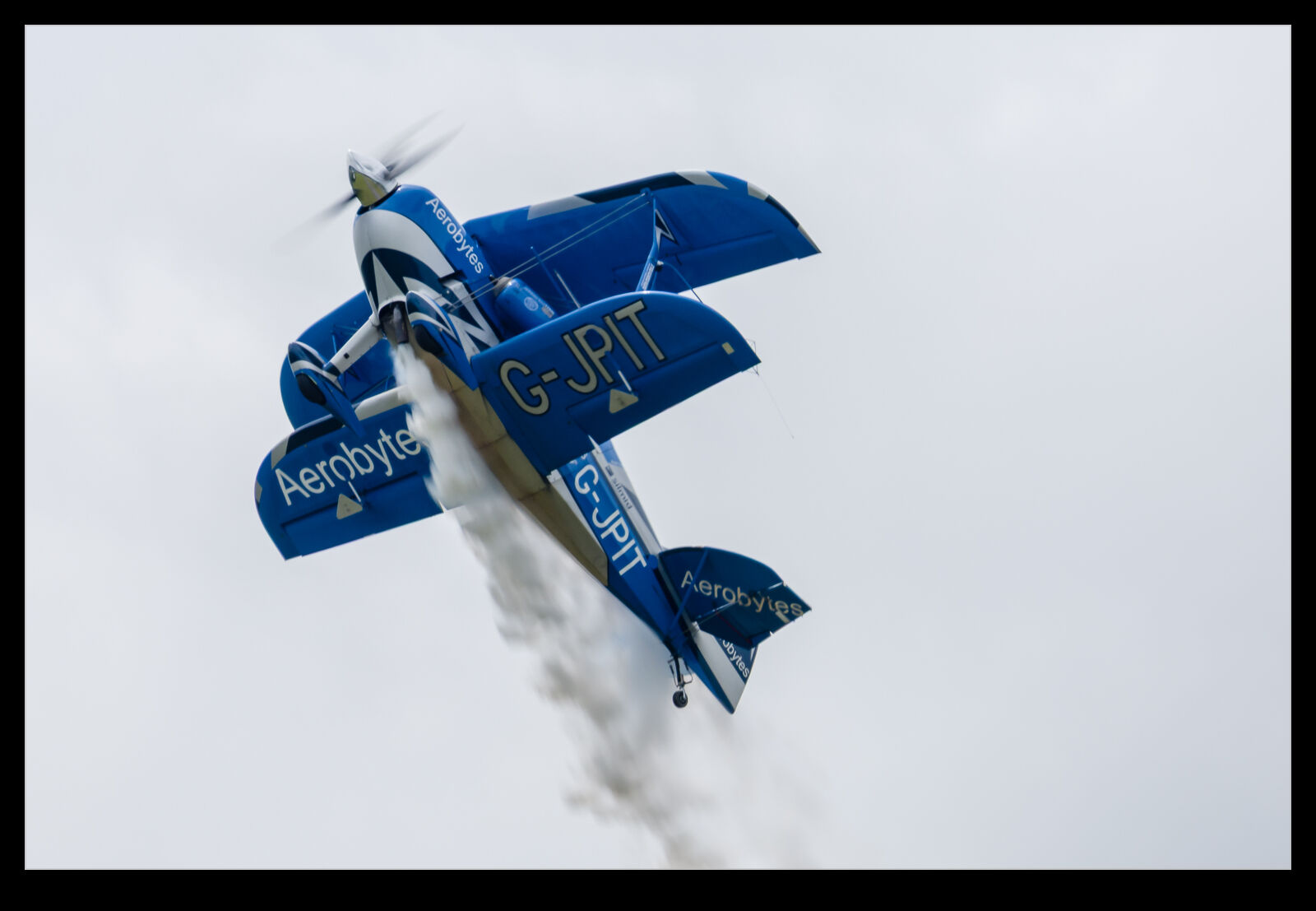
When I was a kid, the Pitts Special was the pinnacle of aerobatic aircraft. Then, the arrival of a bunch of high-powered monoplanes like the Zlin Z50L showed up follow by Extras, and the Pitts became more the preserve of individuals getting into aerobatics. It can still make a good display platform, though, and plenty of souped-up versions are on the air show circuit. The Cosford show included one flown by Rich Goodwin that has been modified with a pair of turbine engines mounted on each side of the fuselage.

This makes for a lot of noise and plenty of extra power. The piston engine still does the majority of the work but, when going vertical, the jets are fired up and give a major boost in performance. That can include hovering in place if required. From some angles, the plane is hard to notice as being any different to any other Pitts. However, from the right angles, the engines are conspicuous. A pretty cool display act. I assume top speed is constrained by the original airframe limitations so not much point in using the jets unless pointing upwards.

Hats Off to the Chinook Demo Team

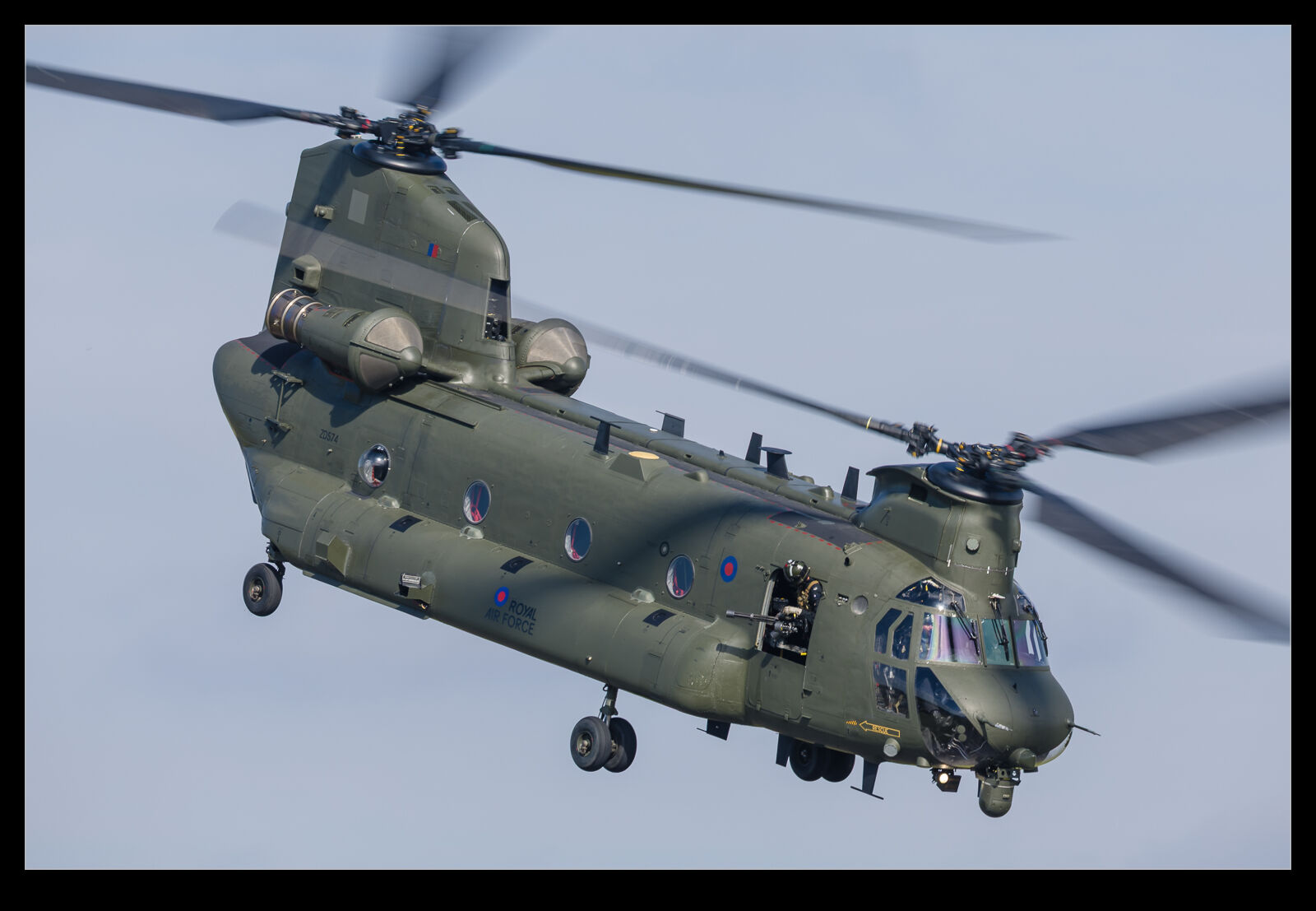
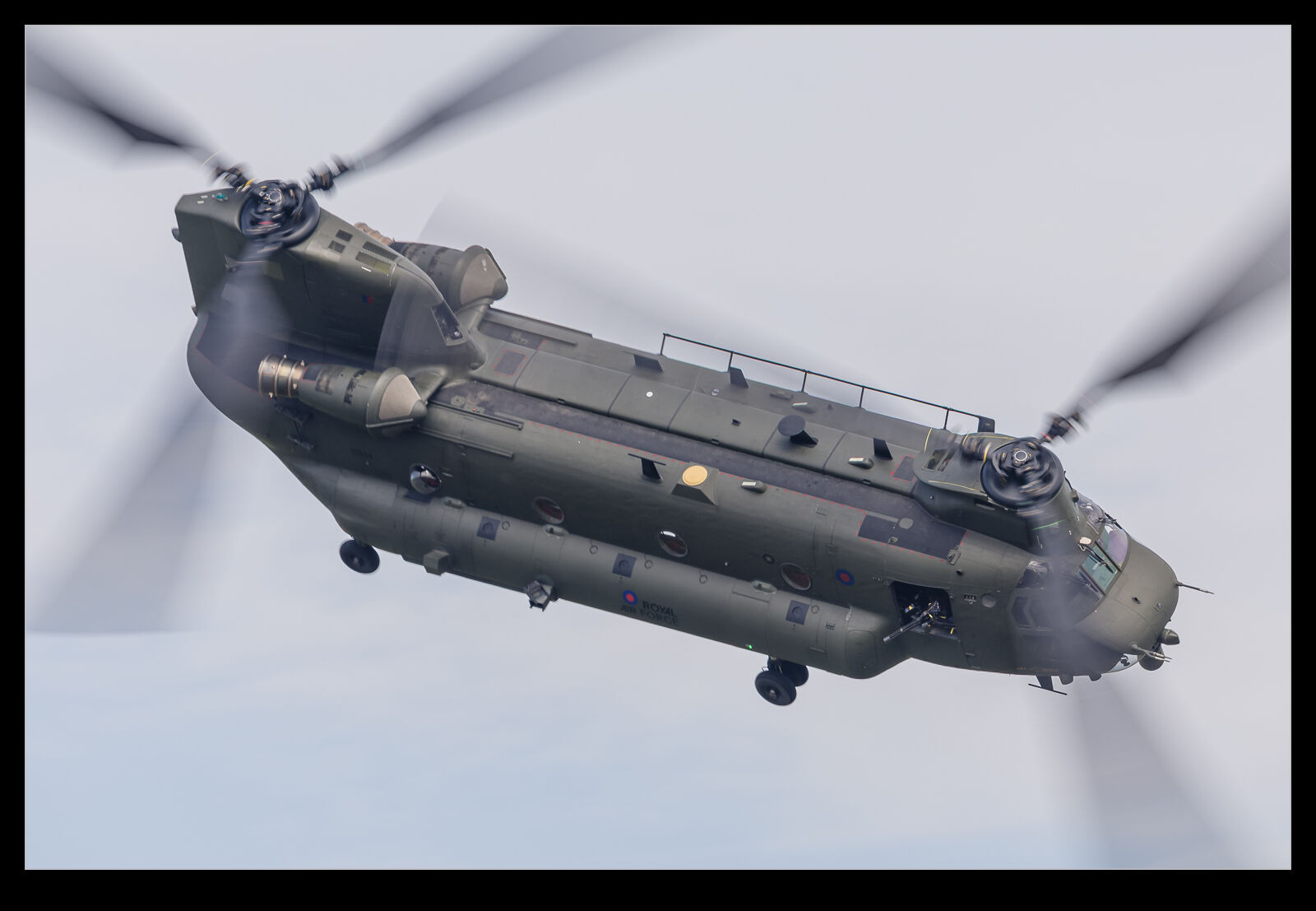
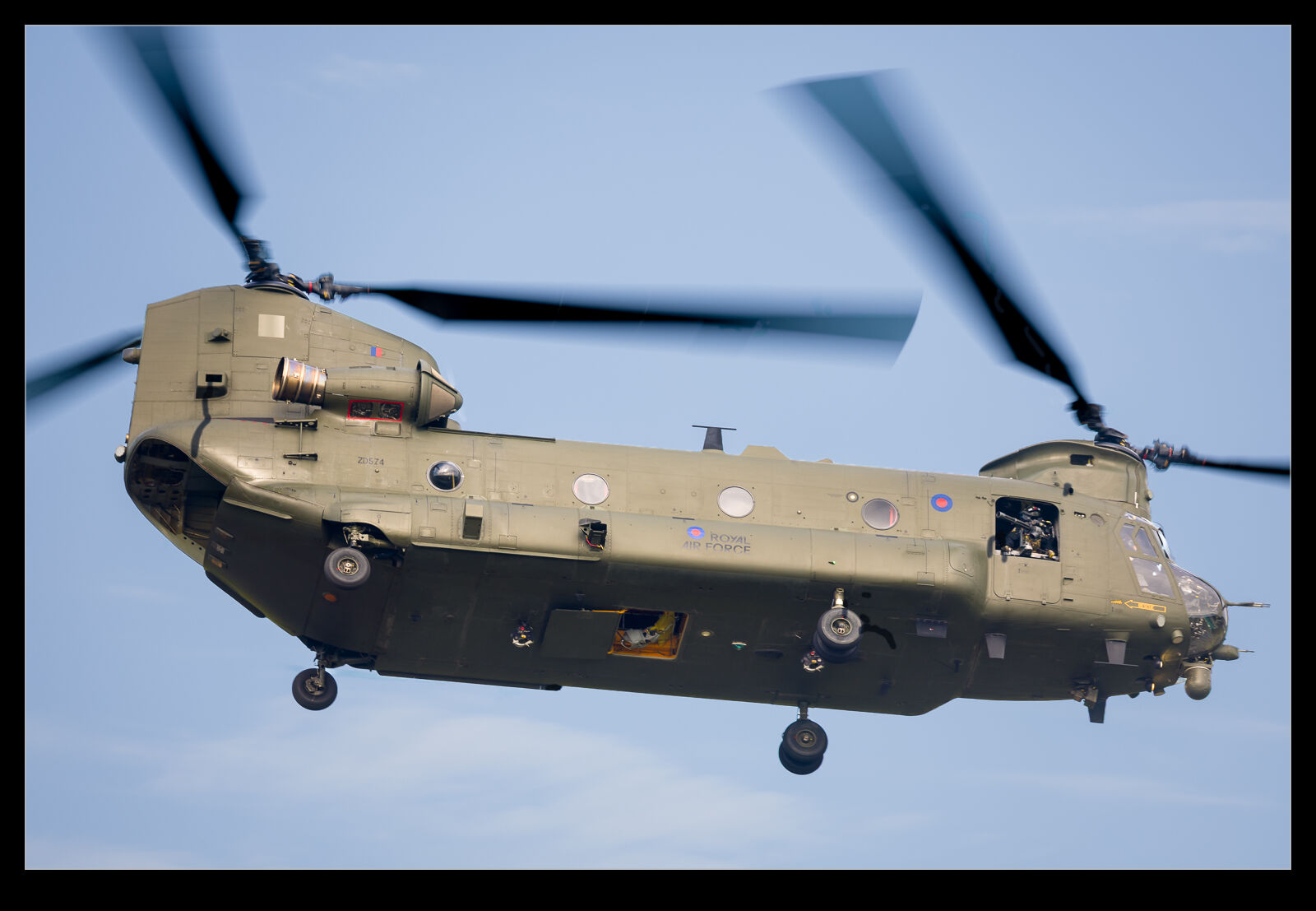
The final display of the Cosford air show was the Chinook demo. I have always enjoyed a Chinook display because it is a very agile helicopter despite its size and it can be thrown around which impresses. There is also the wheelie that it can do which has a unique feel to it. However, I wasn’t prepared for just how much I enjoyed the display.
There were a number of elements that made it so good. First, it was at the end of the show, and the light had come around to be more favourable for photos. This could have been even better because a bit of cloud cover rolled in. A little while after the display was over, this cleared and the warm light was so nice. It would have been great to have that on the helicopter during the display. Let’s not focus on the negative though, when there is so much positive.
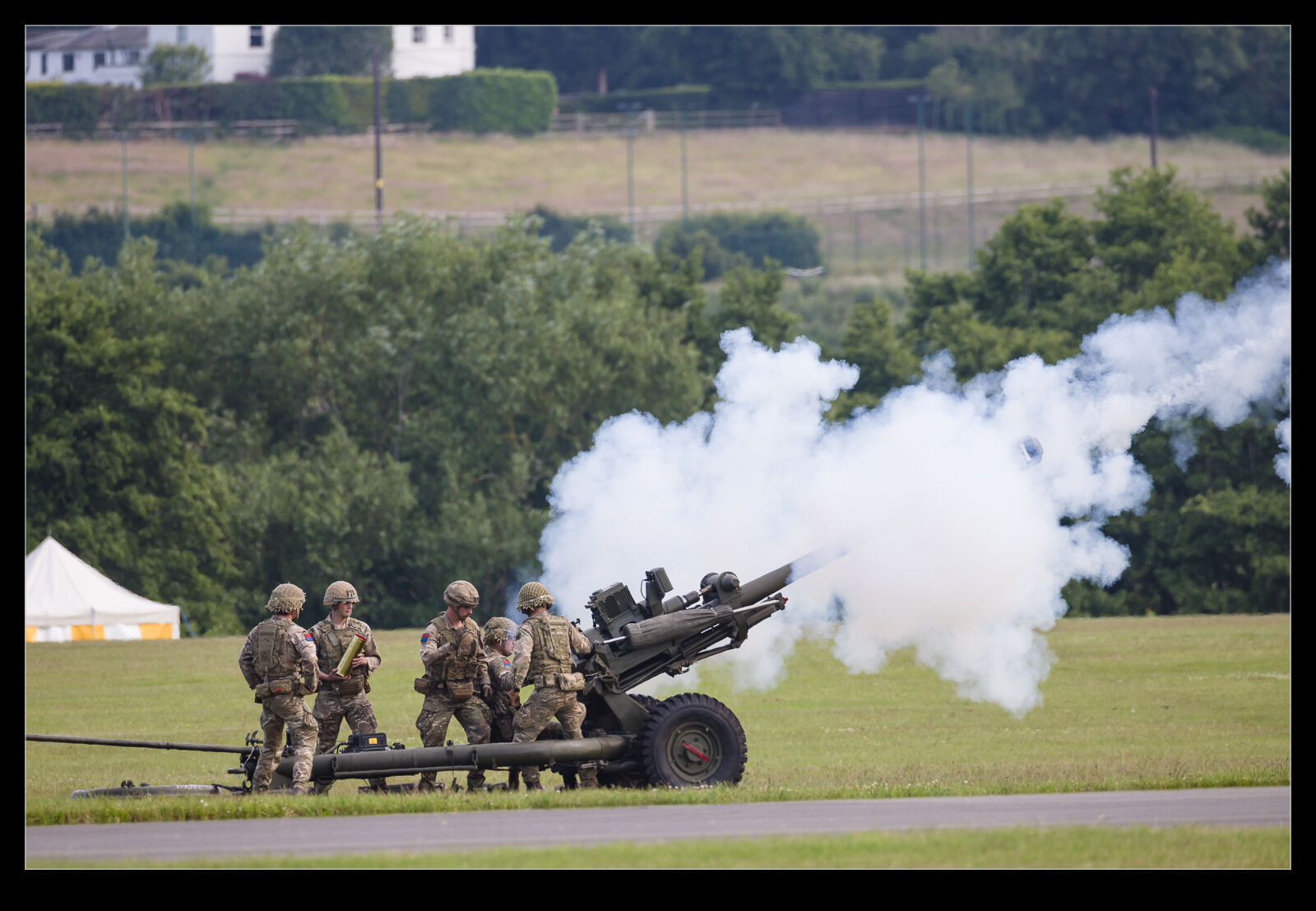
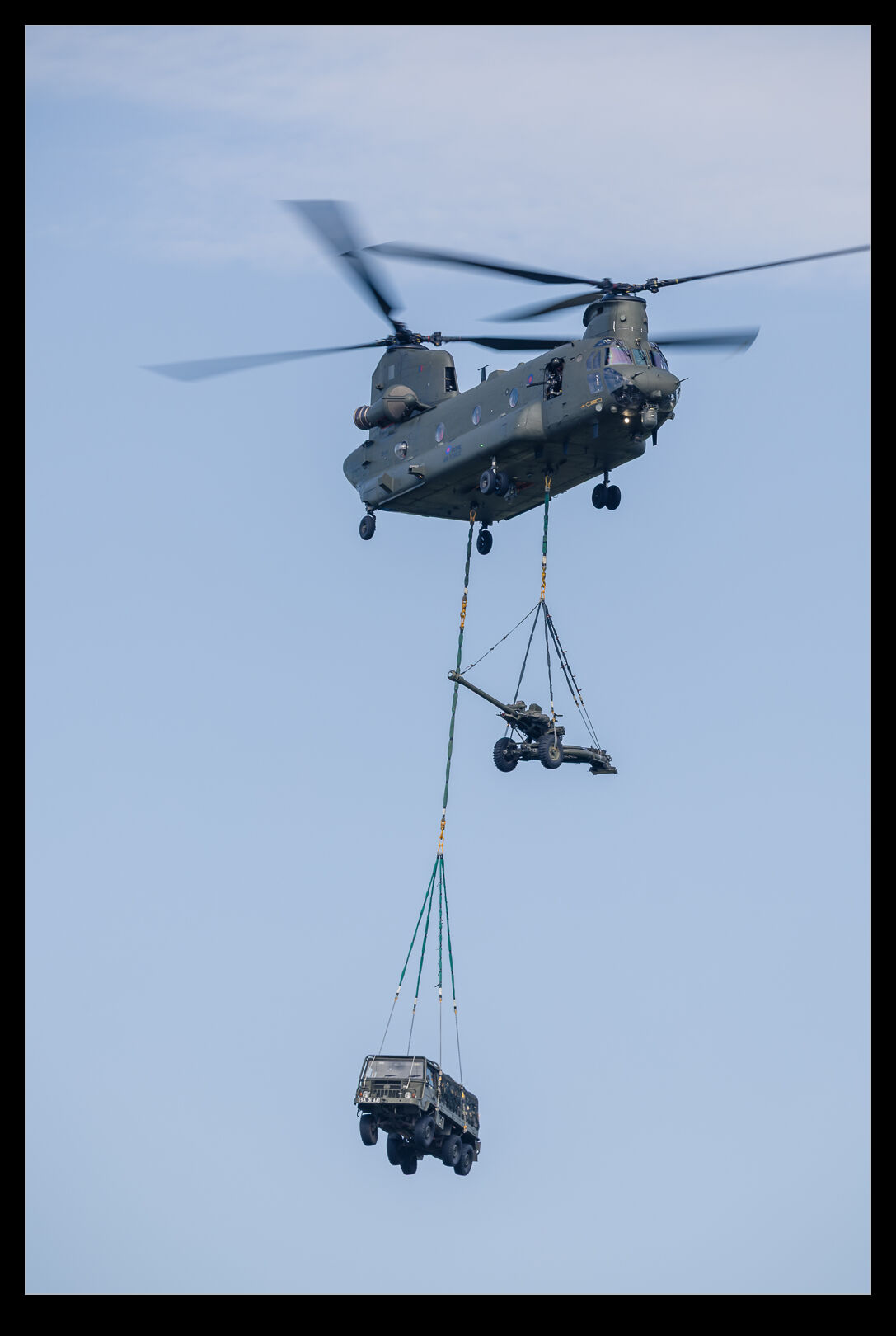
They started the display carrying in a couple of underslung loads. Showing off the lifting performance of the helicopter is a great way of showing what this capability is all about. They had a howitzer and a truck on lifting lines using two of the three pickup points that the Chinook has. A bit of manoeuvring with that before dropping it off on the airfield. The gun crew then came out and set the gun up. They proceeded to fire off a few blank rounds.
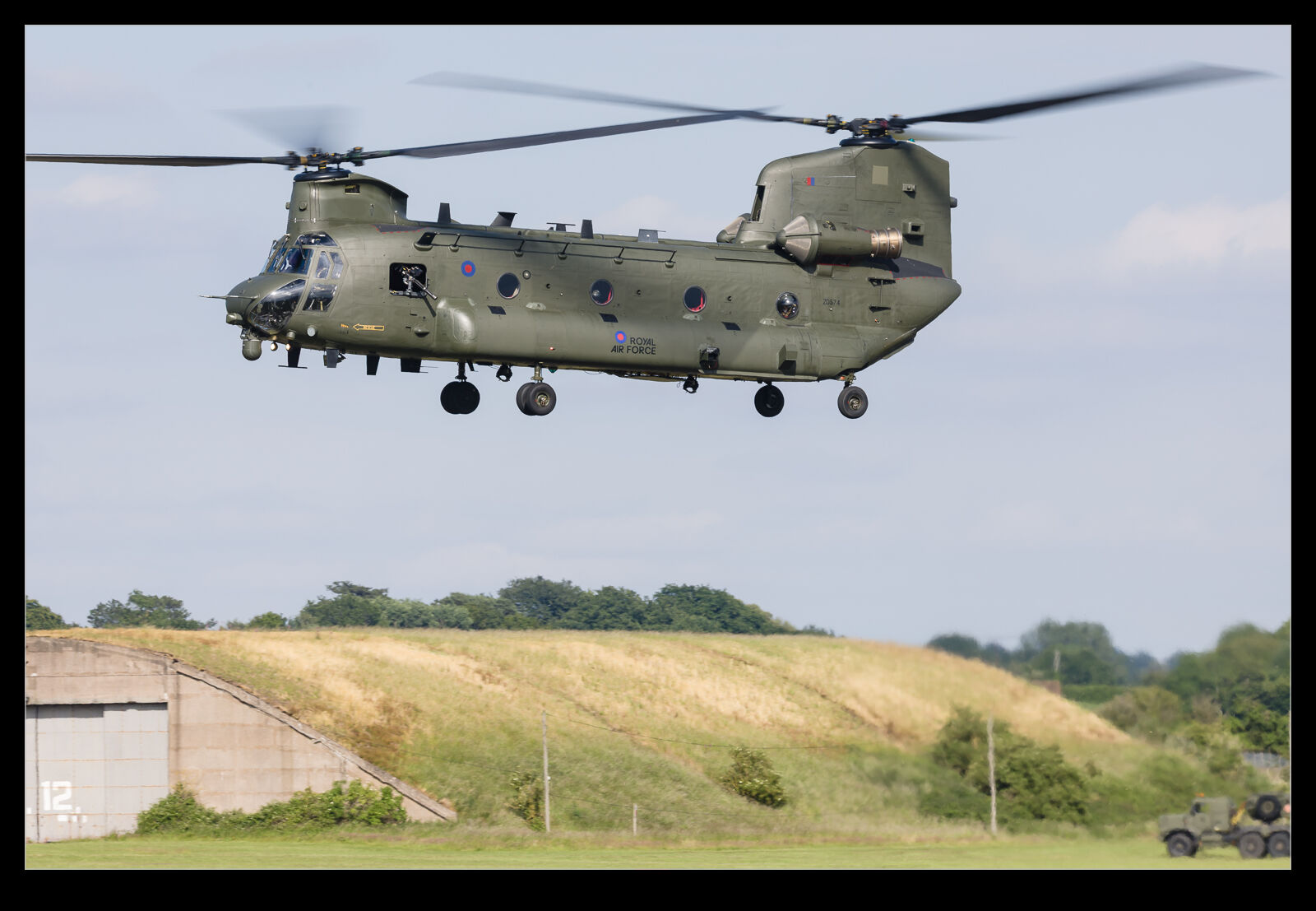
Then it was back to throwing the helicopter around for a bit. A helicopter display always has an advantage in that it can keep things in front of the crowd, and some tight turns certainly achieved that.
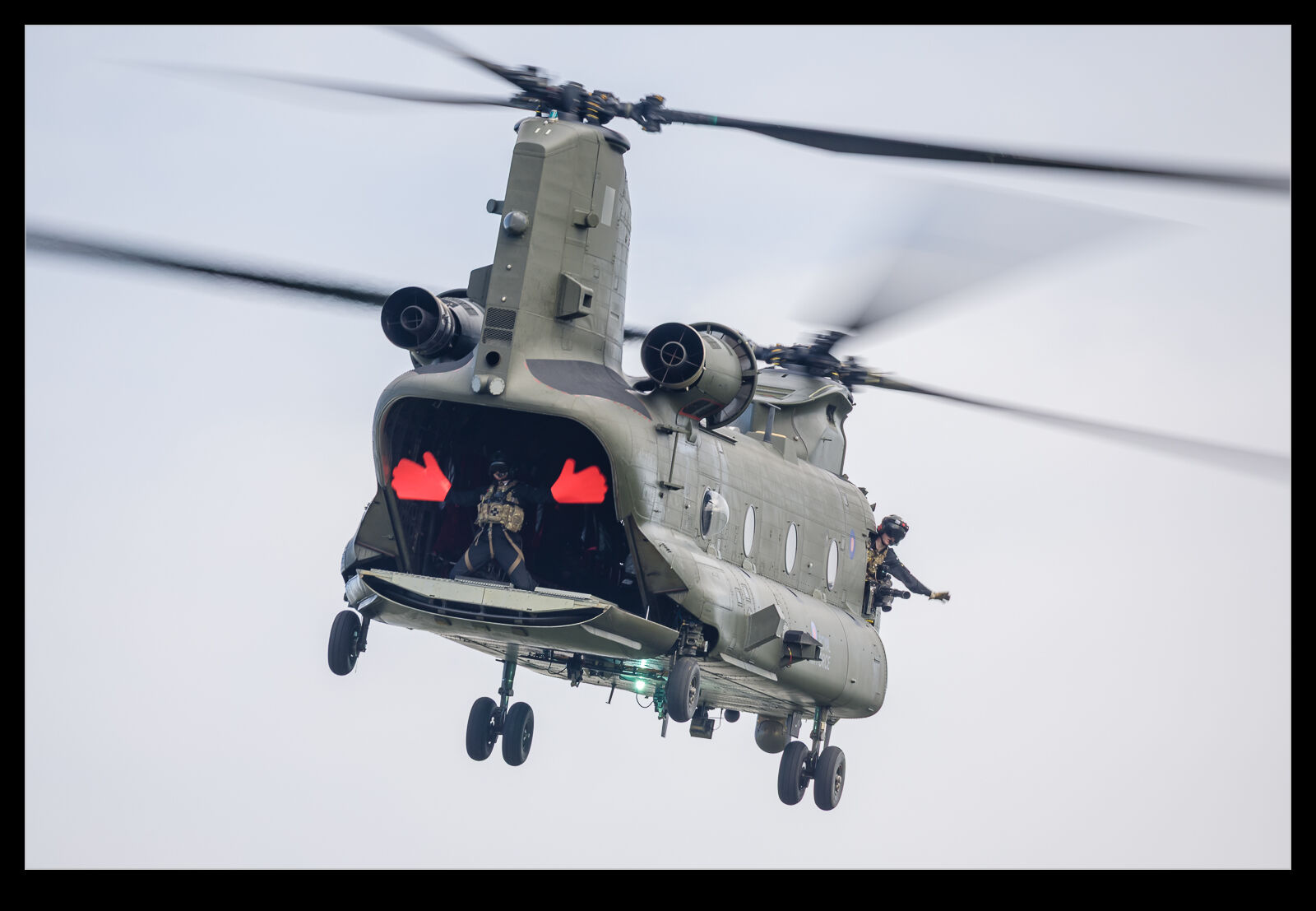
However, I haven’t yet highlighted what really made the display great. The commentary was top notch. You might think that a military display narrator is going to run through a staid list of talking points but that was not the case here. Sure, they did highlight the capabilities of the helicopter and the helicopter force as a while but there was so much ridiculousness thrown in to keep you amused throughout.
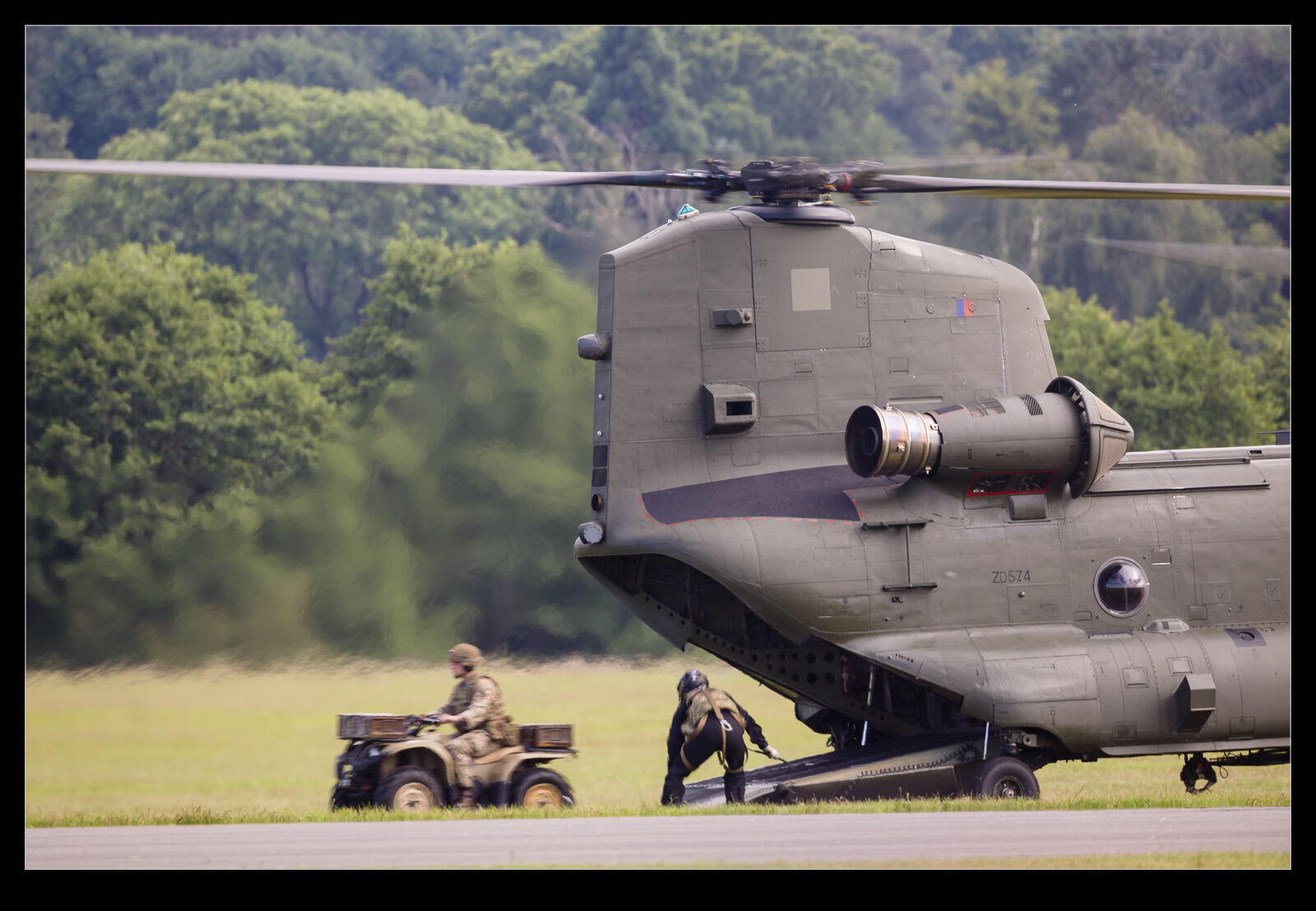
Whether it was pointing out that one of the crew had both of his friends in attendance or describing the vertical climb and pointing out it has no operational benefit but it does look really cool, the lines kept coming. They were delivered in such a normal way, though, that you needed to pay attention to spot when the serious bits had been superseded by the more flippant lines. Top stuff and hats off to the team. Great flying, great performance and excellent writing!
Who is Holding Who Up?

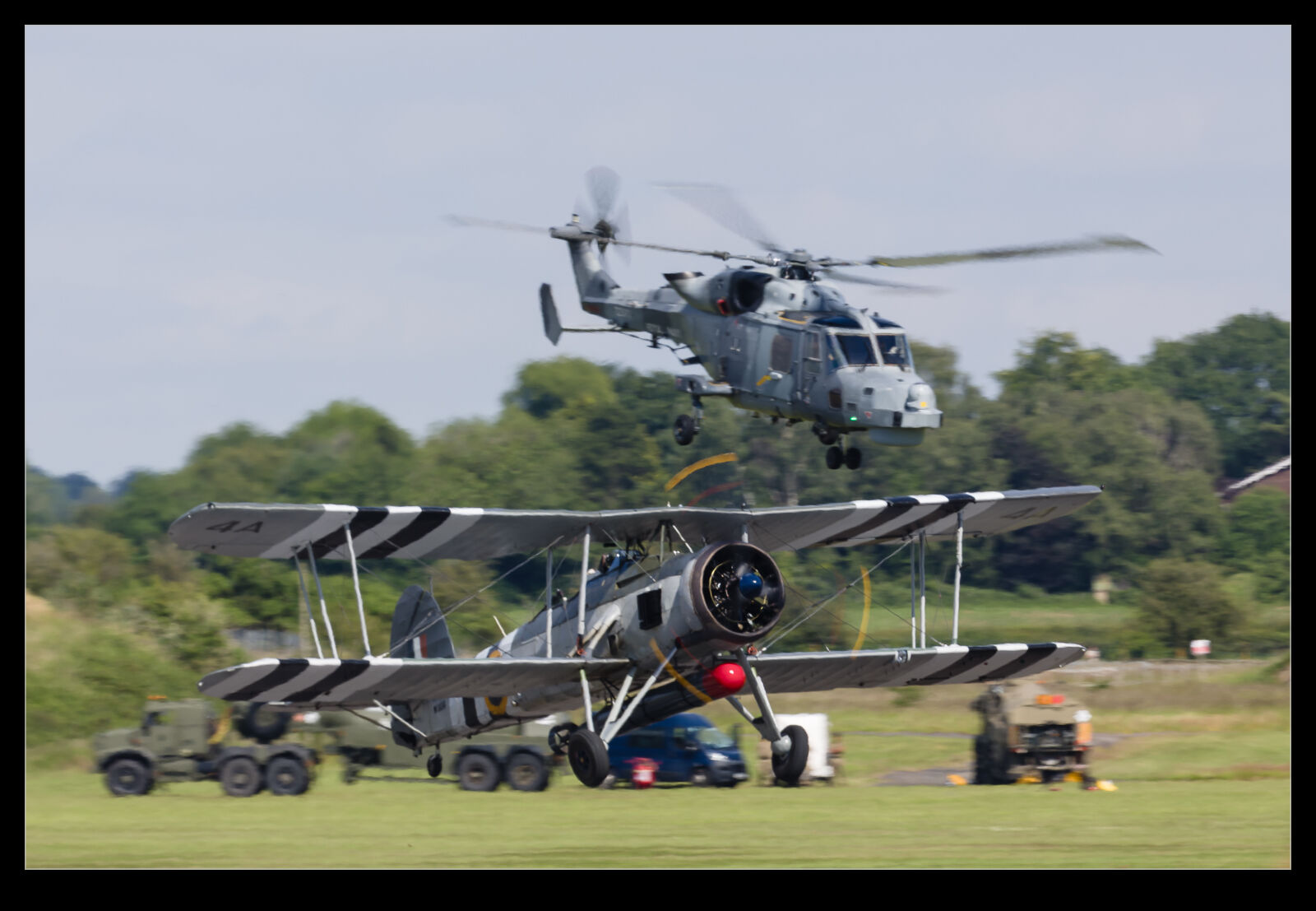
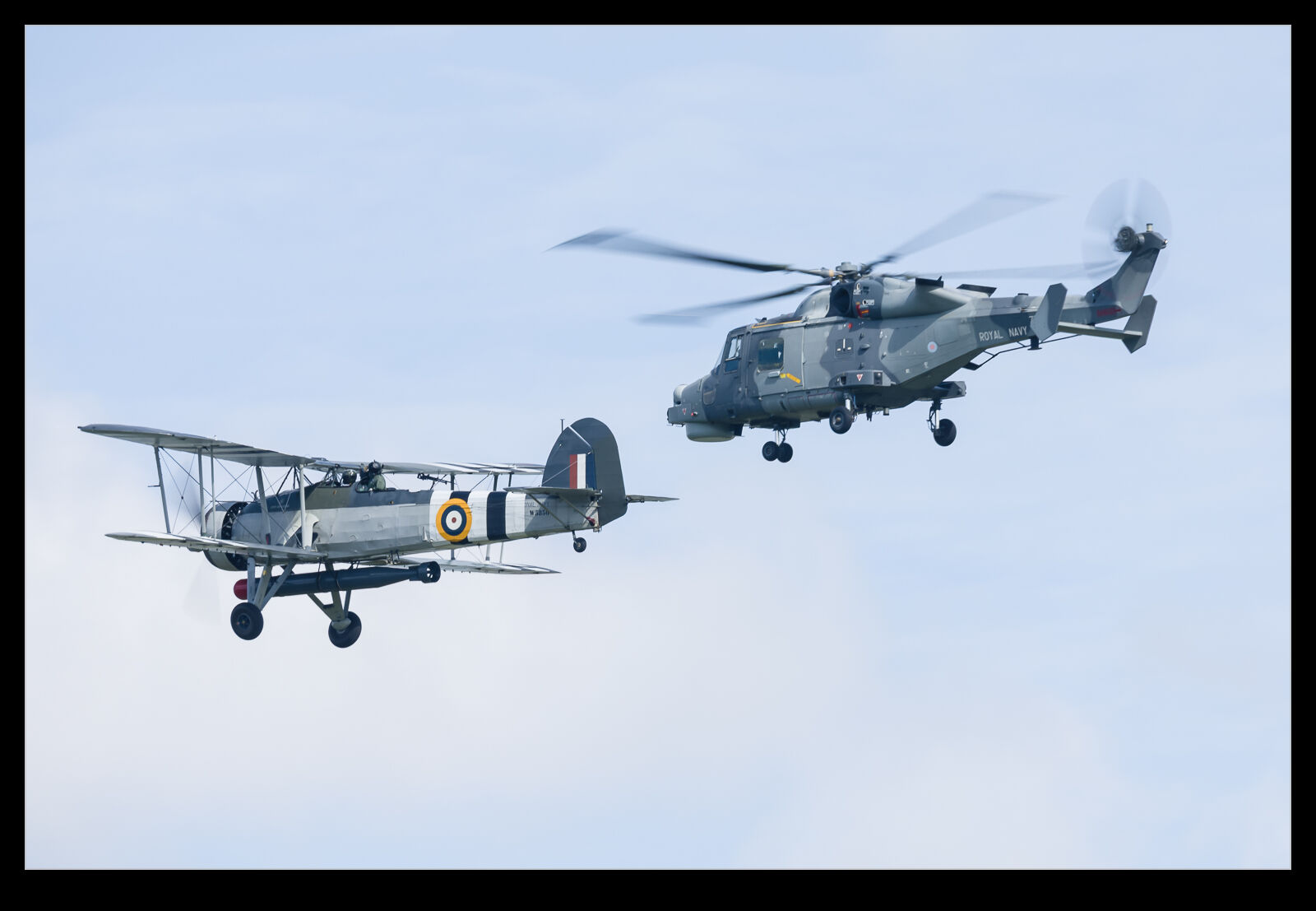
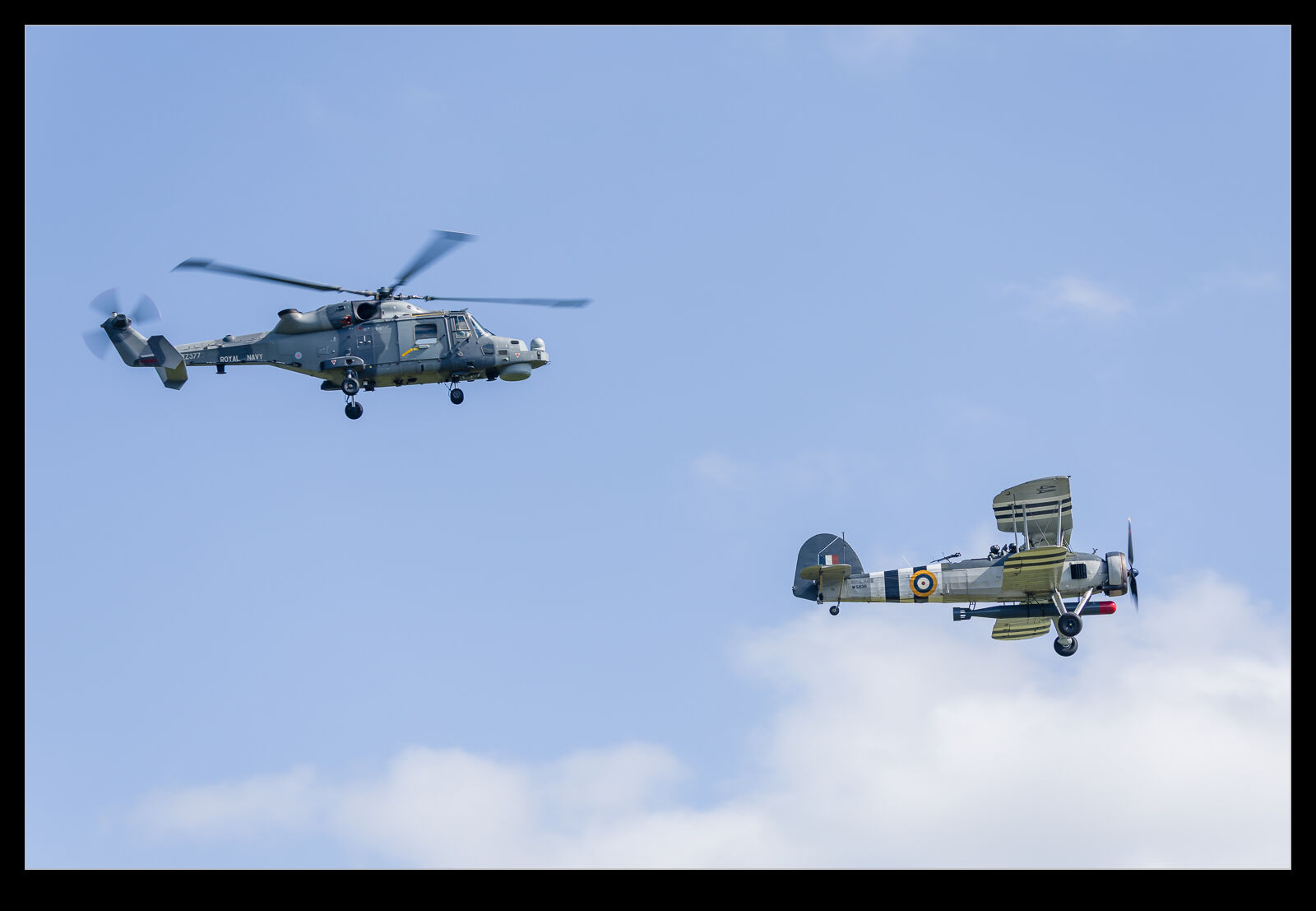
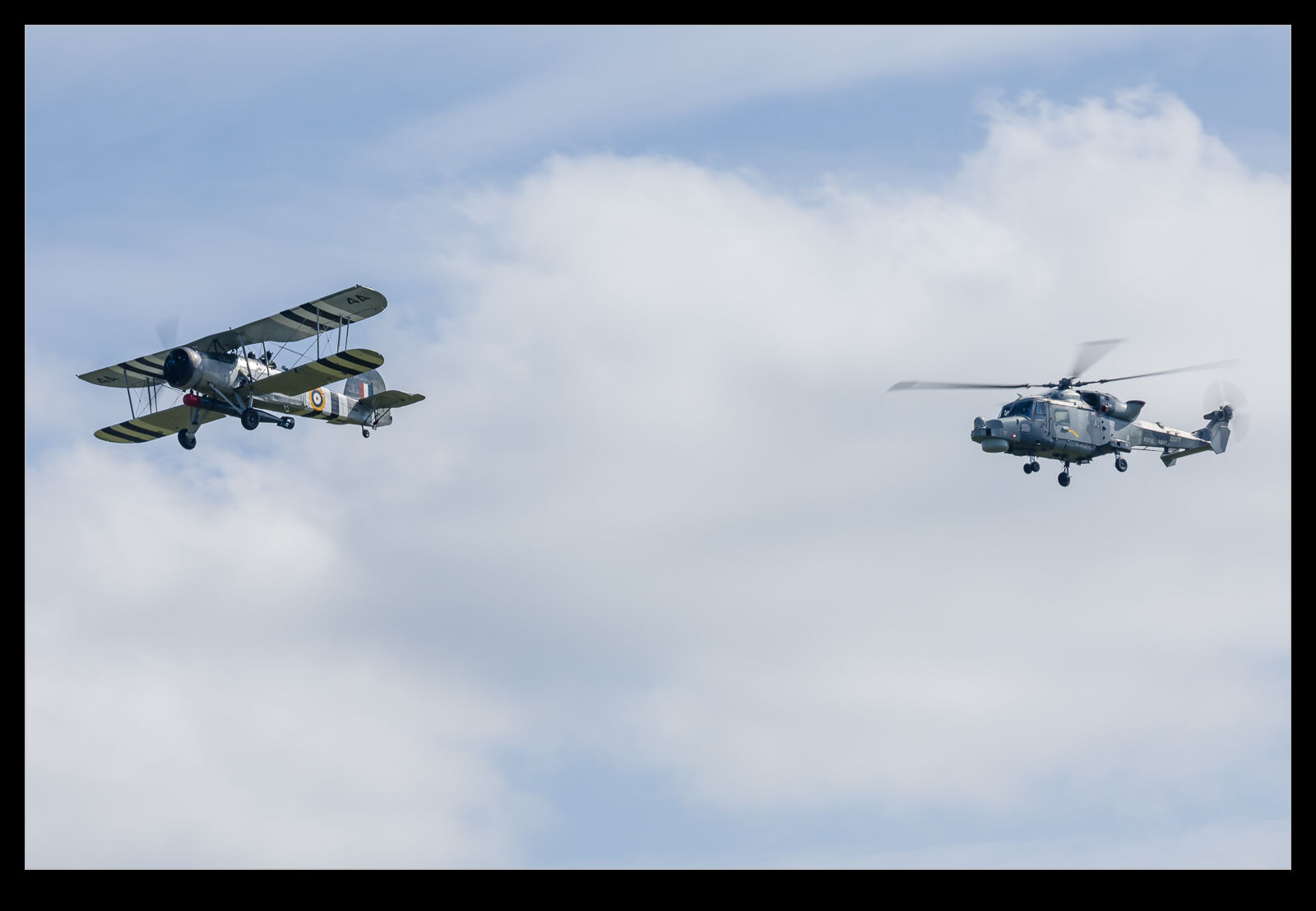
The Royal Navy contribution to the RAF Cosford air show was a great combination. They brought a Leonardo Wildcat in partnership with a Fairey Swordfish. This is right up there with the odd combination that I have seen at air shows over the years. A rotary airframe and a fixed wing has happened before but often the fixed wing is really struggling to go slowly enough for the helicopter. In this case, the helicopter has the speed advantage on the Swordfish. It is not a speed demon.
They did a pairs takeoff which was really interesting and then commenced their display with a flypast in tribute to the lost crew from the Merlin crash that had occurred not long before the show. They then carried out a sequence of passes before splitting for individual performances. The Stringbag is a beast of an aircraft, even if it isn’t fast. I got some other shots of it that will probably show up at some point.