Category Archives: Air Shows

This is Not a Canberra or a Lightning!
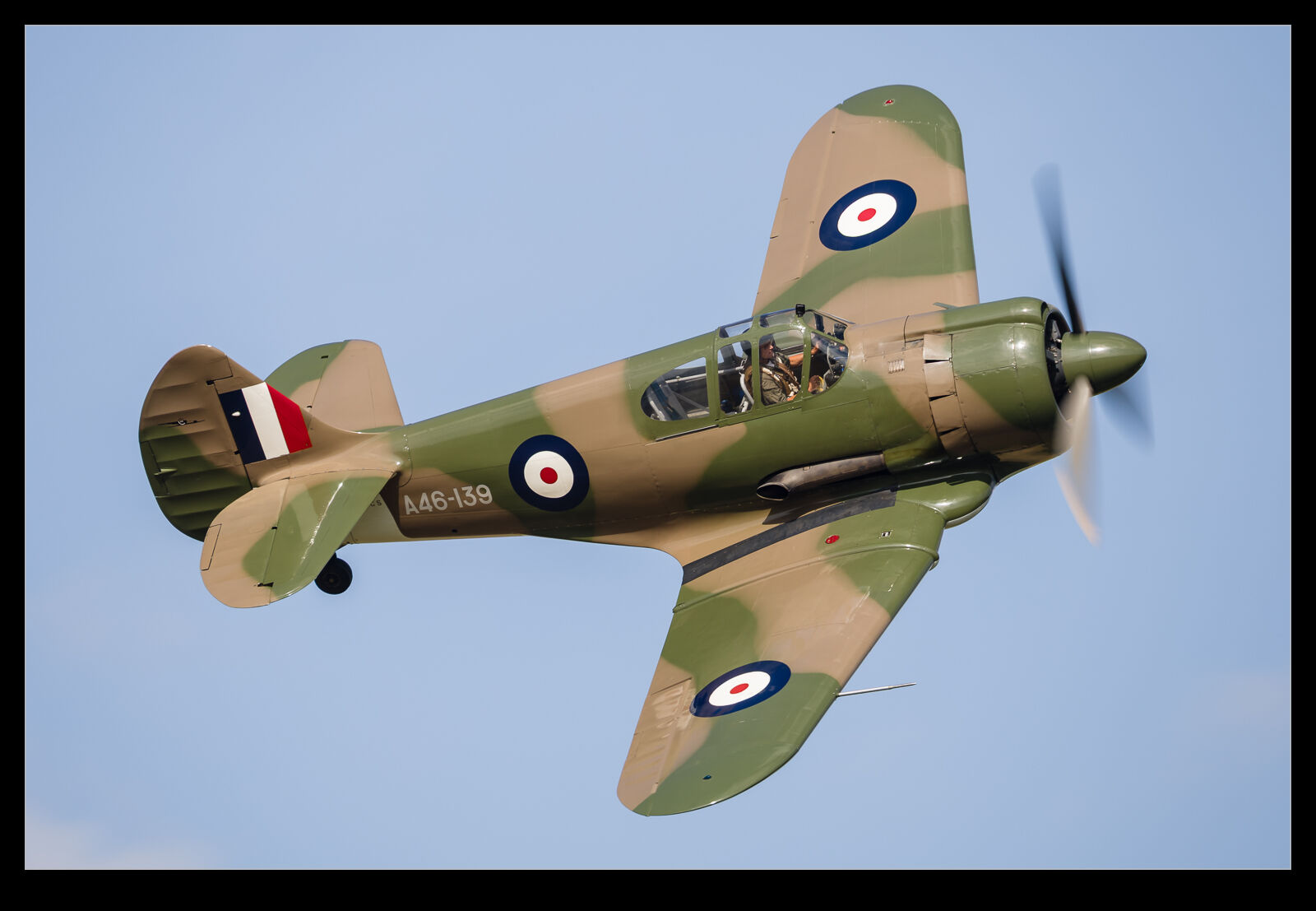
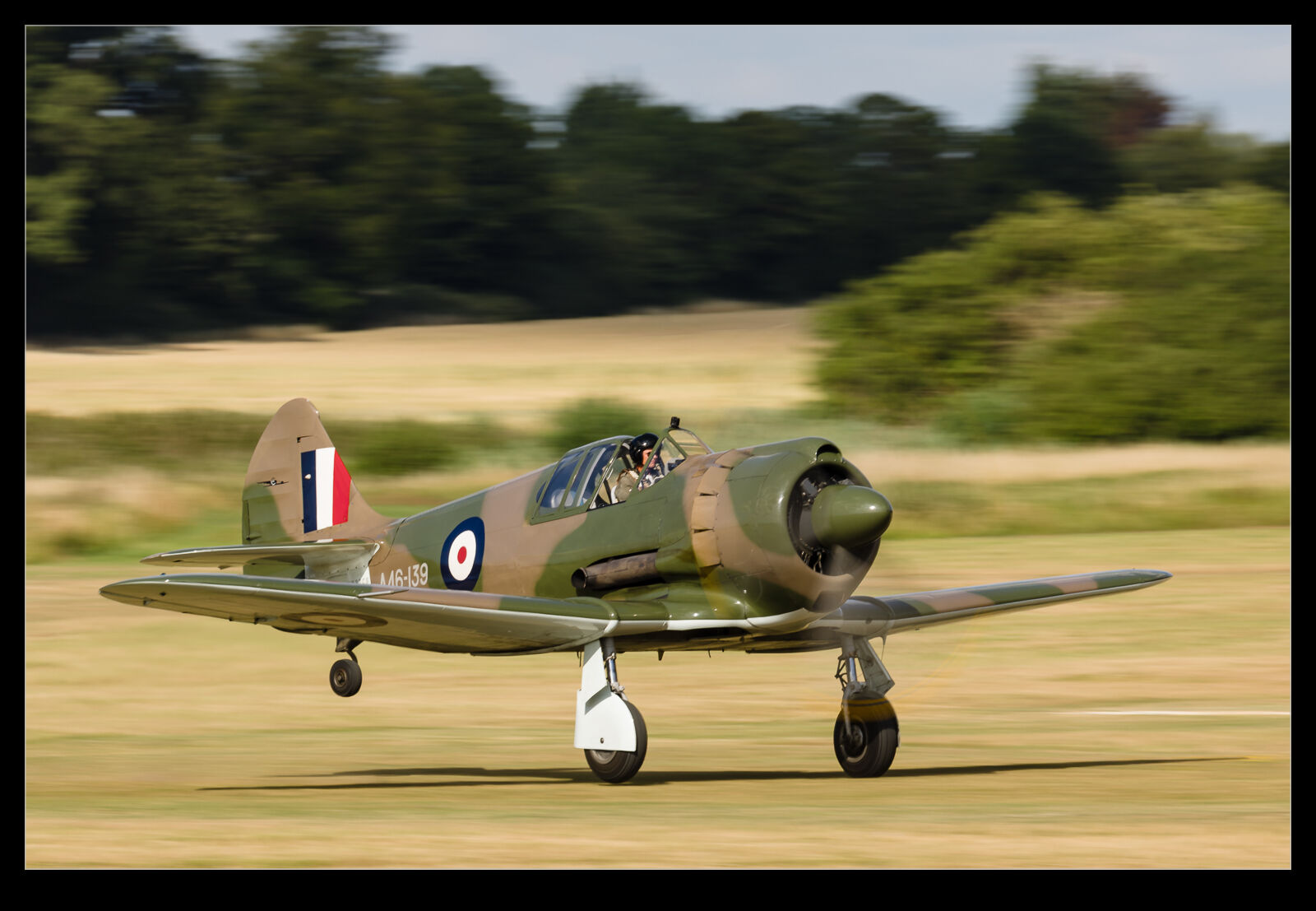
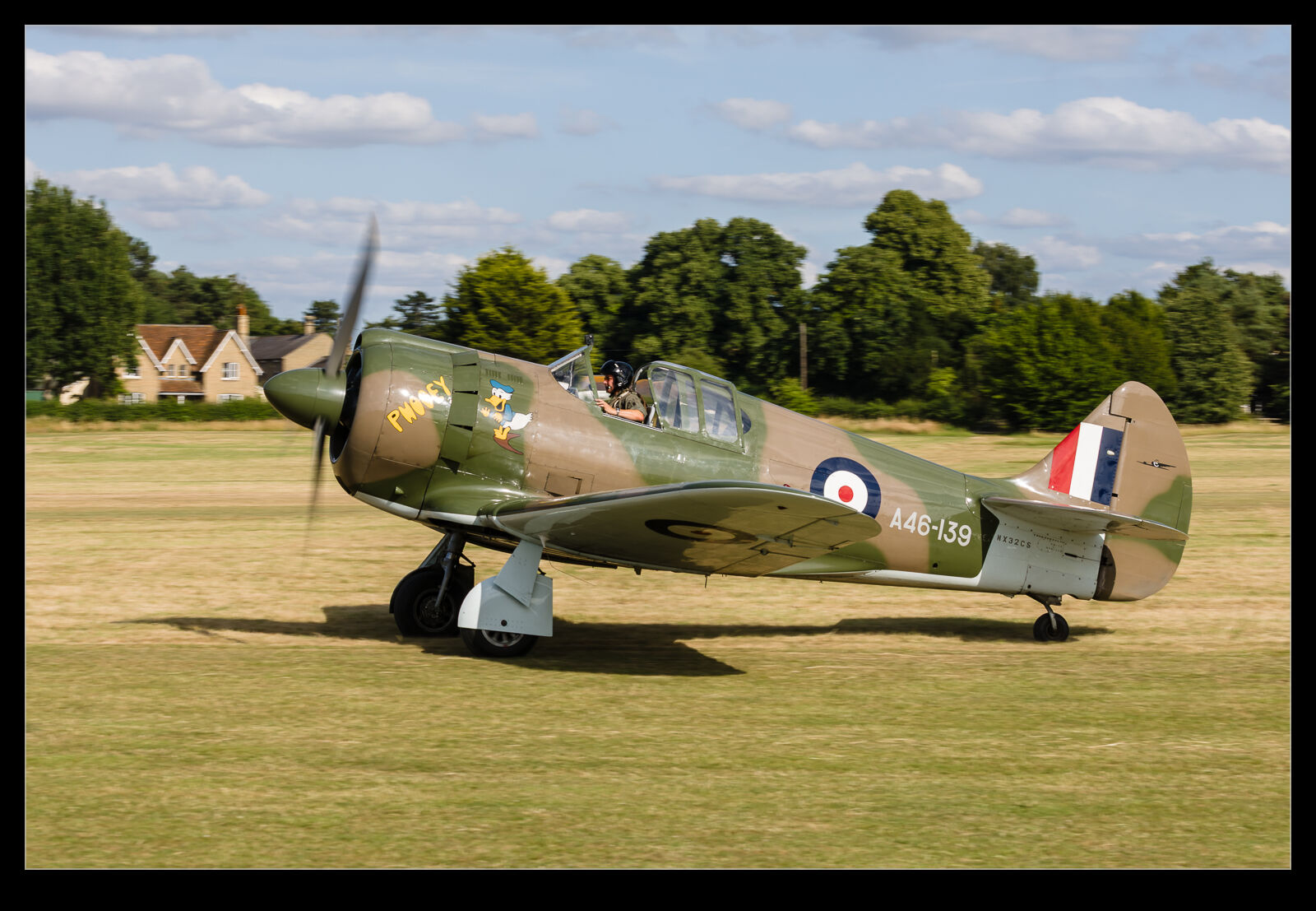
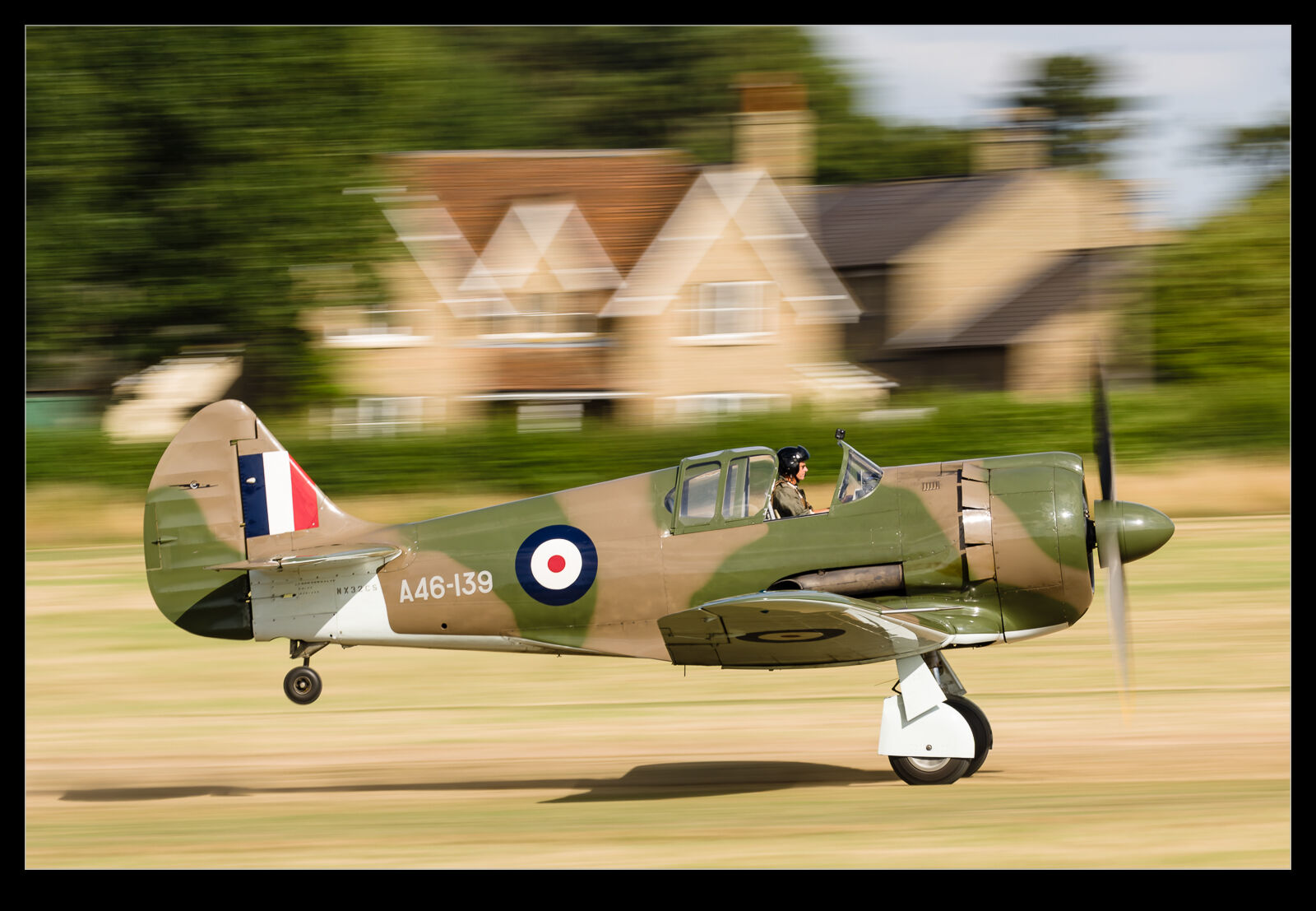
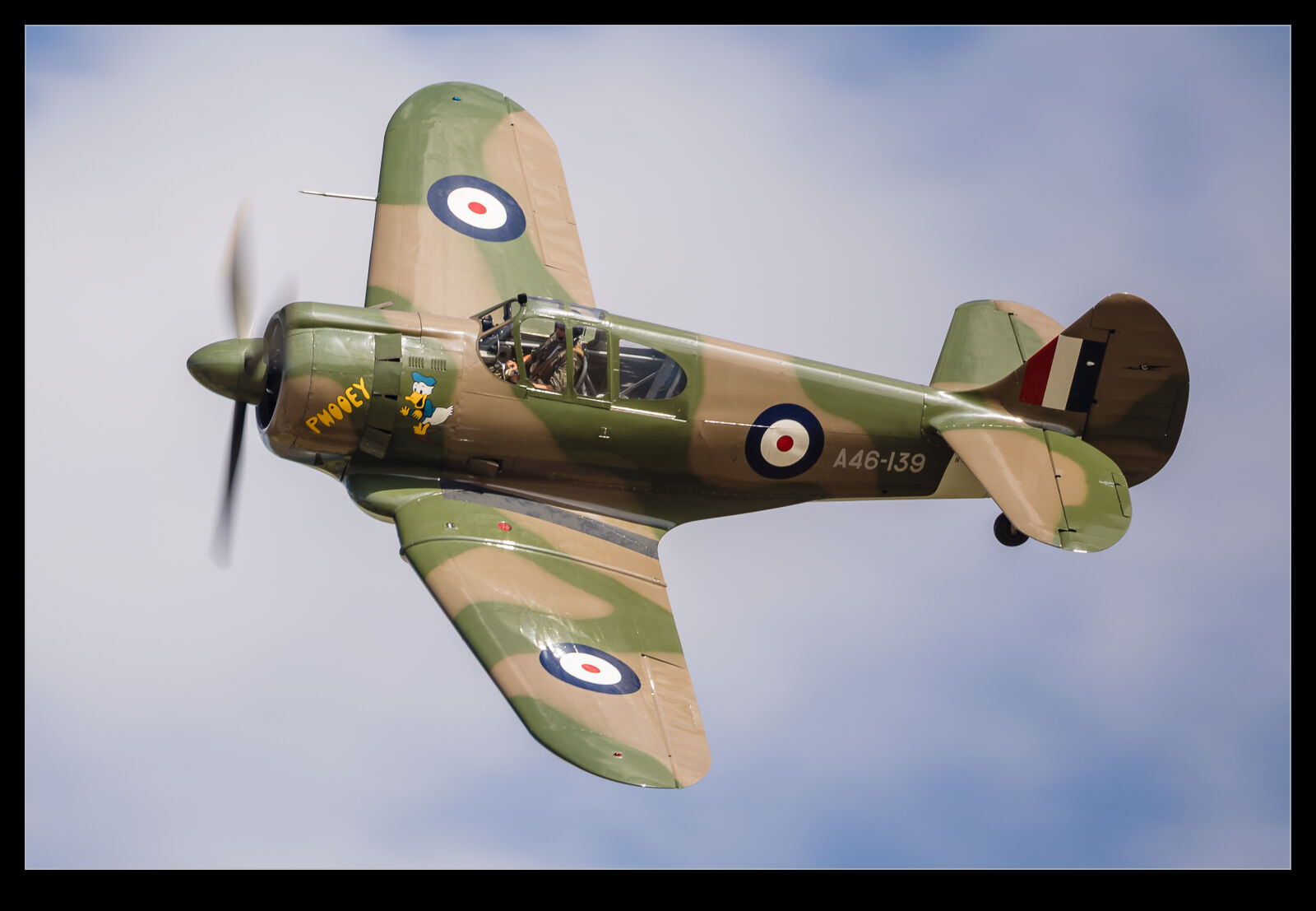
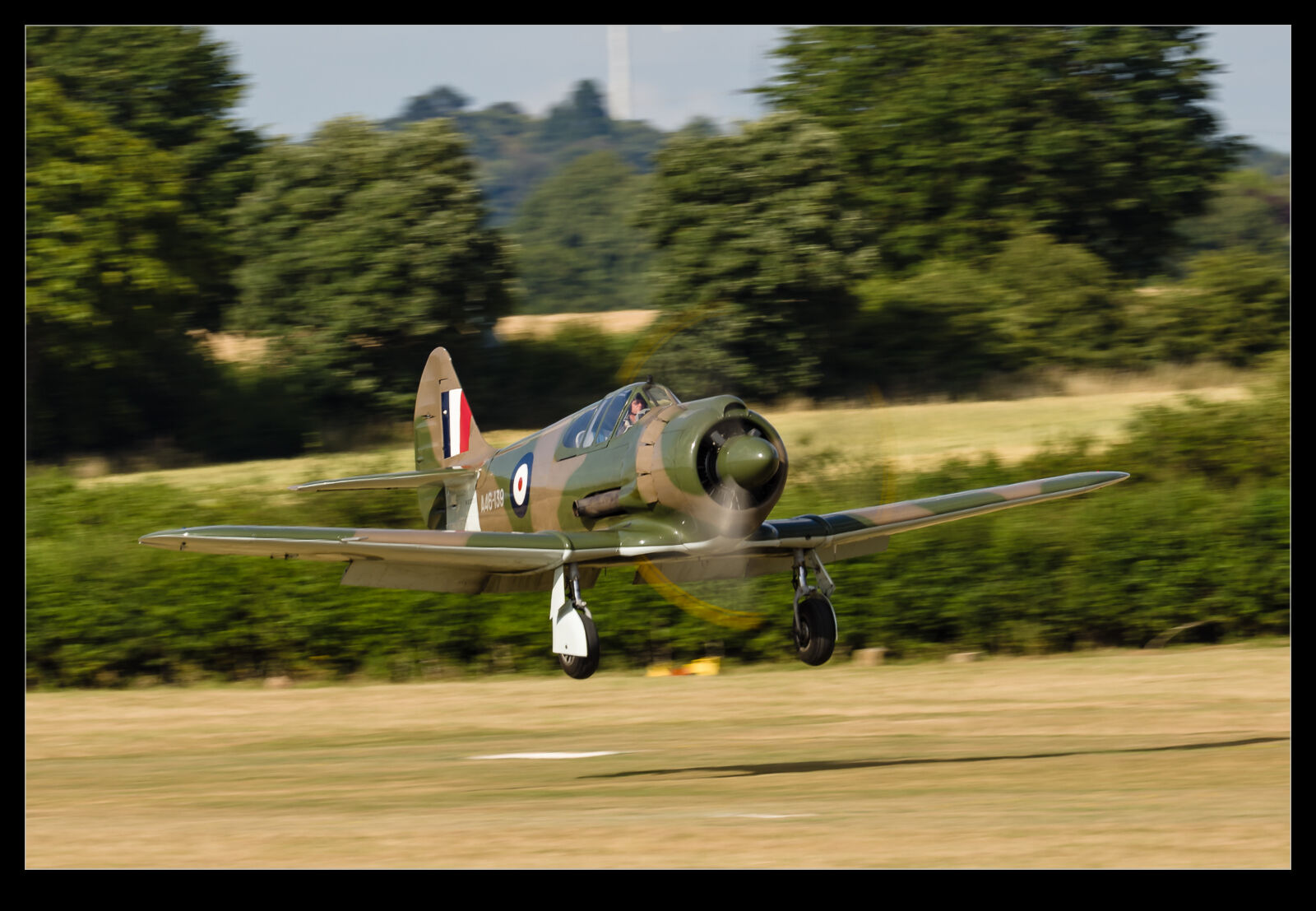
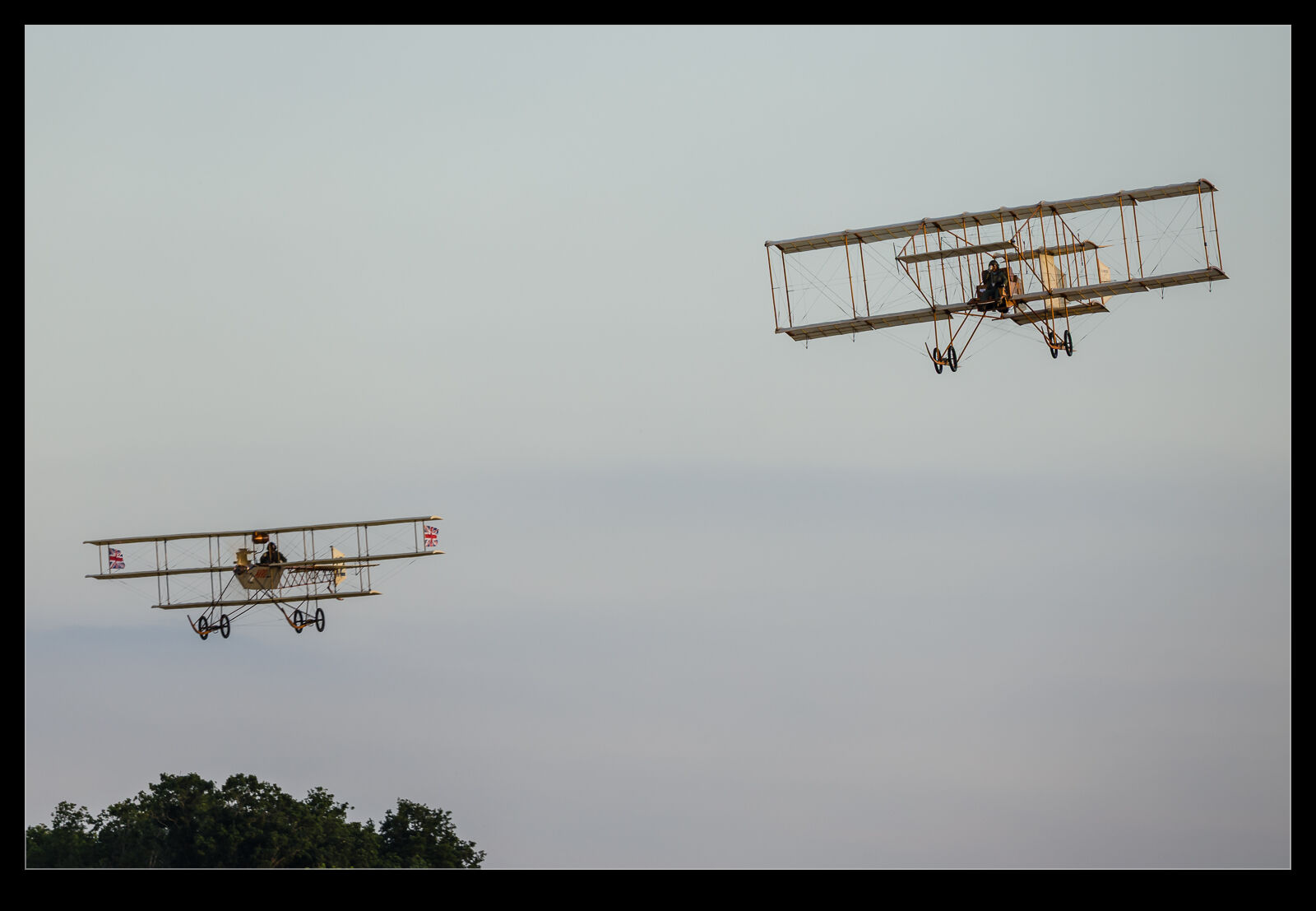
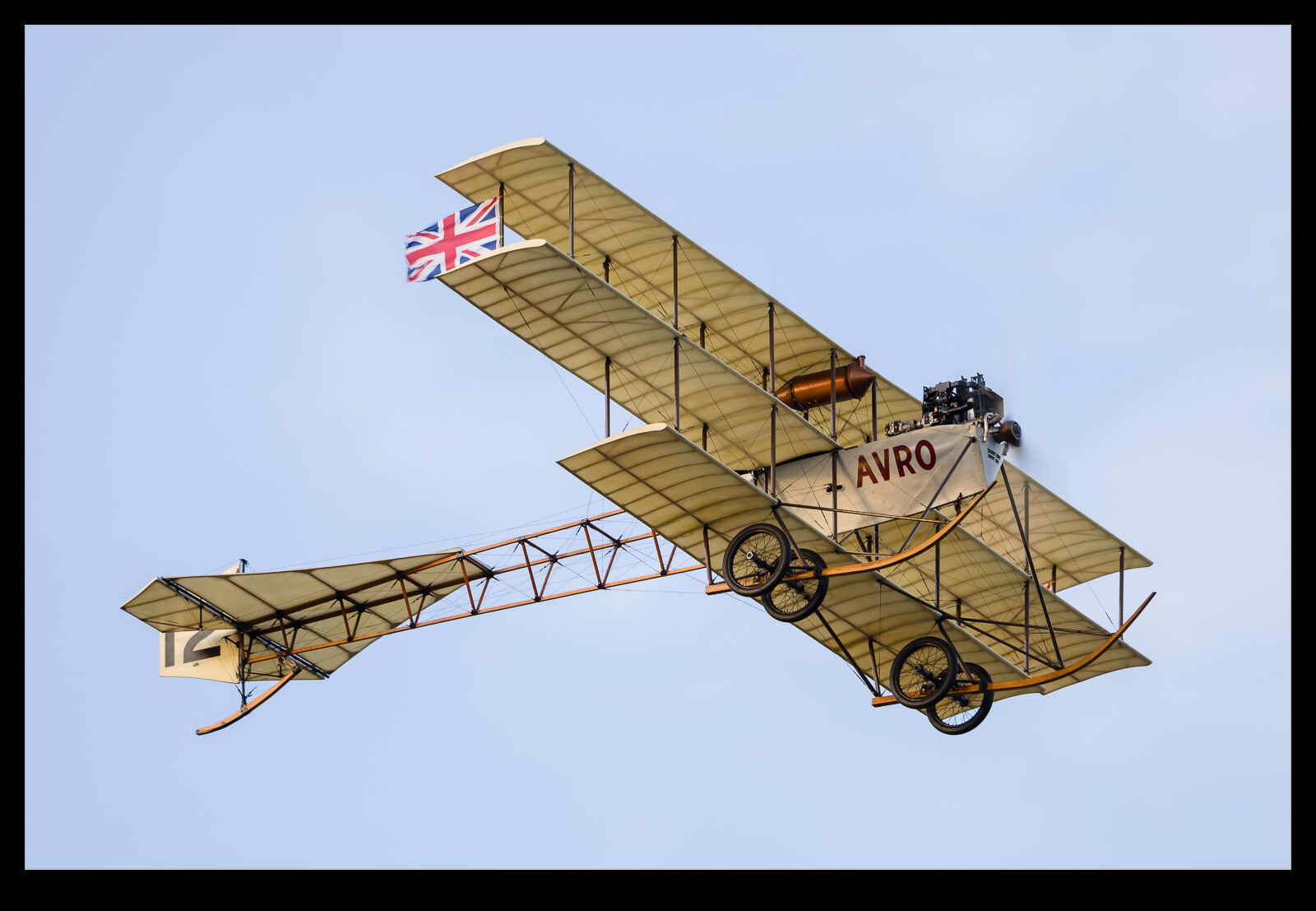
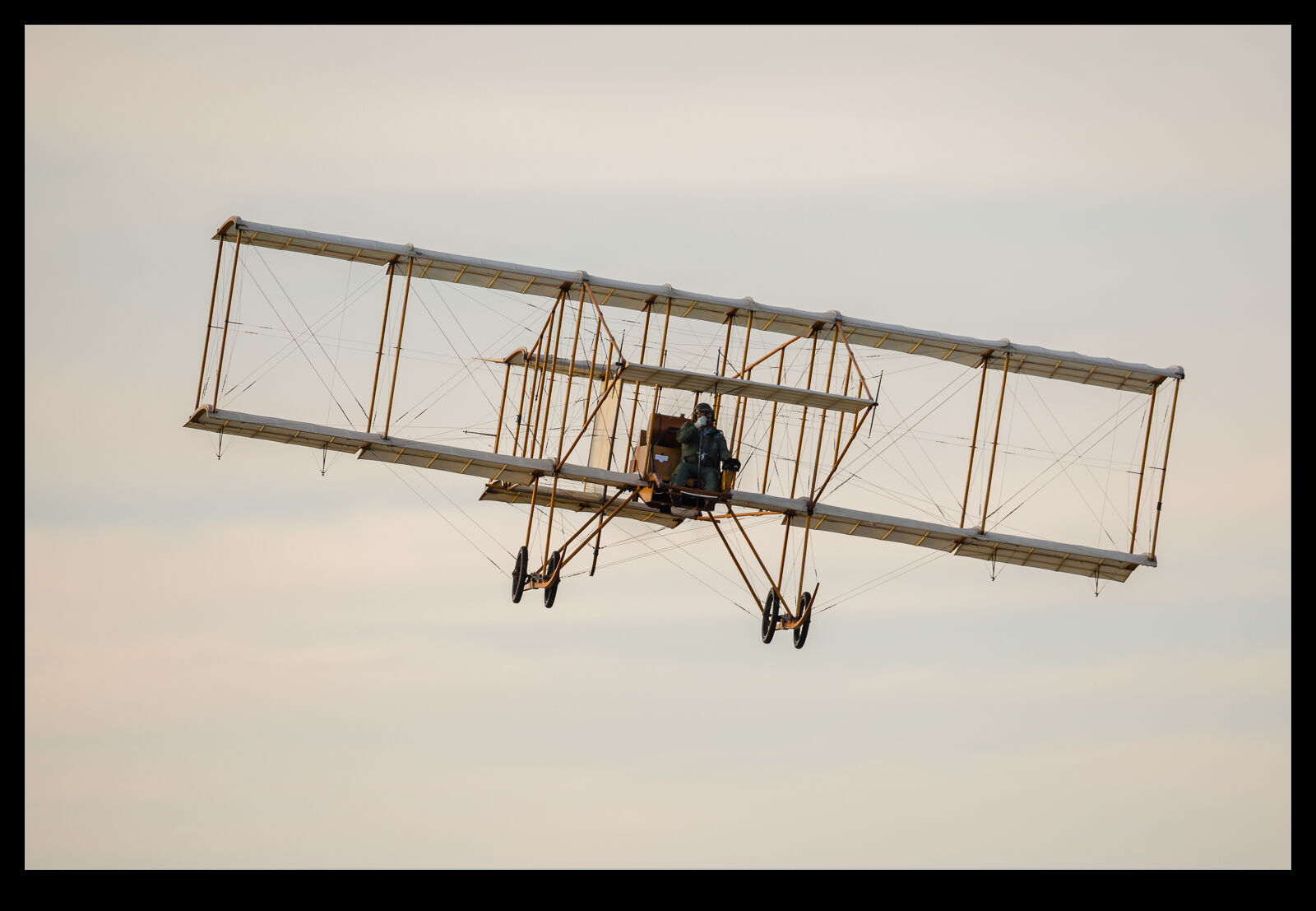
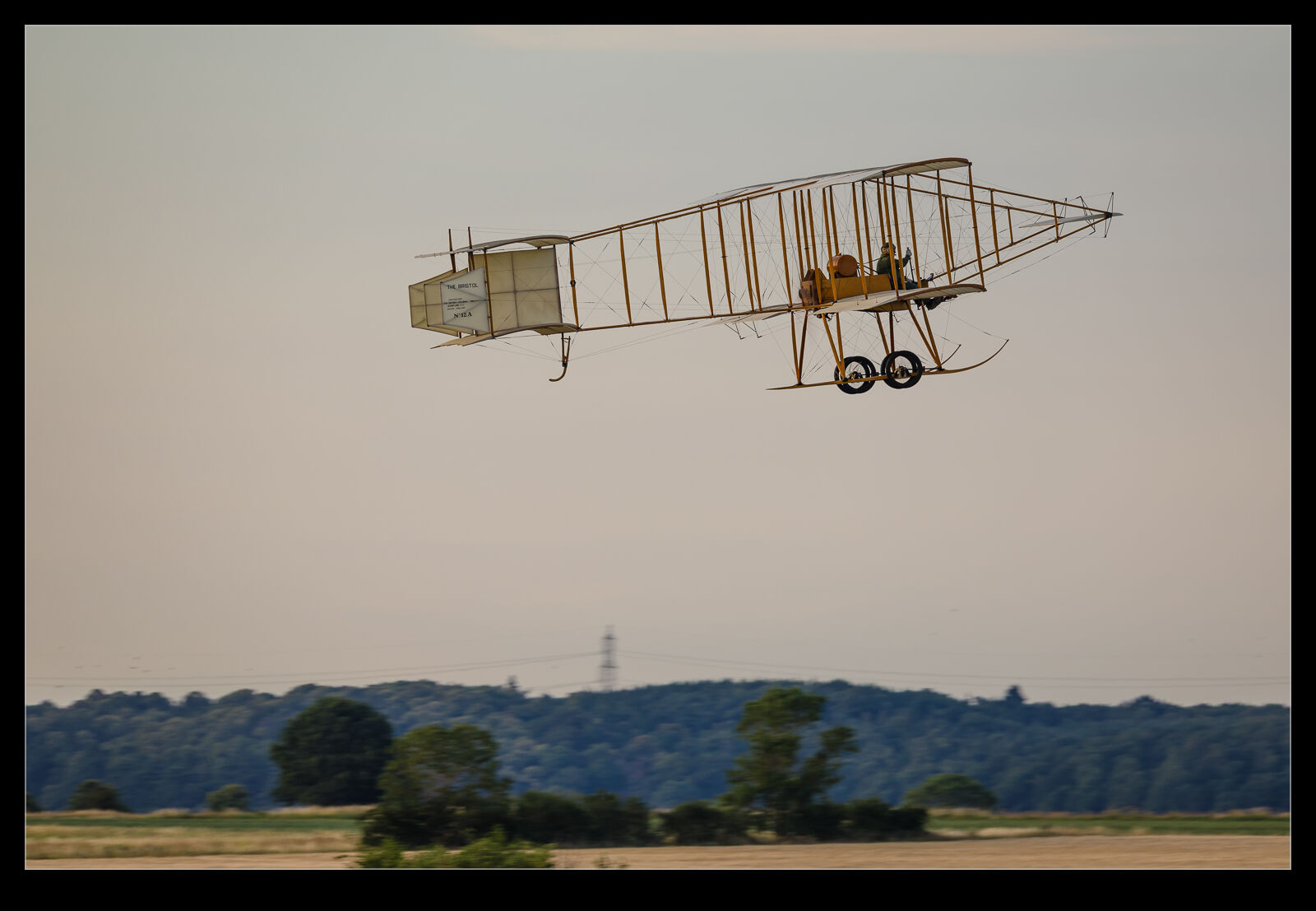
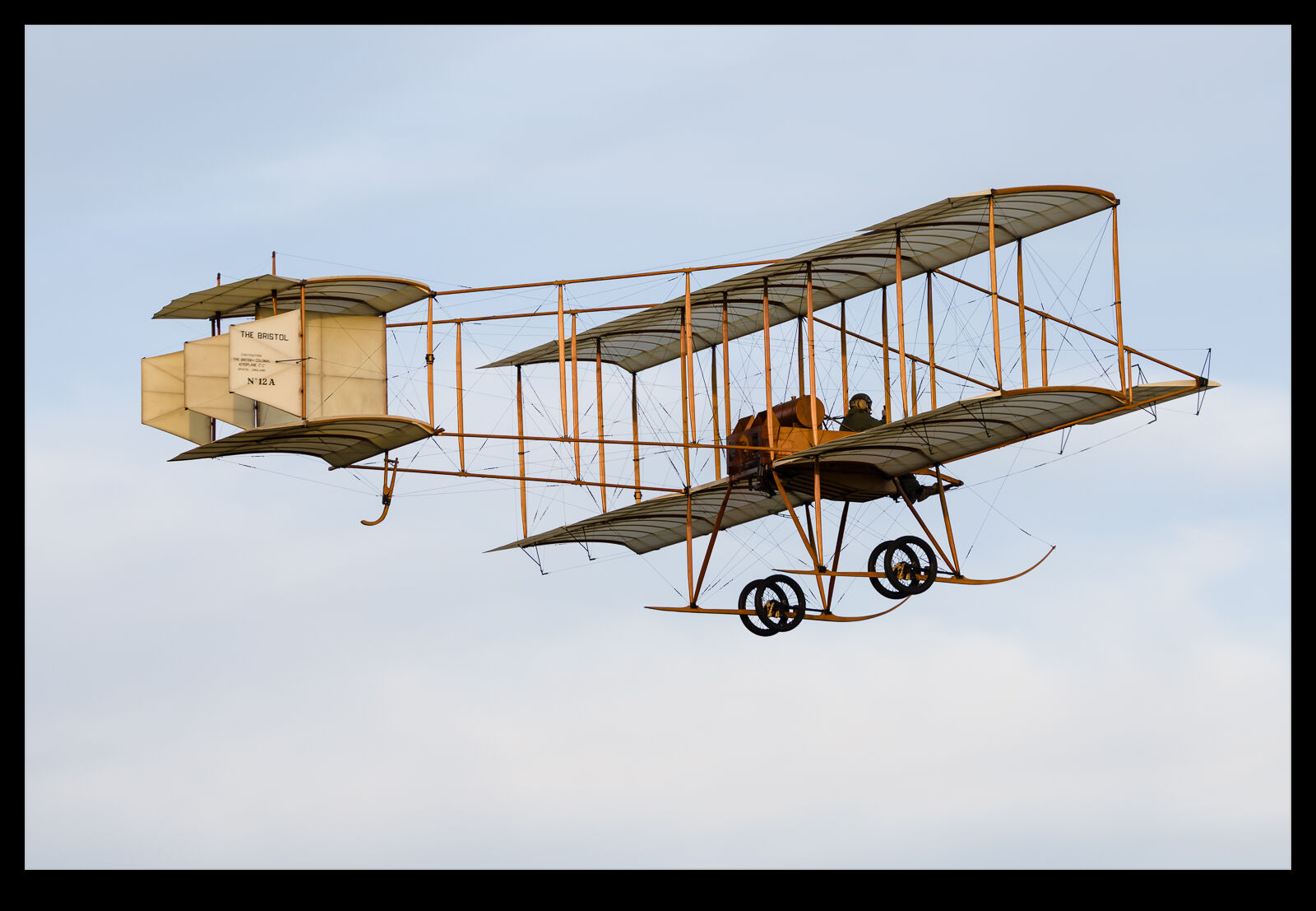
The name English Electric is well known in aviation circles. Before it was subsumed into the British Aircraft Corporation, it had produced the Lightning interceptor and the Canberra bomber. The Lightning might have got more glory, but the Canberra was by far the more successful type with excellent performance. However, there is a lesser-known type that came from the company a long time before.

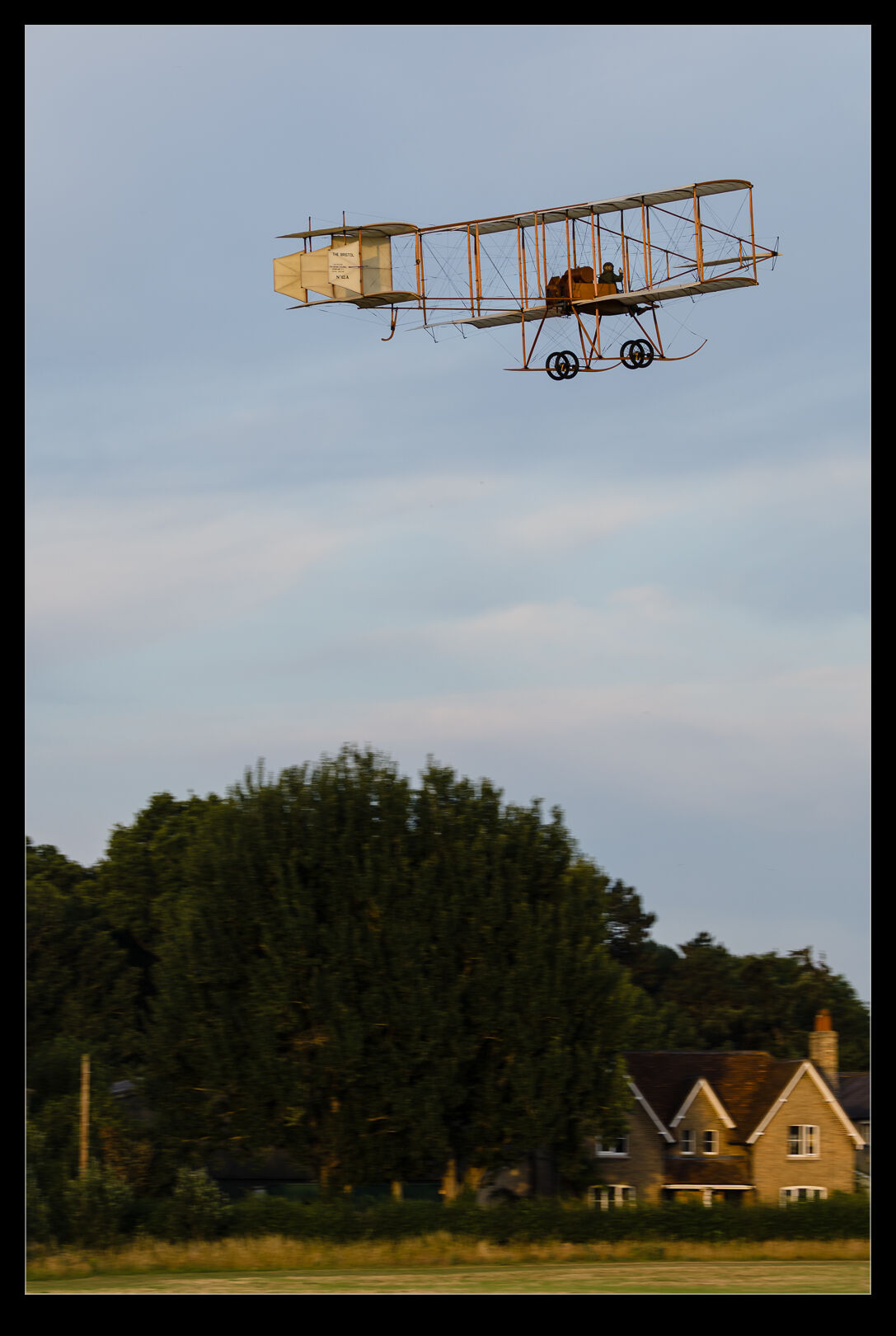
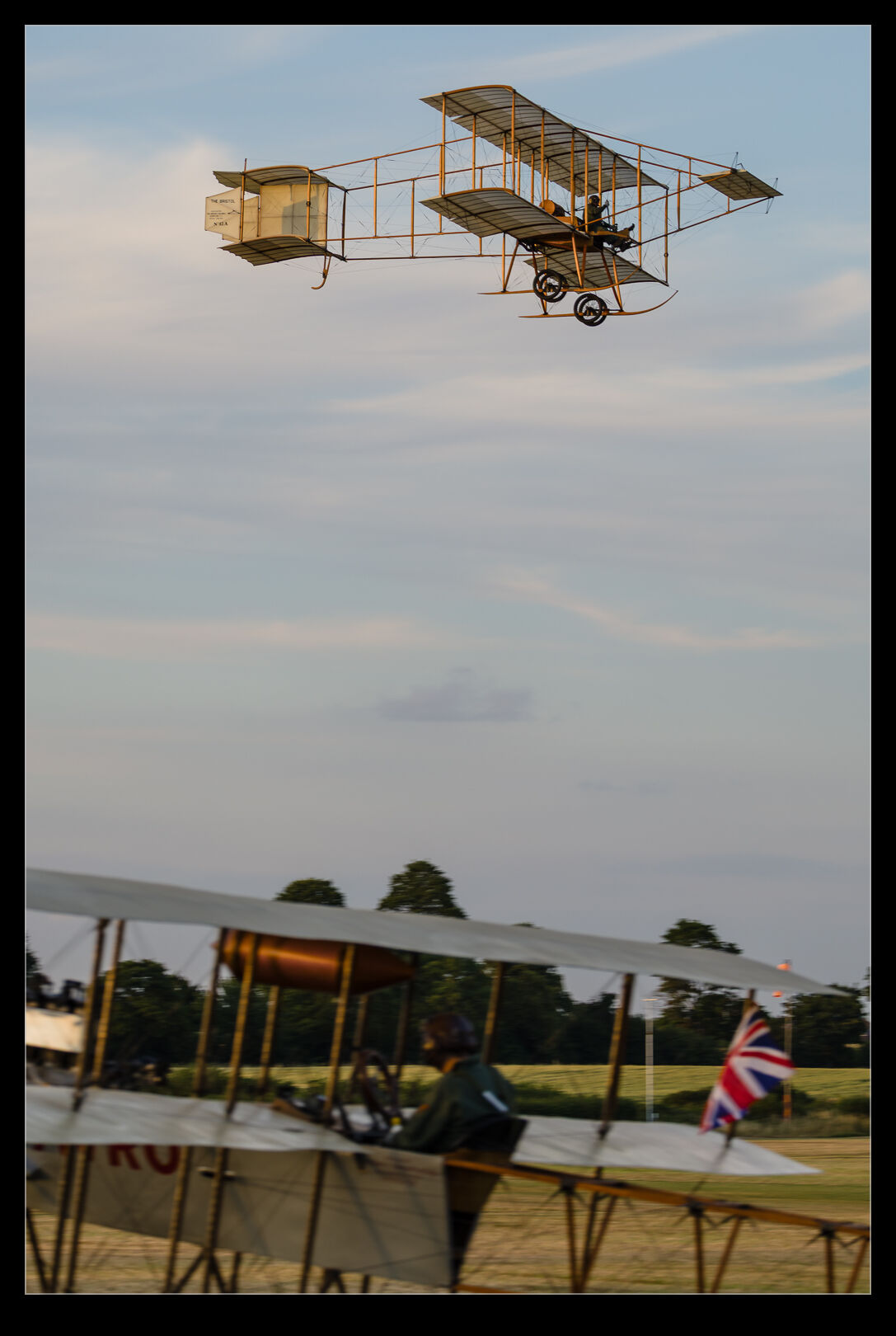
I first heard of the Wren when I read about it in Roly Beamont’s book. He was the chief test pilot at English Electric, and he described this vintage aircraft with very limited power that the company restored and hopped along the runway at Warton many years before I worked there. The aircraft now lives at Old Warden and it was brought out to fly during the Shuttleworth Festival of Flight. It was towed up to the far end of the field in preparation for its flight. The conditions were smooth, so it was going to be able to perform.

Having read that it was not over-endowed with power and that the Warton tests had involved some basic hops along the runway, this was what I had anticipated would be the case here. However, they were more ambitious. After flying the length of the field, a turn was made for a return run. I have to admit, when I first saw the turn, I did fear that all was not well. The whole flight was at low level, so the turn was also low. The angle made it look like the plane was heading for the trees. However, this was quite normal and in control. Even so, every turn made me tense up slightly. I guess by the end of the flight, I was getting used to it. Even so, it was quite unlike most flying I have watched.

Multiple passes were made during the flight. The light was definitely playing ball along certain parts of the passes so I was able to grab quite a few shots. It’s not the most elegant looking plane and I imagine the view for the pilot is pretty minimal. Even so, as rarities go, it is right up there so to see it fly was a nice result.

50 Years of Popham

This aviation moment was a bit of a last-minute thing. We don’t live terribly far from Popham’s airfield, and I have driven past it more time than I can recall including when travelling to visit family in Andover before we ended up living in Hampshire. However, I had never actually been to the airfield before. I had seen that they were having a celebration of the fiftieth anniversary of the first use of the field, but I did have other stuff going on at home. When I had finished that, I knew I needed to get a bike ride in as part of my ongoing (if feeble) preparation for the charity ride I had coming up. I decided to ride up to Popham and back and swing by the fly in.

The weather was really nice and there seemed to be a ton of planes that had made the trip in to join the celebrations. The road into the airfield goes right under the western approach end and I did stop there on my bike for a while to watch the arriving and departing planes. Then I rode into the airfield itself and had a brief wander around. There were plenty of people out walking amongst the parked planes and, if I hadn’t been in cycling shoes and pushing the bike, I would have had a longer time exploring. Instead, it was a brief stopover before continuing my ride. I hope they had a successful day.

The Atlantique is a Great Throwback

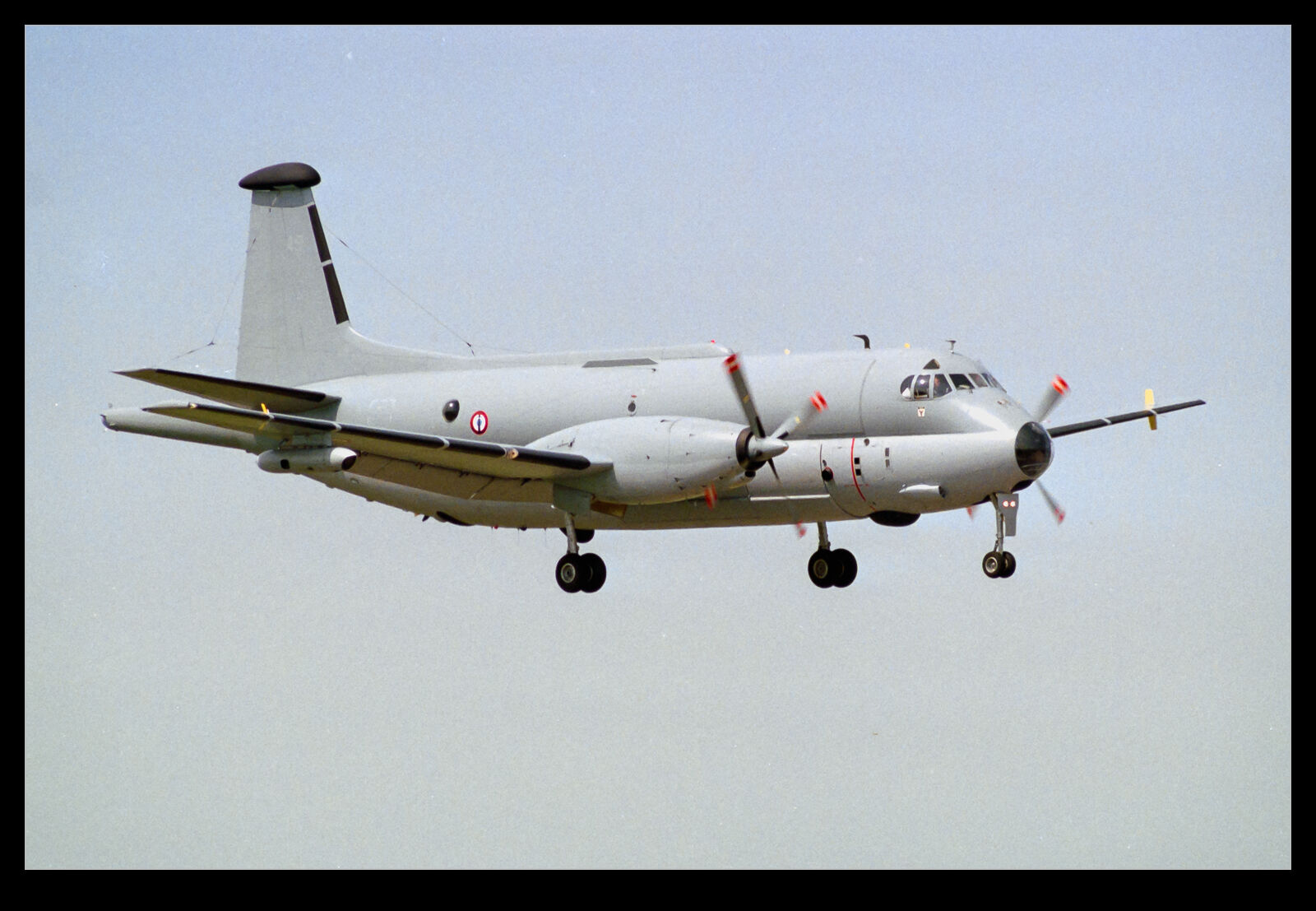
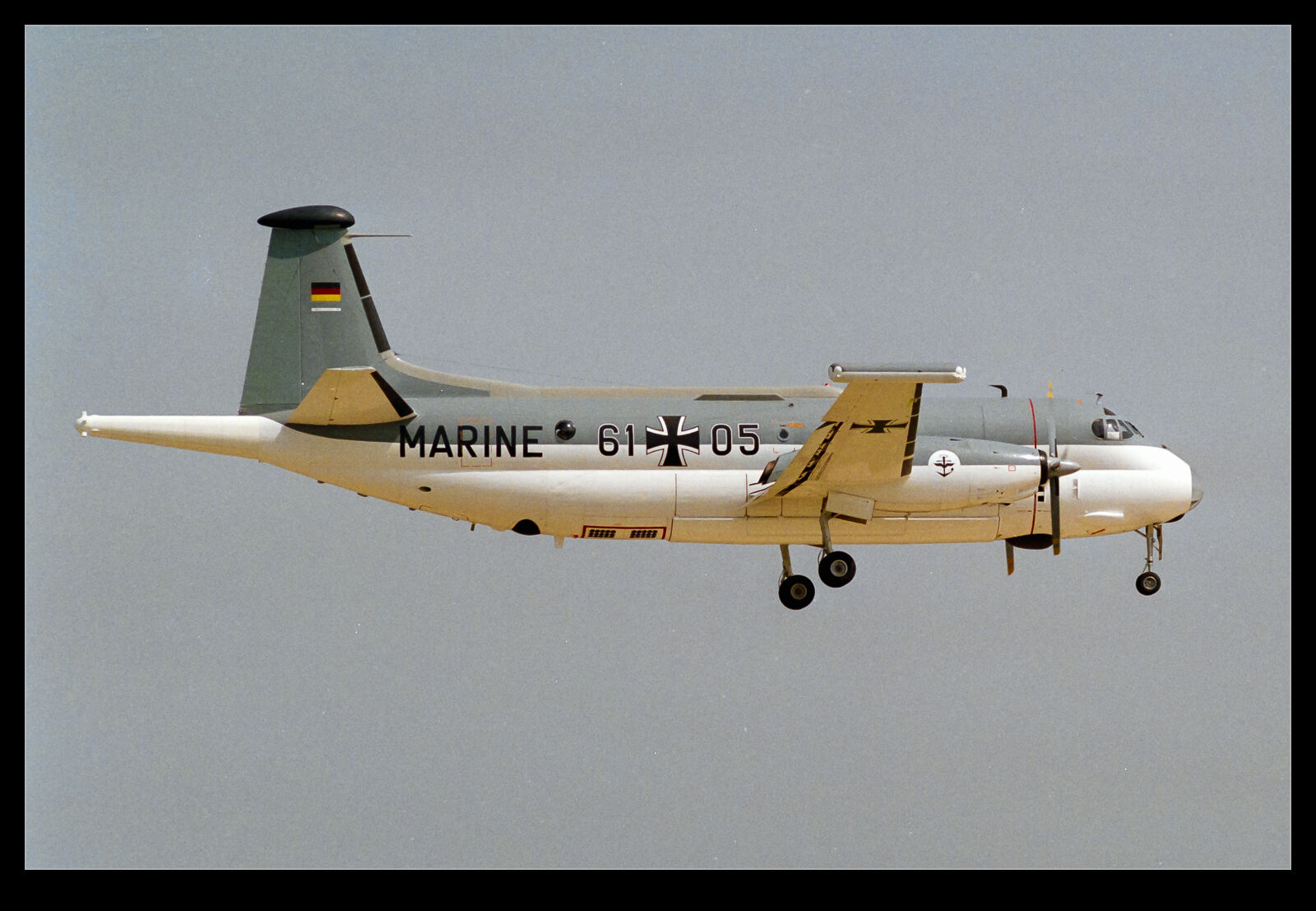
RIAT provided many high points for me this year. One of the types I haven’t seen for a long time was the Atlantique operated by the French Navy. I think I last saw one at Mildenhall at an Air Fete at the beginning of the 90s. Not only was the plane on the ground but it was also taking part in the flying display. Powered by a pair of Tyne turboprops, the engine whine on the ground is quite painful. You do need to give your ears some protection to avoid it getting too much. Once those engines are ramped up to take off power, the humid conditions meant some nice prop vortices showed up.

The display consisted of a number of passes. There is a radar installation that retracts into the fuselage for take off and landing as well as when it isn’t needed and drag reduction is more valuable. For some of the passes this radar was extended. Also, there is a large underfuselage weapons bay and the doors to this were opened to reveal a captive Exocet missile. The Exocet is a large weapon, and you really appreciate that when it is shown against a plane as large as the Atlantique. The French Navy is planning on introducing a new type based on a Falcon business jet so the chances to see an Atlantique will be diminishing soon.

Vintage Buses at Old Warden

The Shuttleworth collection includes many vintage vehicles. Amongst these are buses. Some of them are on display in the hangars but some come out and get used to shuttle visitors around the grounds. During the air shows I went to this year, I saw a few of them on display and in use. I didn’t take a ride on either occasion, but I did grab some shots of them.

Take a Look at That Wing Span

Back around 1990, I saw an Antonov AN-72 at the Farnborough show. This was the time as the wall came down and eastern bloc aircraft started to appear at shows. After that, I don’t think I saw one again. That changed at RIAT this year when the Egyptian Air Force brought an AN-74 – an updated version of the original Coaler. The feature of this plane that gets lots of attention is the location of the engines. They are mounted above the wing and employ upper surface blowing. The exhaust from the engines is entrained but the upper surface of the wing which increases the lift and reduces approach and take off speed.

However, the thing I had never appreciated before seeing the plane at Fairford was the span of the wing on this plane. When it taxied in towards us, I got a view of it head on which showed just how large the span is. It is massive. The upper surface blowing only impacts close to the engines, so the rest of the wing is not affected. I wonder how much it matters. It was interesting when it took off at the end of the show that the takeoff run seemed quite long. It didn’t seem like a STOL aircraft. Anyway, forget all that and look at this amazing wingspan!

More Super High Frame Rates for the Red’s Syncro Pair

A bit of a theme for me recently has been playing with the super fast frame rates on my camera. Last year I tried this out with the Blue Angels and posted on here about that. It worked well but they were rather distant. At RIAT, I decided to try again but with the Red Arrows this time. The syncro pair will make many crosses during the course of the show so I had a few opportunities.

First, let’s talk about what didn’t go so well. When you select this mode, it will fire off a bunch of shots – I set it to the maximum at 50 – and, when it has taken them, the camera will be effectively locked up until they finish writing. It doesn’t take long, and it shouldn’t matter because not much is happening for a while. However, if you are a dope and forget you have selected it and then take a shot of a plane coming around the turn towards you, you will get a lot of shots you didn’t intend and you may still be writing them when the cross actually happens. I am speculating, of course. No way I would make such a mistake.

The other issue I had was one of choosing focal length. On some crosses I zoomed out quite wide and the jets ended up being further away than expected and quite small in the frame although it gave me multiple framing options. This had been an over correction after having been too tight on a previous cross. Basic stuff but, at least with a bunch of crosses, I had more chances to sort things out.

Then we come to the crux of it. Did I get stuff I liked? Absolutely. I was always tracking the plane coming from the right so my left eye could see enough of the opposite jet, so I did run the risk of having the background jet in focus, but it all worked out fine. The biggest issue is that you end up with a ton of shots to work through. Then again, that is my story of RIAT as a whole! I have included so of the stills here but also an animated GIF of a sequence so you can see how close the frames are to each other. Please forgive the crappy colour space of the GIF.

The Czech Support Crew Looks Bored

On arrivals day at Fairford for the Royal International Air Tattoo, I was up at the park and view west location. The Czech Air Force brought in a couple of W-3A Sokols and parked them on some pads built near our location. They were then preparing for a practice display. Meanwhile, some of the crew were left on the grass waiting for something to do. I thought it was quite amusing seeing them hanging around and looking so bored while so many arrivals were underway around them.

Testing the Nosewheel on the A400M

If you have heard much from the flying displays at the Royal International Air Tattoo this year, you may well have heard about the Luftwaffe A400M doing a wheelie. I will cover that too but the whole approach to land was one that tested the nosewheel of the aircraft quite a bit. They made a tactical approach to land and aimed for a touchdown point closer to show centre so near the crowd and one that would be a good demonstration of how quickly the plane can stop once on the ground.

The approach was nose low and, while they did aim to flare the aircraft before touchdown, the nosewheel was the first to make contact with the mains following a short while afterwards. Since this plane is designed to operate from austere strips, the gear is pretty tough, and I doubt a touchdown on a smooth runway is going to cause it undue stress. They then stamped on the brakes and reversed the prop pitch to bring the plane to a rapid stop.

The next part of the manoeuvre was a bit problematic. Keeping the prop in reverse, they started to back up the runway. A crew member was on the ramp as it opened to guide them. They put in a ton of nosewheel steering to swing the plane around, but I don’t think there was much weight on the front of the plane, and the tyres were skidding across the surface, and the turn was not as dramatic as intended.

Then came the fun bit. As they backed towards the edge of the runway, instead of applying some power to the props to stop them, they applied wheel brakes. With the plane going backwards and the braking action under the centre of the airframe, the plane pitched up and the nosewheel came off the ground. It didn’t go too high, and the ramp never hit the ground, but it certainly got everyone’s attention in the crowd! I wonder how the debrief went after the display.

The Oldest Flying British Aircraft

The very earliest days of aviation meant a lot of experimenters and innovators were trying their hand at flying. Some had success and many didn’t. Most of those early planes were never preserved (and many probably didn’t deserve to be. Even those that led to further success for their creators didn’t necessarily get to survive because things were moving on so fast and the historical significance would only become apparent many years later.

Consequently, it is quite a treat when something this old not only survived but is still airworthy. The oldest flying British aircraft is the Blackburn Type D. I guess the fact it is a Type D tells you that Blackburn had three preceding types that either didn’t work or didn’t survive (or perhaps both). This plane dates to 1912 although the engine is a later version. It has been in Shuttleworth’s hands since the late 1930s and it will fly if the conditions are right. Fortunately, they were when I was there for the Festival of Flight.

Unlike the two older planes that flew before it, the Type D seemed a lot more capable a plane and it was able to climb and manoeuvre around the display area with relative ease. The conditions were good to it, and we got to enjoy a lot of time with it before it landed. An amazing piece of history to witness on display.

The Bleriot Gets Airborne – Just!

The Shuttleworth Trust has a Bleriot XI aircraft that is airworthy. This is not the first one I have seen because I saw the one Eric Presten kept in Sonoma, but I never got the chance to see that one fly. The Festival of Flight show at Old Warden had ideal conditions for flying the old planes and the Bleriot came out. They limit it to flying up and down the runway. No messing around with turns. Instead, they hop along the runway, turn around on the ground at the end and then come back.

It is not an overpowered aircraft, and I did wonder whether it would get airborne or not. It would bounce up off a bump and then fly along for a while, before settling back down. I don’t know how much they push the performance given that this is an extremely rare and valuable aircraft so maybe it could do more. However, watching it I did find myself wondering about what would make someone want to take something like this across the English Channel.