Tag Archives: test

Structural Remains

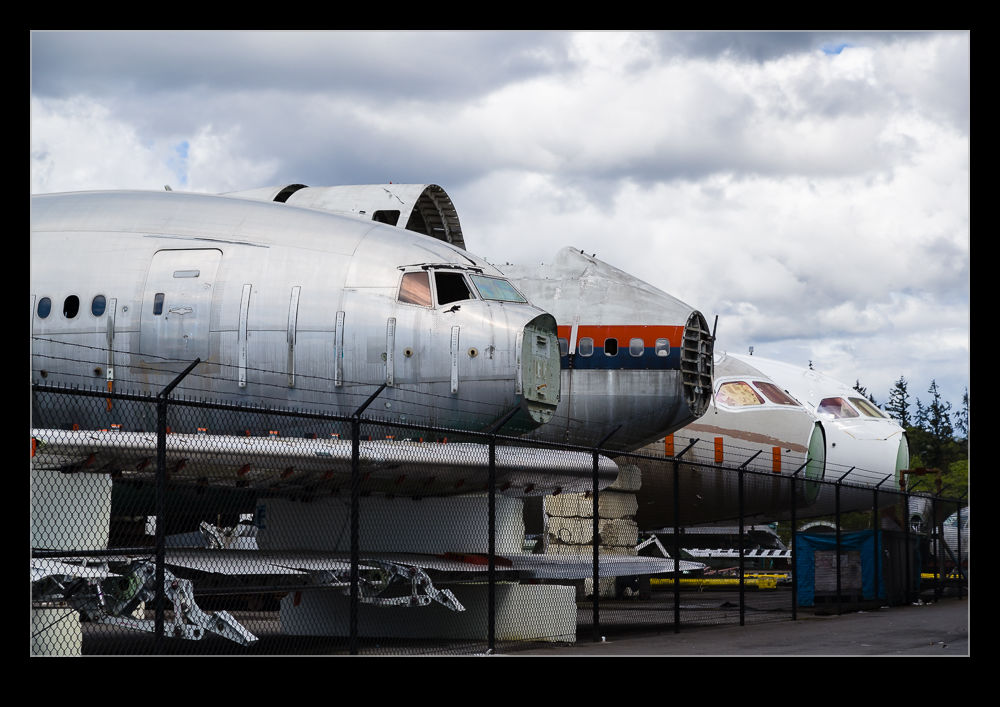
I do like coming across test aircraft. Production jets will be seen all over the place in due course but the test aircraft often show small signs of their test role no are a bit more individual.  However, any test program also includes airframes that never get much coverage.  This is because they never fly.  Structural test specimens are vital but usually out of sight.
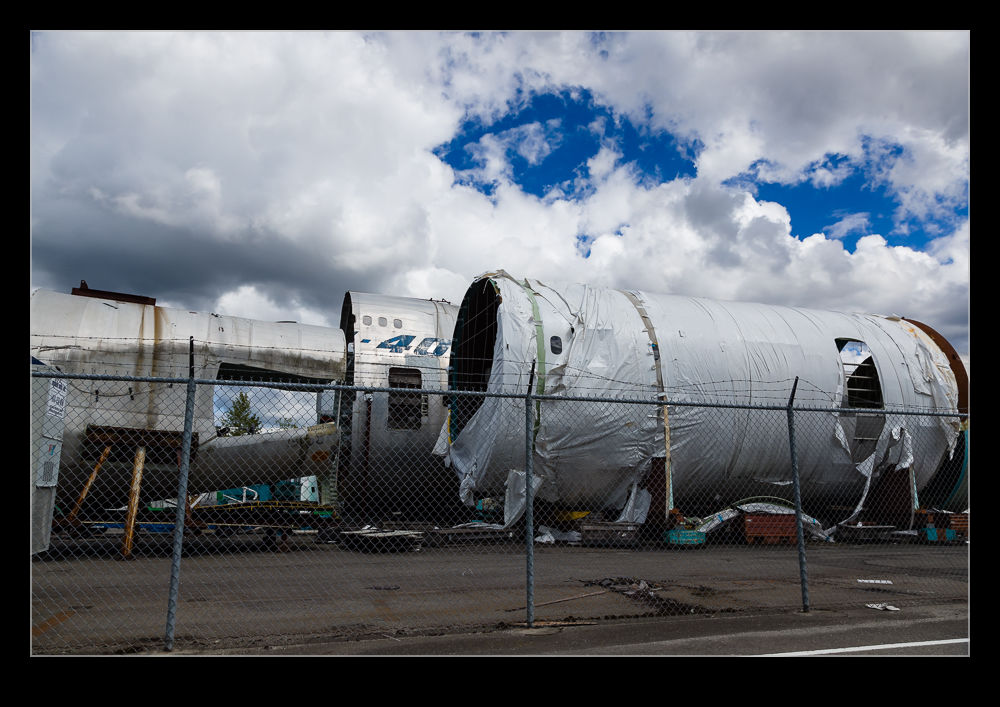
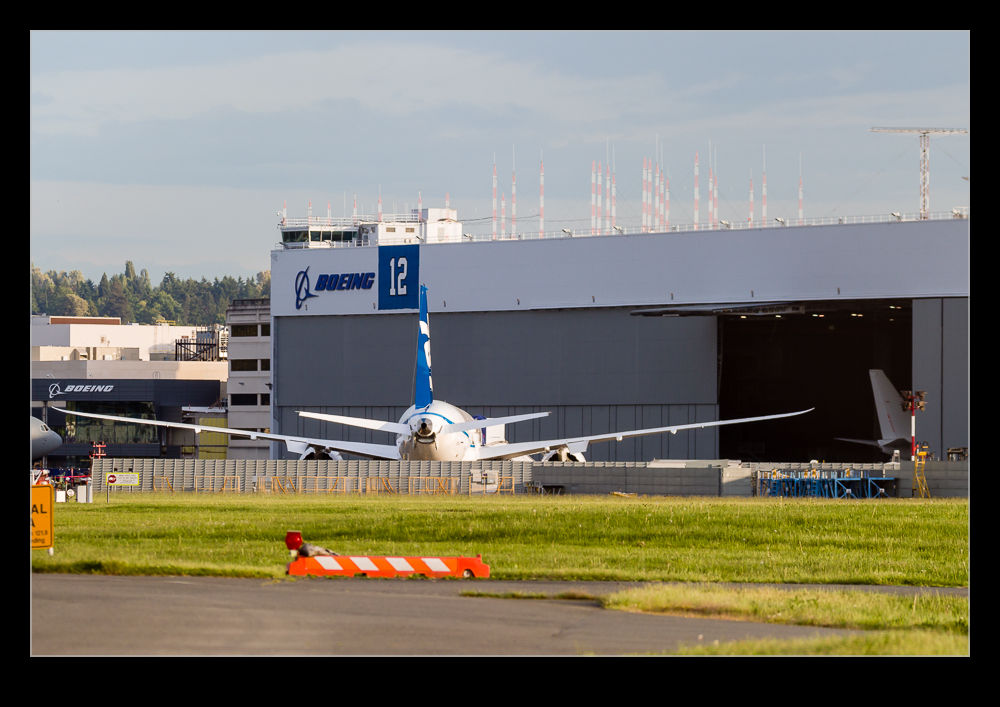
Boeing has a yard around the back of the Everett plant in which the remains of these test articles are stored.  Bits of airframe sit awaiting any possible future use.  The yard also includes a few bits that appear to have been operational at some time.  The front fuselage of a 747-400 that still shows United colors is there.  I wonder whether it was bought back to allow them to do a condition assessment based on the in service fleet.
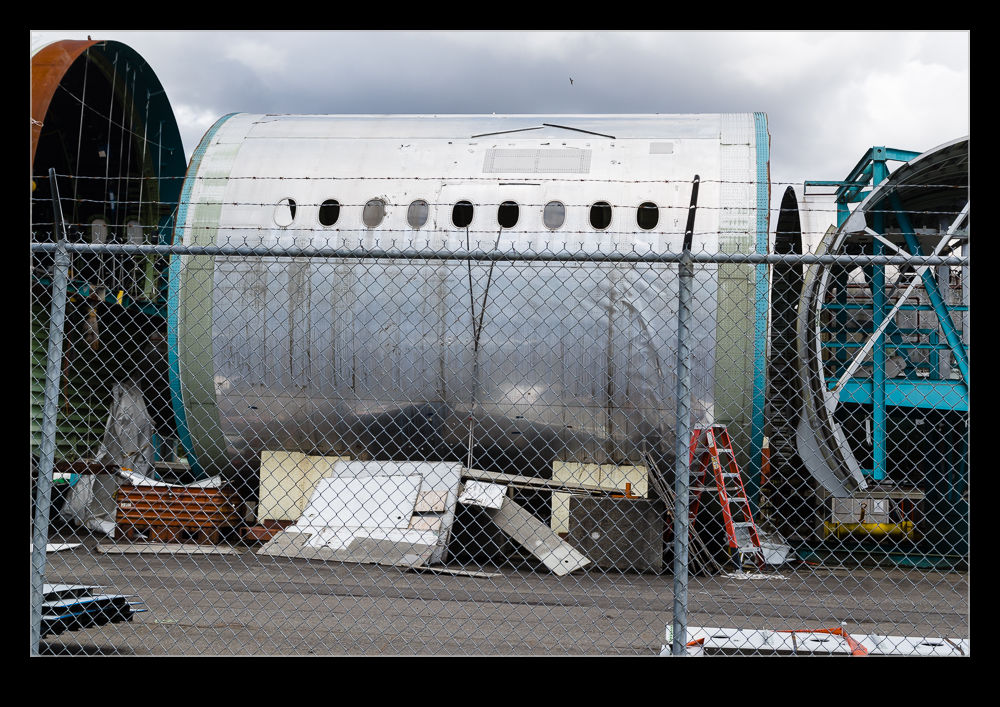
Irrespective of how they got here, they are all rather forlorn looking as they sit in this space, out of the way and maybe never to be used again.  Service life extension programs may require them to be brought out again although I have no idea whether the storage outdoors will have rendered them less useful.

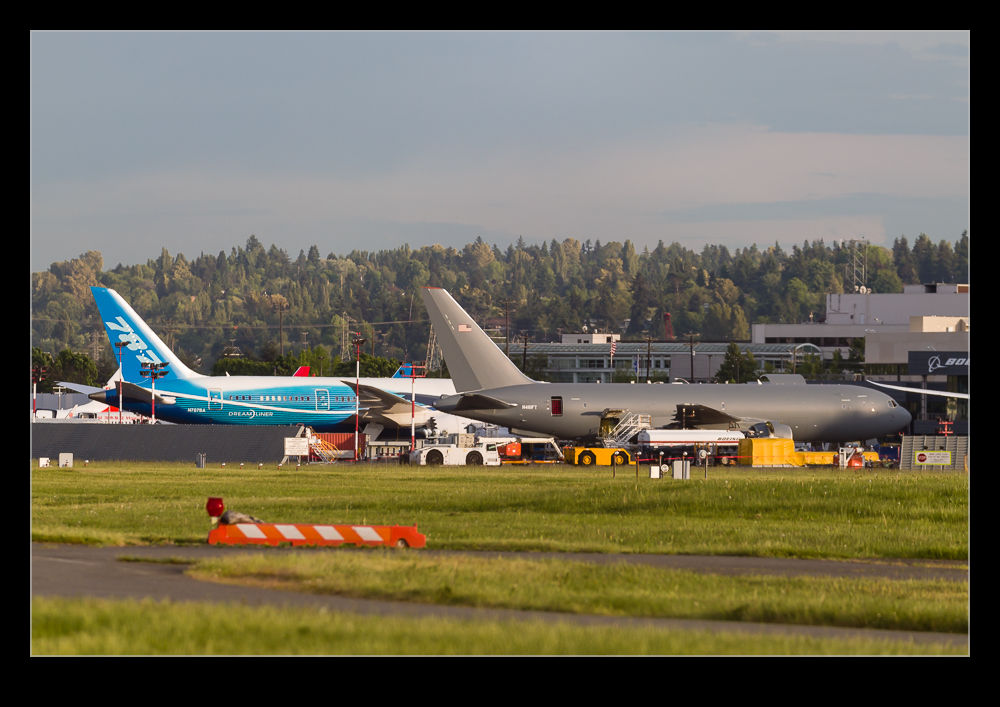
Building But Not Delivering – The KC-46 Story

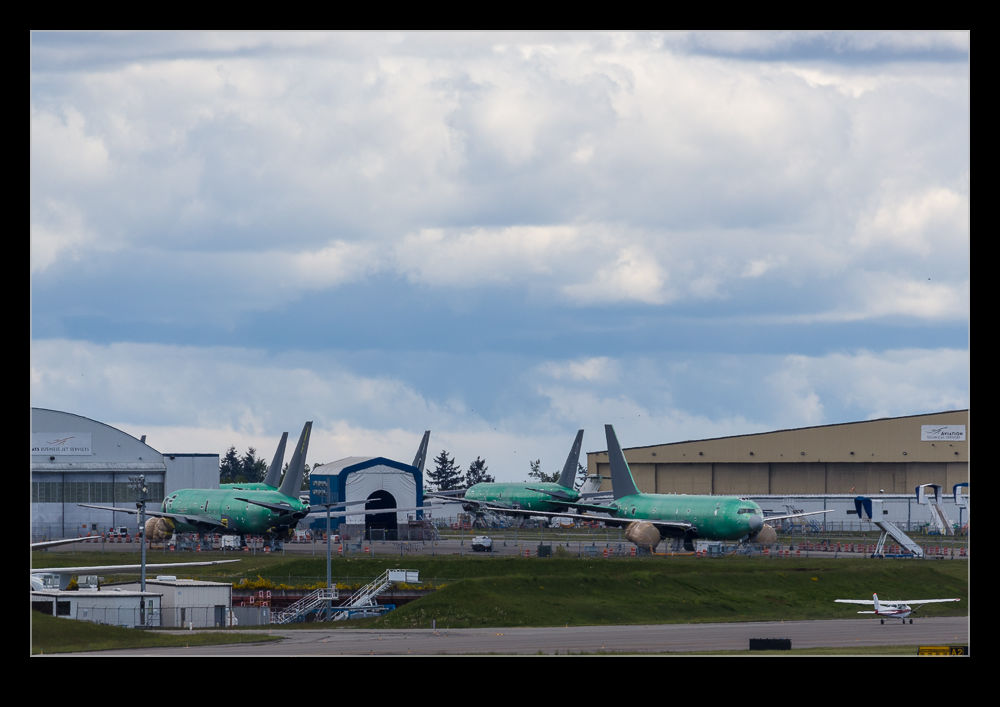
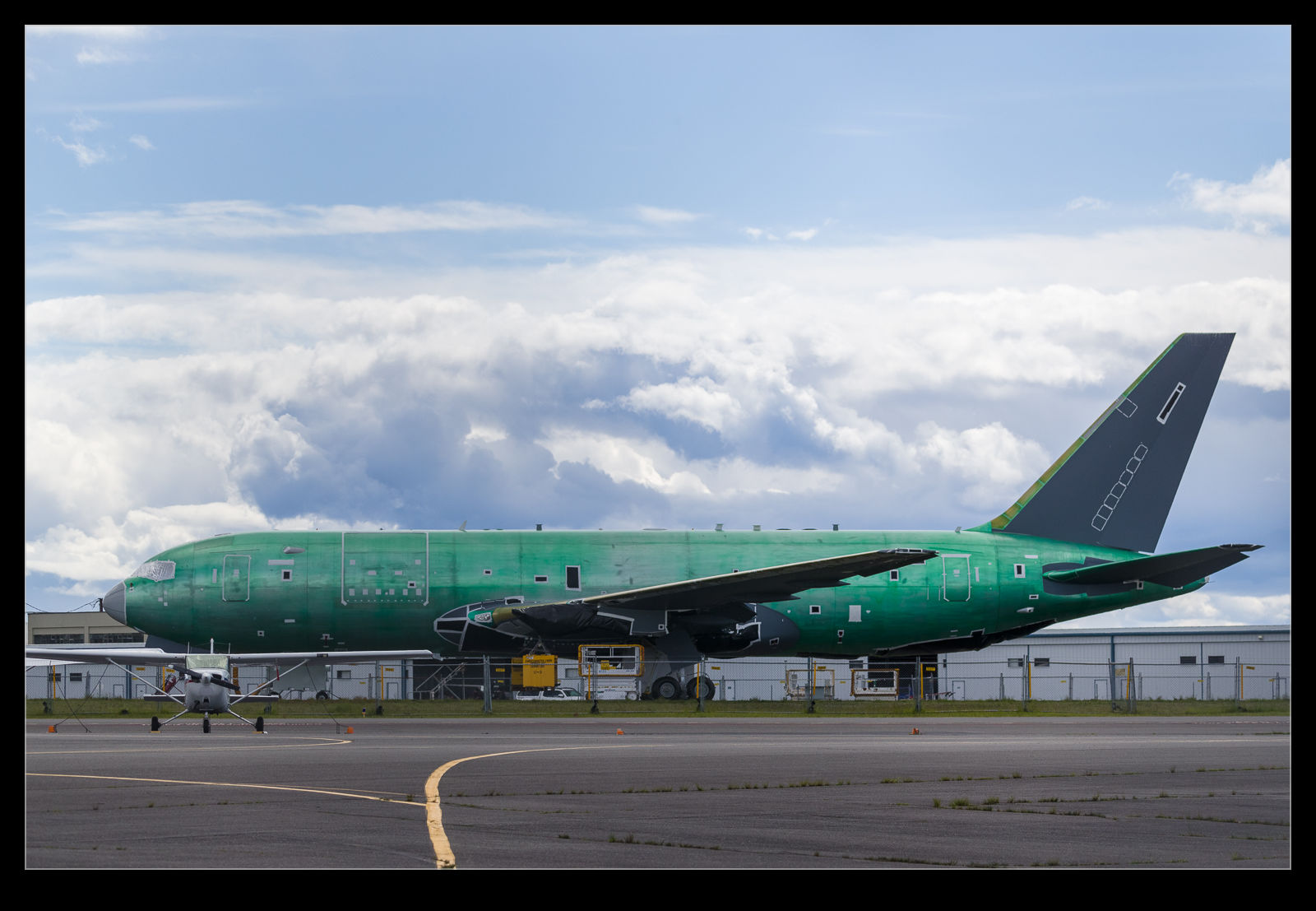
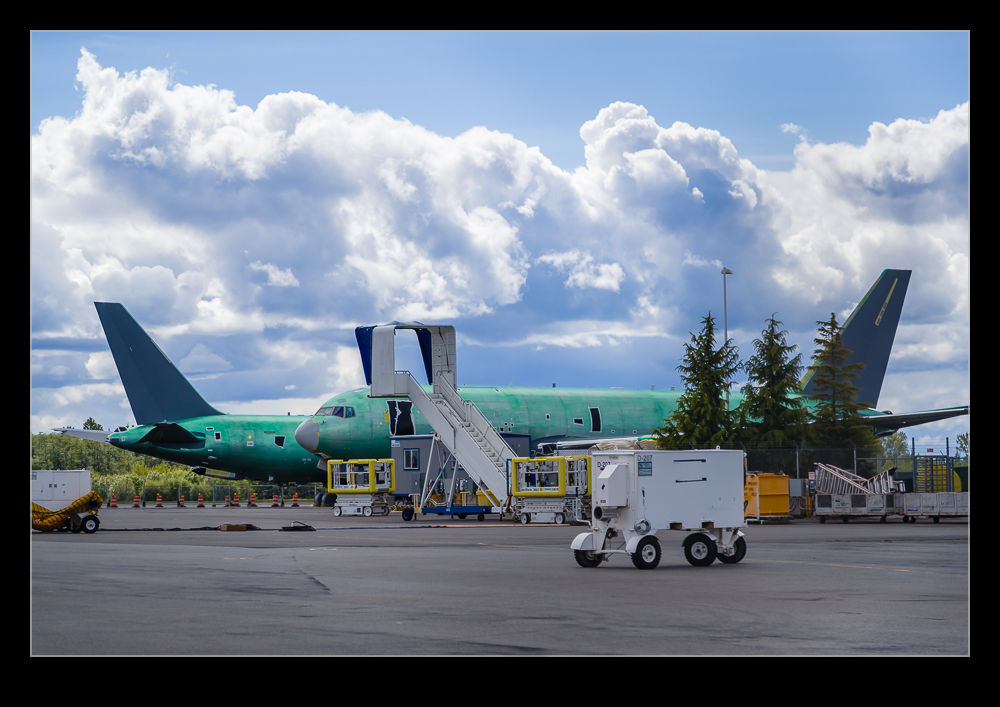
The tale of the USAF’s quest for a new refueling tanker has been long and drawn out.  People went to jail, awards were made and overturned.  None of that matters now.  The contract is with Boeing to produce a variant of the 767 as the KC-46 Pegasus.  The program has not been smooth.  Technical and production issues have caused delays.  The in service date has slipped and Boeing has incurred a lot of overruns.

While all of this has been going on, the production process has not stopped.  Consequently, while testing still continues, there are production airframes coming off the line.  If you go to Boeing Field, there are a bunch of test airframes on the flight line.  If you go to Paine Field, there are a bunch more that remain to be finished.  It appears that Boeing is building the airframes, sealing them up, not fitting high value items like engines, and parking them wherever there is space.  A few years ago, Paine Field was covered in undelivered 787s.  Now it is as if time has turned back because the Dreamliner’s predecessor is the type parked all over the place.

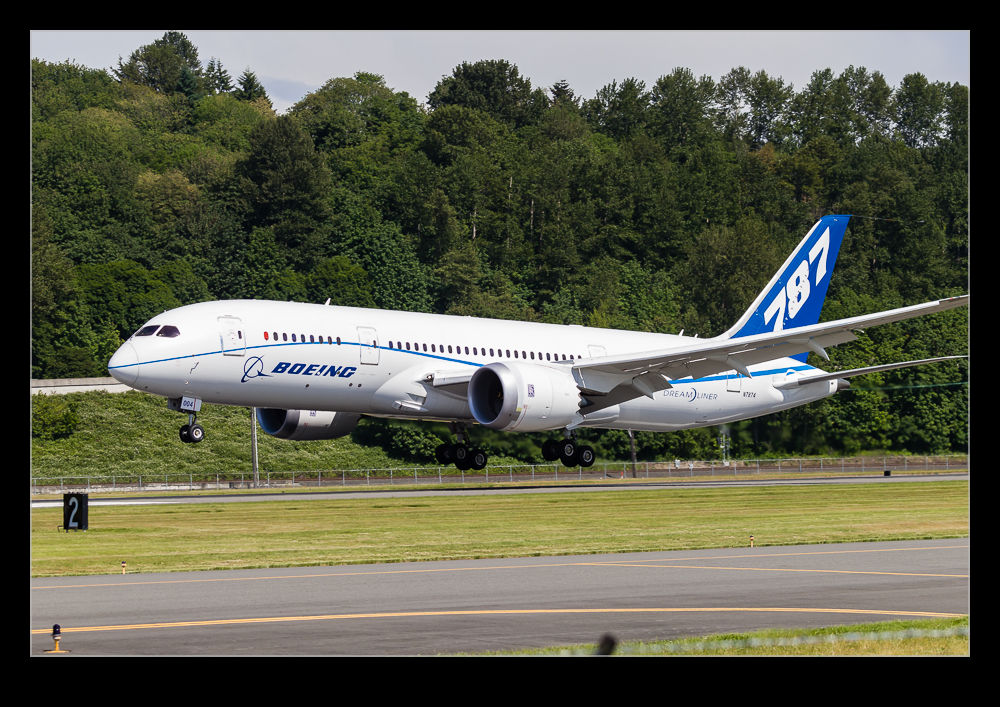
Boeing 787-10 on Test

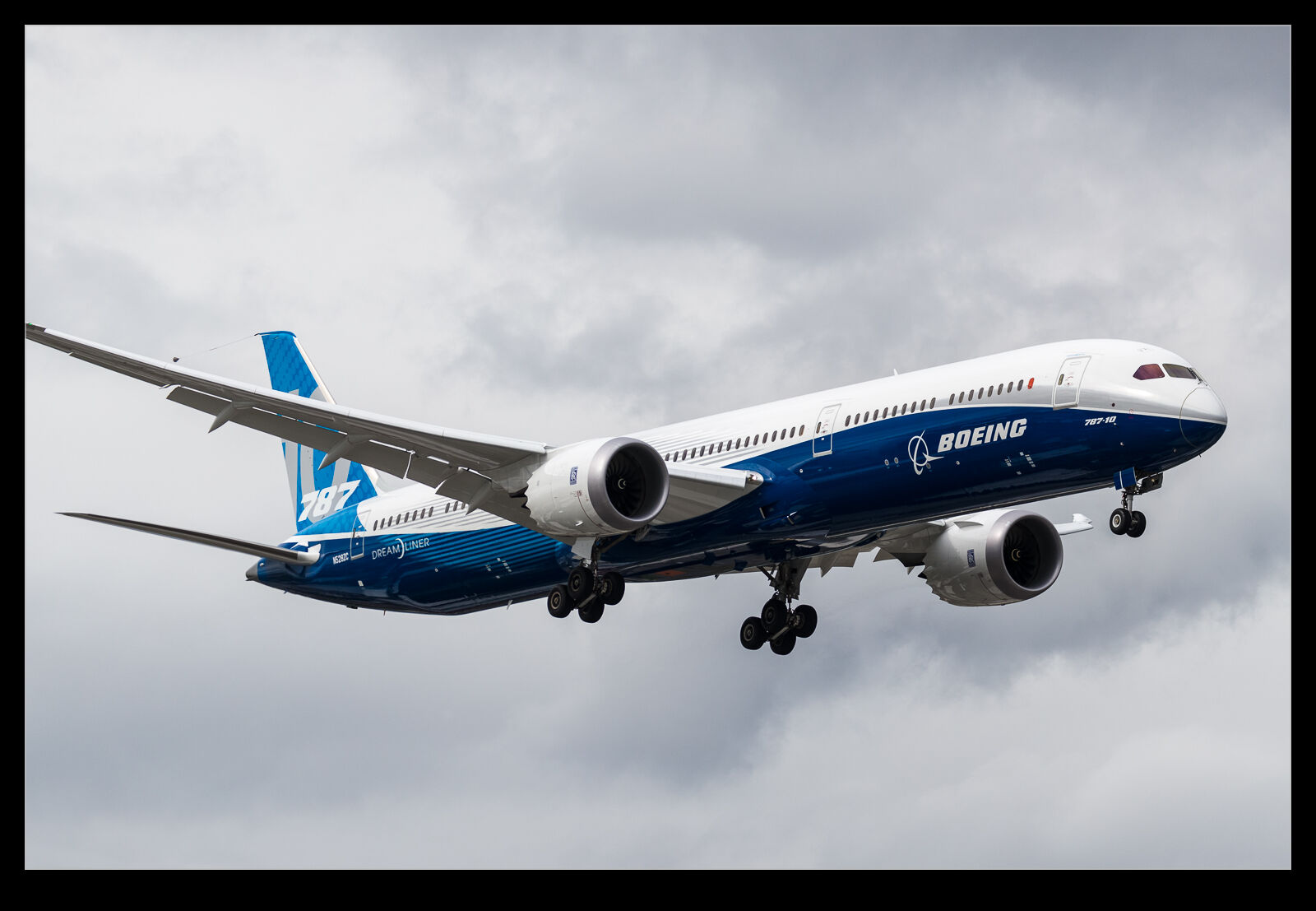
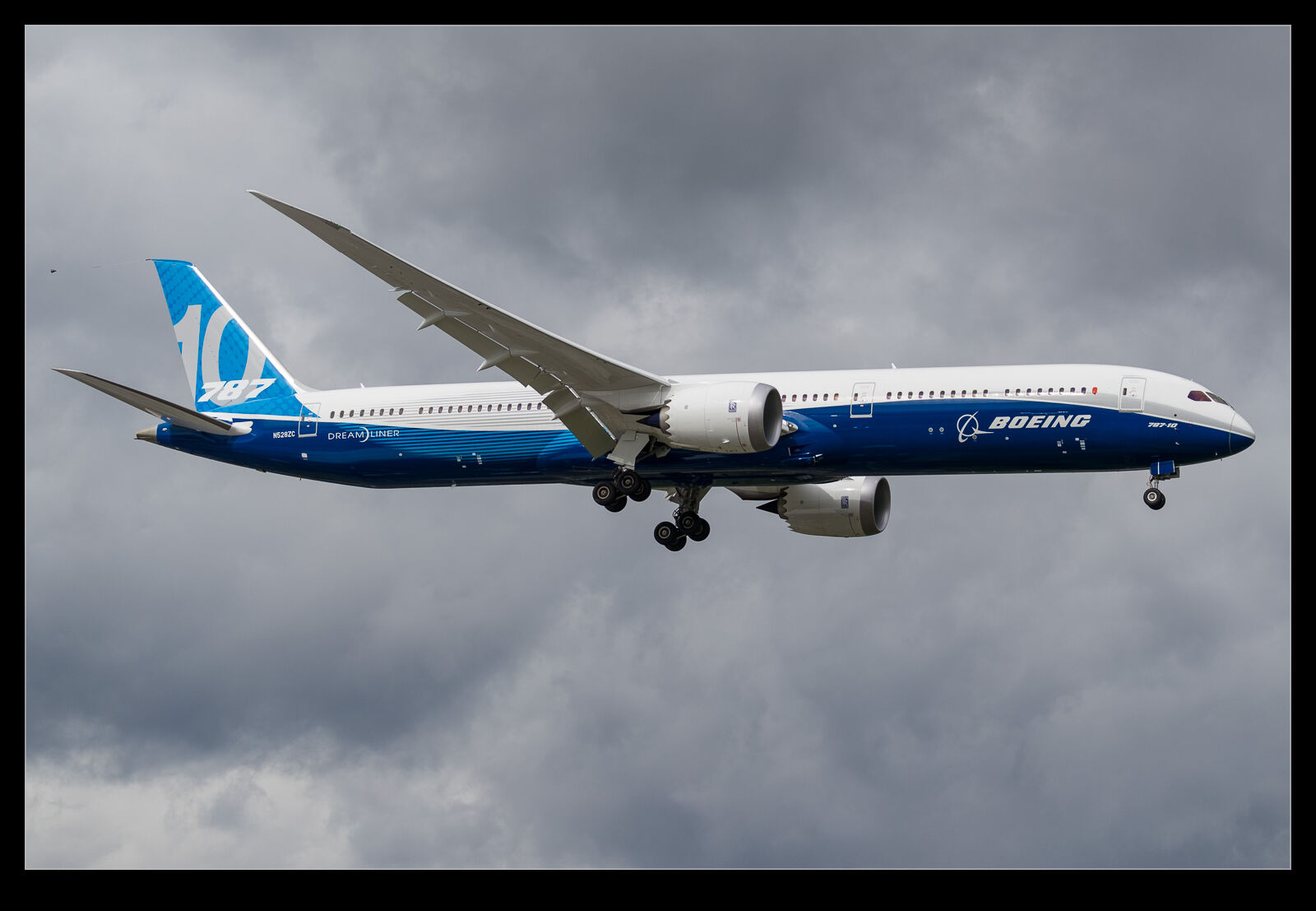
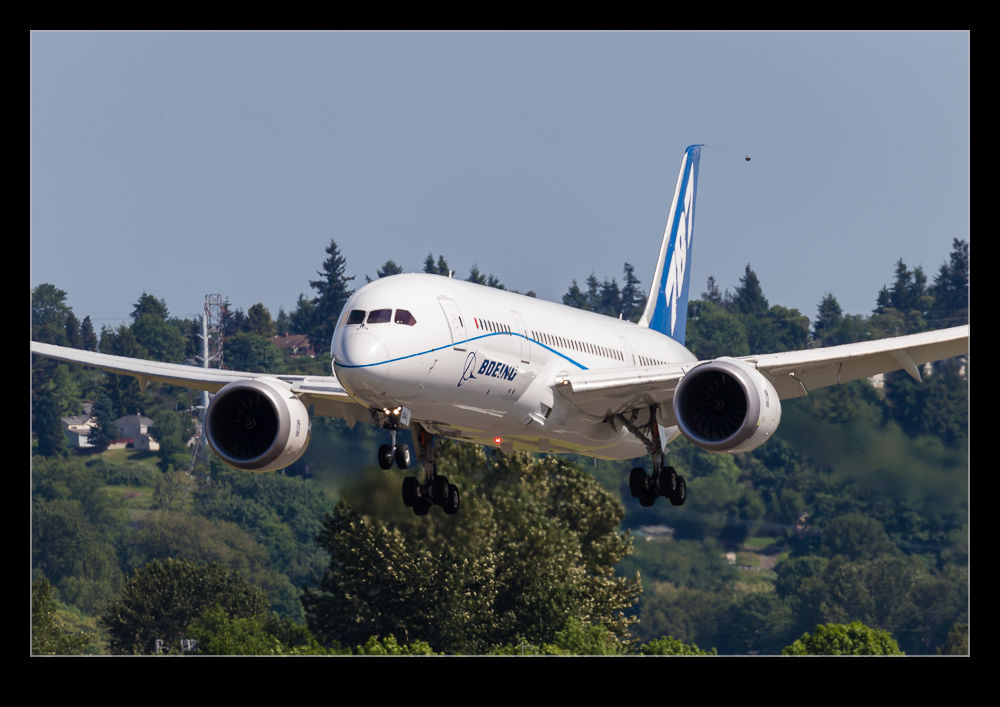
I wrapped up some work in Seattle and was about to head back home when a quick check on FlightRadar24 showed me that the Boeing 787-10 test aircraft was en route back to Boeing Field.  It would be rude to ignore that.  The weather had been pretty crummy and there was plenty of heavy cloud in the area but it looked like it might brighten up a bit and, as the sun went down, there was a chance of it lighting up beneath the clouds.  I sat in the car dealing with some emails and waiting for the arrival.
Sure enough, as the time approached, the sun did start to peep out from beneath the clouds.  It was intermittent at first but it became more consistent as Boeing 01 Heavy called up on approach.  Meanwhile, a nice black cloud was still lurking in the background.  What a great combination that type of light makes.  The plane glided down the approach, its trailing static cone hanging from the top of the fin and then it was down.  A nice result.

New Locomotives 

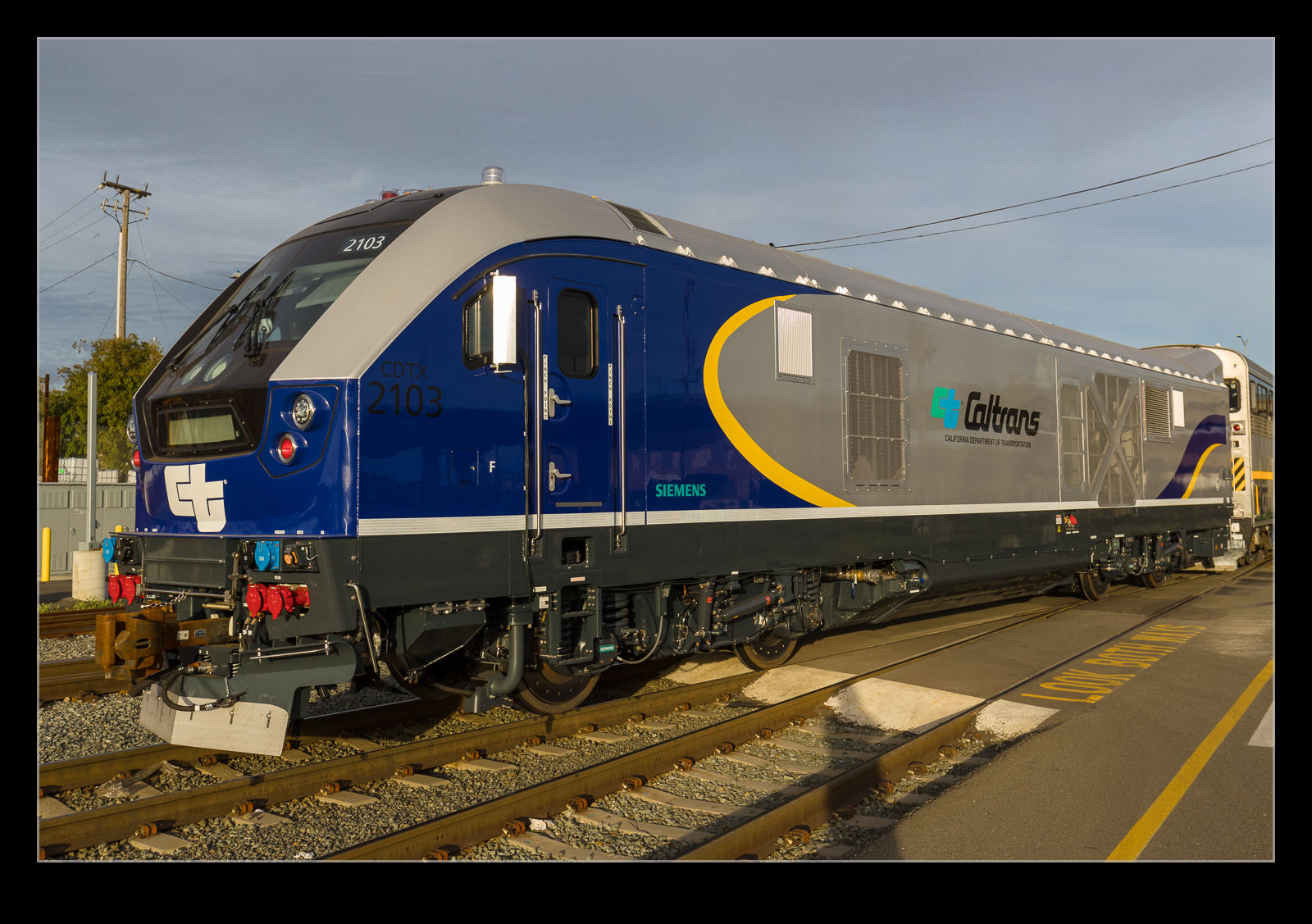
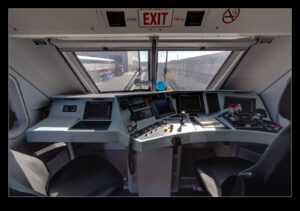
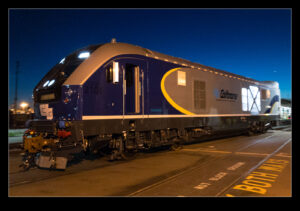
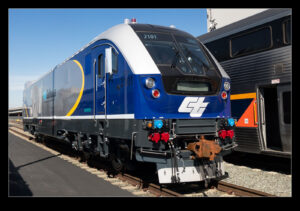
The acquisition of new locomotives for the state of California is something I have been working on for a while. A little time back I posted about some testing from the cab that we did in Colorado. Since then the first locos for the state have been delivered to Oakland. We had to do a bunch of testing with local equipment and to carry out trials out on the corridors that the trains operate. I managed to get a few shots of the locos during these tests (as well as some in Colorado that used locos that will go to Illinois).

Now that the testing is wrapped up and the locos belong to the state and, if they haven’t already, will shortly be showing up in regular service, it is okay to post some shots of the vehicles. They are Charger diesel locos built by Siemens in Sacramento California. These locos are powerful and fast. They are designed for 125mph although they won’t be used at high speeds in California due to track limitations. However, hopefully they will provide modern, efficient and cleaner traction for the state. I am proud to have been involved in the program and enjoyed working with the team.

Talon Hate

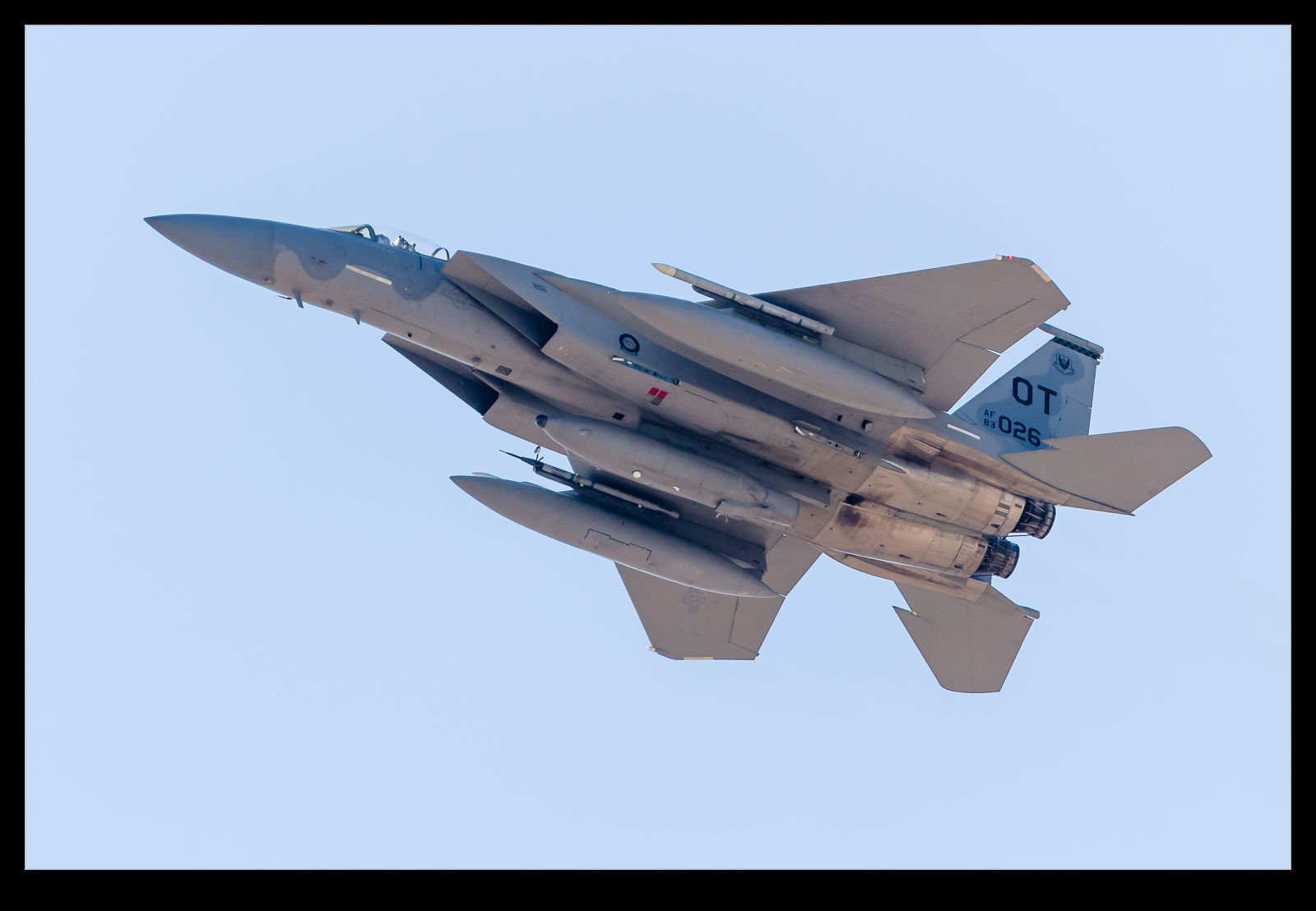
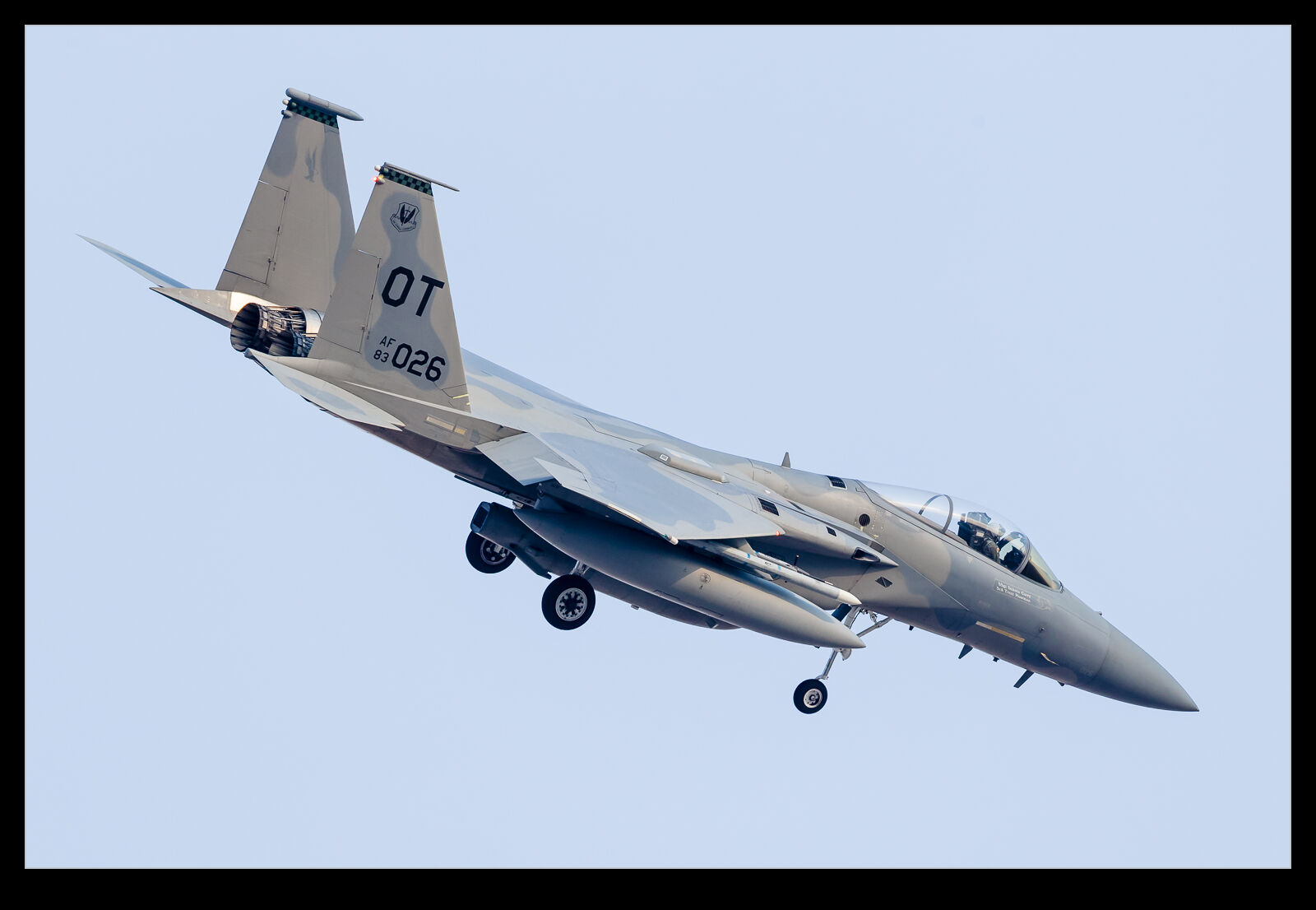
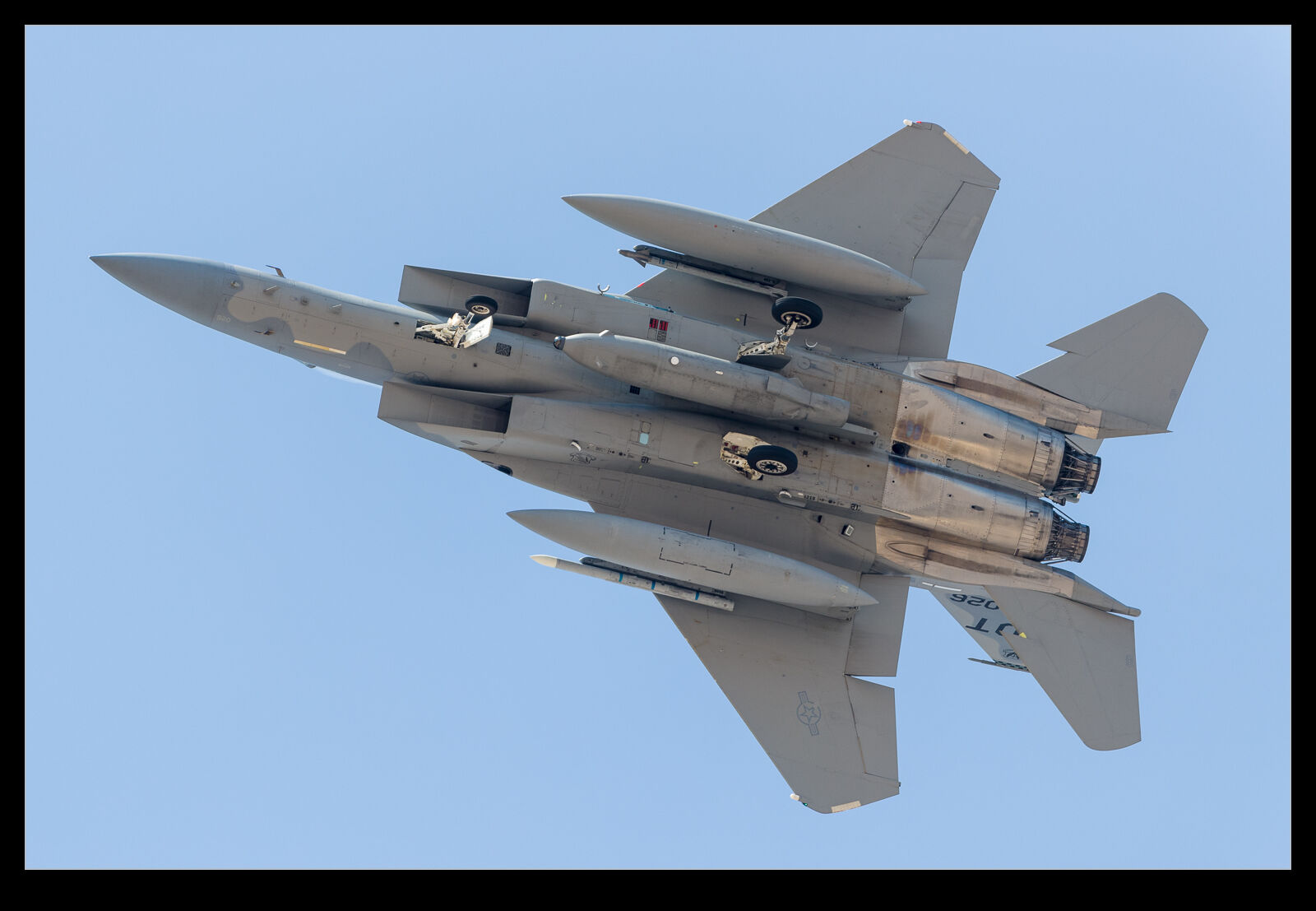
B11I1989.jpgTalon Hate is a program that the Air Force is running involving an infrared sensor mounted in the front of a centerline fuel tank.  It is mounted on an F-15 from the operational test unit at Nellis AFB.  The first time I saw it, I was walking along the flight line at Nellis.  We were shooting with the California ANG unit that was the next space along the line.  As we walked past the Talon Hate jet, we were under strict instructions not to photograph it.  I was right there but nothing I could do.

B11I6120.jpgDuring my visit to Red Flag 16-4, the Talon Hate jet flew a couple of times.  It flew with a second F-15 each time and sometimes with other jets.  The pod is clearly visible on the jet but the other modifications are less conspicuous.  There is a satellite communications antenna mounted on the back on the jet.  When it turns for final, you can see the antenna mount.  I don’t know what the outcome of the program will be but it is cool to see the venerable F-15 still trying out new stuff.

B11I2277.jpg

Enfuse for HDR

I am a little late to discovering the Enfuse plugin for working with HDR images.  I started out many years ago using Photomatix.  At the time, it was the go to software for creating HDR images.  Then Adobe got a lot better with their HDR software within Photoshop and I started to use that.  Even more recently, Adobe built HDR processing in to Lightroom and I didn’t need to go to Photoshop at all.  The HDR software worked reasonably well so I stuck with it.  I sometimes felt that it didn’t do as good a job of using the full range of the exposures but it was okay.

I wasn’t entirely satisfied though so have kept an eye on other options.  Someone mentioned Enfuse to me so I decided to give it a go.  It is a plugin for Lightroom and, in the free download, you can try it out but with a limitation on the output image size of 500 pixels.  Obviously this isn’t useful for anything other than testing but that is the point.

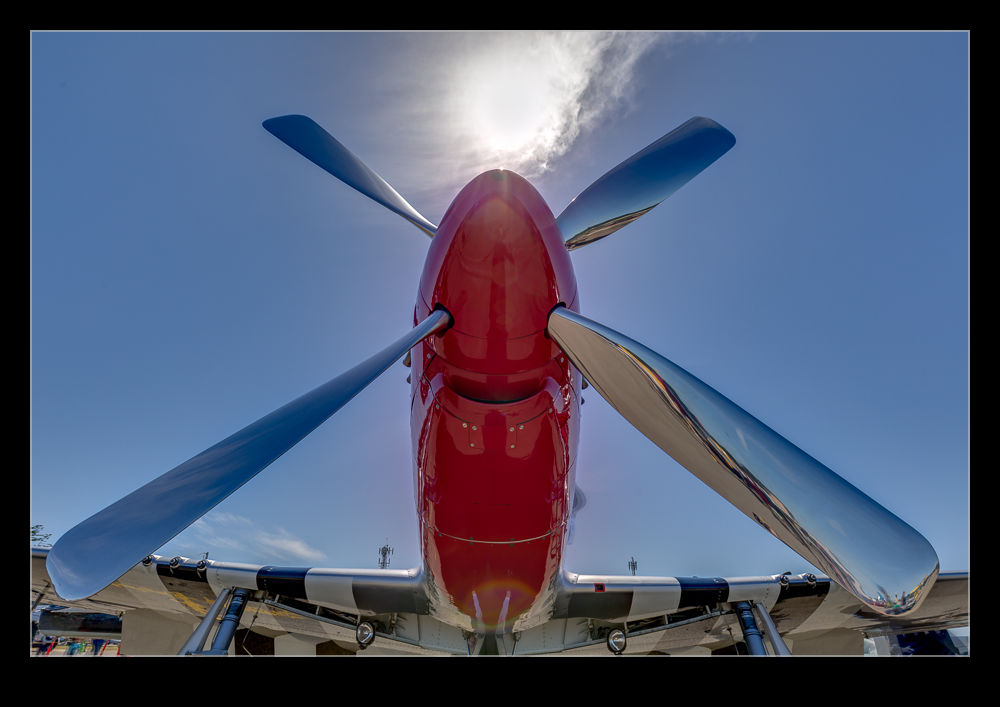
The first thing I tried it on was a shot I made at Half Moon Bay looking up at a P-51 Mustang prop and directly into the sun.  This is certainly as much of a range of exposures as you are likely to get.  The perfect thing for an HDR trial.  The results in the small scale file seemed pretty impressive so I decided to buy the package.  There is no fixed price.  You make a donation via PayPal and get a registration code.  I am impressed by the quality of some of the work people put out so I am happy to donate for what they do.  With the software activated, I reran the P-51 shots.  Below is the version I got from Lightroom’s own HDR and following it the version from Enfuse.

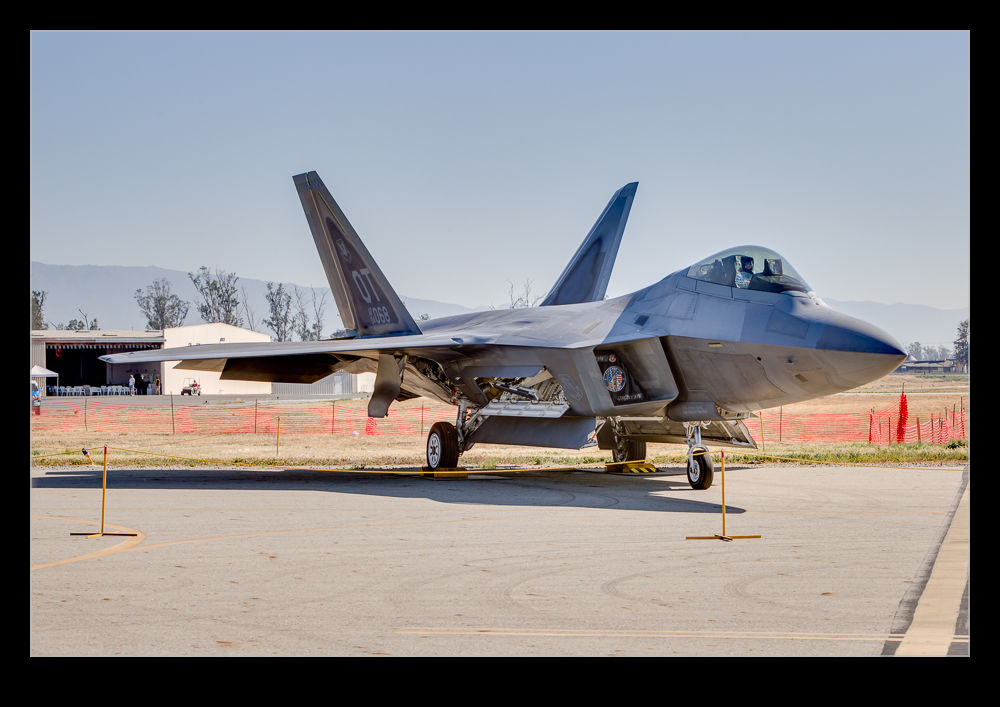
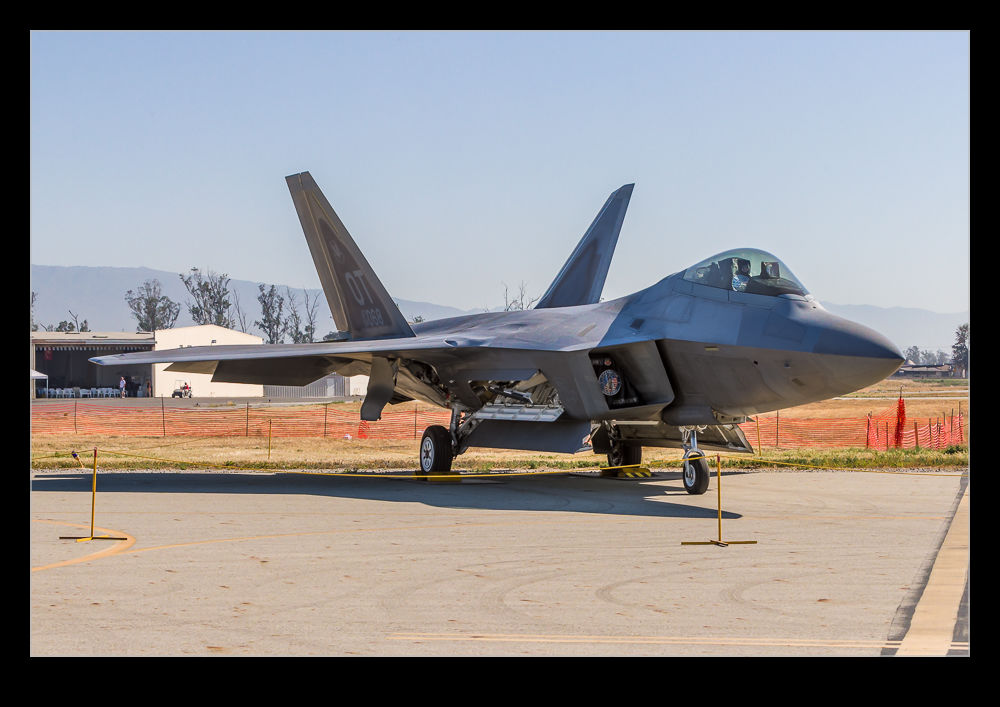
C59F8003enfuseHDR.jpg C59F8003-HDR.jpgI did have some issues initially.  Lightroom was not reimporting the image after it was created.  This turned out to be an issue with the way I named the file in the dialog and a tweak to that seemed to fix things.  Strangely, it had been fine on the trial so I have no idea why it became an issue but it is done.  I also played with a slightly less extreme case with an F-22 and, as above, the Lightroom version is first and the Enfuse version is second.  I was really pleased with the result on this one with a very natural look to things.  So far, I see Enfuse being a useful tool for my HDR going forward.

AU0E0447enfuseHDR.jpg AU0E0447-HDR.jpg

New Zoomify Trial

I previously added a Zoomify image to a blog post.  It was pointed out that, as a Flash based format, it didn’t work on some mobile devices.  That was using the default Photoshop installation.  I have now found a way of generating an HTML5 version of the Zoomify output.  This is a trial to see whether it works.  Let me know in the comments.  Click here to see the file.

Windows 10 Upgrade Experience

The upgrade to Windows 10 was one I have been thinking about for a while. I wasn’t interested in upgrading straightaway since I figured there would be a bit of debugging of the OS by the early adopters. I also didn’t want to compromise any of the important stuff I have. Therefore, I decided to use my laptop as the prototype for the upgrade to see how it went before upgrading anything else.

The upgrade went surprisingly easily. It downloaded all of the new files when it started which took a fair bit of time but then it went off through the upgrade process with little involvement from me. When everything was done, I went through the options rather than accept the recommended selections an unchecked a bunch of the items that appear to share more information than may be preferable. I shall wait to see whether any of those selections limit any functionality.

The only issue I have had so far related to the trackpad on my laptop. Previously, the trackpad allowed scrolling by running my finger along the right side of the pad. This function has gone away and now I use two fingers to swipe up and down. This is taking me a while to get the hang of since other machines still operate the old way but I think this will be okay in due course. The other issue with the trackpad is that, periodically, it appears to freeze for a moment and the cursor doesn’t move. It then clears itself with no further issue so I suspect it is a minor driver issue that will, hopefully, be updated in due course.

I was also able to copy the old version of the Windows games from Windows 7 to the Windows 10 system. They have updated versions in Windows 10 but, if you like the previous versions, you can keep them. Otherwise, the changes seem pretty reasonable and I haven’t had any issues so I think I will be upgrading the rest of our machines. We shall see whether they also go smoothly. Getting Nancy’s laptop off Windows 8 will probably be a popular move!

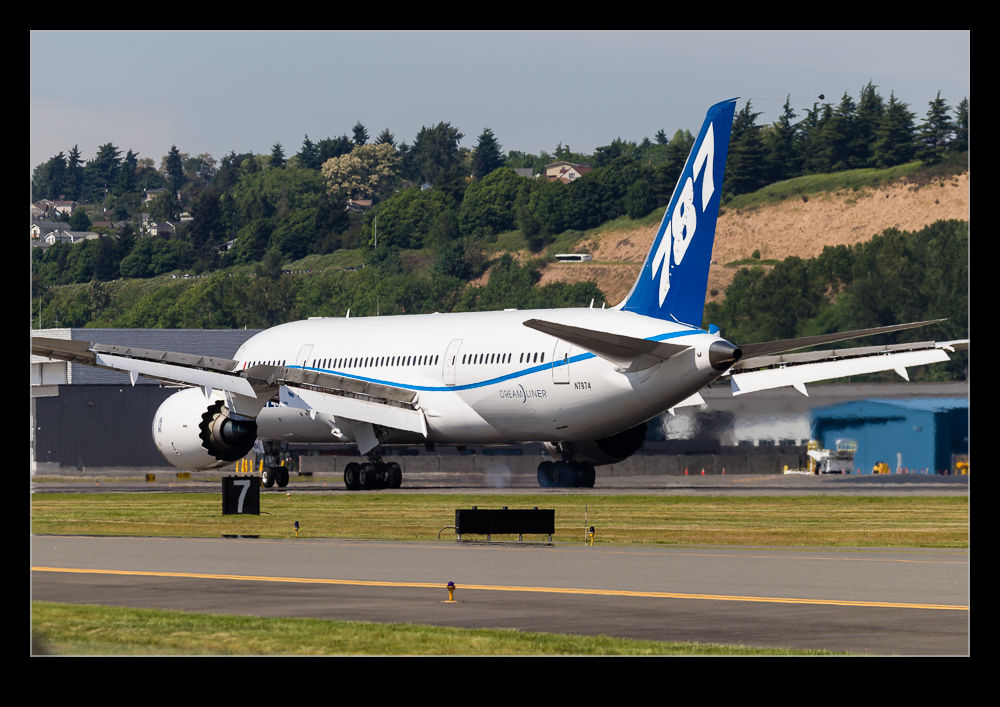
Test 787s

AU0E6255.jpgThere was a bit of activity at Boeing Field for the fleet of test Dreamliners. Boeing has been in the process of moving the original test airframes around to their final resting places. One of them has been donated to the Museum of Flight so didn’t have to go very far. Others are finding home further afield. Meanwhile, there is still some work for the rest of the test fleet.

AU0E5083.jpgI managed to see them both on the ground and in the air. Obviously the flying shots are the ones I prefer but I will take any I can get. It is strange that, during the test program, the development aircraft are the only ones you see and you want to see more of them in airline colors. Once they get well established, the original test frames suddenly have more interest again.

AU0E6306.jpgAU0E5080.jpg AU0E6279.jpg

Edwards AFB 2010

QB5Y0401.jpgMy first trip to Edwards AFB was in 1990 as I wrote about in this blog post. My next trip was quite a bit later. This was a visit arranged by my friend Richard ahead of an ISAP symposium. It also allowed a lot more opportunity to see the aircraft. The visit was broken in to two main elements. The first was a walk along the flightline and the second was heading to the other side of the runway to shoot arrivals and departures.

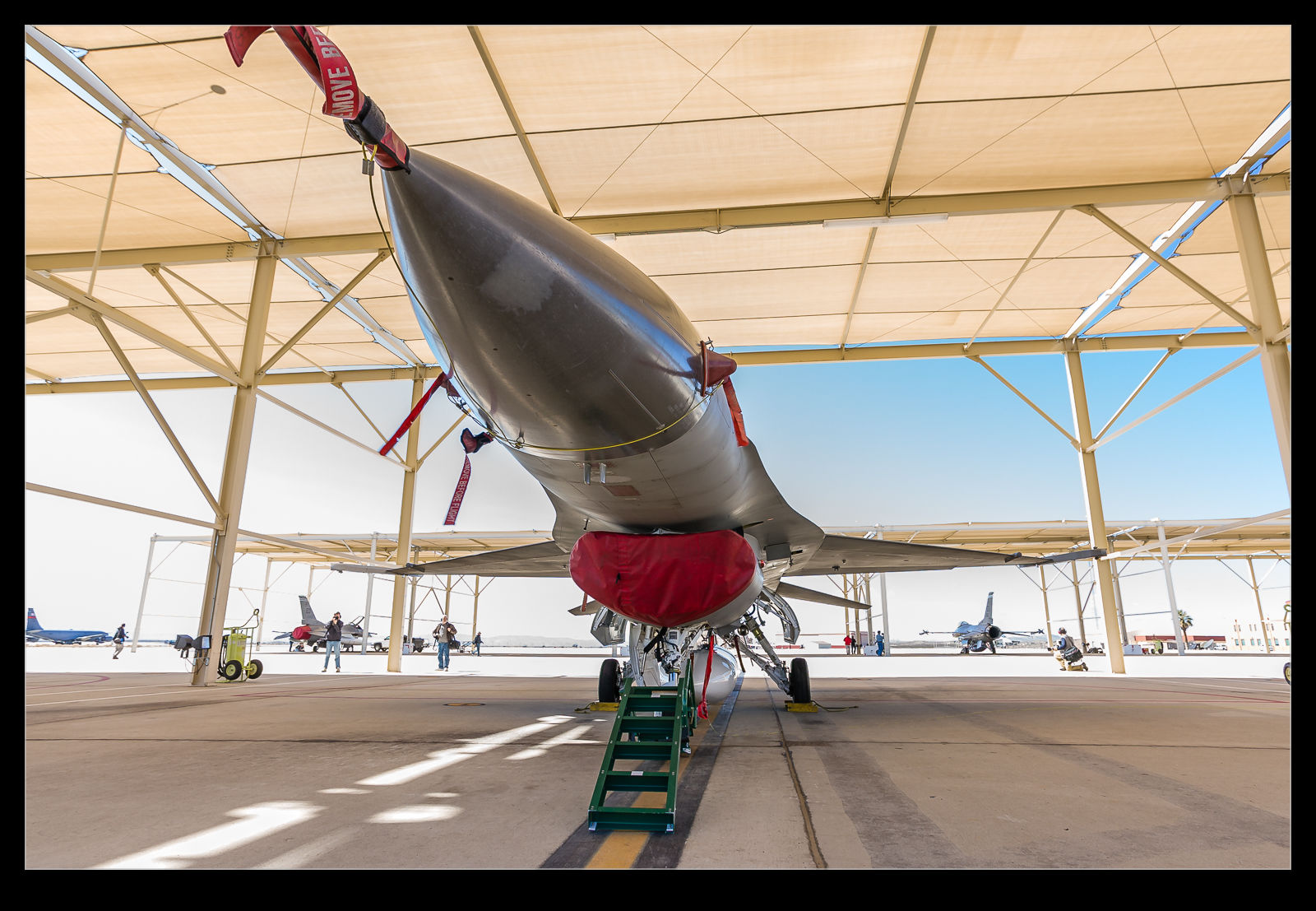
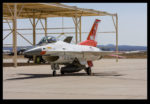
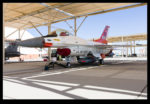
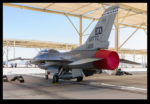
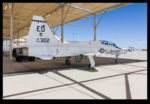
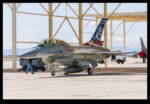
QB5Y0316.jpgThe diversity of types on the flightline has dwindled since 1990. Now there are an awful lot of F-16s and not so many other types. However, test jets look cool in their non-operational colors. Shooting under the sun shades is good for protection from the elements but it does make for some wide ranges of lighting conditions and some odd color casts.

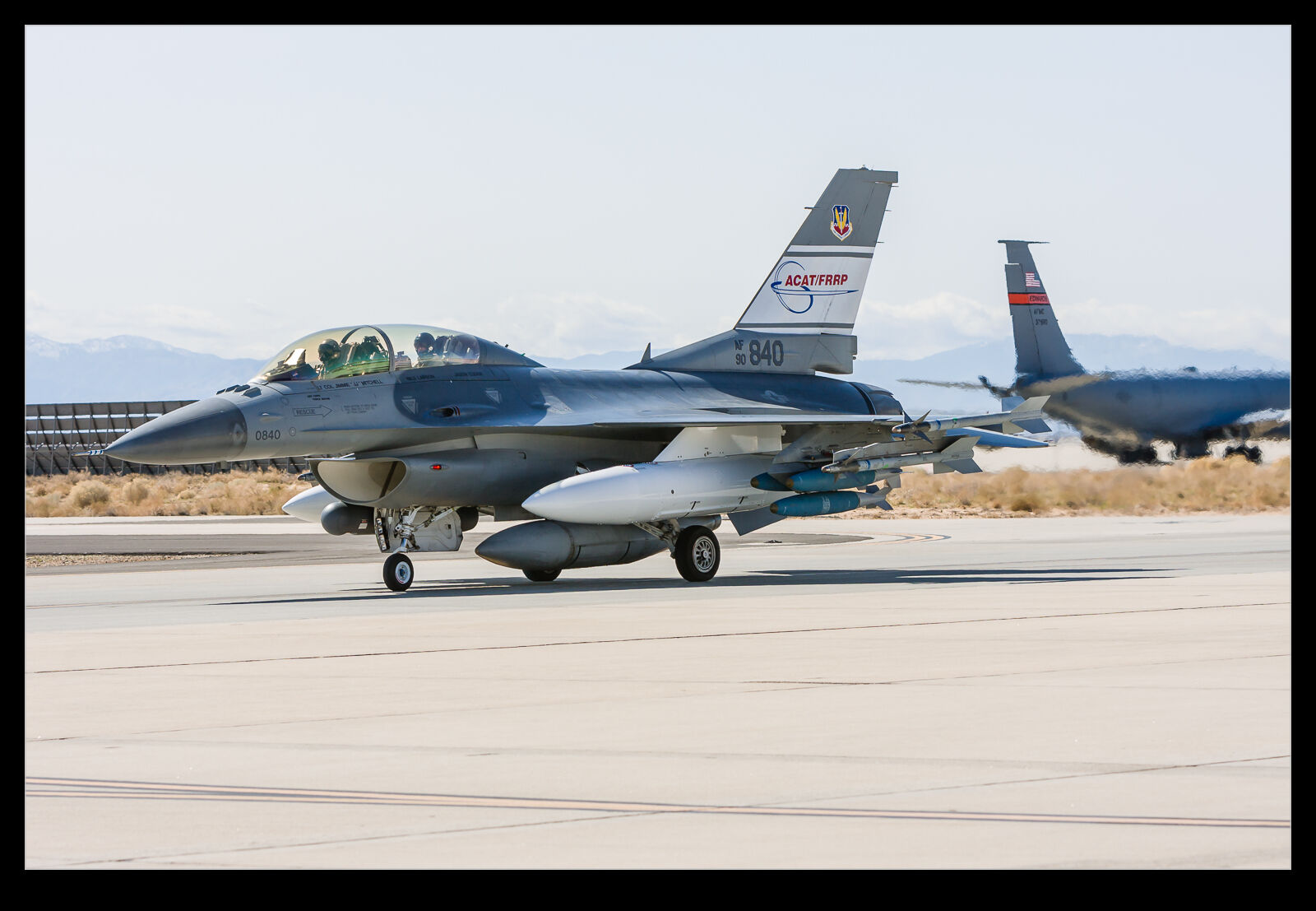
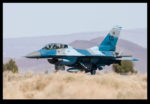
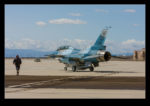
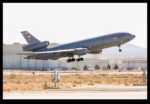
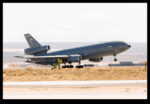
QB5Y0464.jpgOnce on the other side of the runway, we had some great options for shooting the jets in action. Heat haze is always a problem, particularly somewhere as warm as Edwards can be, but you can still get some interesting aircraft. We were hoping to see some F-35s but were disappointed this time. However, we did get one of the F-35 test support F-16s from Denmark which was nice to see. We also had aircraft from the Test Pilot School out doing their thing.

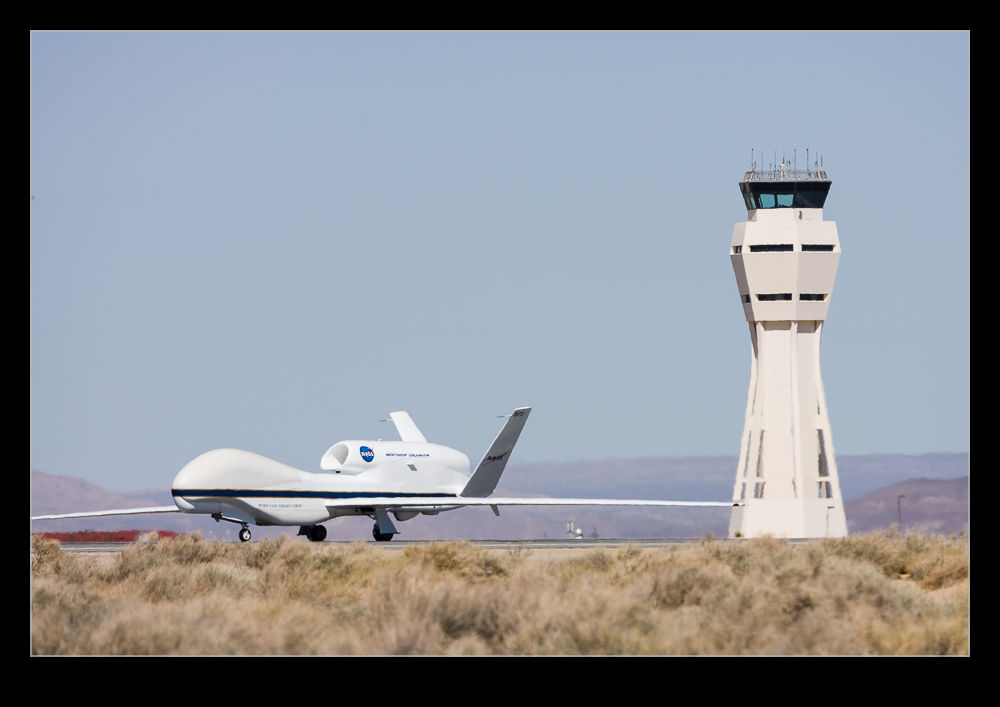
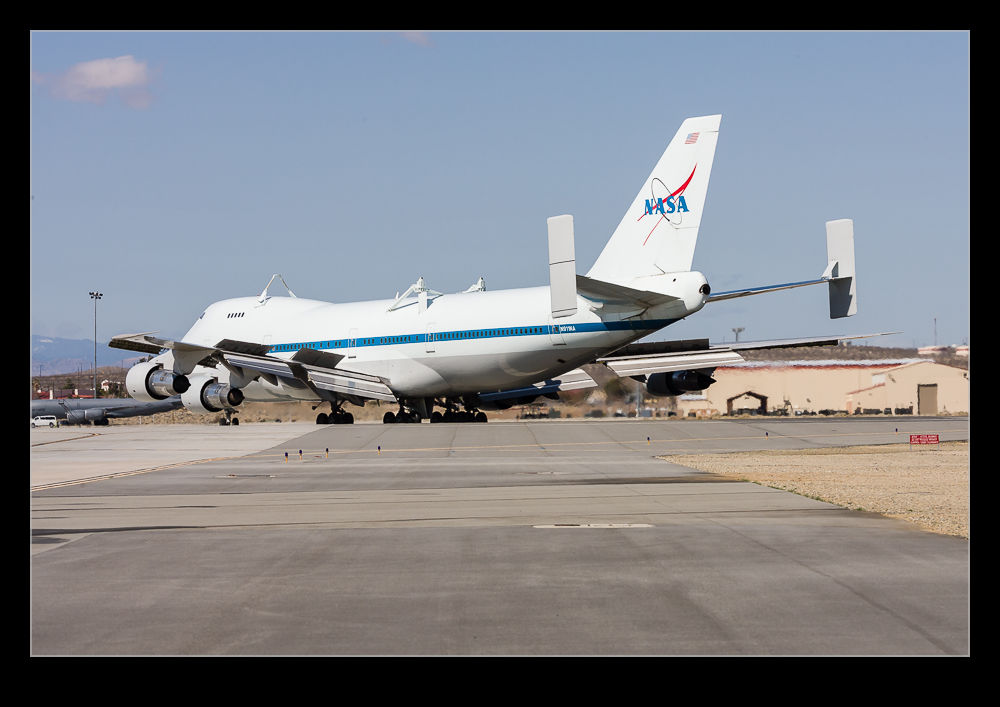
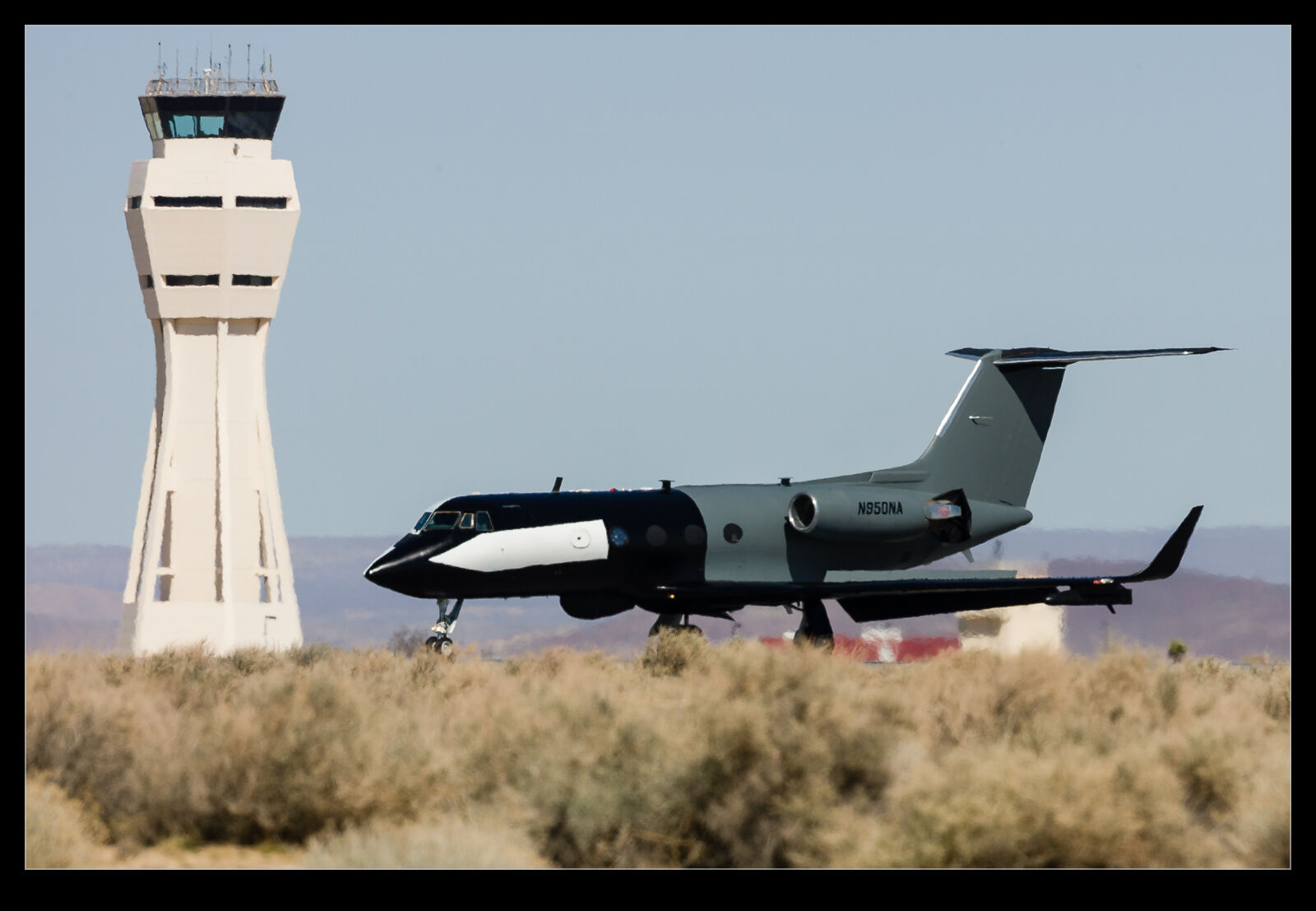
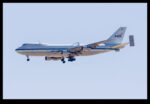
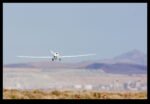
IMG_0776.jpgA couple of more unusual aircraft showed up while we were there. One off the NASA Shuttle Carrier Aircraft was on a training sortie. With the program now curtailed, this was the last chance I had to see one of these 747s in the air although not with a shuttle mounted on it! NASA was also using one of their Global Hawks UAVs and it landed while we were there. An old Gulfstream also landed. It had unusual markings to simulate a missile for tracking systems. This used to be undertaken by a C-135 aircraft but it has been retired and replaced by the Gulfstream which, while not a new jet, is still probably a lot cheaper to operate.

QB5Y0346.jpgWe also got to see some of the museum aircraft including the twin seat A-10 I had shot in 1990! The trip was over far too soon but we had a great time and saw some cool stuff. Thanks to Richard for organizing. Now I need to get myself back there to see what the latest fleet is up to.