Tag Archives: aircraft

Virginia Air Power Park

Just down the road from the Virginia Air and Space Museum is the Virginia Air Power Park.  This has some similarities to the Air and Space Museum and some differences.  First, since it is also close to the Air Force and NASA facilities, it shares the access to some interesting exhibits.  Therefore, there are some very interesting aircraft on display.  This includes an XV-6 Kestrel from NASA, just like the Air and Space Museum.  Strange that such a rare aircraft should have two on display in such close proximity!

The differences are more pronounced.  It is an outdoor exhibition and decidedly less glamorous.  Getting funding to look after the aircraft is a continuing issue for the team there and they are working hard at it.  Some of the aircraft are repainted but others a in need of a new coat when they can get it.  Since everything is outdoors, I imagine that the preservation task is a more difficult one.  We were there on a rather grey day.  It had been raining heavily and was still cloudy and dull while we were there.  Some of the aircraft were standing in large puddles which can’t be good for them.

None of this is meant to be critical of the team.  That they are doing what they can to keep these aircraft on display is great but it must be a struggle to make sure that they are not going to rot away.  Not only are there aircraft but also some interesting missile and some rockets from the space program’s test activities.  They also have some capsule hardware from test activities.

There is a building at the park as well which currently contains a wide selection of models of different aircraft, ships and spacecraft.  Again, if you are passing by, I would recommend you pay it a visit but you might need to make sure you have some shoes that don’t mind puddles!

Virginia Air and Space Museum

Located in Hampton Virginia is the Virginia Air and Space Museum.  Hayman and I checked it out as part of our tour of local museums.  I had been warned by Liza that everything inside was pretty crowded and she certainly wasn’t wrong about that but more of that later.  The museum is a very modern looking facility with glazing at both end walls allowing lots of light inside.  That also makes for a few problems with the levels of contrast between parts of the building but I doubt they planned it based on the needs of photographers!

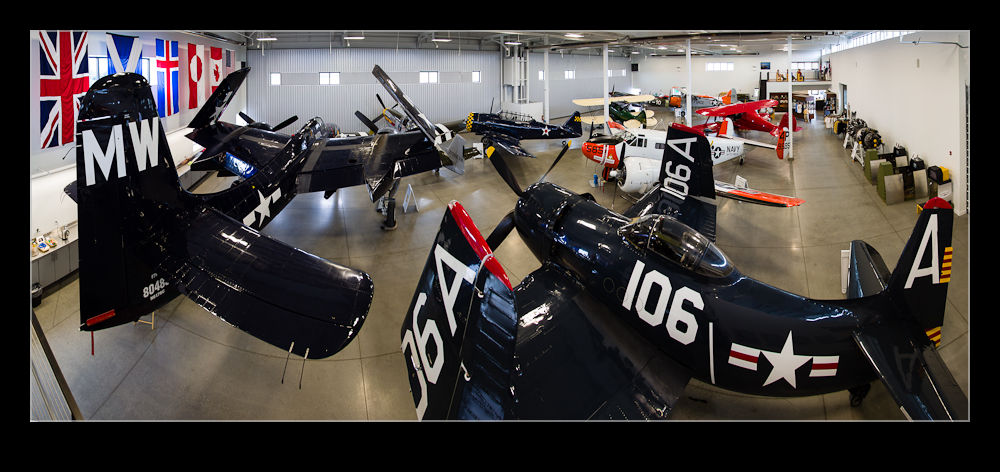
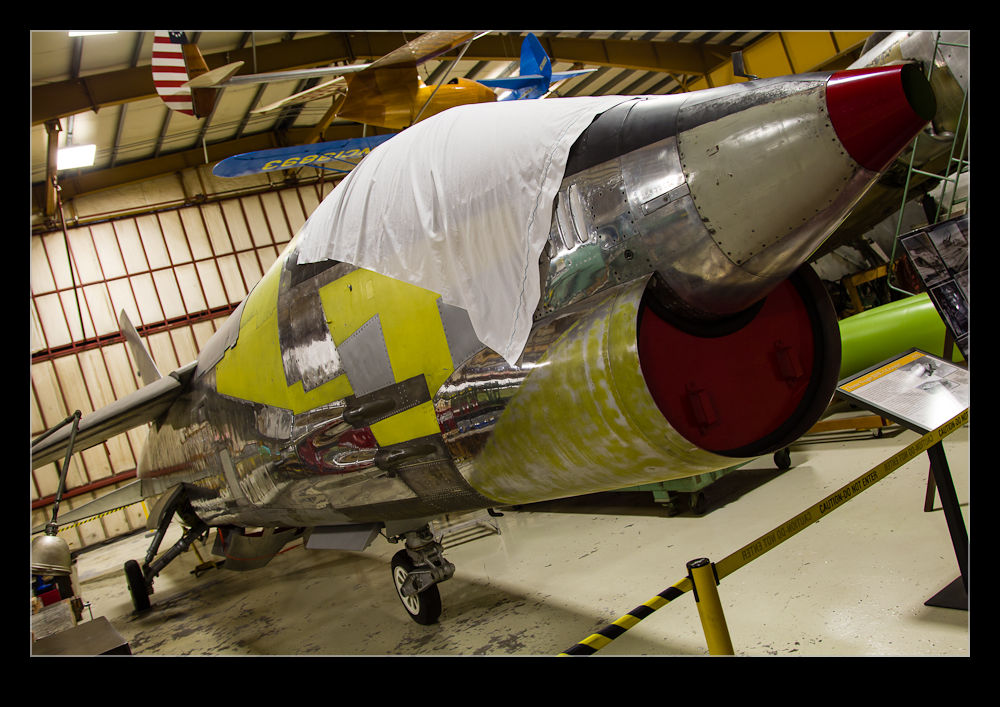
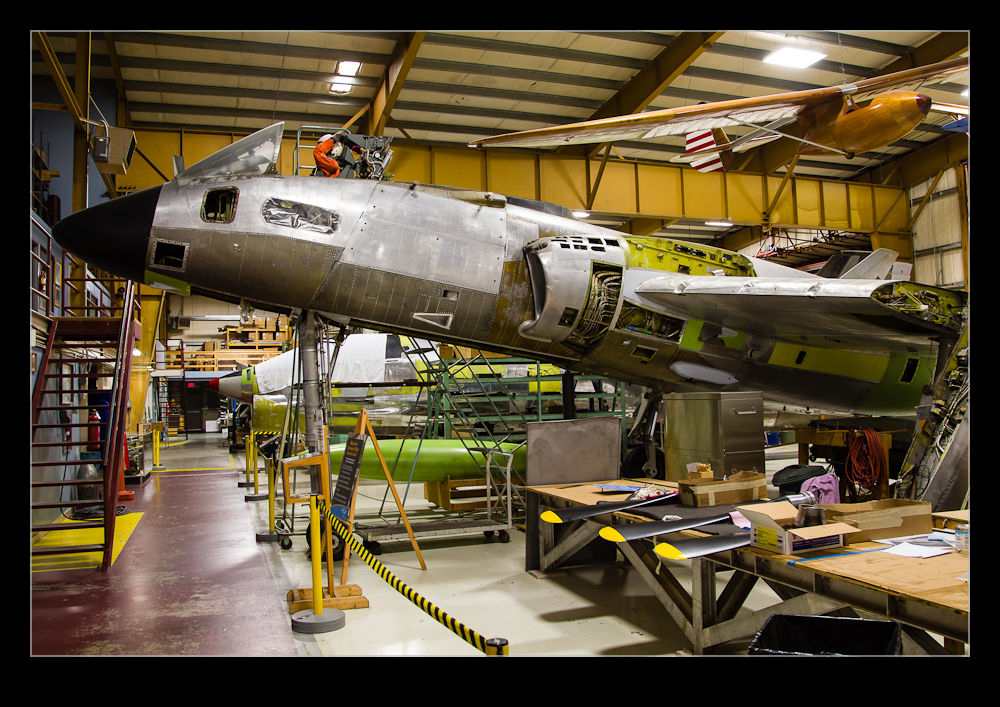
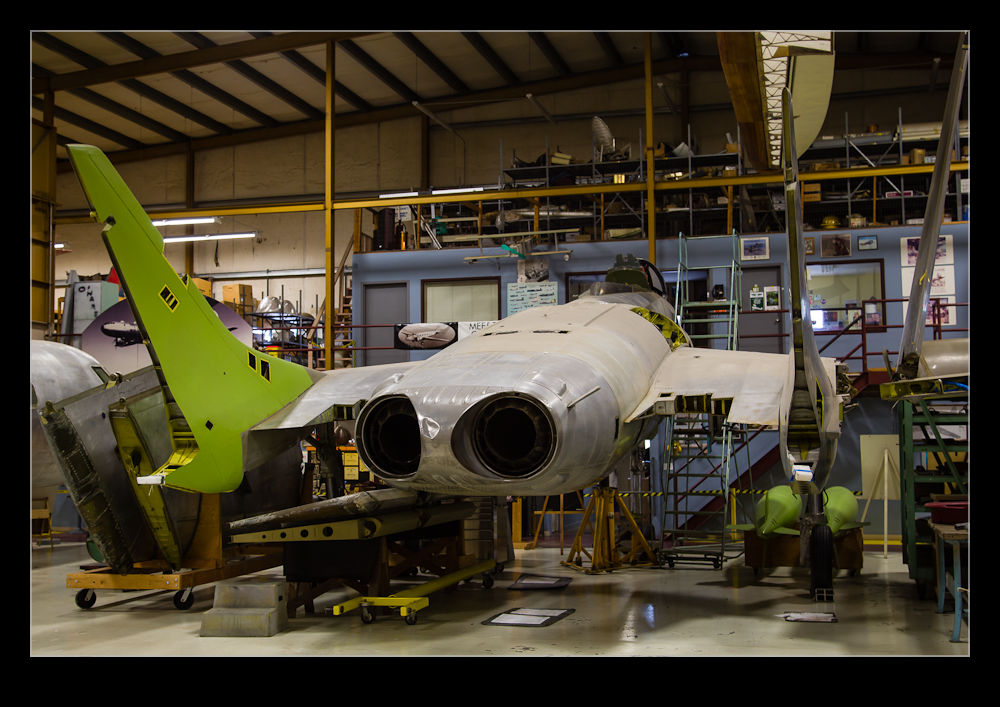
In fact, they really didn’t.  The building has a great collection of aircraft.  The close proximity to NASA facilities has obviously been helpful in getting access to some pretty unusual exhibits.  The Apollo 14 Command Module is on display as is the HARV F/A-18 Hornet, a research F-106 and an XV-6 Kestrel among many other interesting airframes.  They even have an MMU from the Space Shuttle program (although getting a shot of it from the moving elevator was tricky).  The result of all of these exhibits is that they have to be squeezed in.  They are usually suspended from the ceiling which makes them look more dynamic.  However, they do tend to overlap a lot.

This isn’t a problem if you are visiting to see everything which is, after all, the purpose of the museum.  It does, however, make getting photos a bit more tricky.  I ended up using a combination of lenses.  A wide angle zoom and a fisheye zoom were the two I chose.  The fish is a lens that viewers can tire of quickly but, in this case, it was a case of trying to get unobstructed shots where possible.  It also let me try a few odd angles for fun too!

While not a museum I would go back to repeatedly, this was certainly a good place to visit.  I might go back one more time with some new ideas about how to shoot certain things but even that might require the cooperation of the management!  If you are passing and have a couple of hours, do pay it a visit.

More Oceana

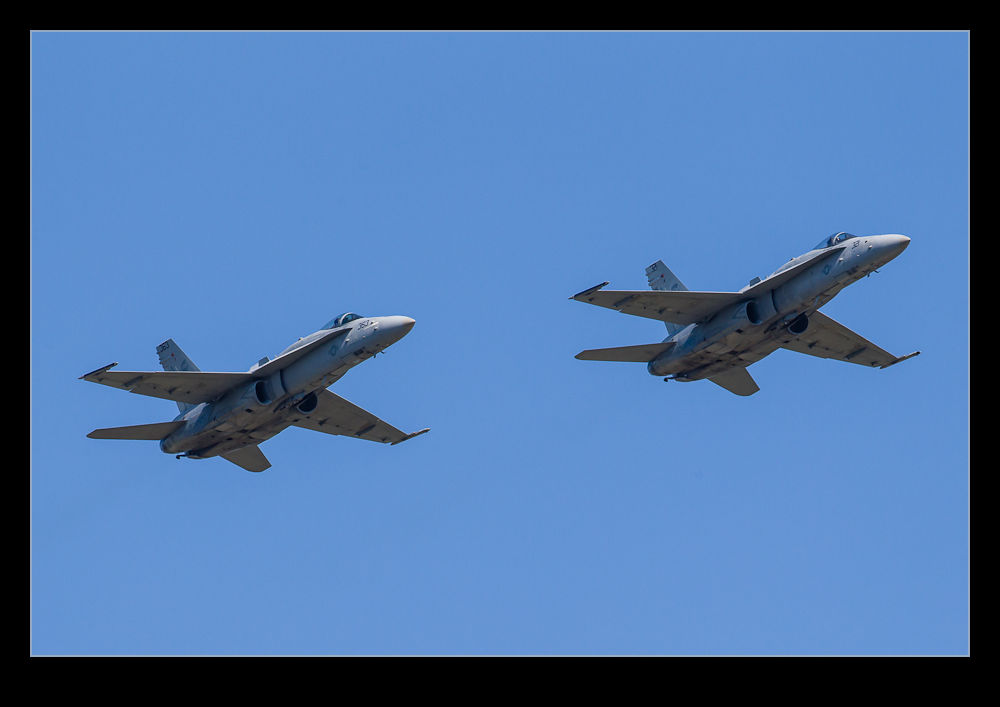
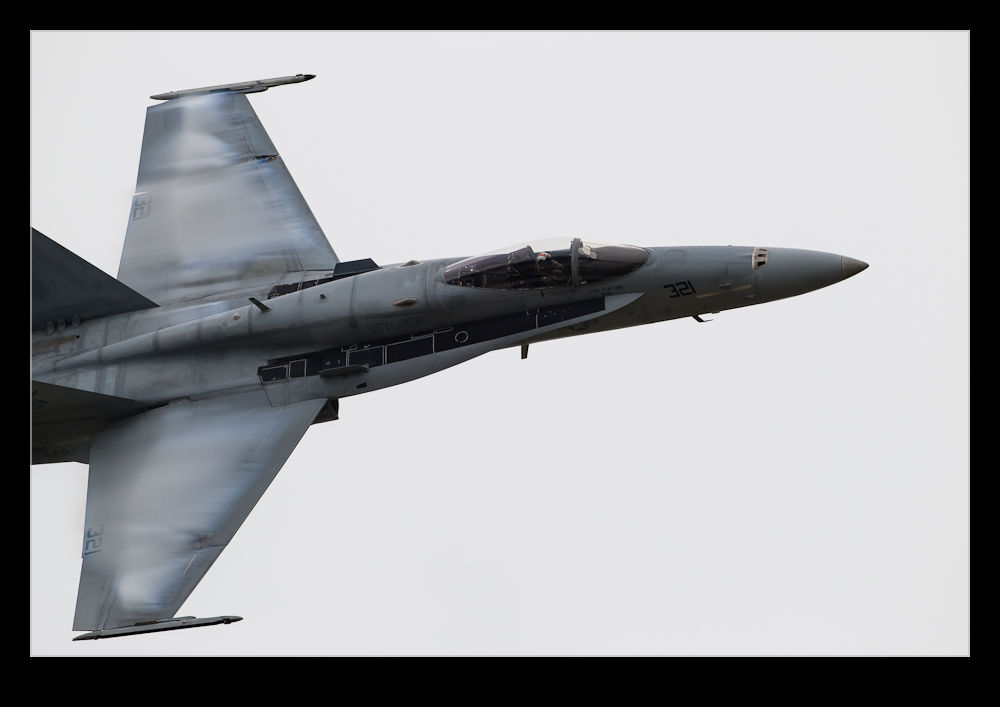
The ISAP theme continues!  In a previous post (that you can read here if you missed it) I talked about some shooting I did with some friends outside NAS Oceana, the premier fighter base for the US Navy on the east coast.  Well, the field trip from the symposium included a visit to Oceana as well although this was to be on the flightline.  VF-31 was the Squadron that hosted us.  They provided us with an excellent visit.

The squadron was not undertaking operations that day so their part of the ramp was occupied by planes but nothing was moving.  This gave us a great space in which to move around.  We were basically free to go to the end of their line where it met the taxiway and to shoot from anywhere in there.  The only restrictions were the normal ones on a Navy base.  No shooting open panels and no shooting Super Hornets down the inlets.

There was a fair amount of activity on base and the weather was very nice (if a little breezy).  Since we were there in the morning, we had the sun pretty much behind us which worked out well.  The squadrons that were flying that day seemed to have a steady stream of jets on the move.  They would taxi passed us on the next taxiway from the one we could get to the edge of so we could see the jets coming by easily and when they were in the hold they were easy enough to shoot.

The warm weather meant that shooting anything too far away was going to be fruitless if using a long lens since the heat distortion was too much.  However, if you went a little wider, you could minimize the effect of that, at least for the size of shots that are going to be posted online.  They wouldn’t stand up to too much enlargement I suspect but they certainly show what was going on.

Interspersed with the regular jets were a few in special schemes.  There were a number of the squadron specials up and flying as well as one of the CONA marked aircraft.  We also saw a few jets that were in the aggressor colors but that had moved to a new squadron so we a combination of new and old markings.  I am sure they will be repainted in gray before long so that is something good to have seen while it was around.

The VF-31 special aircraft was at the end of the line up and the squadron kindly provided some steps to allow us to get a higher look at it.  These were originally for us to get a group photo in front of the jet but, once they were there, most people took the opportunity to get a few shots as well.  These things tend to work quite well with everyone taking a turn but occasionally, as with people who linger very close to a subject, you get a few people who forget that they aren’t the only person involved.  Thankfully, he majority are very considerate and “help” the less fortunate to play well with everyone else!

The next squadron along the ramp was VF-213.  They did have some operations underway.  One of the things they were doing was providing experience flights to midshipmen who were yet to decide their career path in the Navy.  Additionally, they appeared to be in the process of training up a number of the ground crew.  Consequently, when one of the jets came in for a running change of backseater, we got to see the midshipmen swap over and the ground crew being shepherded through the process of turning the jet.  It was fun for us but I wonder how much they enjoyed having their early work being watched by so many.  Many thanks to them, though, for tolerating our presence.

Our stay was slightly extended since our bus driver had been taken ill while we were on base and a replacement had to come in and help out.  I didn’t hear the final outcome but hopefully he was feeling better later on.  With a new driver in place, it was time for us to move on.  Considering the size of the group we had, the team at Oceana did a great job of hosting us.   Many thanks for everything.

NAS Oceana

The recent ISAP symposium took me to Norfolk VA.  It is a short drive to Virginia Beach and NAS Oceana – the home of the east coast fighter squadrons for the US Navy.  The field trip for the symposium was going to include a visit to Oceana but, since I was there ahead of the event, I decided to pay a quick visit after my arrival.  A slight delay due to travel complications and then the passing through of a pretty significant storm meant I was a little later than planned but no great problems resulted.

The weather was not great so the light was a bit sparse.  Combined with a cloudy sky, photographing grey jets is always a challenge but I was meeting up with a friend from FenceCheck.com who lives locally so there was always time to chat even if nothing was happening.  However, after a pretty quiet period, a few more jets got up and started flying.  I was supposed to be leaving to go and pick up a friend from the airport but the storm that I had come through was not alone and his inbound flight was significantly delayed.  Therefore, I had the time to see what else would fly.

The activity kept going for a bit was the light was fading fast and my ISO settings were getting higher and higher.  Since the time to pick up my friend was now approaching, I decided to pack up my stuff.  Another jet arrived as I did so.  This didn’t bother me until I realized it was one of the CONA painted aircraft so the kit was rapidly extracted again and a few shots taken.  Then it really was time to go.

Thanks for the advice on the spot to those concerned and also for the chance to catch up.  Maybe not the most ideal conditions but still a fun way to kill an hour or two.

Changing Your Name – Even if You Are a Building Pt 2

And so we progress to Part 2.  Attentive readers will already be aware that the Unitrin sign had been removed.  I was a lazy boy and watched from my living room.  The following weekend the new sign was scheduled to go up.  Fortunately, we had friends staying with us.  Mark is a flight test engineer and a pilot so the suggestion that some aviation action could be added to the weekend was good for him.  Since it was close to home, we wouldn’t be missed for a short while on a Sunday morning.


The replacement of the sign was pretty much the reverse of the previous week.  The letters and the logo had been assembled on the street on the back of trucks.  Two sides of the building had to be done and fortunately our side was to be first.  The placement of the signs was a touch more tricky than the removal.  Pulling them off meant getting them clear and dropping them down to the street.  Lifting the new ones up was complicated by the way in which the letters – which are large but don’t weigh much – can catch the wind and start to rotate.  The crews on the building have to catch the tag lines and then pull them steady before positioning them.


They soon got a good rhythm going and we watched the letters and the logo go up on the first side of the building.  We then retreated to further away as the other side was dealt with, not least because a lot of it was out of sight from the better locations.  Midwest did a great job as always and it was good to see the team.  Thanks everyone and Mark certainly was glad to see one of these jobs in person.

Changing Your Name – Even if You Are a Building Pt 1

This story comes in two parts (if the title didn’t give that away already!) and it is one that is a little bit of luck.  Regular readers know that I do a lot of jobs with Midwest Helicopters.  This was a job of theirs but not one that I was involved with.  However, it just happened to take place outside my window so I got to watch anyway.  There I was on a lazy Sunday morning (I was being lazy even if others obviously weren’t) catching up on a bit of TiVo viewing when a helicopter comes in to view out of my living room window.  Familiar shape and colors but what were they up to?


Turns out a building across the river from me was due to have its name changed.  The company had renamed from Unitrin to Kemper.  Unitrin was plastered on two sides of the building in large illuminated letters so they needed to come down.  The first week of the job was to take down the old letters.  I could have hurried outside and grabbed some shots but this was a lazy day (did I mention that before?) and so I just grabbed a camera and shot through the windows.

It was about an hour’s work to get the letters from each side of the building and drop them down to the truck on the street.  All of this from the comfort of my living room interspersed with a bit of Grand Prix watching!  Of course, if something comes down, there is probably something to replace it?  And so we shall progress to Part 2…

Trying the New Spot in Better Light

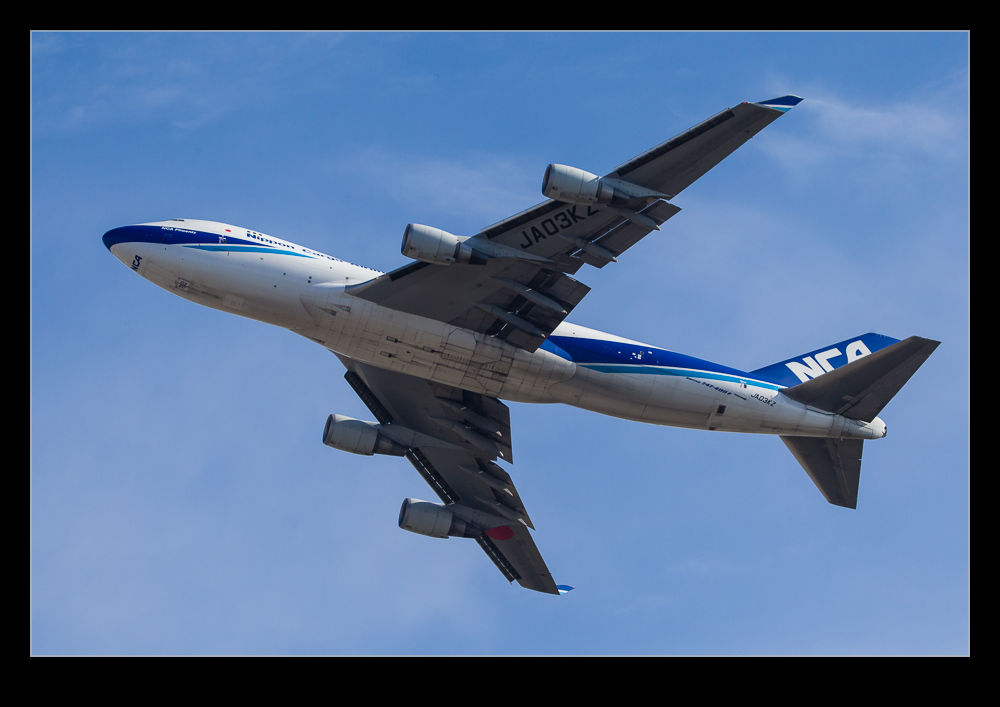
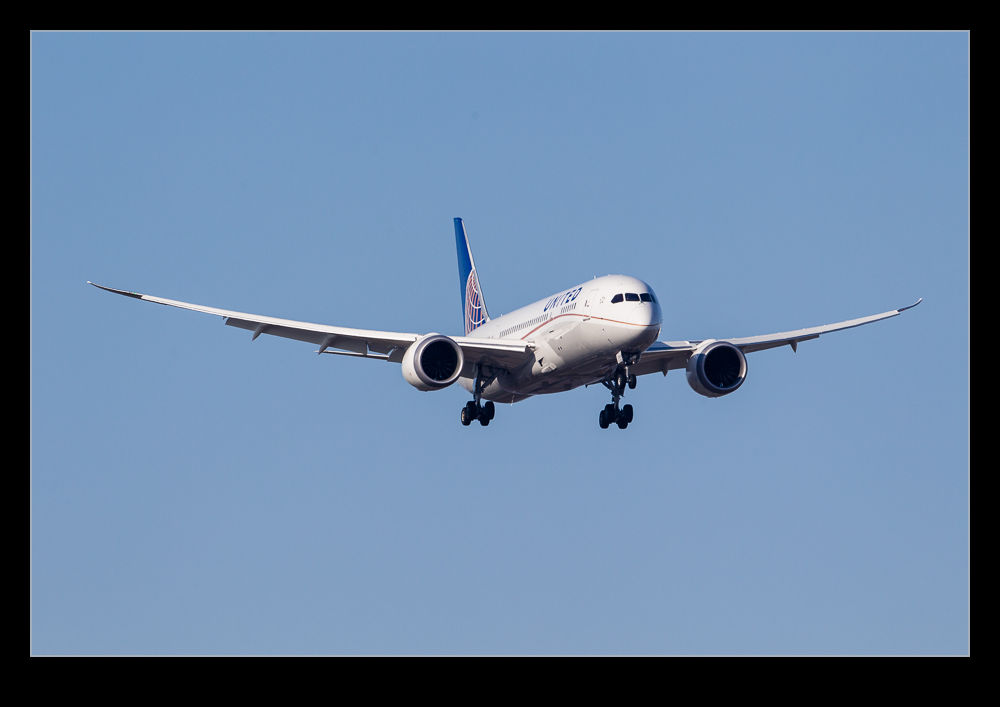
I recently posted about a trip to O’Hare in some crummy weather when I didn’t end up with many good results.  One of the better aspects of that visit was that I found a nice location directly under the approach to 14R.  This provides some good head on shot opportunities.  Head on shots are kind of fun I find.  They are a different perspective to normal and mix things up a bit.  You can’t do it all of the time or it is dull but it does make for some more dynamic shots that the standard side on pass.

I waited to see when the right combination of wind and weather would occur so that I could get the morning light just off the nose when this runway was in use again.  Fortunately, I didn’t have to wait particularly long.  Things lined up quite nicely so I popped out to have a look.  My desire to stay in bed meant that I was about five minutes too late to catch the ANA arrival from Japan but others were on the way so it was a nuisance but not a huge loss.  However, en route I did take a look at the south side of the field for other possible shooting locations.

I had shot a few years back at a spot that provided a great view of aircraft departing off 22L, many of which turn quite early after departure giving some topside views.  This spot ended up having a warehouse facility built on it which was a nuisance.  however, further development in the area has provided some spots to park so I checked out one of these and it seems a reasonable option.  Then I headed to the approach.

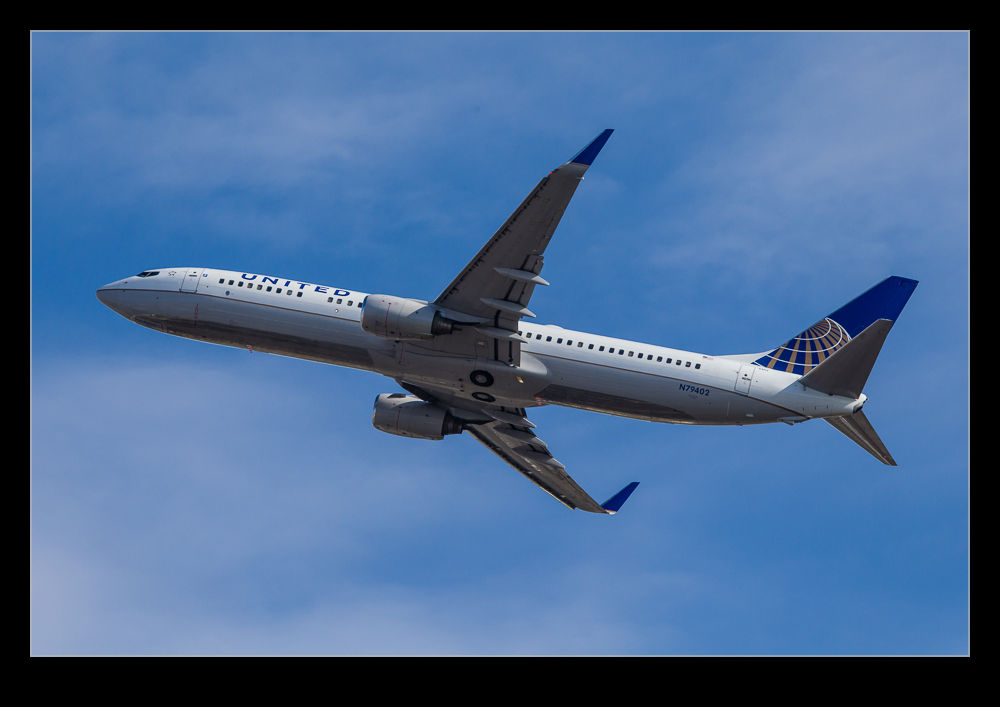
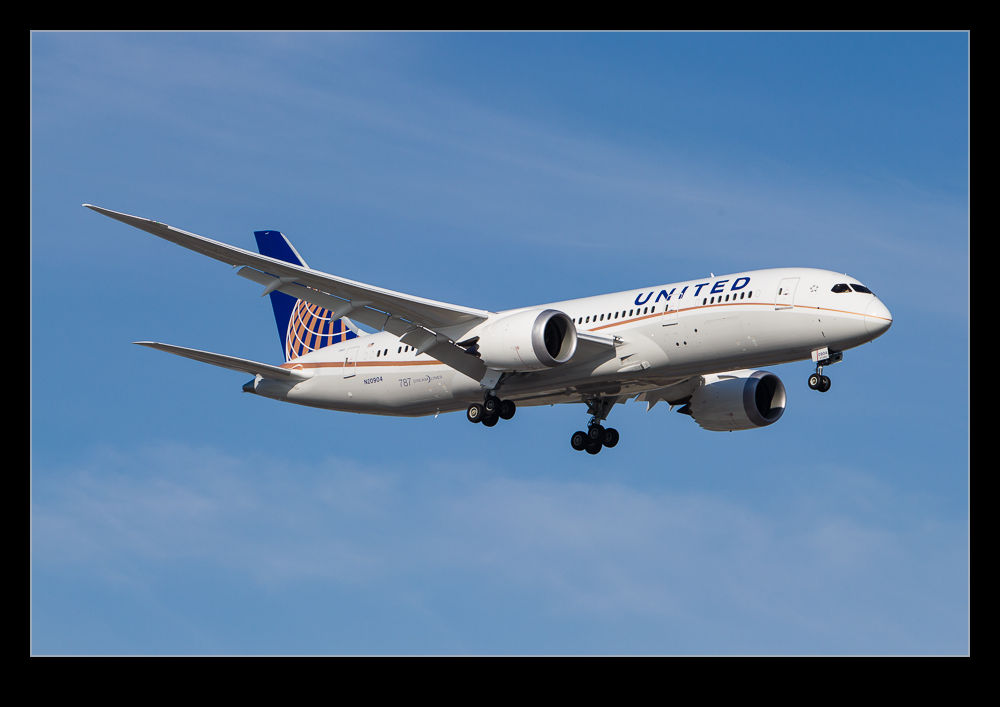
In good light it seems to work really well.  I experimented with wide angle shots as they pass overhead as well as long lens shots that crop tightly in on the aircraft as it gets closer.  Both seem to have some merit.  I didn’t stay too long as there was a gap in the larger arrivals so I headed back to my other new spot to try a few departure shots.  Then it was back to the approach for the last of the big jets and then home.  Not a bad morning really and with the day only just started, plenty of time to do other things.

How Soon I Forget!

As I have mentioned in previous posts and my regular readers will know, I have been going through a process of culling old images that will never (and should never) see the light of day again.  This is part of my desire to be a lot more efficient in keeping good images and ditching bad ones in part to reduce storage requirements but also to allow me to focus back on the good shots when I need something.

One of the things it has also done is remind me of just how many good projects I have been involved with.  While many projects are one off jobs, there are quite a few regular clients that I shoot with on numerous occasions.  I have my new workflow for going through those images and creating Smart Collections in Lightroom to help me manage them.  I decided it would be helpful to go back and create similar collections for previous jobs before I changed the workflow.

I added a bunch of these collections from memory but then started going through all of the shots from the clients by searching on the keywords.  It was really surprising to me to find some of the jobs we had done together a while back that I had quite forgotten about.  I had a bunch more Smart Collections to create as a result but the outcome is that I now have better access to images from some regular clients in a more organized way than my previous searches based on keywords alone.

A second outcome of this is that I changed from using stars to identify good shots to using the Pick flag.  Since I have a mix of methods, I will be going back and reassessing which are the better shots and marking them as Picks.  Interestingly, some of the ones I had starred previously have not made it through my recent cull since a second look showed they were really not quite good enough.  Often an adjacent shot is actually better so now I need to make my selections anew.

This is going to take a long time.  I am well advanced in culling shots of civil aircraft but my military stuff has yet to be dealt with.  I’m sure we shall have some crummy days ahead which I can put to good use.  Of course, my rate of shooting is going to be going up so maybe I will be struggling to stay ahead of this for a while!

Remember Northwest?

I have been going back through a lot of the archive recently with the goal of culling a lot of the crap images that have no hope of ever seeing the light of day again and are, therefore, just filling up drive space.  As I do this, it reminds me of a few things I haven’t seen for a while and some I won’t see again.  Northwest Airlines is one of these!

From time to time I have done a lot of shooting of airliners.  I won’t profess to them being my favorite thing to shoot – fast jets and helicopters are probably my favorites – but when it comes down to it, I love all things that fly and airliners do just that.  Besides, they are sometimes easier to come by!  One of the features of shooting airliners is that most of what you see does not cause you any surprise.  There may be something that is rare or unusual wherever you are and that can be quite exciting but usually what you see is pretty much what you would expect to see.

It is only at a later stage, when whatever you saw is no longer around, that you can get interested in something that was previously pretty unexpected.  Such is the case with Northwest.  Before the merger with Delta, Northwest had a large fleet that covered the country.  I didn’t fly with them much but I would frequently see their aircraft.  I would take pictures of them but probably not get too excited.  I even spent one day at Detroit where they were most of what I saw.

Now, Northwest is no more and its fleet has been repainted in Delta’s colors.  To find a picture of a Northwest jet as I go through the archives suddenly takes on a level of interest that it hadn’t at the the time it was taken.  Maybe it will have the same effect for you so here are a few samples of something no longer to be seen.

Some O’Hare Arrivals

A bit more time stuck indoors than I would ideally have liked had meant that I was beginning to climb the walls a bit.  Some good weather had been about but I had been unable to get outside to enjoy it.  However, I did get a Sunday when I was able to get out and the weather showed signs of clearing up.  (It had been pretty murky early in the day but the forecast said it would get better and it wasn’t wrong!)

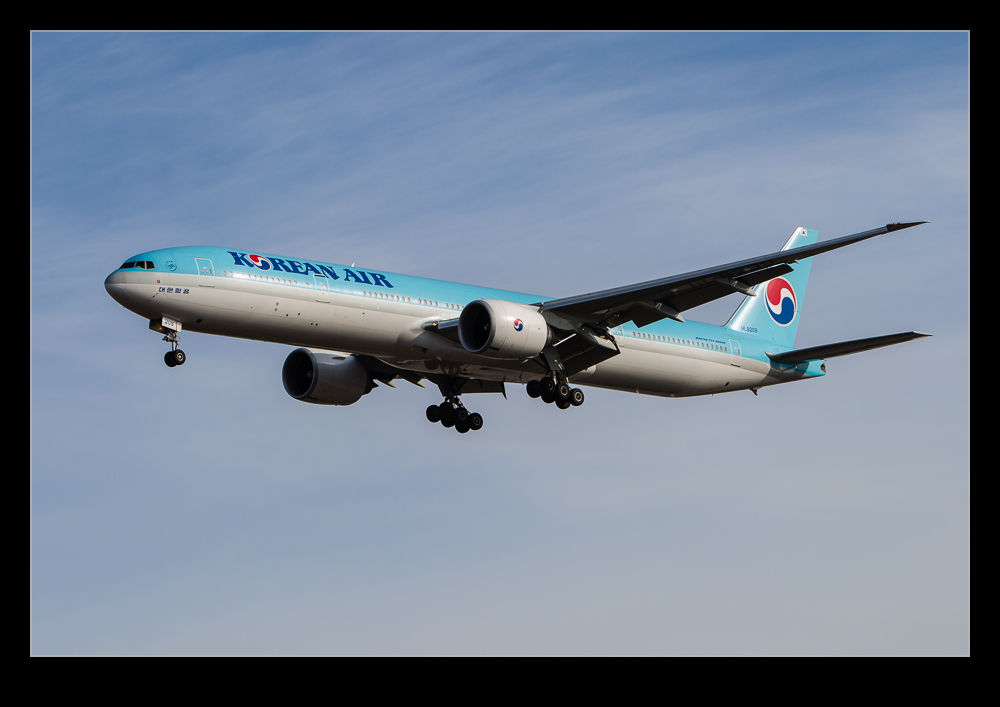
I decided to head to O’Hare to watch some European arrivals.  A strong westerly wind meant the arrival direction would be reliable as far as sun angle was concerned and the low temperatures should hopefully avoid too much heat distortion.  Apart from that, an afternoon out shooting the arrivals is better than plenty of other options even if it isn’t something new and unique.

As it was, there were a fair few interesting aircraft coming in along with the regular O’Hare types of traffic.  I was able to keep close to the car which meant I could hop back out of the chilly wind between interesting targets and listen out on LiveATC’s app on my phone to know when something was coming my way.  Flightaware also allows a bit of planning ahead.

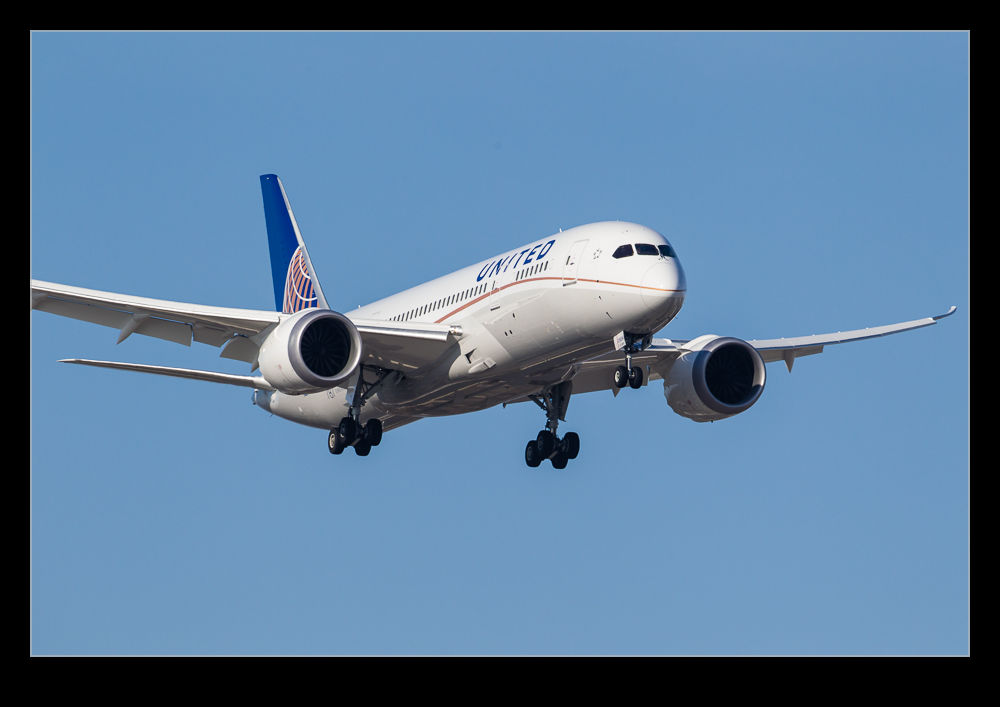
It was a fun afternoon and some good results showed up.  Some new bits to add to the catalog along with some of the familiar stuff and some that will soon no longer be familiar and need to be remembered before they are gone.  Here is a small selection of the day.