Tag Archives: aircraft

Oshkosh

Here we go with a short post for today.  EAA’s annual extravaganza that is Airventure (or Oshkosh to pretty much everyone else) has recently concluded.  I was there for GAR for a few of the days.  Oshkosh is a great experience and one that any aviation nut should try and do at least once.

There is way too much going on at Oshkosh to make a single blog posting out of it.  Instead, you will be getting bits and pieces drip fed over the coming posts.  My coverage of it for GAR also has to go out so I won’t be duplicating anything from there (well, not much anyway).  However, hopefully this will give you a few views of Airventure from my perspective.

Up front, I must say thanks to all of the friends I already have that I met there as well as the new ones I made.  Oshkosh is certainly something at which you can wander off for hours at a time to experience what is happening.  However, it is nice to be able to know you can expect someone to be around when you come back so you can share what you have been up to and talk rubbish about planes for ages.  Thanks everyone.

Experimenting with Multiple Exposures

Right away I must admit that this is not my idea.  I know that is true of many photographic tools but I once saw someone do something just like this and I wanted to try it out myself.  The question was how to go about it.  I improvised a bit and trusted the camera to do what I wanted which it didn’t always do so I have learned some lessons already.

The idea is to take multiple exposures of aircraft on the approach and then combine them into one image in which the aircraft appear multiple times.  I would set myself up in a position and then take a sequence of shots as the aircraft moved through the frame.  My first mistake was that, because I was taking the same shot each time, I thought the exposure would not change.  Not true!  The camera will make some minor tweaks and this will make the whole thing less easy.  White balance may also vary but I shoot in raw so syncing that afterwards is no problem.

Since I was not using a tripod, the shots are not all perfectly aligned.  I took all the images in Lightroom and used the Open as Layers option to Photoshop.  Then I used the auto align layers option to get everything perfectly in place.  It is surprising just how much you move doing something like this!  I originally thought I could just set every layer above the base one to Difference blending mode and everything would pop right out.  However, that didn’t work as I had hoped.  The aircraft all had an odd color cast.

Instead, I put a layer mask on each upper layer and then painted in the aircraft one layer at a time.  This is more time consuming but it did the trick.  Of course, if the exposures are perfectly matched, you don’t have to paint too accurately.  if not, the sky color is different so a far more accurate painting on the layer mask is required.

This was a fun thing to experiment with.  SFO is a great spot since you can get parallel approaches in one direction and parallel departures on the cross runway.  This puts lots of aircraft in a single shot which makes it more interesting.  Another time, I will take the lessons from this time and try and get them a bit better.

SFO

My work recently took me out the the Bay Area for a number of meetings.  When they were all finished, I needed to write up some notes.  Tapping on the laptop is something that can be achieved wherever you are.  Also, SFO has a nice diverse selection of aircraft that visit.  Therefore, my decision was made to take the laptop and the camera and head to Coyote Point.  During the week there are less people there so it is quite a peaceful place to get some work done.

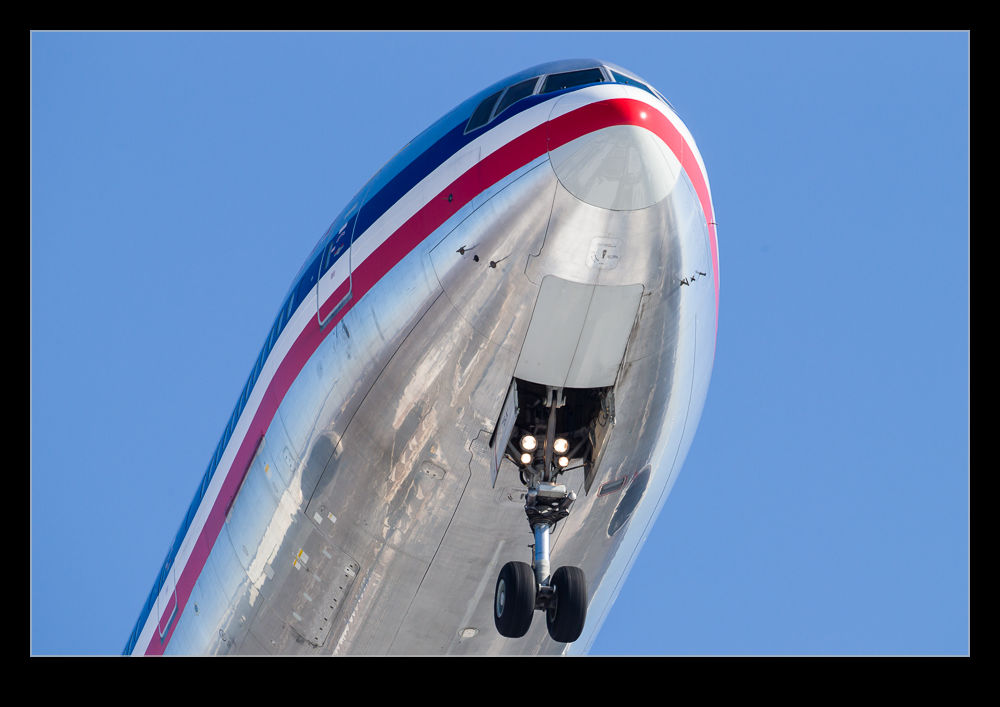
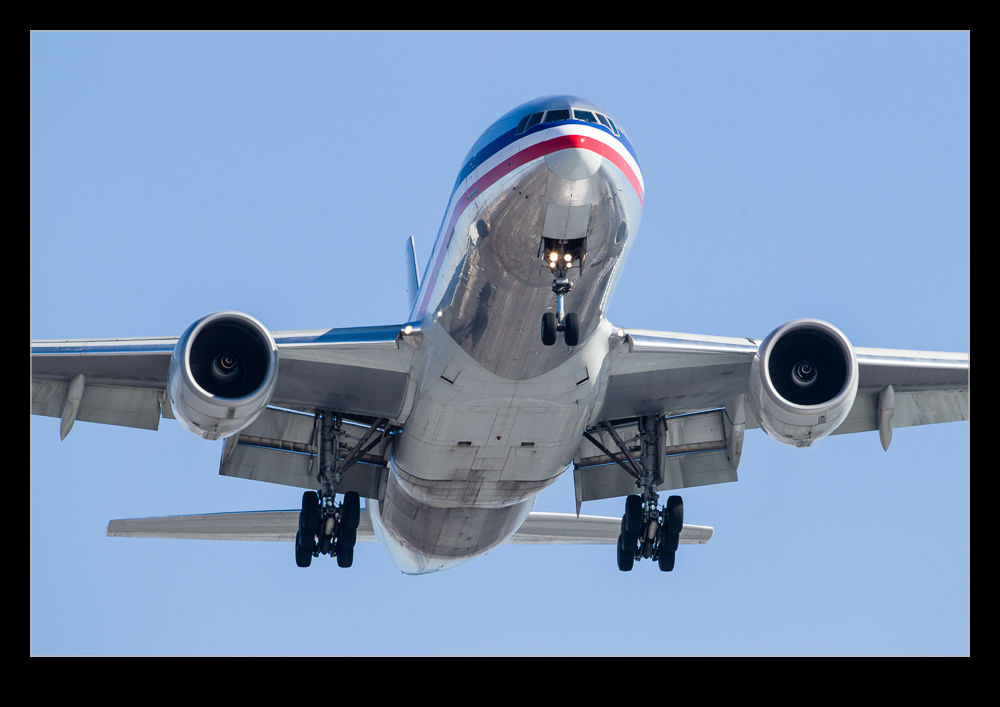
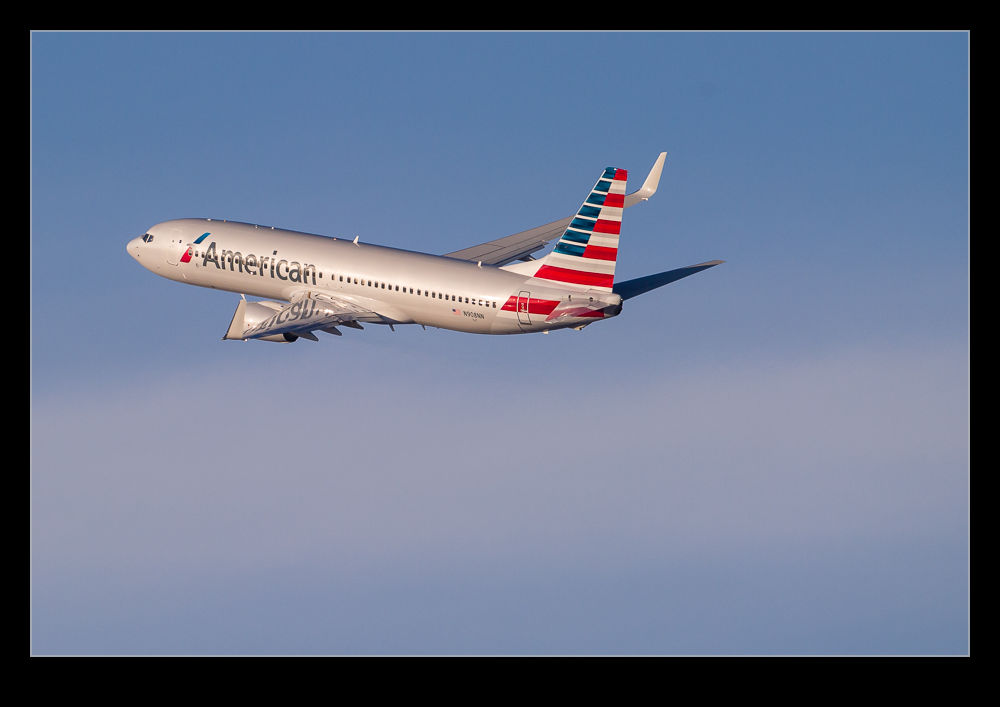
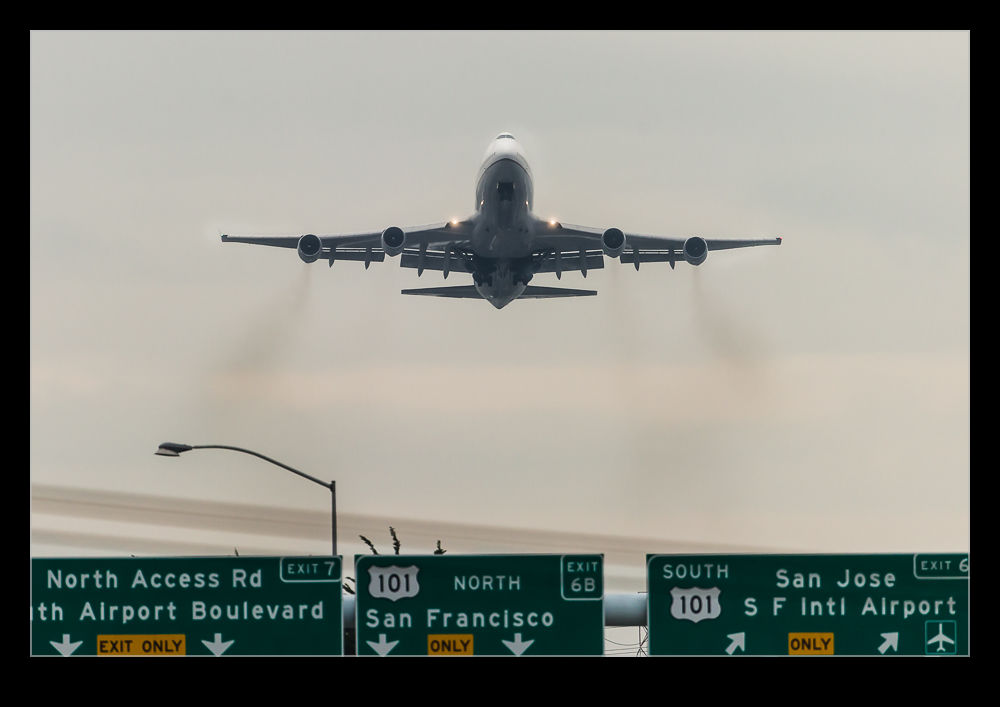
Of course, whenever something interesting made its way in to the approach, I could look up and grab a couple of shots before returning to my tasks at hand.  SFO is like many hub airports in that it has a lot of the same things coming in and out.  However, it has a lot of long haul traffic as well which provides an opportunity to see something a little different.  This can include newer aircraft as well as those that are on their way out.

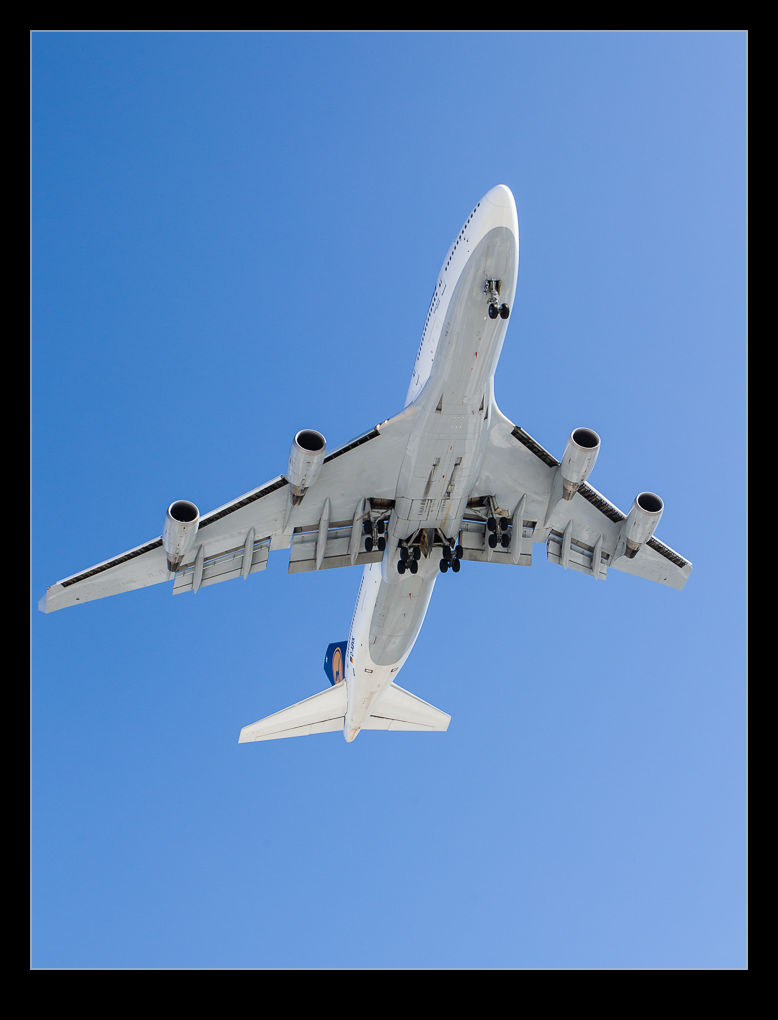
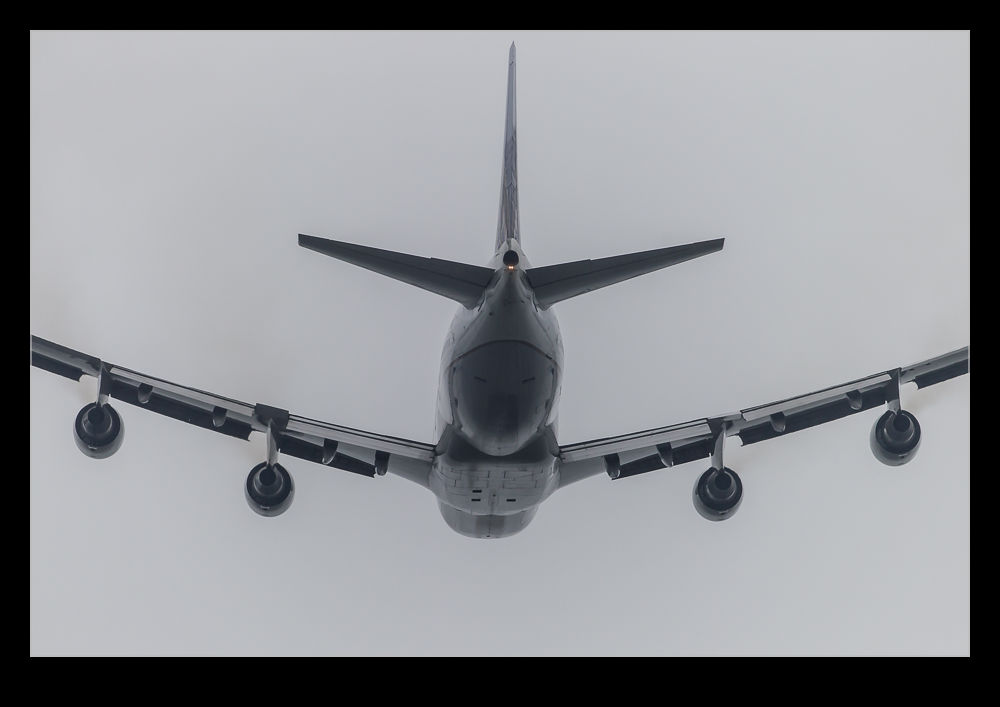
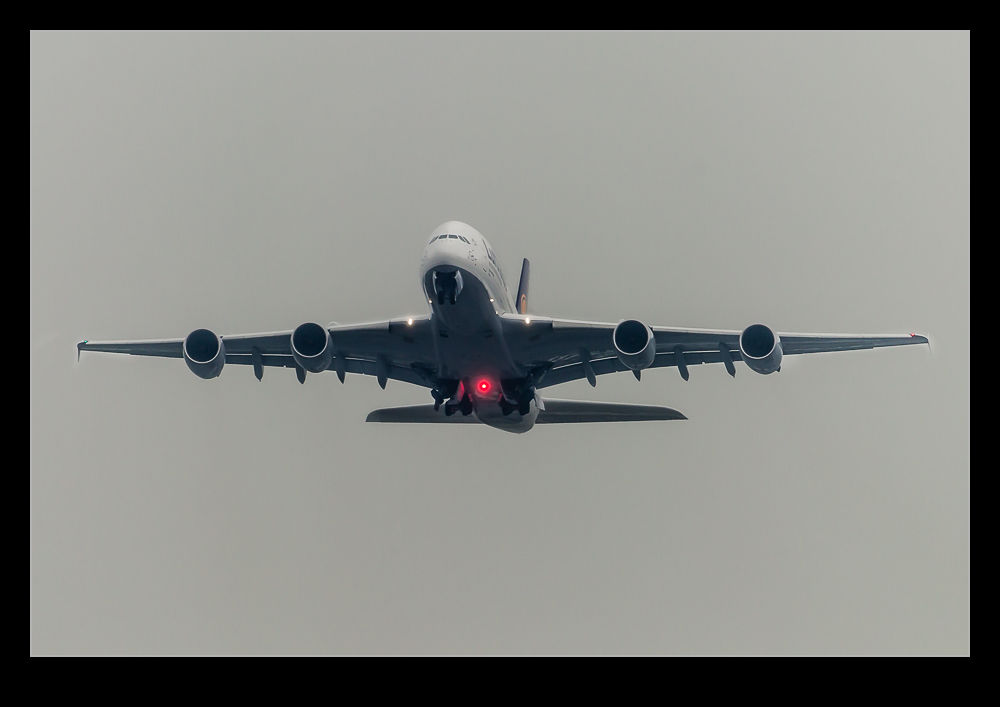
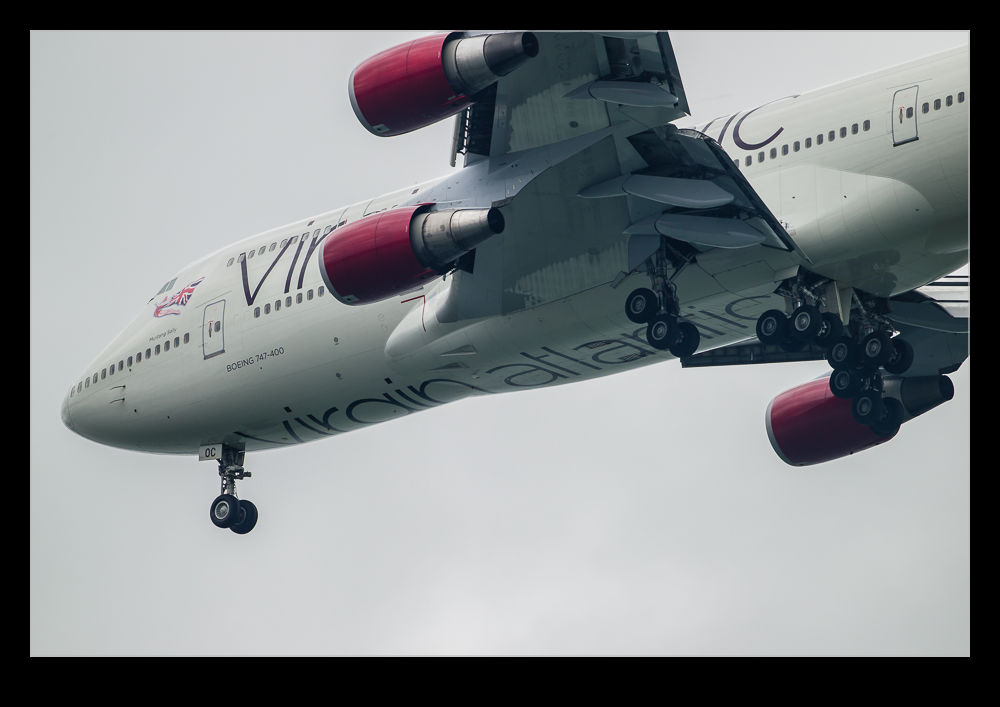
Lufthansa is now operating A380s in to SFO so catching that on the approach was a nice new thing to see.  Meanwhile, the number of 747s arriving is gradually going down as they get phased out.  Cathay brought one in as I was arriving.  I imagine they won’t be around for much longer.

The sun was bright but the air temperature was relatively low.  This meant that the heat haze was not too much of a problem.  I could even get reasonable shots of the airport itself as the aircraft landed (nothing that would be publishable but not bad).  A buddy was coming in with a BA 747 later in the day so I decided to move to the area on the shore near the Marriott to get some different shots.  Unfortunately,  this was not a good move.  The heat haze to the runway at low tide was quite bad and most shots do not survive too detailed scrutiny.  One to remember if I find myself back there at any time.

Gary South Shore Show

Only a short distance south of Chicago across the state line to Indiana is Gary.  They hold an air show there every year that is over the lake along one of the beaches.  For one reason or another, I have never been to this show.  This year was expected to be no different originally.  I had decided against going since the attendees list – while good – was a little shorter than in previous years.  It was also supposed to be unbelievably hot!

My buddy, Joel, was going and he offered me a ride down if I wanted to go to the twilight show they hold on the Friday evening.  I figured I would go since the opportunity was there so we headed down.  Although not part of the twilight show, the USAF Thunderbirds were performing on the Saturday and Sunday and were scheduled to practice on the Friday afternoon, not long before the twilight show started.  Therefore, we got a full show plus whatever else they planned to check out as part of their practice efforts.

Then we got the displays for real.  The heat was pretty intense but the performers did not allow this to affect their displays.  Unfortunately from a photography point of view, there was quite a lot of haze which hurt the visibility and the wind had died down which meant that smoke from the displays did not disperse quickly and could obscure the following passes in places.  This meant that the photo opportunities had to be grabbed when they could.

The hope was that, as the sun dropped down, the golden light would arrive and it would be possible to get some more unusual shots than would be the case at a normal day show.  Unfortunately, while this worked a bit, it wasn’t as successful as I had hoped.  The sun sets a long way north at this time of year so, as it got lower, it got further behind the performers.  Not back lighting but certainly not illuminating the front of the aircraft.  Also, the haze I mentioned before meant that the dropping sun became more obscured so the strong evening light never really came along and we got something more diffused and weak.

This was a shame but not the end of the world.  The show was still enjoyable and the people I was there with made it all the more fun.  Thanks to the team at South Shore Convention and Visitors Authority for hosting us.  I hear that the two main show days at the weekend were very popular and went well.

Poplar Grove

After my visit to the WACO reunion as recounted in a previous post here, I had a lot of pictures of a WACO owned by Steve and Tina Thomas. They own Poplar Grove airport northwest of Chicago. I had been there before and my earlier visit is described here. I decided to print a couple of shots from the sortie and take them up to Steve as a thank you.

I dropped in one Sunday and found Steve in his office. He was pleased with the pictures and took me off for a tour of parts of the field. They own a lovely Beech 18 as well as the WACO and their hangar has a great selection of prints and memorabilia on display so we had a look at that. Then we headed up to the hangar of Sean, another WACO owner. We chatted for a while and watched some Cub flying activity on the grass strip in front of Sean’s hangar.

Steve needed to get back to work so I got my car and ended up back at Sean’s place. We chatted about the usual aviation stuff while he cleaned his aircraft and I watched the flying.  The Cub was being flown by Rick Kluver and, when he knew there was a camera nearby, he came by to give me something to shoot.  He landed after having finished with his two previous passengers and we chatted for a while.

Rick’s Cub is one of the planes that I shot when we went to Oshkosh for the skiplane flyin and I had met him then.  You can see a previous post about that here. Anyway, it didn’t take long before he offered me a ride.  It would be churlish to refuse so I hopped in for my first ride in a Cub.  I took the camera along of course.

Rick says he gets altitude sickness so likes to keep it low.  In a plane like a Cub with the side open, this is a great way to fly.  Down amongst the scenery, we got to see some cattle in a river and even some deer that we obviously startled a little.  It was a fun little trip and I thoroughly enjoyed myself.  There was time for a little video to be shot so the results of that are below.  As before, Poplar Grove proved to be a friendly and welcoming environment. I will be back!

Davis Monthan AFB

This year is the 40th anniversary of the first flight of the Fairchild A-10 Thunderbolt II or Warthog to most people.  Global Aviation Resource wanted to celebrate this event in the magazine so I headed off to Tucson Arizona to visit Davis Monthan AFB.  Well known for being home of the boneyard, DM is also the home of three A-10 squadrons.  Two are training units and the third is an operational squadron.

I was visiting both a training squadron and an operational unit to see he people train to fly the jet today as well as learn about how it is used today.  I have had a soft spot for the A-10 for as long as I can remember.  Visiting an A-10 unit is a treat for me.  This is still true even if it is 105F in Tucson while I am visiting!

The team took great care of me while I was there.  I spent the morning with Major John “Tex” Lesho who is an instructor on the jet with a number of tours at different locations with the aircraft.  He gave me a great description about the aircraft and the training process as well as the changes that have been introduced in recent upgrades.  He also had some great stories as would be expected of someone who has been flying the jet a long time.  During the visit with him the opportunity was presented to head to the weapons ranges to watch the jets training.  However, this involved a long drive each way and would have taken up most of the day.  Since I was there to learn about the units, going to photograph the jets gunning the range couldn’t be done.  It would have been great to do and hopefully I will get another chance in the future.

In the afternoon it was time to visit the operational squadron.  Beercan Collier was my host.  I mentioned Beercan in a previous post for those of you paying attention.  He gave me a rundown on how the unit works as well as the additional work he has with the Heritage Flight duties.  He then handed my off to a group of pilots who were getting ready to launch on a four ship mission.  We watched them sign out the jets and then head out for start up and launch.  They were very accommodating but I did make sure to stay out of the way.  Launching military jets does not happen quickly since there is a lot to do. You don’t just turn it on and go.  I made best use of the aircraft shelters during this to stay out of the sun.

Once they were launched, I managed to grab a shot of a VC-25 that was parked on the ramp before it was time to wrap up.  (Unfortunately, the VC-25 launched just as I drove off base and, while I scurried to find a spot to get a picture of it in flight, I was still driving up the road as it flew overhead. Oh well.)  My escort for the day, Sarah, did a great job of getting me where I wanted to be and I am grateful to here and everyone else for taking such good care of me.  The article is in the August edition of the magazine so go to www.globalaviationresource.com if you want to buy a copy.

WACO Reunion

I have previously mentioned that I am more interested in getting to events that are slightly more individual than the bigger airshows these days.  That also includes when I am trying to get material for the magazine together.  One such event was the WACO Reunion in Mount Vernon OH.  This was being covered for a piece that I was writing for Global Aviation Resource and will appear in an upcoming edition of the magazine.  Consequently, I am not going to preempt the magazine piece here.

Instead, this is more about the time I had while I was there rather than a description of the event and the organization.  I had been in contact with Andy Heins, president of the national WACO Club earlier in the year to make sure I could cover the event.  Andy told me what I needed to do to be there and then made himself available to tell me all about what was going on.  The event is a gathering of club members and their aircraft and is a very social event.  There is no flying display.  However, the members like to fly their aircraft and that is what they do.  The middle of the day is quite quiet but early in the morning and later in the day when the weather is a lot more calm is the time when people get in their planes and fly.

Fortunately, that also included me getting to fly too.  My first trip of the day was in a Citabria with Tim Ponds.  This was to get some aerial shots of the aircraft parked to illustrate the article.  Time was very accommodating and we got some video footage as well as stills of the site.  While we were up, Steve Thomas was flying his WACO and we arranged an impromptu shoot.  Normally I am not inclined to shoot air to air without a prior brief.  However, we kept it simple and straight and level and I was able to grab some good shots.  We also flew past the airfield and got a couple of shots with the aircraft parked in the background.

Then I got my first flight in a WACO when Susan Theodorelos took me up in her beautiful model RNF.  This is an open cockpit model with the pilot in the rear seat and a two seat space up front for the passengers.  I was on my own in this case so had some space to move.  A couple of other aircraft joined up for some formations and I was able to grab some shots of them at the same time.  Vibration was not too bad but keeping myself isolated from the airframe was tricky so getting good shots was a bit tricky.  However, I got some I was pleased with.

One technique thing I learned from these flights was focus activation.  I normally focus with the rear button on the camera rather than the shutter button.  This is fine in almost all circumstances.  However, when you are trying to shoot backwards at an odd angle, this is a lot harder to do and the shutter button becomes the best solution.  Swapping the configuration in flight (I hadn’t expected to shoot another aircraft when we first took off) wasn’t practical so some odd contortions were necessary.  Now I have added this config setting to my quick menu so I can make the change quickly if the situation should arise again.

Everyone at the flyin was very friendly.  Aviation never fails to amaze me with the way in which you can show up somewhere for the first time with nothing but a shared interest and be welcomed so quickly by people you have never met before.  The WACO people were a perfect example of this and I can’t thank them enough for their hospitality.  I hope to be back again for future reunions.  In the mean time, here is a little video that I got while there. Enjoy and don’t forget to buy the magazine when it comes out at www.globalaviationresource.com!

Rockford

Only a week after Janesville’s show (discussed here) came Rockford’s show.  Given that Rockford is about 20-30 miles south of Janesville, this must be a bit of feast or famine for the local aviation enthusiasts.  Rockford is a larger show and has a substantial static display but it does have some of the same performers as Janesville. It also adds some other bits and pieces too.  The only difficulty is that you are facing south so the lighting for photography is a little tricky.

The Thunderbirds were the headline act but the Black Diamond team was also on the bill.  Fortunately, they turned up with the full complement of aircraft this time.  This made for a far more interesting display and I did enjoy what they did.  It was just as well I saw them is this turned out to be one of the last times the full team appeared anywhere.  Apparently they have picked up a lot of work supporting military training and can no longer bring so many aircraft to a given show.  They will have a reduced number of L-39s at future events. Given my experience at Janesville with their reduced show, this will be a disappointment to many who were looking forward to their appearances.

Art was also present with the SHAR and the L-39.  Yet again my weather curse struck. Bright sunlight was present right up until he launched.  It was still there as he headed out for his opening pass.  Then the cloud came in just in time for his benefit pass so flat light again for me! Arghh!  One day I will get the shots I want of that lovely aircraft.

The flying display was a good mix but one of the high points for me was an unexpected extra.  A Boeing Dreamlifter was apparently in the area and performed a low approach a go around.  The crew brought the jet down to a very low height with gear and flaps down and then maintained that height along a substantial portion of the runway before powering off again.  Not something that will be seen at too many shows I am sure and I am glad to have caught it.  I have seen the jet on the ground a couple of times but this was the first time I saw it in flight.

The team at Rockford really work hard at getting a diverse selection of aircraft into the static display and this year was no exception.  The ramp was full of jets from many operators and locations.  Since I was in before the gates opened to the public, I got a good chance to see what was on display and catch up with the some of the crews.  It also helped to be able to get some shots before the sun got too high and made the light so harsh.  This is an issue during the show since heat haze becomes a problem quite quickly so getting shots of anything to far away becomes impractical.  However, there is nothing anyone can do about that so you have to do what you can.  It was an enjoyable show and a credit to the organizing team.  I know some people had issues with parking and getting away but I didn’t have any unusual in that regard so maybe I was just lucky.

More Tucson Exploration

While the majority of my time at Tucson International was spent chasing F-16s, there is a lot more going on at the airfield.  This part of the world is popular for aircraft storage as a result of the dry conditions that don’t encourage corrosion.  The reason that Davis Monthan AFB has the boneyard is because of this and Marana is just up the road and also stores lots of aircraft.

Tucson seems to have a few things stored but there seems to be more of a focus on reworking aircraft that have left an operator or breaking down planes for parts.  Over on the southwest side of the field seem to be a bunch of planes so I drove over to take a look and see what I could find.

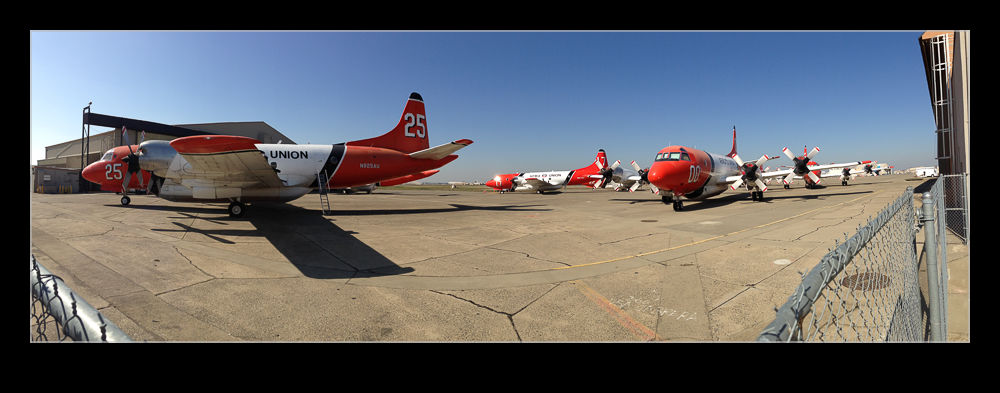
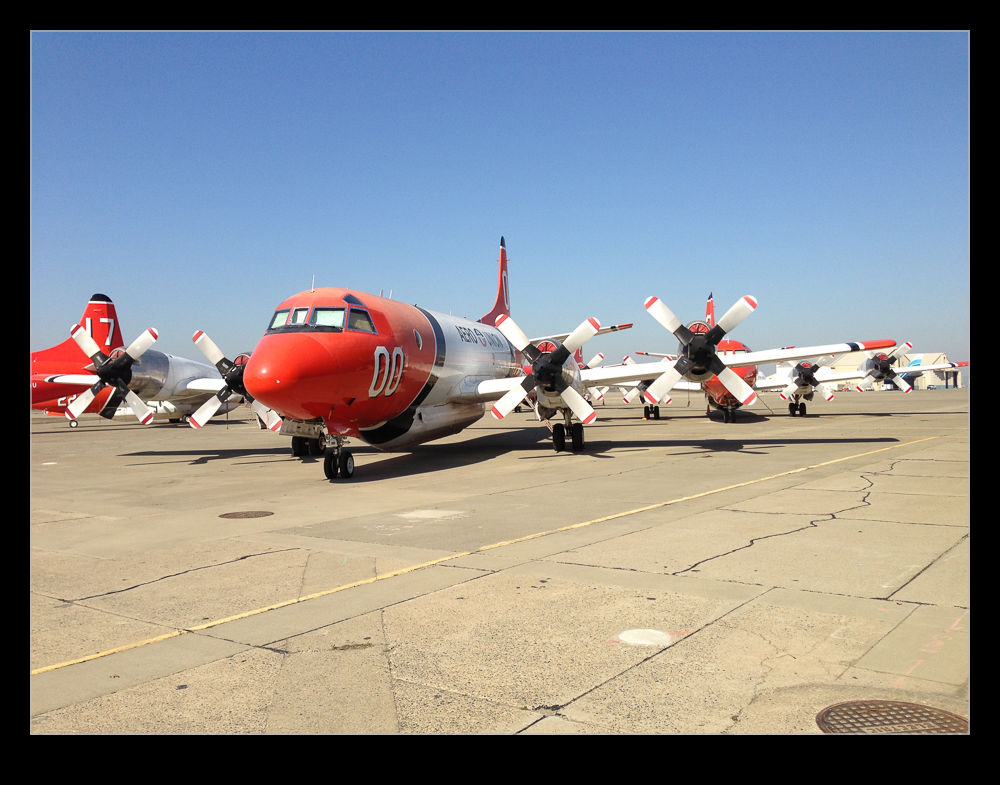
There are quite a few aircraft in various states over there.  A bunch of ex-Southwest 737s seemed to be going through the process of rework.  Whether they are going back to the fleet or heading off to pastures new I don’t know.  I also came across the fuselage of an MD-80 which appears to have been part of a U2 tour prior to its demise.  I particularly liked an L-1011 TriStar that was on one ramp.  I assumed it was disused but it does appear to be in better shape than something that hasn’t flown for a long time.  Who knows.  They are a rare beast these days so let’s hope it is still flying occasionally.

Tucson F-16s

I recently was in Tucson AZ for a piece I was working on for the magazine.  Since that is yet to be public, I will have to hold off on putting anything from the visit on here.  However, I did have a morning free before my flight home and decided to check out the F-16 operations that take place at Tucson’s international airport.  I hadn’t visited the airport before so I checked in with my friend Jay to find out what the options are for shooting at the field.

Jay gave me some suggestions on locations as well as the times of day that things are likely to happen.  This was focused on first thing in the morning since it is a little warm in Tucson at this time of year.  105F is not just uncomfortable to be out and about in but it does cause lots of heat haze issues which makes for tricky shooting conditions.  Besides, I did have a plane to catch.

I got the the departure end of things and the timing of the first wave of F-16s was pretty much as predicted.  While you have a good view of the aircraft on their takeoff run, most shots before they get close are pointless since the heat haze is very strong.  That didn’t stop me trying some of course.  However, there are a lot of shots of that type that did not make it through the first cull of bad images!

With the first wave away, I moved to the other end of the field to get the recoveries.  Not only was Jay’s suggestion well placed for getting the aircraft as they came in but it also provided a measure of shelter from the sun.  This was very welcome.  Depending on the pilots, the jets turn in very close to you and provide a nice angle that you don’t often get.  Some pilots turned a lot further out although I did notice one jet which was a two seater do that on its first pass and it was a lot tighter on the second pass.  i wonder what the conversation was like in that jet.

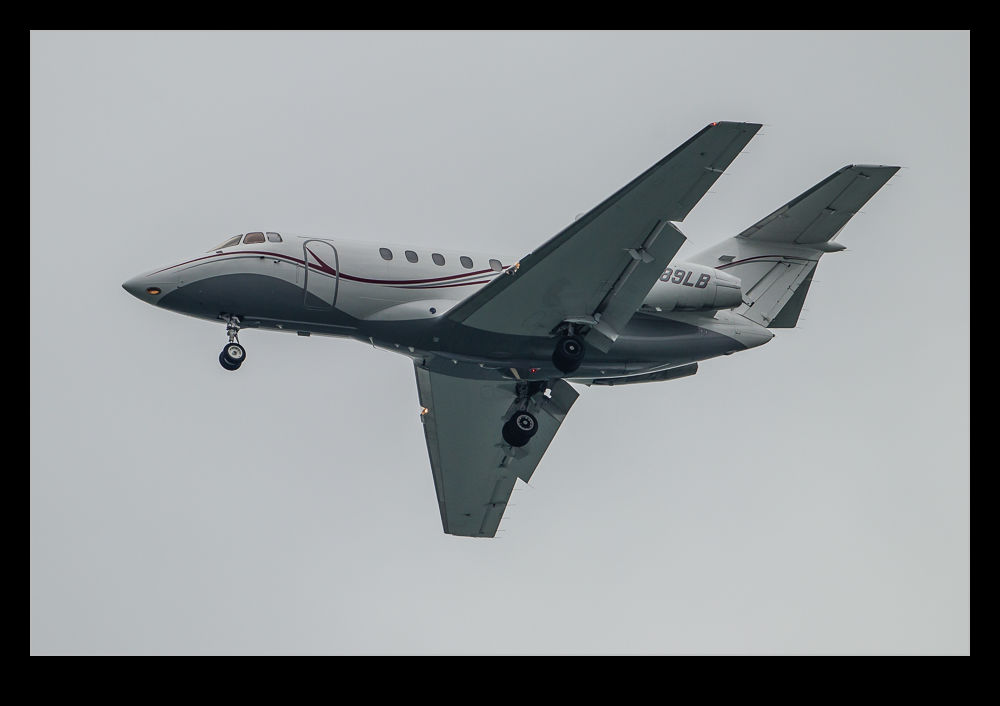
I got the recoveries of the jets that had launched earlier along with a few civilian arrivals before deciding that it was too warm.  Then I did a little exploration around the field but that will be a different post!