Tag Archives: military

Ripples in the Skin

AU0E4290.jpgThe construction technique for aluminum aircraft fuselages is known as semi-monocoque. A monocoque structure takes the entire load through the shell of the structure. In airframes, the skin is very thin and so frames and longerons are joined to the inside to provide additional rigidity while the skin still takes a lot of the load. If you haven’t ever seen the cross section of an aircraft structure, you may be surprised to see just how thin the skin panels actually are. They are perfectly up to the task of pressurization and bending loads so no need to panic.
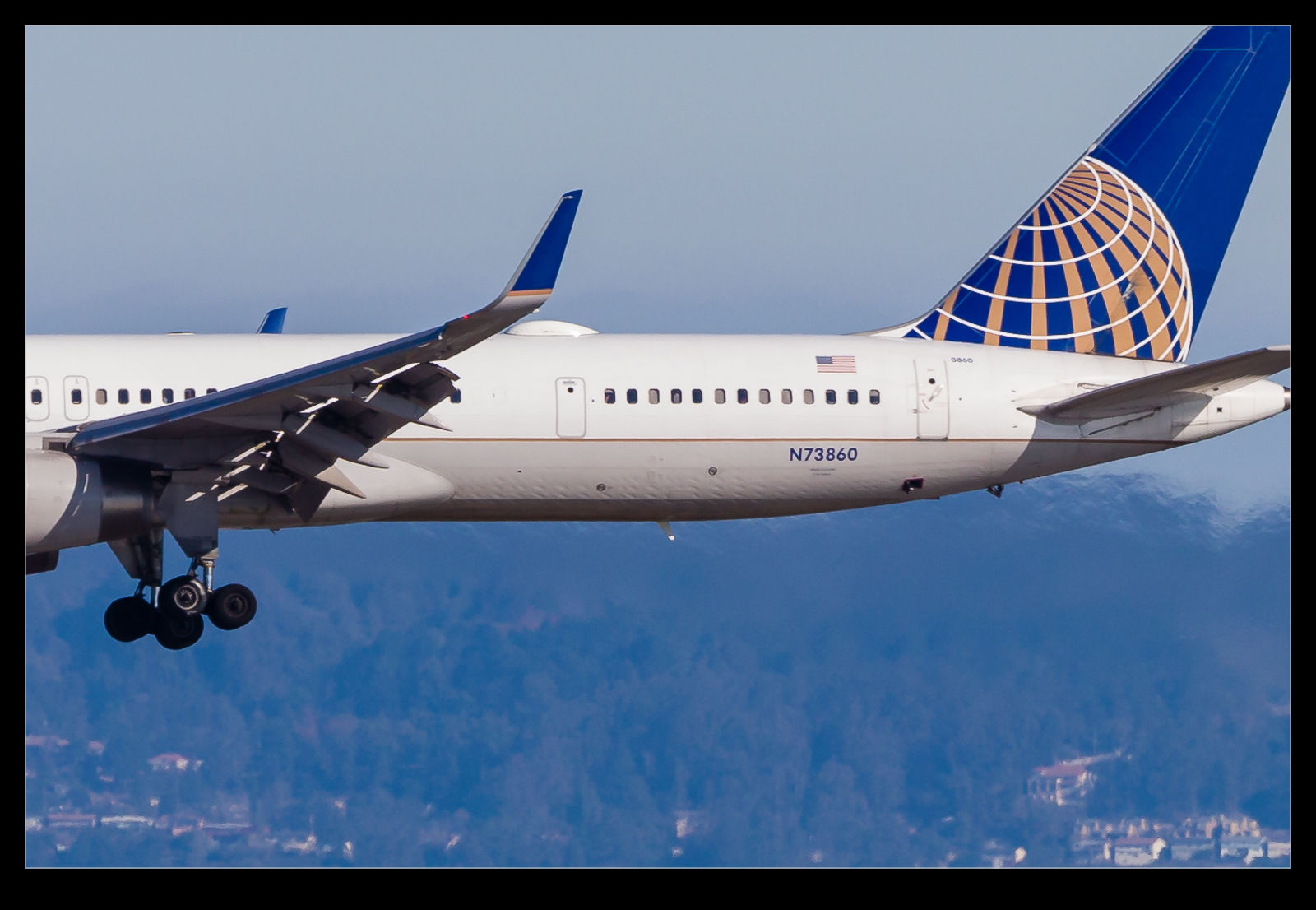
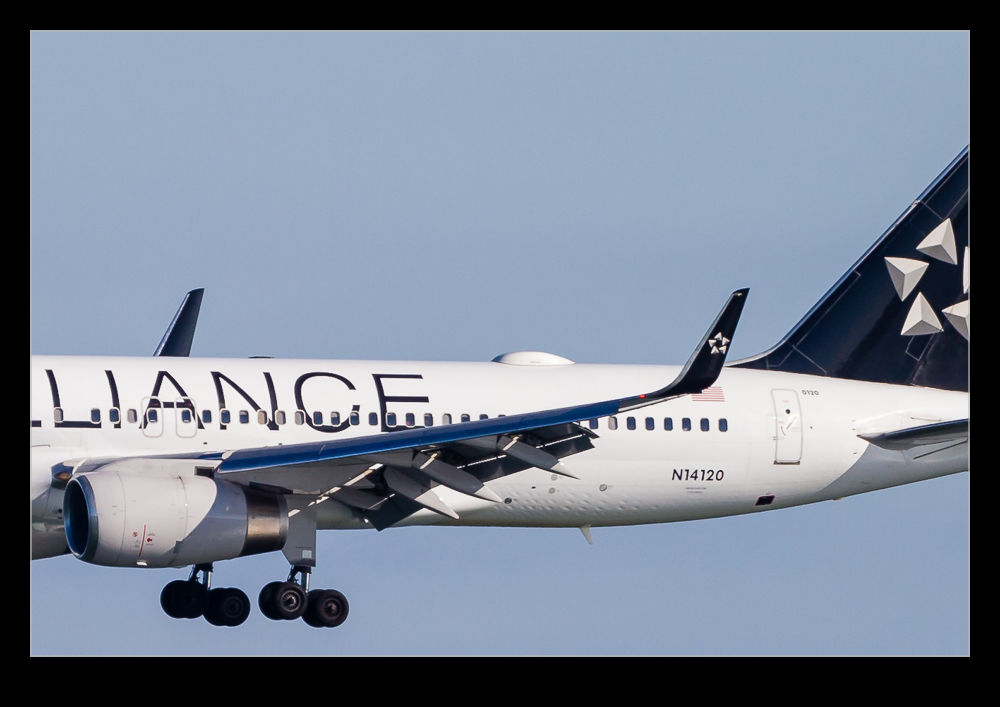
AU0E4488.jpgAn outcome of this design approach is that the panels between the frames and longerons can experience some load directions that induce a measure of buckling. Nothing that is beyond their elastic limits but something that can be apparent if the light comes from the right angle. The lower side of the rear fuselage of the Boeing 757 is an area that is susceptible to this in certain flight conditions. I saw a number of them recently – both -200 and -300 models – and they both were showing visible distortion of the panels. The sun angle meant that the shadowing of these areas was apparent.
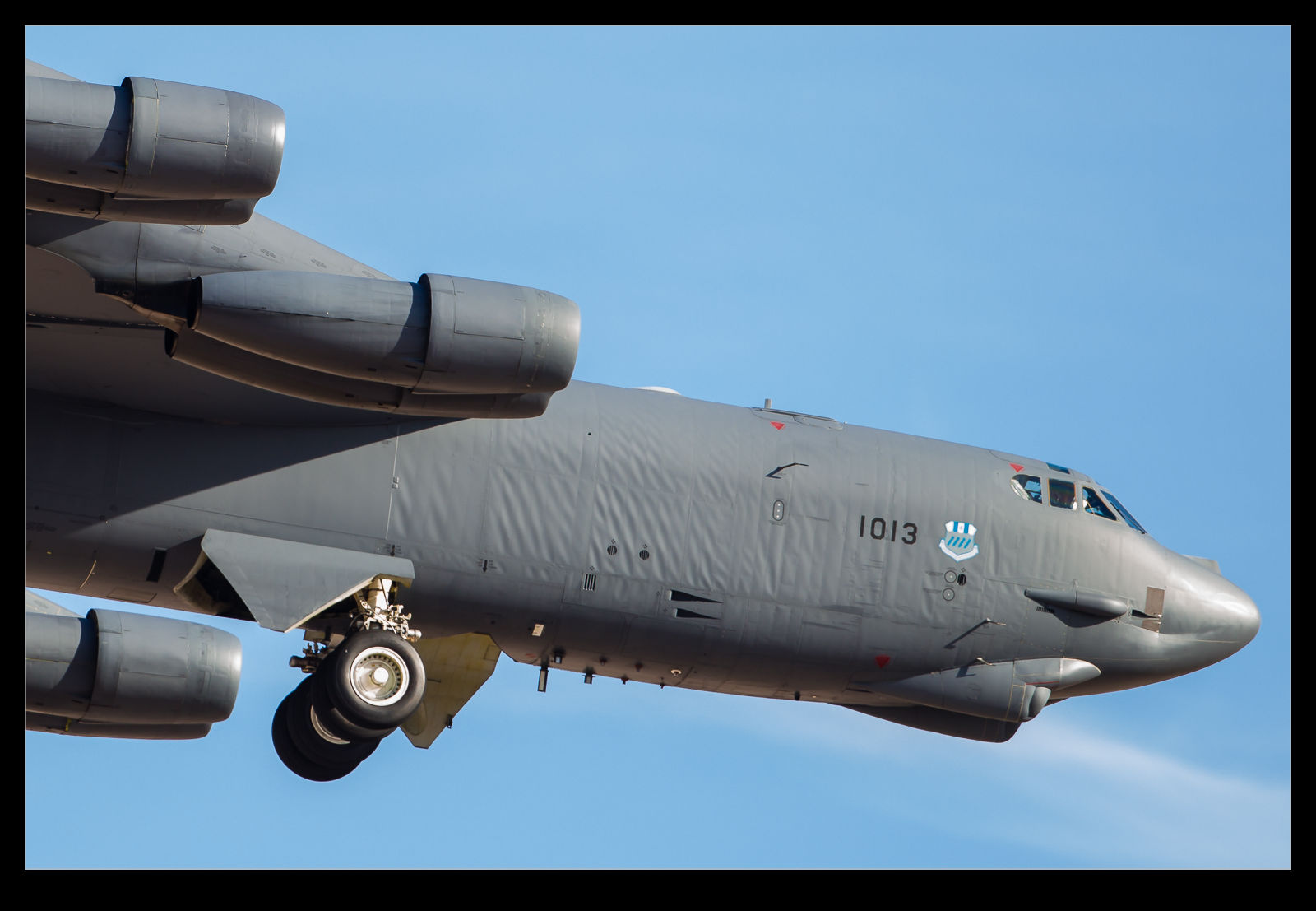
AU0E9169.jpgThe 757 is by no means the only aircraft to experience this phenomenon. The B-52 Superfortresss is a jet that shows this effect on plenty of occasions. I have heard people comment on it being a function of the age of the airframes but it is more of a result of the design of the basic structure than anything else. Certainly nothing to be immediately concerned about.
Some Gratuitous Raptor Shots

C59F8213.jpgUnfortunately, I have a rather large backlog of images that I haven’t done much with.  This is sometimes the result of having a number of events in a short space of time and other times it is the result of laziness!  Last year I covered the Planes of Fame show at Chino for GAR.  I got a lot of shots while I was there and I needed a selection to illustrate the piece so I dived in, found some good examples, worked on those and put them into the feature.

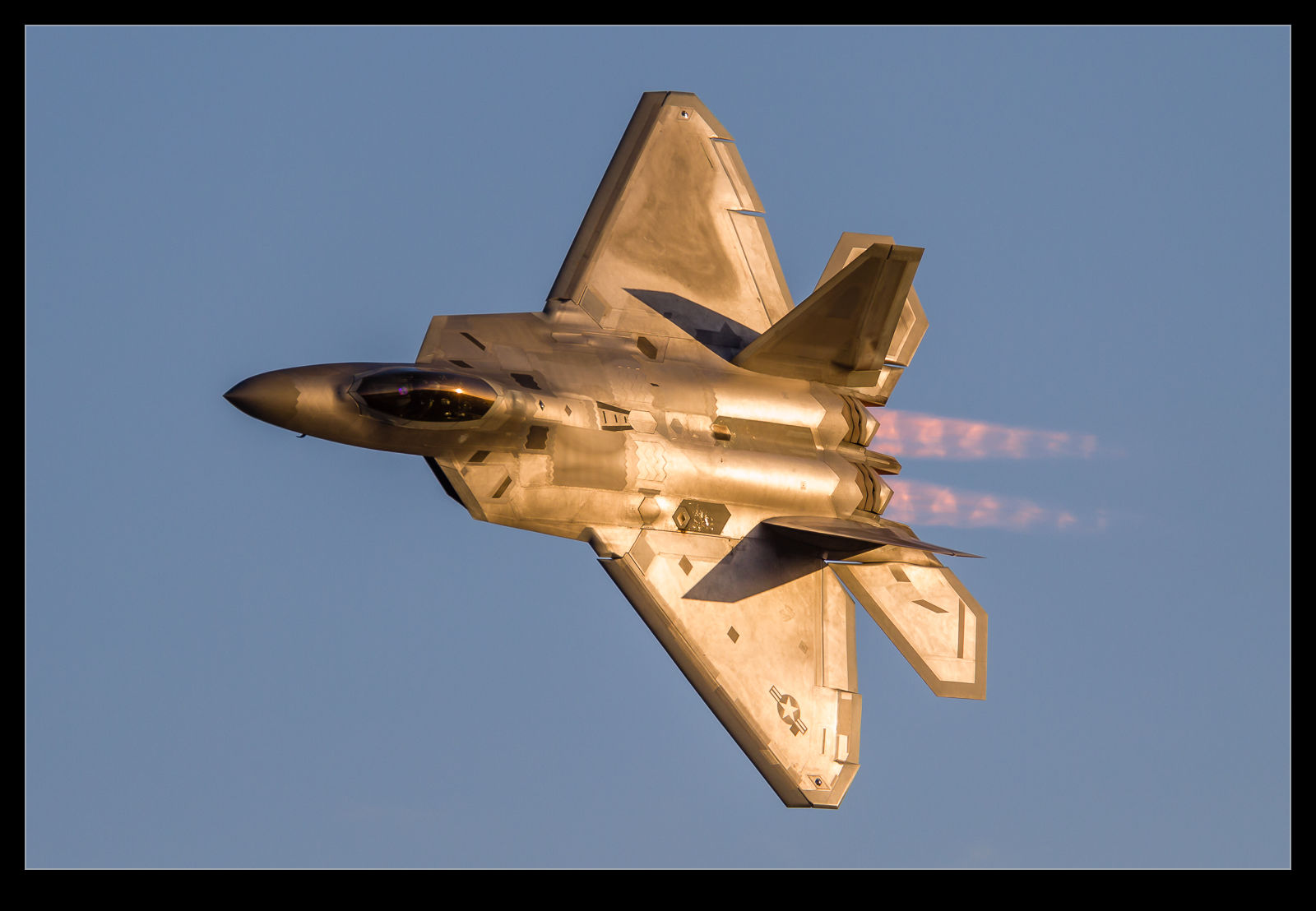
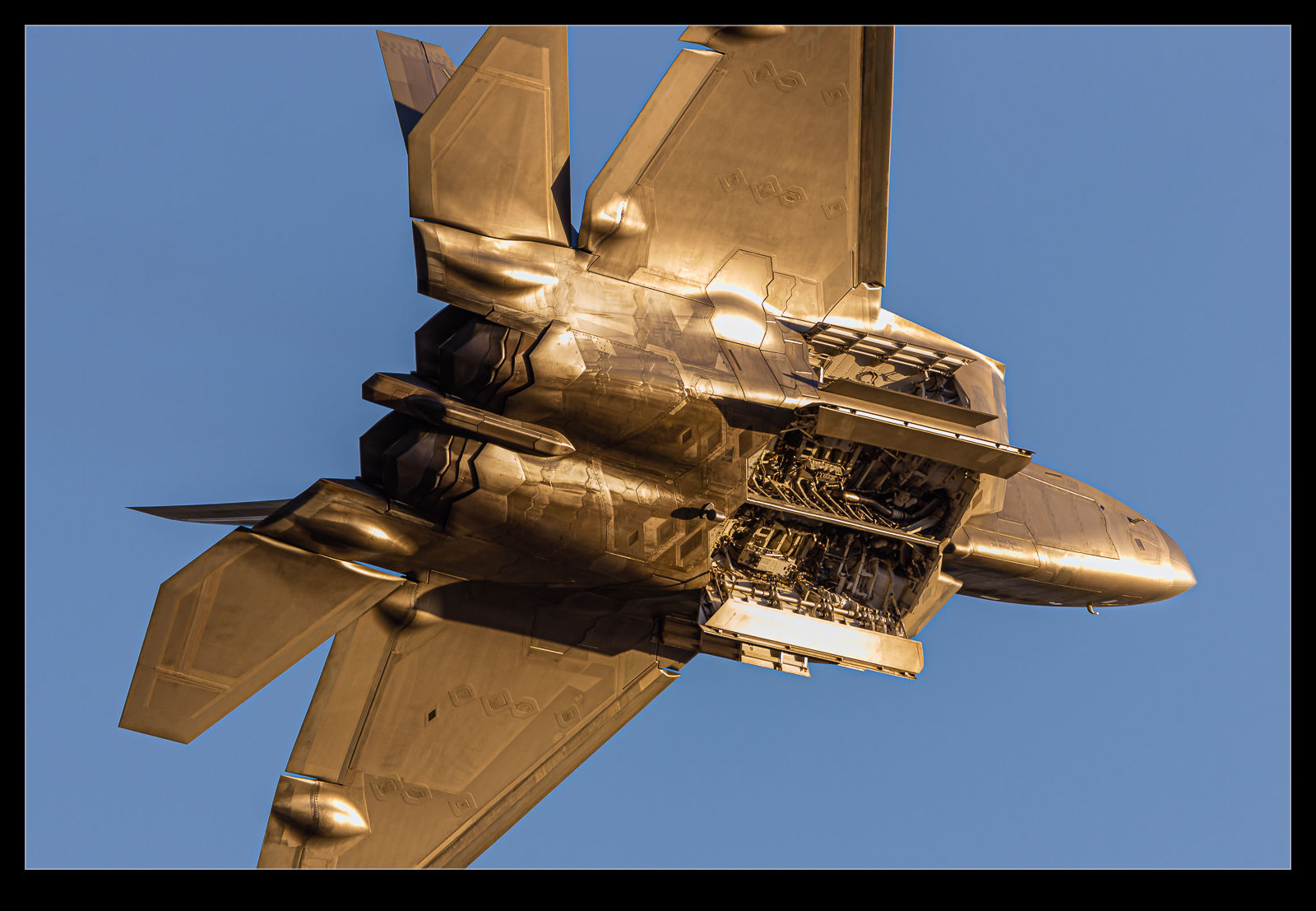
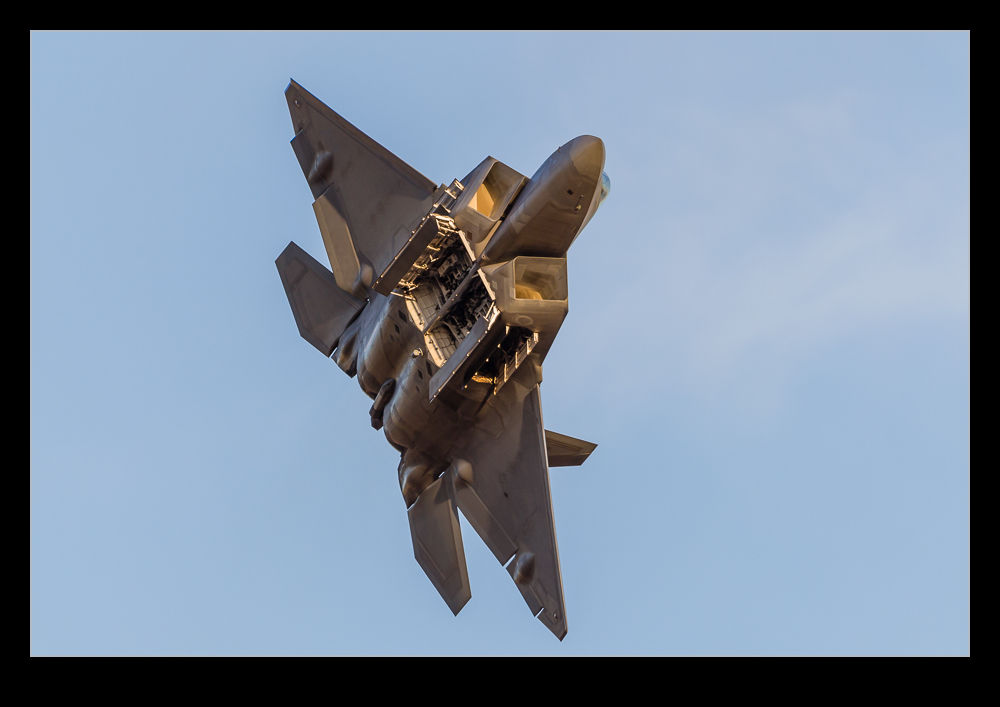
AU0E9493.jpgUnfortunately, I never got around to undertaking a proper run through of the shoot.  I only realized this recently so I have started to go through the images when the time allows.  One part of the show I really liked was the twilight show on the Friday.  This included a display by the USAF F-22.  In the last light of the day, the airframe looked really great.

AU0E9464.jpgRunning through the shots I found a few of the jet that I really liked.  (I found more than will work for this post and some that I like for various reasons but won’t really gel with most people.)  As a result, here are a sample of the shots I have been finding.  Now I am starting to think about air shows this year for the first time.  I might have to go to this one again!

Parade of Ships

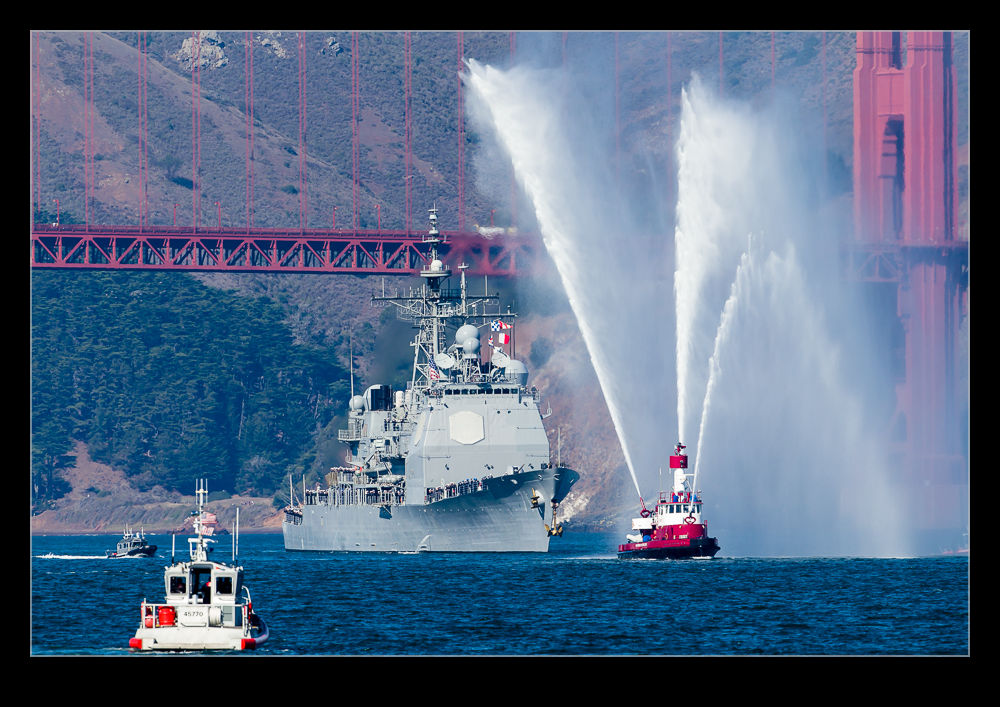
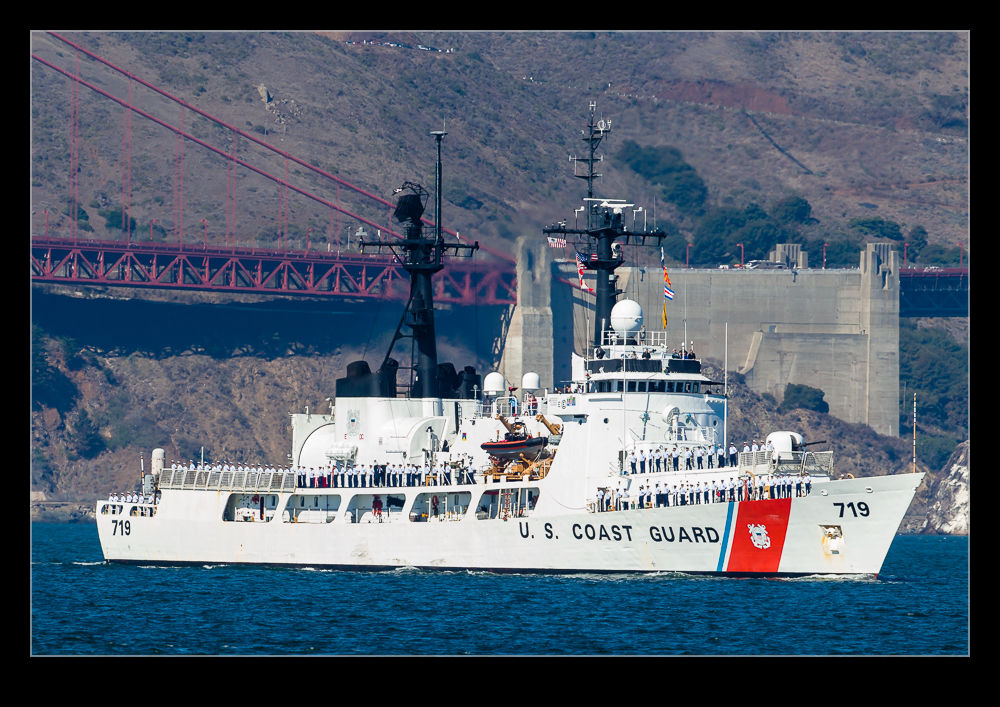
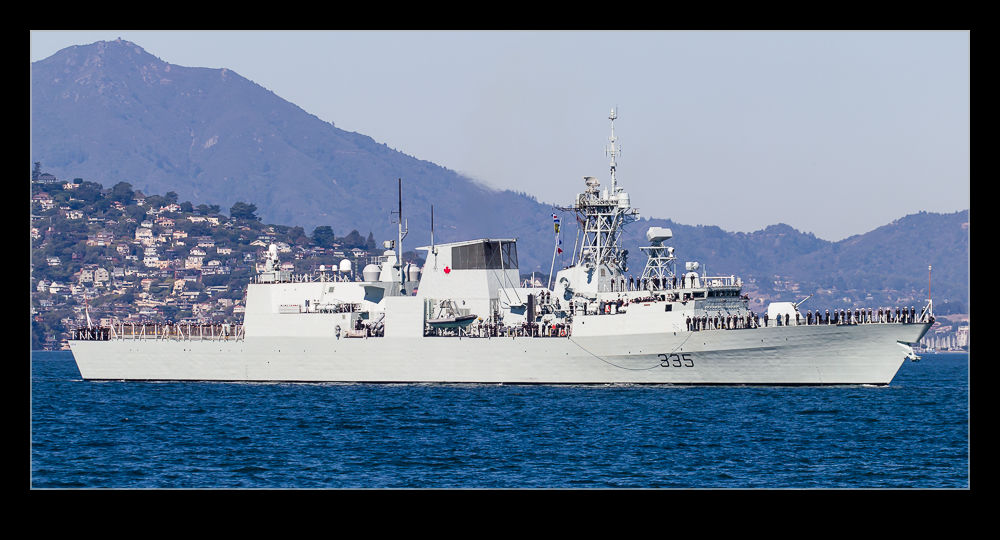
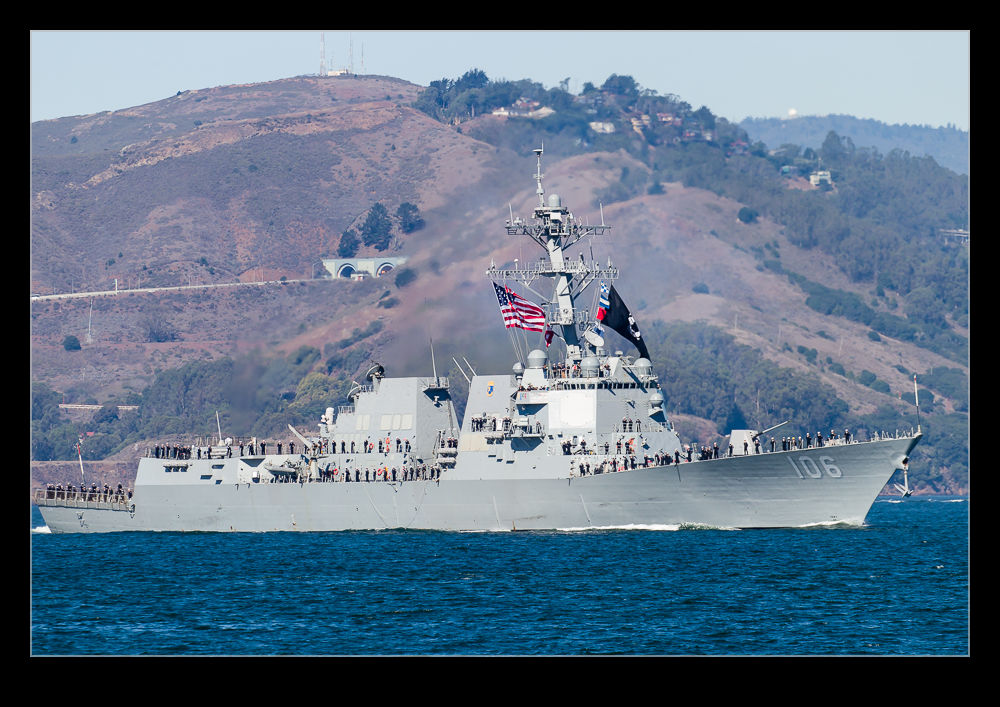
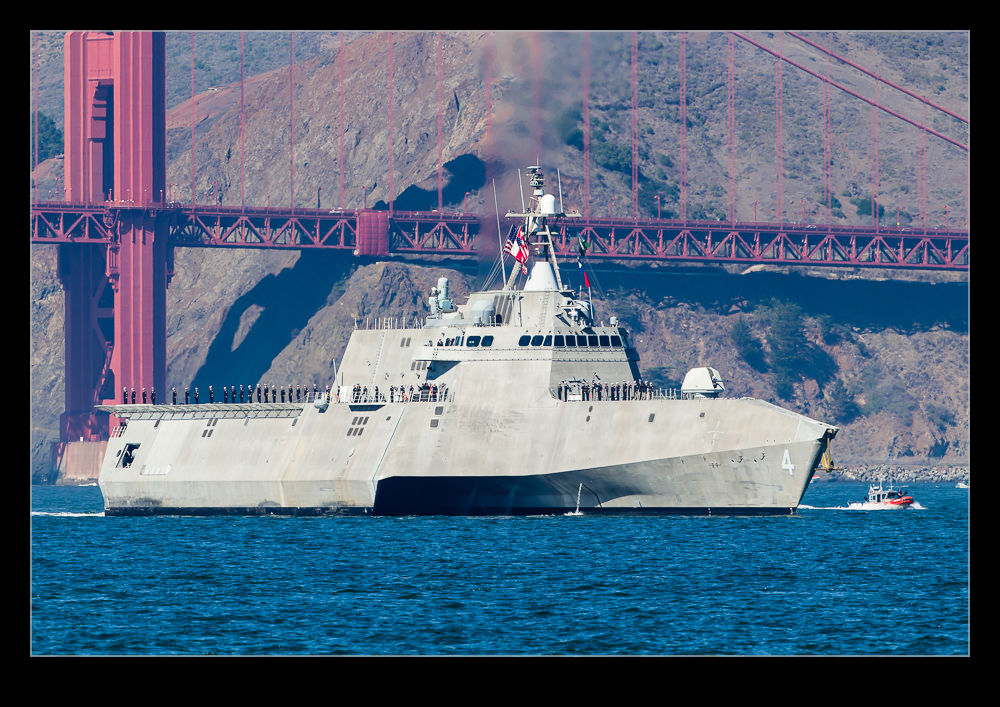
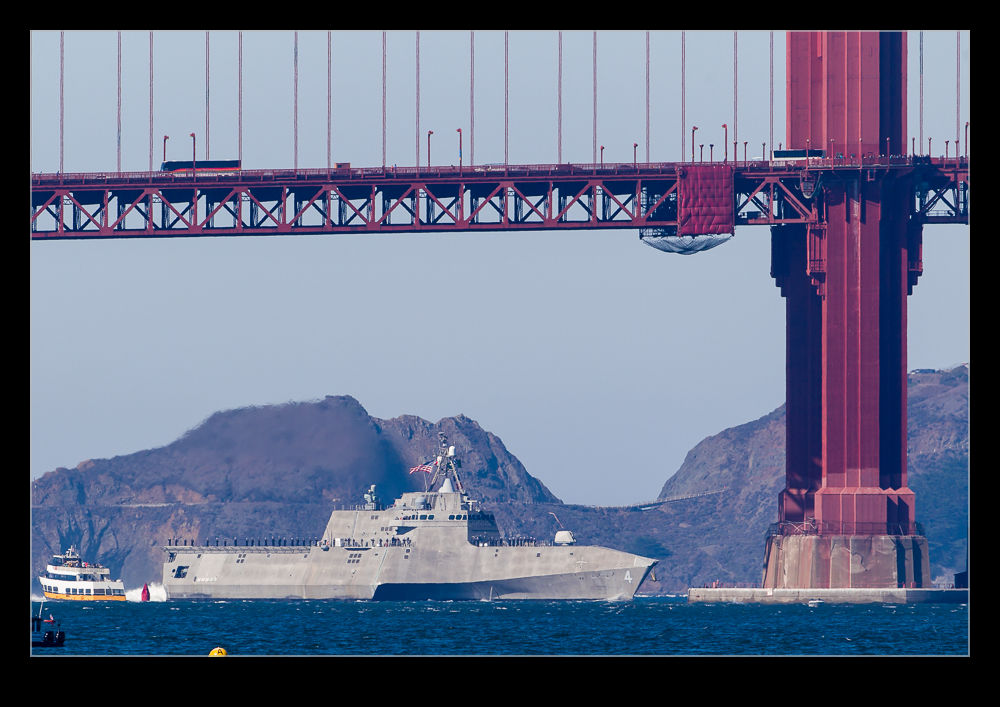
C59F3539.jpgI have mentioned the LCS ship that was part of the Parade of Ships for Fleet Week. It was one of several warships to take part in the parade. Most were US Navy ships but there was also a Coast Guard ship and a visitor from the Royal Canadian Navy. They entered the bay under the Golden Gate Bridge before parading in front of the spectators arrayed along the shore and in the boats out on the water. The first ship was led by a fire boat that sprayed water from its cannons in greeting.

C59F3603.jpgThese pictures are a sample of the different ships that were on parade. Another warship was part of Fleet Week but it remained tied up during the parade which was a shame as I would liked to have seen it. You could tour it if you wanted but I had other plans that meant that wouldn’t work out.
AU0E4400.jpg AU0E4333.jpg

Tucanos Low Level (But I’m Not Prepared)

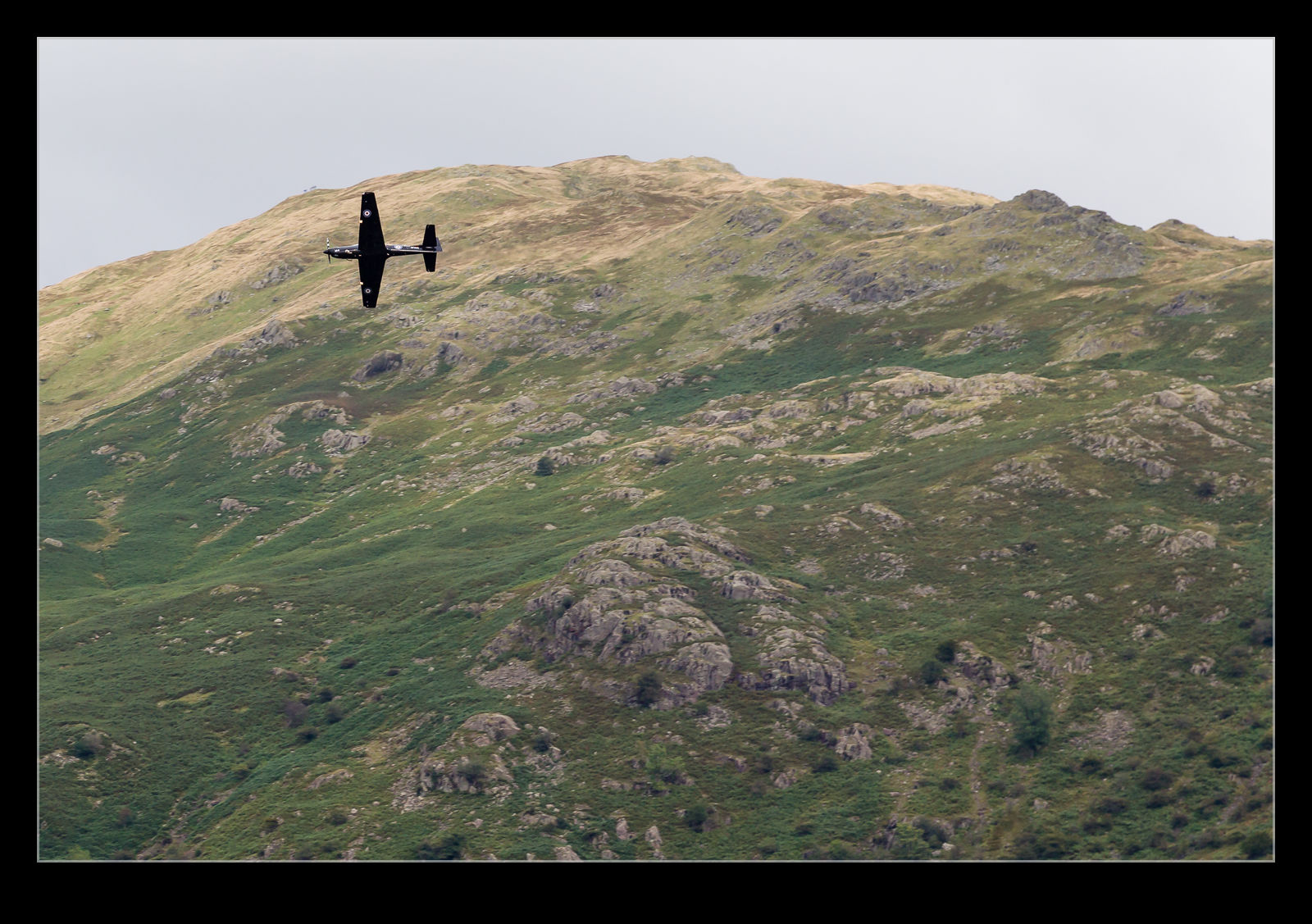
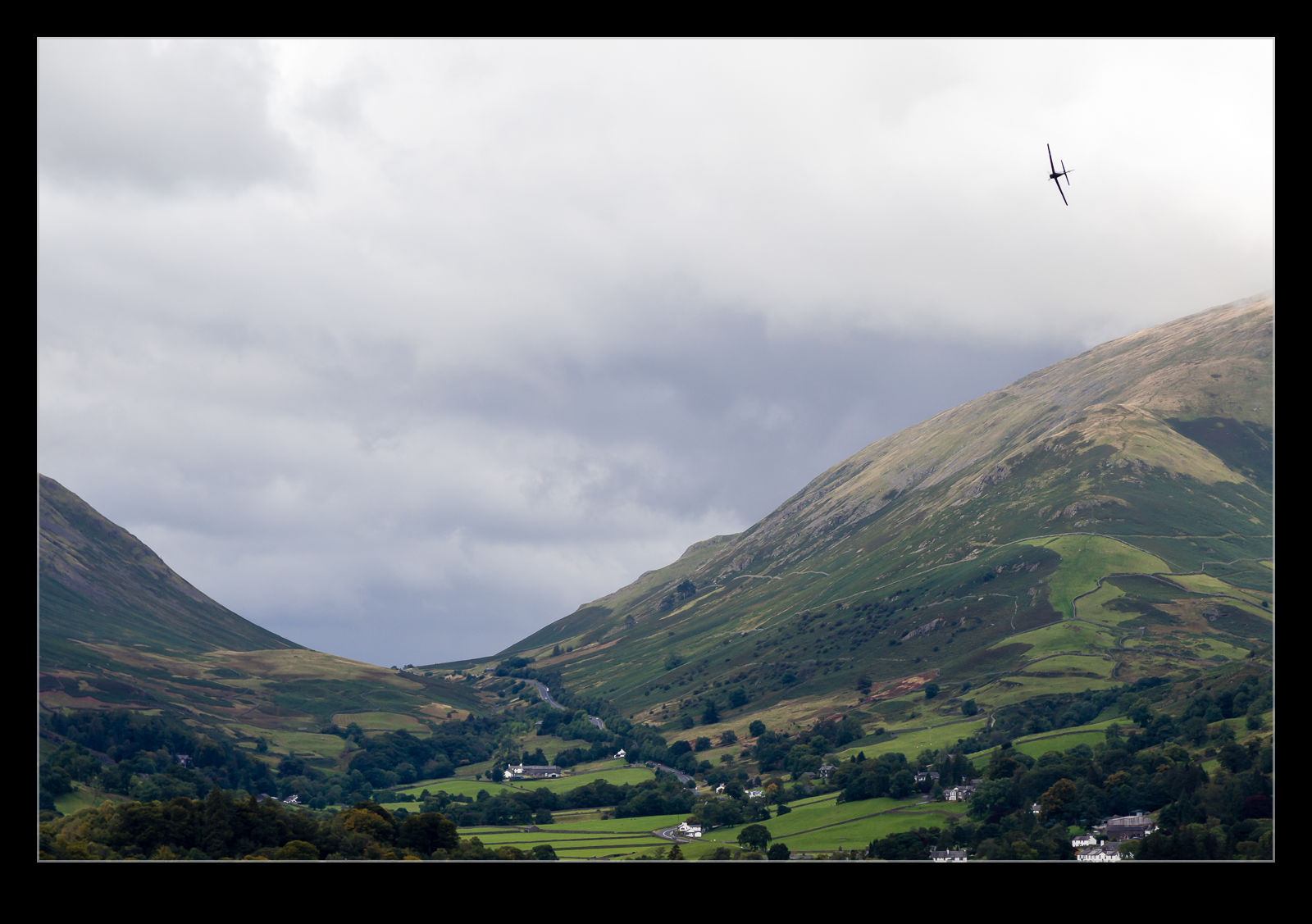
C59F2209.jpgThe Lake District is an area that is known to be popular for low flying military aircraft. In all of the years I have been going there, I have hardly seen any jets coming through. Mainly that was because I was there at the weekend and the military don’t tend to fly much at the weekend. I was hopeful that we might see some traffic on this trip since we would be there midweek. We did get some traffic but it didn’t go quite as planned.

C59F2214.jpgA few times we saw Hawks zipping over the town while we were outside. We were generally getting ready to go somewhere else and they caught me out as they came through. On one hike I took a long lens with me. Of course, this didn’t go to plan. Most of the time I was looking at some lovely scenery so I had a wide lens on the camera. This was the time the RAF chose to show up. No jets this time but a selection of Tucano turboprop trainers. I wasn’t expecting them when they came through so grabbed the camera with the lens I had on at the time and got a few shots. These won’t be of much use to me but they do remind me of the excitement of being caught out be a low flying plane of any type.

USS Coronado LCS

C59F3623.jpgAs a small boy, my Gran would take me to Portsmouth each August for Navy Day. We would spend a day walking around the dockyard and getting on to various warships to see what they were like. This was a pretty big event and, in those days, the number of ships in port for those days is probably more than the Royal Navy has in total today. The result of this was an interest in an early day with warships. Growing up by the water meant that ships of all types were a regular feature of life.

C59F3593.jpgWarship design underwent quite a transition. Traditionally, warships had been slender designs that achieved speed and supposedly provided the most stable ride. However, this was not an approach that was universally agreed and shorter broader designs started to gain favor. The Royal Navy’s Type 23 frigates were one of the first signs that Navy’s were taking new configurations seriously.

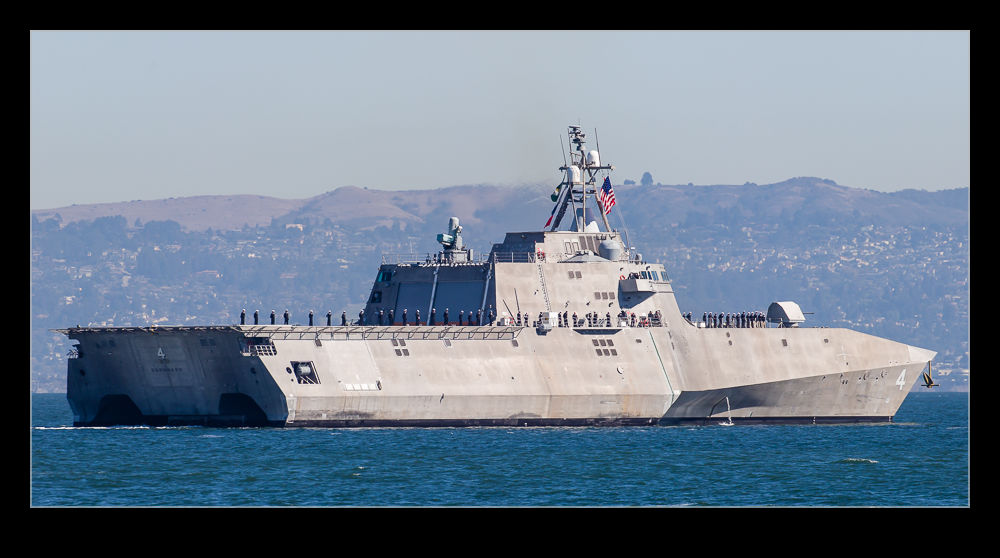
C59F3659.jpgThe US Navy’s Littoral Combat Ship (LCS) program has gone a stage further with one of the builders. There are two LCS designs in production and one of them has a narrow center hull and two additional outboard hulls further aft. This trimaran configuration provides slender hulls but with a lot of stability and the space for a large deck. One of the LCS ships was in San Francisco for Fleet Week and took part in the Parade of Ships.

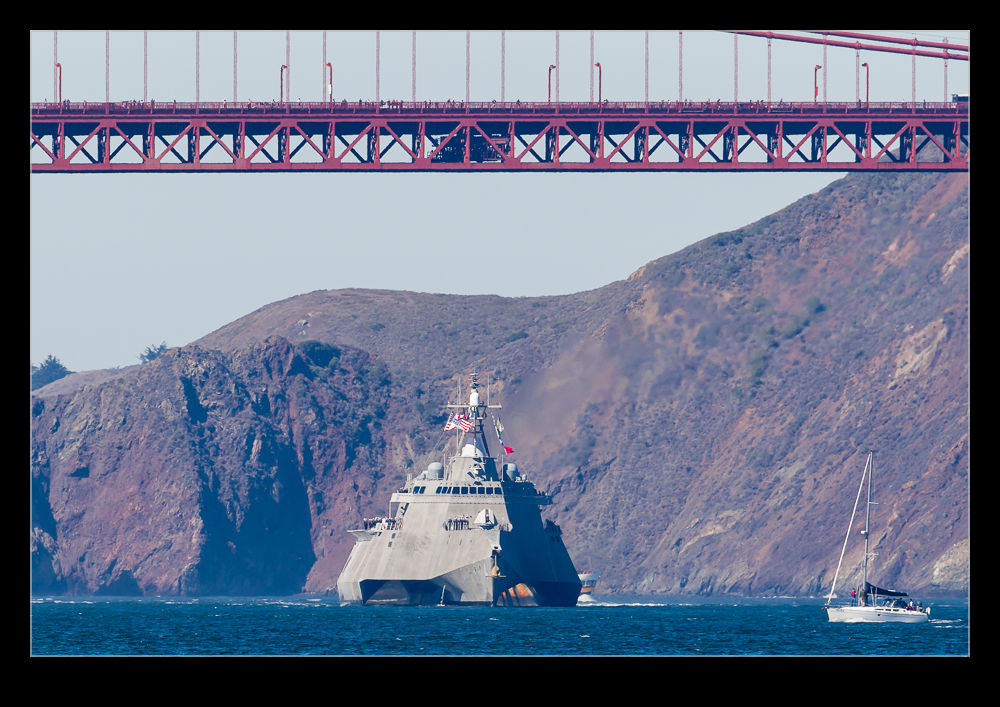
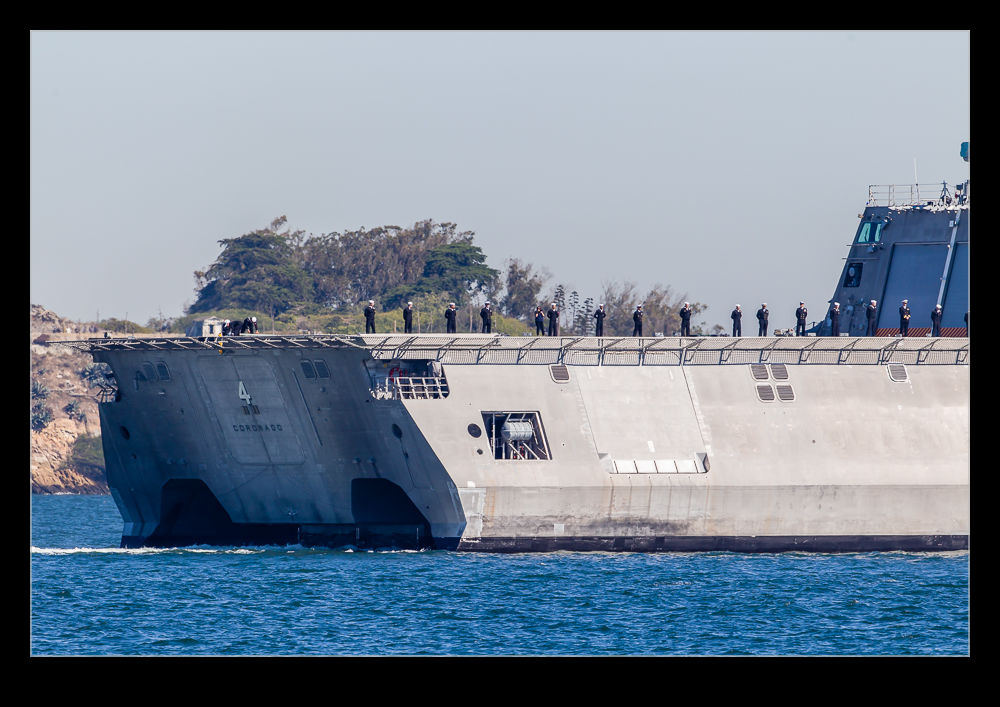
C59F3562.jpgUSS Coronado (LCS-4) was the ship on display. She is the second of the General Dynamics – Bath Iron Works ships to be commissioned and entered service in 2014. As she entered the bay under the bridge she turned towards to city and you could get a good view (albeit at some distance) of the unusual hull shape. As she got closer, the view was more abeam the ship but you could still see the layout of the armaments. As she headed away, a view of the stern hinted at the hull layout but really emphasized the width of the deck.

AU0E4398.jpgThe US Navy is currently reconsidering its needs and is looking for a frigate that is more heavily armed than the LCS designs but makes as much use of the hull designs as possible. We shall see how that all works out. In the meantime, this is one of the more unusual shapes afloat. The Zumwalt destroyer is even more unusual so I shall have to try and see that at some point too.
HMS Belfast

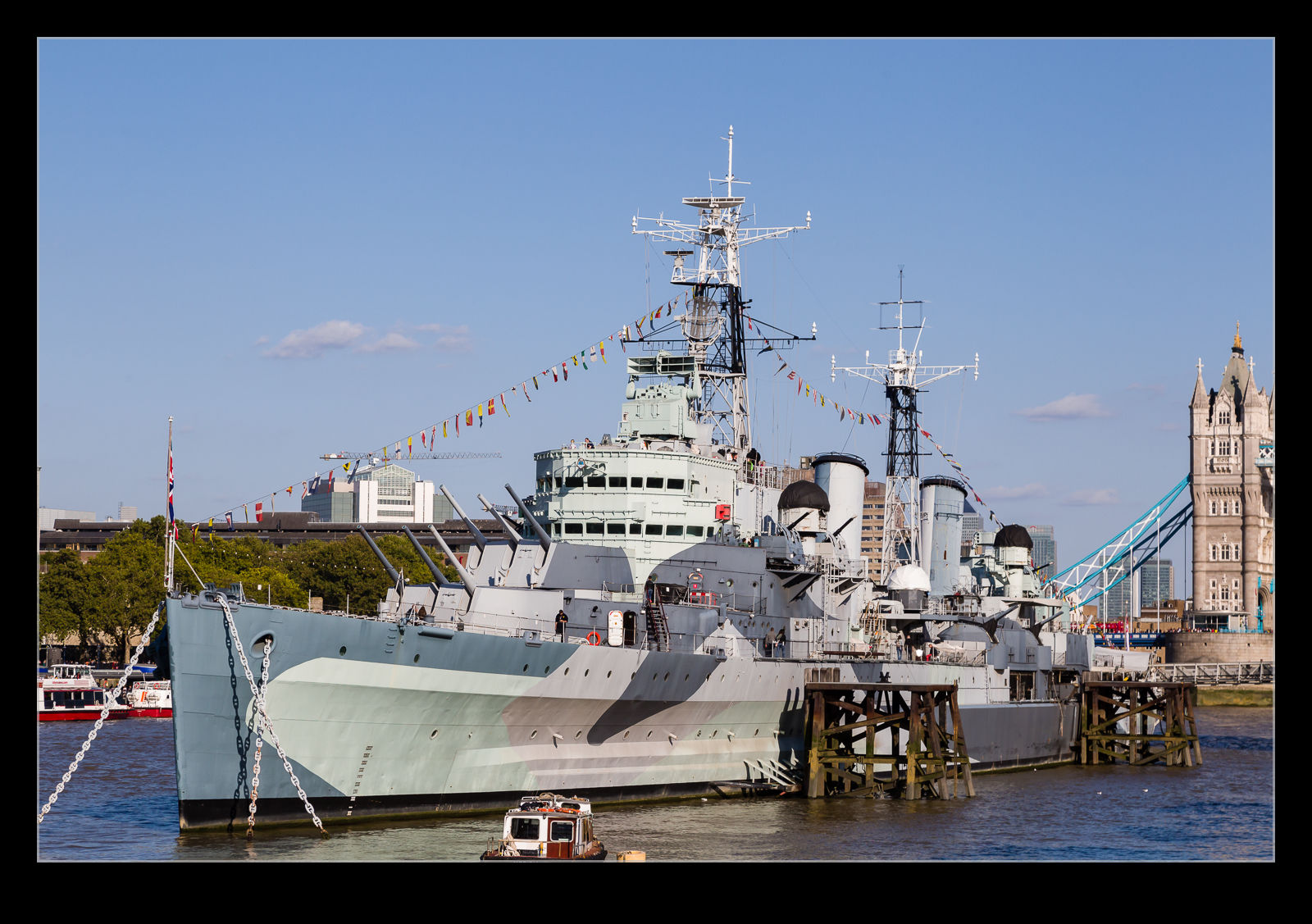
C59F0287.jpgJust upstream from Tower Bridge along the South Bank is a World War II cruiser, HMS Belfast. Part of the Imperial War Museum, the Belfast has been moored up in London as a museum for many years. I visited it as part of a school trip when I was quite young. It is a slightly incongruous thing to see against the other occupants of the river. A while back it was given a repaint in a splinter camouflage scheme as opposed to the plain gray it had before. The rest of the river traffic is bright in comparison.

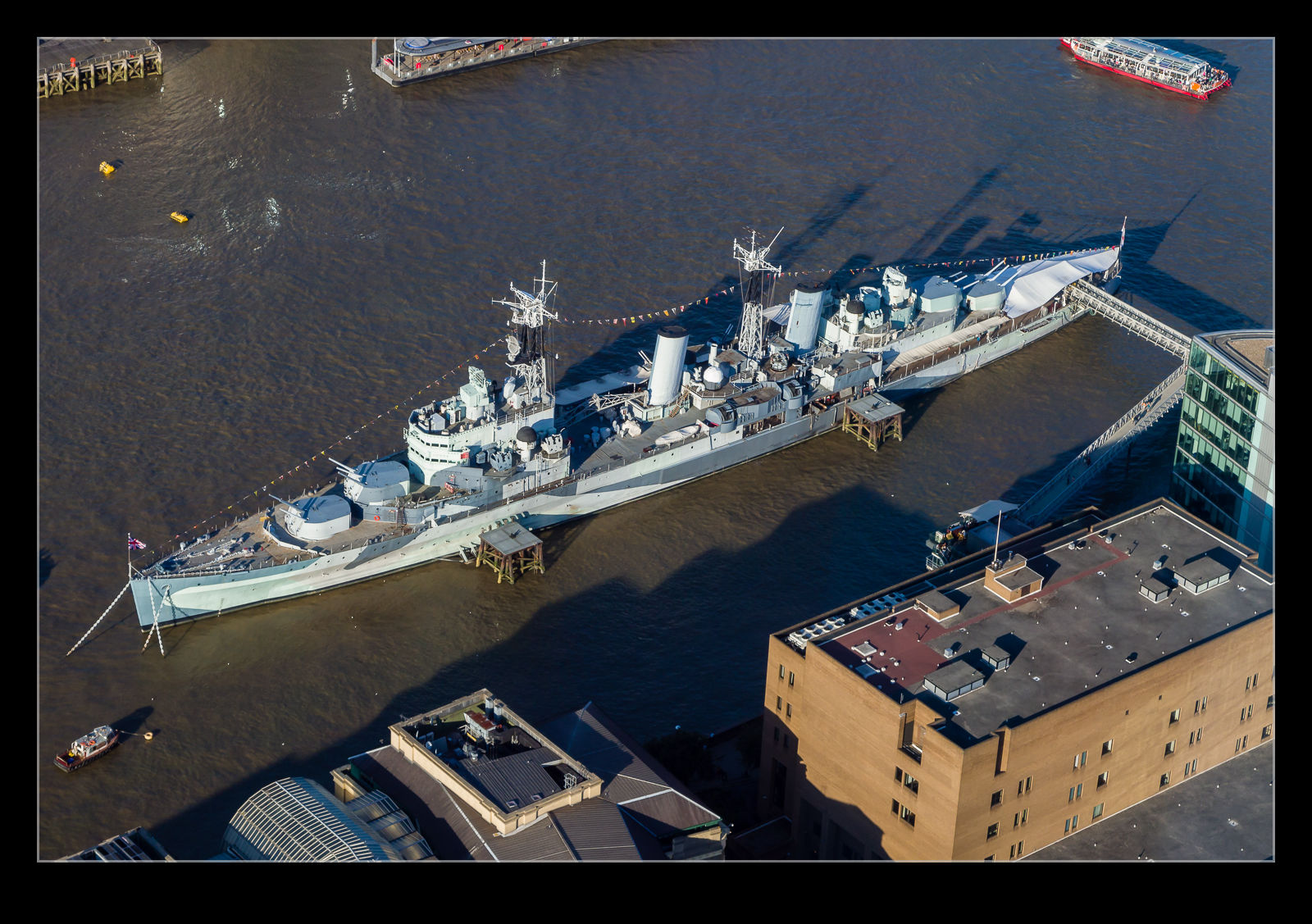
C59F0330.jpgThe ship is impressive enough when viewed from river level but, when you look from above, you get to see just how large it is. A light cruiser from that era is a substantial thing. Occasionally a Royal navy ship may visit the city and they have previously moored up alongside the Belfast. The comparison between the old and the new is quite striking. The angular lines of older ships compared to the more sweeping hull shapes show the age of the design. Sadly, I don’t have any images of that to share.

Sneak Pass

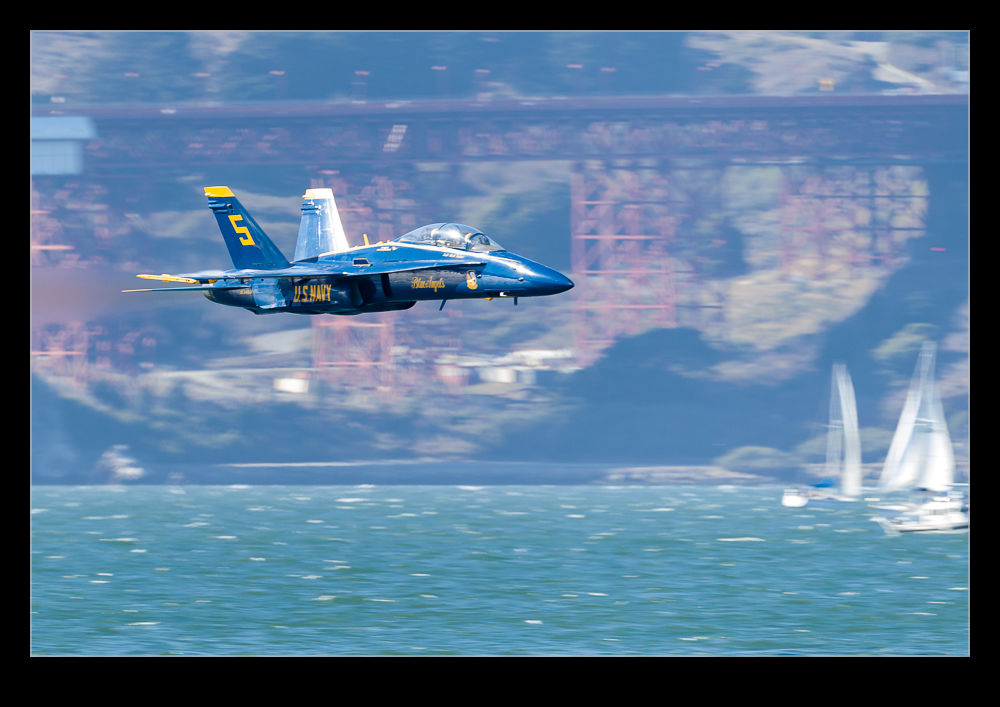
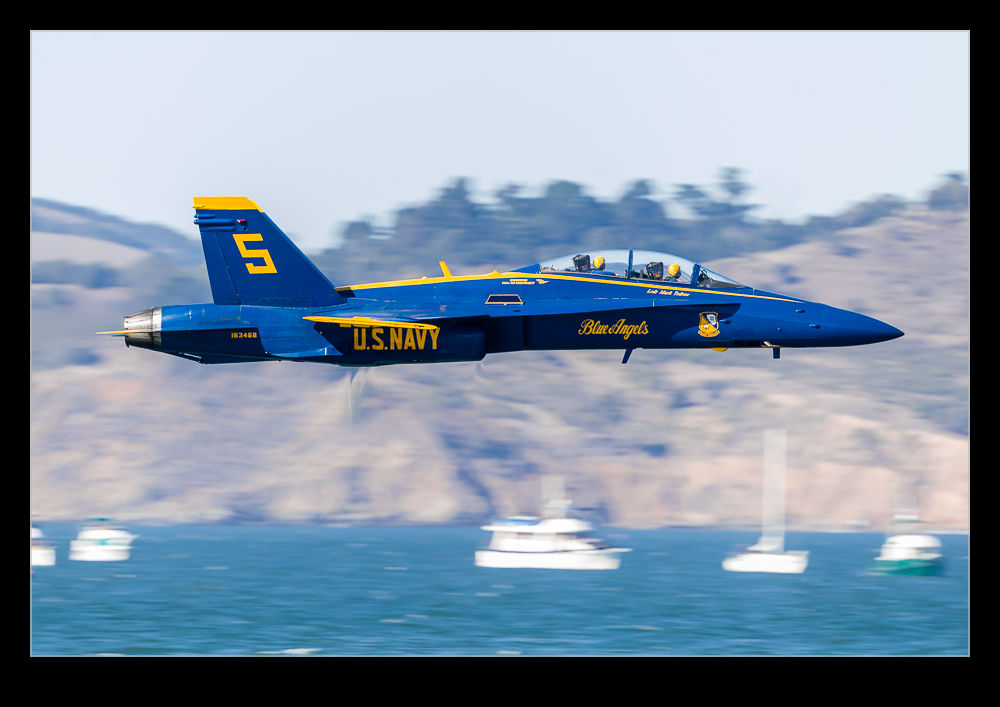
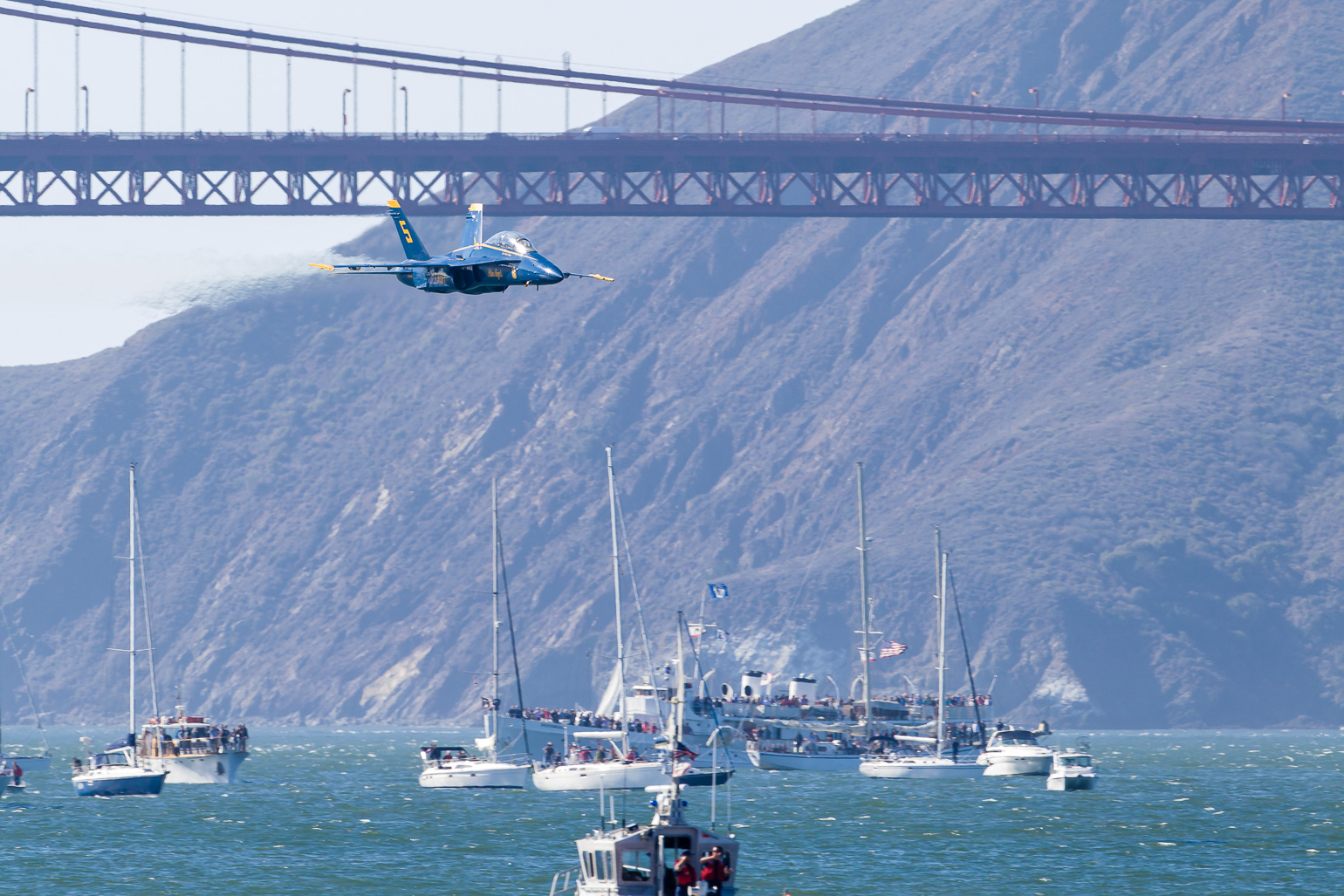
C59F5630.jpgI have seen a large number of displays by the Blue Angels over the years.  Their display is a good one generally (although the ground portion is a little time consuming in my opinion).  The sequence does not vary much from year to year but it works well enough so that is probably no big surprise.  One of the fun parts is the sneak passes.  The four ship head off in one direction to distract you and a solo jet streaks in from the left at low level and high speed.  This catches a lot of people by surprise.

C59F5638.jpgJust as everyone is getting over this, the other solo jet does something similar from crowd rear to make you all jump again.  The displays that are held over water provide an added option for the first sneak pass.  With no obstacles, the aircraft can end up very close to the water.  This makes things look even more impressive.  Also, the high speeds can result in some impressive vapor formations in the shock waves.

C59F5622.jpgThe Fleet Week display on the Friday had great weather conditions but, surprisingly for the Bay Area, the humidity levels were not terribly high.  Consequently, while the sneak pass had its usual surprise impact, it did not result in any vapor on the jet.  The upside of this was that the optical distortion caused by the shock waves was visible in some shots when a reasonable amount of background was included.  Not what I was aiming for but not a bad alternative.

PBY

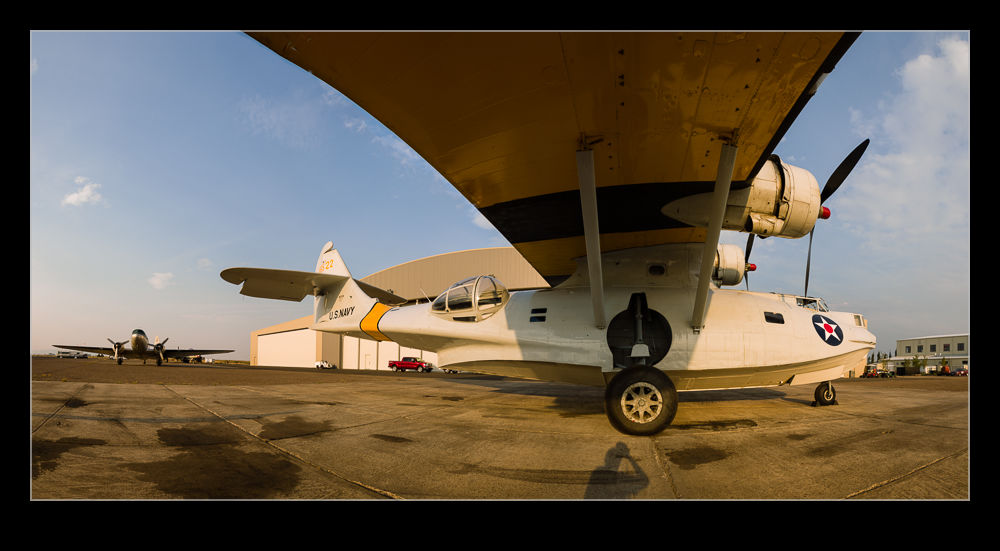
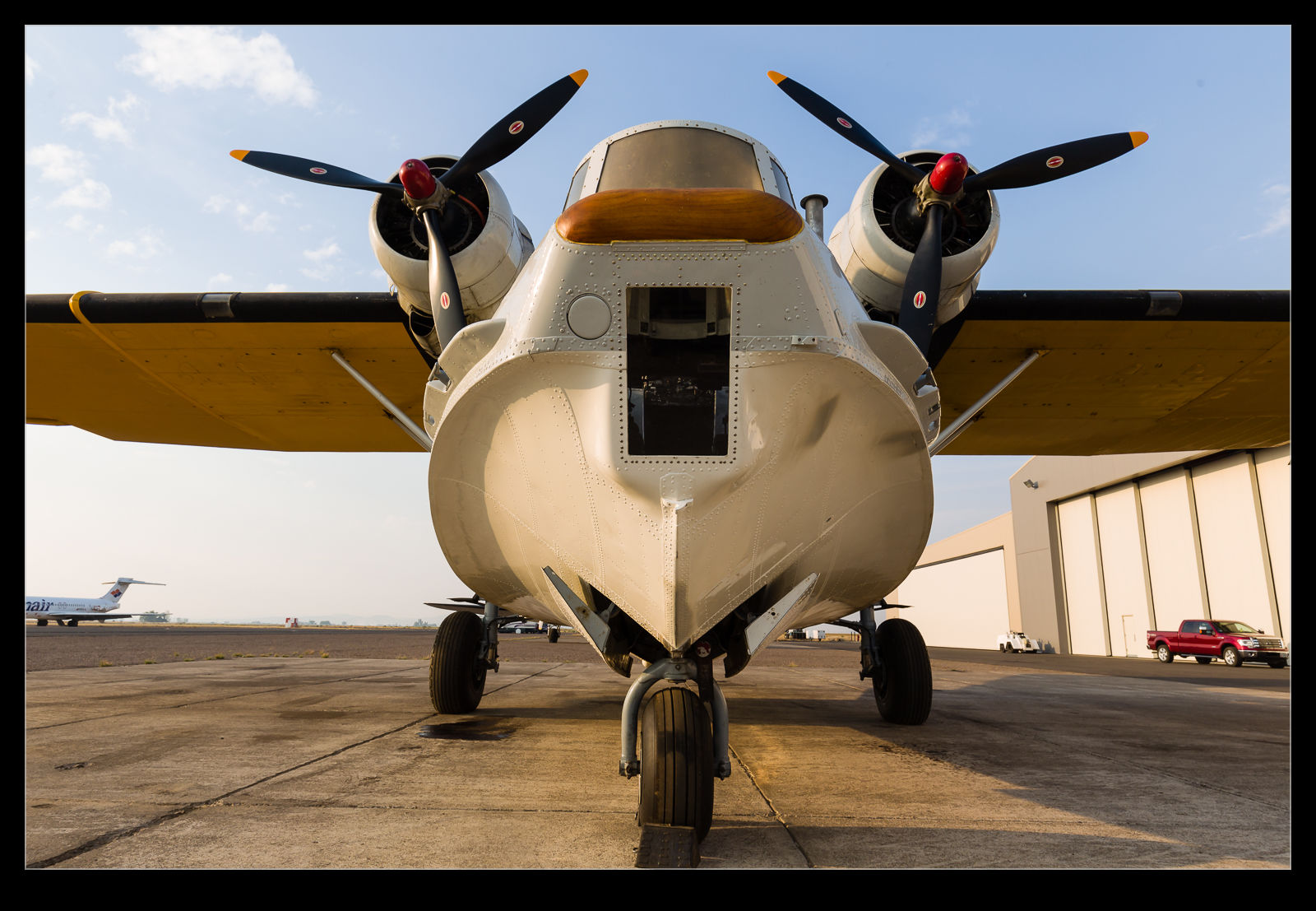
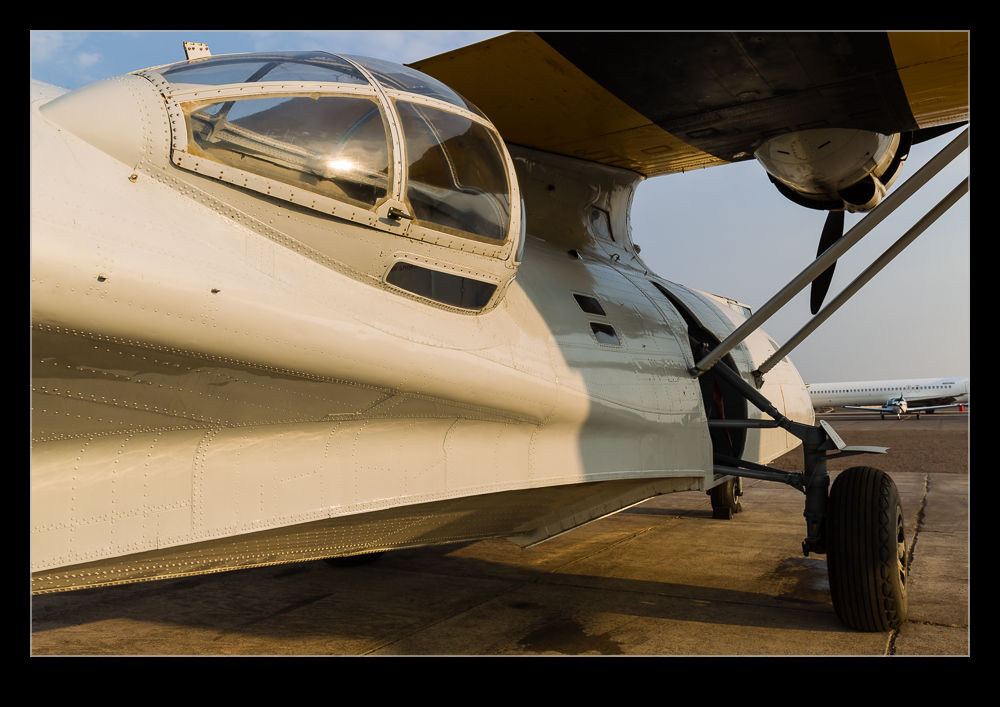
C59F7986-Edit.jpgI’m not sure when I first became aware of the PBY Catalina but I am pretty sure it involved a plastic model that a friend of mine had.  (Kev Fry, was it you?)  Flying boats always appealed to me and the blisters on the rear fuselage caught my eye even at that time.  Erickson has a PBY in the collection and it was going to feature in our program.  However, my first encounter with it was as it was parked up on the ramp outside the hangar.

C59F7965.jpgI was walking around in the early evening light and the paint scheme seemed to glow in the low sun.  It is a big beast so there are lots of options as you walk around it.  Whatever shot you want to get, you do want something that emphasizes the hull shape since that is one of the defining characteristics of the plane.  Sometimes, getting in really close can achieve that.

C59F7981.jpgYou do want to check out multiple angles, though.  Whether it is the nose shape, the wheels and wheelwells or the rear blisters, there is something from any direction worthy of a look.  Whether they will all be great shots is a different story.  However, having the chance to shoot one when hardly anyone is around is a chance not to be passed on.

Air Force One

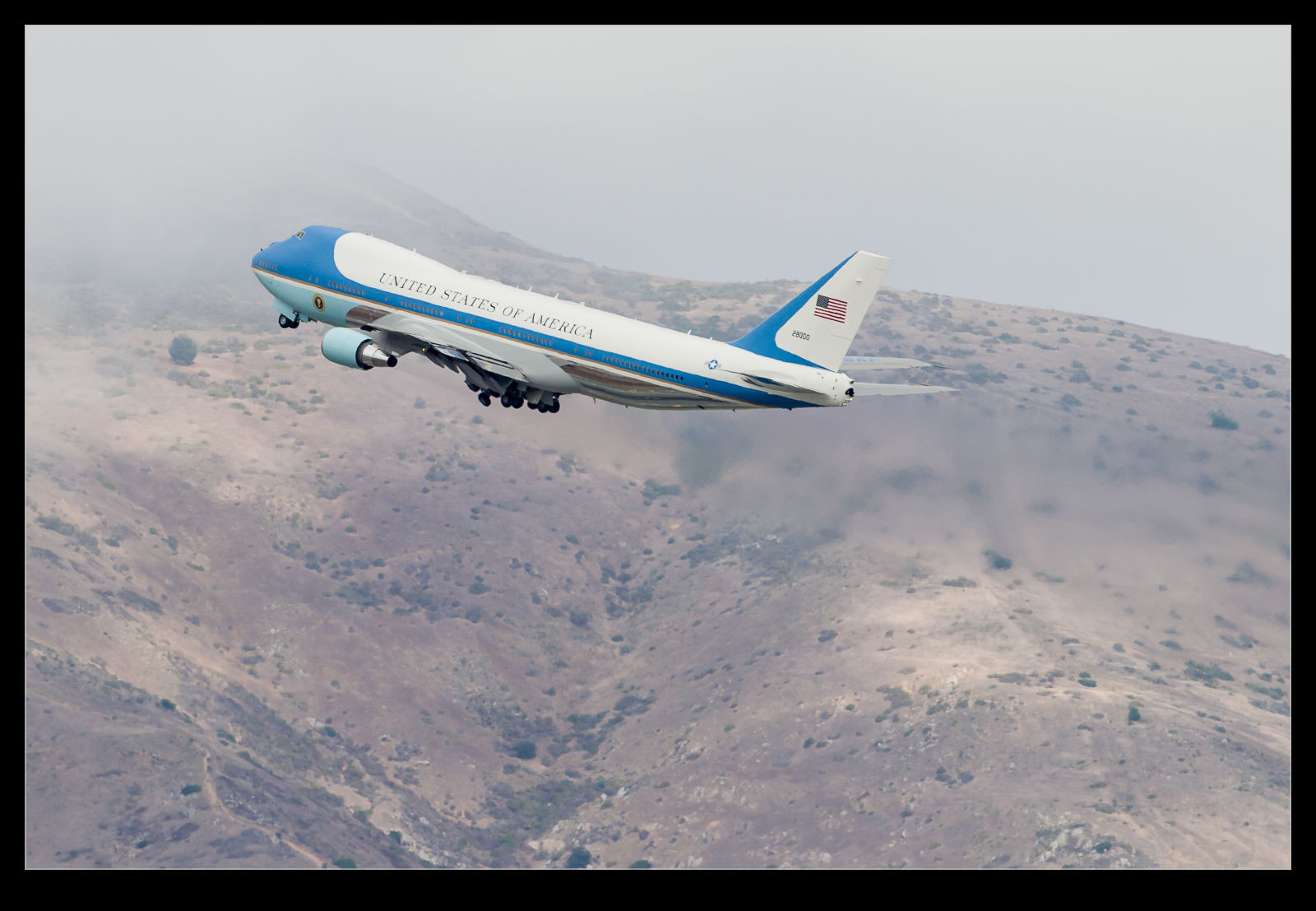
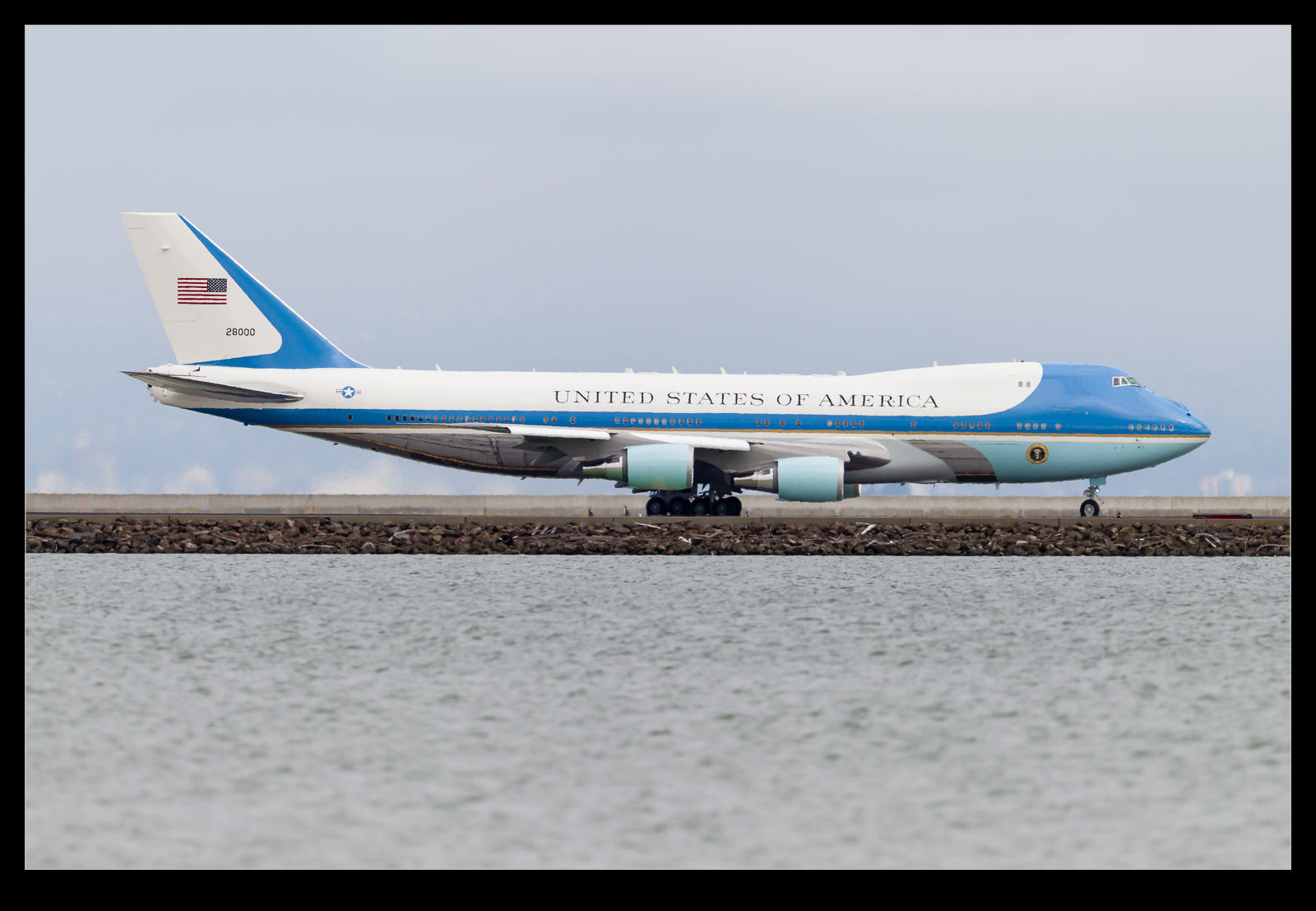
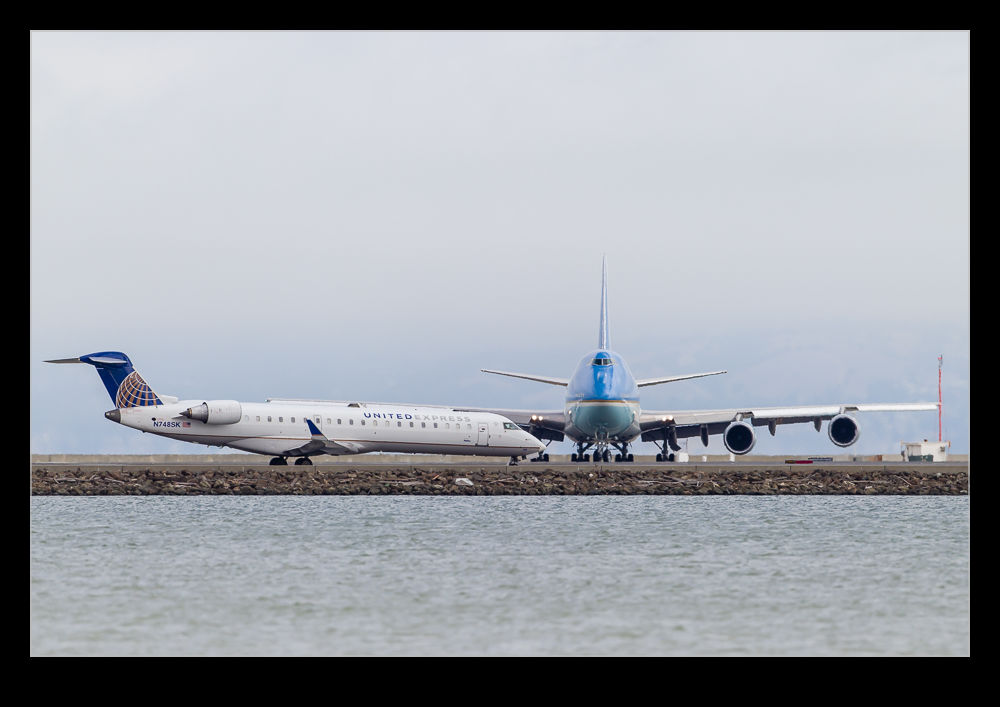
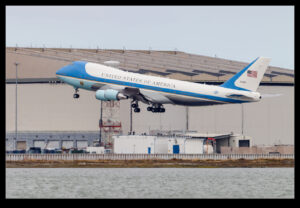
AU0E6592.jpgI have had a pretty poor run of luck when it comes to Air Force One. I have seen it overflying in the distance, I have seen the VC-25 on the ramp at Davis Monthan but was thirty seconds from being parked when it took off and I had a failed effort to get it at SFO which I mentioned in this previous post. It was back in San Francisco recently and I decided I was going to have another go.

AU0E6494.jpgI tracked the TFR online and, this time, it didn’t change. I, therefore, got to SFO with plenty of time before the departure. The weather was not fantastic but there was generally a clear spot over the airport so I was a little optimistic. As the intended time for departure approached, the cloud rolled in. Of course it did! Nothing I could do about that. Meanwhile, departures off 01 had stopped (I am not sure whether that was related to the Fleet Week air show or not) and a bunch of planes were lined up to depart from 28. Then they all stopped.

AU0E6513.jpgI assume the President had come by road as there was no helicopter activity other than a police chopper over the highway. The beacons were on as I heard the sound of a jet going around. It briefly appeared through a gap in the clouds and was a United 737. I guess they had just timed it wrong. I have no idea whether they held or diverted. Suddenly the VC-25 was rolling. It taxied rapidly along the northern taxiway by 28R with a couple of Secret Service vehicles following close behind. Without a pause it turned onto 28R past the waiting airliners and powered away. The Secret Service chased it for a while down the runway but it was airborne pretty swiftly. I guess it was lightly loaded. A few minutes later everything started moving again. Another ten minutes and the sun was out. Typical!

AU0E6525.jpg

Kfirs

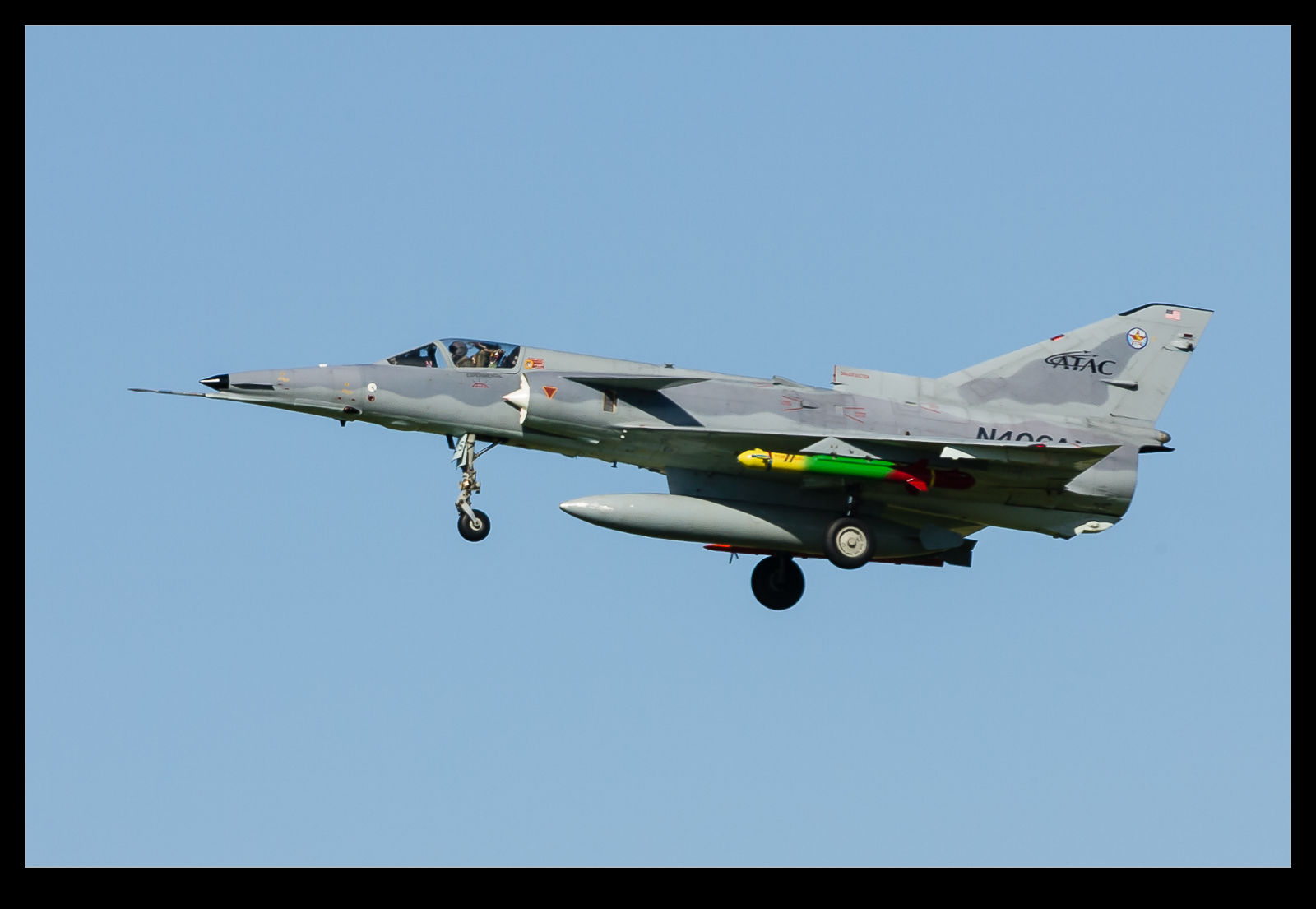
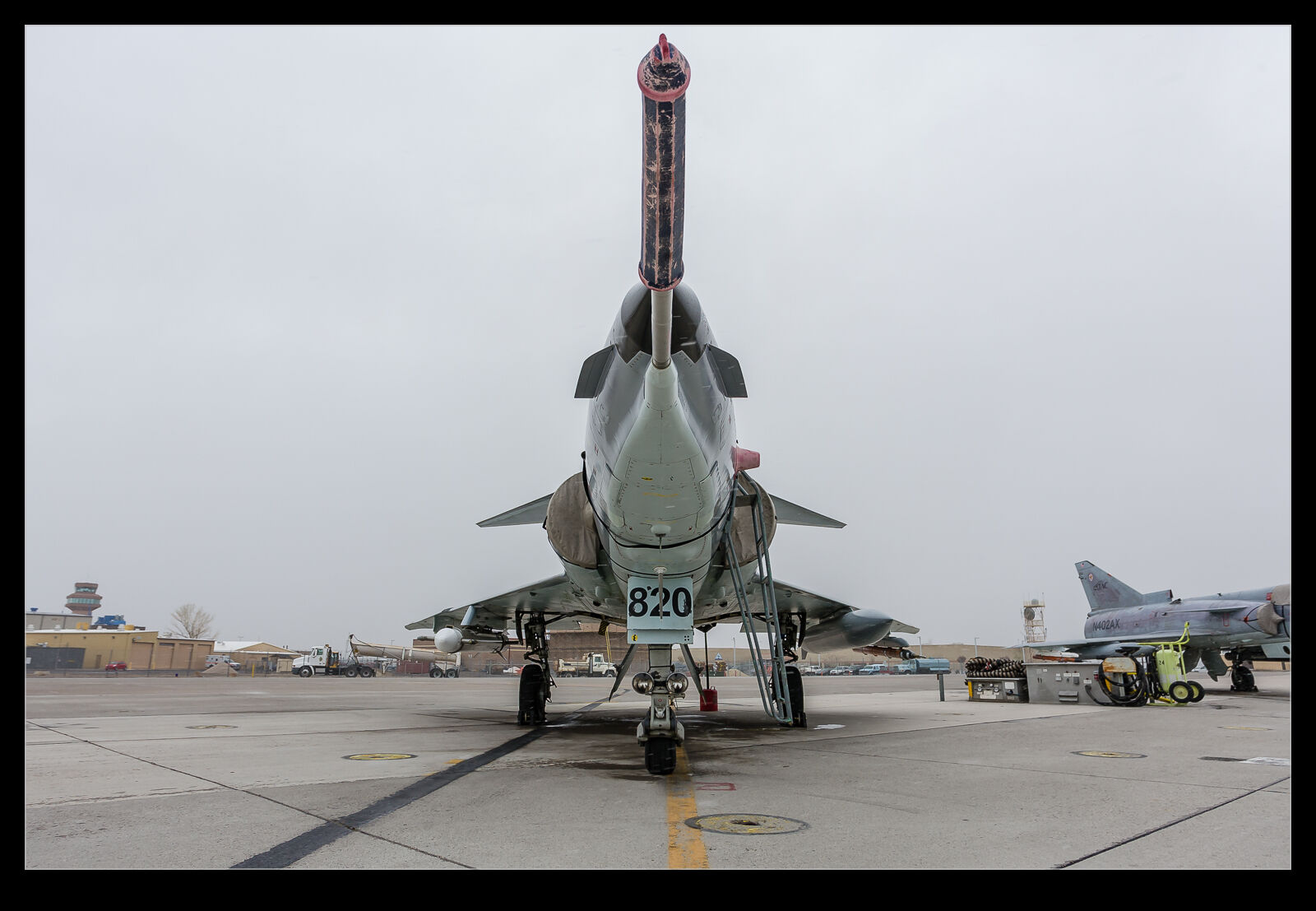
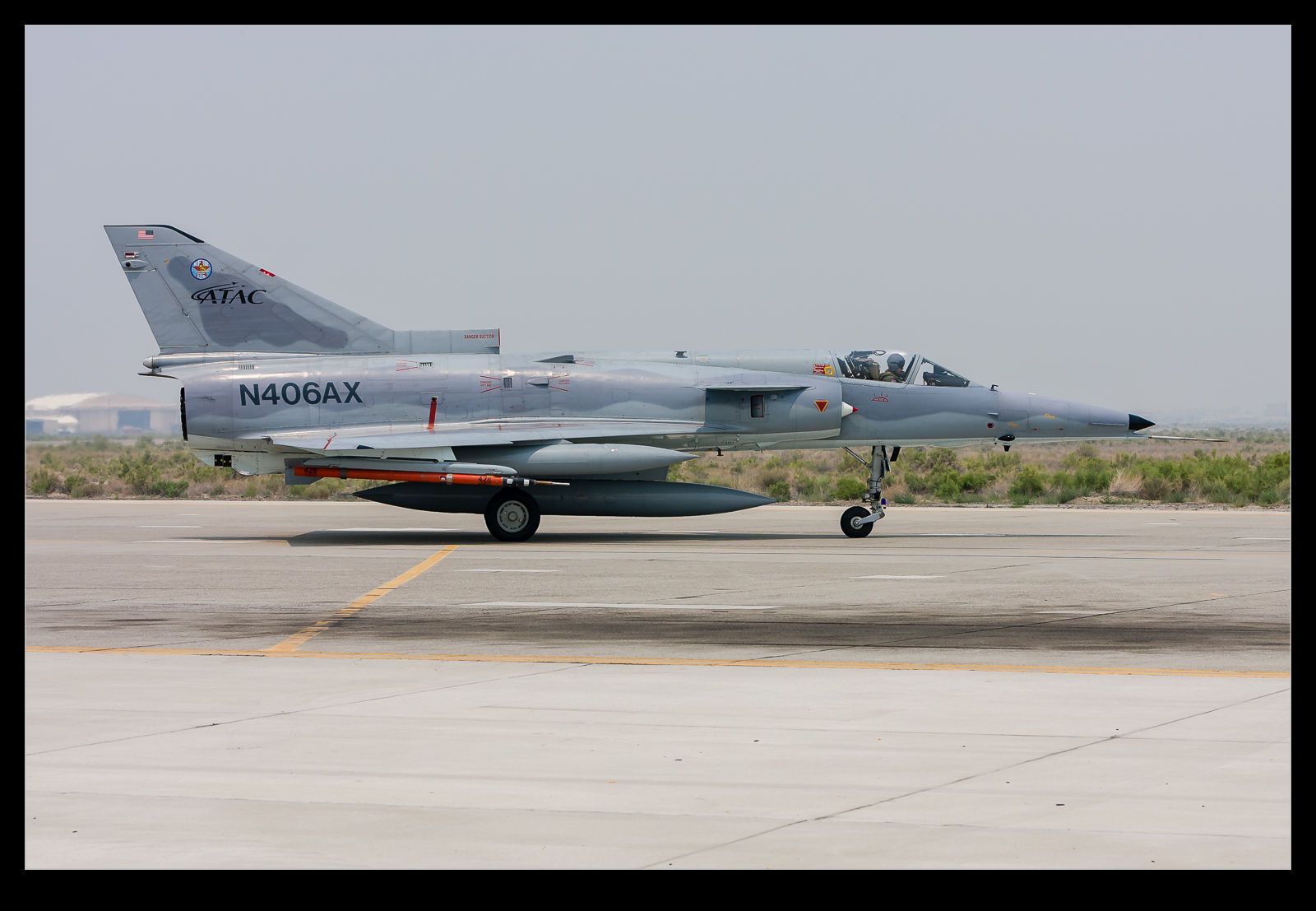
QB5Y8635.jpgTime for another post on a specific military aircraft. This time it is one with an interesting history. The Israeli Air Force was a customer of Dassault’s Mirage aircraft and had good experience with it. However, Dassault/France declined to sell further aircraft to Israel. Instead, the Israelis decided to make their own version. A combination of covert acquisition of design drawings and the introduction of a new engine resulted in the creation of the Kfir.

CRW_5695.jpgDuring the 1980s, a number of Kfirs were supplied to the US Navy to be operated as aggressor aircraft under the F-21 designation. Their use in service was not terribly long but, once they were withdrawn, they were acquired by private companies to use in support roles for training. I have come across them a couple of times. One was at Pt Mugu in California when an example was shooting approaches. The other time was during a visit to NAS Fallon in Nevada where they were launching on training missions.

QB5Y7331.jpgThe Kfir is quite a mean looking aircraft. The original delta wing design has many good attributes but approach speed is not one of them and they really do seem to be motoring when they come down the approach. I imagine they will remain in service for a number of years to come so I hope to see more in due course.

QB5Y5125.jpg