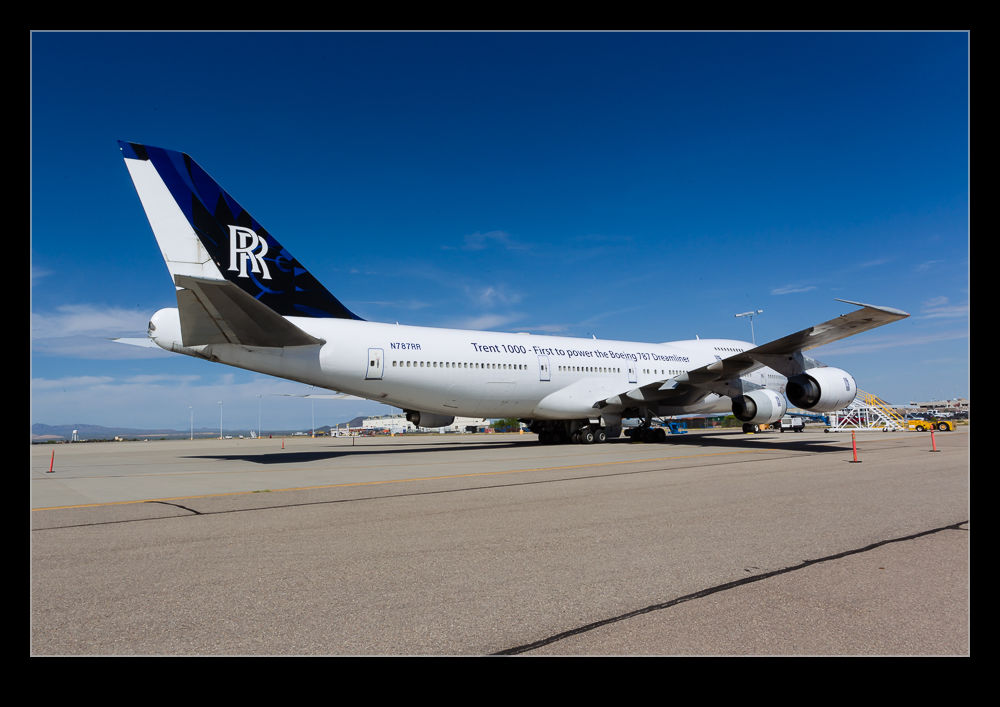
Something I hadn’t seen before was the Boeing 747 that Rolls Royce own and use as a testbed for the Trent 1000 engine on the Boeing 787. Appropriately registered N787RR, this was parked up close to a road. I actually spotted it first just as we landed. It was already dark and I saw the outline of the plane but had no idea what it was or why it was there. However, after picking up my rental car I came out near its parking spot so took a pass by. Being dark, there was nothing much to be shot but I decided to check it out again when it was daylight.
Apparently, this airframe had been sitting without the test engine for a while but there is now an engine fitted. Whether this means that they have been flying recently or are planning to soon I do not know. Unfortunately the test engine was on the side away from the road so was harder to show well in a shot. However, I still managed to get a few shots.
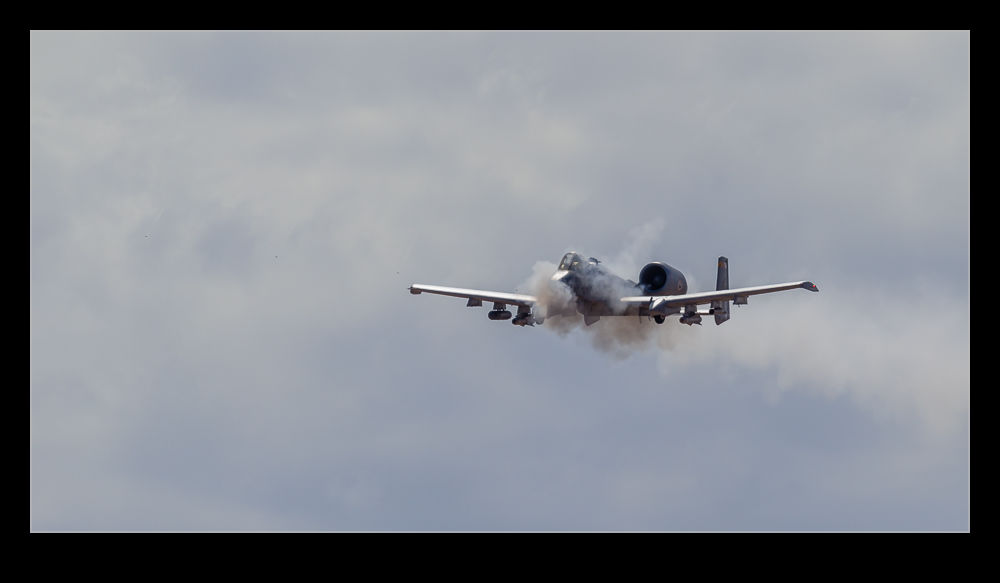
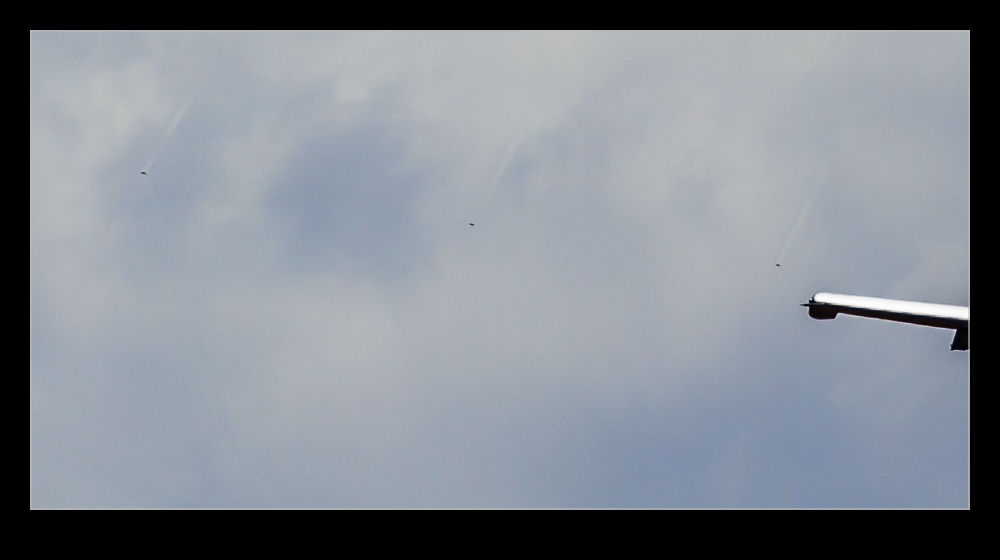
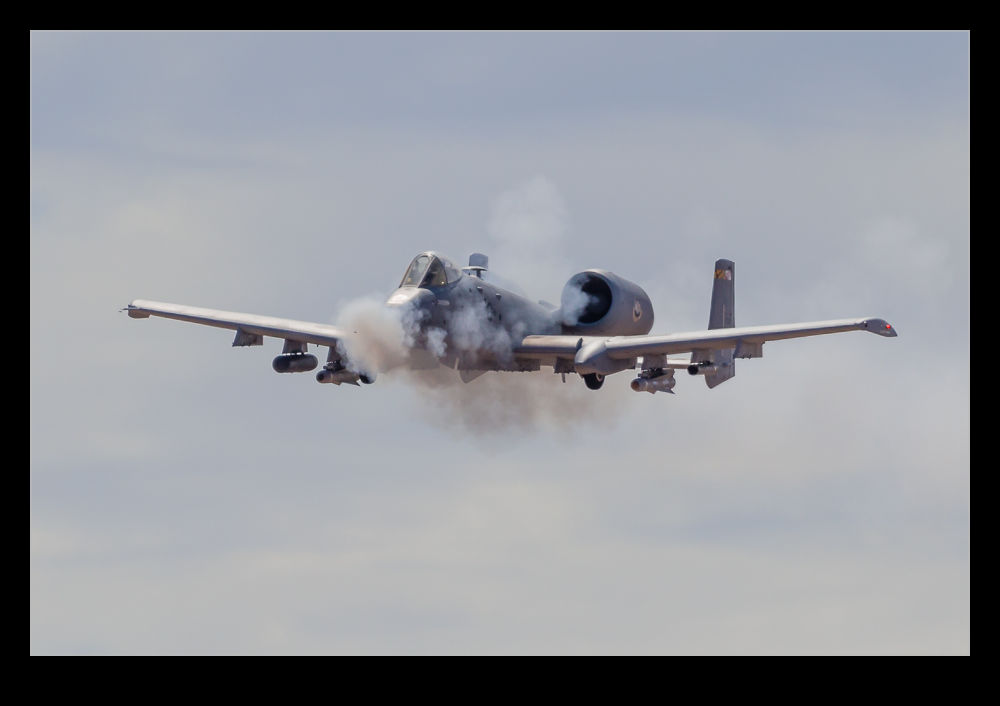
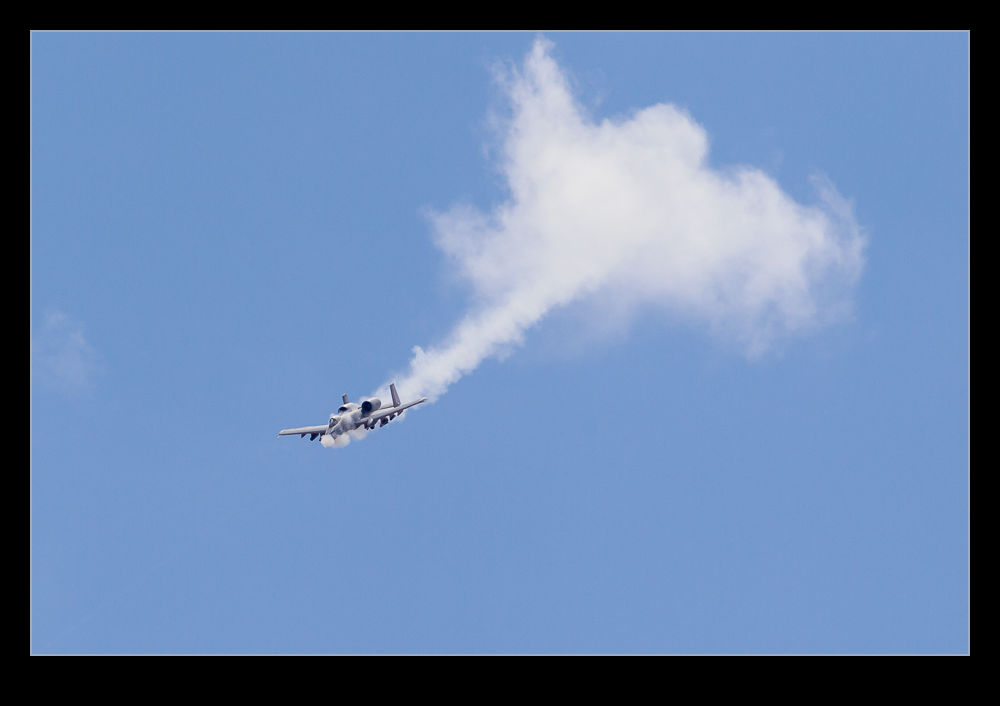
My trip to Arizona to shoot the shooting A-10s was a lot of fun and something I have already covered. One aspect of this shoot that caught my interest was the cannon shells in flight. I have seen images from other people that allow you to see the A-10’s shells leaving the muzzle or flying to the target and when I got something similar, I was quite pleased. However, a shot that really caught my eye was one of them that had a background with some clouds visible.
This background provides a mechanism to see any discontinuities in the density of the air as is experienced in a shockwave. This is the effect that is used in Schlieren photography in wind tunnels. The refractive index of the air changes as the density changes. Normally you don’t see this. However, if the background is not continuous, the refraction of the background results in the shockwave being visible. One of the shells showed this up and I thought it was cool. Therefore, I am sharing it here just in case you think it is cool too!
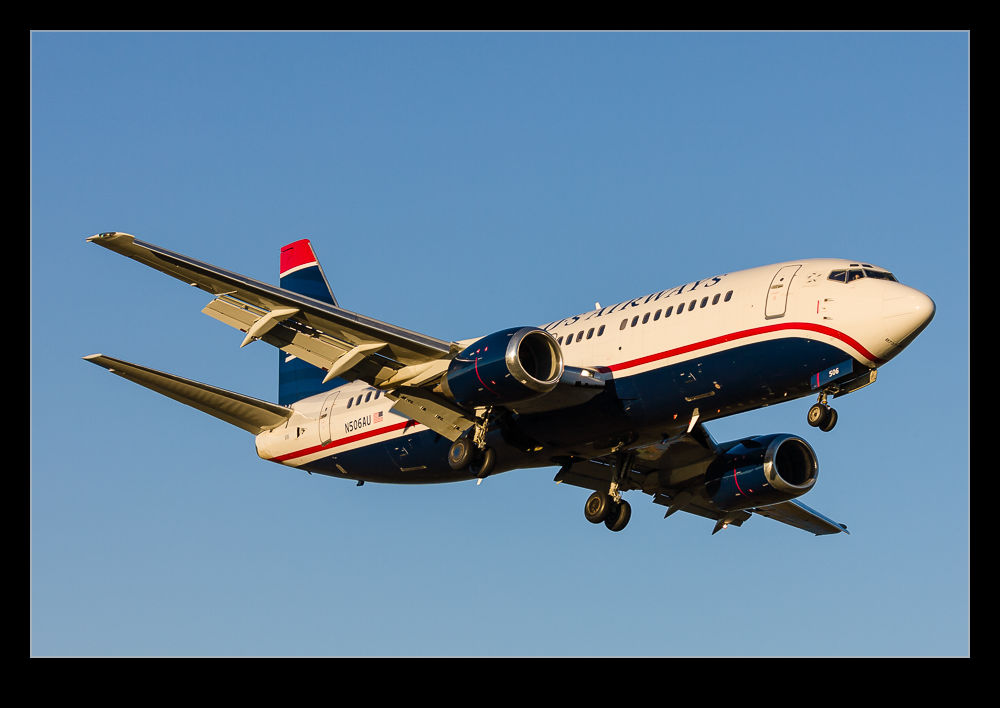
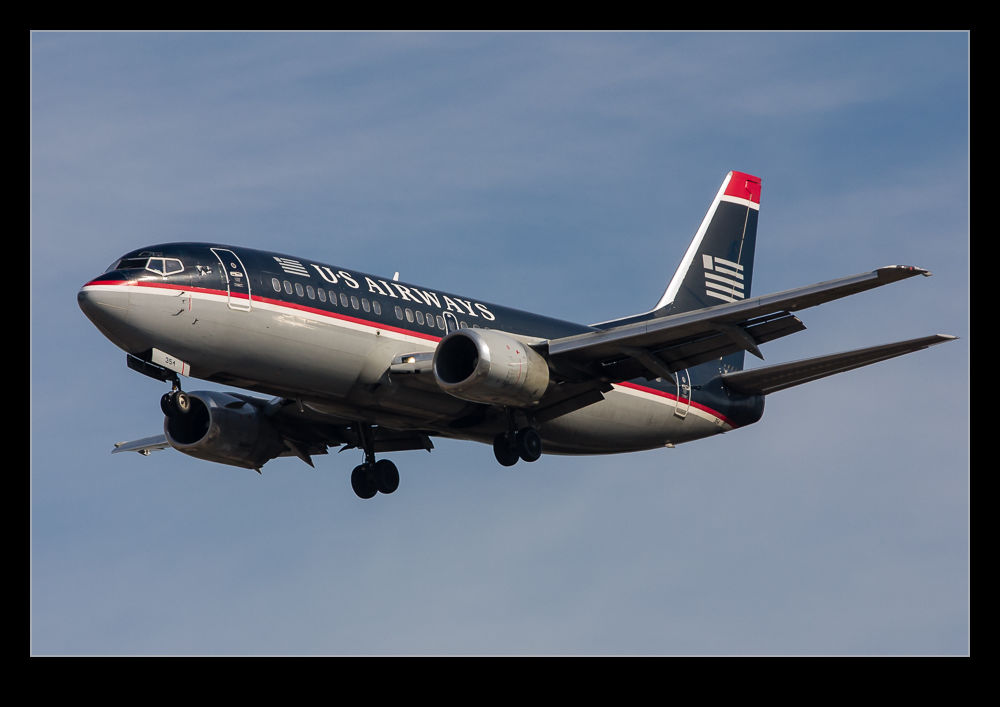
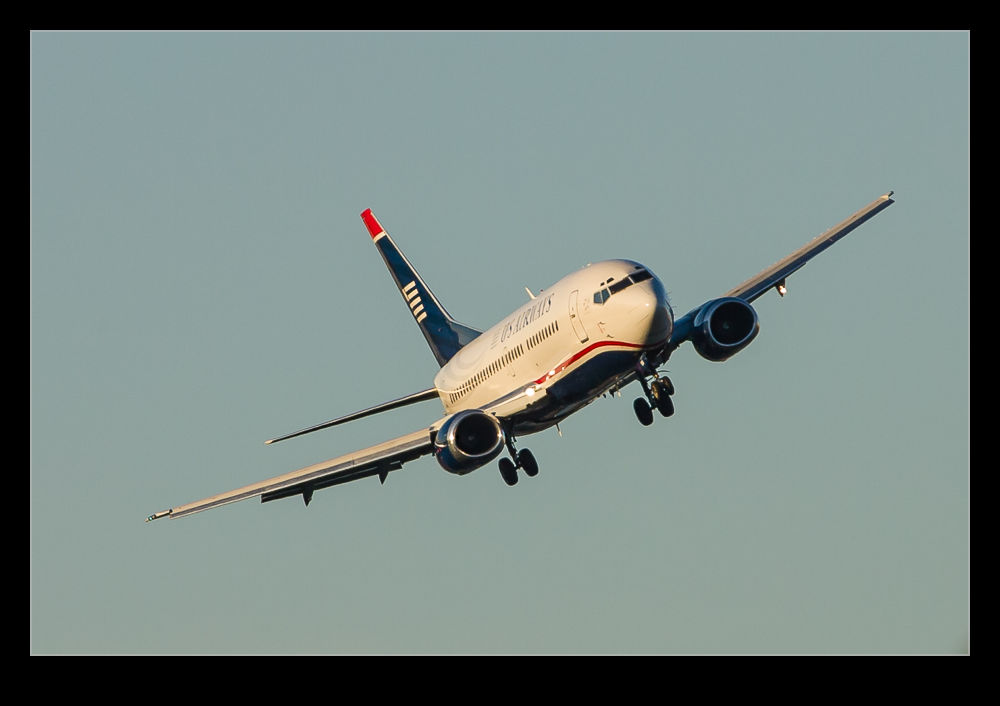
There are some airlines in the US that I have spent a lot of time with and there are others that have only been an occasional feature of my travel. USAirways is one that I did not use a great deal since I didn’t live in one of their core markets. However, I did sometimes find myself on one of their planes and I have certainly seen plenty of them around.
Their fleet has included a lot of the A320 family but for a long time the 737 was a big part of operations with the 737-400 a regular sight. Now, their time has come and the last flight has taken place. This prompted me to dig through the collection to see what I had of them. It seems that most of my shots come from the Washington DC area but it was nice to have older and newer schemes on the jets.
Here are a few of the jets that have now either gone to another home or have ended up as spares for the rapidly diminishing fleet of what became known as 737 Classics (although the 100 and 200 series jets might cause an eyebrow to be raised at that description).
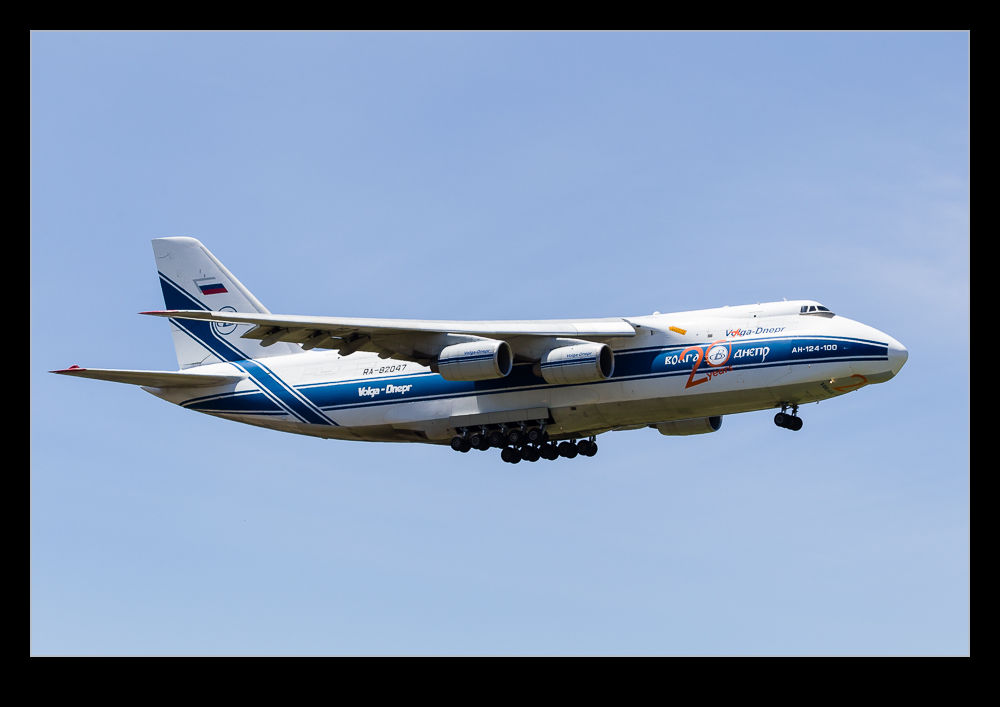
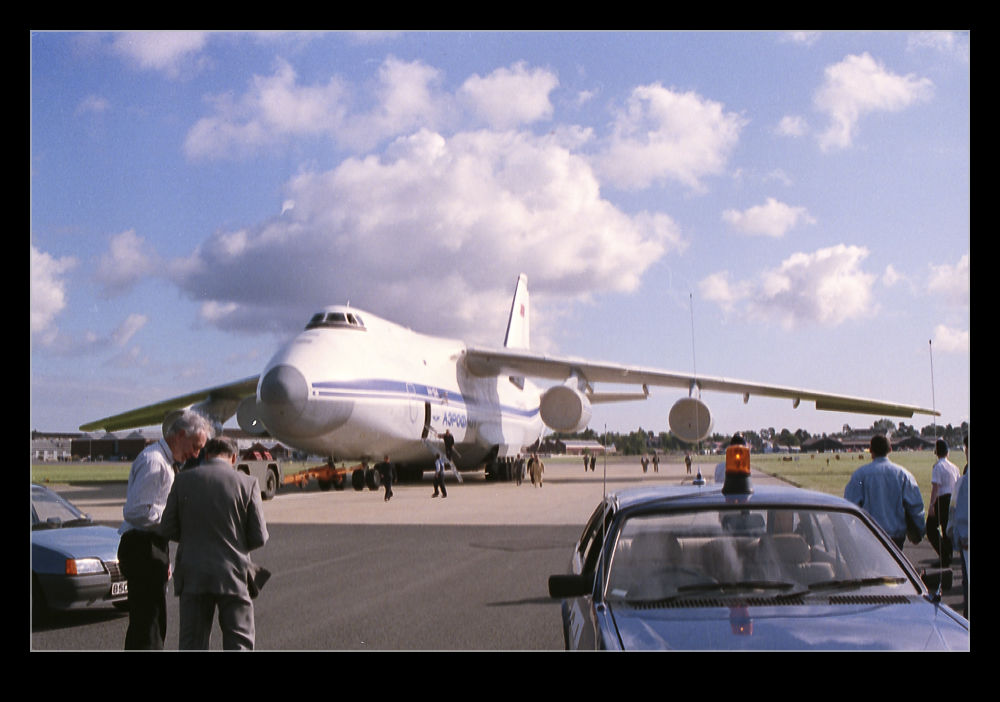
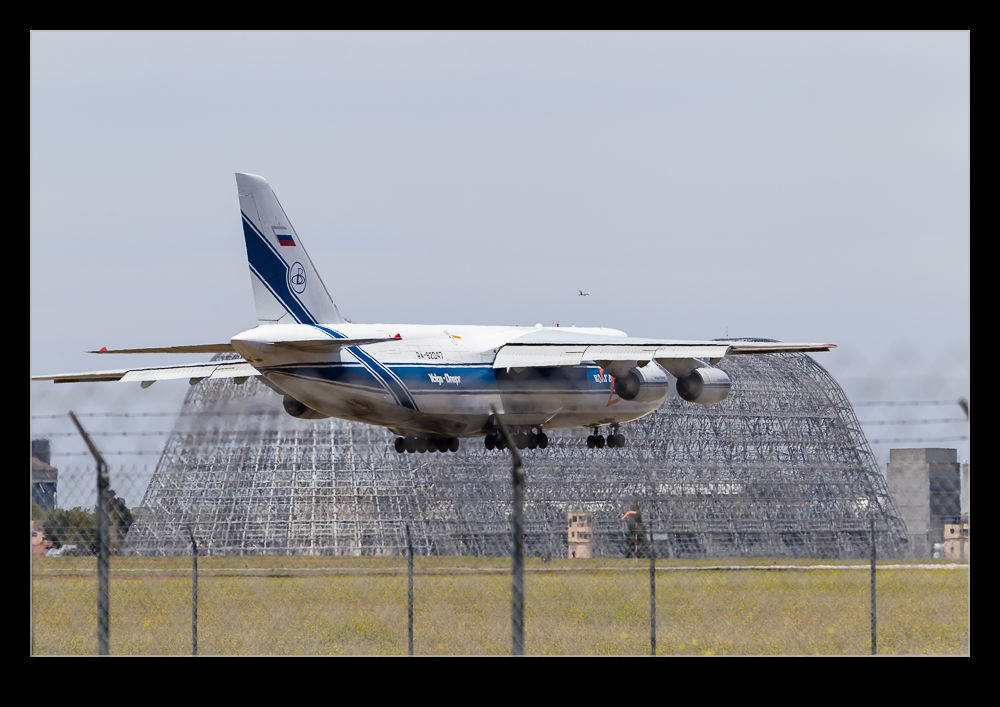
A long time holder of the title of world’s largest aircraft (until superseded by the single example of its big brother) was the Antonov AN124 Ruslan. This giant freighter was created in the days of the Soviet Union by the Antonov design bureau in what is now Ukraine. With the thawing of east-west relations, the utility of this aircraft was apparent to many western organizations both civil and military. These days, the operators of the type have a steady business moving outsized freight around the world. There has even been talk of restarting production although that remains just talk for now.
My first experience of the big Antonov came in 1988. It made an appearance at the Farnborough airshow along with a pair of MiG-29s. This was a big deal at the time and I remember being amazed as I stood next to these types that had been something previously unlikely to be seen unless something very bad had happened. The MiGs flew impressive displays and wowed all who were there. The Antonov was not so lucky. On the first day of flying as I stood with everyone waiting for it to take off, it started to roll down the runway before a bang and flash indicated a surge in one of the engines and she stayed firmly on the ground.
That was as close as I got to one for a long time afterwards. I occasionally might see one parked in a quiet corner of an airport and once or twice spotted one flying far off in the distance but I never saw one up close and flying until a short while ago. I have a Flightaware tracker on the movements of these beasts and one of them was due into Moffett Field on a Saturday. I decided this was something I had to do so made the trip across the bay. Everything ran according to schedule and I was there to get a shot as she came in across the fence (a fence that spoiled a nice finishing shot which I include just because it was almost nice.) Not bad after 26 years of waiting!
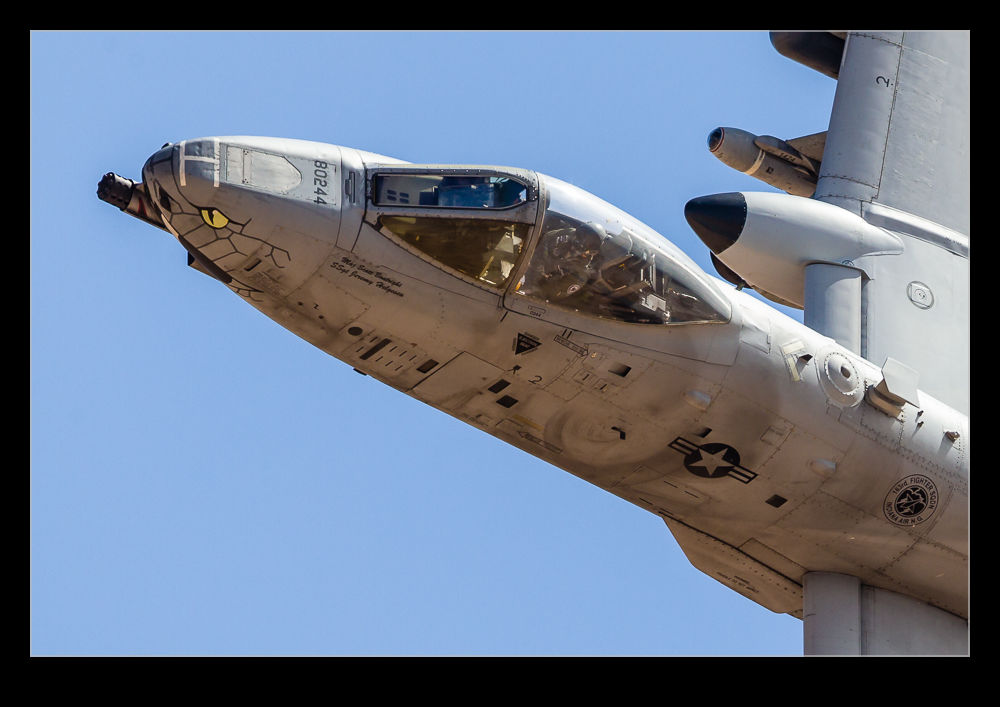
Every other year, the A-10 community in the US Air Force holds a competition called Hawgsmoke. This year it was being held in Arizona. The aircraft were based at Davis Monthan AFB in Tucson and the Goldwater range complex was where most of the exercise was taking place. With the possibility that the A-10 might be taken out of service hanging over things, I was keen to get down there in case this was the last time the event would take place.
I covered the event for Global Aviation Resource so you can see the article I produced here. Rather than repeat that, I shall provide a little of the back-story. Arizona in July is not the coolest place in the world. Head out into the desert and it is even warmer. Get taken there in an Air Force bus which has air conditioning that doesn’t work properly and you will be pretty toasty. If the young guy driving the bus appears to be falling asleep all of the time, you are feeling a bit more alert than might otherwise be the case in that heat.
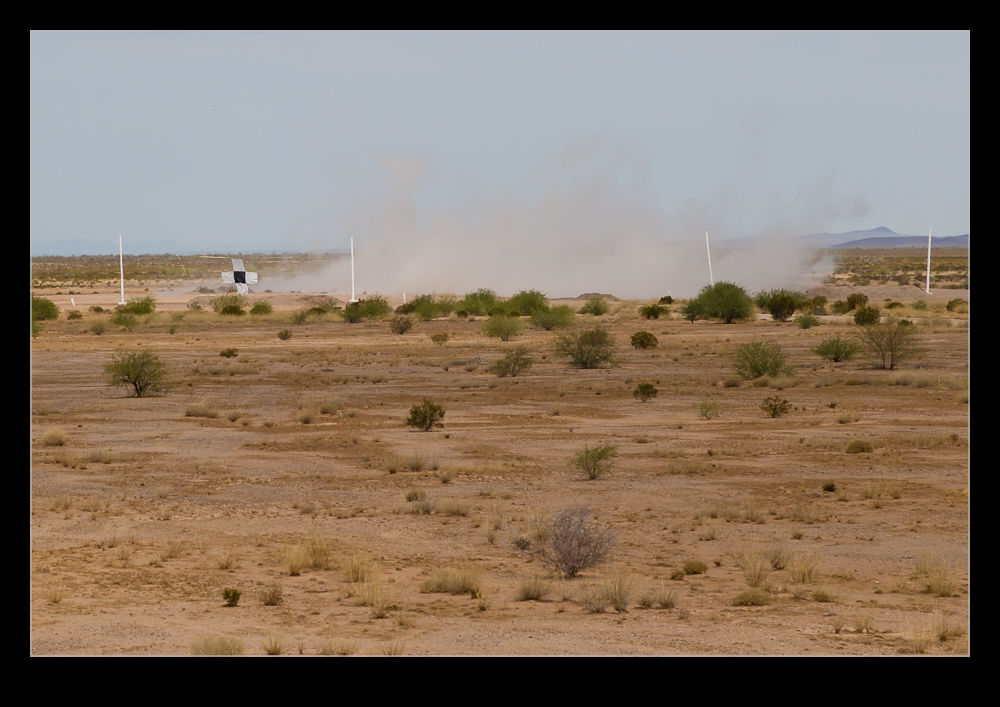
Our time on the range was a bit short. One of the TV crews from a local station obviously decided he had seen enough and told the organizers that he would miss his deadline if we didn’t leave. He had been given the same schedule as the rest of us so I suspect he was talking crap. However, while we were on the range for less time than expected, we still got a great experience of the A-10s running in to shoot the targets. The close proximity as they fired was something else as was their break over the top of us after each pass.
It was a good bunch of guys on the trip and we all headed out to shoot around Davis Monthan when we got back. This gave me a chance to get some more shots of the A-10s that would fill out the article a little. By the end of the day, I was shattered. I had been drinking liquid all day but I think I was just keeping out of trouble rather than being properly hydrated. Still, it was really worth it. A little longer and the benefit of the sun coming around would have been nice but it was still cool (but hot!). Below is some video that I shot for GAR while I was there too.
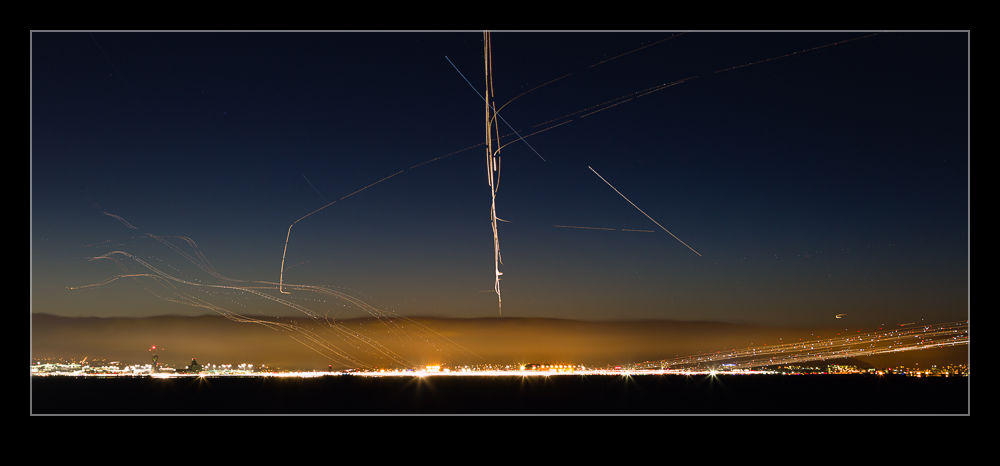
Many moons ago (pun intended), my buddy Paul was visiting and we decided to have a go at night light trails at SFO. However, we had not come well equipped so headed to Best Buy to pick up cheap tripods. They were very cheap and performed as might be expected. However, with Paul coming back, we decided to have a second go at this and to prepare properly this time. We also scoped out some locations that might be suitable to get good angles on SFO.
Two things conspired against us this time. First, SFO is having runway upgrades installed so the pair of 28 runways are the only ones in use. This cuts down on the possible angles for a while. Second, the great weather forecast turned out to include some low cloud over the location we had scouted out. The aircraft rapidly disappeared from view as they climbed. (It later turned out that they were still in the clear but above the thin layer of cloud which we were under.)
We went with a plan B and found a location along the lake-shore that would provide an alternative. It was not as good but it did work. I had actually brought a spare tripod in case Paul didn’t have his so I set up two cameras. One was running long exposures that I intended to blend together to get light trails. The other I point out onto the approach which was quite busy at that point and take a lot of shorter exposures for creating a time lapse. The blend is above and the time lapse video is below. Let’s hope for better weather next time. I shall also remember that warm weather does not include after sunset and bring something a bit ticker to wear!
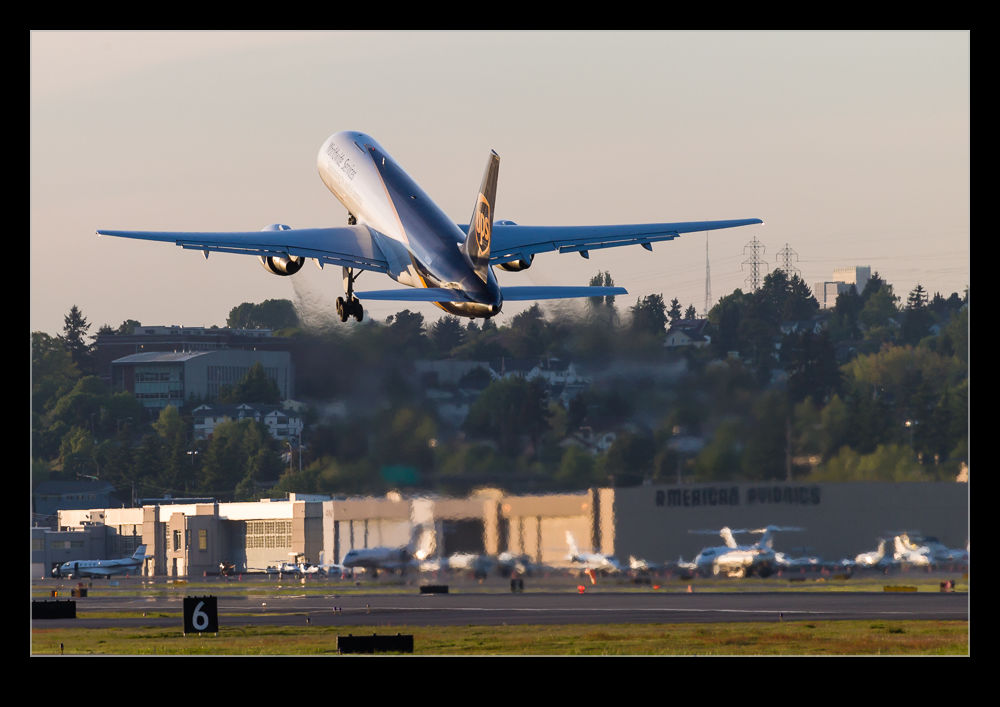
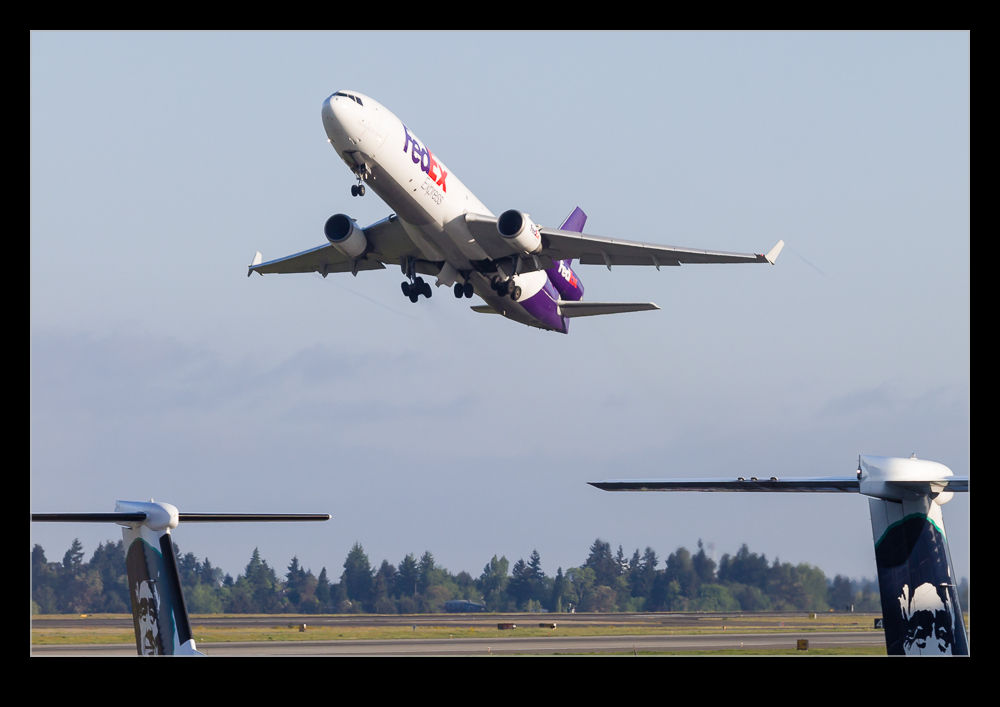
No great story for today’s post. I got some time to shoot at Boeing Field in the evening after a day of meetings and travel. Some of the interesting subjects got their own posts. Here are just a few shots of the other traffic that was coming in to the field. The evening light was fantastic and it was fun to watch the movements including some of the Boeing production traffic. Mongolian was a new airline for me. Sadly my timing was off and I didn’t get to see the Indian Navy P-8 on test. Never mind.
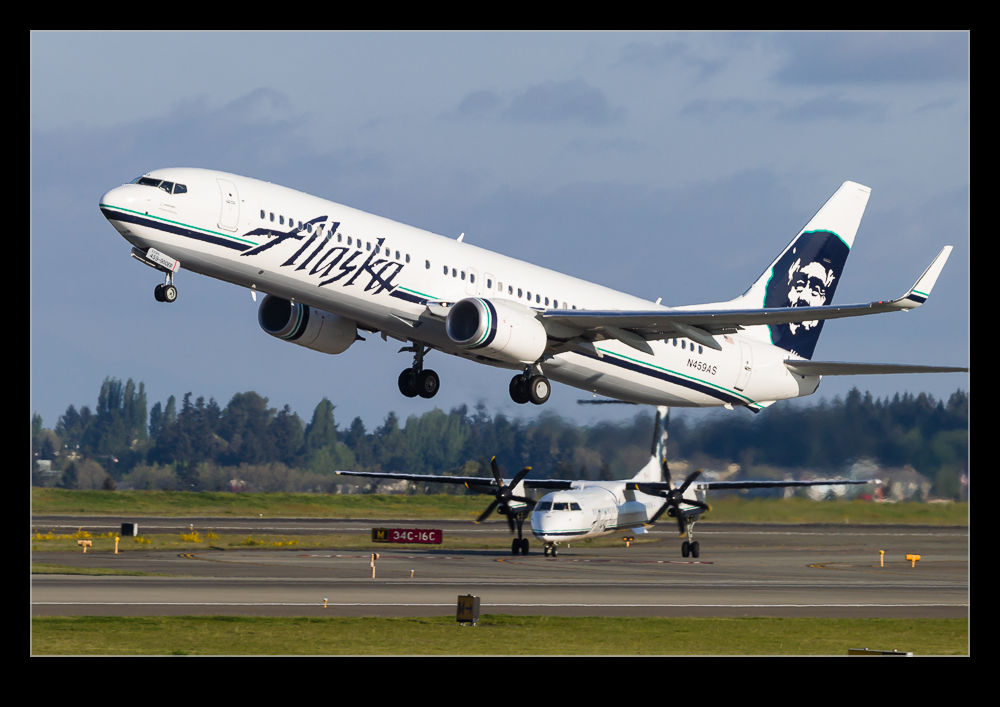
I had an early flight out of Seattle on my way back to the Bay Area. It was a nice morning and the planes were departing to the south. The terminal that Southwest operates from is towards the southern end of the airport so you get the aircraft passing you as they get airborne. I had given myself some margin for getting to the airport, checking in the rental car and getting the shuttle to the terminal and everything had gone smoothly so I actually had a bit of time on my hands. Also, on the shuttle I had seen an Alaska 737 in 75th anniversary markings on a gate so I thought I might have a chance to get a shot of it if it wasn’t going straight out.
There is a kink in the pier as you head to Southwest’s gates that gives you a good view across the field and is not obstructed by jet bridges. Moreover, it isn’t a busy part of the terminal so waiting there and getting some shots is practical. Of course, you are shooting through some thick glazing but, even so, I was pleasantly surprised that the shots were not too badly compromised. The only problem was that the Q400s that Horizon operates from the central part of the terminal throw of some exhaust distortion which ruins what could be some good angles.
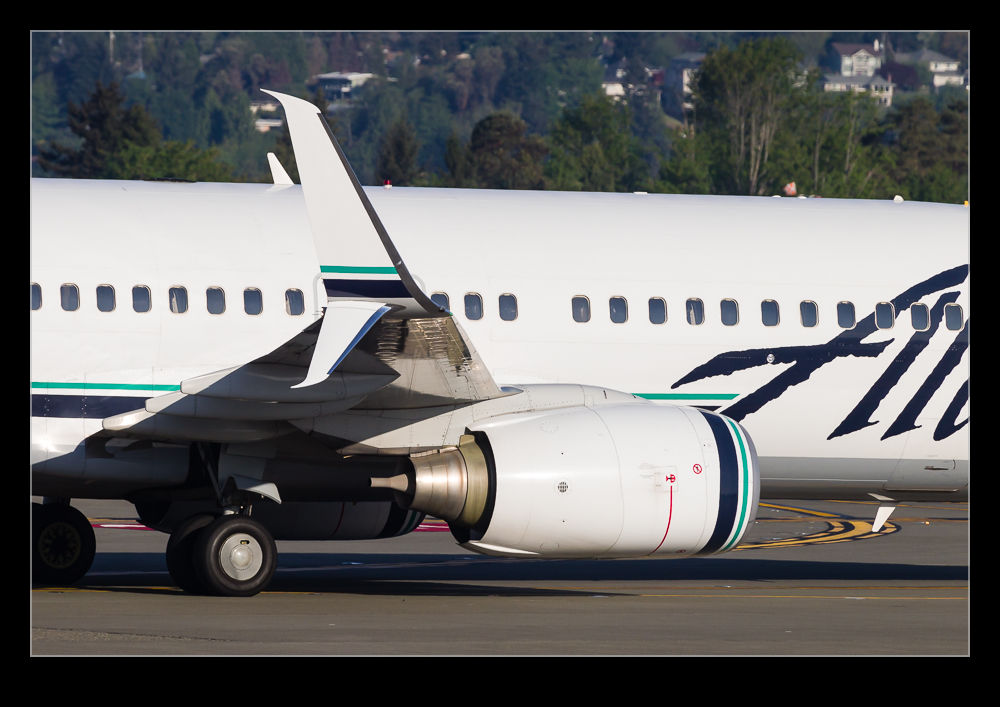
I had to make sure I didn’t forget my own flight but I did get some nice shots. The Alaska anniversary jet did time its departure well for me and I was even more pleasantly surprised when one of their 737s came by sporting the new scimitar winglets from APB. That was the first time I had seen some for real. A nice bonus before heading home.
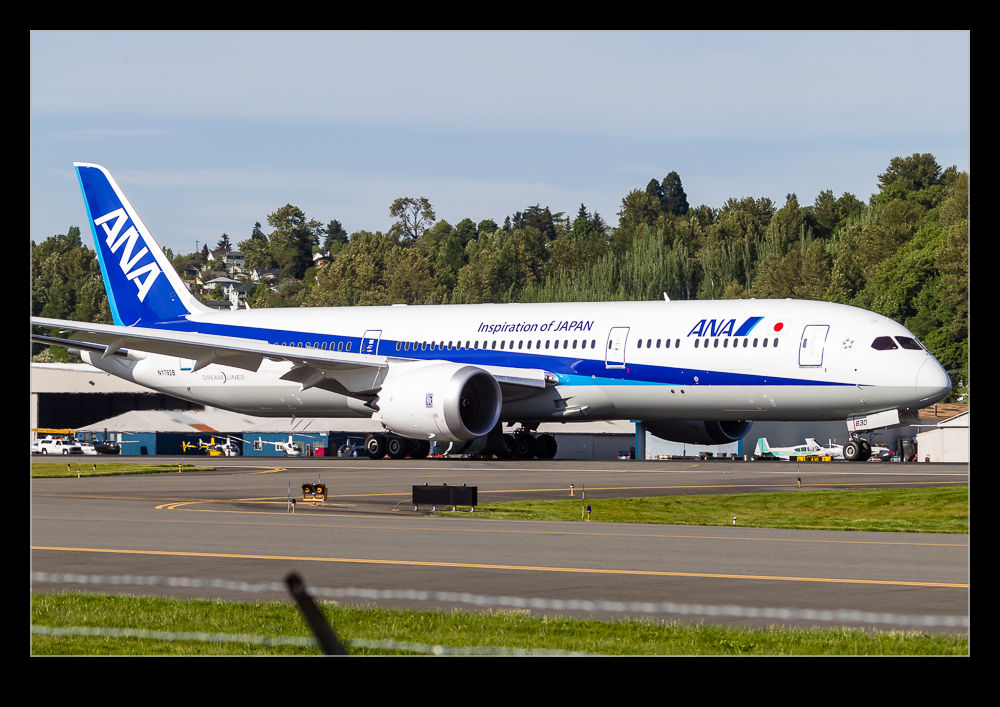
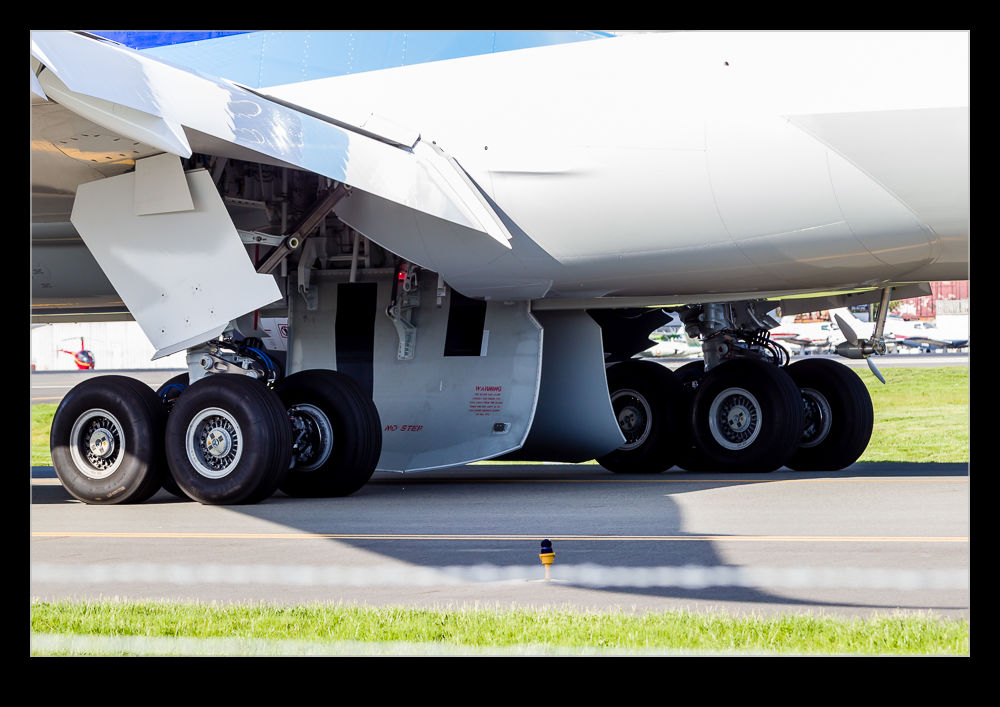
One evening I arrived at Boeing Field to see what was moving. Just as I got there, a 787 was rolling out on landing. Since the wind was in the opposite direction to my previous visit, I didn’t see it land but it rolled down to our end of the field. Interestingly, the gear doors were down and the RAT was deployed. These RAT is usually tested on early production test flights so I suspect this was the reason but the gear doors being down is one that had me wondering. The aircraft, which was finished in the livery of All Nippon Airways, taxied off the runway and turned on to the taxiway where it promptly shut down. It hadn’t even straightened up and the nosewheel was still at an angle. I have no idea whether this is normal practice or if something unusual had happened.
Whatever the reason, it sat there for quite a while until a Boeing team showed up to recover it. Interestingly, they brought an ambulance with them although there didn’t appear to be any need for one. This could also be a standard procedure or maybe something unusual had occurred. I doubt I will ever know. In all of this time, it never occurred to me that this would be other than a regular production 787. However, checking into this later, this was in fact one of the 787-9 and so something new for me. In truth, it wasn’t entirely new. The previous evening one of the dash 9 test aircraft had come back in while I was there so this trip got me my first two airborne dash 9s. I had seen a test aircraft on the ground before but that seems like a bit of a cheat in comparison.
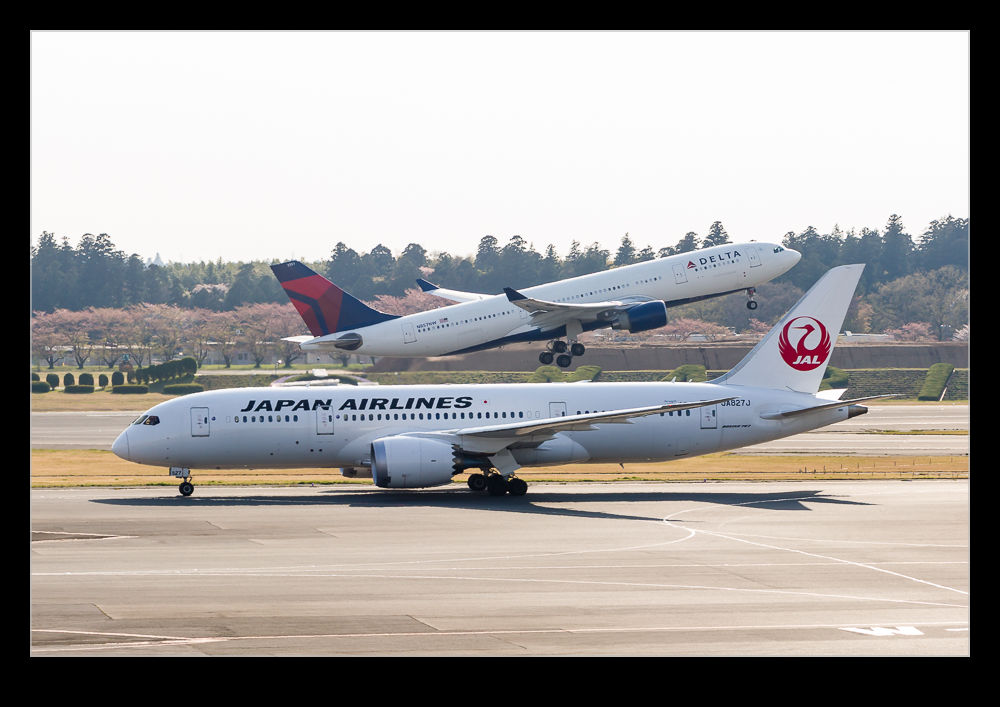
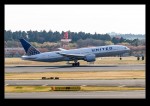
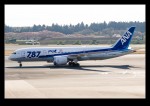
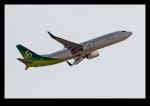
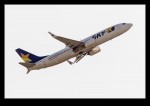
My trip back home departed from Narita Airport. The journey out there was swift so I got there with some time to spare. Narita is one of the airports that still has a viewing terrace. Not only that, they provides holes in the wire fencing to stick your lens through! I wasn’t there for terribly long and it was the afternoon when the sun is pretty much in your face. However, it was a far nicer place to be than sitting at the gate. This was the side of the airport where the US airlines tended to operate so I saw a lot of planes that I can see at home. However, there were some interesting operators departing from the runway on that side of the field that I hadn’t seen before so I sat back and enjoyed the new sights along with the old.
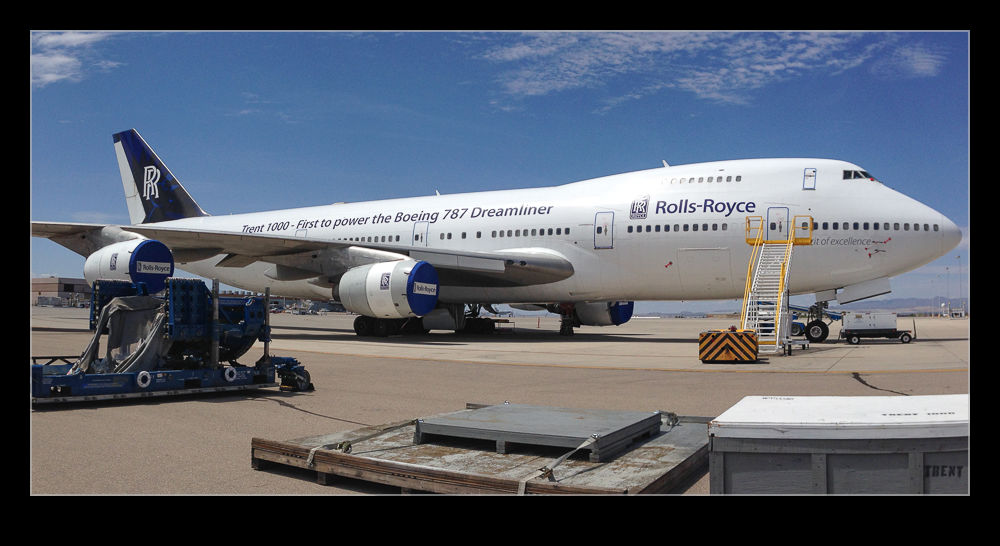 Something I hadn’t seen before was the Boeing 747 that Rolls Royce own and use as a testbed for the Trent 1000 engine on the Boeing 787. Appropriately registered N787RR, this was parked up close to a road. I actually spotted it first just as we landed. It was already dark and I saw the outline of the plane but had no idea what it was or why it was there. However, after picking up my rental car I came out near its parking spot so took a pass by. Being dark, there was nothing much to be shot but I decided to check it out again when it was daylight.
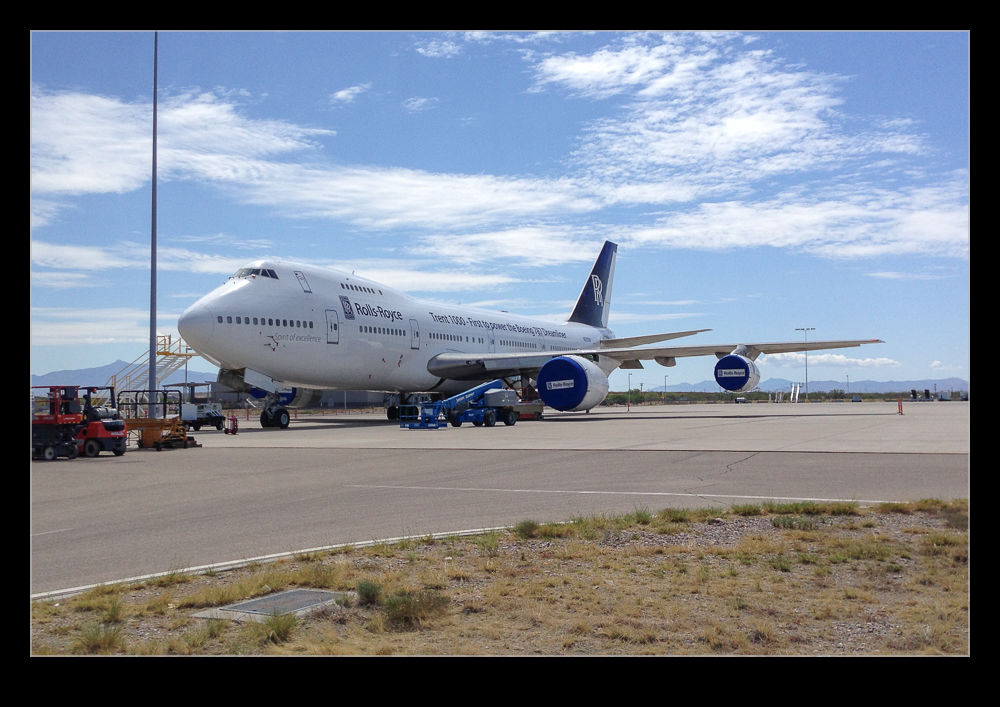 Apparently, this airframe had been sitting without the test engine for a while but there is now an engine fitted. Whether this means that they have been flying recently or are planning to soon I do not know. Unfortunately the test engine was on the side away from the road so was harder to show well in a shot. However, I still managed to get a few shots.