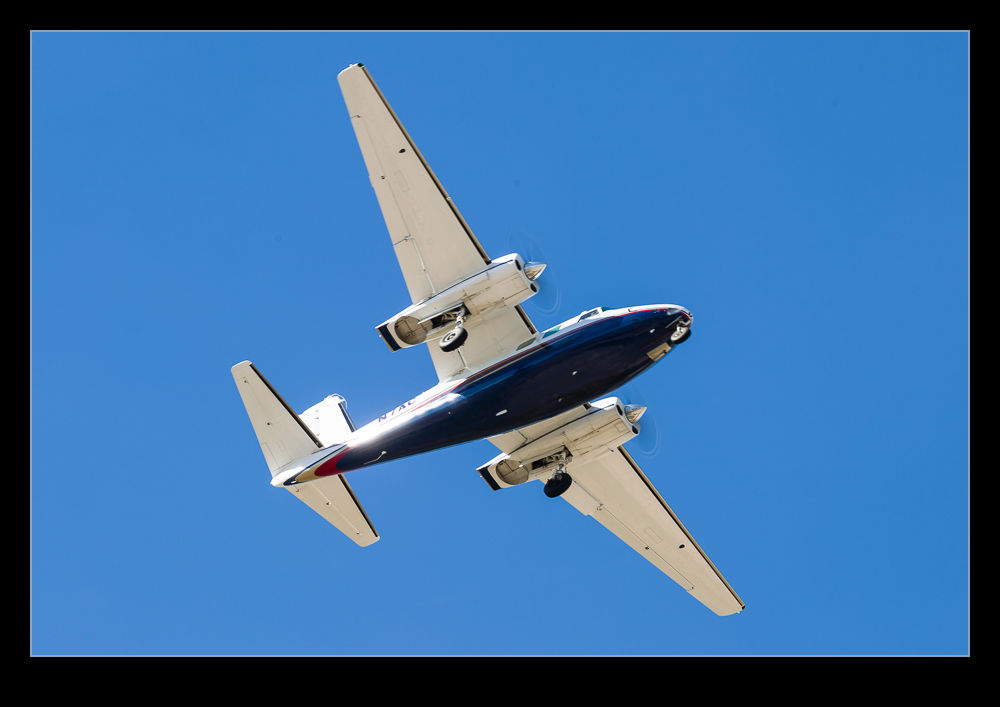
Tag Archives: jet

Above SFO

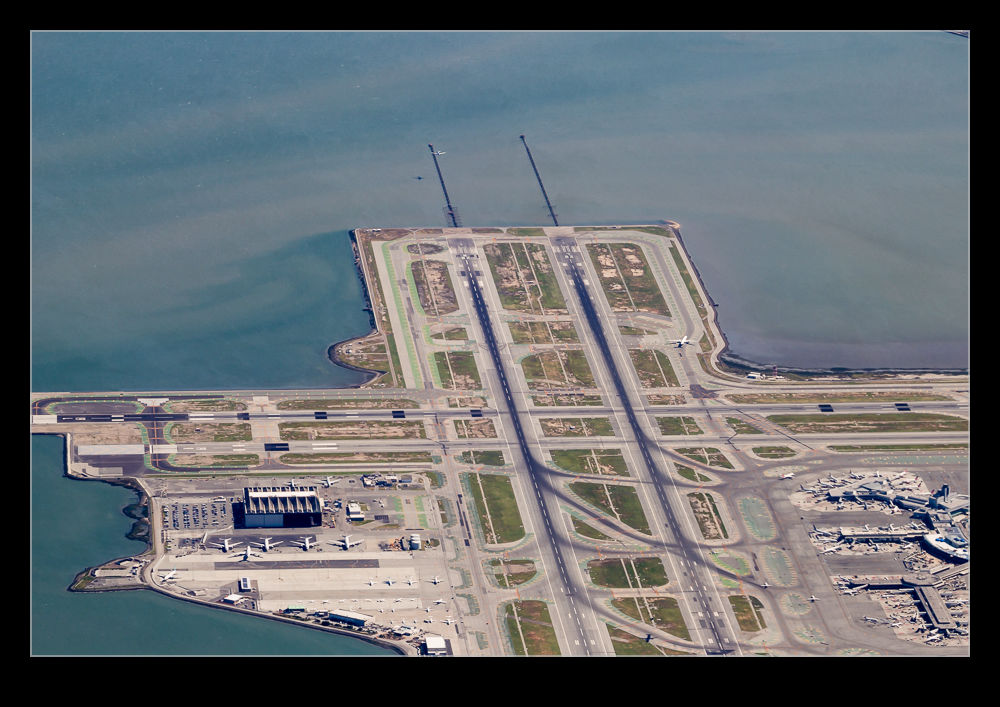
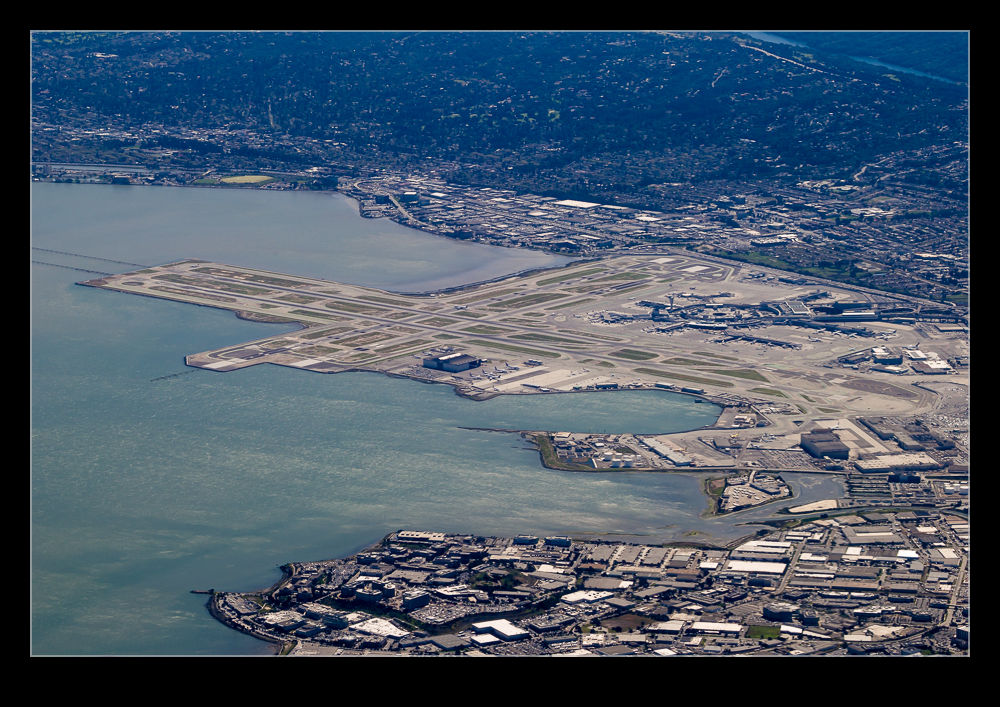
wpid13743-AU0E1855.jpgThis blog has had plenty of pictures that have been taken at SFO. Most of them have been of the planes flying into and out of the airport. Not many have been of the airport itself. If you find yourself on the left side of a plane out of Oakland heading south, you will get a pretty good view of the airport on the other side of the bay as you climb out. That includes a view along the departure runways as you head towards the city and then a turn that takes you close to over the top.
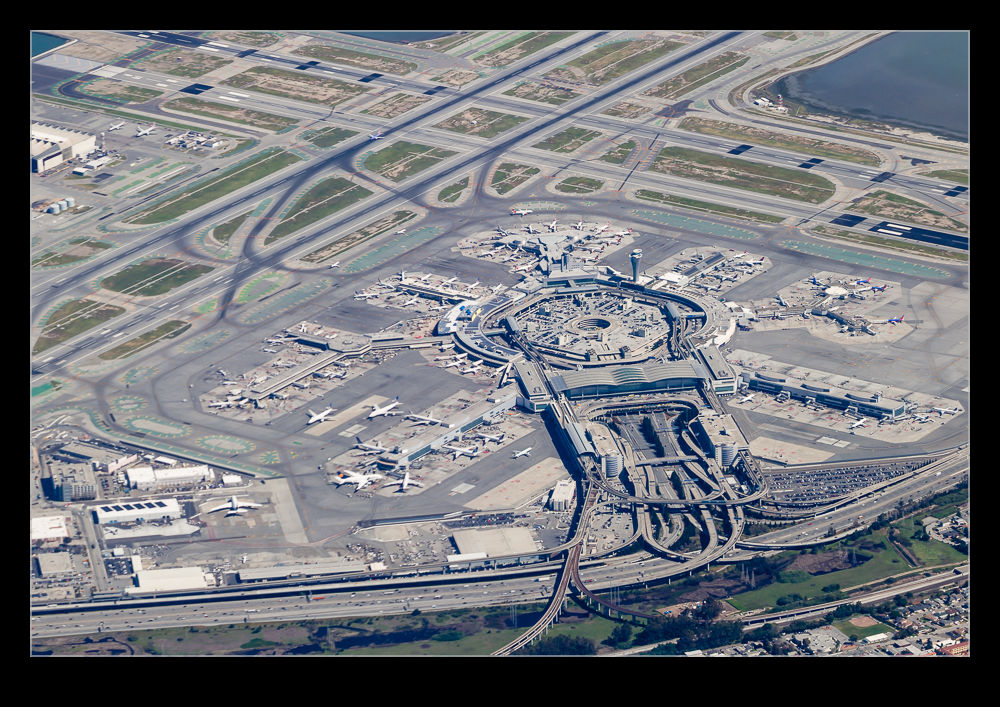
wpid13747-AU0E1894.jpgYou climb quickly so start to end up a bit high for good shots but it still is a pretty neat view. The aircraft windows provide their usual problems but moving the camera around gets a better chance of a reasonable shot. I also have been experimenting with using a smaller aperture. I used to think shooting wide open would be best to avoid showing the scratches and any other blemishes on the windows. However, since the distortion in the windows is quite variable, shooting with a narrower aperture might restrict the light to a smaller part of the window and increase the chances of getting the clear area for the whole shot. Who knows? Individual aircraft vary so much, it is hard to tell at this point.
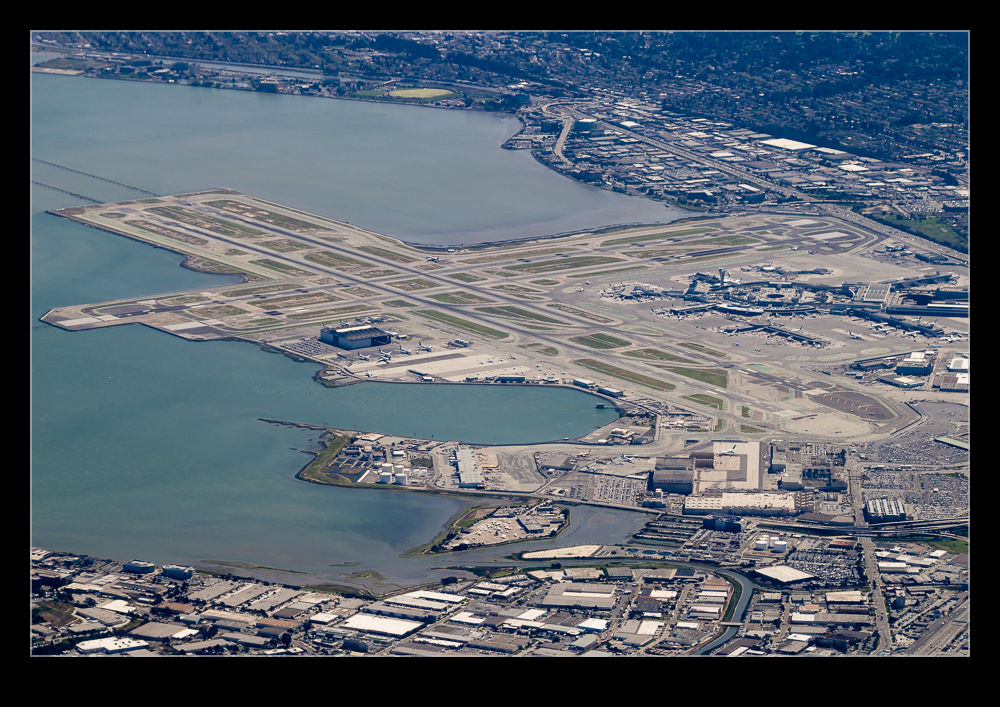
wpid13741-AU0E1843.jpgIt would have been cool to have more traffic at SFO as we flew over but the planes were pretty small anyway so that may not have made any difference in the end.
wpid13745-AU0E1860.jpg wpid13739-AU0E1833.jpg wpid13727-AU0E1774.jpg

Centurion Freighter


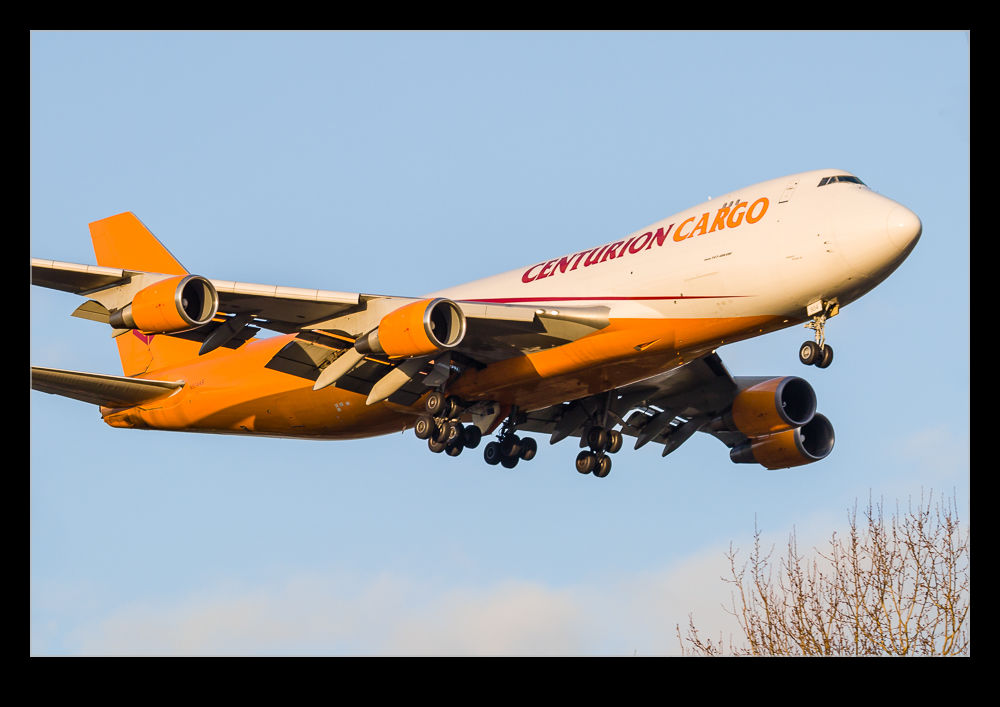
wpid13522-AU0E0213.jpgI was in the vicinity of SeaTac when I saw on Flightaware that a freighter operated by Centurion Cargo was inbound.  This was not an operator I had seen much of and, since I had a few minutes before I was heading to my next appointment, i thought I would try to catch it.  Getting arrivals at SeaTac in the afternoon when they are coming from the north restricts the options for shooting.  however, there was a place I had been before for departures that I thought I would try.

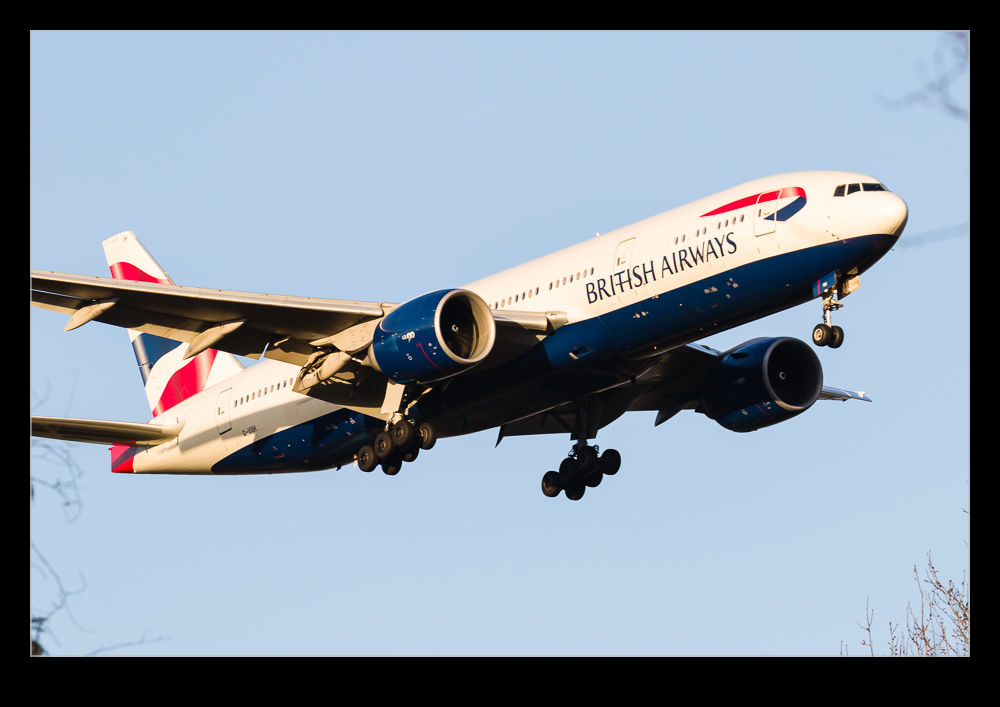
wpid13528-AU0E0175.jpgI got there with a few minutes to spare so was able to get an idea of what was possible with some other arrivals.  The location was not ideal with a lot of trees in the vicinity which, even though it was winter, tended to obscure things a bit.  There was a view through the trees up the approach and then along a road as they passed by.  Neither was very good.  I got a British Airways 777 which gave me a clue as to where the Centurion jet would appear and how much free space there would be.  Not much as it turned out.  However, I did get a brief view which will have to do for now.

wpid13524-AU0E0190.jpg

Hyper Lapse Landing at Phoenix

Hyper lapse is not something I have tried a lot of but I have done a little experimentation.  For those who are expert at it, my description might be a bit simplistic but it is basically a time lapse when the camera doesn’t stay still and the movement through a scene is accelerated.  I had a go at this out of a window of a Southwest flight that was approaching Phoenix.  Keeping the camera still and in the same reference to the aircraft is a little tricky but the nice thing about time lapse shooting is that small movements get blurred out quite quickly.

I liked the idea of the rapid passing of the scenery, the rapidity of the maneuvers and the speedy deployment of the flaps showing up.  I decided to let it run until we were back at the gate.  As my friend Paul said, “Don’t all Southwest flights taxi at that speed?”

Two New 737s

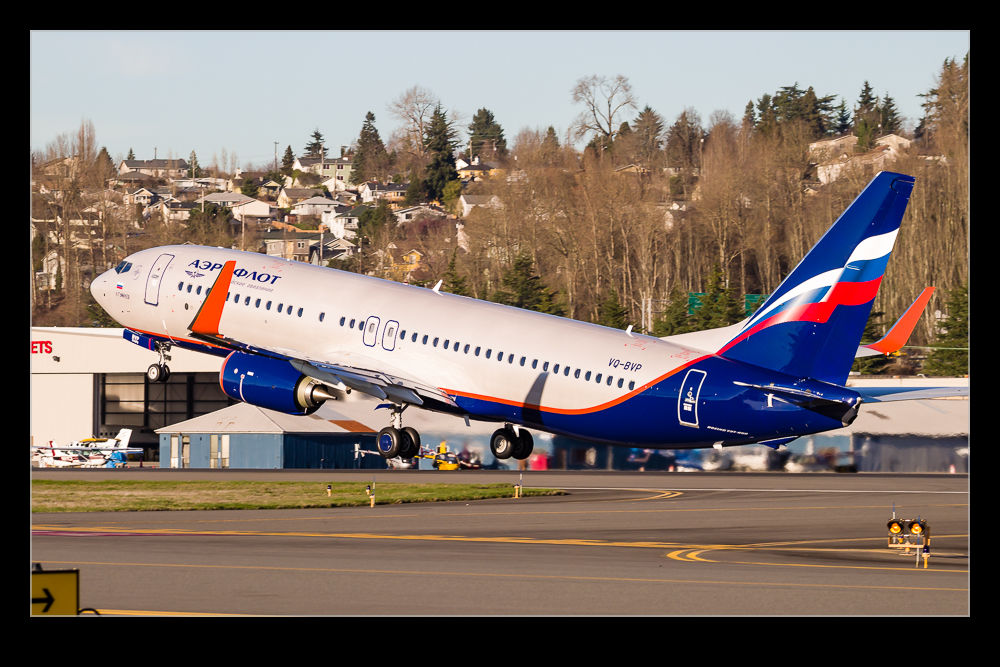
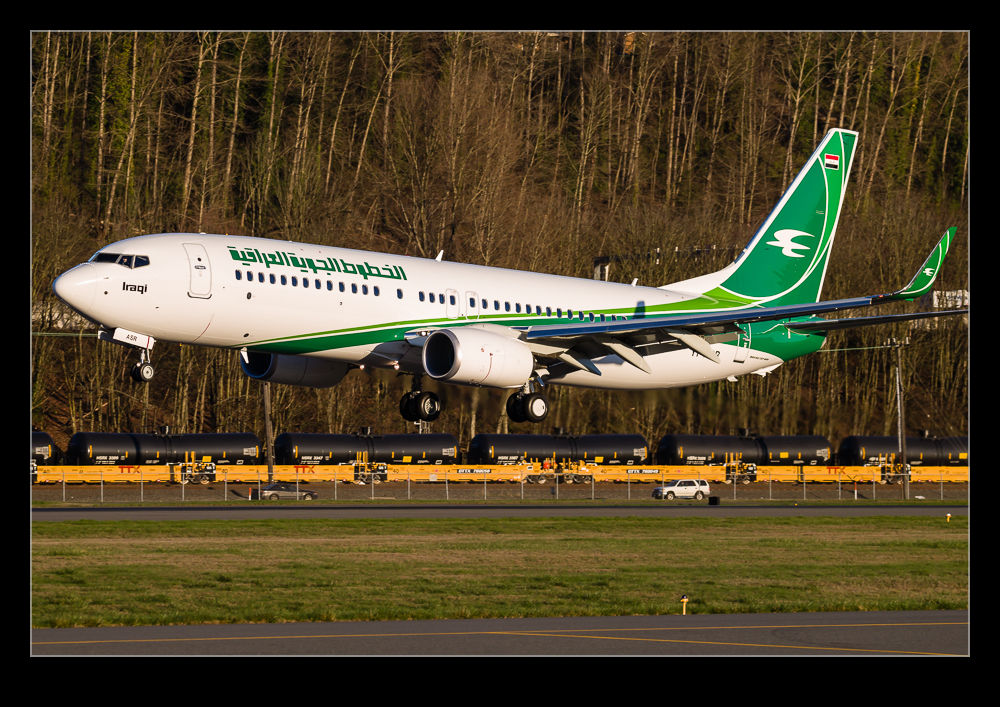
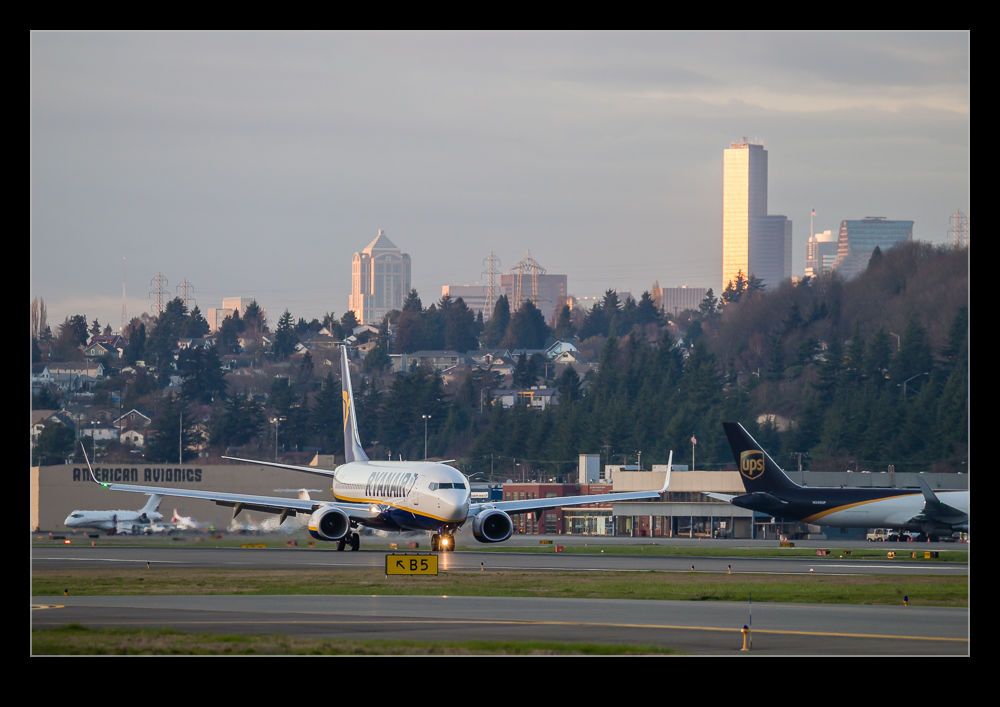
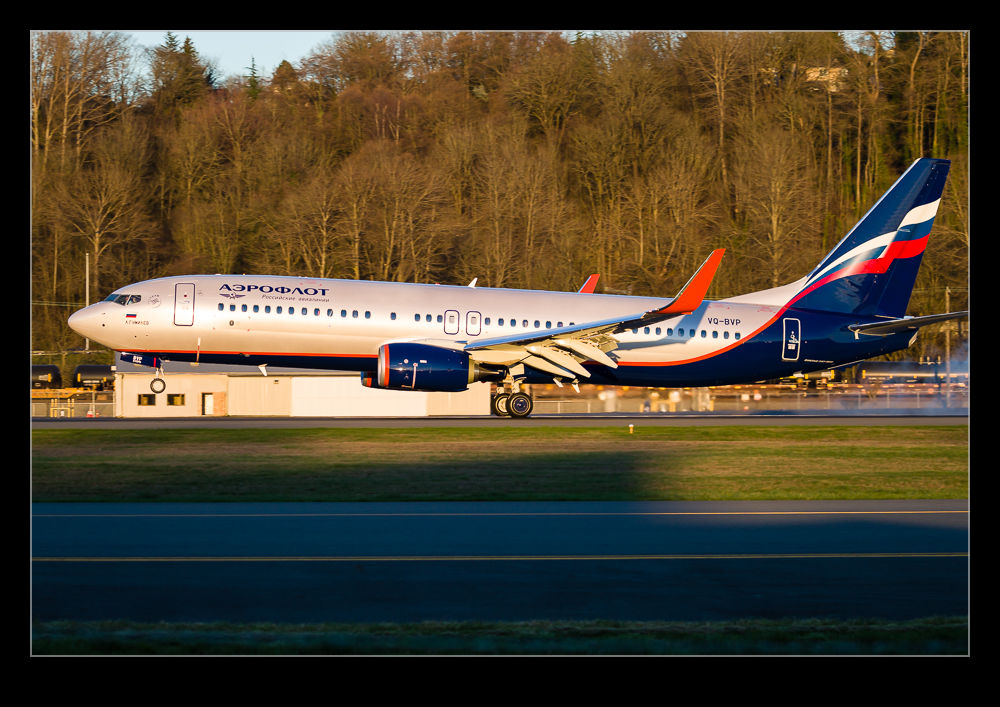
wpid13530-AU0E0118.jpgBoeing Field not only is the home of development flight test activities for the commercial aircraft business but it is also where the production flight testing for the 737s is done.  After the first flight from Renton, the jets come to Boeing Field for acceptance testing and delivery to the customers.  Therefore, you can see 737s that you are unlikely to see again once they get into service.  I had three customer aircraft on test flights at various times while I was there on one trip.

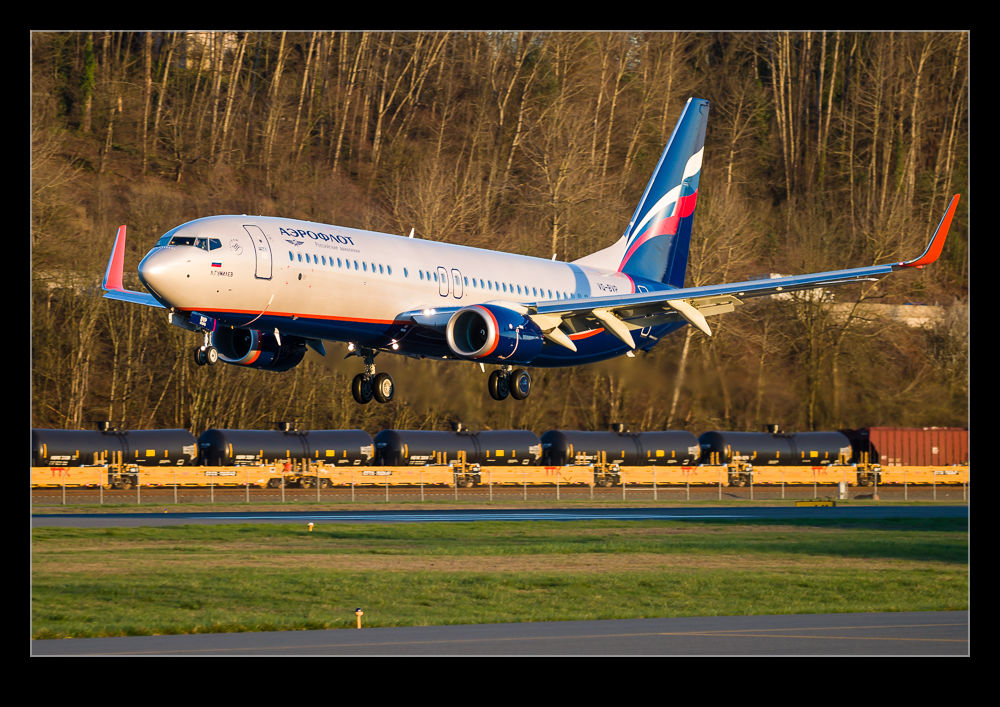
wpid13546-AU0E9838.jpgOne of them is not such a surprise for anyone in Europe.  A Ryanair 737 landed just as the sun was setting.  That is a sight that many European travelers will have seen although we don’t get to see them over here.  However, the other two were slightly more interesting to me.  One was an Aeroflot jet and the other was from Iraqi Airways.  I got the Aeroflot jet twice as it happened.  It departed when I was passing through on my way to a meeting and it happened to come back late that day when I was coming back.

wpid13552-AU0E9999.jpgThe Iraqi jet was one I had seen parked up as I drove by but I didn’t see it leave.  However, it was due to return at the end of the day and actually came in not long before the Aeroflot jet.  It was clearly going to be in before the sun went down.  Aeroflot was a bit of a closer call.  We knew it was coming but were watching the shadows stretch across the field and some clouds drift in.  Fortunately, the cloud passed just in time and the sun was still just above the horizon so we ended up with some lovely light.

wpid13520-AU0E0273.jpg wpid13532-AU0E0131.jpg wpid13544-AU0E9773.jpg wpid13550-AU0E9961.jpg

B-58 Hustler

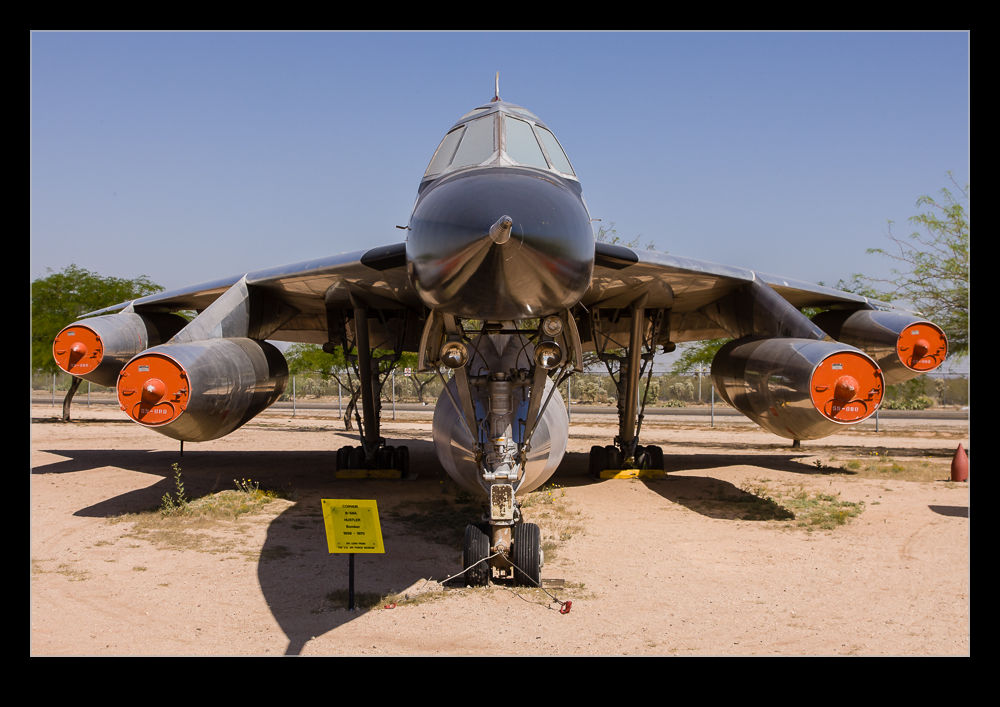
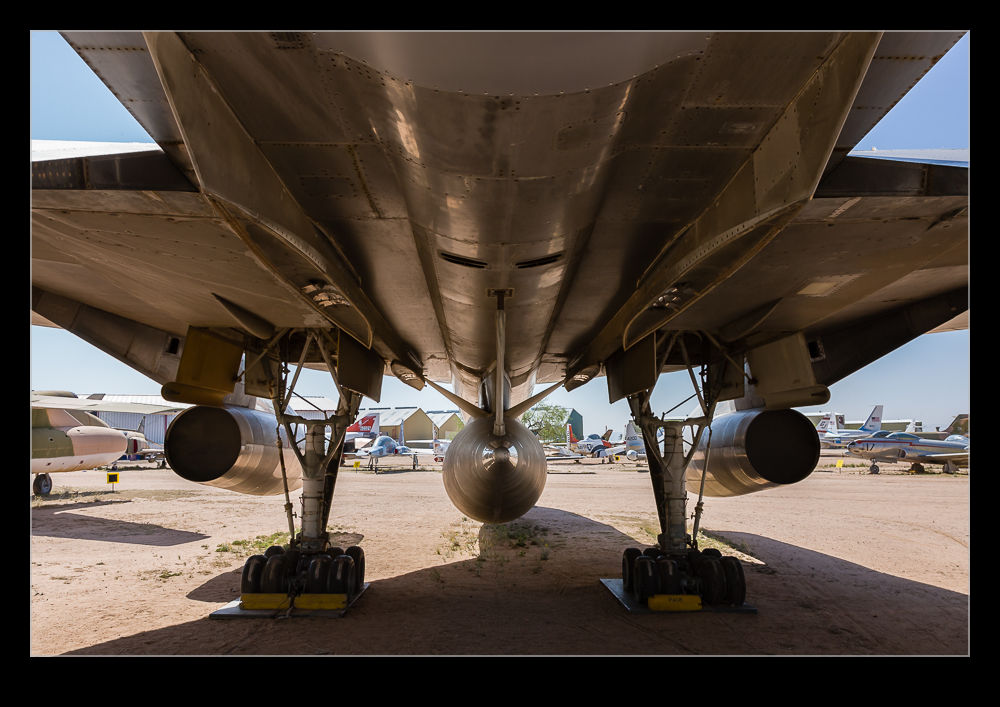
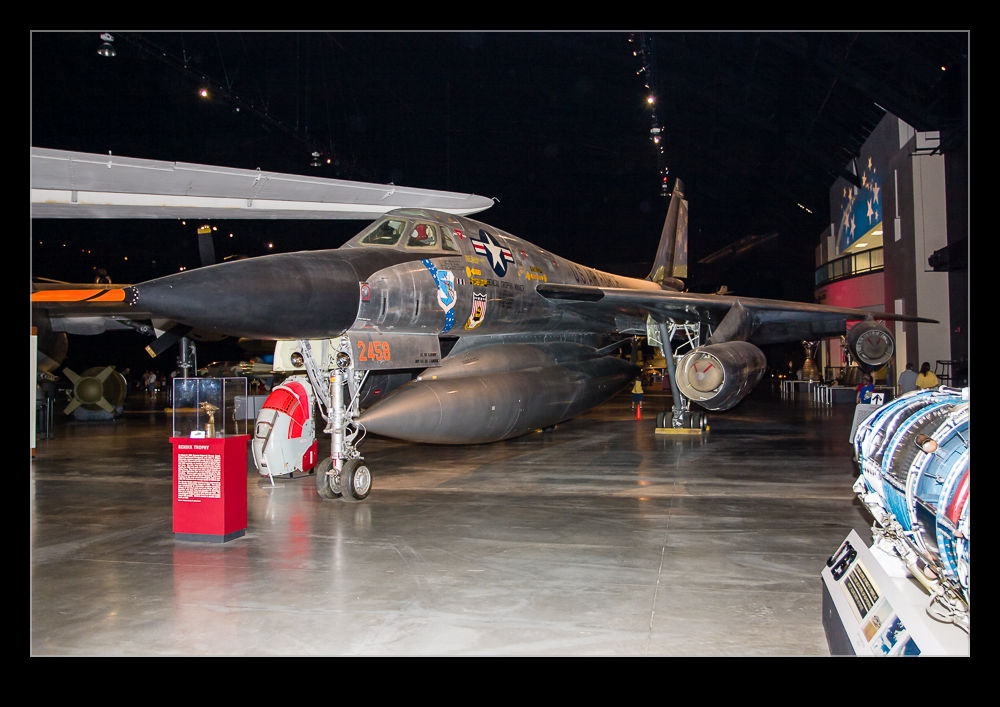
wpid12907-QB5Y2167.jpgA few people I know recently had pictures up on Facebook of the B-58 Hustler bomber. This was a supersonic bomber from the cold war era. It was a beast of an aircraft and one that I would love to have seen in action. Sadly, they were all withdrawn from service long before I had a chance to see one. However, there are a few of them scattered around museums and I have seen them in person, even if it is not quite the same. I thought I would throw in a few shots of my own of these outstanding looking jets.

wpid12909-QB5Y2171.jpg wpid12905-CRW_0673.jpg

Thunderbirds and the Missing Pylon

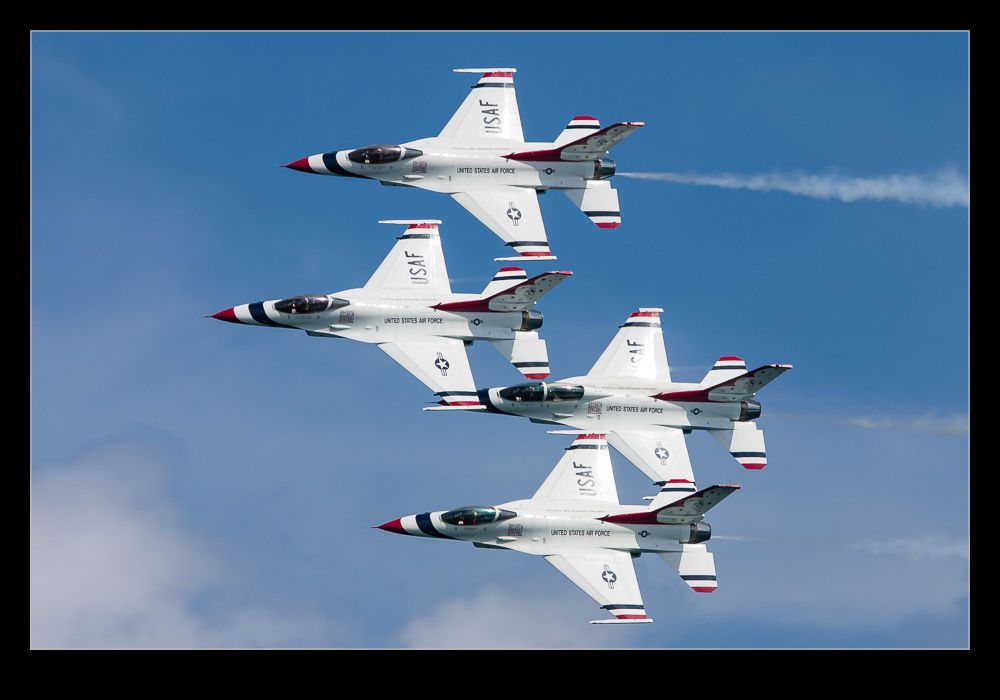
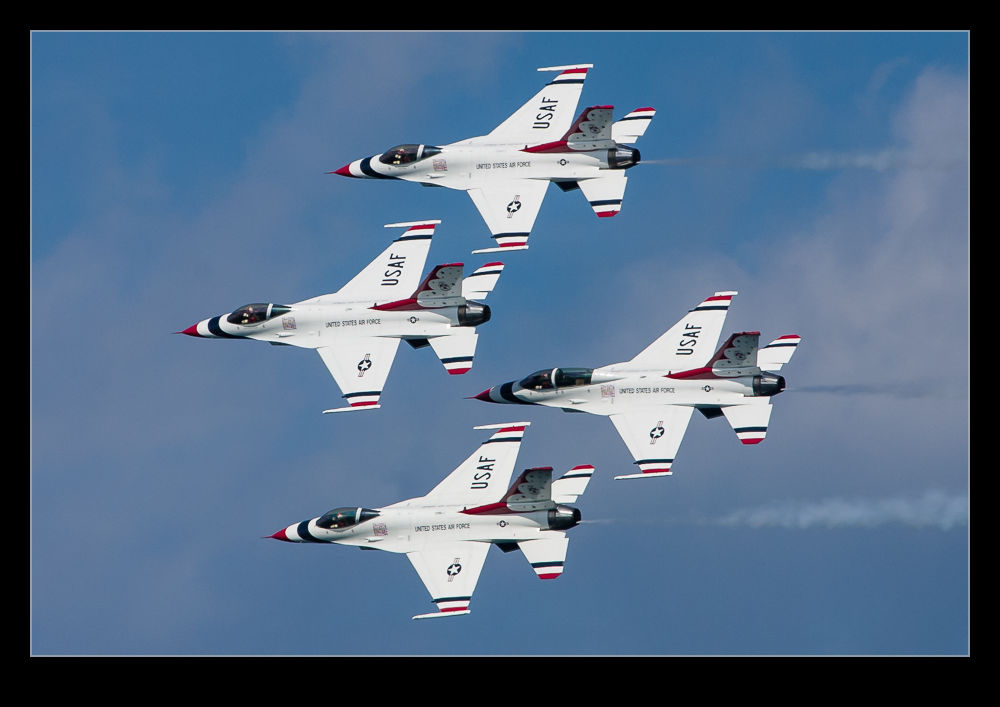
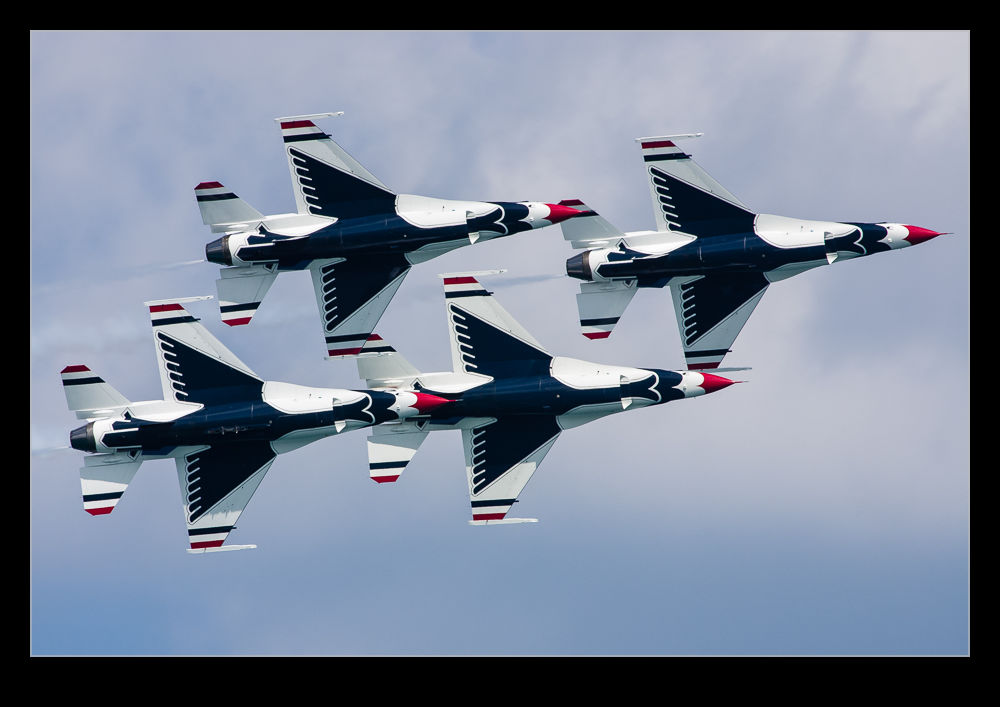
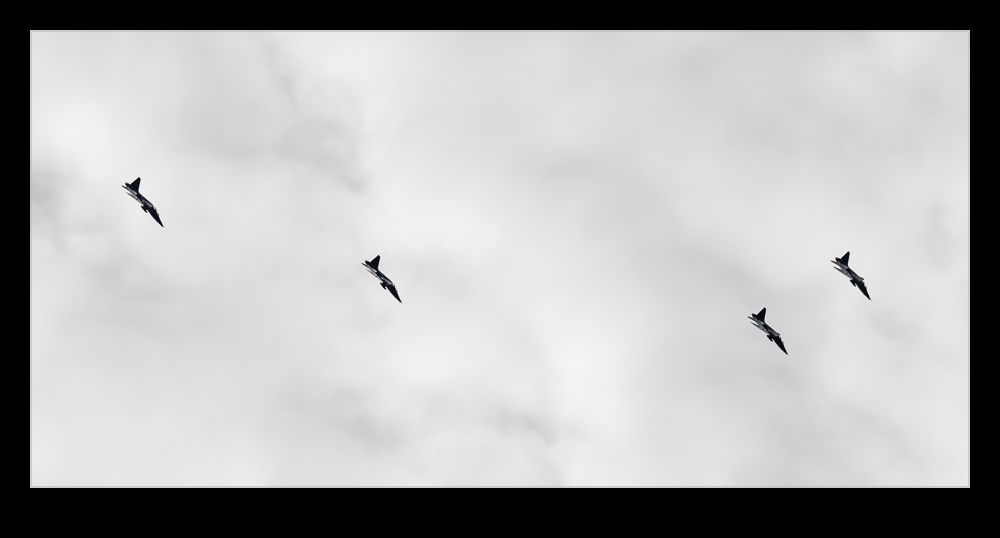
wpid13554-CRW_7987.jpgA discussion on Facebook between a few people I know recently turned to a discussion about the USAF display team, the Thunderbirds. While I can’t now remember how ended up the way they did, at some point, there was discussion about the time the Thunderbirds touched in mid-air with one aircraft losing part of the wing tip missile rail. This occurred at the Chicago Air and Water Show and I was there that day.

wpid13556-CRW_7992.jpgAt the time, not many people knew anything had happened. Indeed, for a while they flew on before pulling out of the display routine and orbiting overhead and then eventually returning to Gary to land. No-one on the ground had any idea what was going on. I did not capture the contact between the jets. However, when I looked through my shots afterwards, I realized I had a shot of the four ship formation with one aircraft missing the rail and another showing some signs of damage on the tailplane where the rail had impacted. Below is one shot to prove they started out intact!

wpid13558-CRW_7974.jpg

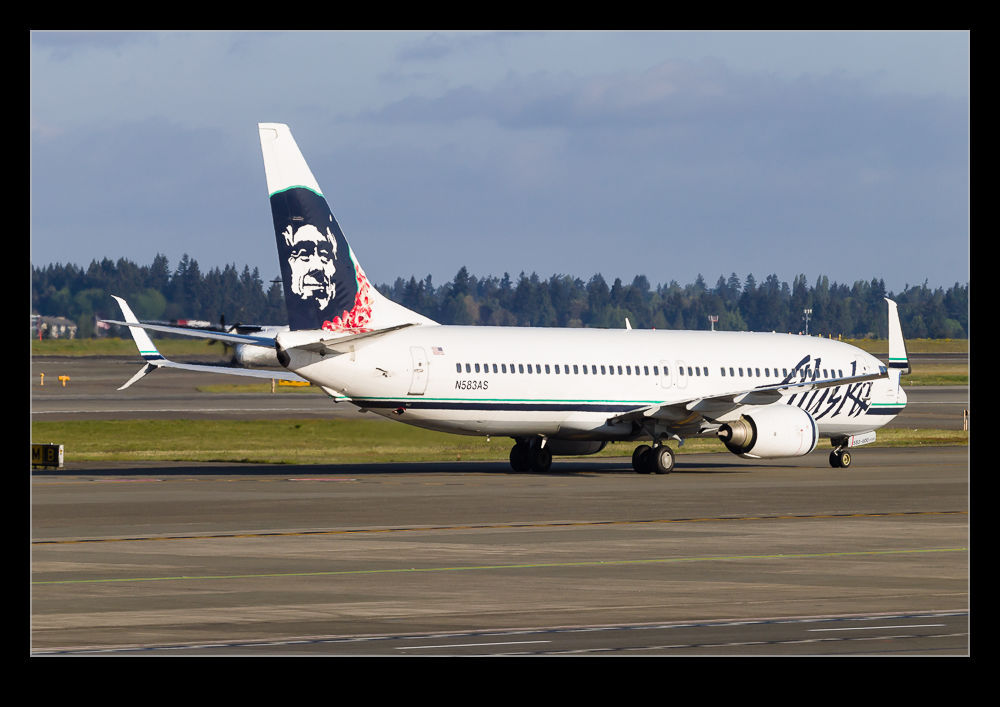
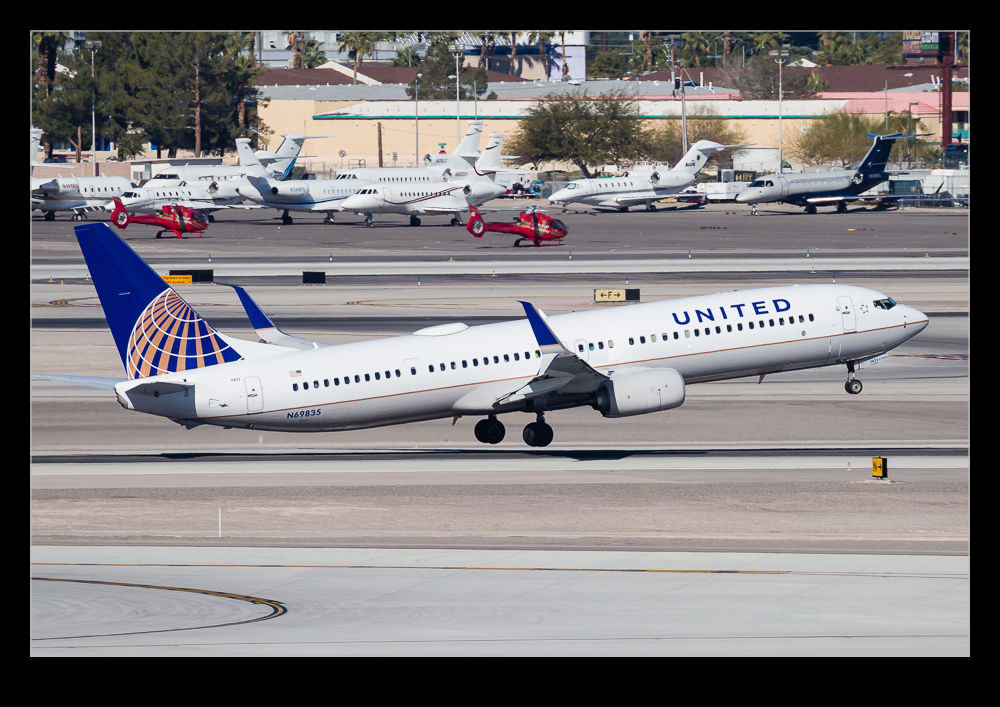
Scimitar Tips

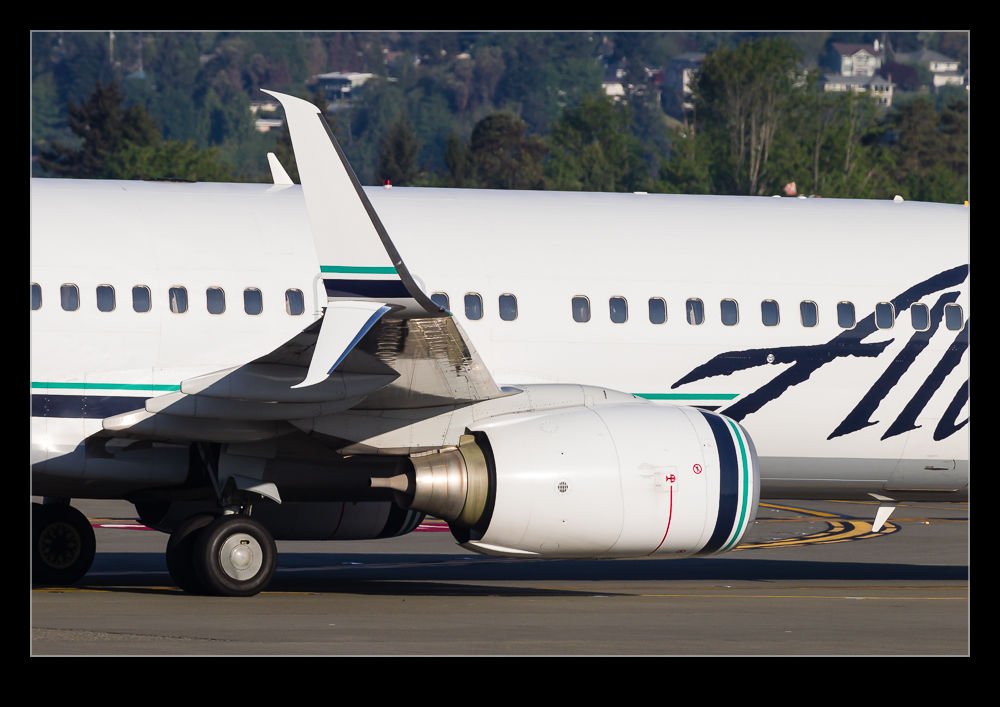
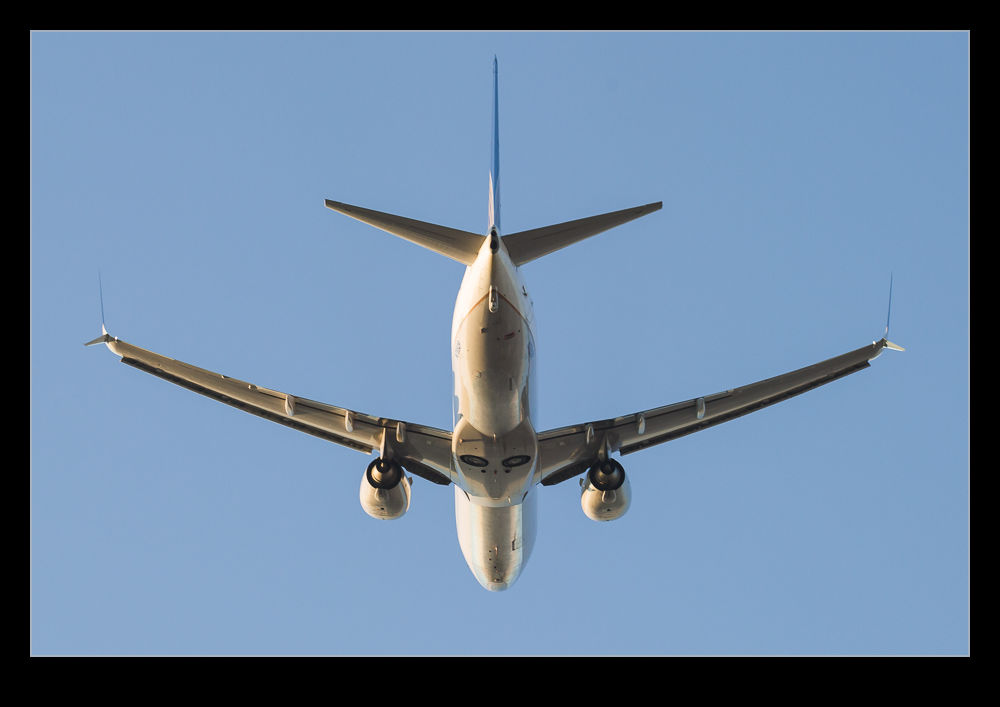
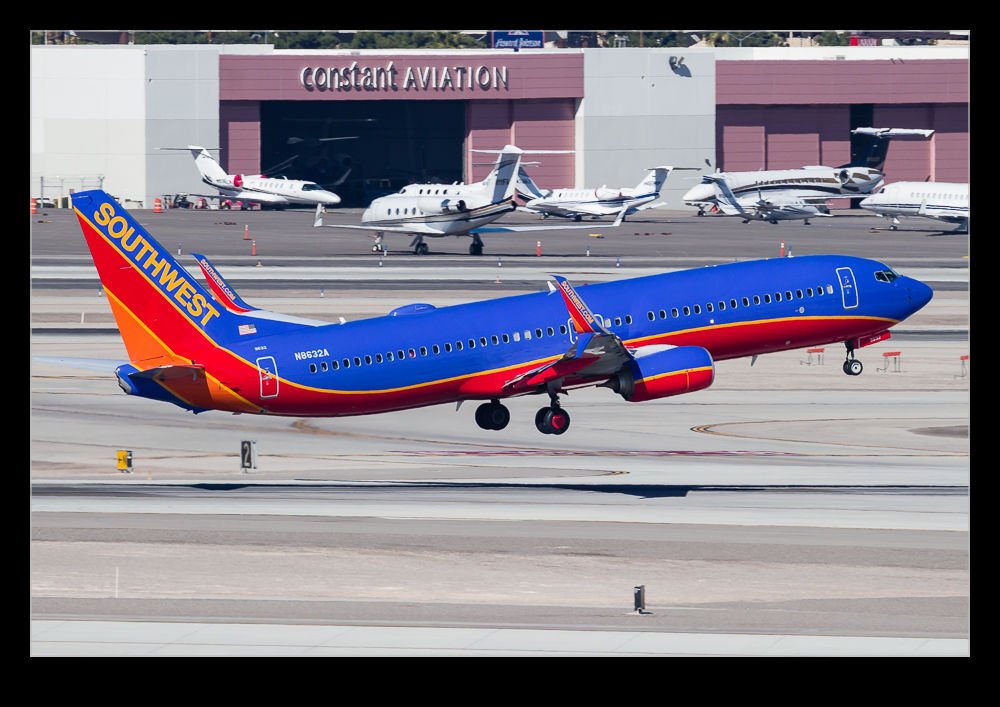
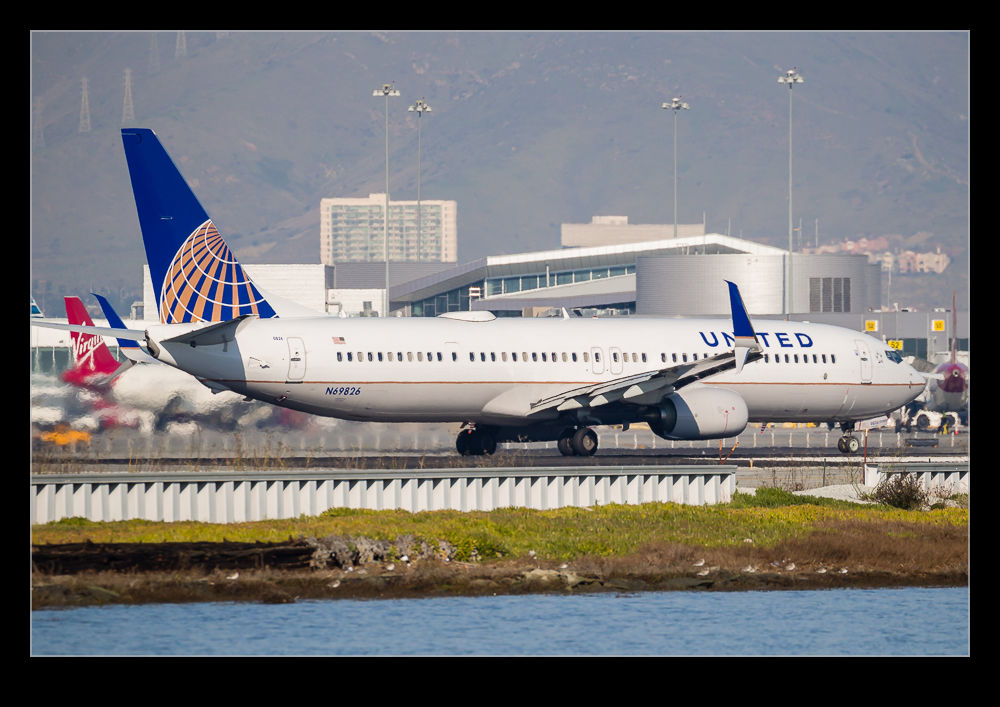
wpid12898-AU0E5001.jpgAviation Partners Boeing has been very effective over the years in getting their technology into mainline airline service. The winglets they developed for the Boeing 737 have been very widely adopted with installations on 300 Series, 700 Series, 800 Series and 900 Series jets around the world. The BBJs have also had them extensively. I don’t think any new 737s are delivered without them. The programs for the 757 and 767 have also been well adopted.

wpid12891-AU0E6181.jpgThe 737 Max is going to have a new winglet design that Boeing have created. However, it is a way from flying. Meanwhile, APB has not stood still and they have created a new winglet design that has a downward portion mated to an updated winglet under the name scimitar. This is now making an appearance on a lot of jets as a retrofit. Southwest, United and Alaska have all started rolling the installation out.

wpid12895-AU0E7585.jpgI like the look of the new design. The tip seems to be a bit of a styling effort. The downward facing portion is well aligned to avoid creating a drag inducing choke area at the root. The configuration is actually quite reminiscent of the original winglet designs in the paper Richard Whitcomb wrote when first proposing the concept. I suspect we shall be seeing a lot more of them in the future.

wpid12889-C59F5208.jpgwpid12902-AU0E5007.jpg wpid12893-AU0E7316.jpg

My First Poseidon

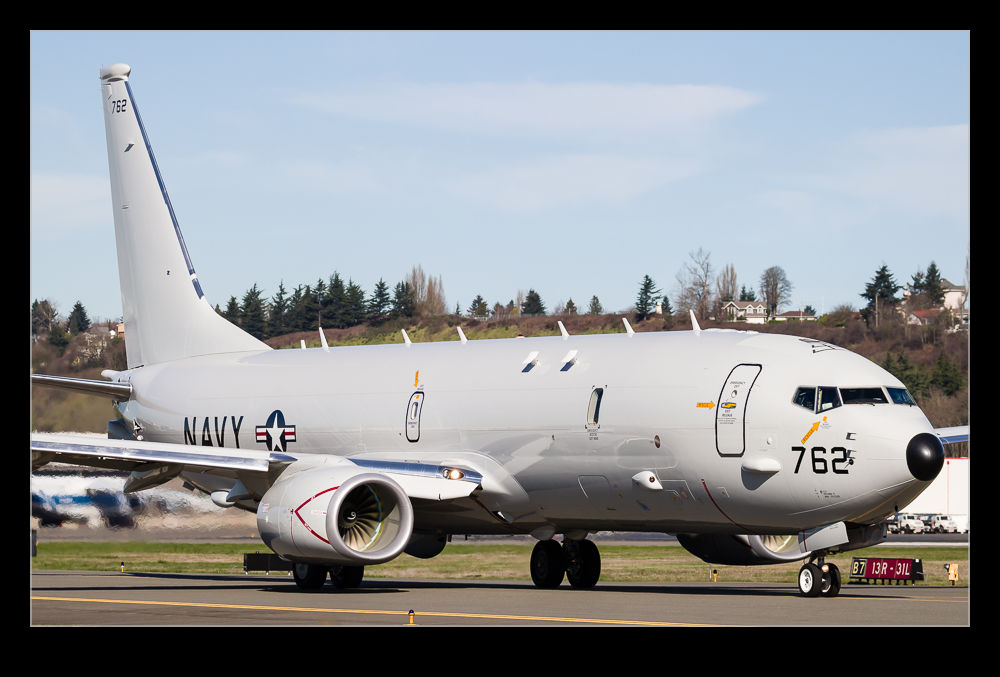
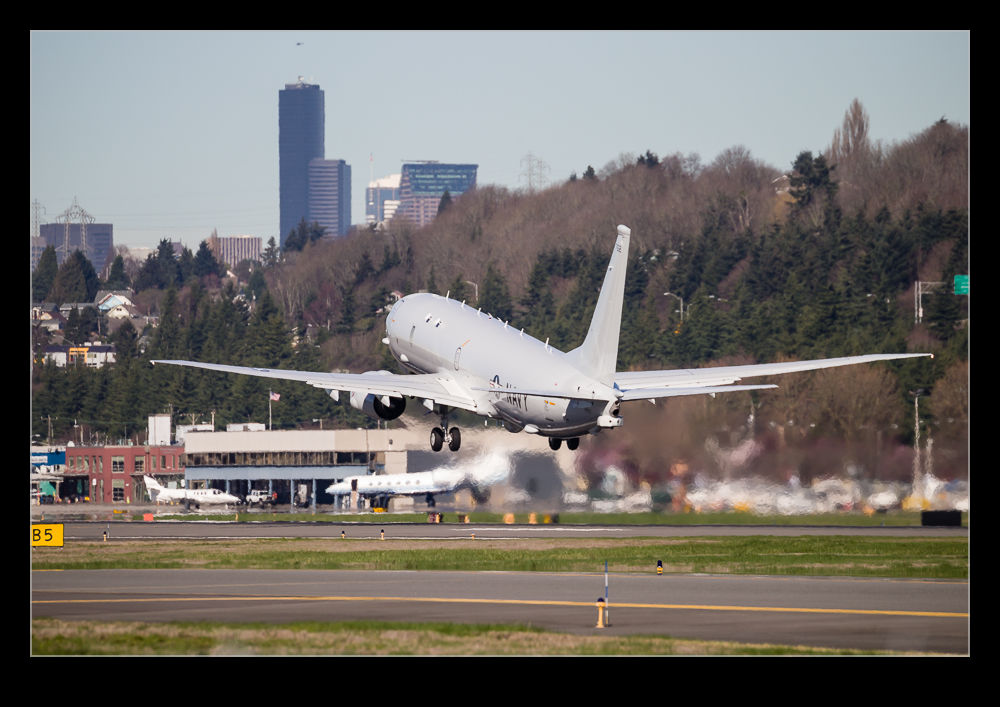
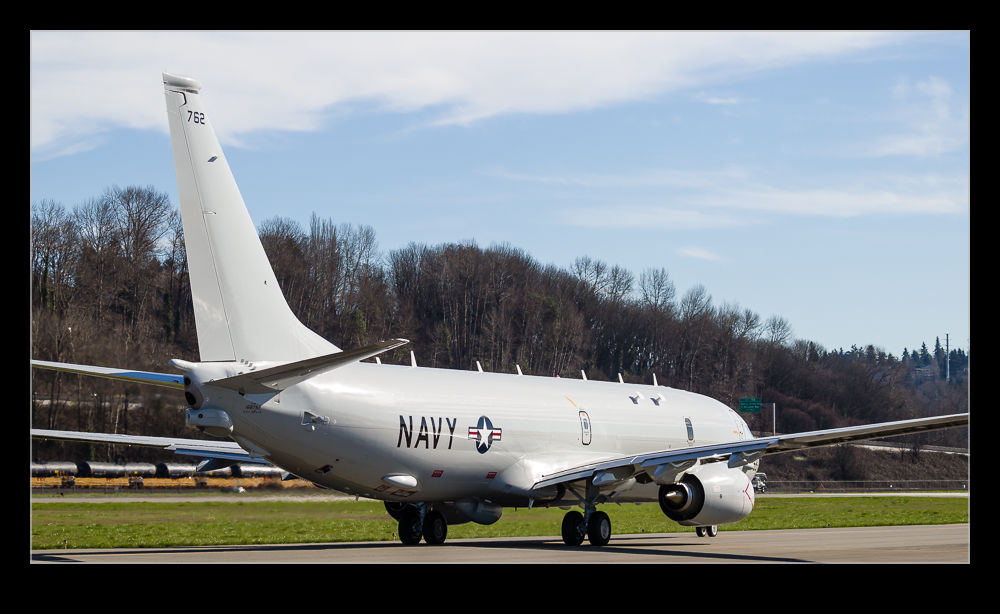
wpid13534-AU0E9430.jpgThe Boeing P-8 Poseidon is not a new plane. In fact, it first flew in 2009. Why is it, then, that I have never seen one in flight before? I have seen them on the ground at various times. This has included air shows and seeing them on the flightline at Boeing Field. I have come close a number of times there including some of the Indian Navy Ark variants that have been undergoing testing. Despite all of this, I had not seen one fly.

wpid13542-AU0E9528.jpgFortunately, I have finally overcome this shortcoming, if only briefly. I found myself at Boeing Field on a recent trip to Seattle where I was eating my lunch between landing from a flight and heading off to a meeting. A pretty narrow window in which to hope to get anything interesting but, this time, I was lucky. The P-8 taxied out shortly after I got there and lined up. He wasn’t going for a takeoff at first. A surge of power and acceleration down the runway followed by an application of the brakes and the rejected takeoff test was done. This meant a trip back down the taxiway and right past me to get back to the threshold.

wpid13540-AU0E9511.jpgThe second time was supposed to be the full takeoff and the lightly loaded jet was promptly airborne and heading off to carry out its tests. It would be gone for a few hours so I wasn’t going to catch its return but it was great to finally see one moving and flying.

wpid13536-AU0E9455.jpg wpid13538-AU0E9465.jpg

NASA T-38

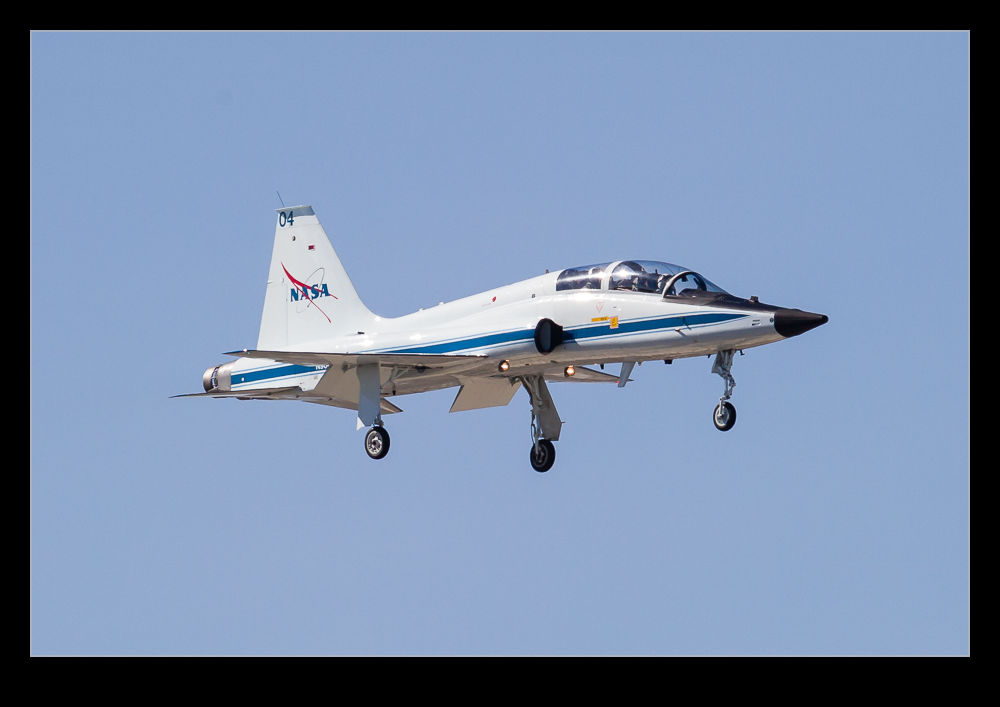
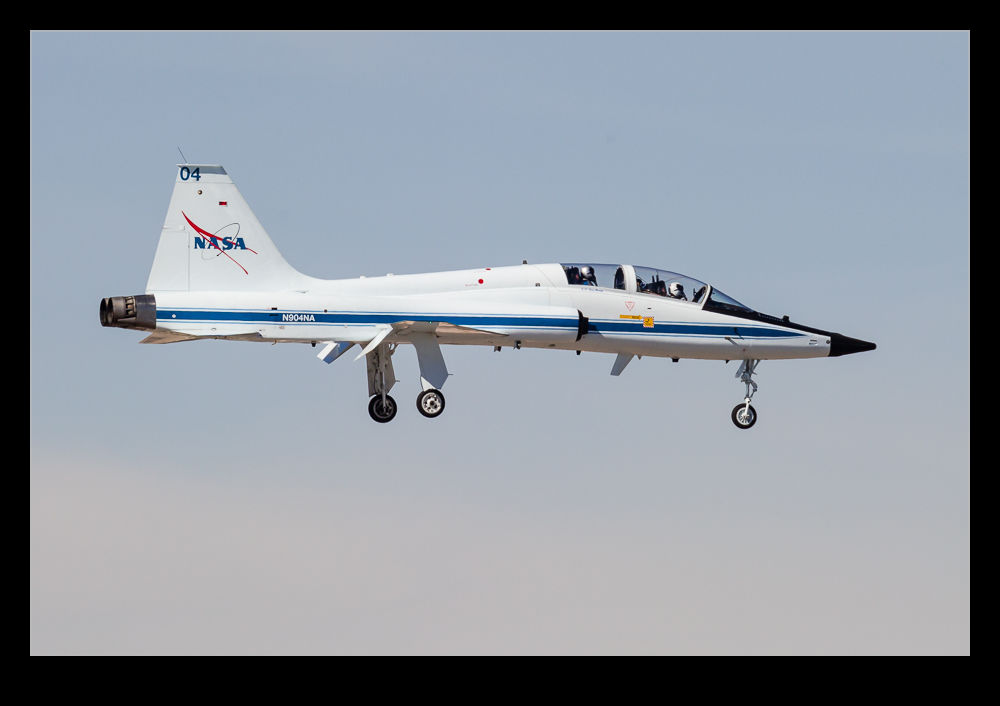
wpid13234-AU0E7922.jpgAs the visit to McCarran was getting towards the time we needed to leave for the Red Flag launch, we checked Flightaware and saw that a NASA T-38 was inbound. This was worthy of some attention. The question was, which runway would it land on? We hopped in the car and headed off to a spot near the 25 threshold. This was the direction it was coming from. If it made a straight in approach, we would catch it here. If it was directed to the 01 approach, it would need time to reposition and we would be able to move to a more suitable location.

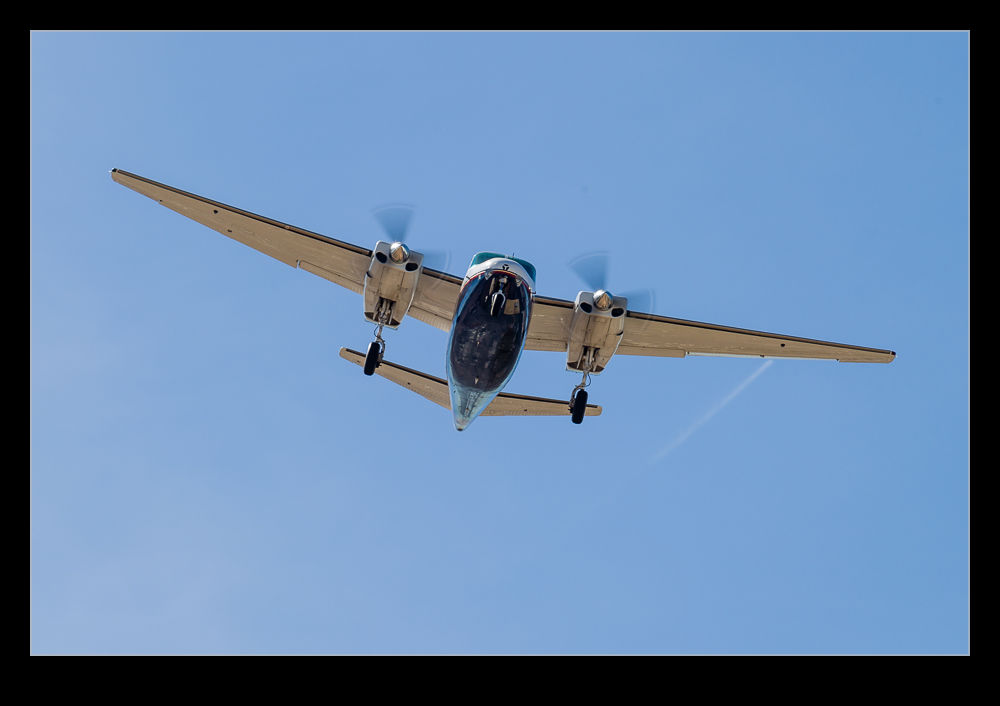
wpid13230-AU0E7884.jpgWe tracked the plane online and a look at the line of airliners up the approach told us it was going to 01. A hasty change of locations followed and we got to a suitable spot. An Aero Commander landed first which gave us an idea of the approach path. Then, the T-38 came into view. As is the case with the Talon, it was motoring down the approach. A quick adjustment and a few shots and then it was gone. All rather brief but a nice way to wrap up the visit.

wpid13236-AU0E7931.jpg wpid13232-AU0E7900.jpg