Tag Archives: jet

Aggressor F-15s

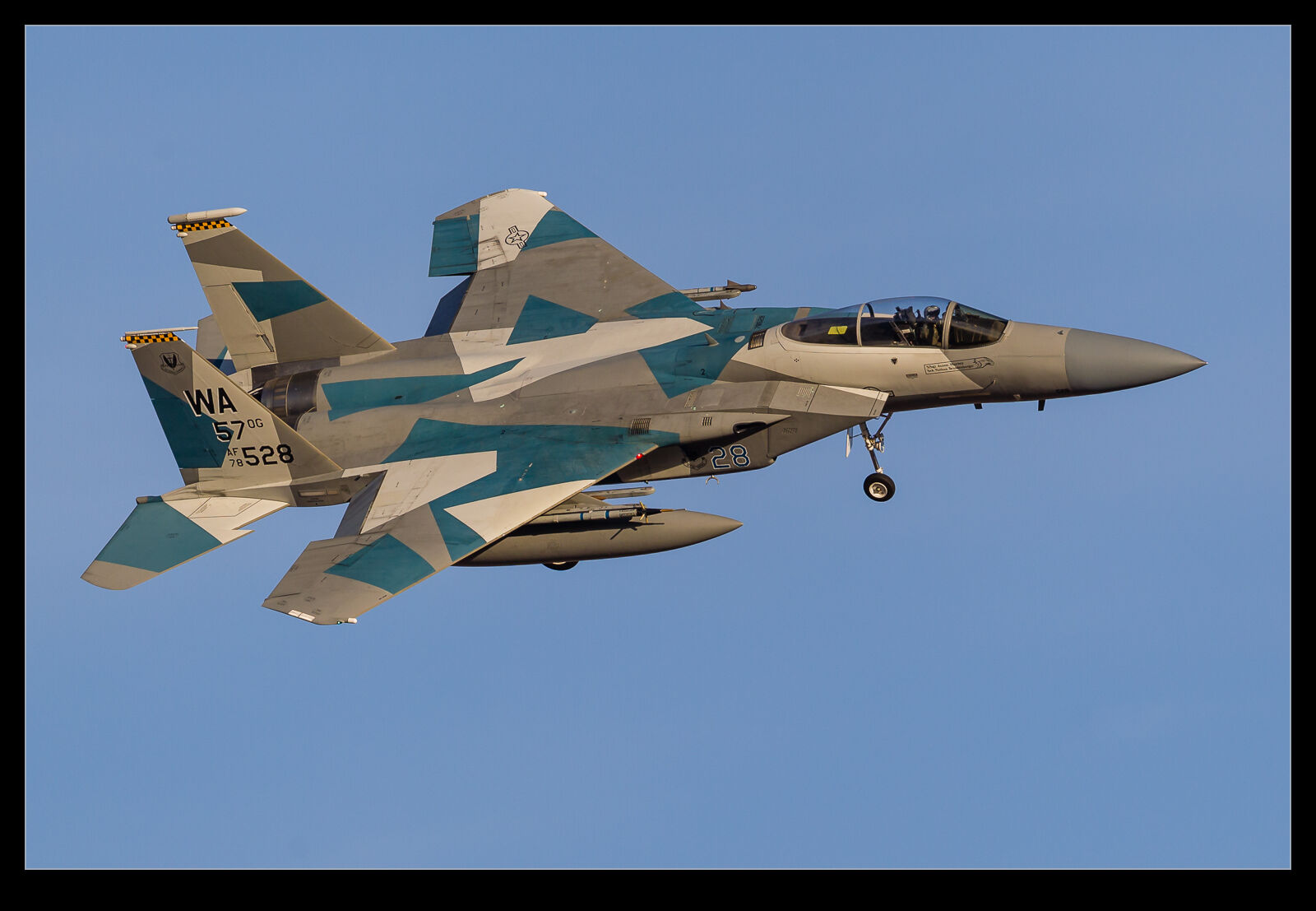
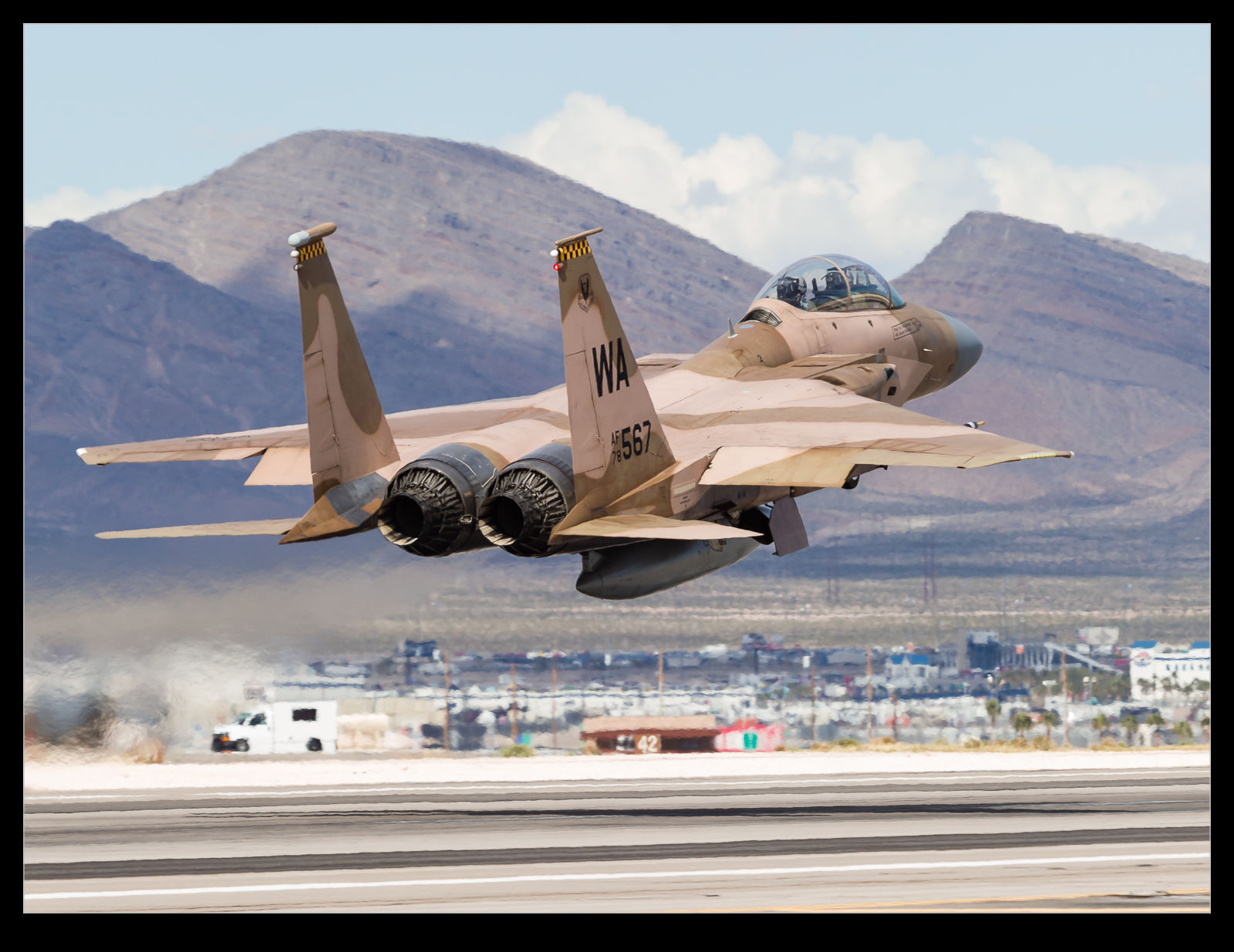
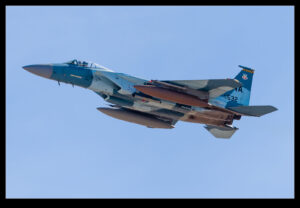
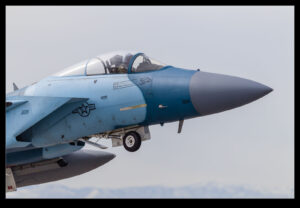
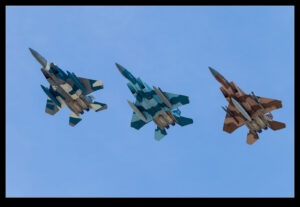
The USAF recently got rid of their squadron of Boeing F-15 Eagle aggressor aircraft. The aggressors have used a combination of F-15 and F-16 aircraft for a while but now they have gone to an all F-16 operation. The aircraft have been redistributed to the other units that operate the type and will gradually lose their aggressor colors as they get repainted.

AU0E6178.jpgI thought I would celebrate them with a selection of shots of the F-15s that I have got over time. I wonder whether we shall see them again. It is not unknown for things to change again so we can hope. However, I won’t be putting money on it.

Virgin A340-600

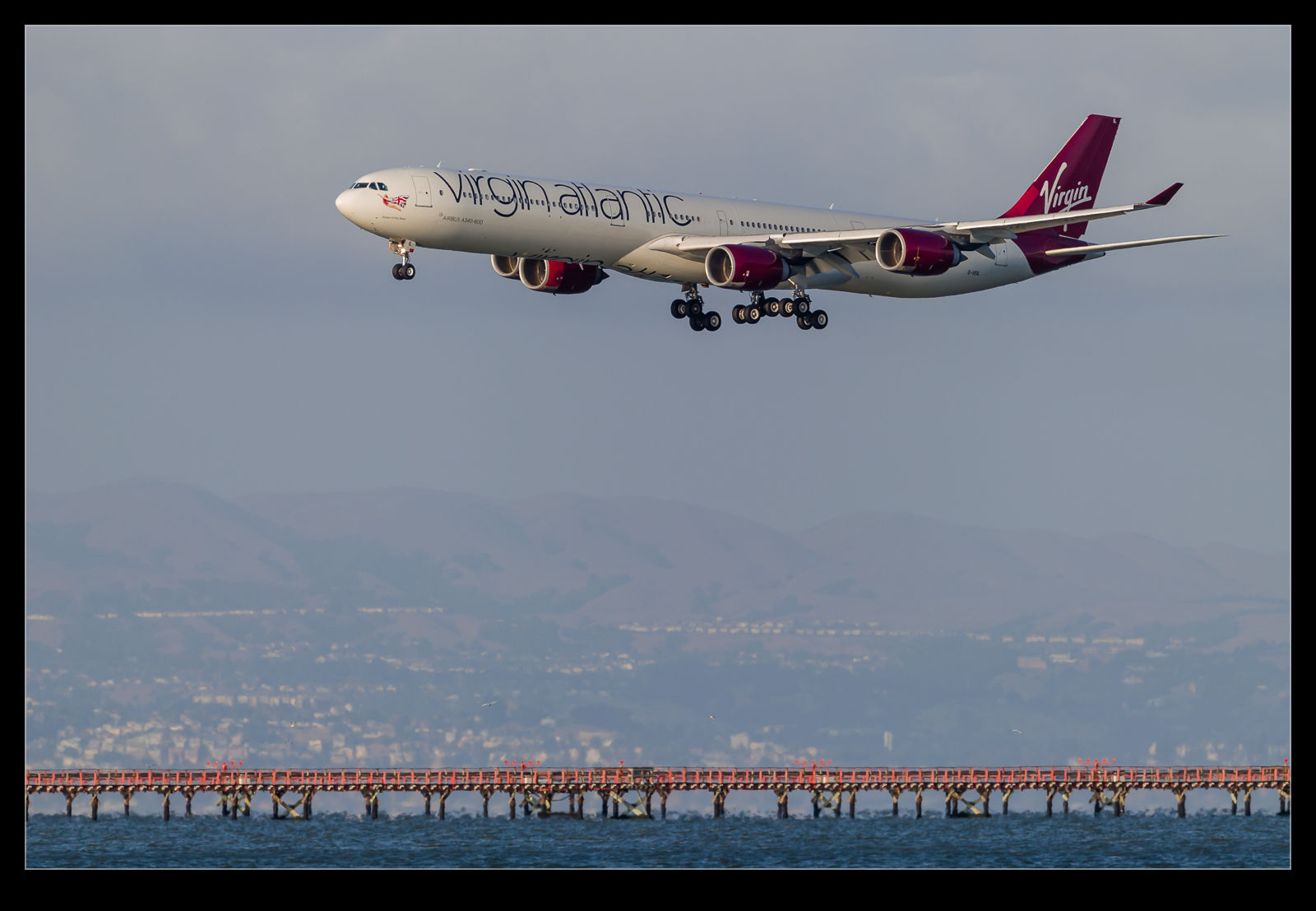
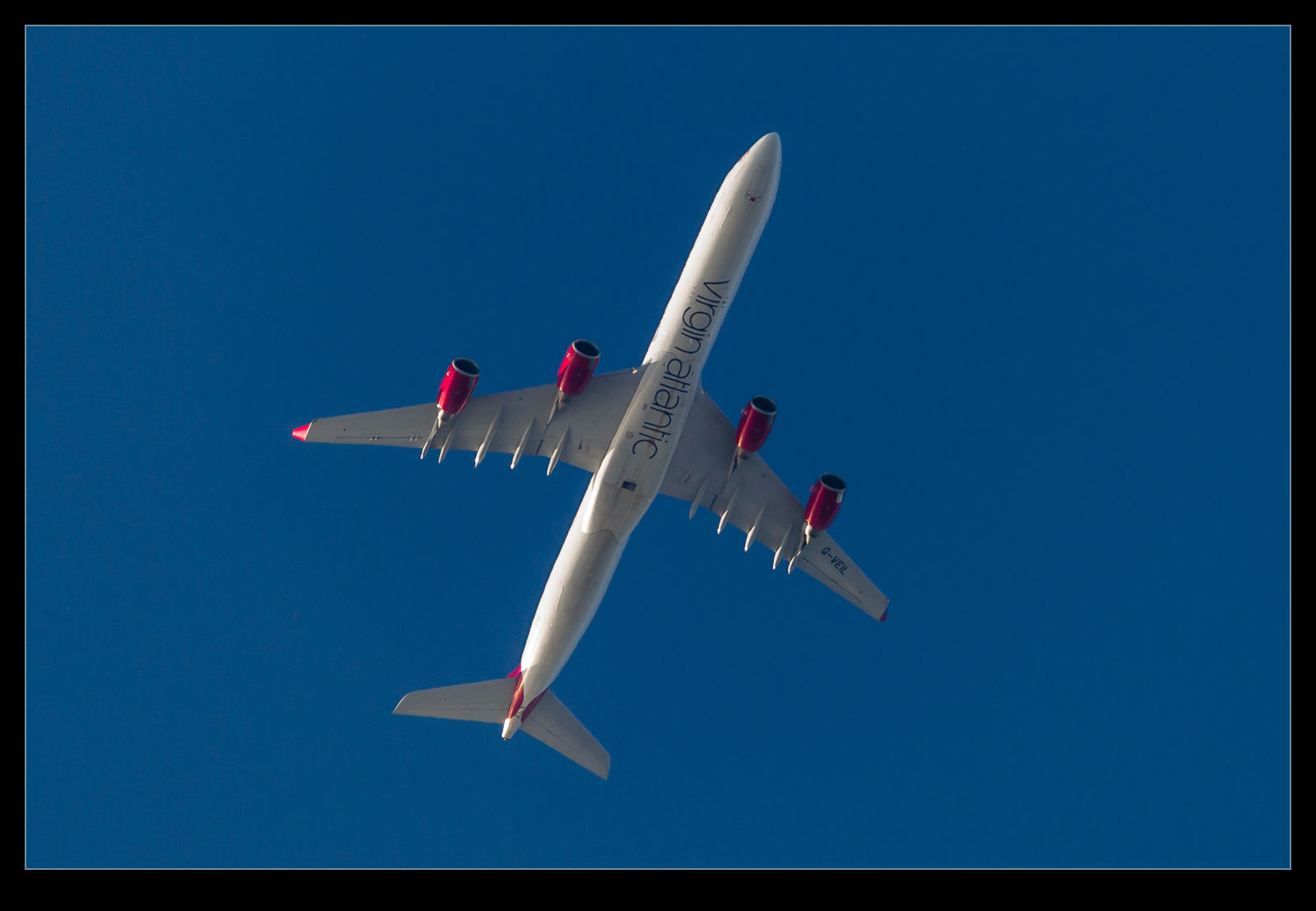
AU0E1840.jpgPeriodically, this blog gets populated with something that is disappearing be it an airline or a type of plane. Virgin Atlantic has been operating a single 747 in to SFO for years now. Recently they started up a second service five days a week. It is intended that this service will be operated with a 787-9 but the number delivered is not enough at this point. Therefore, they are using an A340-600 to start things before transitioning to the 787 in October. I have a relatively narrow window in which it will be operating and then it won’t be long before the A340s are gone from Virgin’s fleet. With a bunch of stuff coming up, I was looking for a chance to get a shot.

AU0E1714.jpgHaving the plane was only part of the issue. Having a nice day was another. Also, it arrives around 7pm so I needed to get it before the evenings get shorter and it shows up after dark. The only problem with that is that the heat haze is bad at this time of year. Nothing I can do about that so I have to make the best of things. Fortunately, I chose a nice evening. The light was good, the timing was right and the heat haze, while present, was not so bad as to run things completely. These images won’t survive too much scrutiny but I am glad to have got them before time runs out.

Thunderbirds With One Extra

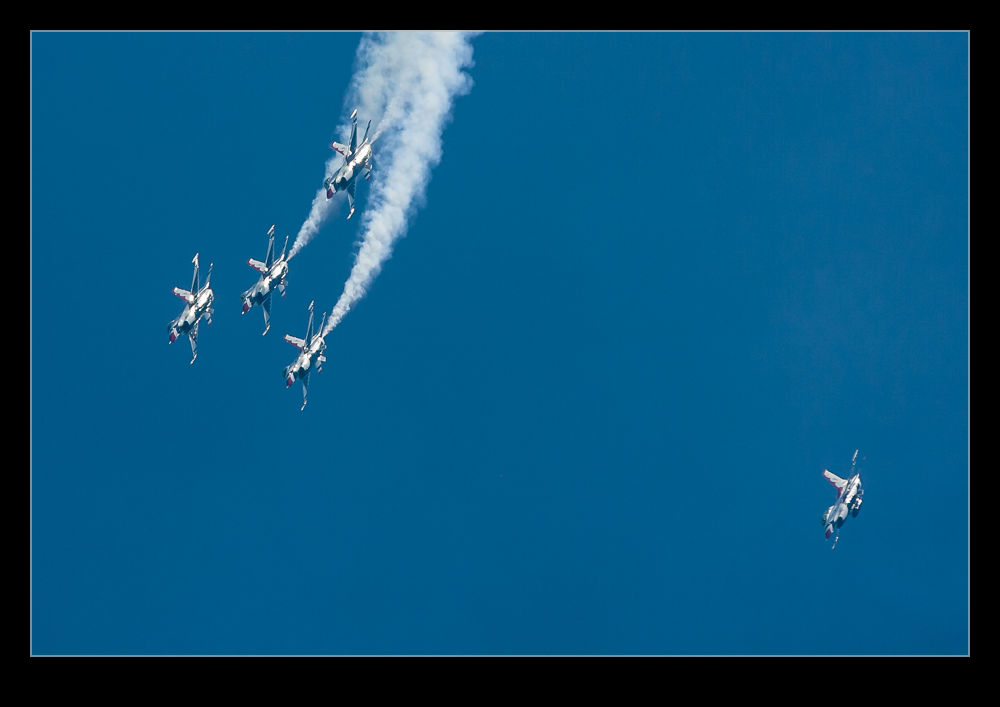
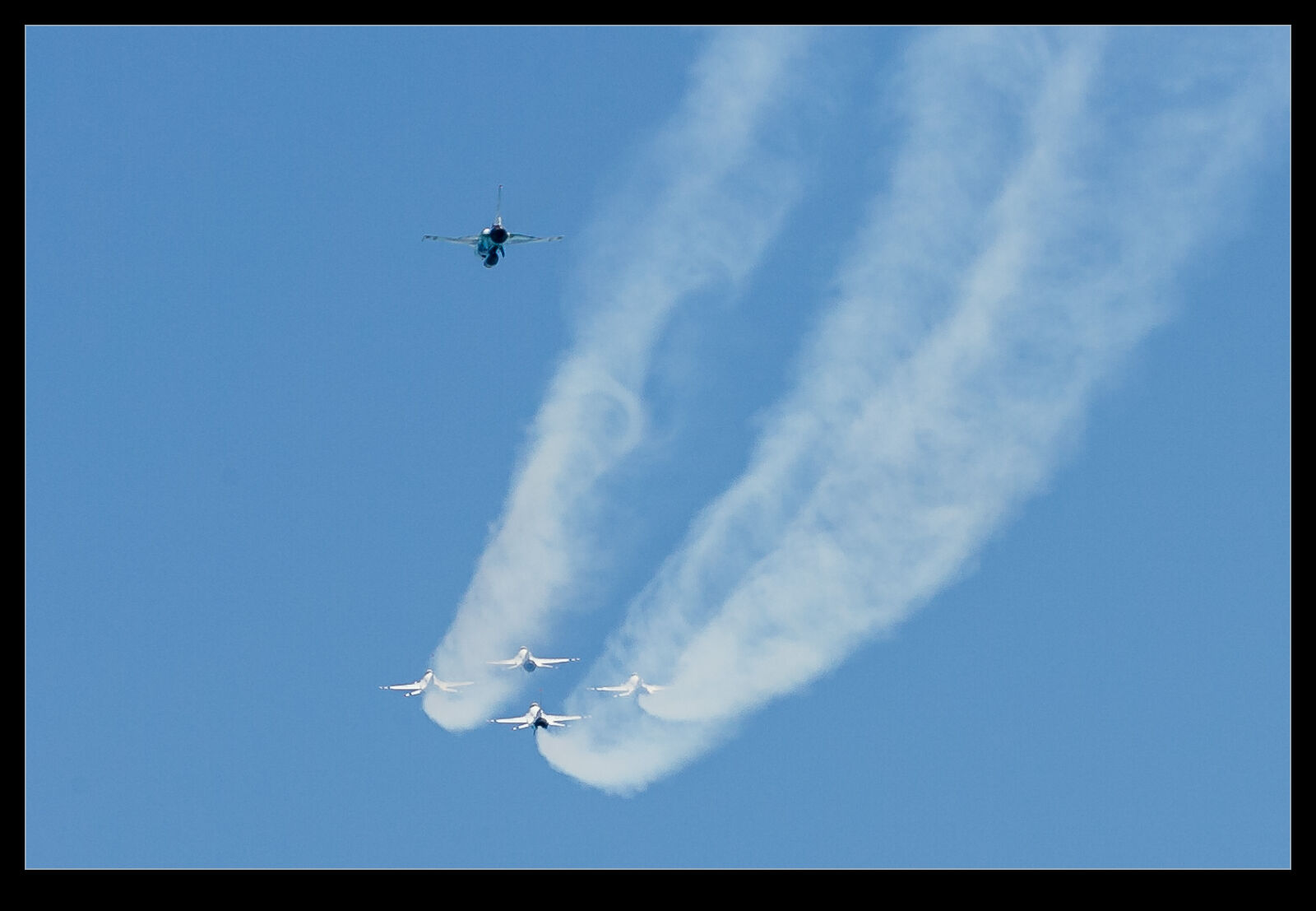
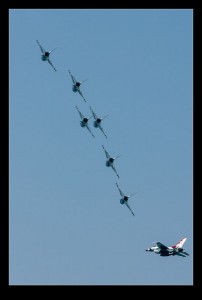
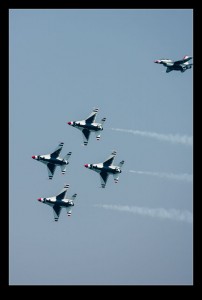
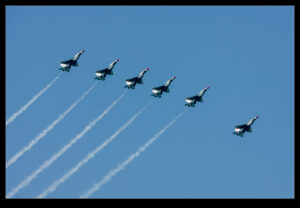
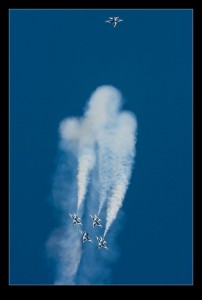
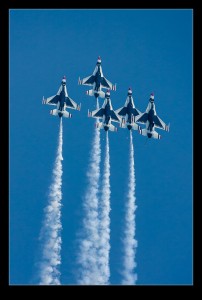
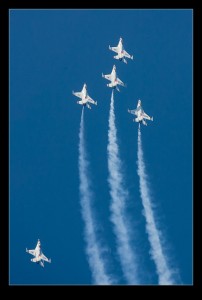
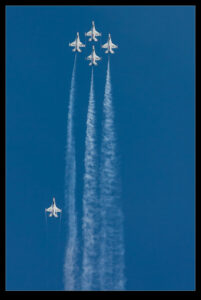
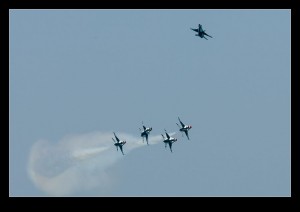
QB5Y4965.jpgWhy is this different and why should I look? Thunderbirds shots are not hard to find online. I have tons of them myself and an appearance by the team at any show is going to result in a ton of shots from the people there. These are shots with a slight difference though. These were taken in Chicago at the Air and Water Show a number of years ago. However, they weren’t taken on the main show days. Instead, they were taken during the Friday practice.

QB5Y5007.jpgBecause it was a practice day, the team carried out their display with a spare aircraft loosely in formation. It was a twin seater so I assume the backseat had a photographer occupying it. (I am not in the least bit jealous of course!) The team flew their normal display routine and the extra jet would position itself around the formation and (hopefully) get some shots of them with some excellent backdrops of the city.

QB5Y4911.jpgFor me, it meant getting pictures of formations that you don’t normally see. I imagine the excess power of the F-16 means there is some scope for the spare jet to position itself well around the formation without running out of energy. It must provide scope to get some cool shots. They had better be cooler than the ones I got that day given the position they had. I am happy with mine all the same.

Gulfstream G650

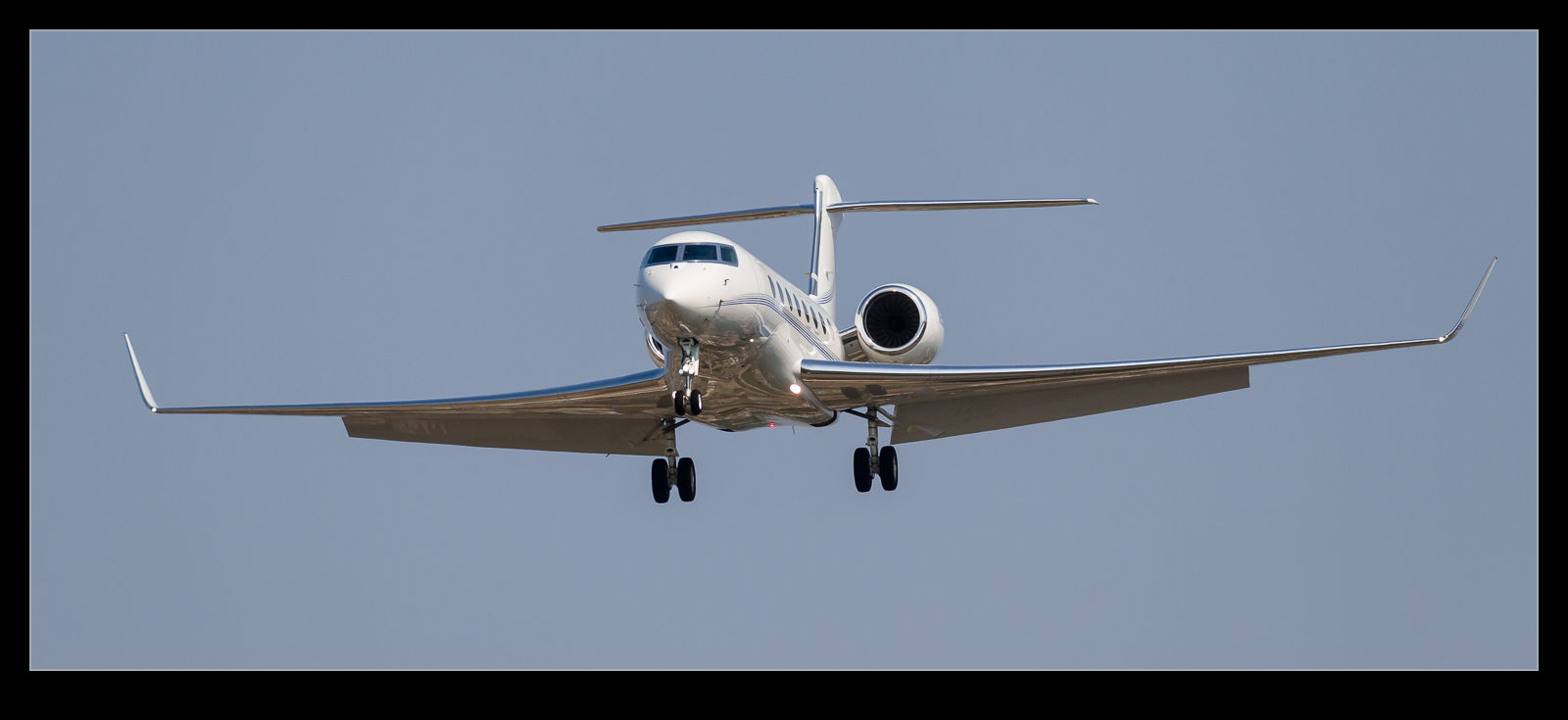
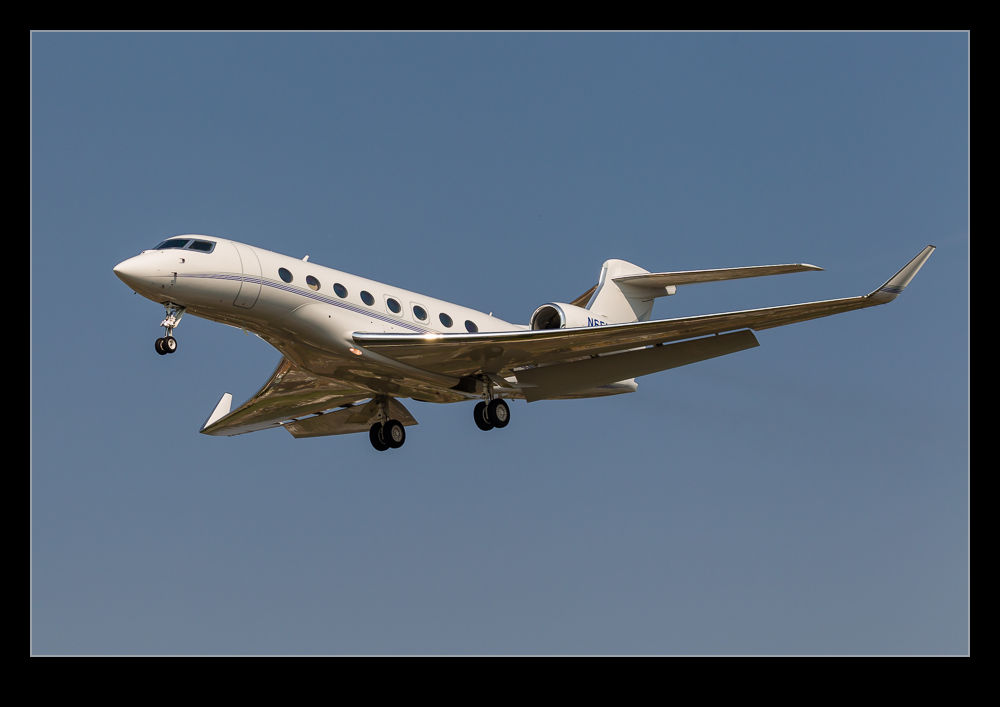
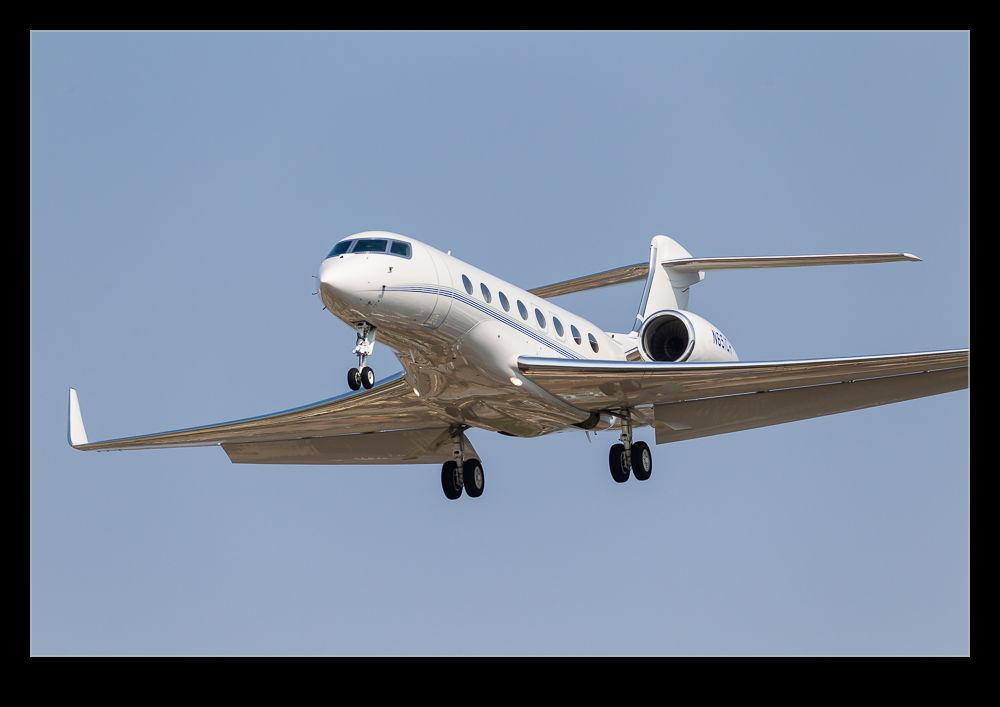
C59F4211.jpgWhile I have written about my preference for Bombardier’s Global Express jets, the top of the Gulfstream range has been bolstered by the arrival of the G650 (and more recently the G650ER) and this is a fine looking aircraft. I have had a few encounters with the type recently including one that I saw at Midway. Tracking inbound traffic is fine for airliners but, with so many business jets blocked, often it is a surprise when something shows up. This one was showing up though, so I had time to be ready for it.

C59F4232.jpgFrom a long way out you could see it since, while it is a business jet, it is really the size of a small airliner. The huge wing is apparent from head on and, as it comes past, the sleekness of the fuselage design is clear compared to the previous generations of Gulfstream. They have also made a far nicer job of the integration of the wing with the fuselage than was the case for the earlier jets.

C59F4223.jpgI won’t be buying one any time soon but that doesn’t seem to have worried Gulfstream. Judging by the frequency with which they have been showing up, I imagine the sales team has been busy!

Executive MD-80

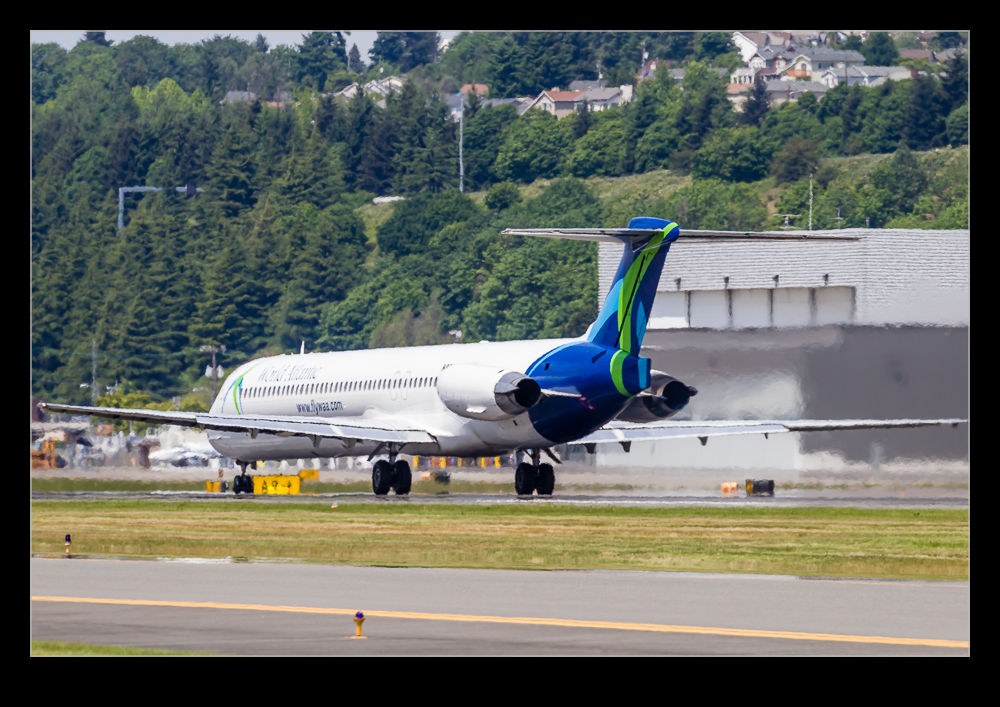
AU0E5403.jpgAs airliners reach the end of their natural lifespan, you suddenly become aware of them disappearing. However, some have a second life converted for corporate charter use. One type I haven’t seen a lot of in private use is the McDonnell Douglas MD-80. However, one was in Boeing Field on a job recently and I was pleased to see it in use. It was parked up at the FBO when I arrived and so I assumed I would not see it move. However, I was wrong.

AU0E5491.jpgThey taxied out and, as is the case for the larger jets, had to cross over to our side and come alongside where I was. A good close up view of the jet before it headed down to the threshold for departure. I don’t know how far it was going but it did not seem to be too heavily loaded as it got airborne quite quickly and climbed away. I don’t know how many of these jets will find a new role after retirement from airline service but hopefully there will be a few more.

Dornier 328Jet

C59F4427.jpgWhen someone tells you something with absolute certainty, you might be justified in doubting whether they know exactly what they are talking about. At some point in the late 1990s I was in the Pilatus factory in Switzerland talking to an engineer that had previously worked for Dornier. He was telling us that the idea of re-engining the Dornier 328 turboprop with jet engines had been reviewed and the wing was not strong enough to take the loads. There was no way the program would ever happen.

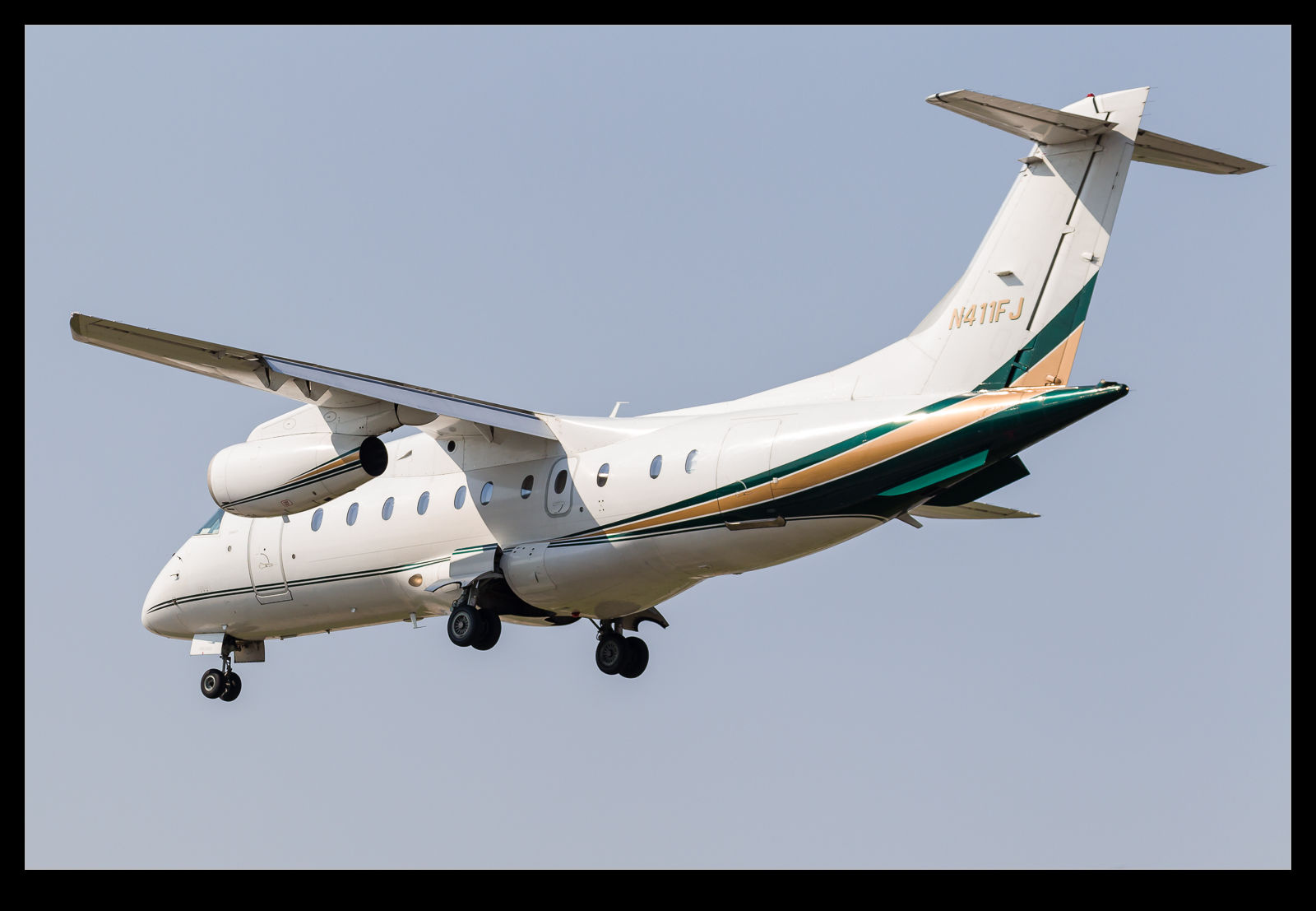
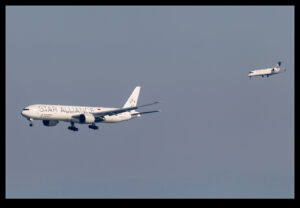
C59F4440.jpgTurns out he was not entirely accurate with his projection. Dornier did build a jet version of the plane and they show up now and again. I have seen one on the ground at Midway a few times when flying through but have never got a decent shot of it. Meanwhile, a recent visit there caught me out when another example of the type showed up on approach. I think it is quite a nice looking plane. Certainly a bit different to other aircraft of the size and something of a novelty as the regional jet market moves to larger sizes. Ironically, it was developing a 70 seat jet that took Dornier into bankruptcy.

C59F4415.jpgIt now looks like the 328 family might have a new lease on life. The owners of the design rights have signed an agreement with a Turkish organization to start production of an updated version for various Turkish government requirements prior to developing a new type. Maybe there is life in the jet yet!

Pairs at SFO

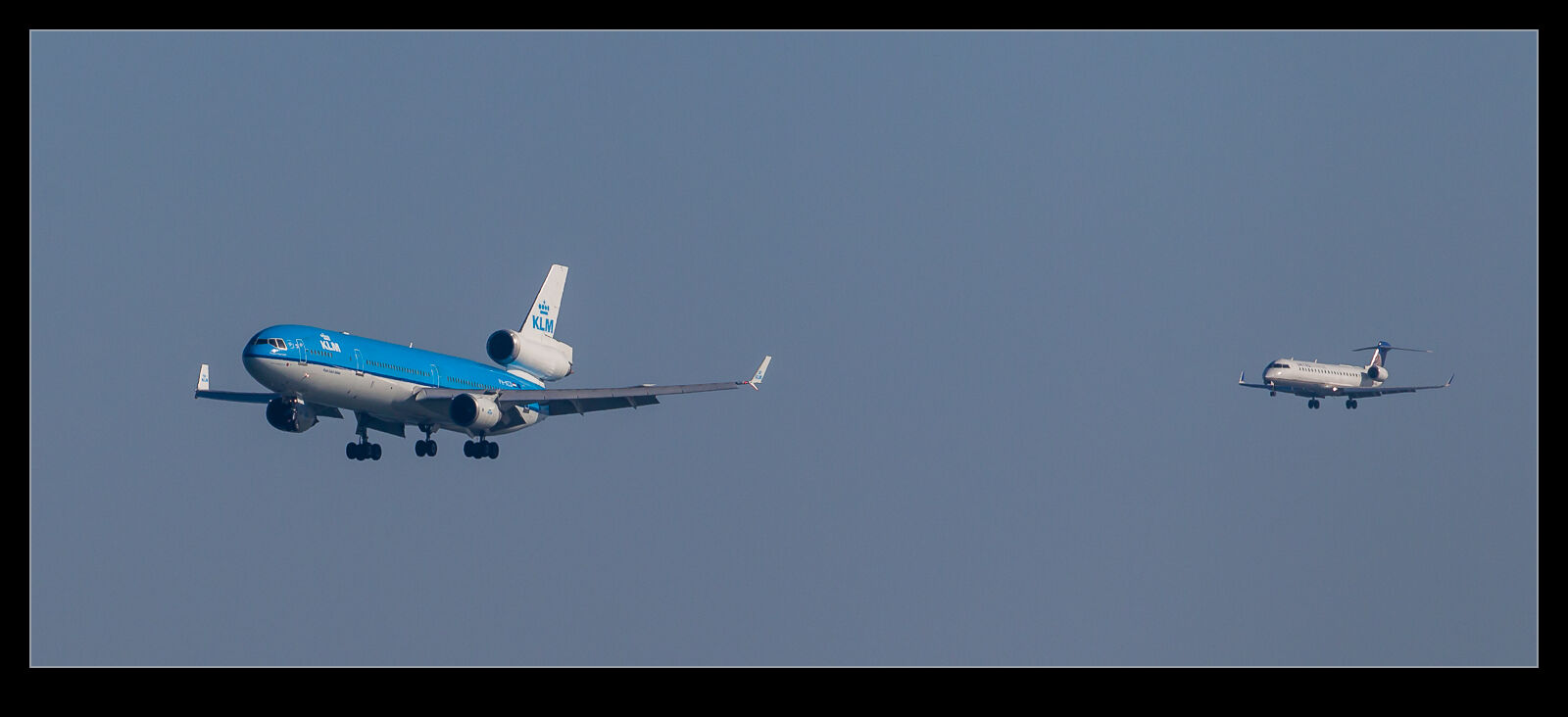
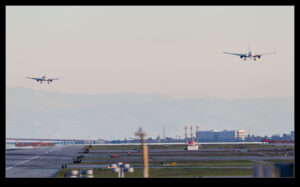
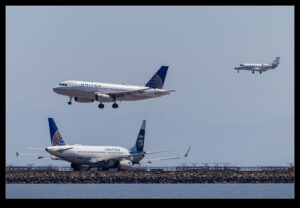
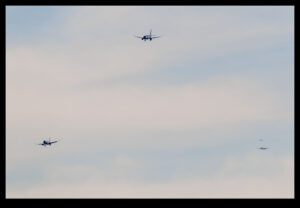
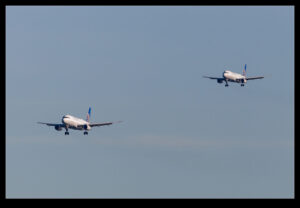
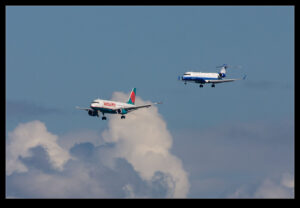
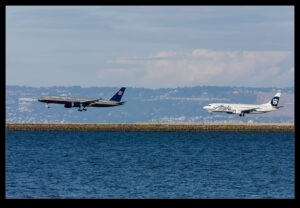
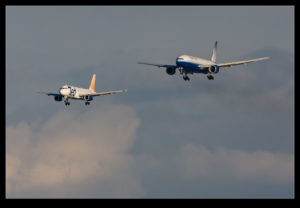
C59F3434.jpgThe layout of SFO with the two pairs of cross runways makes for some operations that are quite specific to this airport. At peak times, parallel approaches are made to the 28 runways from along the bay shore. These approaches require the following plane to make sure it does not overtake the leading plane. I don’t know for sure but I imagine the choice of which side leads is based on the wind direction so the wake turbulence doesn’t affect the downwind plane.

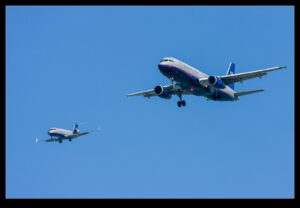
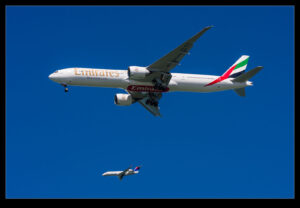
C59F5718.jpgGetting them close together is the goal as a photographer. Often they end up being separated by a lot more than you thought. When further out things look like they are close but then the approach turns out to be more offset than you expect and you don’t get a good shot when they come in to land.

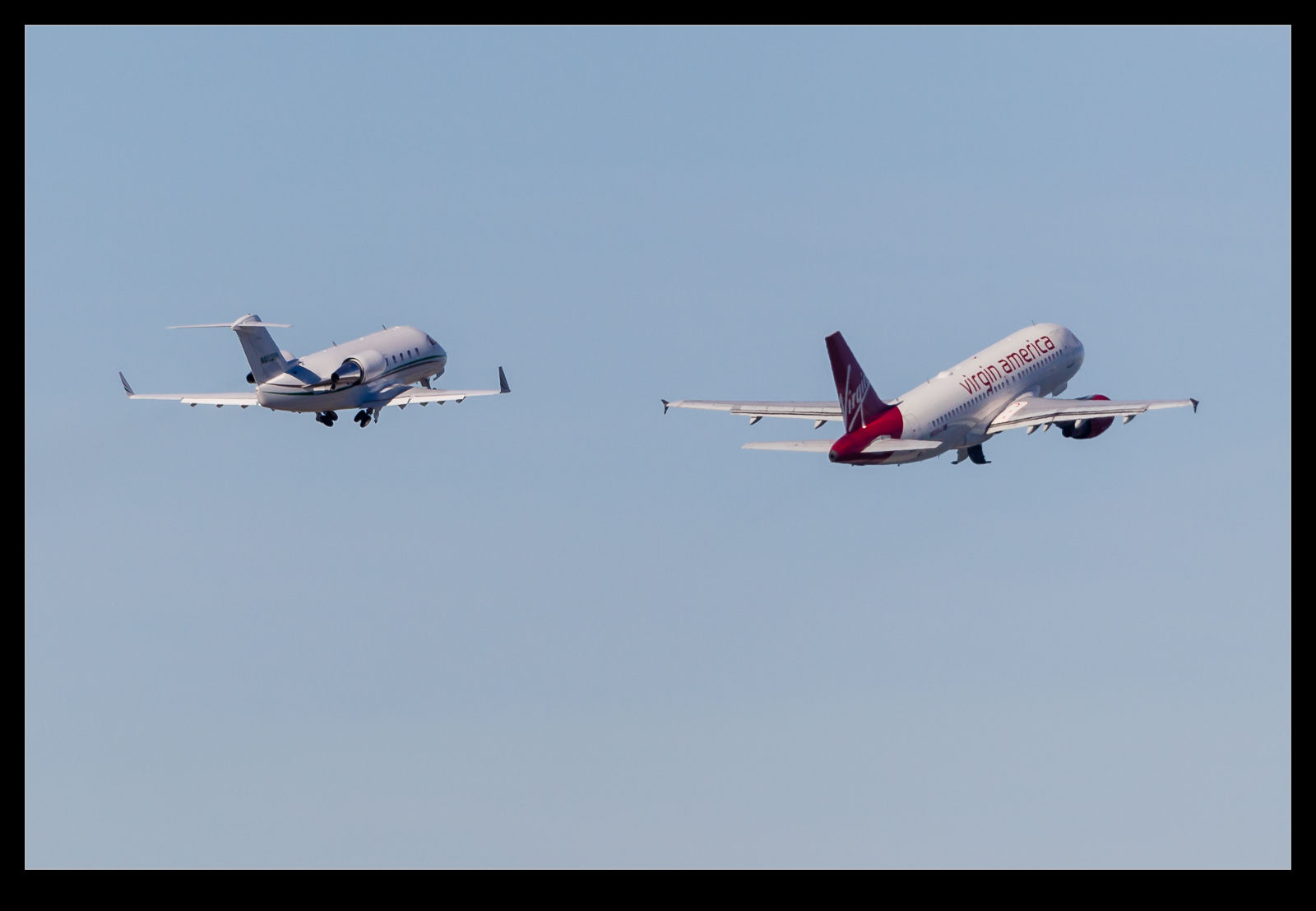
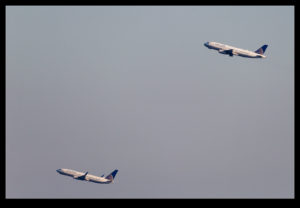
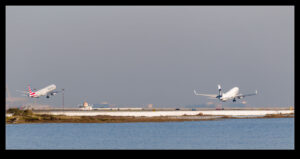
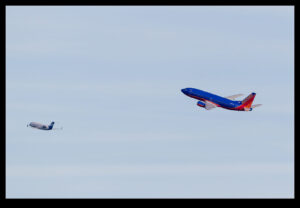
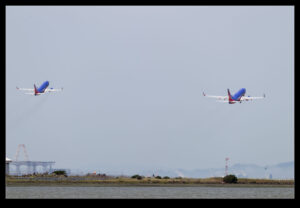
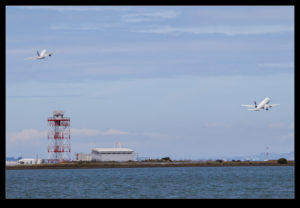
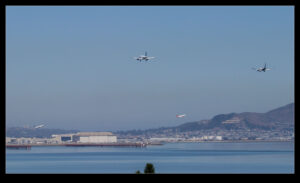
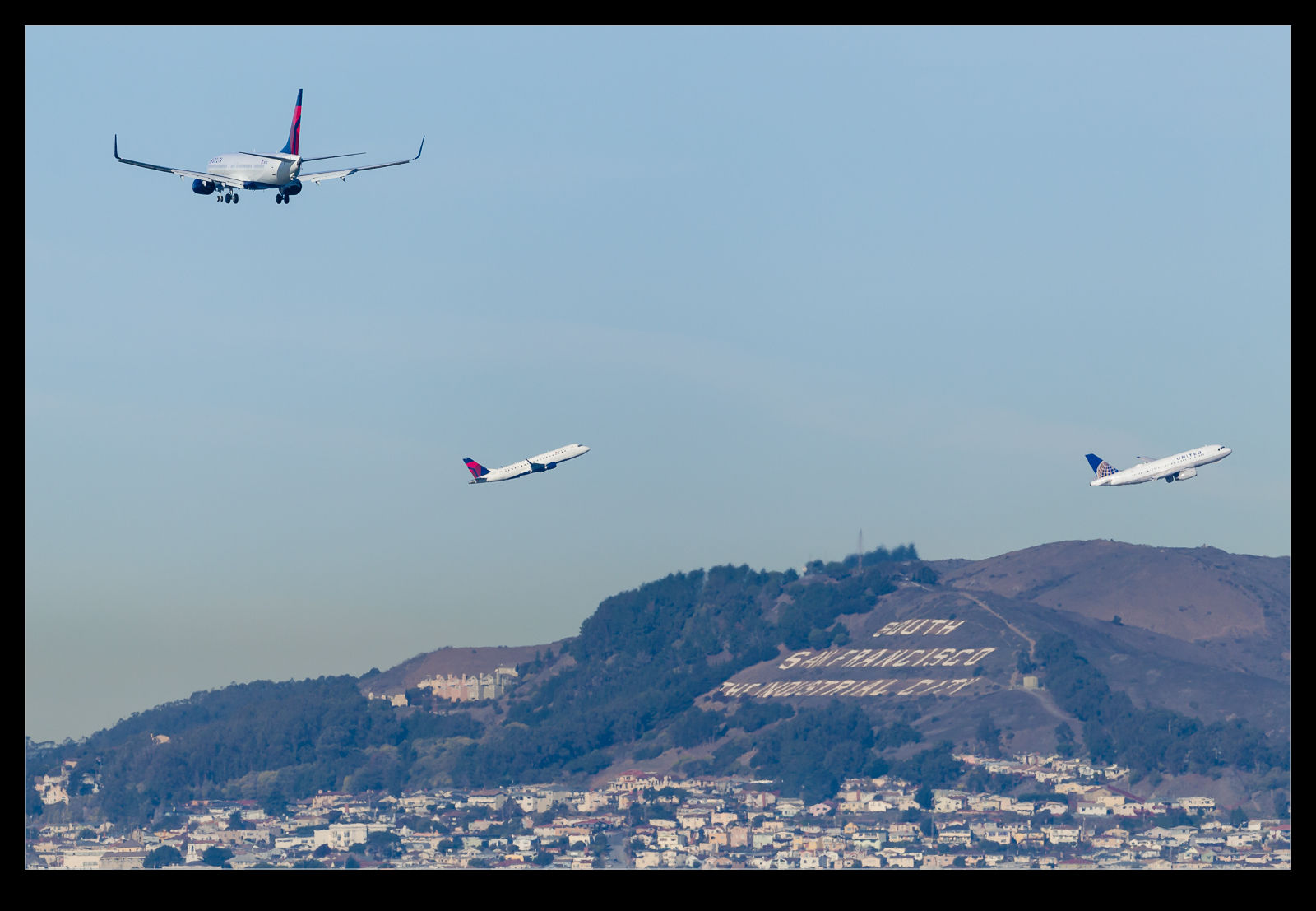
C59F2343.jpgArrivals aren’t the only parallels though. The departures are sent of the 01s from both sides. The clearances are usually offset and the thresholds are slightly different so the planes often get airborne well apart. However, that is not always the case and sometimes you get what amounts to a formation takeoff. Once airborne, the planes turn to increase their separation. Getting a shot of them close together is something to try for if you can. They are too far away when they take off to be a great shot individually but getting both in frame certainly makes for a more unusual shot than is the case for most departure procedures for big airliners.

China Southern Second Attempt

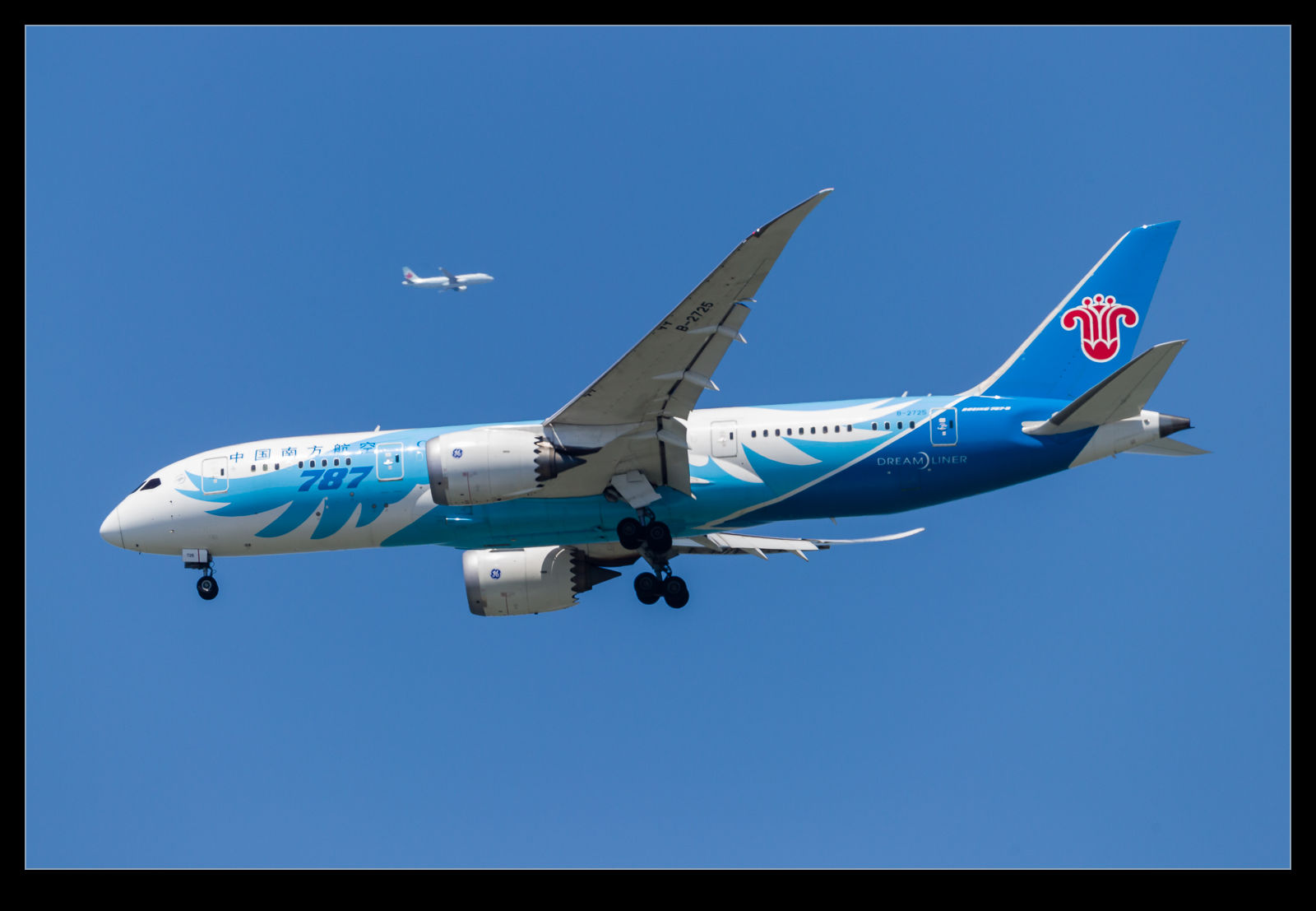
AU0E3687.jpgThe timing of my visit to Seal Point Park did coincide with the scheduled arrival time of the China Southern Boeing 787. This was one that I had meant to shoot previously and had bodged as a result of being distracted. That was discussed further here. This time I thought I would make a more concerted effort to get it right. I was just hoping that the heat haze would not be a problem.

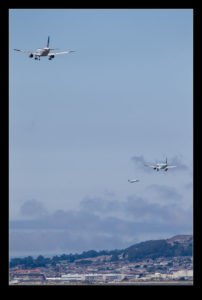
As it worked out, I did not lose track of what was going on and I was ready when the colorful jet showed up on the approach. He was a bit far out which meant the haze was a problem from some angles but still good enough to get a reasonable shot as it passed which was combined with an Air Canada A320 heading downwind for its arrival.

Scorpion

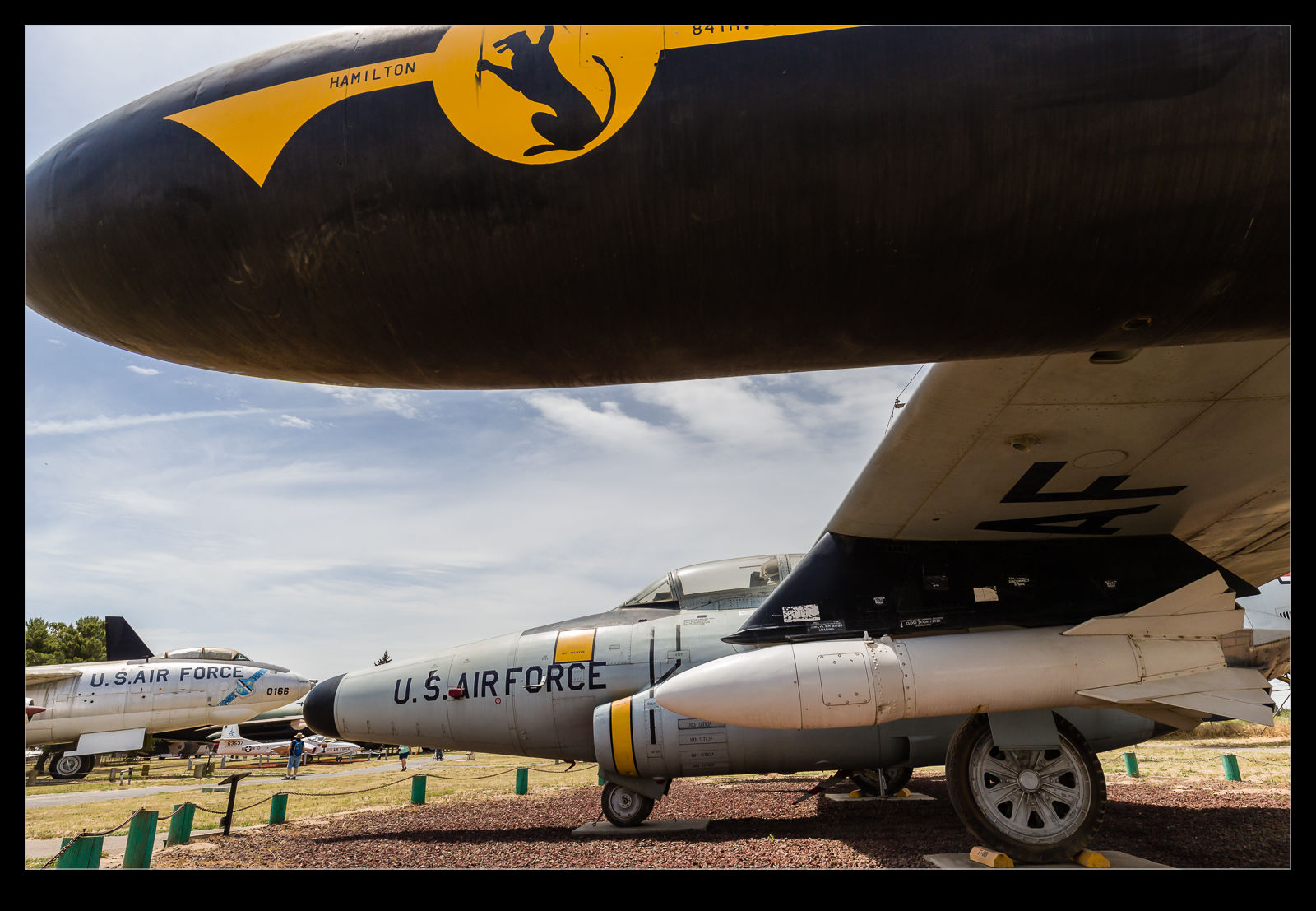
AU0E3957.jpgSome aircraft I blog about are ones that I find cool and wish I had seen in action. This is not one of those. However, it does interest me because it is so different from many of the types from the same era. This is the Northrop F-89 Scorpion. The Castle Air Museum has an example on display and I have seen a few scattered around various museums. The Scorpion is, in theory at least, a fighter. However, looking at it, you might be forgiven for not realizing this. It is a big beast of a lane with an unswept wing and a decidedly chubby appearance.
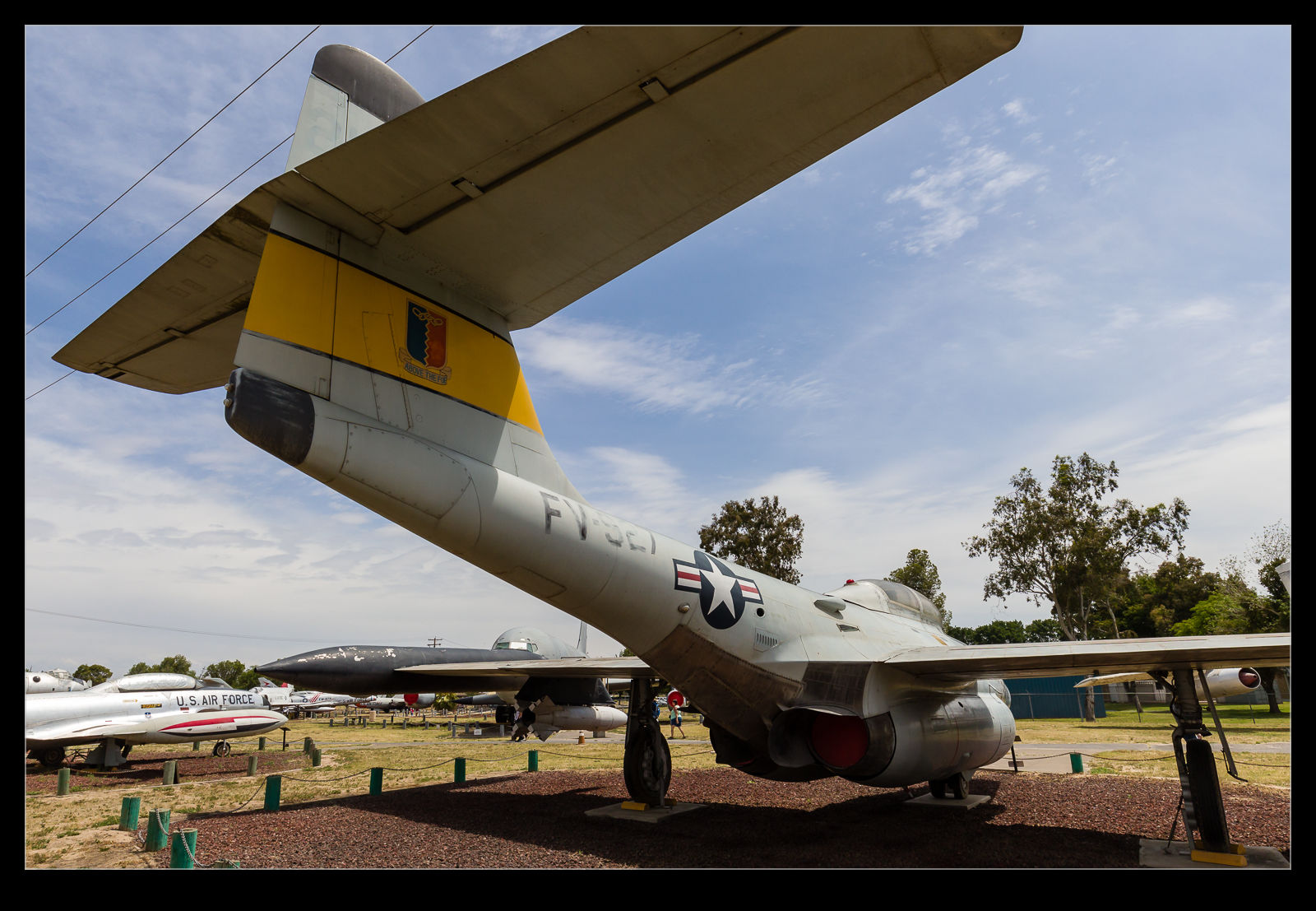
AU0E3959.jpgIt’s role was to shoot down bombers heading to the US. It was made in an era when jet engines were famously inefficient and having long range and endurance was tricky for a fighter. In order to operate far enough out to shoot the bombers while they were still out of range of their targets, the Scorpion focused on efficiency. It was not a maneuvering fighter. Its job was to get close enough to the bombers to launch its missiles.
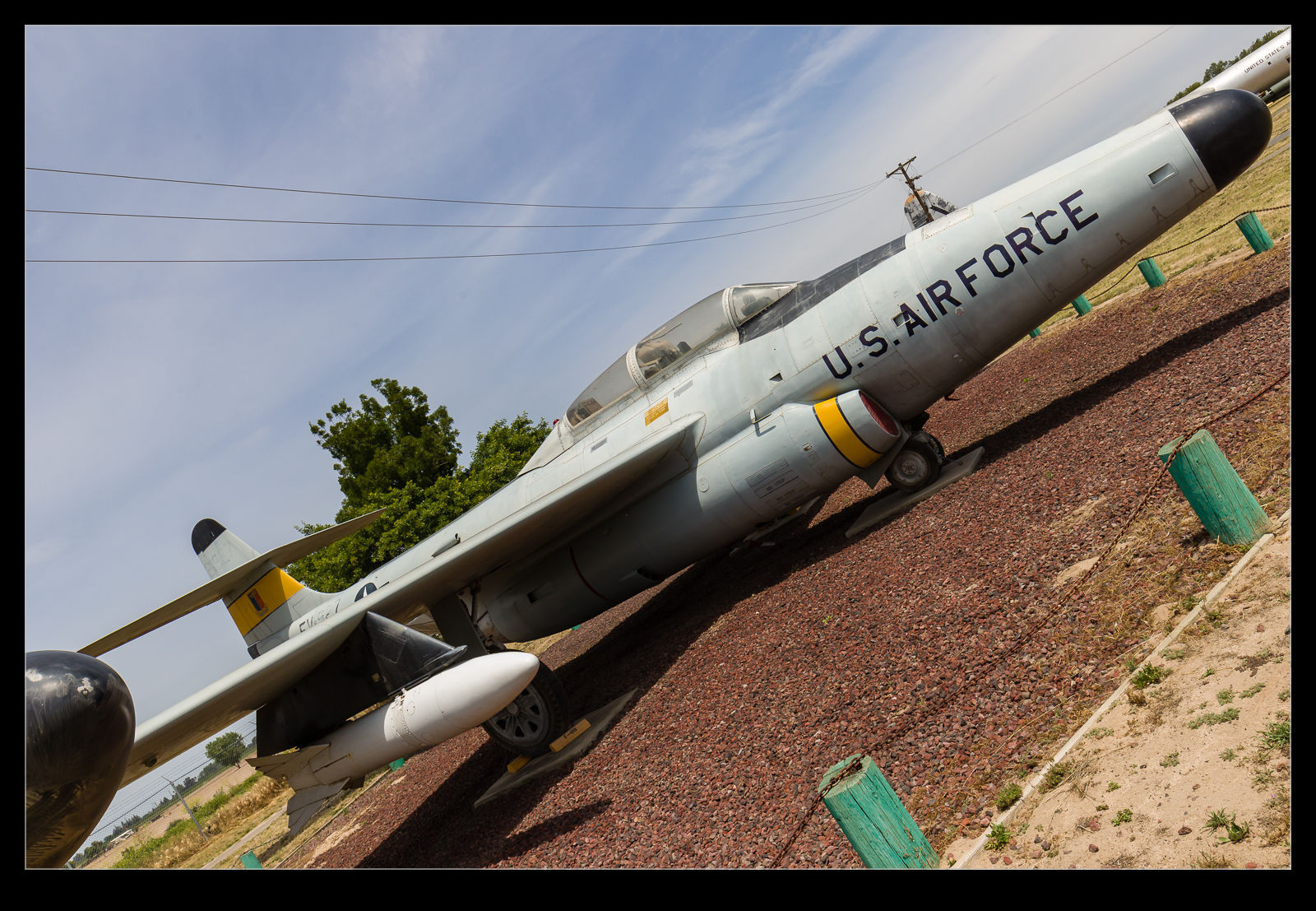
AU0E3961.jpgThese missiles look a bit odd too. They are not your traditional air to air missile designed for speed and agility. They also didn’t need to be. The Genie missile had a special warhead. It was a nuclear weapon. As long as it was reasonably close to the target, it was going to take it down. No clever tracking and requirement to get close to have the required effect. Ultimately, this combination was only suitable for a relatively limited type of target and the focus moved to newer fighters and missiles (although the nuclear armed missile concept lasted a lot longer). The Scorpion went into the history books.
One other aspect of the Scorpion is of interest. It had large wing tip fuel tanks to increase endurance. Someone came up with the idea of equipping the jet with unguided rockets and these were installed in the front of the tip tanks. I’m sure it was well worked out but the idea of having rocket exhaust plumes on the front of a fuel tank seemed bizarre to me as a kid.