Tag Archives: jet

After Dark! Testing the Low Light

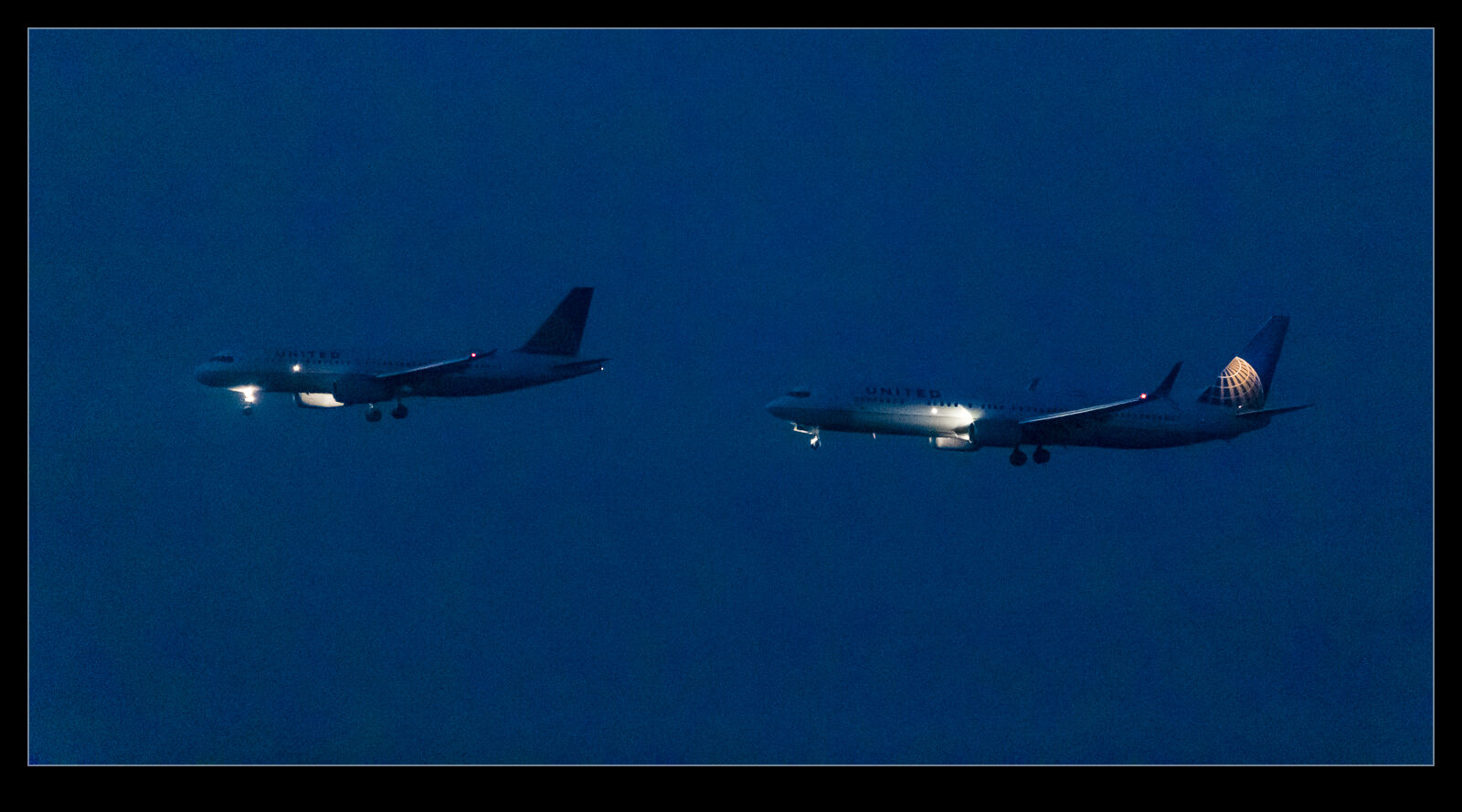
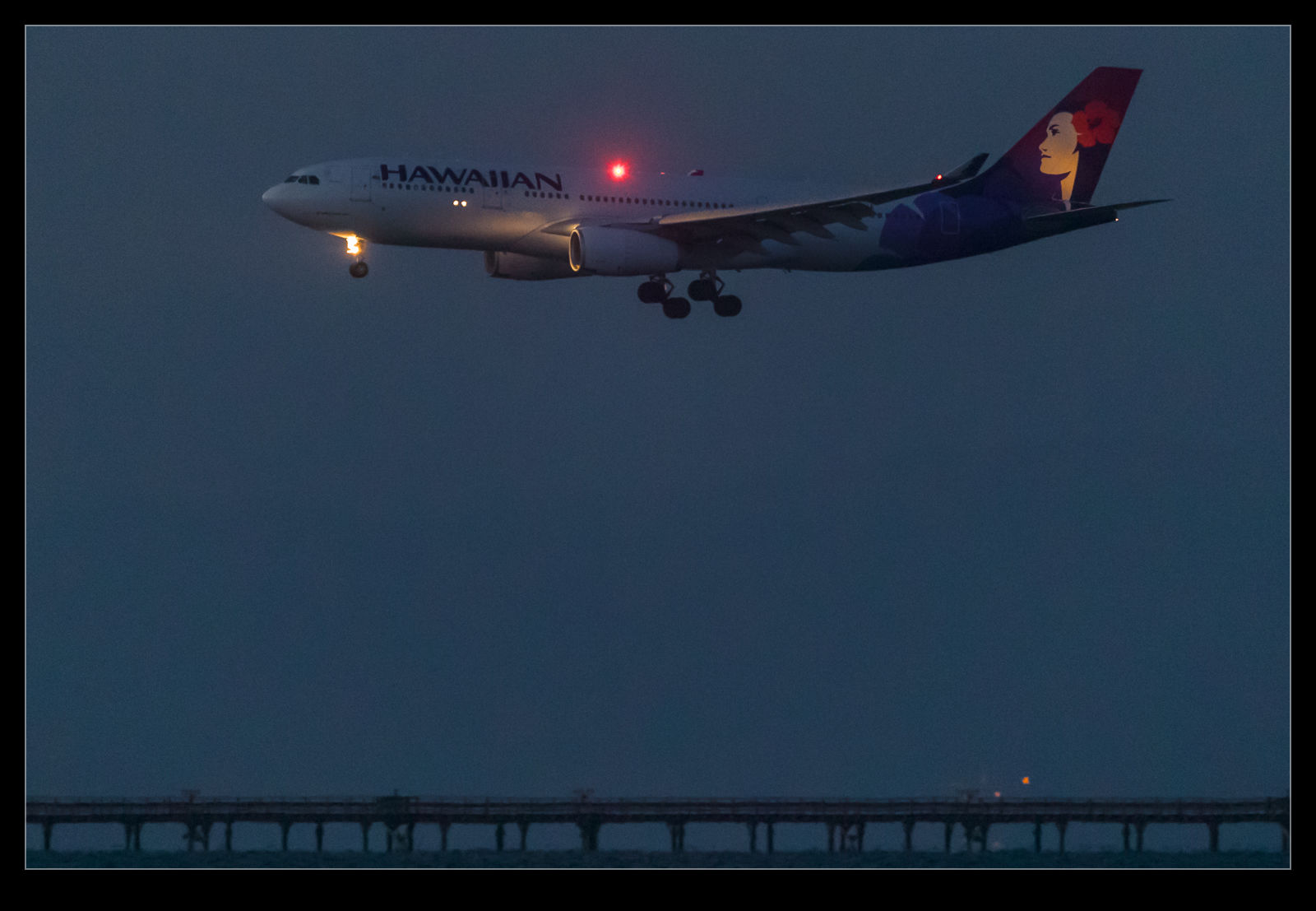
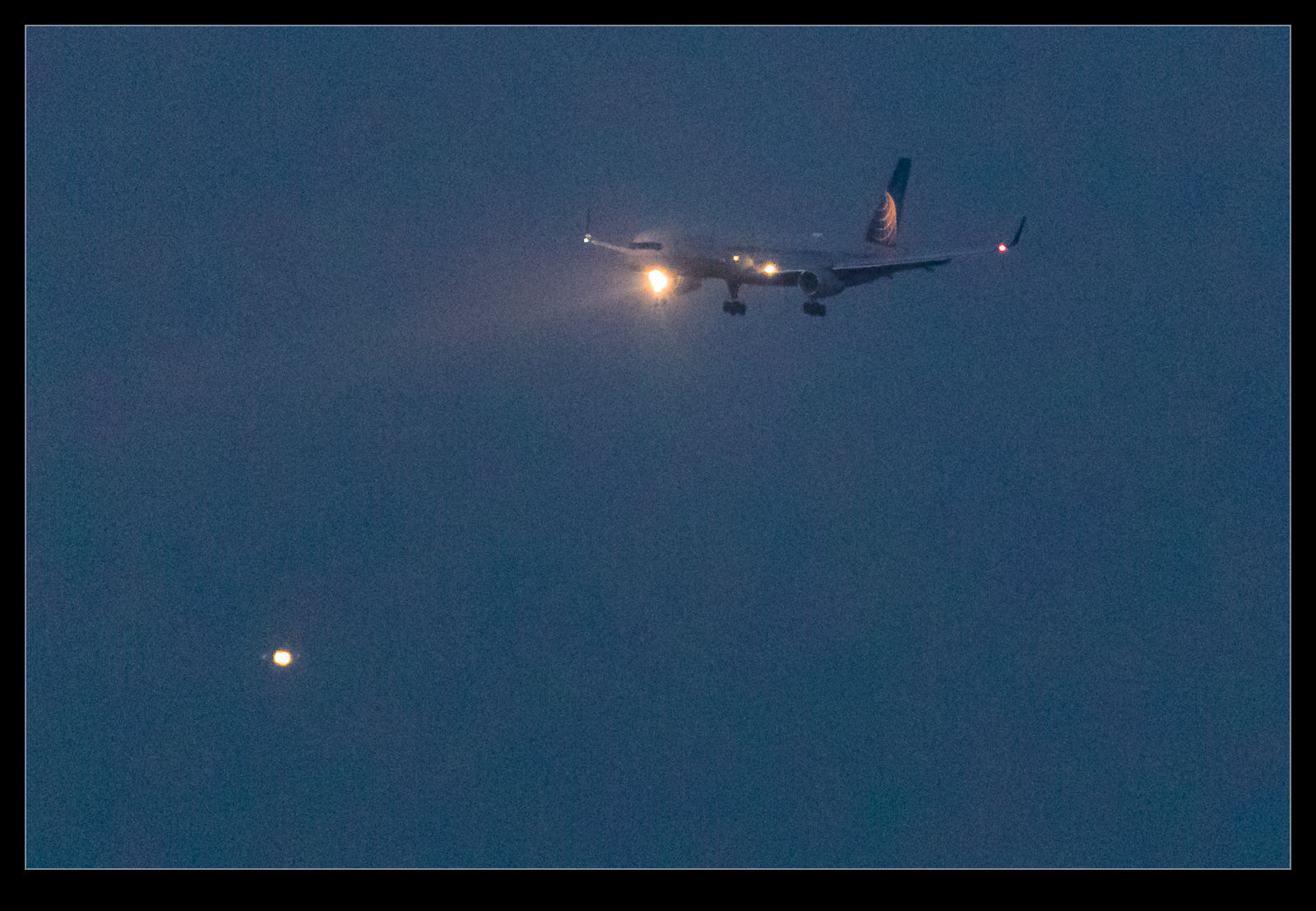
AE7I2413.jpgThe real goal of my shoot after sunset was to see what is possible with the cameras.  An awful lot is written these days about the incredible low light capabilities of the latest cameras.  I am rather suspicious of some of the claims that are made so I was interested to see what could be done.  I have seen reviews in which people describe shooting with ISO settings and claiming they are absolutely clean – no noise!  I am imagining that there is a little bit of over enthusiasm in these claims.  No one wants to write a review that says nothing much has changed for fear that they won’t get to review the next camera.
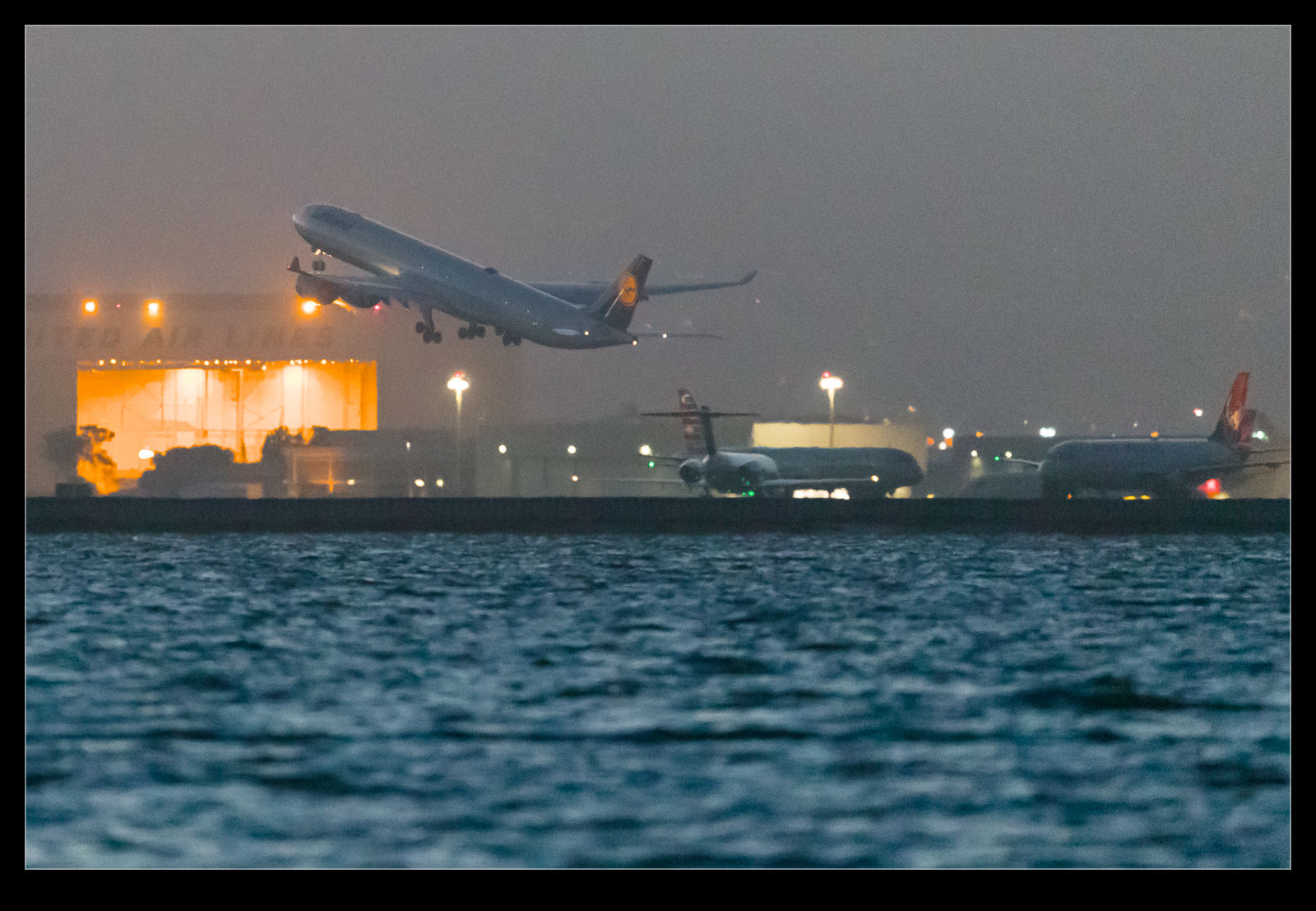
AE7I2611.jpgConsequently, while I do expect some improvement in capabilities – particularly given I skip generations of cameras when buying my own – I am skeptical that they will be quite so dramatic.  Even so, I did anticipate some improvements from my previous bodies and I did get this.  I am not talking about noiseless shooting at ridiculous ISO settings.  I am able to work in a far higher range though.  It is worth noting that a blog post involves relatively low image sizes so the worst of the noise becomes less apparent.  Full size images are a lot more harsh.  (For this post I won’t focus on a previous issue of mine which is how printing is far more forgiving of noise than a screen is.)
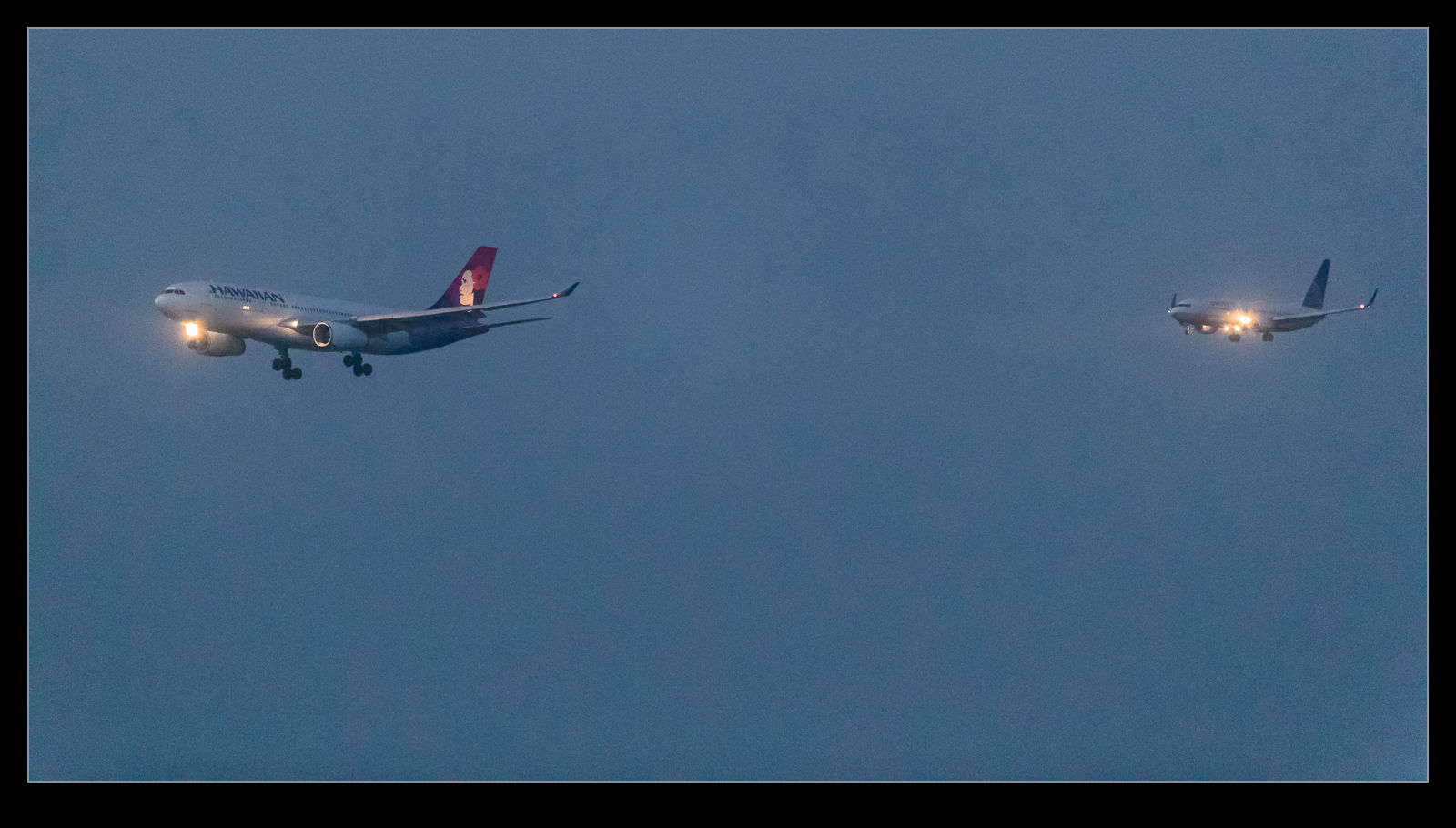
AE7I2394.jpgA tricky issue with shooting as the light disappears is the use of exposure compensation.  From having some positive exposure comp during the day, as the night comes on, I go through normal exposure to having a bit of negative exposure compensation.  It is dark so the shots should be dark.  It shouldn’t look like daylight.  I ended up playing around with the settings a bit to see whether -1 to -2 should be used.  -2 ended up being a bit too much.  However, it is a bit of a guessing game depending on what you are shooting and how much light there is in the background.
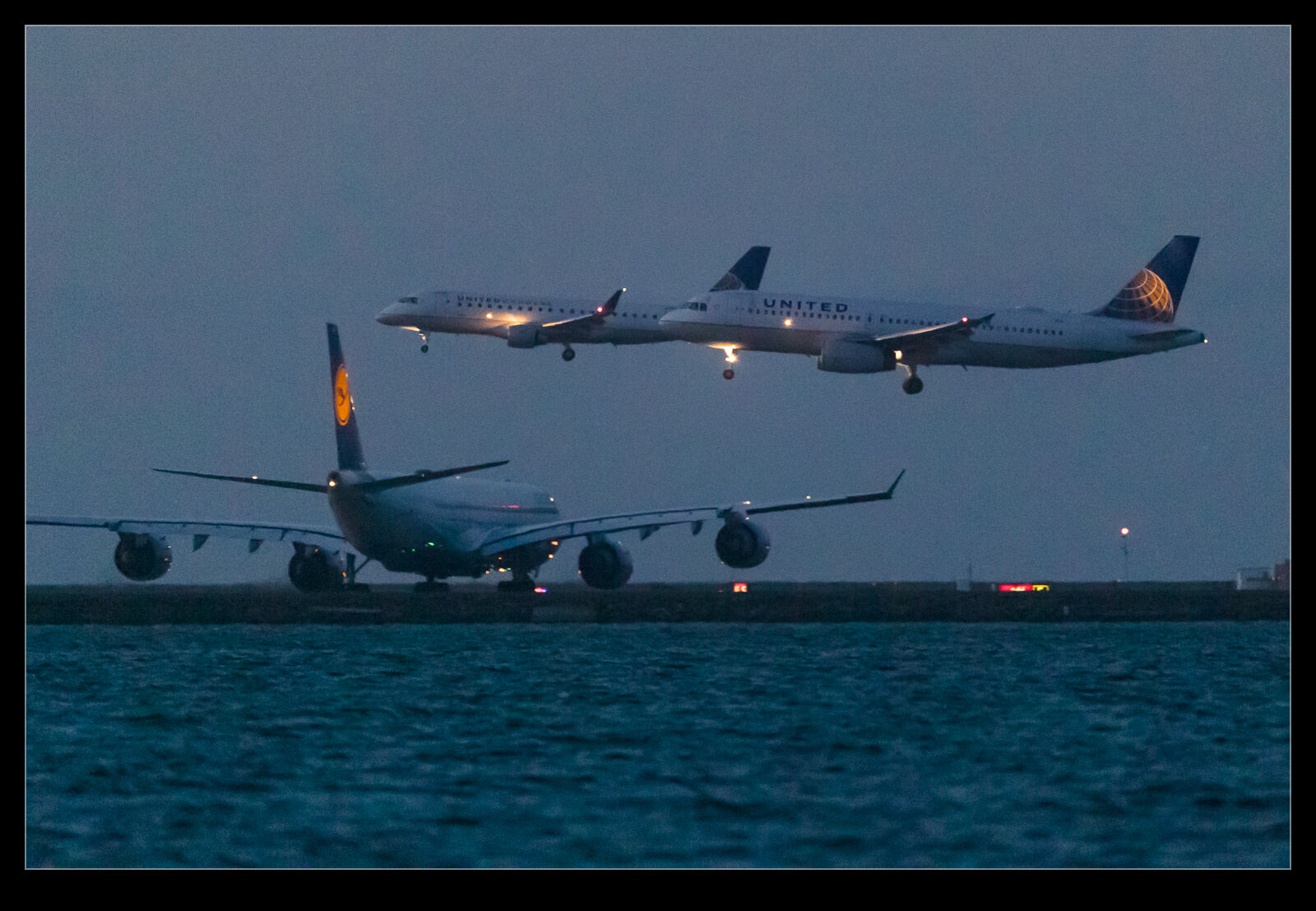
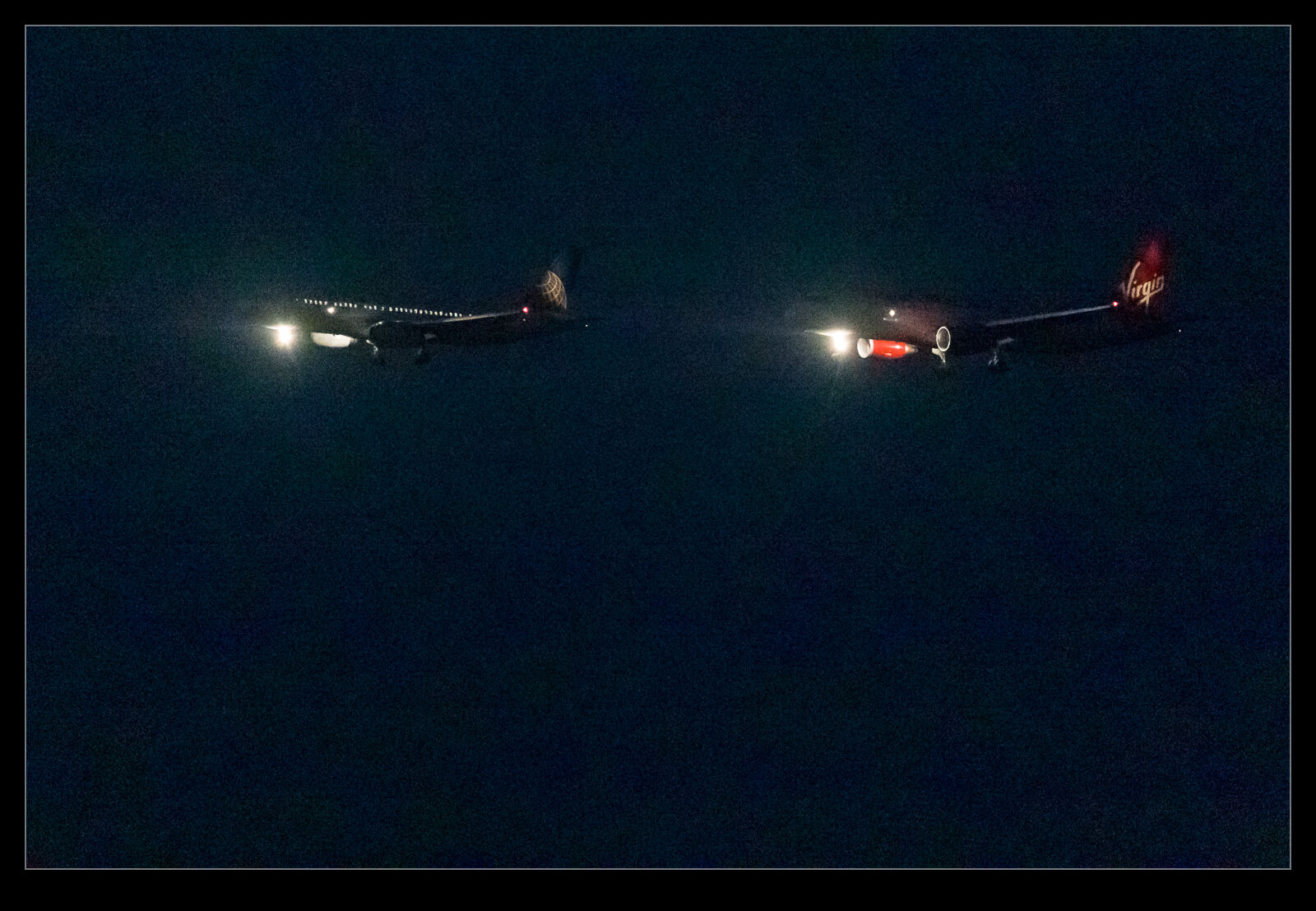
AE7I2482.jpgOne good thing about these bodies is their ability to handle some post processing.  If the shots were a bit dark, boosting the exposure did not bring as much noise into the shot as I would have expected with my previous bodies.  I was able to mess around with them a lot more without things going horribly wrong.  I am not getting amazing shots (unless you are comparing them to what you could do in film or early digital days in which case this really should be considered amazing – that’s how spoilt we have become).  The contrast at night is harsh so things will always be a bit difficult.  However, you can get shots in some very difficult conditions.  You won’t get detail in the images like you expect in normal lighting but that really would be phenomenal!
AE7I2773.jpgAE7I2508.jpg AE7I2647.jpg

How Many Airliners in One Shot?

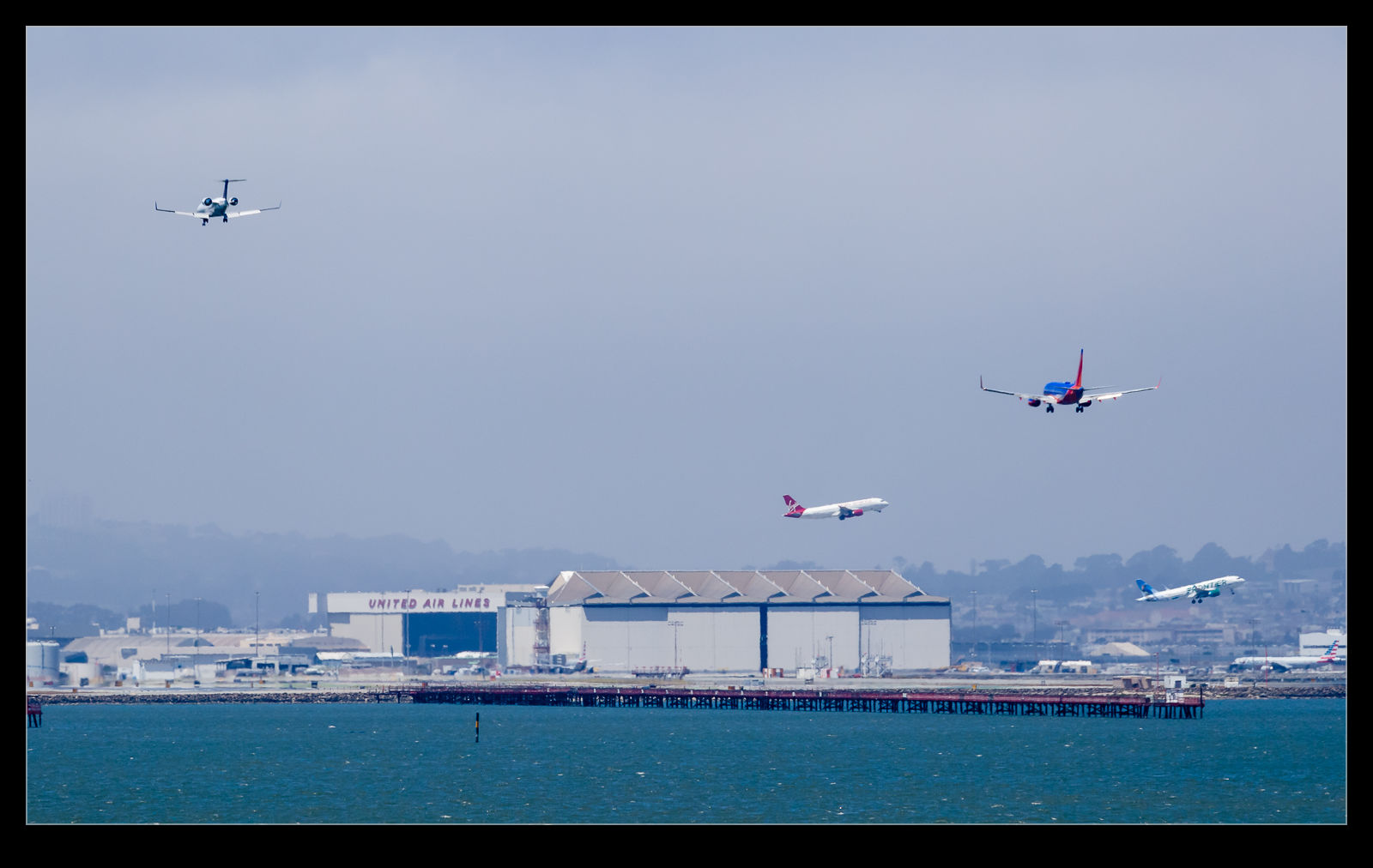
AE7I7067.jpgNormally airliners stay quite a distance from each other.  Getting more than one in a shot is the result of compression of the distance as they pass in different directions.  What is more fun is to have each jet be replaced by two.  SFO likes to have the parallel arrivals and similarly the departures are often involving two planes at a time.  If you time it right and have the angles aligned properly, you can get four jets in one shot – two on approach and two taking off.

Hello Surprise Hornets

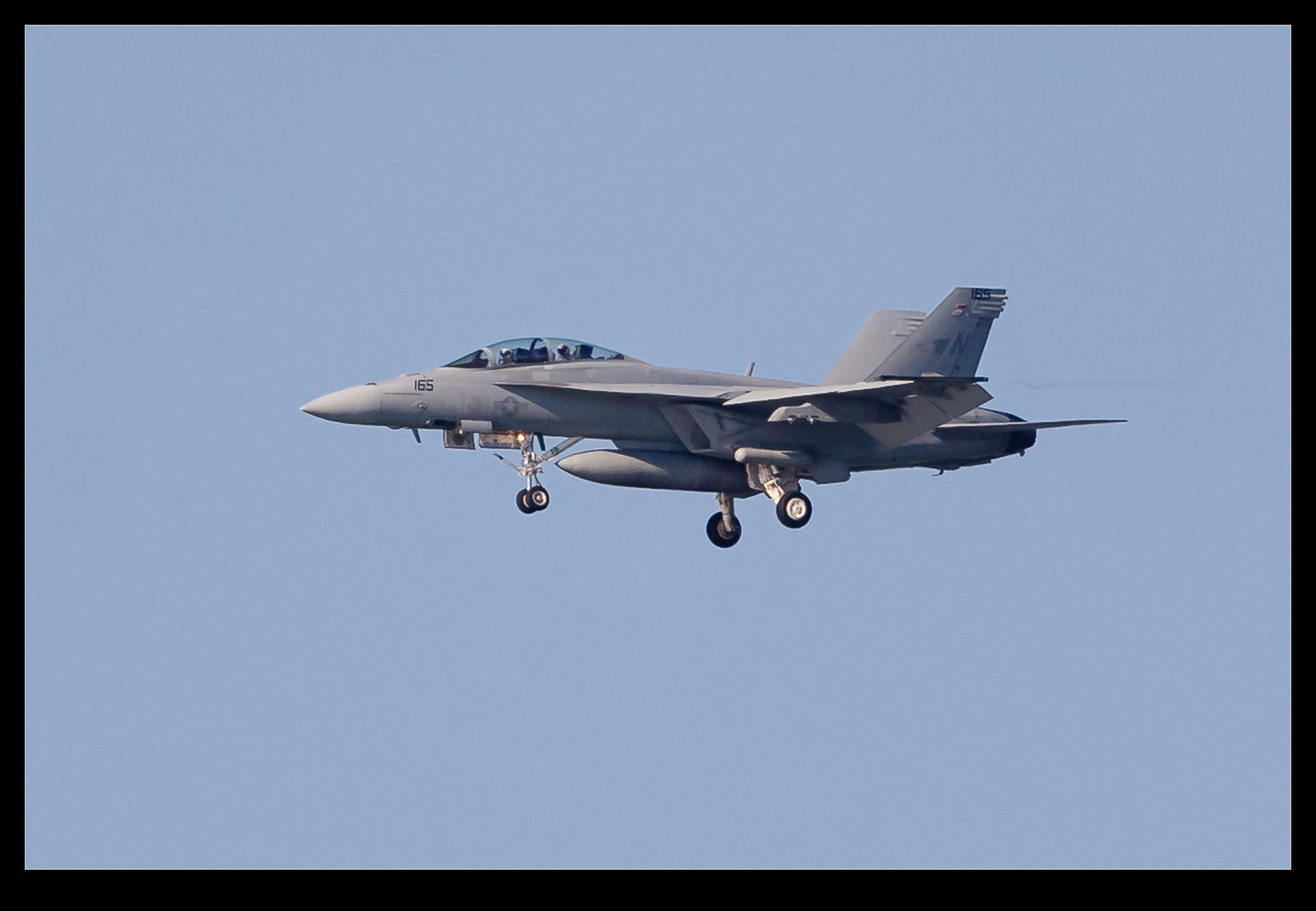
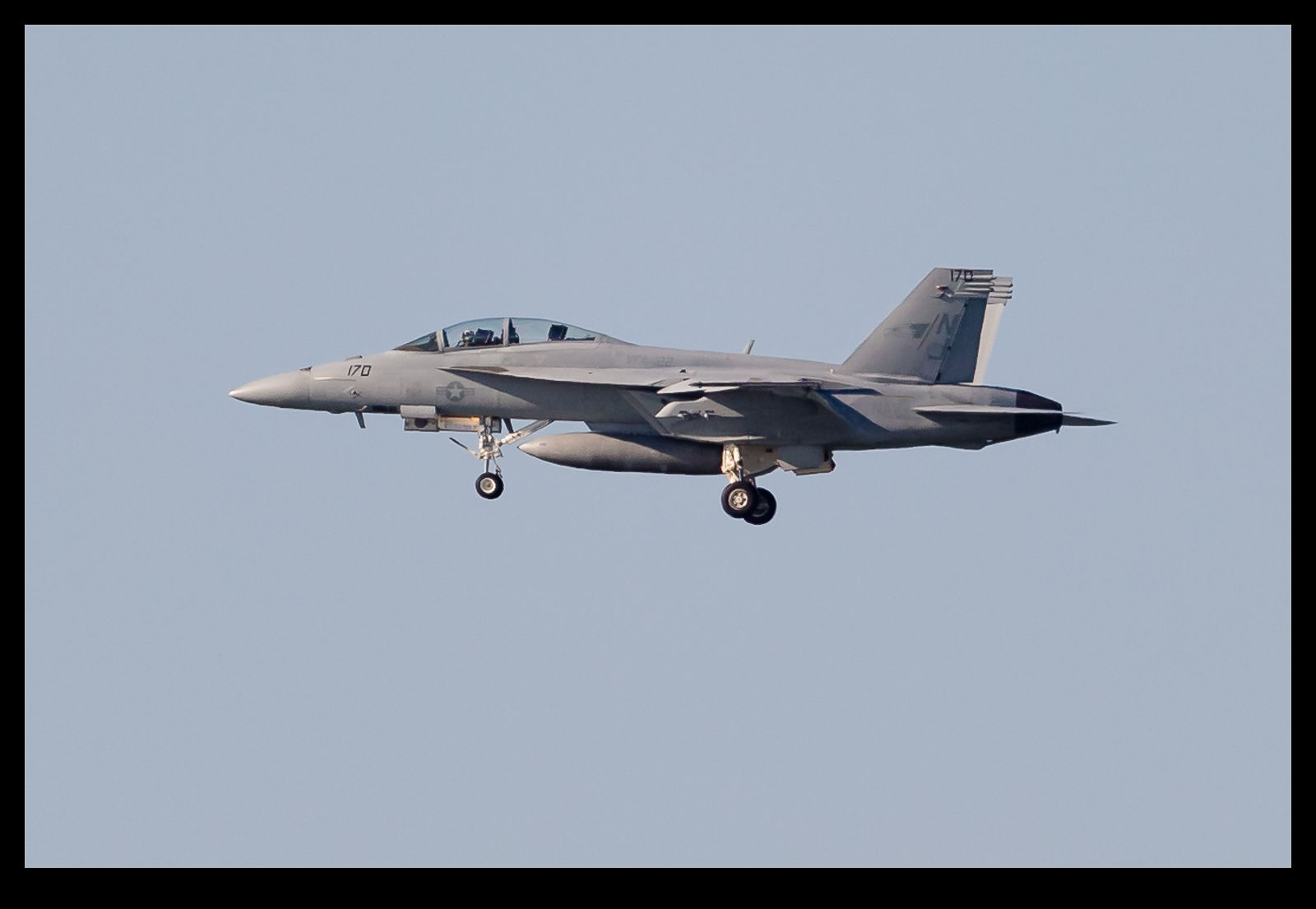
AE7I1090.jpgSFO might get the occasional military movement but it is primarily civil traffic you see there.  Roger and I were chatting when we noticed something small on the approach.  Initially I assumed a business jet but then the shape became clearer and it was a Super Hornet.  In fact, there were two with the second close in trail.  From our location they were a bit far out but still an interesting pair of visitors to photograph.

AE7I1130.jpg

A380 Gear Sequence

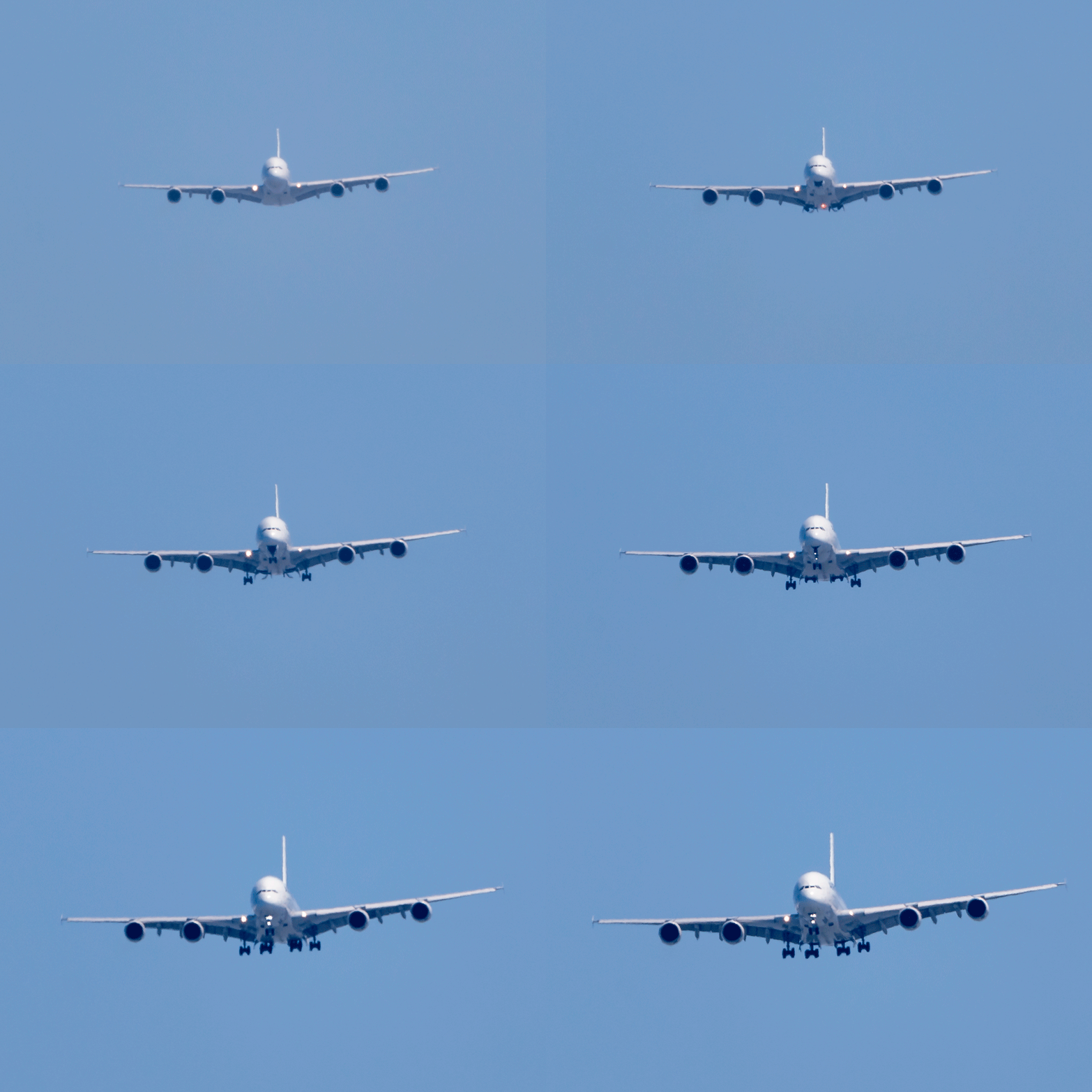
B11I1197The jets approaching SFO have their gear down long before they reach Coyote Point.  However, if you look into the distance, you can see them lower the gear somewhere around the San Mateo Bridge.  The A380 has a gear sequence that involves the outer gear coming down first followed by the body gear.  I figured I would shoot at long range and then animate the sequence.  Heat haze was not great but I think it shows the way things work.  Maybe in the winter I will try this again and see if I can get a cleaner image.

San Jose – The New Way to Europe

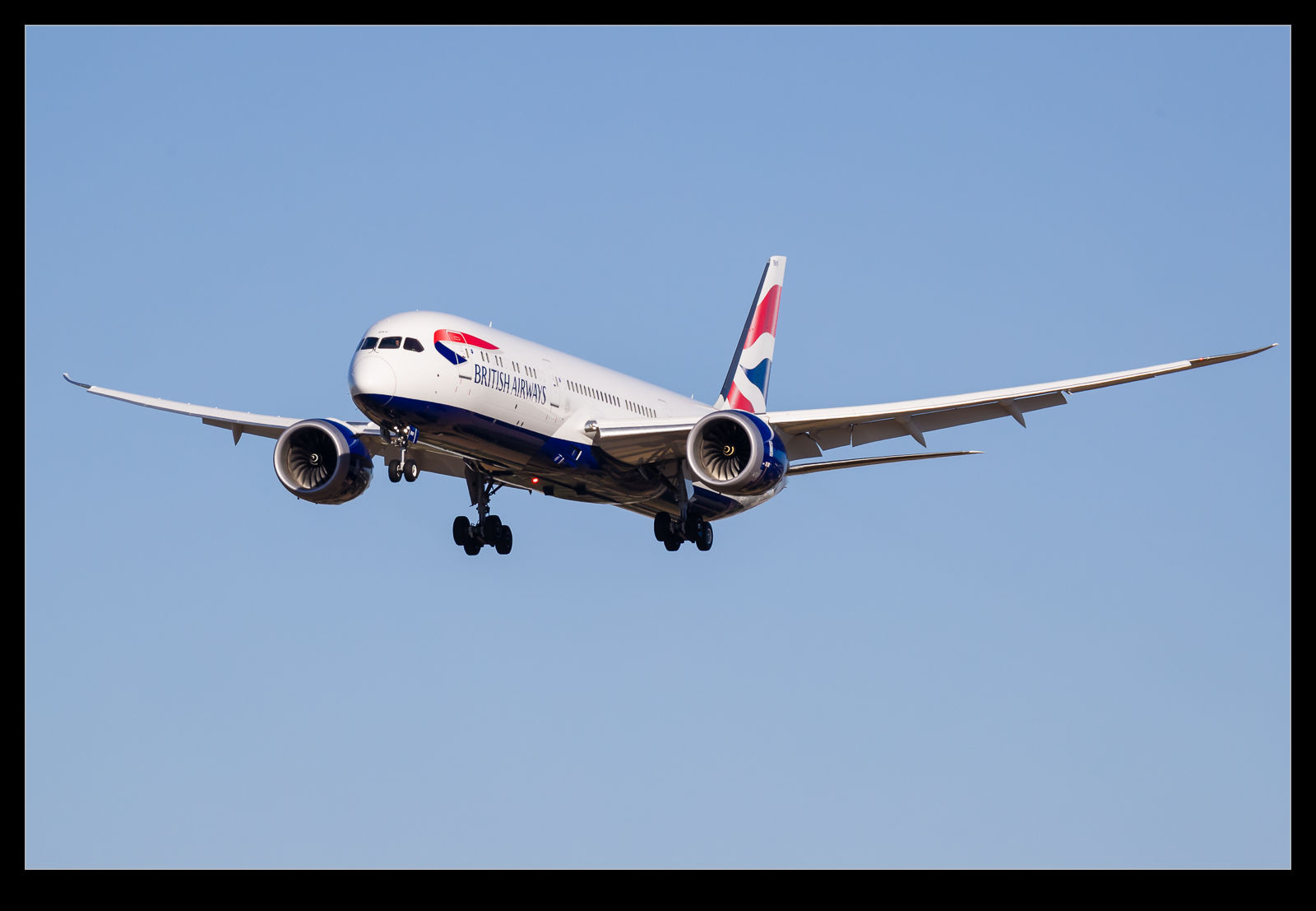
AE7I3062.jpgWhen you live in the Bay Area, all of the flights to interesting overseas destinations go from SFO.  However, there is a lot of demand for these flights and SFO is not the most convenient airport for everyone.  Oakland has flights from London and Oslo.  The other airport that is fighting for business is San Jose.  They have recently added flight by Lufthansa and British Airways.  This was enough to drag me down there to see what is moving.

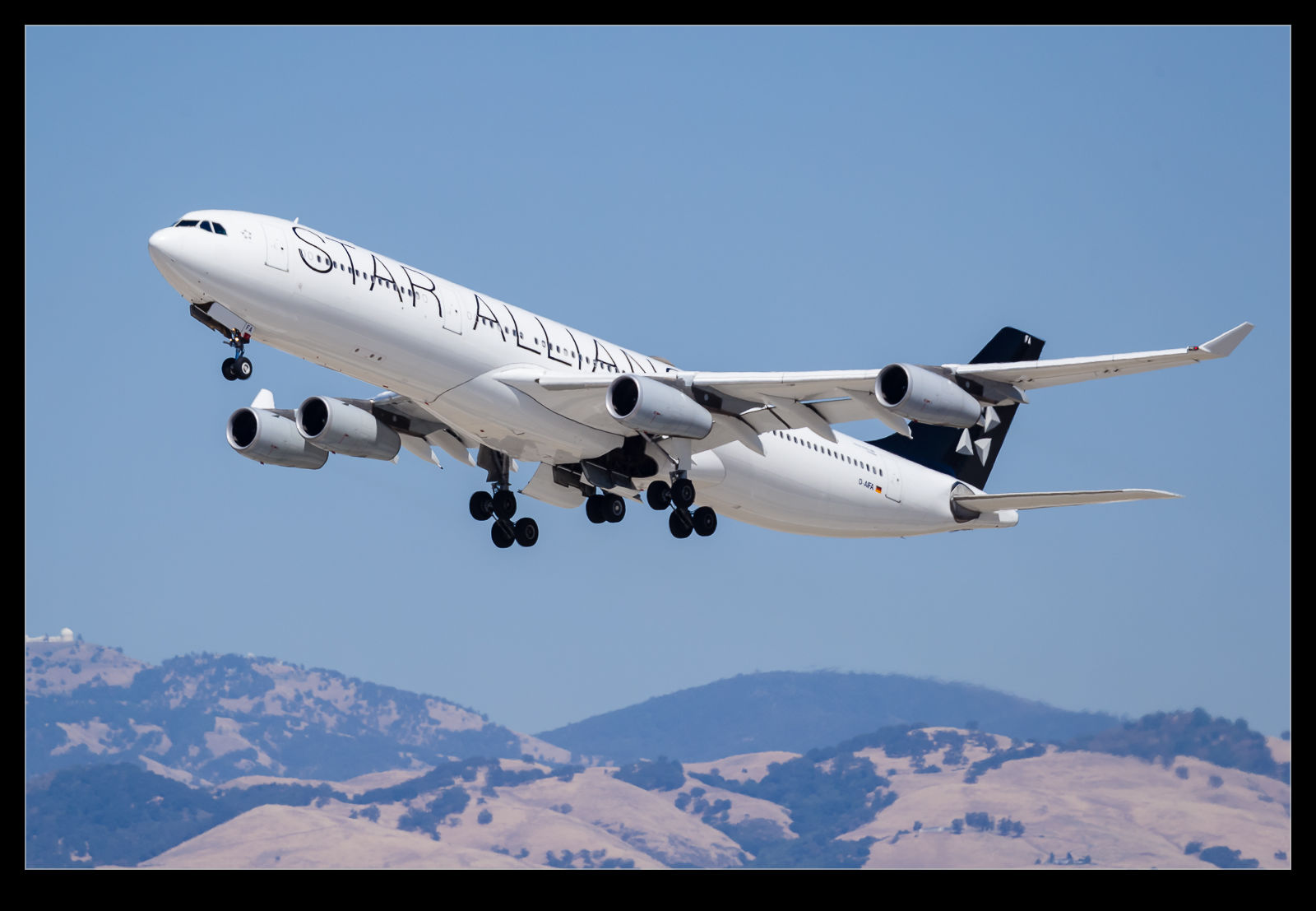
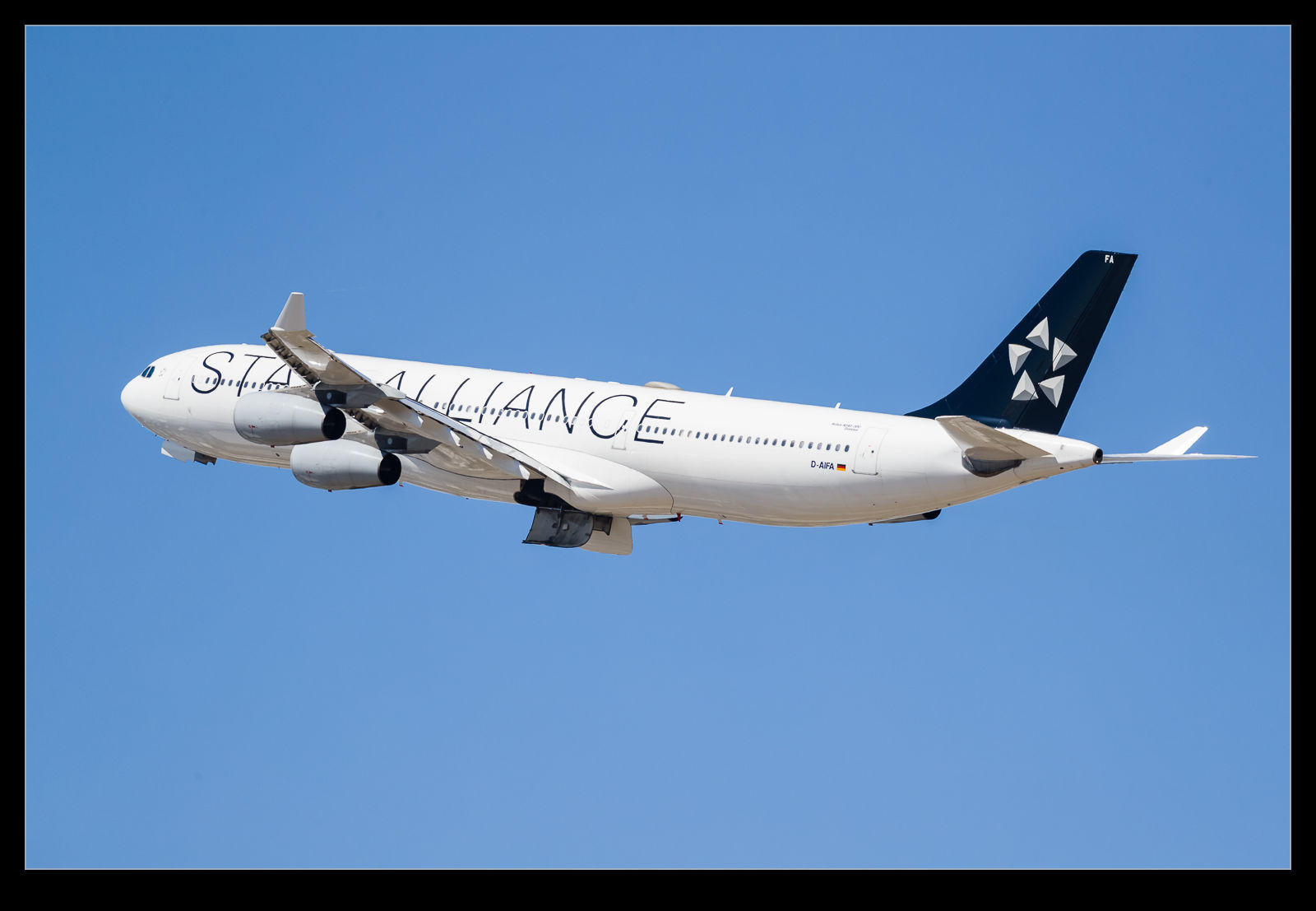
AE7I4146.jpgSan Jose is not a bad airport to shoot at.  There are a few locations which give you good options for getting shots of the jets either arriving or departing.  On the day I went, Lufthansa were using their A340 in Star Alliance colors.  I have to admit I was a touch disappointed because I wanted a Lufthansa jet in house colors.  However, there will be another time.  I got there later in the day so didn’t see it arrive.  However, I was there for departure.

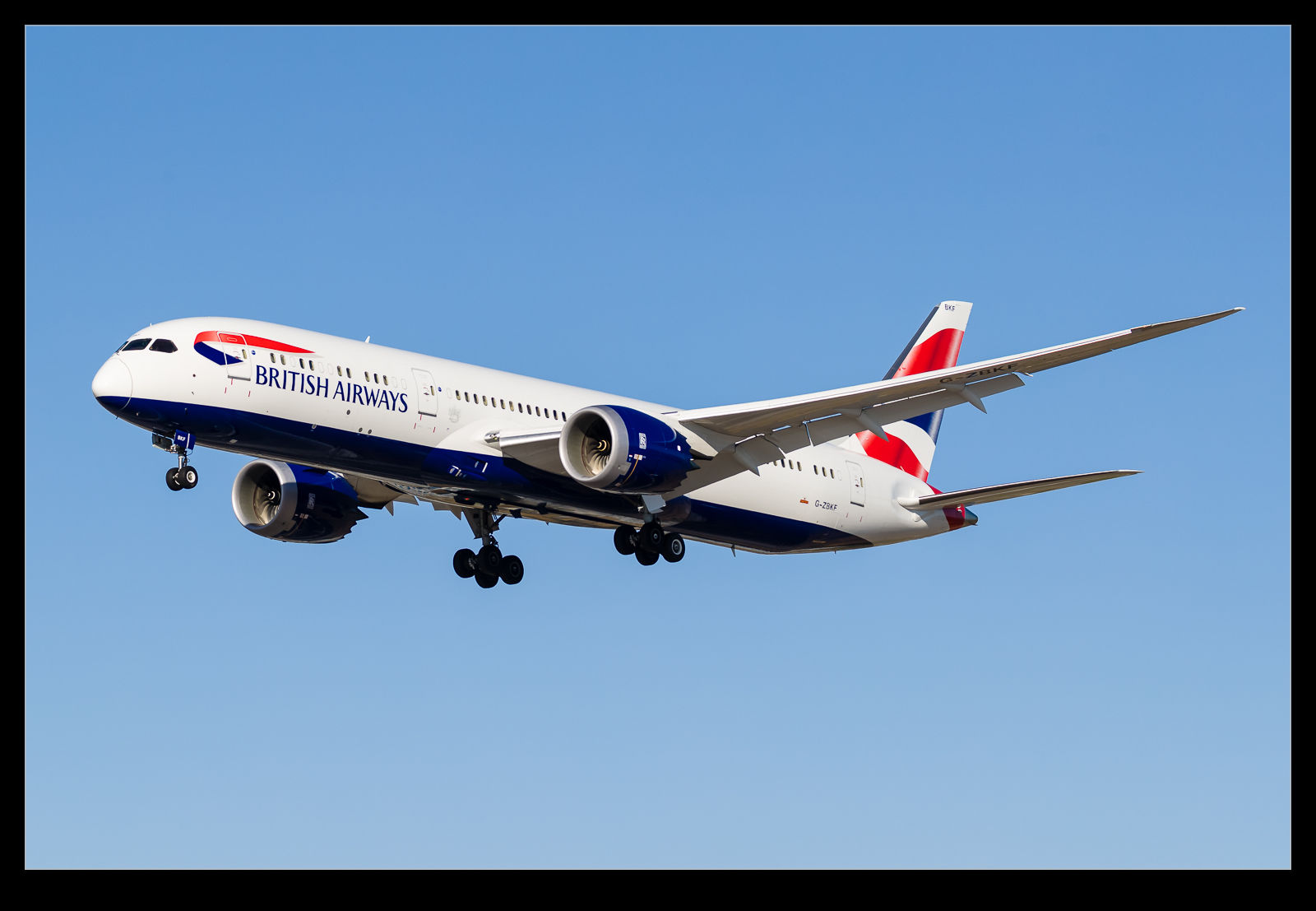
AE7I3092.jpgAfter it had gone, I headed down to the arrival end.  There was going to be a fair bit of time before the BA jet arrived so I would see what showed up.  That will probably be another post.  Eventually, the BA jet showed up on approach.  It came down from the coast side so I could see it from a long way out.  It turned on approach and then I got. A bunch of shots of it as it came down the approach.  The 787-9 is a better proportioned jet than the 787-8.  I think both jets are bigger than they appear.  Having not tried either out yet, I don’t know what they are like to fly in.  However, the BA colors look nice on it.  I got the shot I was after and then headed off.  At some point, I shall go for the departure shot too.  I should do that before the light gets too low!

AE7I4126.jpg

Sunset Shooting at SFO

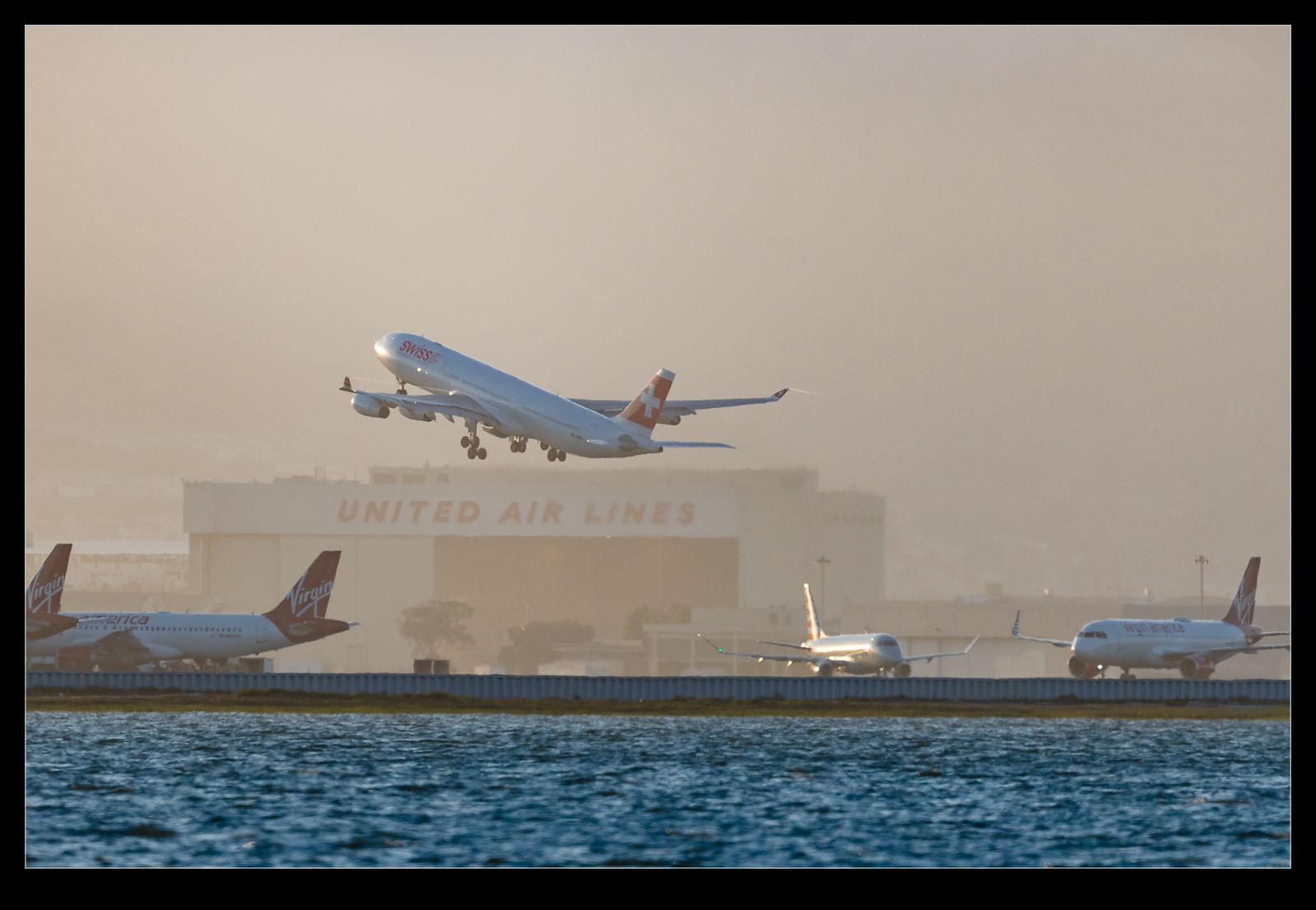
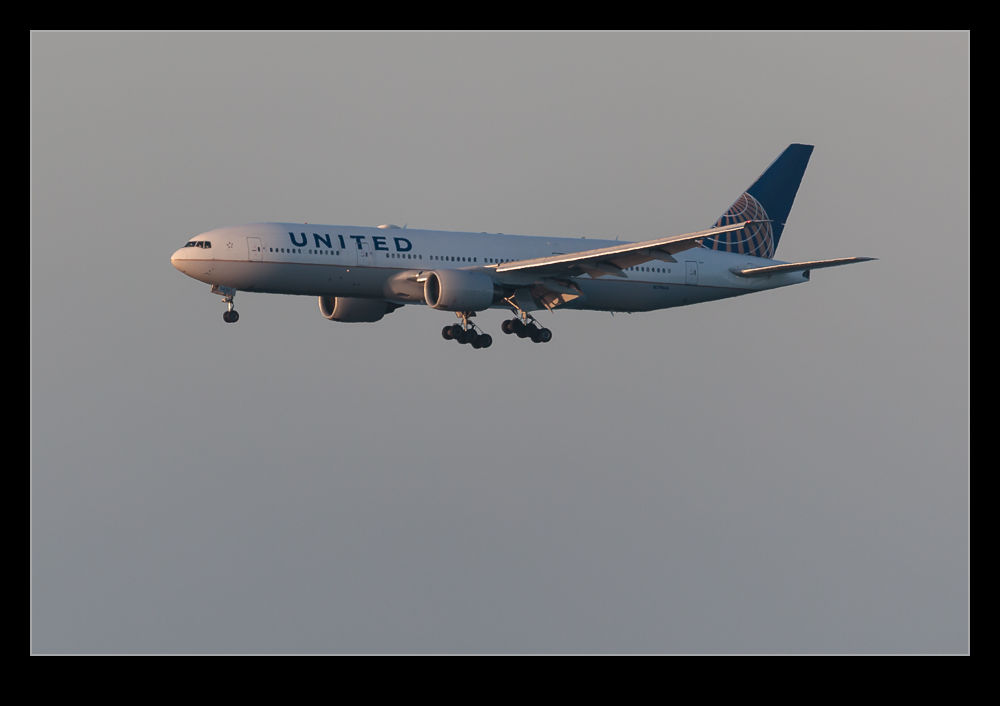
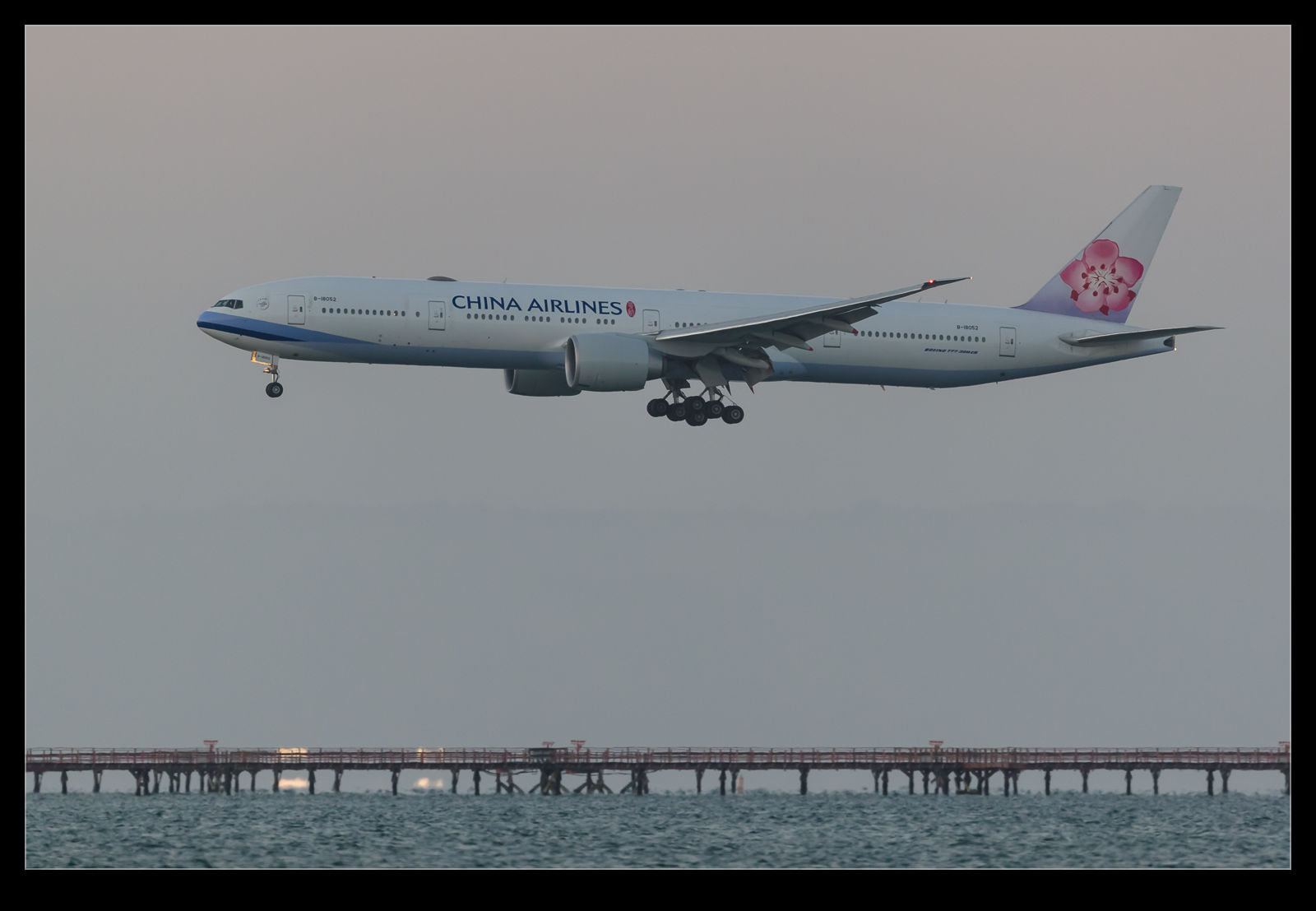
AE7I2058.jpgA holiday weekend combined with an early closure of the office meant I had a bit of time to experiment with some things I wanted to try on the new cameras.  Normally I don’t want to blow out a whole evening at a weekend but, with a bit of extra time, I decided to see what I could do with shooting aircraft in sunset and really low light conditions.  There will be some other posts that look a how the cameras do in very low light/night conditions.  However, to get there, I also got some sunset to play with.

AE7I2071.jpgAt this time of year, sunset is not as good as it will be later.   The sun goes too far north late in the day so, instead of getting good light on the jets, you end up with some backlighting.  Even so, there are some good chances to get some more delicate light on the planes.  You do get a bit too much contrast as the remaining light is on the nose and the fuselage sides are pretty shady but you can get some reasonable results.

AE7I2189.jpgI was interested to see how the camera dealt with the light.  The use of exposure compensation becomes a bit variable in these conditions.  The light starts to get nicely balanced but then you can end up with more brightness in the background with less on the subject.  This can make things go a little dark.  I found myself playing with the settings quite a bit as I explored how the camera reacted.

AE7I2268.jpg

Generations of Gulfstreams

AE7I0619.jpgWhen I am shooting at a major airport, I am always pleased to get some corporate jets.  A steady stream of airliners – often from the same airline – is okay but variety spices things up and corporate jets can do that.  (NetJets and FlexJet do undermine that variety a little but not too much.)  On this occasion, I was treated to a selection of Savannah’s finest products.  They didn’t arrival in age related order but I will forgive that.

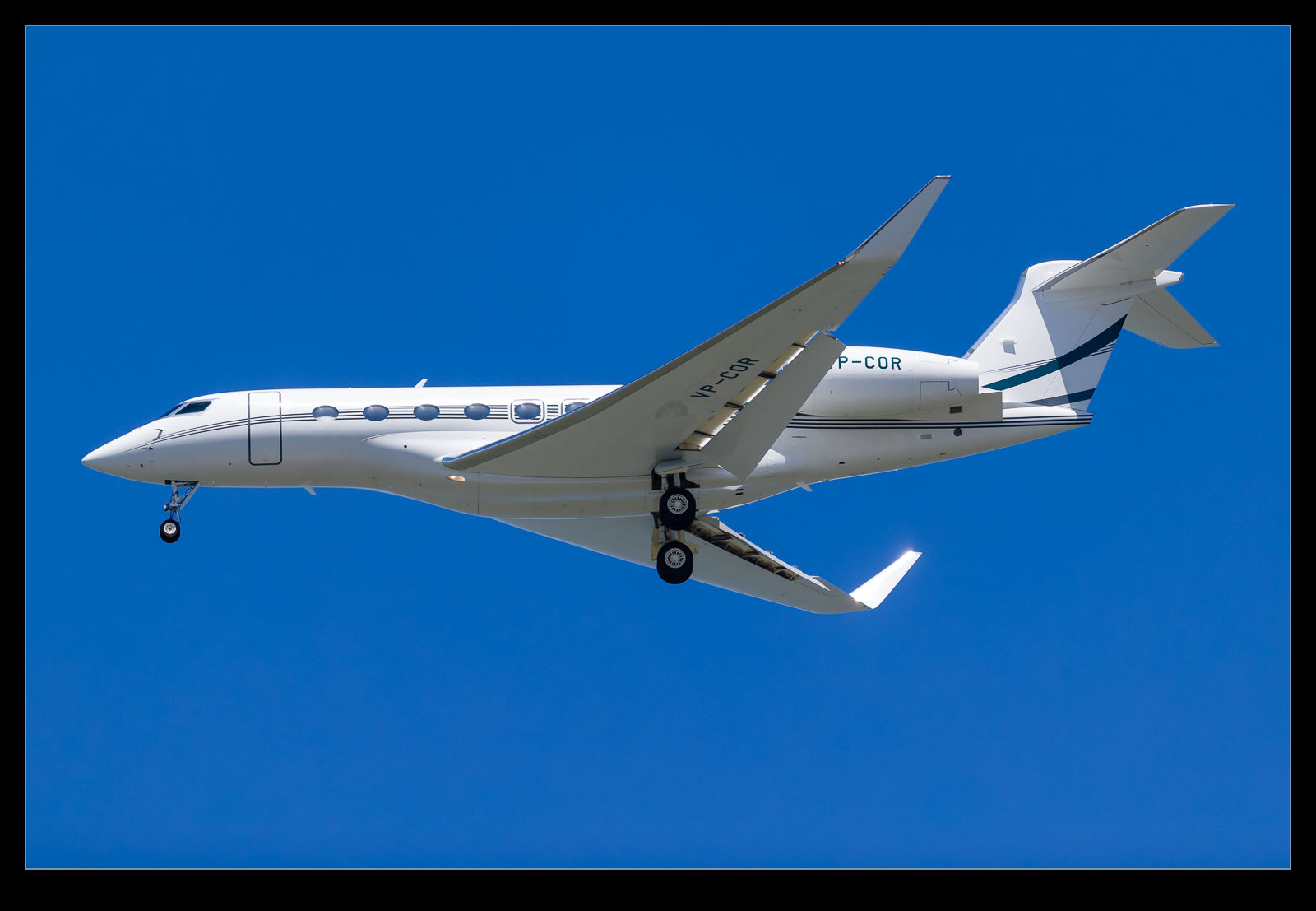
AE7I1296.jpgThe first to show up was a G650.  Top of the line for Gulfstream, this is a cool looking jet.  It is a totally clean sheet design for Gulfstream who have tended to tweak previous jets to bring new capabilities.  It looks different and has great performance.  (It is also spawning a new generation of smaller – relatively – jets that I look forward to seeing.)

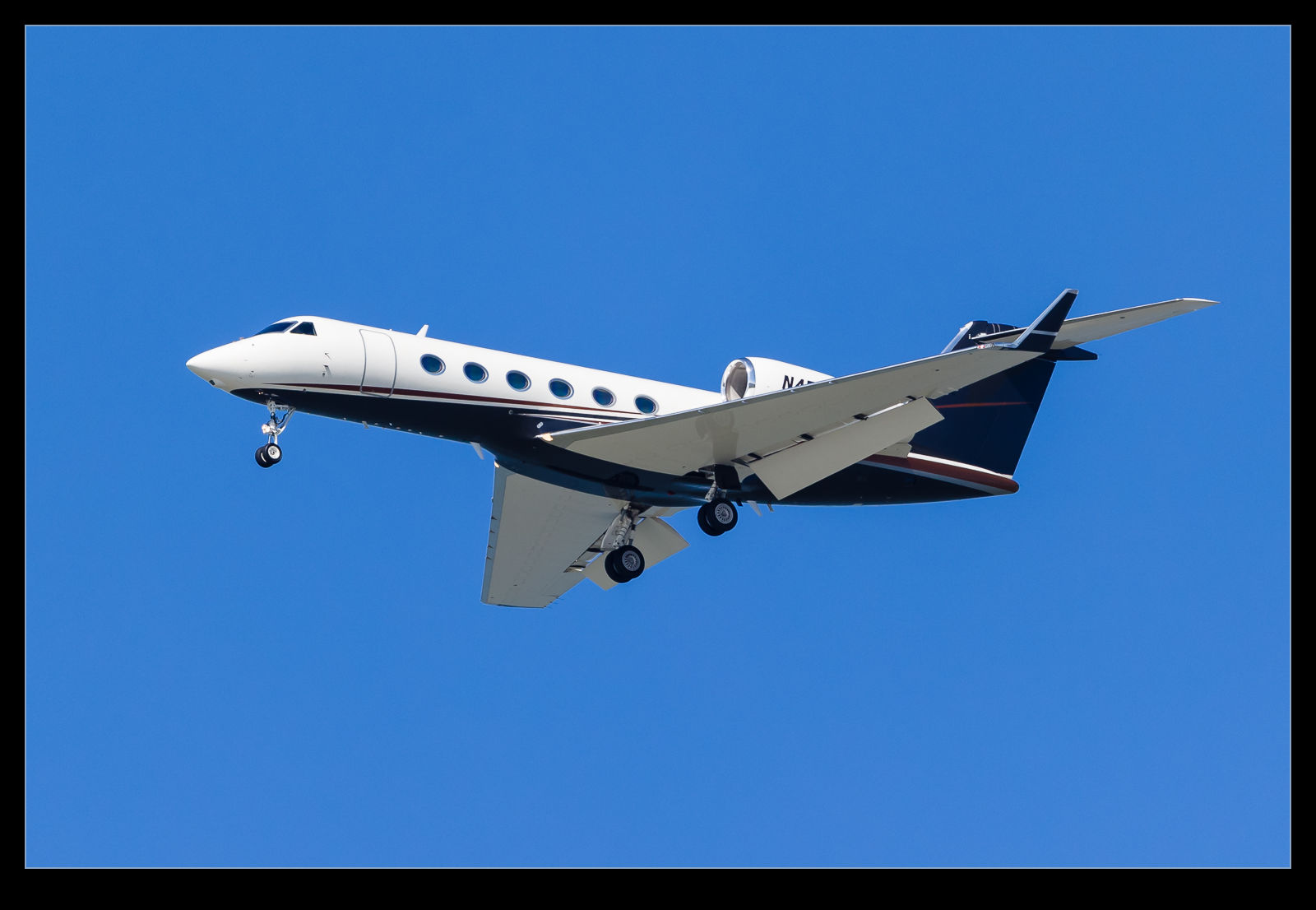
AE7I1031.jpgNext were some G450s.  A previous generation but still a good performer and something that sells well.  The fuselage is clearly Gulfstream but the wings and engines and significant steps forward from their predecessors.  Not cutting edge but still something the Gulfstream thinks has appeal.

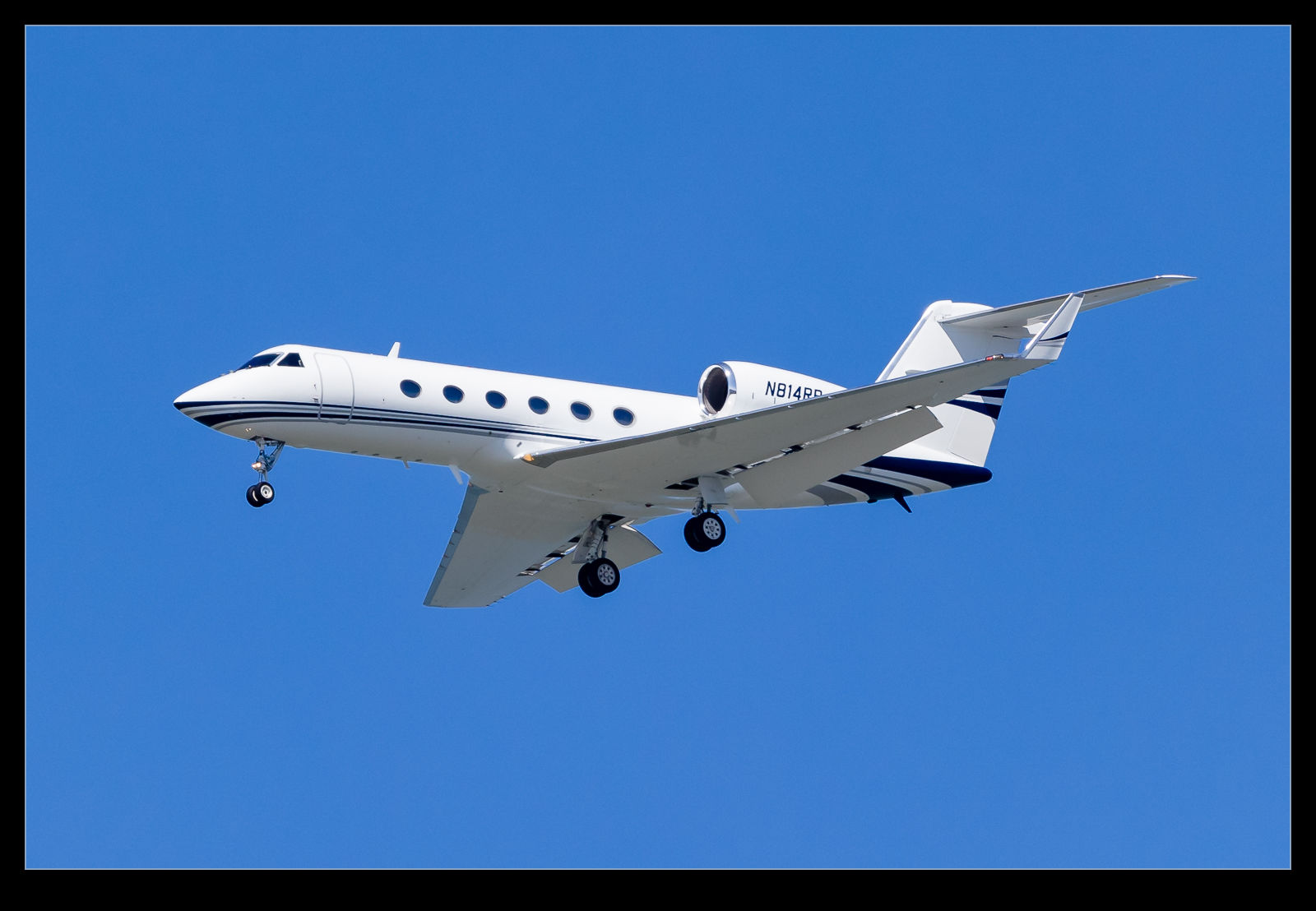
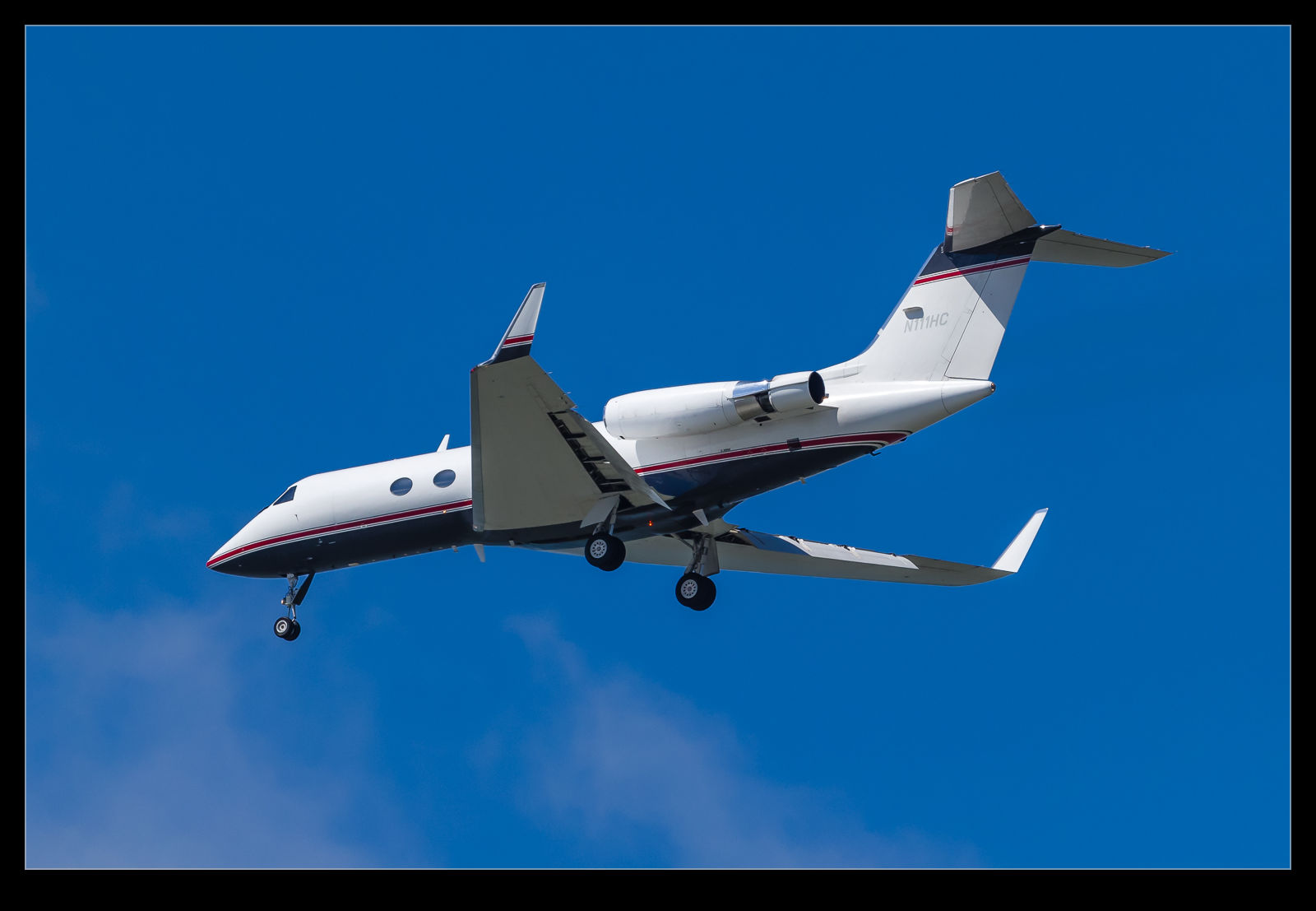
AE7I1094.jpgThe last was a G-III.  This is really going back a bit.  Not a G-IISP but not far off.  The fuselage is familiar, the wing similar but the engines are the old Speys and they have none too subtle hushkits fitted to them in order to meet current noise regulations.  This is certainly a vintage jet by corporate standards and I was pretty pleased to see one still flying.  These are often found now lurking at airports with the signs of lack of use clear to see.  Shame we didn’t have an original Gulfstream turboprop but they are rare beasts these days.

Embedding a Zoomify File

I have played with the Zoomify files a few times before.  Then I found a way to get a Zoomify file output in HTML5 format rather than Flash.  Since so many people are on mobile devices today and plenty of them don’t use Flash, having the new format was necessary to make the output usable widely.  I didn’t like the idea of a new page opening up though.  Taking people off your page can mean that they don’t come back.  Fortunately, I found out how to embed this in an iFrame.  Those of you that are web savvy will know all about this stuff but I didn’t.  However, messing around with some page code and suddenly my stuff is embedded in the page above.  Pretty cool.  Feel free to zoom and pan around the Nellis flightline!

Can 700mm Reach Into the Cockpit?

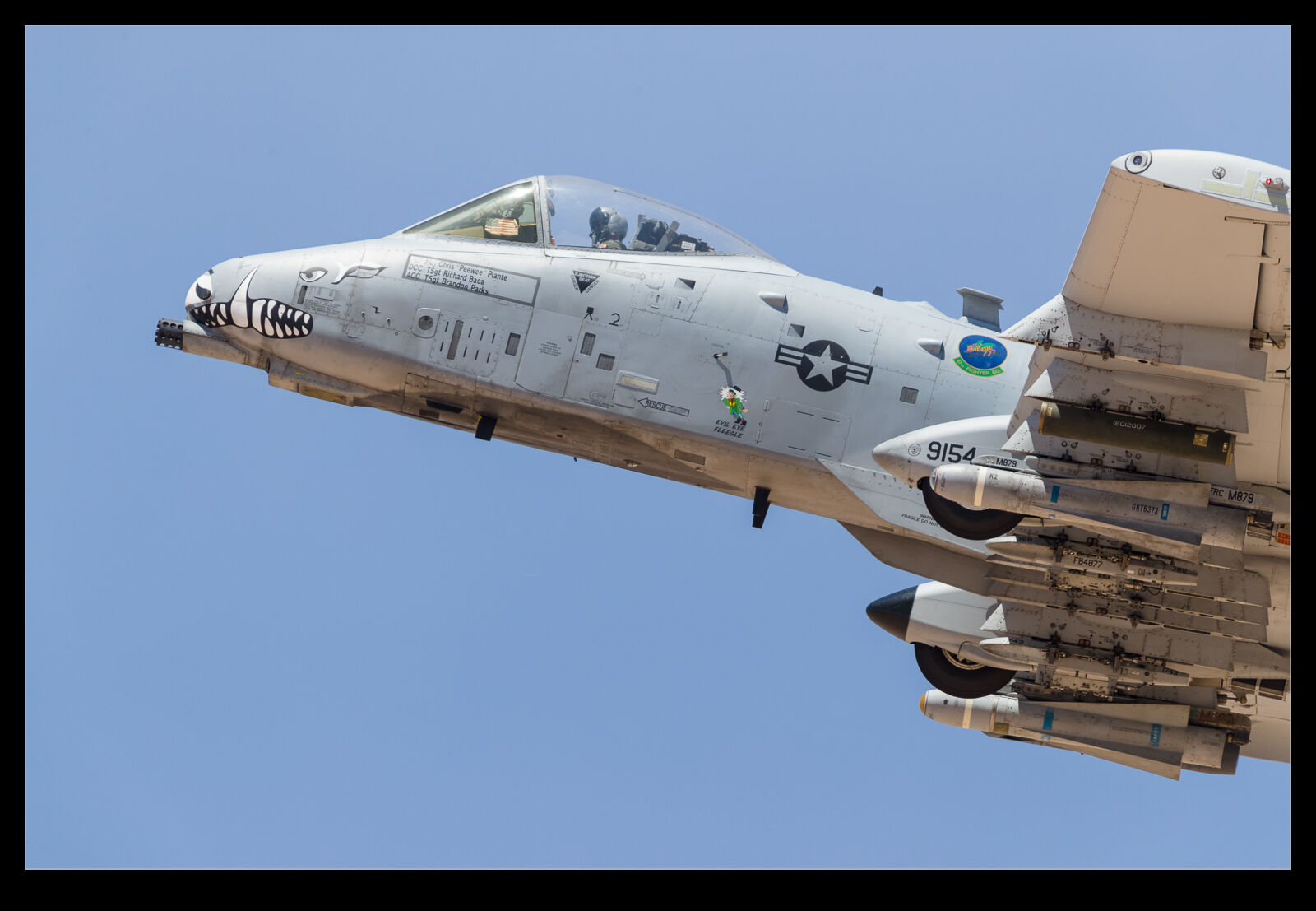
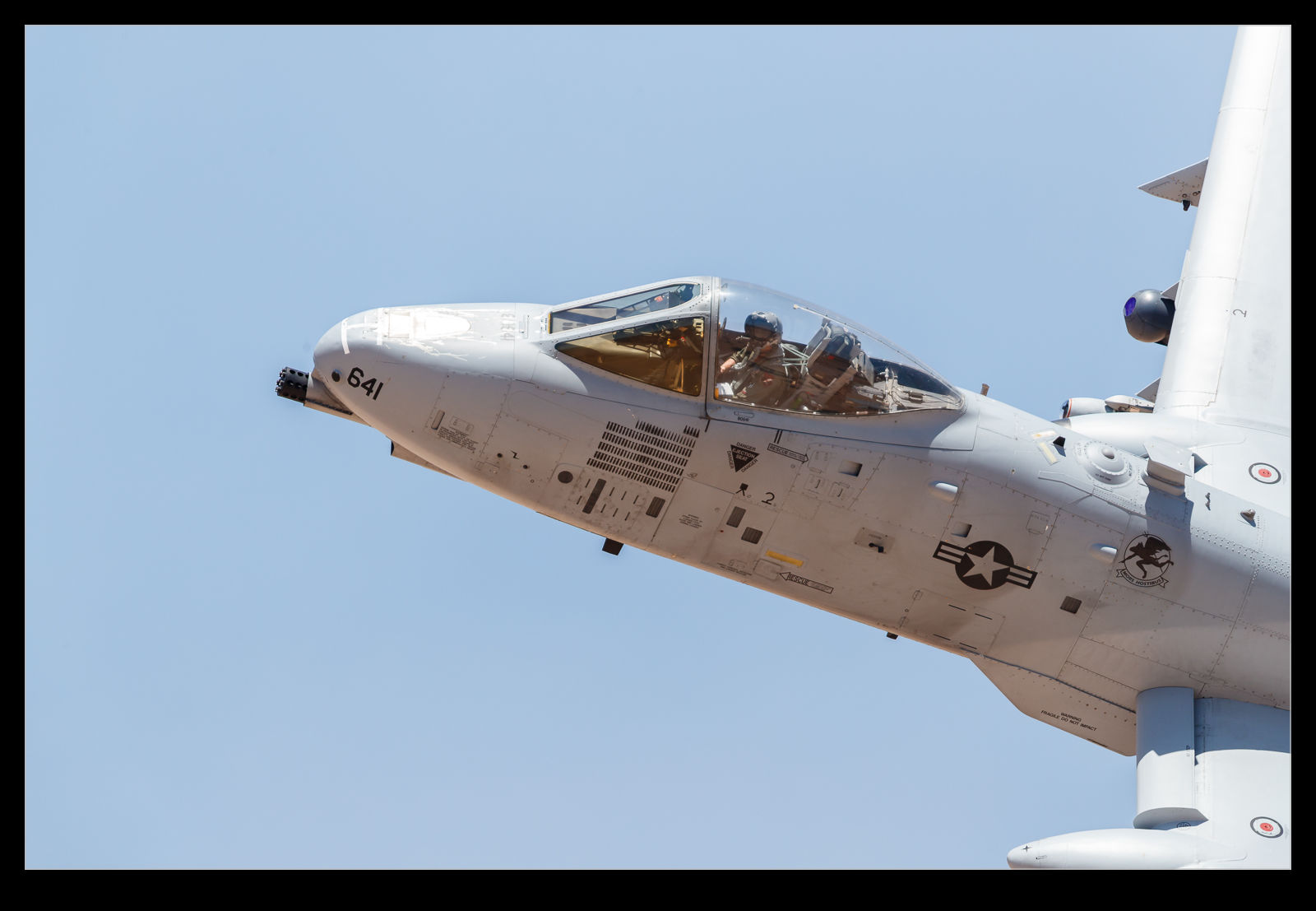
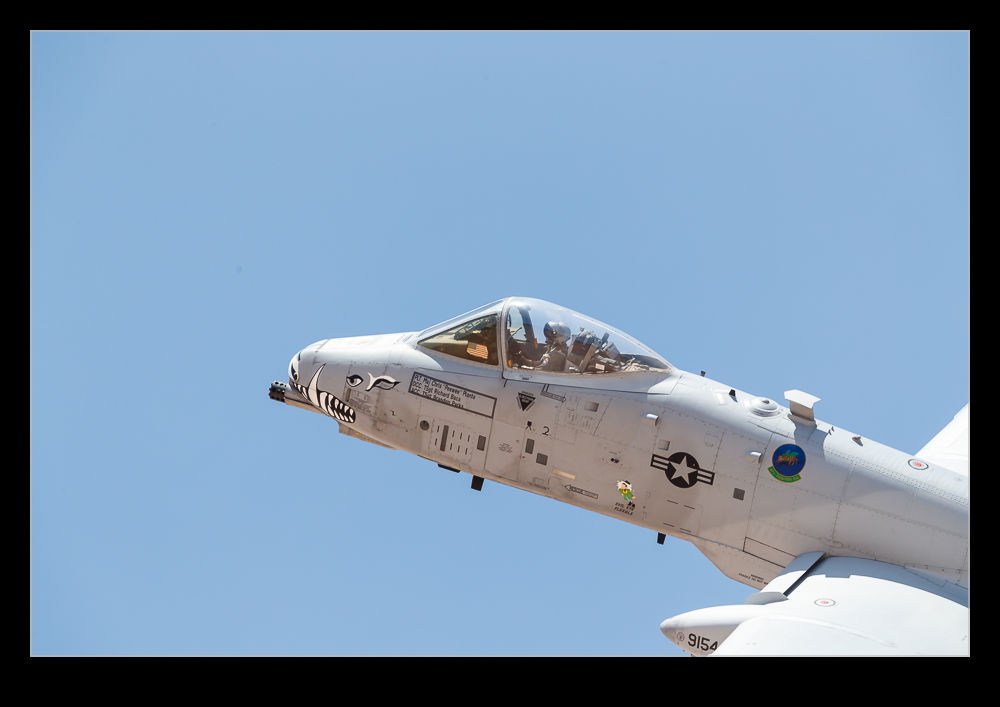
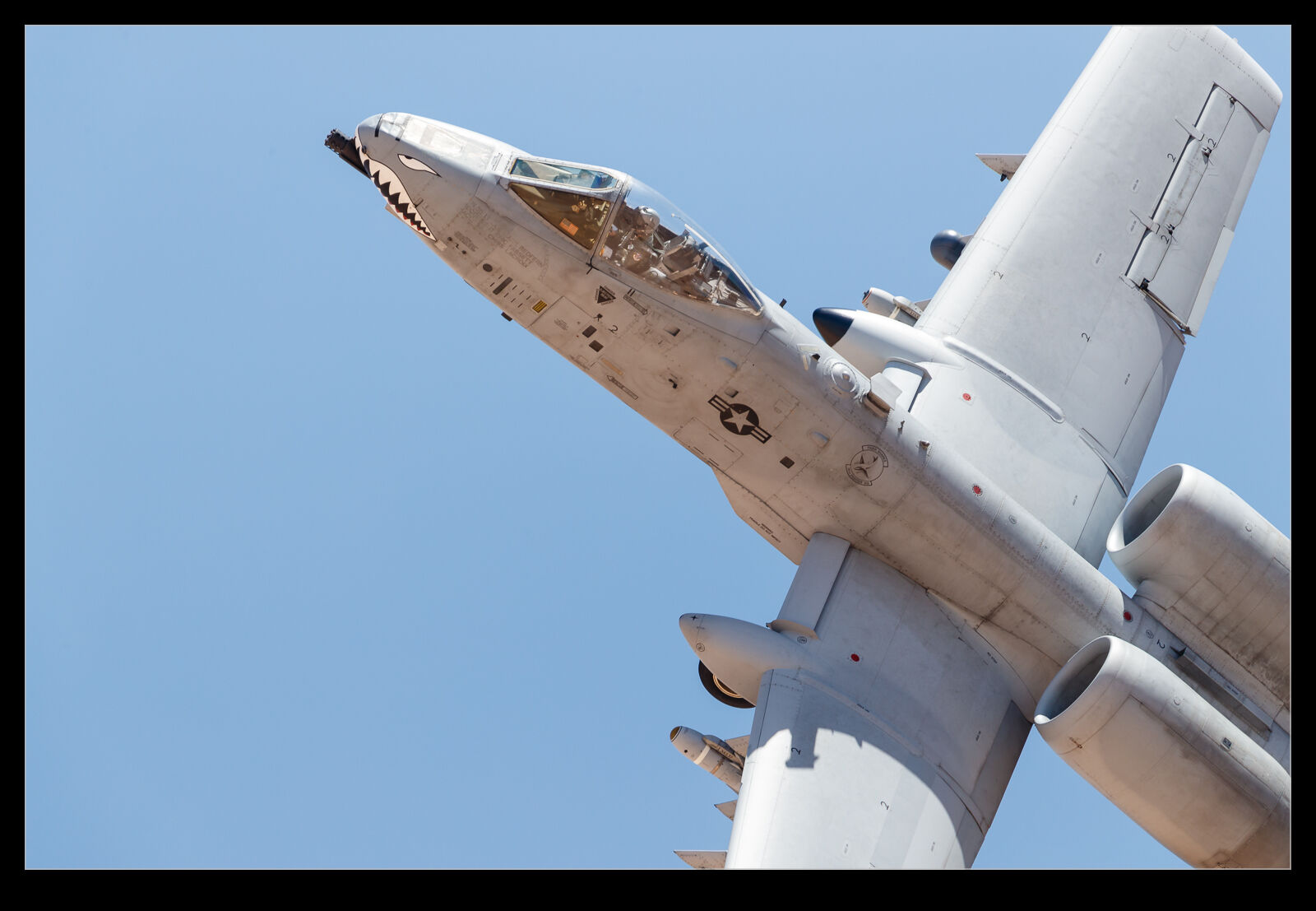
B11I5499.jpgSince changing camera bodies to something that is full frame, one of the things I have been pondering is what I will notice about the reduced reach that I will get with my current lenses.  Obviously there will be a change.  So far it has only really resulted in me changing when I press the shutter since I still work based on what I see through the viewfinder.  While we were out on the range at Hawgsmoke, the jets would carry out a strafing run and then pull towards the range tower where we were located.  Sometimes they would be really close.

B11I5161.jpgI had decided to try putting a 1.4x tele convertor on the 500mm to compensate for the larger sensor size.  This worked well for a number of the shots but, when the jets pulled overhead, it was a touch too much!  These shots are not cropped.  They are really that close and you can see exactly what is in the cockpit.

B11I5392.jpg B11I4686.jpg

FedEx 757 and Oh So Close

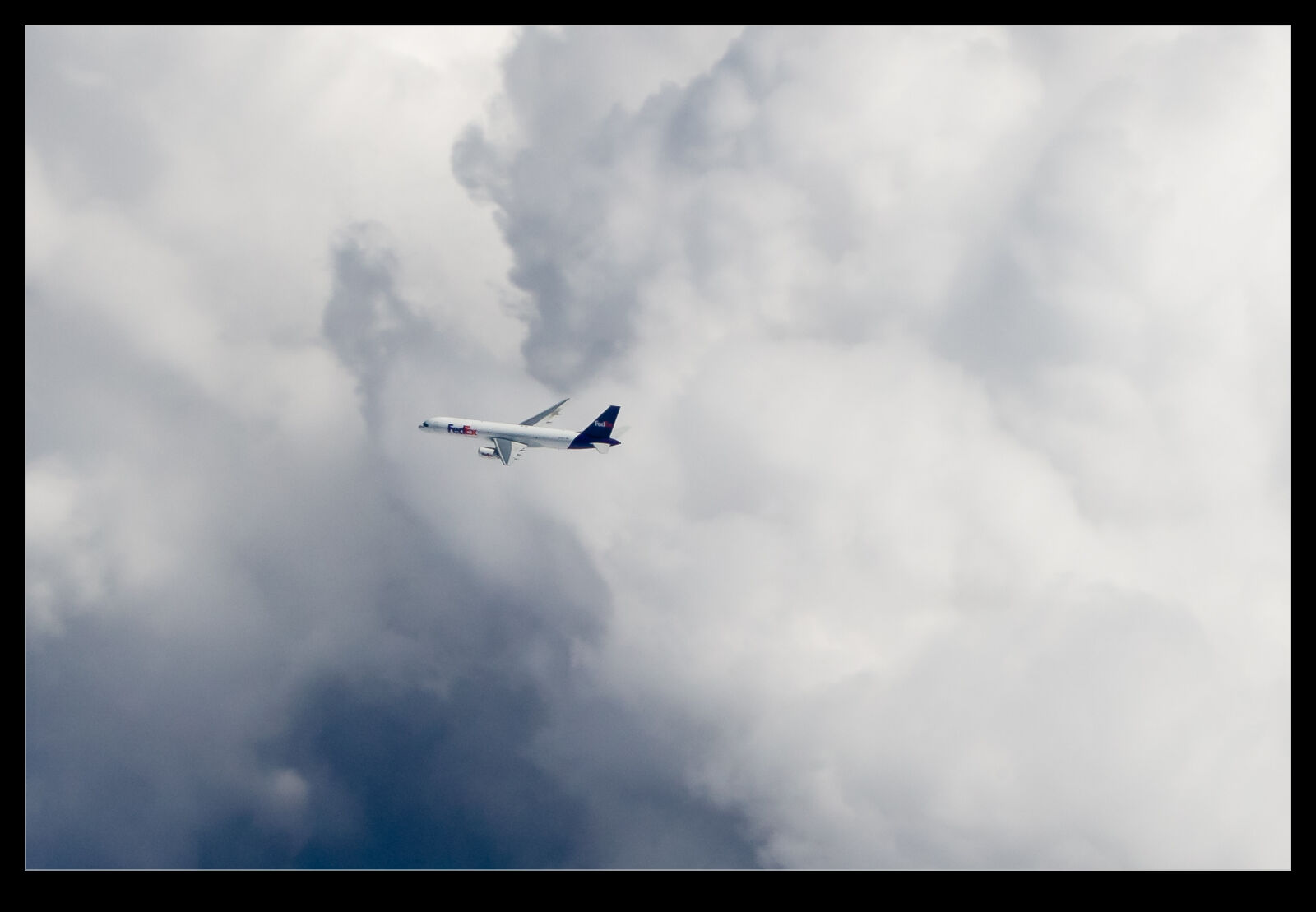
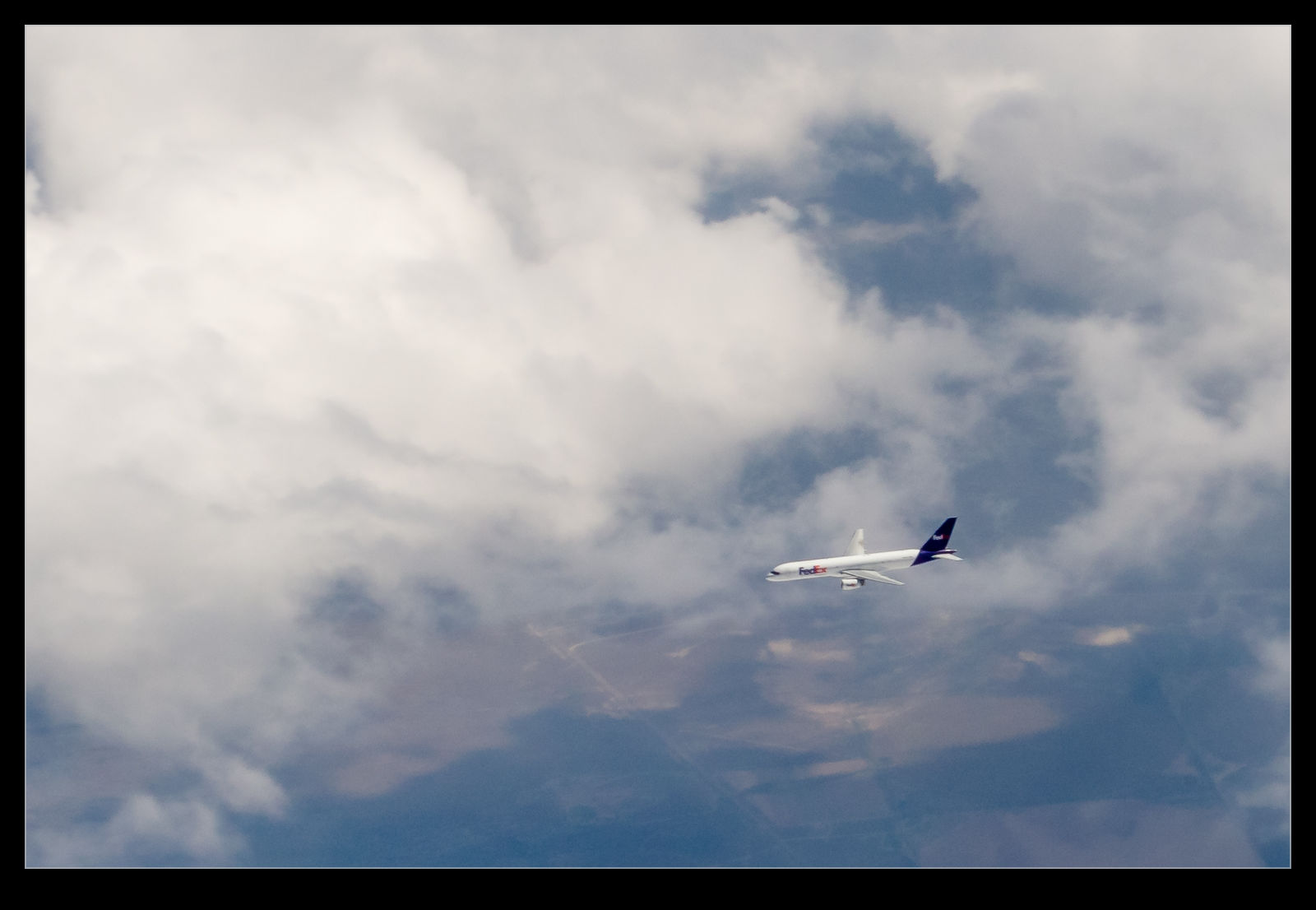
AE7I0175.jpgI have posted before about taking photos from airliners of passing jets and using Flightradar24 and the wifi connection to try and get a shot.  On this trip I had two good opportunities that I knew about.  The first was a 757 operated by FedEx.  I could see it coming using the app.  It was apparently not going to be a close pass but it was going to be within range.  I saw the jet show up and shot a sequence of it as it came by.  The shots were okay given the idea of shooting through windows.  A better chance came with an American 737.  It was going to be really close to our flight path.  Actually, it was really close. Unfortunately, it came right under us.  I saw it flash by but I only got shots of engine nacelles and wings of our own jet.  Oh so close!

AE7I0169.jpg