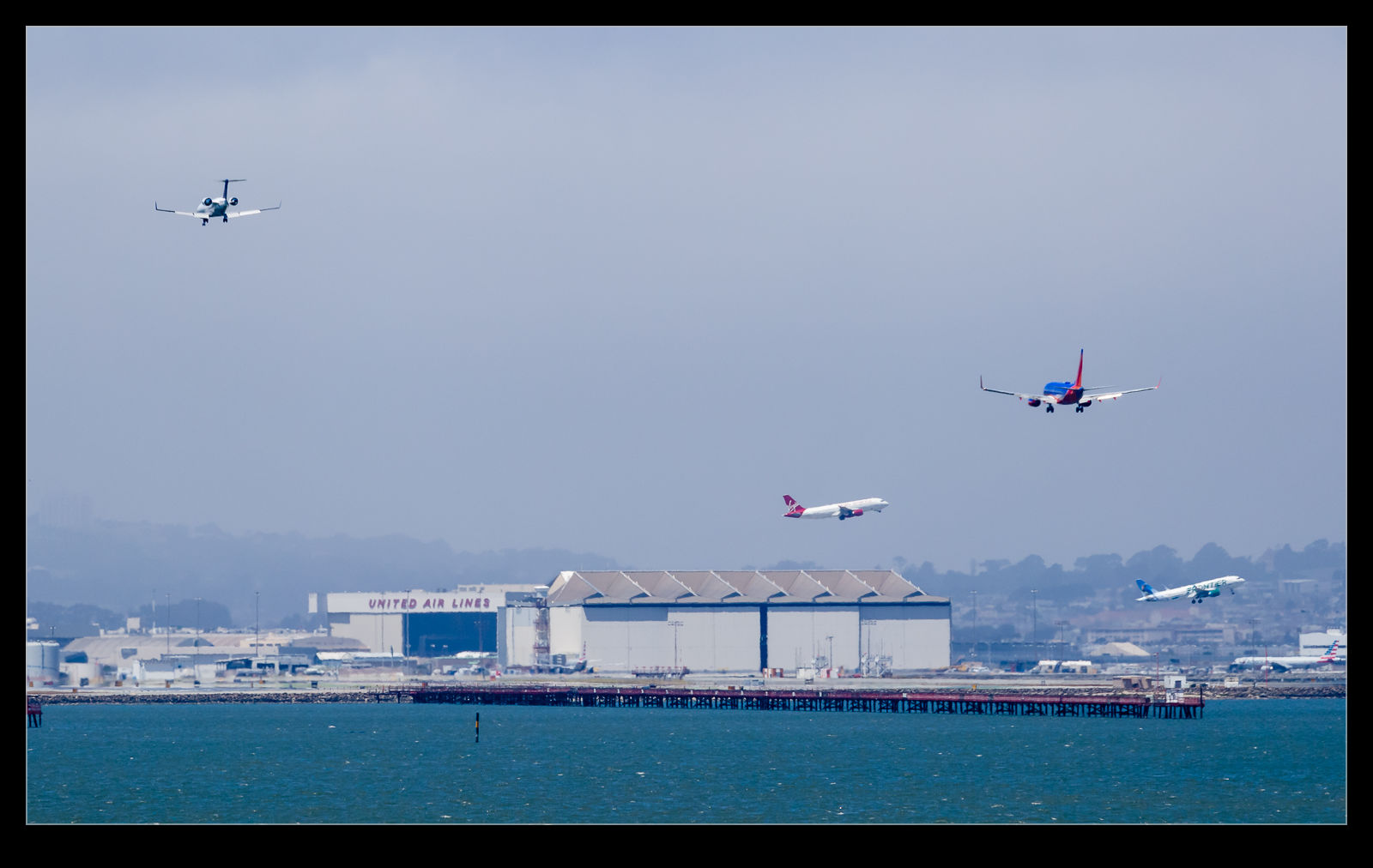
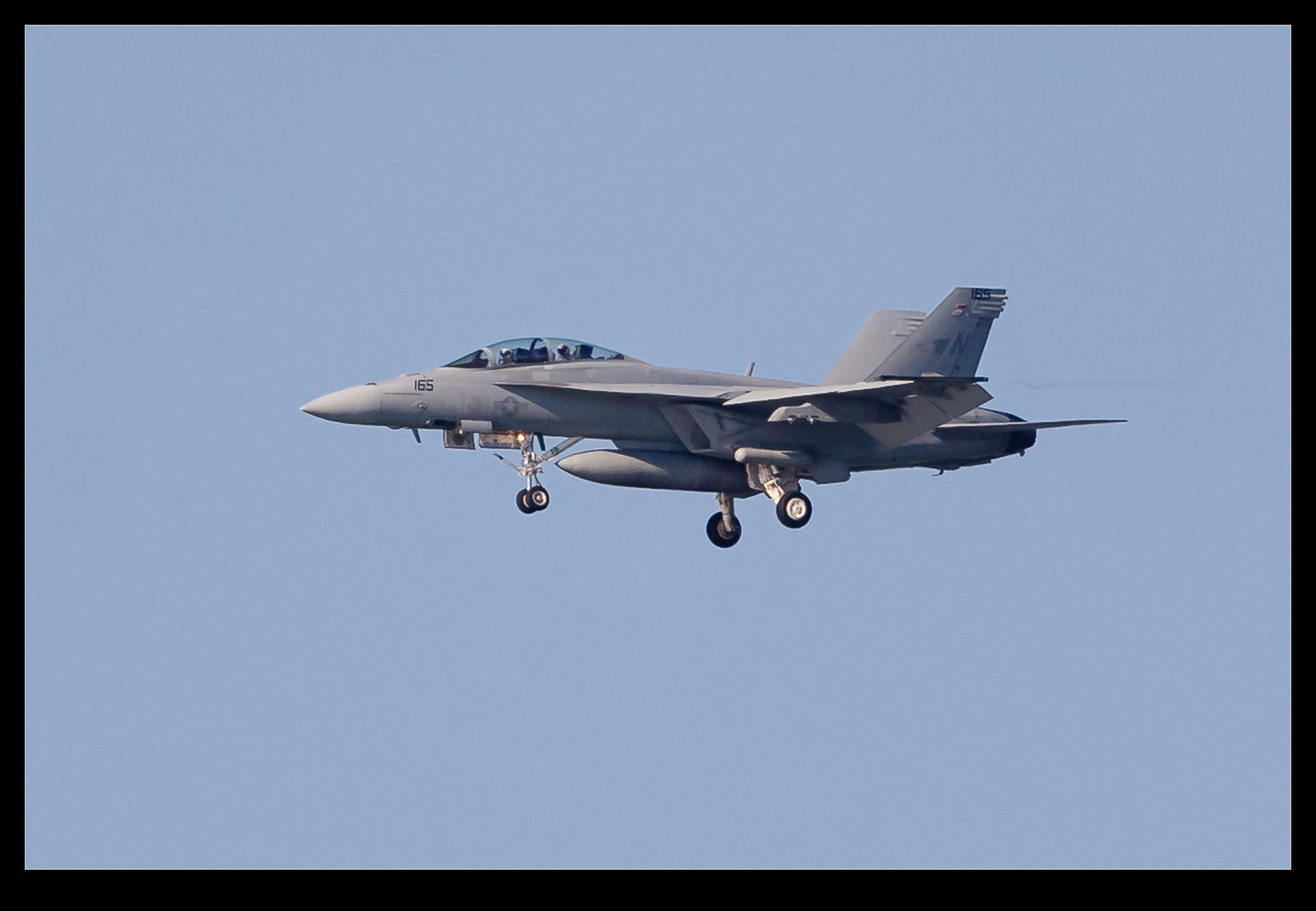
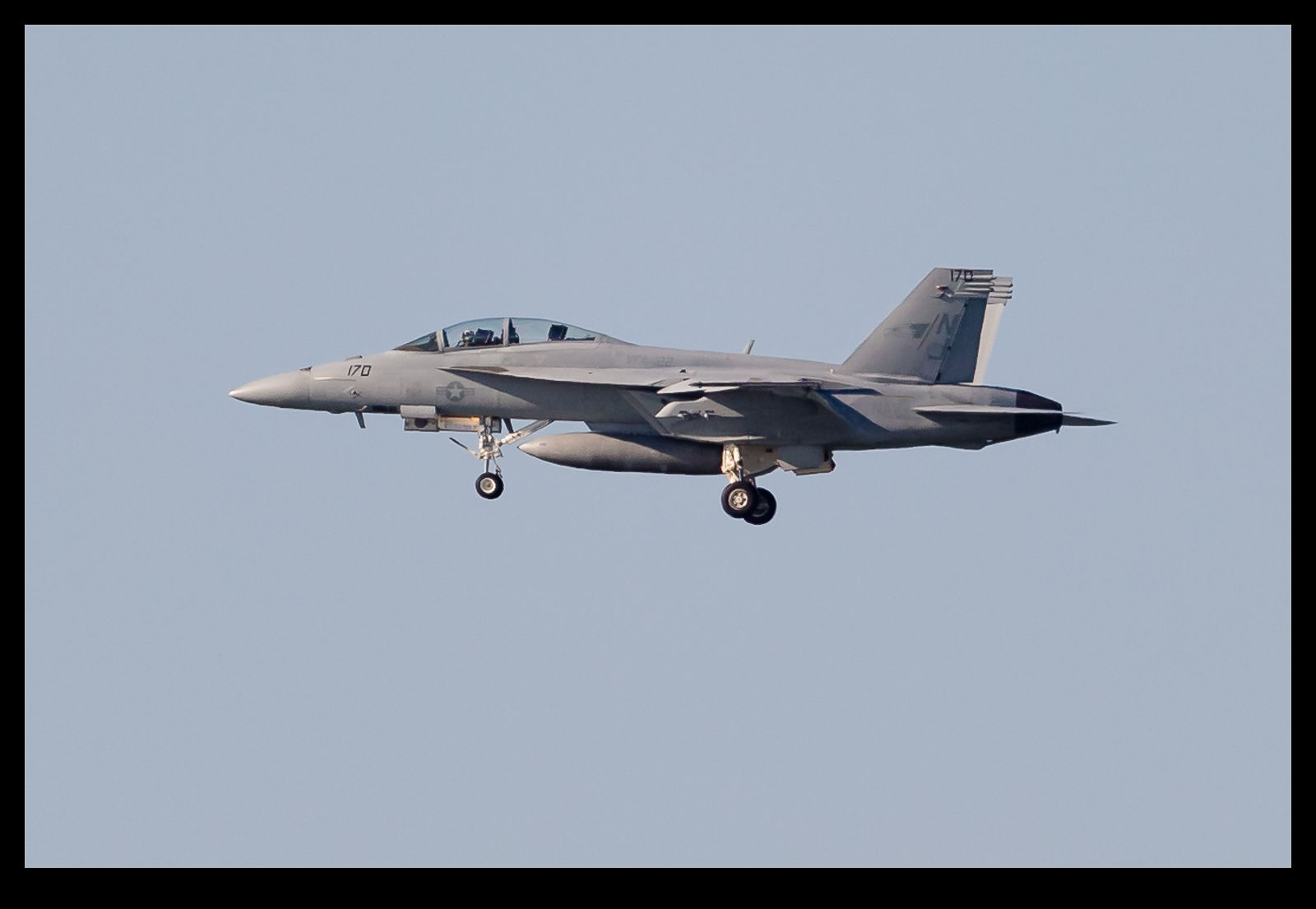
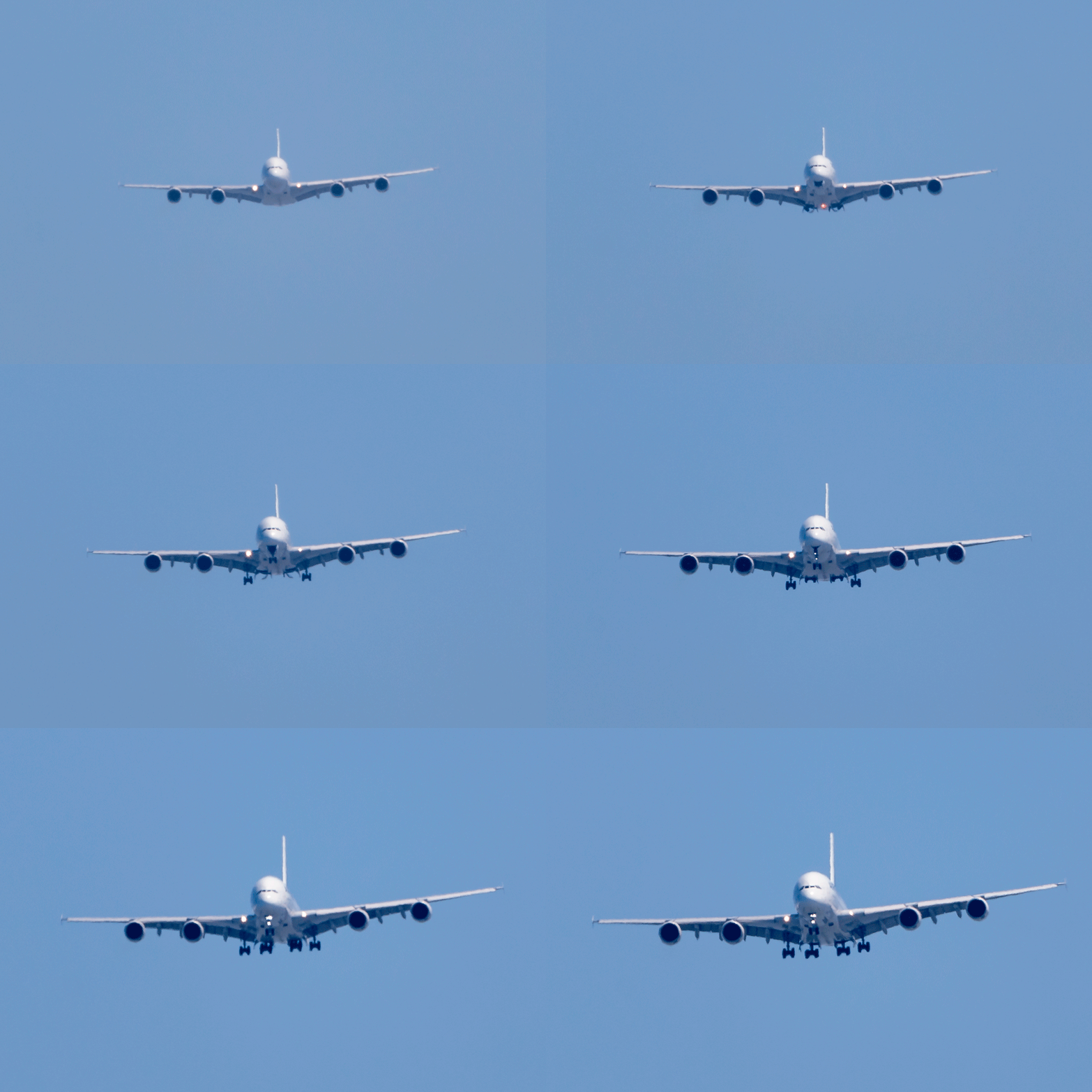
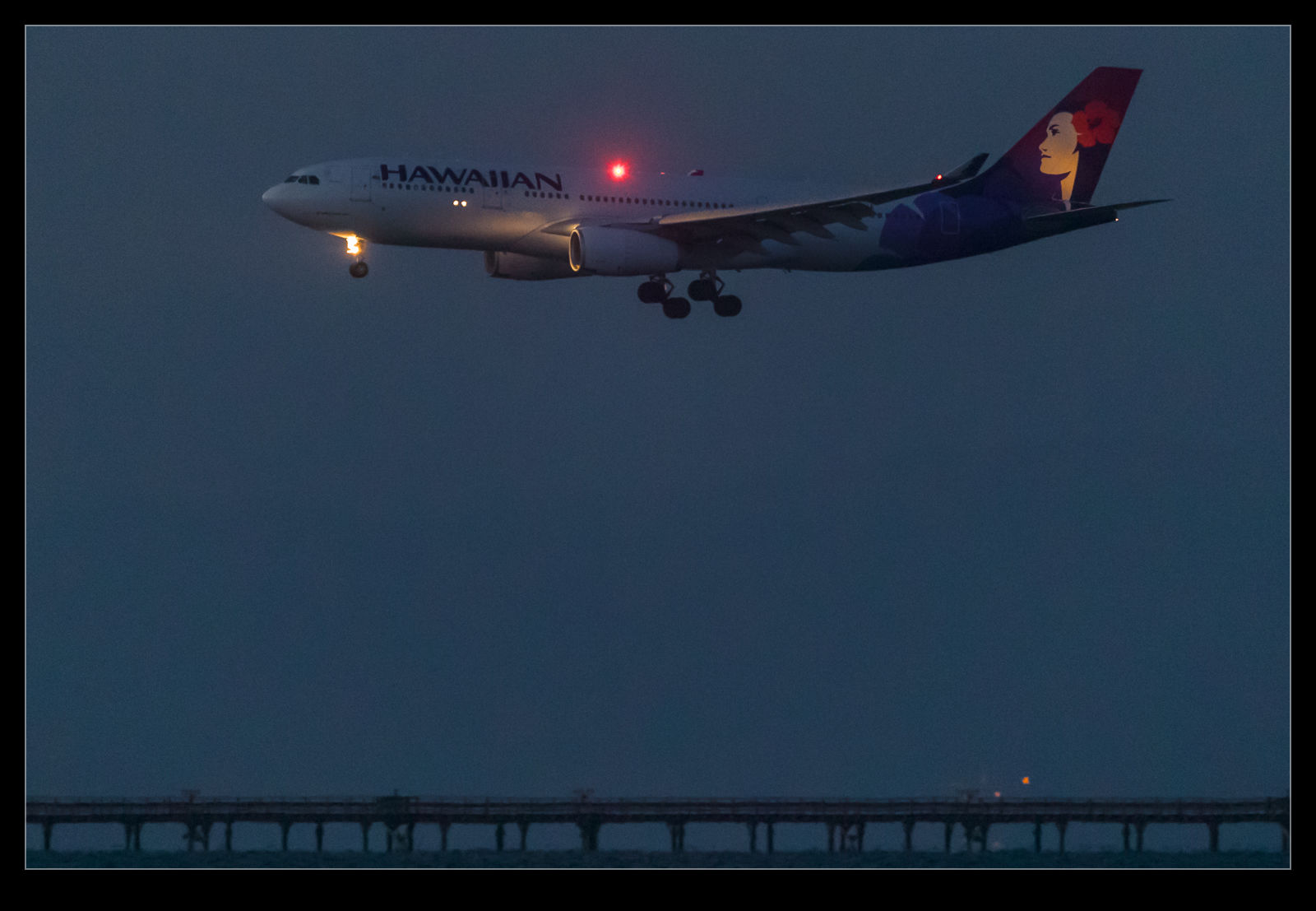
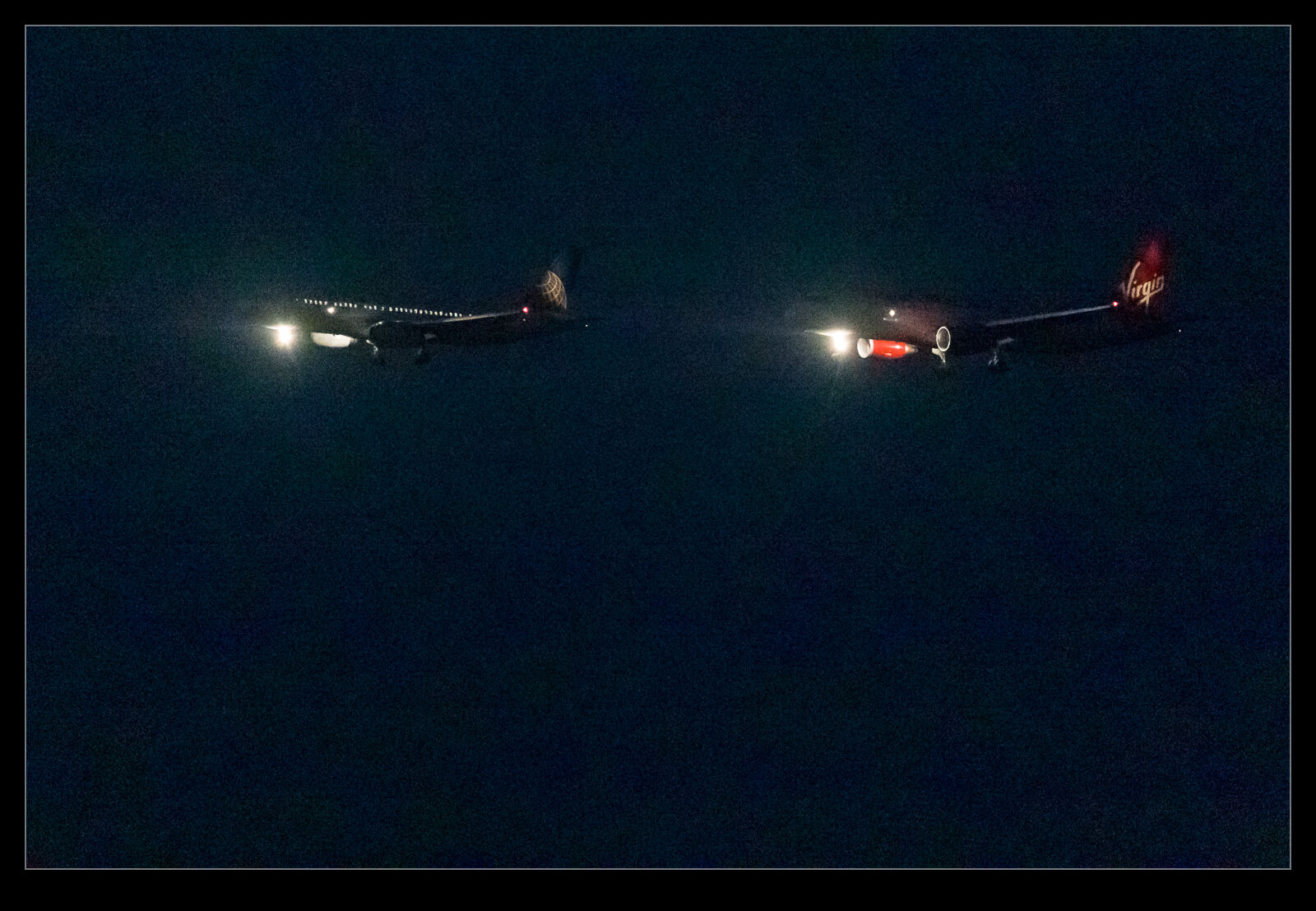
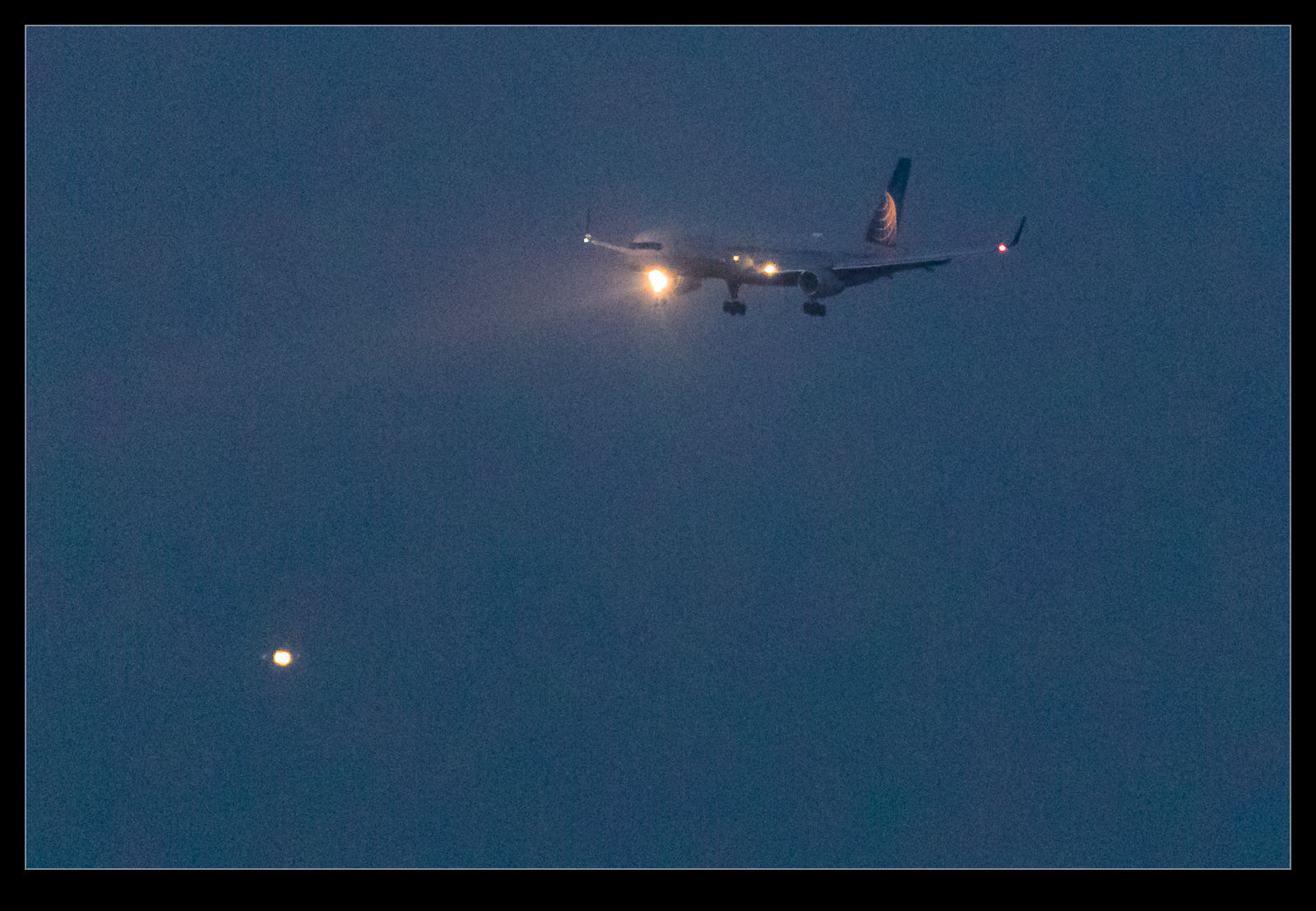
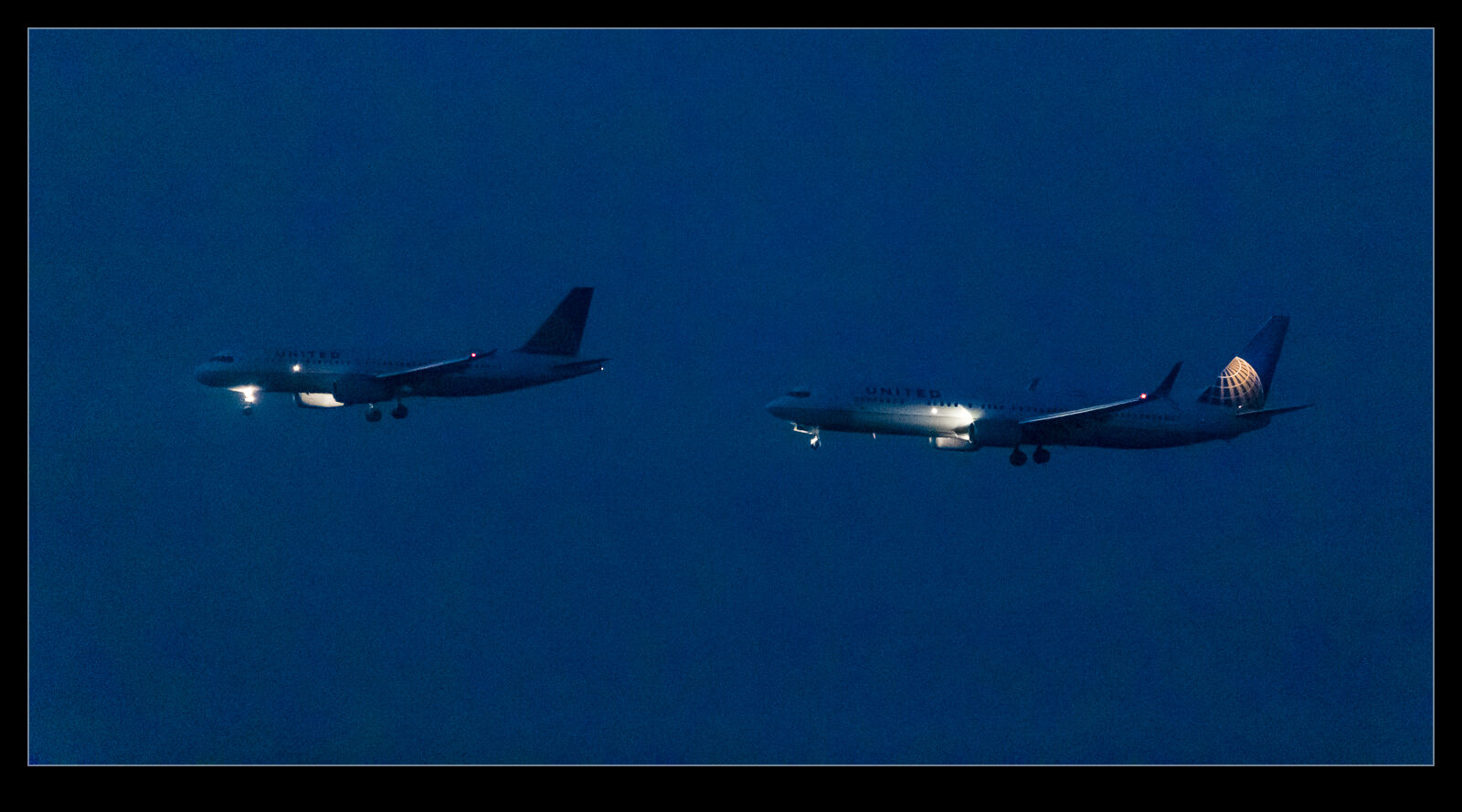
 The real goal of my shoot after sunset was to see what is possible with the cameras. An awful lot is written these days about the incredible low light capabilities of the latest cameras. I am rather suspicious of some of the claims that are made so I was interested to see what could be done. I have seen reviews in which people describe shooting with ISO settings and claiming they are absolutely clean – no noise! I am imagining that there is a little bit of over enthusiasm in these claims. No one wants to write a review that says nothing much has changed for fear that they won’t get to review the next camera.
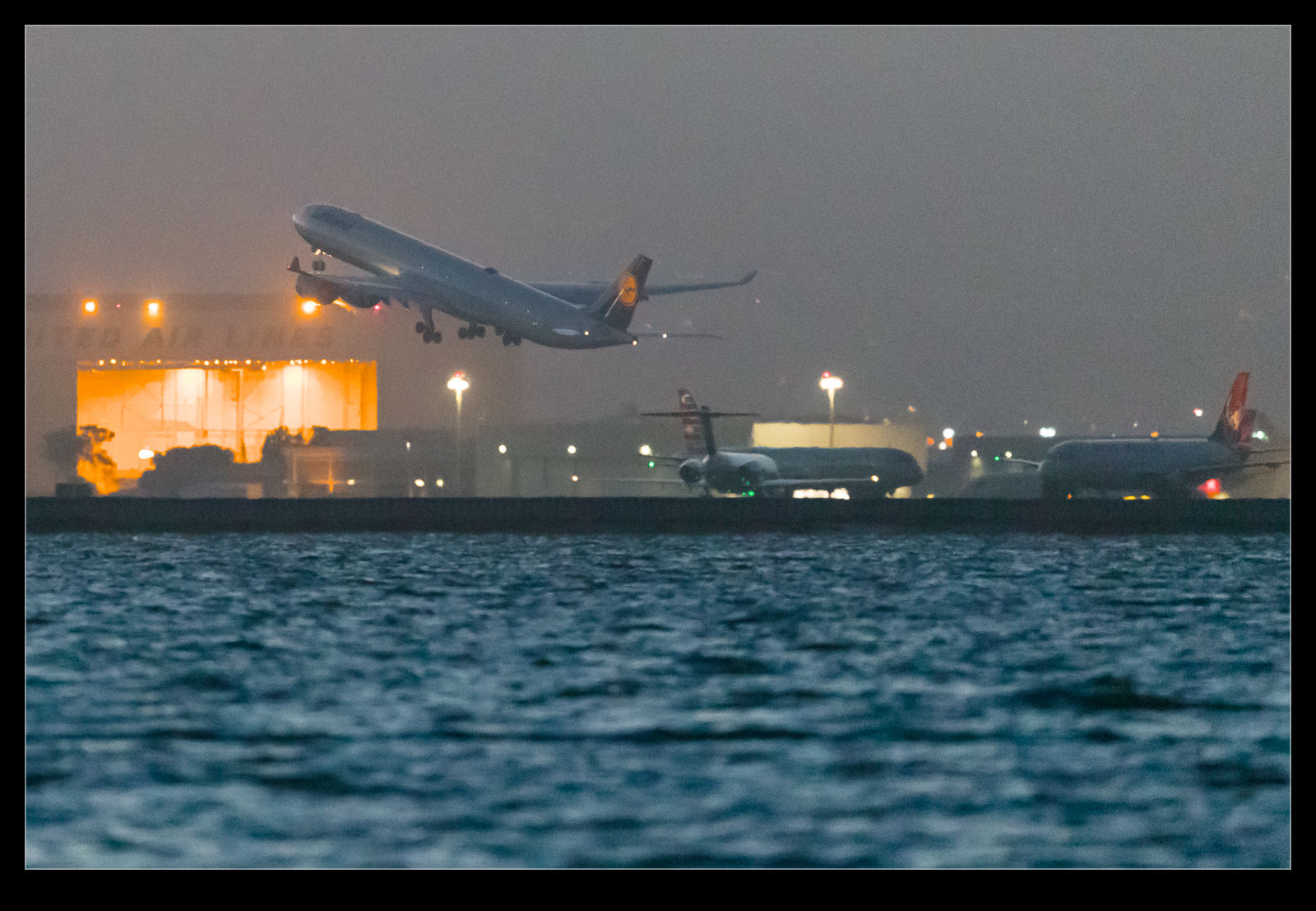 Consequently, while I do expect some improvement in capabilities – particularly given I skip generations of cameras when buying my own – I am skeptical that they will be quite so dramatic. Even so, I did anticipate some improvements from my previous bodies and I did get this. I am not talking about noiseless shooting at ridiculous ISO settings. I am able to work in a far higher range though. It is worth noting that a blog post involves relatively low image sizes so the worst of the noise becomes less apparent. Full size images are a lot more harsh. (For this post I won’t focus on a previous issue of mine which is how printing is far more forgiving of noise than a screen is.)
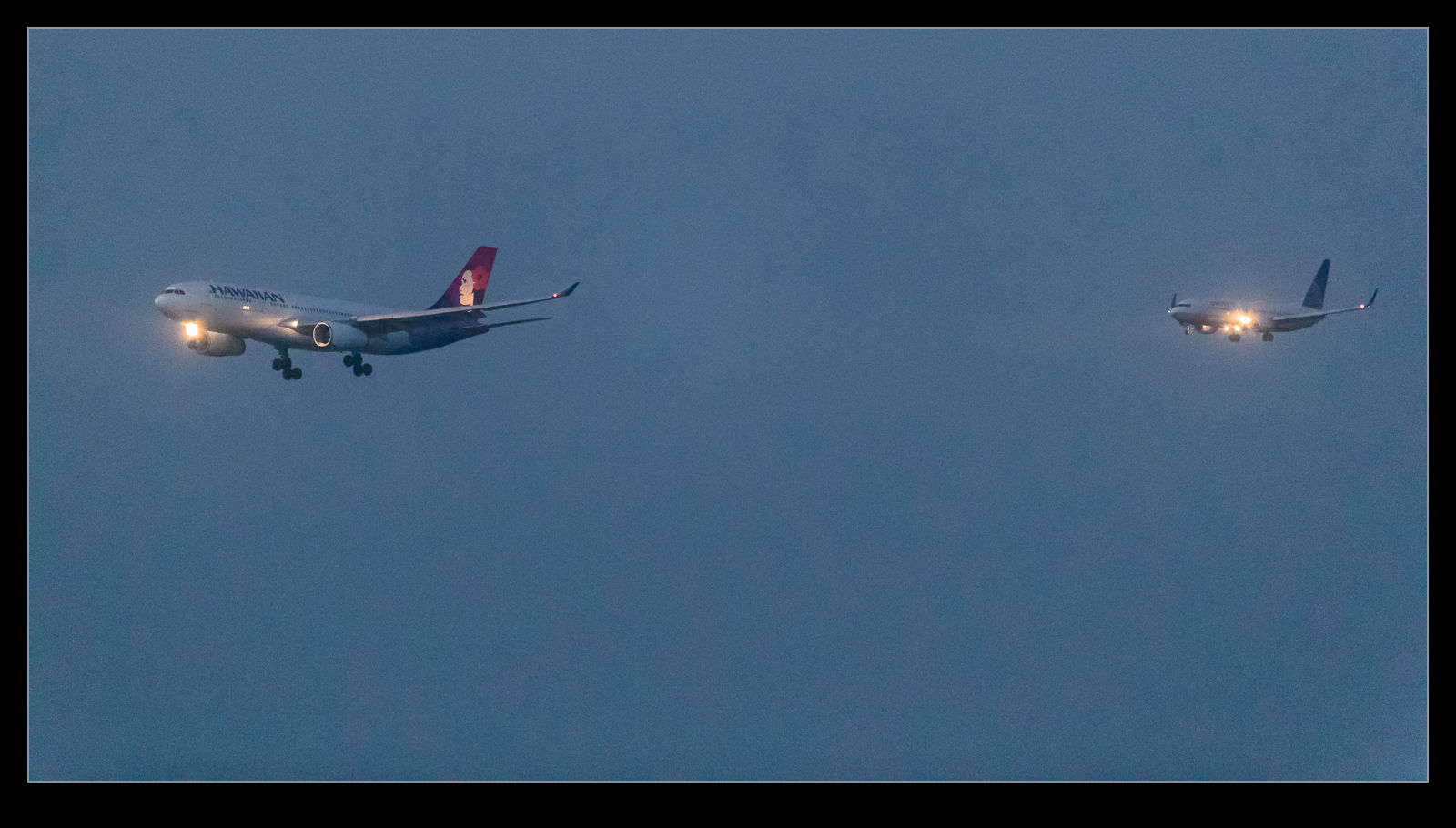 A tricky issue with shooting as the light disappears is the use of exposure compensation. From having some positive exposure comp during the day, as the night comes on, I go through normal exposure to having a bit of negative exposure compensation. It is dark so the shots should be dark. It shouldn’t look like daylight. I ended up playing around with the settings a bit to see whether -1 to -2 should be used. -2 ended up being a bit too much. However, it is a bit of a guessing game depending on what you are shooting and how much light there is in the background.
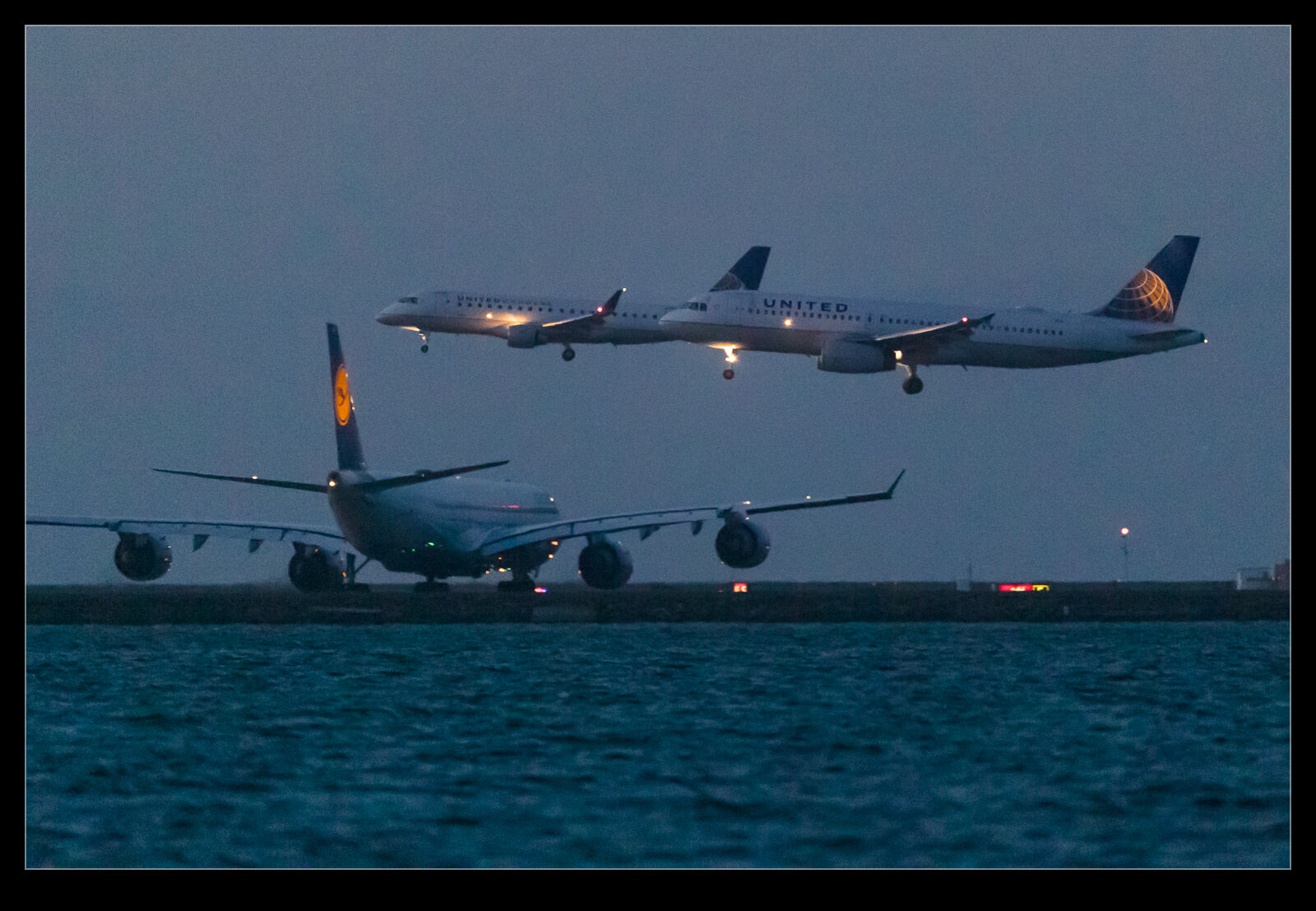 One good thing about these bodies is their ability to handle some post processing. If the shots were a bit dark, boosting the exposure did not bring as much noise into the shot as I would have expected with my previous bodies. I was able to mess around with them a lot more without things going horribly wrong. I am not getting amazing shots (unless you are comparing them to what you could do in film or early digital days in which case this really should be considered amazing – that’s how spoilt we have become). The contrast at night is harsh so things will always be a bit difficult. However, you can get shots in some very difficult conditions. You won’t get detail in the images like you expect in normal lighting but that really would be phenomenal!
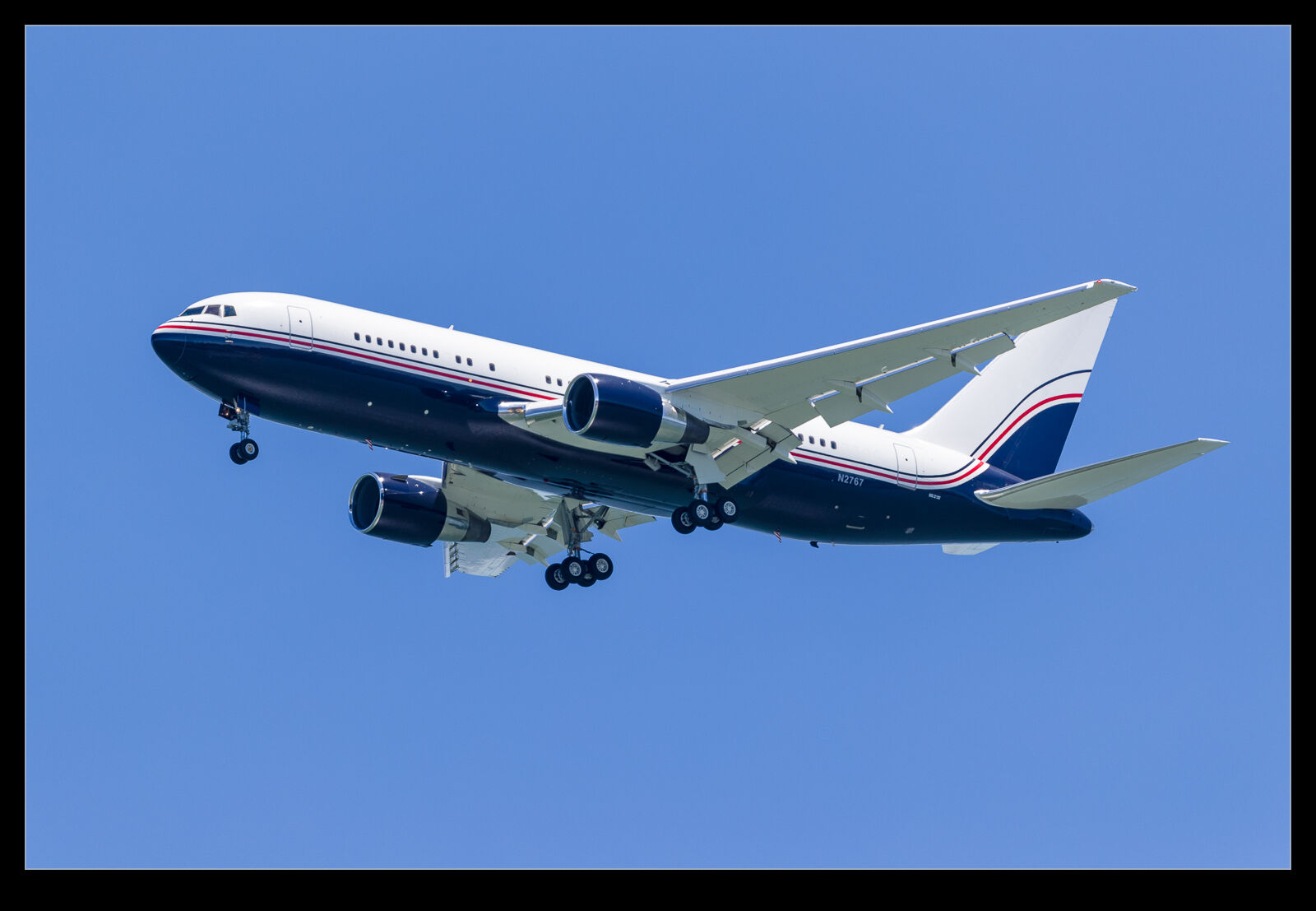 There are plenty of types of corporate jets. However, some organizations (or individuals) decide that what they really need is something a little larger. How about a Boeing 767-200? This one was shooting an approach to SFO. The owner is listed as Blue Sky Holdings. Who are they you wonder? Who can say? They do fly in and out of Moffett Field though and that is owned by quite a large company. Maybe there is a connection? Maybe not?
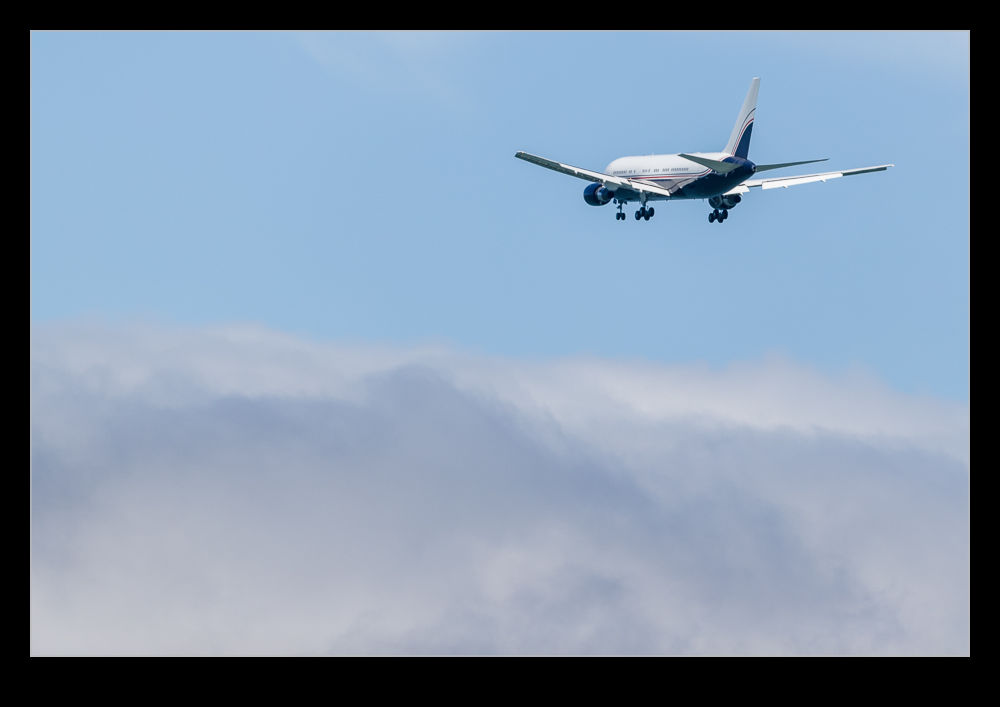 Either way, it was a cool thing to see pop into the viewfinder one afternoon. Sometimes, you just get lucky. I also like the registration that they have for the jet. N2767 is not bad for a 767-200. Apart from that, the jet is pretty anonymous. You certainly can’t guess anything about it from the outside. I wonder what it looks like inside?