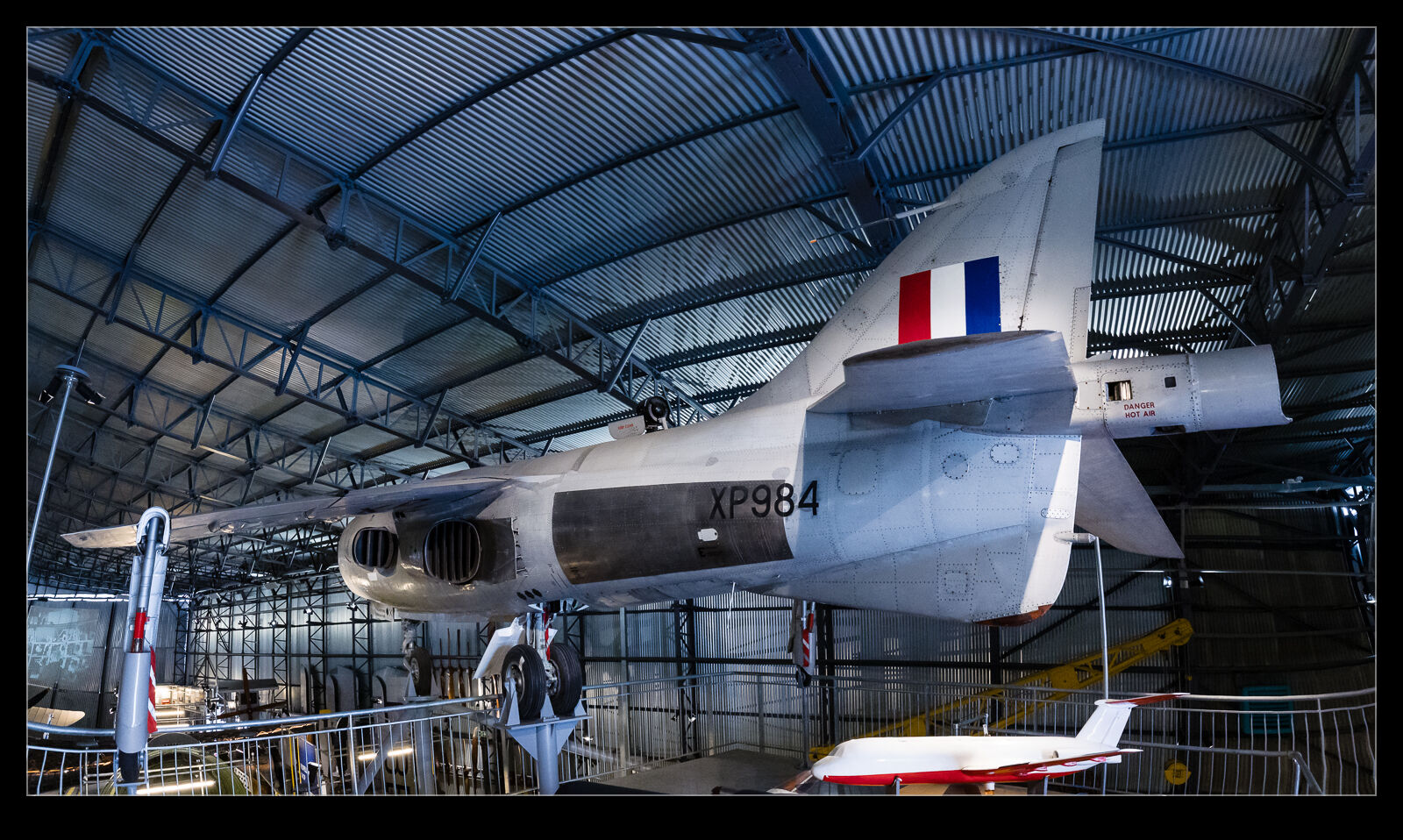
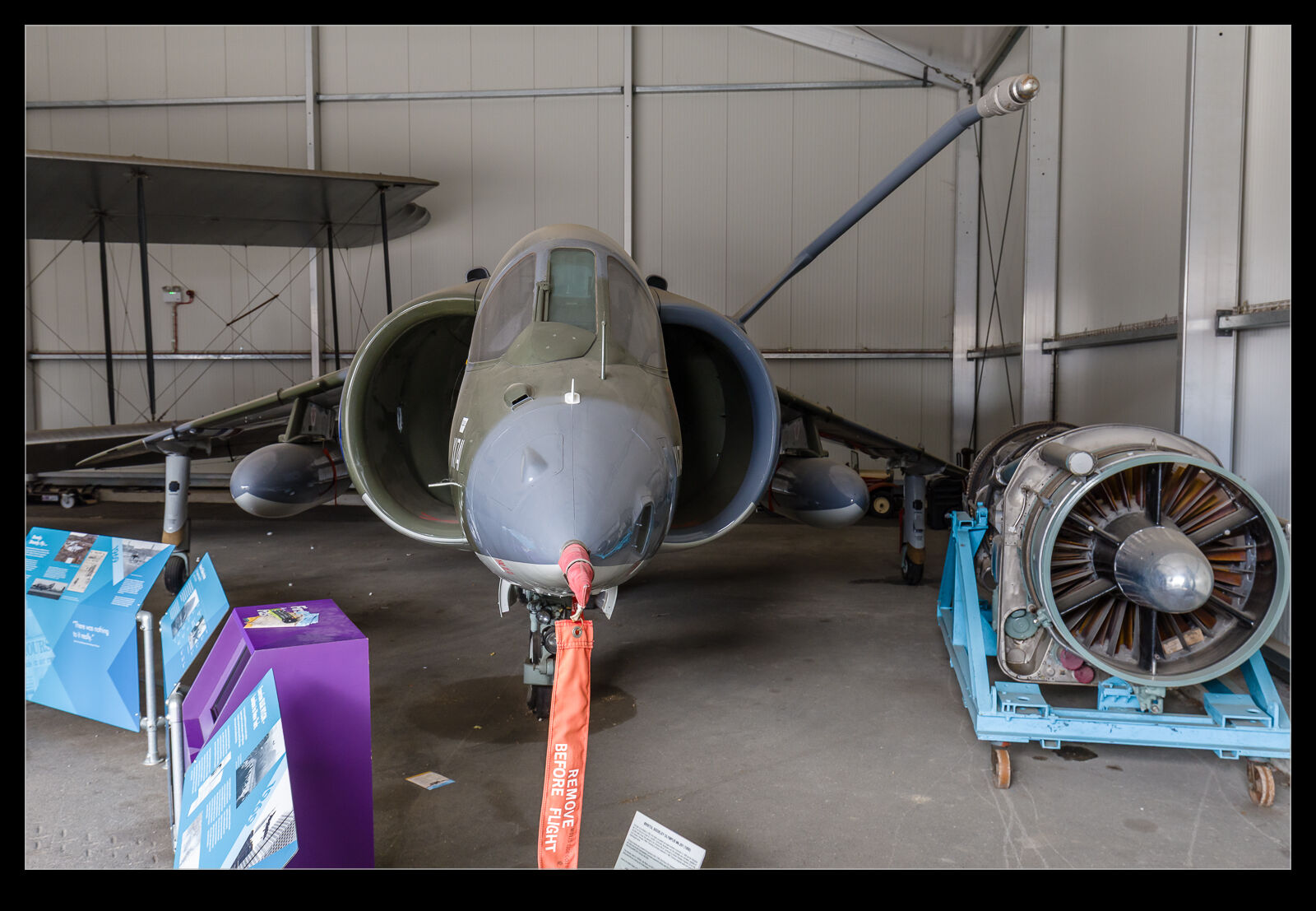
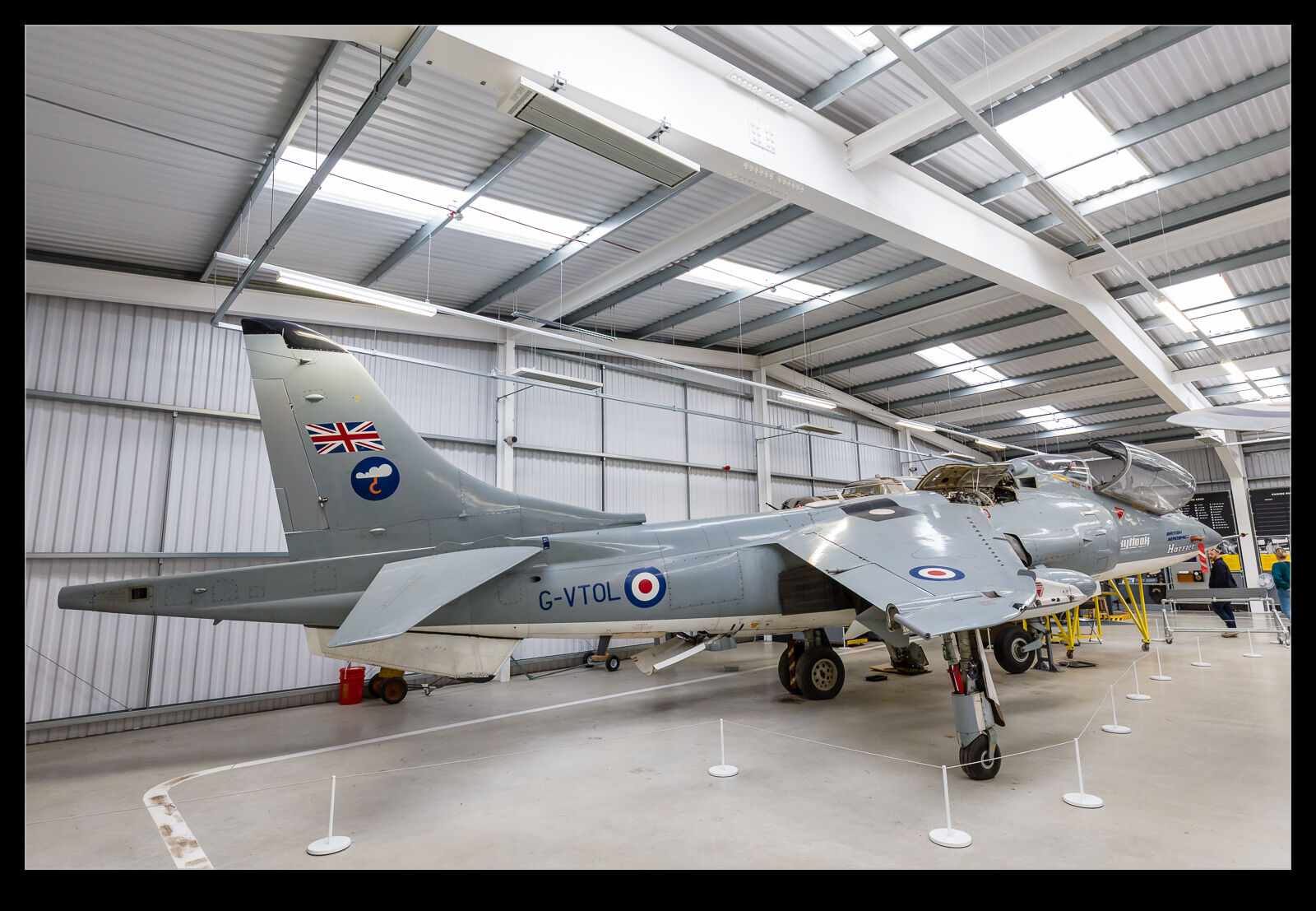
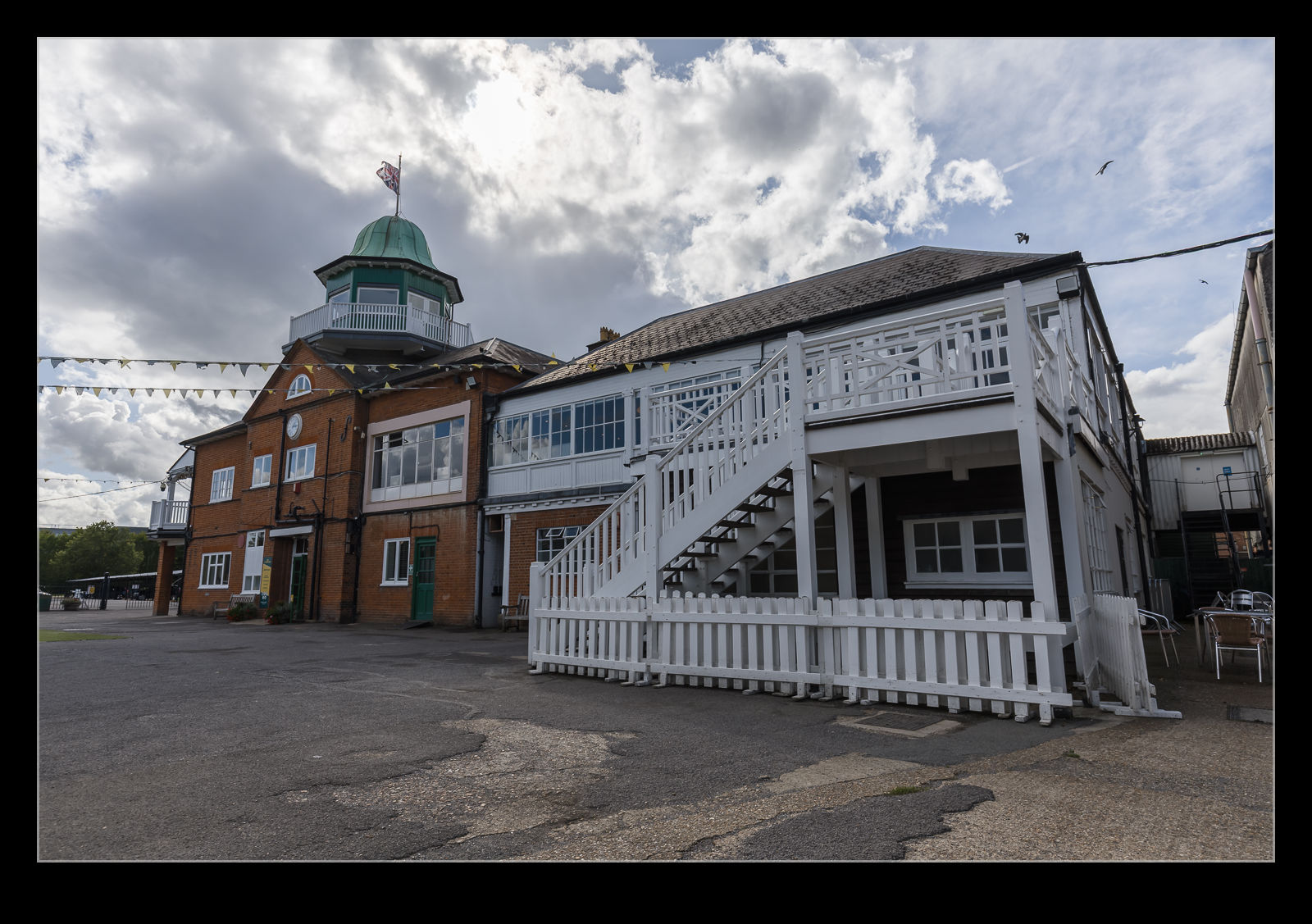
 One slightly overcast Saturday, I dragged Nancy along to a museum that I was keen to see. The Brooklands Museum is one I had been to a couple of times before we left the UK. I first went there in 1990 when it wasn’t actually open to the public. I was doing some research for an exhibit that were were putting together in the Department of Aeronautics on Barnes Wallis’s Swallow project. The archives at Brooklands had a lot of material that we could access. The next time I went, it was when I worked in London and we had a team meeting at the museum which then included the chance to have a look around.
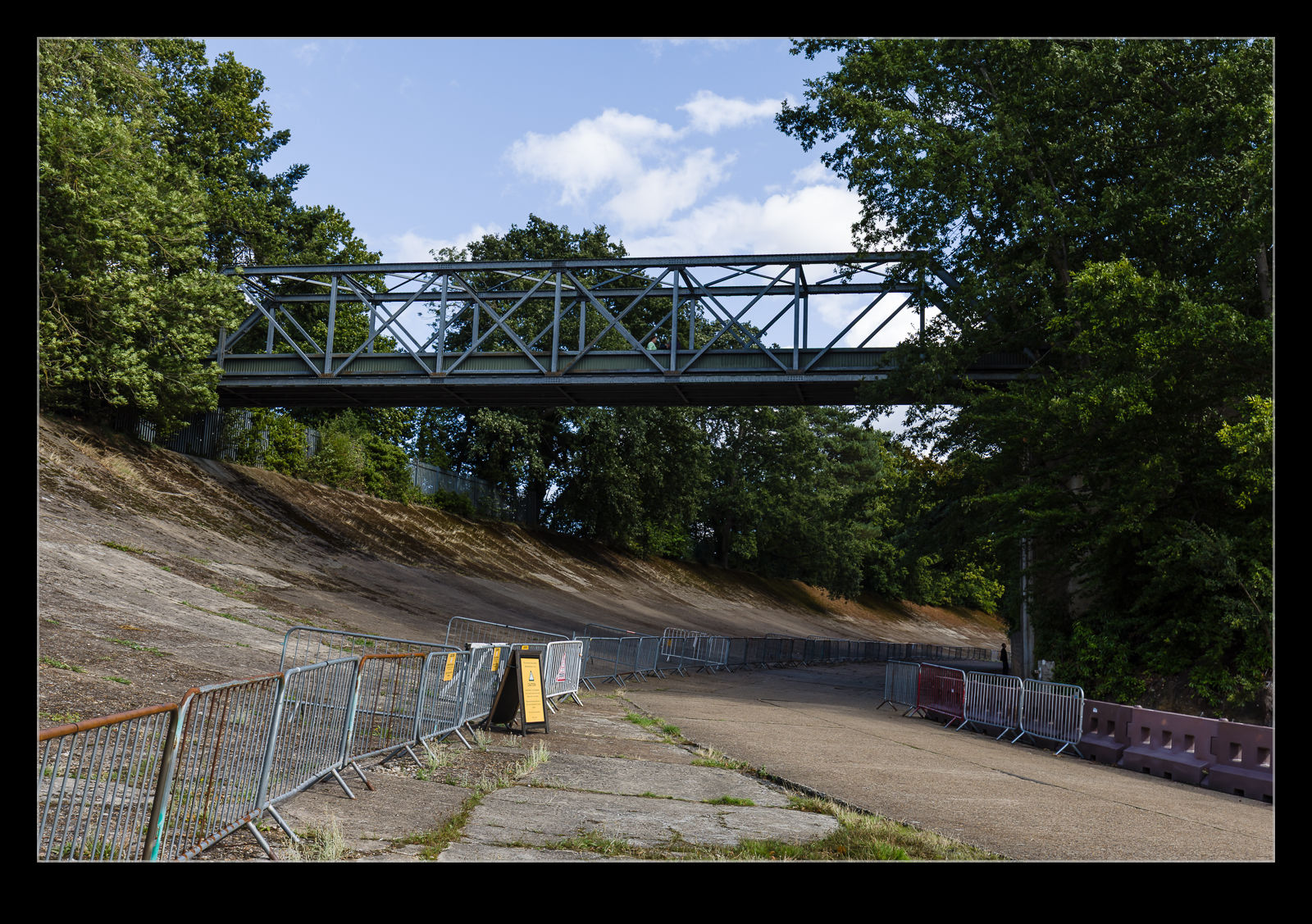 A lot has changed since that time, and I wanted to see what it is currently like. The museum sits on the site of what started out as the Brooklands motor racing circuit and then became the Vickers Weybridge factory. The museum reflects this extensive history. The racing circuit had banked curves and, while much of the circuit is now built over, there is still some of the original banking in place behind where the museum is located. The banking does not look that steep either in pictures or even when looking at it from a distance. However, when I was there on the previous work trip, we were allowed out on the banking, and my work shoes couldn’t maintain any traction on the concrete. I just slipped back down when trying to walk up the slope. On this visit, they strongly discouraged any walking on the banking.
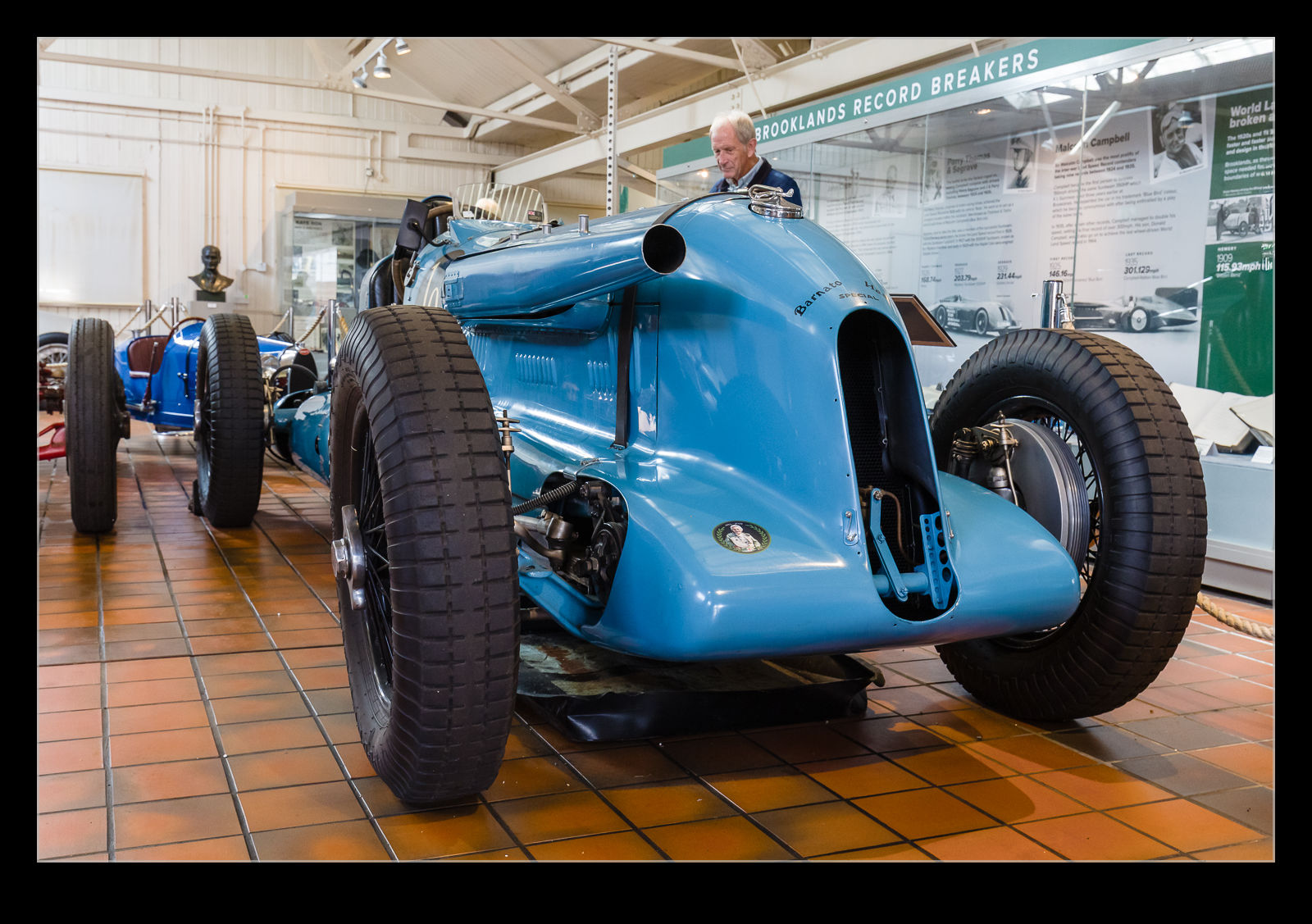
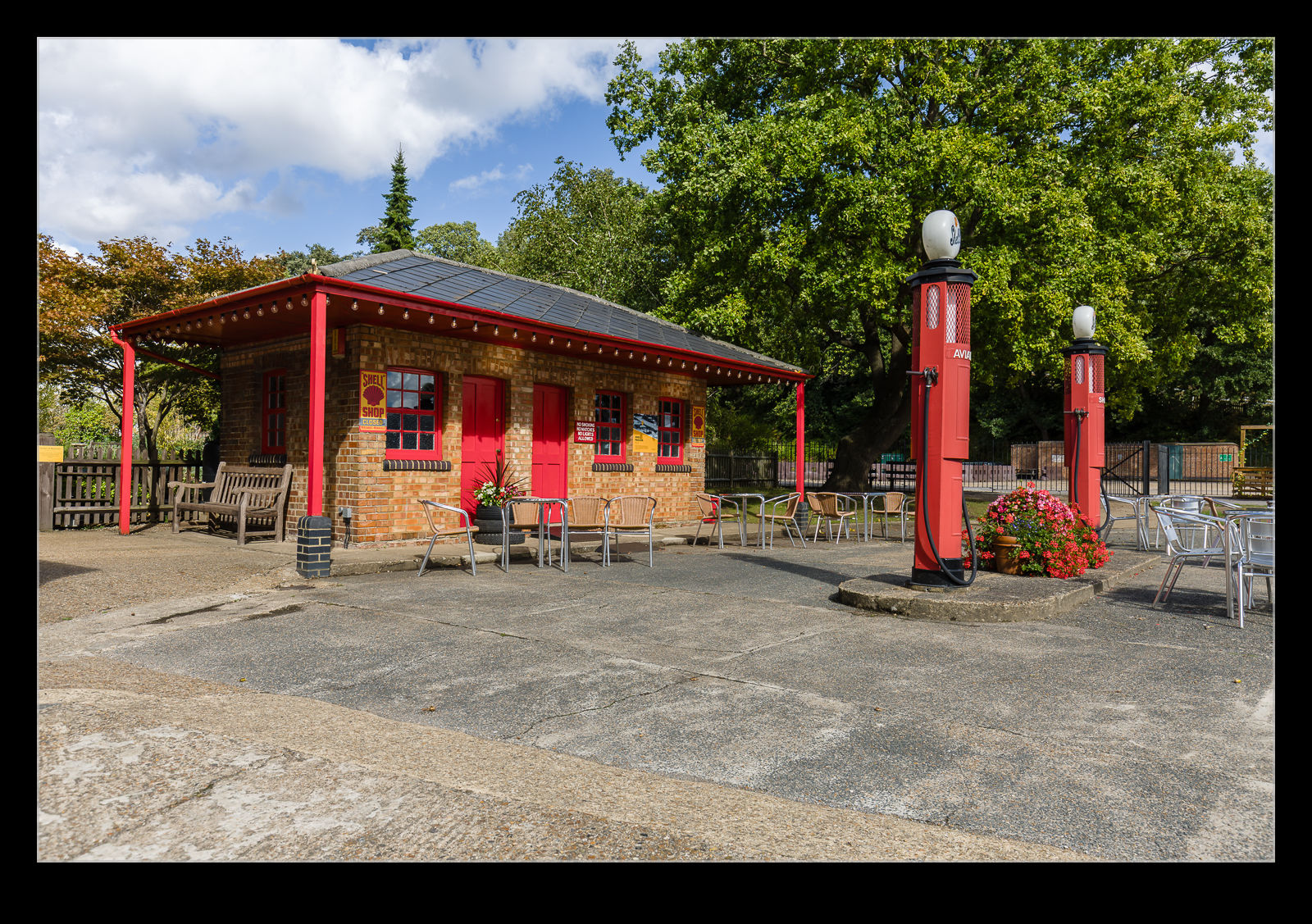
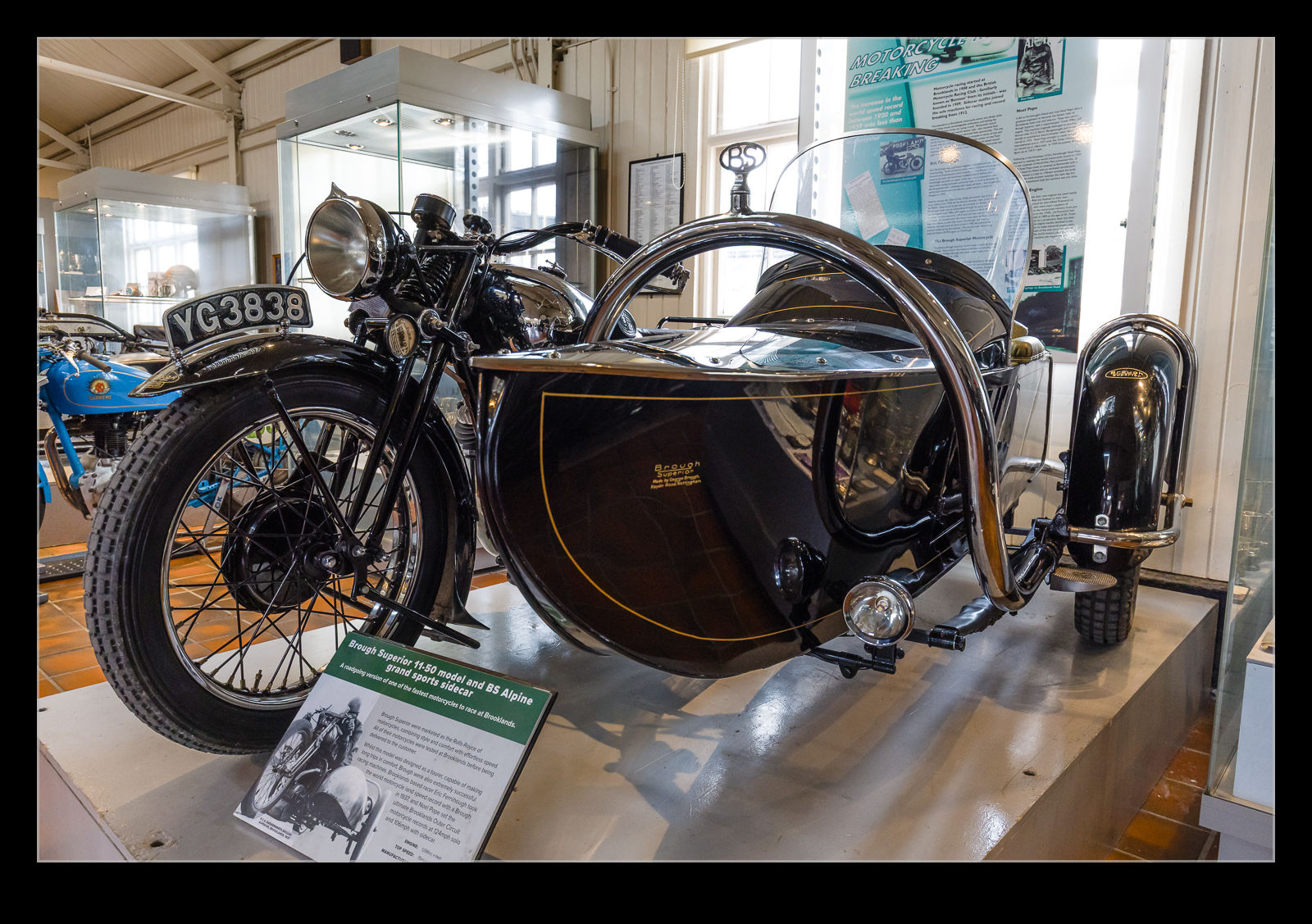
 The museum has three core elements. The first is the racing history of Brooklands. The infield infrastructure is nicely maintained with old garages for the tenants along with the clubhouse and associated buildings. There are car exhibits as well as bicycle and motorbikes. Apparently, road racing of bicycles was illegal in the UK for many years so races on the track were the only option. Motorbike racing was an obvious option if you were a car racing circuit, so the collection of old motorbikes made sense.
 The second element is the aerospace history. The factory was heavily involved in manufacturing aircraft in the Second World War with the Wellington being possibly the most famous product. The site then moved into airliner production post war with the Viscount, Vanguard and VC-10 being well represented. Weybridge was also central to the development of Concorde and one of the pre-production jets is also on show. There are also Hawker jets on display, and I have covered them separately in other posts. There are also some test facilities that are rather unusual including the stratospheric chamber which will get its own coverage in due course.
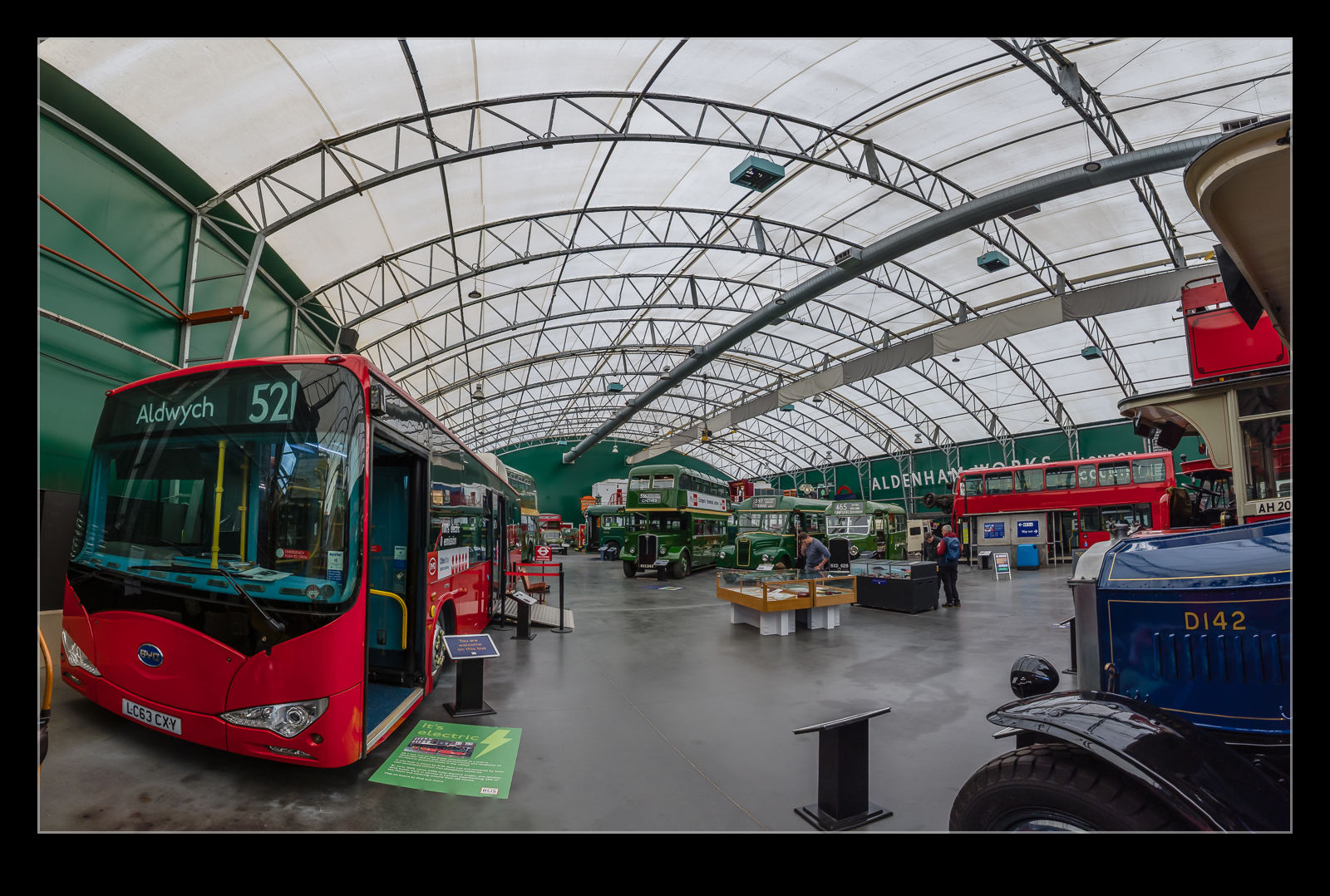
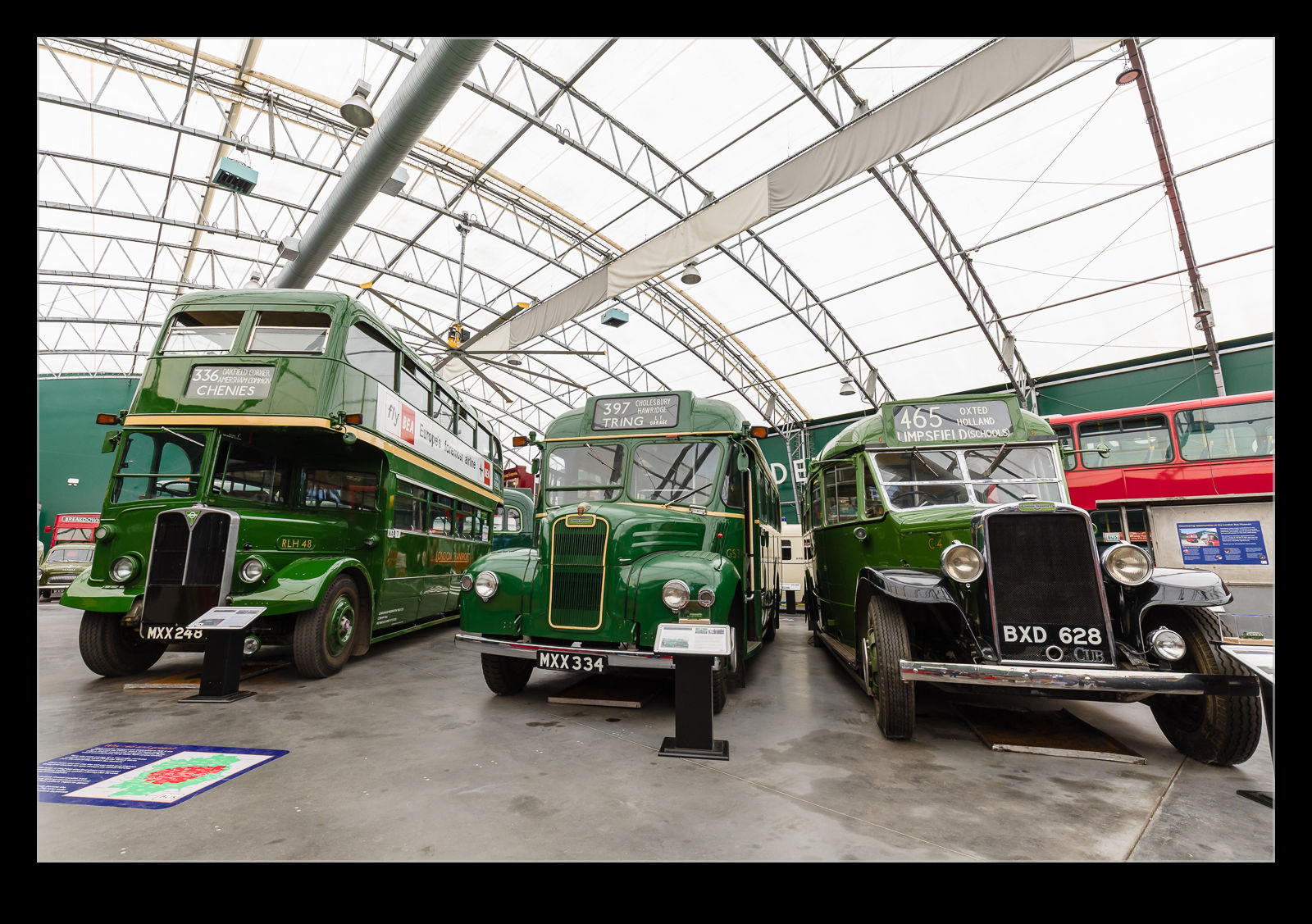
 The third part of the museum is a collection of buses belonging to the London Bus Museum. This is included in the admission, and I was not even aware of it before we got there. Aside from plenty of buses, there are lots of exhibits about the supporting elements of bus operation from years gone by. It was a pretty interesting collection, and I was surprised how much time I ended up spending in there.
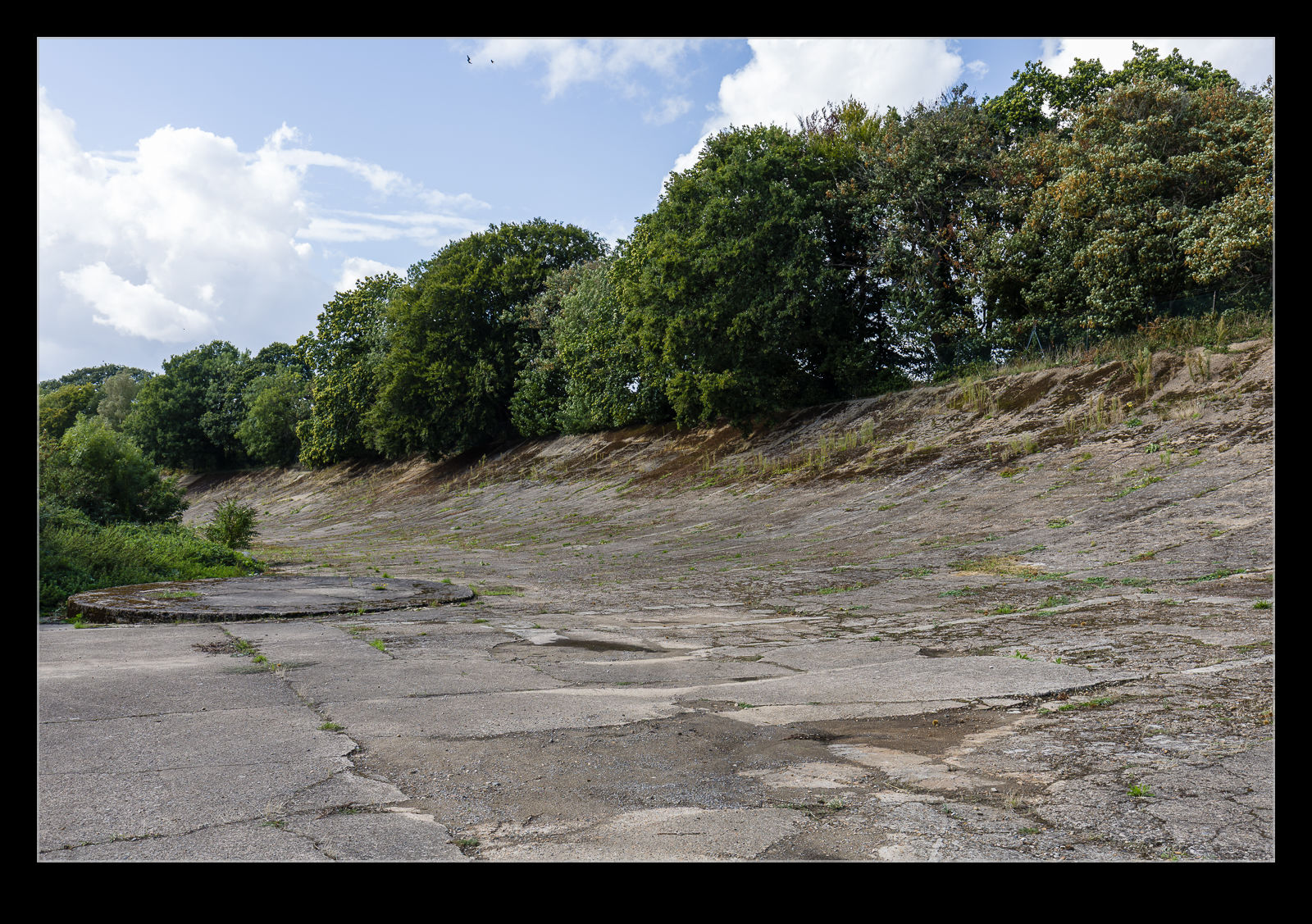 The museum proved to be a really interesting day out and I think Nancy, while maybe not quite as enthusiastic as me, also found it reasonably worthwhile. The collection has expanded significantly since I was last there and it is able to provide a full day out if you want to check it out. Here is a selection of images from the day. It won’t surprise some that know me to find out that there are way more images from the day than I have included here!

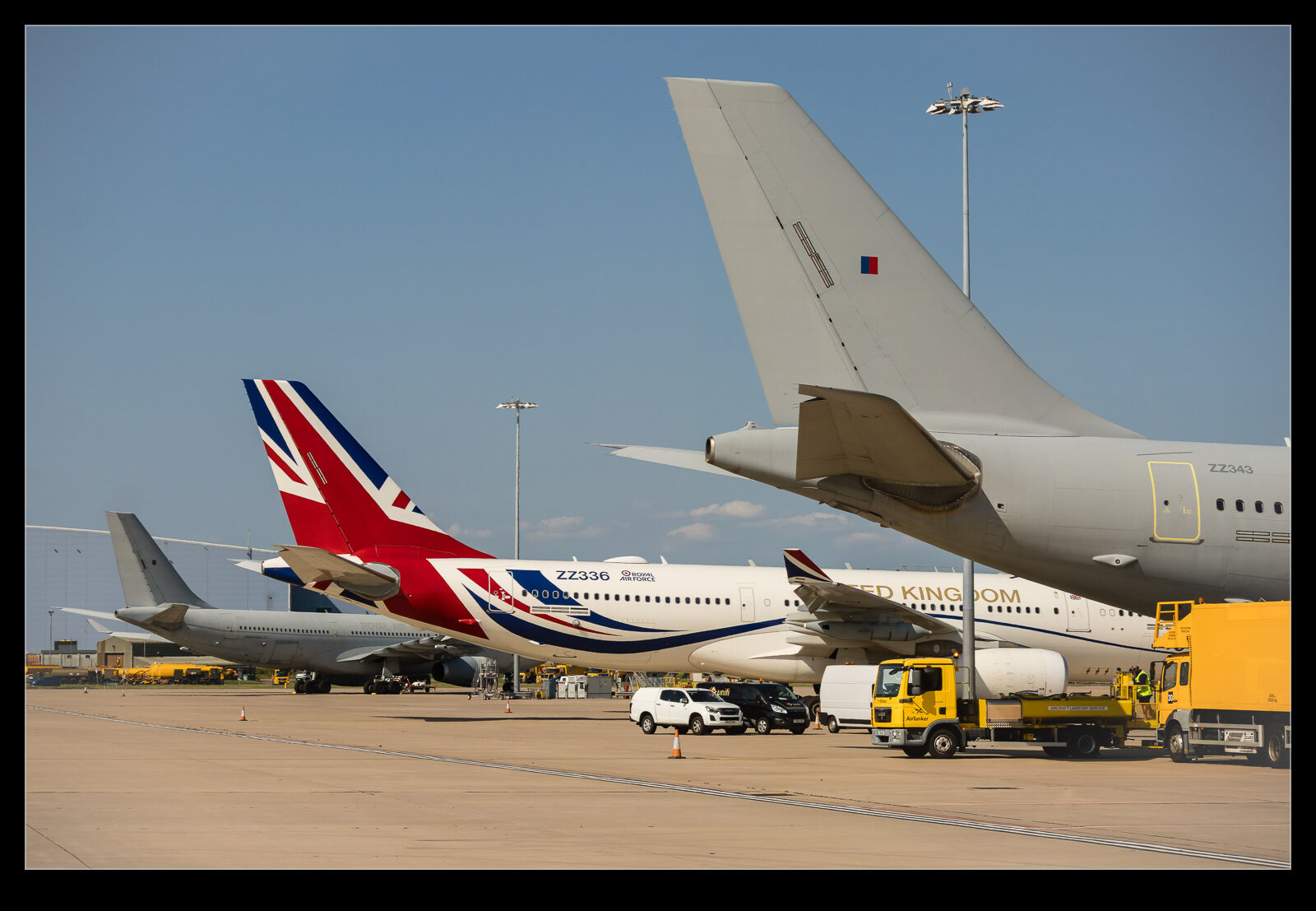
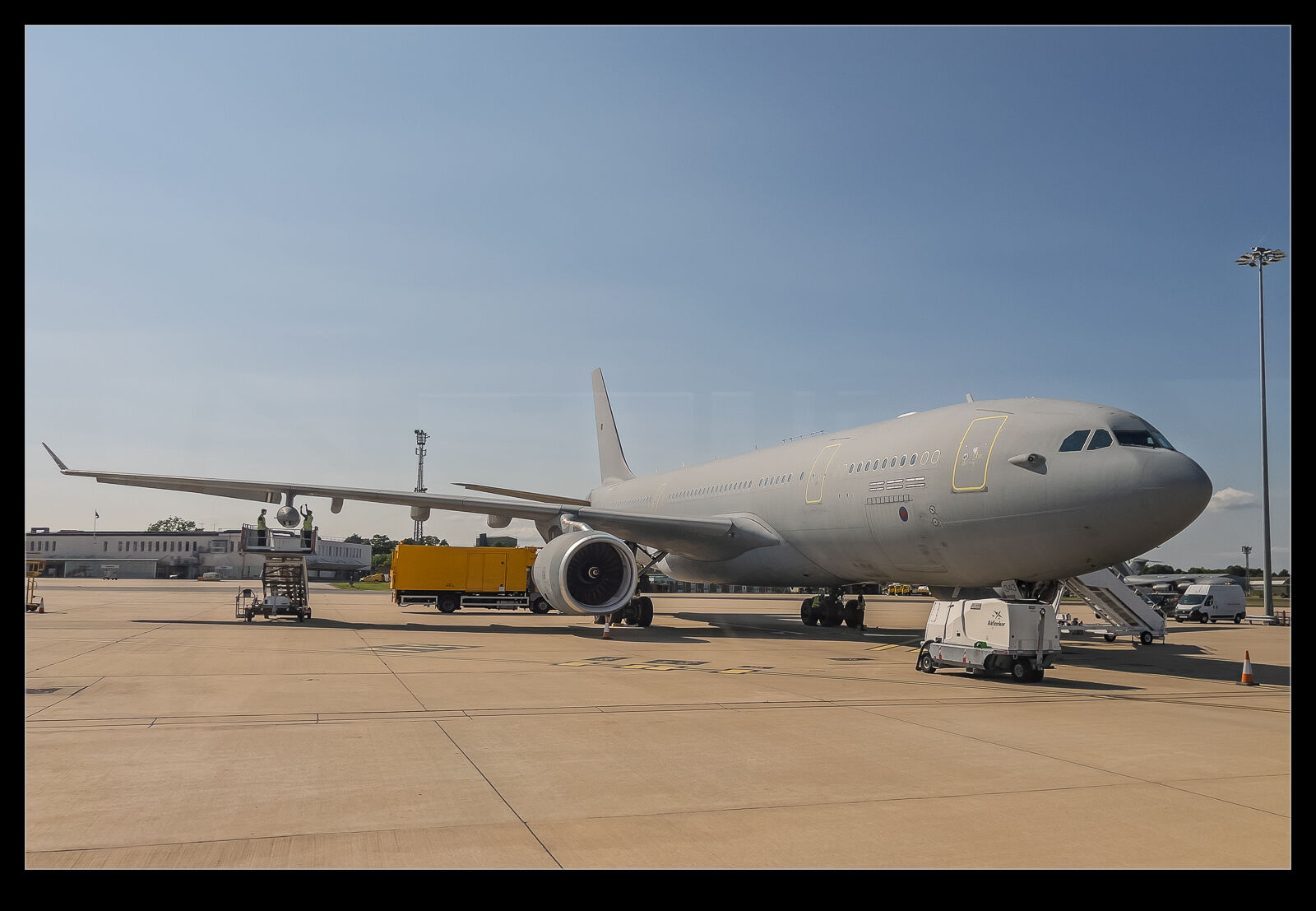
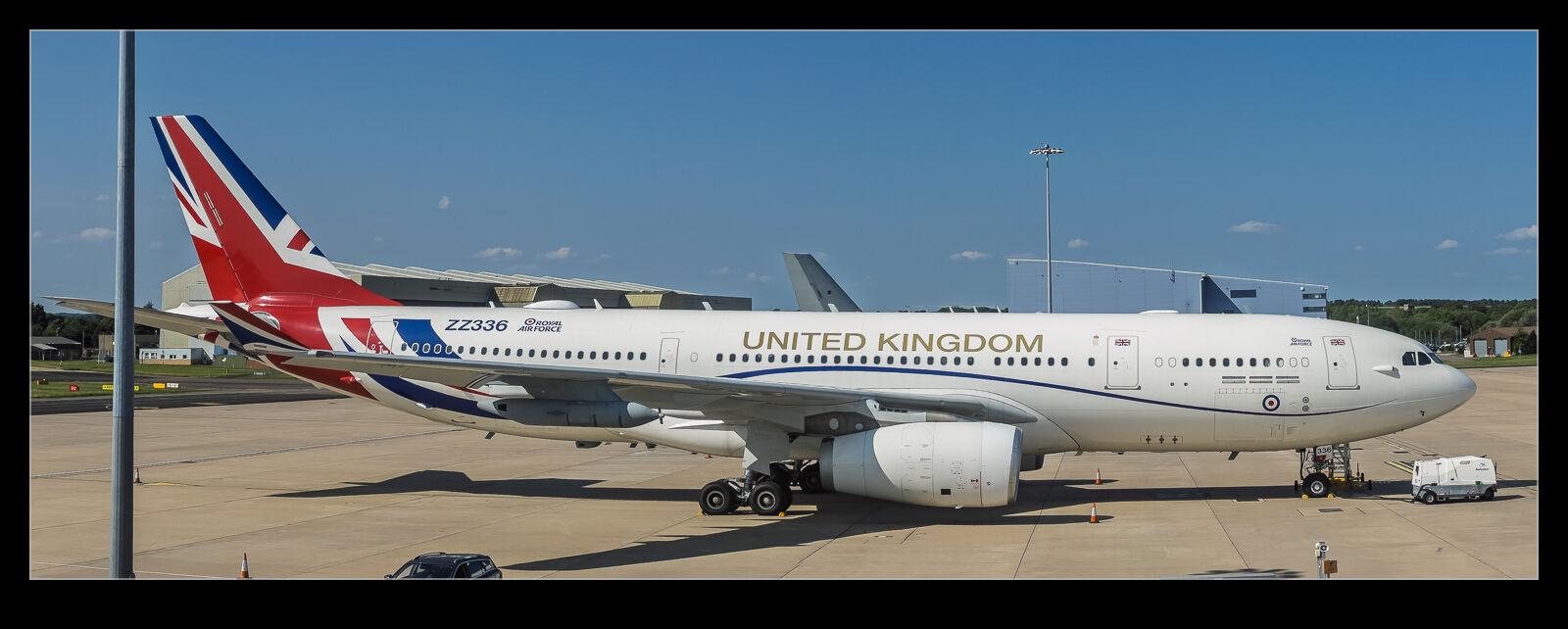 My Voyager ride with 101 Sqn ended back at Brize Norton and we pulled into the line with some other Voyagers. This included Vespina, the jet that is painted in national markings rather than the usual grey. We hung out on the ramp to get a group photo before heading back to the terminal. I got some shots of the Voyagers on the line while I was there (including the jet that we had just been in).