Tag Archives: airplane

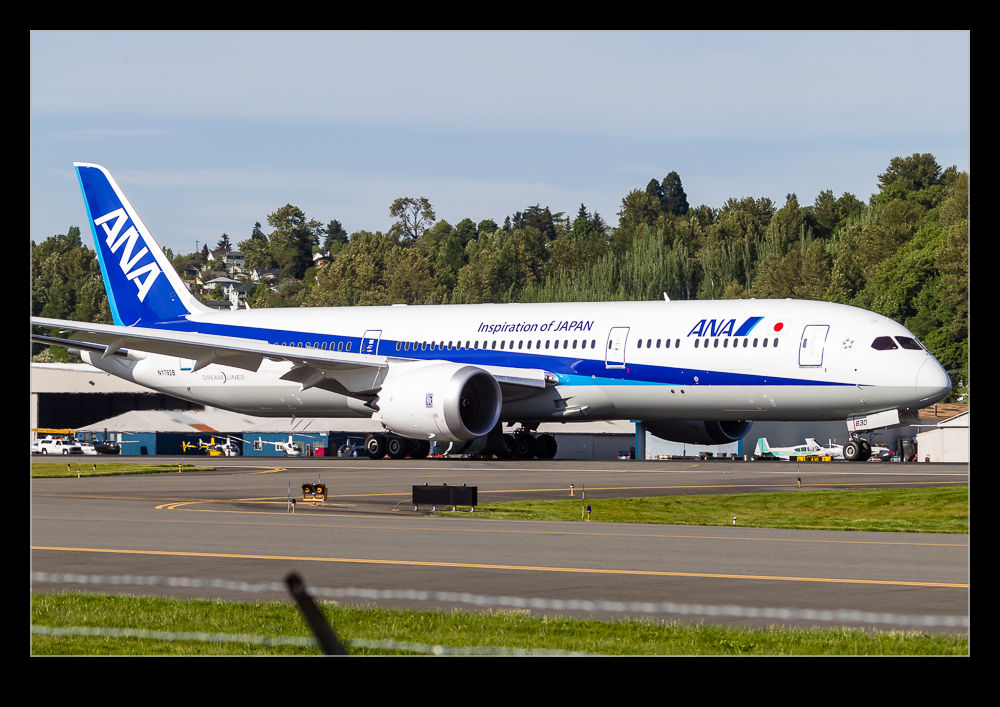
Boeing 787-9

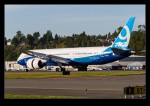
wpid10081-AU0E4517.jpgOne evening I arrived at Boeing Field to see what was moving. Just as I got there, a 787 was rolling out on landing. Since the wind was in the opposite direction to my previous visit, I didn’t see it land but it rolled down to our end of the field. Interestingly, the gear doors were down and the RAT was deployed. These RAT is usually tested on early production test flights so I suspect this was the reason but the gear doors being down is one that had me wondering. The aircraft, which was finished in the livery of All Nippon Airways, taxied off the runway and turned on to the taxiway where it promptly shut down. It hadn’t even straightened up and the nosewheel was still at an angle. I have no idea whether this is normal practice or if something unusual had happened.

wpid10089-AU0E4568.jpgWhatever the reason, it sat there for quite a while until a Boeing team showed up to recover it. Interestingly, they brought an ambulance with them although there didn’t appear to be any need for one. This could also be a standard procedure or maybe something unusual had occurred. I doubt I will ever know. In all of this time, it never occurred to me that this would be other than a regular production 787. However, checking into this later, this was in fact one of the 787-9 and so something new for me. In truth, it wasn’t entirely new. The previous evening one of the dash 9 test aircraft had come back in while I was there so this trip got me my first two airborne dash 9s. I had seen a test aircraft on the ground before but that seems like a bit of a cheat in comparison.

Starships

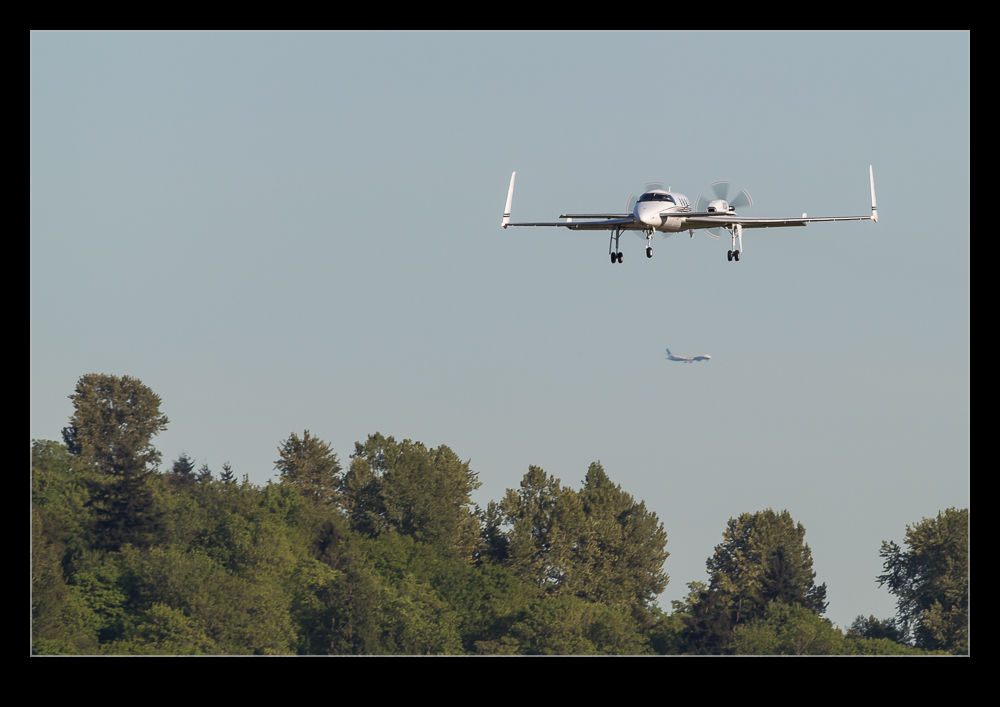
wpid10007-AU0E3649.jpgI was at Boeing Field when an interesting shape appeared on the approach. When I first saw it, I thought it looked like a Beech Starship and, sure enough, as it got closer, that was exactly what it was. The Starship is an interesting plane although it was not a success for Beech. I first saw one at Farnborough where Beech was displaying it for the first time in Europe. I think the aircraft was destined for Denmark. Since then I have come across them infrequently.

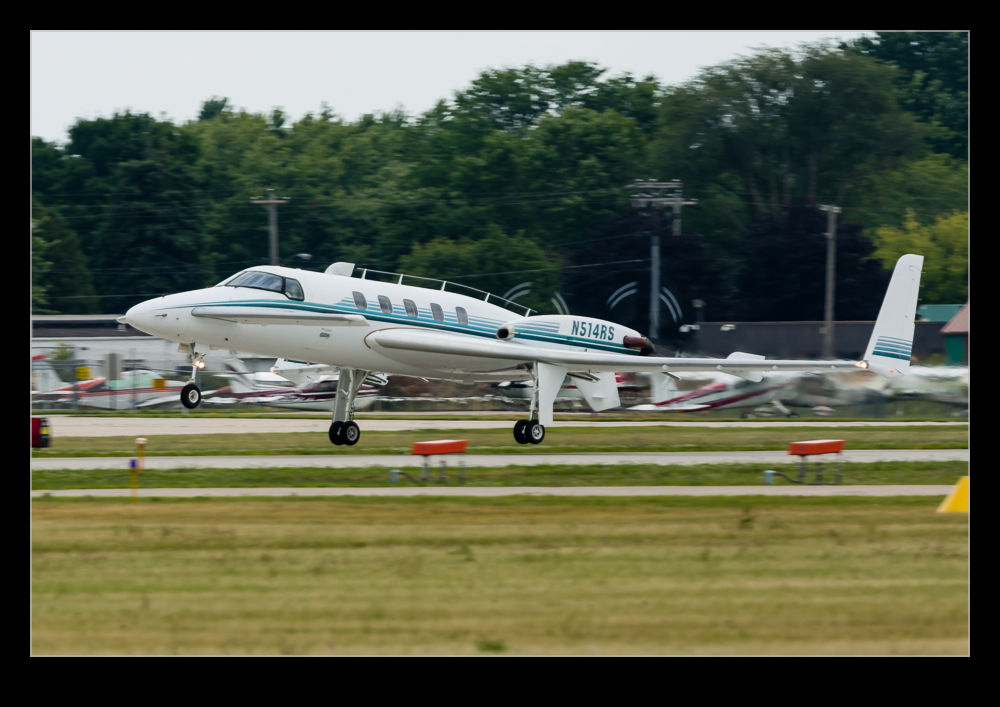
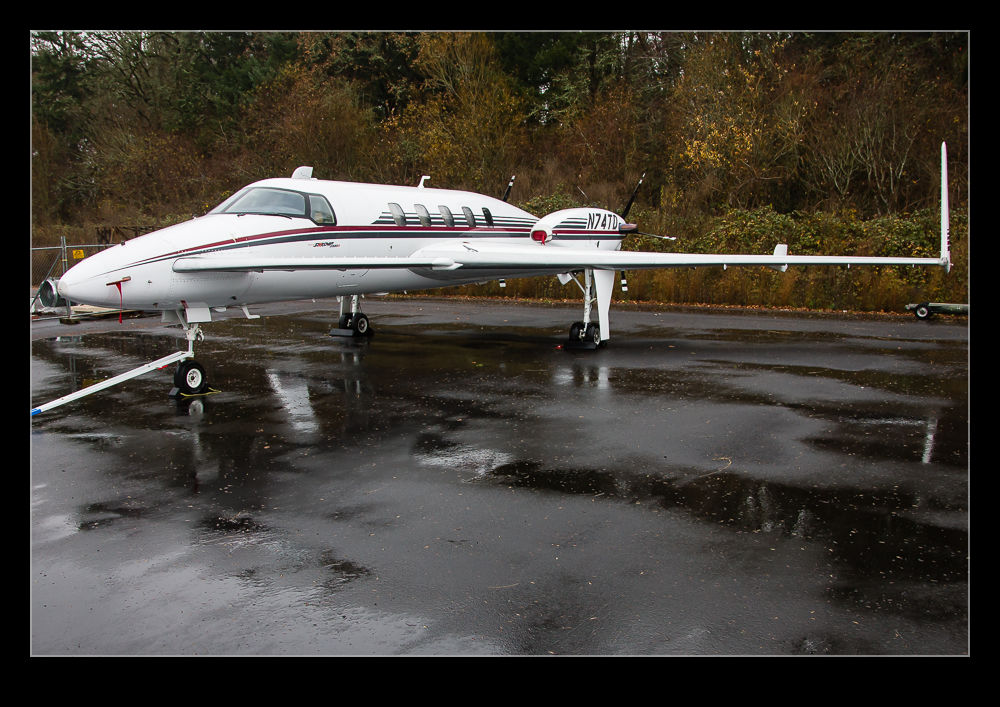
wpid10005-IMG_0129.jpgThe program was not good for Beech (although they probably learned a lot about building composite aircraft) and it didn’t become the new King Air that they originally thought it would be. When the program was wrapped up, Beech went through a process of buying back airframes and having them destroyed rather than support them going forward. Not everyone was willing to give them up though. Consequently, there are a number of them still operating and a few more in museums.

wpid9999-QB5Y7854.jpgI haven’t seen too many but here are the ones that I have come across over the years.

Oakland Aviation Museum

wpid9748-C59F4457.jpgThe aviation museum that is on the perimeter of Oakland Airport has been something I have passed a few times but never at a time when either I had enough spare time to visit or that it was actually open. Finally, I recently found myself coming by with some time in hand and decided to drop in and take a look around. The collection that they have is quite interesting and splits into a series of areas.

wpid9750-C59F4381.jpgObviously the aircraft are the major part of the displays. However, they do have a collection of aero engines, both piston and turbine, which span quite a period including a TF-30 from an F-14 Tomcat. There are displays of uniforms and historical sections on a variety of topics including individuals and airlines from the history of the area.

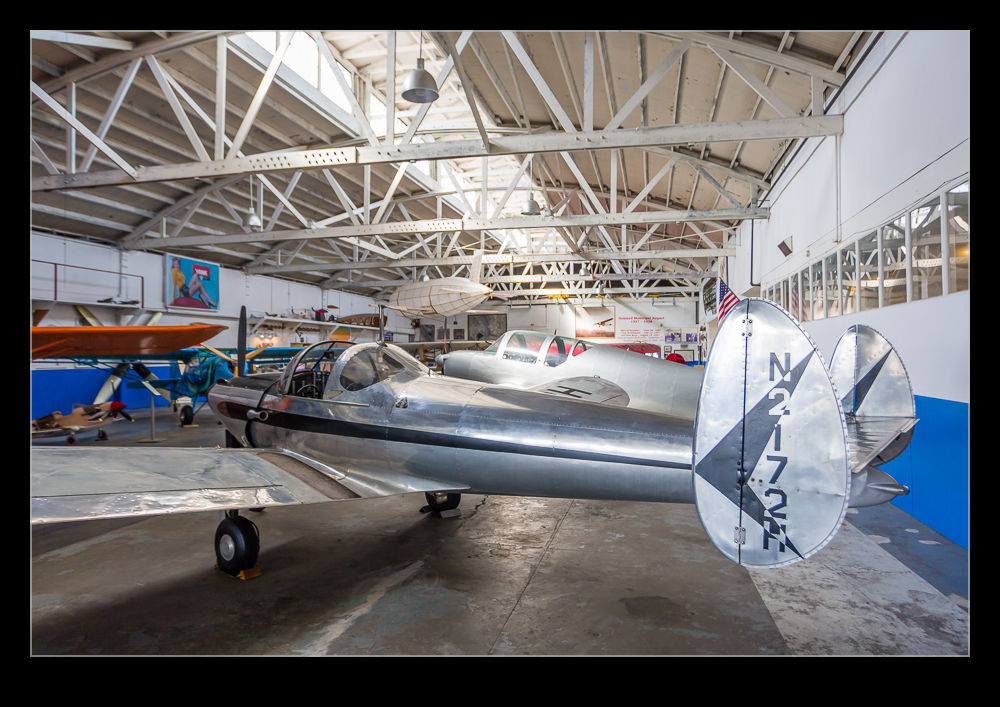
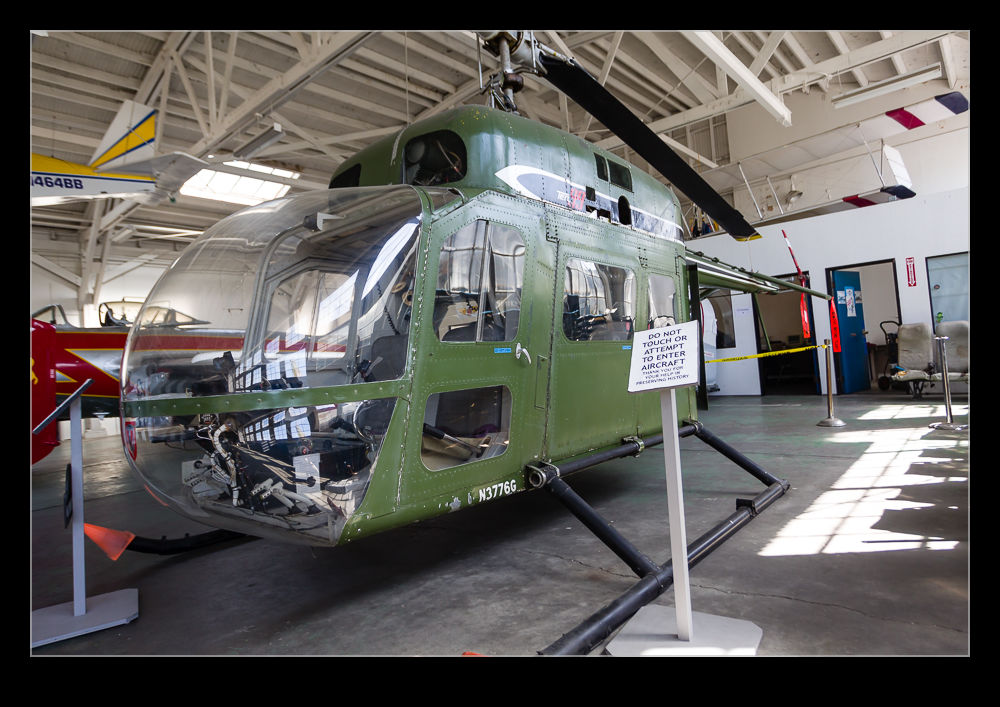
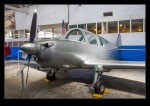
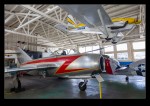
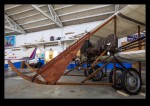
wpid9738-C59F4439.jpgHowever, it was the aircraft that I was primarily interested in. Part of the collection is kept inside. It is a selection of types from some relatively familiar light aircraft like the Ercoupe, a replica Wright Biplane, a Boeing T-5 which is a unique type which was developed locally, the only example of the Hiller Ten99 which lost out to the Huey in an Army competition and a MiG-17. The internal displays are reasonably spread out although light is a little limited.

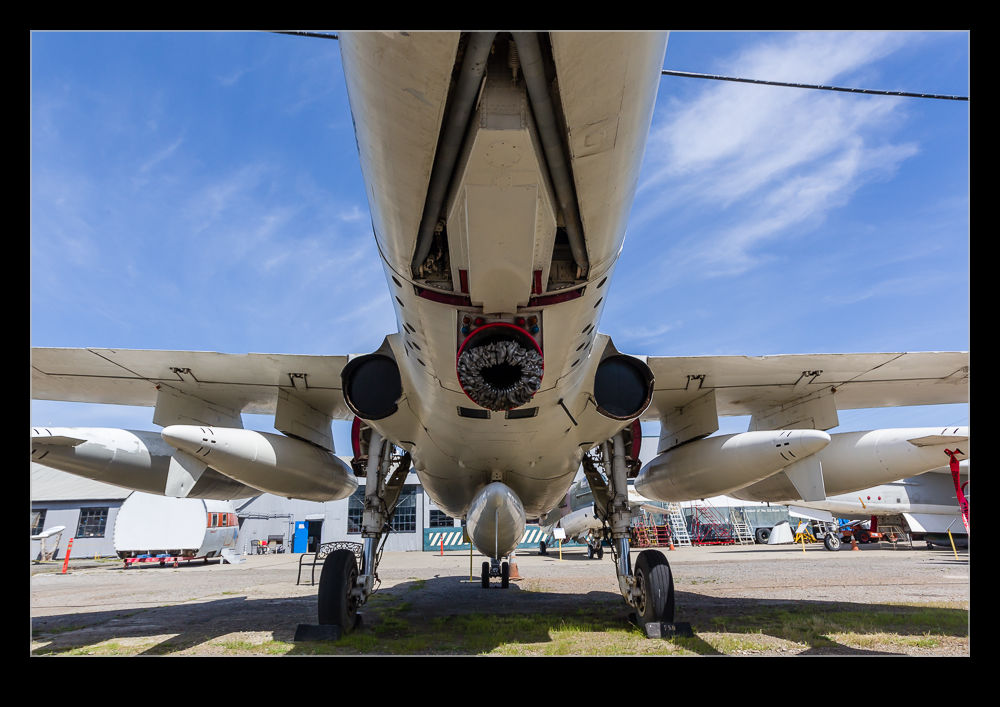
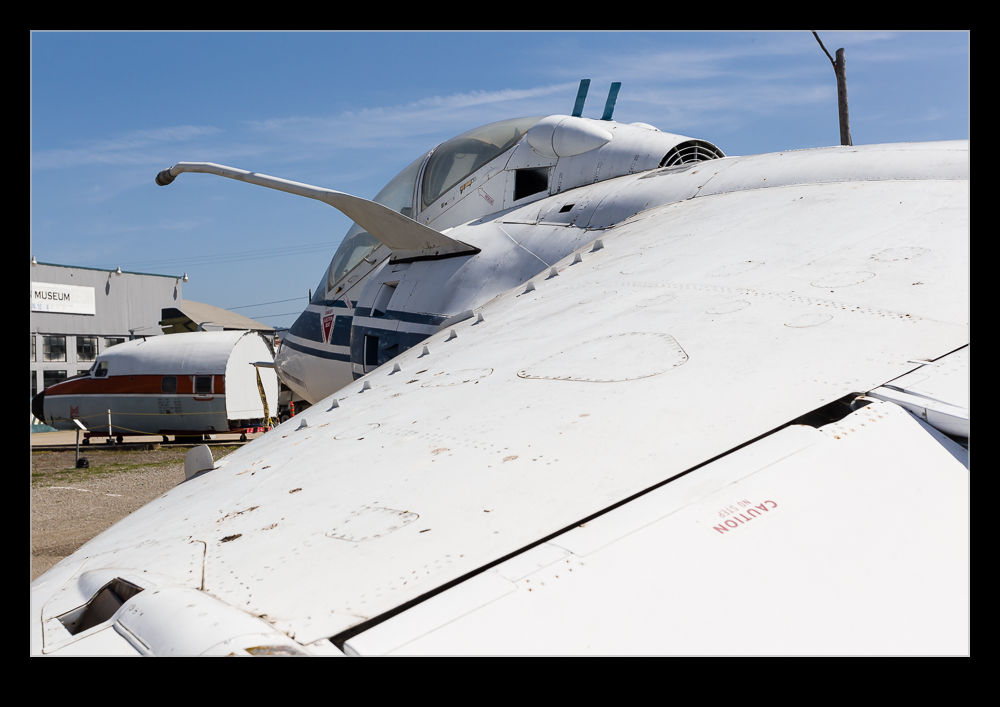
wpid9728-C59F4393.jpgWhen you head outside, things are very different. A lot of more modern military aircraft are on display along with the flagship of the Museum, a Shorts Solent flying boat. The aircraft outside are quite close together although not very cramped. However, the combination of positions and the ever present overhead power lines makes getting an uncluttered shot a little tricky. Some imaginative angles are sometimes required. It was a bright day as well so the harsh light was not helping.

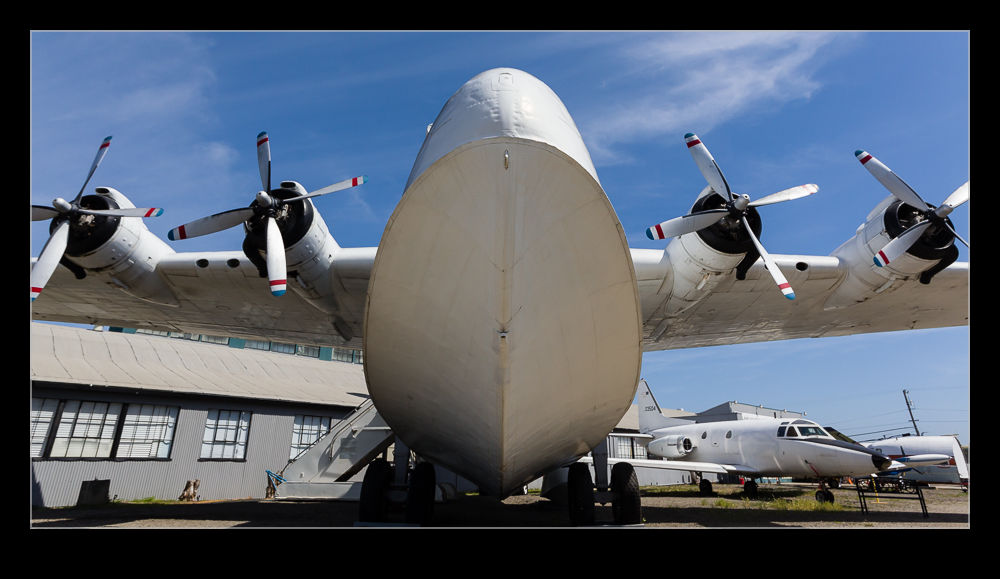
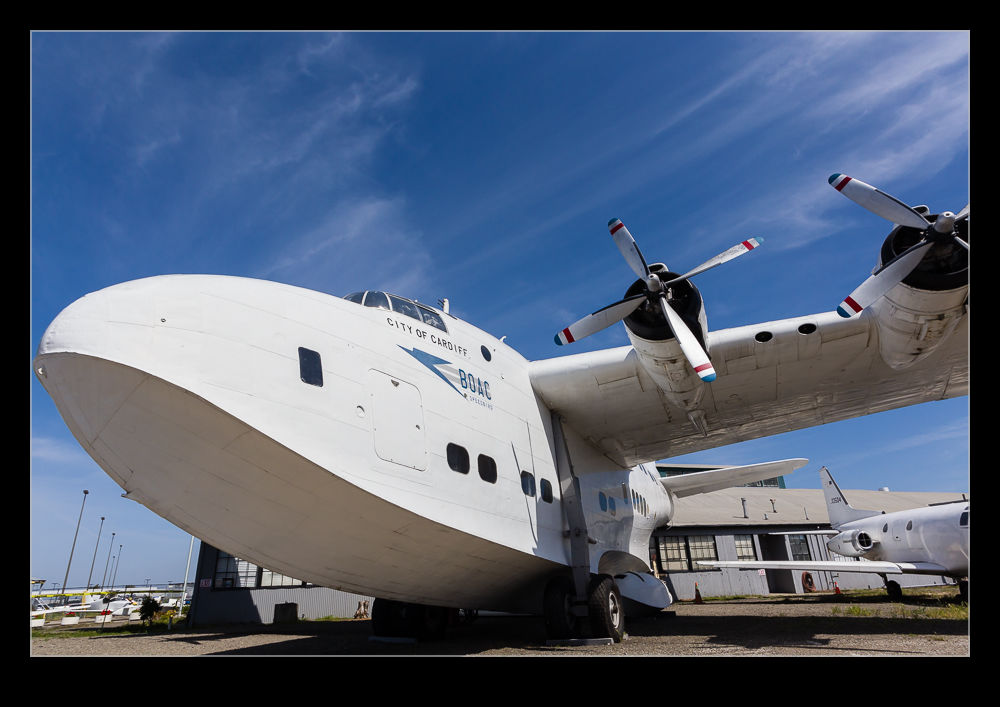
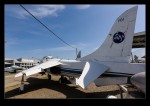
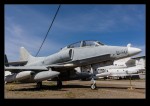
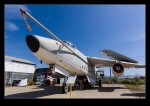
wpid9744-C59F4453.jpgWhile the F-14, the A-3 and the TAV-8A are worth a bit more time, it is hard to ignore the Solent. It is set facing the parking lot so it is striking as soon as you arrive. Internal tours can be arranged and, had I been able to stay longer, I would have been able to take a look around. However, I had to make do with external only this time. The rudder is currently missing and the wing floats are dismounted but the aircraft is still in great condition. The shaping of the nose is a feature of that era of flying boats and you can’t help but want to accentuate it when photographing her.

wpid9746-C59F4454.jpgEven events are held at the museum and some night photography might provide some interesting opportunities. I do want to see inside the Solent so I shall be heading back before too long.

Narita

wpid9389-AU0E0607.jpgMy trip back home departed from Narita Airport. The journey out there was swift so I got there with some time to spare. Narita is one of the airports that still has a viewing terrace. Not only that, they provides holes in the wire fencing to stick your lens through! I wasn’t there for terribly long and it was the afternoon when the sun is pretty much in your face. However, it was a far nicer place to be than sitting at the gate. This was the side of the airport where the US airlines tended to operate so I saw a lot of planes that I can see at home. However, there were some interesting operators departing from the runway on that side of the field that I hadn’t seen before so I sat back and enjoyed the new sights along with the old.

Boeing 777-300ER Main Gear

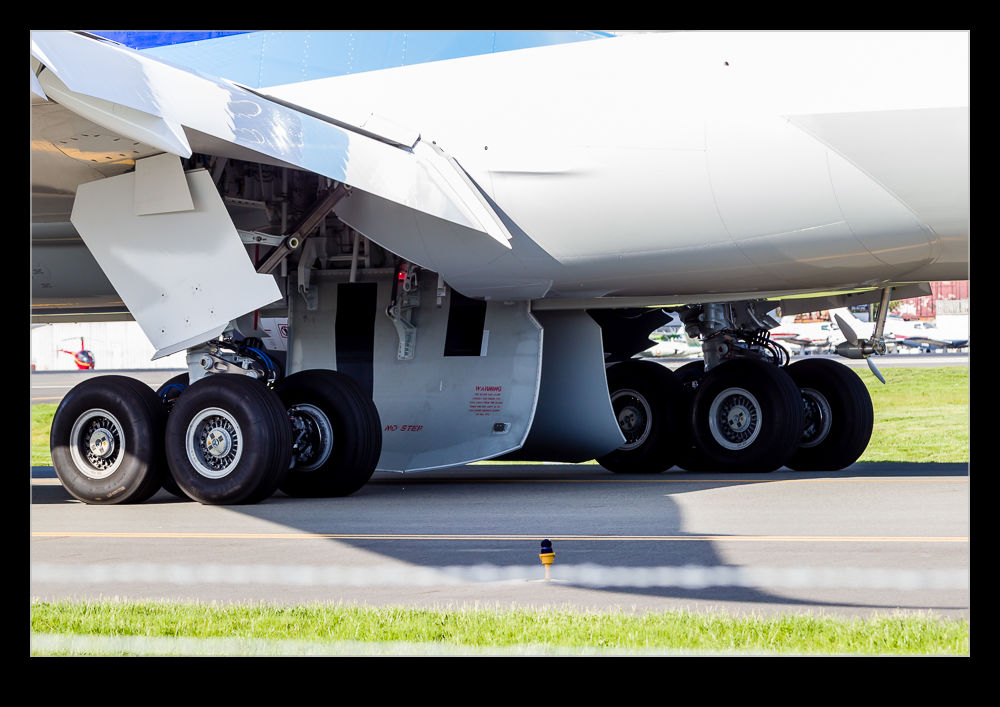
AU0E5067-EditWhen Boeing launched the 777-300ER, they took the stretched fuselage of the 777-300, a model that didn’t sell particularly well and married it to the updated wing that made use of the fuel capacity of the outboard portion of the wing that had been left when the original concept of a folding wing was contemplated.  The increased the weights of the jet, added far more powerful engines and, with the increased fuel capacity, came up with a winning formula that has done a very effective job of killing off the 747.

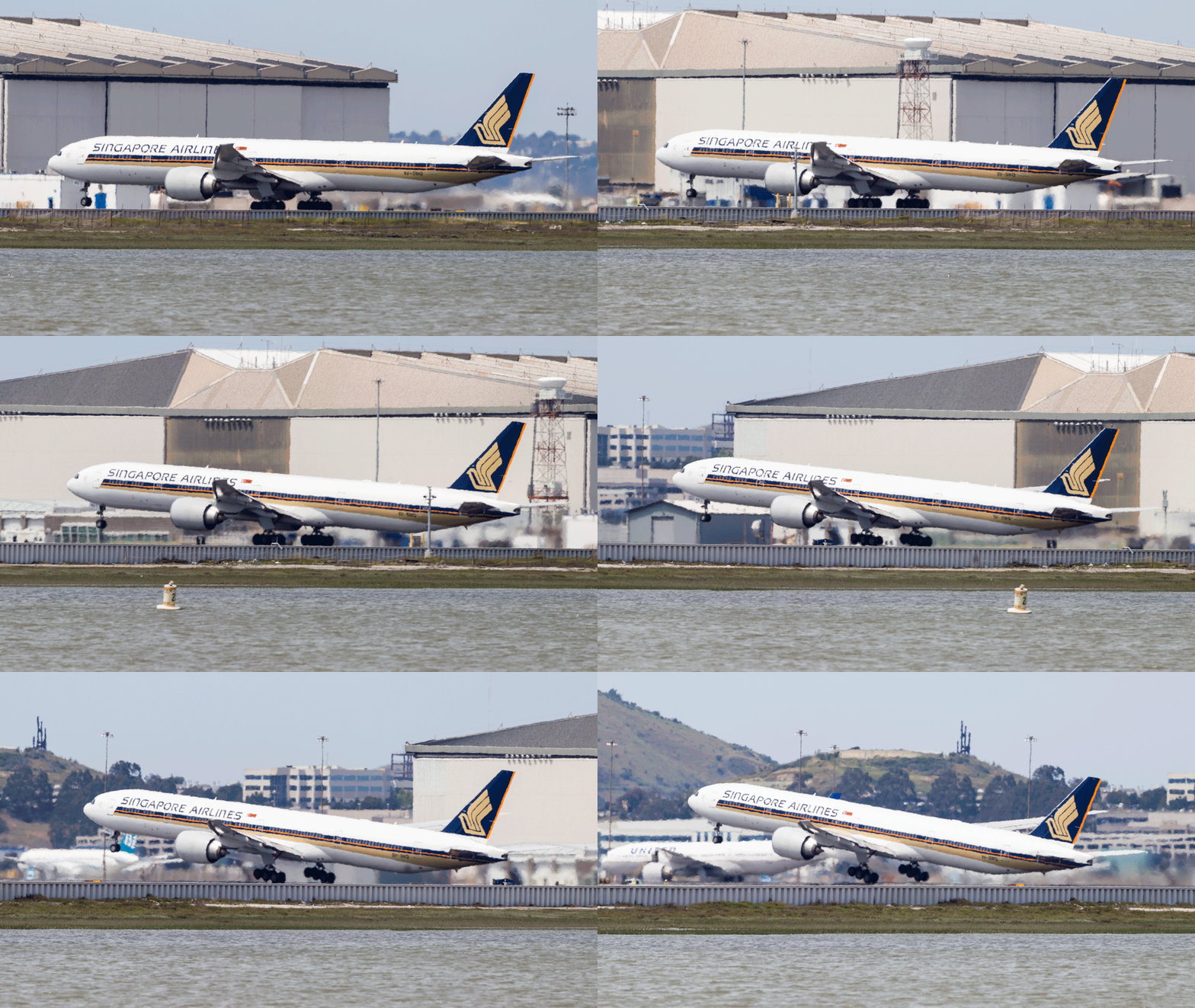
One problem that they had to deal with during development was runway length requirements for takeoff.  Even with the bigger engines, the long fuselage limited rotation angles at takeoff and meant a higher takeoff speed was required which meant a longer runway requirement.  Boeing came up with an interesting solution (after dumping some slightly more curious ideas).  The main gear on the 777 has a triple axle bogie.  Previously this had rotated about the pin attaching it to the main gear leg.  Boeing’s solution was to lock the bogie level during takeoff.

The result of this is to have the rotation of the jet at takeoff to take place around the rear wheels of the bogie rather than the gear leg pin.  The slight aft movement of the rotation point allows the aircraft to rotate slightly more nose up and gain a greater angle of attack.  This gives slightly more lift for a given speed.  This means an earlier takeoff and a shorter runway requirement.

I have tried many times to witness this at work.  First, it happens pretty quickly.  Second, I am often in a poor position to see the rotation point.  Recently I was at SFO to pick up some people.  I was getting a few shots prior to their flight arriving and a Singapore 777-300ER was taking off.  The rotation point is quite far away (although, if you are in the terminal, you might have a good view) and the heat haze is a problem.  However, I decided to get a sequence of shots anyway.  Now, how to use them.

Heat haze is crappy on stills but less of an issue with moving images so I decided to animate the sequence.  I imported all of the shots into Photoshop as layers in a single document via Lightroom.  The hardest part was aligning them.  I started at the bottom layer and then progressively made each layer above visible.  I then changed the latest top layer blend mode to difference.  This makes aligning them a lot easier since everything is black unless it is different.  I was focused on the gear so used that as the reference as the fuselage rotated.  Once each layer was in place, I changed the blend mode back to normal and moved to the next layer up.

Once they were all aligned, I used the animation timeline to make frames from each layer (and reversed the order since every time I do this they seem to be the wrong way around).  Then I could crop in to get the overall view I was after and save the file.  A Save for Web allows the generation of the animated GIF and we are done.  The image at the top is the final result.  It does allow you to see a bit of what is going on if you look closely although it is still a bit hard given the distance, the angle to the ground and the heat haze.  I guess I will have to find a location closer next time.
Red Flag 14-2

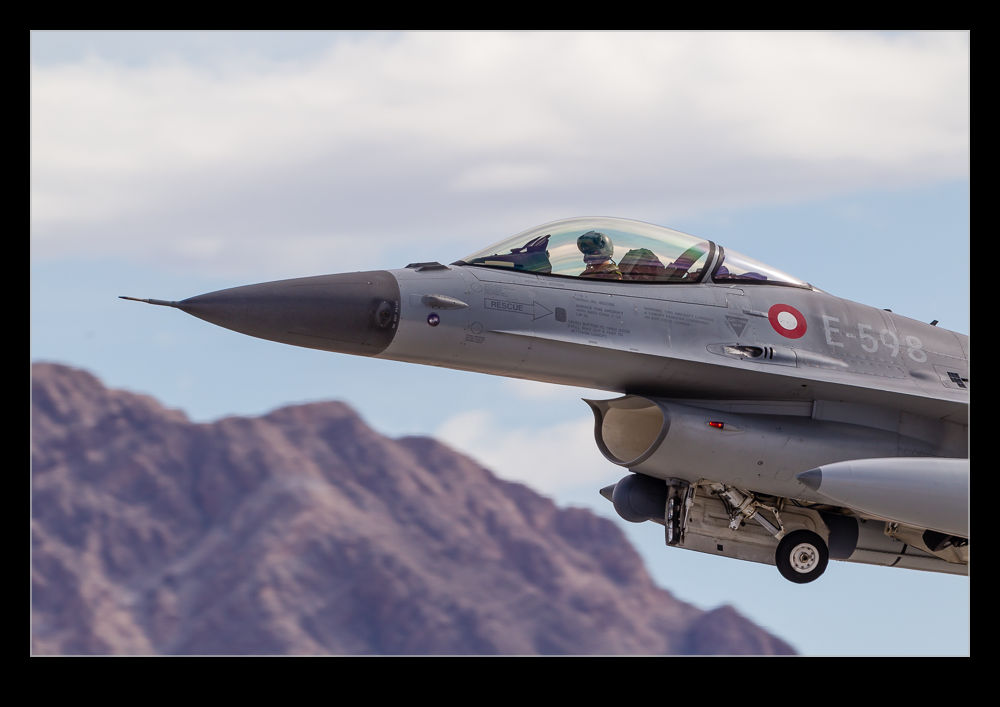
wpid9297-C59F9220.jpgWhen things go according to plan, the USAF holds their Red Flag exercise three times a year at Nellis AFB in Las Vegas NV.  Global Aviation Resource like to provide some coverage so, with the second event of the 2014 program taking place in march, I headed down to cover the event.  I spent a couple of days down there.  One day was on base as guests of the public affairs people at Nellis.  They started out the day with an interview panel with a number of officers from different units and air forces.  They were a good bunch and willing to answer our questions – well, most of them since they wisely avoided answering some questions that should never have been asked of them.

wpid9289-AU0E5816.jpgWith the interviews over, we headed out to the runways.  There are two runways at Nellis that are used together.  We were able to stand between them and given relatively free range as to how far up and down we wanted to go.  There are clear preferences as to which runway you want them to use based on the light.  The launch took place around the middle of the day and they launched off to the northeast.  In this case he light was best on the aircraft on the left runway.  However, you have to do what you can for those on the right as well – often the aircraft you want to focus on.  (There is a bunch of aircraft that you are told not to photograph.  Often it takes a while to realize that what is coming is something you can’t shoot but most people seemed to play by the rules.)
wpid9301-C59F0645.jpgWhen the recovery starts, they tend to use the opposite runways.  By now the light has come around so you really want them to come in on the left.  Sadly, a lot of traffic went to the right.  If you had been outside, you would have got a good amount of traffic to shoot.  When recoveries had wrapped up, we all got back on the buses and headed out.  The second day I spent outside the base.  This provides an opportunity to get a different selection of shots for the article.  It also is unrestricted in what you can shoot so some of the stuff that was restricted while on base can now be shot for the coverage.  Sadly, various things resulted in a lot of the recovering traffic going to the left.  This would have been great if I was on base but sadly it meant a lot of interesting stuff was a long way off.  Still, plenty of stuff came our way.  With the Speedway building up to a NASCAR racing weekend, the crews had been told to keep it tight.  Some certainly did that and came a lot closer to us than expected or even turned within us.  It made for some interesting angles to shoot.

wpid9293-AU0E6178.jpgThe finished article is available through the magazine we publish.  You can find it here.  Please go and download a copy if you haven’t already seen it.  Aside from my work, there is a bunch of great stuff to take a look at.

Ryan Flyby

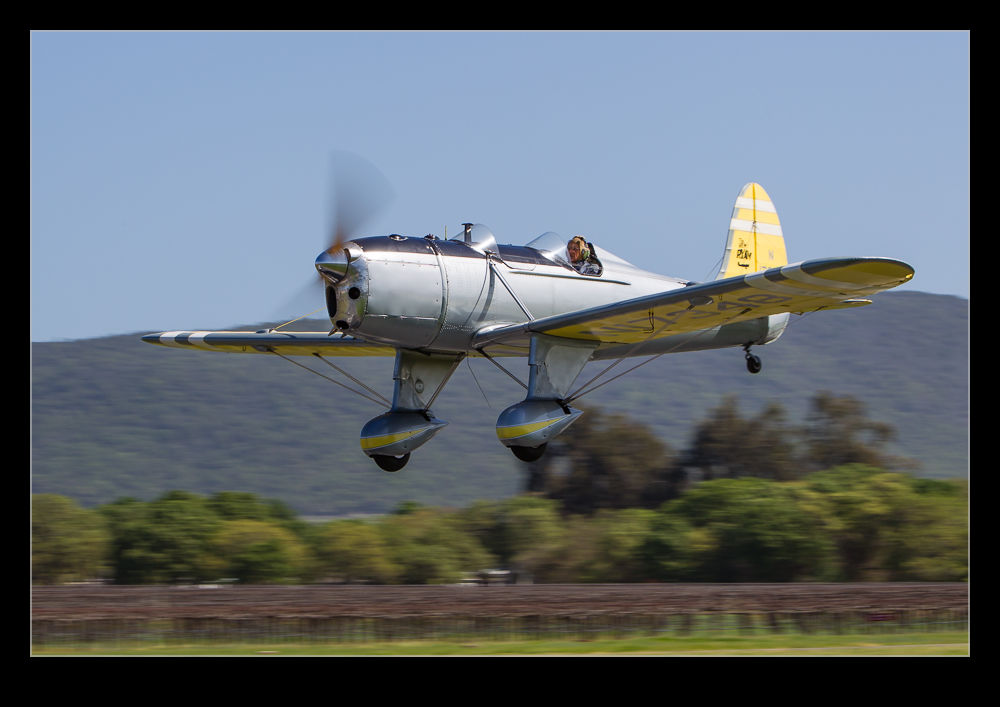
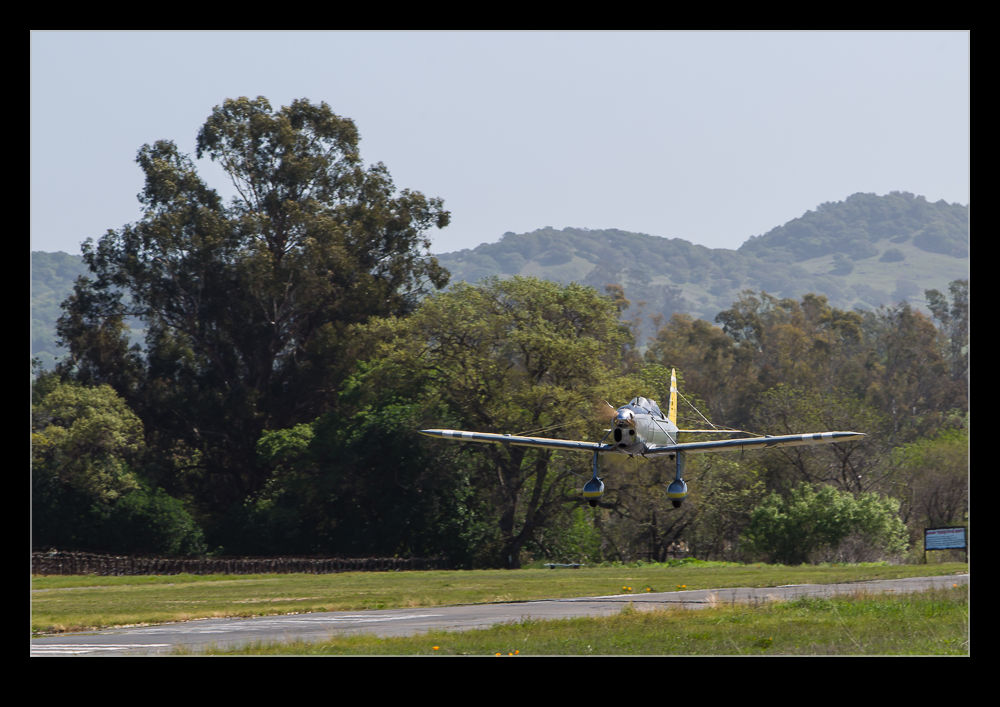
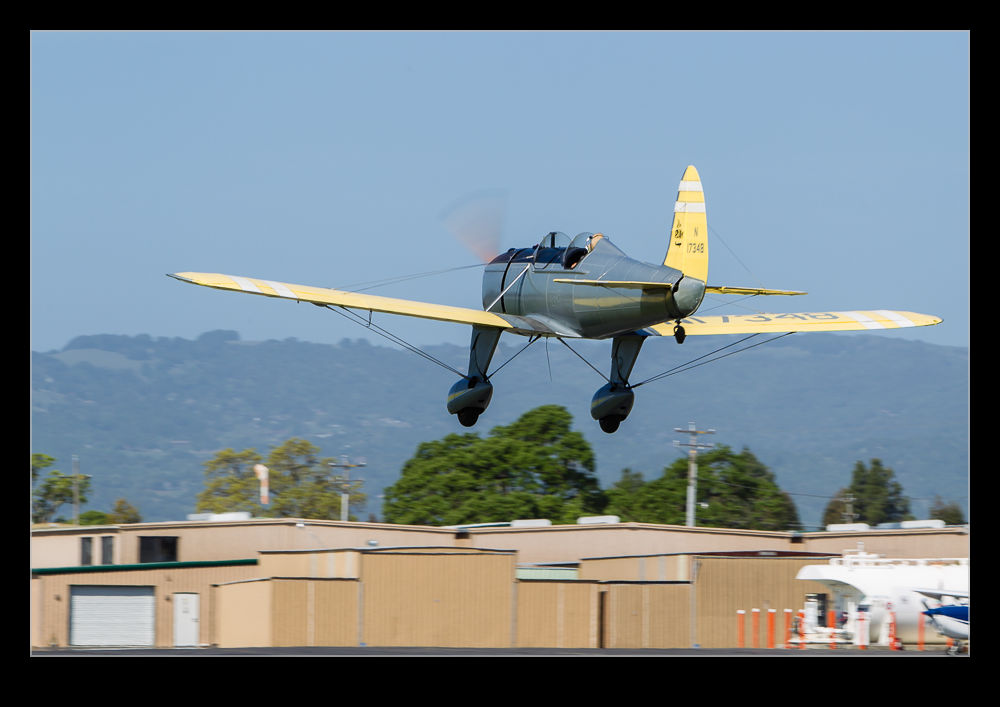
wpid9313-C59F1685.jpgI had not been up to Sonoma Skypark for quite a while.  Lots of things had been going on that had either kept me at home or taken me further afield but, with a nice Saturday forecast, I figured it was time to get back up there and say hello to some folks.  The weather held to the forecast and it was a great day to be up there.  During my first visit to Schellville, I had met Dave Masters and photographed his ST-A.  Dave also pays a visit to Skypark each week.  I had seen him there before but had not shot him from the good light side of the field.

wpid9311-C59F1672.jpgThis time I was determined to do so.  When he appeared downwind, I scampered across the field to get into position.  I was just in time as he came down the approach and I grabbed a sequence of shots.  Here they are.
wpid9315-C59F1694.jpg

SFO From the Hill

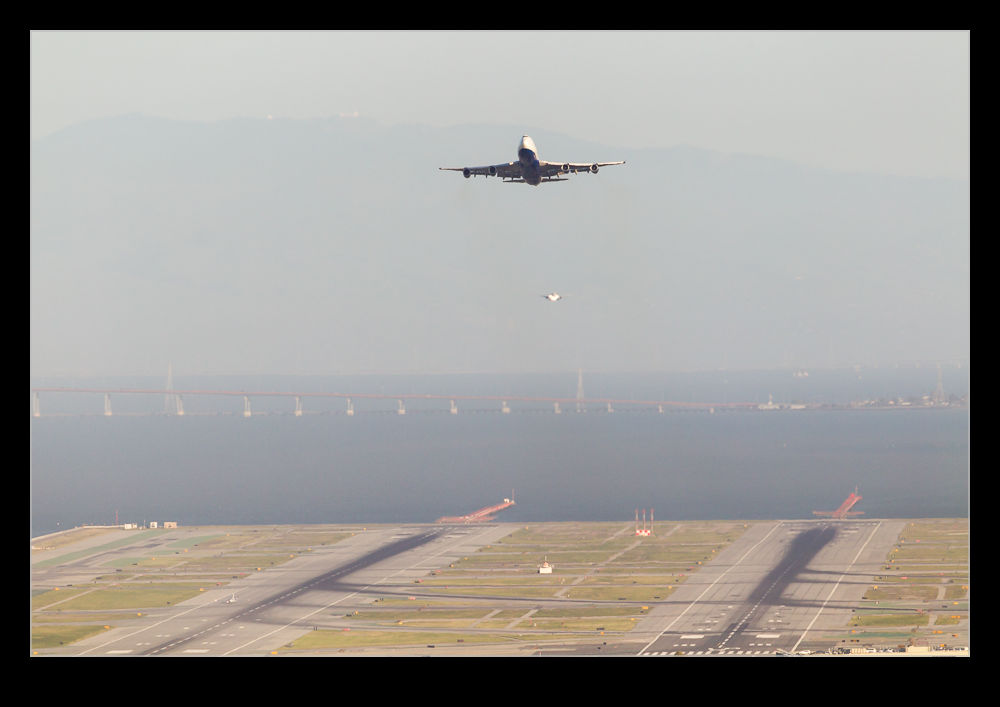
wpid9259-C59F2006.jpgMany of my recent posts have involved aircraft operating from SFO.  One of the restrictions SFO has is that, being bounded by water means there are limited opportunities to vary your shooting angles.  One thing I was ken to try was an overview of the field.  Driving along I-380, you are up on the ridge looking down to the airport and you are almost directly in line with the east/west runways.  I thought that there must be somewhere accessible where you could get a similar view.

wpid9263-C59F2148.jpgI checked with a guy I know who lives locally to see if he had any ideas.  He had already beaten me to it and had shot just what I was thinking about a couple of years before.  He suggested an area that might be suitable so I headed out.  I found a location with just the sort of view I was looking for.  The air was relatively clear so the shots of the field were quite good with one exception.  At this range, the heat haze is really difficult.  You are a long way out and everything between you and the airport is developed and has a lot of warmth rising from it on a nice day.  However, even knowing this, I still thought the difference the shot provided was worth the effort.

wpid9277-C59F2627.jpgI was extra lucky in that I met a bunch of guys working on a car in the driveway of one of the houses on the street I chose.  They were a good bunch and a lot of fun to hang out with so the infrequent nature of departures on that runway was compensated for by having people to pass the time with.  The shots here are a few that I got.  The aircraft continue on a pretty straight departure route so they end up passing almost directly over you.

wpid9279-C59F2674.jpgI would like to try shooting here another time.  Later in the day with softer light and – hopefully – less heat haze would be good.  The location might also be good for the multiple exposure type shooting I have done at Coyote Point.  After dark would also work well to generate some light trails.  Lots to think about for future shoots.

Curtiss Jenny

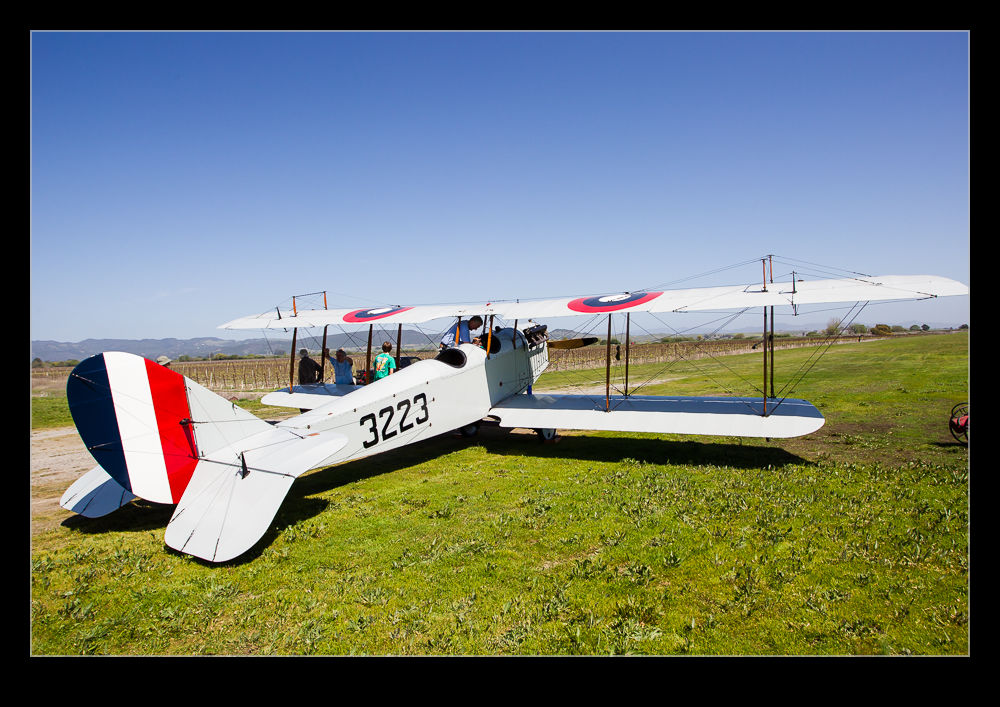
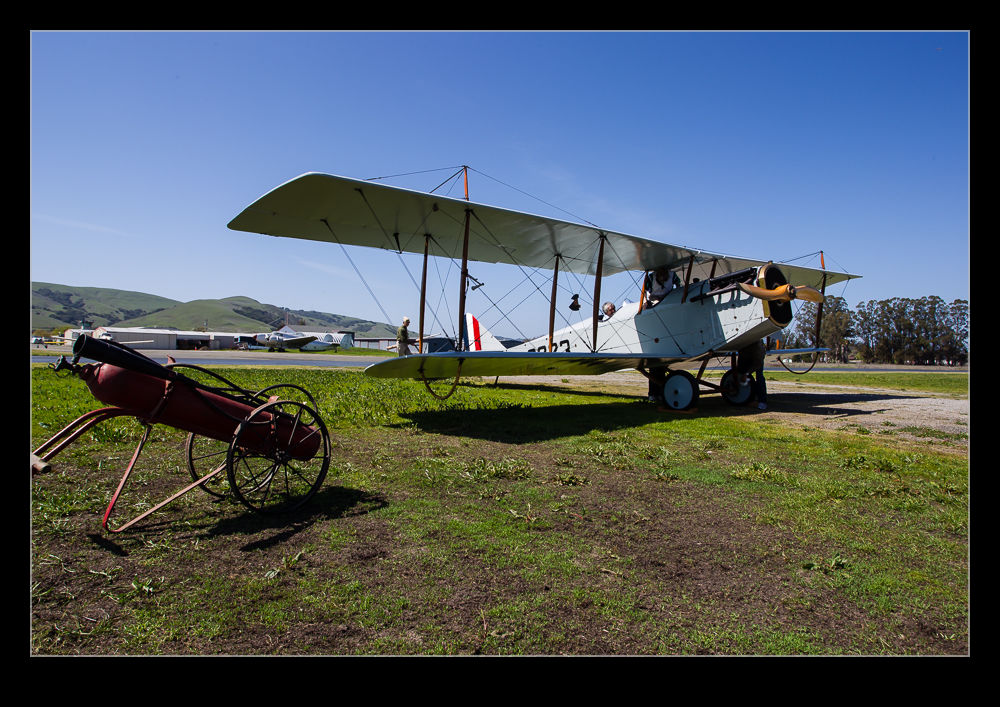
wpid9248-AU0E9870.jpgWhen talking about vintage aircraft, I am frequently discussing aircraft that are from the Second World War era or later.  However, one of the residents of Schellville is a Curtiss Jenny.  This is a First World War aircraft and the example here is an original.  It doesn’t get to fly very often but I was lucky to be there on a day when it was planned to take it up for a couple of sorties.  We moved it out to fuel up and then took it onto the field to launch.  (It should be noted that pushing an aircraft around the field quickly makes you appreciate where the gradients are.  What looks like nothing when you are walking suddenly becomes conspicuous when pushing an aircraft – even a relatively light older one!)

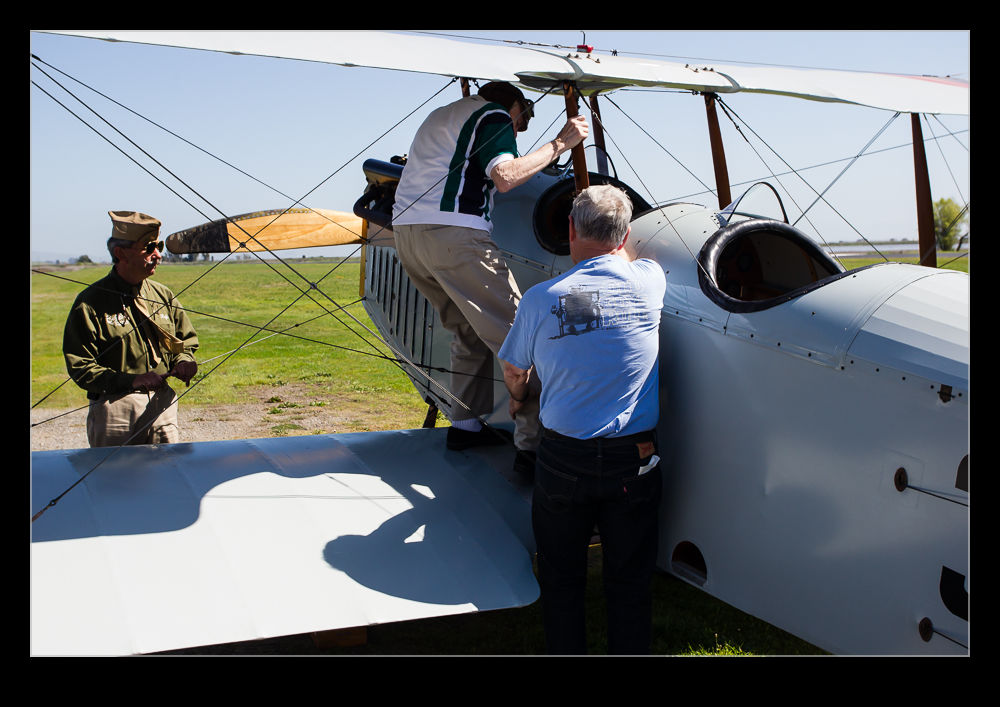
wpid9246-AU0E9866.jpgWe crewed up the Jenny and got her ready for start.  Unfortunately, fortune was not on our side.  She fired up willingly enough but a quick check of the engine compartment after start revealed a fuel leak and we shut her down.  A trip back to the hangar to troubleshoot meant that there would be no flying that day.  Once back inside, a hose was found to be split and this was the source of the fuel.  Not the sort of thing you want to find out about while flying so the sound approach of everyone was justified.  Fixing the hose was easy so, hopefully the Jenny will be flying again soon.  Now to get some good weather and availability for everyone concerned!

wpid9250-AU0E9879.jpgI also had a little video of the start up which you can see below.

Blue Angel

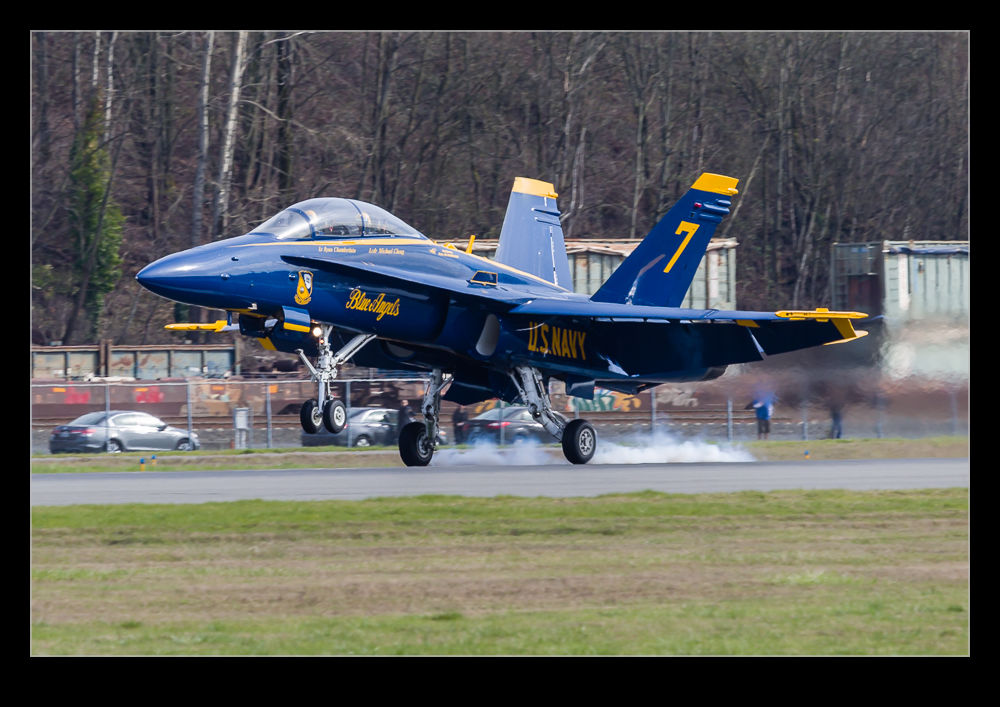
wpid9133-C59F7796.jpgA surprise visitor at Boeing Field timed his arrival perfectly.  I had just pulled up at the field when I saw something running in on the approach at speed and not descending.  This had the look of a military break.  I didn’t have the camera out but, fortunately, given that it looked like they would break downwind to land, I had some time to grab the camera.  Sure enough, it was an F/A-18 that broke overhead.  More interestingly, it was a two seater from the Blue Angels.

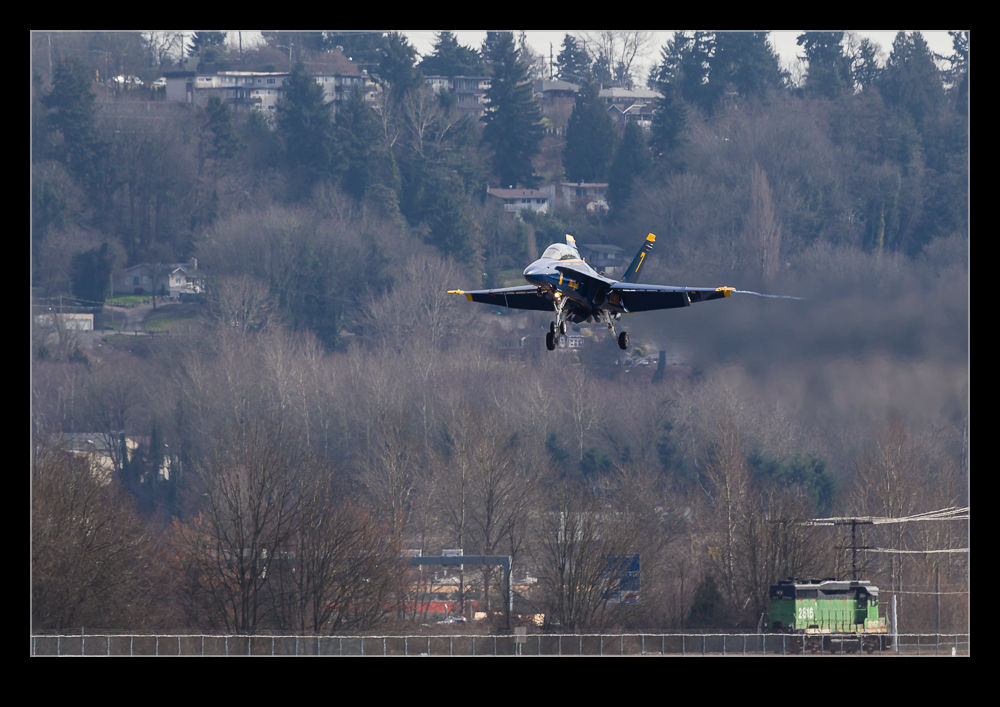
wpid9131-C59F7780.jpgI was ready by the time it was on the approach and managed to get a few shots as they landed.  They then taxied over to Clay Lacy’s FBO and parked up.  Not sure what they were in for but it could involve the planning for Seafair later in the year.  Whatever the reason, a nice surprise.