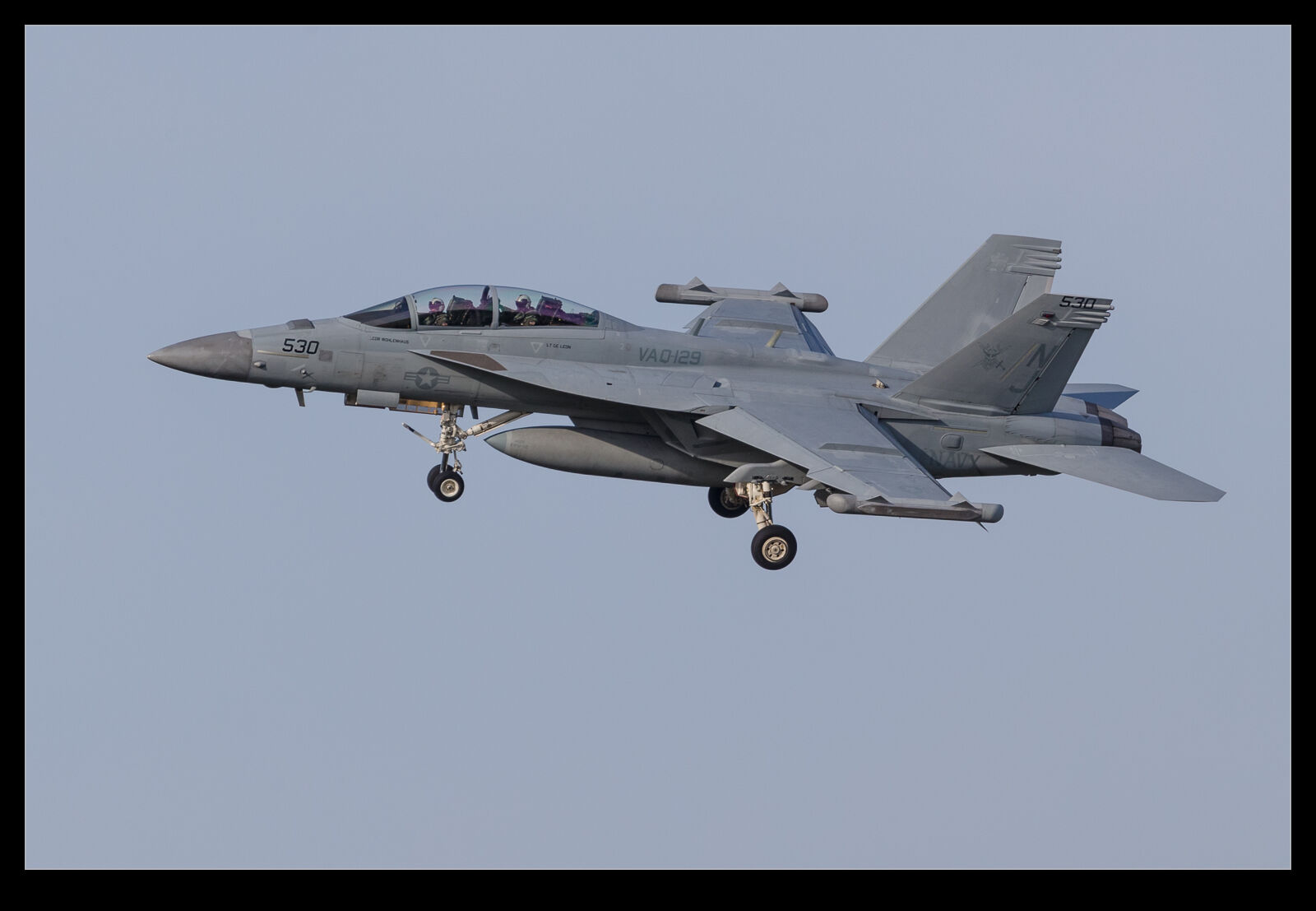
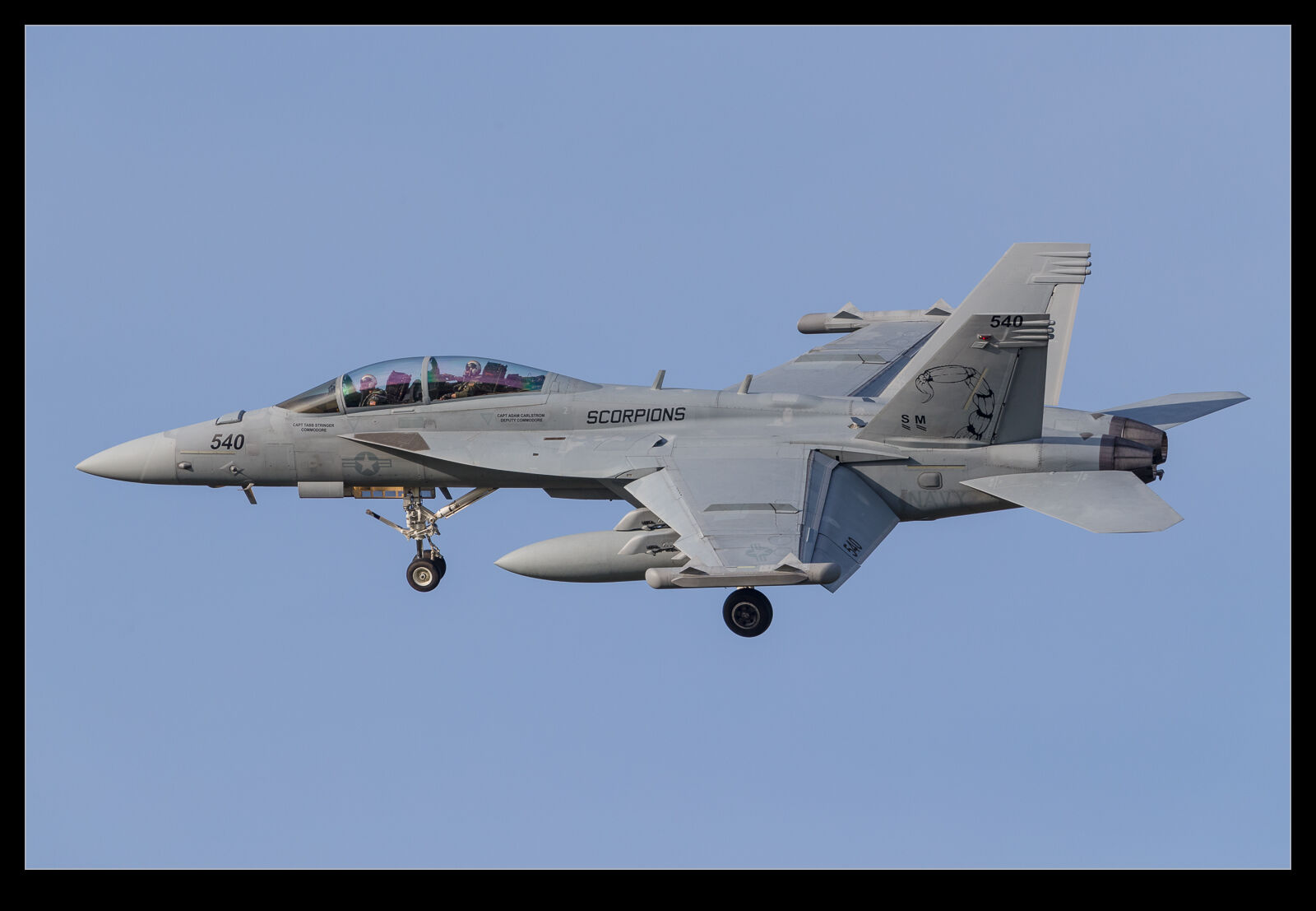
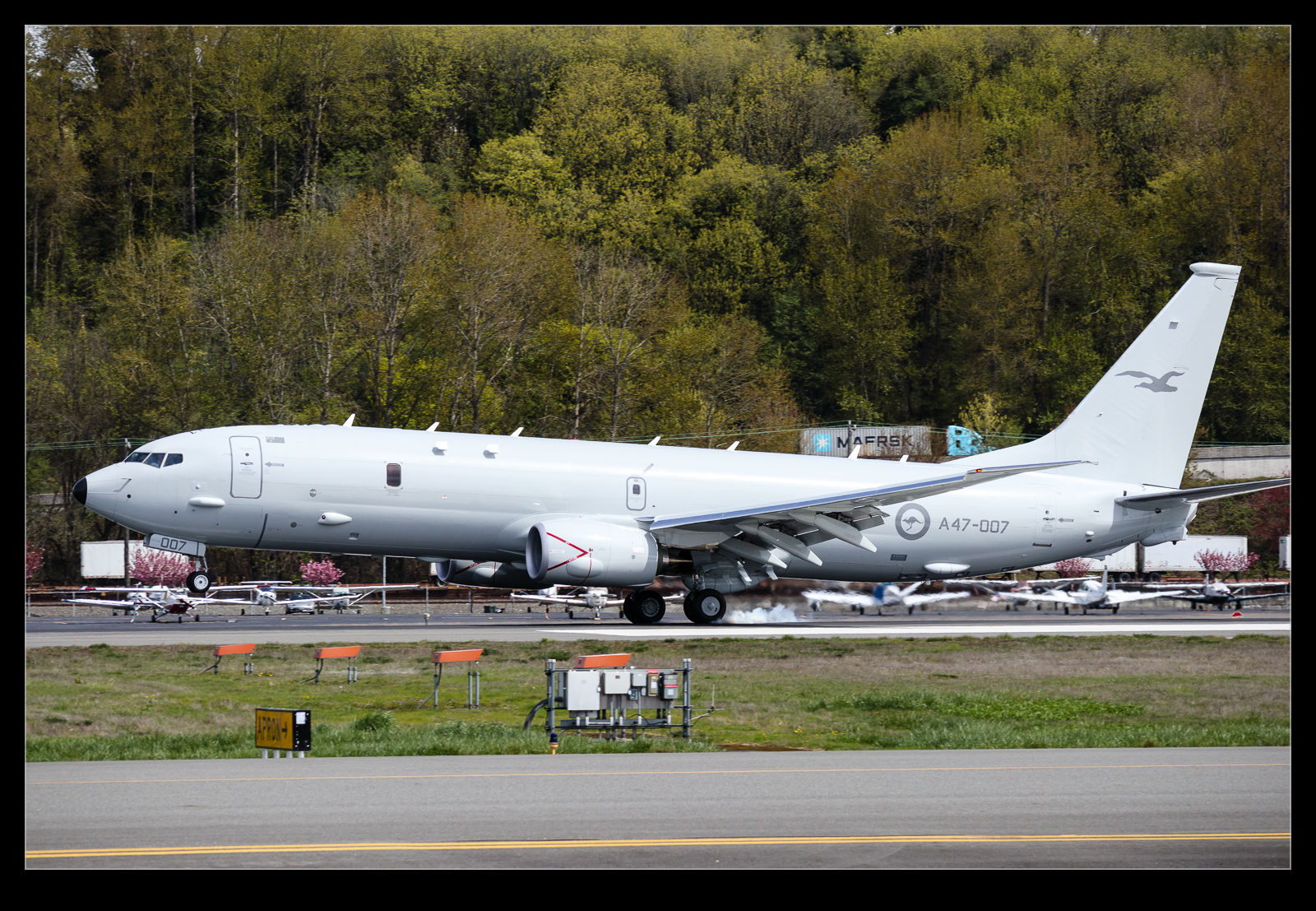
My buddy Mark let me know that some more FCLP training was scheduled for Coupeville on a day with a good weather forecast. Sadly, the wind suggested they would be operating in the opposite direction to that of my last visit (as discussed here and here) but there was the possibility of some morning flying which might mean the sun was on the right side for a while, even if a bit on the tail of the jets. Unfortunately, the unit didn’t get the memo and they showed up in the middle of the day for the first round of flying so, while the conditions were okay, they were working against us.
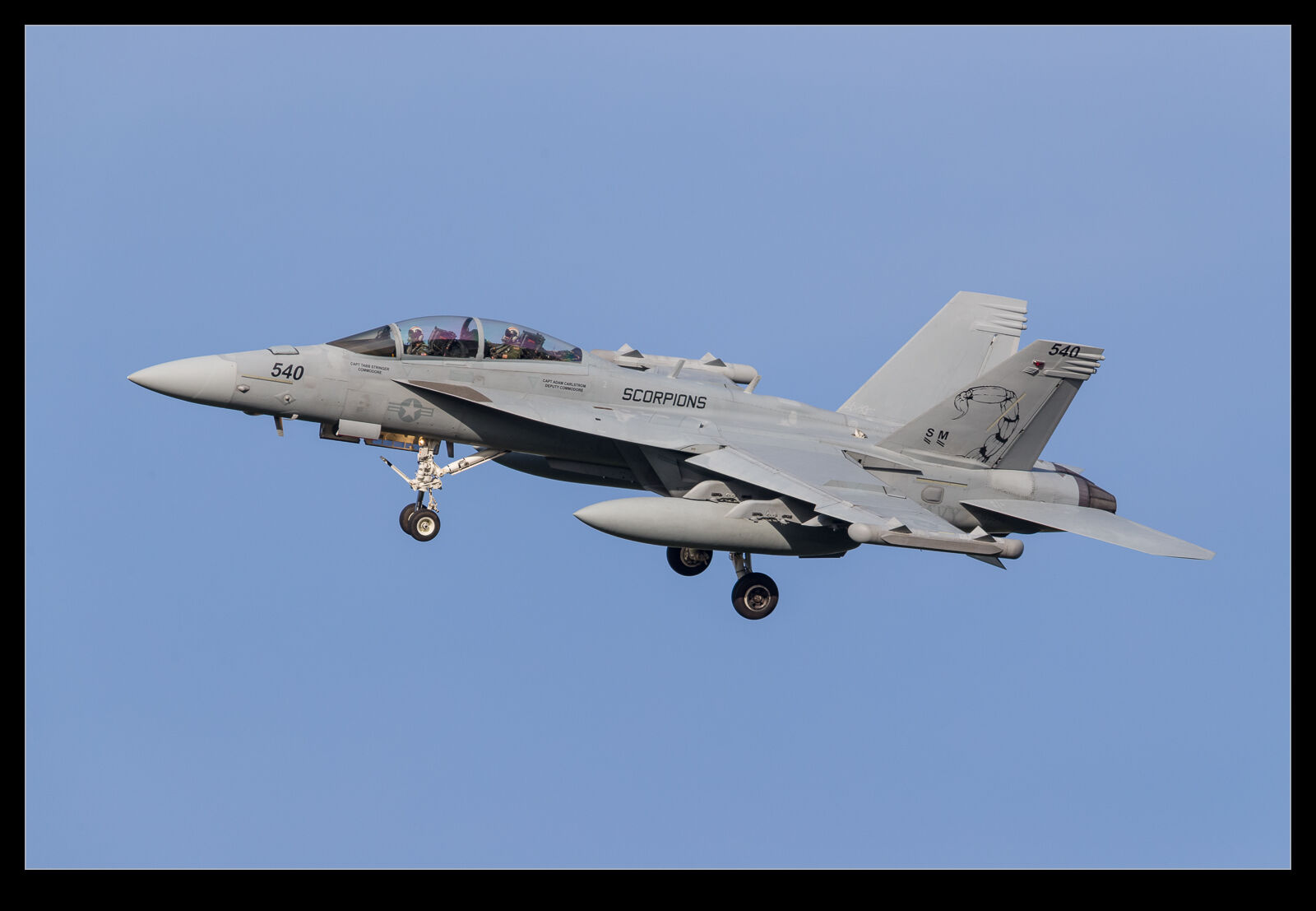
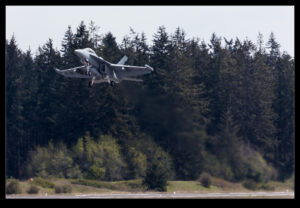
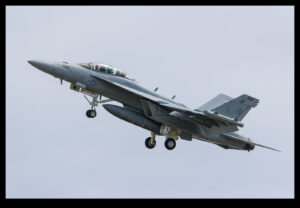
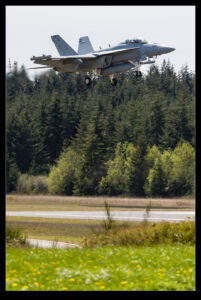
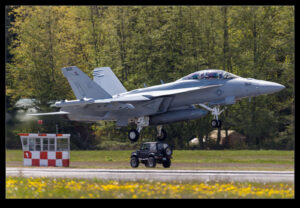
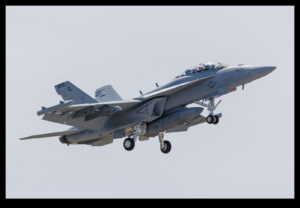
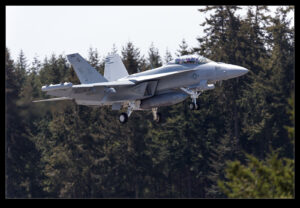
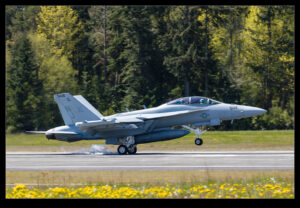
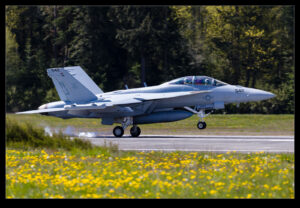
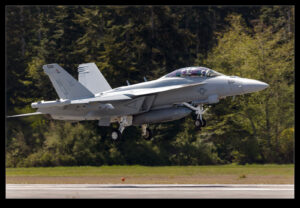
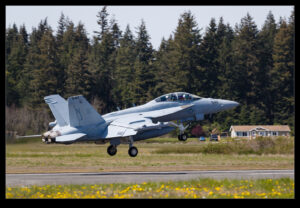
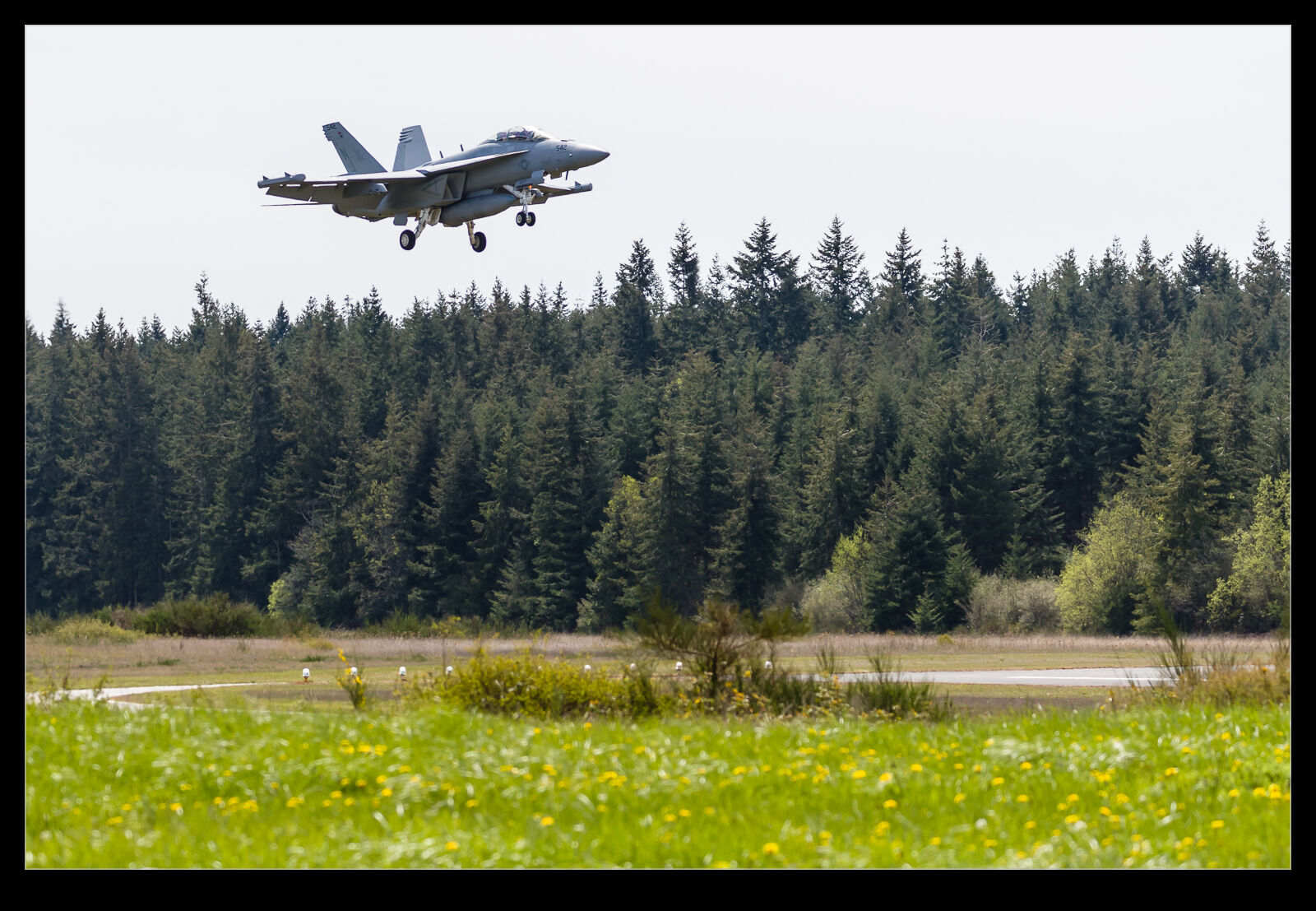 Still, there are a lot worse things to do than watch Growlers bouncing through FCLP training. You can move along the fence line at Coupeville to try and vary the angle, so Mark and I were zipping to and fro in order to try and find something different. There are some bushes on the field that can be a touch inconvenient when looking to capture the moment of touchdown but a little experimentation and you could get a good result.
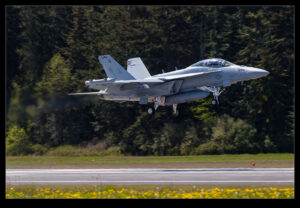
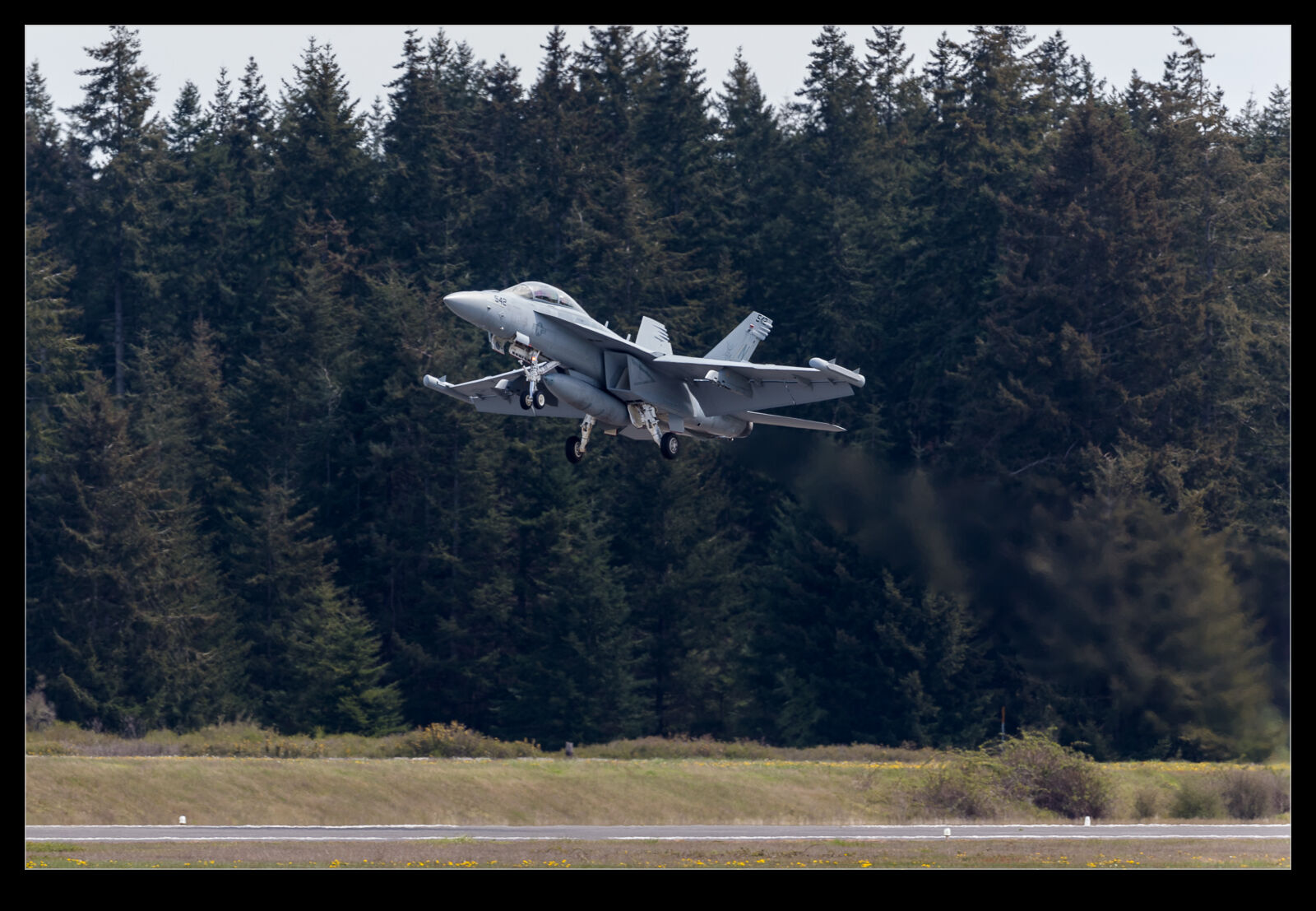 The jets appear to come through a tunnel in the trees as they are on final approach and the trees provide a nice backdrop for touchdown. As they power up and away again, the light angles are most favorable so you can get a few good shots. However, they end up pretty samey pretty quickly.
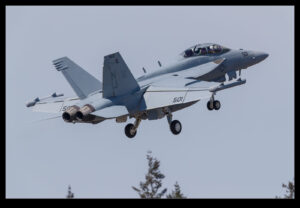
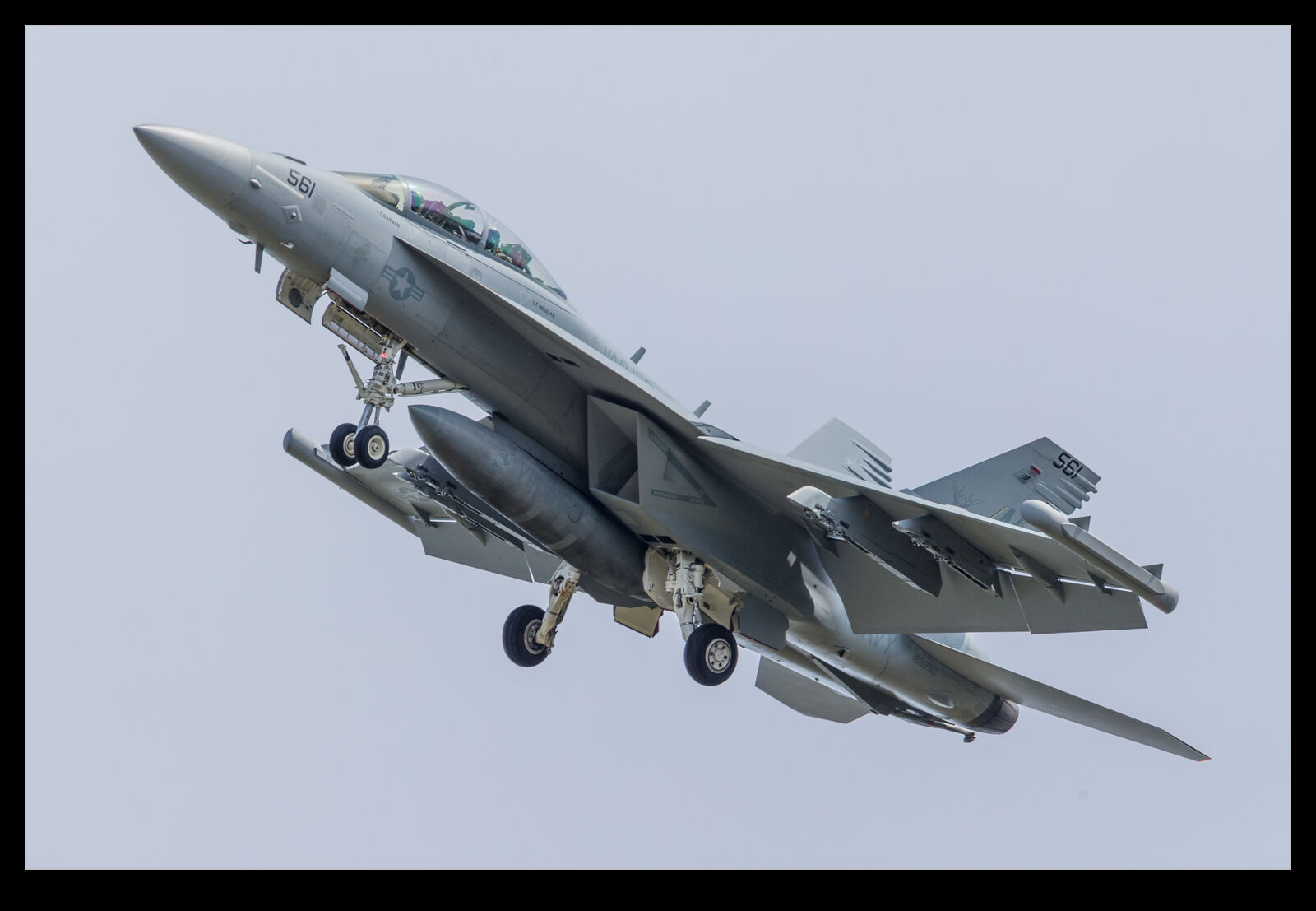 We expected a second batch of jets in the early afternoon so headed to the other side. Here you are a lot further from the runway so the jets on the ground are rather distant and heat haze is a bit of a problem. We got a few movements and then headed back to a nearby park where the jets tend to turn over the top of you as they enter the downwind. The light is a bit better here but, again, the shots are pretty repetitive. The only change is when the jet is done and it climbs straight out cleaning up as it goes.
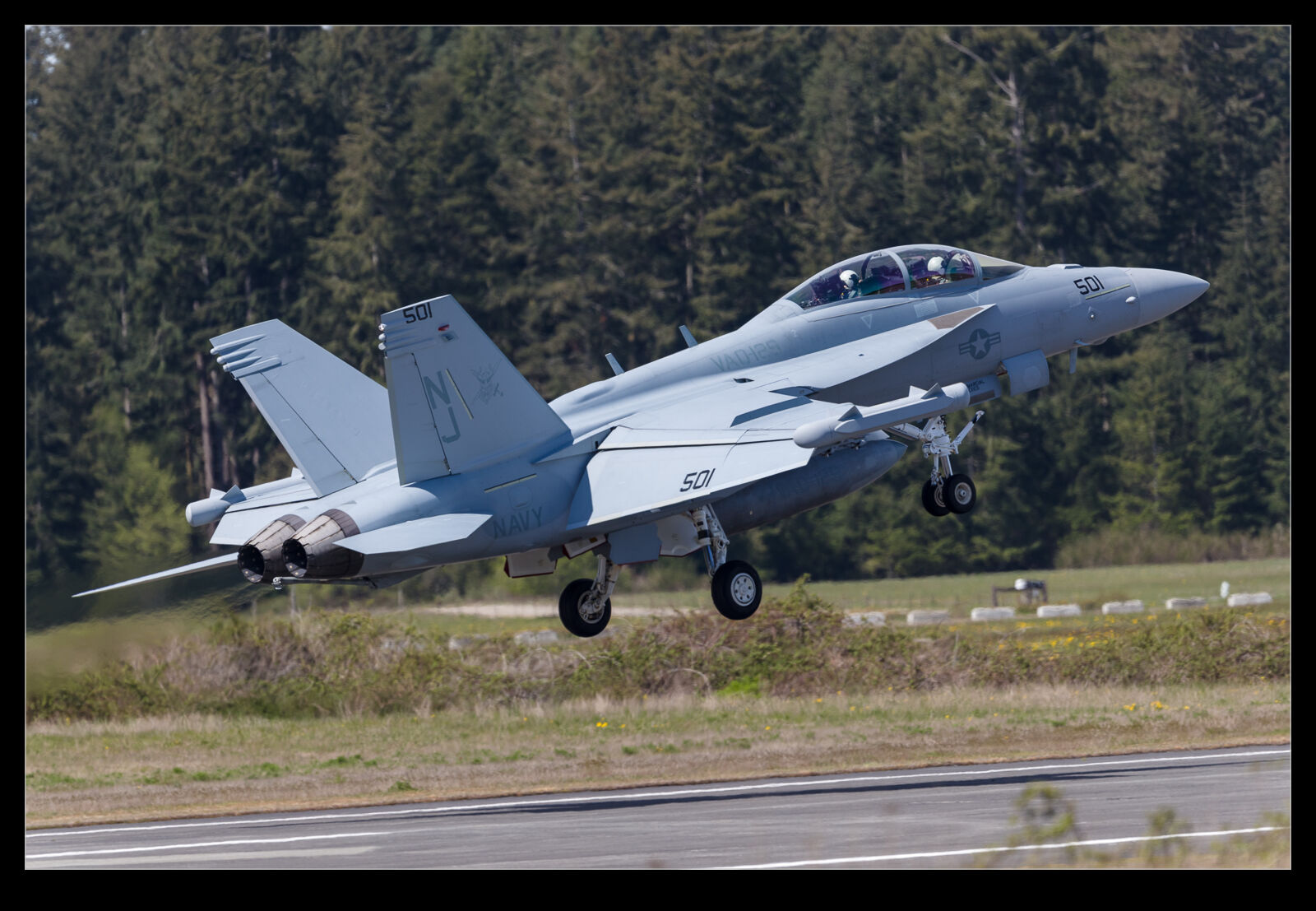 With a decent amount of shots made, we decided it was time to try our luck elsewhere. The Growlers would get back to Ault Field pretty quickly but we were going by car so it was a little longer for us. However, there was much to justify the trip and that will be apparent in some upcoming posts.
-
-
-
A US Navy Boeing EA-18G Growler turns on to final approach at Ault Field NAS Whidbey Island WA.
-
-
-
-
-
-
-
-
-
-
-
-
-
-
A US Navy EA-18G Growler on final approach to NOLF Coupeville on Whidbey Island WA during FCLP training.
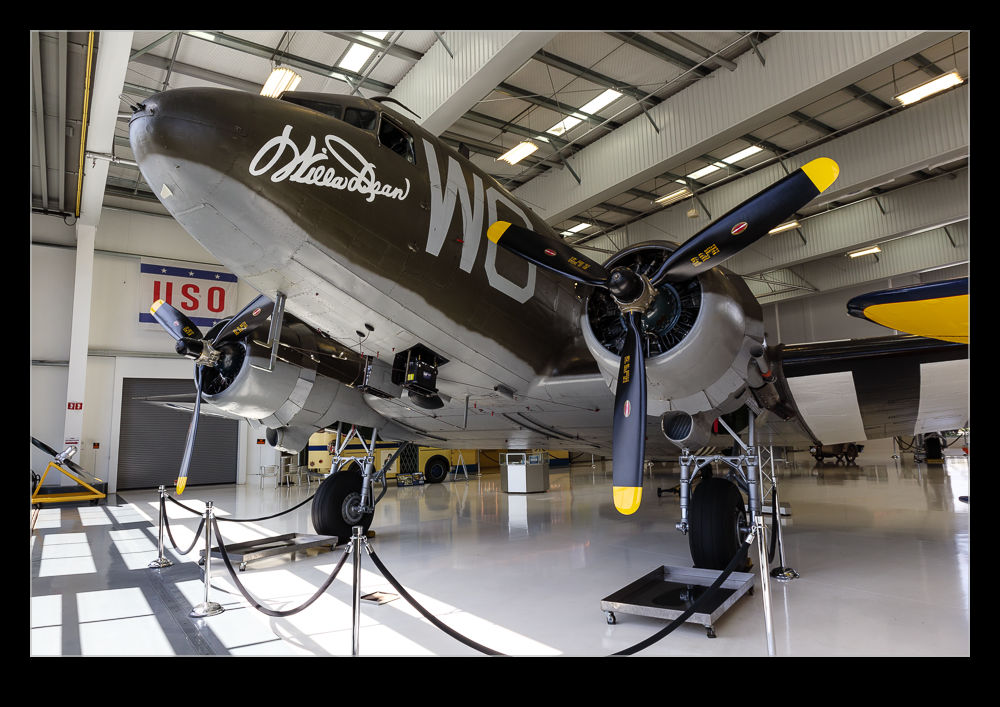
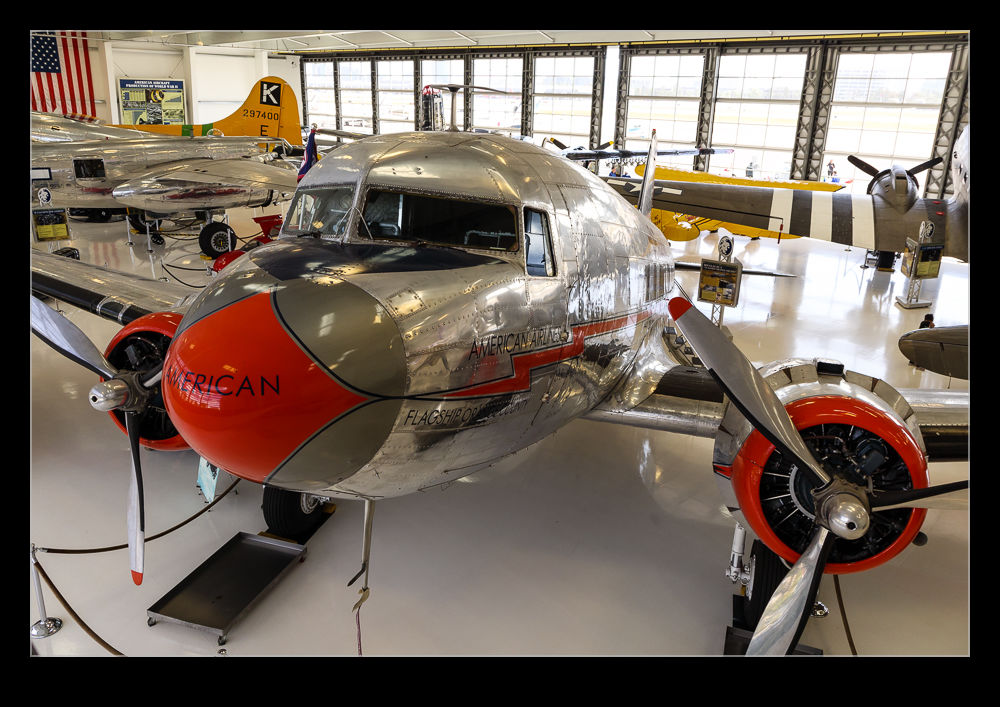 The Lyons Museum included a few larger types in the hangar. At one end they had both a DC-3 and a C-47. While notionally different types, they are in principle the same aircraft and one that Douglas churned out in huge numbers. The DC-3 was configured in a slightly more comfortable way than the C-47 though. Troop transport was not a luxury business. Get as many people and bits to where you are going as you can. The paying passengers were a more demanding crowd and the interior is designed to make them feel like they were being treated accordingly. Either way, they are both great looking aircraft.