Tag Archives: washington

My Approach to Shooting and Processing on Crappy Weather Days

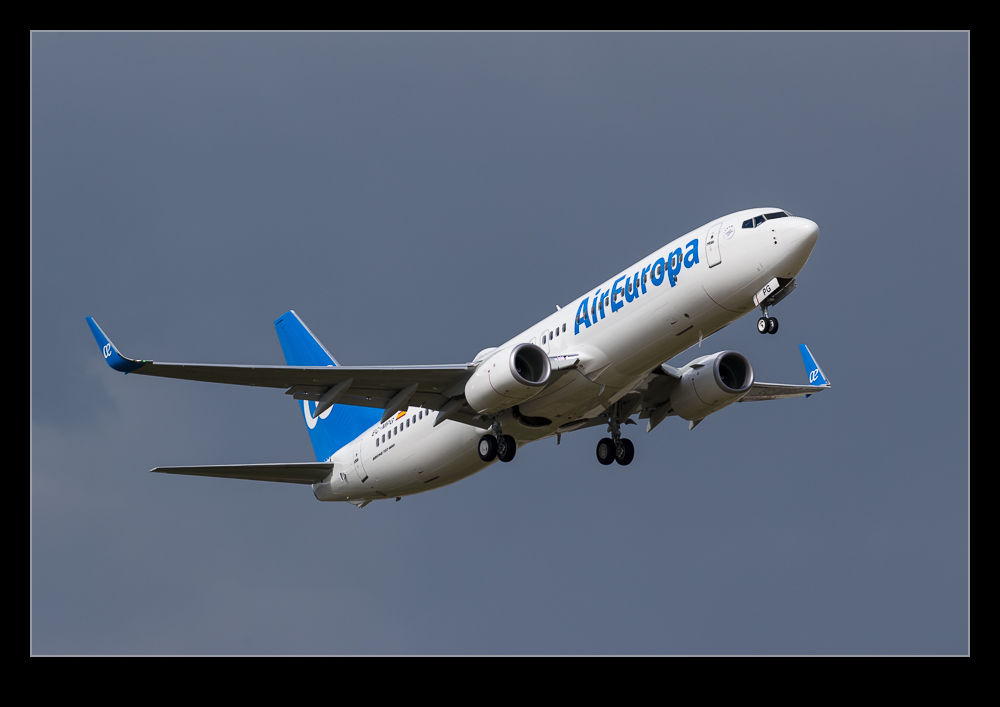
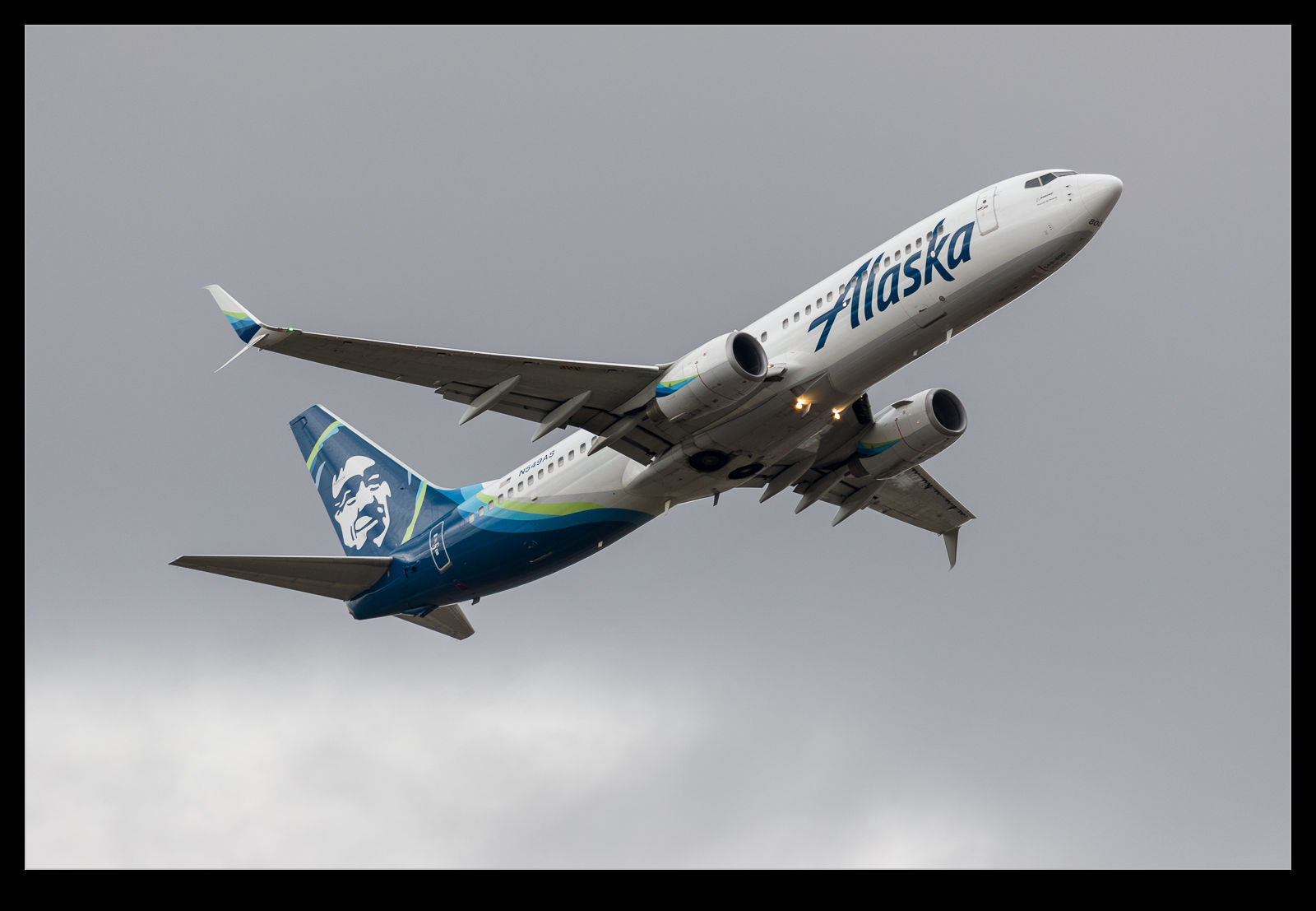
This is the finished image. This is pretty much what it looked like to the naked eye (through the viewfinder) when I took the shot given how dark the sky was.

A rare arrival was due on a day that was not good from a weather perspective.  It was dull and rainy and so not what you would hope for.  Conditions like this mean I try to exploit some of the features of the camera and the processing options available.  First, how to set up the camera?  With the light being bad and variable, I went to a pretty high ISO level.  I shot in aperture priority mode and added a lot of exposure compensation.

In my experience, the metering is pretty good when shooting against the sky in clear weather but, when there is a lot of cloud, the camera tends to treat the clouds as too bright and it underexposes the subject too much.  I use a lot of exposure compensation in this case with a setting of +2.0 being used on this day.  The reason I do this is that, aside from the exposure question mark, there is a lot more information available in the lighter end of the exposure curve.  Shooting in RAW gives you options.

This is how the camera recorded the image. This is the in camera JPEG that I extracted from the RAW file using Instant Raw From JPEG.

If you were to look at the aircraft at the time, you would see a dark and menacing sky but you would see plenty of detail on the plane.  The camera does not see that for the original shot.  The aircraft would be very dark.  When processing, this dark area would give you something to work with but the variation in data would be more limited.  Shoot overexposed and you get more to work with.

This approach will only work well if you are shooting RAW.  If you are using JPEG, too much of the usable data will be discarded during the processing in the camera.  To show you what I mean, here are two images.  These are both from the same shot.  One is the RAW file as it showed up when imported in to Lightroom and the other is the embedded JPEG that you can extract from the RAW file and which can be seen when the file is first imported before the rendering is undertaken.  As you can see, the JPEG is over exposed but the RAW rendering seems even more so.

There is way more data in the RAW file though.  Immediately, as I bring the exposure slider back down, the clouds go from being white to quite dark – just as they appeared on the day.  Meanwhile, the fuselage of the aircraft has a lot of the data intact and maintains a lot of the brightness that you could see at the time.  Very little needs to be done with the blacks and they are almost in the right spot by the time the exposure is good for the clouds.  The fuselage might be a bit too dark though.  A small tweak of the blacks and a little boost in the shadows to compensate for too much darkening with the exposure slider and suddenly the shot is looking a lot more like it did when I saw it develop.

My RAW processing baseline always results in a slightly more overexposed shot the embedded JPEG includes. When you first open the image, the embedded image you see in the previous shot initially shows up and then it renders the RAW file. This was the initial RAW rendering prior to any adjustments.

One advantage of shooting on such a crummy day is that the sky is a giant softbox – in this case a very soft one!  The result is that the light is a lot more even than on a sunny day.  The darker look can actually make the colors look a bit more intense than if they were losing out to the whites when the sun is right on them.  While there was only one plane I was specifically there for, playing around with these other shots and working on the technique was a nice extra benefit.

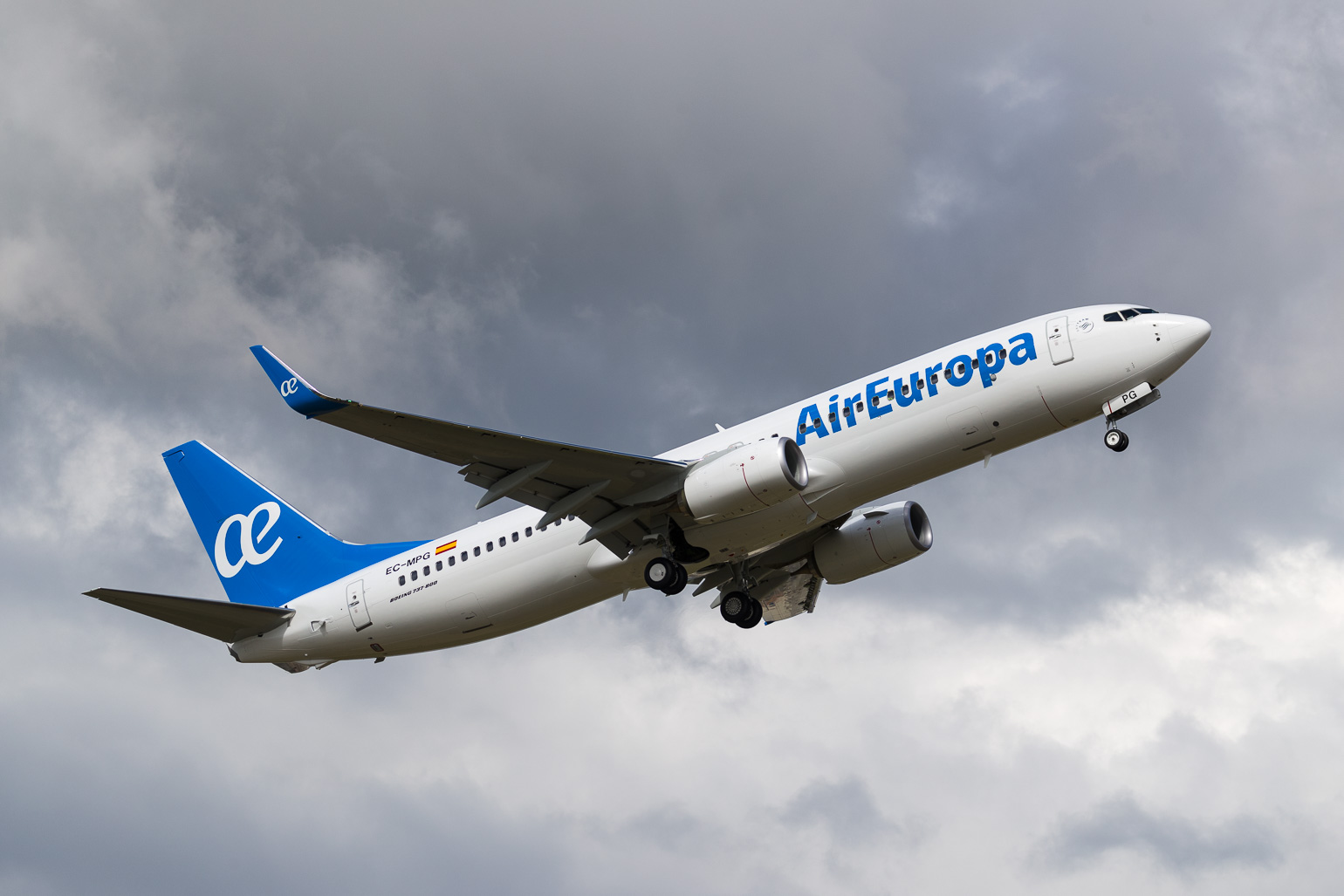
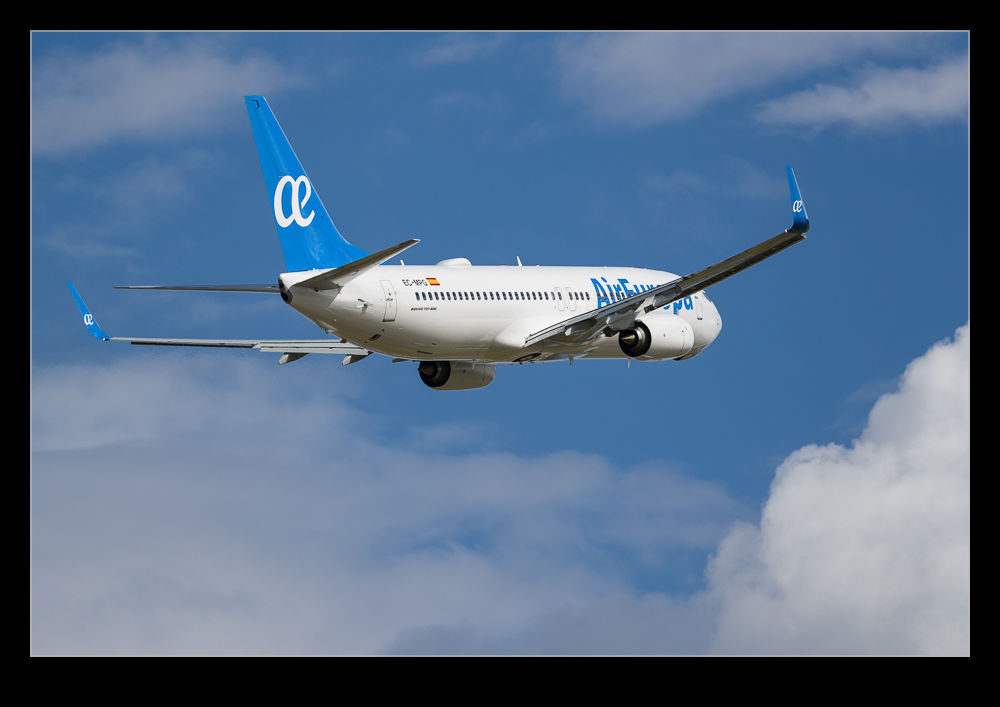
AirEuropa to the Sun

This example is not going to get me to the sun from Seattle.  It will head to Europe before it starts transporting passengers.  I saw it during test flying activities as it flew approaches to Paine Field.  The sun was out but the skies were stormy so it made quite a dramatic sight as it bashed the pattern at Everett.

They even were kind enough to fly a missed approach the first time to get a different view of the jet.  Then it was around the pattern and back in for a second approach, this time landing.  The dark sky background was only in the direction of the approach so the roll out shots were far less dramatic.


Fin Park

A little too much celebration of Thanksgiving meant I needed to burn off a few extra calories.  I figured a bike ride would be a good option and decided to check out the Burke Gilman Trail.  This runs around Lake Washington on the alignment of an old railroad.  Not too many hills to deal with then!  I wasn’t sure how far I would go but I headed towards Magnuson Park.  This sits on the eastern shore of Lake Washington on the site of a former naval base.  It was once a Naval Air Station but was progressively pared back until it was deactivated and returned to the city.

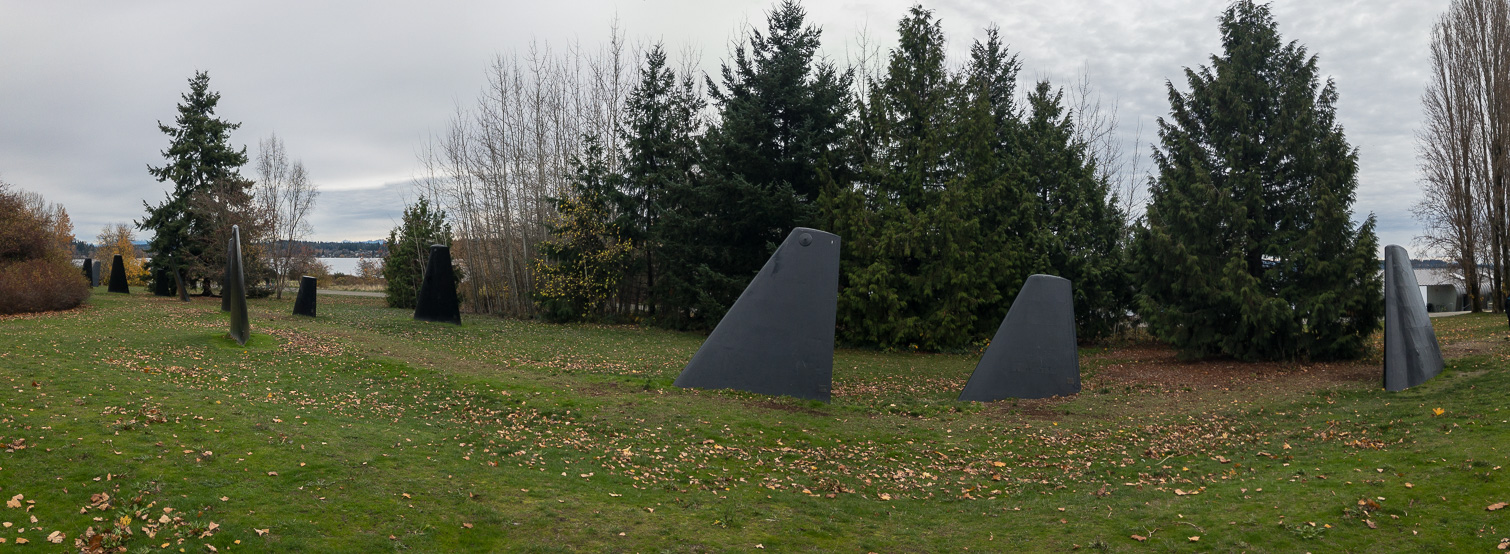
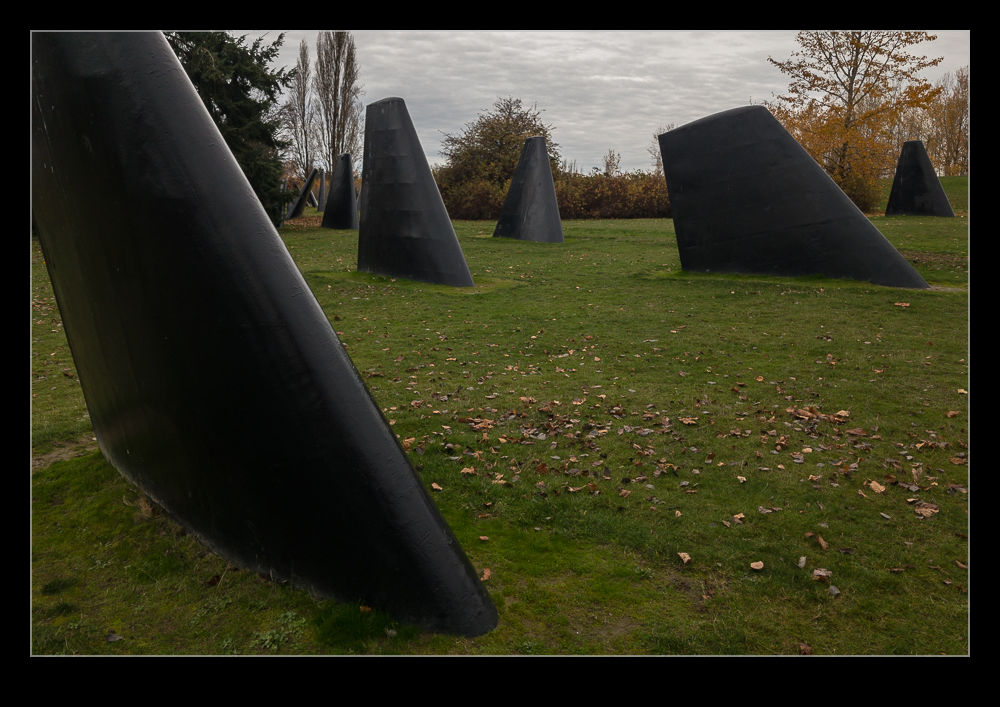
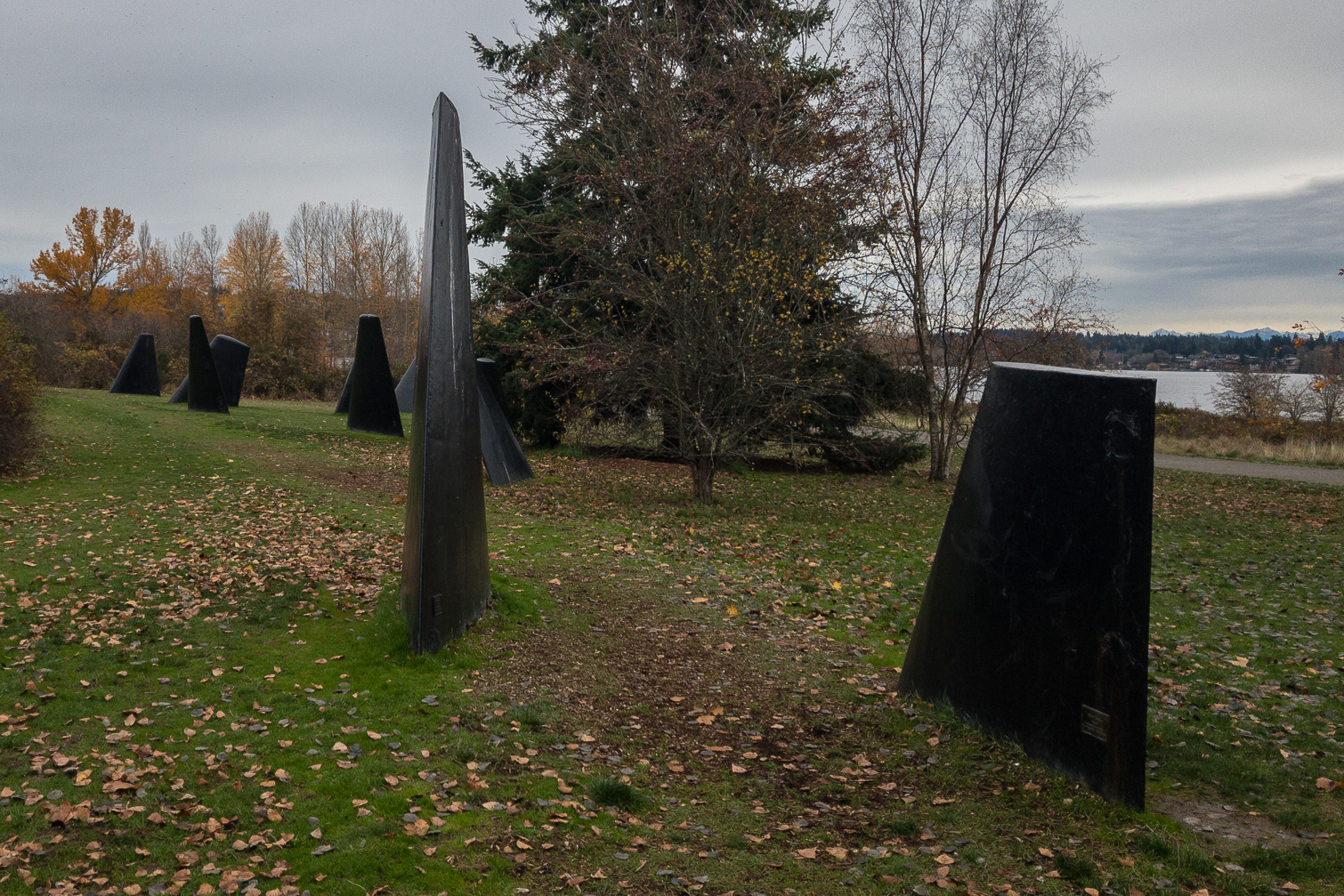
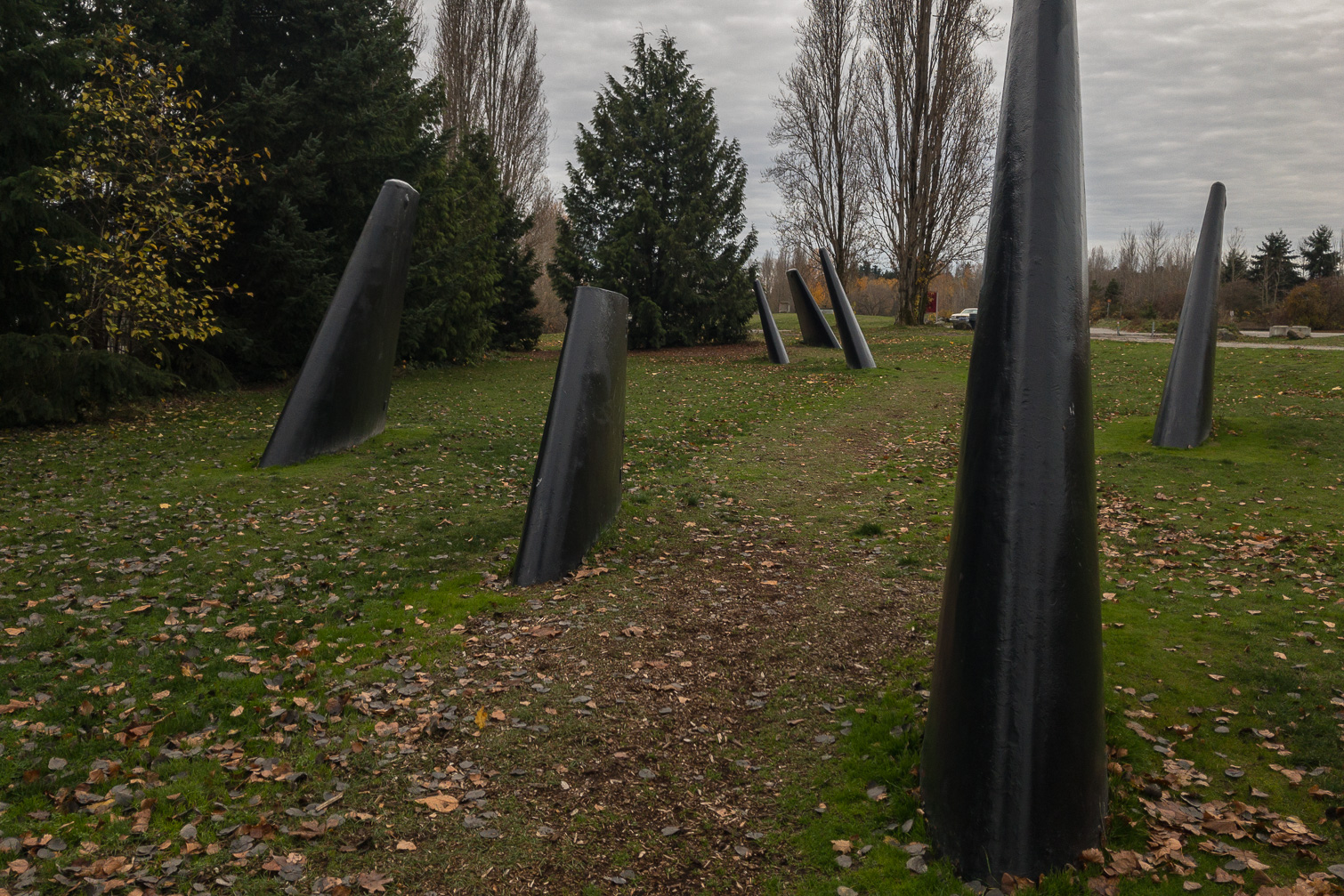
One of the things I was curious to see in the park is a sculpture installation called the Fin project.  This takes a bunch of fins from decommissioned nuclear subs and arranges them in patterns that are reminiscent of the fins of pods of orcas.  The Navy donated the fins and private subscriptions paid for the rest of the installation.  The result is an interesting exhibit with varying sizes of fin at different positions and angles.

The meaning of the sculpture varies depending on who is checking it out.  It represents the naval station and the service of those based there, it draws parallels with the wildlife in the area, it represents recycling of material and it has a swords to plowshares aspect to it too.  Each fin has a plaque that notes the vessel it came from, the name of an orca from a local pod and the names of those who donated to fund the installation.

I was there on a pretty overcast day and only had my phone with me to get shots.  I think that the cloudy sky was actually a pretty appropriate backdrop as the darkness of the fins and the hint of their life in the deep would be a little offset on a bright and sunny day.

Ruslan Before Sunset

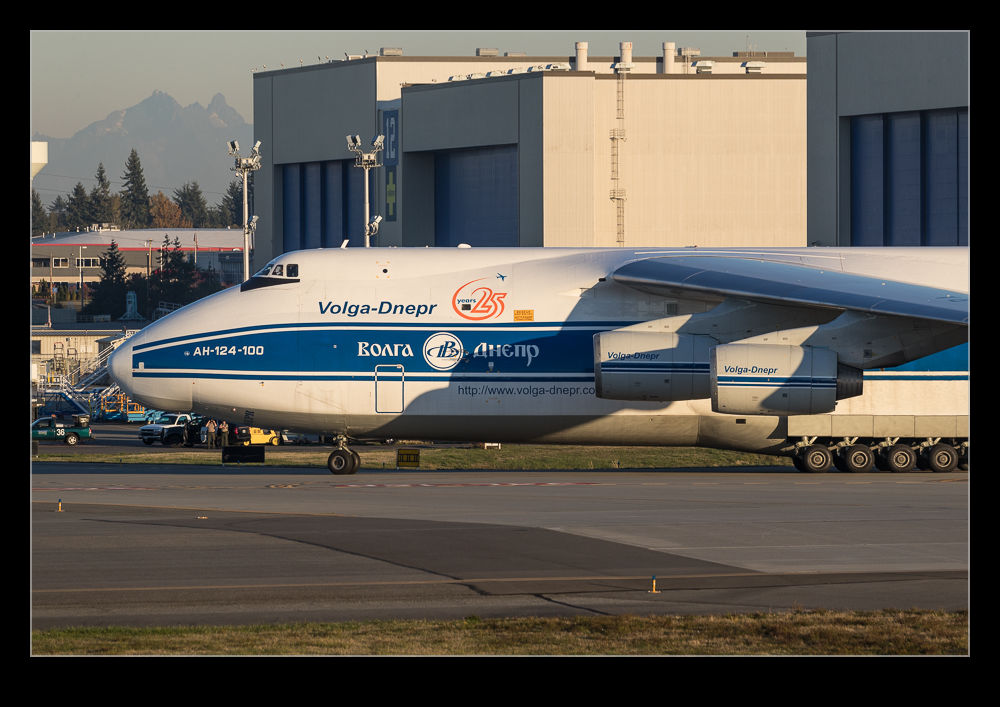
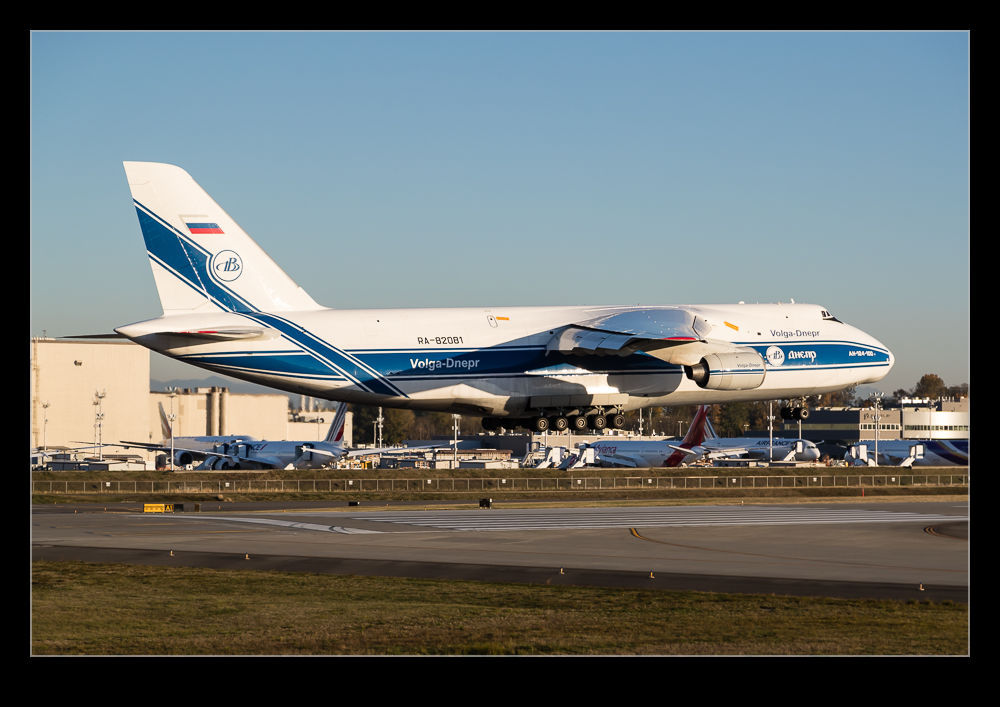
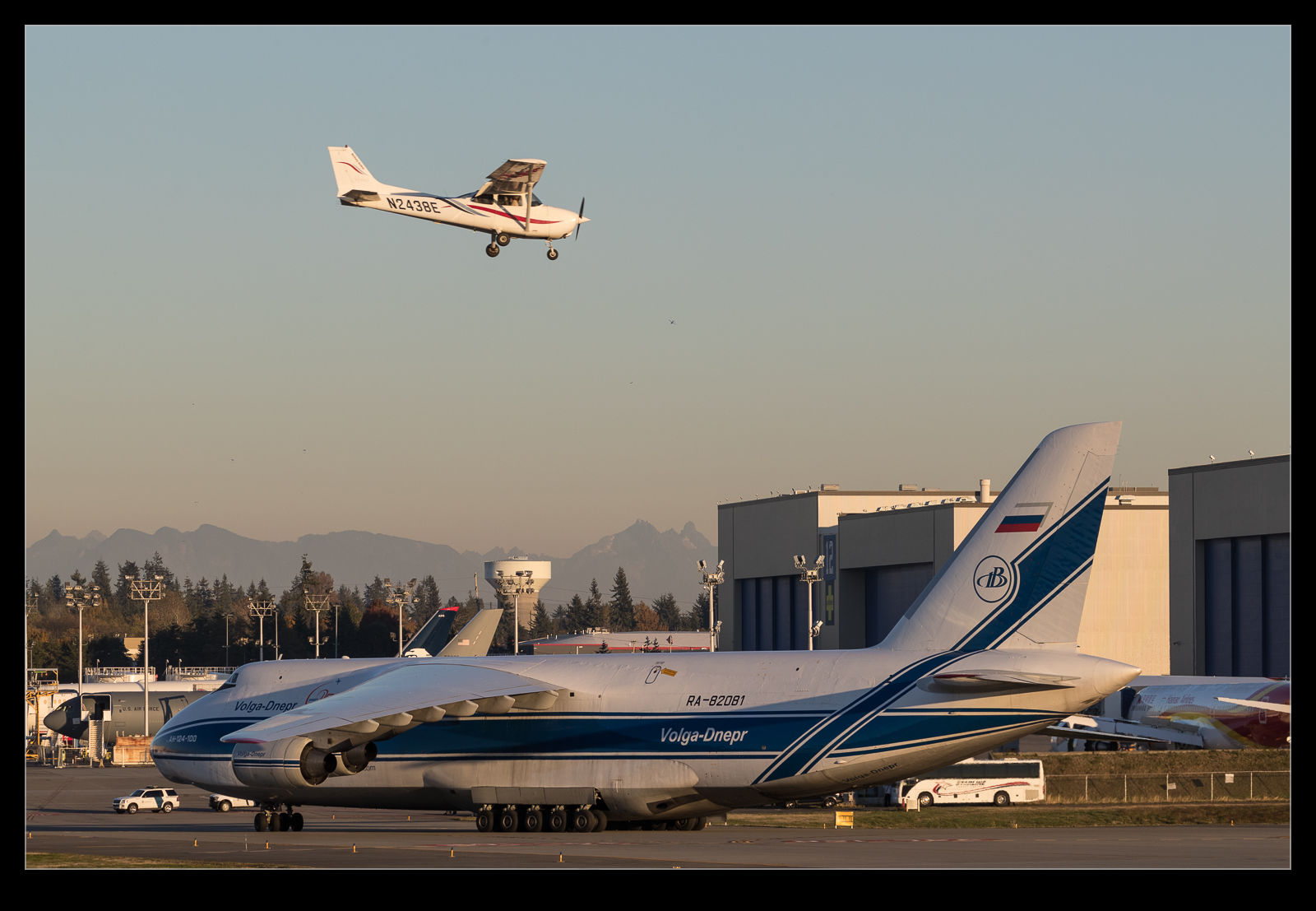
My wife is a trooper.  We were coming back from a day out in the mountains and I saw an Antonov AN124 was coming in to Everett.  It was due to land shortly before sunset and sounded like something I wouldn’t want to miss.  We weren’t going to be able to get home in time to drop of Nancy so I could get back up to see it arrive.  She agreed to make a diversion to see the plane come in.  Not her thing but she was okay with being there.

The timing could not have been much better.  The light was nice, low and soft so the plane looked great as it trundled down the approach.  When it taxied back up to the north entrance to the Boeing ramp, the texture of the skin, which is normally lost in higher light, was a lot easier to see.  In fact, the finish looked pretty rough.  I guess the Volga Dnepr planes get a lot of use!

Tumwater Canyon

Our trip across Stevens Pass ended just short of Leavenworth.  We took a run along the river through Tumwater Canyon.  Here the river sits in the bottom of the valley and the road runs alongside it.  Plenty of nice views of the river as it winds its way downhill, some of which you can only see as you drive along the road because there is no space to stop.  Other locations, though, do provide an area to allow you to pull off and wander around.  Given how pretty it is, you are not alone in these places!

The river widens out in places and then narrows in to some rapids in others.  On a sunny day with the fall foliage around, standing by the water and watching the swirling and tumbling flows is really relaxing.  The noise of the water can drown out the traffic passing not far away and you can be quite mesmerized.  If you don’t mind the close proximity to the traffic, you can also explore a little in each direction away from the parking and get some great new views of the river.  You are either walking alongside the road or outside the barriers and close to the edge of the river so paying attention is a must!

One downside to the popularity of the place is that it is a bit tricky to avoid having lots of people in your shots.  You can move away a little and have them out of sight.  Alternatively, a little careful selection of your angles and shooting location and they can either be cropped out or cunningly concealed behind some other part of the scenery.

Ah, An Esprit!

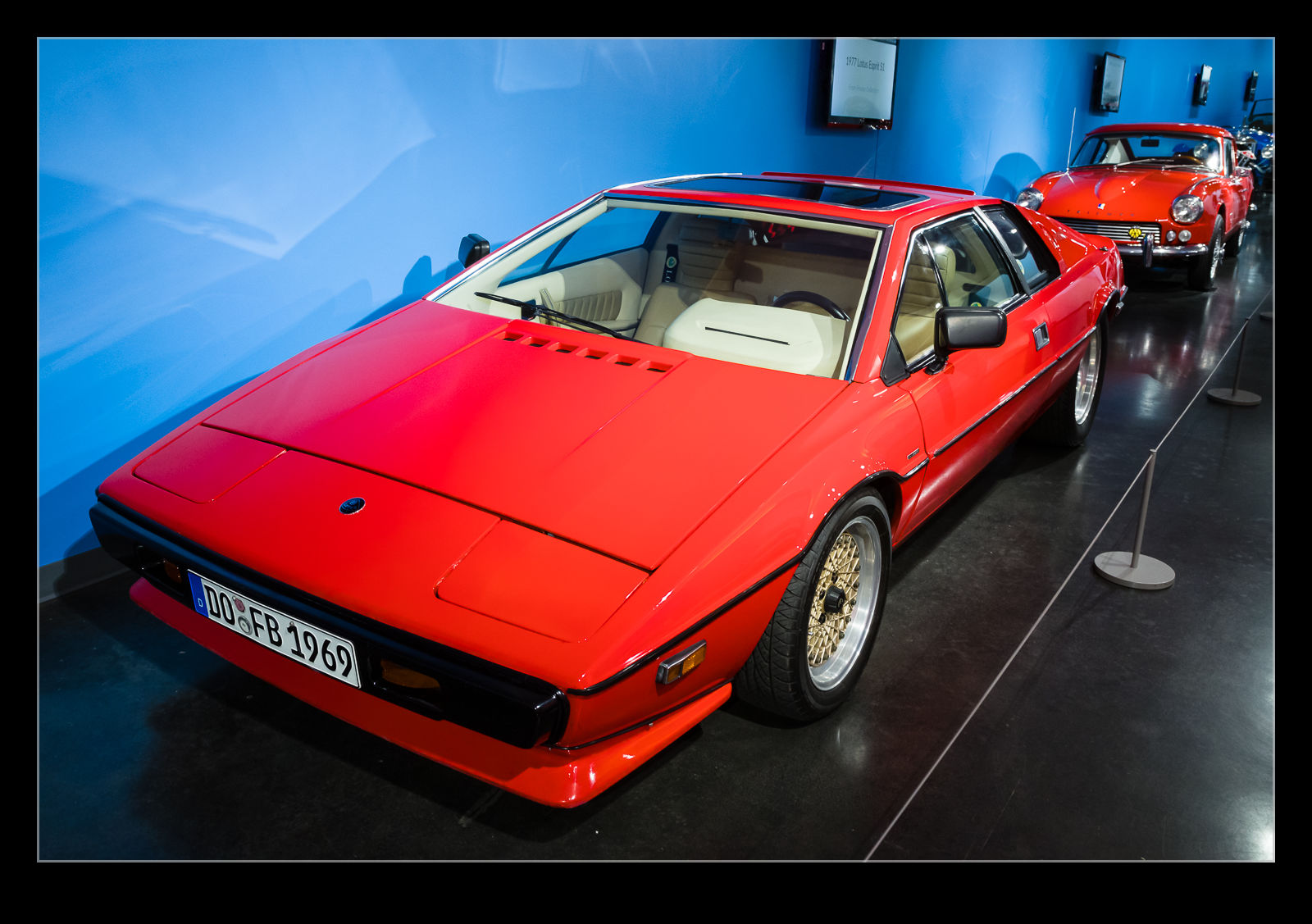
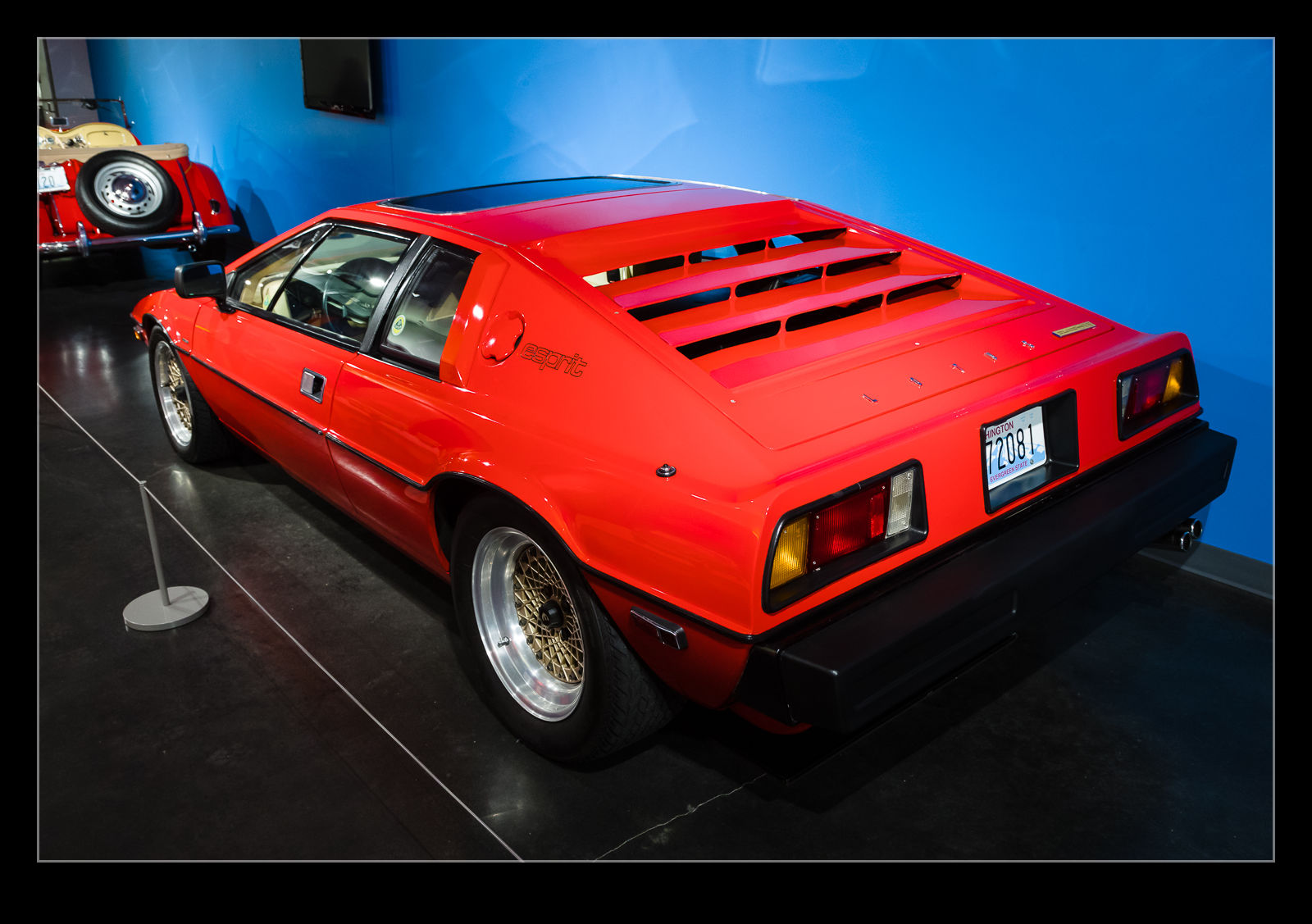
Since I didn’t grow up in the US, a lot of the older cars in museums are not ones that I knew about as a kid.  However, a Lotus Esprit is one right out of my childhood.  I fell in love with this car as a result of The Spy Who Loved Me when Bond’s Esprit morphed into a submarine.  From then on, I dreamed of owning this car.  The America’s Car Museum has an example of the pre-turbo Esprit in its collection and, while it certainly is dated by the styling, I still think it is a great looking car.  Just don’t pay attention to the switches and knobs pinched from the parts bins of the major car manufacturers of the time!

Iron Goat Caboose

The old path of the railroad across Stevens Pass has been abandoned and replaced by a new route that is lower down and has tunneled through sections of the mountains to avoid the tricky climb that was previously required.  This abandoned right of way has been turned into a trail called the Iron Goat Trail.  Since it is a railroad trackbed, it is not a steep trail which means that a substantial portion of it is actually wheelchair accessible!

Our day out did not include time for hiking but the trail looks well worth exploring and, come the spring, we shall be making a specific trip to go hiking.  We did stop at the parking lot to read the signs about the history of the pass.  Also, an old caboose is kept at the entrance to the trail and I figured it deserved a shot!

Lake Union Departures

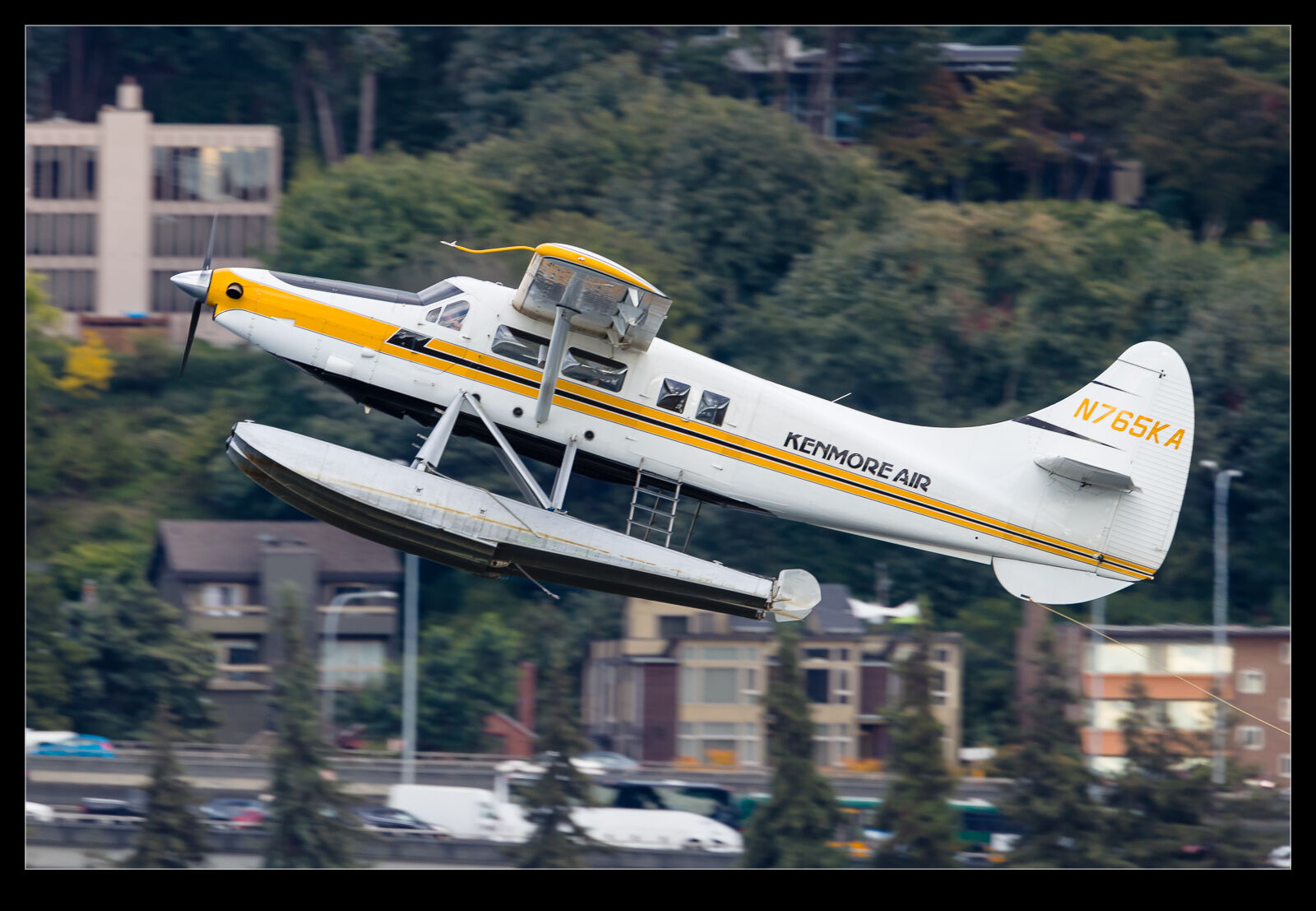
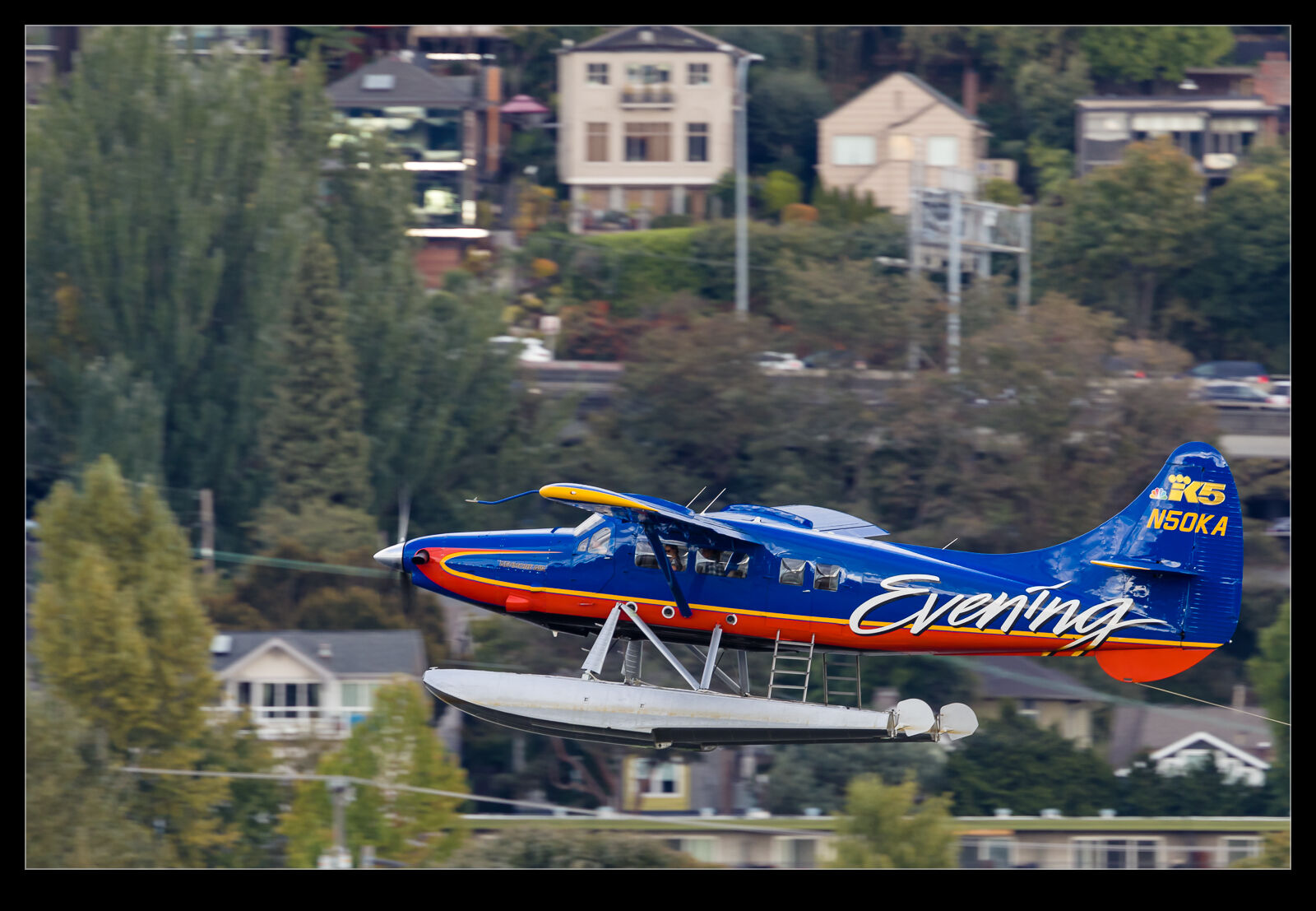
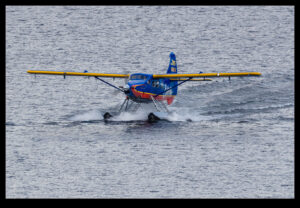
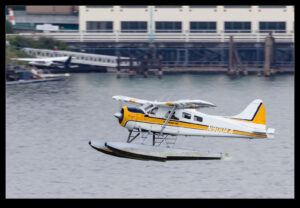
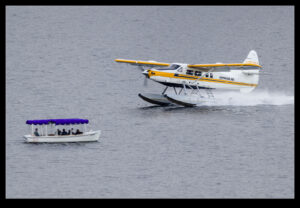
The floatplane activity on Lake Union is fun to check out, not just for an aviation geek like me, but for plenty of visitors to the city too.  I have previously gone down to the lakeshore to check them out but, one evening, while driving into the city to drop a friend off, I was coming down the road on the hill overlooking the lake when a plane took off giving an interesting alternative perspective on its departure.  I figured this needed to be explored further.

The question was where to go.  The road I had been on was not one on which stopping was practical.  Parallel roads exist but there are buildings along most of them so the view is obscured.  However, I did find a location that had a clear view of most of the lake (aside from one building that was right in the touchdown zone!  I wasn’t around for much of the traffic but I did get to see a few arrivals and departures.  Looking down on the flights and having some scenery behind them including the cityscape rather than the sky is a nice change.  I may have to try this out again at a busier time.

America’s Car Museum

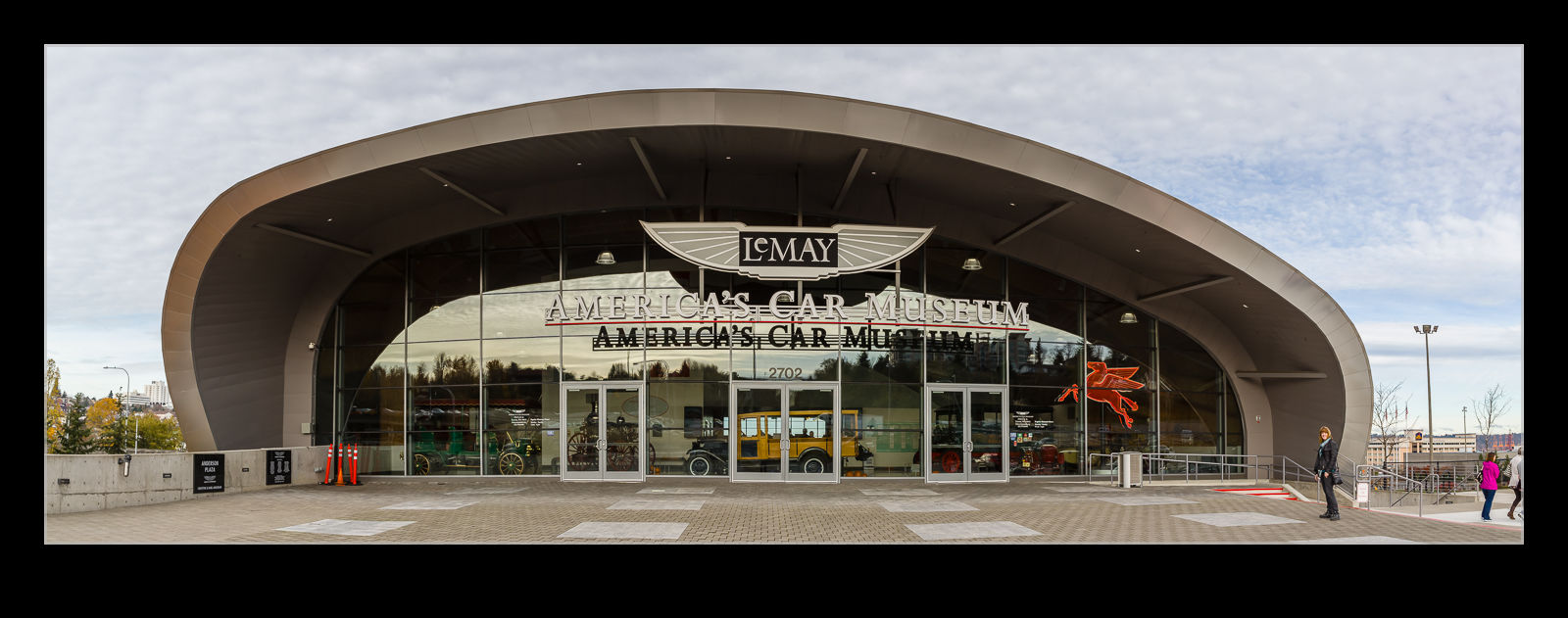
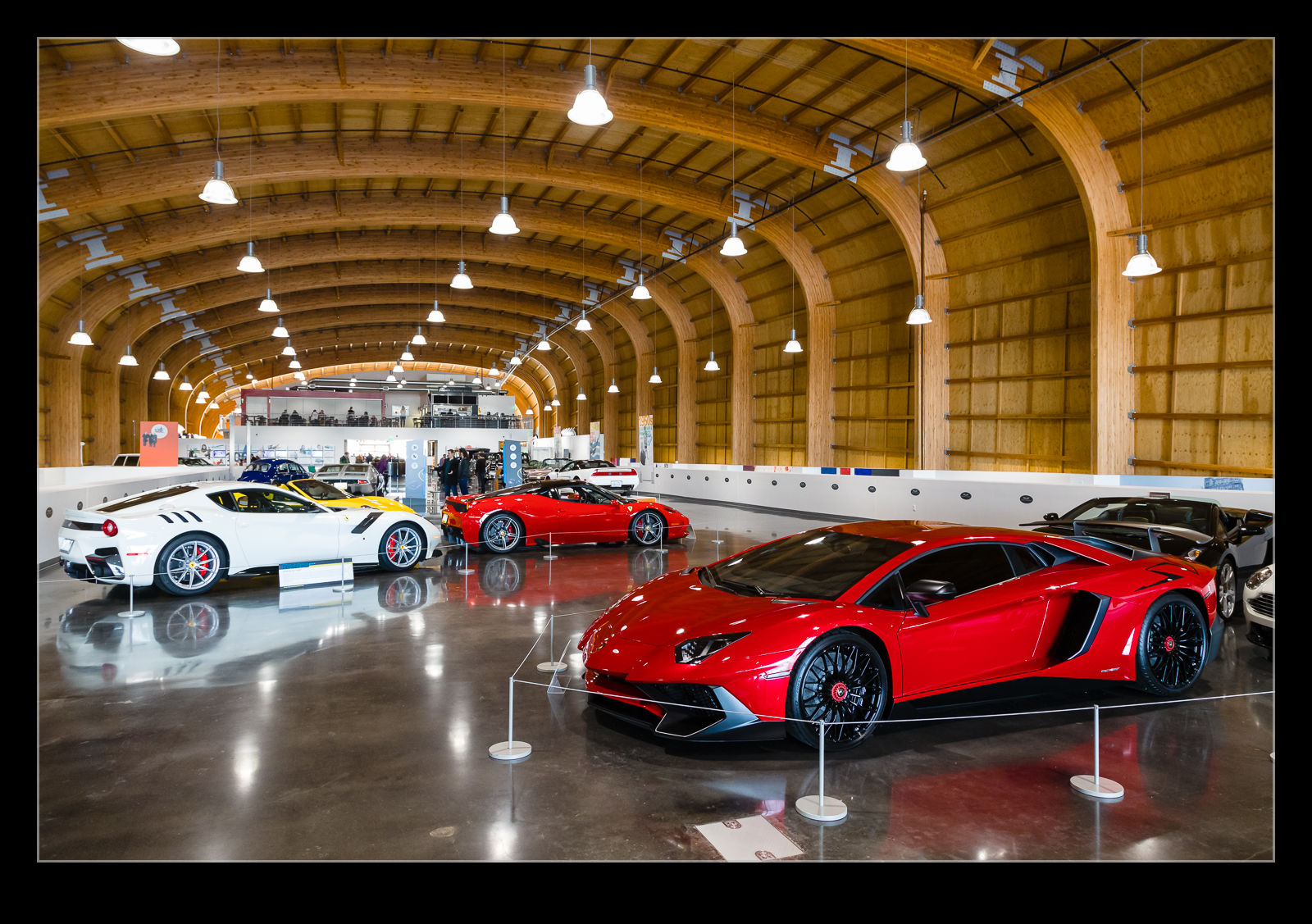
The onset of shorter days and less reliable weather (or at least weather that can be relied on to be crummy) means day trips to indoor places.  Nancy thought a trip to Tacoma to look at the LeMay collection in America’s Car Museum would be a good plan and she wasn’t wrong.  I have seen this museum many times as I drive south on I-5 but hadn’t given much thought to it before.  A couple of days before Nancy suggested it, a friend of mine back in California told me he would be going there in the spring so obviously everyone else was thinking about it but me.

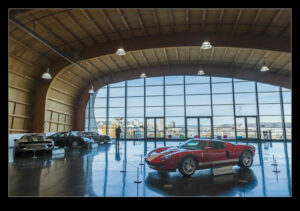
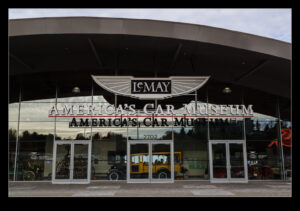
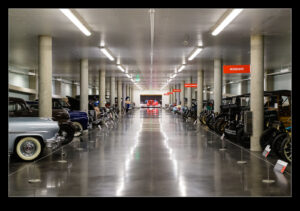
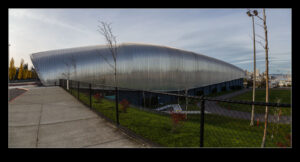
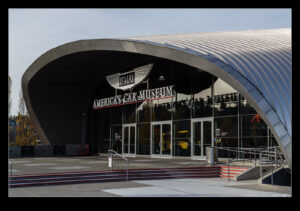
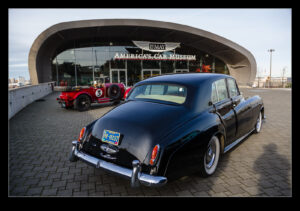
The museum is a cool looking structure.  An asymmetric curved roof based one a wooden interior frame, it sits on a hillside next to the Tacoma Dome overlooking the harbor.  The museum is on multiple levels so, while the building doesn’t look to extensive, it provides a lot of space for the large collection of vehicles.  I shall be showing a few specific examples of cars from the collection in upcoming posts but, for the time being, you can get an idea of the overall museum.