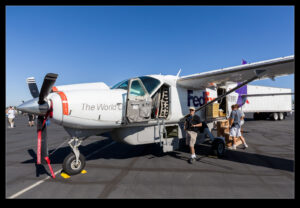
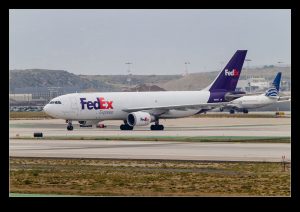
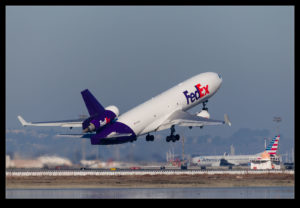
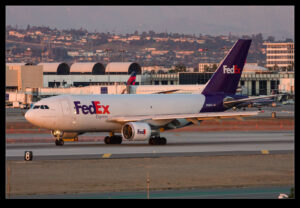
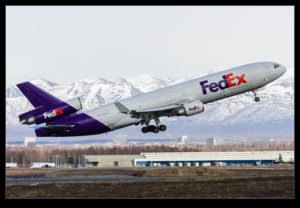
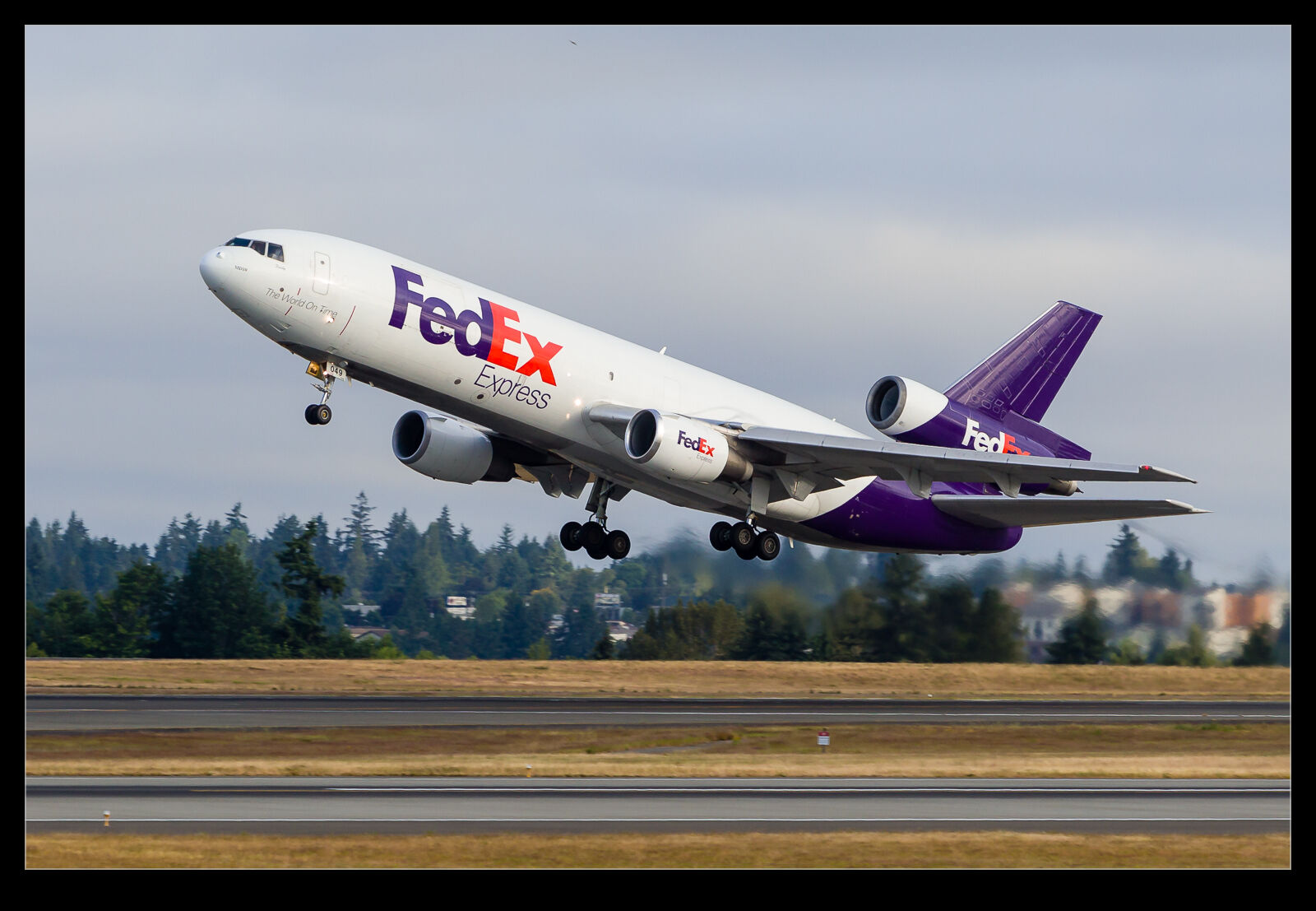
 Flipping through various shoots looking for something else, I happened to come across a few shots of aircraft from the FedEx fleet. It occurred to me that I could drag together a post that was focused purely on the FedEx aircraft types. FedEx has an extensive fleet of aircraft these days. Their early days of using Falcon 20s to move their packages around are long gone. Now they have a variety of aircraft types of different sizes and range to meet all of their needs.
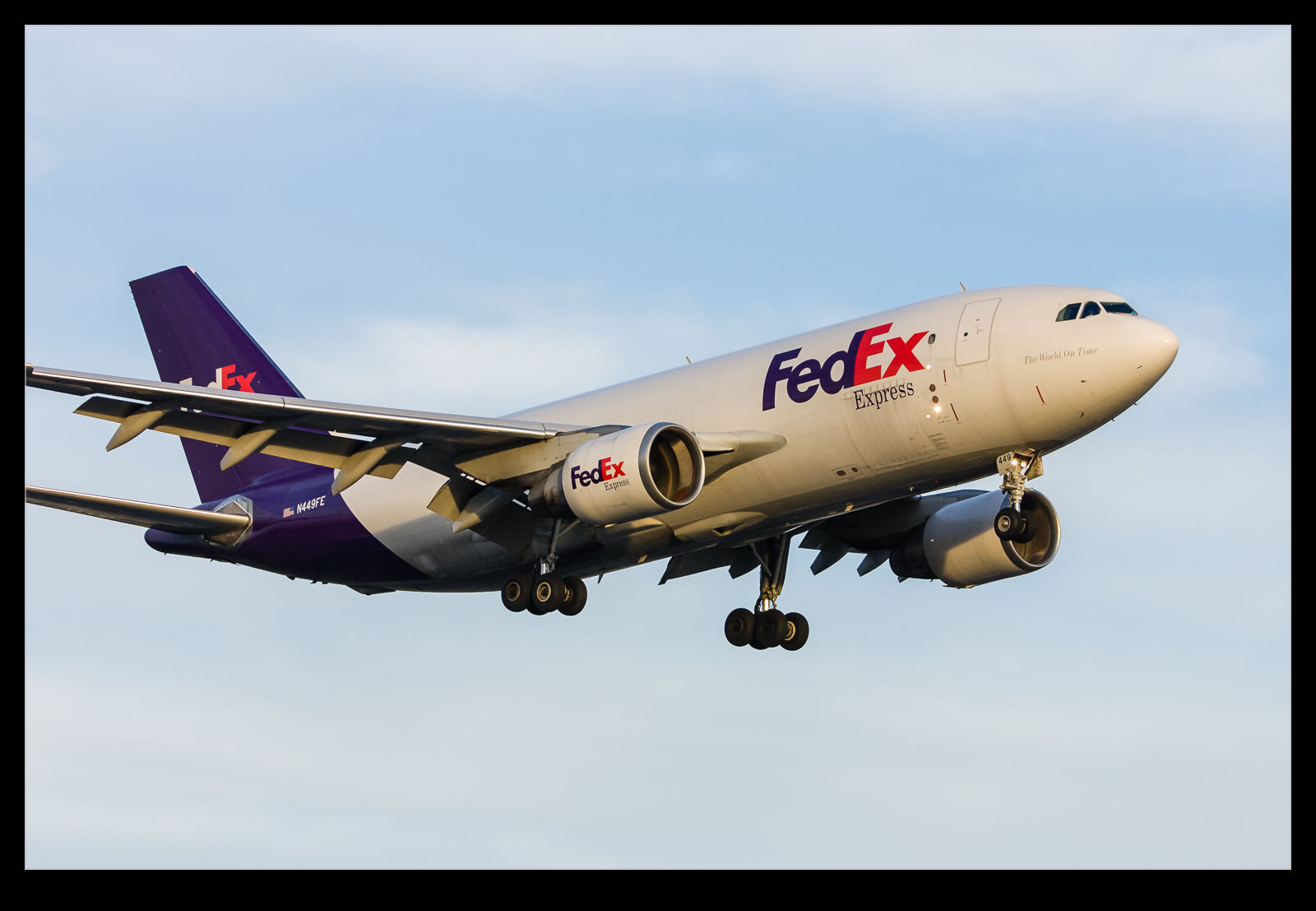
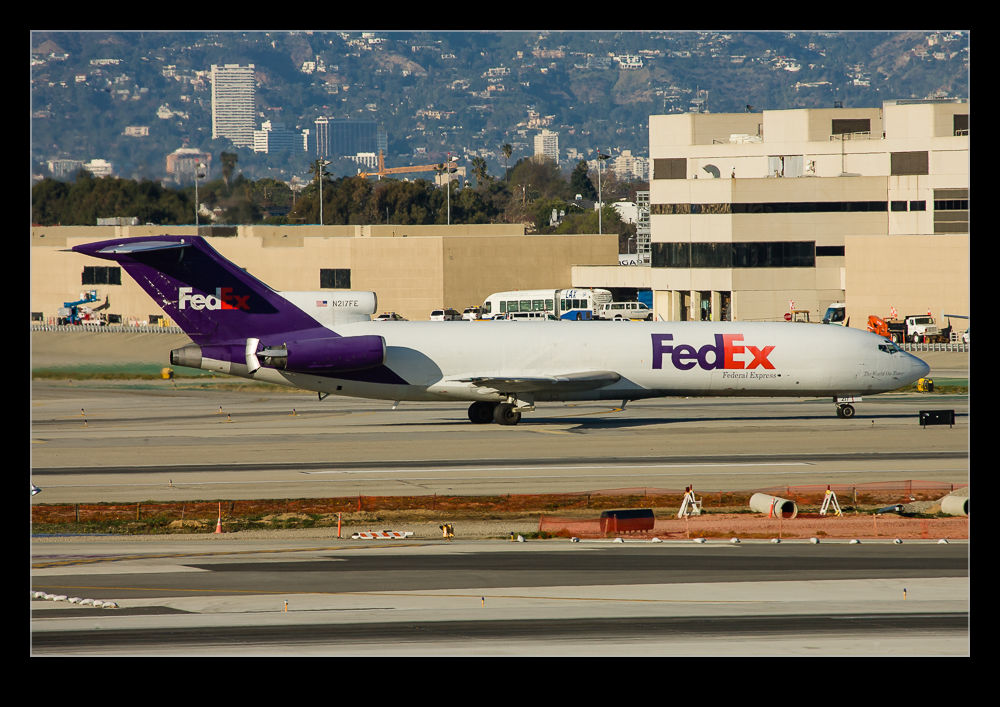 The fleet is constantly in a state of regeneration. The types that have long been a part of FedEx operations are now going or gone and being replaced with something more up to date. The 727 fleet has gone. The A300s and A310s are still in use but the number in the fleet is gradually going down. The interesting thing about the FedEx fleet is the way the economics are changing. For a long time, second hand jets that had been retired from airline service made a lot of sense. The operating model involves a lot of jets flying from their home base to Memphis in the middle of the night to deliver packages to the hub. Then, after a quick turnaround of all of the sorted packages, the planes fly back to base. Then they sit on the ground for most of the day.
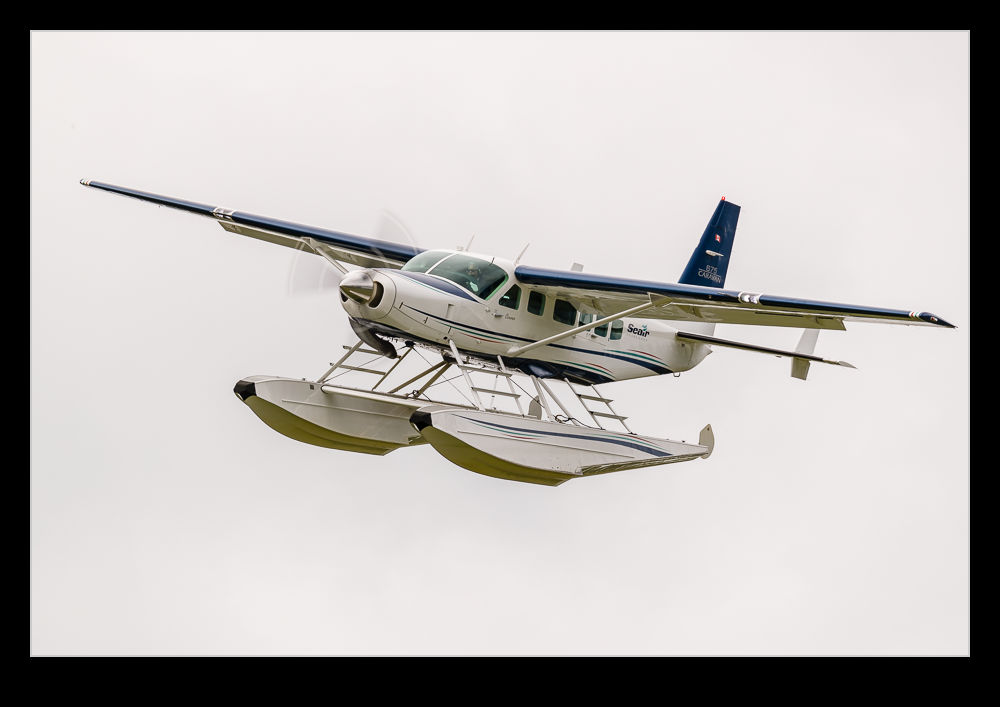
 This model means that utilization for the aircraft is low. Having a less efficient jet is not a problem when it only flies a few hours each day. If it is cheap to buy, you can use it efficiently. Having a bunch of inefficient 727s works very well. Similarly, the smaller aircraft that feed into hubs also can be operated relatively cheaply. A fleet of Cessna Caravans that sit on the ground or a bunch of ATR42s is effective.
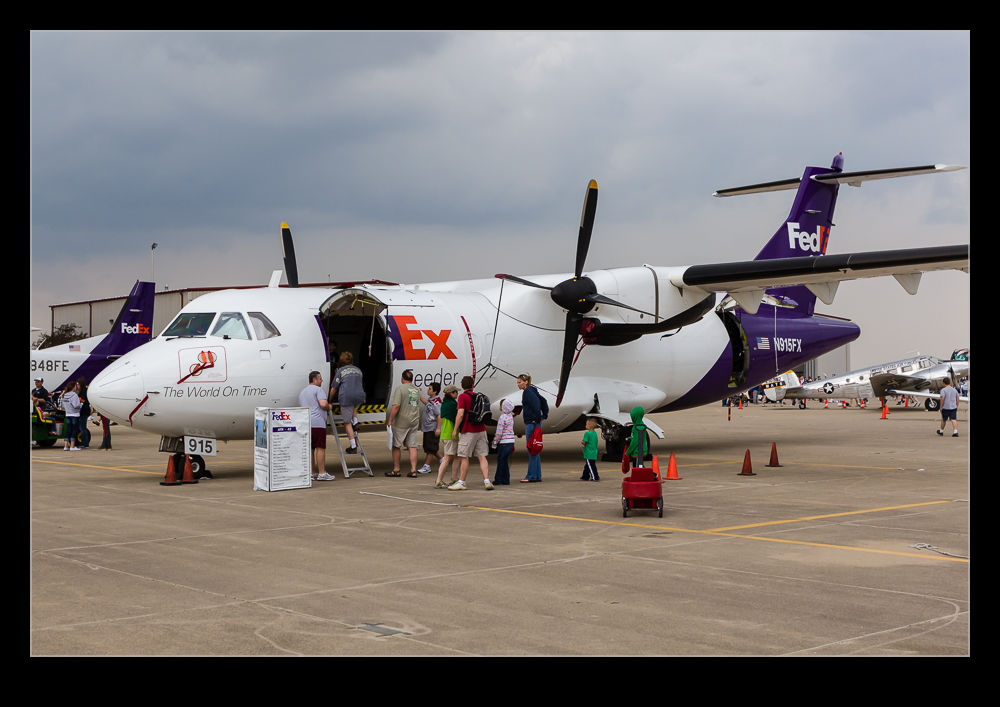 The 727s are gone now. They have been replaced with 757s which have all been retired by airline operators (a lot of them from British Airways).The big change is that new jets are being acquired. The operating economics for FedEx have changed. The DC-10s (which got upgraded to MD-10s) are gradually being replaced by new 767s. Meanwhile, the MD-11s which had previously been the kings of the long haul flights are now being relegated to domestic service while the 777F takes over the long haul missions. Direct from Memphis to China is now the norm for the 777F. You don’t see MD-11s crossing the Pacific as much any more. I think the Europe runs are limited too. The 777 can go direct with a decent payload and doesn’t need to stop for fuel in Anchorage.
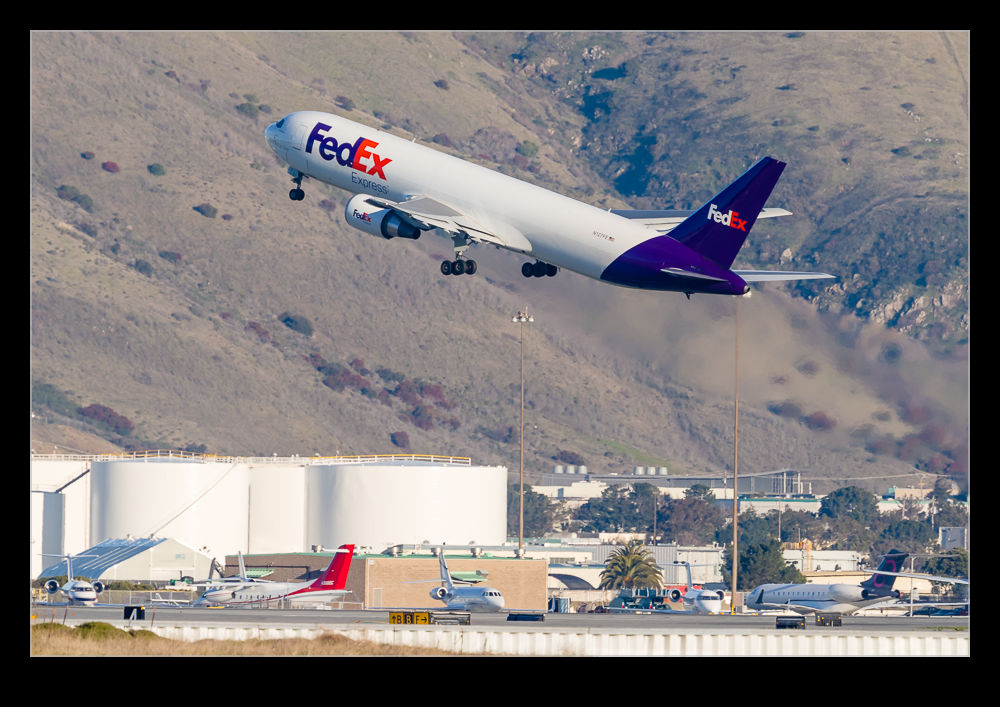 The MD-11 will survive for a while yet. Its less efficient operate will mean it can be pushed onto shorter segments with lower utilization. The high utilization missions will be the preserve of the newer jets. The older jets will be fine on the flights that only involve a couple of trips a day. For these their low capital costs will offset any operational cost penalty. The migration of the fleet will continue though. Soon it will be a fleet with a few less types and things will be a bit less interesting. There will still be a bunch of 727s scattered around airports that had them donated though so keep an eye out for them.
 Medford is not a busy airport for commercial traffic but it does have some regular services. Horizon seemed to be the most common operator (should I call them Alaska now?). Their Q400s were coming and going quite often. Horizon has been painting their aircraft in a large variety of schemes, many of which are associated with colleges around the region. (My friend David who works for them recently shared with me just how many there are so I might start trying to get them all.)
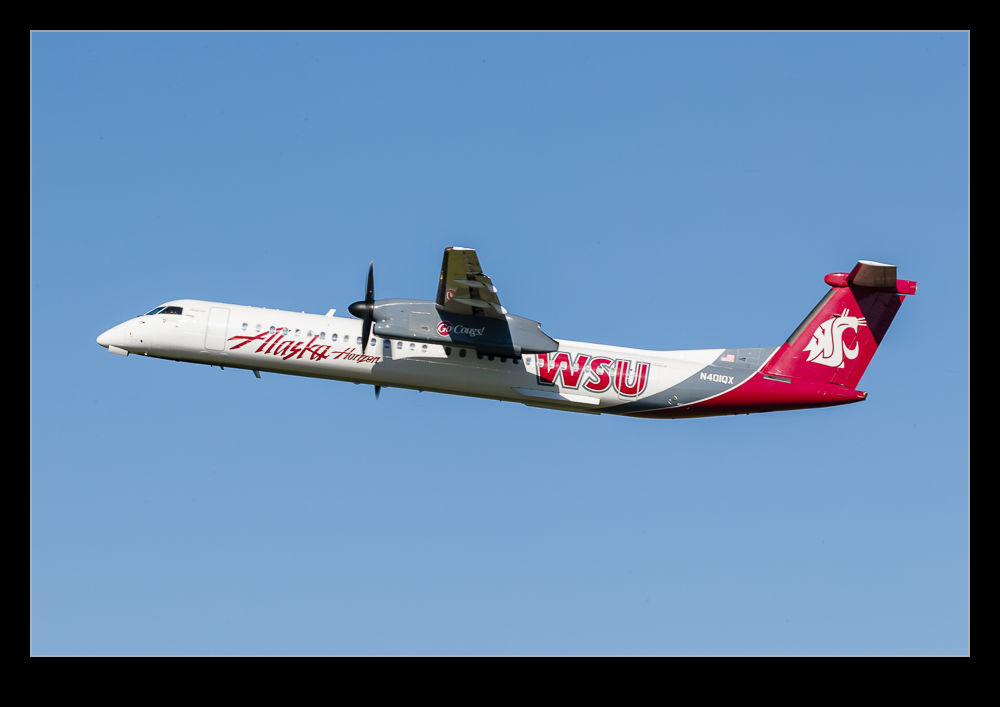 One of the planes is painted to represent Washington State University at Pullman WA. I have seen this one before a few times but this time it was taking off while I was driving around the airport to see what was there. It quickly climbed away past me but I got a better look at it than I had previously done.