Tag Archives: equipment

First Experience With The R3

My 1DXII bodies have been doing sterling work for the last five or so years and continue to be reliable.  In the interim, the camera world has made a shift from SLR technology to mirrorless.  Canon was a slow starter in this space but has since got in to gear.  I am not an early adopter and waited until something came along that really appealed to me.  The R3 body was that thing.  It combines the latest of the mirrorless technology with a body like the 1D series and the associated great battery life.  It was enough to make me take the plunge.

Getting one was a different story.  I ordered one in the fall of 2021.  I wanted to get one first to work with it and make sure it was the thing for me before committing to a pair of them.  Recently, I got the call that my body had finally come in.  I was very excited to try it out.  I then got a call from the store within an hour of the first saying that the second body was on.  I had ordered this much later with the intent of knowing whether I was happy or not before it showed up.  I decided to defer it and see how things went.  I think the credit card was pleased with that decision too!

I have now had a week of playing with it having shot some aviation and some wildlife.  I have not really had a chance to dig deep yet so this is just first impressions.  Overall, it is really impressive.  The ergonomics are familiar after years of shooting with 1D bodies.  However, the controls are more complex and things are not identical so I am taking a while to get comfortable with where everything is.  This will probably take me a while.

Battery life has been very good.  I was expecting it to be worse than the 1DXII but it seems to have stood up to a lot of shooting with tons of life left.  New batteries don’t hurt of course and we shall see how things play out.  The small megapixel bump is fine but it really is barely noticeable compared to the 1DXII.  24Mp versus 20Mp might sound like a big increase but when you look at the linear pixel count it is only a small increase.

Autofocus is amazing and confusing.  Its ability to pick up targets and then track them across any part of the image is fantastic.  It seems to have very good accuracy and I am liking the shots I am getting.  Eye detection on wildlife is spookily good.  However, I don’t yet know how to control the autofocus properly.  There are so many ways to customize things that I have yet to understand.  For example, I haven’t yet worked out how to make it focus on a center spot only like my old setup.  Most of the time, the clever stuff is more useful but there are odd times when you want it to do something simple.  With small subjects or cluttered backgrounds, this can be important.

I also have to get used to pressing the button when I pick up the camera.  I am used to looking through the viewfinder to sight a subject before pushing anything but the viewfinder shuts off after a while and needs to be woken up.  It would be good if that could be done with some motion sensing (maybe it can and I haven’t found it yet).

I have tried the eye control a little.  It seems to work pretty well.  Calibration with my glasses was fine and the contract lenses were okay too but I have put that to one side for now while I leaned to understand a whole bunch of other functions of the camera.  I have also connected it to my phone and iPad which has been a handy thing to do.  I did briefly experience with the automatic focus stacking which seemed to work well and I shall try more of that in due course.  I haven’t tried any video yet at all.

I have had to change my cards and card readers since both of the card types are new to me.  That was a nuisance but not the end of the world.  I actually bought them a while back so I wouldn’t have to worry about it now.  I got the 24-105 lens in the RF mount.  My old 24-105 was a bit beaten up and the image quality was not strong so a replacement seemed like a good idea.  They had been as rare as rocking horse poo but fortunately were in stock when I went in so I got one.  I also have the convertor for my other lenses and they seem to be working extremely well.  The combination with in body stabilization has improved them too and I find some of the tracking of moving subjects in the viewfinder easier than it used to be – something which I attribute to the IBIS.

Overall, I am happy so far.  Definitely some things to work on understanding.  At the time of writing (versus publishing), I am about to go on a trip when I shall shoot a lot of planes.  This will be a big test but the initial experience makes me think it should go well.  The camera tracks the cockpit of planes like the eyes of a bird so I am feeling confident it will be good.  I think the conversion to mirrorless is going to be complete for me based on what I have seen so far but within the next month, I should know whether it will work for me or not.

Never Seen This Before And I Want One!

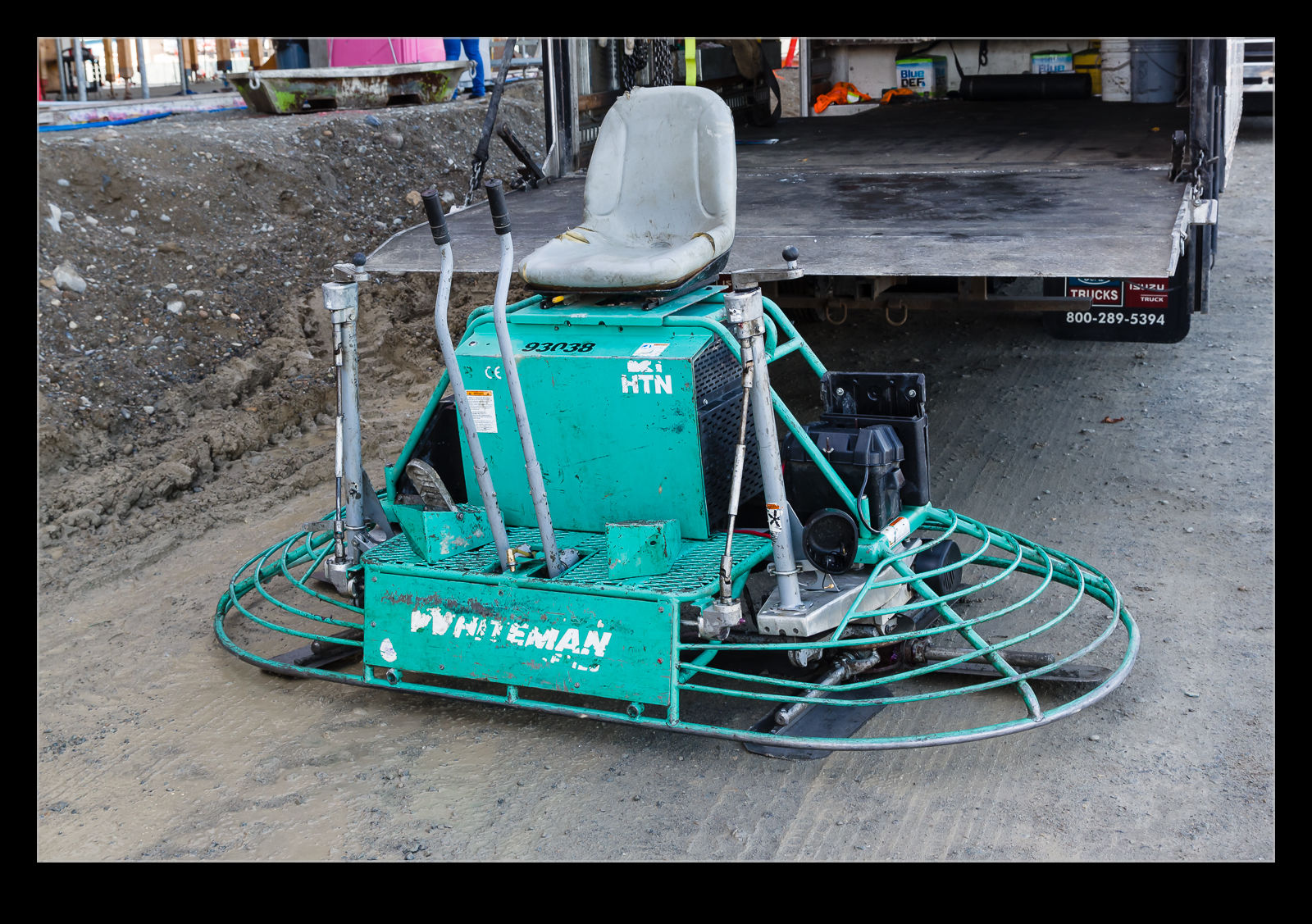
I was on one of the construction sites for the Sound Transit expansion to Federal Way.  As I walked around the parking garage that was under construction, I came across a piece of equipment I had not seen before.  I have seen machines for working the surface of concrete before but this one has two rotating elements under a seat.  The operator rides on the machine.  It looks like some kids version of a jet pack.

The better news was that a second one was in use on the upper levels of the parking structure.  When I got up the tower crane, I was able to shoot a little video of it in use.  It is a curious looking piece of machinery and, having never seen it before, seeing it in use really made me smile.

Mistake with a Polarizer

I have been using the polarizer a lot during the summer with my photos.  The high sun provides harsh lighting and a lot of contrast and I have been using the filter to cut down the light and to try and reduce glare from white aircraft fuselages.  It has mainly been used on my longer lens also helping to get shutter speed down to provide some motion blur in backgrounds.  However, I did put it on a wider lens when some planes were taxiing past me.

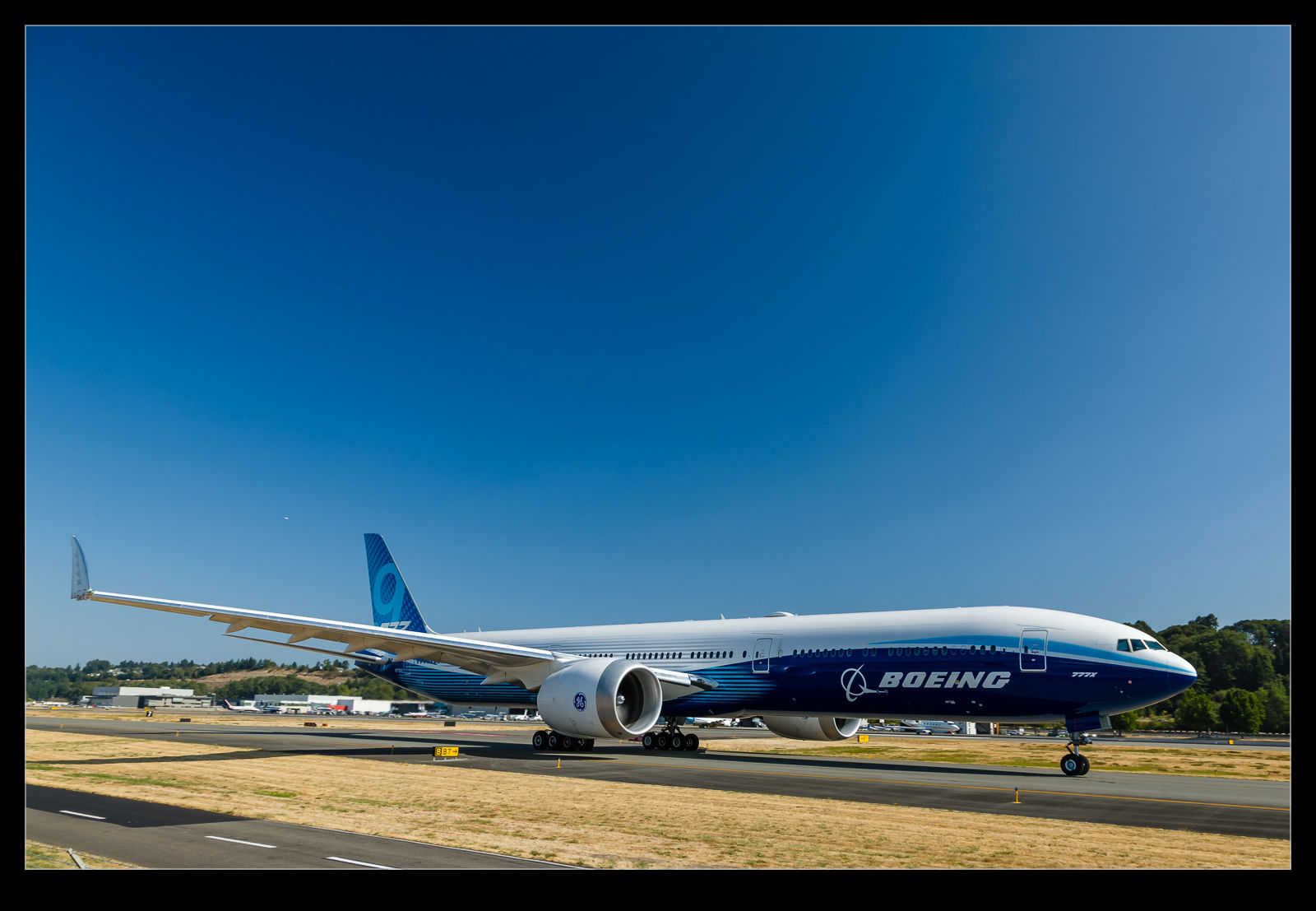
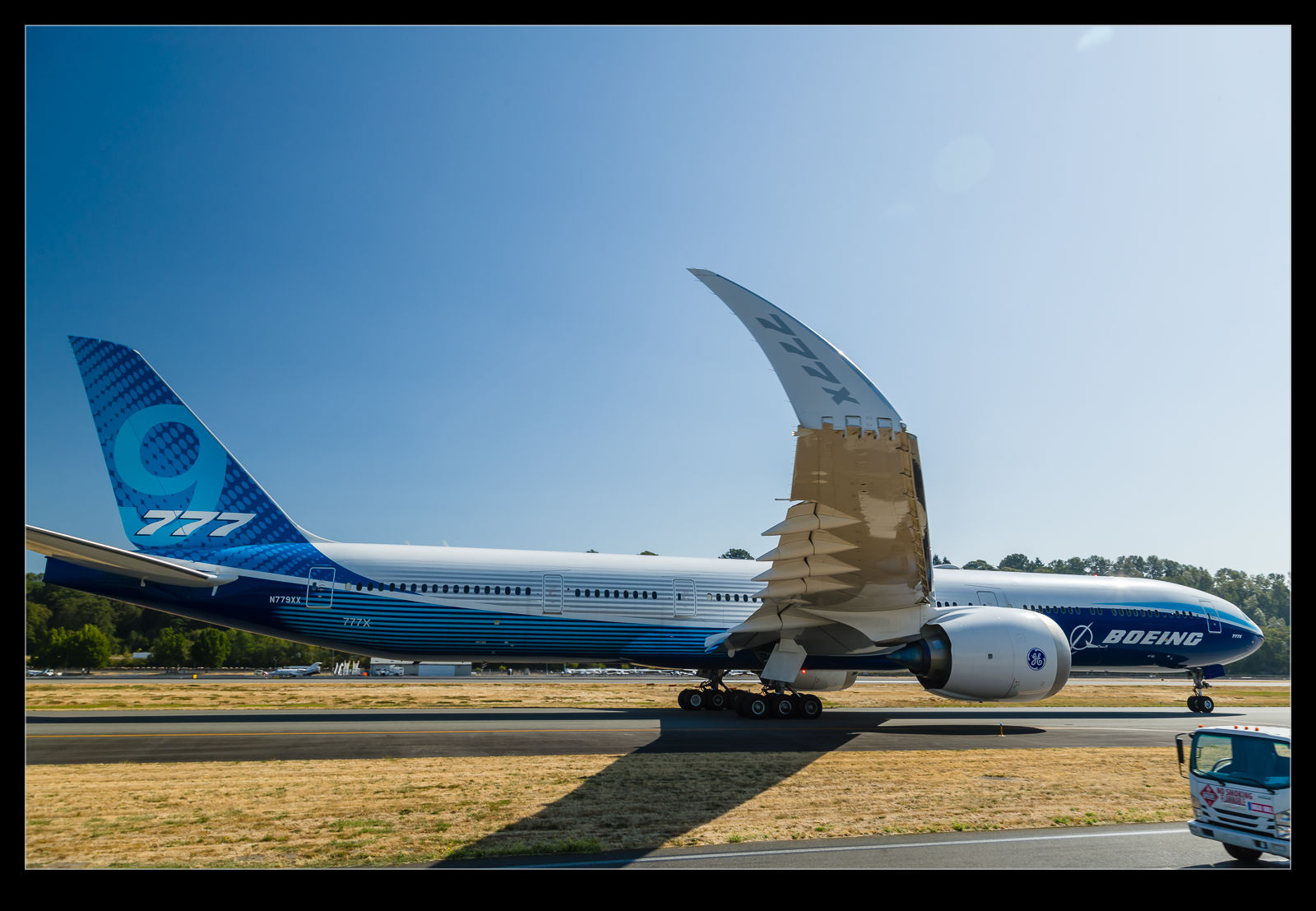
This proved to be a mistake.  It did take out some of the glare and make things a little more balanced from a contrast perspective but, when used on a wide angle lens, it did result in some unintended effects in the skies.  The polarizer effect is quite varied depending on your angle relative to the sun and this results in quite a dark sky in one part of the shot and a brighter sky in the other.  The result is an odd effect which distracts from the plane itself.  Consequently, I have avoided using this filter for these shots more recently.

Drilling a Shaft

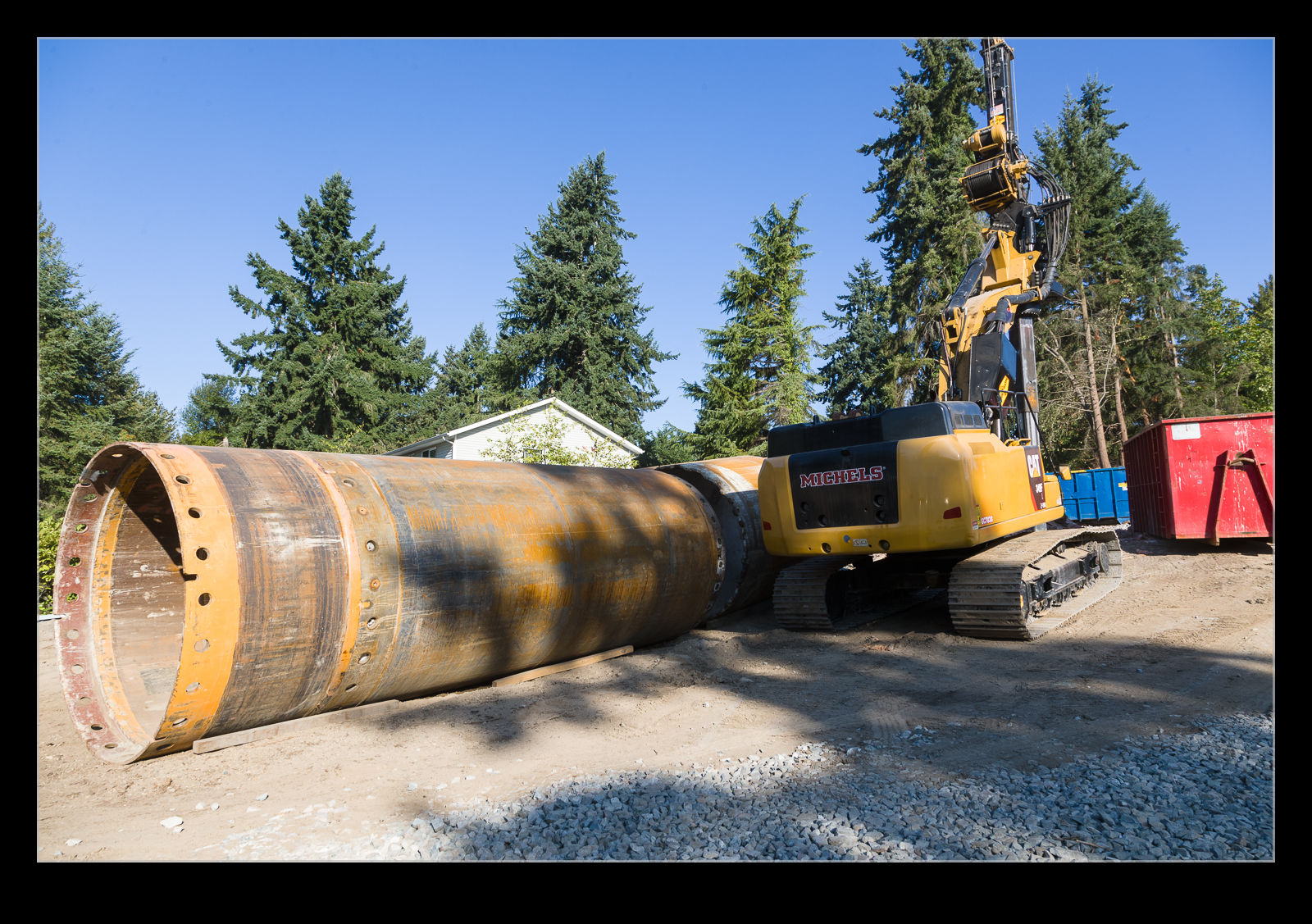
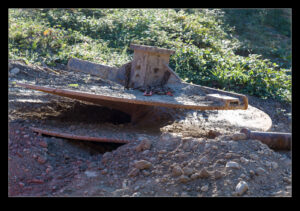
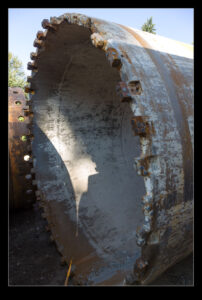
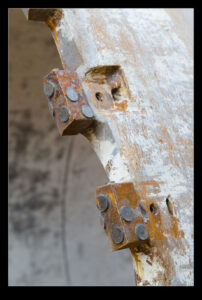
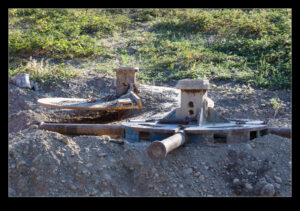
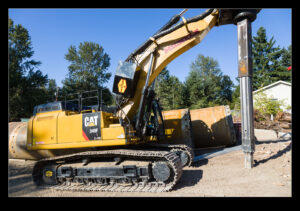
I was doing a visit to one of the construction sites that our team at work is managing currently.  There is a lot of elevated guideway as part of this project and that involves drilling shafts for the elevated structures.  The drilling was not underway at the location we stopped off at so I could see some of the drilling equipment.  Not only was the auger like drill on site but also the cylinders with cutting heads mounted on the edge which are rotated in place by the other tool next to the drill.  The crews can drill these holes at quite a rate when they are going and the result is that the structures are springing up across the project at this point.  Nice to be part of something that will be soon serving the communities in the south part of King County.

Construction of the SR520 Bridge

The replacement of the SR520 bridge across Lake Washington is being undertaken in stages.  The main floating bridge element has been completed and now they are working on the next section through to Portage Bay.  Traffic from the old lower eastbound section has been diverted up on to the new westbound section while a new eastbound bridge is built.  Driving across the bridge you get to see some serious construction hardware.  However, you can’t photograph it while driving.

A bike ride took alongside the construction site so I was able to stop and get some photos with my phone.  The large lifting structures are actually running on top of a temporary bridge built just for them.  These will lift the new bridge sections in to place and allow the construction of the new eastbound section to be done.  I’m not sure of the schedule for completion of this work but, once it is done, it will just leave the last phase to I-5 to be done.

Should You Use a Polarizer When High Up?

When listening to photographers discussing equipment and technique, I have heard several times that polarizing filters should not be used when you are high up.  As you get higher, the skies get clearer and deeper blue and the idea is that the polarizer becomes too much.  I was pondering this when we were up in the Washington Pass along the North Cascades Highway.  We aren’t very high at this point but still a decent elevation.  I thought about taking the polarizer off but I felt like it really improved the colors and vibrancy of the images.  Maybe we weren’t high enough for it to matter or maybe some of you will look at these shots and think it is too much.  I’m genuinely interested to hear what you think.

Negative Lab Pro 2.0 Update

A while back, I bought the Lightroom plugin, Negative Lab Pro.  This is a plugin that converts digital images of negatives to a positive image.  I wrote about it in this post.  A short time ago, the developer brought out a version 2.0 upgrade to the plugin.  It turns out, the upgrade was free for those of us that had bought the original plugin.  I installed the upgrade to see how things have been improved. 

Initially, I was very disappointed.  The conversion process after the update seemed to be awful.  Things looked dark and blotchy and efforts to unconvert and reconvert the images didn’t help.  I was perplexed by this since a number of users had already exclaimed how happy they were with the update.  If in doubt, follow the old approach of closing stuff and restarting it.  I closed Lightroom and reopened it and whatever was wrong before was now fixed.  The conversion worked very well.  The controls have been expanded to give you a bit more to play with.  The main benefit I am seeing so far is in the color balancing.  Shots seem to have a more natural look to them without me having to work too hard on the color in the first place.  Shots like those with a lot of sky and an odd colored aircraft will still test the algorithm a lot but otherwise it seems to have a good handle on things.  It is also now able to handle frame edges without getting confused.  You can tell it how much of the edge to ignore which is a useful feature although I have got into the habit of cropping carefully already.

All in all, the upgrade seems to be a good one.  Since it hasn’t cost me anything, that is a nice thing to have.  It is also good to know that the developer is continuing to work on the product which holds out the hope of further upgrades to come.  I continue to recommend this to anyone that has been scanning their old negatives with a digital camera.

Sound for the Videos

While I have experimented with video a fair bit over time, one thing I haven’t done is put together a video with a presenter in it.  My mum was recently staying and she had an idea for something she wanted to do that involved her doing a presentation on video that could be shared at a later date.  My own experience and some information I had seen online made me think that the key to getting a good result was not going to be the video but was instead the sound.  The microphone on the camera is of okay quality but it picks up the sound of everything around it.  The voice is isolated and any video online that does not take a careful approach to audio is very obvious and sounds decidedly amateurish.

The ideal solution would be to have lav mikes, the small mike you see attached to the clothing of TV presenters.  These are actually pretty accessible and cheap but I didn’t have the time to sort something out.  However, a surprisingly good alternative was readily to hand.  I have an app on my phone for sound recording which I use when interviewing people for articles.  Instead of using the plugin microphone, I used the headphone/microphone cable.  By running it inside the clothing and just leaving the microphone up near my mum’s throat, we were able to make a very good sound recording.  The closeness of the mike to her mouth meant the sound was very localized and clear so the background noise was lost.  The room we used did not have bad echoes either so the audio ended up being pretty clear.

Then it was just a case of having a conspicuous clap on the audio track and the video file to allow me to synch the sound and audio together and we were off to the races.  I shot everything with two cameras – one head on and one from the side – with the idea of cutting between them.  However, when I did the first edit, the side camera didn’t seem to fit with the style of presenting to camera.  I imagine it works better for an interview style piece.  I reverted to the head on shot with some images cut in periodically to illustrate the piece.  Overall, it worked pretty well.  We did a number of takes and mum got progressively more relaxed in each one.  I had thought I might cut the best bits together but the final take was really good so I didn’t need to do so.  I hope her audience likes the result.

Polarizer Comparison

When I changed bodies, I had to update some of my accessories too.  My old filter system was fine on a cropped body but with full frame, the filter holder encroached on the corners for the wide angle lenses.  I took the opportunity to change my polarizer set up.  I used to use a polarizer on my Cokin holder.  This was a bit inconvenient when I was using lens hoods.  Instead, I decided to get a screw in polarizer.  Since most of my lenses have the same filter size, this gives me more flexibility.

B11I7923.jpg B11I7922.jpgI took the polarizer with me on vacation.  One place where I made good use of it was in the rain forest.  While it was pretty dark in the heavy forest cover, there was moisture everywhere and this meant a lot of reflections and glare.  Consequently, I went with the polarizer most of the time.  While I was there, though, I decided to do some experimentation by repeating some shots without the polarizer to see how much of a difference it made.  You can see the with and without shots here and judge for yourself what a difference it makes.