Tag Archives: civil

Dream Machines

wpid10115-C59F4973.jpgHalf Moon Bay on the Pacific coast hosts a great little event each year called Dream Machines. It is a combination of an aircraft and car event. I took a trip with my buddy Hayman to see how it was this year. The weather did not start out favorably and it looked like it might be a bit of a dull day. The clouds early certainly stopped a few visitors from making it in. However, the weather got a lot better as the day went on and there were still lots of great things to see.

wpid10135-C59F5507.jpgDream Machines is not an airshow so there are no displays. However, some aircraft get airborne and might do a few flybys. I covered the event for Global Aviation Resource and you can read my coverage in more detail at http://www.globalaviationresource.com/v2/2014/05/05/aviation-event-review-dream-machines-half-moon-bay/. There are a couple of sad notes associated with this day. The Sanders owned Sea Fury, Dreadnought, was at the event and departed in mid-afternoon. It was closely followed by a Cessna support plane. Unfortunately, en route to their base, they collided over the water and the Cessna was lost along with its pilot. Dreadnought suffered damage but returned to base. Also, as it was his home base, Eddie Andreini was part of the day’s proceedings including flying his Mustang. On the static line was his Stearman and this was the aircraft he was flying at Travis a few weeks later when he crashed on the runway and died. Both losses are very sad and our thoughts are with the friends and families and all involved.

SeaTac

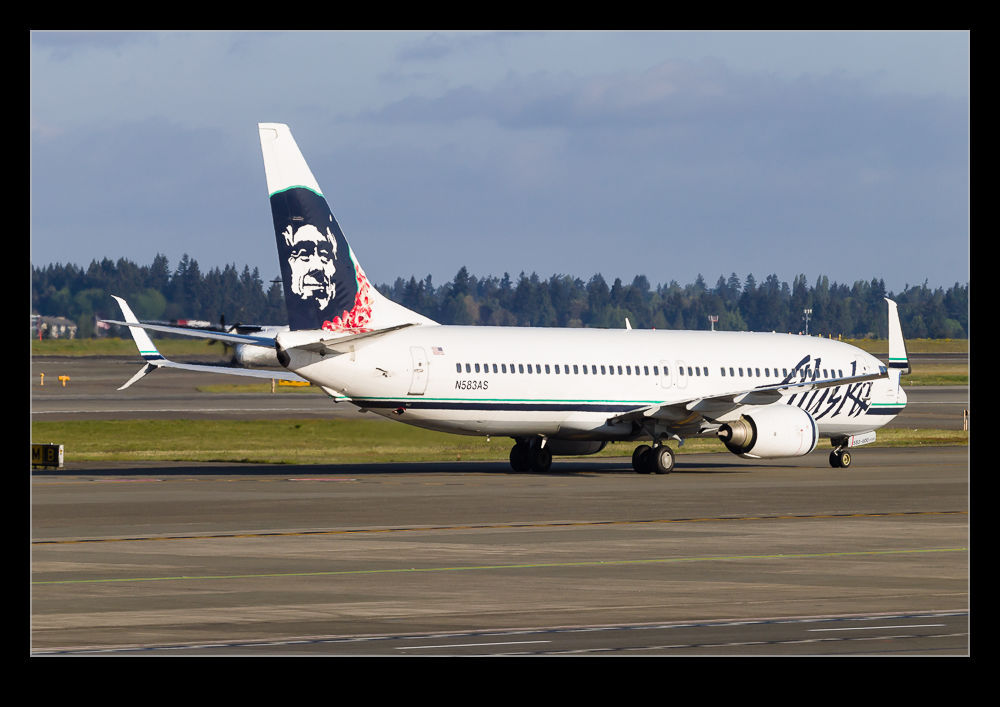
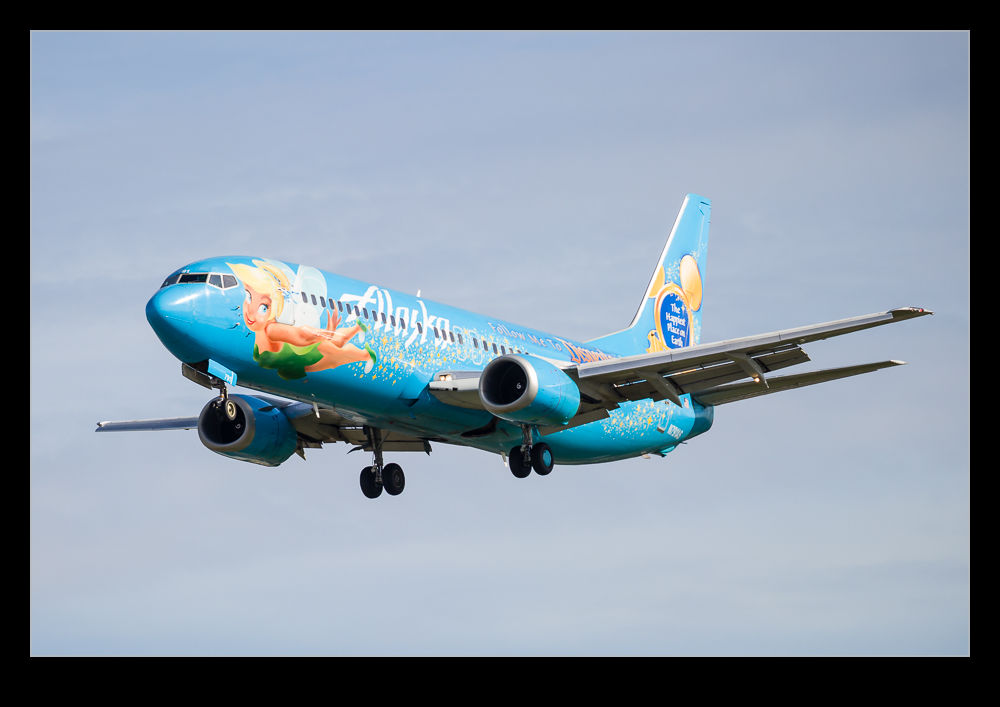
wpid10028-AU0E5035.jpgI had an early flight out of Seattle on my way back to the Bay Area. It was a nice morning and the planes were departing to the south. The terminal that Southwest operates from is towards the southern end of the airport so you get the aircraft passing you as they get airborne. I had given myself some margin for getting to the airport, checking in the rental car and getting the shuttle to the terminal and everything had gone smoothly so I actually had a bit of time on my hands. Also, on the shuttle I had seen an Alaska 737 in 75th anniversary markings on a gate so I thought I might have a chance to get a shot of it if it wasn’t going straight out.

wpid10018-AU0E4833.jpgThere is a kink in the pier as you head to Southwest’s gates that gives you a good view across the field and is not obstructed by jet bridges. Moreover, it isn’t a busy part of the terminal so waiting there and getting some shots is practical. Of course, you are shooting through some thick glazing but, even so, I was pleasantly surprised that the shots were not too badly compromised. The only problem was that the Q400s that Horizon operates from the central part of the terminal throw of some exhaust distortion which ruins what could be some good angles.

wpid10024-AU0E5001.jpgI had to make sure I didn’t forget my own flight but I did get some nice shots. The Alaska anniversary jet did time its departure well for me and I was even more pleasantly surprised when one of their 737s came by sporting the new scimitar winglets from APB. That was the first time I had seen some for real. A nice bonus before heading home.

Boeing 787-9

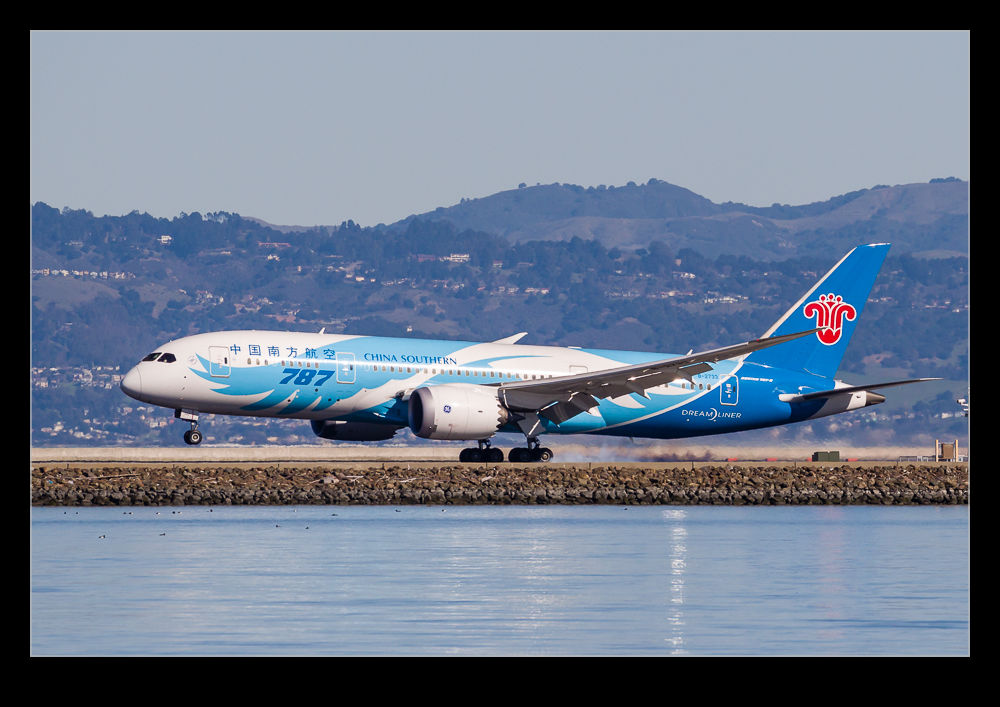
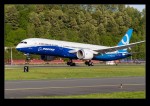
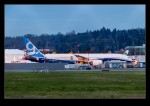
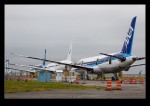
wpid10081-AU0E4517.jpgOne evening I arrived at Boeing Field to see what was moving. Just as I got there, a 787 was rolling out on landing. Since the wind was in the opposite direction to my previous visit, I didn’t see it land but it rolled down to our end of the field. Interestingly, the gear doors were down and the RAT was deployed. These RAT is usually tested on early production test flights so I suspect this was the reason but the gear doors being down is one that had me wondering. The aircraft, which was finished in the livery of All Nippon Airways, taxied off the runway and turned on to the taxiway where it promptly shut down. It hadn’t even straightened up and the nosewheel was still at an angle. I have no idea whether this is normal practice or if something unusual had happened.

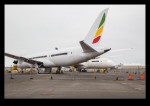
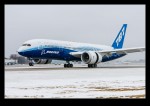
wpid10089-AU0E4568.jpgWhatever the reason, it sat there for quite a while until a Boeing team showed up to recover it. Interestingly, they brought an ambulance with them although there didn’t appear to be any need for one. This could also be a standard procedure or maybe something unusual had occurred. I doubt I will ever know. In all of this time, it never occurred to me that this would be other than a regular production 787. However, checking into this later, this was in fact one of the 787-9 and so something new for me. In truth, it wasn’t entirely new. The previous evening one of the dash 9 test aircraft had come back in while I was there so this trip got me my first two airborne dash 9s. I had seen a test aircraft on the ground before but that seems like a bit of a cheat in comparison.

Starships

wpid10007-AU0E3649.jpgI was at Boeing Field when an interesting shape appeared on the approach. When I first saw it, I thought it looked like a Beech Starship and, sure enough, as it got closer, that was exactly what it was. The Starship is an interesting plane although it was not a success for Beech. I first saw one at Farnborough where Beech was displaying it for the first time in Europe. I think the aircraft was destined for Denmark. Since then I have come across them infrequently.

wpid10005-IMG_0129.jpgThe program was not good for Beech (although they probably learned a lot about building composite aircraft) and it didn’t become the new King Air that they originally thought it would be. When the program was wrapped up, Beech went through a process of buying back airframes and having them destroyed rather than support them going forward. Not everyone was willing to give them up though. Consequently, there are a number of them still operating and a few more in museums.

wpid9999-QB5Y7854.jpgI haven’t seen too many but here are the ones that I have come across over the years.

Narita

wpid9389-AU0E0607.jpgMy trip back home departed from Narita Airport. The journey out there was swift so I got there with some time to spare. Narita is one of the airports that still has a viewing terrace. Not only that, they provides holes in the wire fencing to stick your lens through! I wasn’t there for terribly long and it was the afternoon when the sun is pretty much in your face. However, it was a far nicer place to be than sitting at the gate. This was the side of the airport where the US airlines tended to operate so I saw a lot of planes that I can see at home. However, there were some interesting operators departing from the runway on that side of the field that I hadn’t seen before so I sat back and enjoyed the new sights along with the old.

Boeing 777-300ER Main Gear

AU0E5067-EditWhen Boeing launched the 777-300ER, they took the stretched fuselage of the 777-300, a model that didn’t sell particularly well and married it to the updated wing that made use of the fuel capacity of the outboard portion of the wing that had been left when the original concept of a folding wing was contemplated.  The increased the weights of the jet, added far more powerful engines and, with the increased fuel capacity, came up with a winning formula that has done a very effective job of killing off the 747.

One problem that they had to deal with during development was runway length requirements for takeoff.  Even with the bigger engines, the long fuselage limited rotation angles at takeoff and meant a higher takeoff speed was required which meant a longer runway requirement.  Boeing came up with an interesting solution (after dumping some slightly more curious ideas).  The main gear on the 777 has a triple axle bogie.  Previously this had rotated about the pin attaching it to the main gear leg.  Boeing’s solution was to lock the bogie level during takeoff.

The result of this is to have the rotation of the jet at takeoff to take place around the rear wheels of the bogie rather than the gear leg pin.  The slight aft movement of the rotation point allows the aircraft to rotate slightly more nose up and gain a greater angle of attack.  This gives slightly more lift for a given speed.  This means an earlier takeoff and a shorter runway requirement.

I have tried many times to witness this at work.  First, it happens pretty quickly.  Second, I am often in a poor position to see the rotation point.  Recently I was at SFO to pick up some people.  I was getting a few shots prior to their flight arriving and a Singapore 777-300ER was taking off.  The rotation point is quite far away (although, if you are in the terminal, you might have a good view) and the heat haze is a problem.  However, I decided to get a sequence of shots anyway.  Now, how to use them.

Heat haze is crappy on stills but less of an issue with moving images so I decided to animate the sequence.  I imported all of the shots into Photoshop as layers in a single document via Lightroom.  The hardest part was aligning them.  I started at the bottom layer and then progressively made each layer above visible.  I then changed the latest top layer blend mode to difference.  This makes aligning them a lot easier since everything is black unless it is different.  I was focused on the gear so used that as the reference as the fuselage rotated.  Once each layer was in place, I changed the blend mode back to normal and moved to the next layer up.

Once they were all aligned, I used the animation timeline to make frames from each layer (and reversed the order since every time I do this they seem to be the wrong way around).  Then I could crop in to get the overall view I was after and save the file.  A Save for Web allows the generation of the animated GIF and we are done.  The image at the top is the final result.  It does allow you to see a bit of what is going on if you look closely although it is still a bit hard given the distance, the angle to the ground and the heat haze.  I guess I will have to find a location closer next time.

Ryan Flyby

wpid9313-C59F1685.jpgI had not been up to Sonoma Skypark for quite a while.  Lots of things had been going on that had either kept me at home or taken me further afield but, with a nice Saturday forecast, I figured it was time to get back up there and say hello to some folks.  The weather held to the forecast and it was a great day to be up there.  During my first visit to Schellville, I had met Dave Masters and photographed his ST-A.  Dave also pays a visit to Skypark each week.  I had seen him there before but had not shot him from the good light side of the field.

wpid9311-C59F1672.jpgThis time I was determined to do so.  When he appeared downwind, I scampered across the field to get into position.  I was just in time as he came down the approach and I grabbed a sequence of shots.  Here they are.
wpid9315-C59F1694.jpg

SFO From the Hill

wpid9259-C59F2006.jpgMany of my recent posts have involved aircraft operating from SFO.  One of the restrictions SFO has is that, being bounded by water means there are limited opportunities to vary your shooting angles.  One thing I was ken to try was an overview of the field.  Driving along I-380, you are up on the ridge looking down to the airport and you are almost directly in line with the east/west runways.  I thought that there must be somewhere accessible where you could get a similar view.

wpid9263-C59F2148.jpgI checked with a guy I know who lives locally to see if he had any ideas.  He had already beaten me to it and had shot just what I was thinking about a couple of years before.  He suggested an area that might be suitable so I headed out.  I found a location with just the sort of view I was looking for.  The air was relatively clear so the shots of the field were quite good with one exception.  At this range, the heat haze is really difficult.  You are a long way out and everything between you and the airport is developed and has a lot of warmth rising from it on a nice day.  However, even knowing this, I still thought the difference the shot provided was worth the effort.
wpid9277-C59F2627.jpgI was extra lucky in that I met a bunch of guys working on a car in the driveway of one of the houses on the street I chose.  They were a good bunch and a lot of fun to hang out with so the infrequent nature of departures on that runway was compensated for by having people to pass the time with.  The shots here are a few that I got.  The aircraft continue on a pretty straight departure route so they end up passing almost directly over you.

wpid9279-C59F2674.jpgI would like to try shooting here another time.  Later in the day with softer light and – hopefully – less heat haze would be good.  The location might also be good for the multiple exposure type shooting I have done at Coyote Point.  After dark would also work well to generate some light trails.  Lots to think about for future shoots.

Small Corporate Jets

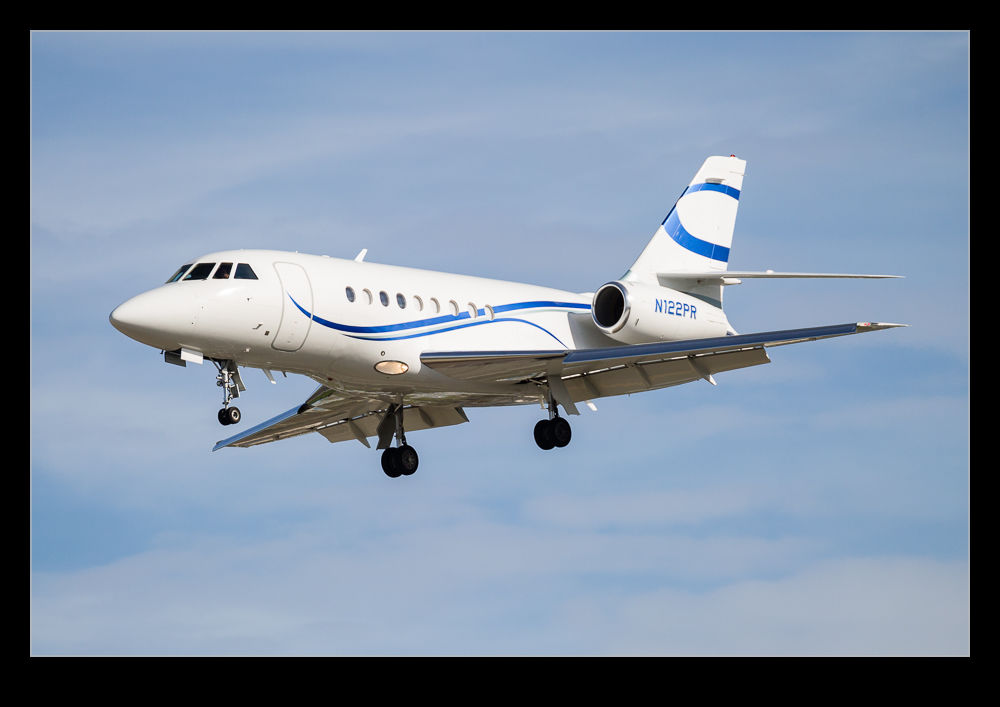
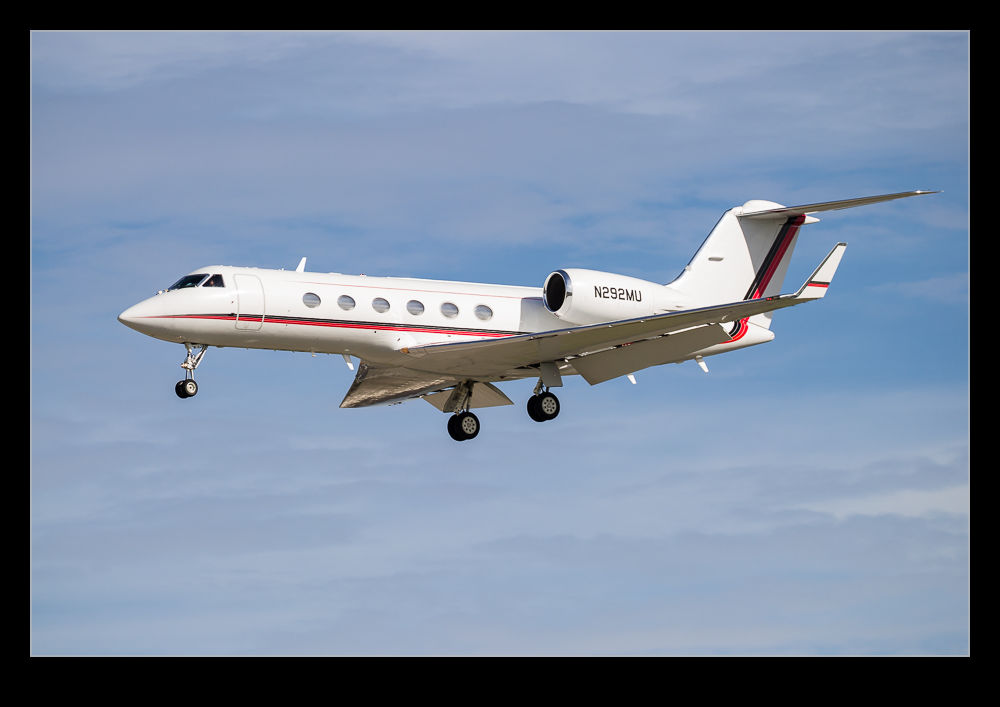
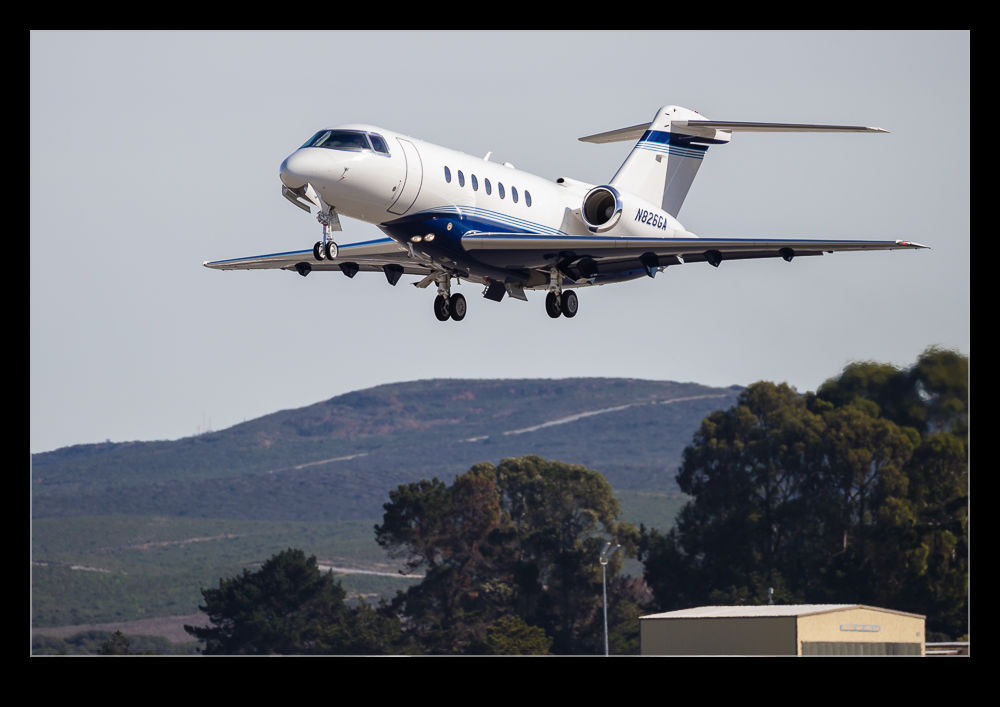
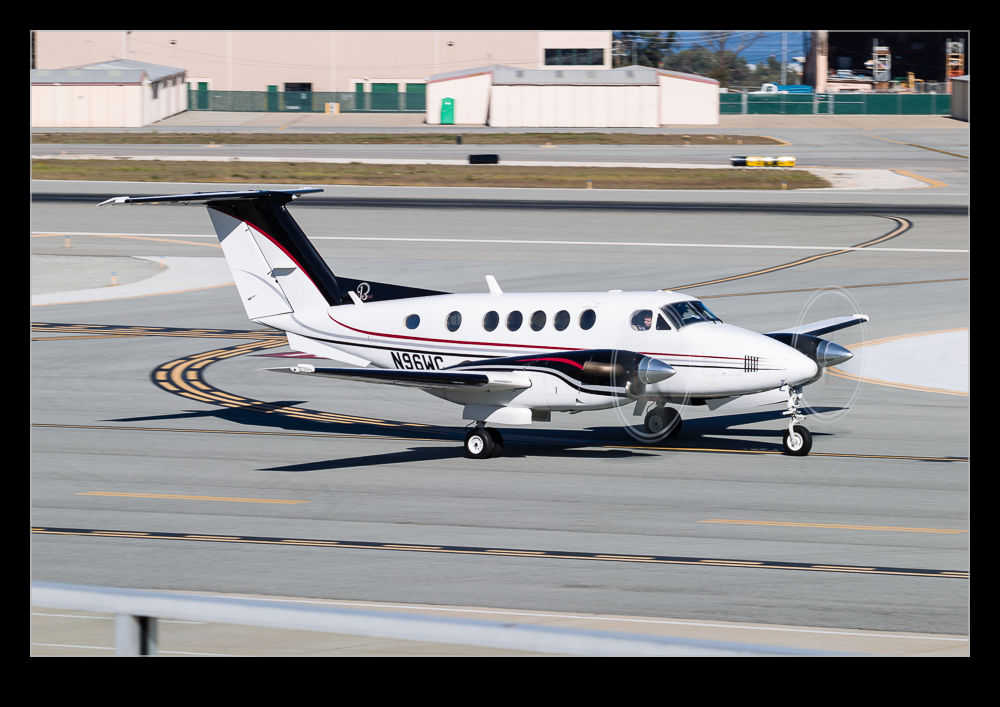
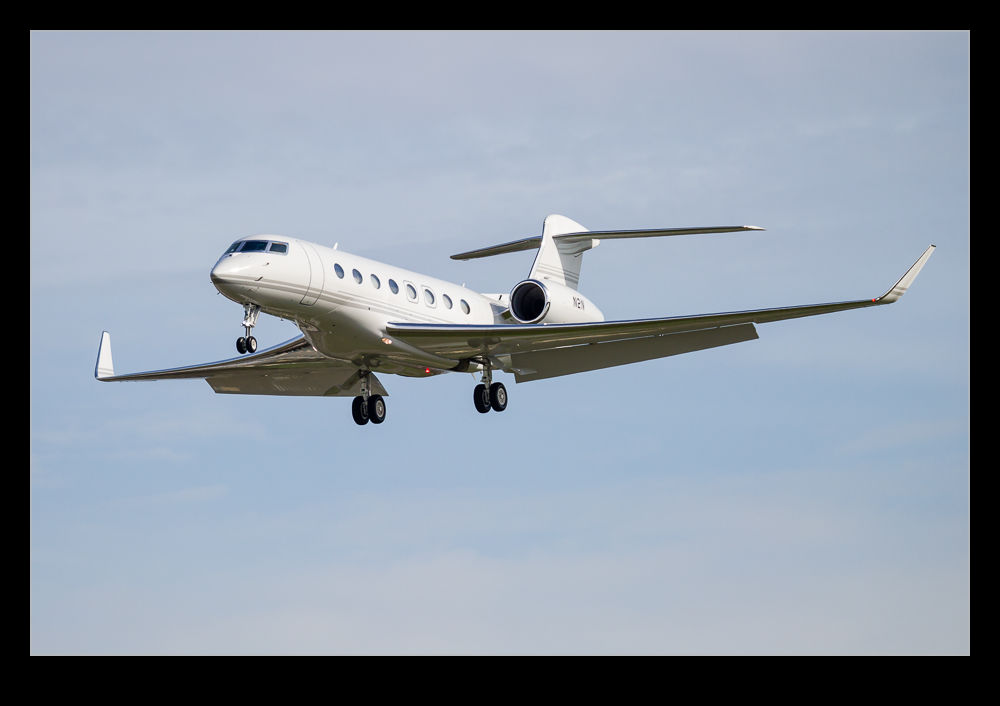
wpid9115-C59F6840.jpgWhile the big jets were an interesting target for me at Boeing Field, there is a good trade in smaller corporate jets too.  The regularity of Citations and their ilk makes them a little less exciting but they can still be interesting if painted up nicely.  However, one that caught my eye was an older Learjet.  This is operated by Boeing Flight Test as a support and chase aircraft for their programs.  It taxied by before departing over my location.
wpid9152-C59F8044.jpgAlso we got a Dassault Falcon 10.  Quite a vintage type of jet these days so that was a nice surprise.
L-100

wpid9121-C59F7424.jpgMy Boeing Field visit also included a very nice surprise.  The evening was drawing in quite quickly but a view off to the south showed a lot of smoke coming from something on the approach.  At first I had no idea what it was but soon the familiar shape of a Hercules came into view.  This was a civilian model, the L-100.  It was operated by Lynden Air Cargo delivering something large!

wpid9123-C59F7472.jpgThey were heading for a ramp close to the threshold so the crew were not shy about thumping the aircraft down right on the numbers.  A decent cloud of tire smoke let you know they were down and then they put the props into reverse and were soon off the runway and taxiing back to the stand.  An interesting aircraft and a lucky break.

wpid9125-C59F7497.jpg