Category Archives: Pacific Northwest

Fearless Deer

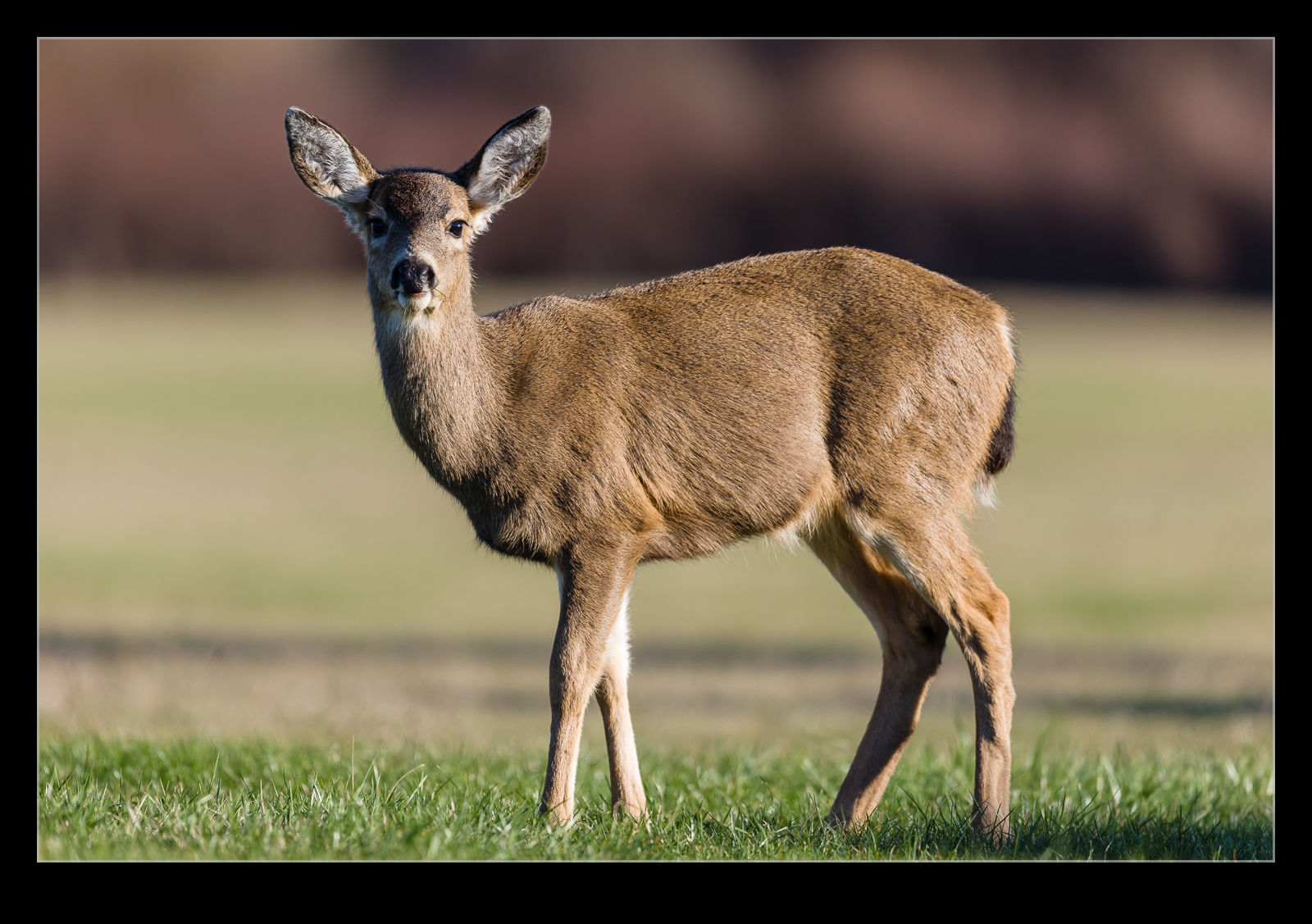
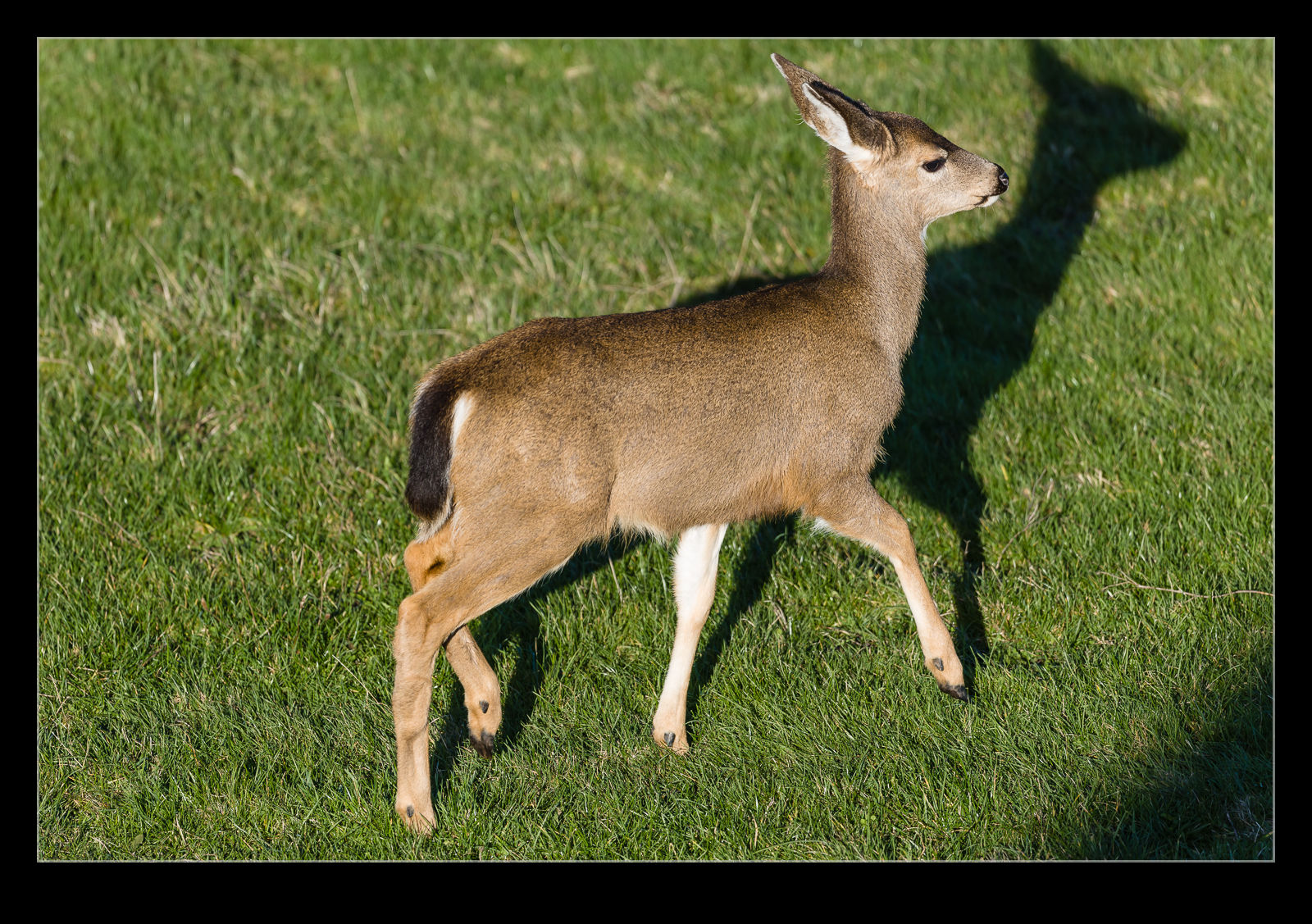
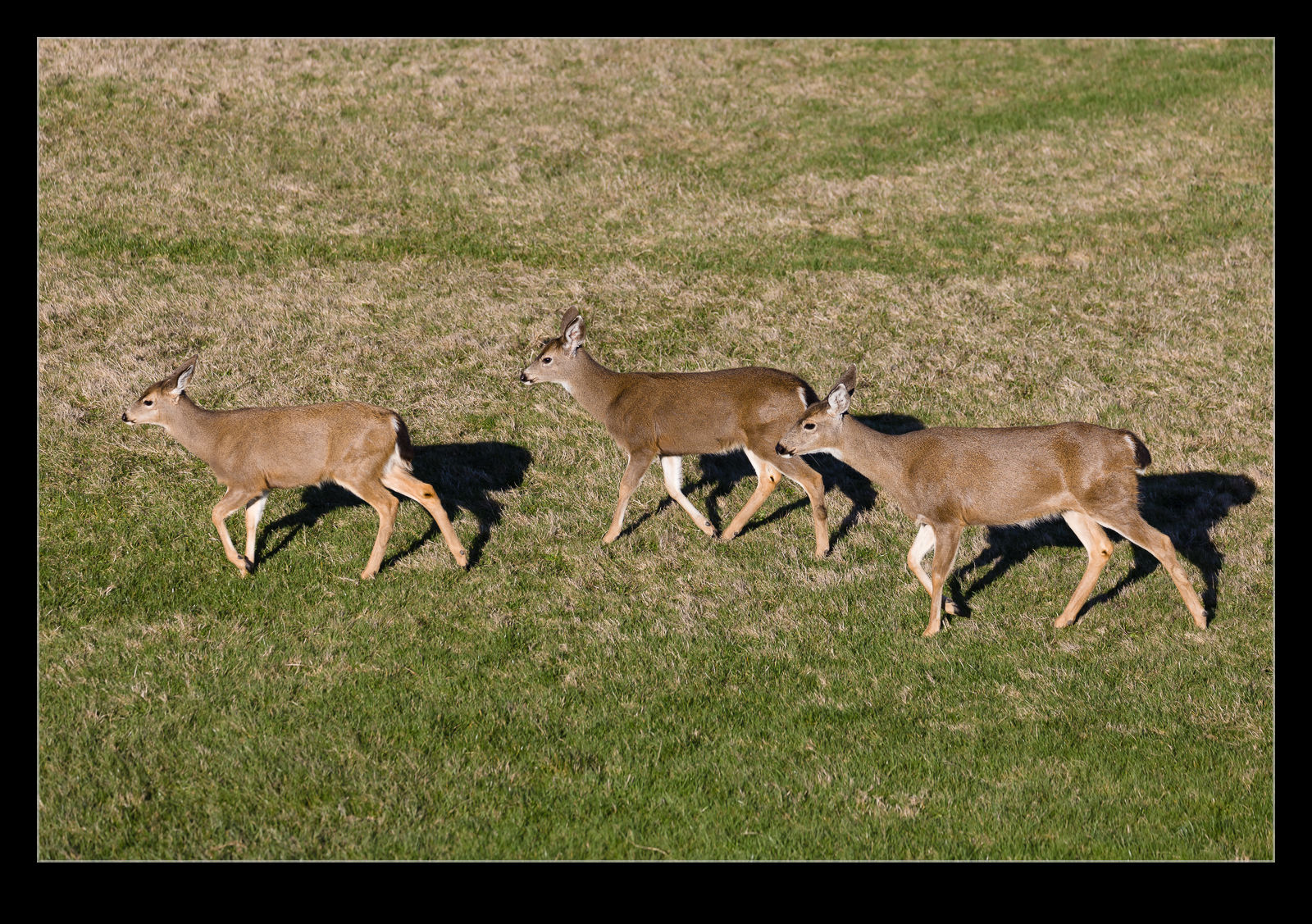
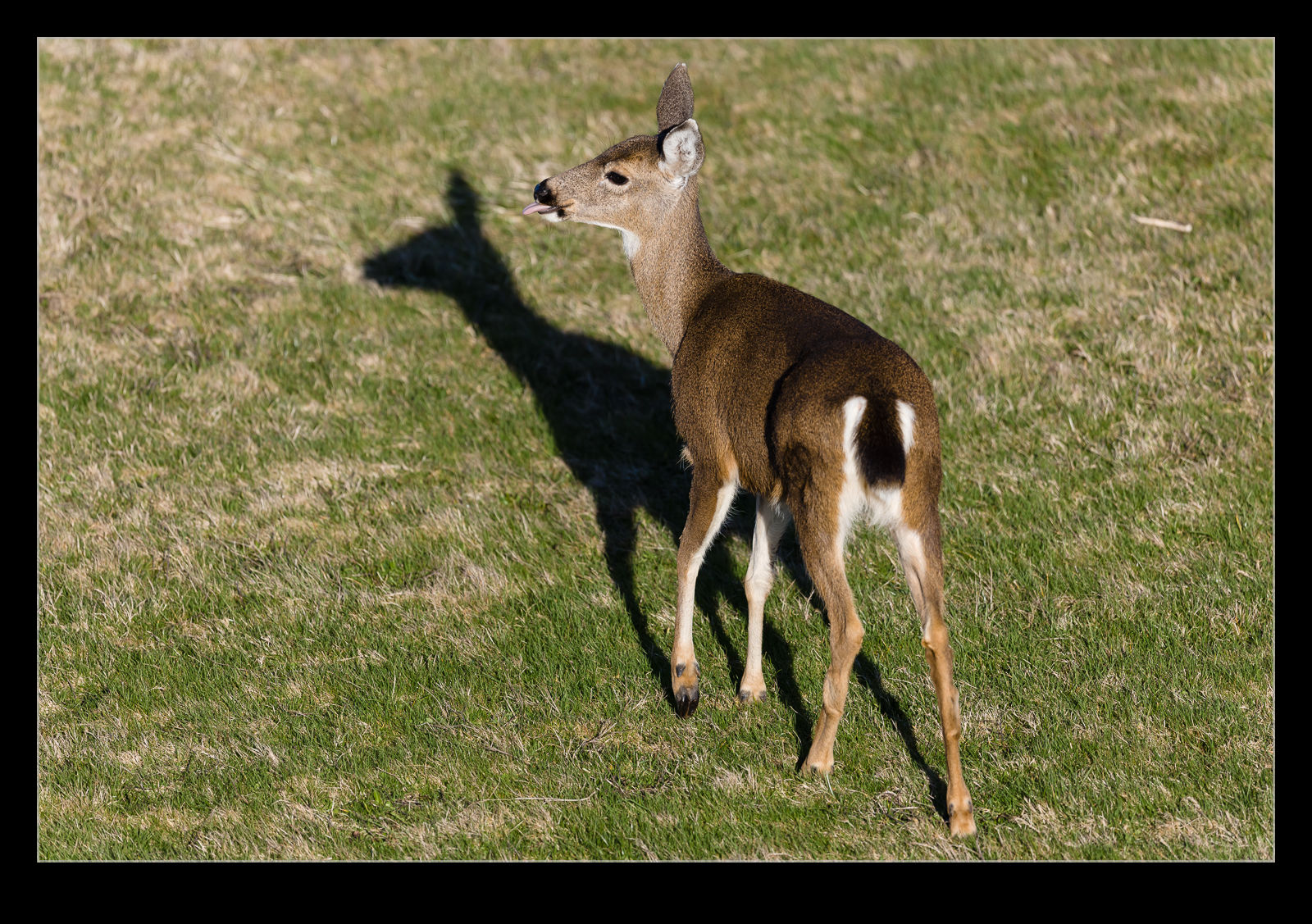
I have seen deer in the grounds at Fort Casey before.  When I was there recently, they were feeding on the grass near the gun emplacements.  At first, I was disappointed because they were in the shadow of the emplacements as the sun got lower.  This made for shots that were just not as interesting.  Then, they gradually made their way out into the sun and the shots got a lot better.

What amazed me was how they really didn’t seem to give a crap about the humans wandering around near them.  I was trying to get into a position where I could get a good shot but was moving very cautiously to achieve this.  Then a bunch of people would walk by on the trail and the deer might look up briefly but would then return to munching.  I imagine that they see people so often and are never threatened by them so are not worried at all.  I could probably have walked a lot closer to them without them flinching!

Lightroom Noise Reduction Update Testing

One of the software tools that I find a lot of people talking about these days is DeNoise from Topaz.  I have never been terribly bothered by noise in my images.  Modern cameras do a pretty remarkable job of handling noise and, for most usage purposes, the noise is not really an issue if it is there.  I have posted my efforts with PureRAW in its various forms where I have tried it out to see how the noise reduction comes out and, while I have seen strengths and weaknesses in it, I have never seen it as something I needed to spend on.

Lightroom Classic had one of its periodic updates recently.  The big new feature was their own denoise functionality.  Much like my experimentation with PureRAW, it analyzes the shot and creates a new DNG file with the noise suppressed.  I was curious to see how it would perform and, seeing as it is included in the price of my subscription, I have it anyway.  I decided to take some shots I had recently used for the PureRAW3 trial I had done and compare with the Lightroom version.

It defaulted to a 50 level of noise reduction.  I don’t know whether this is a percentage and what of but it is a scale so I played with it.  I did some at 50 and some at 75 to see whether more aggressive noise reduction had detrimental effects on other parts of the image.  Comparing these things and then sharing the results is a touch tricky so I have created a single image from four layers.  They are the original Lightroom develop settings, the PureRAW3 version, the 75 denoise settings and the 50 denoise settings.  I mask them to make the image into four sections.  Then, to make it useful on here, I have zoomed in to show the borders between them to provide some sort of comparison.

The PureRAW3 result is very aggressive on noise reduction.  However, I find it can make some odd artifacts in the images where details were not that clear to begin with.  The 75 setting in Lightroom provided a very similar level of noise reduction to PureRAW3.  It is slightly noisier but barely enough to matter.  A setting of 50 does show more noise.  It is still a significant improvement over the basic Camera Raw settings and very usable.

What do I conclude from all of this?  First, as I have said before when testing the PureRAW trials, it provides some interesting results but it is not relevant to enough of my work to matter to me sufficient for me to spend a bunch of money on buying it.  Having denoise in Lightroom now provides me with a very similar option but within the existing price I am paying for Lightroom.  Therefore, I will make use of it when the situation dictates.  It would be a regular part of my workflow because really high ISO shots are only an occasional thing for me but having it there when I want it will be handy.

Cattle Point and the Forecast Wasn’t Even Good!

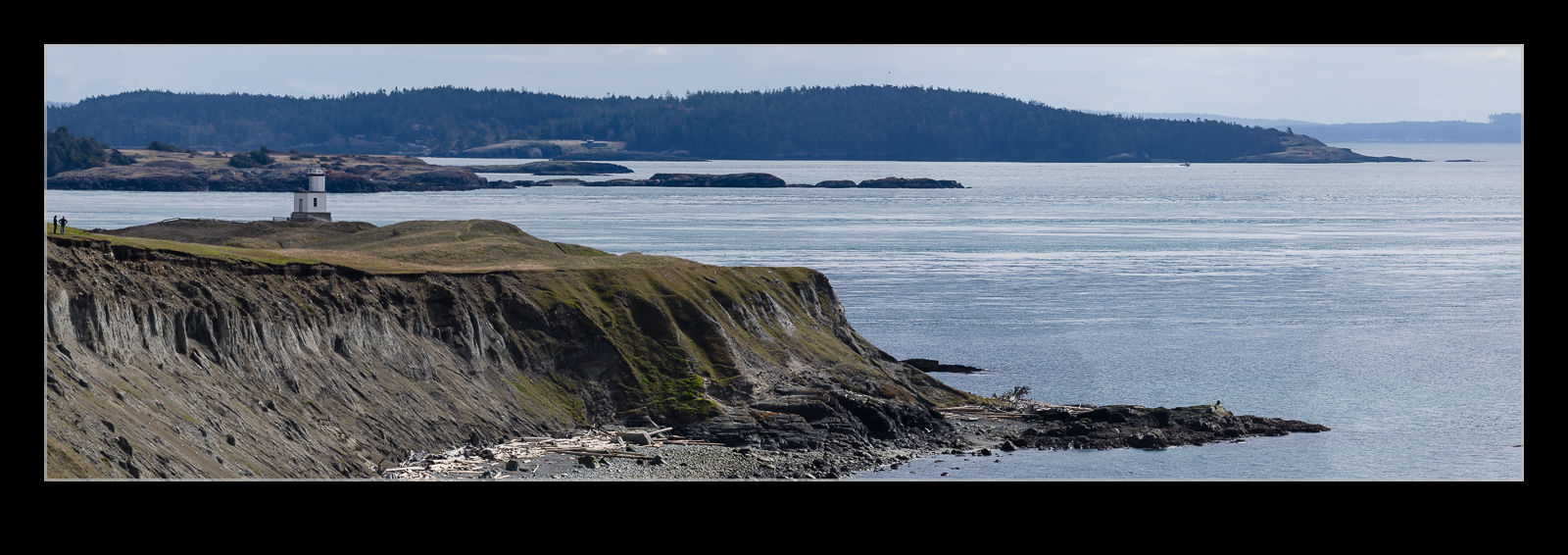
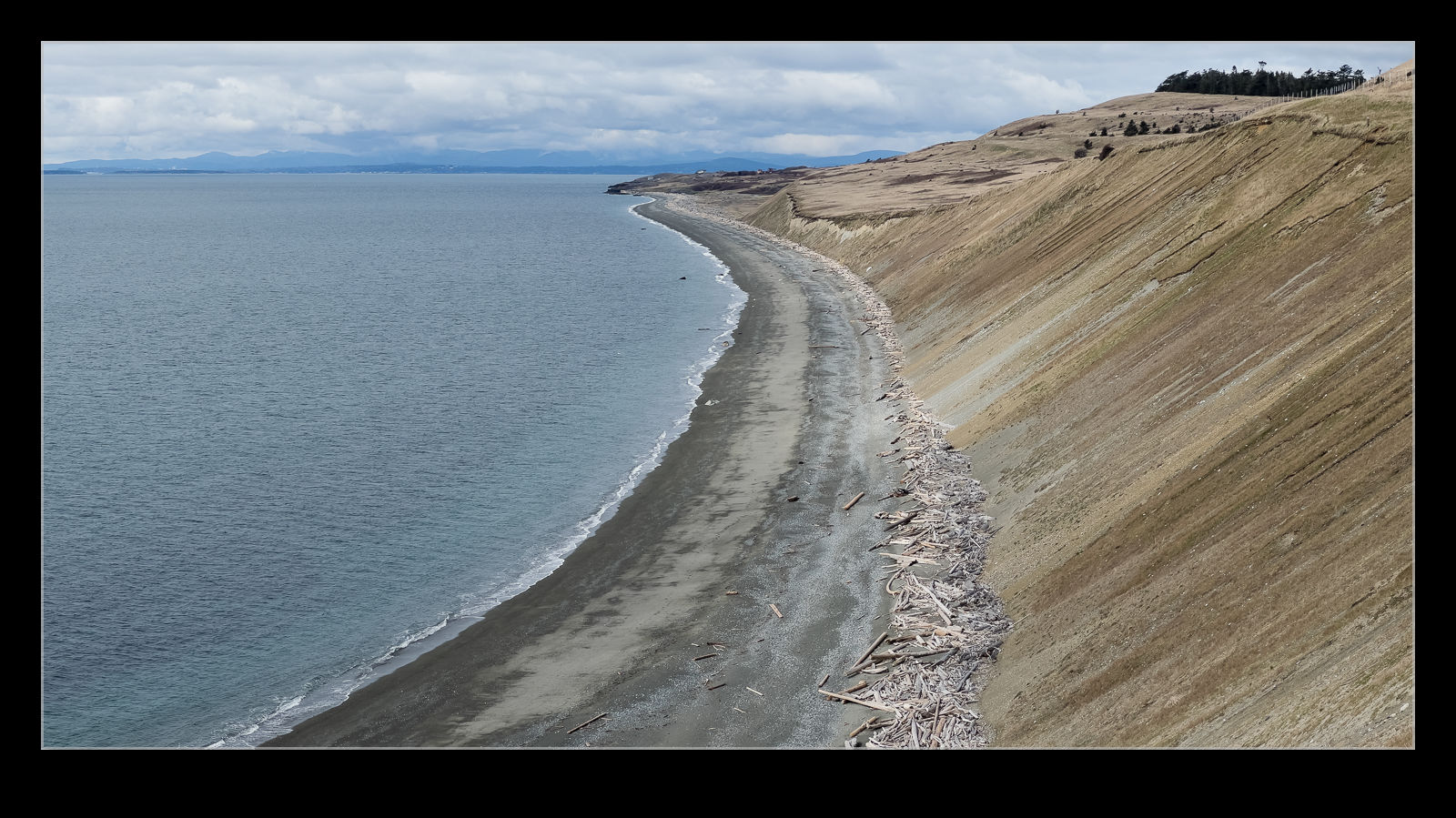
We took a day trip to San Juan Island.  I was interested in trying to get some pictures of the foxes that live in that area.  The forecast for the day was not that great but, with nothing else planned, a trip to the Islands seemed like it would be fun even if it proved to be damp.  However, it didn’t prove to be damp.  Instead, the weather was gorgeous.  It really couldn’t have been nicer for a Sunday out.

I was wandering along the edge of the bluffs on the lookout for foxes.  The results of my wildlife photography efforts will be in other posts.  For these, I shall just show the views I got of the coastline.  Some of these are long range shots taken with the 500mm I was carrying for the wildlife.  Others are wider shots taken with the phone.  Cattle Point is a really lovely part of the island and I would struggle to be bored with being in this place.

Four Seasons Traveling in Style

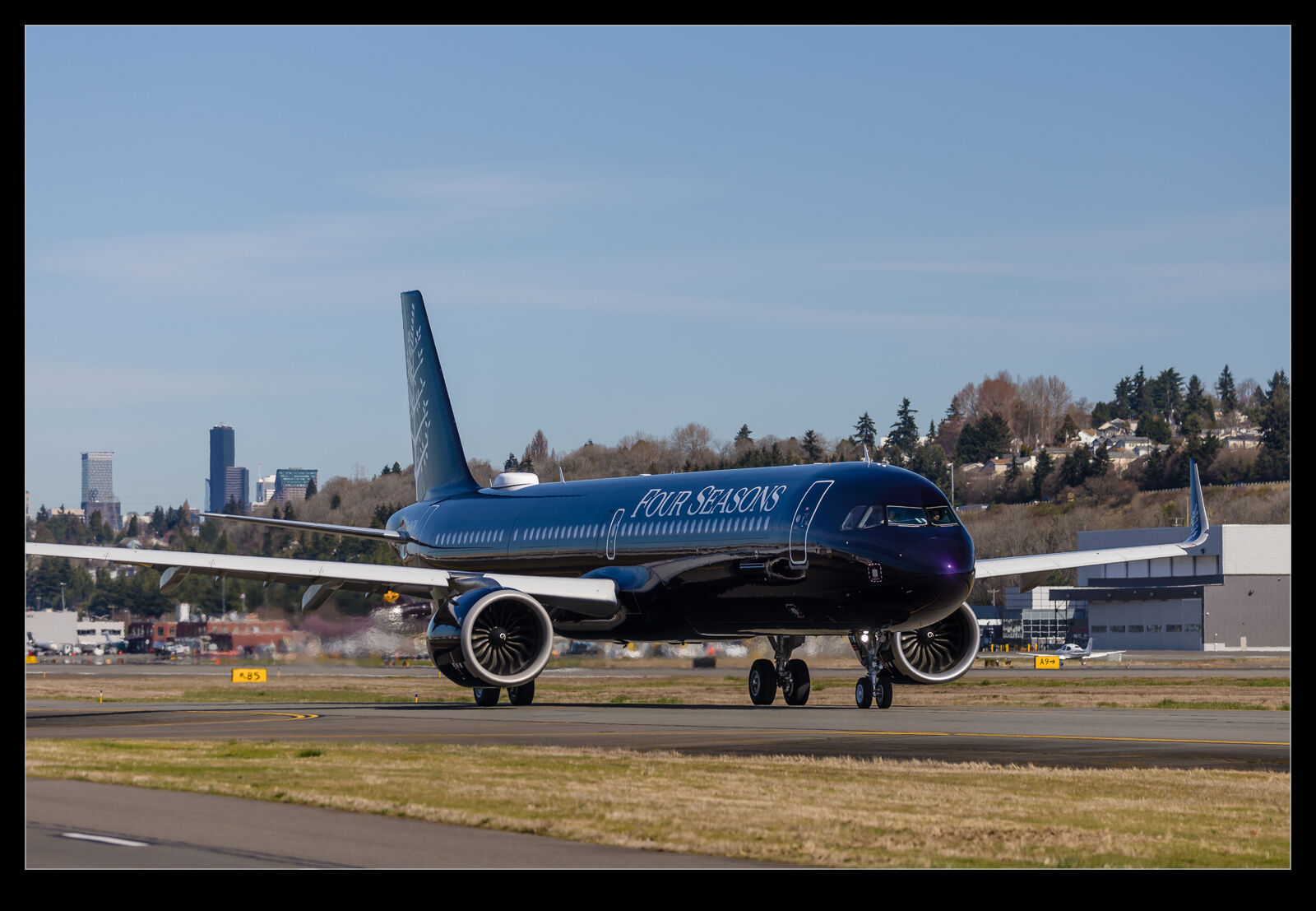
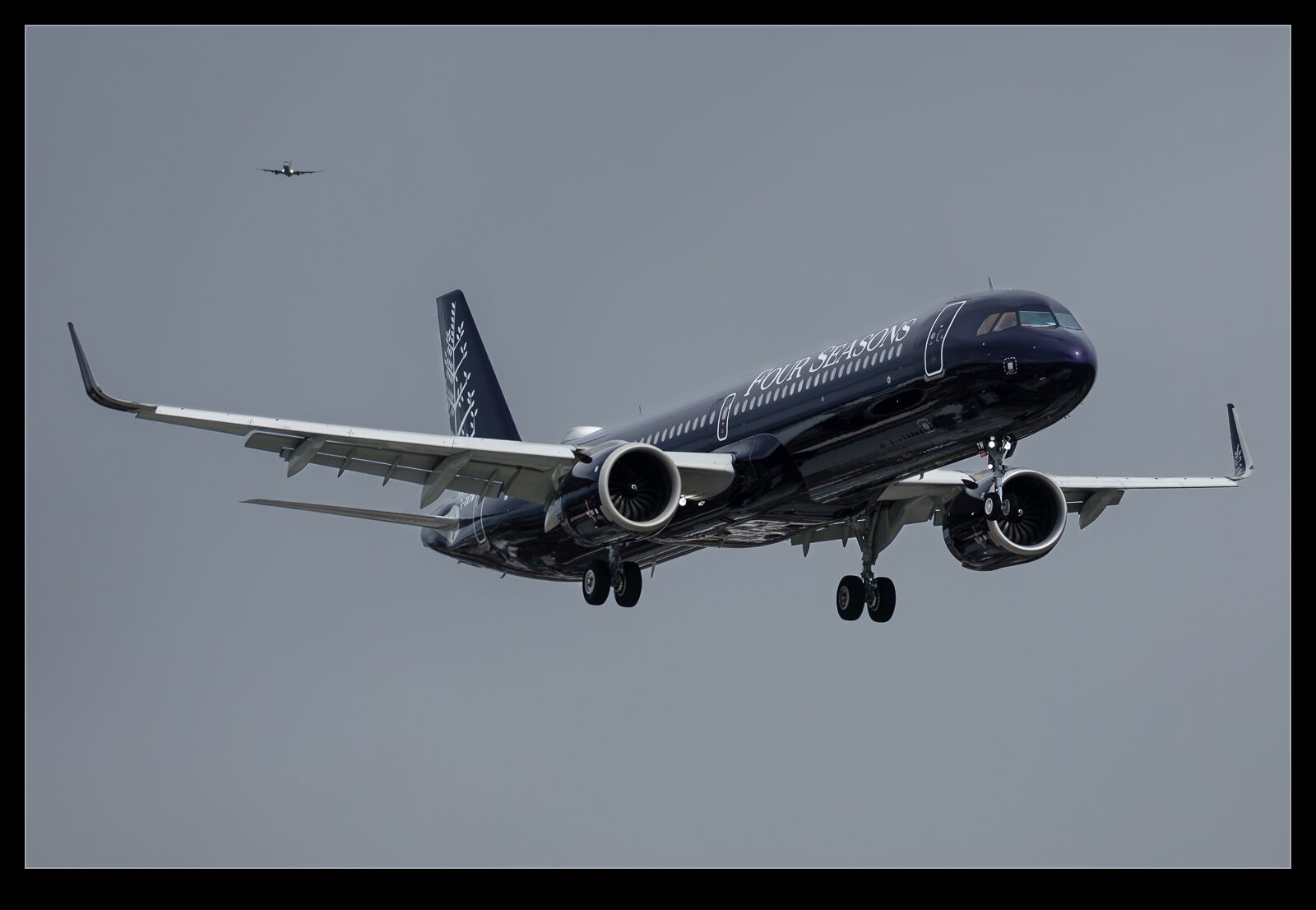
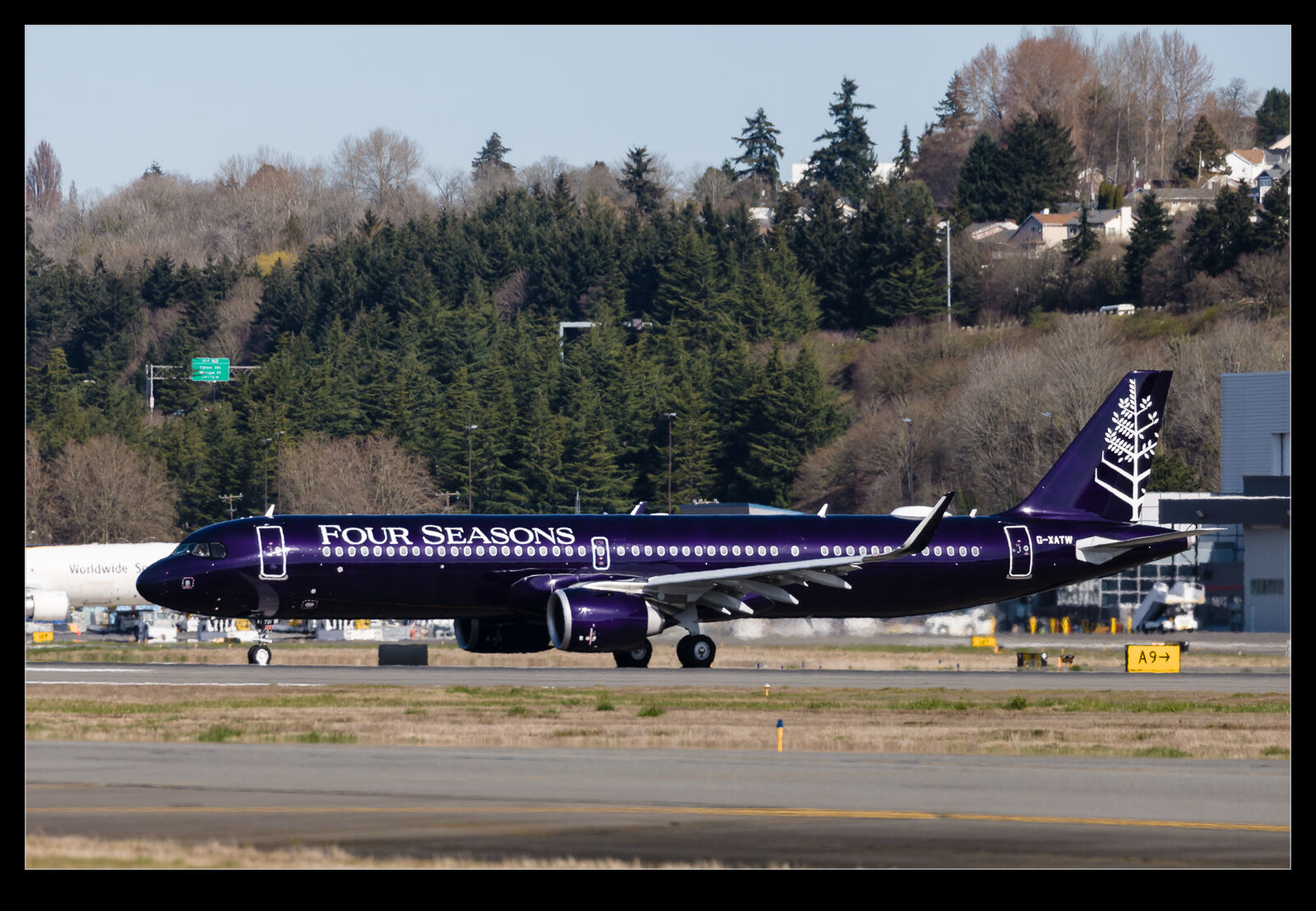
A few years ago, I was doing a photo flight over LAX and, on the south side of the airfield at one of the FBOs, a black 757 was parked with marking of the Four Seasons hotel group.  This jet was used for some pretty high end tour operations.  Not the sort of thing I am likely to be on!  The 757 was aging and, in discussion with some friends online, I heard that they had switched to an Airbus A321neo.  Lo and behold, a few days later, it came to Seattle.

I wasn’t able to get it arriving (although it came back again another time and I did then) but the departure was on a day that I was free.  The jet is in a similar livery to the 757 looking black from a distance.  I am not sure whether it is actually black or a deep purple color but, when the sun glints off it, there is a colorful tinge to it.  Departures were to the north so it crossed the runway to taxi by me and then turned for the take off roll.  They were heading to Hawaii so I imagine the guests were looking forward to some fun in the islands.  The aircraft is actually operated by Titan out of the UK.  I wonder whether the crews like this gig or whether it is a bit of a drag?

IPMS Northwest Gathering – Time to Focus Stack

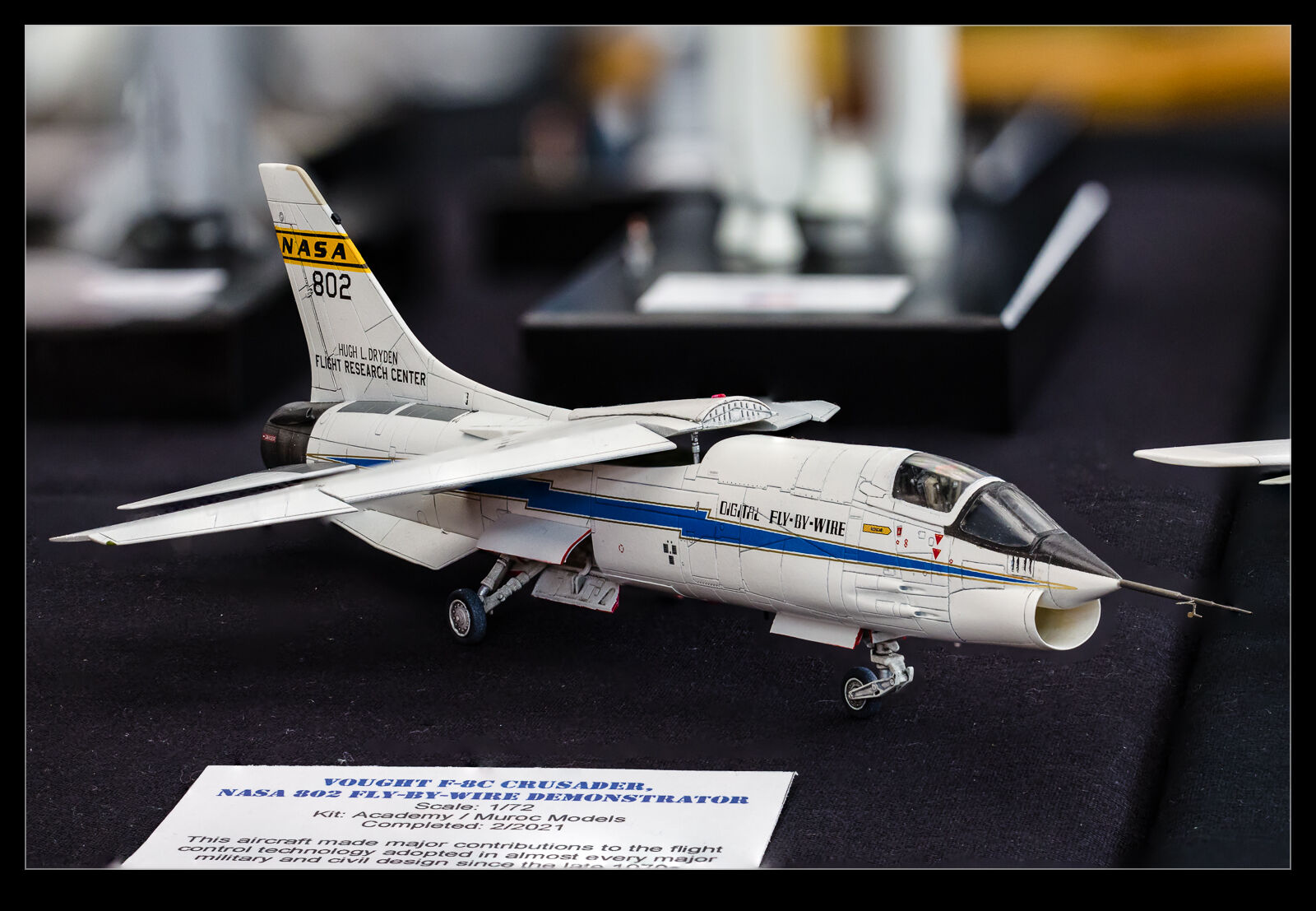
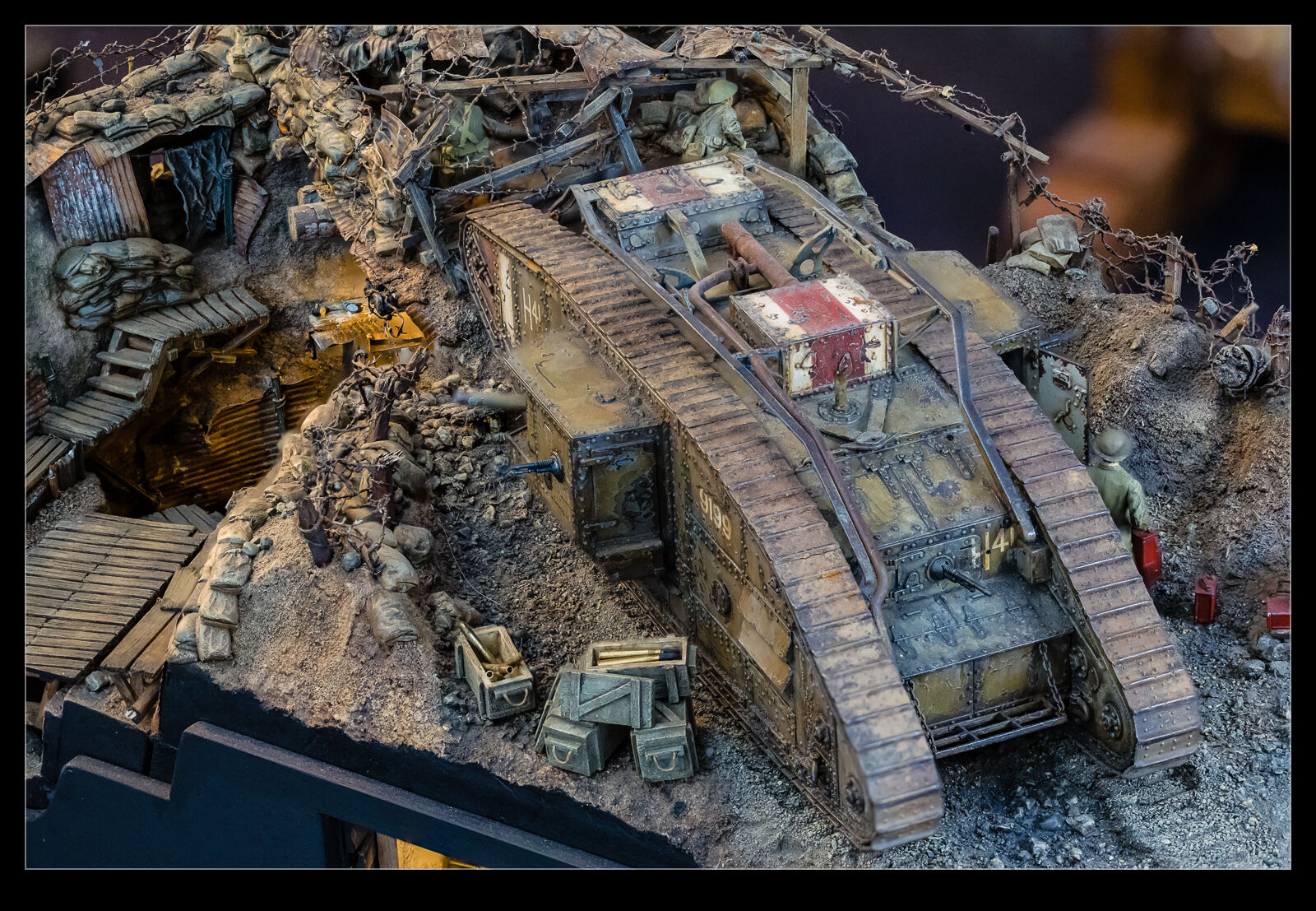
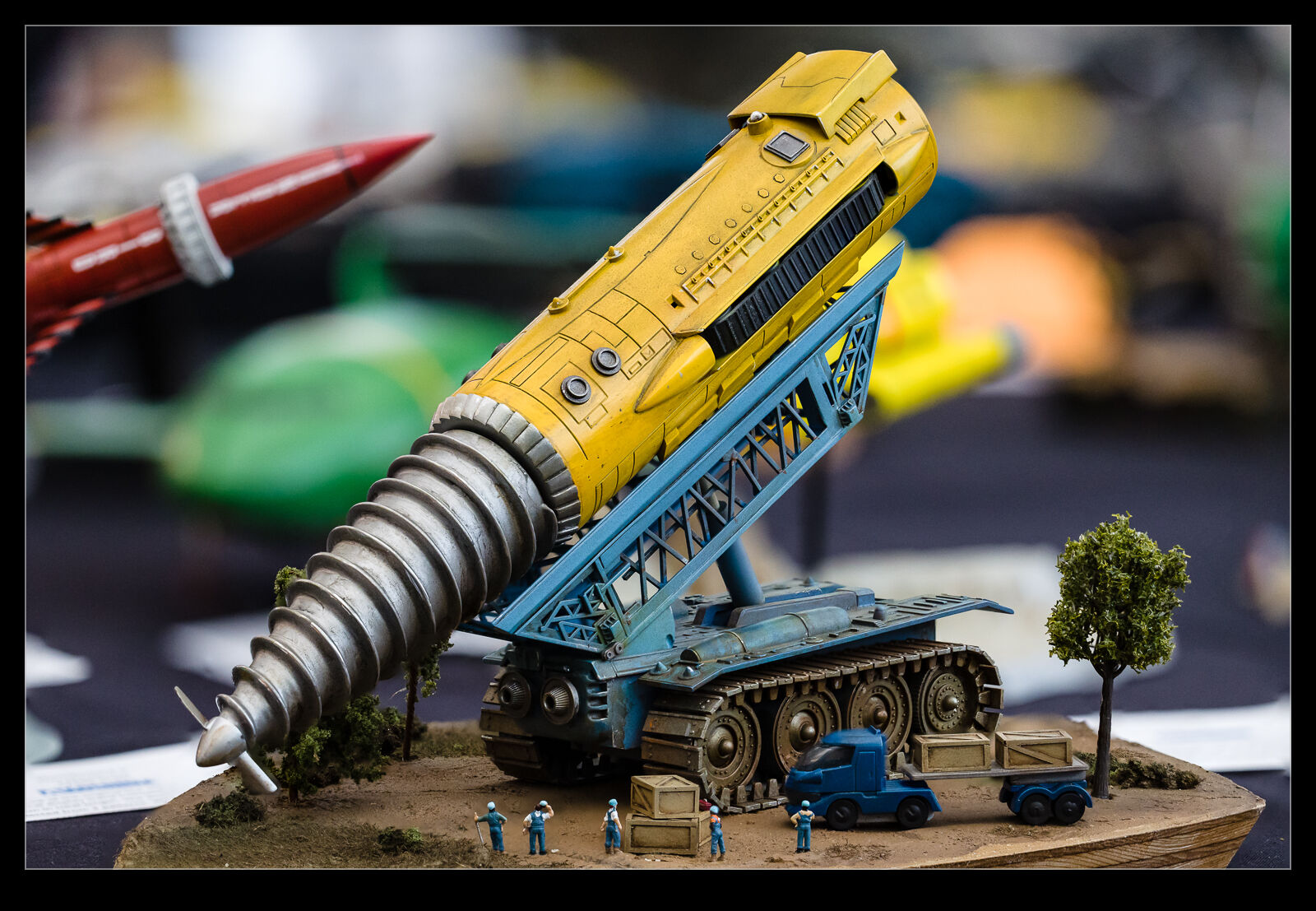
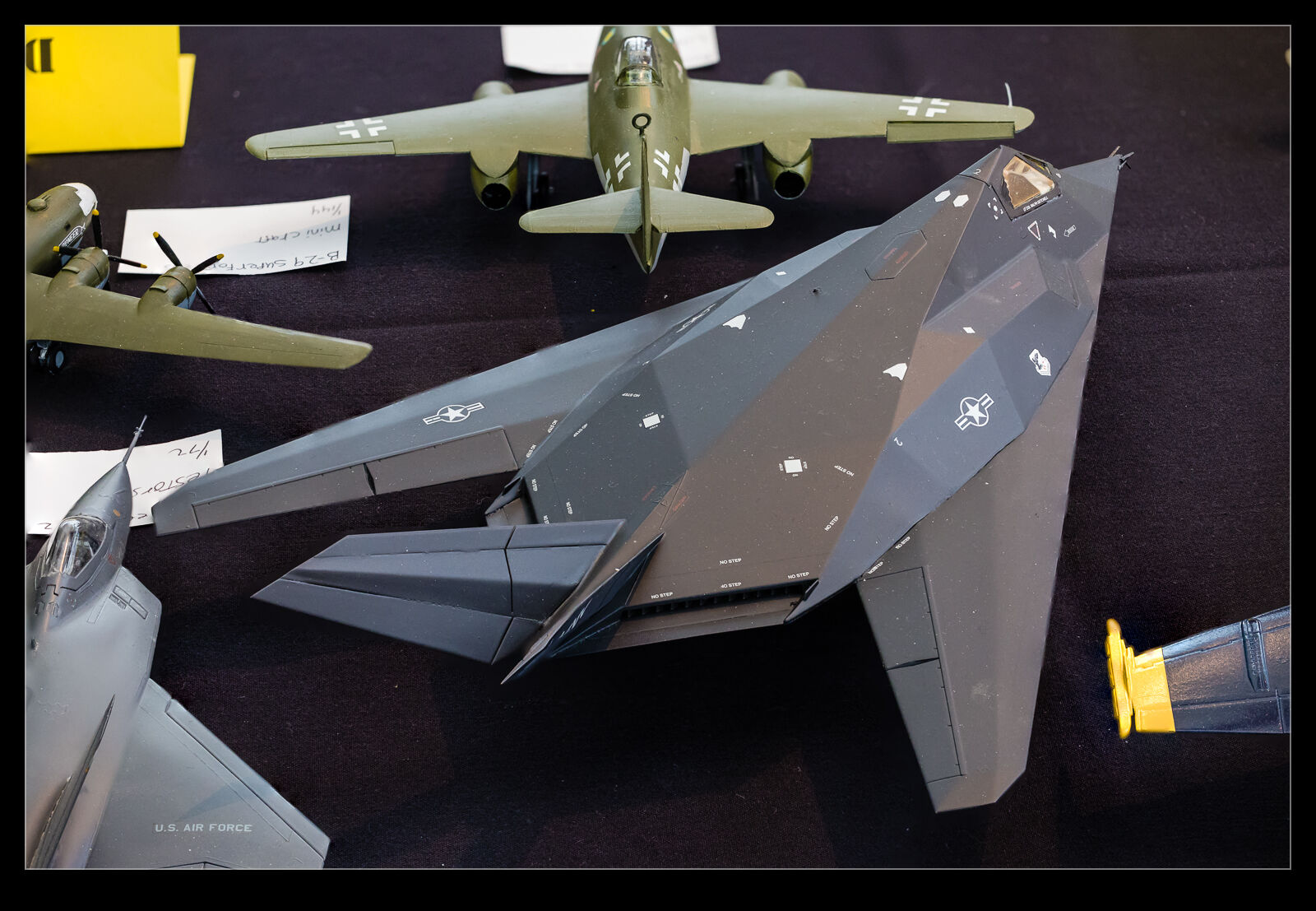
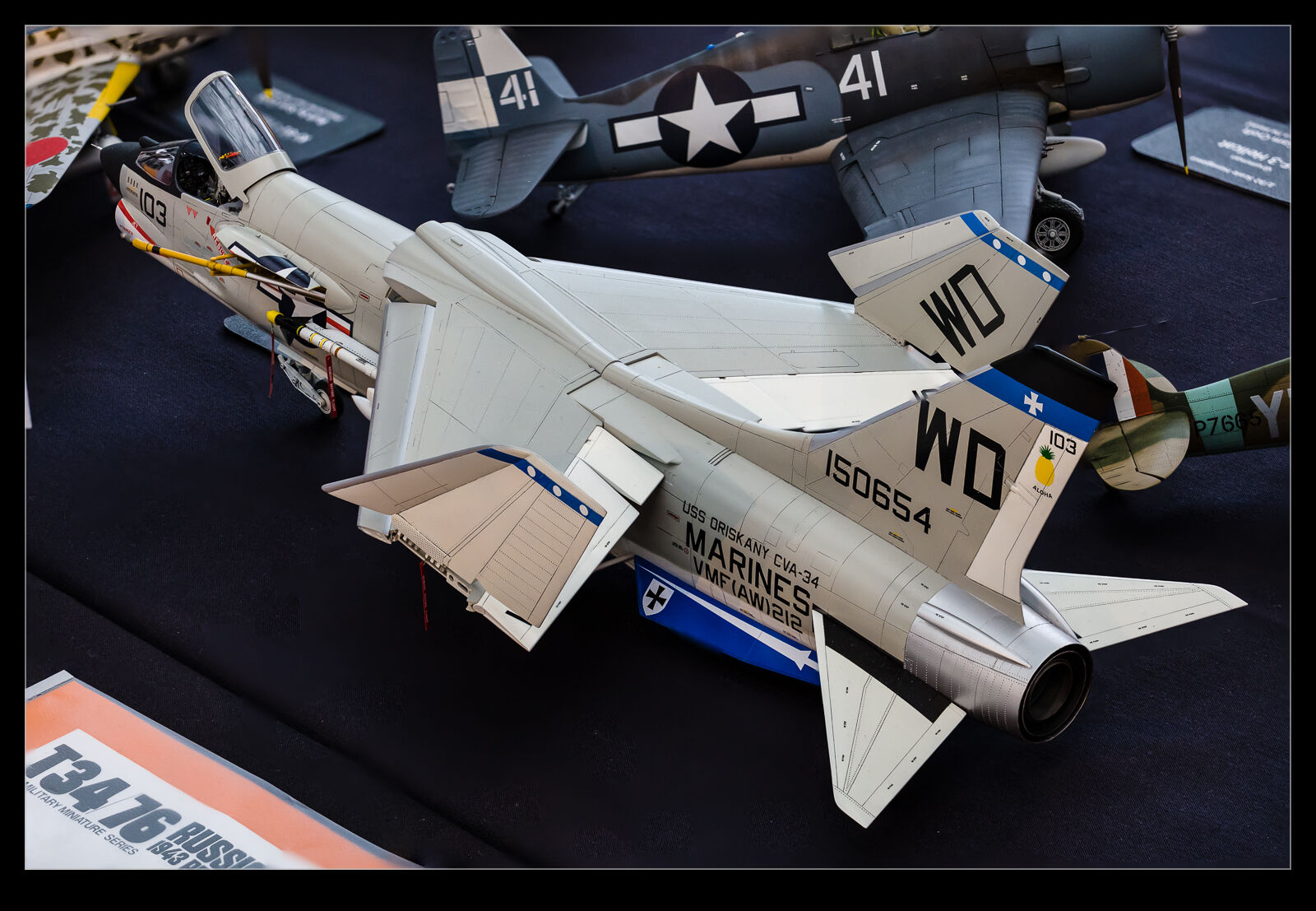
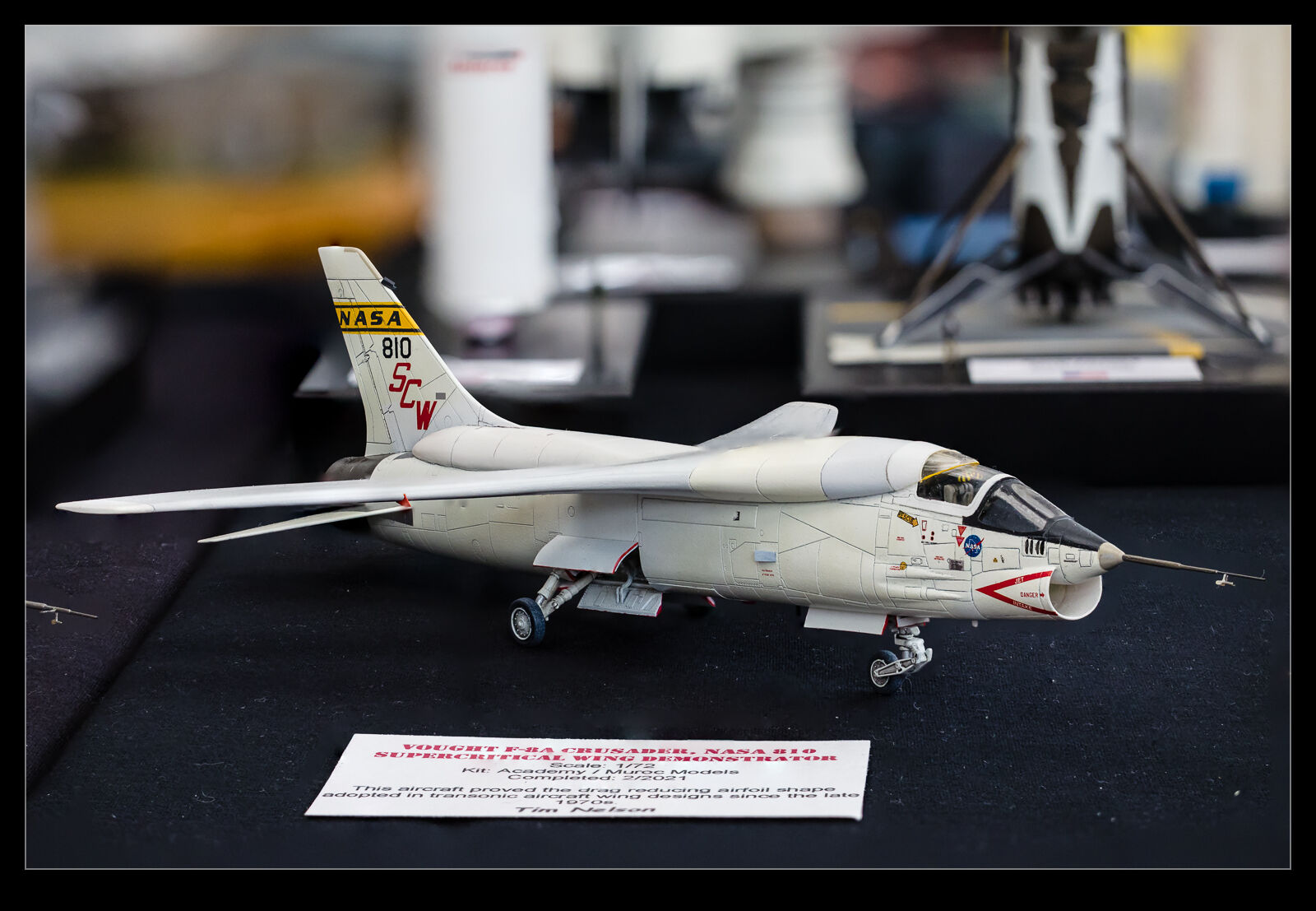
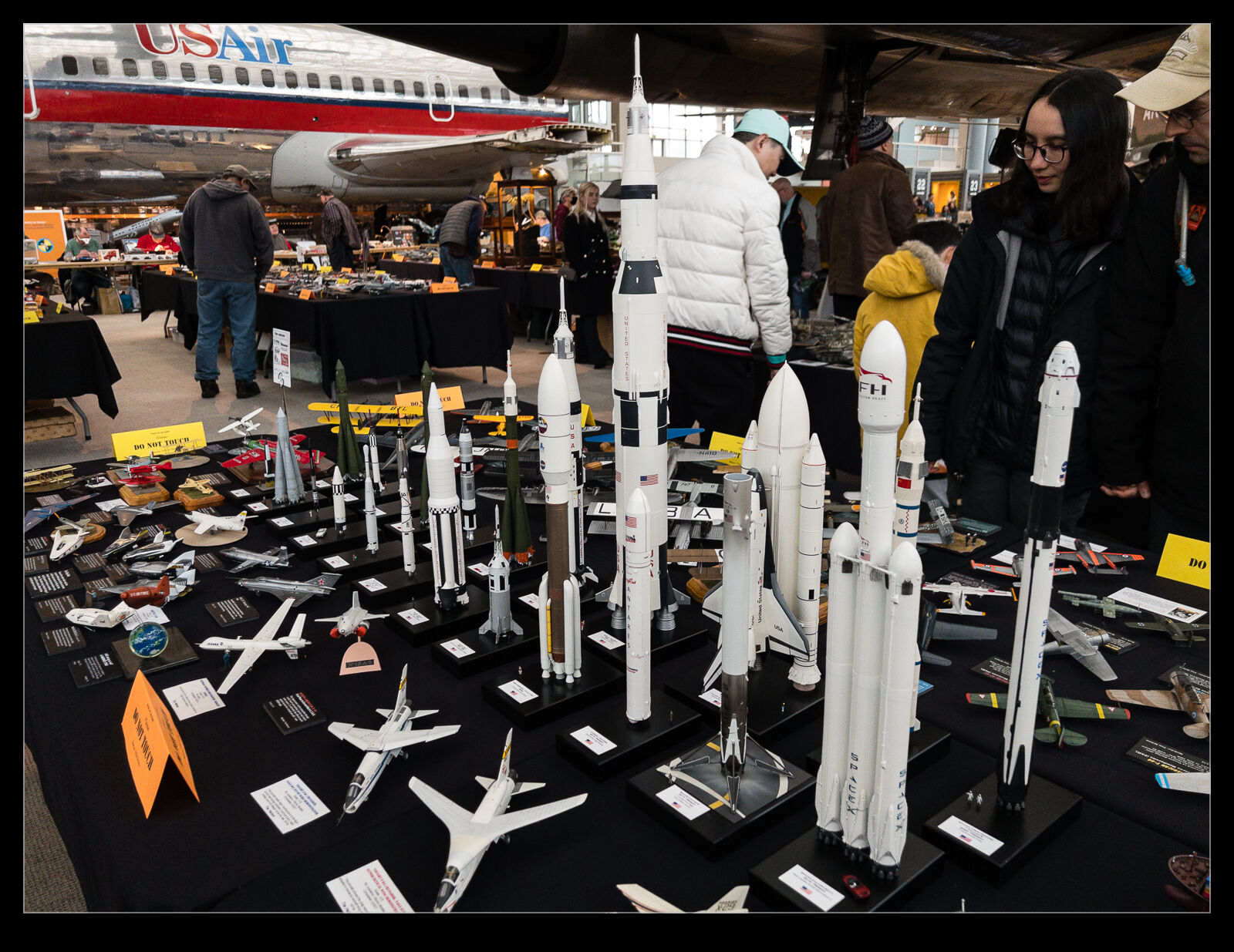
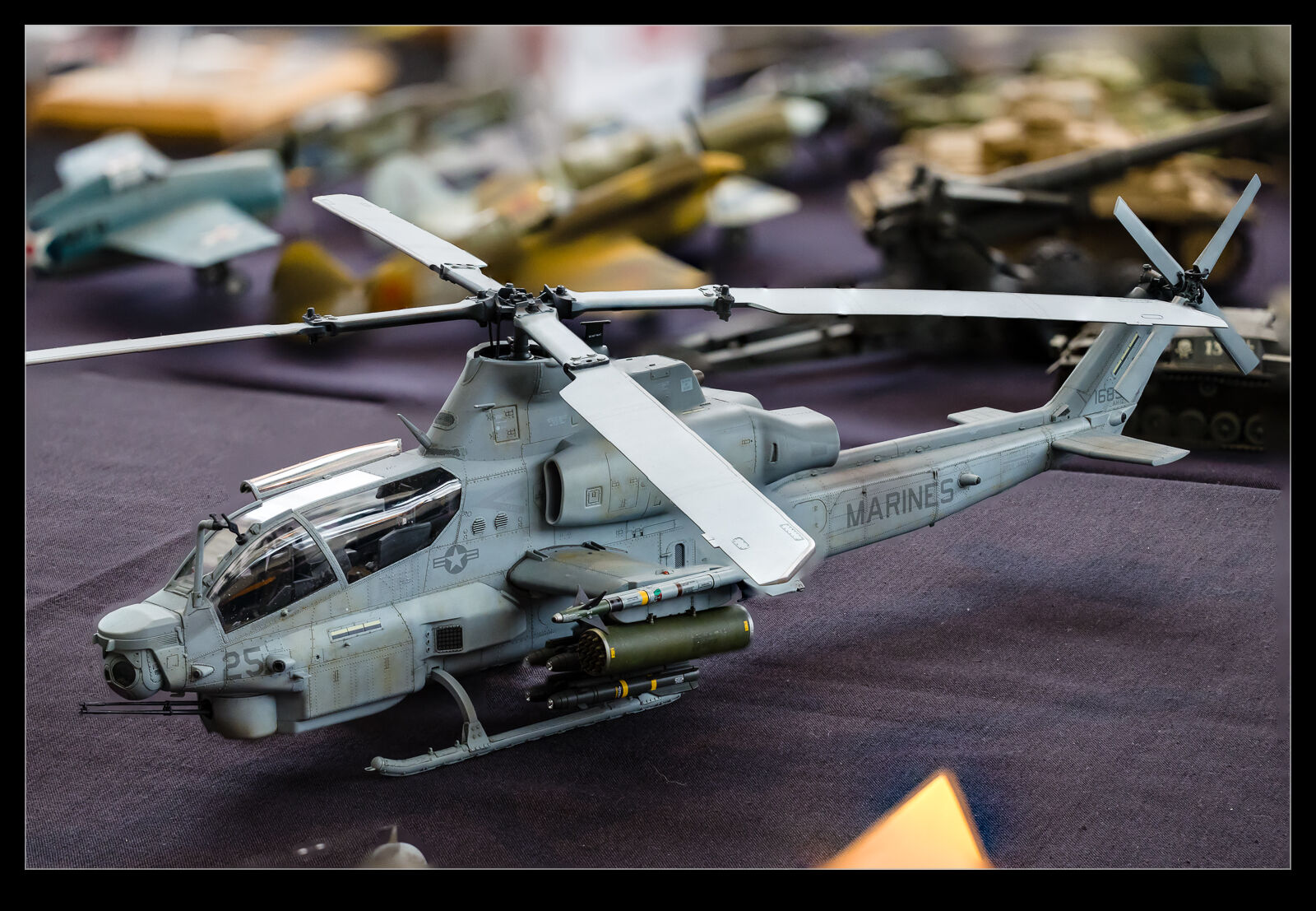
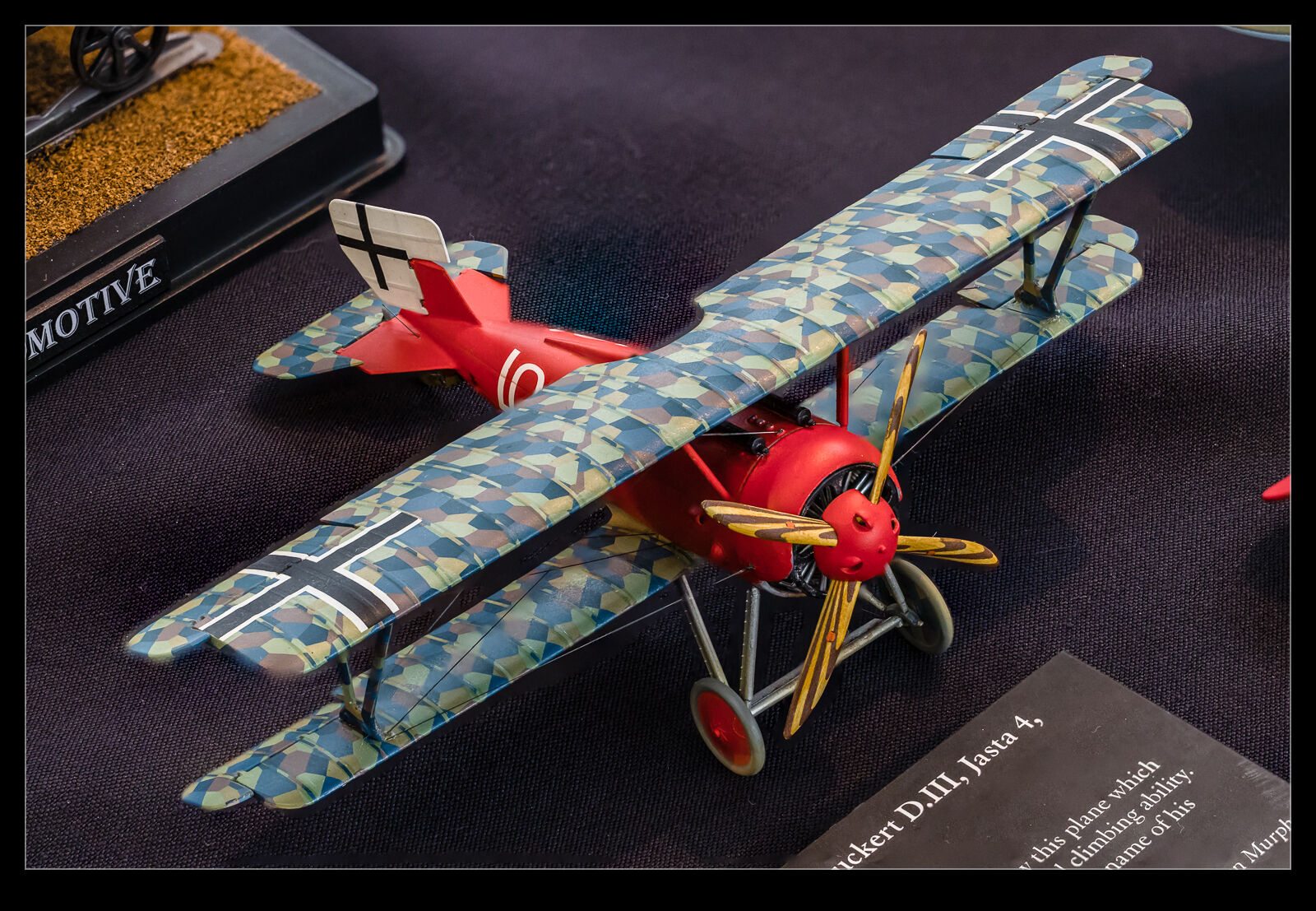
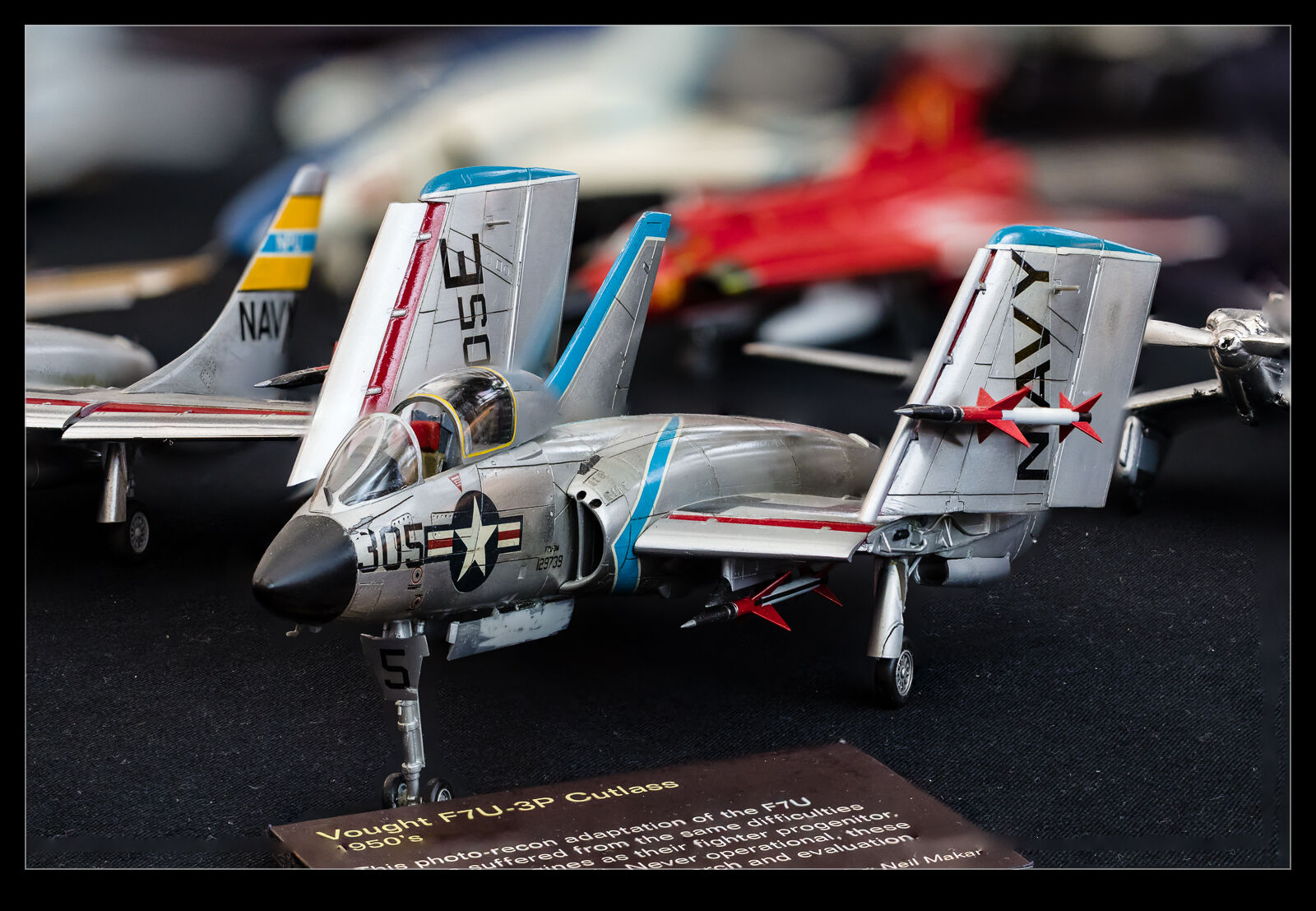
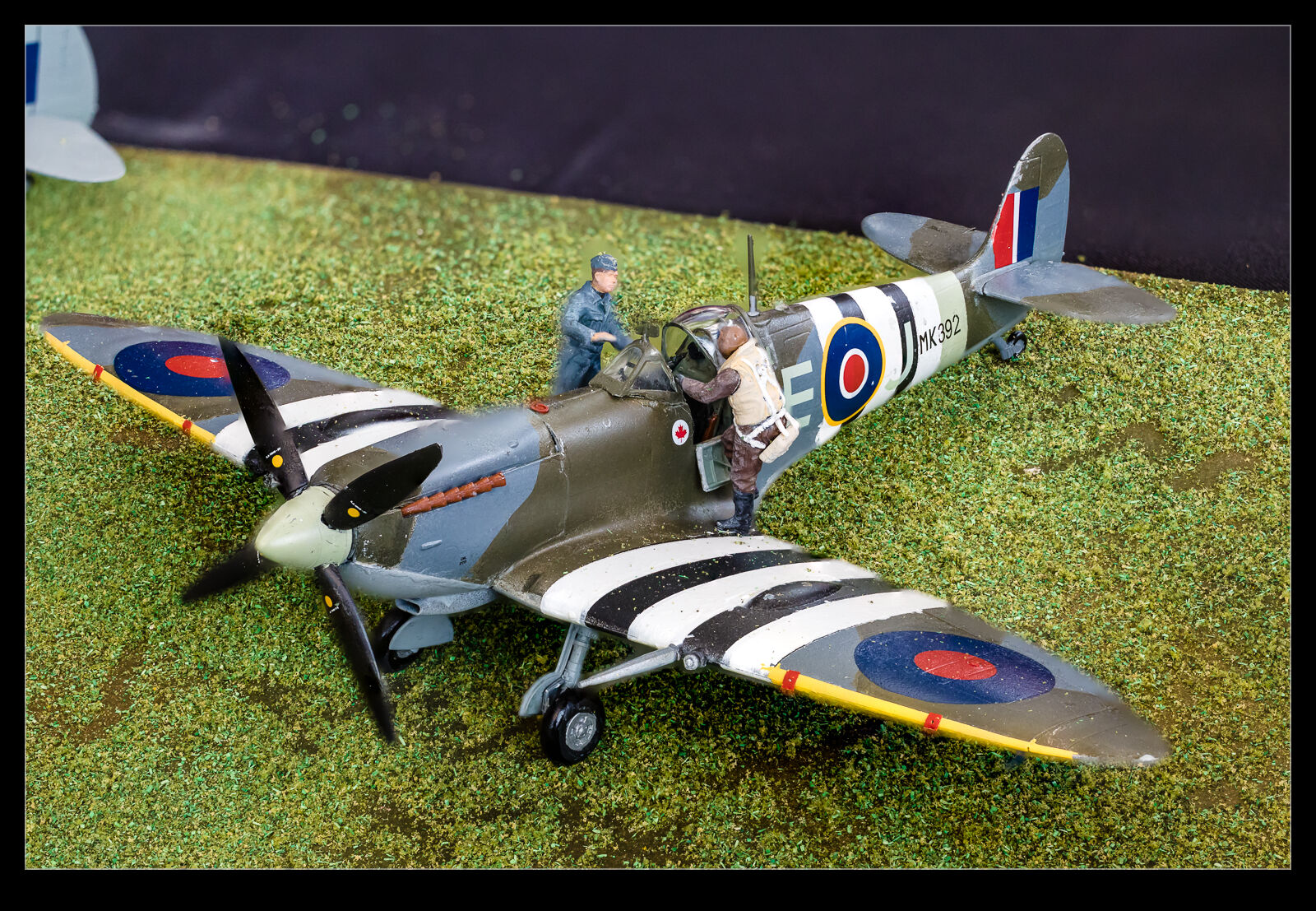
Once a year, the IPMS northwest group has a gathering at the Museum of Flight at Boeing Field.  The modelers from around the region come with their creations to put them on display.  I used to make models in my youth and have done a little bit since the pandemic started but not a huge amount and definitely not that good.  I do like to go and see how good some of the work can be.  I tend to focus on the aviation models but the others are of interest and anyone that has put together a diorama is going to get my attention.

Here are a bunch of shots of the various models on display that particularly caught my attention.  When trying to photograph models the problem is that focus is usually very shallow and so it makes the subject look very small.  I use focus stacking to try and give a clearer view of the full model and make it look slightly larger.  I am doing this handheld which is not ideal and, in some cases, the shots just don’t blend well.  Most of them came out okay though.

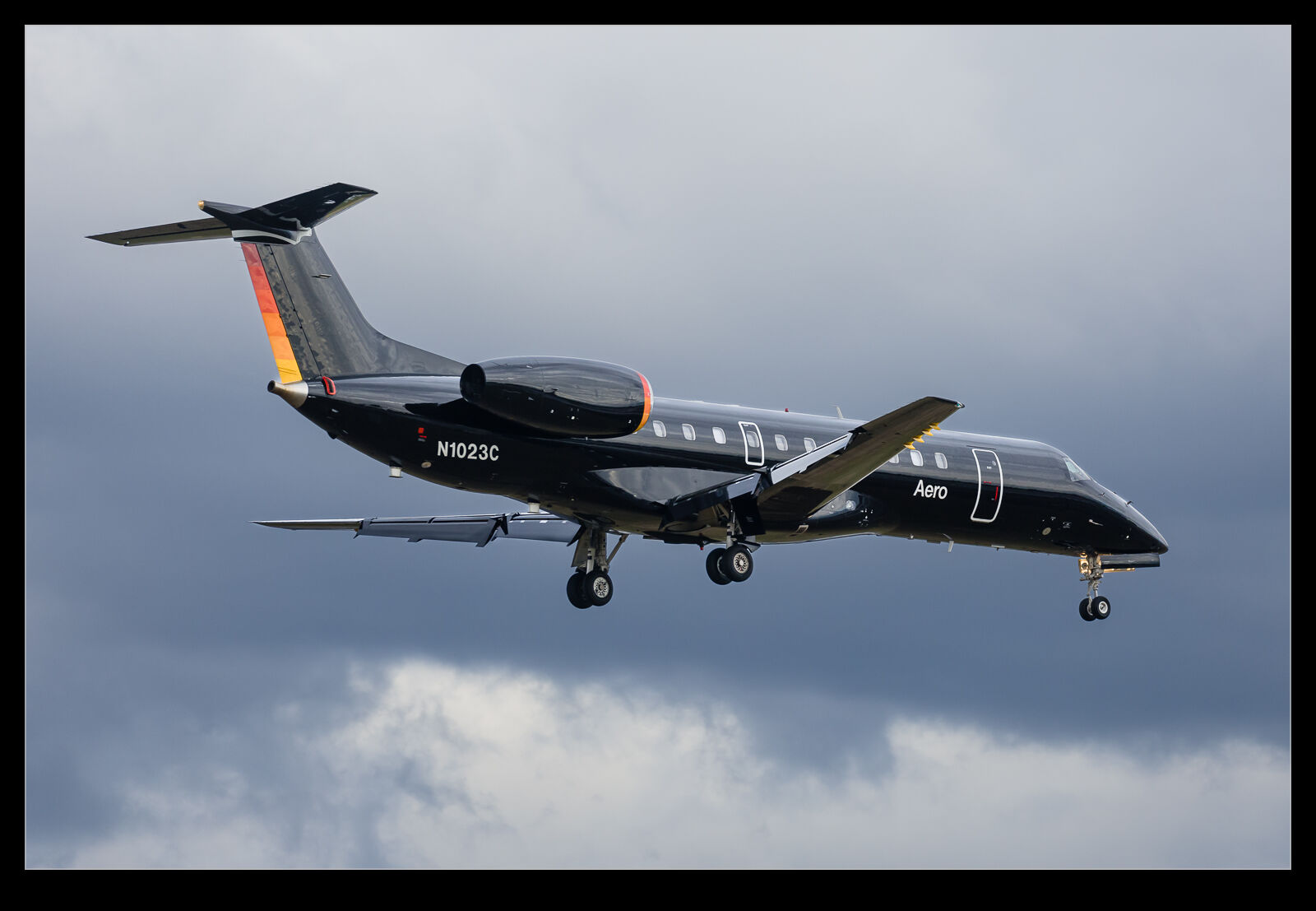
An EMB-135 Can Look Good

One Saturday afternoon, I was out shooting some planes approaching SEA with my buddy David.  We were thinking of calling it a day but I was curious about an EMB-135 that was due in to Boeing Field.  The weather was looking like it would get worse and these regional jets are hardly exciting.  However, a quick search online showed some older shots of it painted white but a more recent shot of it painted gloss black.  I wondered whether this was still how it looked.  I told David I would give it a go as we parted.

As I waited for the jet to arrive, I really hoped it was painted black.  Waiting a while in gradually degrading weather for a regional jet seemed like it might be a poor use of a Saturday afternoon.  When it came in to view, I was very relieved.  It was, indeed, gloss black with a hint of color on the tail.  The fact that the cloud had come in actually made it easier to get a good exposure on the black finish.  Once I got home, I checked out its ownership a little further and, while it was listed to a company matching the Aero on the fuselage, I think it is used by ConocoPhillips.  Maybe, if you are an oil company, you paint your planes to look like crude oil?

Experimenting with PureRAW3

This blog includes a very infrequent series of posts reviewing the processing powers of PureRAW.  The third version of this raw image processor has just been released and I downloaded the trial to see how it performs.  I was impressed by what the previous version did to clean up some high ISO shots but the need was limited and the price was high enough that I didn’t see the point in signing up for it.  I was curious as to whether the third version would change my mind.
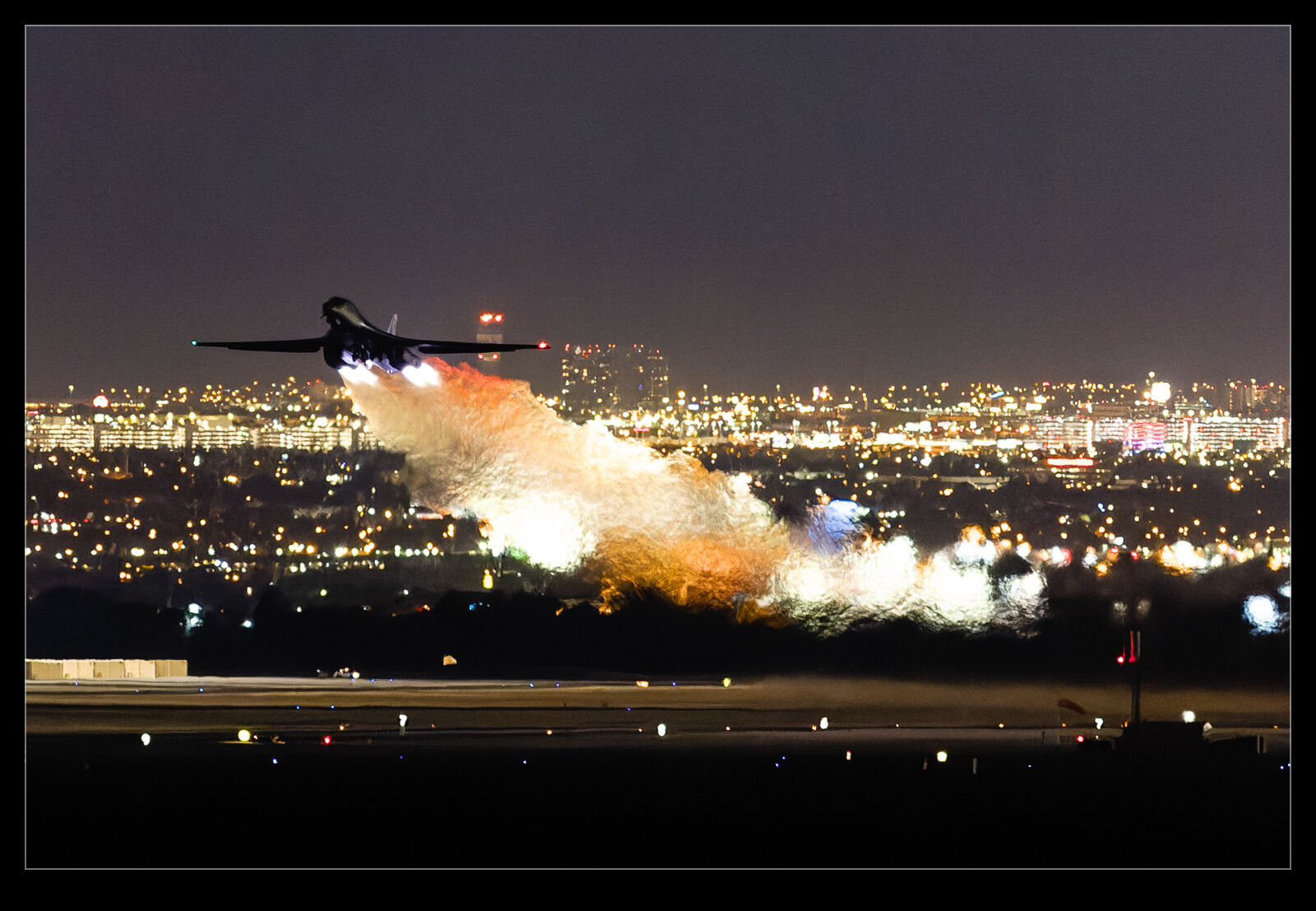
When I download one of these trials, I always try to avoid installing it until I have time to play with it.  The trial last 30 days so I want to make sure I make good use of the time.  Once I got around to installing it, I put it to work.  I was disappointed to find the trial was limited to 20 images at a time which is a little restrictive but, for the purposes of evaluating it, I could work around this.  I had two things I wanted to do.  First, I wanted to convert some shots that I had previously tried for PureRAW2 to see how different they were.  Second, I had some recent night shots which I also wanted to try.
So, how did it perform?  Results were mixed.  I found the conversion process was quick sometimes and would slow down or stop on others.  This was annoying but I suspect is something that they will fix before too long so I wasn’t that worried.  What I was surprised about was that, when starting the process in Lightroom, the new DNGs will be reimported into Lightroom.  However, this was unbelievably slow.  I would set it off, the conversion would finish and then, a long time later, they would suddenly get added.  Again, something that is probably going to get fixed but bloody annoying in the mean time.

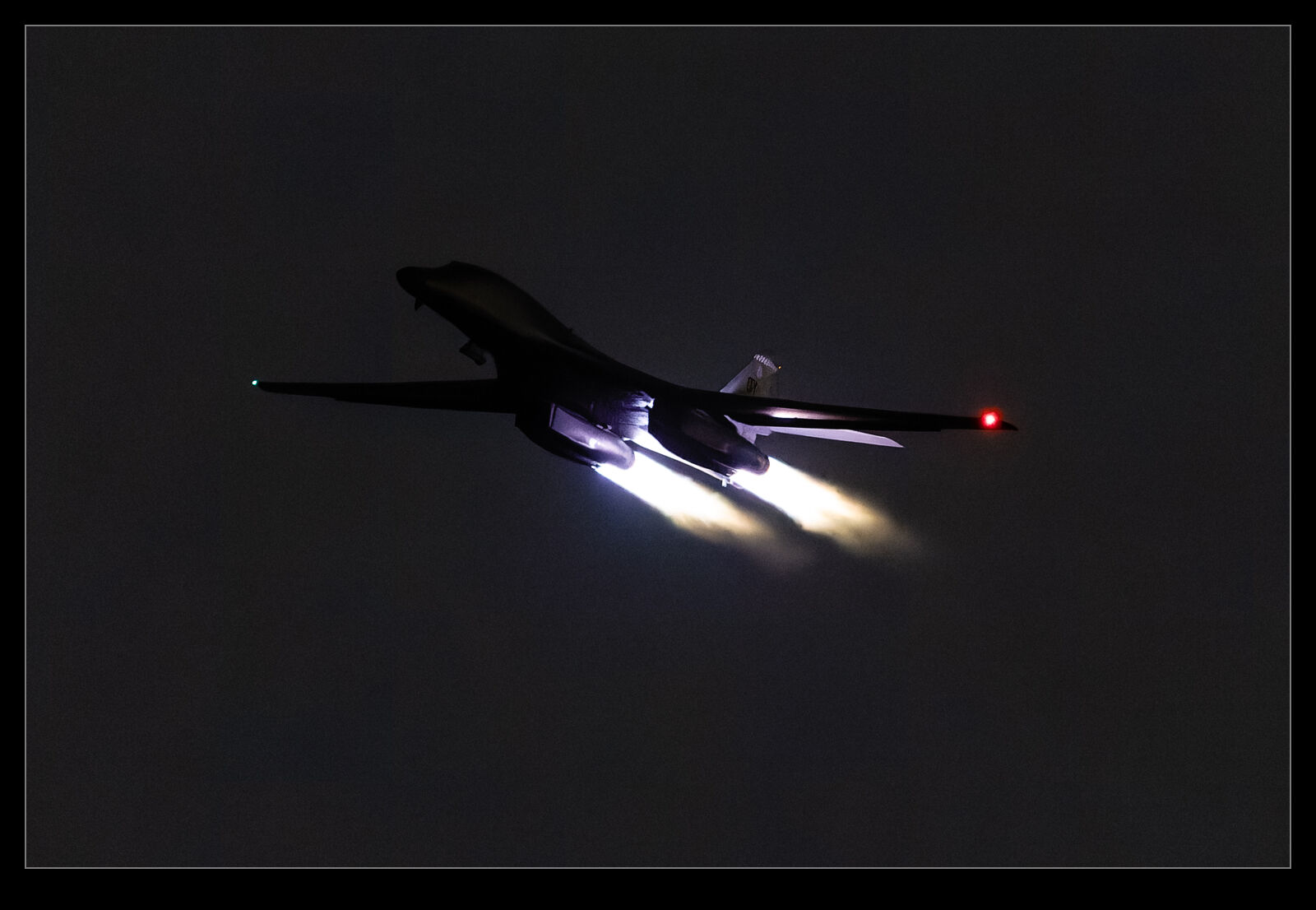
As for the output, I was quite amazed by the results.  I will show here some of the Lightroom edits along with PureRAW2 and PureRAW3 versions of the files.  As you can see, the latest version really does clean up images a lot.  However, I don’t think it is all good.  Some of the shots feel like they have been over sharpened and look too crunchy.  Also, the algorithm seems to get imaginative when it comes to lettering on airframes.  Some of the results have created shapes that just are not there in the original shot.  For some shots, this might not be an issue but, when something is supposed to be recognizable, the odd artifacts show up conspicuously.  If the shot had been soft and noisy, you wouldn’t have worried but, because it is supposed to be clear and sharp, the weird results stand out.

Is it worth it?  Not for me.  I used it on some more normal exposures and couldn’t really see much benefit.  Certainly not enough to make the effort worth it.  For high noise, it does provide some nice results and some odd side effects but, I don’t shoot enough of them to make that really worthwhile.  For now, it shall sit in the interesting but not interesting enough category.  Maybe we shall have the fourth installment of this series when PureRAW4 comes out!

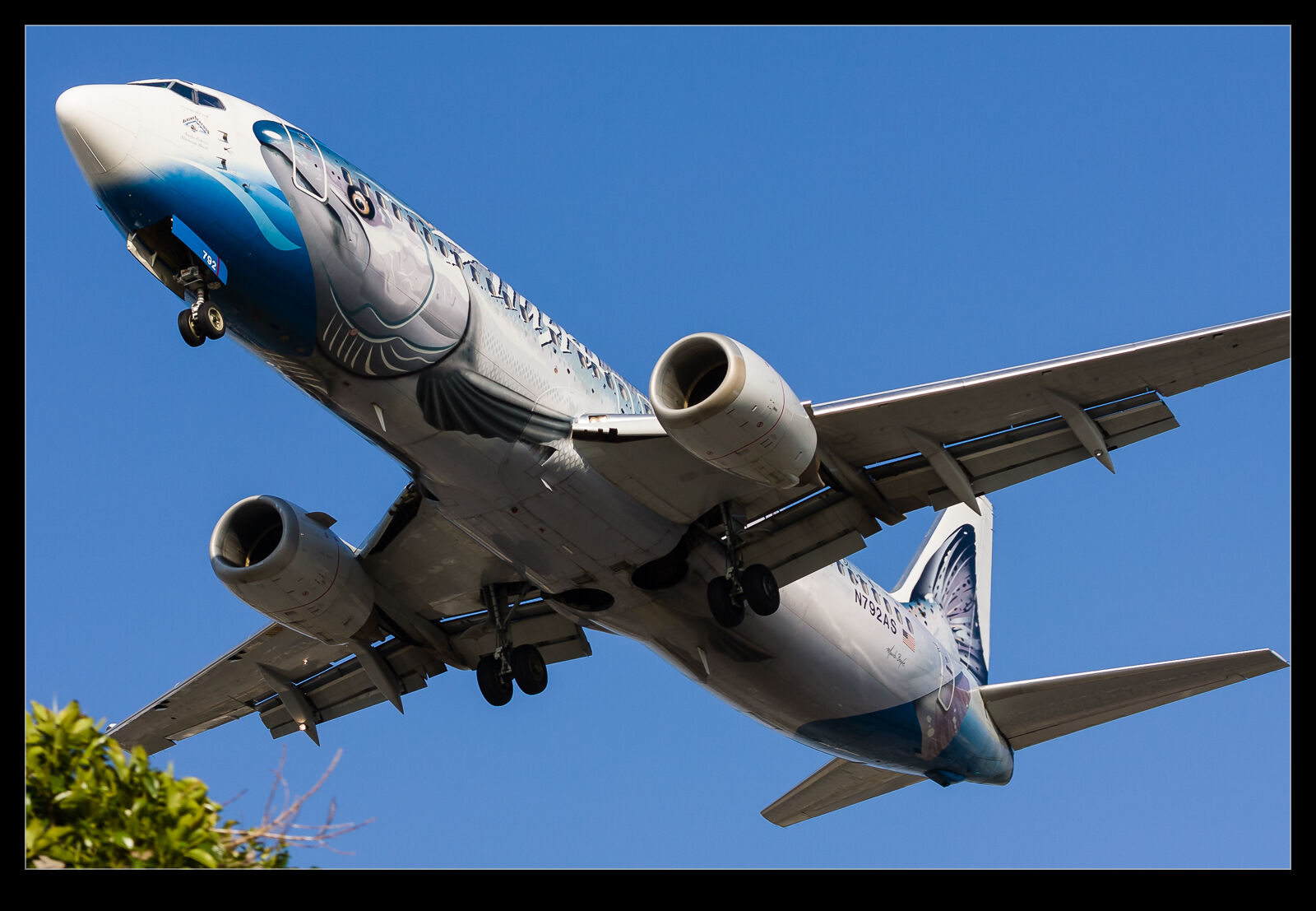
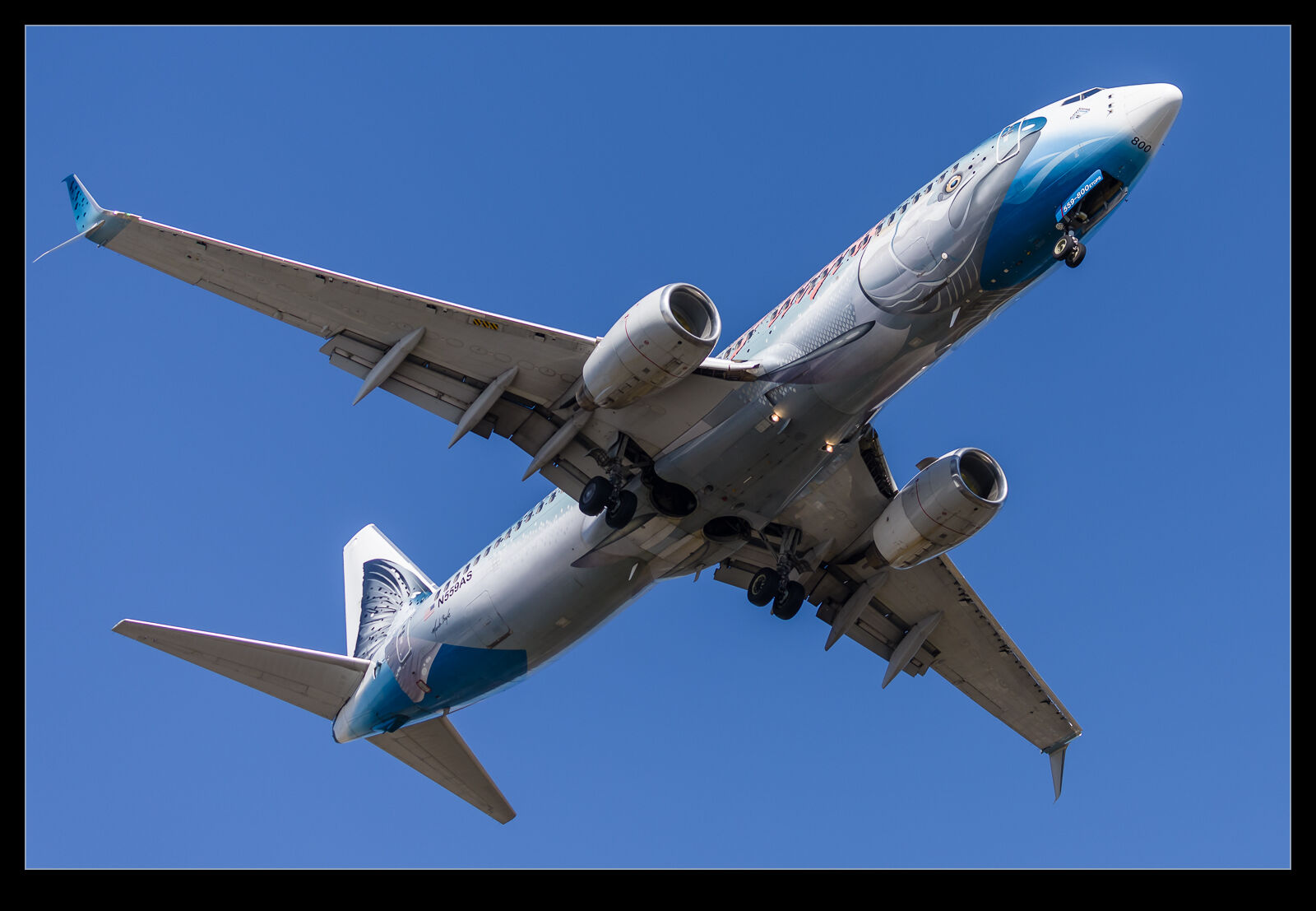
Farewell Salmon Thirty Salmon

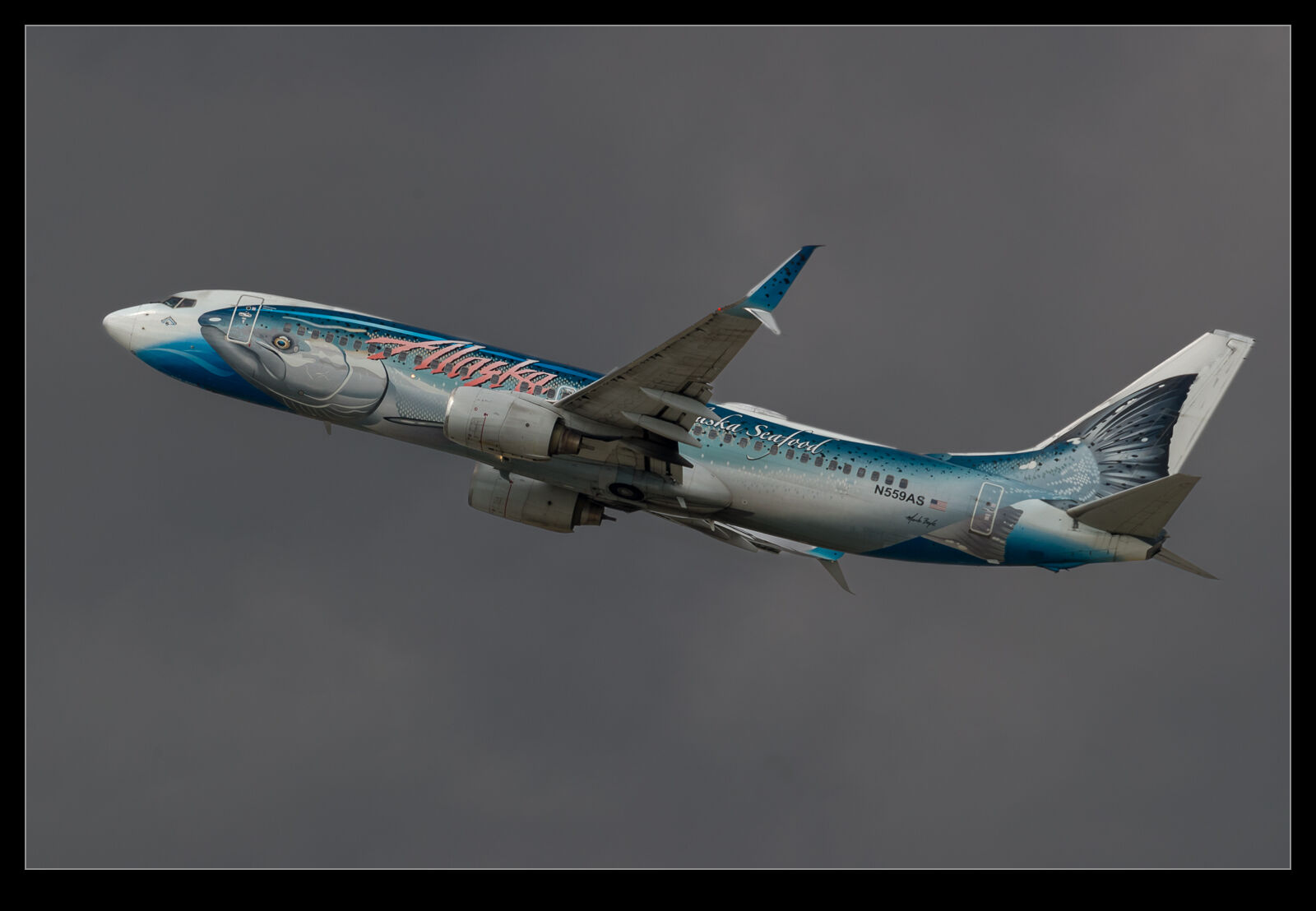
At the time of writing, the end is nigh for the second of Alaska Airlines’ Salmon Thirty Salmon paint jobs.  These are a result of a sponsorship program with Alaskan fisheries and, from what I have heard, this deal has come to an end and the jet is due for a repaint.  I came across the first of the Salmon Thirty Salmon jets many years ago at LAX.  The original jet was a 737-400 and I shot it on Sepulveda Boulevard resulting in a shot I was rather surprised and happy with.

The -400s have gone from the Alaska fleet and the livery was added to a 737-800.  I have seen it a few times over the years but never in good conditions or too close so, once I heard it was heading for repaint soon, I decided to try and get some parting shots.  These shots required a combination of decent conditions, the right time of day, not being at work etc.  I was lucky that the jet was departing SEA early one Saturday morning so I would get it with low early sun as it climbed out.  That worked out pretty well.

The second shot I wanted was inspired by my original shot.  I wanted to get a low shot from underneath.  Fortunately, I got an evening when the jet was due in and would be approaching from the north which gave me a good location to get the shot.  Mission accomplished so, now when the jet gets painted, I will be fine.  If they paint a Max9 in the livery, that would be cool but no sign of that so far.

Bothell’s New Fire Station

One of the routes that I take when riding my bike takes me through the center of Bothell – a town next to ours.  I would ride past the old fire station but hadn’t been on the route for a while.  There had been a sign saying a new fire station was going to be built and, when I recently rode by, not only was it finished but there was a sign outside saying that they were planning to have an open house to celebrate the opening.  I figured this might be interesting.

The open house was scheduled for a Saturday morning so was not going to be a long event but that didn’t deter people from showing up.  There were plenty of people there when I arrived – indeed some were already leaving having got there earlier.  As I stayed around, it got a lot busier.  So many people came to have a look around.  Many of them brought their kids along to see the station but I suspect the kids were less interested than the parents were.

The appliances were on display in the main open space of the station with fire trucks, ambulances and assorted support vehicles for people to climb all over.  These were of interest to me but I was almost more interested in the stuff around them.  Storage for the equipment, venting pipes for the vehicle exhausts so they could run indoors, things like that.  The one thing that they didn’t have was a pole!  I guess those are no longer a standard of fire stations!

There was much more to the station to see, though.  You were able to walk throughout the building and, while there were some tours explaining everything to people, I was happier going at my own speed and avoiding the worst of the congestion.  The operations space where they could control the delivery of whatever services were needed was pretty compact but efficient.  It was alongside a selection of offices for some of the leadership.  Across from that was a gym where the crews could work out if they wanted.
Heading upstairs and we got to the more domestic side of things.  There was a large kitchen and dining area.  Large cooking surfaces with big skillets were a sign of what feeding a shift involves.  There were multiple refrigerators along one wall with each labeled for the shift that utilized it.  I wonder whether there are ever issues with one shift pinching food from another!  Next to that was a TV room with big recliners arrayed around the TV – each on embroidered with the logo of the fire station.  This logo showed up in various places.

Next was the accommodation space.  There were bunk rooms available for the crews to use.  I understood that they would be on watch for long periods so could eat, relax, sleep, shower and work out while they were not required for operations.  The bunk rooms were compact and basic but looked like they would do the job nicely.

It was interesting to see what a modern fire station involves.  I hadn’t really given it much thought before and seeing the layout gave me a new appreciation for what the crews’ lives can be like.  The new building was clearly a nice upgrade for the facility and it was functional but not unattractive.  They even had some sculpture work outside.  A lot of effort went in to putting the place together.  I hope they find it beneficial.

Penultimate Boeing 747

By the time this post goes live, the last production 747 will have been delivered long ago and will be in service.  As the countdown to the last jet was underway, the interest in the remaining jets off the line went up significantly.  The penultimate jet to be built was also for Atlas Air and was branded for their contract supporting Kuehne + Nagel.  I saw a few shots of it appear online as people got it arriving in some gorgeous lighting.  Sadly, I couldn’t be there for that but I did manage to get it arriving from a test flight one afternoon.  The light wasn’t fantastic, but it was okay.  After this one, there was only one more to go.