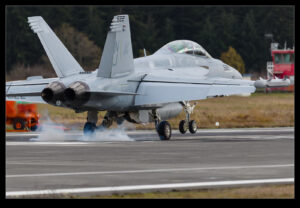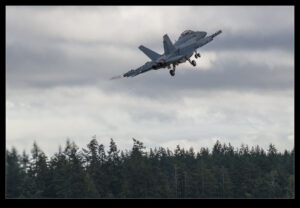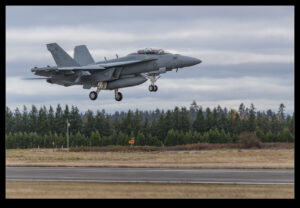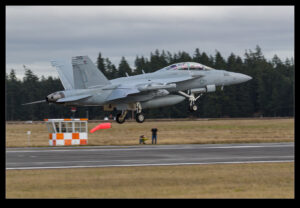
This Southwest 737-700 was completing a test flight at Paine Field. The crosswind was pretty strong so the pilot used the wing down approach to handling the crosswind. They touched down on the starboard gear and bounced a bit before settling those wheels on the surface. A short while later, they rolled wings level and the port gear made contact. Aside from the bounce, a pretty good example of landing in a crosswind in a big jet.
Category Archives: aircraft
Shock Diamonds and the F-22
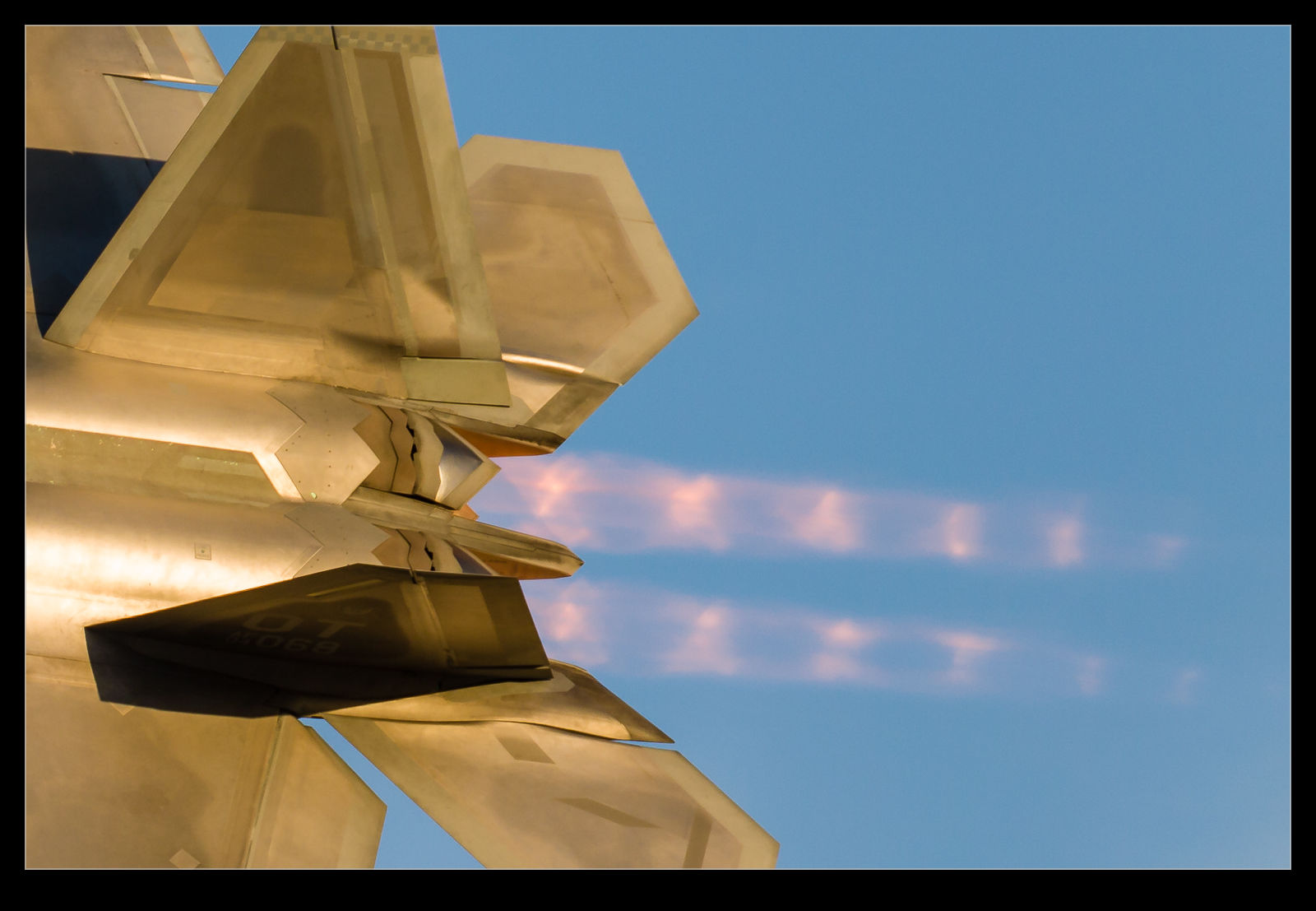
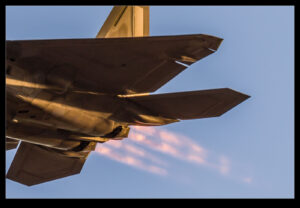
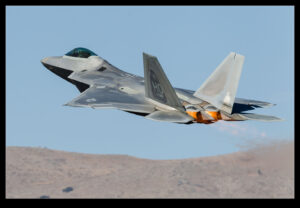
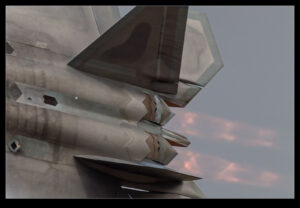
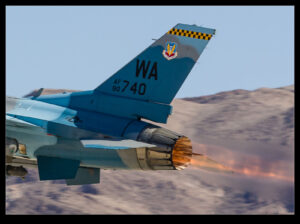
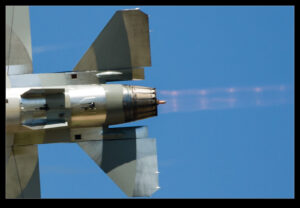
Within the very high speed flows of air in an aircraft’s exhaust, you can set up a series of shock waves and expansion fans as a result of the differences between the pressure of the flow and that of the surrounding air. When afterburner is engaged, the hot gases and the temperature changes these shocks and expansions cause, result in a diamond pattern forming in the exhaust plume. In darker conditions, these diamonds are more conspicuous but they are visible even in normal daylight.
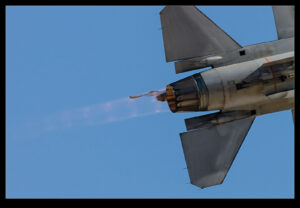
These diamond patterns are a function of the flow being symmetrical since most engines have round exhaust nozzles. This isn’t the case for the F-22, though. It has flattened nozzles with a pointed profile top and bottom. This got me wondering what the effect is on the exhaust plume and whether the traditional diamonds are formed or whether the nozzle shape results in a different pattern of shock and expansions as they reflect within the plume. I decided to dig in to some shots to see what I could find.
I don’t have a lot of F-22 afterburner shots. While I have shot them a lot taking off, they often take off without afterburner. Since they have plenty of power and burner use dramatically increases fuel consumption (and the F-22 is not over-endowed with range as it is), there is no point using burner if it isn’t needed. Air shows are a time when they do give it plenty of burner, so that is the source of the shots.
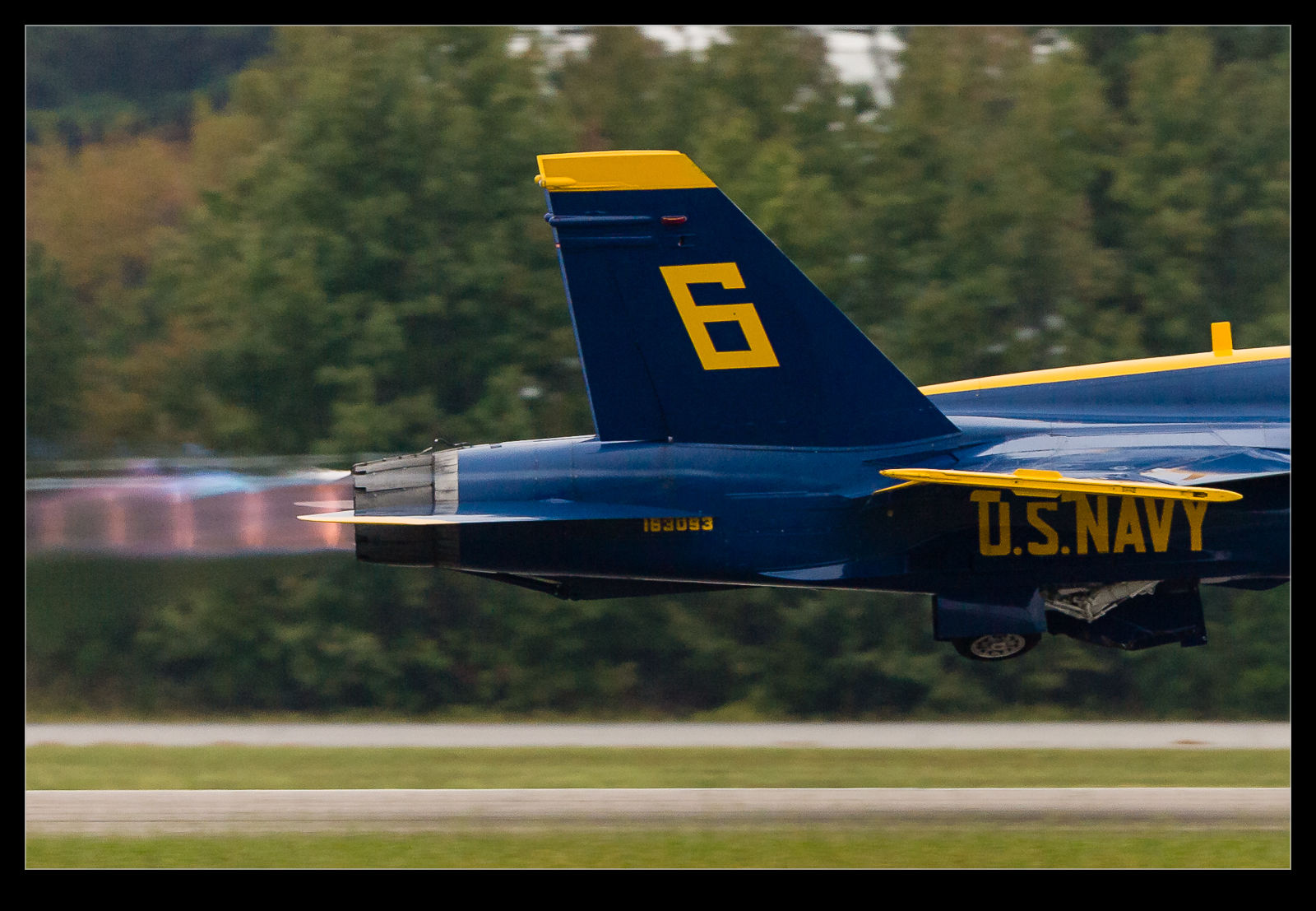
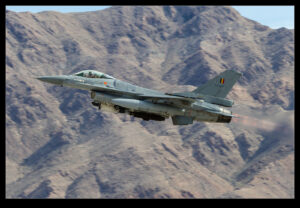
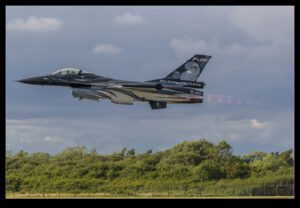
The result of this is that there is definitely something unusual about the shock patterns. I include some shots of F-16 and F/A-18 afterburner plumes and the normal shock patterns that create the hotspots known as the diamonds are very obvious and simple in shape. For the F-22, things are very different with the patterns of hot zones being something more in line with the shape of the nozzle. The way in which the patterns repeat is more complex than for an axisymmetric nozzle. There is nothing much to conclude in these observations. It is just something that appeals to an old aero guy like me.
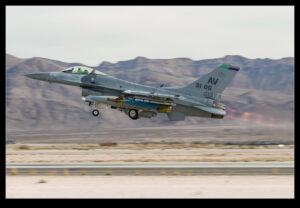
- A heavily loaded USAF Lockheed Martin F-16CJ Fighting Falcon gets airborne from Nellis AFB NV.
Falcon 2000LX Fighting the Wind
I talked about a Janet 737 coming in to Paine Field in this recent post. A couple of minutes ahead of it was the arrival of a Falcon 2000. The conditions were very blustery and the Falcon was bouncing around on final approach. It got quite a wing drop at one point and I did get a shot as it recovered but not showing quite how much it had rolled at its peak. As for the Janet, conditions were not great for lighting but it was not too bad.
HondaJets in the Murk
I was pondering what to do with a day off. I was struggling to come up with a plan and the weather was not ideal for photography but I then saw that not one but two HondaJets were due in to Boeing Field within an hour of each other. I have only shot one flying before and it was very distant so I figured this would be the motivation to get me out.
The sky was very overcast with a grey background that made me hope for planes painted in an interesting color scheme. Unfortunately, both jets were in Honda schemes with grey as the main paint so they were hardly ideal for shooting in such conditions. However, I didn’t have much of a choice so I got both of them on the approach. If only one of them could have been a bit more colorful.
As I was heading off to my next stop, I drove past the Kenmore ramp and saw that one of them was parked up there. A quick diversion in and I added a ground shot of one of the jets. Not sure where the other one was parked but I would assume it was on Modern’s ramp.
Sunset Dreamlifter
Scrolling through some shots for something else, I saw these two shots of a Dreamlifter departing Paine Field one evening. I think I actually posted about that flight on another day but I guess I ignored the view of the jet as it headed in to the distance. The sky was beginning to develop a nice color and the air was very clear giving a good view of the Cascades mountains in the distance so why not share them now – particularly as it is a time when I am not getting much aviation photography done!
Janet on a Blustery PNW Day
Crummy weather and a lack of light is not usually a recipe for heading out to shoot planes. However, I was up in Everett getting the car serviced and, as I prepared to leave when the work was done, I figured I would have a quick check on what was moving up the road. Turned out ATS had another Janet 737 out on a test flight.
I have shot the Janet 737s at Paine Field in far better conditions but I figured it was worth a quick diversion before heading home. The wind was very strong and from the southwest. As the 737 came down the approach, it was pointing in my direction as it compensated for the crosswind. A short while before it arrived, we had experienced some nice sun poking through the clouds but, sadly, this had gone by the time it arrived so it was dull lighting. This somehow made the airframe paint seem a little warmer than I recall previously.
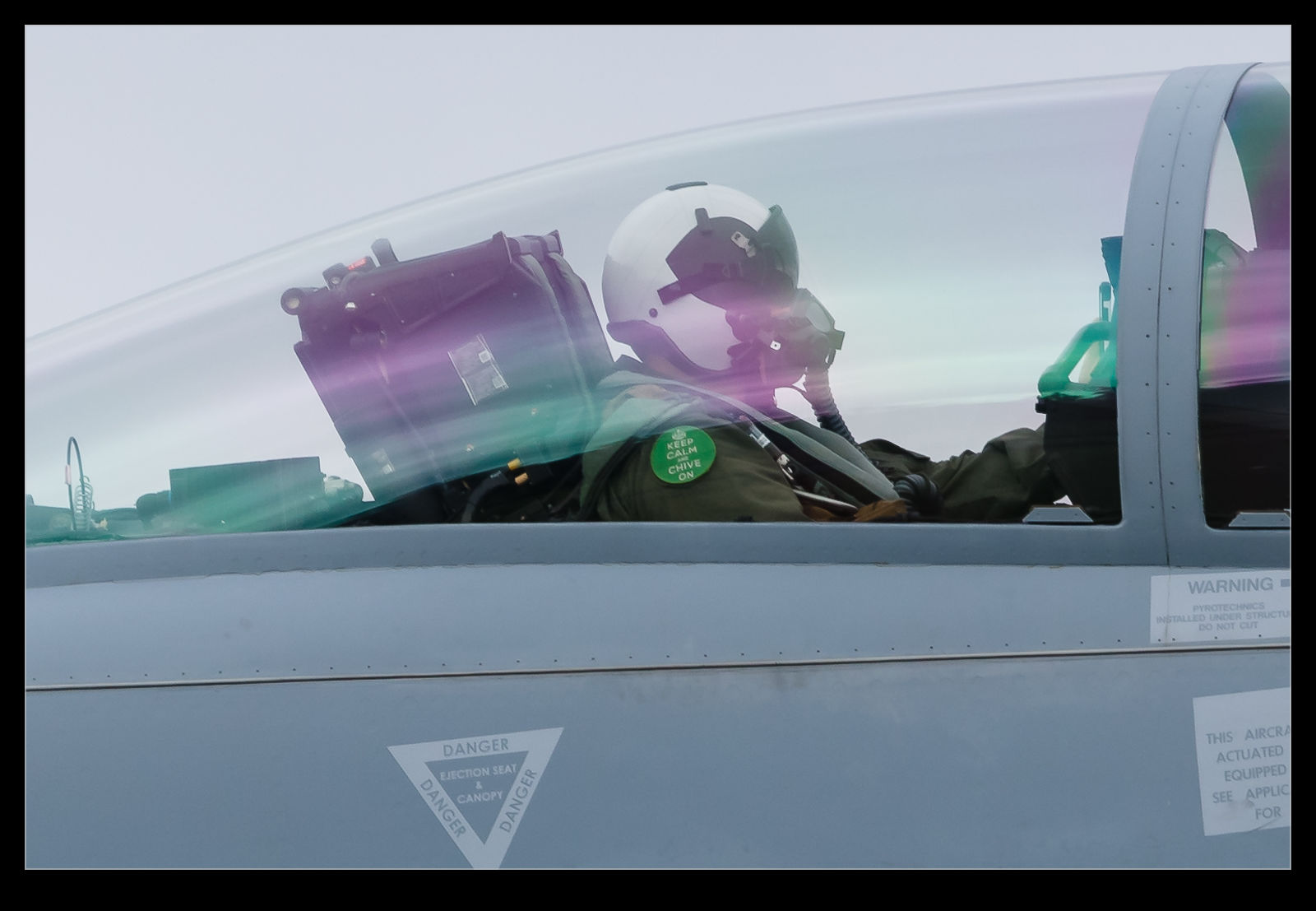
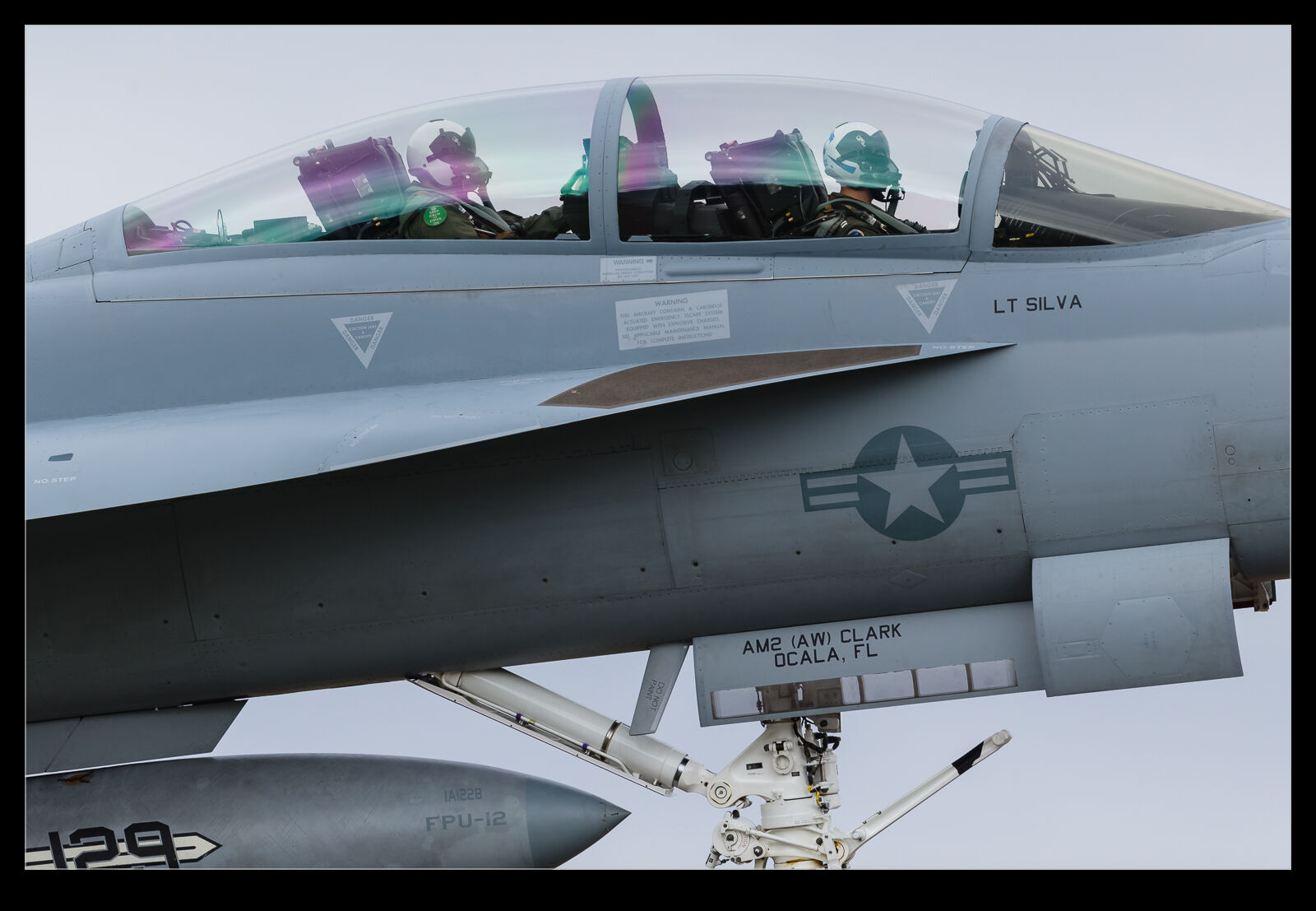
Keep Calm and Chive On
Landing the Balloon Where You Can
I posted about the hot air balloon over our town in this post. At the end of that post, the balloons was descending behind the trees for a landing and I was driving off to find them. It turned out that I had forgotten about a field between the rail tracks and the highway. I came around the corner and the ballon was on the ground but upright sitting in the field. It looked pretty incongruous.
I was clearly not the only person intrigued by this as a bunch of vehicles had gone down the normally quiet road alongside the field. The team was actually still burning as they maneuvered the ballon to the edge of the field to give themselves space to deflate it. Most people got bored with the view, but I decided to try and get photos and video of the whole sequence of deflating the balloon. The light was fading rapidly at this point.
A bunch of the crew grabbed the lines to the top of the balloon as the top vent was opened up. The balloon started to sag rapidly but, once they pulled it over to a certain point, the vent was too low to let the warm air out. Then they waited while another person gathered up the envelope and squeezed the remaining air out. Finally, it sagged to the ground and the final gathering up was quickly completed. By now it was quite dark, and I figured it was time to go home. I am not aware that they use the field to land normally. I wonder if this was a bit of an urgent landing as the light was fading fast and the low winds were limiting options.
Fisher P-75A Eagle
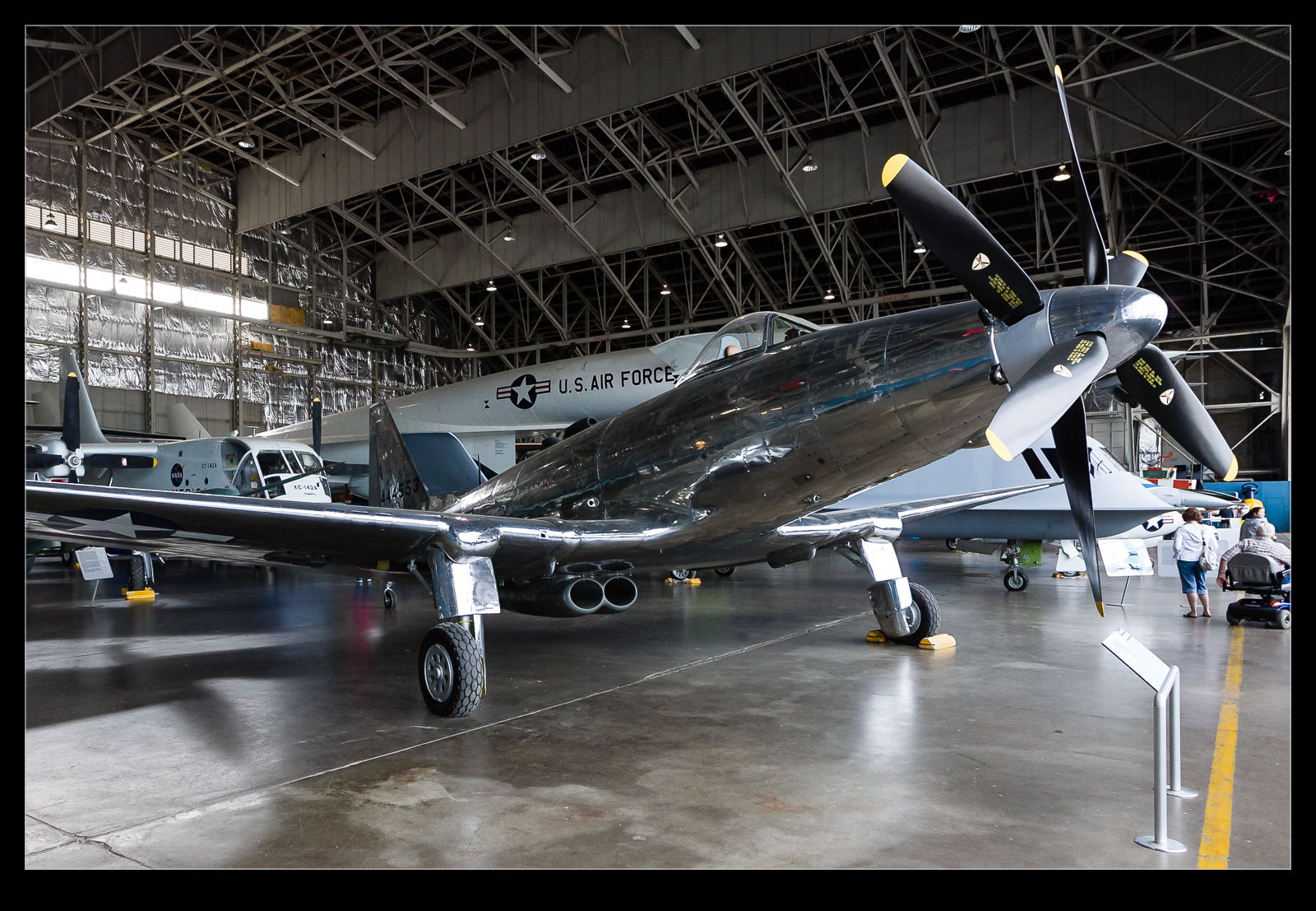
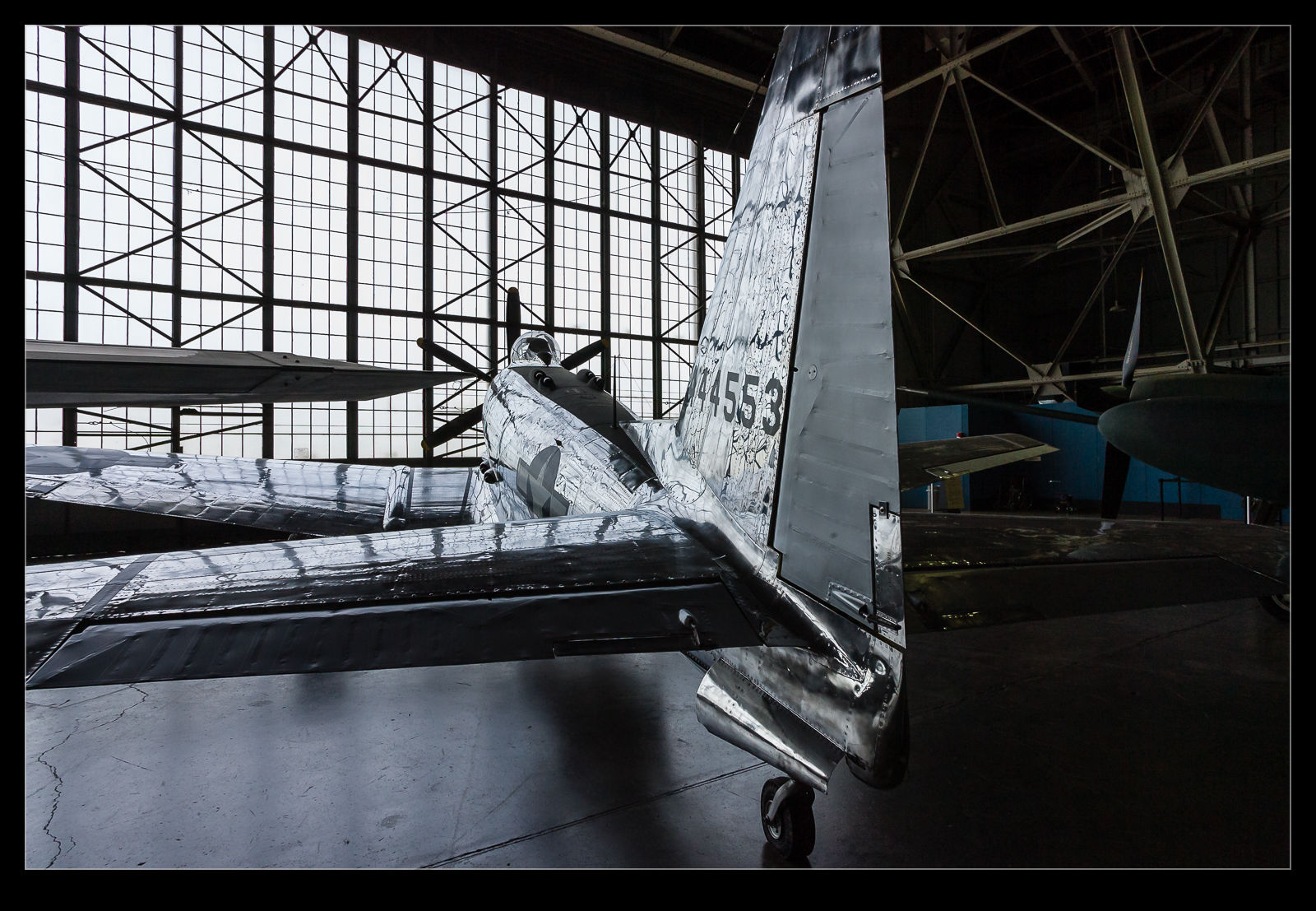
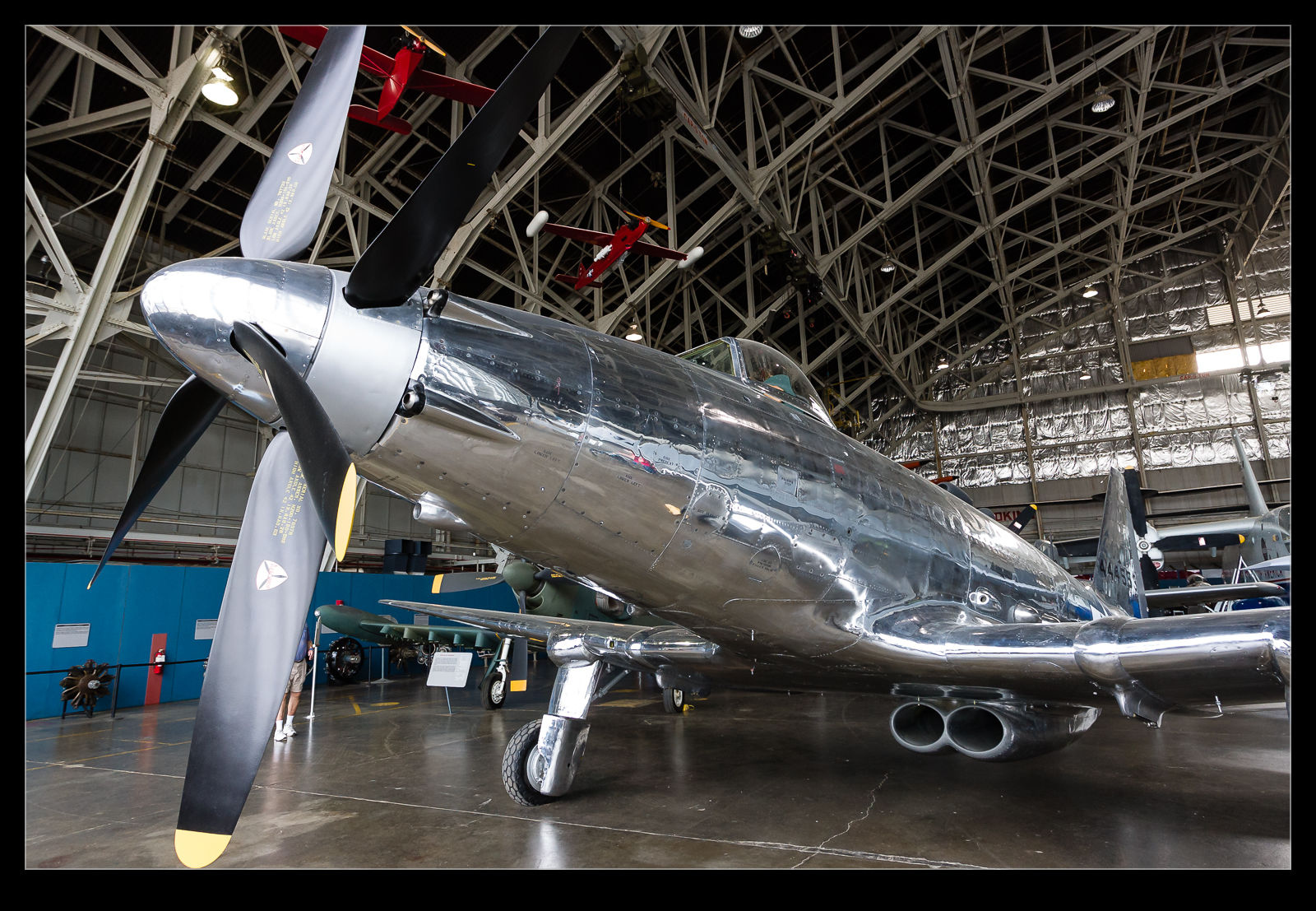
While researching some old images of mine from the experimental hangar at the USAF Museum in Dayton OH (the collection of which has since been moved into a new, custom build display hangar which is far more spacious), I saw some shots of something which, to be honest, I had no idea what it was. I took a look at the website of the museum to try and identify the type. It is a Fisher P-75A Eagle.
I did not knew Fisher existed and discovered it was part of General Motors. The configuration of the aircraft is quite unusual. The engine is mounted in the middle of the aircraft driving a contra-rotating propeller. The cockpit is further forward that on other single-engined fighters of the era since there was no space allocated to the engine up front. The underside includes a pair of inlets. The airframe is finished in polished metal rather than paint. Overall, it looks quite impressive. From what I read, another type was not deemed as necessary so development was terminated and they used the airframes for engine development work. Funny how I saw it on the visit and took photos and then promptly forgot about it.
Back to Coupeville for a Day Off
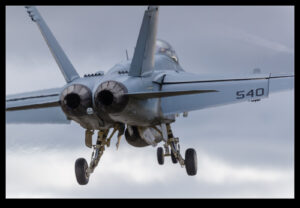
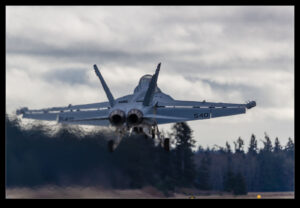
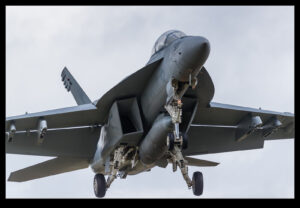
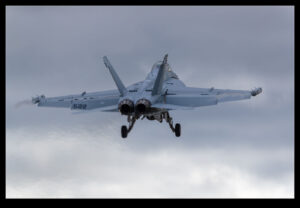
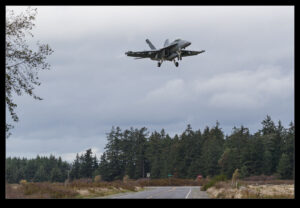
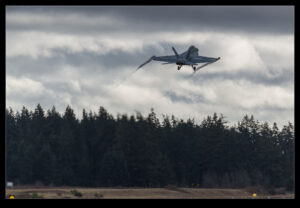
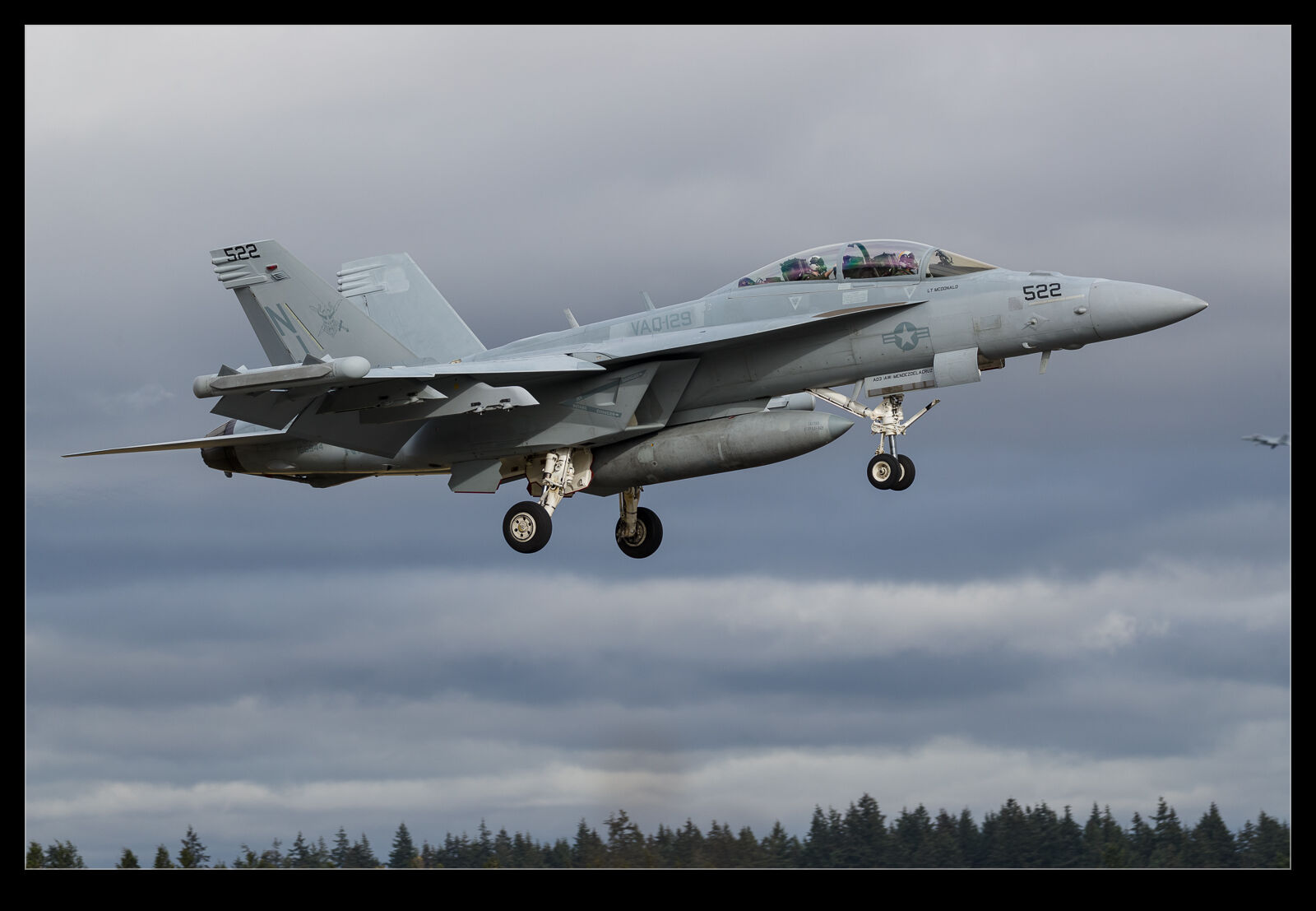
NOLF Coupeville was scheduled for FCLP training and strong winds from the Southeast were forecast which suggested the right runway would be in use. I also had a day off scheduled. While the rest of the weather was potentially not ideal, I figured I would make the trip. Why. Not? They were due to be flying from late morning but, as seems to be usual, it was just after noon by the time things started to look active.
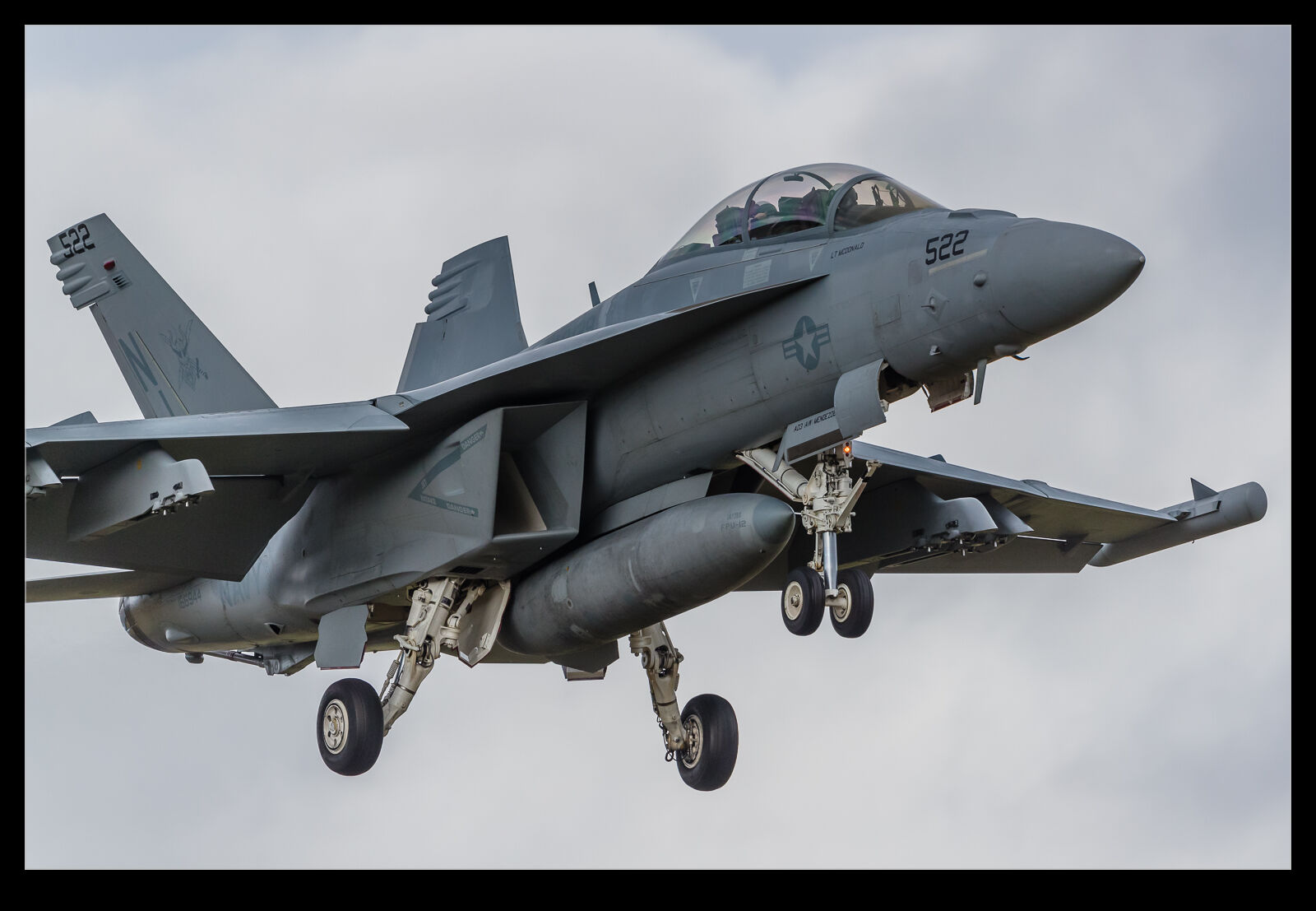
I was worried about the low cloud base but it was actually not a problem. The wind was really strong gusting 20-30 kts. This was giving them some interesting flying. Early on, there was a hint of sun sometimes which really helped the photos. As they climbed out after each touchdown, the skies behind made from interesting backgrounds and showed off the heat haze from the exhausts as well as the streaming tip vortices courtesy of the damp conditions.
After a while, I got a visit from the Navy Police. The young lad informed me I wasn’t allowed to photograph the jets. I pointed out I could be he was most insistent that I couldn’t. Rather than have trouble I decided the stop shooting. As it happened, the conditions got a bit worse anyway so I had got the best of what was on offer. I just watched the rest of the flying which included quite a few bolsters and some sketchy touchdowns as the wind got stronger.