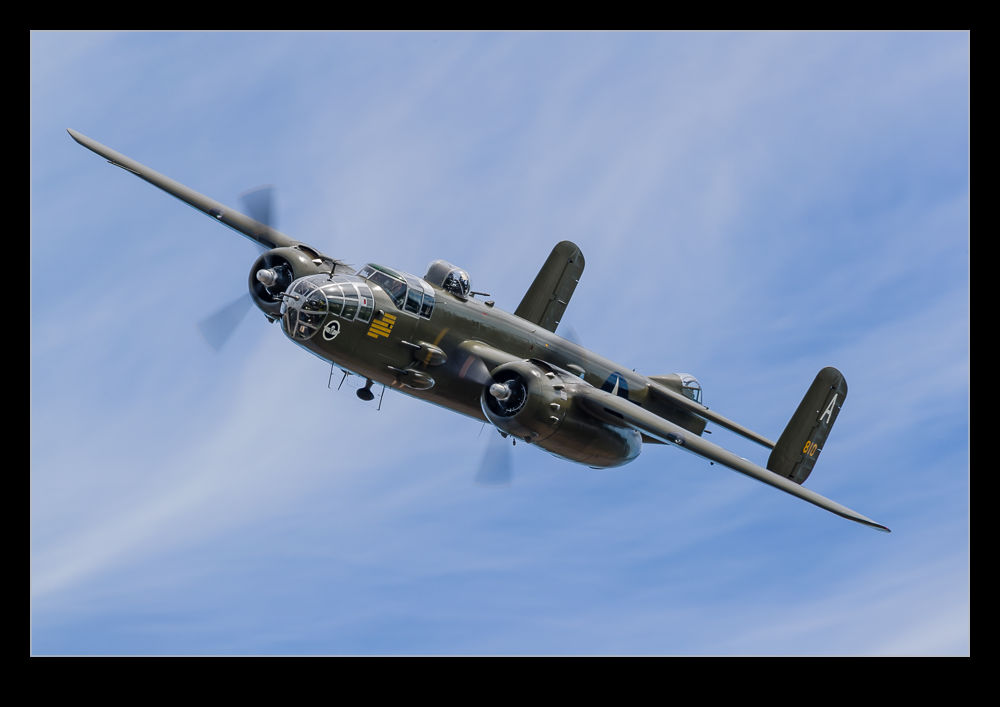
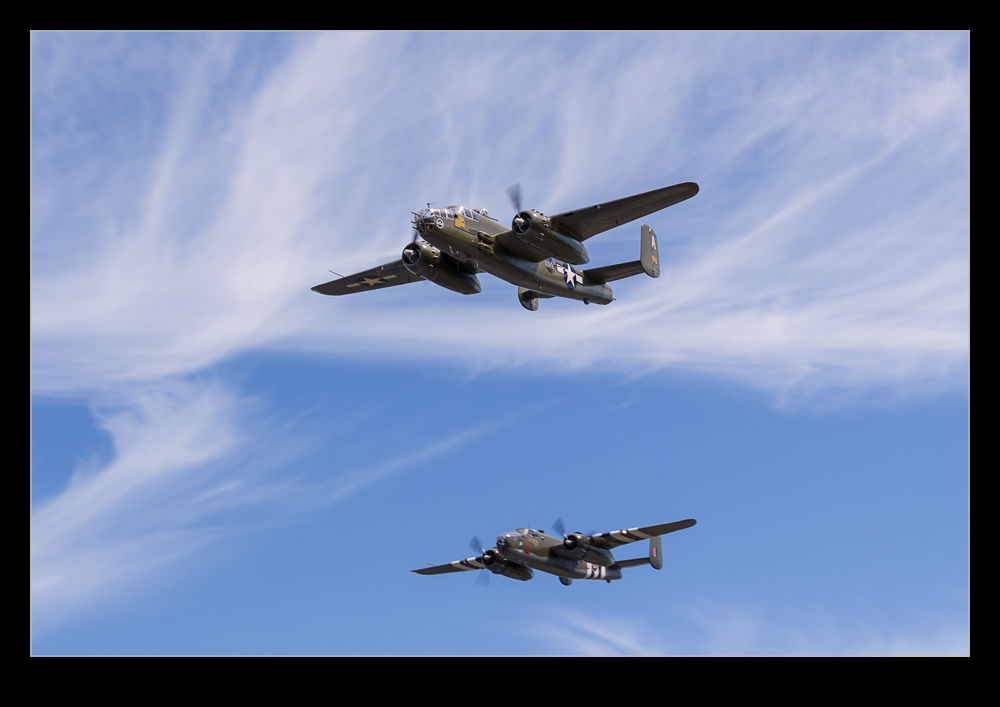
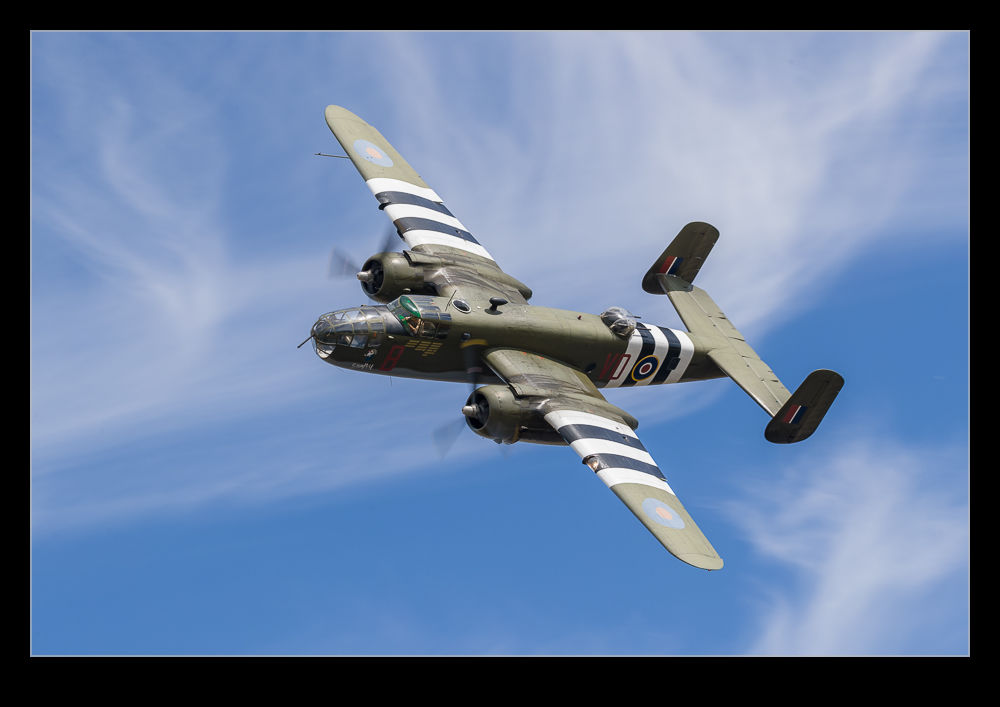
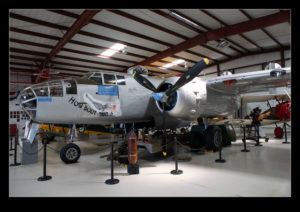
The two B-25s that live on Paine Field are regular performers. When they both went up at Skyfair, I have to admit that I was not so excited. However, I was not anticipating a series of flypasts that were significantly better than I had seen from them before. They brought them in with a tight formation and some angles that allowed some great topside shots as they curved around on to the runway alignment.
Watching them line up, you could see that they weren’t going to come so close and ruin the photo opportunities. Instead, we got lots of banking and pulling with far better shots than I had achieved previously. I was not alone in appreciating the effort. Everyone around me was most impressed by the performance.
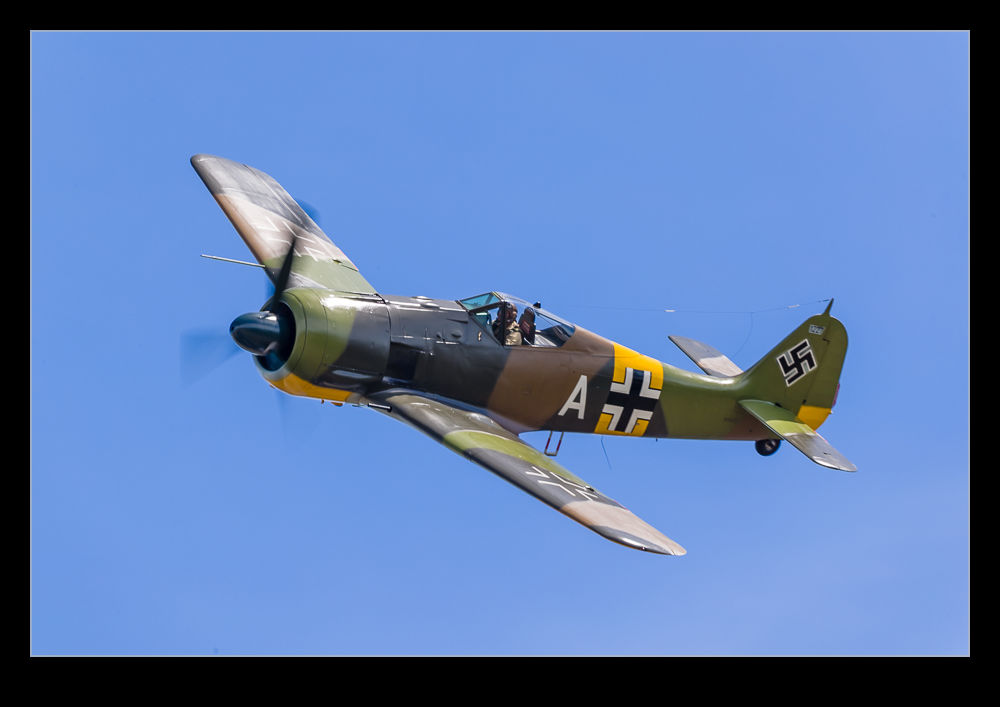
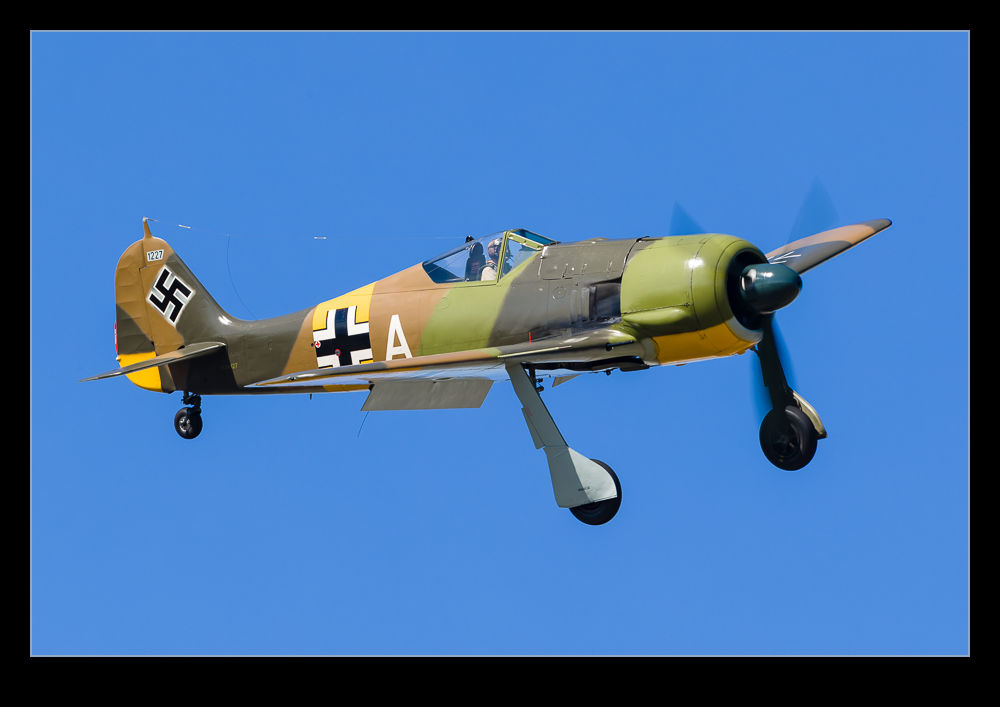
The FHCAM FW-190 is one I have seen on the ground a few times but I have been thwarted with regard to it flying. It was scheduled to fly at Skyfair so I was optimistic. While waiting for the Skyhawk to arrive, we were pleased to see the 190 taxi out and depart. Hopefully it would be a short test flight and after a few minutes, it came back into the overhead. A very nice early turn to final brought it around the waiting crowd and there was much rejoicing!
On the day of the show it flew again. A nice bunch of passes and some good maneuvers to give us a view of the topside of the glossy paint scheme. The light was a touch harsh but the plane was definitely worth it. Combine that with the extra from the evening before and this will count as a success for me.
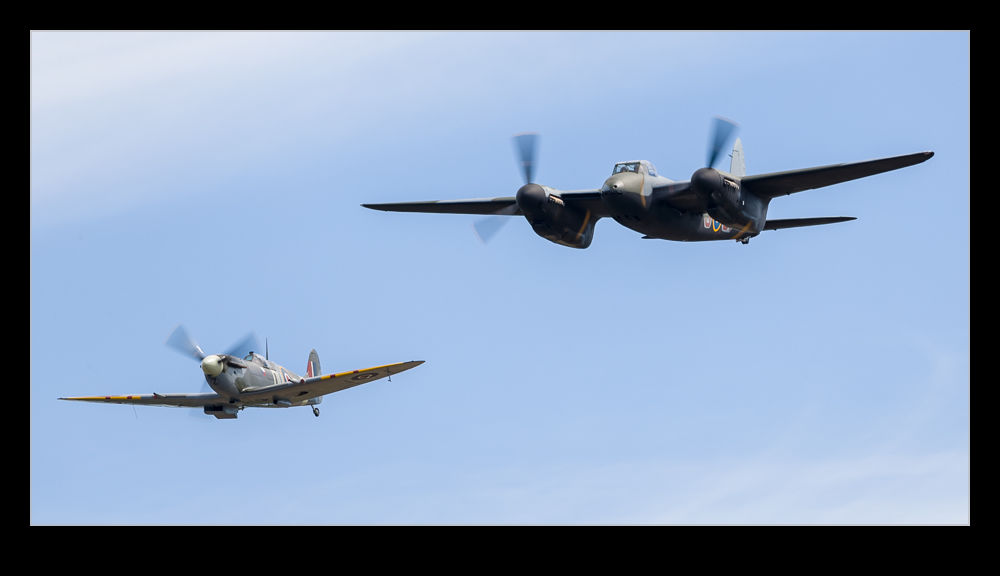
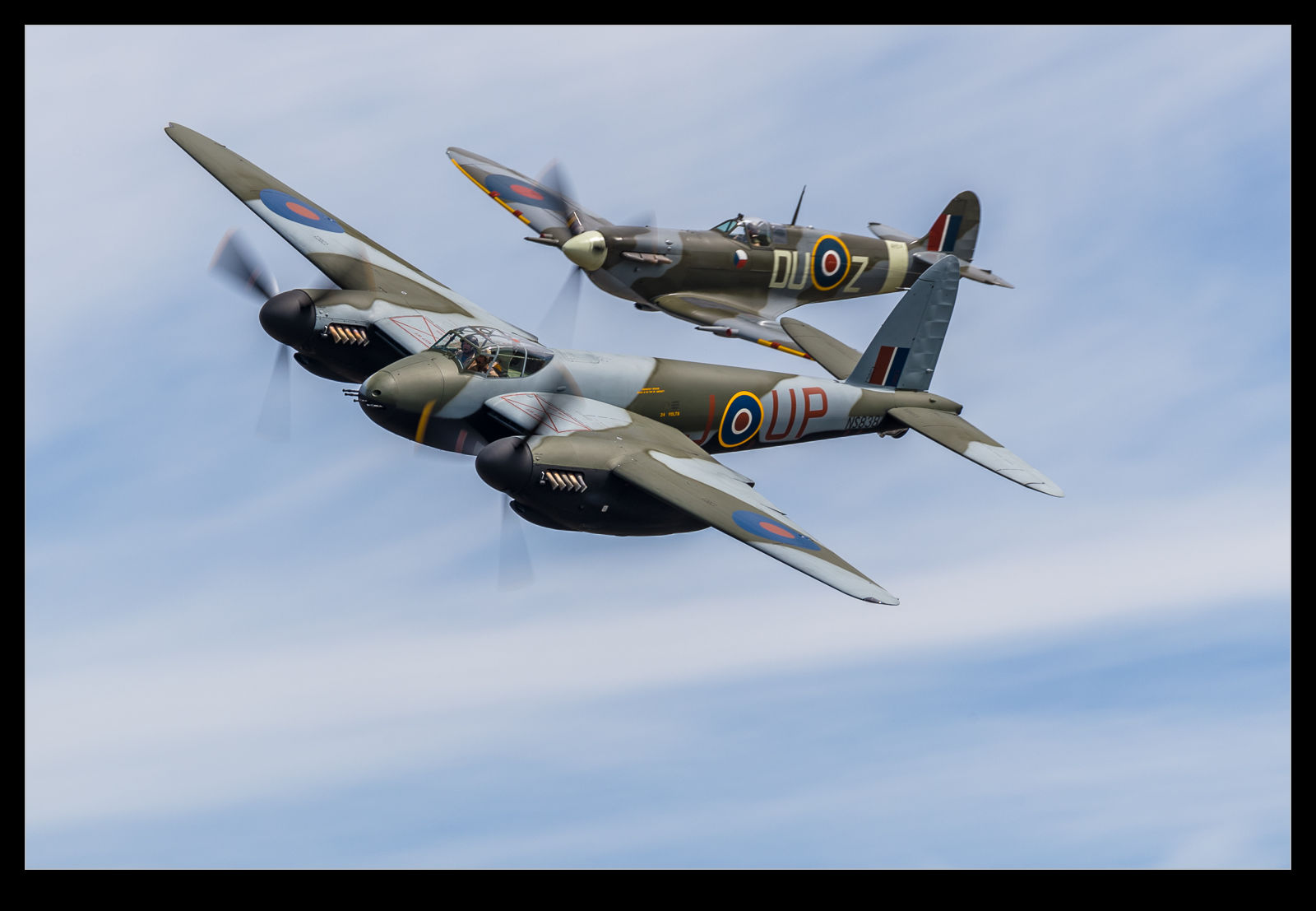
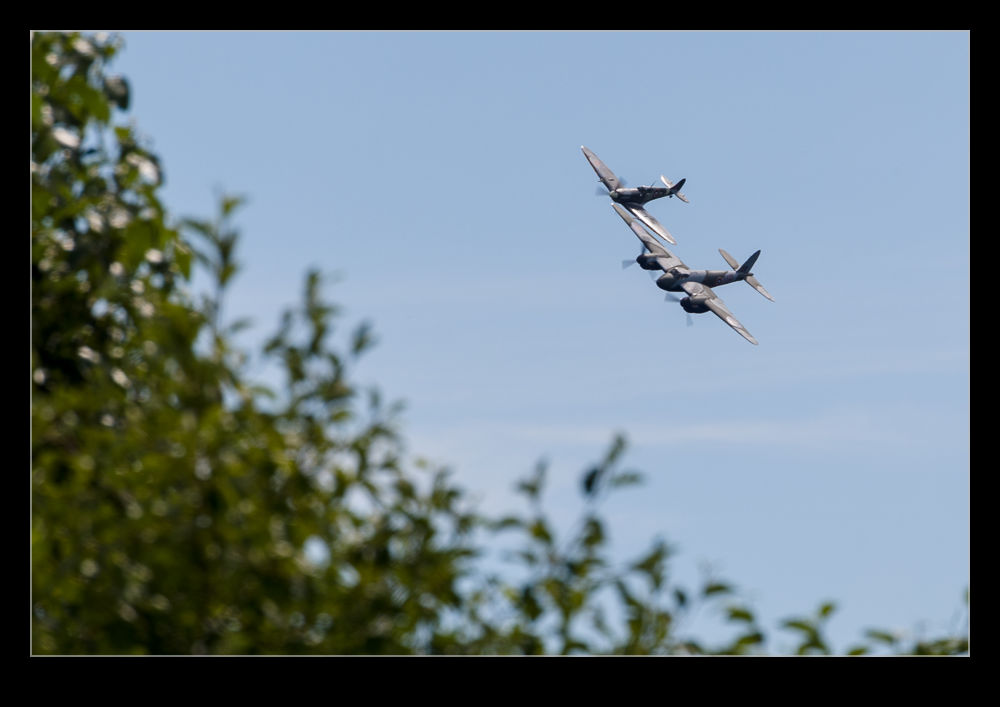
Skyfair proved to be a fun day out at Paine Field. A variety of types flew and they put on some nice passes that made getting shots a lot easier than is sometimes the case. The biggest problem was the heat haze which was really tough and affected all but the closest shots. One great combination that was put up was the Mossie with the Spitfire. After an event last year where I was disappointed trying to get shots of the Mossie alone, I was hoping it wouldn’t be in formation. However, when I saw this pairing fly by, I couldn’t help but be pleased with the way things turned out.
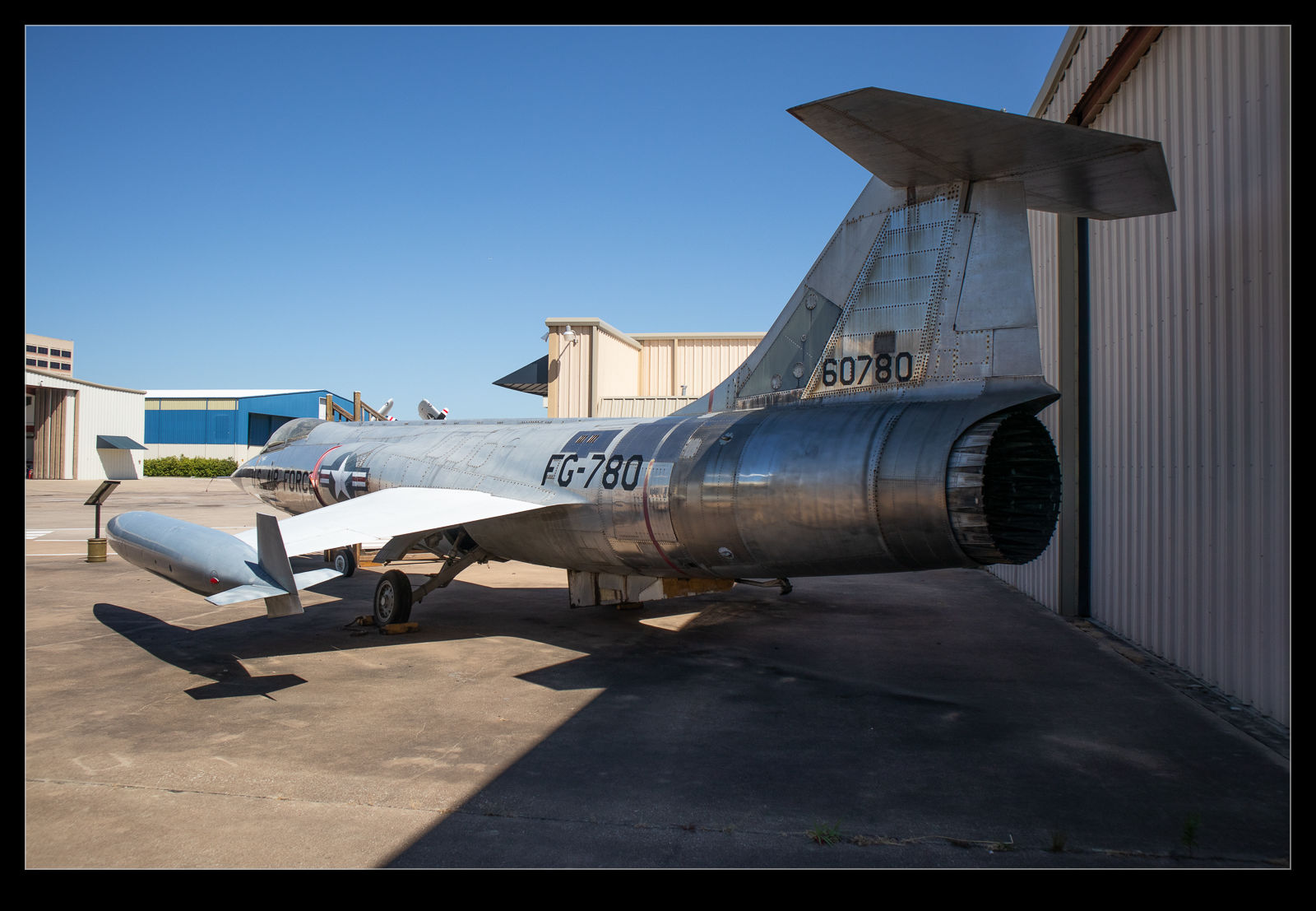
I have been to Addison in Texas a few times recently for work. The trips have been pretty much in and out with little spare time so I have not been able to check out the Cavanaugh Air Museum before. On a recent visit, though, my flight got in at a time that meant I could get there for the final 45 minutes that they were open. Not a lot of time but better than nothing and the temperature was over 100 degrees so being out for too long was not going to be fun!
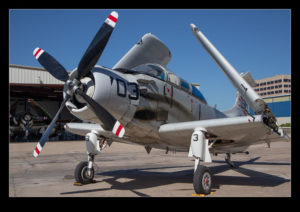
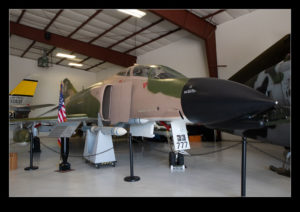
It was a quick trip around but still fun. Some nice examples of aircraft in the hangars and a few interesting bits outside. The intense sun meant they were hard to photograph and I wasn’t going to hang around out there too long. The ramp was reflecting the heat even more so it was roasting out there. Lots of nice stuff but the F-104 and the pair of A-1 Skyraiders were probably the high points for me. The painting gallery was also well worth a look and it was in the air conditioning so definitely a welcome spot.
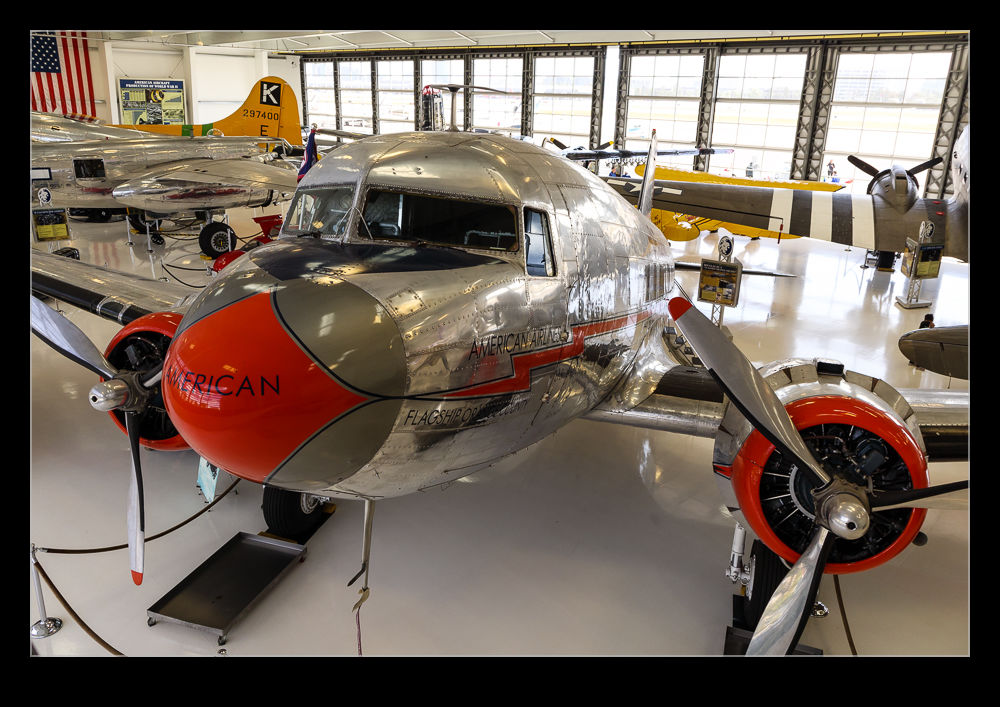
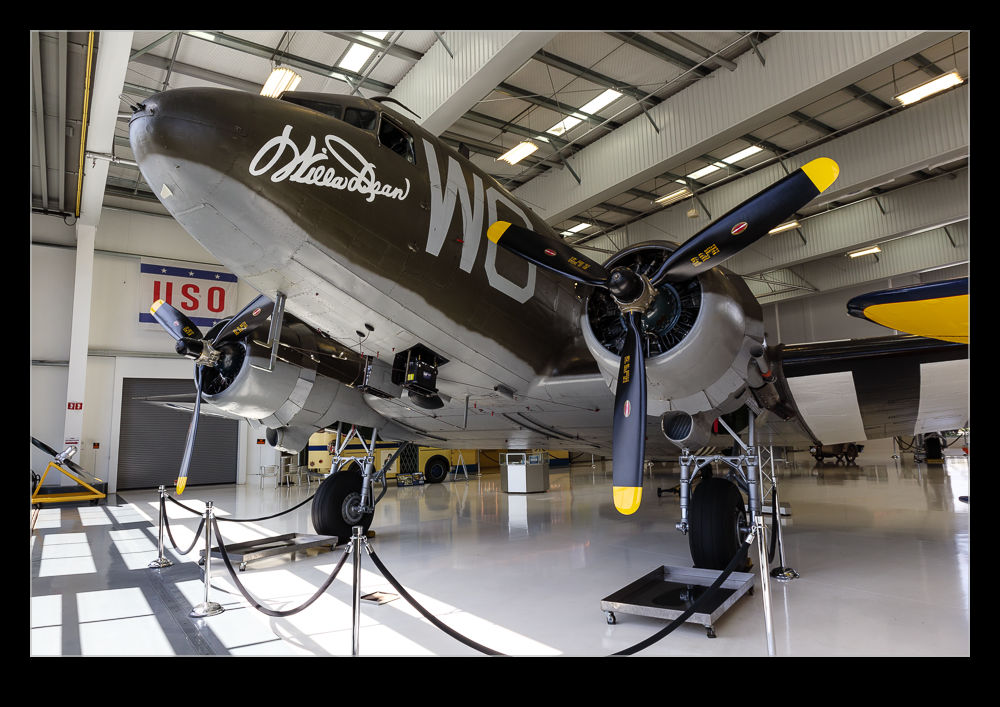
The Lyons Museum included a few larger types in the hangar. At one end they had both a DC-3 and a C-47. While notionally different types, they are in principle the same aircraft and one that Douglas churned out in huge numbers. The DC-3 was configured in a slightly more comfortable way than the C-47 though. Troop transport was not a luxury business. Get as many people and bits to where you are going as you can. The paying passengers were a more demanding crowd and the interior is designed to make them feel like they were being treated accordingly. Either way, they are both great looking aircraft.
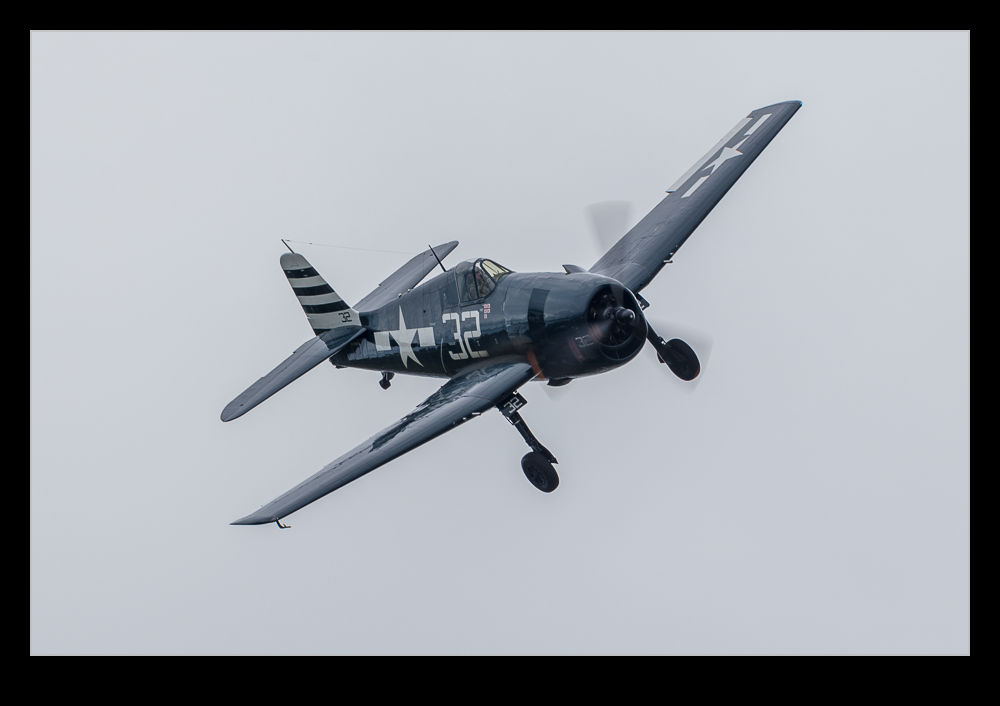
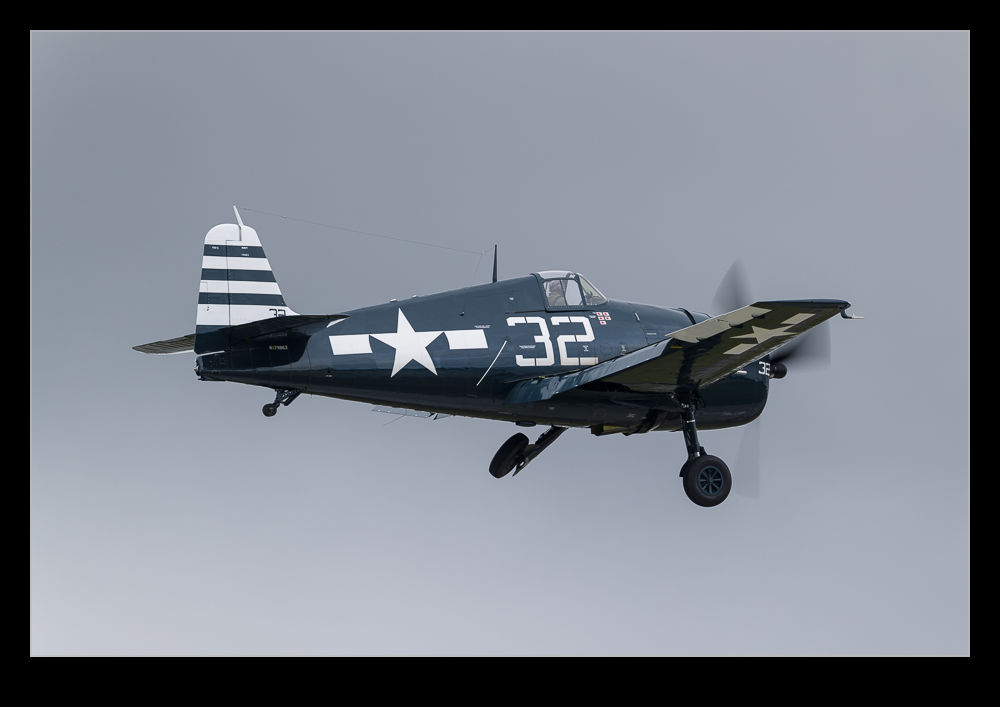
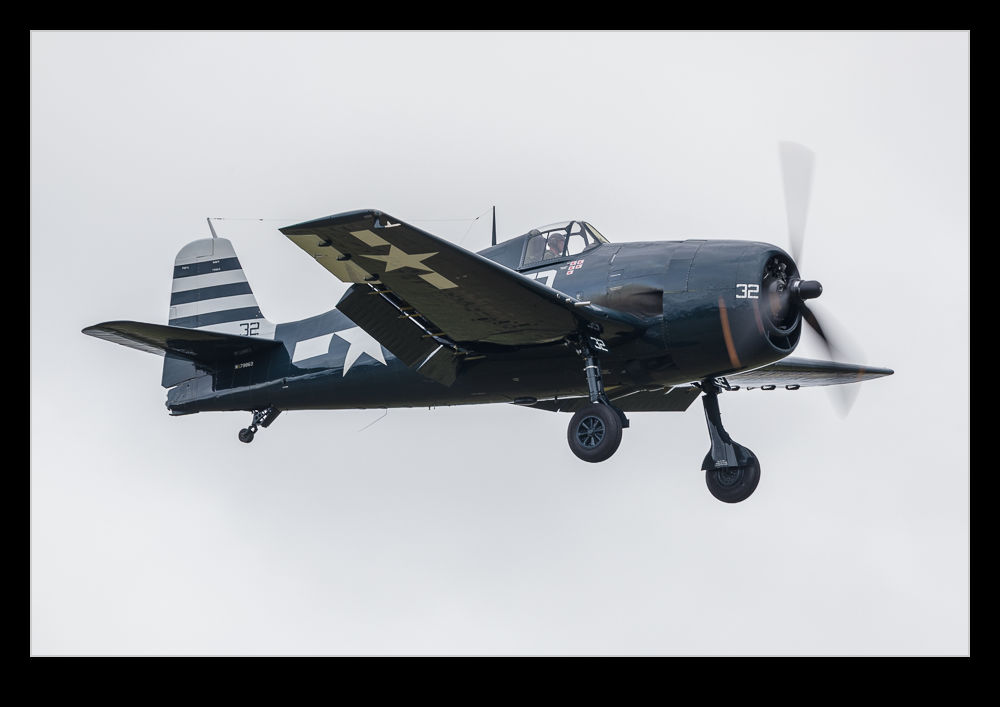
I had gone to Paine Field for an Antonov arrival that has its own post here. We got a nice bonus while there. A Hellcat was up for a Check flight of some sort which I didn’t even know about until it flew a pattern overhead. I had figured it was just another light aircraft making a midfield departure. The overhead was nice to see but a bit distant.
However, whatever the check flight was for was obviously done quite quickly as they called for an approach. As they came down final, another light aircraft was ahead of them and was not going to vacate in time so they were told to go around. Two approaches! Thank you. The first had been straight in but the second was a nice curving approach with a good top side view. That will do nicely.
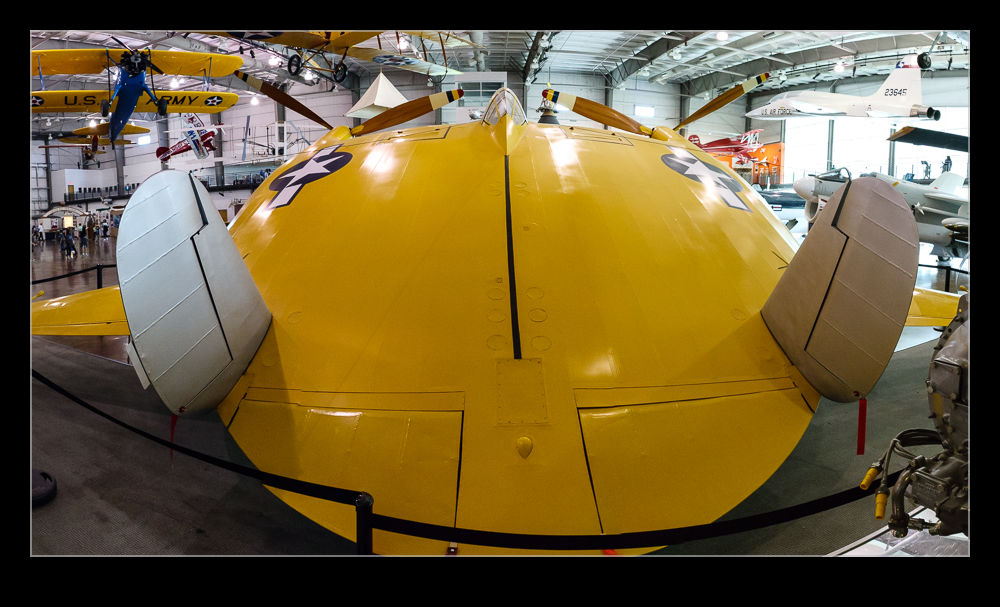
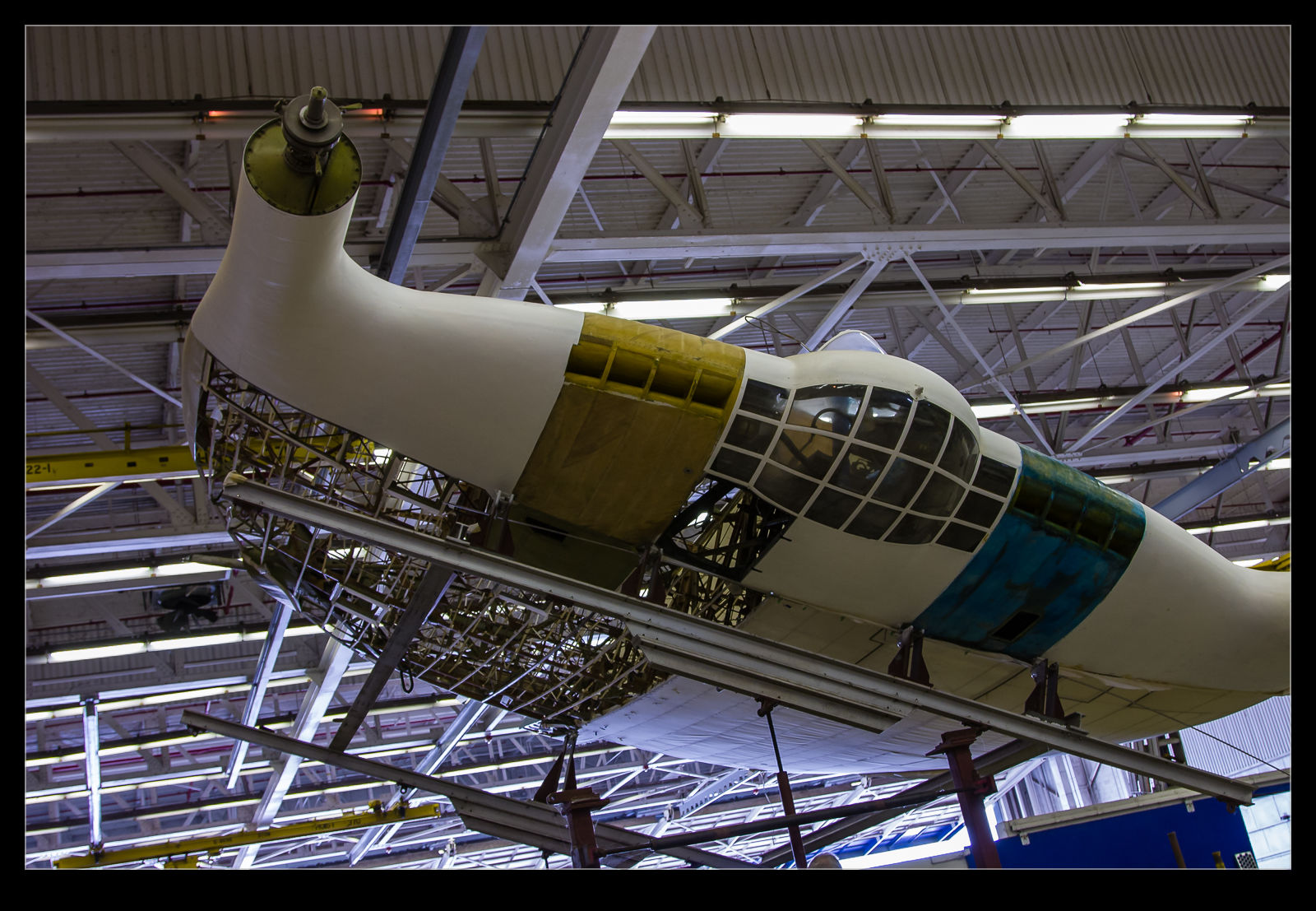
A long time ago, I was part of an ISAP symposium held in Dallas. During the field trip day, we went to a number of locations, all of which were very interesting. One of them was the restoration facility at what was then the Vought factory, now Triumph I think. This was run by volunteers that had retired from the plant and was working on a number of projects including painting an F4U while we were there. Another project that was a work in progress was the Flying Pancake. At the time is was skinless and in a rotating frame to allow everyone to work on it more conveniently.
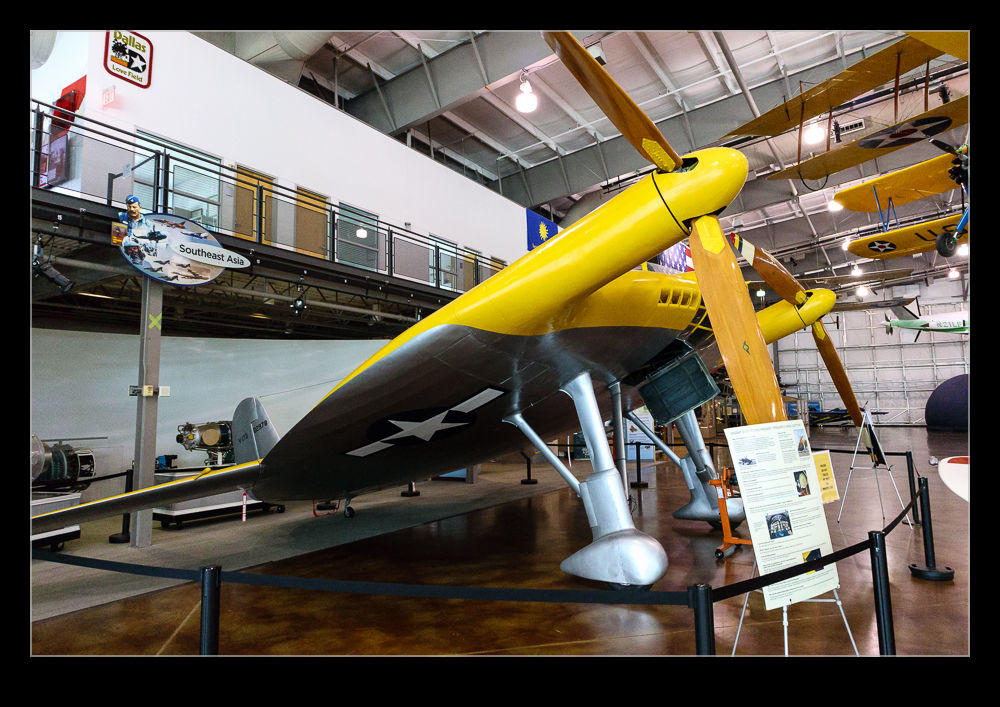
Roll forward to now and I was at the Frontiers of Flight Museum at Dallas Love Field. The museum is the home of the finished restoration. The aircraft looks fantastic. The restoration team did a great job. To see it completed including the huge propellers is something special. Fortunately, there is a mezzanine level above the plane so it is possible to see it from a number of angles. Great job everyone involved.
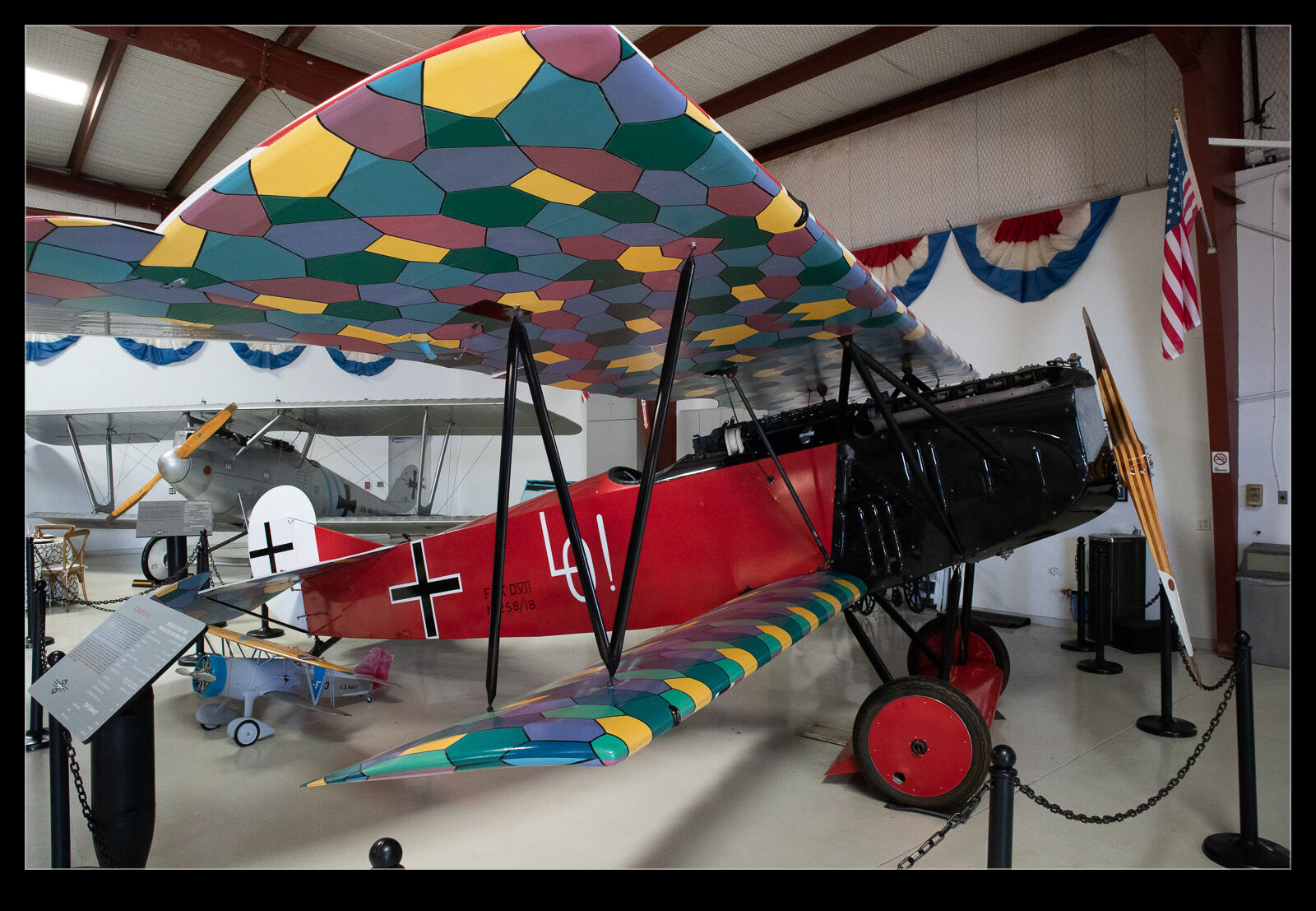
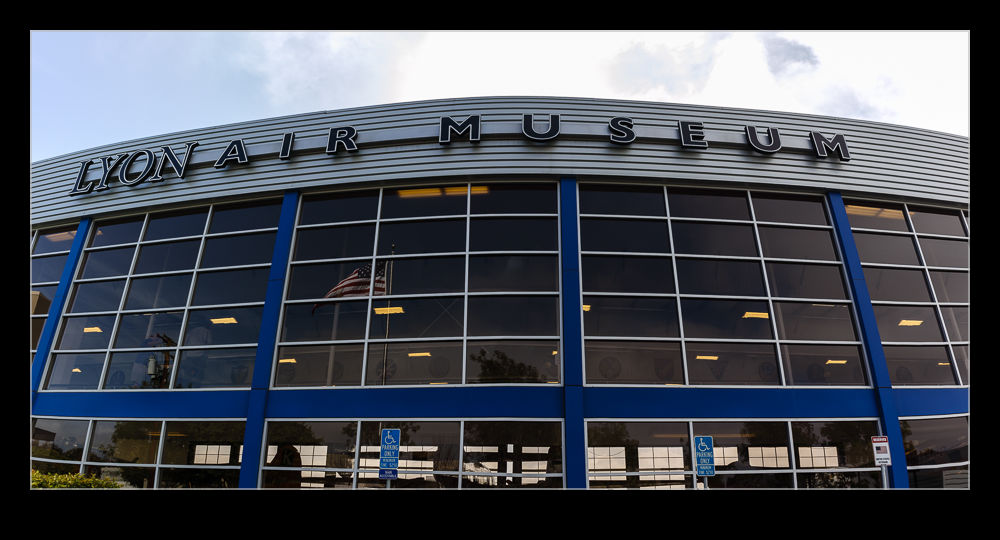
A weekend in Southern California for work was not my idea of fun but I did have a few hours free on the Sunday morning so I headed down to Santa Anna to the Lyon Air Museum. It is located on the opposite side of John Wayne Airport from the main terminal building and is not terribly obvious unless you look hard. Even the entrance road is a bit obscure and could be easily missed. However, once there, it was definitely worth the time.
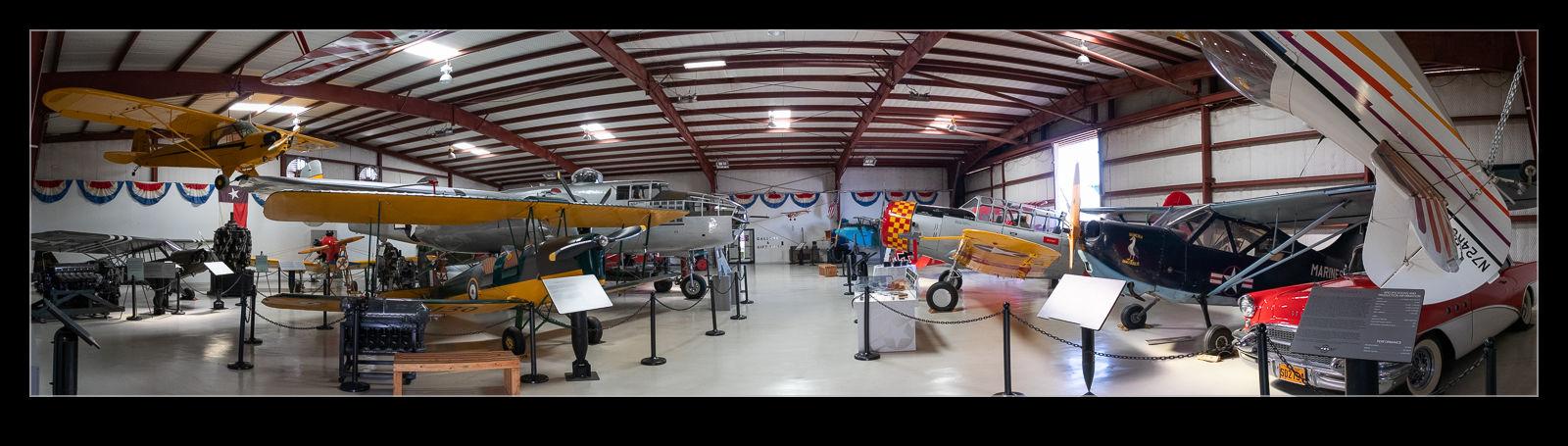
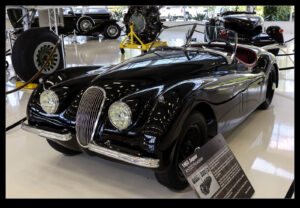
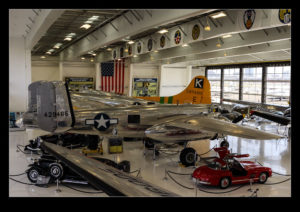
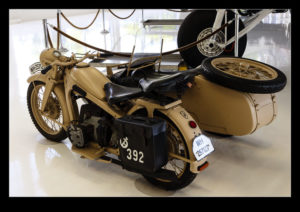
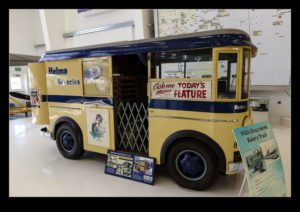
The museum is in a modern structure and has an impressive collection. Supposedly the planes are all airworthy and they have some interesting ones there. Some of the collection will get their own posts. For now, here is an overlook of the museum and a few of the side exhibits that don’t get their own story.
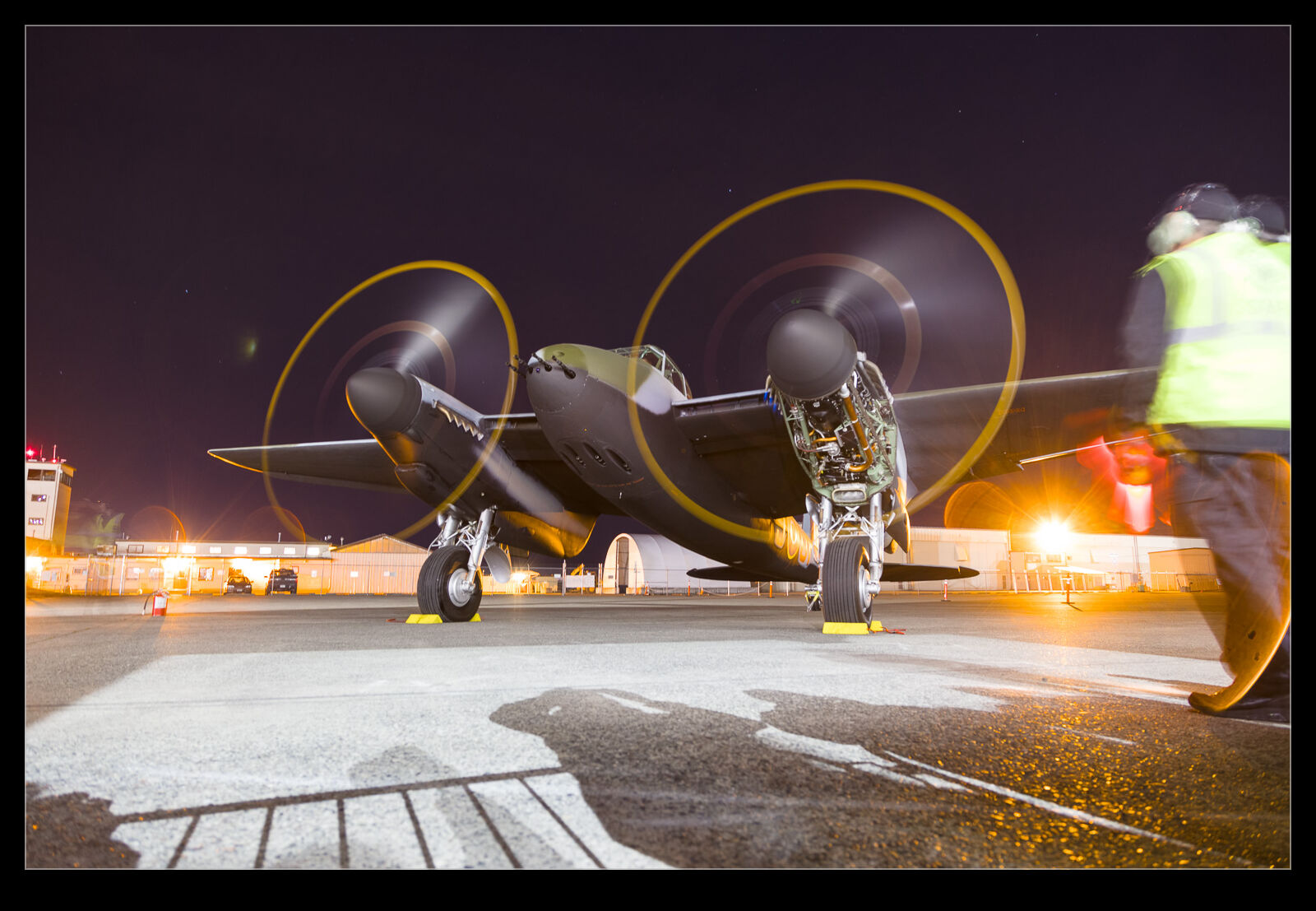
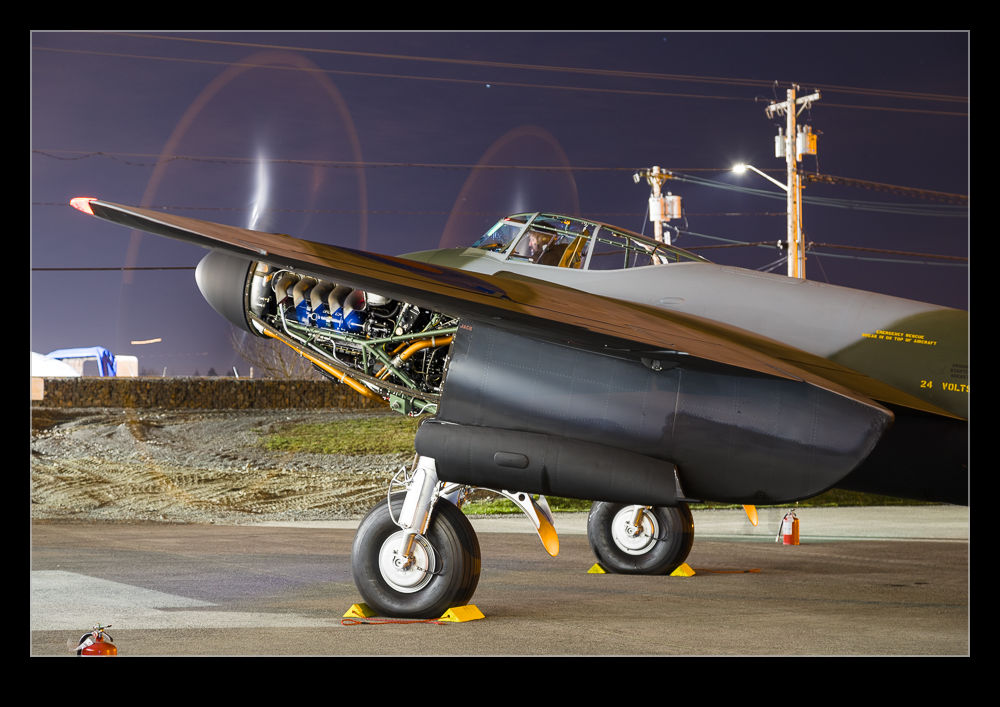
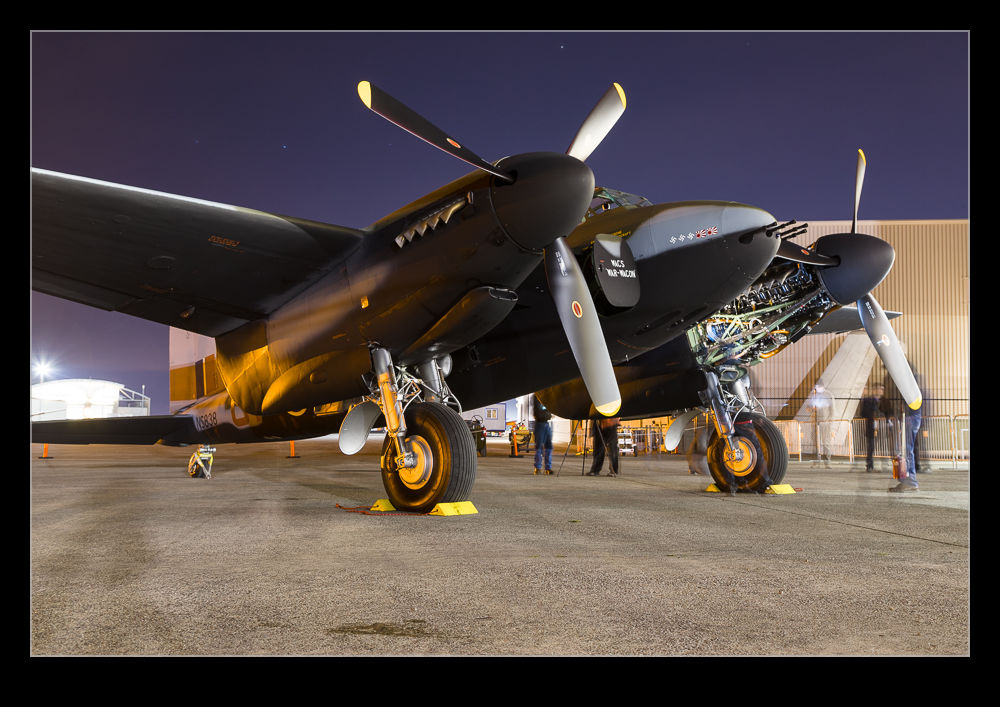
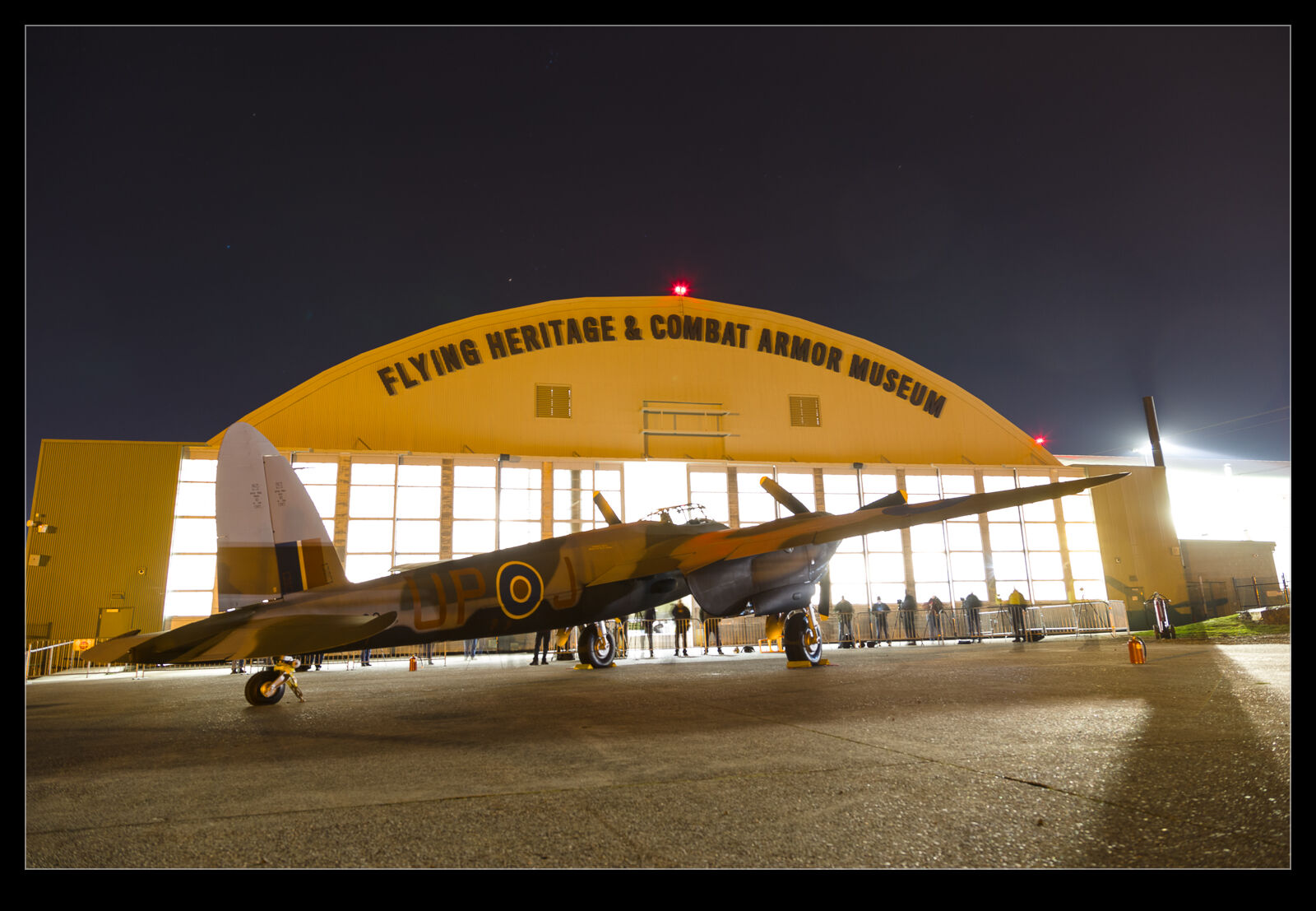
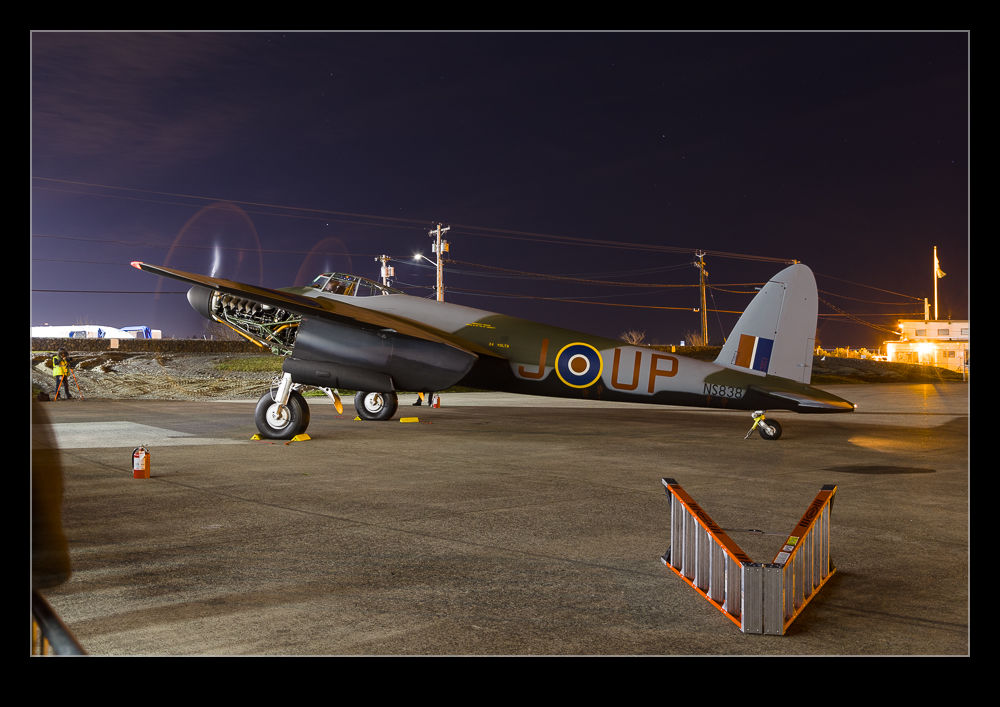
Night photo shoots are becoming more popular these days. The Flying Heritage Combat Armor Museum (FHCAM) held one with the de Havilland Mosquito. The evening started out with the plane on the ramp when people were free to wander around the aircraft. I was shooting a lot of long exposures using the tripod which does a good job of removing the people provided they keep moving. However, a few people were hanging around for long periods so they show up in the shots. Others were using the flashes on their cameras or flashlights to look at stuff which made things blow out.
Once we were all cleared from the ramp, one of the FHCAM crew came out to talk about the aircraft. He was the one that would carry out the engine runs and he ran through the test procedures that would be followed for the engines. People had the chance to ask questions and get a good understanding of the plane and how it is operated.
Then came the fun. The engines were fired up in sequence. Then they were run through the test program. The blue flame from the exhaust stacks could be clearly seen in the very dark conditions. When the mag checks were carried out, the flames were even more conspicuous. I moved around a bit to get some different positions. I was quite surprised to see how blurred some of the shots were. The aircraft clearly moves a lot despite being chocked and so some of the shots were totally unusable. This was a lesson learned. In future I would focus on shortening the exposure times a lot to minimize this issue which I hadn’t anticipated.
I also shot a bunch of video while the runs were underway. The edited video is below. It was a fun evening and thanks to FHCAM for holding it. It would be fun to do on another type. It might be nice to have a touch more light on the ramp but the dark conditions did have some advantages. I discovered a bit about shooting in that environment which should hopefully help on future night shoots.
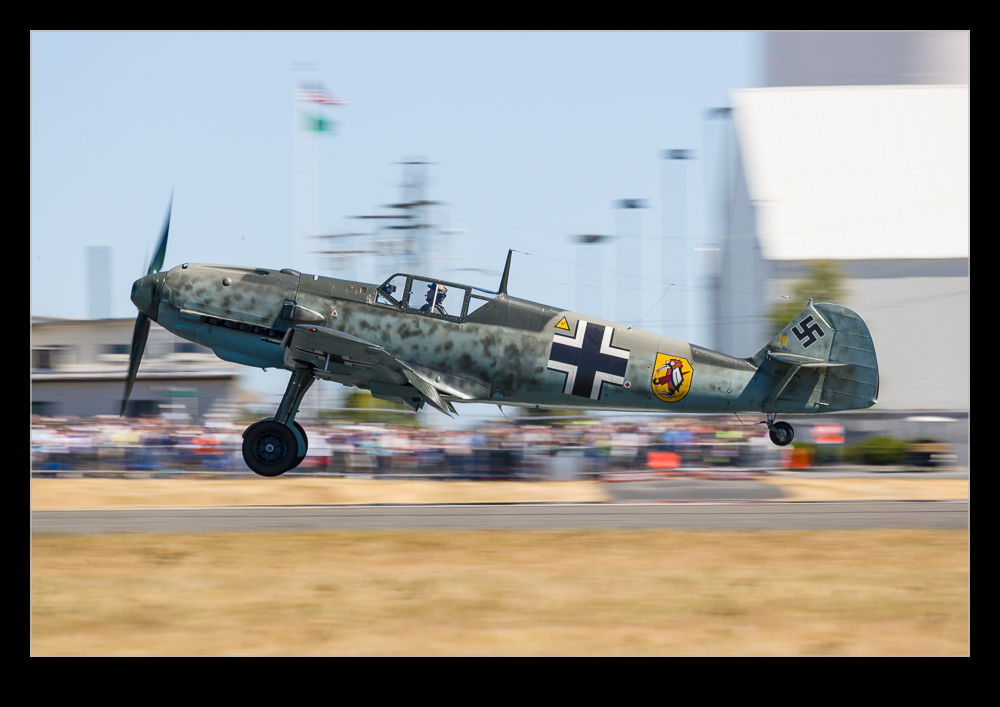
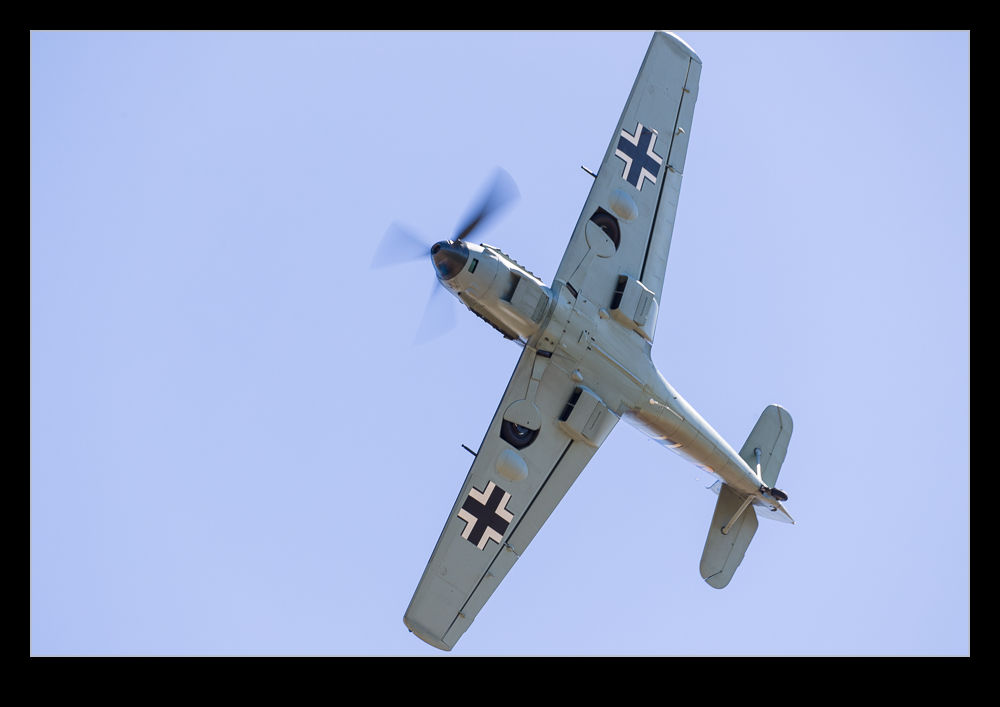
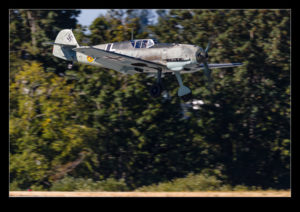
The Bf-109 was built in huge numbers but a very small number of them survive. The Hispano Buchon was a 109 fitted with a Merlin engine and they served after the war and ultimately made their way into collections in bigger numbers but real 109s are a lot thinner on the ground. They also look so much meaner in my mind courtesy of the thicker nose for the DB engine. FHCAM has a 109 and it flew during the European Theater Day.
It went out for a run in the morning and I got a couple of quick shots of it then. It flew again in the afternoon, this time paired with the Mosquito. Sadly, there were limited times when they were alone and the Mosquito was a priority for me that day so the 109 did not get my focus. I did get to shoot a few frames of it and, with a sunny day bringing out the camouflage nicely, I was quite pleased with the results. Obviously there are better conditions to shoot it but I had very few 109 airborne shots before this day so I expanded the collection quite a bit.
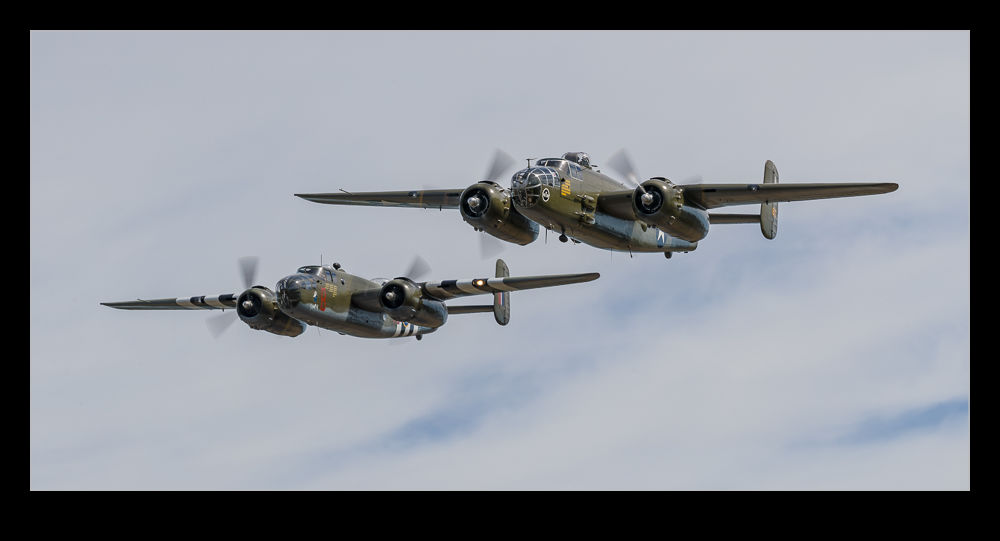 The two B-25s that live on Paine Field are regular performers. When they both went up at Skyfair, I have to admit that I was not so excited. However, I was not anticipating a series of flypasts that were significantly better than I had seen from them before. They brought them in with a tight formation and some angles that allowed some great topside shots as they curved around on to the runway alignment.
 Watching them line up, you could see that they weren’t going to come so close and ruin the photo opportunities. Instead, we got lots of banking and pulling with far better shots than I had achieved previously. I was not alone in appreciating the effort. Everyone around me was most impressed by the performance.