Tag Archives: military

Diesel Submarines

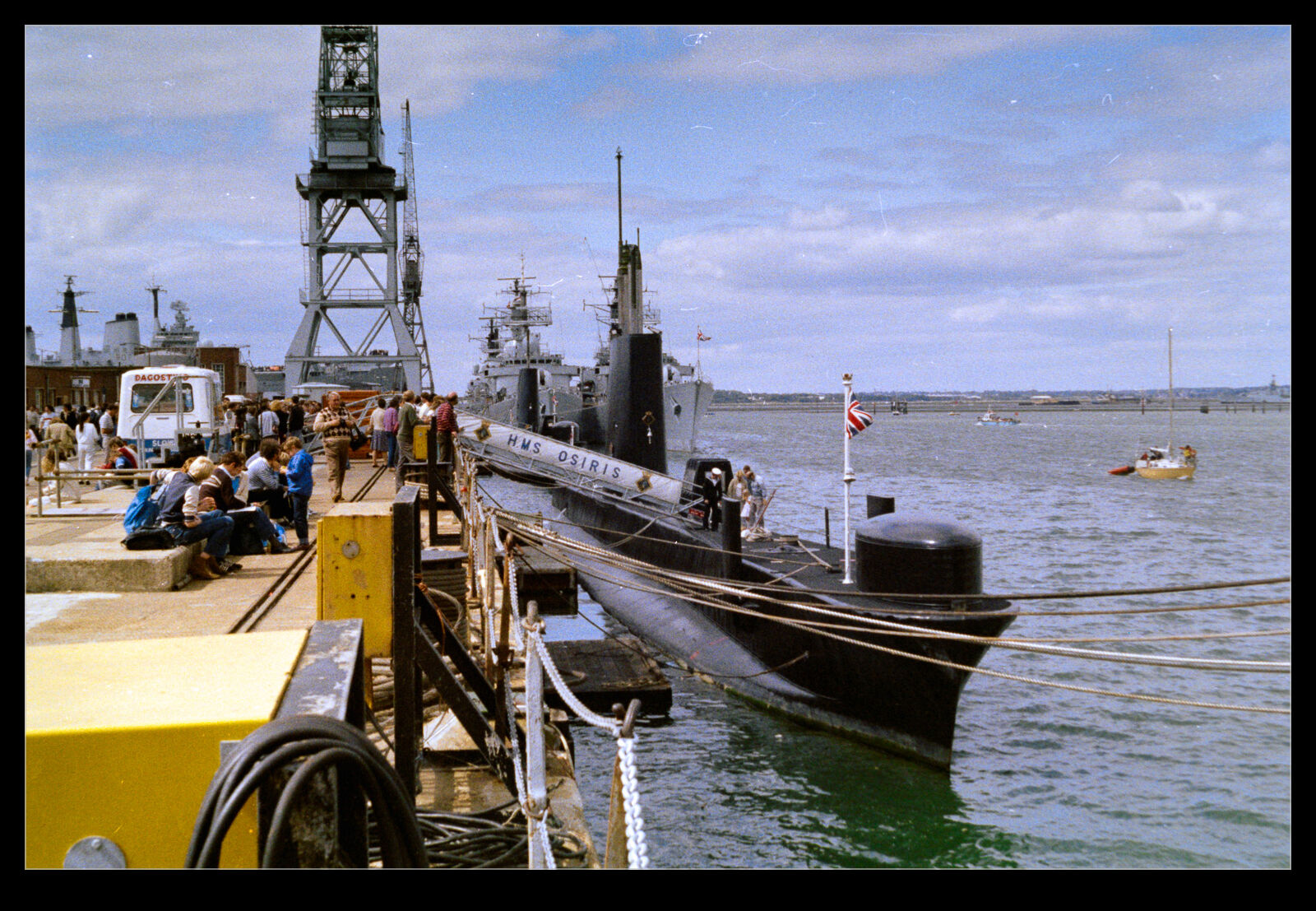
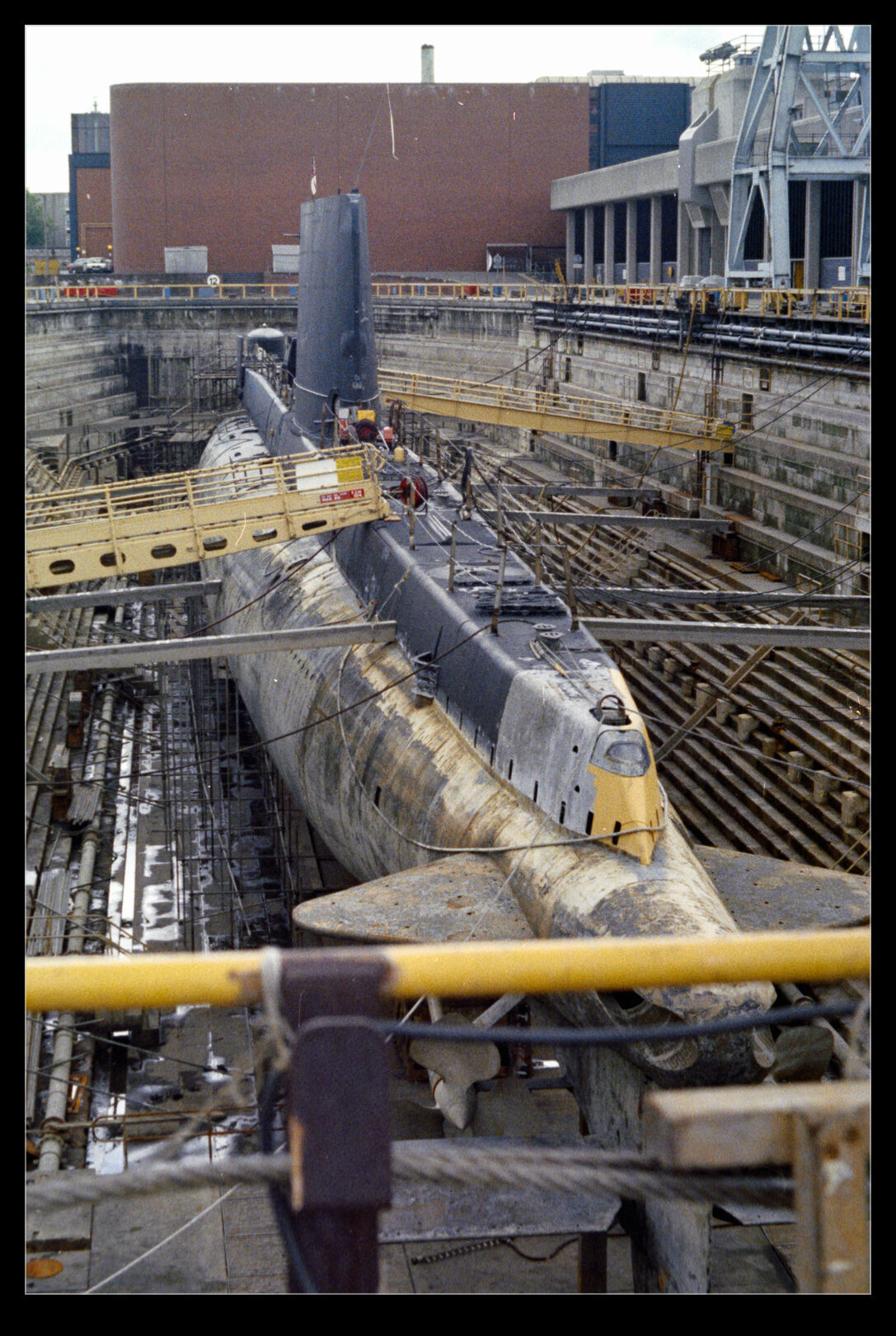
Scan 2-904.jpgThe Royal Navy’s submarine fleet is entirely nuclear powered. In the 80s, though, this was not the case. The Navy then still had a substantial fleet of diesel subs. The Oberon Class of subs was available in numbers along with the remaining Porpoise Class that preceded them and these were due to be replaced by the Upholders. Only four of those were built and they were sold to Canada when the decision was made to get rid of the diesel fleet despite their outstanding stealth qualities. When I went to Navy Days in Portsmouth in the 80s, you could see the subs on display. HMS Dolphin was just across the harbor and was the headquarters of the sub operations. One visit included the chance to see a sub in dry dock – something I suspect would not be left on view these days.

Scan 2-909.jpg

B-1Bs on a Mission

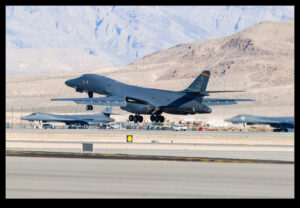
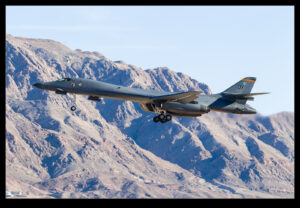
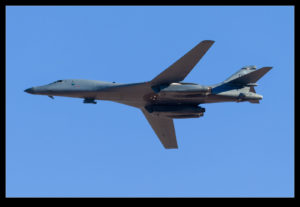
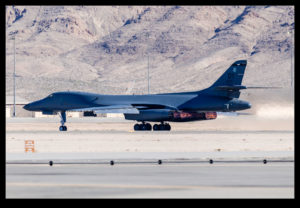
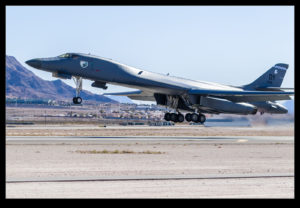
AU0E6358.jpgThe B-1B Lancer is a cracking aircraft.  The combination of size and power makes it look epic when it is in action.  A B-1 departure is not something that you will forget in a hurry.  Four large afterburning turbofans will get your attention and it has a very elegant shape to boot.  The variable sweep wings add a little interest too.  At minimum sweep for takeoff and landing, they look a little ungainly given how long the span is.  Put them all the way back and pour on the coals and the jet can really get moving.  Sadly, airshow appearances are few and far between these days so the chance to see vapor clouds forming around the jet are limited.  (I recently went through some old negatives from a UK airshow at which a B-1 made a fast pass in damp conditions.  The shots aren’t great but the effect is cool.)
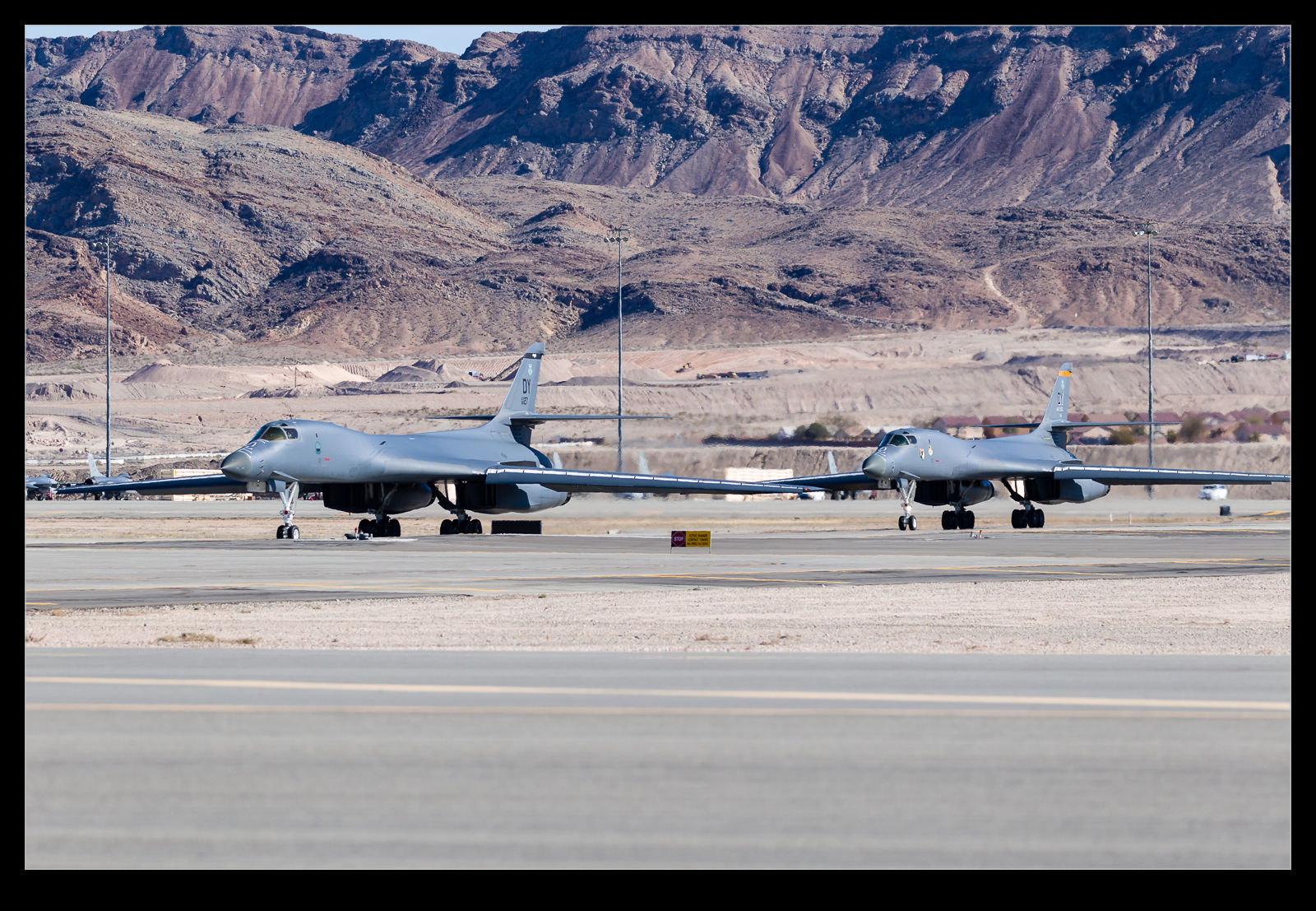
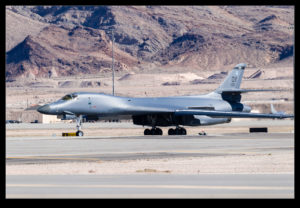
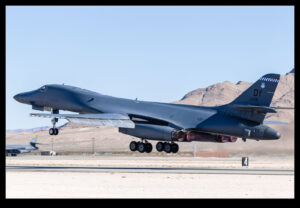
C59F6056.jpgA couple of B-1s would launch each day as part of the Red Flag 16-1 exercises.    I was lucky enough to have a couple of good opportunities to see then.  When we were out between the runways, the B-1s launched off the right side.  Not ideal for lighting but you aren’t going to complain.  Because they are a large jet, you have to make some choices with lenses as to what you are aiming to get.  A quick swap of bodies can really help.  A long lens is not much use when they are level with you but the cool shot from behind as they climb out benefits from the big glass.
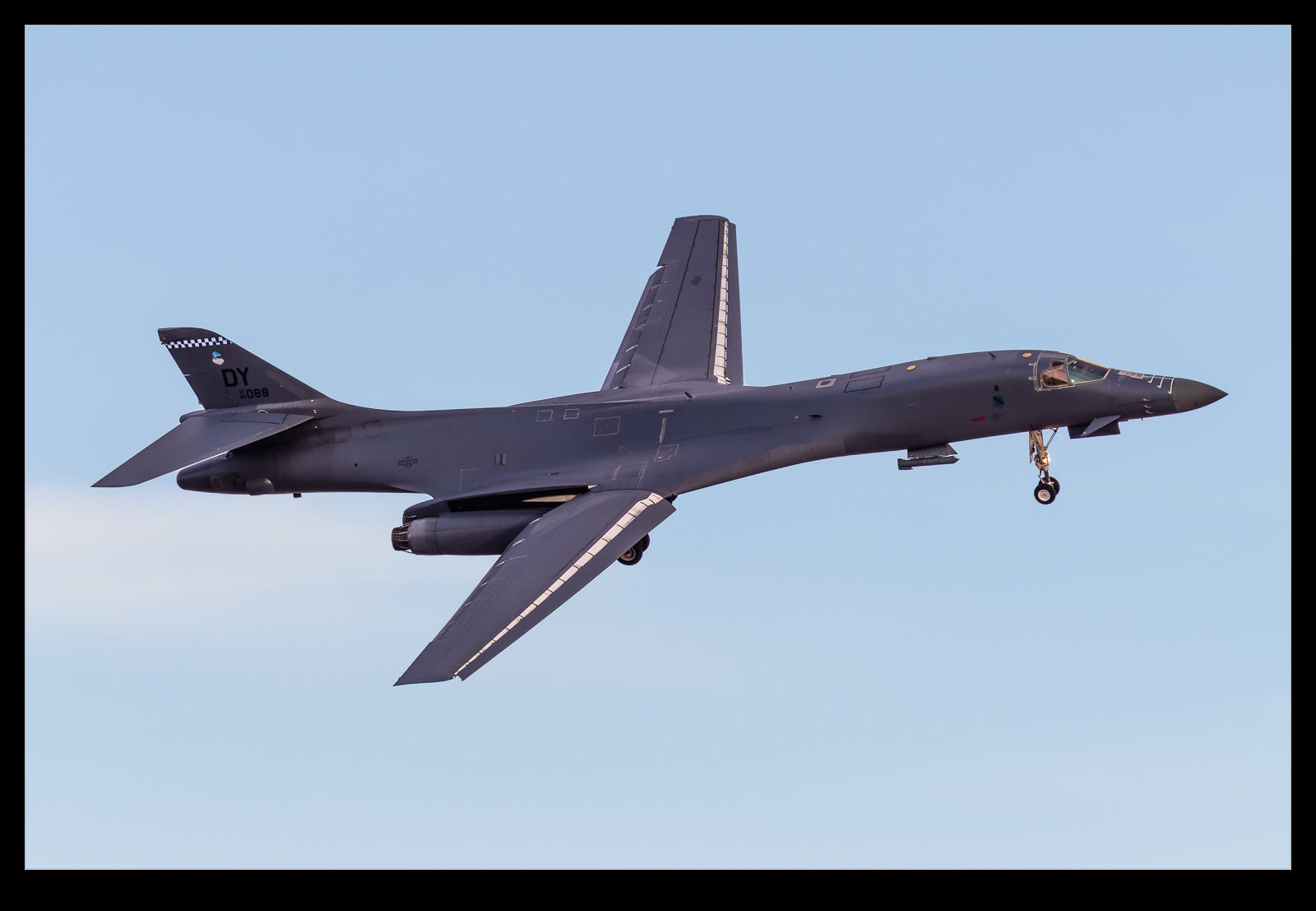
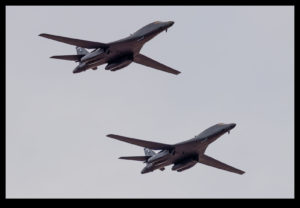
AU0E7668.jpgOn my first day there, the jets returned at the end of the mission as a pair.  Sadly, the clouds had moved in and the conditions were not great for getting a shot.  However, you aren’t going to ignore them.  On the second day when I was at the EOR, we got a good view of the two jets taxiing out and taking off.  The heat haze is a bit of a problem but not so much as to make it something you can avoid shooting.  Operating as a pair, they look more menacing.
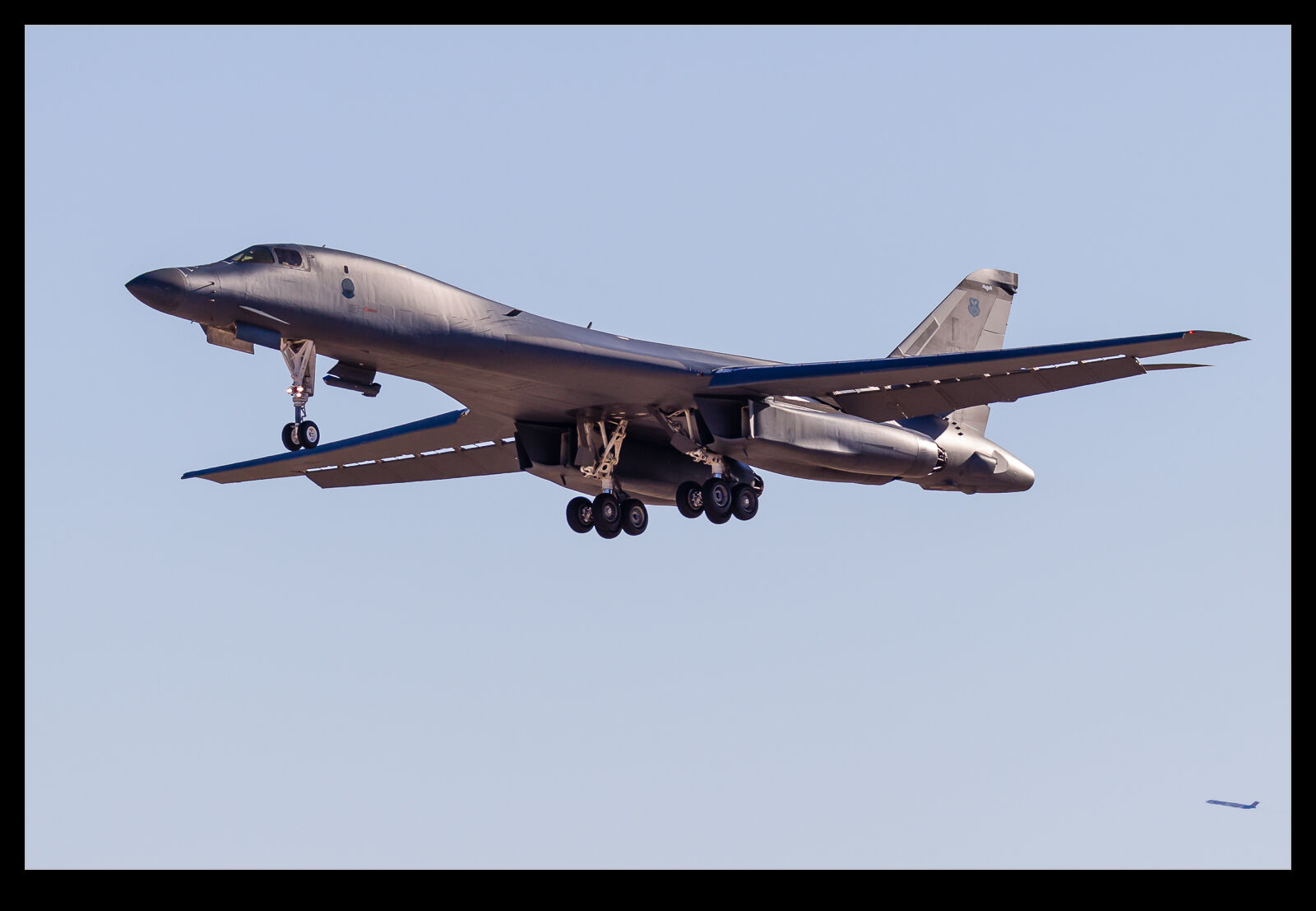
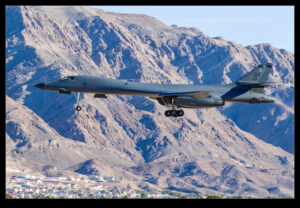
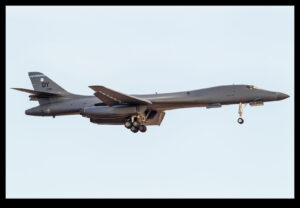
C59F6757.jpgOften the B-1s are at the end of the recovery phase.  However, on this day, they came back relatively early.  I was still at the EOR when they broke into the pattern.  They did land on the opposite runway from the one we were at but they are big enough for this to not be a big deal.  A nice bit of mountain in the background certainly helps enhance the shot a little.  What a great looking jet.  I don’t know anyone who isn’t excited when they see one in action.

C-27J Spartan and the USCG

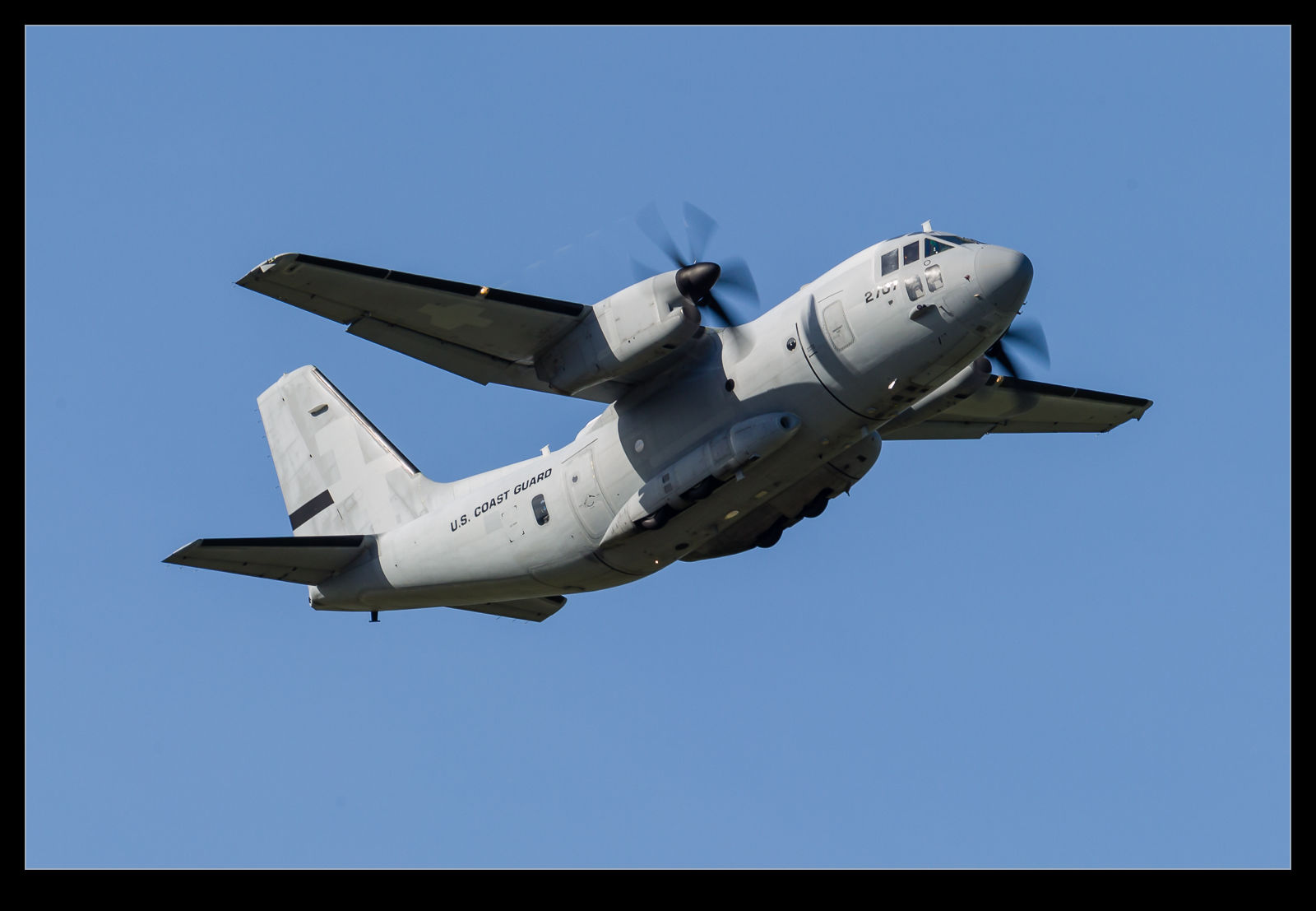
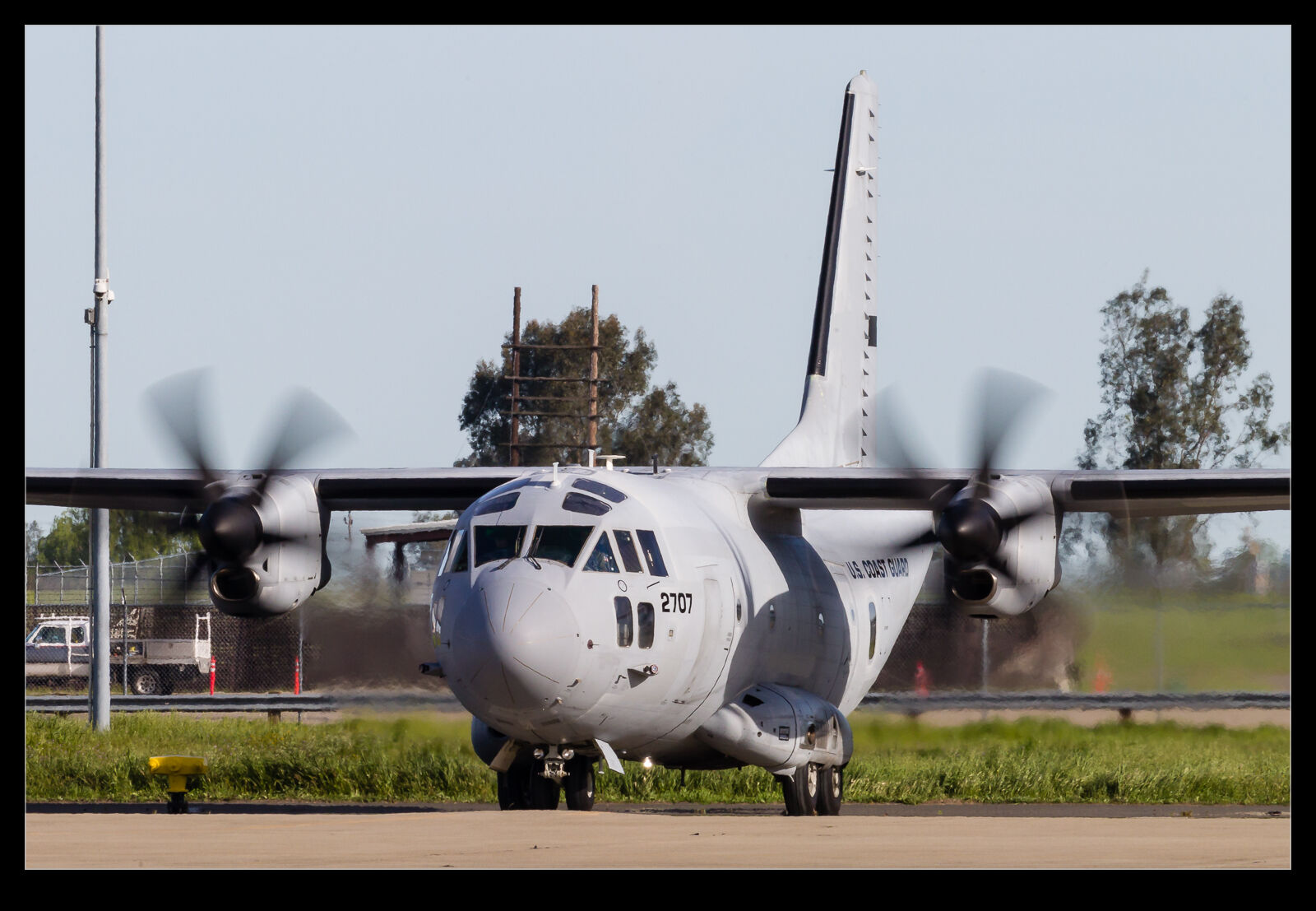
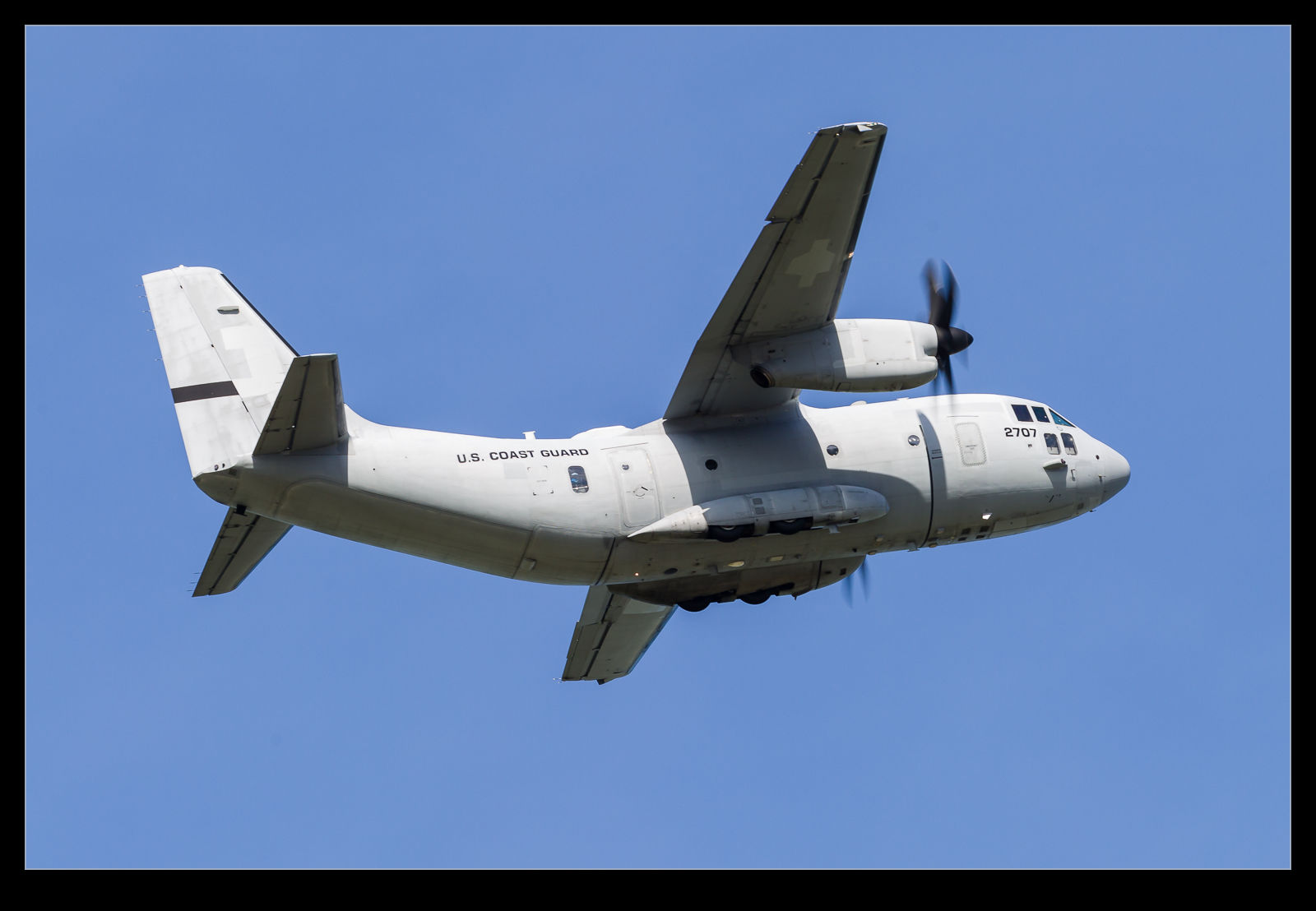
AU0E1932.jpgDefense acquisition programs are not renowned for being the most efficient and sensible programs. Selection of products and suppliers is heavily influenced by politics and locations along with the technical capabilities. Some programs have momentum due to their joint use nature. This doesn’t always mean that the departments involved actually like them. Such is the case of the Alenia C-27J Spartan. Based on the older G222 airframe but updated with the same engines as the C-130J, the aircraft was selected for the Joint Cargo Aircraft program between the USAF and the Army.

AU0E1722.jpgEventually, control of the program was moved from the Army to an Air Force only program. Meanwhile, the Air Force was not showing a lot of love for the aircraft. They had other programs they were more interested in. The result was that aircraft started getting delivered to storage and the Air Force was looking for a way out. That way is the Coast Guard. These aircraft will replace some old C-130s in Coast Guard service and the displaced aircraft will go for firefighting duties. The Coast Guard station at Sacramento has received its first aircraft. I saw one of them head out on a training flight while another could be seen in the hangar. Apparently, they will soon be repainted in Coast Guard colors and the 130s will start to head off to their new life. It will probably be unusual in due course to have a C-27J in Coast Guard markings but in the gray color scheme.

AU0E1959.jpg

Marine Corps C-9

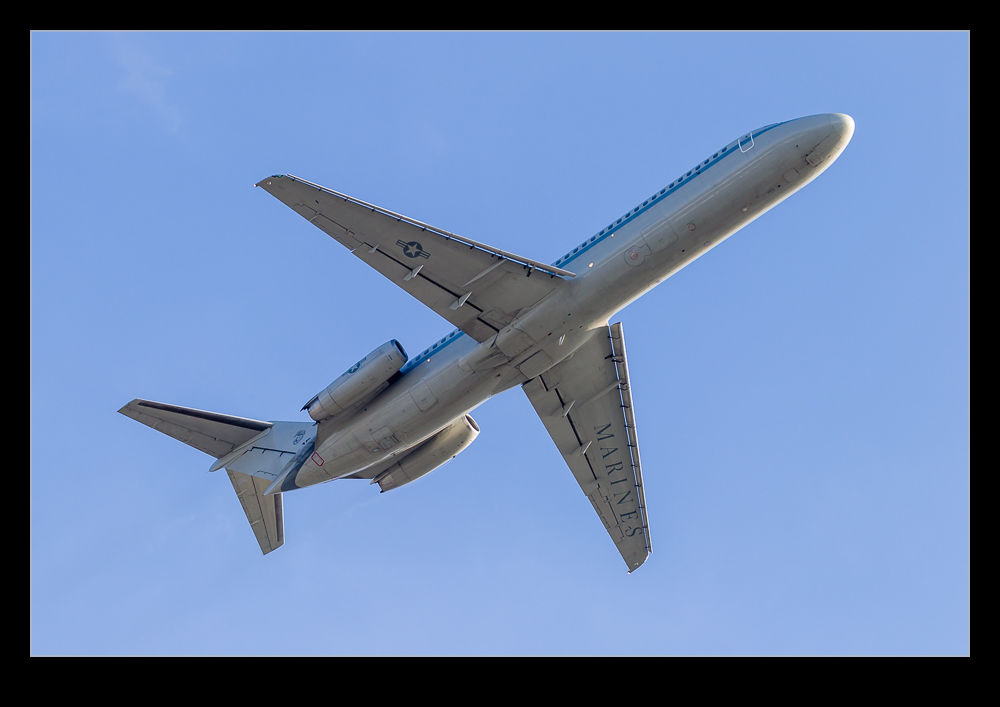
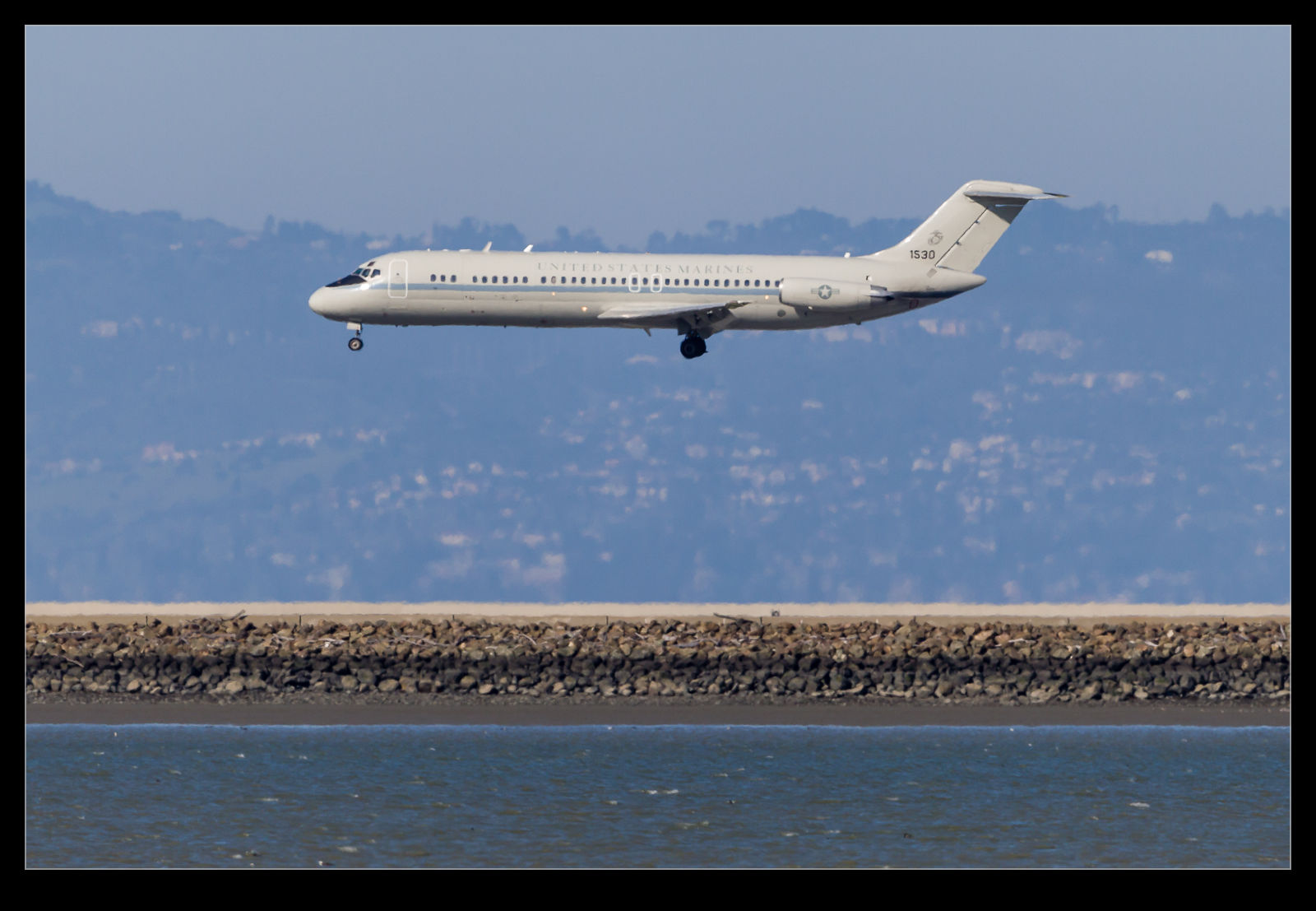
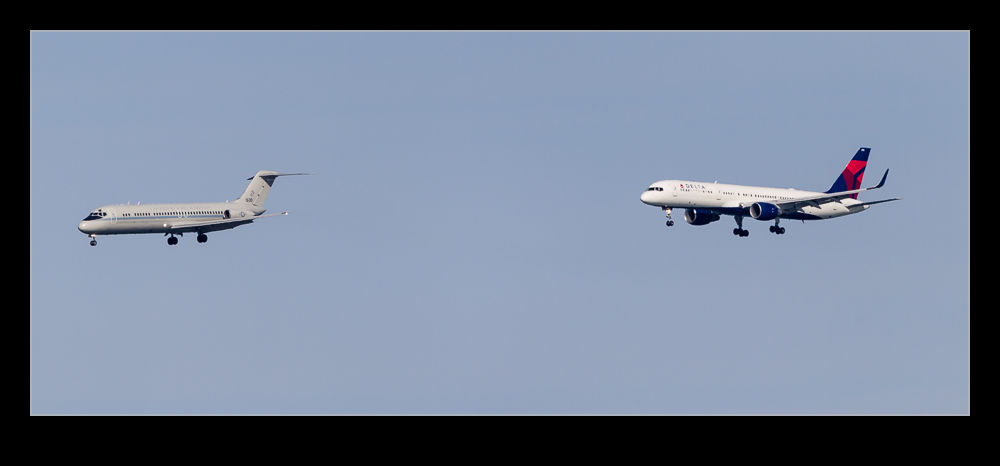
AU0E3039.jpgIf you had asked me whether the McDonnell Douglas C-9 Skytrain was still in service, I would have said no.  Used by the Navy and Marine Corps, the fleet had been wound down as C-40 Clippers were introduced.  I thought that they had all gone by now.  You can guess, then, that I was rather surprised when I saw one at SFO.  Two aircraft were on parallel approaches – one a Delta 757 and the other appearing to be a DC-9/MD-87/Boeing717.  I wasn’t paying a lot of attention but parallel approaches are always worth a shot so I was taking pictures when I realized that the aircraft was a C-9B Skytrain in Marine Corps markings.  The conditions were a bit heat hazy but I wasn’t going to miss this.

C59F9152.jpgI grabbed a bunch of shots as it landed and felt rather pleased with the turn of events.  I then stopped thinking about it.  A little later I moved around to the other end of SFO to get some head on departures of some of the widebodies that were due out.  You don’t get many narrowbodies taking off on the 28s unless the wind is particularly strong down those runways.  One or two will use it but not many.  I saw a narrowbody start its takeoff roll and almost ignored it AGAIN!

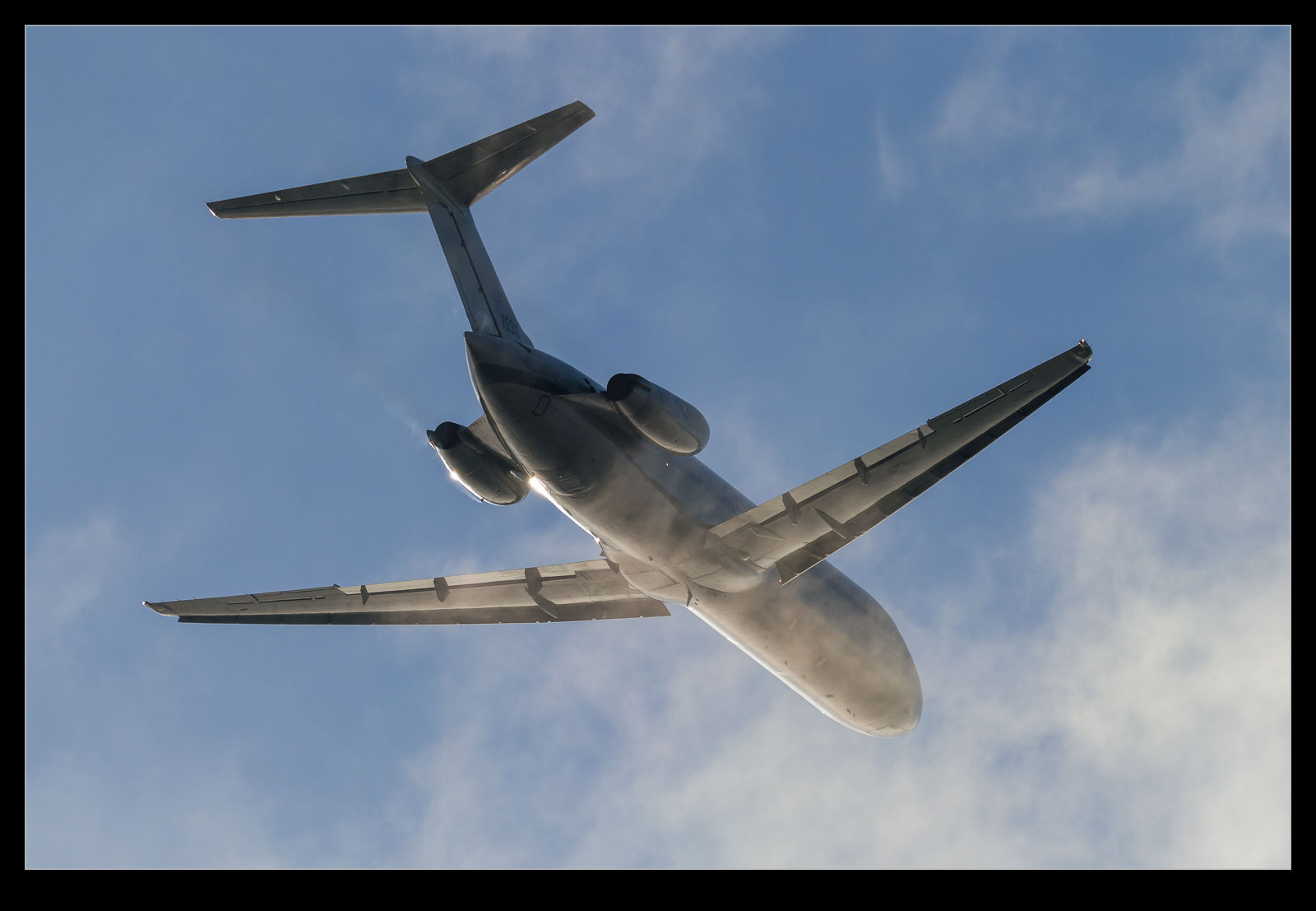
AU0E3064.jpgHowever, I did end up trying some shots and then realizing as it got closer that it was the C-9B again.  I guess it was just my lucky day that I had two opportunities to miss it and didn’t either time.  As it flew overhead, I was able to get some far better angles on it than were possible when on approach.  I also got to experience the noise levels that jets of this vintage came with.  I did a little research afterwards and apparently only two jets remain in use with the Marine Corps and all Navy and Air Force examples are retired.  This one is a rare one indeed, not least because it is based on the east coast.  No idea how long they have left but this was certainly a fortunate encounter.

C59F9125.jpg

Mexican 787 BBJ

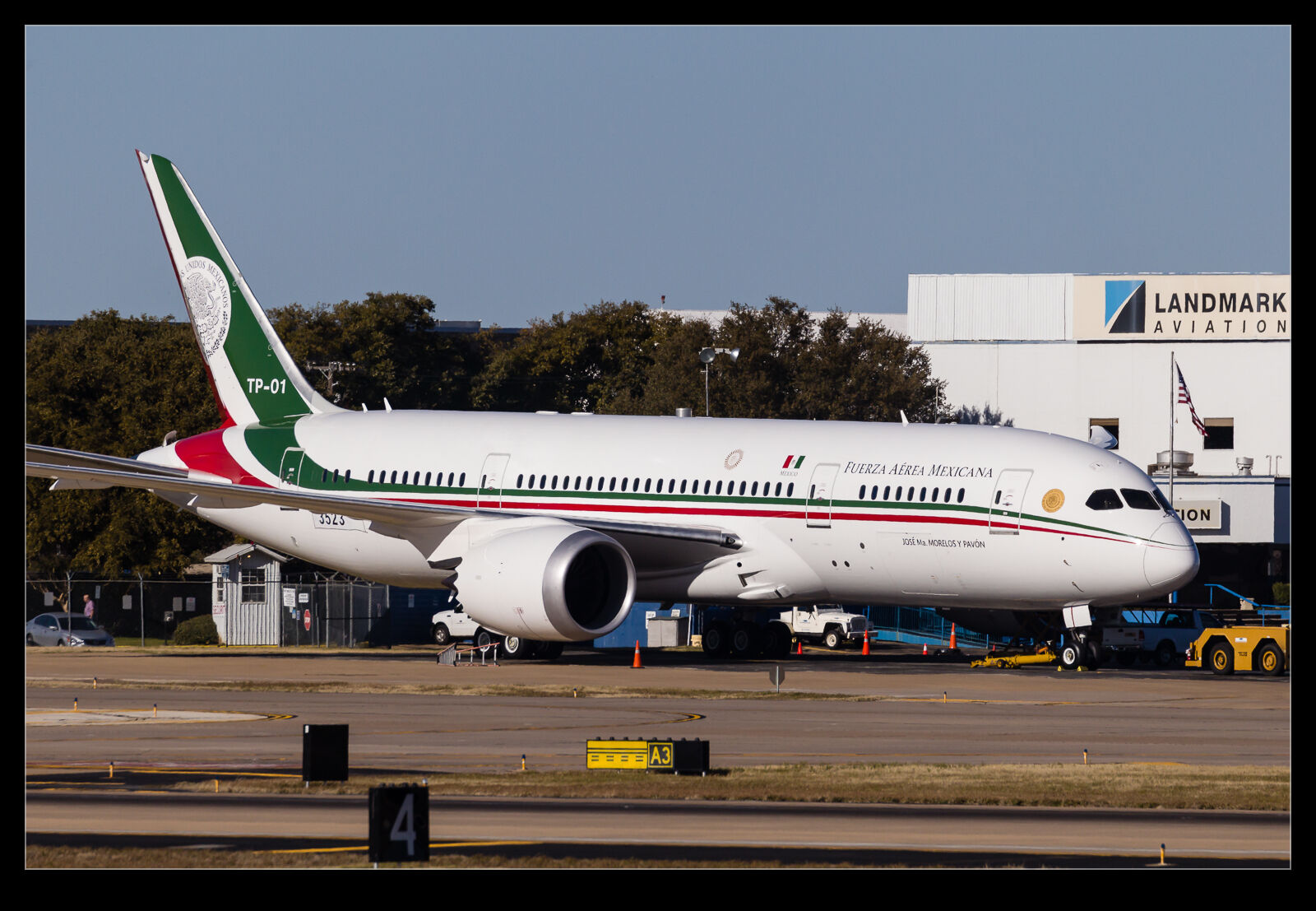
C59F3264.jpgMy trips through Dallas Love Field resulted in some shots of the Kuwaiti Boeing 747-8 BBJ. That was not the only interesting aircraft that was undergoing completion for a VIP customer at that facility. Parked behind it during a couple of my transits was a 787 that was destined for the Mexican Air Force. Only one time did I manage to get a reasonable shot of it and I was glad I did because, shortly after I took this shot, it departed for Mexico. I hope it is proving to be a useful aircraft for the country. No idea whether I will ever see it again in it intended role so I am glad to have got it while the chance was there.

A Very Pleasant VC-32 Surprise

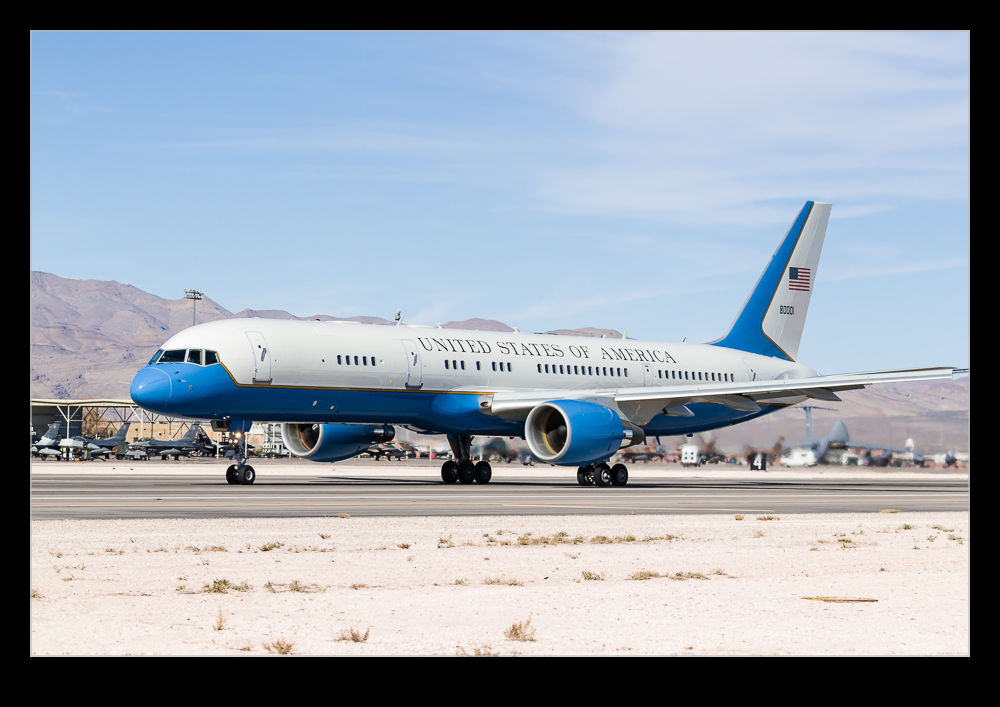
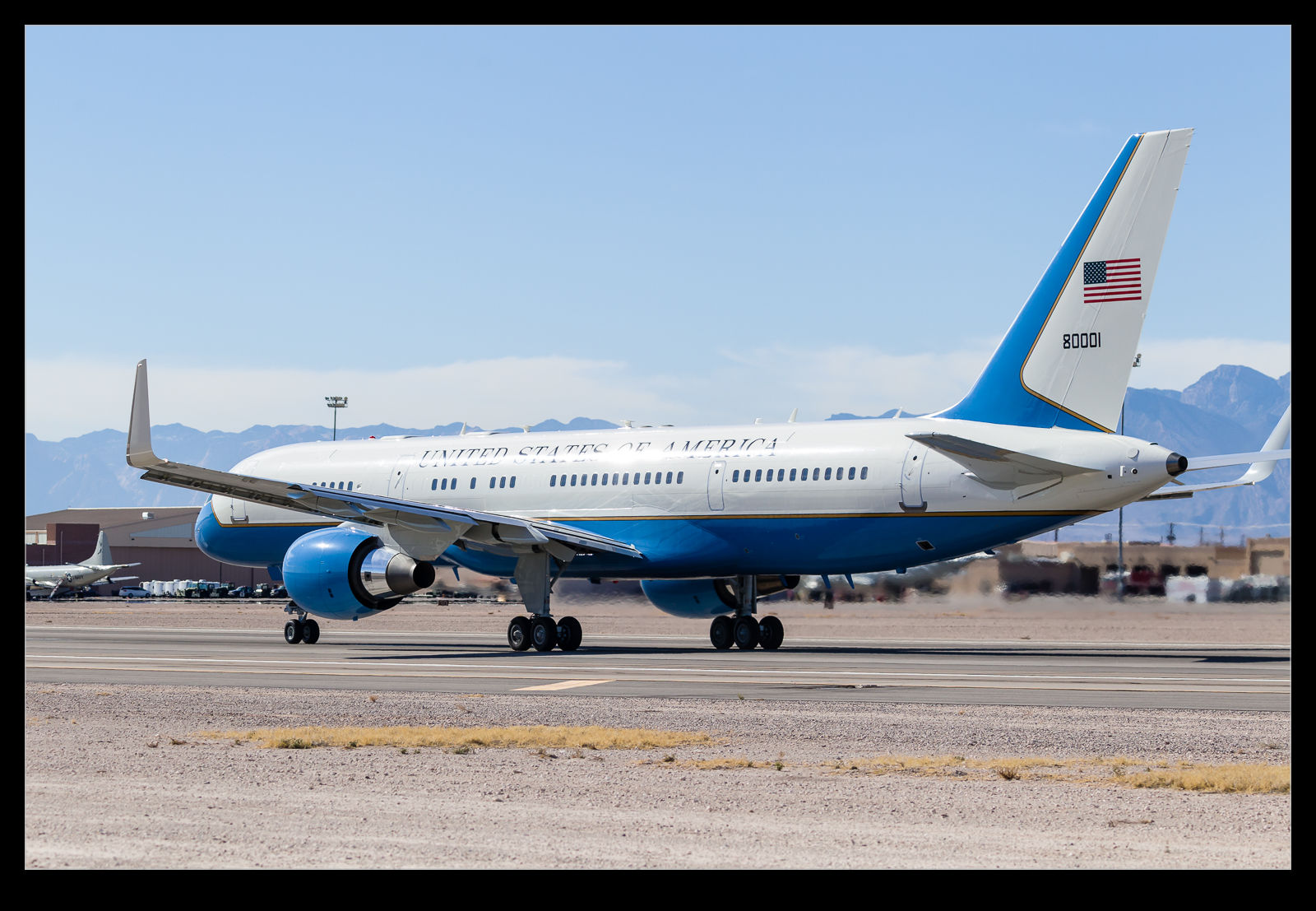
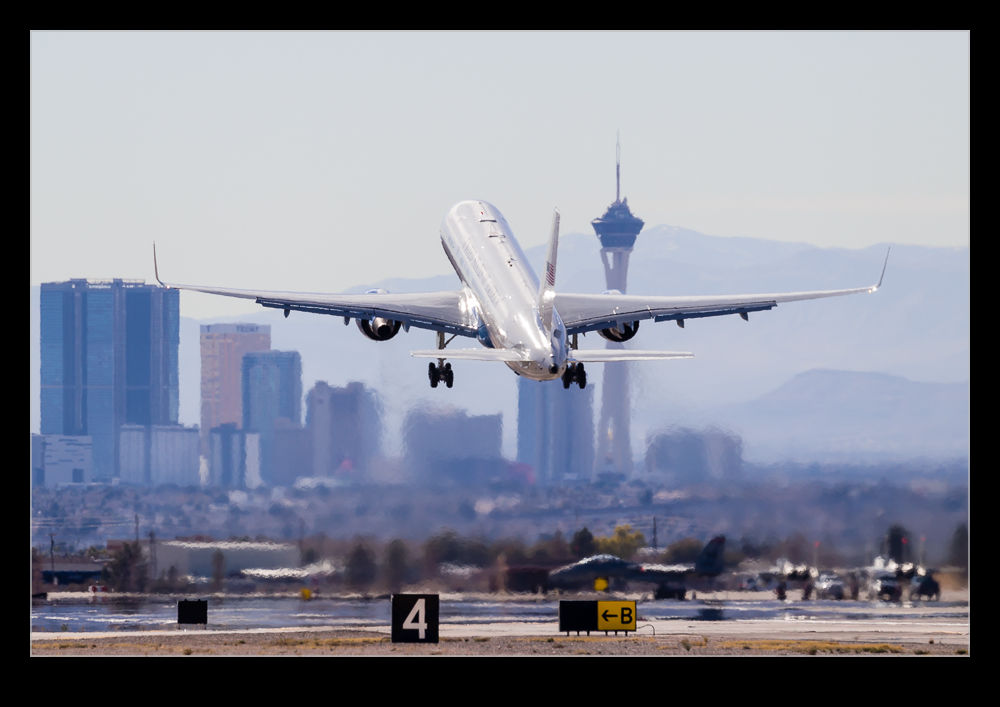
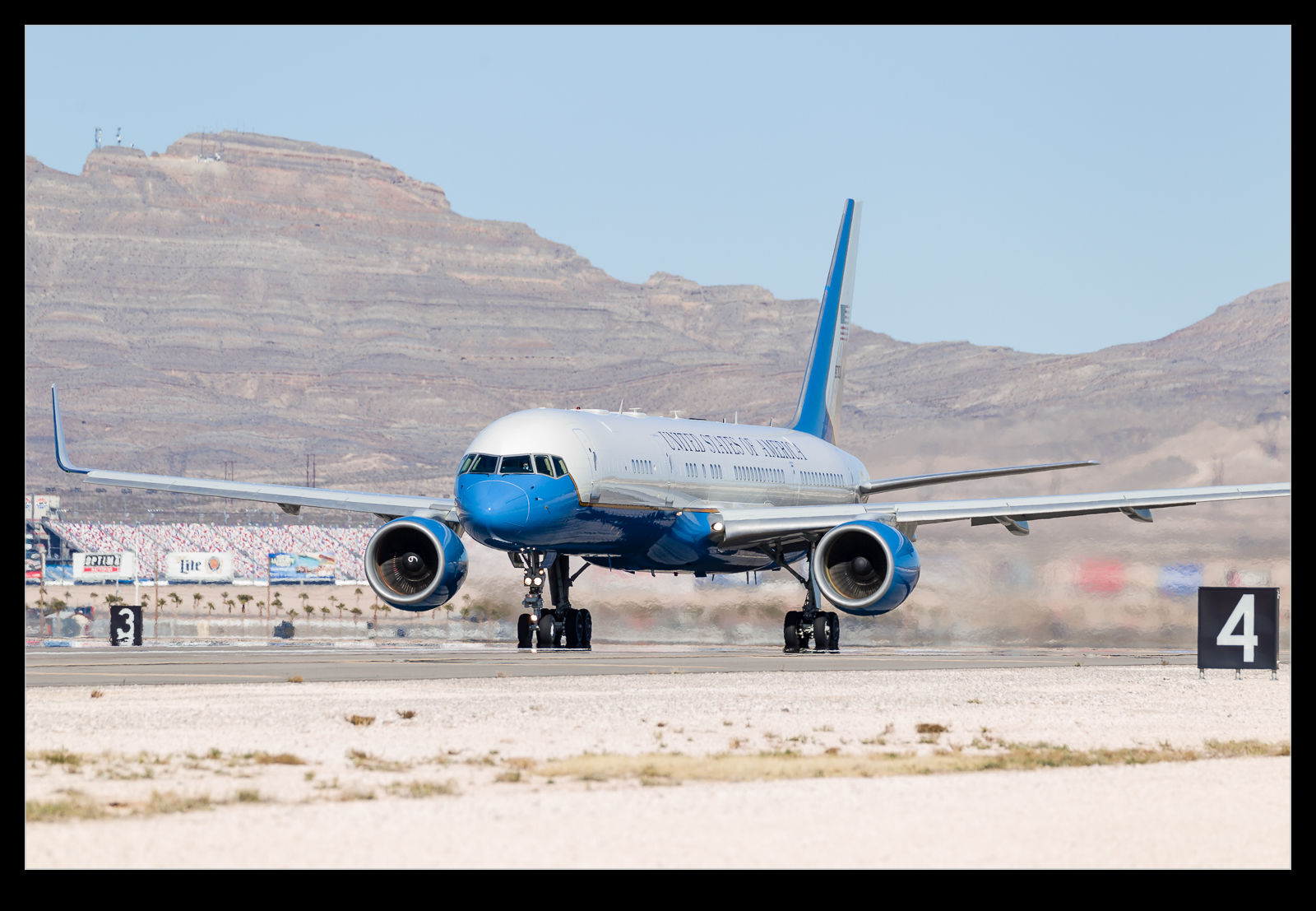
C59F3521.jpgYou go to Red Flag with the goal of seeing a lot of different combat aircraft. However, Nellis is a regular base and has other traffic. You don’t always see something during the course of a mission launch but sometimes it happens. While we were checking in at the gate, a VC-32 came down the approach. This is the USAF’s version of the Boeing 757 and it is a pretty nice looking plane. Unfortunately, when we are the gate, the security team is not too keen on us taking shots so we watched it land and figured we had missed our chance.

C59F3523.jpgTurns out we were wrong. While we were out between the runways, the VC-32 taxied out and got ready to depart. Even better, it departed to the southwest which meant it came past us with good light on it. It turns out that Secretary of Defense, Ash Carter had been visiting and the plane was taking him onwards. I was very happy to get something I haven’t seen up close for a number of years.

C59F3534.jpg C59F3510.jpg

Coast Guard Air-to-Air (ish)

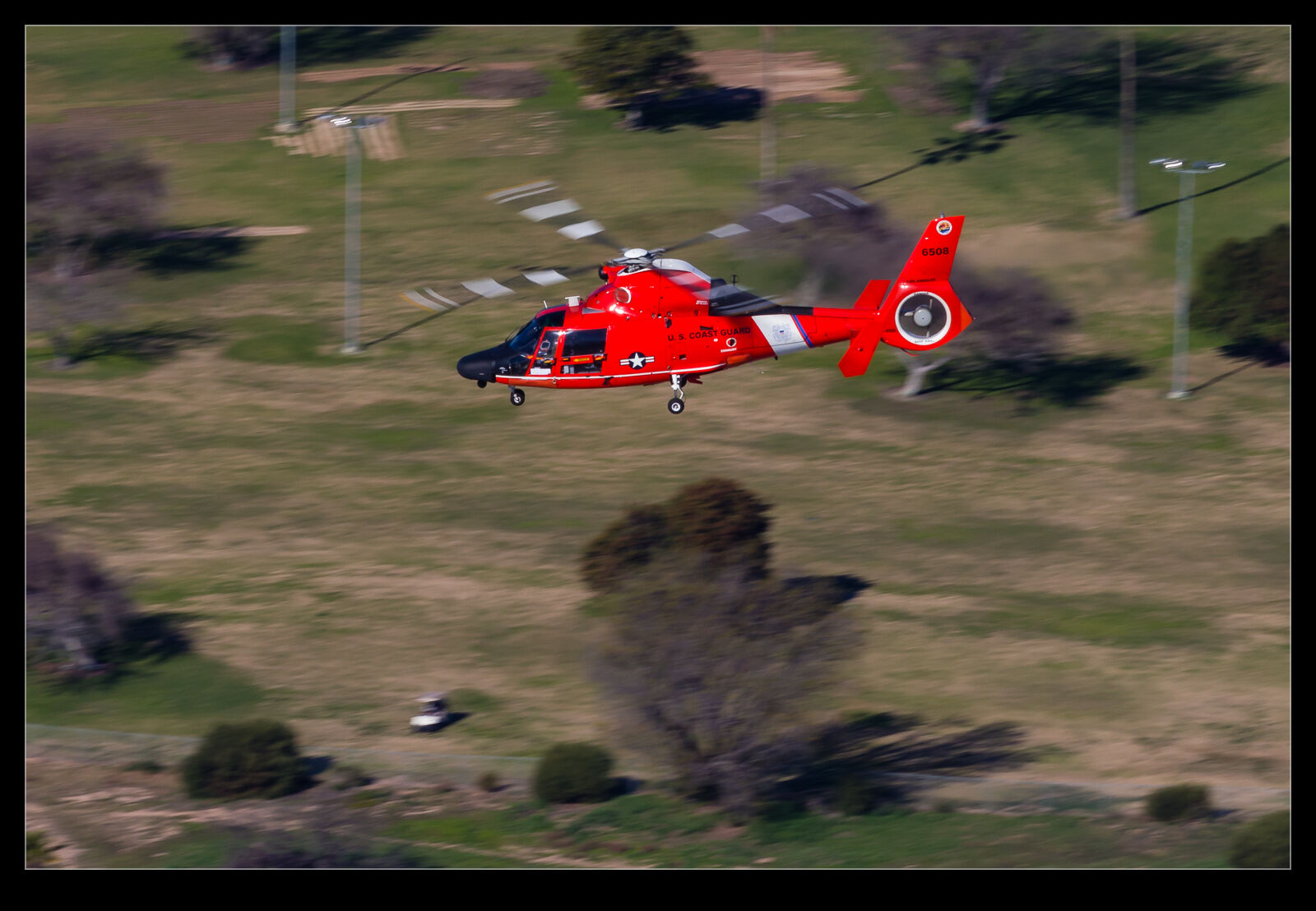
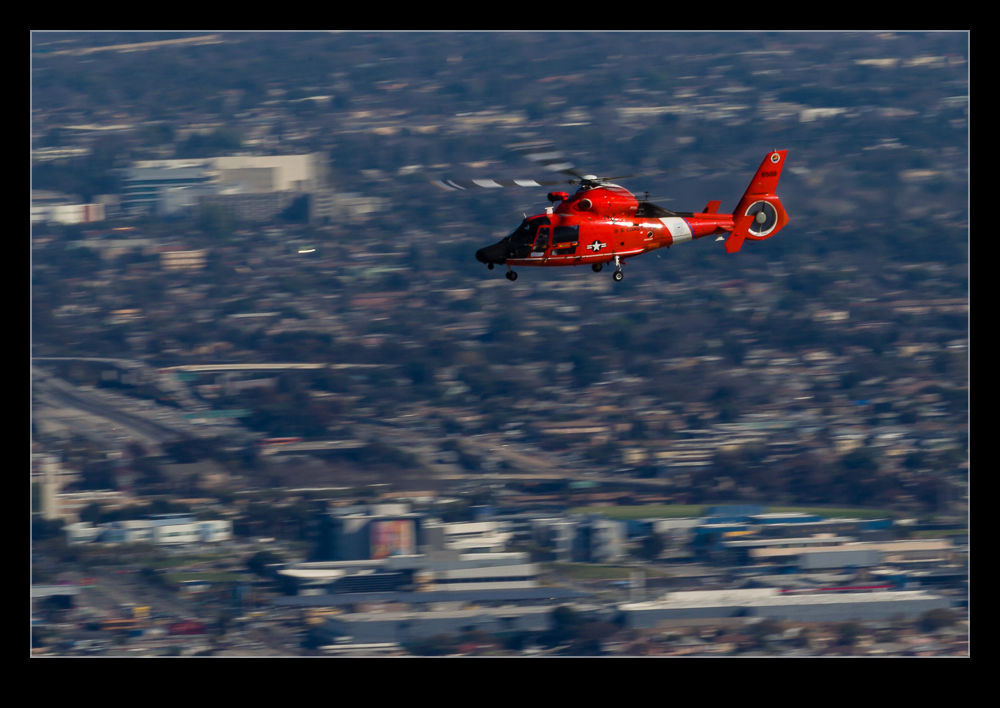
C59F1783.jpgMy flight over LAX was intended to get lots of shots of airliners. We did also get a little benefit. For the time being, the Coast Guard have a base at LAX. They will be moving soon but, until that point, operations continue as normal. One of their MH-65 Dolphins returned to base while we were airborne. ATC vectored them behind us and around to land on their pad. We managed to yaw around to provide an angle on them as they came in.

C59F1754.jpgShooting the Dolphin was a bit harder than some of the other aircraft. I was using a 100-400 lens which was fine for the jets when I could keep the shutter speed up high to compensate for any motion or vibration. However, dropping the shutter speed for the rotors, even if I didn’t take it too low, meant a very high failure rate on the shots. Even then, we were still a reasonable distance away which didn’t help. A few of the shots are passable. However, they won’t handle too much scrutiny. I’m glad we got them though since they will be gone if I go back for another shoot.

Back to My Roots with the Typhoons

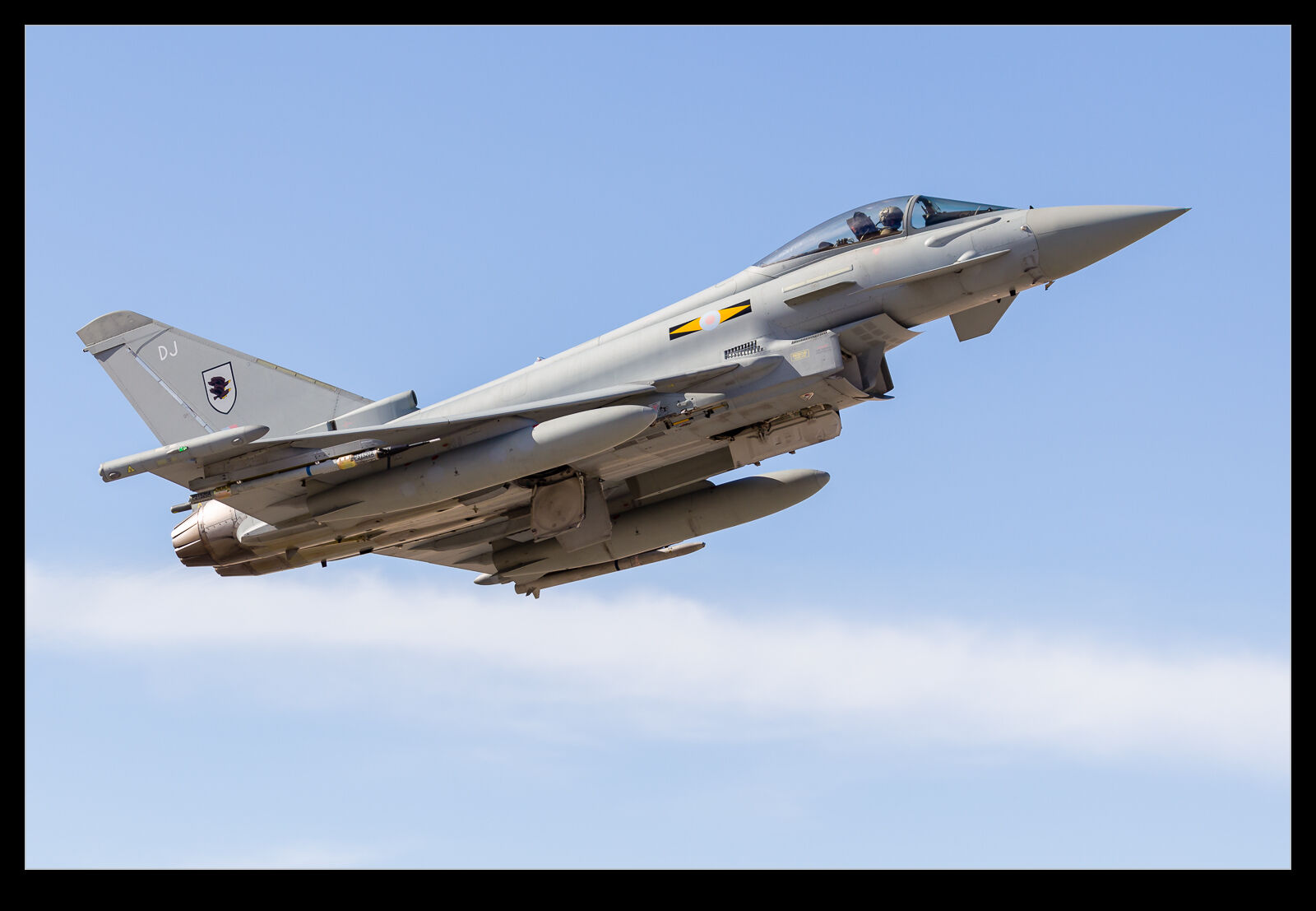
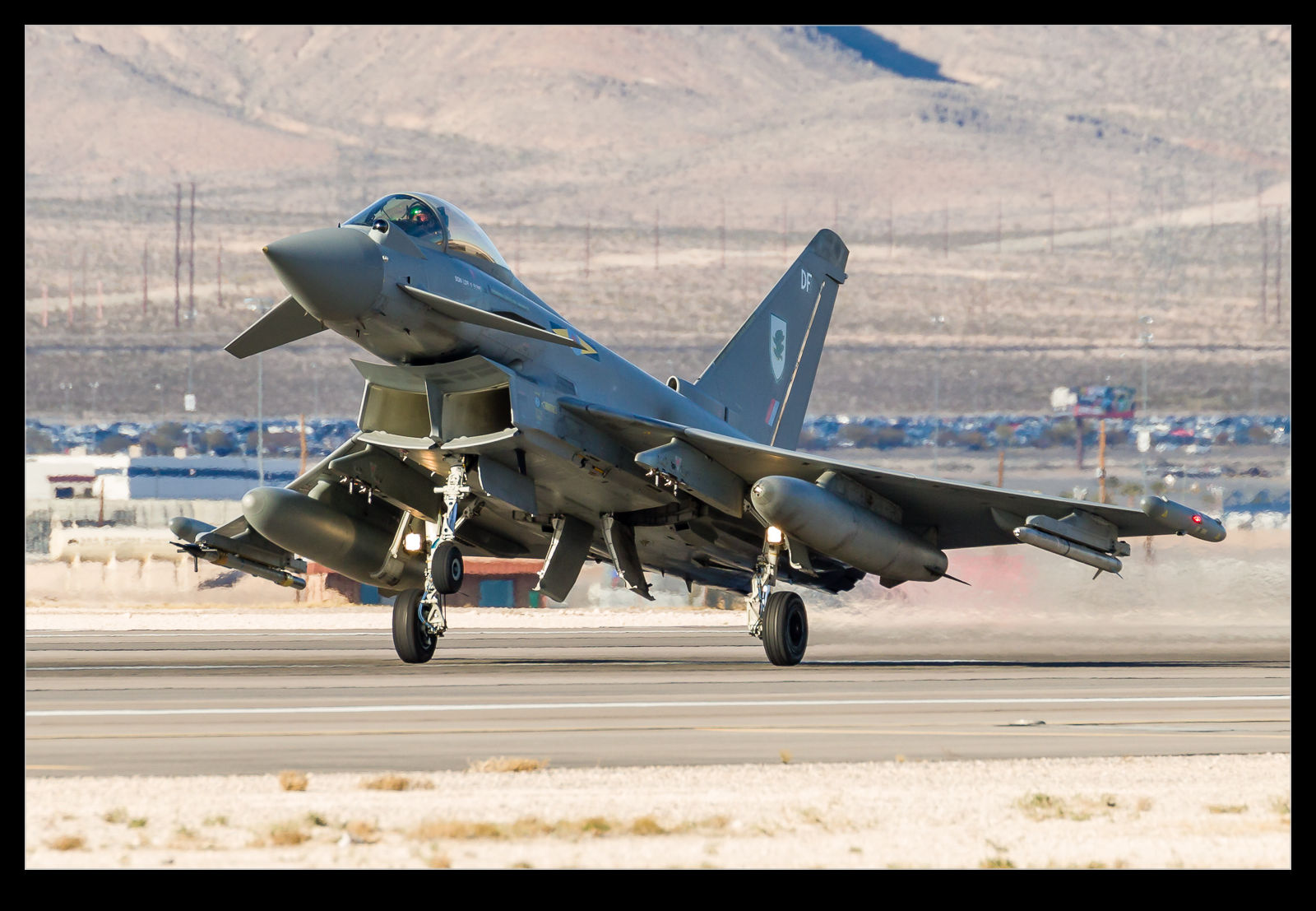
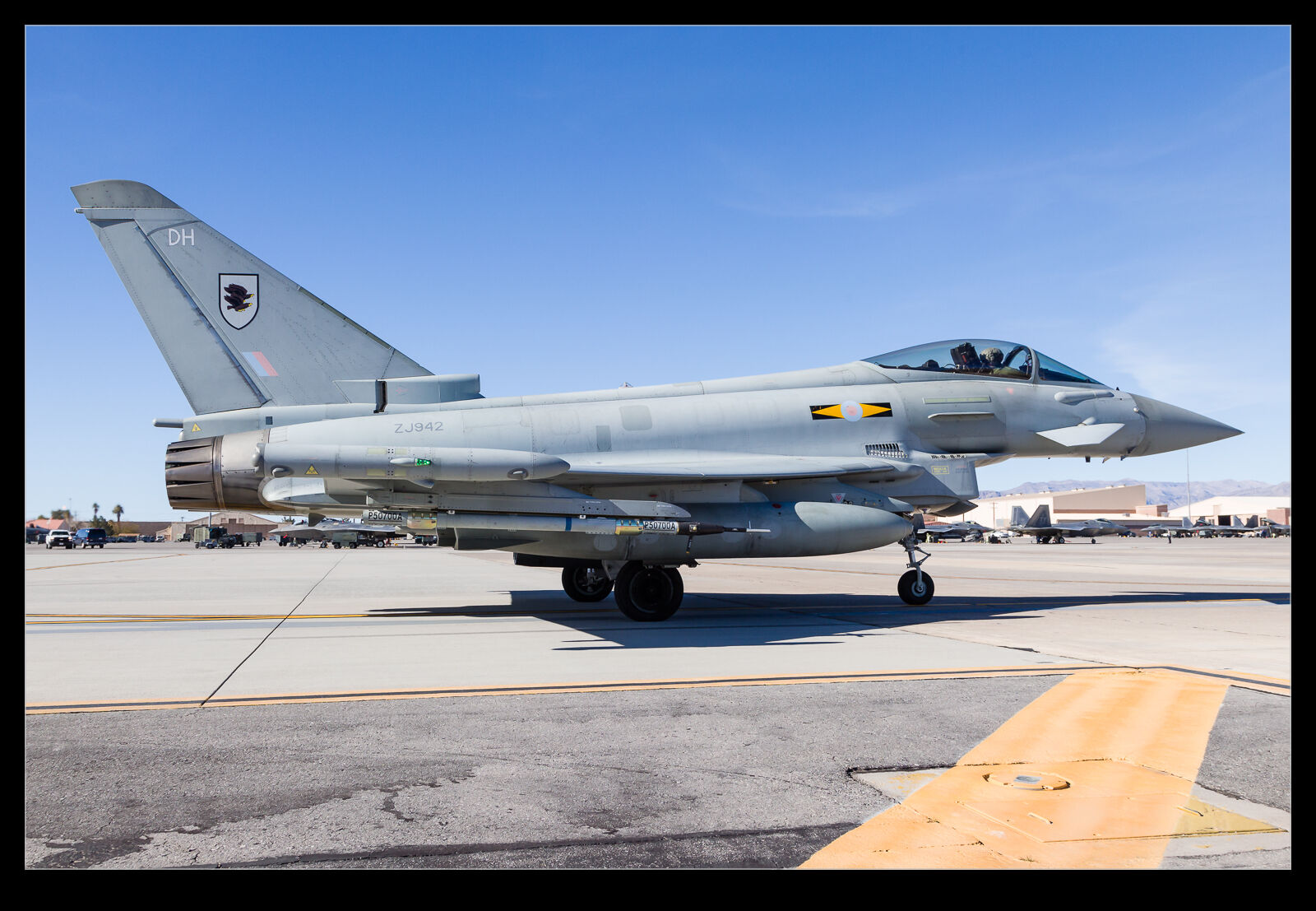
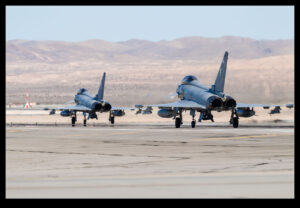
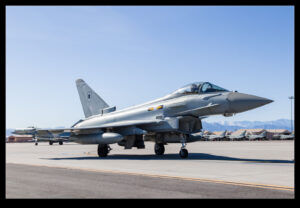
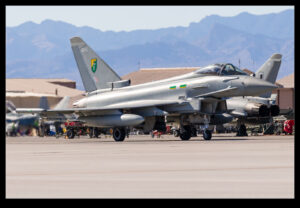
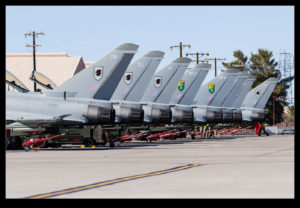
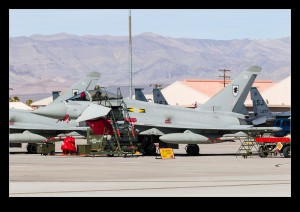
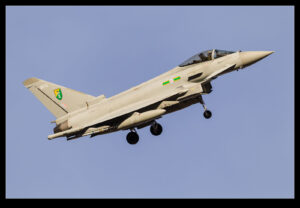
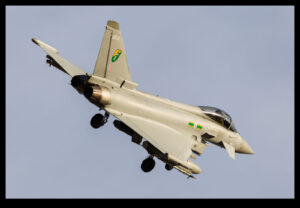
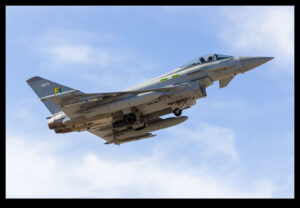
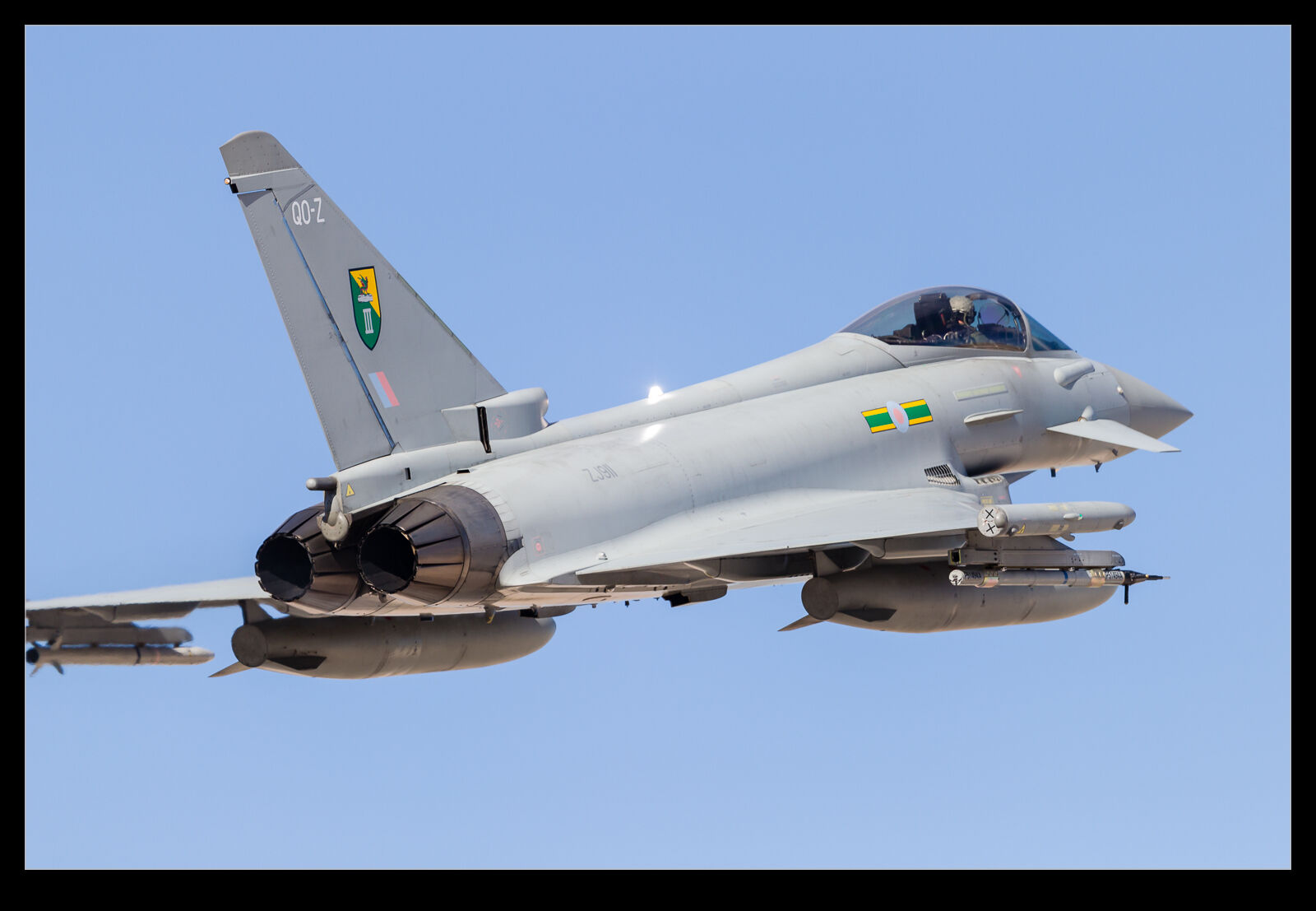
C59F3875.jpgThe Brits were at Red Flag in numbers too for 16-1. An E-3D Sentry was part of the AWACS fleet while a C-130J Hercules launched each day I was there. Judging by the dust and dirt on the underside, they were landing on rough strips out on the ranges during their missions. However, the thing I was most looking forward to seeing was the Typhoon. The RAF brought eight jets from 3 and 11 Squadrons. Most days six of them launched.

C59F4789.jpgIn my youth, I worked on what was to become the Typhoon in my BAE days. I was an aerodynamicist looking at airframe loading and the possible flight envelope for the first flight. I was not looking forward to the job when I was given it but working on loads turned out to be a great task and taught me a lot about structural limits, flight controls and the process for expanding the flight envelope. A mentor of mine had told me it sounded dull but was very valuable and he was spot on. I guess he is a smart guy because he has gone on to be rather successful in the company!
AU0E8613.jpgBack on topic, the Typhoon is something I am very pleased to have worked on. Getting to see them in action is great. The launches when we were out by the runways were great. When we were by the EOR, we were directly across from the ramp that the Typhoons were using so I managed to see them crewing up for the launch. Then, of course, they had to come right by us as they taxied out. I know it was a long time ago but I can’t help but still have a soft spot for them when I see them in use.

Two Aborts in One Launch

C59F6599.jpgRed Flag missions are two periods of intense activity with an intermediate phase of nothing much. The launch develops in to a steady stream of jets taking off as everyone gets airborne for their phase of the mission. They have been preceded by the tankers and AWACS who are setting up to manage the throughout of the smaller jets. Once everyone is gone, the simulated war is occurring somewhere else. Then, everything starts to come back with a steady stream of the jets breaking overhead and landing before the tankers and AWACS come back at the end.
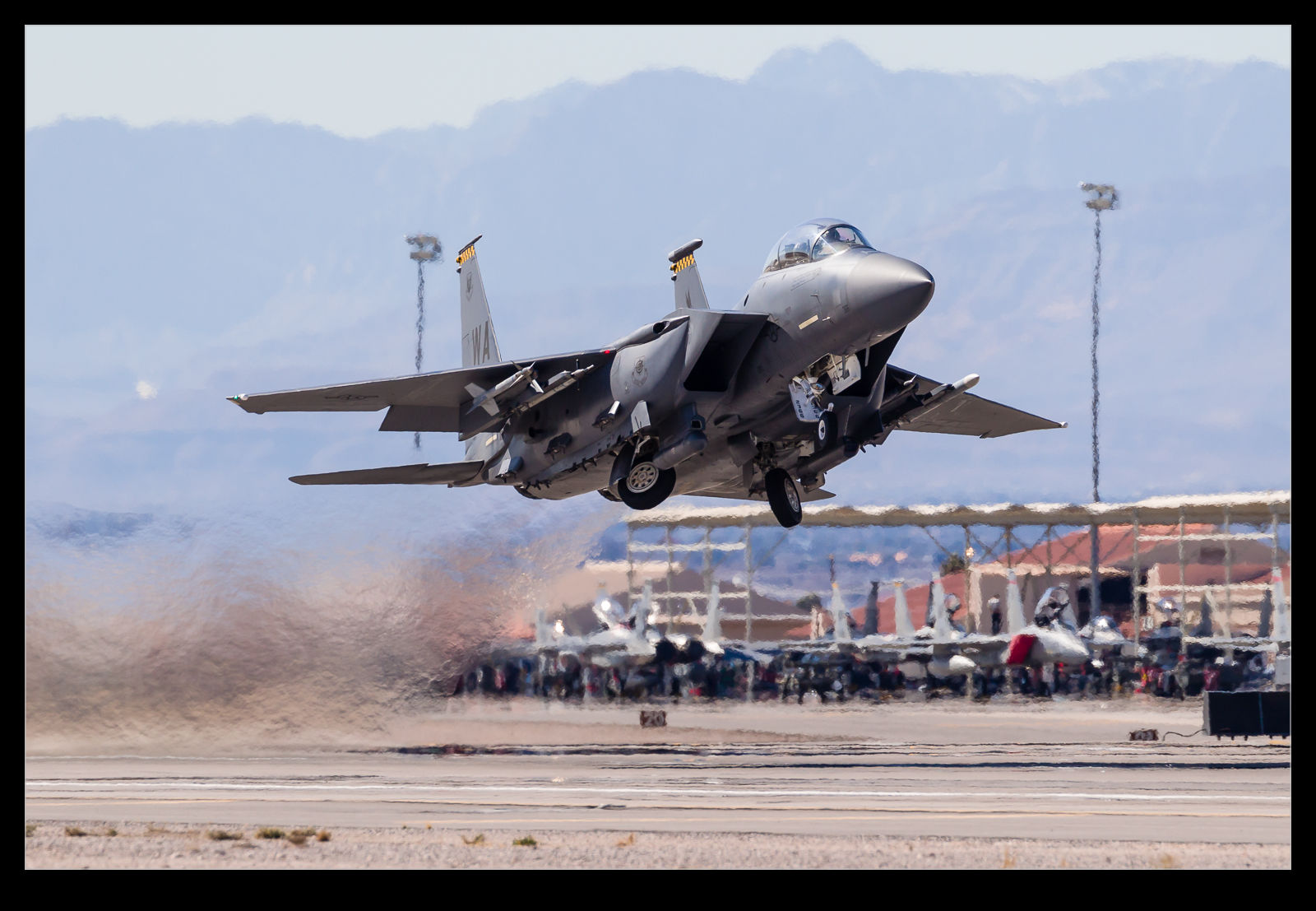
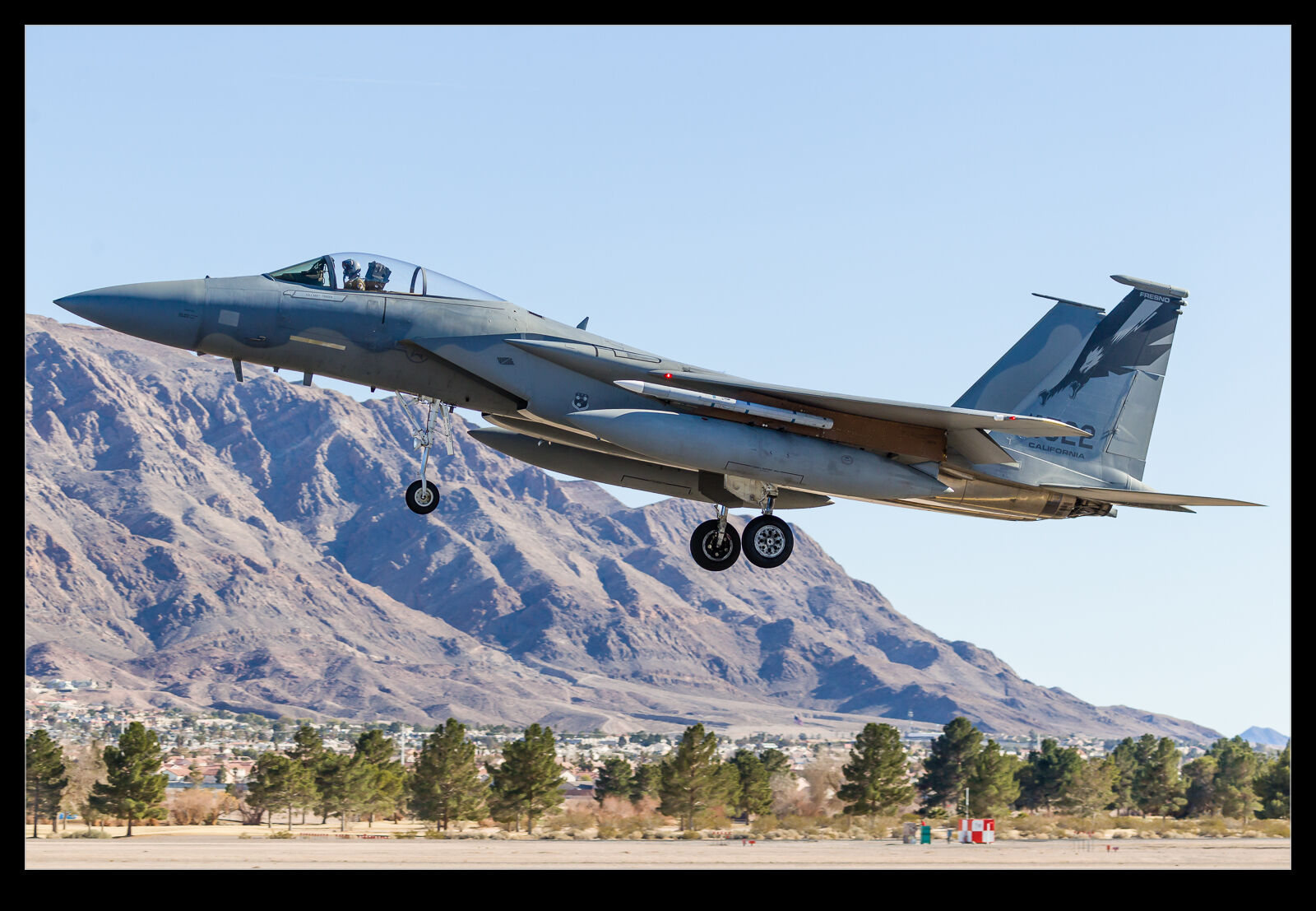
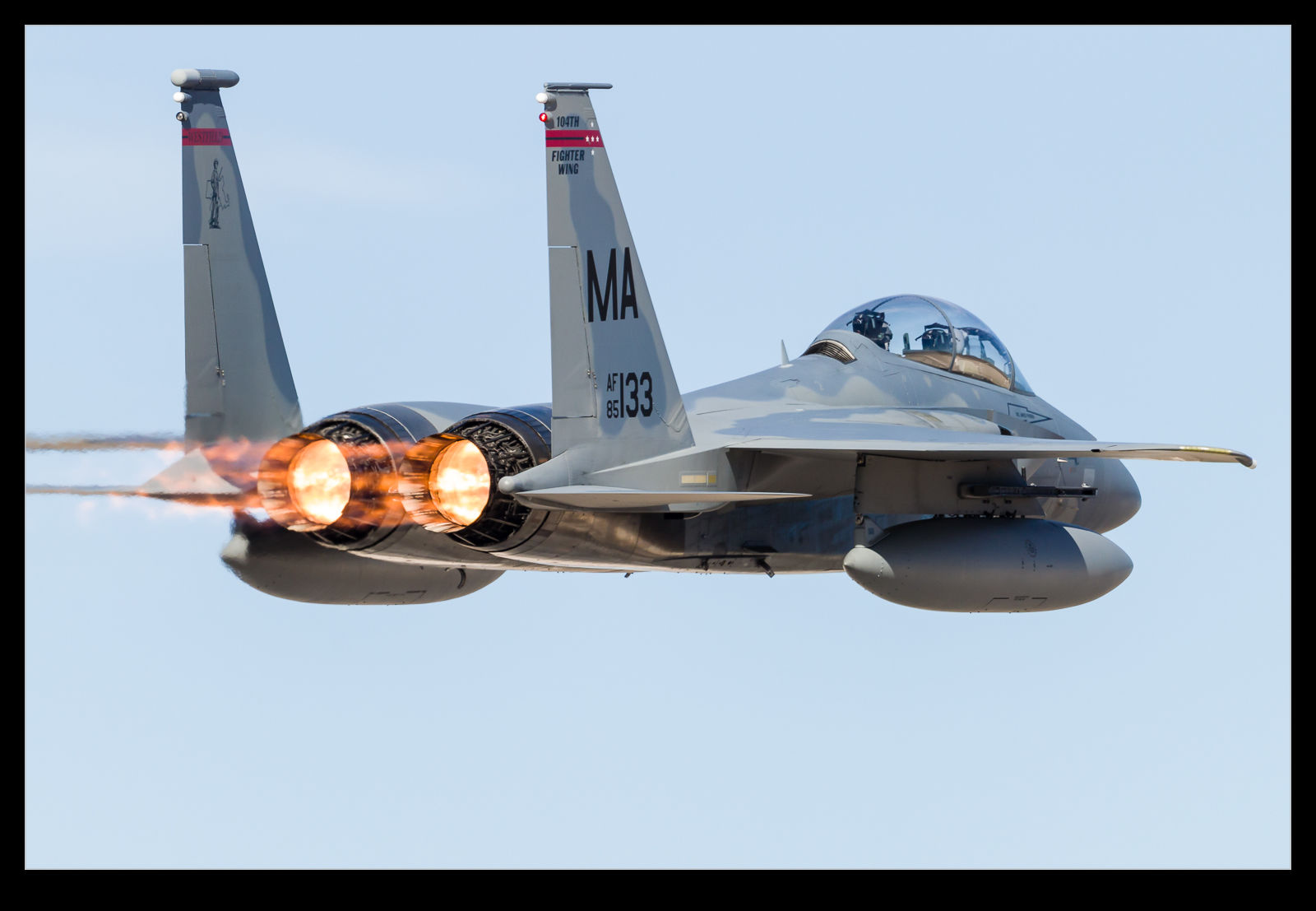
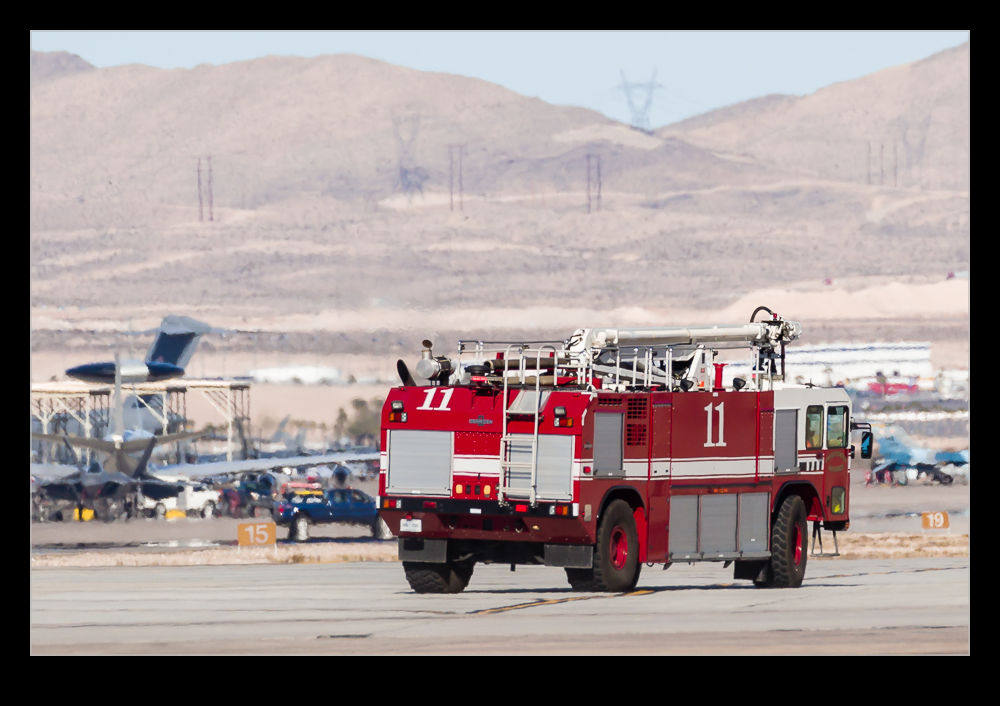
C59F6489.jpgAfter the majority of the launch, we were at the EOR watching the occasional straggler go out or some based planes fitting in. Then we got a pair of F-15s come back. They flew an approach with one jet on the glide path while the other was clearly shepherding them in. The F-15 landed without incident and the wingman powered away to rejoin the flight. Some fire trucks rolled but everything seemed to be under control.

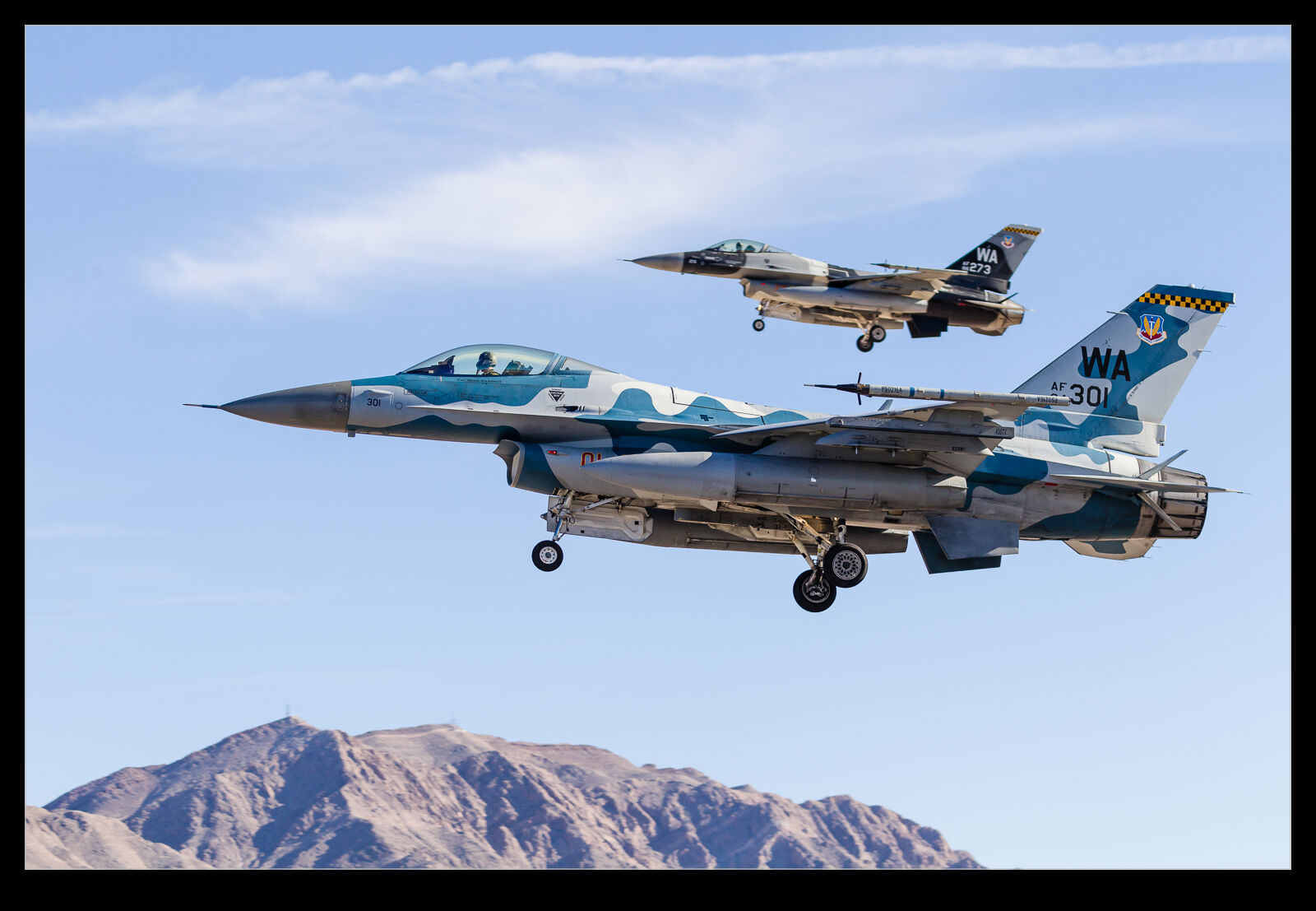
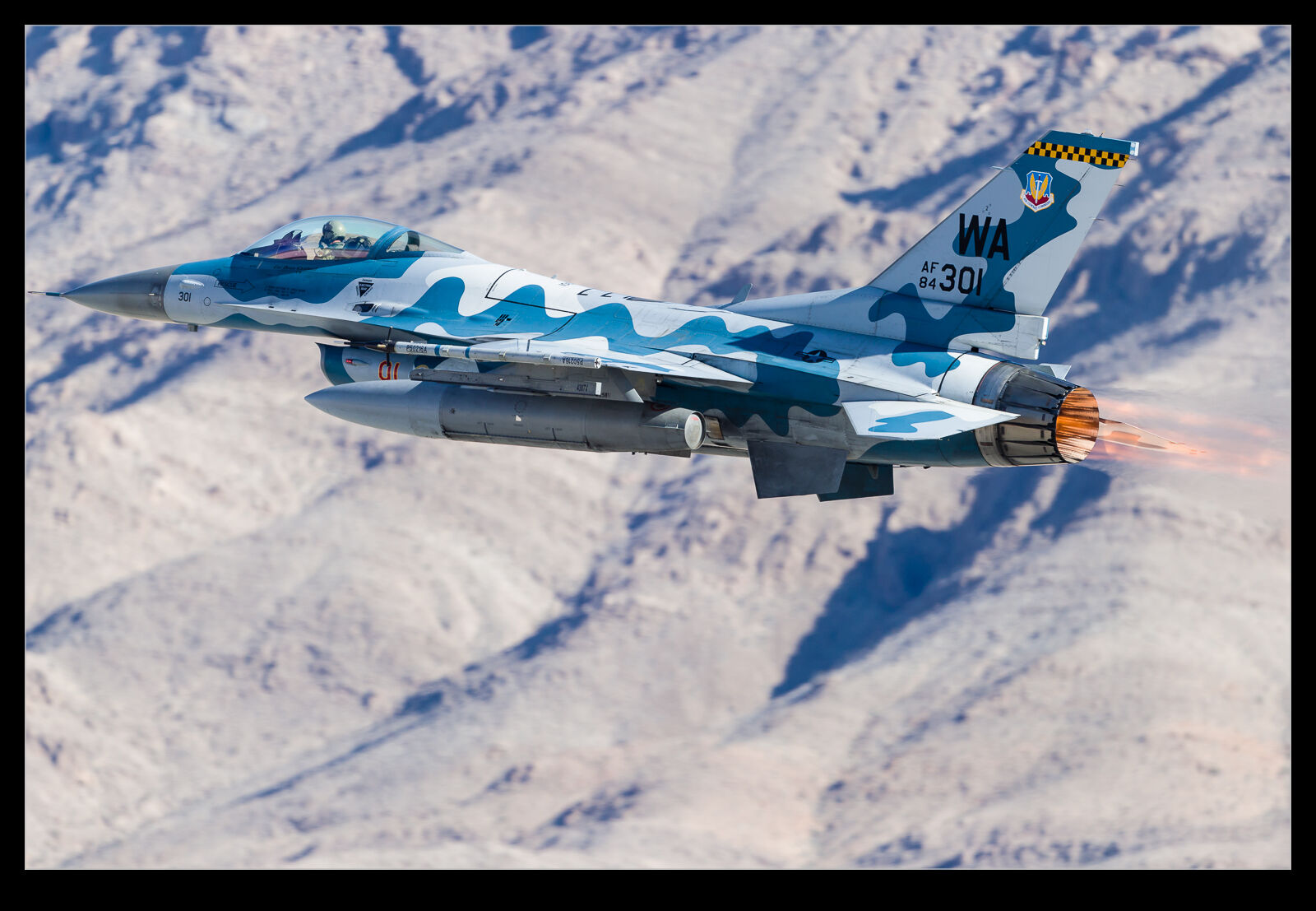
C59F6499.jpgNot long after we had stopped discussing this, a pair of aggressor F-16s came into view. The same procedure and one landed while the other shadowed them down the approach. With a safe touchdown, power on and back to the battle. Technical issues are not uncommon but I was surprised to get two in close succession. Everyone seems to have handled them appropriately and they appear to have ended without further incident.

C59F6497.jpg

Red Flag 16-1 Launch

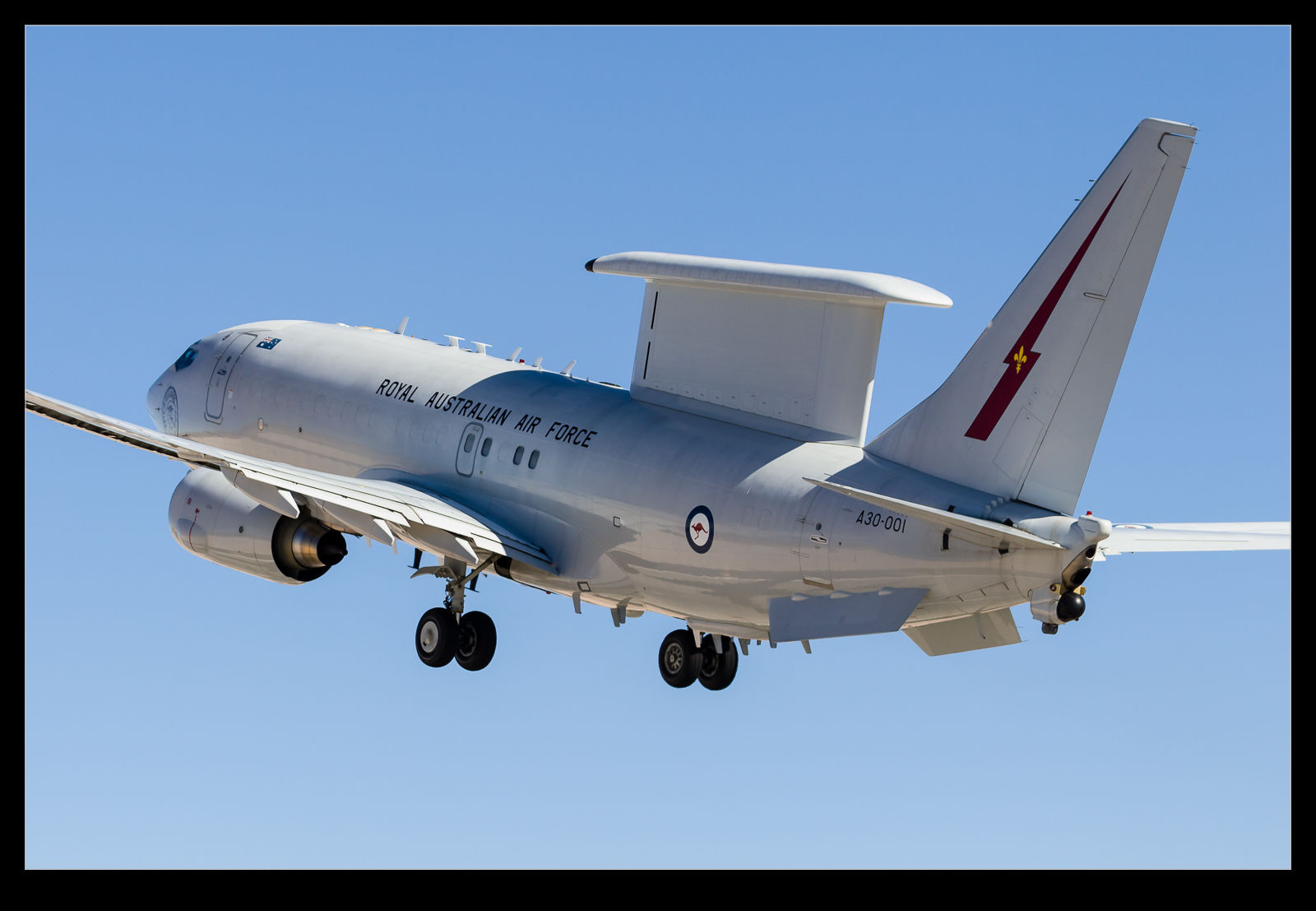
AU0E6309.jpgI might not be as regular at Red Flag exercises as some of my colleagues but I do try and get to at least one a year. The different events have differing levels of appeal. The winter means less hot weather but the sun angles can be very tricky. Sometimes there is a lack of overseas participation. In the case of 16-1, there was a planned attendance from the Royal Australian Air Force with a variety of types as well as the RAF bringing Typhoons and a Hercules. My UK friends would be interested in the other participants but I like to see the RAF stuff because I don’t normally see it.

C59F3356.jpgLaunches follow a pretty regular pattern. The AEW aircraft gets up first followed by the tankers. Then the bombers head up and the rest of the aircraft stream out. They tend to launch to the northeast and recover in the opposite direction. The launch means a lot of backlighting of the aircraft. There have been times when they launch to the southwest but, sadly, I have never been there for one of those. Recoveries are into the light usually which helps. Unfortunately, some changes in the procedures meant that we did not get a full recovery on base.

C59F3291.jpgWe were quite lucky as the following day the winds picked up and the recoveries were made in the same direction as the launch which would not have made for good photo opportunities. The launch is always an interesting challenge. They launch from both runways so you find yourself deciding which side is going next and scurrying back and forth. You also have some aircraft on the banned list so you have to make sure you know what each plane is before you shoot it. This can involve being able to shoot one unit’s aircraft of a given type but not another’s. Still, it’s better than being at work.

AU0E6577.jpgAU0E6551.jpgAU0E6689.jpg