Tag Archives: jet

A340 Season

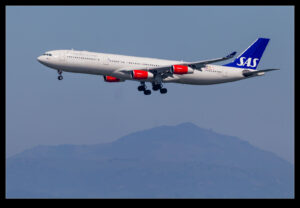
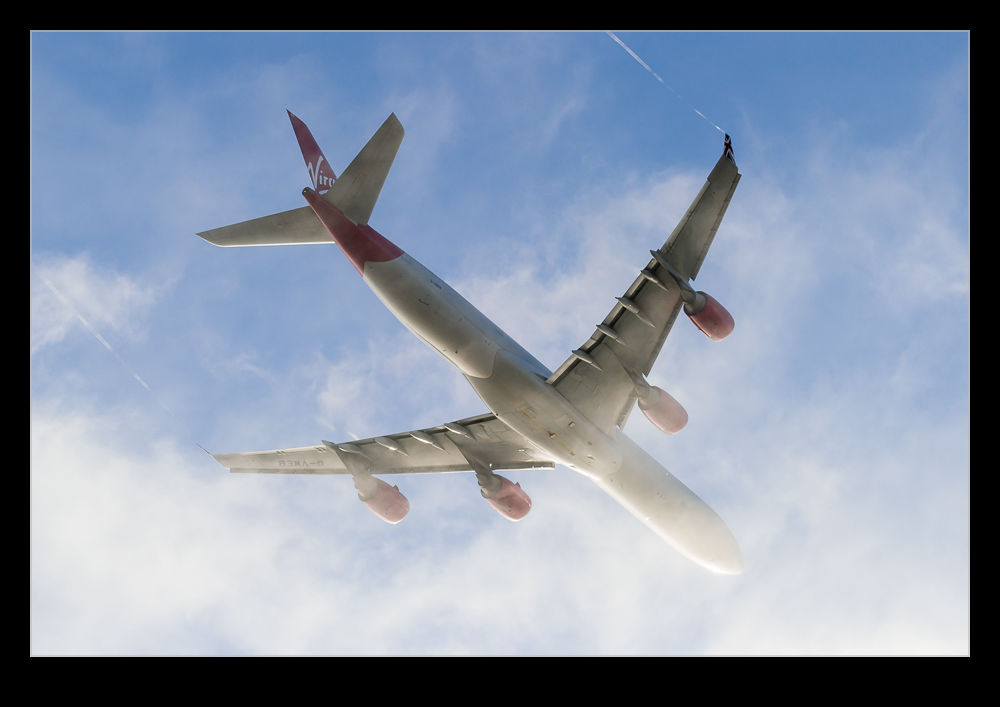
AU0E3312.jpgIt may be that the A340 is in its twilight years but it is still a type that is in operation with a number of airlines. Having watched a few different types disappear from service recently, I am paying more attention to those planes that might not be around for too much longer. I figure the A340 is one of those types. SFO gets a number of them on a normal day from a variety of operators. Virgin Atlantic brings in an A340-600 most days. Meanwhile, the original version shows up with a couple of airlines. Swiss and SAS bring in the A340-300 as part of their services. Philippine Airlines has been known to bring them in too but they are currently using 777-300ERs on this route and the 340s are elsewhere.
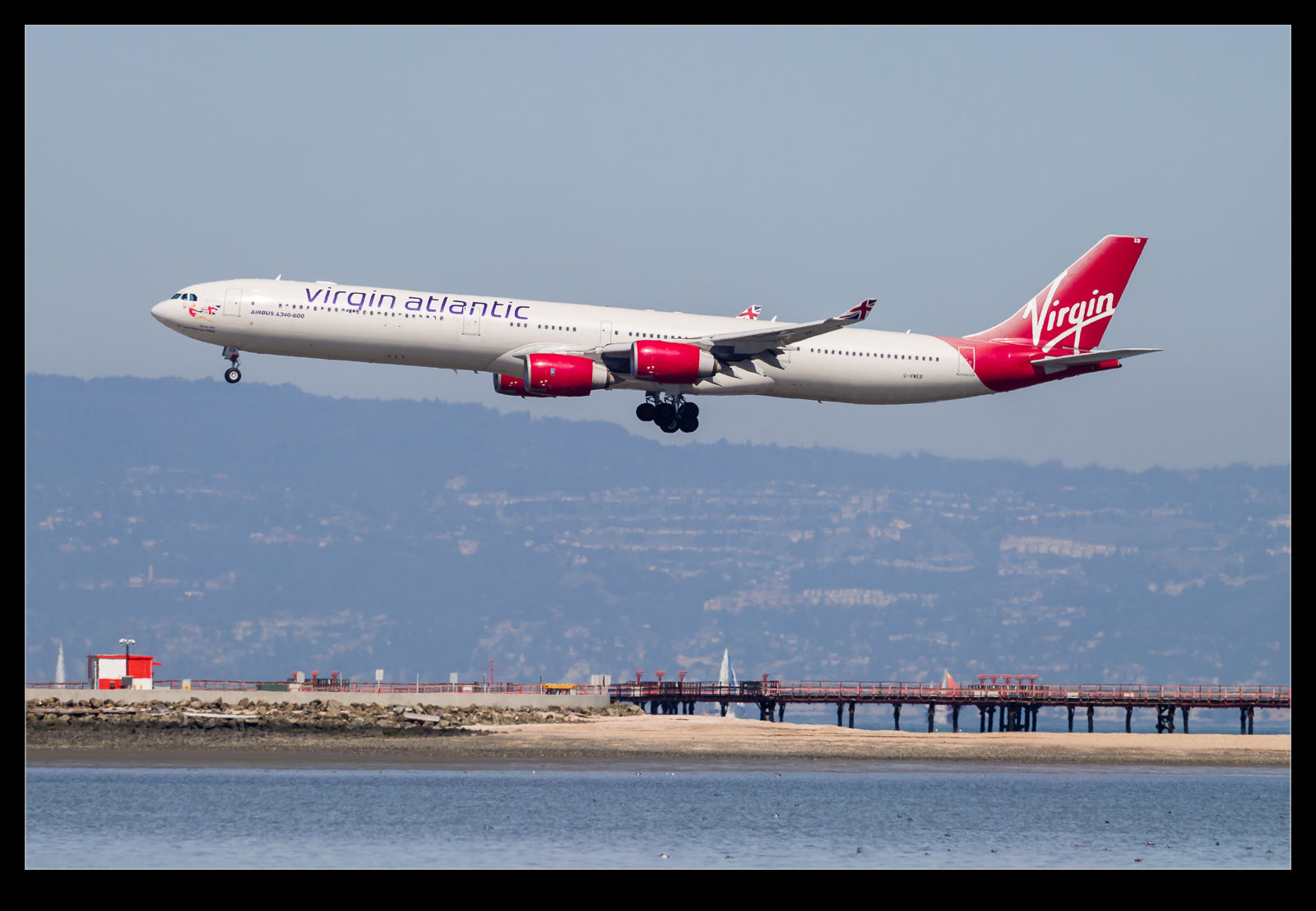
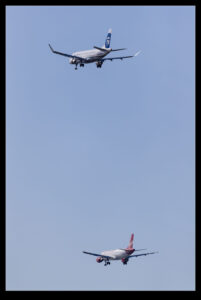
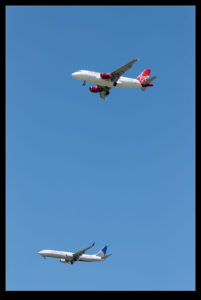
AU0E2600.jpgI made the effort to get the visitors both arriving and departing. Arrival shots are not great at this time of year as the heat haze starts to become a problem. However, you can still get something reasonable if you get a little lucky. You can go further out on the approach to minimize haze but you lose the context a little.
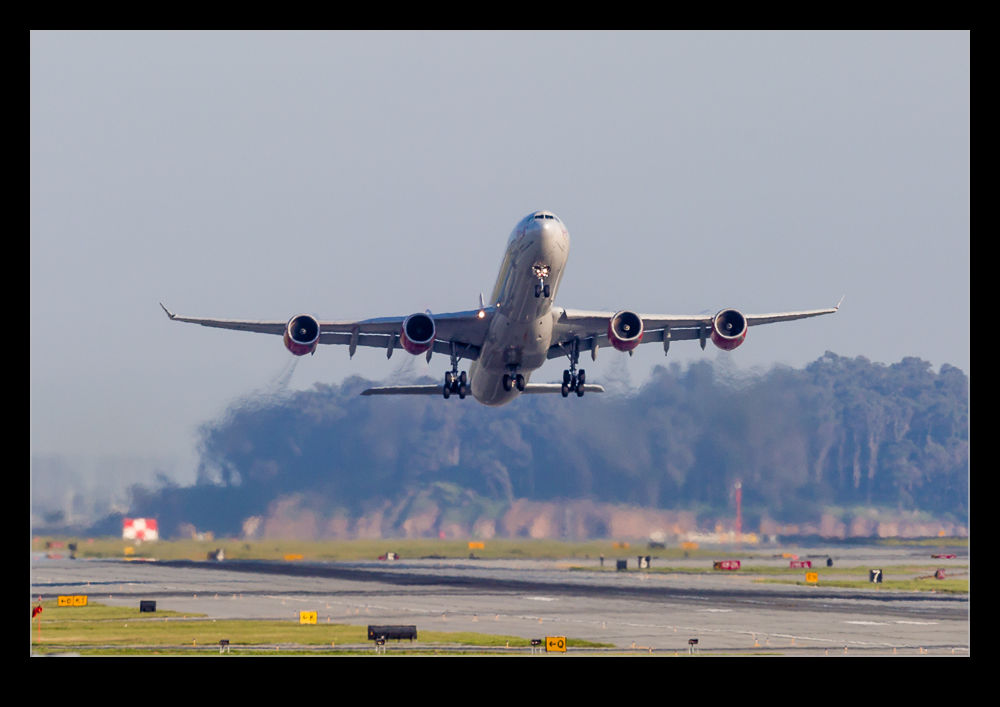
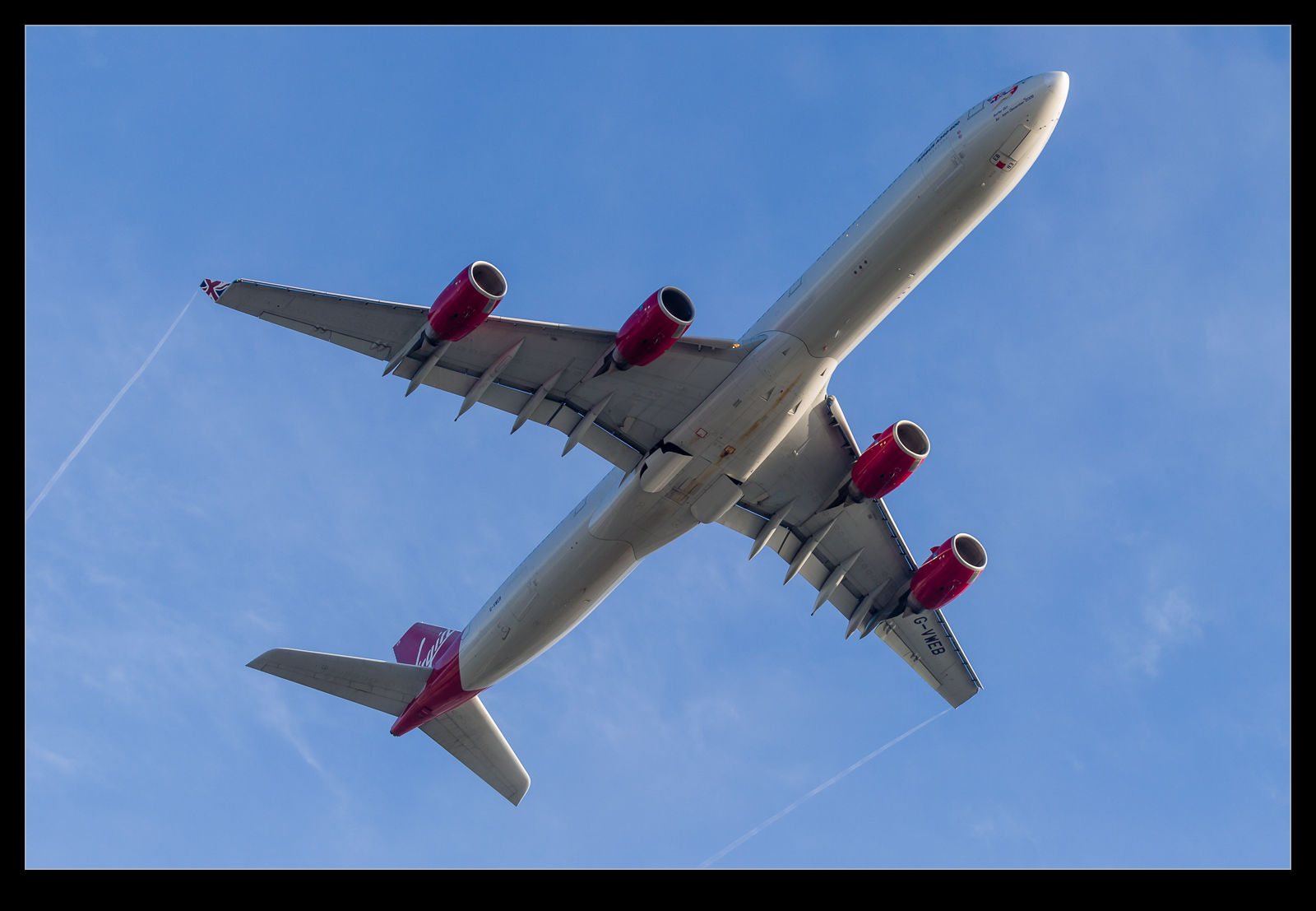
AU0E3240.jpgMoving around to the departure end of the 28s means you can get the planes as they come over your head when taking off. Sadly, all of them went from 28L rather than 28R which means they are slightly backlit when they come by. However, this doesn’t hurt things too much. The shots of them retreating into the distance were not possible on this day though due to the cloud rolling in off the hills which they disappeared into pretty quickly. I guess they will be around for a little longer but it won’t be too long before the A340 is consigned to secondary operators and lower utilization.
AU0E3327.jpg

Iraqi F-16s

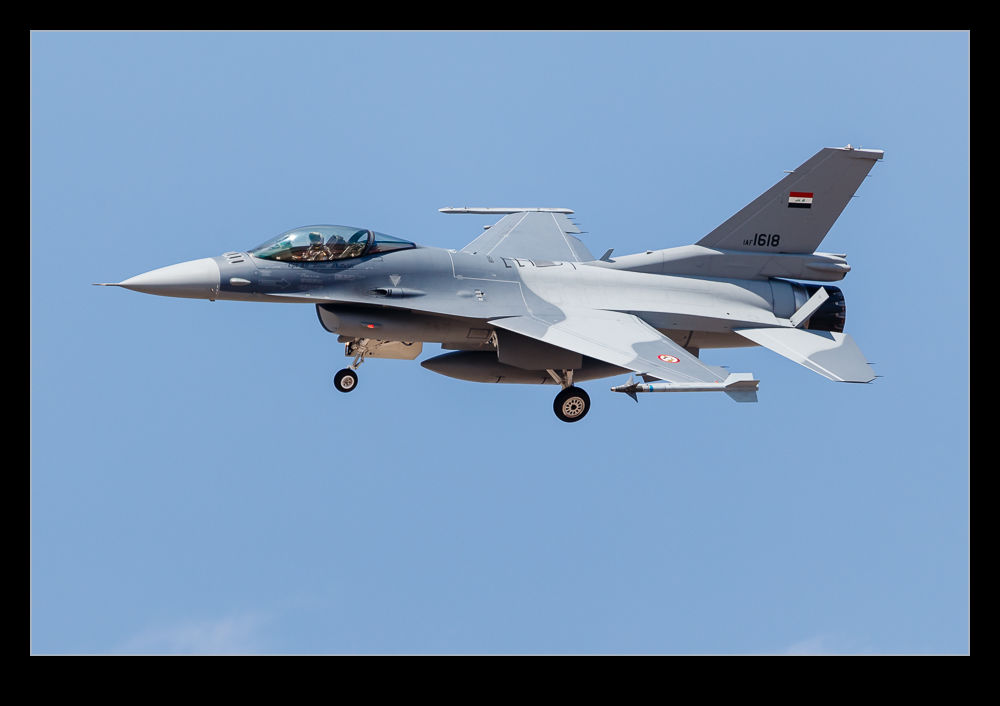
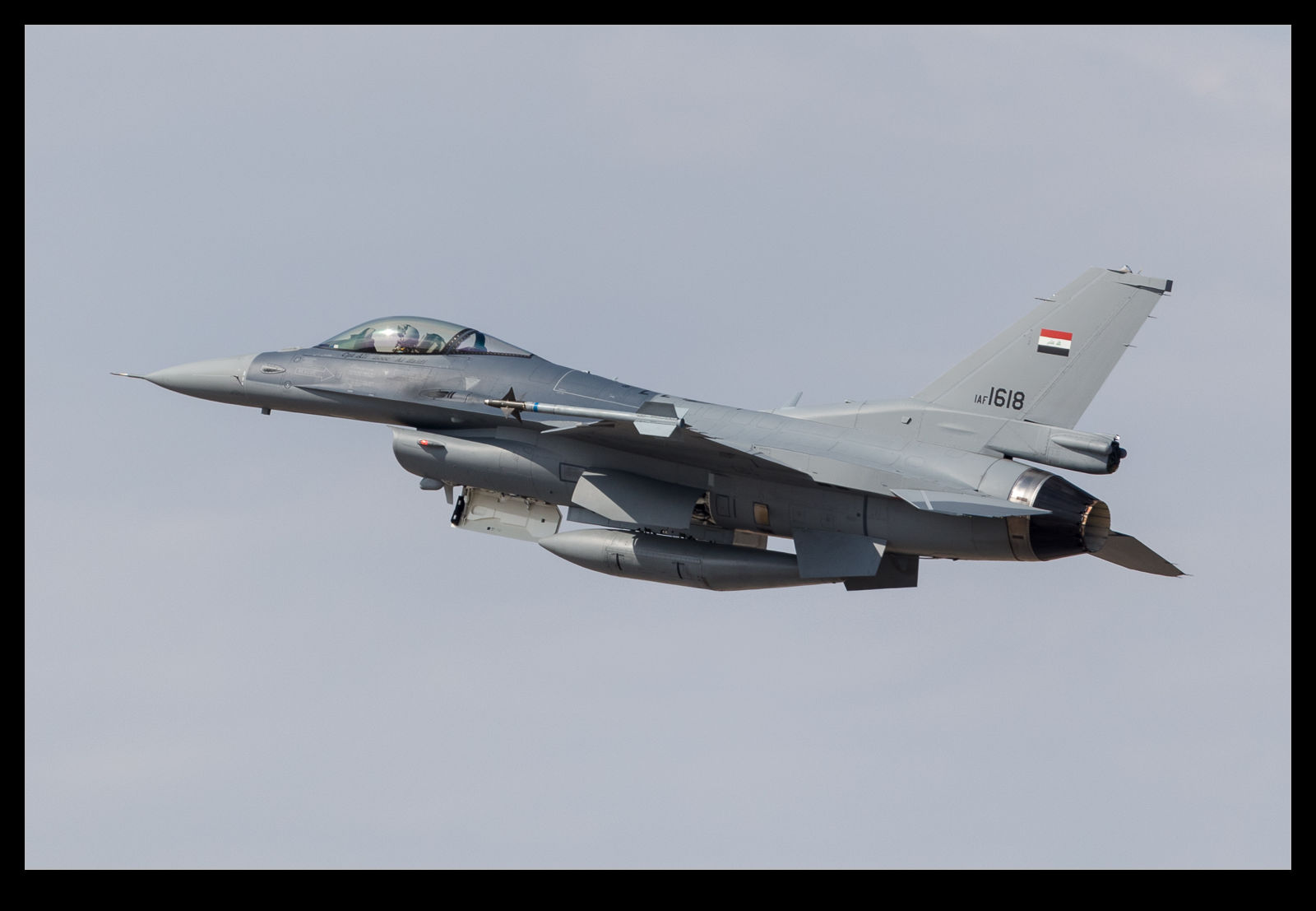
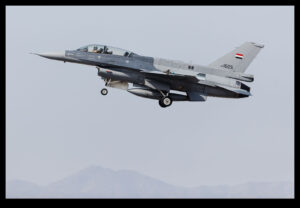
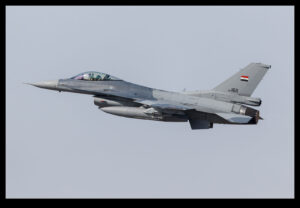
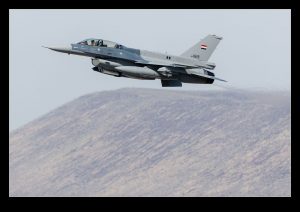
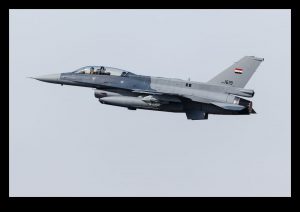
B11I3768.jpgIraq places an order for F-16s a number of years ago.  The first aircraft were not initially delivered to the country but instead went to Tucson to set up a training unit.  There are still some aircraft there being used to train new Iraqi pilots.  Soon the remaining jets will head to Iraq following those that have already been delivered.  I hadn’t seen them before since this all happened since my last visit to Tucson.  They operate from Tucson International, alongside the ANG unit and the Dutch training unit.

B11I3570.jpgWe had a few movements of the Iraqi jets while I was there and these were, apparently, some of the newer jets to have been delivered.  They have adopted a different camouflage pattern to the normal F-16 scheme so it is easier to recognize it is them as they approach.  I doubt I will be back before they leave the country so this was one of the few times I will likely see these jets.

Pan Am

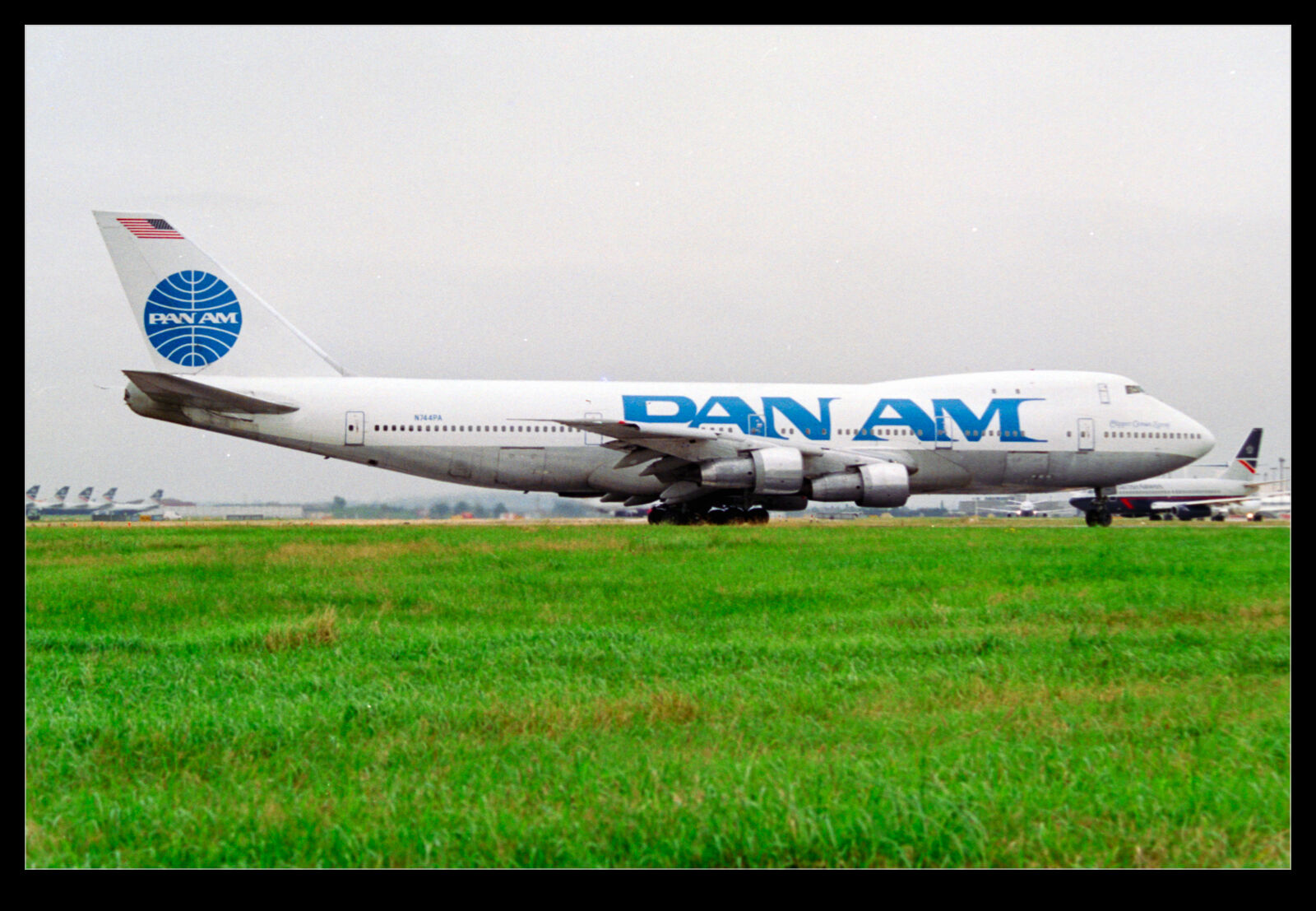
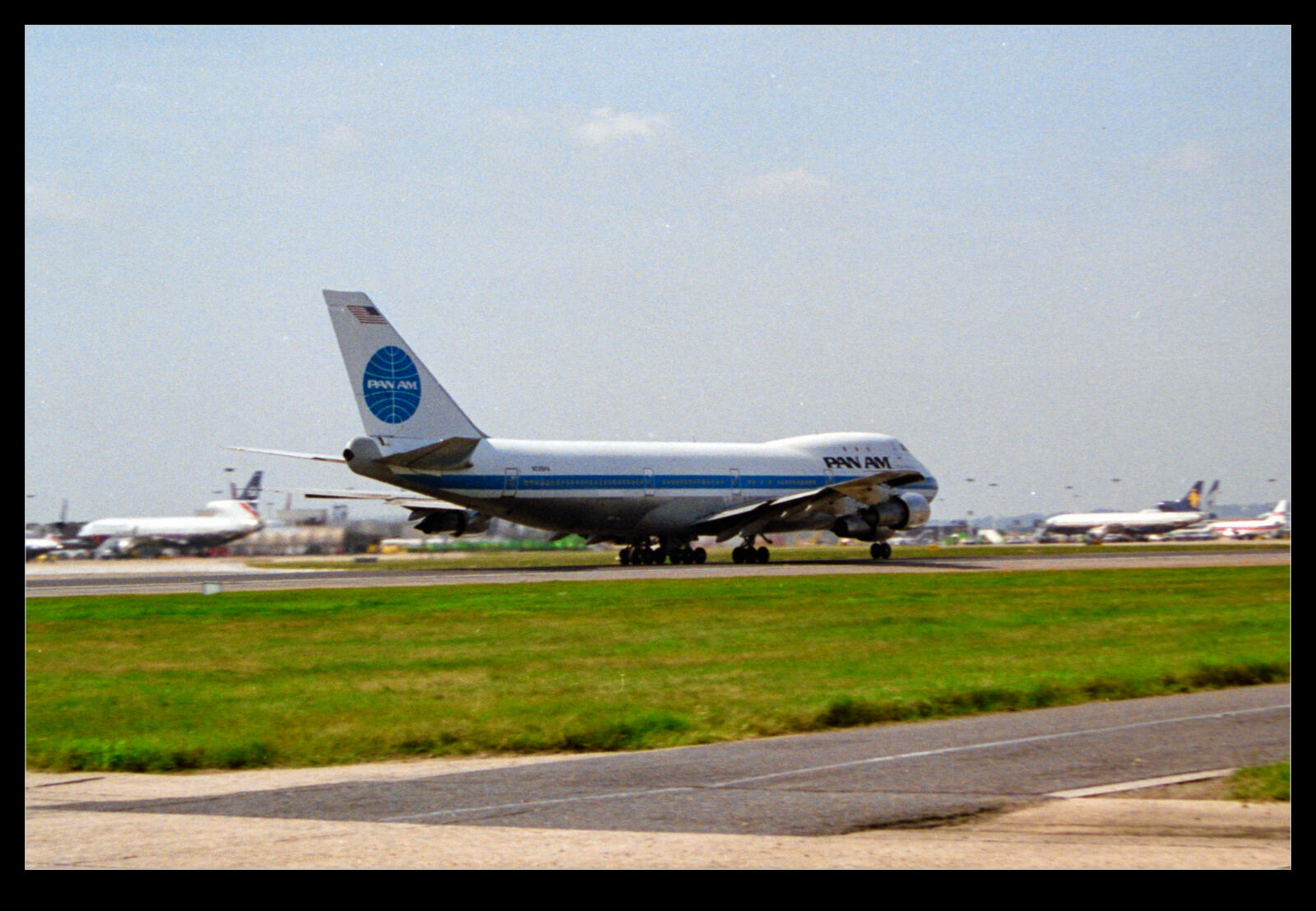
Scan 2-1424.jpgSummer of 88 meant I had probably the coolest job someone like me could ever have. My summer break was spent working for the Civil Aviation Authority (CAA) in the UK. I was involved in noise measuring work around airports in London and the vicinity. I spent a few days inside the fence at Heathrow recording all sorts of things taking off.

Scan 2-1460.jpgI did get some photos while there when it didn’t interfere with making recordings of sound levels. In those days, Pan Am 747s were a regular at Heathrow and here are a couple of their planes heading back across the water. They also had 727s at Heathrow supporting routes to Germany. That was a hangover from the post war split of responsibilities and probably seems anachronistic now.

DM’s Museum Jets

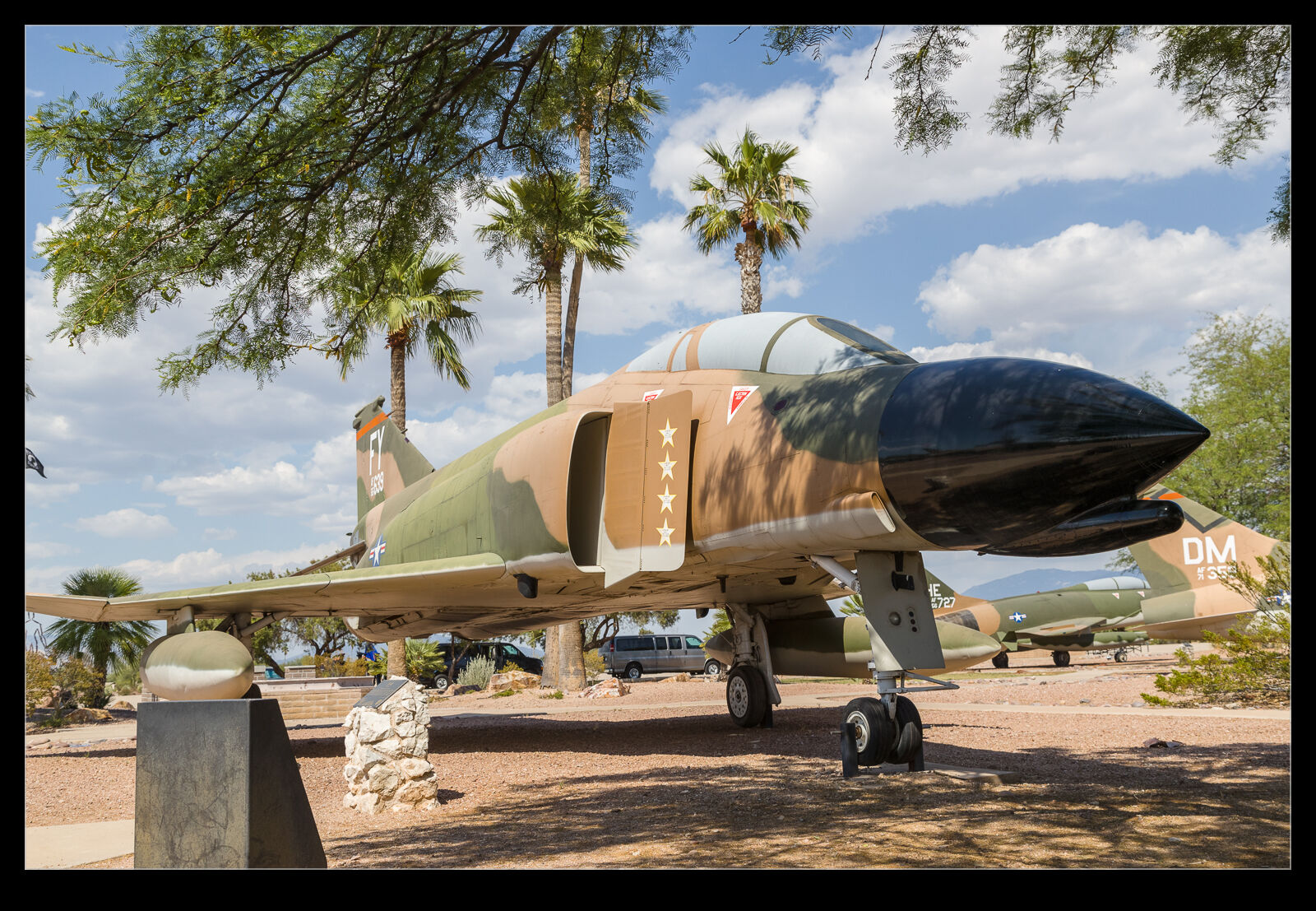
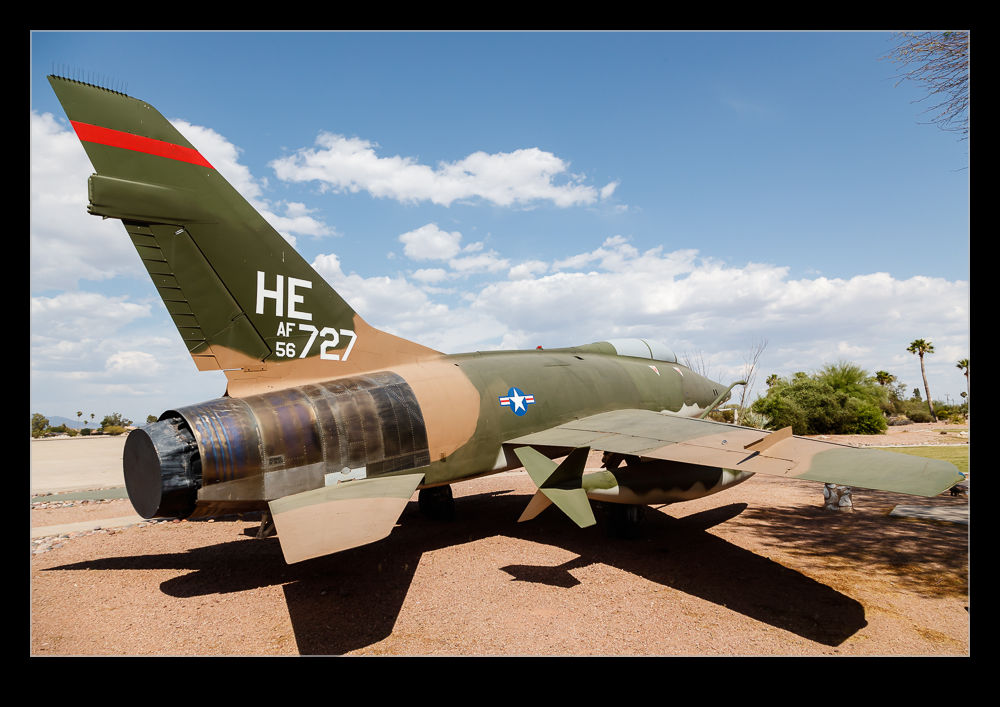
B11I4056.jpgMany airbases have a selection of historic aircraft on display to show something of what has gone before on the base.  Sadly, they are often unavailable to shoot when you visit.  Davis Monthan AFB has quite a few different planes on display and, fortunately, the location of the Fallen Hawg ceremony during Hawgsmoke was in front of the display A-10.  While everything was being set up, we had some time to kill and I was allowed to wander around the other planes.

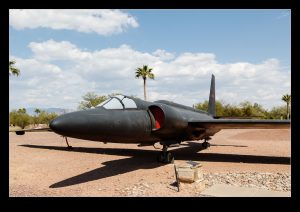
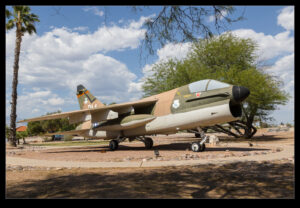
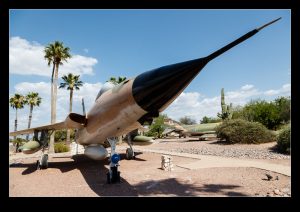
B11I4070.jpgThe selection included some obvious DM aircraft like the A-10 and A-7 (even if it was actually a Navy A-7E that they had repainted).  A U-2 was a slightly more surprising one to see.  I’m not sure how that qualifies but I wasn’t complaining.  The F-105, F-100 and F-4 all looked good too.  Not only was it nice to be able to shoot them but it gave us something to do since we had got in place pretty early!

Breaking the Old Jets

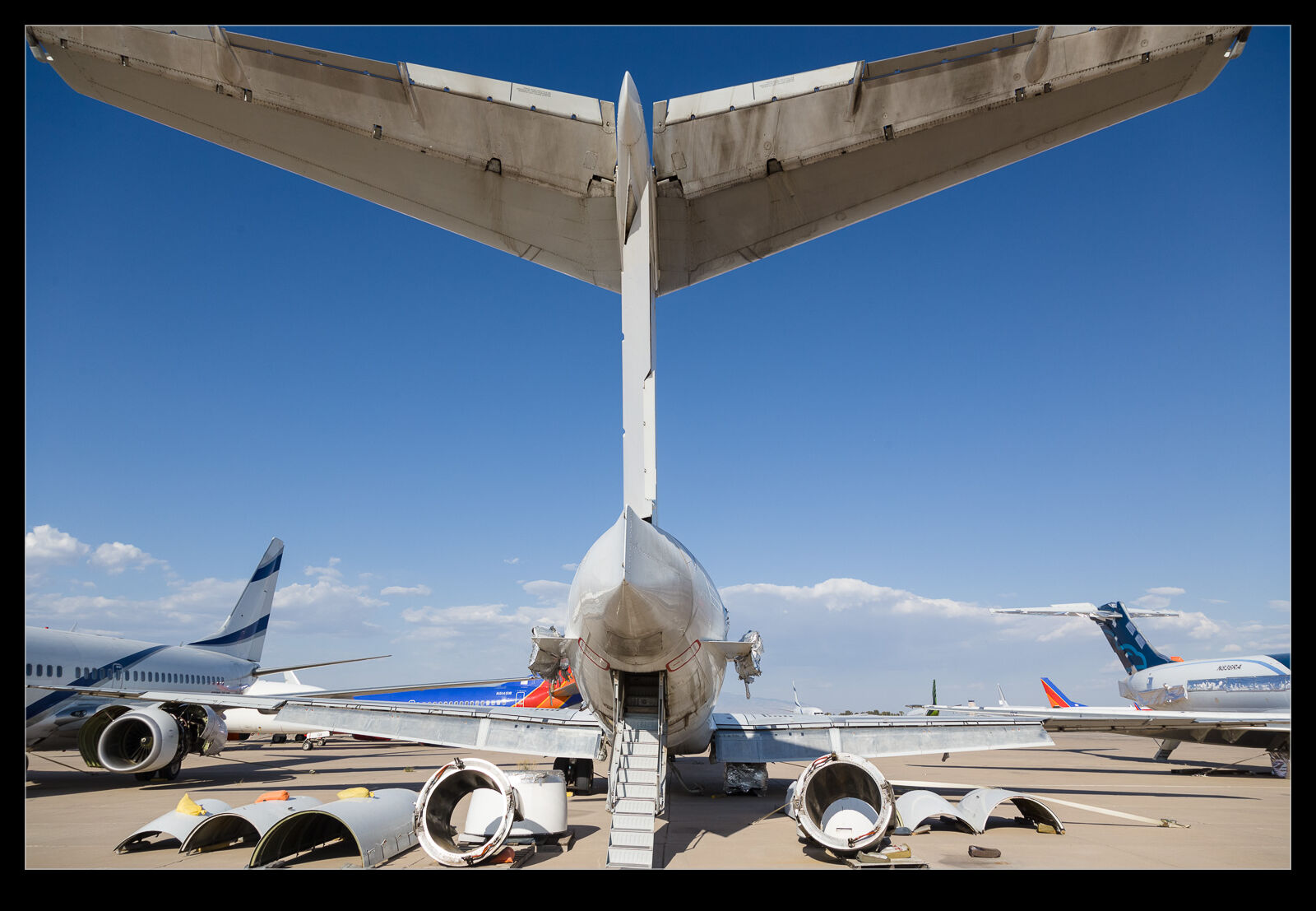
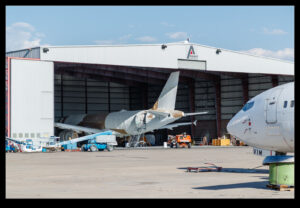
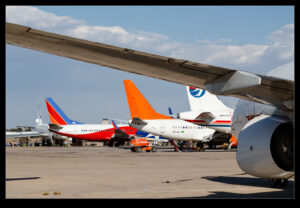
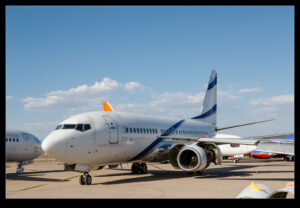
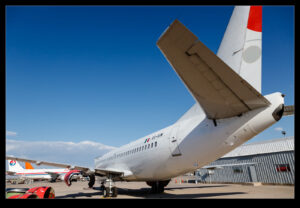
B11I4119.jpgBoneyards can be interesting place to explore.  Old stuff and things from odd locations abound.  On one side of Tucson International Airport is a place filled with old airliners.  Some are being worked on and will fly again.  Others are being stripped for the useful parts that they have.  I didn’t get to go inside but instead wandered along the fence line seeing what was going on.  Interestingly, having seen one of the last flights of the Texas 737 for Southwest, I was surprised to find it here a few days later.  It was being broken down already.  Other 737s were looking short of key parts and a few MD-80s were looking unlikely to move any time soon.  A couple of A320s were there and they did look like they might be on the move at some point.  One was being repainted which I imagine means it has a future.

Vampires Out in Daylight

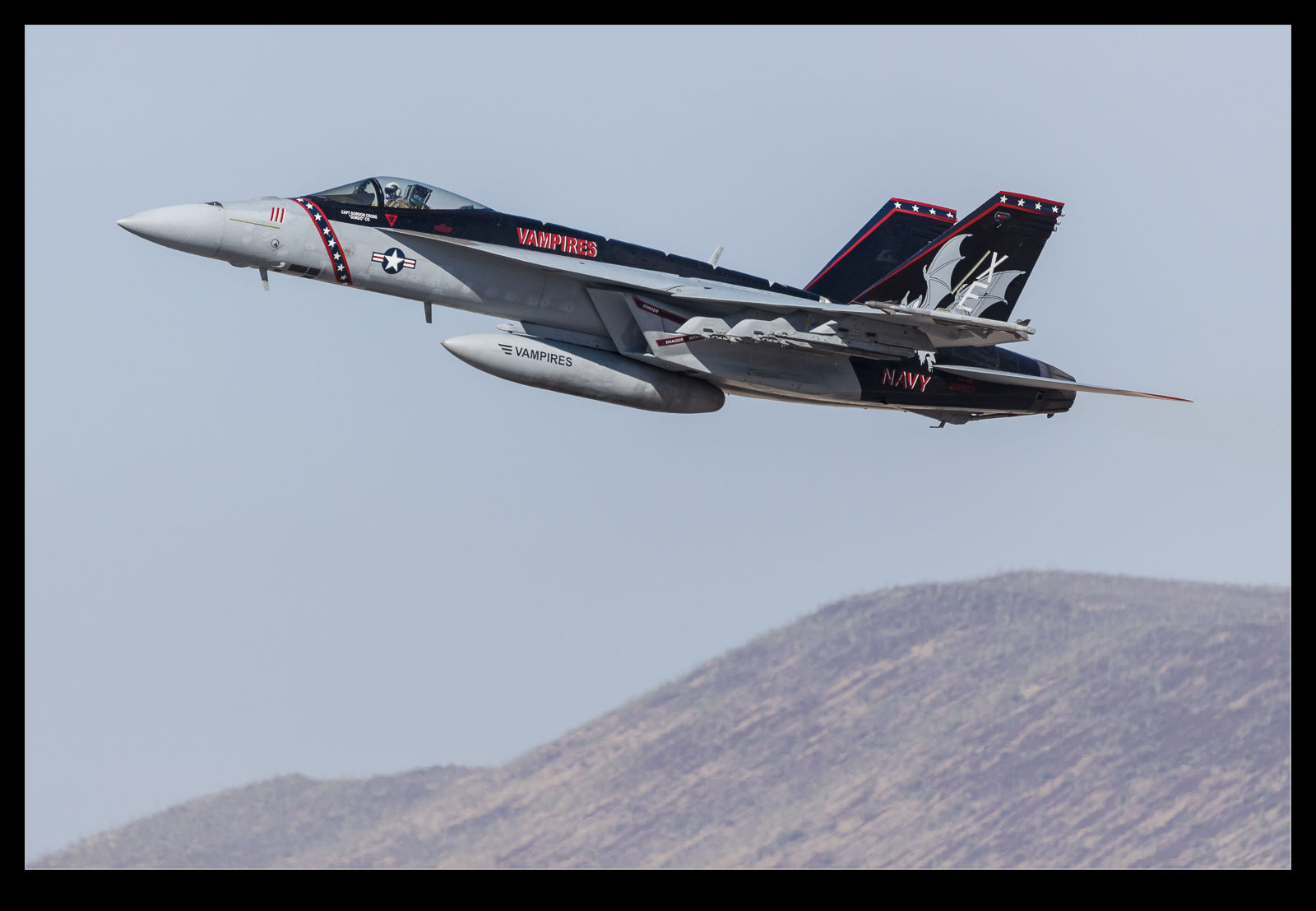
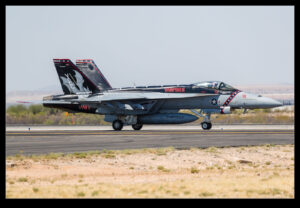
B11I5928.jpgTucson International is a place I was expecting to shoot F-16s of various nations.  I had not expected to see any Super Hornets.  However, the Navy had other plans.  A couple of VX-9 Vampires jets were detached and carrying out missions with some of the based test aircraft.  One of them was the color jet too!  This was a very pleasant surprise.  They took off in the morning for a mission and we got to see them head off.  They returned ahead of my expectations and I wasn’t in the right place to get them on approach.  Even so, a great addition to the day.  I was flying home later that day and, while looking out of the window at the gate, they taxied by again so I guess they were getting a lot of flying in.

Marineflieger Tornado

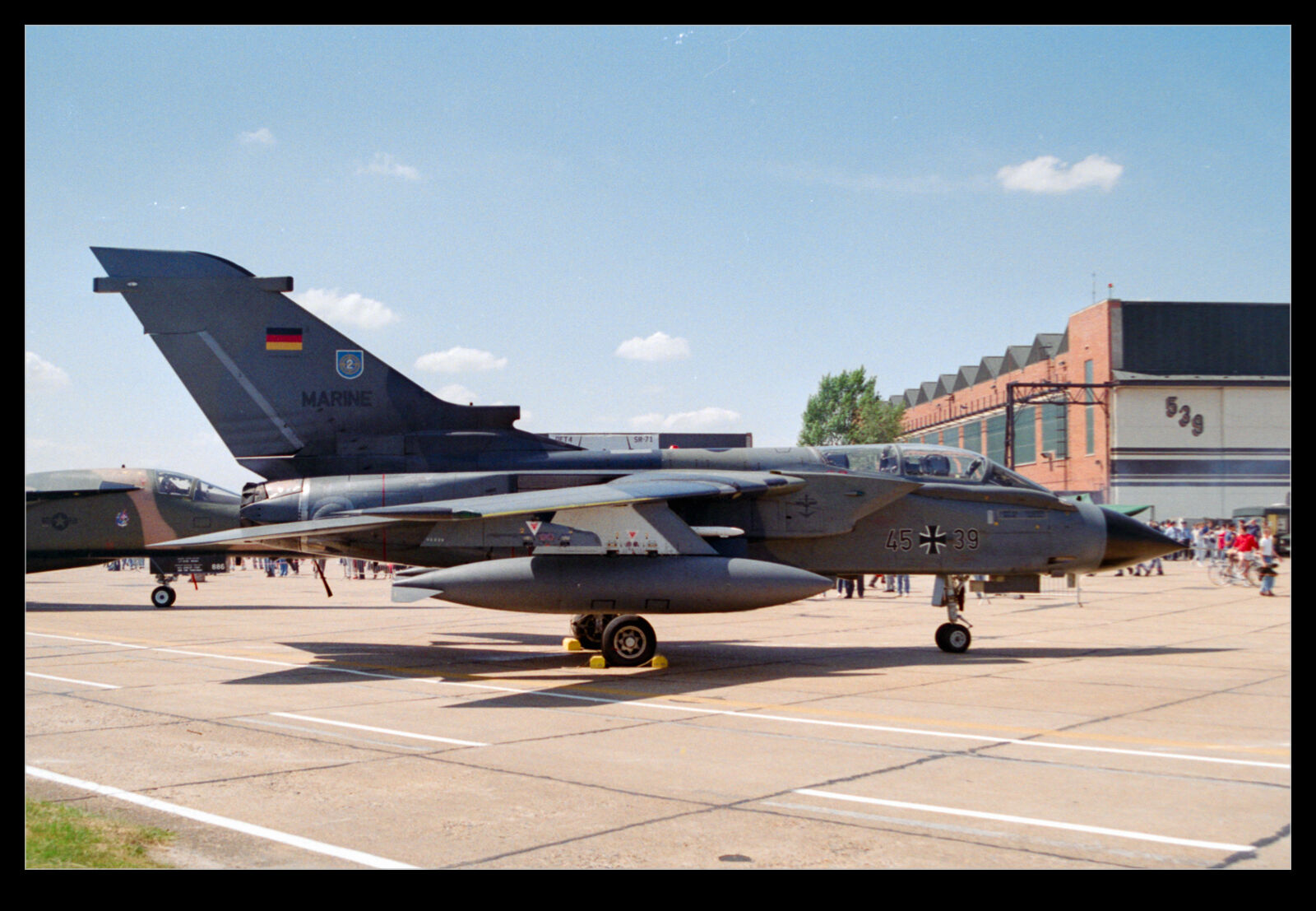
Scan 2-1251.jpgTornado was a tri-national program.  The UK, Germany and Italy were the partners that developed and produced the aircraft.  There was only one export customer which was Saudi Arabia.  All of the users continue to operate the aircraft although all of the ADVs have now been withdrawn.  Germany took a substantial number of the jets but, while the Luftwaffe remains a major user, it is easy to forget that they were not alone.

The German Navy had a fast jet fleet.  The Marineflieger operated the F-104 in large numbers and these were replaced by the Tornado.  Originally, they were in the Blue/gray upper fuselage with white undersides colors which looked very neat.  Later on (including the time this photo was taken), they had migrated to a camouflage scheme.  Then, a consolidation exercise took place and the Navy jets were transferred to the Luftwaffe which took over their responsibilities.

What Does 40 Years of Design Get You?

AU0E1641.jpgThe Boeing 747-8 has not been a terribly successful program.  Boeing decided to update the 747 family with new engines and revisions to the wing along with a stretch to the fuselage.  The resulting jet was delayed by its own and other program issues and it came around at a time when there were few passenger airlines interested and the freighter market was taking a kicking.  The result has been anemic sales and a production rate that has steadily reduced as a result of the low demand.  However, from a technical point of view, it is a nice upgrade.

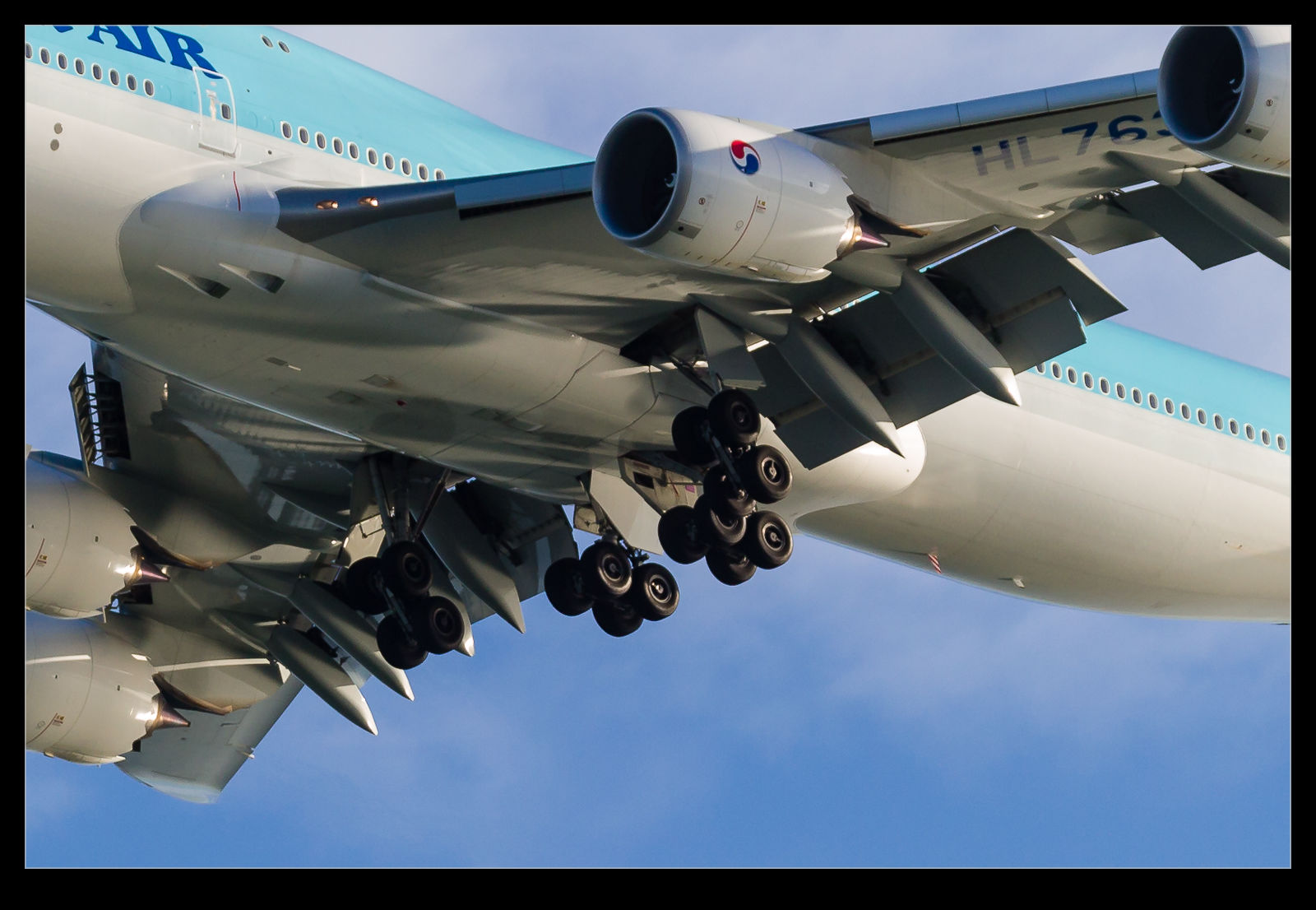
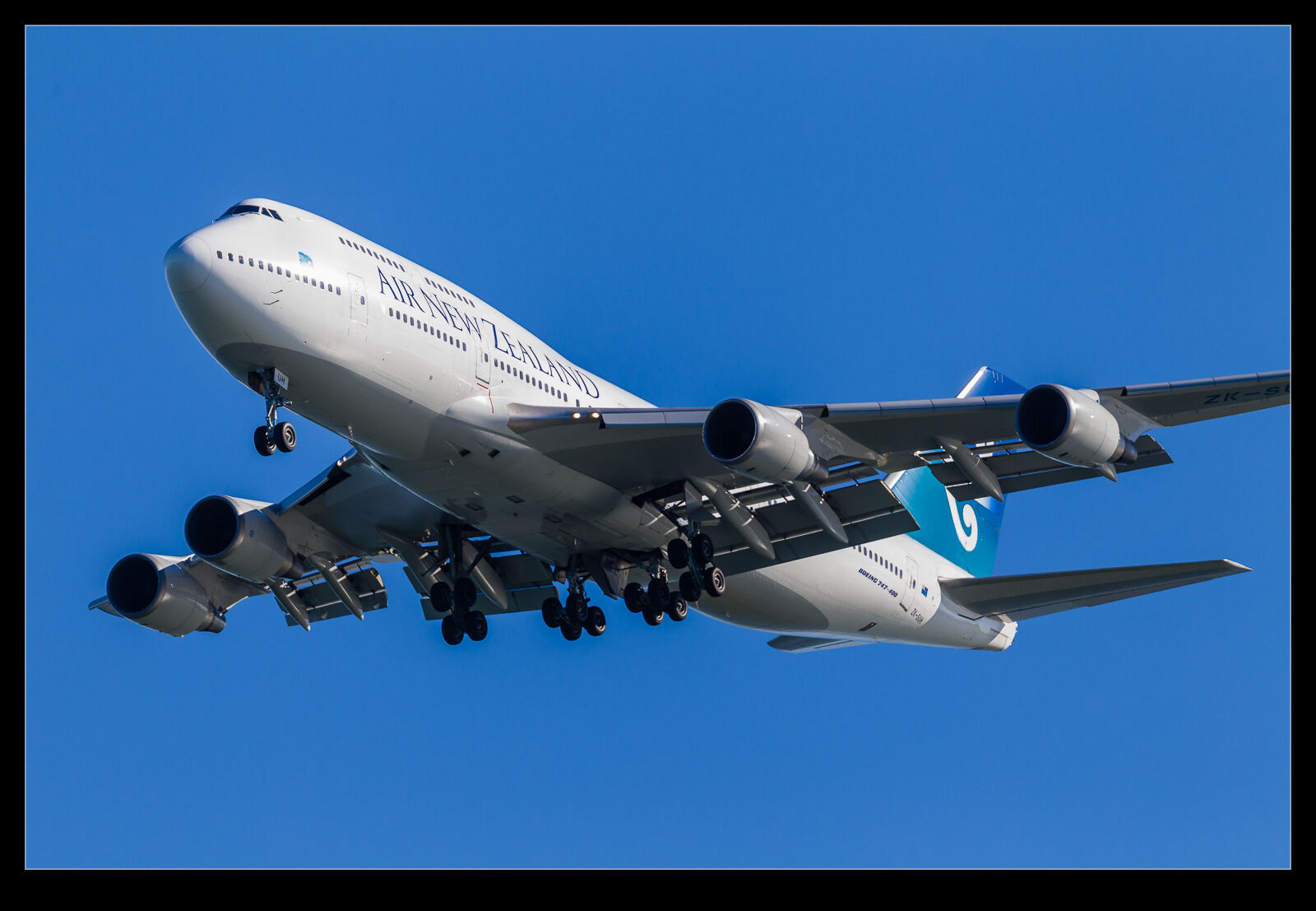
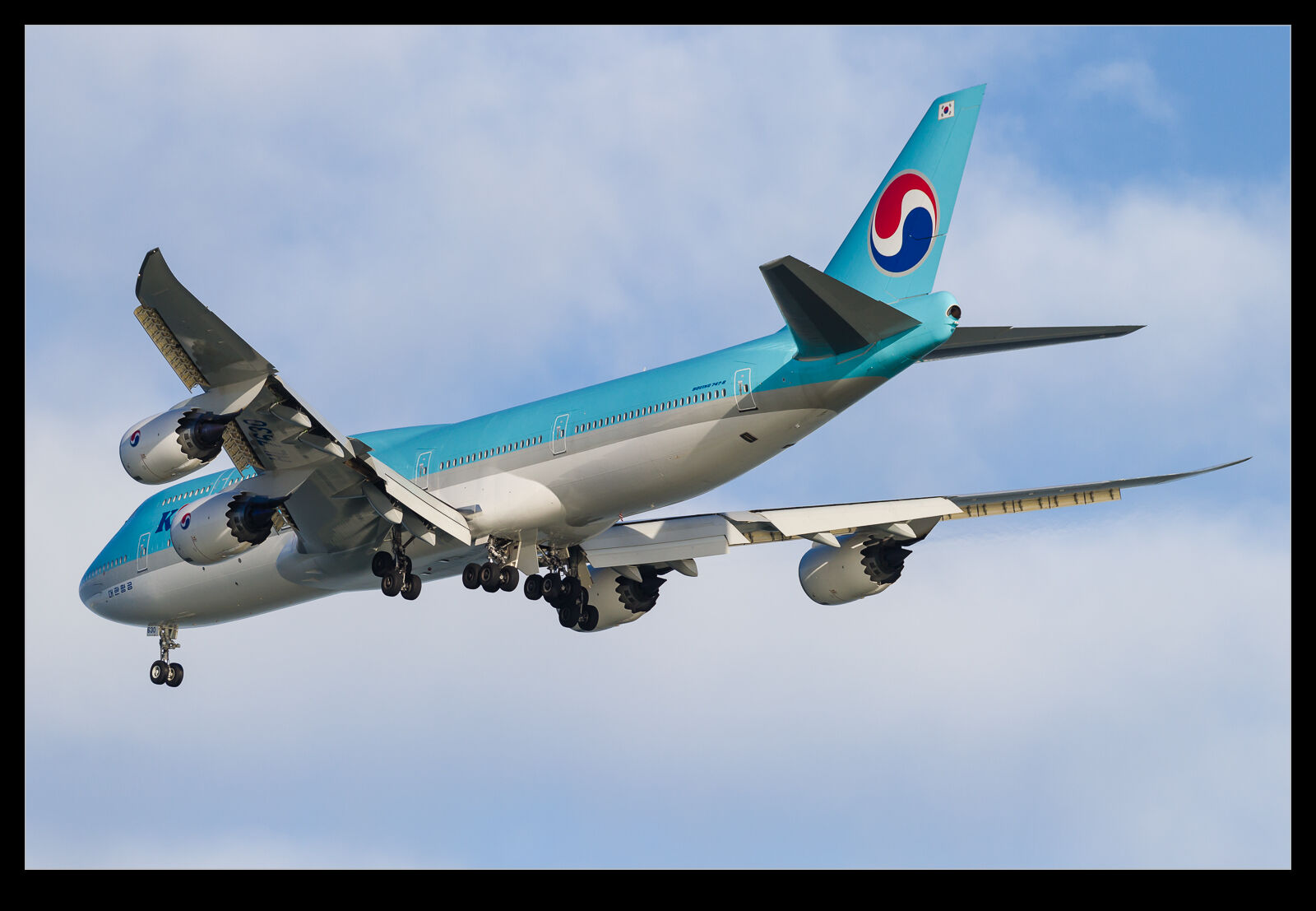
C59F2632.jpgThe wing came in for a lot of attention and was significantly redesigned.  The most conspicuous change is the introduction of the swept tips common to many Boeing designs these days.  Less obvious is that the flap system was completely redesigned.  The original 747 flaps, carried through on the 747-400 are very complex.  Sections are triple slotted.  The Boeing aerodynamicists came up with a single slot design to replace this which apparently has good performance but I imagine is a lot simpler to make and maintain.  Only from the rear on approach can you see the difference.  These shots compare a 747-400 from Air New Zealand with a Korean Air 747-8 and you can see for yourself how much simpler the new design is.

AU0E1681.jpg

Rafale A Demonstrator

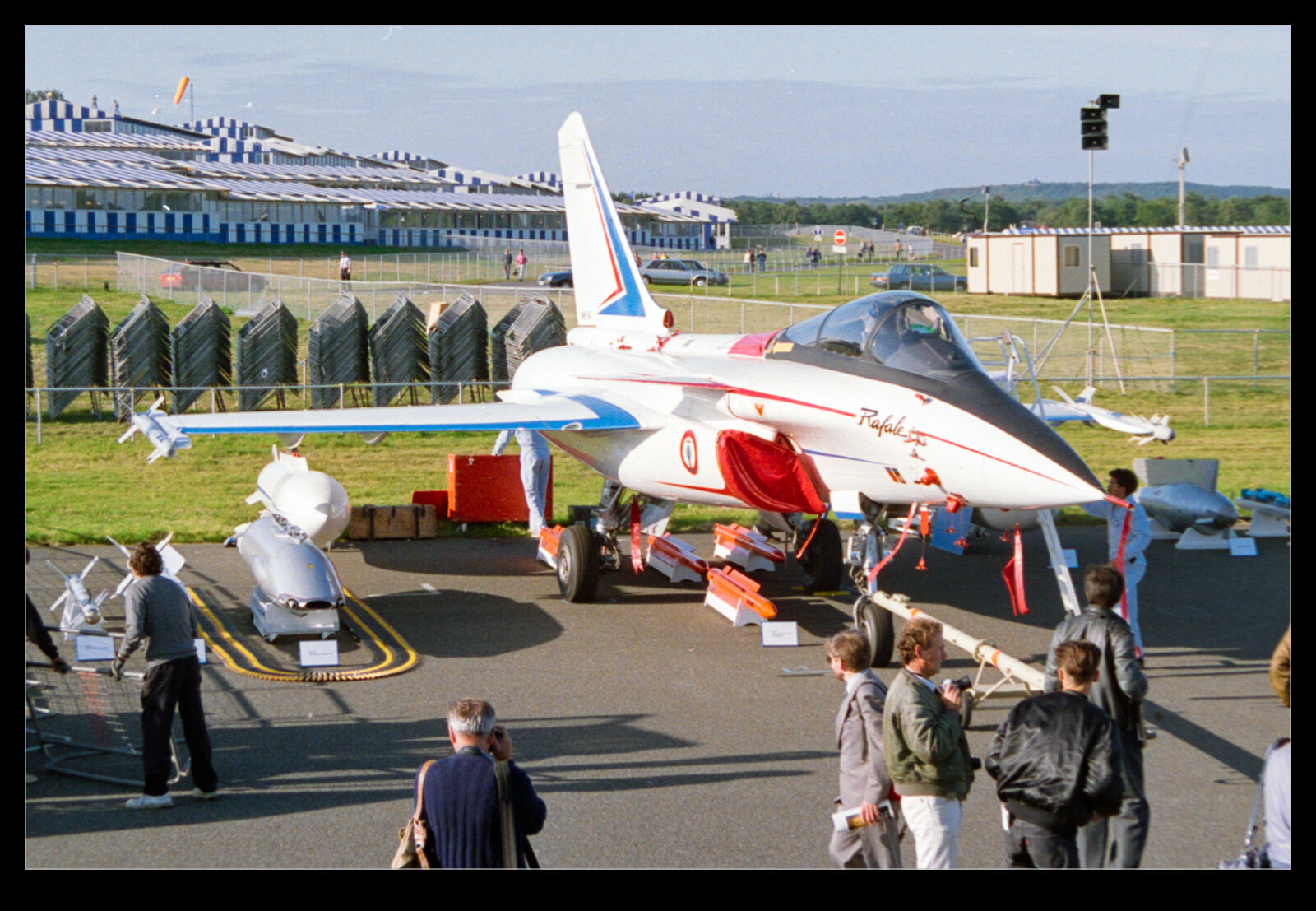
Scan 2-1502.jpgThe Dassault Rafale is a fantastic looking aircraft. Gradually being built in reasonable numbers, it has broken into the export market and has customers in Egypt and Qatar and probably India although exports to India are always hard to pin down! The French air force and navy will no longer be the sole operators. The Rafale B is a two seat version and the C is the Air Force’s single seat version. However, there was the Rafale A. One of them was built in the mid 1980s as a demonstrator. It looks almost identical to the production version but was actually slightly larger. Painted in Dassault’s house colors, it made a number of air show appearances. At the time, it was competing for attention with BAe’s EAP demonstrator. I didn’t get to see EAP until I got to Warton where I wasn’t able to photograph it!
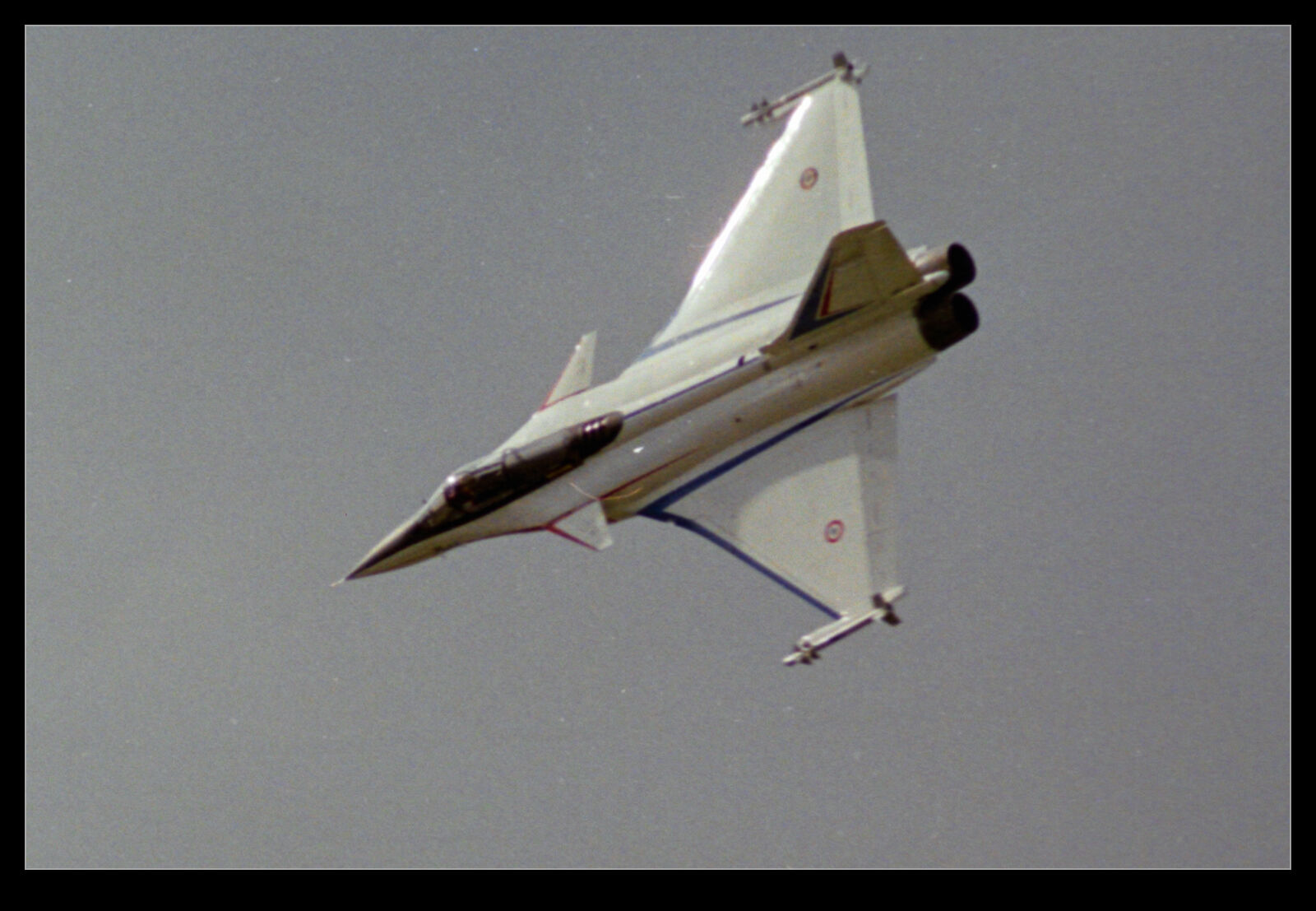
Scan 2-1535.jpgHere are some shots of the Rafale A. It was originally powered by GE F404 engines although later one was swapped for the M88 that would power the production Rafale. The first Rafale C was rolled out in an all black paint scheme which made it look very cool. The size difference is not immediately obvious but a number of detail design changes were incorporated too including lots of sensors required for an operational type rather than the demonstrator. The wing planform was also altered slightly based on the experience gained with the demonstrator. I understand that, when the aircraft was retired, it went to the Museum at le Bourget in Paris.

Scan 2-1536.jpg

A Different Angle on the Parallel Approaches

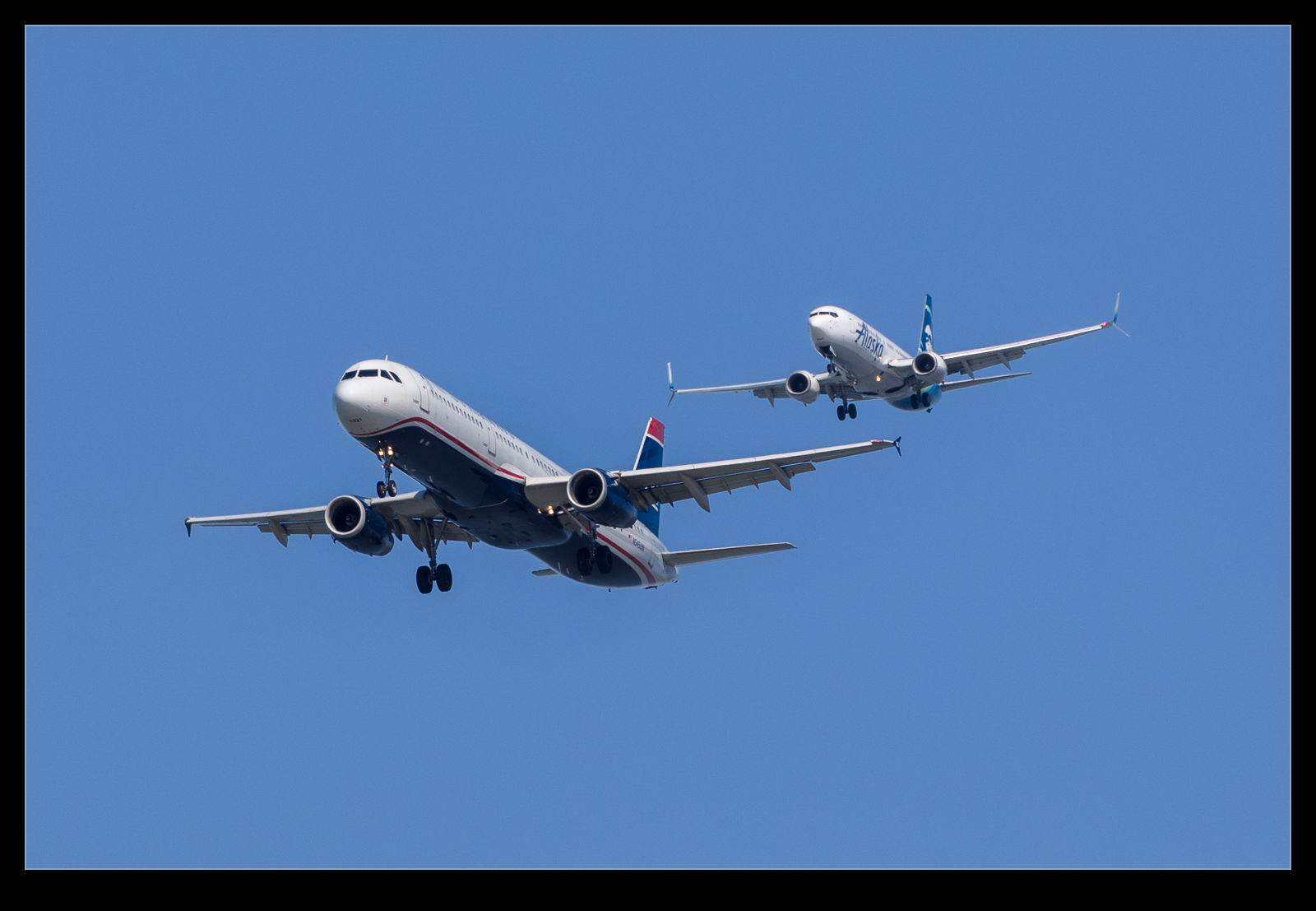
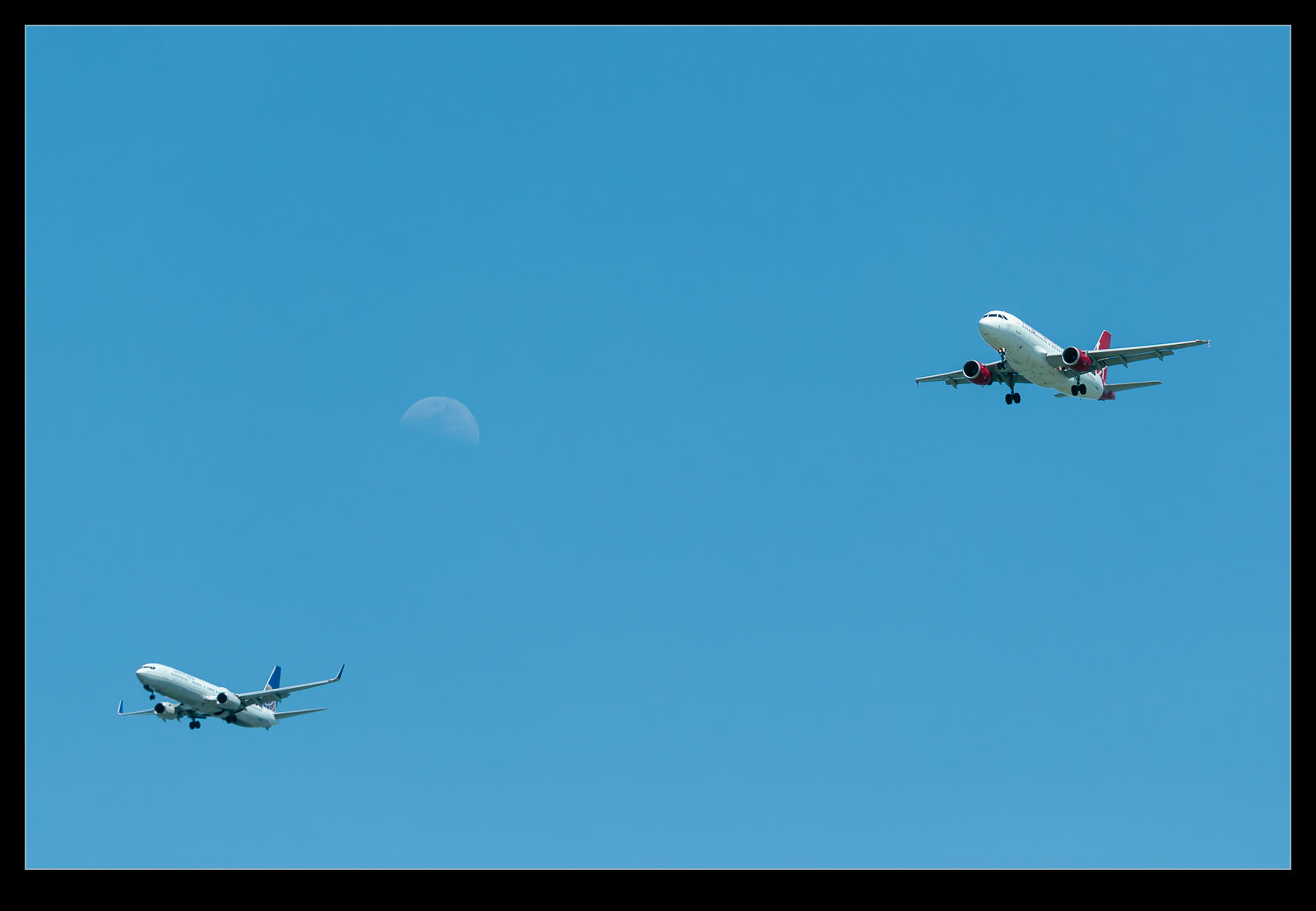
B11I0568.jpgThe parallel approaches to SFO are well known and have been the subject of previous posts here. This time I was looking for something different on this theme. I was at a favorite location of mine, Coyote Point. This is further out on the approach and a lovely park area. If nothing is happening, this is still a very relaxing place to be. It sticks out in to the bay with the result that you are much closer to the approach flightpaths. This makes for good opportunities to get shots of the aircraft and, in the warmer months, it reduces any problems with heat haze. However, it does change your alignment with the planes and the possibilities for parallel approach shots since the places appear to be stepped down from your angle.

B11I0258.jpgThis is not necessarily a problem so you can go vertical if you want. Also, it does make you well aligned for shots when the approaches are not happening in sync. You can find the second aircraft turning in further out is actually quite well lined up with the first since it is offset vertically as well as horizontally. The shots are not the classic parallel approach shots but they are still something a little unusual.