Category Archives: photo

Finally, We Get What We Came For

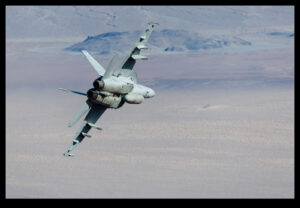
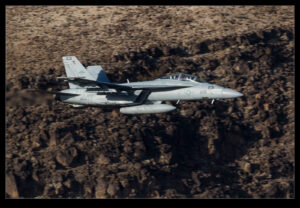
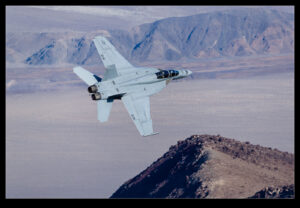
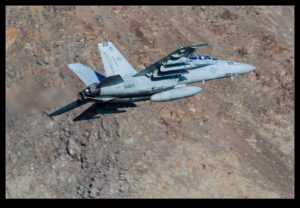
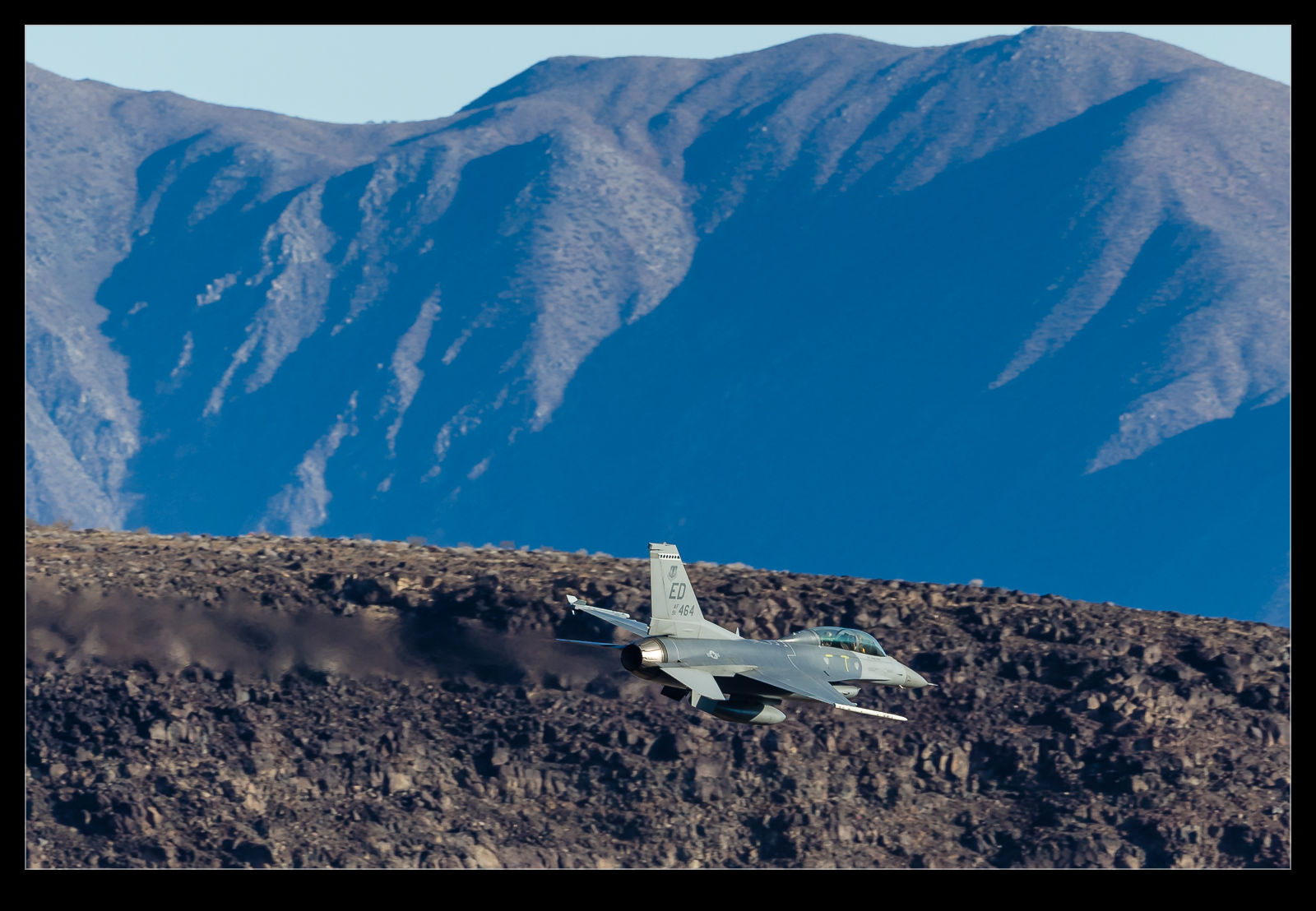
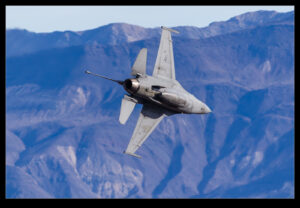
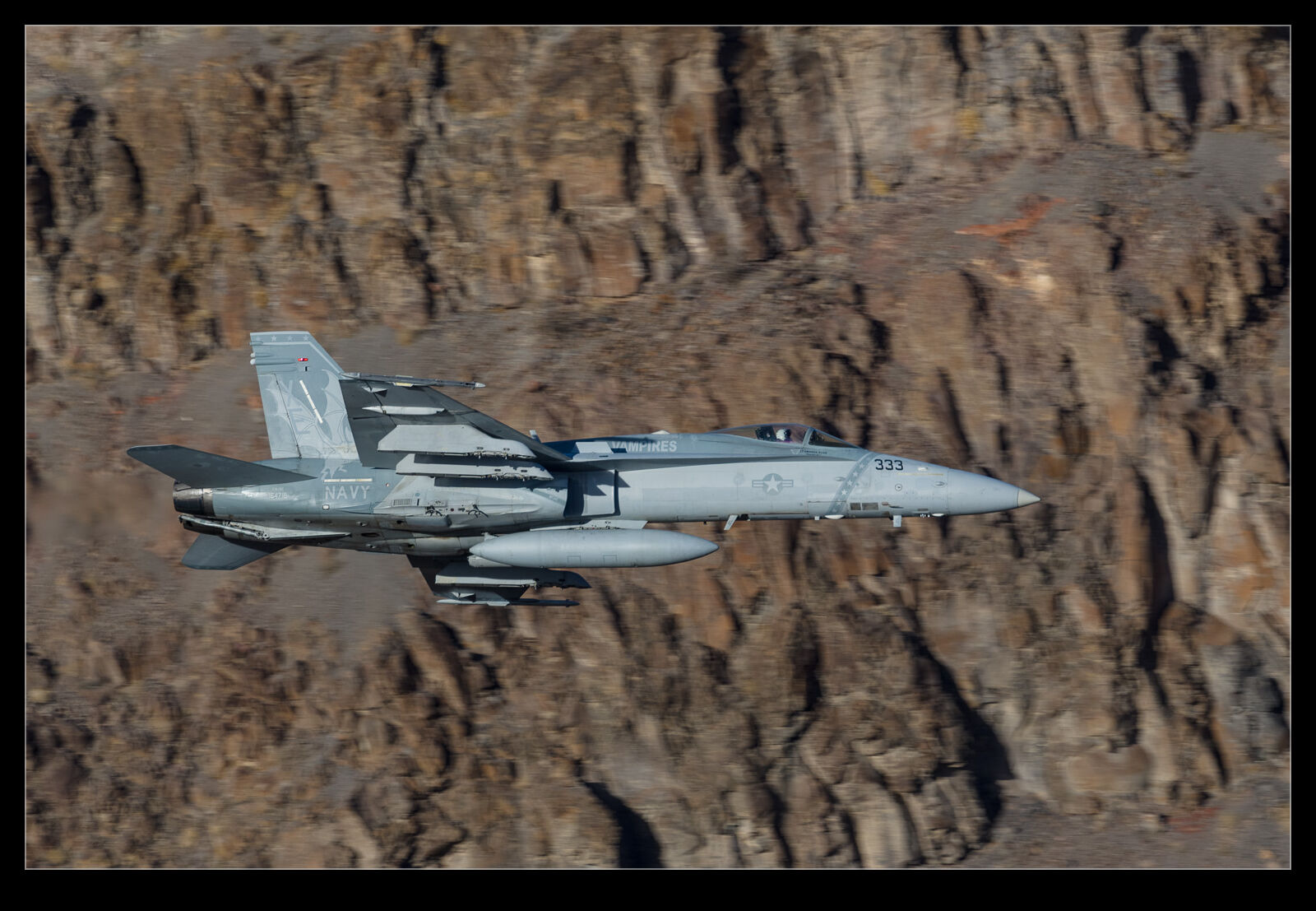
As my day at the canyon continued (you can read about the beginnings here), I got a bit more luck.  The Navy came to the rescue with some Hornets and Super Hornets making their way through the canyon.  One came in at an odd angle and then pulled out of the canyon over the overlook location.  This was fine for me but probably annoyed those further down the canyon.
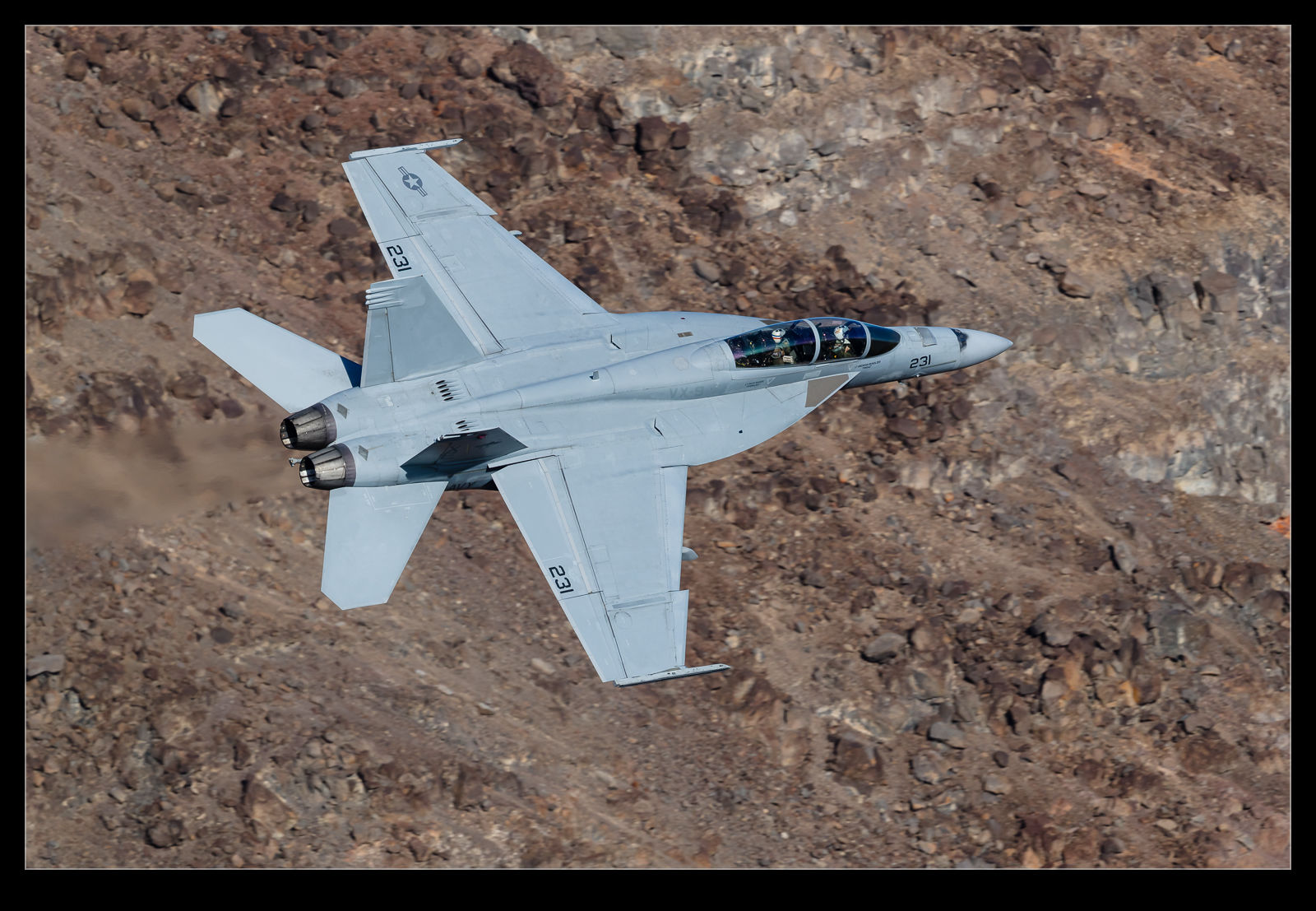
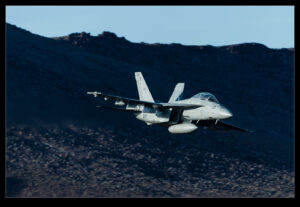
Then we got something a lot more like what we had anticipated.  Jets came in along the angle from the highway starting out a lot lower than those that had come across the ridge.  They could drop in a lot more quickly and be deeper into the canyon as they came by.  This was what it was all about.  They provided a last minute contribution to what I had come for and I was very grateful.  A few more would have been good but it was okay.
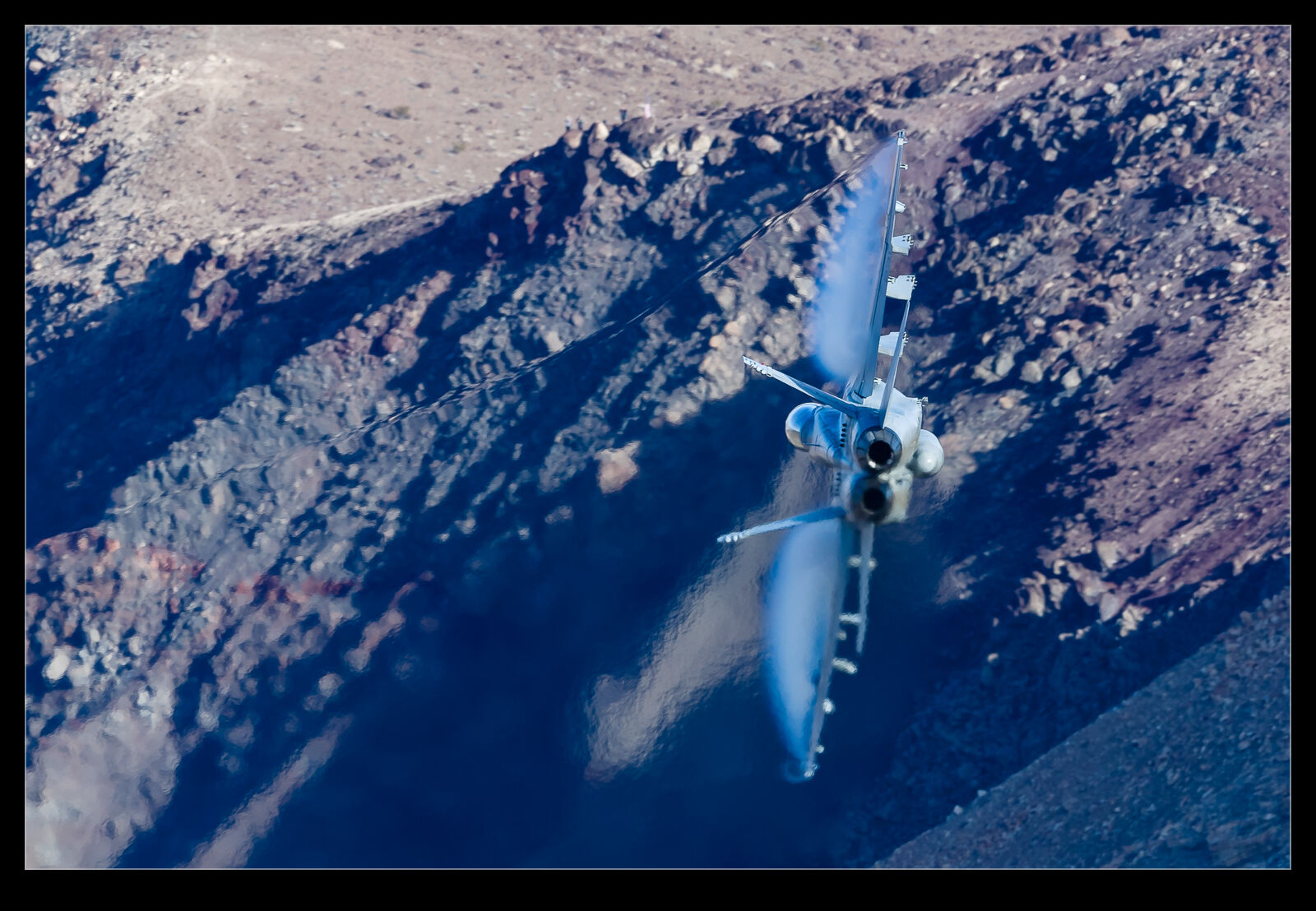
Once disappointing aspect of this was that, with so few jets coming through, I shot all of them.  I didn’t have the opportunity to waste so I never got to keep the camera down and just appreciate the jets transitioning through below me for what it was.  On my next trip I will hopefully get to do that as well as get some shots.

The Start of a New Stadium

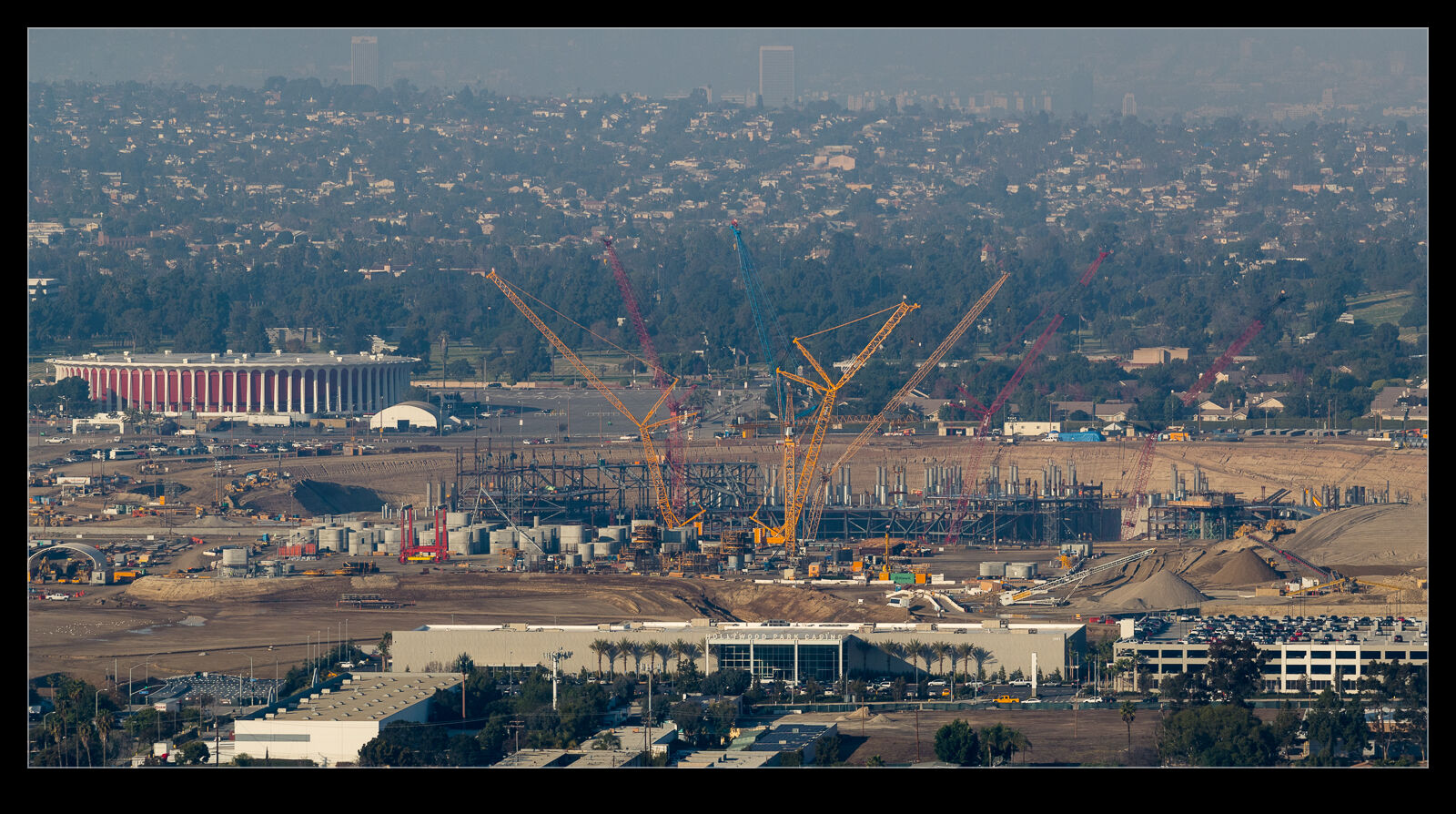
NFL fans in a couple of cities are still mourning the loss of their teams to Los Angeles.  With the Rams and the Chargers both now based in LA, a new stadium is being built to accommodate them.  Meanwhile, they are playing in existing stadiums.  The new stadium, when it is finished, will be one of the most extravagant designs and will be used for other tasks including the future Olympics.  Right now, construction work is underway.  I saw the work site from my plane as I came in to LAX but didn’t have the camera to hand.  However, when flying above LAX in the helicopter, I was able to get some shots at a bit of a distance of the work in progress.

Boomer Position in a 747

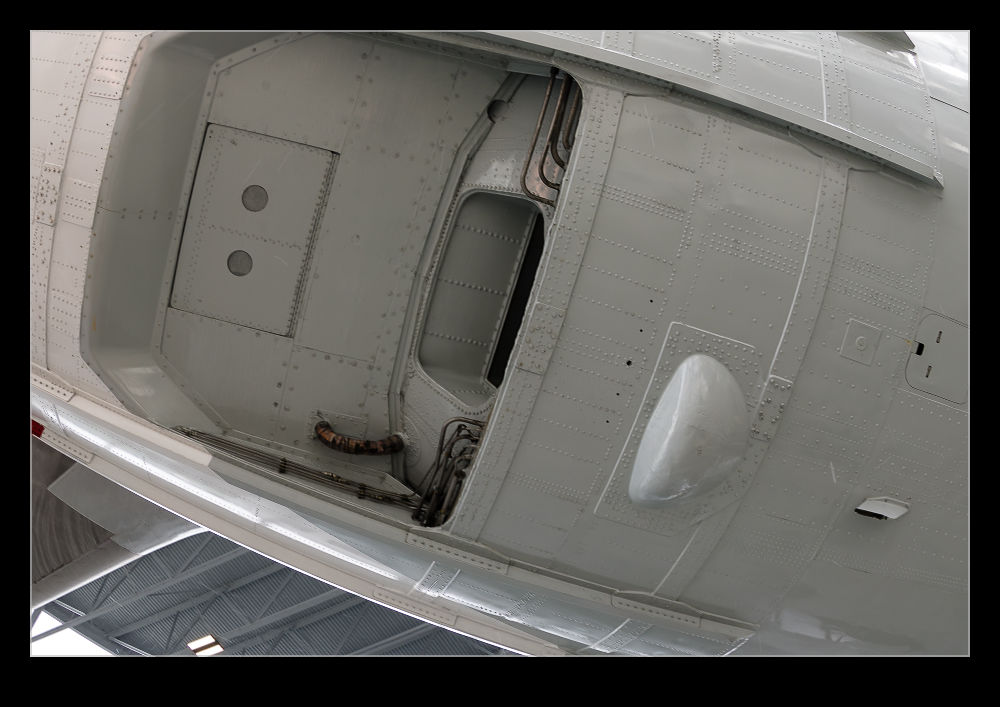
If you think of aerial refueling tankers, the Boeing 747 is not going to be the first plane that jumps to mind.  However, a tanker version of the 747 was developed and is in service to this day in Iran.  I haven’t seen one of those planes but, before they were built, Boeing undertook testing of the configuration on their testbed, the original 747 prototype.  This is on display at the Museum of Flight in Seattle.  When we were walking through the fuselage, we got to the read and found the boomer station.  Apparently, it was not removed after installation.  It looks remarkably similar to that from a KC-135 so I guess they ported the design across rather than come up with something significantly different.

Lake Washington Sunset

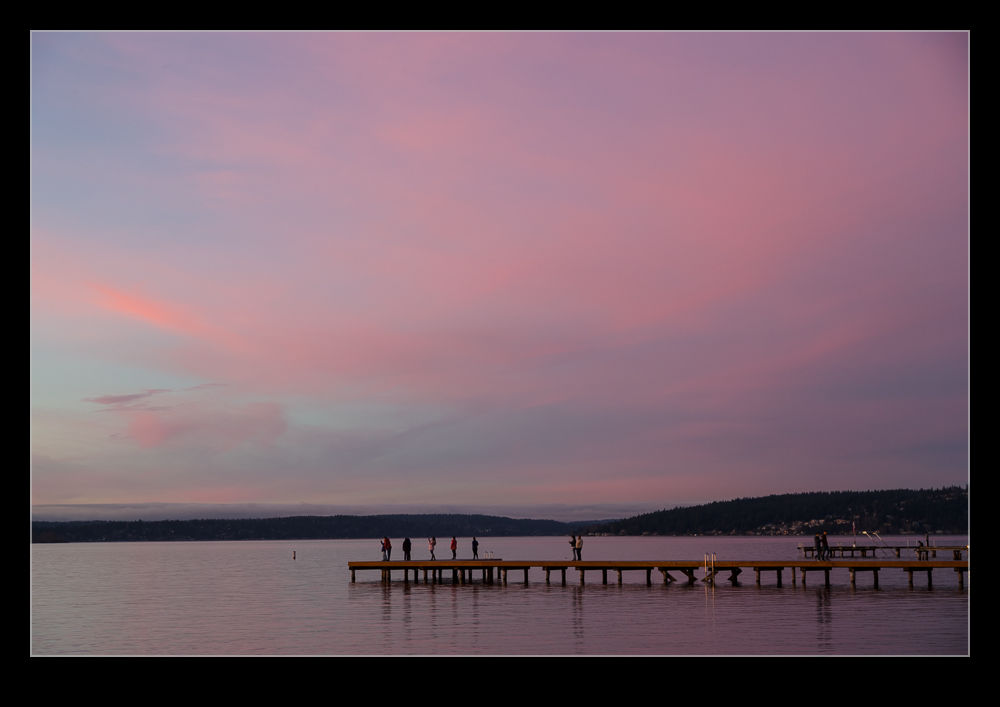
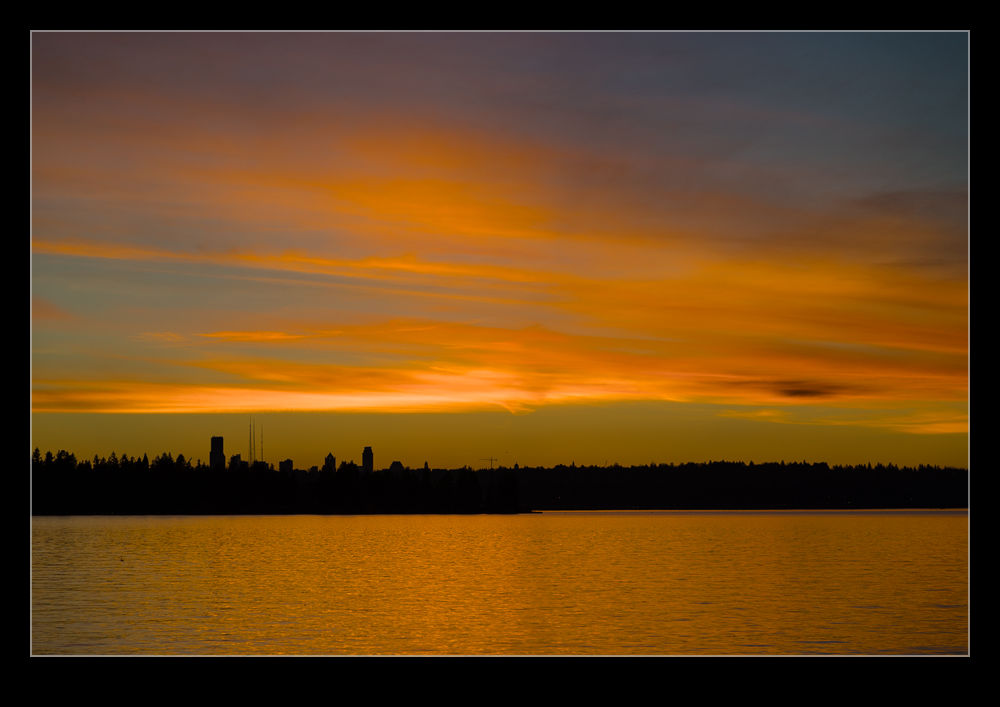
Sometimes you are just in the wrong place when the conditions are right.  We were driving across the floating bridge that takes SR520 between Seattle and Bellevue one evening.  The sun was going down and the sky to the north was pink.  The water of Lake Washington was smooth and was reflecting the sky beautifully.  We were in a car doing 60mph so there was nothing to be done about it.  Once across the bridge, I avoided the freeway and took Lake Washington Blvd towards home.  It runs alongside the lake and, while a slower road, it is a shorter distance and a more pleasant drive.

As we got alongside the water, the sky was still looking rather impressive.  The pink to the north had faded but the sky to the west still looked great.  There is a park along the shoreline and I zipped in there to see if I could find a parking spot.  Sure enough, someone had just left so I hopped out and took a few shots before the whole thing was done.  The orange in the sky towards downtown Seattle was very intense and it all looked great.  I guess I got a second bite of the apple.

My First Trip to the Canyon

Photographing low flying jets in their environment is a popular challenge.  The Loop in Wales is a great hunting ground.  I have driven through there a few times and flown through there once but I have never been on a photo expedition there.  Once I got close to setting up a trip but things got in the way.  In the US, Rainbow Canyon is a popular spot.  This canyon is known by a variety of names but it is well known for having jets flying through below the rim of the canyon so you can get shots of them beneath you.

I arranged to head there a short while ago with a buddy of mine.  The two of us were going to meet in LA and head up.  Sadly, he was unable to make the trip at the last moment but I figured I would go anyway as winter is a more acceptable time to be in Death Valley National Park and the chances of finding the time again soon were limited.  I did stay up in Palmdale to shorten the drive a bit.

The trip had mixed results.  We did not have a busy day.  Plenty of jets could be heard overhead or in the distance but the number coming through the canyon was low.  I probably got nine passes that day.  More disappointing was how some of them were quite high and not against the backdrop of the rocks.  Things did improve though…

Night Waves

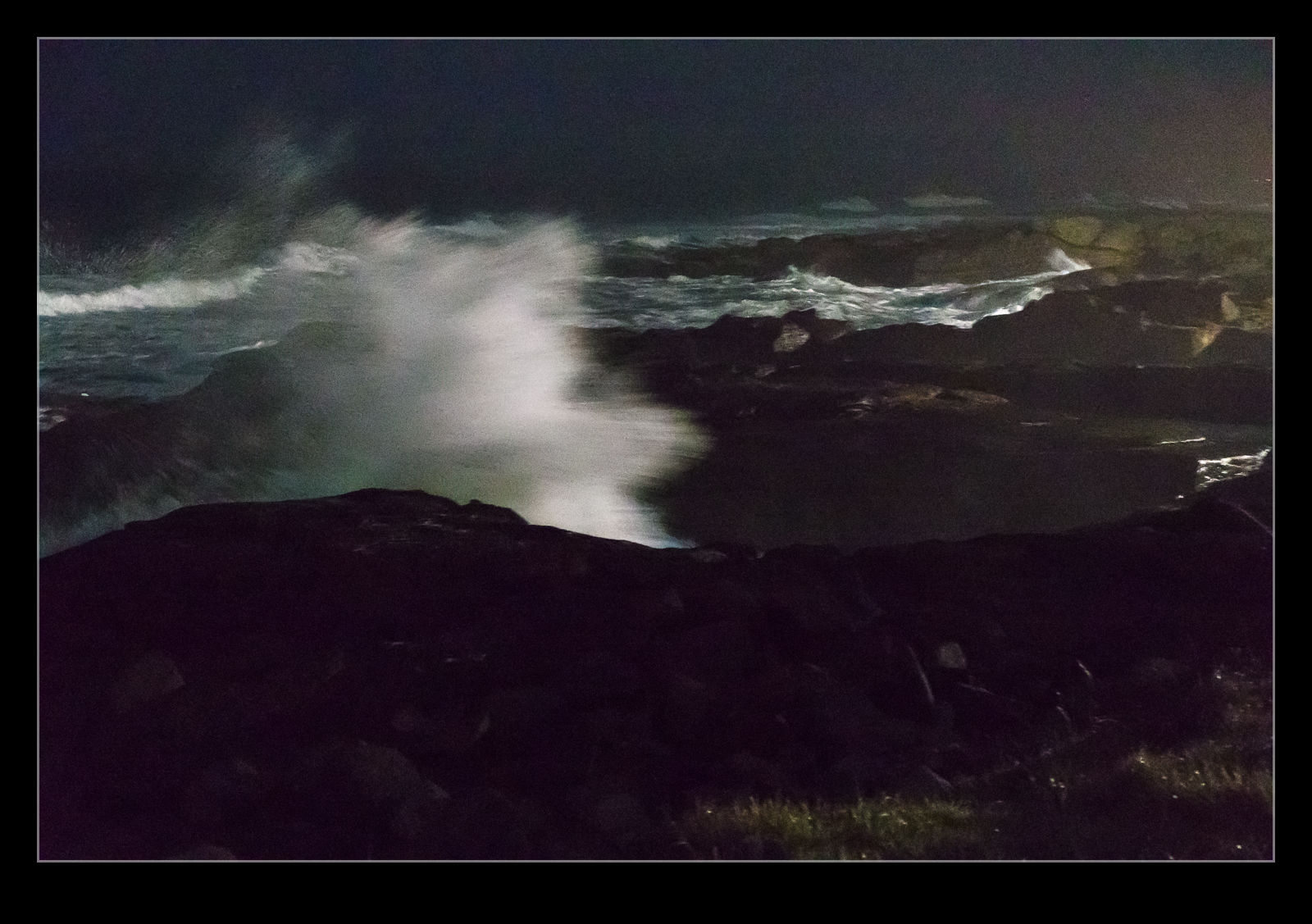
After dinner one night in Yachats, I decided to go out and see what I could make of the waves crashing on the shore at night.  A number of lights were trained on the shoreline from the local properties so it wasn’t too dark out there.  Even so, it certainly wasn’t very light.  Time to test the low light capabilities of the cameras.  The fact I was going to get slow shutter speeds didn’t bother me particularly as I was interested to see the effects that I could get showing the motion of the waves.

Light levels were indeed better than I had anticipated and I was able to get a lot of shots that came out okay.  There was a good element of luck involved too.  Waves are horribly unpredictable.  If you see something good, you can almost guarantee it won’t do it again and, even if it does, it will be ages before the next set of waves comes in and, even then, the big wave will break differently.  Also, some of the shapes they make turn out to look good in the shot and others are just indistinct messes.  Nothing to do but hang around for a long time and try and lot of different shots and see which ones work.  This randomness is a little frustrating as you feel you should be able to do something to improve but, in this case, it is a case of being there.

Trailing Static Cones

For the people that don’t care for my aviation posts, this one won’t be of interest.  For the aviation fans that don’t care about the techie stuff, this will also be of limited interest.  That probably leaves a very small group of readers by now (Gary, I am trusting you are still here).  This is about a piece of flight test instrumentation that often causes questions when people see it.  It is the trailing static cone.

The aircraft has sensors that measure air data, two of the most important of which are the pitot probe and the static port.  The pitot probe measures the dynamic pressure of the air which increases as the speed increases.  The static port measures the air around the aircraft.  The difference between the two is used to determine the speed of the aircraft and the static is used to determine the altitude.  These are both vital information for a pilot.  However, the aircraft affects the flow of the air around it so, while you can calculate what the pressures should be, you need to validate what the actual readings are.  The first flights are carried out prior to calibrating the system so you need to have a bit of margin in the speeds you use until you have confidence in the readings.

Measuring static pressure is hard to do.  The plane will have a static port on the skin of the plane as well as possibly incorporated with the pitot head.  However, the air has accelerated to go around the fuselage so it is assumed to have a lower pressure than ambient.  Because the plane is disturbing the flow, you need a way to measure the pressure some distance away from the plane.  The answer is a trailing static cone.

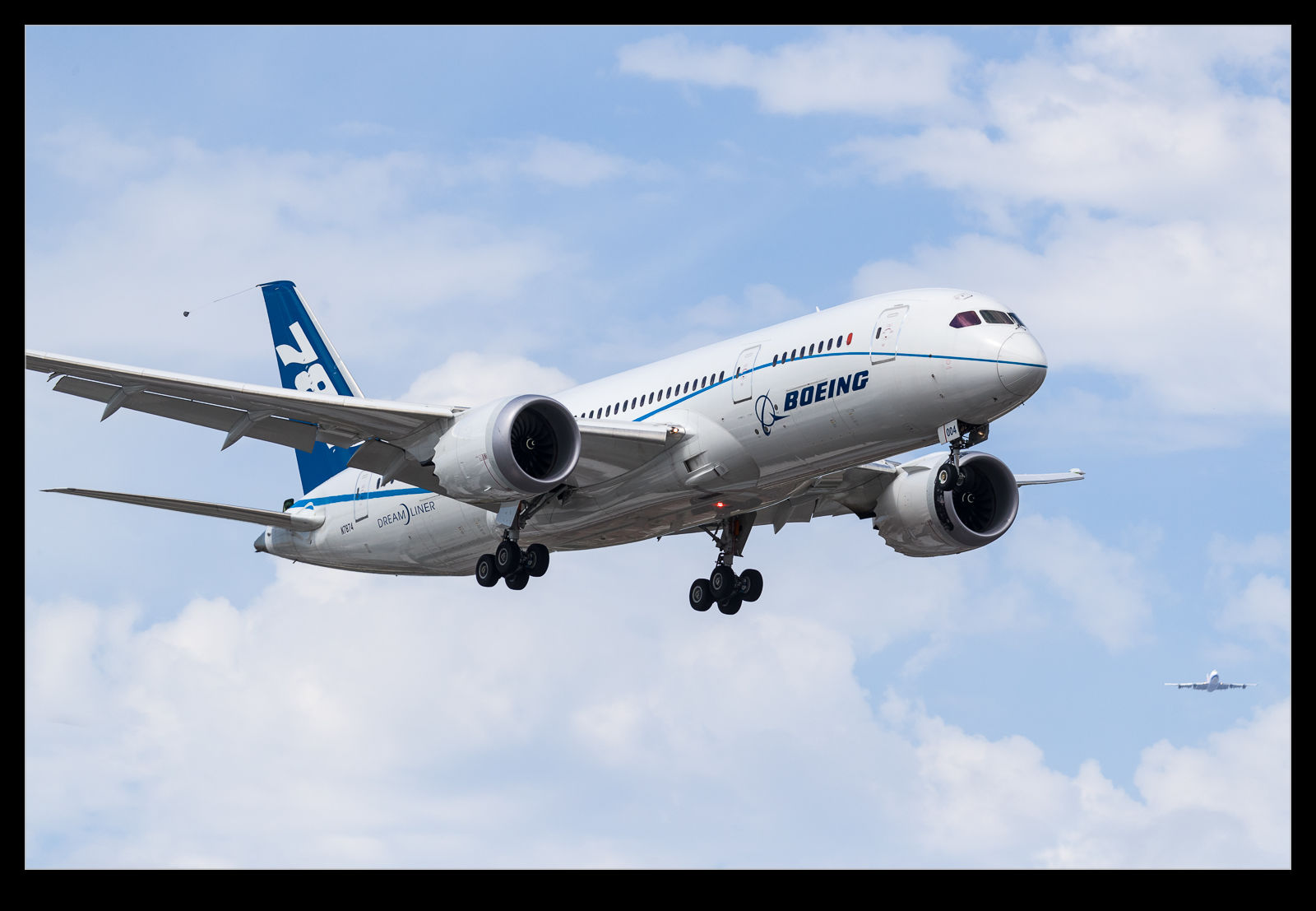
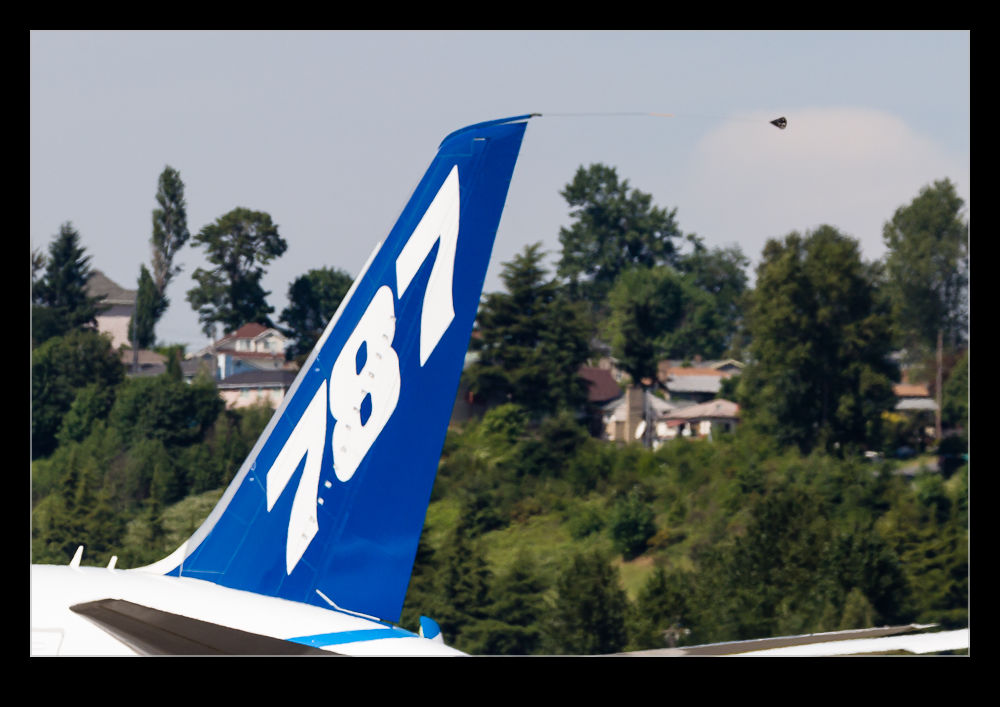
This cone incorporates pressure measurement sensors and it attached to a long cable.  This is held on a reel inside the aircraft and fed out of the aircraft at the rear.  For airliners, this is usually through a modification to the top of the fin.  A comparison between the test aircraft and a production jet will show the different structure.  The cable dangles out of the fin and, as the speed increases, the cone pulls the cable taught and streams backwards.

When the testing is required, the cable is winched out and the cone is a long way behind the aircraft in what is relatively undisturbed airflow.  If you go to the Museum of Flight, the prototype 747 is on display and it includes the trailing cone equipment in the fuselage.  The reel is shown in its mounting location and the trailing cone is hung inside to allow you to take a look at it.

Electric Vehicles

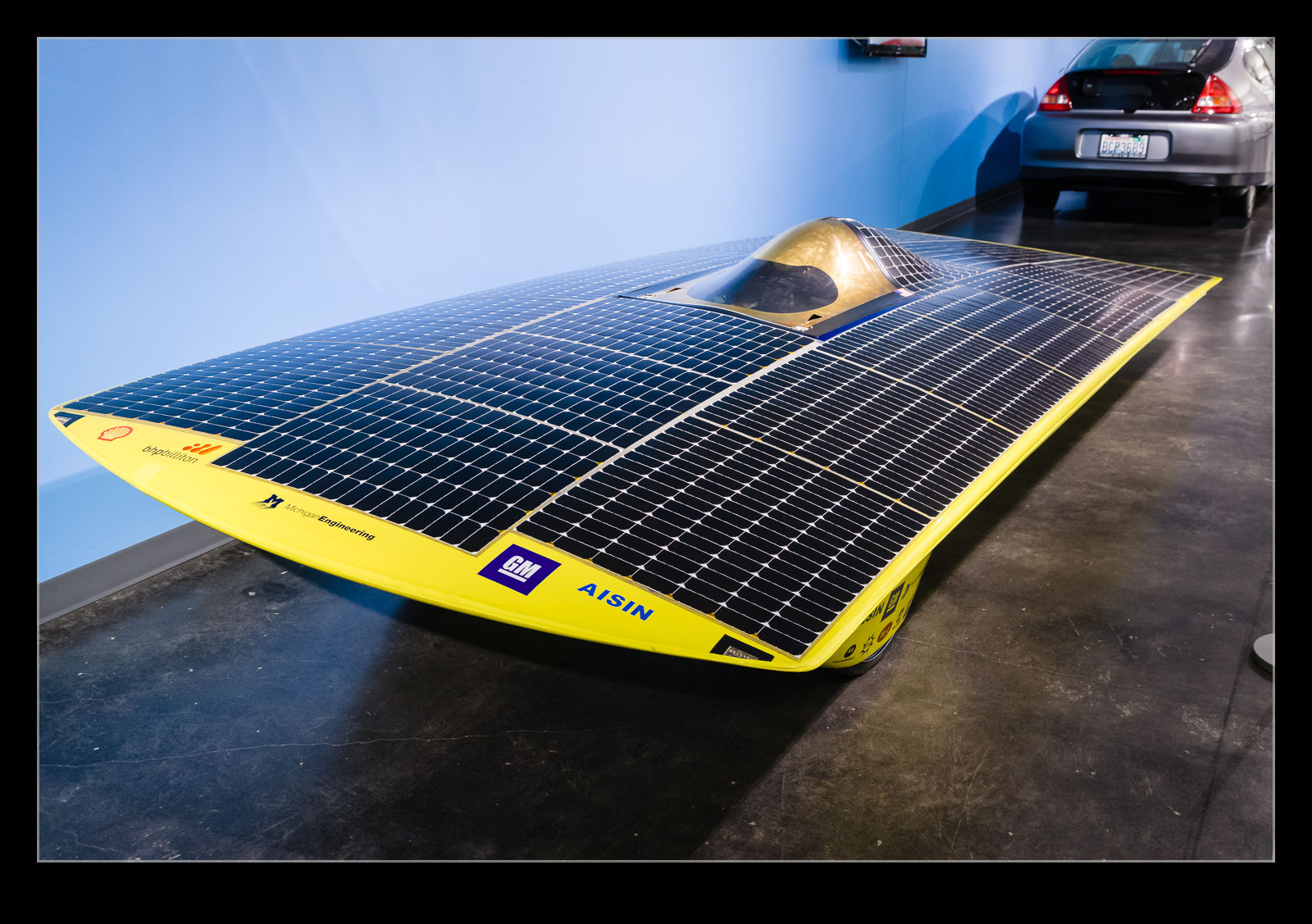
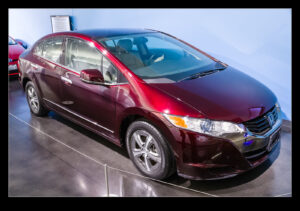
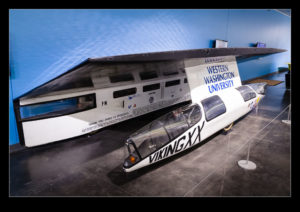
America’s Car Museum in Tacoma is a tribute to automobiles of all sorts.  While the internal combustion engine is dominant throughout the museum, they do have a section that is focused on electric vehicles.  This includes the sort of car you might expect to see and some that are a touch more exotic.  The research/competition cars are strange looking things.  Aerodynamics dominate in vehicles that are clearly aimed at maximizing efficiency while not worrying about things like handling or utility.  Having a whole roof section of solar panels is impressive.

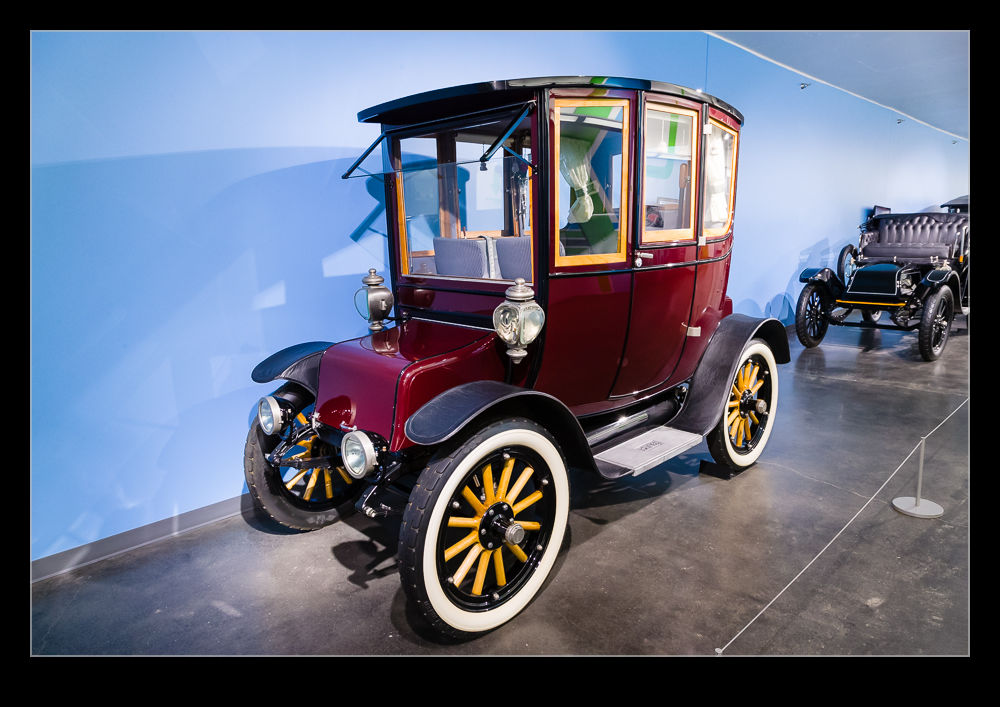
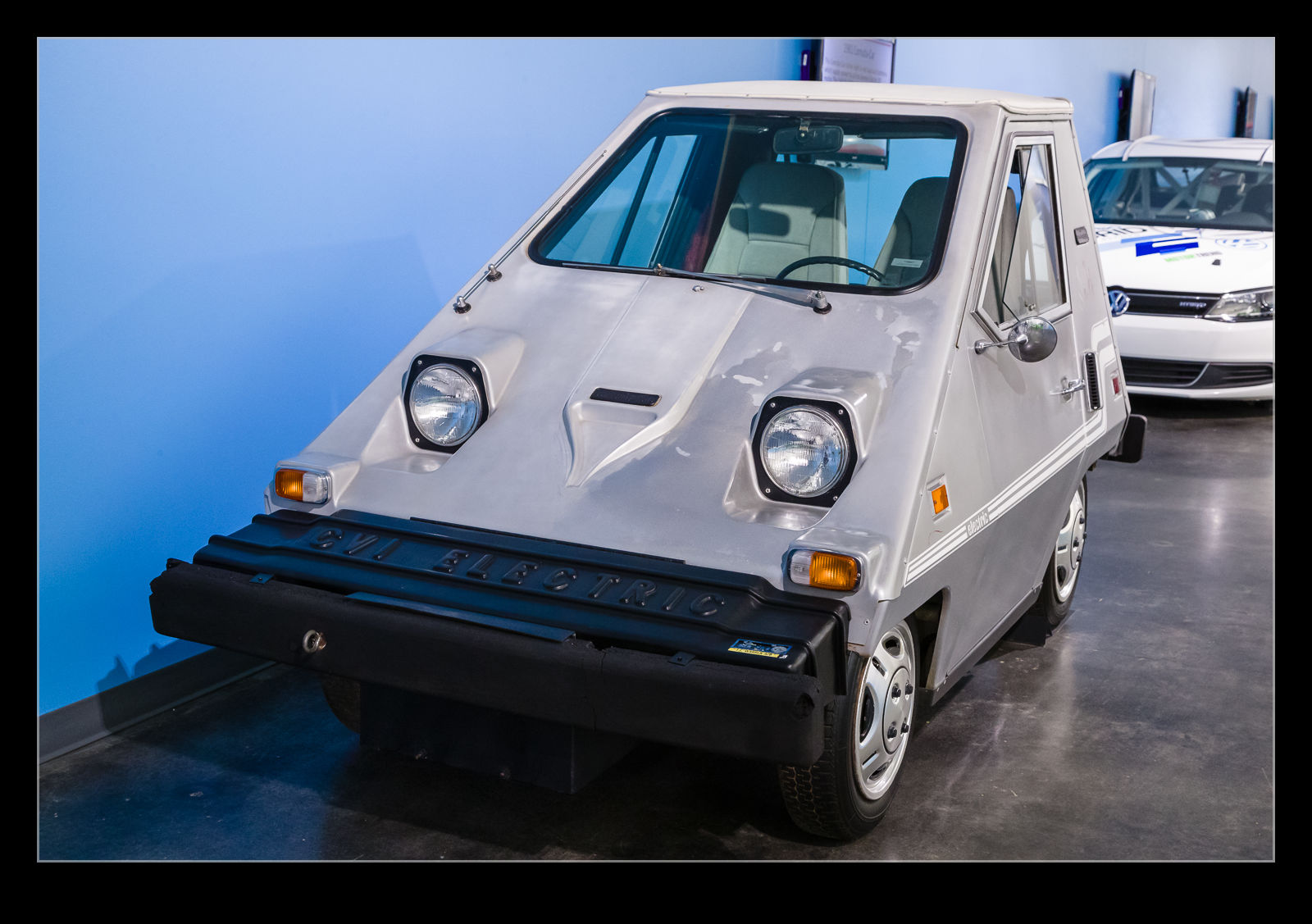
Not all of the vehicles are that extreme though.  Others are the sort of thing you are used to seeing on the road.  Some of the original electric road cars (including those from the Victorian era) are there and also some concept demonstration vehicles that are likely to lead to something in production before too long.  These already look just like any other car on the road today.

Two Avantis in One Go!

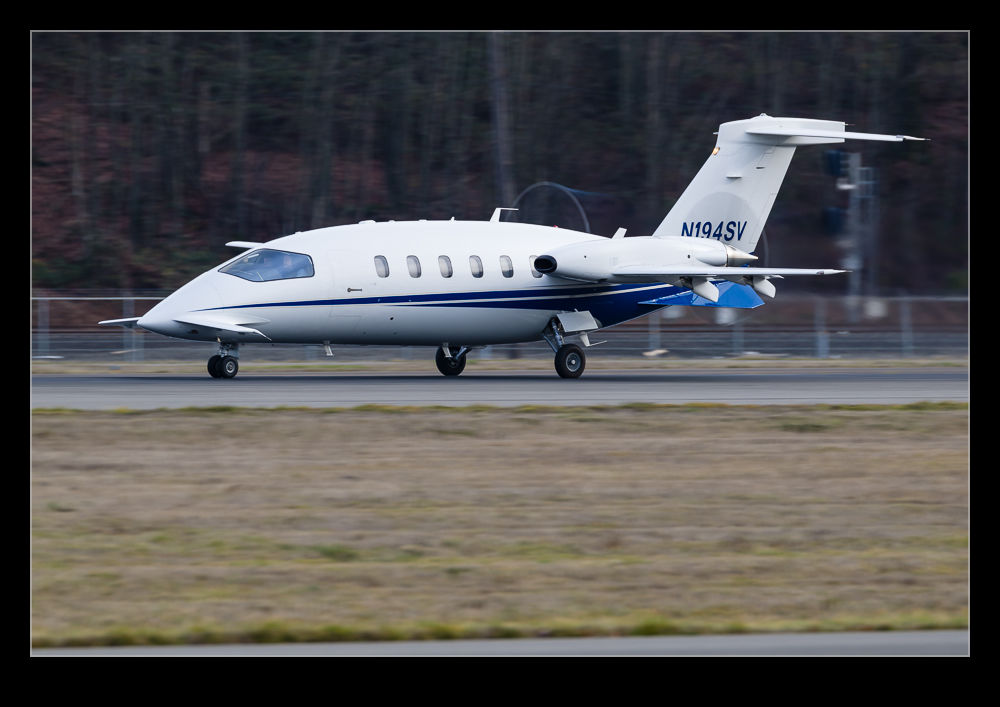
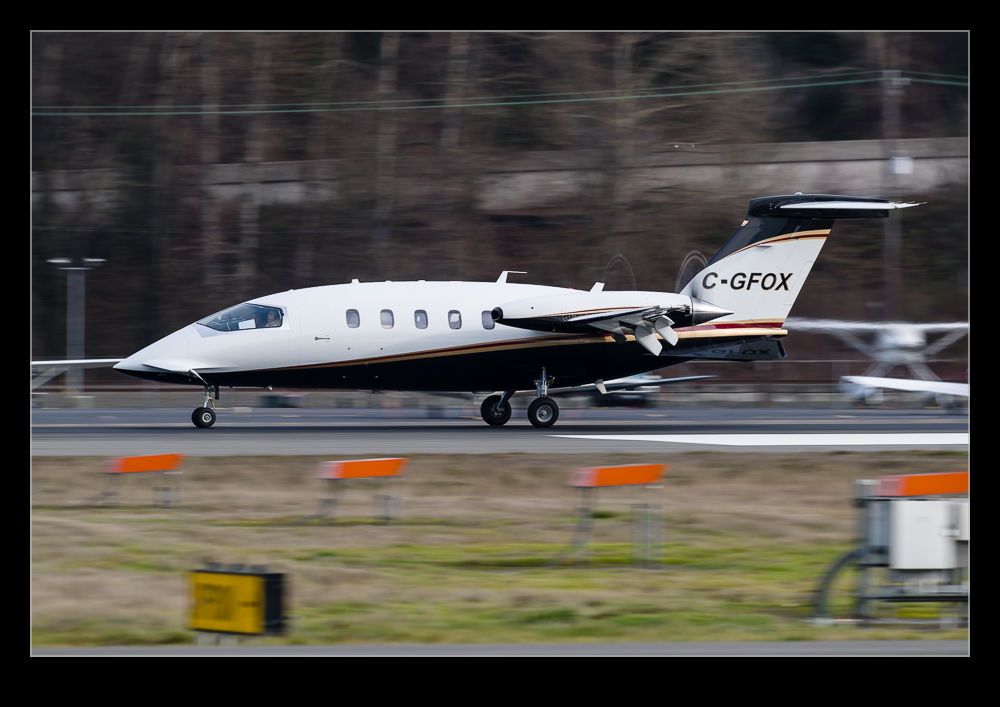
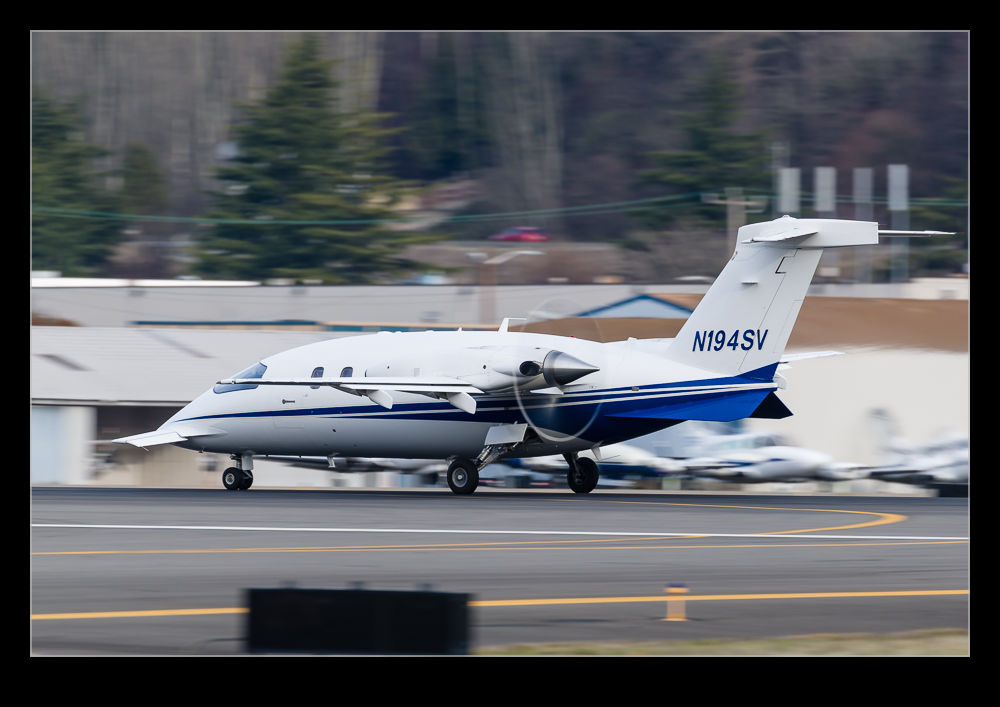
Not long ago, I posted about seeing an Avanti for the first time in a while.  The lack of Avantis having been broken, I have seen a couple more.  I saw that one had come in to Boeing Field and I was there before it fired up for its next flight.  It taxied out on the opposite side of the field and then took off to the northeast.

A short while later, I saw a silhouette of a plane on approach and looked closer to see what it was.  It looked pretty like an Avanti so I figured it was the same aircraft returning for some reason.  I was a bit bothered that something might be wrong but happy to get another chance to shoot it.  As it got closer thought, it was clearly not in the same paint scheme.  Instead, it turned out to be a Canadian registered example and a pretty nice looking one at that.

Getting two Avantis within a short space of time was an outcome I was pretty pleased with.  Unfortunately, I couldn’t hang around to get the departure of the second example.

Sounder’s New Cab Cars

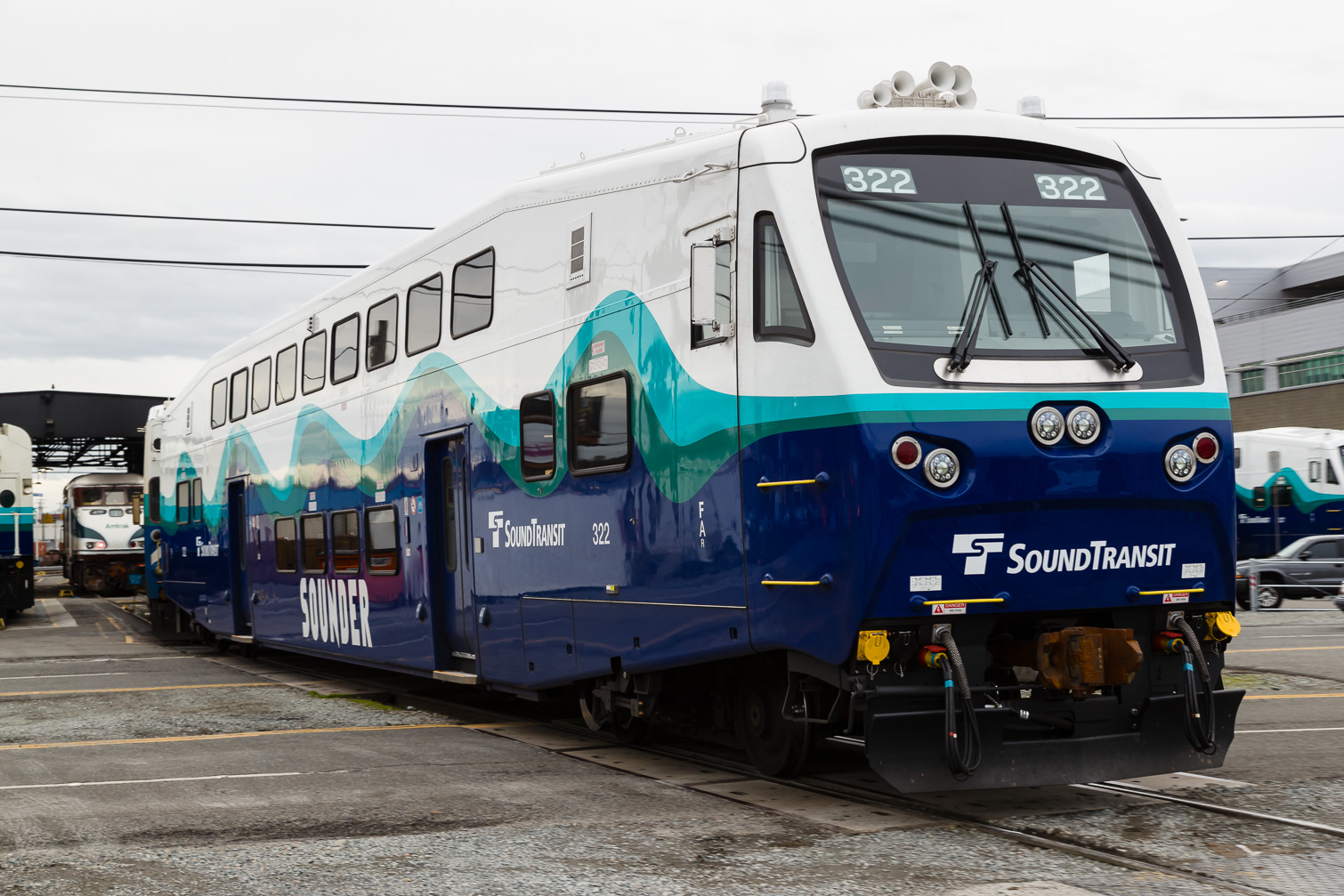
New locomotives are not the only new vehicles to have shown up in Seattle.  Sound Transit runs the Sounder commuter rail service in the area and they have been taking delivery of new cab cars.  These are built by Bombardier, as were the previous cab cars.  However, this is a new design that incorporates crash energy management technology.  As a result, they have done away with the passenger gangway on the front of the vehicle and provided a full width cab for the engineer.  It provides a slightly more elegant front end to the vehicle than the previous design.